
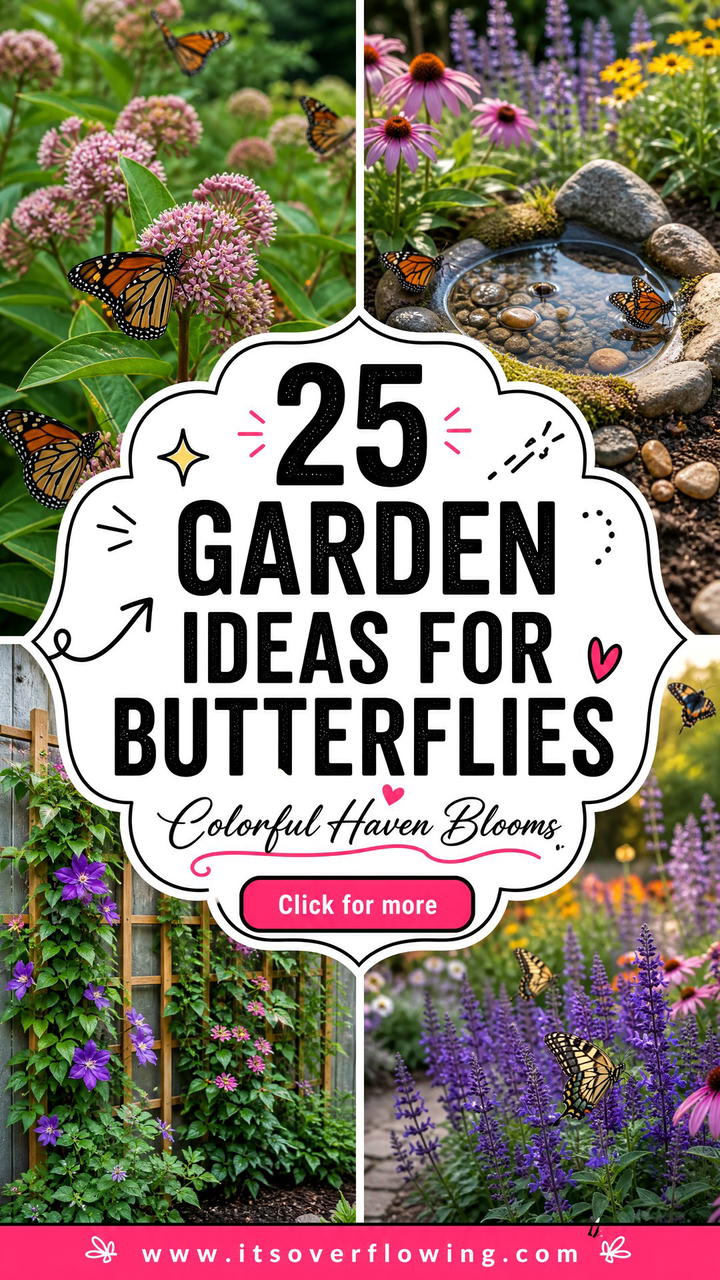
Creating a sanctuary for butterflies in your own backyard is one of the most rewarding projects any gardener can undertake today. It is about more than just aesthetics because you are actively supporting a vital part of the local ecosystem. Butterflies are important pollinators that help our plants grow and provide a sense of peace to any outdoor space. By choosing the right plants and features, you can turn a simple lawn into a vibrant haven full of life and color. This guide will walk you through various ways to invite these winged beauties to stay. You will learn how to provide food and shelter in a way that looks beautiful and stays easy to maintain all year long.
1. Native milkweed patch
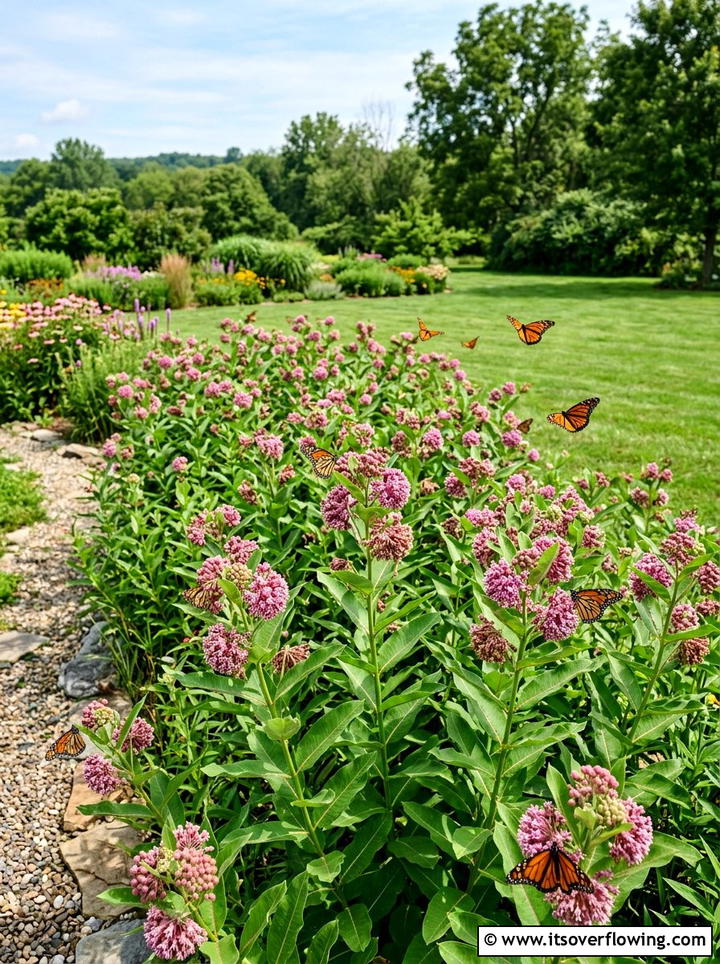
A native milkweed patch serves as the essential foundation for any successful butterfly garden because it is the only food source for monarch caterpillars. When you plant milkweed, you are providing a nursery for future generations of these iconic orange and black butterflies. You should choose varieties that are local to your region to ensure they thrive in your specific climate and soil conditions. Planting them in a dense cluster makes it much easier for mother butterflies to find them while flying overhead. These plants also produce beautiful clusters of pink or orange flowers that smell wonderful in the summer breeze. It creates a lush and wild look that anchors your garden beds perfectly.
2. Pollinator puddle station
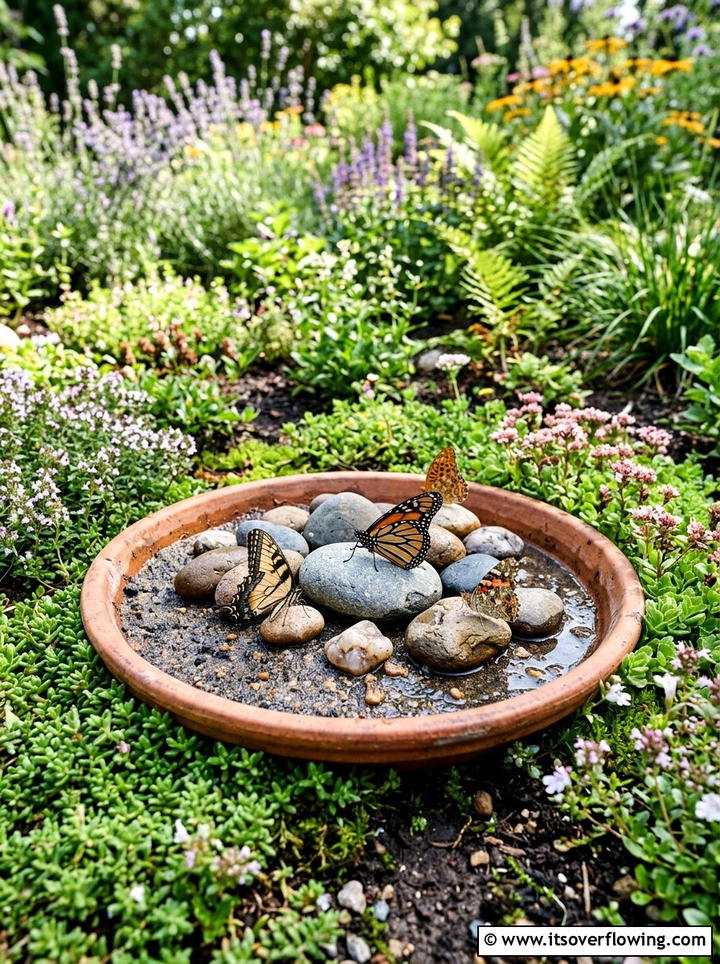
A pollinator puddle station provides butterflies with essential minerals and salts that they cannot get from nectar alone. You can create this by placing a shallow tray or birdbath lid at ground level and filling it with wet sand. Place a few flat rocks on top so the butterflies have a dry place to land while they drink. It is important to keep the sand damp but not flooded so the insects can easily access the moisture. This simple feature mimics the natural mud puddles found in the wild. Watching a group of butterflies gather around the station is a delightful sight that adds movement and life to your garden floor.
3. Butterfly habitat hedge
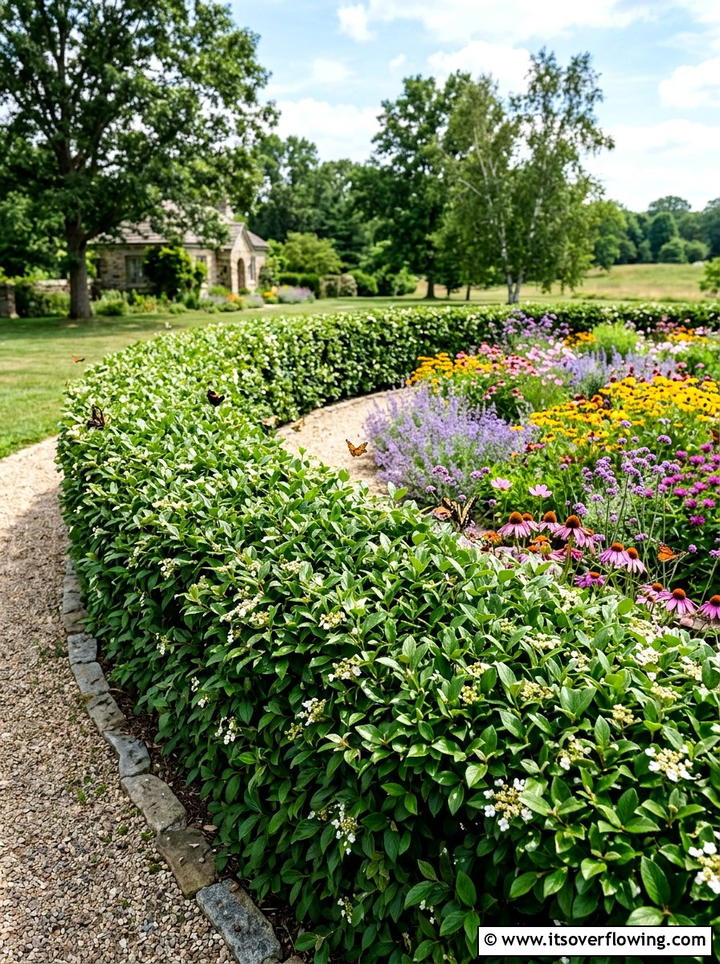
A butterfly habitat hedge acts as a protective barrier against strong winds while providing a safe place for insects to hide. You can use native shrubs like spicebush or viburnum to create a soft perimeter around your garden area. These thick branches offer shelter from heavy rain and provide a spot for butterflies to spend the night. Many of these shrubs also serve as host plants for different species of swallowtail caterpillars. By planting a hedge, you create a microclimate that stays slightly warmer and calmer than the rest of the yard. It adds a beautiful layer of privacy and structure to your landscape while supporting local wildlife.

4. Coneflower garden border
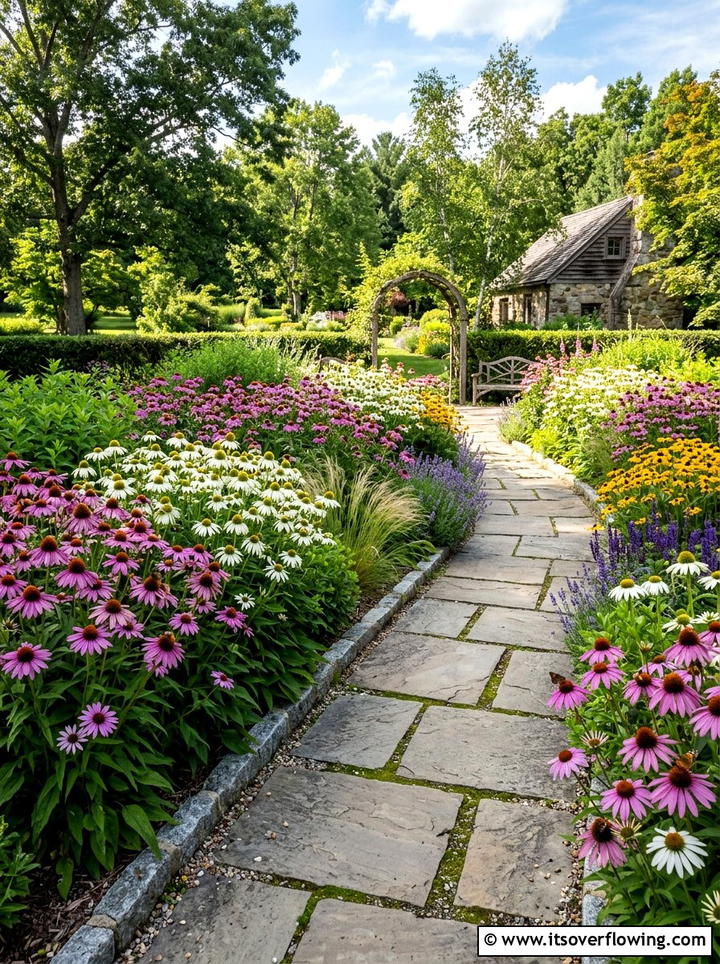
A coneflower garden border is a classic choice for attracting a wide variety of butterflies like fritillaries and painted ladies. Purple coneflowers have large flat centers that act as perfect landing pads for heavy-bodied butterflies looking for nectar. These hardy perennials are very easy to grow and can withstand the heat of midsummer without wilting. Their bright colors create a stunning visual line along a walkway or the edge of a patio. You can mix different varieties like white or yellow coneflowers to add more depth to the display. They bloom for a long time, ensuring that your garden stays full of nectar throughout the peak summer months.
5. Zinnias for pollinators
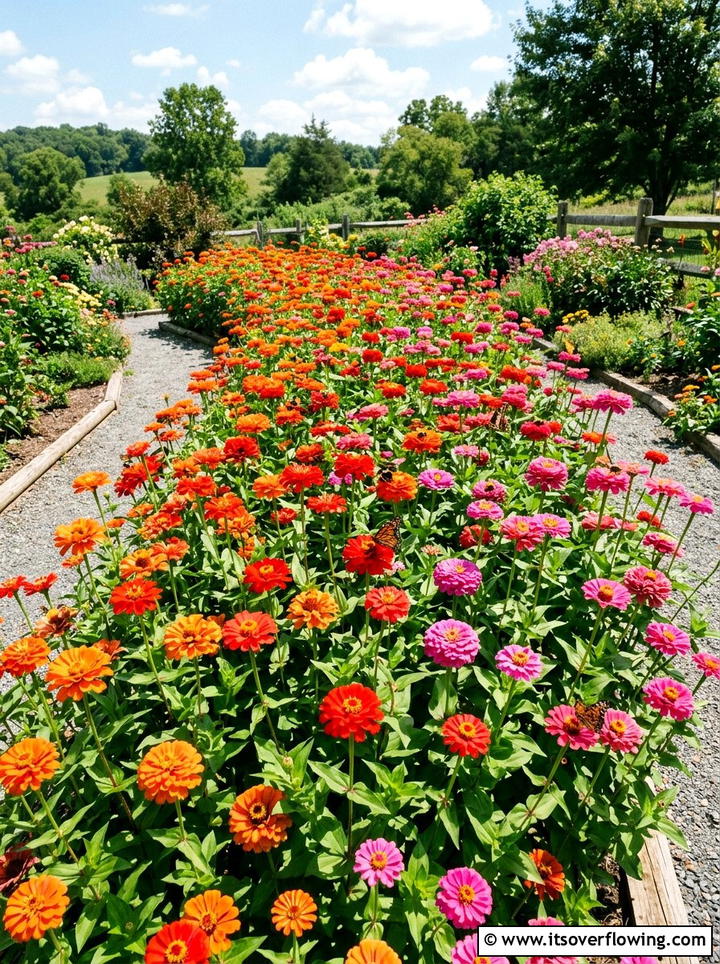
Zinnias for pollinators are some of the most effective annual flowers you can plant to get immediate results in your yard. These bright blooms come in almost every color and are incredibly easy to start from seed in the spring. Butterflies are naturally drawn to the vibrant reds and oranges of the tall, flat-topped varieties. Because they bloom continuously until the first frost, they provide a reliable food source when other flowers might be fading. You can plant them in large drifts to create a massive splash of color that is visible from a distance. They make excellent cut flowers, so you can bring a bit of the garden inside too.
6. Butterfly house placement
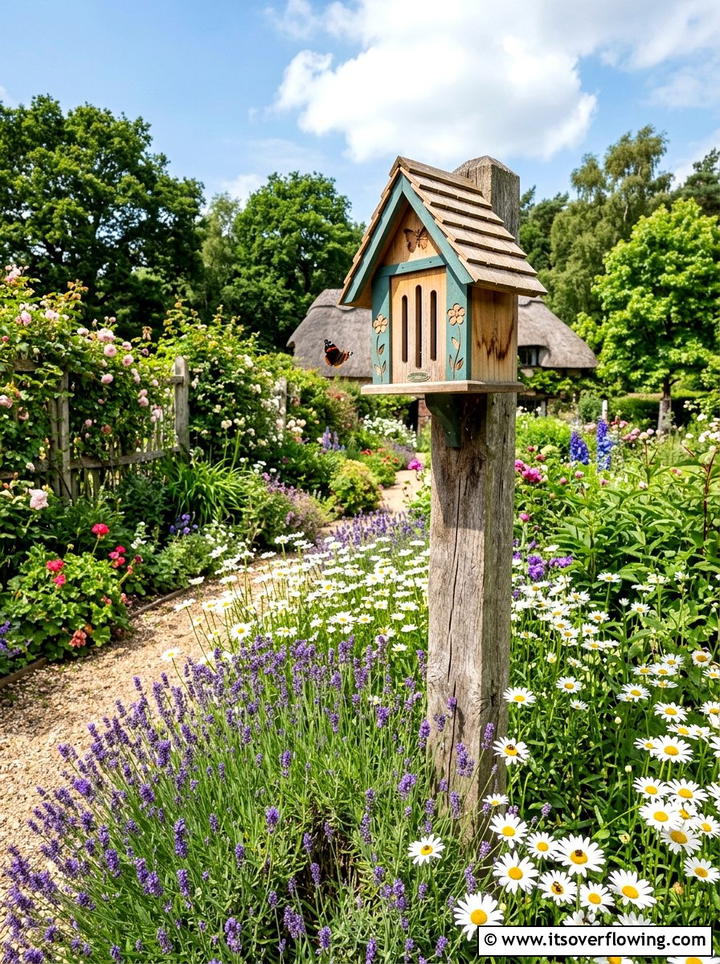
Butterfly house placement is a unique way to add architectural interest to your garden while offering potential roosting spots. These tall wooden boxes have narrow vertical slits that protect the insects from birds and other predators. You should mount the house on a sturdy post near a group of nectar-rich flowers but away from busy walkways. Placing it in a sunny spot that is protected from the wind will make it much more attractive to butterflies. While they may not always use them for nesting, these houses serve as beautiful decorative elements. They symbolize your commitment to conservation and create a charming focal point in a flower bed or meadow.
7. Lavender butterfly garden
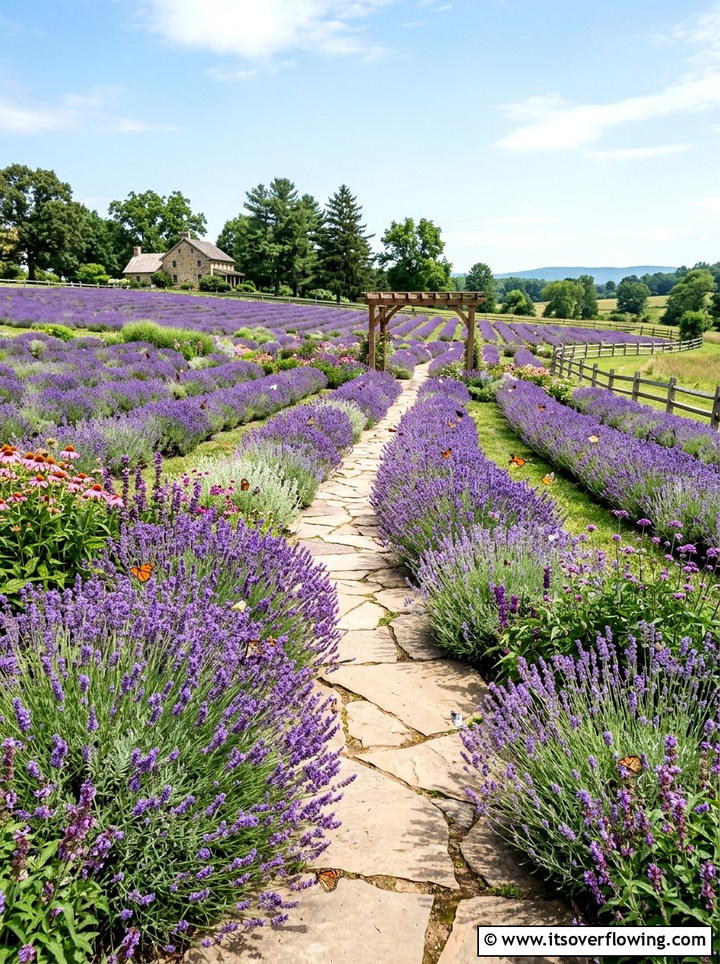
A lavender butterfly garden offers a sensory experience for both you and the pollinators with its calming scent and purple hues. Lavender is highly attractive to many species because of its high nectar content and accessible tubular flowers. This plant thrives in sunny spots with well-draining soil, making it perfect for Mediterranean-style landscapes or rock gardens. The silver-green foliage provides a beautiful contrast to the bright green leaves of other garden plants nearby. When the lavender is in full bloom, it will often be covered in bees and butterflies throughout the day. It is a drought-tolerant option that stays looking neat and tidy with very little effort or extra water.
8. Stone basking spot
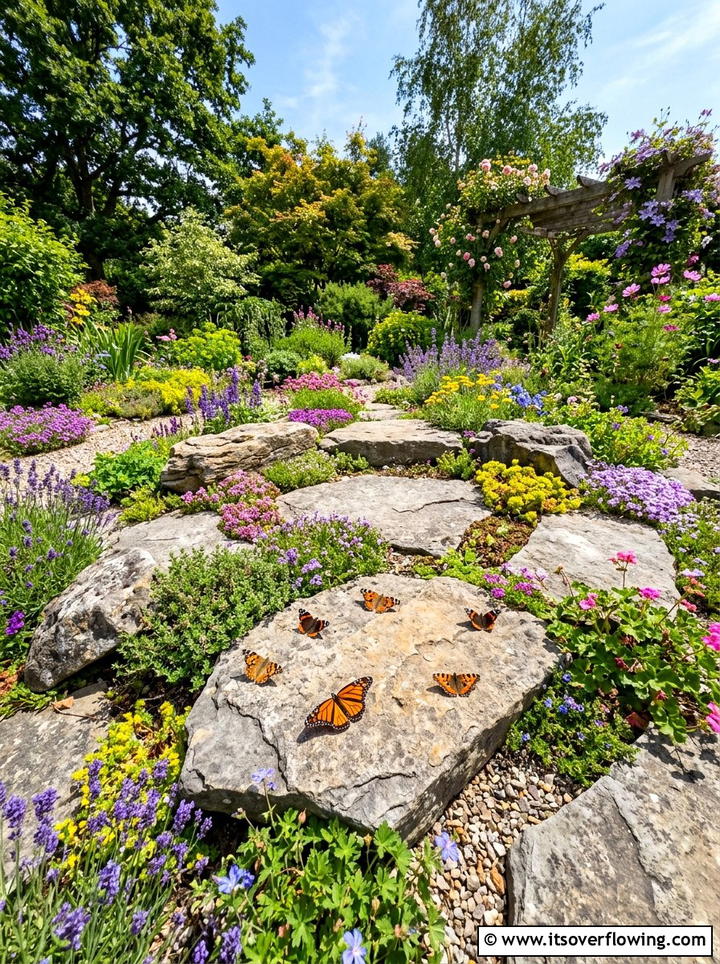
A stone basking spot is a simple but vital addition to a butterfly-friendly landscape because butterflies are cold-blooded creatures. They need to sit in the sun to warm up their flight muscles before they can move around the garden. You can use large, flat fieldstones or dark decorative rocks placed in the sunniest part of your yard. Placing these stones near nectar plants ensures the butterflies can eat and then rest nearby. The heat absorbed by the stones during the day helps keep the area warm even when the sun dips behind a cloud. It is a natural-looking feature that adds texture and a sense of permanence to your design.
9. Wildflower meadow garden
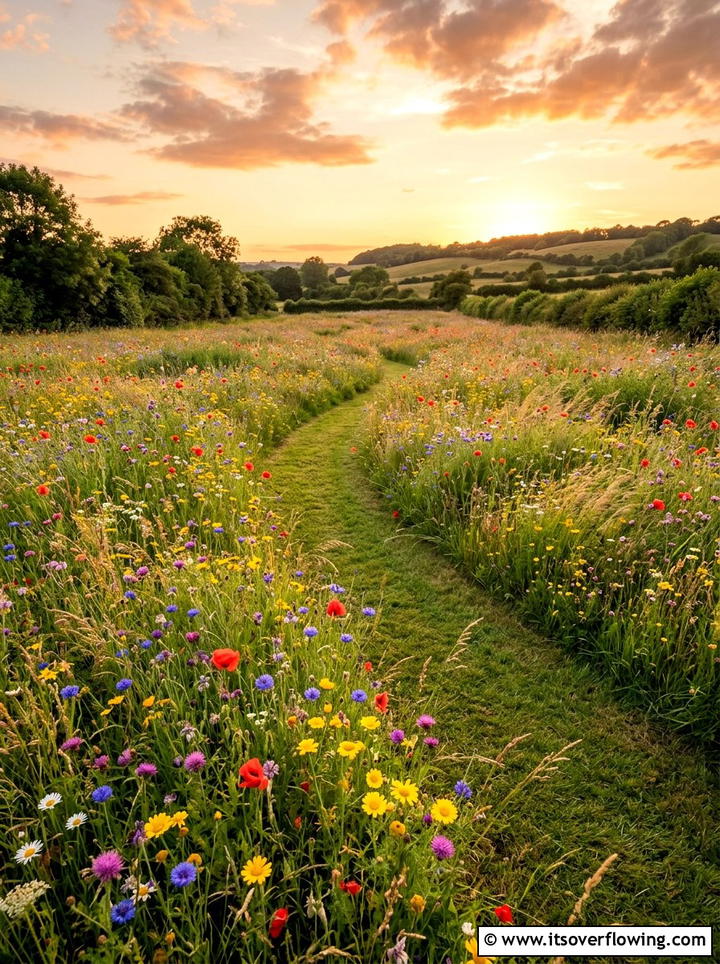
A wildflower meadow garden is the ultimate way to mimic nature and provide a diverse habitat for many different butterfly species. Instead of a manicured lawn, you can plant a mix of native grasses and flowering plants that bloom at different times. This variety ensures that there is always something to eat and a place to hide for various life stages. Meadow gardens require much less maintenance once they are established and do not need any chemical fertilizers. The tall grasses also provide important structural support for butterflies to hang their chrysalises. It creates a soft, romantic look that feels like a hidden escape right in your own backyard.
10. Buddleia butterfly bush
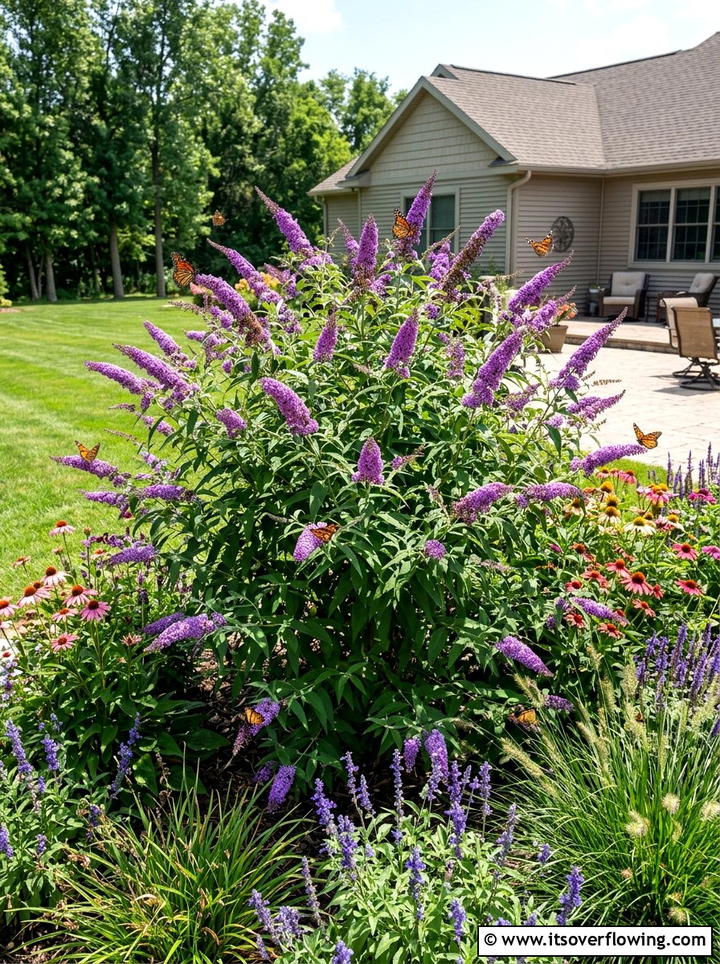
A buddleia butterfly bush is famous for its ability to attract massive numbers of butterflies with its long, honey-scented flower spikes. These deciduous shrubs grow quickly and produce hundreds of tiny flowers that are packed with sweet nectar. You can find them in shades of deep purple, bright pink, and pure white to match any garden palette. It is best to plant them in the back of a border because they can grow quite large and airy. If you choose a sterile variety, you can enjoy the blooms without worrying about the plant spreading where it is not wanted. They are a reliable centerpiece that guarantees butterfly activity all summer long.
11. Herb garden for butterflies
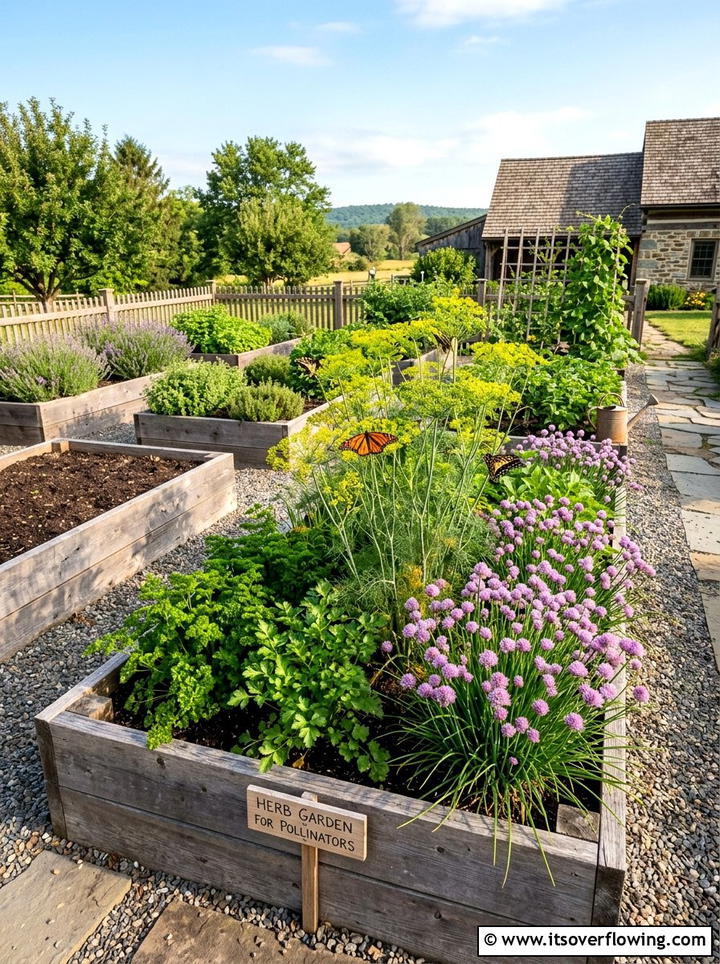
An herb garden for butterflies is a functional and beautiful way to provide food for both humans and caterpillars. Many common kitchen herbs like dill, fennel, and parsley are actually the preferred host plants for black swallowtail butterflies. By letting a few of these plants go to seed, you provide a place for caterpillars to grow and thrive. The flowers of herbs like chives, oregano, and mint are also very attractive to adult butterflies looking for a snack. You can plant these herbs in a dedicated bed or mix them into your existing flower borders. This dual-purpose garden adds wonderful fragrance and useful ingredients to your daily life.
12. Overripe fruit feeder
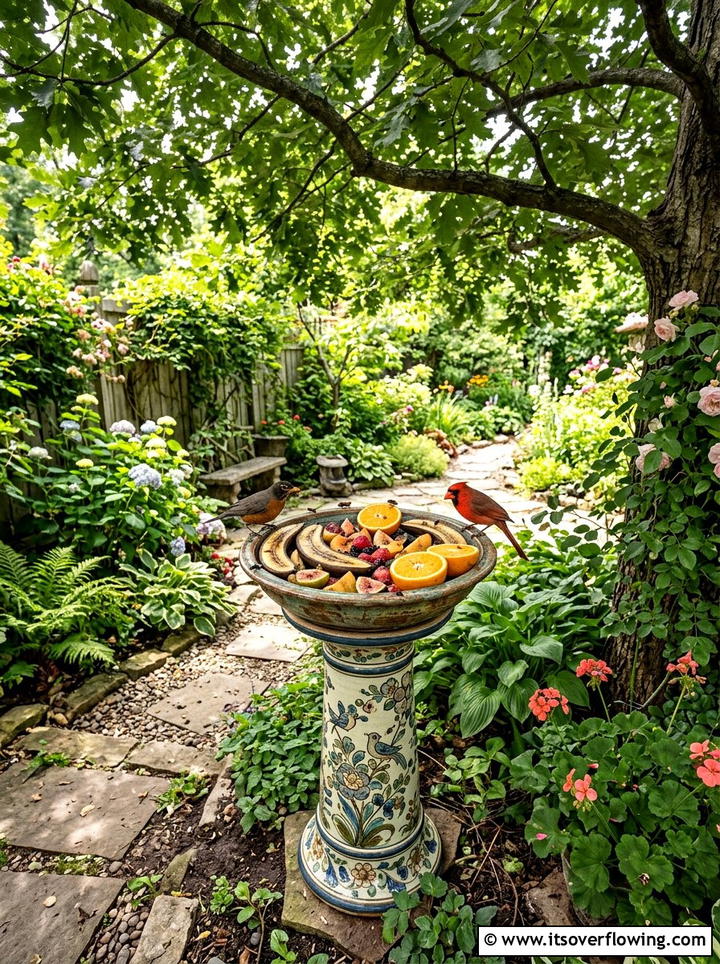
An overripe fruit feeder is a great way to attract species of butterflies that do not typically visit flowers for nectar. Some butterflies, like the red admiral or the question mark, prefer to eat the juices from fermenting fruit. You can create a simple feeding station by placing a decorative ceramic plate on a pedestal or hanging it from a tree. Simply add slices of overripe bananas, oranges, or melons and keep them moist with a little water or juice. This feature is especially helpful in the late summer and fall when natural food sources might be scarce. It provides a unique opportunity to see different types of butterflies up close.
13. Windbreak garden wall
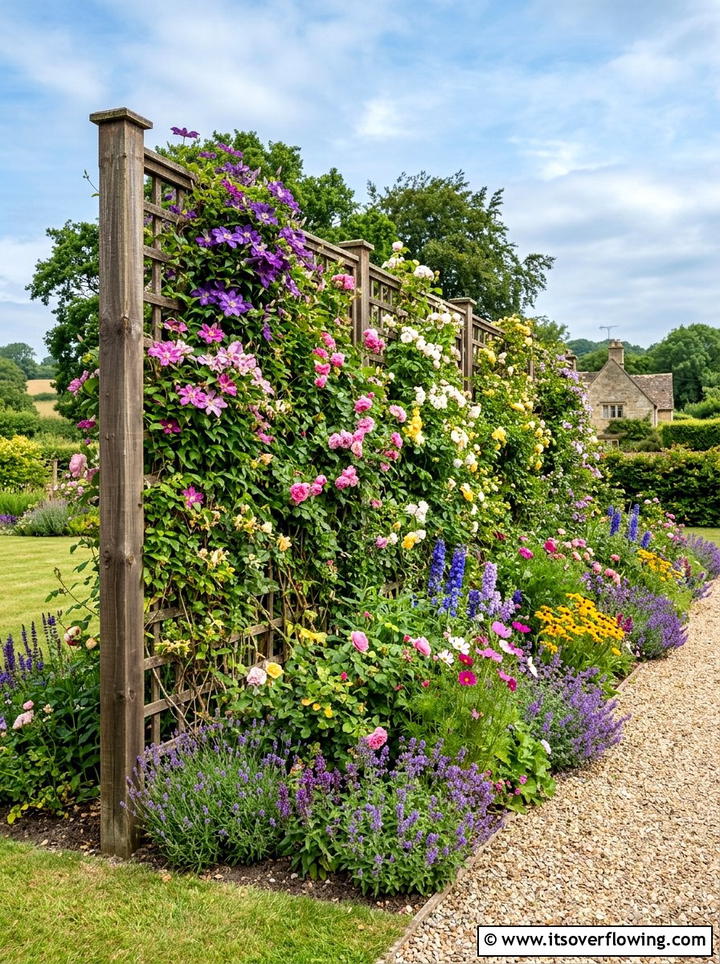
A windbreak garden wall is essential for helping butterflies navigate your space without getting blown away by strong gusts. Butterflies are very light and can struggle to land on flowers if the air is too turbulent or windy. You can build a decorative trellis, a stacked stone wall, or even a row of tall sunflowers to block the wind. This creates a calm pocket of air where butterflies feel safe to feed and rest for long periods. The wall itself can be decorated with climbing vines like honeysuckle or morning glories to add even more nectar. It makes your garden feel like a cozy, protected room rather than an open field.
14. Black-eyed Susan cluster
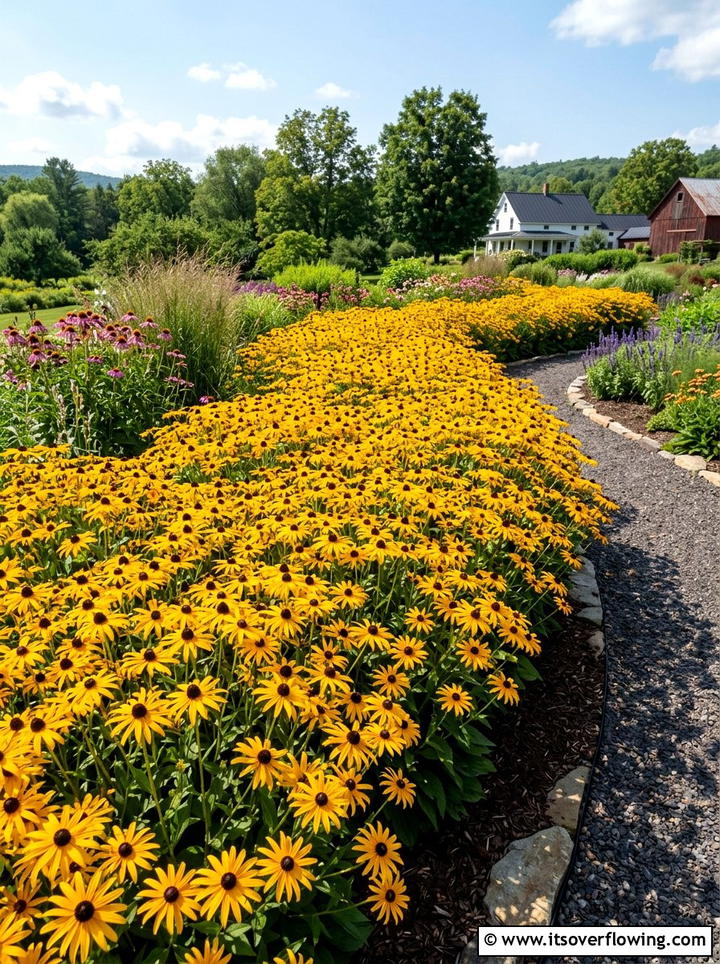
A black-eyed Susan cluster brings a cheerful burst of golden yellow to your butterfly garden from midsummer through the early fall. these native perennials are incredibly tough and can handle poor soil and dry conditions with total ease. Their dark centers provide a sharp contrast that makes them very easy for butterflies to spot from high in the air. When planted in large groups, they create a sea of color that acts as a major signal for pollinators. They are also very long-lasting, so you do not have to worry about the garden looking empty after a few weeks. They pair beautifully with blue or purple flowers for a classic color scheme.
15. Monarch waystation setup
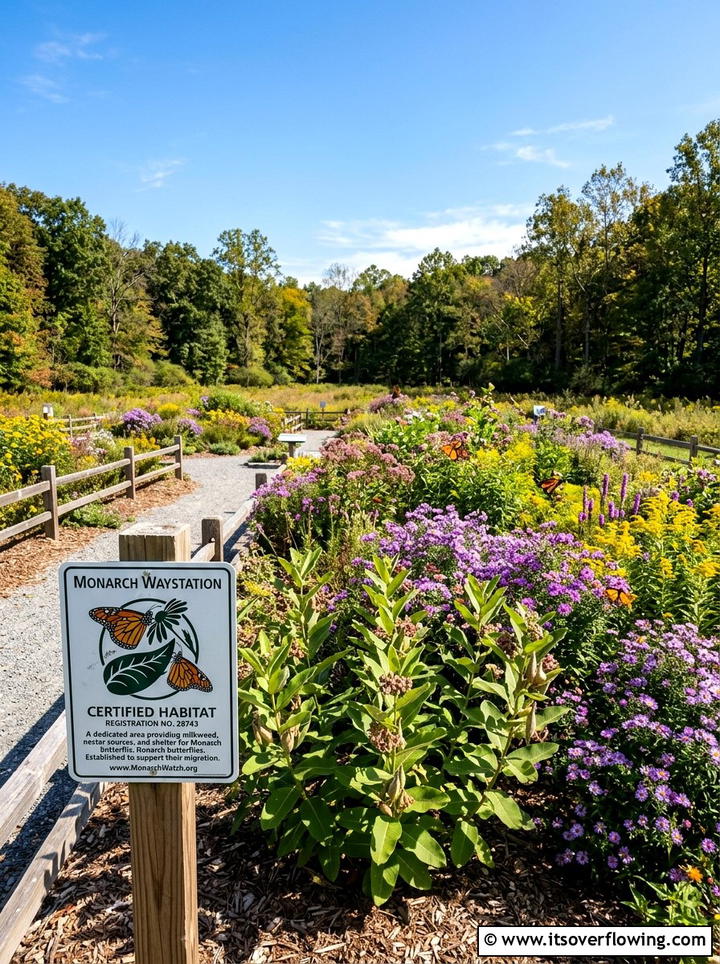
A monarch waystation setup is a specifically designed area that provides everything a monarch needs during its long migration journey. This includes a mix of milkweed for laying eggs and several nectar plants to provide fuel for the adult butterflies. You can certify your garden as an official waystation to show your support for butterfly conservation efforts across the country. The design should include plants that bloom in the late fall to help monarchs during their trip south. It usually features a mix of heights and colors to maximize the diversity of the habitat. This project is a great way to involve the whole family in learning about nature.
16. Shady butterfly corner
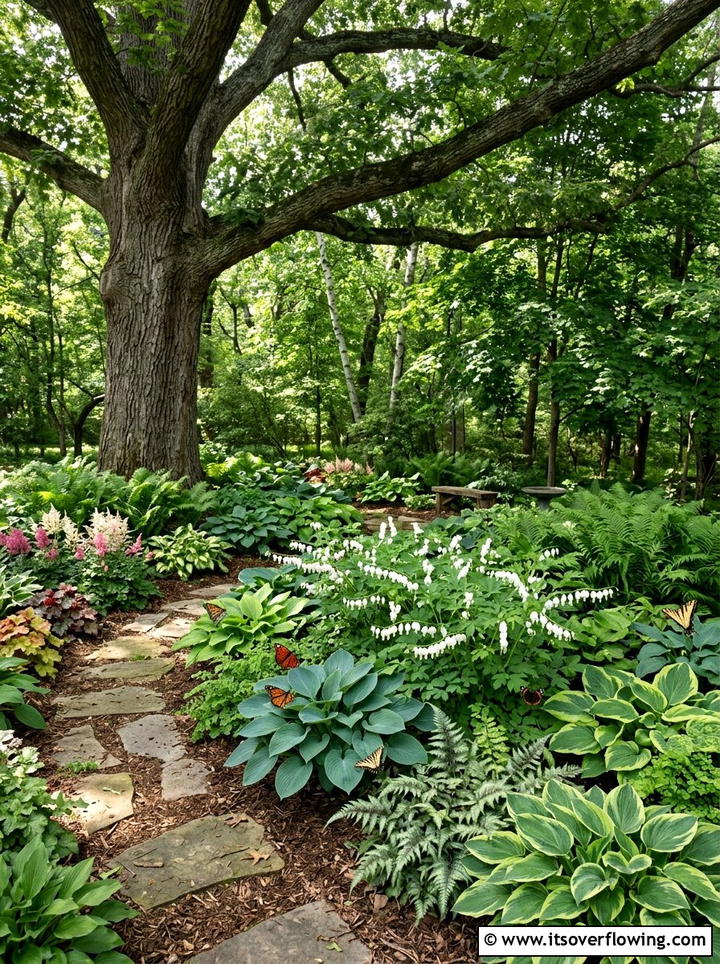
A shady butterfly corner is perfect for those parts of your garden that do not get full sun throughout the day. While many butterflies love the heat, some species actually prefer the cool dampness of a shaded area with dappled light. You can plant woodland flowers like wild columbine, bleeding hearts, or native violets to attract these specific types. Ferns can also be added to provide thick cover and a lush green backdrop for the delicate winged visitors. This creates a peaceful and quiet retreat where you can watch butterflies away from the bright glare of the sun. It adds a sense of mystery and depth to your overall garden design.
17. Vertical trellis garden
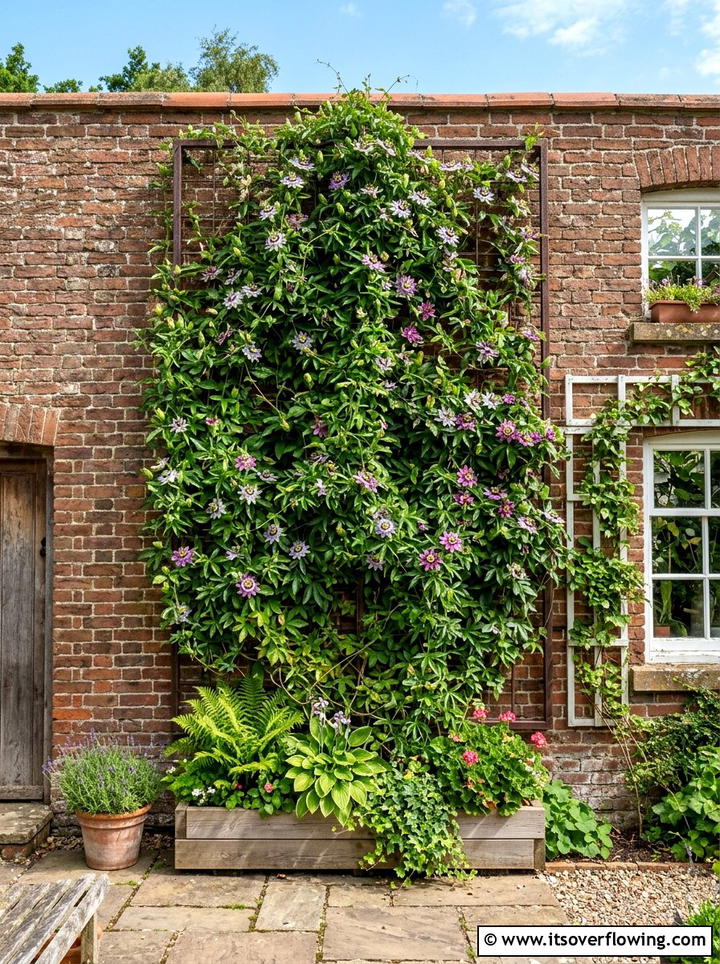
A vertical trellis garden is an excellent solution for small outdoor spaces where you still want to attract plenty of butterflies. You can use wooden or metal trellises to grow nectar-rich climbing vines like trumpet vine or passionflower in a small footprint. These plants grow upward, creating a wall of flowers that provides food at various heights for different butterfly species. This vertical interest makes your garden feel much larger and more lush than it actually is. The dense foliage of the vines also provides excellent hiding spots for butterflies during the night or during storms. It is a smart way to maximize every inch of your available gardening space.
18. Aster autumn garden
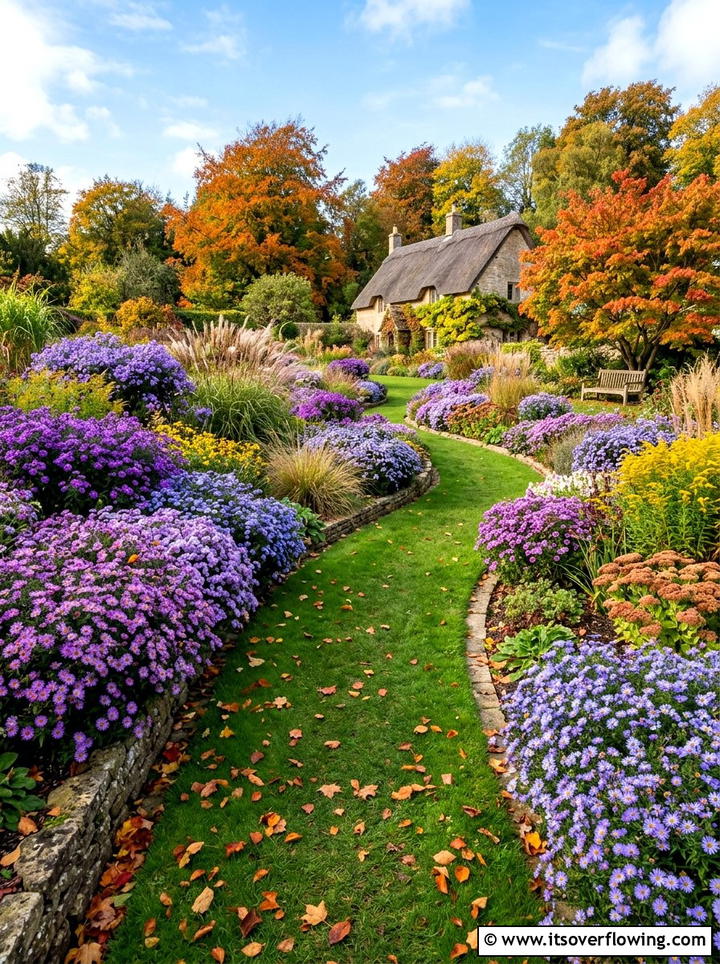
An aster autumn garden is the key to keeping butterflies in your yard during the final months of the growing season. Many butterflies are still very active in September and October and they desperately need fuel before the cold weather hits. Asters come in beautiful shades of blue, purple, and pink and are absolutely covered in small, daisy-like flowers. They are one of the most important late-season nectar sources available in the natural landscape. Planting them near the front of your beds ensures you can see the butterflies clearly from your windows. These hardy plants provide a grand finale of color to your garden before winter sets in.
19. Bee balm planting
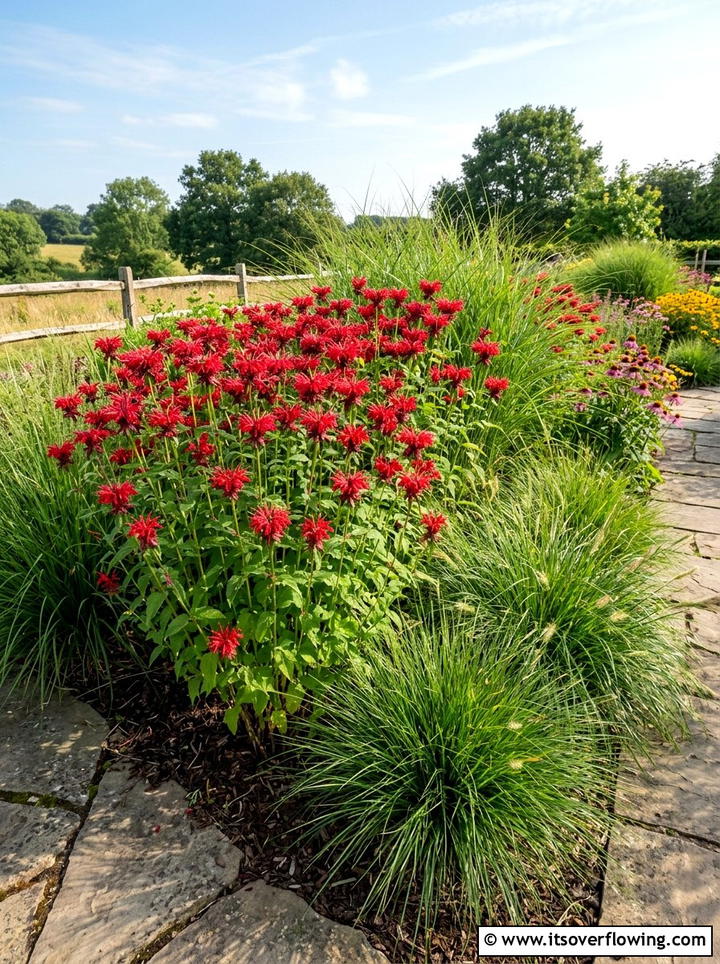
A bee balm planting is a fantastic way to add architectural height and unusual flower shapes to your pollinator-friendly garden beds. The shaggy, pom-pom style flowers of bee balm are a favorite for swallowtails and clearwing moths because of their deep nectar tubes. This plant is a member of the mint family, so it spreads easily and fills in gaps very quickly. It also has a wonderful citrus-like scent that fills the air whenever you brush against the leaves. You can find varieties in bright red, soft pink, or deep purple to suit your personal style. It is a very sturdy plant that stands up well to summer storms and heat.

20. Organic butterfly sanctuary
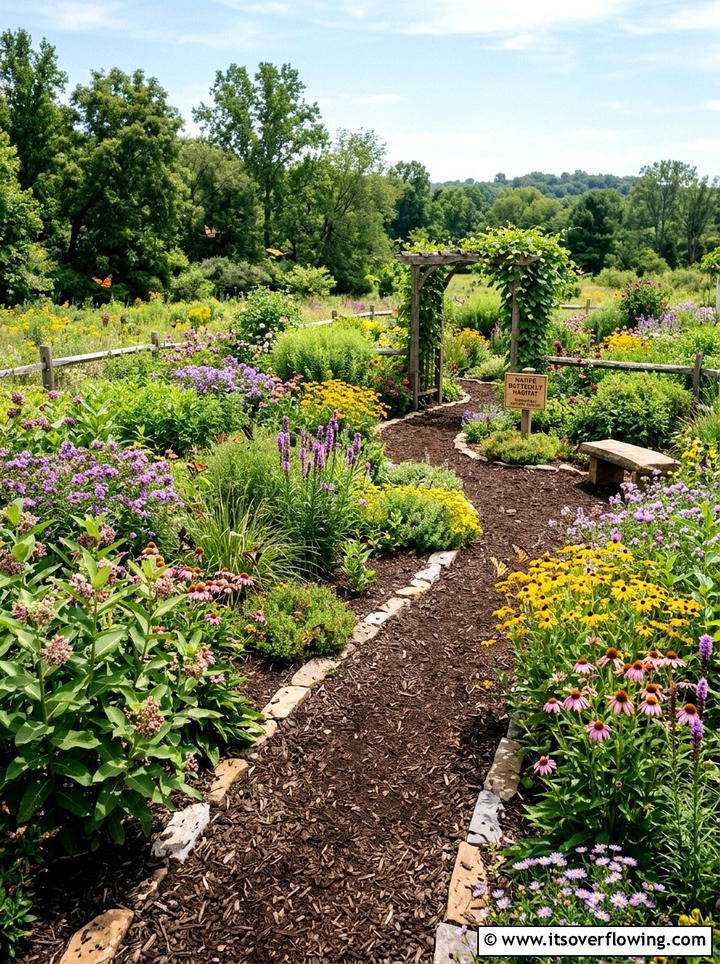
An organic butterfly sanctuary is a garden that is managed without any synthetic pesticides, herbicides, or chemical fertilizers. This is the most important step in protecting butterflies because they are extremely sensitive to chemicals at every stage of their life. Instead of using sprays, you can rely on ladybugs and other beneficial insects to manage pests naturally. Using organic compost to feed your soil ensures that your plants are healthy and full of nutrient-rich nectar. This approach creates a safe environment where caterpillars can eat and grow without any risk of being poisoned. It is a healthier choice for the environment, your family, and the local wildlife.
21. Container pollinator garden
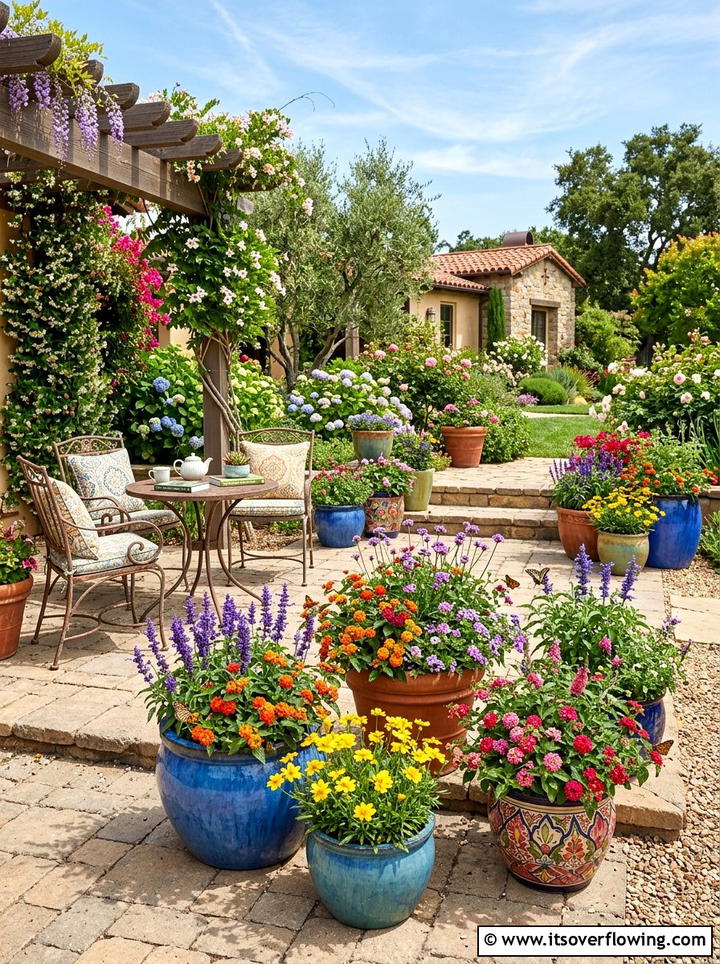
A container pollinator garden allows you to invite butterflies to your porch, balcony, or small patio with very little effort. You can use large pots filled with a mix of annuals and perennials to create a concentrated source of food. Lantana, pentas, and salvia are all excellent choices for containers because they bloom heavily and stay relatively compact. Placing these pots in a sunny spot will ensure that butterflies find them as they fly past your home. You can even move the containers around to follow the sun or to refresh the look of your outdoor seating area. It is a flexible way to garden that works for everyone.
22. Joe pye weed garden
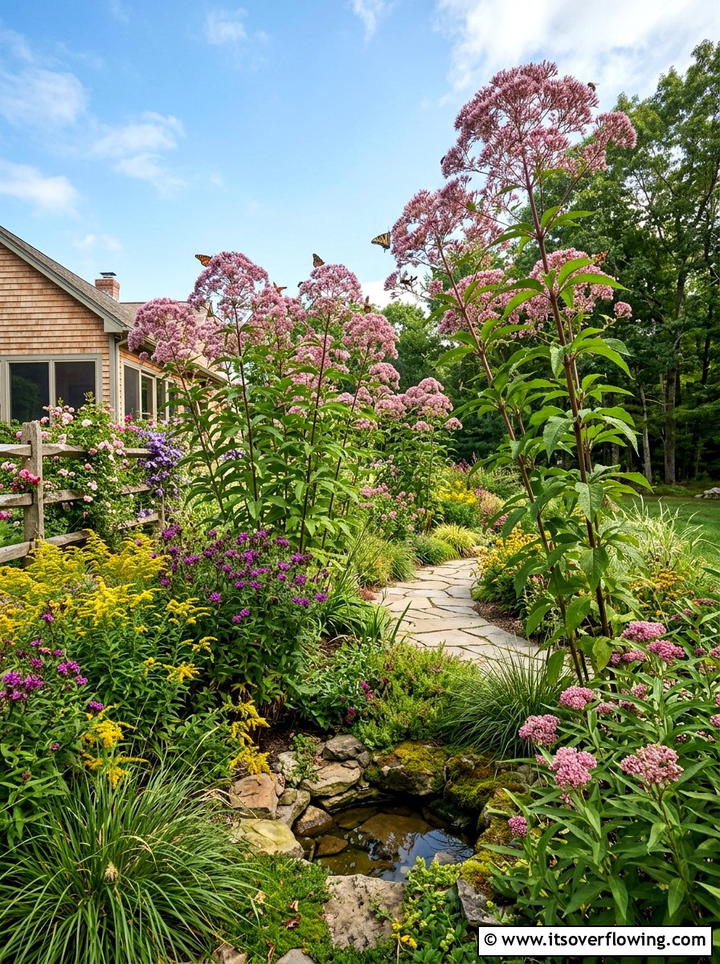
A joe pye weed garden is a spectacular sight in the late summer when these tall plants produce massive clusters of vanilla-scented pink flowers. This native plant can grow over six feet tall, making it a perfect backdrop for a large garden bed. Butterflies of all sizes are attracted to the huge landing pads provided by the wide flower heads. It thrives in moist soil, so it is a great choice for a low spot in the yard or near a water feature. The sturdy stems remain standing even after the flowers fade, providing visual interest through the winter. It is a low-maintenance giant that makes a big impact.
23. Butterfly water feature
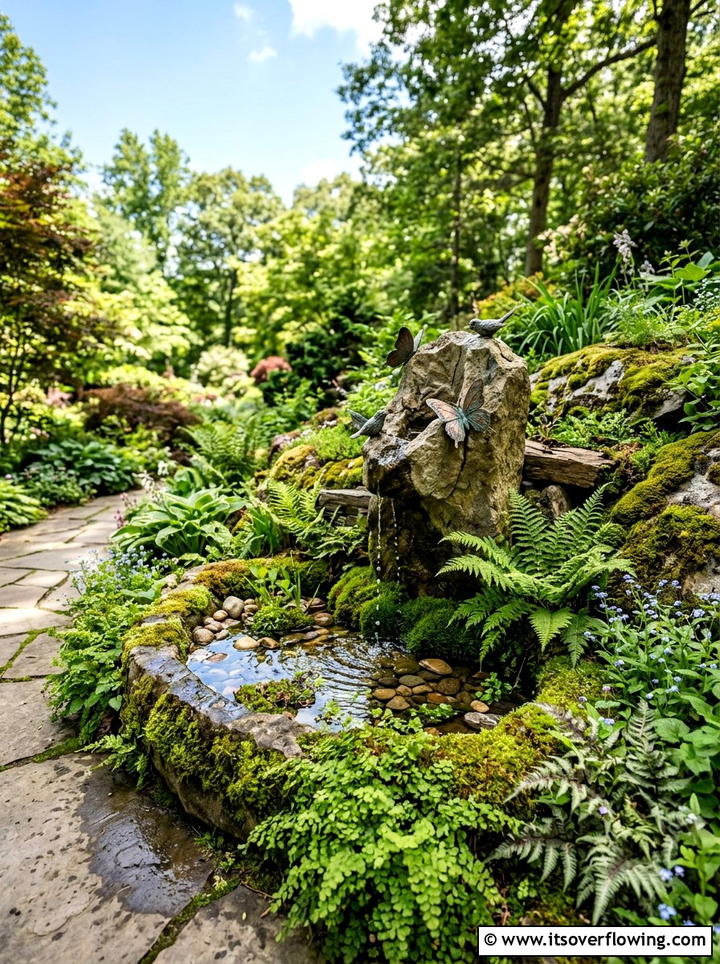
A butterfly water feature can be as simple as a slow-dripping fountain or a shallow basin filled with clean water and stones. Unlike birds, butterflies prefer to drink from very shallow sources where they do not risk getting their wings wet or drowning. A gentle mister that keeps nearby leaves damp is also a great way to provide moisture on hot days. The sound of moving water adds a relaxing atmosphere to your garden while serving a practical purpose for the local insects. You should clean the water feature regularly to prevent mosquitoes while keeping it fresh for the butterflies. It adds a sophisticated and peaceful element to the landscape.
24. Lantana flower bed
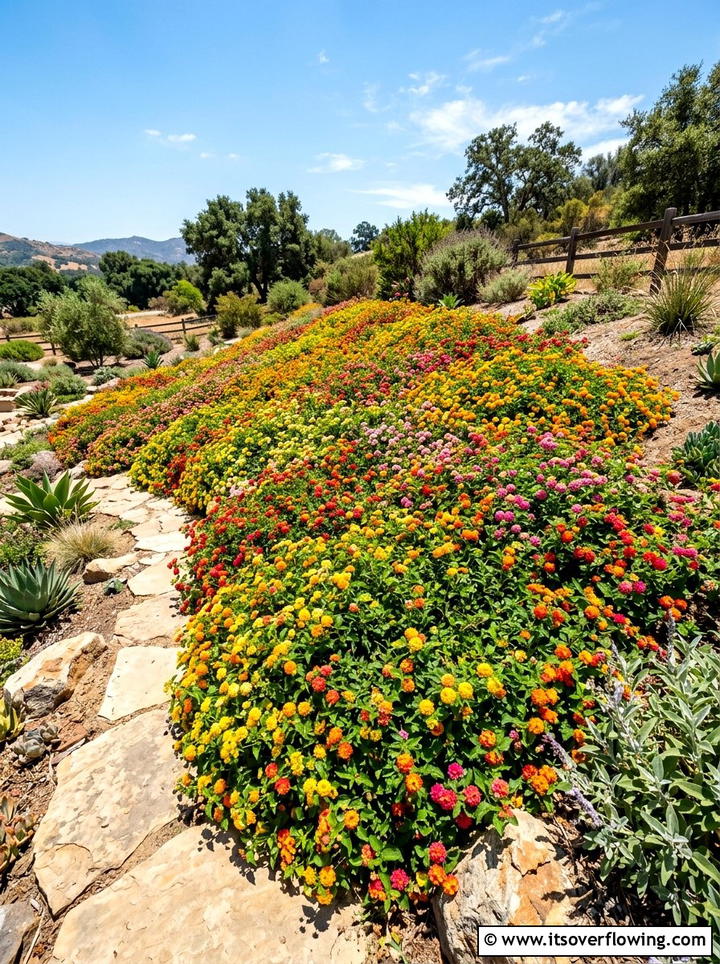
A lantana flower bed provides an explosion of color that lasts from the heat of early summer all the way until frost. The flowers often change color as they age, creating a beautiful multi-toned effect within a single cluster of blooms. Butterflies love lantana because it produces an abundance of nectar and has a very long blooming period. It is an extremely drought-tolerant plant that thrives in the hottest parts of the garden where other plants might struggle. You can find both upright and trailing varieties to suit different areas of your yard. It is a reliable and vibrant choice for any sunny butterfly-themed garden space.
25. Salvia butterfly border
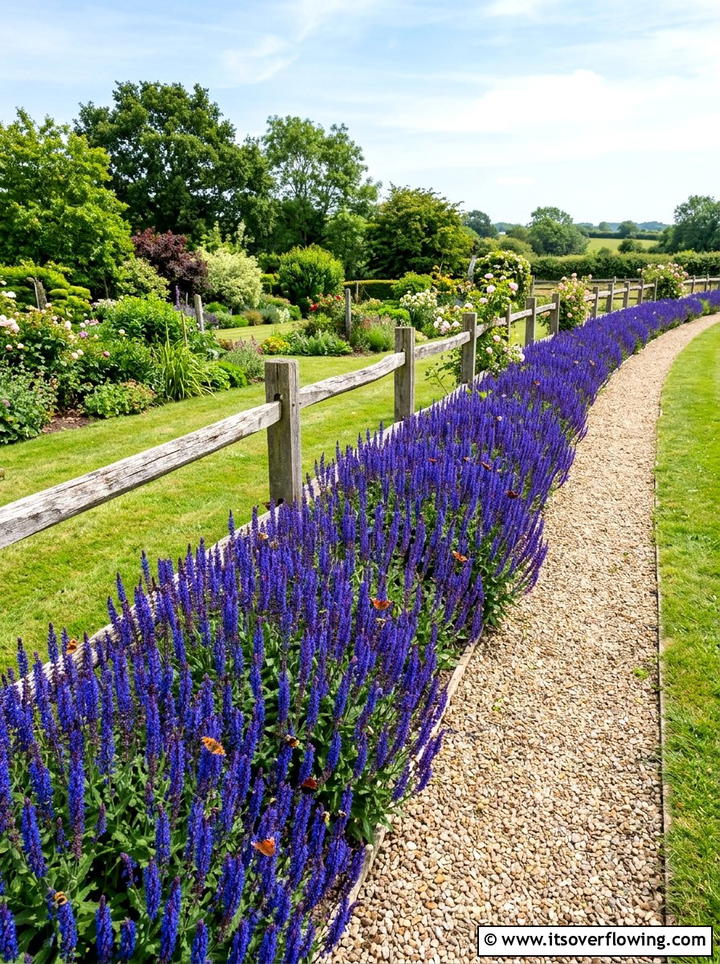
A salvia butterfly border is a must-have for anyone looking to attract a wide range of pollinators with very little maintenance. Salvias produce tall spikes of flowers that come in stunning shades of cobalt blue, deep red, and bright purple. These tubular flowers are perfectly shaped for butterflies to reach the nectar inside while they hover or perch. Most varieties are deer-resistant and can handle dry spells without losing their beautiful blooms. Planting them in a long row creates a strong visual line that leads the eye through the garden. They provide a structural element that stays looking sharp and colorful for many months out of the year.
Conclusion:
Transforming your backyard into a butterfly sanctuary is a journey that benefits both your soul and the environment in many ways. By following these ideas, you have created a space that offers food, water, and safety for some of nature’s most delicate creatures. Each plant you choose and every feature you add contributes to a larger effort to protect local biodiversity. You will find that your garden becomes a place of constant discovery as new species arrive and settle in. It is a wonderful feeling to know that your small patch of earth is making a real difference. Enjoy the peaceful beauty and the vibrant colors that butterflies bring to your home.

Related posts:
 25 Creative Garden Ideas With Colorful Pots
 25 garden ideas with hanging baskets for Colorful Displays
 25 Garden Ideas With Painted Pots for Colorful Outdoor Decor
 25 small garden ideas with flowers for Colorful Outdoor Charm
 25 Creative Garden Ideas With Hidden Garden Corners
 25 Creative Garden Ideas With Keyhole Garden Beds
 25 Creative Garden Ideas With Kids Garden Zone
 25 Garden Design Ideas With Pathways for Beautiful Garden Flow
 25 garden ideas with garden edging for Polished Borders
 25 garden ideas with garden signs for Charming Outdoor Decor
 25 garden ideas with hostas for Lush Shade Garden Beauty
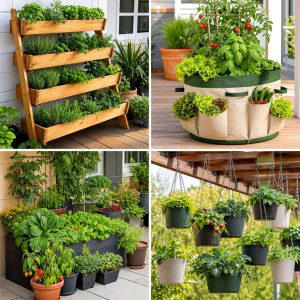 25 Small Garden Ideas With Edible Garden for Fresh Harvests