
Creating a beautiful outdoor space that looks great all year requires a smart plan focused on lasting color and form. Many people struggle with gardens that look empty or brown during the winter months, but the secret lies in evergreen structure. By incorporating plants that keep their leaves through every season, you establish a permanent framework that anchors your landscape regardless of the weather. These structural elements provide a lush backdrop for seasonal flowers while maintaining privacy and visual interest. This guide explores how to use various evergreen species and layouts to build a garden that feels complete and intentional even in the middle of January.
1. Boxwood Hedge Border
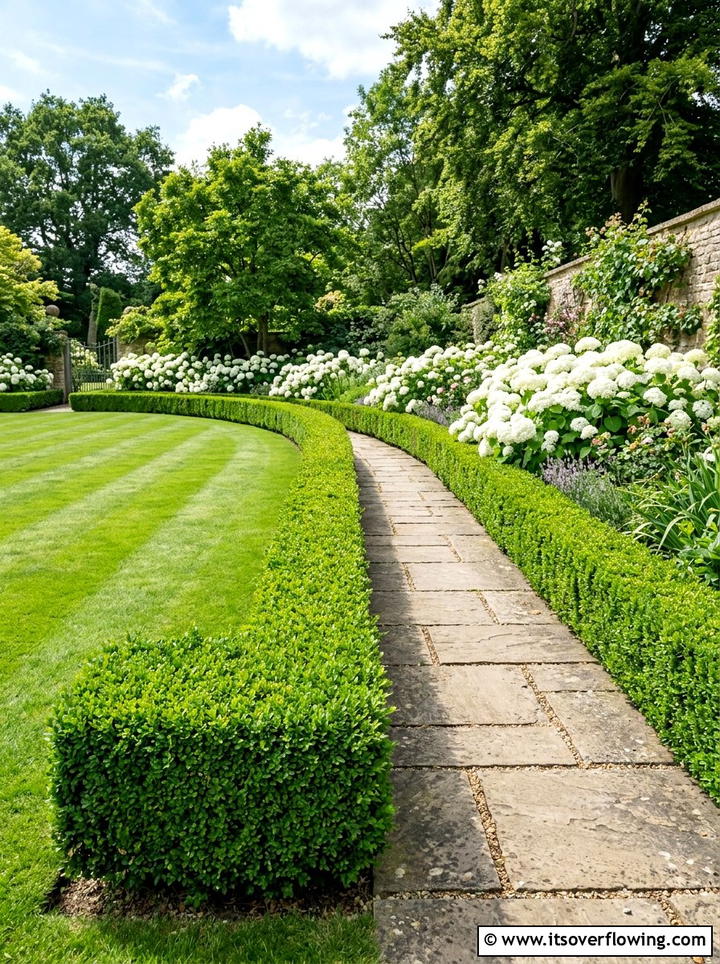
Using boxwood hedges to define your garden borders provides a clean and classic look that never goes out of style. These versatile shrubs can be trimmed into very sharp lines to create a formal atmosphere or left slightly rounded for a softer appearance. They act as a low wall that guides the eye along paths and keeps your planting beds looking organized. During the spring and summer, the deep green foliage makes your colorful flowers stand out more vividly. When winter arrives and other plants go dormant, these sturdy hedges remain vibrant and provide a clear outline for your entire outdoor landscape design.
2. Tiered Evergreen Retaining Wall
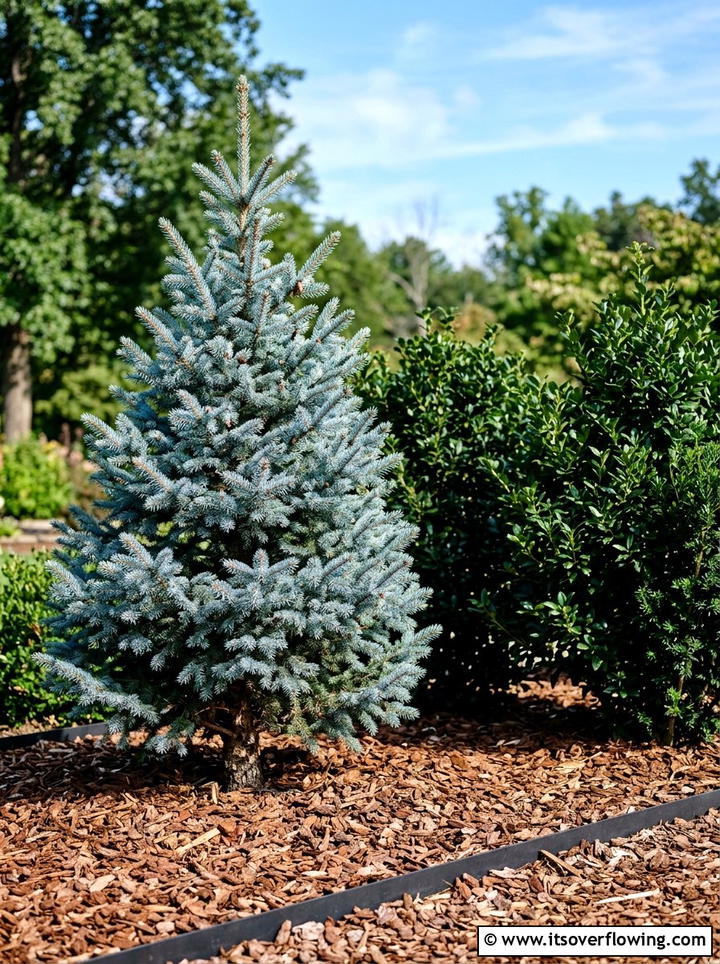
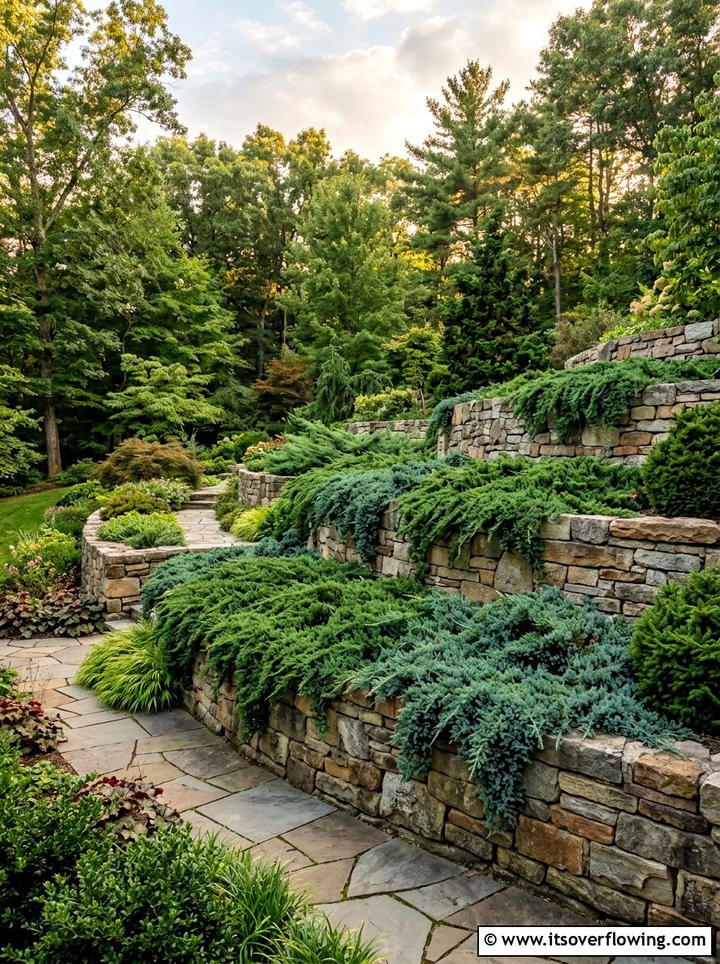
A tiered evergreen retaining wall is a fantastic way to handle slopes while keeping the yard looking lush and full. Instead of just using cold stone or timber, you can plant different types of low-growing evergreens on each level to soften the edges. Creeping junipers or spreading yews work perfectly for this because they spill over the sides of the walls like a green waterfall. This approach adds vertical interest to your yard and ensures that the structural parts of your garden are always covered in life. The varied heights and textures create a rich tapestry that remains beautiful through every single season.
3. Conifer Screen Privacy Fence
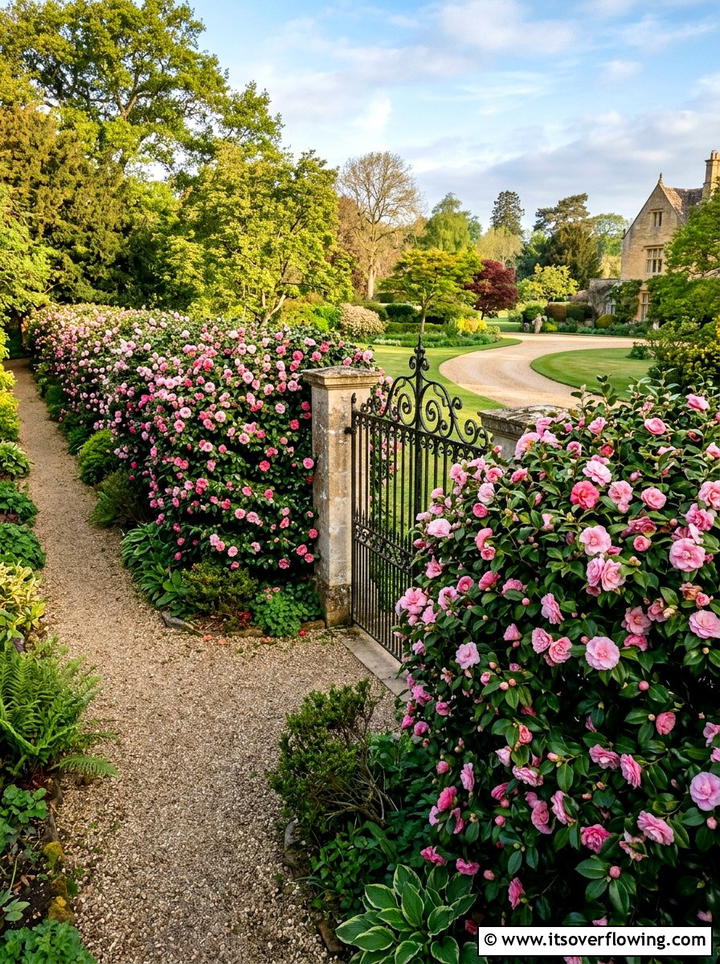
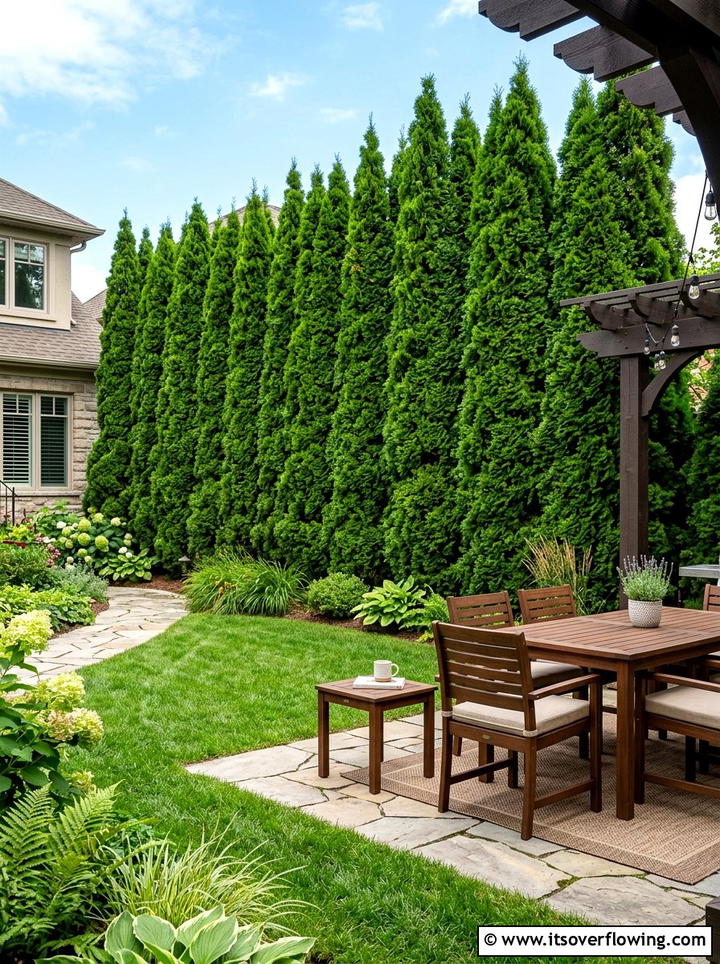
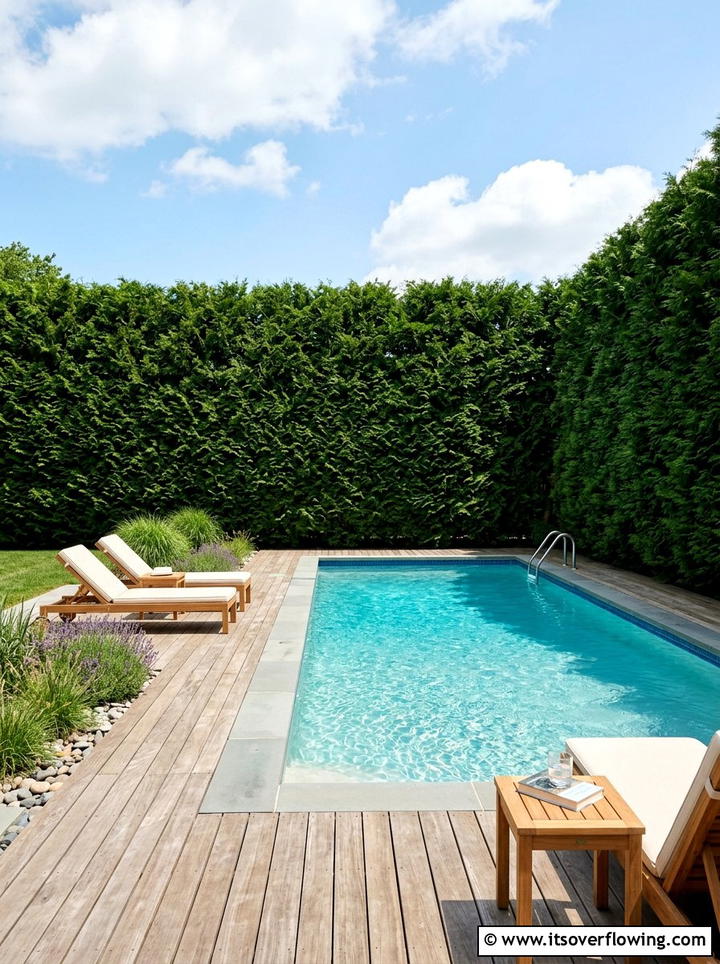
Planting a row of tall, narrow conifers creates a natural privacy screen that is much more inviting than a wooden fence. Species like Arborvitae or Leyland Cypress grow quickly and stay thick from top to bottom, blocking out unwanted views and noise from neighbors. This living wall stays green all year, providing a cozy and secluded feeling in your backyard even when the deciduous trees have lost their leaves. Because they are evergreen, you never have to worry about losing your privacy during the winter months. These tall plants also serve as an excellent windbreak, protecting your smaller, more delicate garden plants.

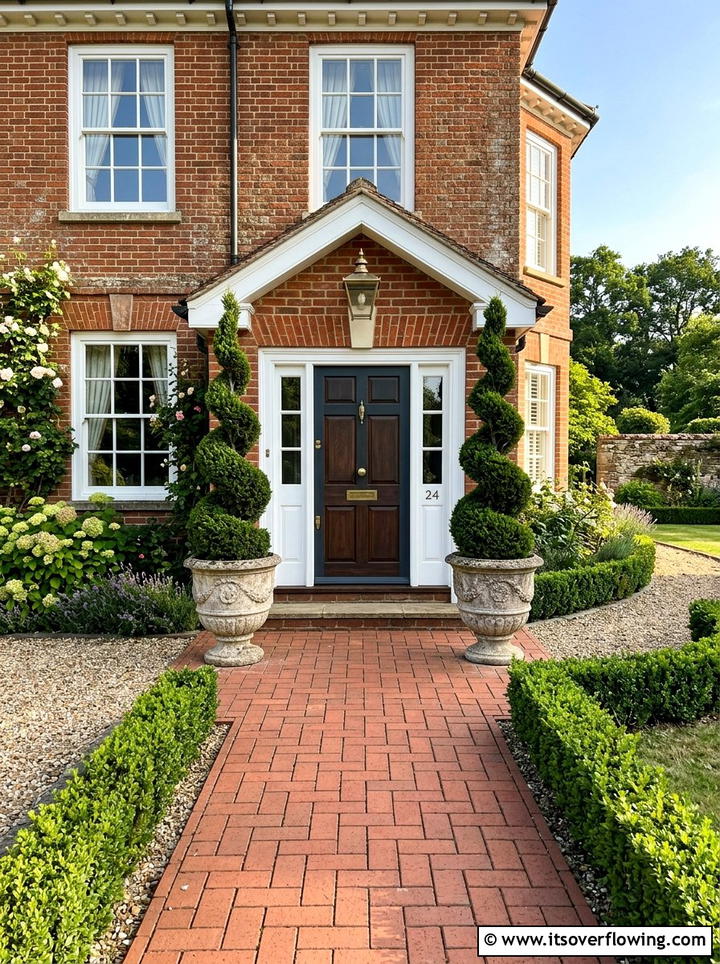
4. Symmetrical Topiary Entrance
Creating a symmetrical entrance with topiary plants adds an immediate touch of elegance and curb appeal to the front of your home. Using matching pairs of evergreen shrubs like holly or spiral-trimmed junipers on either side of a walkway creates a sense of balance. This formal arrangement welcomes guests with a tidy and well-maintained look that stays consistent throughout the entire year. You can plant them in large decorative pots or directly into the ground to anchor your entryway. The structured shapes provide a sophisticated focal point that requires only occasional pruning to keep the lines looking sharp, clean, and very professional.
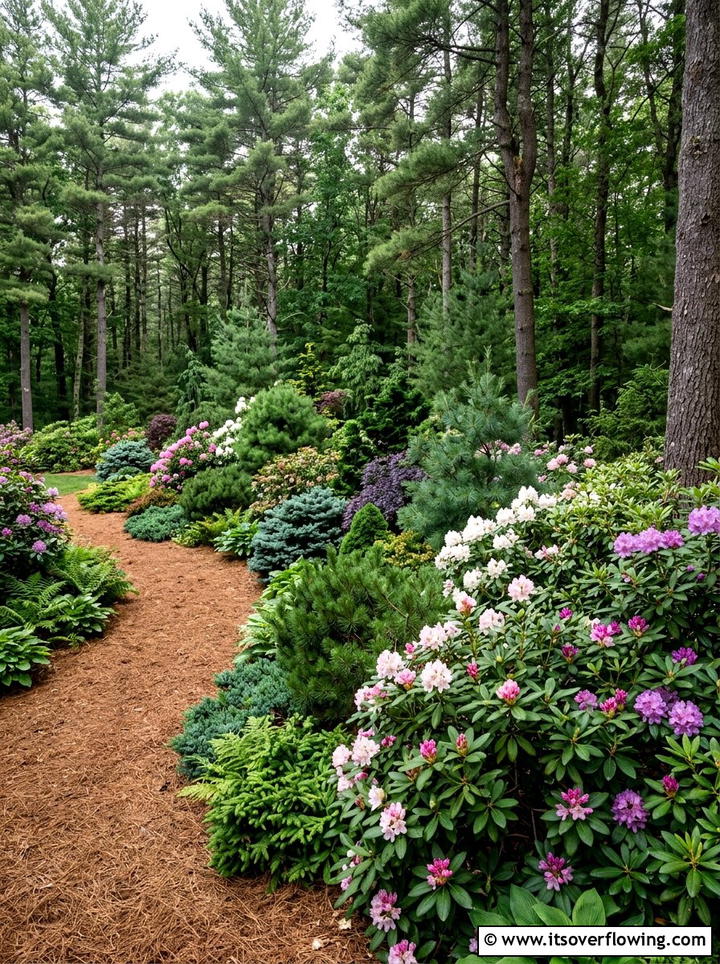
5. Mixed Evergreen Shrub Border
A mixed evergreen shrub border is a great way to add diversity and texture to the perimeter of your property. By combining different species like rhododendrons, laurels, and dwarf pines, you create a layered look that feels more natural than a single-species hedge. You can play with various shades of green, blue, and gold to keep the garden looking interesting even without any flowers. This variety of foliage shapes and sizes provides a dense habitat for local birds and helps to muffle street noise. The result is a thick, year-round boundary that offers a high level of visual depth and constant color.
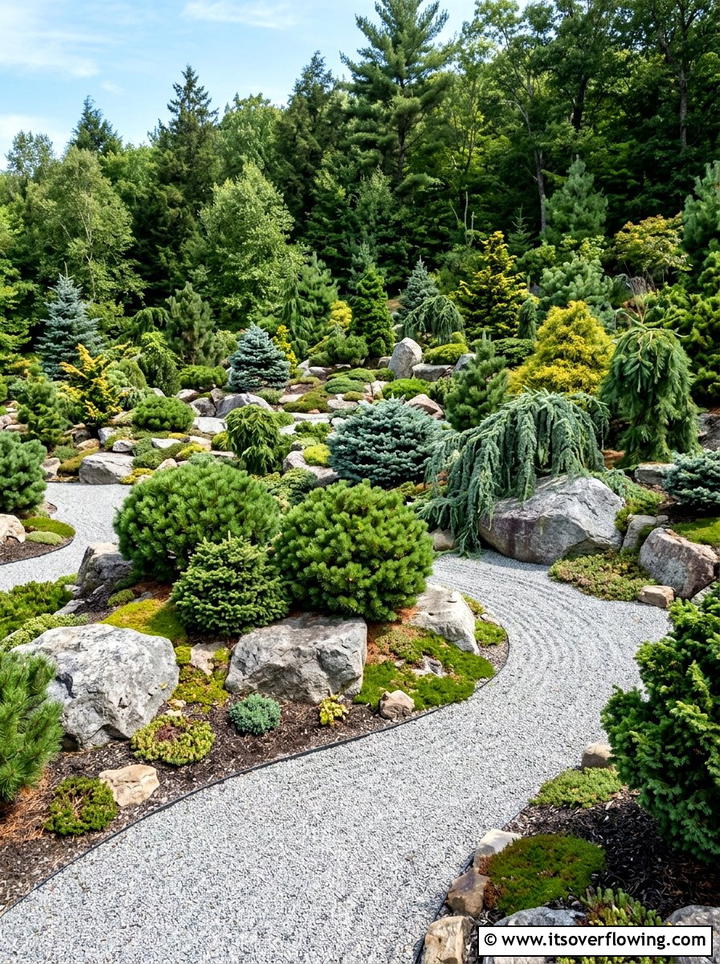
6. Dwarf Conifer Rock Garden
Building a rock garden filled with dwarf conifers offers a low-maintenance way to enjoy miniature landscapes with amazing evergreen structure. These slow-growing plants come in many unique shapes, from rounded globes to weeping forms, and they fit perfectly between large decorative boulders. The contrast between the rugged stones and the soft needles of the conifers creates a rugged, naturalistic look that looks great in any season. Because these plants grow very slowly, they will not outgrow their space quickly, making them ideal for smaller yards. This setup provides a permanent architectural element that stays green and vibrant without needing much water.
7. Yew Hedge Garden Room
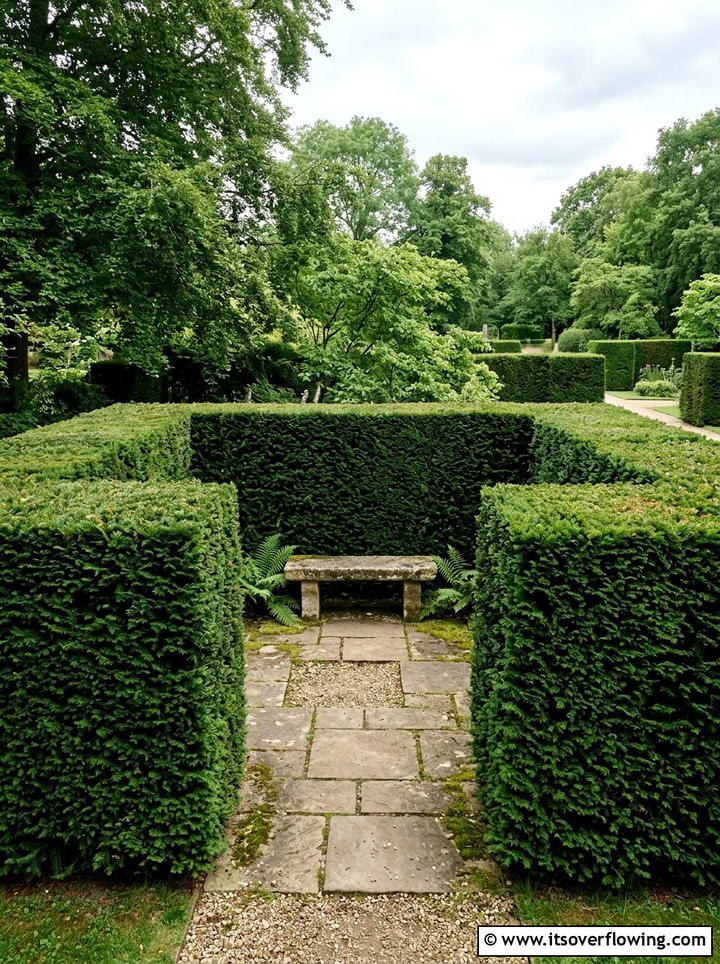
Creating separate garden rooms using tall yew hedges allows you to divide your outdoor space into intimate areas for relaxing or dining. Yews are known for their incredibly dense growth and their ability to handle heavy pruning into flat, wall-like surfaces. These dark green living walls create a quiet atmosphere by blocking wind and absorbing sound from outside the garden. By partitioning your yard this way, you make the space feel larger and more mysterious as visitors move from one room to another. The deep green color of the yew provides a perfect high-contrast background for white garden furniture or bright flowers.

8. Evergreen Ground Cover Path
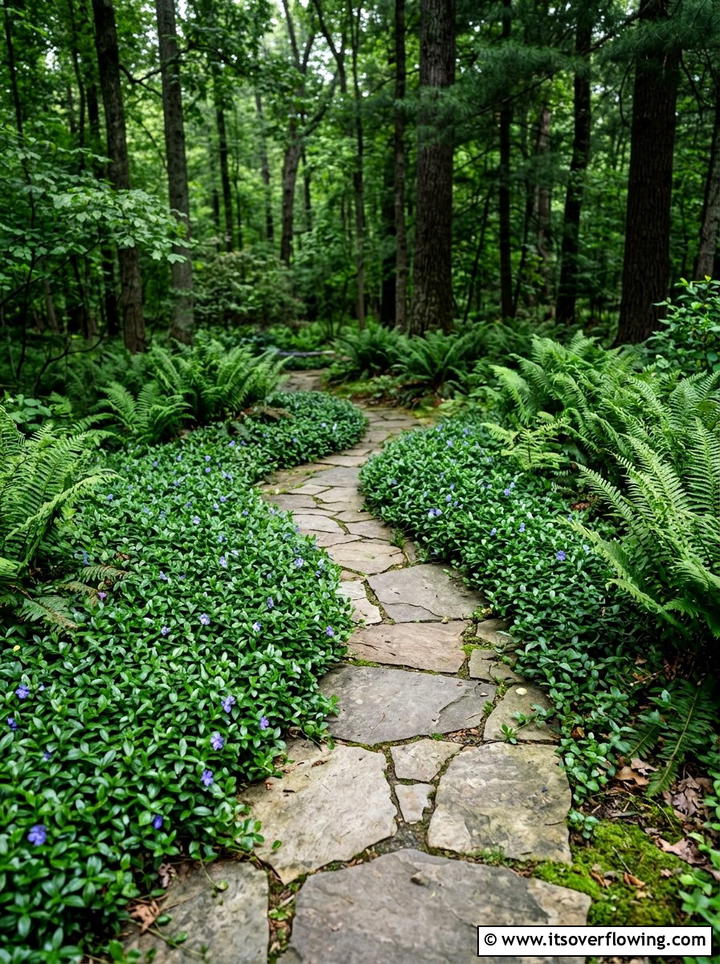
Replacing traditional mulch or grass with evergreen ground cover along your garden paths creates a lush and carpeted feeling underfoot. Plants like creeping phlox or vinca minor stay green throughout the winter and provide a soft edge to stone or gravel walkways. This approach reduces the amount of weeding you need to do because the dense foliage blocks out unwanted seeds from growing. During the spring, many of these ground covers produce small, beautiful flowers that add a temporary splash of color to the green base. These plants are very hardy and can withstand light foot traffic while maintaining their vibrant structure.
9. Columnar Juniper Vertical Garden
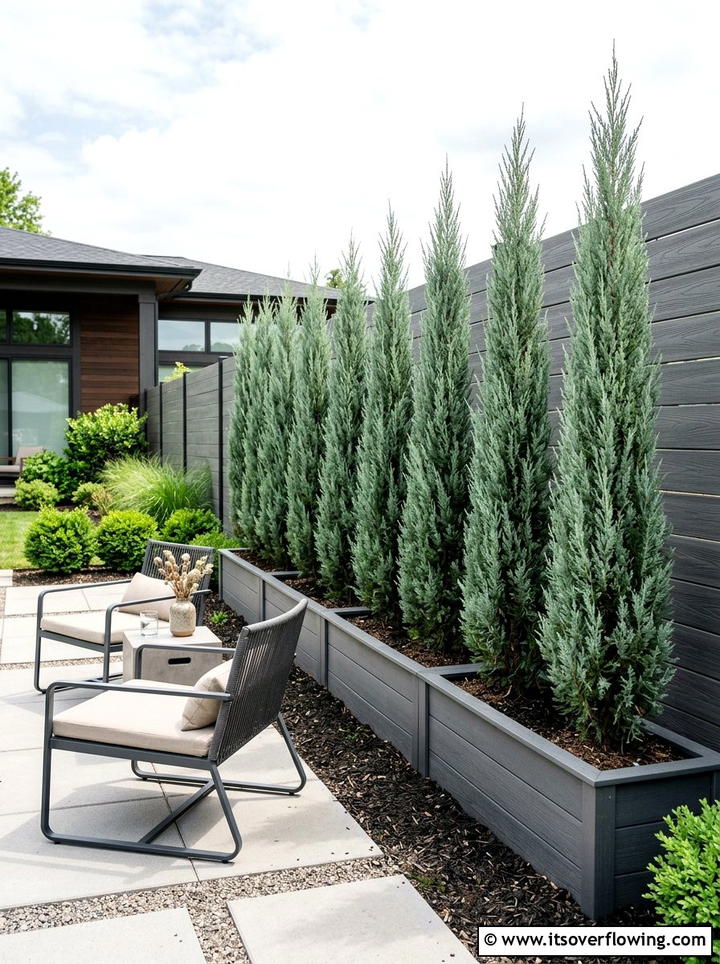
Using columnar junipers is an excellent strategy for adding height and vertical structure to narrow garden beds or small backyards. These trees grow tall and skinny, taking up very little ground space while providing a significant visual impact. You can plant them in tight rows to create a thin screen or use them as individual accents to draw the eye upward. Their upright form stays consistent without much pruning, making them a very easy choice for busy homeowners. The silvery-green needles of some varieties add a cool tone to the garden that complements modern architecture and sleek, contemporary outdoor furniture.
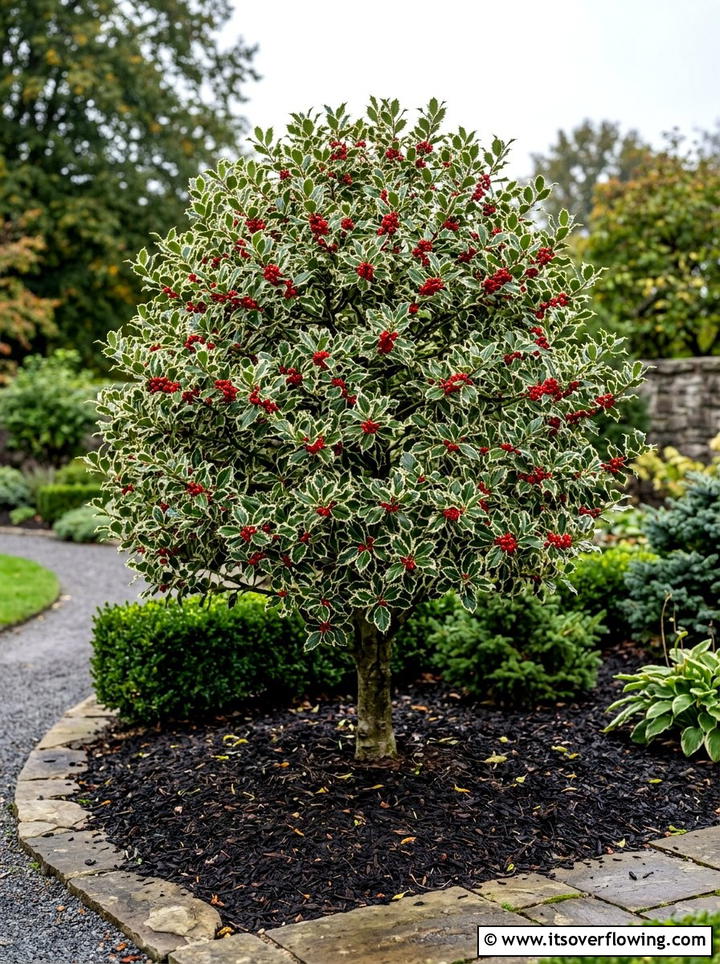
10. Variegated Holly Specimen Plant
A variegated holly bush serves as a stunning specimen plant that brings both light and structure to a shady corner of the yard. The leaves of these evergreens often feature bright white or yellow edges that seem to glow even on cloudy or overcast days. Because they are evergreen, they provide a reliable splash of bright color during the dark winter months when other plants are dormant. The prickly leaves and bright red berries also add interesting textures and a classic holiday feel to the landscape. Planting one as a focal point creates a permanent anchor for your smaller perennials and seasonal potting arrangements.
11. Low Boxwood Knot Garden
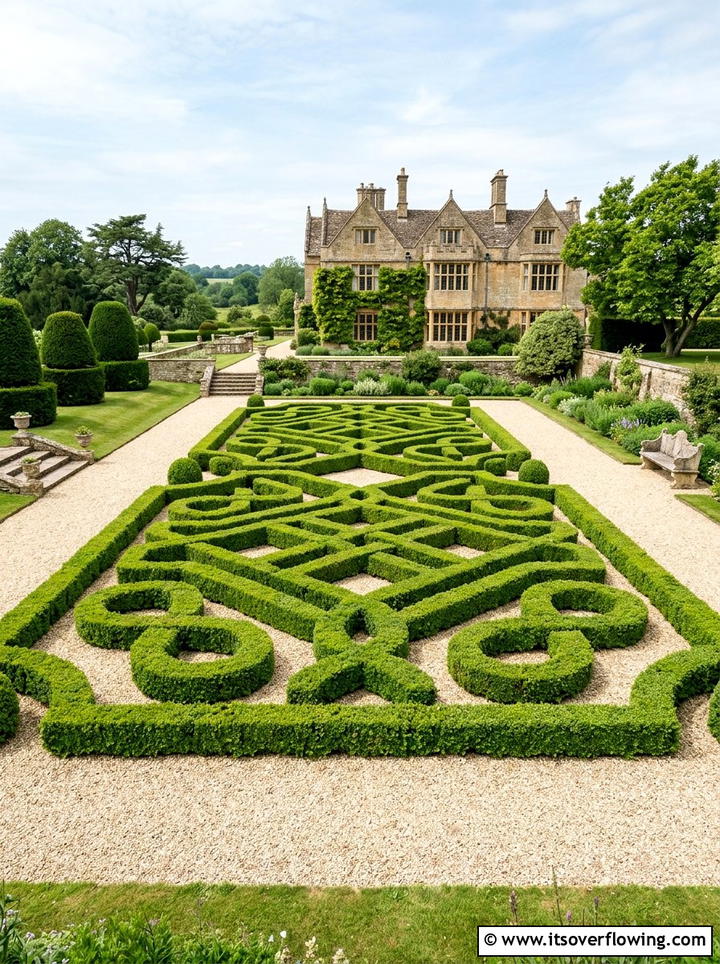
A low boxwood knot garden is a traditional design technique that uses interwoven hedges to create intricate geometric patterns on the ground. This style of gardening is perfect for flat areas where you want to add a sense of history and formal structure. By keeping the boxwoods trimmed very short, you can see the complex “knot” shapes from above, making it a great feature for viewing from a porch. Even when the garden is empty of flowers, the green patterns remain visible and provide a high-level artistic element. This timeless design creates a sophisticated look that stays green and beautiful all year long.
12. Tall Cypress Windbreak
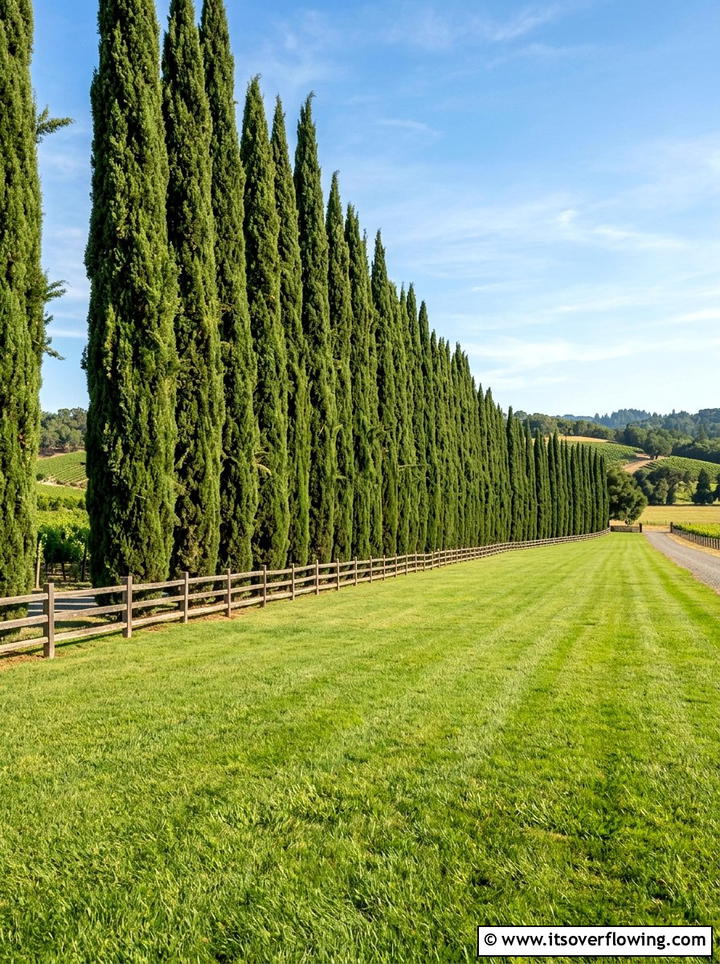
Planting a tall cypress windbreak is a practical and attractive way to protect your home and garden from harsh, cold winter winds. These fast-growing evergreens create a thick barrier that helps to lower heating costs and keeps your outdoor living areas much more comfortable. The soft, feathery foliage of the cypress provides a nice contrast to the hard lines of buildings and fences. Because they grow so tall, they also offer excellent privacy from two-story neighboring houses. This functional evergreen structure ensures that your backyard remains a peaceful sanctuary where you can enjoy the outdoors regardless of the breezy weather conditions.
13. Rhododendron Winter Foliage
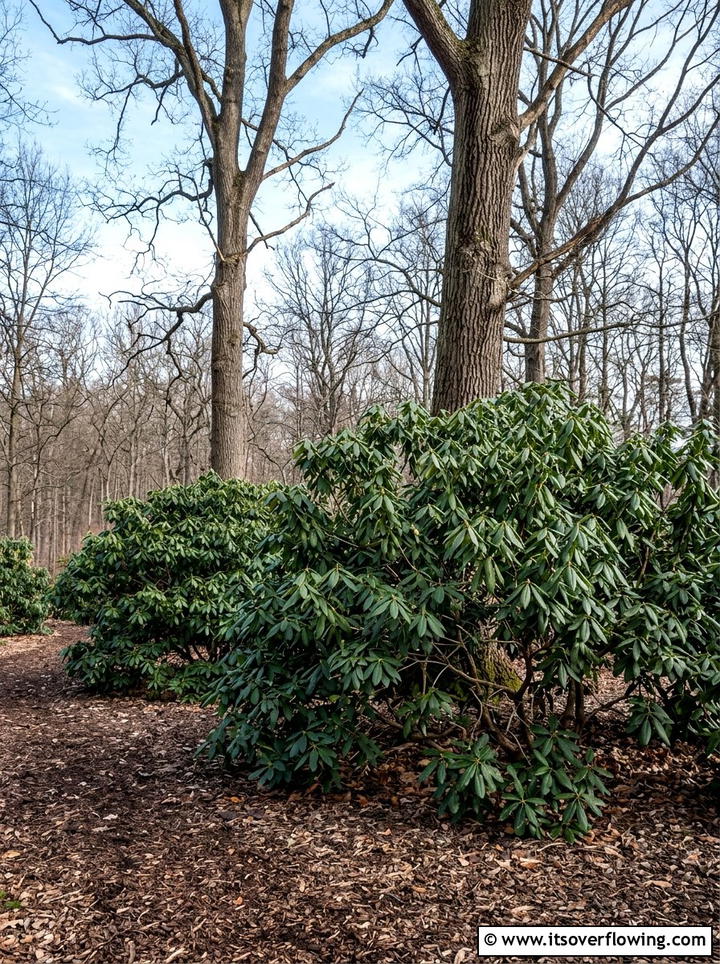
Rhododendrons are prized for their massive spring blooms, but their large, leathery evergreen leaves provide essential structure all year round. These shrubs grow quite large and can be used to fill empty spaces under tall trees or along the side of a house. The dark green foliage creates a heavy, solid presence in the garden that feels very permanent and well-established. In the winter, the leaves may curl up during freezing temperatures, which adds a unique visual indicator of the weather. When they are not in bloom, they serve as a thick green wall that supports the overall layout of your landscaping.
14. Pine Tree Focal Point
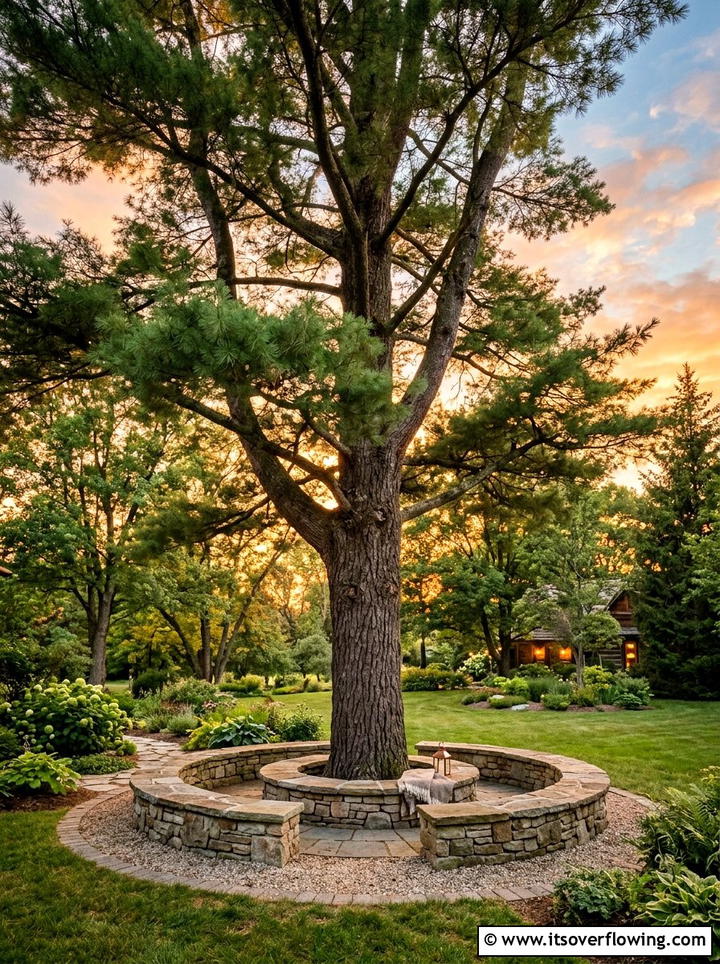
Using a large pine tree as a central focal point gives your garden a sense of age and grandeur that smaller plants cannot match. Whether you choose a classic white pine or a more unique weeping variety, the thick needles and strong branches create a bold silhouette against the sky. This permanent structure provides shade during the summer and a beautiful place for snow to rest during the winter months. The sound of wind moving through the pine needles adds a relaxing auditory element to your outdoor space. A single well-placed pine tree can anchor the entire design of a large backyard or front lawn.
15. Evergreen Espalier Wall
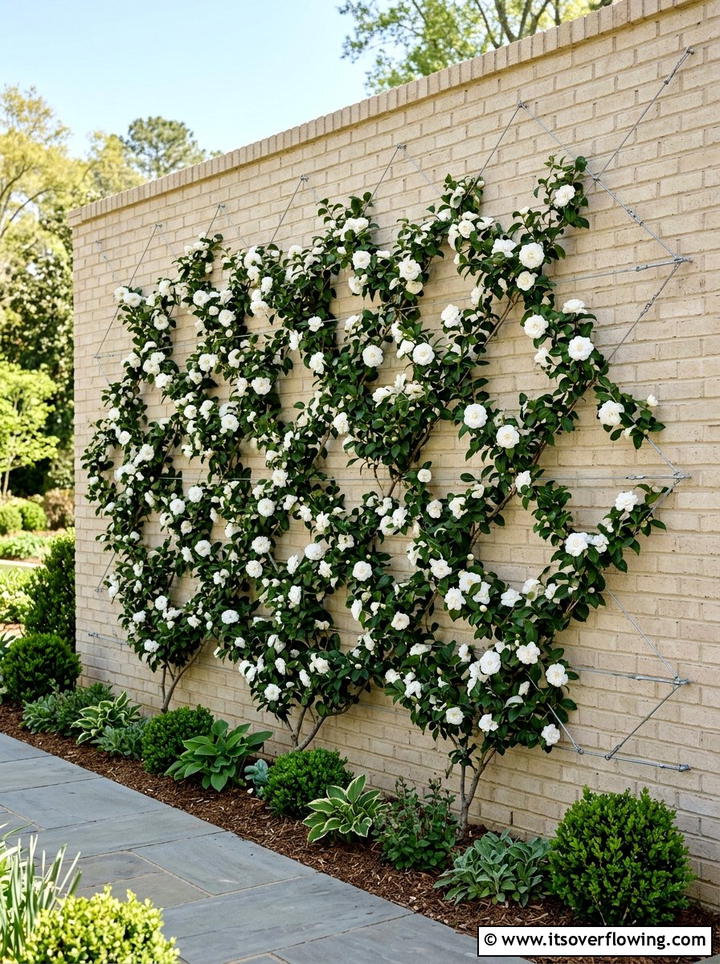
An evergreen espalier involves training shrubs like camellias or pyracantha to grow flat against a wall or a sturdy wooden fence. This technique is perfect for narrow side yards where you want green foliage but do not have room for wide, bushy plants. By pruning the branches into a specific pattern, such as a diamond or a fan, you create a living piece of art. The evergreen leaves ensure that your wall looks decorated and full even when the temperatures drop. This method maximizes your growing space while providing a very unique and architectural look that stays green and vibrant through every season.
16. Hebe Foundation Planting
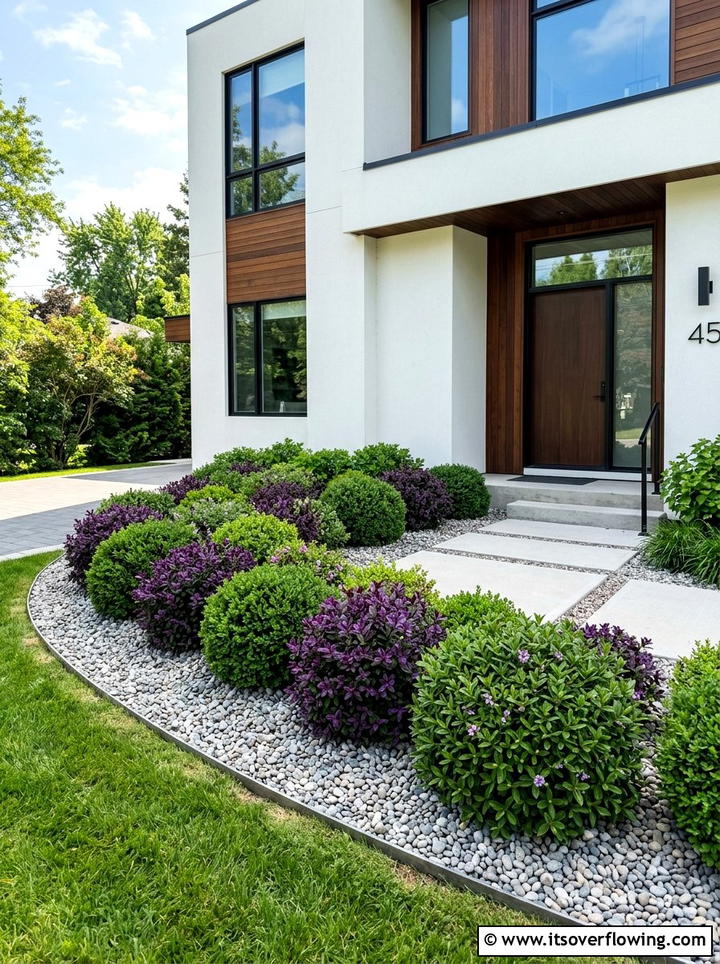
Hebe shrubs are excellent for foundation planting because they offer a wide variety of foliage colors and very compact, rounded growth habits. These evergreens stay small enough that they do not block windows, making them perfect for planting right against the front of your house. Some varieties have leaves that turn purple or bronze in the winter, adding a shift in color without losing any of their structural integrity. Their neat appearance helps to ground the house and blend the architecture into the natural surroundings of the yard. They are low-maintenance plants that provide a polished and finished look to your home’s exterior.
17. Cedar Hedge Boundary
A cedar hedge boundary provides a soft, fragrant, and incredibly dense perimeter for your property that lasts for many decades. Cedars are very hardy and can be trimmed into a formal square shape or allowed to grow more naturally for a rustic look. The bright green color stays consistent, providing a beautiful background for every other plant in your garden throughout the changing months. Because they grow so thick, they are excellent for blocking out the view of the street or creating a safe, enclosed area for children and pets. This classic evergreen choice offers a very high-quality structure that improves with age.
18. Blue Spruce Texture Contrast
Integrating a blue spruce into your landscape provides a striking color contrast against the typical deep greens of most other evergreen plants. The unique silvery-blue needles offer a cool tone that can brighten up a dull corner or act as a standalone specimen tree. Its rigid, pyramidal shape provides a strong vertical element that looks particularly beautiful when covered in a light dusting of winter snow. The stiff branches and sharp needles also add a different texture to the garden, making the overall design feel more professional and well-planned. This tree is a durable and long-lasting addition to any structured garden.
19. Camellia Evergreen Flowering Hedge
Camellias are incredible for garden structure because they combine thick, glossy evergreen leaves with stunning flowers that often bloom in late winter or early spring. Using them as a hedge provides a solid green wall for most of the year, but they offer a surprising burst of color when most other plants are still dormant. The dark green foliage is very dense, making it an excellent choice for screening or creating a backdrop for a garden bench. Because they thrive in partial shade, they are perfect for adding structure to the areas of your yard that don’t get full sun exposure.
20. Japanese Pieris Ornamental Bed
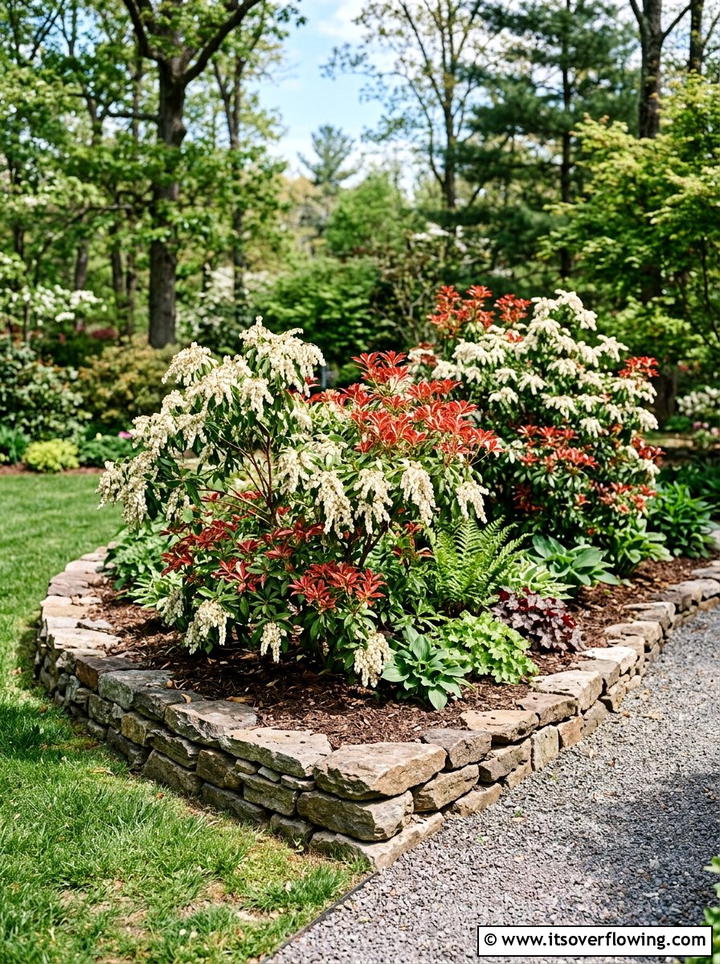
Japanese Pieris is a fantastic evergreen shrub that offers multiple stages of visual interest throughout the entire year for your garden beds. In the early spring, new leaf growth often emerges in bright shades of red or bronze, followed by drooping clusters of bell-shaped flowers. For the rest of the year, the plant maintains a neat, upright structure with deep green, pointed leaves that look great in any landscape. This shrub works well when planted in groups to create a solid mass of greenery or as a transition plant between taller trees and lower ground covers. It provides a reliable and decorative foundation.
21. Laurel Privacy Hedge
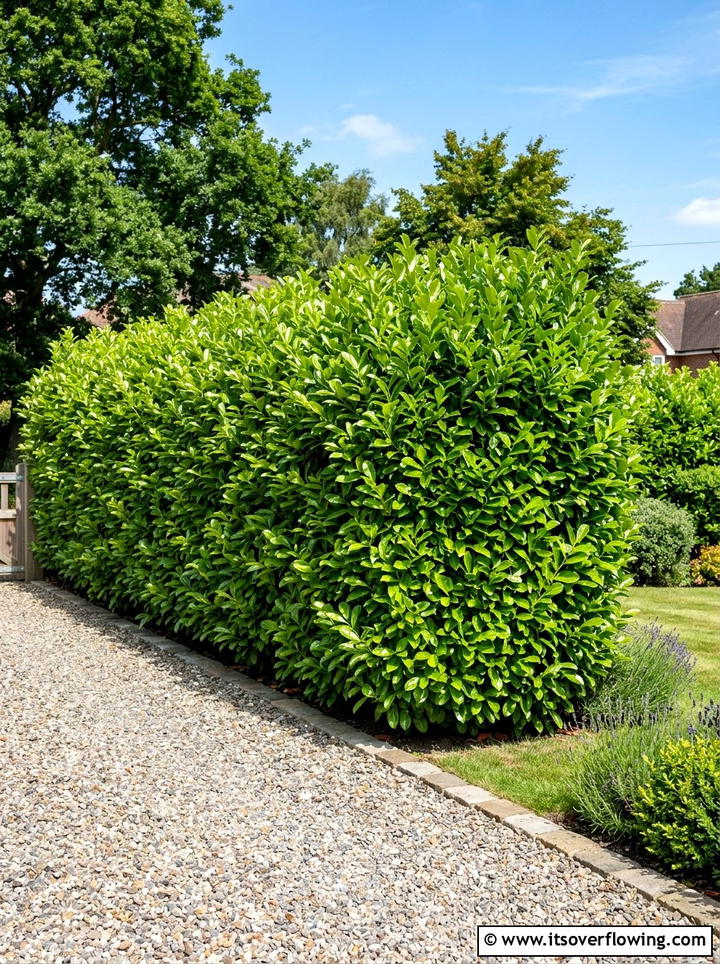
Laurels are famous for their large, shiny leaves and their incredibly fast growth rate, making them the perfect choice for a quick privacy hedge. They create a very thick and opaque green wall that is nearly impossible to see through, providing total seclusion for your backyard. The bright green foliage reflects light well, which can help make a shaded garden feel a little bit brighter and more open. These plants are also very tough and can handle being pruned back hard if they ever get too large for their space. A laurel hedge is a practical and attractive way to add permanent structure.
22. Mountain Laurel Naturalized Garden
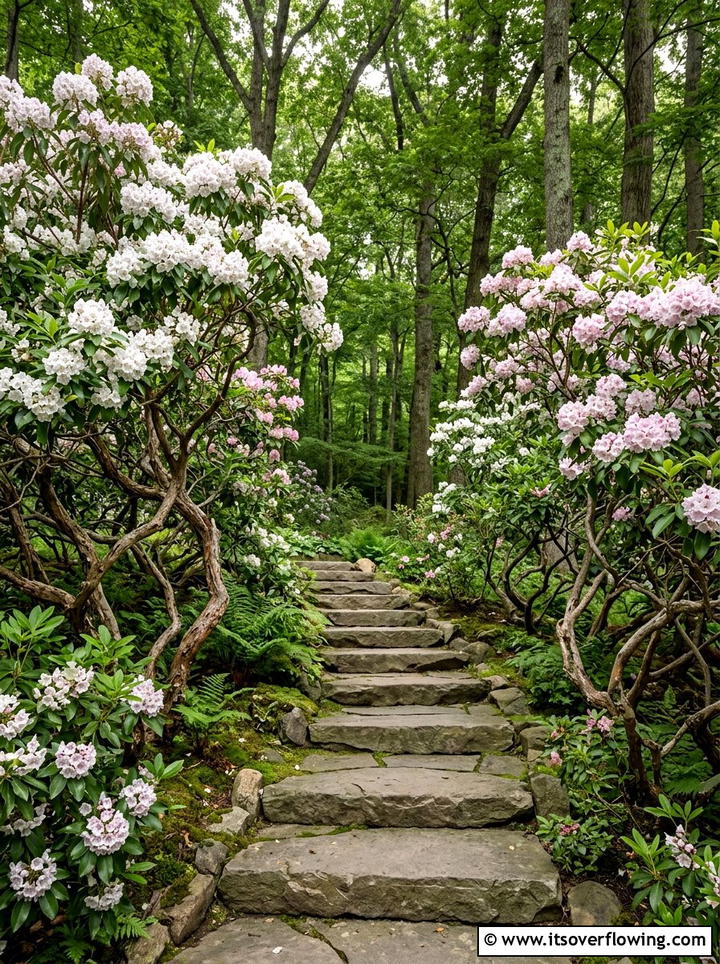
Mountain Laurel is a beautiful evergreen that is native to many areas, making it a great choice for a more naturalized or woodland garden style. It has very interesting, gnarled branches that add a sense of character and age to the landscape even when the plant is young. The evergreen leaves are a soft green and provide a consistent backdrop for the unique, cup-shaped flowers that appear in the late spring. This plant thrives in acidic soil and dappled light, providing structure to those tricky areas under large deciduous trees. It offers a more relaxed and informal evergreen framework for your outdoor space.
23. Gold Mop Cypress Color Pop
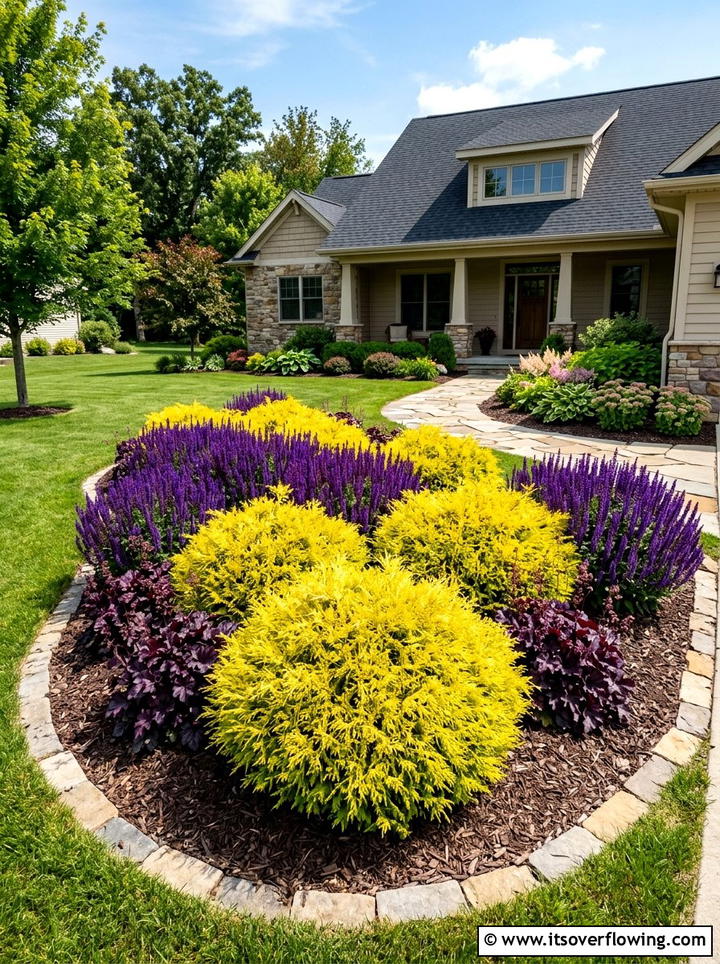
If you want to add a permanent pop of bright color to your garden structure, the Gold Mop Cypress is an outstanding option. This mounding evergreen has stringy, thread-like foliage that stays a brilliant golden-yellow color all year long, even in the middle of a snowy winter. It provides a fantastic contrast when planted next to dark green boxwoods or blue-toned junipers. The shaggy texture adds a playful and modern feel to garden beds and rock gardens alike. Because it grows slowly and stays relatively small, it is a great choice for adding light and structure to the front of a border.
24. Euonymus Winter Interest
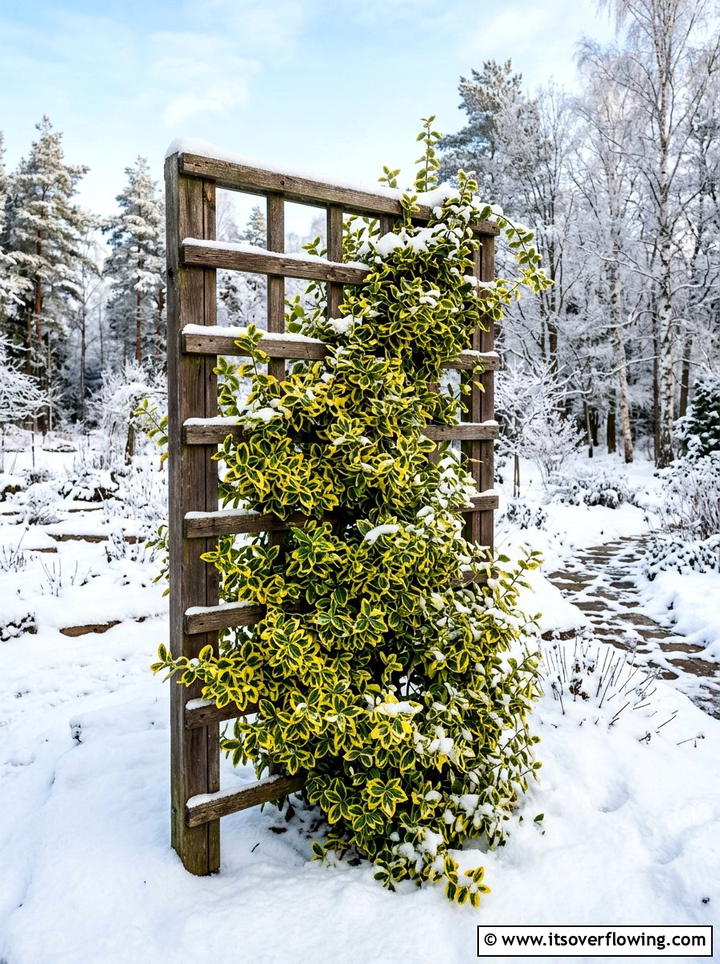
Euonymus shrubs come in many varieties, including many that feature variegated leaves with green centers and bright gold or white edges. These plants are very adaptable and can be used as ground covers, low hedges, or even trained to climb up a trellis or a garden wall. Their evergreen nature ensures that your garden has a bright and colorful structure during the coldest parts of the year when the sun is low. Many varieties also take on a slight pink or reddish tint during the winter, which adds even more visual variety. This is a tough, versatile plant for any structured garden.
25. Evergreen Grass Meadow Edge
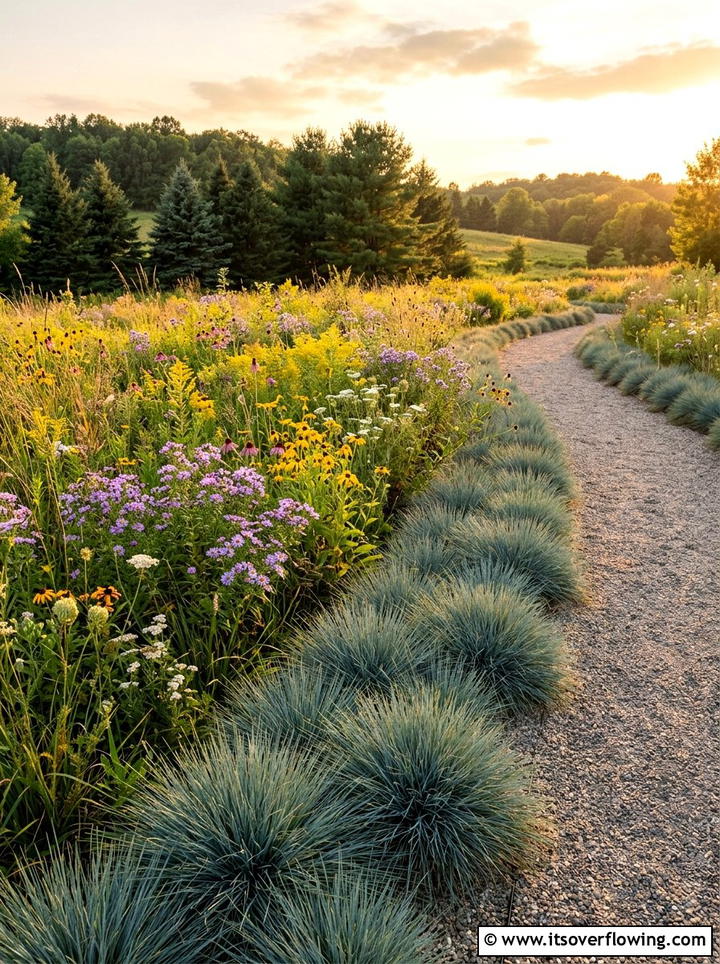
Using evergreen grasses like Blue Fescue or Carex along the edges of a meadow or a flower bed adds a soft, flowing structure to the garden. Unlike many ornamental grasses that turn brown and must be cut back in the winter, evergreen varieties stay colorful and maintain their shape. They create a tufted, textured border that moves beautifully in the breeze and provides a low-level framework for your larger shrubs and trees. These grasses are perfect for filling in small gaps and adding a touch of modern style to your landscape. They provide a continuous green line that defines your garden spaces throughout the year.
Conclusion:
Building a garden with a strong evergreen structure is the most effective way to ensure your outdoor space remains attractive every single day of the year. By choosing a variety of shapes, colors, and textures, you can create a landscape that feels professional, balanced, and full of life even during the quietest winter months. Whether you prefer the formal look of clipped boxwoods or the rugged appeal of pine trees and rock gardens, evergreens provide the essential foundation for any successful design. Investing in these permanent plants will pay off for years to come as they grow and mature into a lush, green sanctuary.

Related posts:
 25 Garden Design Ideas With Seasonal Flowers for Year-Round Color
 25 Garden Ideas for Year Round Color in Every Season
 25 Garden Ideas With Evergreens for Year-Round Beauty
 25 Small Garden Ideas for Year Round Color and Lasting Beauty
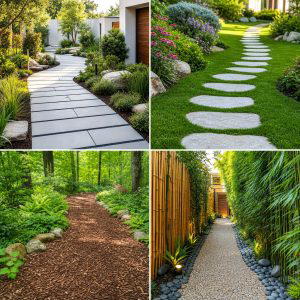 25 Garden Design Ideas With Pathways for Beautiful Garden Flow
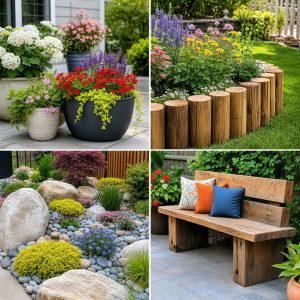 25 Garden Design Ideas for Low Budget Projects That Look Expensive
 25 Garden Design Ideas for Patios With Stylish Outdoor Charm
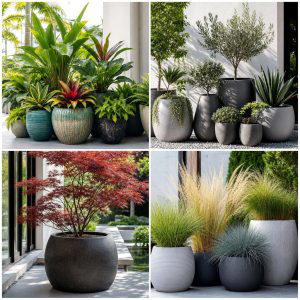 25 garden design ideas with container clusters: Stylish Pots
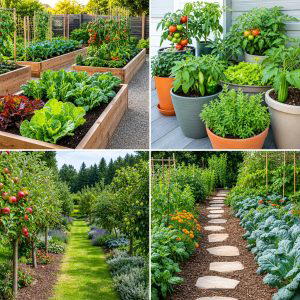 25 garden design ideas with edible plants: Beautiful Foodscapes
 25 Garden Design Ideas With Native Grasses for Natural Style
 25 Garden Design Ideas With Privacy Screens for Secluded Yards
 25 Garden Design Ideas With Texture for a Lush Yard Look