
Creating a garden that maintains vibrant visual interest throughout all four seasons requires a thoughtful blend of structural plants and seasonal bloomers. Most homeowners struggle with a landscape that looks dull once the summer flowers fade away. By incorporating a diverse mix of evergreens, berry-producing shrubs, and plants with interesting bark, you can enjoy a lively outdoor space even in the dead of winter. A well-planned garden acts as a living canvas that shifts its palette as the months pass. This approach not only increases your property’s curb appeal but also provides a necessary sanctuary for local wildlife during the colder months of the year.
1. Evergreen Shrub
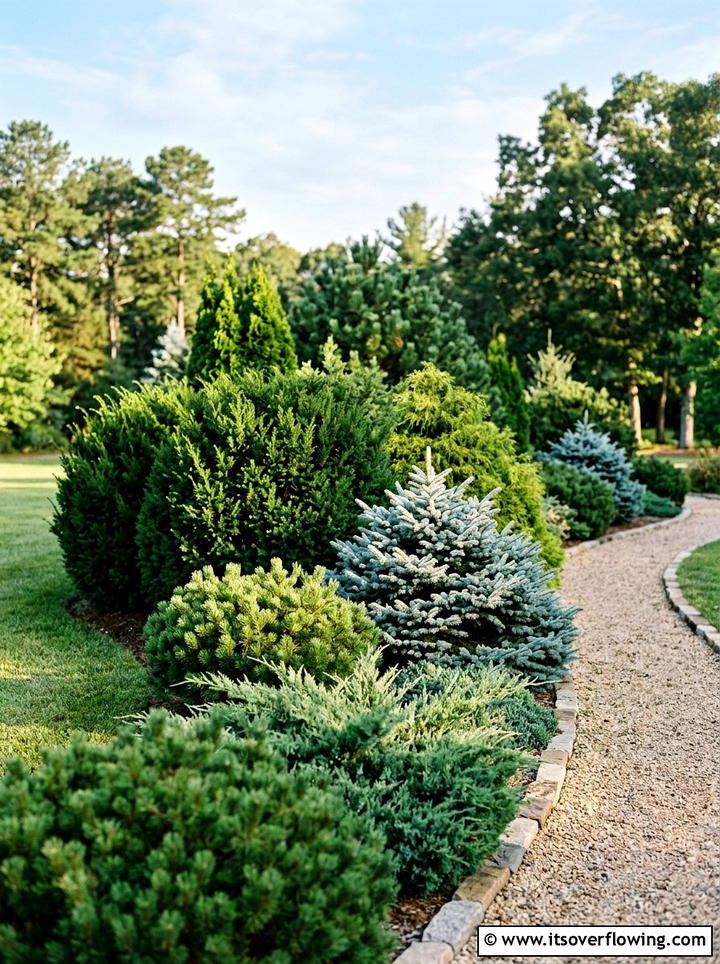
Evergreen shrubs serve as the essential backbone for any landscape that aims to look beautiful every single day of the year. These hardy plants keep their leaves through the winter, providing a steady green backdrop when other perennials go dormant. You can choose from various textures like needle-like pines or broad-leaved hollies to create visual depth. Strategic placement of these shrubs helps define the boundaries of your outdoor space and offers a sense of permanence. When everything else turns brown or loses its leaves, your evergreen border stays lush and full. This consistency is the foundation upon which you can layer more transient seasonal pops of bright color.
2. Japanese Maple
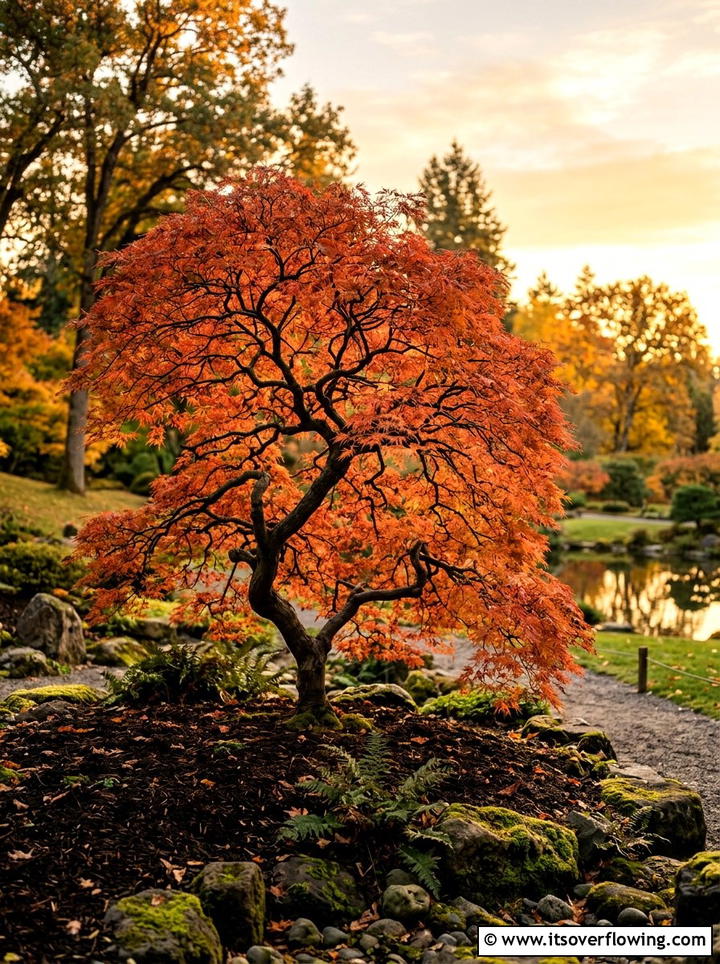
Japanese maples are prized for their delicate foliage and the incredible transformation they undergo as the seasons change throughout the year. In the spring, the new leaves often emerge in soft pinks or bright greens that feel very fresh. During the summer, they provide a cooling canopy of deep purple, burgundy, or lime green depending on the specific variety. Once autumn arrives, these trees put on a spectacular show with fiery reds and oranges that light up the entire yard. Even in winter, their unique architectural branch structure adds a sculptural element to the garden. They are truly a focal point that offers visual interest for all seasons.
3. Ornamental Grass
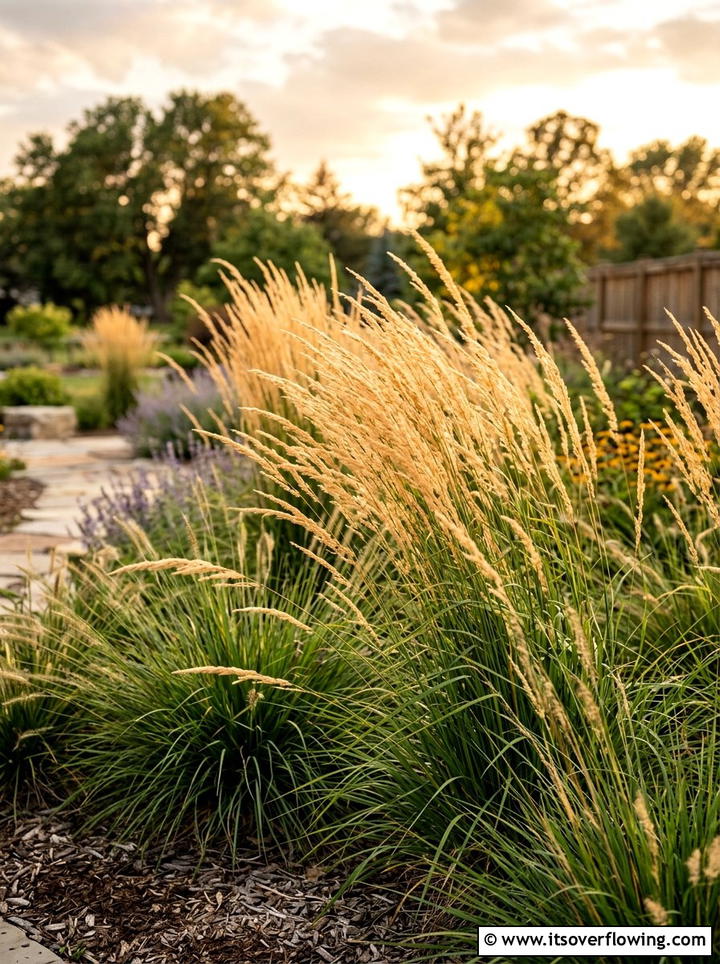
Ornamental grasses offer a unique type of beauty that moves and sounds lovely in the breeze during the late seasons. Many varieties start with fresh green blades in the spring and then produce tall, feathery plumes during the late summer months. These plumes often last well into the winter, catching the frost and snow in a very magical way. The golden and tan hues of dried grass provide a warm contrast against the gray winter sky. Because they stand tall even when dormant, they add much-needed vertical interest to the landscape. They are low-maintenance plants that look great in large drifts or as single garden accents.
4. Red Twig Dogwood
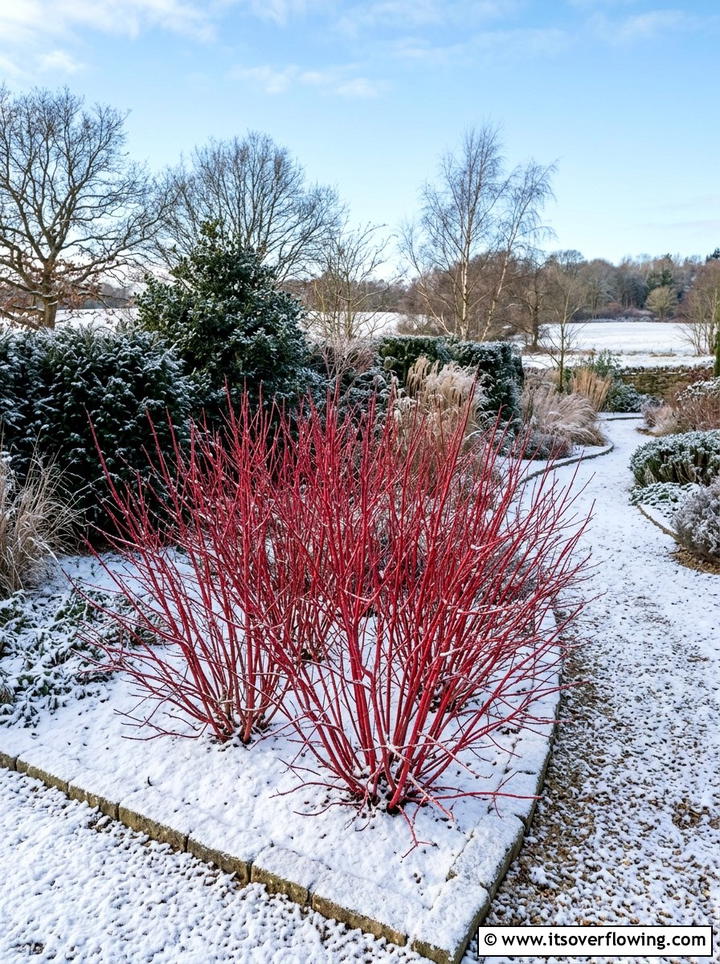
Red twig dogwoods are famous for the brilliant color they bring to a landscape when most other plants are sleeping. While they have nice white flowers in the spring and green leaves in summer, their real show begins in winter. Once the leaves fall, the stems reveal a stunning, bright red bark that looks incredible against a backdrop of white snow. This plant provides a much-needed pop of high-contrast color during the darkest months of the year. To keep the stems looking their brightest, you should prune the older wood regularly to encourage new growth. They are perfect for adding winter drama to any yard.
5. Winter Hellebore
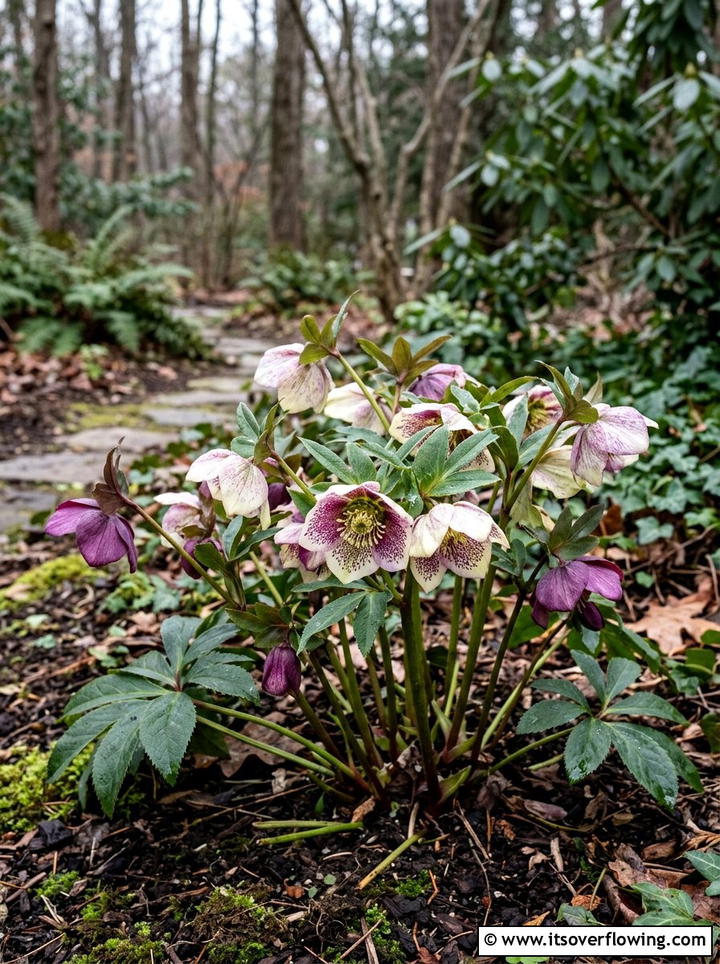
Winter hellebores, often called Lenten roses, are some of the earliest flowers to bloom in a garden during the transition from winter. These tough perennials produce nodding, cup-shaped flowers in shades of white, pink, purple, and even deep green. Their leathery, evergreen foliage stays attractive throughout the entire year, providing a nice groundcover even when the plants are not in bloom. They thrive in shaded areas where other plants might struggle to grow well. Because they bloom when there is often still snow on the ground, they offer a very hopeful sign of the coming spring. They are a must-have for winter interest.
6. Dried Hydrangea
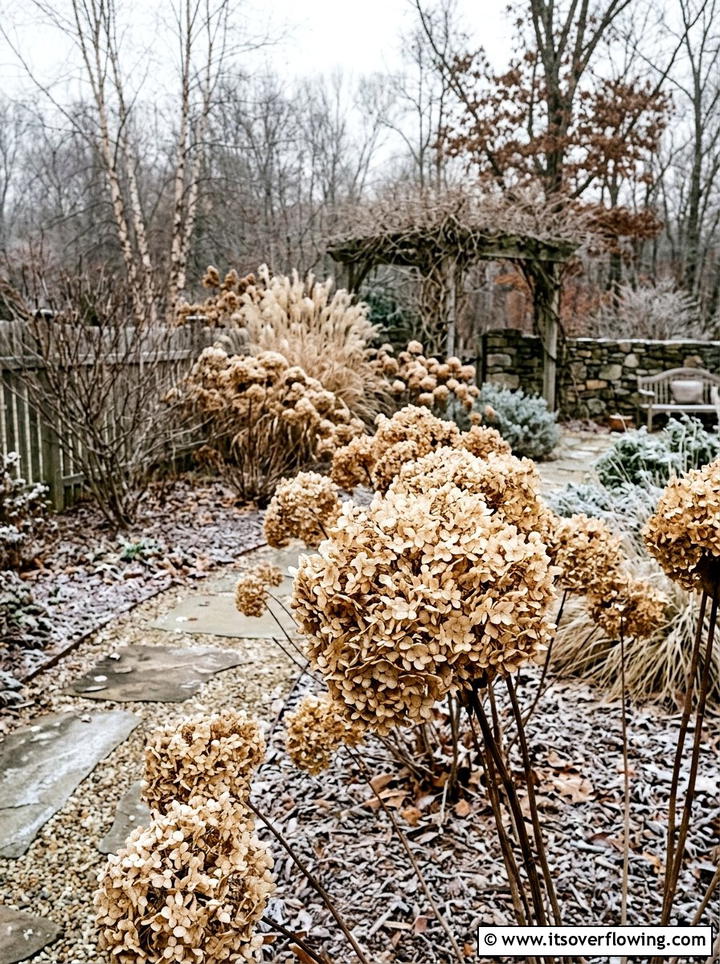
Hydrangeas are beloved for their massive summer blooms, but they also contribute significantly to the garden’s look during the autumn and winter. If you leave the flower heads on the plant instead of cutting them back, they dry into beautiful, papery structures. These tan and brown globes hold their shape even through heavy rain and light snow. They provide a structural and architectural element to the garden beds during the dormant season. In the spring, the fresh green growth emerges quickly to cover the old stems. They are a perfect example of a plant that works hard for your landscape all year long.
7. Yellow Witch Hazel
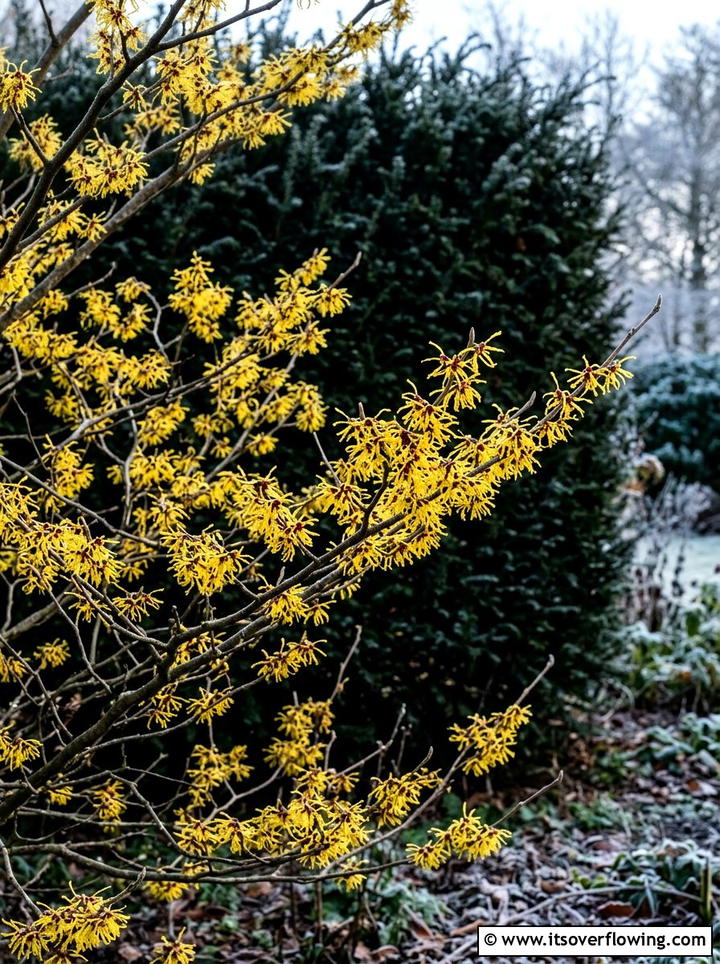
Yellow witch hazel is a unique shrub that surprises gardeners with its fragrant, spidery blooms in the very middle of winter. While most other plants are still dormant, this hardy shrub produces bright gold or orange flowers that cling to bare branches. The scent is often described as spicy and sweet, drifting through the cold air on sunny winter days. In the summer, the plant has attractive green foliage that turns a beautiful yellow in the fall. This shrub is perfect for placing near a walkway or entryway where you can enjoy its rare winter fragrance. It adds an unexpected layer of seasonal joy.
8. Creeping Phlox
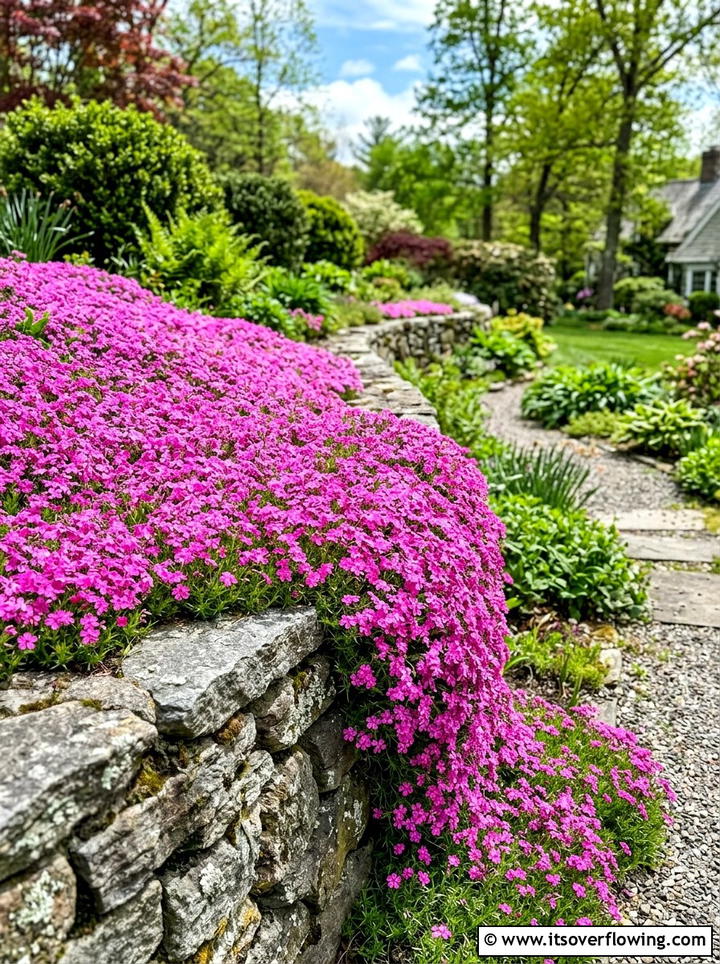
Creeping phlox is a fantastic groundcover that creates a carpet of intense color during the early spring months of the year. The plant forms a dense mat of needle-like evergreen foliage that stays green even through the coldest winter weather. When spring arrives, the entire plant becomes covered in tiny, star-shaped flowers in shades of blue, pink, or white. This low-growing plant is perfect for spilling over stone walls or covering sunny slopes where grass is hard to mow. It provides a massive impact for a small amount of maintenance. The evergreen nature of the foliage ensures that the ground never looks completely bare.
9. Winterberry Holly
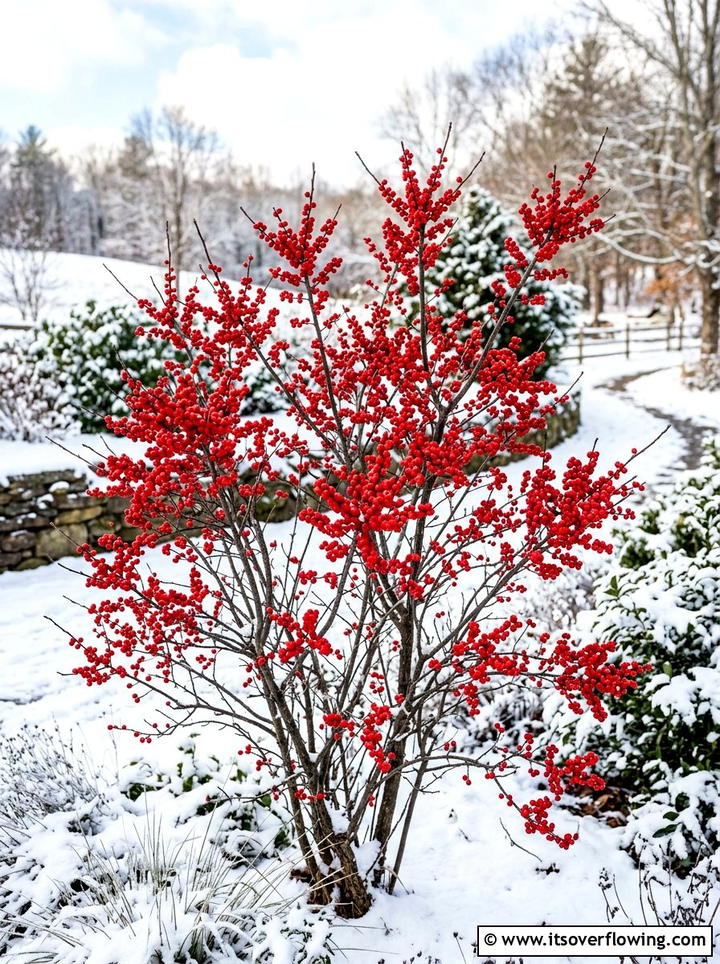
Winterberry holly is a deciduous version of the classic holly plant that loses its leaves to reveal stunning clusters of berries. In the late autumn and winter, the branches are heavily laden with bright red berries that stand out brilliantly in the landscape. These berries serve as a vital food source for birds, adding movement and life to your garden during the cold months. The bare branches with red accents look like a natural floral arrangement standing in your yard. You do need both a male and female plant to ensure berry production. It is a spectacular choice for adding natural, organic winter color.
10. English Lavender
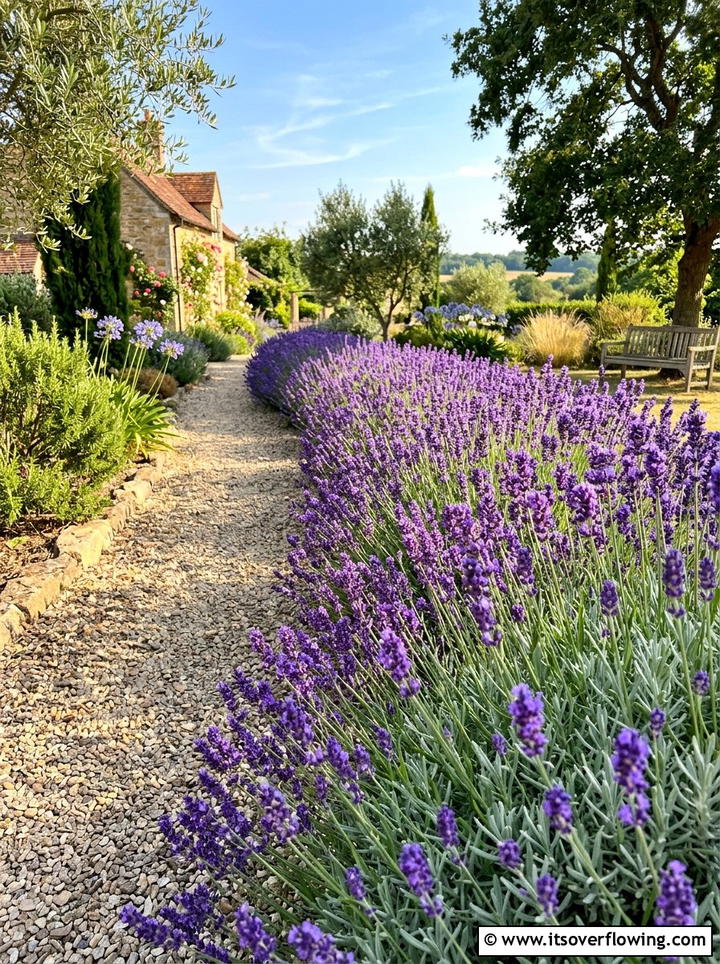
English lavender is a Mediterranean favorite that offers silvery-green foliage and fragrant purple spikes throughout the warmer months of the year. The foliage is semi-evergreen, meaning it maintains its structure and color even during the cooler winter season. In the summer, the garden is filled with the iconic scent and the buzzing of pollinators attracted to the blooms. Even when the flowers are spent, the silvery leaves provide a cool, calming tone to the garden beds. This plant works well as a low hedge or as an accent in a sunny rock garden. It brings a touch of classic elegance to any space.
11. Blue Spruce
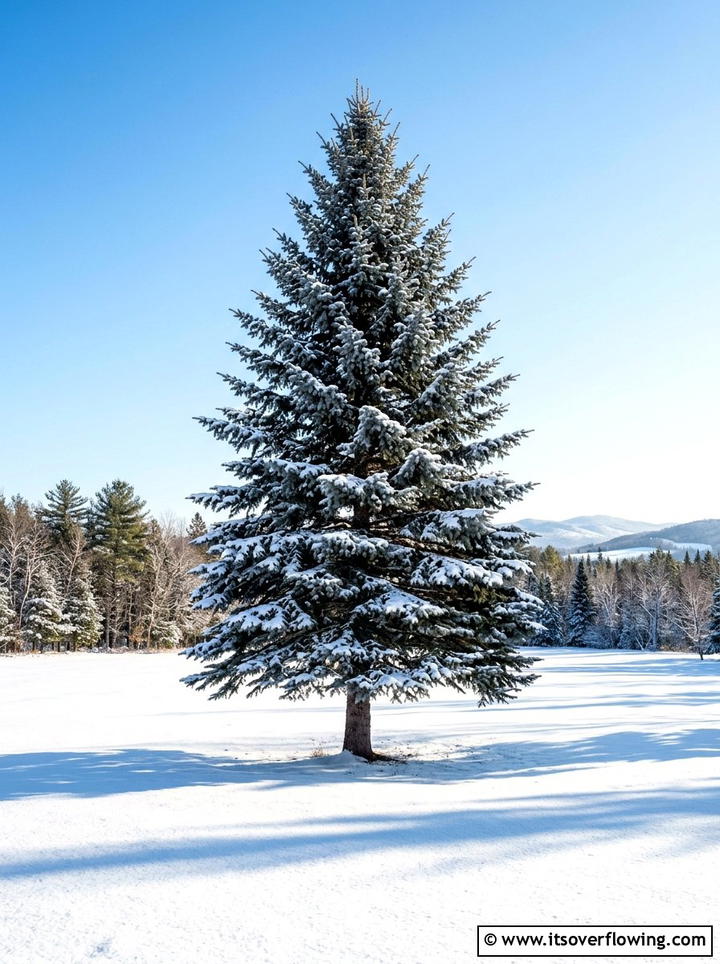
Blue spruce trees are iconic evergreens that provide a unique, cool-toned color to the landscape through every single season of the year. Their needles have a distinct silvery-blue or powder-blue hue that contrasts beautifully with darker green plants nearby. These trees offer a very strong, pyramidal shape that serves as a permanent architectural feature in the garden. They look particularly striking when covered in a light dusting of winter snow. Because they are very hardy, they can withstand harsh winds and cold temperatures without losing their beauty. They are a reliable source of color that never fades, regardless of the outdoor temperature.
12. Coral Bells
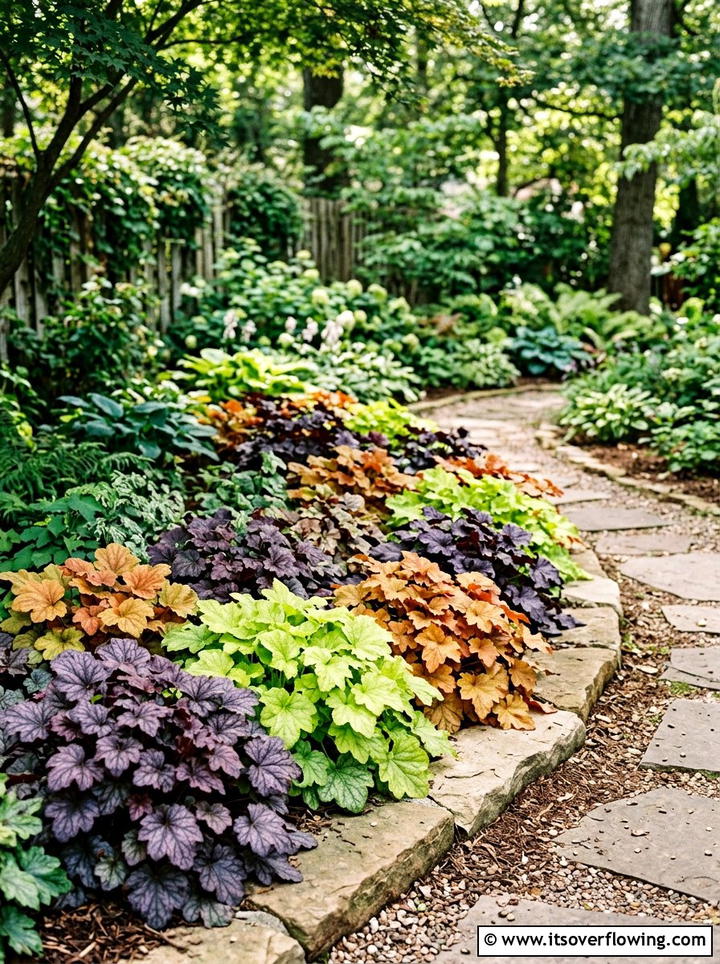
Coral bells, also known by their botanical name Heuchera, are grown primarily for their incredible foliage which comes in many colors. You can find varieties with leaves in shades of lime green, deep purple, bright orange, and even silver. These perennials are semi-evergreen in many climates, meaning the colorful leaves often persist well into the winter months. They form neat mounds that look great along the edges of garden paths or in decorative containers. In the summer, they send up delicate wands of tiny flowers that attract hummingbirds. They are one of the most versatile plants for adding year-round color to shaded areas.
13. Japanese Pieris
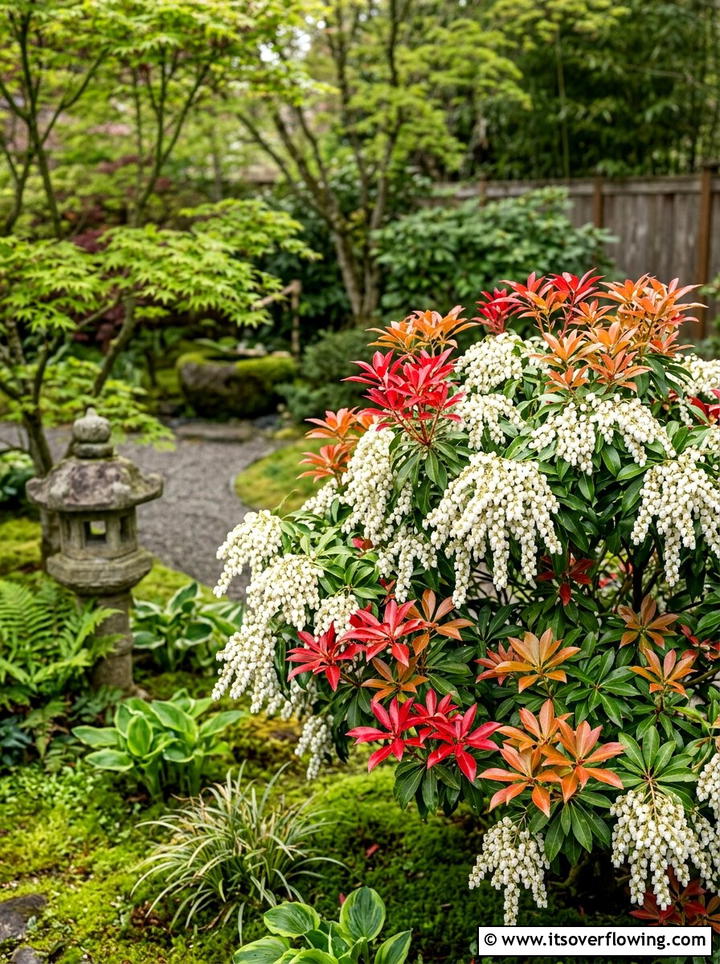
Japanese Pieris is an elegant evergreen shrub that offers multiple stages of color interest throughout the entire year for gardeners. In the early spring, it produces cascading clusters of bell-shaped flowers that look very similar to lilies of the valley. Following the floral display, the new leaf growth emerges in a brilliant, shiny bronze or bright red color. As the leaves mature, they turn a deep, glossy green that remains on the plant all winter long. The flower buds for the next year actually form in the fall, providing a beaded texture during the winter. It is a truly dynamic plant for any landscape.
14. Spring Forsythia
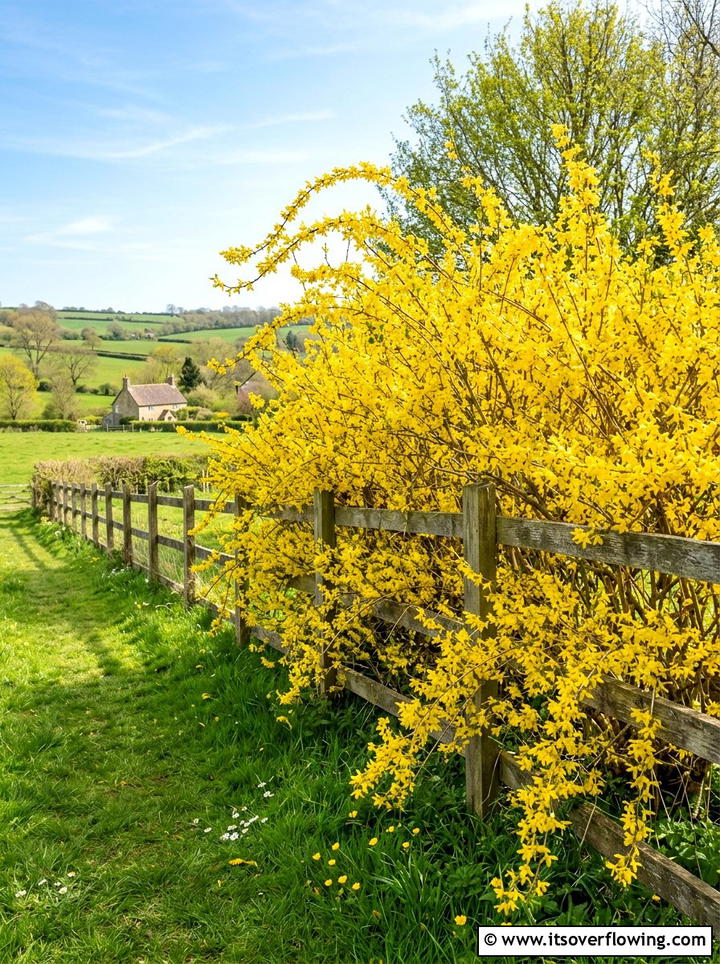
Spring forsythia is the classic harbinger of spring, known for its explosion of bright yellow flowers on bare, arching branches. This shrub is one of the first things to bloom after winter, signaling the end of the cold season with cheer. While the flowers are the main draw, the plant provides a dense screen of green leaves throughout the summer. In the fall, some varieties take on a pleasant purplish or yellow hue before the leaves drop for winter. Its fast growth habit makes it ideal for creating a colorful privacy hedge. It is a reliable and tough plant for high-impact spring color.
15. Stonecrop Sedum
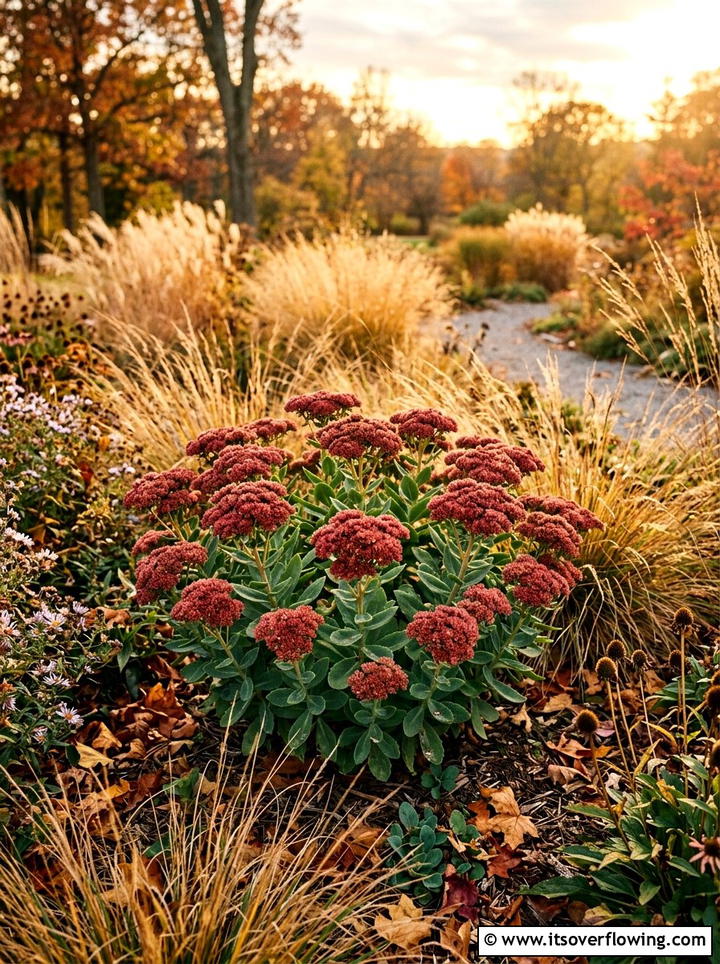
Stonecrop sedum is a hardy succulent that changes its appearance beautifully as it moves through the different stages of the year. In the spring and summer, it features thick, fleshy green leaves that store water and look very lush. During the late summer and early fall, the plant produces large, flat flower heads that start as pale green. These flowers gradually turn pink and then deepen into a rich, rusty red as the weather gets colder. Even in winter, the dried flower heads stand tall and provide interest in the garden beds. It is an incredibly easy plant to grow for long-lasting color.
16. Winter Camellia
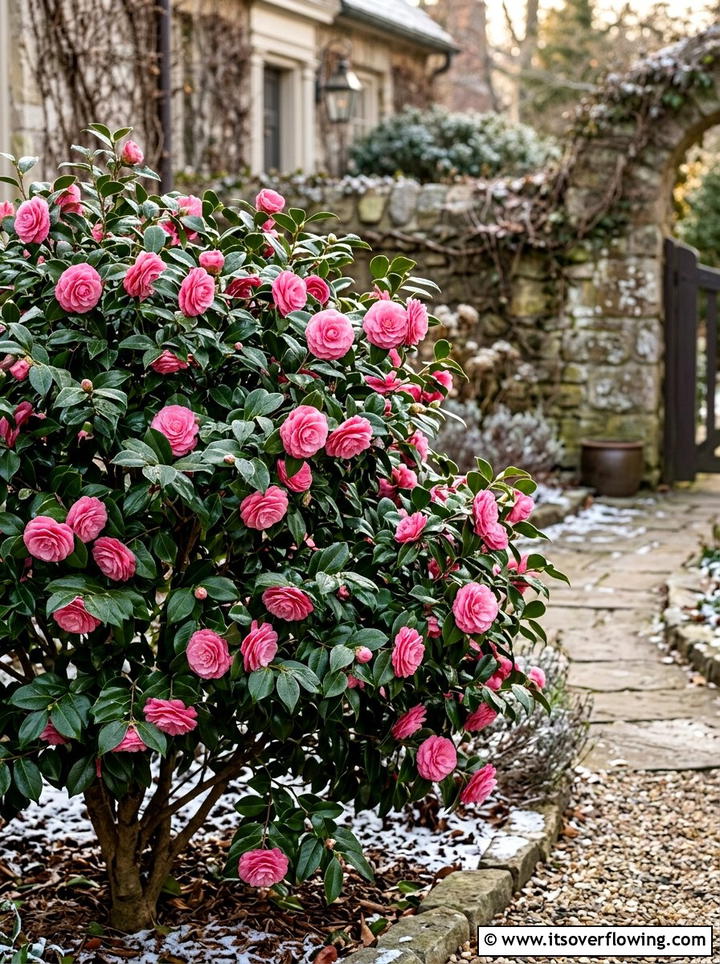
Winter camellias are prized for their ability to bloom during the coldest months when very few other plants are showing flowers. These evergreen shrubs have glossy, dark green leaves that look beautiful and healthy all year long in the garden. Depending on the variety, they produce large, rose-like flowers in shades of white, pink, or deep crimson. Because they bloom in late fall or mid-winter, they provide a very dramatic and unexpected splash of color. They prefer slightly acidic soil and a bit of shade from the afternoon sun. They are the ultimate luxury plant for a garden that never stops blooming for you.
17. Burning Bush
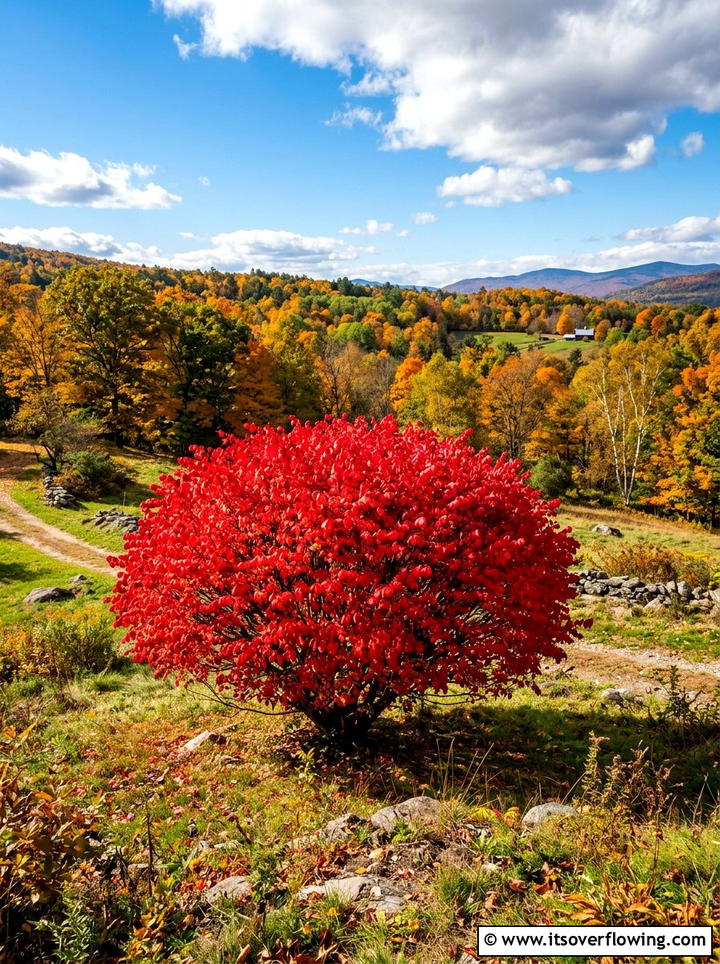
Burning bush is a deciduous shrub that is famous for its incredible transformation during the autumn months of the year. Throughout the summer, it serves as a tidy, green backdrop with a dense and rounded growth habit for your yard. However, once the temperatures drop in the fall, the foliage turns a brilliant, neon red that is truly stunning. This intense color is what gives the plant its name and makes it a favorite for fall interest. Even in winter, some varieties have unusual “winged” bark that adds texture to the landscape. It is a high-impact choice for creating a seasonal focal point.
18. Purple Coneflower
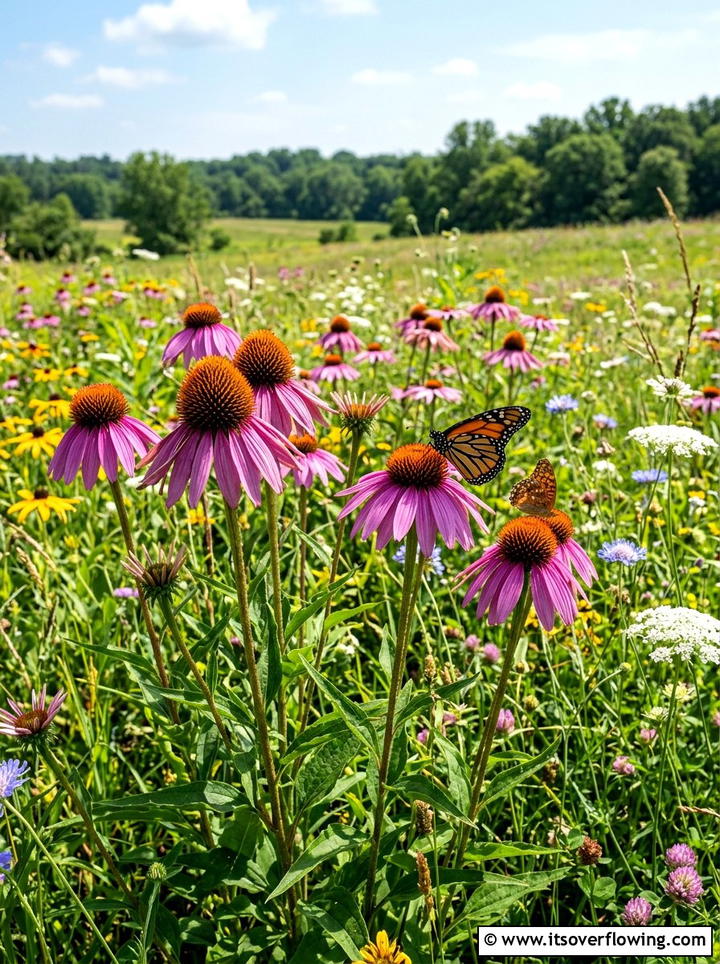
Purple coneflowers are iconic summer perennials that bring a wild, meadow-like feel to the garden with their sturdy, upright stems. They feature large, daisy-like flowers with bright purple petals and a prominent, orange-brown central cone that attracts many butterflies. These plants are very tough and can handle heat and drought conditions during the height of the summer. If you do not cut them back in the fall, the dark cones remain on the stems through winter. These dried cones provide a striking silhouette against the snow and offer seeds for hungry birds. They are beautiful in every stage of their life cycle.
19. English Boxwood
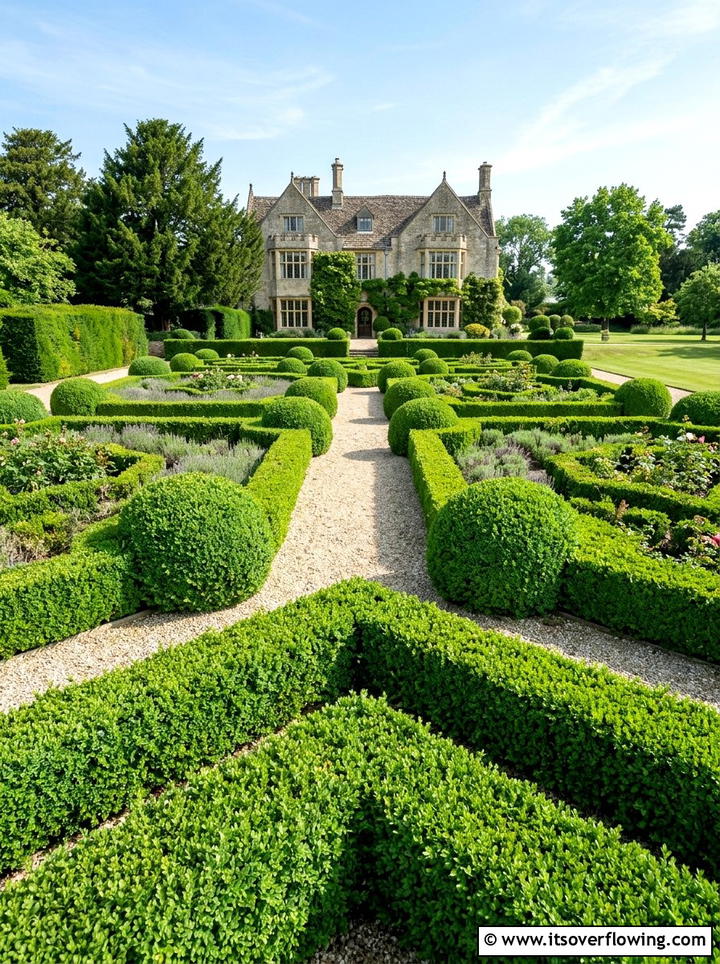
English boxwood is the ultimate structural plant, known for its dense, small evergreen leaves and its ability to be shaped. These shrubs provide a permanent green framework that keeps the garden looking tidy and organized throughout every single season. Whether you grow them as a low hedge or prune them into formal spheres, they offer a sense of order. Their rich green color provides a perfect contrast for more colorful flowers that bloom nearby in the spring and summer. During the winter, their solid forms give the landscape a visible design even when smaller plants have disappeared. They are a classic garden staple.
20. Spring Rhododendron
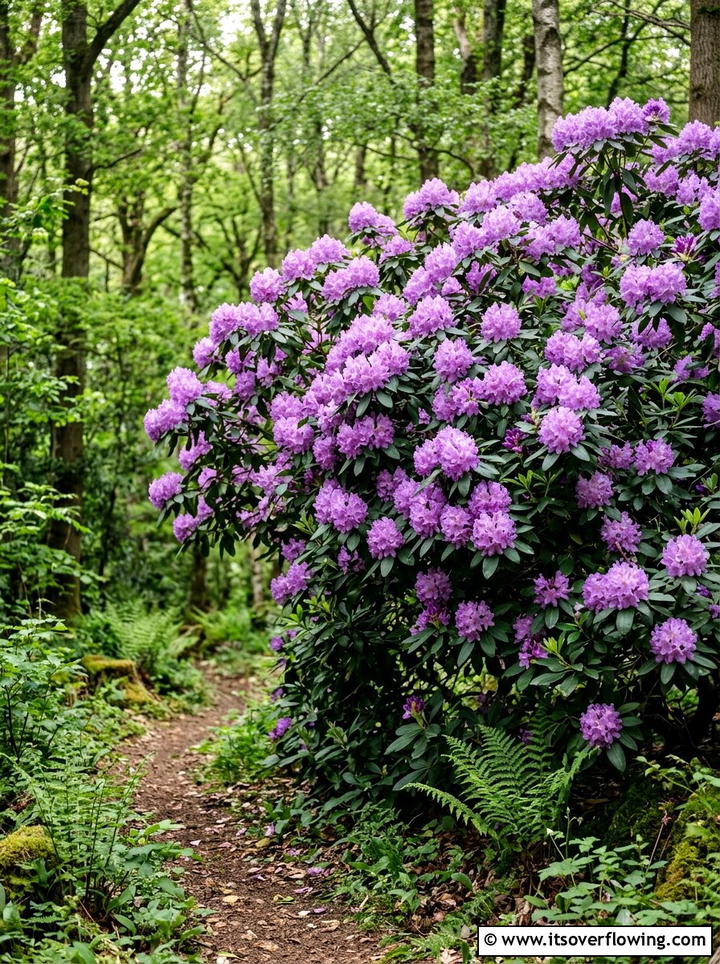
Spring rhododendrons are massive flowering shrubs that offer a spectacular display of color during the middle of the spring season. They are evergreens, so their large, leathery green leaves provide a solid wall of greenery throughout the entire year. When they bloom, the entire plant is often covered in huge clusters of trumpet-shaped flowers in shades of purple, pink, or white. These shrubs are excellent for creating privacy or filling in large gaps in a partially shaded garden bed. Their year-round foliage and dramatic spring flowers make them a very valuable addition to any home landscape. They are truly impressive when in full bloom.
21. Oregon Grape
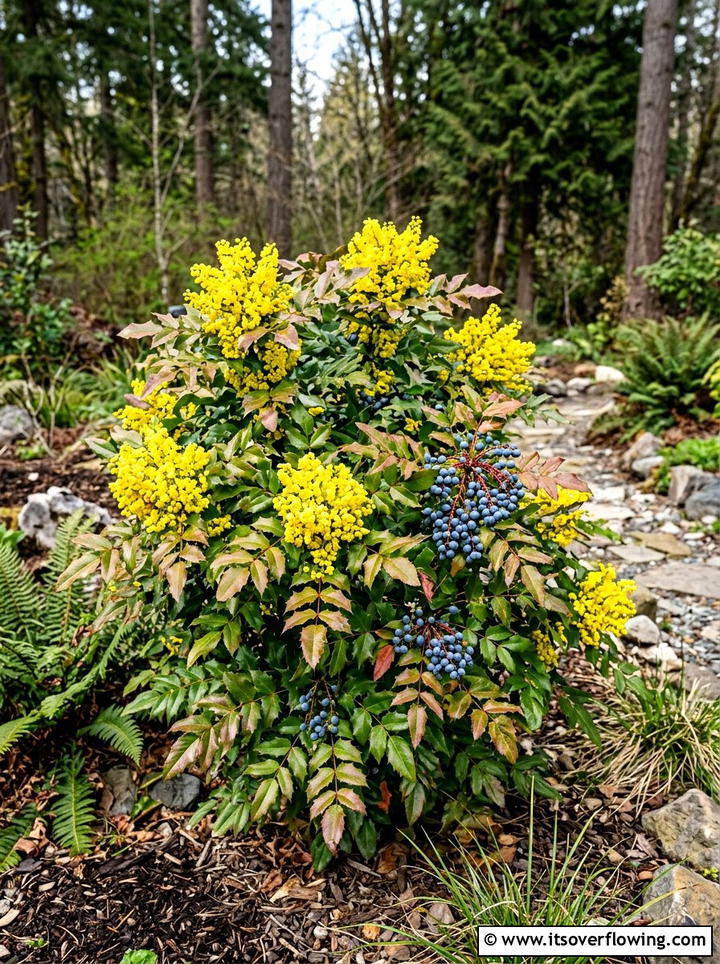
Oregon grape is a versatile evergreen shrub that offers changing colors and textures through every month of the year for you. In the early spring, it produces clusters of bright yellow flowers that have a very pleasant and sweet fragrance. These flowers are followed by dark blue, berry-like fruits that look like small grapes and attract local birds. The holly-like leaves are shiny and green during the summer but often turn a beautiful bronze or burgundy in the winter. This color shift adds a layer of warmth to the garden during the colder months. It is a tough and very reliable native plant.
22. Evergreen Azalea
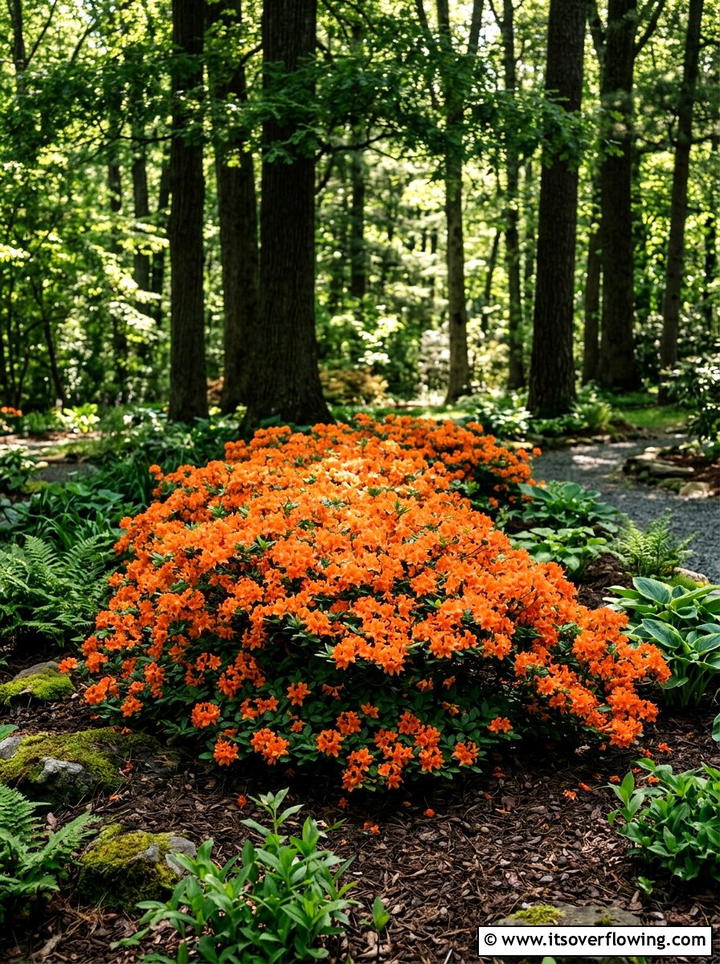
Evergreen azaleas are smaller relatives of the rhododendron that provide a dense carpet of color during the peak of the spring. Like their larger cousins, they keep their leaves all year long, ensuring that your garden beds never look completely empty. The flower colors range from soft pastels to incredibly vibrant oranges and purples that can be seen from far away. They work beautifully when planted in groups to create a massive wave of color along a garden border. Because they are compact, they are also perfect for smaller yards or for planting underneath taller trees. They are a timeless choice for spring.
23. Rockspray Cotoneaster
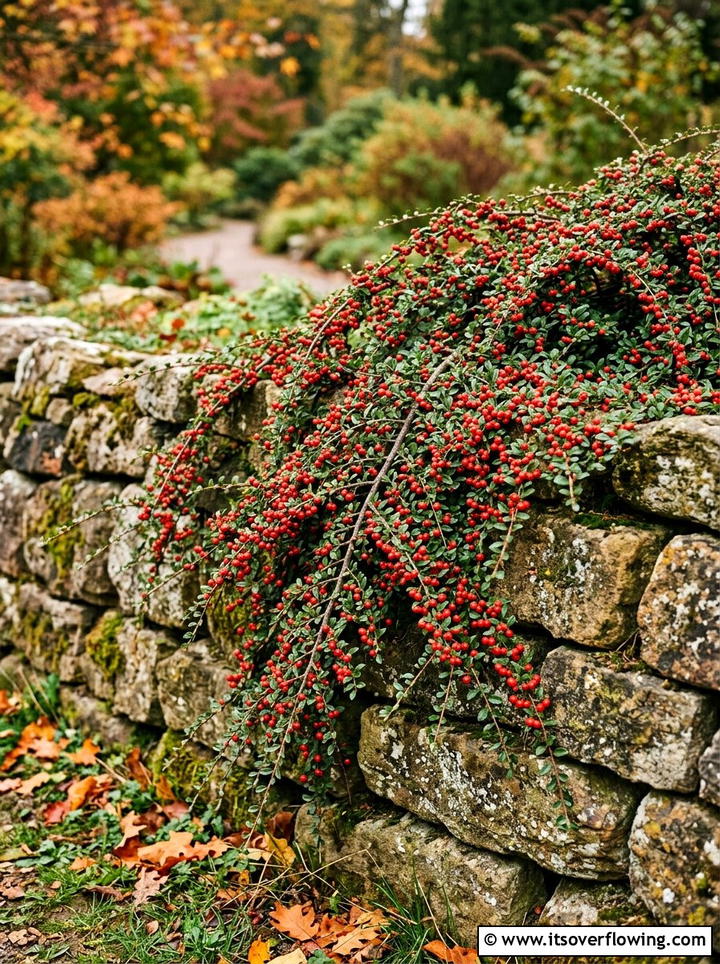
Rockspray cotoneaster is a low-growing, spreading shrub that is valued for its unique growth pattern and its bright winter berries. In the spring, it is covered in tiny, pinkish-white flowers that are very attractive to bees and other pollinators. During the summer, the plant has small, glossy green leaves arranged in a neat “herringbone” pattern on the branches. In the fall, the foliage often turns shades of red or purple before the bright red berries become the main attraction. These berries persist into the winter, providing a festive look. This plant is excellent for covering ground or cascading over a stone retaining wall.
24. Diabolo Ninebark
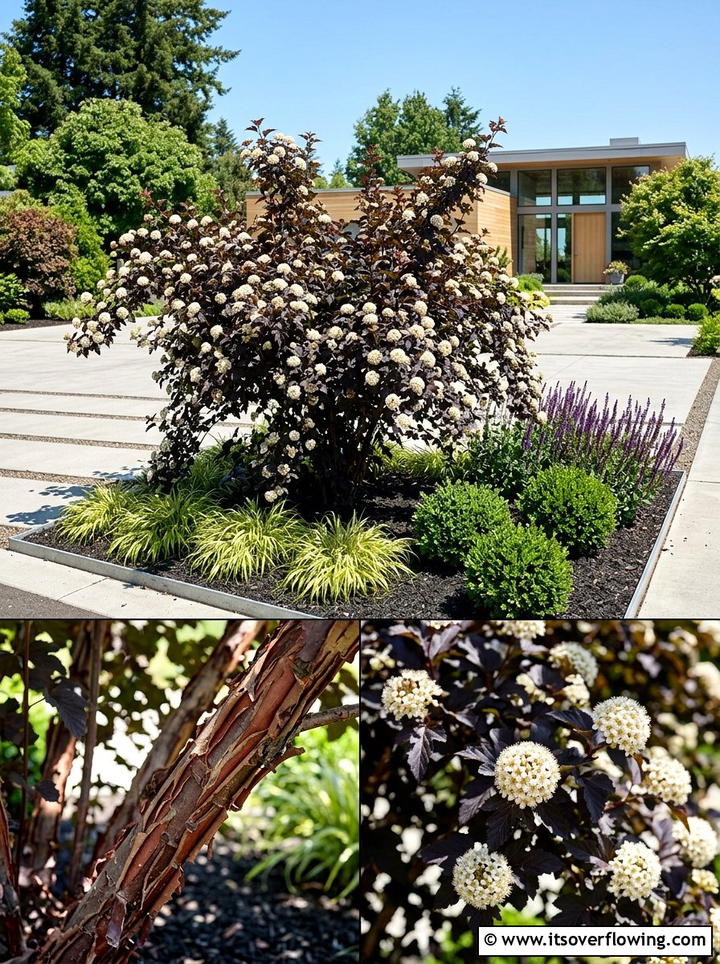
Diabolo ninebark is a dramatic shrub that offers deep, dark foliage that provides a stunning contrast to the green plants in your garden. The leaves are a rich, dark purple or burgundy color that lasts from the spring all the way through the autumn. In the early summer, the plant produces clusters of small white flowers that pop against the dark leaves. As the plant matures, the bark on the older stems begins to peel away in thin layers, which is very interesting. This exfoliating bark provides a unique visual texture during the winter months when the branches are bare. It is a multi-season performer.
25. Paper Birch
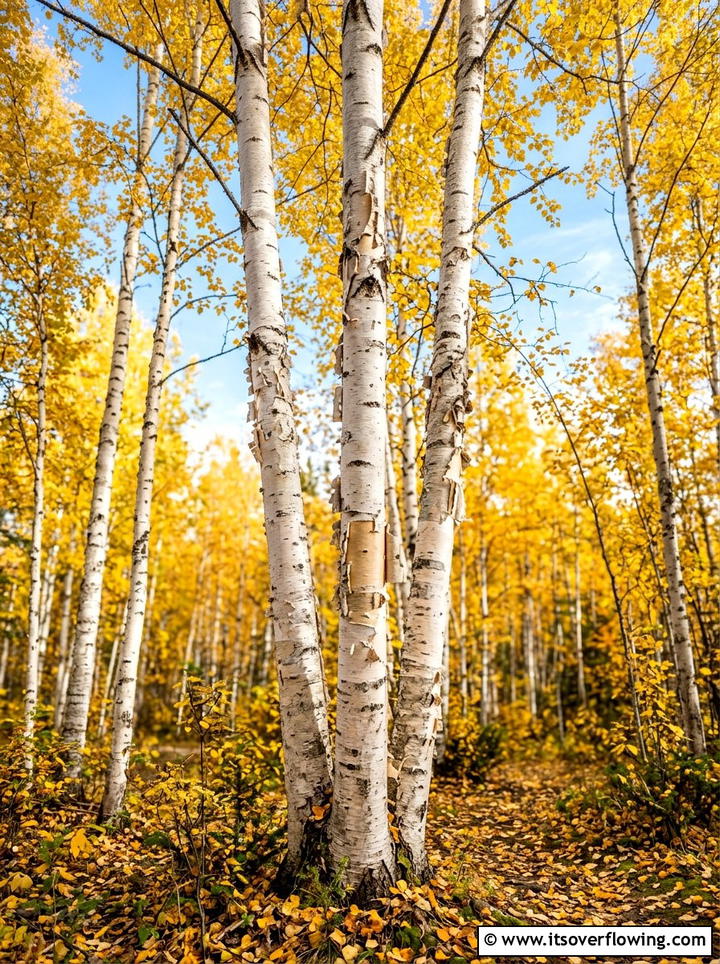
Paper birch trees are famous for their stunning, bright white bark that provides a high-contrast element in the garden all year. While many trees have brown or gray bark, the white trunk of the birch stands out beautifully against green summer leaves. In the fall, the foliage turns a brilliant, clear yellow that glows in the autumn sunlight before dropping. During the winter, the white trunks look spectacular against a dark evergreen backdrop or a clear blue sky. The peeling texture of the bark adds an organic, tactile feel to the landscape. It is a graceful tree that offers beauty in every single season.
Conclusion:
Planning a garden for year-round color is a rewarding journey that transforms your outdoor space into a permanent source of joy. By selecting a variety of plants that peak at different times, you ensure that there is always something beautiful to see. The combination of evergreen structure, seasonal blooms, and interesting textures creates a layered landscape that feels complete and professional. Remember that even the quiet moments of winter can be filled with color through berries, bark, and hardy foliage. A well-designed garden is not just a summer hobby but a living investment that enhances your home and connects you to nature every day.

Related posts:
 25 Garden Design Ideas With Seasonal Flowers for Year-Round Color
 25 Small Garden Ideas for Year Round Color and Lasting Beauty
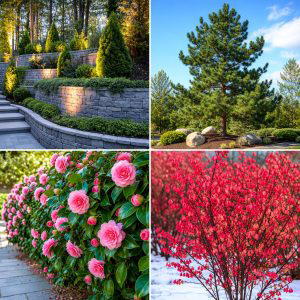 25 garden design ideas with evergreen structure: Year-Round
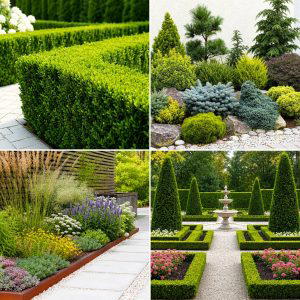 25 Garden Ideas With Evergreens for Year-Round Beauty
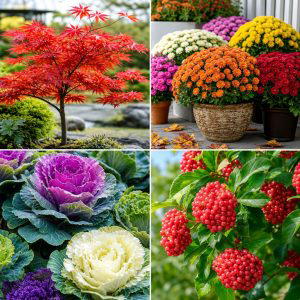 25 Creative Garden Ideas for Fall Color: Vibrant Seasonal Tips
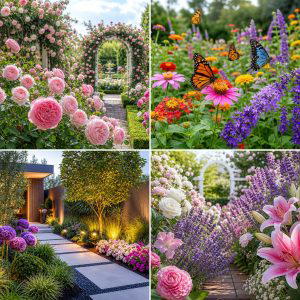 25 Creative Garden Ideas With Maximal Flower Color
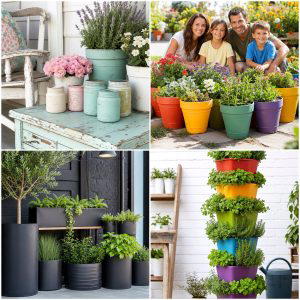 25 creative garden ideas with painted planters for Bold Color
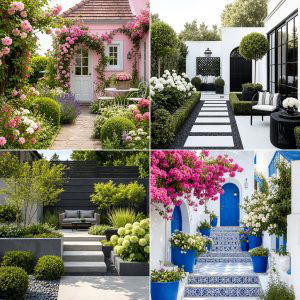 25 garden design ideas with color themes: Stunning Palette Tips
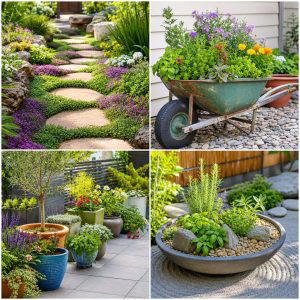 25 Garden Design Ideas With Herbs and Flowers for Color
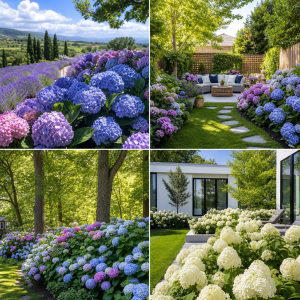 25 garden ideas with hydrangeas for Stunning Color Displays
 25 Garden Ideas With Wildflowers for Natural Color
 25 Small Garden Ideas With Hanging Baskets for Vertical Color