
Succulent gardens are a fantastic way to bring life to your outdoor space without the need for constant watering or heavy maintenance. These hardy plants come in a stunning variety of shapes, colors, and textures that allow for endless creativity in your backyard. Whether you are dealing with a small balcony or a sprawling lawn, there is a succulent bed layout that will fit your specific needs perfectly. Growing these resilient species is also an environmentally friendly choice because they thrive on very little water. In this guide, we will explore many different ways to arrange succulent beds to create a beautiful and inviting atmosphere for your home.
1. Modern succulent garden
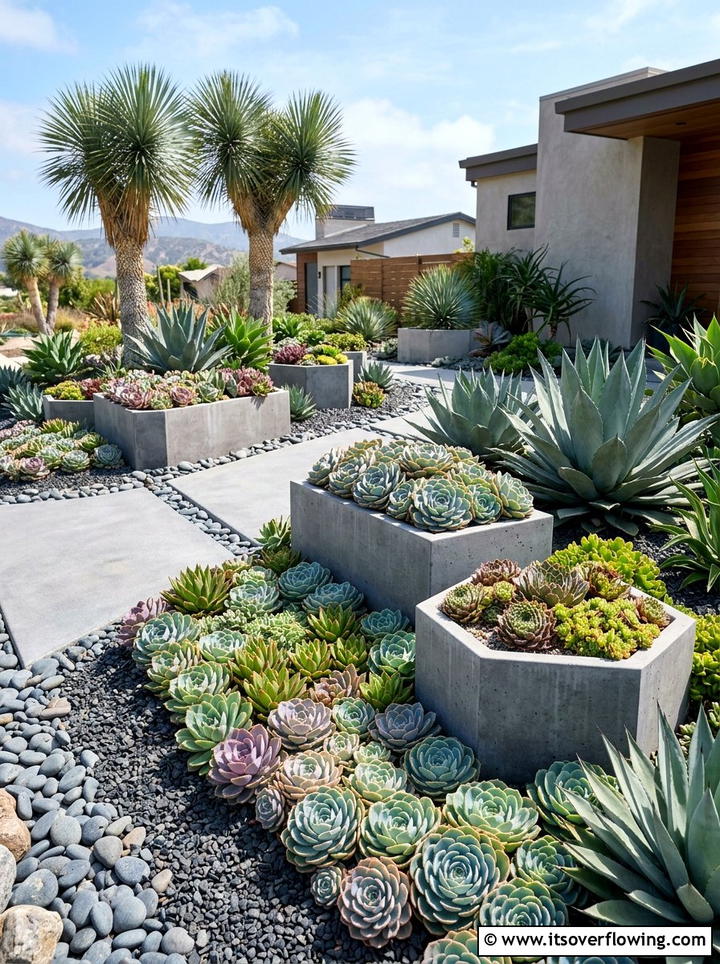
Creating a modern succulent garden involves clean lines and a very intentional layout of various plant species. You should focus on using geometric shapes for the beds to create a structured look. This style often uses mass plantings of a single type of succulent to create a bold visual impact. You might pair these plants with smooth grey river rocks or dark basalt gravel to make the greens and purples pop. Using architectural plants like large agaves or tall yuccas adds height and drama to the flat landscape. It is a perfect choice for homeowners who want a low-maintenance yet sophisticated outdoor space that looks great year-round.
2. Succulent rock garden
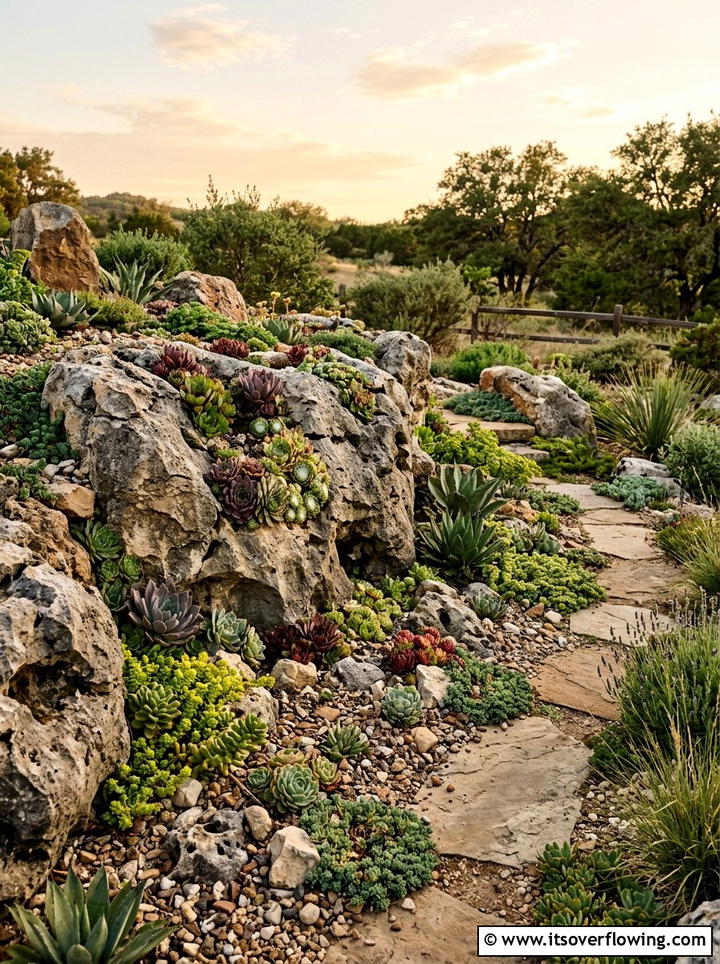
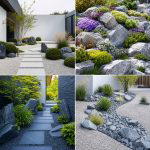
A succulent rock garden is a classic choice for people who have uneven terrain or naturally rocky soil. You can use large boulders as anchors and fill the gaps with smaller succulents like hens and chicks or creeping stonecrop. The contrast between the hard, jagged edges of the rocks and the soft, fleshy leaves of the plants creates a beautiful natural balance. Make sure to choose stones that match the local geology for a more authentic look in your backyard. This type of bed provides excellent drainage, which is crucial for the health of your succulents during the rainy season.
3. Vertical succulent wall
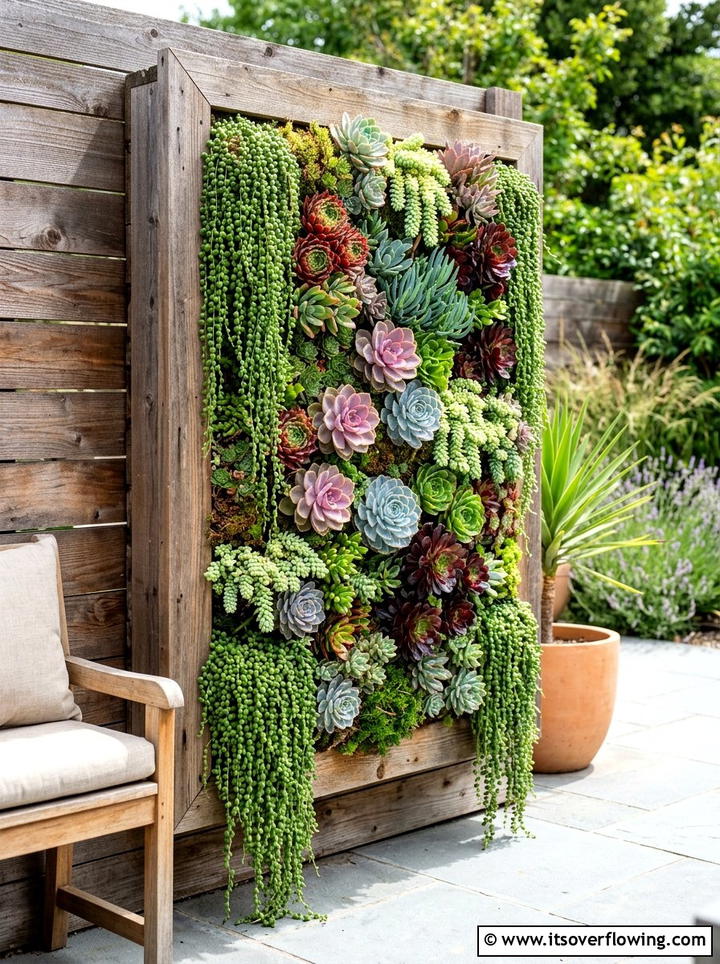
If you are short on floor space, a vertical succulent wall is a brilliant way to garden upward. These living walls use specialized frames that hold the soil and plants securely in place against a vertical surface. You can mix different varieties like trailing string of pearls or colorful echeverias to create a tapestry-like effect on your wall. This design serves as a stunning focal point on a patio or a fence and adds a lush feel to small areas. Regular misting or a built-in drip system will keep the plants hydrated and healthy. It is a modern solution for urban gardening enthusiasts.
4. Desert landscape succulent bed
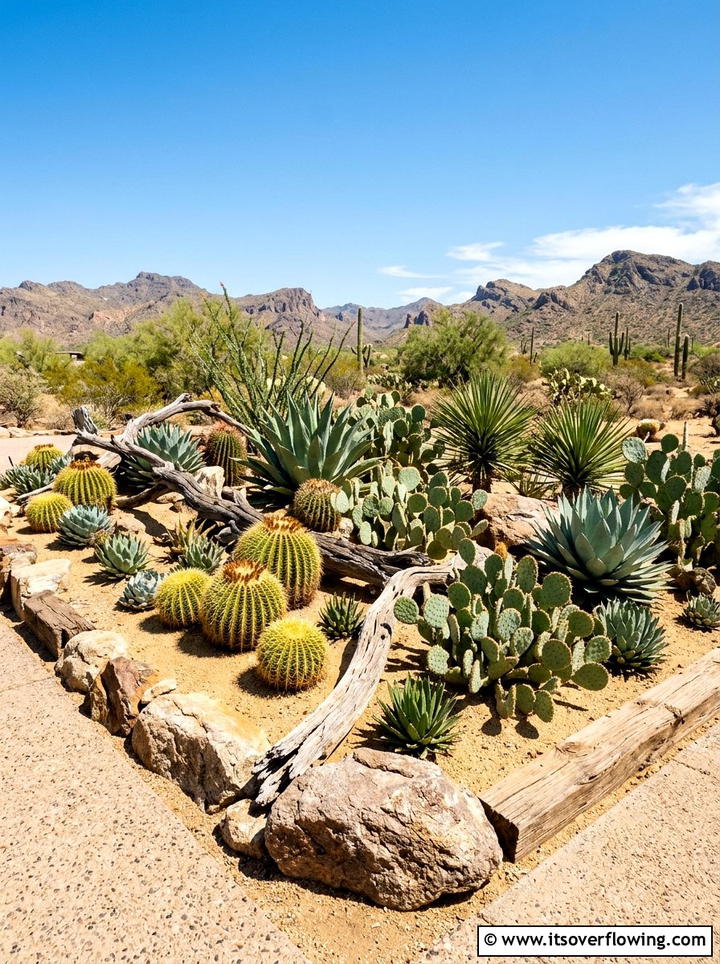
Embrace the natural beauty of arid environments by creating a desert landscape succulent bed in your yard. This style uses sand, decomposed granite, and various cacti to mimic a true desert floor. You should select plants that are highly heat-resistant and can handle intense sun exposure throughout the day. Barrel cacti and prickly pears are excellent choices for adding structure and interest to this type of garden bed. To make it more inviting, you can add a few desert-themed ornaments or weathered wood accents. It is a wonderful way to conserve water while maintaining a vibrant and interesting outdoor environment.
5. Raised succulent planter box
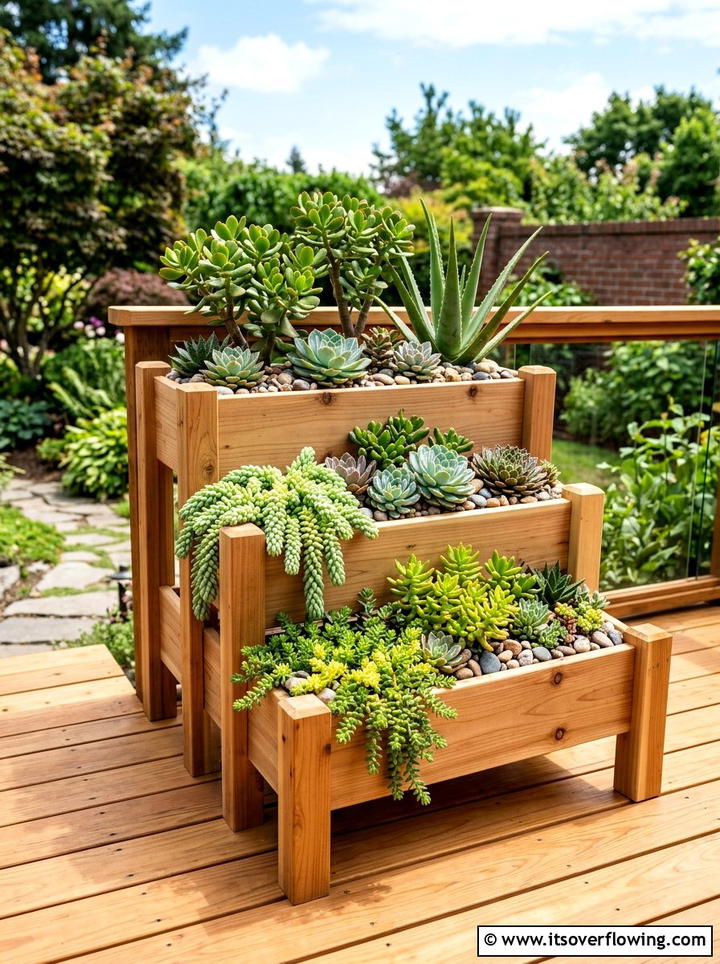
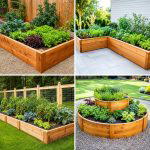
Using a raised succulent planter box allows you to control the soil quality and drainage more effectively than in-ground beds. These boxes can be built from wood, metal, or concrete to match the existing style of your home. Elevating the plants also makes them easier to maintain and protects them from some ground-level pests. You can create a tiered effect by using boxes of different heights, which adds depth to your garden layout. Succulents like jade plants and aloe vera do exceptionally well in these controlled environments. It is a practical and stylish choice for any patio or backyard deck area.
6. Small backyard succulent layout
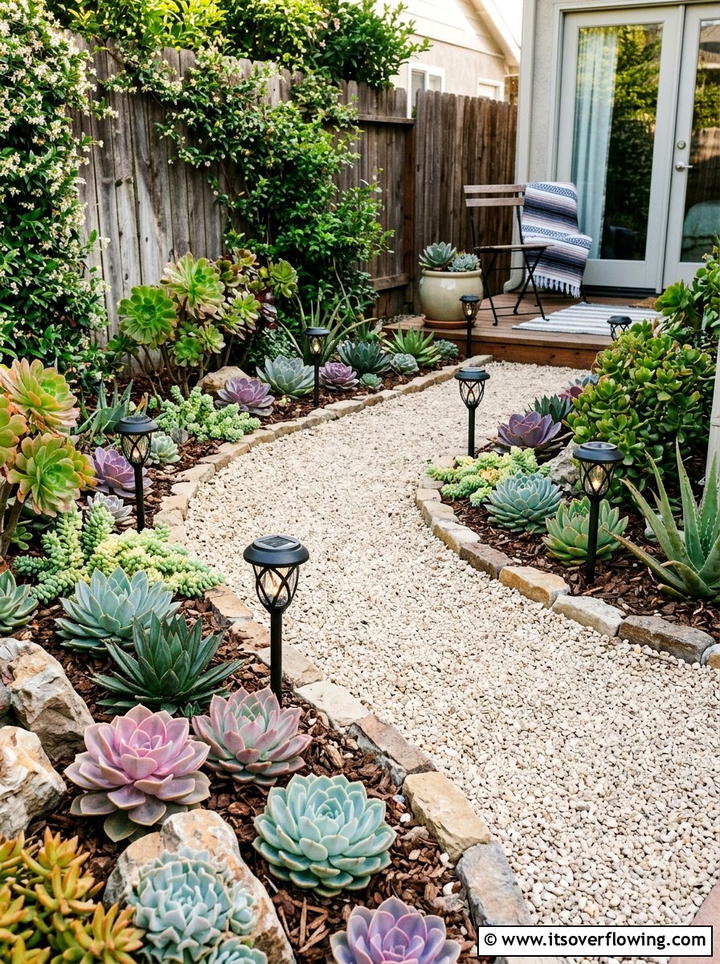
Designing a small backyard succulent layout requires a careful selection of plants that won’t overwhelm the limited space. You can use narrow beds along the edges of your yard to maximize the central area for walking or seating. Choosing a variety of small to medium-sized succulents keeps the scale appropriate for the surroundings. Using light-colored gravel or mulch can help the space feel larger and brighter than it actually is. Adding a few solar lights around the bed will highlight the unique shapes of the plants at night. This approach ensures your small yard looks professionally designed and very well-kept.
7. Succulent garden path
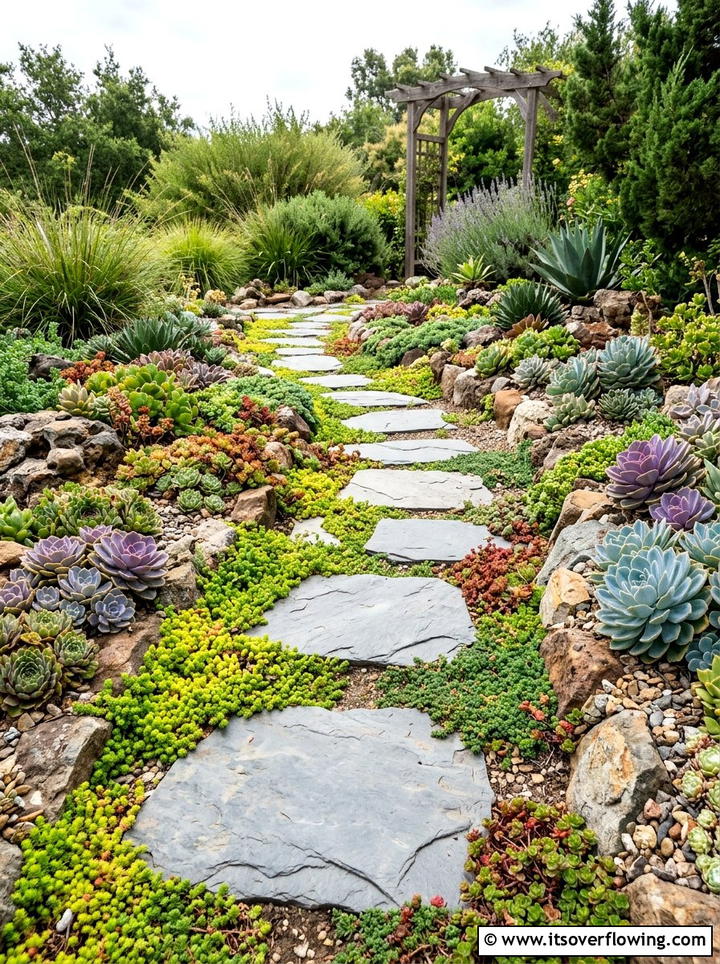
A succulent garden path combines functionality with beauty by lining your walkways with low-growing, durable plants. You can place stepping stones in the middle and fill the side gaps with hardy succulents that can handle occasional foot traffic. Species like creeping sedum are perfect for this because they spread quickly and create a soft green carpet. This design makes walking through your garden a sensory experience as you see the intricate details of the plants. It also helps to define the different areas of your yard clearly. This path style works beautifully in both modern and more traditional landscape designs.
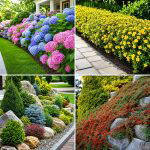
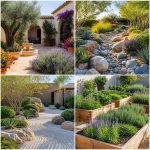
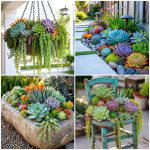
8. Terraced succulent garden
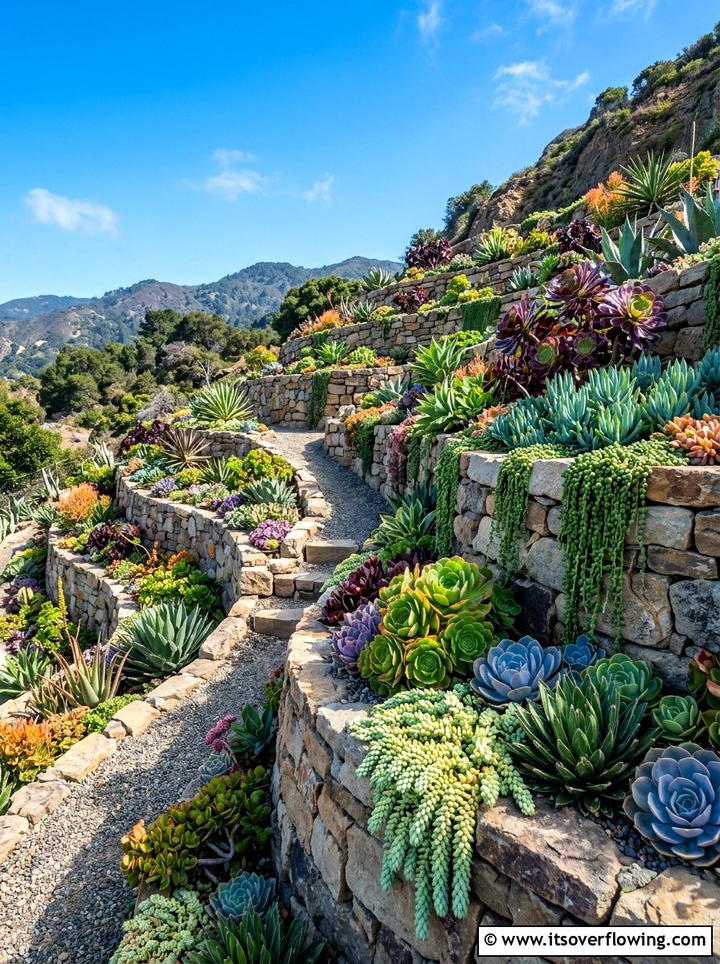
A terraced succulent garden is an ideal solution for managing steep slopes or hillsides in your backyard. By creating several level steps, you can prevent soil erosion while providing a stable home for many different succulent species. Each level can feature a different color palette or plant type to create a cascading effect of greenery. You might use stone walls or timber beams to hold the soil in place on each terrace. This arrangement allows you to see every plant clearly from below, making it a very impressive visual feature. It transforms a difficult landscape into a stunning and productive gardening space.
9. Drought tolerant garden bed
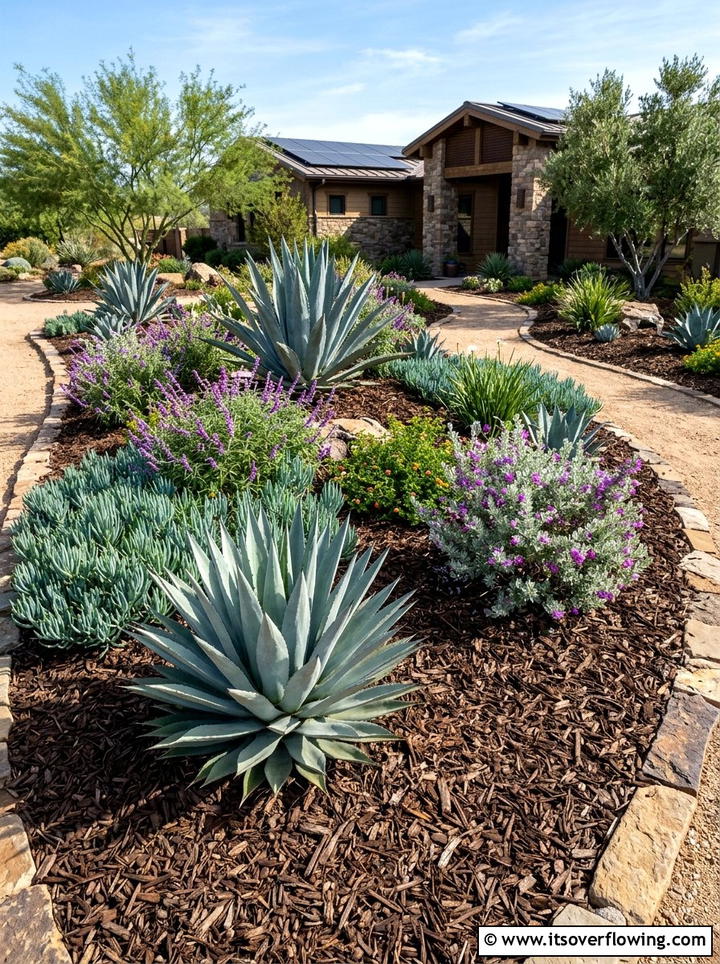
A drought tolerant garden bed is specifically designed to survive with minimal water, making it perfect for dry climates. You should group succulents together that have similar water needs to ensure they all thrive without wasting any resources. Using a thick layer of mulch or decorative rocks will help retain moisture in the soil for longer periods. This type of bed is not only beautiful but also helps you save money on your monthly water bill. Plants like agave, senecio, and various yuccas are great candidates for this sustainable design. It is a smart and responsible way to enjoy a lush garden.
10. Large agave landscape
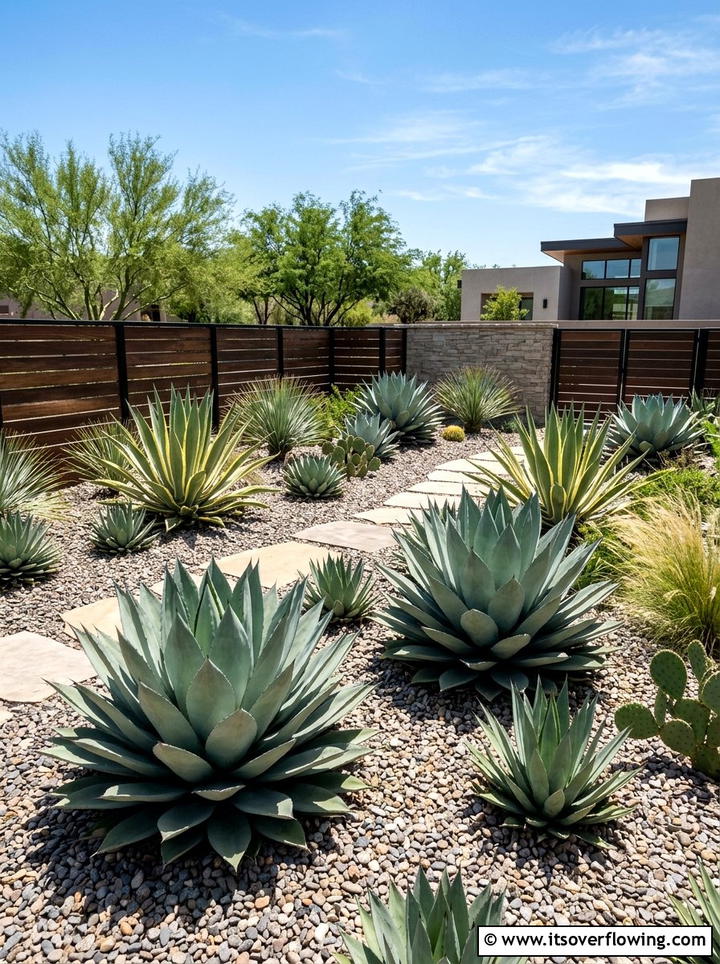
Focusing on a large agave landscape can create a dramatic and architectural look that requires very little upkeep. These massive plants serve as natural sculptures with their thick, pointed leaves and impressive scale. You can plant a single specimen as a focal point or group several together for a more powerful visual impact. Agaves come in many different shades of green, blue, and variegated patterns, providing plenty of variety. They are incredibly tough and can withstand harsh conditions that would kill many other garden plants. This design is perfect for creating a bold statement in your front or backyard landscape.
11. Colorful echeveria bed
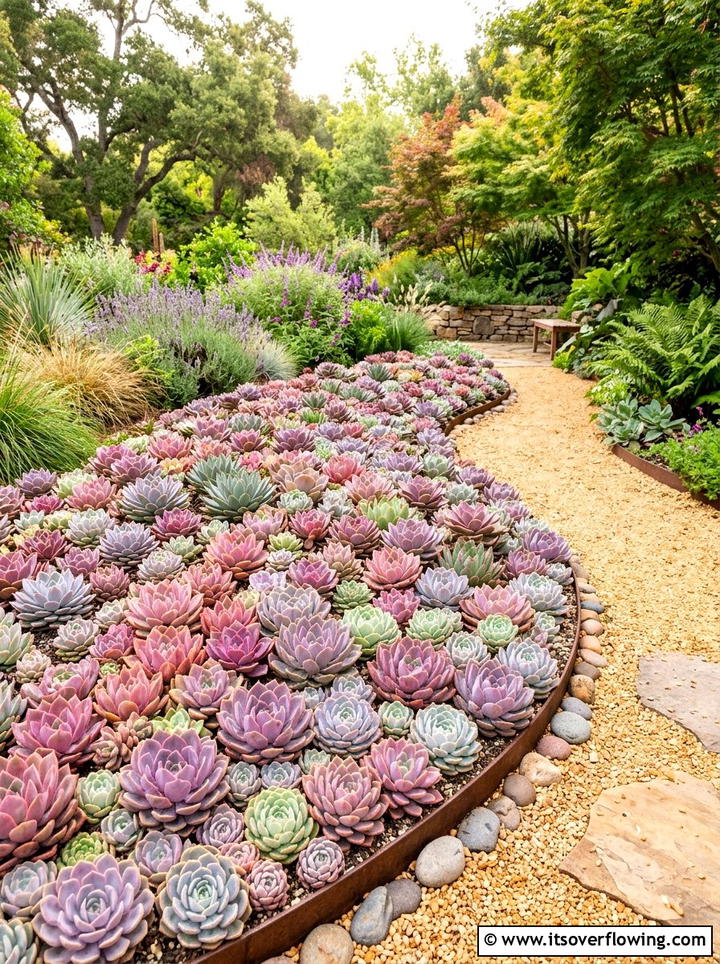
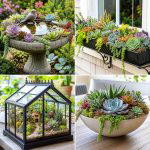
A colorful echeveria bed is like a living box of jewels for your outdoor space. These rosette-shaped succulents come in shades of pink, purple, blue, and even bright red. By planting them closely together, you can create a stunning carpet of color that looks like a giant flower bed. They prefer bright, indirect light to keep their colors vibrant and their shapes compact. Adding a few taller succulents in the background will provide contrast and make the small rosettes stand out even more. This type of bed is perfect for adding a touch of whimsy and beauty to any garden area.
12. Succulent ground cover
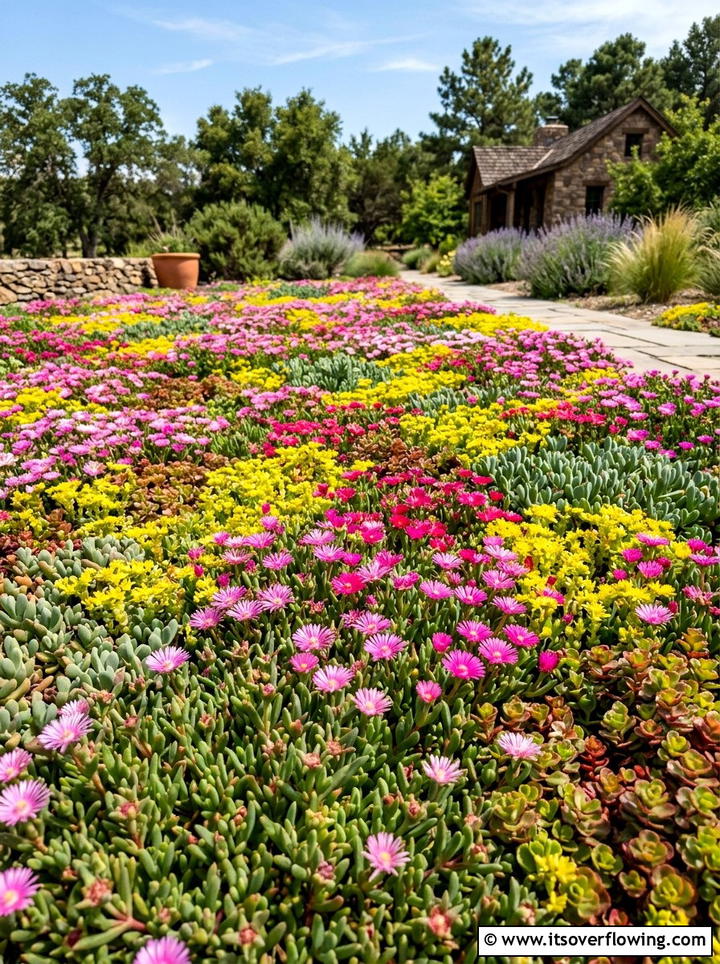
Using succulents as a ground cover is a great alternative to traditional grass lawns that require constant mowing. Many varieties of stonecrop and ice plant spread horizontally and create a thick, weed-suppressing mat over the soil. They often produce small, bright flowers during certain seasons, adding an extra layer of beauty to your landscape. This approach is very low-maintenance and stays green even during the hottest parts of the summer. It is an excellent choice for filling large areas of your yard where grass might struggle to grow. Succulent ground covers also help to cool the ground and retain moisture.
13. Zen succulent garden
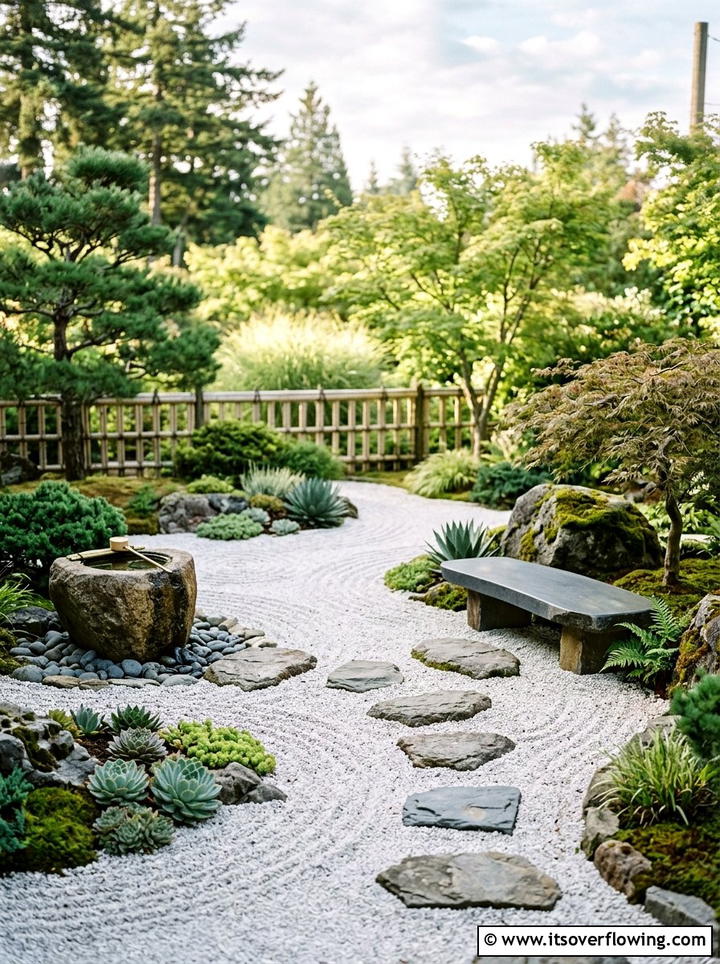
Creating a Zen succulent garden involves using minimalist principles to promote a sense of peace and tranquility. You should use a simple palette of plants and pair them with raked gravel or smooth sand. The placement of each succulent and rock should feel deliberate and balanced within the overall layout. This design often features a small water element or a simple stone bench where you can sit and reflect. Avoid cluttering the space with too many different varieties or decorative items. The goal is to create a serene environment that highlights the natural beauty and simple forms of the succulent plants.
14. Front yard succulent landscape
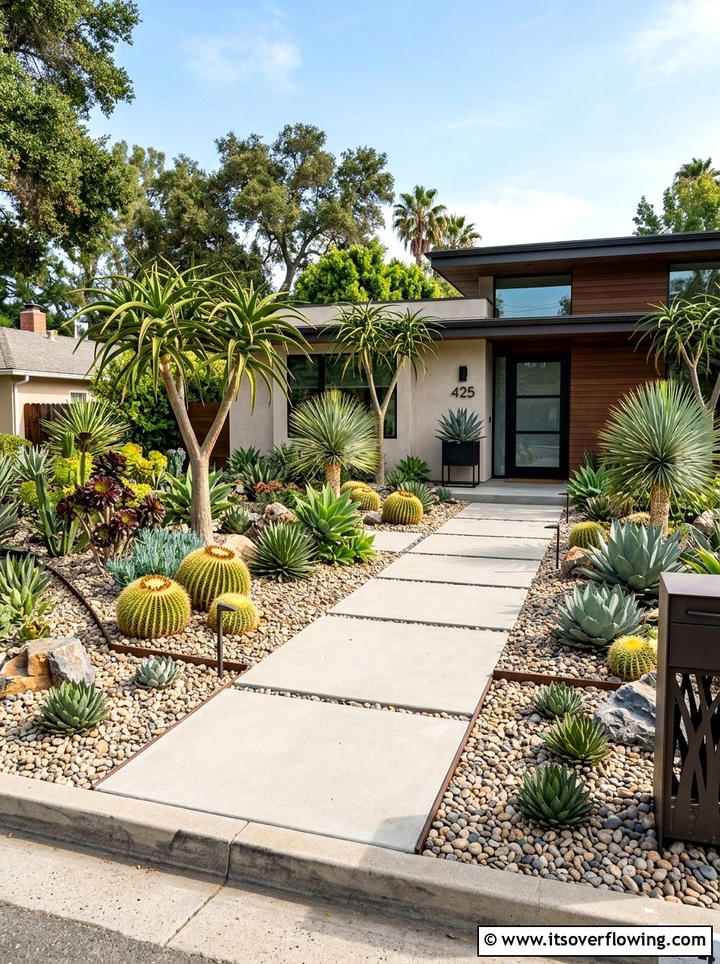
A front yard succulent landscape can significantly boost your home’s curb appeal while reducing the time you spend on yard work. You can replace a traditional lawn with a mix of succulent beds, gravel paths, and decorative boulders. This look is very modern and stays attractive throughout all four seasons of the year. It also signals to your neighbors that you are making an environmentally conscious choice by saving water. You can use taller succulents like aloe trees near the entrance to create a welcoming and grand feel. This design approach makes your home stand out in the neighborhood with its unique beauty.
15. Succulent garden with pebbles
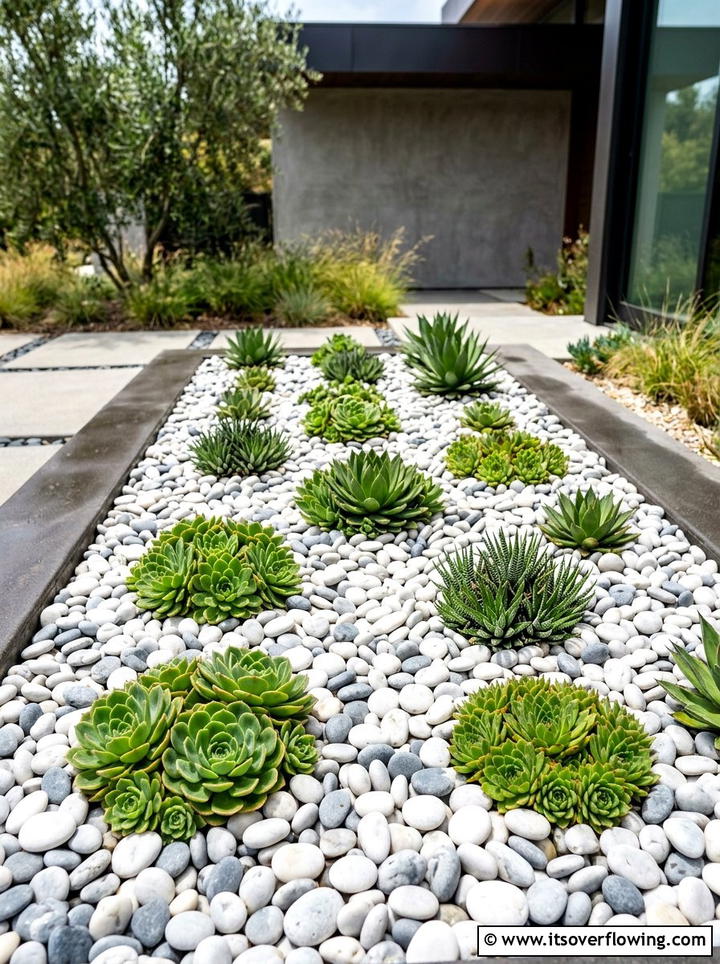
A succulent garden with pebbles uses small stones to create a clean and polished finish around your plants. The pebbles serve multiple purposes, including preventing soil from splashing onto the leaves and helping to suppress weed growth. You can choose from many different colors of pebbles, such as white, black, or natural river tones, to match your style. This design looks particularly good in modern or minimalist settings where texture and contrast are important. The small stones also help to regulate the soil temperature, which protects the roots of your succulents. It is an easy way to make any bed look professional.
16. Mediterranean succulent garden
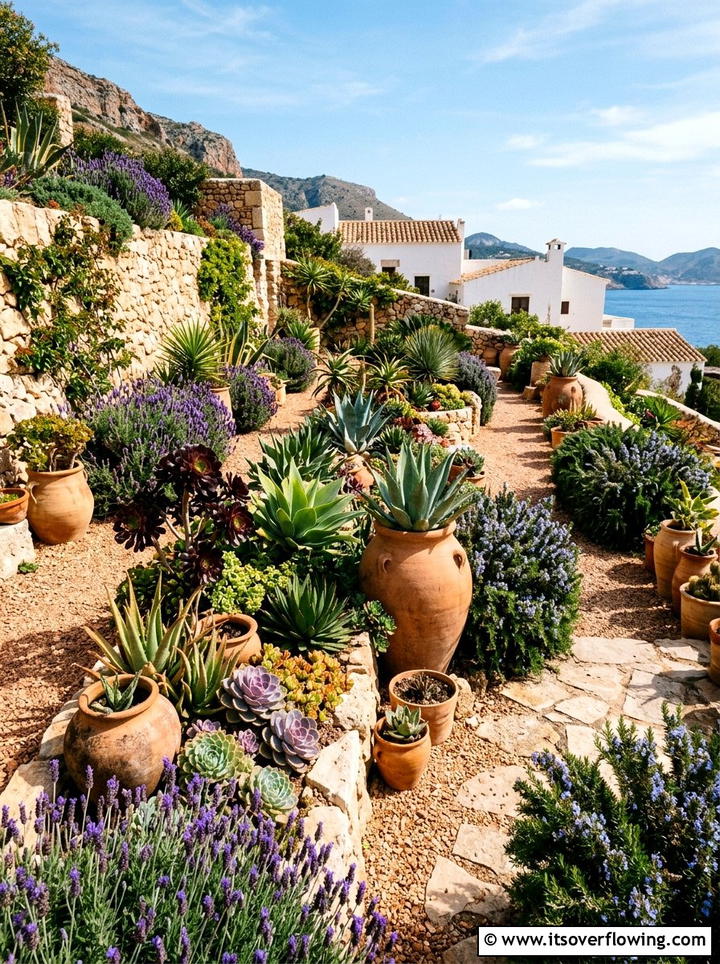
The Mediterranean succulent garden style combines sun-loving plants with warm, earthy materials like terracotta and limestone. You can incorporate succulents that are native to the Mediterranean region along with traditional herbs like lavender and rosemary. This mix of textures and scents creates a very inviting and aromatic outdoor space. Using clay pots or stone walls adds to the rustic charm of this particular design theme. It is a wonderful way to create a vacation-like atmosphere right in your own backyard. These gardens thrive in full sun and require very little supplemental watering once the plants have become well-established in the soil.
17. Slope succulent garden
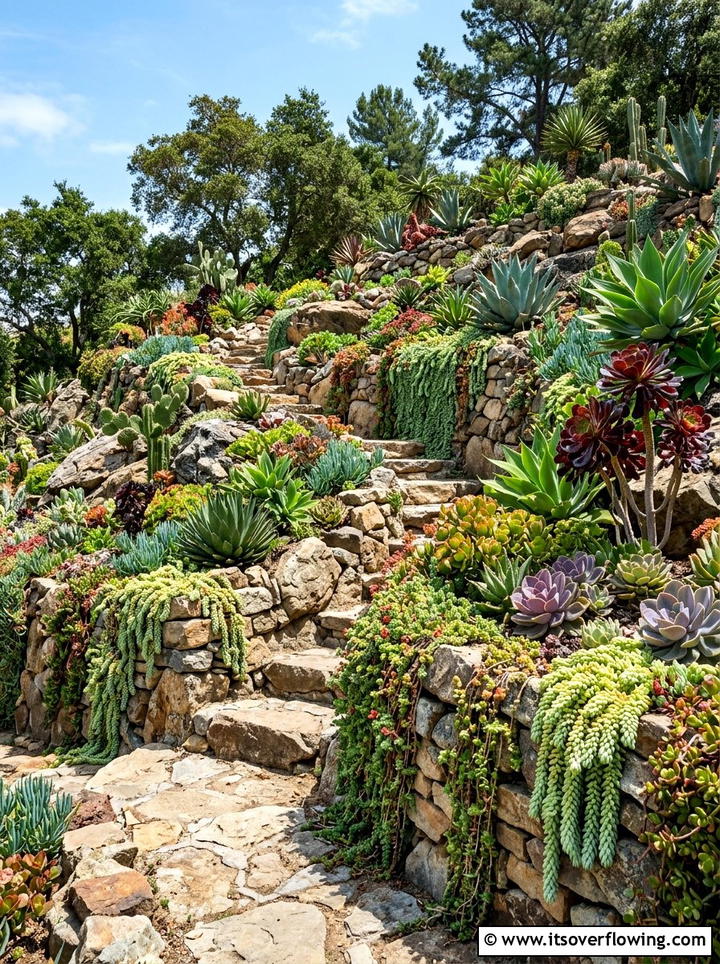
Dealing with a slope can be challenging, but a slope succulent garden turns that obstacle into a beautiful vertical feature. Succulents are perfect for slopes because they have shallow root systems that can grip the soil effectively without needing deep digging. You can plant trailing varieties at the top so they can spill over the edges like a green waterfall. Mixing in some larger rocks will help to stabilize the hillside and provide pockets for different plant species to grow. This type of garden bed catches the eye from a distance and adds a lot of visual interest to your property.
18. Patio succulent arrangement
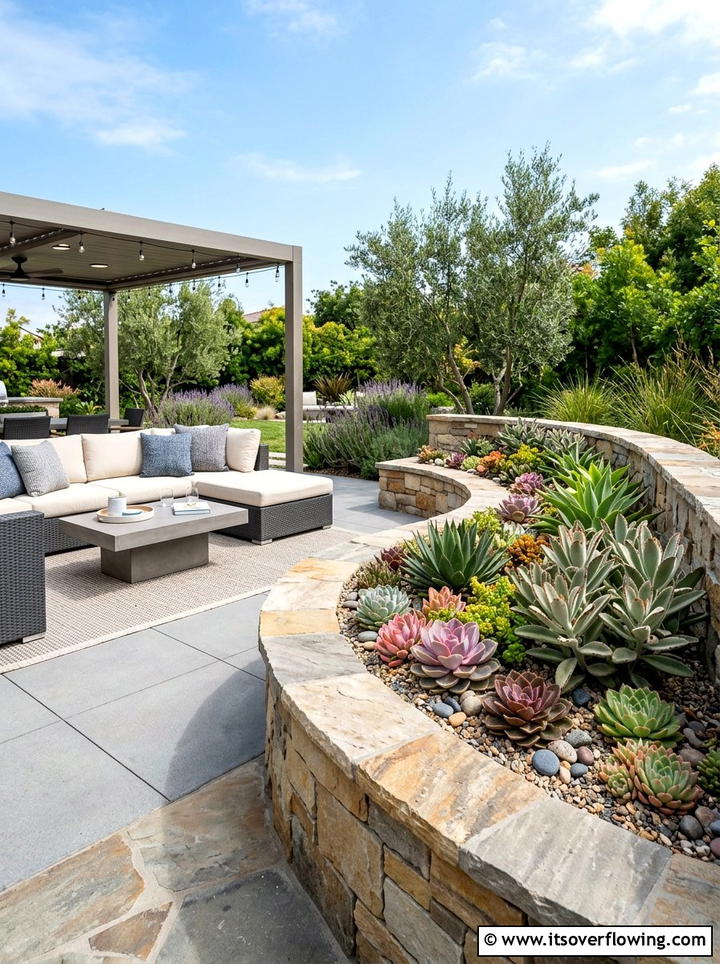
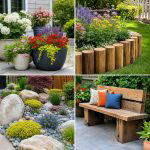
A patio succulent arrangement allows you to enjoy these beautiful plants up close in your outdoor living area. You can use a series of matching containers or build a dedicated planting bed right into the patio structure itself. This setup is perfect for entertaining because it provides a lush backdrop for your guests to enjoy. Choosing succulents with interesting textures, like the fuzzy leaves of a panda plant, adds a tactile element to the space. You can easily swap out plants if you want to change the look of your patio for different seasons. It is a versatile way to bring nature closer.
19. Minimalist succulent bed
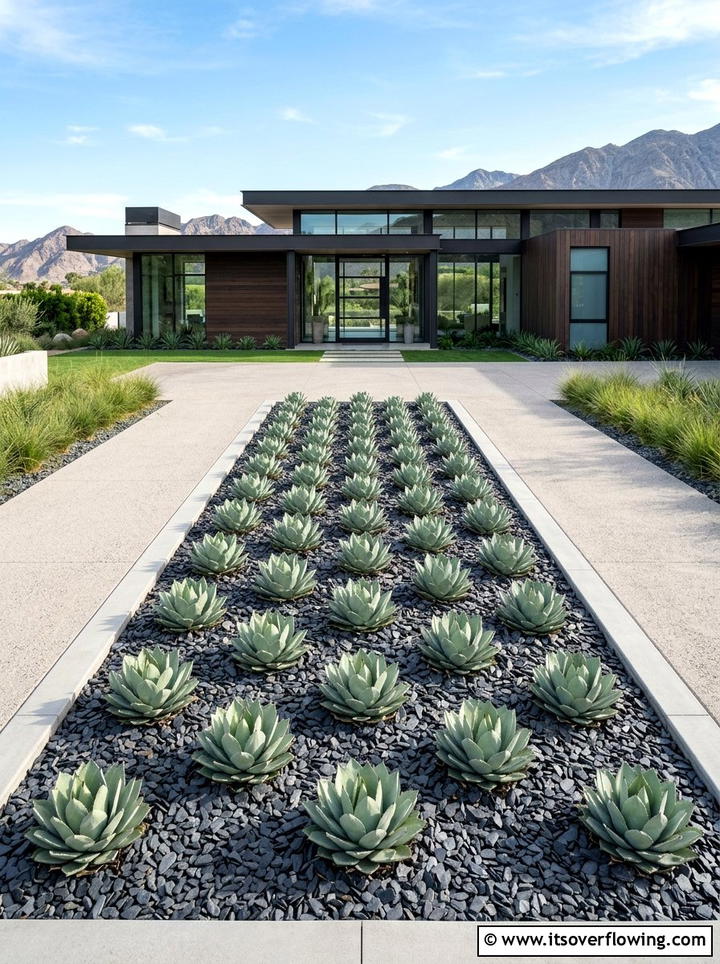
The minimalist succulent bed focuses on the philosophy that less is more by using a very limited selection of plants. You should choose one or two standout species and repeat them in a simple, repeating pattern throughout the bed. This creates a very clean and organized look that fits perfectly with contemporary home designs. Using a single type of mulch, like dark wood chips or grey slate, keeps the focus entirely on the green plants. This design is very easy to maintain and looks intentional and high-end. It is a great option for people who prefer a tidy and uncluttered outdoor environment.
20. Fire pit succulent garden
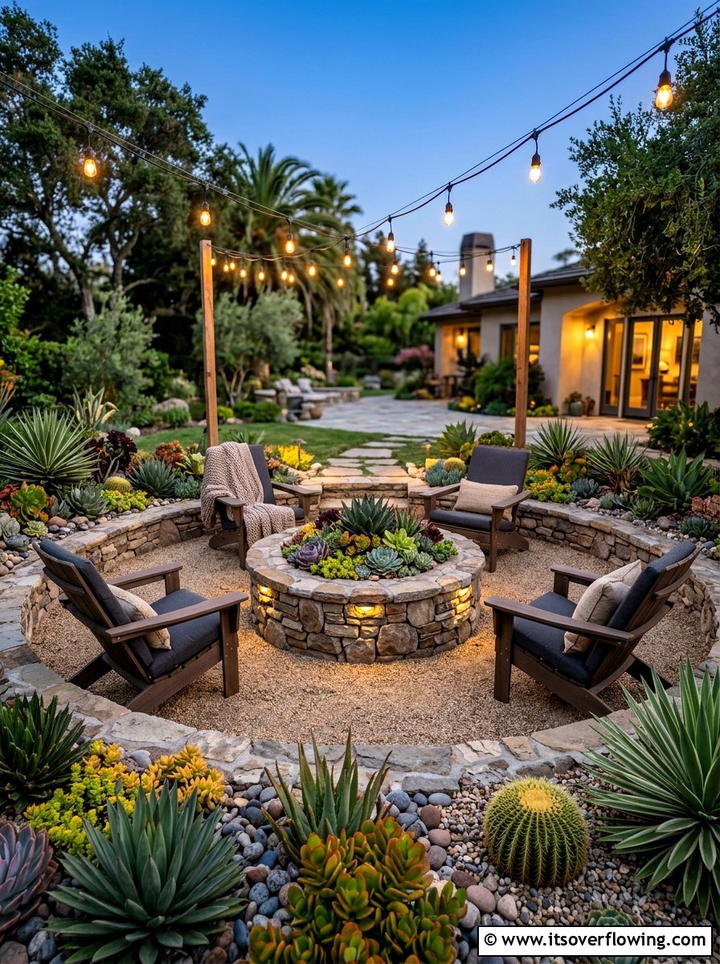
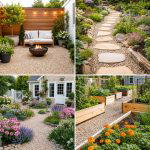
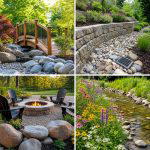
Designing a fire pit succulent garden creates a cozy and attractive gathering spot for your family and friends. You can surround the seating area with low-profile succulent beds that won’t block the view or get in the way. Since fire pits generate heat, make sure to choose heat-tolerant succulents that can handle the extra warmth. The organic shapes of the plants provide a nice contrast to the hard lines of a stone or metal fire pit. This setup looks particularly beautiful at night when the firelight reflects off the fleshy leaves of the succulents. It makes your backyard feel like a high-end resort.
21. Succulent border along fence
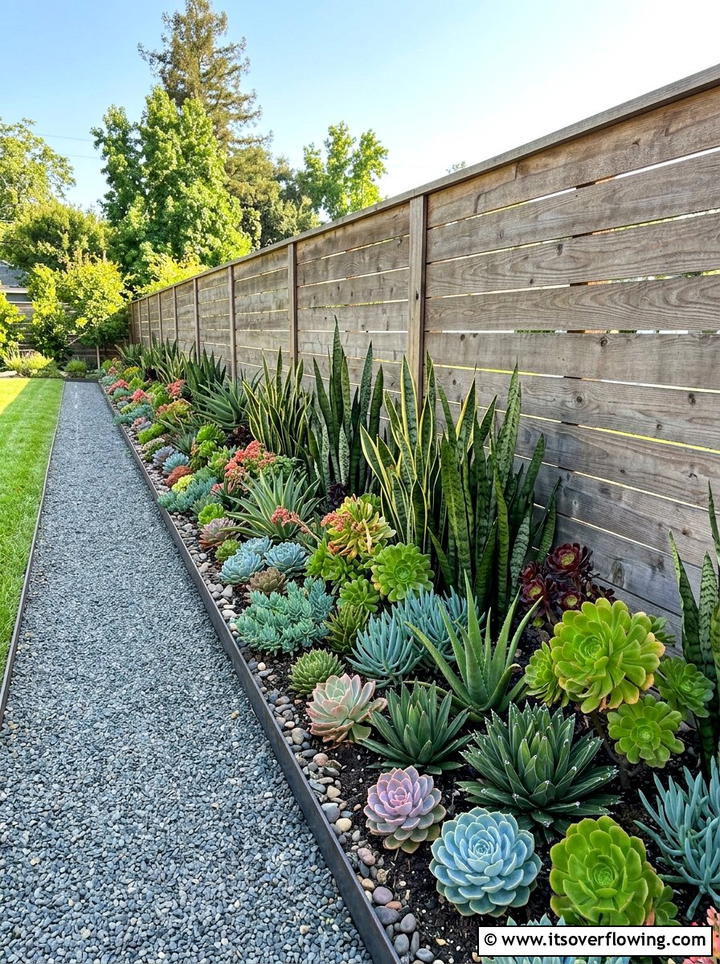
A succulent border along a fence is an excellent way to soften the hard lines of your property boundary. You can create a long, narrow bed and fill it with a variety of succulents that grow at different heights. This adds depth and interest to what might otherwise be a boring part of your yard. Taller species like sansevieria can provide a bit of extra privacy and structure against the fence. The succulents also act as a natural barrier that requires much less care than a traditional hedge. This design helps to tie the whole garden together and creates a very finished look.
22. Indoor succulent courtyard
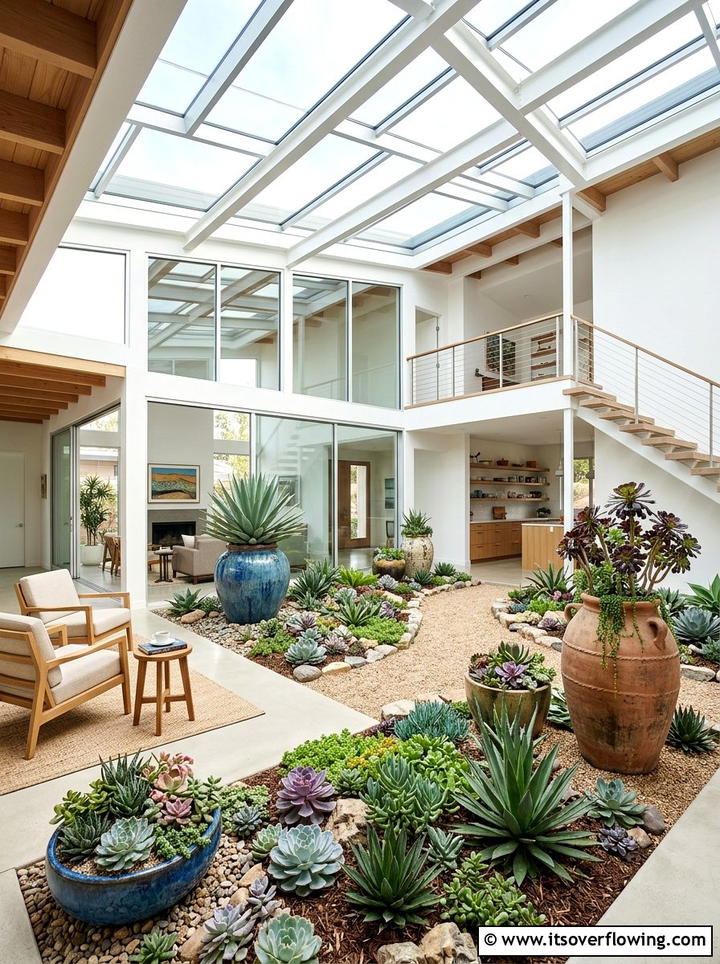
An indoor succulent courtyard brings the beauty of the outdoors inside your home, creating a peaceful sanctuary. These courtyards are often located in the center of the house with a glass ceiling to provide plenty of light. You can plant succulents directly into the ground or use large, decorative pots to create a lush garden feel. This design helps to improve the air quality inside your home while providing a stunning visual focal point. Because the environment is protected, you can grow more delicate succulent species that might not survive outdoors. It is a luxurious feature that adds value and character to any home.
23. Succulent rockery
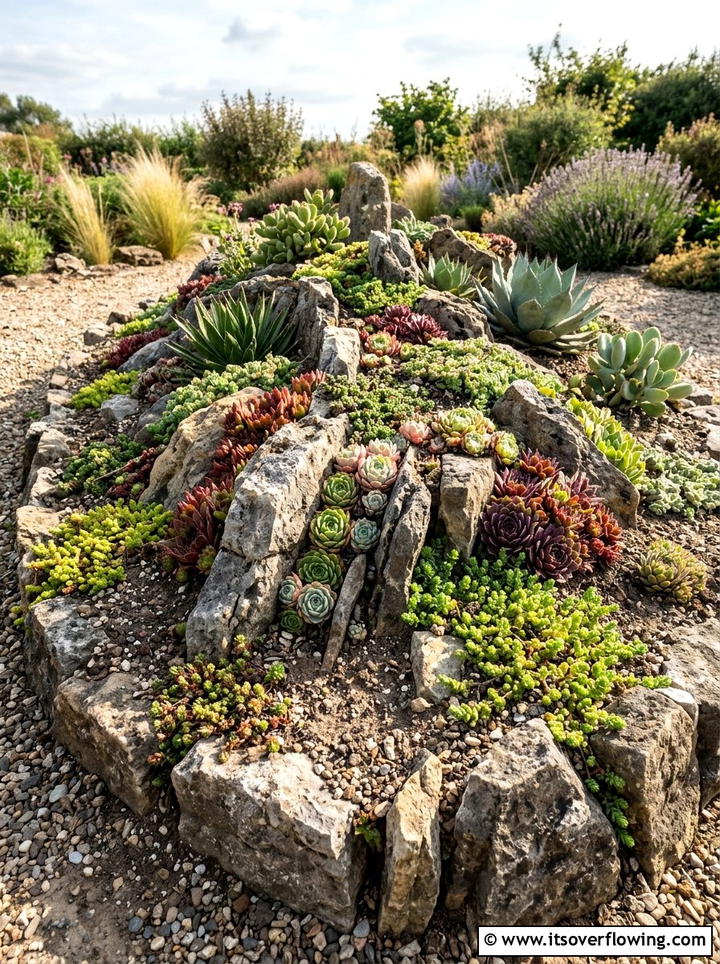
A succulent rockery is a specialized garden feature that uses rocks and alpine-style succulents to create a rugged look. You can build up the soil into a small mound and embed large stones into the sides to create planting pockets. This mimics the natural environments where many succulents grow in the wild, such as rocky hillsides. The different levels and angles of the stones allow you to display a wide variety of small plants in a compact space. Using contrasting colors of rocks and plants will make the rockery a standout feature in your garden. It is a fun and creative project for any gardener.
24. Native succulent garden
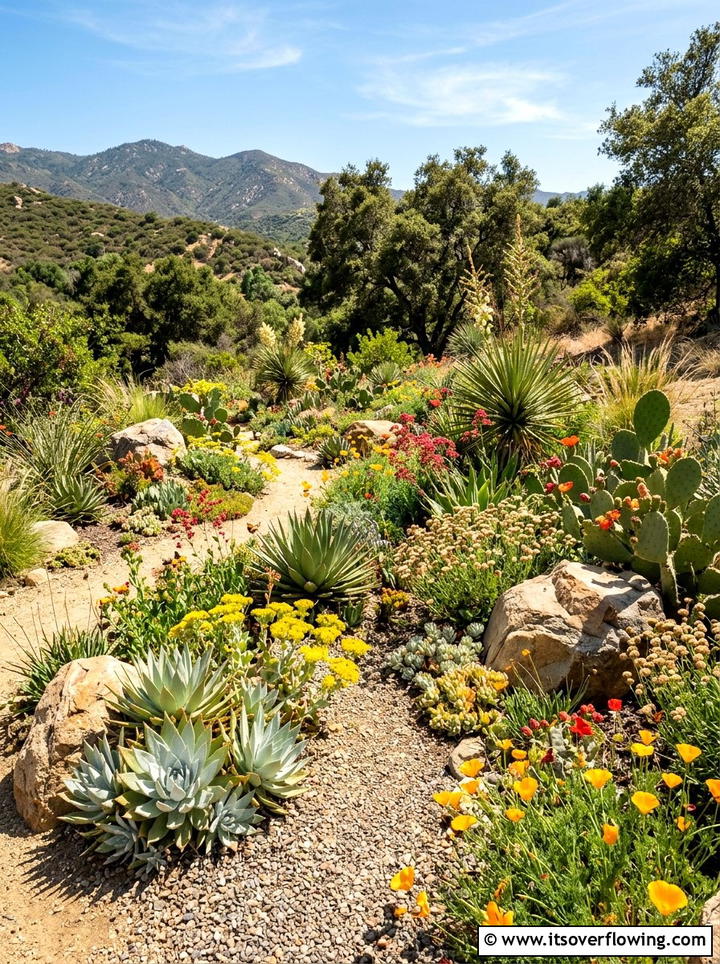
Growing a native succulent garden is a fantastic way to support your local ecosystem and attract beneficial insects. You should research which succulent species are indigenous to your specific region and focus your design around them. These plants are already perfectly adapted to your local climate and soil conditions, making them incredibly easy to grow. Native gardens often require the least amount of water and maintenance of any design style. You can arrange them in natural-looking clusters to mimic a wild meadow or a local hillside. This approach connects your garden to the surrounding environment and promotes a healthy, sustainable habitat for local wildlife.
25. Succulent garden with driftwood
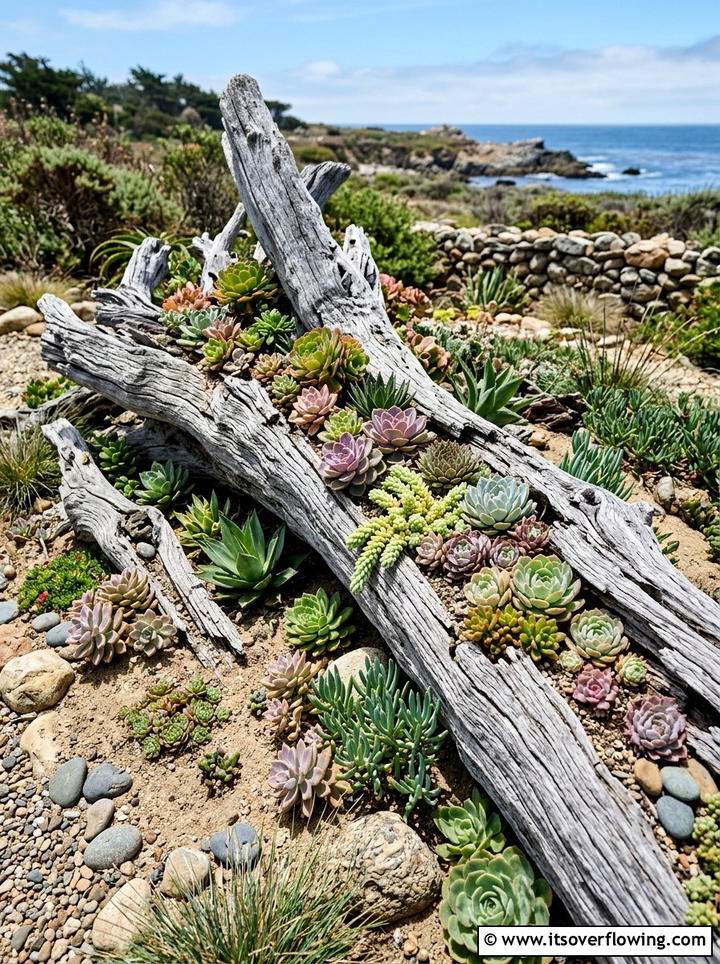
Incorporating a succulent garden with driftwood adds a touch of coastal or rustic charm to your outdoor space. The weathered, silver-grey wood provides a beautiful organic backdrop for the bright greens and reds of the succulent plants. You can tuck small succulents into the natural crevices and hollows of the driftwood to create a living sculpture. This design works particularly well in sandy or gravel-based beds where the wood looks most at home. It adds a unique texture and a sense of history to your garden layout. This arrangement is perfect for anyone who loves the look of natural, found objects in their landscaping.
Conclusion:
Building a beautiful succulent bed is a rewarding project that can transform any garden into a low-maintenance oasis. From modern geometric layouts to rustic rockeries, the versatility of these plants allows you to express your personal style easily. By choosing the right species and pairing them with complementary materials like stone or wood, you create a lasting landscape feature. These gardens not only save water but also provide year-round interest with their unique shapes and vibrant colors. We hope these twenty-five ideas have inspired you to start your own succulent gardening journey today. Your backyard will soon become a favorite place for relaxation and enjoyment for years to come.

Related posts:
 25 garden design ideas with gravel gardens: Modern Low-Care
 25 Small Garden Ideas With Gravel for Chic Low-Care Yards
 25 Garden Design Ideas With Raised Beds for Productive Style
 25 creative garden ideas with low maintenance design Tips
 25 Garden Design Ideas for Low Budget Projects That Look Expensive
 25 garden design ideas with low maintenance shrubs: Easy Looks
 25 garden design ideas with low water plants: Smart Xeriscapes
 25 Garden Ideas for Desert Style With Stunning Low-Water Looks
 25 Garden Ideas With Gravel for Low-Maintenance Outdoor Style
 25 Garden Ideas With Succulents for Low-Maintenance Style
 25 small garden ideas with succulents for Low-Maintenance Style
 25 garden design ideas with dry creek beds: Natural Drainage