
Transforming an outdoor space into a desert-inspired sanctuary is a brilliant way to embrace nature while saving precious water. This style of landscaping, often called xeriscaping, focuses on using plants and materials that thrive in arid conditions. It is not just about rocks and sand; it is about creating a lush and inviting environment using architectural shapes and vibrant textures. Desert gardens offer a unique beauty that changes with the light of the sun and the passing of the seasons. By choosing the right elements, you can build a sustainable backyard that requires very little maintenance over time. This approach allows you to celebrate the rugged elegance of the Southwest right at your own home.
1. Gravel mulch backyard
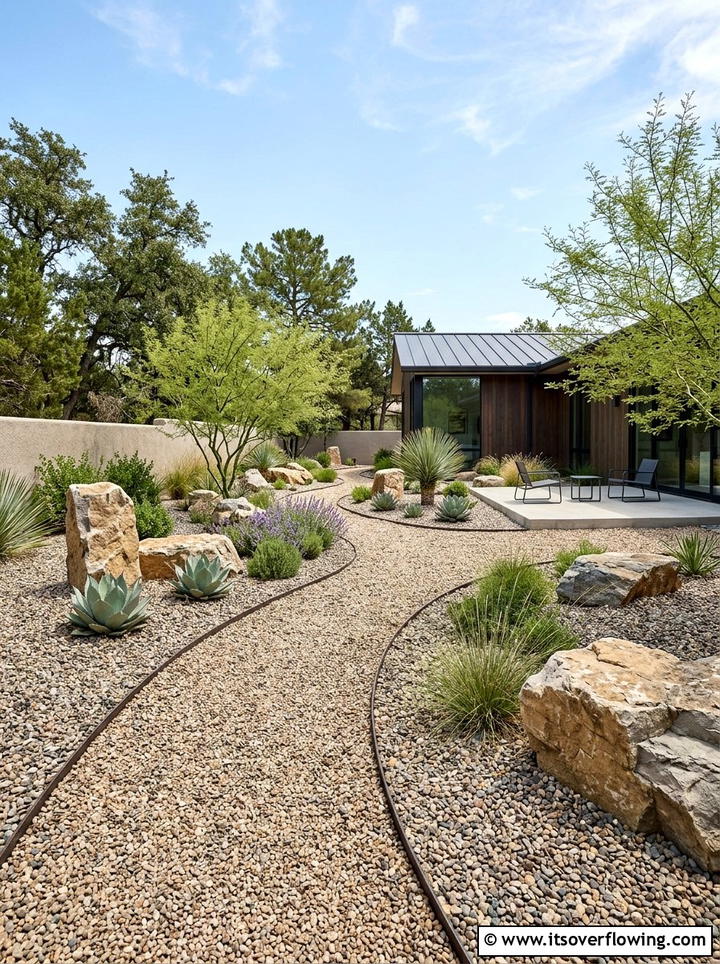
Gravel provides a clean and functional foundation for any desert landscape. It comes in various sizes and colors, ranging from warm tans to cool grays. Using gravel helps retain soil moisture and prevents weeds from taking over your yard. You can mix different textures to create visual interest throughout the space. Smaller pea gravel works well for walking paths, while larger crushed stone looks great under architectural plants. This material is incredibly low maintenance compared to traditional grass lawns. It also reflects heat differently, helping to keep the ground cooler during intense summer months. Many homeowners choose gravel because it offers a modern and tidy look that lasts for many years.
2. Large agave focal point
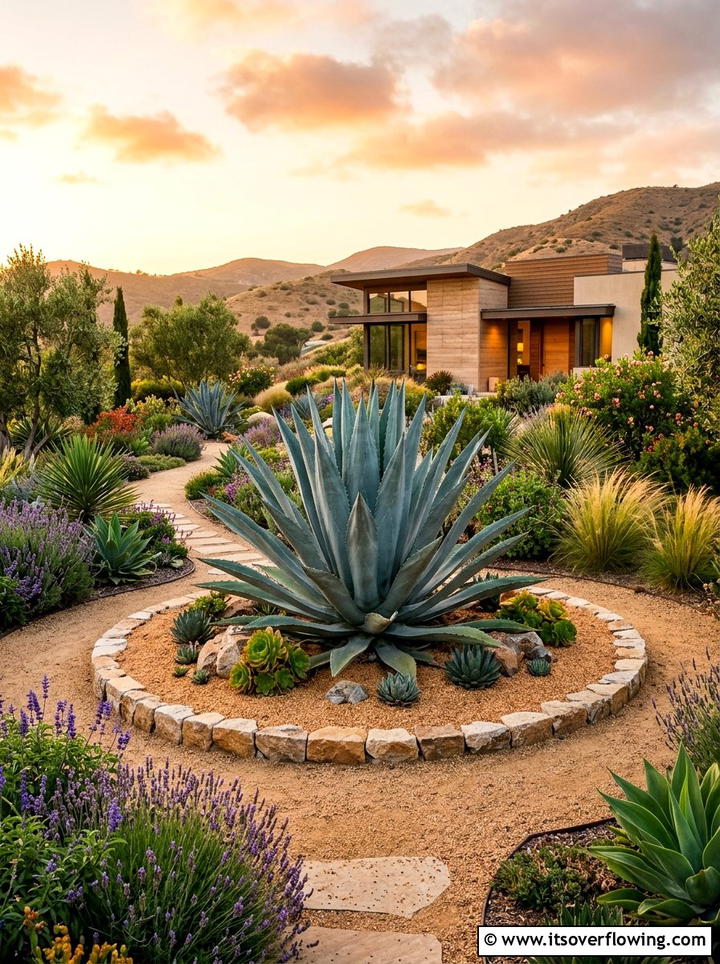
Have you ever noticed how a single plant can transform an entire yard? A large agave serves as a stunning centerpiece in an arid garden setting. These plants have thick, fleshy leaves that create a bold architectural silhouette against the horizon. They come in many varieties, including the classic blue agave or the variegated types with yellow edges. Placing one in a prominent spot creates an instant focal point for visitors to admire. Because they grow quite large, they do not need many companions to look complete. Their sharp lines and sculptural form provide a high-end feel to the property. You only need to provide minimal water once they are established.
3. Modern fire pit area
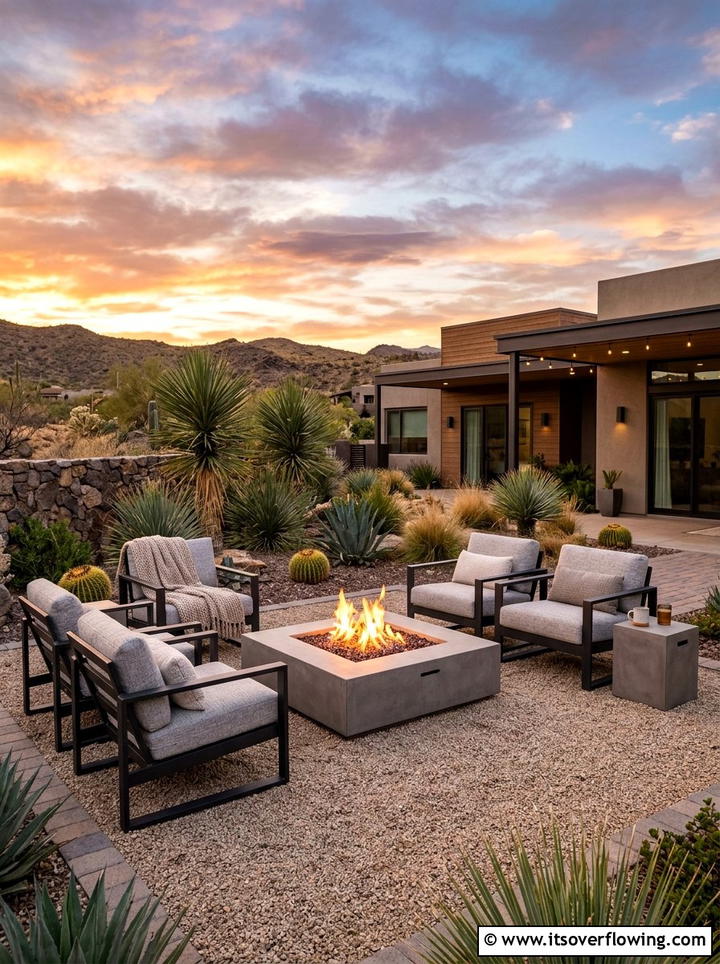
Creating a cozy spot to gather is essential for enjoying cool desert nights. A modern fire pit area uses clean lines and durable materials like concrete or metal. You can surround the pit with comfortable seating that invites friends to stay longer. Many people choose to use lava rocks or glass beads inside the burner for a contemporary touch. Positioning the fire pit near a focal plant adds drama when the flames cast long shadows. This functional space extends your living area from the inside to the outside beautifully. It provides warmth during winter evenings while serving as a stylish decorative element during the day. Lighting a fire creates a relaxing atmosphere.

4. Cactus garden path
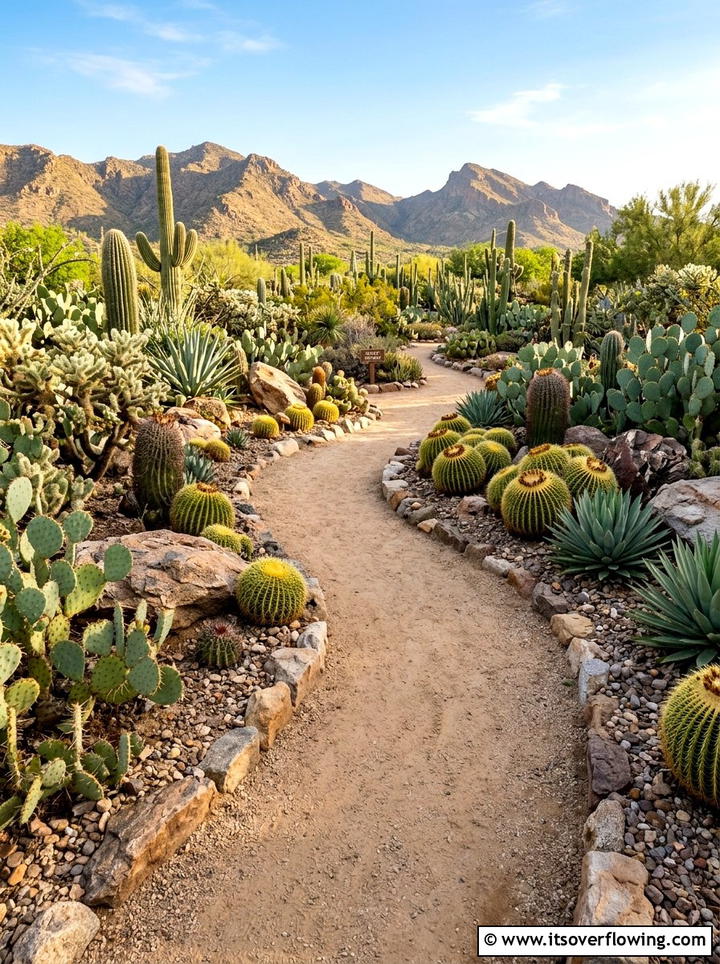
Walking through a curated collection of cacti feels like a journey through a living art gallery. A cactus garden path uses winding trails to lead people through different botanical zones. You can plant various species like barrel cactus, prickly pear, and cholla along the edges. Using a light-colored crusher fine or sand for the path makes the green plants stand out. This layout allows you to see the intricate details of each plant from a safe distance. It is important to leave enough space between the spikes and the walking area for safety. Adding small solar lights along the trail ensures the garden looks magical after the sun goes down.
5. Desert rock waterfall
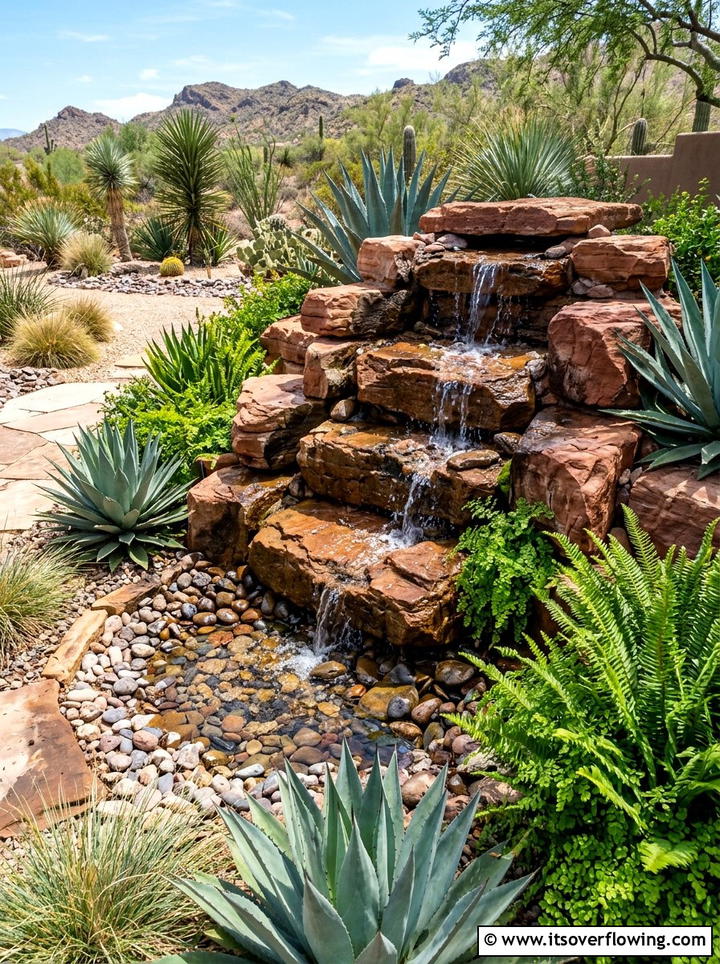
Water features bring a refreshing sense of movement and sound to a dry environment. A desert rock waterfall mimics the natural springs found in hidden canyons. By using local boulders and river stones, you can create a feature that looks like it belongs there. The sound of trickling water masks city noise and attracts local wildlife like birds and butterflies. You do not need a massive pond to make this work in a small backyard. A recirculating pump keeps the water moving so it stays clean and fresh for the environment. Surrounding the rocks with lush perennials adds a touch of green contrast. This element provides a cooling effect.
6. Native desert wildflower meadow
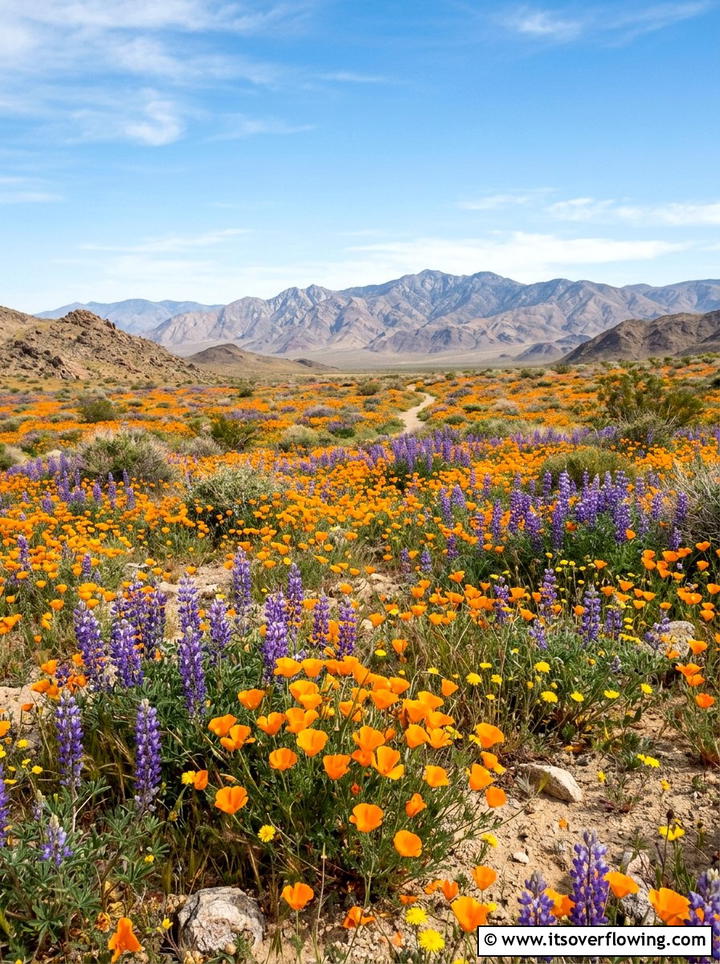
Do you want to see a burst of color in your backyard every spring? A native desert wildflower meadow uses seeds that are perfectly adapted to your local climate. Species like Mexican gold poppies, desert lupine, and globe mallow create a vibrant carpet of blooms. This approach supports local pollinators and requires very little intervention from the gardener once planted. You can simply clear a patch of soil and scatter the seeds before the rainy season starts. The resulting landscape feels wild and natural rather than overly manicured or stiff. As the flowers fade, they drop seeds for the following year, making it a sustainable and beautiful choice.
7. Decomposed granite patio
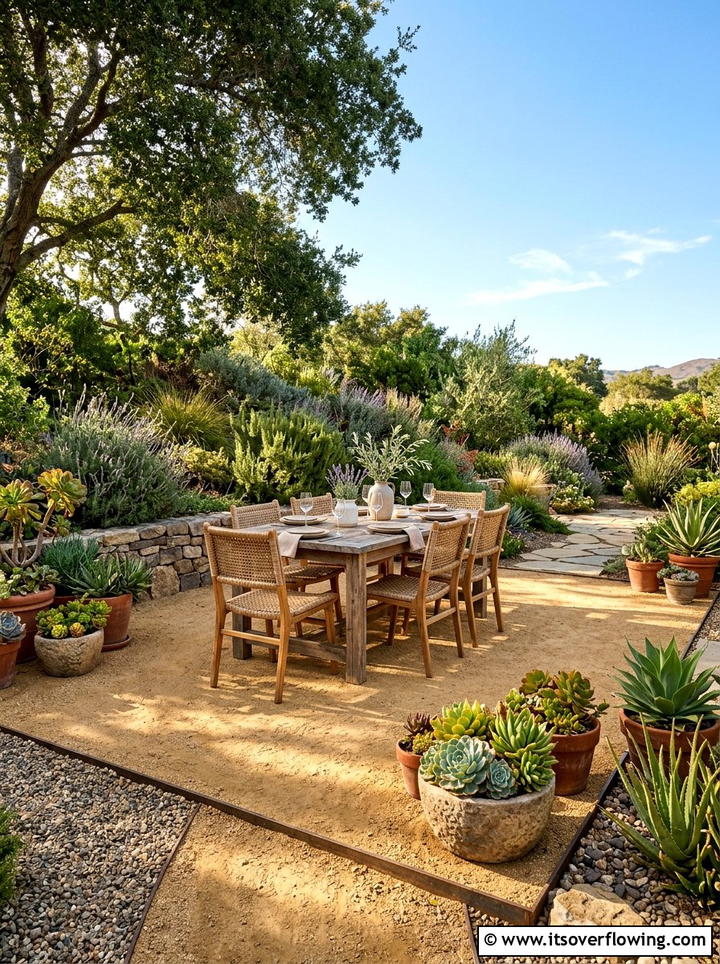
Decomposed granite is a popular choice for creating a soft and organic-looking patio surface. It is basically natural stone that has weathered down into very small, fine pieces. When compacted properly, it creates a firm surface that is comfortable for walking and placing furniture. The earthy tones of the granite blend perfectly with the natural desert colors found in the wild. It is a permeable material, meaning rainwater can soak through it instead of running off. This helps keep the soil hydrated and prevents erosion around your seating areas. You can edge the patio with steel to keep the material contained. It offers a relaxed and casual feel.
8. Architectural steel planters
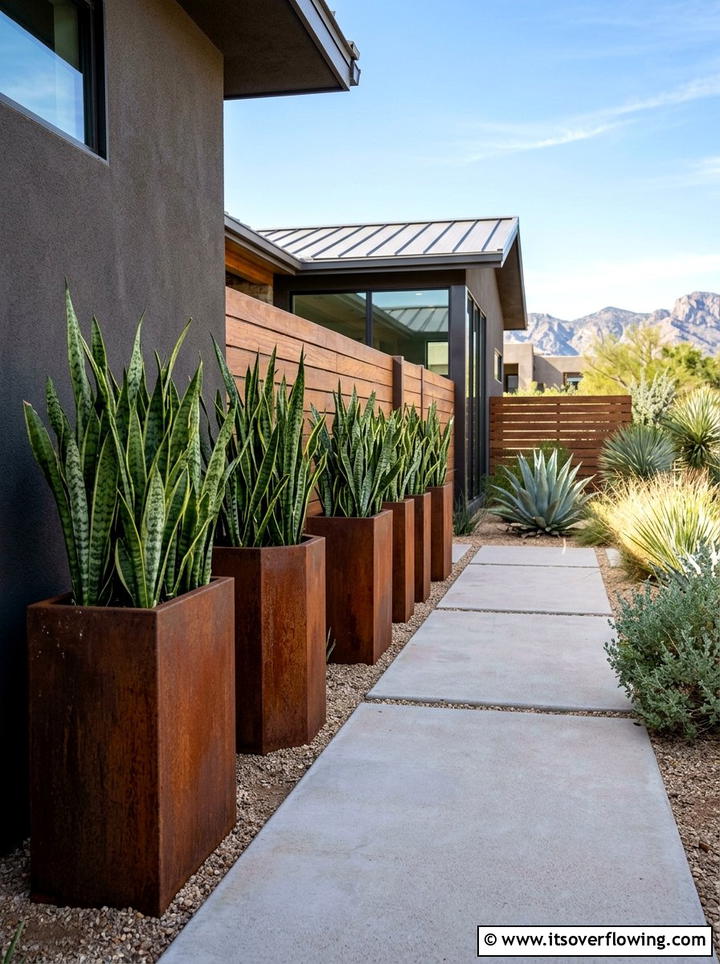
Steel planters add a sharp and industrial edge to a desert landscape design. Many designers use weathering steel, also known as Corten, which develops a beautiful rust patina over time. This orange-brown color provides a stunning contrast against the blue and green hues of succulents. These containers allow you to create height and layers in a flat backyard space. You can plant architectural species like snake plants or small yuccas inside for a clean look. The durability of steel makes it a great investment for sunny climates where plastic might crack. Placing these planters near an entryway creates a sophisticated and welcoming first impression for guests.
9. Shady pergola seating
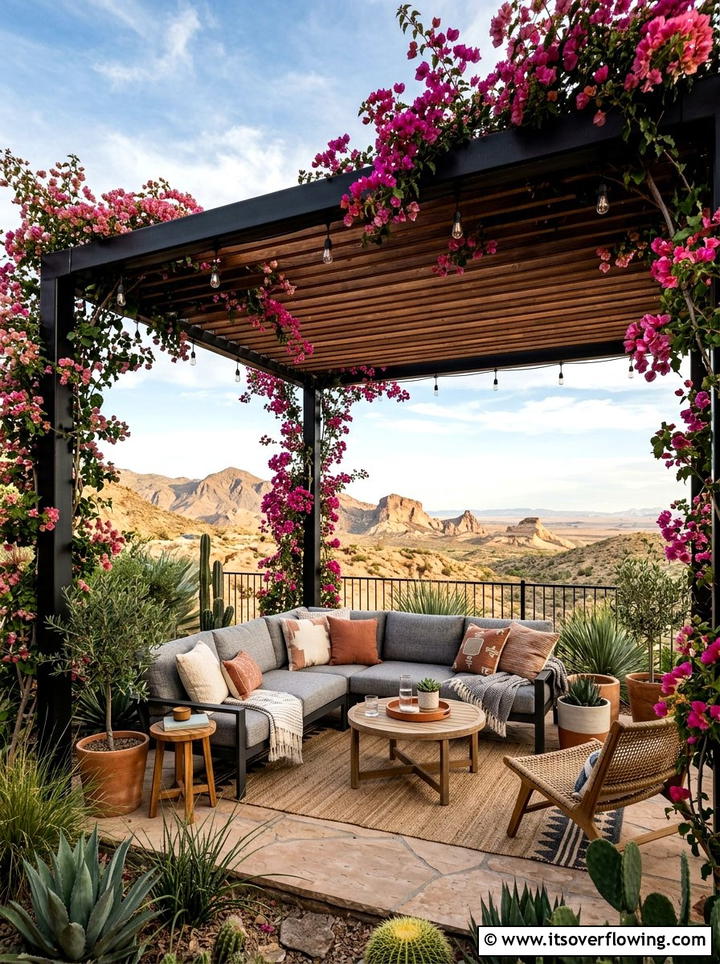
Finding a way to escape the intense midday sun is a priority for any desert homeowner. A shady pergola seating area provides a structured place to relax while staying protected from rays. You can build the pergola from wood or metal to match the style of your main house. Adding slatting or outdoor fabric on top increases the amount of shade provided to the area. Growing climbing vines like bougainvillea over the structure adds natural beauty and extra cooling power. Underneath, you can place comfortable outdoor sofas for a true living room feel. This architectural feature creates a destination in your yard that feels private and secluded.
10. Tall saguaro landscape
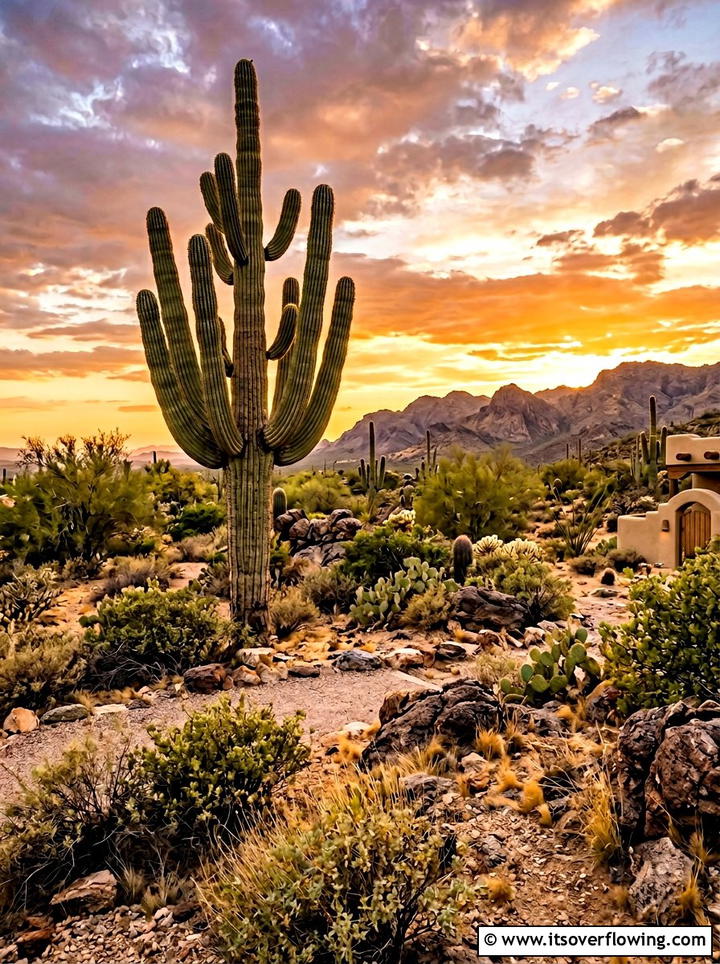
The saguaro is the undisputed icon of the American desert and makes a majestic statement. Incorporating a tall saguaro into your landscape provides instant vertical interest and a sense of history. These giants grow very slowly, so buying a mature one is a significant investment in your property. They act as a natural sculpture that changes its appearance as the light moves across the sky. You can surround the base with smaller barrel cacti or colorful desert shrubs to ground the plant. During the night, upward-facing spotlights can highlight the unique shape of the skin. It serves as a home for many birds and animals.
11. Colorful desert pottery display
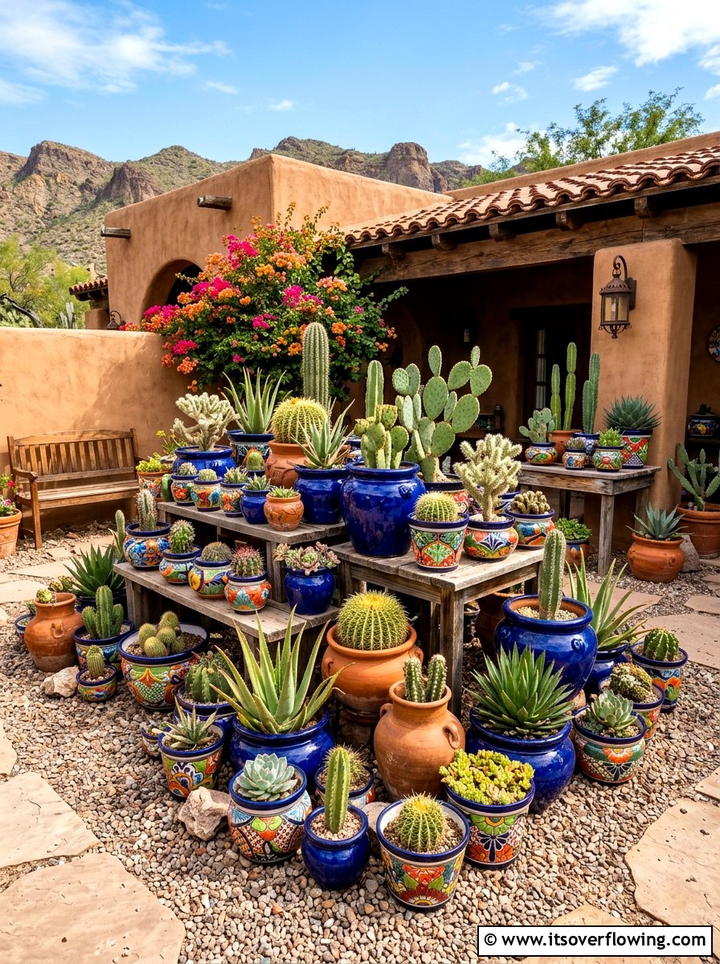
Using pots is a fantastic way to introduce vibrant colors and varied textures to a dry garden. A colorful desert pottery display can feature bright blues, oranges, and yellows that pop against neutral sand. You can group pots of different sizes and shapes together to create a dynamic visual arrangement. Planting them with diverse succulents like aloe or echeveria makes for a low-maintenance but high-impact look. This technique is especially useful for renters or people with small patios who cannot plant in the ground. Moving the pots around allows you to refresh the look of your space whenever you want. High-quality ceramic pots are heavy.
12. Natural stone walkway
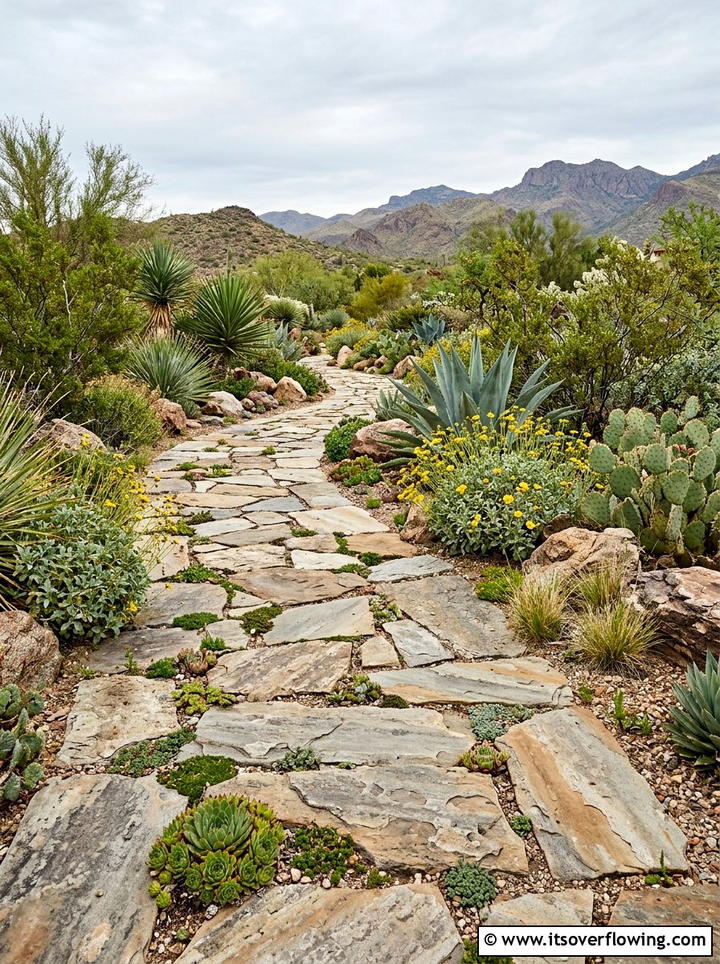
A natural stone walkway guides people through your garden while adding a touch of rustic charm. You can use large flagstones or flat river rocks to create a path that feels organic. Leaving wide gaps between the stones allows you to fill the spaces with fine gravel or groundcover. This prevents the path from looking too rigid and helps it blend into the surrounding environment. The varying shapes and colors of the stone reflect the geological beauty of the local desert region. Walking on stone feels solid and stable compared to loose sand paths. You can line the walkway with low-growing succulents for added visual interest.
13. Drought tolerant ornamental grass
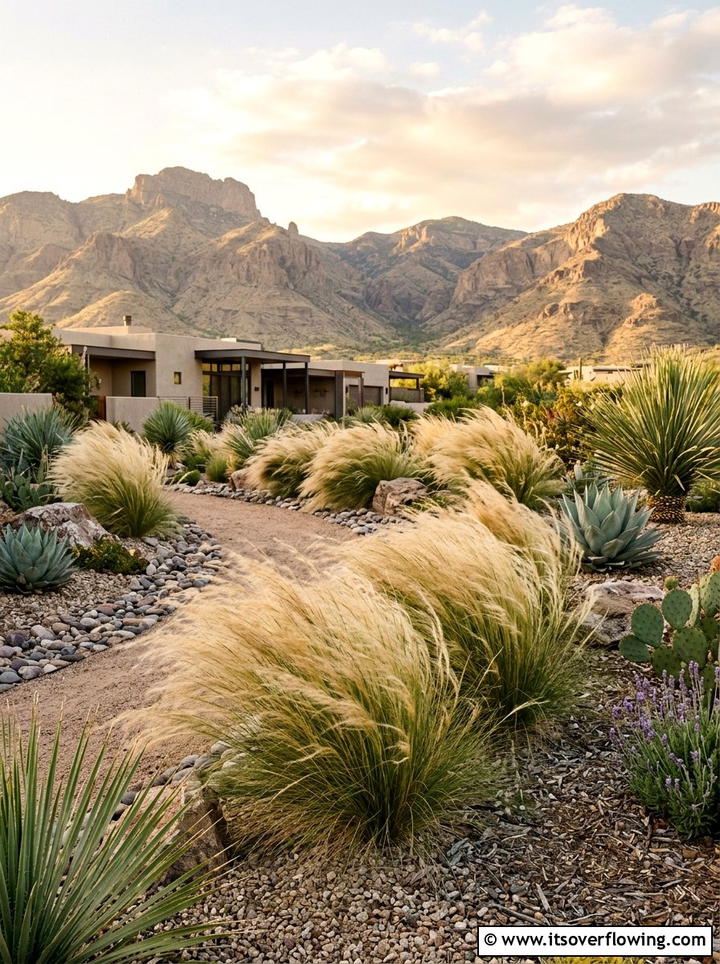
Ornamental grasses bring much-needed movement and softness to the often-stiff desert plant palette. Many varieties, like Mexican feather grass or deer grass, thrive with very little water once they are established. Their fine textures sway in the breeze, creating a relaxing sound and a sense of life. You can plant them in large drifts to mimic the look of a natural desert prairie. The golden or silvery colors of the foliage complement the earthy tones of rocks and gravel perfectly. Grasses also provide great coverage for hiding irrigation lines quickly. They are easy to maintain, requiring only a simple trim once a year.
14. Desert succulent wall
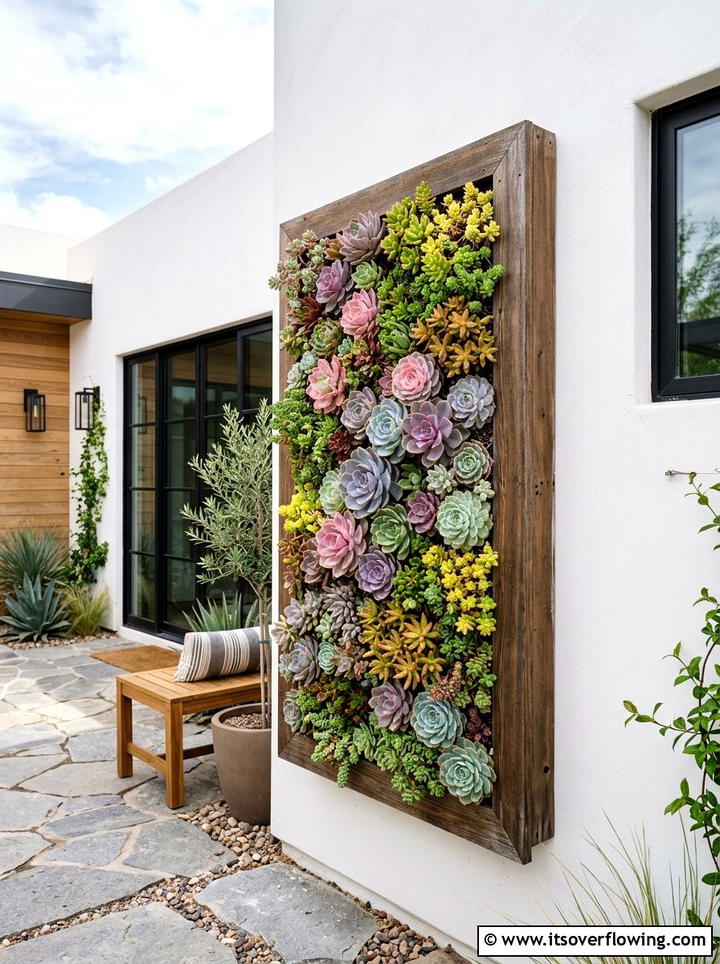
A desert succulent wall is a creative way to use vertical space for gardening in small areas. You can use a wooden frame or a specialized planting system to secure various succulents to a wall. Species like hens and chicks, sedums, and small aloes work well because they have shallow root systems. This living tapestry adds a unique texture and color pattern to a plain fence or exterior house wall. It acts as a natural insulator, keeping the area slightly cooler through the process of transpiration. Succulent walls require an integrated drip system to ensure all the plants receive the right amount of moisture.
15. Xeriscape front yard
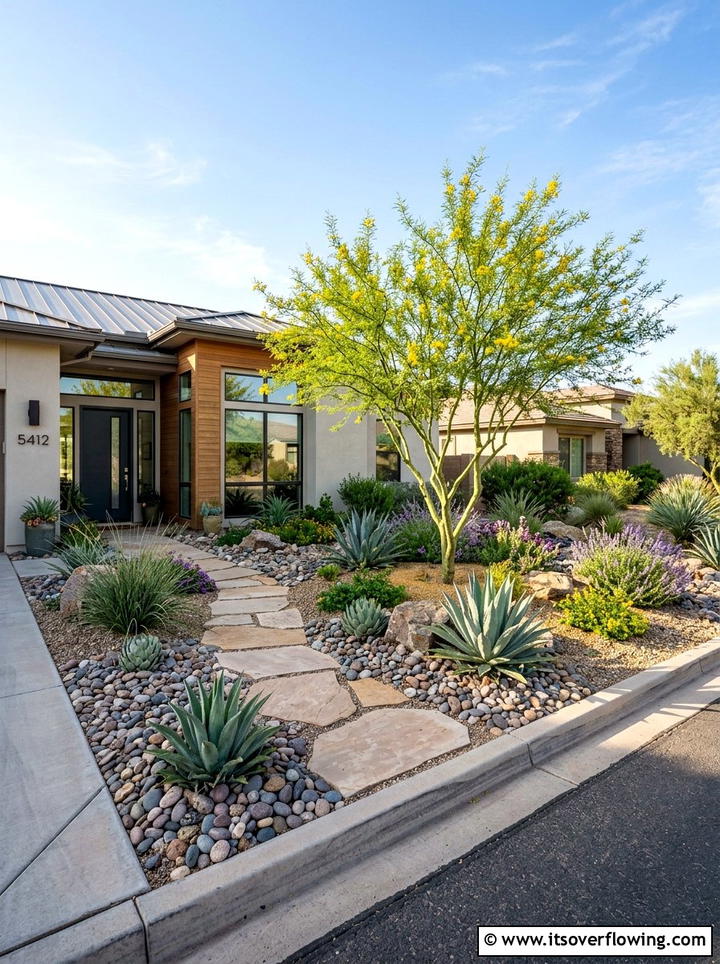
Converting a traditional lawn into a xeriscape front yard is a smart way to save water and money. This style focuses on using plants and materials that require minimal irrigation to stay healthy. You can replace grass with a combination of decorative rock, boulders, and native shrubs. Using a variety of plant heights and colors ensures the yard remains visually appealing throughout the entire year. Many cities even offer rebates for homeowners who make the switch to water-wise landscaping designs. A well-designed xeriscape increases curb appeal while significantly reducing the time spent on yard work. It demonstrates a commitment to the local environment.
16. Dry creek bed drainage
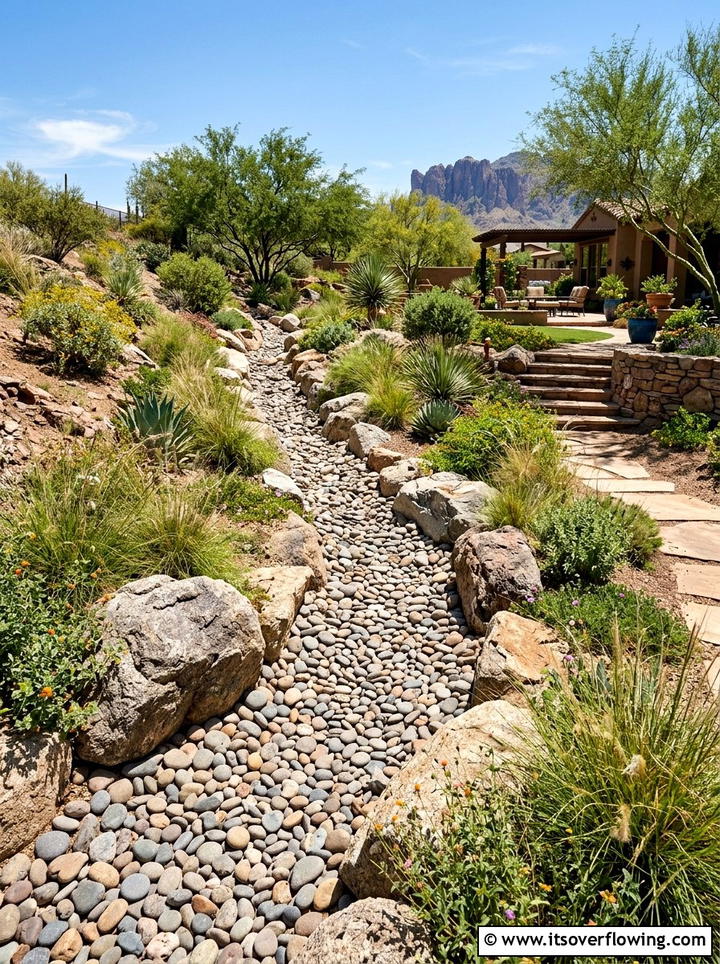
Managing rainwater runoff is a common challenge in desert landscapes where sudden storms can cause erosion. A dry creek bed serves as a functional drainage solution that also looks like a natural feature. By lining a shallow trench with river rocks and larger boulders, you create a path for water. When it rains, the water flows safely away from your house and into the soil below. During dry periods, the creek bed adds a beautiful texture and a sense of geology to the yard. You can plant moisture-loving desert plants along the edges. This feature mimics the arroyos found in nature perfectly.
17. Desert butterfly garden
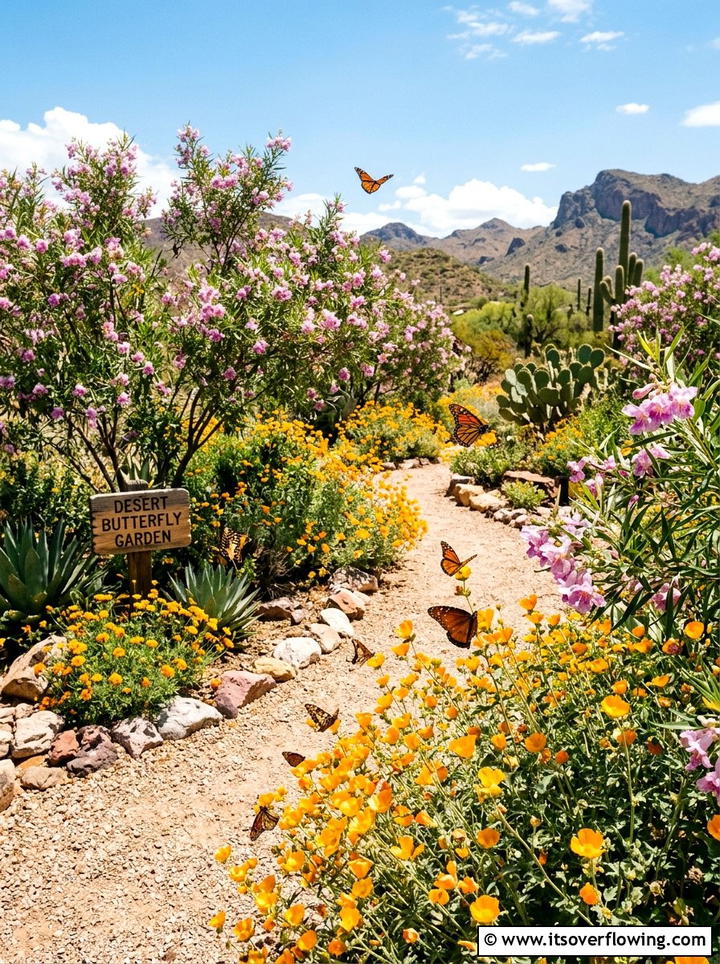
Did you know that many desert plants are excellent at attracting colorful butterflies and hummingbirds? A desert butterfly garden focuses on planting nectar-rich species like milkweed, desert willow, and fairy duster. These plants provide the necessary food and habitat for local pollinators to thrive in an urban environment. You can include a shallow water dish with some stones for the butterflies to land on safely. Choosing plants with different bloom times ensures there is always something for the insects to eat. This type of garden brings a dynamic energy to your outdoor space as you watch the wildlife visit daily. It is rewarding.
18. Minimalist xeriscape courtyard
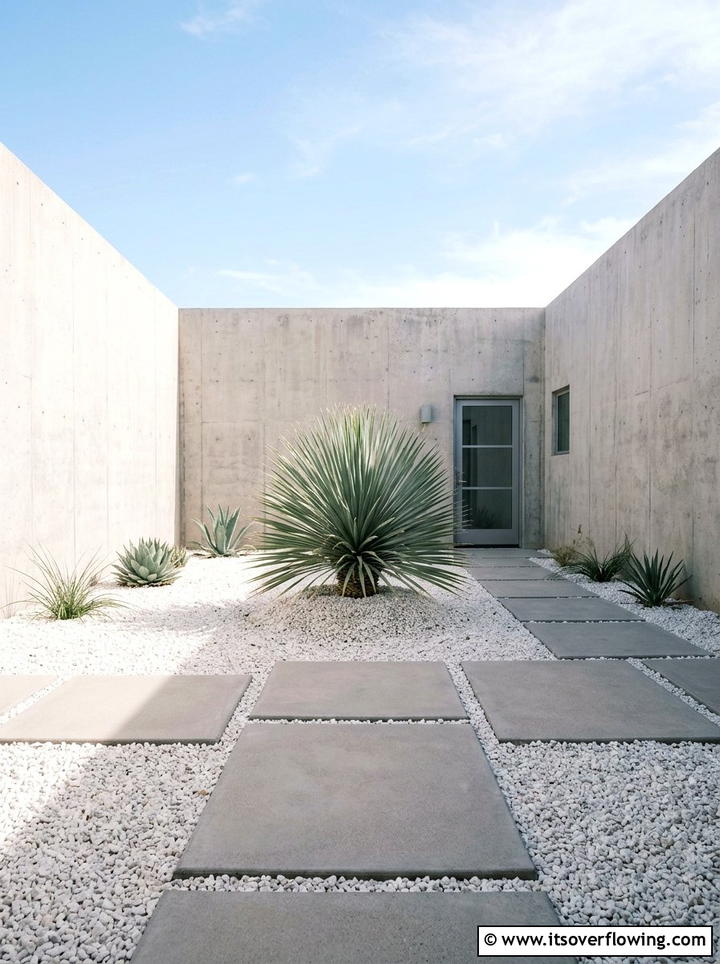
A minimalist xeriscape courtyard focuses on simplicity, clean lines, and a limited palette of materials. This design style creates a sense of calm and order that is perfect for a small enclosed space. You might see a single specimen tree, like a palo verde, surrounded by a sea of uniform gravel. Using geometric concrete pavers can define a clear path or a small area for a single chair. The lack of clutter allows the eye to rest and appreciate the subtle beauty of each element. This approach is highly modern and works well with contemporary homes. Maintenance is extremely low for owners.
19. Outdoor lighting for cactus
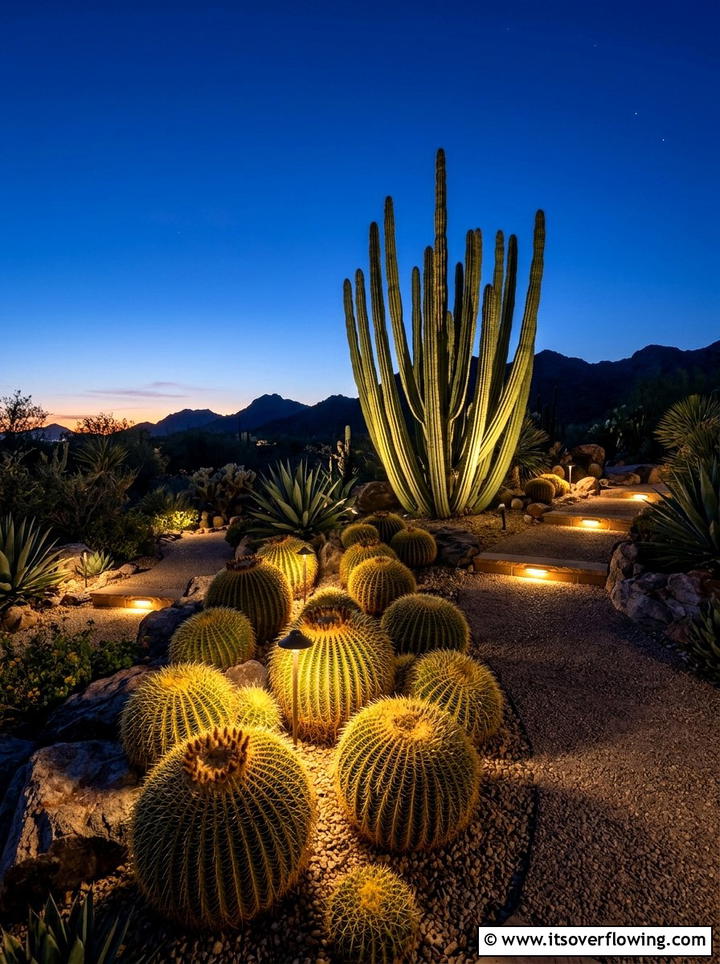
Transforming your garden into a night-time wonderland is easy with the right outdoor lighting for cactus. Using low-voltage LED lights can highlight the dramatic shapes and spines of your desert plants. Up-lighting a tall cactus creates long, artistic shadows against a wall or the dark night sky. You can also use path lights to safely guide guests through the landscape after the sun goes down. Silhouetting a plant against a lit-up surface is another great way to show off its unique structural form. Proper lighting ensures that you can enjoy the beauty of your garden even during the hottest nights.
20. Desert fruit orchard
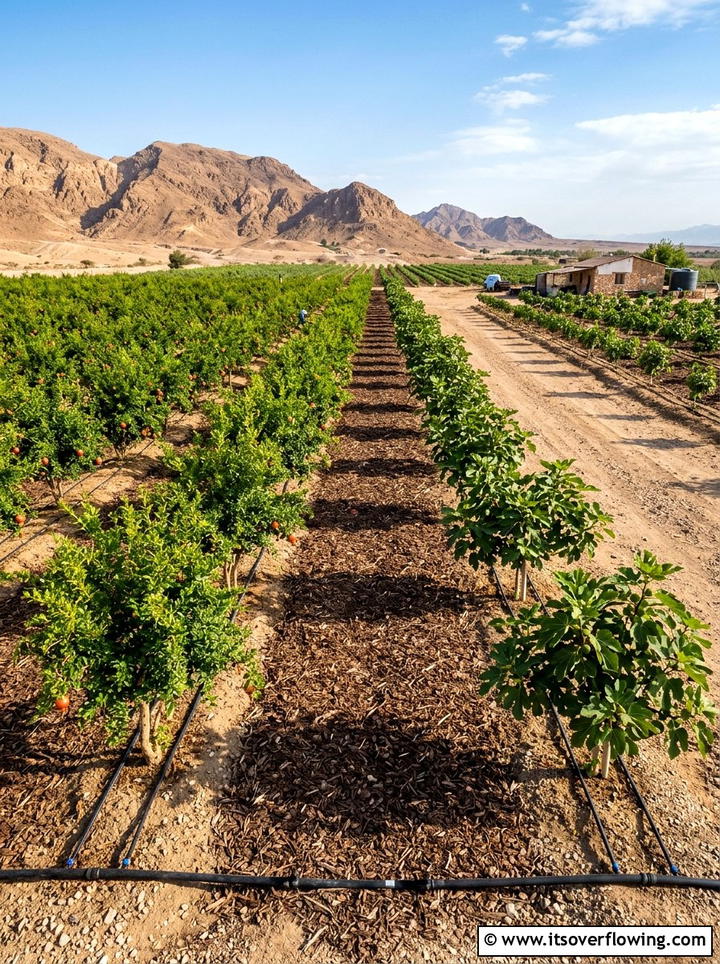
Many people are surprised to learn that several fruit-bearing plants can thrive in a hot, dry climate. A desert fruit orchard might include pomegranate trees, fig trees, and even certain types of citrus. These plants appreciate the heat but will need a more consistent watering schedule than native cacti. Planting them together in a specific zone makes it easier to manage their unique irrigation requirements. Not only do these trees provide delicious fresh fruit, but they also offer beautiful blossoms and lush green foliage. Providing some afternoon shade can help protect the fruit from getting sunburned during the most intense summer months.
21. Potted succulent arrangement
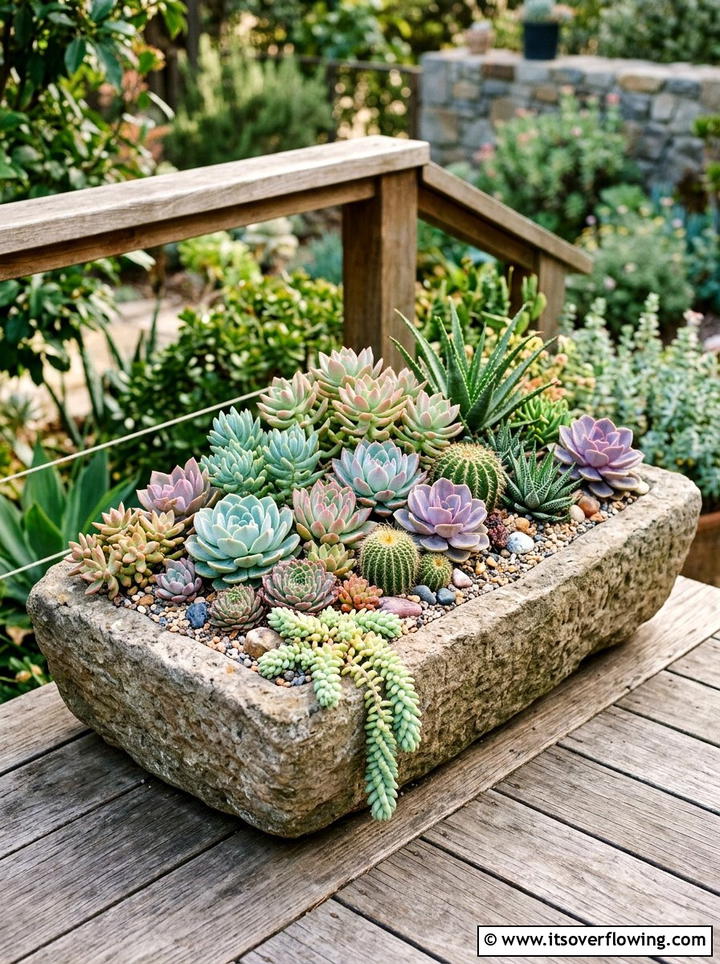
Succulents are like nature’s jewels, and they look stunning when grouped together in a potted succulent arrangement. You can use a shallow bowl or a large trough to create a miniature landscape of varied colors. Mixing heights, such as a tall stick on fire plant with low-growing echeveria, adds visual interest. Using decorative pebbles on top of the soil gives the arrangement a finished and professional look. These pots can be placed on patio tables, stairs, or near the front door for a touch of life. Because succulents store water in their leaves, they can go longer between waterings.
22. Red rock garden bed
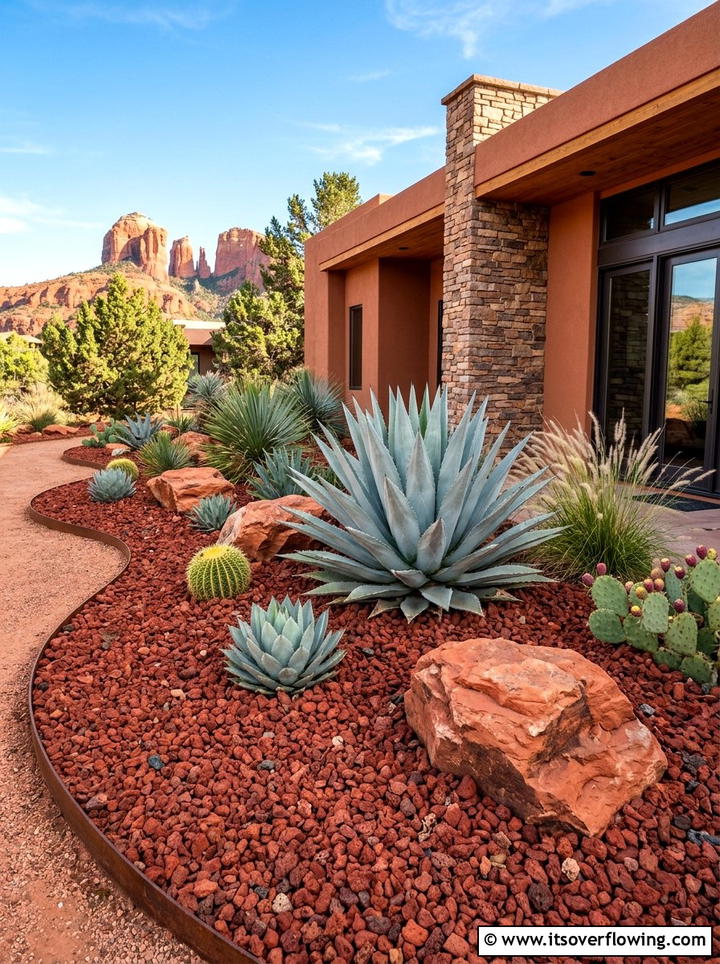
Red rocks bring the iconic color of places like Sedona or the Grand Canyon directly into your backyard. A red rock garden bed uses crushed volcanic rock or sandstone to create a vibrant ground cover. This deep earthy red looks incredible when paired with the silvery-blue leaves of an agave or yucca. You can use large red boulders to create height and mimic the natural rock formations of the desert. The color does not fade over time, ensuring your garden stays bright for many years. This material is also excellent at suppressing weeds and helping to regulate the soil temperature.
23. Desert bird bath feature
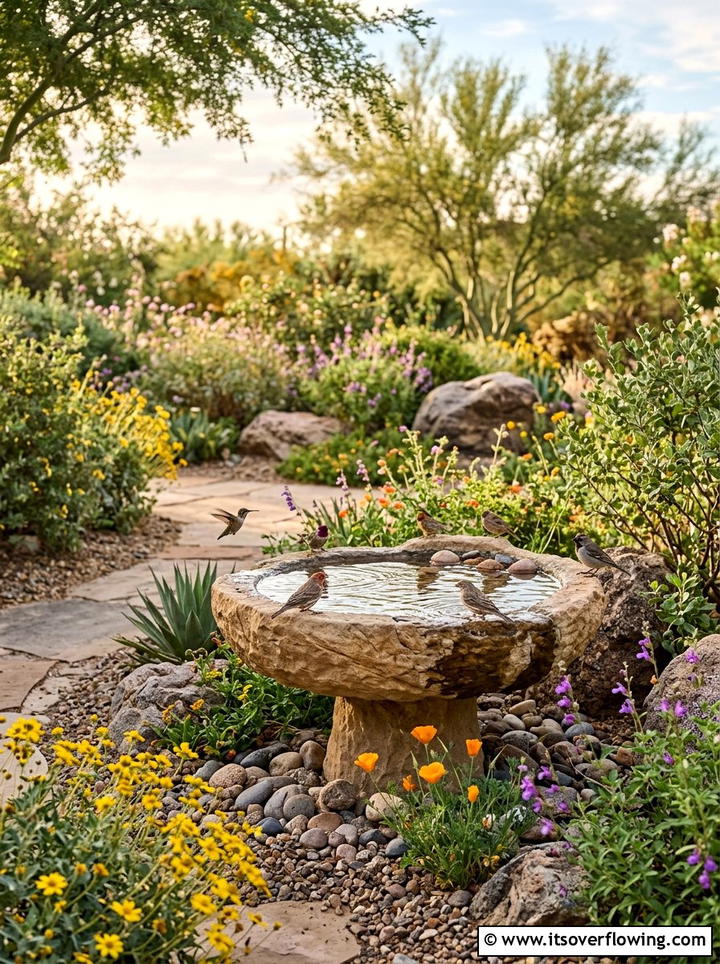
In a dry environment, providing a reliable source of water is the best way to attract local birds. A desert bird bath feature can be a simple stone basin or a more elaborate pedestal design. It should be kept shallow so that birds feel safe while they are drinking or bathing in it. Placing the bird bath near some shrubs gives the birds a place to hide if a predator appears. Watching the different species visit your garden adds a wonderful sense of life and sound to the space. You will need to clean the basin regularly to keep water fresh.
24. Modern desert swimming pool
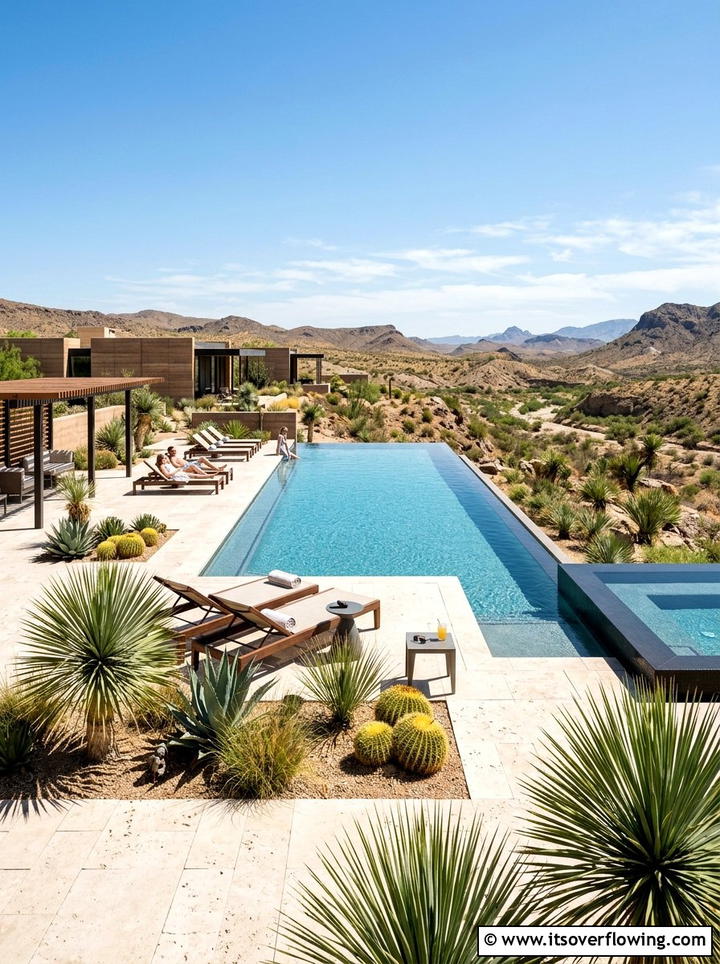
A modern desert swimming pool is the ultimate luxury for cooling off during those long, hot summer afternoons. This style often features clean, rectangular lines and natural materials that blend into the dry landscape surroundings. Using light-colored coping around the edge keeps the surface cool for bare feet to walk on comfortably. You can surround the pool deck with drought-tolerant plants like lavender for a pleasant scent. Integrated baja shelves allow you to sit in shallow water while staying partially submerged. The water reflects the blue sky and the surrounding desert flora, creating a stunning visual effect for the property.
25. Sand and gravel textures
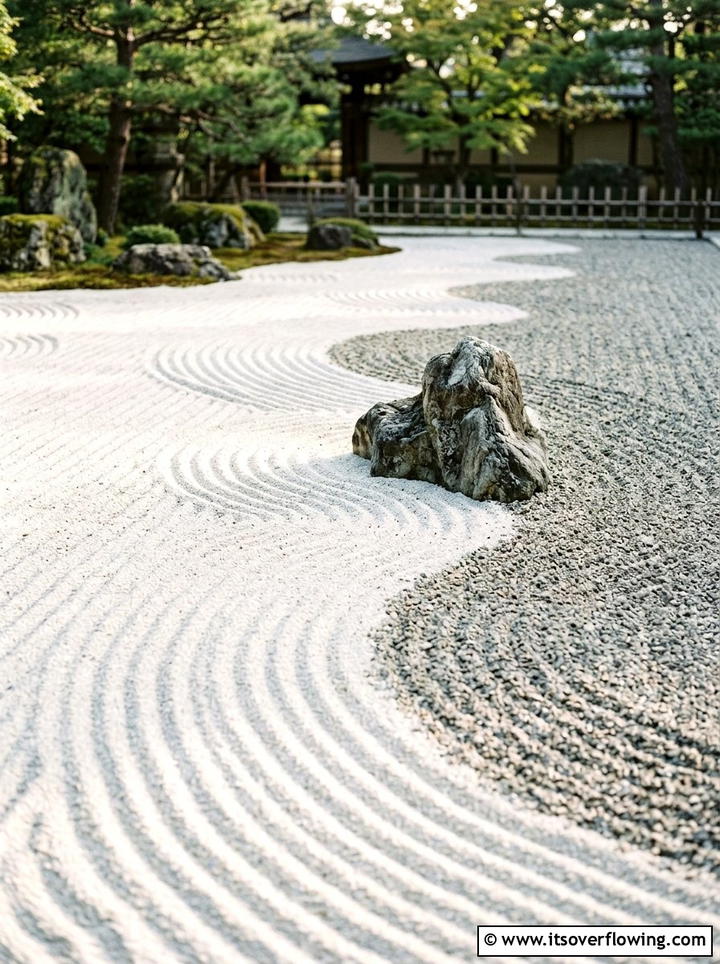
Mixing various sand and gravel textures is a sophisticated way to add depth to a low-water landscape. You can use fine sand to create a zen-like area and coarser gravel for the more high-traffic zones. Contrasting colors, like dark basalt next to light tan sand, creates a striking graphic look on the ground. This technique allows you to define different areas of the garden without using physical walls or fences. Using a rake to create patterns in the sand adds an interactive and artistic element to the space. These materials are very easy to maintain and provide excellent drainage for plants.
Conclusion:
Creating a desert style garden is an investment in both beauty and environmental sustainability. By selecting native plants and durable hardscape materials, you create an outdoor space that thrives in harmony with its surroundings. These twenty-five ideas show that a dry climate landscape can be incredibly diverse, ranging from minimalist courtyards to vibrant wildflower meadows. You do not have to sacrifice style to save water; instead, you can highlight the unique textures and colors of the arid world. As you implement these designs, your backyard will become a peaceful retreat that requires less work and provides more enjoyment for years to come.

Related posts:
 25 garden design ideas with low maintenance shrubs: Easy Looks
 25 garden ideas for maximalist style: Bold Outdoor Looks
 25 garden ideas for mediterranean style: Sunny Yard Looks
 25 garden ideas for minimalist style: Clean Outdoor Looks
 25 garden design ideas with drought tolerant plants: Easy Looks
 25 garden design ideas with low water plants: Smart Xeriscapes
 25 Garden Design Ideas With Succulent Beds for Low-Care Style
 25 Garden Ideas With Gravel for Low-Maintenance Outdoor Style
 25 Garden Ideas With Succulents for Low-Maintenance Style
 25 small garden ideas with succulents for Low-Maintenance Style
 25 small garden ideas with water feature for Serene Style
 25 garden ideas with hydrangeas for Stunning Color Displays