
Living in a windy area often presents unique challenges for homeowners who want to maintain a beautiful and functional outdoor space. Constant gusts can quickly dry out your soil, snap the stems of fragile flowers, and make it nearly impossible to enjoy a quiet afternoon outside. However, with the right planning and structural elements, you can transform a breezy plot into a serene and protected sanctuary. This guide focuses on utilizing permeable barriers, hardy plant species, and strategic layouts that manage airflow rather than fighting it. By understanding these principles, you will create a resilient landscape that thrives despite the challenging environmental conditions of your specific location.

1. Mixed evergreen hedge
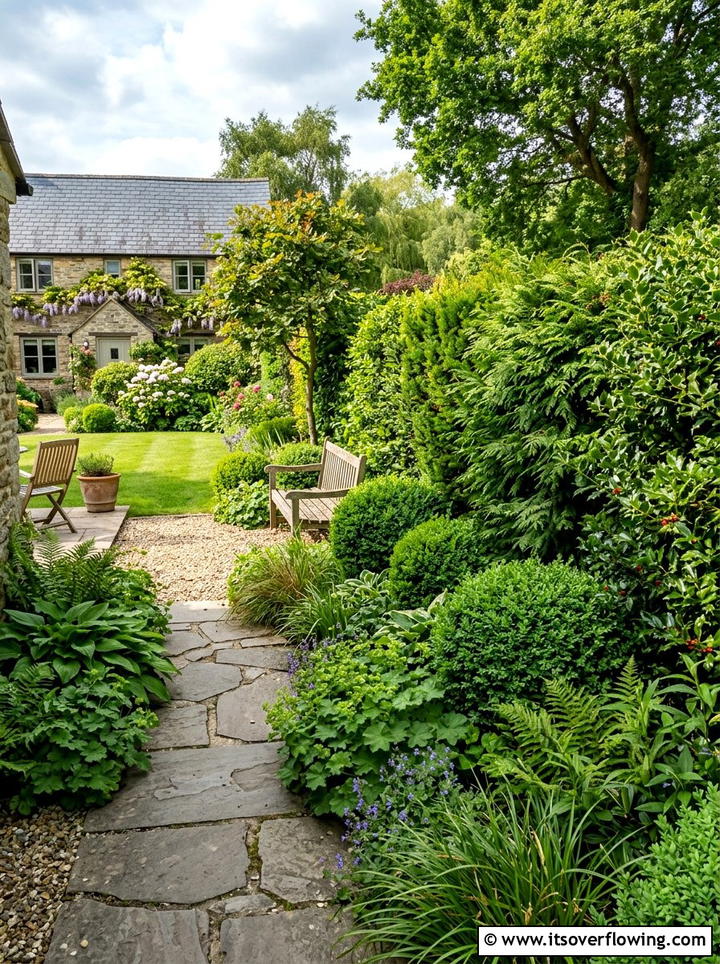
A mixed evergreen hedge serves as one of the most effective natural windbreaks you can install in a modern landscape. Unlike a solid brick wall that causes wind to swirl and create turbulence, a dense hedge of various evergreens allows air to filter through slowly. This reduction in wind speed protects the rest of your garden from the harsh drying effects of the breeze. Using a variety of species like cedar, boxwood, and holly adds visual depth and ensures that if one plant struggles, the others remain strong. This design creates a living wall that provides privacy, reduces noise, and keeps your backyard calm during the spring.
2. Ornamental grass border
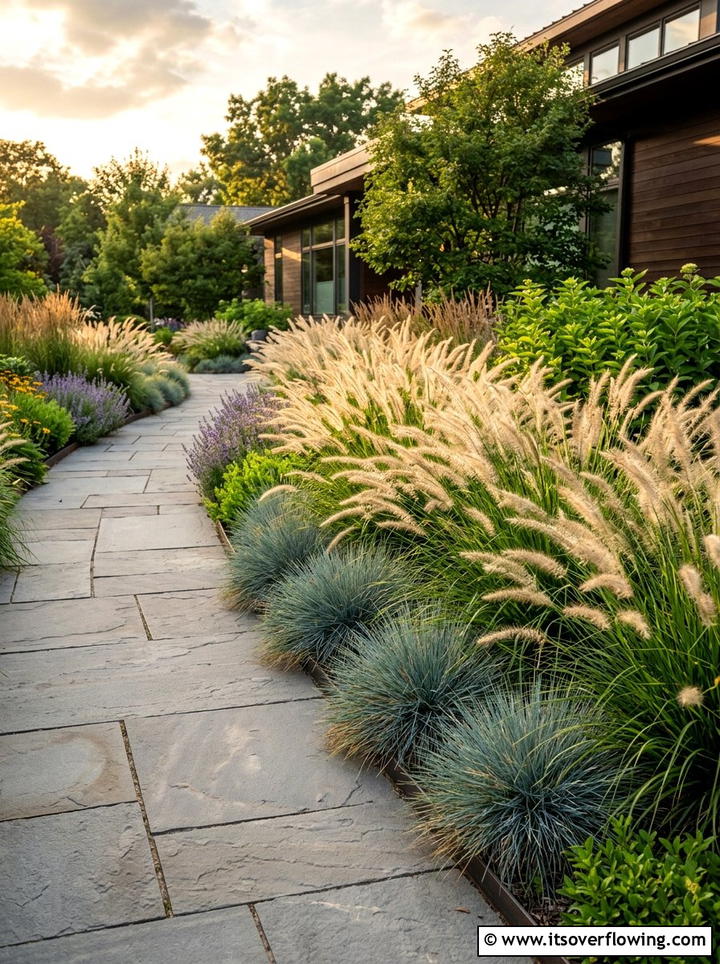
Ornamental grasses are a brilliant choice for windy environments because they are built to move with the air instead of resisting it. When you plant a wide border of different grass varieties, you create a mesmerizing visual display that ripples beautifully in the breeze. Species like fountain grass, switchgrass, and blue fescue are incredibly resilient and rarely suffer from broken stems during heavy storms. These plants also add a wonderful auditory element to your garden, producing a soothing rustling sound that masks unwanted neighborhood noise. By grouping these grasses together, you create a soft, textured screen that looks stunning throughout the changing seasons while requiring very little maintenance.
3. Sunken seating area
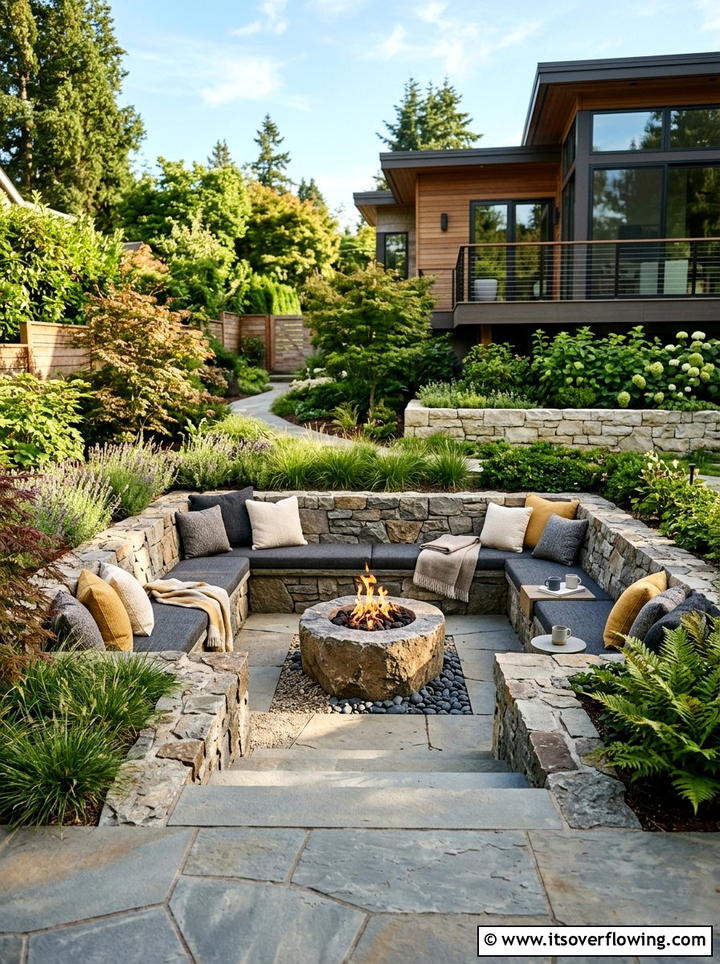
Designing a sunken seating area is a clever way to escape the wind while adding a unique architectural feature to your backyard. By excavating a portion of your patio and lowering the floor level, you naturally place your guests below the main path of the wind. This creates a cozy, sheltered pocket that remains much warmer and calmer than the rest of the yard. You can surround the perimeter with stone walls or built-in benches to provide further protection and structural integrity. This approach transforms a flat, exposed lawn into a multi-dimensional space that feels intimate and safe from the elements throughout the entire year.




4. Slatted wood fence
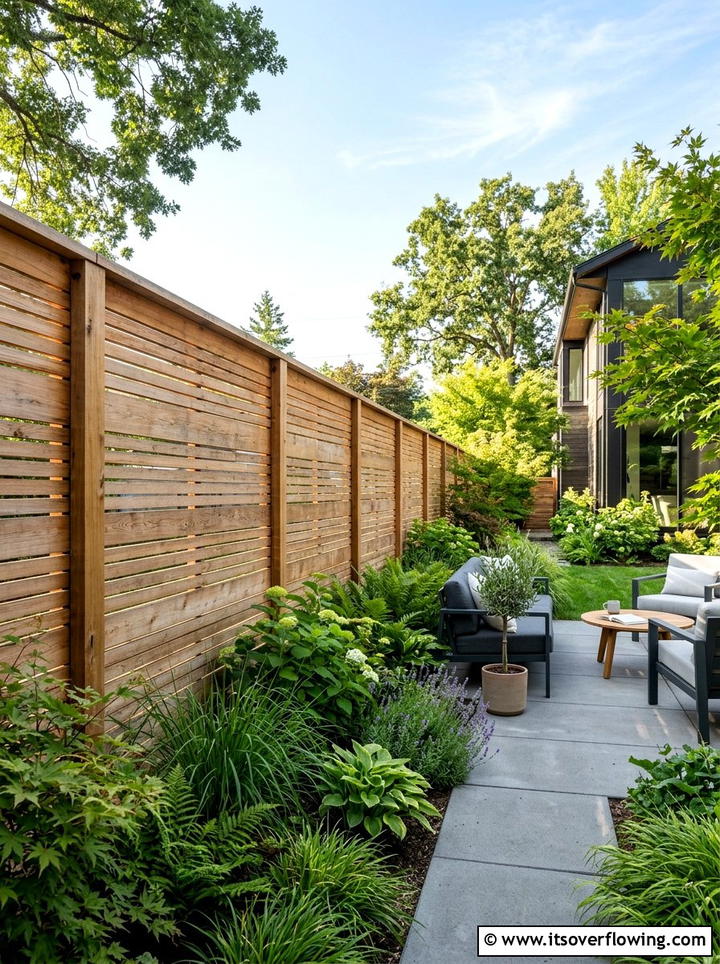
A slatted wood fence is often much more effective than a traditional solid fence for managing high winds in an open landscape. Solid fences tend to act like sails, catching the wind and potentially falling over, while also creating harsh gusts on the other side. In contrast, a slatted design allows a small percentage of air to pass through the gaps, which breaks the force of the wind without creating suction. This results in a much gentler breeze within your garden area. You can choose different wood types and gap widths to match your home aesthetic while ensuring your outdoor space stays remarkably comfortable.
5. Low growing groundcover
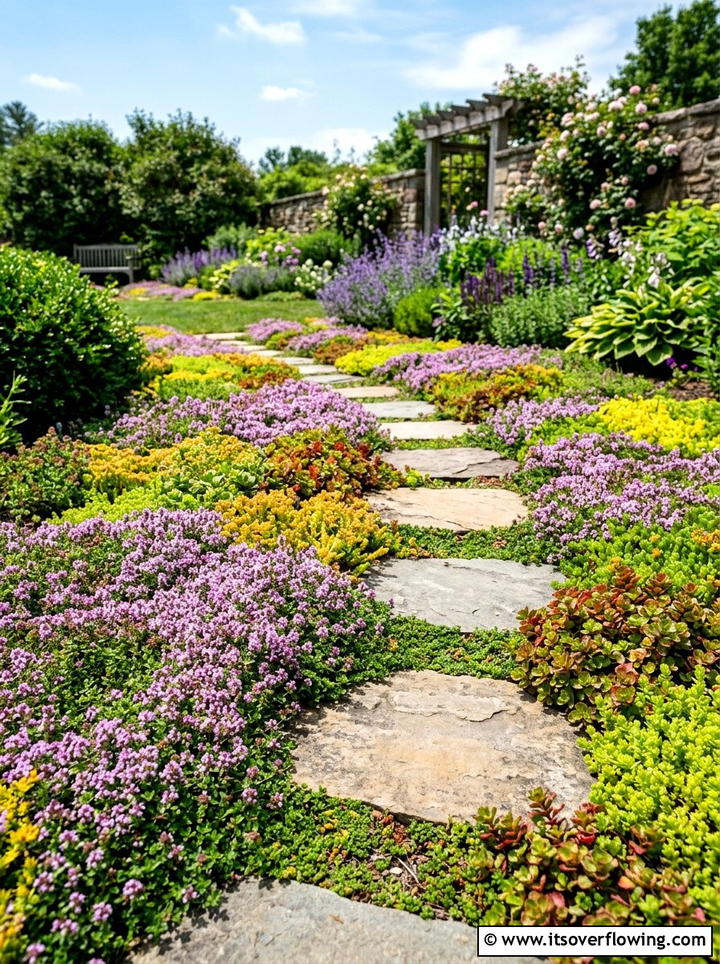
When you deal with high winds, tall plants can often be a liability, making low growing groundcover a much smarter choice for your landscaping. Plants like creeping thyme, sedum, or clover stay close to the earth where the wind speed is significantly lower. These hardy plants form a dense mat that protects the soil from erosion and helps retain essential moisture that wind would otherwise evaporate. By filling your garden beds with these resilient varieties, you create a lush green carpet that looks beautiful without the risk of being flattened. This design strategy keeps your garden looking tidy and healthy even during the windiest months.
6. Stone gabion wall
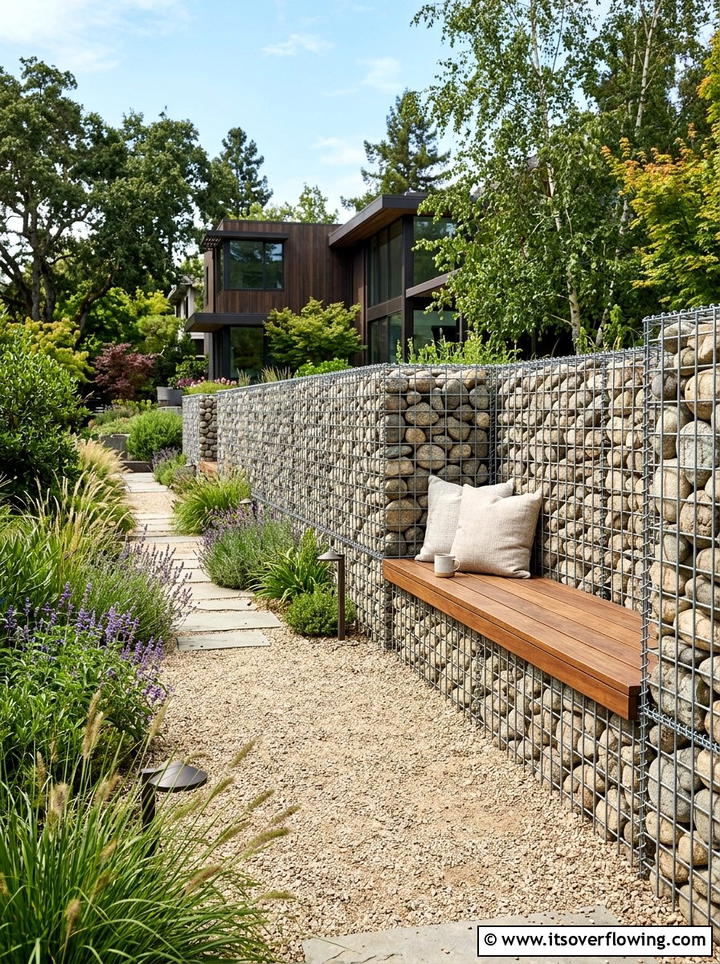
A stone gabion wall offers a heavy and industrial look that is perfectly suited for stabilizing extremely windy or sloped garden areas. These structures consist of wire cages filled with natural stones, creating a heavy barrier that will never blow over or shift in a storm. Because the stones have small gaps between them, they allow some air to permeate, which reduces the pressure on the wall and prevents wind turbulence. Gabion walls also provide excellent drainage and can be used as seating or decorative borders. This functional design adds a modern, textured element to your garden while providing a permanent shield for your delicate plants.
7. Natural earth berm
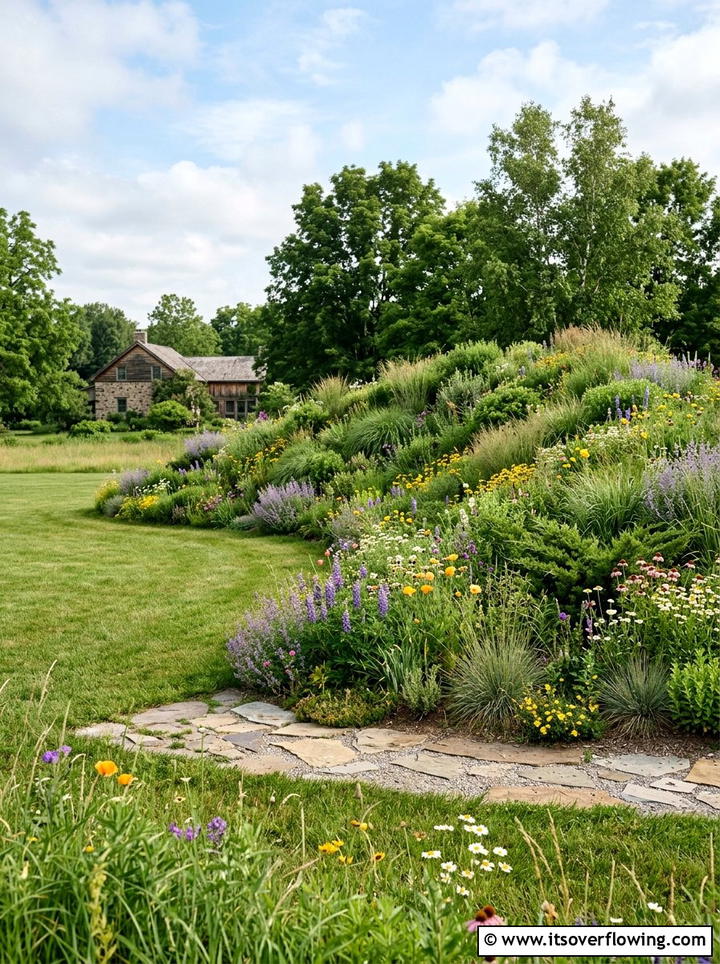
Creating a natural earth berm involves mounding soil to create a small hill that acts as a physical barrier against prevailing winds. This technique is particularly useful for large, open properties where you want to create a more intimate and protected environment. Once the berm is shaped, you can plant it with hardy shrubs and trees to further enhance its wind-breaking capabilities. The varying height of the mound adds visual interest to an otherwise flat landscape and can help with sound insulation as well. This organic approach mimics natural hilly terrain and provides a long-lasting solution for keeping your garden beds calm and warm.



8. Heavy concrete planter
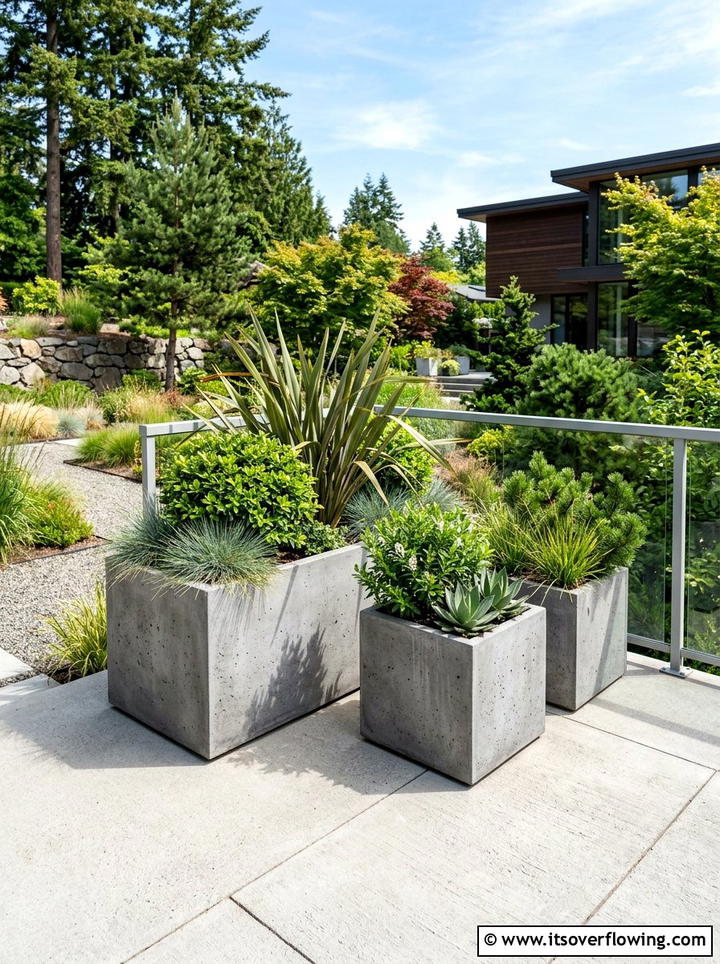
Using a heavy concrete planter is a practical solution for gardening in windy spots where lightweight pots would simply blow over and break. These substantial containers provide a stable home for your plants and are virtually impossible for the wind to move once they are filled. You can arrange them in rows or clusters to create a secondary windbreak for smaller, more sensitive plants growing nearby. Choosing minimalist, modern concrete styles adds a sophisticated touch to your patio or deck while ensuring your greenery stays upright. This design choice is ideal for high-rise balconies or coastal areas where the wind is a constant presence.
9. Permeable garden trellis
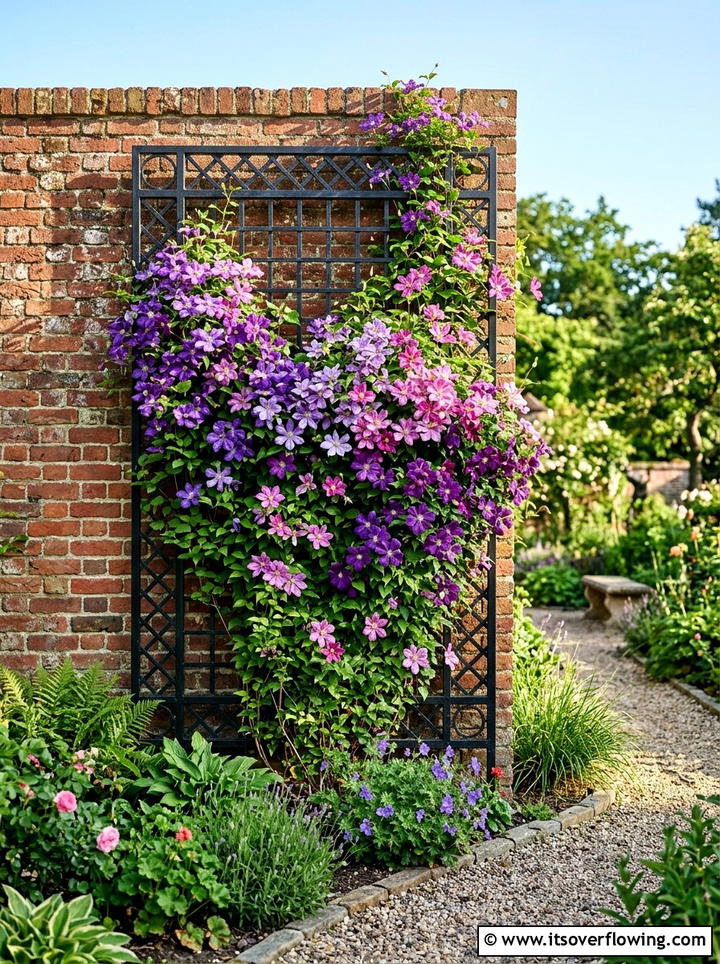
A permeable garden trellis allows you to grow climbing plants that act as a soft, living screen against the wind in your backyard. By installing a sturdy trellis made of wood or metal, you provide a framework for vines like clematis or ivy to weave through. As the plants grow, they create a dense but flexible barrier that breaks the wind’s force without blocking it entirely. This setup prevents the heavy wind loads that often damage solid walls while providing a beautiful vertical element to your garden. The movement of the leaves adds life to the space, making the wind feel like a gentle part of the environment.
10. Native coastal plant
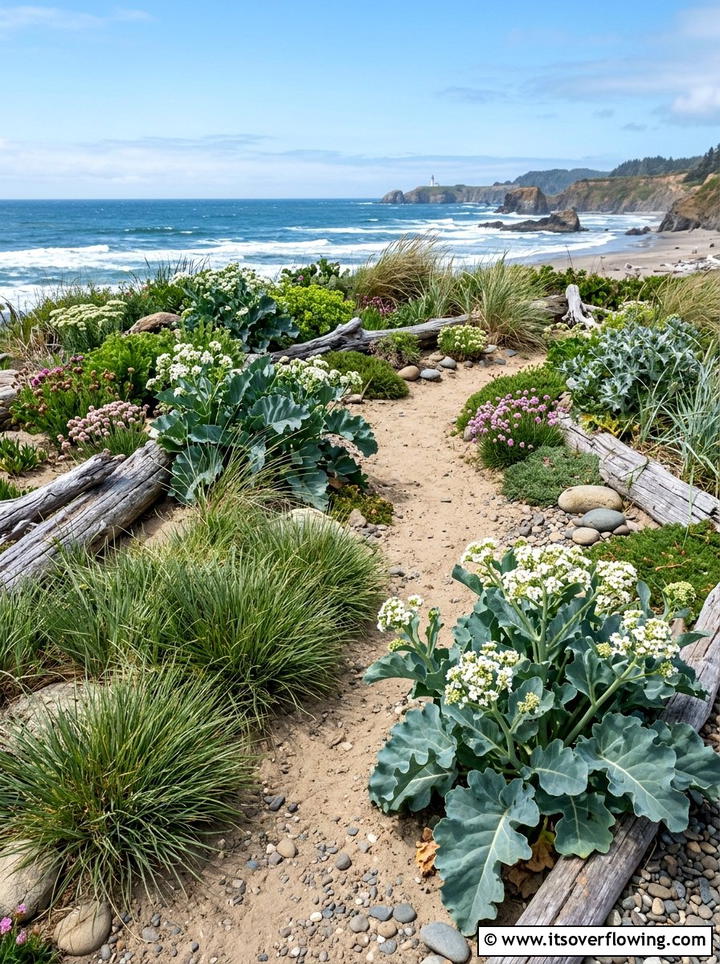
Incorporating a native coastal plant palette into your garden design is a foolproof way to ensure your landscape survives and thrives in wind. These plants have evolved over centuries to withstand salt spray, sandy soil, and intense gusts of wind without losing their structural integrity. Species such as sea kale, beach plums, or salt grass have flexible stems and waxy leaves that prevent moisture loss in harsh conditions. By choosing plants that are naturally adapted to your local climate, you reduce the need for constant maintenance and protective structures. This approach results in a self-sustaining garden that looks harmonious with the surrounding natural environment.
11. Pleached tree screen
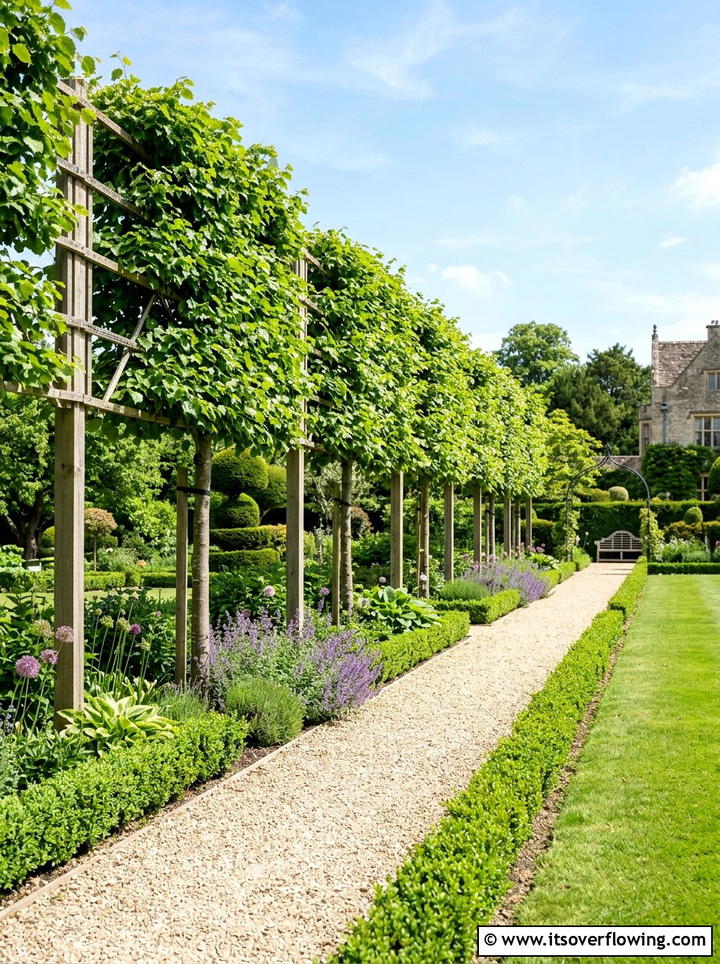
A pleached tree screen involves training trees to grow along a flat framework, creating a high-level hedge that sits on tall, clear stems. This design is excellent for windy areas because it provides upper-level wind protection while allowing air to flow freely at the ground level. The interwoven branches of the pleached trees create a strong, unified barrier that is much more resistant to wind than individual free-standing trees. This formal landscaping technique adds an elegant, architectural feel to your property and is perfect for creating privacy in urban gardens. It effectively shields your home from the wind while maintaining a sophisticated and manicured appearance.

12. Woven willow hurdle
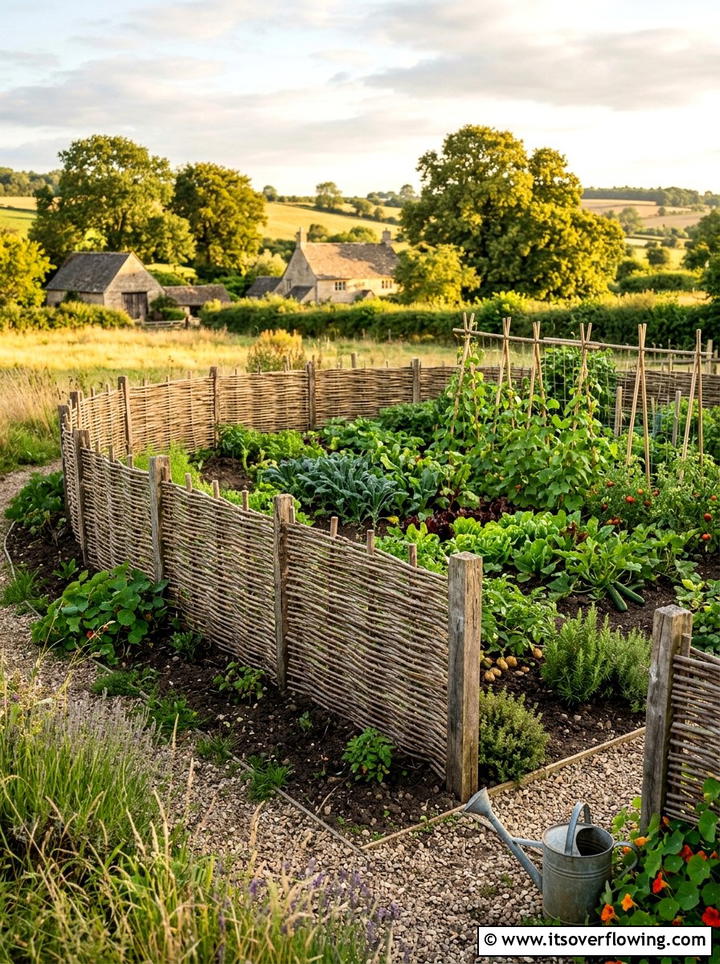
Installing a woven willow hurdle provides a rustic and traditional look that is incredibly effective at diffusing wind in a country garden. These panels are made by weaving flexible willow branches around upright stakes, resulting in a fence that is both strong and slightly porous. The natural gaps in the weave break up the airflow, turning a harsh gust into a soft breeze that won’t harm your flowers. Willow hurdles are also lightweight enough to be moved if you need to adjust your wind protection throughout the seasons. This eco-friendly material blends seamlessly into natural landscapes and provides a warm, organic backdrop for your plants.
13. Gravel garden bed
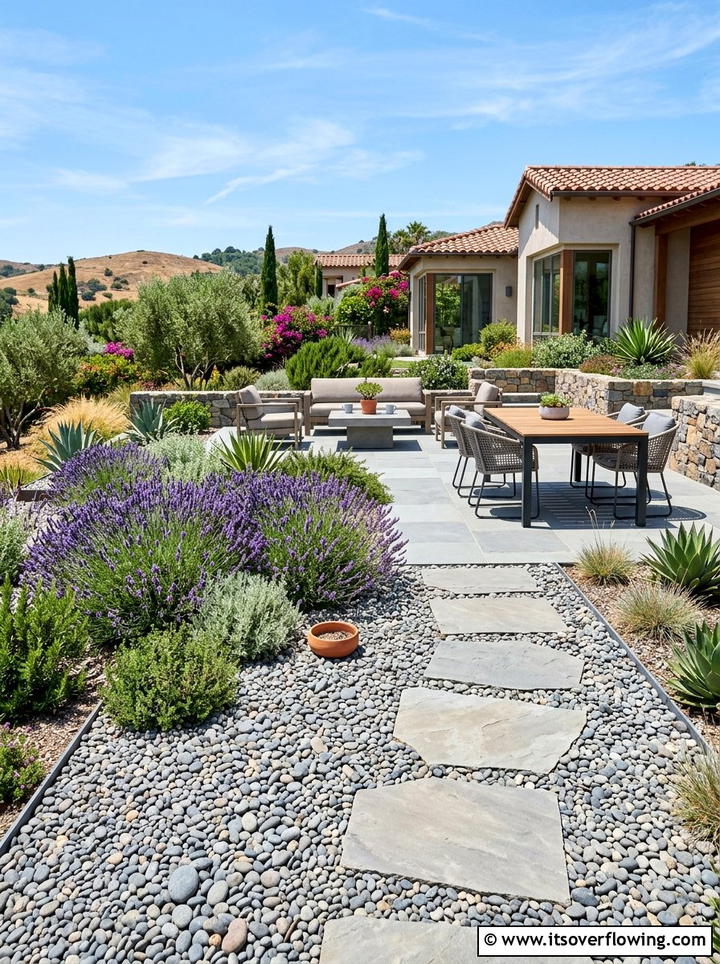
A gravel garden bed is a highly resilient design choice for windy areas where traditional mulch might easily blow away and leave soil exposed. By using various sizes and colors of gravel or crushed stone, you create a heavy, stable surface that keeps moisture in the ground. This setup is particularly effective when paired with drought-tolerant plants that thrive in well-drained conditions, such as lavender or Mediterranean herbs. The stones also absorb heat during the day and release it at night, helping to regulate the temperature of the roots. This low-maintenance design ensures your garden stays looking clean and organized even after a heavy storm.
14. Perforated brick wall
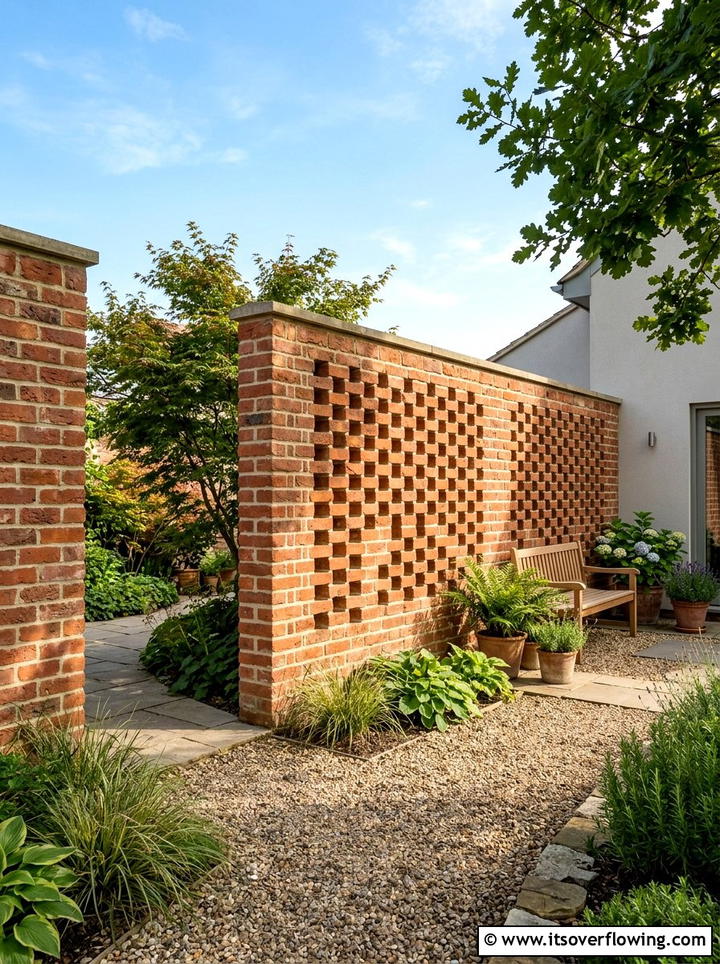
A perforated brick wall, often called a “hit-and-miss” wall, is a beautiful masonry technique that offers superior wind protection for high-end gardens. By leaving intentional gaps between the bricks, you create a decorative pattern that allows air to pass through at a greatly reduced speed. This prevents the high-pressure zones that occur behind solid walls, which can lead to unpredictable downdrafts. The result is a calm microclimate on the sheltered side of the wall that is perfect for growing delicate roses or tender vegetables. This architectural feature adds significant value and style to your home while serving as a permanent and functional windbreak.
15. Flexible bamboo screen
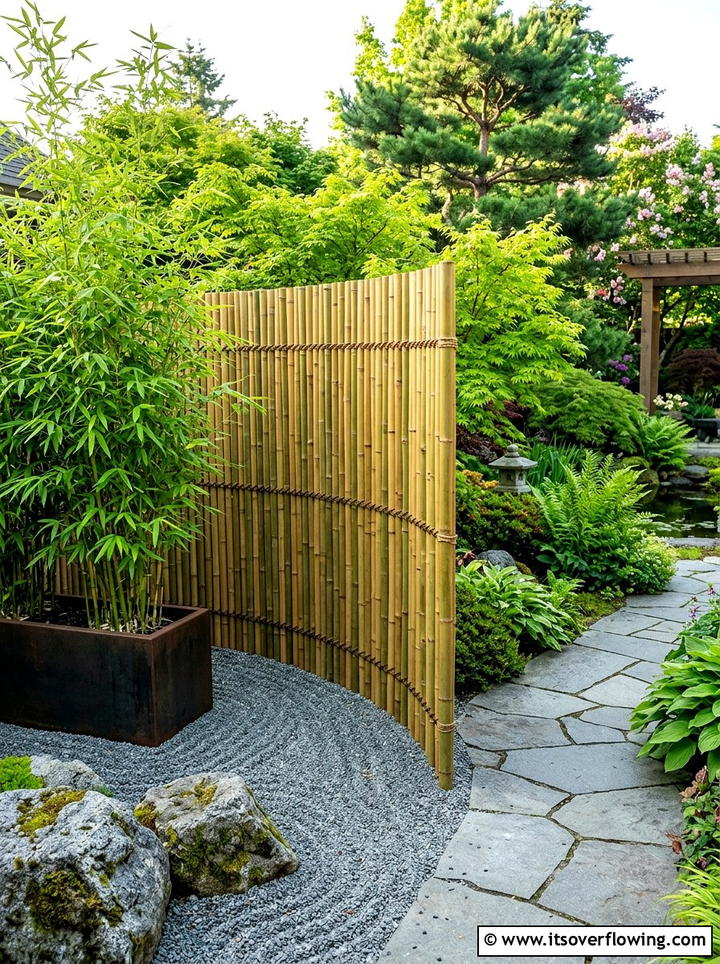
A flexible bamboo screen offers a fast-growing and sustainable way to protect your outdoor living spaces from unwanted drafts and prying eyes. Bamboo is naturally incredibly strong and pliable, allowing it to bend and sway during heavy gusts without snapping or sustaining permanent damage. When planted in a contained trench or kept in large pots, it creates a dense wall of foliage that filters the air beautifully. The vertical lines of the bamboo stalks provide a modern, Zen-like aesthetic that fits perfectly with contemporary garden designs. This living screen also provides a gentle rustling sound that enhances the peaceful atmosphere of your sanctuary.


16. Wind resistant pergola
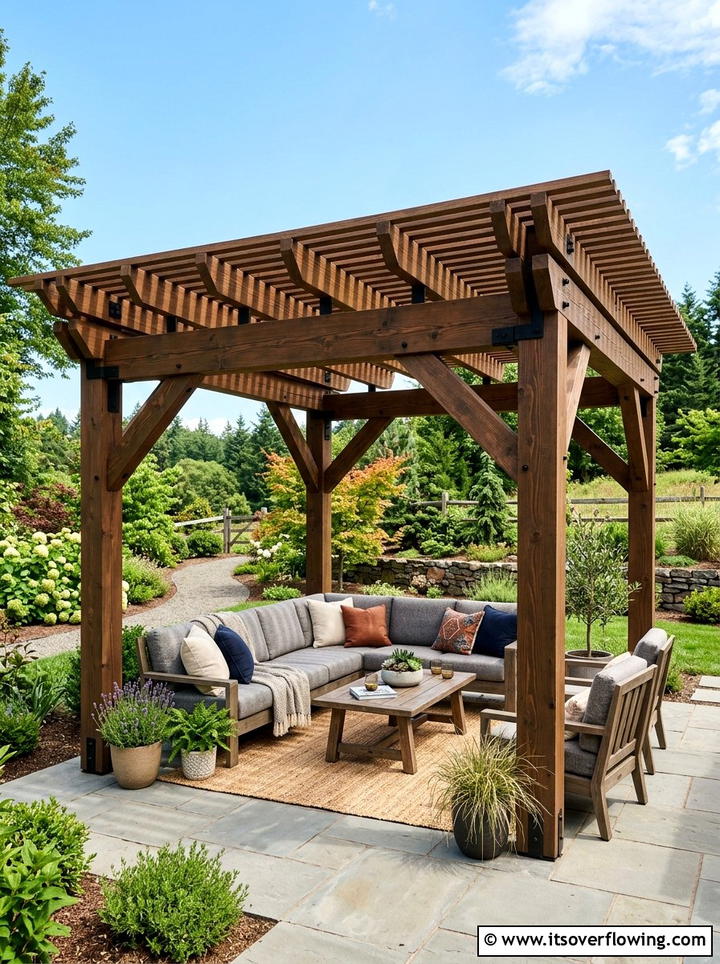
A wind resistant pergola can anchor your outdoor living space and provide a sense of enclosure without being a target for heavy gusts. By choosing a design with a slatted roof or using heavy-duty timber posts, you create a structure that allows air to flow through rather than pushing against it. You can further enhance the wind protection by adding retractable outdoor curtains or climbing vines to the sides. This creates a versatile area where you can dine and relax in comfort, regardless of the weather conditions outside. A well-built pergola becomes the focal point of your garden, providing both shade and a necessary break from the breeze.
17. Deep root vegetable
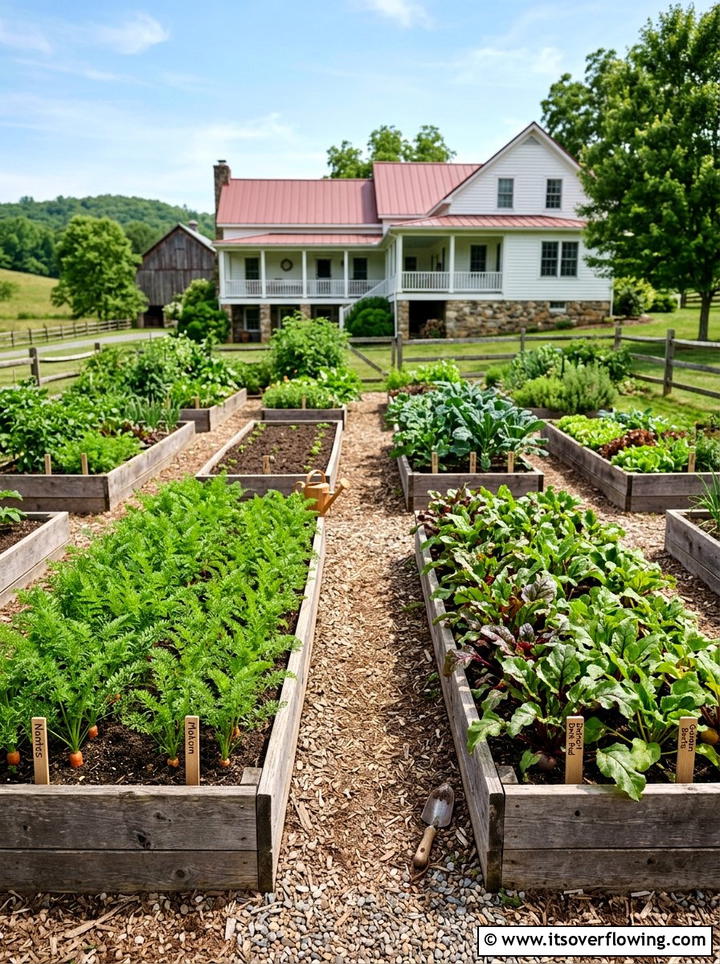
Growing a deep root vegetable selection is a smart strategy for a windy kitchen garden where top-heavy plants might get knocked over. Root crops like carrots, parsnips, and beets are safely tucked away beneath the soil surface, making them impervious to the wind. Because their edible parts are underground, you don’t have to worry about the wind bruising fruit or breaking heavy branches. These plants are also excellent at anchoring the soil and preventing erosion in exposed garden beds. By focusing your food production on these hardy varieties, you can ensure a successful and productive harvest even in the most challenging and breezy coastal or hillside locations.
18. Compact flowering shrub
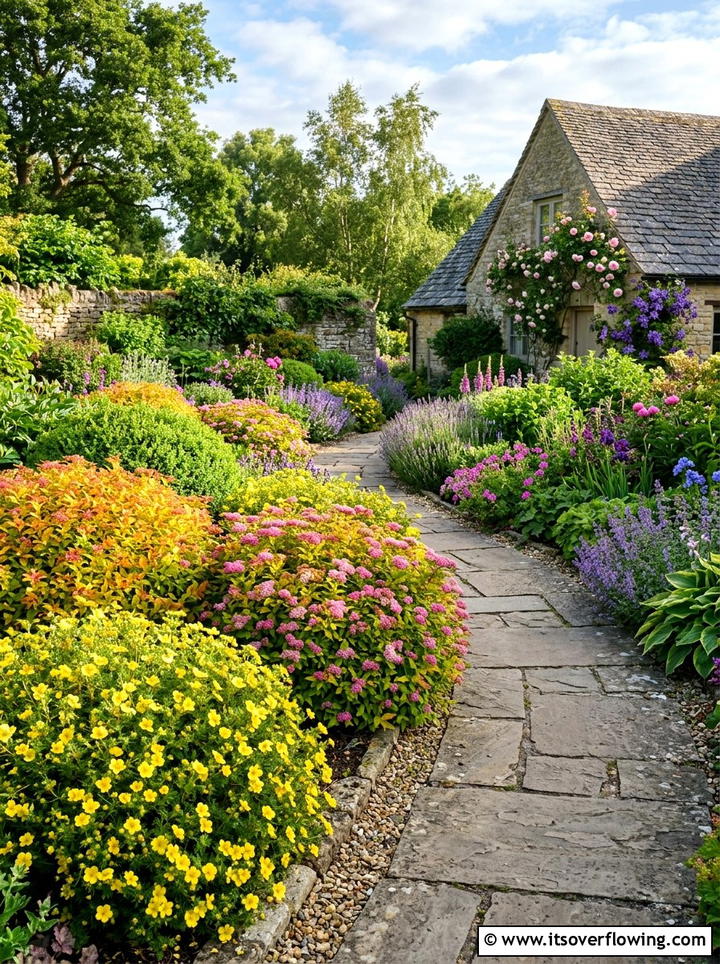
Choosing a compact flowering shrub ensures that you get plenty of color in your garden without the risk of long, spindly branches breaking. Shrubs that have a naturally dense and rounded habit, like potentilla or dwarf spirea, are much better at resisting wind damage than tall, leggy plants. These varieties stay closer to the ground and have multiple stems that share the load of the wind’s force. When planted in groups, they create a unified mass that protects the soil and provides a stunning visual display. This design choice allows you to maintain a vibrant, floral garden that remains sturdy and attractive throughout every season.
19. Artificial grass lawn
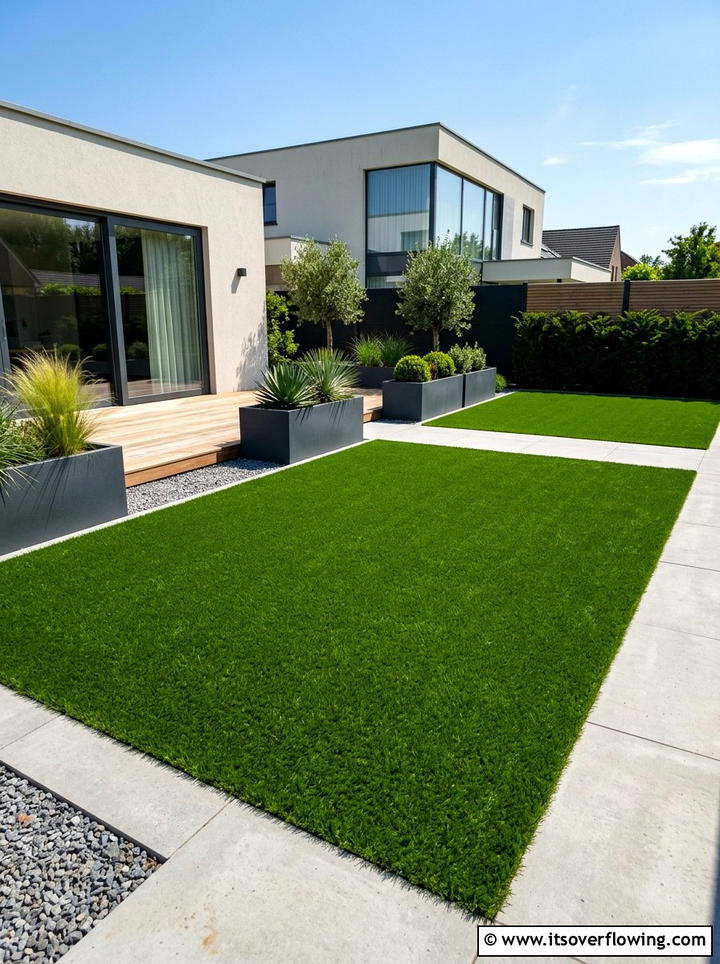
An artificial grass lawn is a practical alternative for windy areas where natural grass might struggle due to constant soil drying and windburn. High-quality synthetic turf remains perfectly green and lush regardless of how much the wind blows or how little rain falls. It also eliminates the problem of dust and debris being kicked up from dry, patchy real grass during a storm. This low-maintenance surface provides a clean and stable foundation for your outdoor furniture and play areas. By choosing artificial turf, you spend less time worrying about lawn care and more time enjoying a beautiful, resilient outdoor space that looks great year-round.


20. Rock garden landscape

A rock garden landscape utilizes large boulders and smaller stones to create a rugged, wind-resistant environment that is naturally beautiful. The heavy weight of the rocks ensures they will never move, and they provide natural windbreaks for the small alpine plants nestled between them. This design mimics high-altitude or coastal environments where plants have adapted to thrive in harsh, exposed conditions. Using different textures and colors of stone adds a dramatic architectural element to your yard that requires almost no water or maintenance. This style of gardening turns a windy challenge into a unique aesthetic opportunity that feels timeless and deeply connected to the earth.
21. Glass windbreak panel

A glass windbreak panel offers a sleek and modern way to block the wind without sacrificing a beautiful view of the surrounding landscape. By using thick, tempered glass supported by sturdy metal posts, you create a clear barrier that stops the breeze while allowing full sun to reach your plants. This is an ideal solution for patios or decks that overlook the ocean or a scenic valley where you want to stay warm without losing the visual connection to nature. The transparency of the glass keeps the garden feeling open and spacious. This high-end design feature provides ultimate protection while maintaining a clean, minimalist aesthetic for your home.
22. Staked young tree
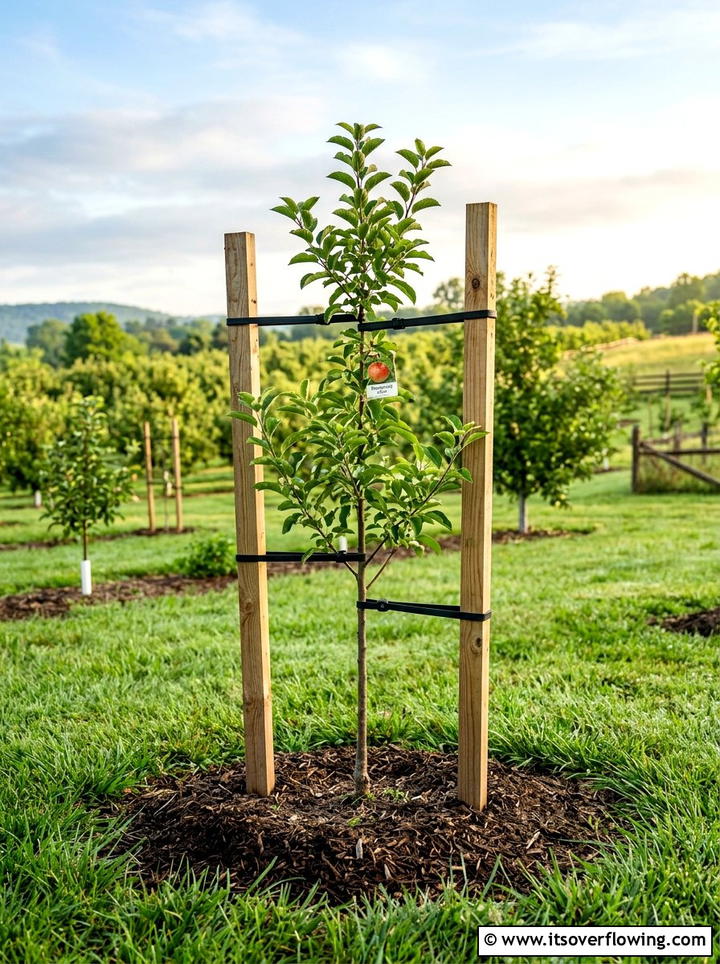
Providing a staked young tree setup is essential in windy areas to ensure that your new landscape additions can establish strong root systems. When you plant a new tree, it is vulnerable to being blown over or tilted permanently by strong gusts of wind. By using two or three sturdy stakes and flexible ties, you give the tree the support it needs to grow straight while still allowing for slight movement. This slight movement is actually beneficial, as it encourages the tree to grow thicker and stronger trunk tissue. Once the roots are firmly established, you can remove the stakes, leaving behind a resilient and healthy tree.
23. Succulent garden arrangement
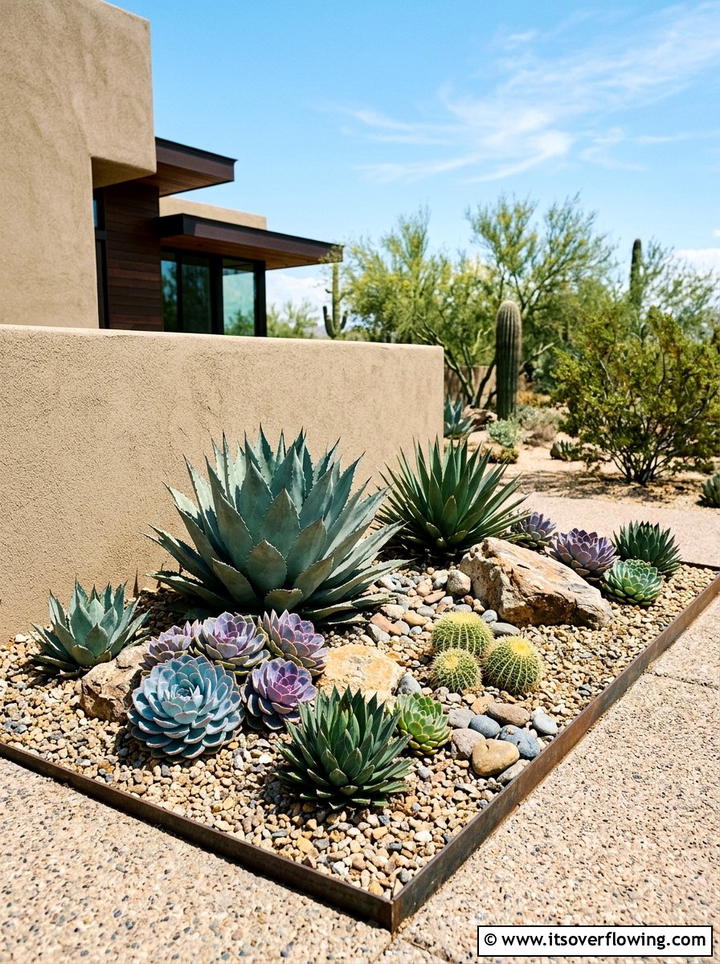
A succulent garden arrangement is perfectly suited for windy areas because these plants are naturally designed to store water and resist desiccation. Succulents like agave, echeveria, and sedum have thick, fleshy leaves and a low profile that makes them virtually immune to wind damage. They don’t have large, thin leaves that would tear or lose moisture rapidly in a breeze. When arranged in a decorative pattern with different colors and textures, they create a stunning and exotic landscape that requires very little upkeep. This type of garden is exceptionally hardy and can withstand the drying effects of the wind while looking vibrant and healthy all year.
24. Metal privacy screen
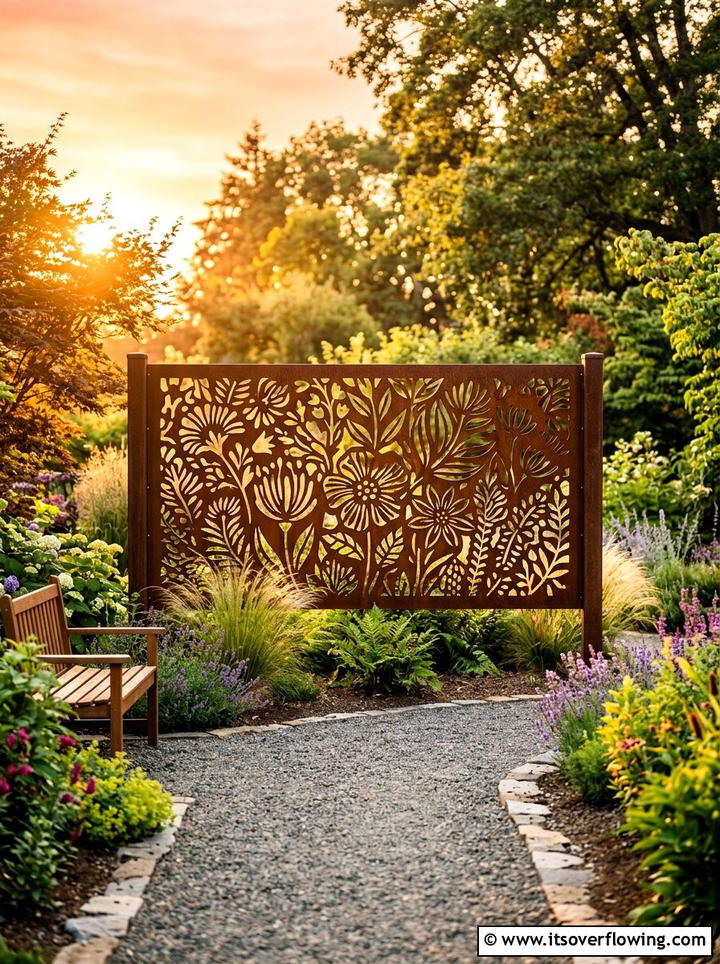
A metal privacy screen provides a durable and artistic way to manage airflow and create secluded areas within a windy garden. These screens are often laser-cut with intricate patterns, which allows them to function like a sophisticated trellis that breaks the wind into smaller, harmless streams. Because they are made of steel or aluminum, they are incredibly strong and will not rot or warp over time. You can choose a finish like weathered Corten steel for a rustic look or powder-coated black for a modern feel. This design adds a striking vertical element to your landscape while providing a much-needed break from the prevailing winds.
25. Courtyard garden layout
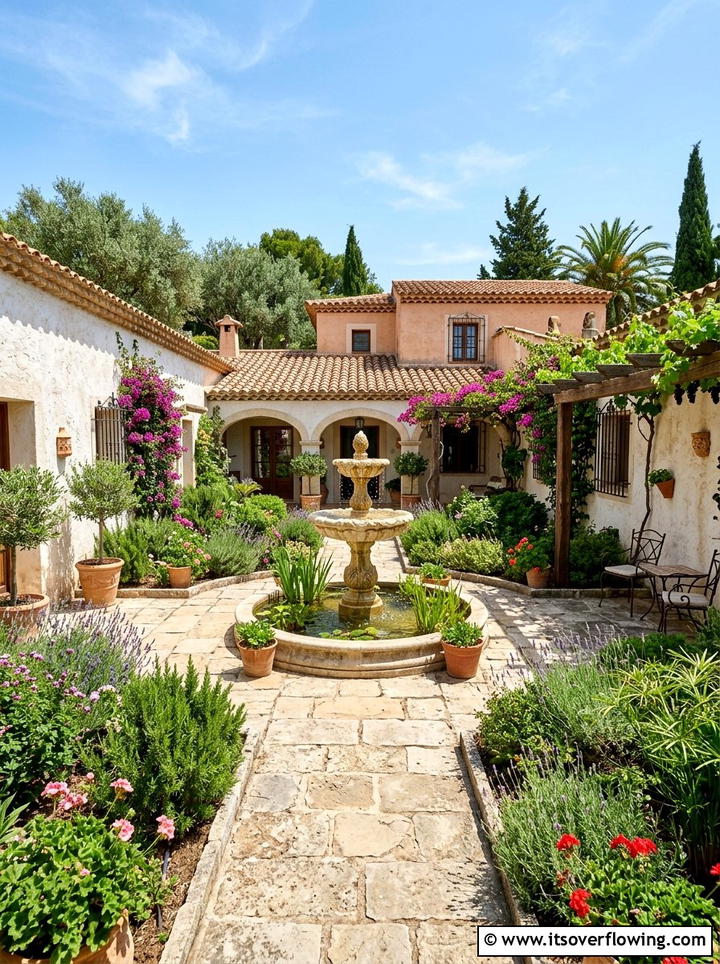
A courtyard garden layout is perhaps the ultimate design solution for extremely windy properties because it uses the house itself as a shield. By designing your outdoor space so that it is enclosed on three or four sides by the walls of your home, you create a perfect microclimate. Inside the courtyard, the air remains still and warm, allowing you to grow delicate plants and enjoy outdoor dining even on the windiest days. You can enhance this protected space with water features, potted plants, and comfortable seating. This architectural approach turns your garden into an outdoor room that feels like a private, peaceful extension of your indoor living area.
Conclusion:
Creating a garden in a windy area does not mean you have to settle for a barren or unappealing landscape. By incorporating the right mix of permeable barriers, hardy native plants, and heavy structural elements, you can design a space that is both resilient and beautiful. The secret to success lies in working with the wind rather than trying to stop it completely, which prevents turbulence and damage. Whether you choose a sunken seating area for comfort or ornamental grasses for movement, each element should contribute to a calmer microclimate. With these thoughtful strategies, your garden will become a thriving, peaceful retreat that stands strong against the elements.

Related posts:
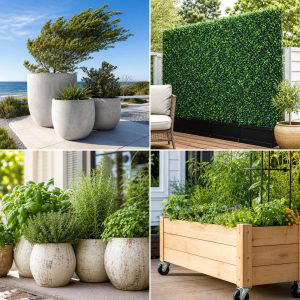 25 Small Garden Ideas for Windy Balconies That Stay Stylish
 25 Garden Design Ideas for Play Areas Kids Will Love
 25 Garden Design Ideas for Pool Areas With Resort Style
 25 garden design ideas with color themes: Stunning Palette Tips
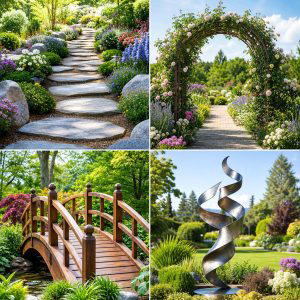 25 garden design ideas with focal points: Stunning Yard Plans
 25 Garden Ideas for Desert Style With Stunning Low-Water Looks
 25 garden ideas with hydrangeas for Stunning Color Displays
 25 Garden Ideas With Pavers for Stunning Paths and Patios
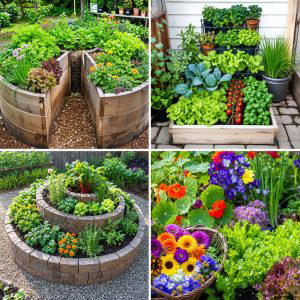 25 Creative Garden Ideas With Keyhole Garden Beds
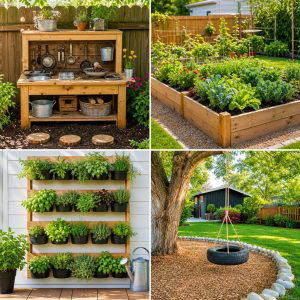 25 Creative Garden Ideas With Kids Garden Zone
 25 garden ideas with garden edging for Polished Borders
 25 Small Garden Ideas With Edible Garden for Fresh Harvests