
Transforming a tiny outdoor area into a peaceful sanctuary starts with the right approach to minimalism. When you focus on clean lines, a limited color palette, and high-quality materials, even the smallest courtyard can feel incredibly spacious. Minimalism is not about having nothing; it is about having exactly what you need to feel relaxed and organized. This design philosophy works wonders in tight urban spaces where clutter often makes the environment feel cramped. By choosing a few high-impact elements, you create a sophisticated atmosphere that requires very little maintenance. You can achieve a high-end look that remains functional and inviting for daily use with just a few clever choices.
1. Concrete Paver Path
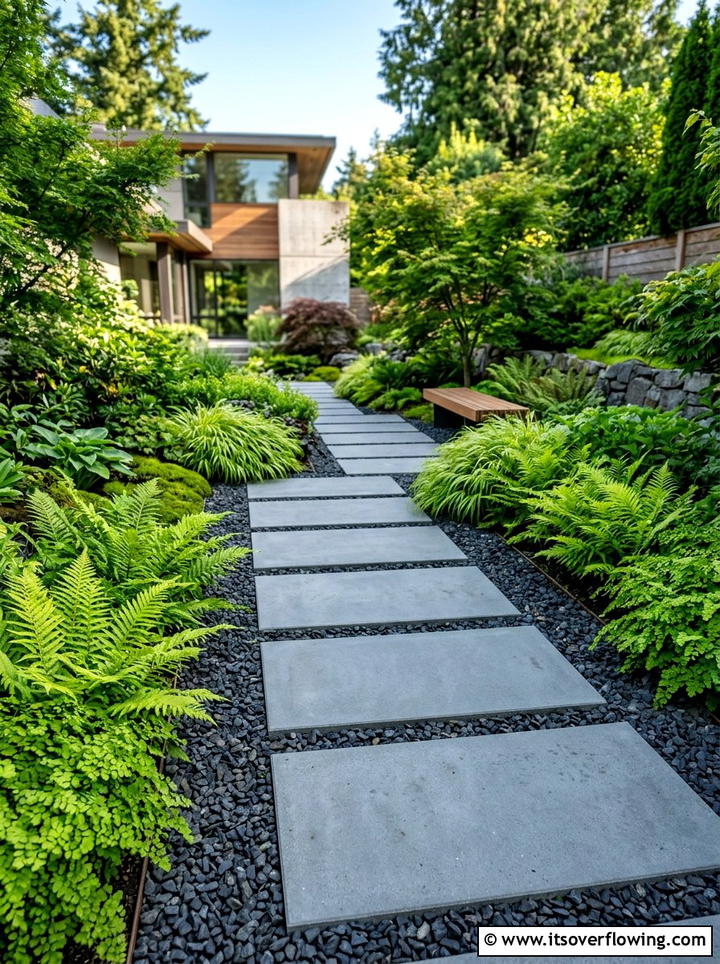
A concrete paver path transforms a narrow backyard into a structured masterpiece. By using large, rectangular slabs, you create a sense of scale that makes the area feel much wider than it actually is. Surround these stones with dark grey river rocks to emphasize the clean lines. This layout works perfectly when paired with low-profile greenery along the edges. The neutral tones of the concrete provide a sophisticated backdrop for vibrant green leaves. Keeping the geometry simple ensures the space remains calm and uncluttered. It is a practical way to guide movement through the yard while maintaining a high-end, contemporary aesthetic that feels fresh and modern for any home.
2. Wood Slat Fence
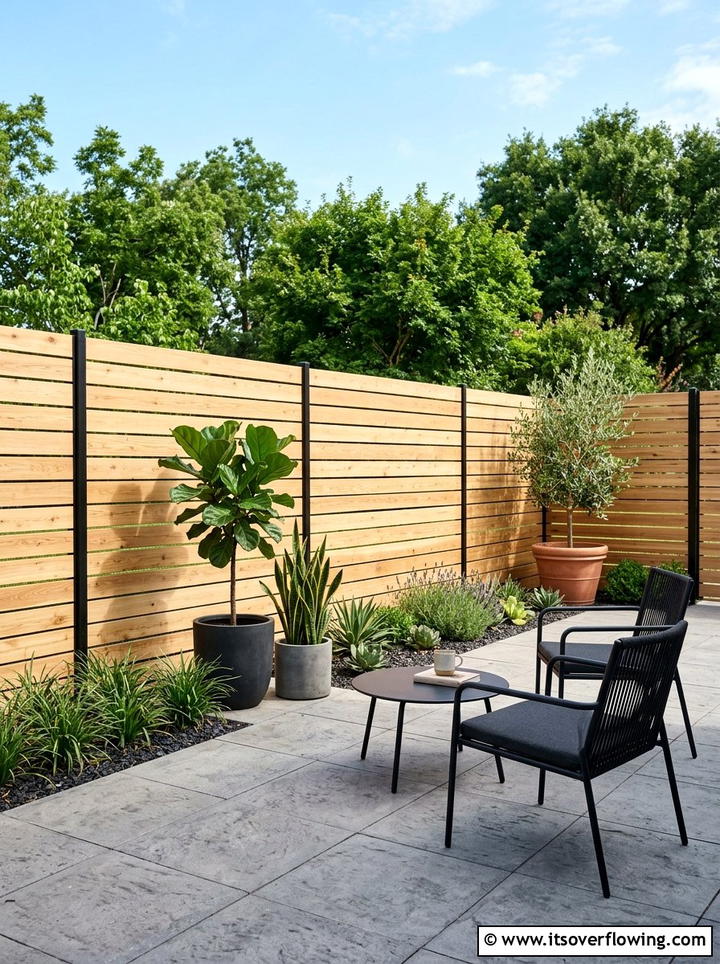
Installing a horizontal wood slat fence provides immediate privacy while making a small garden feel much longer. The repeating lines draw the eye across the perimeter, creating an illusion of expanded space. Use a light-colored wood like cedar or pine to keep the atmosphere bright and airy. This backdrop acts as a warm, natural contrast to cold stone or metal elements nearby. You can mount minimalist black lanterns on the slats to provide soft evening illumination. The fence serves as both a structural boundary and a decorative feature. It perfectly balances the industrial feel of modern landscaping with the organic beauty of timber for a cohesive look.
3. Gravel Seating Area
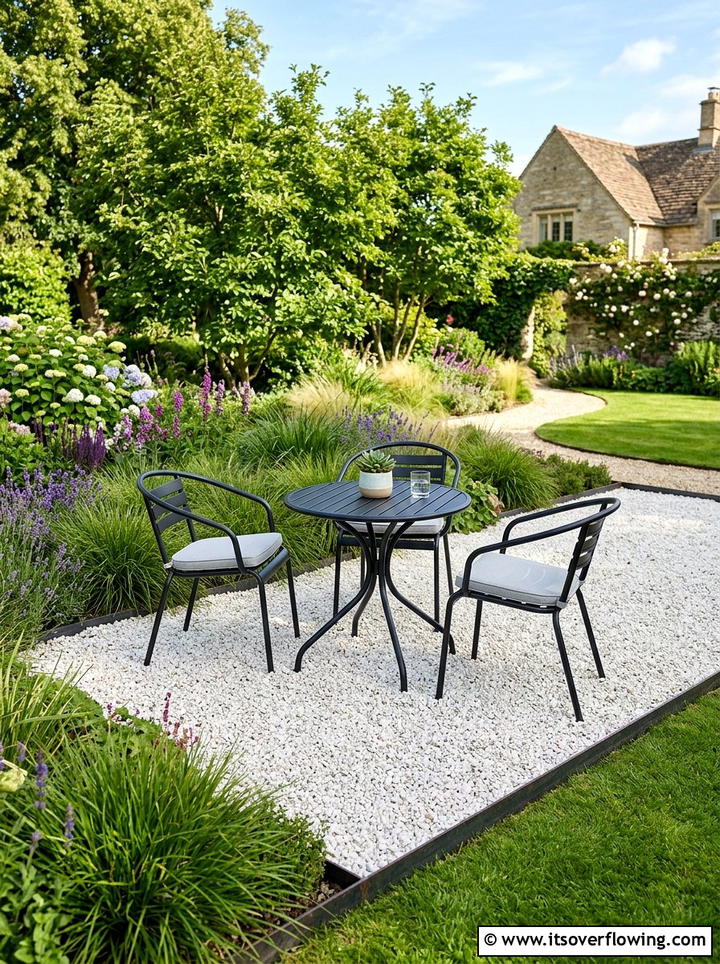
A gravel seating area is a cost-effective and stylish way to define a relaxation zone without using heavy paving. Choose fine, light-colored pea gravel to create a soft texture underfoot. This area can be anchored by a simple metal bistro set or a pair of sleek lounge chairs. Border the gravel with steel edging to keep the lines sharp and prevent the stones from migrating into planting beds. The crunch of the gravel adds a sensory element to the garden that feels very intentional. This design choice allows for excellent drainage and creates a flexible space that is easy to update as your personal style evolves.
4. Modern Retaining Wall
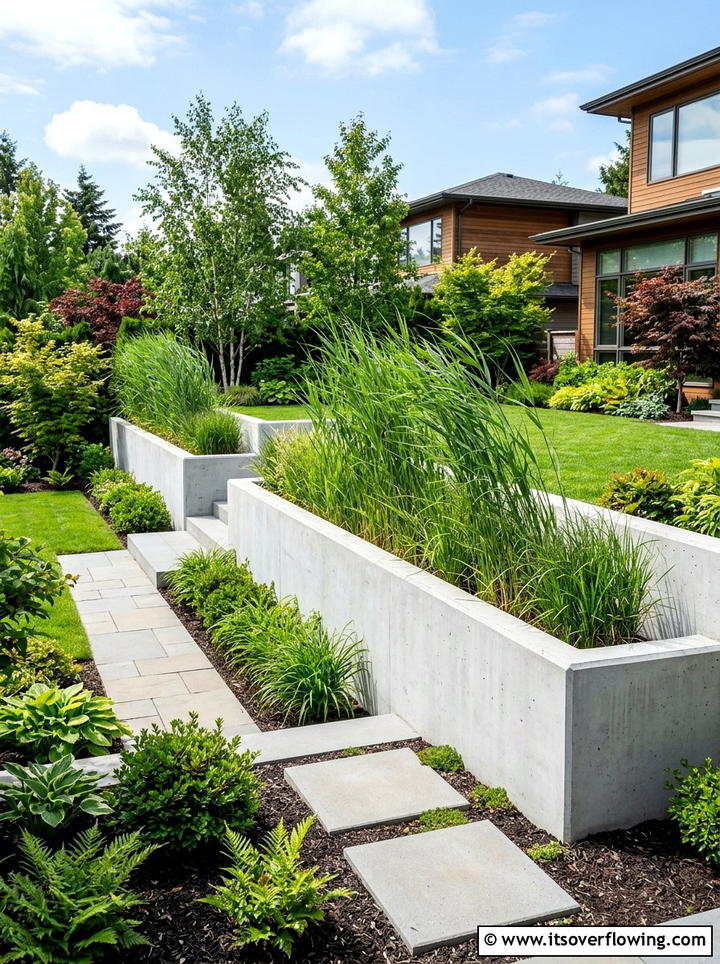
A modern retaining wall can solve elevation issues while adding a strong architectural element to your outdoor space. Use smooth poured concrete or stacked slate to create a clean, flat surface. These walls allow you to create distinct levels in a small yard, which adds depth and visual interest. Plant a single species of ornamental grass along the top edge to soften the hard edges of the stone. The wall provides a sense of enclosure and can even serve as extra seating during social gatherings. It is a functional way to organize different zones of the garden, making the entire layout feel more intentional and professionally designed.
5. Vertical Green Wall
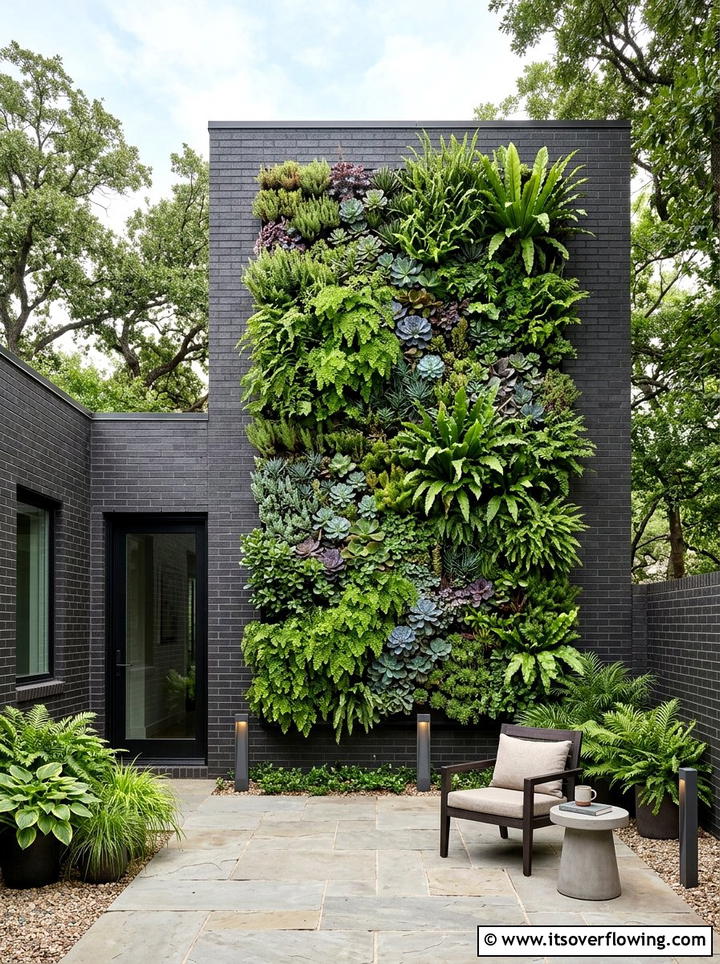
A vertical green wall is the ultimate solution for gardeners with limited floor space. By utilizing the vertical plane, you can introduce a lush forest feel without sacrificing any walking area. Use a modular system or a simple grid of wall-mounted planters to create a living tapestry. Stick to a monochromatic palette of different green textures, such as ferns, ivy, and succulents, to maintain the minimalist vibe. This feature acts as a stunning focal point and improves the air quality in small courtyards. It turns a boring brick wall into a vibrant piece of art that remains compact, tidy, and incredibly easy to manage.
6. Zen Sand Garden
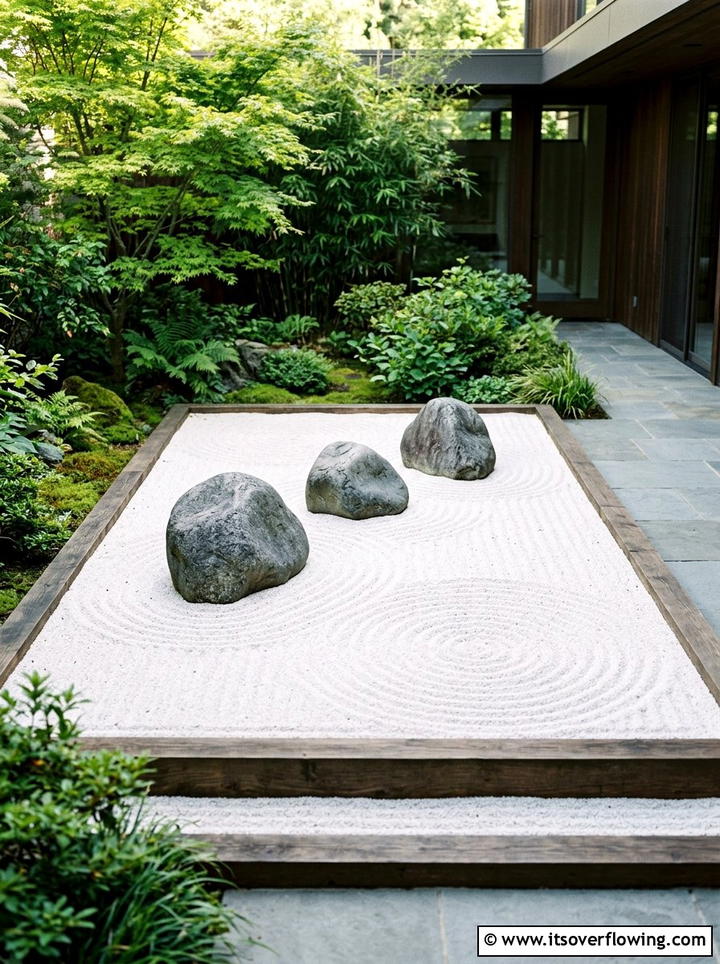
Creating a zen sand garden brings a meditative and sculptural quality to a compact outdoor area. Use fine white sand or light grey crushed stone as the base for this serene installation. A few carefully placed large boulders or smooth river rocks act as natural sculptures within the space. Use a rake to create swirling patterns that mimic the movement of water, which helps to ground the energy of the yard. This type of garden is incredibly low maintenance and provides a high-level visual impact. It works best in a corner or a central courtyard where it can be viewed from inside the home through large glass windows.
7. Outdoor Mirror Panel
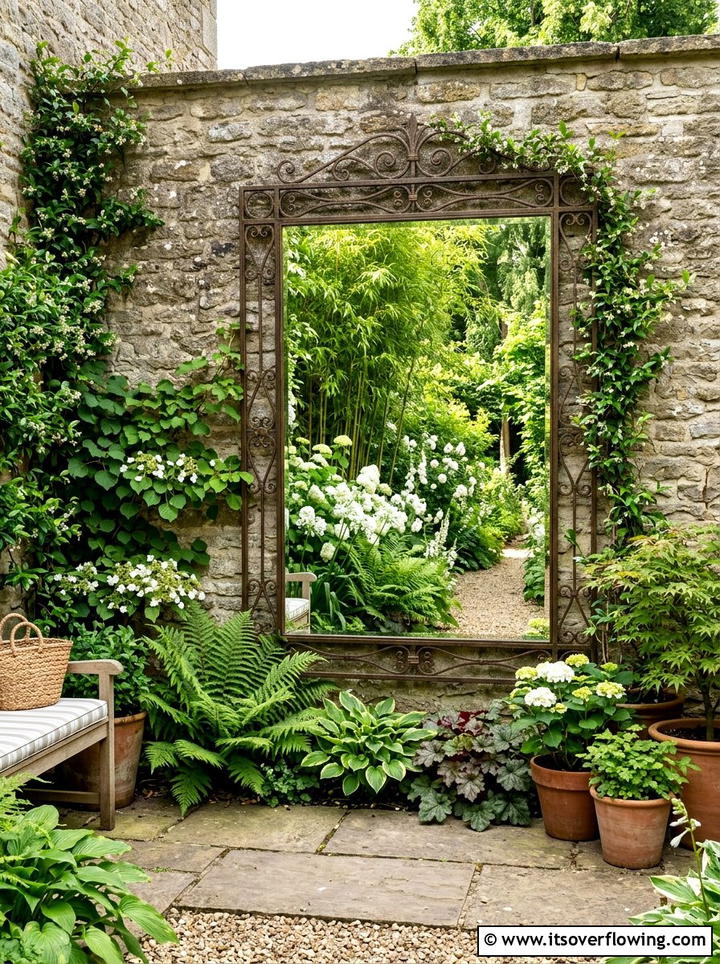
An outdoor mirror panel is a clever trick to double the perceived size of a small garden. When you mount a large, weatherproof mirror on a boundary wall, it reflects the surrounding plants and light back into the space. Choose a simple, frameless design or a thin black metal frame to keep the look minimalist and contemporary. Positioning the mirror behind some light foliage creates a “secret garden” effect that adds mystery and depth. This technique is especially effective in shaded areas, as it helps bounce natural light into dark corners. It is a simple yet powerful way to make a claustrophobic space feel open and inviting.
8. Rectangular Water Trough
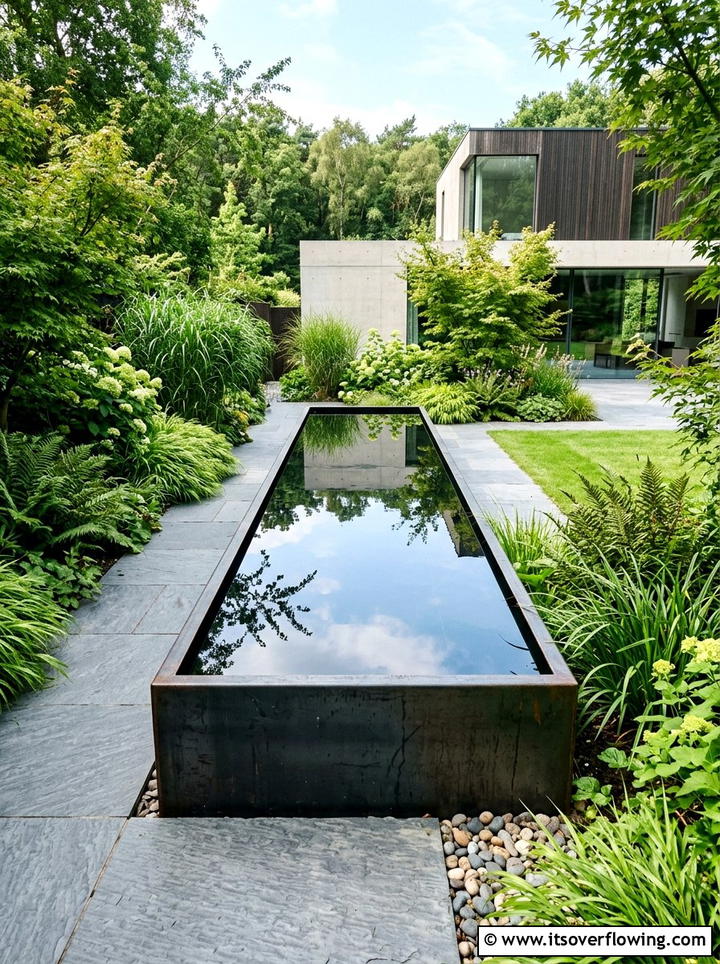
Adding a rectangular water trough introduces a sense of tranquility through the sight and sound of water. A sleek, galvanized steel or black powder-coated basin fits perfectly within a minimalist design scheme. The flat surface of the water acts as a mirror, reflecting the sky and nearby trees. Keep the water clear and avoid over-planting the pond to maintain the clean, geometric aesthetic. You can place the trough against a wall or use it as a low divider between different zones of the garden. The steady, quiet presence of the water creates a calming atmosphere that makes even the smallest urban yard feel like a private spa.
9. Raised Brick Planter
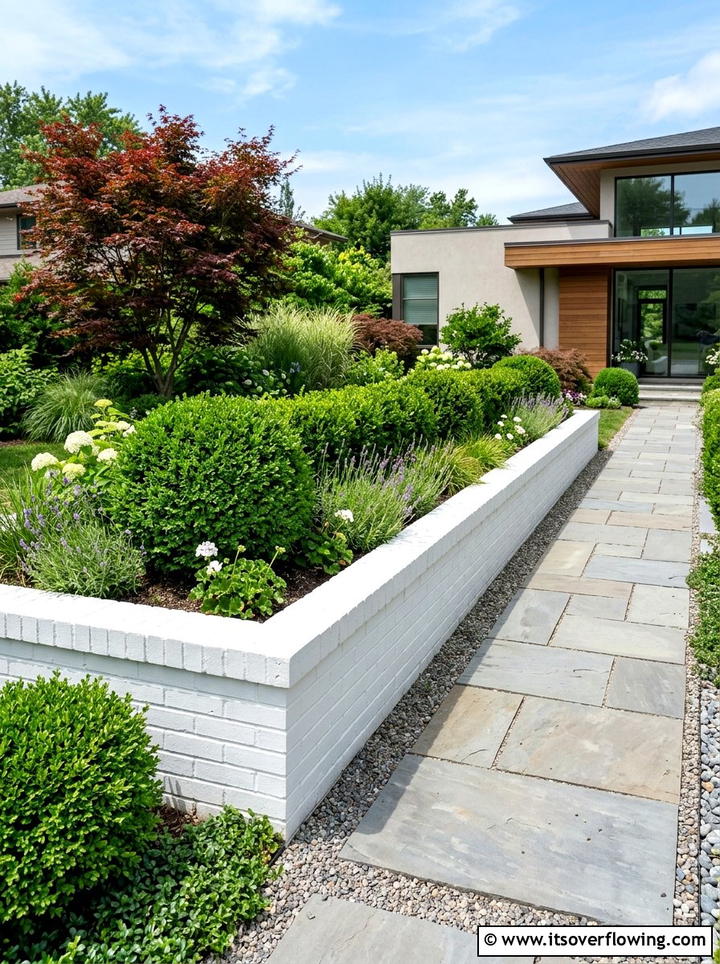
A raised brick planter offers a structured way to display greenery while keeping the garden floor clear and easy to clean. Use bricks that match the architecture of your home to create a seamless transition between the indoor and outdoor environments. Painting the bricks a crisp white or a dark charcoal can instantly modernize the look. These planters provide a perfect height for gardening without bending over and help define the edges of your patio. Fill them with structural plants like snake plants or boxwoods for a tidy appearance. The height of the planters also adds a vertical dimension that makes the overall landscape feel more substantial.
10. Black Metal Pergola
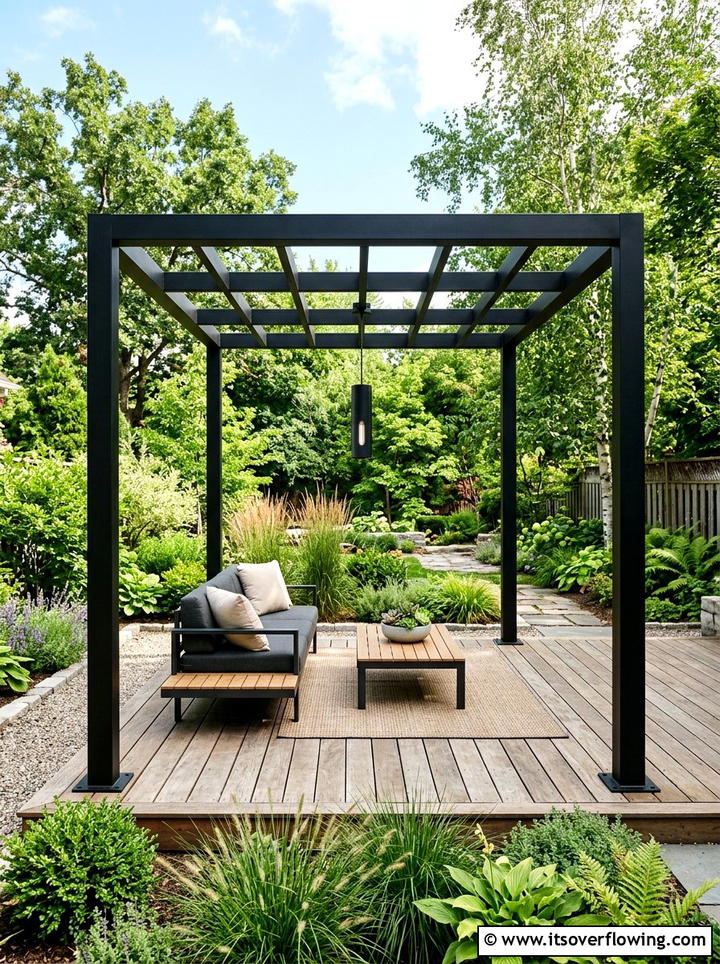
A black metal pergola provides a sophisticated architectural frame for a small patio or deck. The dark, thin lines of the structure create a striking silhouette against the sky without feeling bulky or overwhelming. It defines the outdoor living room as a distinct area for lounging or dining. You can leave the top open for a truly minimalist look or add a retractable fabric shade for extra comfort. This structure is perfect for hanging a single, modern outdoor pendant light to create a cozy evening ambiance. The pergola adds height to the garden, drawing the eye upward and making the entire property feel much more expansive and high-end.
11. Floating Wood Deck
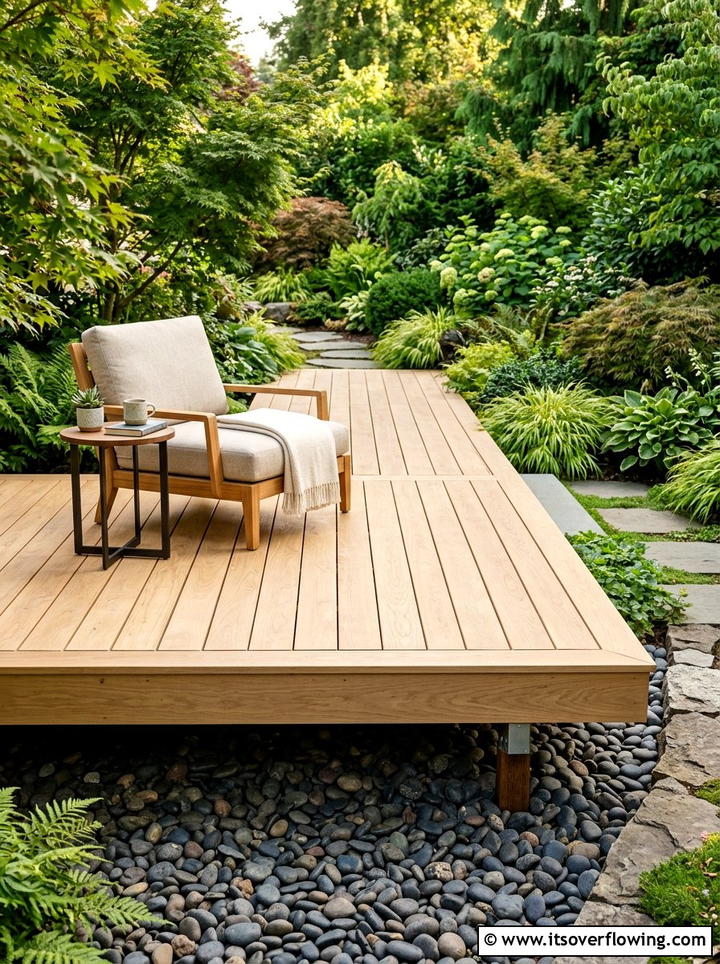
A floating wood deck creates a clean, level platform for furniture that appears to hover just above the ground. By hiding the support structure, you achieve a sleek and lightweight look that is perfect for minimalist spaces. Use narrow timber boards with small gaps to emphasize the linear design of the wood. This style of decking works well in small courtyards where traditional bulky stairs might take up too much room. The natural texture of the wood provides warmth to the garden while remaining very simple in form. It serves as a dedicated zone for relaxation that feels elevated, both literally and figuratively, from the rest of the landscape.
12. White Gravel Border
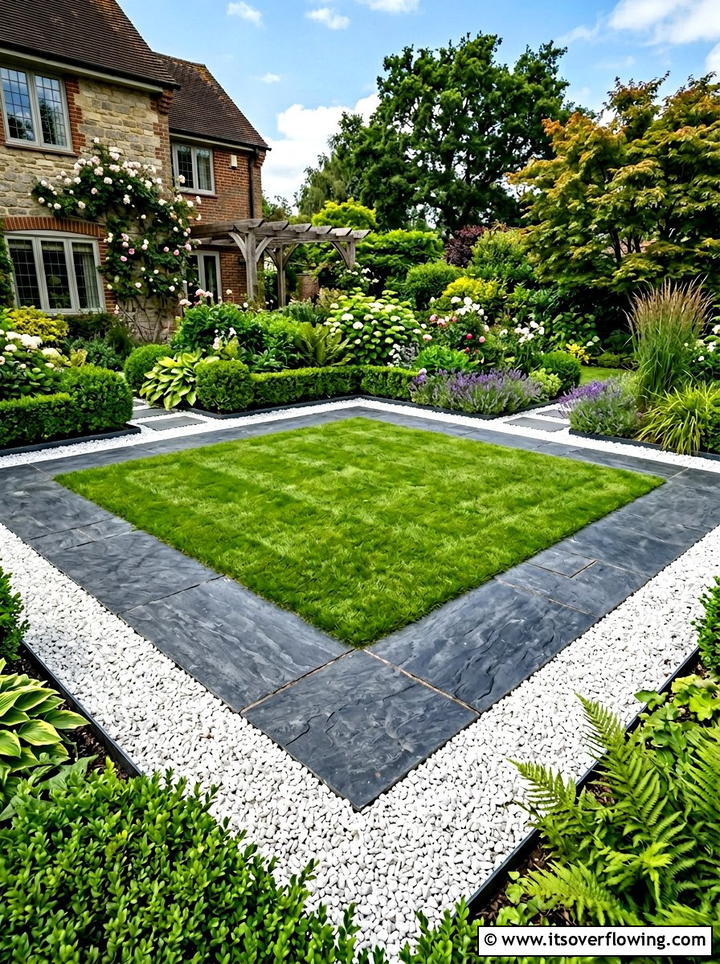
A white gravel border is a simple yet effective way to highlight the perimeter of your garden. By placing a strip of bright white stones along the edges of a dark patio or a green lawn, you create a high-contrast look that feels very professional. This border prevents soil from splashing onto your walking surfaces during rain and keeps the garden looking tidy. Use large, smooth pebbles for a more sculptural feel or small crushed stone for a soft texture. This design choice works beautifully in modern homes where monochromatic themes are preferred. It is an affordable way to add a crisp, clean finish to any outdoor project.
13. Symmetrical Grass Plot
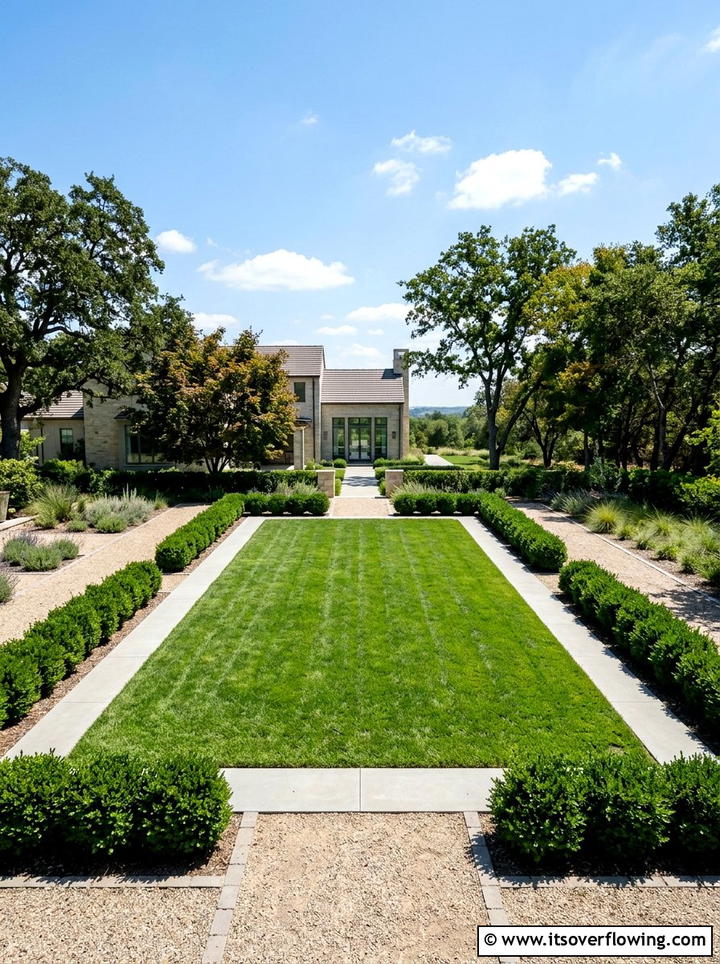
A symmetrical grass plot brings a sense of order and formal elegance to a small backyard. Instead of a large, sprawling lawn, create a perfect rectangle or square of lush green grass surrounded by hardscaping. This contained area of greenery acts like a living rug in the center of your garden. Frame the grass with a stone border or a low metal edge to maintain perfectly straight lines. The simplicity of a single patch of grass reduces maintenance and emphasizes the geometry of the space. It provides a soft place for feet to land while keeping the overall design focused on balance, proportion, and minimalist beauty.
14. Built In Concrete Bench
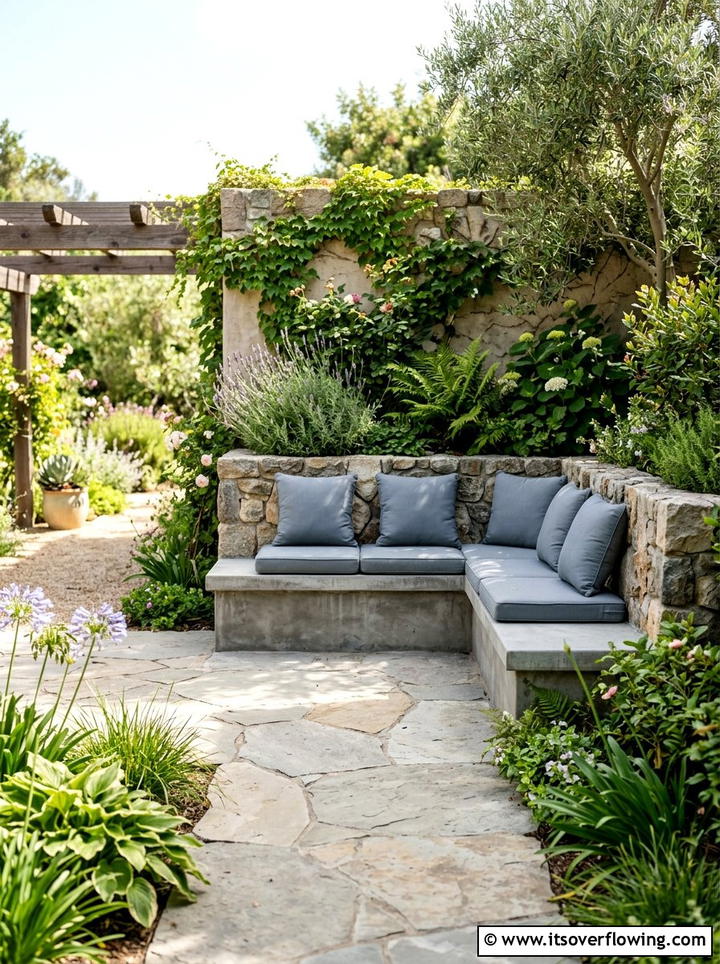
A built-in concrete bench is the ultimate space-saving furniture solution for a tiny garden. By integrating the seating directly into a wall or a planter, you eliminate the need for bulky chairs that clutter the area. The smooth, grey surface of the concrete is incredibly durable and fits perfectly with an industrial minimalist aesthetic. You can add a few weather-resistant cushions in neutral tones to provide comfort without ruining the clean lines. This type of seating makes the garden feel more like a permanent architectural extension of the home. It is a functional and stylish way to maximize every square inch of your outdoor living space.
15. Multi Level Terrace
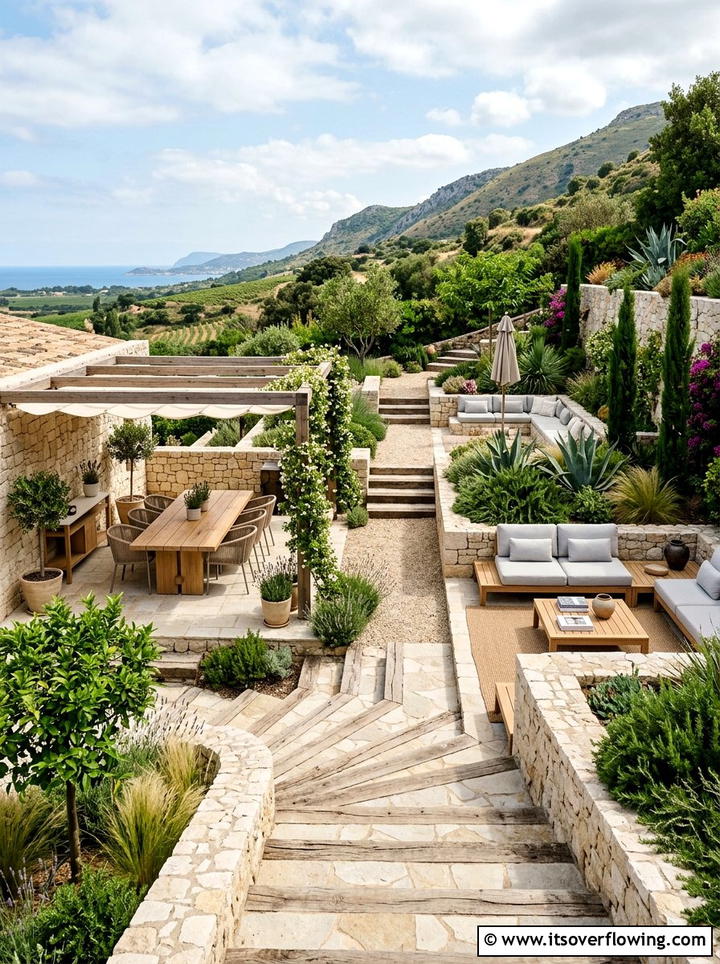
A multi-level terrace uses height to create the illusion of more space in a small, sloped yard. By breaking the garden into two or three distinct levels, you can separate the dining area from the lounging zone. Use consistent materials, like grey stone or light timber, across all levels to keep the design cohesive. Each level provides a new perspective on the plants and features, making the garden feel like a journey rather than a single box. This approach adds architectural depth and prevents the space from looking flat. It is a smart way to turn a challenging terrain into a sophisticated and organized outdoor retreat.
16. Minimalist Fire Pit Area
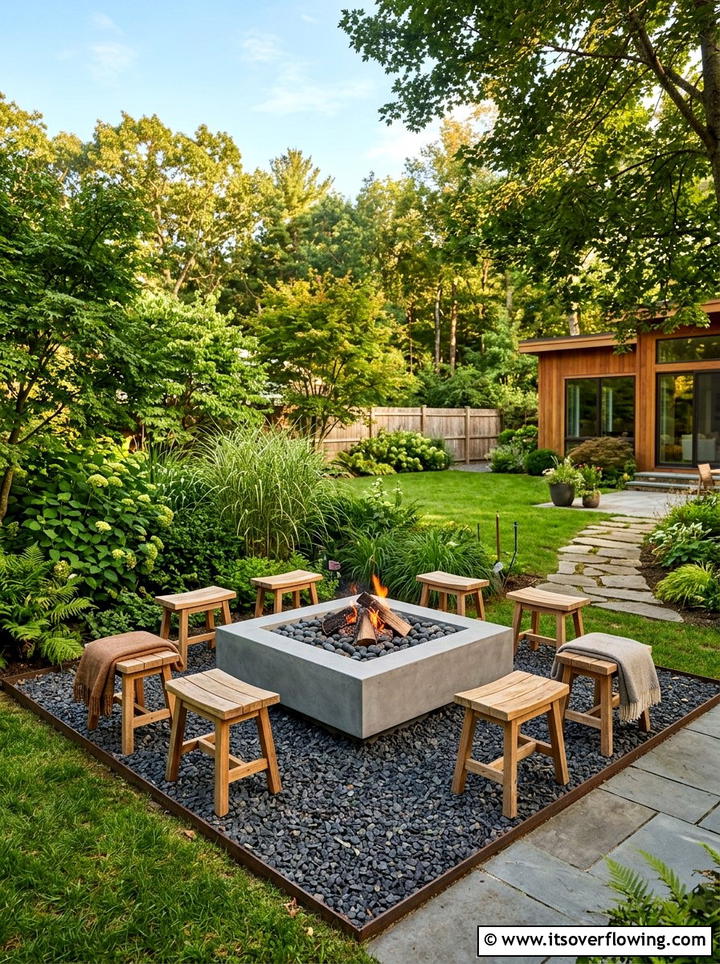
A minimalist fire pit area creates a warm focal point for evening gatherings without requiring a lot of equipment. Choose a simple, round or square fire bowl made from blackened steel or smooth concrete. Arrange a few low-profile stools or a simple bench around the pit to keep the view open across the yard. Surround the area with dark basalt gravel or large stone slabs to define the zone. The fire pit adds a cozy, elemental feel to the garden that encourages relaxation. By keeping the design focused on basic shapes and raw materials, you ensure the fire itself remains the star of the show.
17. Glass Boundary Wall
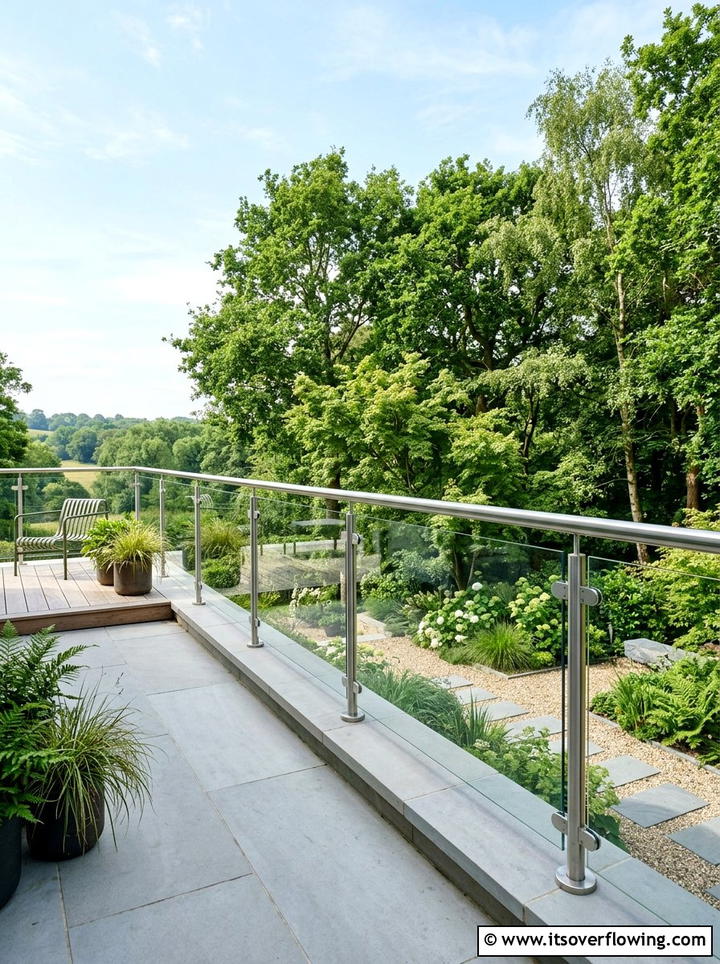
A glass boundary wall is a luxury minimalist feature that removes visual barriers between your garden and the surrounding view. If your yard overlooks a beautiful landscape or even just a nice street, glass panels allow you to enjoy the sight without the obstruction of a solid fence. Use clear, tempered glass with thin metal supports for a barely-there look. This design choice makes the small garden feel like it extends infinitely into the distance. It also lets more natural light into the space, which is essential for keeping a tiny area from feeling dark or cramped. It is a high-end choice for modern urban living.
18. Bamboo Privacy Screen
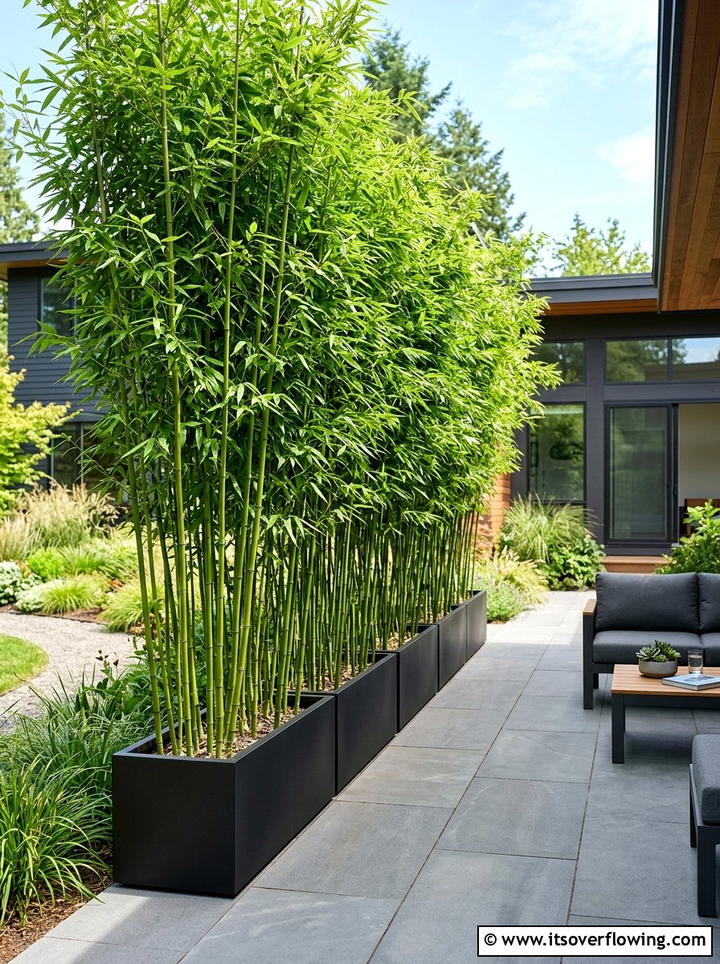
A bamboo privacy screen offers a natural, linear texture that fits perfectly with a minimalist aesthetic. Plant a row of non-invasive clumping bamboo in narrow, tall planters to create a living wall of green. The thin, vertical stalks provide an organic repetition that mimics the look of modern slat fencing. Bamboo grows quickly and provides excellent sound insulation, which is perfect for noisy city environments. The rustling sound of the leaves adds a peaceful audio element to your garden. This screen remains very slim, taking up almost no floor space while providing a lush, tropical feel that stays tidy and contained throughout the entire year.
19. Boxwood Hedge Border
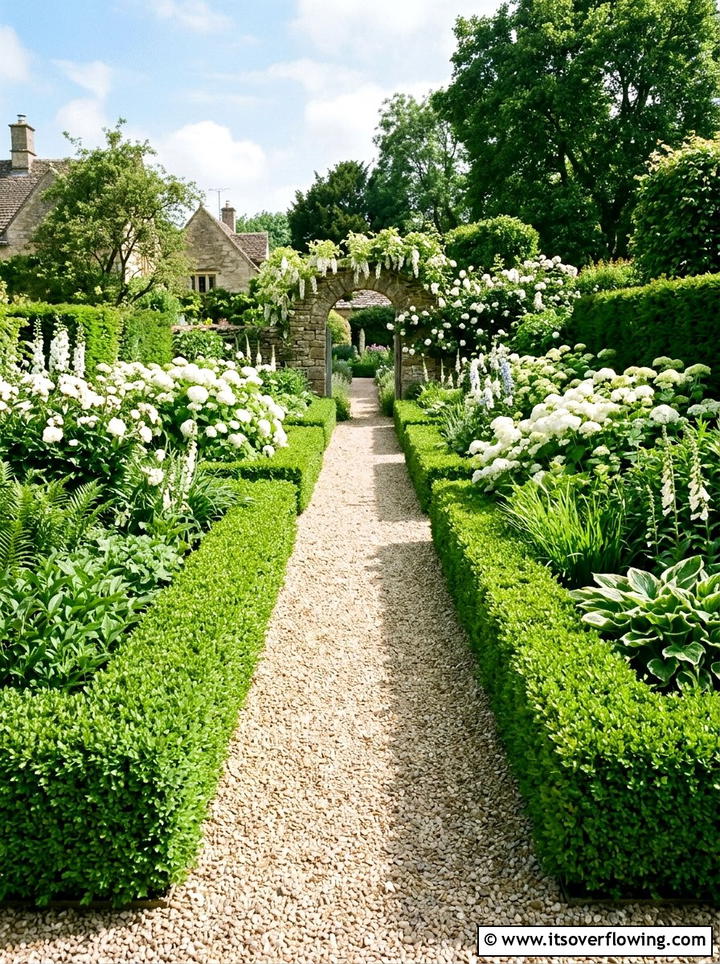
A boxwood hedge border is a classic way to add structure and greenery to a minimalist garden. These plants can be clipped into perfectly straight lines or sharp cubes, emphasizing the geometric layout of your outdoor space. Use them to frame a walkway, surround a seating area, or edge a patio. The dense, dark green foliage provides a consistent color all year round, ensuring the garden never looks empty in winter. Boxwoods are incredibly versatile and work well in both large and small containers. Their tidy growth habit makes them a favorite for those who value a neat, organized, and highly controlled landscape design.
20. Large Square Planter
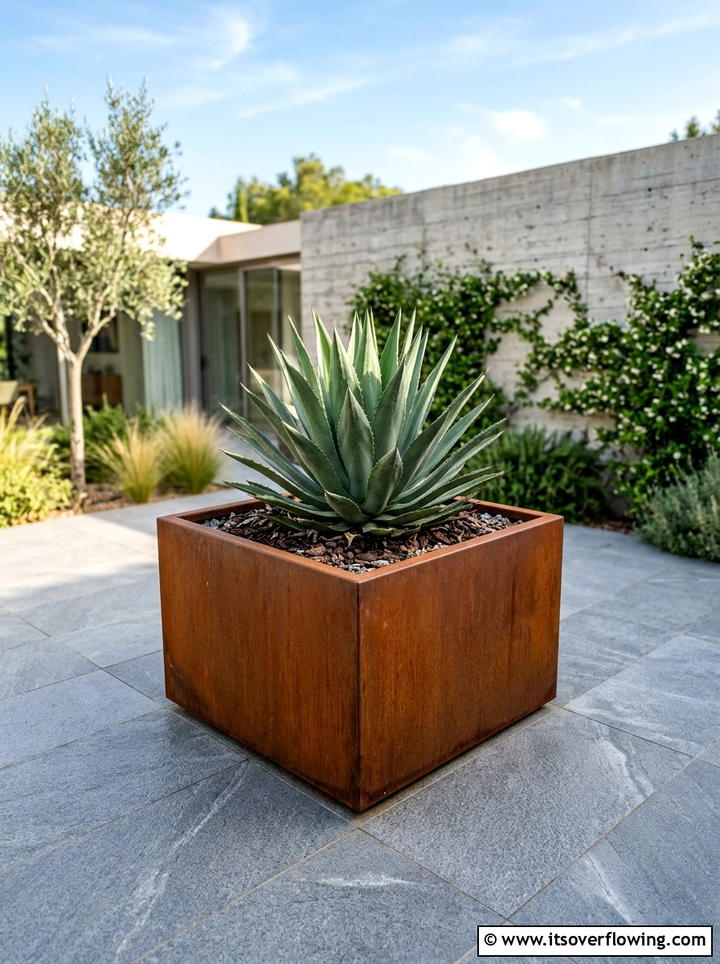
Using a single, large square planter as a focal point creates a sense of drama in a small garden. Instead of many small pots, one oversized container makes the space feel more intentional and less cluttered. Choose a planter made from fiber-reinforced concrete or corten steel for a modern look. Place it in a central location and fill it with a sculptural plant like a dwarf olive tree or a large agave. The bold shape of the planter anchors the design and provides a clear center of interest. This approach simplifies the maintenance while providing a high-impact visual that feels sophisticated and carefully curated for the space.
21. Stone Slab Patio
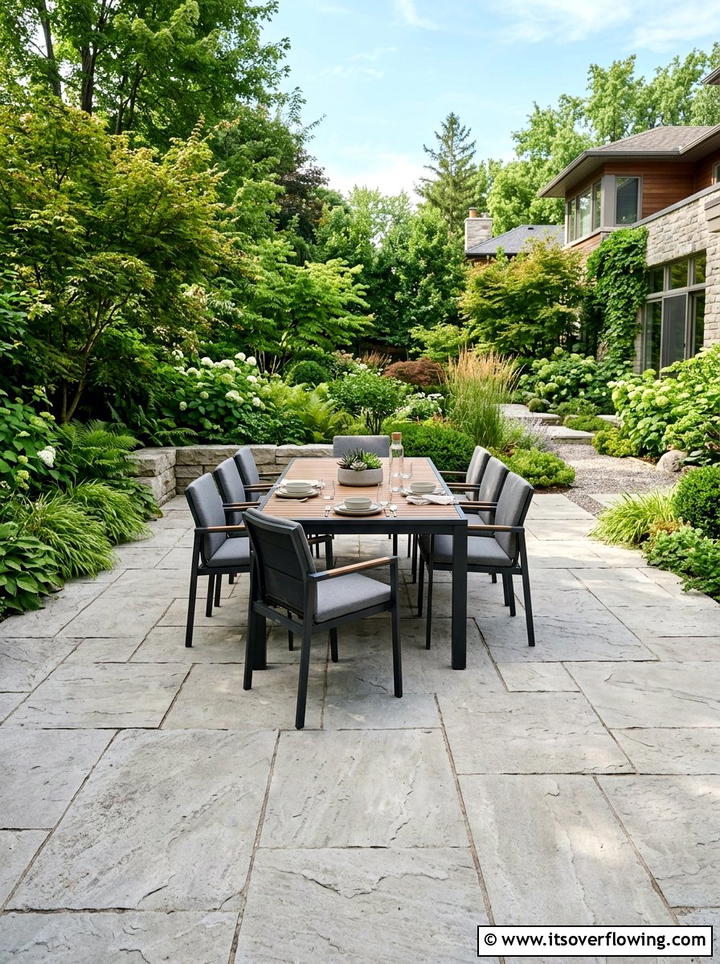
A stone slab patio provides a clean, solid foundation for outdoor living. Use extra-large limestone or granite slabs with minimal grout lines to create a smooth, continuous surface. This large-scale flooring makes the ground area feel more expansive and less busy than traditional small pavers. The natural variations in the stone add subtle texture without overwhelming the senses. Keep the furniture minimal with sleek lines to allow the beauty of the stone to shine through. A stone patio is incredibly durable and easy to maintain, making it a perfect choice for homeowners who want a high-end look with very little effort or long-term upkeep.
22. Integrated Garden Lighting
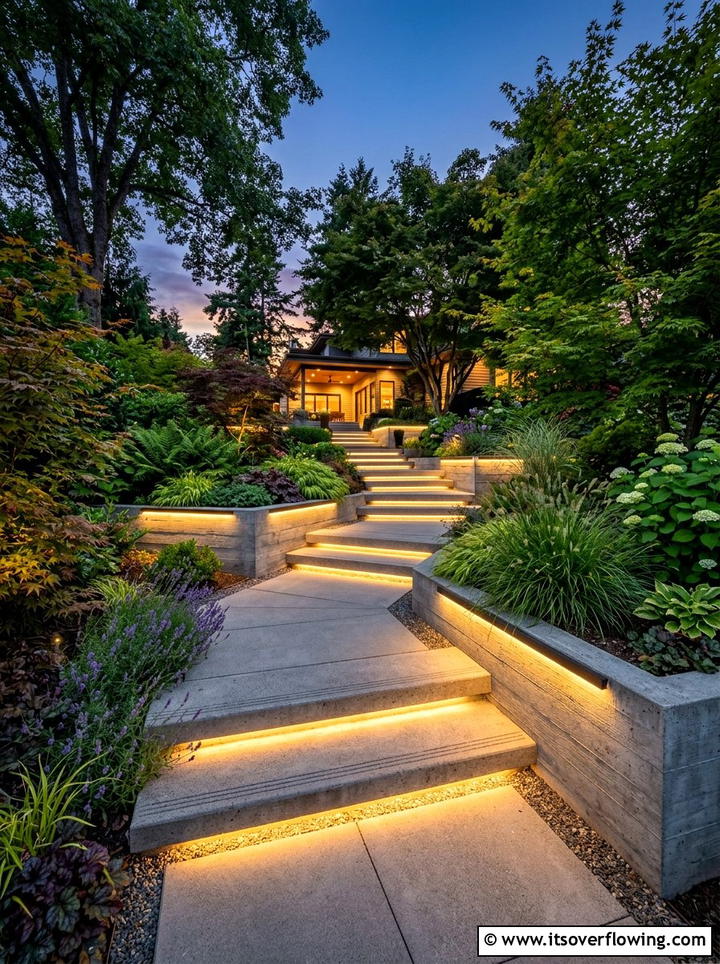
Integrated garden lighting is the key to making a minimalist space feel magical after the sun goes down. Instead of bulky lamps, use recessed LED strips under the edges of benches, stairs, or planters. This creates a soft, ambient glow that highlights the architectural lines of the garden without showing the light source. You can also use small, directional spotlights to illuminate a single tree or a textured wall. The goal is to create a layered lighting effect that adds depth and atmosphere. This subtle approach to illumination keeps the garden functional at night while maintaining a clean, clutter-free appearance during the bright daylight hours.
23. Ornamental Grass Garden
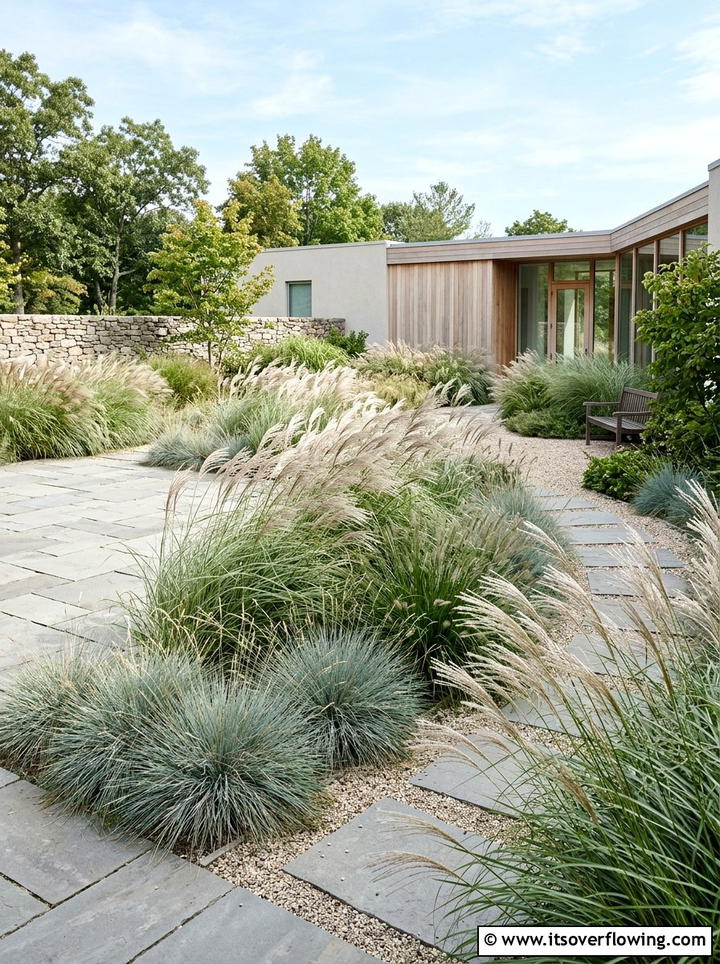
An ornamental grass garden provides movement and soft texture that contrasts beautifully with hard minimalist lines. Choose two or three species of grass, such as Mexican feather grass or blue fescue, and plant them in large drifts. The repetition of these plants creates a rhythmic pattern that is very pleasing to the eye. When the wind blows, the grasses sway, adding a dynamic and living element to the landscape. These plants are typically low-water and low-maintenance, making them perfect for busy urbanites. Their muted colors and fine textures ensure the garden remains subtle and sophisticated rather than loud or overly busy.
24. Hidden Storage Seating
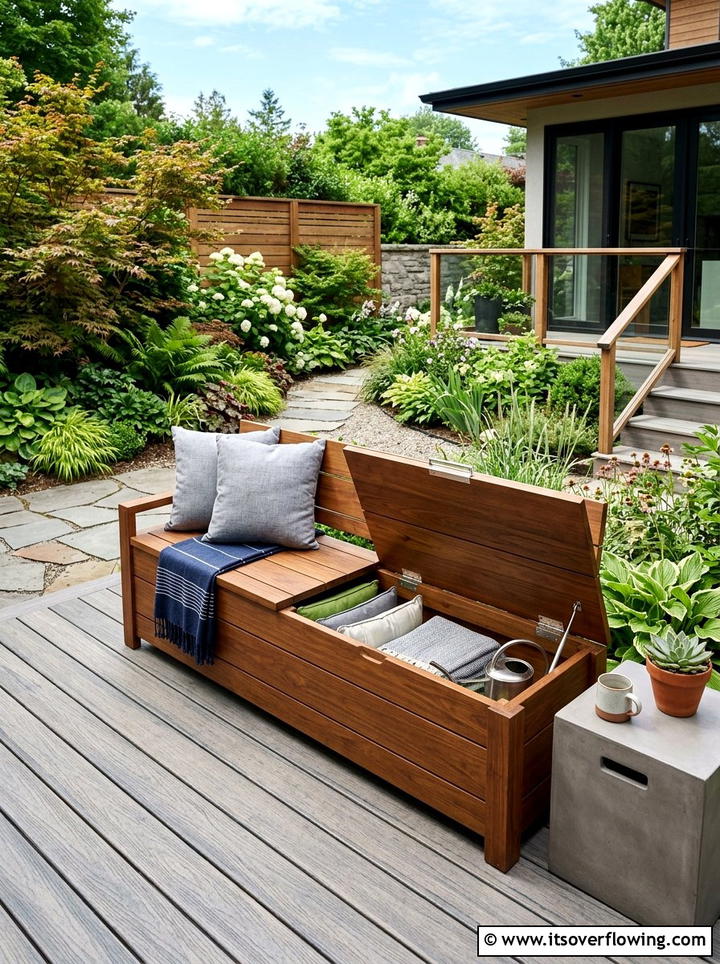
Hidden storage seating is a functional must-have for any tiny garden where space is at a premium. By designing a custom wooden bench with a hinged lid, you can store cushions, gardening tools, or firewood out of sight. This keeps the garden looking tidy and organized, which is a core principle of minimalist design. The bench itself can be a beautiful feature made from high-quality teak or composite wood. It provides a comfortable place to sit while serving a dual purpose. By hiding the “clutter” of outdoor living inside the furniture, you maintain the clean lines and open feel that make minimalism so successful.
25. Potted Tree Focal Point
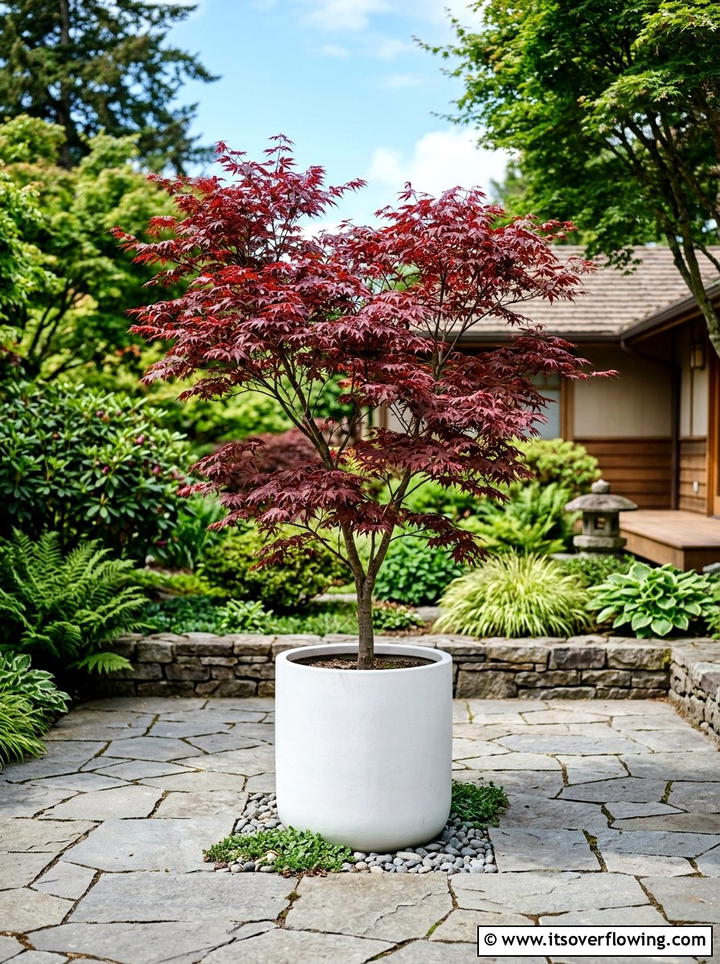
A single potted tree can act as the main architectural feature in a minimalist courtyard. Choose a tree with an interesting branch structure, such as a Japanese Maple or a Ginkgo, to provide a sculptural quality. Placing the tree in a large, simple ceramic pot elevates it to a piece of living art. This setup allows you to bring a touch of nature into a fully paved or decked area without digging up the ground. The tree provides shade, height, and a changing seasonal display of color. It is a powerful way to add life and soul to a small space while keeping the overall design extremely simple.
Conclusion:
Designing a small garden with a minimalist style is all about quality over quantity. By selecting a few key features like concrete pavers, sleek wooden fences, and structural plants, you can create an outdoor area that feels both luxurious and manageable. The beauty of minimalism lies in its ability to bring a sense of calm and order to our busy lives. Whether you have a tiny urban balcony or a narrow backyard, these ideas show that you do not need a lot of space to have a beautiful garden. Focus on clean lines, neutral colors, and functional layouts to achieve a viral-worthy Pinterest look that will remain timeless and stylish for many years to come.

Related posts:
 25 Garden Ideas for Zen Spaces to Create Calm Outdoors
 25 small garden ideas with zen style for Calm Outdoor Living
 25 Creative Garden Ideas With Tea Gardens for Calm Retreats
 25 Creative Garden Ideas With Yoga Decks for Calm Retreats
 25 garden ideas for peace and relaxation: Calm Yard Tips
 25 garden design ideas for small yards: Big Style, Tiny Spaces
 25 Small Garden Ideas for Balcony Spaces With Big Style
 25 Small Garden Ideas With Cottage Style for Charming Spaces
 25 Small Garden Ideas With Modern Style for Sleek Spaces
 25 garden ideas for minimalist style: Clean Outdoor Looks
 25 Creative Garden Ideas for Narrow Spaces: Smart Layouts
 25 Garden Ideas With Vertical Gardens For Small Spaces