
Creating a backyard that caters to both your aesthetic preferences and your pet’s natural instincts requires a thoughtful approach to landscape planning. Whether you have an energetic puppy who loves to dig or a curious cat that craves fresh air, your outdoor space should be a safe sanctuary for everyone involved. Designing a pet-friendly garden involves more than just installing a fence; it is about choosing non-toxic plants, durable ground covers, and engaging features that keep your furry friends entertained throughout the day. This guide explores creative ways to transform your yard into a paradise that minimizes mess while maximizing fun and safety for your beloved companions. By integrating functional elements, you can enjoy a beautiful, lush environment that thrives beautifully.
1. Dog run with artificial turf
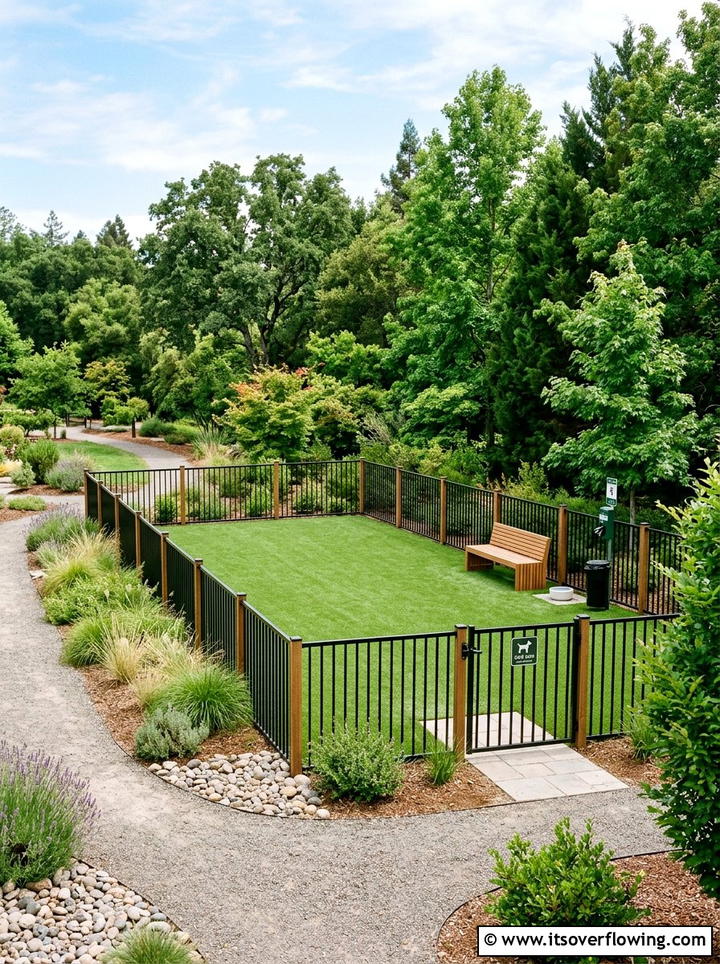
Installing a dedicated area for your canine companion to exercise without ruining your manicured lawn is a game-changer for many homeowners. Artificial turf serves as a durable, easy-to-clean surface that stays green all year round, regardless of how much your pet runs or plays on it. This specific setup prevents mud from being tracked into your house during rainy seasons, keeping your interior floors pristine. High-quality synthetic grass is designed with drainage systems that manage pet waste effectively, making cleanup a breeze for busy pet owners. By creating a designated dog run, you define clear boundaries within your backyard, ensuring your pet has freedom while protecting your delicate flower beds from accidental trampling.
2. Catio for indoor cats
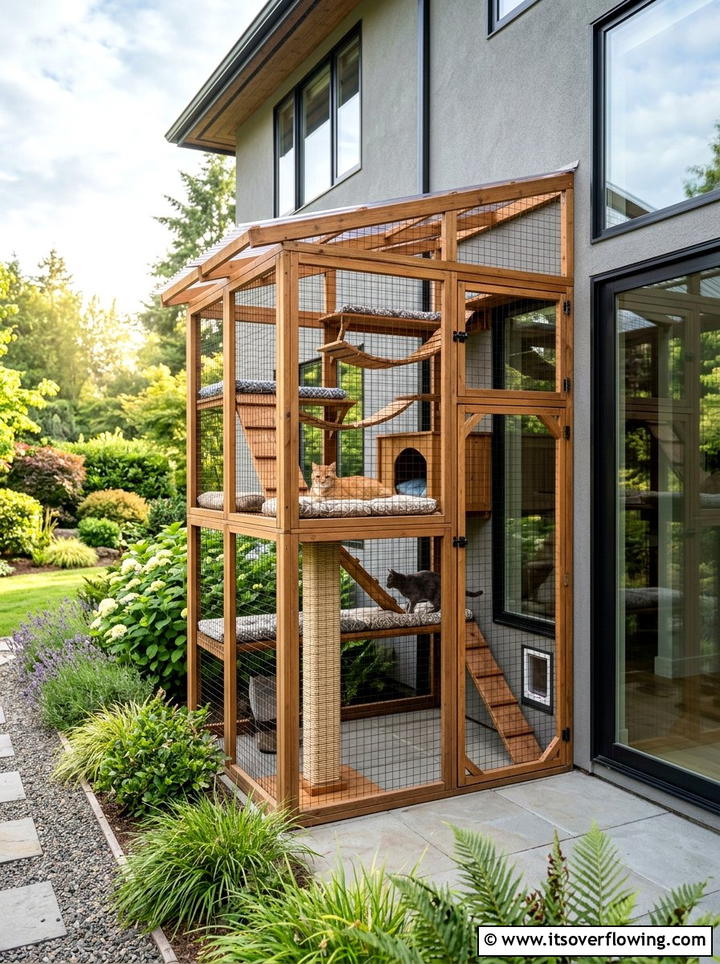
A catio provides a secure outdoor enclosure that allows indoor cats to experience the sights and sounds of nature safely. These structures can be attached to a window or a door, giving your feline friend the freedom to transition between the house and the fresh air at will. Building a catio helps prevent your pet from wandering off or encountering local wildlife, ensuring their safety while satisfying their natural curiosity. You can furnish the space with scratching posts, climbing shelves, and soft resting pads to create a vertical playground. This addition not only enriches your cat’s life but also offers peace of mind to owners who want to provide a stimulating, predator-free environment.
3. Sensory garden for dogs
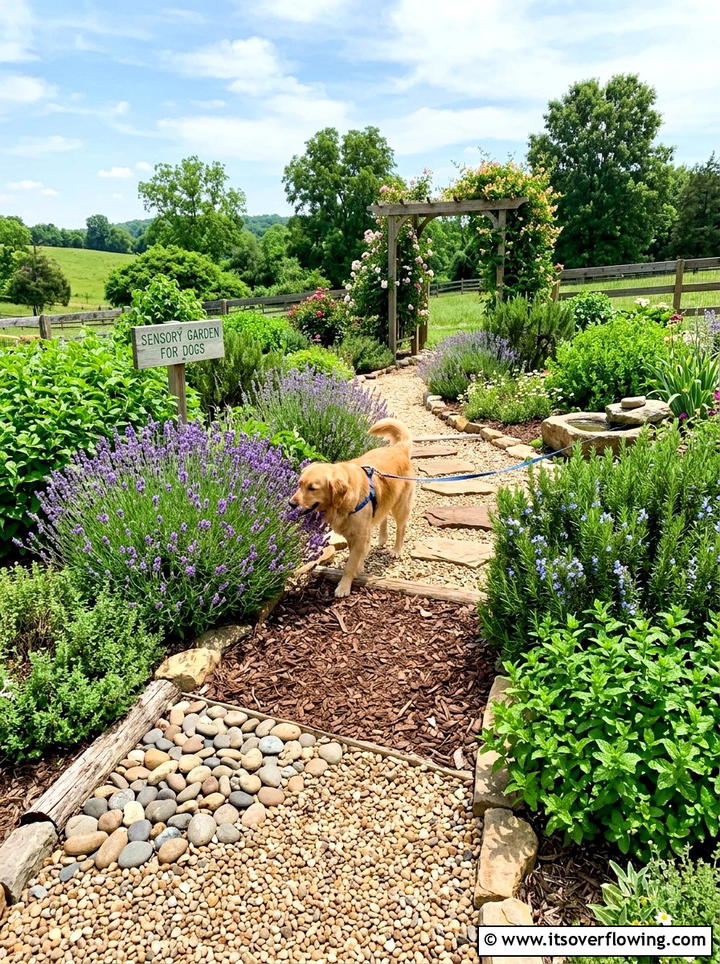
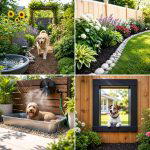
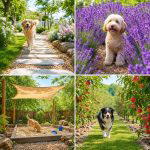
Have you ever noticed how much your dog enjoys sniffing every leaf and flower during a walk? A sensory garden is specifically designed to engage a dog’s keen sense of smell, sight, and touch through diverse plantings and textures. You can include pet-safe herbs like rosemary, lavender, and mint, which offer calming scents and varying foliage for them to explore. Incorporating different surfaces like smooth stones, wooden bridges, and soft mulch encourages them to experience different tactile sensations under their paws. This type of enrichment helps reduce boredom and anxiety, providing a mentally stimulating environment right in your own backyard. It transforms a simple lawn into a complex, interactive landscape.
4. Sand pit for digging
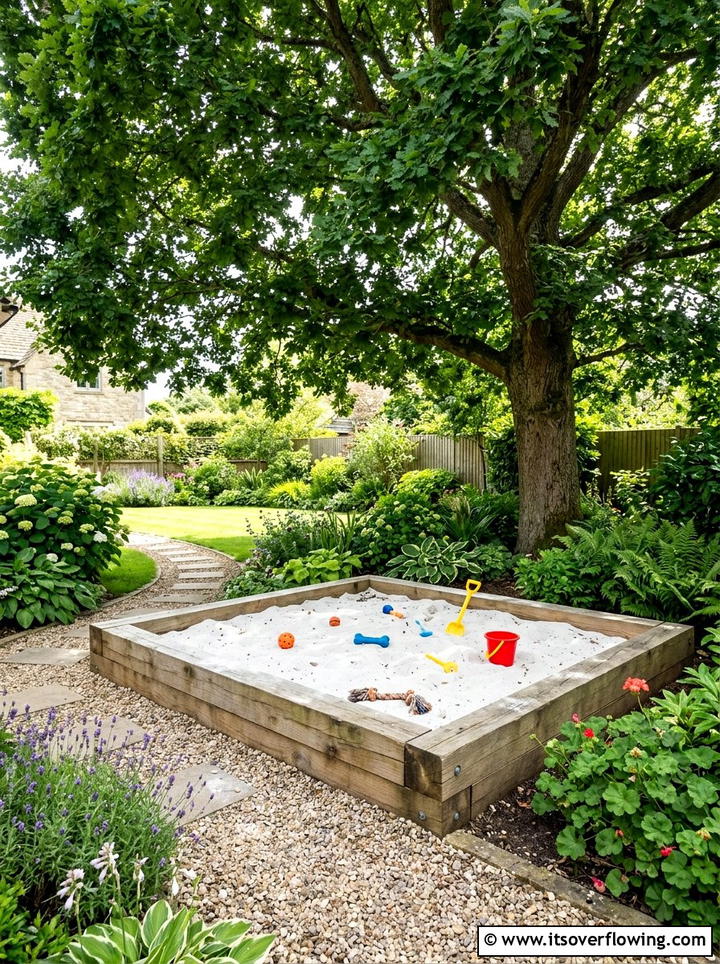
Does your dog have an unstoppable urge to excavate your favorite rose bushes? Providing a designated sand pit is an excellent way to redirect their natural digging instincts to a safe and controlled location. By burying toys or treats in the sand, you can encourage your pet to use this specific area instead of your flower beds. This setup keeps the rest of your garden intact while giving your pet a satisfying outlet for their energy. It is helpful to place the pit in a shaded corner to keep the sand cool during hot summer days. Using a decorative timber frame helps contain the sand and integrates the feature seamlessly into your overall garden design.
5. Pet friendly fence
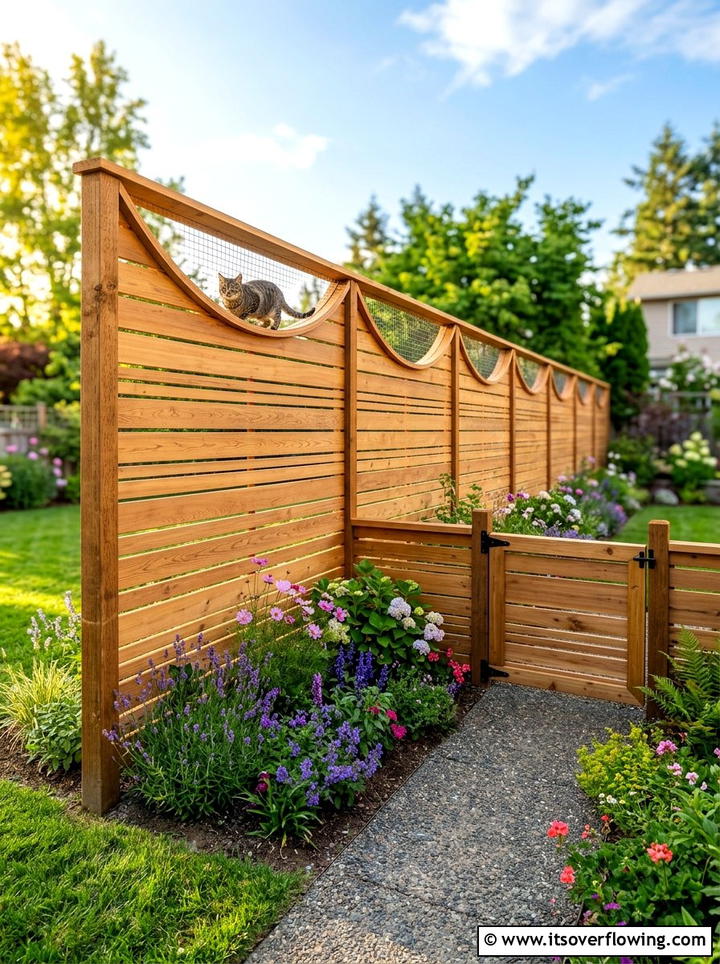
Choosing the right enclosure is vital for keeping your pets secure while maintaining the visual appeal of your property. A pet-friendly fence should be tall enough to prevent jumping and solid enough to discourage digging underneath. You might consider using vertical pickets or a solid privacy fence to reduce visual distractions that cause barking at passersby. For cat owners, adding a curved topper can prevent adventurous felines from scaling the perimeter. It is important to ensure there are no sharp edges or gaps where a small pet could get stuck. A well-designed fence provides a safe boundary that allows your pets to roam freely without any risk of escaping.
6. Water feature for pets
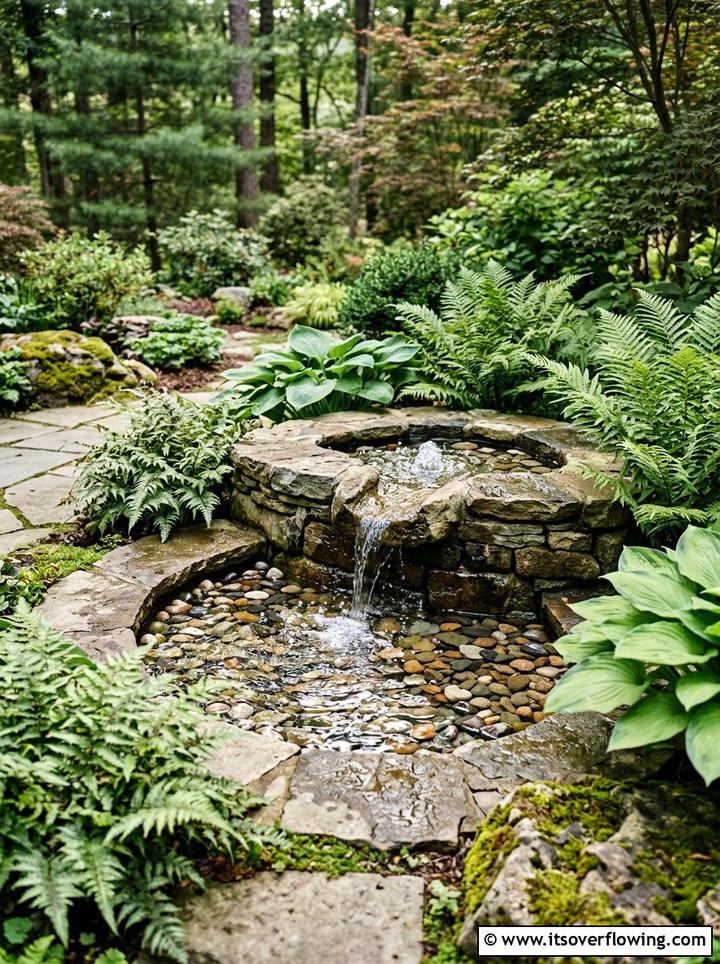
Adding a moving water element to your garden provides a fresh drinking source and a cooling station for active pets. A low-profile fountain or a shallow pebble pond allows dogs to splash and drink without the risks associated with deep swimming pools. The sound of running water creates a peaceful atmosphere for you while attracting birds and beneficial insects to the environment. It is essential to ensure the water remains filtered and clean to prevent the growth of harmful bacteria or algae. By positioning the water feature near a patio, you can easily monitor your pet’s playtime while enjoying the soothing aesthetic of a modern, functional backyard element.
7. Shady pet retreat
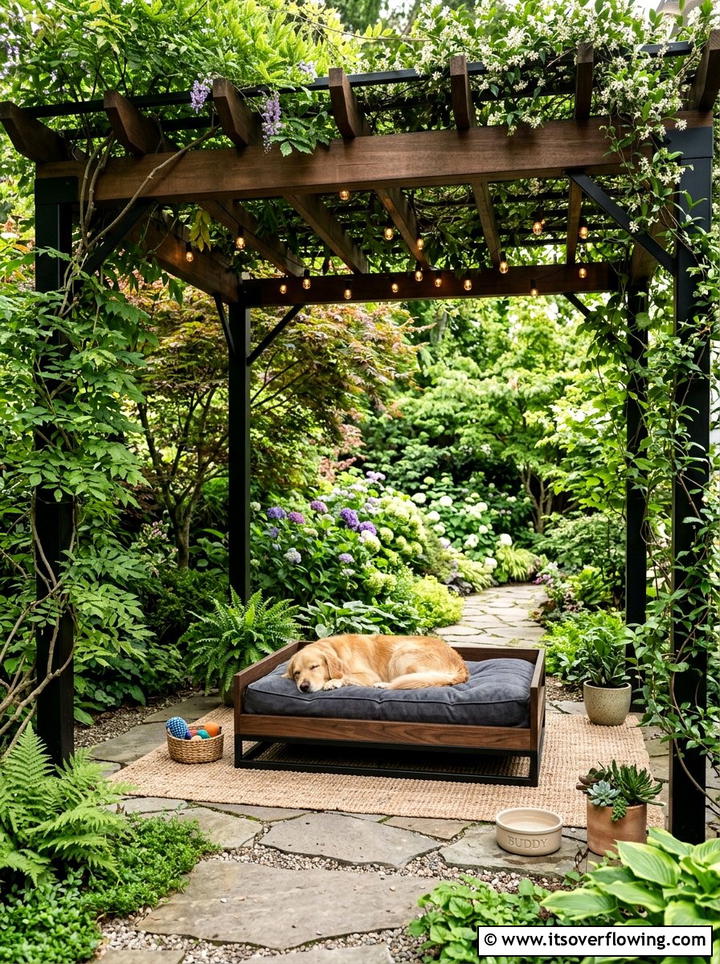
Every outdoor space needs a cool sanctuary where pets can escape the midday sun and rest comfortably. You can create a natural shady retreat by planting large, leafy trees or installing a stylish wooden pergola draped with non-toxic vines. If you prefer a more structured approach, a modern dog house with elevated flooring provides excellent ventilation and protection from the heat. Placing a comfortable, weather-resistant outdoor bed in this shaded zone ensures your pet has a soft place to nap. This area becomes a vital refuge during the summer months, preventing overheating and ensuring your furry friends stay healthy and happy while enjoying the fresh outdoor air.



8. Dog agility course
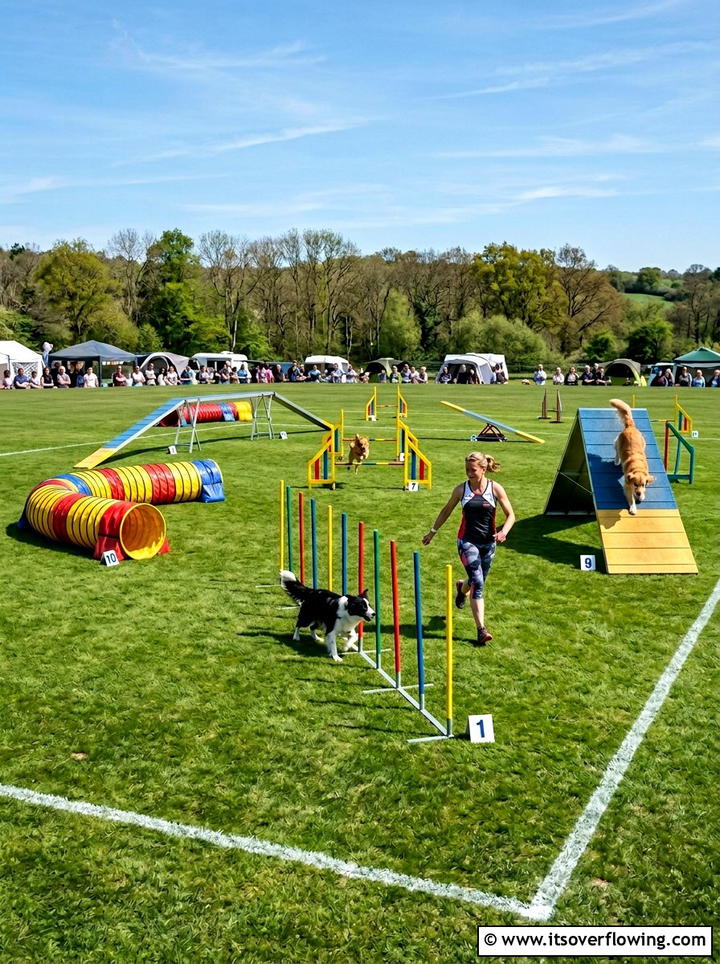
Transforming a portion of your yard into a mini agility course is a fantastic way to provide physical exercise and bond with your pet. You can incorporate simple elements like tunnels, weave poles made from sturdy PVC, and small hurdles that fit into your landscape. These features encourage your dog to stay active and improve their coordination while having a great time. Many owners use natural elements like large logs or flat boulders to create balance beams and climbing platforms that blend with the garden. This interactive setup is perfect for high-energy breeds that need a job to do, making your backyard a functional training ground for your pet.
9. Cat friendly balcony
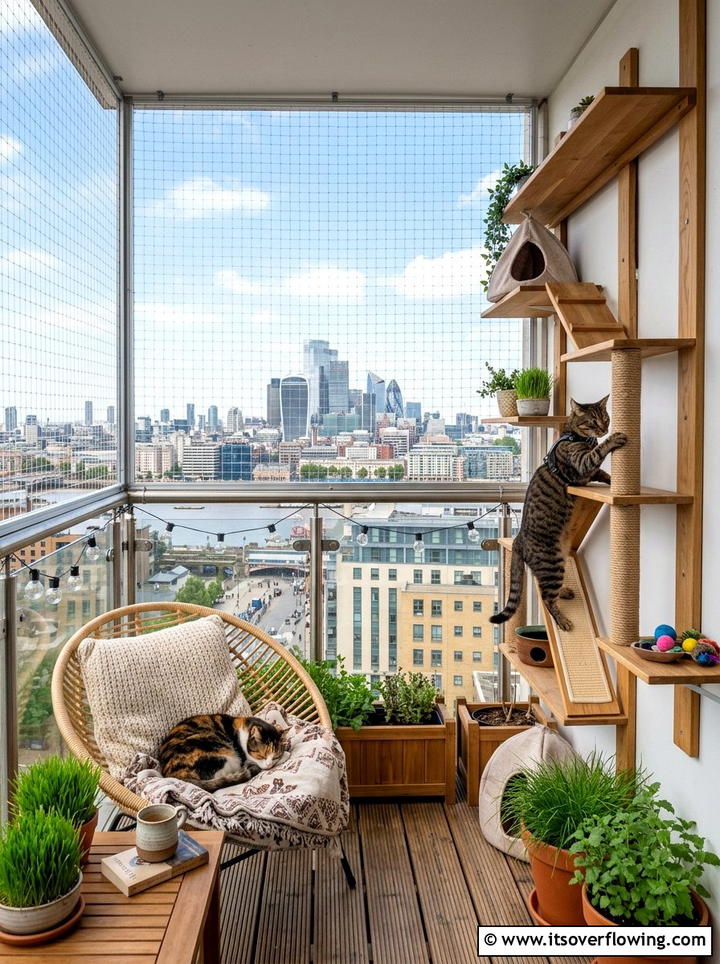
If you live in an apartment or have a small outdoor space, a cat-friendly balcony can offer your pet a safe way to enjoy the outdoors. Using specialized netting or transparent mesh allows your cat to sit by the railing without the danger of falling. You can add vertical elements like cat trees or wall-mounted shelves to maximize the limited footprint and provide climbing opportunities. Including pots of cat-safe grass or catnip creates a mini garden experience for your feline. This setup turns a small urban balcony into a rich, sensory environment where your cat can watch the world go by from a secure and elevated vantage point.
10. Pet safe plants
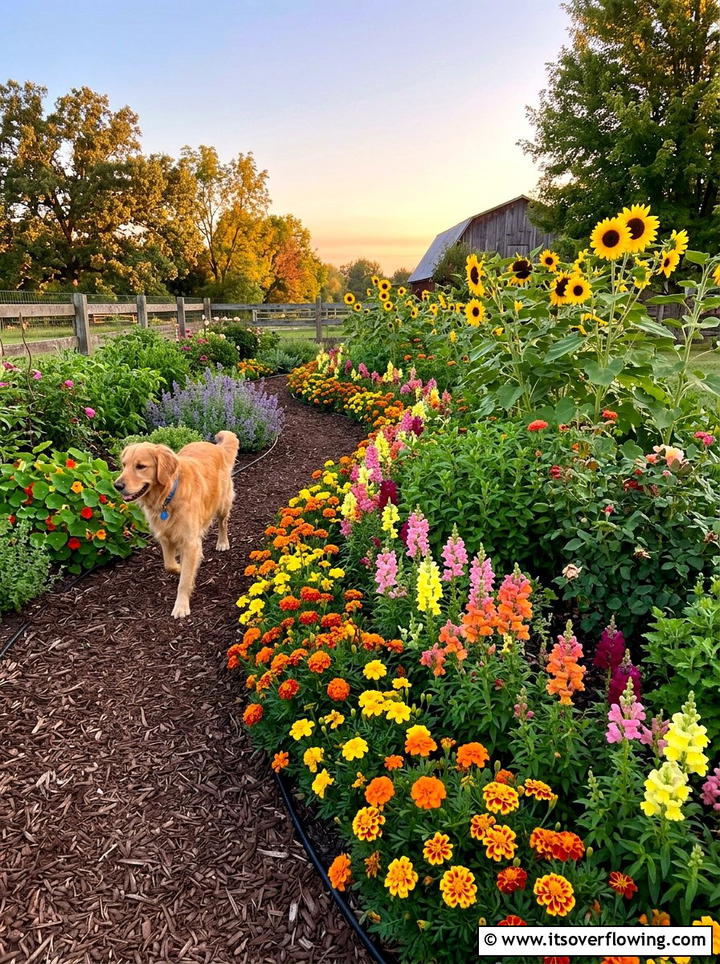
Selecting the right greenery is perhaps the most important step in creating a garden that is truly safe for your animals. Many common garden plants, such as lilies, azaleas, and sago palms, can be extremely toxic if ingested by curious pets. Instead, opt for vibrant, non-toxic alternatives like marigolds, snapdragons, and sunflowers to add color without the risk. Herbs like basil and parsley are also excellent choices as they are safe and provide wonderful scents. By carefully researching every plant before putting it in the ground, you create a worry-free zone where your pets can roam and sniff without any hidden dangers lurking in the foliage or the soil.
11. Mud free dog area
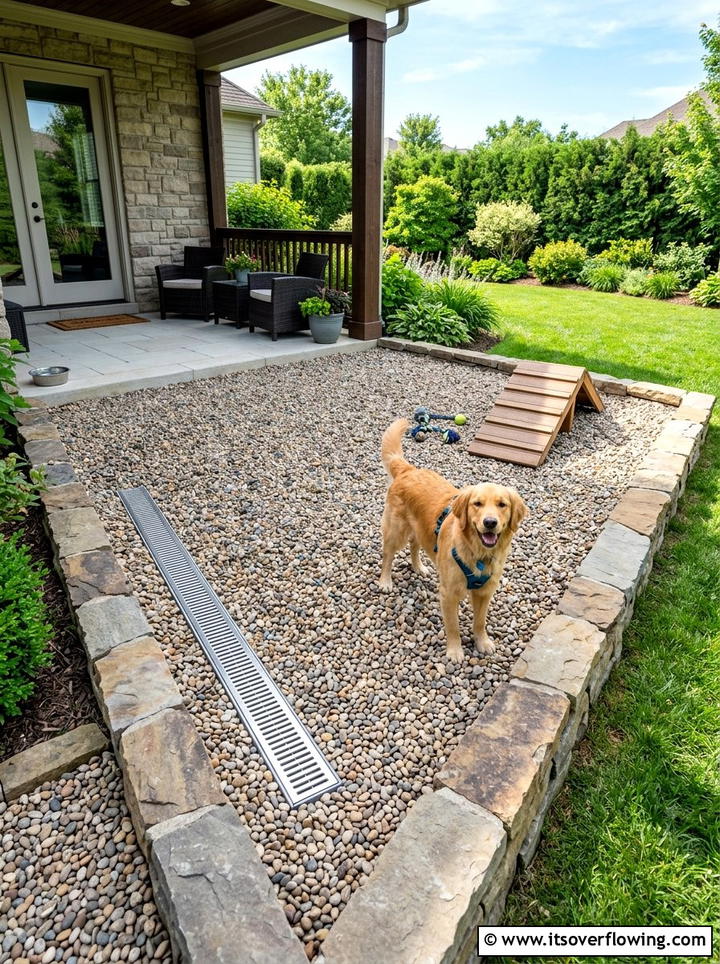
Dealing with muddy paw prints inside the house is a common struggle for many pet owners during the rainy season. To solve this, you can create a mud-free zone using materials like pea gravel, smooth river rocks, or heavy-duty rubber mats. These surfaces provide excellent drainage and prevent the ground from turning into a slushy mess after a downpour. Placing these materials around high-traffic areas, such as the back door or the dog’s favorite running path, significantly reduces the amount of dirt brought indoors. This practical approach keeps your pet clean and your home looking its best, allowing for more outdoor playtime regardless of the unpredictable weather conditions.

12. Lookout window for dogs
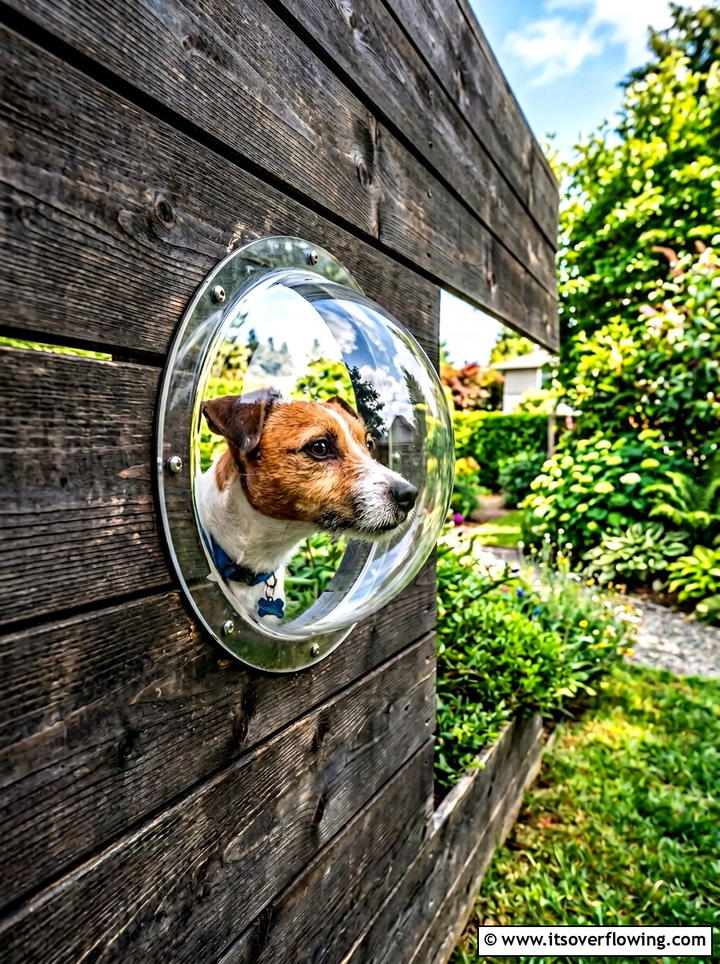
Dogs are naturally curious creatures that love to watch what is happening on the other side of the fence. Installing a clear acrylic bubble window in a solid fence allows your pet to see out without feeling the need to jump or bark excessively. This simple addition provides hours of entertainment as they watch neighbors, cars, and other animals go by. It reduces the frustration of being confined behind a solid wall and can help decrease anxiety-driven behaviors. The window should be placed at your dog’s eye level for maximum enjoyment. It is a modern, stylish solution that satisfies their curiosity while keeping them securely and safely inside your property boundaries.
13. Pet cooling station
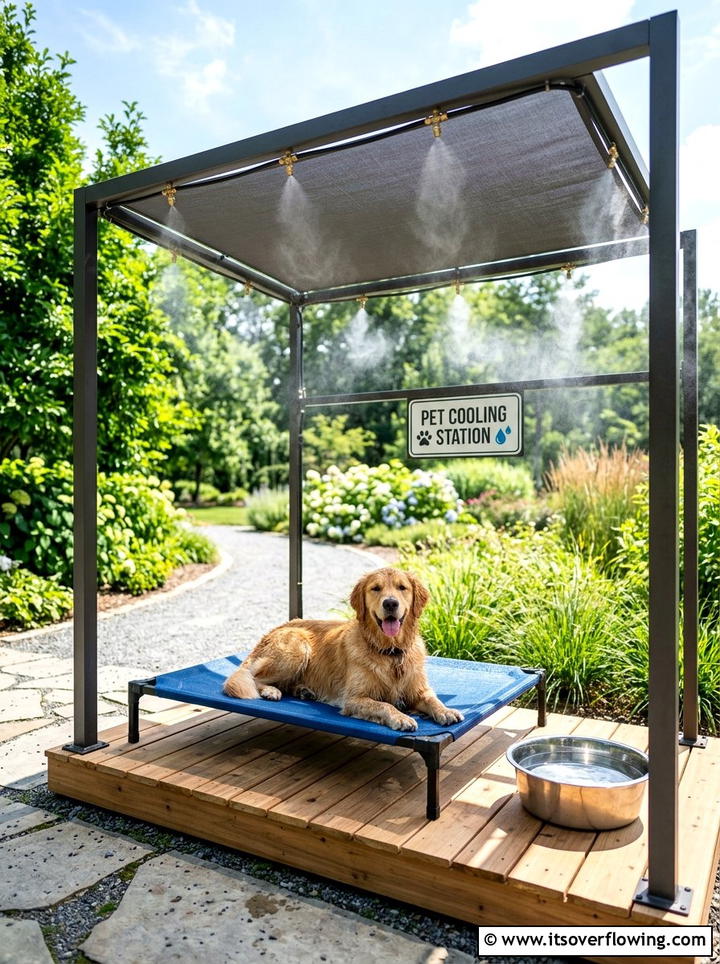
During the peak of summer, a dedicated cooling station can be a life-saver for pets that spend a lot of time outdoors. This area can feature a misting system that lightly sprays cool water to lower the ambient temperature. You can also include a raised pet bed which allows for better airflow underneath, keeping your dog much cooler than a traditional mat on the hot ground. Stocking a nearby bin with frozen toys or keeping a bowl of ice-cold water handy further enhances the comfort of this zone. By creating a specific place for cooling down, you ensure your pets stay safe from heatstroke while they enjoy their daily outdoor activities.
14. Small pet enclosure
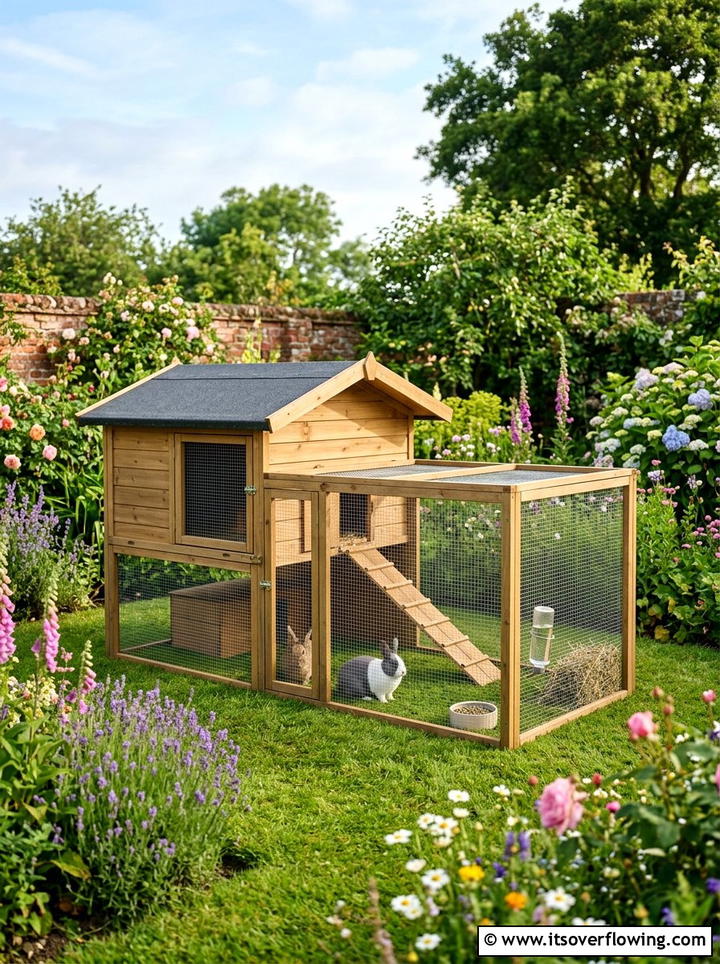
If you own smaller animals like rabbits or guinea pigs, a secure outdoor enclosure is essential for their safety and well-being. These structures should be built with fine mesh to prevent predators from entering and to keep the small pets from escaping. Incorporating a solid roof section provides necessary shade and protection from rain, while a grass-bottomed area allows them to graze naturally. You can add tunnels and hidey-holes to mimic their natural habitat and make them feel more secure. A well-designed small pet area can be integrated into your garden beds, creating a charming and functional feature that keeps your tiny companions happy and very well-protected.
15. Gravel path for pets
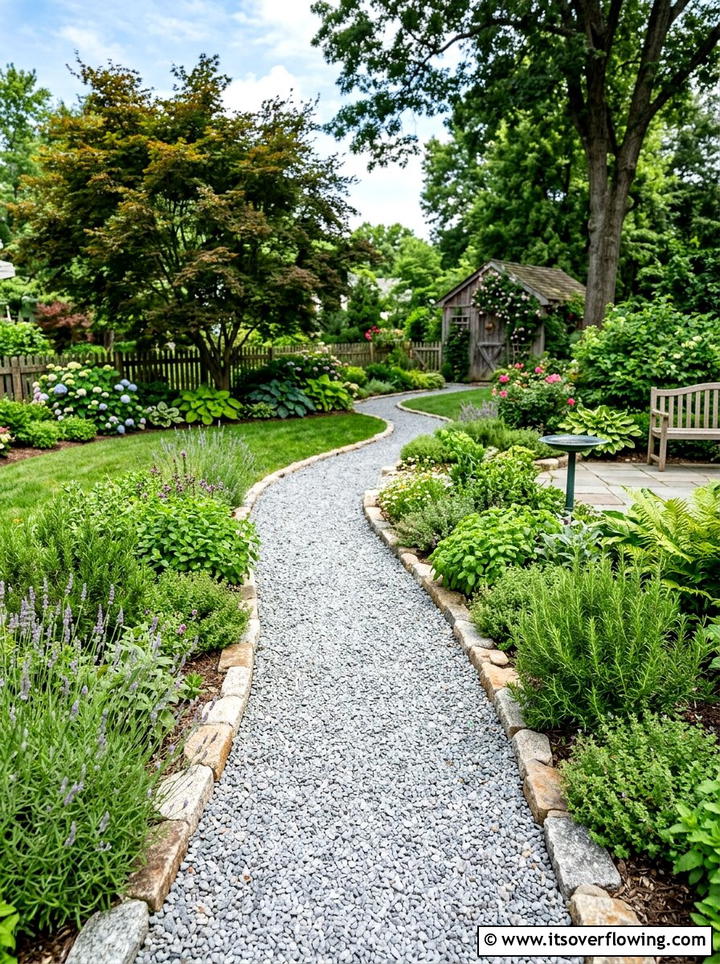
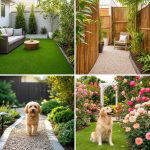
Creating a designated walking path using smooth pea gravel is an excellent way to guide your pet through the garden while protecting your plants. Gravel is a budget-friendly material that offers great drainage and is soft enough for pet paws to walk on comfortably. By lining the path with sturdy borders, you define a clear route for your dog to follow, reducing the likelihood of them trampling through your delicate vegetables or flowers. These paths also add a structured, professional look to your landscaping. Using gravel instead of mulch prevents pets from tracking wood chips into the house, making it a very practical and aesthetically pleasing choice for any backyard.

16. Dog splash pad
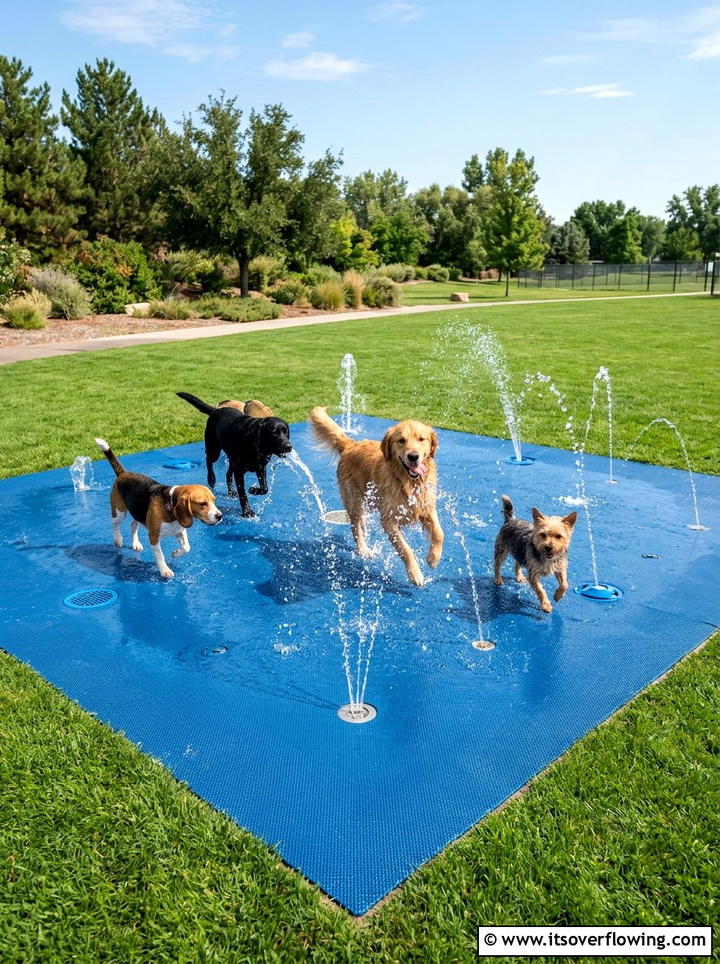
A splash pad is a modern and safer alternative to a traditional swimming pool for dogs who love playing with water. These low-profile pads feature small nozzles that spray water upward, creating an interactive and cooling environment for your pet to run through. Unlike deep pools, there is no risk of drowning, making it ideal for dogs of all sizes and swimming abilities. The textured surface provides grip to prevent slipping while they play. You can easily connect a splash pad to a garden hose, making it a convenient temporary or permanent feature. This addition brings a sense of joy and excitement to your yard, providing endless summer entertainment for your pets.
17. Raised garden bed for pets
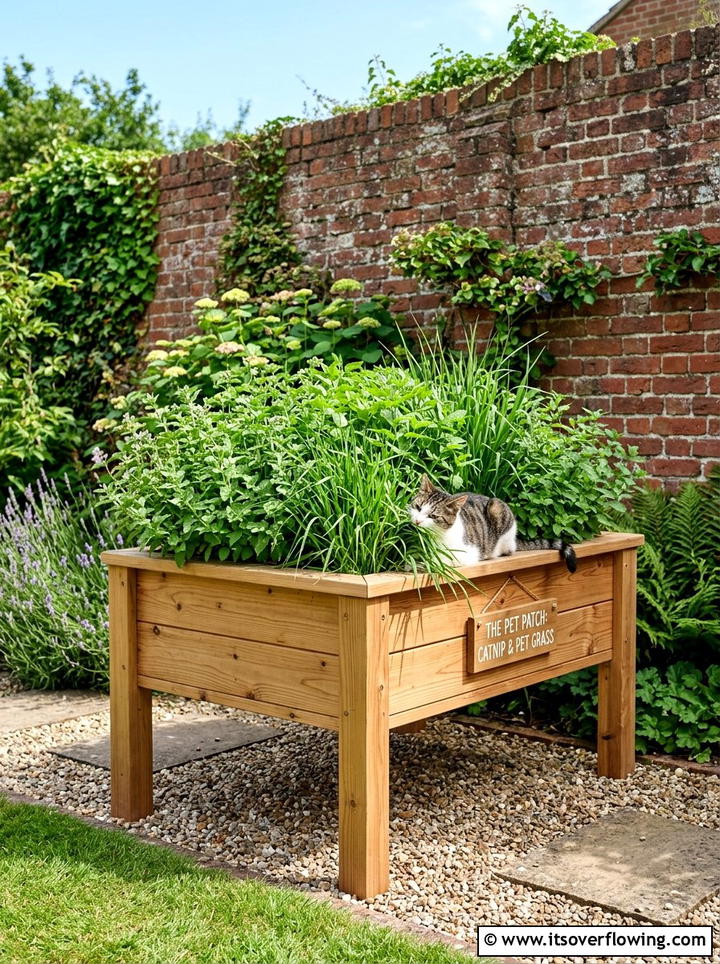
Raised garden beds are a brilliant solution for keeping your pet’s paws away from your sensitive plants and vegetables. By elevating the planting area, you create a physical barrier that most dogs will respect, preventing them from walking over or digging up your hard work. You can use cedar or stone to build these beds, ensuring they complement the style of your home. To make the garden even more pet-centric, you can dedicate one specific raised bed to pet-safe grasses or herbs that they are allowed to nibble on. This approach allows you to enjoy your gardening hobby while coexisting peacefully with your curious and active four-legged family members.
18. Bamboo privacy screen for dogs
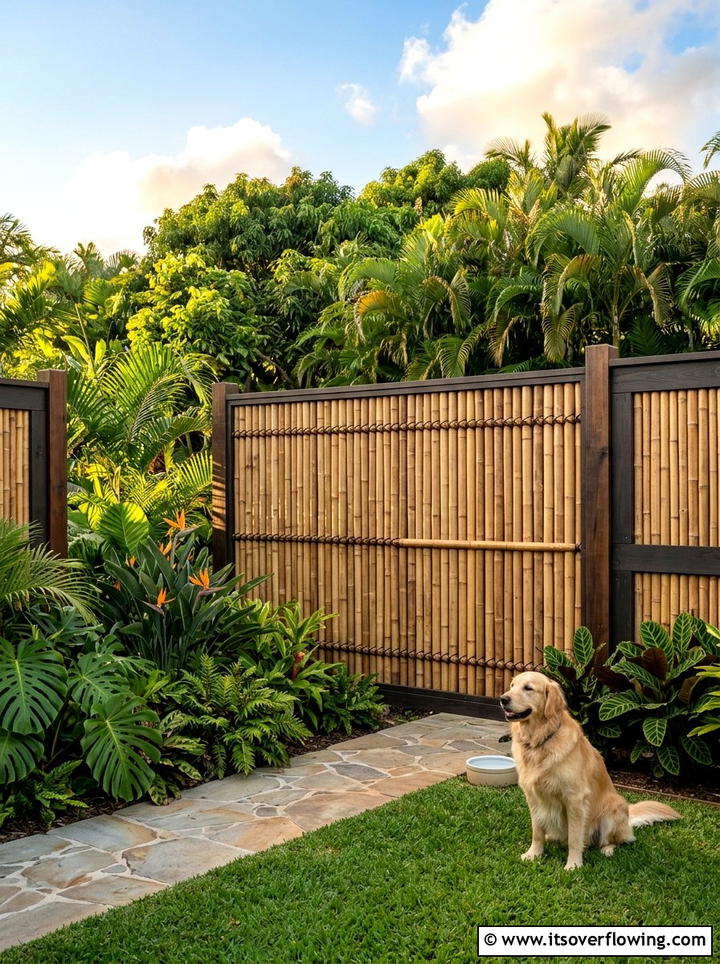
Many dogs become overstimulated by seeing movement through a traditional chain-link or slatted fence, leading to excessive barking. A bamboo privacy screen is a natural and attractive way to block their line of sight while adding a tropical feel to your garden. Bamboo is a sustainable material that is durable and stands up well to various weather conditions. By installing these screens along the perimeter, you create a calmer environment for your pet, reducing their stress and making the backyard a more peaceful place for everyone. The dense texture of the bamboo also provides a great backdrop for other plants, enhancing the overall beauty of your outdoor living space.
19. Clover lawn for pets
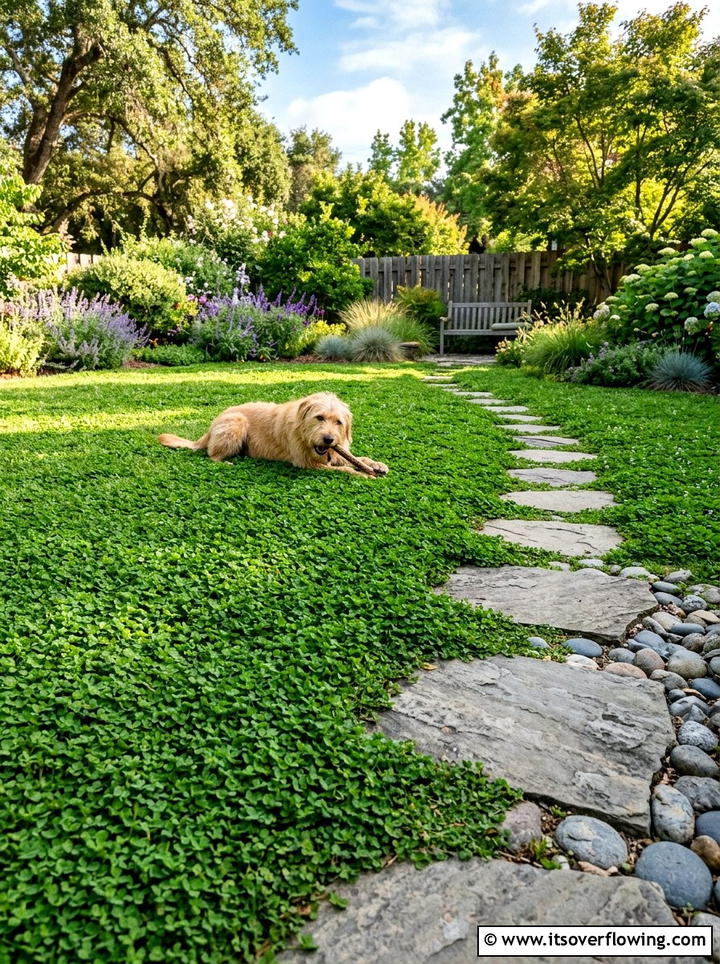
If you are tired of yellow spots on your grass caused by pet waste, switching to a clover lawn might be the perfect solution. Clover is naturally resistant to the high nitrogen content in dog urine, meaning it stays green and lush even with frequent use. It is a hardy ground cover that requires less water and mowing than traditional turf, making it an eco-friendly choice for busy homeowners. The soft texture of clover is gentle on paws and provides a comfortable surface for rolling and playing. Additionally, clover stays green during droughts, ensuring your pet has a beautiful and resilient area to enjoy all year long without much maintenance.
20. Hidden litter box area
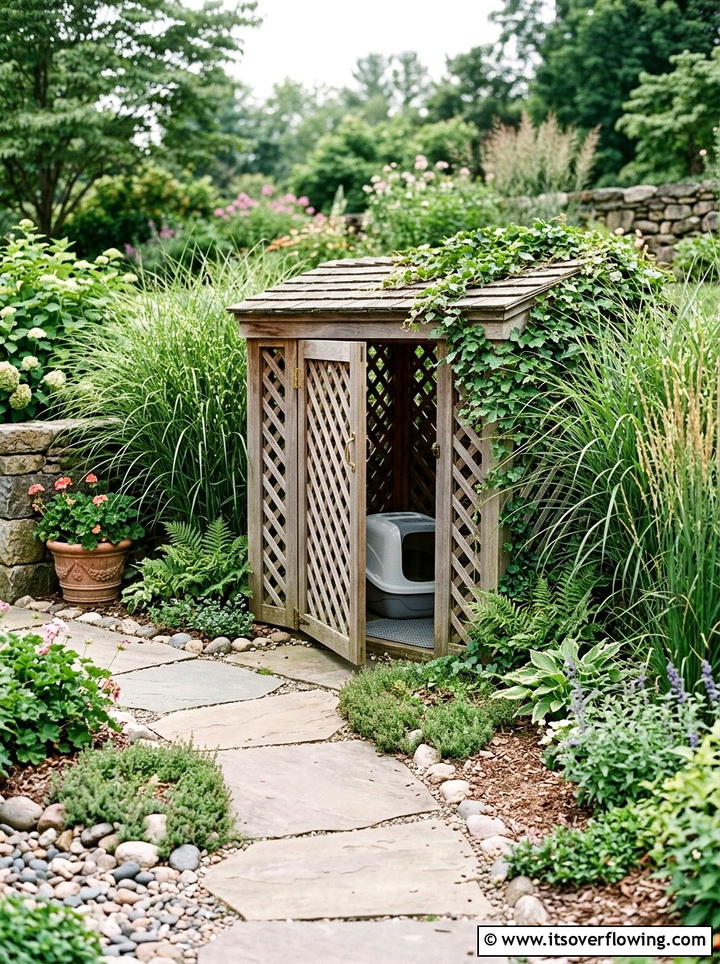
For homeowners who have outdoor cats or allow their indoor cats supervised garden time, a hidden litter box area is a practical necessity. You can tuck a weather-proof litter enclosure inside a decorative wooden bench or behind a cluster of tall, pet-safe ornamental grasses. This keeps the garden looking tidy and prevents the litter box from becoming an eyesore in your beautiful landscape. Using a fine-grain sand or organic litter material ensures the area remains clean and odorless. Providing a private, sheltered spot for your cat to do their business helps maintain garden hygiene while ensuring your feline friend feels comfortable and secure in their outdoor environment.
21. Dog kennel with porch
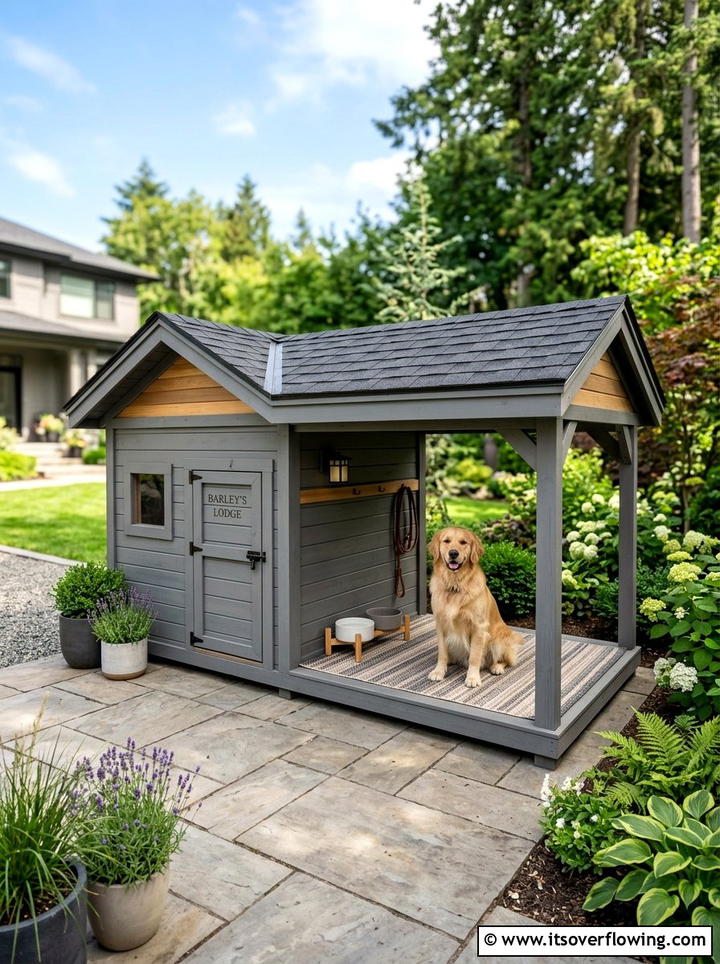
A high-quality outdoor kennel can be more than just a place for your pet to sleep; it can be a stylish architectural feature. Designing a kennel with a small covered porch allows your dog to stay outside and enjoy the fresh air even during a light rain shower. Elevating the structure off the ground prevents moisture from seeping in and provides better insulation against the cold. You can paint the kennel to match your home’s exterior, creating a cohesive and polished look in your backyard. Adding a soft, waterproof cushion to the porch area gives your pet a premium spot to lounge and observe their kingdom in total comfort.
22. Cat climbing wall
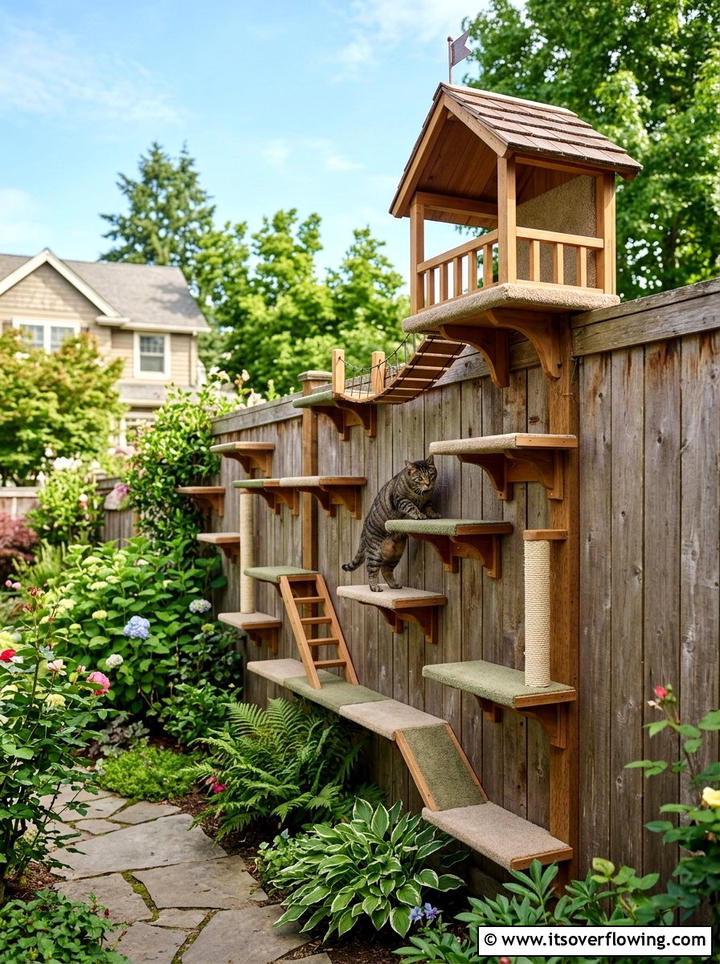
Cats love to climb and observe their surroundings from a high vantage point, making a climbing wall a fantastic addition to any pet-friendly garden. You can use sturdy wooden planks or recycled pallets to create a series of staggered platforms on a sturdy fence or exterior wall. Covering the platforms with outdoor carpet provides better grip for their claws and a cozy place to rest. This vertical enrichment encourages exercise and satisfies their natural instinct to be up high, away from potential ground-level threats. A well-placed climbing wall turns a flat vertical surface into a dynamic playground, making your garden a much more exciting and engaging place for your cat.
23. Pet scent trail
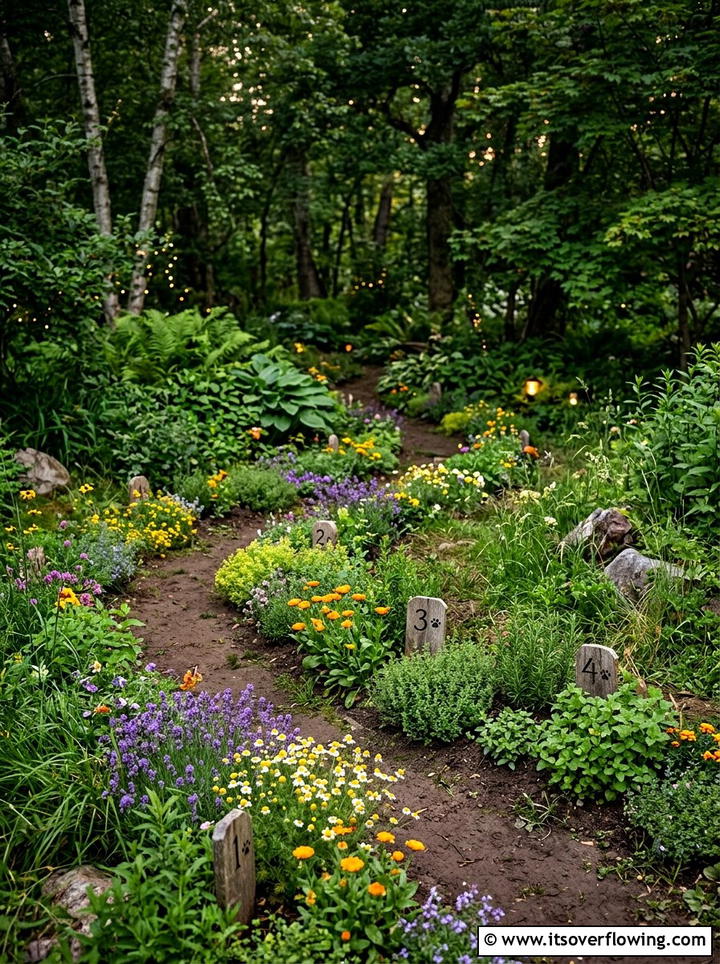
Designing a scent trail is a wonderful way to provide mental stimulation for dogs that rely heavily on their sense of smell. You can create a winding path through your garden using different scented plants, such as lavender, valerian, and dried chamomile. Hiding small treats or favorite toys along the trail encourages your dog to use their nose to navigate the space. This activity mimics natural foraging behavior and can keep a dog occupied for a long time. It is a low-impact form of exercise that is especially beneficial for older dogs or those with limited mobility. A scent trail adds a layer of interactive fun to your daily garden routine.
24. Outdoor dog shower
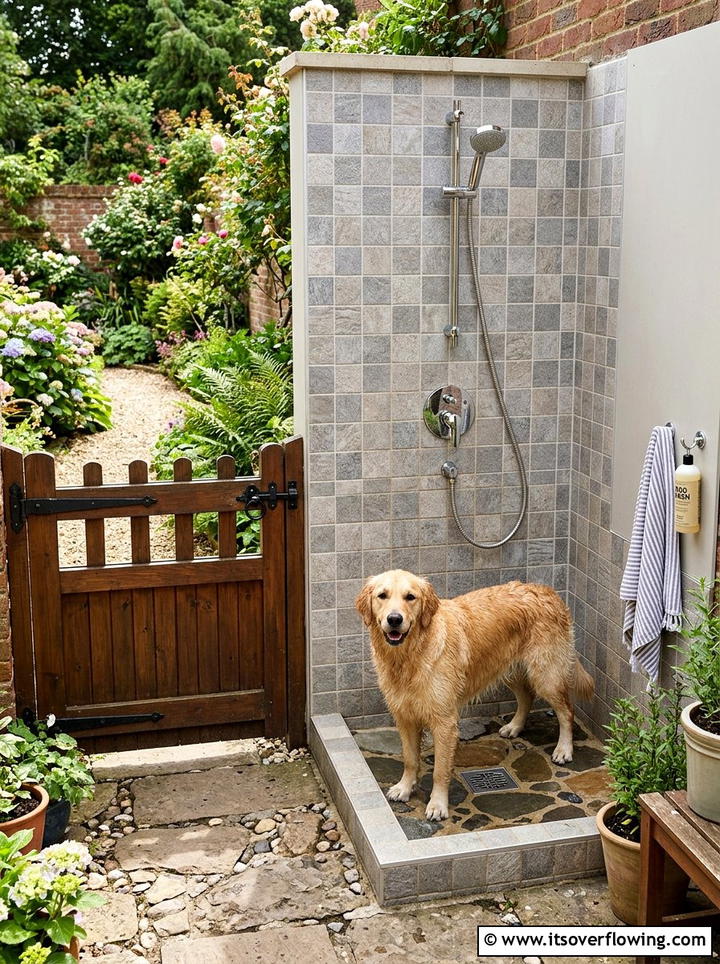
An outdoor dog shower is a luxury feature that makes life much easier for owners of adventurous pets who love to get dirty. By installing a simple shower head and a drainage area near your back door, you can quickly rinse off mud and debris before your pet enters the house. Using a stone or tiled base provides a non-slip surface and adds a touch of sophistication to the utility area. If you include a warm water connection, the experience becomes much more pleasant for your dog, even in cooler weather. This practical installation saves your bathroom from becoming a mess and keeps your pet clean, fresh, and ready for indoor relaxation.
25. Pet friendly lighting
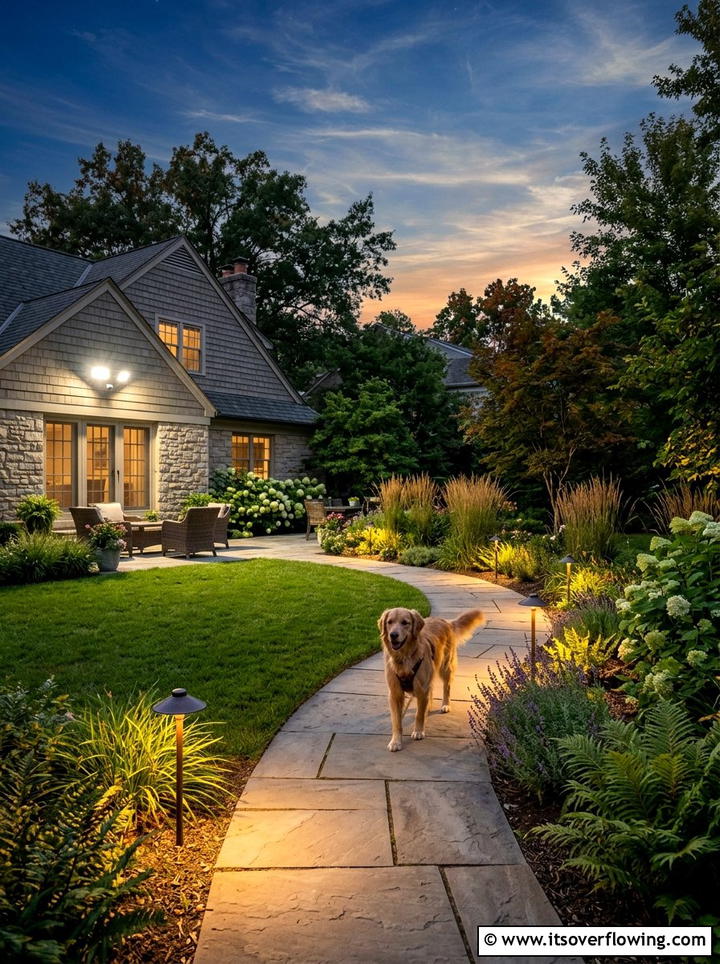
Proper lighting is essential for keeping your pets safe during evening bathroom breaks or late-night play sessions. Motion-activated LED lights are a great choice as they illuminate the yard only when your pet is moving, saving energy while providing visibility. Low-voltage path lights can outline the edges of walkways and fences, helping your pet navigate without tripping over garden ornaments or furniture. It is important to avoid using ground-level lights that get too hot to the touch, as these could burn sensitive paws. By choosing soft, bright white lighting, you create a well-lit environment that allows you to keep a watchful eye on your pet at all times after the sun goes down.
Conclusion:
Building a garden that caters to the needs of your pets is a rewarding project that enhances the quality of life for your entire household. By prioritizing safety through non-toxic plants and secure fencing, you create a space where your furry friends can roam without constant supervision. The addition of sensory elements, play zones, and comfortable resting areas ensures that your backyard is a place of joy and relaxation for every member of the family. A well-planned, pet-friendly landscape doesn’t have to sacrifice style; instead, it offers a harmonious blend of functionality and beauty. With these thoughtful ideas, your garden will become a vibrant, safe, and truly inviting sanctuary for years to come.

Related posts:
 25 garden ideas for kids: Playful, Safe Outdoor Spaces
 25 Garden Design Ideas for Pet Friendly Yards and Happy Pets
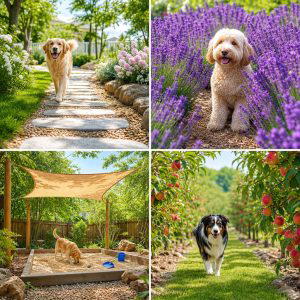 25 creative garden ideas with pet friendly plants for Safe Yards
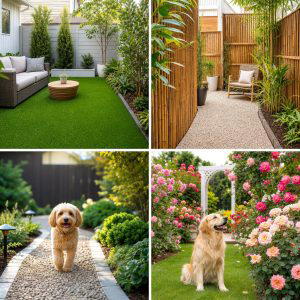 25 small garden ideas with pet friendly plants for Safe Style
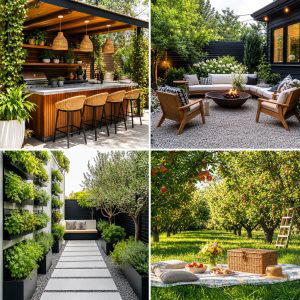 25 creative garden ideas with outdoor party zones for Fun
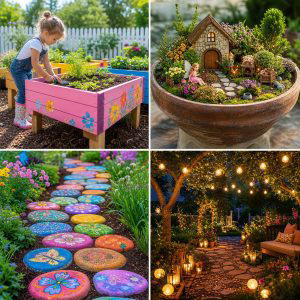 25 Small Garden Ideas With Kids Corner for Family Fun Outdoors
 25 creative garden ideas with outdoor dining spaces for Hosting
 25 creative garden ideas with outdoor reading spaces to Love
 25 Garden Design Ideas With Symmetry for Elegant Outdoor Spaces
 25 Garden Ideas for Balconies to Maximize Small Outdoor Spaces
 25 Garden Ideas With Arbors for Charming Outdoor Spaces
 25 garden ideas with herbs for Fresh, Fragrant Outdoor Spaces