
Creating a lush and productive oasis in a compact outdoor space is entirely possible when you utilize the structural benefits of raised beds. These elevated planting areas offer superior drainage and better soil control than traditional ground-level gardening, making them a favorite for urban dwellers and homeowners with limited backyard square footage. By lifting your plants off the ground, you can protect them from foot traffic and pests while significantly reducing the physical strain of bending over to weed or harvest. This approach allows you to maximize every square inch of your property through organized layouts and vertical growing techniques that turn a tiny patio or side yard into a thriving ecosystem.
1. Tiered Wooden Raised Bed
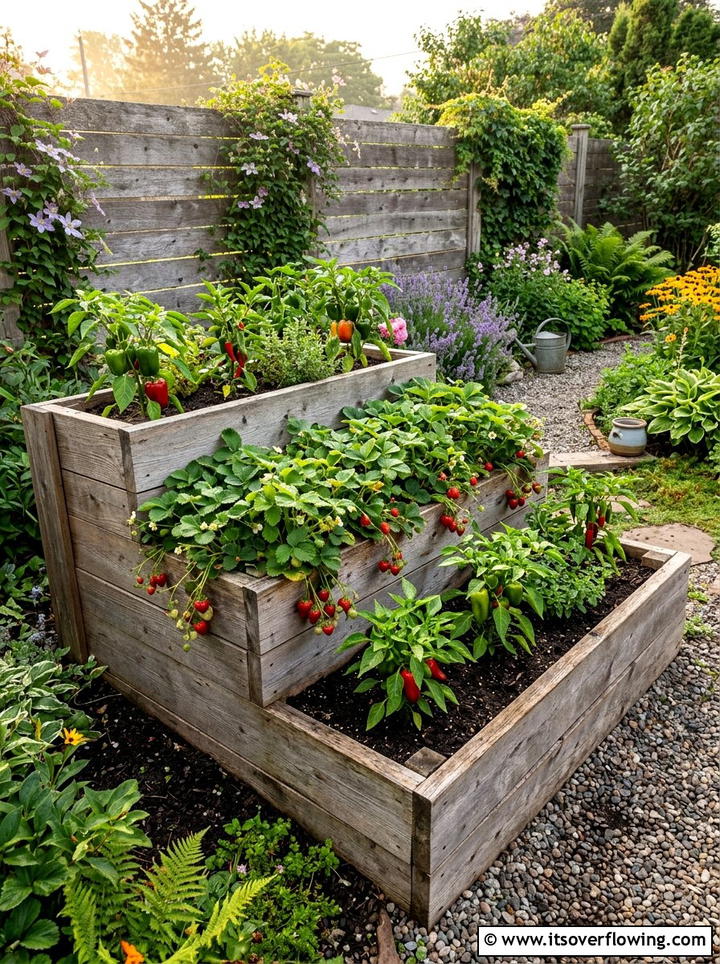
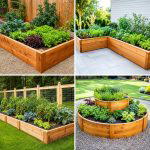
Imagine a backyard where every level of your garden serves a specific purpose by using stacked timber frames. A tiered wooden raised bed is an excellent solution for homeowners who want to grow a variety of plants in a very small footprint. By building multiple levels, you create different microclimates that allow sun-loving tomatoes to sit at the top while leafy greens thrive in the partial shade below. This vertical approach adds significant visual interest to your landscape and makes harvesting much easier on your back. You can use cedar or redwood to ensure the structure lasts for many seasons without needing chemical treatments or frequent repairs.
2. Corner Vegetable Garden
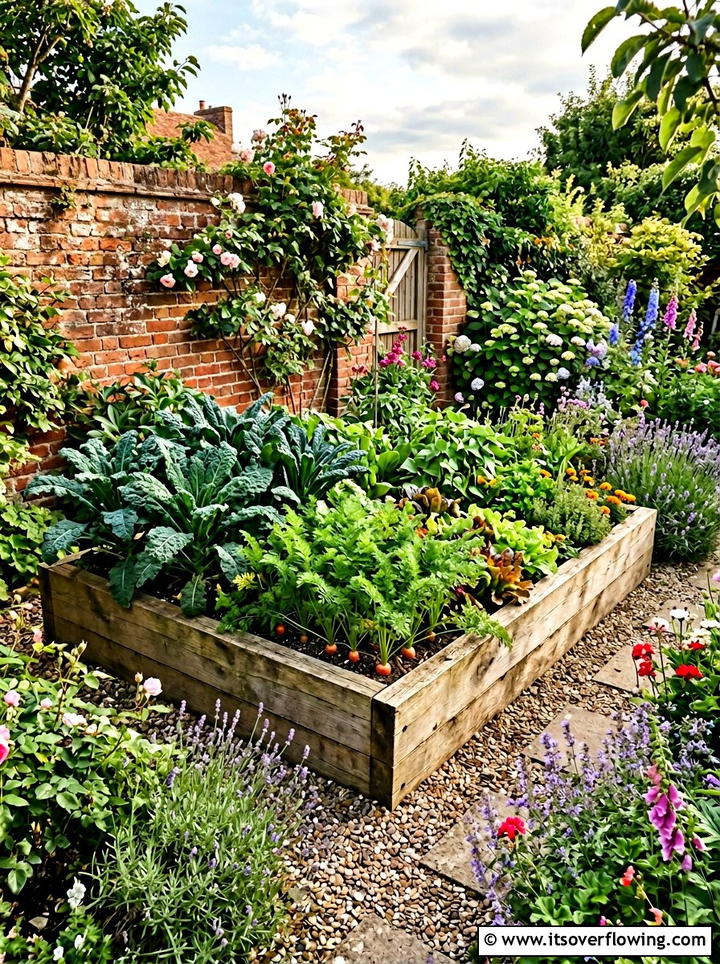
Utilizing the often-neglected corners of your yard can transform a cramped space into a highly productive food source. A corner vegetable garden typically features an L-shaped raised bed that fits snugly against a fence or a patio wall. This layout maximizes the center of your yard for walking or seating while providing a deep planting area for deep-rooted crops like carrots or potatoes. You can mix various vegetable varieties within this single structure to create a lush, edible landscape that looks organized and intentional. Adding a small trellis at the back of the corner bed allows cucumbers or beans to grow upward without crowding out your smaller herbs.
3. Vertical Wall Planter
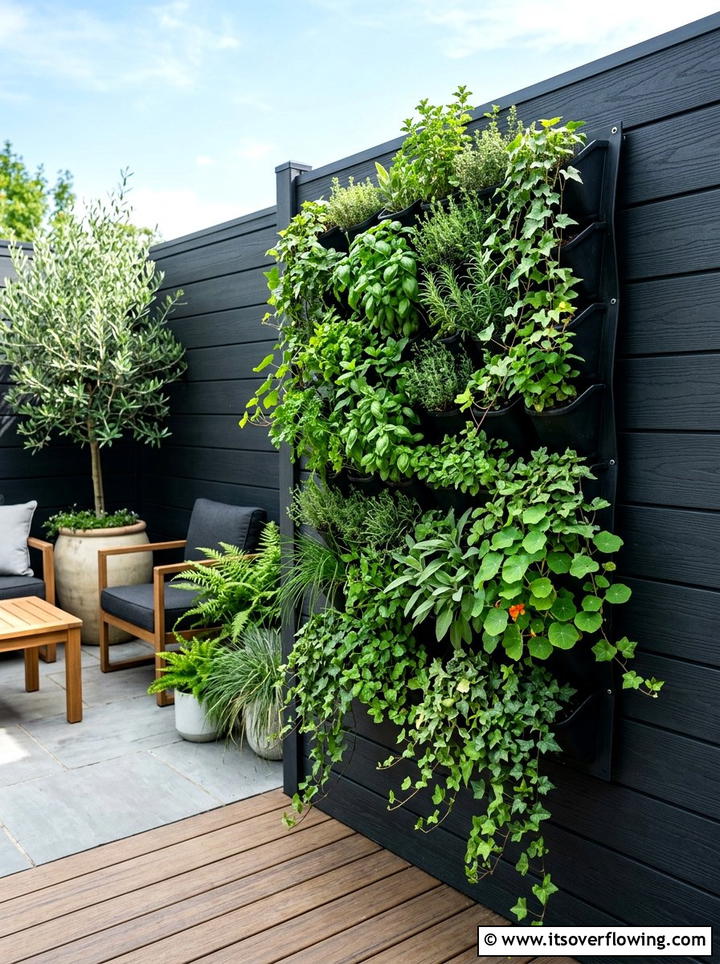
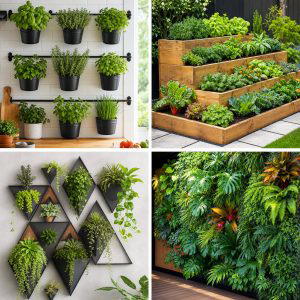
When ground space is at a premium, moving your garden to a vertical wall planter is a brilliant way to incorporate greenery. This setup usually involves attaching several shallow raised troughs or boxes directly to a sturdy fence or an exterior house wall. It works perfectly for growing a kitchen herb garden where you can easily reach basil, mint, or thyme right outside your back door. The vertical arrangement acts as living wallpaper, softening harsh architectural lines and providing a beautiful backdrop for your outdoor seating area. You should ensure each level has proper drainage to prevent water from collecting and damaging your home’s exterior surfaces.
4. Metal Trough Garden
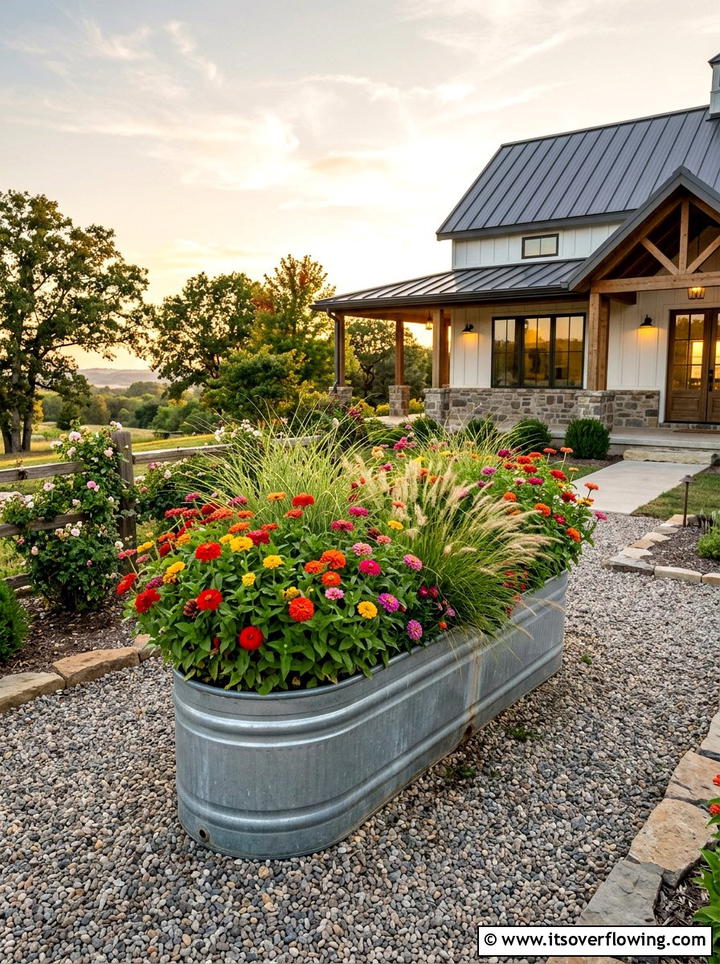
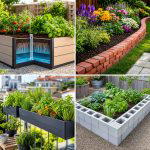
Choosing a metal trough garden offers a sleek and modern aesthetic that fits perfectly into contemporary backyard designs. These galvanized steel containers are incredibly durable and provide a rustic yet refined look that complements both flowers and vegetables. Because the metal walls are thin, you get more planting surface area compared to thick wooden frames, which is vital in a small garden. You can arrange several troughs of different sizes in a cluster to create a modular gardening system that is easy to rearrange. Just remember to line the bottom with gravel to ensure that water drains away from the roots during heavy rainstorms.
5. U Shaped Raised Bed
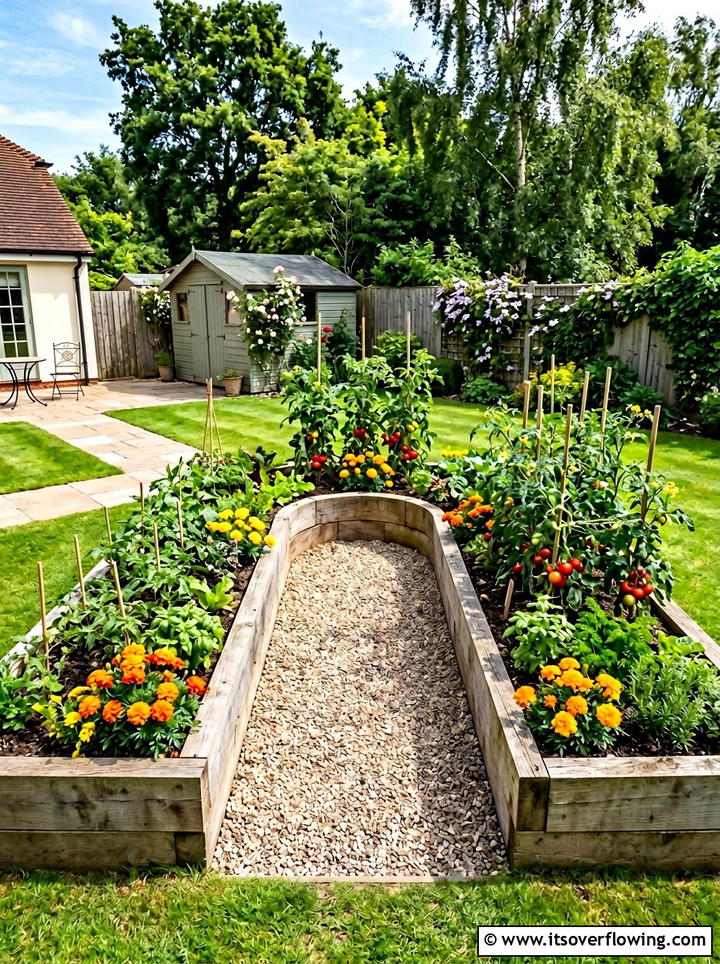
A U-shaped raised bed is perhaps the most efficient layout for gardeners who want to maximize their planting surface while maintaining easy access. This design features a central walkway that allows you to reach every single plant from the middle without ever having to step onto the soil. This prevents soil compaction, which is a common issue in smaller traditional gardens. You can fill the outer edges with taller plants like corn or sunflowers while keeping the inner edges for low-growing strawberries or lettuce. The symmetry of a U-shaped bed provides a formal look that anchors the entire design of a small backyard or patio.
6. Herb Garden With Seating
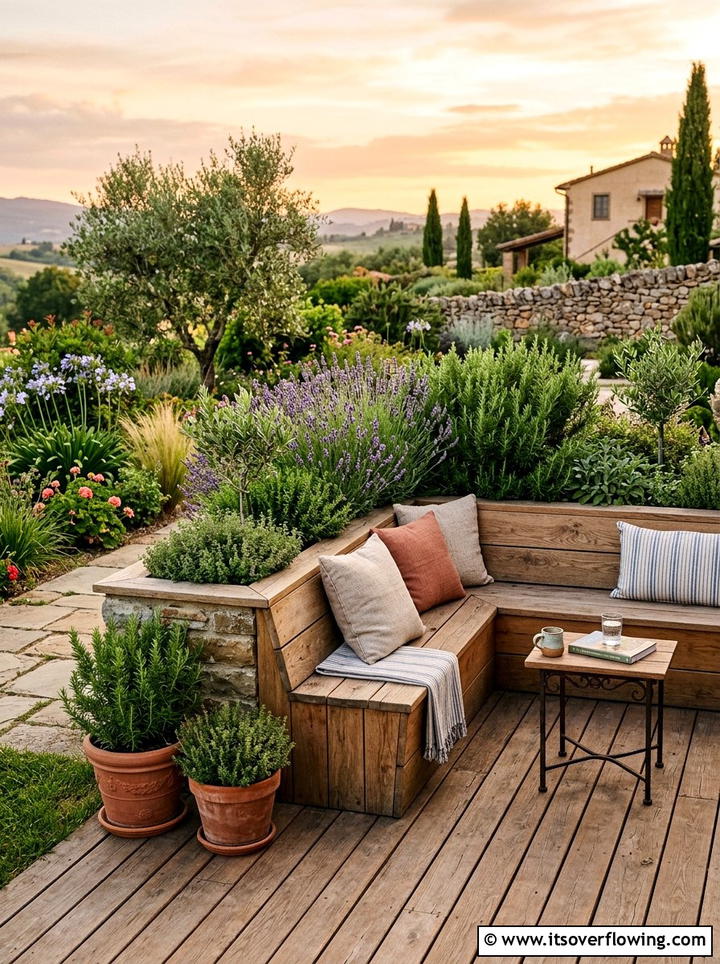
Integrating furniture with your growing space allows you to enjoy the scents and sights of your plants up close. An herb garden with seating often features a raised wooden bed that has a wide cap rail or a built-in bench attached to the side. This dual-purpose design is perfect for small decks where you need both a place to sit and a place to grow your favorite seasonings. Sitting among fragrant rosemary and lavender creates a sensory experience that makes your outdoor area feel like a private sanctuary. It also encourages more frequent harvesting because you are literally sitting right next to your crops during your morning coffee.
7. Stacked Stone Raised Bed
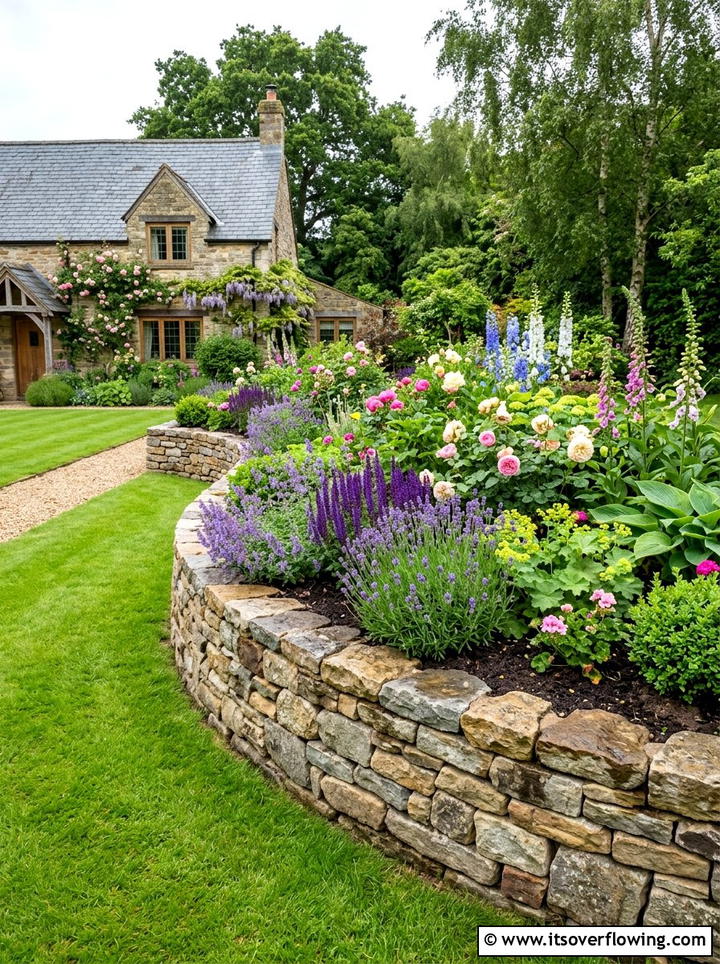
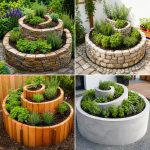
Building a stacked stone raised bed adds a permanent and timeless feel to any small landscape design. Unlike wood, stone does not rot and provides excellent insulation for plant roots against extreme temperature changes. This type of bed looks particularly beautiful in cottage-style gardens where a natural and slightly weathered appearance is desired. You can use local fieldstone or flat flagstone to create a sturdy wall that holds back nutrient-rich soil for your favorite perennials or shrubs. The crevices between the stones can even be planted with tiny alpines or succulents to create a wall of color that evolves beautifully throughout the changing seasons.
8. Small Courtyard Kitchen Garden
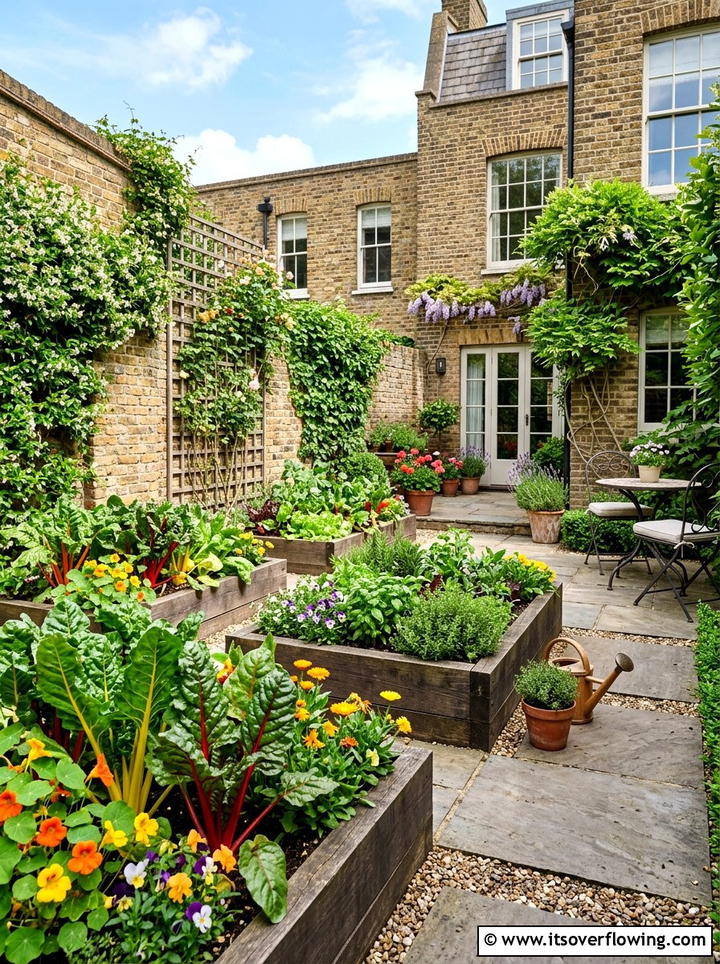
Transforming a paved courtyard into a kitchen garden is easily achieved by placing several large raised beds directly onto the hardscape. This method bypasses the need for digging into poor or rocky soil and allows you to curate the perfect growing medium. You can arrange the beds in a formal grid pattern to create a sense of order and elegance in a confined area. Mixing edible flowers like nasturtiums with kale and Swiss chard ensures the garden remains decorative even during the winter months. Using taller beds in a courtyard helps to define the space and creates a cozy, enclosed feeling that shuts out the surrounding neighborhood noise.
9. Elevated Cedar Planter Box
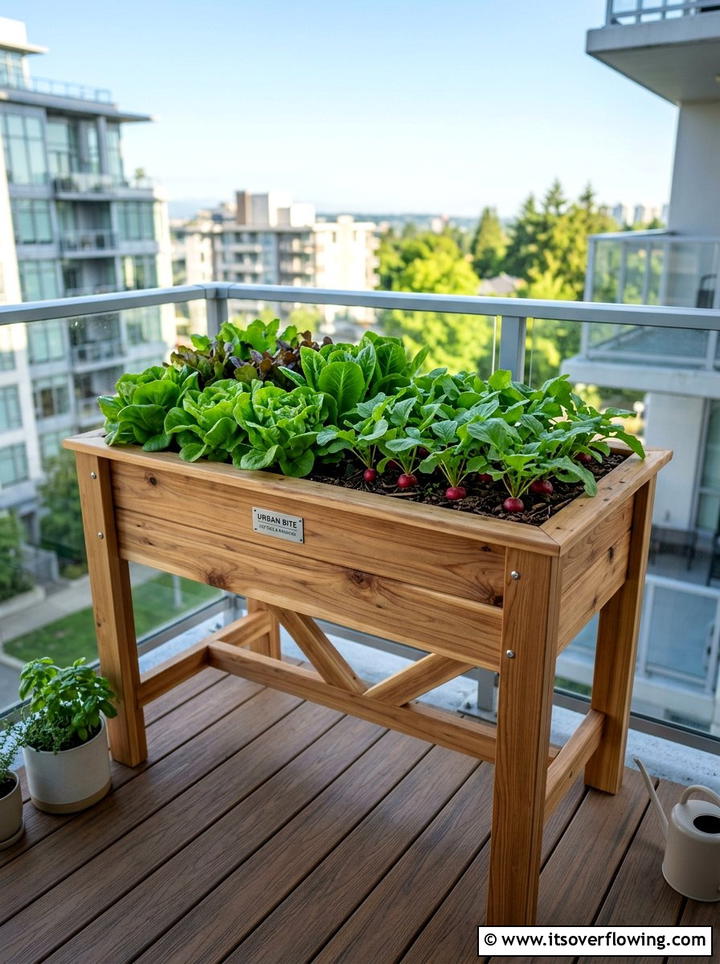
An elevated cedar planter box is an ideal choice for balconies or small patios where you want to garden without bending down at all. These beds are supported by sturdy legs, which lifts the entire growing surface to waist height for maximum accessibility. Cedar is naturally resistant to insects and moisture, making it a long-lasting choice for outdoor containers that will be exposed to the elements. This type of raised bed is perfect for growing salad greens and small root vegetables that don’t require deep soil. Because the bed is off the ground, it also keeps your plants away from common garden pests like slugs and rabbits.
10. Circular Brick Garden Bed
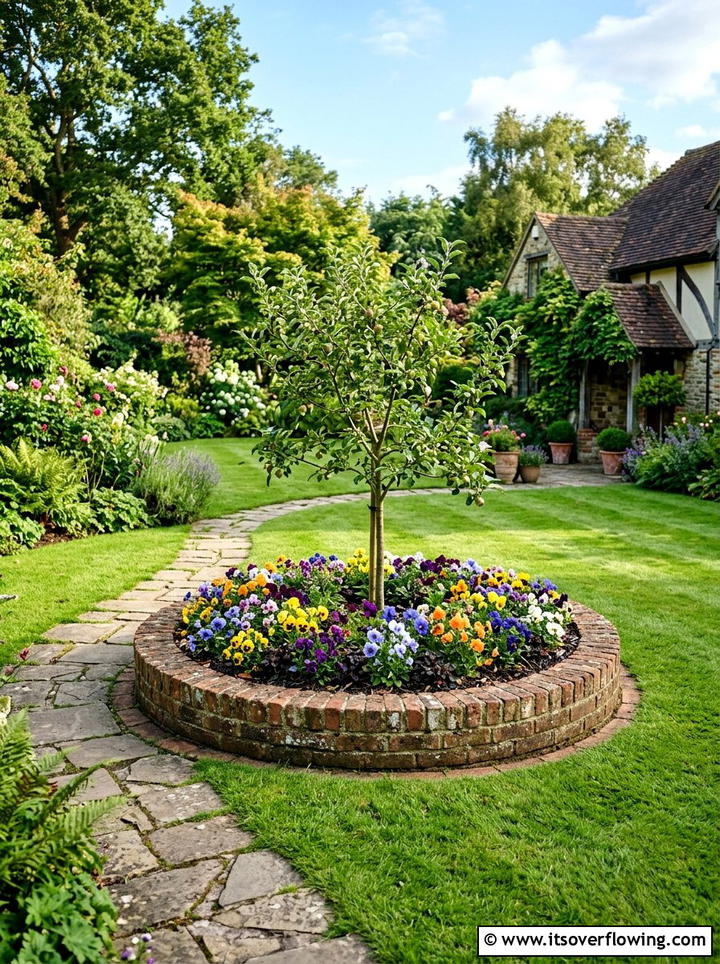
Using bricks to create a circular garden bed breaks up the harsh right angles often found in small city lots. A round raised bed becomes a beautiful focal point in the center of a lawn or at the end of a narrow path. Bricks are easy to work with and allow you to build custom heights that suit your specific gardening needs. This shape encourages you to plant in concentric circles, which can be a very efficient way to use space. You might plant a tall focal point like a dwarf fruit tree in the center and surround it with colorful annuals and trailing vines that soften the brick edges.
11. Raised Bed With Trellis
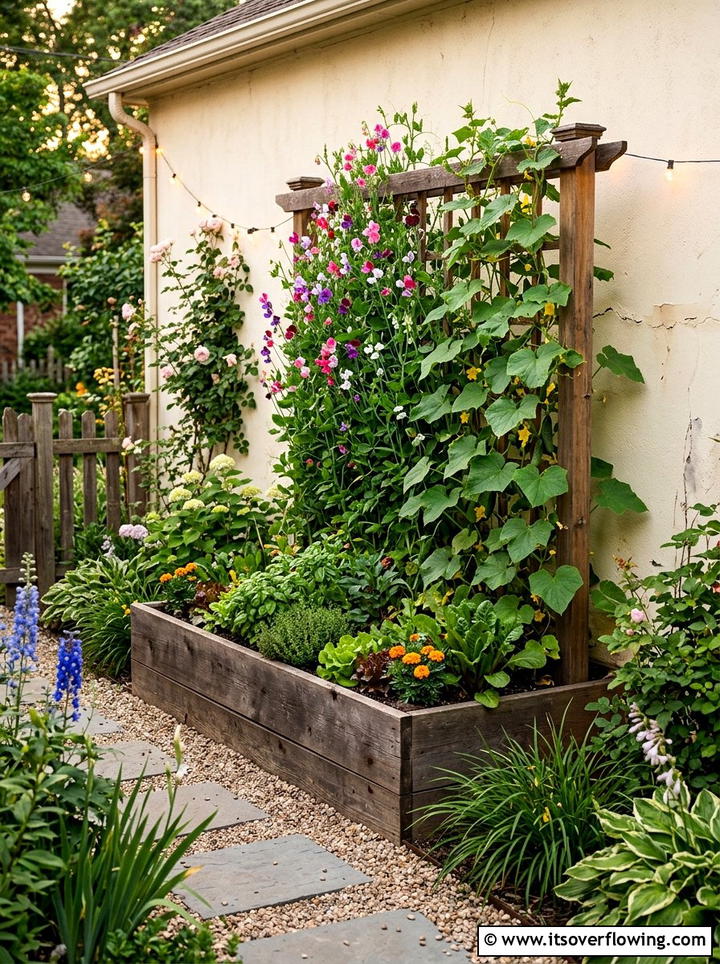
Adding a trellis to your raised bed is the ultimate space-saving hack for any gardener dealing with limited square footage. A raised bed with a trellis allows you to grow sprawling plants like cucumbers, peas, and pole beans vertically rather than letting them take over the ground. The trellis can be made of simple wooden laths or decorative metal wire depending on your personal style preference. This setup not only increases your yield but also improves air circulation around your plants, which helps prevent diseases like powdery mildew. It also creates a beautiful green screen that can provide privacy from neighbors while you are working in your garden.
12. Galvanized Steel Garden Bed
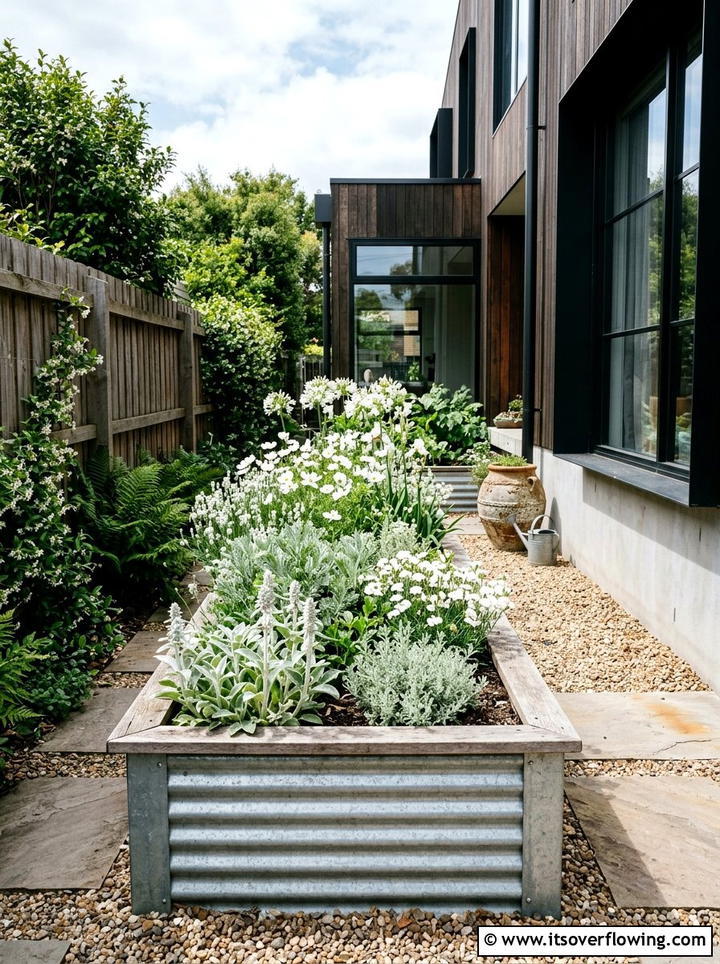
A galvanized steel garden bed offers a lightweight and easy-to-assemble option for those who want a quick garden setup. These beds come in various shapes and sizes, allowing you to fit them into narrow gaps or odd corners of your property. The reflective surface of the steel can help bounce light into shadier parts of the garden, benefiting low-light plants. These beds are also very easy to move if you decide to change your garden layout in the future. Their industrial look provides a striking contrast against soft green foliage and bright flower petals, making your small garden look professionally designed and well-maintained with very little effort.
13. Multi Level Flower Bed
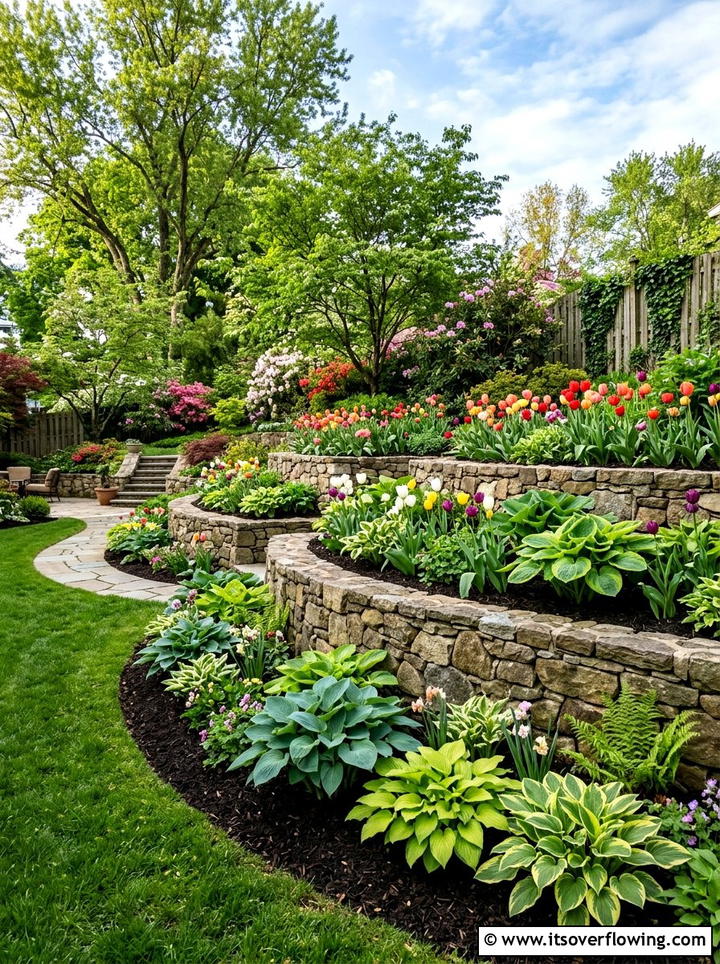
Creating a multi level flower bed is a fantastic way to showcase a large collection of ornamental plants in a compact area. By building steps into your raised bed design, you can ensure that every flower is visible and receives adequate sunlight. This tiered structure allows you to plant taller shrubs at the back and shorter, creeping groundcovers at the front for a layered look. The different heights add a sense of grander scale to a small backyard, making it feel much larger than it actually is. It is a perfect solution for a sloping yard where traditional flat gardening would require expensive and difficult leveling work.
14. Narrow Side Yard Garden
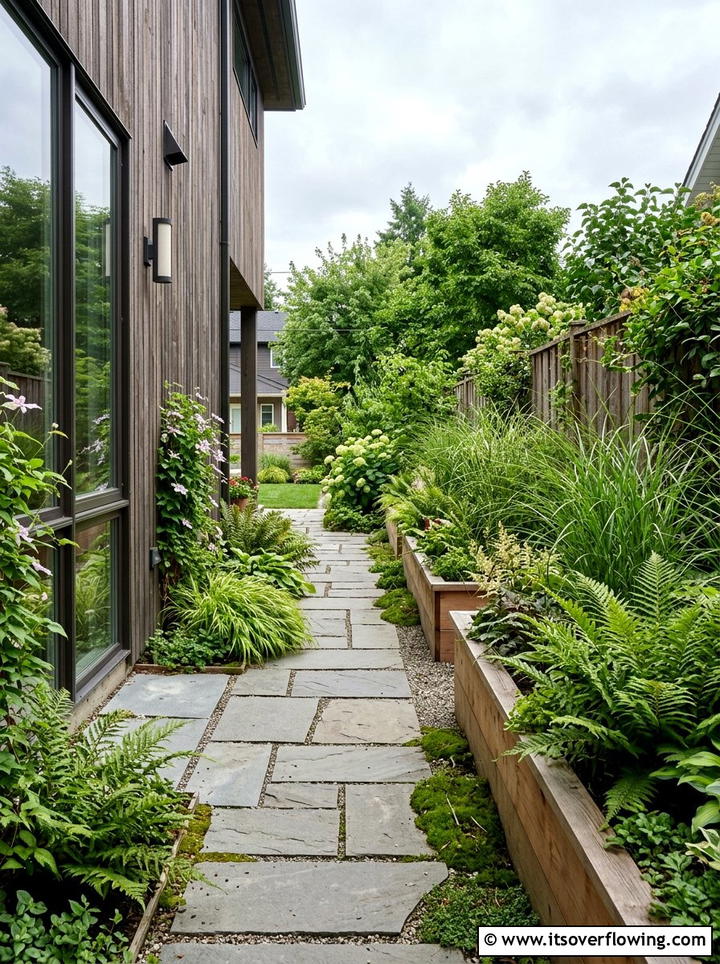
The thin strip of land alongside your house is often wasted space, but it is actually the perfect spot for a narrow side yard garden. By building long, skinny raised beds, you can turn a boring walkway into a productive and beautiful garden path. These beds should be high enough to make maintenance easy while leaving enough room for a person to walk comfortably beside them. You can plant upright varieties like columnar apple trees or tall ornamental grasses to maximize the vertical space without encroaching on the path. This transformation makes the most of every inch of your property and improves the view from your side windows.
15. Portable Raised Bed On Wheels
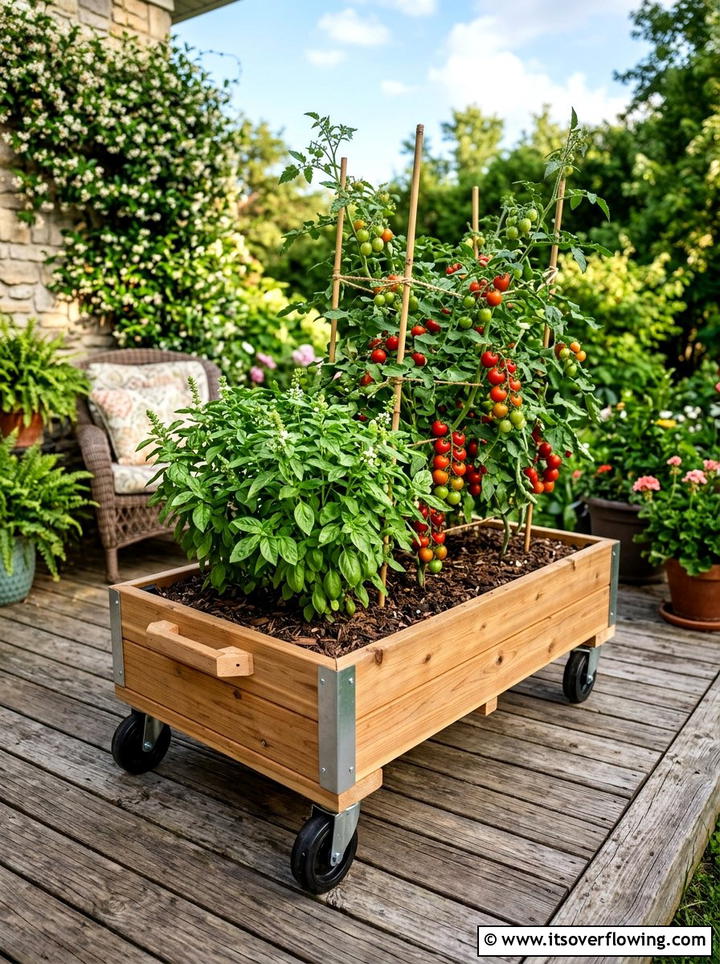
Flexibility is key in a small space, and a portable raised bed on wheels gives you total control over your garden’s location. These beds are usually built on a sturdy frame with heavy-duty casters that allow you to roll your plants into the sun or out of the way during a party. This is a game-changer for those who garden on a patio or deck where sunlight patterns change throughout the year. You can grow sun-hungry peppers in the middle of the deck during the day and move them against the wall at night. It also makes cleaning your patio much easier since you can simply roll the garden away.
16. Deck Railing Planter Box
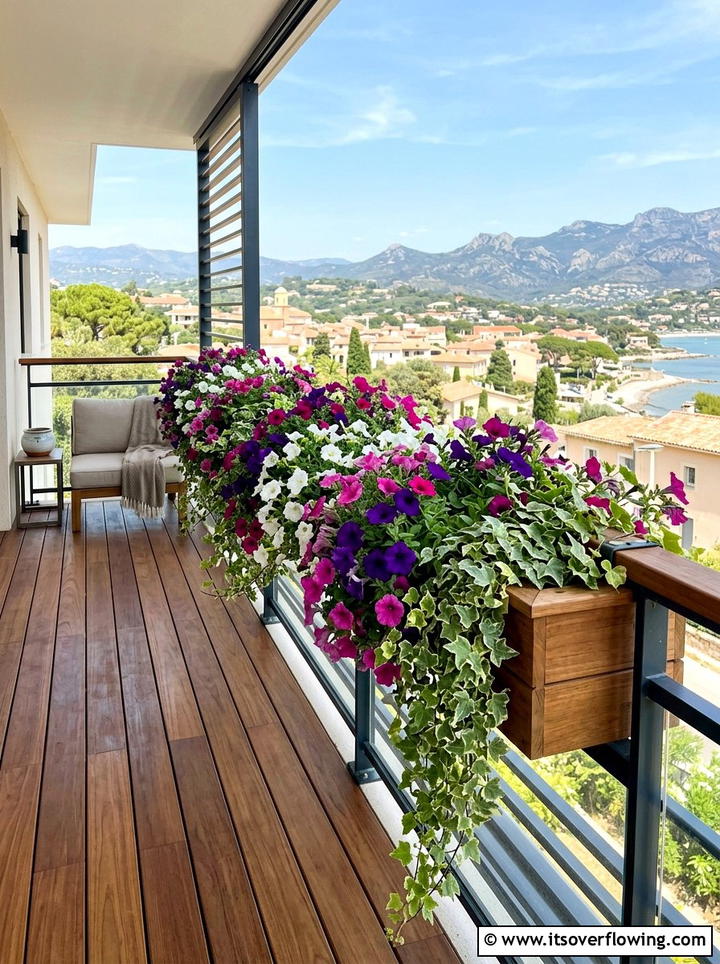
Maximize your outdoor living area by installing a deck railing planter box that sits securely on top of your existing fence or balustrade. This type of raised bed takes up zero floor space, leaving your deck free for tables, chairs, and grills. These long boxes are perfect for creating a lush border of trailing flowers like petunias or functional herbs that you can snip while you are cooking outdoors. The elevated position of these planters keeps them away from pets and provides great drainage for your plants. It effectively turns your railing into a beautiful living fence that enhances the privacy and aesthetic appeal of your entire balcony.
17. Concrete Block Garden Bed
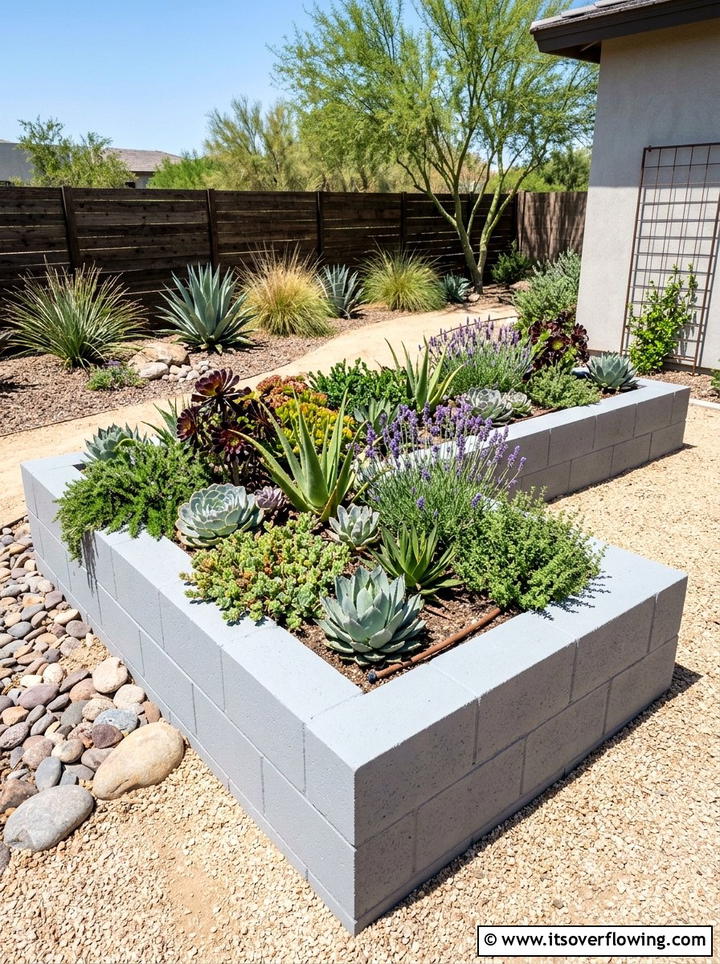
For a budget-friendly and incredibly sturdy option, a concrete block garden bed is hard to beat for a small backyard. You can stack standard cinder blocks to any height and shape, making this a very versatile DIY project for any skill level. The hollow centers of the blocks can also be filled with soil and planted with small succulents or herbs, providing even more growing space. Concrete blocks hold heat well, which can help extend the growing season for warm-weather crops like tomatoes and peppers. You can paint the exterior of the blocks to match your home’s color scheme for a more polished and integrated look.
18. Wattle Fence Garden Bed
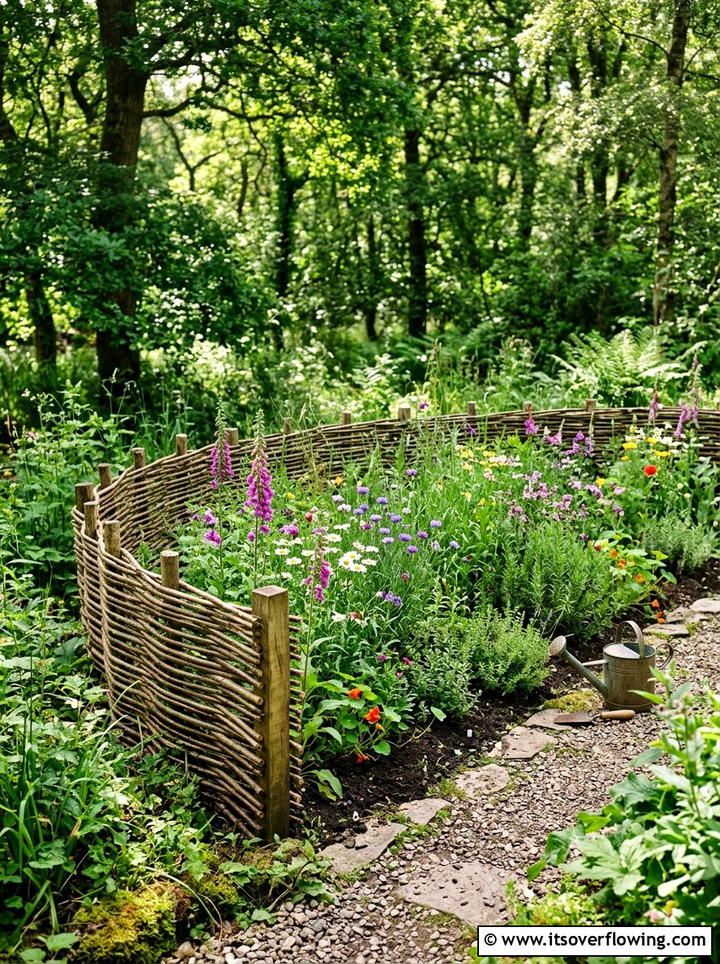
If you prefer a more rustic and natural look, a wattle fence garden bed uses woven branches to create a beautiful textured container. This ancient gardening technique involves weaving flexible sticks like willow or hazel around upright stakes to form a sturdy wall for your soil. It is an eco-friendly choice that uses renewable materials and blends perfectly into a woodland or country garden setting. The woven texture allows for excellent air exchange within the soil, which promotes healthy root growth for your plants. A wattle bed is particularly charming when filled with heritage vegetables and wildflowers, creating a nostalgic and peaceful atmosphere in a small corner.
19. Compact Pollinator Garden
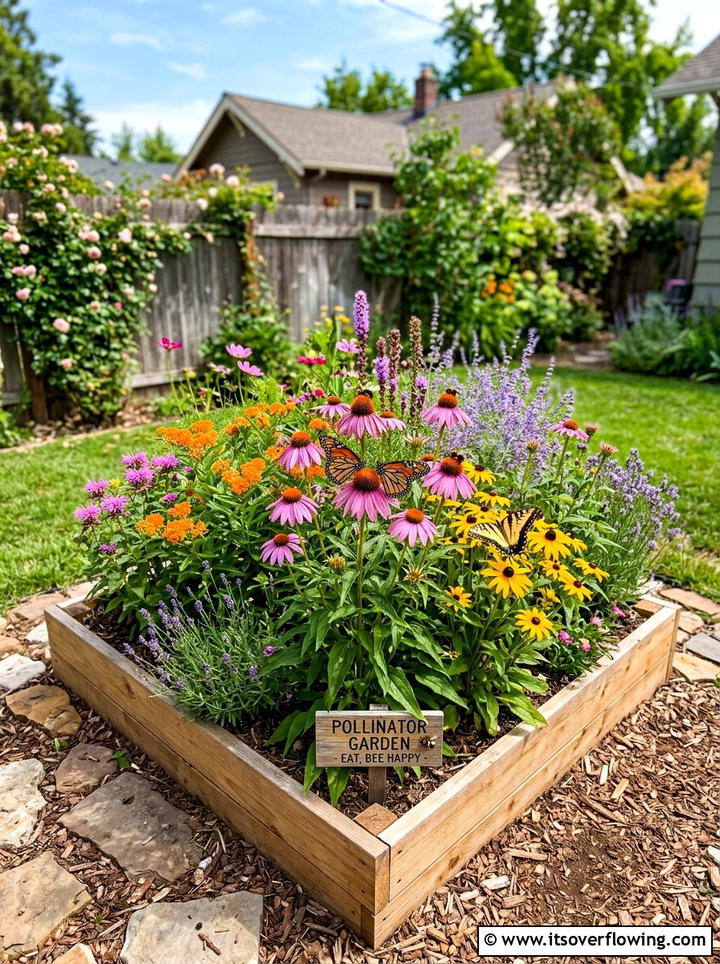
Even the smallest backyard can support local wildlife with a compact pollinator garden housed in a neatly contained raised bed. By selecting a mix of flowering perennials like coneflowers, milkweed, and bee balm, you can provide a vital habitat for butterflies and bees. The raised bed helps to organize these often-wild-looking plants so they appear intentional and tidy within a small landscape. Keeping the pollinator garden in a raised structure also prevents some of the more aggressive native plants from spreading into your lawn or other garden areas. Watching the colorful insects visit your flowers adds a dynamic and educational element to your daily outdoor experience.
20. Raised Bed With Cold Frame
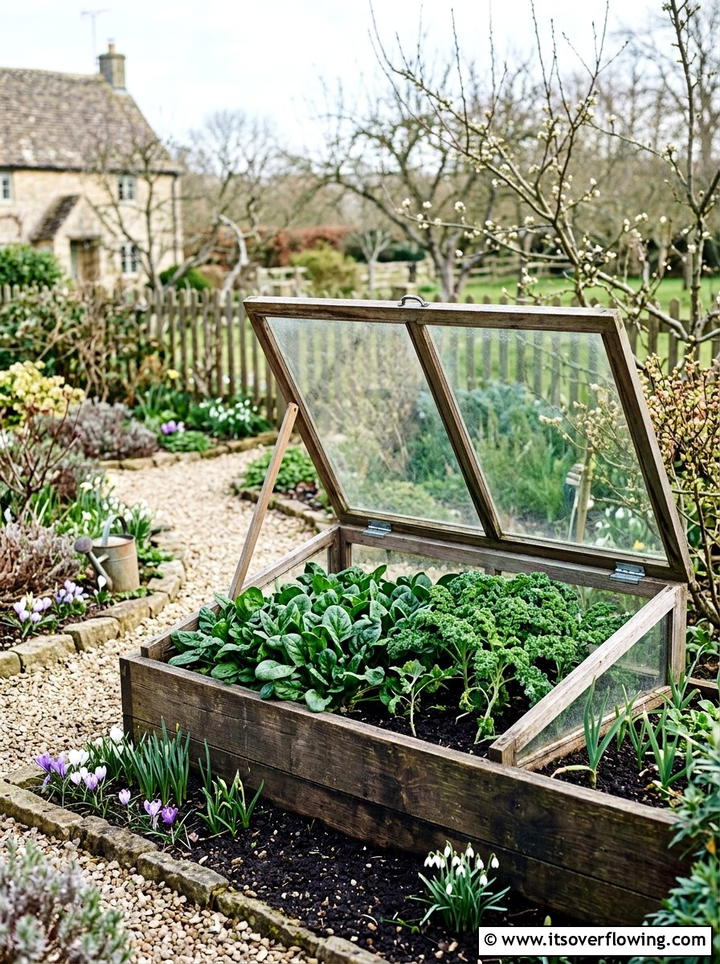
Extend your growing season into the chilly months by adding a cold frame lid to your small raised bed. A cold frame consists of a transparent top, usually made of glass or clear plastic, that traps solar heat and protects tender plants from frost. This setup allows you to start seeds much earlier in the spring and keep harvesting hardy greens well into the winter. It is an essential tool for the dedicated gardener who wants to be productive all year round in a limited space. The lid can be hinged so you can easily prop it open for ventilation on warmer days, ensuring your plants stay healthy.
21. Integrated Garden Bench Planter
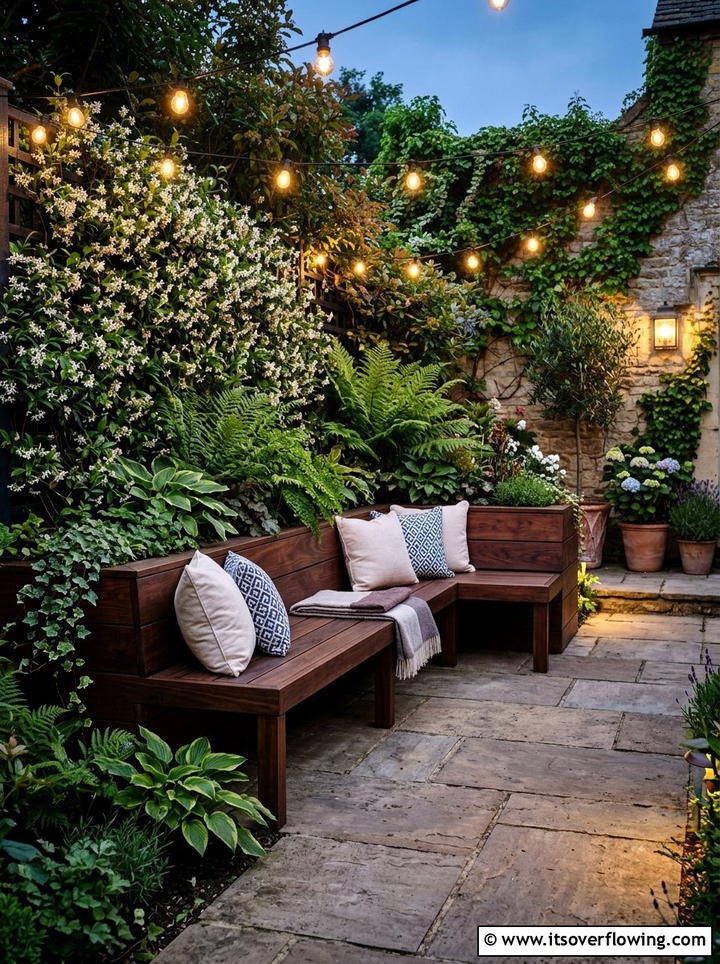
An integrated garden bench planter combines the comfort of outdoor furniture with the beauty of a raised garden bed. This design usually features a central seating area flanked by two tall raised planters on either side, or a long bench with a planter backrest. It creates a cozy nook where you can relax surrounded by the sights and smells of your favorite flowers. This is an excellent way to add structure to a flat patio or to define the edge of a small lawn. By choosing fragrant plants like jasmine or lavender for the planters, you create a truly immersive and relaxing environment for yourself and your guests.
22. Keyhole Garden For Small Space
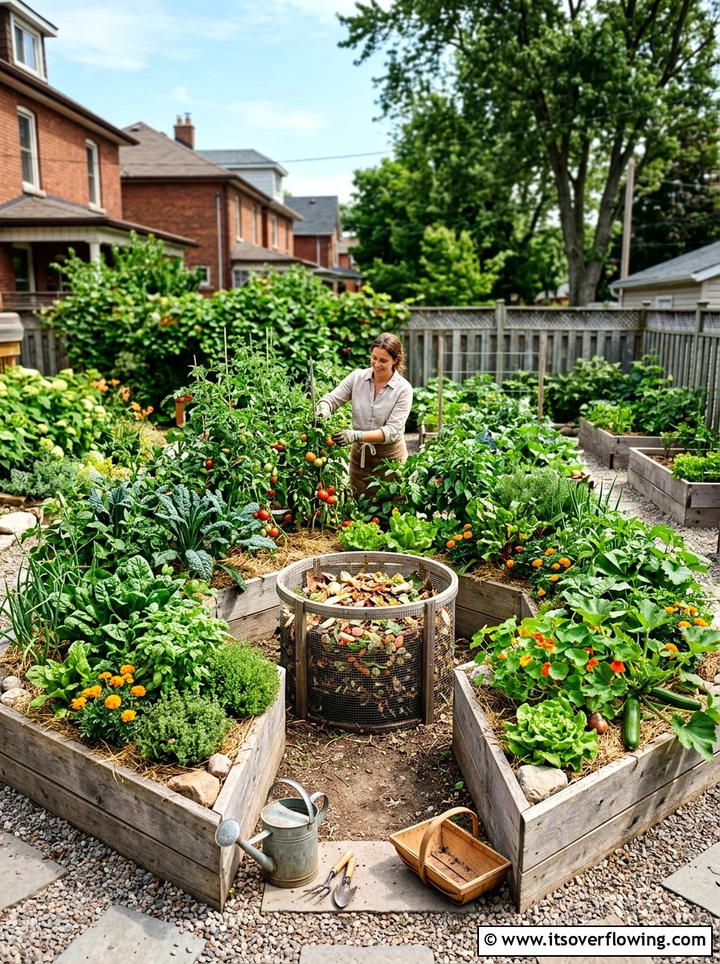
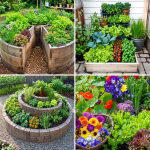
The keyhole garden is a highly efficient circular raised bed design that features a small notch for access and a central composting basket. This design originated in dry climates but works perfectly in small backyards because it maximizes the planting area while recycling kitchen scraps directly into the soil. As you water the central compost pile, nutrients are slowly released to the surrounding plants, reducing the need for additional fertilizers. The circular shape is visually striking and allows you to reach all your vegetables from a single standing position. It is a sustainable and clever way to grow a lot of food in a very small footprint.
23. Shadow Box Garden Bed
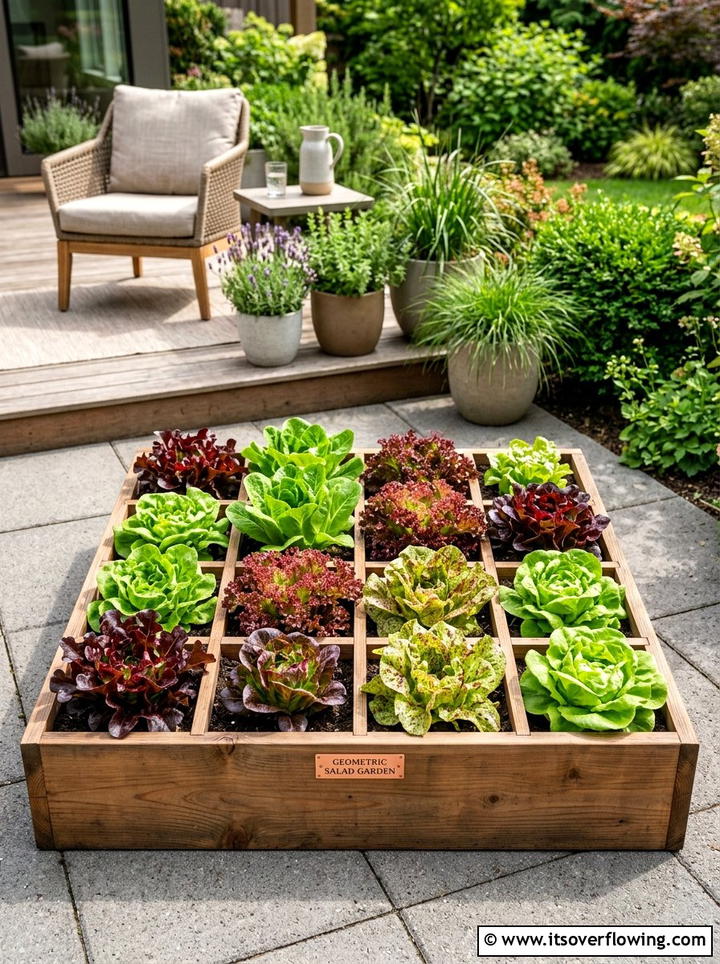
A shadow box garden bed is designed to look like a piece of art, often featuring a deep wooden frame with multiple internal compartments. This structured layout is perfect for the organized gardener who wants to separate different varieties of plants for a clean and modern look. You can create a checkerboard pattern using different shades of lettuce or different textures of succulents to create a living masterpiece. The thick frame of the shadow box provides a wide ledge that can serve as a place to set garden tools or even a drink while you work. It is a great way to make a statement in a very small courtyard.
24. Rooftop Terrace Garden Bed
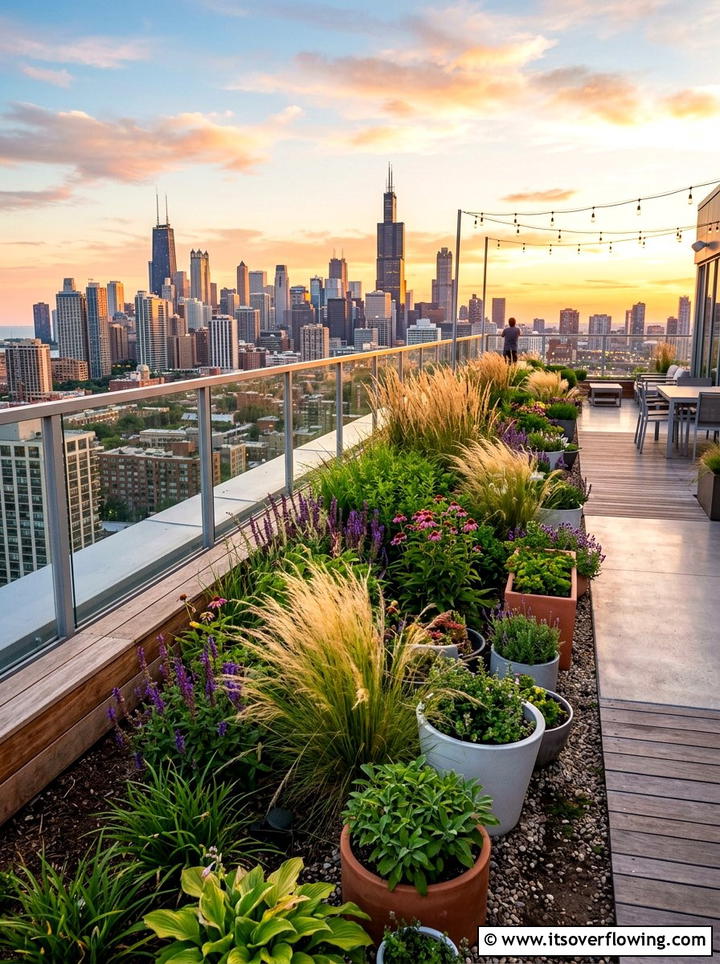
Gardening on a rooftop requires lightweight materials and smart drainage, which makes specialized raised beds an absolute necessity. A rooftop terrace garden bed is usually made of durable composite materials or lightweight metal to avoid putting too much stress on the building’s structure. These beds allow you to create a lush green retreat high above the city streets, providing a much-needed connection to nature. Because rooftops are often windy and hot, these beds should be deep enough to hold plenty of moisture-retaining soil. You can grow a mix of ornamental grasses and hardy shrubs that can withstand the unique environmental conditions of an elevated outdoor space.
25. Recycled Pallet Garden Bed
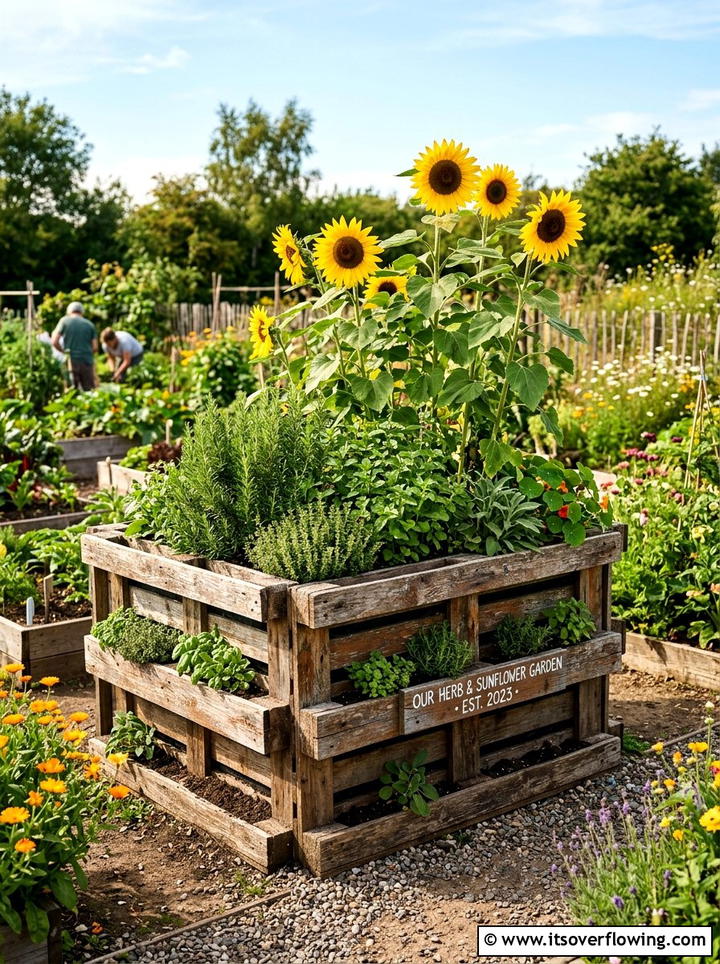
For an affordable and sustainable project, a recycled pallet garden bed is a popular choice for urban gardeners on a budget. You can easily take apart old wooden pallets and reconstruct them into sturdy raised boxes or vertical planters. This reclaimed wood adds a trendy industrial or rustic vibe to your small garden while keeping useful materials out of the landfill. It is important to ensure the pallets were not treated with harmful chemicals if you plan on growing edible crops. Once built, you can stain or paint the wood to give it a fresh look that matches your personal style and garden theme perfectly.
Conclusion:
Investing in raised beds is a transformative way to approach small-scale gardening, offering both functional efficiency and aesthetic charm. Whether you choose the modern look of galvanized steel or the natural warmth of cedar, these structures provide the perfect foundation for a productive outdoor space. By focusing on vertical elements, multi-purpose furniture, and organized layouts, you can overcome the limitations of a tiny yard or balcony. The ability to control soil quality and improve accessibility ensures that your gardening journey remains enjoyable and successful for years to come. Start small, plan your layout carefully, and watch as your compact garden blossoms into a beautiful and abundant sanctuary.

Related posts:
 25 Garden Design Ideas With Raised Beds for Productive Style
 25 Garden Ideas With Raised Beds for Better Growing
 25 Creative Garden Ideas With Keyhole Garden Beds
 25 Creative Garden Ideas With Dry Creek Beds to Inspire
 25 Creative Garden Ideas With Geometric Beds
 25 Creative Garden Ideas With Pollinator Beds for More Blooms
 25 Creative Garden Ideas With Reclaimed Wood Beds to Try
 25 Creative Garden Ideas With Spiral Herb Beds to Try Now
 25 garden design ideas with dry creek beds: Natural Drainage
 25 Garden Design Ideas With Succulent Beds for Low-Care Style
 25 Creative Garden Ideas for Narrow Spaces: Smart Layouts
 25 Garden Ideas With Vertical Gardens For Small Spaces