
Transforming your backyard into a buzzing sanctuary is one of the most rewarding projects you can undertake this season. Creating a space that supports local bees, butterflies, and hummingbirds adds a vibrant layer of life to your home environment. Many homeowners are now choosing to blend aesthetic beauty with ecological purpose by installing dedicated pollinator beds. These specialized gardens do more than just look pretty; they provide essential nectar and nesting sites for creatures that help our entire food system thrive. Whether you have a sprawling estate or a small urban balcony, there are endless ways to integrate these helpful habitats into your existing landscape design seamlessly.
1. Native wildflower meadow
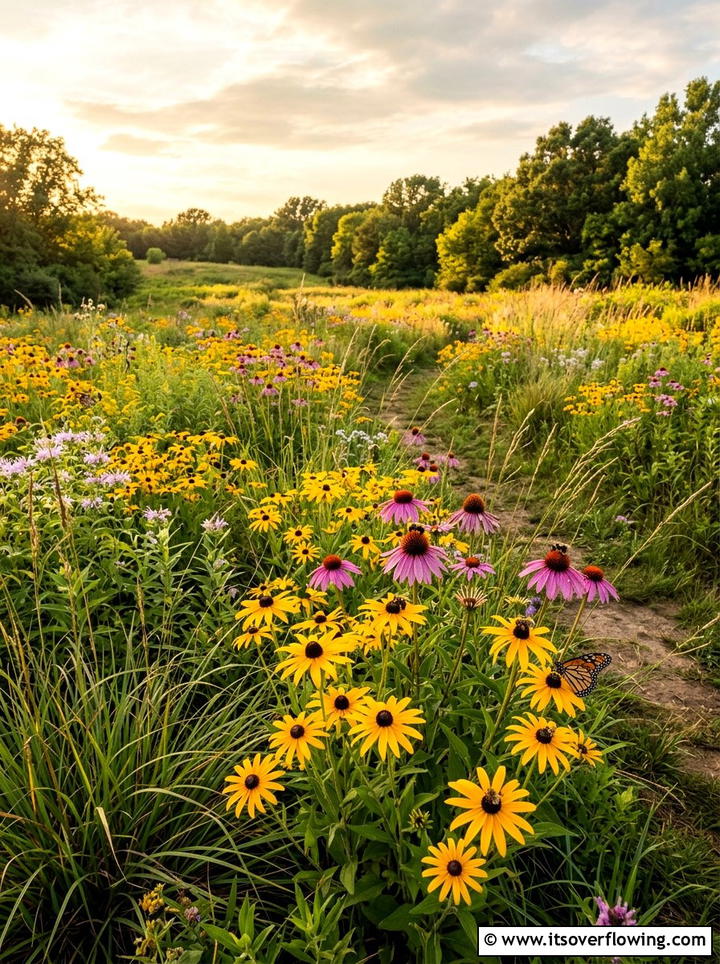
Establishing a native wildflower meadow is a fantastic way to support local biodiversity while creating a low-maintenance landscape feature. You can begin by selecting seeds that are indigenous to your specific region, as these plants have already adapted to your local soil and climate conditions. This approach ensures that your garden will thrive without the need for excessive watering or chemical fertilizers. These meadows often include a mix of grasses and flowering perennials like black-eyed Susans or coneflowers. As these plants grow, they offer a continuous source of nectar from spring through late fall. The tall stems also provide shelter for ground-nesting bees and various beneficial insects throughout the winter months.
2. Lavender border garden
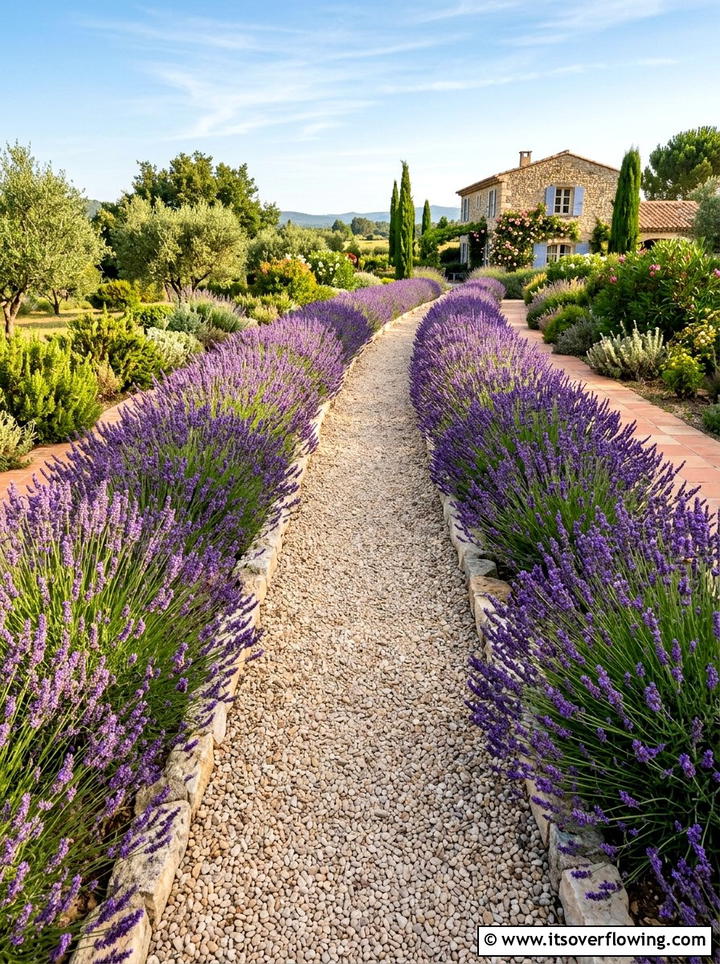
Planting a lavender border along your garden paths or driveway creates a stunning visual and sensory experience. Lavender is highly attractive to honeybees and bumblebees because of its high nectar content and long-lasting blooms. These hardy perennials prefer full sun and well-drained soil to thrive throughout the warmer months. When you brush past the plants, they release a relaxing aroma that enhances your outdoor living space. You can choose different varieties like English or French lavender to vary the heights and shades of purple in your border. This structured look provides a clean edge to your landscape while acting as a reliable food source for local pollinators.
3. Butterfly nectar garden
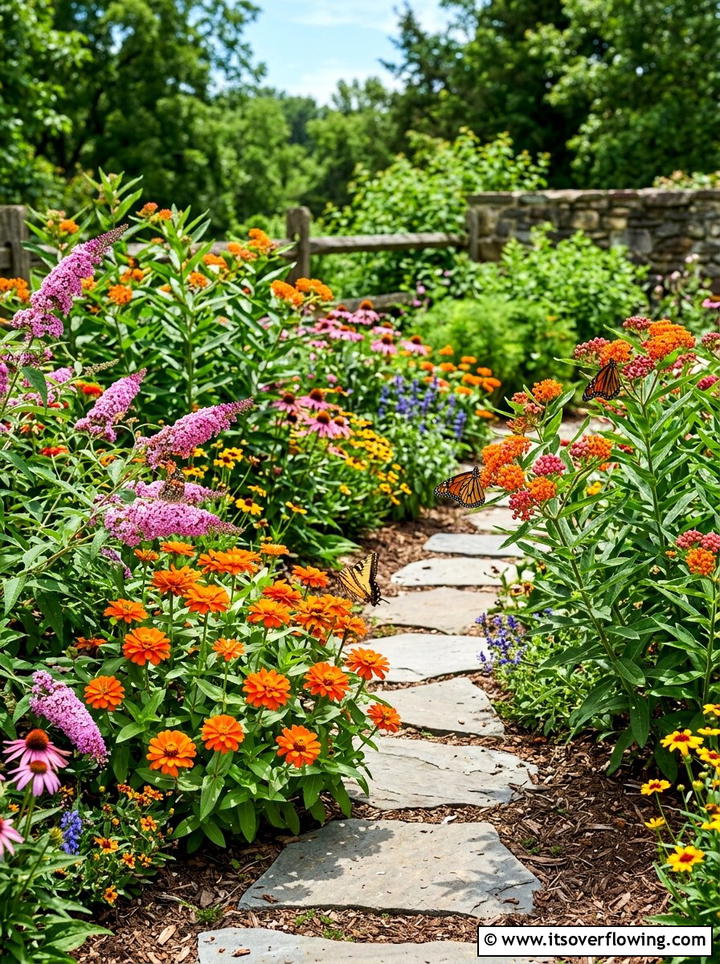
Creating a garden specifically for butterflies requires a mix of nectar plants and host plants for caterpillars. You should include bright, flat-topped flowers like zinnias and butterfly bush, which provide easy landing platforms for these delicate insects. It is also important to plant milkweed if you want to support the monarch butterfly population during their migration. Butterflies are attracted to sunny, sheltered spots where they can feed without being buffeted by strong winds. Adding a few flat stones in the sun allows them to warm their wings before flying. This type of garden brings incredible movement and color to your yard as different species visit daily.
4. Cottage garden pathway
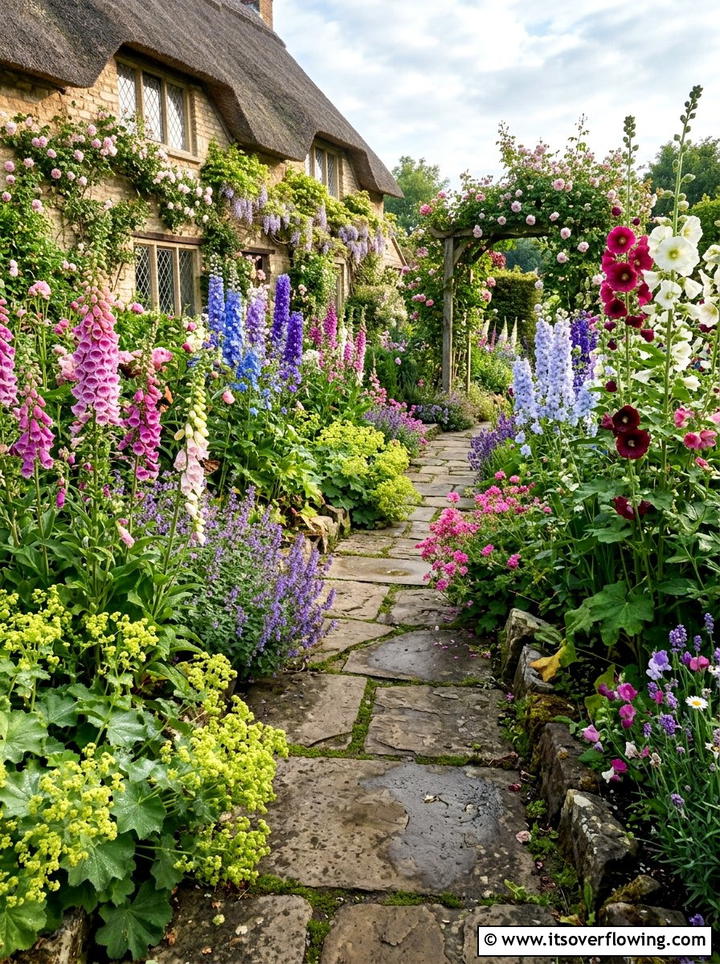
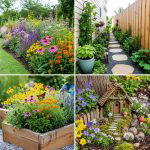
A cottage garden pathway uses a dense planting style to create a romantic and overflowing look. You can line a winding stone or gravel path with a mix of foxgloves, hollyhocks, and delphiniums to attract long-tongued bees. The informal structure of a cottage garden allows for a high variety of plant species in a relatively small area. This diversity is excellent for pollinators as it provides a buffet of different flower shapes and sizes. You can tuck low-growing herbs like creeping thyme between the stepping stones to release fragrance and provide tiny blooms. This design style turns a simple functional walkway into a lush, immersive pollinator corridor.
5. Hummingbird trellis garden
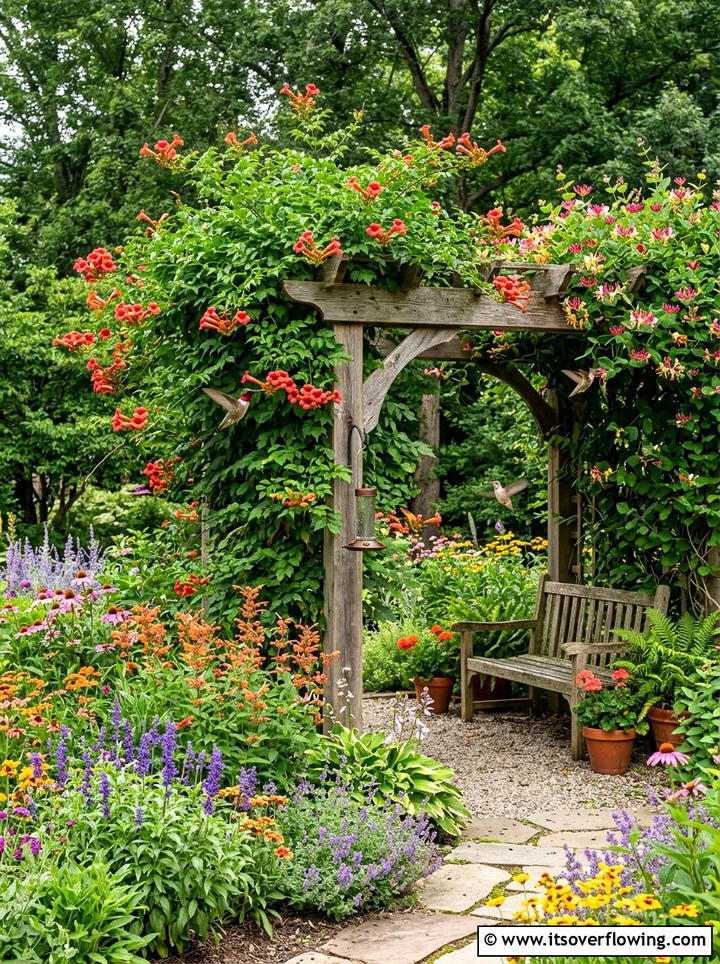
Installing a trellis or arbor with climbing vines is an excellent way to attract hummingbirds to your garden. These tiny birds are particularly drawn to tubular flowers that are red, orange, or bright pink. Trumpet vine, honeysuckle, and clematis are perfect choices for vertical growth on a wooden or metal structure. As these vines climb, they create a vertical feeding station that keeps the birds safe from ground predators. You can place the trellis near a window so you can enjoy the sight of these fast-moving birds from inside. Combining these climbers with lower-growing salvias creates a multi-layered habitat that maximizes nectar production in small outdoor spaces.
6. Gravel pollinator garden
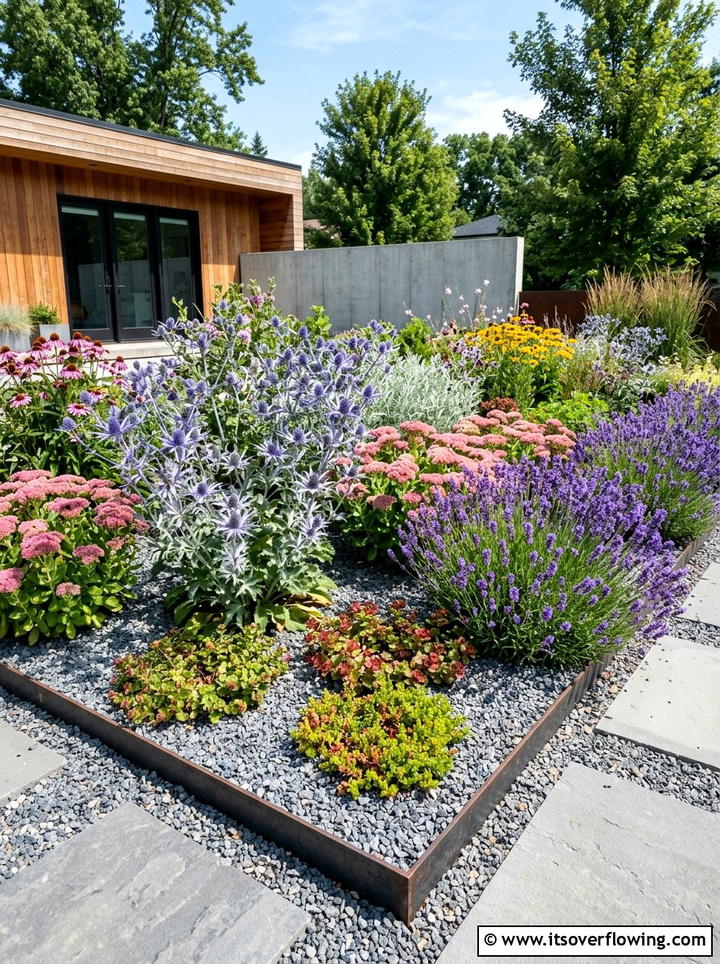
A gravel garden is a modern and sustainable choice for homeowners looking to reduce water usage while helping bees. By using a thick layer of gravel as mulch, you create a well-drained environment that is perfect for Mediterranean herbs and drought-tolerant wildflowers. Plants like sedum, gaura, and sea holly thrive in these conditions and are magnets for various bee species. The gravel also reflects heat, which many sun-loving pollinators enjoy during the cooler morning hours. This design requires very little weeding and provides a clean, contemporary aesthetic. You can use different colors of gravel to complement the tones of your house and the surrounding natural landscape.
7. Raised garden bed companion plants
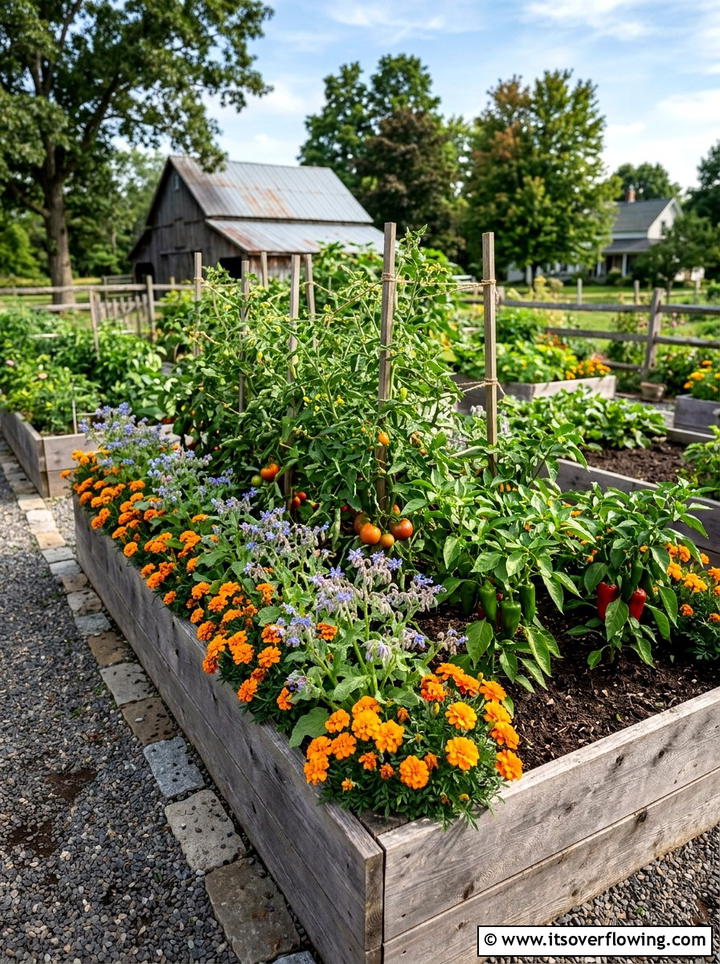
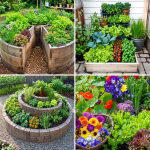
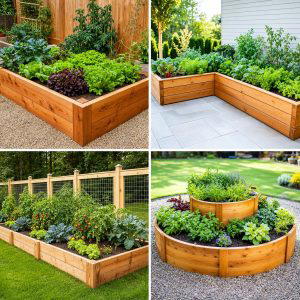
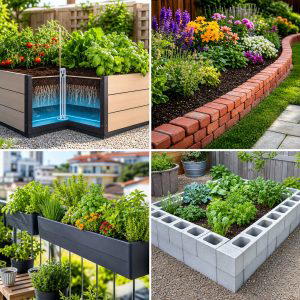
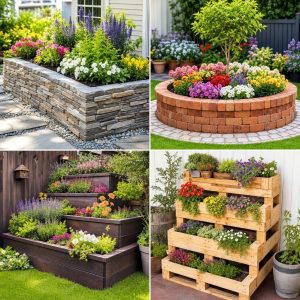
Integrating pollinator beds directly into your vegetable patches using raised beds can significantly increase your crop yields. Many common vegetables like zucchini, tomatoes, and cucumbers rely heavily on bees for pollination to produce fruit. By planting marigolds, nasturtiums, and borage along the edges of your raised beds, you draw these beneficial insects exactly where they are needed most. These flowering plants also help to deter pests and improve the overall health of your soil. The elevated nature of raised beds makes it easier to manage the soil quality and keep the flowers looking neat. This functional approach creates a beautiful and highly productive backyard kitchen garden.
8. Rock garden with succulents
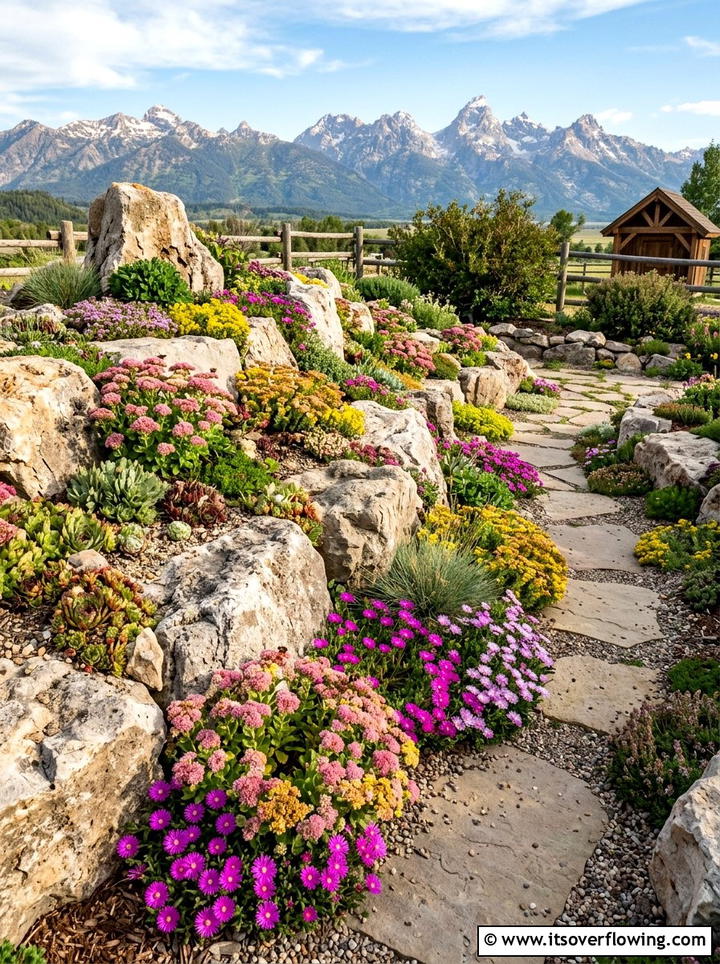
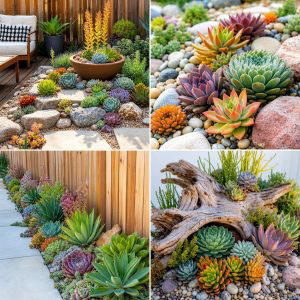
Rock gardens offer a unique environment for specialized pollinator plants that enjoy rocky and dry conditions. You can use large boulders and smaller stones to create crevices where you can tuck in various species of flowering succulents. Sedums and ice plants are excellent choices because they produce clusters of tiny flowers that are very popular with smaller bee species. The rocks absorb heat during the day and release it slowly at night, creating a warm microclimate for your plants. This type of garden is ideal for sloped areas or corners of the yard where traditional grass struggles to grow. It provides a rugged, natural look that is very durable.
9. Shade garden with woodland flowers
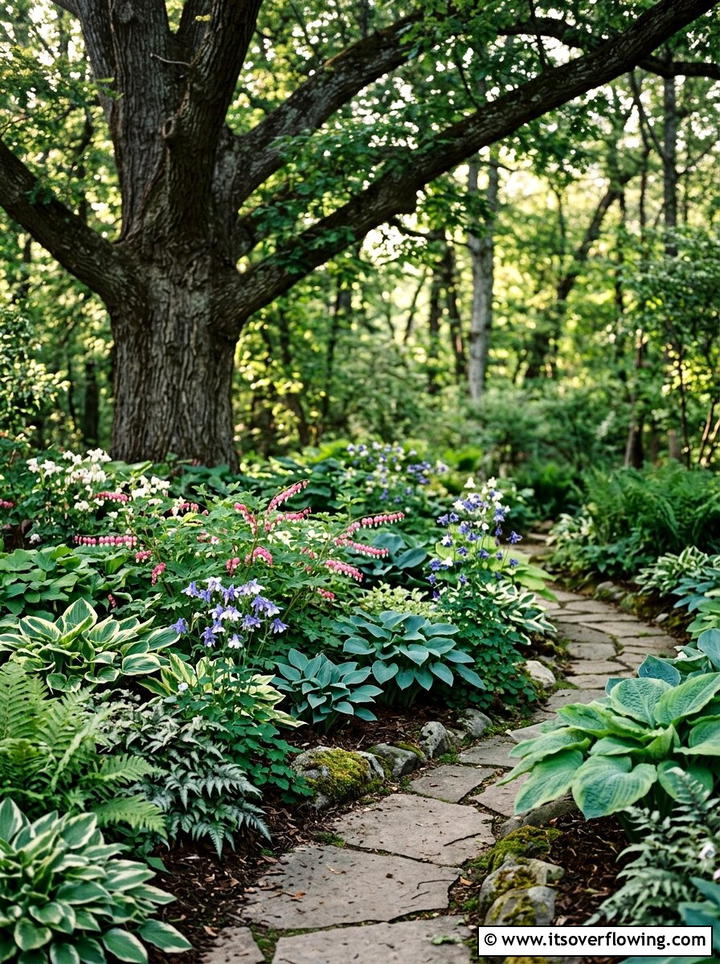
You do not need a full-sun location to create a successful pollinator bed for your home. A shade garden featuring woodland natives like bleeding hearts, wild columbine, and hostas can provide vital resources for early spring insects. Many pollinators emerge when the weather is still cool and rely on these shade-loving plants for their first meals of the season. Adding a layer of leaf mulch helps mimic a forest floor, which provides nesting material for various beneficial garden bugs. These gardens offer a cool and serene retreat for you to enjoy during the hot summer months. The soft textures and subtle colors create a peaceful atmosphere in any backyard.
10. Rain garden with native shrubs
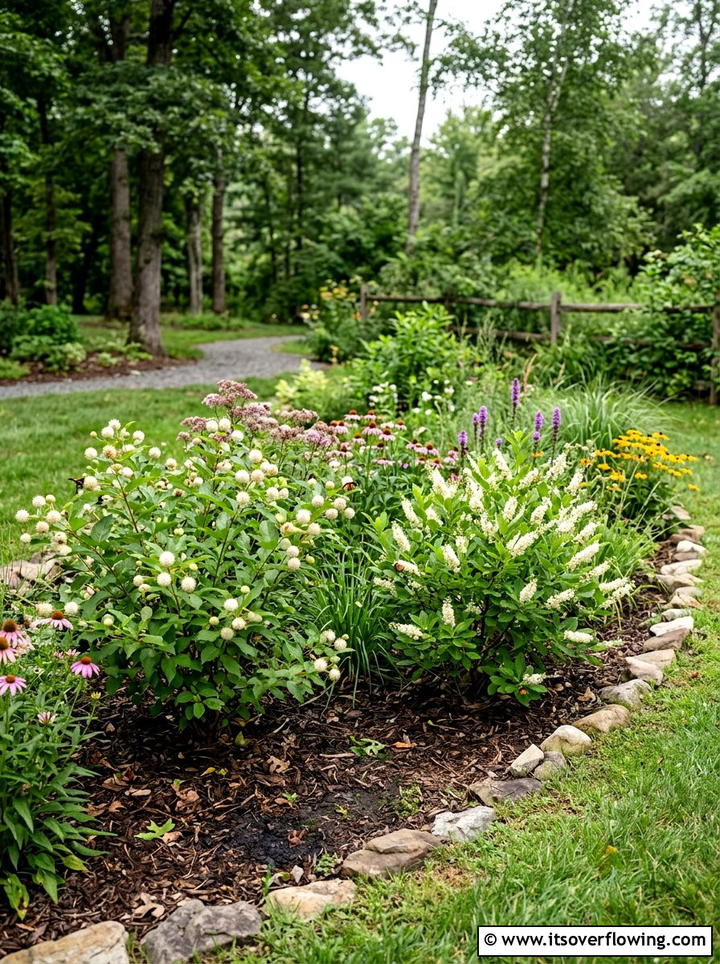
Creating a rain garden in a low-lying area of your property helps manage runoff while providing a lush habitat. You can plant moisture-loving native shrubs like buttonbush and summersweet, which produce highly fragrant flowers that attract butterflies and bees. These plants have deep root systems that help filter rainwater into the ground, preventing erosion and local flooding. A rain garden acts as a natural sponge and becomes a thriving ecosystem for both insects and amphibians. The variety of textures from grasses and flowering shrubs makes this a focal point in the landscape. It is a smart way to turn a soggy problem area into a beautiful pollinator destination.
11. Xeriscape garden for dry climates
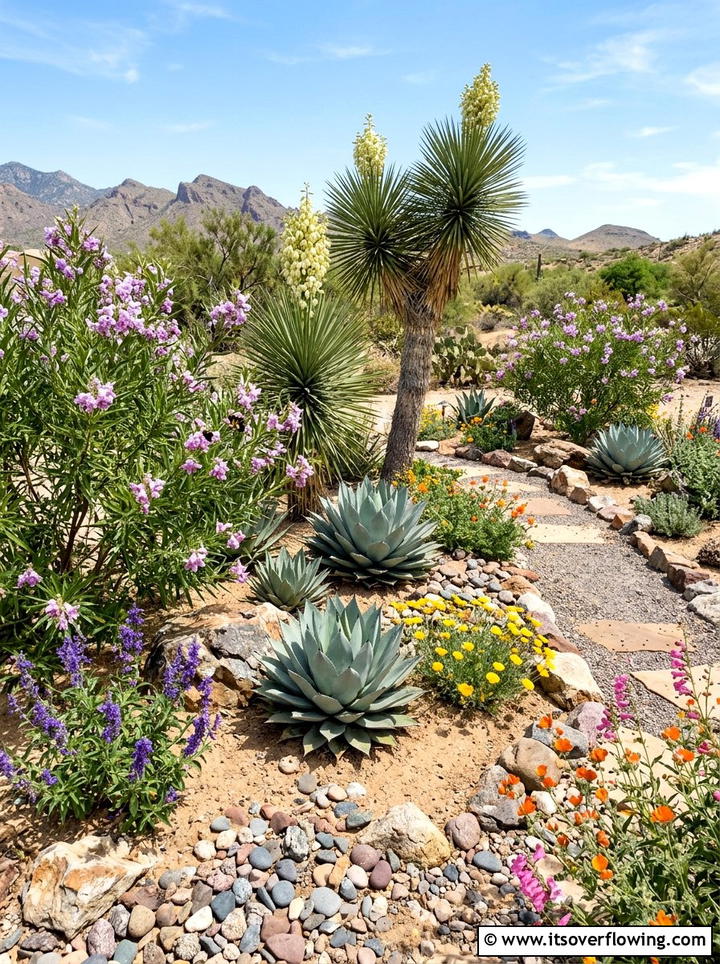
Xeriscape gardens are designed to thrive in arid conditions with minimal supplemental irrigation. You can use a variety of desert-adapted plants like agave, yucca, and desert willow to create a striking and water-wise pollinator bed. Many of these plants produce large, nectar-rich blooms that are specifically adapted to attract local hummingbirds and moths. Using a palette of silvers, greens, and earthy tones helps the garden blend into a dry environment naturally. This type of gardening is becoming increasingly popular as a way to conserve water while still maintaining a beautiful yard. It shows that you can support wildlife even in the most challenging and dry growing conditions.
12. Herb garden spiral
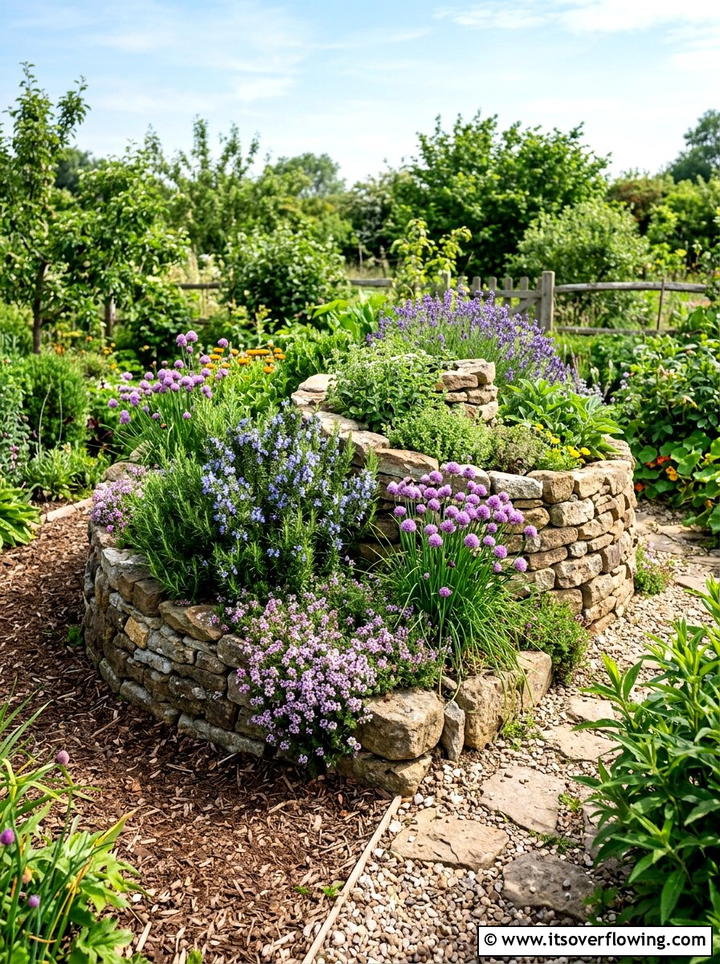
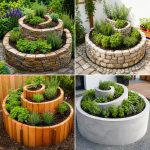
An herb spiral is a clever vertical design that creates different microclimates in a very compact footprint. By stacking stones or bricks in a spiral shape, you can plant moisture-loving herbs at the bottom and drought-tolerant ones at the top. Flowering herbs like rosemary, thyme, oregano, and chives are incredible for attracting bees and other beneficial insects. This design is not only visually interesting but also highly functional for a small kitchen garden. The varied heights and orientations ensure that something is almost always in bloom throughout the season. It provides a concentrated source of food for pollinators while giving you fresh ingredients for your home-cooked meals.
13. Fruit tree orchard garden
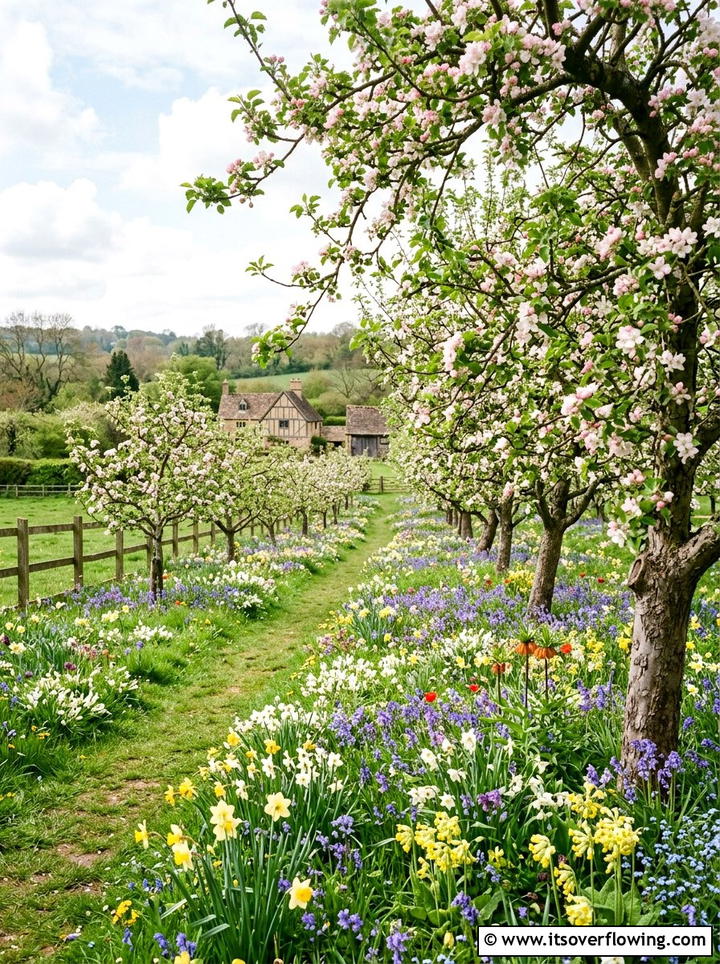
Planting a small orchard of fruit trees provides a massive burst of nectar during the critical spring season. Trees like apple, cherry, and peach produce thousands of blossoms that act as a primary food source for emerging bees. You can enhance the pollinator value by planting a diverse selection of wildflowers and bulbs around the base of the trees. This “understory” planting ensures that there are still flowers available once the tree blossoms have fallen. The trees also provide essential nesting sites and protection for birds and larger insects. This combination of trees and flowers creates a multi-dimensional garden that is both beautiful and yields a delicious summer harvest.
14. Small balcony container garden
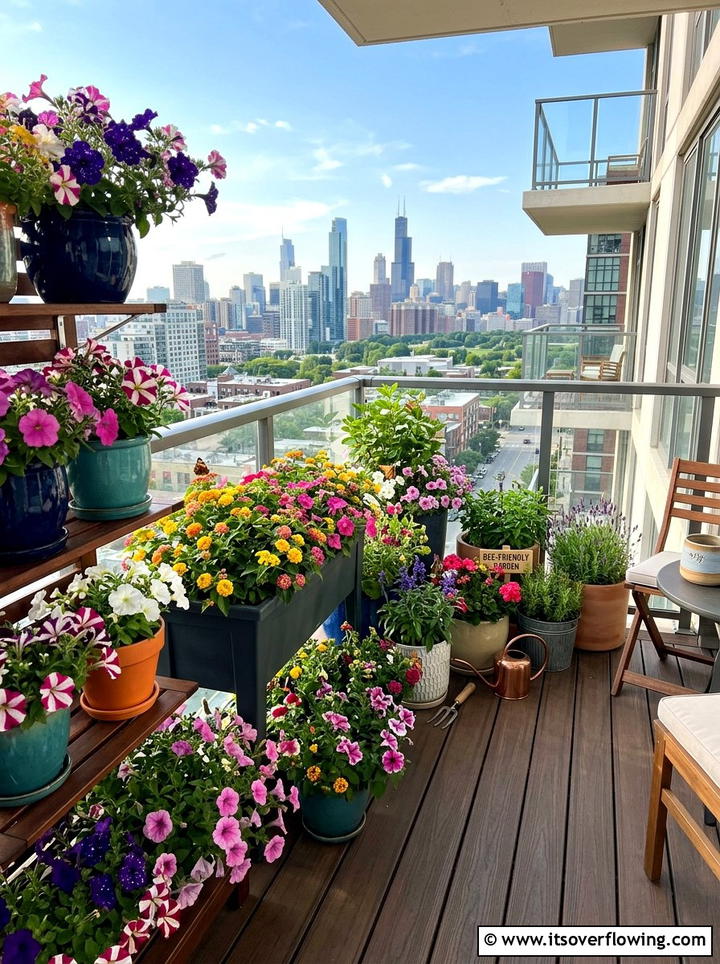
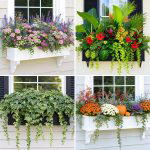
If you live in an apartment, you can still create a thriving pollinator bed using a collection of containers. Using pots of varying sizes allows you to grow a diverse range of flowers like petunias, lantana, and fuchsia on your balcony. These colorful displays are easily seen by passing butterflies and hummingbirds even in urban settings. You can use high-quality potting soil and organic fertilizers to keep your plants blooming vigorously all summer long. Vertical planters and hanging baskets can help you maximize your limited space and create a lush wall of color. This approach brings nature closer to your daily life while providing a vital urban stopover for insects.
15. Wildflower lawn alternative
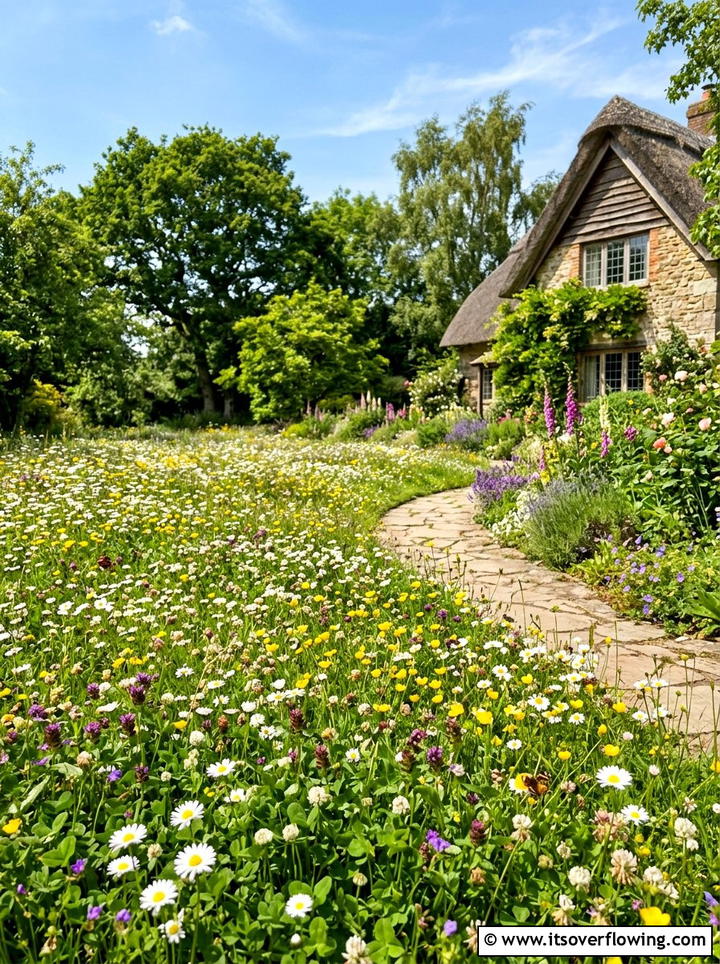
Replacing a traditional grass lawn with a wildflower alternative is a bold and eco-friendly design choice. A wildflower lawn requires no mowing and uses significantly less water than a standard turf lawn. You can use a blend of low-growing flowers like clover, daisies, and self-heal to create a soft, walkable surface that is full of life. This large-scale pollinator bed transforms a boring green space into a kaleidoscope of colors and textures. It also eliminates the need for harmful pesticides and herbicides that can hurt the very insects you want to protect. A wildflower lawn creates a whimsical, natural look that makes your home stand out in the neighborhood.
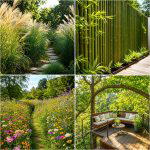
16. Perennial border garden
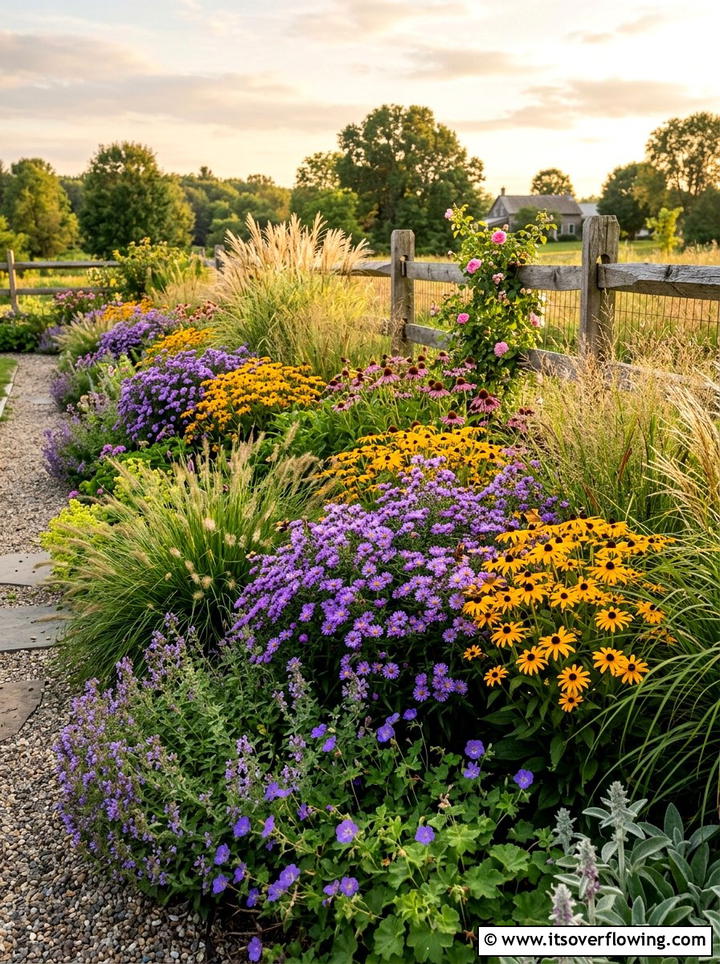
A perennial border garden is a classic landscaping choice that provides reliable color year after year. By selecting a sequence of plants that bloom at different times, you can ensure a constant supply of nectar for your garden visitors. You might start with spring bulbs, move into mid-summer cone flowers, and finish with late-autumn asters. This long-term approach to gardening builds a stable habitat that pollinators can return to every season. These borders can be used to define the edges of your property or to create separate “rooms” within your yard. The deep roots of perennial plants also help to improve soil structure and sequester carbon over time.
17. Fragrant night blooming garden
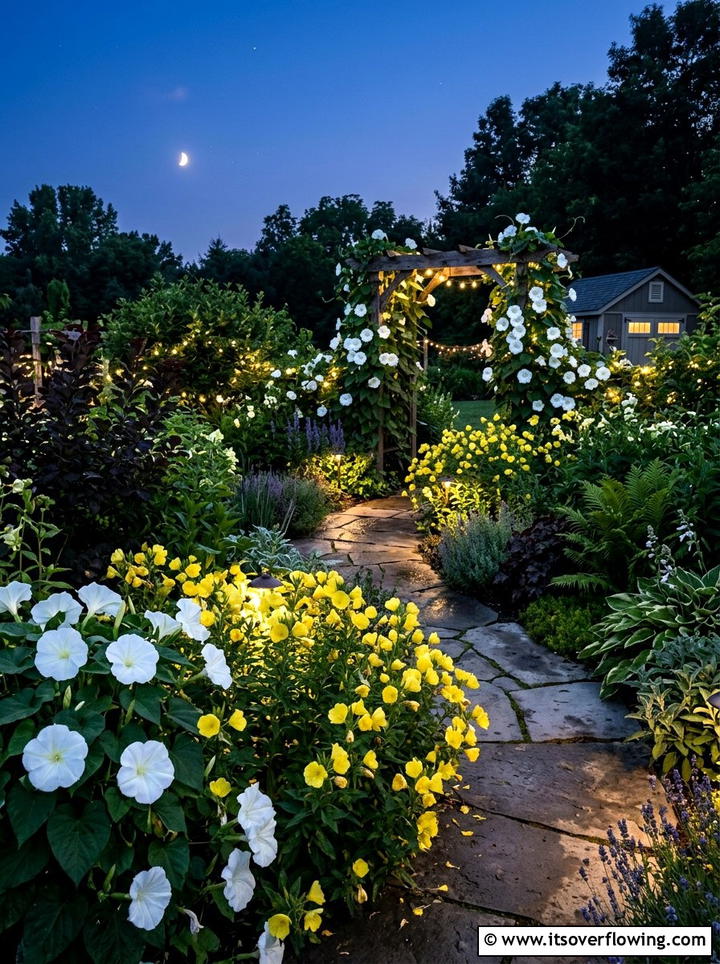
Many people forget that moths are also important pollinators that work while we are asleep. You can create a specialized night-blooming garden featuring flowers that release their scent and open their petals after dusk. Plants like evening primrose, moonflower, and night-scented stock are perfect for attracting these nocturnal visitors. These flowers are often white or pale in color so they can be easily seen in the moonlight. Placing this garden near a patio or bedroom window allows you to enjoy the sweet fragrances during warm summer evenings. This unique approach adds a touch of mystery to your landscape while supporting a different group of beneficial insects.
18. Wildlife pond garden
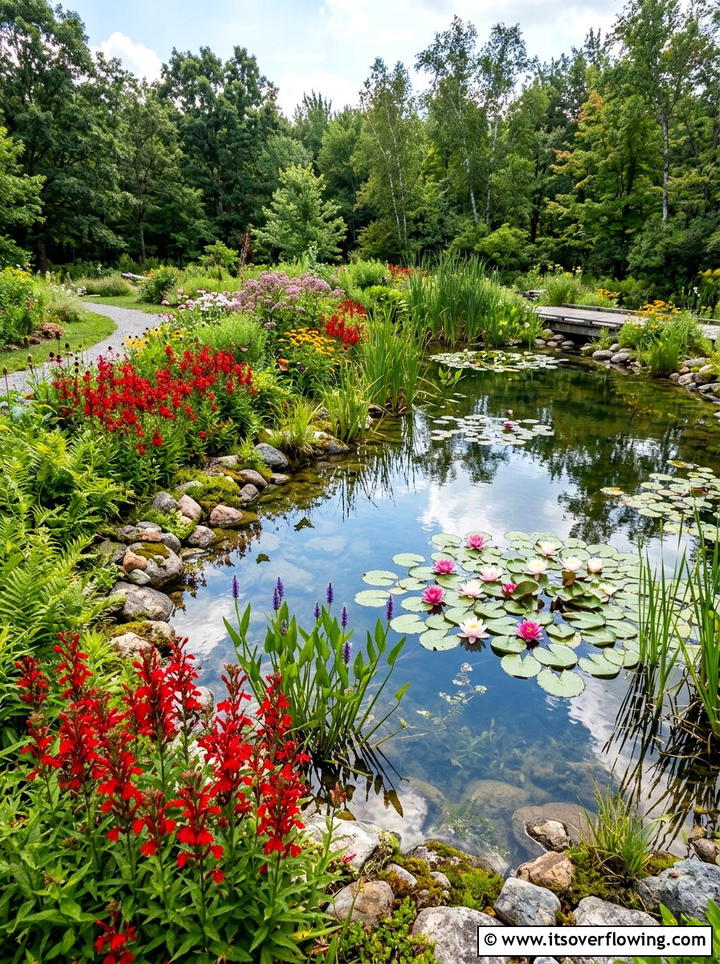
Adding a water feature like a small pond creates a complete ecosystem that supports a wide range of life. You can plant aquatic flowers like water lilies and pickerel weed, which provide nectar and resting spots for dragonflies and bees. The surrounding damp soil is perfect for moisture-loving pollinator plants like cardinal flowers and marsh marigolds. Providing a clean source of water is just as important as food for many insects and birds. A shallow edge or a few floating cork pieces allow bees to drink without the risk of drowning. The sound of moving water also adds a relaxing auditory element to your garden, making it a true oasis.
19. Edible flower garden
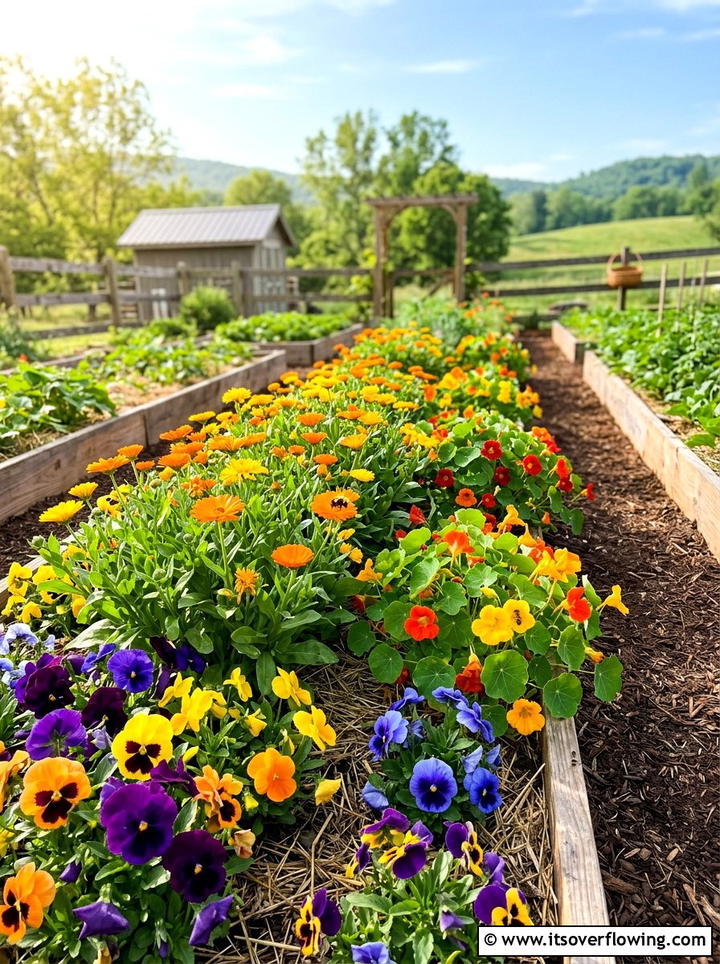
An edible flower garden is a delightful way to combine beauty, pollinator support, and culinary creativity. Many flowers that humans can eat, such as pansies, violets, and calendula, are also highly attractive to bees. You can dedicate a specific bed to these multipurpose plants and use the blooms to garnish salads or decorate cakes. This type of garden encourages you to avoid synthetic chemicals entirely, ensuring that the flowers are safe for both you and the insects. The bright colors and varied shapes make these beds a joy to look at and work in. It is a wonderful way to involve children in gardening by teaching them about nature and food.
20. Vertical wall garden
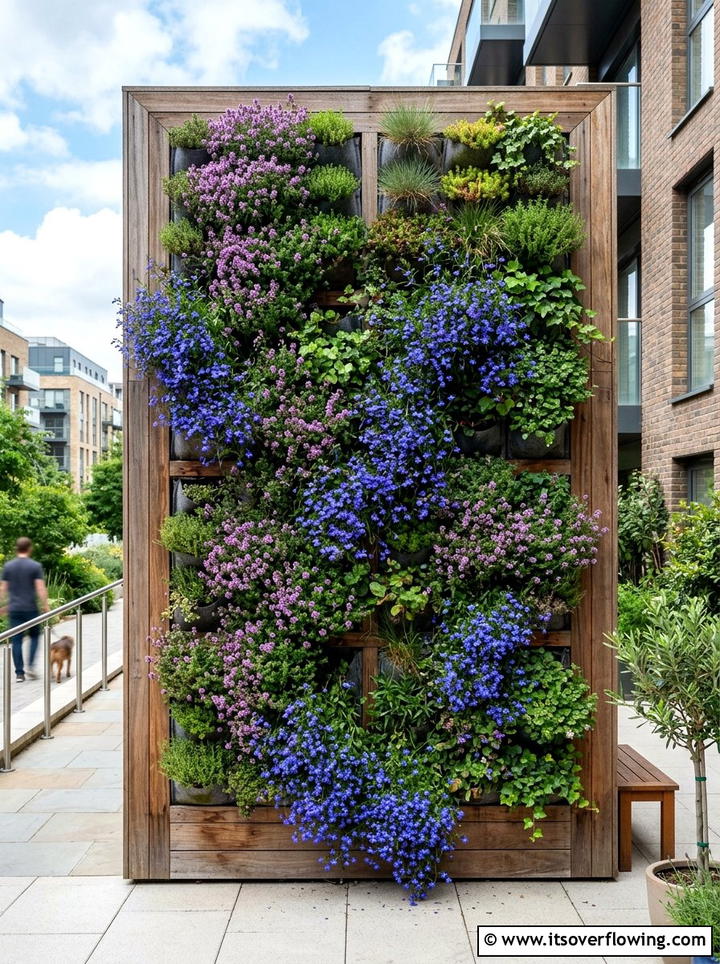
Vertical wall gardens are perfect for maximizing pollinator space in narrow alleys or on bare exterior walls. You can use modular pocket systems or wooden pallets to create a living wall of flowering plants. Creeping thyme, lobelia, and small succulents work exceptionally well in these vertical environments. This design brings greenery up to eye level and creates a stunning focal point for an outdoor seating area. The vertical arrangement also provides different levels of light and heat, which can accommodate a variety of plant species. It is an innovative solution for urban dwellers who want to make a significant ecological impact in a very small footprint.
21. Formal garden parterre
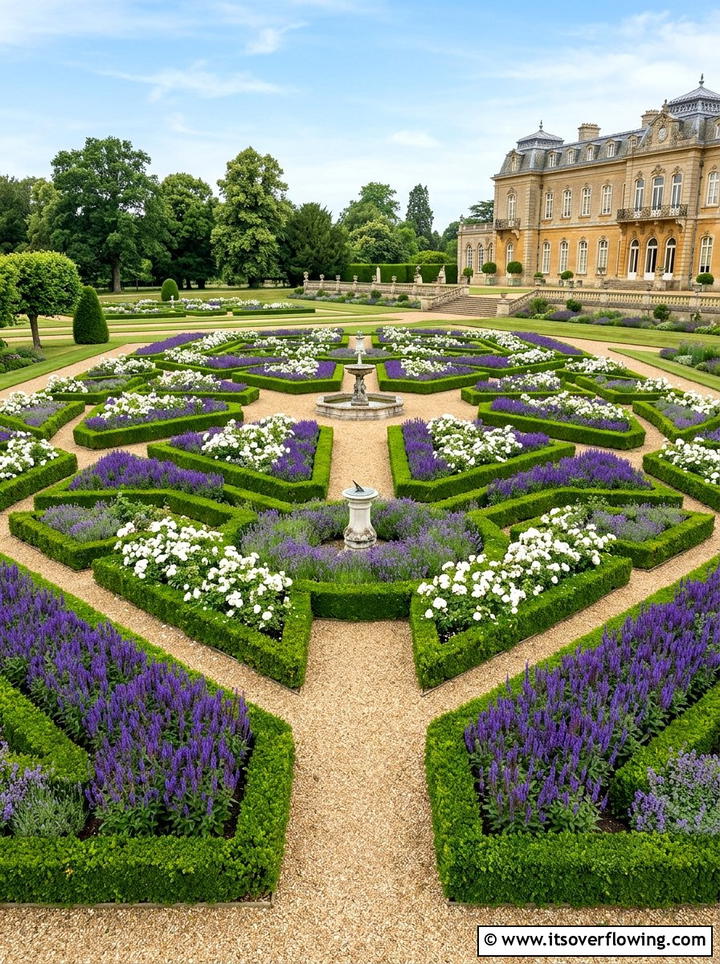
A formal parterre uses structured hedging to create geometric shapes that can be filled with pollinator-friendly perennials. You can use low boxwood or lavender hedges to frame beds filled with colorful annuals and hardy perennials. This design style proves that a pollinator garden can look organized, symmetrical, and sophisticated. The contrast between the rigid lines of the hedges and the soft, swaying flowers inside creates a timeless and elegant aesthetic. It is a great way to incorporate ecological value into a traditional or high-end landscape design. These gardens provide a clear sense of order while still offering a rich bounty of nectar and pollen for visiting bees.
22. Woodland edge garden
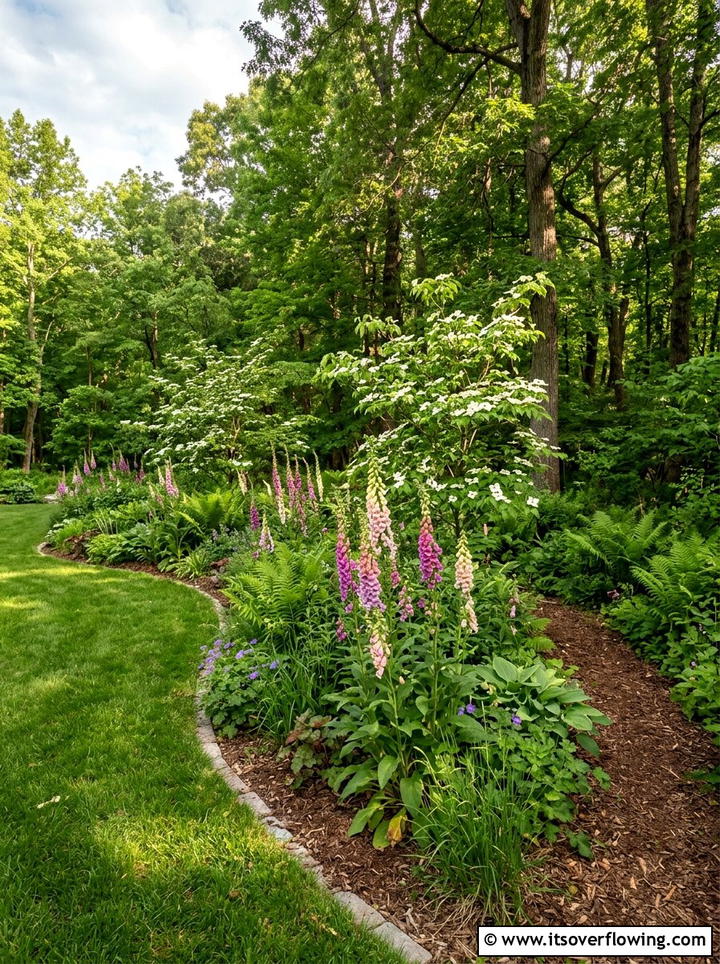
A woodland edge garden mimics the natural transition zone between a forest and an open field. This area is typically very rich in biodiversity because it offers both shade and sun throughout the day. You can plant a mix of small trees, flowering shrubs, and tall perennials like foxgloves and ferns. This layered approach provides multiple niches for different types of pollinators and birds to nest and feed. Using native plants that naturally occur in these transition zones ensures that your garden will be hardy and resilient. The dappled light and varied heights create a very natural and relaxed feeling in the backyard, perfect for a quiet retreat.
23. Prairie grass garden
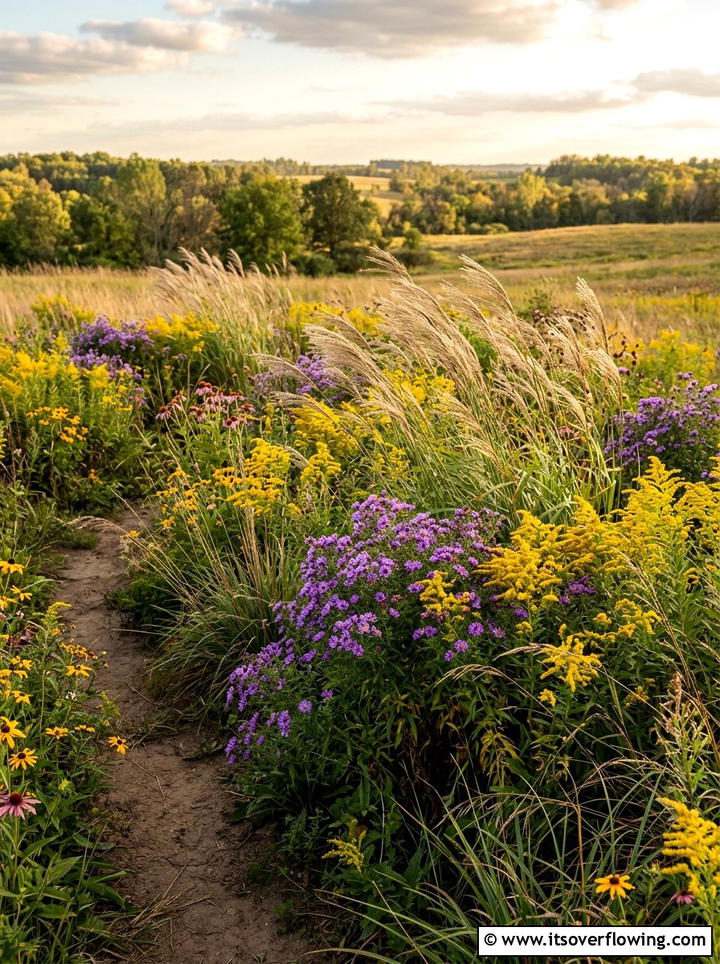
Prairie grass gardens focus on the beauty of native grasses interspersed with tough, sun-loving wildflowers. Grasses like little bluestem or switchgrass provide important structural interest and golden colors during the autumn months. These grasses also offer essential nesting materials and overwintering sites for many types of beneficial insects. When combined with late-blooming flowers like goldenrod and asters, these beds provide a vital late-season food source for migrating butterflies. The movement of the tall grasses in the wind adds a dynamic and musical element to your outdoor space. This type of garden is very sustainable and requires minimal intervention once it has become established in your yard.
24. Flowering shrub garden
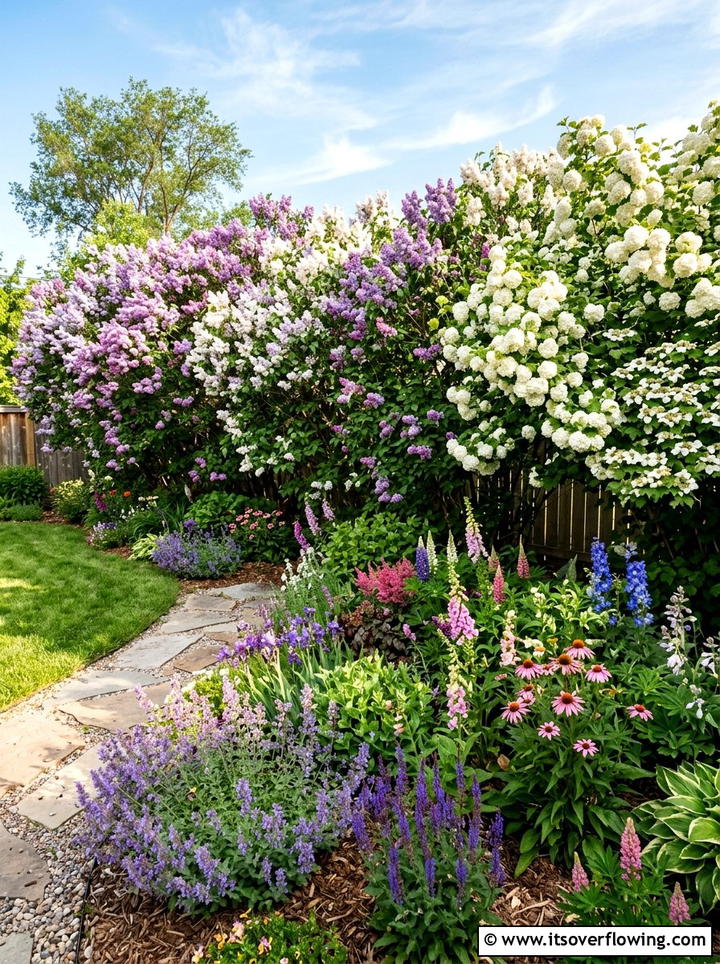
Using flowering shrubs as the backbone of your pollinator beds provides long-lasting structure and massive amounts of forage. Shrubs like lilac, viburnum, and hydrangea offer large clusters of flowers that can support dozens of insects at once. These woody plants also provide excellent nesting sites for birds and protection from wind and rain for smaller insects. You can choose varieties that bloom at different times of the year to extend the available food supply. Many of these shrubs also produce berries in the fall, which provide a second wave of food for local birds. This low-maintenance approach creates a lush and private feeling in your backyard sanctuary.
25. Circular garden island bed
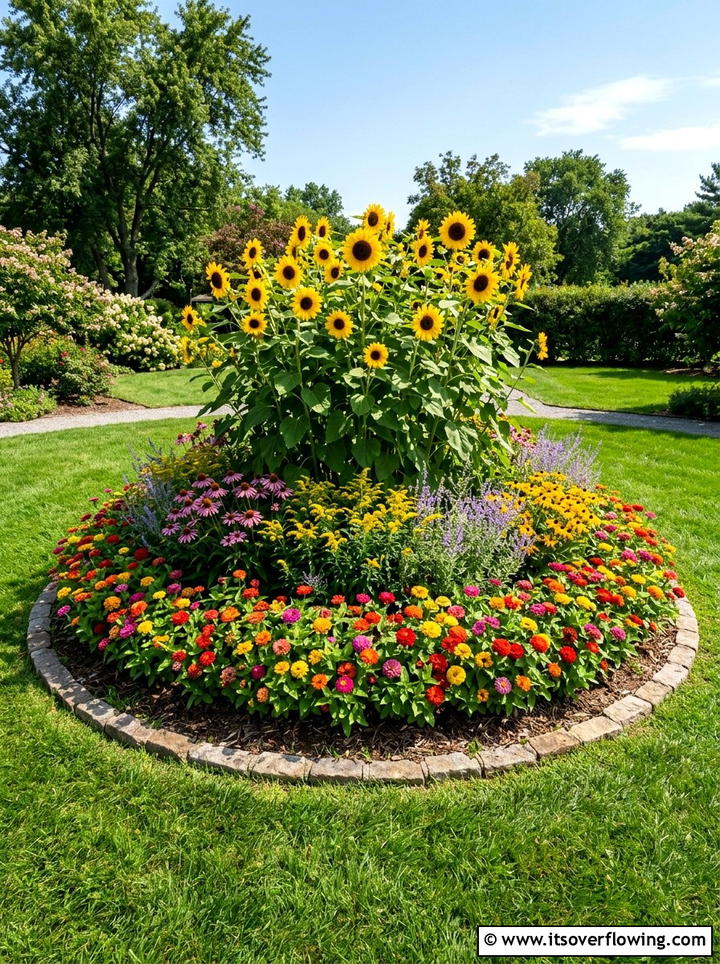
A circular island bed placed in the middle of a lawn creates a 360-degree viewing experience for your pollinator plants. This design allows you to plant taller species in the center and shorter ones around the edges for a tiered effect. It becomes a central focal point that draws the eye and provides a concentrated area of activity for bees and butterflies. You can use a mix of textures and colors to make the island bed stand out against the green grass. This isolated bed is also easier to maintain since you can access it from all sides. It is a simple yet effective way to break up a large lawn and add ecological value.
Conclusion:
Creating a garden with dedicated pollinator beds is a powerful way to connect with nature right outside your door. By selecting a diverse range of plants and habitats, you are providing a lifeline for essential insects that sustain our environment. These gardens offer endless beauty, from the delicate flutter of a butterfly’s wing to the steady hum of a busy bumblebee. Whether you choose a formal design or a wild meadow, the impact on your local ecosystem will be immediate and positive. We hope these ideas inspire you to start your own pollinator project and enjoy the vibrant life it brings to your home. Happy gardening and enjoy the wonderful sights of your new backyard sanctuary.

Related posts:
 25 Small Garden Ideas With Pollinator Plants for More Blooms
 25 Creative Garden Ideas With Keyhole Garden Beds
 25 Garden Ideas With Window Boxes for Beautiful Blooms
 25 Creative Garden Ideas With Dry Creek Beds to Inspire
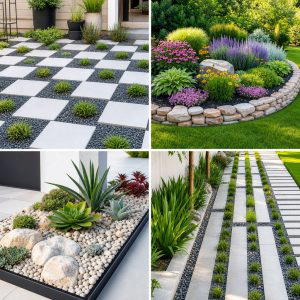 25 Creative Garden Ideas With Geometric Beds
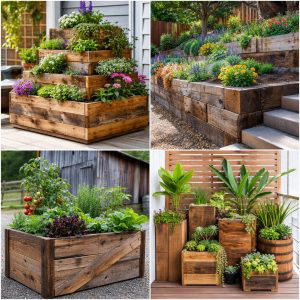 25 Creative Garden Ideas With Reclaimed Wood Beds to Try
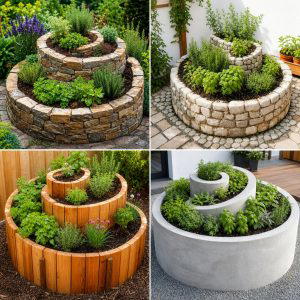 25 Creative Garden Ideas With Spiral Herb Beds to Try Now
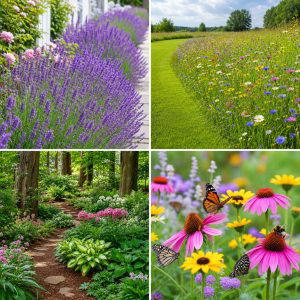 25 Garden Ideas for Bees to Grow a Pollinator Paradise
 25 Garden Design Ideas With Raised Beds for Productive Style
 25 Garden Design Ideas With Succulent Beds for Low-Care Style
 25 Garden Ideas With Raised Beds for Better Growing
 25 small garden ideas with raised beds for Productive Spaces