
Embracing sustainability in your outdoor space often begins with how you manage the natural flow of water during a storm. Rain gardens offer an innovative solution to common drainage issues while providing an opportunity to enhance the visual appeal of your property. These functional landscapes are designed to capture and filter runoff from roofs, driveways, and lawns before it enters the local storm system. By using a strategic combination of soil, stones, and deep-rooted plants, you can transform a soggy corner into a vibrant sanctuary. This guide explores diverse ways to integrate these features into your yard, ensuring every drop of rain serves a beautiful and ecological purpose.
1. Backyard Rain Garden
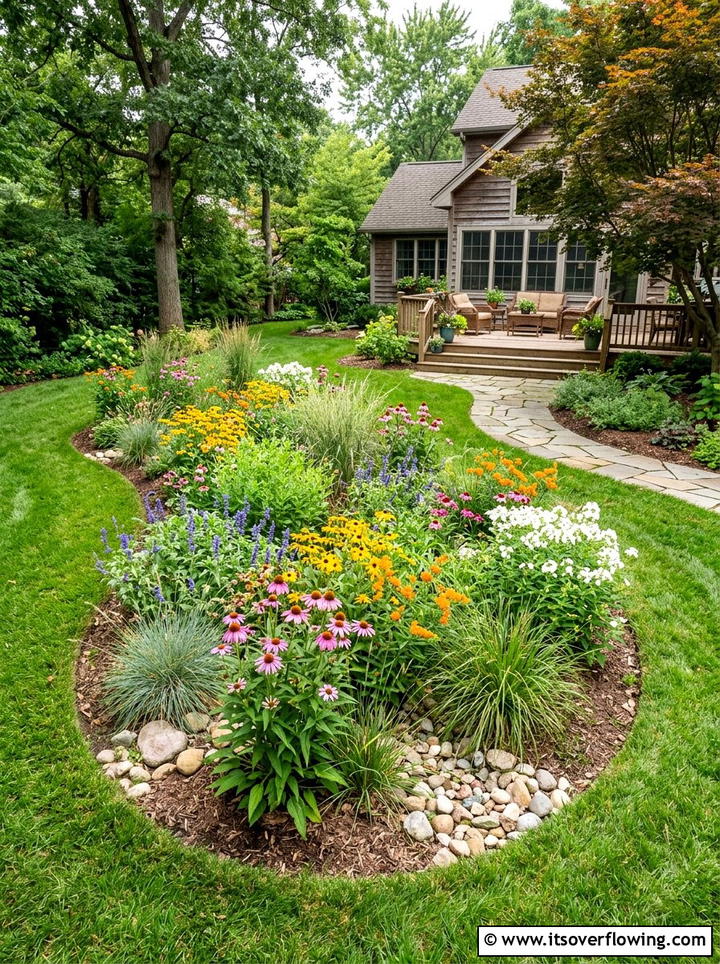
Creating a peaceful sanctuary in your private outdoor space starts with managing water effectively through a well-placed depression. A backyard rain garden serves as a natural sponge, absorbing excess moisture from your patio or roof before it causes erosion. You can style this area with a mix of moisture-loving grasses and colorful perennials that thrive in varying wetness levels. This setup not only solves drainage problems but also adds a layer of depth and visual interest to your lawn. Consider placing it in a natural low spot where water already tends to gather after a storm. This approach ensures the garden is both functional and aesthetically pleasing for daily enjoyment.
2. Native Plant Garden
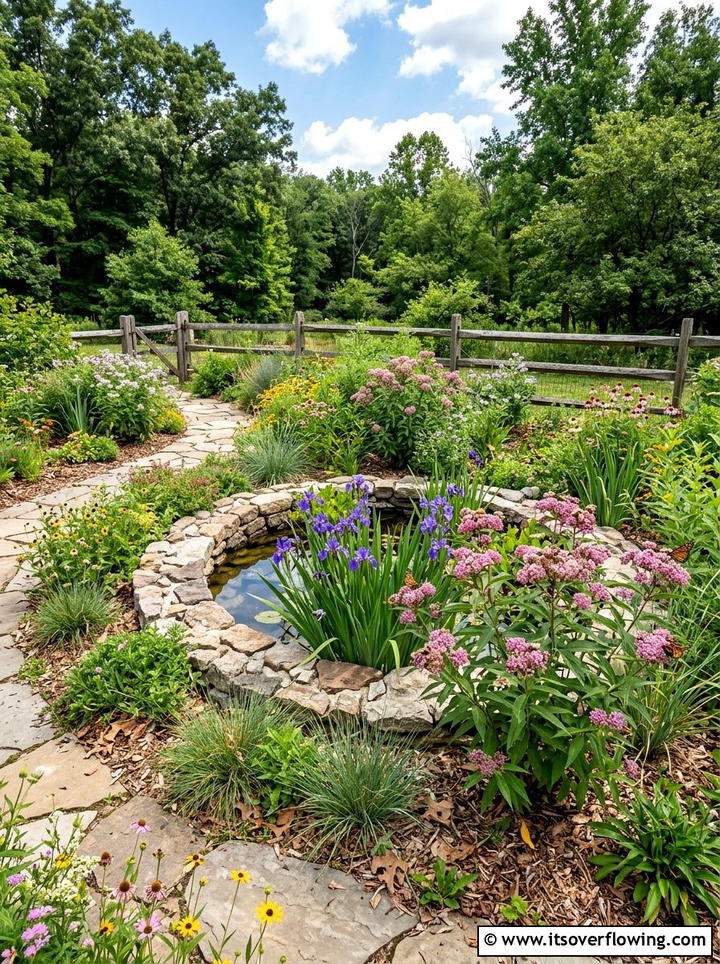
Integrating local vegetation into your landscape design is the most effective way to ensure a healthy and resilient ecosystem. Native plants are naturally adapted to your local climate and soil conditions, which means they require less maintenance once established. In a rain garden, these plants develop deep root systems that help channel water deep into the earth. You might choose species like swamp milkweed or blue flag iris, which provide beautiful blooms while filtering pollutants from runoff. These plants also offer critical food and shelter for local birds and beneficial insects. Building a native-focused space creates a timeless look that feels like an organic extension of the surrounding natural environment.
3. Rock Swale Drainage
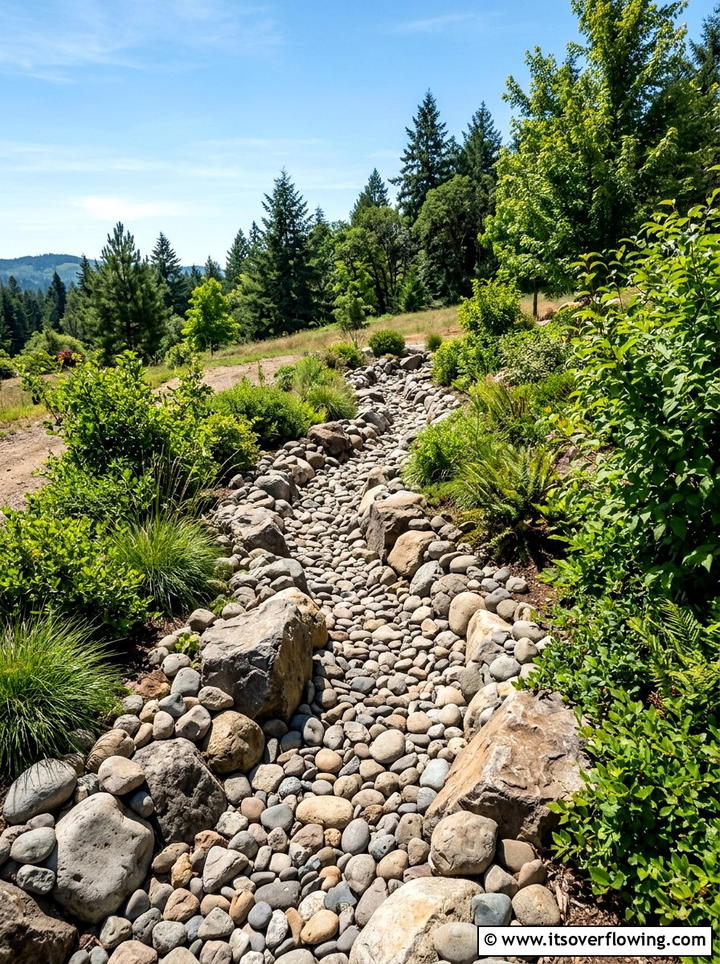
Have you ever noticed how water can carve unwanted paths through your lawn during a heavy downpour? A rock swale offers a structured yet organic way to direct that runoff toward a designated rain garden area. By lining a shallow channel with varied sizes of river rock and smooth boulders, you create a dry creek bed effect. This feature remains attractive even when it is dry, providing a rugged, naturalistic texture to your yard. During storms, the stones slow down the water flow, preventing soil erosion and allowing for gradual infiltration. It is a perfect solution for properties with steep slopes or significant roof runoff.
4. Butterfly Rain Garden
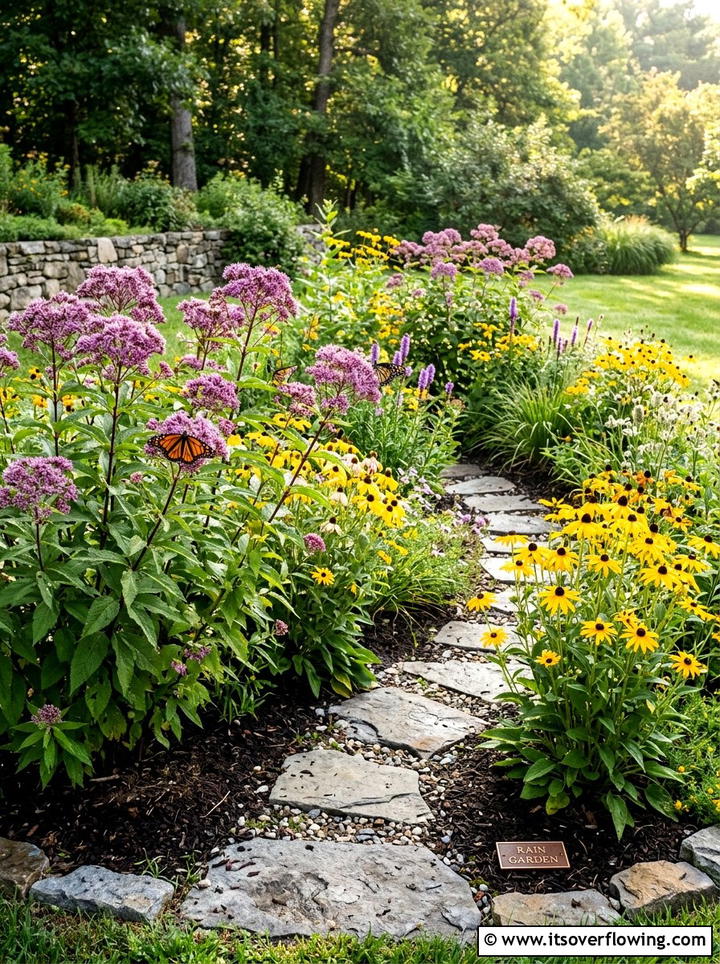
Can you imagine a garden that manages storm water while simultaneously fluttering with colorful life? A butterfly rain garden focuses on specific nectar-rich plants that love wet soil, such as Joe Pye weed and cone-flowers. These plants anchor the soil with their roots while attracting various pollinators to your yard throughout the summer. To make this space successful, include a few flat stones where butterflies can rest and warm their wings in the sun. This design transforms a functional drainage basin into a lively habitat that benefits the local environment. It provides a delightful view from your windows while serving a crucial ecological role in your neighborhood.
5. Modern Rain Garden
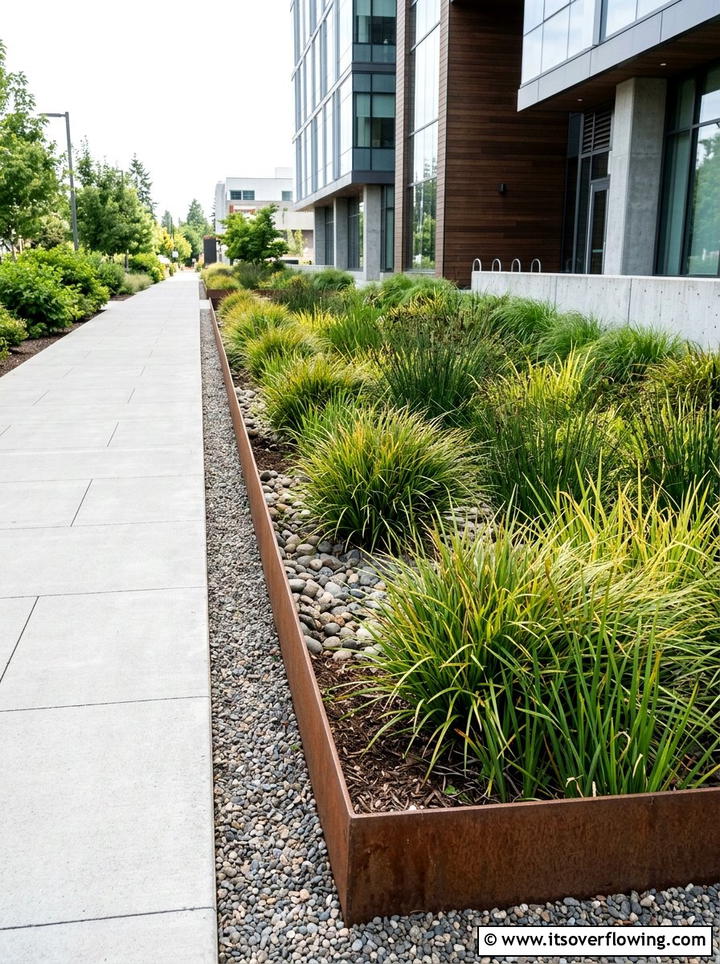
Clean lines and minimalist plant palettes define the modern approach to managing water runoff in a contemporary yard. Instead of a wild, overgrown look, this style uses geometric shapes and structured edges to define the rain garden area. You might use steel edging or smooth concrete borders to contain the depression, filling it with ornamental grasses like horsetail or sedges. The contrast between the architectural elements and the soft movement of the plants creates a sophisticated atmosphere. This design works exceptionally well next to modern patios or walkways where you want a tidy, curated appearance. It proves that eco-friendly drainage solutions can be incredibly stylish and high-end.
6. Shady Rain Garden
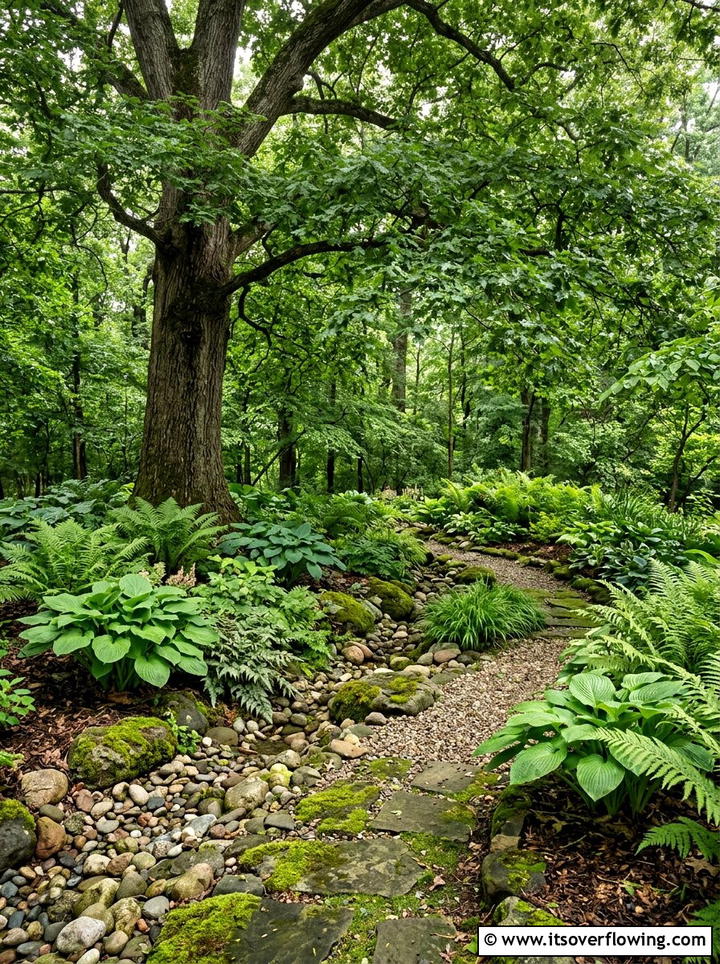
Finding the right balance for a wet area under a thick canopy of trees can be a rewarding challenge. A shady rain garden utilizes plants that thrive in dappled light and moist soil, such as various ferns and hostas. These plants offer lush, green textures that feel cool and refreshing during the heat of the summer months. By incorporating decaying logs or moss-covered stones, you can enhance the woodland aesthetic while providing extra moisture retention. This type of garden turns a difficult, muddy corner of the yard into a thriving, verdant retreat. It effectively manages runoff from the tree canopy while protecting the soil from being washed away.
7. Edible Rain Garden
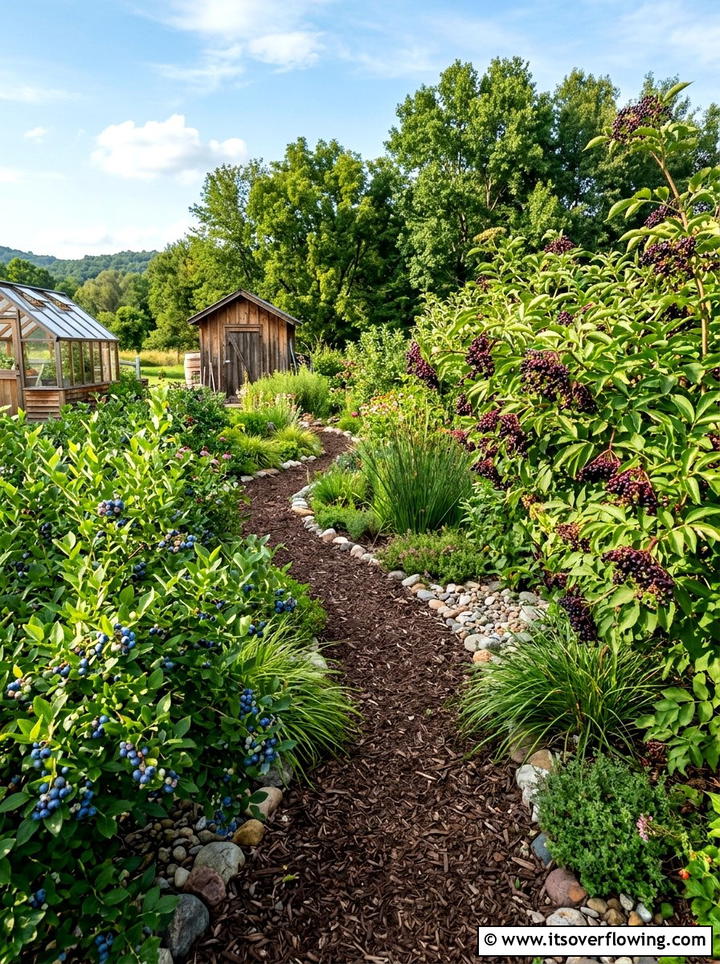
Why not make your water management system work for you by incorporating plants that produce a harvest? An edible rain garden includes moisture-tolerant species like elderberry bushes, highbush cranberries, or even certain varieties of blueberries. These plants enjoy the extra hydration provided by the rain garden depression and reward you with fruit or flowers. It is important to ensure the runoff entering this area is clean and free from chemicals before planting edibles. This concept blends the utility of a vegetable patch with the environmental benefits of a bioswale. It creates a multi-sensory experience where you can enjoy the beauty of the plants and the taste of the harvest.

8. Rain Garden With Bridge
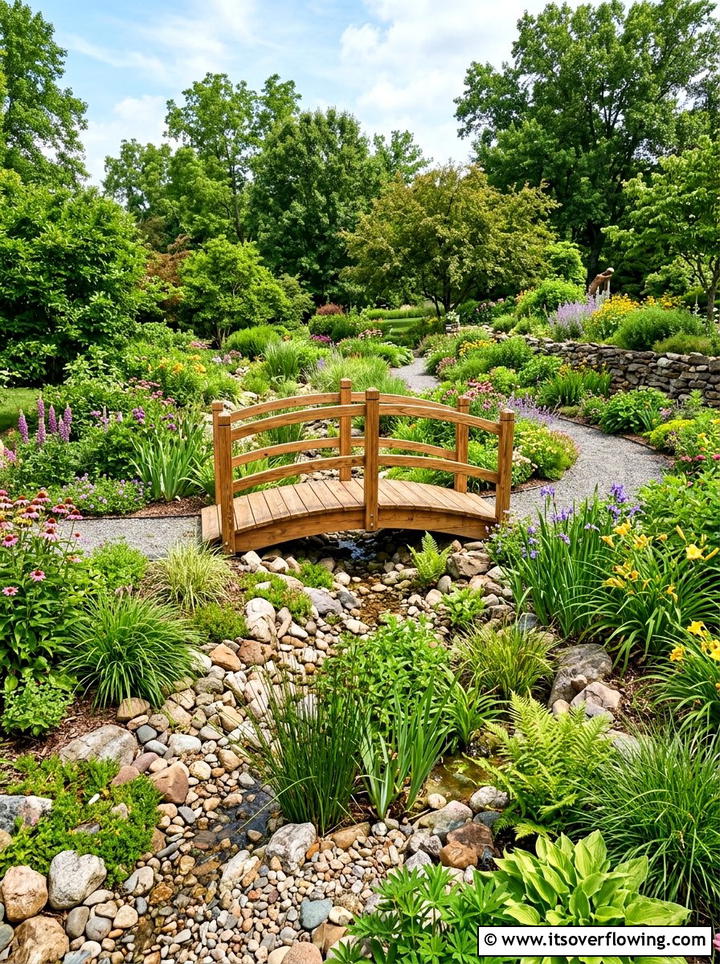
Adding a structural element like a small wooden or stone bridge can turn a simple drainage area into a focal point. A bridge allows you to cross over the rain garden or swale without disturbing the delicate plants or getting your feet wet. This architectural feature adds a sense of whimsy and charm, reminiscent of a classic Japanese garden or a rustic woodland trail. Underneath the bridge, you can use larger river rocks to create the appearance of a permanent stream bed. This design encourages exploration of the garden and provides a unique vantage point to observe the plants and water flow. It truly elevates the landscape.
9. Downspout Planter
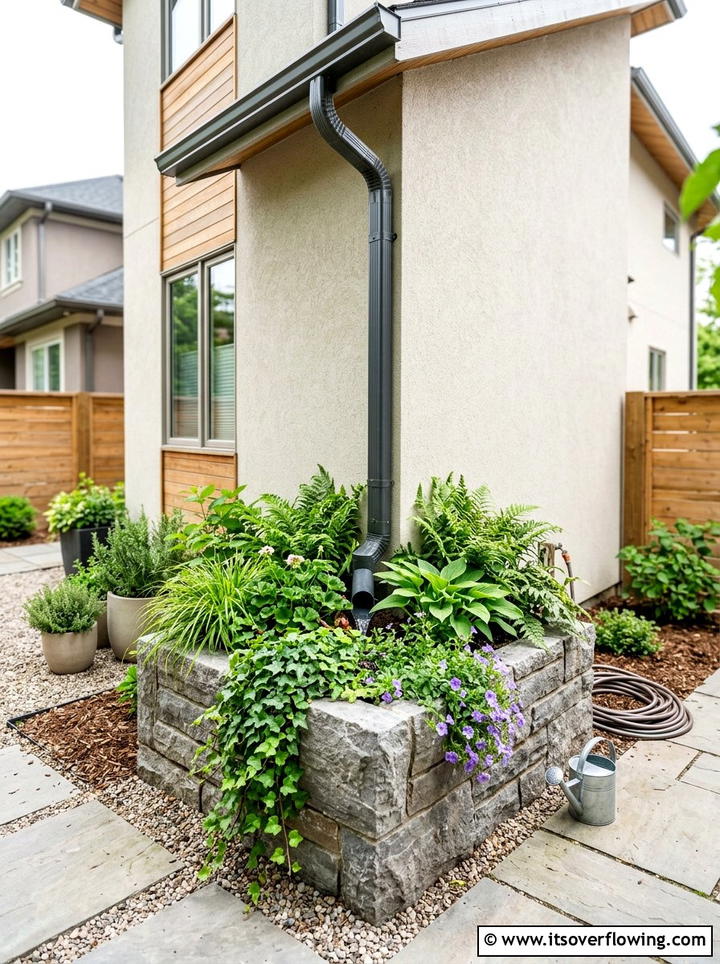
Managing water directly at the source is a clever way to prevent large-scale flooding in your yard. A downspout planter is a specialized container or raised bed positioned right where your gutter system meets the ground. It is filled with porous soil and water-loving plants that soak up the initial rush of rain. Any overflow is then directed safely away from the foundation through a pipe or a small gravel path. This approach is ideal for urban settings or small yards where space for a large in-ground basin is limited. It adds a pop of vertical greenery against the house wall while serving an essential functional purpose.
10. Sloped Yard Drainage
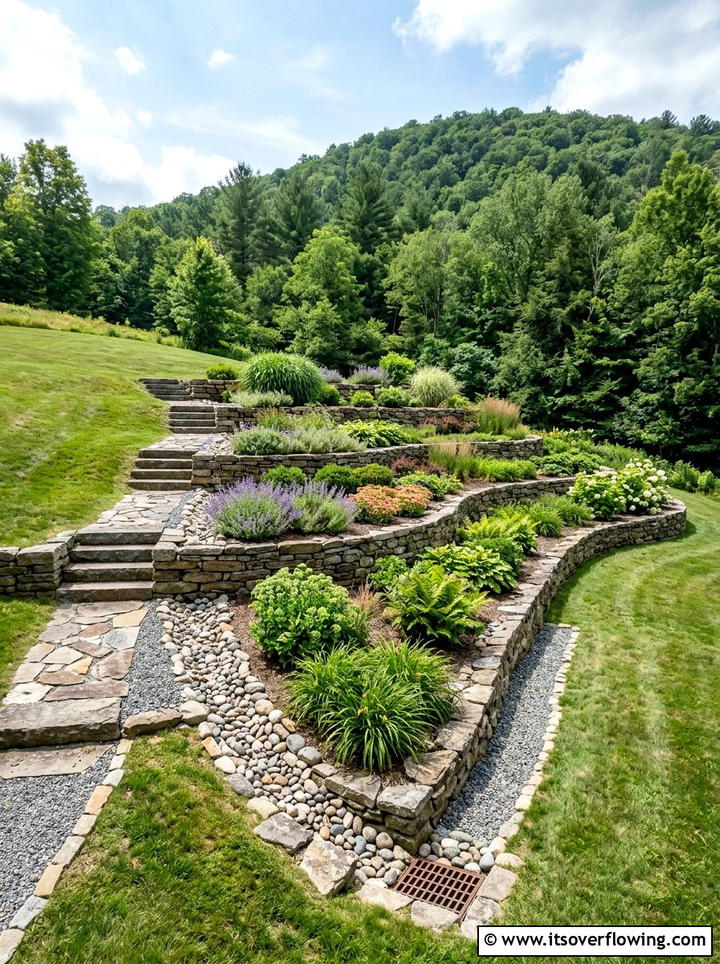
If your property sits on a hill, you probably struggle with water rushing down the incline during every storm. A terraced rain garden can solve this by creating a series of small, level basins that catch water as it moves downhill. Each level is reinforced with stone walls or timber, slowing the water and allowing it to soak in at every stage. This design prevents the bottom of your yard from becoming a swamp while adding beautiful stone-work to your landscape. You can plant different species on each level based on how much moisture they prefer. It turns a difficult slope into a stunning, multi-tiered botanical display.
11. Gravel Rain Garden
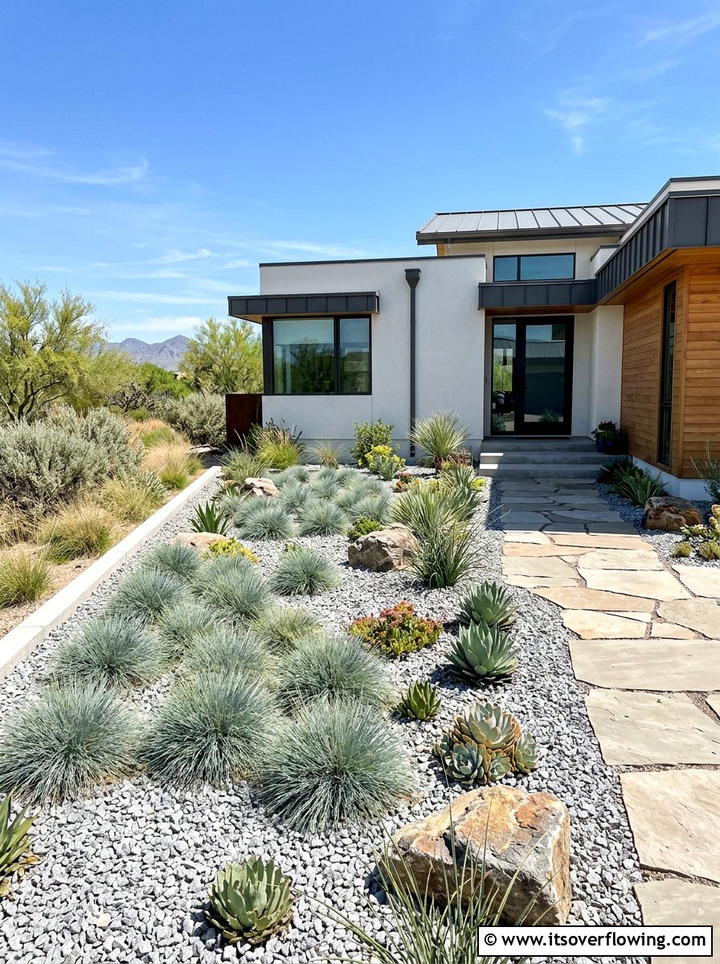
A gravel rain garden focuses on texture and drainage efficiency by using various sizes of crushed stone as a primary mulch. This style is excellent for those who prefer a clean, desert-inspired or Mediterranean look in their outdoor space. The gravel helps suppress weeds while allowing water to pass through instantly to the root zones of the plants below. You can nestle clumps of blue fescue or lavender along the edges where the soil is slightly drier. The grey or tan tones of the stone provide a neutral backdrop that makes the green foliage of the plants stand out. This low-maintenance option is perfect for modern homes.
12. Tropical Rain Garden
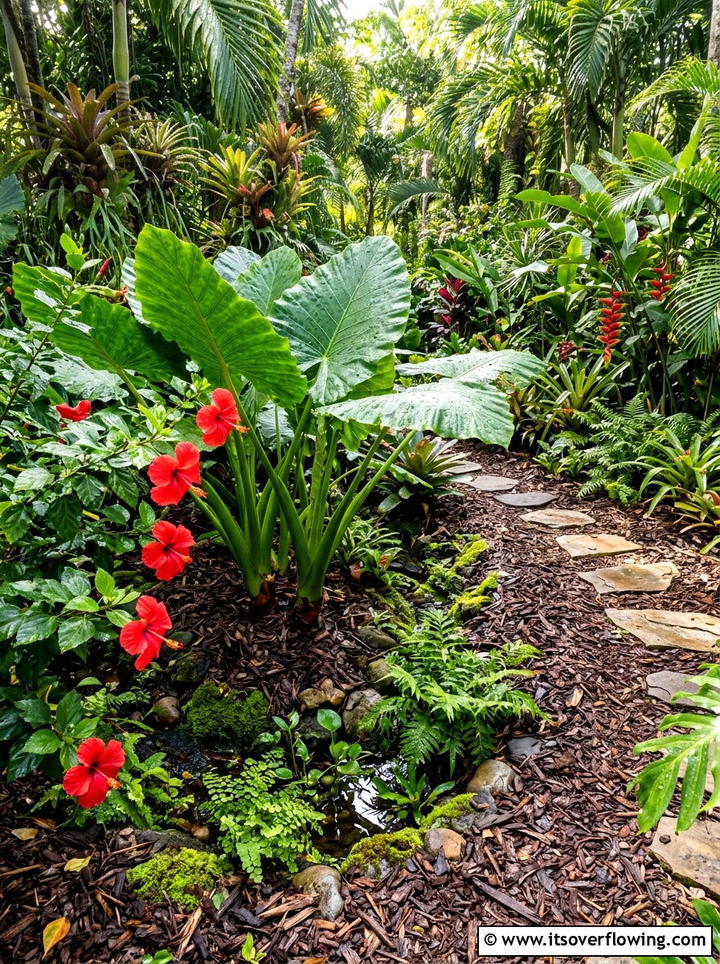
Creating a lush, jungle-like atmosphere is possible even in a water-wise landscape by choosing plants with large, dramatic leaves. A tropical rain garden uses species like canna lilies, hibiscus, and elephant ears that love the heat and heavy moisture. These plants grow rapidly during the rainy season, filling the garden with vibrant colors and bold textures. The dense foliage helps shade the soil, keeping it cool and moist between rain events. You can add a layer of dark wood mulch to enhance the rich, tropical feel and provide nutrients to the soil. This design turns a functional drainage basin into an exotic escape right in your backyard.
13. Coastal Rain Garden
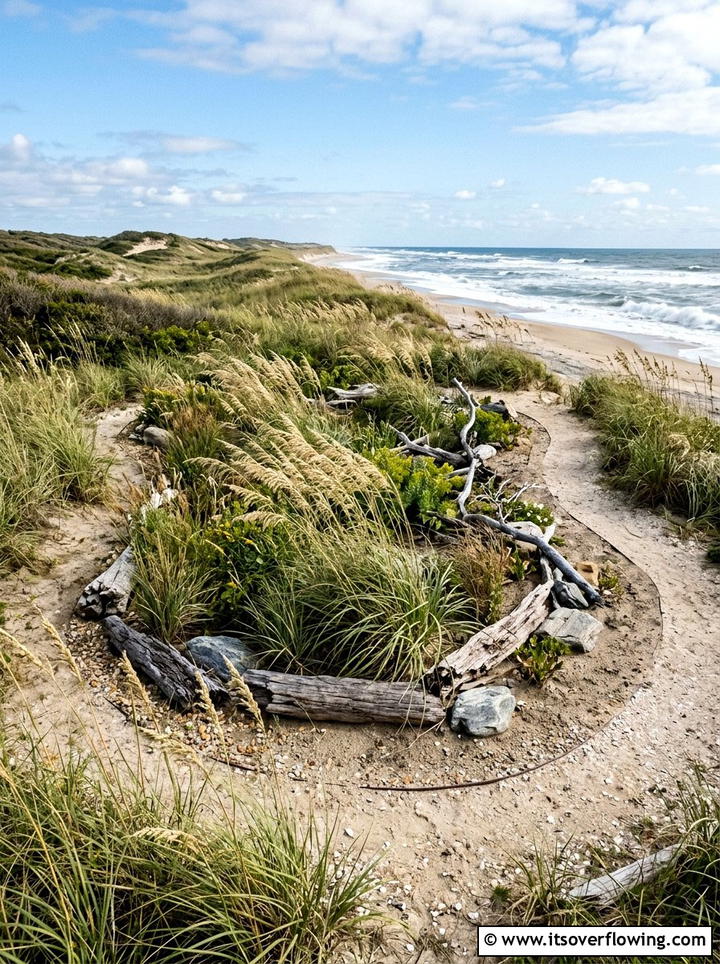
If you live near the ocean, your garden needs to handle both heavy rain and potentially salty air. A coastal rain garden utilizes hardy plants like sea oats, bay-berry, and certain salt-tolerant grasses that thrive in sandy soils. These plants are excellent at filtering runoff before it reaches local waterways, protecting the delicate marine ecosystem. Using weathered driftwood and smooth sea glass as decorative accents can reinforce the beachy theme. The sandy soil typically found in coastal areas provides excellent drainage, making these rain gardens very efficient. This design blends seamlessly with the natural seaside environment while providing a beautiful, rugged look for your home.
14. Front Yard Rain Garden

First impressions matter, and a rain garden in your front yard can boost curb appeal while showing off your environmental values. Instead of a traditional flat lawn, you can design a flowering basin that greets guests with a burst of color. Using organized plant groupings and a clean border of stones or brick makes the feature look intentional rather than wild. This setup captures runoff from the driveway and front roof, preventing it from flowing into the street. It serves as a great conversation starter with neighbors who might be curious about sustainable landscaping. A well-maintained front yard basin adds significant value and beauty to any neighborhood.
15. Fern Rain Garden
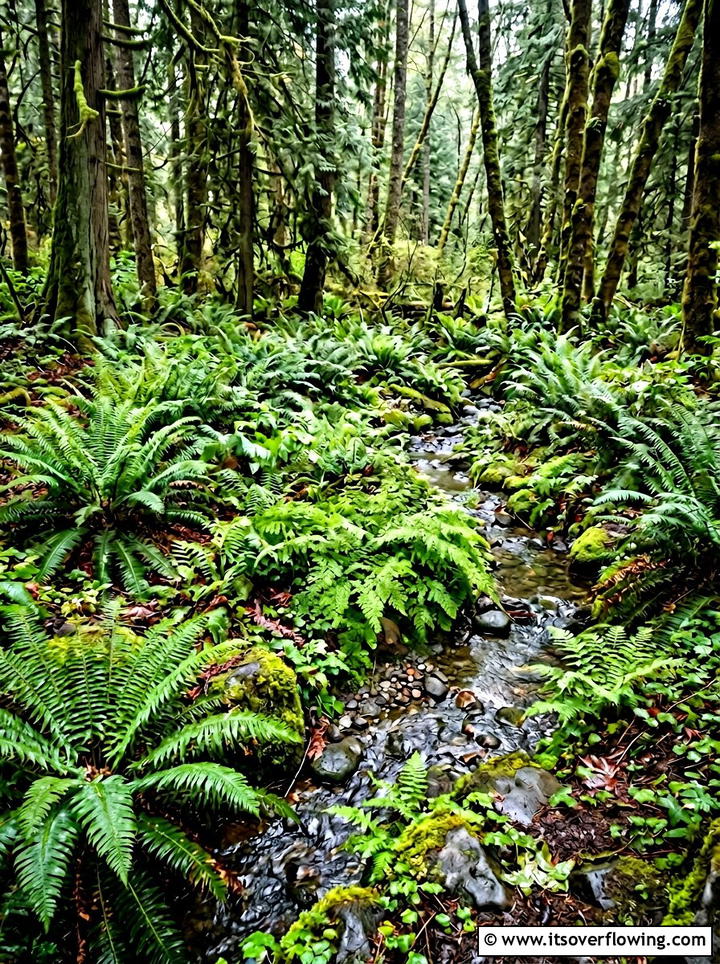
Ferns are some of the most ancient and beautiful plants you can use to fill a damp, low-lying area. A fern rain garden focuses on the incredible variety of frond shapes and shades of green available in this plant family. Ostrich ferns, cinnamon ferns, and sensitive ferns all thrive in the moist conditions of a drainage basin. Their soft, airy texture creates a sense of movement and tranquility as they sway in the breeze. This design is particularly effective in shaded spots where colorful flowers might struggle to bloom. The result is a cool, green oasis that feels incredibly lush and well-established, regardless of the season.
16. Decorative Stone Rain Garden
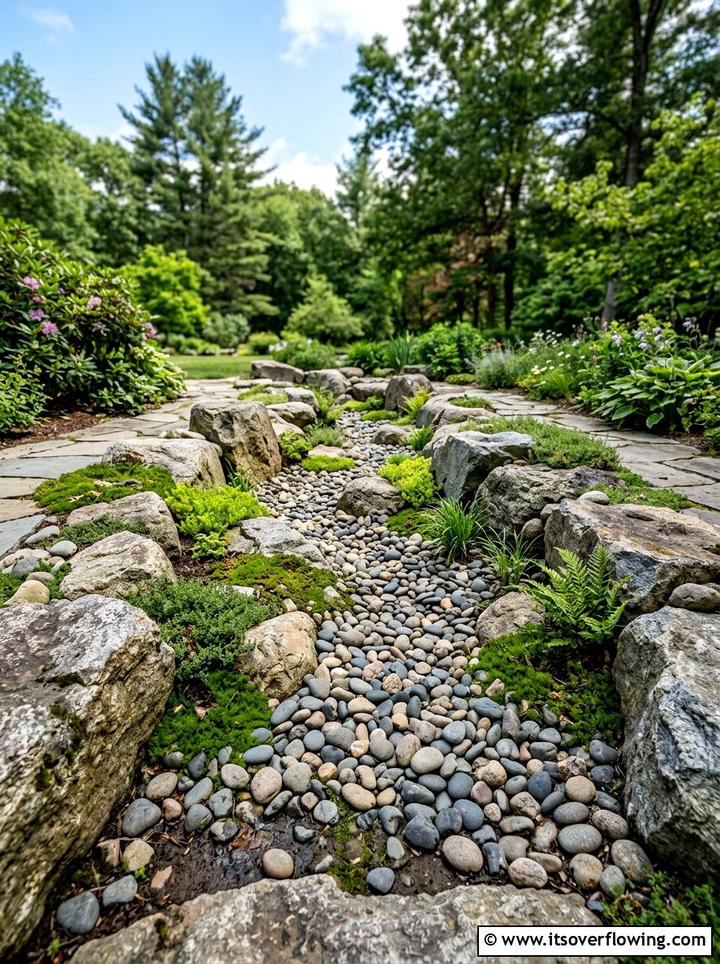
Using stones as the primary design element can create a striking and permanent landscape feature that requires very little upkeep. A decorative stone rain garden uses a mix of oversized boulders, smooth river pebbles, and jagged slate to create visual interest. The stones provide a solid structure that won’t wash away even during the most intense summer thunderstorms. You can tuck small alpine plants or creeping ground-covers between the rocks to add hints of life and color. This approach is highly effective for directing water flow while creating a rugged, naturalistic look. It works beautifully as a standalone feature or as part of a larger rock garden.
17. Minimalist Rain Garden
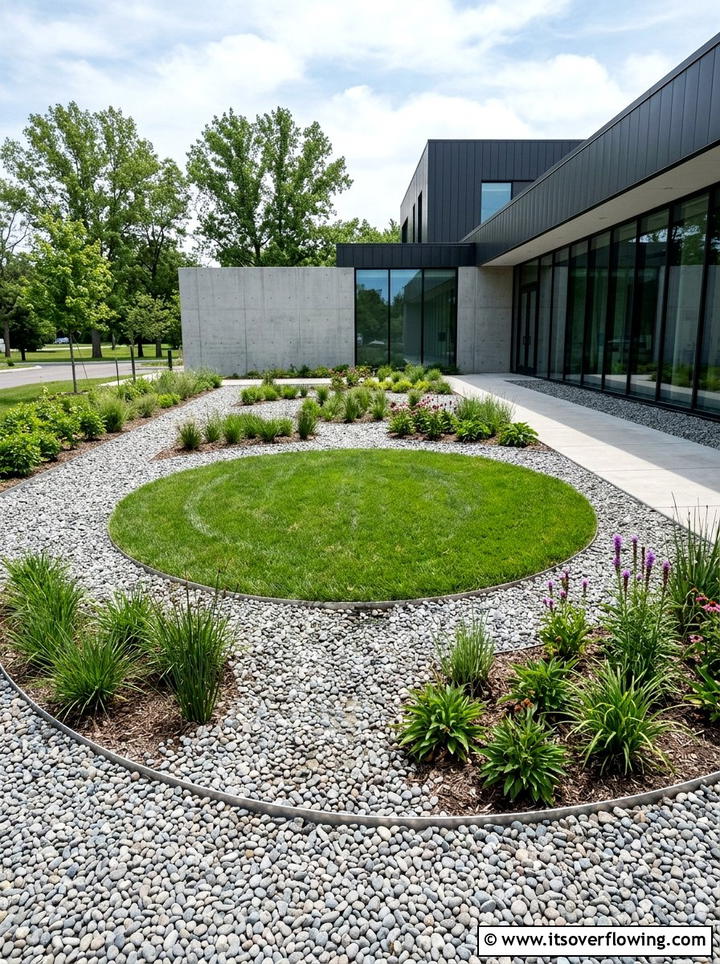
Simplicity is the key to a minimalist rain garden, where the focus is on a few high-impact elements rather than a crowded mix. This design might feature a single species of grass planted in a clean, circular depression surrounded by a wide border of uniform gravel. The goal is to create a sense of calm and order while still performing the vital task of water infiltration. By limiting the color palette to greens and greys, you create a sophisticated look that complements modern architecture perfectly. This style is easy to maintain and provides a clear, uncluttered view that allows the mind to rest while the garden works.
18. Wildlife Rain Garden
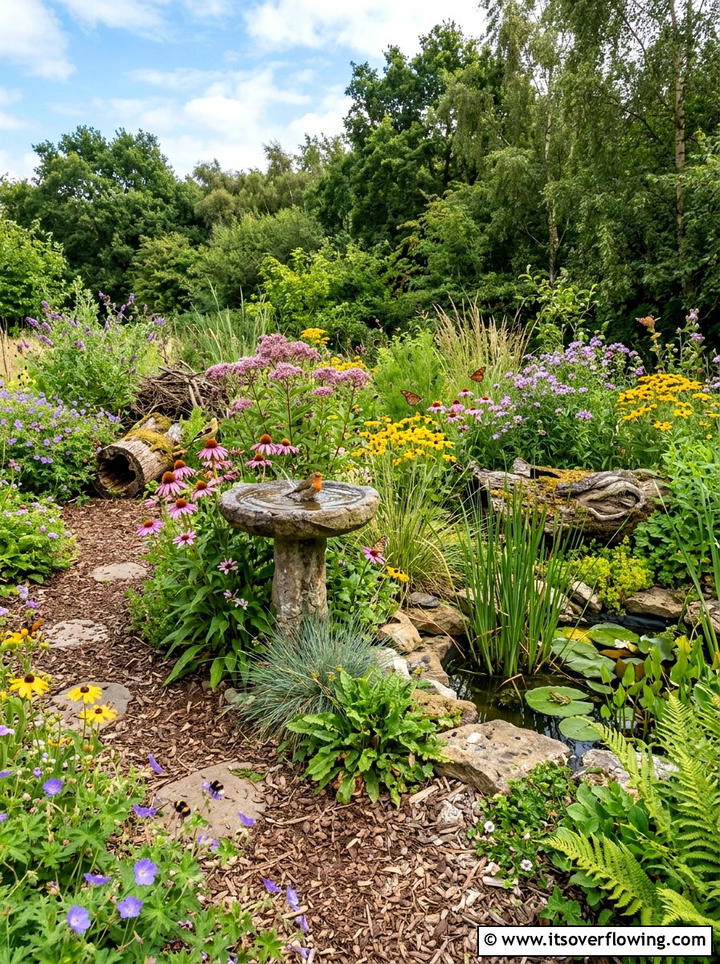
A wildlife-focused rain garden is designed to be a bustling hub for birds, toads, and beneficial insects looking for water and shelter. By choosing a variety of plants that offer berries, seeds, and nesting materials, you create a complete ecosystem in your yard. Including a few larger logs or a small pile of stones provides a home for amphibians that love the damp environment. This type of garden often looks more natural and less “manicured, ” which is exactly what local wildlife prefers. Watching the birds splash in the shallow water after a rain is a rewarding experience for any nature lover. It transforms your property into a sanctuary.
19. Contemporary Rain Garden
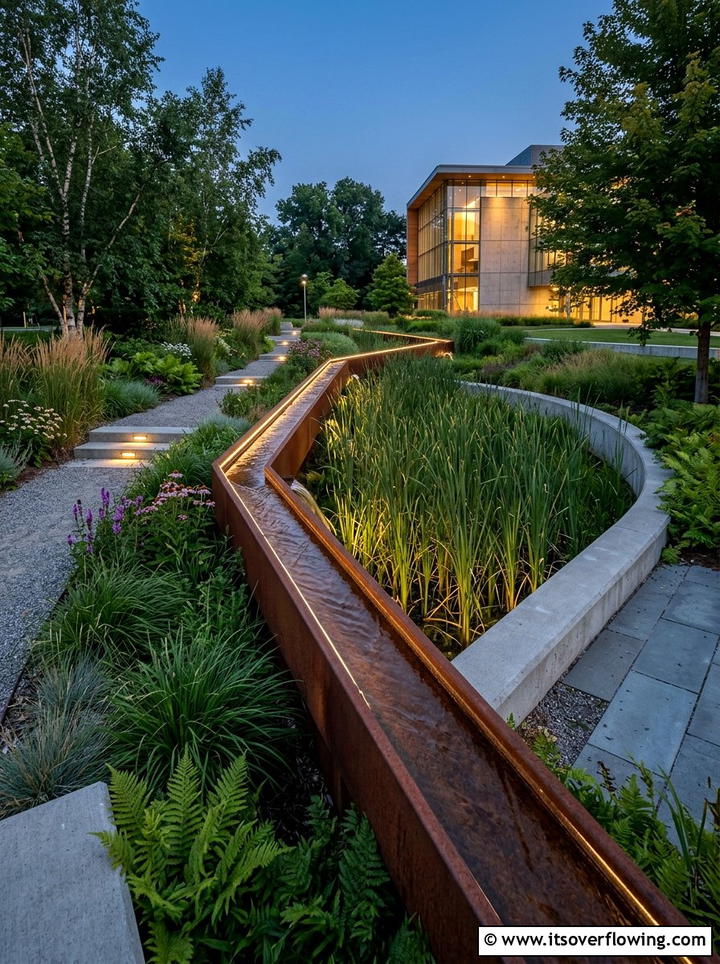
Contemporary style often blends functional engineering with artistic flair to create unique outdoor spaces. A contemporary rain garden might incorporate custom-made metal runnels that carry water from the roof into a stylish, sunken basin. Using bold, architectural plants like ornamental onions or tall reeds adds a sense of drama to the space. The materials used, such as corten steel or polished concrete, provide a sharp contrast to the organic growth of the plants. This approach treats water management as a piece of living art, making it a central feature of the home’s exterior design. It is a bold way to embrace sustainability with a high-end look.

20. Cottage Rain Garden
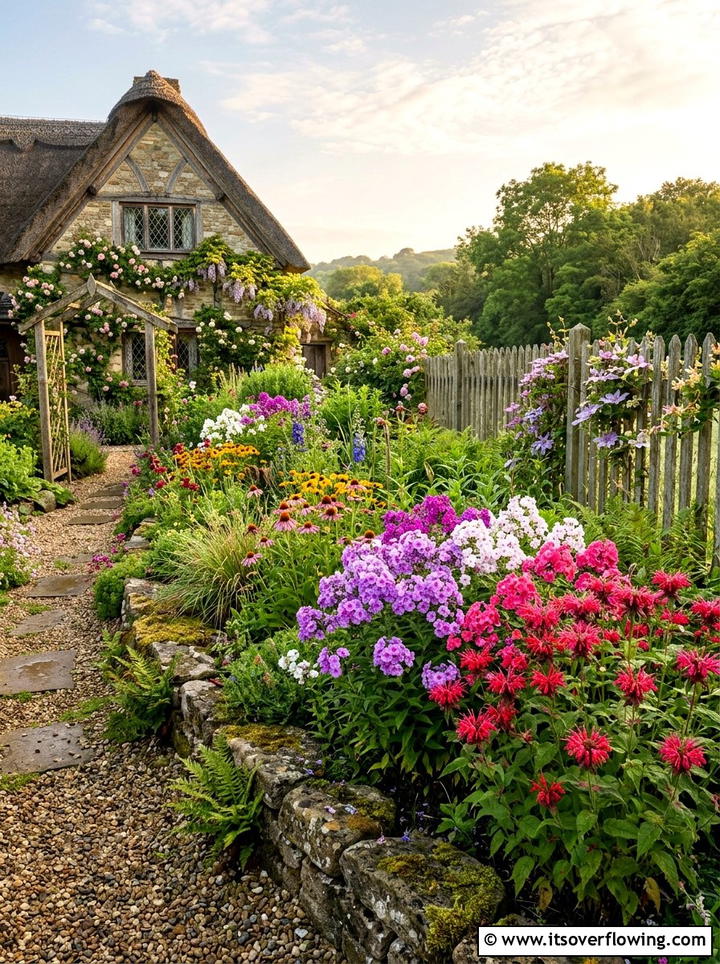
For those who love a romantic and slightly wild look, a cottage-style rain garden is the perfect choice for managing water. This design features a dense planting of traditional favorites like phlox, bee balm, and Siberian iris that spill over the edges of the depression. The goal is to create a lush, overflowing appearance that feels cozy and lived-in. You can add a small picket fence or a rusted iron gate nearby to enhance the charming, old-fashioned aesthetic. The variety of colors and scents makes this garden a delight to spend time in. It proves that functional drainage can be soft, beautiful, and full of classic garden charm.
21. Geometric Rain Garden
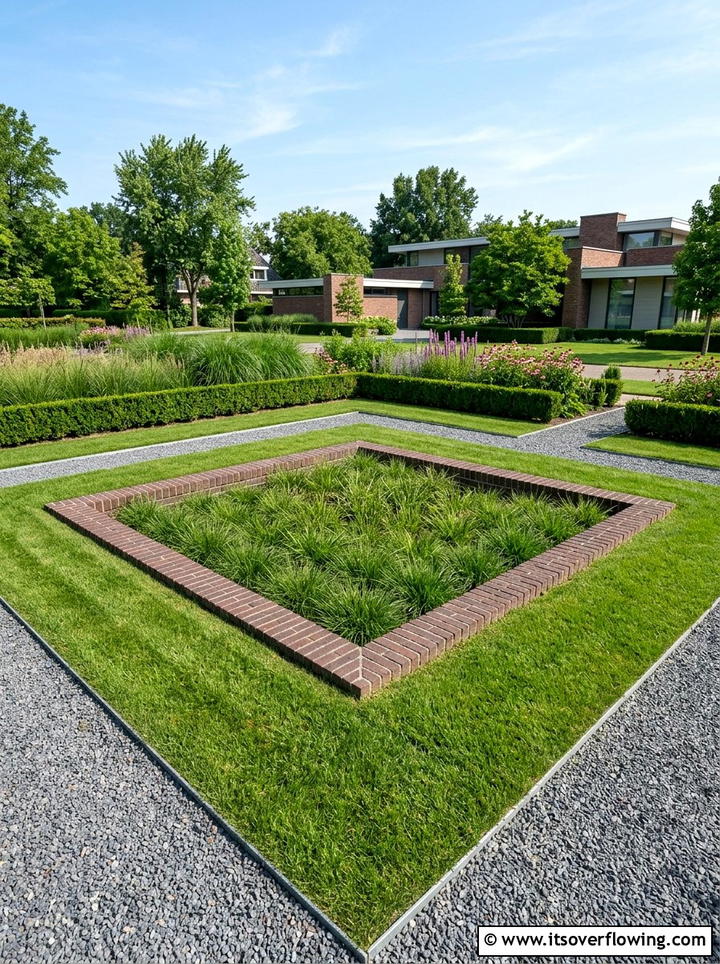
If you prefer order and symmetry, a geometric rain garden uses sharp angles and repeated patterns to manage runoff. Instead of a natural-looking hole, the depression is shaped into a square, rectangle, or even a star, depending on your preference. The plants inside are often arranged in rows or grids to maintain the structured theme. This style works exceptionally well in formal landscapes or as a companion to a traditional brick patio. Using a consistent border of pavers or stone blocks helps define the shape and keeps the garden looking tidy. It is a disciplined approach to eco-friendly design that looks very intentional and professionally planned.
22. Low Maintenance Rain Garden
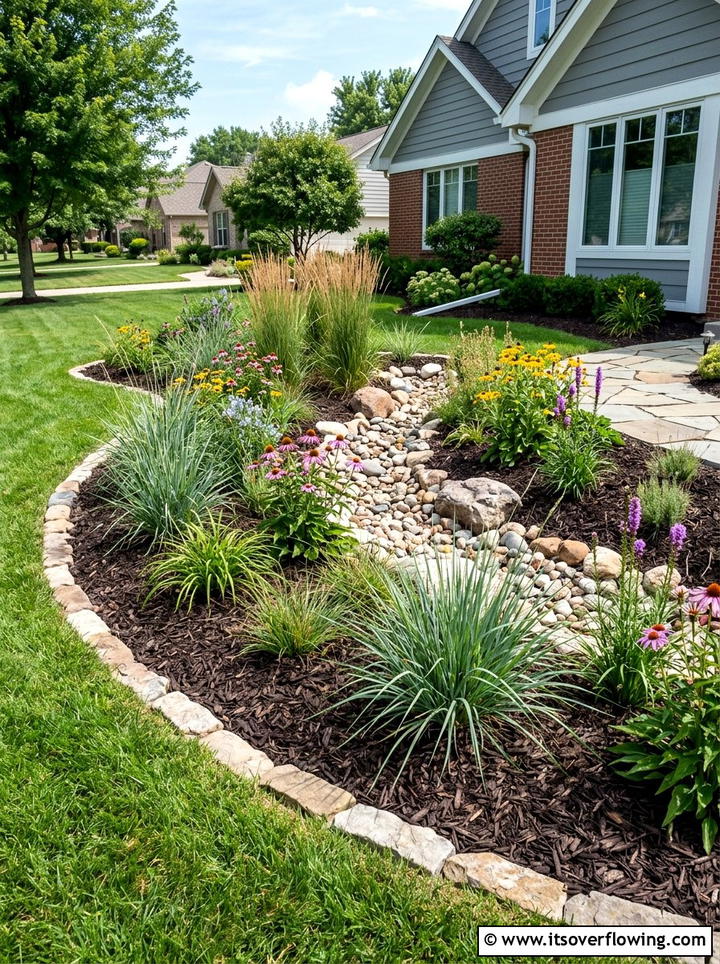
Many homeowners want the benefits of a rain garden without spending every weekend weeding or pruning. A low-maintenance rain garden relies on tough, adaptable plants like sedges and hardy grasses that can handle both floods and droughts. Once these plants are established, they require very little intervention beyond an occasional trim in the spring. Using a thick layer of shredded hardwood mulch helps suppress weeds and retains moisture, further reducing the work needed. This design is perfect for busy families or those who want a “set it and forget it” solution to yard drainage. It remains a functional and green feature with minimal effort required.
23. Perennial Rain Garden
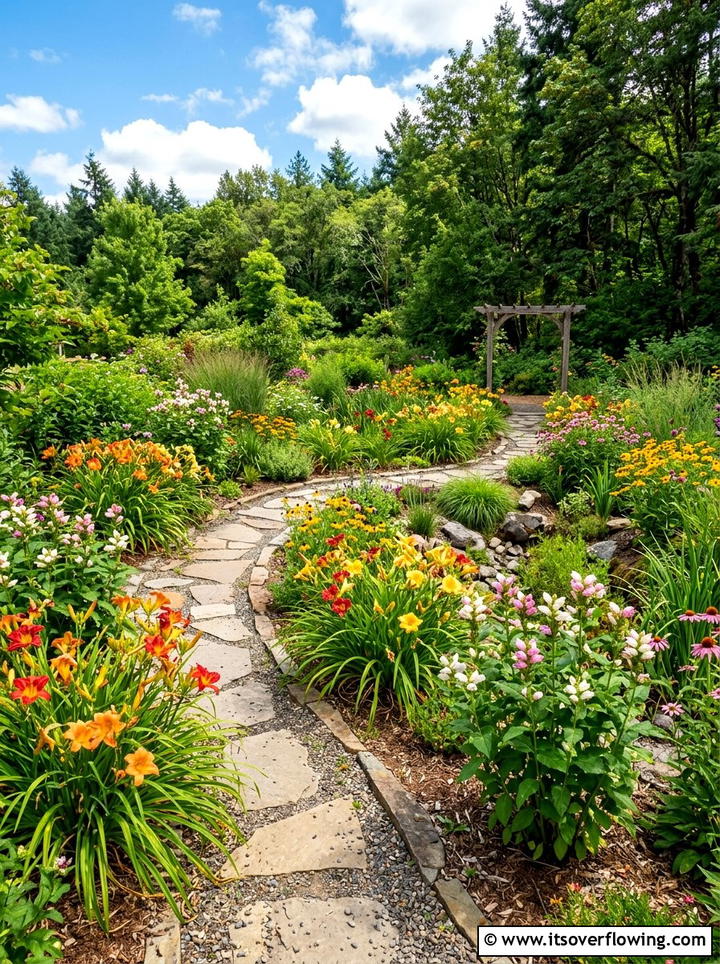
A perennial-focused rain garden ensures that your water management system returns with more beauty every single year. By choosing long-lived plants like daylilies, turtleheads, and swamp sunflowers, you create a landscape that matures and improves over time. These plants die back in the winter but their deep roots remain active, holding the soil in place and preparing for spring growth. This type of garden offers a changing palette of colors as different species bloom throughout the seasons. It is a sustainable investment in your property that pays off with increasing floral displays and better water infiltration as the plants grow larger. It is a timeless gardening choice.
24. Paver Patio Rain Garden
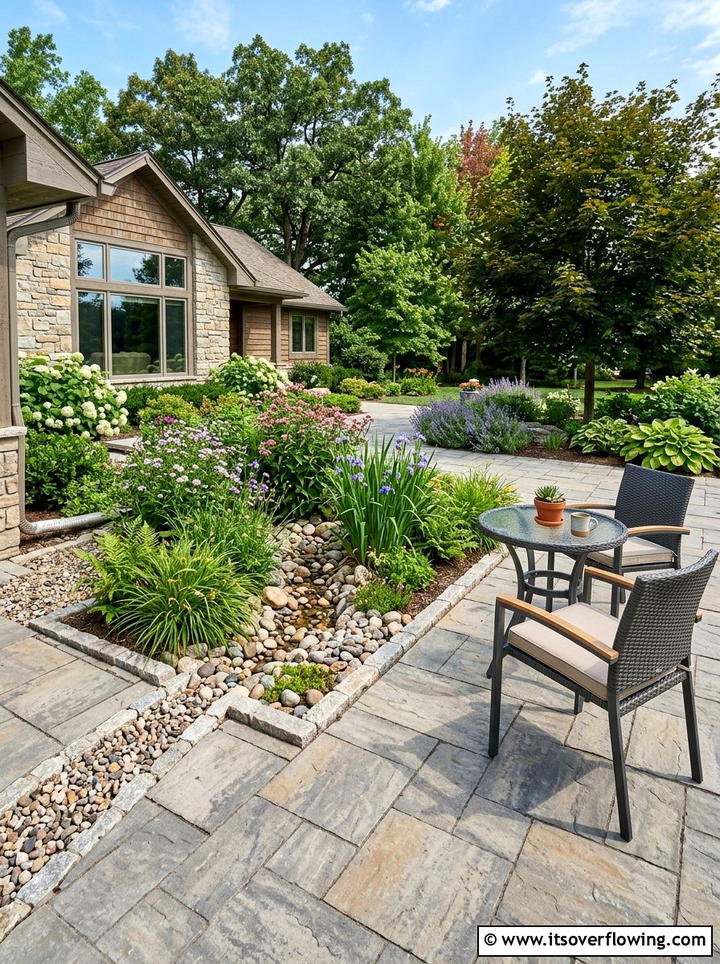
Integrating a rain garden directly into your patio area is a smart way to handle runoff from large hardscaped surfaces. You can design a “cut-out” in your stone or paver patio where water can naturally drain into a beautiful planted pocket. This breaks up the solid surface of the patio and adds a touch of greenery right where you sit and relax. Using permeable pavers nearby can further enhance the drainage capacity of the entire area. This design makes the rain garden feel like an integral part of your outdoor living space rather than an afterthought. It is a sophisticated way to blend entertainment areas with environmental responsibility.
25. Woodland Rain Garden
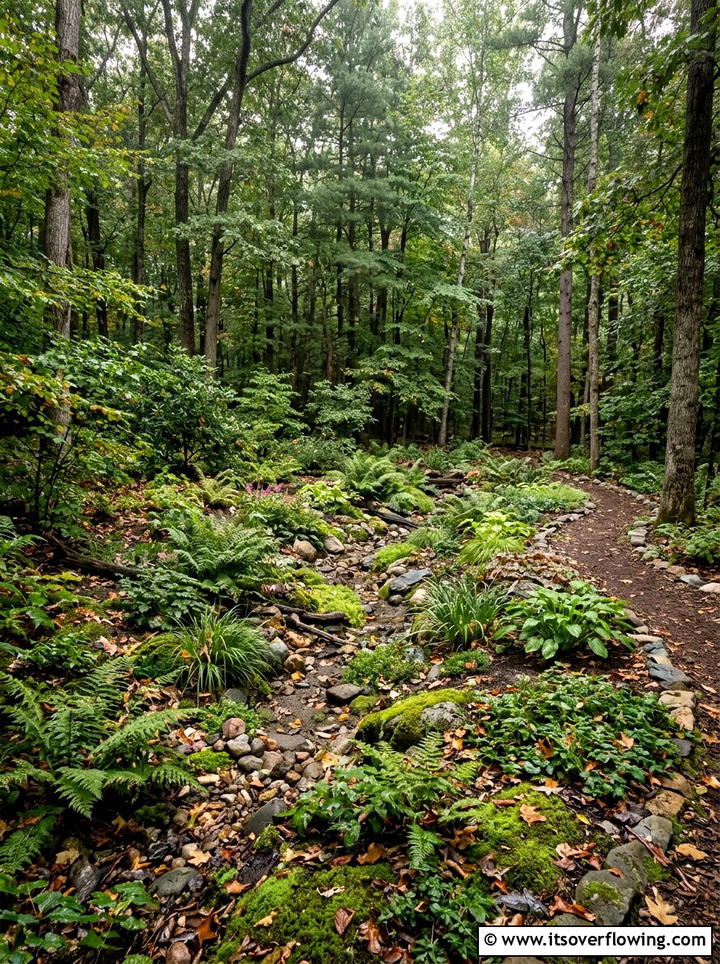
A woodland rain garden mimics the natural floor of a forest, using layers of plants to capture and slow down water. This design uses a combination of tall moisture-loving trees, mid-sized shrubs, and low-growing ground-covers to create a dense, multi-layered look. It is the perfect solution for the edge of a property where the yard meets a more natural, un-manicured area. The accumulation of leaf litter and organic matter helps improve the soil’s ability to absorb water over time. This garden feels cool, quiet, and deeply connected to nature. It provides a peaceful boundary for your yard while effectively managing the heavy runoff from the surrounding landscape.
Conclusion:
Building a rain garden is one of the most impactful steps a homeowner can take to support the local environment while beautifying their yard. Throughout these twenty-five ideas, we have seen how water management can be adapted to any style, from modern and minimalist to wild and wildlife-friendly. By choosing the right plants and structures, you can turn a problematic drainage spot into a thriving ecosystem that filters pollutants and prevents erosion. These gardens not only protect our waterways but also provide a stunning focal point for outdoor living. Whether you prefer the structure of a rock swale or the romance of a cottage garden, there is a rain garden design that fits your needs. Start planning your sustainable landscape today and enjoy the peace of mind that comes with a functional, eco-friendly backyard.
Related posts:
 25 Garden Ideas With Rain Barrels for Eco-Friendly Yards
 25 Garden Design Ideas With Vertical Gardens for Small Yards
 25 Creative Garden Ideas for Side Yards
 25 Creative Garden Ideas for Small Yards
 25 Creative Garden Ideas With No Lawn Design for Easy Yards
 25 creative garden ideas with pet friendly plants for Safe Yards
 25 Creative Garden Ideas With Rustic Charm for Cozy Yards
 25 Creative Garden Ideas With Tropical Foliage for Lush Yards
 25 Creative Garden Ideas With Rain Chains for Serene Style
 25 Creative Garden Ideas With Rain Barrel Displays That Wow
 25 Creative Garden Ideas With Chicken Coop Gardens
 25 Creative Garden Ideas With Mandala Gardens to Inspire