
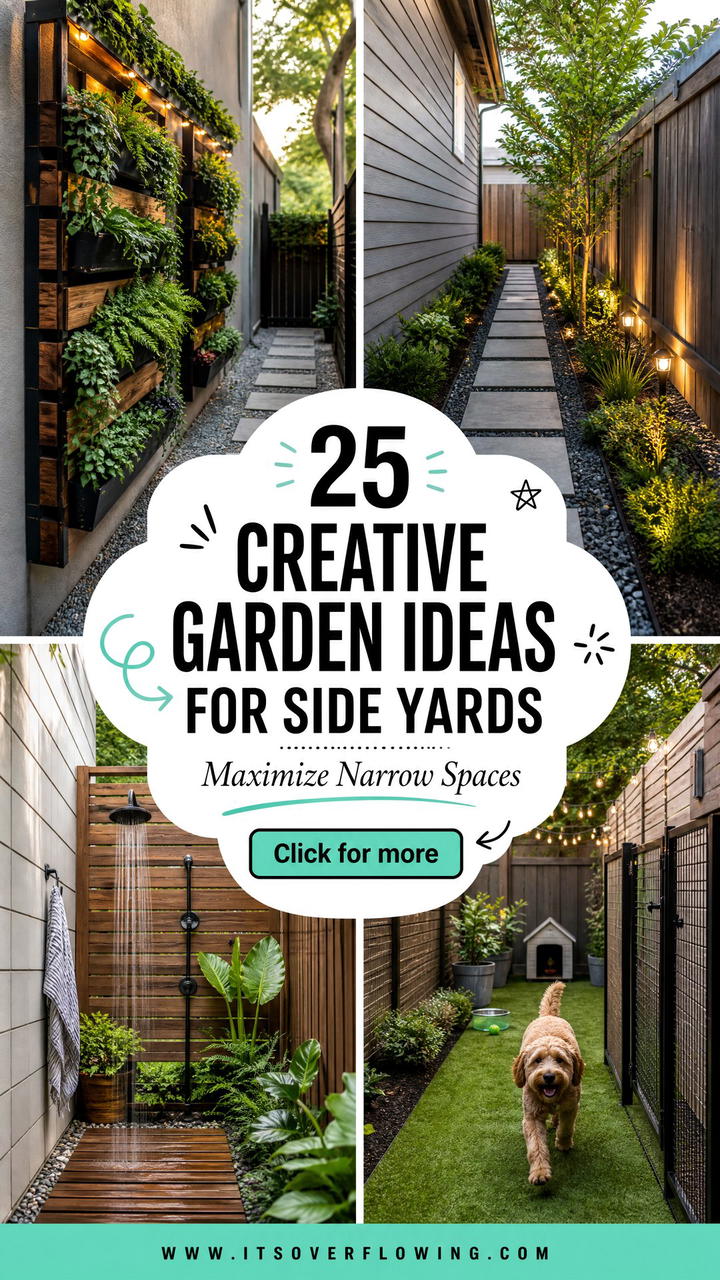
Transforming a narrow side yard into a functional and beautiful space often feels like a daunting task for many homeowners. These often-forgotten corridors are frequently relegated to storage for trash cans or forgotten gardening tools. However, with the right creative approach, you can turn these slim passages into stunning highlights of your outdoor living area. Whether you are dealing with deep shade, heavy foot traffic, or limited square footage, there are endless ways to elevate the aesthetics of your side yard. This comprehensive guide explores twenty-five unique concepts that will inspire you to reclaim every inch of your property. From lush greenery to modern hardscaping, these solutions offer practical beauty for any home style.
1. Gravel Path
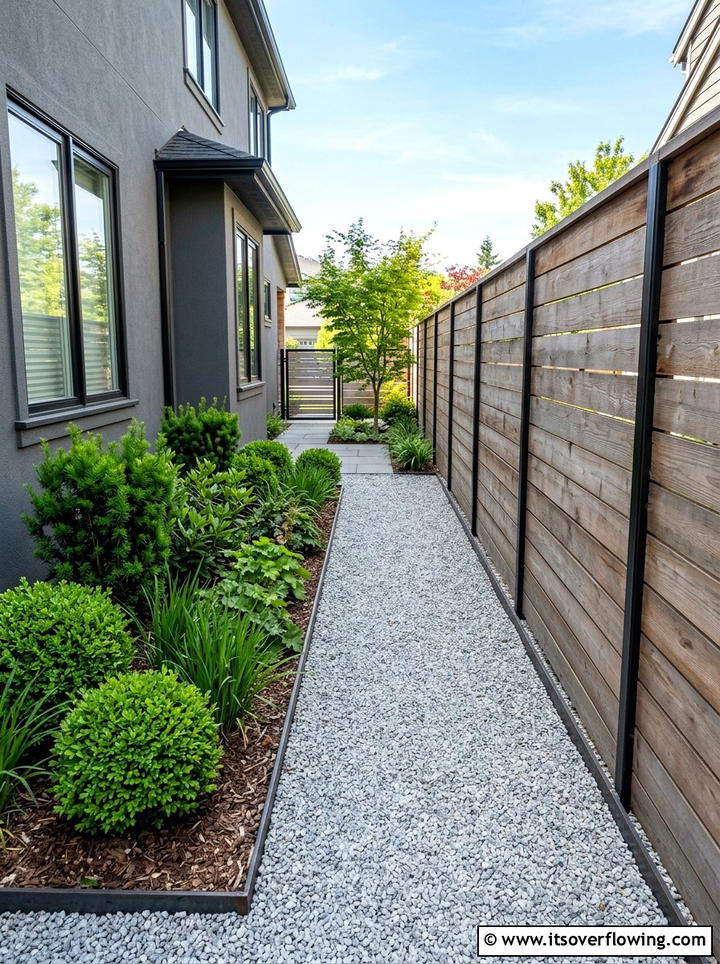
How do you create a low-maintenance walkway that looks polished and stays functional throughout the changing seasons of the year? Installing a gravel path is one of the most effective ways to manage a narrow side yard while providing a clean and crunch-underfoot texture. This approach works exceptionally well because gravel allows for excellent drainage during heavy rain, preventing mud from tracking into your home. You can choose from various colors and sizes of stones, such as pea gravel or crushed granite, to match your home’s exterior. Pairing the gravel with sturdy metal or wood edging keeps the stones contained and creates a sharp, professional finish that requires very little upkeep over time.
2. Privacy Screen
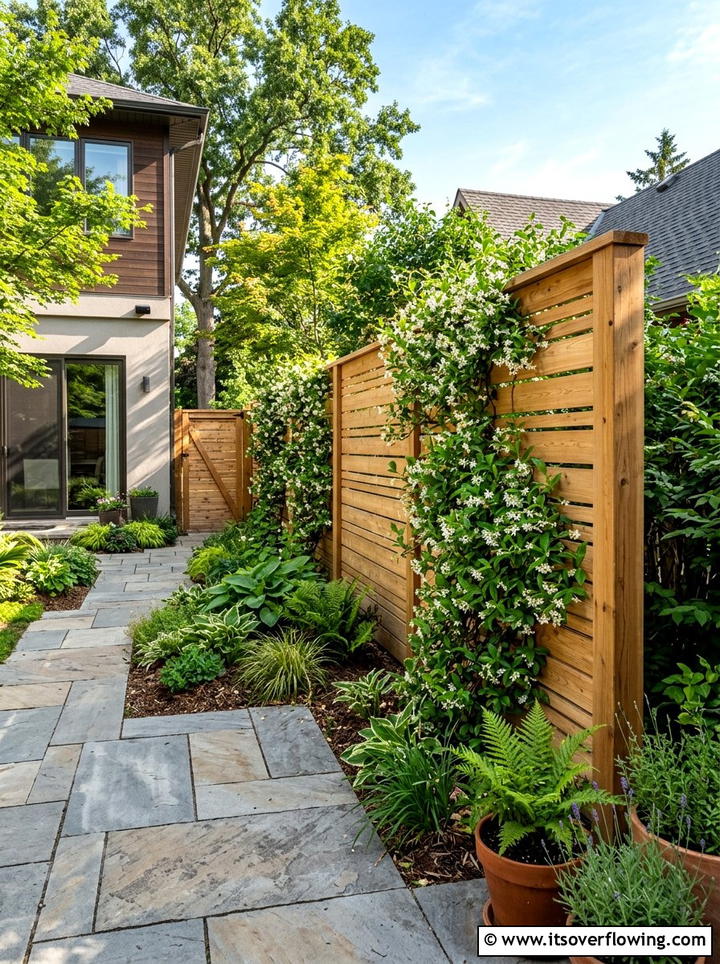
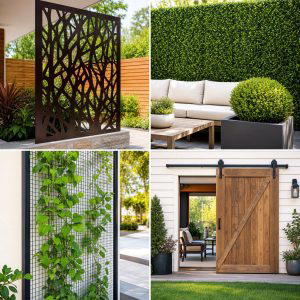
Does your side yard feel a bit too exposed to the neighbors’ windows or the busy street next door? Adding a privacy screen made of wood slats or decorative metal panels can instantly transform a vulnerable walkway into a secluded sanctuary. These structures provide a vertical element that draws the eye upward, making the narrow space feel more intentional and architectural. You can paint the wood to match your home’s trim or leave it natural for a rustic feel. Incorporating climbing vines like jasmine or ivy onto the screen adds a layer of softness and fragrance. This setup not only offers seclusion but also serves as a beautiful backdrop for other garden elements.
3. Vertical Garden
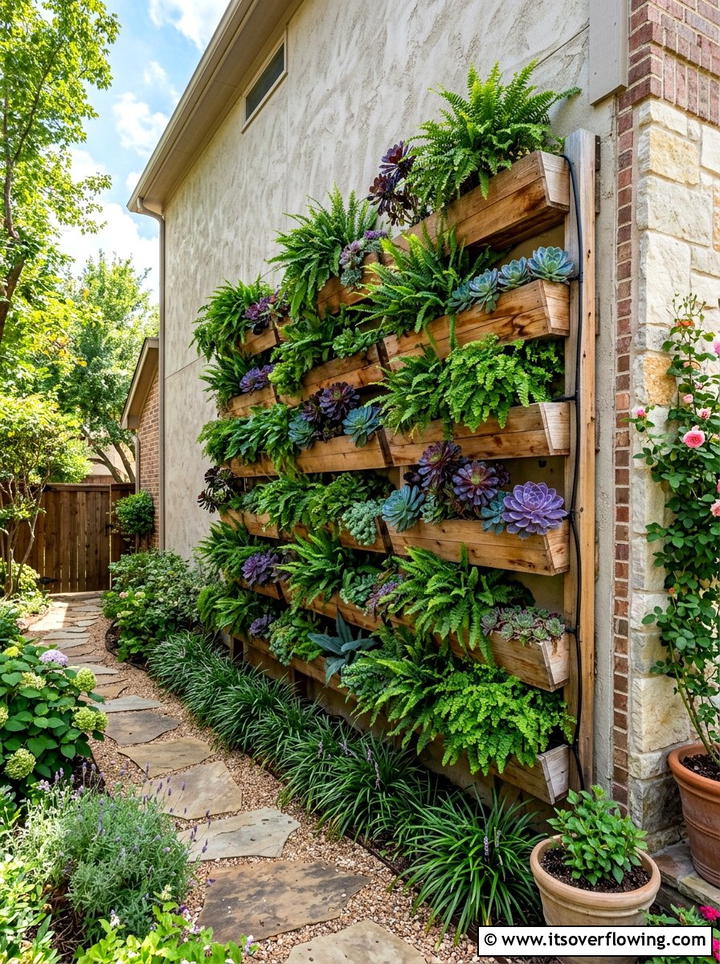
Vertical gardening is the perfect solution when ground space is limited but you still want to enjoy a lush environment. By using wall-mounted planters or a series of hanging pockets, you can grow a variety of ferns, herbs, or flowers along your home’s exterior wall. This green wall effect softens the hard lines of the architecture and brings life to a previously barren area. It is important to choose plants that thrive in the specific light conditions of your side yard, whether it is full sun or deep shade. Automated drip irrigation systems can be hidden behind the planters to ensure your vertical oasis stays hydrated and vibrant without much manual effort.

4. Side Yard Paver
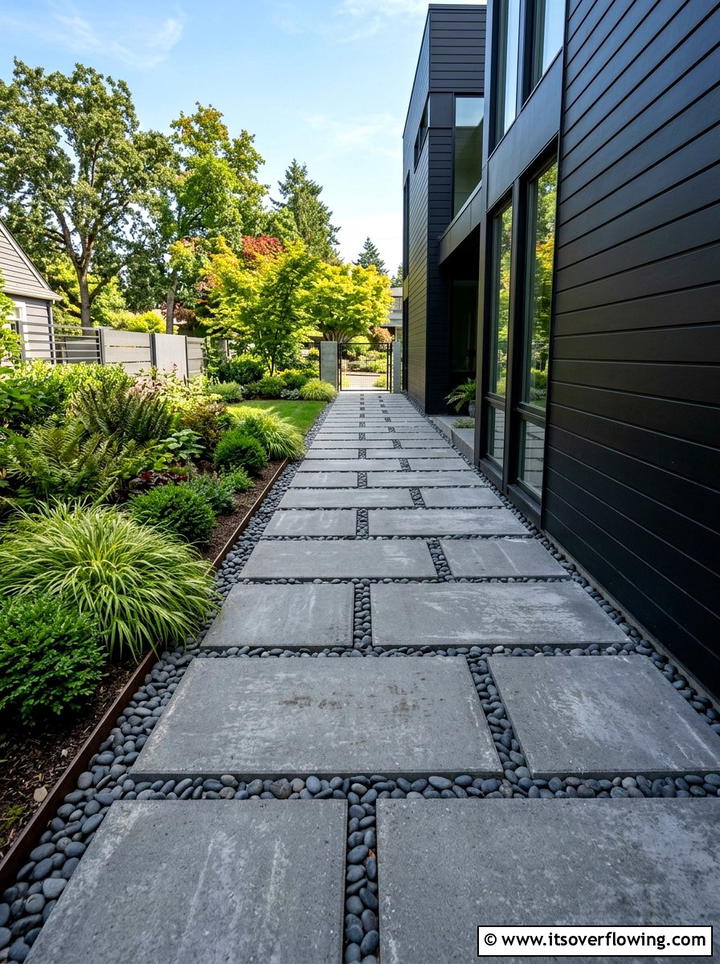
Walking through a side yard should be a comfortable experience rather than a balancing act on uneven dirt or patchy grass. Large format concrete or stone pavers create a modern and stable surface that defines the walking path clearly. By spacing the pavers out and filling the gaps with ground cover like creeping thyme or small pebbles, you create a visually interesting pattern. This technique helps break up the long, narrow feel of the yard, making it appear wider and more inviting. Pavers come in many shapes and finishes, allowing you to customize the look to fit a contemporary, traditional, or mid-century modern aesthetic perfectly.
5. Shade Garden
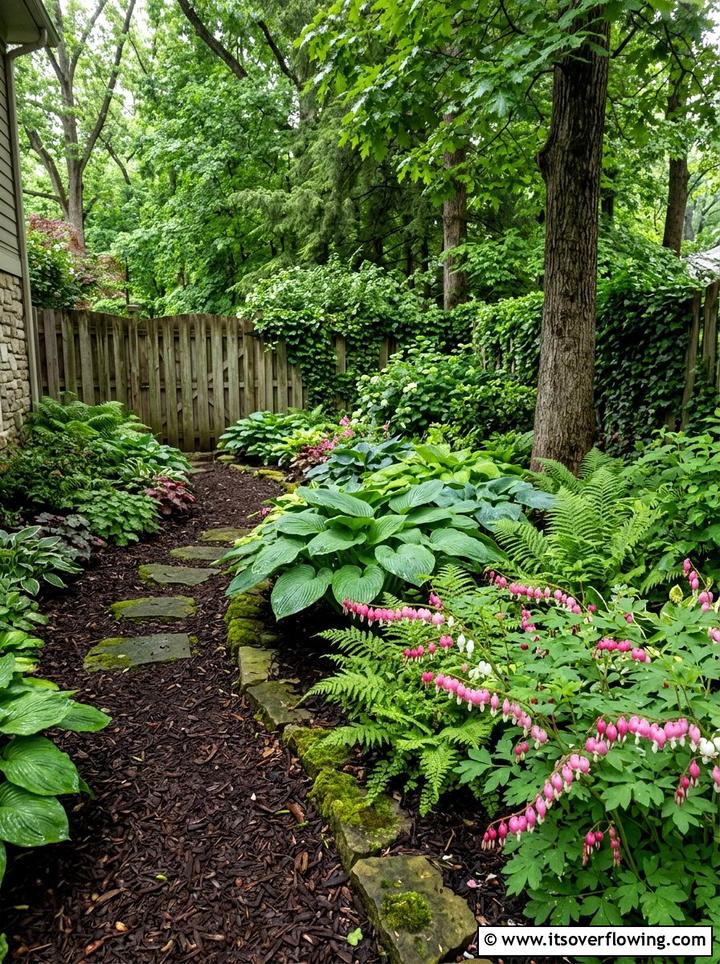
Many side yards suffer from a lack of direct sunlight due to the close proximity of neighboring houses or tall fences. Instead of struggling to grow grass, embrace the shadows by creating a dedicated shade garden filled with hostas, ferns, and bleeding hearts. These plants thrive in low-light environments and offer a rich variety of textures and shades of green. To add pops of color, consider shade-loving flowers like impatiens or begonias that bloom reliably in the cooler parts of the yard. Adding a layer of dark mulch will help retain moisture and make the vibrant greens of the foliage stand out against the ground, creating a cool retreat.
6. Narrow Vegetable Garden
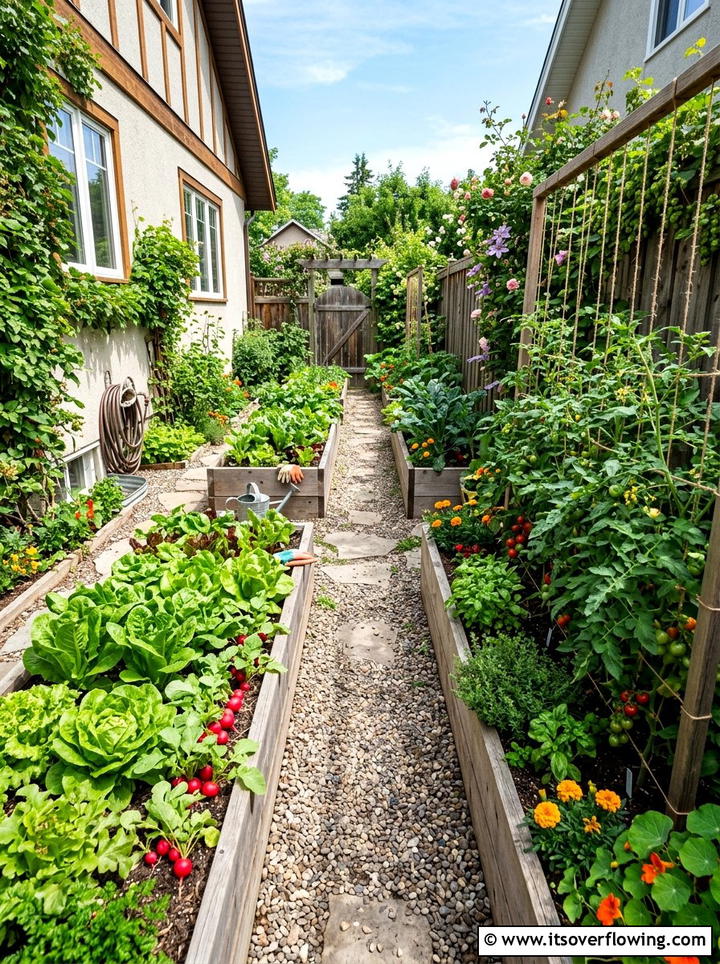
Can you actually grow your own food in a space that is only a few feet wide? A narrow vegetable garden utilizing raised beds is a brilliant way to make a side yard productive and organized. By building long, slim wooden boxes, you can control the soil quality and keep your edible plants easily accessible for harvesting. Leafy greens, radishes, and bush beans are excellent choices for these confined spaces as they do not require massive amounts of room to spread out. If the area gets enough sun, you can even install small trellises for cucumber or tomato plants to grow vertically, maximizing your harvest in a small footprint.
7. Succulent Border
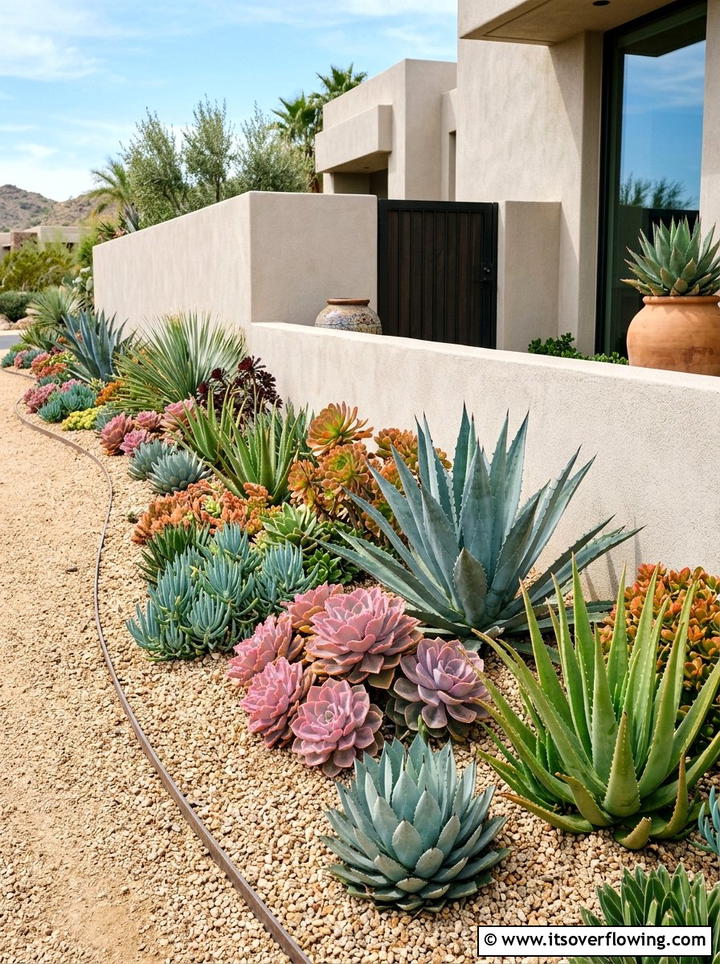
Succulents offer a low-water and high-impact way to decorate the edges of a side yard walkway with unique shapes. These hardy plants come in an incredible array of colors, from dusty blues to vibrant purples, and require very little maintenance once established. Planting them in a structured border along a fence or house foundation creates a clean and modern look that stays beautiful year-round. Because succulents are generally slow-growing, they won’t quickly overgrow the path or become unruly. Using different heights and textures of succulents, such as tall aloe or low-growing echeveria, adds a professional landscaping touch that feels both desert-chic and incredibly sophisticated for any home exterior.
8. Outdoor Shower
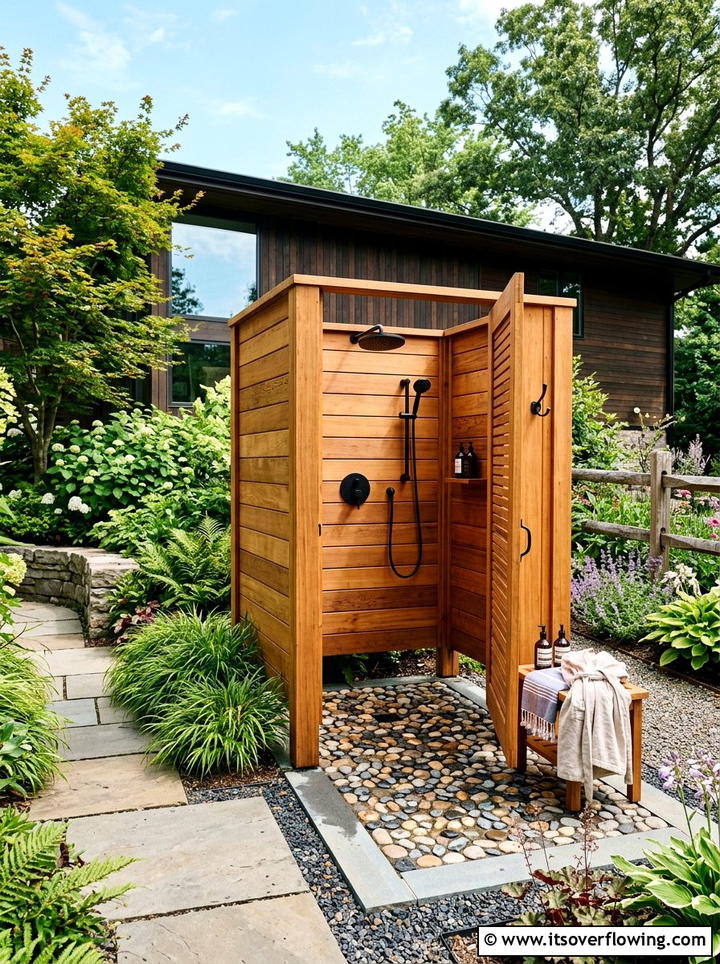
Imagine coming home from a long day at the beach or finishing a session of dirty yard work and rinsing off outside. An outdoor shower tucked into a side yard provides a luxurious and practical addition that uses space that might otherwise go to waste. You can use cedar planks to build a private enclosure that feels like a high-end spa right in your own backyard. Plumbing can often be easily extended from an existing indoor bathroom or utility room located on the same side of the house. Surrounding the base with smooth river rocks ensures proper drainage while adding a natural, Zen-like aesthetic to the functional plumbing fixture.
9. Espalier Fruit Tree
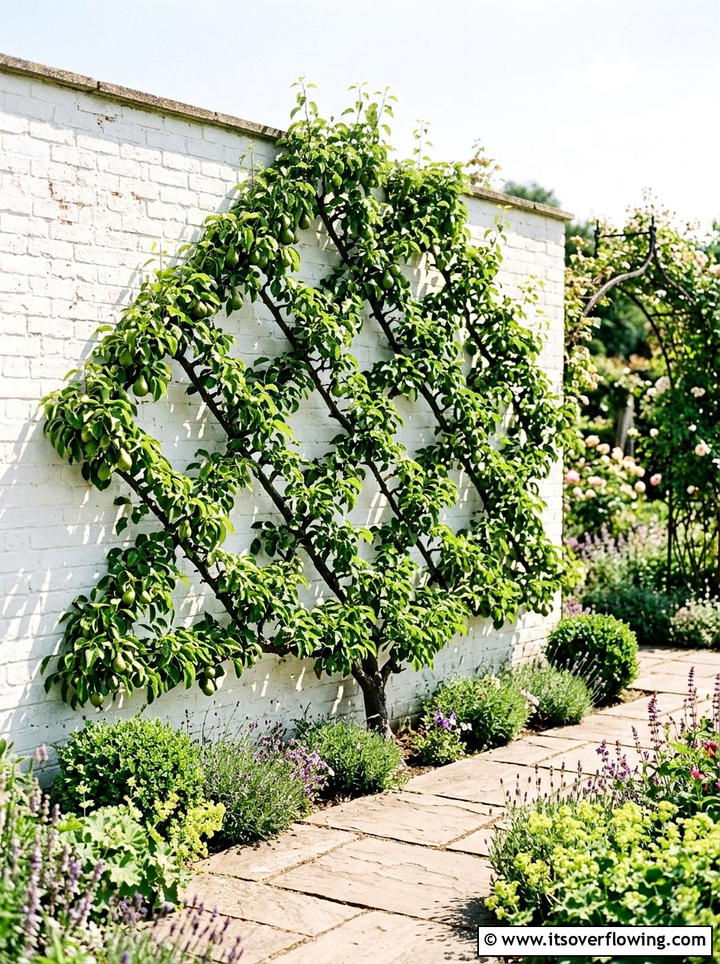
If you love the idea of home-grown fruit but lack the space for a full orchard, espalier trees are the answer. This ancient technique involves training a fruit tree to grow flat against a wall or fence by pruning and tying its branches. Apples, pears, and citrus trees respond exceptionally well to this method, creating a living piece of art that produces edible rewards. An espaliered tree takes up almost no horizontal space, making it ideal for the narrowest side yards. Beyond the fruit, the structured branching pattern provides a striking architectural element that remains interesting even during the winter months when the leaves have fallen away.
10. Stepping Stone Walkway
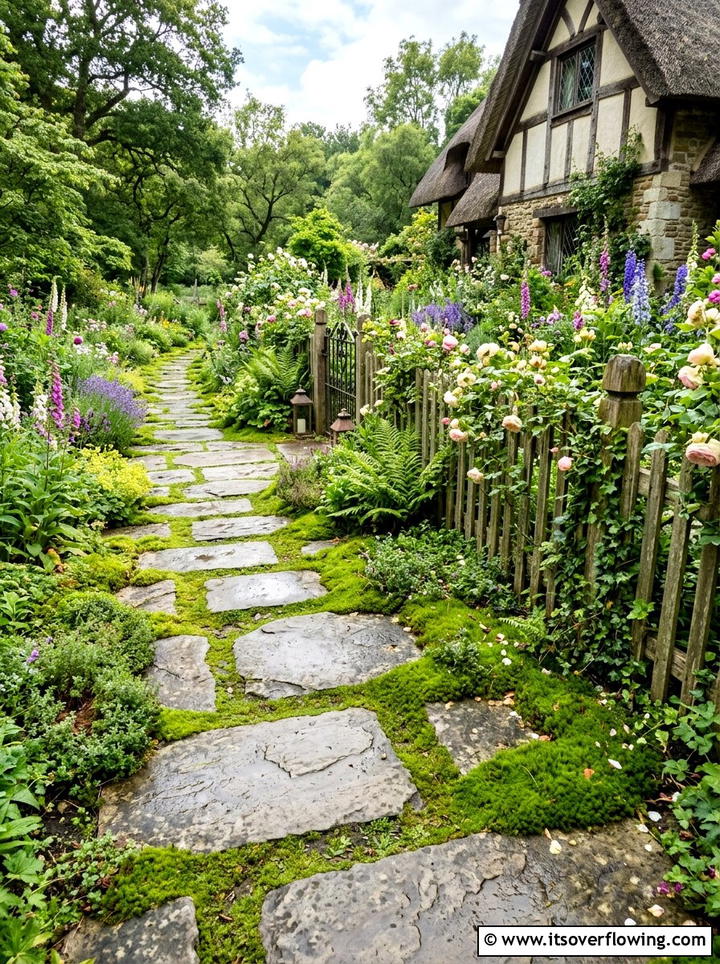
Stepping stones offer a more casual and natural alternative to solid paving, perfect for a side yard with a relaxed vibe. By placing large, flat stones at a natural walking pace, you create a path that encourages a slower, more mindful stroll. The areas between the stones can be planted with moss or durable ground covers that can handle occasional foot traffic. This look is particularly effective in cottage-style or woodland gardens where a rigid concrete path might feel too harsh. Using stones of varying shapes and sizes adds character and ensures the side yard feels like an integrated part of the overall landscape design rather than a secondary thought.
11. Rock Garden
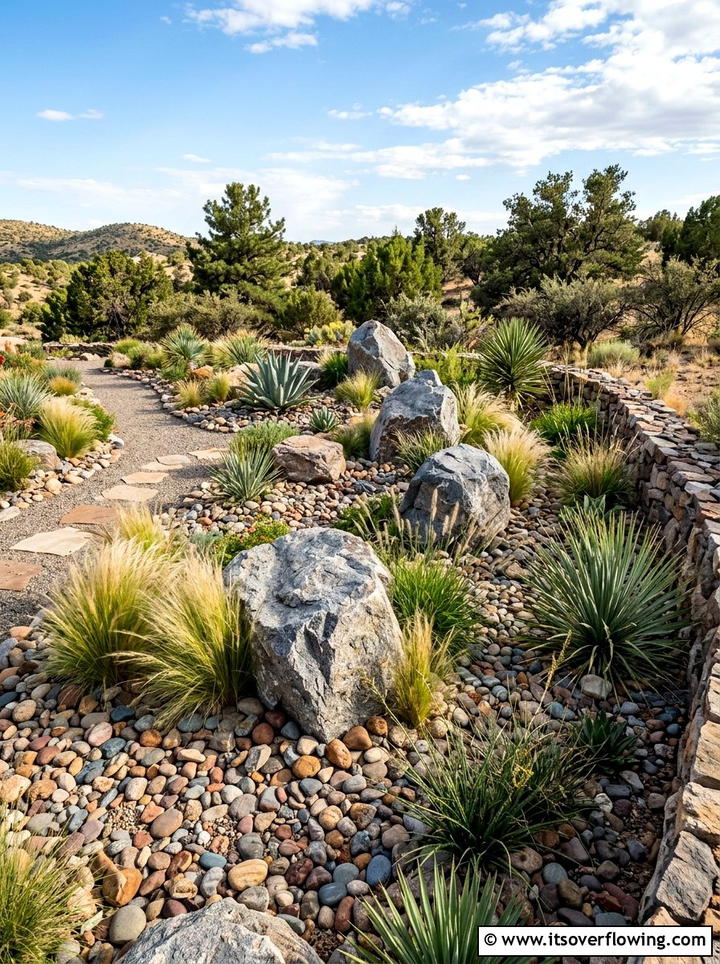
Low-maintenance landscaping is a top priority for many, and a rock garden provides beauty without the need for constant mowing or watering. By combining different sizes of boulders, river rocks, and decorative gravel, you can create a rugged and textured landscape in your side yard. This style is inspired by natural mountain or desert terrain and looks best when paired with drought-tolerant grasses or small shrubs. The variety of stone colors and shapes provides visual interest throughout the year, regardless of the weather. A well-designed rock garden also helps with erosion control and provides a stable surface that looks tidy with minimal effort from the homeowner.
12. Floating Wood Deck
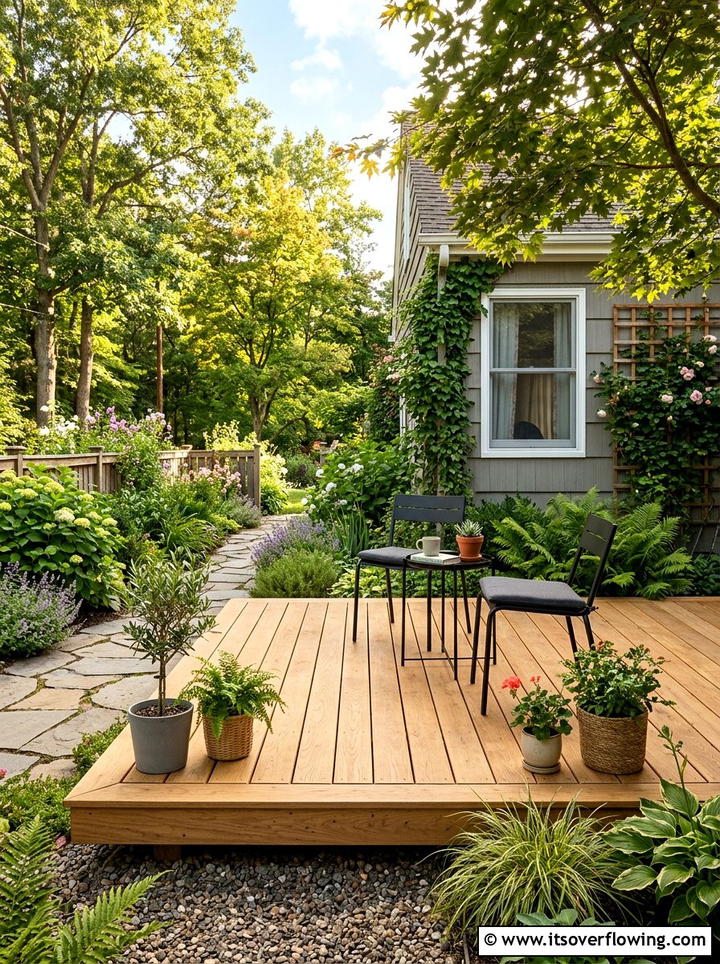
Adding a small floating wood deck to a side yard creates a distinct destination for relaxation or even a cozy reading nook. Unlike a traditional large deck, a floating platform sits low to the ground and doesn’t necessarily require complex railings or deep footings. This wooden element adds warmth and a different texture compared to the typical concrete or dirt found in side yards. You can place a couple of slim chairs and a small table on the deck to create a private escape away from the main patio. The elevation helps define the space as a “room, ” making the side yard feel like an intentional part of your living area.
13. Potting Bench Station
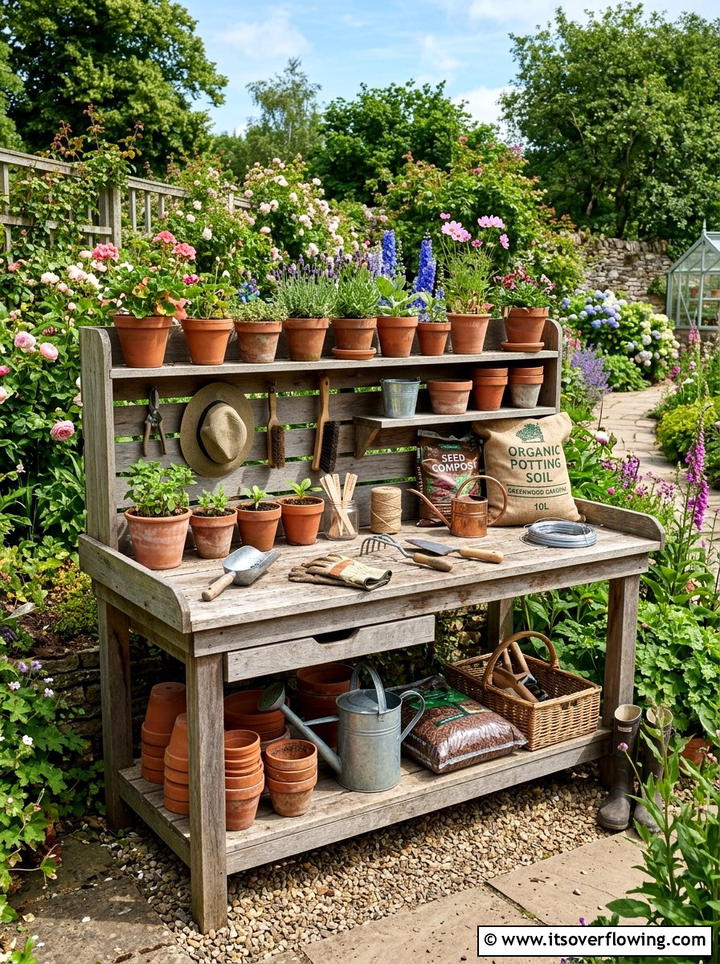
Gardening enthusiasts often find themselves making a mess on the main patio or in the garage when it is time to repot plants. Dedicated side yard space can be turned into a highly functional potting bench station that keeps all your supplies organized. A sturdy wooden bench with shelves for pots, bags of soil, and hand tools makes gardening tasks much more enjoyable. Placing this station in the side yard keeps the clutter out of sight while ensuring you have a flat surface to work on. You can even install a small sink or a dedicated hose hookup nearby to make watering and cleaning up a breeze after your projects.
14. Side Yard Pergola
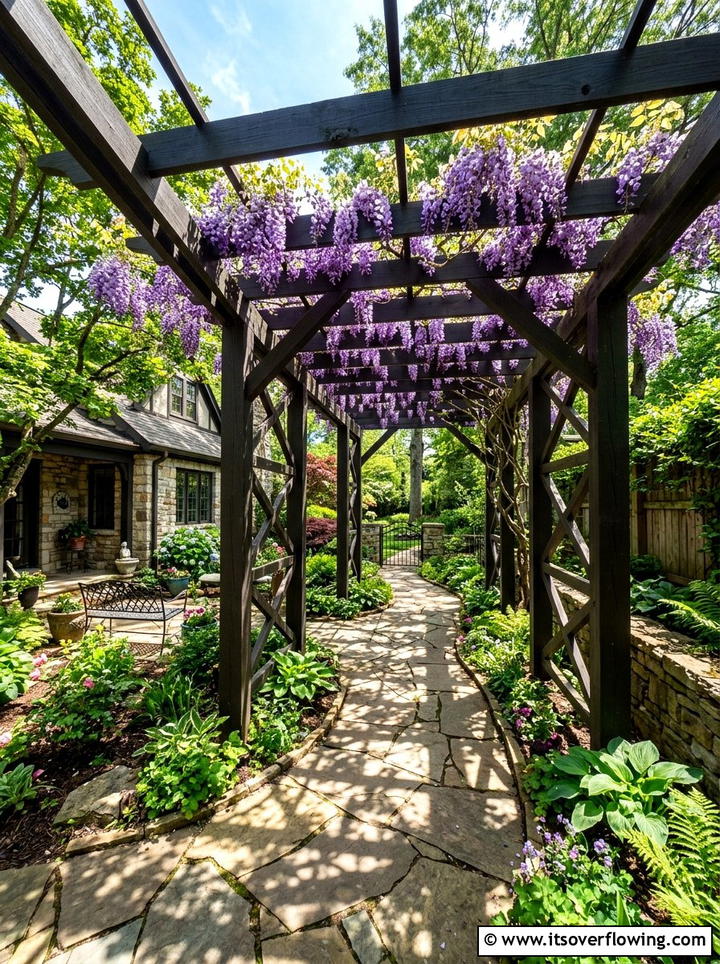
A pergola is a fantastic way to add architectural interest and a sense of enclosure to a long, narrow side yard. These overhead structures create a beautiful play of light and shadow on the ground throughout the day, enhancing the visual appeal of the walkway. You can grow climbing plants like wisteria or clematis over the beams to provide natural shade and a burst of seasonal color. The vertical posts of the pergola also serve as a great place to mount outdoor lighting or decorative lanterns. This structure helps bridge the gap between the house and the fence, making the side yard feel like a cohesive outdoor hallway.
15. Bamboo Privacy Fence
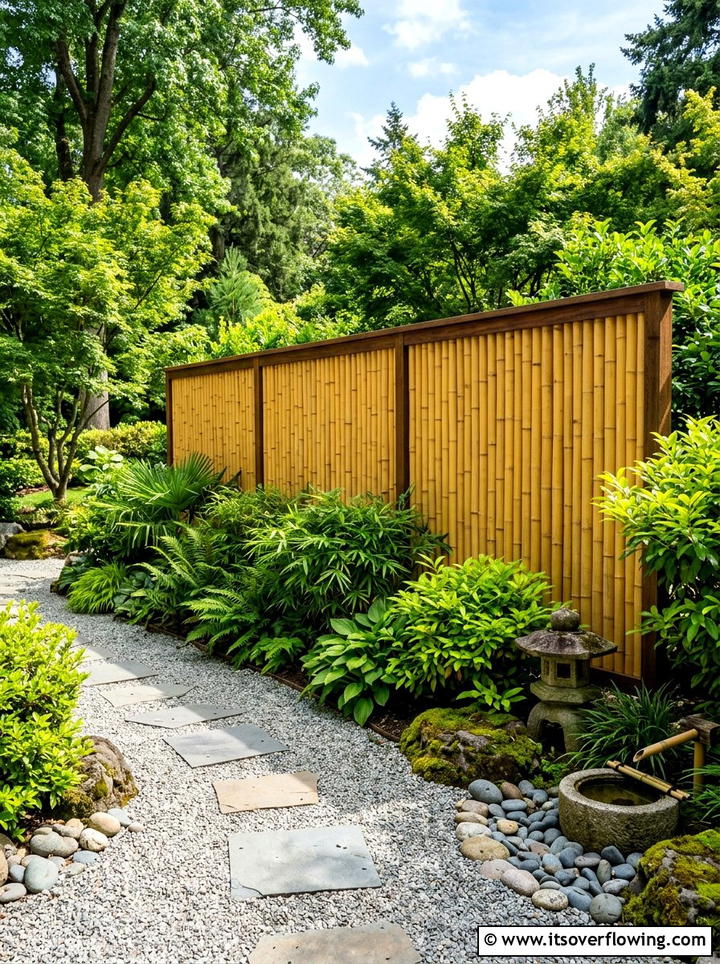
Are you looking for a fast-growing and sustainable way to block the view of a neighbor’s house or an unsightly utility area? Bamboo is an excellent choice for side yard fencing because it grows tall and dense, providing an almost instant privacy screen. Using high-quality bamboo poles tied together creates a tropical or Zen aesthetic that feels very different from standard chain-link or vinyl fencing. It is important to use non-invasive clumping varieties or install a root barrier to keep the bamboo contained. The light tan or green color of the bamboo adds a natural warmth that makes the narrow passage feel more like a lush, hidden garden path.
16. Native Plant Border
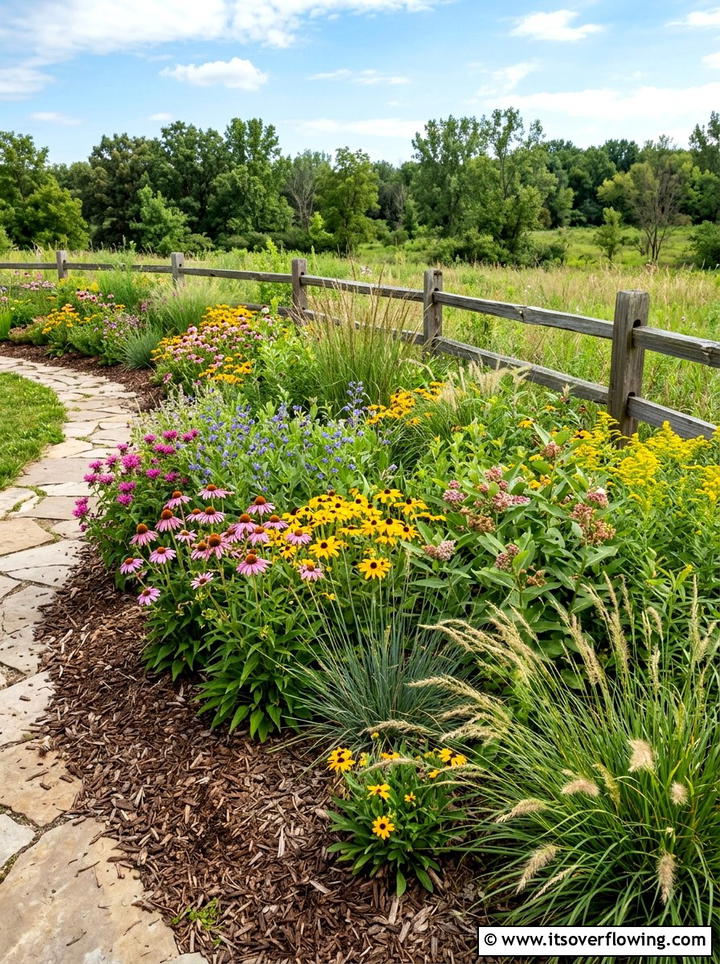
Native plants are the backbone of a healthy and low-maintenance garden, and they work beautifully in the specific microclimates of a side yard. By choosing plants that are indigenous to your local area, you ensure they are well-adapted to the soil and rainfall patterns. These plants often require less fertilizer and water, saving you time and money on maintenance. A native plant border can attract local butterflies and birds, bringing more life to your side yard. Whether you choose wild grasses, flowering perennials, or small shrubs, a native garden feels grounded in its environment and provides a beautiful, changing display of color and texture throughout the seasons.
17. Dog Run Area
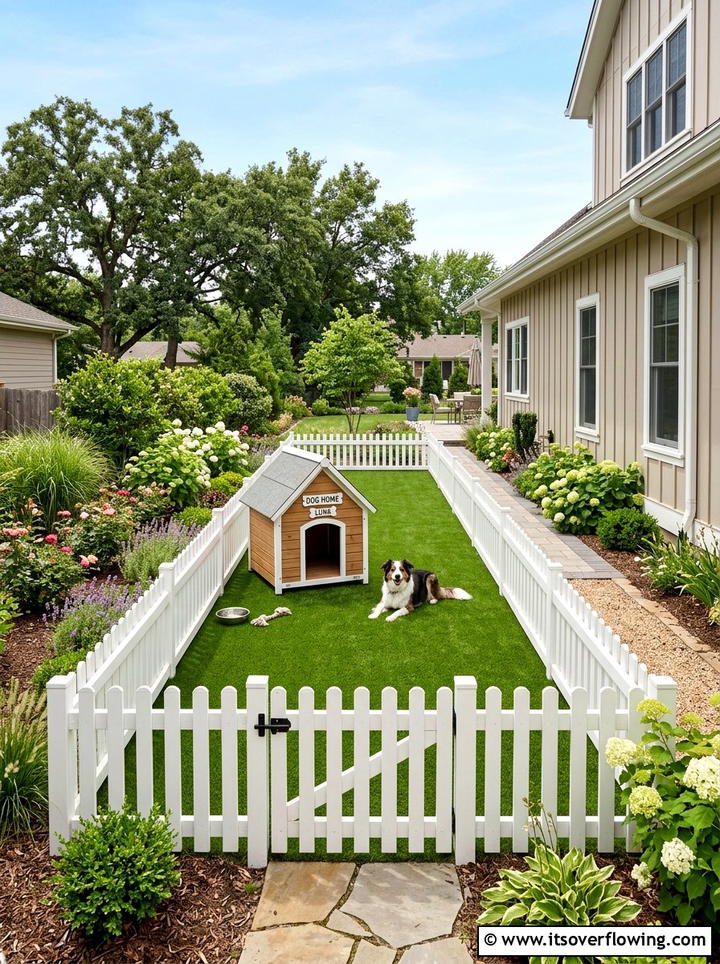
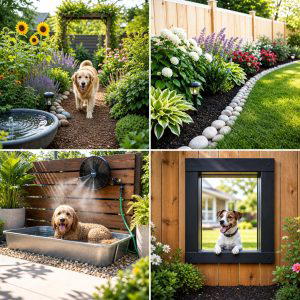
Pet owners often struggle to find a dedicated spot for their furry friends to play without ruining the main lawn or garden beds. A side yard can be easily converted into a safe and durable dog run using artificial turf or pet-friendly cedar chips. This provides a designated space for exercise and bathroom breaks that is easy to clean and maintain. You can add a small picket fence with a gate to keep your pets secure while still allowing them to enjoy the outdoors. Including a small shade structure or a water bowl station ensures your dog stays comfortable during their time outside, making the side yard a functional pet haven.
18. String Lighting Layout
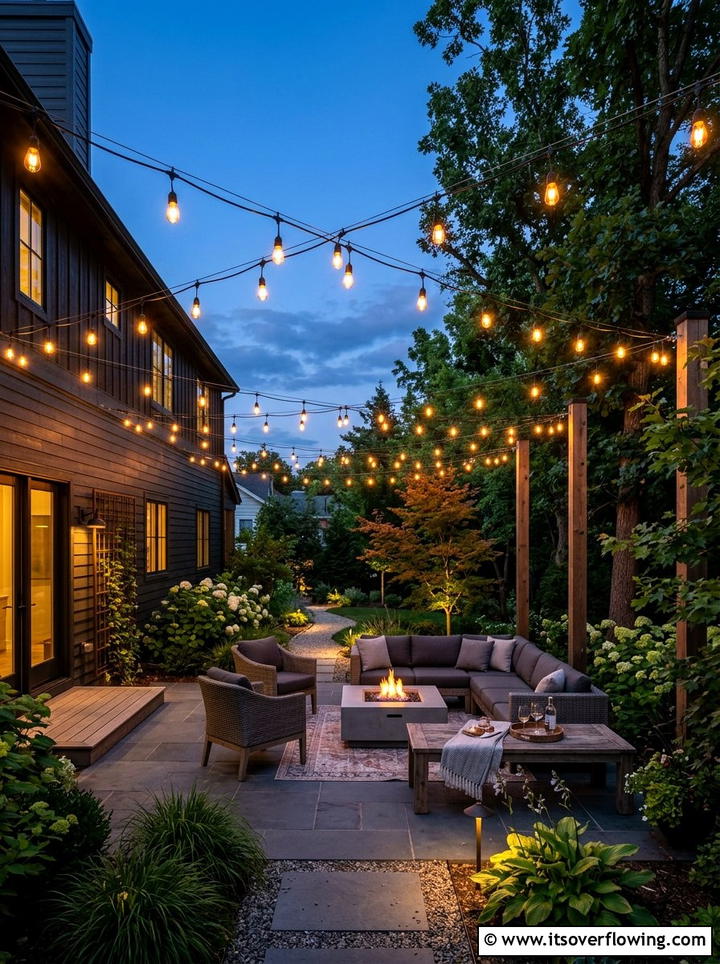
Outdoor lighting is essential for making a side yard usable after sunset and for improving the overall security of your property. Hanging Edison-style string lights in a zigzag pattern across the narrow space adds a whimsical and inviting glow that feels like a festive cafe. This overhead lighting helps define the path and makes the area feel much larger by drawing the eye upward into the night sky. You can connect the lights to a smart timer or a motion sensor for convenience and energy efficiency. The warm light reflecting off the house walls and garden foliage creates a magical ambiance that transforms a dark corridor into a charming walkway.
19. Tropical Foliage Corner
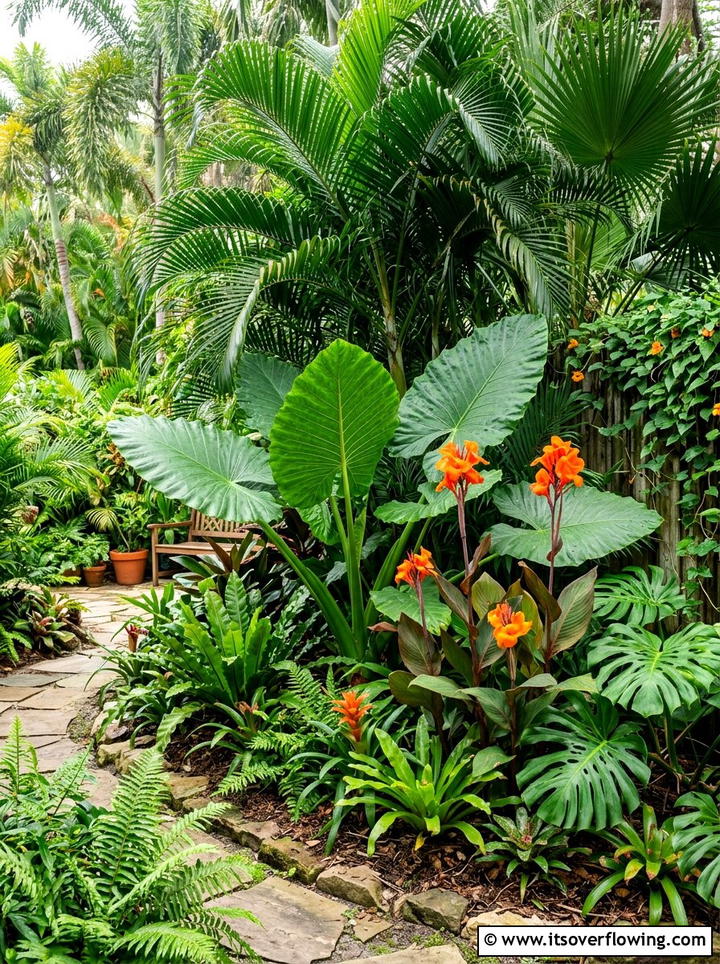
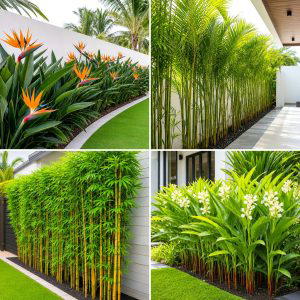
You can create the feeling of an exotic getaway by planting large-leafed tropical plants in the corners or along the walls of your side yard. Species like elephant ears, canna lilies, and hibiscus provide dramatic scale and vibrant colors that make a big statement in a small space. These plants love the humidity that can often build up in narrow, enclosed areas between buildings. Even if you live in a cooler climate, many tropical-looking plants can be grown in large containers and moved indoors for the winter. The lush, overlapping leaves create a dense curtain of greenery that masks fences and provides a high-end, resort-style vibe to your home.
20. Zen Meditation Space
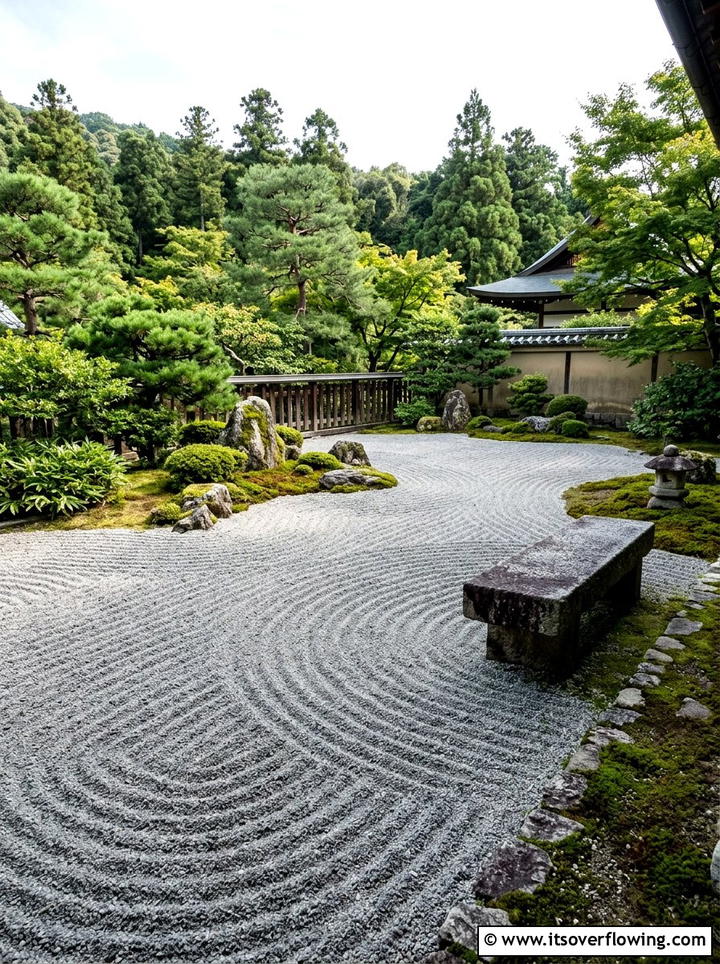
Because side yards are often tucked away from the main activity areas of the home, they are the perfect location for a quiet Zen space. By incorporating minimalist elements like smooth river stones, a small stone bench, and a few carefully placed evergreen shrubs, you create a peaceful retreat. A simple sand or gravel area that can be raked into patterns provides a meditative activity that promotes relaxation and focus. This design focuses on simplicity and balance, using a neutral color palette to calm the mind. It is a wonderful way to utilize a quiet side yard for mental well-being and to add a touch of sophisticated Japanese-inspired design.
21. Modern Metal Planter
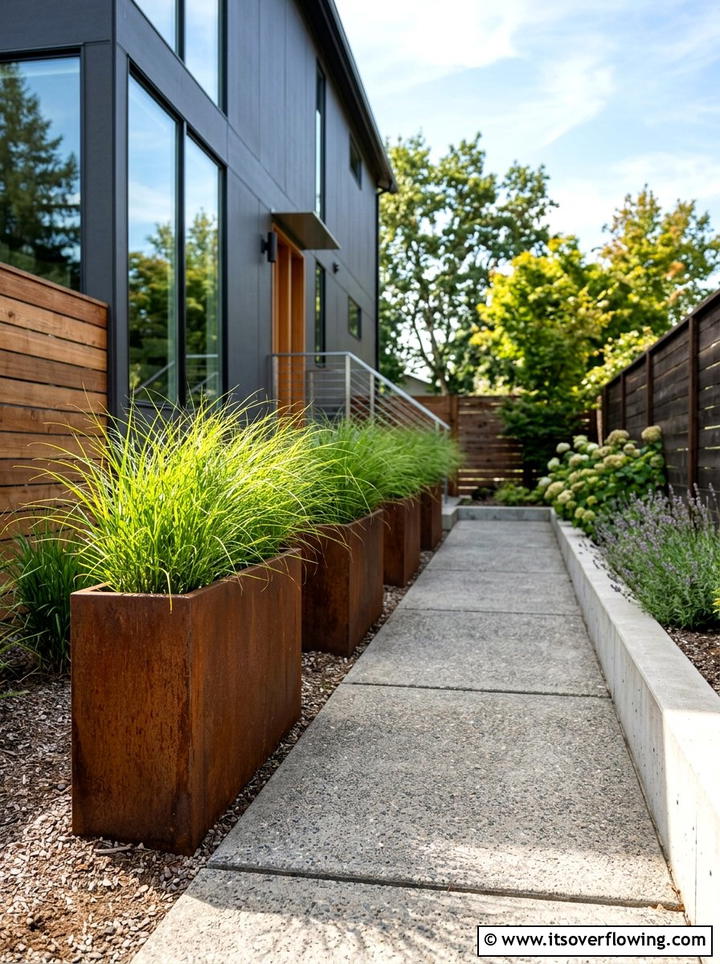
If your side yard is mostly concrete or paved, adding large modern metal planters is a great way to introduce greenery with a contemporary edge. Corten steel or powder-coated aluminum planters are extremely durable and offer a sleek, industrial look that complements modern architecture. These containers allow you to grow ornamental grasses or structural plants without the need for traditional garden beds. Placing them in a row along a wall creates a rhythmic and organized appearance that leads the eye down the length of the yard. The height of the planters also makes it easier to tend to your plants without bending down, combining style with ergonomic practicality.
22. Recycled Brick Path
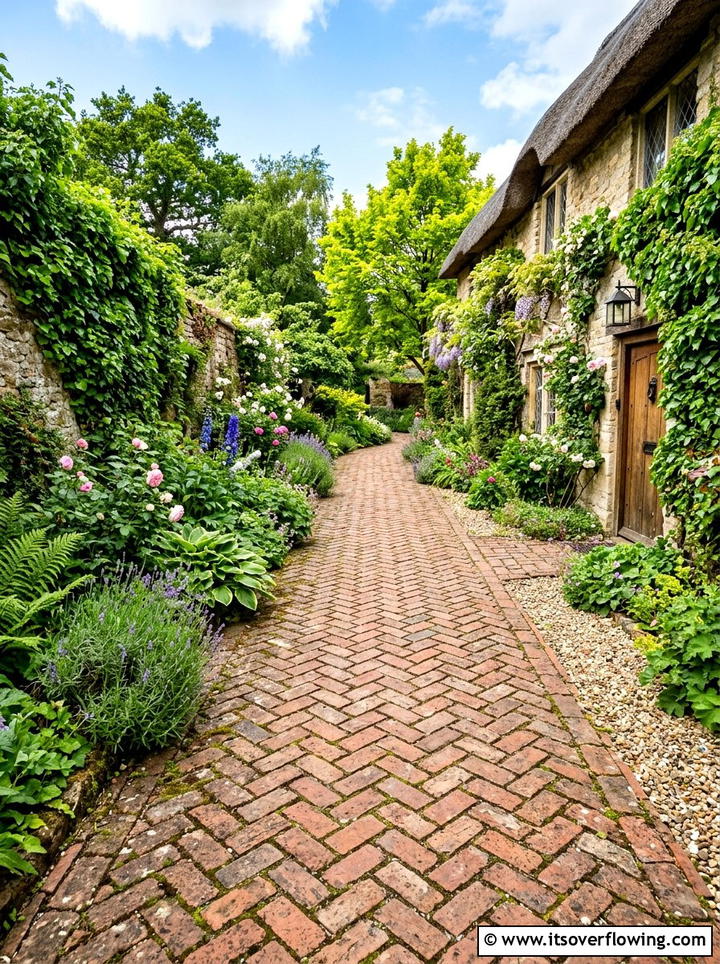
Using reclaimed or recycled bricks for a side yard path adds a sense of history and warmth that new materials often lack. Bricks can be laid in various patterns, such as herringbone or basketweave, to create a charming and timeless look. This approach is not only environmentally friendly but also incredibly sturdy, providing a permanent walkway that ages beautifully over time. The reddish-orange tones of traditional brick provide a lovely contrast to green foliage and wooden fences. If you prefer a more rustic look, you can leave the edges slightly irregular and allow small amounts of moss to grow in the cracks, giving the path an established, antique feel.
23. Climbing Rose Trellis
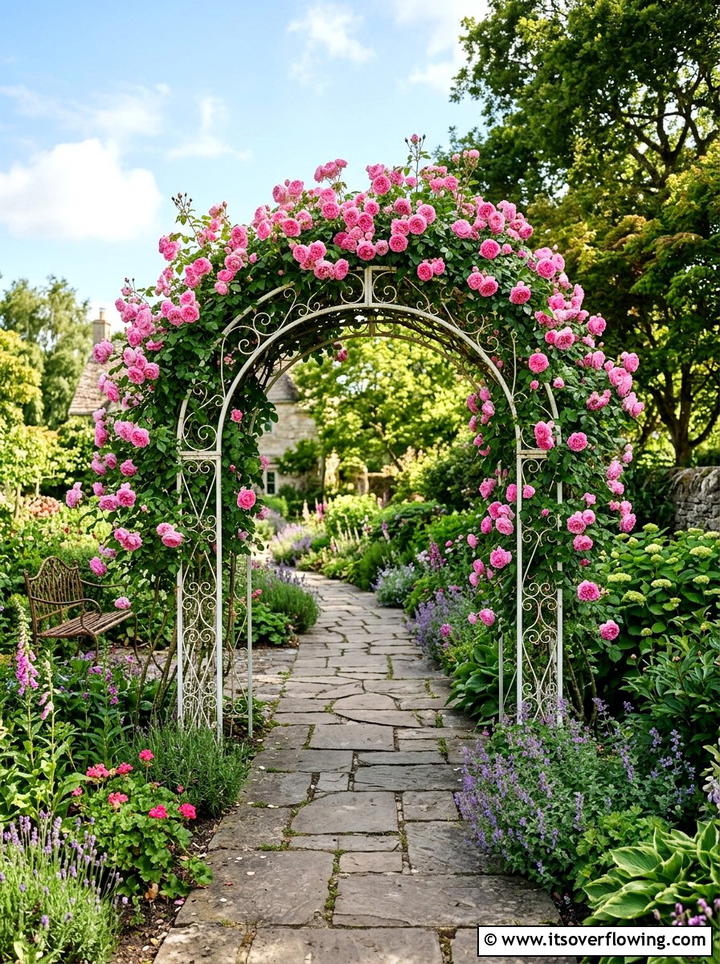
Nothing beats the classic beauty and intoxicating fragrance of climbing roses growing along a side yard fence or wall. By installing a sturdy wooden or metal trellis, you provide the necessary support for these vigorous plants to reach new heights. As the roses bloom, they cover the vertical surface in a sea of color, turning a boring passage into a romantic floral walkway. Choose repeat-blooming varieties to ensure you have flowers throughout the summer and into the fall. The thorns of the roses can also act as a natural security barrier, while the lush foliage provides a soft texture that helps dampen noise from the street or neighbors.
24. Small Water Feature
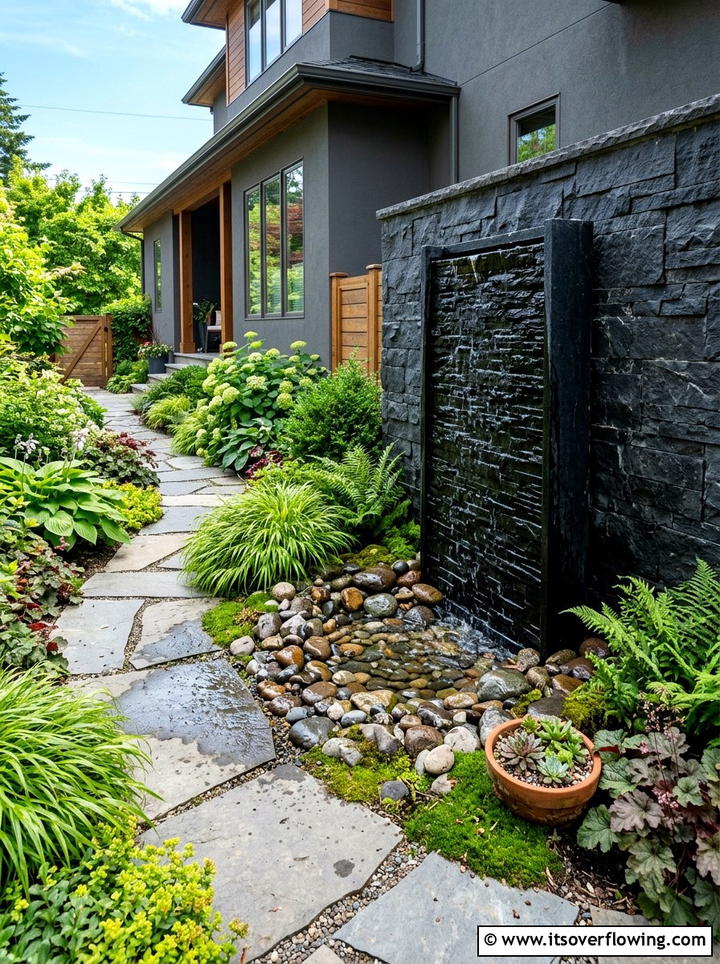
The gentle sound of trickling water can drown out city noise and create a soothing atmosphere in even the smallest side yard. A wall-mounted fountain or a slim, recirculating water column takes up very little ground space but provides a massive impact on the mood of the area. These features attract local birds who come to drink and bathe, adding a dynamic element to your garden. Many modern water features are self-contained and only require a standard electrical outlet to operate the pump. By placing the fountain near a window or door, you can enjoy the relaxing sounds from both inside and outside your home, enhancing your living experience.
25. Dry Creek Bed
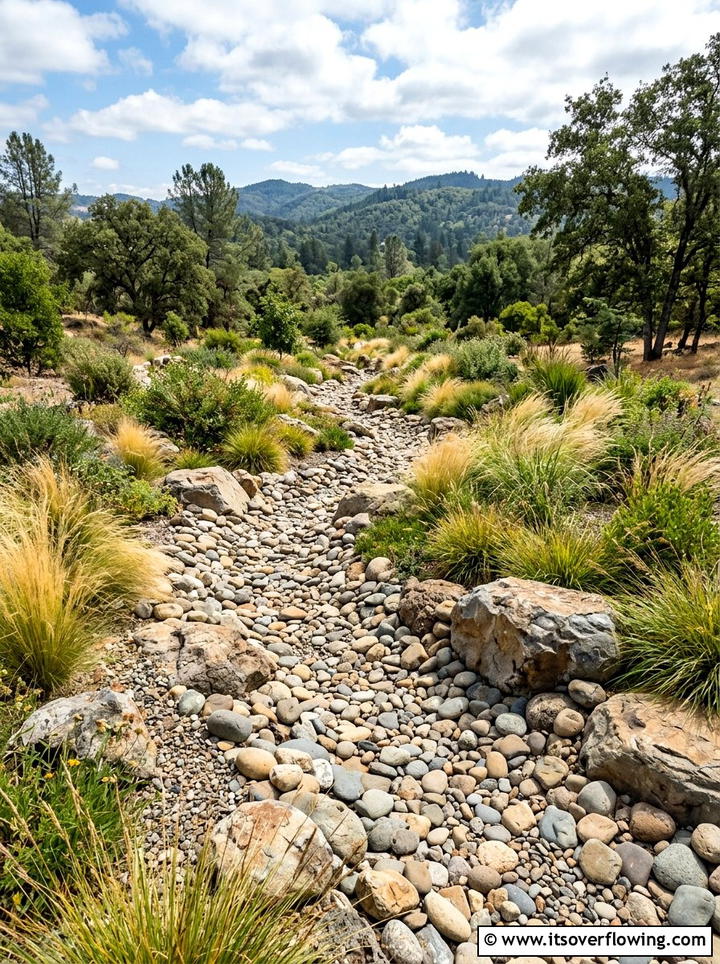
In areas where drainage is a concern, a dry creek bed offers a functional and visually stunning solution for a side yard. By using a mix of large river rocks, smaller stones, and decorative gravel, you can mimic the look of a natural stream that flows through the space. During heavy rain, the creek bed safely channels water away from your home’s foundation, preventing erosion and pooling. When it is dry, the varied textures and colors of the rocks provide a beautiful landscape feature that requires zero watering. You can plant drought-tolerant grasses along the “banks” of the creek to further enhance the naturalistic look and feel of the design.
Conclusion:
Maximizing the potential of your side yard is a rewarding project that adds significant value and beauty to your entire property. By moving beyond the idea of this space as a mere utility zone, you can create functional areas that reflect your personal style and meet your specific needs. Whether you choose to install a lush vertical garden, a practical dog run, or a peaceful meditation corner, the possibilities are limited only by your imagination. Remember to consider the light conditions, drainage, and foot traffic of your specific yard when selecting the best options. With a bit of planning and creativity, your side yard can become one of the most cherished and visited parts of your home landscape.

Related posts:
 25 Garden Ideas for Side Yards to Use Every Inch
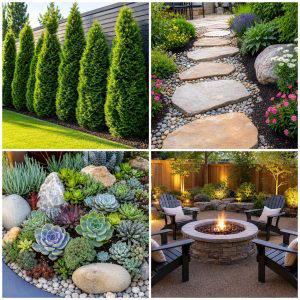 25 Creative Garden Ideas for Small Yards
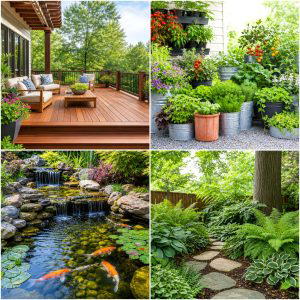 25 Creative Garden Ideas With No Lawn Design for Easy Yards
 25 creative garden ideas with pet friendly plants for Safe Yards
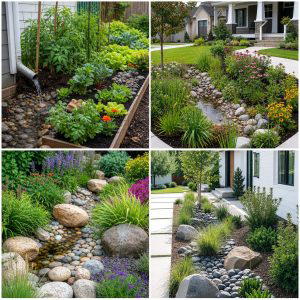 25 creative garden ideas with rain gardens for Eco Yards
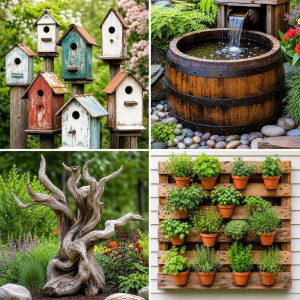 25 Creative Garden Ideas With Rustic Charm for Cozy Yards
 25 Creative Garden Ideas With Tropical Foliage for Lush Yards
 25 garden design ideas for side yard strips: Narrow Space Wins
 25 Small Garden Ideas for Side Yard Spaces That Shine
 25 Garden Design Ideas for Pet Friendly Yards and Happy Pets
 25 Garden Design Ideas With Privacy Screens for Secluded Yards
 25 Garden Ideas for Cold Climate Yards That Thrive Beautifully