
Creating a beautiful garden in a cold climate requires a bit of extra planning and a lot of heart. Many people think that a short growing season means their outdoor space has to look dull for half the year, but that is simply not true. By choosing the right structures and resilient plants, you can enjoy a vibrant landscape even when the snow begins to fall. This guide explores creative ways to embrace the frost and build a garden that thrives in lower temperatures. From sturdy hardscaping to cold-hardy greenery, there are endless ways to make your northern yard a year-round sanctuary for your family and local wildlife.

1. Raised Garden Bed
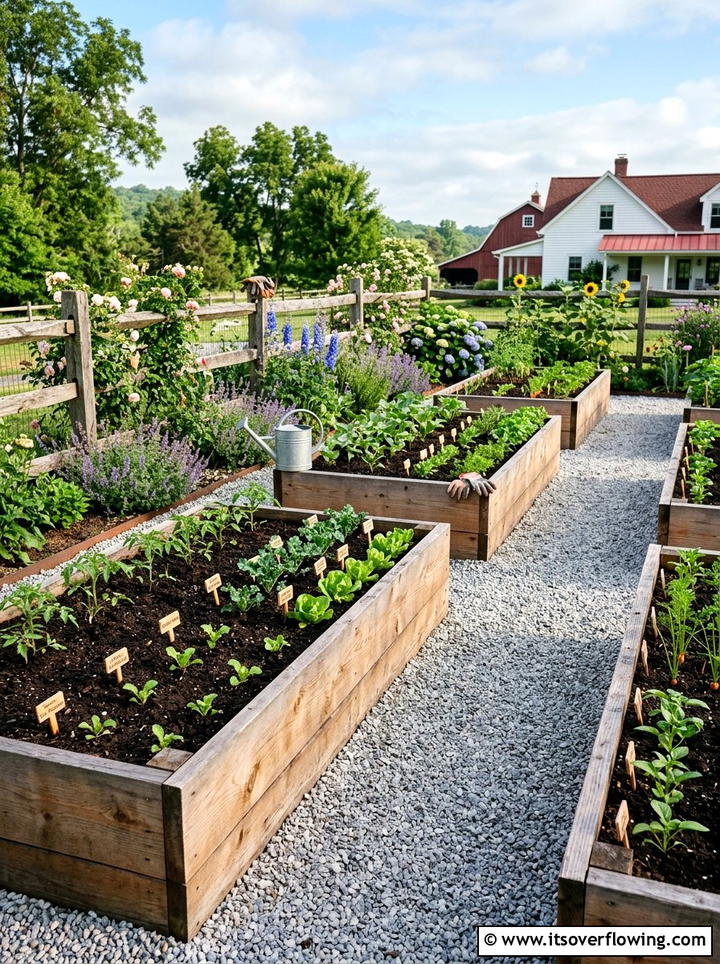
Raised garden beds are a game changer for anyone living in a region with long, freezing winters. They help the soil warm up much faster in the early spring than traditional ground-level gardens. This means you can start planting your seeds several weeks earlier than your neighbors. Because the soil is elevated, it also drains much better during the muddy spring thaw. You can build these beds using durable materials like cedar or stone to withstand harsh weather. They also keep your garden looking organized and tidy even when the plants are dormant. Adding a thick layer of compost each fall will ensure your soil stays rich and ready for the next growing season.
2. Winter Greenhouse
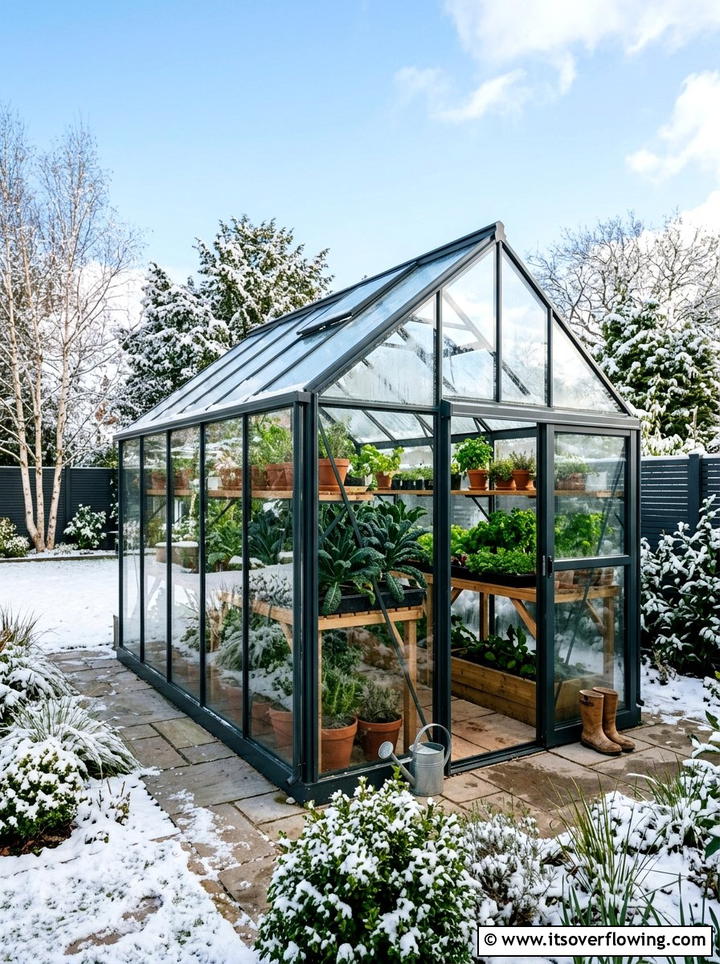
A sturdy winter greenhouse allows you to defy the elements and grow fresh greens throughout the coldest months. These structures trap the sun’s warmth and create a protected microclimate for delicate plants. You can choose from glass panels or heavy-duty polycarbonate to insulate against freezing temperatures and heavy snow loads. Inside, you can set up benches for potting or use ground beds for hardy vegetables like kale and spinach. A greenhouse also provides a wonderful escape for gardeners who miss the smell of damp earth during the winter. It serves as a focal point in the backyard while significantly extending your harvesting window every single year.
3. Evergreen Shrub
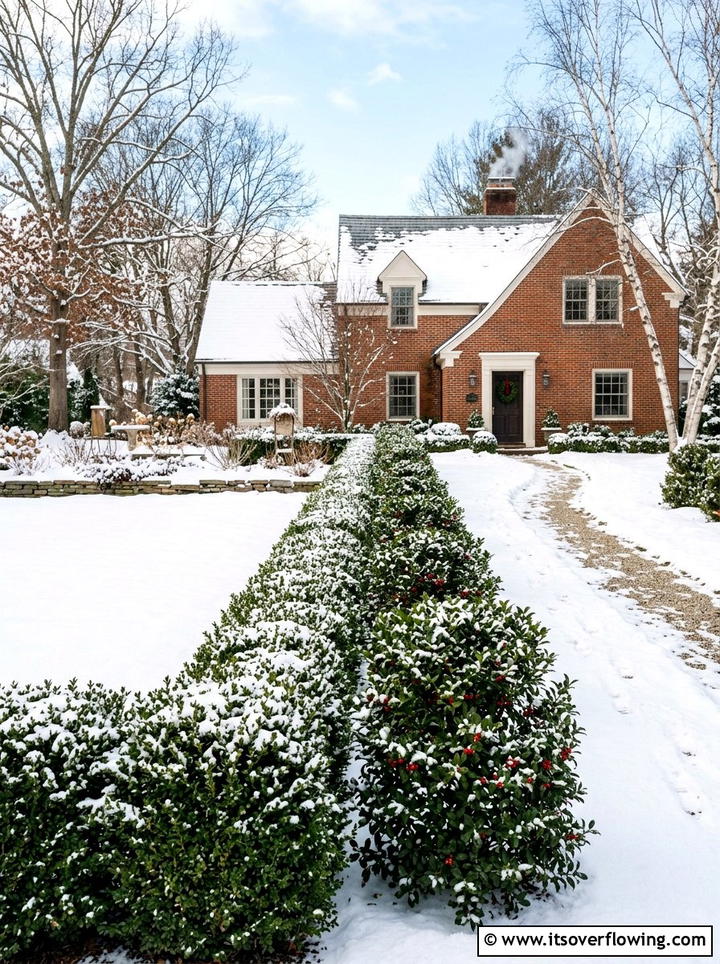
Evergreen shrubs are the backbone of a winter garden because they provide color and structure when everything else has turned brown. Boxwoods, hollies, and yews maintain their deep green foliage even under a heavy blanket of snow. These plants help define the boundaries of your garden and act as a beautiful backdrop for spring flowers later on. You can prune them into formal shapes or let them grow naturally for a more relaxed look. Beyond their beauty, evergreens provide essential shelter for small birds looking for protection from the wind. Planting a variety of heights and textures will keep your winter landscape looking lush and intentionally designed all season.
4. Cold Hardy Perennial
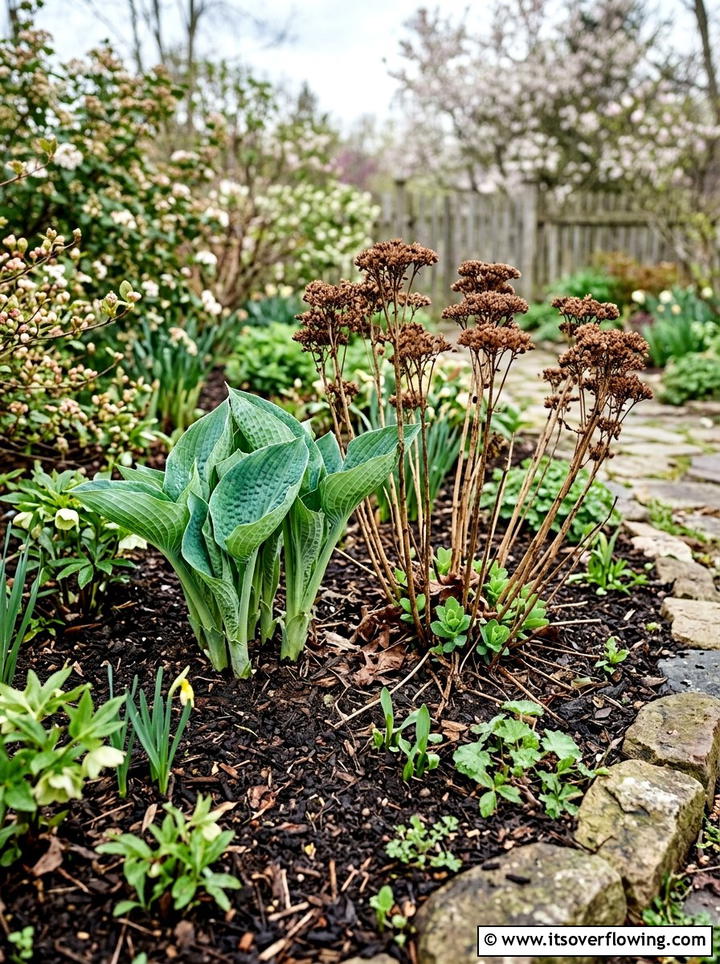
Cold hardy perennials are the quiet heroes of the northern landscape because they return year after year with very little effort. Plants like hostas, peonies, and sedums are built to survive deep freezes and dormant periods without any damage. When you choose varieties specifically rated for your zone, you ensure a reliable burst of growth every spring. These plants develop deep root systems that can withstand the cycle of freezing and thawing in the soil. Grouping them together creates a full, lush appearance during the summer months. In the fall, you can leave their foliage to protect the crown of the plant, adding an extra layer of natural winter insulation.
5. Garden Windbreak
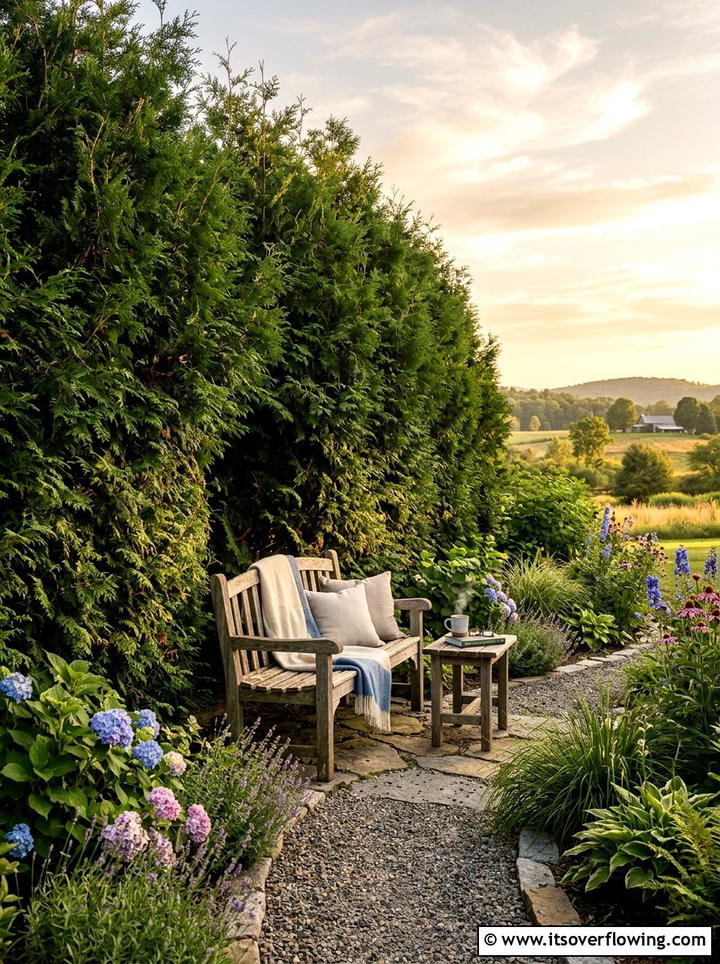
A garden windbreak is a practical and aesthetic addition that protects your more delicate plants from harsh, icy gusts. You can create a natural screen using a row of tall conifers or dense deciduous hedging. This barrier creates a calmer microclimate in your yard, which can actually raise the temperature slightly for the plants nearby. Beyond protection, a windbreak adds a sense of privacy and seclusion to your outdoor living space. It also helps to prevent snow from drifting into areas where you need to walk or park. By carefully placing this feature, you make your entire garden much more hospitable for both plants and people during the winter.
6. Stone Retaining Wall
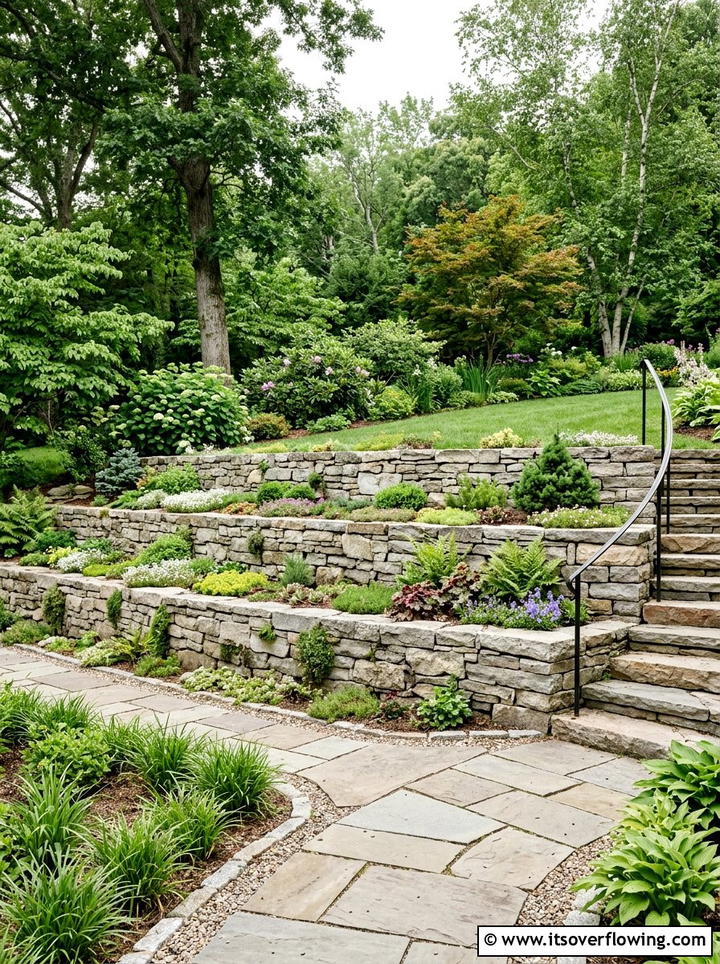
Stone retaining walls add a sense of permanence and rugged beauty to a garden that experiences heavy frost. These structures are excellent for managing sloped yards and preventing soil erosion during the heavy rains of early spring. Natural stone is incredibly durable and can withstand the expansion and contraction of the ground as it freezes. The thermal mass of the stones can also hold a bit of daytime heat, which benefits nearby plants. You can use these walls to create tiered garden beds that look stunning even when they are empty. A well-built stone wall becomes a timeless architectural feature that anchors the entire design of your landscape.
7. Cold Frame
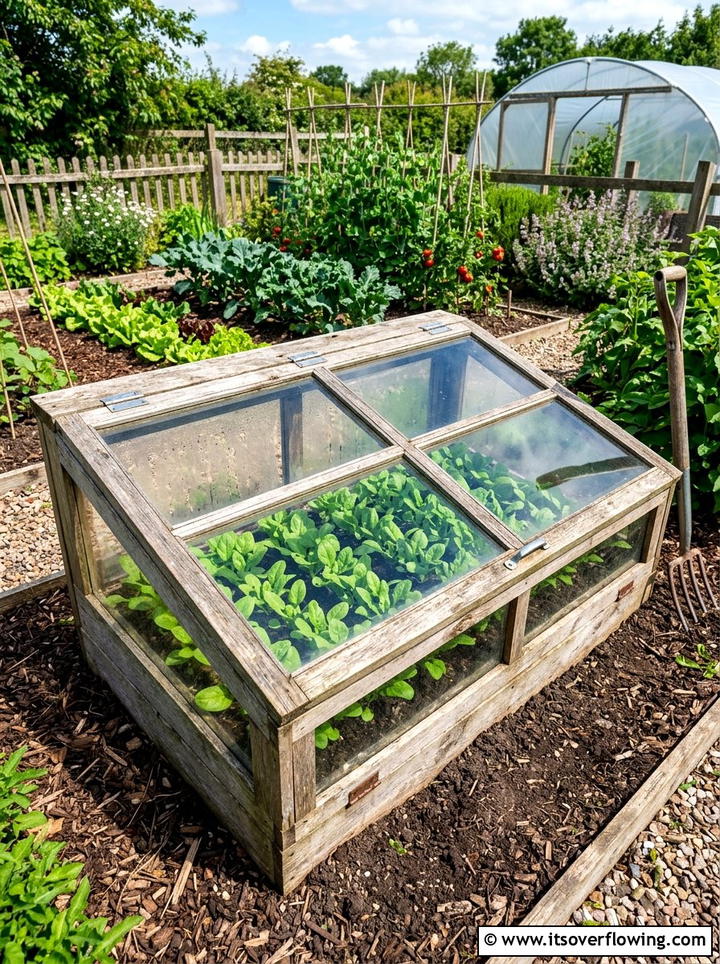
A cold frame acts like a miniature greenhouse that sits directly on the ground to protect young seedlings. It consists of a simple wooden box with a clear glass or plastic lid that lets in sunlight while trapping heat. This setup is perfect for hardening off plants before they go into the main garden in the spring. You can also use it in the late autumn to keep harvesting salad greens like lettuce and arugula long after the first frost. The lid can be propped open on warmer days to prevent the plants from overheating. It is a low-cost and highly effective way to expand your gardening capabilities in cold weather.



8. Mulch Layer
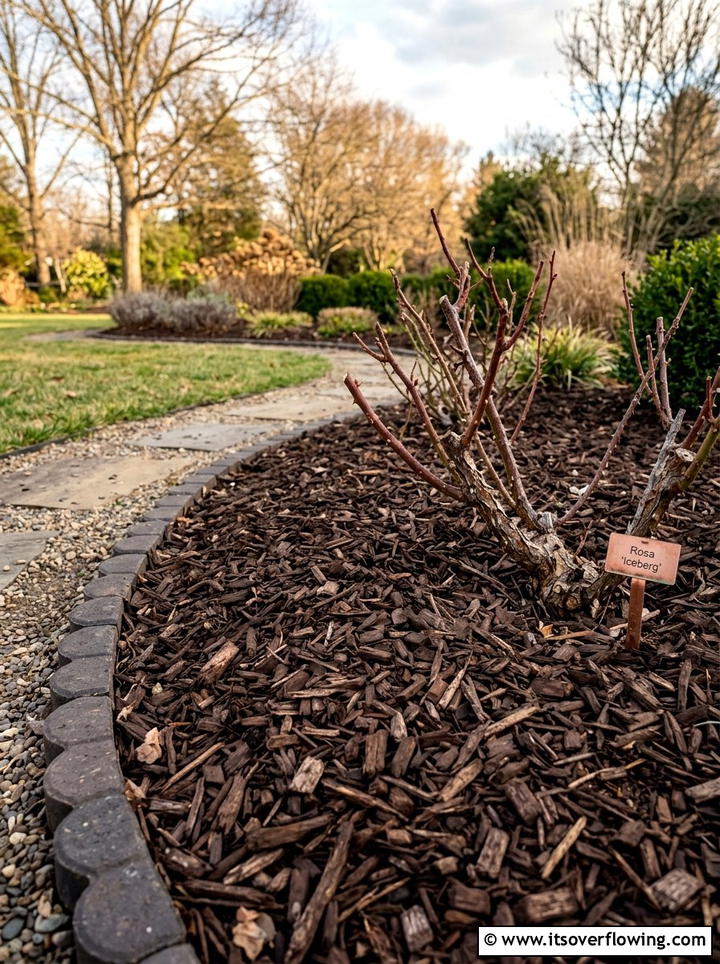
Applying a thick mulch layer is one of the most important tasks for a cold climate gardener before winter arrives. Materials like shredded bark, straw, or pine needles act as a warm blanket for the soil and plant roots. This insulation prevents the ground from shifting too much during the frequent freeze and thaw cycles that can push bulbs out of the earth. Mulch also helps retain moisture in the soil, which is vital because winter air can be very drying for plants. As the mulch breaks down over time, it feeds the soil with organic matter. This simple step ensures your garden stays healthy and protected throughout the winter.
9. Winter Interest Berry
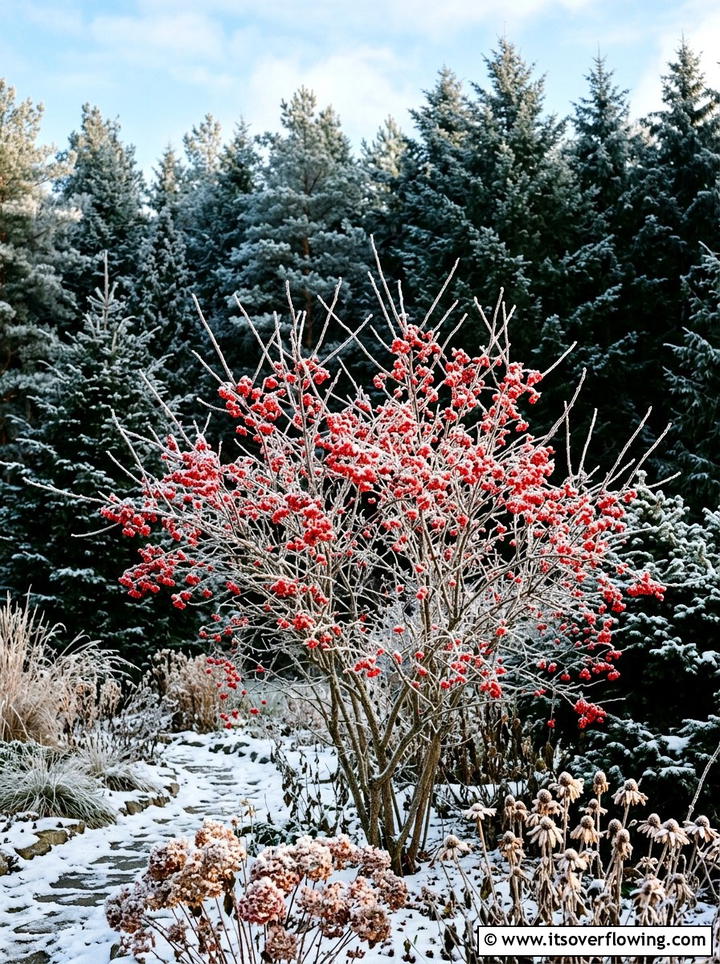
Plants that produce winter interest berries add a much-needed splash of bright color to a stark and snowy landscape. Species like winterberry, snowberry, and certain types of crabapples hold onto their fruit long after the leaves have fallen. These vibrant reds, whites, and yellows pop against the white snow and dark branches of other trees. Not only do they look beautiful, but they also serve as a critical food source for birds during the lean winter months. Seeing colorful birds perched among the berries brings life and movement to your yard. It is an easy way to ensure your garden remains visually engaging even in the coldest weather.
10. Ornamental Grass
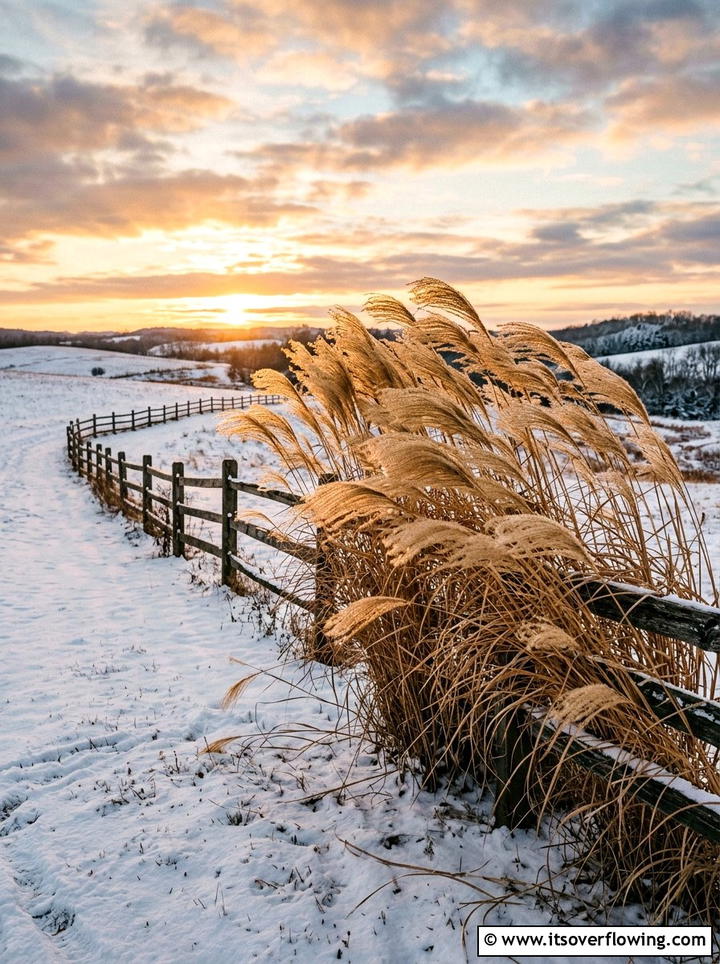
Ornamental grasses provide wonderful movement and sound to a cold climate garden as they rustle in the winter breeze. Many varieties, such as switchgrass or blue oat grass, maintain their upright form and golden-tan color throughout the snowy months. Instead of cutting them back in the fall, you should leave them standing to add texture and height to your landscape. They look particularly striking when covered in a delicate layer of hoarfrost or light snow. These grasses also provide nesting materials and cover for beneficial insects and small garden creatures. Their vertical presence helps fill the empty gaps left by perennials that have died back to the ground.
11. Hardscaping Pathway
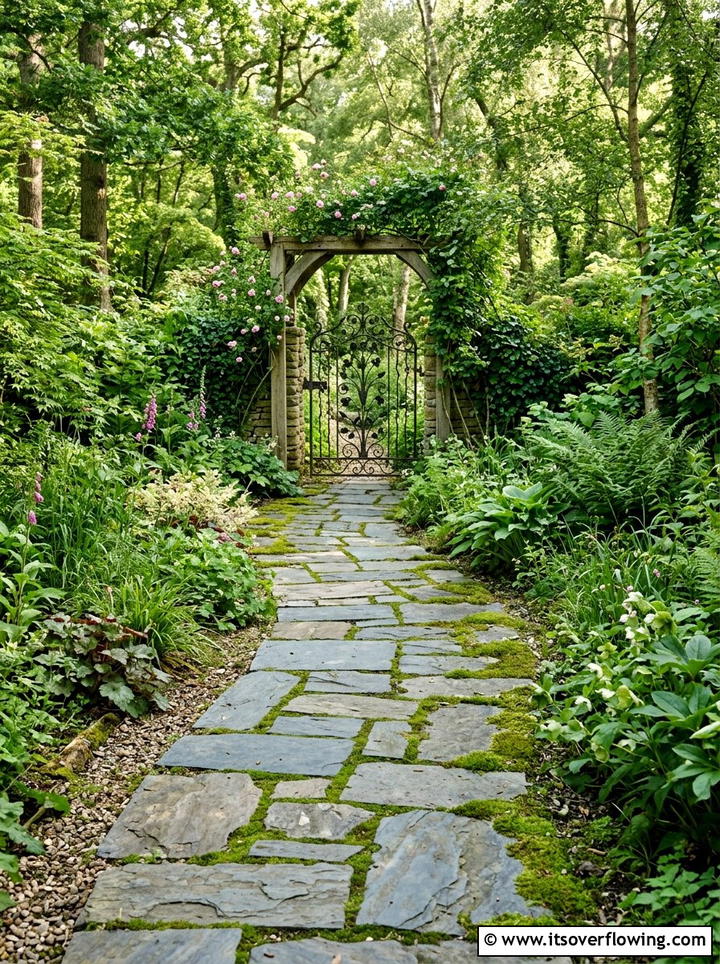
Hardscaping pathways provide a solid and reliable structure to your garden when the ground becomes soft or frozen. Using materials like flagstone, slate, or heavy gravel ensures that you can walk through your outdoor space without creating a muddy mess. These paths define the layout of your yard and guide the eye toward specific focal points like a bench or a statue. In the winter, a well-defined stone path is much easier to clear of snow than a simple grass walkway. It adds a permanent architectural element that looks beautiful even under a light dusting of frost. Choosing local stone helps the garden feel naturally integrated into the surrounding northern landscape.

12. Bird Feeder
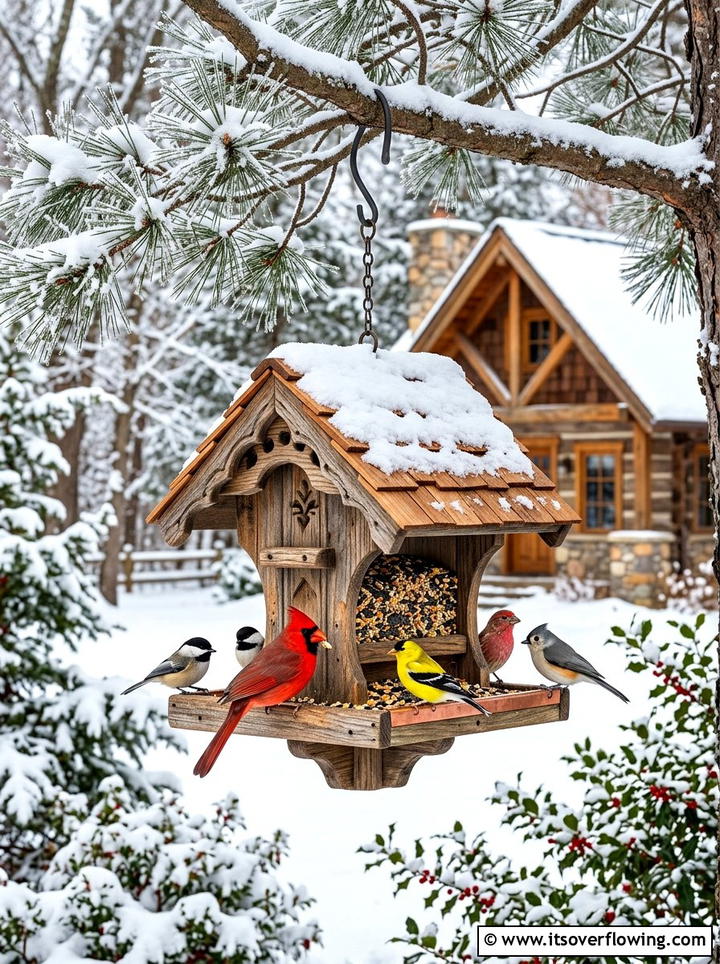
Installing a bird feeder is a simple way to bring joy and activity to a quiet, cold-weather garden. During the winter, food sources are scarce, so providing seeds and suet will attract a variety of local birds to your yard. You can choose decorative feeders that complement your garden’s style, whether it is modern or rustic. Watching cardinals and chickadees from your window makes the long winter months feel much shorter and more connected to nature. It is important to place feeders near evergreens so the birds have a quick place to hide from predators. This addition transforms your garden into a lively sanctuary for wildlife throughout the entire year.
13. Frost Resistant Pot
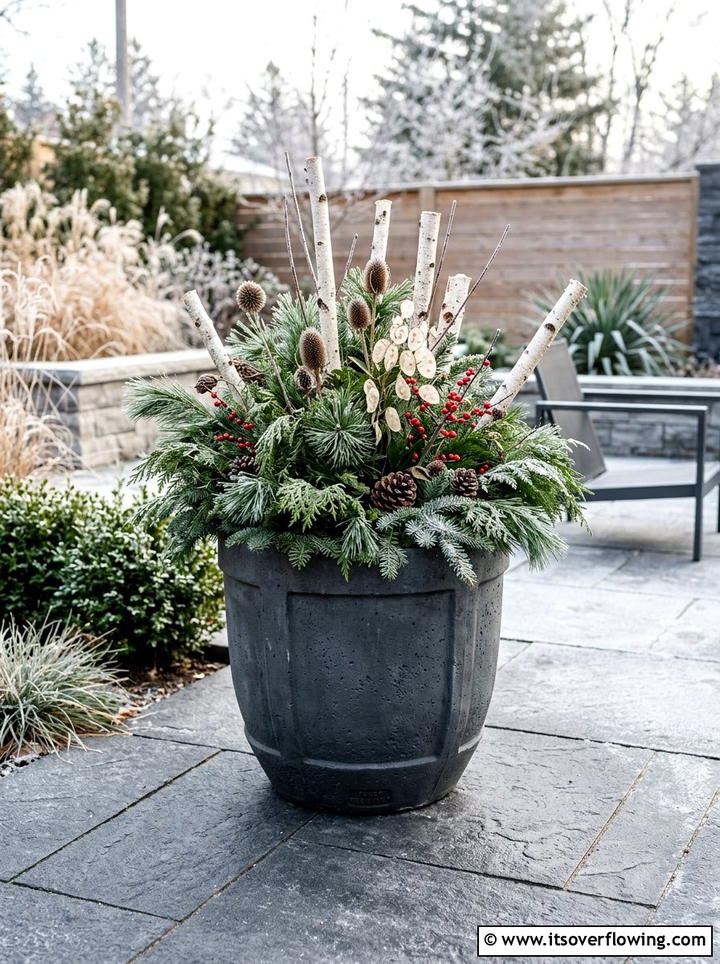
Frost resistant pots are essential for anyone who wants to keep container gardens out on the patio during the winter. These containers are made from materials like thick stoneware, concrete, or high-quality resin that will not crack when the soil inside expands as it freezes. You can fill them with evergreen boughs, decorative twigs, and pinecones to create beautiful outdoor arrangements that last for months. These pots allow you to add height and interest to your porch or entryway even when the ground is frozen solid. Choosing neutral colors or textured finishes ensures that the pots look sophisticated and stylish against the backdrop of a winter landscape.
14. Garden Cloche
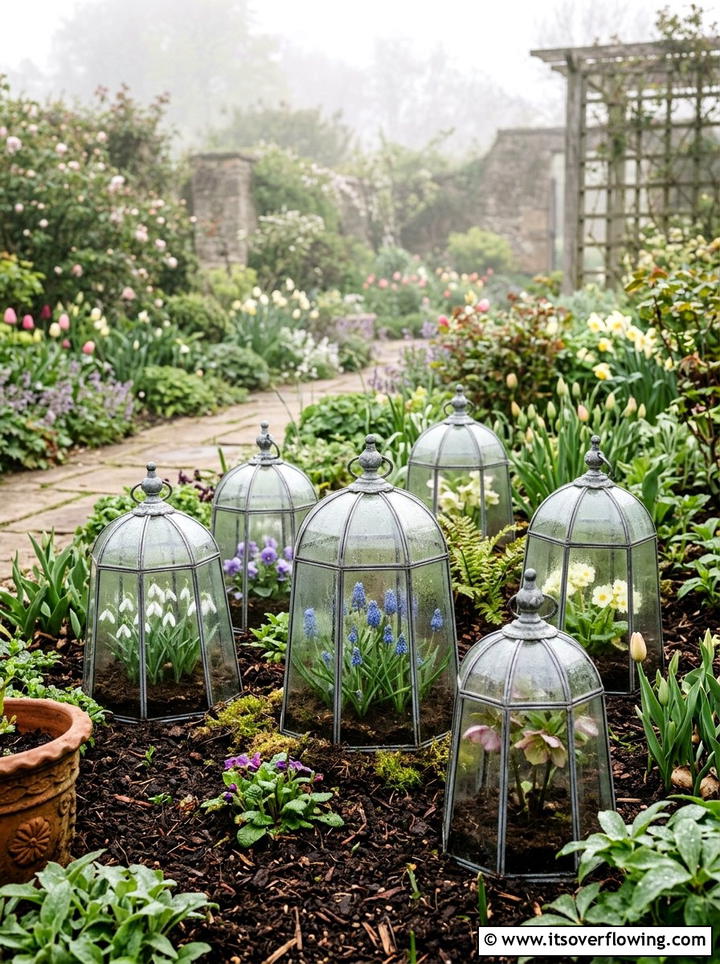
A garden cloche is a traditional and elegant tool used to protect individual plants from unexpected late-spring or early-fall frosts. These bell-shaped covers are usually made of glass or heavy plastic and act like a personal greenhouse for a single plant. They are perfect for protecting prize-winning flowers or early vegetable starts from the biting cold. Beyond their practical use, glass cloches add a vintage and charming aesthetic to your garden beds. They can be easily moved around as needed and stored away when the weather finally warms up. Using cloches is a timeless method for shielding your most vulnerable plants from the harsh elements of a cold climate.
15. Bark Texture Tree
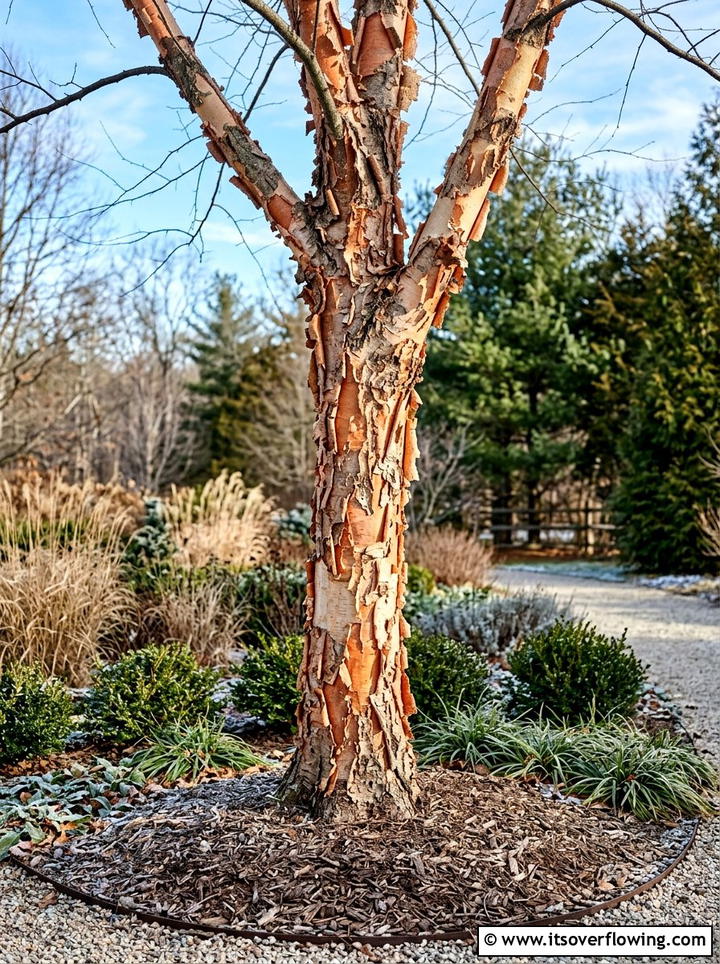
Bark texture trees are often overlooked, but they provide incredible visual interest in a garden where leaves are absent for many months. Trees like paper bark maple, river birch, or dogwood have peeling or brightly colored bark that stands out beautifully. The contrast of the textured wood against a white snowy background creates a natural work of art in your yard. These trees offer a sense of depth and complexity that standard smooth-barked trees simply cannot provide. When the sun hits the textured bark, it creates interesting shadows and highlights. Planting these trees ensures that your garden has a strong focal point regardless of the current season.
16. Native Plant
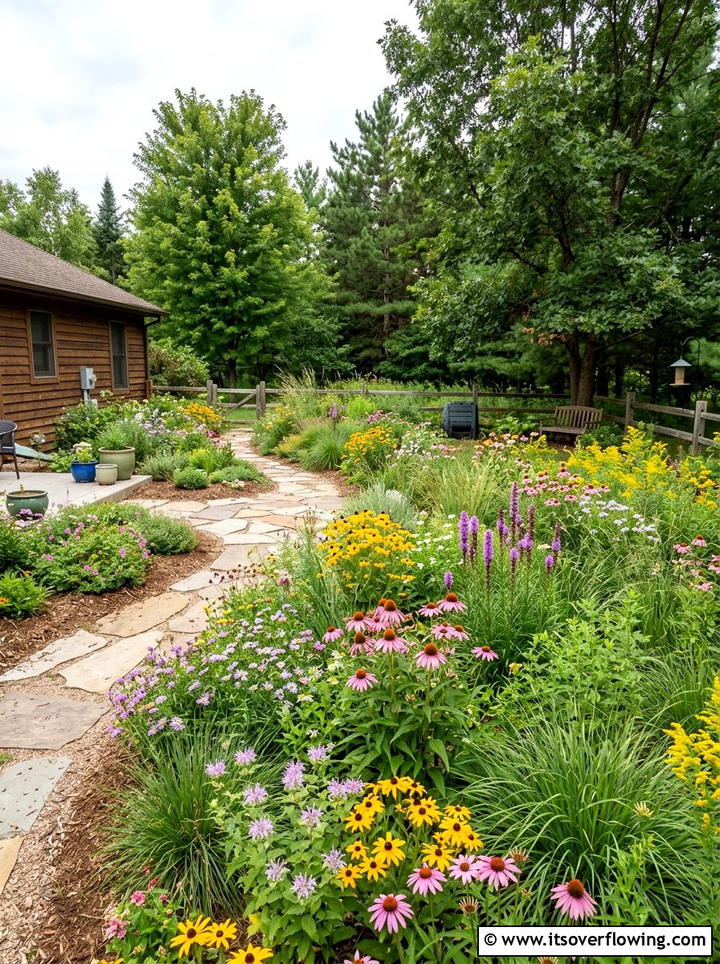
Native plants are the best choice for a cold climate because they have spent thousands of years adapting to your specific local environment. These species are naturally equipped to handle the extreme temperature swings and soil conditions of your region. They generally require less water and fewer fertilizers than non-native varieties, making your garden much easier to maintain. Native plants also support local pollinators and insects that have co-evolved with them over time. By incorporating these resilient species, you create a sustainable landscape that feels truly at home in its surroundings. They provide a sense of place and regional beauty that makes your garden feel unique and authentic.
17. Spring Flowering Bulb
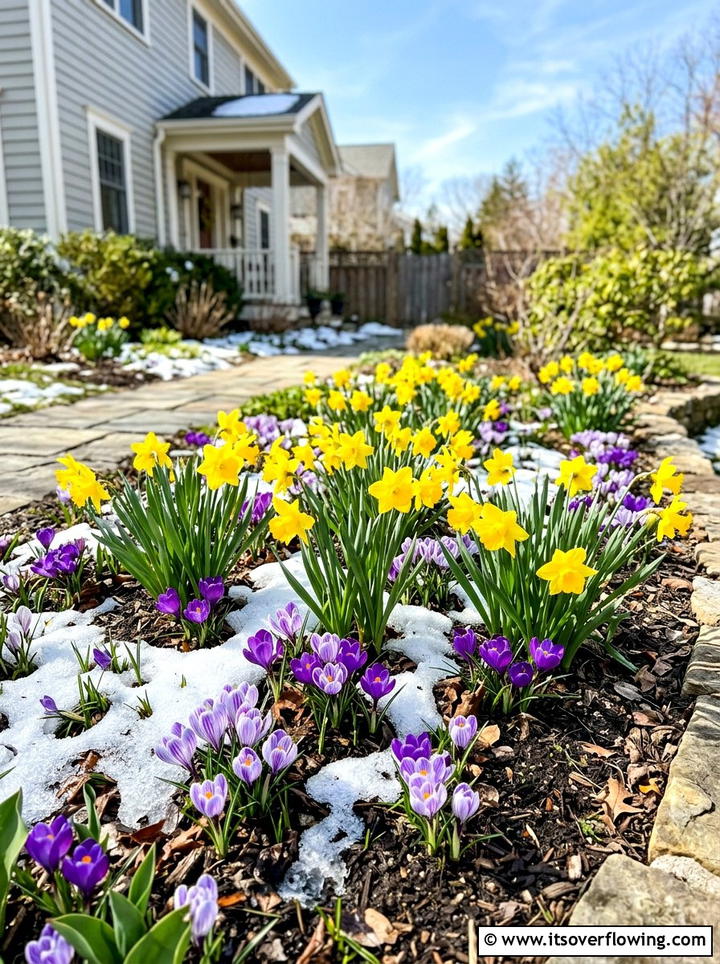
Spring flowering bulbs are a symbol of hope and renewal that every cold climate gardener looks forward to seeing. You plant these bulbs in the autumn before the ground freezes, and they stay dormant under the snow all winter long. Tulips, daffodils, and crocuses are incredibly hardy and often poke their heads through the melting snow in early spring. They provide the very first pops of color when the rest of the garden still looks dormant and brown. Planting them in large drifts or clusters creates a dramatic and high-impact look. These bulbs are a low-maintenance way to ensure your garden starts the year with a vibrant and cheerful display.
18. Vegetable Row Cover
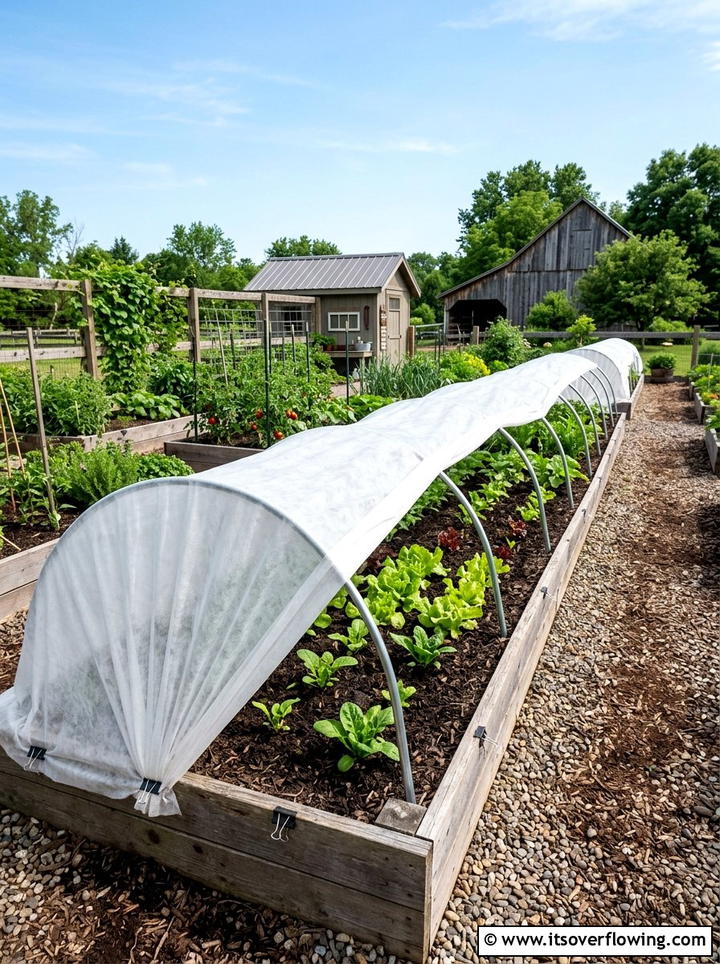
A vegetable row cover is a lightweight fabric that you drape over your crops to provide a few extra degrees of warmth. This simple barrier is enough to protect sensitive vegetables from light frosts and chilly winds. It allows sunlight, air, and water to reach the plants while keeping the internal temperature stable. You can use these covers to start your garden earlier in the spring or keep harvesting root vegetables well into the late fall. They are also excellent for keeping pests away without the need for harsh chemicals. For a gardener in a cold climate, row covers are an indispensable tool for maximizing food production.
19. Cedar Garden Furniture
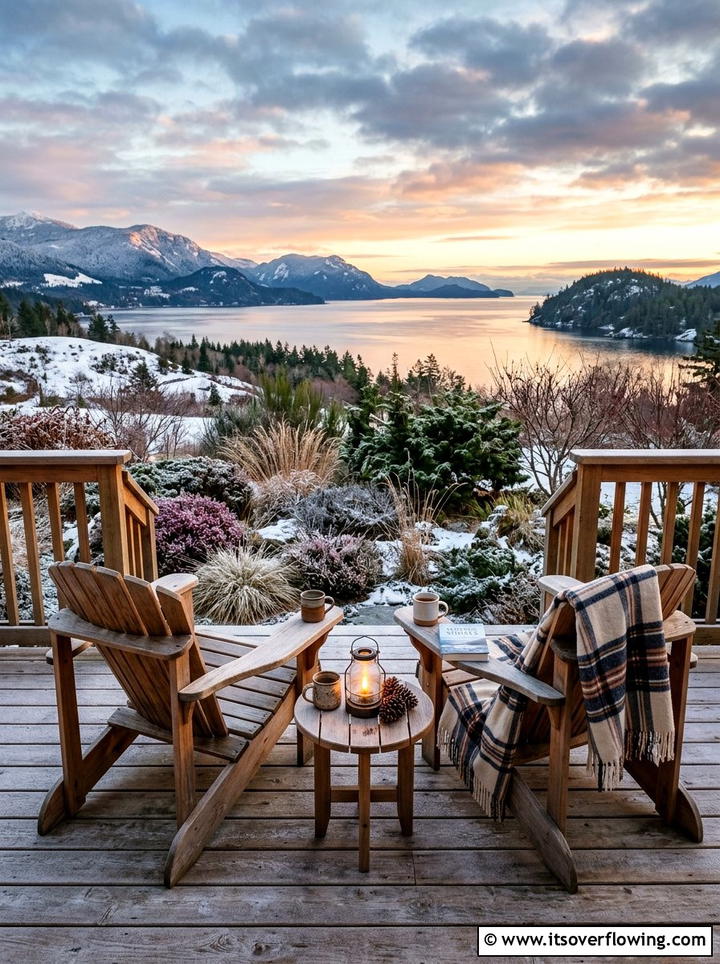
Cedar garden furniture is an excellent choice for northern climates because this wood is naturally resistant to decay and insects. It holds up remarkably well against moisture and freezing temperatures without needing heavy chemical treatments. A sturdy cedar bench or a set of Adirondack chairs provides a cozy place to sit and enjoy the crisp winter air. Over time, the wood will age to a beautiful silvery-gray patina that looks stunning against a snowy backdrop. You can add weather-resistant cushions for extra comfort during the autumn months. Investing in high-quality wooden furniture ensures your outdoor living space remains functional and inviting regardless of the harsh seasonal changes.

20. Garden Lighting
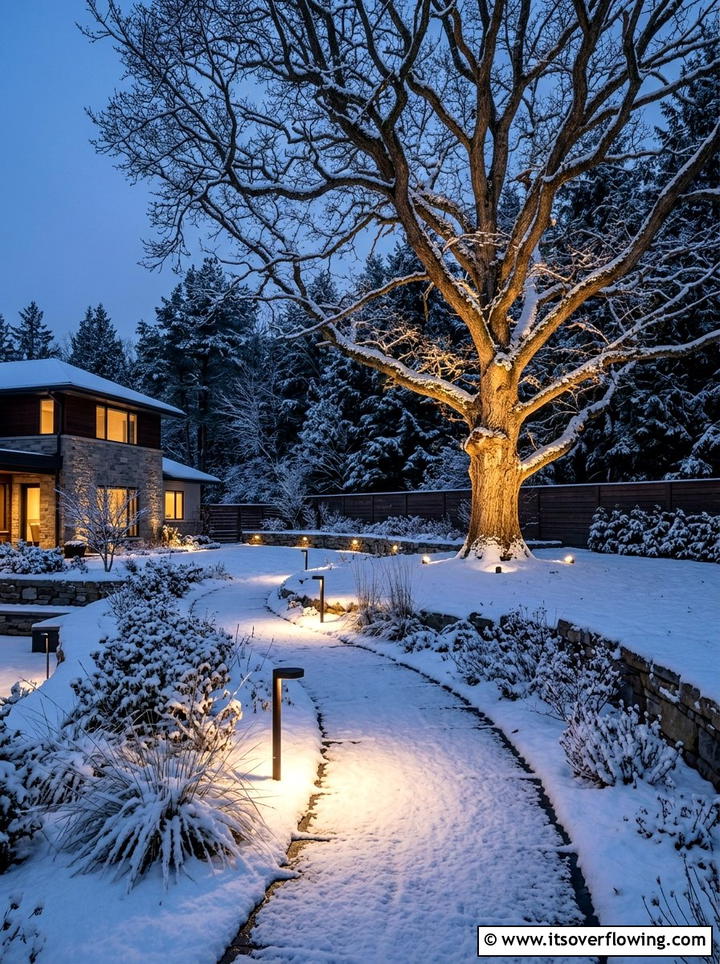
Garden lighting is crucial in cold climates where the winter days are short and darkness falls quite early in the afternoon. Strategically placed lights can illuminate paths, highlight the structure of trees, and make your outdoor space feel warm and welcoming. Low-voltage LED lights are energy-efficient and can withstand freezing temperatures without any issues. Uplighting an evergreen or a stone wall creates a dramatic and beautiful effect that you can enjoy from the comfort of your warm home. Good lighting also improves safety by ensuring that icy patches on walkways are visible. It transforms a dark winter yard into a magical and glowing landscape after the sun goes down.
21. Water Feature
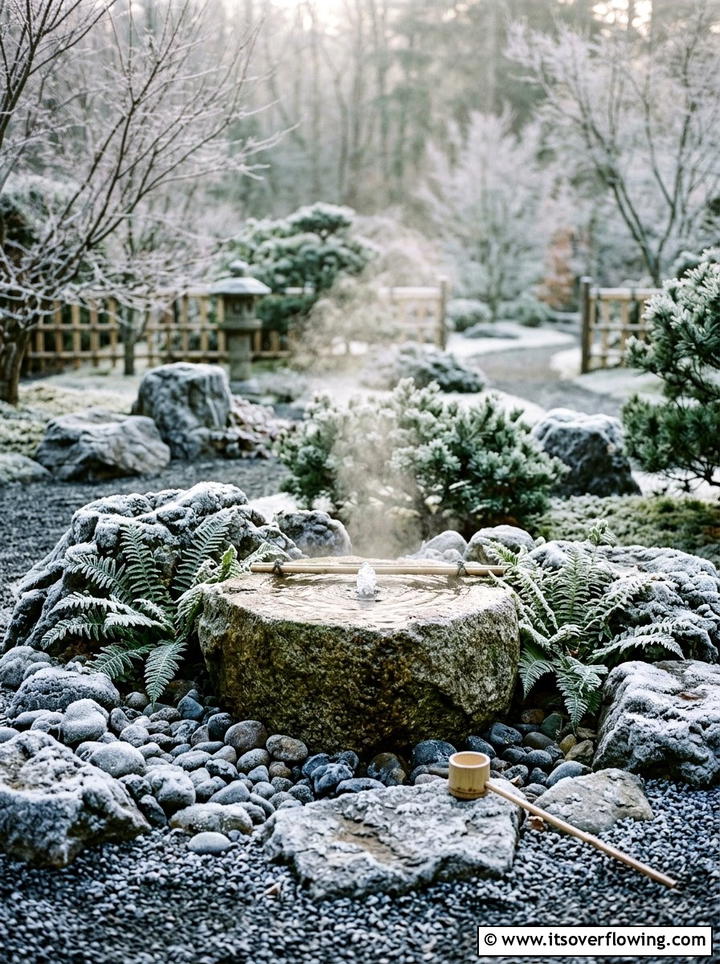
A water feature designed for a cold climate can provide a soothing sound and a vital drinking source for birds. You can choose a simple stone fountain or a small pond with a heater to prevent the water from freezing solid. Seeing moving water in the middle of a frozen garden is unexpected and incredibly peaceful. It adds a dynamic element to your landscape that contrasts with the stillness of the winter season. Ensure that the materials used are frost-proof to prevent any cracking during the deep freeze. A well-placed water feature becomes a year-round focal point that attracts a variety of wildlife to your backyard sanctuary.
22. Conifer Collection
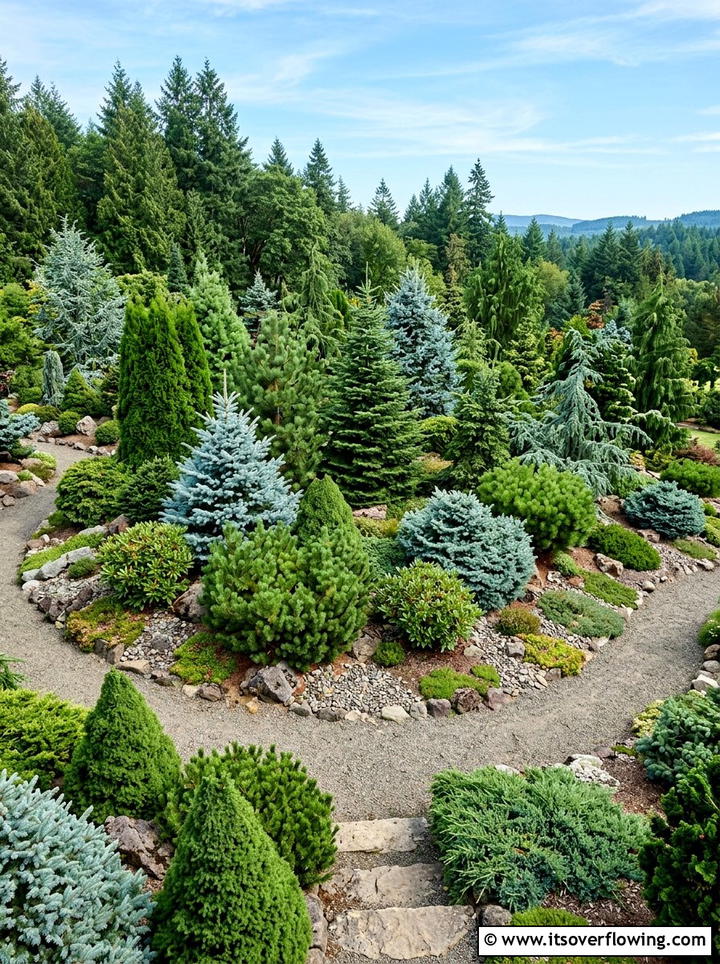
A conifer collection offers an incredible diversity of shapes, sizes, and colors that stay vibrant all through the long winter months. From the deep blues of a spruce to the bright yellows of certain pines, these trees provide a rich palette. You can mix tall upright varieties with low-growing, spreading types to create a layered and interesting garden bed. Their needle-like foliage is perfectly adapted to shed heavy snow without breaking their branches. Conifers also provide a sense of structure and scale that remains constant throughout the year. Grouping different species together creates a miniature forest effect that feels cozy and protective during the coldest days.
23. Garden Shed
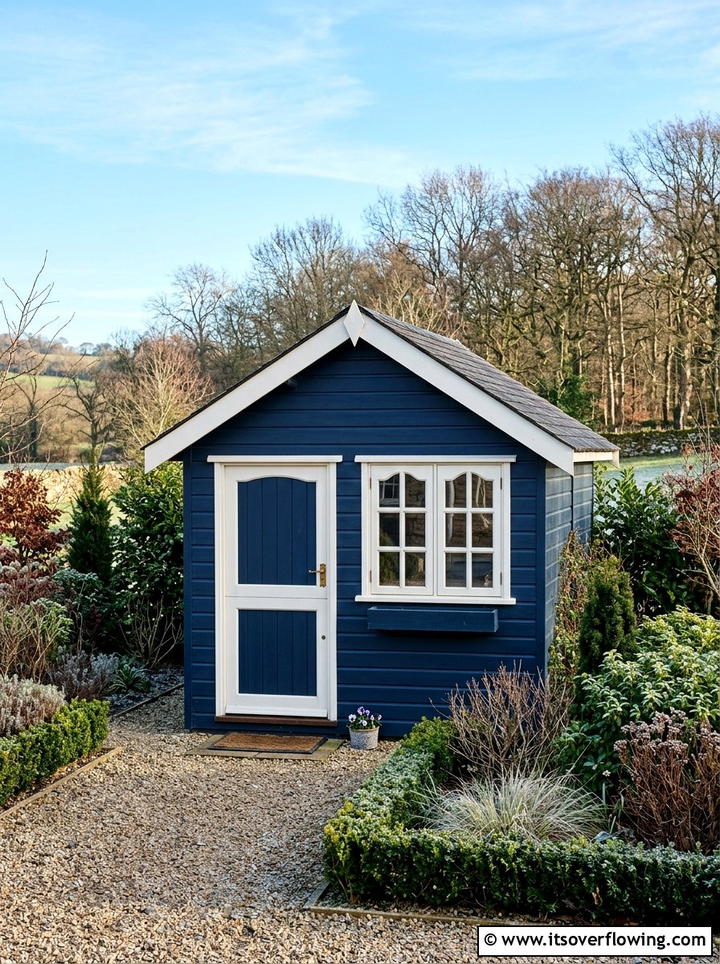
A garden shed is more than just a place to store tools; it can be a charming architectural feature in your yard. In a cold climate, a well-built shed protects your lawnmower, pots, and outdoor cushions from the damaging effects of snow and ice. You can paint the shed in a bold color to make it stand out as a focal point in your garden. Adding window boxes with evergreen sprigs or decorative lighting makes the structure feel integrated into the landscape. It also provides a dry space for you to organize seeds or perform small garden repairs during the winter months. A sturdy shed adds value and functionality to your home.
24. Dried Seed Head
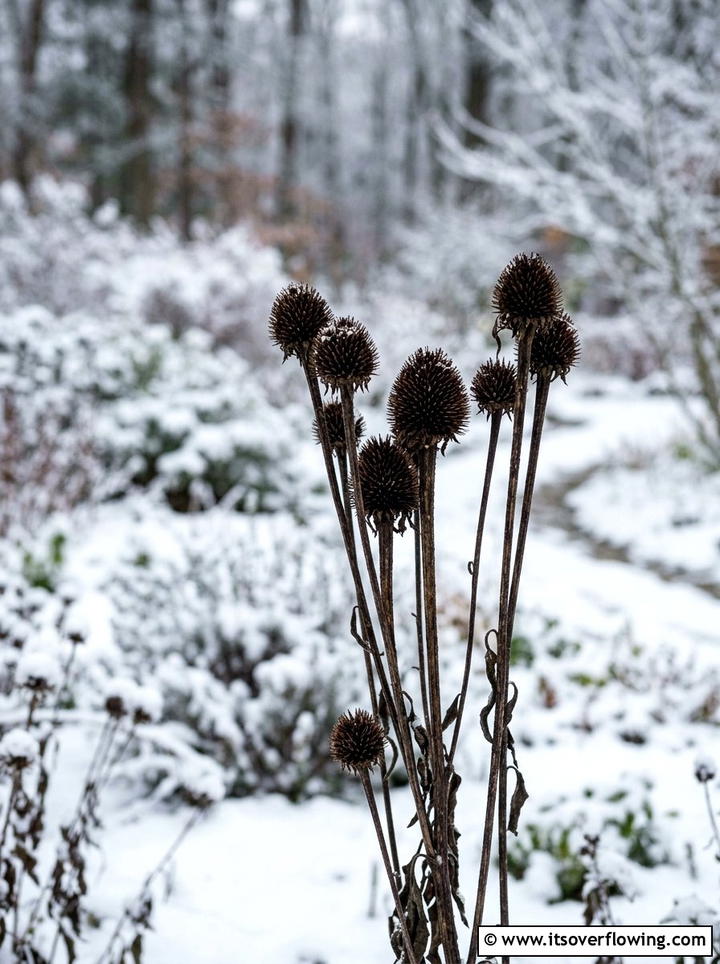
Dried seed heads are a beautiful and natural way to add texture and interest to your winter garden landscape. Many perennials, like coneflowers, alliums, and sunflowers, have sturdy stems and unique seed pods that stay upright long after the blooms fade. Instead of tidying up the garden in the fall, leave these architectural elements standing for the winter. They look stunning when caught in the light or dusted with a fine layer of snow. Beyond their visual appeal, these seed heads provide a natural feast for hungry birds during the coldest months. Embracing the beauty of decay adds a layer of depth and story to your outdoor space.
25. Outdoor Fire Pit
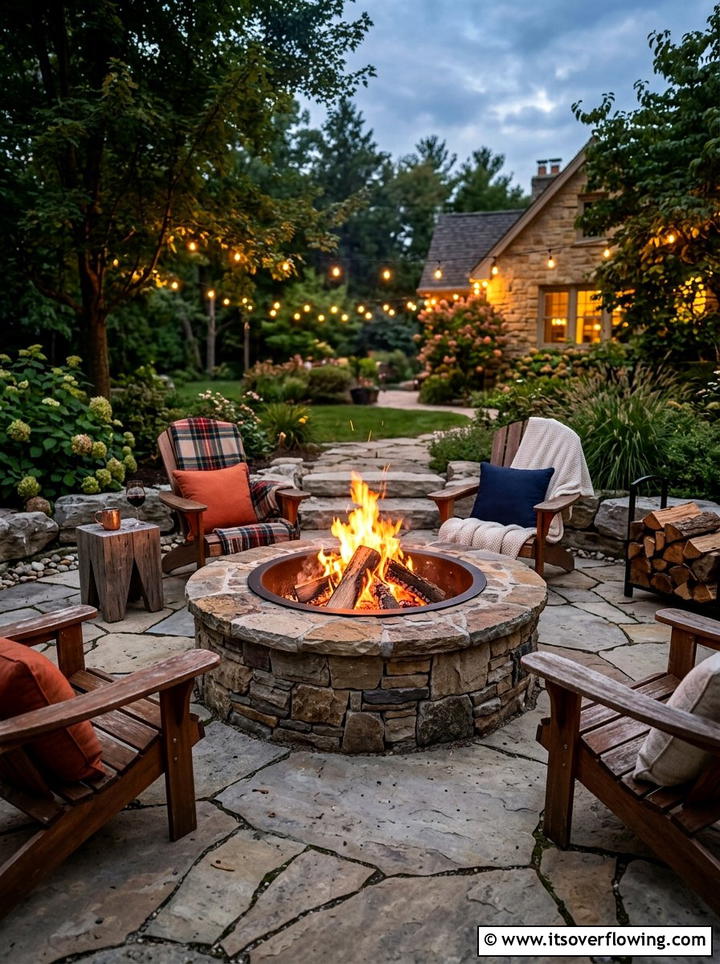
An outdoor fire pit is the perfect way to extend your time spent in the garden during the chilly autumn and winter evenings. Gathering around a warm fire with friends and family makes the cold weather feel cozy rather than intimidating. You can choose a permanent stone structure or a portable metal pit depending on your space and style. It serves as a central gathering point and provides a beautiful glow that illuminates the surrounding plants and hardscaping. Roasting marshmallows or simply watching the flames is a wonderful way to appreciate the crisp winter air. A fire pit turns your garden into a functional living room all year round.
Conclusion:
Building a garden that thrives in a cold climate is a rewarding journey that allows you to connect with nature throughout all four seasons. By focusing on structural elements like stone walls and evergreens, you ensure that your yard remains beautiful even when the flowers have finished blooming. Incorporating tools like cold frames and mulch helps you protect your hard work from the harshest elements. Remember that a winter garden is just as much about texture and shape as it is about color. With a little creativity and the right plant choices, you can create an outdoor sanctuary that brings you joy from the first frost to the final thaw.

Related posts:
 25 Garden Ideas for Sandy Soil That Thrive Beautifully
 25 Small Garden Ideas for Low Sunlight That Thrive Beautifully
 25 garden ideas for hot climate: Cool, Drought-Smart Yards
 25 Garden Design Ideas for Beginners to Start Beautifully
 25 garden ideas for dry climate: Water-Wise Outdoor Beauty
 25 garden ideas for rainy climate: Fresh Wet-Weather Tips
 25 Creative Garden Ideas for Side Yards
 25 Creative Garden Ideas With Tropical Foliage for Lush Yards
 25 Garden Design Ideas With Terraces for Stylish Sloped Yards
 25 Garden Ideas With Rain Barrels for Eco-Friendly Yards
 25 Small Garden Ideas With Narrow Pathways for Tiny Yards
 25 Garden Design Ideas With Vertical Gardens for Small Yards