
Creating a beautiful outdoor space does not have to be expensive or complicated when you utilize the charm of reclaimed materials. Using old wood to build garden beds is a sustainable way to breathe new life into your backyard while providing a sturdy home for your plants. Reclaimed timber offers a unique character and history that new lumber simply cannot match, featuring weathered textures and natural patinas that blend perfectly with greenery. This approach is ideal for anyone looking to practice eco-friendly gardening while maintaining a stylish and organized landscape. In this guide, we will explore many creative ways to incorporate salvaged wood into your garden design for lasting beauty.
1. Raised Garden Bed From Old Pallets
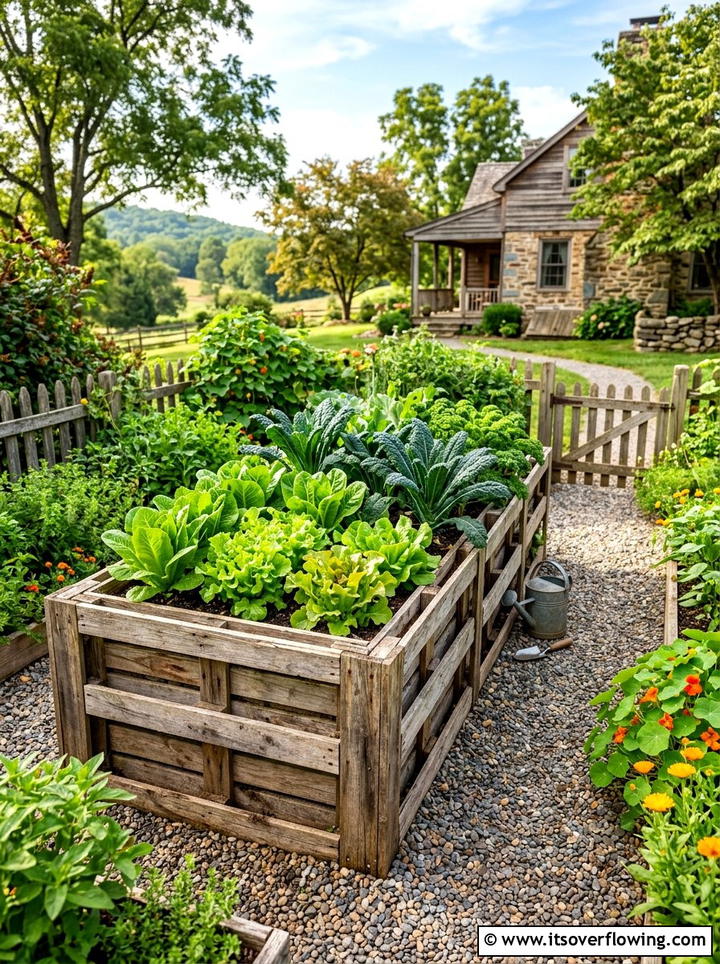
Pallets are a fantastic resource for any gardener looking to save money while creating a rustic look. You can find these wooden frames for free at many local shops or hardware stores. Once you have them, you can dismantle the boards to build custom-sized boxes or keep them whole for a simple vertical display. These beds work beautifully for shallow-rooted vegetables like lettuce or herbs. Just make sure the wood is heat-treated rather than chemically treated to ensure your food stays safe and organic. Adding a liner will help protect the wood from moisture and extend the life of your garden for many seasons. It looks great in any backyard setting.
2. Tiered Reclaimed Wood Planter
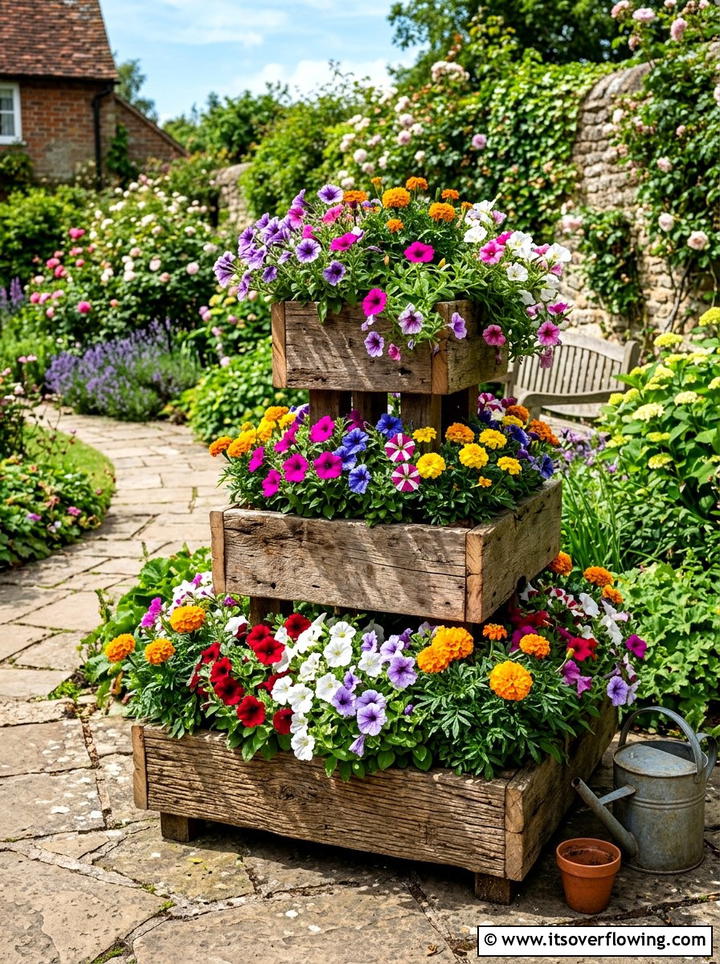
Creating a tiered structure with reclaimed wood allows you to maximize your growing space in a small footprint. This design features multiple levels of wooden boxes stacked on top of each other in a staircase fashion. It is perfect for growing different types of flowers or vegetables that have varying sunlight needs. The vertical arrangement adds visual interest to your patio or garden corner while making it easier to reach your plants without bending over. You can use old fence pickets or barn wood to give the tiers a weathered, antique appearance. This setup also provides excellent drainage for your plants, ensuring they stay healthy and vibrant throughout the entire year.
3. Vertical Pallet Herb Garden
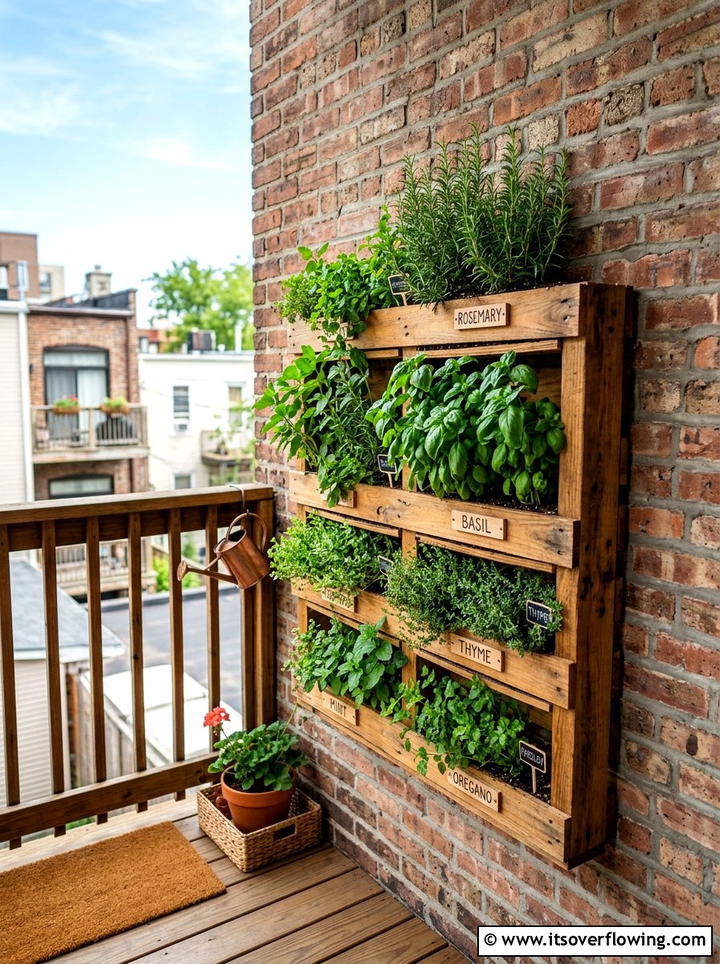
If you are short on ground space, a vertical herb garden made from a reclaimed pallet is an excellent solution. You can lean the pallet against a wall or attach it firmly to a fence to create a living wall of greenery. By adding small wooden slats to create pockets, you can fill each row with potting soil and your favorite aromatic herbs. This design keeps your mint, basil, and rosemary within easy reach of your kitchen door. It also serves as a beautiful backdrop for outdoor dining areas. Using reclaimed wood for this project adds a touch of farmhouse charm to even the most modern city balconies or small patios.
4. U-Shaped Wooden Vegetable Garden
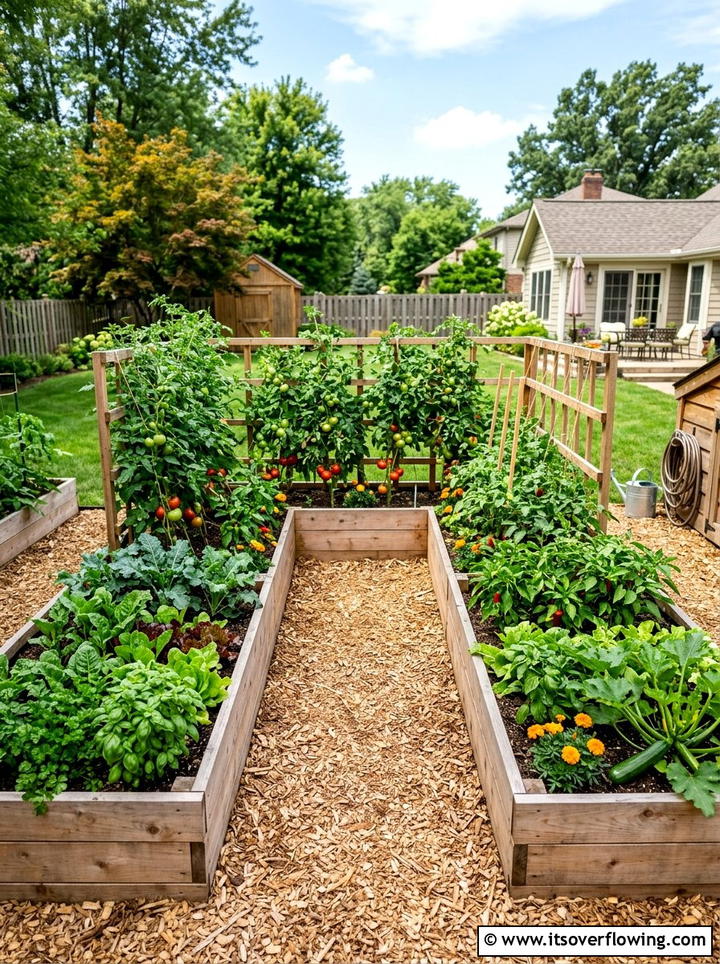
A U-shaped garden bed design is highly functional because it allows you to access all your plants from a central path. Building this layout with reclaimed timber creates a defined and organized space for a large-scale vegetable garden. The wide walkways inside the “U” give you plenty of room to harvest, weed, and water without stepping on the soil. You can use thick reclaimed beams for the corners to ensure the structure remains stable for many years. This layout is particularly effective for growing climbing plants like tomatoes or beans, as you can easily install trellises along the back edge of the wooden frames for extra height.
5. Cedar Wood Raised Garden Bed
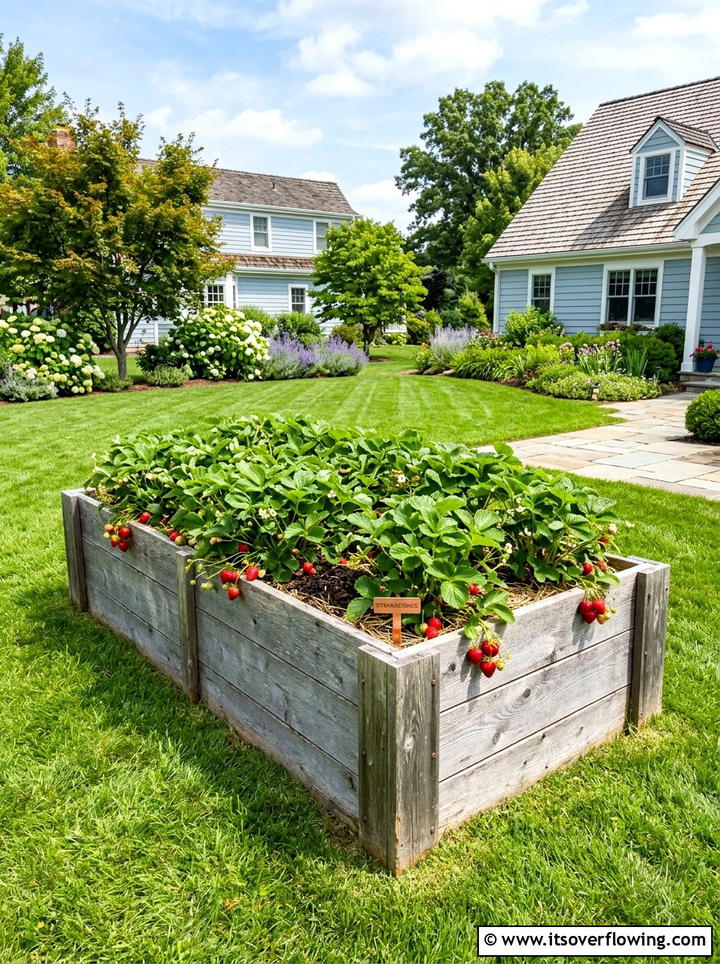
Cedar is a premium choice for reclaimed projects because of its natural resistance to rot and insects. When you find old cedar fencing or siding, you can repurpose it into beautiful, long-lasting garden beds. These beds provide a classic look that fits well in both traditional and modern landscapes. The silver-gray patina that reclaimed cedar develops over time adds a touch of sophistication to your outdoor space. It is also very lightweight, making it easy to move around your yard if you decide to change your layout. Using these materials allows you to create a high-end garden look without spending a fortune on new lumber from the store.
6. Rustic Wood Planter With Seating
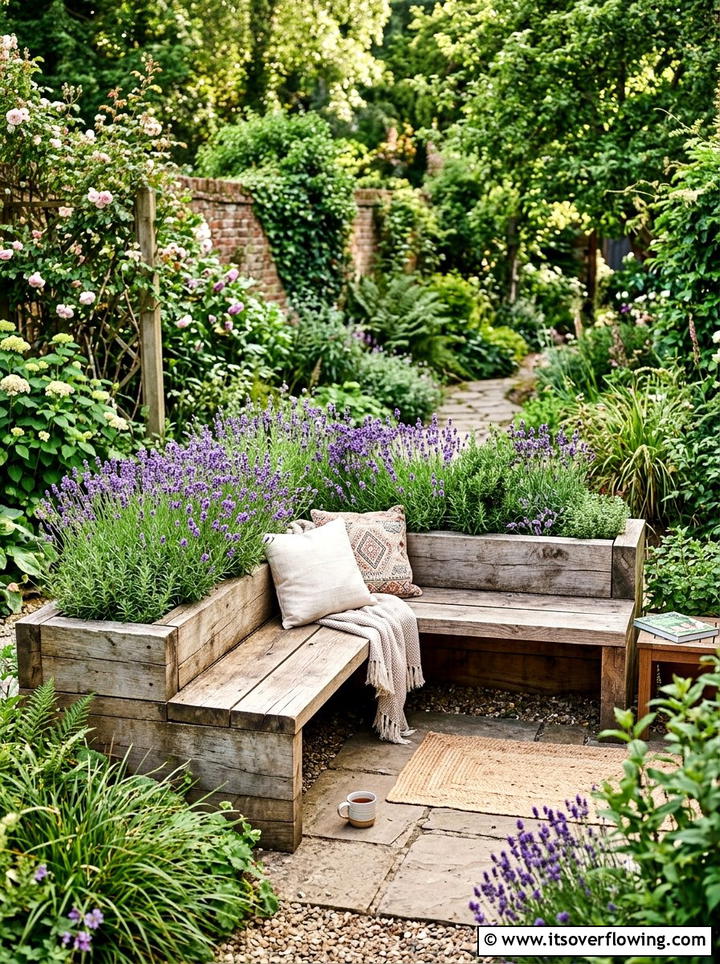
Integrating seating directly into your reclaimed wood garden beds creates a cozy and functional destination in your yard. You can build wide wooden ledges around the top of the beds to serve as benches for resting or chatting. This design is perfect for social gardens where you want guests to feel immersed in the plants. The thick, reclaimed planks provide a sturdy base for the seating while adding a warm, tactile element to the garden. It is a wonderful way to enjoy the scent of your flowers up close. This dual-purpose structure helps save space while making your garden feel more like an outdoor room for relaxation.
7. Reclaimed Timber Retaining Wall Garden
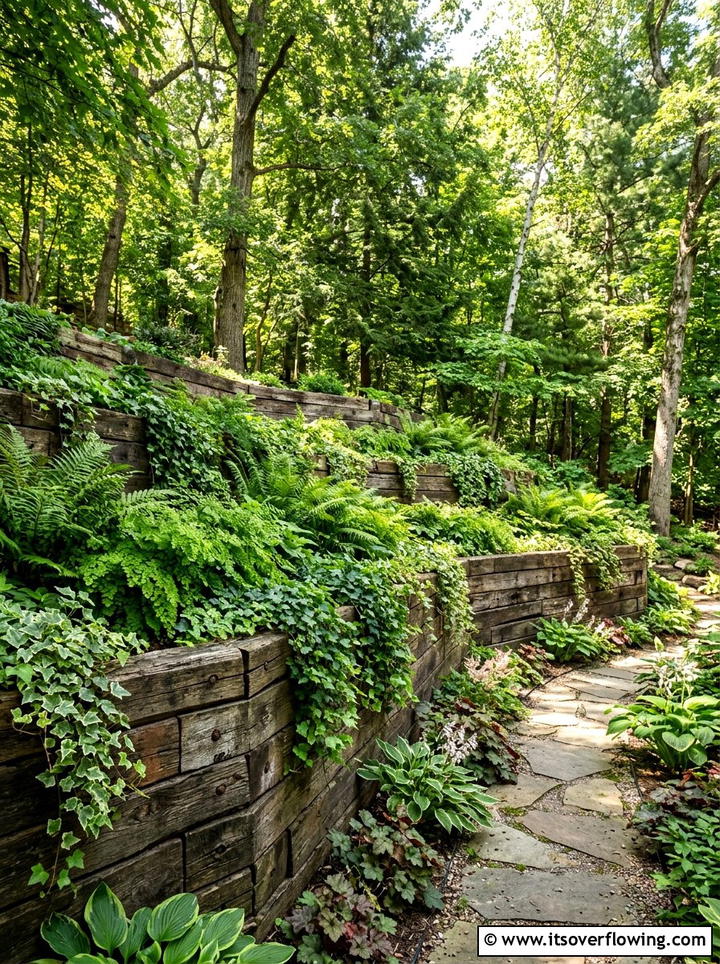
Using heavy reclaimed timbers to create a retaining wall is a smart way to manage sloped yards while adding planting space. These thick beams can be stacked and secured to hold back soil, creating level terraces for gardening. Each terrace becomes a long, linear garden bed that is perfect for cascading flowers or rows of vegetables. The chunky texture of the old timber provides a sense of permanence and strength to the landscape. It is a practical solution for preventing erosion while turning a difficult hillside into a productive and beautiful area. The natural wood tones blend seamlessly into the surrounding environment for a very cohesive look.
8. Barn Wood Raised Garden Bed
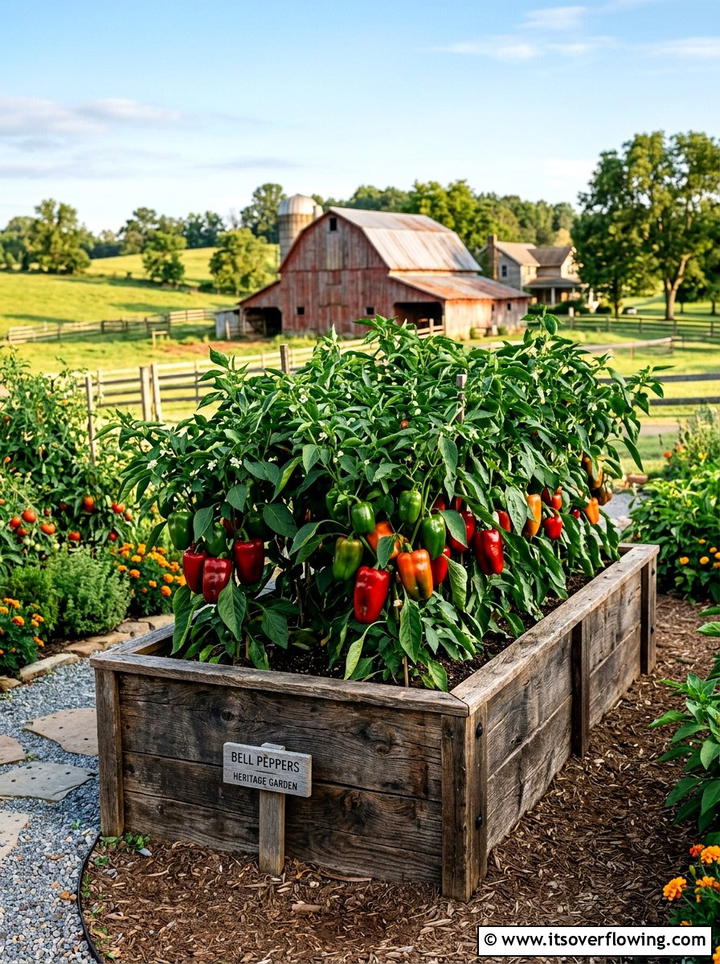
Barn wood is highly sought after for its deep texture and history, making it a stunning material for raised beds. Each piece of wood tells a story through its knots, grain, and weathered surface. When you use these boards for your garden, you create a focal point that looks like a piece of art. These beds are deep enough to support large root systems, making them ideal for peppers, kale, or even small shrubs. The dark, rich tones of the barn wood provide a beautiful contrast against bright green leaves and colorful blossoms. It is a timeless choice that adds a sense of heritage to your home garden.
9. Weathered Wood Keyhole Garden
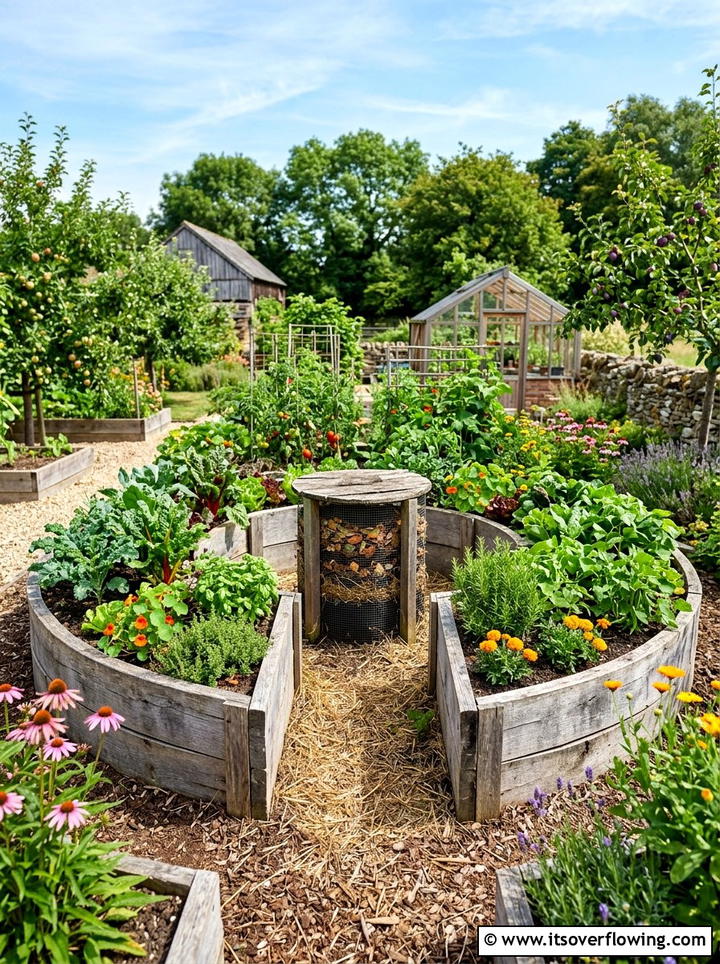
The keyhole garden is a circular bed with a small notch for access to a central composting basket. Building this unique shape with reclaimed wood planks adds a rustic and circular element to your backyard design. This sustainable gardening method allows you to feed your plants directly from your kitchen scraps placed in the center. The wooden exterior helps retain heat and moisture, which is beneficial for plant growth in various climates. Using reclaimed materials for a keyhole garden emphasizes the cycle of reuse and sustainability that this design represents. It is an efficient, space-saving way to grow a large amount of food with very minimal waste.
10. Reclaimed Wood Flower Bed With Trellis
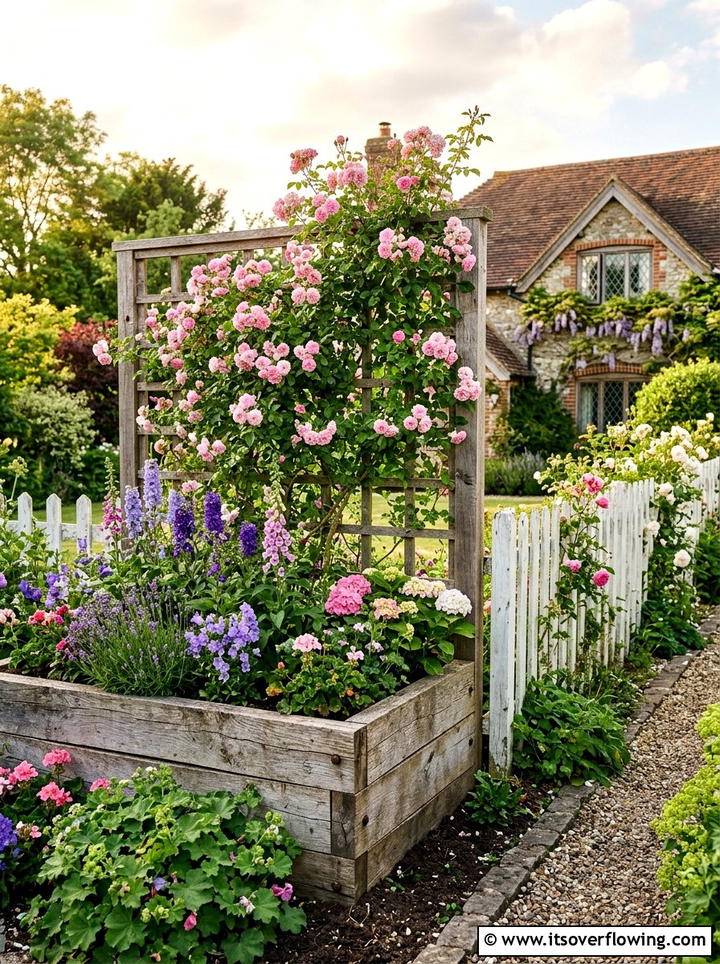
Adding a trellis made from reclaimed wood to your garden bed opens up possibilities for growing climbing vines and flowers. You can build a simple frame with old slats and attach it to the back of a rectangular wooden bed. This allows plants like sweet peas, clematis, or morning glories to grow upwards, creating a vertical screen of color. The combination of the sturdy bed and the delicate trellis adds layers of height to your landscape. It is a great way to hide a plain fence or create a sense of privacy in your outdoor seating area. The weathered wood provides a sturdy support system for heavy climbing plants.
11. Industrial Wood And Metal Garden Bed
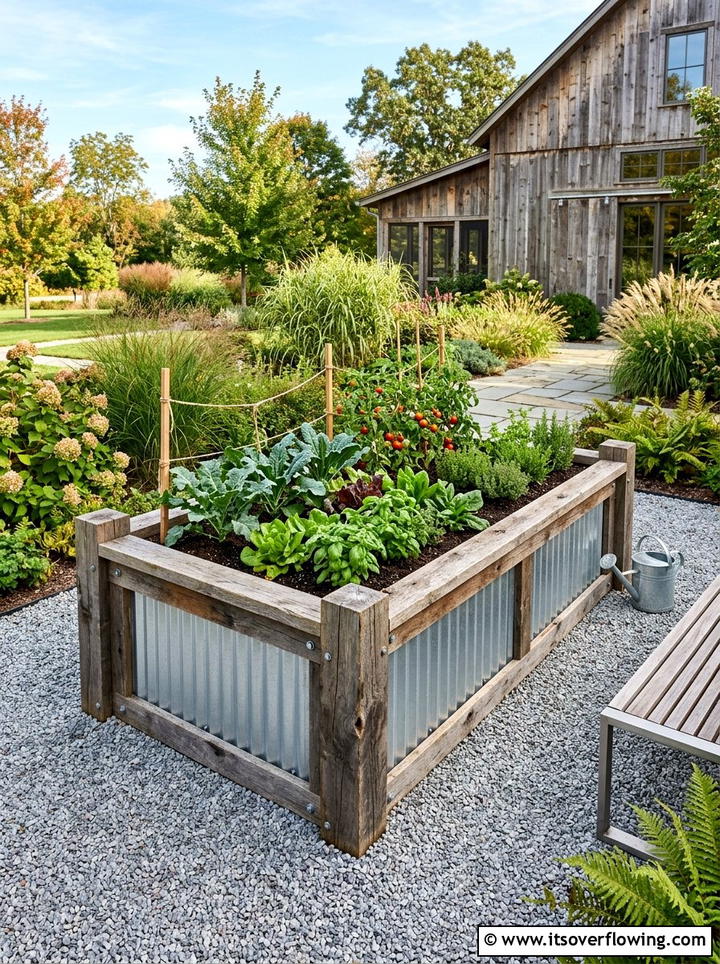
Combining reclaimed wood with corrugated metal creates a stunning industrial look that is very popular in modern landscaping. You can use old barn wood for the frame and insert metal panels for the sides to provide extra durability and a unique texture. This combination is not only stylish but also incredibly sturdy, as the metal holds up well against the pressure of wet soil. The contrast between the warm, weathered wood and the cool, reflective metal creates a focal point in any backyard. It is an excellent way to use up scrap materials that might otherwise go to waste while building something functional and attractive.
12. Small Space Wooden Container Garden
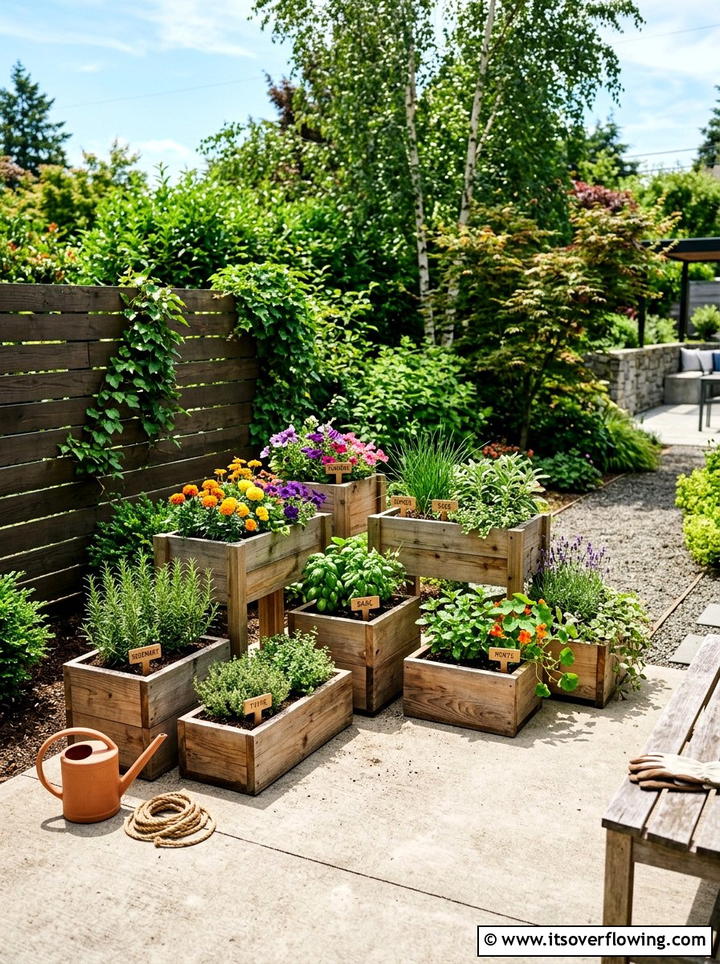
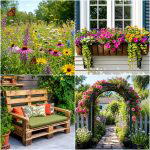
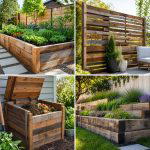
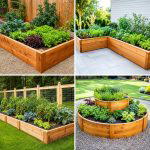
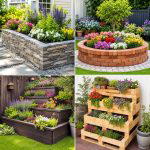
For those with limited yard space, building small containers out of reclaimed wood is a perfect solution for gardening. You can create a variety of box sizes to fit on a balcony, porch, or along a narrow walkway. These wooden containers can hold everything from single tomato plants to clusters of colorful petunias. Because you are using reclaimed wood, each container will have a slightly different look, giving your small garden a charming, eclectic feel. These boxes are also easy to move if you need to follow the sun throughout the day. They provide a quick and easy way to add greenery to any hardscaped area.
13. Corner Reclaimed Wood Garden Bed
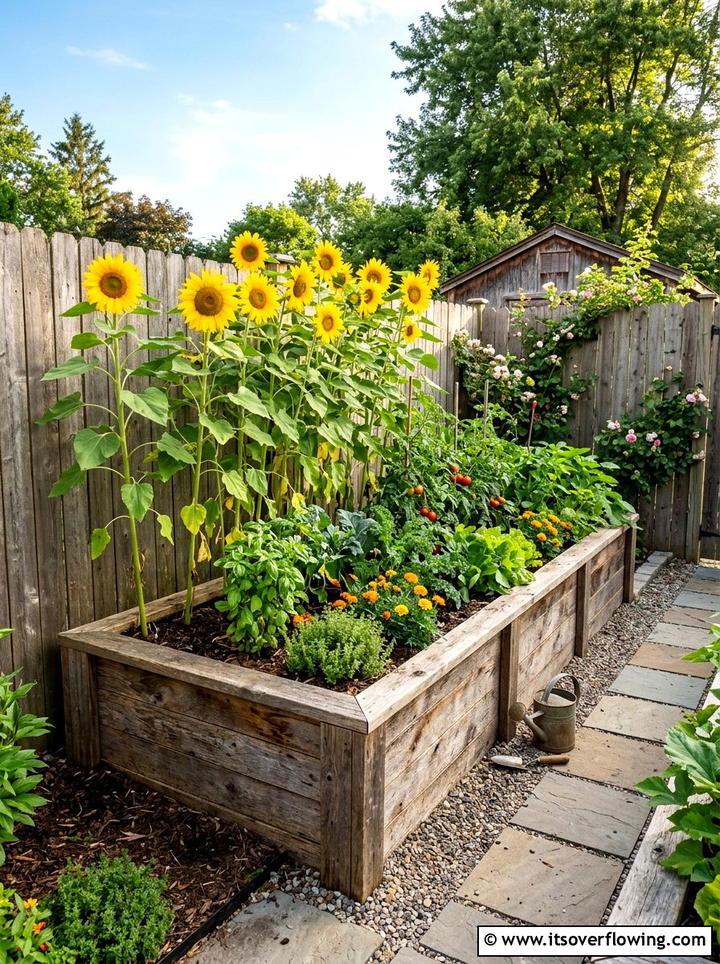
Utilizing the corners of your yard or patio with an L-shaped reclaimed wood bed is a great way to maximize space. This design fits perfectly into tight spots that might otherwise be forgotten or left empty. By building a custom corner unit, you create a lush wrap-around effect that feels very cozy and intentional. You can use old decking boards or fence panels to construct the sides of the bed. This layout is ideal for creating a dedicated herb corner or a fragrant flower display near your back door. The corner design provides a lot of planting surface area while keeping the center of your yard open for activities.
14. Multi Level Wooden Garden Planter
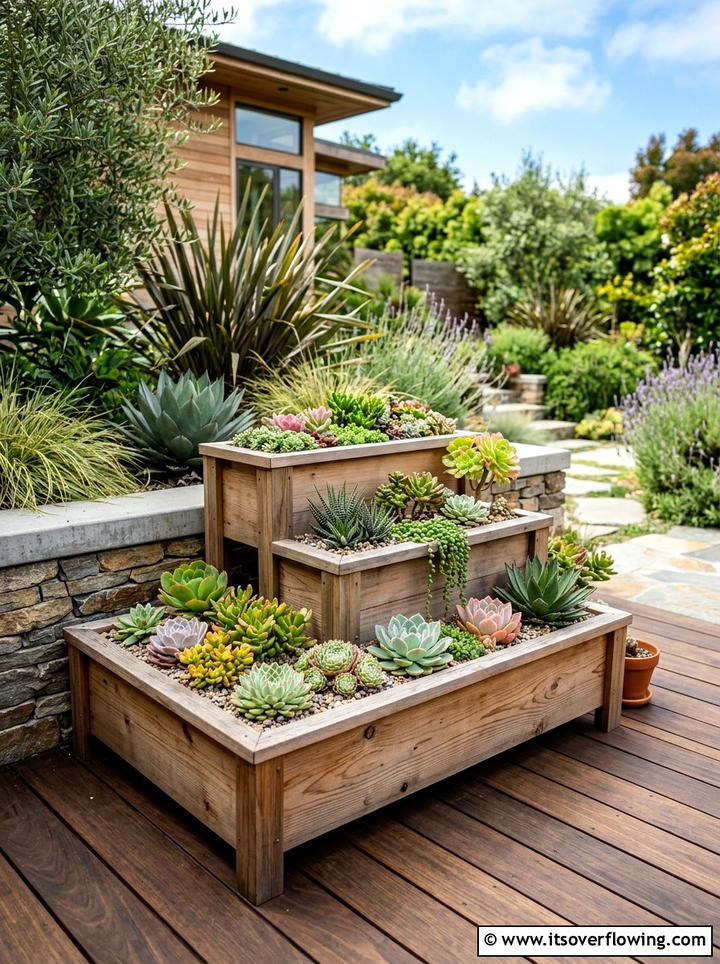
A multi-level planter made from reclaimed wood adds architectural interest and depth to your garden design. By building boxes of different heights and grouping them together, you can create a dynamic landscape that draws the eye upward. This approach is excellent for separating different types of plants, such as putting tall perennials in the back and low-growing succulents in the front. The varied heights make gardening more accessible, as some levels will require less bending than others. Using salvaged wood ensures that the different levels look cohesive through their shared weathered texture and natural finish. It is a sophisticated way to organize your outdoor plant collection.
15. Reclaimed Wood Vegetable Garden With Gate
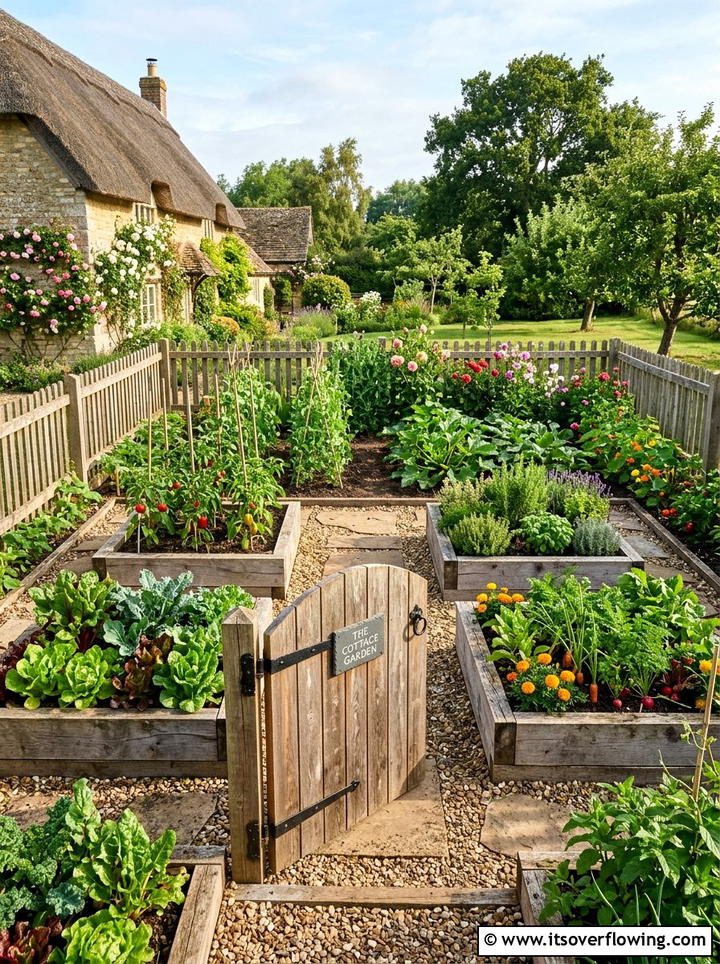
For a larger garden area, you can build a series of reclaimed wood beds surrounded by a matching wooden fence and gate. This creates a protected “garden room” that keeps out pets or local wildlife while looking incredibly charming. The gate serves as a welcoming entrance to your private growing space, making the act of gardening feel like a special retreat. You can use old garden stakes or thin wood scraps to create a lattice fence that matches the raised beds. This enclosed design is perfect for those who want a dedicated and organized area for serious food production. It brings a classic cottage-style feel to any large backyard.
16. Rustic Wood Cold Frame Garden Bed
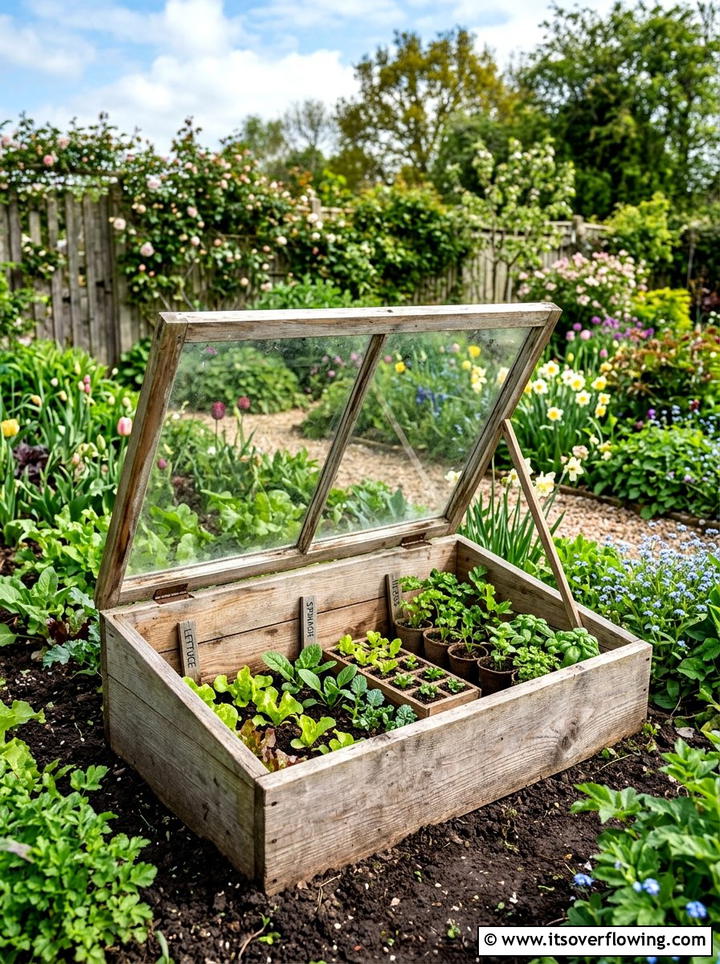
A cold frame is essentially a low-profile garden bed with a transparent lid, used to extend the growing season. You can easily build the frame using reclaimed wood and use an old glass window as the top cover. This setup protects your delicate seedlings from frost in the early spring or late fall. The thick wooden sides help insulate the soil, trapping heat from the sun to keep your plants warm. It is a practical and budget-friendly way to get a head start on your vegetable garden. Using a vintage window with the reclaimed wood gives the project a beautiful, antique look that is very functional.
17. Deep Wooden Raised Bed For Root Vegetables
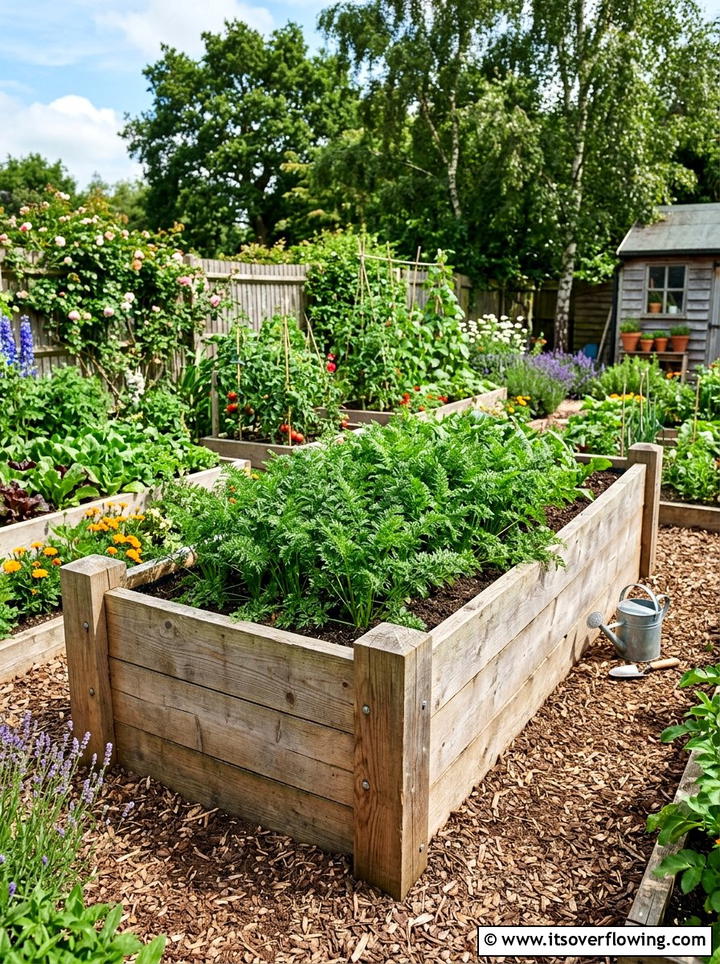
Root vegetables like carrots, potatoes, and parsnips require extra soil depth to grow straight and healthy. You can build extra-deep raised beds using stacked reclaimed beams or wide planks to provide the necessary room. These tall beds also save your back, as you do not have to lean over very far to tend to your crops. Reclaimed wood is strong enough to hold the weight of a large volume of soil without bowing or breaking. The height of these beds also helps keep the soil warmer, which can lead to faster growth. It is a professional-grade gardening solution made from humble, recycled materials found around the house.
18. Recycled Railroad Tie Garden Bed
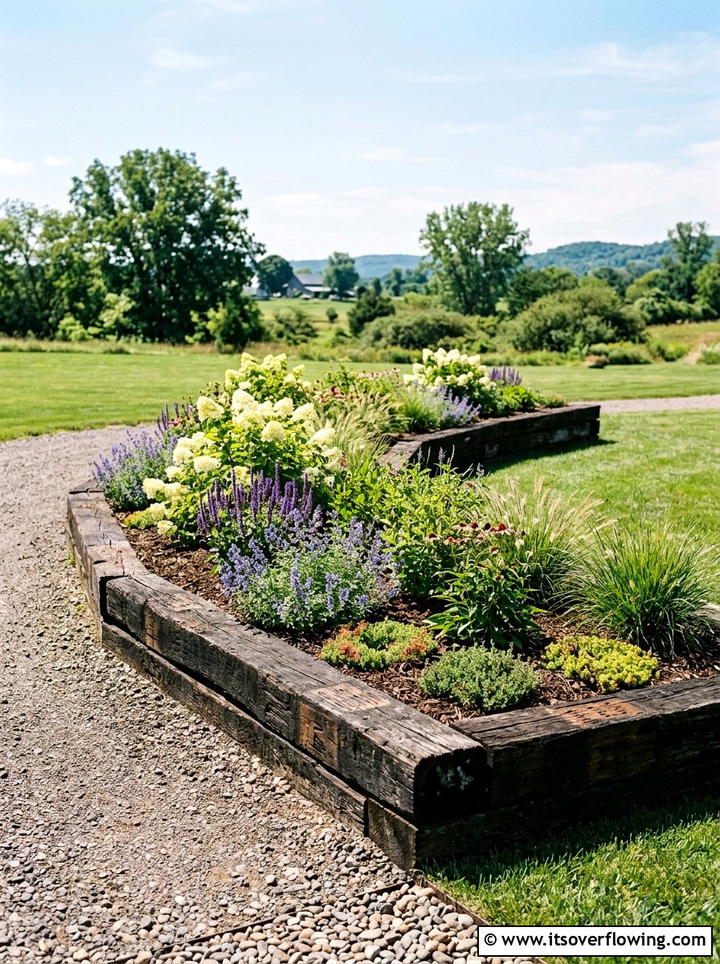
Railroad ties are incredibly durable and offer a very bold, chunky look for reclaimed garden beds. These large timbers are perfect for creating long, straight lines in a garden or defining the edges of a large property. Because they are so heavy, they stay in place without much extra hardware, making them a relatively simple DIY project. The dark, weathered wood looks beautiful when surrounded by bright green lawn or gravel paths. These beds are ideal for permanent plantings like perennial shrubs or long-term fruit bushes. Their rugged appearance adds an element of strength and structure to any outdoor landscape, providing a very grounded feeling.
19. Wooden Strawberry Planter Tower
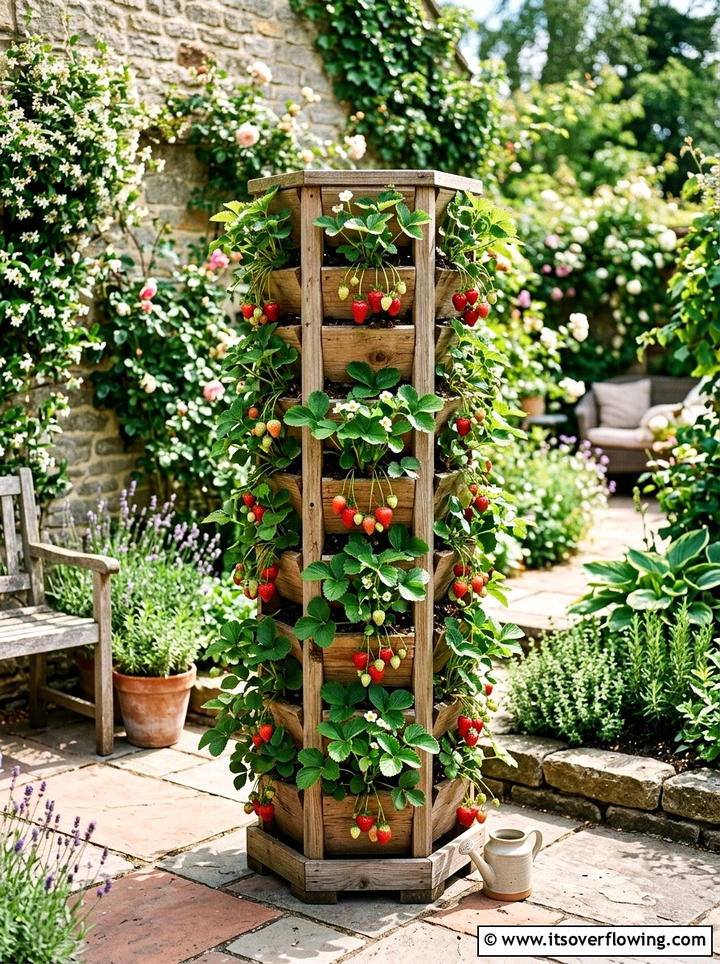
A strawberry tower made from reclaimed wood is a fun and efficient way to grow a lot of fruit in a very small space. You can build a tall, narrow box with openings on all sides for the strawberry plants to poke through. This vertical design keeps the fruit off the ground, which prevents rotting and protects them from pests like slugs. The reclaimed wood provides a sturdy vertical structure that can be placed in the center of a sunny patio. As the plants grow, the tower becomes covered in green leaves and red berries, making it a beautiful and edible focal point for your summer garden.
20. Herb Garden Made From Scrap Wood
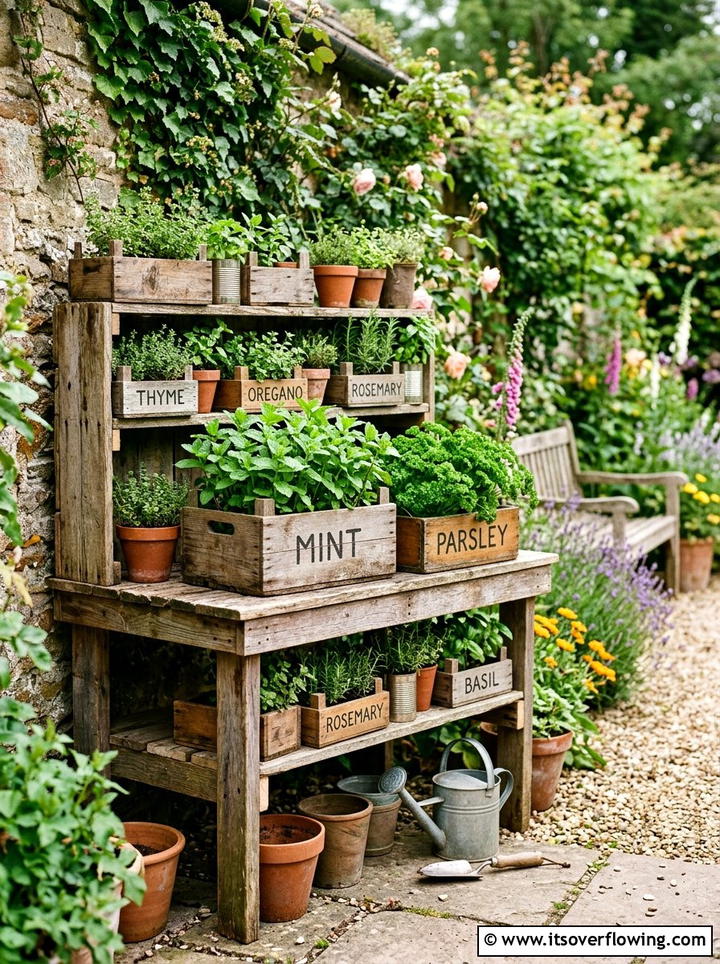
Even the smallest scraps of reclaimed wood can be used to create a beautiful and functional herb garden. You can build tiny individual boxes for each herb and arrange them on a wooden shelf or along a windowsill. This is a great project for using up the leftovers from larger gardening projects. These small beds are perfect for keeping your most-used kitchen herbs organized and healthy. The mismatched wood types can create a lovely, eclectic look that feels very personalized and homey. It is a simple way to practice sustainability by ensuring that no piece of salvaged lumber goes to waste in your home.
21. Raised Bed With Built In Wooden Bench
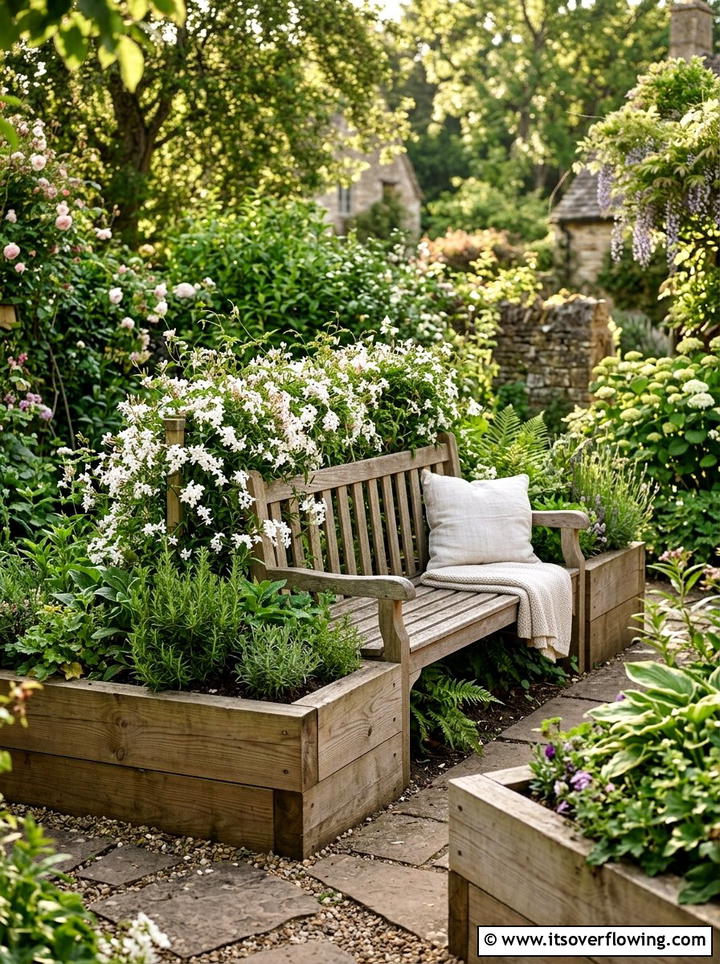
Adding a built-in bench to the side of a reclaimed wood garden bed creates a perfect spot for relaxation and contemplation. This design allows you to sit right next to your plants, enjoying their fragrance and beauty at eye level. You can use smooth, reclaimed planks for the seat to ensure it is comfortable for long periods of use. This integrated furniture piece makes the garden feel more like a living area than just a place for chores. It is a wonderful addition to a quiet corner of the yard where you can read a book or enjoy a morning cup of coffee while surrounded by your growing garden.
22. Distressed Wood Garden Border
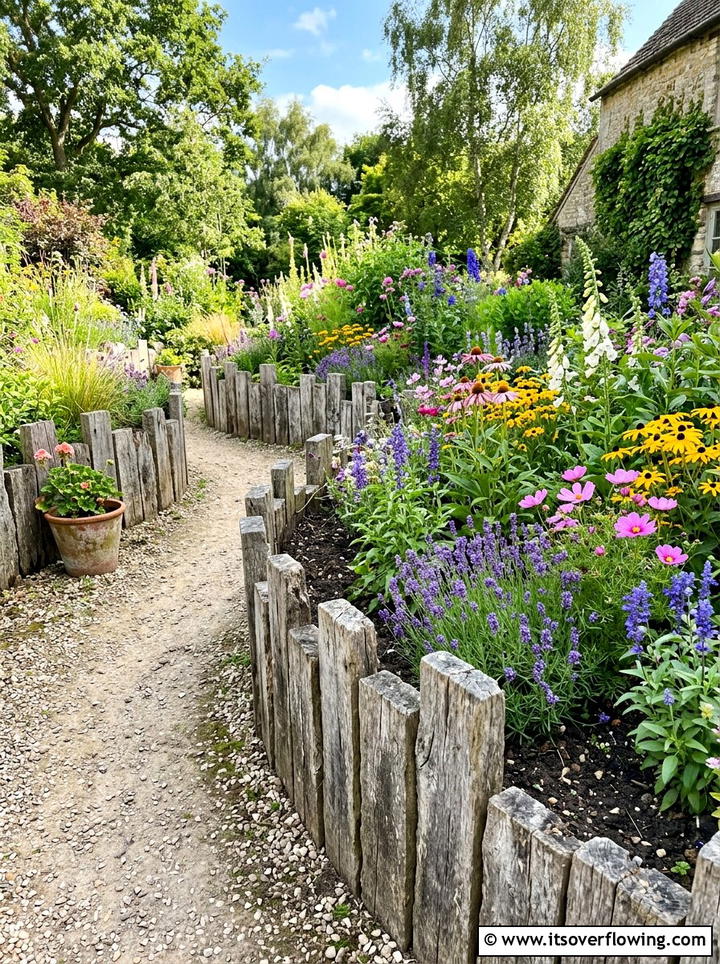
Reclaimed wood does not always have to form a full box; it can also be used as a beautiful border for ground-level beds. You can place old planks or short logs vertically or horizontally to define the edge of your garden path or flower display. This helps keep mulch in place and prevents grass from creeping into your planting areas. The distressed look of the wood adds a natural, rustic boundary that looks much more organic than plastic or metal edging. It is a cost-effective way to give your garden a finished, professional look while using materials that have a history and a story to tell.
23. Elevated Reclaimed Wood Planter Box
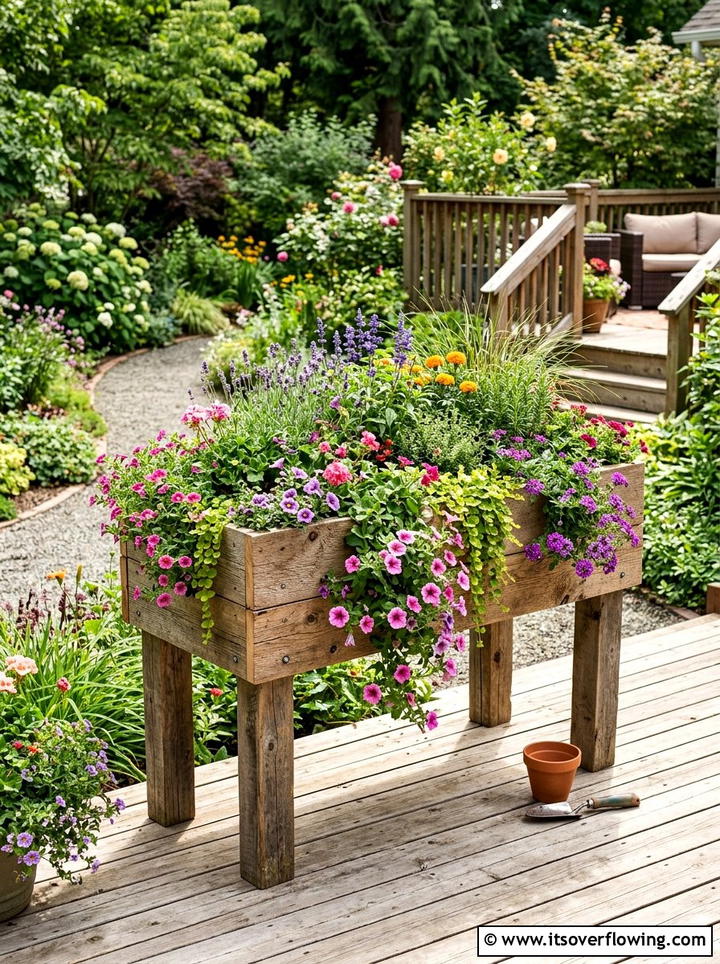
An elevated planter box is a garden bed that sits on legs, bringing the soil up to waist height for easy access. This design is perfect for gardeners who have mobility issues or simply want to avoid kneeling on the ground. You can use sturdy reclaimed 4×4 posts for the legs and old floorboards for the box itself. These elevated beds are also great for keeping plants away from ground-dwelling pests like rabbits. Because they are off the ground, they provide excellent drainage and airflow for your plants. They look fantastic on decks and patios, providing a clean and organized way to grow flowers and vegetables.
24. Farmhouse Style Wooden Garden Beds
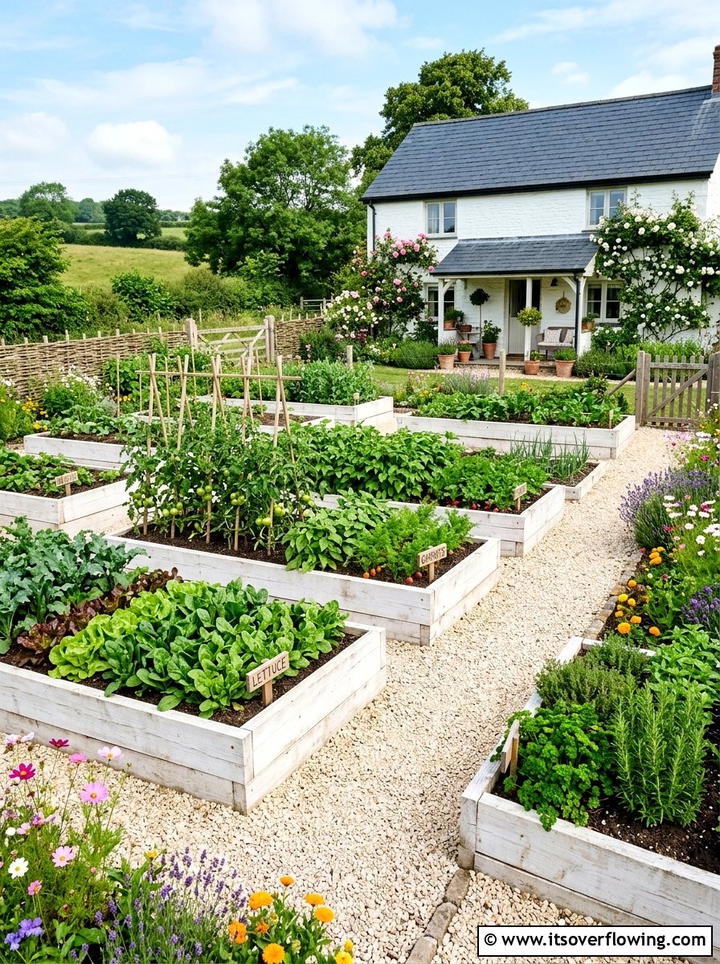
To achieve a classic farmhouse look, you can build simple, rectangular raised beds out of wide reclaimed planks. Painting them with a thin layer of white or gray wash can highlight the natural grain and texture while giving them a clean, rustic appearance. These beds look best when arranged in neat rows with wide gravel or grass paths in between. This organized layout is both beautiful and highly productive, reminiscent of traditional country estates. Using reclaimed wood ensures that the beds do not look too “new, ” allowing them to blend in perfectly with an older home or a vintage-inspired landscape design for a cozy feel.
25. Rustic Wood Planter For Succulents
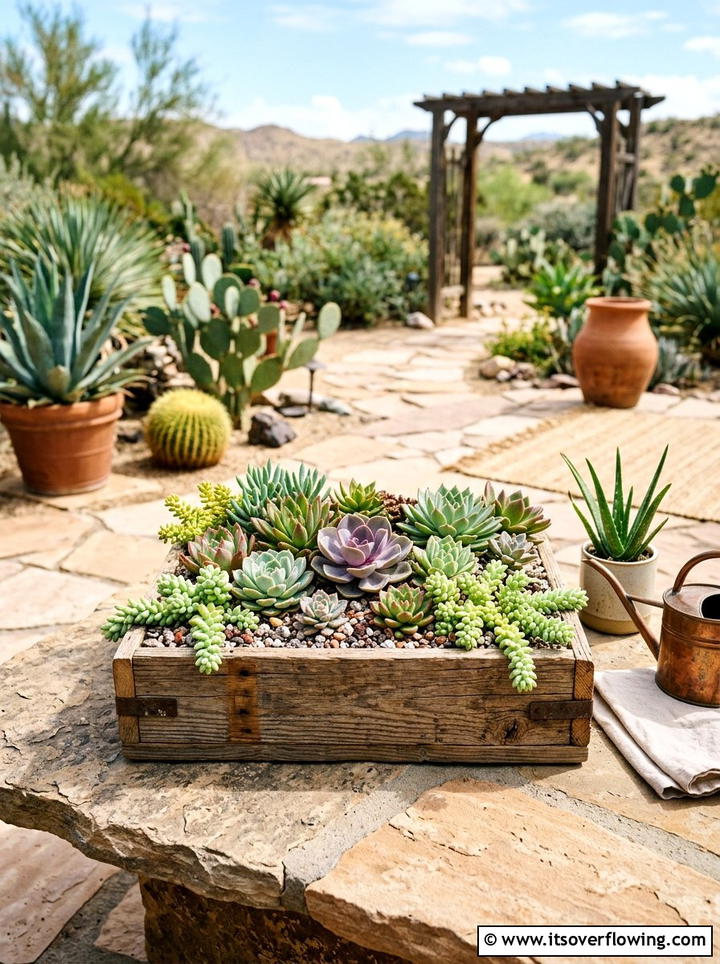
Small pieces of reclaimed wood are perfect for creating shallow planters dedicated to succulents and rock garden plants. These hardy plants do not need much depth, so you can use thin scraps of old timber to build miniature displays for your patio or porch. Reclaimed wood provides a natural, earthy backdrop that highlights the unique shapes and colors of different succulent varieties. You can arrange several of these small beds together to create a cohesive desert-themed garden area. The weathered texture of the wood complements the fleshy leaves of the plants, making for a very photogenic and low-maintenance gardening solution for busy homeowners who love style.
Conclusion:
Building your own garden with reclaimed wood is a rewarding experience that combines creativity with environmental responsibility. By choosing to reuse materials, you are keeping waste out of landfills and creating a unique space that reflects your personal style. Whether you are growing vegetables, herbs, or flowers, these wooden beds provide a healthy environment for your plants to thrive. We hope these twenty-five ideas have inspired you to look at old lumber with new eyes and start your next outdoor project. Gardening is a journey of growth, and doing it with sustainable materials makes the harvest feel even more special and meaningful for everyone who visits your beautiful home.

Related posts:
 25 Creative Garden Ideas With Spiral Herb Beds to Try Now
 25 creative garden ideas with painted stepping stones to Try
 25 Creative Garden Ideas With Trellis Tunnel Designs to Try
 25 Creative Garden Ideas With Wall Mounted Planters to Try
 25 Creative Garden Ideas With Keyhole Garden Beds
 25 Creative Garden Ideas With Dry Creek Beds to Inspire
 25 Creative Garden Ideas With Geometric Beds
 25 Creative Garden Ideas With Pollinator Beds for More Blooms
 25 Garden Ideas With Weekend Projects to Try Now
 25 Garden Ideas With Reclaimed Wood for Rustic Style
 25 Garden Design Ideas With Raised Beds for Productive Style
 25 small garden ideas with raised beds for Productive Spaces