
Creating a garden with varying heights transforms a flat, boring yard into a dynamic outdoor sanctuary. When you play with different levels, you invite the eye to move around the entire space. This depth makes even the smallest backyard feel much larger than it actually is. You can achieve this look through structural elements like retaining walls or natural features like layered planting. Think about how steps, slopes, and raised beds add character and texture to your landscape. Proper height variation also helps with drainage and creates microclimates for different plant species. By incorporating vertical interest, you create a professional, well-planned look that enhances your home’s overall curb appeal and value.
1. Terraced Garden
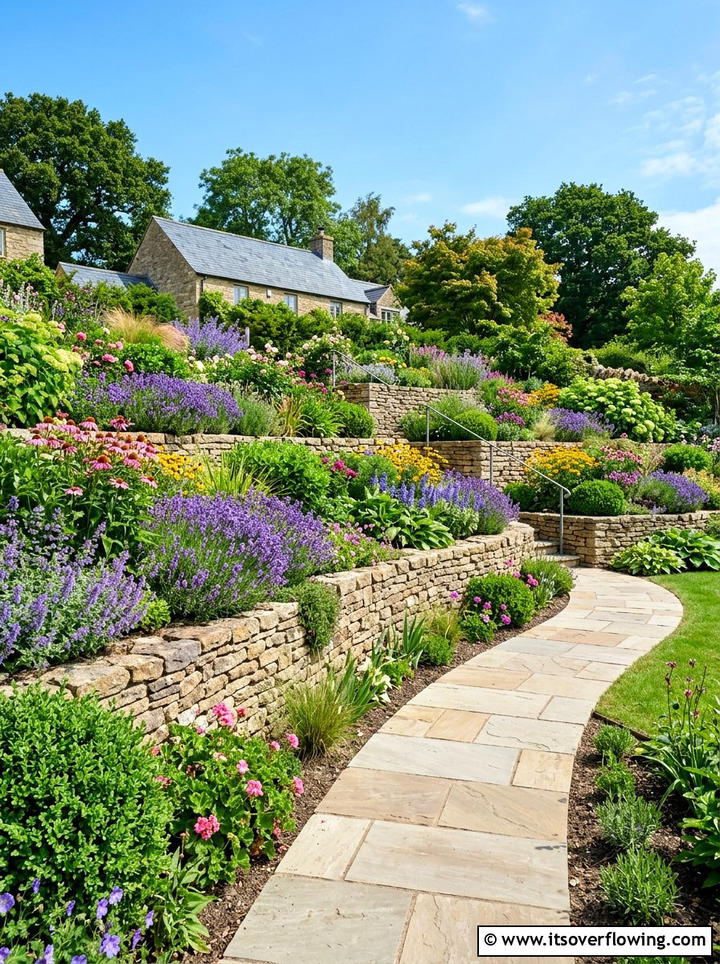
Imagine walking through a lush landscape where stone walls gently step up a steep hillside to create flat planting zones. This approach is perfect for backyards with dramatic slopes that are otherwise hard to use for traditional lawns. You can use natural fieldstone or modern concrete blocks to build these sturdy levels. Each terrace provides a unique micro-environment where you can plant trailing flowers that spill over the edges beautifully. The visual rhythm of the repeating walls creates a sense of order and structure in a wild garden. It also helps prevent soil erosion during heavy rains while making maintenance much easier for the homeowner.
2. Raised Planter
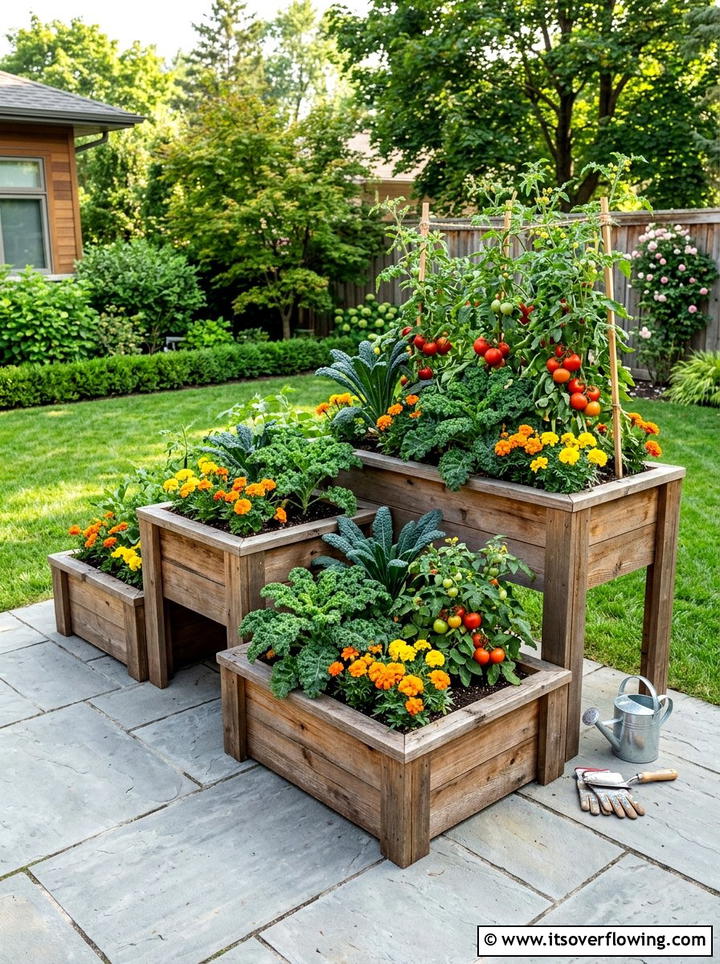
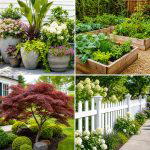
Have you ever noticed how much easier it is to tend to your flowers when they are closer to eye level? Raised planter boxes are a fantastic way to add immediate height variation to a flat patio or deck area. You can build these boxes at different heights using cedar wood, corrugated metal, or even brick to match your home’s style. By grouping planters of varying sizes together, you create a mini-landscape that feels intentional and architectural. These structures also provide excellent drainage and allow you to control the soil quality perfectly. They serve as great natural barriers to define different zones in your backyard.
3. Sunken Seating Area
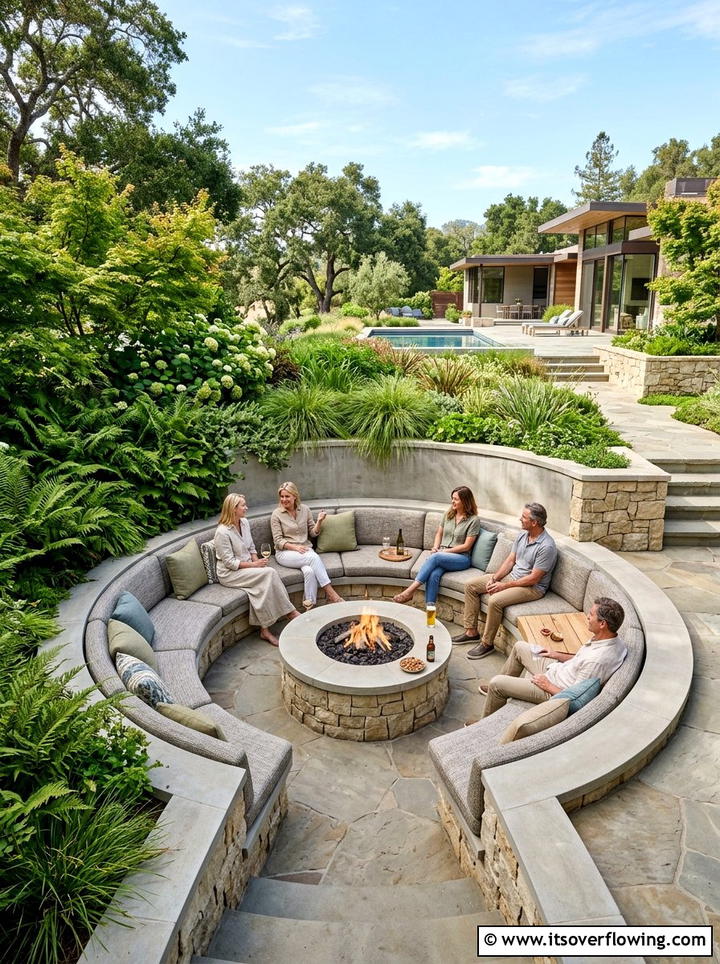
Transforming a flat yard into a multi-dimensional retreat often involves going down rather than just going up. A sunken seating area creates an intimate, cozy atmosphere that feels like a private hidden room within your garden. You can surround the lowered patio with stone walls that double as extra seating for guests during parties. This design choice provides excellent wind protection and a unique perspective of the surrounding plants at eye level. Adding a fire pit in the center makes the space functional for chilly evenings under the stars. It is a bold architectural move that adds significant visual interest to any modern outdoor space.
4. Garden Pergola
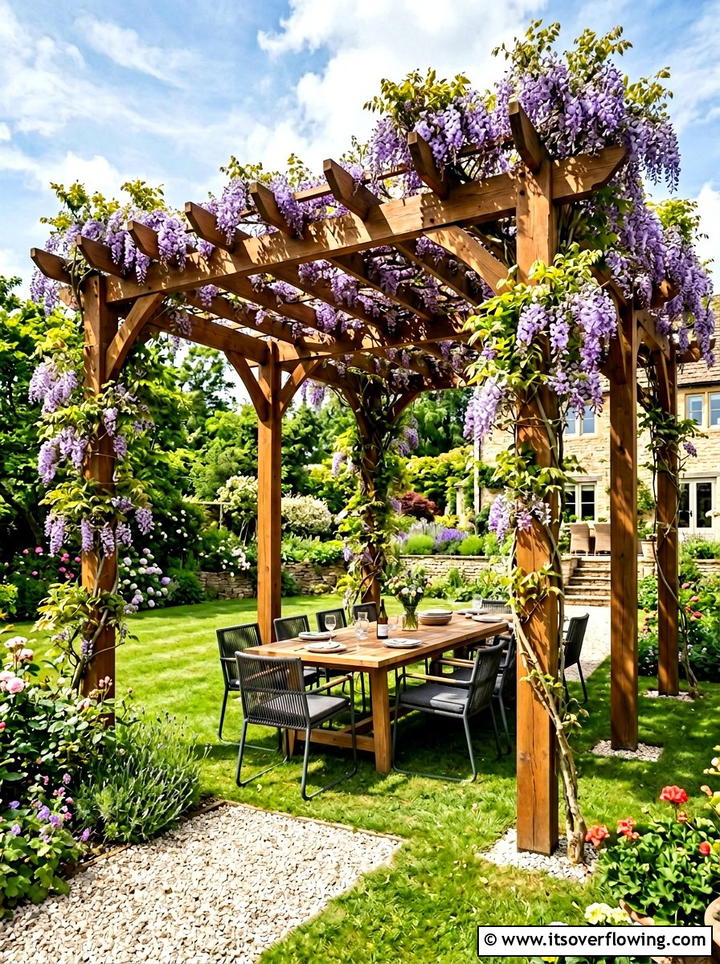
Adding a vertical element like a large wooden pergola instantly changes the scale of your outdoor living area. These structures provide a framework for climbing plants like wisteria or jasmine to grow toward the sky. The overhead beams create a sense of enclosure without blocking the fresh air or the sunlight entirely. You can paint the wood to match your home or leave it natural for a rustic farmhouse look. A pergola anchors your outdoor furniture and defines a specific area for dining or lounging. It effectively draws the eye upward, making your entire garden feel much more expansive and thoughtfully designed for comfort.
5. Retaining Wall
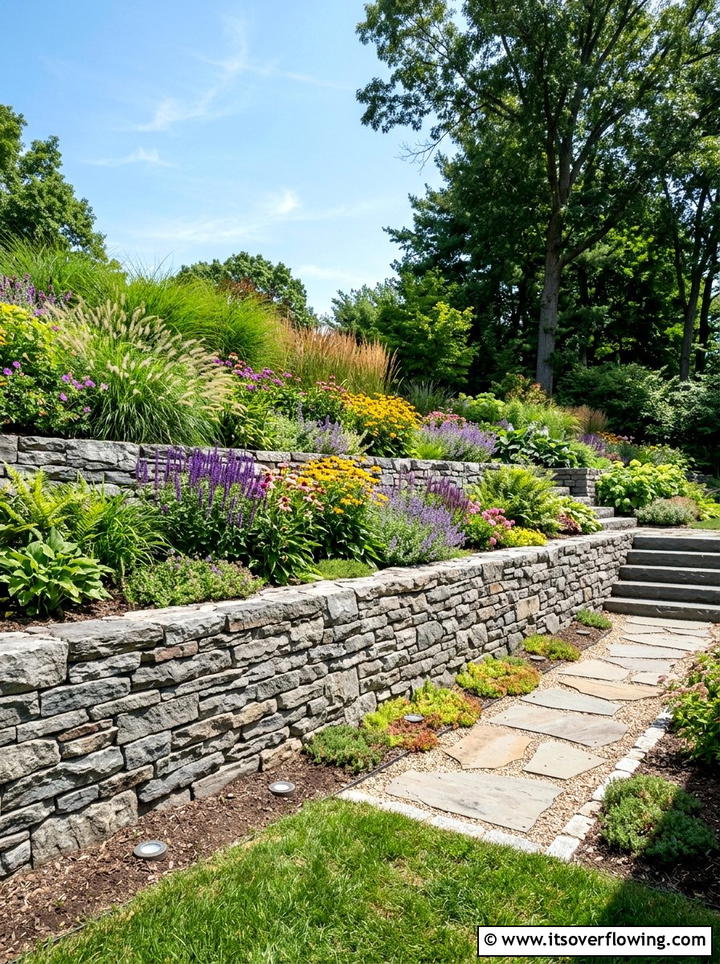
When you have a steep change in elevation, a well-built retaining wall becomes both a functional necessity and a beautiful feature. These walls can be crafted from sleek poured concrete or textured natural stone to suit your aesthetic preferences. They allow you to create distinct levels in your yard, turning a difficult hill into a series of usable flat spaces. You can integrate built-in lighting into the wall to illuminate your garden paths at night for safety and beauty. Planting soft greenery along the base helps to soften the hard edges of the stone. This structural addition provides a permanent sense of height and luxury.
6. Stone Steps
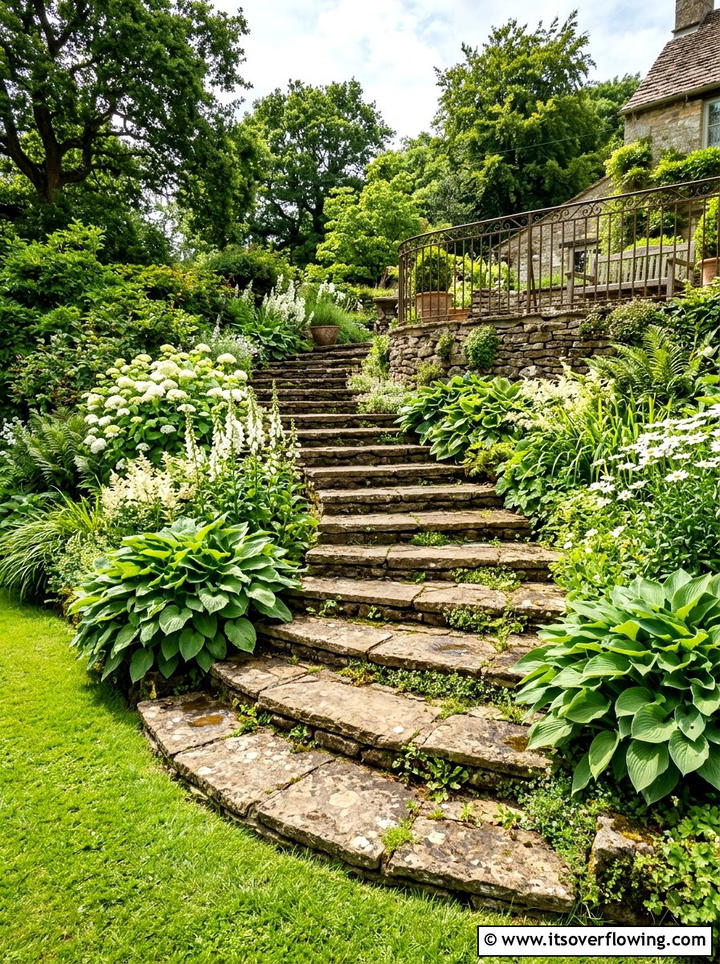
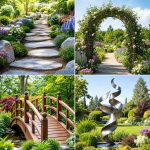
Incorporating steps into your garden design is a practical way to navigate different elevations while adding a lot of charm. Whether you use large flat flagstones or neatly cut granite blocks, steps create a clear path of movement through the space. You can plant low-growing groundcovers like creeping thyme between the stones to soften the look and add fragrance. Wide, shallow steps feel grand and inviting, while narrow, winding stairs add a touch of mystery to a woodland garden. The transition between levels offered by steps makes the journey through your yard feel like a curated experience rather than a simple walk.
7. Vertical Wall Garden
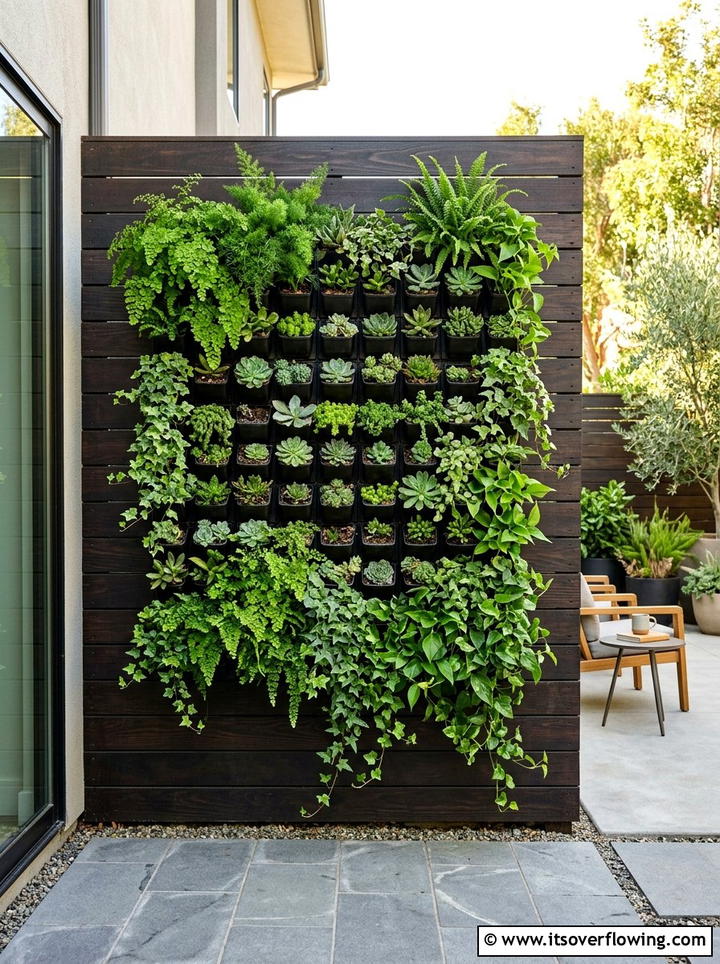
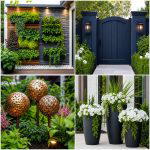
Small spaces often require creative thinking to maximize the amount of greenery you can fit into a limited footprint. A vertical wall garden allows you to grow herbs, succulents, or ferns directly on your fences or exterior walls. You can use modular felt pockets, wooden crates, or metal grids to hold the individual plants in place securely. This living wallpaper adds a lush backdrop to your patio and brings nature closer to your seating area. It is a perfect solution for covering up an ugly wall or providing extra privacy from the neighbors. Vertical gardening turns every available surface into a vibrant and productive growing space.

8. Tall Ornamental Grass
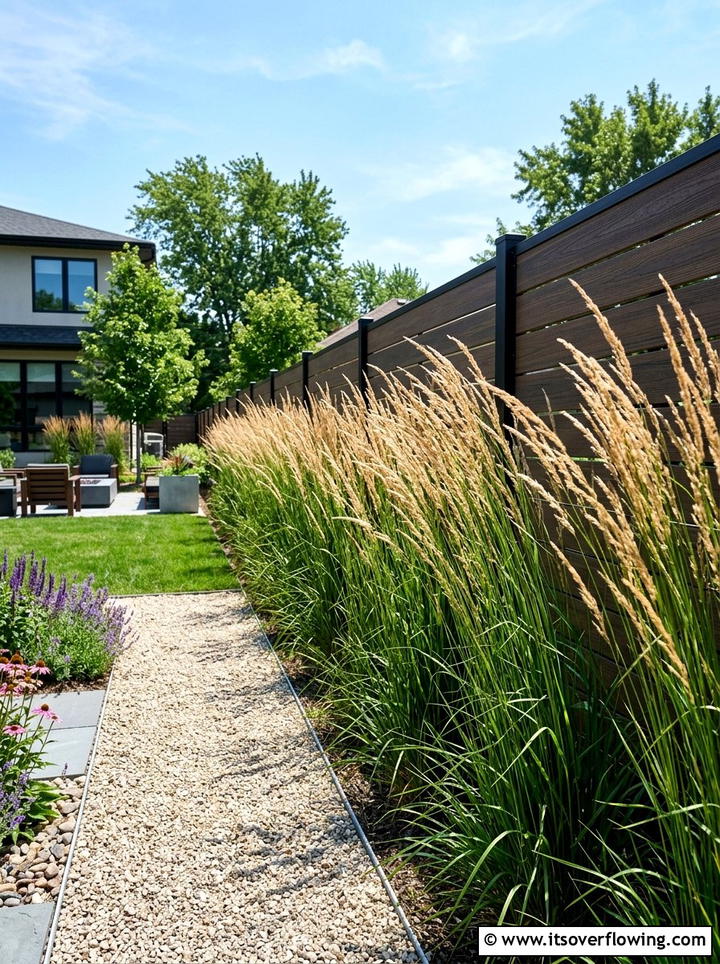
Tall ornamental grasses provide a soft, swaying verticality that moves beautifully with even the slightest summer breeze. Varieties like Karl Foerster or Maiden Grass can reach several feet in height, creating a natural screen for privacy. They add a wonderful texture and a golden color that lasts well into the cold winter months. Planting these grasses in large clusters creates a sense of depth and volume in your flower beds. Because they are so easy to maintain, they are a favorite for busy homeowners who want a high-impact look with very little effort. Their upright form contrasts perfectly with low-growing mounded perennials.
9. Multi Level Deck
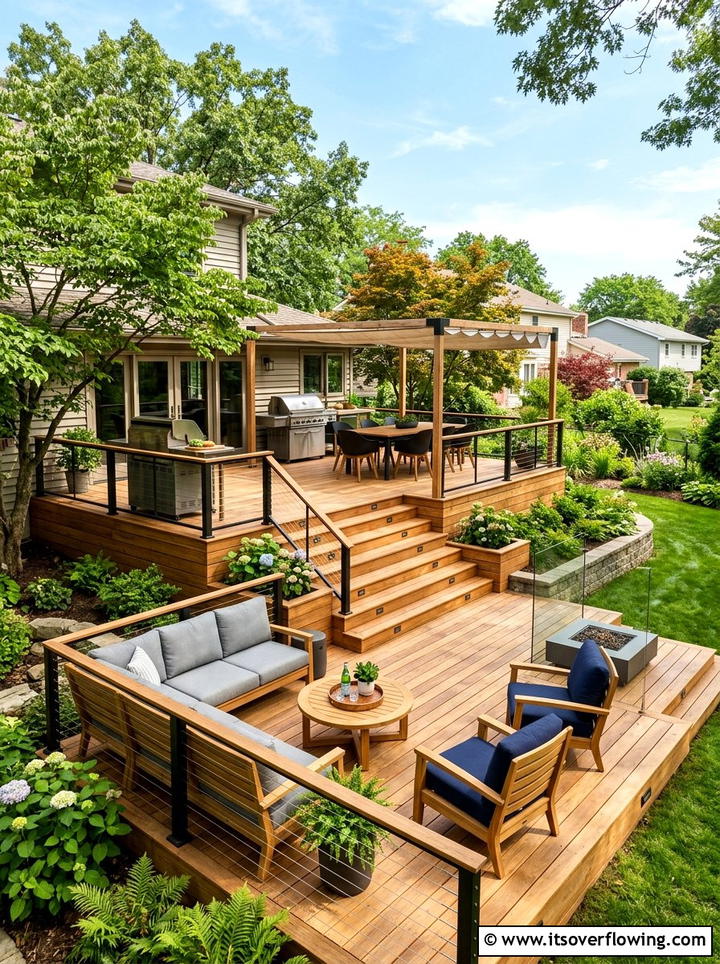
A multi-level deck is a brilliant way to organize your outdoor activities while embracing the natural slope of your property. You can designate the top level for grilling and dining, while the lower level serves as a quiet lounge area. This separation of space makes your backyard feel more organized and expansive than a single flat patio. Wooden or composite stairs connect the different platforms, creating a flow that feels natural and architectural. Using different railing styles or built-in planters on each level adds even more visual variety. This design maximizes your square footage and provides better views of the surrounding landscape.
10. Specimen Tree
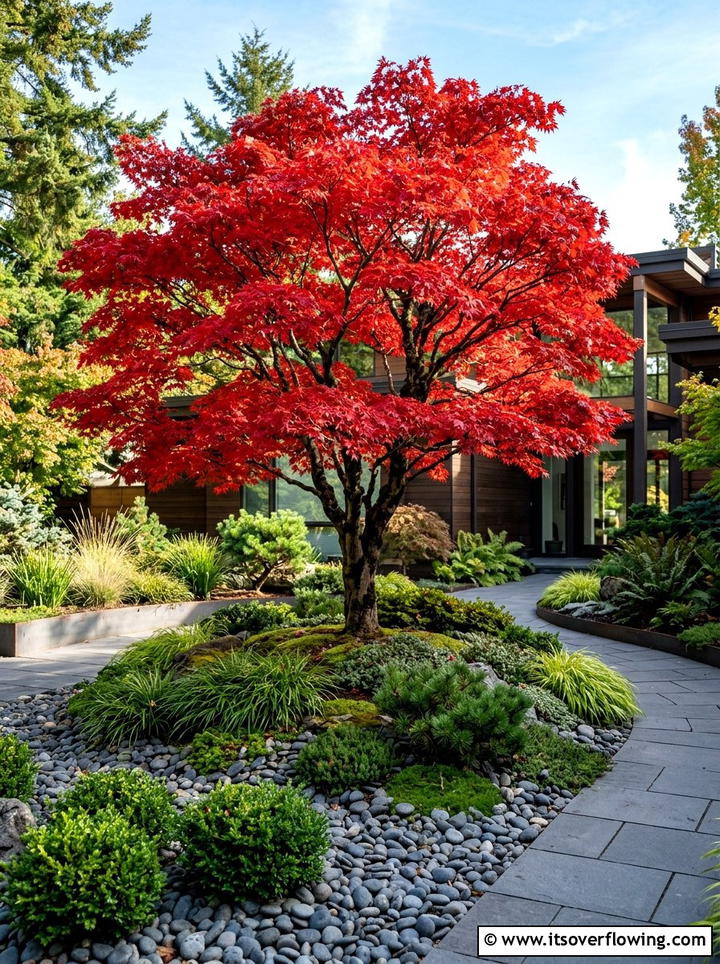
Planting a single, beautiful specimen tree serves as a living sculpture that provides height and a sense of permanence. Choose a tree with interesting bark, unique leaf shapes, or stunning flowers to act as the main focal point. A Japanese Maple or a Flowering Dogwood offers a mid-level canopy that bridges the gap between low shrubs and the sky. Surround the base of the tree with shade-loving perennials to create a layered look that feels very professional. As the tree grows, it provides essential shade and shelter for local birds and beneficial insects. It anchors the entire garden and gives it a mature feel.
11. Tiered Fountain
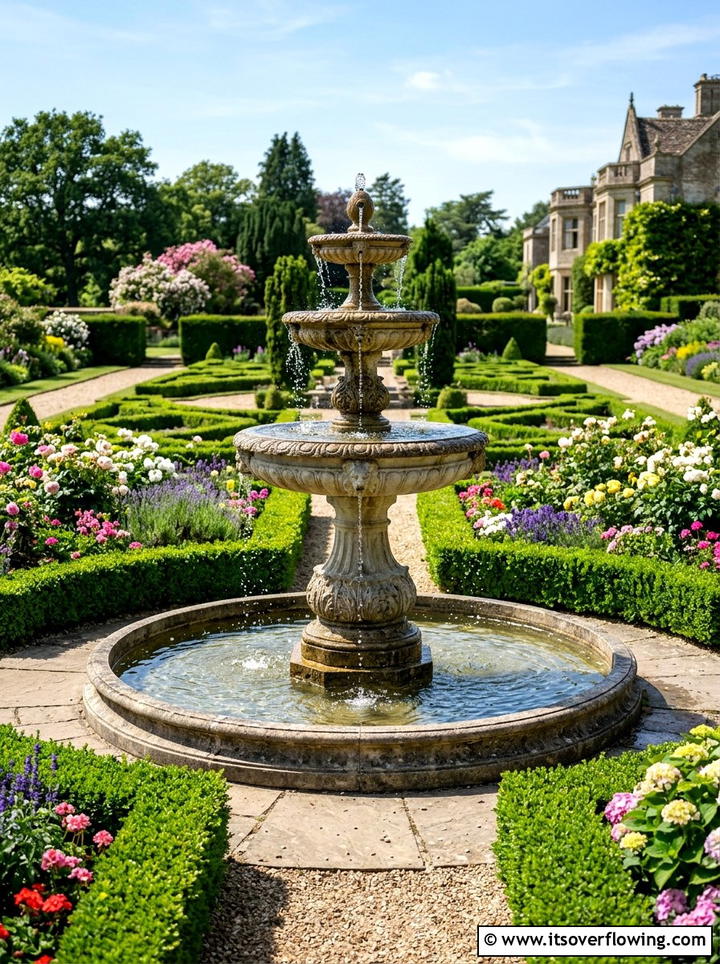
The sound of trickling water becomes even more magical when it flows down through several different levels. A tiered fountain serves as a stunning vertical focal point that draws the eye upward and adds movement to the garden. You can choose a classic stone pedestal style or a more contemporary metal design with clean lines. These water features work beautifully in the center of a courtyard or tucked into a lush corner surrounded by ferns. The height of the fountain helps to mask neighborhood noise while creating a serene atmosphere for relaxation. It brings a sense of luxury and sophistication to your outdoor living space quite easily.
12. Gabion Basket
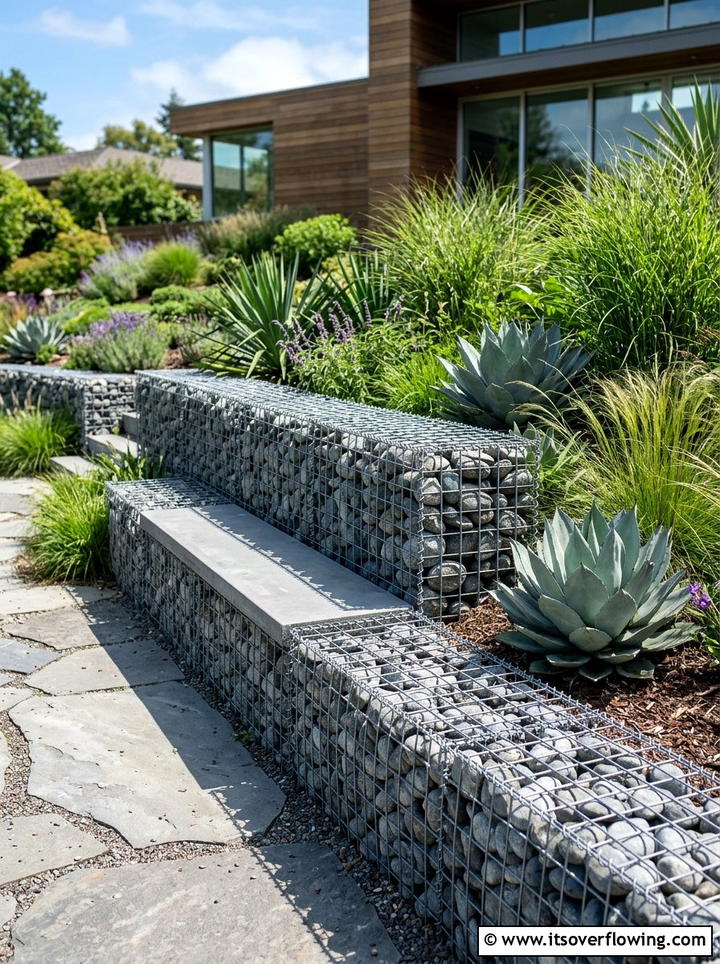
Modern landscapes often utilize gabion baskets filled with river rocks to create unique and industrial-looking retaining walls. These wire cages are incredibly strong and can be stacked to different heights to form benches or plant borders. The rough texture of the stones provides a stark contrast to the soft green leaves of your garden plants. You can use them to create a rugged, tiered effect that feels very grounded and natural. Because they are permeable, they offer excellent drainage and do not require the complex foundations of traditional masonry walls. They are a durable and stylish choice for adding height and structure to your backyard.
13. Arched Trellis
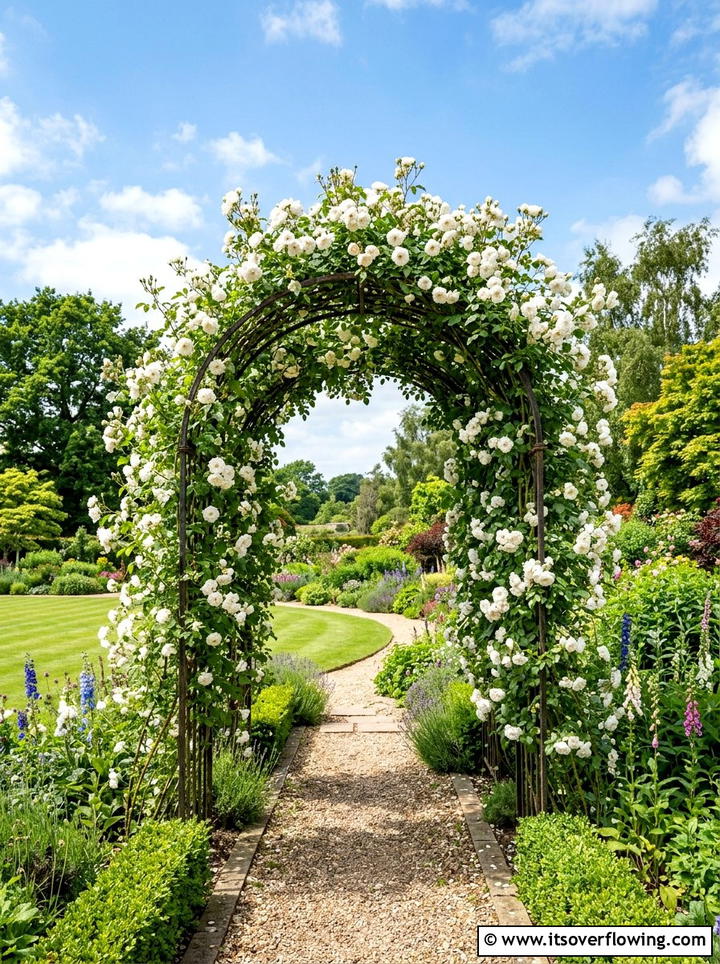
An arched trellis creates a beautiful gateway that marks the entrance to a new section of your garden. When covered in climbing roses or fragrant honeysuckle, it provides a breathtaking vertical display of color and scent. This architectural feature draws the eye up and creates a romantic, tunnel-like effect as you walk underneath it. You can place a series of arches over a long path to create a sense of rhythm and depth. They are particularly effective in narrow yards where you want to emphasize vertical space rather than the ground width. A trellis adds instant height and a touch of classic elegance.
14. Elevated Walkway
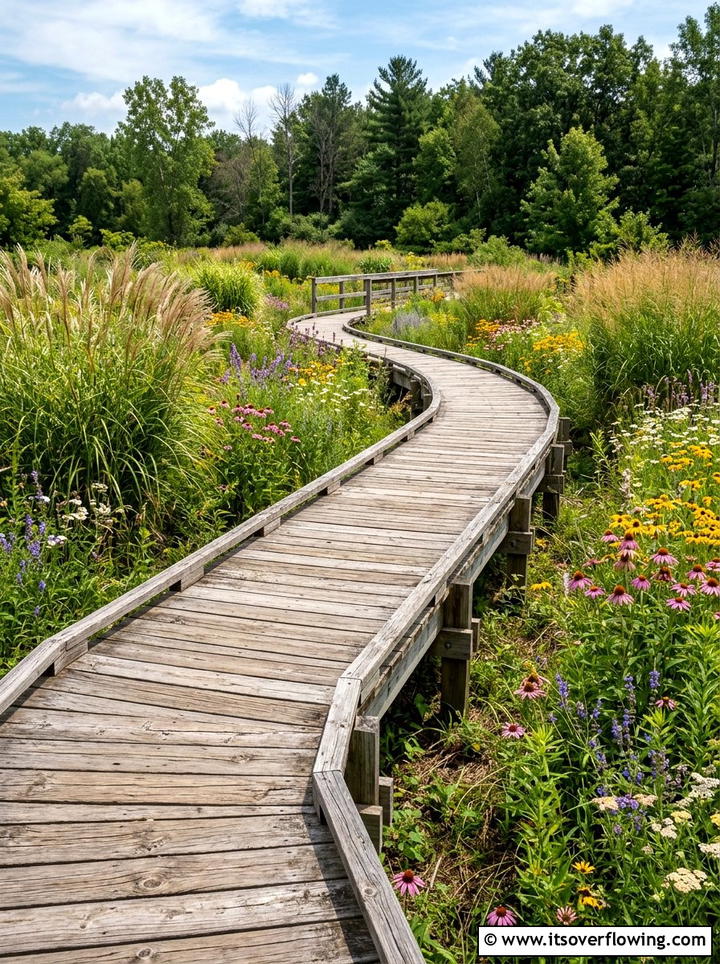
If your yard has uneven terrain or a damp area, an elevated walkway can provide a stable and stylish path. These wooden boardwalks sit just above the ground, allowing plants to grow underneath and around the structure. They create a clear sense of direction and protect your lawn from heavy foot traffic in all seasons. The slight elevation makes the walk through your garden feel more like an adventure across a bridge. You can add low-voltage lighting along the edges to make the walkway glow beautifully after the sun goes down. It is a modern solution that adds architectural interest and varied levels.
15. Hanging Basket
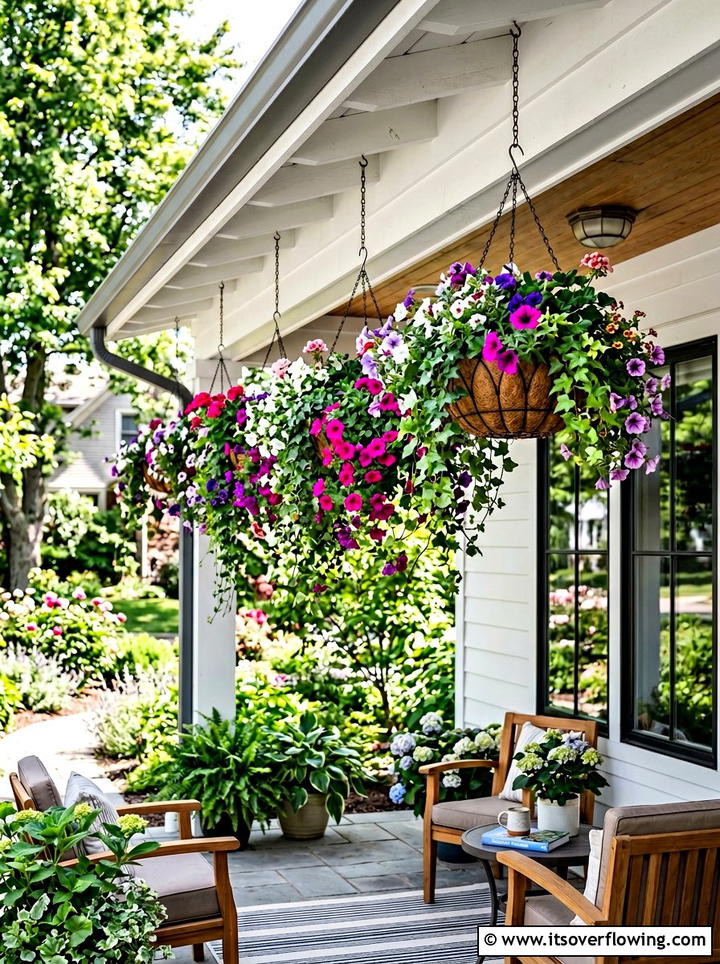
Hanging baskets are a classic way to bring splashes of color and greenery right up to your eye level. By hanging them from porch eaves, shepherd’s hooks, or wall brackets, you add a layer of plants that floats above the ground. You can use trailing petunias, fuchsias, or ivy to create a cascading waterfall of foliage that softens hard lines. These portable planters allow you to change your garden’s look seasonally with very little effort or expense. Grouping several baskets at different heights creates a lush, vertical jungle effect on a patio. They are perfect for adding life to decks and small balconies.
16. Rock Garden
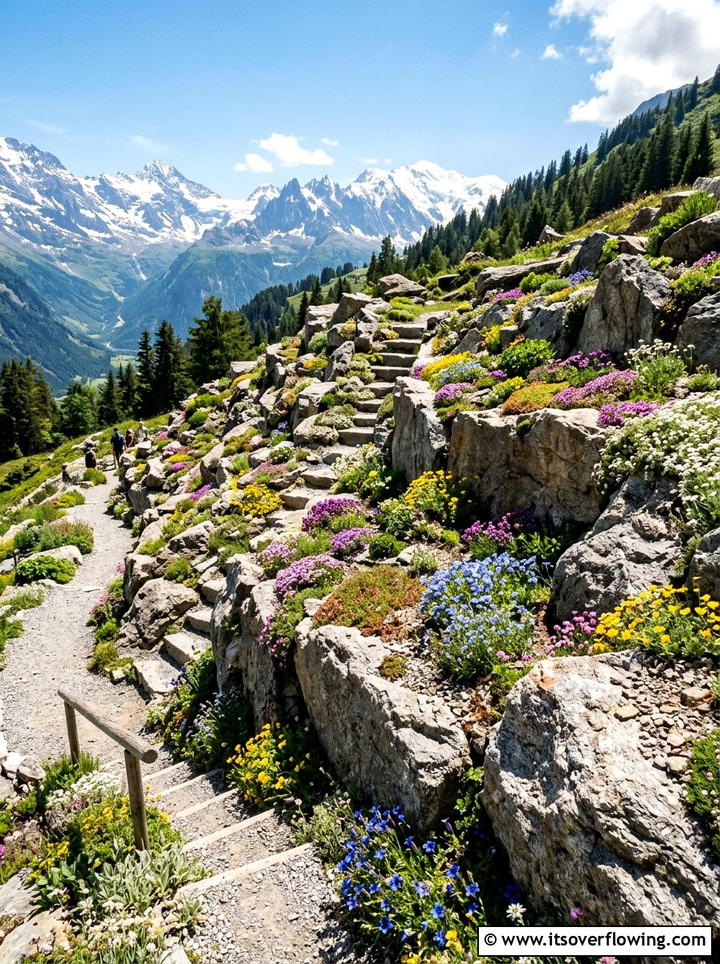
Creating a rock garden on a slope is a natural way to introduce height variation while celebrating rugged beauty. By placing large boulders and smaller stones strategically, you can create pockets for alpine plants and succulents to thrive. These plants usually prefer the excellent drainage that a sloped, rocky environment provides for their shallow root systems. The contrast between the heavy, permanent stones and the delicate, colorful flowers creates a very dynamic visual experience. A rock garden feels like a miniature mountain landscape right in your own backyard. It is a low-maintenance option that adds significant texture and interesting vertical layers to the property.
17. Landscape Berm
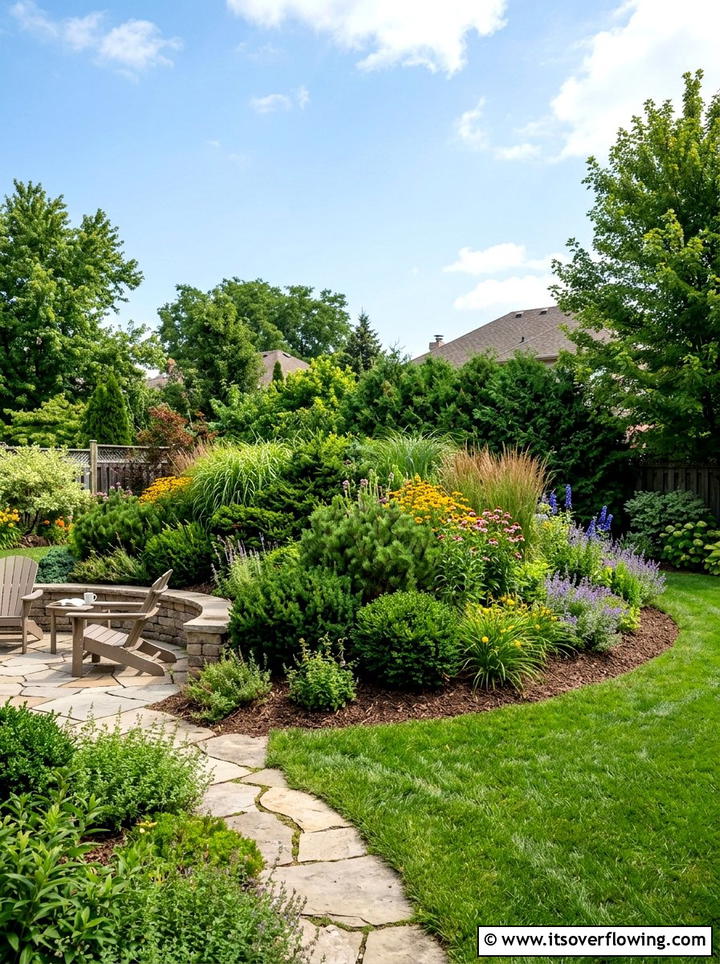
A landscape berm is a small, man-made hill that adds organic height and privacy to a flat lawn. You can build these mounds using soil and mulch, then plant them with a mix of evergreens and shrubs. The added elevation allows smaller plants to be seen more easily from a distance across the yard. Berms are excellent for blocking the view of a busy street or a neighbor’s unsightly fence without building a wall. They create soft, flowing curves that make the garden feel more natural and less boxy. Layering different plant heights on the berm enhances the three-dimensional feel of your landscape.
18. Privacy Screen
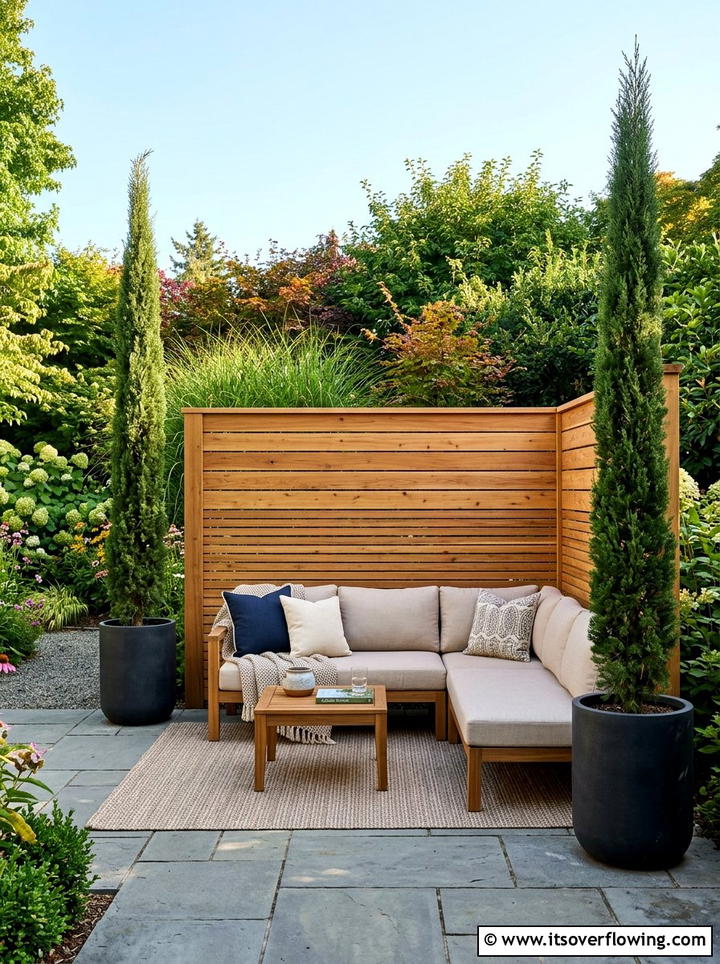
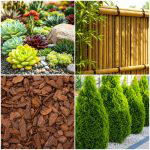
Privacy is a major concern for many homeowners, and a tall screen provides height while serving a very practical purpose. You can use horizontal wood slats, decorative metal panels, or tall bamboo to create a modern and stylish barrier. These screens act as a backdrop for your seating area, making the space feel more enclosed and secure. Planting tall, narrow trees like Italian Cypress in front of the screen adds even more vertical interest and greenery. This combination of hardscaping and softscaping creates a sophisticated look that protects your sanctuary. It effectively turns a flat fence line into a beautiful, multi-layered architectural feature.
19. Tiered Herb Garden
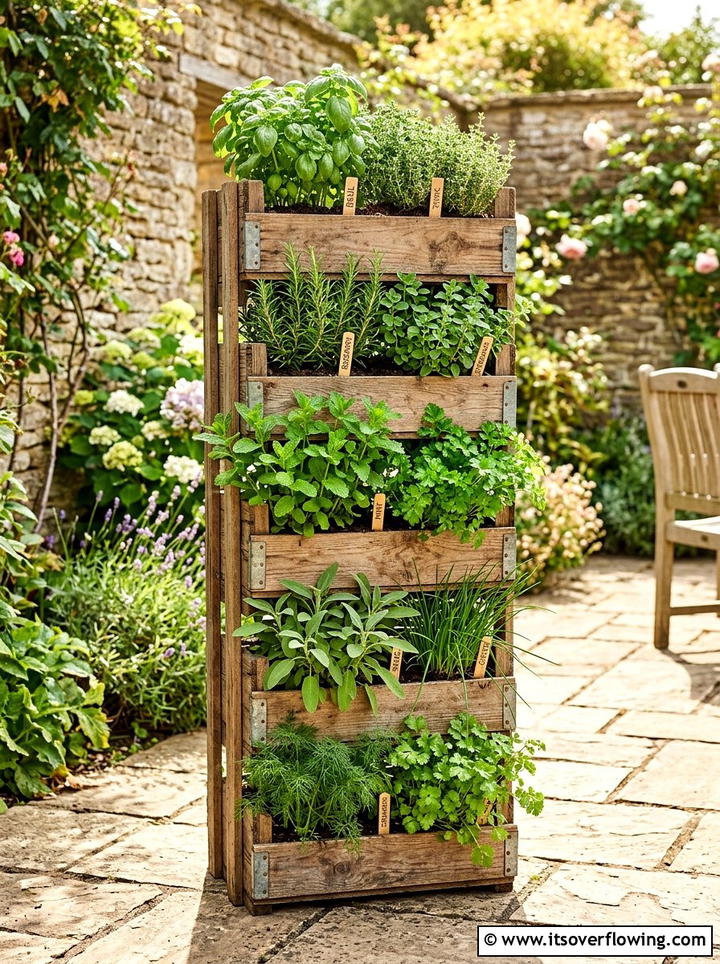
A tiered herb garden allows you to grow all your favorite culinary plants in a compact and vertical arrangement. You can use a ladder-style planter or a series of stacked wooden boxes to create these functional levels. This design keeps your herbs organized and makes them very easy to harvest without a lot of bending over. Placing the tallest herbs like rosemary at the top and trailing ones like thyme at the bottom looks great. It is a perfect addition to a sunny spot near the kitchen door for quick access while cooking. Tiered planters turn a simple herb patch into a beautiful garden feature.
20. High Garden Hedge
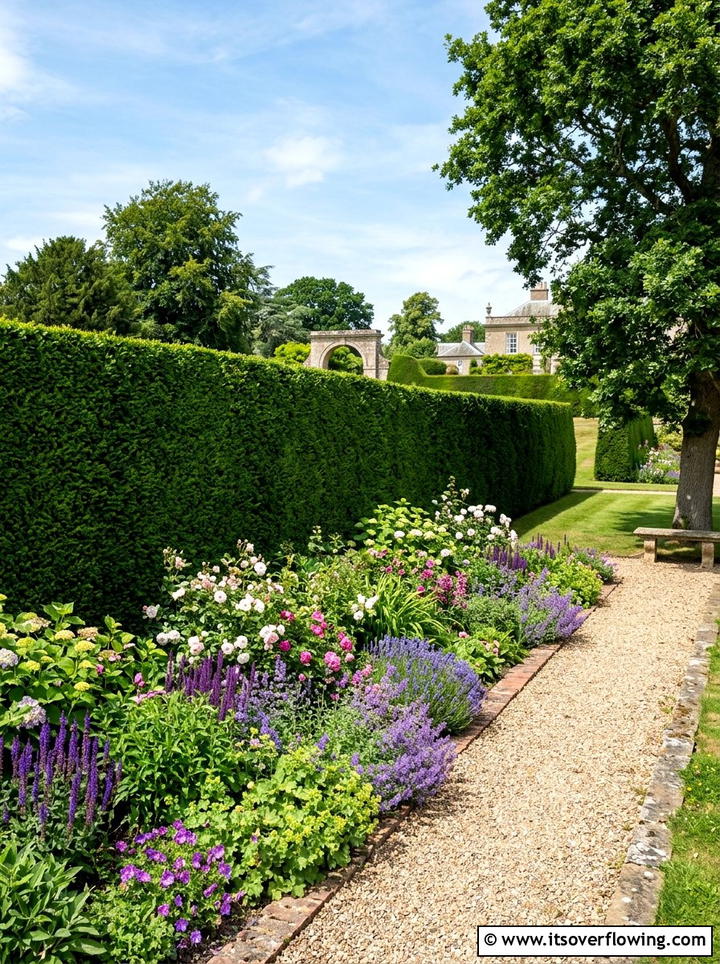
High garden hedges provide a living wall of green that adds significant vertical scale and a sense of privacy. Using evergreen plants like Boxwood or Privet allows you to maintain a neat, structured look throughout the entire year. You can trim the hedge into sharp, formal lines or let it grow more naturally for a softer, cottage-style appearance. These tall boundaries act as a windbreak and help to dampen neighborhood noise for a quieter outdoor experience. Placing a lower row of flowering shrubs in front of the hedge creates a tiered effect that adds depth. It is a classic way to define garden rooms.
21. Tall Sculpture
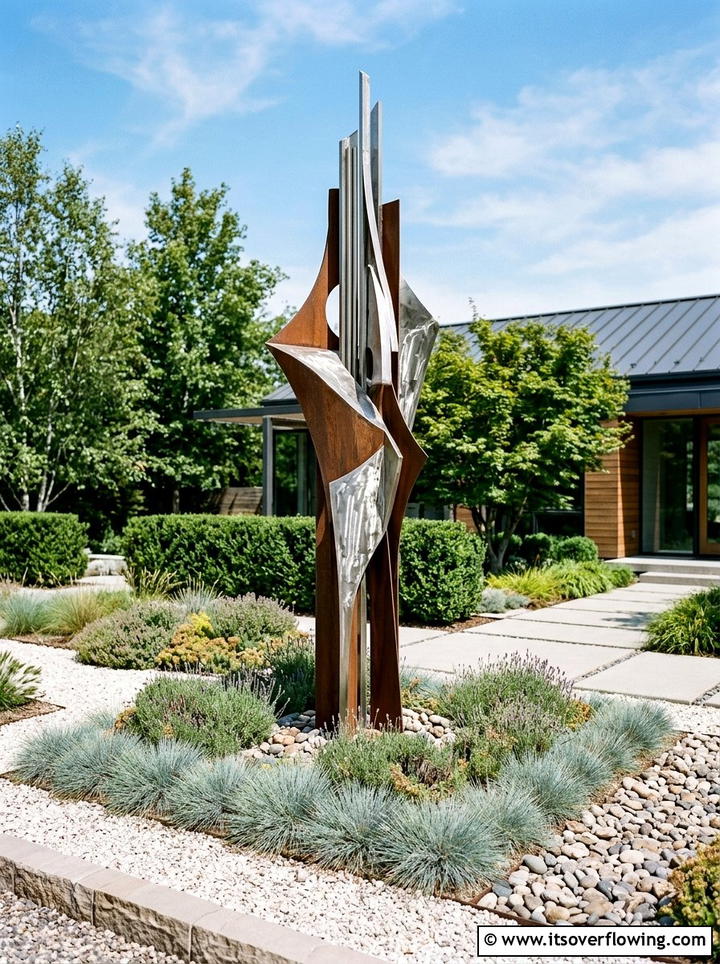
Sometimes a garden needs a non-living focal point to provide height and a sense of artistic personality. A tall metal sculpture or a stone obelisk can draw the eye upward and provide interest during the winter months. You can place art at the end of a long path or in the center of a circular planting bed for maximum impact. The vertical line of the sculpture contrasts beautifully with the horizontal shapes of the surrounding plants and lawn. Choose a material that will weather gracefully over time, like copper or weathered steel, to add a rustic touch. Art brings a unique, curated feel to your landscape.
22. Layered Border
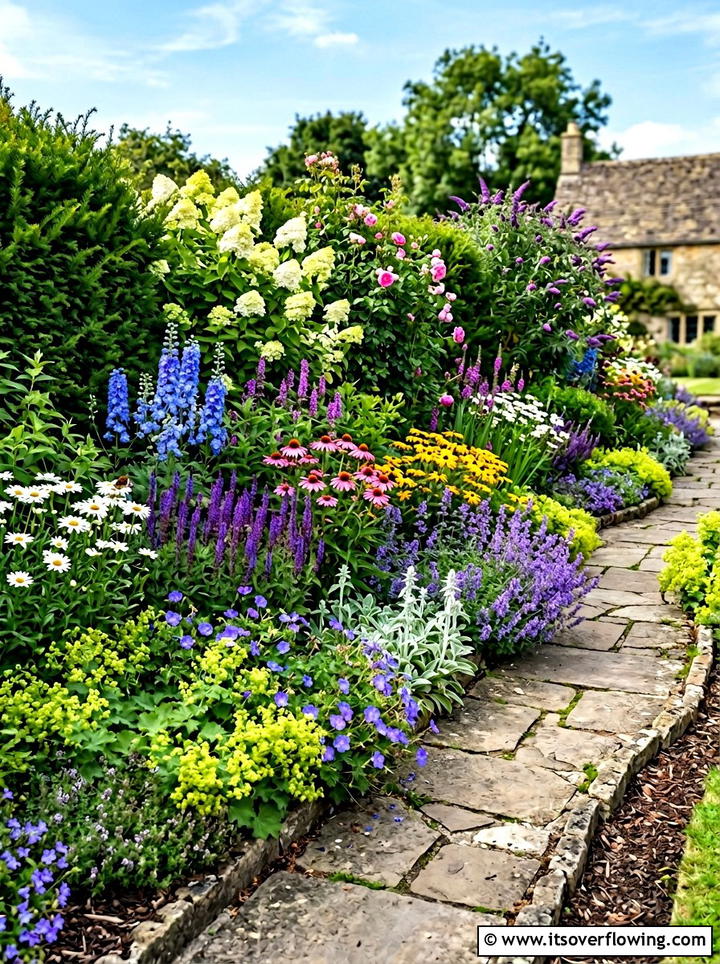
A layered border is the secret to a professional-looking garden bed that feels full and abundant. Start by planting the tallest shrubs and trees at the very back of the bed to create a green backdrop. Place mid-sized perennials in the center and low-growing groundcovers or annuals along the front edge of the path. This stair-step arrangement ensures that every plant is visible and receives the sunlight it needs to grow well. By varying the heights in this way, you create a sense of depth that makes the border look lush and deep. It is a simple but highly effective technique for any garden style.
23. Spiral Garden
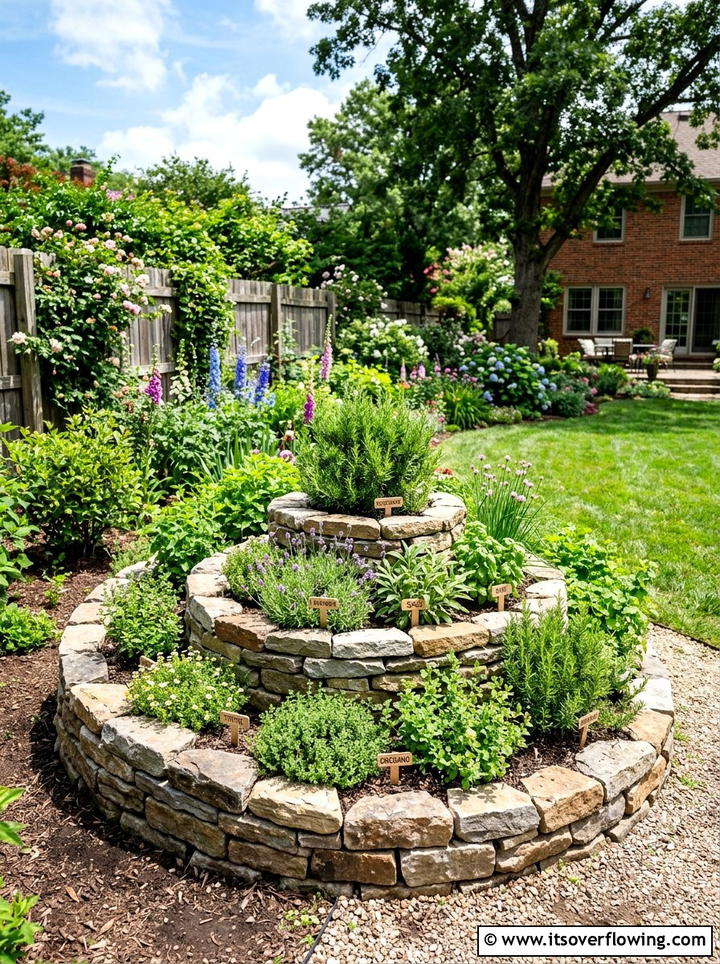
A spiral garden is a unique way to use stones to create a vertical herb or flower bed in a small space. By building a stone path that winds upward toward a central peak, you create several different planting zones. The top of the spiral stays drier and warmer, while the bottom stays cooler and more moist for different plants. This design provides a lot of surface area for growing in a very small footprint on the ground. It is an ancient technique that looks incredibly modern and artistic in a sustainable landscape. The height of the spiral adds a whimsical and structural element to your yard.
24. Floating Stairs
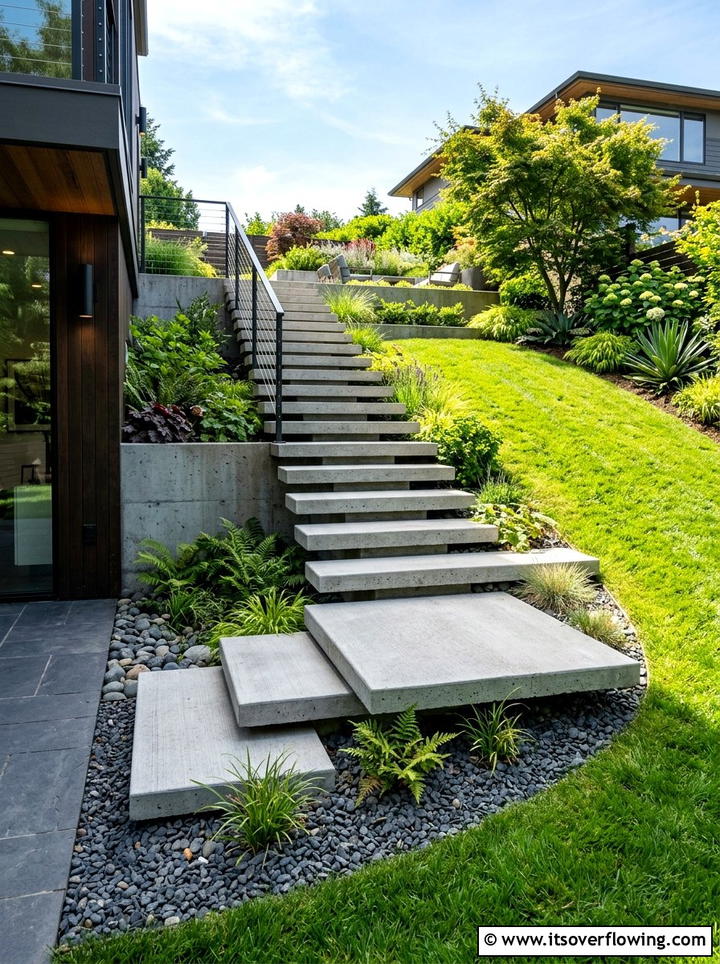
Floating stairs provide a sleek and modern way to transition between different levels of a contemporary garden design. These steps are often made of thick concrete or stone slabs that appear to hover over a bed of gravel or groundcover. The gaps between the steps add a sense of lightness and allow for interesting lighting effects at night. This architectural style emphasizes the change in height as a major design feature rather than just a functional necessity. It works perfectly with minimalist landscapes that focus on clean lines and high-quality materials. Floating stairs make the simple act of climbing feel very elegant and intentional.
25. Obelisk Planter
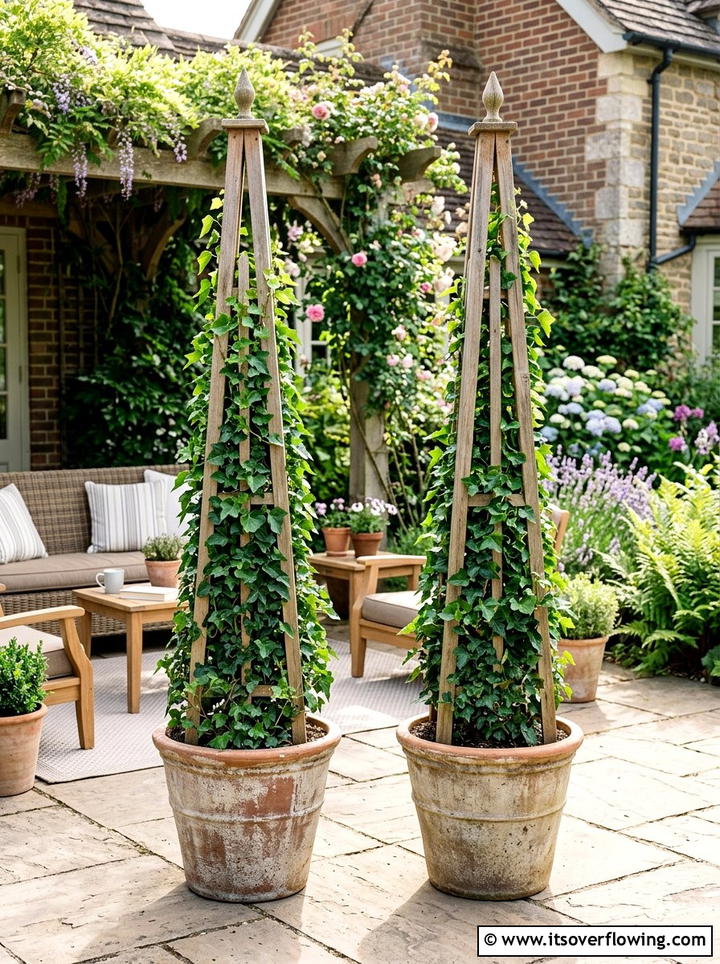
An obelisk planter is a tall, four-sided structure that provides a sturdy framework for climbing vines to reach for the sky. You can place these in the center of a flower bed or in large pots on your patio for immediate vertical impact. They are excellent for growing sweet peas, clematis, or even climbing vegetables like pole beans in a decorative way. The pyramid shape adds a formal, structural element that looks great even when the plants are dormant in winter. Using several obelisks of different heights can create a rhythmic and balanced look throughout your garden. It is a classic and very versatile height solution.
Conclusion:
Incorporating height variation into your garden design is the most effective way to create a visually interesting and professional outdoor space. From structural terraced walls to the natural sway of tall grasses, these levels add a sense of adventure and depth to your backyard. By playing with different elevations, you can maximize your planting space and create distinct zones for relaxation and entertaining. Whether you have a massive hillside or a small flat patio, there are many creative ways to draw the eye upward and downward. A multi-level garden feels more like a living room and less like a simple patch of grass.

Related posts:
 25 garden design ideas with bold contrast: Dramatic Yard Style
 25 Garden Design Ideas for Fence Lines for a Polished Yard
 25 Garden Design Ideas for Projects to Transform Any Yard
 25 garden design ideas for side yard strips: Narrow Space Wins
 25 garden design ideas with focal points: Stunning Yard Plans
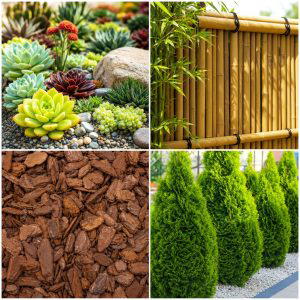 25 Garden Design Ideas With Texture for a Lush Yard Look
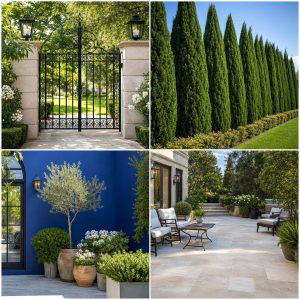 25 garden ideas for mediterranean style: Sunny Yard Looks
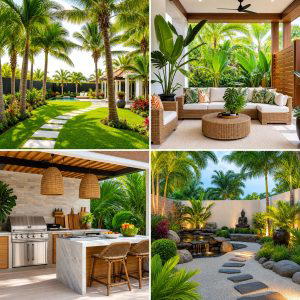 25 Garden Ideas for Tropical Style to Brighten Your Yard
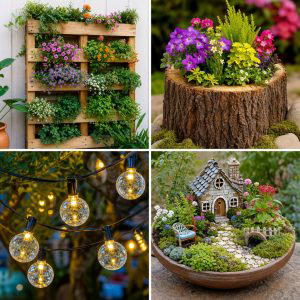 25 Creative Garden Ideas DIY: Easy Projects for Every Yard
 25 Garden Ideas for Summer to Make Your Yard Shine
 25 Garden Ideas With Pathways for a Beautiful Yard Makeover
 25 Small Garden Ideas for Side Yard Spaces That Shine