
Transforming your outdoor space into a lush, biodiverse sanctuary has never been more popular or more rewarding than it is today. Garden design ideas with meadows offer a refreshing break from the traditional high-maintenance lawn, inviting nature back into our daily lives through movement and color. These wild-inspired spaces prioritize ecological health while creating a soft, romantic atmosphere that shifts beautifully throughout the seasons. Whether you are working with a sprawling estate or a small urban courtyard, integrating meadow-style planting brings a sense of freedom and effortless charm to any landscape. By focusing on native species and structural grasses, you can build a resilient environment that supports local pollinators while providing you with a serene escape from the fast-paced world.
1. Native Wildflower Meadow
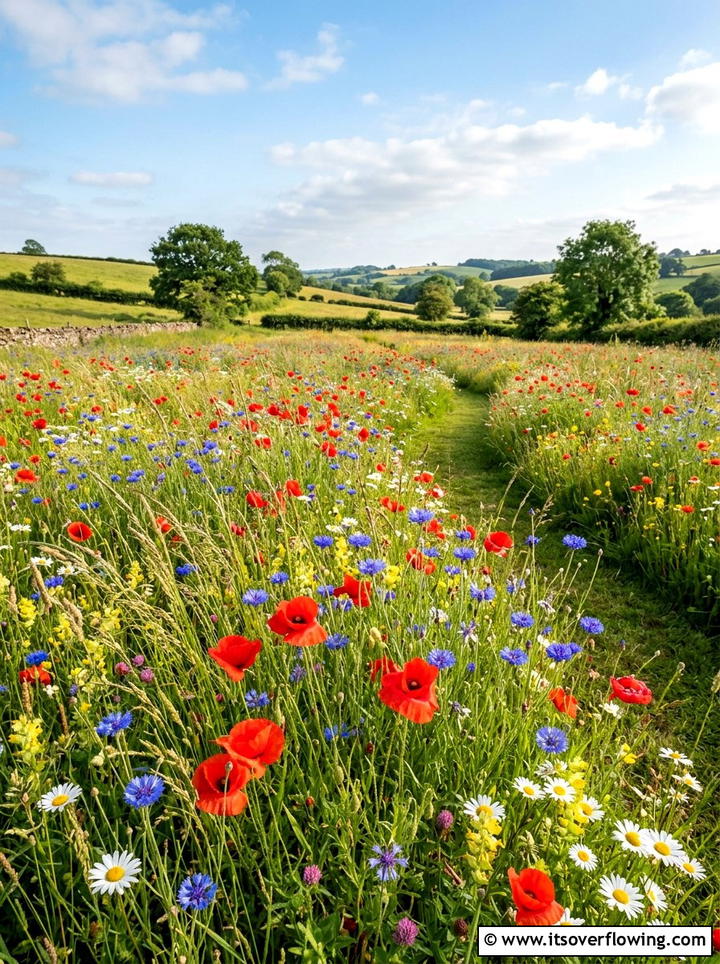
Have you ever wondered how to bring the untamed beauty of the countryside directly into your own backyard space? A native wildflower meadow focuses on using species that naturally thrive in your local climate and soil conditions, ensuring a resilient and low-maintenance display. This approach creates a vibrant tapestry of colors that change from the bright yellows of early summer to the deep purples of late autumn. By choosing indigenous plants, you are providing a crucial nectar source for local bees, butterflies, and other beneficial insects. This full-garden transformation replaces a thirsty lawn with a dynamic, living ecosystem that requires minimal watering and no chemical fertilizers, making it a perfect sustainable choice for modern homeowners.
2. Small Backyard Meadow
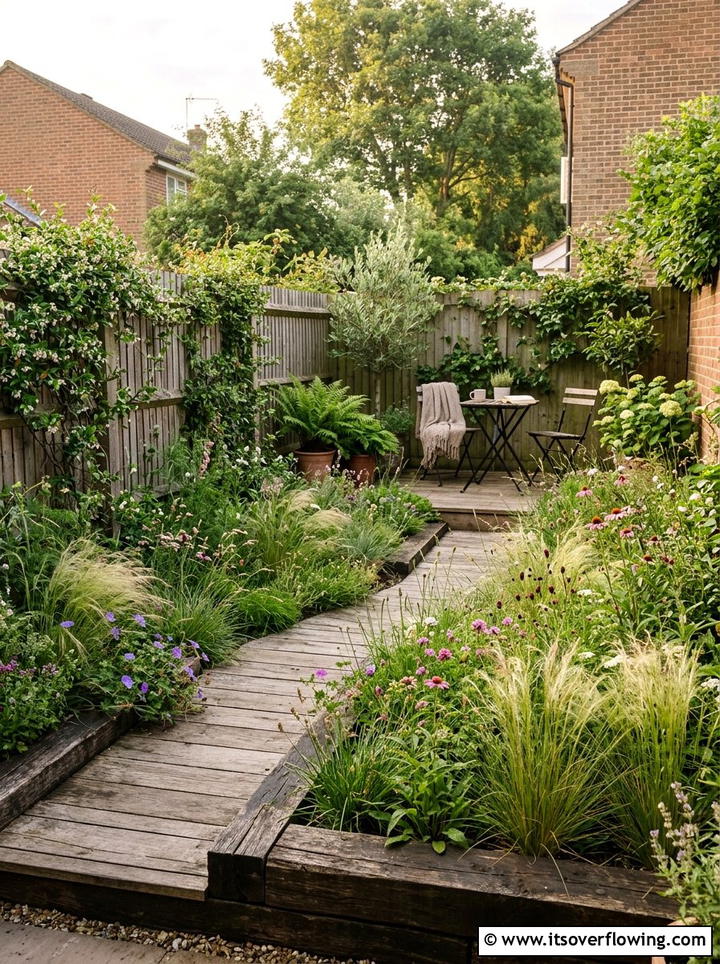
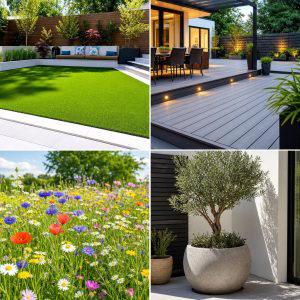
Is it possible to enjoy the airy feel of a prairie when you are working with a very limited amount of square footage? Creating a small backyard meadow involves selecting compact grass species and delicate flowering perennials that do not overwhelm the space but still offer that signature wild look. You can frame the central meadow area with clean-edged paths or timber decking to create a striking contrast between the soft planting and the structured hardscaping. This design strategy makes the garden feel much larger by blurring the boundaries and adding depth through layered textures. Even a tiny patch of swaying grasses and colorful blooms can provide a soothing focal point that brings life to an urban setting.
3. Prairie Planting Garden
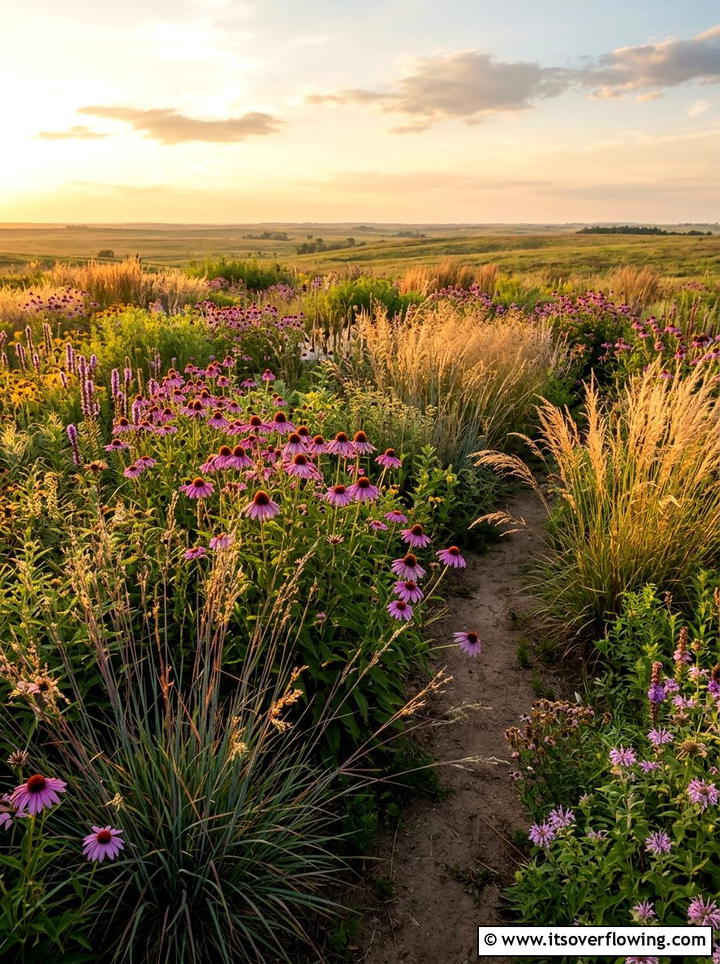
Imagine stepping out into a vast, sun-drenched landscape filled with tall, architectural grasses and bold, sun-loving perennials that catch every breeze. Prairie planting is inspired by the North American grasslands, featuring deep-rooted plants like Echinacea, Rudbeckia, and various Panicum grasses that can withstand heat and dry spells. This style is particularly effective in open, sunny locations where the play of light through the seed heads creates a magical glow during the golden hour. The structural integrity of these plants means the garden remains visually interesting even in the winter months when the dried stems stand tall against the frost. It is a bold, high-impact design that celebrates the strength and beauty of hardy, perennial species.
4. Gravel Meadow Garden
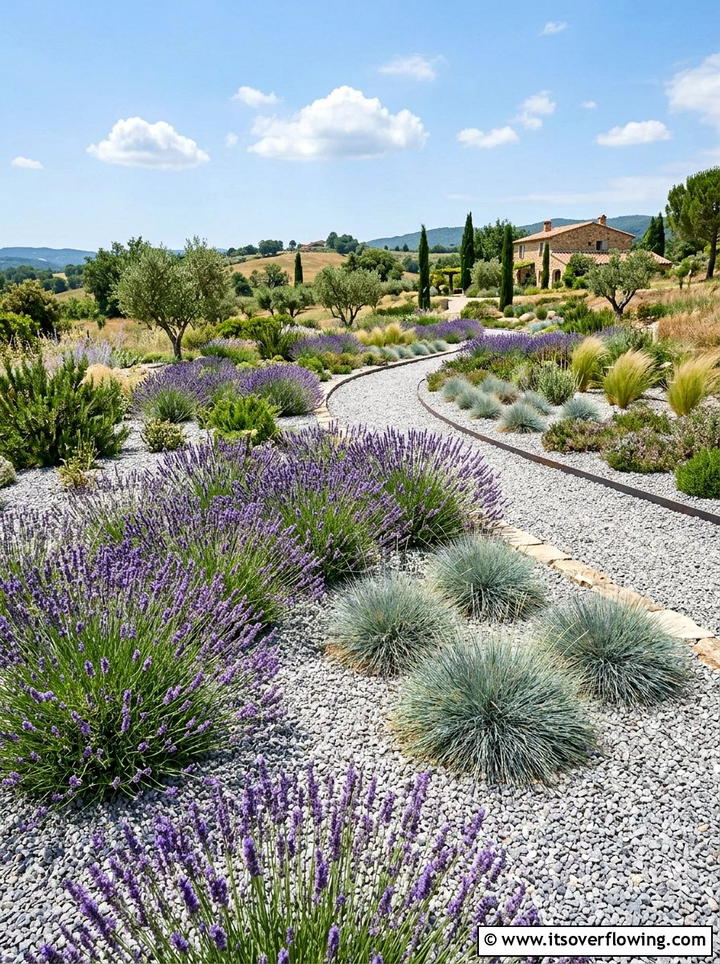
What happens when you combine the clean, modern aesthetic of a gravel garden with the soft, flowing nature of meadow-style planting? A gravel meadow garden uses a thick layer of aggregate as a mulch, which helps to suppress weeds and retain moisture for the plants beneath. This environment is ideal for Mediterranean herbs, drought-tolerant grasses, and alpine flowers that prefer excellent drainage and plenty of sunshine. The light-colored gravel provides a neutral backdrop that makes the green foliage and bright petals pop with intensity. This design is incredibly low-maintenance once established, as the gravel prevents most unwanted seeds from germinating while giving the garden a sophisticated, curated feel that looks beautiful all year.
5. Cottage Garden Meadow
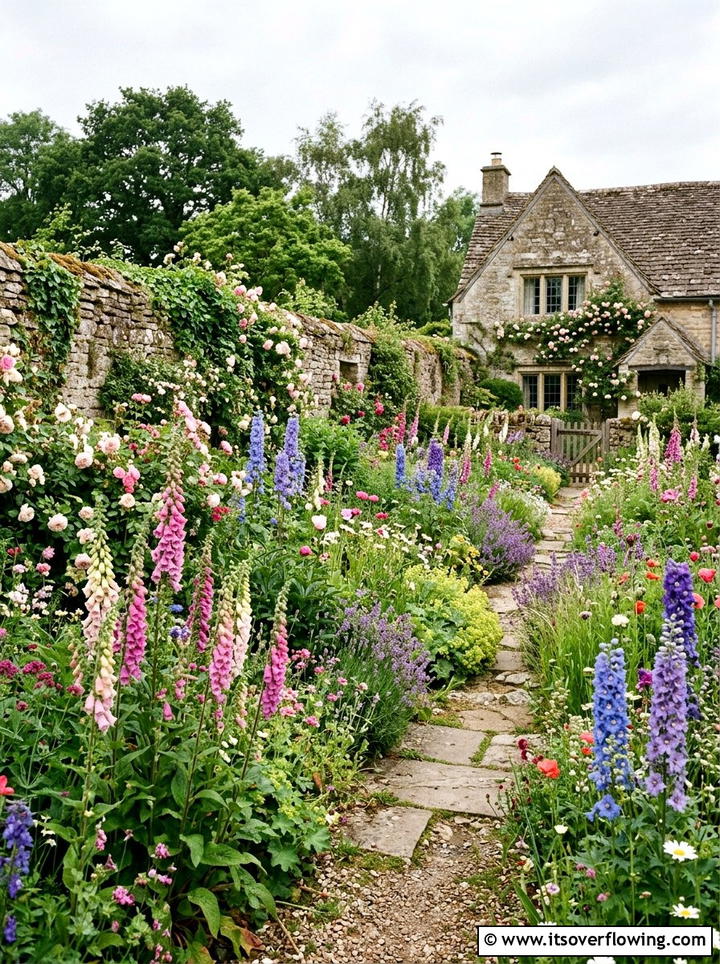
Can you combine the traditional charm of a cottage garden with the ecological benefits and relaxed structure of a meadow? A cottage garden meadow blends classic favorites like foxgloves, poppies, and delphiniums with soft ornamental grasses to create a romantic, overflowing look. Unlike a traditional border, the plants are allowed to intermingle and self-seed, resulting in a naturalistic display that feels lived-in and cozy. This approach works beautifully around old stone walls or wooden fences, where the soft textures can spill over the edges. It is a celebration of abundance and color, offering a nostalgic atmosphere that invites you to slow down and enjoy the simple beauty of a blooming, fragrant outdoor retreat.
6. Modern Grass Meadow
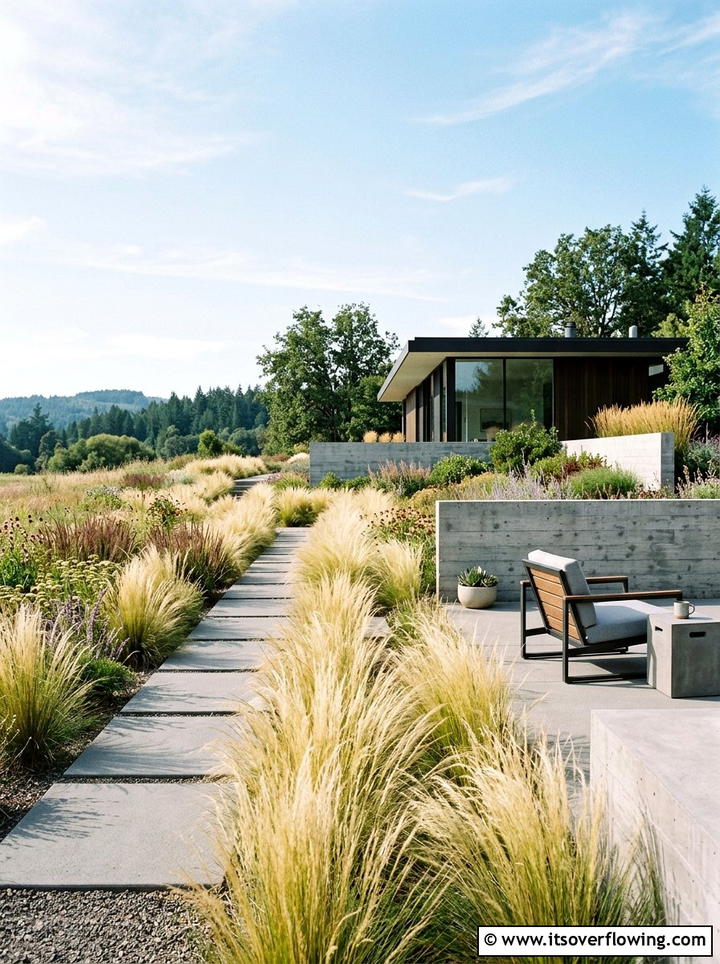
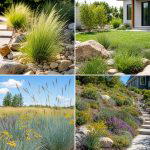
Does your home feature sharp architectural lines that require a more minimalist and structured approach to naturalistic planting? A modern grass meadow focuses heavily on the textures and forms of ornamental grasses, using flowering perennials sparingly as subtle accents. Varieties like Calamagrostis or Pennisetum provide height and movement without the visual clutter of too many different flower shapes. This creates a rhythmic, calming environment that complements contemporary materials like polished concrete, steel, and glass. The monochromatic green and tan palette feels sophisticated and high-end, while still offering the movement and soft sound that only a meadow can provide. It is the perfect balance between high-design aesthetics and the wild spirit of the natural world.
7. Drought Tolerant Meadow
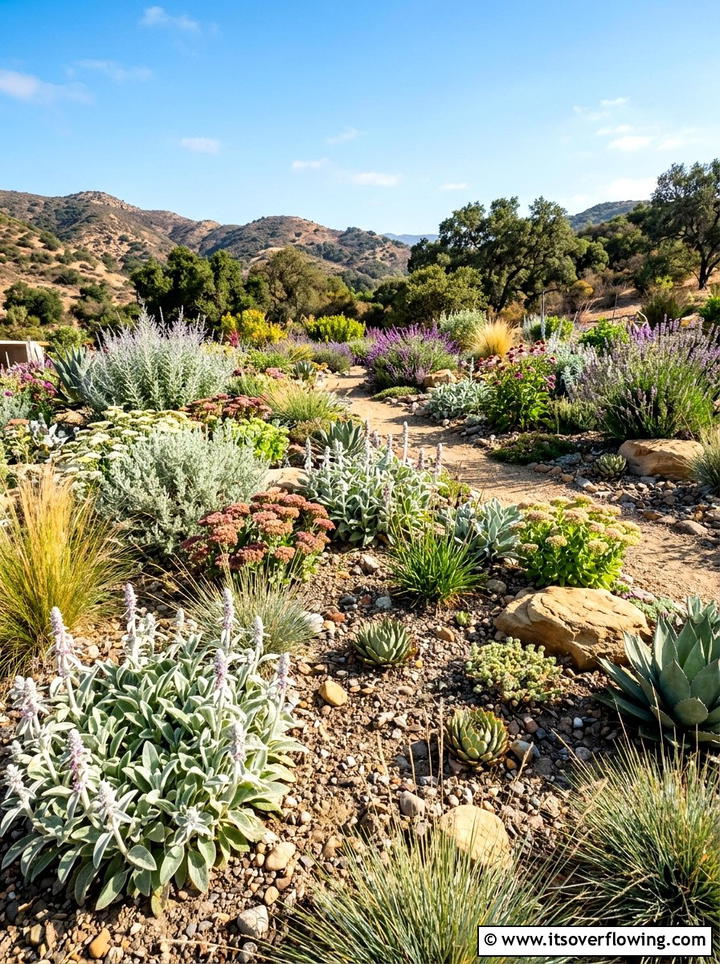
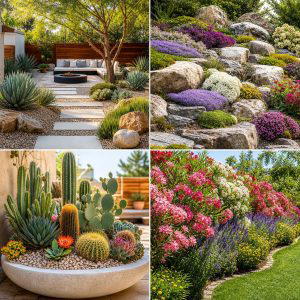
Are you looking for a way to maintain a beautiful, lush garden without constantly worrying about your water usage during dry summers? A drought-tolerant meadow utilizes xeriscaping principles by selecting plants that have evolved to survive with very little supplemental irrigation. Think of silver-leaved plants, succulents, and deep-rooted grasses that stay green even when the sun is at its strongest. This type of meadow often features a mix of textures that look stunning in bright light, such as blue fescues and lavender. Not only does this save on utility bills, but it also creates a resilient landscape that can thrive in a changing climate. It is a smart, forward-thinking way to enjoy a beautiful garden year-round.
8. Shady Woodland Meadow
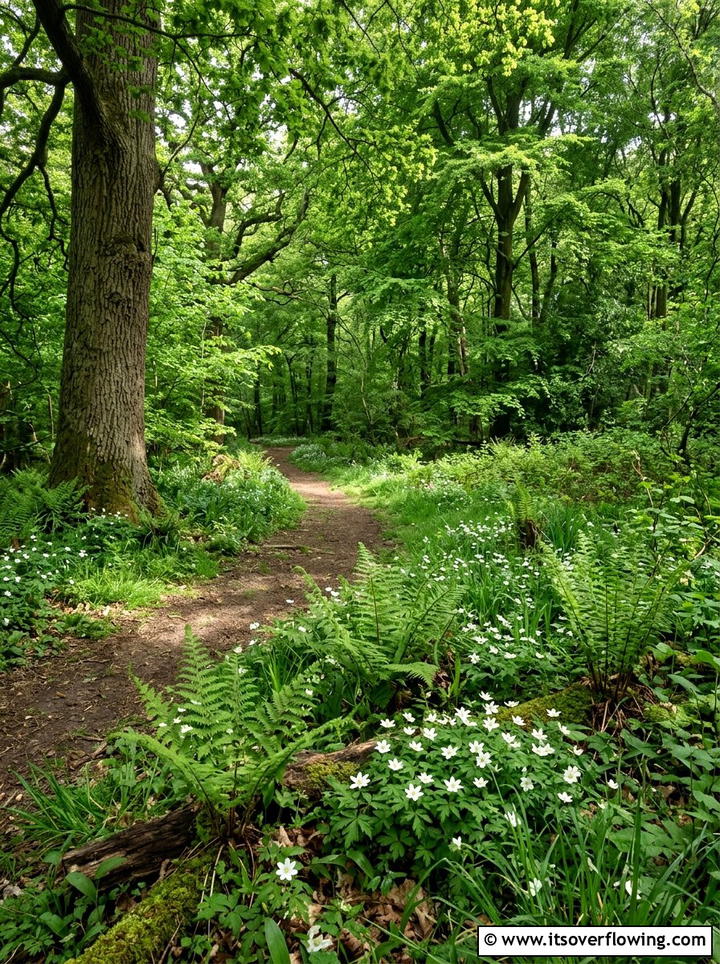
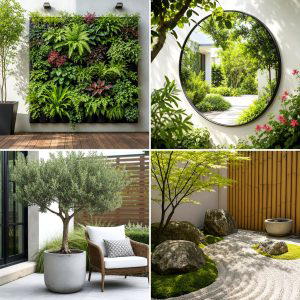
Who says you need full sun to enjoy the delicate beauty and layered textures of a meadow-inspired garden space? A shady woodland meadow takes inspiration from the forest floor, using shade-loving grasses, ferns, and delicate spring ephemerals to create a cool, green oasis. Plants like wood anemones, primroses, and various sedges thrive under the canopy of trees, offering a soft and tranquil atmosphere. This design is perfect for North-facing gardens or areas tucked beneath large oaks where traditional turf often struggles to grow. The result is a lush, textured carpet of greenery that feels like a hidden sanctuary, providing a peaceful place to escape the heat of the day and connect with nature.
9. Coastal Meadow Garden
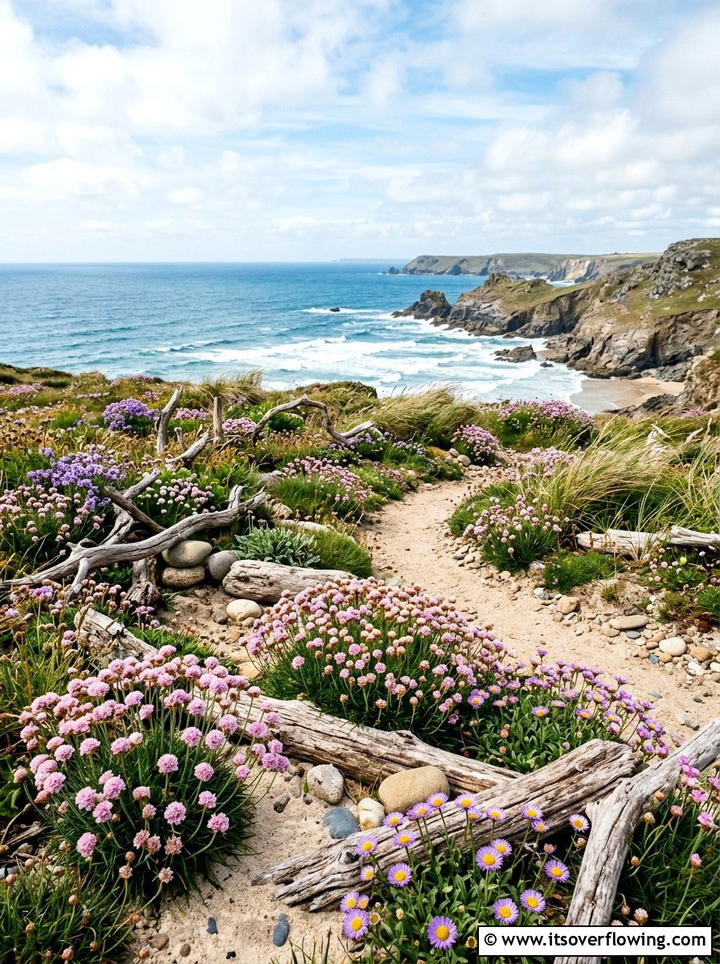
Do you live near the ocean and need a garden that can stand up to salty breezes and sandy soil conditions? A coastal meadow garden utilizes tough, salt-tolerant plants like sea thrift, seaside daisies, and hardy grasses that bend with the wind rather than breaking. These plants are often low-growing and mounded to protect themselves from the elements, creating a unique and rugged aesthetic that mirrors the shoreline. Using local stones and driftwood as accents can further enhance the coastal vibe, making the garden feel like a natural extension of the beach. It is a durable and beautiful solution for seaside properties, offering a low-maintenance landscape that celebrates the wild beauty of the coast.
10. Urban Micro Meadow
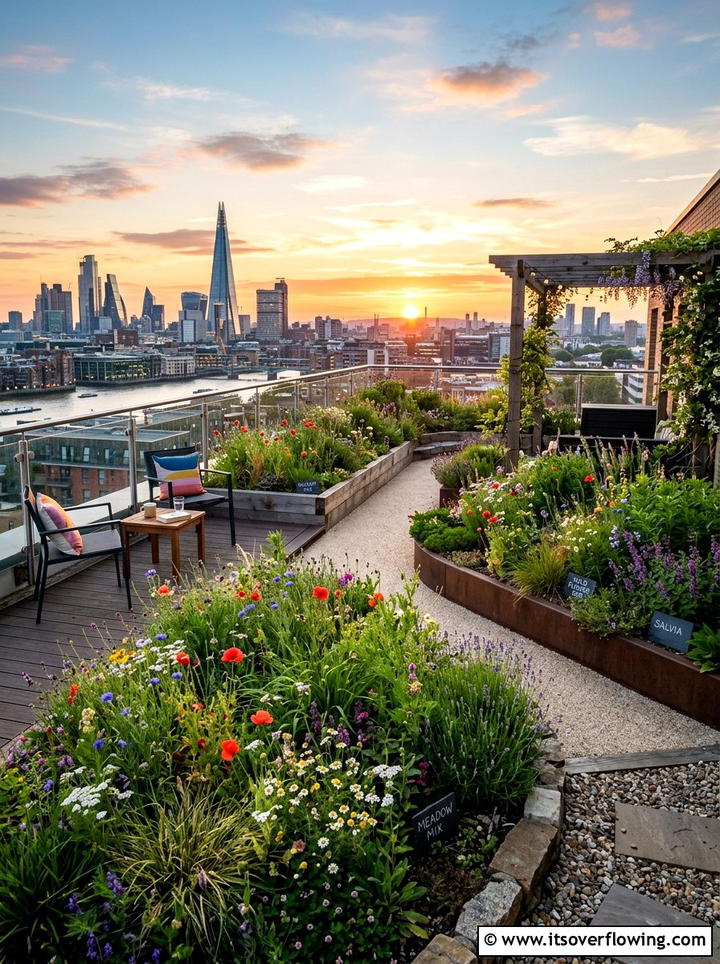
How can you bring a sense of the wild into a busy city environment where space is at an absolute premium? An urban micro meadow involves turning small patches of soil, raised beds, or even large containers into miniature ecosystems filled with grasses and wildflowers. By focusing on a few high-impact species, you can create a buzzing focal point on a balcony, rooftop, or tiny front yard. These small interventions are incredibly important for urban wildlife, providing a vital pit stop for pollinators traveling through the concrete jungle. This design proves that you do not need a large acreage to make a significant ecological impact or to enjoy the calming presence of a meadow.
11. Formal Border Meadow
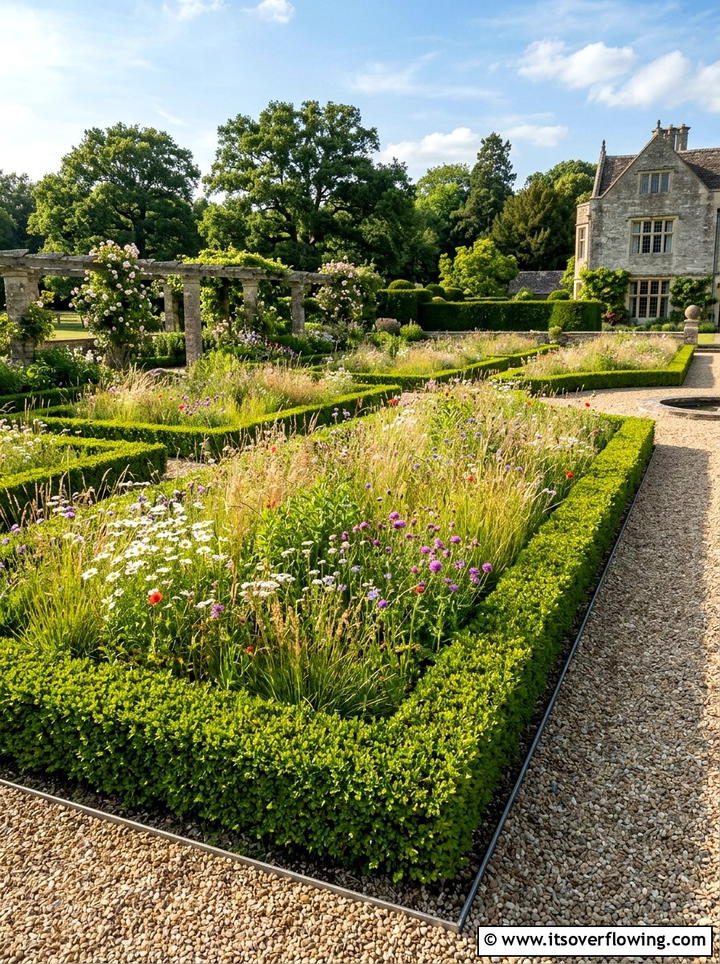
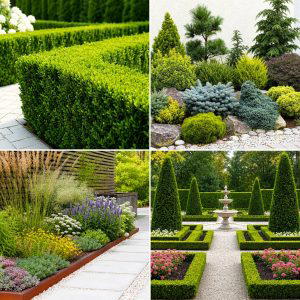
Is it possible to enjoy the wild aesthetic of a meadow while still maintaining a sense of order and formal structure? A formal border meadow places traditional meadow plants within clearly defined, geometric beds or behind neatly clipped boxwood hedges. This “ordered chaos” creates a stunning visual tension between the straight lines of the garden layout and the soft, swaying textures of the plants. It allows you to experiment with taller species without the garden looking neglected or messy. This style is particularly effective in front gardens where curb appeal is important, as it looks intentional and designed while still supporting biodiversity. It is a sophisticated way to modernize traditional landscape gardening techniques.
12. Pollinator Friendly Meadow
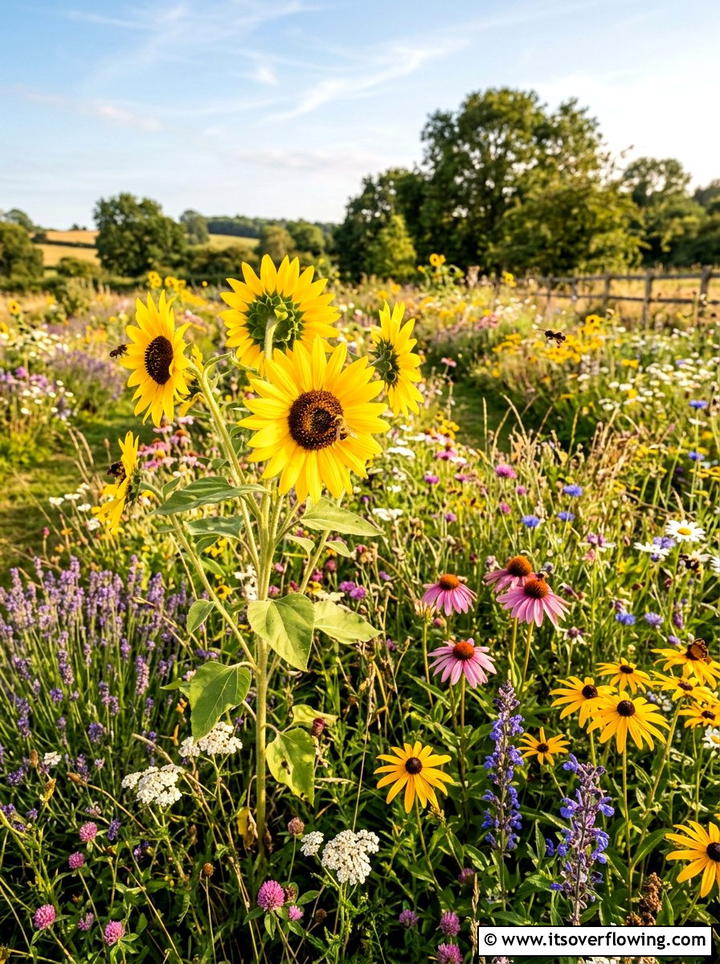
Have you noticed a decline in the number of bees and butterflies visiting your outdoor space in recent years? A pollinator-friendly meadow is specifically designed to provide a continuous source of nectar and pollen from early spring through late autumn. By selecting a wide variety of flower shapes and colors, you can attract a diverse range of beneficial insects, from bumblebees to hoverflies. Avoid using double-flowered varieties, which are often difficult for insects to access, and instead opt for open-centered blooms. This type of garden is not only beautiful to look at but also serves as a vital sanctuary for the creatures that help our entire ecosystem function. It is gardening with a higher purpose.
13. Slope Meadow Garden
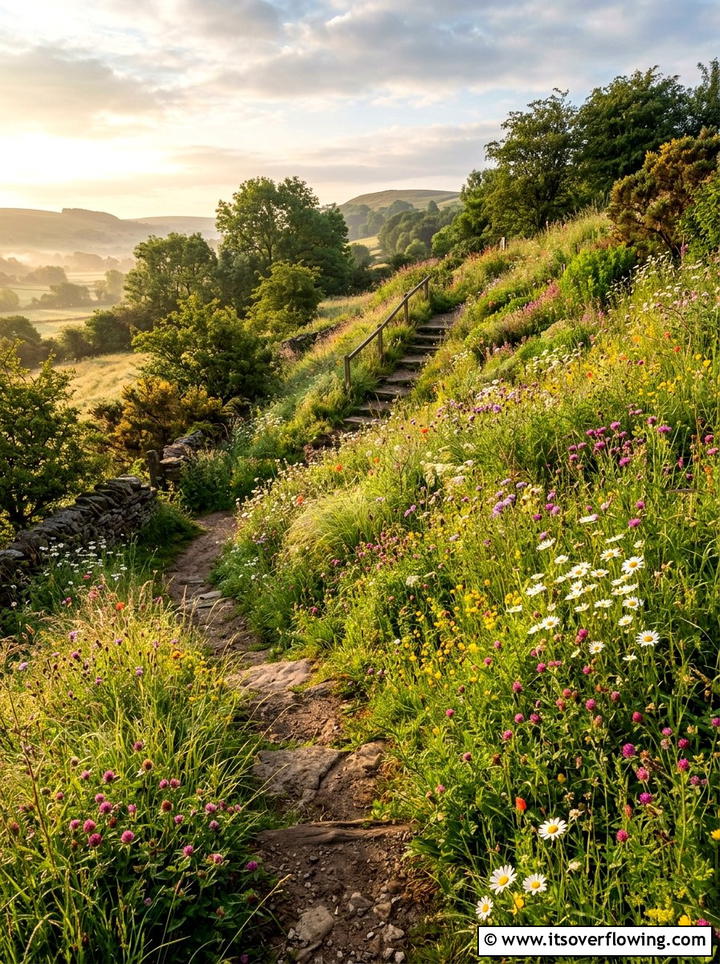
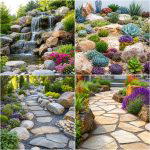
What should you do with a steep hillside or a sloping lawn that is difficult and dangerous to mow regularly? A slope meadow garden is the perfect solution, as it stabilizes the soil with deep roots while turning a problematic area into a beautiful feature. Instead of struggling with a lawnmower, you can plant a mix of creeping groundcovers, tall grasses, and hardy perennials that will colonize the bank. The varying heights of the plants will actually help to disguise the steepness of the grade, making the landscape feel more integrated and natural. Over time, the meadow will fill in, creating a lush wall of color and texture that requires very little maintenance throughout the year.
14. Path Through Meadow
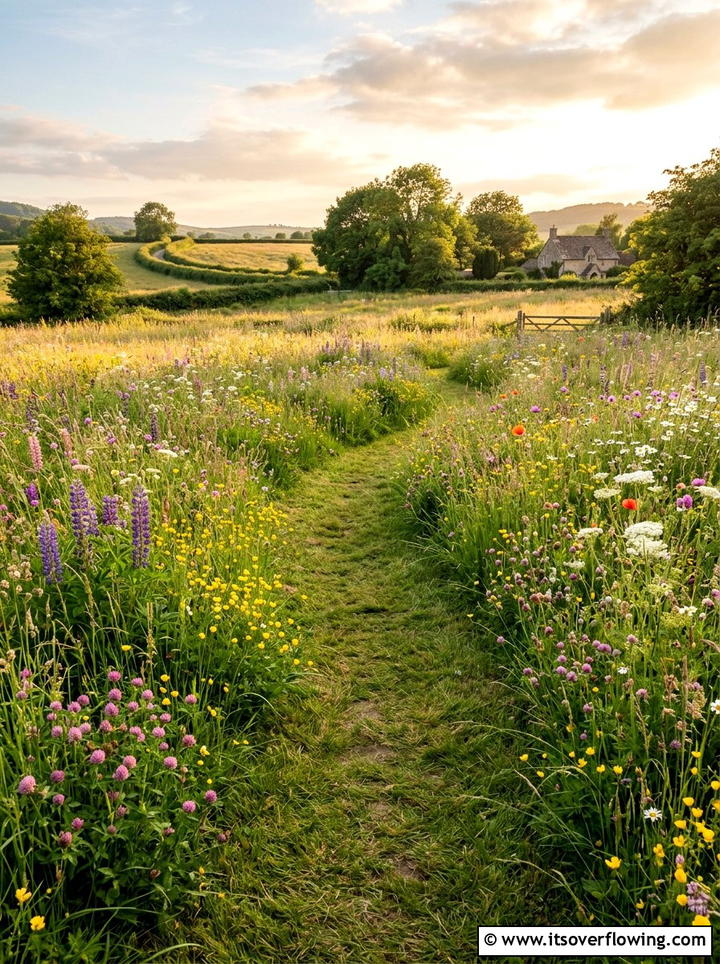
Do you want to feel completely immersed in your garden, surrounded by the sights and sounds of swaying tall grasses? Incorporating a mown path or a stepping-stone walkway through your meadow allows you to wander through the planting without damaging the delicate stems. This creates a sense of journey and discovery, as the tall plants can partially obscure what lies around the next bend. Using a different material for the path, such as bark mulch, gravel, or clean-cut turf, provides a clear visual contrast that emphasizes the wildness of the surrounding meadow. It is a simple design trick that makes a garden feel more interactive and much larger than it actually is.
15. Meadow Around Patio
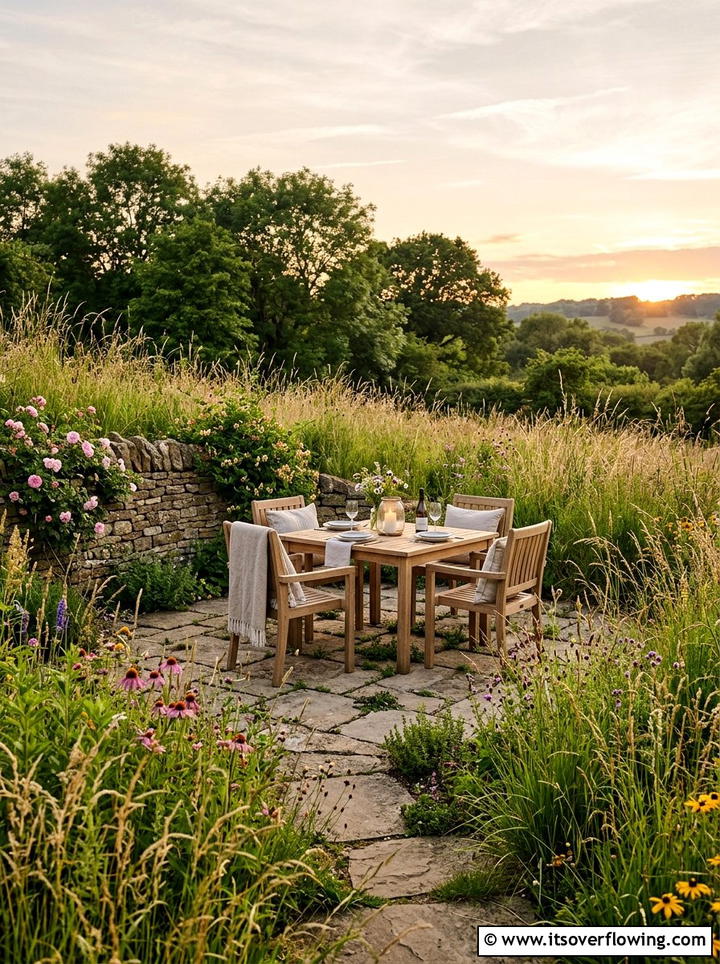
Can you imagine sitting on your terrace while being enveloped by a sea of soft flowers and gentle rustling grasses? Planting a meadow directly around the edges of your patio or seating area creates an intimate and immersive outdoor dining experience. Rather than looking out over a flat lawn, you are eye-level with the intricate details of the blooms and the movement of the pollinators. This setup provides a natural screen that offers privacy without the need for heavy fencing or tall walls. The soft textures of the meadow plants also help to muffle neighborhood noise, making your patio feel like a secluded retreat. It is an excellent way to blend hardscaping with soft, naturalistic planting.
16. Sustainable Lawn Alternative
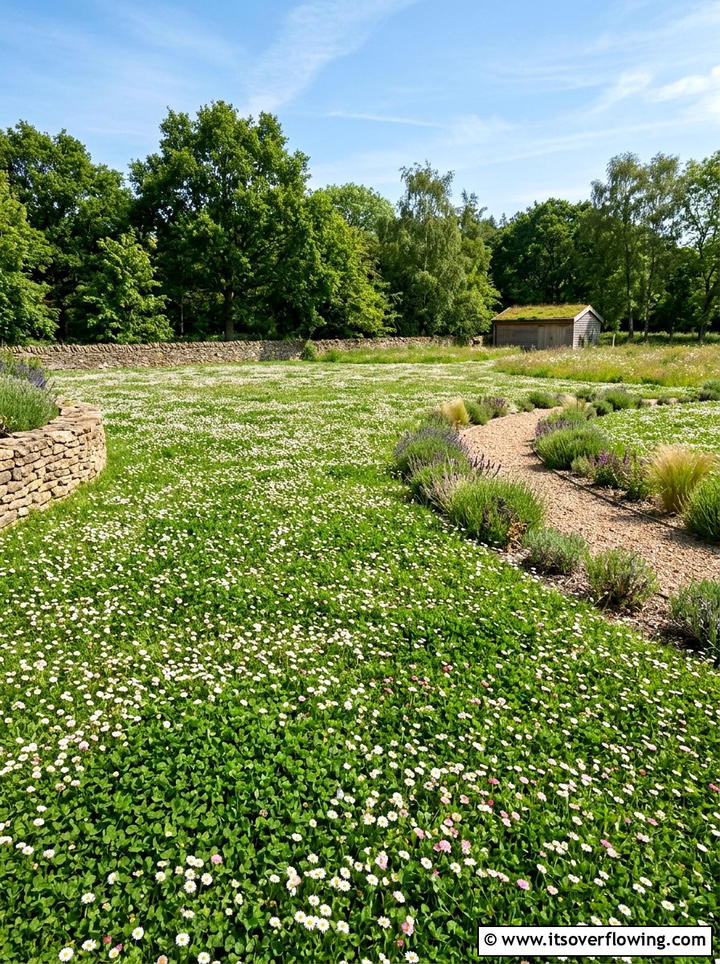
Are you tired of the endless cycle of watering, fertilizing, and mowing a traditional green grass lawn every single week? A sustainable lawn alternative involves replacing part or all of your turf with a low-growing meadow mix that includes clover, daisies, and fine-leaved grasses. This “tapestry lawn” stays green with much less water and provides a much richer habitat for soil microbes and insects. You can still walk on it and use it for recreation, but it requires mowing only a few times a year. This shift in perspective turns a high-maintenance chore into a low-impact, beautiful landscape that contributes positively to the environment while giving you back your precious free time.
17. Perennial Meadow Planting
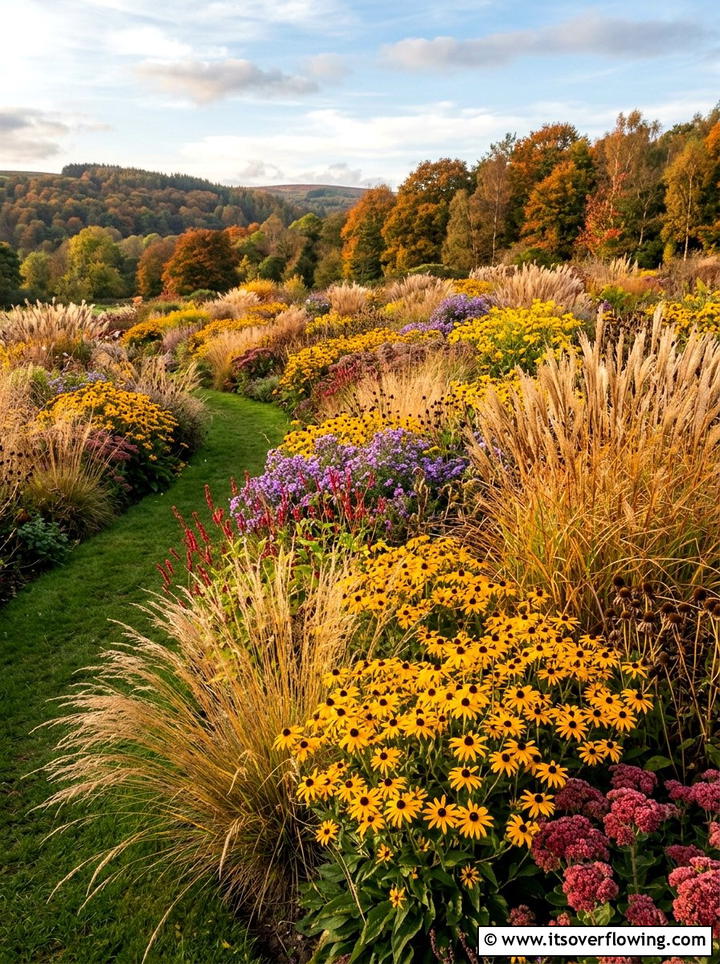
Would you like a garden that comes back bigger and better every year without you having to replant annual seeds? Perennial meadow planting utilizes long-lived plants that establish deep root systems and return with vigor each spring. This method involves a “matrix” planting style, where grasses form the foundation and flowering perennials are drifted through them in natural-looking groups. Because these plants are permanent, the garden develops a mature and settled feel very quickly. You can choose species with different bloom times to ensure there is always something interesting to look at. This is a durable, long-term investment in your landscape that offers incredible visual rewards and ecological benefits for many years to come.
18. Orchard Meadow Garden
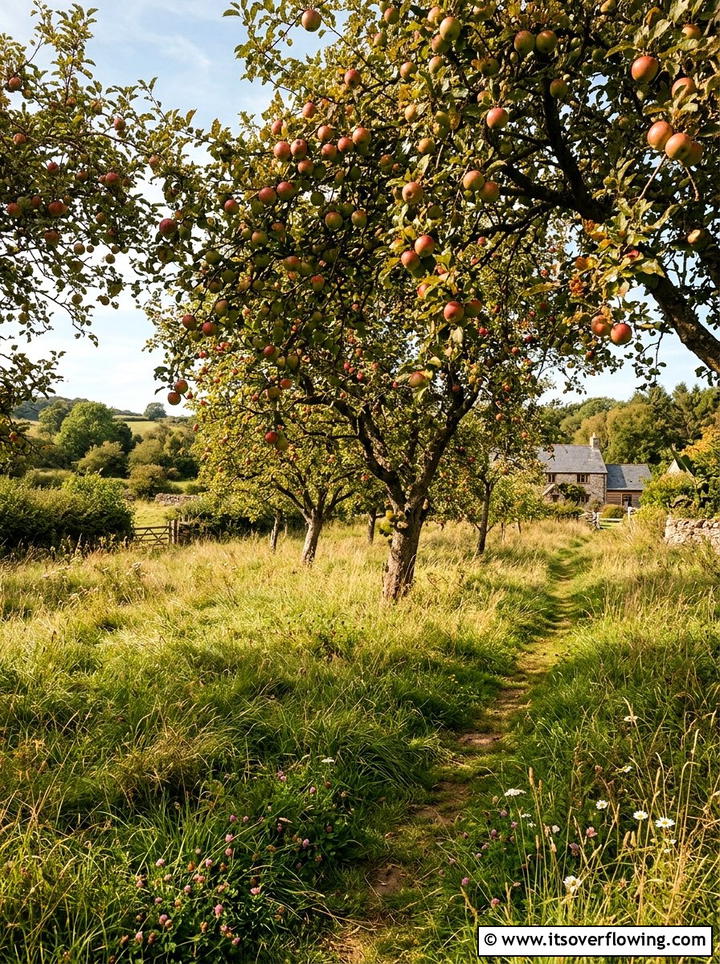
What is more idyllic than a group of fruit trees rising out of a tall, colorful meadow filled with wildflowers? An orchard meadow garden combines food production with ornamental beauty, creating a multi-layered landscape that feels like a traditional country estate. The long grass and flowers beneath the trees protect the soil and provide a home for beneficial insects that help to pollinate the fruit blossoms. This approach also eliminates the need to mow around the bases of the trees, which can often lead to bark damage. Whether you have a single apple tree or a small grove, underplanting with a meadow mix creates a romantic and productive garden that feels perfectly balanced.
19. Wildlife Habitat Meadow
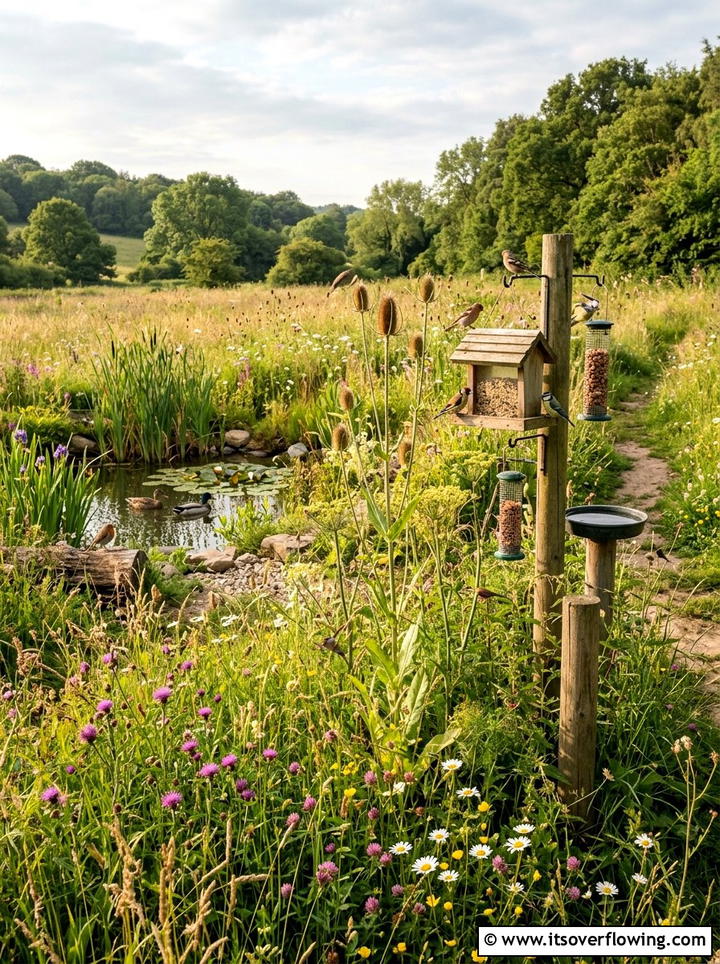
Are you interested in creating a space that serves as a true refuge for birds, mammals, and beneficial garden insects? A wildlife habitat meadow focuses on providing not just food, but also shelter and nesting sites for a wide variety of creatures. By leaving some of the dried stems standing through the winter and including a small water feature, you create a complete ecosystem. Plants with large seed heads, like sunflowers or teasels, provide a natural bird feeder during the colder months. This type of garden is constantly alive with movement and sound, offering endless opportunities for nature observation right from your window. It is a deeply rewarding way to garden in harmony with the local environment.
20. Minimalist Meadow Layout
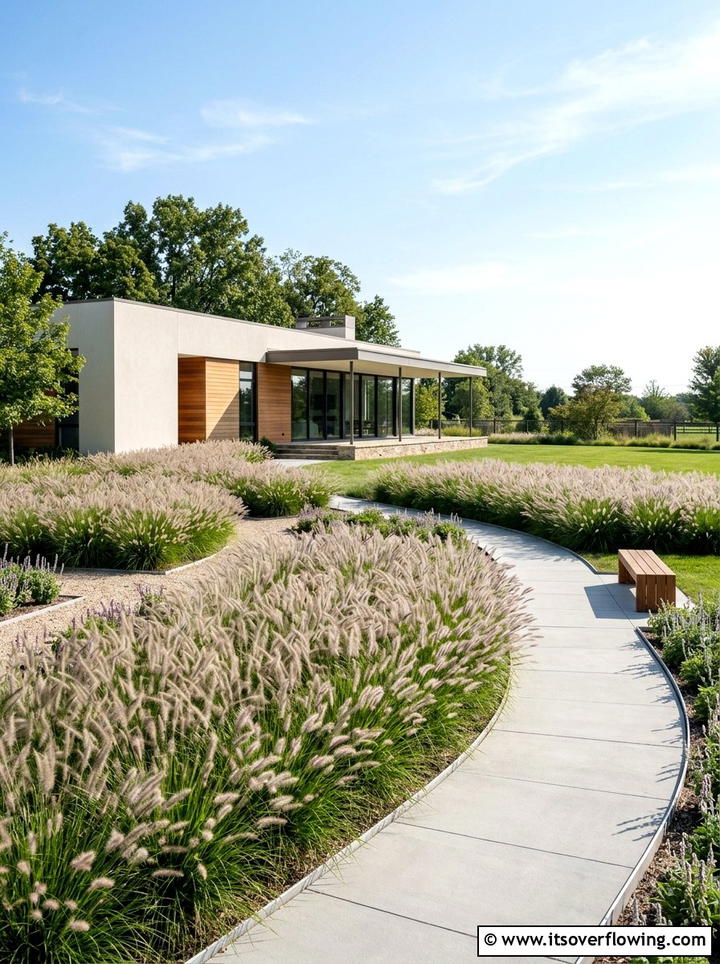
Can a meadow-style garden work in a space that prioritizes clean lines, simplicity, and a lack of unnecessary clutter? A minimalist meadow layout uses a very limited palette of plants, perhaps only two or three species, repeated in large, sweeping drifts. This repetition creates a sense of calm and clarity that is often missing from more diverse wildflower mixes. By using structural grasses and a single type of flowering perennial, you can create a sophisticated look that feels modern and intentional. This design is highly effective for large commercial spaces or contemporary homes where the goal is to provide a sense of nature without overwhelming the architectural design of the building.
21. Fall Interest Meadow
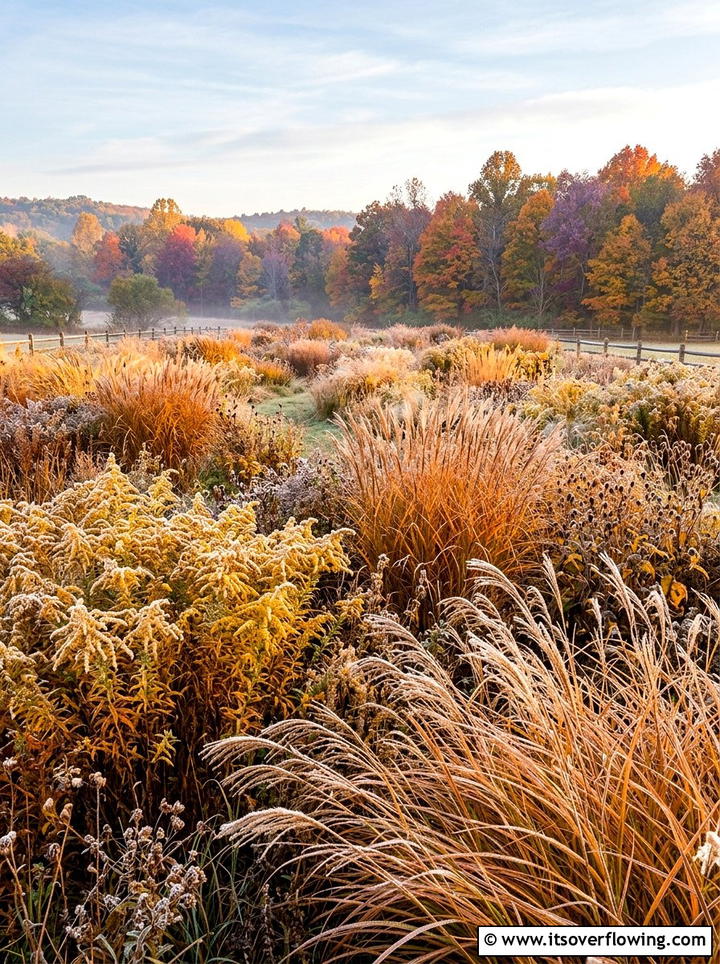
Do you find that your garden often looks tired and colorless once the bright blooms of summer have started to fade? A fall interest meadow is designed specifically to shine in the late season, featuring plants like asters, goldenrod, and ornamental grasses that take on fiery hues. As the temperatures drop, many grasses turn shades of orange, bronze, and gold, while their seed heads catch the low autumn light. This design ensures that your outdoor space remains a vibrant and exciting place to visit even as the year draws to a close. It celebrates the beauty of decay and the changing seasons, providing a rich and textured landscape that looks stunning until the first heavy snow.
22. Spring Bulb Meadow
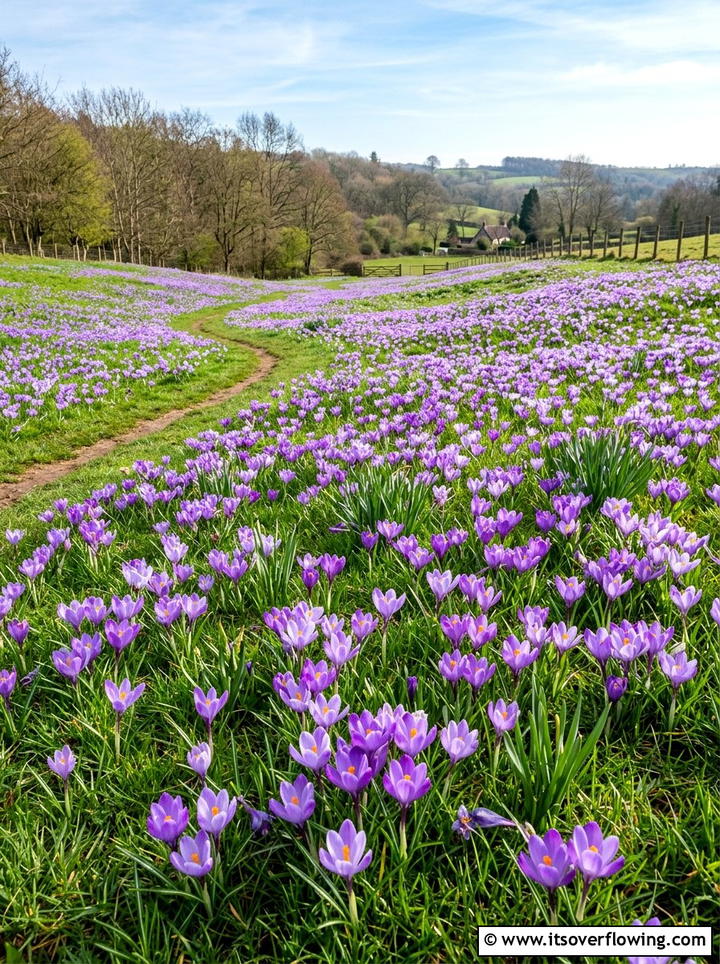
How can you ensure your meadow-style garden is full of life and color from the very first moment that winter ends? A spring bulb meadow involves naturalizing thousands of bulbs like crocuses, daffodils, and camassia directly into the grass or perennial base. These early bloomers provide a much-needed burst of color and a vital food source for early-emerging bees before the main meadow plants have started to grow. As the bulb foliage begins to fade, the emerging grasses and wildflowers grow up to cover them, hiding the yellowing leaves naturally. This layered approach maximizes the flowering season of your garden, ensuring that it remains a source of joy and beauty for as long as possible.
23. Front Yard Meadow
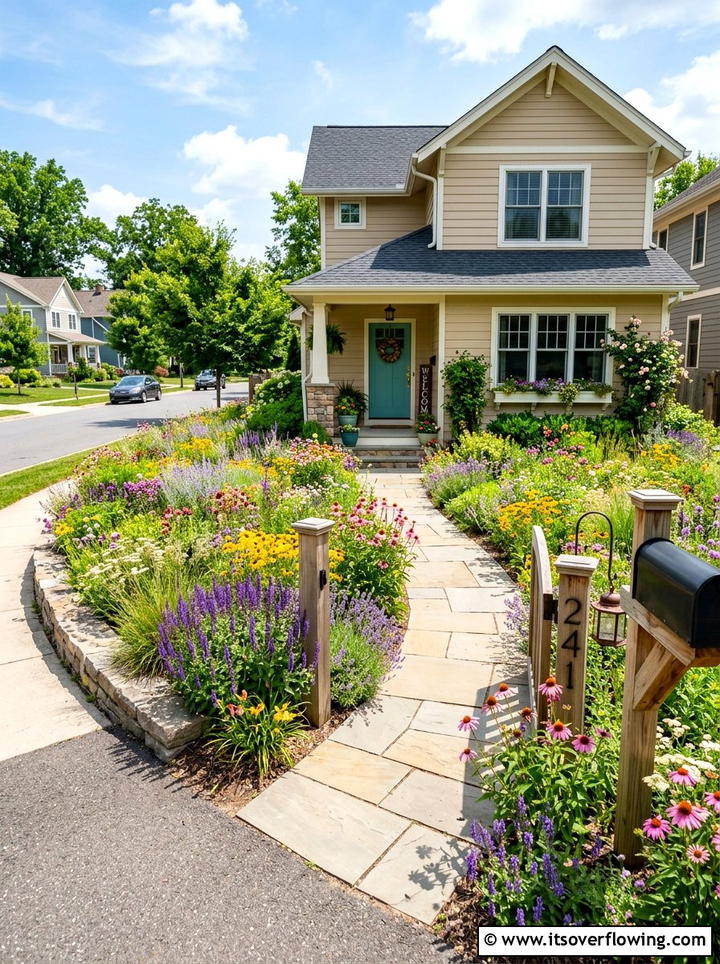
Why should the most beautiful and ecologically beneficial part of your garden be hidden away in the private backyard area? A front yard meadow replaces the standard, boring lawn with a welcoming and vibrant display that boosts your home’s curb appeal instantly. This public-facing garden sends a positive message about your commitment to the environment and provides a beautiful view for your neighbors and passersby. By including a clear path to the front door and perhaps a small bench, you create a space that feels friendly and accessible. It is a bold way to differentiate your home from the rest of the street while creating a much-needed habitat for local urban wildlife.
24. Dry Riverbed Meadow
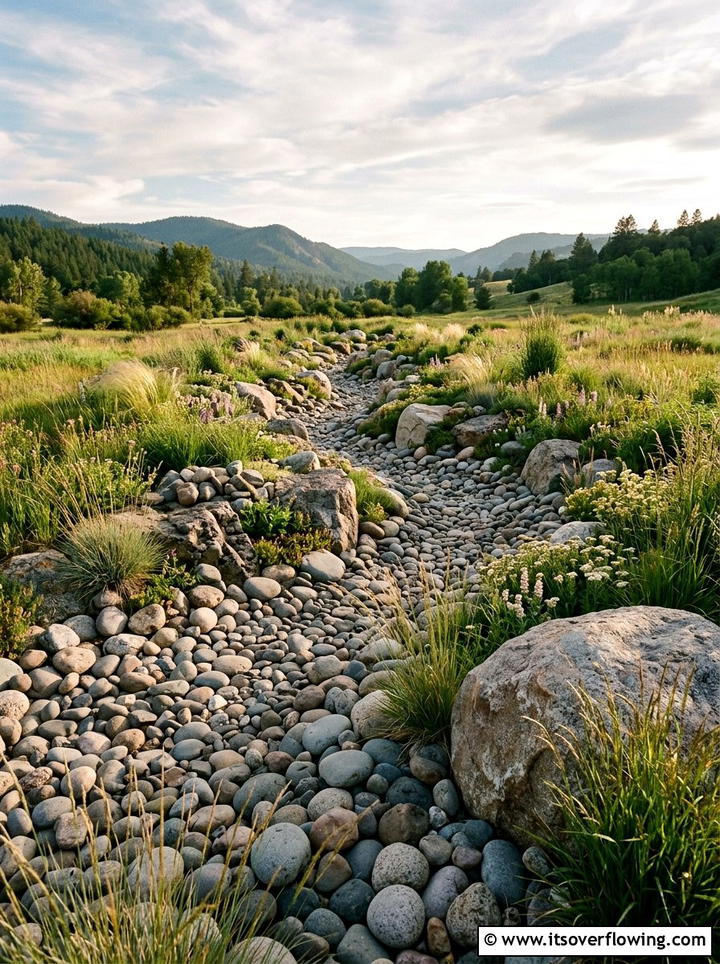
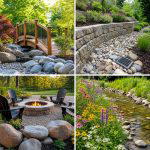
Have you ever considered using a functional drainage solution as a beautiful and artistic focal point in your garden design? A dry riverbed meadow mimics the look of a natural seasonal creek, using various sizes of stones and boulders to create a winding “river. ” Meadow plants are then tucked into the edges and between the stones, creating a lush and integrated look that thrives on the extra moisture during rain events. This design is excellent for managing runoff on your property while adding a sense of movement and structure to the landscape. It is a creative way to combine hardscaping and soft planting into a cohesive and visually interesting feature that works in any climate.
25. Layered Texture Meadow
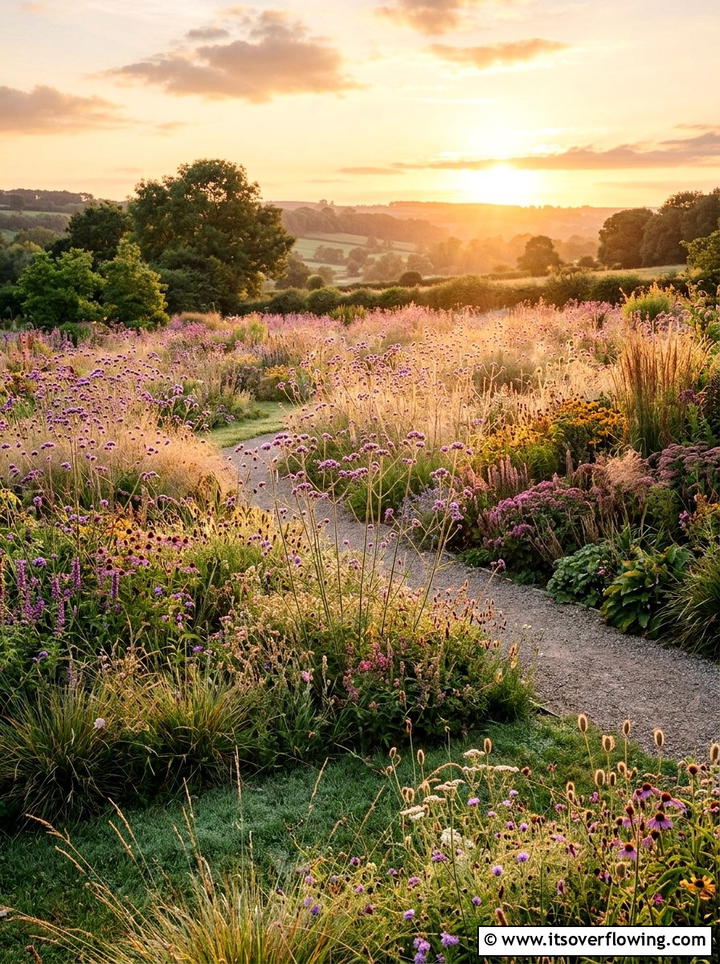
Are you looking for a way to create a garden that feels incredibly deep, complex, and visually rich from every angle? A layered texture meadow focuses on the different heights and forms of plants, from low-creeping groundcovers to tall, airy transparent species. By placing fine-textured grasses in front of bold-leaved perennials, you create a sense of depth that draws the eye into the landscape. This style is all about the “see-through” quality of many meadow plants, allowing you to catch glimpses of different colors and shapes as you move around. It is a sophisticated approach to planting design that rewards close observation and creates a constantly changing tapestry of light, shadow, and form.
Conclusion:
Embracing garden design ideas with meadows is more than just a passing landscape trend; it is a fundamental shift toward a more sustainable and soul-satisfying way of living. These naturalistic spaces offer a unique combination of aesthetic beauty and environmental responsibility, proving that we do not have to sacrifice style to support our local ecosystems. By moving away from the rigid structure of traditional gardens and allowing nature to take the lead, we create outdoor rooms that are filled with movement, life, and a sense of wonder. Whether you start with a small container or a full lawn replacement, the journey toward a meadow-inspired garden is one that will bring endless joy and a deeper connection to the world around you.

Related posts:
 25 Garden Design Ideas With Trellis Walls for Vertical Beauty
 25 garden ideas with hostas for Lush Shade Garden Beauty
 25 creative garden ideas with pergola vines for Shaded Beauty
 25 garden ideas for dry climate: Water-Wise Outdoor Beauty
 25 Garden Ideas for Small Spaces to Maximize Beauty
 25 Garden Ideas Low Maintenance for Easy Outdoor Beauty
 25 Garden Ideas With Evergreens for Year-Round Beauty
 25 garden ideas with fruit trees for Beauty and Harvests
 25 Garden Ideas With Roses for Romantic Outdoor Beauty
 25 Small Garden Ideas to Maximize Beauty in Tiny Spaces
 25 Small Garden Ideas for Year Round Color and Lasting Beauty
 25 small garden ideas with trellis to Maximize Beauty Fast