
Starting a small garden with vegetables is one of the most rewarding projects you can undertake at home. You do not need a massive backyard to enjoy the taste of fresh, homegrown produce throughout the year. Many people assume that gardening requires acres of land, but modern techniques prove that even a tiny balcony or a small patio can become a thriving food source. By choosing the right plants and utilizing creative layouts, you can maximize every square inch of your available outdoor space. This approach not only provides healthy food but also adds a beautiful, lush aesthetic to your living environment. Whether you are a beginner or an experienced gardener, these concepts will help you grow a successful harvest in any limited space.
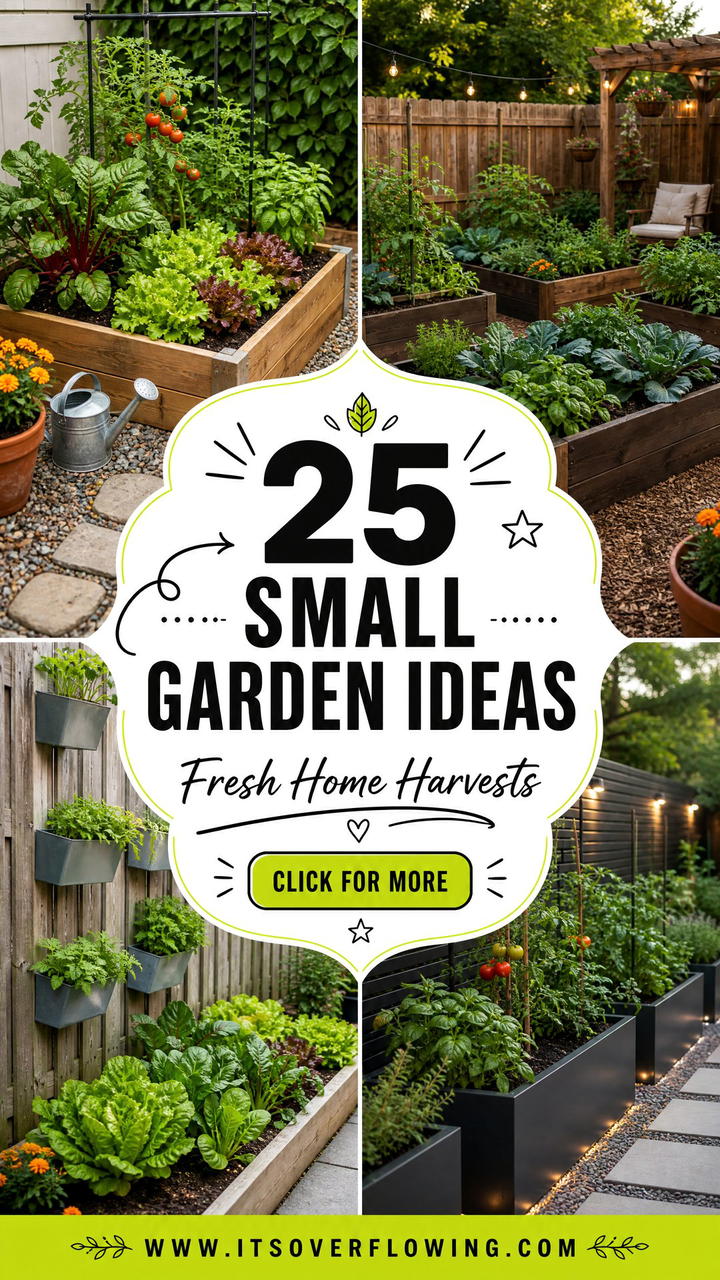
1. Vertical Vegetable Garden
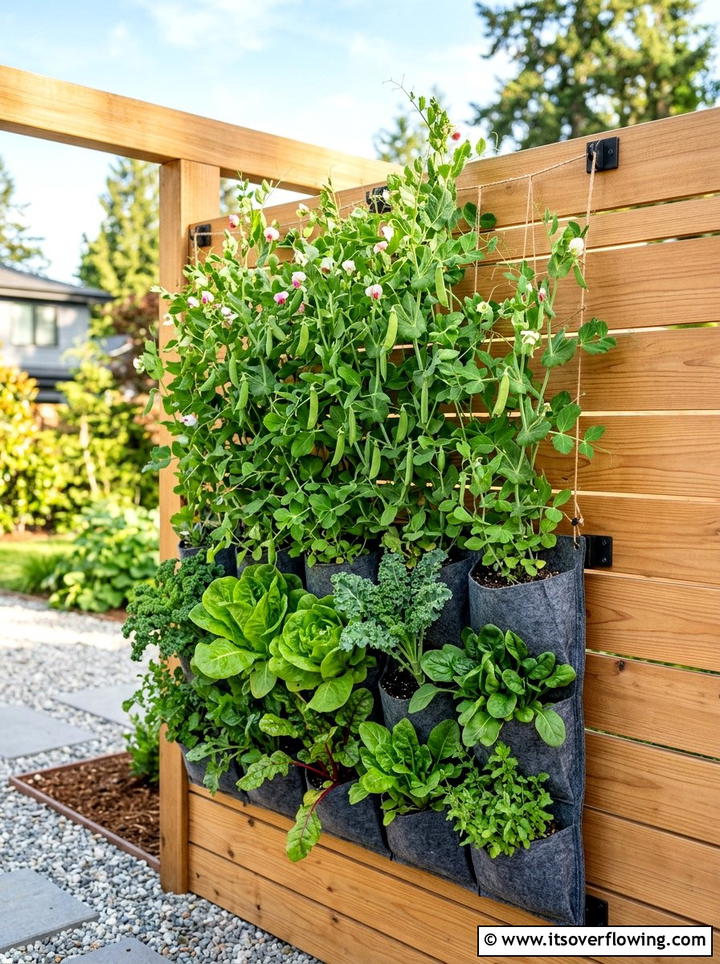
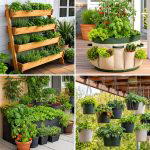
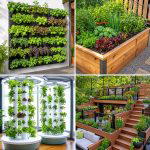
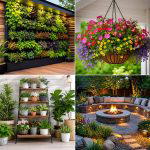
Vertical vegetable gardens are a game changer for homeowners who have very limited ground space to work with. By utilizing wall surfaces and sturdy fences, you can grow a surprising amount of food in a tiny footprint. This method works perfectly for vining plants like peas, beans, and certain types of climbing squash. You can use pockets, wall-mounted pots, or specialized living wall systems to organize your various crops. It keeps the plants off the ground, which often reduces the risk of common pests and soil-borne diseases. Plus, a lush green wall creates a beautiful privacy screen for your outdoor living area. It makes harvesting very easy since the vegetables are always at eye level.
2. Raised Bed Planter
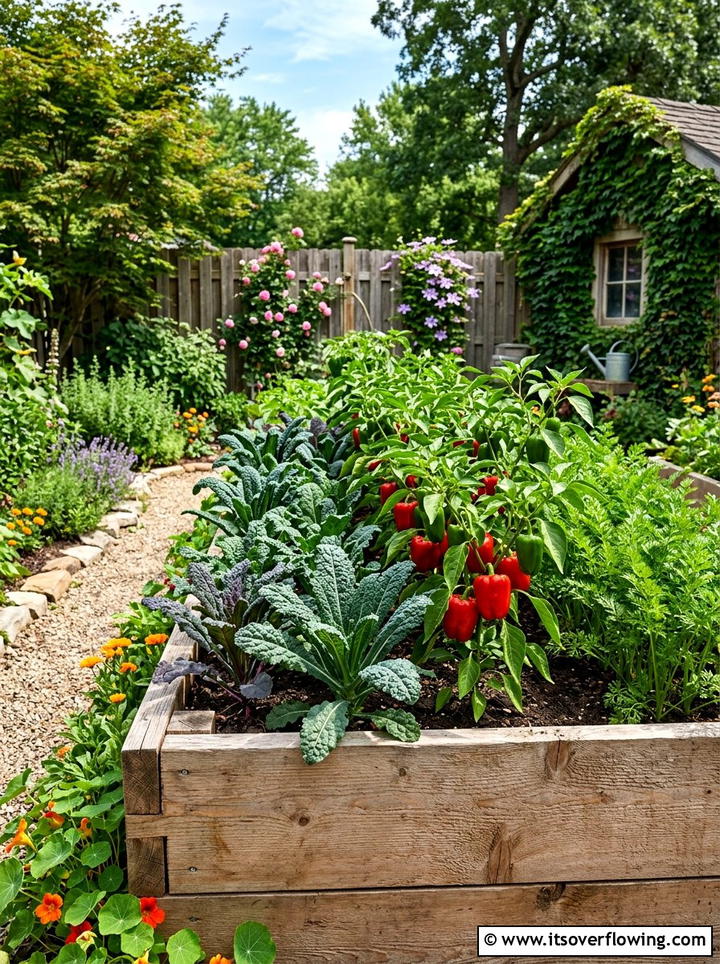
Raised bed planters offer a controlled environment for growing fresh produce right in your own backyard. These structures allow you to choose the perfect soil mix, ensuring your vegetables get all the nutrients they need to thrive. They are particularly helpful if your native soil is quite rocky or consists of heavy clay. Because the soil warms up much faster in the spring, you can often start your growing season earlier than traditional in-ground gardening. The defined borders also help keep weeds at bay and protect your crops from being stepped on. You can build them at different heights to make gardening more comfortable for your back and knees during the day.
3. Balcony Vegetable Garden
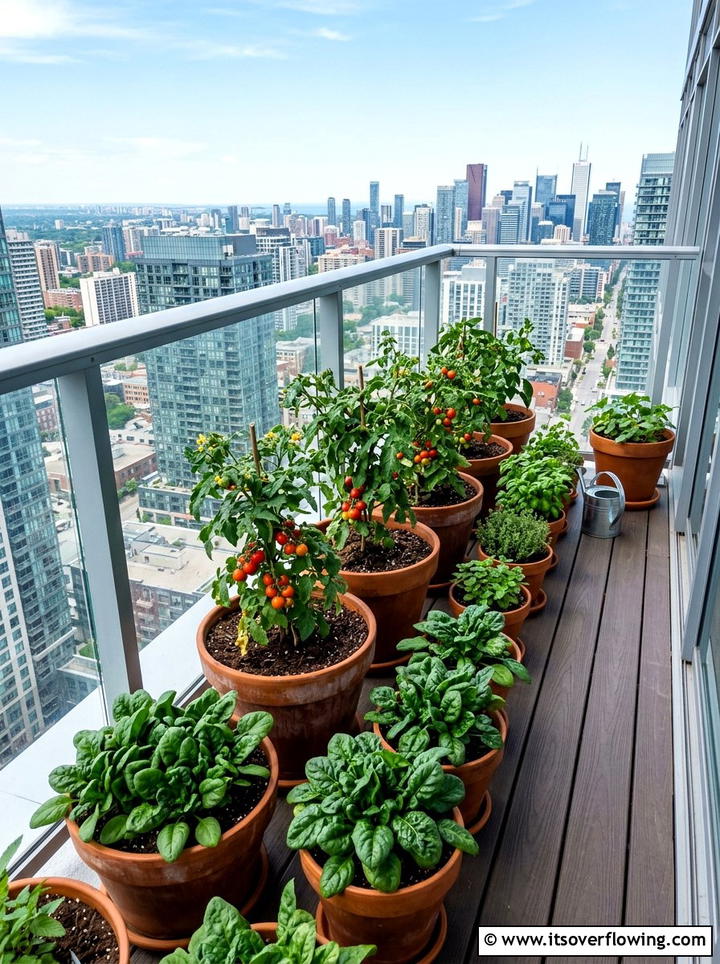
Creating a productive balcony vegetable garden is entirely possible even in the busiest and most crowded city environments. You just need a few deep pots and a sunny spot to get started with your favorite greens. Leafy vegetables like spinach and lettuce do exceptionally well in the slightly shaded conditions often found on apartment balconies. You can also grow dwarf varieties of tomatoes and peppers that are bred specifically for small containers. Using lightweight potting soil is essential to keep the total weight manageable for the building structure. Adding a small watering can and some organic fertilizer will keep your mini farm looking vibrant and healthy all through the summer.
4. Tiered Herb Garden
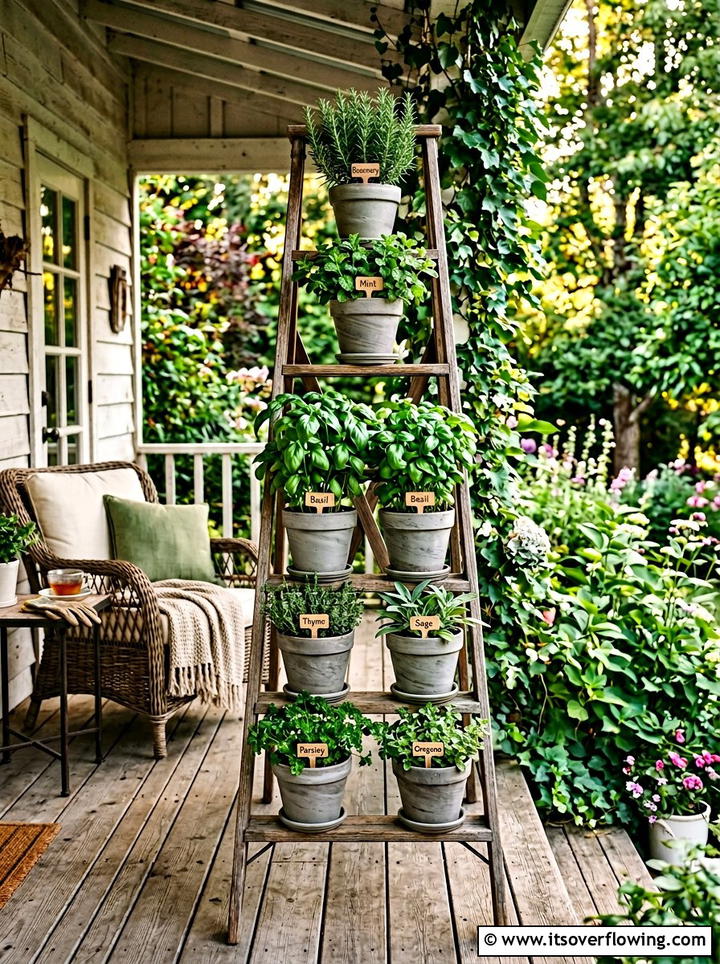
A tiered herb garden is a smart way to grow multiple types of seasonings in a very compact area. By using a ladder-style frame or stacked pots, you can separate different herbs based on their specific water needs. Mediterranean herbs like rosemary and thyme enjoy the drier top tiers, while mint and parsley prefer the moisture at the bottom. This setup looks beautiful on a porch and provides quick access to fresh flavors while you are cooking. The vertical arrangement ensures that every plant gets plenty of sunlight without being overshadowed by its neighbors. It is an efficient use of vertical space that turns a simple corner into a fragrant culinary zone.
5. Pallet Garden
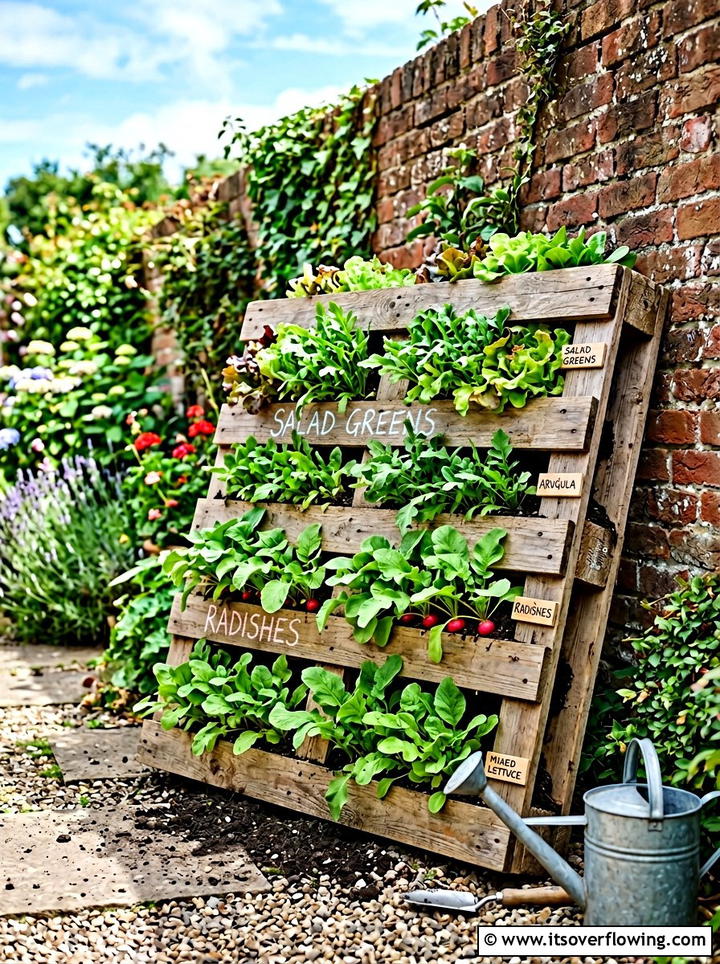
The pallet garden is a popular and budget-friendly way to start growing vegetables in a small outdoor area. You can easily repurpose a clean, heat-treated wooden pallet into a standing planter for various types of small greens. By attaching landscape fabric to the back and filling the slats with soil, you create rows for planting. This method is excellent for growing radishes, bush beans, and different types of loose-leaf lettuce. It leans perfectly against a wall or fence, taking up almost no floor space at all. It provides a rustic and charming look while serving as a highly functional vertical farm for your home. This is a great weekend DIY project.
6. Window Box Vegetables
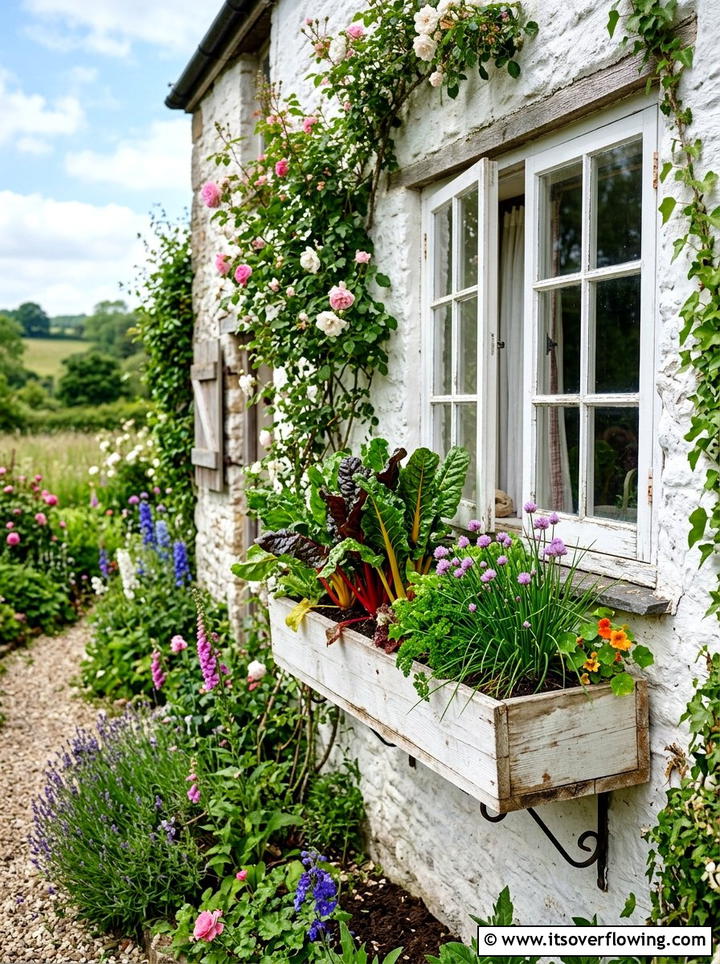
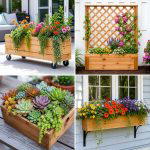
Window box vegetables allow you to grow food right outside your kitchen window for ultimate convenience. These long and narrow planters are perfect for shallow-rooted crops like chives, strawberries, and various salad greens. You can easily reach out and harvest what you need while preparing a meal. Since they are elevated, your plants stay away from ground-dwelling pests like rabbits or slugs. Make sure the boxes are securely fastened to the window sill or the exterior wall to support the weight of wet soil. Choosing colorful varieties of Swiss chard or kale can also boost the curb appeal of your home. It turns a functional space into a decorative feature.
7. Hanging Vegetable Basket
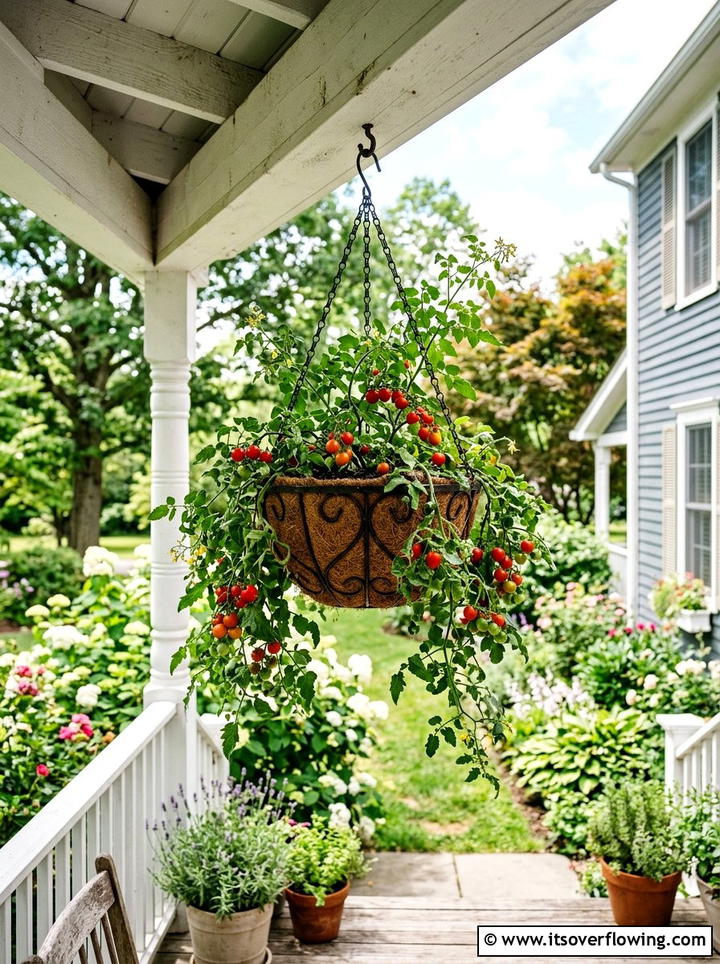
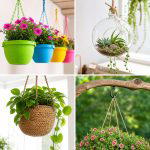
Using a hanging vegetable basket is a creative way to utilize the empty air space above your patio or porch. Many people forget that ceilings and overhangs provide excellent opportunities for growing food. Trailing varieties of cherry tomatoes and strawberries are ideal for this type of setup. They look beautiful as they spill over the edges of the basket with bright colors. Being suspended in the air provides excellent air circulation, which helps prevent many fungal issues that affect garden plants. You must remember to water them frequently, as hanging containers tend to dry out faster than those on the ground. It is a simple way to add greenery without cluttering floors.
8. Container Vegetable Garden
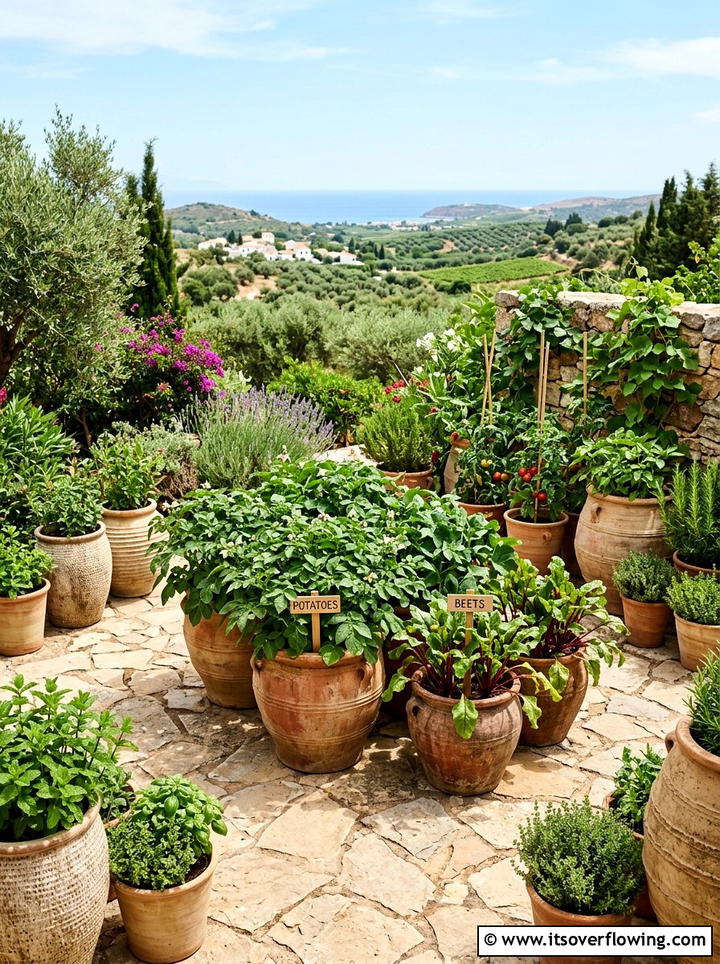
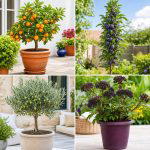
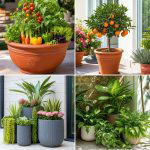
A container vegetable garden offers the ultimate flexibility for people who move often or have changing sunlight patterns. You can use large ceramic pots, plastic buckets, or fabric grow bags to house your vegetable plants. This method allows you to move your crops around to follow the sun as the seasons change. Almost any vegetable can grow in a container if the pot is large enough for the root system. Carrots, beets, and even potatoes thrive in deep containers with loose and well-draining soil. Using high-quality potting mix is the secret to success here. It allows you to garden on concrete, wood decks, or any hard surface with great results.
9. Patio Vegetable Garden
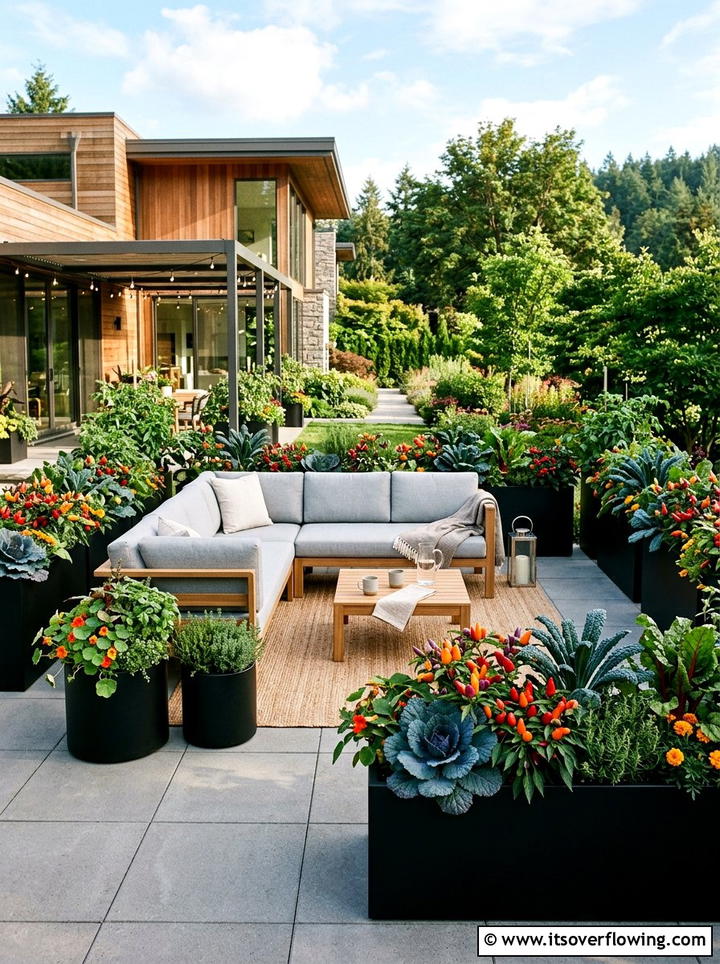
Transforming your seating area into a patio vegetable garden blends relaxation with productivity in a very seamless way. You can surround your outdoor furniture with large planters filled with aromatic herbs and colorful vegetables. This creates a cozy and private atmosphere while keeping your fresh snacks within arm’s reach. Using ornamental vegetables like purple peppers or variegated kale adds a high-end designer look to the space. It is important to group plants with similar light and water requirements together for easier maintenance. This setup encourages you to spend more time outdoors while tending to your edible landscape. It makes the garden feel like a natural extension of your indoor living room.
10. Compact Vegetable Patch
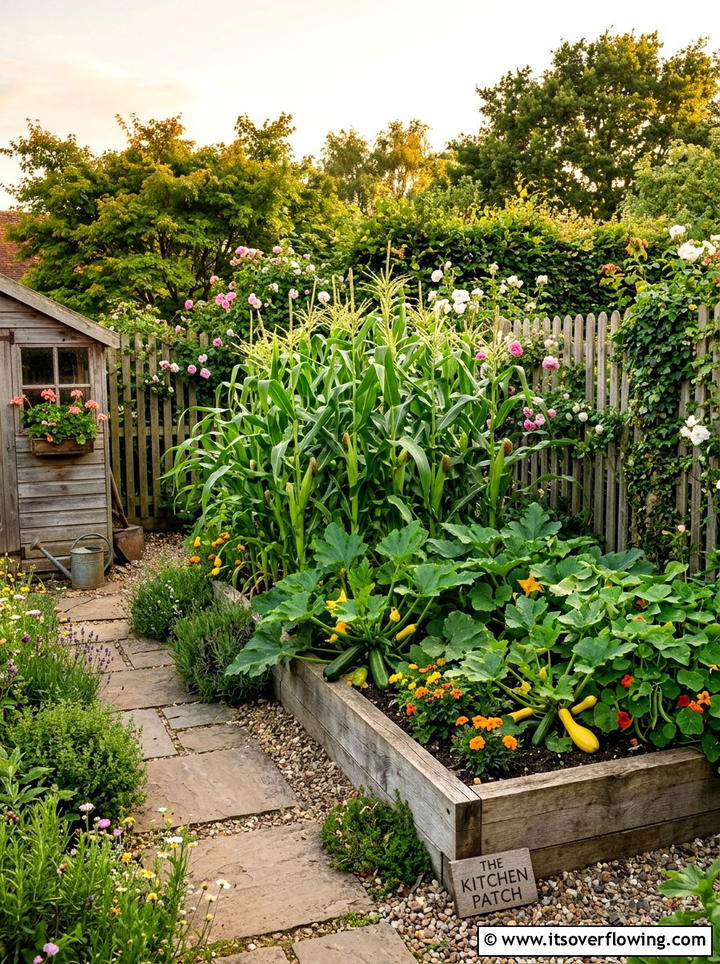
A compact vegetable patch is a traditional in-ground garden that has been scaled down for smaller backyard spaces. Instead of long rows, you use a dense planting method to maximize the yield from a tiny square of earth. This is often referred to as intensive gardening, where plants are spaced closely together to shade the soil. Shading the soil helps retain moisture and prevents weeds from growing between your vegetables. You can mix different types of plants together, such as tall corn with low-growing squash, to use every bit of space. This method requires very rich soil to support the high density of plants. It is a classic and very effective approach.
11. Trellis Vegetable Garden
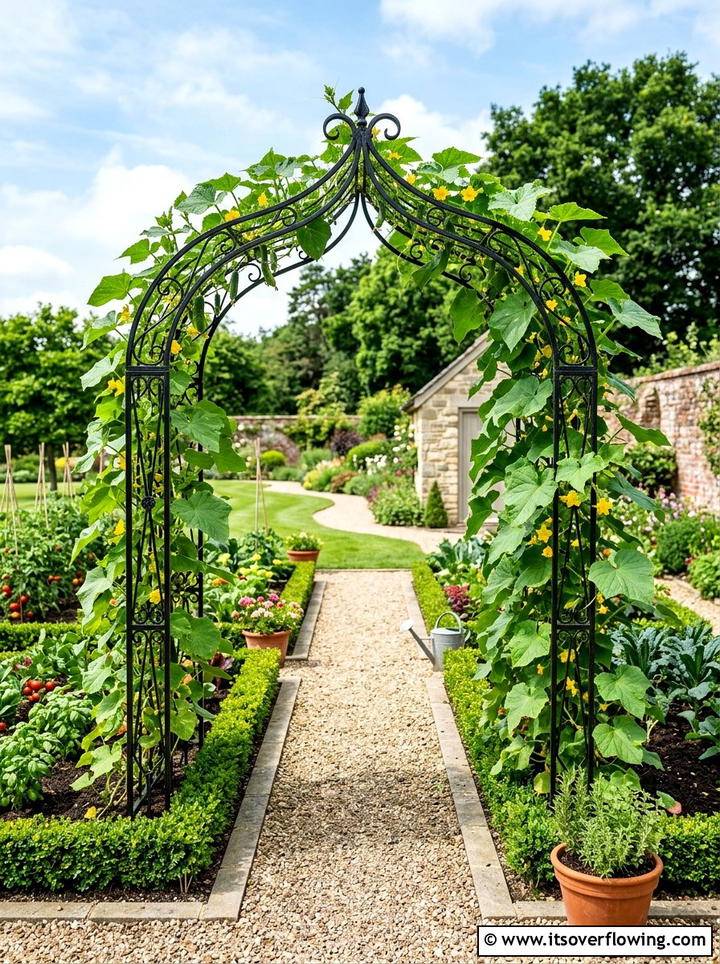
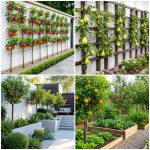
A trellis vegetable garden is an elegant solution for growing heavy crops like cucumbers, melons, and pole beans. By providing a strong vertical support, you encourage the plants to grow upward instead of spreading across the ground. This keeps the fruit clean and makes it much easier to spot when it is ready for harvest. A wooden or metal trellis also adds a nice architectural element to your landscape design. You can place a trellis at the back of a flower bed to integrate vegetables into your existing decor. It is a fantastic way to produce a large amount of food without sacrificing your entire lawn or patio space.

12. Urban Vegetable Garden
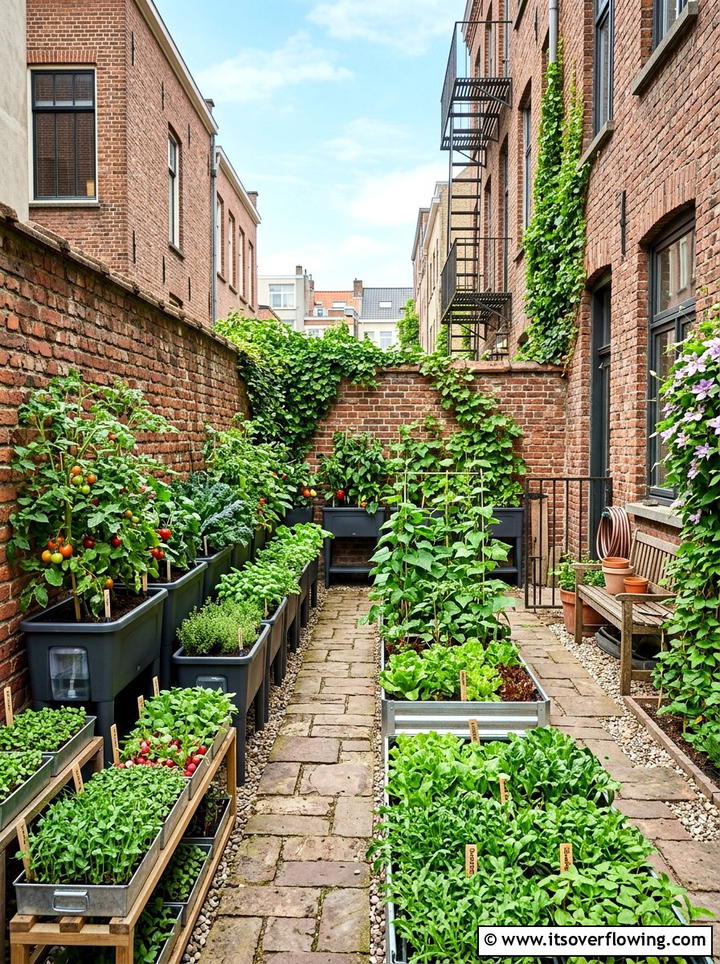
The urban vegetable garden focuses on growing food in the middle of a city using every available resource. This often includes using repurposed materials and focusing on high-yield crops that take up very little room. Many urban gardeners use self-watering containers to deal with the heat reflected from nearby buildings and pavement. Focus on plants that grow quickly, like radishes and microgreens, so you can harvest multiple times per season. Utilizing the vertical space of a fire escape or a small brick courtyard is very common in this style. It is about being resourceful and finding beauty in the challenge of limited city space. It brings nature back to the concrete jungle.
13. Backyard Vegetable Garden
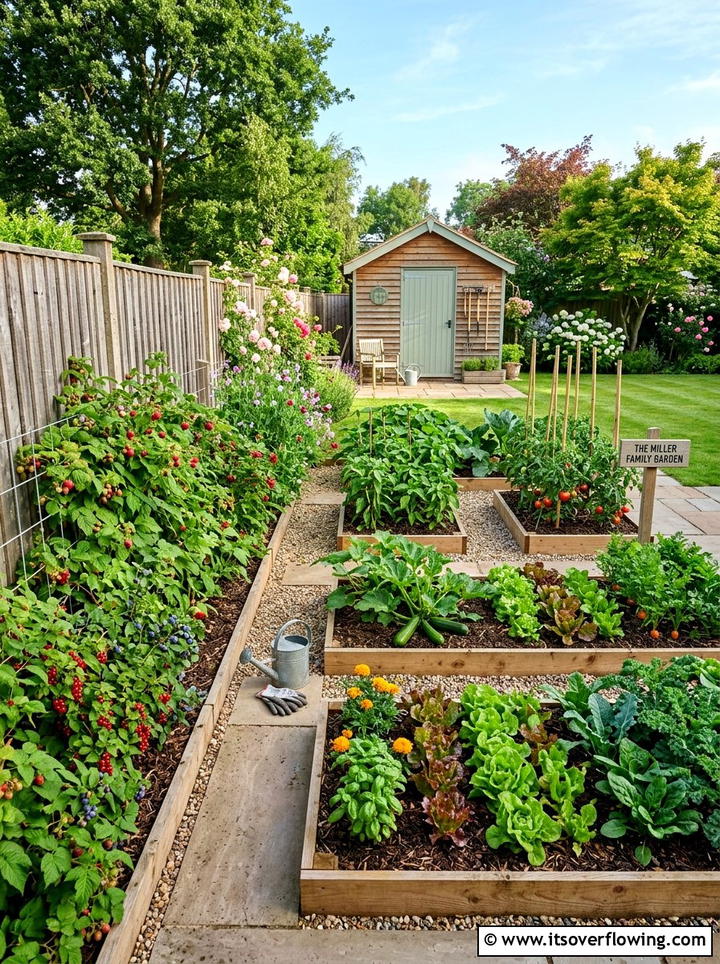
Even a very small backyard can host a highly productive backyard vegetable garden if you plan the layout carefully. Using a mix of small raised beds and perimeter plantings keeps the center of the yard open for other activities. You can line your fences with berry bushes or fruit trees that have been grafted to stay small. Incorporating edible flowers like nasturtiums adds color and helps with natural pest control. The goal is to create a functional ecosystem where every plant serves a purpose for the household. With proper path placement, you can navigate your garden easily without ever compacting the soil where your vegetables are growing. It feels like a private sanctuary.
14. Indoor Vegetable Garden
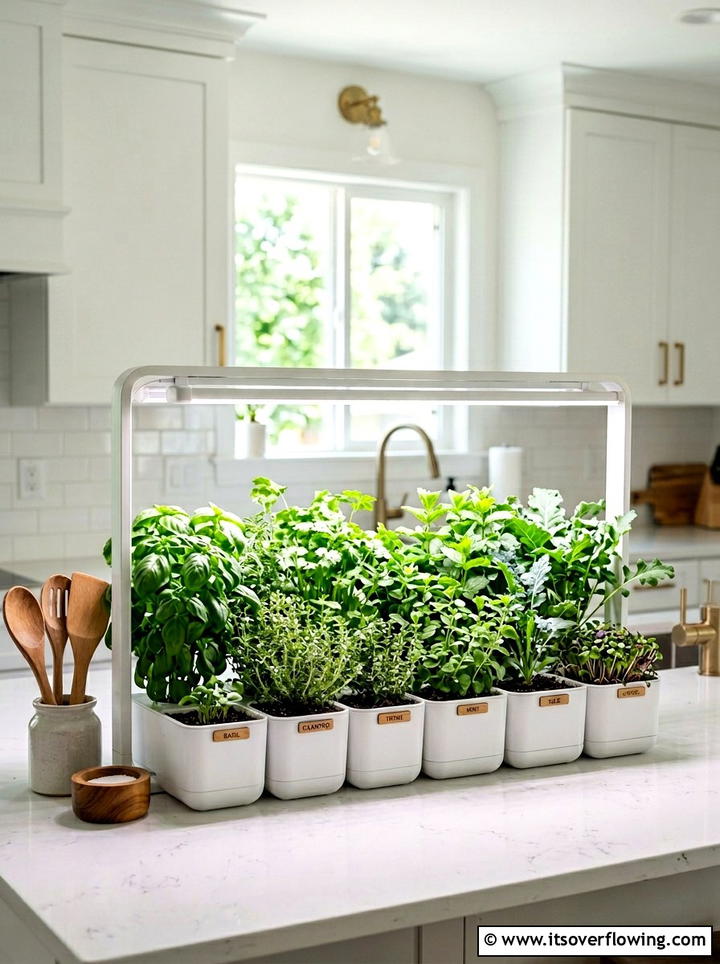
An indoor vegetable garden is the perfect solution for people who lack any outdoor space at all. You can grow a wide variety of herbs and small vegetables on a sunny windowsill or under dedicated grow lights. Leafy greens and microgreens are particularly well-suited for indoor life because they do not require intense heat. Using modern indoor planters with built-in lights makes the process almost effortless and very stylish. This allows you to have fresh ingredients for your meals even during the cold winter months. It also improves the air quality inside your home and adds a refreshing touch of green to your interior decor. It is gardening made easy.
15. Hydroponic Vegetable Garden
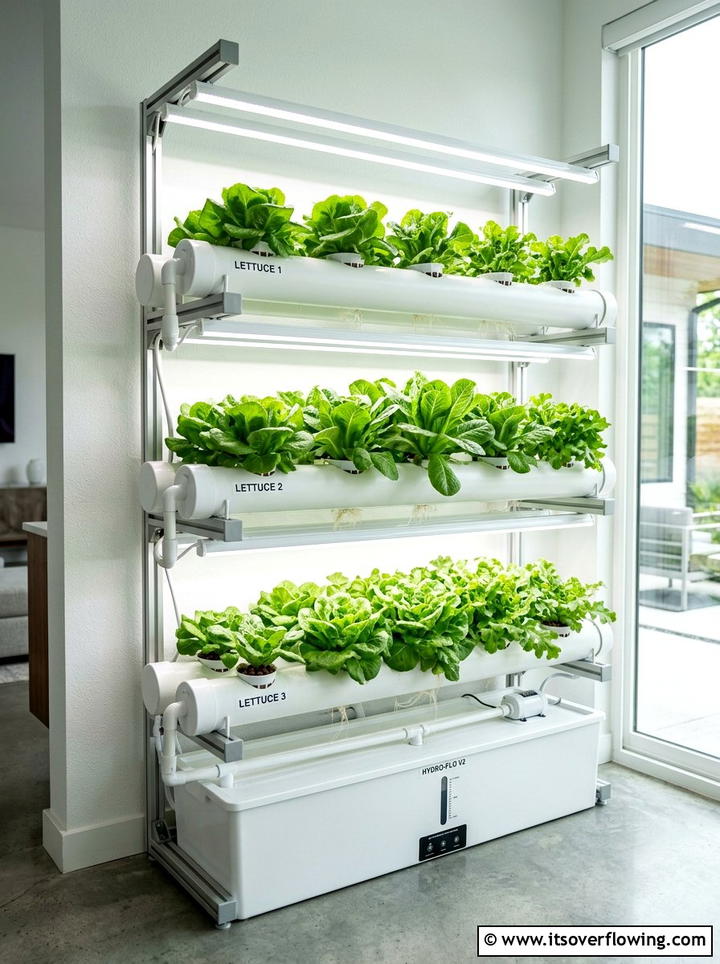
A hydroponic vegetable garden uses water instead of soil to deliver nutrients directly to the roots of the plants. This high-tech method is incredibly efficient and allows you to grow vegetables much faster than traditional soil gardening. Many compact hydroponic systems are designed to fit on a kitchen counter or a small shelf. They are perfect for growing lettuce, herbs, and even small varieties of tomatoes without the mess of dirt. Since the system is self-contained, it uses significantly less water than a standard garden. It is a great choice for modern homes and tech-loving gardeners who want a clean and highly productive setup. This method is the future of gardening.
16. Small Space Vegetable Garden
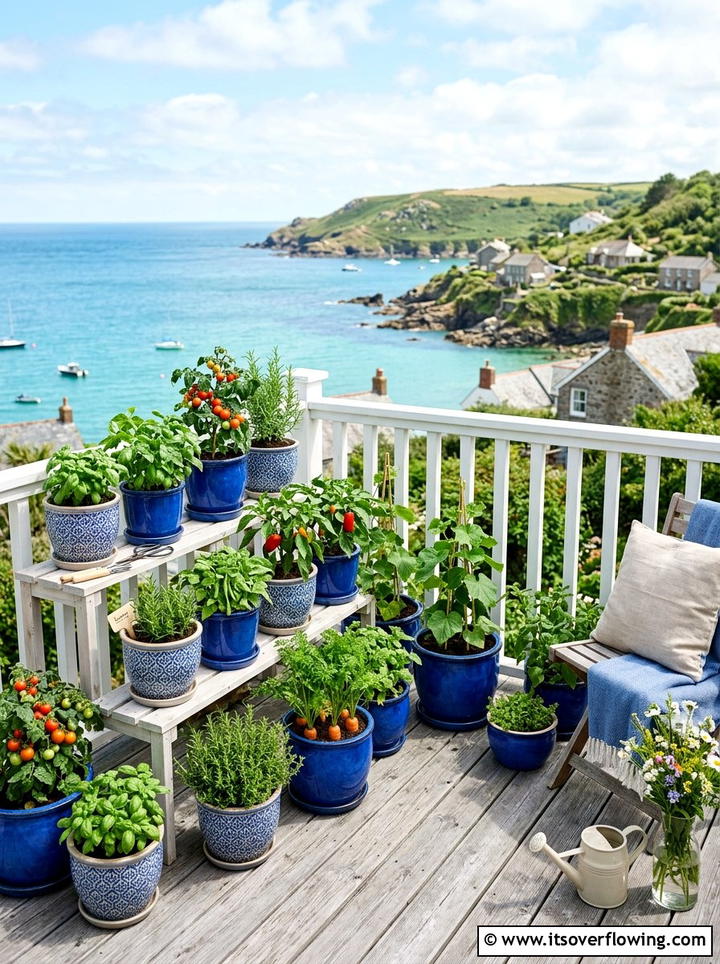
A small space vegetable garden relies on smart organization and choosing dwarf plant varieties that are meant for tight quarters. Many seed companies now offer “patio” or “compact” versions of your favorite vegetables that stay small while producing full-sized fruit. You can use decorative pots that match your home’s exterior to make the garden look intentional and curated. Mixing vegetables with ornamental flowers is a great way to hide the functional nature of the garden. This approach ensures that your outdoor area remains beautiful while still providing a bounty of fresh food for your family. It proves that size does not limit the quality of your harvest at all.
17. Rooftop Vegetable Garden
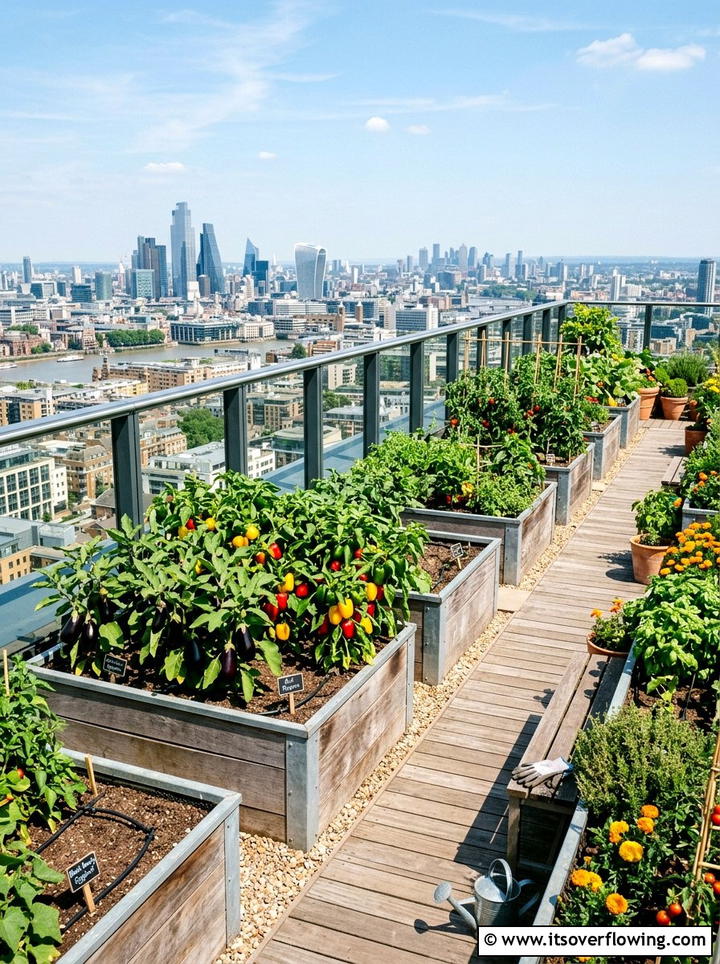
A rooftop vegetable garden takes advantage of the full sun exposure found on top of many modern buildings. While the wind can be a challenge, the abundance of light makes it a paradise for sun-loving vegetables like peppers and eggplants. You must use sturdy, heavy containers that will not blow over and ensure you have a reliable water source. Windbreaks made of lattice or hardy shrubs can help protect your delicate vegetable plants from harsh gusts. Growing food on a roof also helps insulate the building and reduces the urban heat island effect. It turns an often-wasted space into a lush and productive green oasis high above the busy city streets.
18. Fence Vegetable Garden
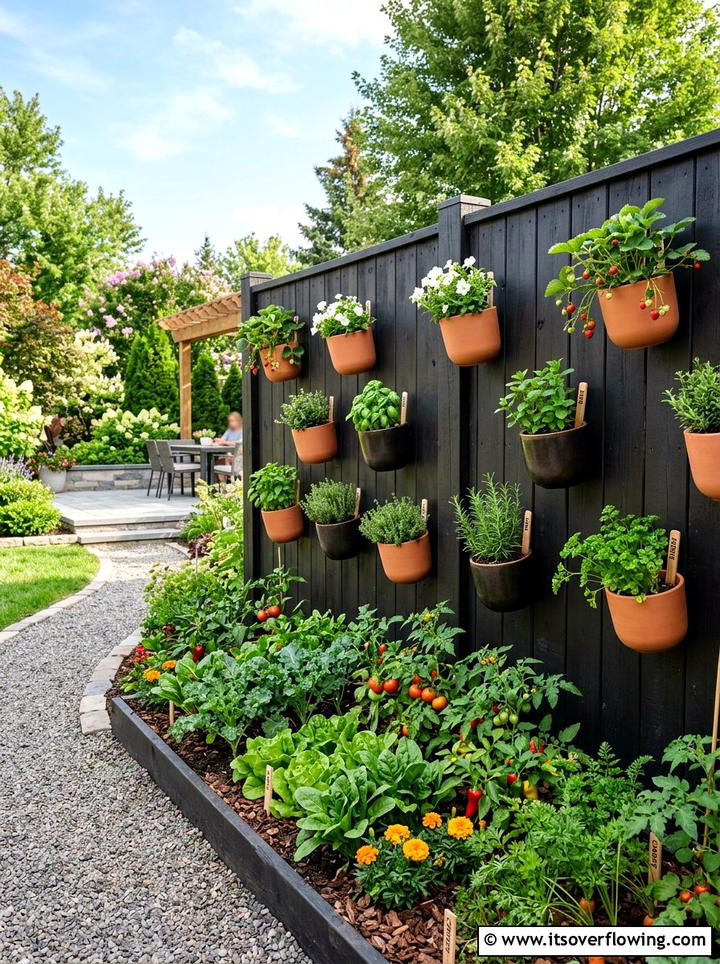
Using your perimeter for a fence vegetable garden is a clever way to keep the middle of your yard clear. You can attach long planters directly to the fence rails or use hanging pots to create a wall of food. This is an ideal spot for strawberries, herbs, and small peppers that enjoy the warmth reflected from the wood or metal. It also helps deter some ground-level pests that might otherwise snack on your hard-earned crops. If you have a chain-link fence, you can use it as a natural trellis for climbing peas or beans. This turns a functional boundary into a beautiful and edible feature that neighbors will surely admire.
19. Stepped Vegetable Garden
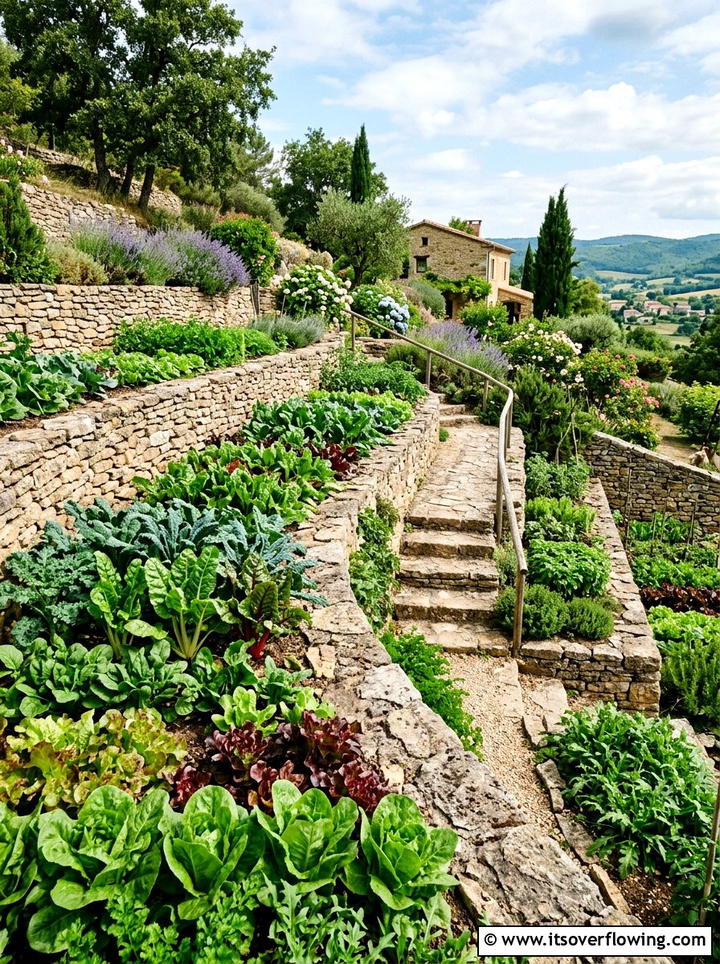
A stepped vegetable garden is the ideal solution for properties that have sloping ground or uneven terrain. By building a series of terraced levels, you create flat planting areas that prevent soil erosion and water runoff. Each step can be dedicated to a different type of vegetable, creating a very organized and visually appealing look. The different levels also make it easier to reach your plants without having to bend down too far. You can use timber, stone, or bricks to build the retaining walls for each tier. This architectural approach adds value to your property while providing a large surface area for growing a diverse range of healthy produce.
20. Kitchen Vegetable Garden
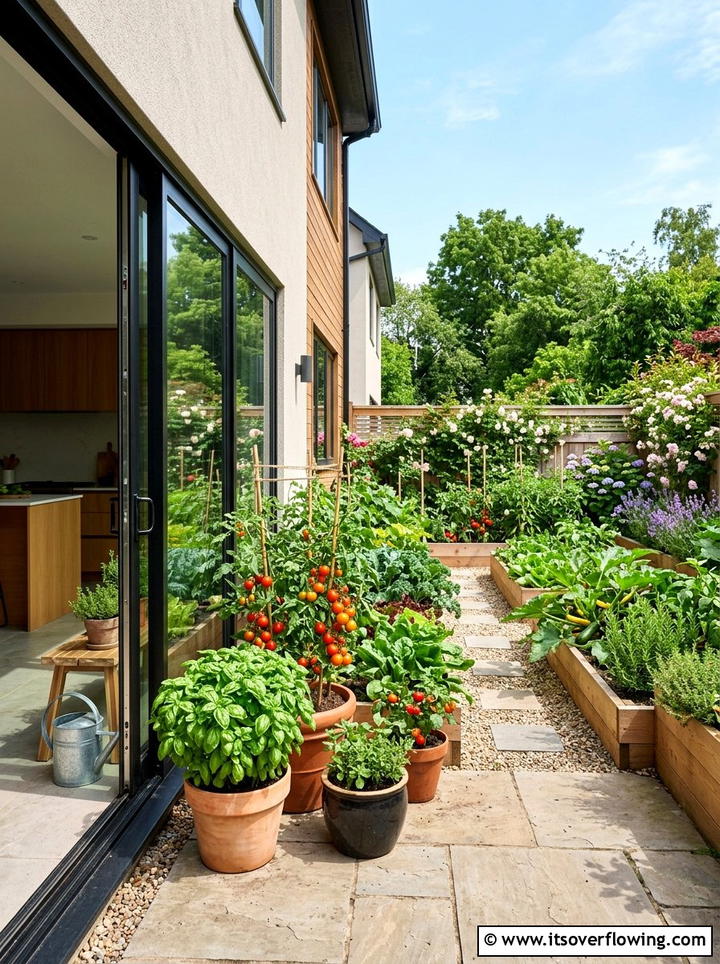
A kitchen vegetable garden is designed with the chef in mind, placed as close to the cooking area as possible. Whether it is a small patch just outside the back door or a collection of pots on the kitchen deck, convenience is the main priority. Focus on the vegetables and herbs that you use most frequently in your daily recipes. Having fresh basil, cherry tomatoes, and green onions just steps away makes cooking much more enjoyable. This type of garden encourages you to use fresh ingredients more often because they are so easy to access. It is a functional and beautiful addition to any home that celebrates the joy of eating well.
21. Mobile Vegetable Garden
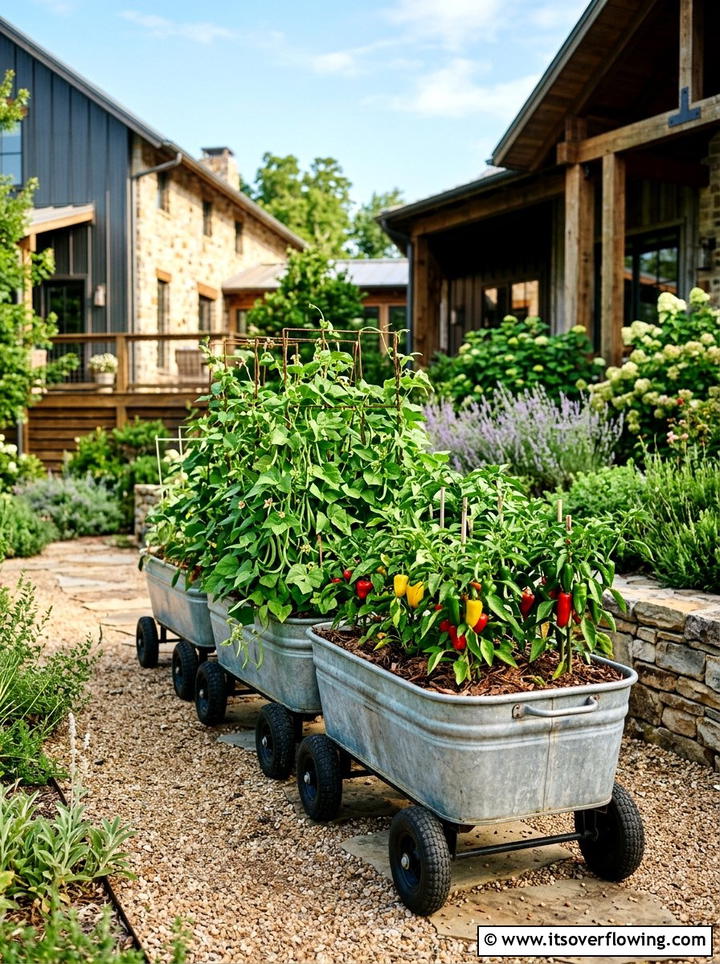
A mobile vegetable garden uses planters on wheels to allow for ultimate flexibility in a small space. This is particularly useful if your yard or patio only gets sun for a few hours in specific spots. You can easily roll your heavy pots to follow the sunlight throughout the day to maximize growth. It also makes cleaning your patio much easier since you can move the garden out of the way whenever needed. Many people use galvanized troughs with casters attached to the bottom for a modern industrial look. This approach is perfect for renters who want to take their entire garden with them when they eventually move to a new home.
22. Wooden Vegetable Planter
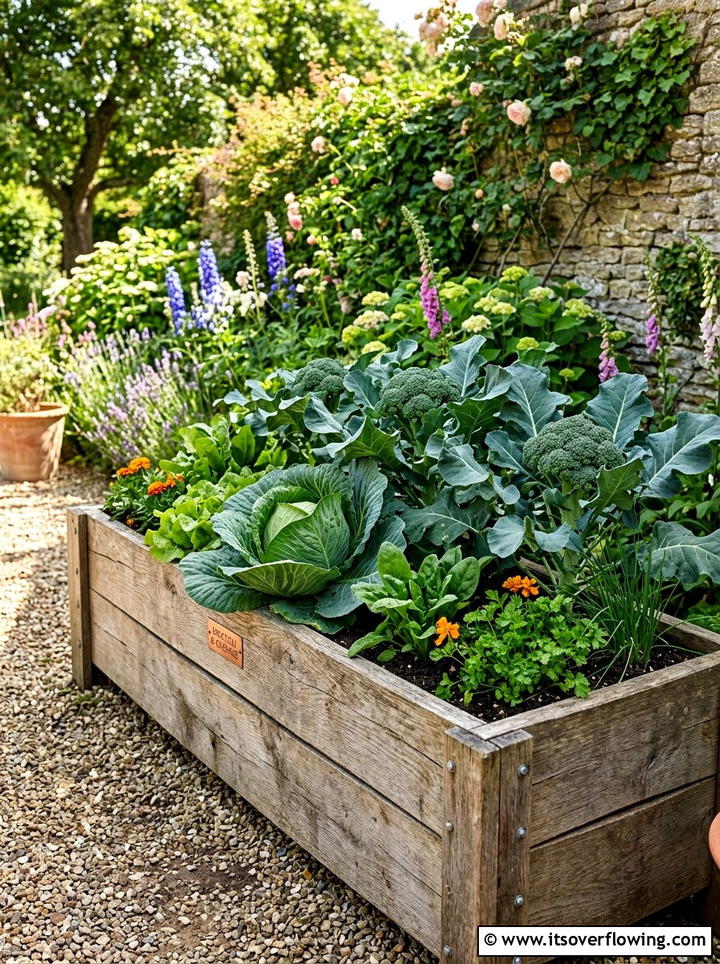
Wooden vegetable planters are a classic choice that brings a warm and natural feel to any small garden space. Cedar and redwood are popular choices because they are naturally resistant to rot and insects without needing harsh chemicals. You can build these boxes in any shape or size to fit perfectly into a corner or along a narrow walkway. They provide a deep enough root zone for larger vegetables like broccoli or cauliflower. The wood also helps insulate the soil, protecting plant roots from extreme temperature changes during the summer. Over time, the wood develops a beautiful patina that blends perfectly with the surrounding greenery and outdoor decor.
23. Modern Vegetable Garden
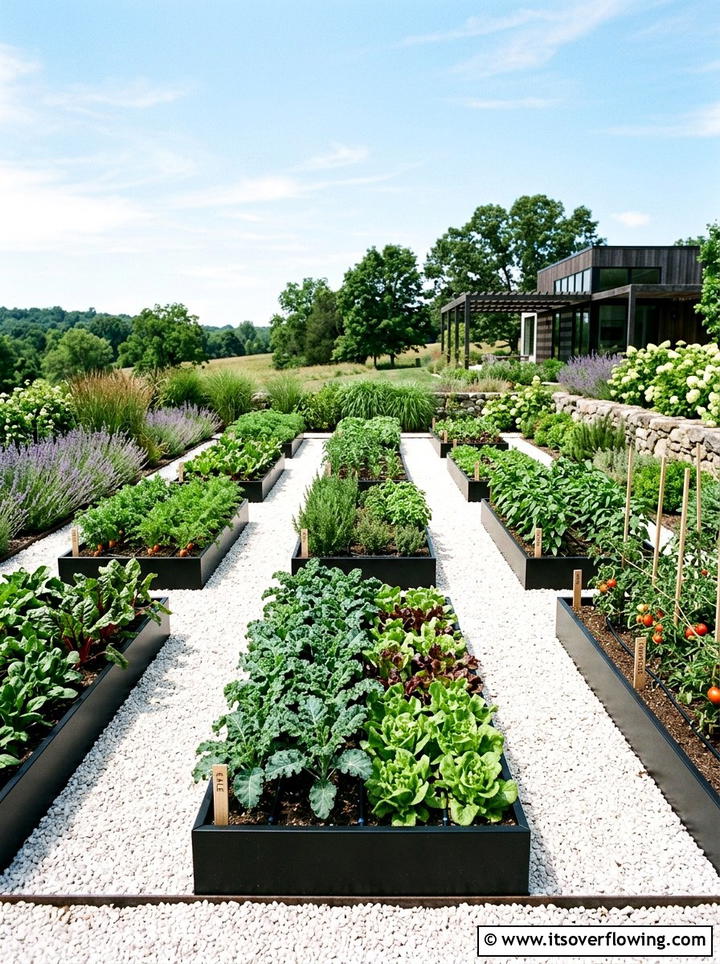
The modern vegetable garden focuses on clean lines, minimalist materials, and a very structured layout. Instead of a wild and overgrown look, this style uses sleek metal containers, black planters, and geometric arrangements. The vegetables are often planted in neat rows or patterns to emphasize the design of the space. Using white gravel or polished stones as mulch between the pots adds to the contemporary feel. This style is perfect for new homes with a minimalist aesthetic where the garden needs to look polished and organized. It proves that a vegetable garden can be just as sophisticated as a formal flower garden while still being highly productive.
24. Minimalist Vegetable Garden
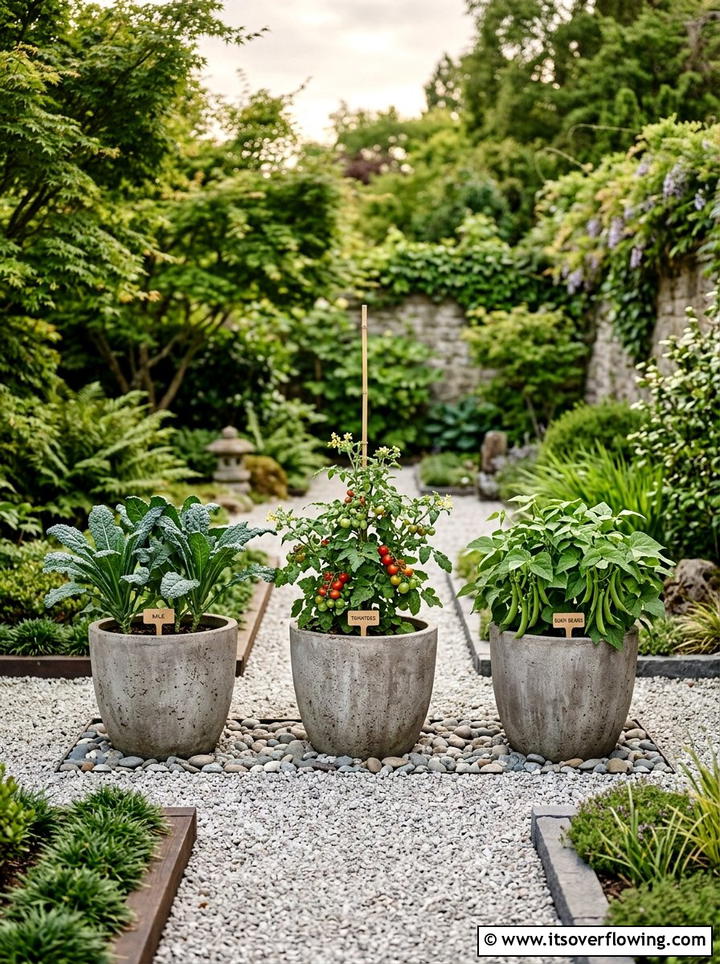
A minimalist vegetable garden is all about doing more with less and focusing on a few high-quality plants. Instead of trying to grow everything, you select three or four of your favorite vegetables and grow them exceptionally well. This reduces the amount of maintenance required and keeps the space looking uncluttered and peaceful. Use a few large, high-quality pots instead of many small ones to create a sense of scale and simplicity. This approach is very calming and fits well with a modern lifestyle where time and space are at a premium. It is about the quality of the experience and the harvest rather than the sheer quantity of the plants.
25. Seasonal Vegetable Garden
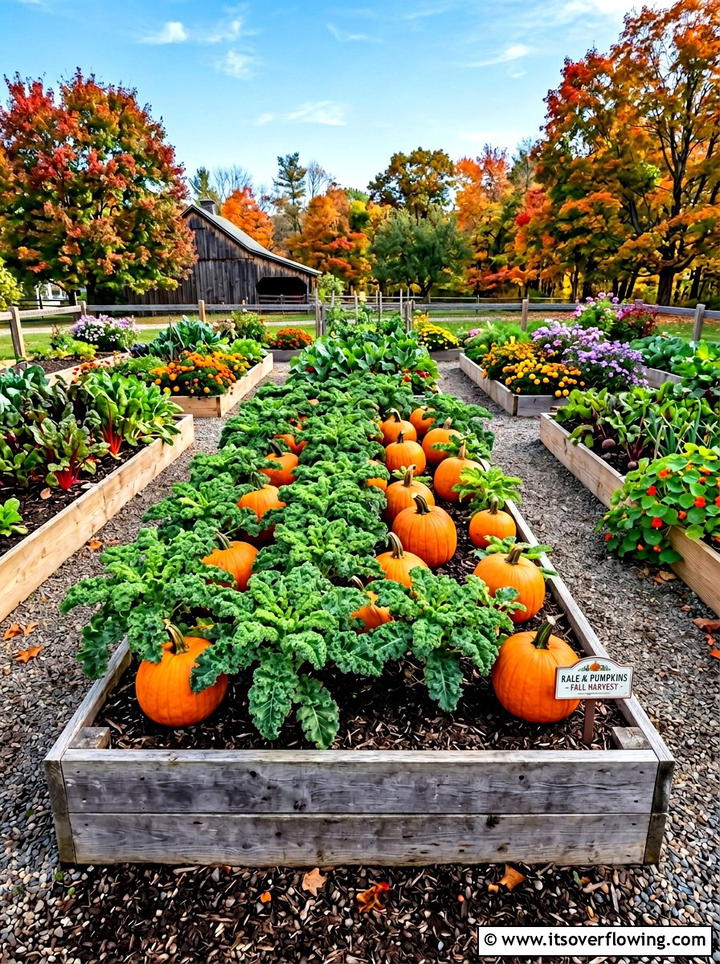
A seasonal vegetable garden is designed to change throughout the year to make the most of every growing window. In the spring, you focus on cool-weather crops like peas and radishes, which are replaced by tomatoes and peppers in the summer. As fall approaches, you can plant kale and carrots that will survive the first few frosts. This constant rotation ensures that your small space is always working for you and providing fresh food. Using cold frames or row covers can help extend your harvest even further into the winter months. It keeps the gardening hobby exciting as you look forward to the different flavors each new season brings to your table.
Conclusion:
Growing your own food in a small garden is a fulfilling journey that connects you with nature right at your doorstep. No matter how limited your space might be, there is always a creative way to incorporate fresh vegetables into your lifestyle. By using vertical walls, containers, or raised beds, you can enjoy a bounty of produce that is healthier and more flavorful than store-bought options. These small garden concepts prove that productivity does not require a large estate, only a bit of planning and care. As you watch your plants grow and harvest your first meal, you will realize the true value of a home garden. It is a sustainable, beautiful, and delicious way to enhance your living environment and your overall well-being.
Related posts:
 25 Small Garden Ideas With Edible Garden for Fresh Harvests
 25 creative garden ideas with patio fruit trees for Fresh Harvests
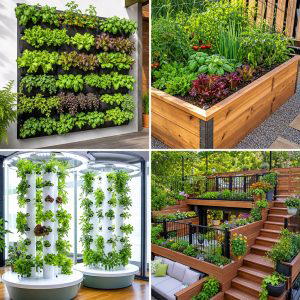 25 Creative Garden Ideas With Salad Gardens for Fresh Harvests
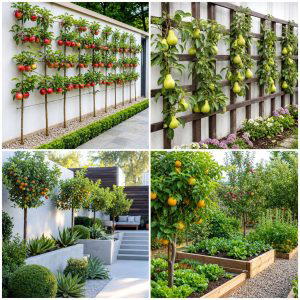 25 garden ideas with fruit trees for Beauty and Harvests
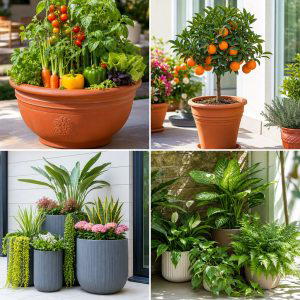 25 Creative Garden Ideas With Container Vegetables
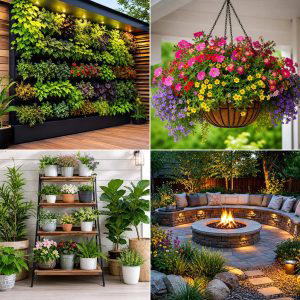 25 Creative Garden Ideas for Patios: Fresh Outdoor Style
 25 garden ideas for rainy climate: Fresh Wet-Weather Tips
 25 garden ideas with herbs for Fresh, Fragrant Outdoor Spaces
 25 garden ideas with moss art: Fresh Green Outdoor Style
 25 Garden Ideas With Planter Boxes for a Fresh Outdoor Look
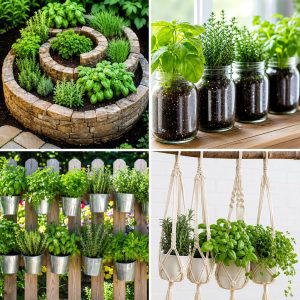 25 Small Garden Ideas With Herbs for Fresh, Fragrant Spaces
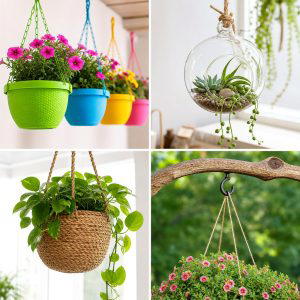 25 Garden Ideas With Hanging Planters For Fresh Style