
Transforming your front yard into a stunning visual masterpiece is about more than just planting a few flowers near the porch. It serves as the primary handshake between your home and the neighborhood, setting a specific tone for everyone who passes by or enters. A well-planned garden layout enhances curb appeal significantly while reflecting your personal style and local environment. Whether you prefer a structured modern look or a wild cottage aesthetic, the right combination of textures, colors, and heights makes all the difference. Thoughtful landscaping also increases property value and provides a welcoming atmosphere. Exploring diverse options allows you to create a functional yet beautiful outdoor space that thrives through every season.
1. Modern Low Maintenance Landscaping
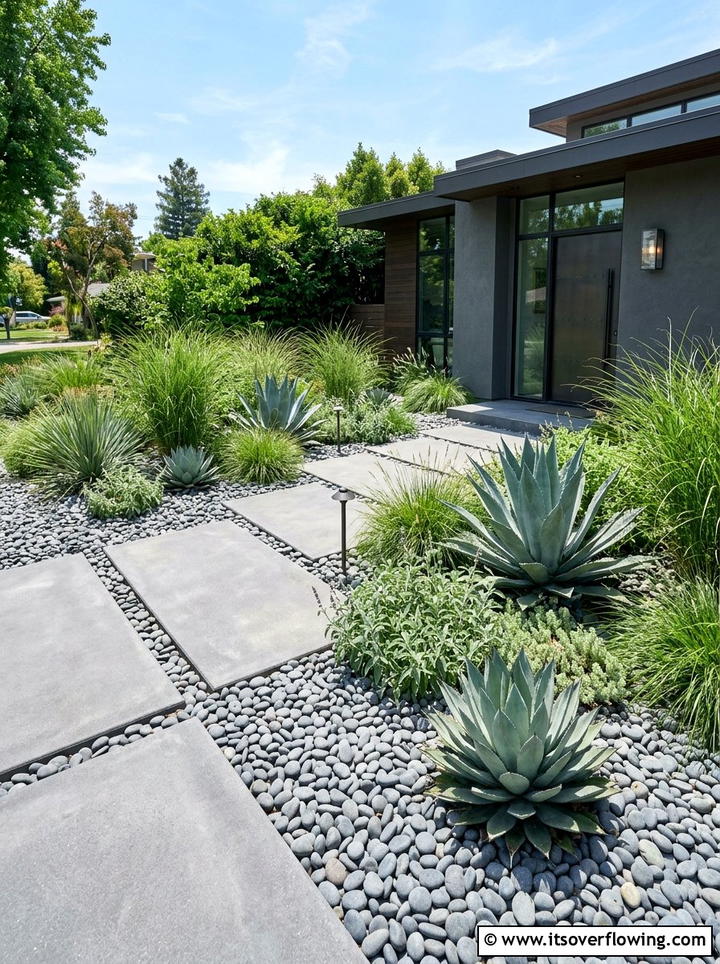
Have you ever wondered how to achieve a high-end look without spending every weekend pulling weeds or pruning? This approach focuses on clean lines, geometric shapes, and a very limited palette of hardy plants that look great year-round. You might use architectural plants like ornamental grasses or structural agaves set against a backdrop of smooth river stones or dark basalt mulch. The layout usually involves distinct zones separated by metal edging or concrete pavers to maintain a crisp, tidy appearance. Incorporating evergreen shrubs ensures the yard stays green even during the winter months. This style is perfect for busy homeowners who want a sophisticated, contemporary aesthetic that requires minimal seasonal upkeep and water.
2. Cottage Flower Garden
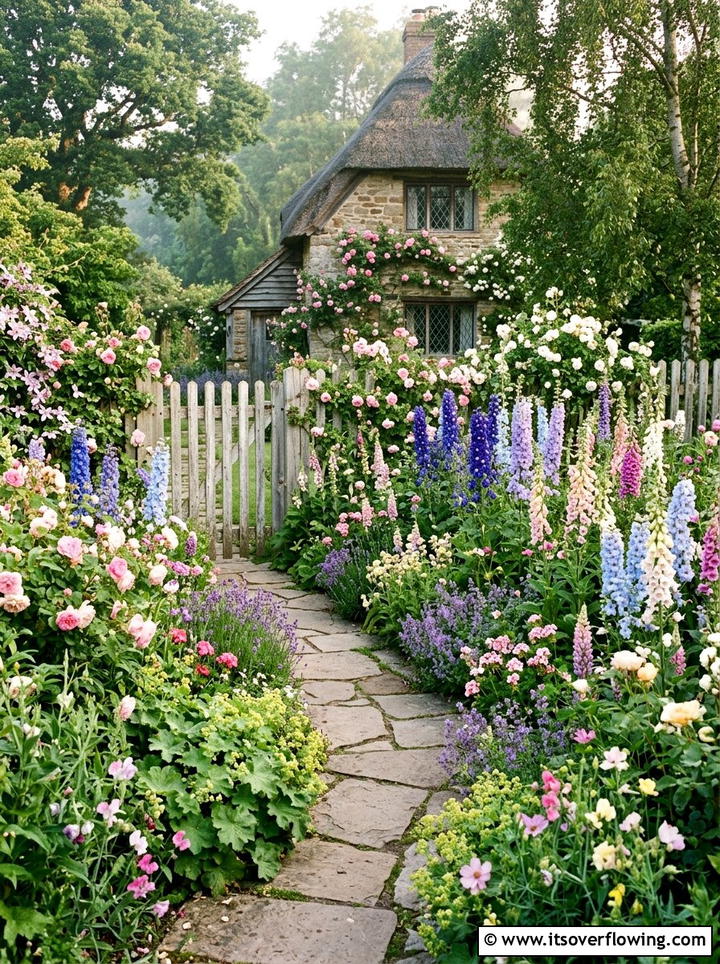
Imagine walking up a winding stone path surrounded by a chaotic yet beautiful explosion of soft colors and fragrant blooms. This traditional style embraces a romantic, informal layout where flowers like delphiniums, foxgloves, and hollyhocks grow in dense, overlapping clusters. Instead of rigid lines, you see soft edges and various heights that create a sense of abundance and charm. Adding a small picket fence or a wooden arbor can enhance the nostalgic feeling of the space. It is a wonderful way to encourage local birds and butterflies to visit your home regularly. Using organic mulch and heirloom plant varieties helps maintain the authentic, old-world character that makes cottage gardens so universally beloved and inviting.
3. Drought Tolerant Front Yard
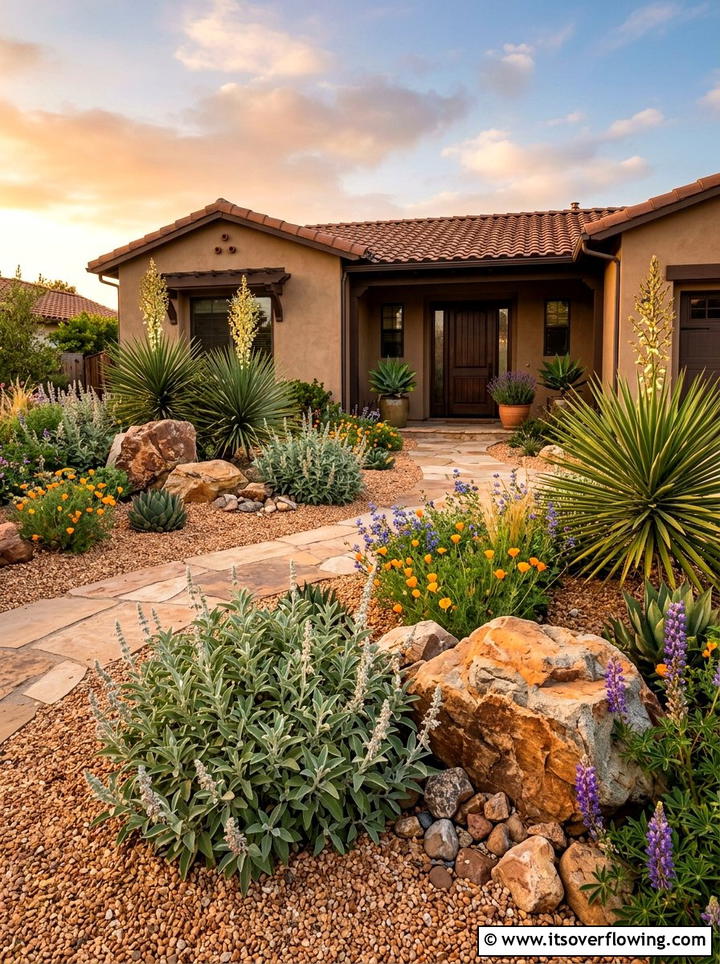
Are you looking for a way to save water while still having the most striking yard on your entire block? Using xeriscaping principles allows you to create a lush environment using native plants that naturally thrive in your specific climate with very little irrigation. This design often features a mix of succulents, sage, and colorful wildflowers arranged over a bed of decorative gravel or decomposed granite. Large boulders can be placed strategically to add vertical interest and a sense of permanence to the landscape. By selecting plants with different foliage colors, you can create a vibrant scene that does not rely on thirsty grass lawns. It is a sustainable and environmentally friendly choice for modern homes.
4. Rock Garden Path
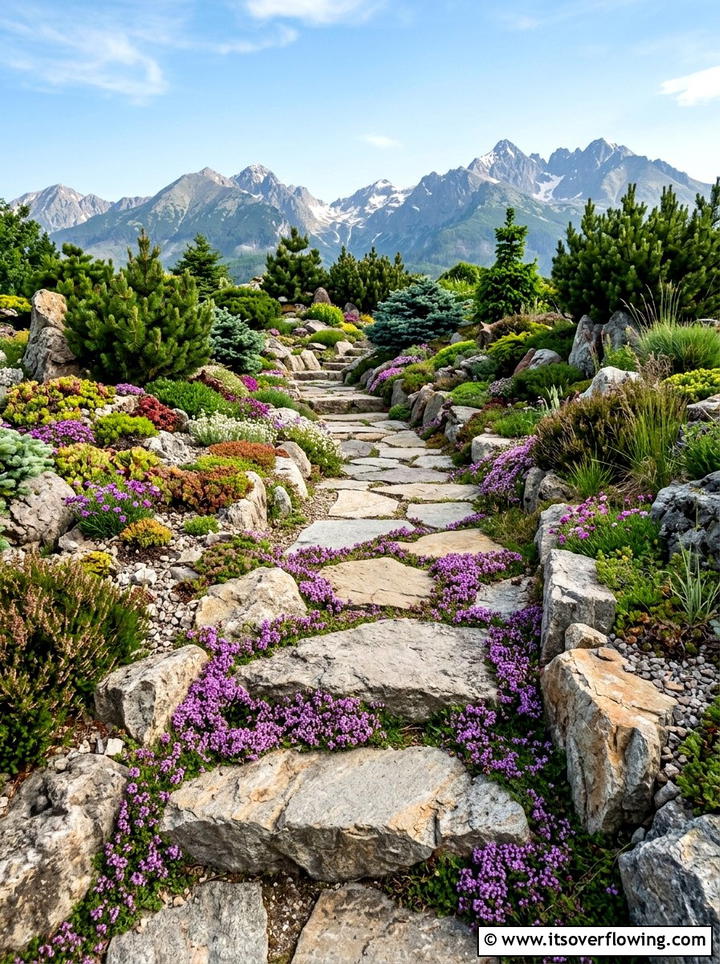
Can a simple walkway become the most artistic feature of your outdoor space by using natural stone and rugged greenery? A rock garden integrates various sizes of stones with low-growing alpine plants to create a textured, mountainous feel right in your front yard. You can nestle creeping thyme or sedum between large flagstones to soften the hard surfaces and add a touch of color. This layout works exceptionally well on sloped yards where soil erosion might otherwise be a significant problem for standard grass. The contrast between the cold, hard rocks and the soft, living plants creates a balanced and serene environment. It offers a very durable surface that handles foot traffic with ease and grace.
5. Native Plant Landscaping
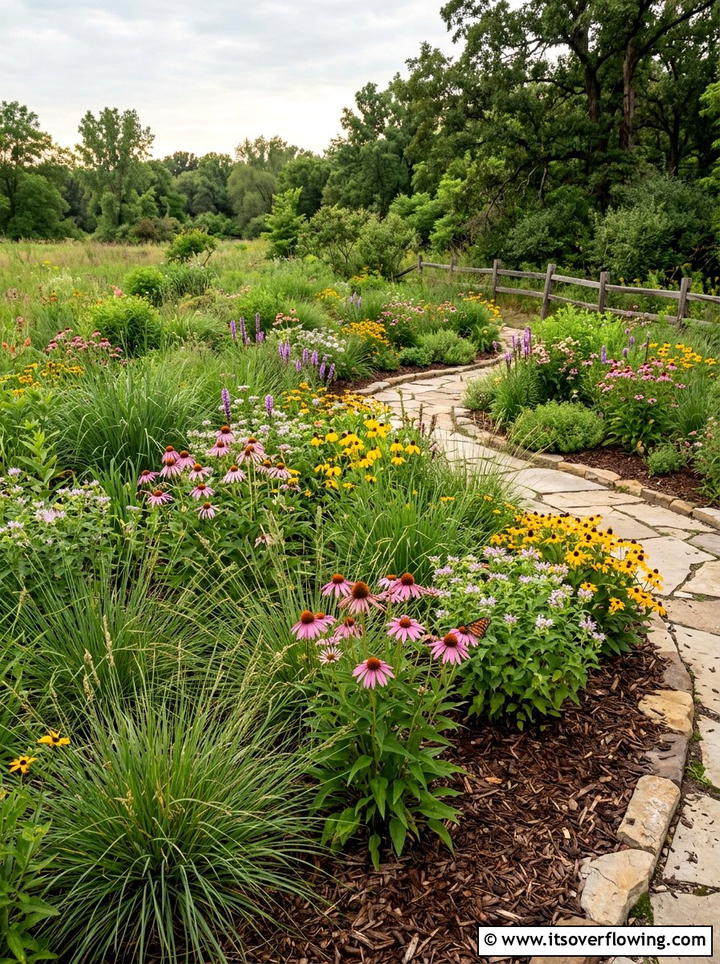
Choosing plants that naturally grow in your region is one of the smartest ways to ensure your garden remains healthy and vibrant. These species are already adapted to your local soil conditions and weather patterns, meaning they require fewer chemical fertilizers and less supplemental watering. A native garden often looks more harmonious with the surrounding landscape, providing essential food and shelter for local pollinators like bees and hummingbirds. You can arrange these plants in layers, with taller shrubs at the back and shorter flowering perennials toward the front. This creates a deep, multi-dimensional look that changes beautifully as the seasons progress. It is an authentic way to celebrate your local natural heritage.
6. Boxwood Hedge Border
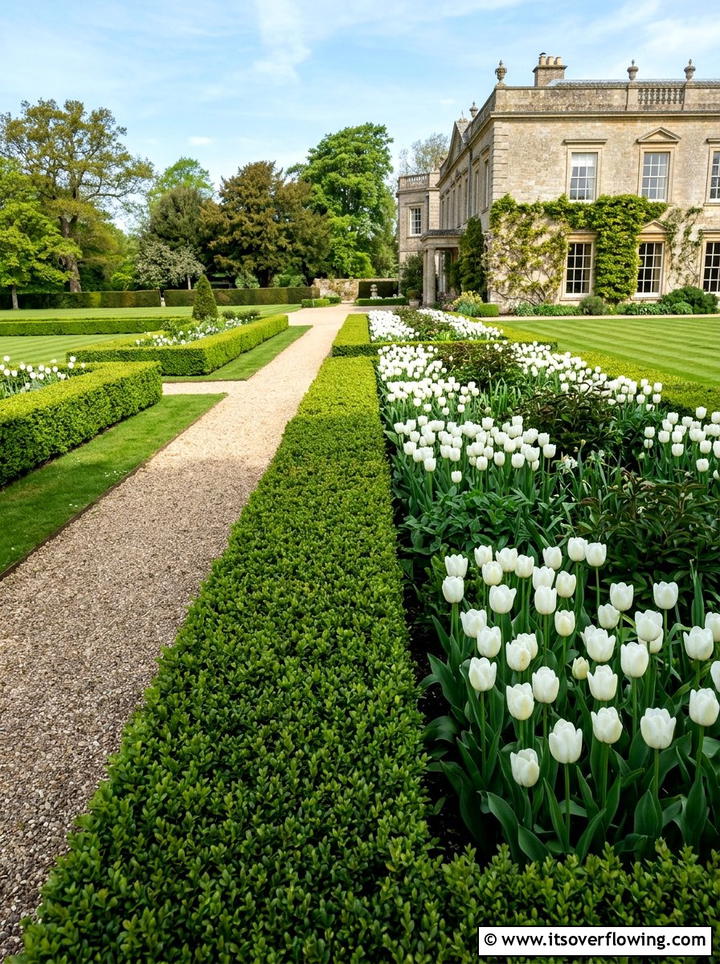
Structure and symmetry can bring a sense of formal elegance to even the simplest front yard layout through careful planning. Low-growing boxwood hedges are frequently used to create clean borders around flower beds or along the edges of a concrete driveway. These evergreens can be pruned into sharp, rectangular shapes or soft, rounded mounds depending on your personal preference. Inside these green frames, you can plant seasonal flowers to add splashes of color that pop against the dark green foliage. This design provides a clear sense of order and tidiness that looks professional throughout the entire year. It is a classic choice for traditional or colonial-style homes seeking a very polished curb appeal.
7. Rose Garden Walkway
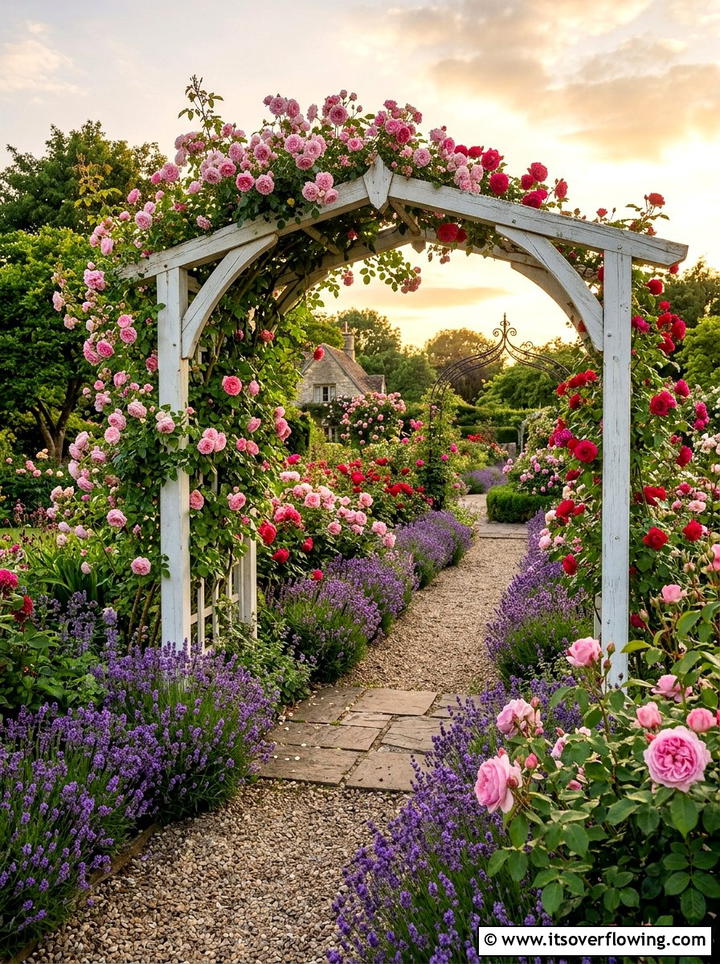
There is something truly magical about a front entrance that is lined with the timeless beauty and scent of blooming roses. You can choose climbing roses to scale a trellis or shrub roses to create a dense, colorful hedge along your main path. Mixing different varieties like hybrid teas and floribundas ensures a long blooming season with a wide range of petal shapes and colors. To keep the look cohesive, consider underplanting the roses with lavender or catmint to hide the woody stems and add extra texture. This design transforms a functional walkway into a sensory experience that delights everyone who visits. Regular deadheading will keep the blossoms coming from late spring through early autumn.
8. Small Front Yard Layout
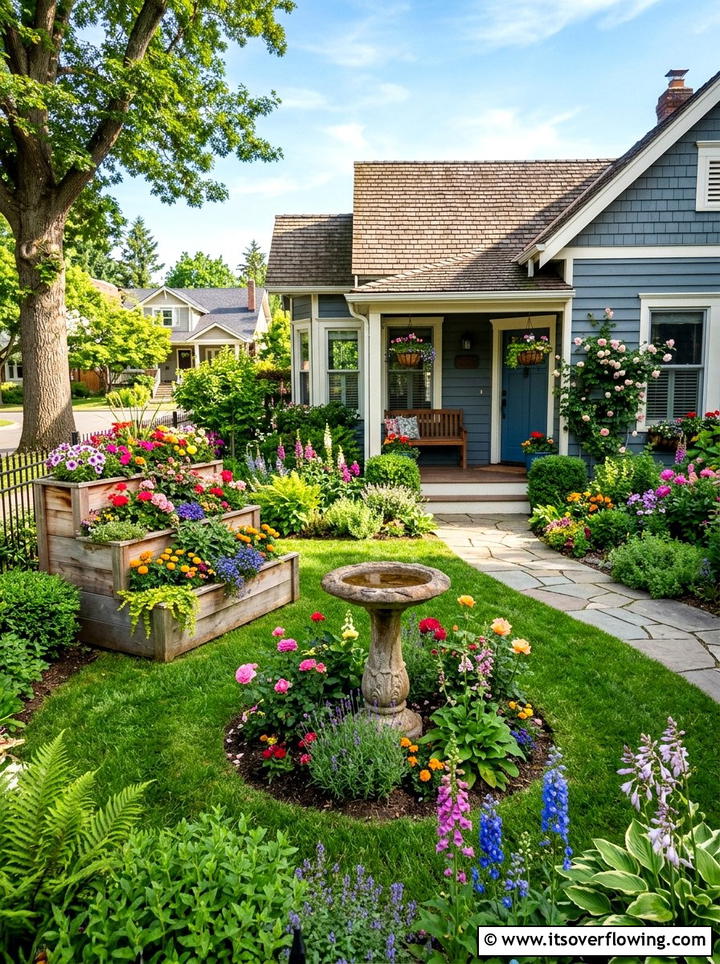
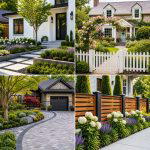
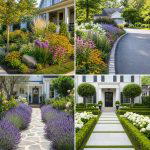
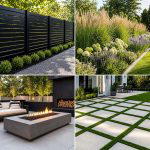
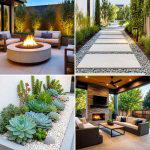
Do you feel limited by a tiny patch of grass in front of your house that seems too small for a garden? Even the most compact spaces can be transformed into a lush sanctuary by using vertical elements and layered planting techniques. Utilizing tiered planters or a small focal point like a birdbath can make the area feel much larger and more intentional. Focus on using a few high-impact plants rather than overcrowding the space with too many different varieties. Light-colored flowers and fine-textured foliage can also help create an illusion of openness and breathability. By replacing a patchy lawn with a thoughtful garden, you maximize every square inch of your available outdoor living space.
9. Hydrangea Garden Space
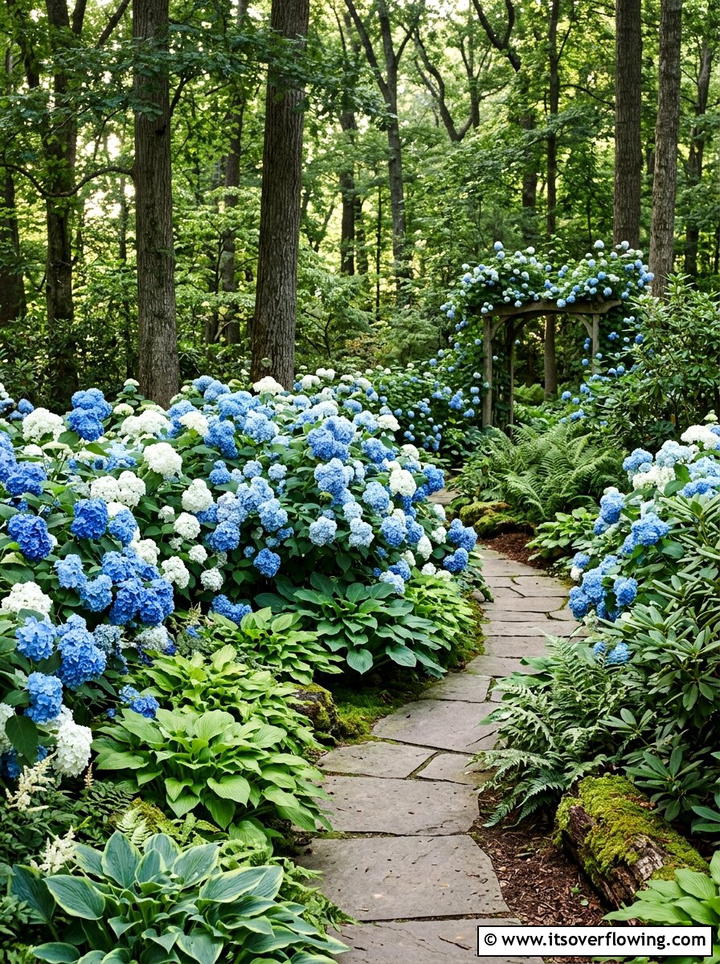
Big, bold mophead blooms can create a stunning visual impact that is hard to match with any other type of shrub. Hydrangeas are perfect for front yards with partial shade, offering massive flower clusters in shades of blue, pink, white, or deep purple. Planting them in large groups creates a soft, cloud-like effect that feels incredibly lush and luxurious. You can pair them with hostas or ferns to fill in the lower gaps and create a full, woodland-inspired look. Because they have such large leaves, they provide excellent coverage and can even act as a low privacy screen during the summer months. Their dried flower heads also add interest to the garden during the cold winter season.
10. Pollinator Garden Bed
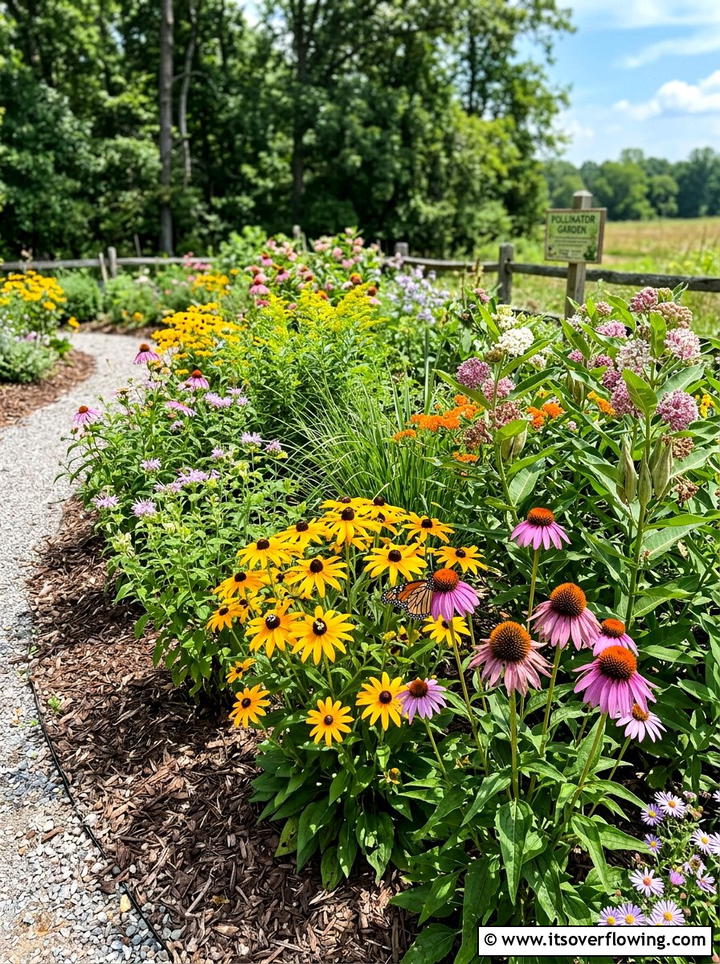
Creating a sanctuary for bees, butterflies, and birds is a rewarding way to give back to nature while enjoying a colorful yard. A pollinator-focused garden includes a variety of nectar-rich flowers like coneflowers, black-eyed Susans, and milkweed arranged in sunny patches. Including plants that bloom at different times ensures that there is always a food source available for your flying visitors. You might also include a small water feature or a shallow stone basin to provide hydration for the insects. This type of garden is often very dynamic and full of movement, making it a joy to observe from your front porch. It is a purposeful design that supports biodiversity while looking absolutely beautiful and wild.
11. Tropical Front Yard Plants
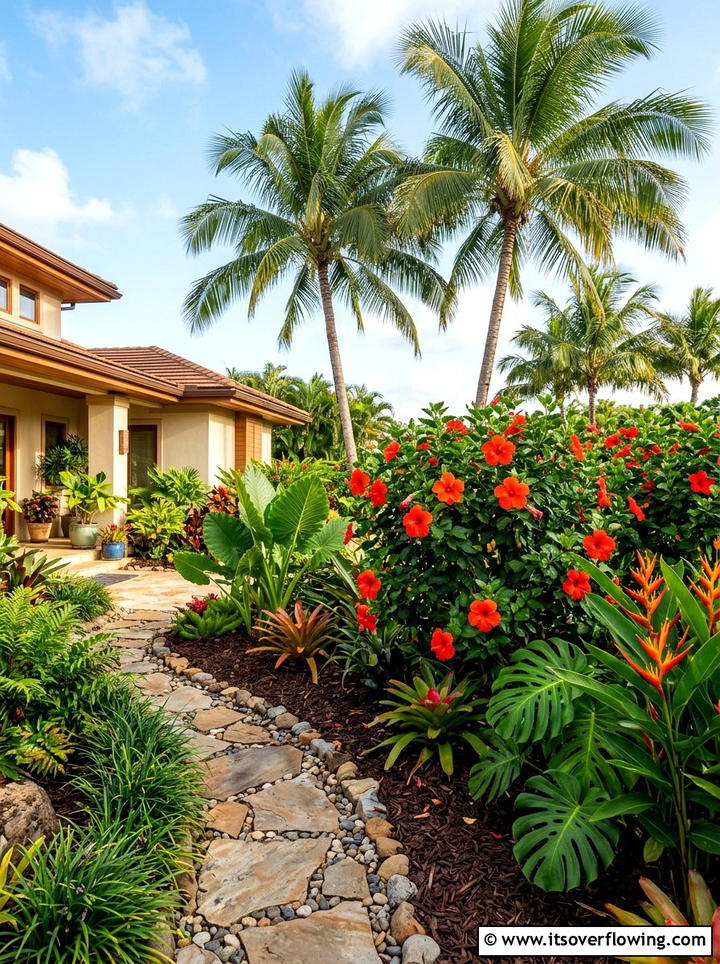
Can you turn your suburban home into a vacation-like retreat by using oversized leaves and vibrant, exotic flower colors? In warmer climates, using palms, canna lilies, and hibiscus can create a lush, tropical atmosphere that feels incredibly private and secluded. The key is to use varied heights and dense planting to mimic the feel of a natural jungle canopy. Bold textures from plants like elephant ears provide a dramatic backdrop for bright orange or red blossoms. Adding a layer of dark wood mulch helps retain moisture and completes the look of a rich, tropical forest floor. This style is perfect for creating a bold statement that stands out from more traditional, local neighborhood landscaping.
12. Raised Garden Bed
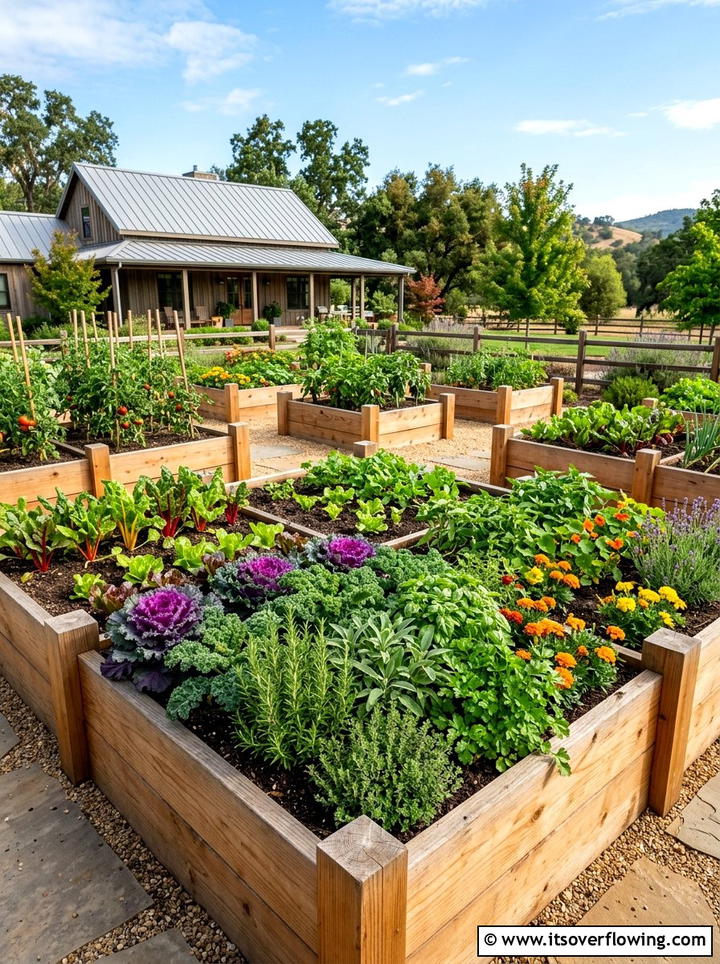
Building elevated wooden or stone containers is an excellent way to add architectural interest and improve soil drainage in your yard. Raised beds allow you to control the soil quality perfectly, which is ideal if your natural ground is heavy clay or very rocky. You can fill these beds with a mix of decorative kale, colorful chard, and edible flowers for a functional yet beautiful kitchen garden. The structured edges of the beds provide a clean, organized look that contrasts well with the soft, flowing plants inside. This design also makes gardening much easier on your back since you do not have to bend down as far. It is a very practical and stylish solution.
13. Lavender Garden Edge
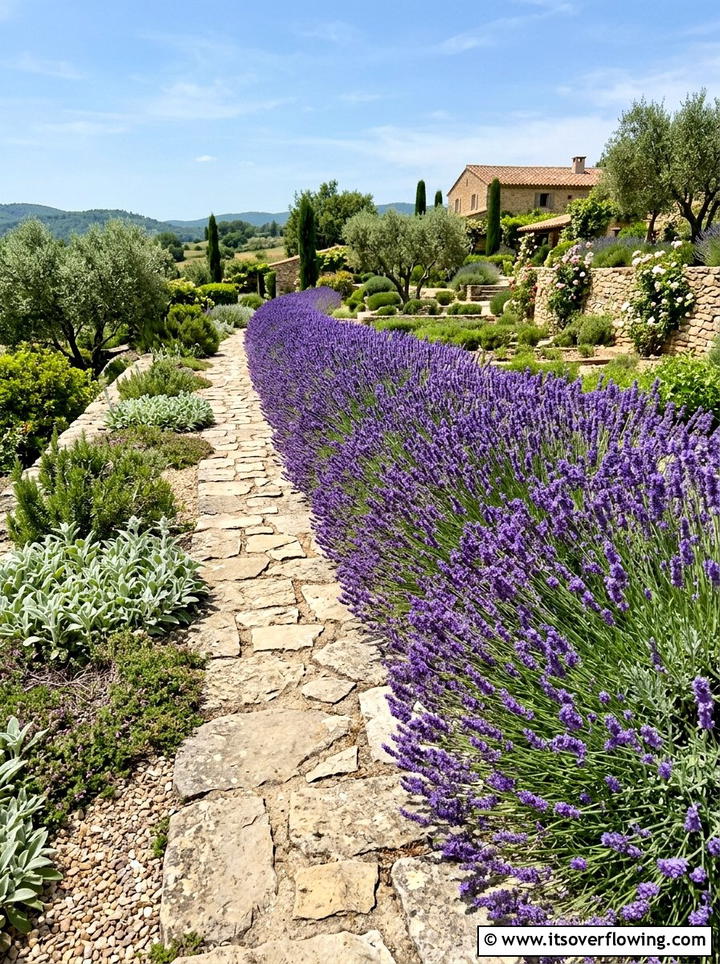
Imagine the relaxing scent of fresh lavender wafting through your windows every time a light breeze blows across your front yard. Planting a long row of lavender along a path or garden border creates a soft, purple-hued edge that looks and smells incredible. This hardy Mediterranean herb thrives in sunny spots with well-draining soil and requires very little water once it is established. The silvery-green foliage provides year-round interest even when the vibrant purple spikes are not in full bloom. You can pair it with white roses or ornamental grasses for a sophisticated and breezy coastal look. It is a simple way to add a touch of sensory luxury to your home entrance.
14. Evergreen Front Yard
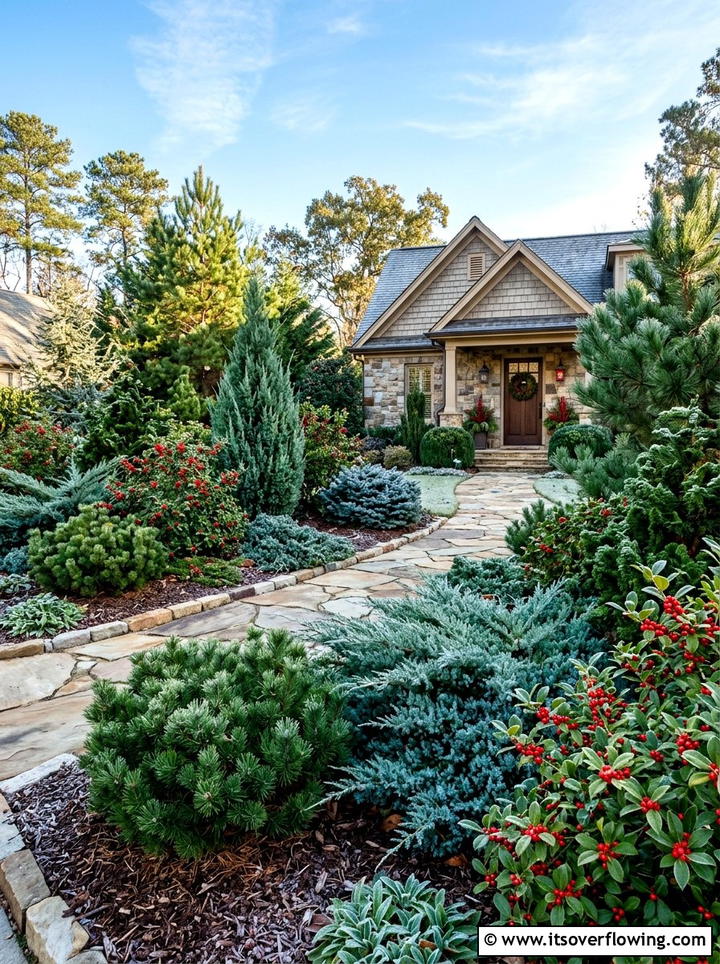
Maintaining a green and vibrant landscape during the dead of winter is easily achieved by focusing on diverse evergreen species. Instead of a yard that looks brown and skeletal for half the year, you can use junipers, hollies, and dwarf pines. These plants provide consistent color and structure that anchors the entire garden design through every temperature change. You can mix different shades of green, from bright lime to deep forest blue, to create visual depth without needing flowers. Adding some berrying shrubs like winterberry provides a pop of red color that attracts birds during the colder months. This is the ultimate choice for a front yard that looks intentionally designed and healthy every day.
15. Succulent Garden Layout
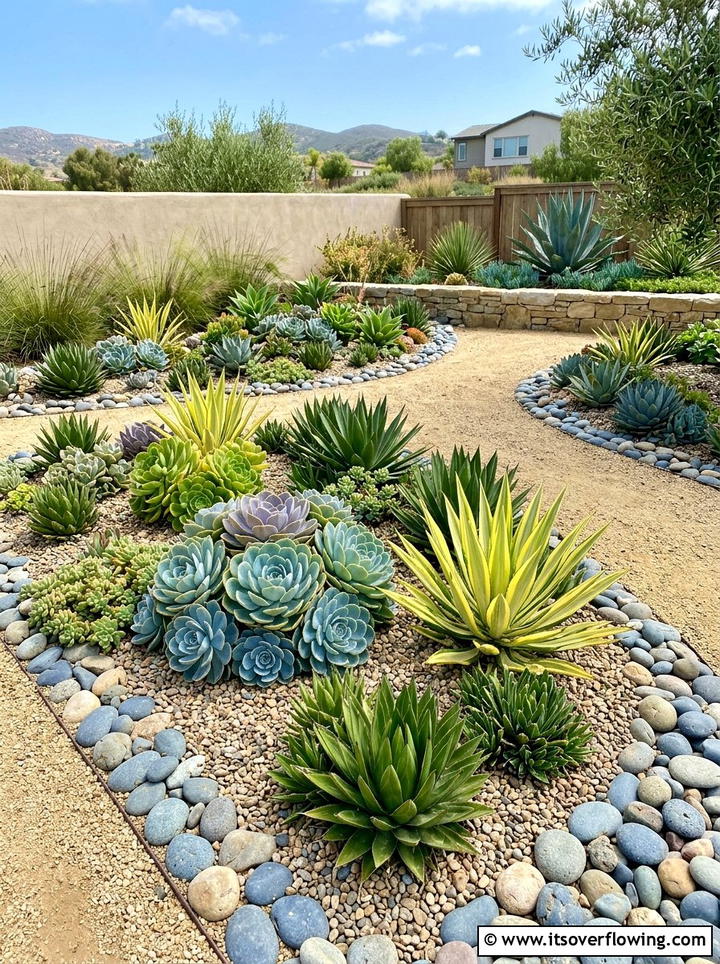
If you live in a dry climate, a succulent garden offers an incredibly low-maintenance way to achieve a sculptural and artistic look. These plants come in a fascinating array of shapes, from rosettes to tall columns, and often feature unique colors like blue-grey, copper, or variegated yellow. Arranging them among different sizes of gravel and smooth river rocks creates a clean, desert-inspired aesthetic that feels very modern. Because they store water in their leaves, they can survive long periods of heat without drooping or dying. This style works well in small patches or as a large-scale replacement for a traditional lawn. It is a resilient and visually striking option for sustainable home landscaping.
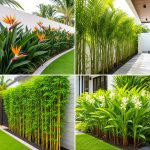
16. White Flower Garden
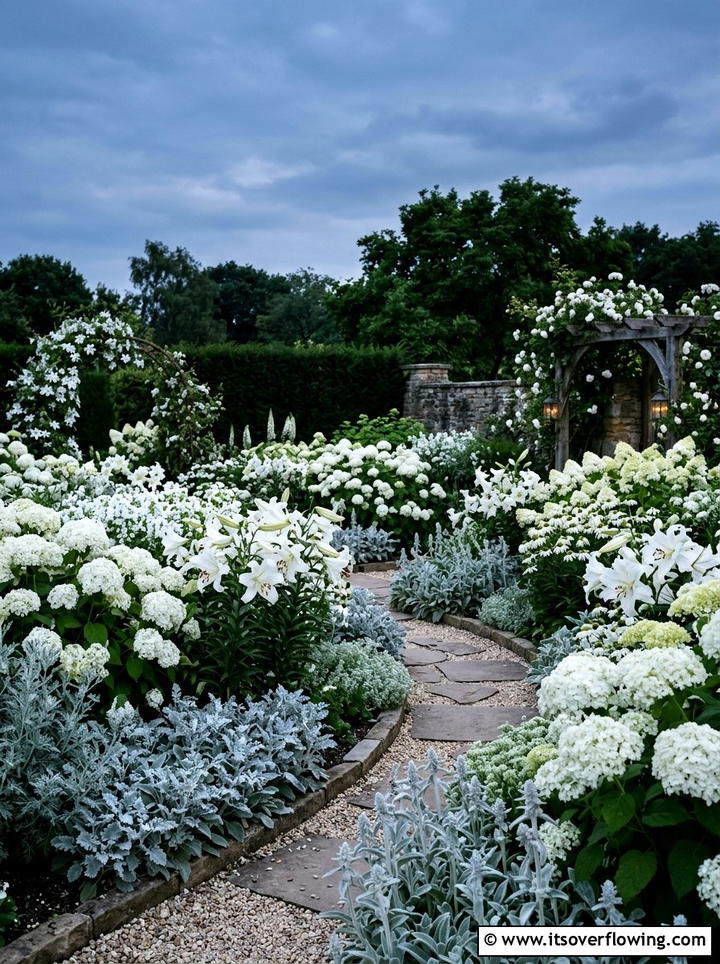
A “moon garden” filled with white blossoms and silver foliage creates a luminous and serene atmosphere that glows beautifully at dusk. White hydrangeas, lilies, and sweet alyssum reflect the moonlight, making your front yard look magical even after the sun has gone down. This monochromatic approach feels very elegant and sophisticated, providing a sense of calm and order to your home’s exterior. Using plants with variegated leaves, such as hostas with white edges, adds extra detail and prevents the design from looking flat. This layout is especially effective against dark-colored houses where the bright flowers can really stand out. It is a timeless design choice that never goes out of style.
17. Japanese Maple Garden
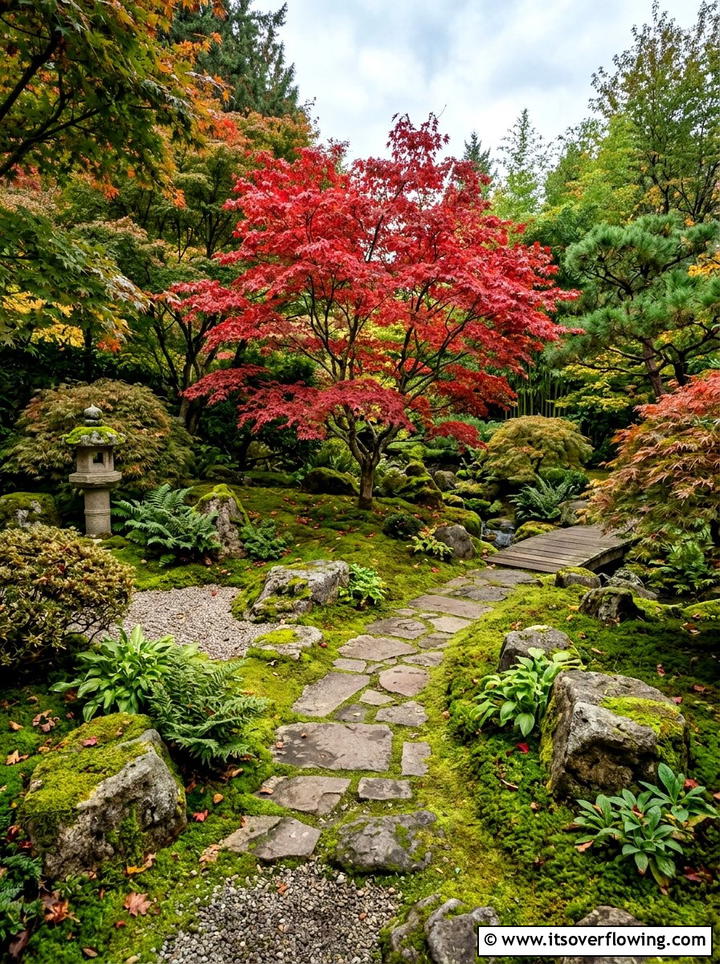
A single, well-placed Japanese maple tree can serve as a stunning focal point that defines the entire character of your yard. These trees are prized for their delicate, lace-like leaves and spectacular color changes from bright green in spring to fiery red in autumn. Surround the base of the tree with low-growing moss, ferns, or shade-loving perennials to create a peaceful, zen-like environment. The graceful, sculptural branch structure of the tree also provides visual interest during the winter when the leaves have fallen. This design works perfectly in smaller yards where you want a high-impact tree that does not overwhelm the house. It brings a sense of refined artistry to any outdoor space.
18. Perennial Flower Bed
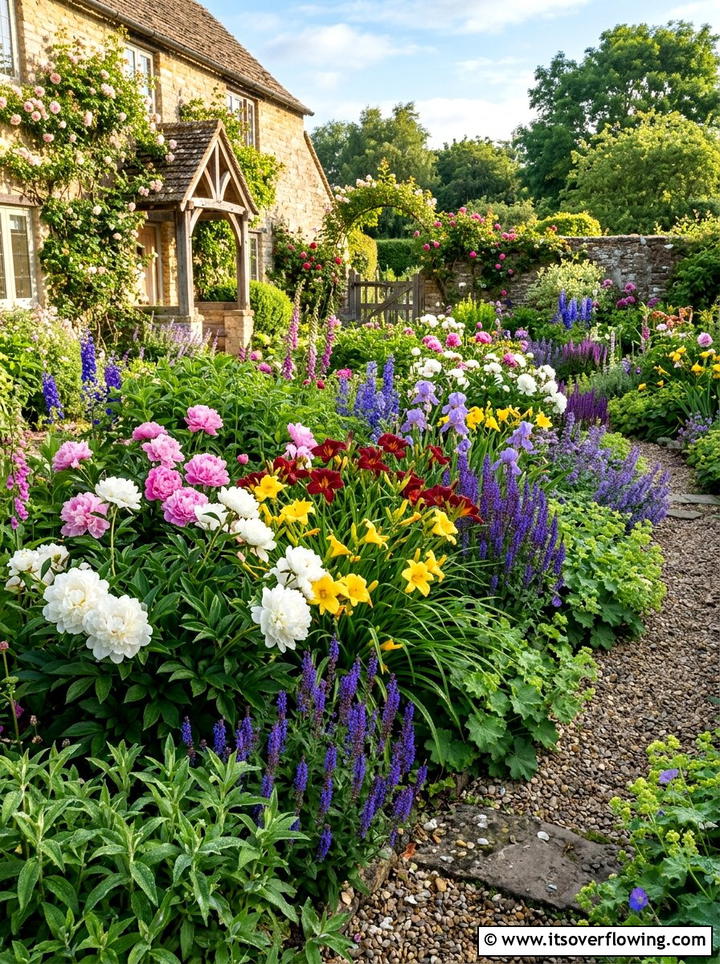
Investing in plants that come back year after year is a smart way to build a garden that gets better with age. A perennial bed can include a mix of peonies, daylilies, and coneflowers that provide a rotating display of color throughout the spring and summer. By choosing a variety of species, you can ensure that something is always in bloom while other plants are growing their foliage. Over time, these plants will grow larger and can often be divided to fill in other areas of your garden for free. This creates a full, established look that feels deeply rooted and permanent. It is a cost-effective and rewarding way to landscape your front yard permanently.
19. Ornamental Grass Landscape
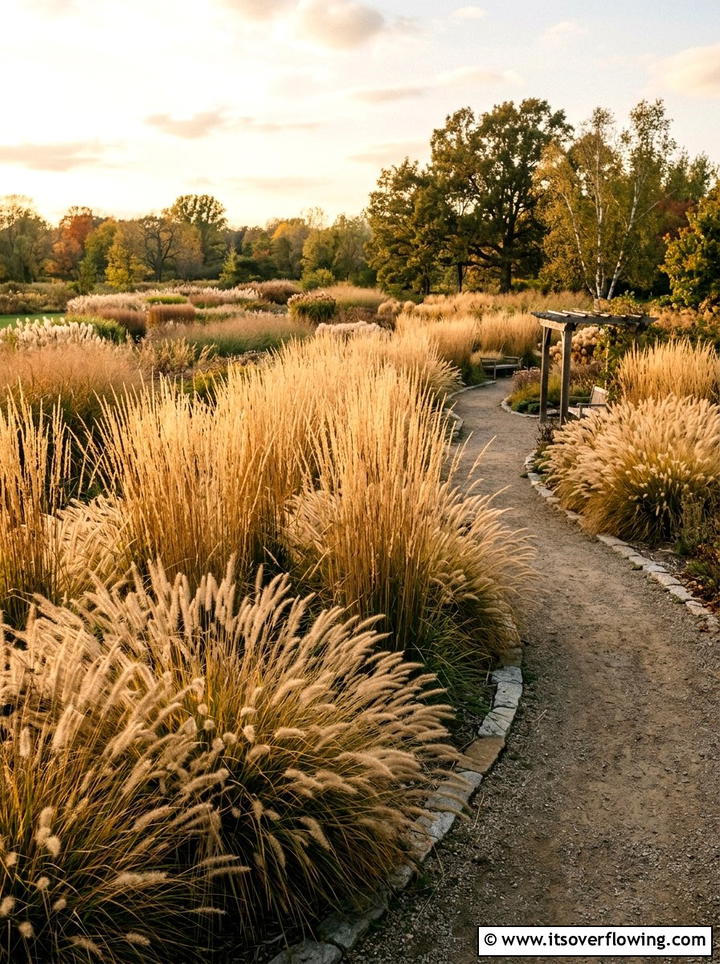
Do you want a garden that features constant movement and a soothing sound whenever the wind blows through the tall blades? Ornamental grasses like feather reed grass, fescue, and fountain grass add a unique architectural element and soft texture to any landscape. They are incredibly hardy, drought-tolerant, and look beautiful from late summer through the entire winter season. You can plant them in large drifts for a dramatic, meadow-like effect or use them as individual accents among flowering perennials. Their tan and golden colors in the fall provide a warm contrast to the green of the lawn. These grasses are perfect for adding height and privacy without the density of a solid hedge.
20. Wildflower Meadow Front Yard
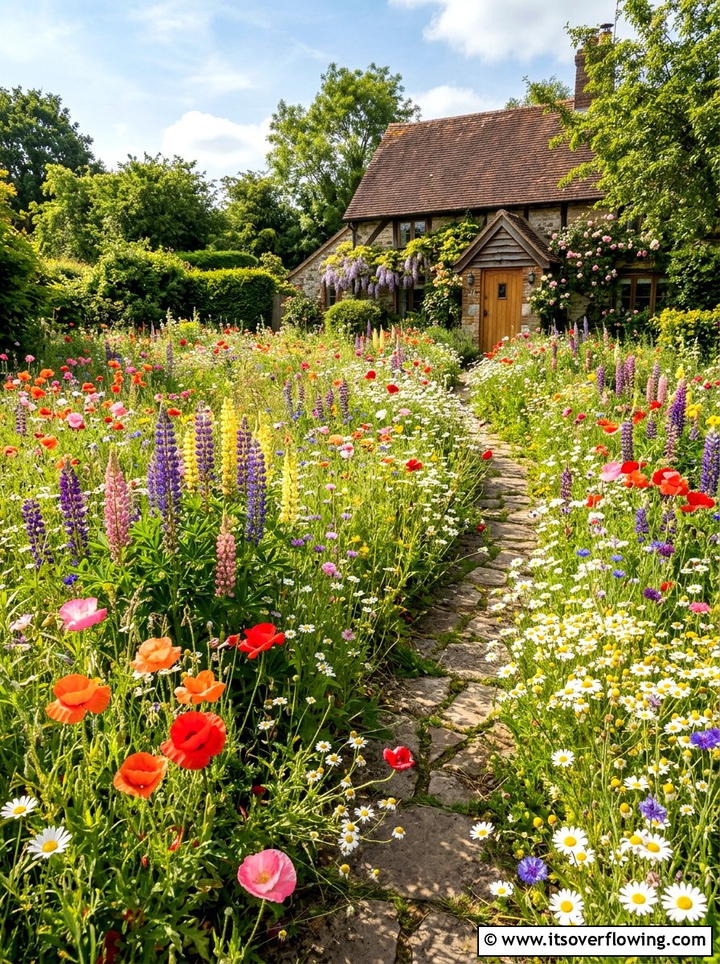
Replacing a traditional, high-maintenance grass lawn with a vibrant wildflower meadow is a bold and ecologically friendly design choice. This approach involves sowing a diverse mix of native flower seeds that create a colorful, shifting tapestry of blooms throughout the season. It requires significantly less water and mowing than a standard lawn, making it an excellent option for large, open front yards. The informal look provides a relaxed, naturalistic vibe that feels very connected to the local environment and its wildlife. Walking through a path cut into a tall meadow feels like a miniature adventure every time you head to your front door. It is a celebration of nature’s untamed and diverse beauty.
21. Gravel Garden Path
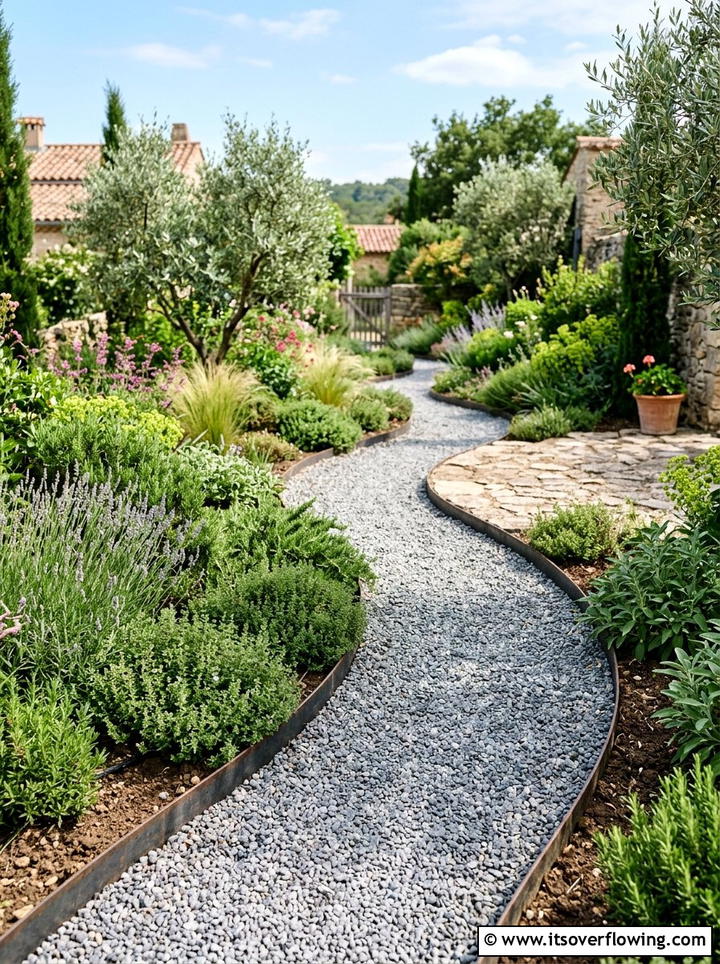
Using crushed stone or pea gravel is a practical and stylish way to define walking areas and reduce the amount of mulch you need. A gravel path provides a satisfying crunch underfoot and allows rainwater to soak directly into the ground rather than running off into the street. You can edge the path with larger stones or metal strips to keep the gravel contained and create a very tidy appearance. Planting low-growing herbs like creeping rosemary or thyme along the edges softens the look and adds a pleasant fragrance. This style is often found in Mediterranean or modern landscapes because of its clean, earthy aesthetic. It is a very durable and low-cost landscaping solution.
22. Shade Garden Layout
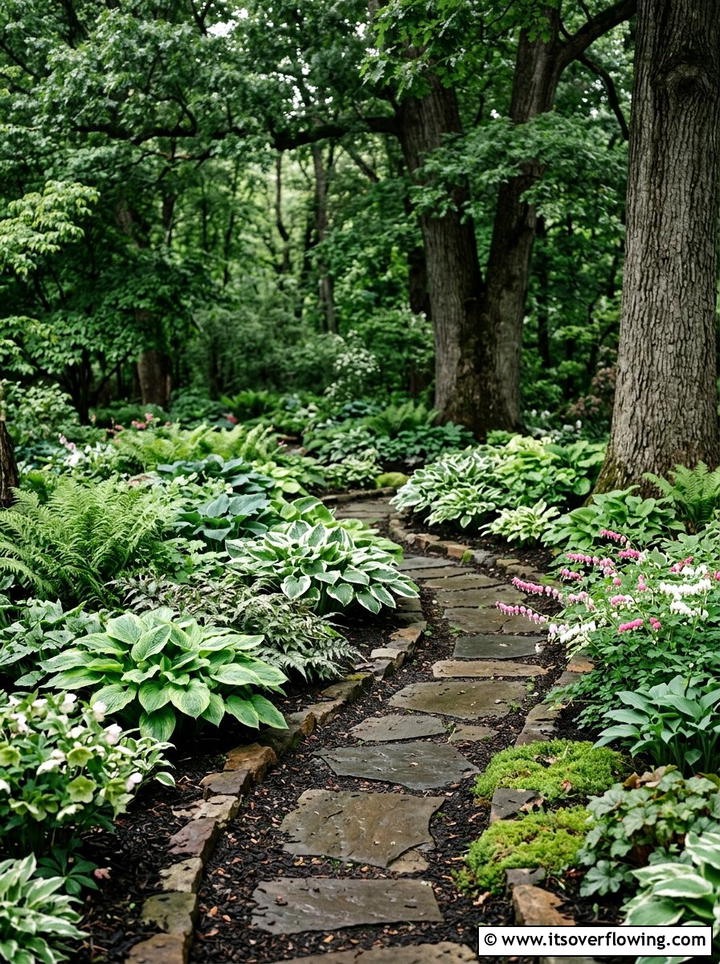
Do you have large trees that cast deep shadows across your front yard, making it difficult to grow a traditional grass lawn? A shade garden turns these dark areas into a lush, cool retreat filled with interesting textures and varying shades of deep green. Hostas, ferns, and bleeding hearts are perfect choices for these low-light conditions, offering beautiful foliage that thrives without direct sun. You can use light-colored mulch or light-toned stones to brighten up the space and make it feel more inviting. Adding a small stone bench provides a perfect place to sit and enjoy the quiet, calm atmosphere of your shaded sanctuary. It transforms a difficult spot into a beautiful garden feature.
23. Window Box Garden
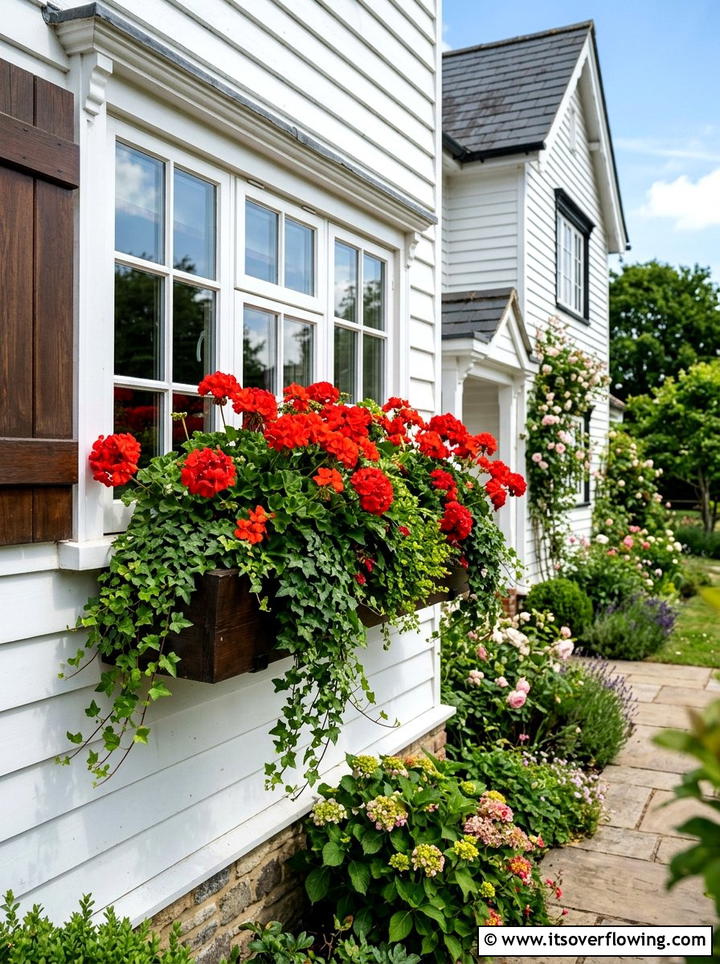
If you have a very limited ground area, you can bring the garden up to eye level by installing beautiful window boxes. These containers allow you to add a massive amount of color and charm directly to the architecture of your home. You can mix trailing vines like ivy with upright flowers like geraniums or petunias for a full, overflowing look that catches the eye. Changing the plants seasonally allows you to keep the look fresh, perhaps using pansies in the spring and kale in the autumn. This design draws the eye upward and makes your house feel more integrated with the surrounding landscape. It is a classic way to boost your home’s immediate curb appeal.
24. Stone Retaining Wall Garden
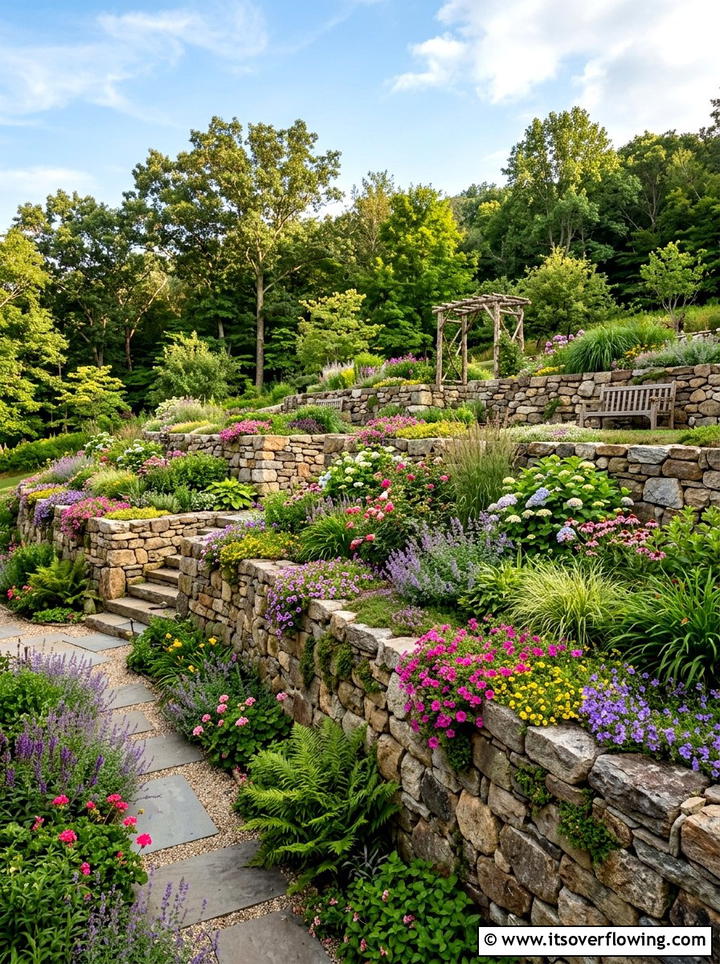
Sloped yards can be challenging to landscape, but a stone retaining wall allows you to create beautiful, level terraces for planting. These walls add a sense of permanent structure and can be built from natural fieldstone or modern concrete blocks to match your home’s style. Each level of the terrace can be filled with different types of plants, creating a cascading waterfall effect of greenery and flowers. Creeping plants can be encouraged to spill over the edges of the stones, softening the hard lines and making the wall look like part of the natural landscape. This design effectively manages water runoff while providing multiple distinct areas for a variety of different plant species.
25. Privacy Hedge Landscaping
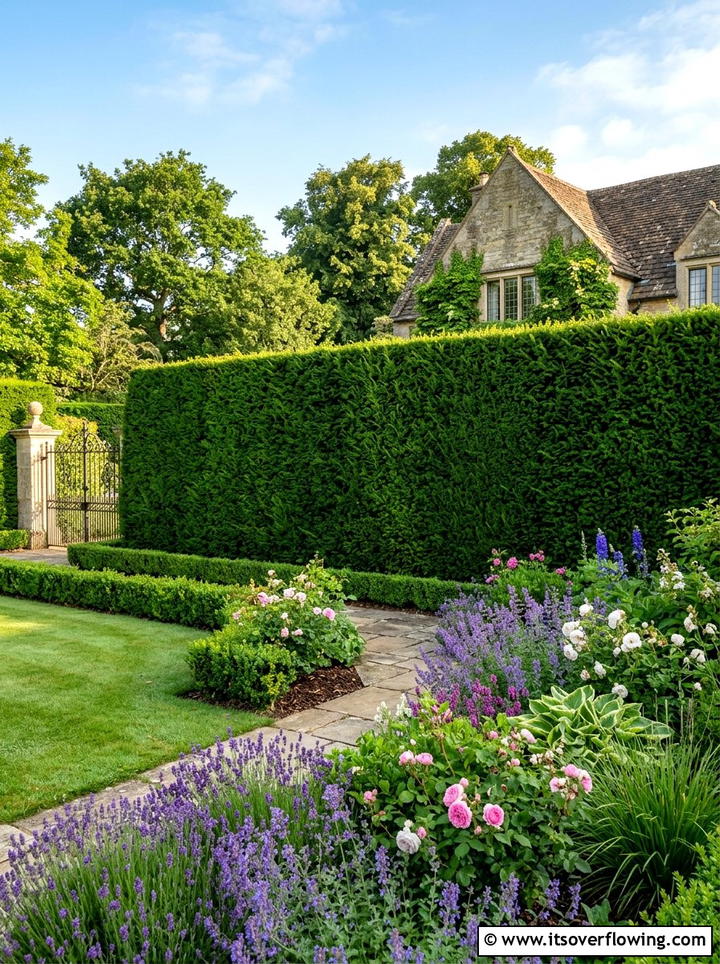
Creating a living screen is a beautiful way to make your front yard feel more like a private courtyard and less like a public space. Instead of a cold wooden fence, you can use tall, dense evergreens like arborvitae or laurel to block the view from the street and muffle neighborhood noise. A well-maintained hedge provides a solid green backdrop that makes the colors of your other garden plants really stand out. You can also mix different heights and types of shrubs to create a more natural, layered look that feels less like a wall and more like a forest edge. It provides a sense of security and seclusion while enhancing the overall beauty of your property.
Conclusion:
Designing a garden for your front yard is a rewarding project that combines artistic expression with practical home improvement. By carefully selecting plants and layouts that suit your local climate and personal aesthetic, you create a space that offers beauty and value for years to come. Whether you choose a low-maintenance modern look or a lush, flower-filled cottage garden, the key is to create a harmonious balance between the architecture of your home and the natural world. Each of these ideas offers a unique way to welcome guests and enjoy the outdoors right from your front doorstep. Take the time to plan your layout, and you will be rewarded with a stunning landscape that truly makes your house feel like a home.
Related posts:
 25 garden ideas with mulch: Easy Ways to Boost Curb Appeal
 25 Creative Garden Ideas to Transform Any Outdoor Space Fast
 25 small garden ideas with trellis to Maximize Beauty Fast
 25 unique garden ideas to Transform Any Outdoor Space Fast
 25 Garden Design Ideas for Front Gardens With Curb Appeal
 25 Small Garden Ideas for Front Yard Curb Appeal
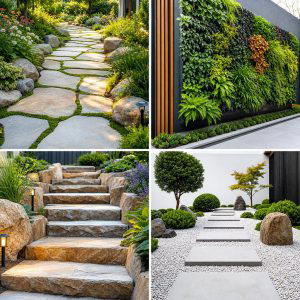 25 Creative Garden Ideas With High Impact Curb Appeal
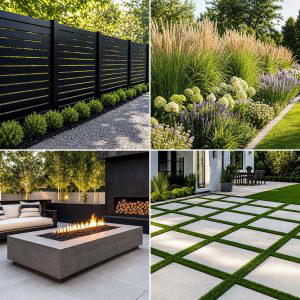 25 creative garden ideas with modern landscape lines for Curb Appeal
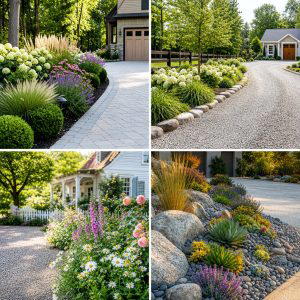 25 garden design ideas for driveways for Beautiful Curb Appeal
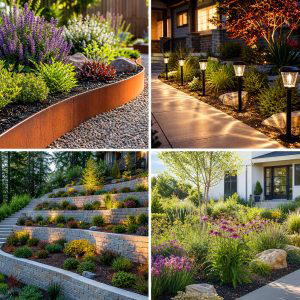 25 Garden Ideas for Curb Appeal to Transform Your Home
 25 Garden Ideas for Suburban Homes With Curb Appeal
 25 Creative Garden Ideas for Side Yards