
Choosing the right ground cover can completely transform your outdoor space into a lush sanctuary that feels both organized and professionally maintained. Mulch is far more than just a finishing touch for your flower beds; it is a vital component of healthy soil and a key element in visual landscape design. By selecting the perfect texture and color, you can highlight your favorite plants, define walking paths, and create a cohesive look that ties your entire property together. Whether you are aiming for a sleek modern aesthetic or a cozy cottage feel, understanding how different materials interact with your environment is the first step toward a stunning, Pinterest-worthy garden.
1. Black Bark Mulch
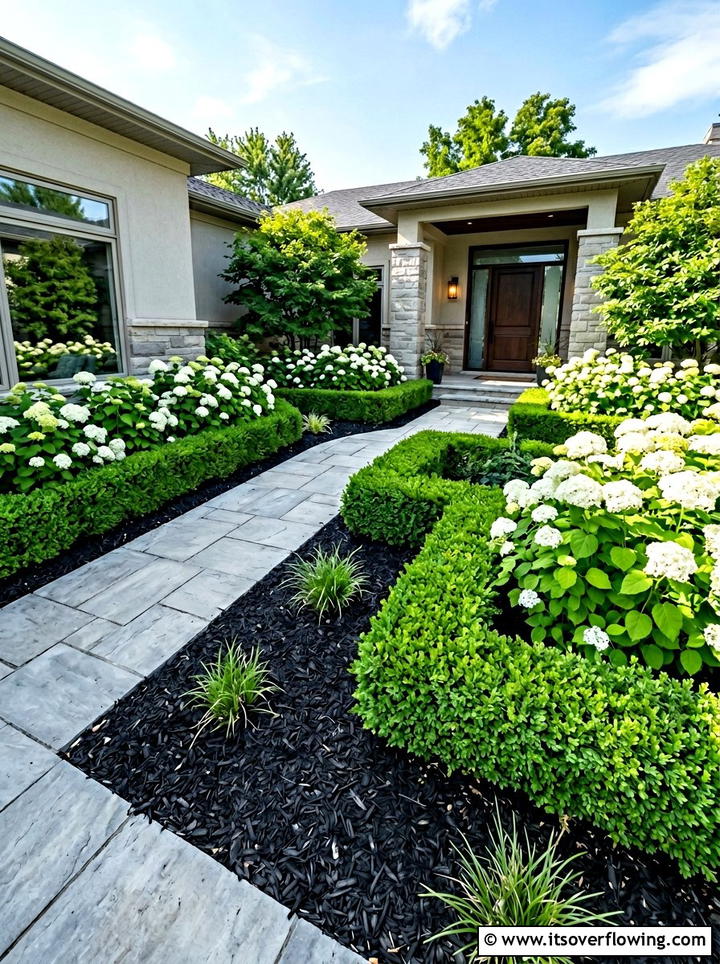
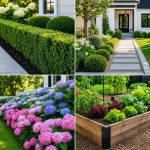
Adding black bark mulch to your garden transforms the entire landscape into a modern masterpiece with striking visual contrast. This dark ground cover makes the vibrant greens of your boxwoods and the bright petals of white hydrangeas pop like never before. Beyond its undeniable aesthetic appeal, black mulch is incredibly functional for moisture retention and temperature regulation in the soil. It creates a clean, sophisticated backdrop that works perfectly with minimalist or contemporary home exteriors. When you apply a thick layer around your perennials, you reduce the time spent weeding while significantly boosting your curb appeal. It is a fantastic choice for homeowners who want a high-end look that remains practical and easy.
2. Red Wood Chip
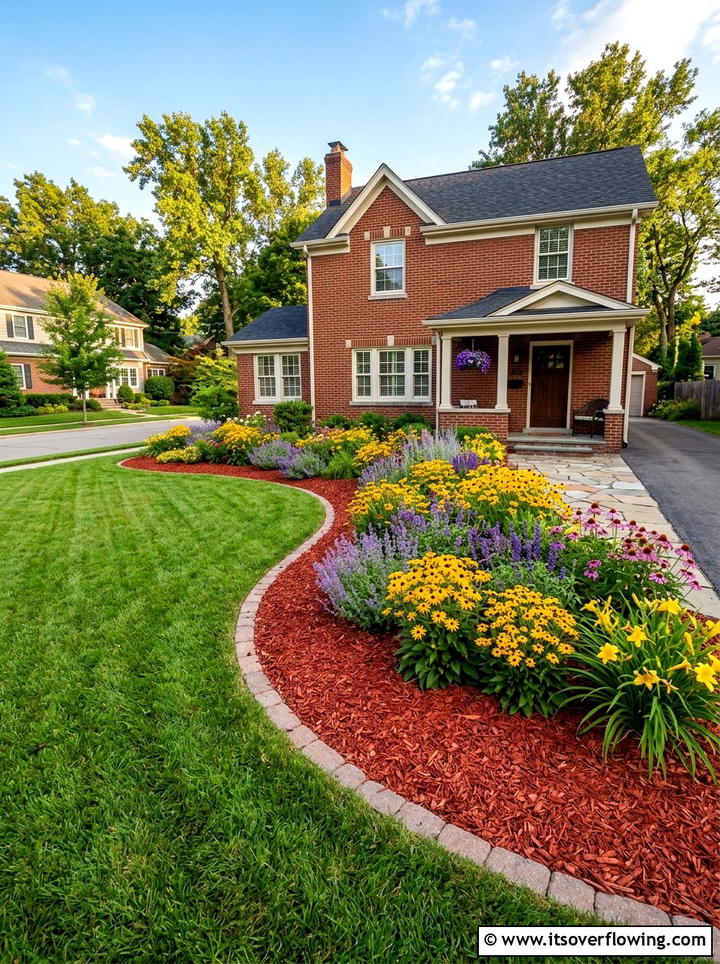
Red wood chips provide a warm and inviting atmosphere that complements traditional brick homes and rustic cottage gardens beautifully. This vibrant mulch variety adds an instant splash of color to your landscape, making even the simplest flower beds look intentional and professionally designed. It works exceptionally well in large open areas where you want to define specific zones or create a clear visual separation between the lawn and planting areas. The bold hue of red mulch pairs wonderfully with deep green shrubs and yellow-flowered perennials, creating a classic palette. Since wood chips break down slowly, this design choice offers longevity, ensuring your outdoor space looks fresh and well-kept for a much longer period.
3. Pine Needle Mulch
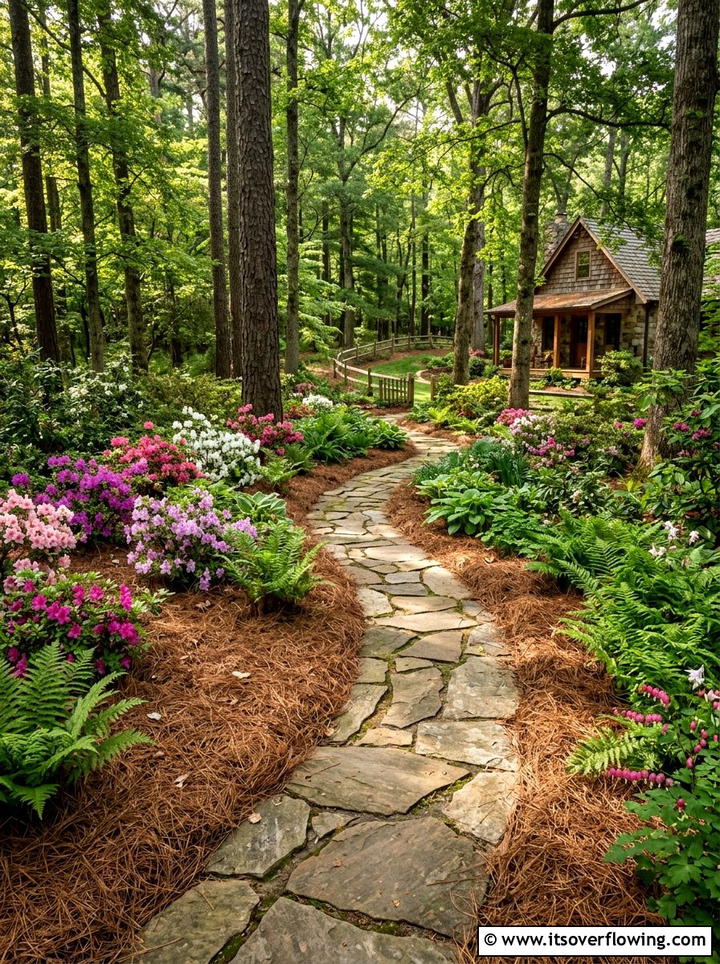
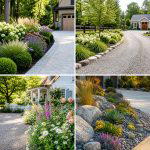
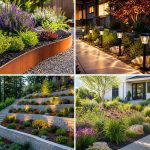
Have you considered using pine needles, also known as pine straw, to create a natural and soft forest floor aesthetic in your backyard? This lightweight material is excellent for acid-loving plants like azaleas and rhododendrons, as it subtly lowers the soil pH over time. The interlocking needles stay in place even on sloped surfaces, making them a practical solution for hilly landscapes where heavier mulch might wash away. Pine needles offer a beautiful coppery-orange tint that softens the look of stone paths and wooden fencing. It is an environmentally friendly option that provides a delicate texture, allowing your garden to feel like a tranquil woodland retreat while protecting delicate root systems from harsh weather.
4. Cedar Bark Mulch
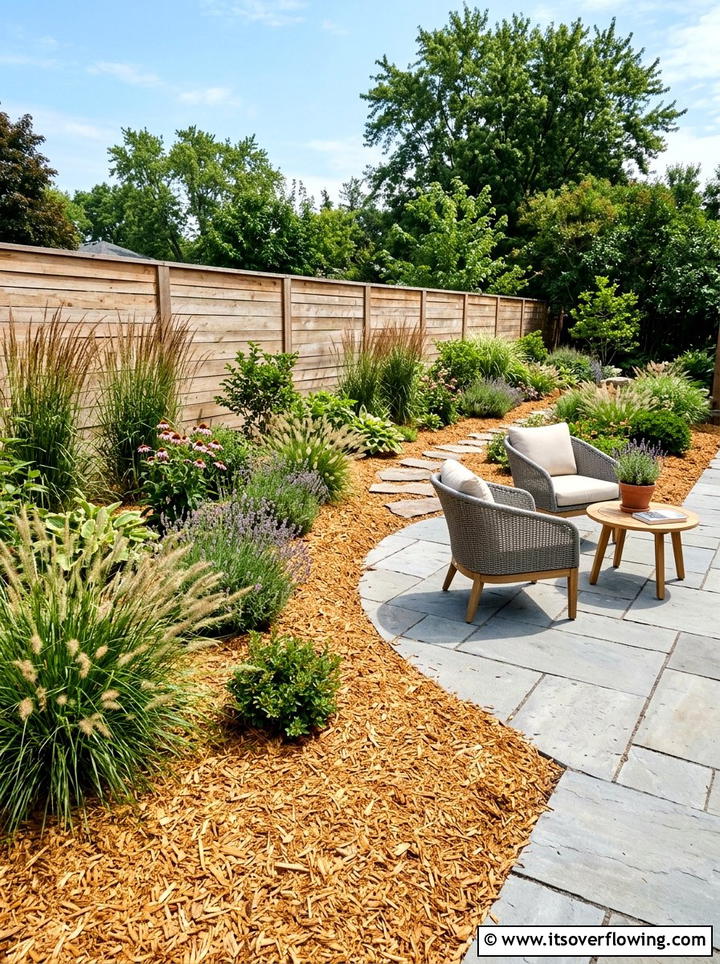
Cedar bark mulch is highly prized by gardeners not only for its beautiful golden-brown color but also for its natural insect-repelling properties. This aromatic material creates a clean and polished look around your home’s foundation and flower beds while discouraging pests like termites and ants. The fibrous texture of shredded cedar allows it to mat together, which helps prevent soil erosion during heavy rains. It provides a lovely, natural fragrance that enhances the sensory experience of walking through your garden. Because it decomposes slowly, cedar mulch is a cost-effective solution that maintains its structure and color for a long time, making it a favorite for low-maintenance landscaping projects.
5. Rubber Mulch Pathway
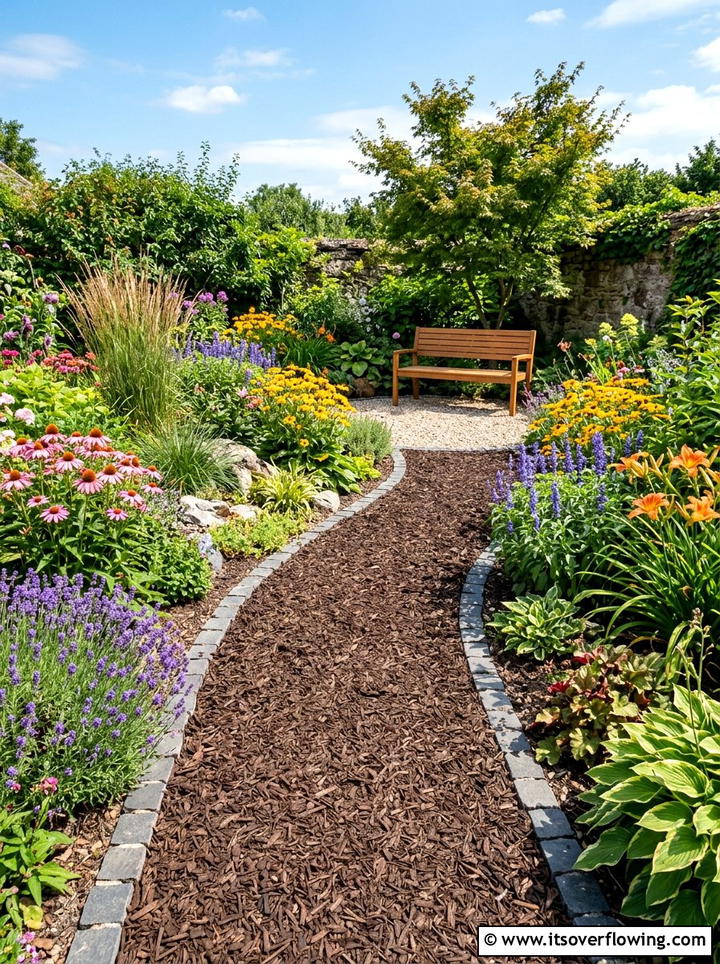
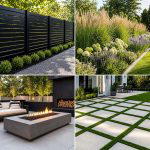
Creating a durable and modern walkway using rubber mulch is an innovative way to add comfort and longevity to your garden design. This recycled material is perfect for high-traffic areas because it does not decompose, blow away, or attract wood-eating insects. It provides a soft, cushioned surface that is ideal for garden paths or play areas, ensuring safety and comfort underfoot. Available in various colors like terracotta or dark oak, rubber mulch allows you to maintain a consistent look year-round without the need for annual refreshing. It drains water quickly, preventing puddles from forming on your paths and keeping your garden accessible even after a heavy summer rain shower.
6. Hardwood Mulch Border
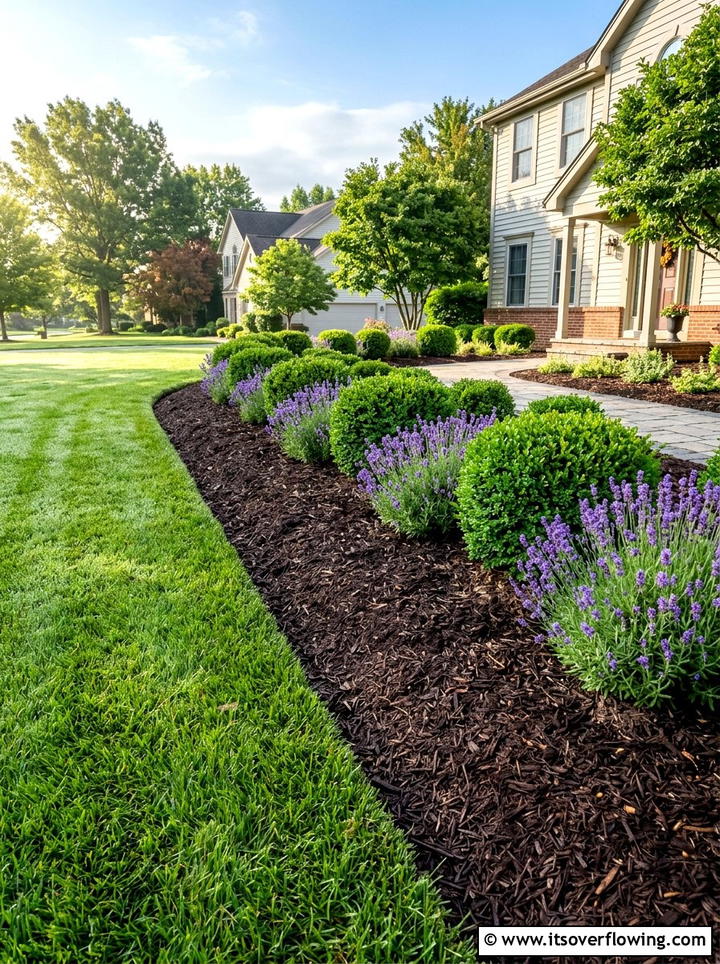
A classic hardwood mulch border is the gold standard for creating a tidy and organized look in traditional suburban gardens. This material is typically made from processed bark and wood, providing a rich, dark brown color that looks natural and earthy. It is excellent at suppressing weeds and retaining soil moisture, which helps your ornamental grasses and perennials thrive during the heat of summer. By creating a crisp edge between your mulch and the lawn, you define the architecture of your garden beds. The heavy nature of hardwood mulch ensures it stays put, making it a reliable choice for flat areas where you want a dense, protective layer of organic matter.
7. Pine Nugget Mulch
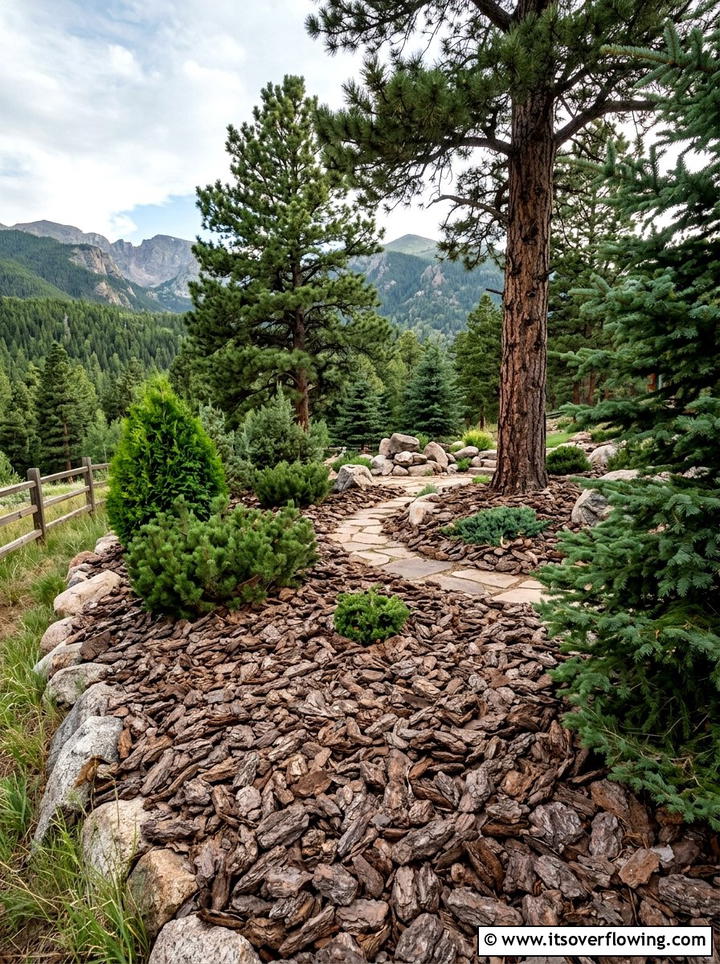
If you prefer a bold and chunky texture, pine nugget mulch offers a unique architectural quality that adds depth to your planting beds. These larger pieces of bark decompose very slowly, meaning you won’t have to top them off as frequently as shredded varieties. The deep reddish-brown tones of pine nuggets provide a beautiful contrast against light-colored stone or concrete edging. They are particularly effective in large garden beds with mature trees and shrubs, where the scale of the mulch matches the size of the plants. This type of mulch allows for excellent airflow to the soil while still providing the insulation benefits needed to keep your plant roots healthy.
8. Pea Gravel and Mulch
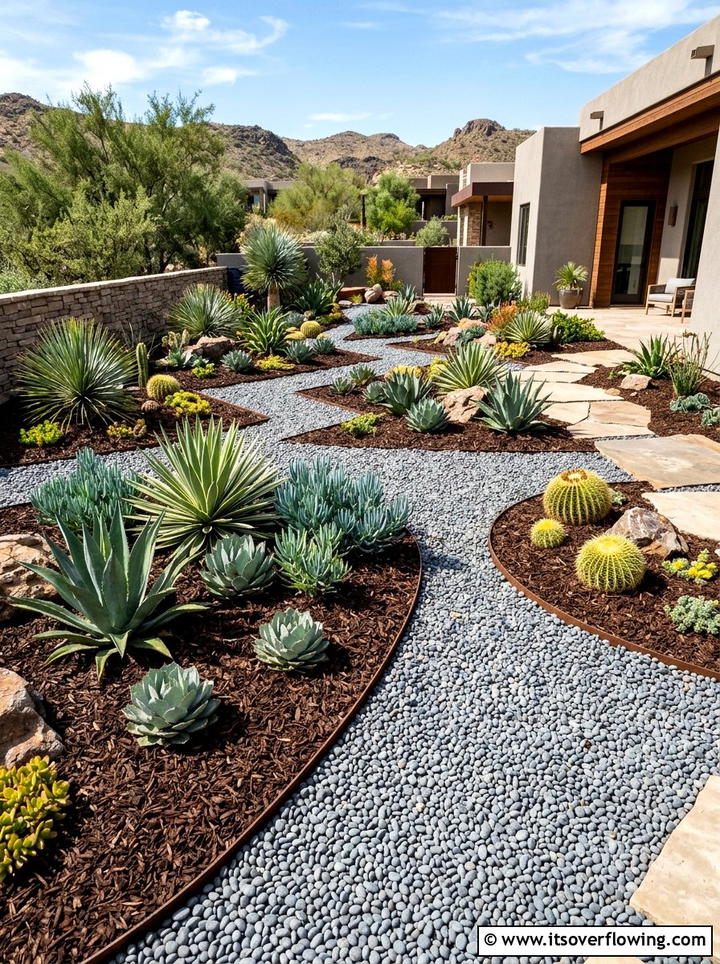
Combining pea gravel with organic mulch creates a sophisticated multi-textured landscape that feels both modern and Mediterranean. You can use smooth river stones to define the perimeter of a garden bed while filling the center with dark wood mulch to nourish your plants. This design technique adds visual interest through the contrast between the hard, cool stones and the soft, warm wood fibers. It also serves a functional purpose by improving drainage around the base of your house while keeping the planting areas hydrated. This mixed-material approach is perfect for drought-tolerant gardens, as it minimizes water evaporation and creates a clean, structured appearance that looks great in any season.
9. Straw Mulch Bed
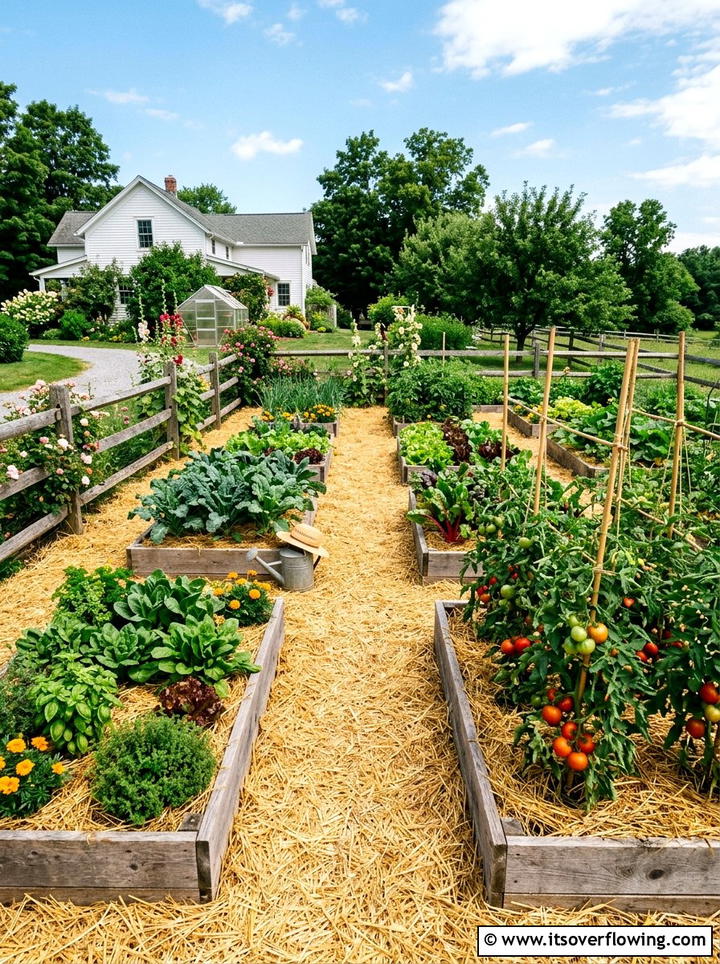
Straw mulch is a practical and charming choice for those who love the look of a productive kitchen garden or a sprawling vegetable patch. This golden material is excellent for keeping low-hanging fruit, like strawberries or cucumbers, off the dirt to prevent rot and disease. It reflects sunlight, which helps keep the soil cool during the peak of summer, ensuring your vegetables don’t become stressed by extreme heat. Beyond the garden, straw adds a rustic, farmhouse vibe to the landscape that feels cozy and lived-in. It is an affordable and biodegradable option that eventually enriches the soil with organic matter, making it a favorite for sustainable and eco-conscious home gardeners.
10. Cypress Mulch Garden
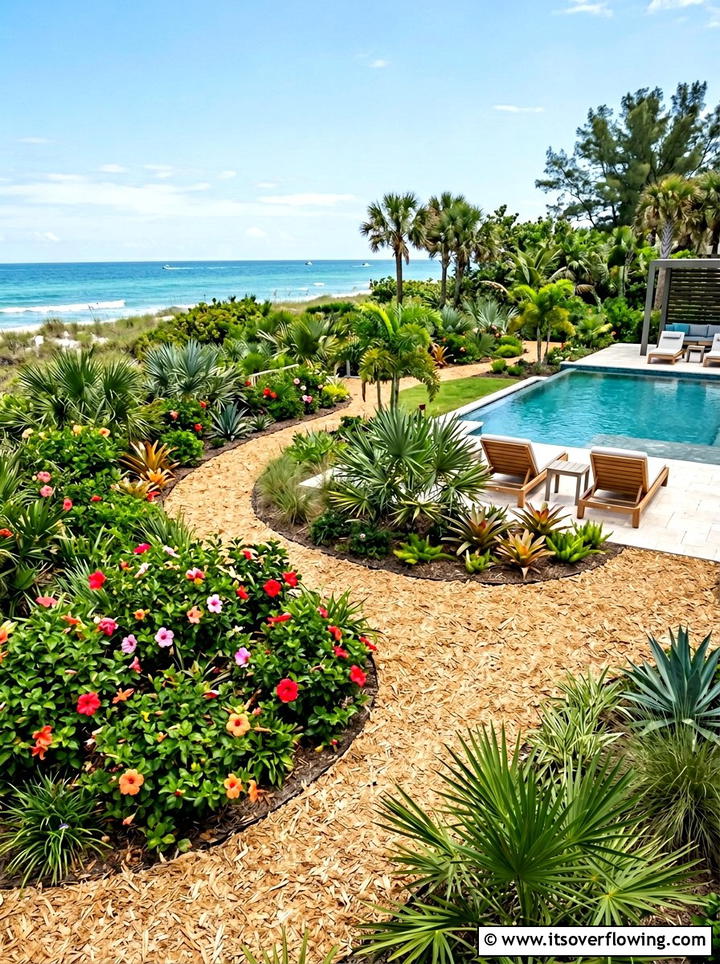
Cypress mulch is a premium choice for gardens located in humid or wet climates because of its natural resistance to decay and rot. The light blonde or tan color of cypress wood creates a bright and airy feel, making small garden spaces appear larger and more open. It is exceptionally good at staying in place during heavy downpours, which protects your soil from washing away in storm-prone areas. This mulch variety provides a clean, neutral backdrop that allows the colors of your flowers to take center stage. Because it is slow to break down, it offers long-lasting protection and beauty, ensuring your garden remains a peaceful and well-manicured retreat with minimal effort.
11. Brown Mulch Flowerbed
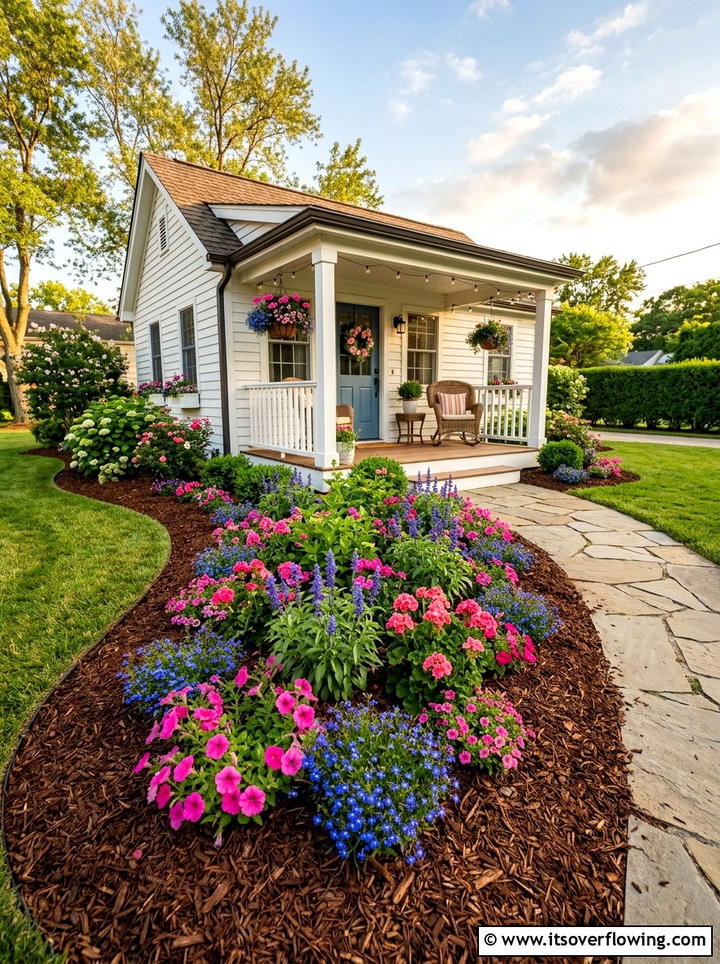
A chocolate brown mulch flowerbed offers a classic and timeless look that mimics the appearance of rich, healthy topsoil. This color is incredibly versatile, as it complements almost any house color and architectural style without being too distracting. It provides a neutral base that makes the bright greens of hostas and the multicolored leaves of coleus stand out vividly. Brown mulch is often dyed using natural carbon or iron oxide, ensuring it is safe for your plants while maintaining its deep color for an entire growing season. It creates a sense of warmth and coziness in the garden, making your outdoor living spaces feel more like an extension of your indoor home decor.
12. Leaf Mold Mulch
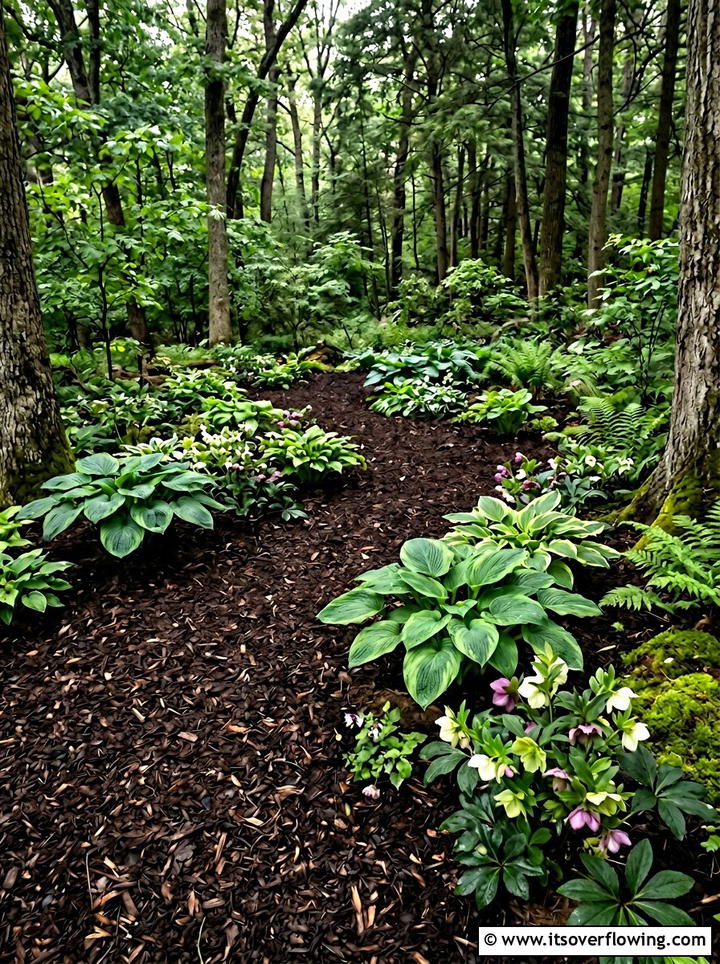
Utilizing leaf mold as a mulch layer is a brilliant way to recycle garden waste while creating a nutrient-dense environment for your plants. This dark, crumbly material is made from decomposed autumn leaves and acts like a natural forest floor, providing incredible moisture retention. It has a soft, earthy texture that looks wonderful in shade gardens or around woodland perennials like ferns and hellebores. Leaf mold is particularly beneficial for improving soil structure, as it encourages earthworm activity and adds essential minerals back into the earth. It gives your garden an established, organic feel that looks like it has been part of the natural landscape for decades, promoting a healthy ecosystem.
13. Wood Shaving Mulch
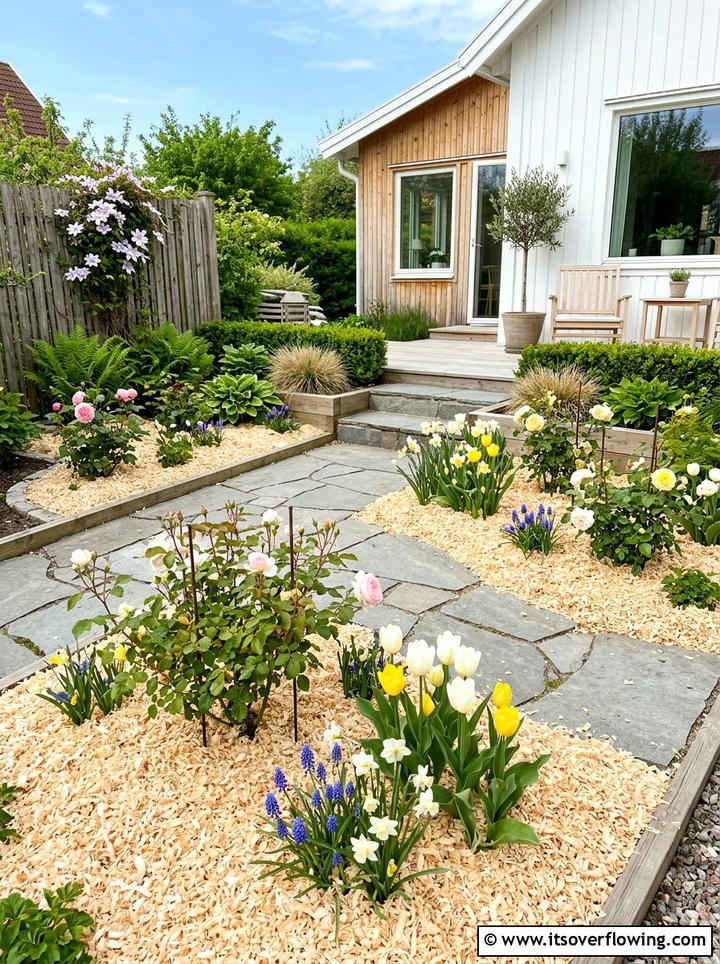
Wood shavings offer a fine and delicate texture that is perfect for protecting smaller plants and delicate seedlings in your flower beds. This mulch variety is often lighter in color, providing a bright and clean appearance that works well in modern or Scandinavian-style garden designs. Because the pieces are smaller, they provide excellent coverage, filling in every gap to prevent weed seeds from reaching the soil. Wood shavings are often used in rose gardens or around annual flowers where a heavy, chunky mulch might overwhelm the stems. This choice creates a soft and manicured look that highlights the intricate details of your floral arrangements while keeping the soil consistently moist and cool.
14. Dark Brown Wood Mulch
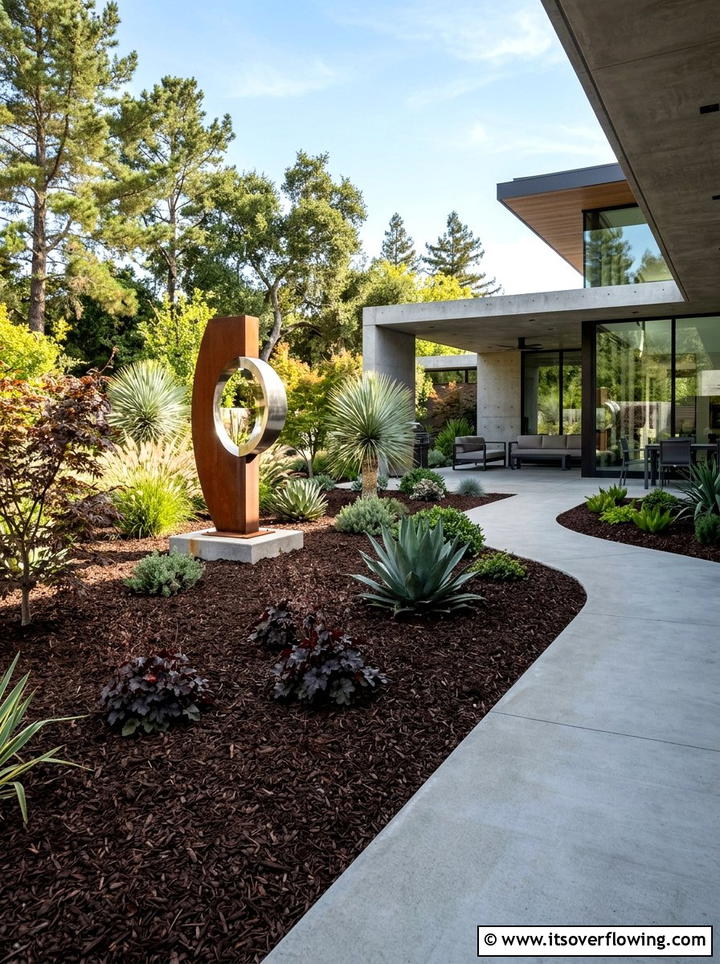
Dark brown wood mulch is the ultimate choice for homeowners who want a polished and sophisticated look that never goes out of style. This deep, rich color creates a high-contrast environment that makes even the most common garden plants look like expensive specimens. It is particularly effective when used alongside light-colored stone pathways or white garden fences, as the dark tones ground the space and provide visual weight. Shredded dark brown mulch stays in place well and provides a thick barrier against the sun, which significantly reduces the amount of watering your garden requires. It is an investment in both the beauty and the health of your landscape, offering long-term value.
15. Hemlock Mulch Garden
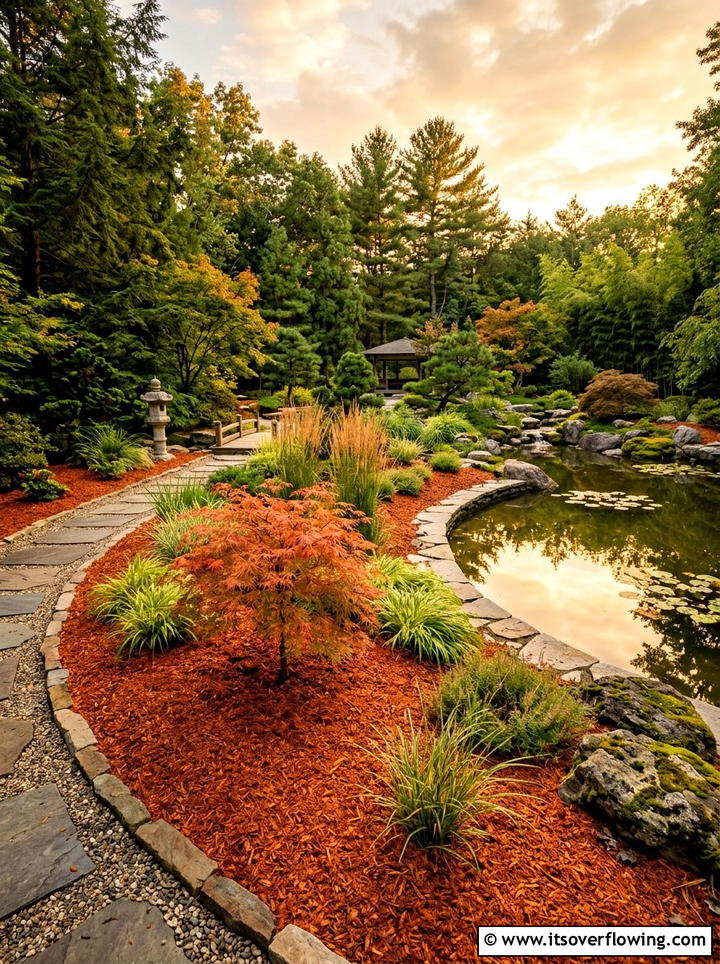
Hemlock mulch is a specialty product prized for its unique reddish-orange hue and its lack of slivers, making it a joy to work with. This natural bark mulch is incredibly soft to the touch and provides a vibrant, warm glow to your garden beds that changes beautifully in the evening light. It is naturally resistant to pests and decay, ensuring that your garden stays protected and beautiful throughout the year. The fine texture of hemlock mulch allows it to settle into a dense mat, which is excellent for suppressing tough weeds and retaining moisture in sandy soils. It adds a touch of luxury and distinctiveness to your landscape that sets your home apart from others.
16. Dyed Mulch Edging
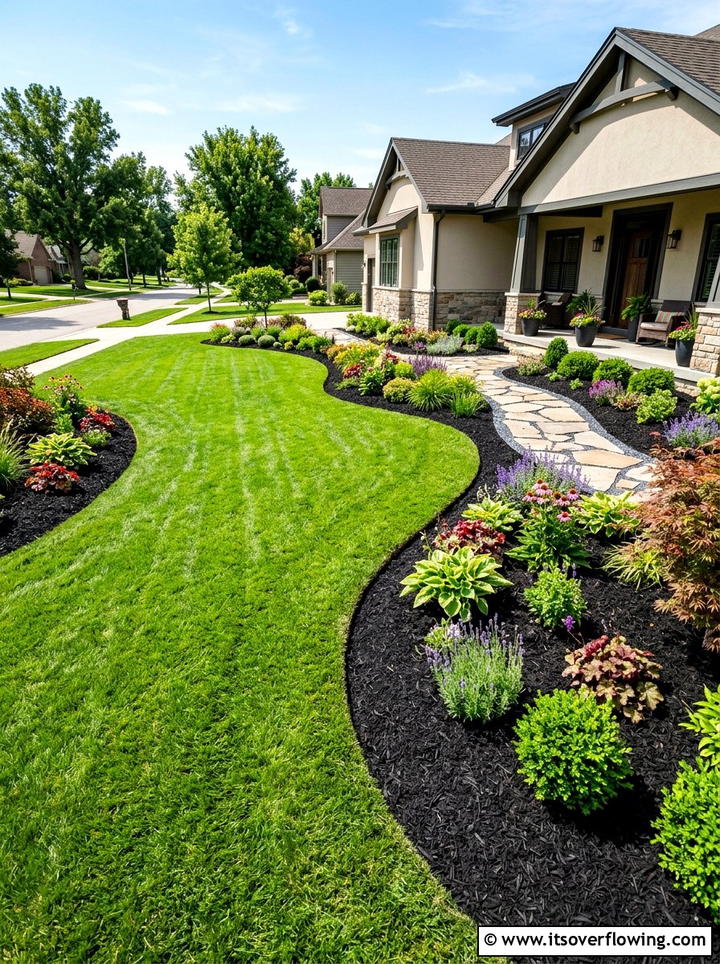
Using dyed mulch to create distinct edges in your landscape is a clever way to add artistic flair and definition to your yard. Whether you choose deep black, vibrant red, or rich brown, dyed mulch provides a consistent color that lasts much longer than natural wood varieties. By carefully layering the mulch against a clean-cut grass edge or a stone border, you create a professional finish that highlights the curves and lines of your garden. This technique is perfect for modern landscapes where precision and color coordination are key. The long-lasting dyes are generally safe for pets and plants, allowing you to enjoy a bold and beautiful garden without any worries.
17. Shredded Bark Mulch
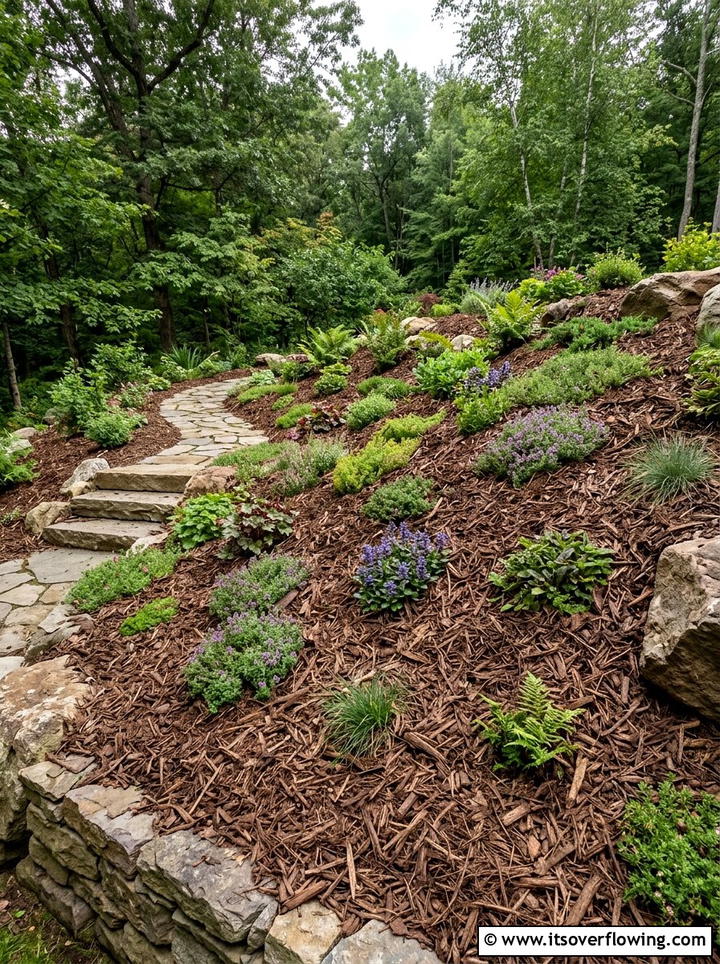
Shredded bark mulch is one of the most popular choices for gardeners because of its versatility and ability to knit together on slopes. Unlike wood chips, which can roll away, the long fibers of shredded bark interlock, creating a stable blanket that protects the soil from erosion. This type of mulch is available in various wood types, including oak and maple, and offers a natural, rugged look that suits woodland and rustic gardens. It is excellent at regulating soil temperature, keeping roots warm in the winter and cool in the summer. Shredded bark also decomposes into the soil relatively quickly, providing a steady stream of organic nutrients to your thirsty garden plants.
18. Natural Wood Mulch
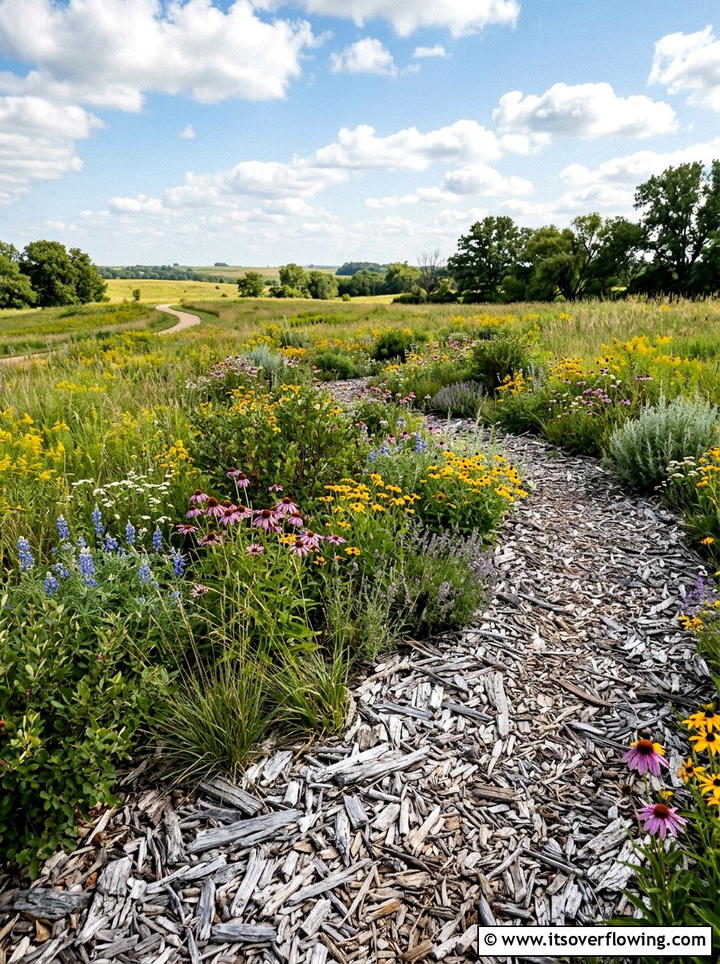
Natural wood mulch, which is often undyed and composed of various native wood species, provides an authentic and eco-friendly look for your landscape. This mulch variety starts with a light tan or blonde color and gradually weathers into a beautiful silvery-gray, much like an old cedar fence. It is the perfect choice for homeowners who prefer a low-impact and sustainable garden that blends seamlessly with the surrounding environment. Because it is free from artificial dyes, it is ideal for vegetable gardens and areas where you want to promote a purely natural ecosystem. It offers a relaxed, casual vibe that makes your outdoor space feel like a peaceful retreat from the busy world.
19. Cocoa Bean Hull Mulch
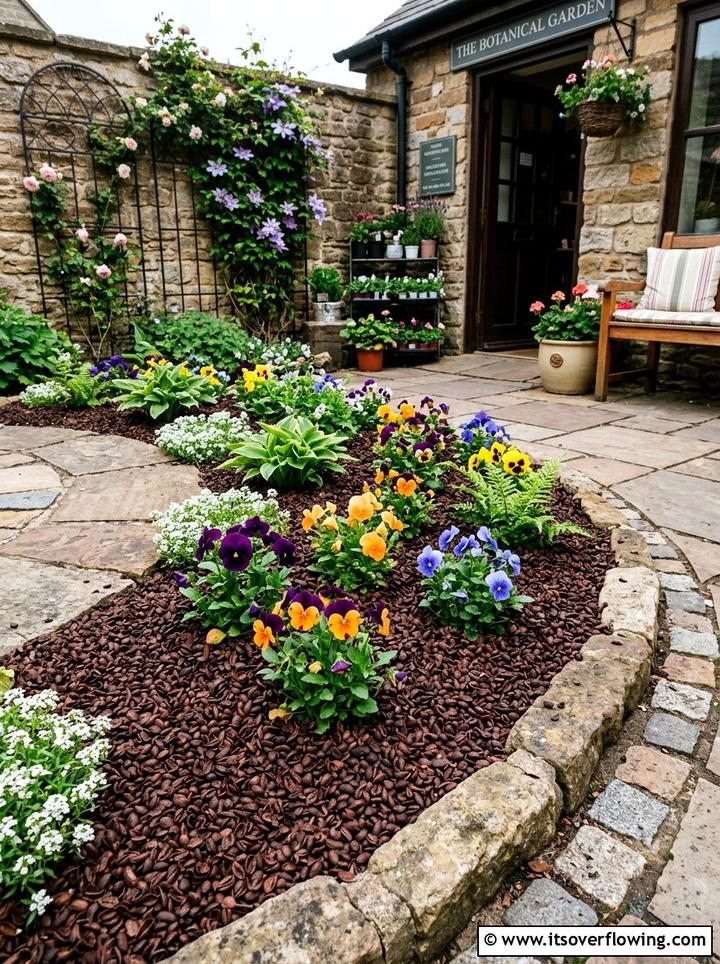
Cocoa bean hull mulch is a unique and aromatic option that fills your garden with the delightful scent of chocolate every time it rains. These small, lightweight shells have a beautiful deep brown color and a fine texture that looks elegant in small garden beds or containers. Cocoa hulls are rich in nitrogen and other minerals, which benefit the soil as they break down over time. They are particularly effective at retaining moisture and preventing weeds, making them as functional as they are fragrant. However, it is important to note that this mulch should be used with caution in yards with dogs, as cocoa can be toxic to pets if they ingest it.
20. Bark Mulch Landscape
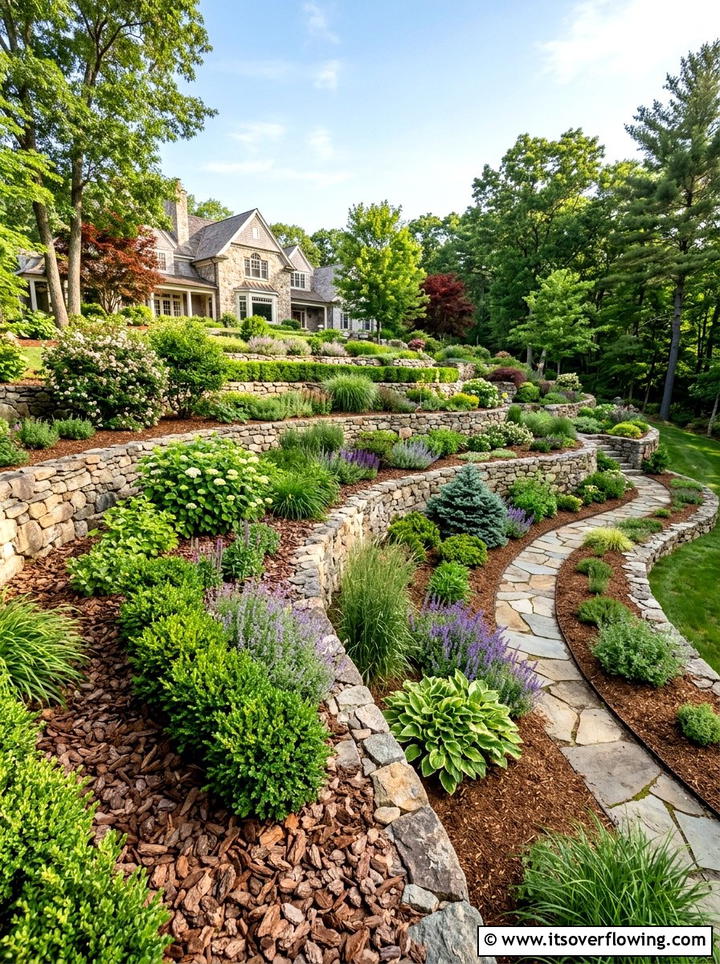
A comprehensive bark mulch landscape focuses on using various textures and types of bark to create a layered and interesting garden environment. By using larger bark nuggets in the back of a bed and finer shredded bark in the front, you create a sense of depth and perspective. Bark mulch is fantastic for providing a natural, forest-like appearance that feels established and mature. It helps to insulate the soil and protect delicate root systems from extreme temperature fluctuations. This design approach is perfect for large properties where you want to minimize lawn space and create low-maintenance planting areas that look beautiful and stay healthy with very little intervention.
21. Wood Chip Backyard
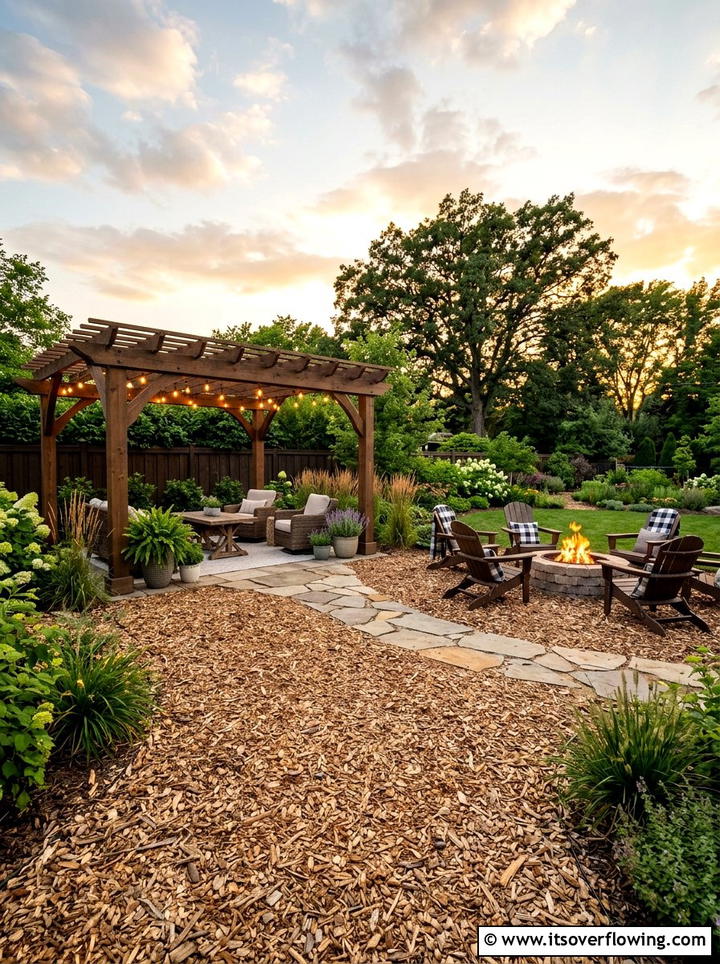
Transforming your backyard into a low-maintenance haven with wood chips is a smart and stylish solution for busy homeowners. Wood chips are incredibly durable and can be used to create large, clean areas under swing sets, around fire pits, or in shaded zones where grass struggles to grow. This material provides a rustic and casual look that invites relaxation and outdoor play. Because wood chips are often thicker than shredded mulch, they provide a sturdy surface that can handle foot traffic and patio furniture. They are also an excellent way to suppress weeds in large, open spaces, ensuring your backyard remains tidy and functional without the need for constant mowing or weeding.
22. Triple Shredded Mulch
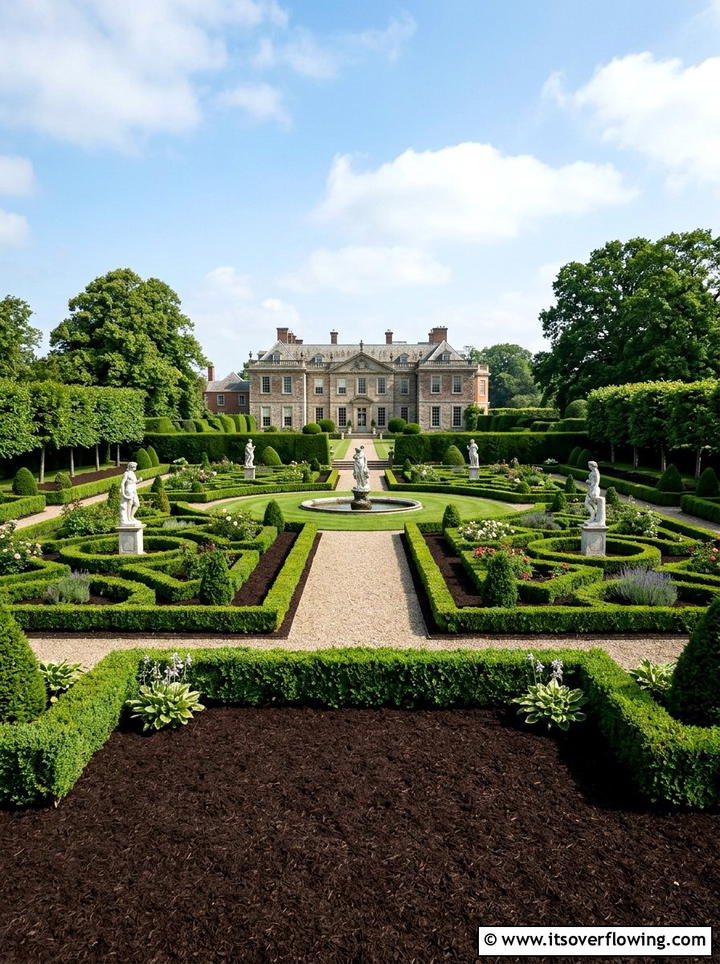
Triple shredded mulch is processed multiple times to create an incredibly fine and uniform texture that looks like rich, dark velvet on the ground. This premium product is perfect for high-end landscapes where every detail matters and a perfectly smooth finish is desired. Because it is so fine, it provides exceptional coverage and is very effective at suppressing even the smallest weed seedlings. It breaks down more quickly than coarser mulches, which means it adds nutrients to your soil at a faster rate. This makes it an excellent choice for flower beds that require high-quality organic matter to produce the most vibrant and healthy blooms throughout the entire growing season.
23. Forest Floor Mulch
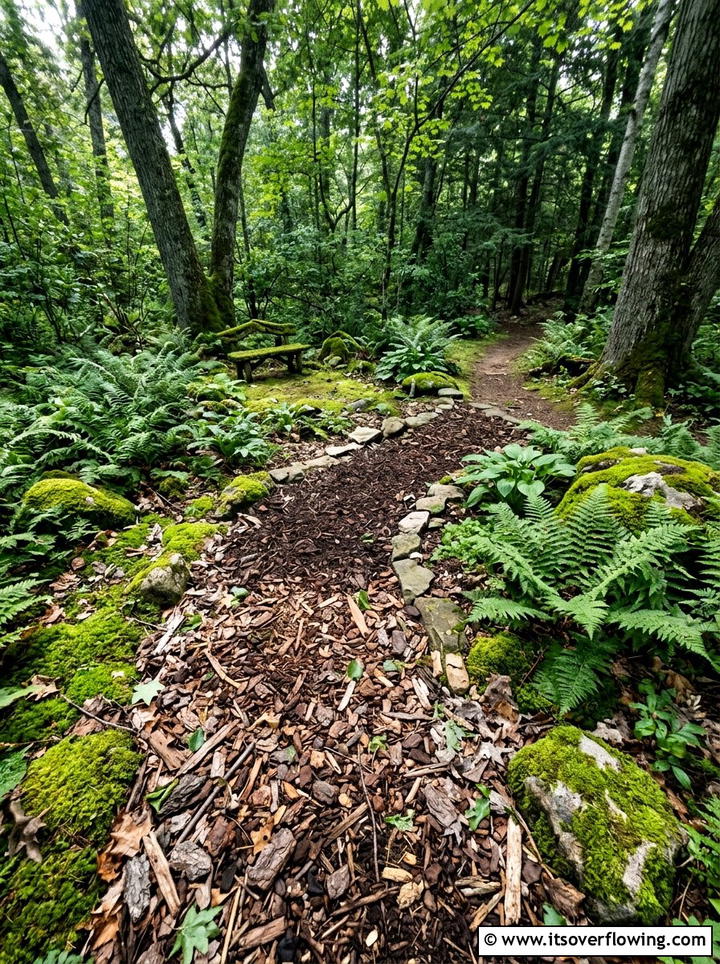
Creating a forest floor aesthetic in your garden involves using a mix of wood chips, bark, and leaf litter to mimic the natural debris found in a woodland. This approach is perfect for shade gardens filled with ferns, hostas, and native wildflowers. It provides a rich, complex texture that looks naturally beautiful and requires very little maintenance once established. The varied materials create a healthy ecosystem that supports beneficial insects and microbes in the soil. This type of mulch is excellent for moisture retention and provides a soft, cushioned feel underfoot. It is the ideal choice for anyone looking to create a peaceful, organic, and ecologically sound outdoor sanctuary at home.
24. Organic Mulch Vegetable Garden
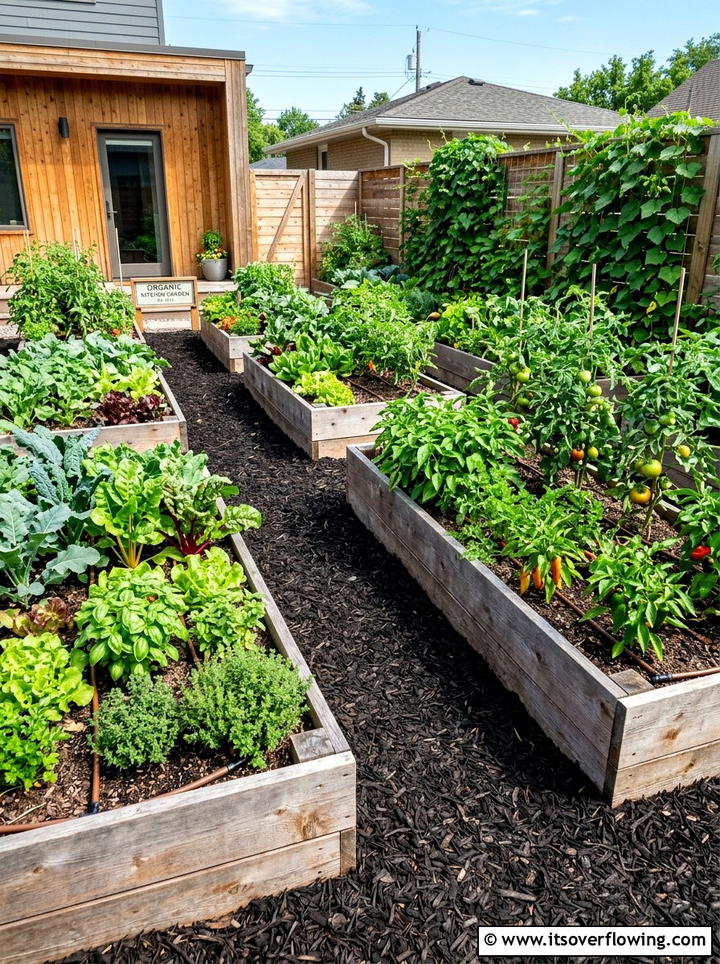
Using organic mulch in your vegetable garden is a game-changer for producing a healthy and abundant harvest with less work. Materials like shredded leaves, clean straw, or untreated wood chips help to keep moisture in the soil, which is crucial for thirsty vegetables like tomatoes and peppers. By covering the soil, you also prevent soil-borne diseases from splashing onto your plant leaves during watering. Organic mulch slowly decomposes, continuously feeding your plants with the nutrients they need to grow strong and productive. This sustainable practice reduces the need for chemical fertilizers and keeps your garden beds looking organized and well-tended throughout the spring, summer, and fall harvesting seasons.
25. Fine Texture Mulch
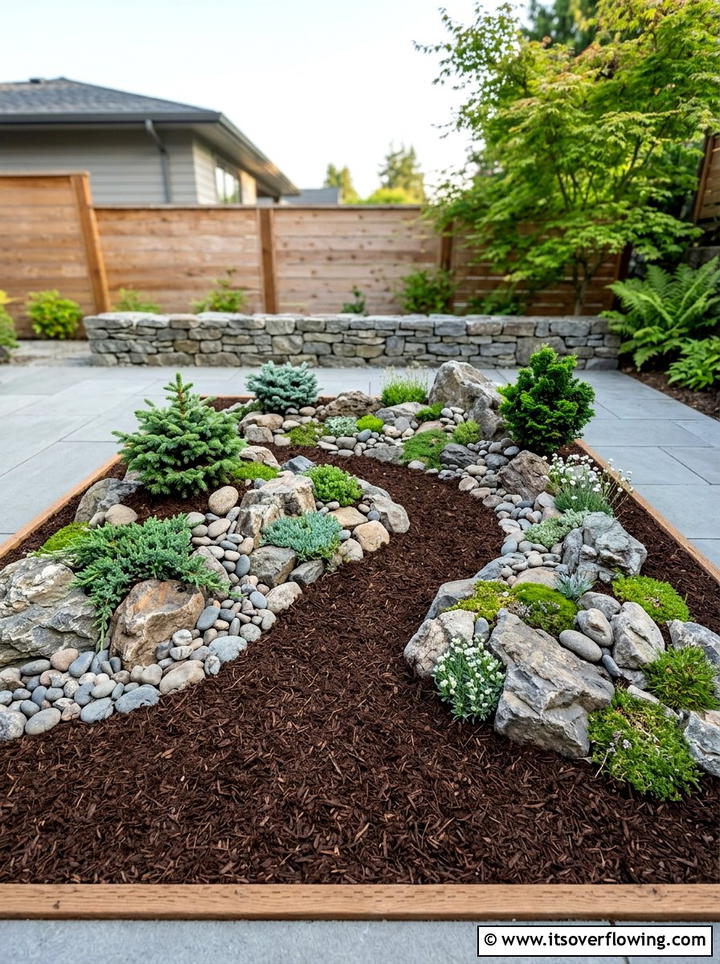
Fine texture mulch provides a delicate and sophisticated look that is perfect for highlighting the beauty of small, intricate plants and rock gardens. This material fills in the gaps between stones and small perennials with ease, creating a seamless and polished appearance. It is particularly effective in modern, minimalist designs where a clean and uniform ground cover is essential for the overall aesthetic. Fine mulch is also easier to spread around delicate stems without causing damage, making it a favorite for container gardening and small courtyard spaces. It offers all the traditional benefits of mulch while providing a refined finish that elevates the style of any garden, large or small.
Conclusion:
Integrating mulch into your garden design is one of the most effective ways to combine beauty with functionality in your outdoor living space. From the modern sophistication of black bark to the rustic charm of straw in a vegetable patch, the right mulch serves as a foundation for a healthy and vibrant landscape. It protects your soil, conserves water, and provides a professional finish that enhances your home’s overall aesthetic and curb appeal. By choosing the material that best suits your plants and style, you can create a low-maintenance sanctuary that looks stunning year-round. Start experimenting with these mulch ideas to transform your garden into a truly inspiring and peaceful retreat.

Related posts:
 25 garden ideas for front yards: Boost Curb Appeal Fast
 25 Creative Garden Ideas With High Impact Curb Appeal
 25 creative garden ideas with modern landscape lines for Curb Appeal
 25 garden design ideas for driveways for Beautiful Curb Appeal
 25 Garden Design Ideas for Front Gardens With Curb Appeal
 25 Garden Ideas for Curb Appeal to Transform Your Home
 25 Garden Ideas for Suburban Homes With Curb Appeal
 25 Small Garden Ideas for Front Yard Curb Appeal
 25 Small Garden Ideas for Townhouses With Stylish Appeal
 25 Creative Garden Ideas With Keyhole Garden Beds
 25 Creative Garden Ideas With Kids Garden Zone
 25 garden ideas with hostas for Lush Shade Garden Beauty