
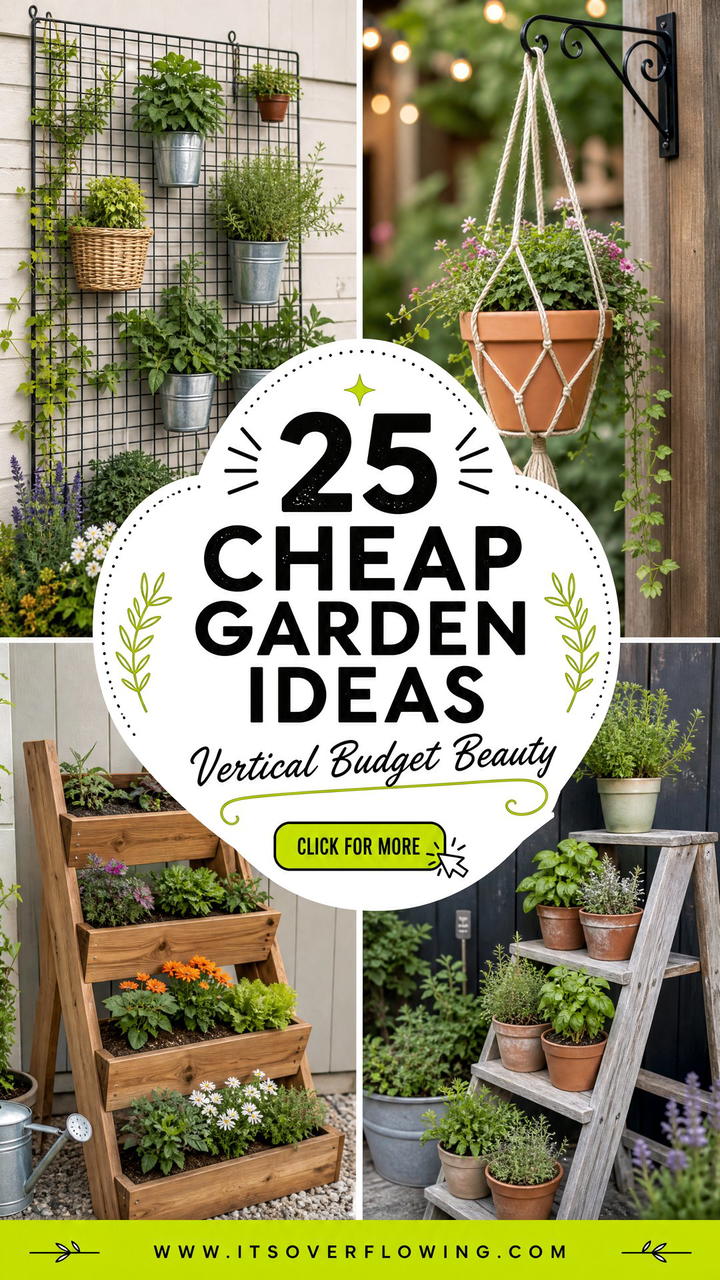
Transforming your outdoor space does not require a massive bank account or a sprawling backyard. Vertical gardening has become a viral sensation for good reason, allowing you to maximize every inch of vertical space while adding lush greenery to walls or fences. Whether you live in a small apartment with a balcony or have a large suburban yard, these budget-friendly solutions prove that creativity is more valuable than cash. By using repurposed materials like old pallets, plastic bottles, or wooden crates, you can create a stunning living wall. This approach is perfect for growing fresh herbs, vibrant flowers, or even small vegetables in a way that feels organized and stylish.
1. Pallet Garden
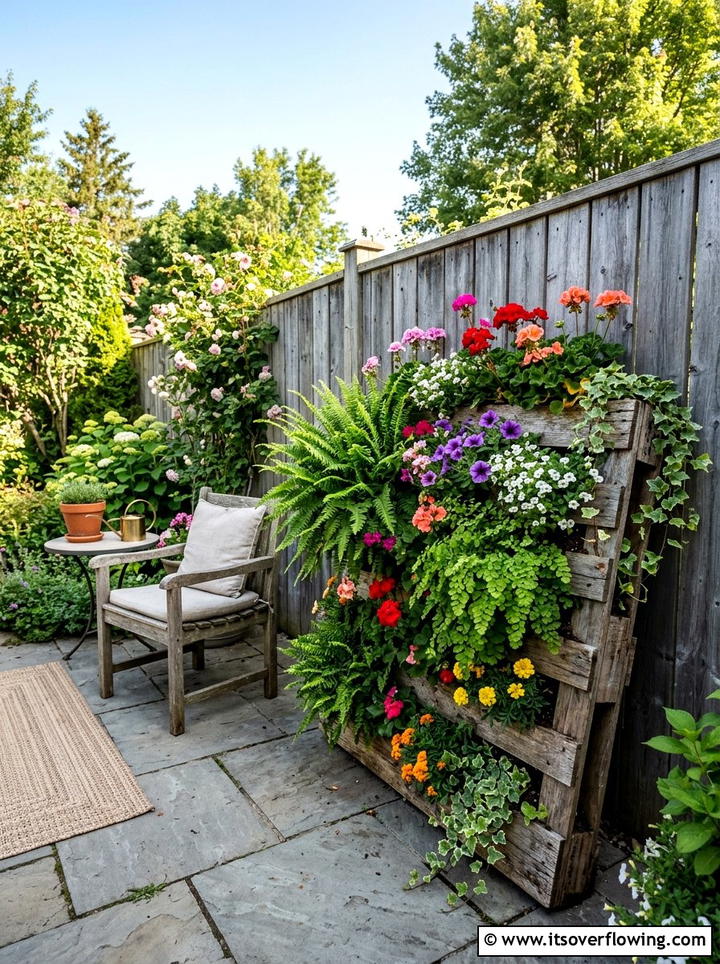
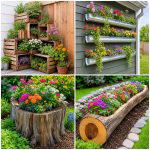
Finding a free wooden pallet is often the first step toward building a beautiful and rustic vertical garden without spending a dime. You can lean the pallet against a sturdy wall or mount it securely to a fence to create a natural wooden backdrop for your plants. Many gardeners choose to line the interior sections with landscape fabric to hold the soil in place before planting various leafy greens. This setup works exceptionally well for small spaces like balconies where floor area is limited but wall space is plentiful. Using a pallet allows you to display a wide variety of textures and colors in a very compact and organized vertical arrangement.
2. Gutter Planter
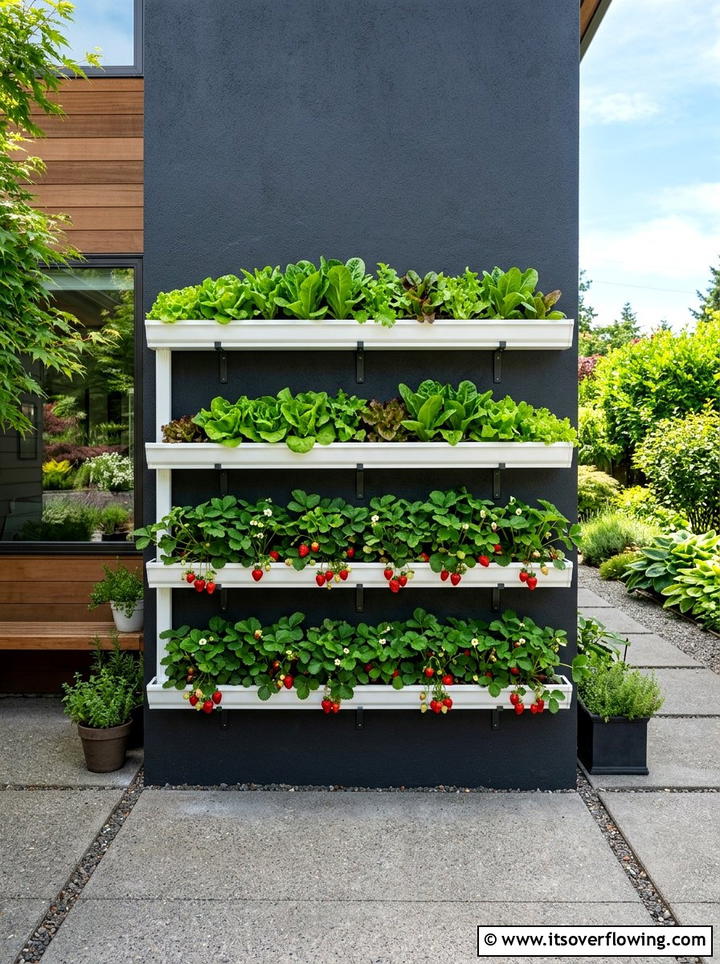
Have you ever considered using standard rain gutters to grow a lush wall of beautiful greens and bright flowers? Mounting several rows of vinyl or aluminum gutters horizontally along a sunny exterior wall creates a sleek and very modern gardening system. These shallow troughs are the perfect depth for growing loose-leaf lettuce, sweet strawberries, or various small annual flowers like colorful pansies. To ensure your plants stay healthy, remember to drill small drainage holes in the bottom of each gutter section before adding potting soil. This affordable method provides a very clean look that complements modern home designs while providing an abundance of fresh, edible home-grown produce.
3. Shoe Organizer Garden
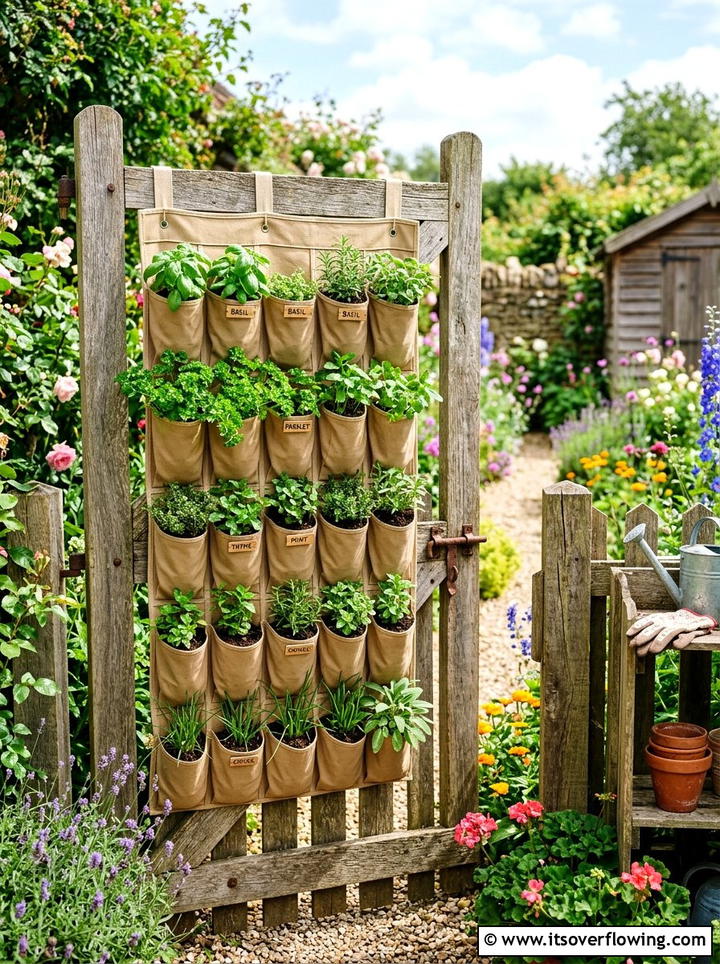
Using a simple fabric over-the-door shoe organizer is one of the most clever and cheapest ways to start a vertical herb garden. You can easily hang the organizer on a sunny fence or a sturdy balcony railing to create dozens of small individual planting pockets. Each pocket is the ideal size for a single herb plant like fragrant basil, fresh mint, or savory thyme. The fabric usually allows for natural drainage, which helps prevent the roots from sitting in too much water and rotting. This lightweight solution is perfect for renters who need a garden that is easy to move or take down at the end of the season.
4. Soda Bottle Planter
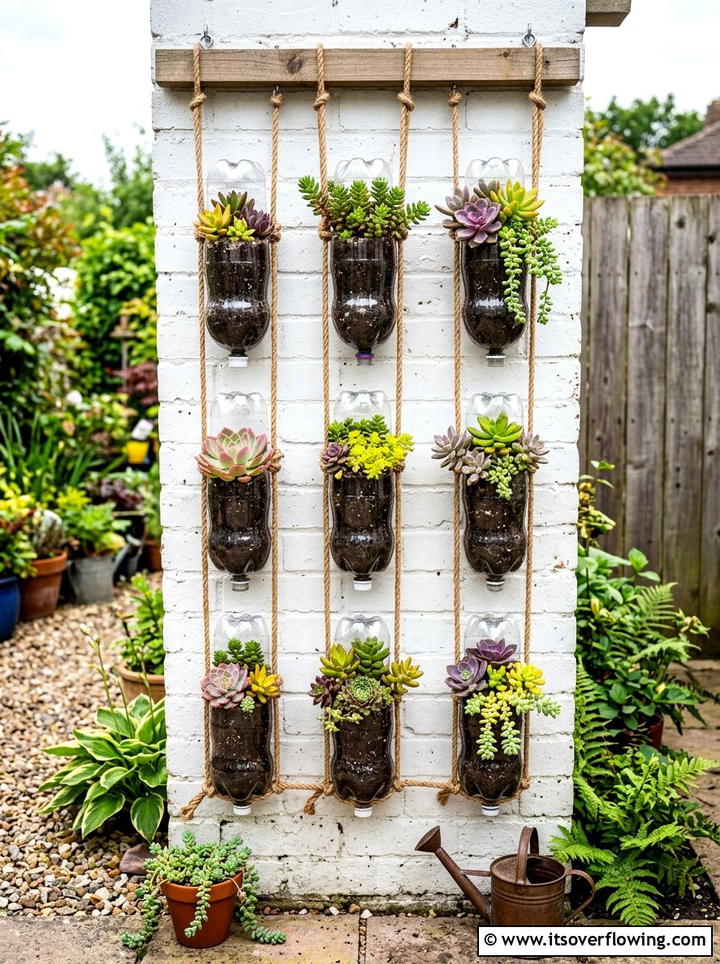
Recycling plastic soda bottles into a functional vertical garden is a fantastic way to save money while helping the environment. You can cut a large rectangular opening in the side of each bottle and string them together using strong twine or durable wire. When hung against a bright wall, these bottles become individual floating pods for small succulents or trailing vines like ivy. This project is highly customizable, as you can paint the bottles to match your home decor or leave them clear to see the root growth. It is a fun and educational project that turns common household waste into a productive and green living art piece.
5. Wooden Ladder Shelf
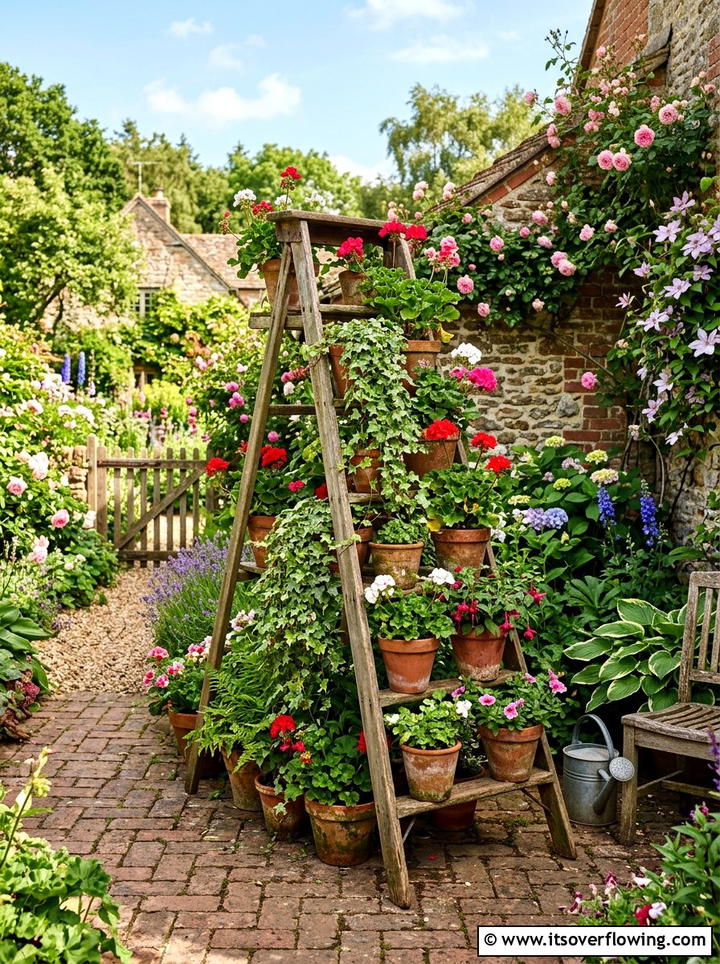
An old wooden stepladder can be transformed into a charming and multi-tiered plant display with very little effort or extra cost. By placing wide wooden planks across the rungs, you create several levels of shelving that can hold a variety of potted plants. This vertical arrangement allows you to mix different heights and types of foliage, such as tall ferns and cascading spider plants. The ladder provides a sturdy structure that adds a vintage or farmhouse feel to any garden corner or patio area. Because the plants are elevated, they are often easier to water and maintain without having to bend down to the ground.
6. Fence Trellis
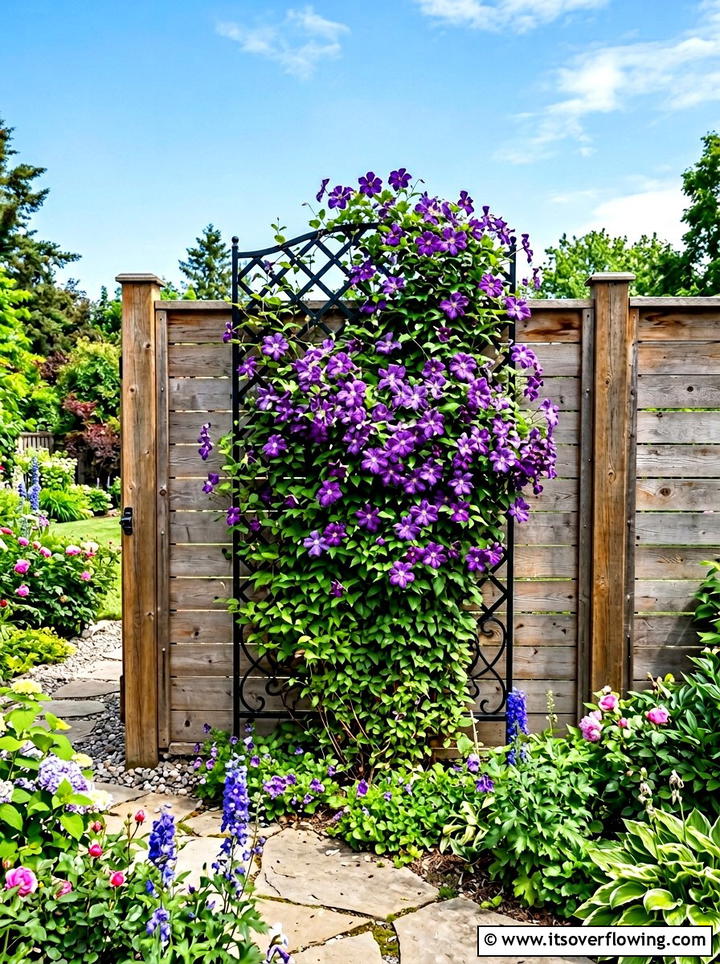
Installing a simple wooden or metal trellis against a plain backyard fence provides a perfect support system for many climbing plants. This method allows you to grow vertical walls of fragrant jasmine, colorful clematis, or even edible climbing beans and tall peas. A trellis adds visual interest to a flat fence and can even provide extra privacy from neighbors as the foliage grows thicker. You can buy pre-made lattice panels or create your own custom design using thin strips of pressure-treated wood or copper pipes. This classic vertical garden technique is a timeless way to soften hard landscaping lines while filling your yard with lush greenery.
7. Tin Can Planter
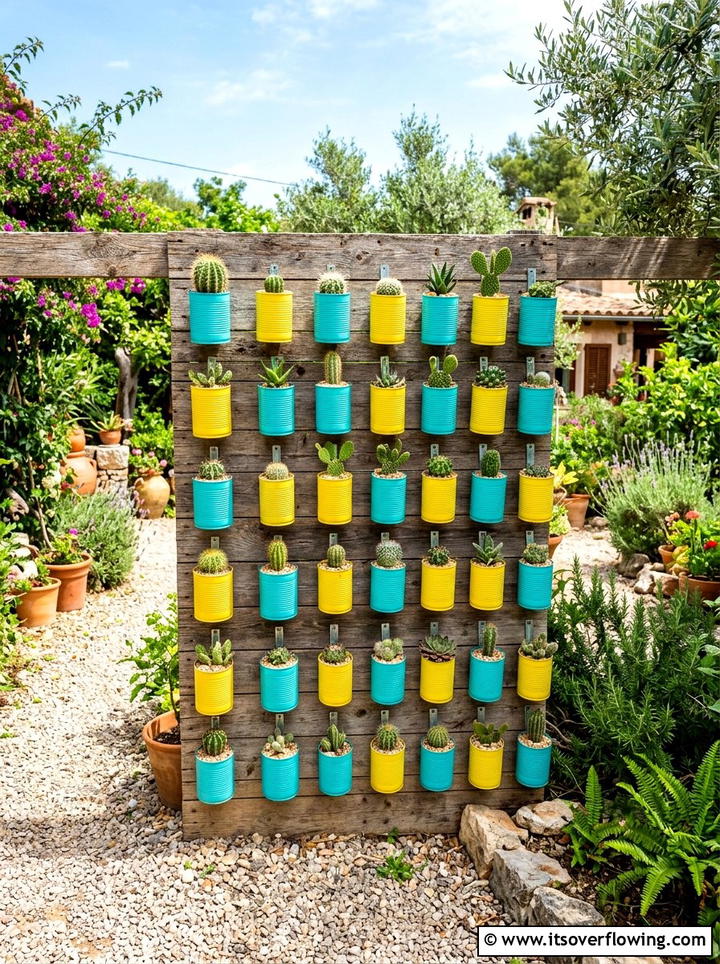
Saving large tin cans from your kitchen is a brilliant way to create a colorful and quirky vertical garden for free. After cleaning the cans and removing any sharp edges, you can paint them in bright, cheerful colors to add a pop of personality. Drill a few holes in the bottom for drainage and mount them directly to a wooden fence or a large piece of plywood. These small containers are perfect for growing individual succulents or small cacti that do not require much soil or frequent watering. This repetitive pattern of cans creates a striking visual effect that looks professional despite the very low cost of materials.
8. Wood Lattice Wall
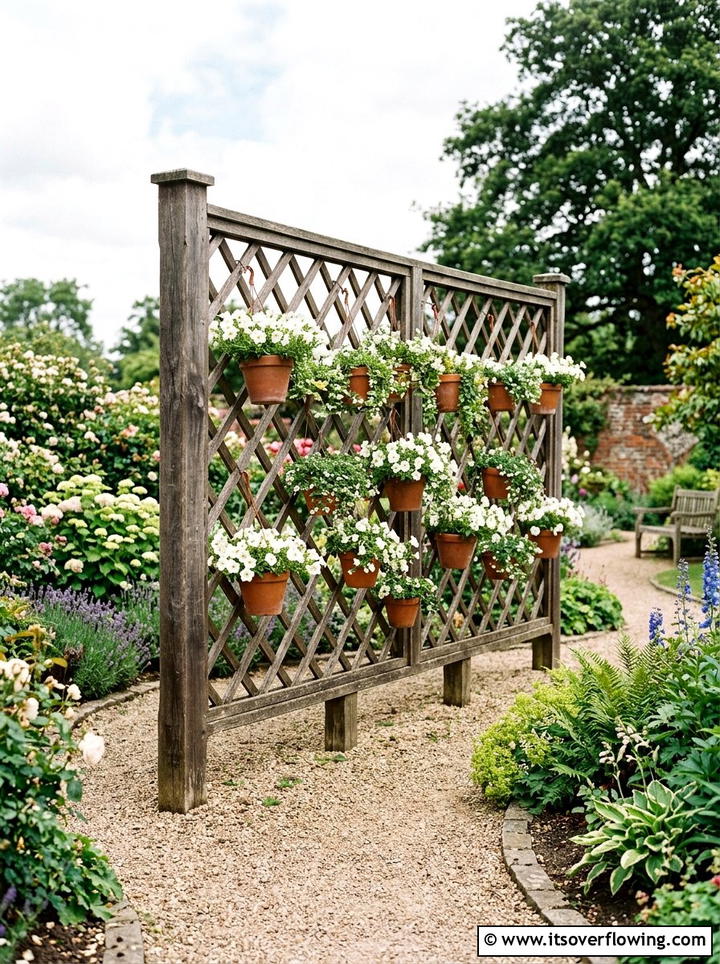
A large panel of wood lattice is a versatile and inexpensive tool for creating a dedicated vertical garden area in any yard. You can attach the lattice to an existing wall or create a free-standing frame to act as a decorative garden screen. Small pots can be easily attached to the lattice using simple S-hooks or sturdy zip ties to create a floating garden look. This setup allows you to rearrange your plants whenever you want to change the look or replace seasonal flowers. The open weave of the lattice provides excellent air circulation, which helps keep your plants healthy and prevents common garden pests or mold issues.
9. Cinder Block Planter
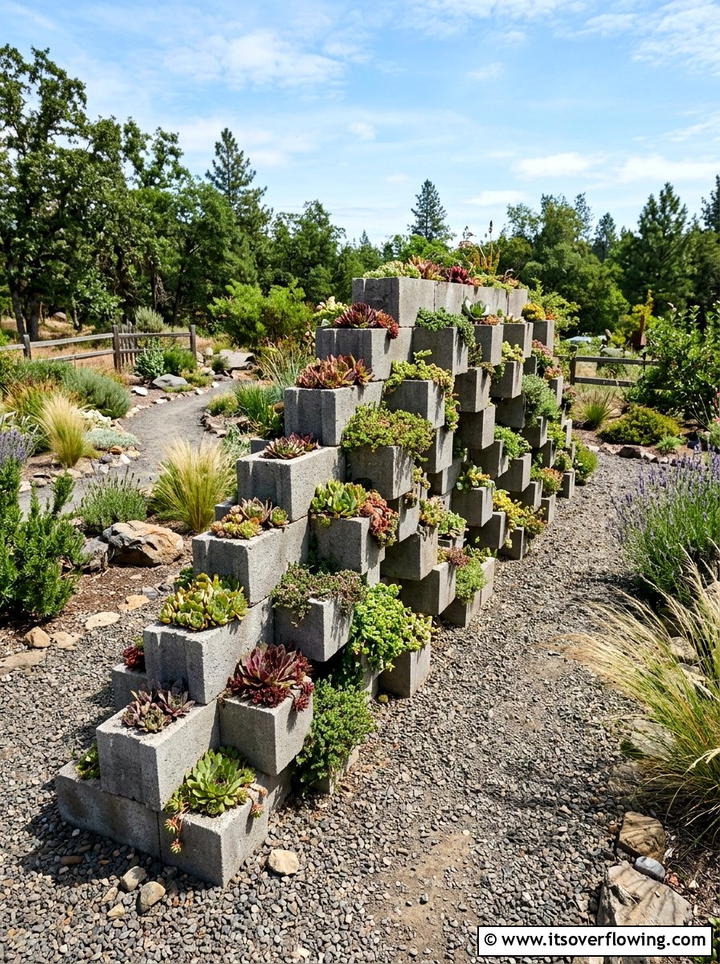
Stacking standard cinder blocks in a staggered pattern allows you to create a modern and industrial-style vertical garden that is incredibly durable. The hollow centers of the blocks act as individual planting pockets that are perfect for hardy succulents or trailing rock garden plants. You can build the wall as high or as wide as you like to fit your specific outdoor space or corner. Painting the blocks a solid white or a bold color can give them a high-end look that belies their very cheap price tag. This heavy-duty garden solution is perfect for areas with high winds where lighter plastic planters might easily blow over.
10. Stacked Herb Tower
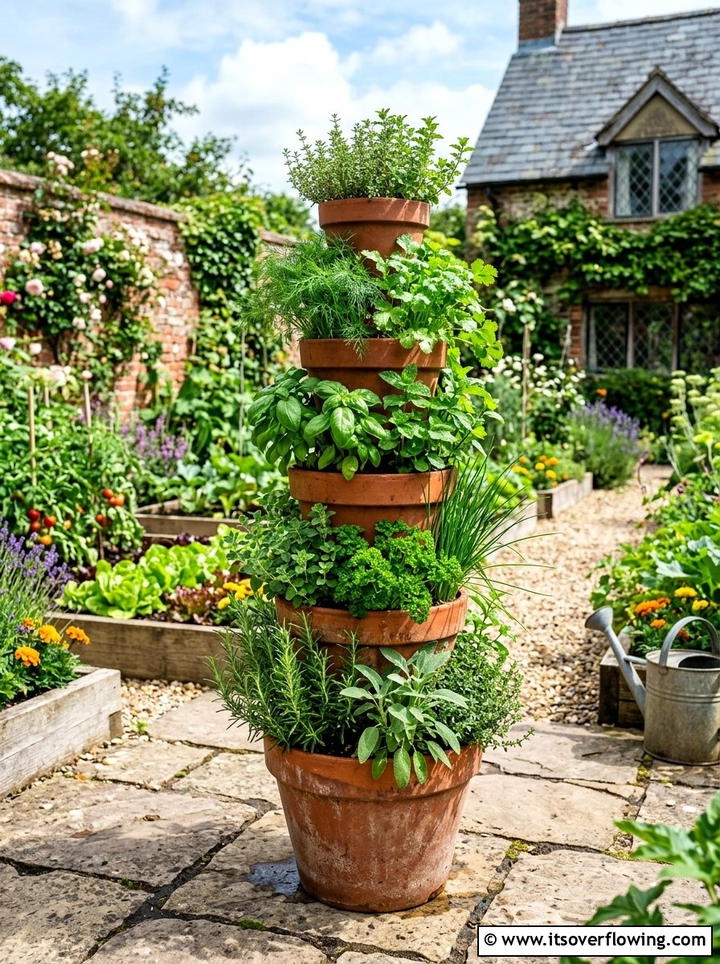
Creating a vertical herb tower using graduated sizes of ceramic or plastic pots is a space-saving way to grow many plants. You simply place a large pot at the base, fill it with soil, and then stack a smaller pot on top. This process continues until you have a beautiful tower of tiers that allows water to flow down from the top to the bottom. Each exposed ring of soil provides space for different herbs like rosemary, sage, and parsley to thrive in one central location. This vertical arrangement makes it very easy to harvest fresh ingredients for cooking right outside your kitchen door or on a small porch.
11. Wire Mesh Grid
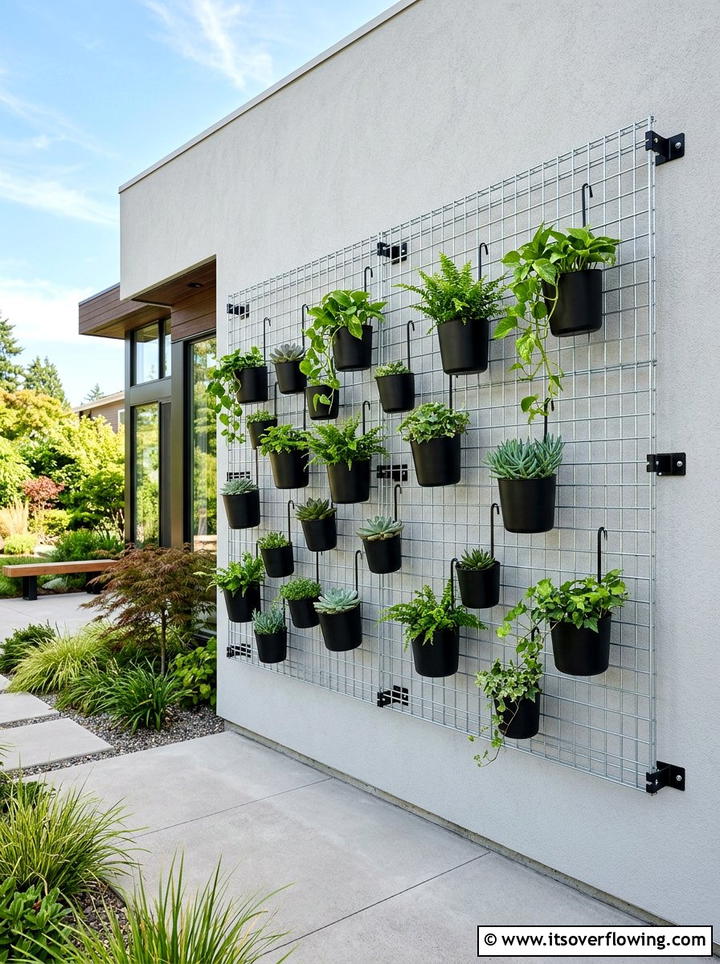
A simple metal wire mesh grid, like those used for concrete reinforcement, can be turned into a trendy and minimalist vertical garden. By mounting the grid onto a wall with small spacers, you create a sleek frame where you can hang various lightweight planters. This industrial look is very popular in modern interior and exterior design and provides a very clean and organized aesthetic. You can use matching pots for a uniform appearance or mix and match different containers for a more eclectic and personal garden style. The grid is very strong and can support several plants while taking up almost zero floor space in your home.
12. Clay Pot Hanger
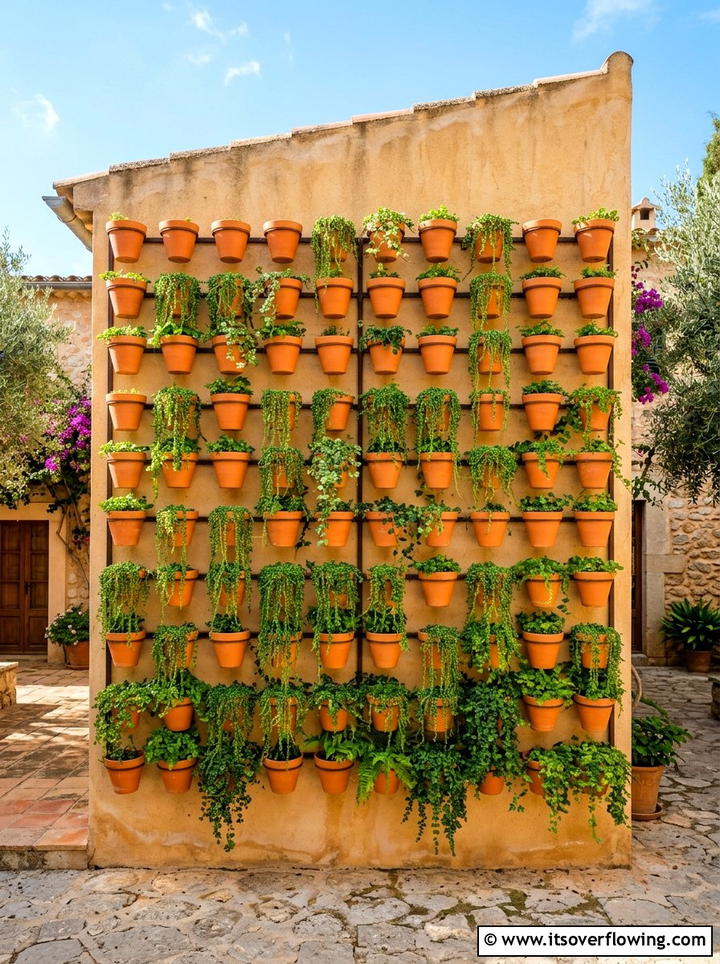
Using specialized metal clips or simple wire loops, you can mount traditional terracotta clay pots directly onto a sunny exterior wall. This vertical arrangement creates a classic and Mediterranean feel that looks beautiful with bright red geraniums or trailing green ivy. Because clay pots are porous, they provide excellent drainage and airflow for the roots of your plants, keeping them very healthy. You can arrange the pots in a neat grid or a more random, organic pattern to suit your personal style preferences. This is a very affordable way to use standard garden supplies to create a sophisticated and high-impact vertical garden feature.
13. Picture Frame Succulents
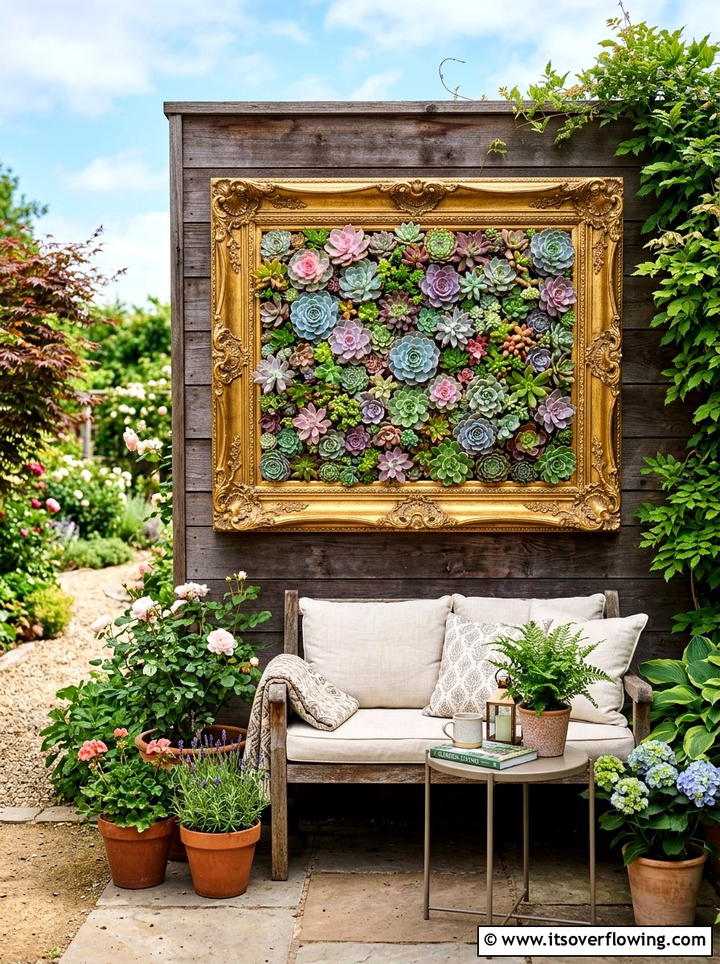
An old, deep picture frame can be converted into a stunning living piece of art by filling it with colorful succulents. You will need to build a shallow wooden box behind the frame to hold the soil and a layer of wire mesh. Small succulent cuttings are then planted through the mesh, where they will eventually root and grow into a thick, lush tapestry. Once the plants are established, the frame can be hung on a wall just like a regular piece of art. This vertical garden idea is perfect for areas with bright, indirect light and adds a unique and natural focal point to your outdoor living space.
14. Hanging Basket Wall
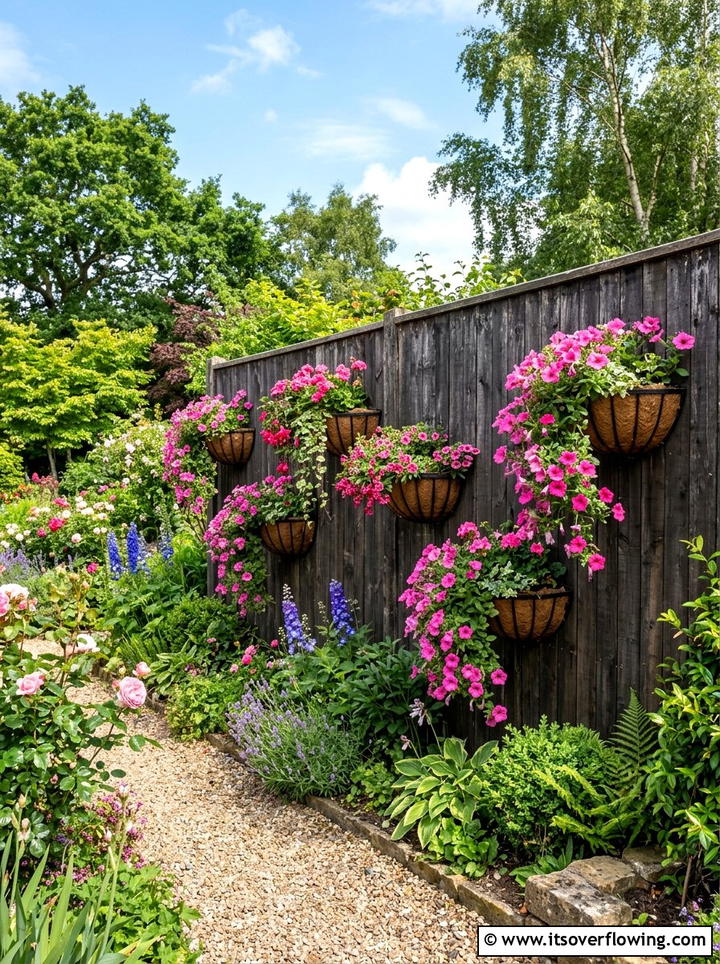
Why settle for just one hanging basket when you can create an entire wall of them for a lush and dramatic look? By installing several sturdy hooks at different heights on a wall or fence, you can hang multiple baskets filled with cascading flowers. Plants like petunias, fuchsias, and trailing begonias are excellent choices for creating a wall of continuous color throughout the summer months. This vertical garden method is very easy to set up and allows for quick changes if you want to update your garden’s look. The hanging baskets keep the plants at eye level, making it much easier to enjoy their beautiful fragrance and vibrant colors.
15. PVC Pipe Planter
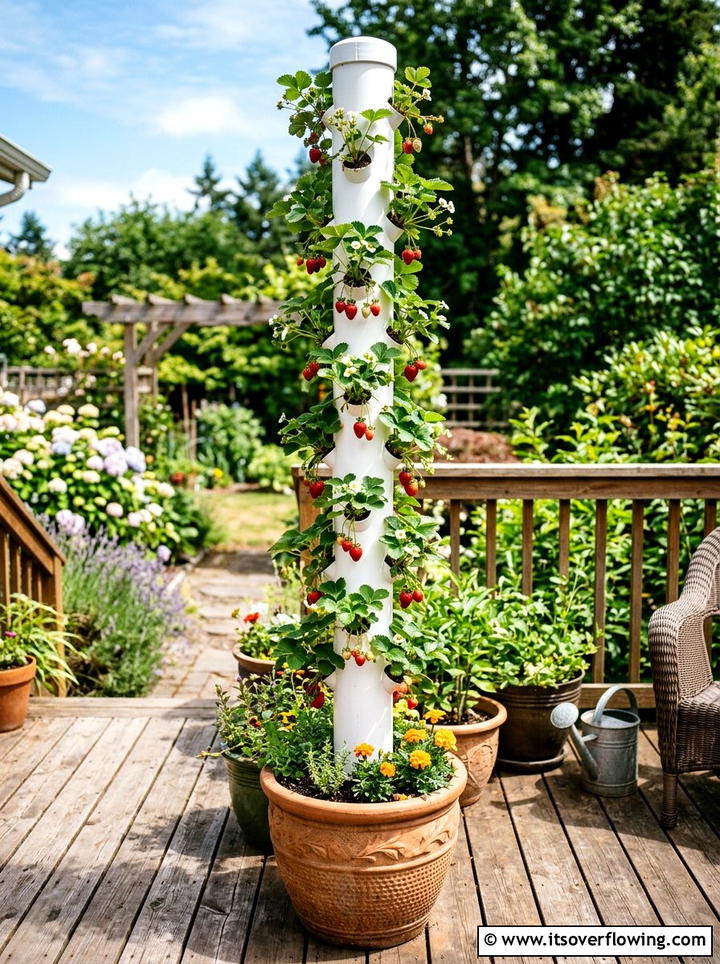
Large diameter PVC pipes can be transformed into very effective vertical planting towers by cutting large holes at regular intervals along the length. You can stand the pipe vertically in a large pot of gravel for stability or mount it horizontally along a fence. Filling the pipe with high-quality potting soil and planting through the holes creates a column of greenery that looks very futuristic. This method is particularly effective for growing strawberries or leafy greens, as it keeps the fruit and foliage off the ground and away from pests. It is a very cheap and durable solution that can last for many years with minimal maintenance.
16. Window Shutter Garden
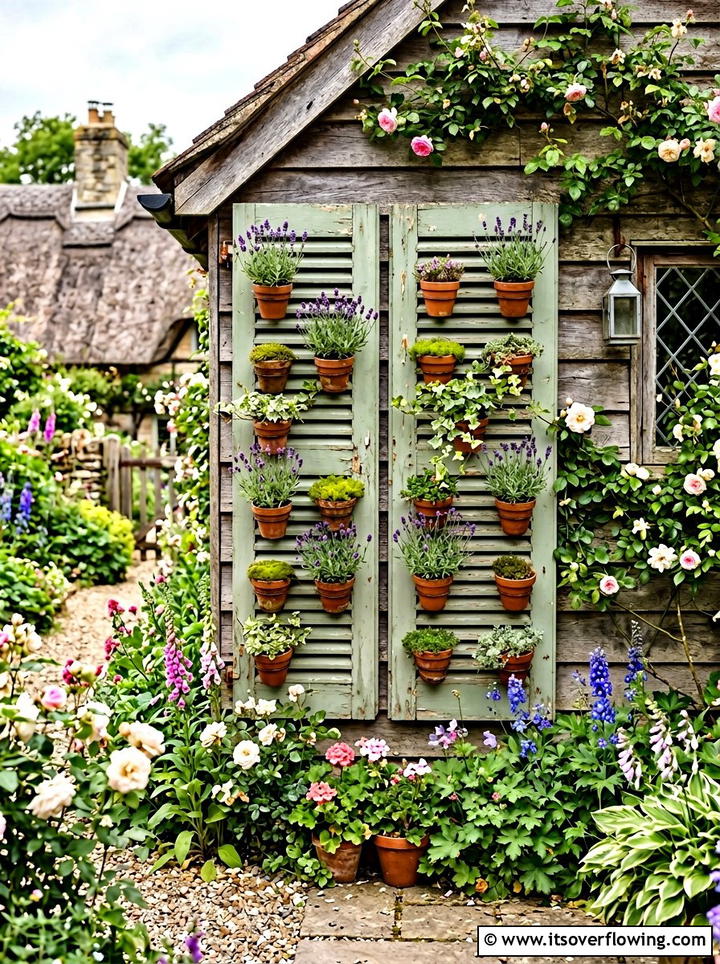
Old wooden window shutters can be repurposed into a charming and vintage-style vertical garden with just a little bit of paint. The angled slats of the shutters are perfect for holding small amounts of soil and shallow-rooted plants like moss or tiny succulents. You can also attach small pots or jars directly to the slats using wire to hold larger plants like ferns or herbs. This idea adds a lot of architectural interest to a plain wall and is a great way to recycle old building materials. The shutters provide a textured and interesting backdrop that makes the green foliage of your plants really stand out.
17. Tiered Cedar Planter
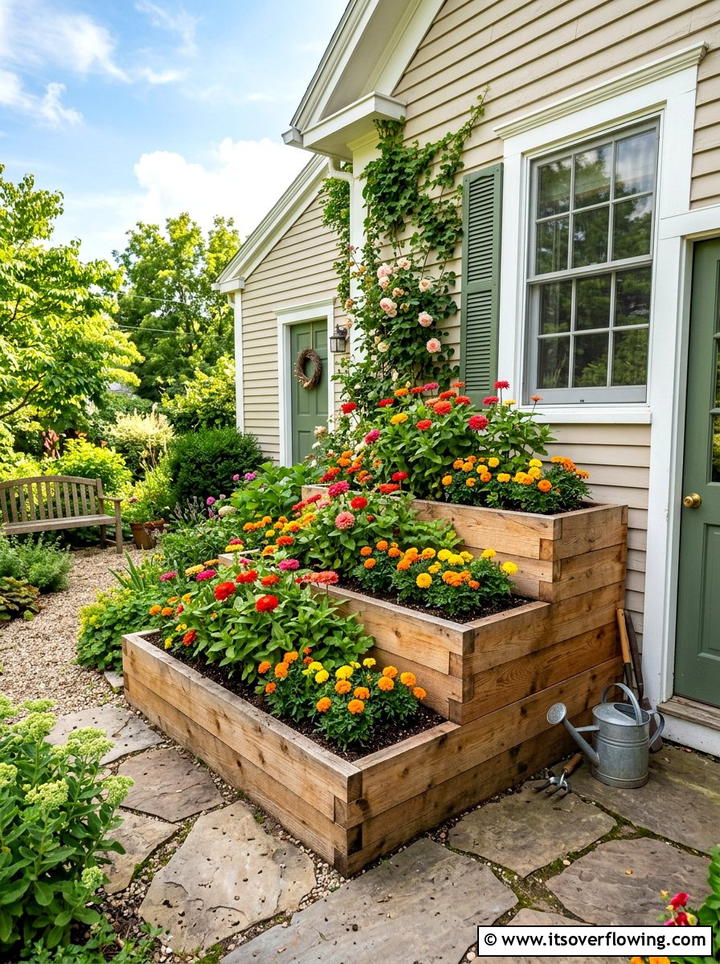
Building a simple tiered planter box out of cedar or treated pine is a great way to add vertical height to your garden. You can design the boxes to be increasingly narrow as they go up, creating a pyramid shape that allows light to reach every plant. Cedar is a fantastic choice because it is naturally resistant to rot and insects, making your vertical garden very long-lasting. This type of structure is perfect for a corner of a patio where you want to grow a variety of different flowers or vegetables. The tiered design makes watering very efficient and provides a very organized and professional look to your outdoor space.
18. Bamboo Trellis
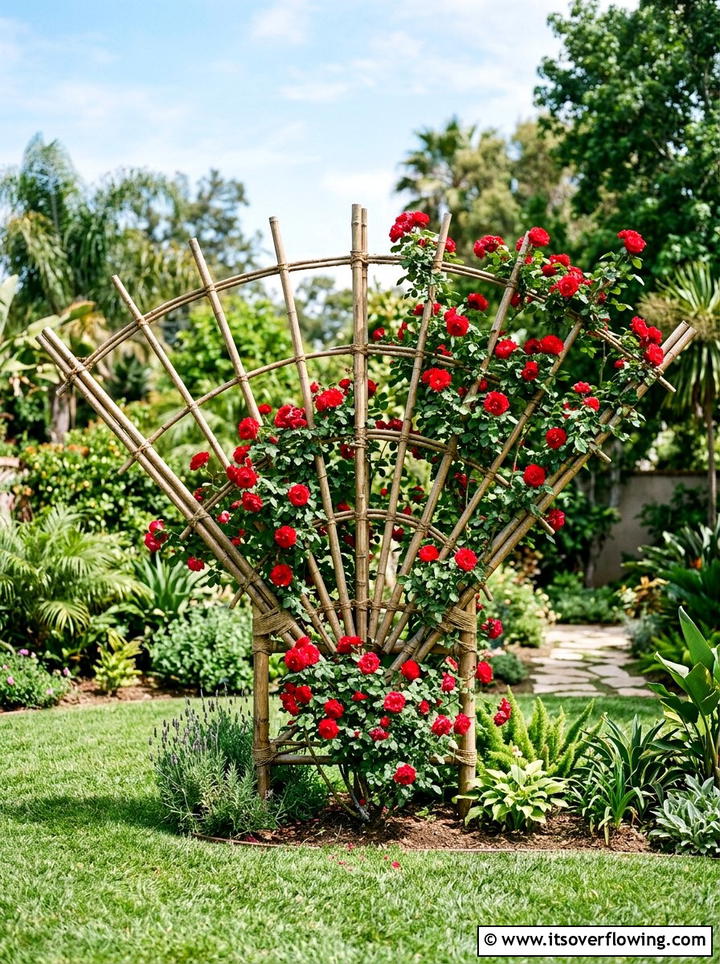
Bamboo poles are an incredibly cheap and sustainable material that can be used to build a variety of vertical garden supports. You can lash the poles together with twine to create a simple A-frame or a decorative fan-shaped trellis for climbing vines. Bamboo has a natural and tropical aesthetic that looks wonderful in almost any garden setting, especially near water features or stone paths. It is also very lightweight, making it easy to move the trellis around if you decide to change your garden layout. Using bamboo is a great way to support tall plants like tomatoes or pole beans while adding a touch of natural beauty.
19. Wall Hanging Pocket
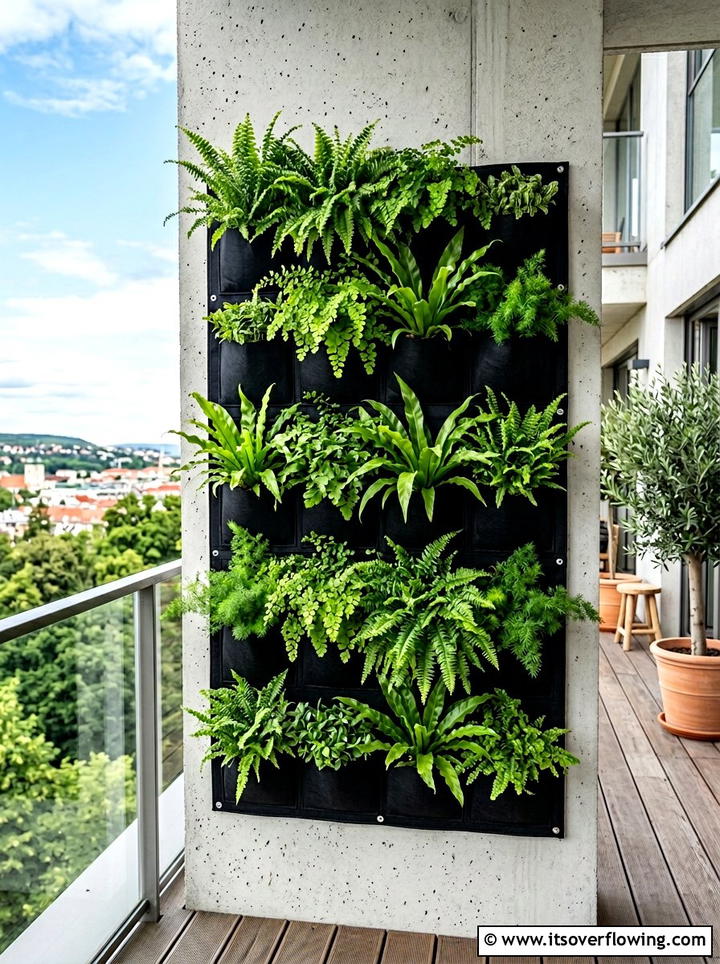
Commercial felt wall hanging pockets are an affordable and very popular way to create a large living wall in a short time. These fabric panels feature multiple rows of soft pockets that you simply fill with soil and your favorite small plants. The felt material is breathable and helps regulate moisture, ensuring that your plants do not become waterlogged or too dry. These panels can be easily screwed into a wall or fence and can cover a large area very quickly for a dramatic effect. This is one of the best ways to create a dense wall of greenery that looks like a professional installation without the high price tag.
20. Stepladder Herb Display
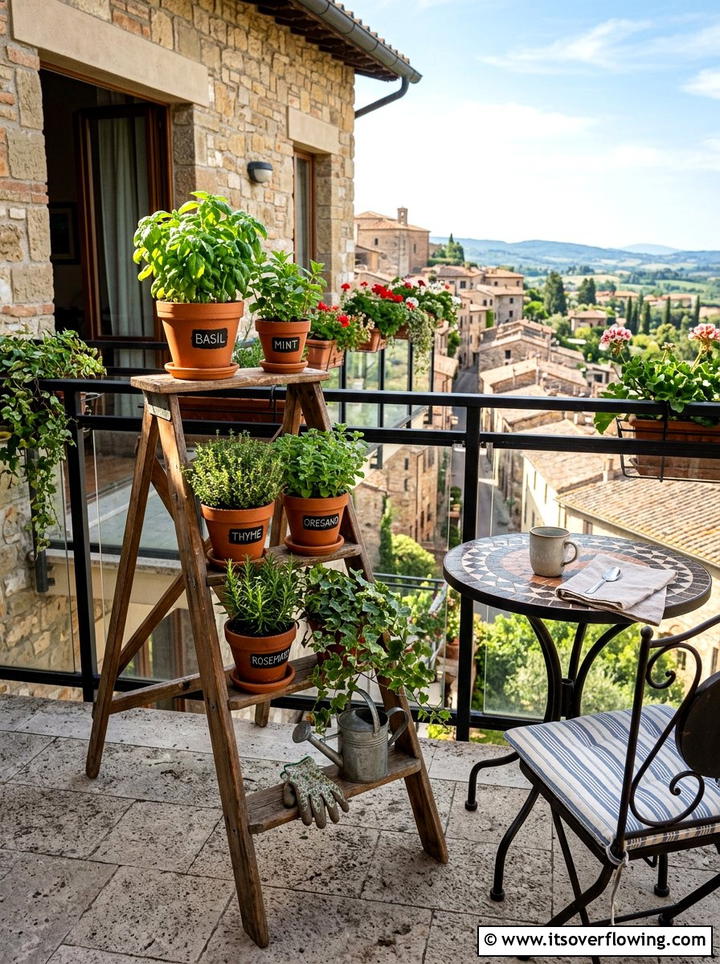
Using a small folding stepladder as a dedicated herb station is a practical and very stylish vertical garden solution for any kitchen patio. You can place individual pots of basil, oregano, and chives on each step to keep them organized and very easy to access while cooking. This setup allows you to move the entire garden into the sun or shade depending on the needs of the plants throughout the day. The vertical nature of the ladder ensures that every plant gets plenty of light and air, which is essential for healthy herb growth. It is a simple and effective way to turn a functional tool into a beautiful garden feature.
21. Wooden Crate Wall
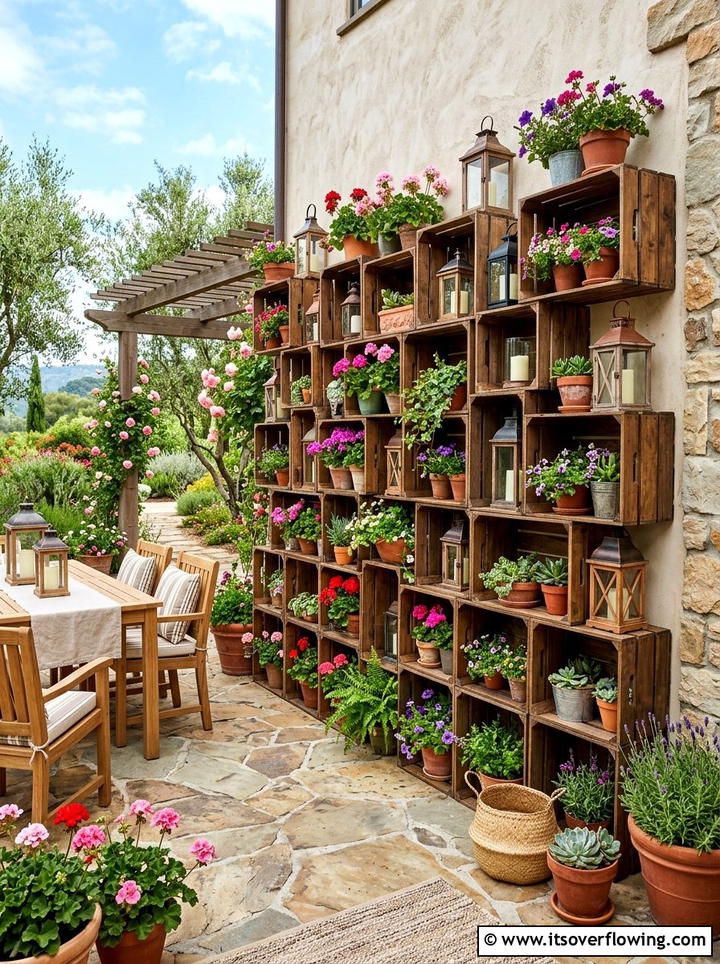
Stacking old wooden crates on their sides is an easy way to build a modular and rustic vertical garden wall for your porch. Each crate provides a large opening where you can place several different potted plants or even small garden decorations like lanterns. You can screw the crates together for added stability and paint them in different colors for a playful and eclectic look. This vertical garden idea is very flexible, as you can add or remove crates to fit the size of your available space. It provides a lot of visual depth and plenty of room for both large and small plants to grow together.
22. Metal Grid Panel
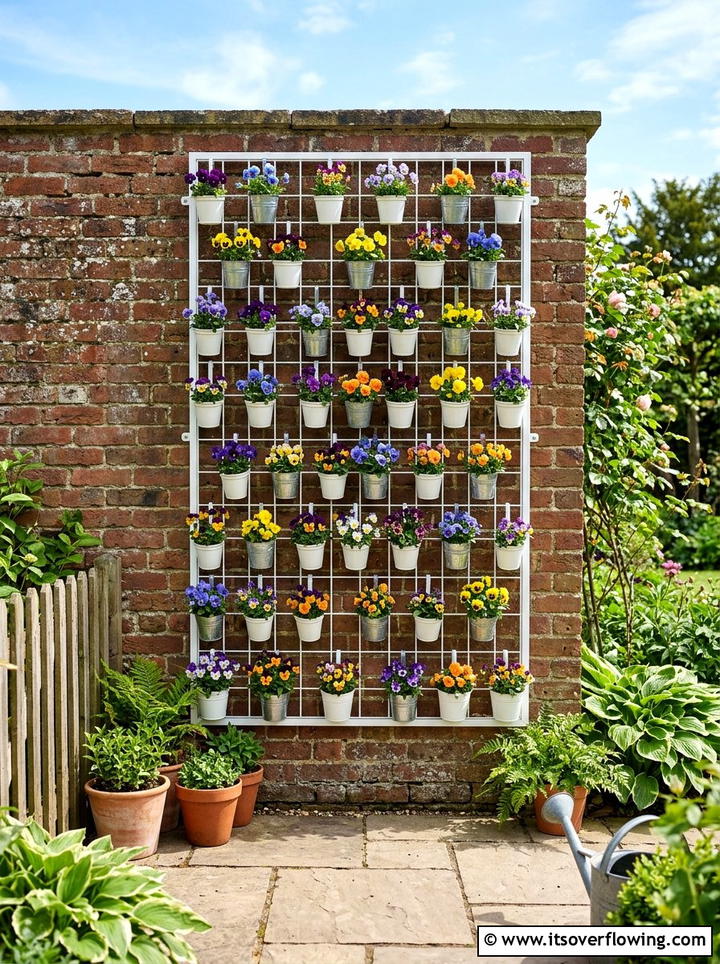
A simple metal grid panel, often found in the organization section of a hardware store, makes for a very modern vertical garden. You can mount the panel to a brick or wood wall and use matching wire baskets to hold your various potted plants. This creates a very clean and symmetrical look that is perfect for a contemporary home or a minimalist balcony design. The open grid allows you to easily see the wall behind it, which can be painted a contrasting color to make the plants pop. This is a very sturdy and long-lasting vertical garden option that requires very little work to set up and maintain.
23. Rope Hanging Shelves
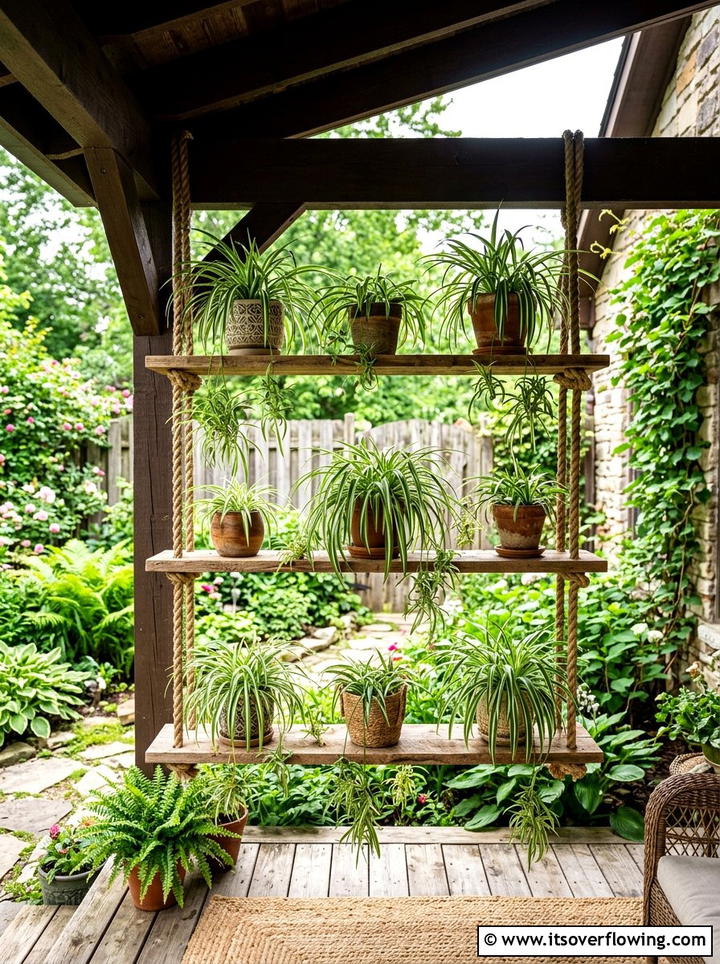
Creating a series of hanging shelves using thick rope and simple wooden boards is a beautiful and breezy way to display your plants vertically. You can drill holes in the corners of several boards and thread the rope through them, tying knots to keep each shelf in place. This hanging garden can be suspended from a porch ceiling or a sturdy tree branch to create a floating green oasis. The gentle movement of the shelves in the breeze adds a relaxing and dynamic element to your outdoor living area. It is a very cheap project that creates a high-end, designer look for your favorite trailing or potted plants.
24. Wall Mounted Buckets
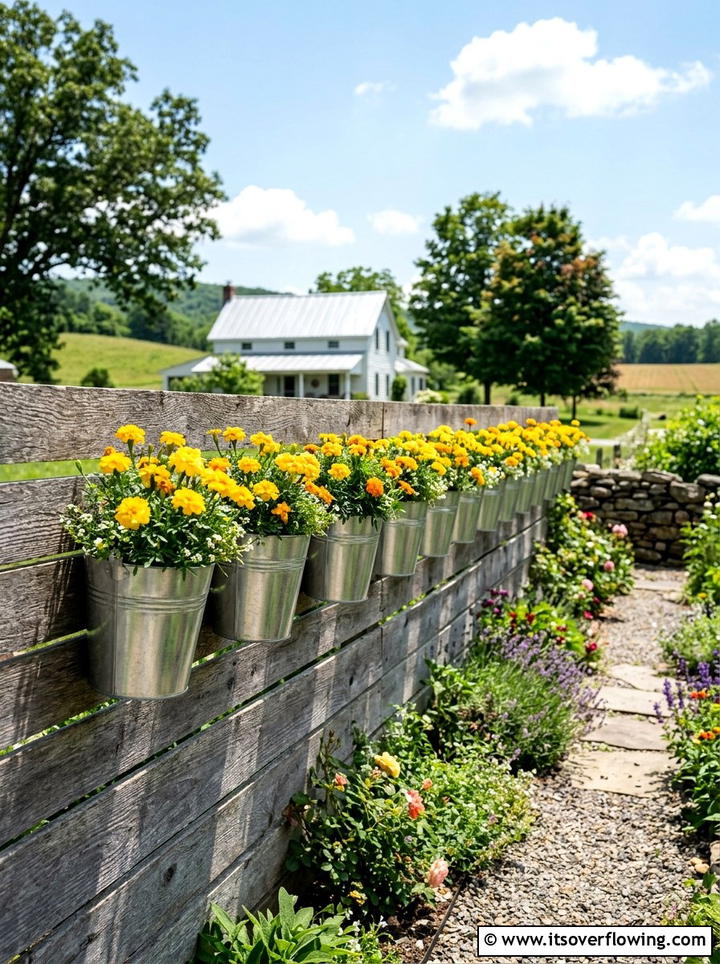
Small metal or plastic buckets can be mounted to a wooden wall or fence to create a charming and very durable vertical garden. You can use a variety of different bucket sizes and colors to create a fun and informal display for flowers or kitchen herbs. Simply screw the buckets directly through the back into the wood, ensuring you have added drainage holes at the very bottom first. This method is very sturdy and can hold a significant amount of soil, making it suitable for larger plants that need more root space. The buckets give a classic, hardworking feel to the garden that is both functional and very attractive.
25. Mason Jar Wall
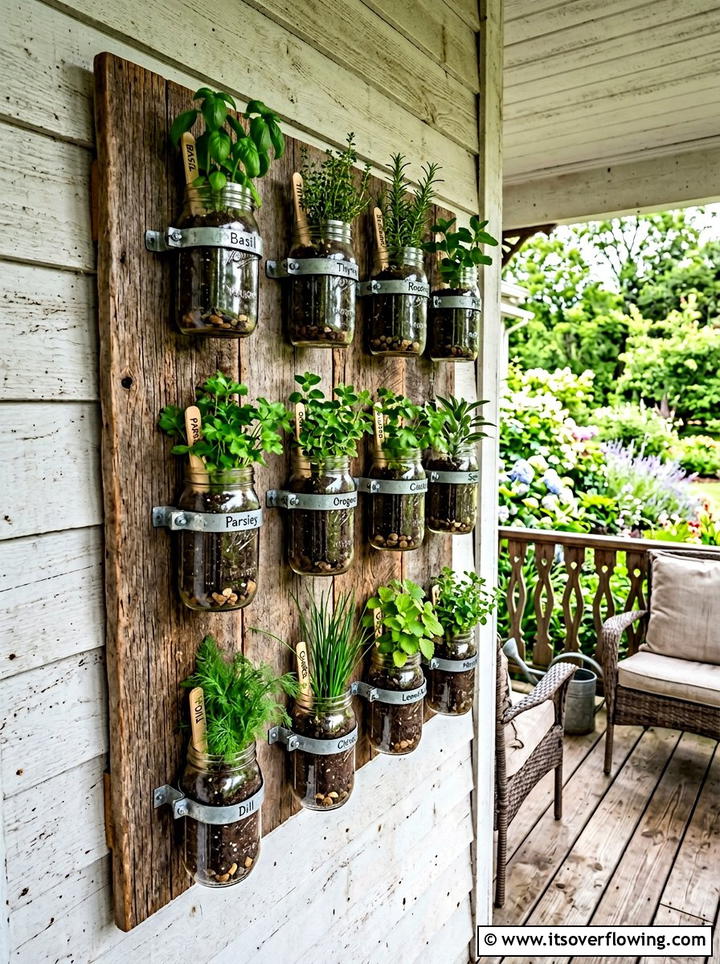
Using metal pipe clamps to attach mason jars to a piece of reclaimed wood is a very popular and cheap vertical garden project. These glass jars are the perfect size for starting small herb cuttings or growing tiny indoor-friendly succulents on a sunny wall. The transparent glass allows you to see the soil and roots, which can be a very interesting and decorative feature in your garden. This vertical display looks great in a kitchen or on a small patio and adds a touch of handmade charm to your home. It is a very inexpensive way to reuse old jars and scraps of wood to create something truly beautiful.
Conclusion:
Building a vertical garden is one of the most rewarding and cost-effective ways to improve your outdoor living experience without needing a lot of space. By focusing on verticality, you can turn a boring wall or a plain fence into a vibrant and living masterpiece that provides fresh air and beauty. Whether you choose to recycle old pallets, use simple gutters, or hang fabric pockets, the possibilities for creating a unique garden are truly endless. These ideas prove that with a little bit of time and effort, anyone can enjoy the benefits of gardening regardless of their budget or yard size. Start small, experiment with different materials, and watch your vertical garden grow into a lush sanctuary you can be proud of.

Related posts:
 25 Cheap Garden Ideas for Front Yard Style on a Budget
 25 Cheap Garden Ideas With Simple Planters: Easy Budget Style
 25 Cheap Garden Ideas With No Grass Landscaping on a Budget
 25 Cheap Garden Ideas With Solar Lights: Bright Budget Glow
 25 Cheap Garden Ideas With Cinder Blocks: Clever DIY Style
 25 Cheap Garden Ideas With Dollar Store Decor: Frugal Style
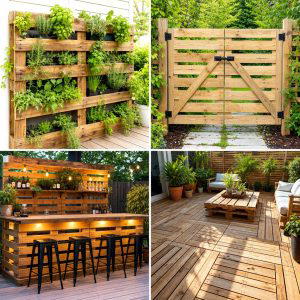 25 Cheap Garden Ideas With Pallets for Creative Outdoor Style
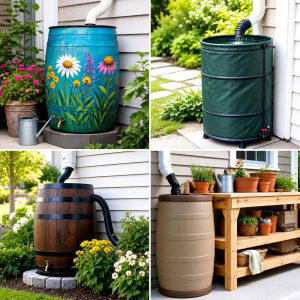 25 Cheap Garden Ideas With Rain Barrels: Save Water in Style
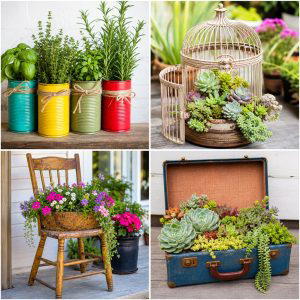 25 Cheap Garden Ideas With Repurposed Containers: Smart Style
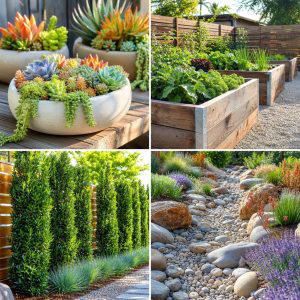 25 Cheap Garden Ideas With Drought Tolerant Plants to Try
 25 Cheap Garden Ideas With Low Maintenance Plants That Thrive
 25 Cheap Garden Ideas With Perennials for Lasting Color