
Creating a beautiful outdoor space does not have to cost a fortune if you focus on the small details that make a big impact. One of the most effective ways to tidy up your yard is by adding clean lines between your lawn and planting beds. Edging helps define different zones while preventing grass from invading your flower patches. You can use many affordable or even free materials found around your home or local community. These budget-friendly solutions provide a polished look that increases your curb appeal instantly. By choosing simple DIY methods, you can achieve a professional landscape appearance without hiring an expensive contractor or buying high-end supplies today.
1. Recycled Brick Garden Border
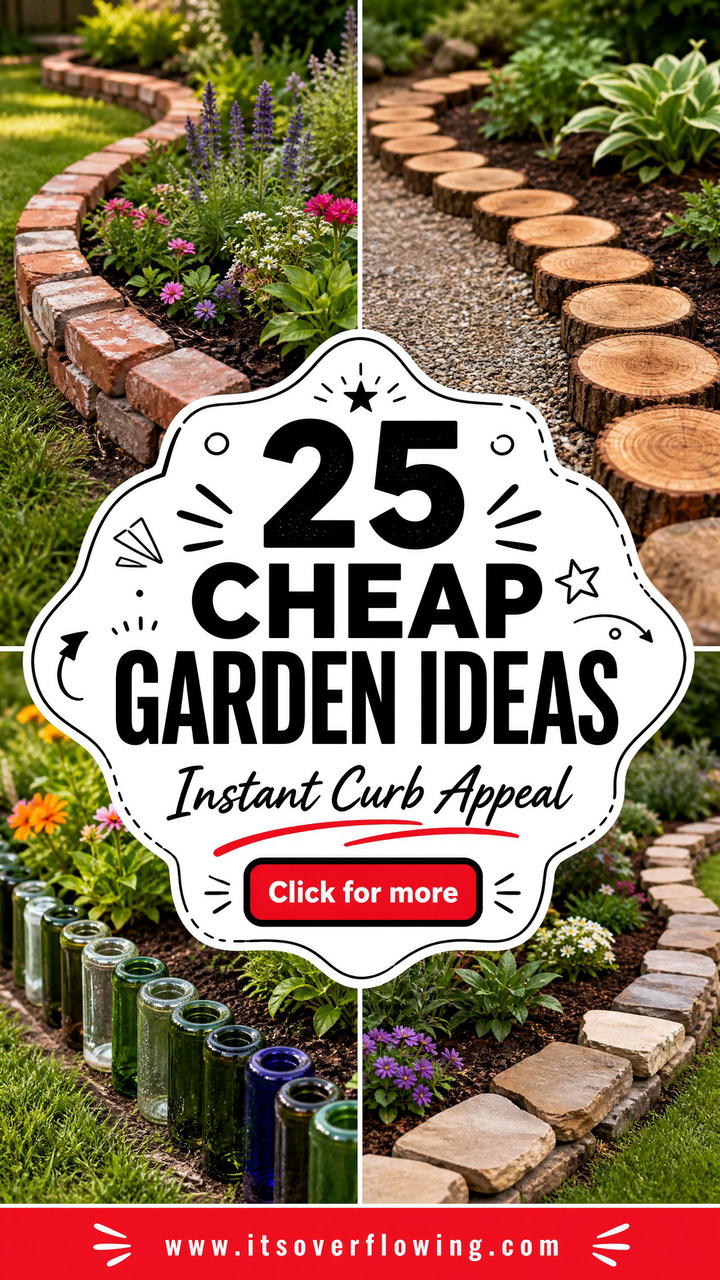
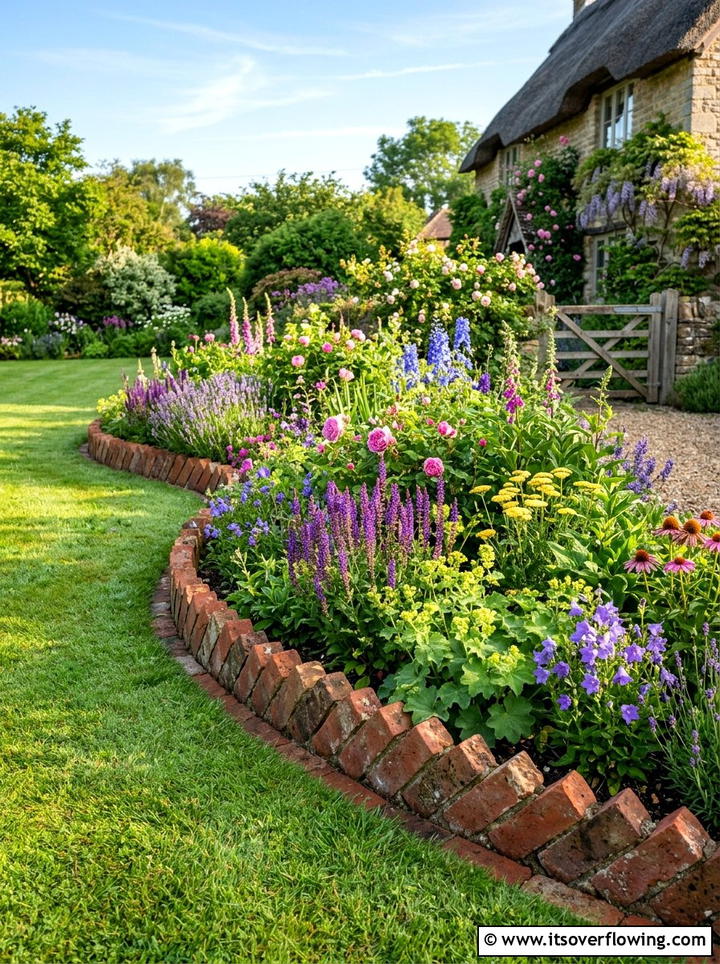
Have you ever noticed how a simple line of bricks can completely transform a messy yard? Using recycled bricks is one of the most affordable ways to define your garden beds while adding a touch of classic charm. You can often find these bricks for free or very cheap on local marketplaces or nearby construction sites. Laying them in a simple running bond pattern or even a diagonal sawtooth look creates a sturdy barrier that prevents grass from creeping into your flowers. This method is very easy for beginners because it requires no heavy machinery. Simply dig a shallow trench, level the soil, and place the bricks tightly together for a clean finish.
2. Natural Stone Flower Bed Edge
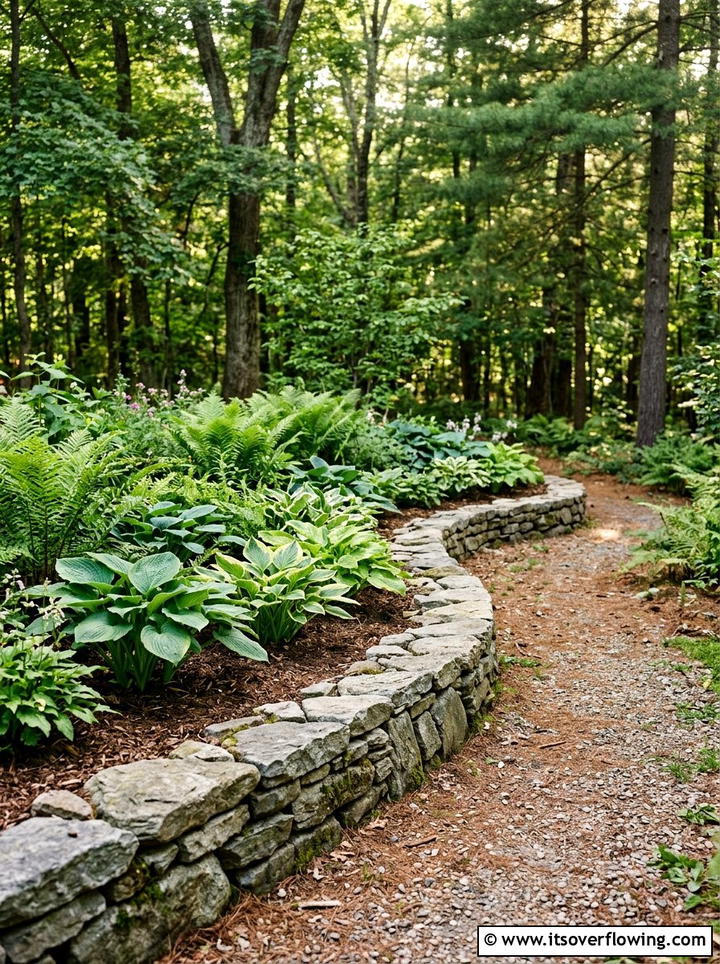
Finding natural stones in your own backyard or local area is a fantastic way to save money on landscaping. Using various sizes of fieldstone creates a rustic and organic look that blends perfectly with any outdoor environment. You can stack them slightly or place them side by side to create a defined perimeter around your favorite plants. This approach works exceptionally well for curved garden beds because stones are naturally irregular and easy to maneuver. The weight of the stones helps keep them in place without the need for mortar or glue. It is a timeless choice that adds texture and visual interest to your home landscape.
3. Wooden Pallet Garden Fence
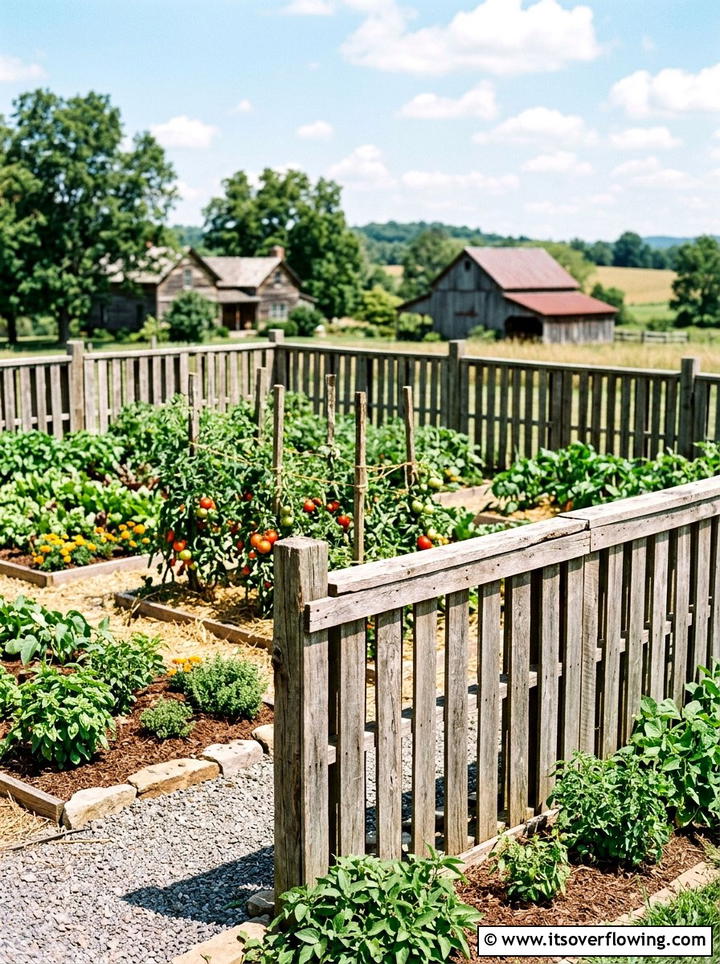
Do you want a creative way to reuse old shipping pallets that are often discarded by local businesses? Breaking down these pallets and using the wood slats to create a short picket-style border is an incredibly cheap solution. You can cut the boards to a uniform height or leave them slightly varied for a more whimsical, rustic appearance. This type of edging is perfect for separating a vegetable patch from the rest of the lawn. To make the wood last longer, you can apply a simple weather-resistant stain or paint it a bright color. It provides a sturdy and tall barrier that helps keep small pets out.
4. Log Slice Pathway Border
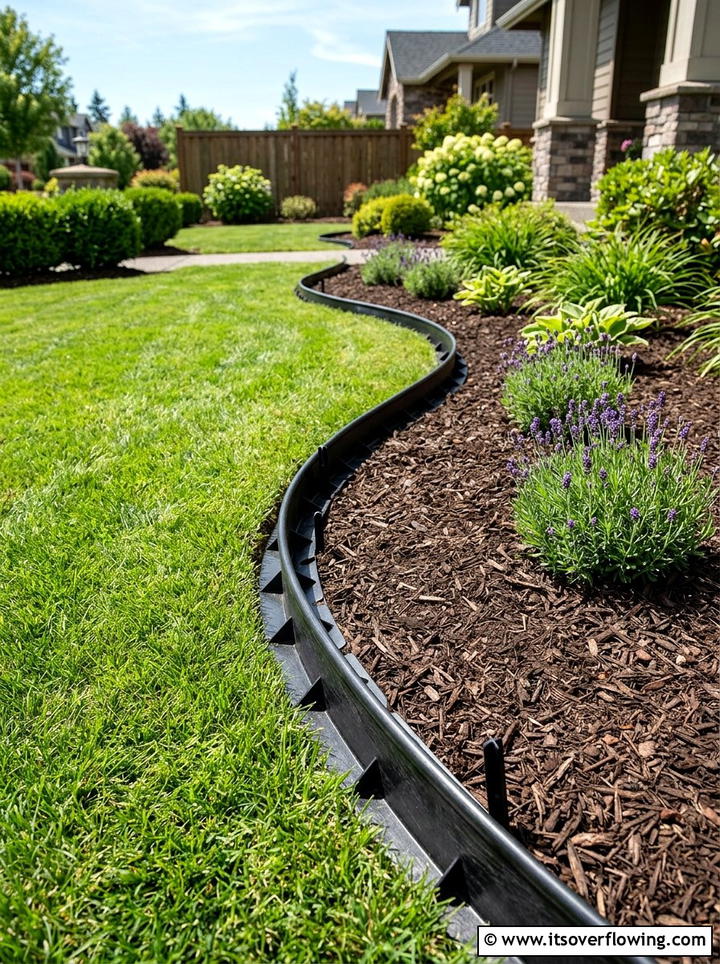
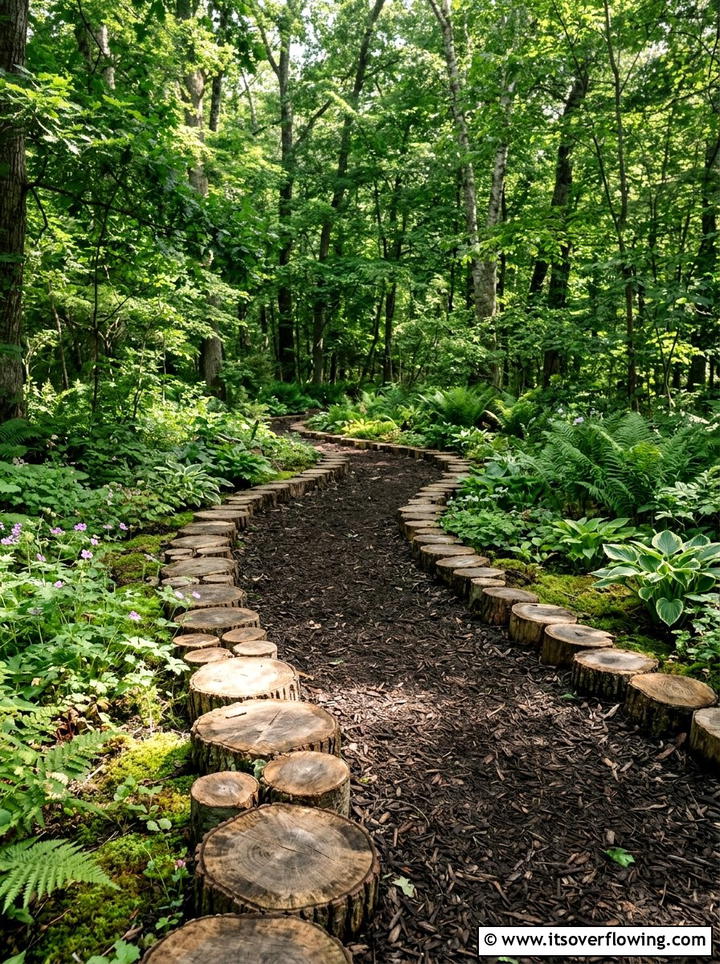
Walking through a garden feels much more magical when the paths are lined with natural elements like cross-cut log slices. If you have recently trimmed a tree or have access to fallen branches, you can cut them into thick rounds to use as edging. These wooden discs can be partially buried in the ground to create a beautiful, stepped effect along a walkway or flower bed. The different rings and textures of the wood add a lovely woodland vibe to your outdoor space. It is a very eco-friendly option that eventually returns to the earth, providing nutrients to your soil over many years of use.
5. Plastic Bottle Garden Edging
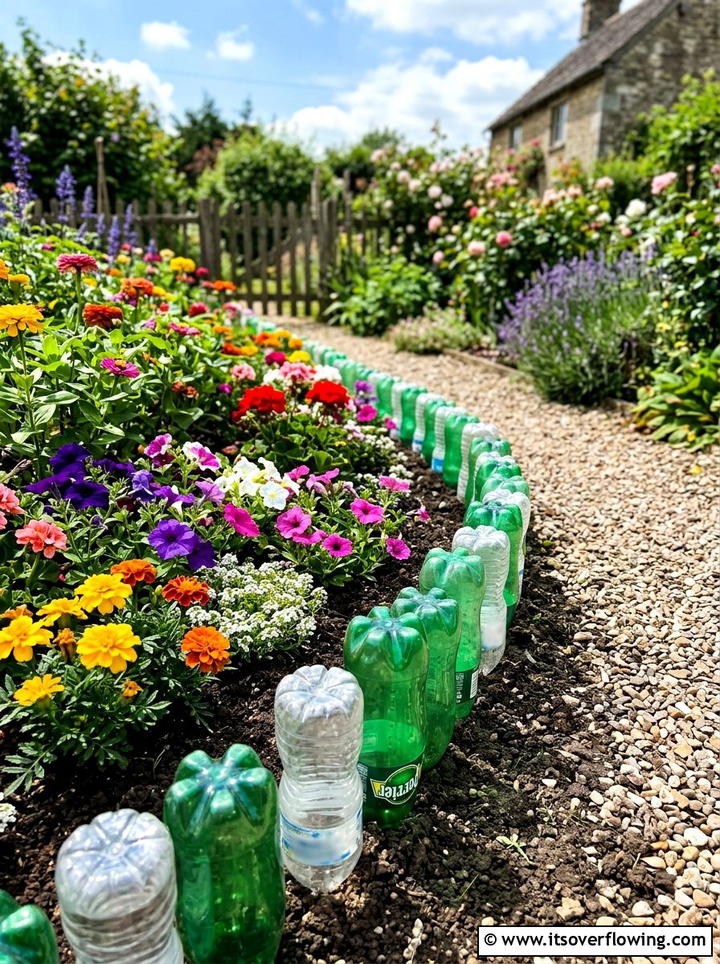
What if you could turn your household recycling into a functional and colorful border for your plants? Collecting plastic soda or water bottles and burying them upside down is a unique way to create a low-cost garden edge. You can fill the bottles with sand or colored water to make them more stable and visually appealing. When lined up tightly, they create a surprisingly durable barrier that catches the light and adds a pop of color to your yard. This project is a great way to teach children about recycling while working together on a fun outdoor activity. It is definitely a conversation starter for any visitor.
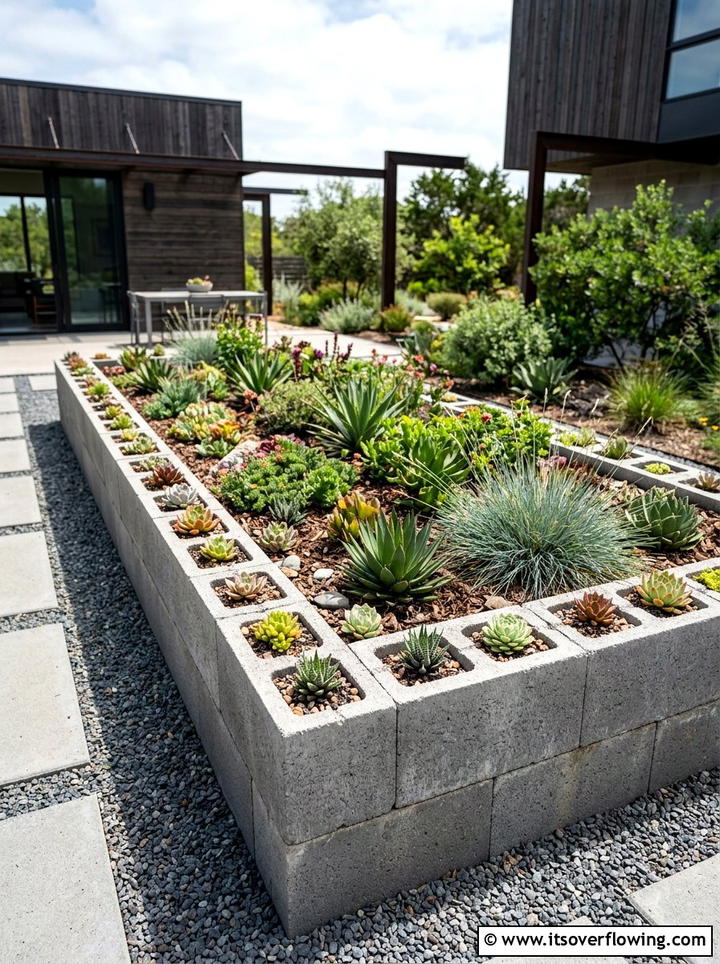
6. Cinder Block Garden Bed
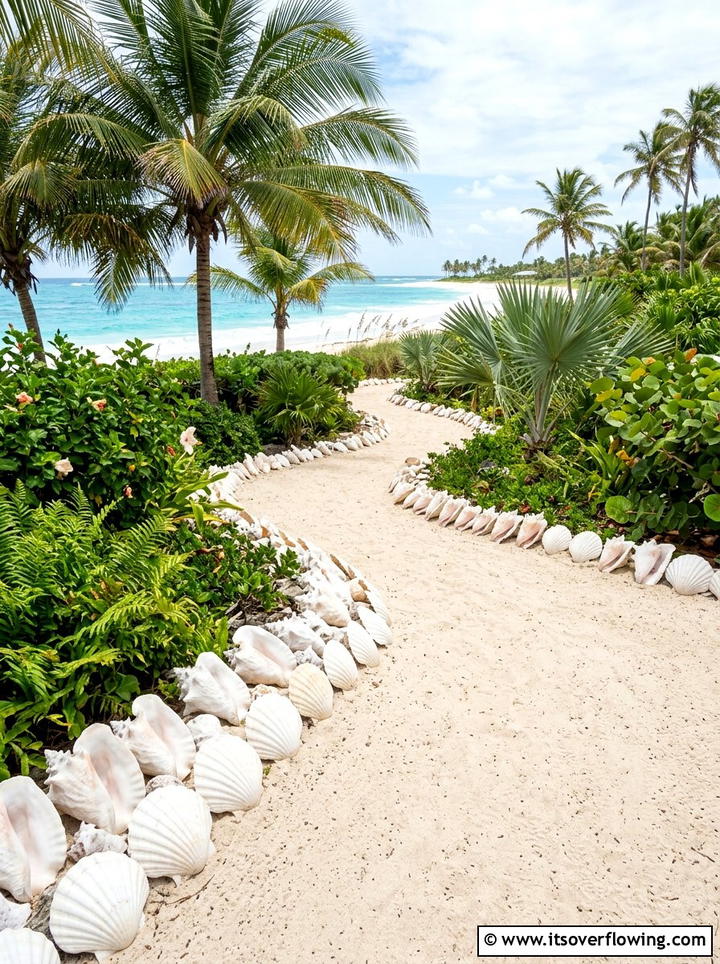
Cinder blocks are very inexpensive building materials that offer a modern and industrial look for your garden borders. You can lay them flat to create a wide edge or stand them up to form a slightly raised bed. One of the best features of using cinder blocks is that the hollow centers can be filled with soil and small succulents or herbs. This creates a double layer of planting space that looks very organized and tidy. You can leave the concrete gray for a minimalist style or paint them to match your home’s exterior. They are heavy enough to stay put through all types of weather conditions.
7. Painted Rock Garden Border
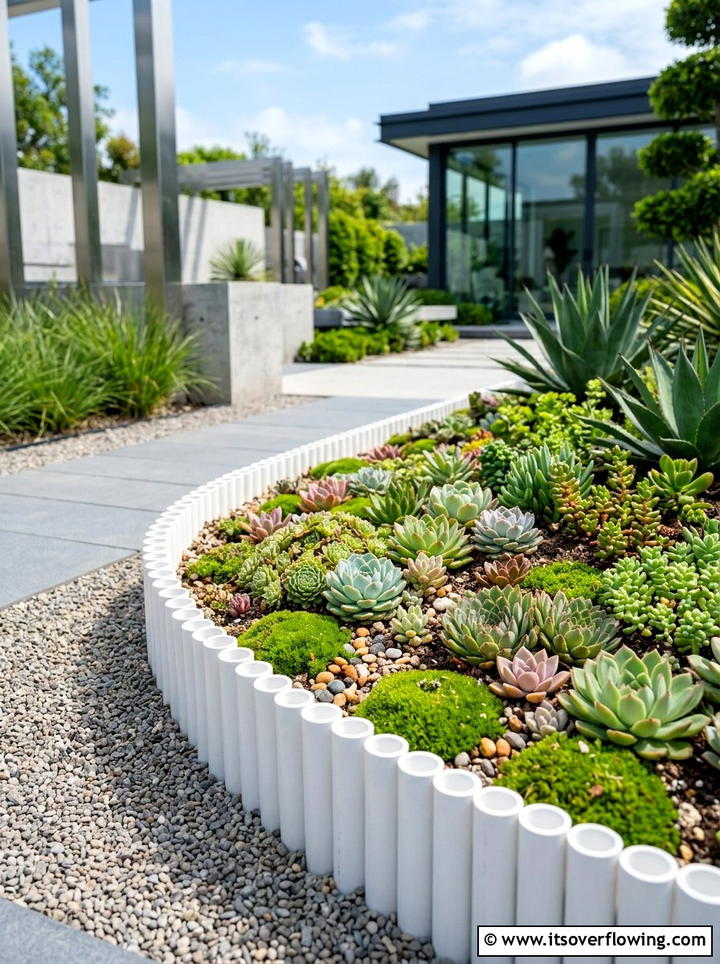
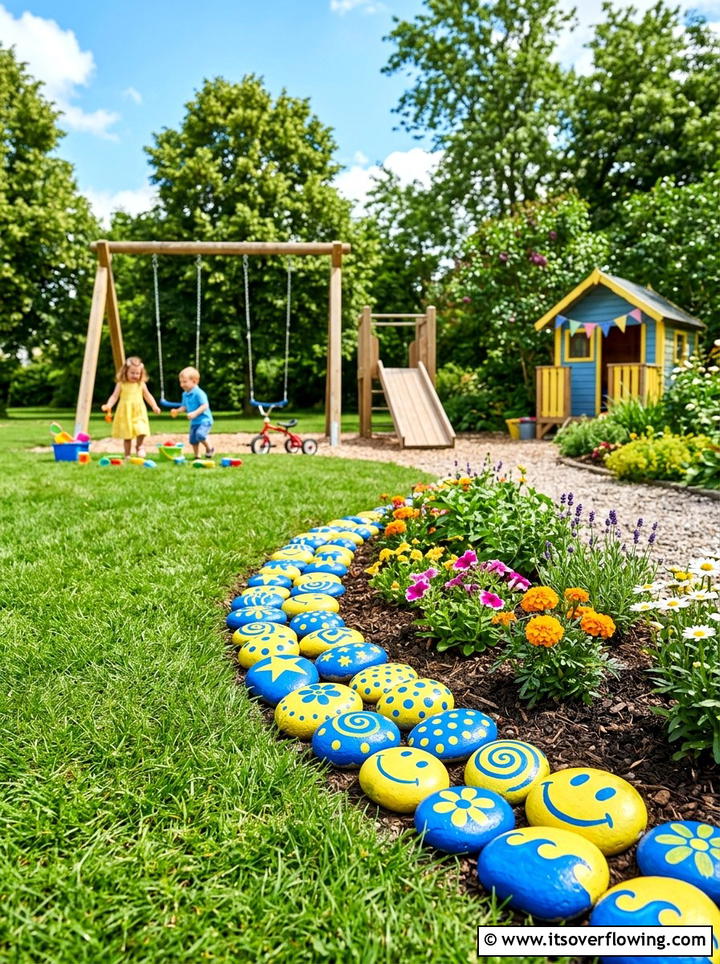
Are you looking for a fun DIY project that allows you to express your artistic side in the yard? Gathering smooth river rocks and painting them with bright outdoor acrylics can create a vibrant and playful border for your plants. You can choose a single color for a clean look or create a rainbow pattern to cheer up a children’s play area. Once the paint is dry, simply line them up along the edge of your mulch or grass. This is an excellent way to involve the whole family in garden maintenance. The painted stones provide a clear visual boundary that stays bright and beautiful for several seasons.
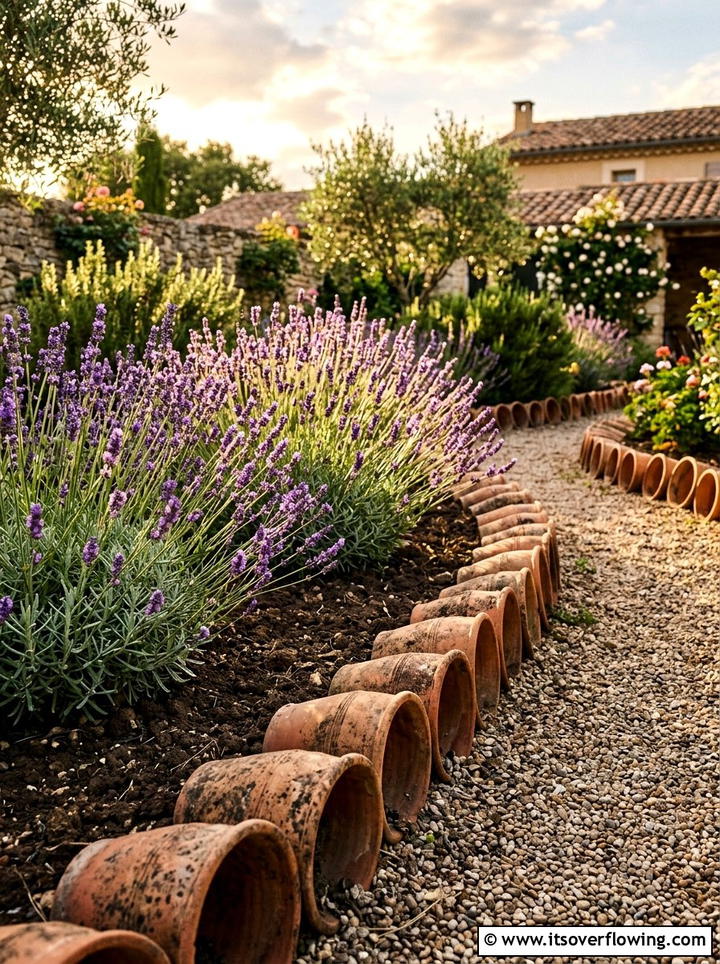
8. Terracotta Pot Plant Edging
Using old or slightly chipped terracotta pots is a clever way to add height and interest to your garden borders. You can bury the pots halfway into the soil on their sides or stand them up in a row to create a decorative fence. This look works perfectly in Mediterranean or cottage-style gardens where a weathered and rustic feel is desired. If you have pots of different sizes, you can nestle them together to create a dynamic and textured edge. This method also allows you to plant small trailing flowers inside the pots to soften the look of the hard clay against the green grass.
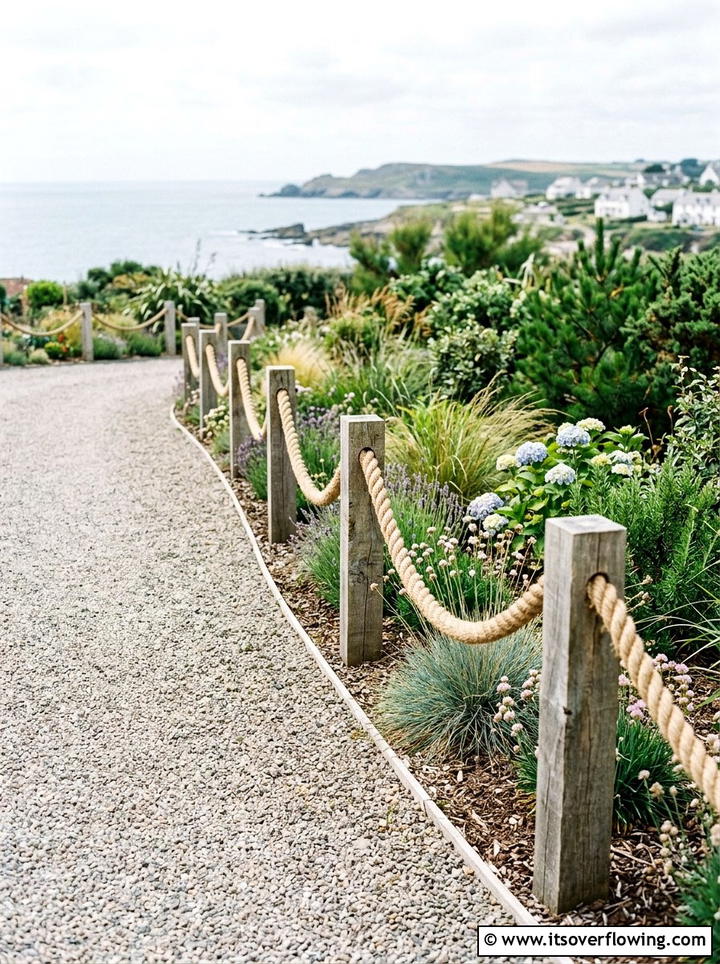
10. Rope And Wood Garden Edge
Adding a nautical or coastal touch to your landscape is easy when you use heavy-duty rope and simple wooden stakes. You can drive small wooden posts into the ground at regular intervals and drape a thick natural fiber rope between them. This creates a soft and flowing border that defines a space without being a hard physical barrier. It is a great choice for lining a gravel driveway or a sandy path near the water. The materials are relatively cheap and can be found at most hardware stores. This style of edging feels very relaxed and inviting, making your garden feel like a peaceful seaside retreat.
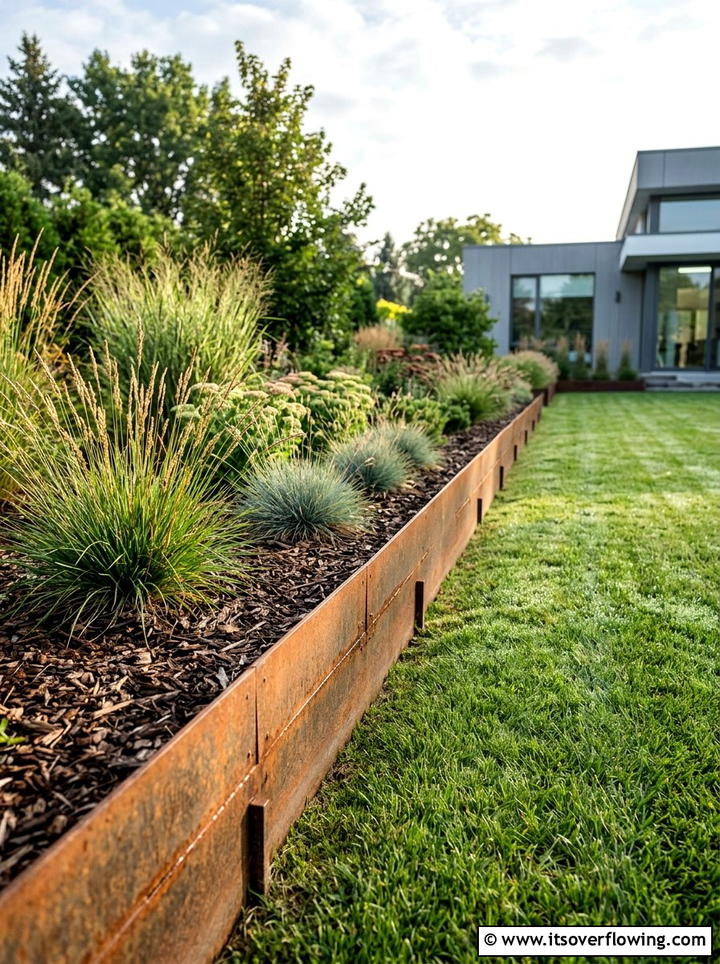
11. Scrap Metal Garden Border
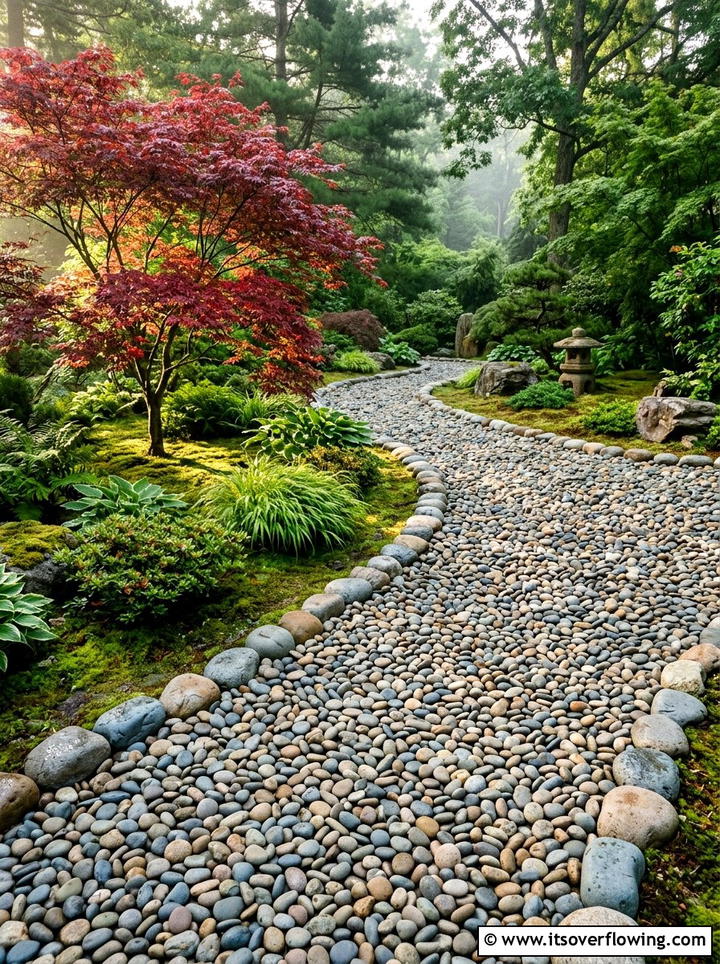
Industrial style can be brought into the garden by using pieces of scrap metal or corrugated roofing sheets as edging. You can cut the metal into long strips and bury the bottom edge to create a sleek and modern look. Over time, some metals will develop a beautiful rusty patina that adds a lot of character to the landscape. This type of border is very thin, so it takes up very little space while providing a very sharp and clean line between materials. It is also incredibly durable and can withstand weed whackers and lawnmowers without taking much damage over the long term.
12. Bamboo Garden Fencing Border
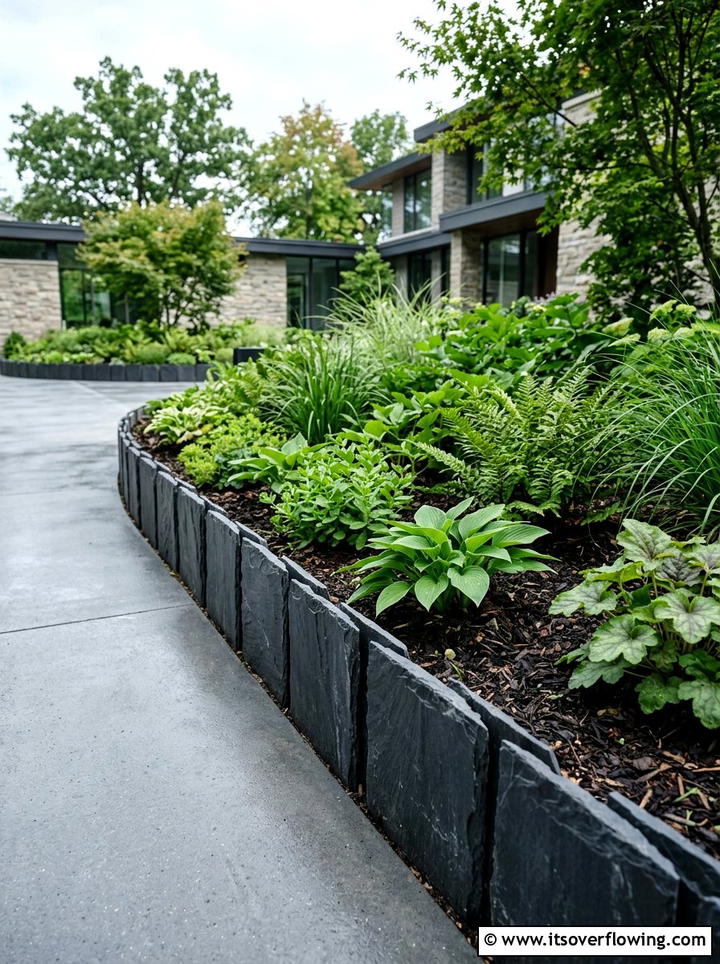
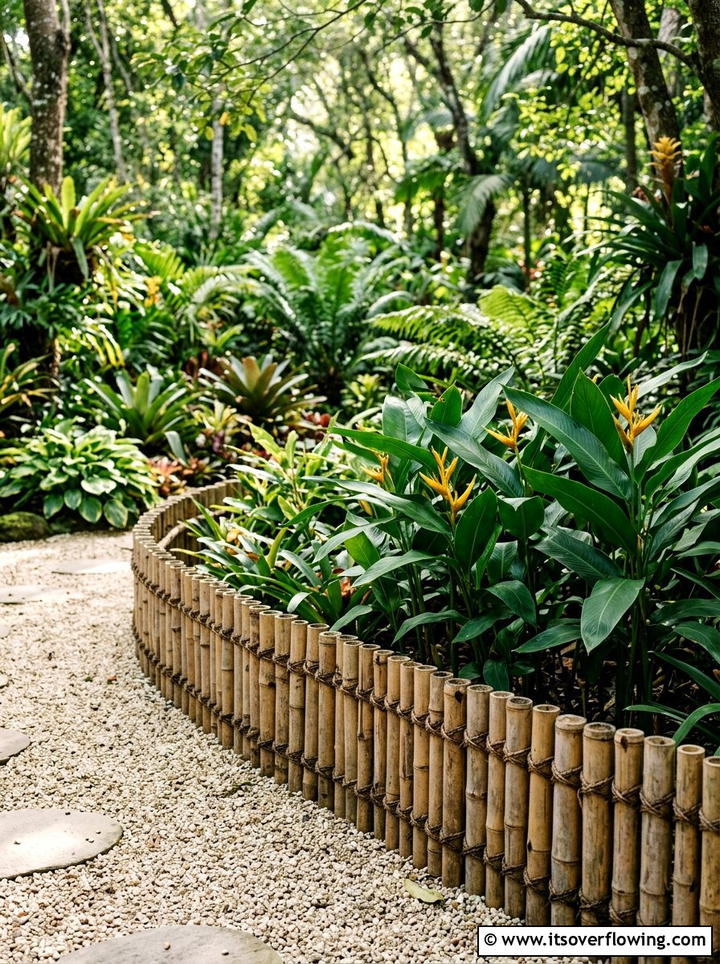
Bamboo is a fast-growing and sustainable material that makes for a beautiful and exotic garden border. You can buy small rolls of bamboo fencing or even cut individual stalks to create a custom height for your edging. Pushing the stakes into the ground provides a vertical element that looks great against tall grasses or tropical plants. Bamboo adds a sense of privacy and structure to small garden beds while remaining very affordable. Its natural tan color looks great in any setting and provides a Zen-like atmosphere to your outdoor living space. It is lightweight and very easy for anyone to install quickly.
13. Gravel Path With Wood Edging
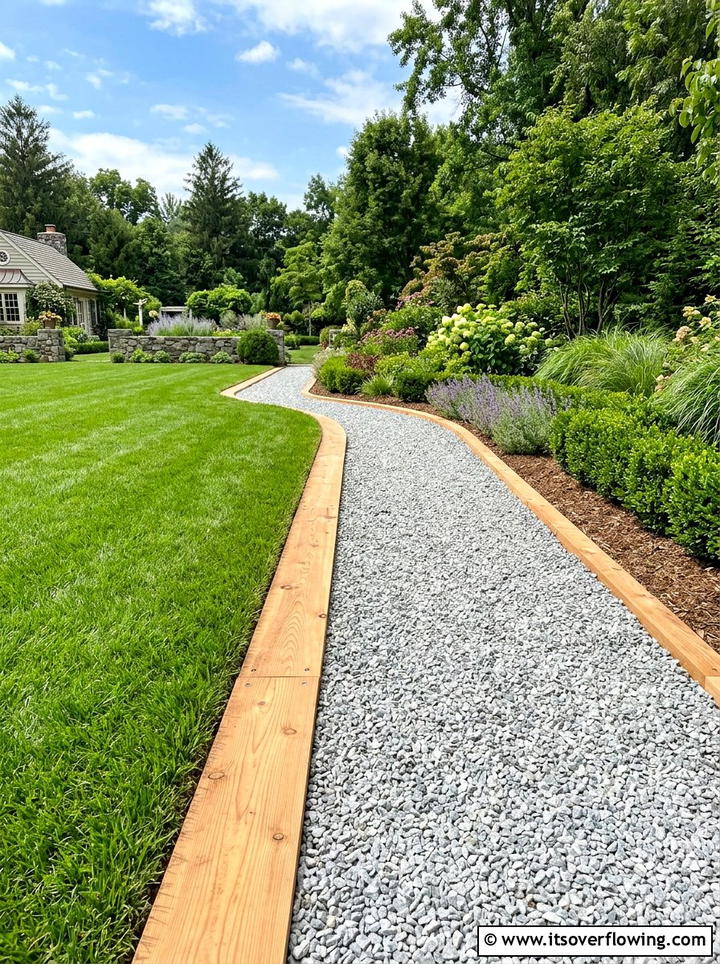
Creating a clear distinction between a gravel walkway and your lawn is essential for keeping your yard looking neat and tidy. Using simple pressure-treated lumber or cedar planks can provide a straight and professional-looking edge for your paths. The wood keeps the small stones from spreading into the grass, which makes mowing much easier and safer. You can secure the planks with small wooden stakes driven into the ground on the inside of the path. This setup is very cost-effective and gives your garden a structured, architectural feel. It is a practical solution that looks great and lasts for a very long time.
14. Wattle Garden Border Weave
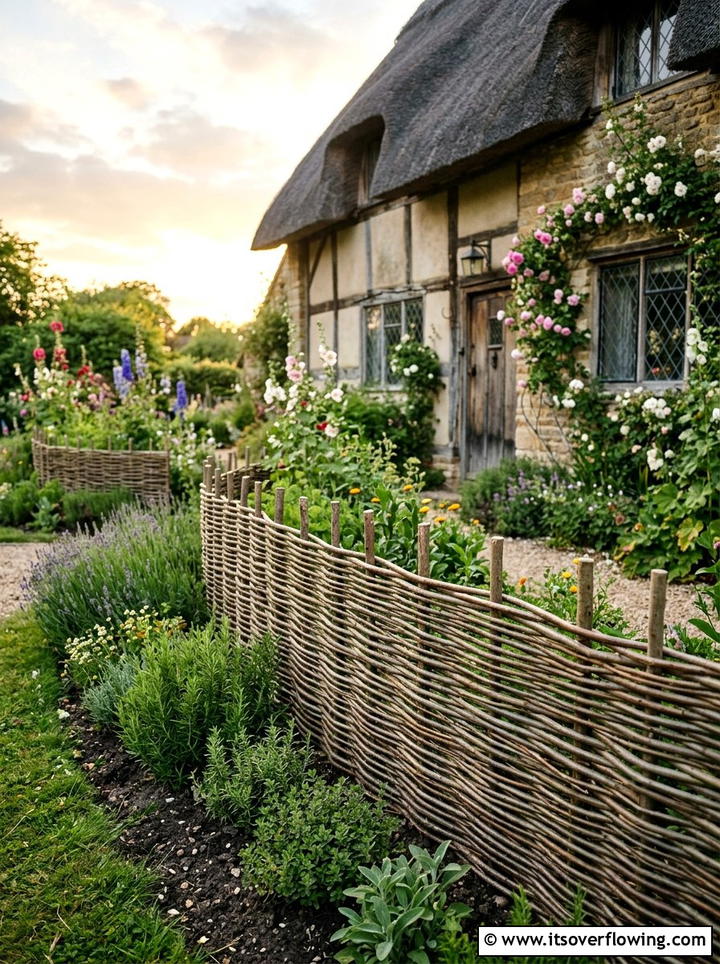
Wattle edging is an ancient technique that uses flexible branches like willow or hazel to weave a small decorative fence. This is a perfect project if you have access to thin branches from pruning your own trees or shrubs. You simply drive sturdier stakes into the ground and weave the longer, thinner branches in an over-and-under pattern. The result is a beautiful, handmade border that looks completely natural and rustic. It is an excellent way to use up yard waste while creating something functional and attractive. This type of edging is ideal for cottage gardens or organic vegetable patches that need a soft touch.
15. Glass Bottle Garden Border
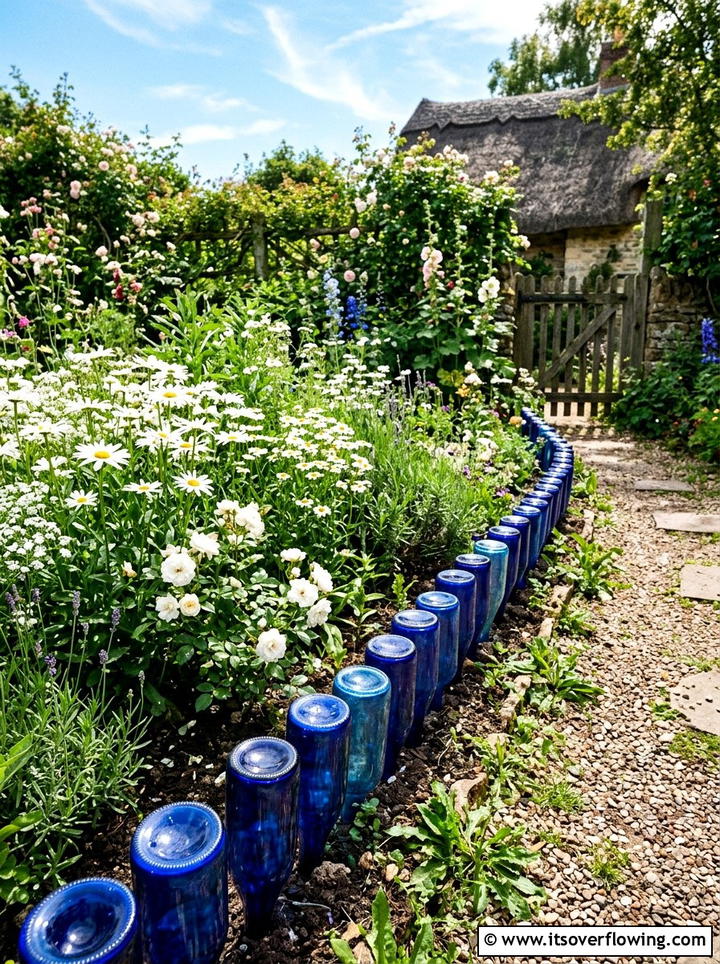
Do you have a collection of colorful glass bottles that you hate to throw away in the recycling bin? Burying glass bottles neck-down in the soil creates a stunning and translucent border that sparkles when the sun hits it. You can use bottles of all the same color for a uniform look or mix greens, browns, and blues for a mosaic effect. This edging method is surprisingly sturdy and does a great job of keeping mulch inside the garden bed. It adds a bit of vintage charm and personality to your yard. Just make sure to bury them deep enough so they stay secure and safe.
16. Upcycled Tire Garden Edge
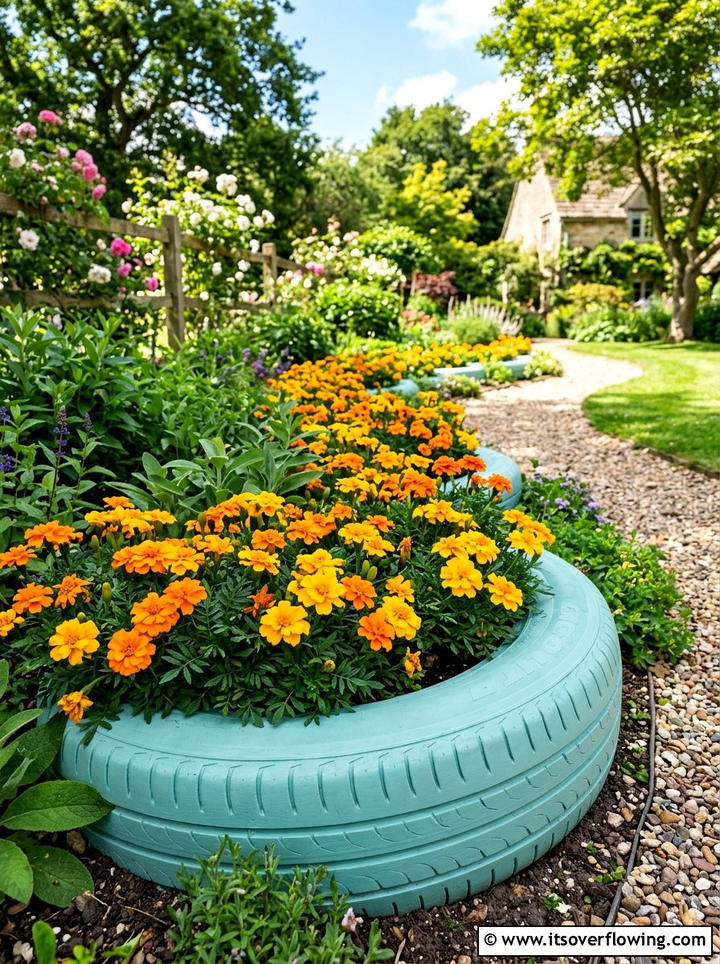
Old tires are often a burden on landfills, but they can be repurposed into very durable garden edging with a little creativity. You can cut tires in half or use them whole to create a raised and circular border for individual trees or shrubs. Painting the rubber in bright colors can help them blend in with your flowers or stand out as a bold design feature. Tire rubber is extremely weather-resistant and will not rot or break down for decades. This makes it one of the most long-lasting cheap edging options available. It is a great way to be environmentally conscious while improving your yard.
17. Gabion Wire Stone Border
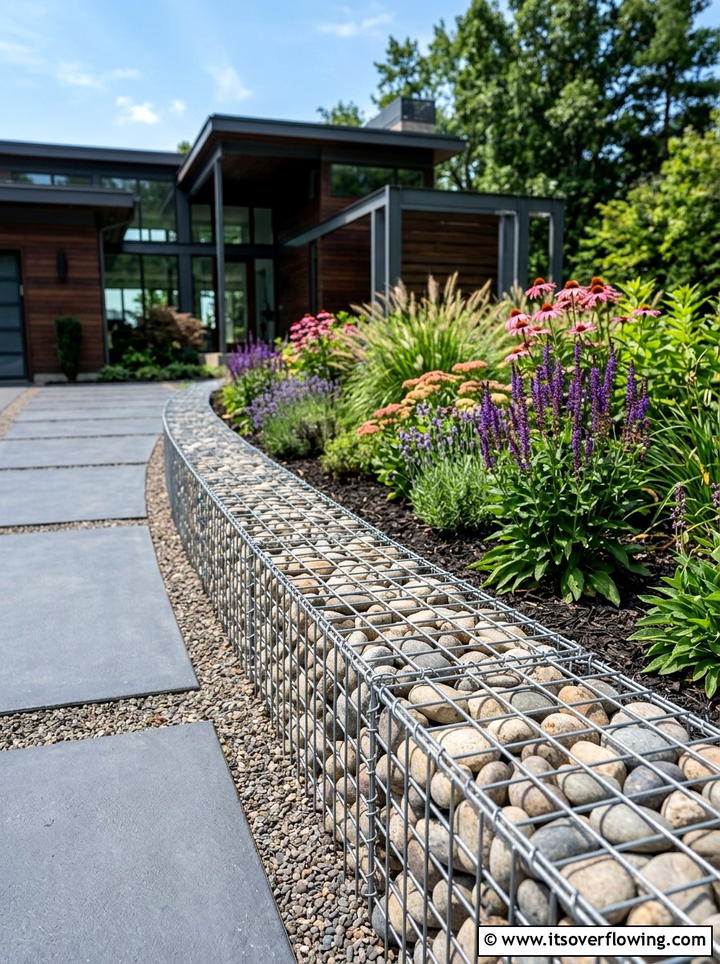
A gabion border consists of a wire mesh cage filled with small rocks or pebbles to create a solid and attractive wall. While large gabions are used for erosion control, smaller versions make excellent and modern garden edging. You can buy rolls of inexpensive wire mesh and form them into narrow rectangular shapes along your garden beds. Filling them with local stones or even recycled crushed concrete creates a heavy and stable barrier. This look is very popular in contemporary landscaping and provides great drainage for your plants. It is a unique way to use stones that might otherwise look messy or disorganized.
18. Concrete Garden Edge Mold
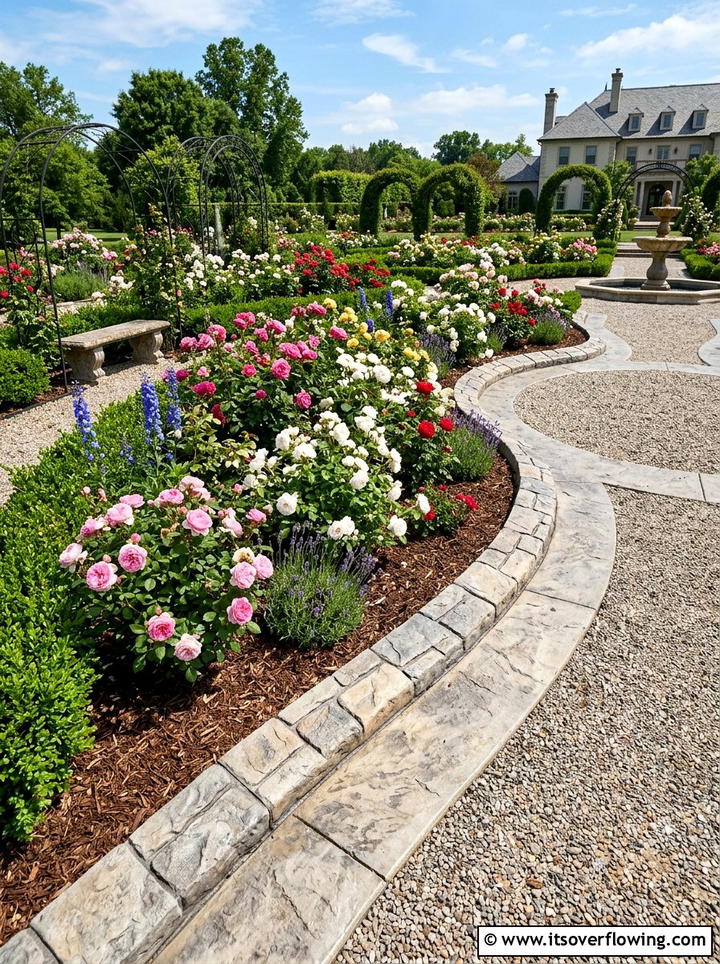
If you want the look of custom masonry without the high price tag, using a plastic concrete mold is a great choice. You can buy these molds online for a very low price and use them to create beautiful stone-like patterns. Simply mix a bag of inexpensive concrete, pour it into the mold on a level surface, and let it set. You can even add pigment to the wet concrete to match the color of your home or patio. This method allows you to create as much edging as you need for just the cost of a few bags of cement. It looks professional and very high-end.
19. PVC Pipe Garden Border
White PVC pipes are very cheap and can be used to create a surprisingly clean and modern garden border. You can cut the pipes into short, equal lengths and stand them up vertically in a shallow trench. When placed tightly together, they create a uniform and waterproof barrier that is perfect for wet areas of the yard. You can even fill the tops of the pipes with a bit of soil and plant tiny succulents or moss inside them. If you don’t like the white plastic look, a quick coat of spray paint can make them look like metal or expensive stone for very little money.
20. Tree Branch Garden Edging
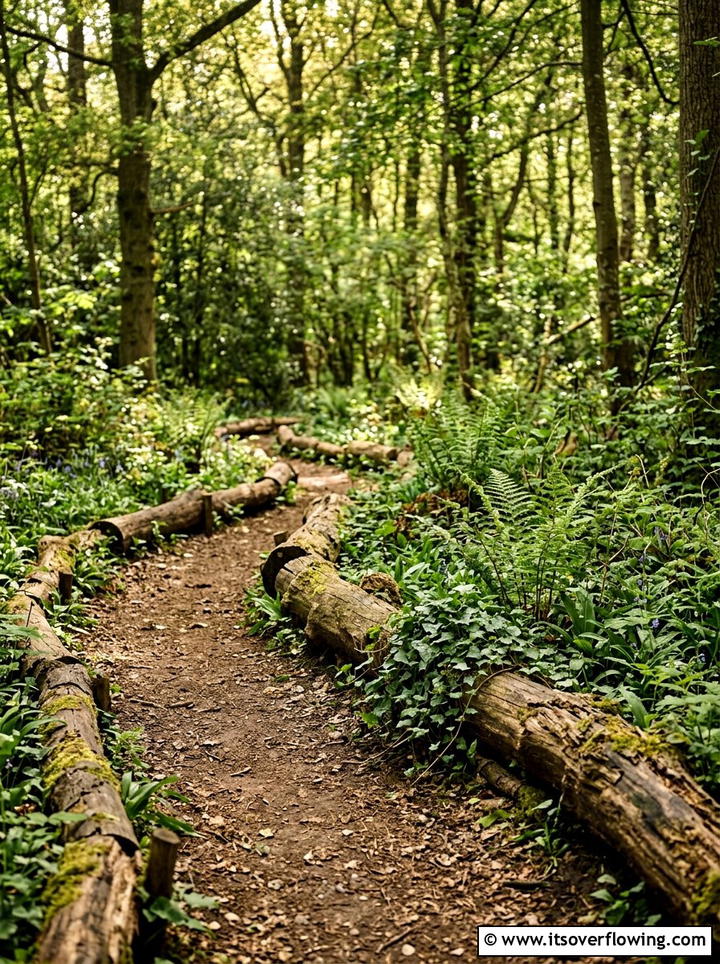
Using large tree branches or small logs laid horizontally is perhaps the easiest and cheapest way to edge a garden bed. If you have a large property with many trees, you likely have all the materials you need sitting on the ground already. Simply clear a small path and lay the logs end-to-end to define the space. This creates a very natural and rustic look that is perfect for woodland gardens or informal landscapes. As the wood slowly breaks down over the years, it adds organic matter back into the soil. It is a zero-cost solution that looks wonderful in a natural setting.
21. Flagstone Garden Bed Edge
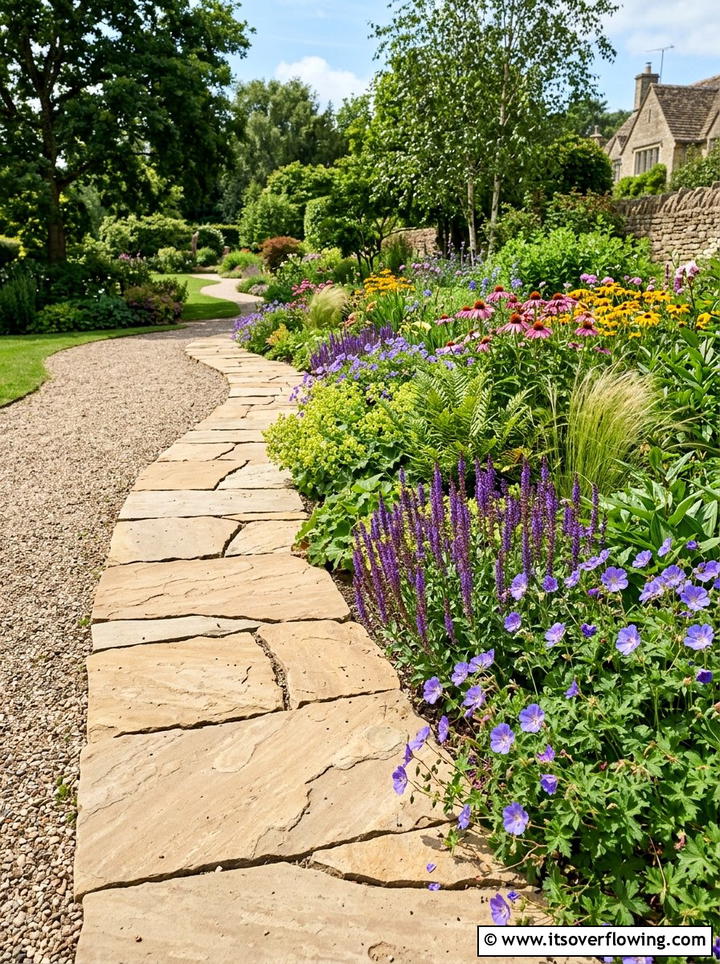
Flagstones are flat, thin pieces of rock that provide a very elegant and high-quality look for any garden border. While buying them new can be pricey, you can often find broken pieces or leftovers from larger projects at a discount. Laying these stones flat or slightly overlapping them creates a very stable and beautiful edge that is easy to walk on. The natural variation in color and shape makes every section of the border look unique and handcrafted. Flagstone is incredibly durable and can handle heavy foot traffic and extreme weather without cracking. It is a classic choice for a reason and adds value.
22. River Rock Garden Border
River rocks are smooth, rounded stones that come in beautiful shades of gray, tan, and blue. Creating a wide border of these stones between your grass and garden beds adds a clean and calming aesthetic. Because the stones are small, they can easily follow the curves of any flower bed or walkway. You can place them over a layer of landscape fabric to prevent weeds from growing up through the rocks. This creates a very low-maintenance edge that stays looking fresh year-round. The sound of water or the sight of these smooth stones often makes a garden feel more peaceful and like a sanctuary.
23. Roof Tile Garden Edging
Old clay or slate roof tiles can be repurposed into a very sophisticated and unique garden border. By burying the tiles vertically so only the top few inches are visible, you create a very thin and sharp line. This is an excellent way to recycle materials from a home renovation project that would otherwise go to waste. The terracotta or dark slate colors look very expensive and provide a great contrast to green plants. Because roof tiles are designed to withstand the elements, they are naturally very durable and will not fade or rot over time. It is a very clever and stylish DIY hack.
24. Railroad Tie Garden Border
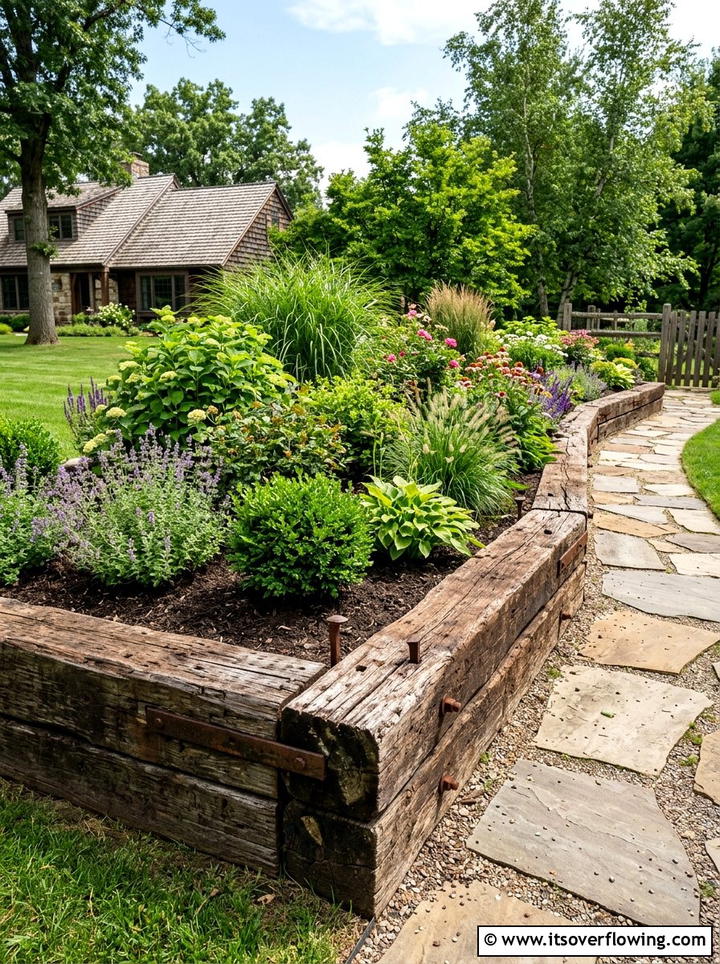
Railroad ties are thick, heavy beams of wood that have been treated to last for a very long time outdoors. You can often find used ties for a very low price at garden centers or through local classified ads. Because they are so large and heavy, they stay in place perfectly without any extra hardware. They create a very strong and masculine look that is great for large properties or raised garden beds. The weathered wood adds a lot of texture and history to your landscape. Just be sure to wear gloves when handling them, as they can be quite rough and heavy to move alone.
25. Plastic Lawn Edging Roll
Sometimes the simplest solution is the best one, and a standard roll of plastic lawn edging is very affordable and effective. This material is designed to be buried in the ground so only a tiny black or green bead is visible at the surface. It provides an excellent barrier against grass roots while remaining almost invisible to the eye. This is the perfect choice for homeowners who want a very clean and minimalist look without any bulky materials. It is very flexible, making it easy to create perfect circles around trees or long, sweeping curves along your driveway. It is a quick and easy weekend project.
Conclusion:
Updating your yard with beautiful edging is a rewarding project that provides instant gratification and long-term benefits for your home. By exploring these cheap and creative ideas, you can find a solution that fits your personal style and your specific budget. Whether you prefer the rustic look of natural stones and wood or the clean lines of recycled bricks and metal, there is an option for everyone. Taking the time to define your garden beds not only improves the appearance of your landscape but also makes maintenance much easier. A well-edged garden looks professional, stays organized, and serves as a point of pride for any homeowner.

Related posts:
 25 Cheap Garden Ideas With Curb Appeal Upgrades for Less
 25 reusing old things ideas for front yard: Curb Appeal DIYs
 25 Cheap Garden Ideas To Refresh Your Outdoor Space Fast
 25 Cheap Garden Ideas With Cinder Blocks: Clever DIY Style
 25 Cheap Garden Ideas With Composting for Greener Outdoor Spaces
 25 Cheap Garden Ideas With Drought Tolerant Plants to Try
 25 Cheap Garden Ideas With Gravel for Stylish Low-Cost Yards
 25 Cheap Garden Ideas With Mulch for a Polished Yard
 25 Cheap Garden Ideas With Native Plants for Easy Beauty
 25 Cheap Garden Ideas With Rain Barrels: Save Water in Style
 25 Cheap Garden Ideas With Simple Planters: Easy Budget Style
 25 Cheap Garden Ideas With String Lights: Magical Glow Tips