
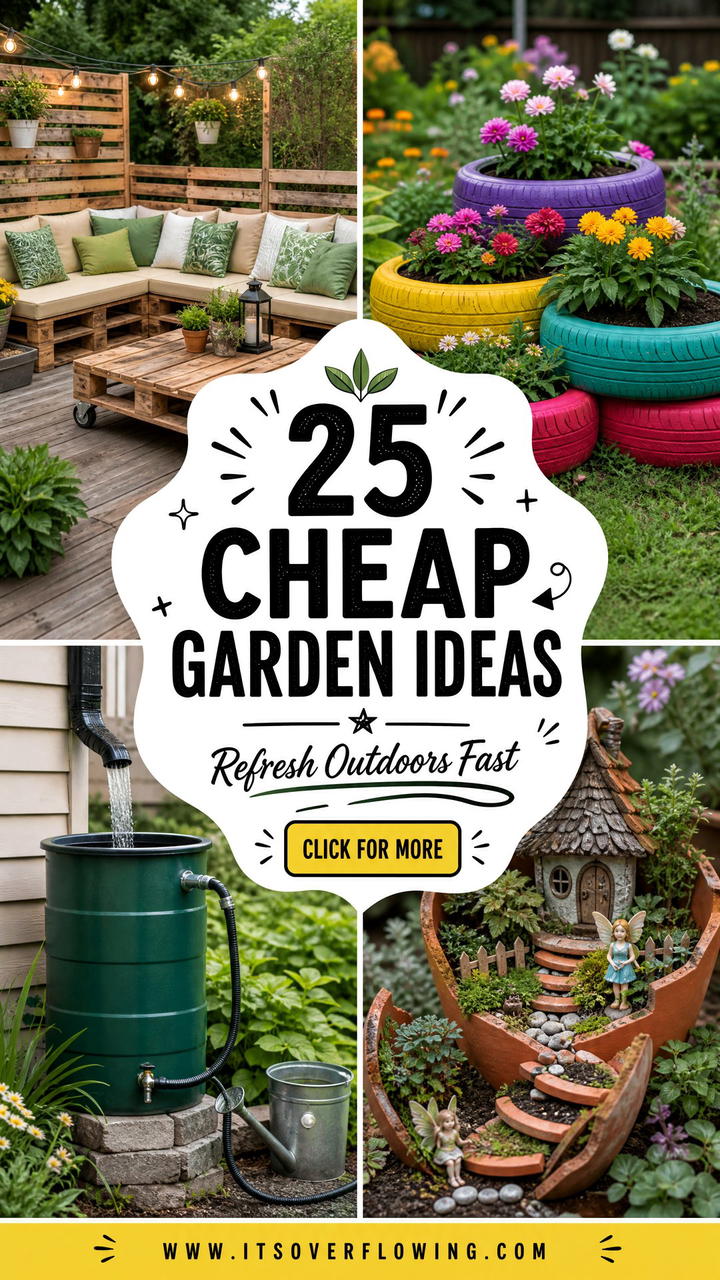
Creating a stunning outdoor space doesn’t have to drain your savings account or require a massive renovation project. Many homeowners feel intimidated by the cost of professional landscaping, but the truth is that a little creativity can transform any backyard. By using upcycled materials and simple DIY techniques, you can build a personal oasis that looks expensive and polished. Gardening on a budget is about making smart choices with what you already have or finding low-cost alternatives to high-end decor. This guide will walk you through twenty-five innovative ways to upgrade your garden without spending a fortune. From repurposed furniture to clever planting strategies, these tips are designed to be accessible, sustainable, and visually appealing for any skill level.
1. Pallet Garden Furniture
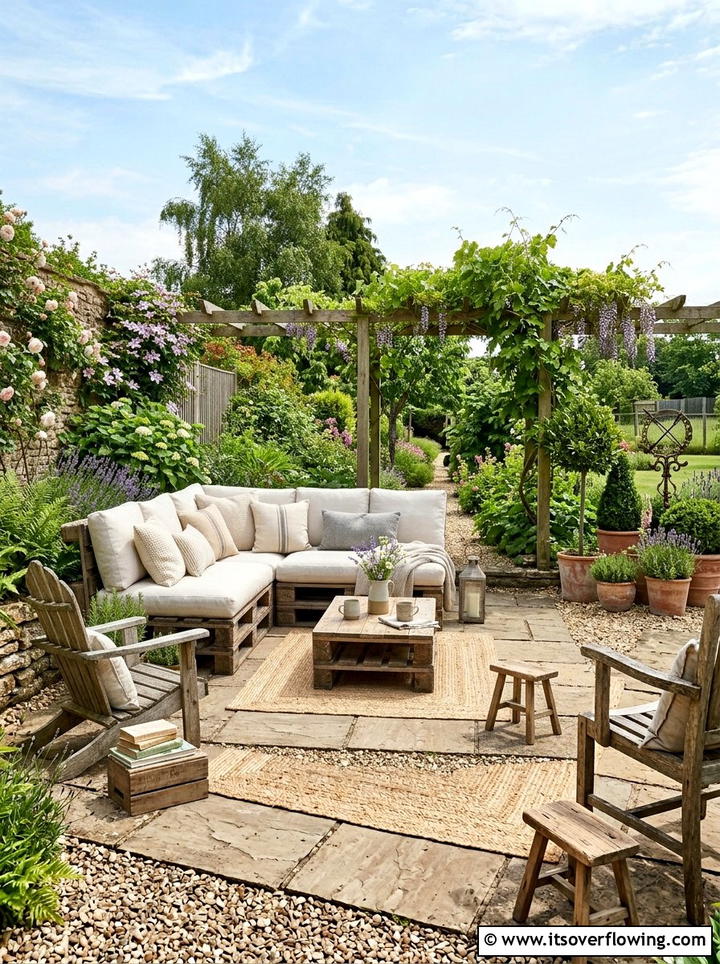
How can you turn simple shipping wood into a cozy seating area for your patio? Pallet furniture is one of the most popular ways to create a functional outdoor lounge without spending hundreds of dollars on retail sets. Start by sourcing heat-treated pallets from local businesses or online marketplaces where they are often given away for free. After a quick sanding to remove rough edges, you can stack them to create a comfortable height for a sofa or a low-profile coffee table. A fresh coat of exterior paint or weather-resistant stain will protect the wood from the elements while matching your overall garden aesthetic. Add some large outdoor cushions or thrifted pillows to finish the look and create a perfect spot for relaxation.
2. Vertical Herb Garden
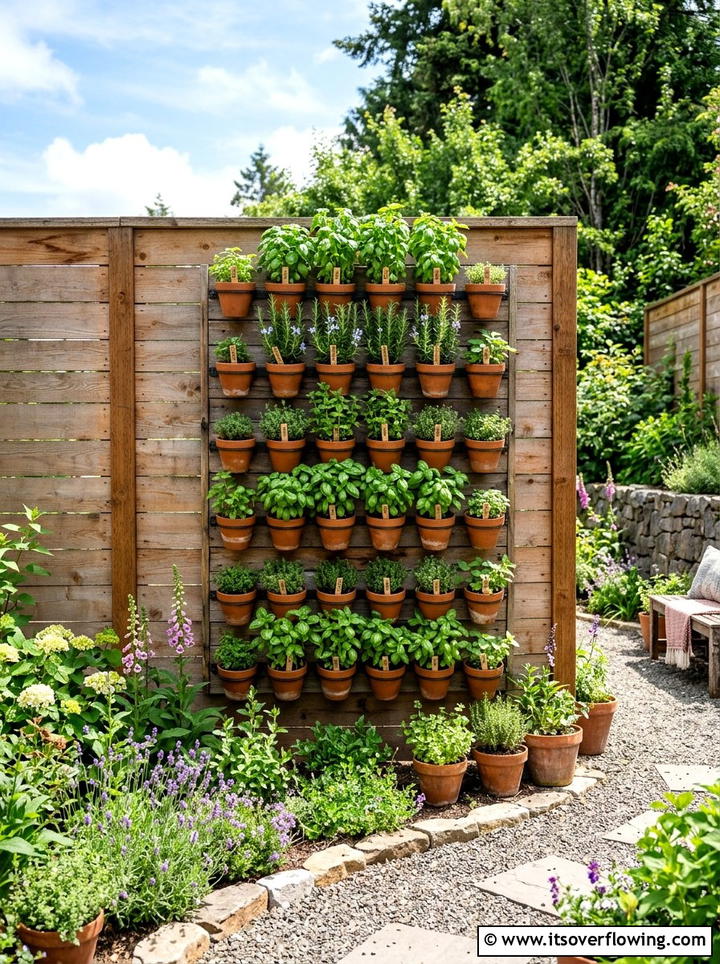
Does your backyard feel too small for a traditional vegetable patch? A vertical herb garden is an excellent solution for maximizing limited space while adding lush greenery to your walls or fences. You can use a variety of materials, such as wooden crates, hanging pockets, or even repurposed plastic bottles, to create individual planting tiers. This setup allows you to grow fresh basil, mint, and rosemary right outside your kitchen door for easy access during meal prep. Watering becomes more efficient as the moisture trickles down from the top layers to the bottom ones. This vertical arrangement not only saves room but also serves as a beautiful, fragrant focal point that enhances the visual depth of your small garden.
3. Recycled Tire Planter
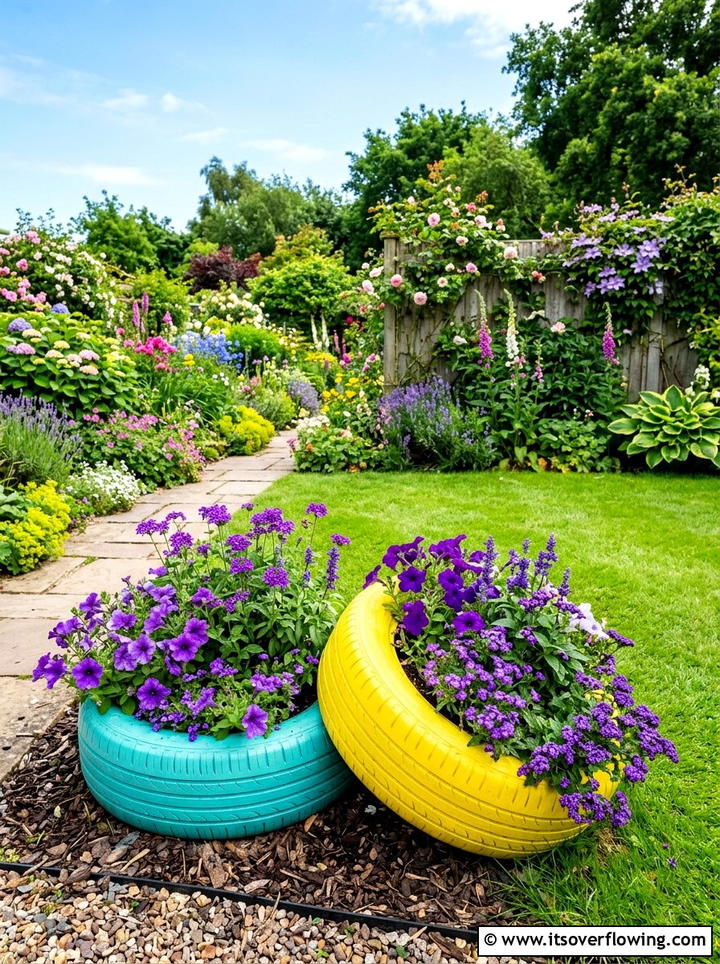
Have you ever wondered what to do with old tires that are taking up space in your garage? Turning them into vibrant garden planters is a fantastic way to recycle while adding a playful touch to your landscaping. First, give the tires a thorough cleaning to remove any road grime and debris. Once they are dry, apply a high-quality outdoor spray paint in bright colors like teal, yellow, or pink to make them pop against the green lawn. You can stack them in interesting configurations or hang them from sturdy tree branches or fences. Fill the center with potting soil and plant trailing flowers like petunias or hardy succulents to create a unique and durable container garden.
4. Gravel Garden Path
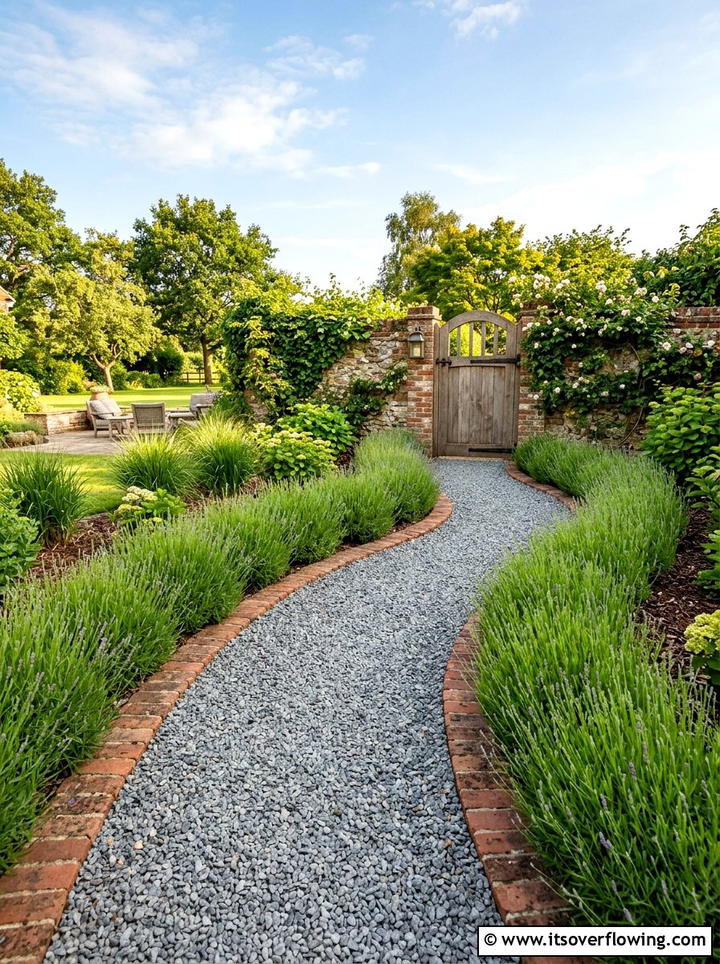
What is the most affordable way to define the movement and flow of your outdoor space? Installing a gravel garden path is a cost-effective alternative to expensive paving stones or concrete slabs. Begin by marking the desired route and removing the grass to create a shallow trench for the stones. Laying down a layer of landscape fabric will help prevent weeds from poking through and keep the gravel from sinking into the soil. Choose a local pea gravel or crushed stone that complements your home’s exterior and spread it evenly across the path. This simple addition provides a clean, structured look that guides visitors through your garden while providing excellent drainage and a satisfying crunch underfoot.
5. Tin Can Lantern
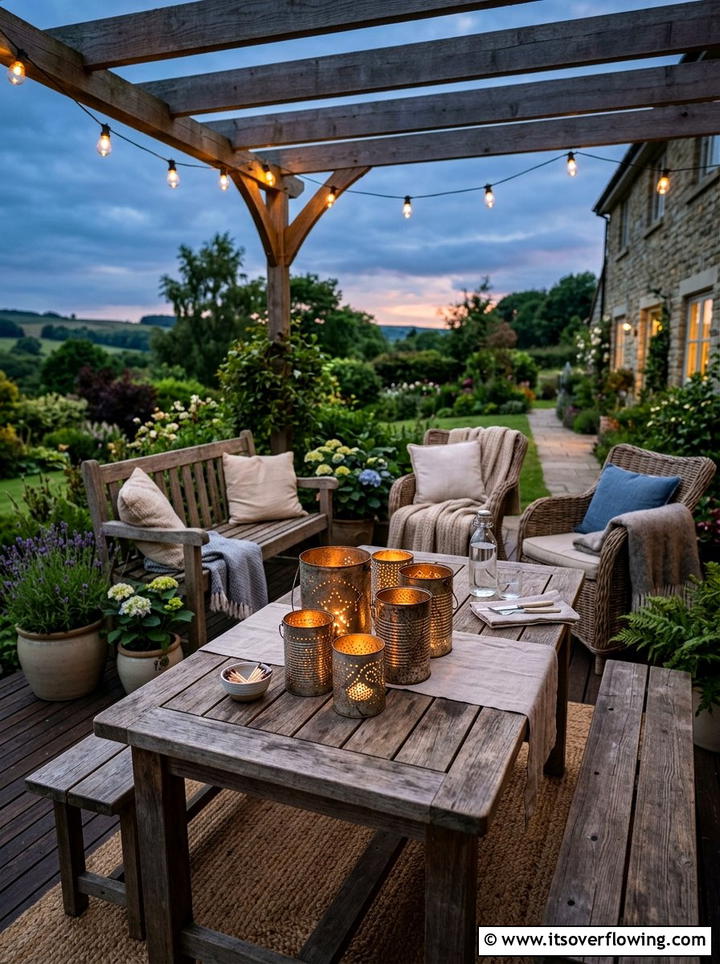
Can you imagine a more charming way to light up your evening garden gatherings than with handmade lanterns? Recycled tin cans are perfect for creating rustic outdoor lighting that costs virtually nothing but some time and effort. Start by cleaning empty soup or vegetable cans and removing the labels. Fill them with water and freeze them solid to prevent the metal from denting while you work. Use a hammer and a large nail to punch decorative patterns or simple holes into the sides of the cans. Once the ice melts, add a small tea light or a battery-operated candle inside. These lanterns cast beautiful, flickering shadows across your patio, creating a cozy and magical atmosphere for any night.
6. Tree Stump Table
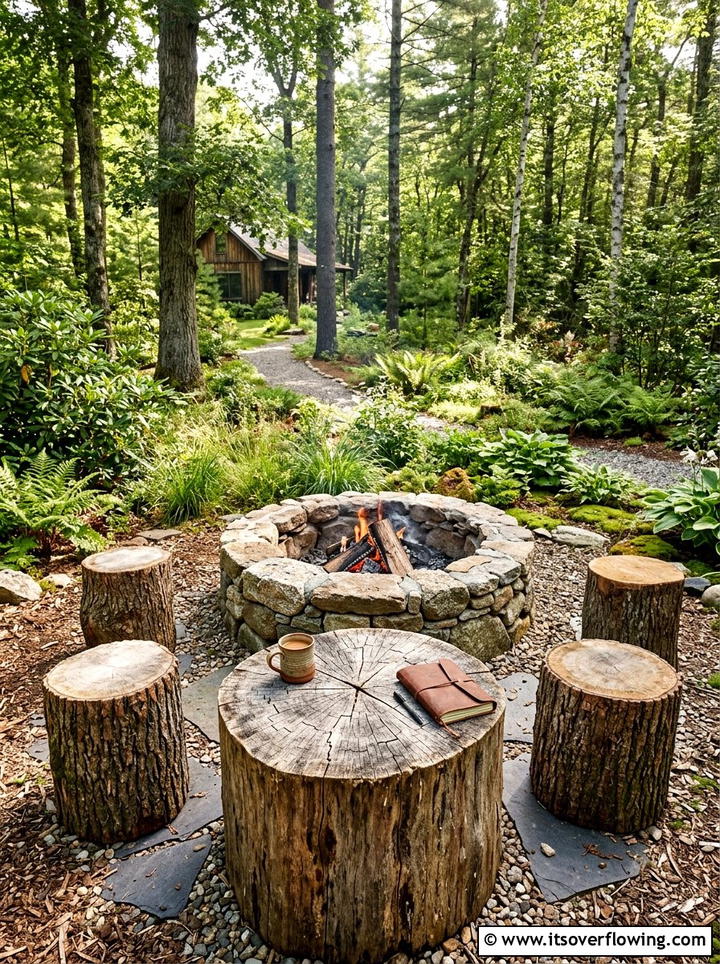
Is there an old tree stump in your yard that feels like an eyesore rather than a feature? Instead of paying for expensive removal, you can easily convert it into a natural side table or a rustic plant stand. If the stump is level, sand the top surface until it is smooth and apply a clear waterproof sealant to protect the wood from rot. If you have extra stumps, you can arrange them around a fire pit to serve as sturdy, weather-proof stools for guests. This approach embraces the organic beauty of your garden while providing practical surfaces for drinks or decorative pots. It integrates seamlessly into a woodland or farmhouse style, proving that nature provides the best furniture.
7. Cinder Block Bench
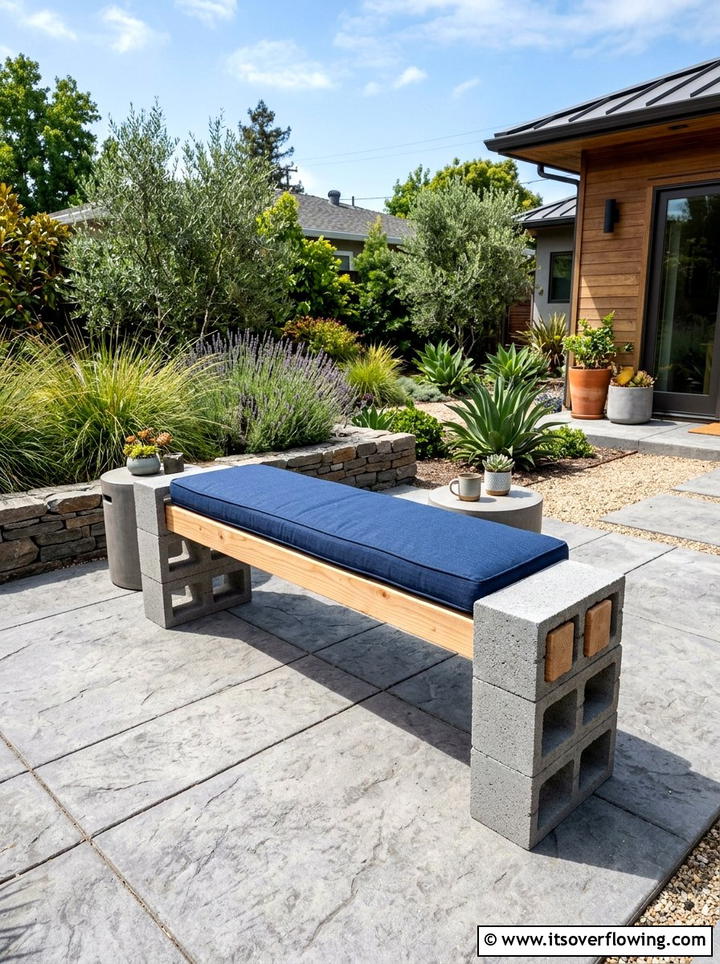
How do you build a sturdy and modern garden bench using only basic construction materials? Cinder blocks and wooden beams are the secret ingredients for this minimalist DIY project that fits perfectly in a contemporary backyard. Simply stack the blocks to form two solid pillars and slide four-by-four pressure-treated lumber through the openings in the blocks. You do not even need glue or nails to keep it stable, as the weight of the materials holds everything in place. You can leave the blocks in their natural gray state for an industrial look or paint them to match your porch decor. Topped with a custom outdoor cushion, this bench provides an incredibly durable and stylish seating option for very little money.
8. Wildflower Garden Bed
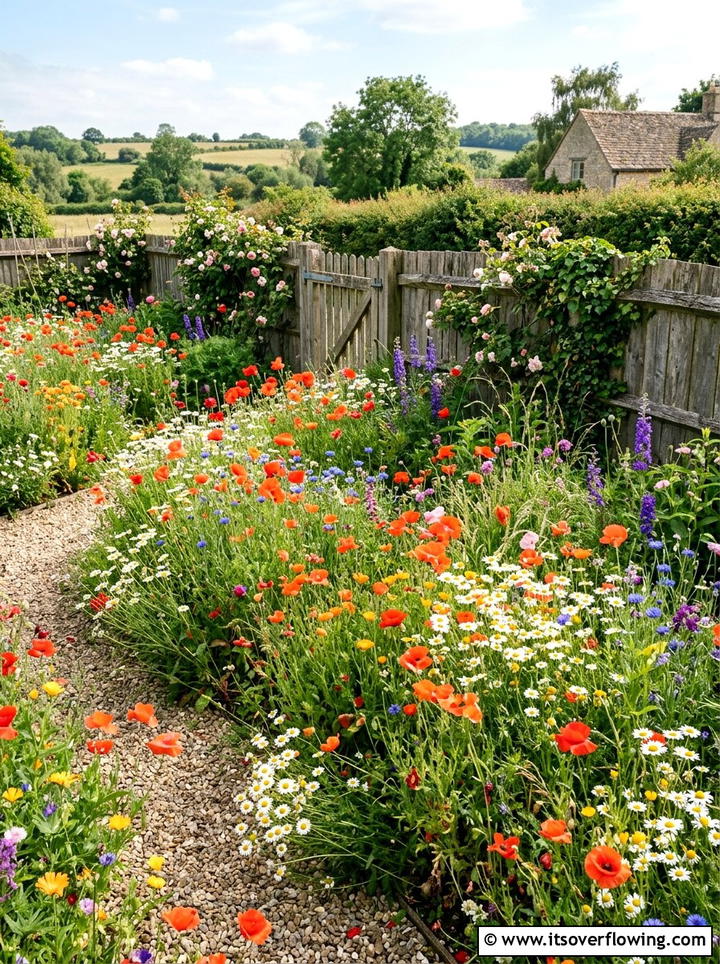
Would you like to attract butterflies and bees to your yard without spending hours on maintenance? A wildflower garden bed is a budget-friendly way to bring color and biodiversity to a neglected corner of your property. Rather than buying individual expensive perennials, you can purchase a large bag of regional wildflower seeds for a fraction of the cost. Prepare the soil by lightly raking it to loosen the surface and scatter the seeds evenly before pressing them down. These hardy plants typically require very little water or fertilizer once they are established. Over time, the flowers will reseed themselves, ensuring that your garden remains a vibrant and buzzing sanctuary for local wildlife for many seasons to come.
9. Solar Stake Lighting
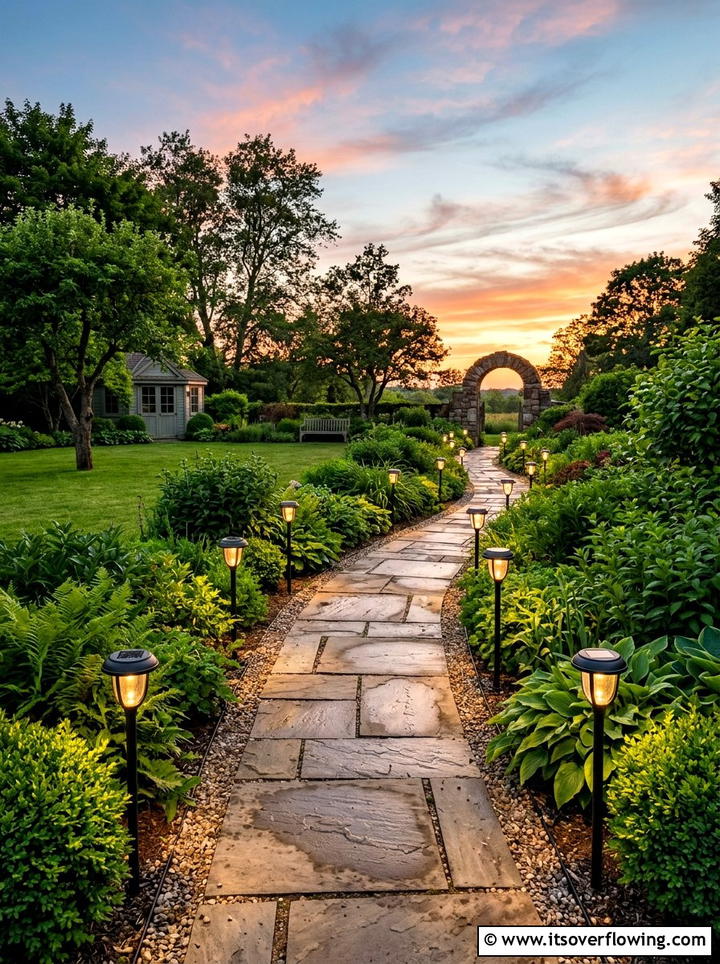
How can you illuminate your garden paths at night without increasing your monthly electricity bill? Solar stake lights are an affordable and environmentally friendly option that requires zero wiring or professional installation. These lights feature small solar panels that charge during the day and automatically turn on as the sun sets. You can find packs of these lights at most discount stores in various finishes, from classic black to sleek stainless steel. Simply push the stakes into the ground along your walkways, flower beds, or around the perimeter of your patio. They provide a soft, welcoming glow that enhances the safety of your yard while highlighting your favorite landscape features after dark, making the space feel high-end.
10. Painted Rock Border
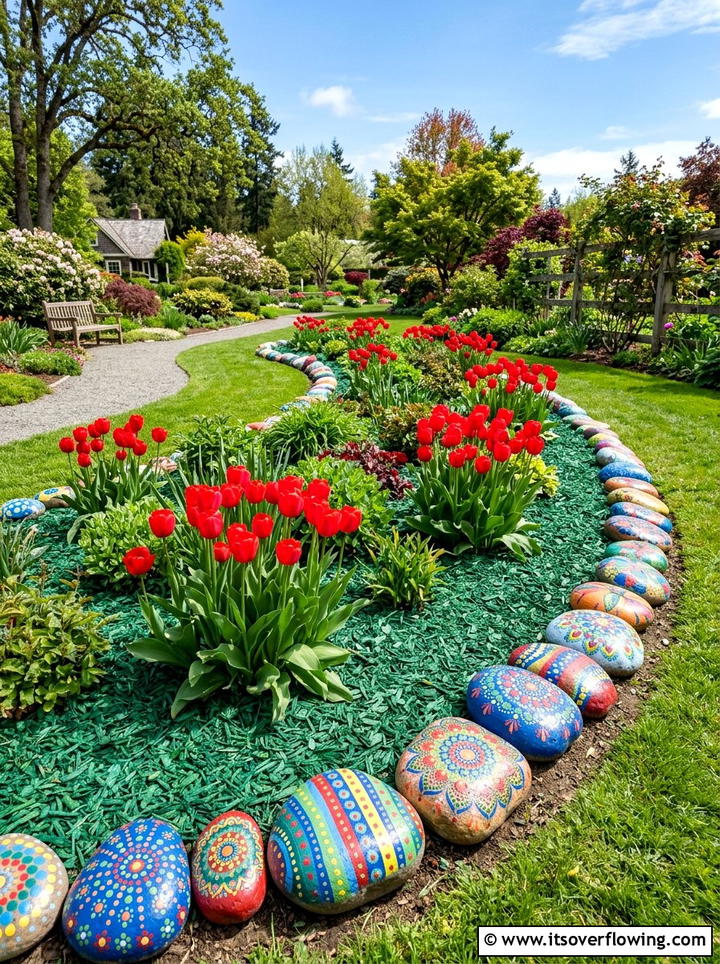
Are you looking for a creative and low-cost way to edge your flower beds? Painted rocks are a fun and personalized alternative to plastic or metal garden edging that often looks cheap. You can collect smooth river stones from your yard or purchase a bag of inexpensive stones from a hardware store. Use acrylic paints to decorate the rocks with solid colors, intricate patterns, or even inspirational words that reflect your personality. Once the paint is dry, apply a clear outdoor varnish to protect your artwork from rain and sun exposure. Line the rocks along the edge of your garden beds to create a defined border that keeps mulch in place and adds a unique splash of color.
11. Upcycled Ladder Plant Stand
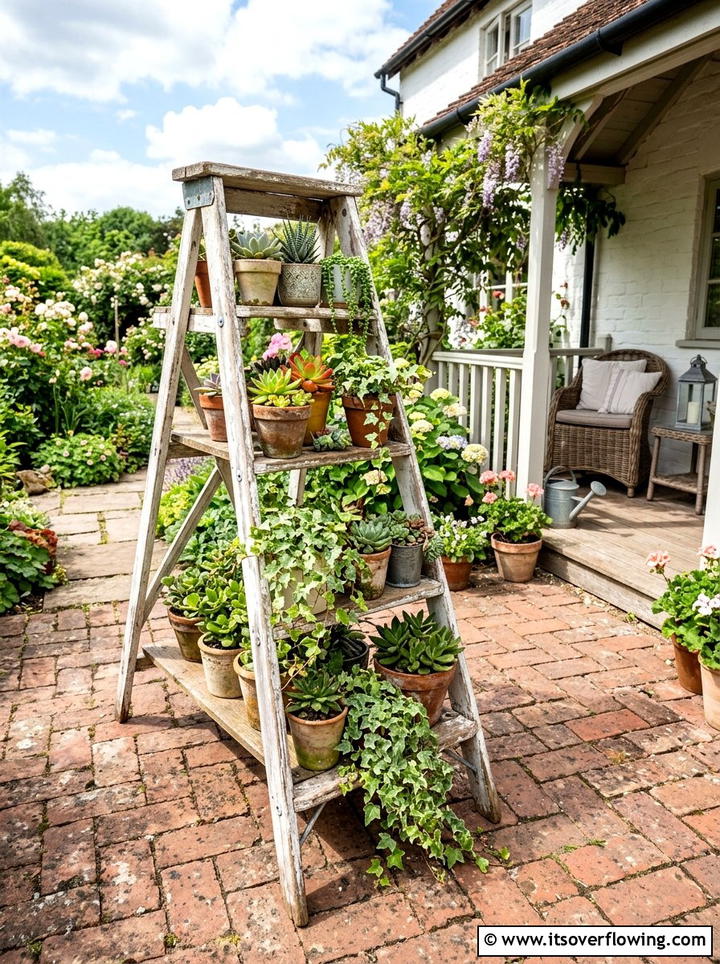
Do you have an old wooden ladder leaning in the corner of your shed that is no longer safe for climbing? You can give it a second life as a beautiful tiered plant stand that adds height and interest to your patio. Simply lean the ladder against a wall or fence and use the steps as shelves for various potted plants. This vertical display is perfect for showcasing a collection of succulents, trailing vines, or colorful annuals. If the wood is weathered, you can leave it for a rustic look or paint it a bold color to make a statement. This project is a fantastic way to organize your containers and create a lush wall of greenery in a small area.
12. Bird Bath From Bowls
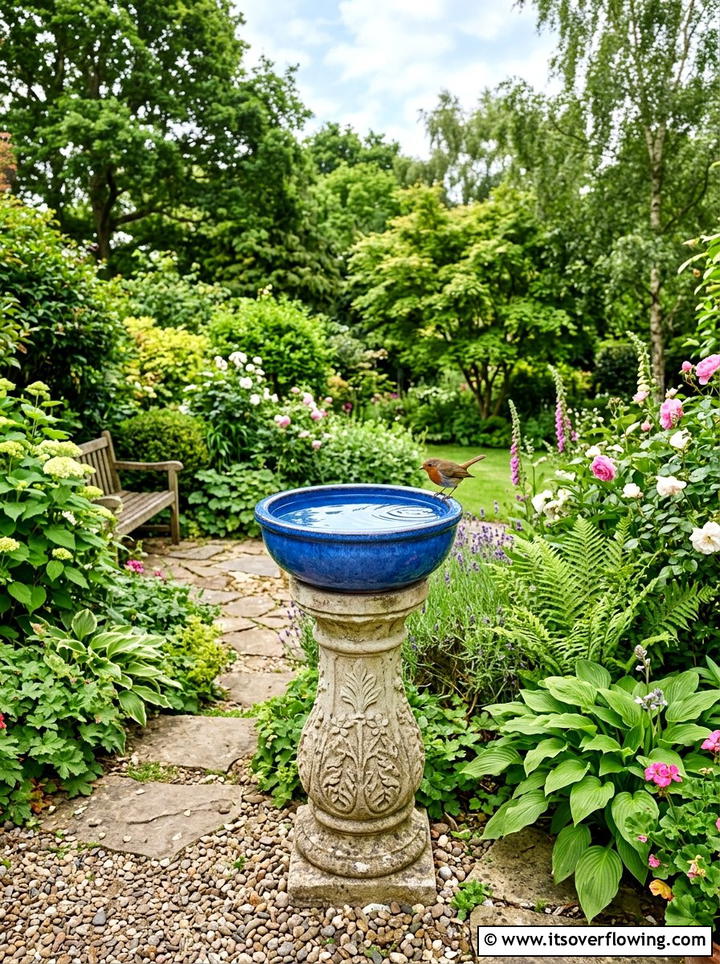
How can you invite more feathered friends into your garden without buying a heavy and expensive stone pedestal? You can easily create a custom bird bath by repurposing old ceramic bowls and a sturdy stake or a decorative pot. Find a wide, shallow bowl at a local thrift store that has a beautiful glaze or interesting texture. Secure the bowl to the top of a wooden post or an upside-down terracotta pot using a strong waterproof adhesive. Place your new bird bath in a quiet, shaded area of the garden where birds feel safe to visit. Keeping the water fresh and clean will ensure that your yard becomes a popular neighborhood destination for local birds and even thirsty butterflies.
13. Tree Branch Trellis
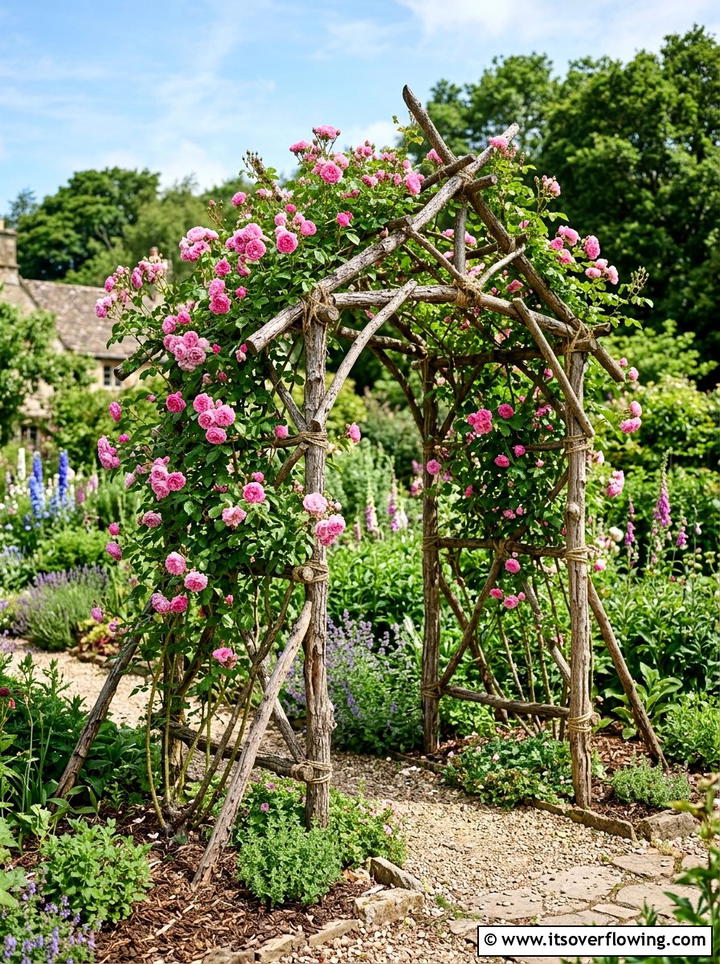
Does your garden need a support system for climbing roses or sweet peas? Instead of purchasing expensive metal trellises, you can build a natural and rustic support structure using fallen branches from your own trees. Select sturdy, straight branches and tie them together with twine or garden wire to create a classic teepee shape or a flat grid pattern. This organic look blends perfectly with the surrounding plants and provides a strong framework for vines to grow upwards. As the plants cover the branches, the trellis becomes a living sculpture that adds vertical interest to your garden. This DIY approach is not only free but also adds an authentic, handcrafted feel to your outdoor landscape design.
14. Vegetable Garden From Scraps
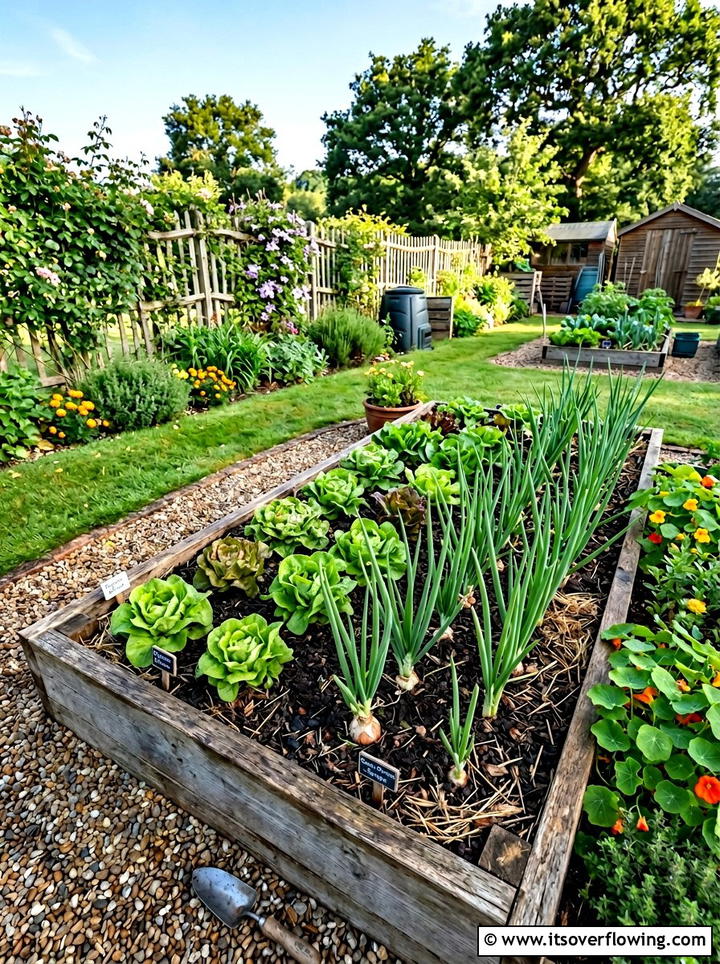
Did you know that you can grow a productive vegetable garden using the food scraps you usually throw in the trash? Many common vegetables, such as green onions, celery, and lettuce, can be regrown from their base when placed in a shallow dish of water. Once roots begin to form, you can transplant these scraps directly into your garden soil or into small pots on your windowsill. This method allows you to enjoy a continuous harvest of fresh produce without ever having to buy new seeds or starts. It is a rewarding and educational way to reduce kitchen waste while teaching yourself the basics of sustainable gardening on a zero-dollar budget for your home.
15. Terracotta Pot Tower
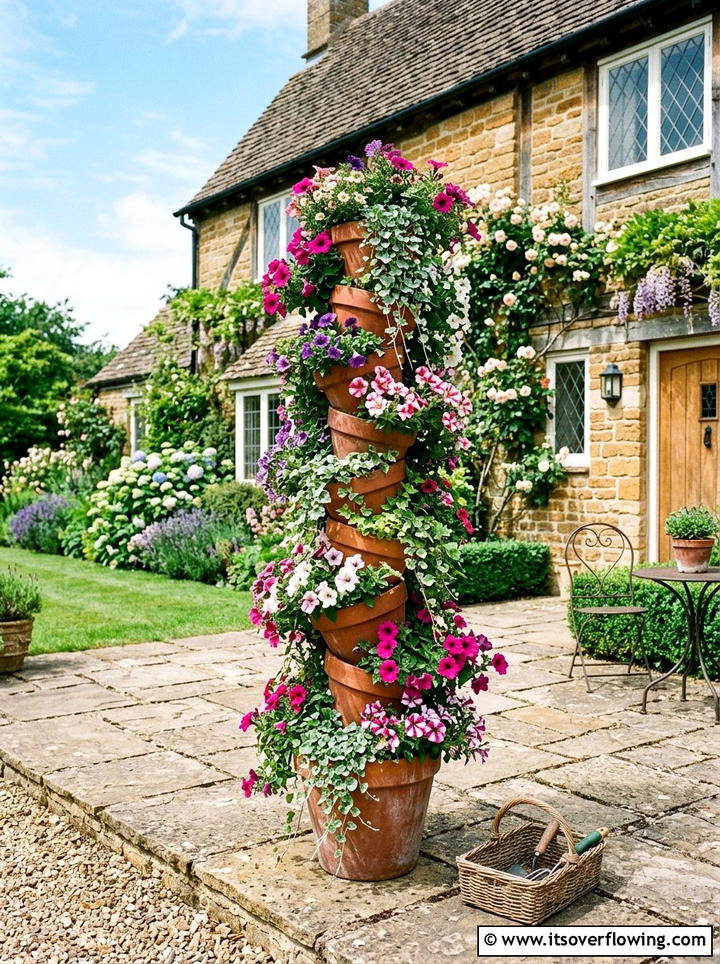
How do you create a stunning vertical focal point using basic clay pots? A terracotta pot tower is a clever and visually striking way to display multiple plants in a very small footprint. You will need a few pots of decreasing sizes and a long rebar or wooden stake to act as the central support. Drive the stake into the ground and thread the largest pot through its drainage hole, filling it with soil. Continue stacking the smaller pots on top of each other, tilting them in alternating directions to create a whimsical, cascading effect. Plant colorful flowers or cascading herbs in each level to hide the edges and create a lush pillar of growth that looks professional.
16. Hanging Colander Planter
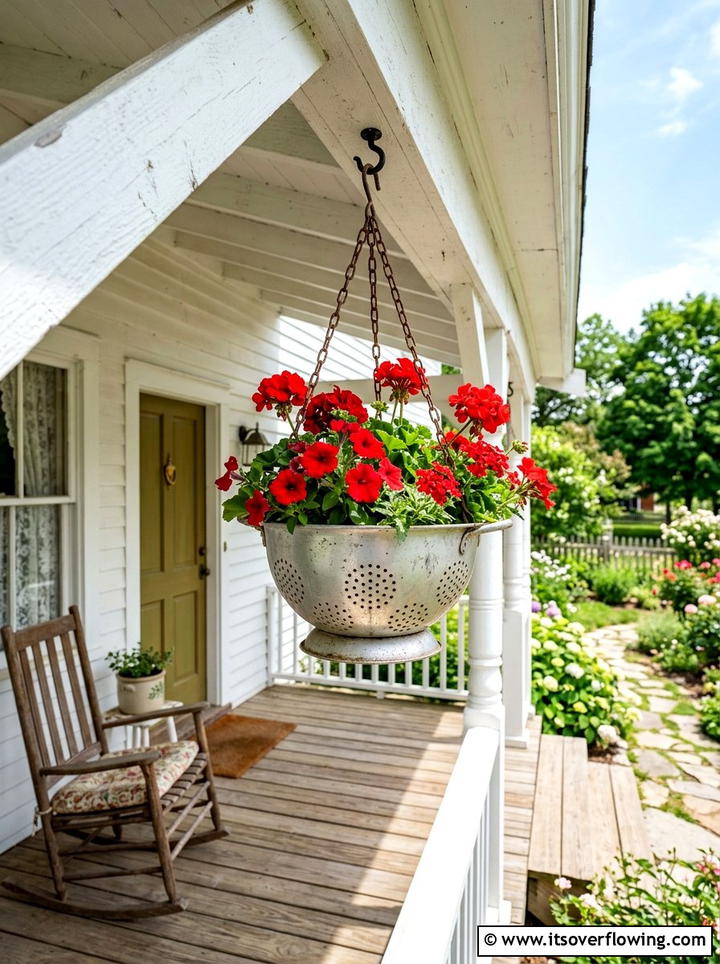
Are you searching for a unique hanging basket that provides excellent drainage for your favorite flowers? An old metal or plastic colander from the kitchen makes a perfect upcycled planter because it already has built-in holes for water to escape. Simply attach three lengths of sturdy chain or rope to the rim of the colander and hang it from a porch hook or a tree limb. Line the bottom with a bit of moss or a coffee filter to keep the soil from washing out while still allowing for optimal airflow to the roots. Fill it with trailing plants like lobelia or ivy geraniums to create a beautiful, spherical display that adds a touch of vintage charm to your garden.
17. Wood Mulch Walkway
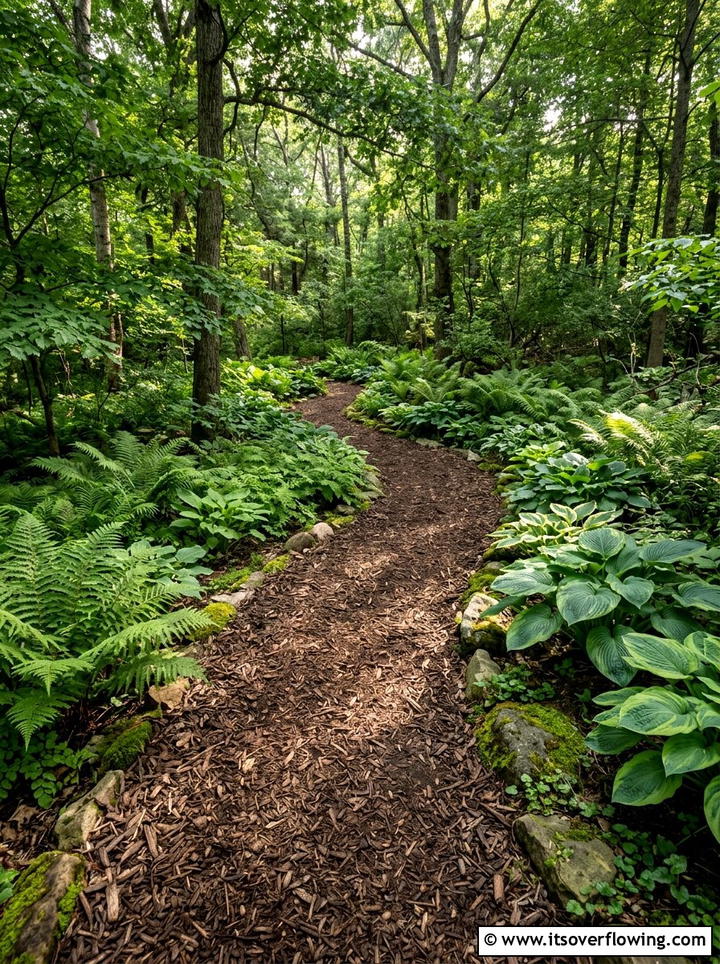
What is the most natural way to create a soft and inviting path through your wooded garden areas? Wood mulch is an incredibly affordable material that provides a rustic and forest-like feel to any backyard walkway. Many tree service companies offer free wood chips to homeowners, making this one of the cheapest landscaping options available. Spread a thick layer of mulch over a weed barrier to create a path that suppresses unwanted growth and retains moisture in the soil. Unlike gravel or stone, mulch is soft underfoot and eventually breaks down to enrich the earth below. This makes it an ideal choice for informal garden spaces where you want a relaxed and organic atmosphere for walking.
18. String Lights For Patio
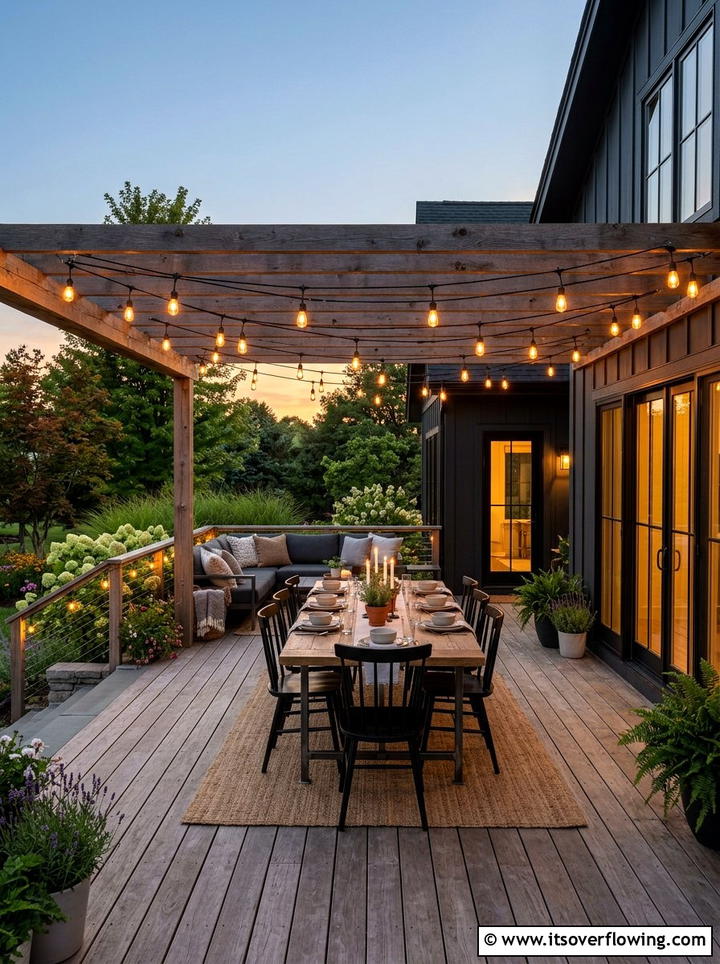
How can you make your outdoor seating area feel like a high-end bistro without spending a fortune on hardwired lighting? String lights are a versatile and affordable way to add instant ambiance and warmth to your patio or deck. You can drape them between trees, attach them to the underside of a pergola, or use simple wooden poles to suspend them over an open space. The soft, golden glow of Edison-style bulbs creates an inviting environment for evening entertaining or quiet nights under the stars. By choosing weather-rated outdoor strings, you ensure that your lighting will last through various seasons. This simple addition completely changes the mood of your garden once the sun goes down.
19. Old Window Frame Decor
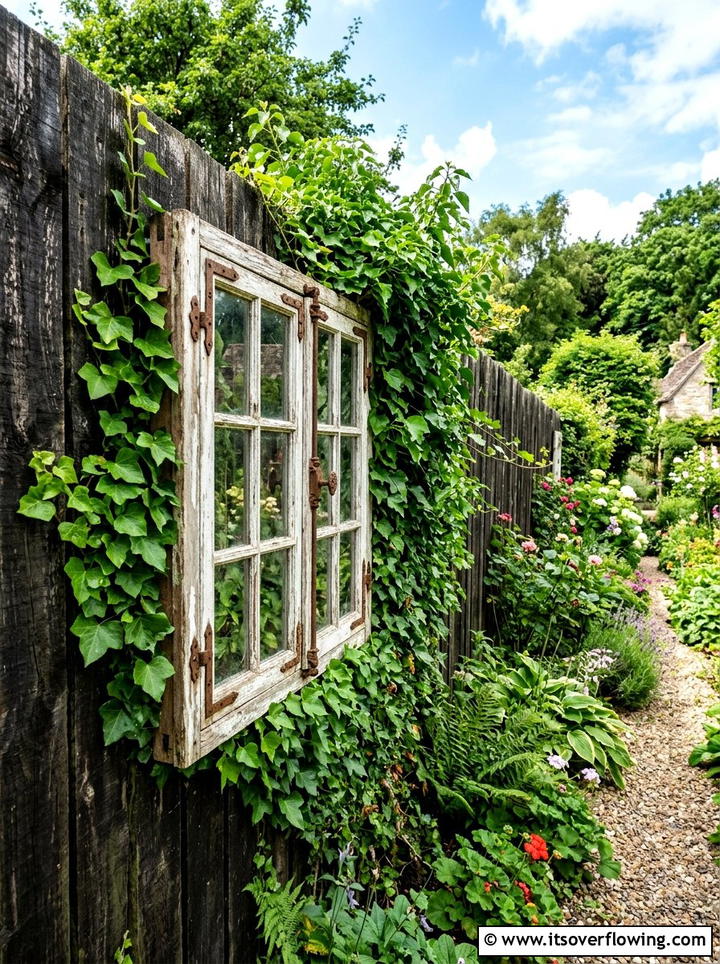
Do you have an old window frame with its glass intact or even empty panes? These architectural relics can be transformed into stunning pieces of outdoor wall art that add a sense of history and depth to your garden. You can hang an old frame on a plain fence or an exterior wall to act as a “window” into a different view. Some gardeners choose to replace the glass with chicken wire and use it as a mini trellis for light vines or to hang small decorative ornaments. A weathered, chippy paint finish adds to the farmhouse aesthetic, making the frame look like a vintage find. It is a creative way to fill large, empty vertical spaces.
20. Rain Barrel System
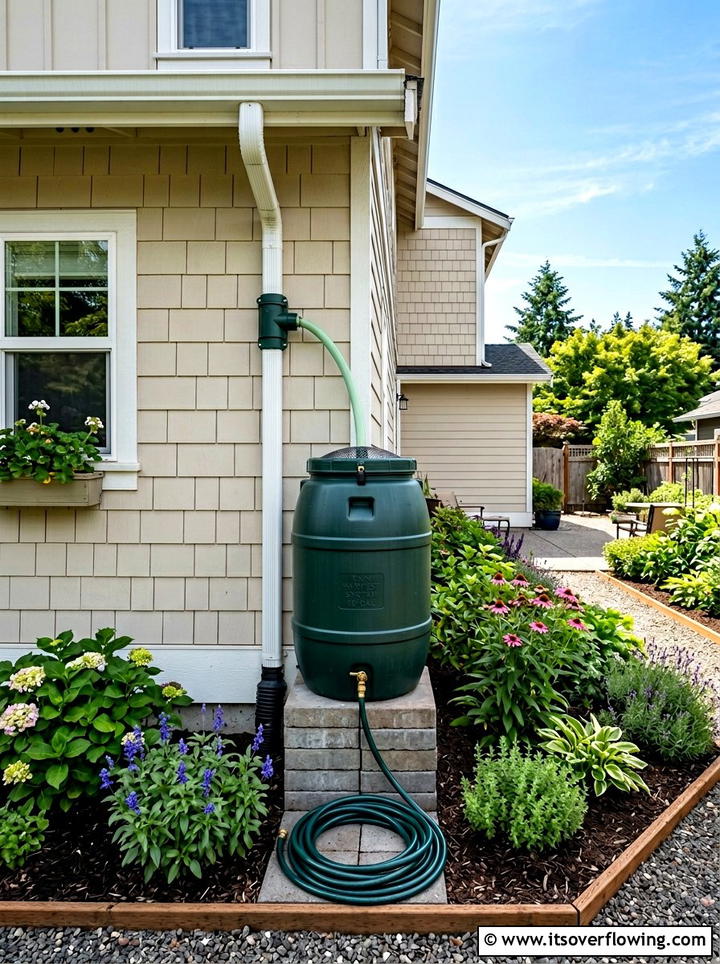
How can you save money on your water bill while keeping your garden lush and green throughout the summer? Installing a rain barrel system is a smart and sustainable way to collect free water from your roof for use in your flower beds. You can often find large plastic drums at low prices from food grade suppliers or local hardware stores. Simply place the barrel under a downspout and install a small spigot at the bottom for easy access to the collected water. This system not only conserves resources but also provides your plants with chlorine-free water, which is often better for their health. It is a practical addition that pays for itself over time through utility savings.
21. Driftwood Garden Art
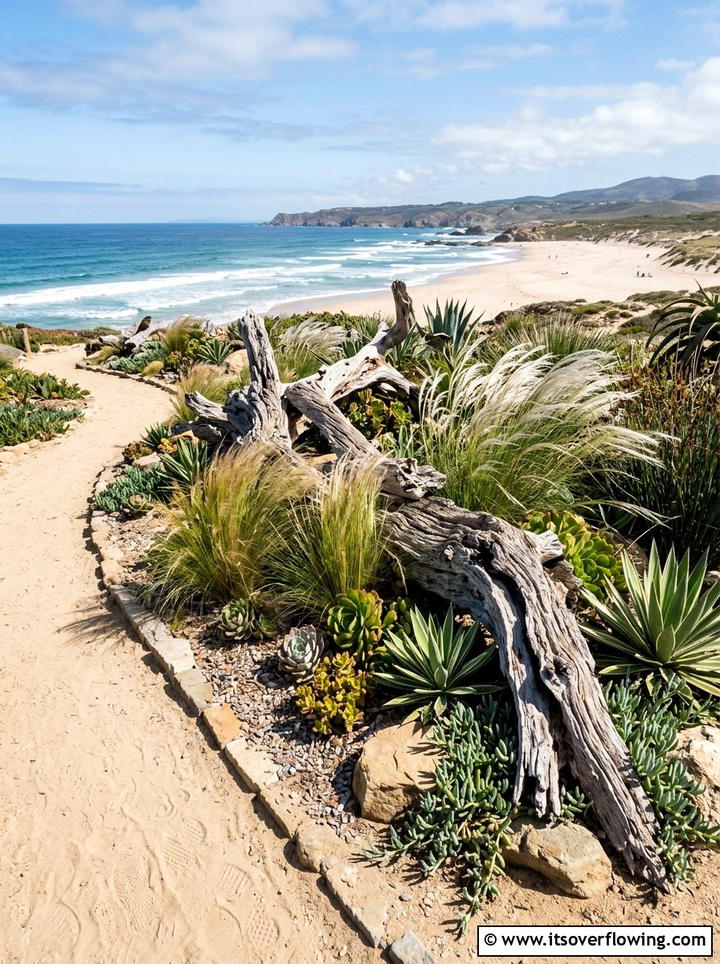
Have you ever found beautiful pieces of driftwood on a beach and wondered how to use them in your landscaping? Driftwood art is a wonderful way to incorporate natural, sculptural elements into your garden beds without spending a dime. You can arrange large pieces of sun-bleached wood among your plants to create a sense of movement and texture. Some gardeners even use driftwood as a natural base for air plants or moss, allowing the greenery to grow directly on the wood. This coastal-inspired decor works beautifully in rock gardens or near water features, providing a serene and weathered look that feels like it has been part of the landscape for years.
22. Potted Mint Garden
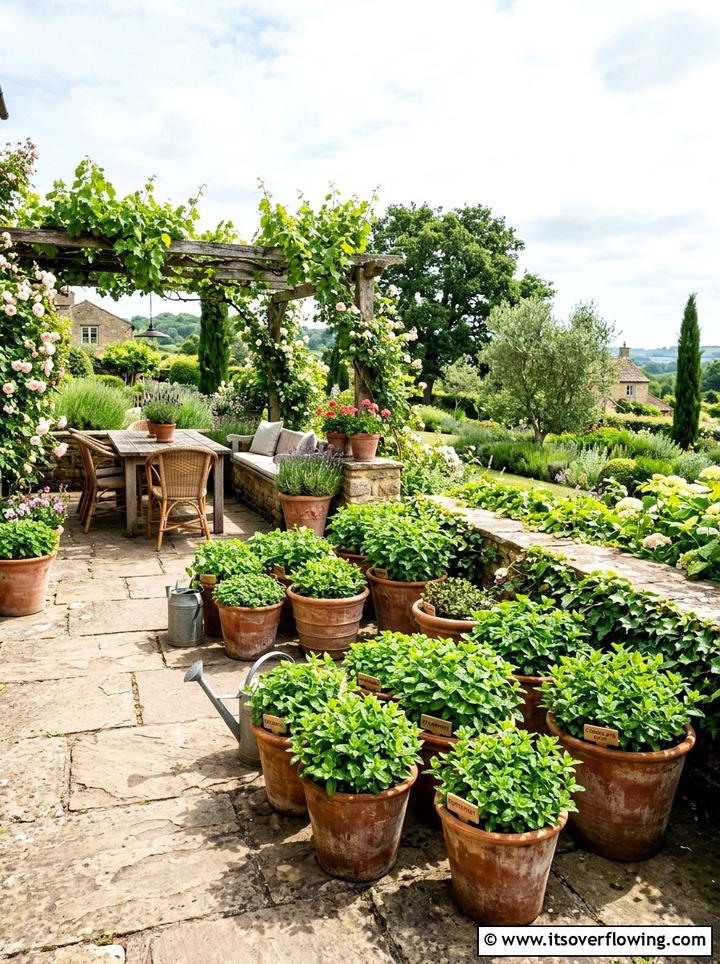
Do you want to grow fresh mint for tea and cocktails but are afraid it will take over your entire yard? Mint is notorious for being an aggressive spreader, but you can easily control it and save money by creating a dedicated potted garden. Using large, inexpensive plastic or terracotta pots, you can grow several varieties of mint, such as peppermint, spearmint, and chocolate mint, in one contained area. Sink the pots halfway into the ground to give the appearance of a planted bed while keeping the roots from escaping. This method allows you to enjoy the aromatic benefits of herbs without the stress of constant weeding or unwanted expansion. It keeps your herb garden organized and neat.
23. Broken Pot Fairy Garden
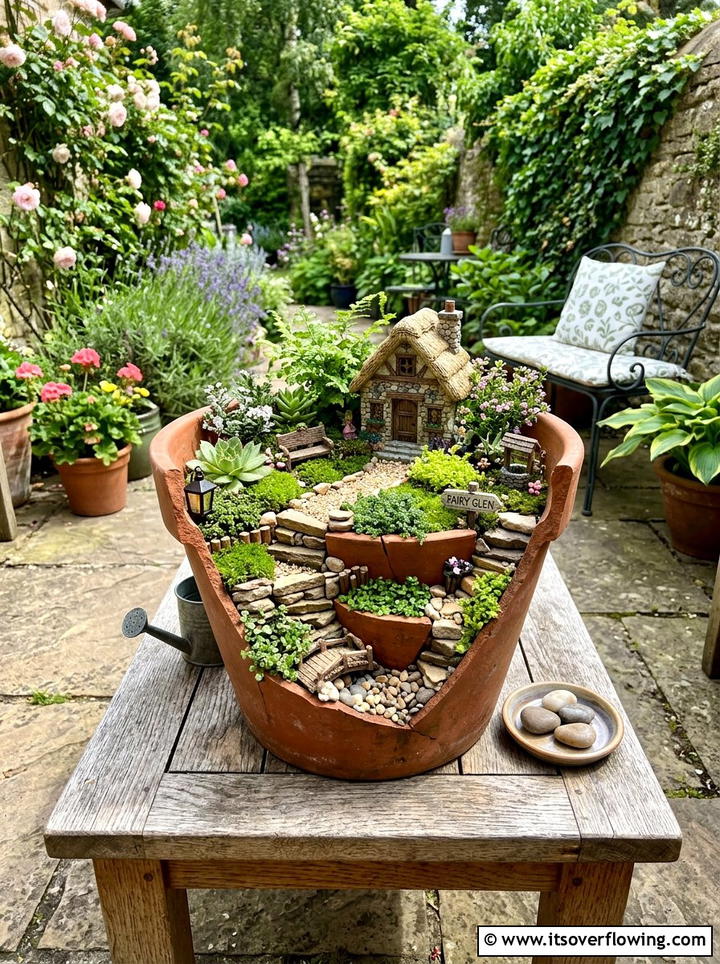
What should you do with those terracotta pots that accidentally cracked or shattered? Instead of throwing them away, you can use the pieces to create an enchanting and miniature fairy garden. Use the larger base of the broken pot as the main container and stack the broken shards to create tiny terraces and winding staircases for your miniature landscape. Plant small-leafed succulents or moss to represent trees and grass within the scene. You can add tiny accessories like pebbles, twigs, or small figurines to bring the magical world to life. This is a creative way to turn a mistake into a whimsical centerpiece that children and adults alike will find absolutely charming and detailed.
24. Seed Sowing From Kitchen
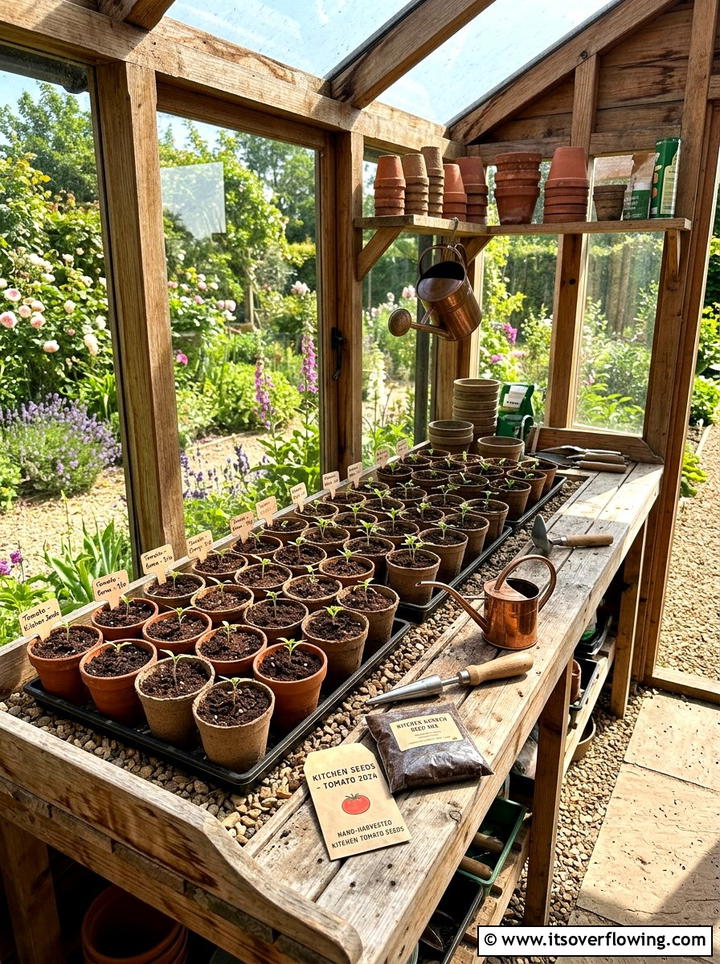
Is there a way to start a whole new garden using only the seeds from your favorite supermarket produce? Many gardeners successfully grow beautiful plants by saving seeds from organic tomatoes, peppers, and melons they have eaten at home. Simply clean the seeds, let them dry thoroughly on a paper towel, and store them in a cool place until the next planting season. Starting your plants from seed is significantly cheaper than buying established nursery starts, and it gives you a sense of pride to see a plant grow from its very beginning. This circular gardening method is not only budget-friendly but also a great way to experiment with different varieties of food.
25. Galvanized Bucket Planter
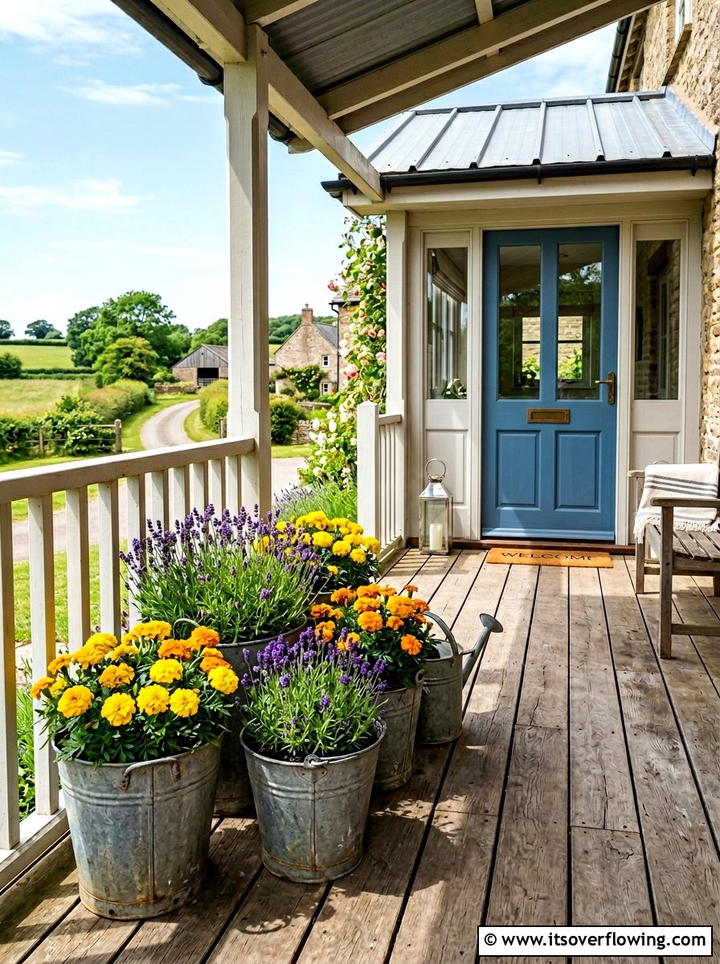
How do you achieve a classic farmhouse look in your garden without buying expensive metal troughs? Galvanized steel buckets and tubs are affordable, durable, and offer a timeless industrial aesthetic that pairs perfectly with colorful flowers. You can find these buckets at feed stores or hardware shops for a very low price compared to designer planters. Before planting, ensure you drill several drainage holes in the bottom to prevent water from pooling and causing root rot. Fill them with a mix of tall spikes, bushy fillers, and trailing vines to create a professionally styled container arrangement. These buckets are easy to move around your patio, allowing you to change your garden layout whenever you want.
Conclusion:
Transforming your outdoor space into a beautiful sanctuary does not require a massive budget or professional help. By embracing DIY projects and upcycling everyday materials, you can create a garden that is both functional and visually stunning. Whether you are building furniture from pallets or starting a vegetable patch from kitchen scraps, the key is to stay creative and patient. These twenty-five ideas prove that with a little effort, anyone can enjoy a lush, inviting backyard that reflects their personal style. Take the time to experiment with these budget-friendly tips and watch as your garden flourishes into a space you truly love spending time in every single day.
Related posts:
 25 Cheap Garden Ideas With Composting for Greener Outdoor Spaces
 25 Cheap Garden Ideas With Pallets for Creative Outdoor Style
 25 Cheap Garden Ideas for Front Yard Style on a Budget
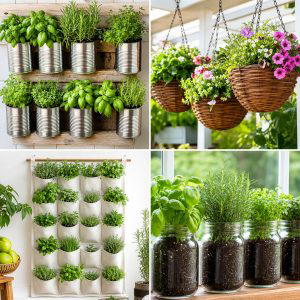 25 Cheap Garden Ideas With Container Gardening for Small Yards
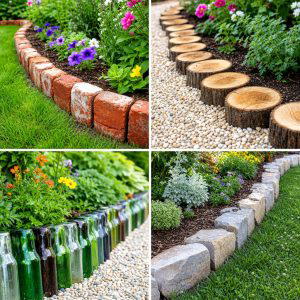 25 Cheap Garden Ideas With Edging for Instant Curb Appeal
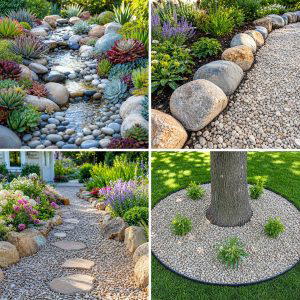 25 Cheap Garden Ideas With Gravel for Stylish Low-Cost Yards
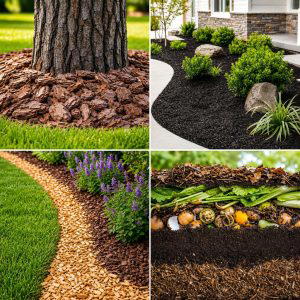 25 Cheap Garden Ideas With Mulch for a Polished Yard
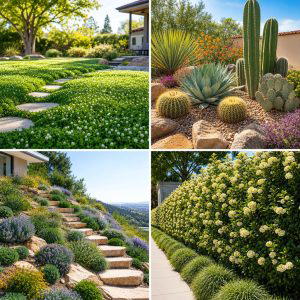 25 Cheap Garden Ideas With Native Plants for Easy Beauty
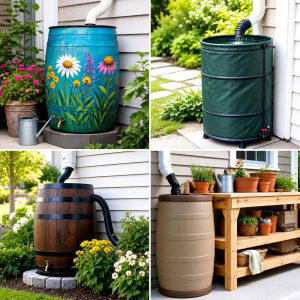 25 Cheap Garden Ideas With Rain Barrels: Save Water in Style
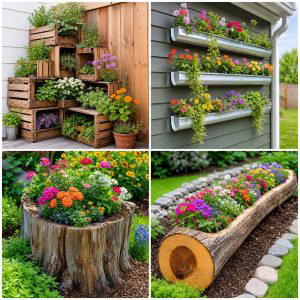 25 Cheap Garden Ideas With Simple Planters: Easy Budget Style
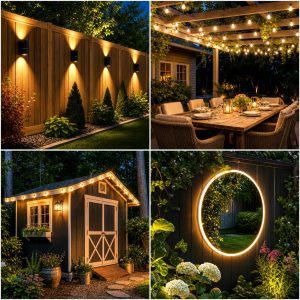 25 Cheap Garden Ideas With String Lights: Magical Glow Tips
 25 Cheap Garden Ideas With Cuttings to Grow More for Less