
Gardening does not have to be an expensive hobby when you understand the power of plant propagation. By using simple cuttings from your existing plants or those from a friend, you can fill your entire outdoor space for almost no cost at all. This approach allows you to create a lush, professional-looking landscape while keeping your budget completely intact. Whether you are looking to build a tall privacy screen, a fragrant flower border, or a productive herb patch, cuttings offer a reliable and satisfying way to grow. You just need a bit of patience and some basic knowledge to transform small stems into a thriving, vibrant sanctuary that looks like a million dollars.
1. Lavender Border
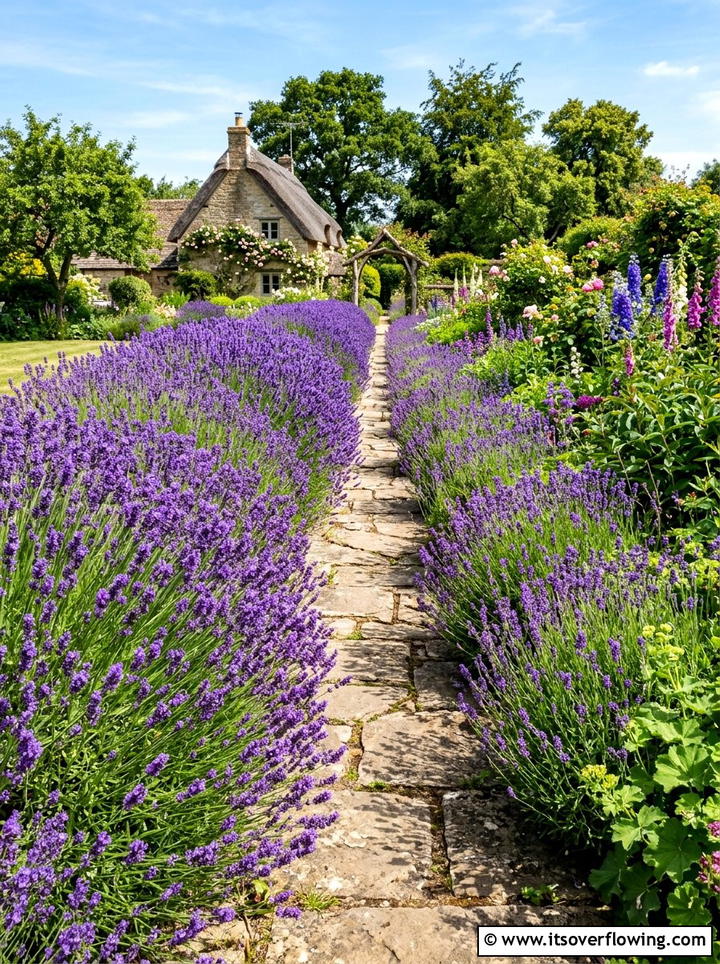
Creating a fragrant walkway is easy when you start with lavender cuttings. You can take soft tip snips in the late spring to multiply your collection quickly. These small pieces root well in a sandy soil mix and will eventually grow into large, silvery mounds. Plant them in a long, straight line along your front path to define the space clearly. The purple blooms will attract bees and butterflies throughout the summer months. This method saves you a significant amount of money compared to buying dozens of individual pots from a nursery. With regular pruning, your new border will stay neat, dense, and incredibly aromatic for many years.
2. Hydrangea Shrub
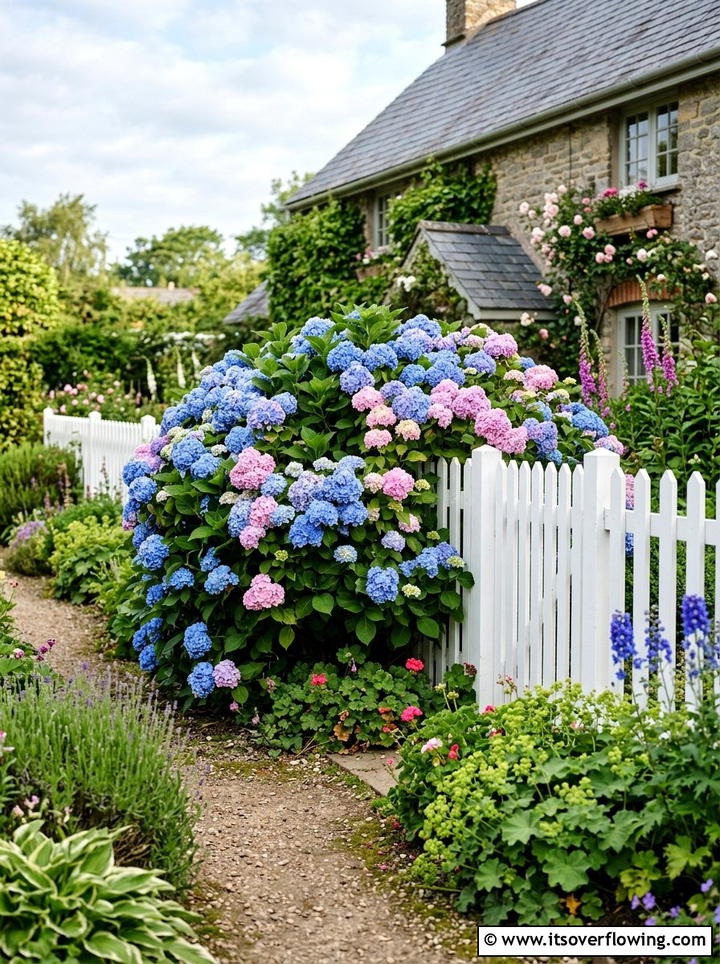
Large flowering shrubs often come with a high price tag, but you can grow them for free. Hydrangeas are famous for how easily they root from softwood cuttings taken in early summer. Simply place a few stems in moist soil and keep them in a shaded spot until they establish roots. Once they are strong enough, you can plant them in a row to create a lush, leafy backdrop for your garden beds. These plants provide massive blooms in shades of blue, pink, or white, depending on your soil. A mass planting of hydrangeas creates a high-end look that adds value and beauty to any home exterior.
3. Boxwood Hedge

A formal garden often relies on structured greenery to define different zones and edges. Boxwood is the perfect plant for this, and it is very simple to propagate from semi-hardwood cuttings. You can take many small pieces from a single parent plant to start a long, low-growing hedge. While they grow slowly, the result is a classic and sophisticated look that never goes out of style. Arrange your rooted cuttings in a tight line to create a crisp boundary for your flower beds or walkways. This approach allows you to achieve a traditional estate appearance without the heavy investment usually required for landscaping.
4. Succulent Rock Garden
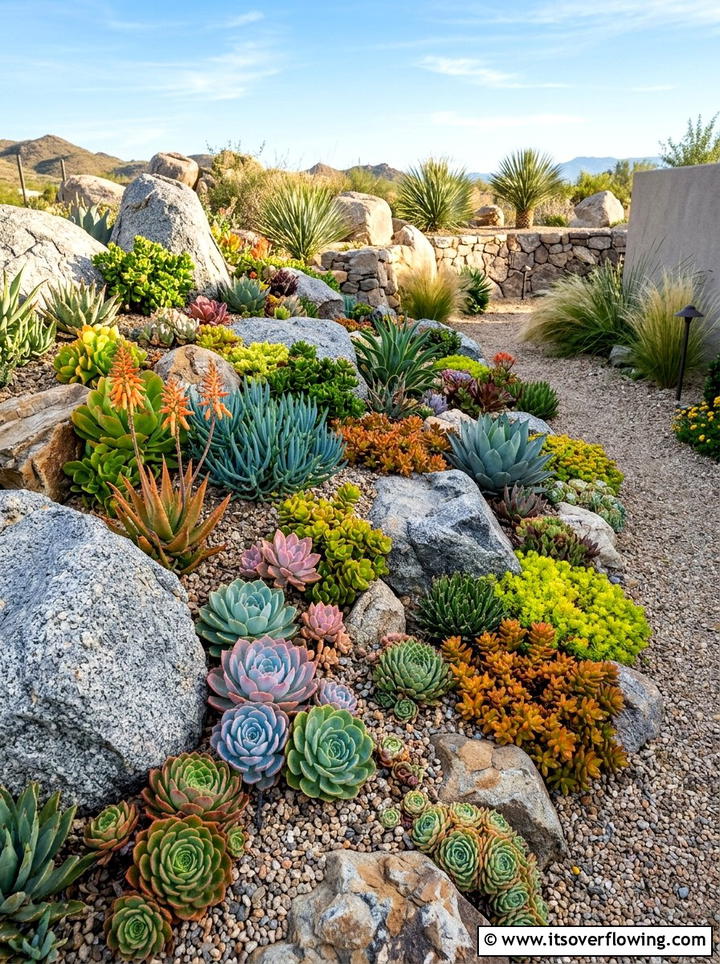
Succulents are some of the easiest plants to multiply because they can often grow from just a single leaf. You can scatter various leaf cuttings across a bed of well-draining soil and gravel to start a modern rock garden. As the tiny plantlets emerge, they will fill the gaps between large stones and boulders beautifully. This creates a low-maintenance landscape that requires very little water once it is established. You can mix different shapes and colors to create a textured tapestry on the ground. It is a perfect solution for sunny spots where other plants might struggle to survive the heat and dry conditions.
5. Rosemary Privacy Screen
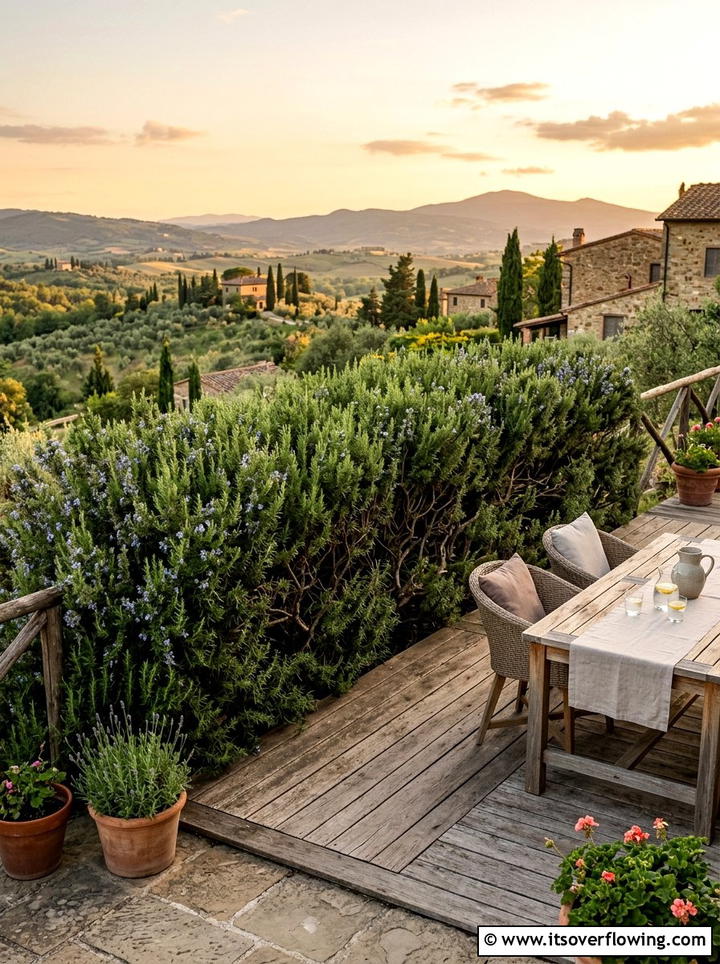
Rosemary is more than just a kitchen herb; it is a hardy evergreen that can grow into a substantial bush. By taking woody cuttings in the autumn, you can start enough plants to form a functional and edible privacy screen. Place these rooted stems along a fence line or a seating area to block unwanted views. The upright growth habit of certain rosemary varieties makes them ideal for creating a vertical green wall. Not only do you get a beautiful screen, but you also enjoy the refreshing scent every time you walk past. It is a practical and fragrant way to enhance your outdoor living area.
6. Butterfly Bush Garden
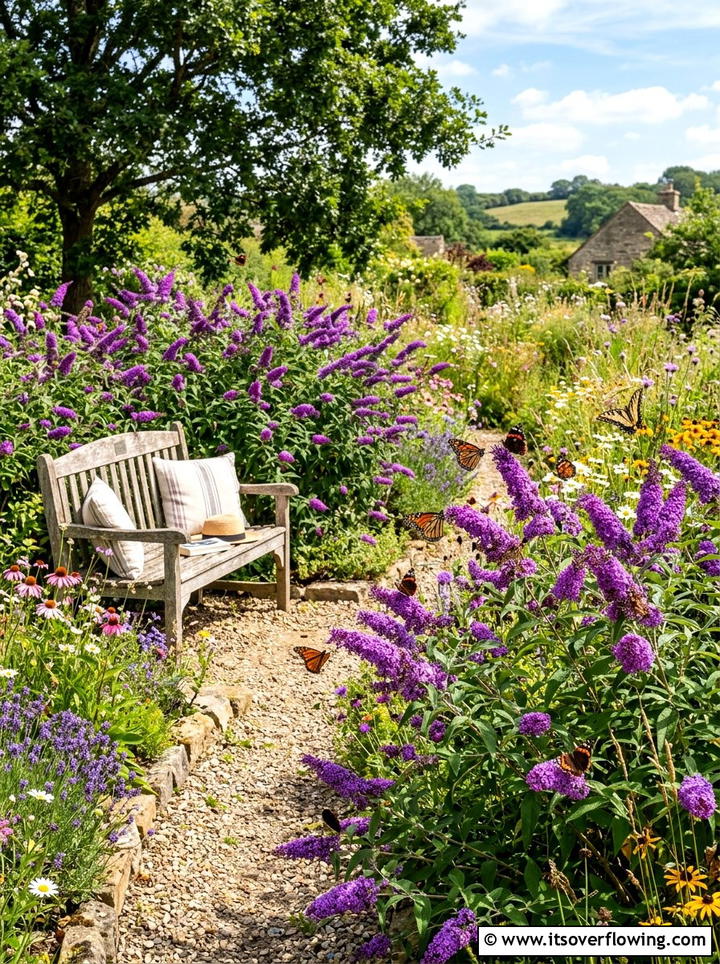
If you want to bring more life into your yard, a butterfly bush is an essential addition. These fast-growing shrubs can be easily started from softwood cuttings during the growing season. They produce long, honey-scented flower spikes that act as a magnet for various pollinators. You can plant several rooted cuttings together to create a wild, meadow-like corner in your garden. This plant fills large spaces very quickly, making it an excellent choice for new gardens that look a bit empty. By propagating your own, you can create a massive floral display that provides endless entertainment as you watch the local wildlife visit.
7. Rose Garden
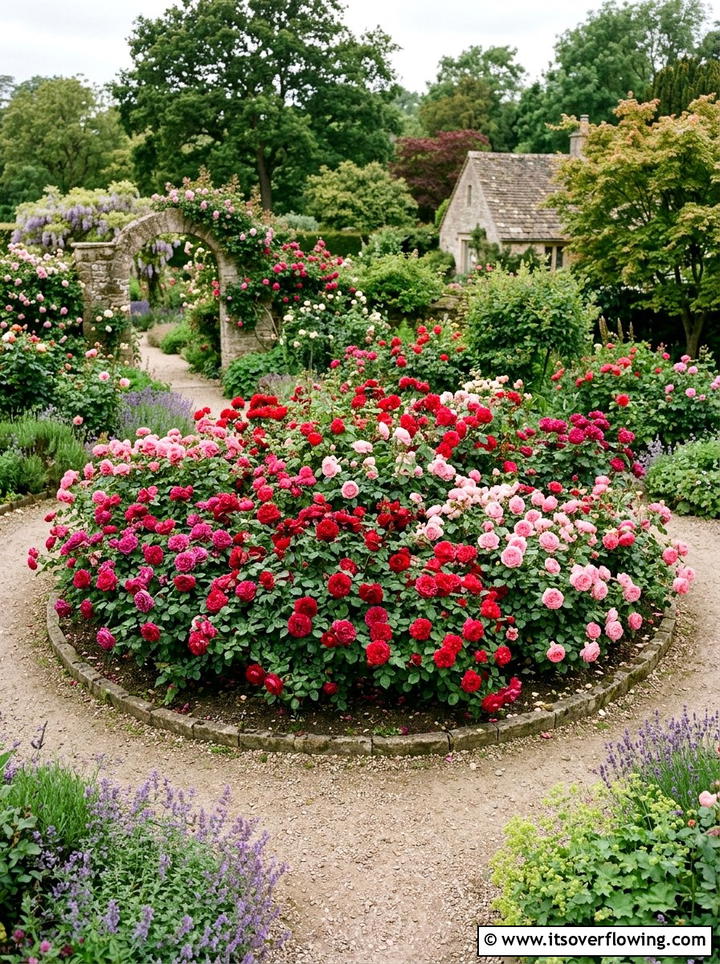
Starting a traditional rose garden is a dream for many, but the cost of individual bushes can add up fast. You can use the hardwood cutting method during the dormant season to grow new roses from your favorite varieties. Many gardeners find success by placing a glass jar over the cutting to create a mini greenhouse effect. Over time, these stems will develop their own root systems and grow into full-sized blooming shrubs. You can arrange them in a dedicated bed or intersperse them throughout your borders for a romantic look. This allows you to preserve heirloom varieties and fill your garden with classic beauty for free.

8. Herb Kitchen Garden
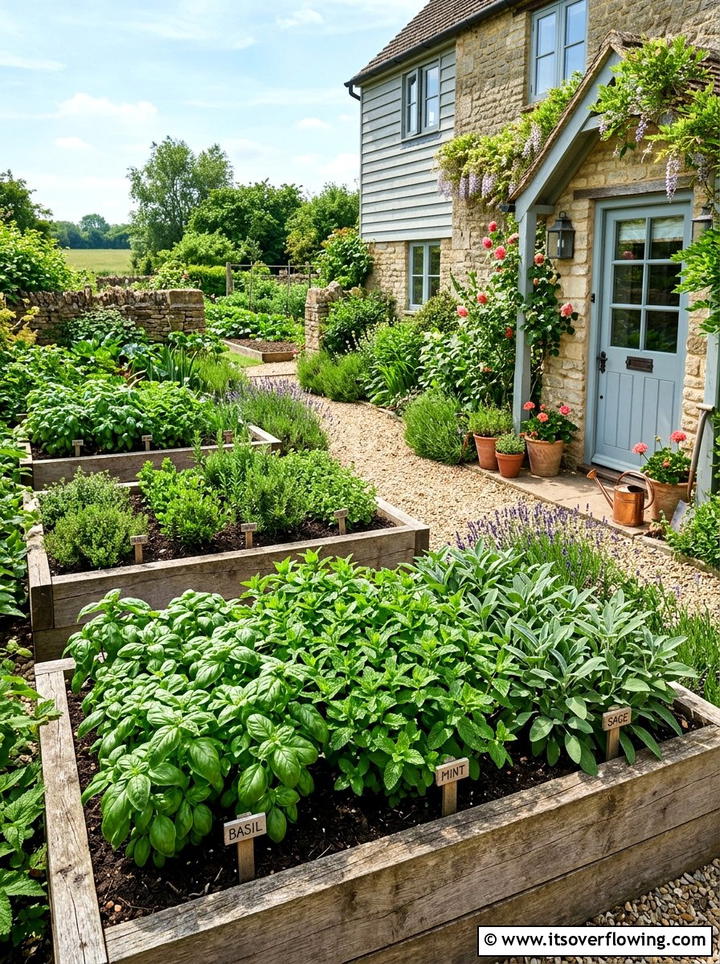
A dedicated space for fresh herbs is both beautiful and functional for any home cook. You can easily propagate common herbs like mint, basil, and sage by placing stems in a glass of water. Once roots appear, move them into a sunny patch of soil near your back door for easy access. Grouping different textures and shades of green creates a lush, productive area that smells wonderful. Using cuttings means you can have a large volume of herbs without spending money on individual starts every spring. It is a simple way to ensure you always have fresh ingredients on hand for your favorite summer meals.
9. Forsythia Spring Bloom
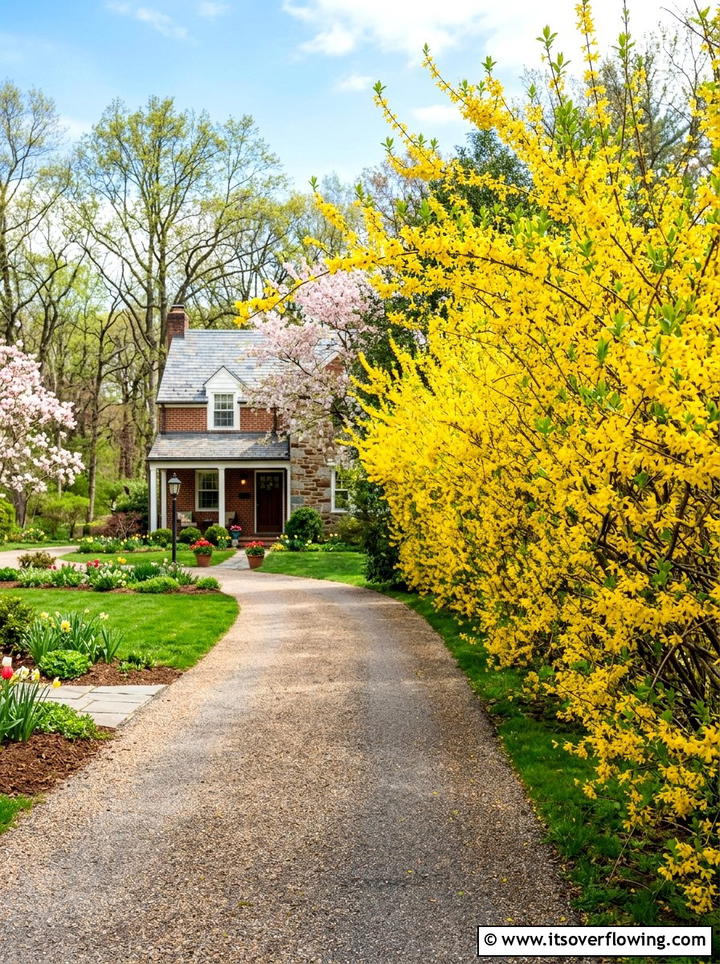
Forsythia is often the first sign of spring with its bright yellow flowers covering every branch. You can create a stunning seasonal display by taking hardwood cuttings in the late winter. These stems root very easily and grow rapidly once they are tucked into the ground. Planting a long row of forsythia creates a vibrant gold hedge that brightens up the landscape after a long winter. Because they are so vigorous, you can fill a large boundary area in just a few seasons. It is one of the most cost-effective ways to add a massive burst of early-season color to your property.
10. Fuchsia Hanging Basket
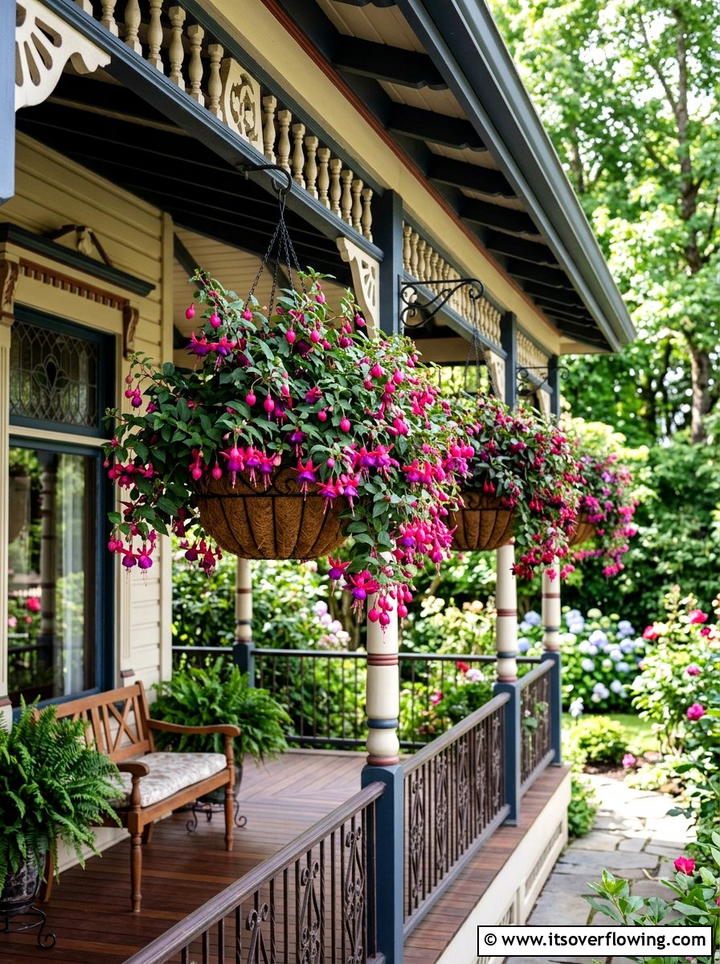
Fuchsias are prized for their unique, drooping flowers that look like colorful lanterns hanging from the stems. You can take soft green cuttings in the spring to fill multiple hanging baskets for your porch or patio. These plants thrive in cooler, shaded areas where they can show off their intricate blooms all summer long. By rooting your own cuttings, you can create lush, overflowing containers that look professional and expensive. Place the baskets at different heights to create a vertical garden effect that draws the eye upward. This is a great way to add pops of color to entryways and shaded seating areas.
11. Geranium Window Box
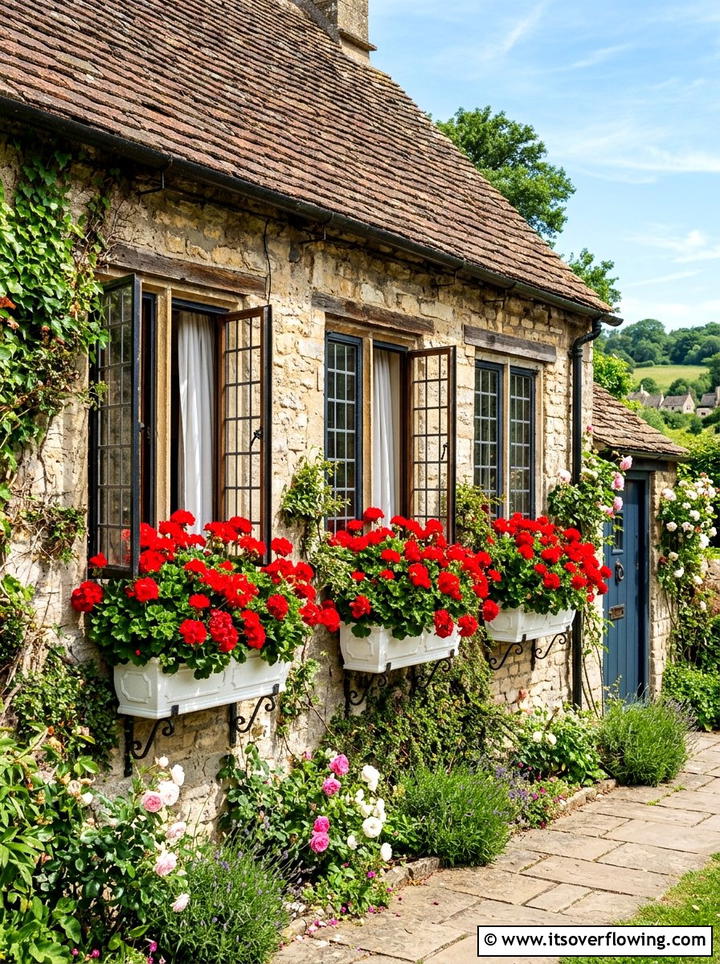
Geraniums are a classic choice for window boxes because of their bold colors and hardy nature. You can easily take cuttings from a single mother plant to fill several boxes along your home’s exterior. These plants root quickly in a potting mix and will bloom continuously if they are kept in a sunny spot. Overwintering your geraniums indoors allows you to take fresh cuttings every spring for a never-ending supply. This prevents the need to buy new annuals every year, saving you a lot of money over time. The result is a charming, coordinated look that enhances the curb appeal of your entire house.
12. Hosta Shade Bed
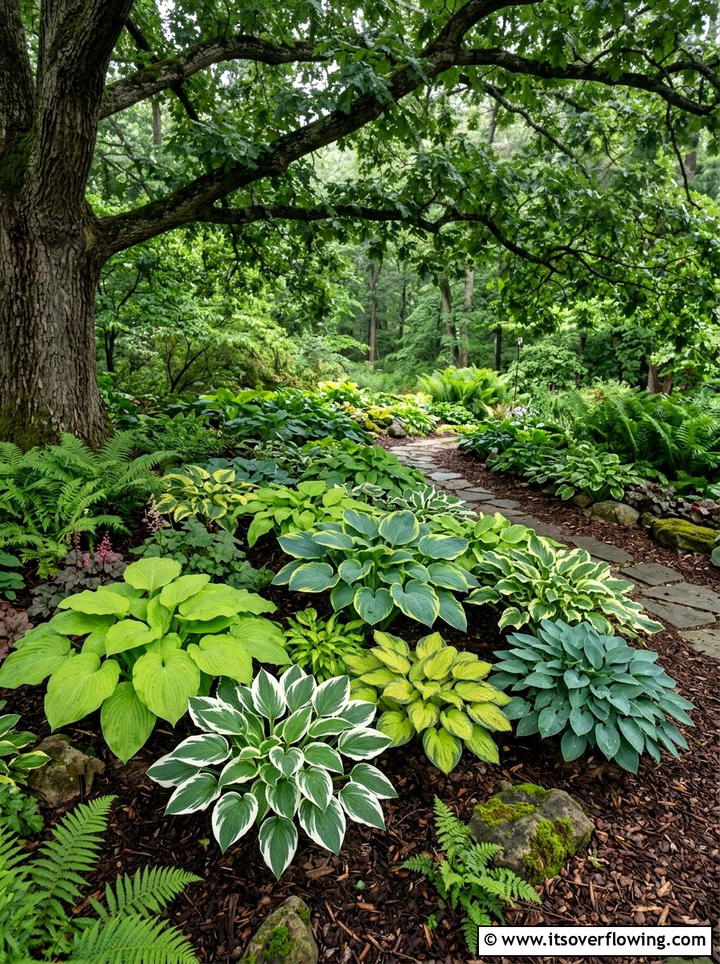
Hostas are the kings of the shade garden, offering incredible foliage in various shades of green, blue, and gold. While they are usually divided, many varieties can also be started from careful leaf and stem propagation. You can use these new plants to fill the dark corners under large trees where grass refuses to grow. Grouping different hosta types together creates a lush, tropical feel that stays cool and inviting during the summer. Their large leaves provide excellent ground cover and suppress weeds naturally. This is a smart way to landscape difficult, low-light areas without spending a fortune on specialty shade plants.
13. Ivy Ground Cover
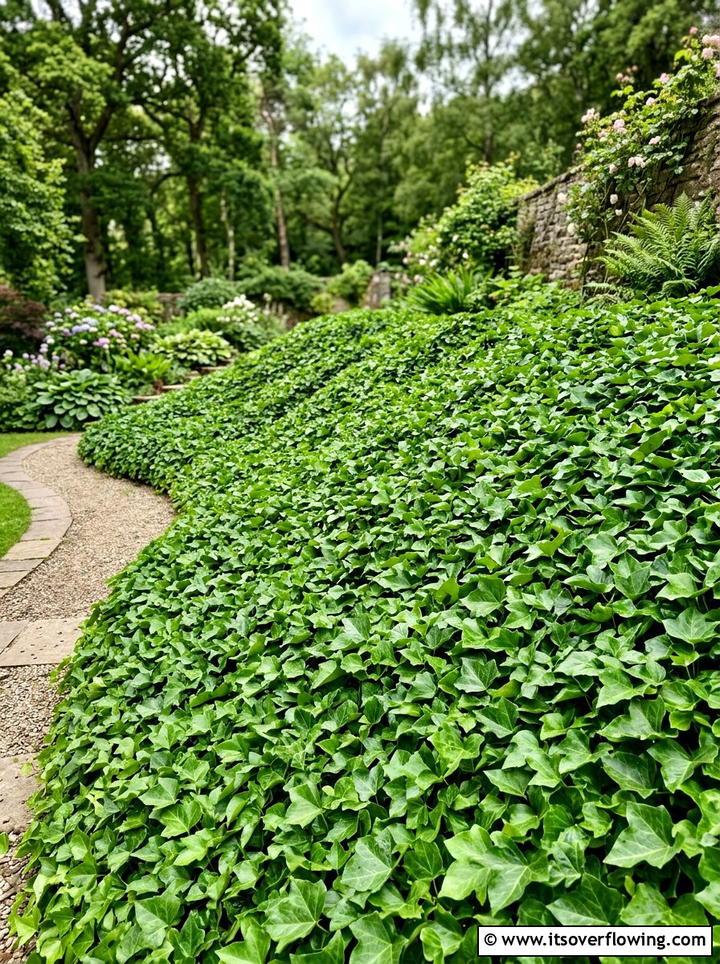
If you have a steep slope or a bare patch of ground, ivy is a fast and effective solution. You can take long runners from an existing ivy plant and pin them into the soil to encourage rooting. This hardy vine will quickly spread to form a dense, evergreen carpet that prevents soil erosion. It works well under trees or along the sides of a garage where other plants might struggle. The dark green leaves provide a consistent look throughout the year, even in the middle of winter. Using cuttings allows you to cover a massive area for free, providing a clean and finished appearance.
14. Sedum Ground Cover
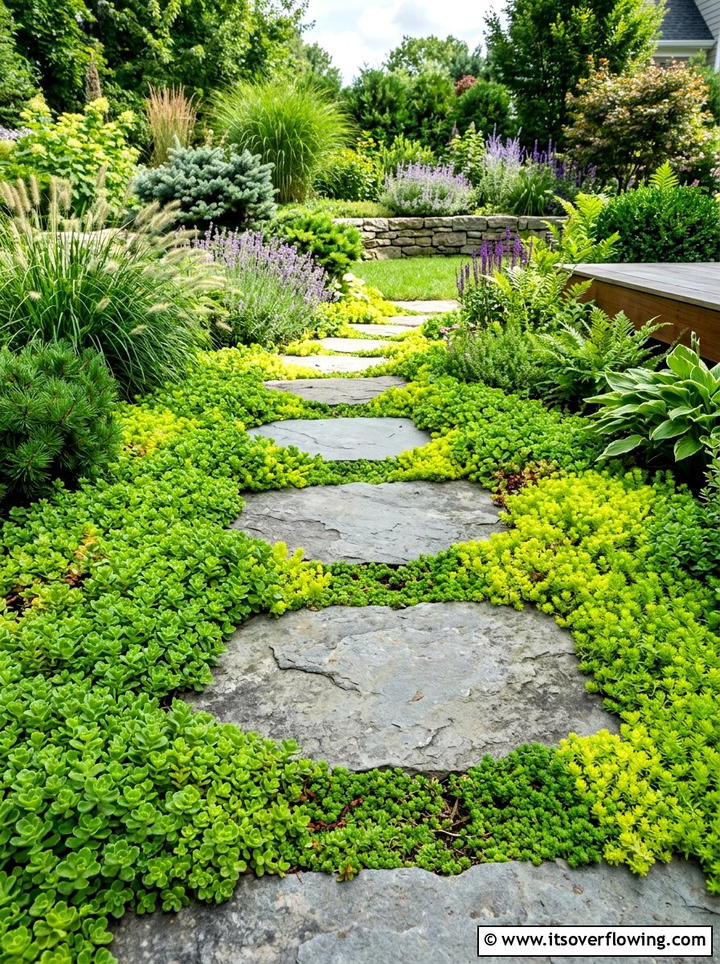
Sedums are incredibly tough plants that come in many different textures and heights. You can take small snips of a creeping sedum and simply press them into the soil along a path. They will root almost anywhere and spread to create a thick, fleshy mat of foliage. This is an excellent choice for filling the gaps between stepping stones or lining the edge of a flower bed. In the late summer, many sedums produce clusters of star-shaped flowers that attract bees. Because they are drought-tolerant, they are perfect for low-maintenance areas where you want a bit of greenery without the constant watering.
15. Weigela Flowering Hedge
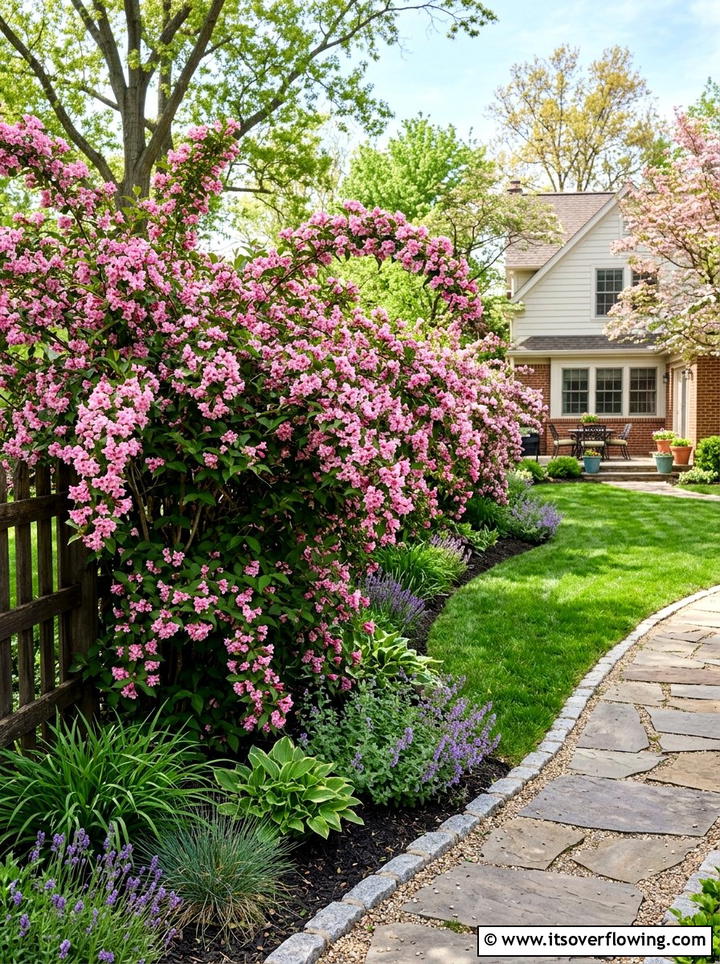
Weigela is a beautiful deciduous shrub known for its arching branches and bell-shaped flowers. You can expand your garden by taking hardwood cuttings in the autumn and sticking them directly into a nursery bed. These shrubs grow into a dense, rounded shape that works perfectly as a medium-sized hedge or a standalone focal point. The flowers come in shades of red, pink, and white, providing a romantic feel to your outdoor space. By growing your own from cuttings, you can create a repetitive theme throughout your landscape. This brings a sense of harmony and professional design to your garden without the high cost.

16. Chrysanthemum Autumn Garden
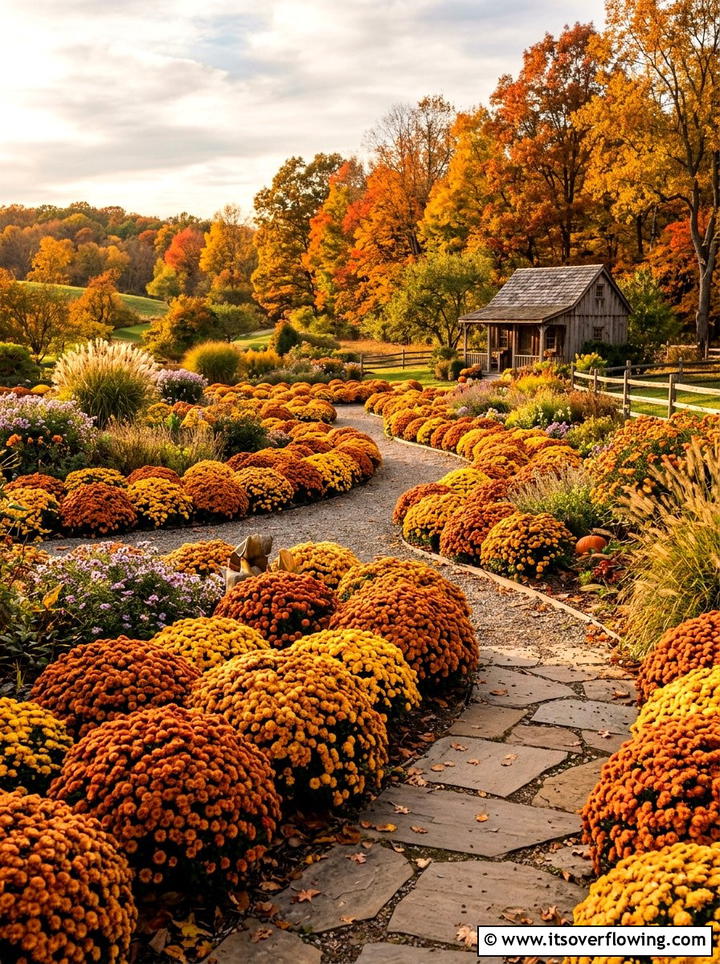
Chrysanthemums are the stars of the fall season, offering a massive explosion of color just as other plants fade. You can take cuttings from your fall mums in the spring to grow large, healthy plants for the following year. Pinching the tips of the new growth will encourage a bushy, mounded shape with hundreds of flower buds. Planting these in a dedicated autumn bed ensures your garden looks vibrant well into the chilly months. This cycle allows you to have a spectacular fall display every year without buying new pots from the store. It is a rewarding way to extend your garden’s beauty.
17. Dogwood Shrub
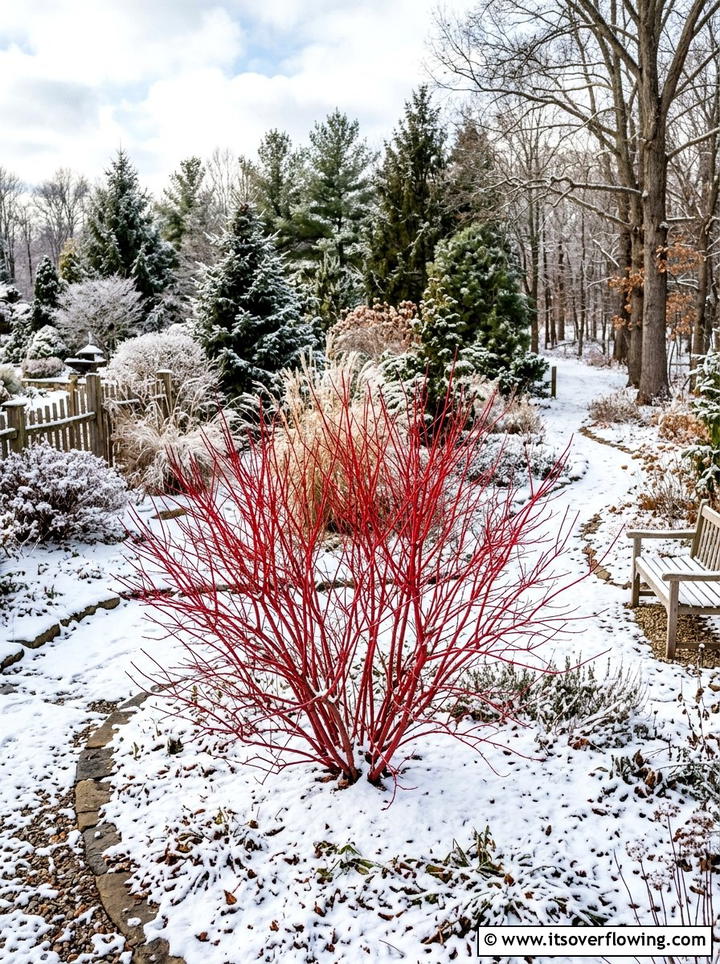
Dogwood shrubs are valued for their bright red or yellow stems that provide stunning visual interest during the winter. You can easily propagate these plants by taking hardwood cuttings and placing them in a moist corner of your garden. Once rooted, they can be planted in groups to create a bold thicket that glows against the snow or gray winter sky. In the summer, they offer nice green foliage and small white flowers. This is a fantastic way to ensure your garden looks good all twelve months of the year. Growing them from cuttings makes it easy to mass-plant them for the biggest visual impact.
18. Buddleia Pollinator Garden
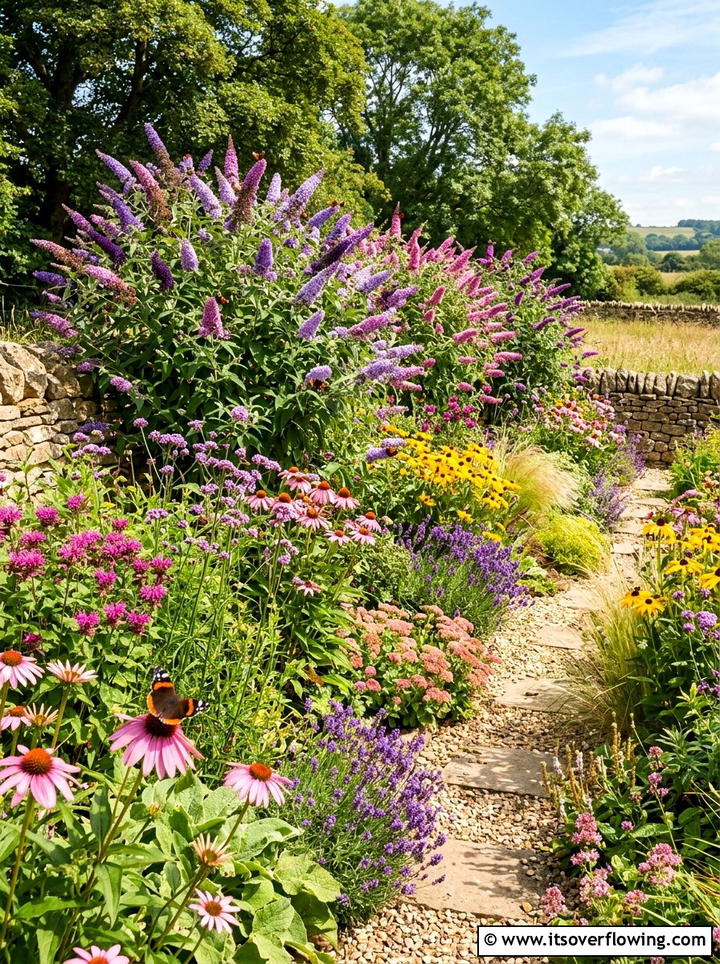
Creating a haven for bees and butterflies is simple when you use cuttings from a buddleia plant. These shrubs are very vigorous and will often reach full size in just a couple of growing seasons. You can root semi-hardwood pieces in the summer and plant them out in a sunny, open area. The long flower spikes are filled with nectar and provide a constant source of food for local insects. By planting several of these together, you create a wild and naturalistic look that feels like a private meadow. It is a wonderful way to contribute to the local ecosystem while beautifying your yard.
19. Willow Structure
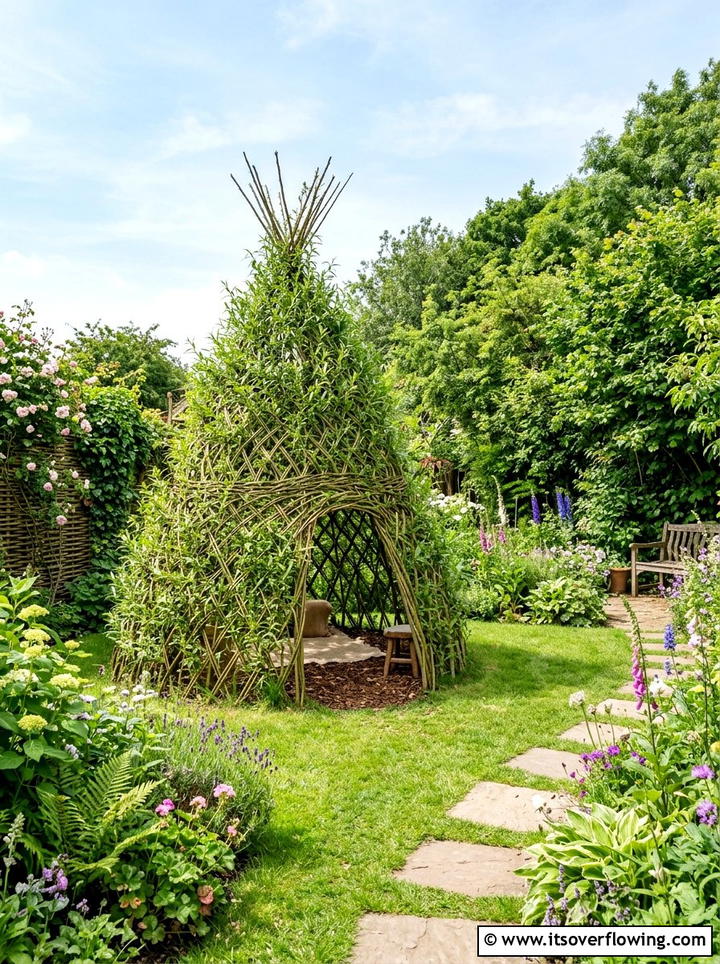
Willow is a unique plant because its long, flexible whips root almost instantly when placed in water or wet soil. You can use these cuttings to create living structures like fences, tunnels, or even small garden teepees. This adds a whimsical and architectural element to your outdoor space that kids and adults will both love. Simply push the long stems into the ground in the desired shape and watch them sprout leaves and grow together. Over time, the stems will thicken and create a sturdy, living barrier. It is one of the most creative and inexpensive ways to add permanent form to a large garden.
20. Salvia Perennial Border
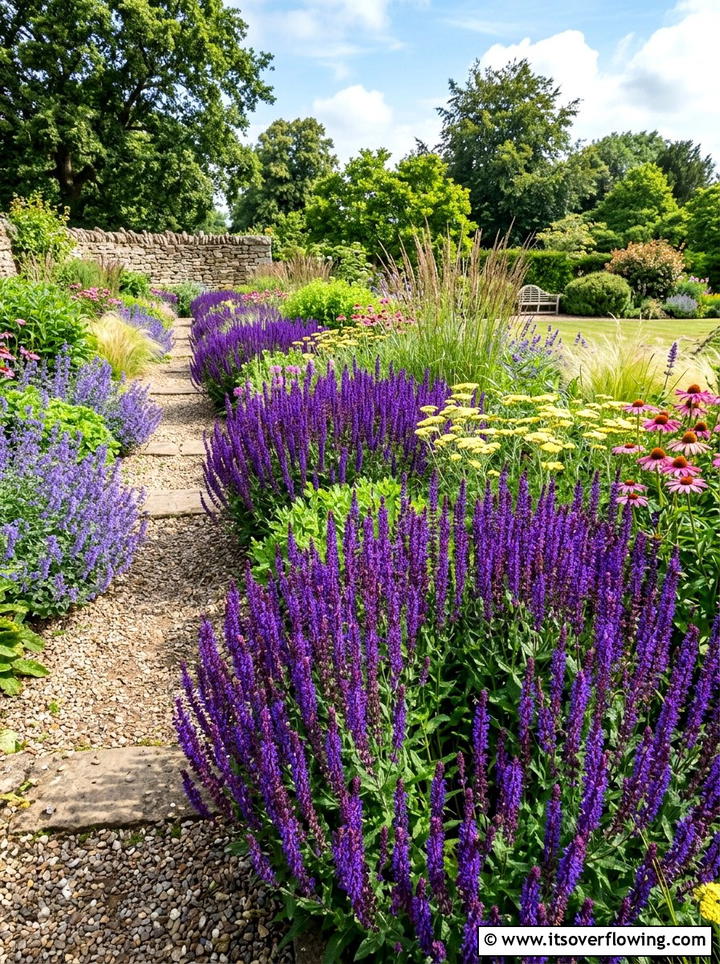
Salvias offer long-lasting spikes of purple, blue, or red flowers that look incredible in a sunny border. You can take soft-tip cuttings in the late spring and root them in a simple tray of compost. These plants grow quickly and will often bloom in their very first year. Planting them in large drifts creates a sense of movement and depth in your flower beds. They are very drought-tolerant and keep looking great even during the hottest parts of the summer. By propagating your own salvias, you can fill an entire long border for a fraction of the cost of buying individual perennials.
21. Honeysuckle Trellis
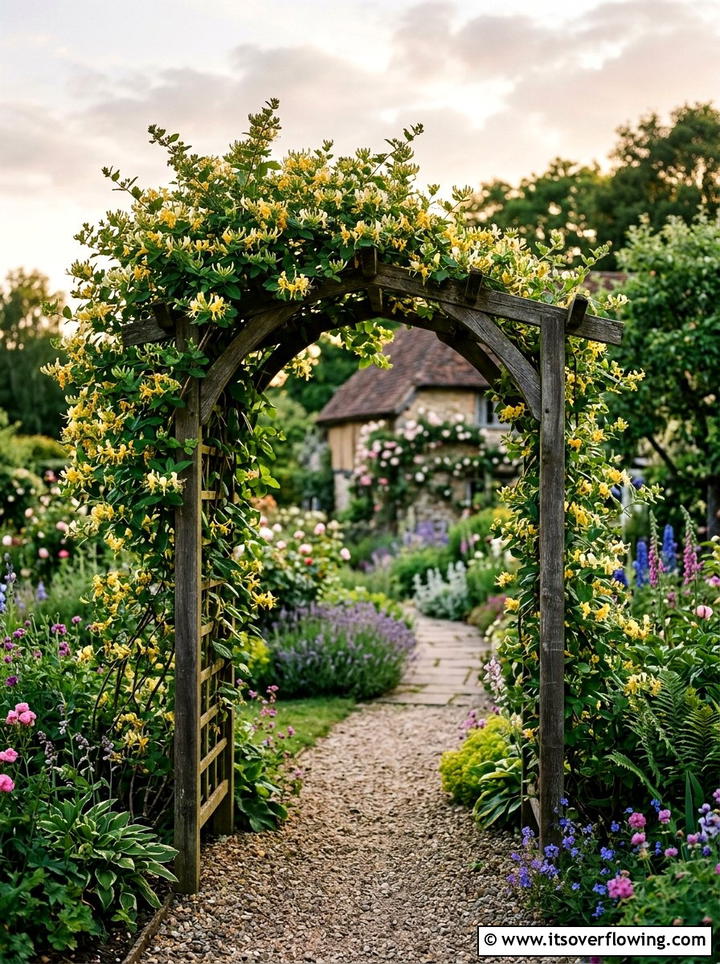
If you have a bare wall or a plain fence, honeysuckle is the perfect climbing plant to add some charm. You can take stem cuttings in the summer and root them to start your own fragrant vertical garden. Once they are established, provide a sturdy trellis or wire system for the vines to climb. The sweet-smelling flowers will fill your garden with a wonderful perfume, especially in the evenings. It is a great way to add height and a sense of enclosure to a small patio or seating area. Growing honeysuckle from cuttings allows you to cover large vertical surfaces with beautiful, leafy growth for free.
22. Clematis Wall
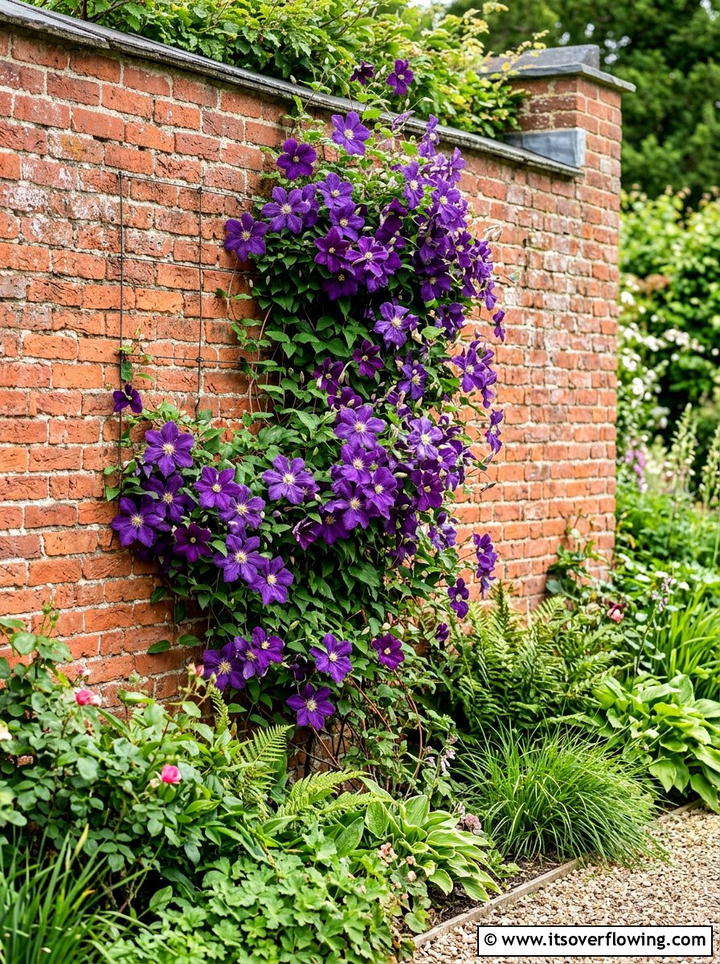
Clematis is known as the queen of climbers because of its spectacular and diverse flower shapes. While they can be tricky to start, taking semi-hardwood cuttings is a reliable way to get new plants for your garden. You can train these vines to grow up a brick wall, a wooden fence, or even through other large shrubs. This creates layers of color and texture that make a garden feel much more established and lush. By using cuttings, you can experiment with different varieties and colors throughout your space. It is a sophisticated way to add a touch of elegance to your home’s exterior and garden structures.
23. Coleus Texture Garden
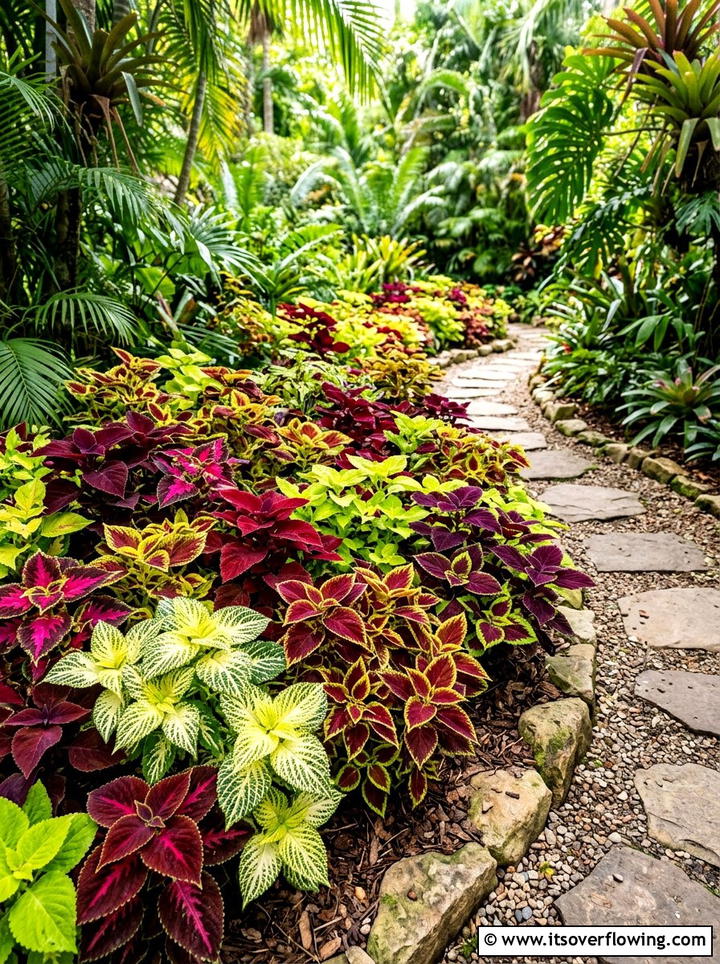
Coleus is famous for its incredible foliage that comes in patterns of neon green, deep purple, and bright pink. You can take simple stem cuttings and root them in a jar of water on your windowsill in just a few days. Once roots form, plant them in a shaded garden bed to create a vibrant tapestry of color without needing many flowers. They grow very quickly and can be used to fill empty spots in your borders during the summer months. This is a fun and easy way to add instant personality to your garden. Taking cuttings every year ensures you always have these bold colors available.
24. Lilac Shrub
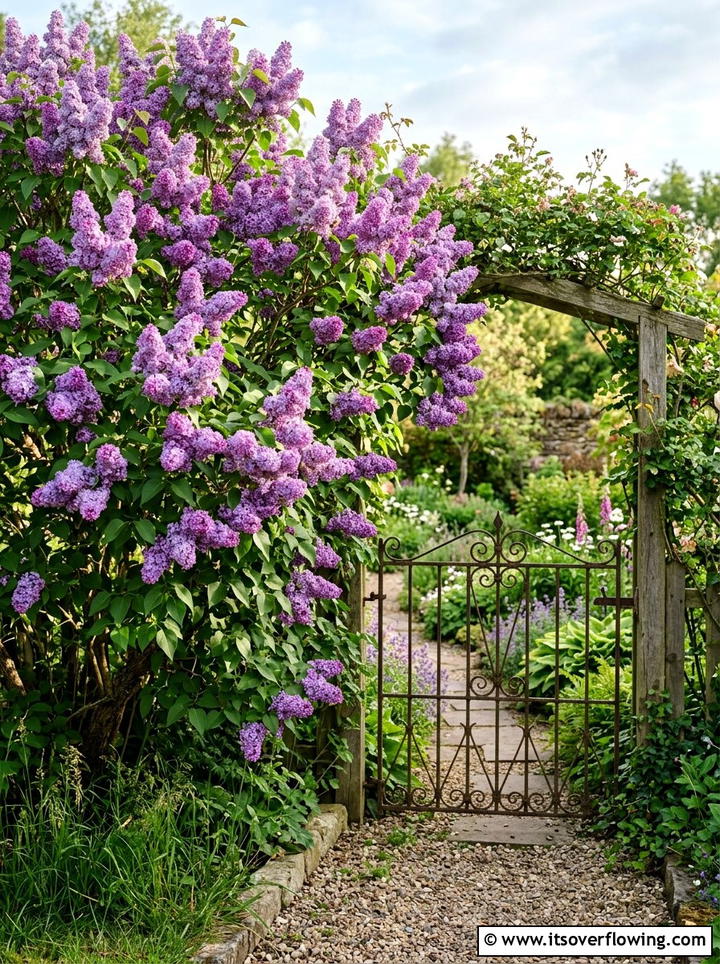
The scent of lilacs is a nostalgic favorite for many gardeners, and you can grow your own from suckers or cuttings. While they take a little longer to establish, the reward is a lifetime of beautiful, fragrant spring blooms. You can plant them near a window or a porch where the scent can drift into your home. Lilacs can grow into quite large shrubs, making them excellent for creating a natural boundary or a focal point in a large yard. By propagating them yourself, you can share these classic plants with friends or expand your own collection. It is a timeless addition to any traditional garden layout.
25. Privet Boundary
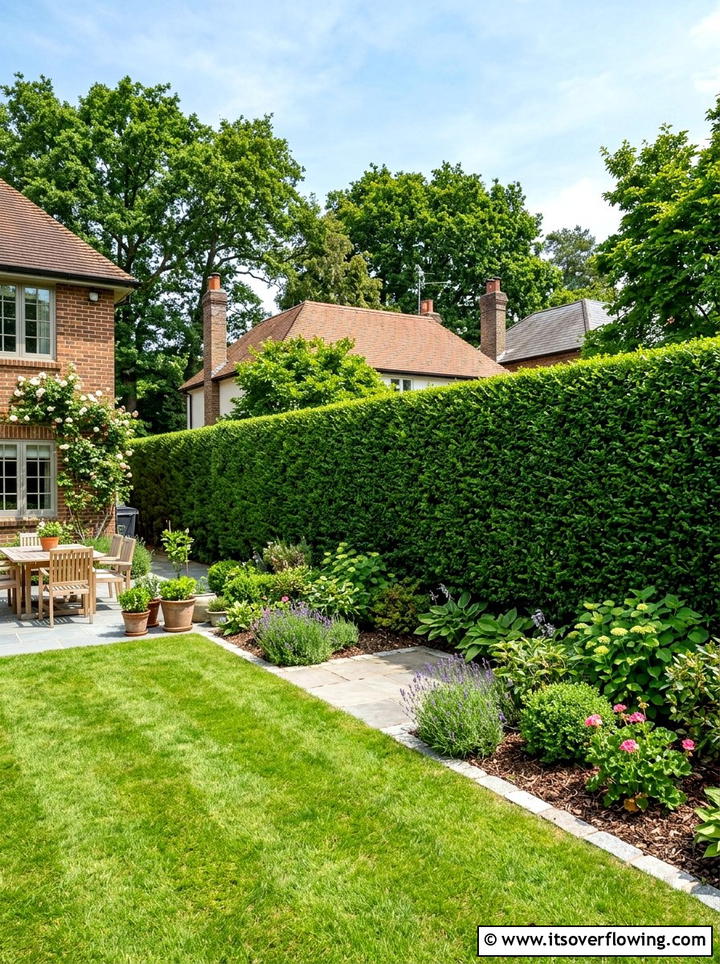
If you need a functional and clean-looking boundary for your property, a privet hedge is a top choice. You can take hundreds of hardwood cuttings in the winter and line them up in a trench to start a new hedge. They are very fast-growing and respond well to regular shearing, which allows you to keep them at a specific height and width. This creates a solid green wall that provides privacy and a backdrop for your other garden plants. Growing a long privet hedge from cuttings is incredibly cheap compared to buying mature hedging plants. It gives your property a neat, finished, and professional look.
Conclusion:
Building a beautiful garden does not require a large bank account, only a bit of time and the willingness to learn propagation. Using cuttings allows you to multiply your favorite plants and create a cohesive, lush environment that reflects your personal style. From fragrant lavender borders to structured boxwood hedges, the possibilities for a free landscape are truly endless. This process also connects you more deeply with your plants as you watch them grow from a small stem into a thriving shrub. Gardening with cuttings is a sustainable, rewarding, and highly effective way to achieve the outdoor sanctuary you have always wanted without the stress of high costs.

Related posts:
 25 Cheap Garden Ideas With Seeds: Grow More for Less Today
 25 Cheap Garden Ideas With Curb Appeal Upgrades for Less
 25 Cheap Garden Ideas To Refresh Your Outdoor Space Fast
 25 Cheap Garden Ideas With Cinder Blocks: Clever DIY Style
 25 Cheap Garden Ideas With Composting for Greener Outdoor Spaces
 25 Cheap Garden Ideas With Drought Tolerant Plants to Try
 25 Cheap Garden Ideas With Edging for Instant Curb Appeal
 25 Cheap Garden Ideas With Low Maintenance Plants That Thrive
 25 Cheap Garden Ideas With Mulch for a Polished Yard
 25 Cheap Garden Ideas With Perennials for Lasting Color
 25 Cheap Garden Ideas With Solar Lights: Bright Budget Glow
 25 Cheap Garden Ideas With Simple Planters: Easy Budget Style