
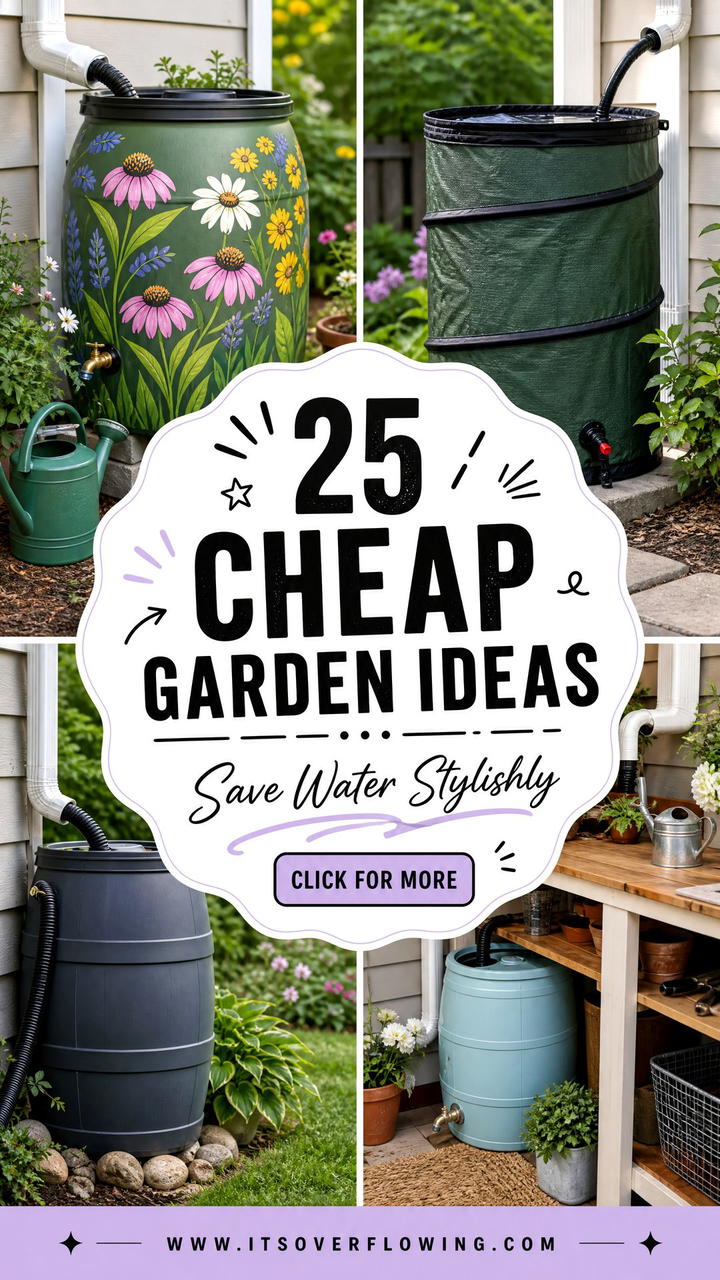
Transforming your backyard into a lush oasis does not have to cost a fortune, especially when you harness the power of nature through rainwater harvesting. Integrating rain barrels into your landscape is a brilliant way to save money on utility bills while providing your plants with chlorine-free water. These systems serve as the functional heart of a sustainable garden, allowing you to maintain vibrant greenery even during dry spells. Whether you prefer a rustic wooden aesthetic or a modern hidden look, there are endless affordable ways to style these containers. This guide explores creative and budget-friendly methods to elevate your outdoor space using practical water collection solutions today.
1. Plastic food grade barrel
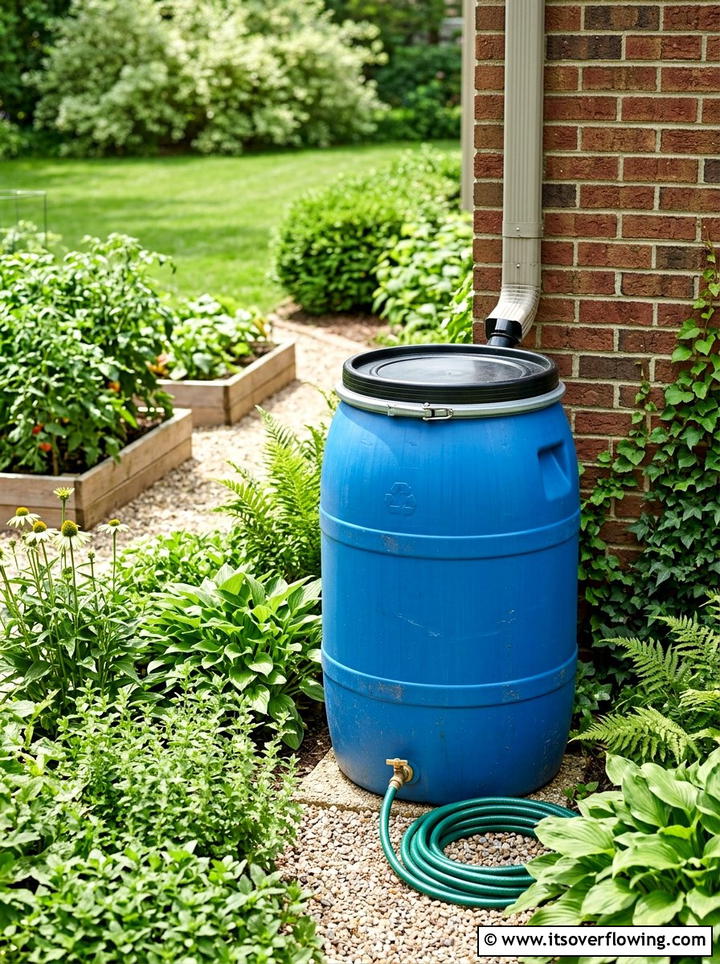
Starting your water conservation journey often begins with a simple plastic food grade barrel. These containers are incredibly affordable and can frequently be found at local food processing plants or hardware stores for a fraction of the cost of retail models. To ensure it functions perfectly in your garden, you will want to thoroughly clean the interior to remove any residue from its previous contents. Installing a simple spigot at the bottom and a mesh screen at the top allows you to collect clean water while keeping debris and mosquitoes out. This setup provides a reliable source of chemical-free water for your delicate ornamental plants and flowering shrubs all season long.
2. Wooden rain barrel
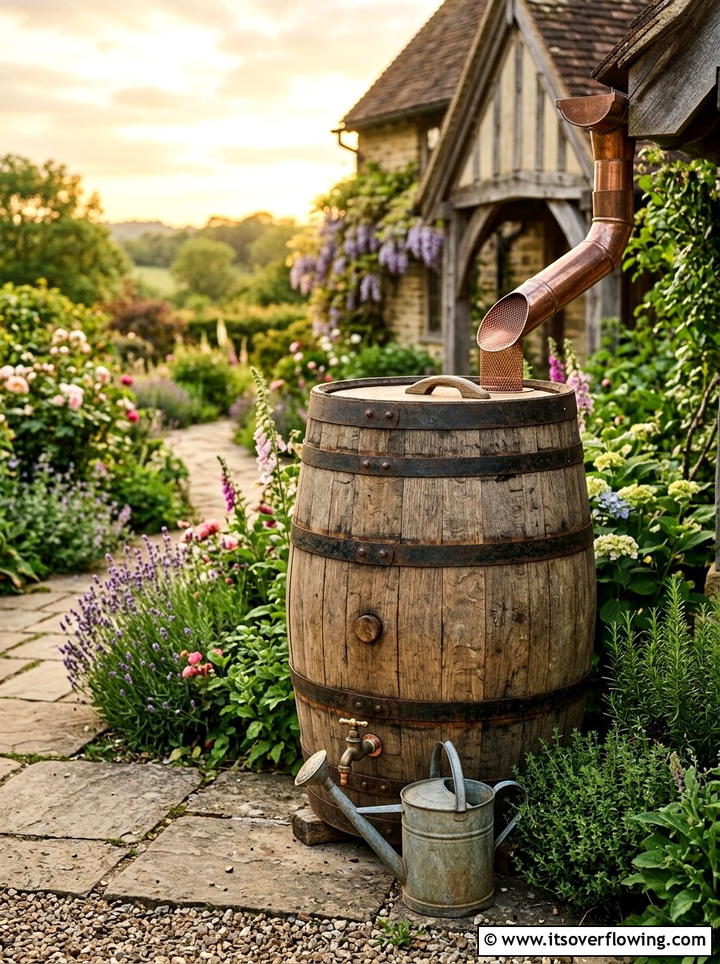
Adding a classic touch to your patio is easy when you choose a wooden rain barrel. These traditional containers offer a timeless aesthetic that blends seamlessly with cottage or farmhouse garden styles. You can often find used oak barrels at local nurseries or specialty shops that still hold water perfectly. The natural wood grain adds a warm, organic texture to your outdoor living area, making the barrel look like a piece of high-end decor rather than just a utility item. To keep the wood from drying out, ensure it remains partially filled with water during the warmer months. This functional element brings old-world charm to any modern landscape.
3. Rain barrel planter
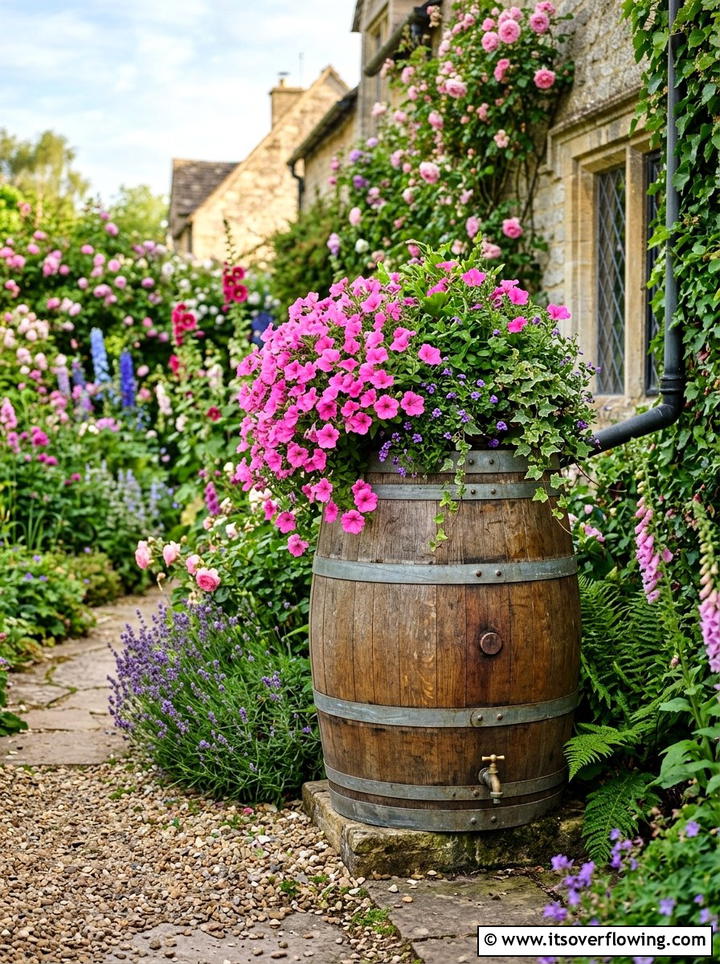
Combining functionality with greenery is best achieved through a rain barrel planter. This design features a recessed top area where you can grow trailing vines, bright petunias, or even a small herb garden. By planting directly on top of the water storage unit, you soften the appearance of the large container and make it a focal point of your garden bed. The moisture from the barrel can even create a slightly more humid microclimate that benefits certain plant species nearby. It is a fantastic way to maximize vertical space in small backyards while ensuring your water collection system looks like a deliberate part of your lush landscaping.
4. Decorative rain barrel cover
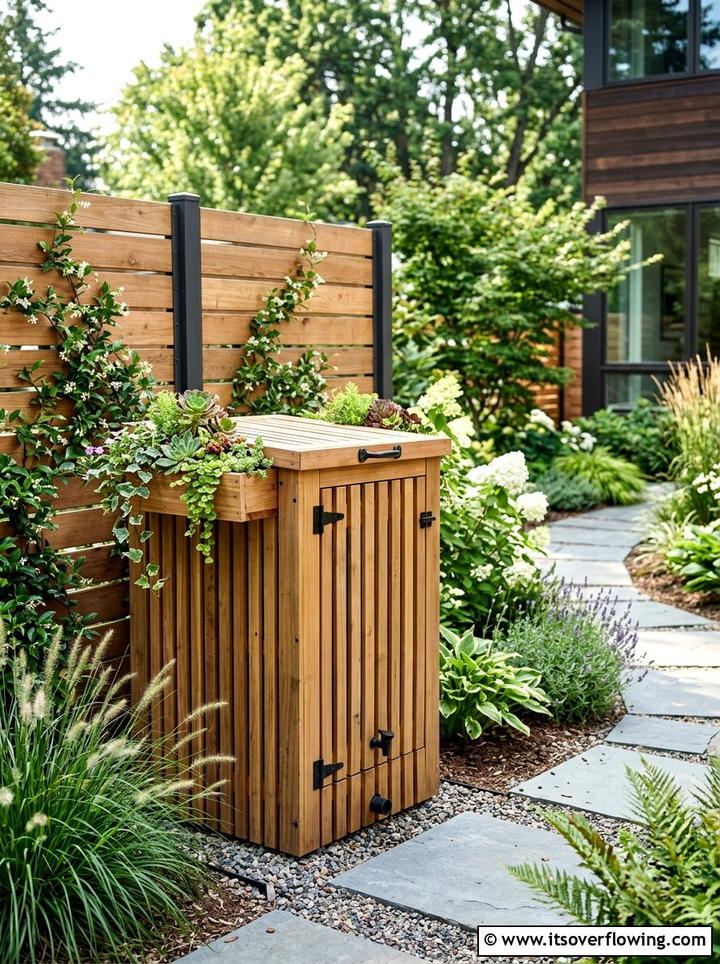
If you have an unsightly plastic barrel, a decorative rain barrel cover can completely change the look of your backyard. You can build a simple wooden slat enclosure using scrap pallet wood or cedar pickets for a very low cost. This DIY screen hides the industrial appearance of the plastic while allowing easy access to the spigot and downspout connection. Painting the wood to match your fence or home exterior creates a cohesive and professional look. This approach is perfect for homeowners who want the benefits of water harvesting without sacrificing the polished aesthetic of their outdoor entertaining areas or front porch gardens.
5. Gravity fed drip irrigation
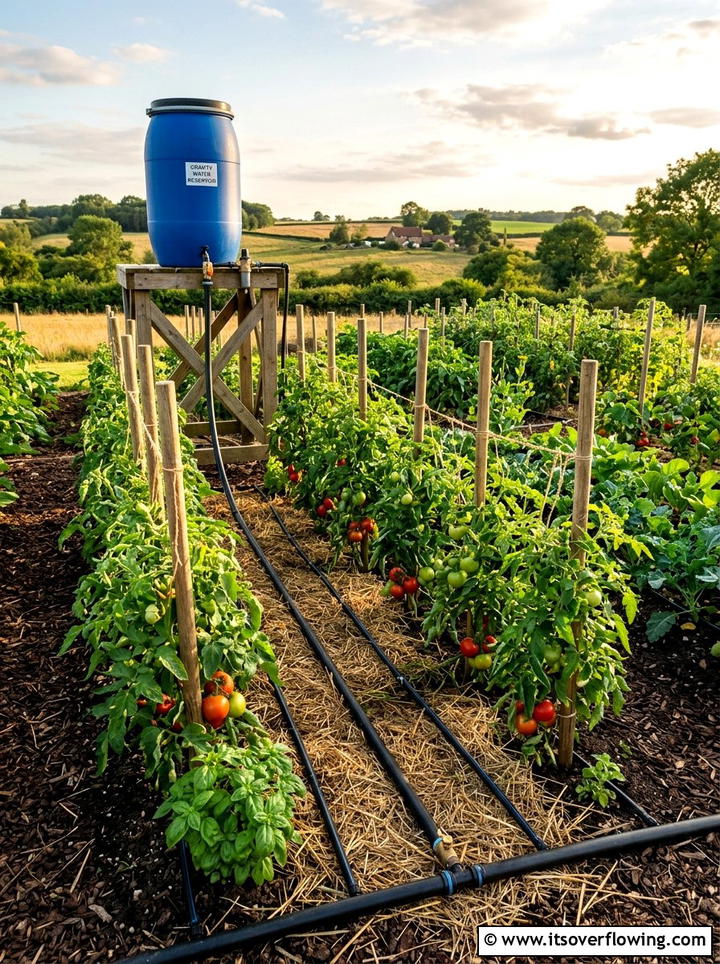
Efficiently watering your vegetable patches is simple with a gravity fed drip irrigation system attached to your barrel. By connecting a soaker hose or a dedicated drip line to the bottom spigot, you can deliver water directly to the roots of your plants. This method minimizes water waste and prevents fungal issues on foliage by keeping leaves dry. Because the system relies on gravity, it works best for plants located on a slight downhill slope or in nearby raised beds. It is a set-it-and-forget-it solution that ensures your garden stays hydrated without you ever having to lift a heavy watering can or hose.
6. Elevated rain barrel stand
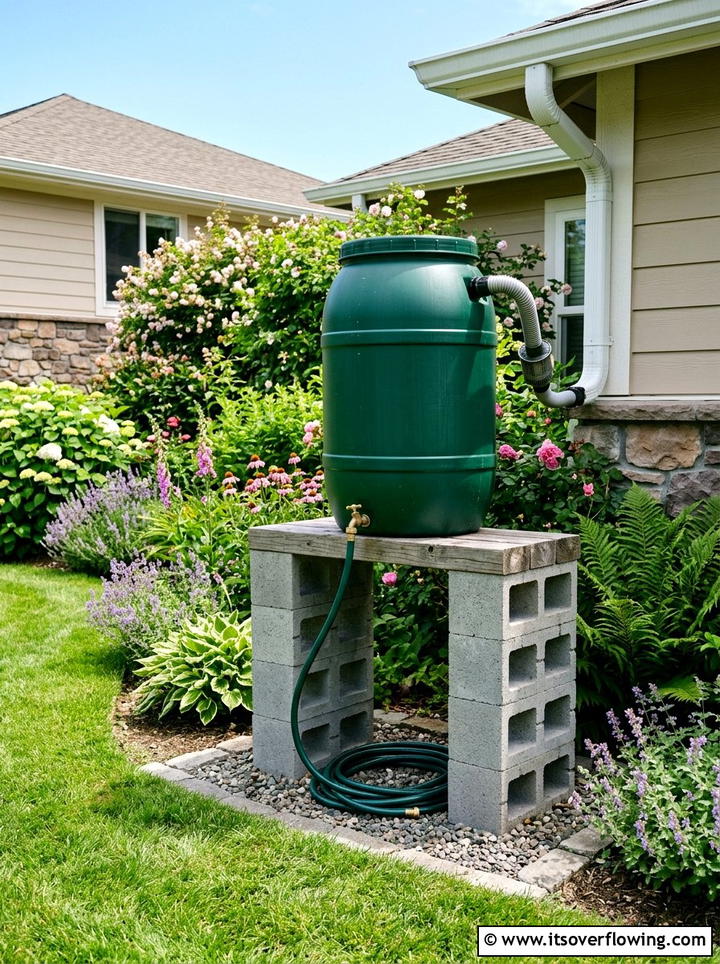
Increasing the water pressure from your collection system is easily done with an elevated rain barrel stand. You can construct a sturdy base using pressure-treated lumber, cinder blocks, or even large flat stones found around your property. Raising the barrel just two or three feet off the ground makes it much easier to fill a watering can or attach a hose with sufficient flow. A well-built stand also prevents the bottom of the barrel from sitting in mud, which extends the life of the material. This simple architectural addition makes your harvesting system more ergonomic and much more effective for reaching further garden corners.
7. Painted rain barrel
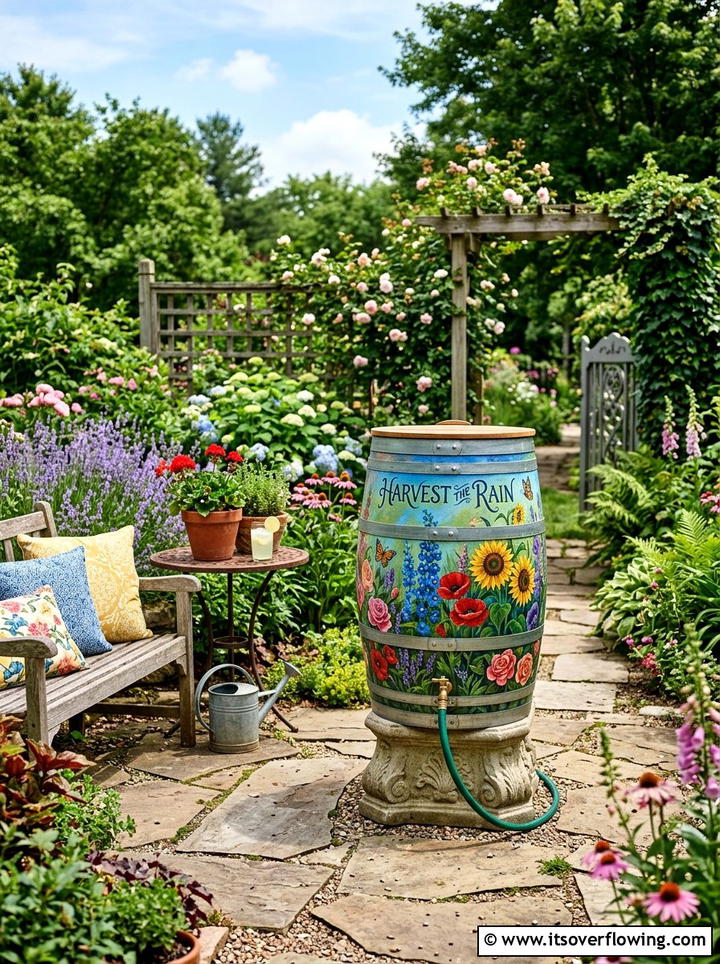
A painted rain barrel is one of the most creative ways to add a splash of color to your backyard. Using spray paint specifically designed for plastic, you can turn a boring blue or gray barrel into a vibrant work of art. Consider using stencils to create leaf patterns, geometric shapes, or even a whimsical mural that reflects your personal style. Choose colors that complement your garden blooms or match your outdoor furniture for a high-end look. This project is incredibly budget-friendly and allows you to customize your water storage to fit any theme, from a tropical paradise to a modern minimalist retreat.
8. Rain barrel for raised beds
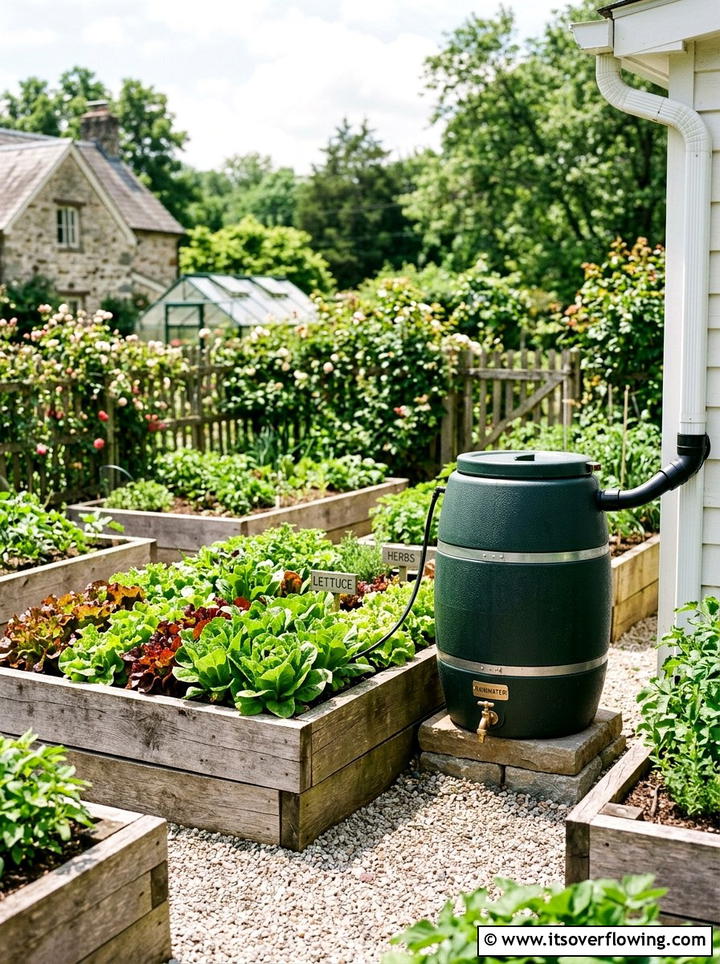
Positioning a rain barrel for raised beds is a strategic way to manage a productive kitchen garden. When placed directly next to your vegetable boxes, the barrel serves as a convenient and immediate water source for thirsty crops like tomatoes and peppers. You can use a short length of hose to reach every corner of the bed without dragging a long line across the lawn. This setup is particularly helpful for urban gardeners with limited space who need to keep everything organized and efficient. It ensures that your homegrown produce receives the best quality water possible, free from the salts and chemicals found in city water.
9. Hidden rain barrel behind trellis
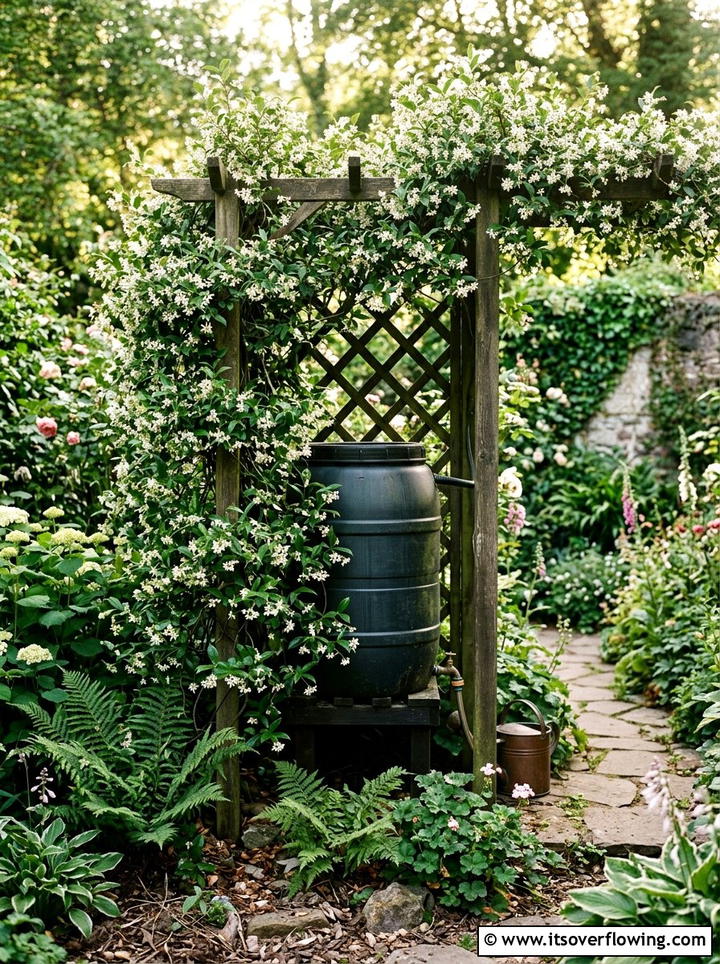
Concealing your water storage is easy when you place a hidden rain barrel behind a trellis. By installing a simple wooden or metal lattice in front of the container, you create a structure for climbing plants like clematis or jasmine. As the vines grow, they completely shroud the barrel in beautiful green leaves and fragrant flowers. This technique turns a functional utility item into a living wall that adds depth and privacy to your garden. It is an ideal solution for side yards or narrow passages where you want to maintain a clean and natural look while still harvesting every drop of rain.
10. Linked rain barrel system
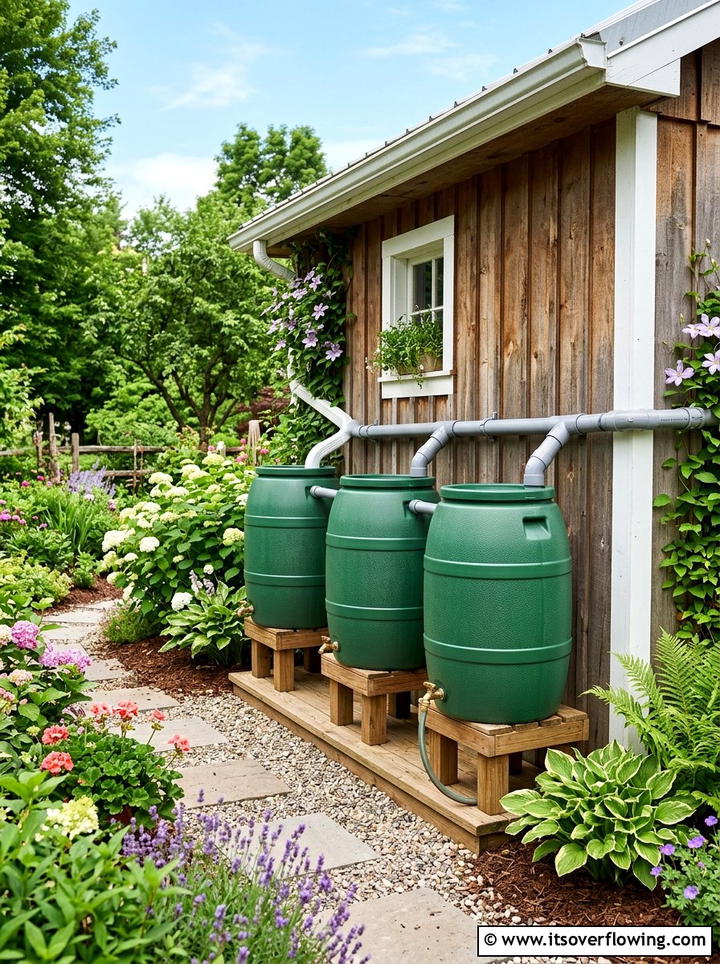
For those who have large gardens, a linked rain barrel system provides maximum storage capacity without a huge investment. You can connect multiple barrels together using simple PVC piping or a connecting hose kit at the bottom. As the first barrel fills from the downspout, the excess water flows into the subsequent containers. This allows you to collect hundreds of gallons of water during a single heavy storm, providing a massive reserve for the summer heat. Placing a row of identical barrels along a garage wall creates a clean, organized appearance that signals your commitment to sustainable and smart gardening practices.
11. Rain barrel with flower box
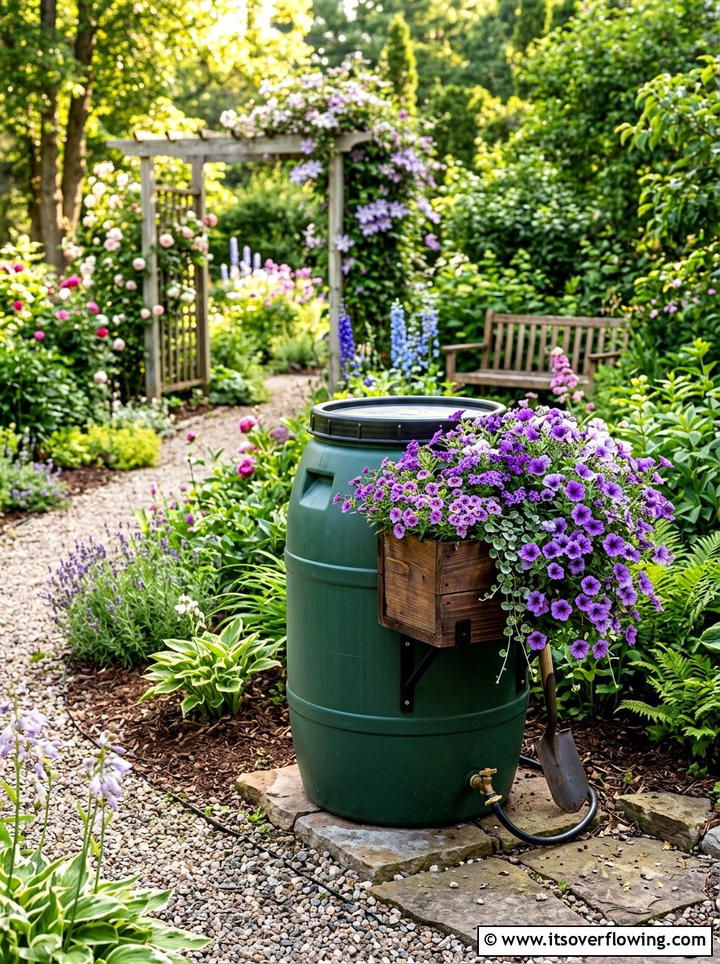
Integrating a rain barrel with a flower box is a clever way to add charm to a utility area. You can mount a small window box style planter to the side of the barrel or sit it directly on the lid. Filling this box with cascading flowers like bacopa or creeping jenny helps to break up the vertical lines of the barrel. The proximity to the water source makes it incredibly easy to keep these specific plants hydrated and thriving. This design idea works exceptionally well near a back door or garden shed, where it adds a touch of brightness and life to a functional corner.
12. Collapsible rain barrel
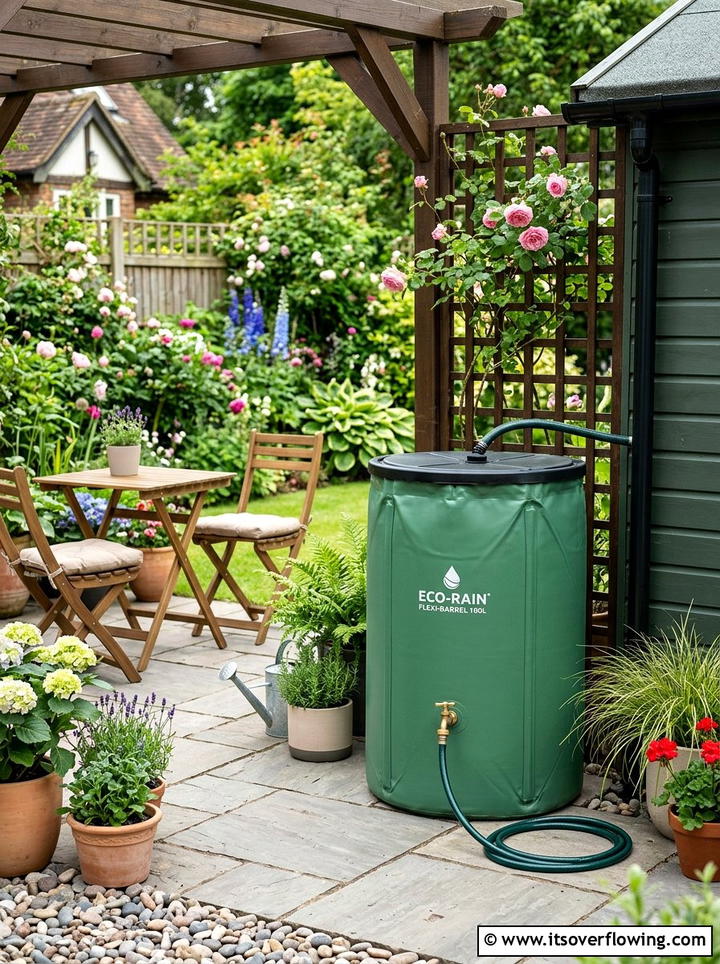
A collapsible rain barrel is the perfect solution for renters or gardeners with very limited storage space. These innovative containers are made from heavy-duty flexible PVC and can be folded flat when not in use during the winter. They are incredibly lightweight and easy to move around the yard as your watering needs change. Despite their flexible nature, they are surprisingly durable and come with built-in filters to keep out debris. This is a very affordable entry point for anyone wanting to test out rainwater harvesting without committing to a permanent, heavy structure in their landscape or near their foundation.
13. Rain barrel fountain
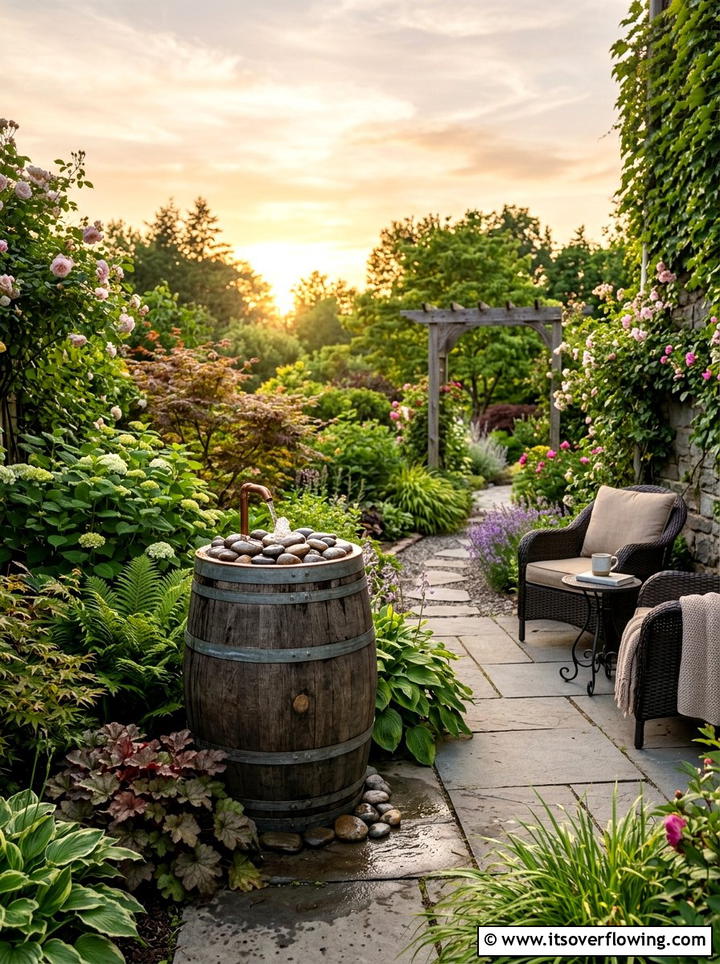
Creating a soothing atmosphere is simple when you transform your container into a rain barrel fountain. By adding a small solar-powered pump and some decorative stones to the top, you can create a gentle bubbling water feature. This not only looks beautiful but also helps to aerate the stored water, keeping it fresh and clear. The sound of running water adds a peaceful element to your patio or seating area, masking neighborhood noise. It is a dual-purpose project that provides essential irrigation water while acting as a sophisticated centerpiece for your outdoor relaxation zone during the quiet evening hours.
14. Downspout diverter kit
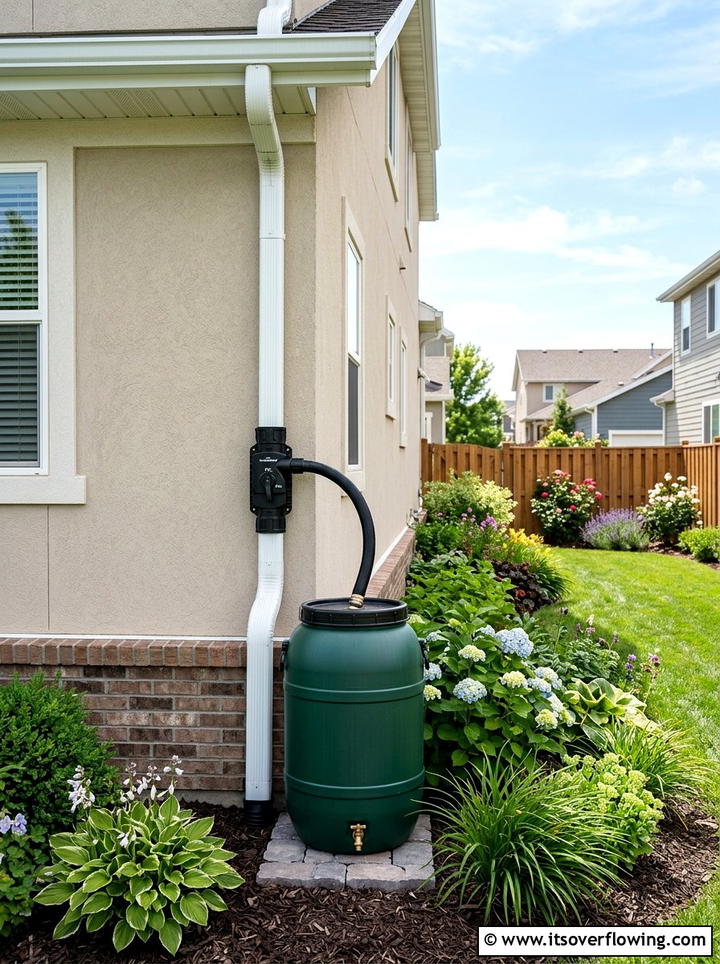
Using a downspout diverter kit is the most efficient way to connect your system to your home. These inexpensive kits allow you to tap into your existing gutters without completely cutting the pipe. When the barrel is full, the diverter automatically sends the excess water back down the main spout, preventing any basement flooding or foundation issues. This setup is much cleaner and safer than simply sticking a pipe into an open hole in the lid. It gives your garden a professional look and ensures that your water harvesting is managed responsibly, protecting both your plants and your home’s structural integrity.
15. Screen top rain barrel
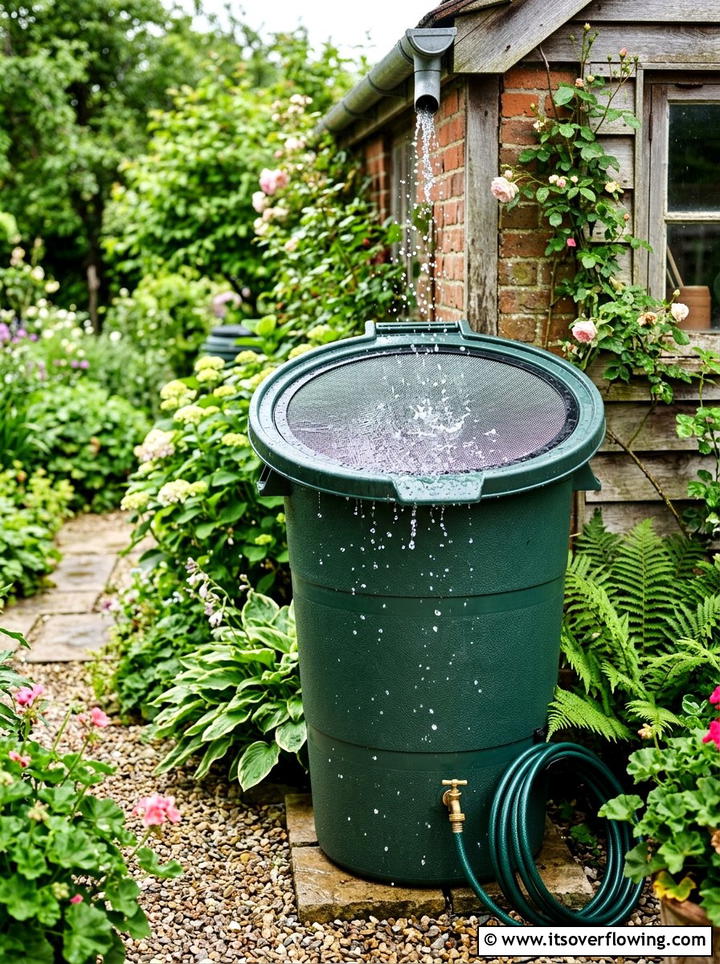
Safety and cleanliness are the hallmarks of a screen top rain barrel. This design features a fine mesh lid that allows water to pour in while keeping out leaves, twigs, and harmful insects. Keeping mosquitoes from breeding in your water supply is crucial for a comfortable outdoor experience. The screen also acts as a filter, ensuring that the water you use on your plants is free from large particles that could clog a hose or spigot. This simple feature is a must-have for any DIY barrel, providing peace of mind and maintaining high water quality for your precious backyard ecosystem.
16. Recycled trash can rain barrel
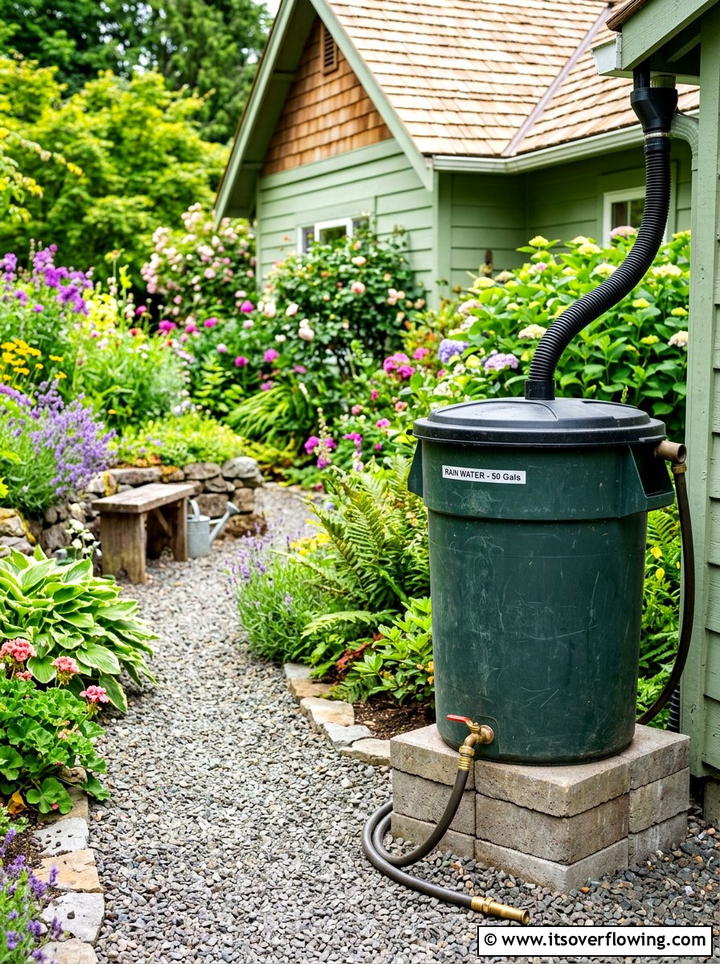
Creating a recycled trash can rain barrel is perhaps the most budget-friendly way to start harvesting water. A heavy-duty plastic garbage can with a tight-fitting lid can be easily converted with just a few basic tools. Simply drill a hole for the spigot and another for the overflow valve to create a fully functional unit. Because many people already have an extra bin in the garage, this project can often be completed for under twenty dollars. It is a fantastic weekend DIY project that teaches the basics of plumbing and sustainability while providing an immediate benefit to your thirsty garden beds and potted plants.
17. Rain barrel in rock garden
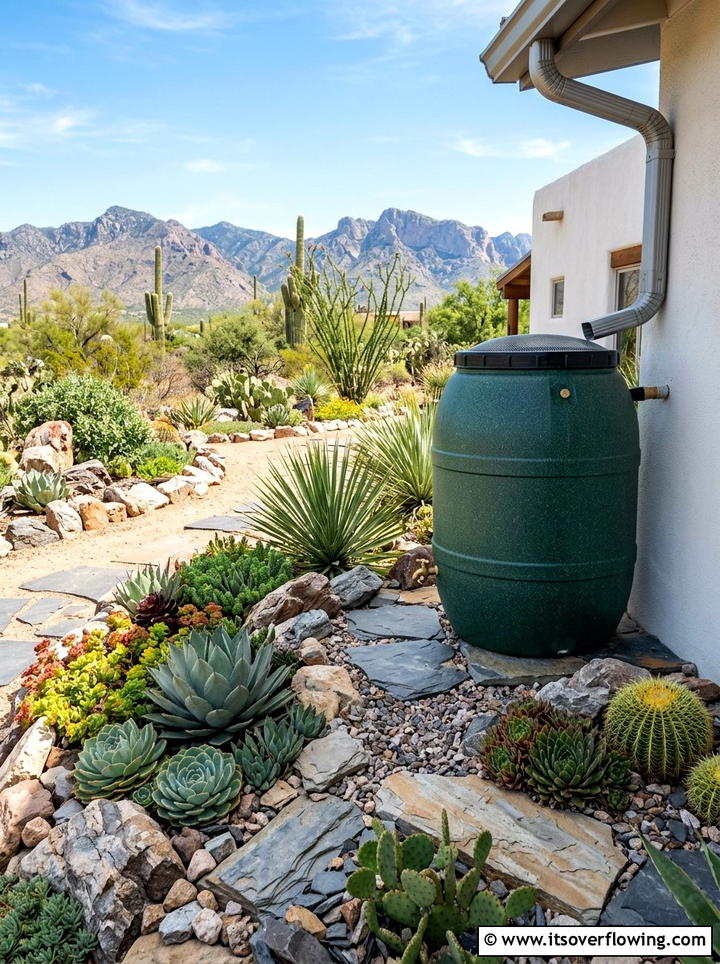
Integrating a rain barrel in a rock garden creates a rugged and naturalistic look. By surrounding the base of the container with large river rocks, slate, or decorative gravel, you make it feel like a permanent part of the geology. This approach also provides excellent drainage for any minor spills or overflow, preventing the area from becoming muddy. You can tuck alpine plants or succulents into the gaps between the rocks to further soften the scene. This design strategy works well in xeriscaped yards where water conservation is the primary goal, turning a functional tank into a beautiful and textured landscape element.
18. Wall mounted rain barrel
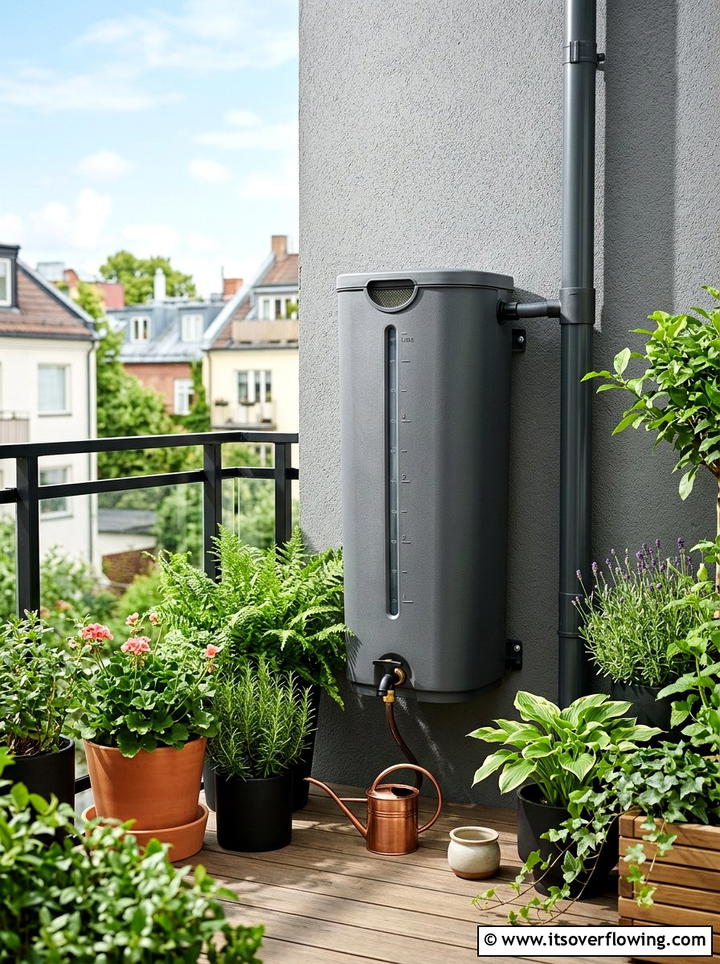
A wall mounted rain barrel is an excellent space-saving solution for narrow side yards or balconies. These specially designed containers are often slim and flat on one side, allowing them to sit flush against the exterior of your house. By mounting it slightly off the ground, you gain easy access to the tap while keeping the walkway clear for foot traffic. This modern look is perfect for contemporary homes where clean lines and efficiency are valued. It maximizes your storage capacity without taking up valuable real estate in your flower beds, making it a favorite for urban dwellers with small patios.
19. Rain barrel for greenhouse
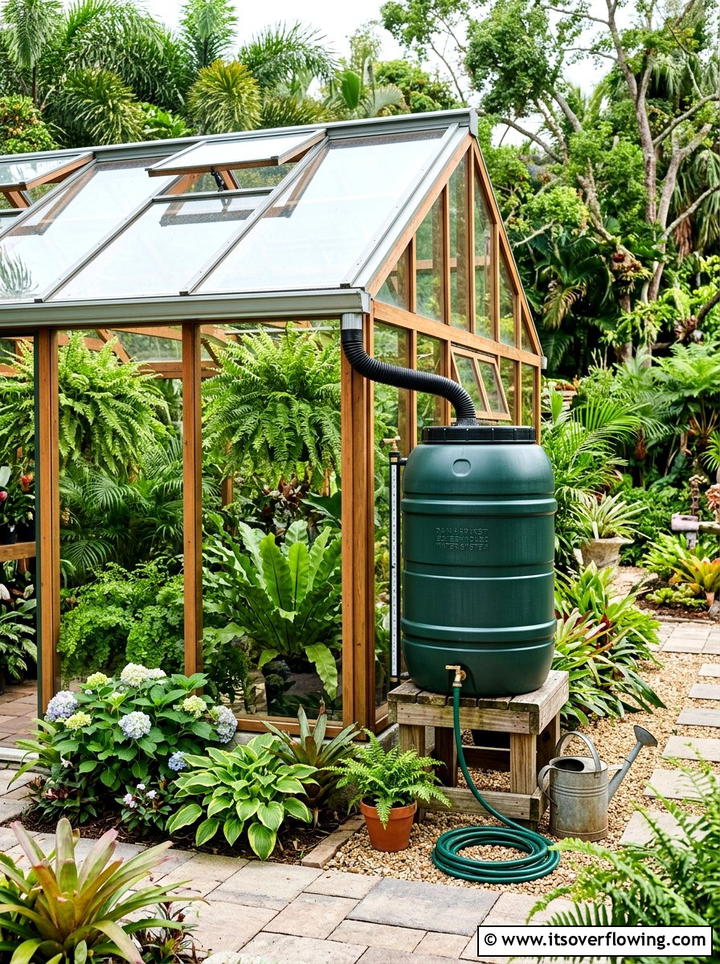
Installing a rain barrel for a greenhouse is a game-changer for serious hobbyist gardeners. Having a dedicated water source right next to your glass or plastic structure saves countless trips back and forth to the outdoor faucet. Rainwater is naturally soft and room temperature, which is much better for sensitive greenhouse starts than cold, chlorinated tap water. You can even pipe the overflow directly into an indoor potting station for maximum convenience. This setup creates a self-sufficient growing environment that mimics natural cycles, helping your seedlings and tropical plants flourish in a controlled and well-hydrated space throughout the entire growing season.
20. Rustic metal rain barrel
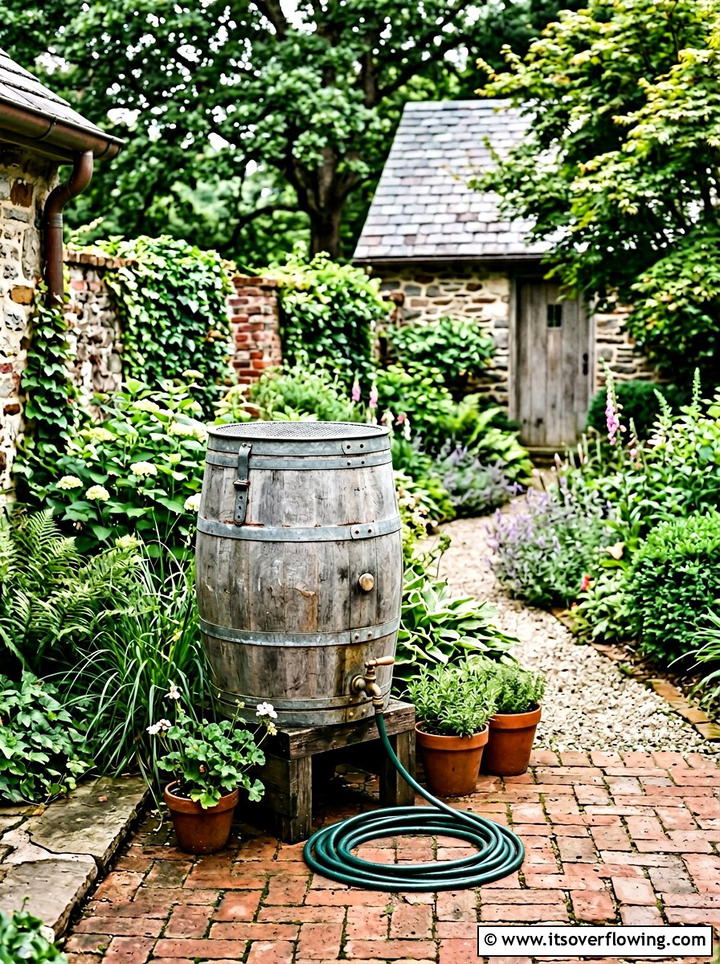
For a vintage or industrial vibe, consider using a rustic metal rain barrel. An old galvanized stock tank or a large metal drum can be repurposed into a stunning water collector with a bit of effort. The weathered patina of the metal adds character and history to your garden, looking especially beautiful next to weathered wood or brick. To prevent rusting, you can use a plastic liner or apply a clear protective sealant to the interior. This sturdy option is incredibly durable and can withstand the elements for years, providing a bold architectural statement while serving its practical purpose of gathering precious rainwater.
21. Terracotta style rain barrel
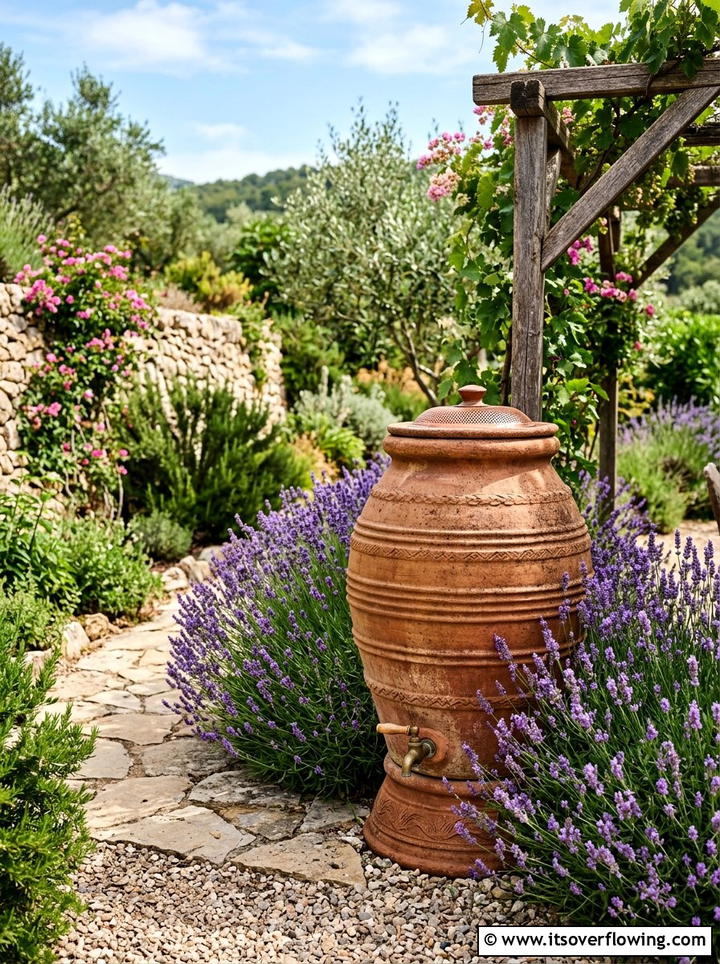
A terracotta style rain barrel offers the warm, Mediterranean look of clay without the heavy weight or fragility. Many modern plastic barrels are molded and colored to look exactly like giant earthenware pots, complete with textured finishes. These units look stunning in a garden filled with lavender, rosemary, and olive trees. They add a touch of vacation-inspired luxury to your backyard while remaining highly functional and easy to maintain. Because they are made of durable polyethylene, they won’t crack in freezing temperatures like real clay might. It is an elegant way to incorporate water storage into a high-end landscape design.
22. Rain barrel with overflow hose
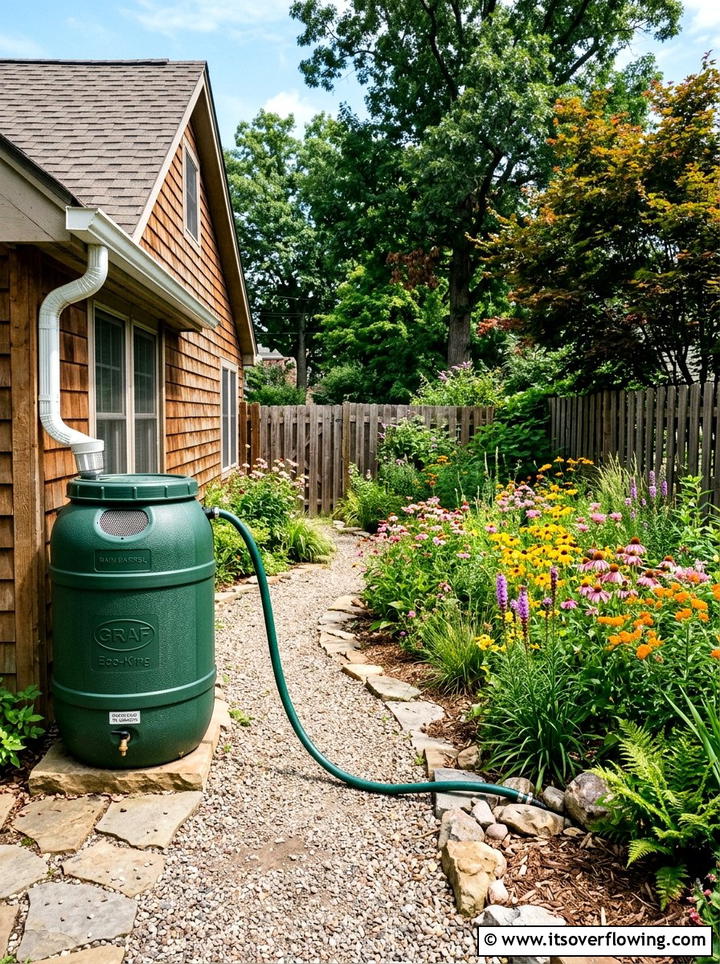
Managing excess water is simple when you use a rain barrel with an overflow hose. During heavy downpours, a single barrel can fill up in minutes, and without a plan for the extra water, you risk eroding your soil. By attaching a long hose to the top overflow port, you can direct the surplus water away from your house foundation and into a rain garden or a thirsty tree. This ensures that every drop is put to good use rather than causing puddles or damage. It is a smart engineering detail that makes your entire gardening system more resilient and environmentally friendly.
23. Stone clad rain barrel
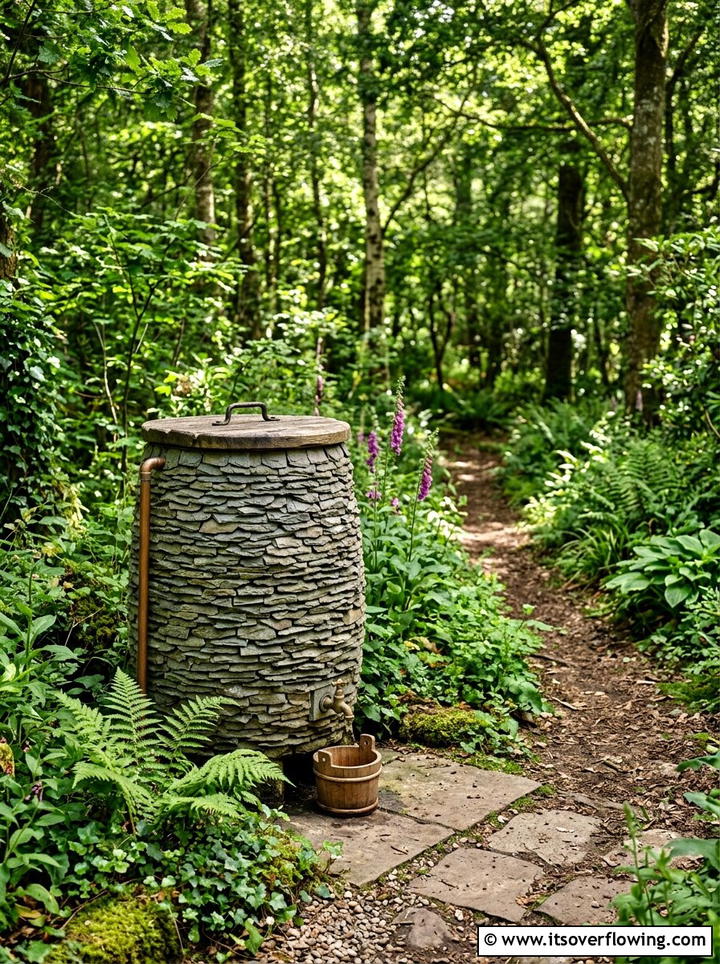
A stone clad rain barrel is the ultimate choice for a high-end, integrated look. You can use thin stone veneer or faux stone panels to cover the exterior of a standard plastic drum. This makes the barrel look like a hand-built stone monument or a traditional well, blending perfectly into a wooded or formal garden setting. The added mass of the stone also provides insulation, keeping the water inside cooler during the peak of summer. While it takes a bit more labor to create, the result is a beautiful, permanent-looking structure that enhances your property value while providing a sustainable water source.
24. Rain barrel for potting bench
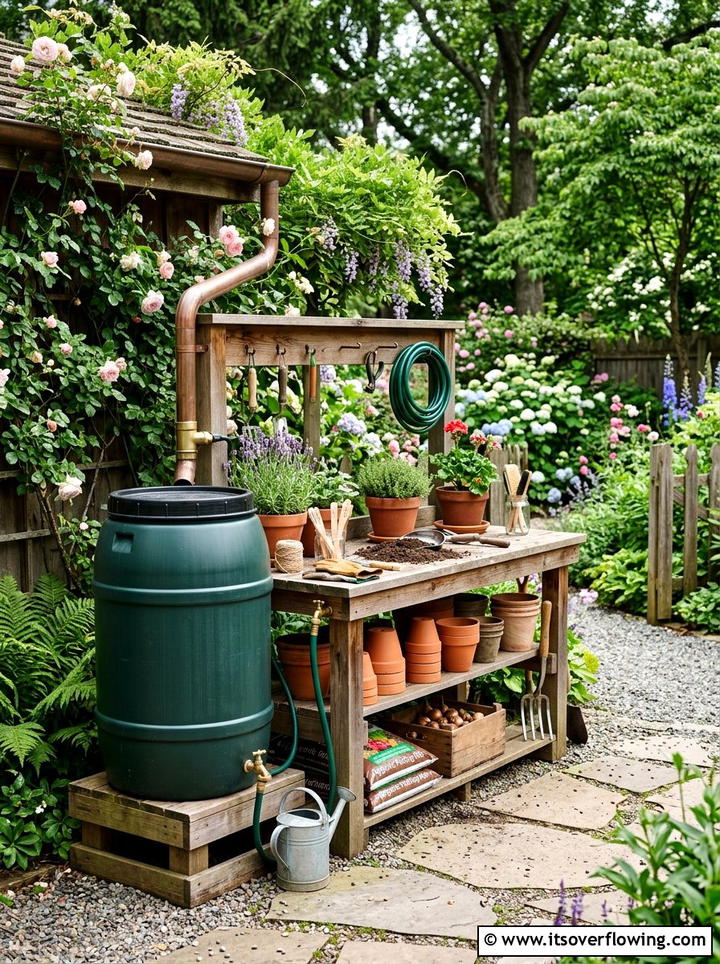
Placing a rain barrel for a potting bench creates the ultimate outdoor workspace for any plant enthusiast. Having water immediately available at your workstation makes it easy to moisten potting soil, wash off garden tools, or give newly transplanted flowers a quick drink. You can design your bench so the barrel sits neatly underneath or right beside the main work surface. This integration saves time and physical effort, allowing you to focus on the joy of gardening rather than the logistics of hauling water. It turns a simple corner of the yard into a highly productive and efficient gardening hub.
25. Rain barrel garden edge
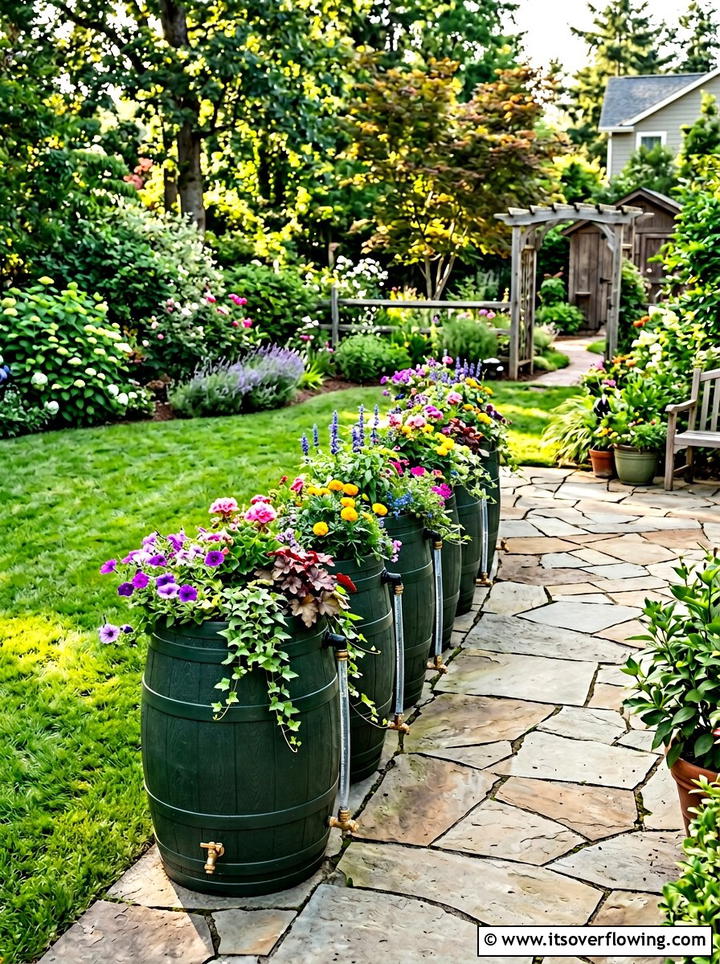
Using a rain barrel garden edge is a unique way to define the borders of your outdoor space. By placing several lower-profile barrels in a row, you can create a functional low wall that separates a patio from a lawn. These can be topped with long planter boxes to create a lush, flowering boundary that also stores hundreds of gallons of water. This approach is excellent for creating privacy and structure in a large, open yard. It demonstrates that water harvesting equipment can be a foundational part of your garden’s layout, serving as both a hardscape element and a vital life-support system.
Conclusion:
Embracing rain barrels in your garden is one of the most rewarding and affordable ways to improve your home’s sustainability. By selecting a style that fits your personal aesthetic, from rustic wood to modern hidden designs, you turn a simple utility into a beautiful landscape feature. These twenty-five ideas show that water conservation does not have to be expensive or unattractive; it can actually enhance the character of your outdoor living space. As you implement these systems, you will notice your plants thriving on natural water while your monthly bills decrease. Start small with one barrel and watch your garden flourish with every passing rainstorm.
Related posts:
 25 Cheap Garden Ideas for Front Yard Style on a Budget
 25 Cheap Garden Ideas With Cinder Blocks: Clever DIY Style
 25 Cheap Garden Ideas With Dollar Store Decor: Frugal Style
 25 Cheap Garden Ideas With Pallets for Creative Outdoor Style
 25 Cheap Garden Ideas With Repurposed Containers: Smart Style
 25 Cheap Garden Ideas With Simple Planters: Easy Budget Style
 25 Cheap Garden Ideas With Vertical Gardens: Budget Style
 25 Cheap Garden Ideas To Refresh Your Outdoor Space Fast
 25 Cheap Garden Ideas With Drought Tolerant Plants to Try
 25 Cheap Garden Ideas With Low Maintenance Plants That Thrive
 25 Cheap Garden Ideas With Mulch for a Polished Yard
 25 Cheap Garden Ideas With Perennials for Lasting Color