
Upcycling is the ultimate way to bring character and charm into your outdoor space without spending a fortune on expensive store-bought pots. By looking at everyday household items with fresh eyes, you can transform your backyard into a curated sanctuary that reflects your unique style and personality. Repurposing old containers not only saves money but also keeps functional items out of landfills, making it an eco-friendly choice for any modern gardener. Whether you have a sprawling lawn or a tiny balcony, these creative solutions offer a practical way to grow herbs, flowers, and vegetables. Let’s explore how you can use simple, discarded objects to create a breathtaking and vibrant garden oasis today.
1. Colander hanging planter
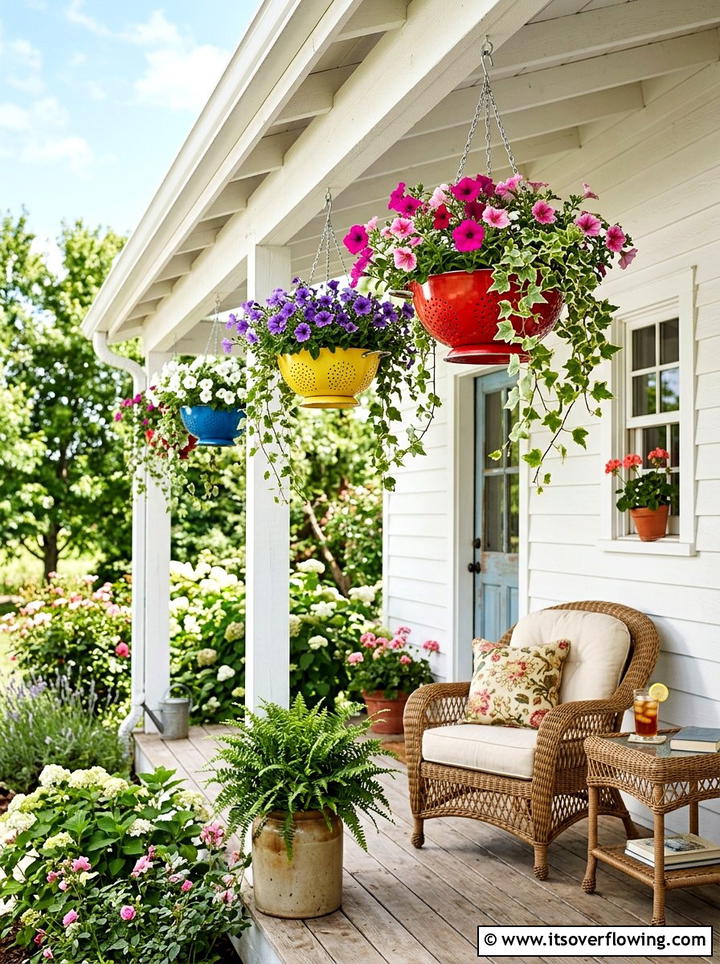
Have you ever noticed how the built-in drainage holes of an old kitchen colander make it a perfect vessel for trailing plants? This design concept works beautifully on a sunny porch where multiple colanders in bright colors are suspended from the ceiling using sturdy twine or metal chains. The vibrant metal finishes add a pop of modern farmhouse charm while the cascading foliage of petunias or ivy creates a lush, vertical landscape. You can arrange these hanging pots at different heights to add visual depth to your outdoor seating area. This setup not only looks professional but also ensures your plants never sit in stagnant water, promoting healthy root growth.
2. Old boot flower pot
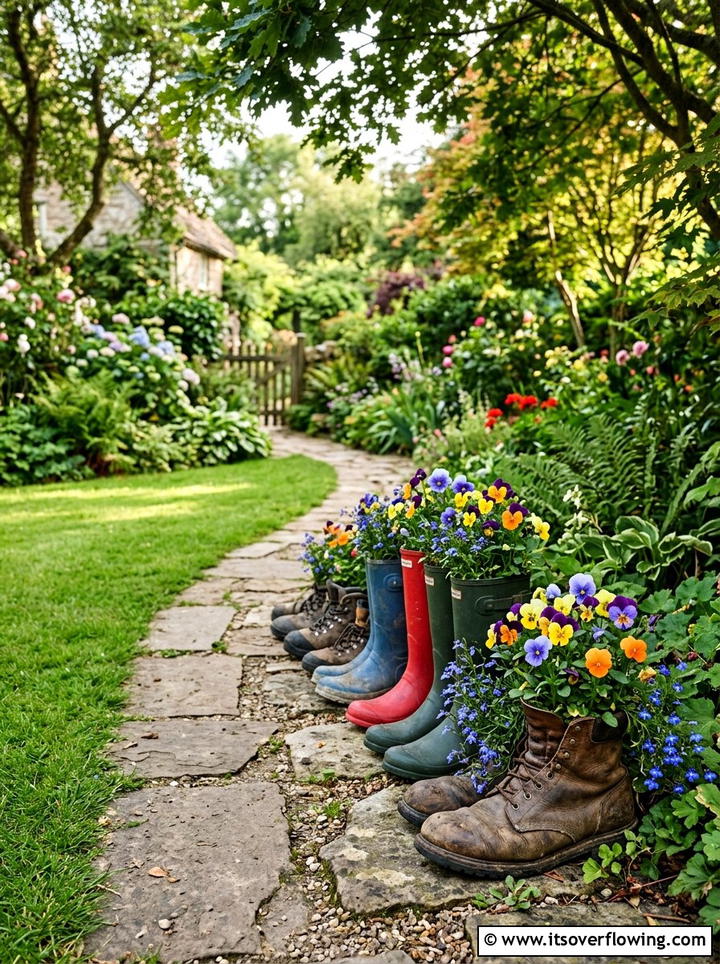
Imagine walking onto a rustic garden path and seeing a row of weathered work boots or colorful rain boots overflowing with vibrant blossoms. This whimsical design approach uses old footwear as quirky focal points along the edges of a stone walkway or tucked into the corners of a garden bed. To make this look cohesive, group different sizes and styles together on a wooden bench to create a layered, lived-in feel. The textured rubber or leather contrasts beautifully with delicate flowers like lobelia or pansies, adding a touch of personality to your yard. It is a fantastic way to give sentimental items a new life sustainably.
3. Wooden crate garden box
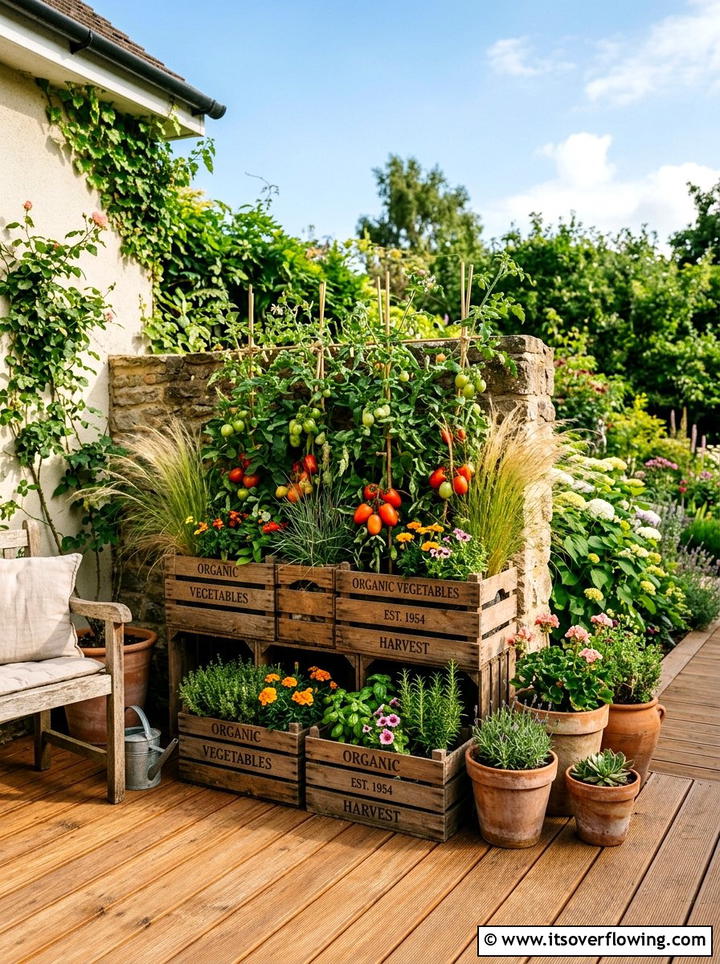
Stacking vintage wooden crates creates a structured and rustic container garden that works perfectly for small patios or deck corners. These crates provide deep soil space for growing larger plants like tomatoes, peppers, or ornamental grasses while maintaining a clean, organized aesthetic. You can arrange them in a tiered formation to maximize sunlight exposure and create a sense of vertical scale in your outdoor living area. The natural wood grain pairs wonderfully with terracotta accents and gravel flooring, offering a timeless look that feels both grounded and intentional. Using liners inside the crates helps preserve the wood and keeps the moisture levels consistent for your plants.
4. Tin can herb garden
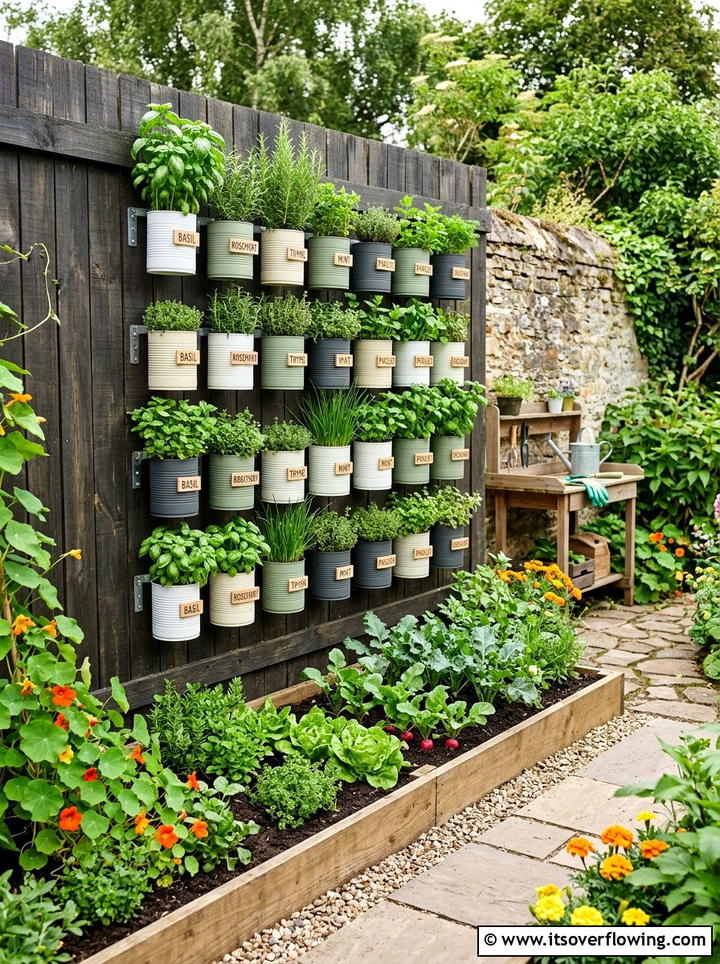
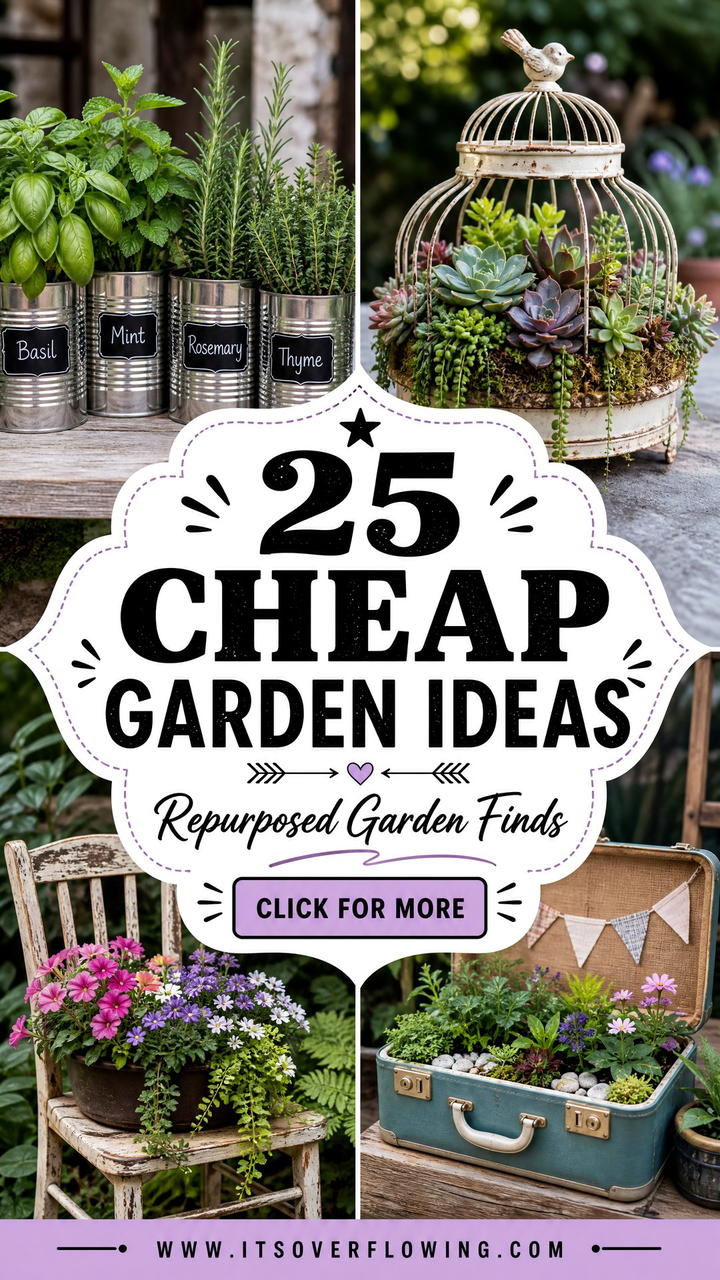
Do you want a simple and effective way to grow fresh herbs right outside your kitchen door? Transforming discarded tin cans into a vertical herb wall is a brilliant solution that saves space and looks incredibly chic. By painting the cans in a uniform color or leaving them with a metallic finish, you can create a modern industrial vibe on a wooden fence or brick wall. Each can holds a different herb, such as basil, thyme, or rosemary, creating a functional culinary station that is easy to maintain. This organized arrangement turns a plain wall into a lush green feature that is both practical and beautiful.
5. Wood pallet vertical garden
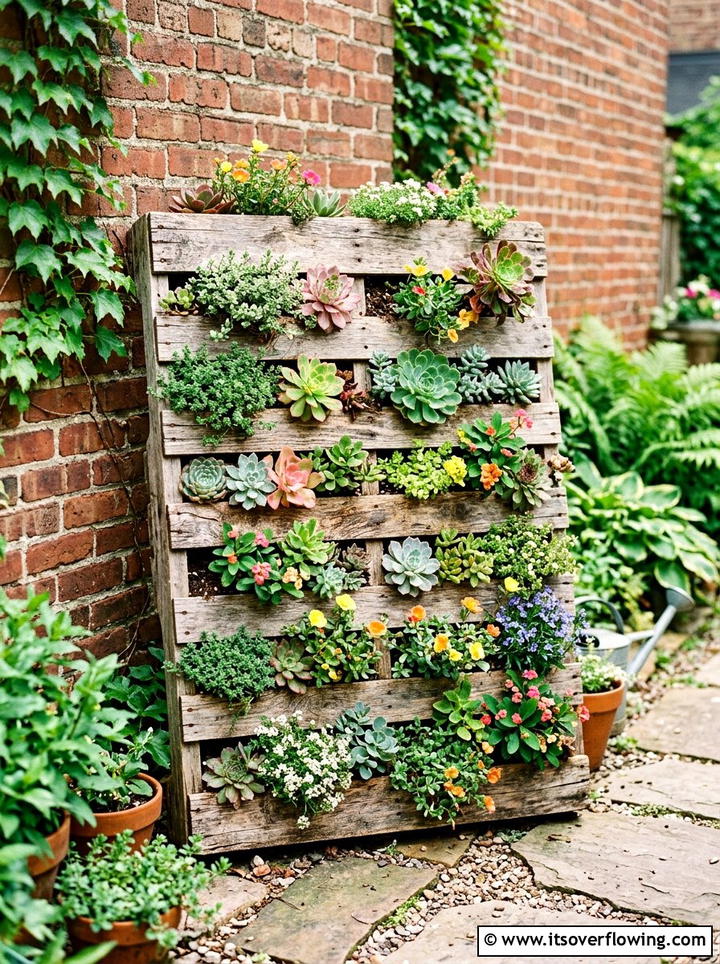
Utilizing a reclaimed wood pallet as a vertical planter is an excellent way to cover an unattractive fence or wall with vibrant greenery. This design allows you to plant in horizontal rows, creating a “living wall” effect that is perfect for succulents, small flowers, or leafy greens. The dark, weathered wood of the pallet provides a stunning backdrop for the bright greens and pops of floral color, making the entire area feel like a professional botanical display. It is a space-saving technique that adds a heavy dose of texture and organic warmth to any patio or balcony, making it a favorite for urban dwellers.
6. Dresser drawer flower bed
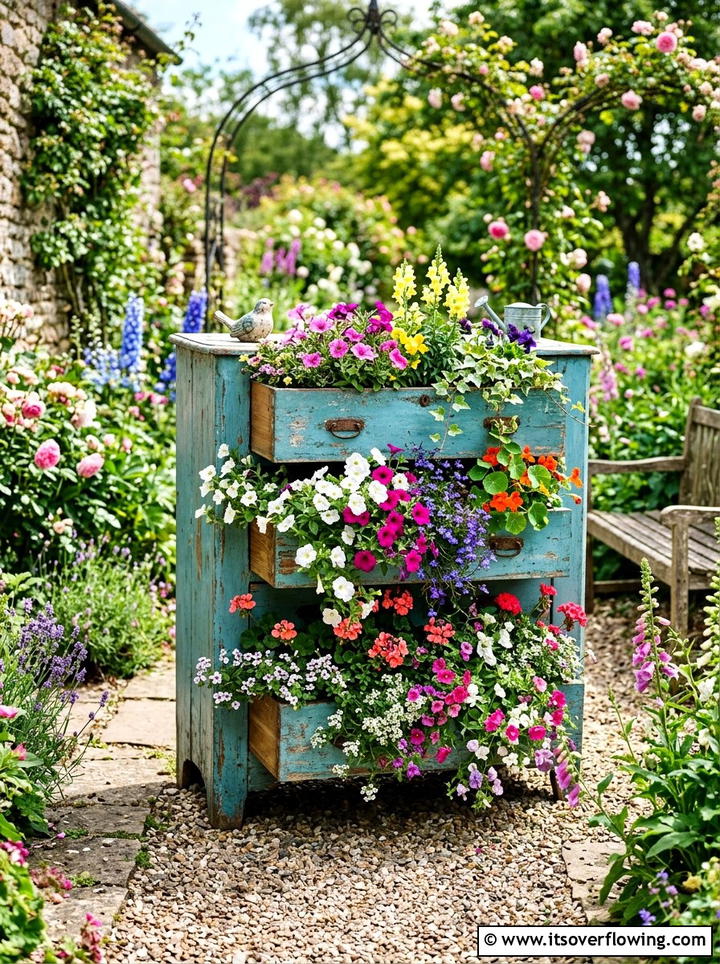
Have you thought about using an old wooden dresser as a centerpiece for your garden? By pulling out the drawers at different lengths, you create a cascading waterfall of flowers that looks like it stepped out of a fairy tale. This tiered design offers multiple levels for planting, allowing you to mix tall snapdragons with low-growing creeping phlox for a full, voluminous appearance. Placing the dresser against a garden shed or a thick hedge helps it blend seamlessly into the landscape. It is a bold statement piece that turns a piece of forgotten furniture into a stunning, multi-dimensional garden feature for your backyard.
7. Old sink garden planter
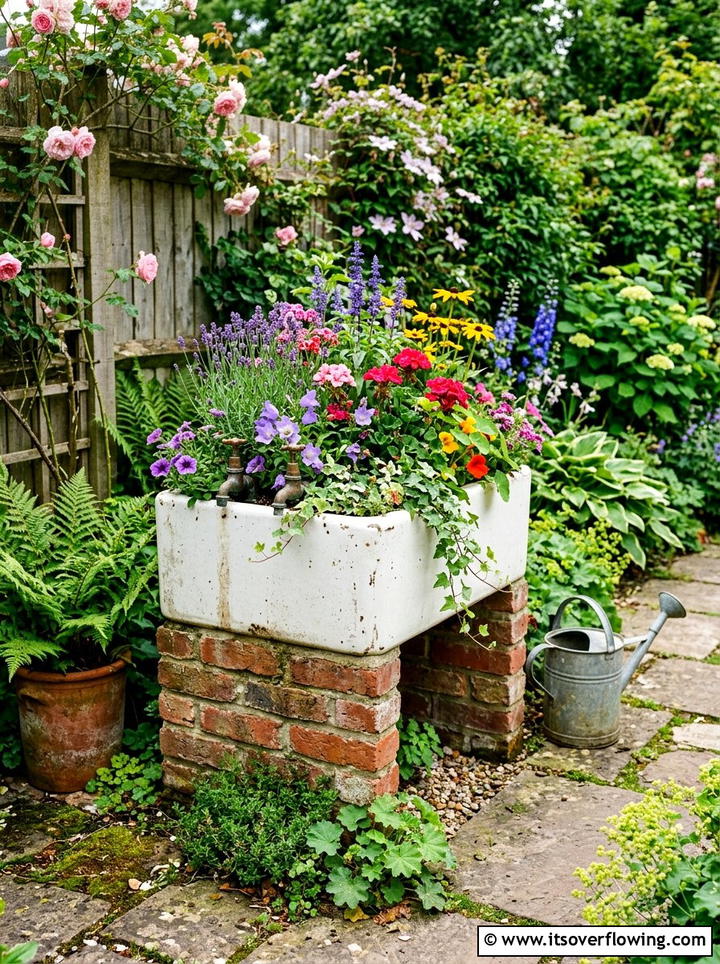
Repurposing a vintage porcelain or farmhouse sink provides a deep and durable home for a variety of garden plants and flowers. The wide basin is ideal for creating a miniature water garden or a dense arrangement of colorful perennials that crave excellent drainage. Set the sink on a sturdy wooden frame or a stack of old bricks to elevate it to a comfortable height for viewing and maintenance. The clean white surface of the porcelain makes the colors of the flowers pop, creating a refreshing and clean look in a garden corner. It serves as a unique conversation starter that combines utility with artistic garden flair.
8. Bathtub garden bed
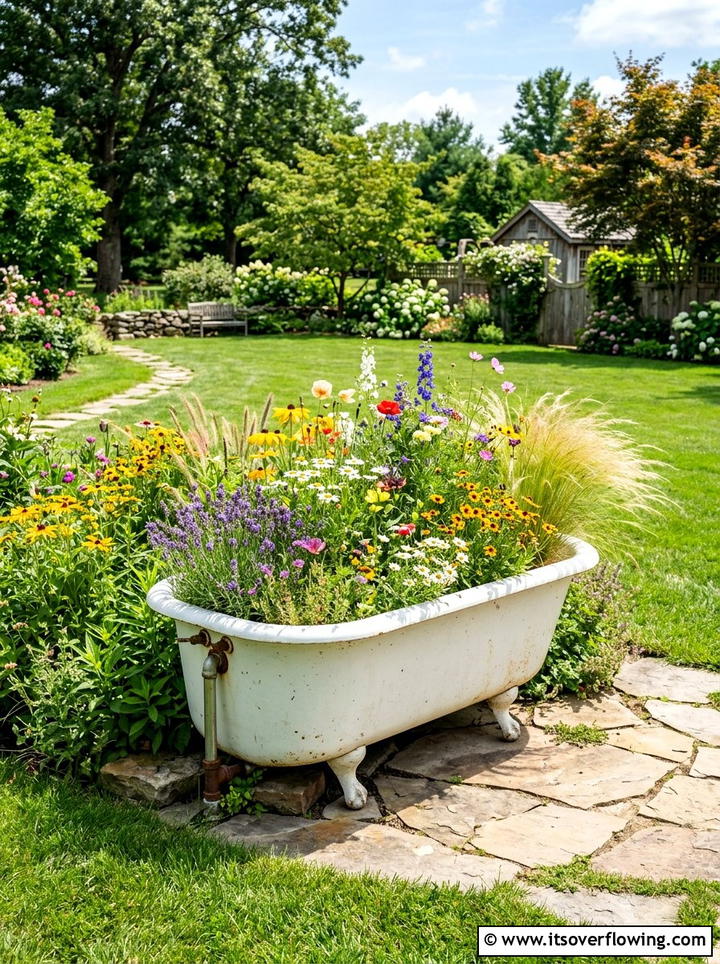
Large-scale gardening becomes much easier when you use an old clawfoot bathtub as a massive raised planter for your backyard space. This substantial container is perfect for growing a diverse mix of vegetables, large shrubs, or even a miniature wildflower meadow. Positioned in a central sunny spot, the bathtub becomes a sculptural element that defines the layout of your garden. You can paint the exterior a bold color to make it stand out or keep it white for a classic, vintage aesthetic. The sheer volume of soil it holds ensures that your plants have plenty of room to develop strong, healthy root systems over time.
9. Step ladder plant stand
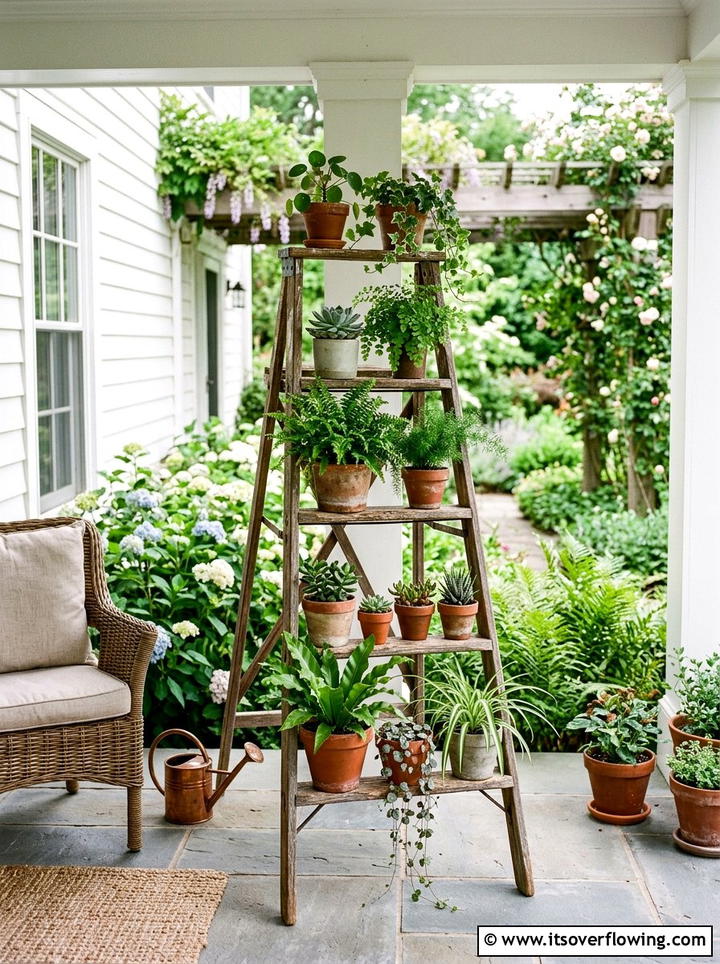
A weathered wooden step ladder provides the perfect framework for a tiered plant display that adds height and interest to your patio. By placing different containers on each step, you can create a curated collection of plants that looks organized and professional. This setup is ideal for showcasing a variety of textures, from spiky succulents to soft, flowing ferns, all in one compact area. The vertical orientation allows you to fit many plants into a small footprint, making it a great choice for narrow porches. It creates a focal point that draws the eye upward and makes the entire outdoor area feel much more lush.
10. Birdcage succulent garden
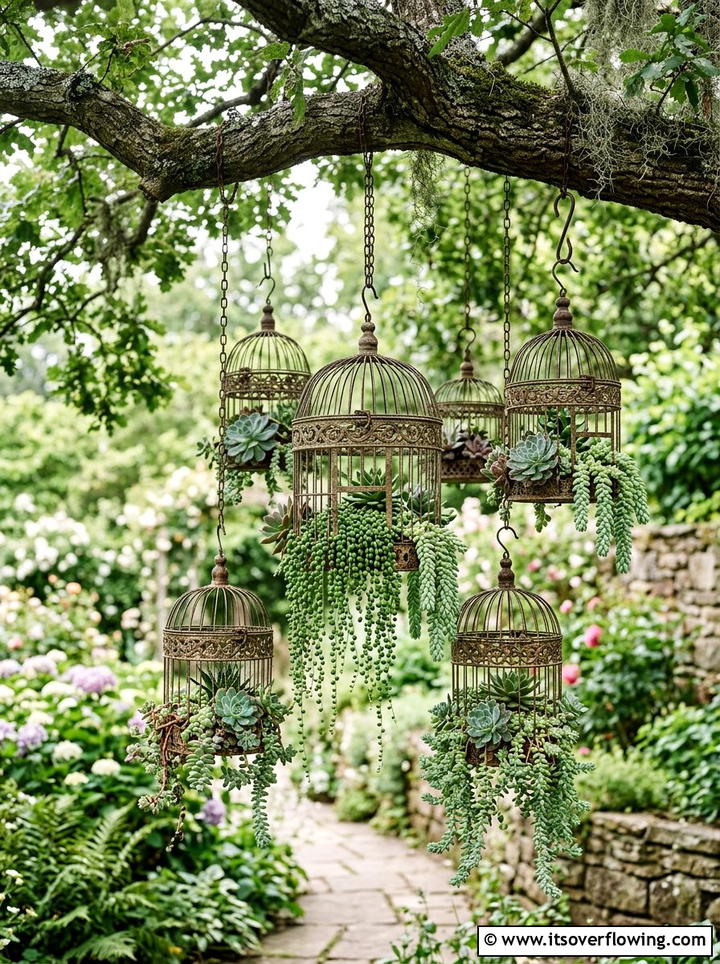
Vintage metal birdcages offer a delicate and intricate way to house a collection of small succulents and trailing “string of pearls” plants. When hung from a tree branch or a porch hook, these cages protect the plants while allowing them to grow through the wire bars for a whimsical effect. The weathered patina of the metal adds a sense of history and romance to your garden design. You can line the bottom with moss to hold the soil in place and create a soft, organic look that complements the desert-style plants. It is a sophisticated way to add detail and artistry to your outdoor living space.
11. Rusty wheelbarrow flower planter
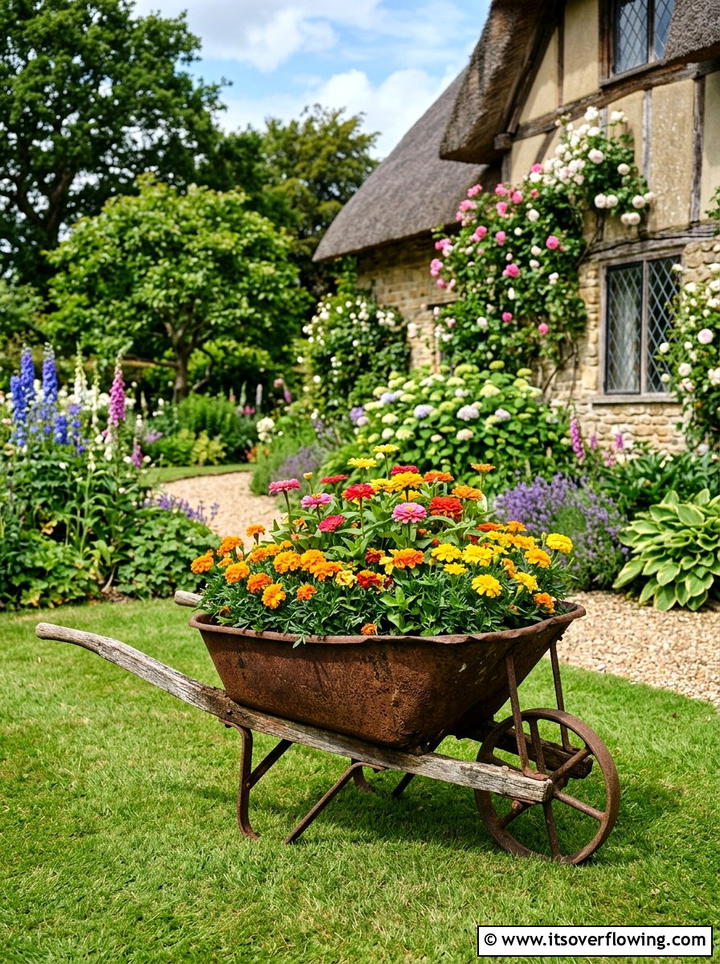
A classic rusty wheelbarrow can be transformed into a mobile garden bed that adds a touch of rustic charm to any lawn or driveway. Filling the barrow with high-quality potting soil allows you to plant a dense cluster of marigolds, zinnias, or petunias that spill over the edges. The portability of the wheelbarrow means you can move your floral display to follow the sun or to decorate different areas for outdoor gatherings. This design feels effortless and natural, perfectly suiting a cottage-style garden or a farmhouse landscape. The aged metal provides a beautiful, earthy contrast to the bright, living colors of the seasonal flowers.
12. Wooden chair flower pot
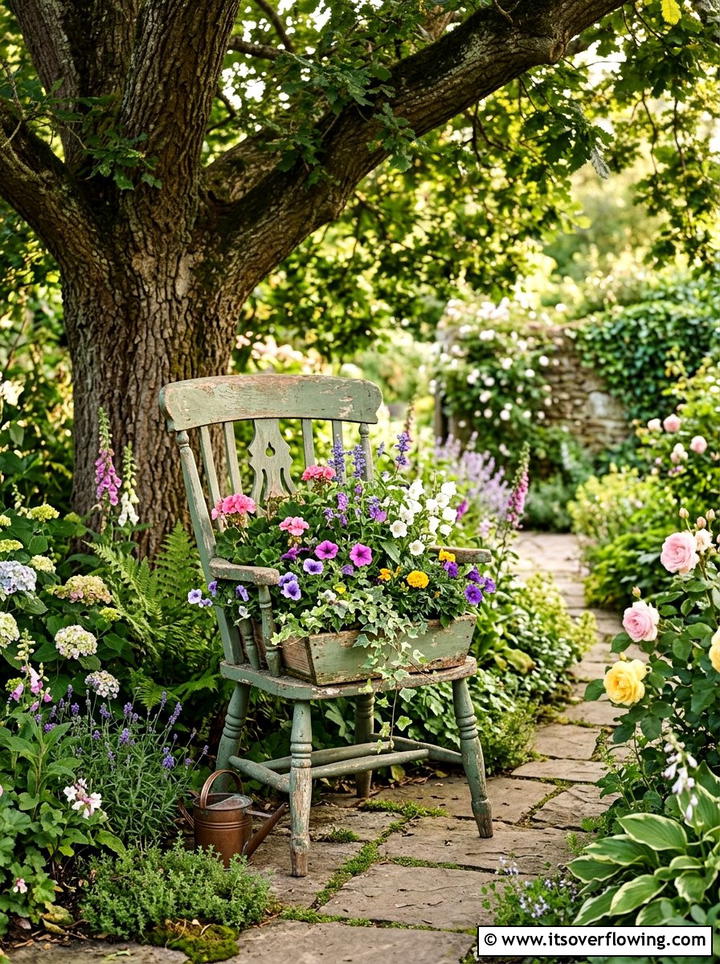
Do you have an old wooden chair that is no longer safe to sit on but is too pretty to throw away? By removing the seat and replacing it with a coco liner or a pot, you create a charming and unexpected planter for your garden. This design works exceptionally well when tucked under a large tree or placed at the end of a garden path. The architectural lines of the chair frame the plants, turning a simple flower into a piece of living furniture art. Painting the chair in a soft pastel or a vibrant hue allows it to complement your existing outdoor decor perfectly.
13. Vintage suitcase garden planter
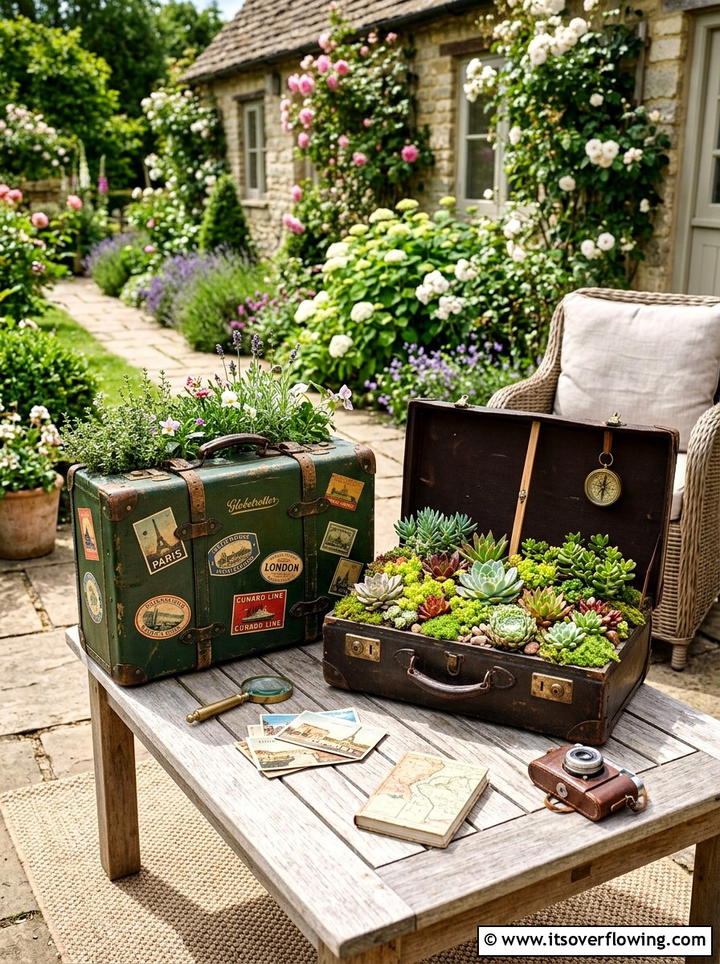
Old hardshell suitcases can be repurposed into unique, low-profile planters that add a sense of adventure and nostalgia to your garden design. When propped open, these suitcases provide a shallow but wide planting area that is perfect for succulents, mosses, or small annuals. This creative container looks best when placed on a porch or a garden table where the intricate details can be appreciated up close. You can use suitcases of different sizes to create a “traveling garden” vignette that feels curated and stylish. It is a fun way to use vintage finds to create a themed corner in your outdoor living space.
14. Woven basket flower planter
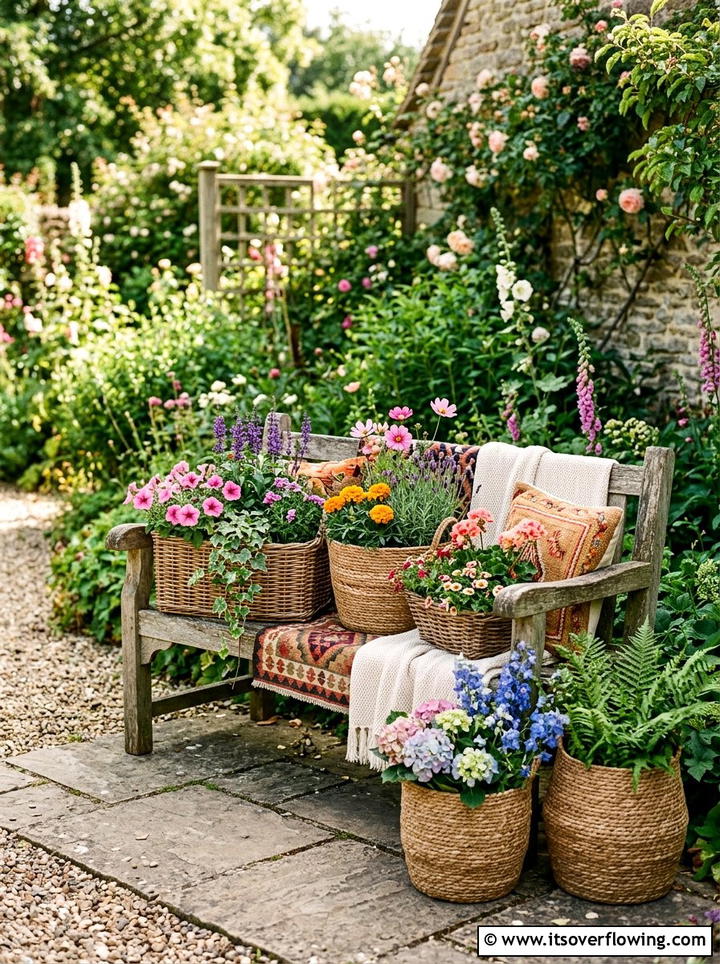
Woven baskets bring a soft, natural texture to your garden that contrasts beautifully with the hard lines of a patio or deck. By lining a variety of baskets with plastic or landscape fabric, you can use them as lightweight and breathable containers for your favorite summer blooms. Grouping baskets of different shapes and weaves together on a garden bench creates a cozy, bohemian look that feels inviting and warm. The organic materials blend seamlessly with the surrounding greenery, making the plants appear as if they are part of a curated basketry display. This approach is perfect for adding a gentle, rustic touch to your backyard.
15. Metal toolbox garden tray
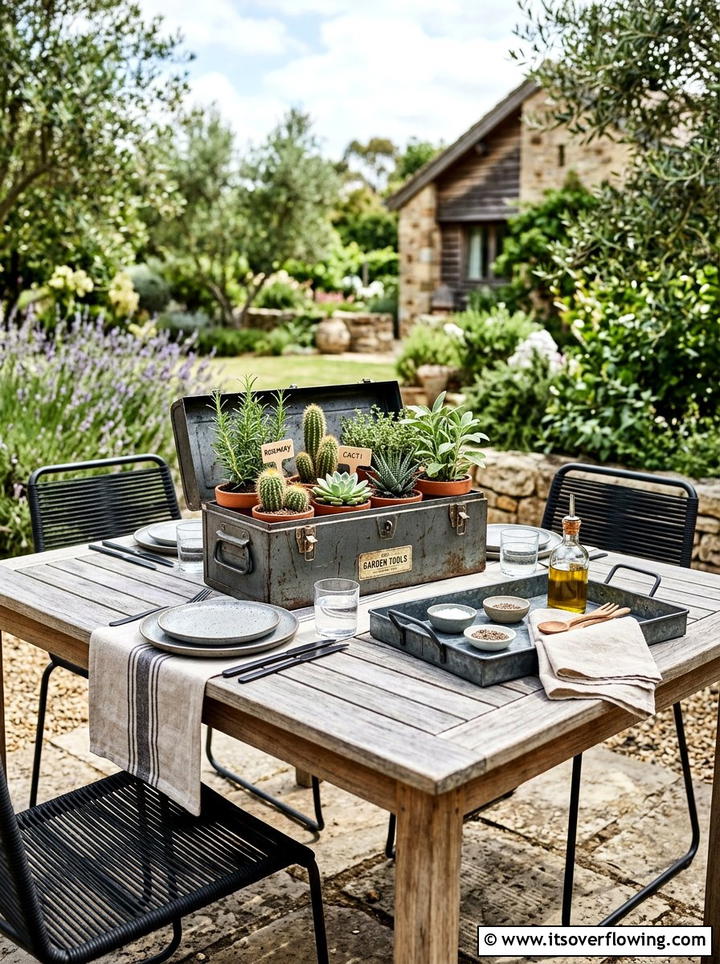
An old metal toolbox can be turned into a sturdy and portable planter for a collection of small herbs or cactus plants. The long, narrow shape makes it a perfect centerpiece for an outdoor dining table or a decorative accent on a potting bench. You can use the handle to easily move the plants inside during cold weather or to a different spot for a fresh look. The industrial feel of the metal toolbox adds a masculine and modern edge to your garden design. It is a practical way to keep your favorite small plants organized while adding a touch of vintage character to your outdoor decor.
16. Plastic laundry basket planter
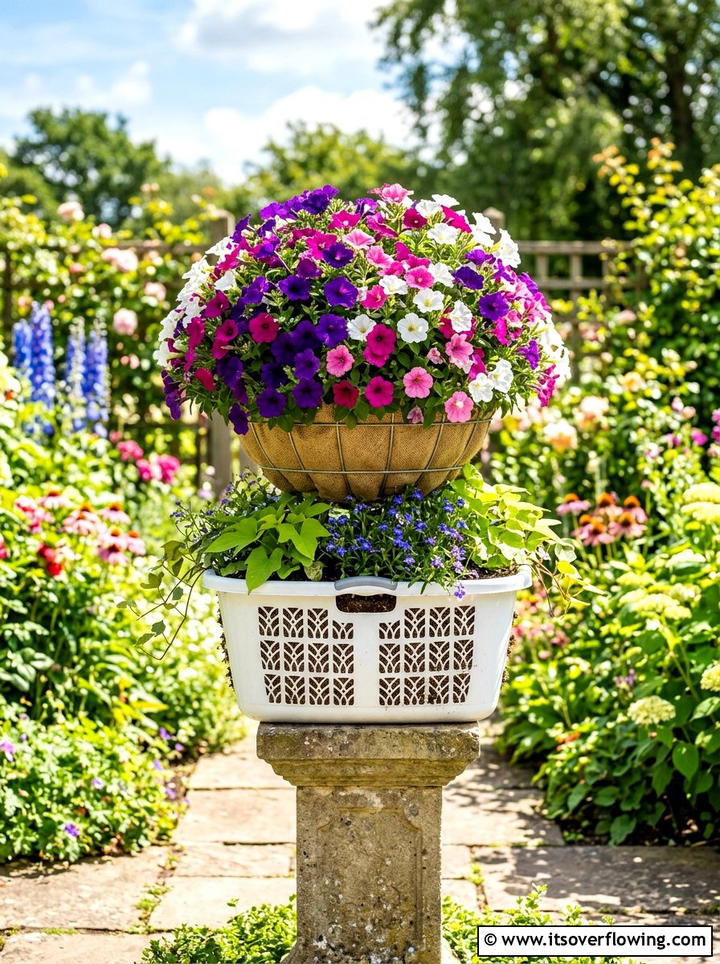
Have you ever thought about using the lattice structure of a plastic laundry basket to create a massive “flower ball” for your garden? By lining the basket with burlap and planting through the holes in the sides, you can create a spherical display of flowers that looks incredibly professional. This technique works best with spreading plants like wave petunias or creeping Jenny, which will eventually cover the entire basket in a blanket of color. Placing the basket on a pedestal or an upside-down pot raises it off the ground, making it a prominent and eye-catching feature in your landscape. It is a brilliant, low-cost gardening hack.
17. Coffee can herb pot
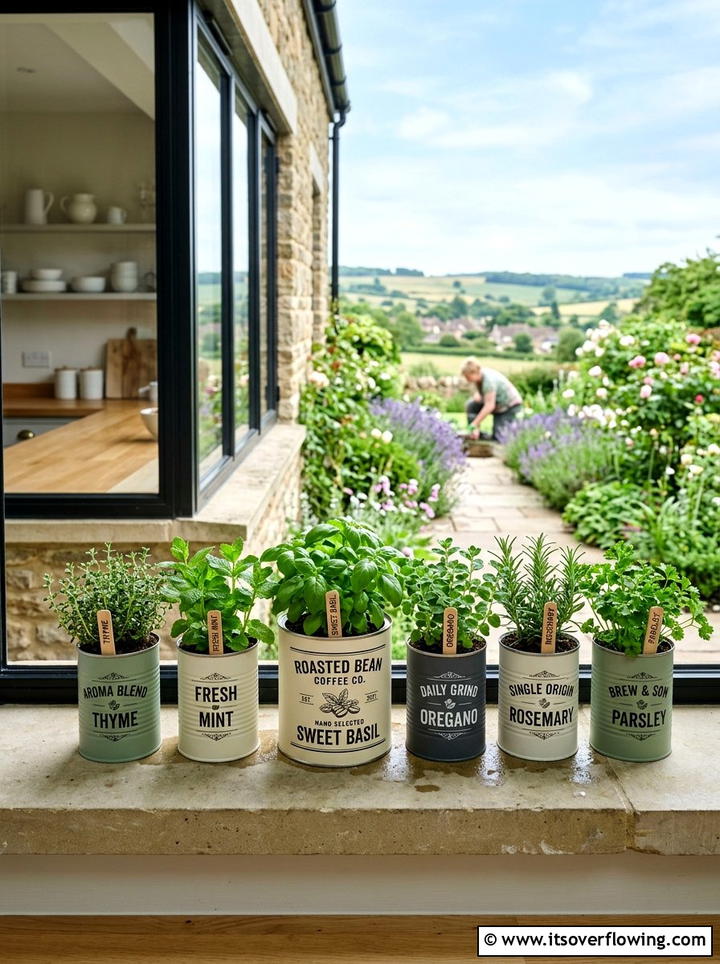
Repurposing large coffee cans into a uniform set of garden pots is a fantastic way to create a clean and modern look on a budget. You can remove the labels and paint the cans with a high-quality outdoor spray paint to match your porch furniture or garden theme. These cans are the perfect size for growing individual herbs or small flowers like violas and pansies. Arranging them in a neat row on a windowsill or a dedicated plant shelf creates a sense of order and intentionality. The simple cylindrical shape is timeless and provides a cohesive aesthetic that ties your entire herb garden together beautifully.
18. Paint can flower bucket
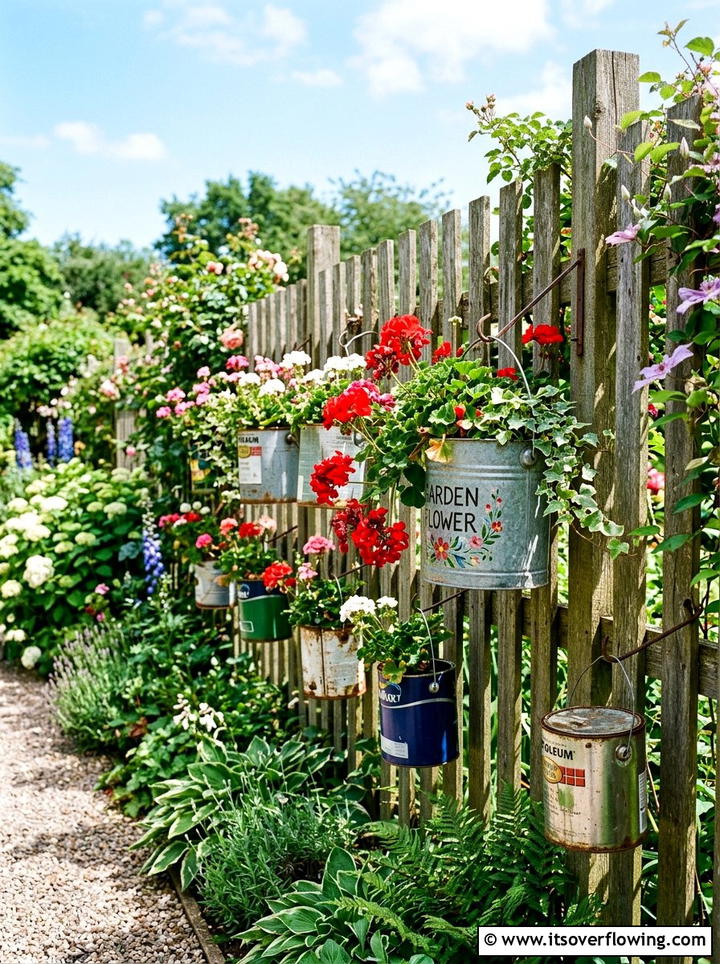
Cleaned-out paint cans with their metal handles still attached make wonderful industrial-style hanging planters for a garden fence or railing. You can leave the drips of paint on the outside for a colorful, artistic look or clean them for a shiny metallic finish. These deep containers provide plenty of room for root growth, making them ideal for vigorous growers like geraniums or trailing verbena. Hanging several cans at varying heights creates a dynamic and colorful “curtain” of flowers that adds privacy and beauty to your deck area. It is a creative way to recycle construction remnants into a stunning floral display for your home.
19. Plastic bottle hanging garden
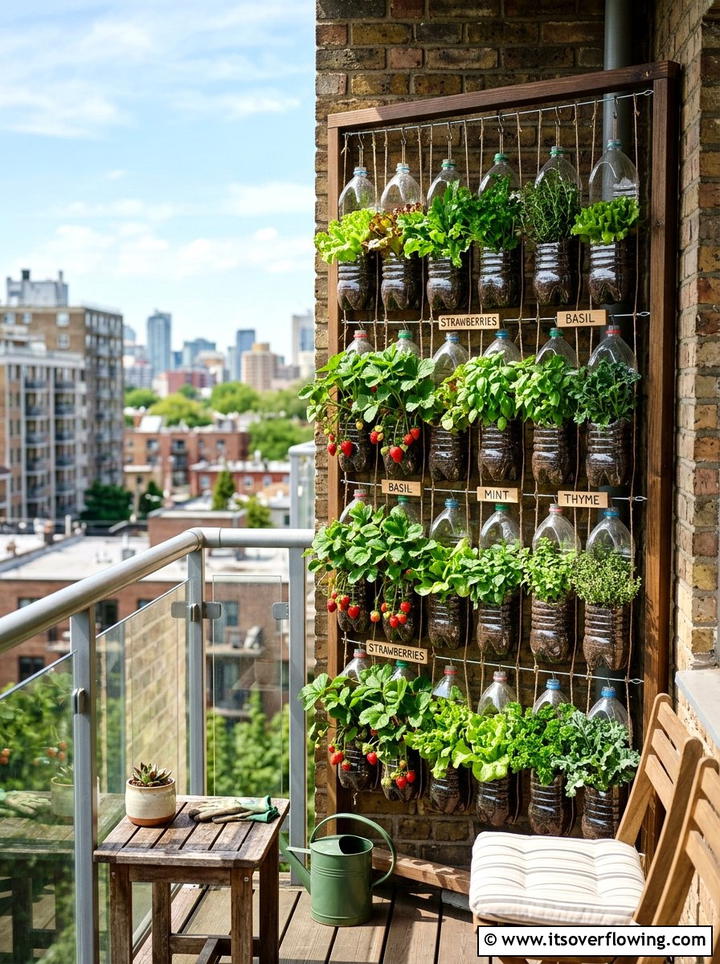
Creating a vertical garden out of recycled plastic bottles is a sustainable and clever way to grow food or flowers in a very small space. By cutting windows in the sides of the bottles and stringing them together, you can create a lush green tower that hangs against a sunny wall. This design is perfect for growing strawberries, lettuce, or small flowers that do not require deep soil. The transparent or tinted plastic allows you to see the root systems and moisture levels easily, making plant care a breeze. This functional and eco-friendly project turns everyday waste into a productive and attractive garden feature for everyone.
20. Rain gutter wall garden
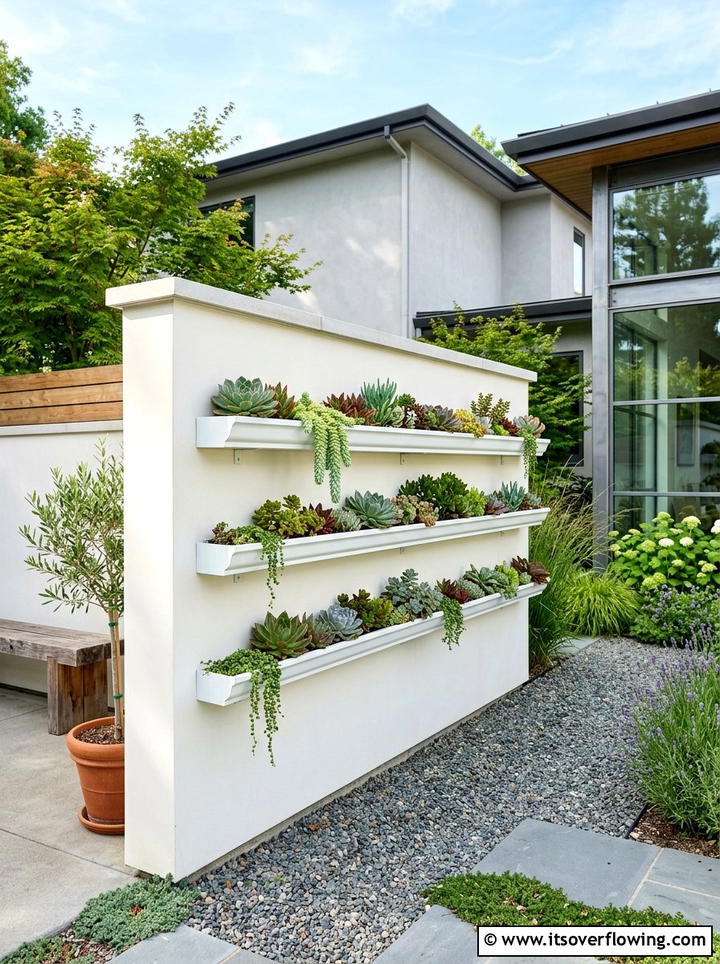
Mounting sections of rain gutters to a wall or fence creates long, sleek planting troughs that are perfect for a modern and organized garden. This design is particularly effective for growing rows of succulent varieties or a continuous line of vibrant salad greens. The linear nature of the gutters provides a clean, architectural look that enhances the vertical space of a patio or courtyard. You can paint the gutters to match your house trim or leave them white for a crisp, high-contrast appearance against a dark wooden fence. It is a brilliant way to maximize growing space while maintaining a tidy and professional-looking garden area.
21. Glass jar herb garden
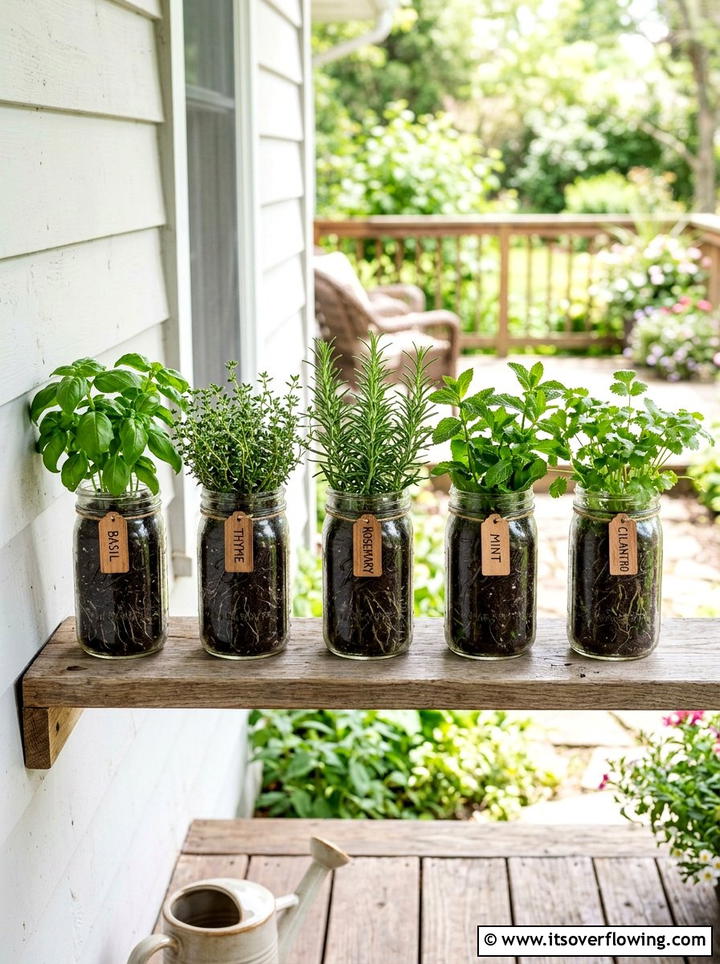
Using clear glass jars for a small indoor or porch herb garden allows you to appreciate the beauty of the soil and root systems. To make this work in a garden setting, place the jars in a protected area like a screened-in porch or a decorative wooden rack. The transparency of the glass adds a light and airy feel to your plant display, making it perfect for a clean, minimalist aesthetic. You can add a layer of pebbles at the bottom for drainage and style, creating a miniature ecosystem that is fascinating to observe. It is a sophisticated way to keep fresh herbs within reach for cooking.
22. Tea tin succulent planter
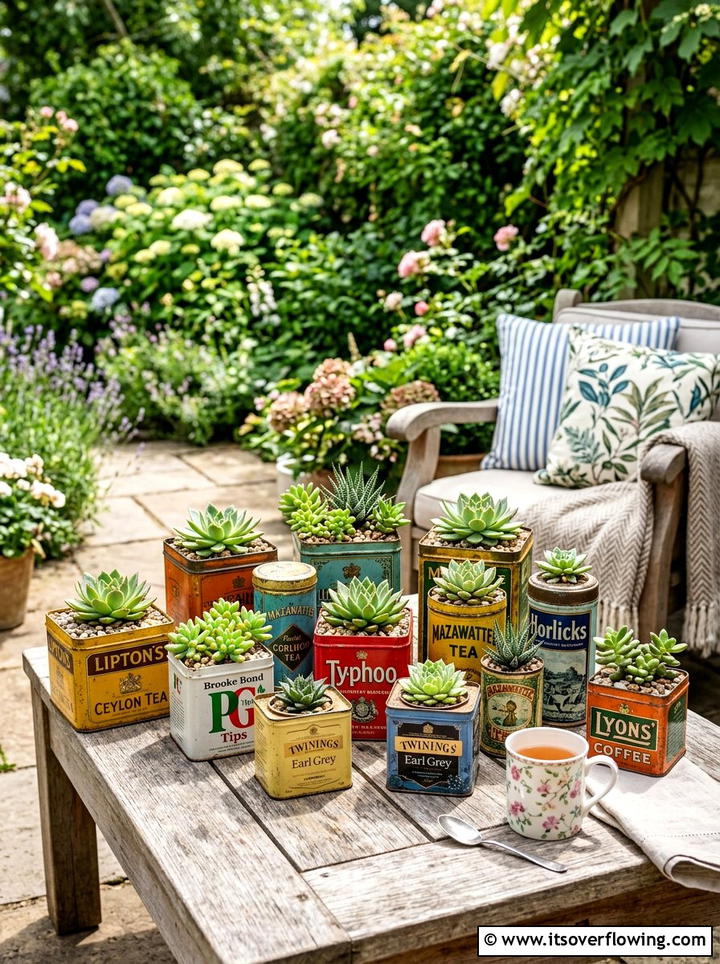
Small vintage tea tins are the perfect size for housing tiny succulent varieties or slow-growing cacti on an outdoor tabletop. The intricate patterns and typography on the tins add a layer of vintage charm and color to your garden seating area. These small containers are ideal for grouping together on a tray to create a detailed and decorative centerpiece. Because they are compact, you can easily move them around to refresh your decor or bring them inside as beautiful accents for your home. The colorful metal tins provide a delightful contrast to the thick, fleshy leaves of the succulents, creating a truly unique look.
23. Metal bucket flower garden
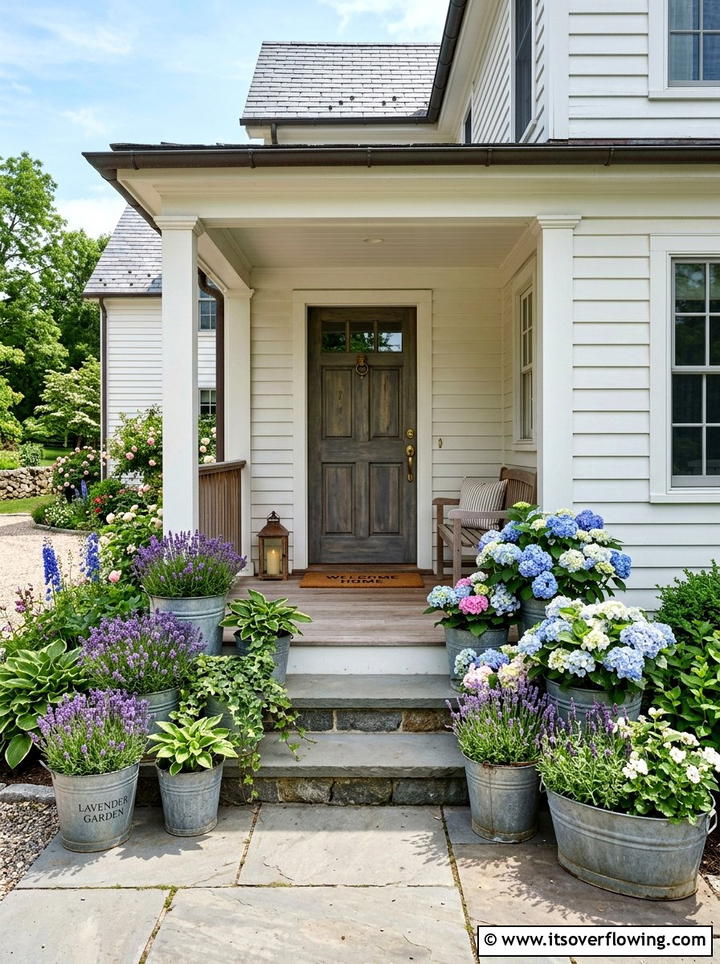
Galvanized metal buckets are a staple of the farmhouse garden style, offering a durable and classic look for all kinds of plants. Placing buckets of various sizes in a cluster near an entryway or on a porch creates an inviting and lived-in atmosphere. You can plant them with tall sunflowers, bushy lavender, or bright hydrangeas to add height and fragrance to your outdoor space. The reflective surface of the metal helps brighten up shaded corners, while the sturdy handles make them easy to rearrange whenever you want. This versatile container choice is both practical and stylish, fitting perfectly into any relaxed garden environment.
24. Old tire garden planter
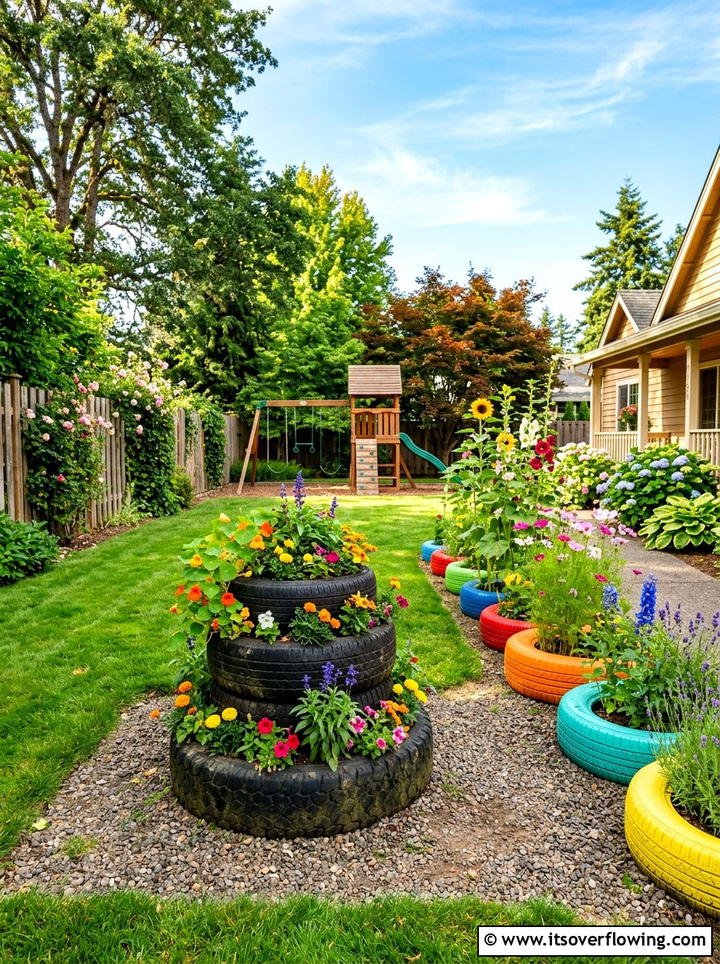
Have you ever considered the bold, graphic impact of using old tires as colorful raised beds for your backyard? By painting the tires in bright, cheery colors and stacking them, you can create deep planters that are perfect for larger shrubs or trailing flowers. This design works exceptionally well in a play area or a casual backyard garden where you want to add a sense of fun and energy. The thick rubber walls provide excellent insulation for the soil, keeping plant roots protected from extreme temperature changes. It is a clever way to repurpose a difficult-to-recycle item into a functional and vibrant landscape feature.
25. Hollow log garden bed
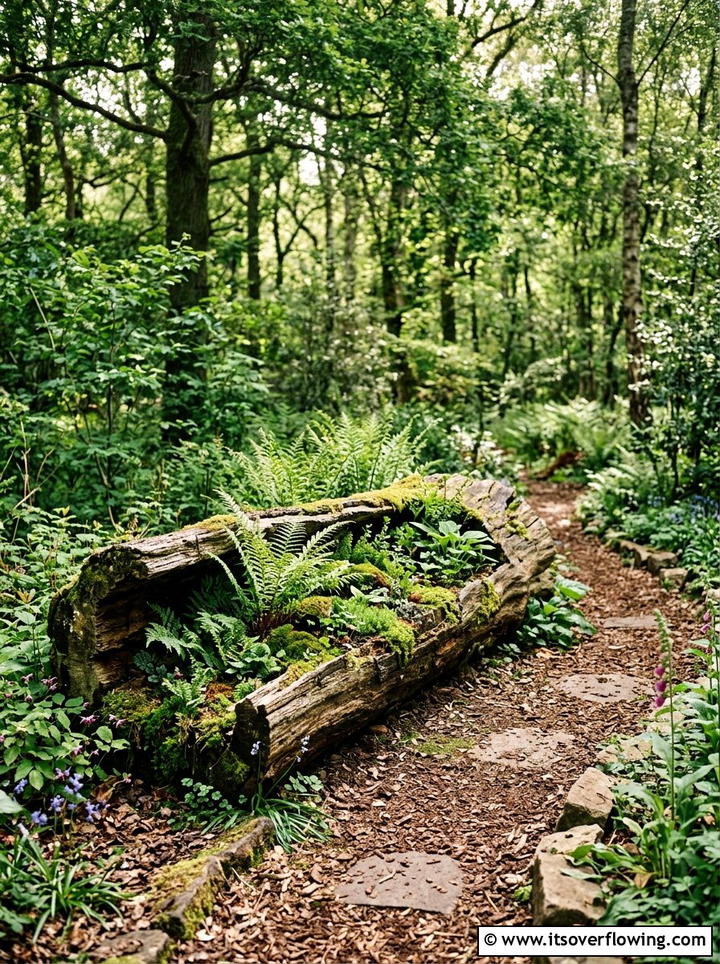
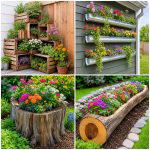
Using a natural hollow log as a planter is the ultimate way to create a rustic, woodland-inspired garden that blends perfectly with the environment. This design uses the organic shape and texture of the wood to frame a variety of shade-loving plants like ferns, hostas, or mosses. Placing the log along a garden border or beneath a tree makes it look like a natural part of the forest floor. The decaying wood eventually provides nutrients to the soil, creating a self-sustaining and healthy environment for your plants. It is a beautiful, low-impact way to add a touch of wild, natural beauty to your backyard.
Conclusion:
Transitioning your garden into a sustainable and stylish retreat is entirely possible when you embrace the art of repurposing common household containers. These twenty-five ideas demonstrate that you do not need a massive budget to create a space that feels intentional, lush, and full of life. By focusing on full design themes rather than just individual pots, you can craft a cohesive outdoor environment that rivals any professional landscape design. Every old crate, boot, or bucket tells a story and adds a layer of texture that standard plastic pots simply cannot provide. Start looking through your garage or local thrift stores to find the next centerpiece for your beautiful transformation.

Related posts:
 25 Cheap Garden Ideas for Front Yard Style on a Budget
 25 Cheap Garden Ideas With Cinder Blocks: Clever DIY Style
 25 Cheap Garden Ideas With Dollar Store Decor: Frugal Style
 25 Cheap Garden Ideas With Pallets for Creative Outdoor Style
 25 Cheap Garden Ideas With Rain Barrels: Save Water in Style
 25 Cheap Garden Ideas With Simple Planters: Easy Budget Style
 25 Cheap Garden Ideas With Vertical Gardens: Budget Style
 25 Cheap Garden Ideas To Refresh Your Outdoor Space Fast
 25 Cheap Garden Ideas With Drought Tolerant Plants to Try
 25 Cheap Garden Ideas With Low Maintenance Plants That Thrive
 25 Cheap Garden Ideas With Mulch for a Polished Yard
 25 Cheap Garden Ideas With Perennials for Lasting Color