
Creating a beautiful outdoor space does not have to cost a fortune or require a massive water bill every month. Many homeowners are now turning to drought-tolerant plants because they are resilient, stunning, and incredibly budget-friendly. Imagine a garden that thrives in the summer heat with minimal intervention from you. By choosing the right species and using affordable materials like gravel or recycled wood, you can build a sustainable oasis. This approach is often called xeriscaping, and it focuses on conserving water while maximizing the natural beauty of your local environment. You will find that these plants often bring unique textures and colors that traditional thirsty lawns simply cannot match today.
1. Gravel mulch
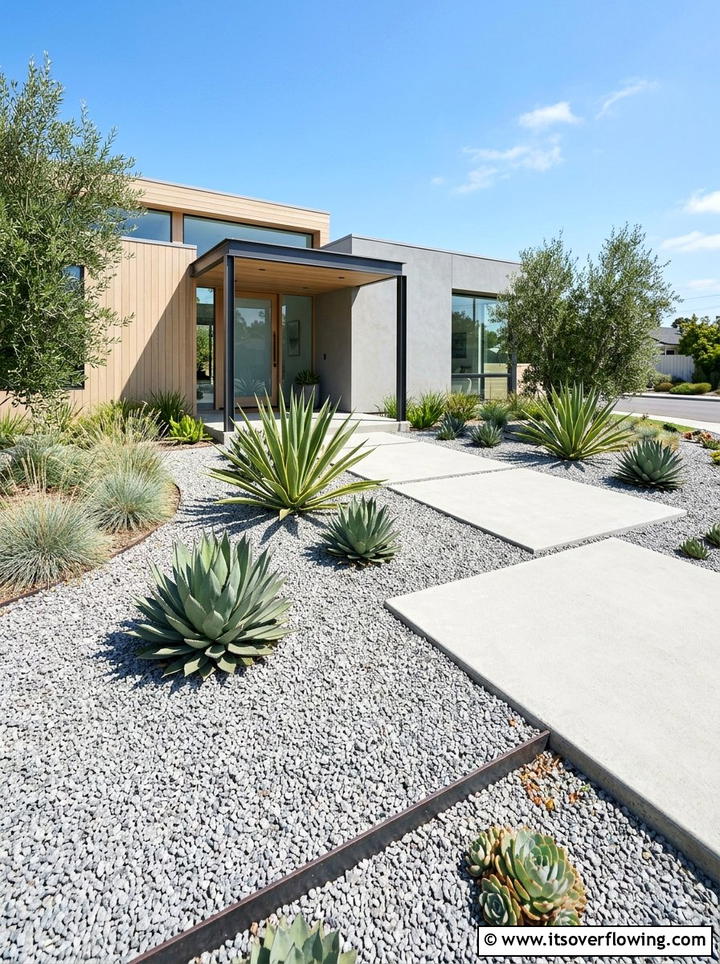
Replacing a thirsty green lawn with a clean layer of gravel is one of the most effective ways to save money and water. This design approach uses various sizes of crushed stone to create a textured surface that suppresses weeds and retains soil moisture. You can use light-colored pea gravel to reflect heat or darker volcanic rock for a modern, high-contrast look. By tucking a few hardy plants like aloe or yucca into the gravel, you create a professional landscape that requires almost no maintenance. It is a very affordable project because gravel is cheap when bought in bulk from local suppliers. This setup looks great year-round regardless of the weather conditions in your area.
2. Succulent containers
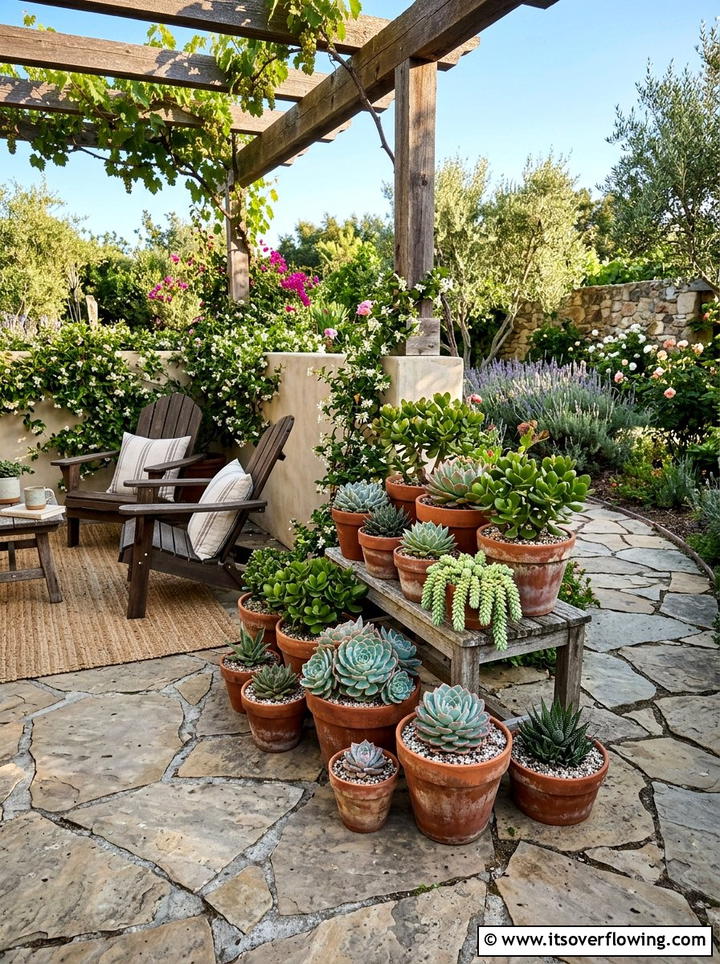
Creating a focal point with a variety of succulent containers is a smart way to manage a garden with very little water. These plants store moisture in their thick leaves, which means they can survive long periods of neglect without wilting. You can find inexpensive terracotta pots at craft stores and fill them with diverse species like echeveria, jade, and hens and chicks. Grouping these pots together creates a lush, layered effect on a patio or porch. Because they grow slowly, you won’t need to replace them or prune them often. This method allows you to move your garden around to catch the best sunlight throughout the changing seasons.
3. Native wildflower meadow
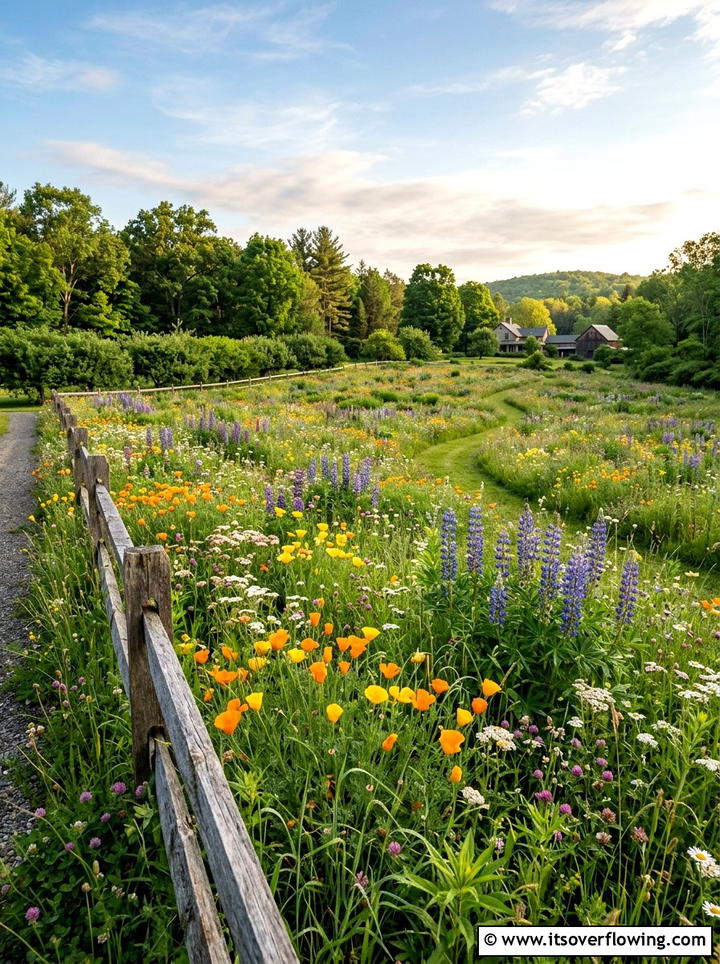
Planting a native wildflower meadow is a low-cost way to fill a large backyard with vibrant colors and hardy growth. Native plants are already adapted to your local climate and soil, so they rarely need extra watering once they are established. You can buy bulk seed mixes that include poppies, lupines, and coneflowers for a fraction of the cost of nursery starts. Simply clear a patch of dirt, scatter the seeds, and let nature take its course. This design provides a wild, romantic look that supports local bees and butterflies. It is a self-sustaining system that returns every year with very little effort or financial investment.
4. Lavender border
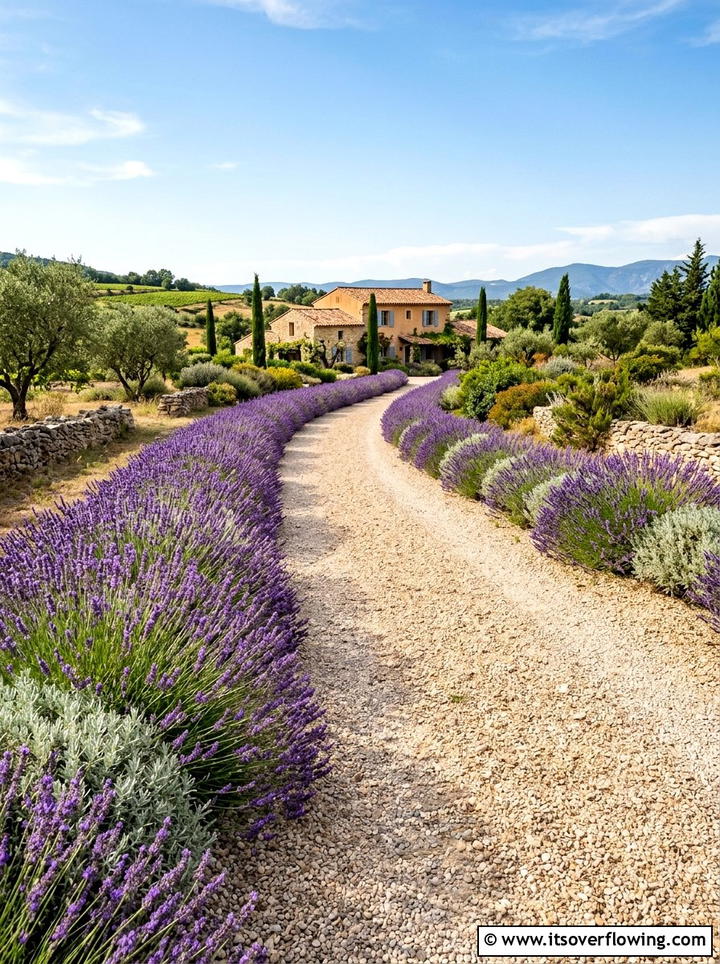
A lavender border adds a Mediterranean feel to your garden while being exceptionally resistant to drought and high temperatures. These fragrant shrubs love sandy soil and lots of sun, making them perfect for edges along walkways or driveways. Lavender is relatively cheap to purchase in small pots, and it grows quickly into a dense, silvery-purple hedge. The scent is calming, and the dried flowers can be harvested for indoor use or crafts. Because it dislikes wet feet, you actually save money by not watering it frequently. This plant provides a structured look that stays green and beautiful even during the driest months of the summer.
5. Rock garden
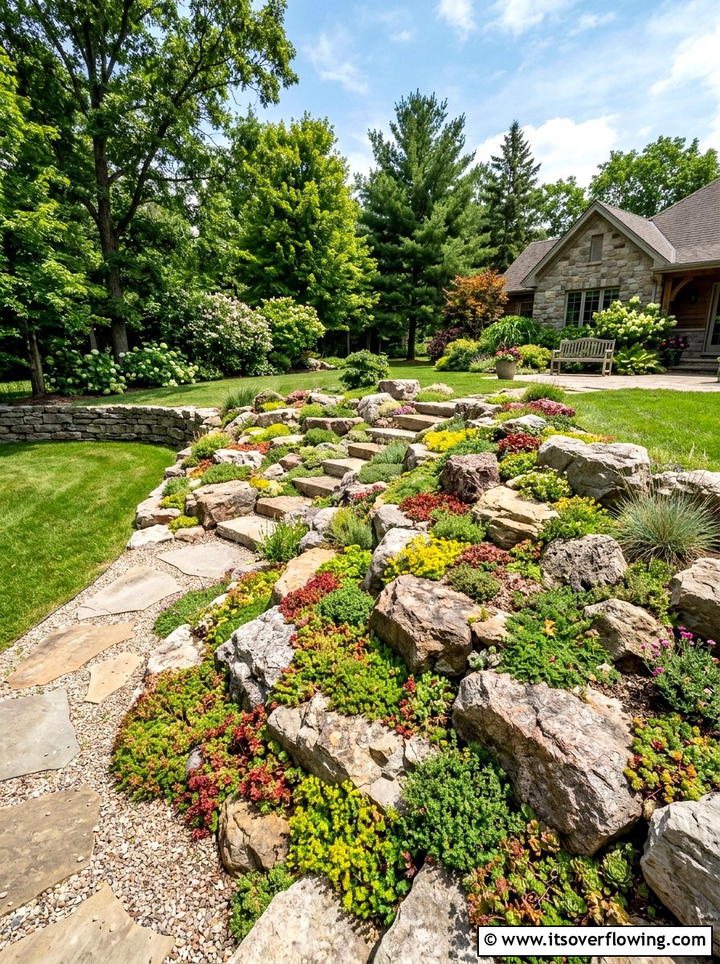
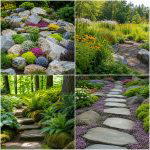
Designing a rock garden allows you to use natural elements to create a rugged and interesting landscape without spending much money. You can often find free stones on your own property or buy them cheaply from local quarries to build small mounds. Placing drought-tolerant plants like creeping phlox or sedum between the rocks creates a naturalistic scene that thrives in poor soil. The rocks help to shade the roots of the plants and keep the ground cool during the day. This type of garden does not require mowing or heavy fertilization. It is a permanent structural addition to your yard that provides beauty and texture for many years.
6. Decomposed granite path
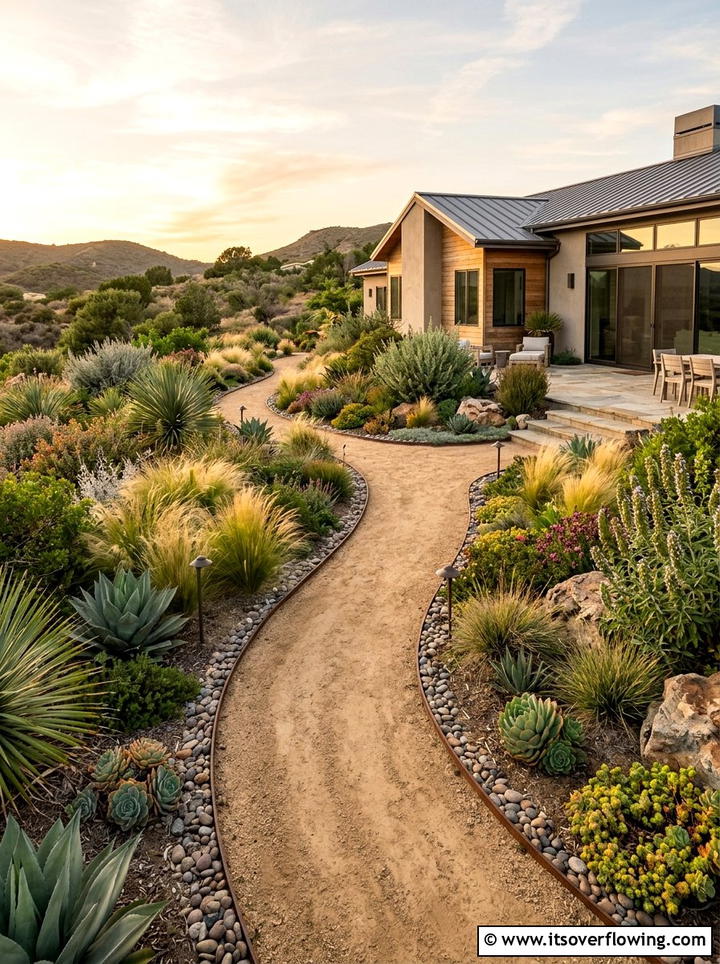
A decomposed granite path is a budget-friendly alternative to expensive pavers or concrete for your outdoor walkways. This material is permeable, which means it allows rainwater to soak into the ground rather than running off into the street. It has a natural, gritty texture that looks wonderful when paired with desert-style plantings like agave or ornamental grasses. You can easily install this yourself by leveling the ground and spreading the granite evenly. It stays firm underfoot but maintains a soft, organic appearance that blends perfectly with a rustic garden theme. This choice helps keep your garden cool while providing a clear and functional route through your landscape.
7. Recycled wood raised beds
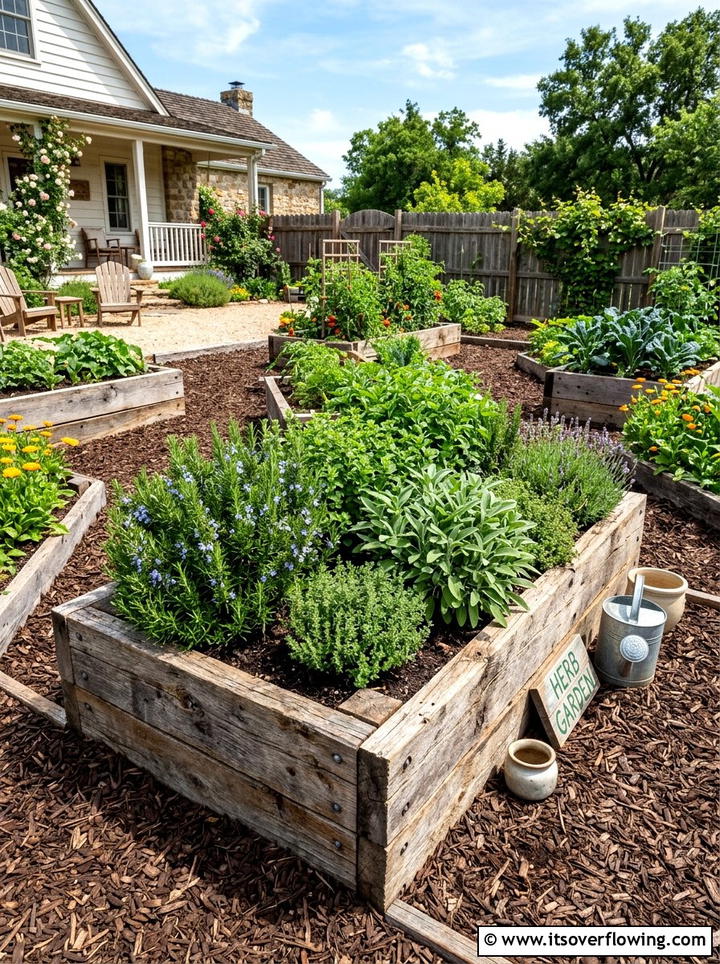
Building raised beds out of recycled wood or old pallets is a fantastic way to grow drought-tolerant herbs and vegetables. By lifting the plants off the ground, you can control the soil quality and ensure excellent drainage, which many dry-climate plants need. Fill these beds with rosemary, thyme, and sage, which all require very little water to thrive. Using reclaimed materials keeps your costs at zero while adding a charming, farmhouse aesthetic to your backyard. You can paint or stain the wood to match your home’s exterior for a cohesive look. These beds make gardening easier on your back while creating a neat and organized outdoor space.
8. Ornamental grass landscape
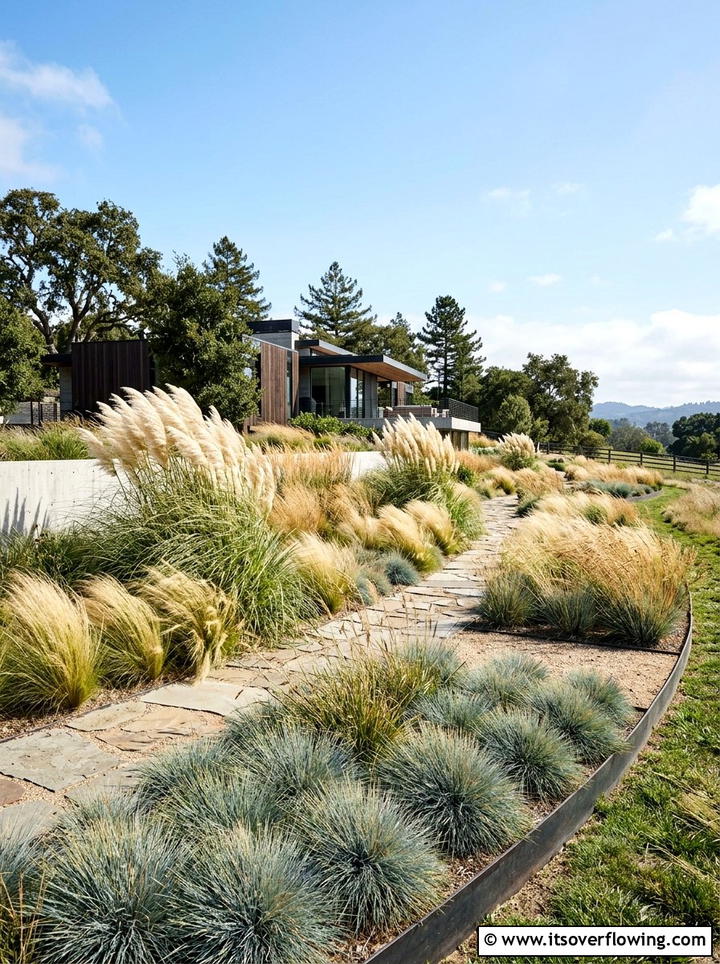
An ornamental grass landscape provides movement and sound to your garden with almost no water requirements at all. Species like blue fescue, fountain grass, and pampas grass are incredibly tough and can survive in the harshest sun. These grasses come in various heights and colors, from silvery blues to deep burgundies, allowing for a diverse visual palette. They look stunning when planted in large groups where the wind can catch them. Since they only need to be cut back once a year, the maintenance cost is practically nonexistent. These plants are usually quite affordable at garden centers and spread quickly to fill in any empty gaps.
9. Cactus garden
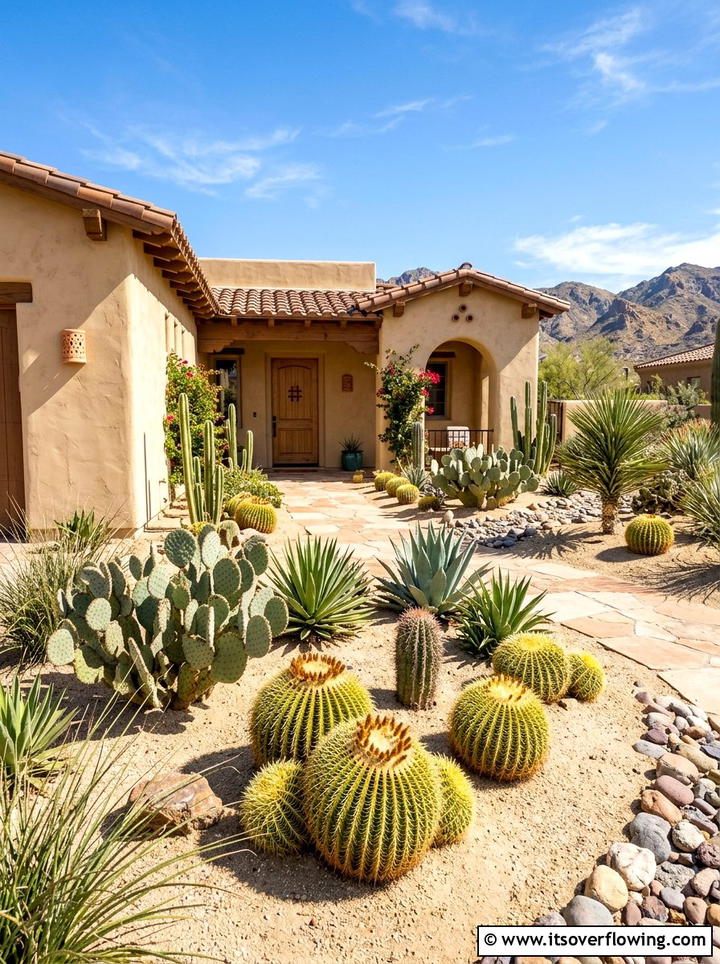
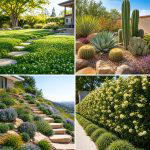
Starting a cactus garden is the ultimate way to embrace a dry climate while adding architectural interest to your home. Cacti come in a staggering array of shapes, sizes, and even flowers, and they are built to survive for months without rain. You can mix tall barrel cacti with smaller prickly pears to create a desert-inspired scene that looks very high-end. Use a layer of sand or fine gravel as a base to help with drainage and to give the area a clean finish. These plants are very slow growers, so they will stay in their designated spots for a long time. They are perfect for sunny, sandy spots.
10. Mulched flower beds
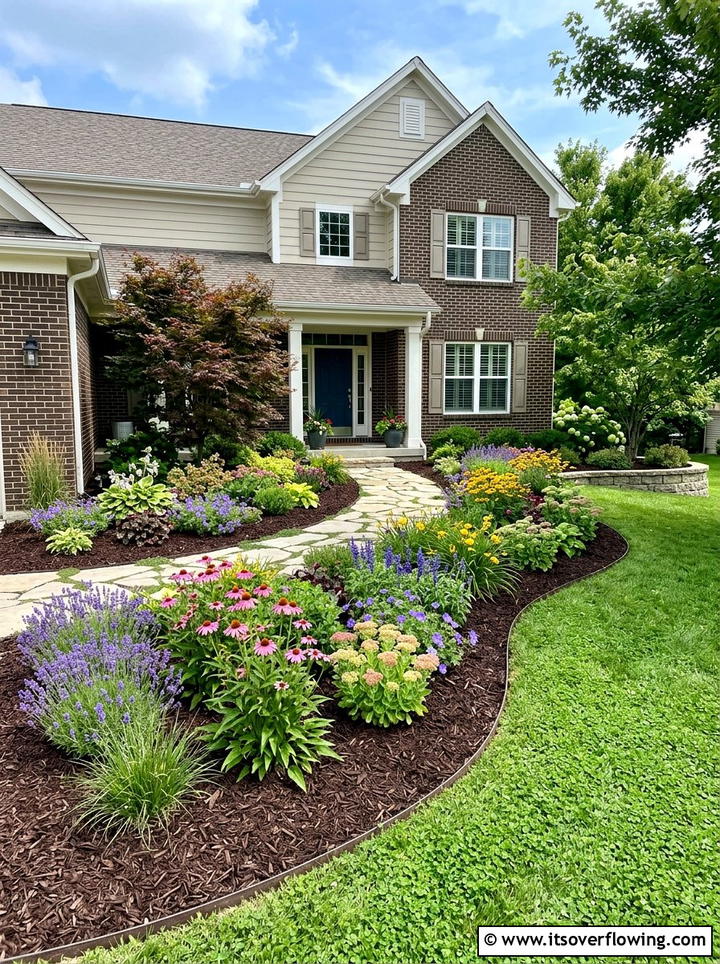
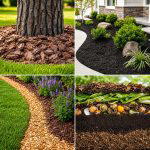
Applying a thick layer of organic mulch to your flower beds is a cheap trick to keep your drought-tolerant plants healthy. Wood chips or bark mulch act as a blanket for the soil, preventing the sun from baking the moisture away. This means you can water your plants much less frequently than if the soil were bare. Many cities offer free mulch to residents, making this a zero-cost upgrade for your garden. Over time, the mulch breaks down and improves the soil quality without the need for expensive chemical fertilizers. It gives your garden a finished, professional appearance while significantly reducing the amount of work you have to do.
11. Bird bath focal point
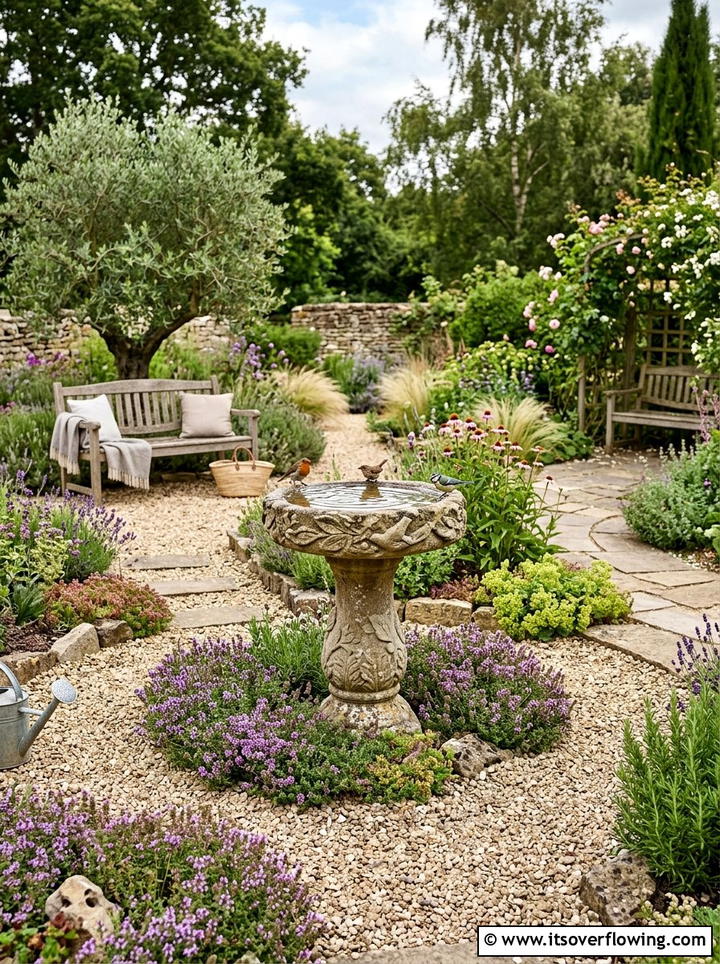
Incorporating a bird bath focal point is a great way to add a water element to a dry garden without wasting water. Unlike a large fountain or a pond, a bird bath only requires a small amount of water that can be topped off easily. This attracts local birds and beneficial insects, bringing life and movement to your yard. You can find inexpensive ceramic or stone baths at second-hand shops or even make one from a large shallow bowl. Surround the base with low-growing, drought-tolerant plants like thyme or stonecrop to anchor it into the landscape. It serves as a beautiful centerpiece that feels cooling and refreshing.
12. Agave focal point
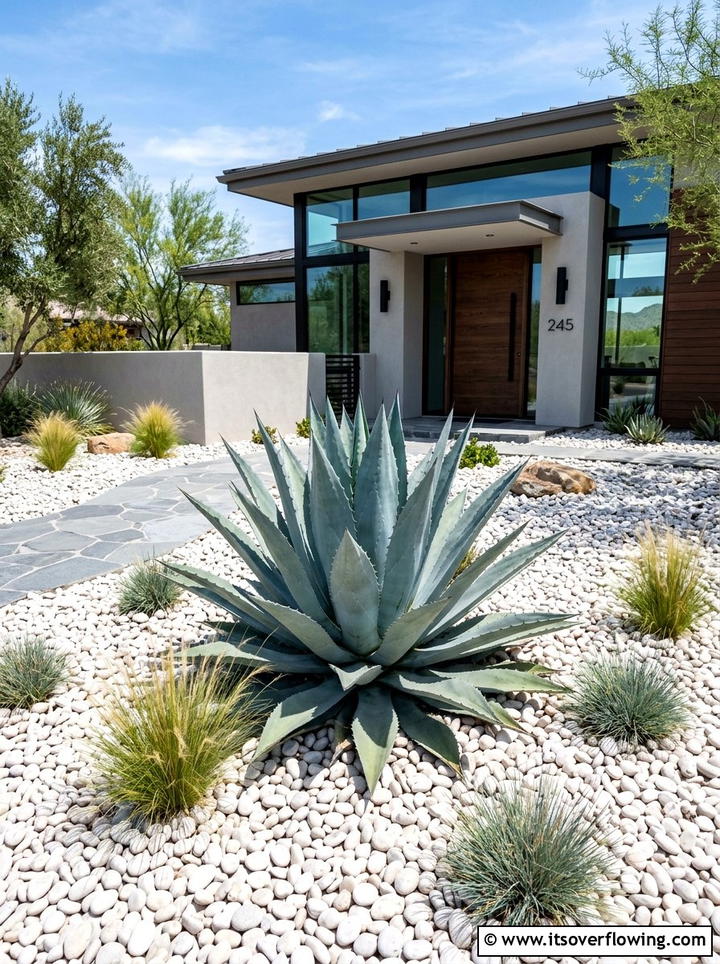
Using a large agave as a focal point creates a dramatic, sculptural look that instantly elevates a cheap garden design. Agaves are known for their striking, symmetrical shapes and tough, pointed leaves that can withstand intense heat and sun. They require almost no water once they are planted in the ground and can live for many years. You can find smaller specimens at affordable prices, and they will eventually grow into impressive, large-scale plants. Planting them in a simple bed of white rocks or gravel makes their architectural form stand out. They are perfect for homeowners who want a bold, modern look with very little effort or cost.
13. Vertical pallet garden
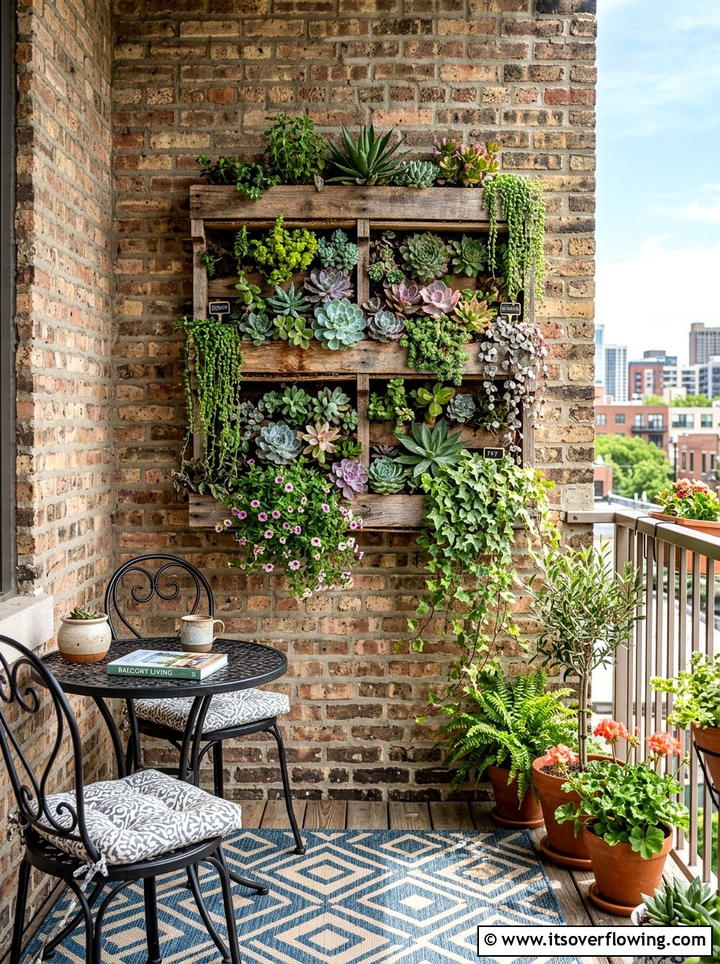
A vertical pallet garden is an ingenious way to grow plants in small spaces while using recycled materials. You can lean an old wooden pallet against a wall and fill the slats with soil and drought-tolerant succulents or herbs. This design uses vertical space, which is great for balconies or small patios where ground space is limited. Plants like hens and chicks or trailing rosemary look beautiful as they spill over the wooden edges. Because the plants are packed closely together, they help shade each other and retain moisture longer. This DIY project is practically free and adds a unique, rustic touch to any outdoor area you have.
14. Mediterranean herb garden
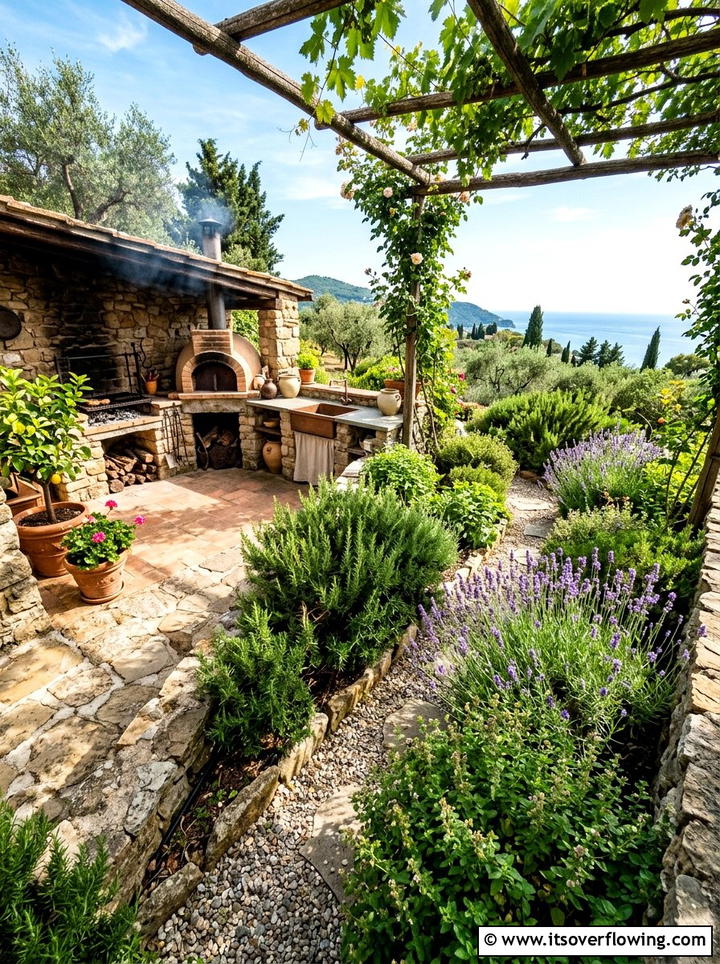
A Mediterranean herb garden combines utility with beauty by using plants that are naturally adapted to dry, rocky environments. Herbs like rosemary, oregano, lavender, and sage are not only delicious for cooking but also feature beautiful foliage and flowers. These plants thrive in poor soil and require very little supplemental watering once they reach maturity. You can plant them together in a sunny patch near your kitchen door for easy access. The grey-green leaves of these herbs provide a soft, elegant color palette that looks expensive but is actually very cheap to establish. They also produce wonderful scents that fill the air on warm, sunny afternoons in the garden.
15. Terracotta pot cluster
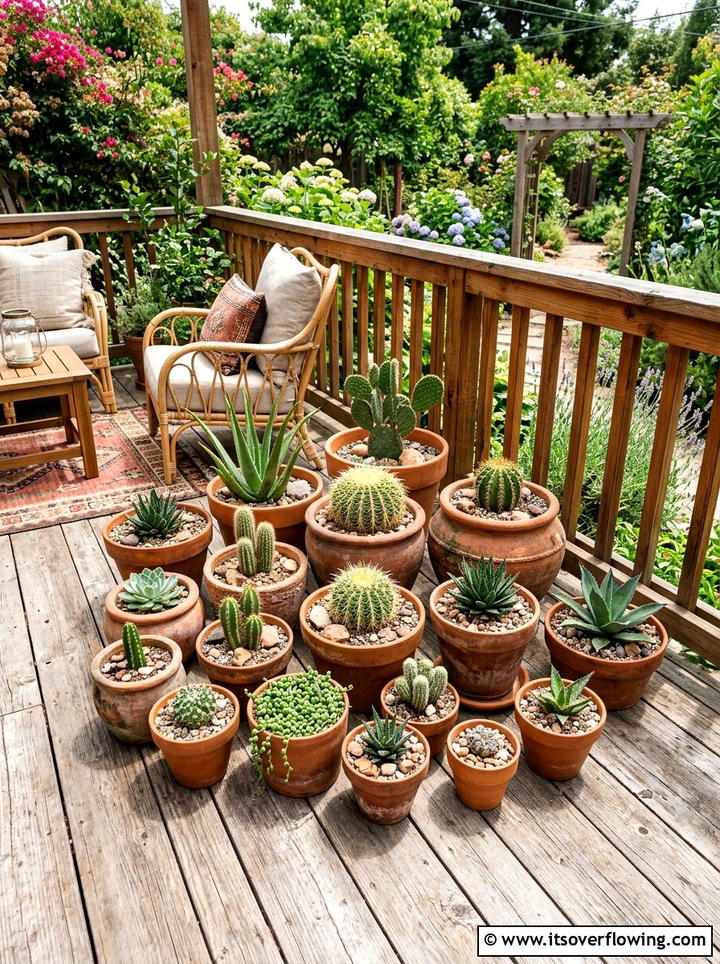
Arranging a terracotta pot cluster is a classic and affordable way to add height and interest to a dry landscape. Terracotta is a breathable material that is perfect for plants that don’t like to sit in soggy soil, such as cacti and succulents. You can buy these pots in various sizes for just a few dollars each and group them in odd numbers for the best visual appeal. Filling them with different textures, like fuzzy kalanchoe or spiky aloe, creates a mini-garden that is easy to manage. If a plant gets too much sun, you can simply move the pot to a different location. It is a flexible and low-cost design.
16. Creeping thyme groundcover
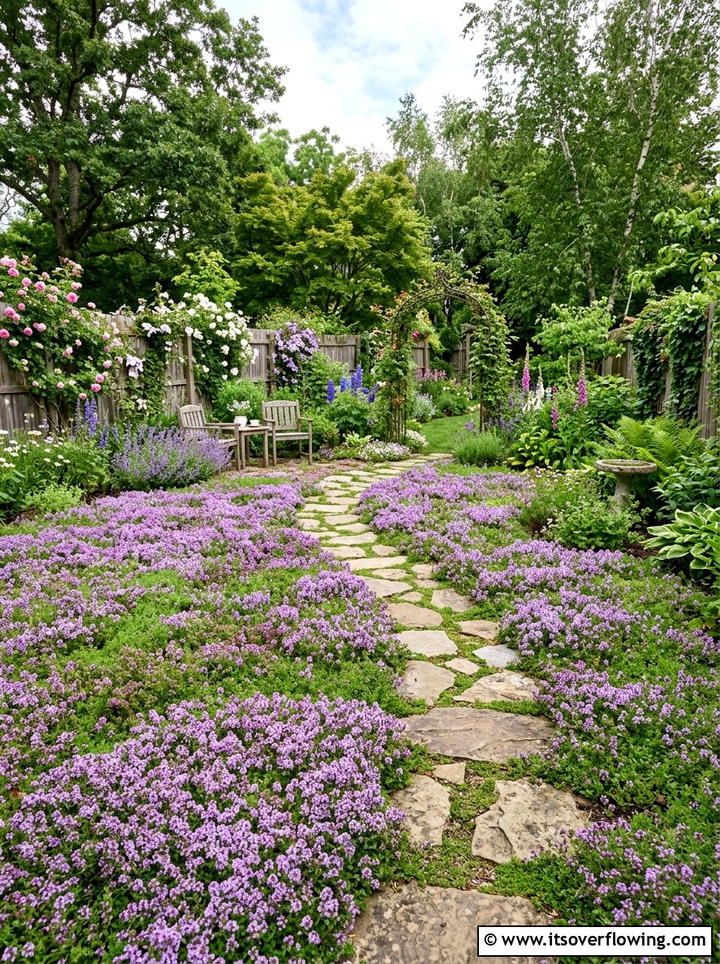
Replacing a traditional lawn with creeping thyme groundcover is a brilliant way to save money on water and mowing equipment. Creeping thyme is a low-growing perennial that spreads quickly to form a thick, green carpet that can handle light foot traffic. In the summer, it produces tiny purple or pink flowers that smell amazing and attract pollinators to your yard. It is much more drought-tolerant than grass and rarely needs to be trimmed. You can buy small plugs of thyme and space them out; they will eventually grow together to fill the space. This solution is perfect for hillsides or areas where grass refuses to grow well.
17. Salvaged stone edging
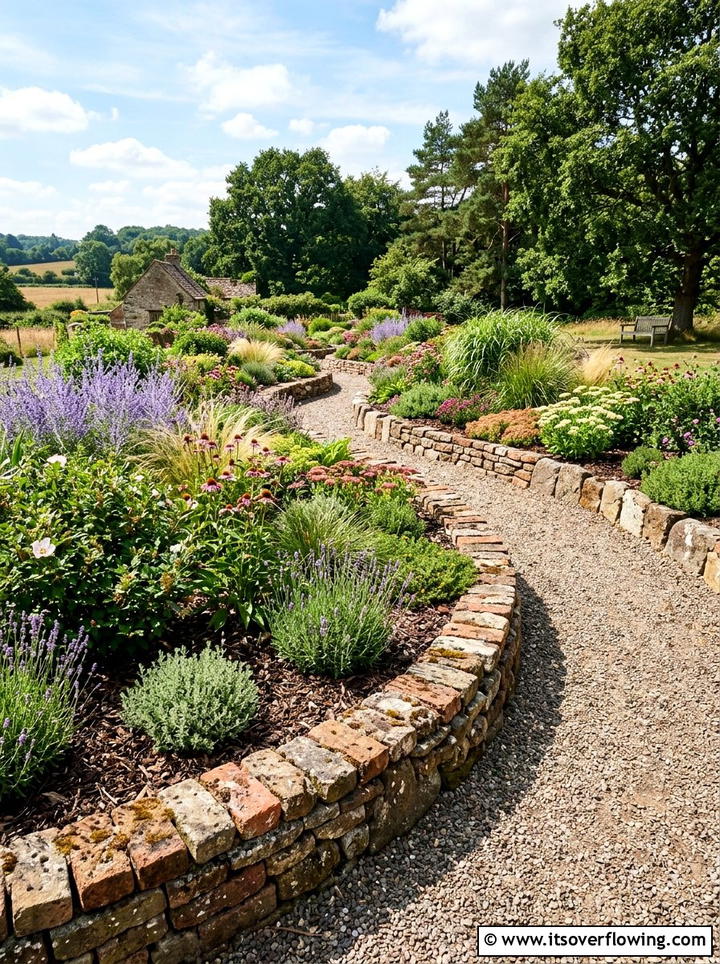
Using salvaged stone edging is a cost-effective way to define your garden beds and keep your drought-tolerant plants looking organized. You can often find old bricks, fieldstones, or concrete chunks for free on online marketplaces or construction sites. Lining your paths or flower beds with these materials prevents mulch from washing away and gives the garden a structured, intentional look. The stones also help to retain a bit of moisture in the soil right at the edge of the bed. This rustic styling works perfectly with the natural, unrefined look of most dry-climate plants. It is a simple project that adds significant curb appeal to your property.
18. Desert landscape
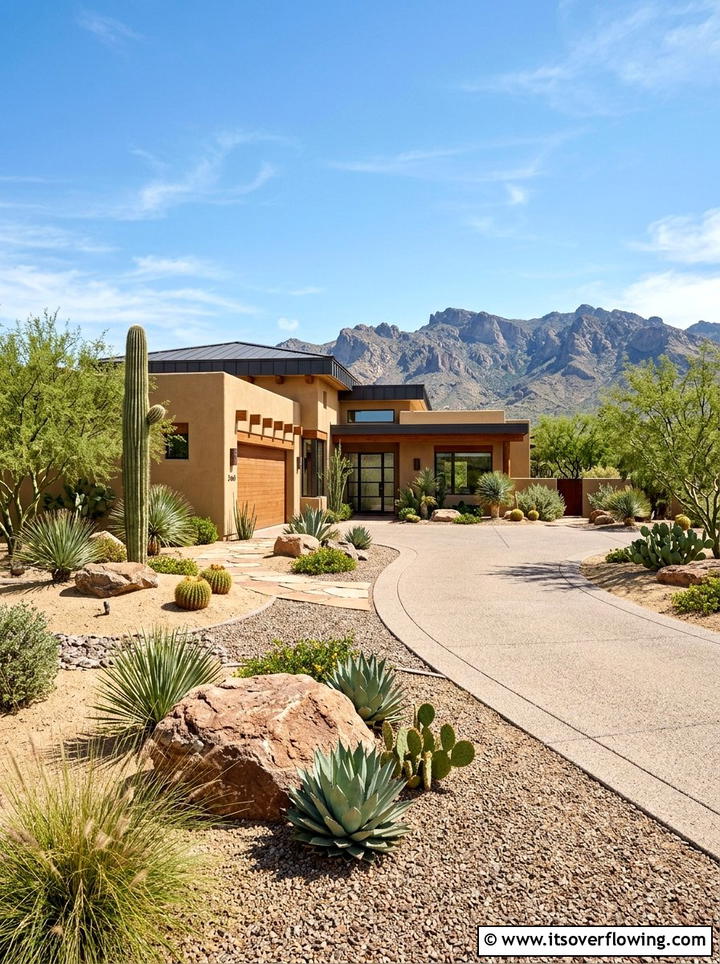
Creating a full desert landscape focuses on using sand, rocks, and hardy plants to mimic a natural arid environment. This design completely eliminates the need for a lawn, which is often the most expensive part of a yard to maintain. You can use a mix of large boulders and smaller river rocks to create a dry riverbed look that flows through your yard. Plants like yucca, desert spoon, and various cacti are the stars of this show. They are spaced widely apart to allow their individual shapes to be appreciated. This style is incredibly modern and clean, offering a sophisticated look that requires almost zero water or weekly maintenance.
19. Painted tire planters
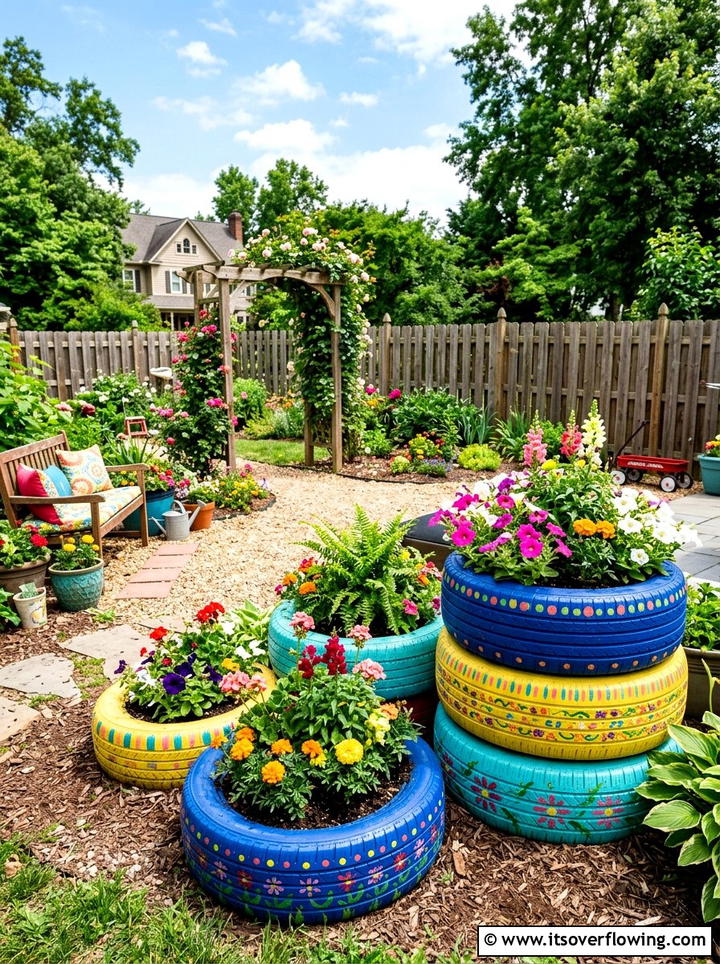
Upcycling old tires into painted tire planters is a fun and colorful way to add personality to your garden on a budget. You can usually get old tires for free from auto shops that would otherwise have to pay to dispose of them. A few coats of bright, outdoor-grade paint can transform them into whimsical containers for tough plants like zinnias or marigolds. Stacking them at different heights creates a layered effect that adds vertical interest to a flat yard. Because tires are durable, they will last for years in the sun without breaking down. This project is a great way to recycle and create a unique garden.
20. Drought resistant privacy screen
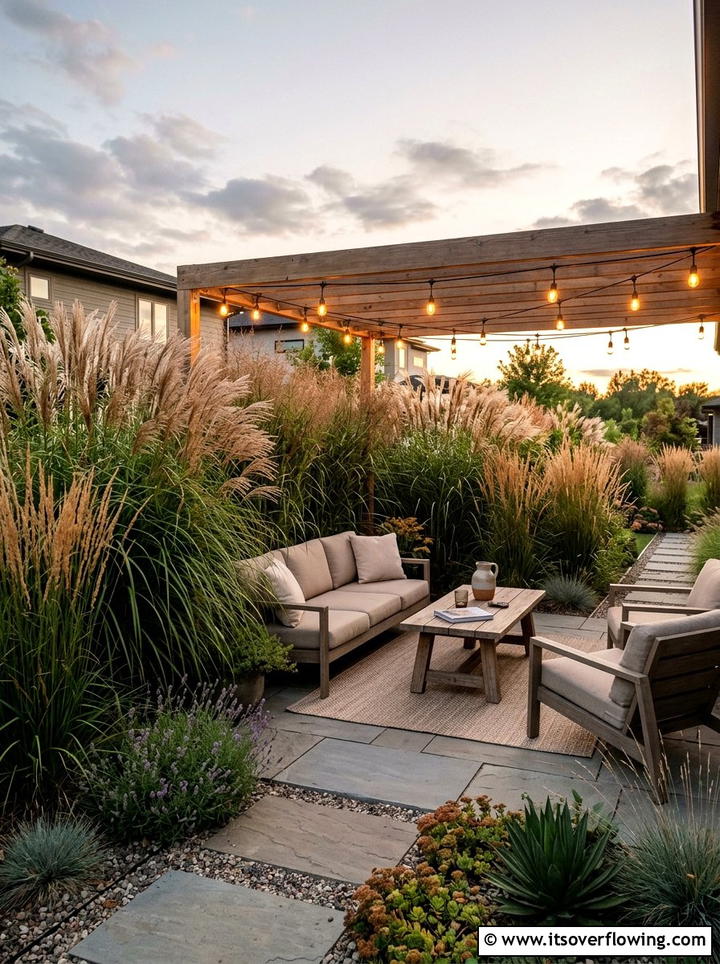
Building a drought-resistant privacy screen using tall ornamental grasses or hardy shrubs is much cheaper than installing a wooden fence. Plants like miscanthus or tall clumping bamboos grow quickly and provide a thick wall of greenery that blocks the view of neighbors. These plants are very resilient and can survive on natural rainfall once they have been in the ground for a year. They also add a lovely rustling sound when the wind blows, which helps to mask street noise. Because they are living things, they add beauty and oxygen to your environment while serving a practical purpose. This is a great way to create a private backyard retreat.
21. Pebble mosaic path
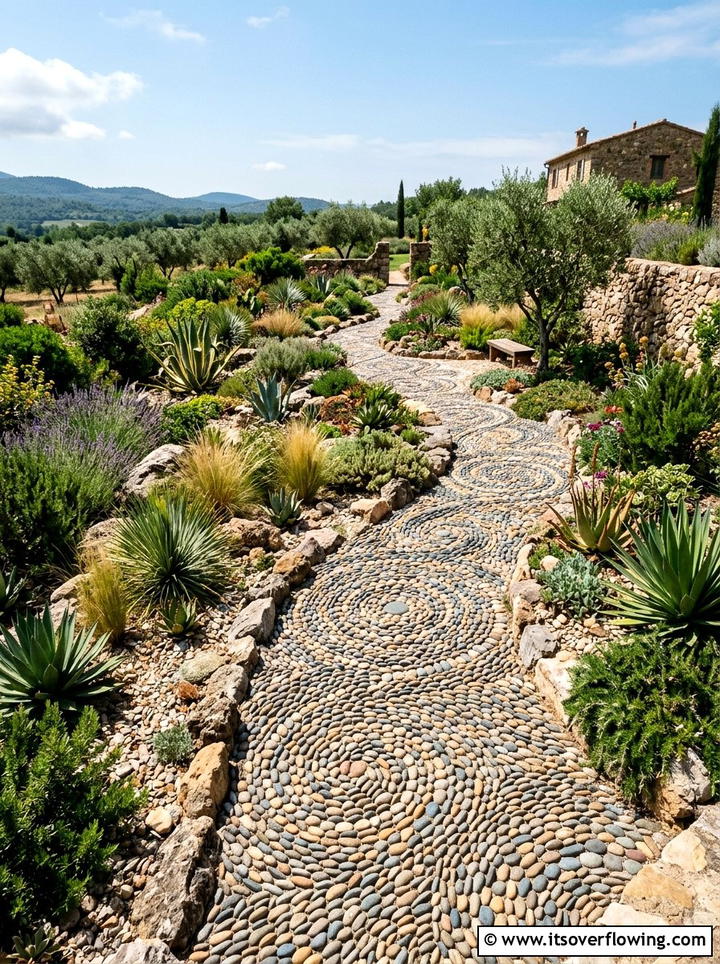
A pebble mosaic path is a creative DIY project that uses small, inexpensive stones to create intricate patterns in your garden. You can collect smooth pebbles from around your property or buy bags of river rocks from a home improvement store. By embedding them into a thin layer of sand or mortar, you can create swirls, flowers, or geometric designs. This type of path is very durable and handles dry weather perfectly without ever needing water. It acts as a piece of art in your landscape, drawing the eye and providing a stable walking surface. It is a time-consuming but very low-cost way to add high-end detail.
22. Hanging basket succulents
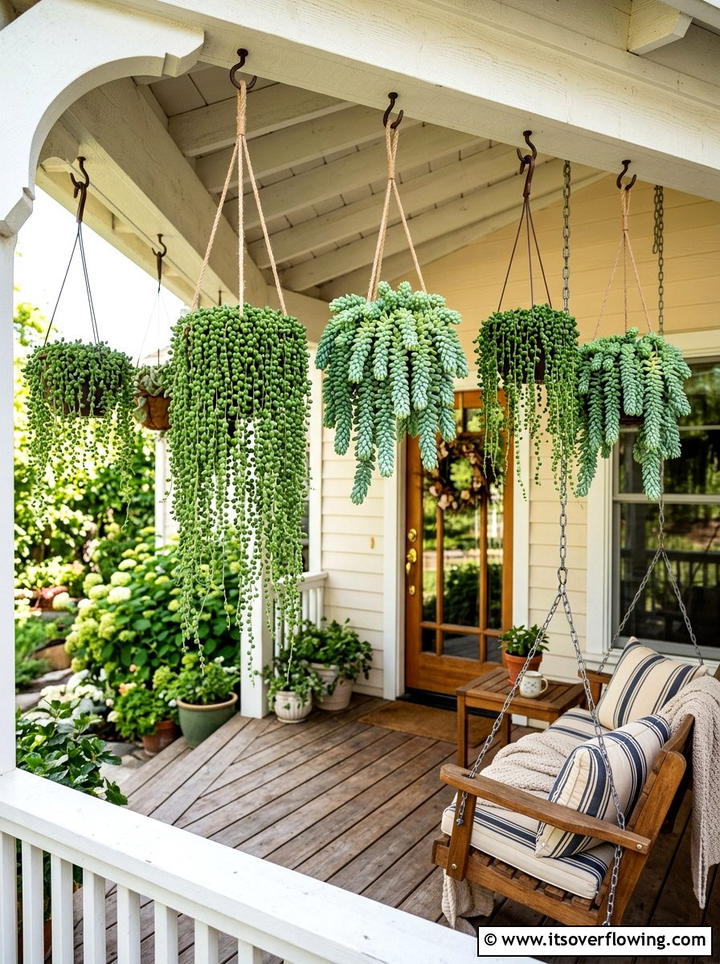
Using hanging basket succulents allows you to add greenery to your porch or patio without taking up any floor space. String of pearls, burro’s tail, and trailing stonecrop are all perfect candidates for hanging containers because they look beautiful as they cascade down. These plants are very efficient at holding water, so they don’t need the daily soaking that traditional hanging flowers require. You can use simple wire baskets lined with coco coir for a natural and affordable look. Hanging them at different levels creates a lush, jungle-like feel even in a very dry climate. This is an easy way to bring your garden up to eye level.
23. Yucca garden
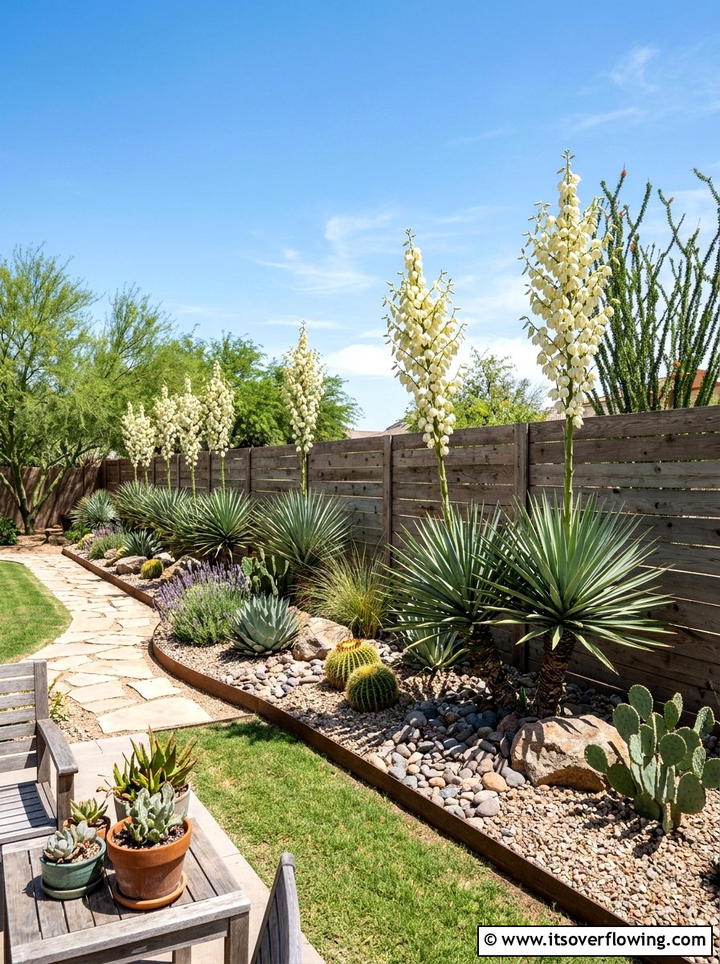
A yucca garden features one of the toughest plants available for homeowners who want a high-impact, low-maintenance landscape. Yuccas have long, sword-like leaves and produce massive spikes of white flowers in the summer, making them very dramatic. They can grow in almost any soil type and are famous for their ability to thrive in extreme heat and drought. You can find many different varieties, including some with variegated yellow and green leaves for extra color. Planting them in groups of three or five creates a professional look that fills a large space for very little money. They are truly “set it and forget it” plants for any sunny spot.
24. Dry creek bed
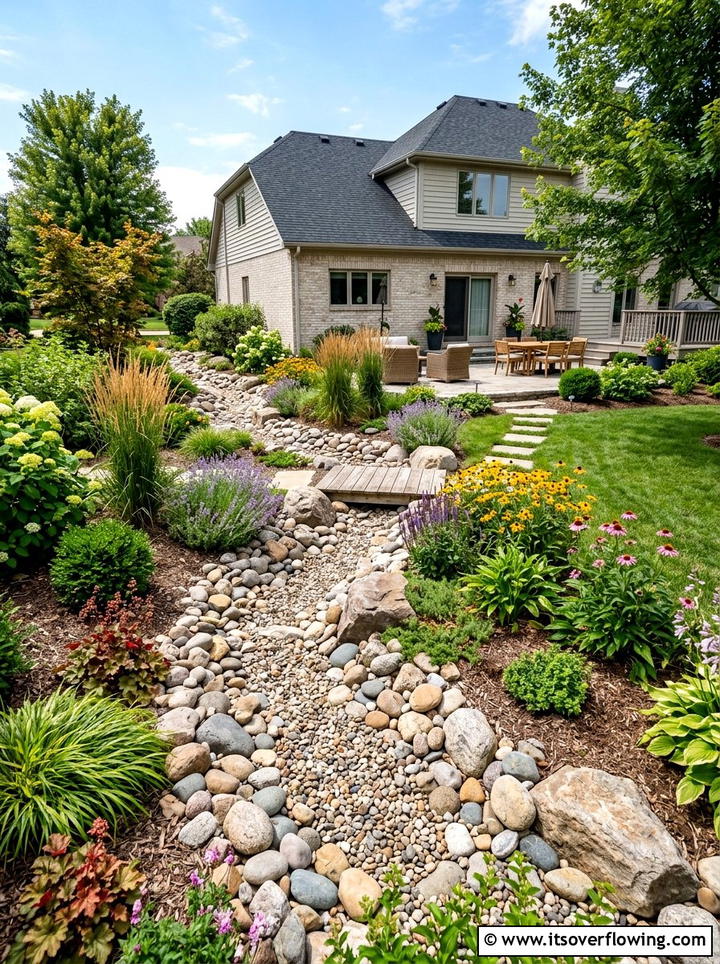
Installing a dry creek bed is a practical and aesthetic solution for managing drainage while using drought-tolerant design principles. You can dig a shallow, winding trench through your yard and fill it with different sizes of river rock and gravel. This mimics the look of a natural stream that has dried up during the summer. Around the “banks” of your creek, you can plant moisture-sipping plants like ornamental grasses or blue agave. When it does rain, the creek bed helps direct water away from your home’s foundation and into the ground. It is an affordable landscaping feature that adds a sense of peacefulness and movement to your backyard.
25. Perennial sage border
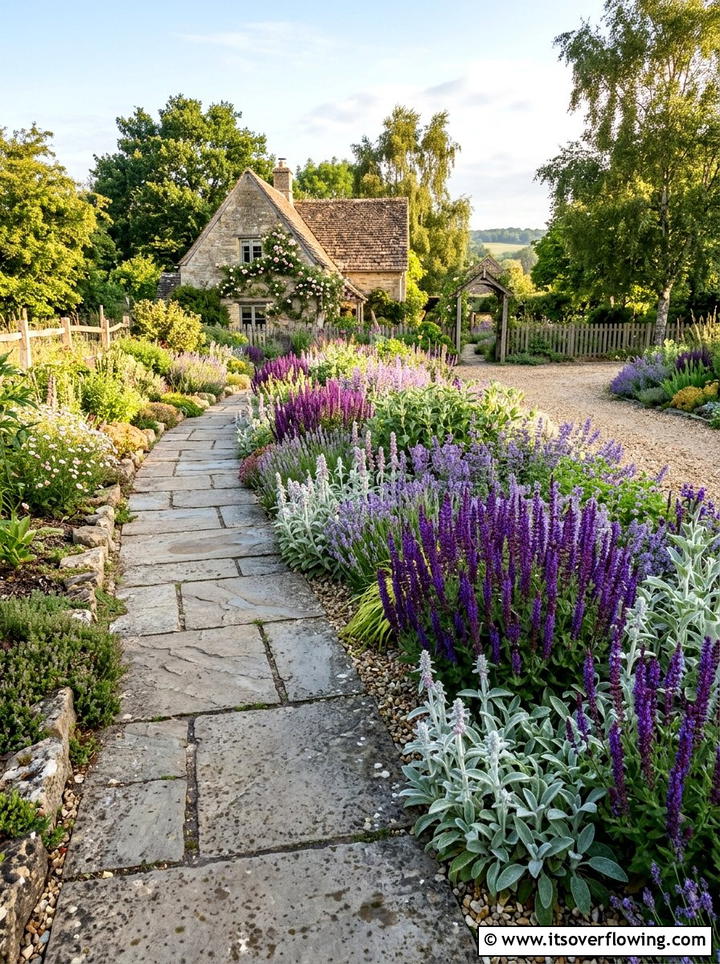
A perennial sage border offers a burst of deep blue or purple color that lasts for months with very little water. Russian sage and Mexican bush sage are particularly hardy and can handle poor soil and intense sun without drooping. These plants grow into large, airy mounds that fill up a lot of space, meaning you don’t need to buy as many plants to cover a border. Their silvery foliage looks great even when the plants are not in bloom. They are very inexpensive to purchase as small starts and will return every year bigger and stronger. This is a wonderful way to add soft, romantic color to a dry garden.
Conclusion:
Building a garden that is both affordable and drought-tolerant is a rewarding way to enhance your home ‘s exterior while respecting the environment. By focusing on plants that naturally thrive in dry conditions and using budget-friendly materials like gravel, rocks, and recycled wood, you can create a professional-looking landscape. You don’ t need a massive budget to have a yard that looks like a lush oasis. These ideas show that with a bit of creativity and the right plant choices, your garden can be a low-maintenance sanctuary. Start small by replacing a patch of lawn or adding a few succulent pots, and you will see how easy it is.
Related posts:
 25 Cheap Garden Ideas With Low Maintenance Plants That Thrive
 25 Cheap Garden Ideas With Native Plants for Easy Beauty
 25 reusing old things ideas for tables to Try Today
 25 Cheap Garden Ideas To Refresh Your Outdoor Space Fast
 25 Cheap Garden Ideas With Cinder Blocks: Clever DIY Style
 25 Cheap Garden Ideas With Composting for Greener Outdoor Spaces
 25 Cheap Garden Ideas With Edging for Instant Curb Appeal
 25 Cheap Garden Ideas With Gravel for Stylish Low-Cost Yards
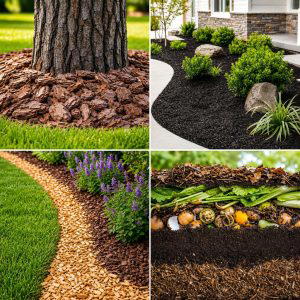 25 Cheap Garden Ideas With Mulch for a Polished Yard
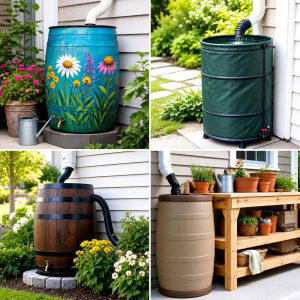 25 Cheap Garden Ideas With Rain Barrels: Save Water in Style
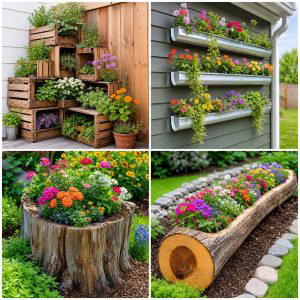 25 Cheap Garden Ideas With Simple Planters: Easy Budget Style
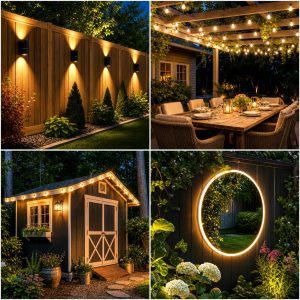 25 Cheap Garden Ideas With String Lights: Magical Glow Tips