
Transforming your outdoor space does not have to require a massive financial investment or a professional landscaping crew to achieve a high-end look. Gravel is one of the most versatile and cost-effective materials available for homeowners who want to refresh their gardens with minimal effort. Whether you are dealing with a small urban balcony or a sprawling suburban backyard, these small stones offer excellent drainage, natural weed suppression, and a clean aesthetic that fits many different styles. From rustic farmhouse vibes to sleek modern layouts, gravel serves as a blank canvas for your creativity and functional needs. This guide explores twenty-five ways to use gravel effectively while keeping your budget intact and your weekend maintenance tasks low.
1. Pea Gravel Patio
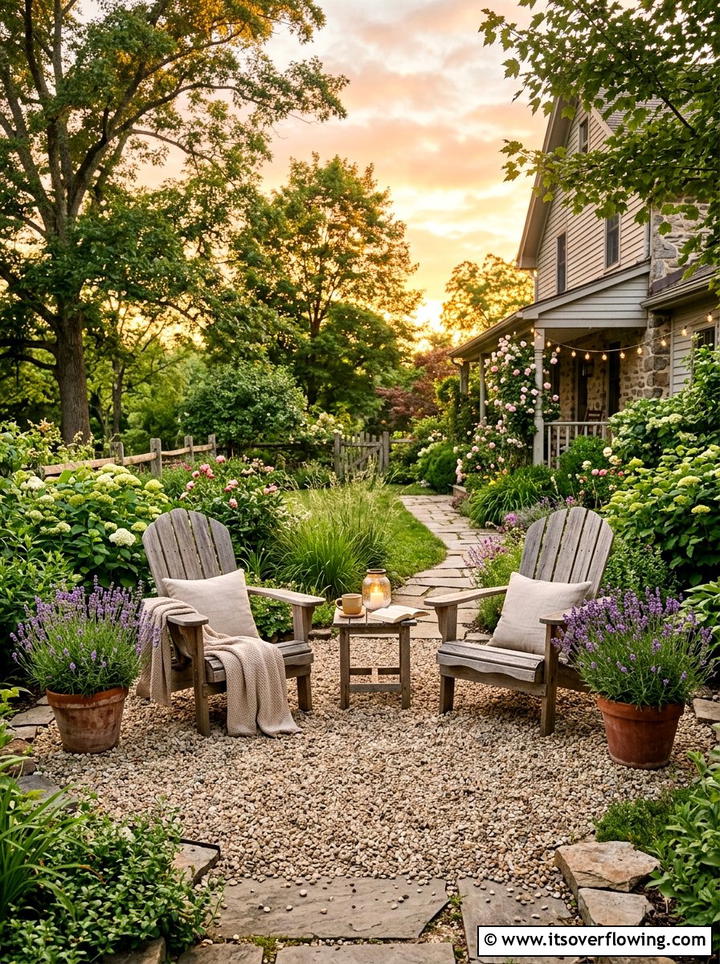
Imagine walking out your back door onto a soft, crunching surface that feels like a European getaway. Building a pea gravel patio is a fantastic way to create a functional entertaining zone without the high cost of pavers or concrete. You start by excavating a shallow area and laying down a heavy-duty weed barrier to keep the space tidy. Once the fabric is in place, you simply pour and level the small, rounded stones across the entire area. This setup allows water to drain naturally into the ground, preventing puddles during heavy rain. It looks beautiful when paired with some classic Adirondack chairs or a simple wooden bistro set for morning coffee.
2. Gravel Walkway With Stepping Stones
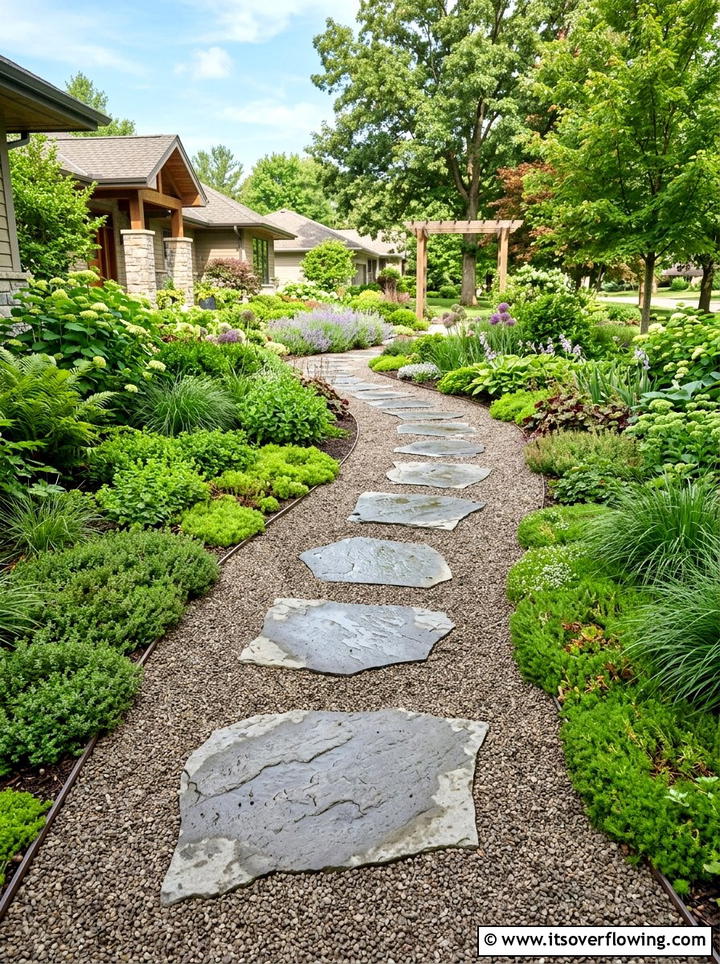
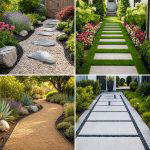
Do you want a charming path that guides guests through your lush greenery? A gravel walkway enhanced with large natural flagstones or simple concrete pavers offers a timeless look that works for any home style. The gravel fills the gaps between the larger stones, providing a stable surface while adding texture and color contrast. This method is much easier for DIY enthusiasts than laying a solid stone path because you do not need perfectly level ground or expensive mortar. It creates a rhythmic walking experience that feels organic and inviting. You can use contrasting colors, like dark slate gravel with light gray stepping stones, for a striking visual impact.
3. Succulent Garden With River Rock
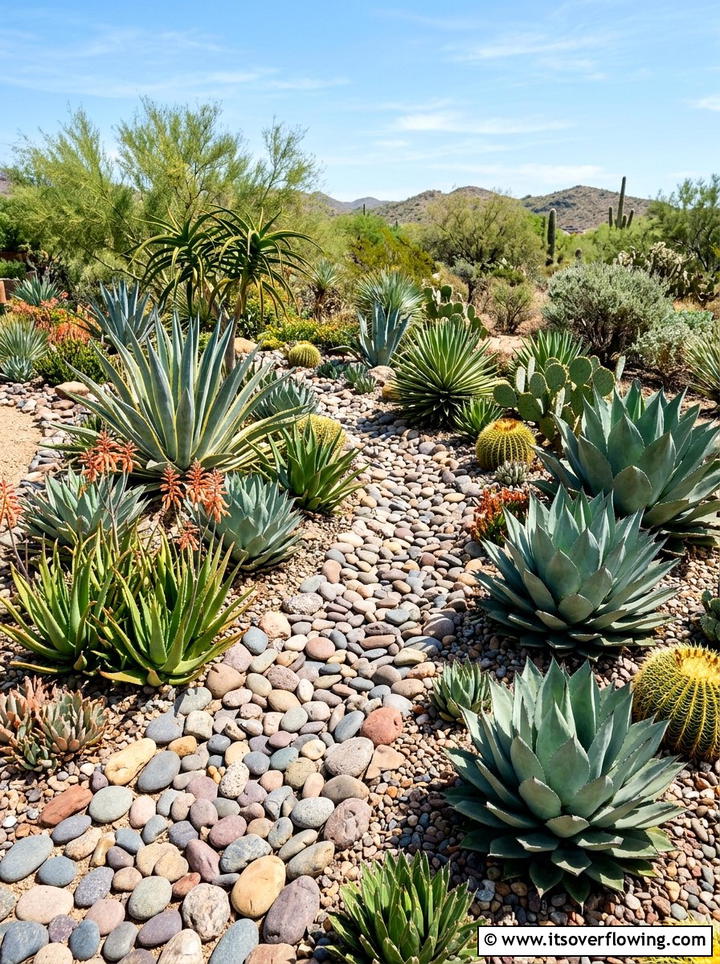
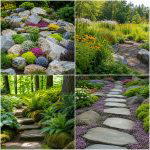
Creating a low-water landscape is easy when you use various sizes of gravel to highlight your desert plants. A succulent garden looks incredibly professional when you use smooth river rocks as a top dressing to cover the soil. These stones help keep the moisture in the ground while preventing the leaves of the succulents from touching damp earth, which can cause rot. You can mix different colors of gravel to create patterns or mounds that add height and interest to a flat yard. This design is perfect for sunny spots where grass refuses to grow, providing a maintenance-free area that stays green and vibrant all year long.
4. Fire Pit Area With Crushed Stone
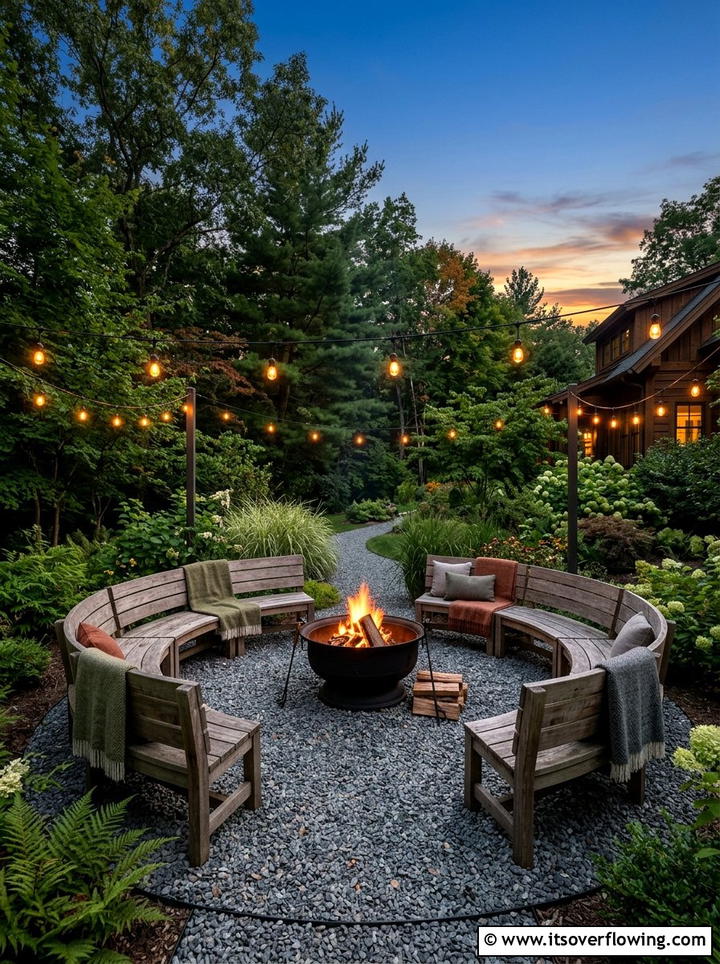
A dedicated spot for evening bonfires is a must-have for many families, and gravel is the safest material for the base. By clearing a circular area and filling it with crushed stone, you create a fire-resistant zone that looks intentional and cozy. The rough texture of crushed stone provides excellent grip for chairs and prevents the area from becoming a muddy mess after a rainstorm. You can surround the perimeter with larger rocks or timber to keep the gravel contained and define the space. This simple project can be completed in a single afternoon and provides a perfect gathering spot for roasting marshmallows and sharing stories.
5. Gravel Driveway Border
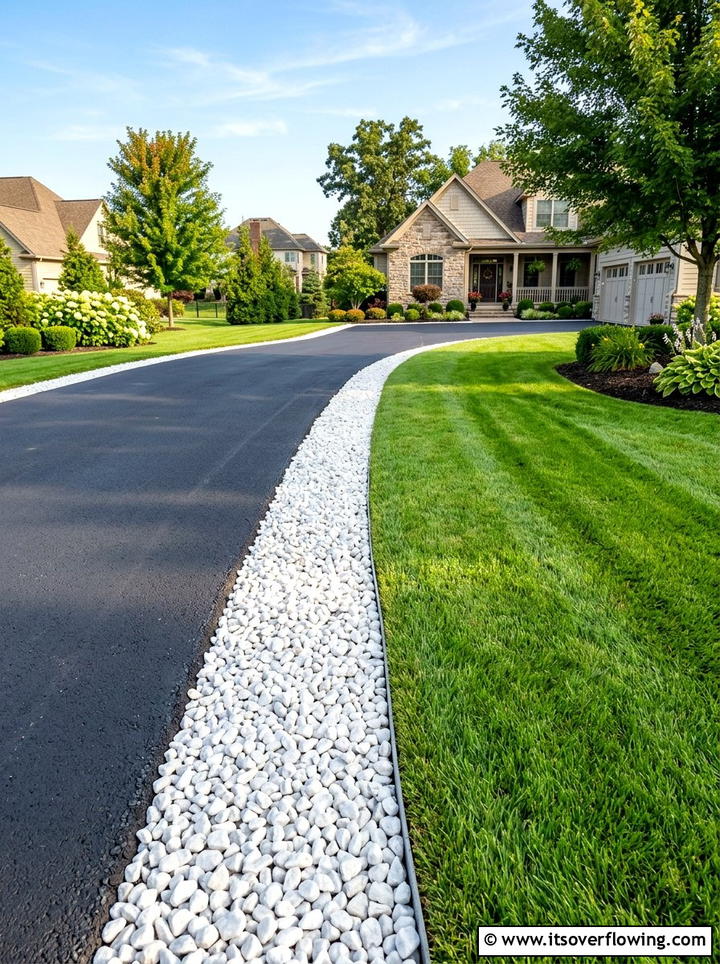
If your driveway looks a bit unfinished, adding a crisp gravel border can instantly boost your home’s curb appeal. You can dig a narrow trench along the edges of your asphalt or concrete and fill it with decorative white gravel or dark basalt. This creates a clean line that separates your driveway from the lawn, making it much easier to edge the grass with a mower. The gravel also helps with runoff, absorbing water that spills off the hard surface during storms. It is an affordable way to make a standard driveway look custom-designed and well-maintained without the expense of installing expensive stone curbing or brick edging.
6. Zen Garden With Raked Sand
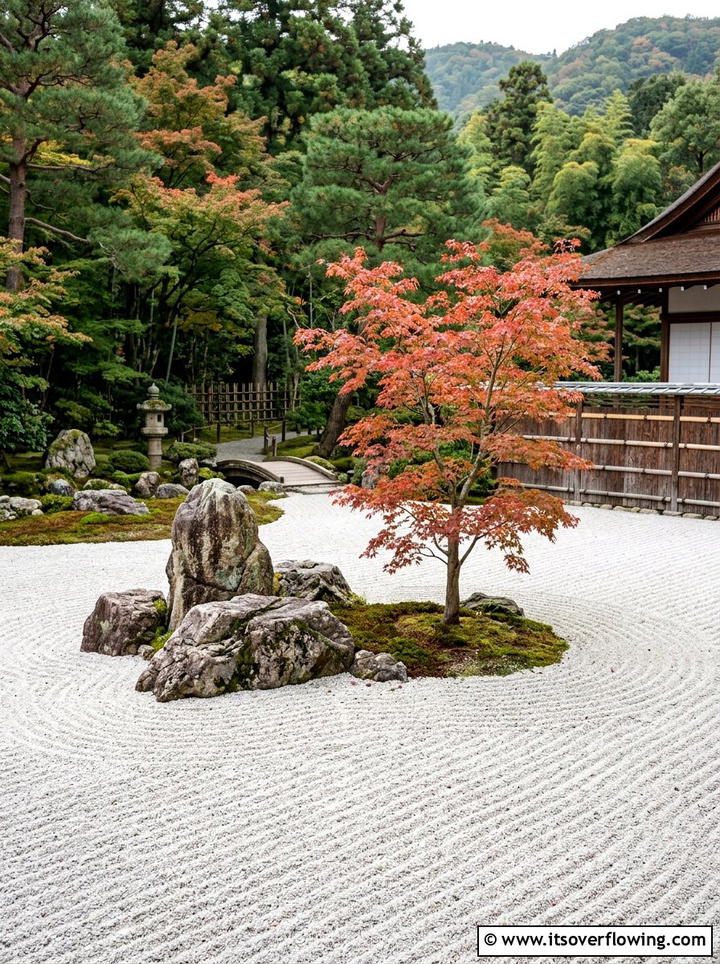
For those seeking a peaceful retreat, a Japanese-inspired zen garden using fine gravel or sand is a perfect solution. You can create a dedicated corner of your yard where smooth stones are raked into flowing patterns that mimic the movement of water. This type of space encourages mindfulness and provides a beautiful focal point that requires very little water or traditional gardening work. Adding a few large boulders and a single ornamental tree, like a Japanese Maple, completes the look. The simplicity of the gravel allows the mind to rest, making it an ideal choice for a quiet backyard sanctuary where you can escape daily stress.
7. Raised Bed Base With Gravel
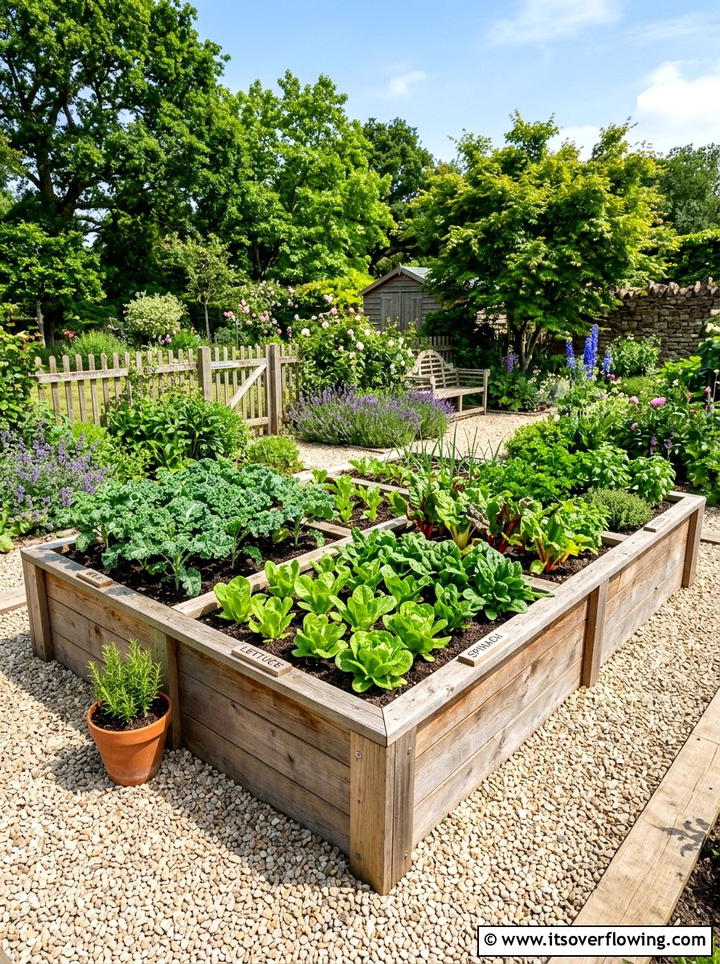
Maintaining the area around your vegetable garden can be a struggle when weeds and grass constantly invade your wooden boxes. By laying down a thick layer of gravel around the base of your raised beds, you create a clean, mud-free workspace for all your planting and harvesting. The gravel prevents soil from splashing onto your clothes and keeps the area looking organized throughout the growing season. It also discourages pests that prefer long grass from hiding near your precious crops. This practical addition makes your garden look like a professional potager while reducing the amount of time you spend weeding the paths between your vegetable rows.
8. Drought Tolerant Front Yard
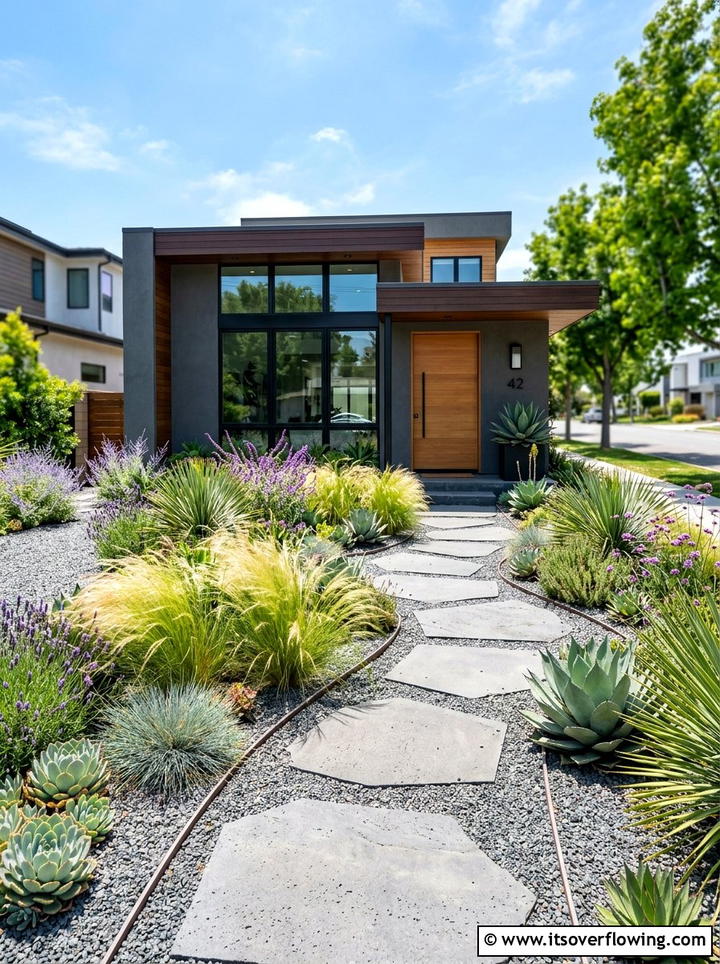
Swapping out a thirsty lawn for a drought-tolerant landscape is a great way to save money on water bills and maintenance. You can use a mix of large gravel and native plants to create a modern look that thrives in dry conditions. By strategically placing mounds of gravel, you add topography to a flat front yard, making it look much more interesting to passersby. Choose stones that complement the color of your home’s exterior to tie the whole look together. This type of landscaping, often called xeriscaping, is increasingly popular in arid climates because it remains beautiful and structured even during the hottest months of the summer.
9. Gravel Pathway Between Flower Beds
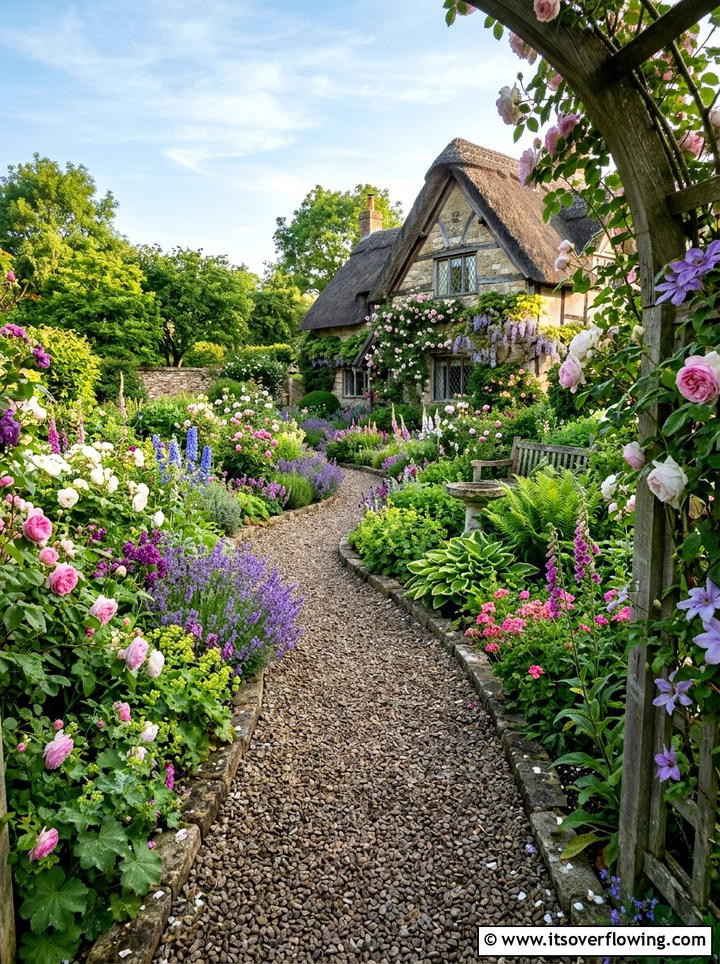
Adding structure to a sprawling flower garden is easy when you use gravel to define the walking paths. Instead of walking on dirt or grass that can get compacted and messy, gravel provides a clear route for you to navigate through your blooms. These paths help to section off different varieties of plants, giving the garden a more formal and curated appearance. The light color of many gravel types can help brighten up shady spots under trees where flowers might struggle to grow. It also provides a satisfying crunch underfoot that alerts you to visitors in the garden, adding a layer of sensory charm to your outdoor experience.
10. Small Seating Area With Decomposed Granite
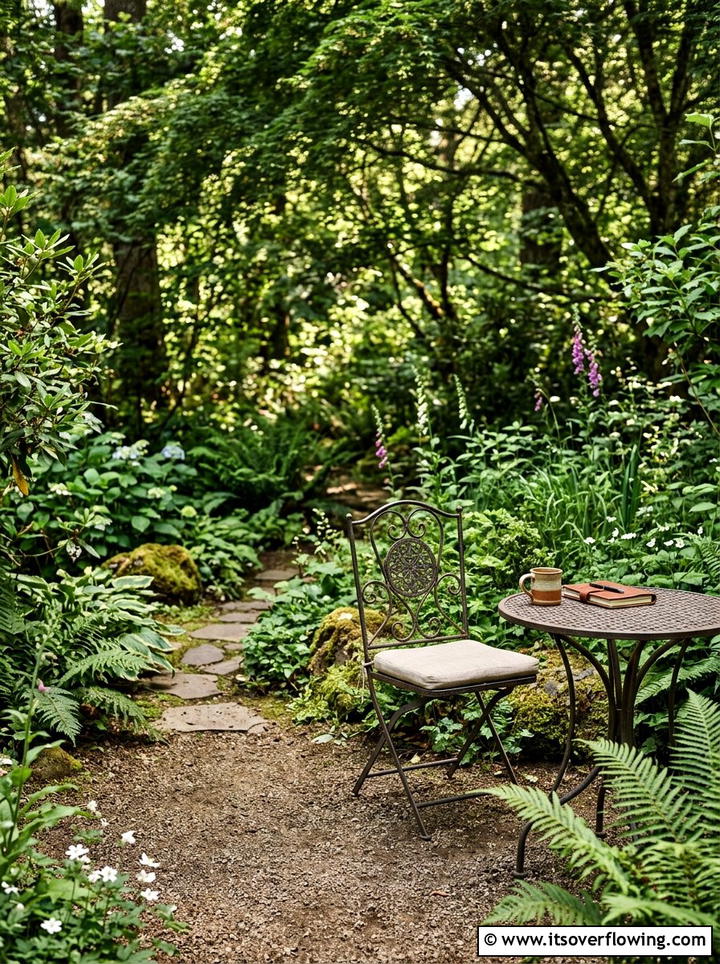
Even the tiniest backyard corner can become a cozy reading nook or a spot for tea when you define it with decomposed granite. This material is a very fine type of gravel that packs down firmly, creating a surface that feels almost like a solid floor but still remains permeable. It is incredibly affordable and comes in various earthy tones that blend seamlessly into a natural garden setting. You can place a small bench or a single bistro chair on this surface without worrying about it sinking into the mud. It is the perfect way to reclaim an unused patch of dirt and turn it into a functional destination.
11. Modern Minimalist Gravel Courtyard
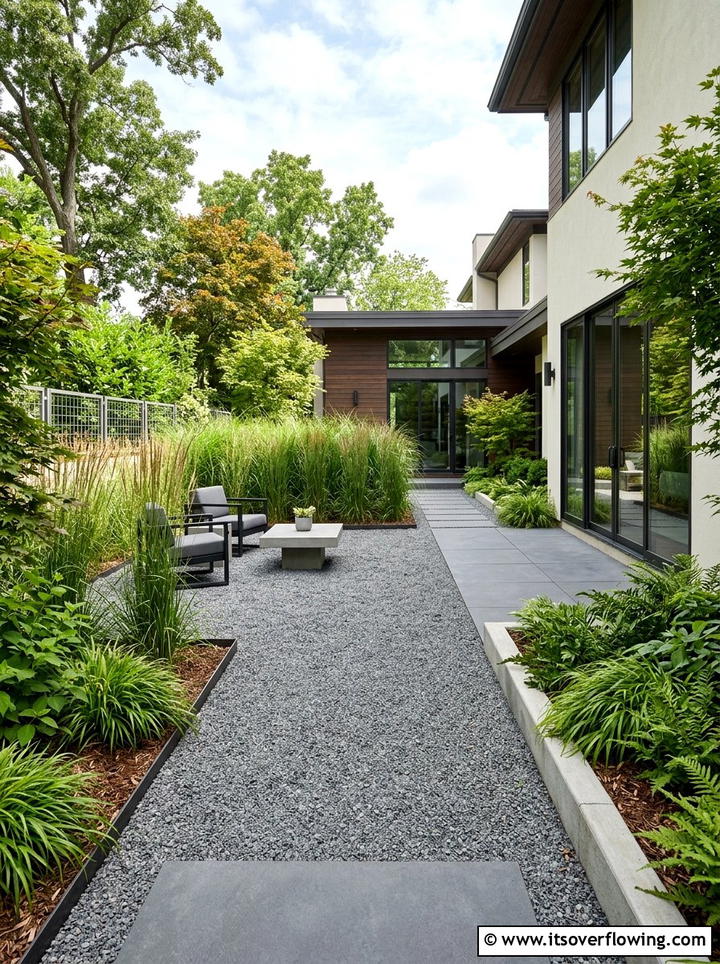
If you prefer a clean and contemporary aesthetic, a minimalist courtyard filled with uniform gray gravel is an excellent choice. This design relies on the contrast between the sharp lines of the house and the soft texture of the stones. You can incorporate a few architectural plants, such as tall grasses or structural shrubs, to add height and green life to the space. The lack of clutter and the consistent color palette make the area feel larger and more open than it actually is. This style is particularly effective in small urban yards where every square inch counts and you want to avoid a cramped or messy look.
12. Edging With Large Stones And Gravel
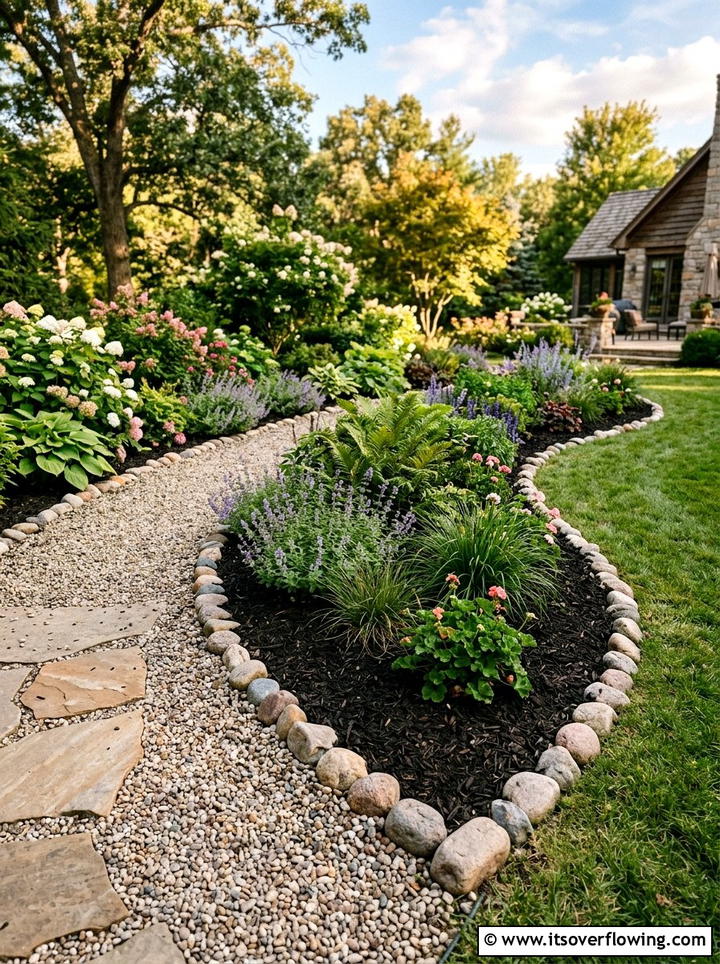
Creating a boundary between different zones in your garden is simple when you use a combination of large river rocks and smaller gravel. This layered look adds depth and visual interest to your landscape beds, making them appear professionally designed. You can use the larger stones to create a sturdy rim that keeps the smaller gravel from washing away during heavy rain. This method is much more natural-looking than plastic or metal edging and lasts much longer. It works well for curved garden beds, as the stones can easily follow any shape or contour you desire, providing a soft and organic frame for your favorite perennials.
13. Under Deck Gravel Storage Space
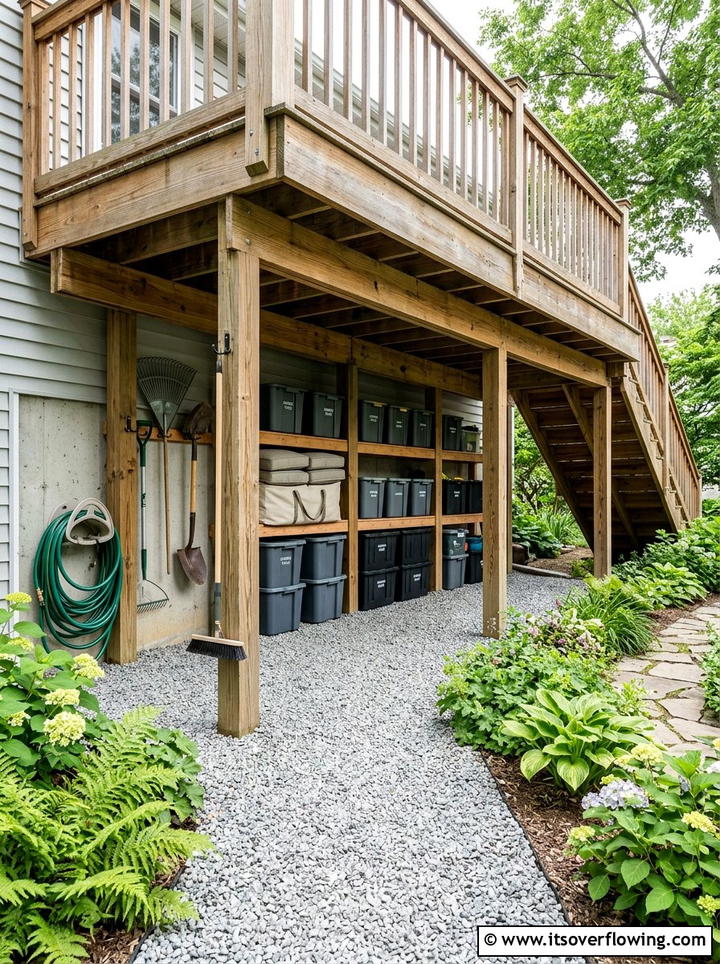
The area underneath an elevated deck is often a dark and dusty place where nothing grows, but you can turn it into a clean storage zone with gravel. By removing any scraggly weeds and laying down a thick layer of stone, you create a dry surface for storing outdoor equipment, lawnmowers, or seasonal furniture. The gravel prevents the ground from becoming a muddy pit and helps with drainage away from your home’s foundation. It also makes the area look much more finished and intentional when viewed from the rest of the yard. This is a practical and low-cost way to utilize every inch of your property while improving its overall organization.
14. Water Feature Surrounded By Pebbles
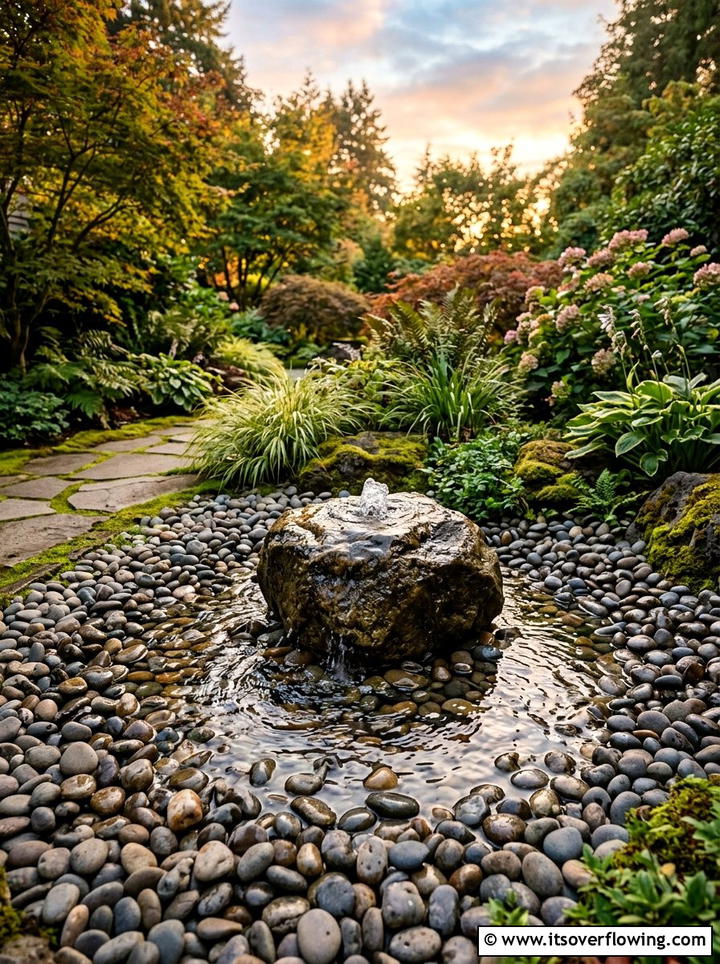
A small pond or a disappearing fountain becomes a stunning focal point when you surround it with decorative pebbles and gravel. The stones help to hide the mechanical parts of the water feature, such as pumps and liners, making the whole setup look like a natural spring. When the water splashes onto the stones, it brings out their vibrant colors and creates a soothing sound. You can use different sizes of gravel to create a realistic “beach” effect at the edge of a pond. This setup is very easy to maintain because you can simply hose down the stones occasionally to keep them looking fresh and free of debris.
15. Terraced Garden With Gravel Levels
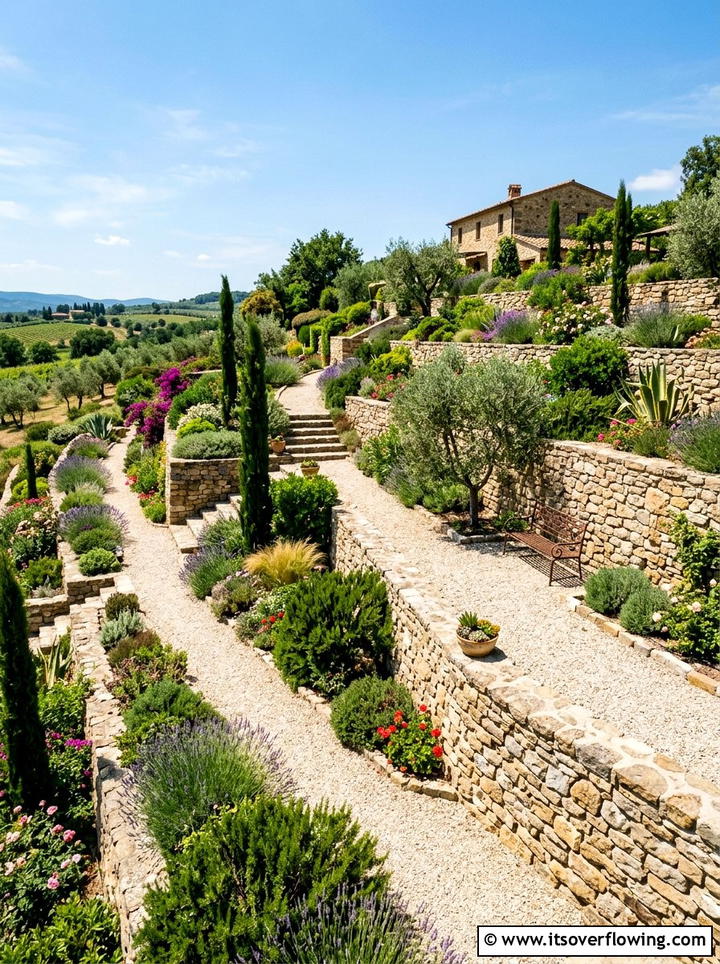
If your yard has a steep slope, you can use gravel to create a series of beautiful and functional terraces. By building low retaining walls out of timber or stone and filling the flat levels with gravel, you prevent erosion and create usable space for planting or seating. The gravel provides a stable base that won’t wash down the hill during a storm, unlike loose soil or mulch. This design turns a difficult landscape challenge into a striking architectural feature that adds value and beauty to your home. You can plant cascading flowers along the edges of the walls to soften the look and add a pop of color.
16. Backyard Dining Space With Fine Gravel
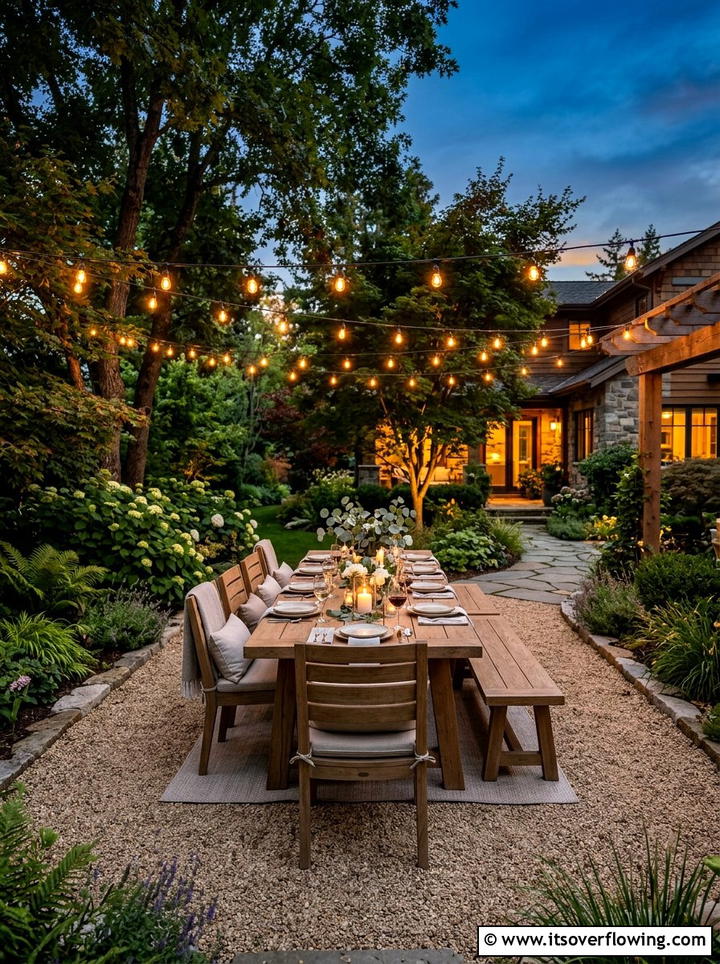
Hosting an outdoor dinner party is much more enjoyable when you have a flat and stylish surface for your dining table. Fine gravel is a great choice for a dining area because it is easy to level and provides a comfortable surface for guests to walk on. Unlike a wooden deck, a gravel dining area will never rot or require staining, saving you time and money over the years. You can string some fairy lights above the table and add a few large potted plants to create an enchanting atmosphere that feels like a private restaurant patio. The natural look of the gravel encourages a relaxed and casual dining experience.
17. Native Plant Garden With Gravel Mulch
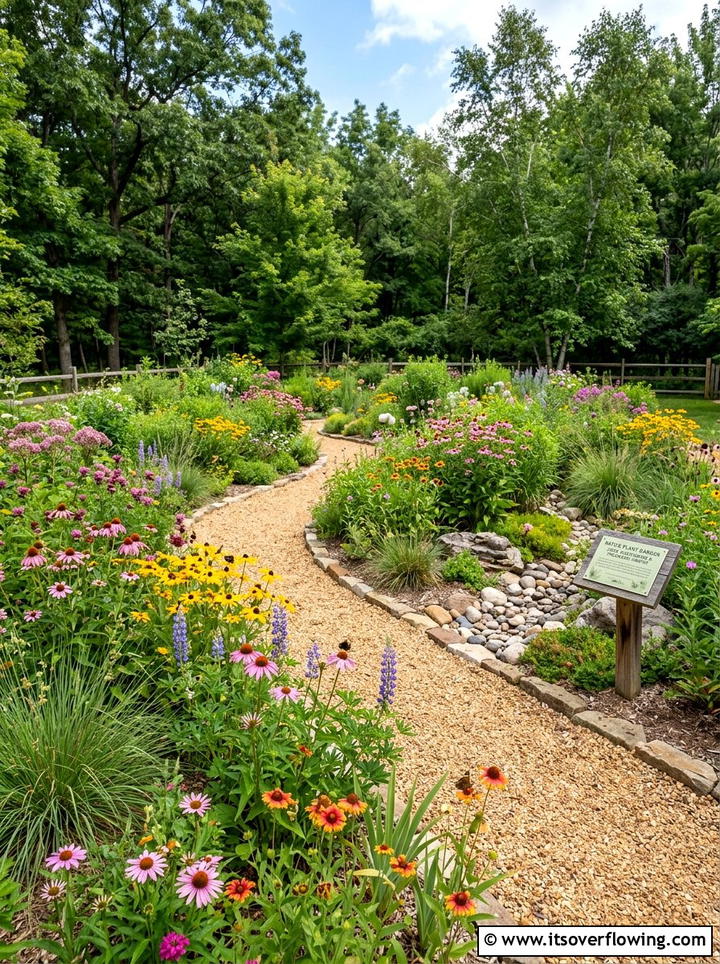
Using gravel as a mulch around native plants is a clever way to reduce garden maintenance while supporting the local ecosystem. Unlike wood mulch, gravel does not decompose, so you do not have to replace it every year, which saves you money in the long run. It provides a clean background that allows the unique textures and colors of native wildflowers and shrubs to stand out. Gravel mulch also reflects some heat back to the plants and helps to suppress the growth of invasive weeds. This approach is perfect for creating a hardy garden that can survive with minimal intervention from you, allowing you more time to enjoy the view.
18. Potting Station On Gravel Base
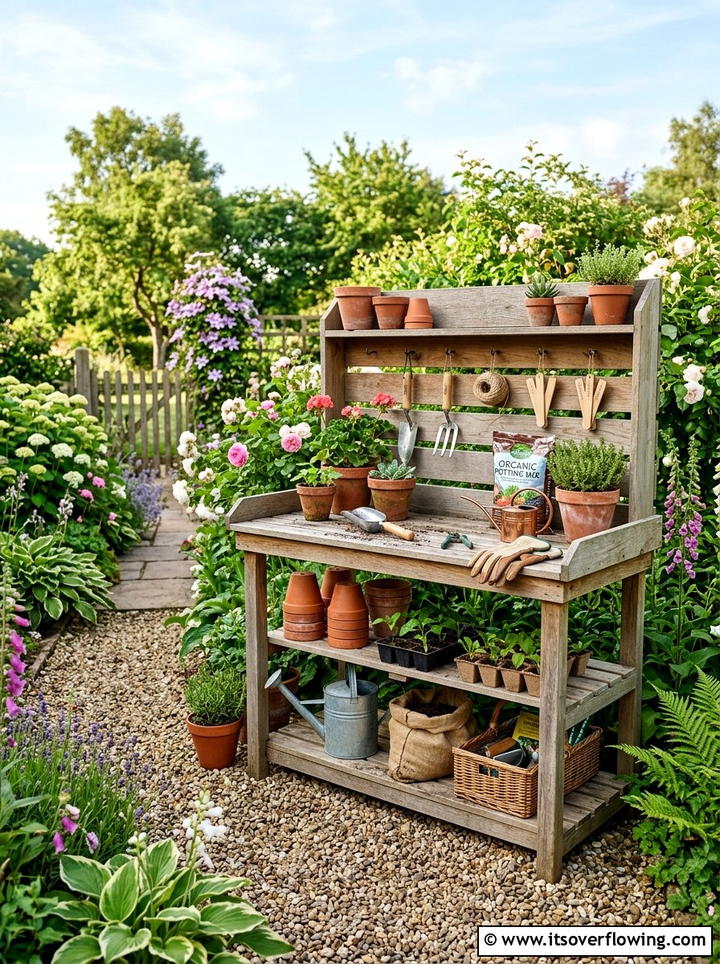
Every gardener needs a dedicated space for repotting plants and starting seeds, and a gravel base is the perfect flooring for this task. By placing your potting bench on a layer of gravel, you create a workspace where spills of soil and water are not an issue. The gravel allows any runoff to drain away instantly, keeping your feet dry and your station clean. It is also much easier to sweep up stray potting mix from a gravel surface than from a grass or dirt patch. This simple addition makes your gardening chores feel more professional and organized, turning a messy task into a tidy and efficient routine in your backyard.
19. Kids Play Area With Rounded Pea Shingle
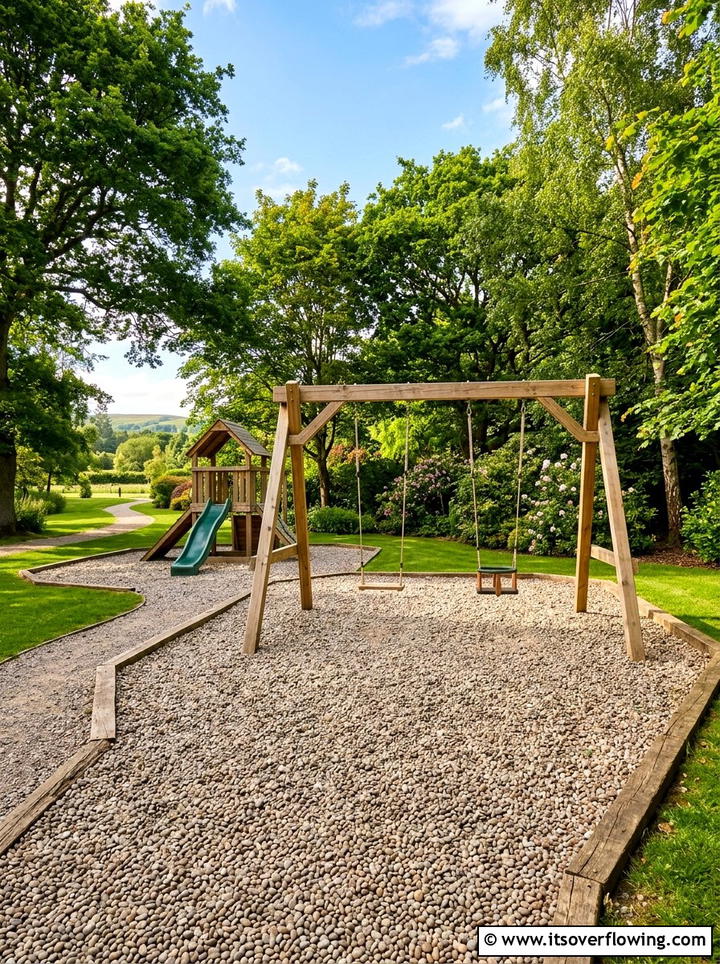
Creating a safe and durable space for children to play is easy with rounded pea shingle. This type of gravel is smooth and lacks sharp edges, making it a popular choice for underneath swing sets or climbing frames. It provides a soft landing for little ones while being much cleaner than traditional wood chips or sand that can track into the house. The gravel drains quickly after rain, so the kids can get back to playing sooner without getting covered in mud. It is an affordable alternative to expensive rubber mulching and adds a neat, uniform look to the play zone that blends well with the rest of your landscaping.
20. Side Yard Dog Run With Gravel
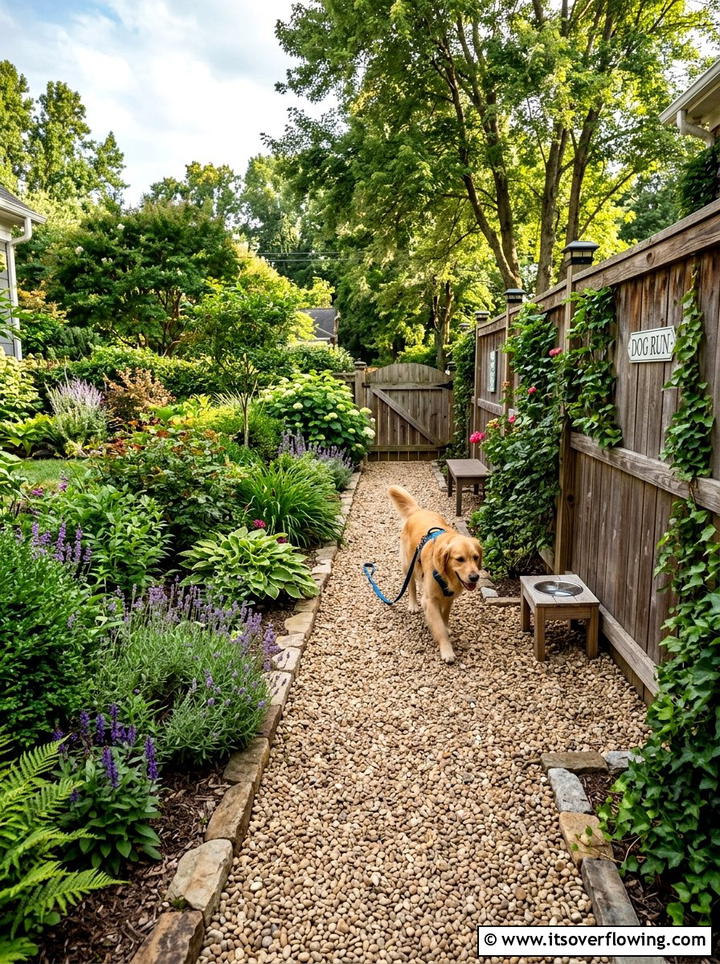
If your pets are constantly tracking mud into the house from a narrow side yard, a gravel dog run is the perfect solution. Gravel is a durable surface that can withstand the heavy traffic of active dogs without becoming patchy like grass does. It is also very easy to clean and sanitize, helping to keep your yard smelling fresh. Choosing a small, smooth gravel ensures it is comfortable on your pet’s paws while providing a designated area for them to do their business. This transformation turns a neglected and messy part of your property into a highly functional space that benefits both you and your furry friends.
21. Cottage Garden Path With Mixed Gravel
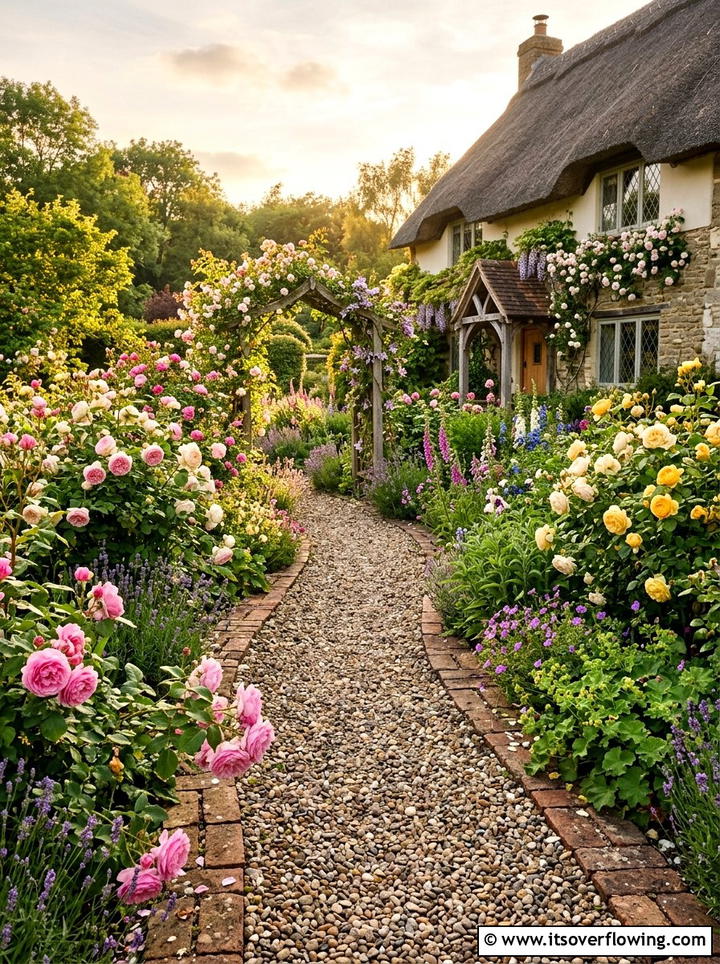
For a whimsical and romantic look, a cottage garden path using a mix of different gravel colors and sizes is a wonderful choice. This informal style embraces a bit of imperfection and blends beautifully with overflowing flower beds filled with roses and foxgloves. You can edge the path with old bricks or weathered wood to enhance the rustic charm of the design. The variety of stones adds texture and character that feels like it has been part of the landscape for decades. This type of path invites slow strolls and discovery, perfectly capturing the essence of a traditional English garden right in your own backyard.
22. Geometric Paver And Gravel Grid
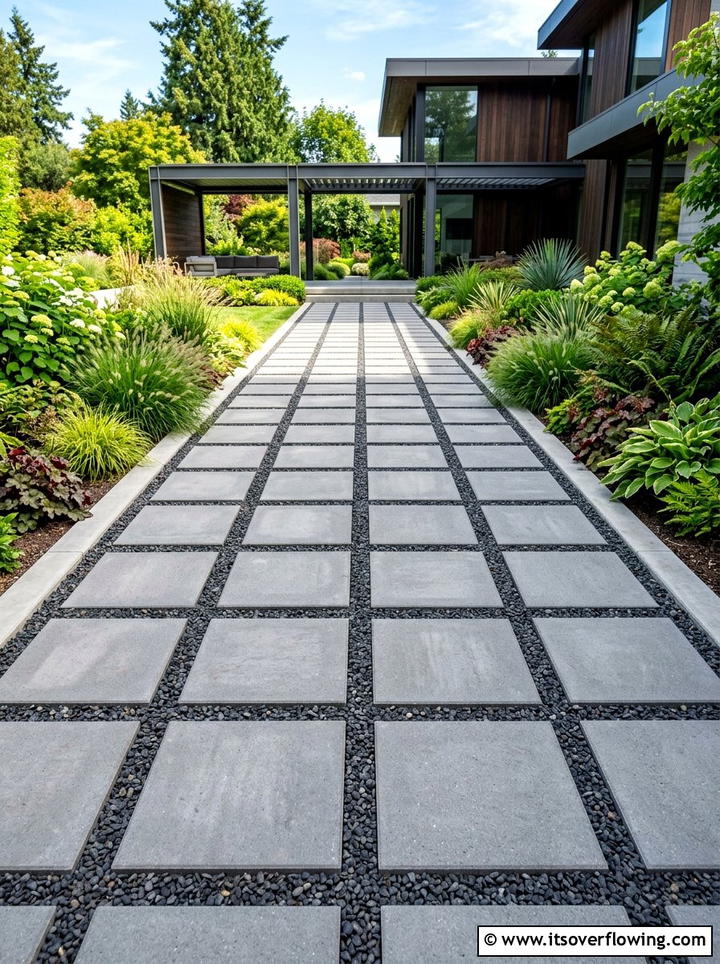
For a high-end, modern look that is surprisingly affordable, you can create a geometric grid using square concrete pavers and gravel. By spacing the pavers evenly and filling the gaps with contrasting gravel, you create a sophisticated pattern that looks like custom masonry work. This design is excellent for flat areas like front walkways or small patios where you want a very structured and clean appearance. The combination of the smooth concrete and the textured gravel provides a great visual balance. It is also a permeable surface, which is better for the environment than a solid slab because it allows rainwater to soak directly into the ground.
23. Tropical Plant Corner With White Gravel
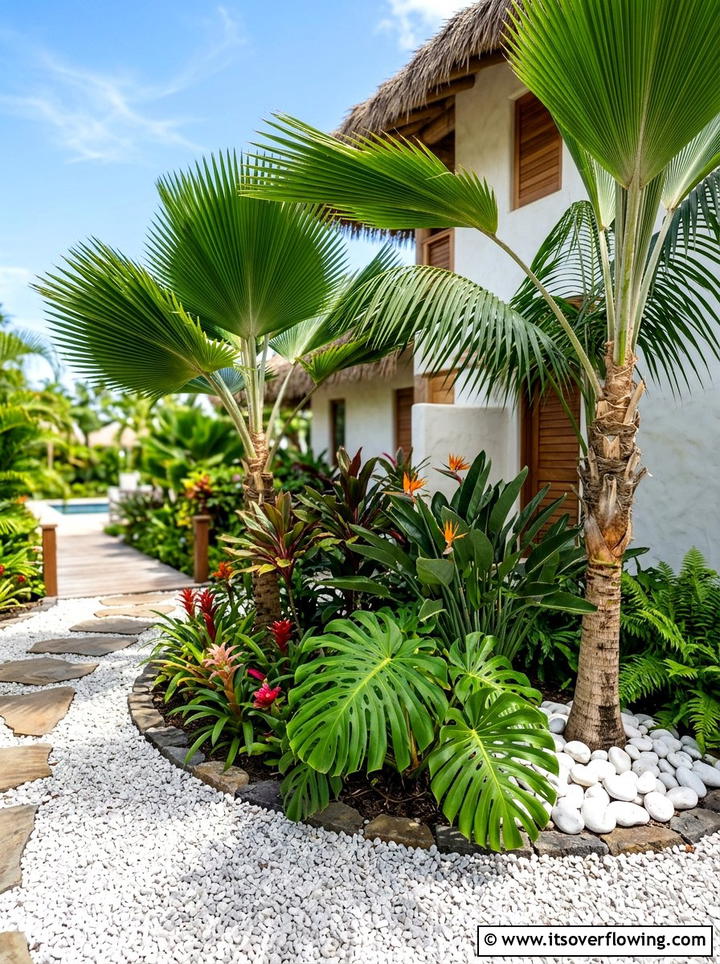
You can create a lush, tropical oasis in a corner of your garden by using bright white gravel to highlight exotic plants like palms or ferns. The white stones reflect the sunlight, making the green foliage of the plants look even more vibrant and lush. This contrast creates a dramatic and high-energy look that feels like a high-end resort. You can add a few large decorative pots or a colorful outdoor rug to complete the theme. Even if you live in a cooler climate, this gravel setup can help keep the soil around your tropical plants warmer, giving them a better chance to thrive during the summer months.
24. Sloped Yard Erosion Control With Gravel
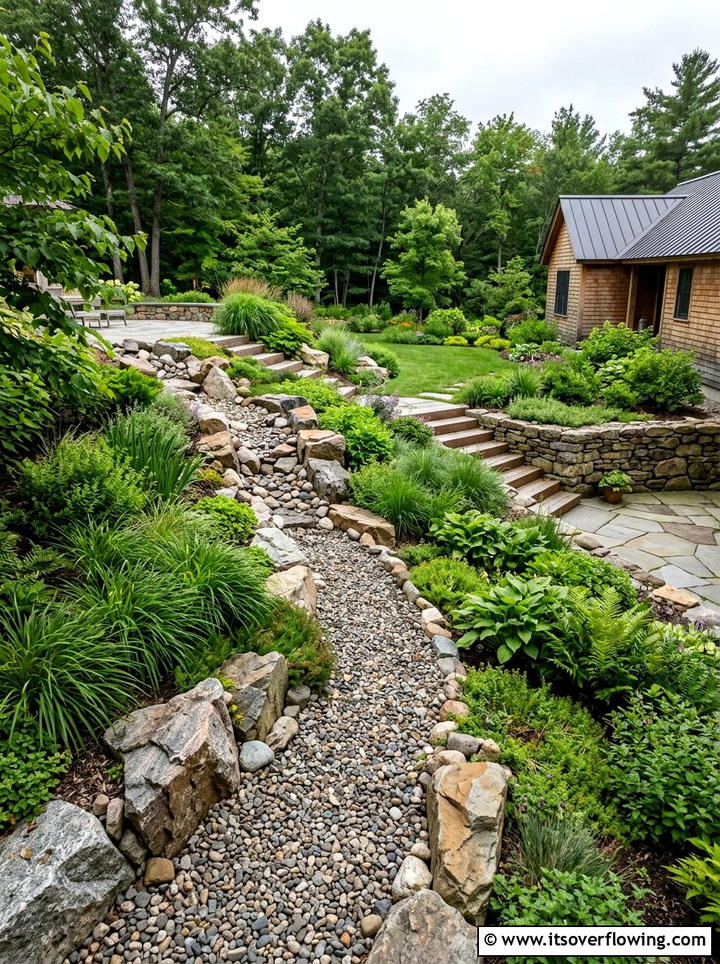
Tackling a yard that washes away every time it rains can be a nightmare, but gravel is a powerful tool for erosion control. By laying down heavy gravel or rip-rap in areas where water naturally flows, you can slow down the runoff and protect your topsoil. The weight of the stones holds the ground in place while allowing water to seep through slowly. You can turn these functional areas into beautiful dry creek beds that look like a natural feature of the landscape. This practical use of gravel solves a common home maintenance problem while adding a rugged and scenic element to your overall outdoor design strategy.
25. Tree Base Circle With Crushed Rock
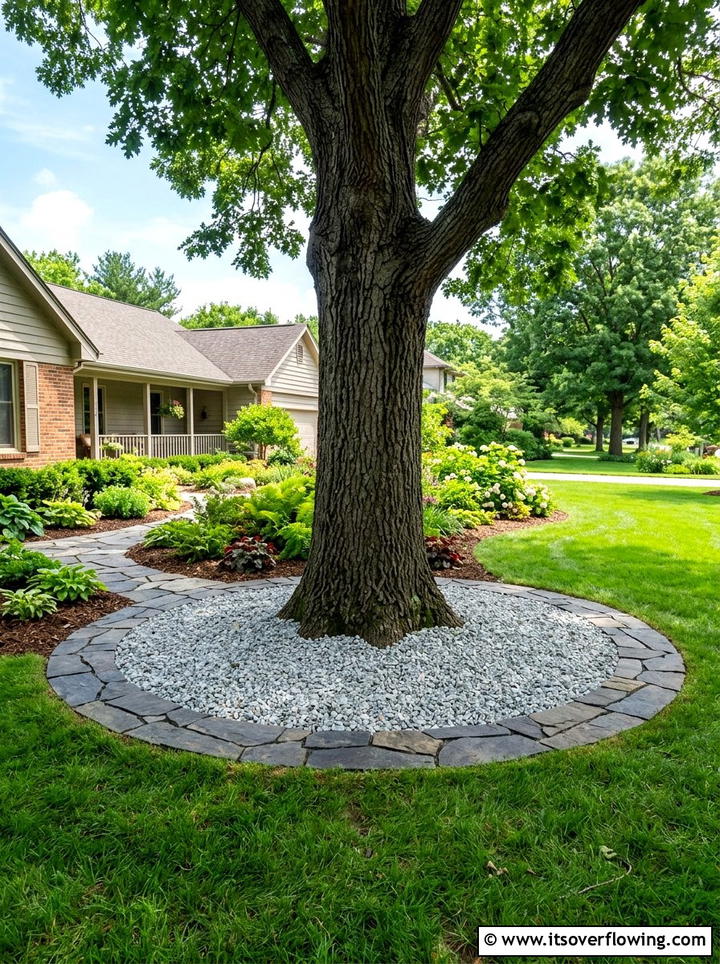
One of the easiest ways to give your yard a finished look is to create clean circles around the base of your trees using crushed rock. This protects the tree trunks from being nicked by lawnmowers and weed whackers while providing a tidy appearance. The gravel keeps the roots cool and helps to retain moisture in the soil, which is beneficial for the health of the tree. Unlike bark mulch, the gravel will not wash away or blow around during windy days, keeping your yard looking neat all year long. It is a simple weekend project that provides an immediate boost to your home’s exterior aesthetic.
Conclusion:
Using gravel in your landscape is a smart move for any budget-conscious homeowner looking for immediate and lasting results. These twenty-five ideas prove that you do not need a massive renovation budget to achieve a professional and polished look in your outdoor living space. Gravel offers a unique combination of functionality and beauty that many expensive materials simply cannot match. It effectively solves common drainage issues, reduces your weekly chores like mowing or weeding, and creates a clear structure for your garden zones. By choosing the right type of stone and pairing it with thoughtful plant choices, you can build a personal sanctuary that lasts for many years.

Related posts:
 25 Cheap Garden Ideas With Container Gardening for Small Yards
 25 Cheap Garden Ideas With Pathways for Charming Yards
 25 Cheap Garden Ideas With Low Maintenance Plants That Thrive
 25 Cheap Garden Ideas To Refresh Your Outdoor Space Fast
 25 Cheap Garden Ideas With Cinder Blocks: Clever DIY Style
 25 Cheap Garden Ideas With Drought Tolerant Plants to Try
 25 Cheap Garden Ideas With Edging for Instant Curb Appeal
 25 Cheap Garden Ideas With Mulch for a Polished Yard
 25 Cheap Garden Ideas With Native Plants for Easy Beauty
 25 Cheap Garden Ideas With Rain Barrels: Save Water in Style
 25 Cheap Garden Ideas With Simple Planters: Easy Budget Style
 25 Cheap Garden Ideas With String Lights: Magical Glow Tips