
Transforming your outdoor space into a lush sanctuary does not require a massive budget or high-maintenance exotic species. Native plants are the secret to a thriving, cost-effective landscape because they are already adapted to your local soil, climate, and rainfall patterns. By choosing plants that belong in your region, you significantly reduce the need for expensive fertilizers, chemical pesticides, and excessive watering. This sustainable approach helps you save money while supporting local pollinators like bees and butterflies. Whether you are working with a tiny balcony or a sprawling backyard, incorporating indigenous flora creates a resilient ecosystem that looks beautiful year-round. Planning a garden with these budget-friendly strategies ensures a stunning result that respects both your wallet and the environment.
1. Native wildflower meadow
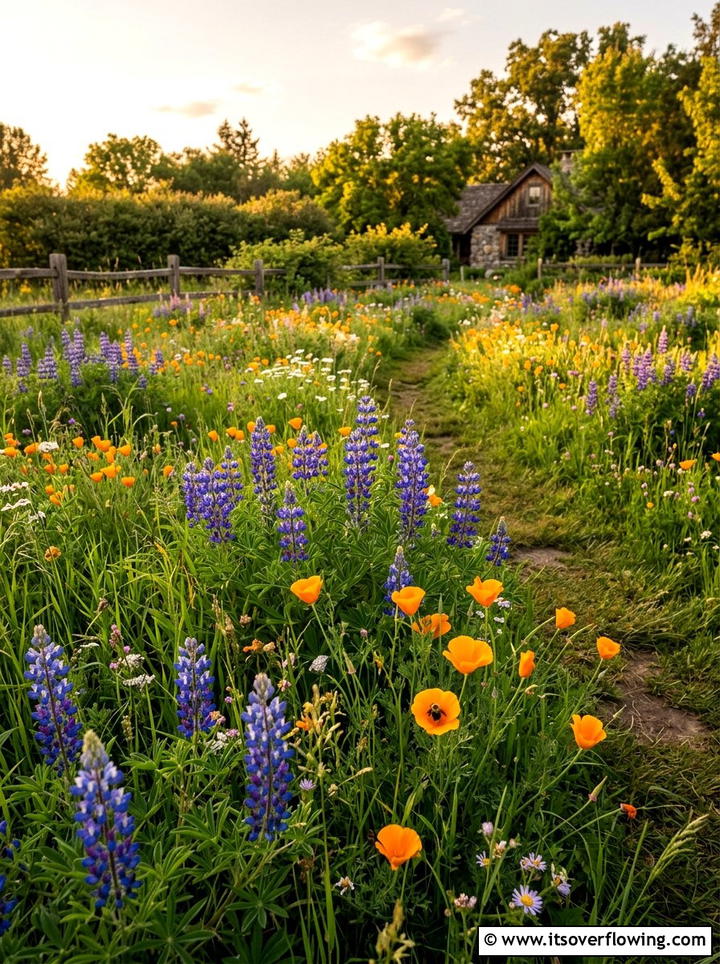
Have you ever dreamed of a backyard filled with vibrant colors that requires almost no mowing or pruning? Planting a native wildflower meadow is one of the most affordable ways to cover large areas of ground quickly. Instead of buying individual nursery starts, you can purchase bulk seed mixes specifically formulated for your geographic region. This method allows you to establish a dense, diverse habitat for pennies per square foot compared to traditional sod. The key to success is proper site preparation to remove existing grass before sowing your seeds in the fall or early spring. Once established, these hardy blooms return year after year, providing a changing tapestry of seasonal colors and essential nectar for local honeybees.
2. Backyard butterfly garden
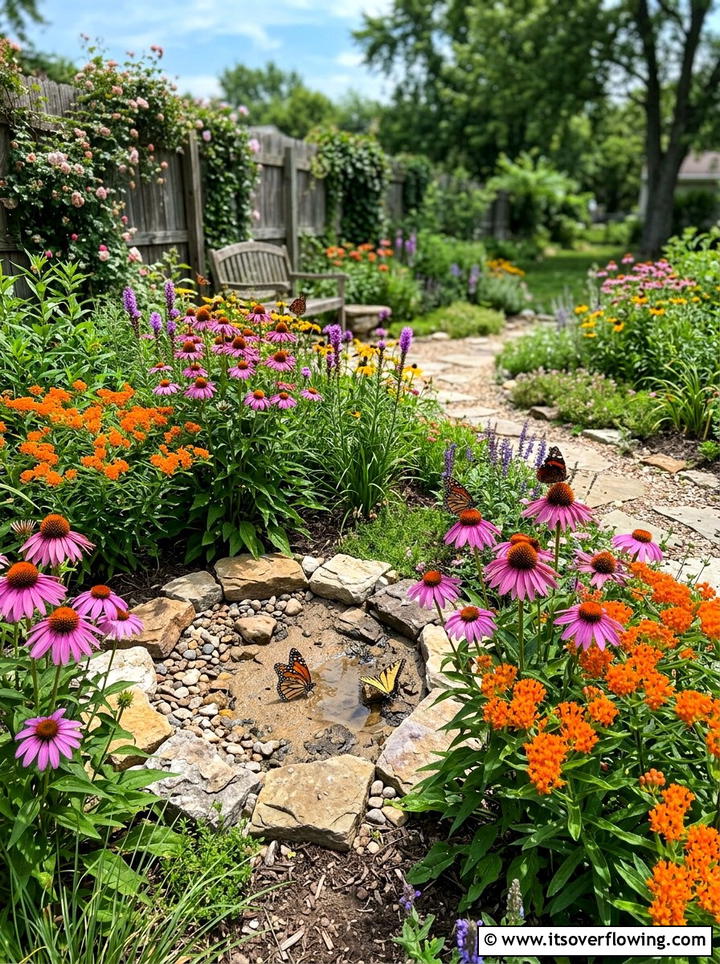
Creating a sanctuary for winged visitors is a rewarding project that focuses on specific host and nectar plants found in your area. You can easily start this garden by identifying which butterflies are local to your region and selecting the specific plants they need to survive. For example, many gardeners plant milkweed to support monarch caterpillars, which is a very inexpensive perennial that spreads naturally over time. Focus on grouping similar plants together to make them more visible to flying insects while creating a cohesive look. Adding a simple, flat stone for basking and a shallow water dish filled with pebbles provides everything these beautiful creatures need. This low-cost addition brings movement and life to your outdoor living space.
3. Low maintenance rock garden
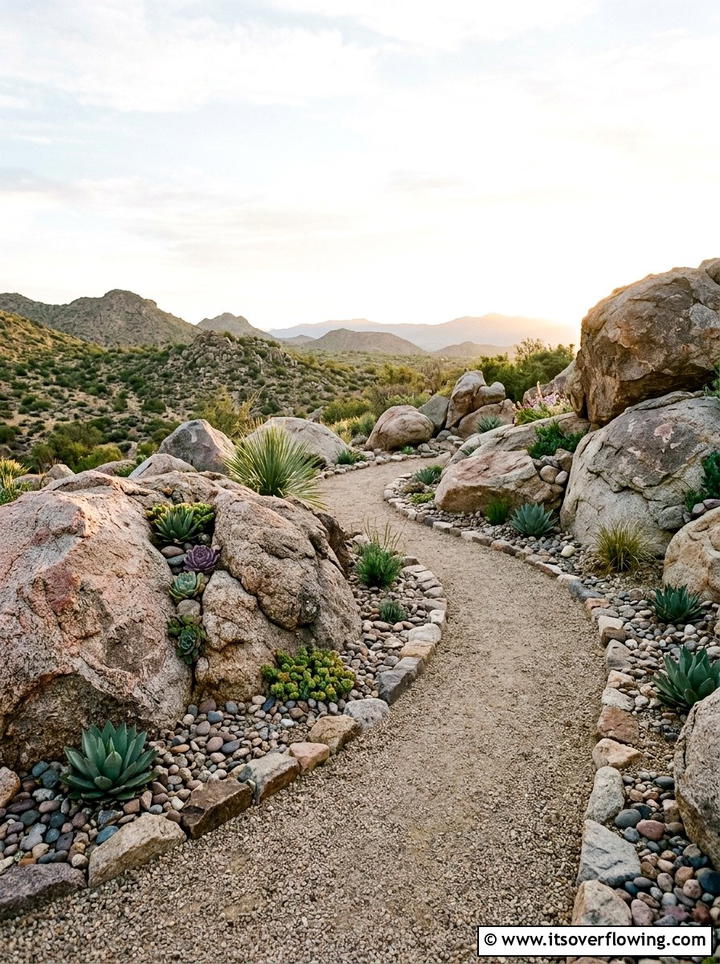
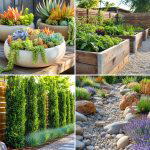
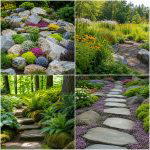
Integrating local stones with hardy native succulents or alpine plants creates a sophisticated look that survives even the harshest weather conditions. You can often source rocks for free from your own property or find inexpensive local fieldstone from nearby suppliers to keep costs down. Arrange the stones in a naturalistic cluster and tuck drought-tolerant native species into the crevices where they can thrive with minimal soil. This style of gardening is particularly effective for small corners or areas with poor soil quality where traditional plants struggle to grow. Because native rock-dwelling plants are used to harsh environments, they require very little supplemental water once their root systems are established. The result is a textured, structural landscape that looks professional and clean.
4. Drought tolerant front yard
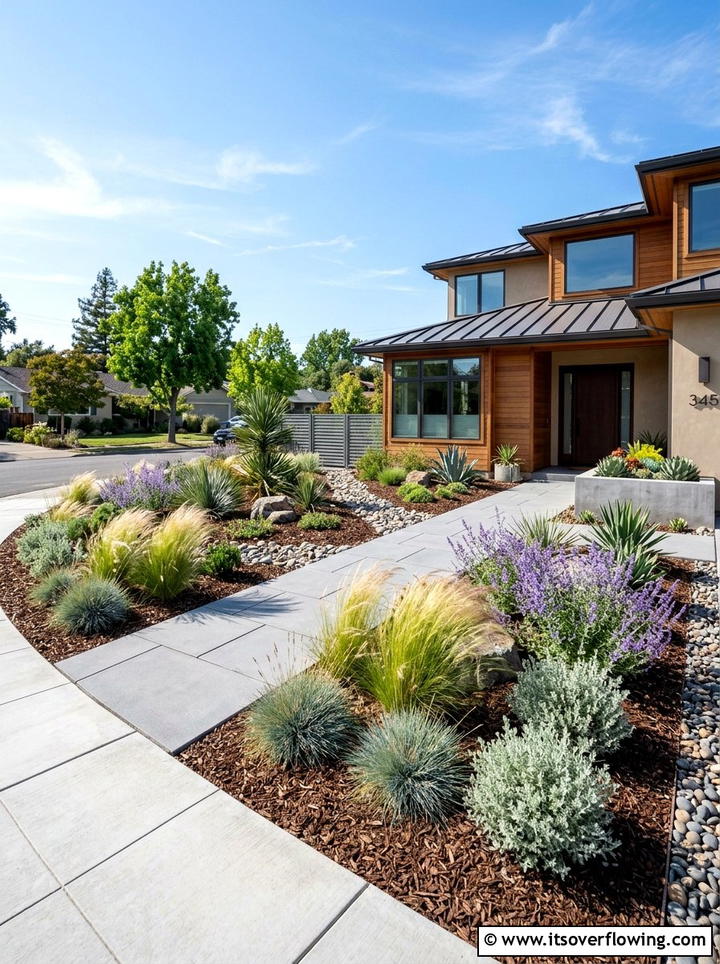
Replacing a thirsty lawn with native grasses and shrubs can dramatically lower your monthly water bill while boosting your home’s curb appeal. Many homeowners are turning to xeriscaping techniques that utilize deep-rooted native species capable of surviving long periods without rain. You can start small by converting a single section of your yard and slowly expanding the bed each season to spread out the costs. Use organic mulch around your new plantings to retain moisture and prevent weeds from competing for resources. Choosing plants with varying heights and textures ensures the space feels intentional and designed rather than overgrown. This transition not only saves money but also reduces the time you spend on weekend yard work and mowing.
5. Natural wood mulch path
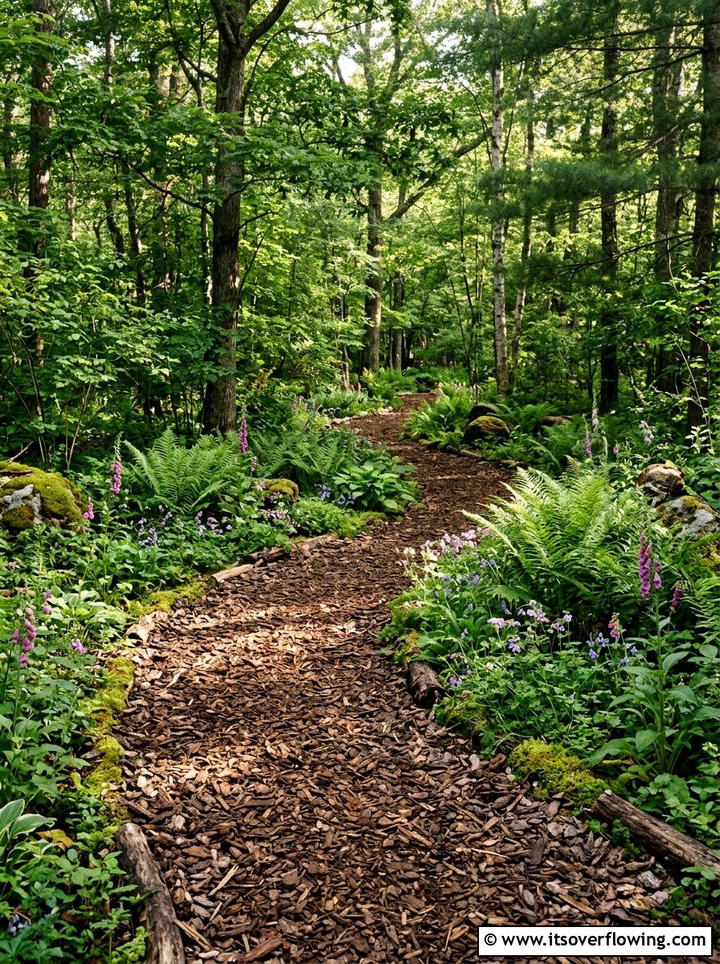
Building a functional walkway through your garden is surprisingly cheap when you use wood chips or bark mulch instead of expensive paving stones. You can often contact local arborists to get free wood chips delivered directly to your driveway, which recycled material is perfect for garden paths. Simply clear a trail, lay down some cardboard to suppress weeds, and spread a thick layer of mulch on top for a soft, organic feel. This type of path integrates perfectly with a native plant landscape, mimicking the floor of a natural forest or woodland area. As the mulch breaks down over time, it actually improves the quality of the soil underneath, feeding the surrounding plants. It is a practical and rustic design choice.
6. Native ground cover lawn
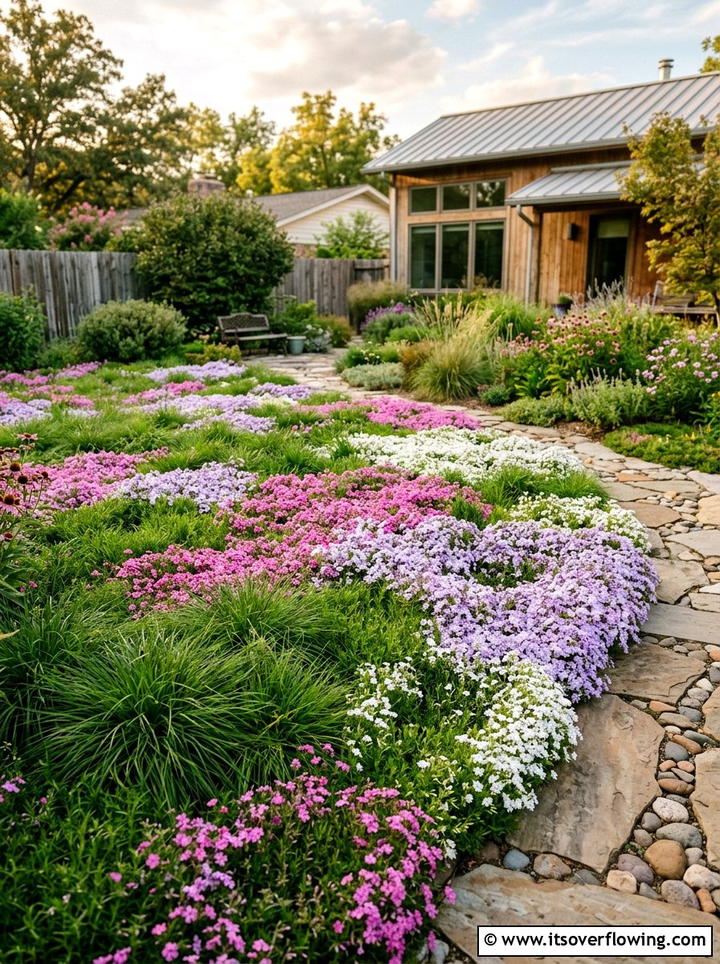
If you are tired of the constant maintenance required by traditional grass, consider switching to a native ground cover that stays low to the earth. Species like wild ginger, creeping phlox, or certain types of native sedges can create a lush, green carpet that never needs to be mown. These plants are often much tougher than standard lawn grass and can handle various light conditions, from full sun to deep shade. Buying these plants in small “plugs” is a budget-friendly way to cover large areas, as they will naturally spread and fill in gaps over a few seasons. A ground cover lawn provides a soft texture underfoot while drastically reducing the time and money spent on lawn care equipment and fuel.
7. Bird friendly shrub border
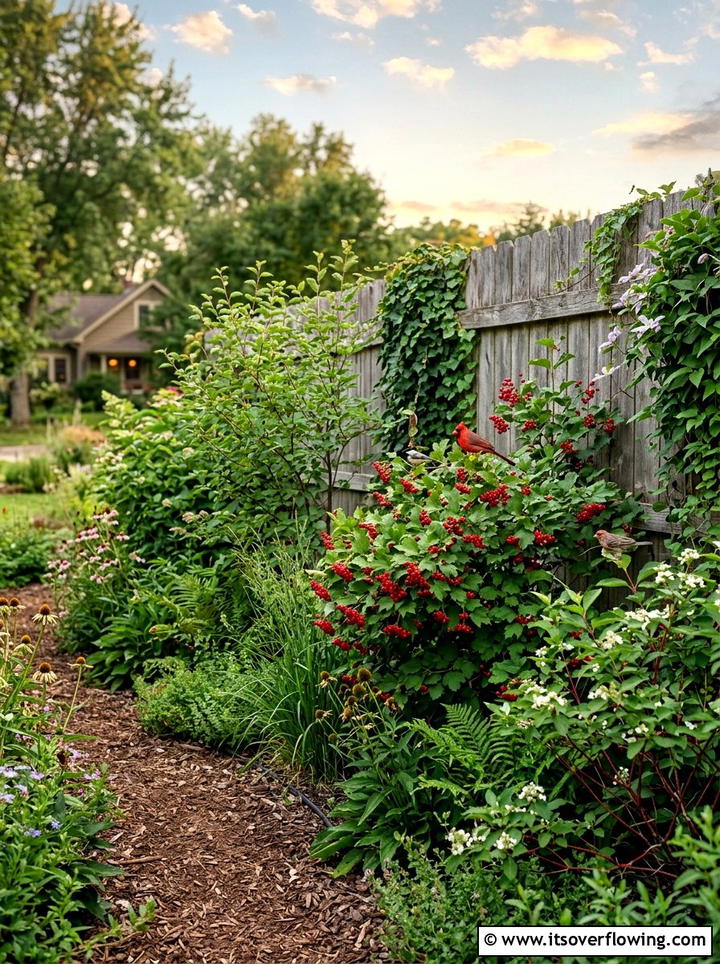
Watching birds flock to your yard is a joyful experience that you can encourage by planting a variety of native berry-producing shrubs. These plants provide natural food sources and safe nesting sites without the ongoing cost of buying commercial birdseed. Look for species like serviceberry, viburnum, or elderberry, which offer beautiful spring flowers followed by nutritious fruit in the late summer or fall. Planting a row of these shrubs along a fence line creates a soft, living screen that provides privacy from neighbors while benefiting the local environment. Because these shrubs are native, they are generally resistant to local pests and diseases, meaning you won’t need to spend money on chemical sprays. This functional border adds vertical interest and year-round activity.
8. Shade garden with ferns
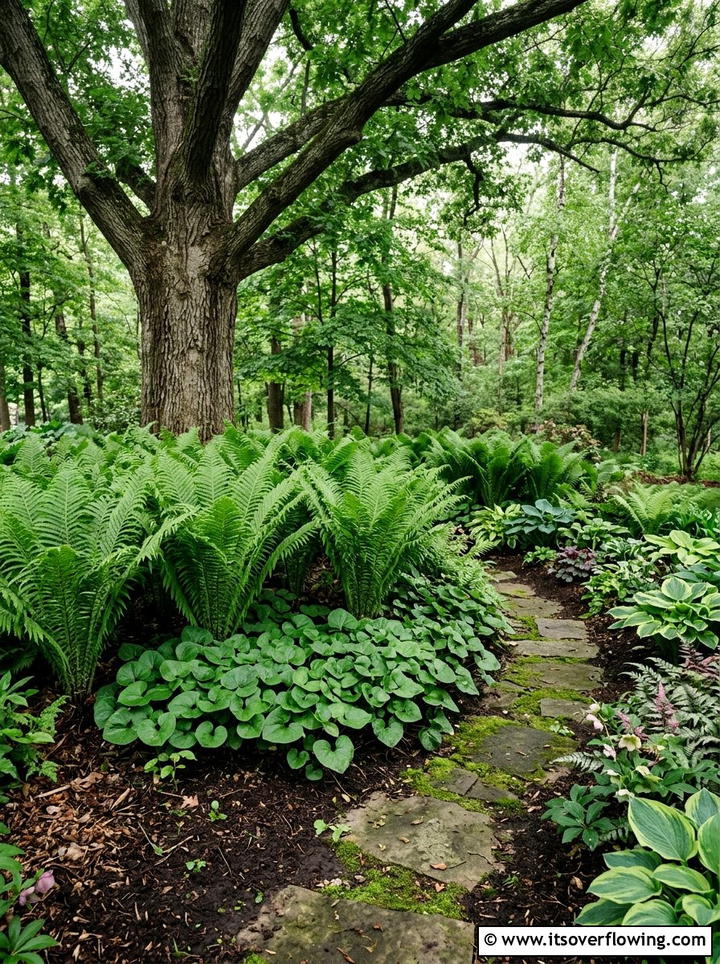
Do you have a dark corner under a large tree where nothing seems to grow? Native ferns and shade-loving woodland plants are the perfect solution for these challenging spots. Many ferns are incredibly resilient and will multiply on their own, allowing you to eventually divide them and move them to other parts of your yard for free. Combining different leaf shapes, such as the delicate fronds of maidenhair ferns with the bold leaves of hostas, creates a lush, cool atmosphere during hot summer months. These plants thrive in the leaf litter that naturally falls from trees, so you can save money by leaving the leaves in place as natural mulch. A shade garden transforms a neglected area into a peaceful, green retreat.
9. Rain garden for drainage
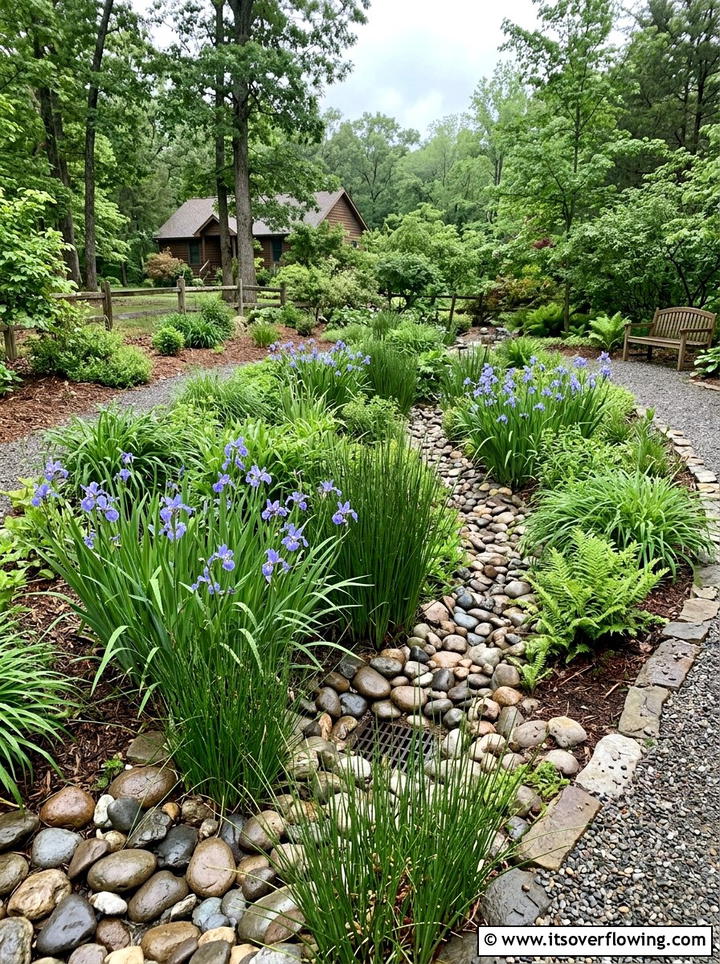
If your yard has a low spot where water tends to pool after a storm, a rain garden is a functional and beautiful way to manage runoff. By planting native species that can handle “wet feet, ” you create a natural filtration system that allows water to soak into the ground slowly. Plants like joe-pye weed, swamp milkweed, and various rushes are excellent choices because they are adapted to fluctuating moisture levels. This prevents soil erosion and keeps pollutants out of local waterways while adding a unique focal point to your landscape. Building a rain garden is very inexpensive since it primarily involves digging a shallow depression and selecting the right plants. It is a smart, eco-friendly solution for managing water naturally.
10. Potted native perennials
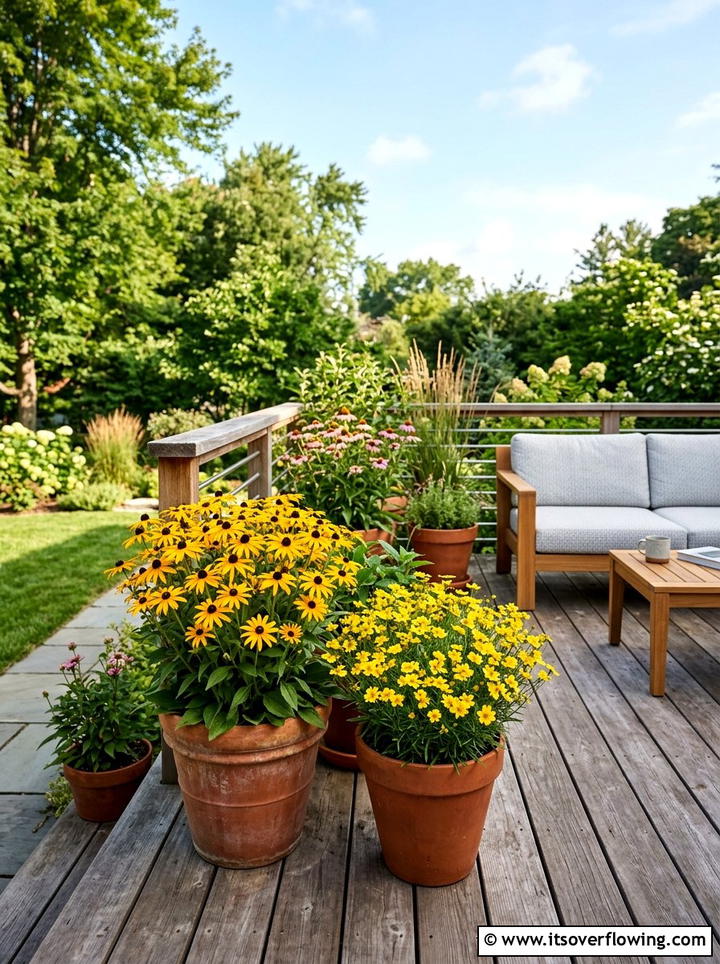
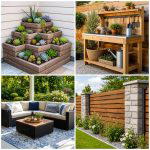
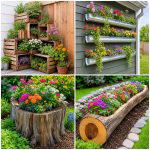
Gardening in containers is a fantastic way for renters or those with limited space to enjoy the beauty of native plants on a budget. You can often find inexpensive pots at thrift stores or use recycled containers to keep your initial investment low. Choose native perennials that have long blooming seasons or interesting foliage to ensure your containers look great throughout the year. Because these plants are perennials, they will come back every spring, saving you the annual cost of buying new flowers for your pots. During the winter, most native perennials are hardy enough to stay outside in their containers if they are properly protected. Potted plants allow you to move your garden around to catch the best sunlight or decorate different areas.
11. Wildlife hedge for privacy
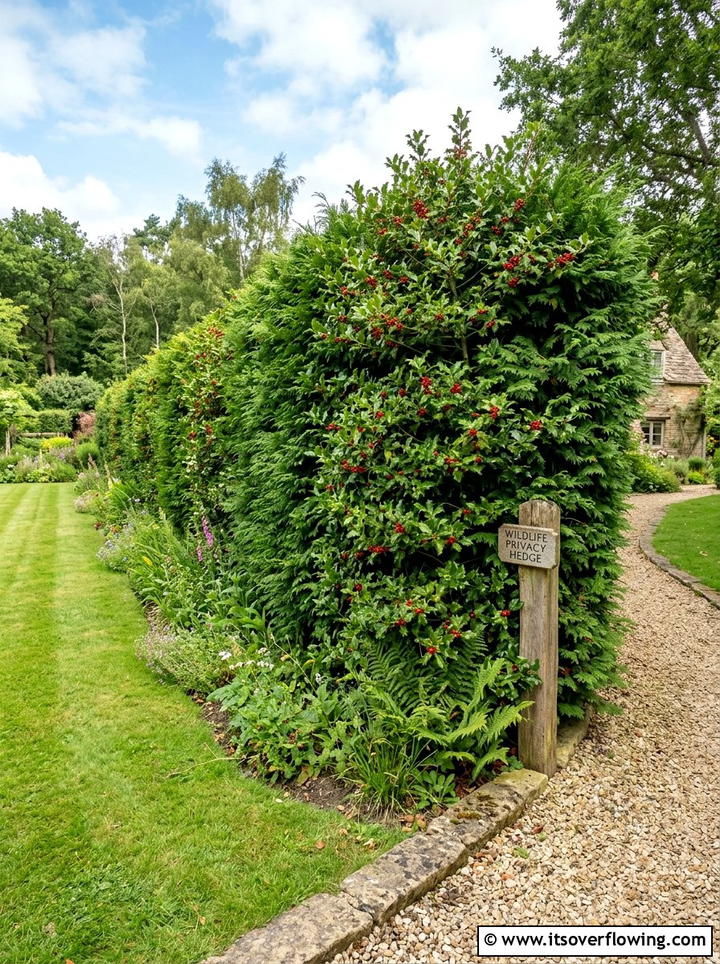
Using native evergreens or dense shrubs to create a privacy screen is often much cheaper and more attractive than installing a wooden or chain-link fence. Species like cedar, wax myrtle, or holly provide a thick wall of green that stays vibrant all year while offering shelter for small animals. A living fence grows over time, increasing your privacy without the need for painting, staining, or expensive repairs associated with traditional fencing. You can purchase smaller, younger plants to save money upfront and simply wait a few seasons for them to reach their full height. This type of border also acts as a windbreak, which can help protect more delicate plants in the center of your garden. It is a beautiful, functional way to define your property.
12. Pollinator garden with milkweed
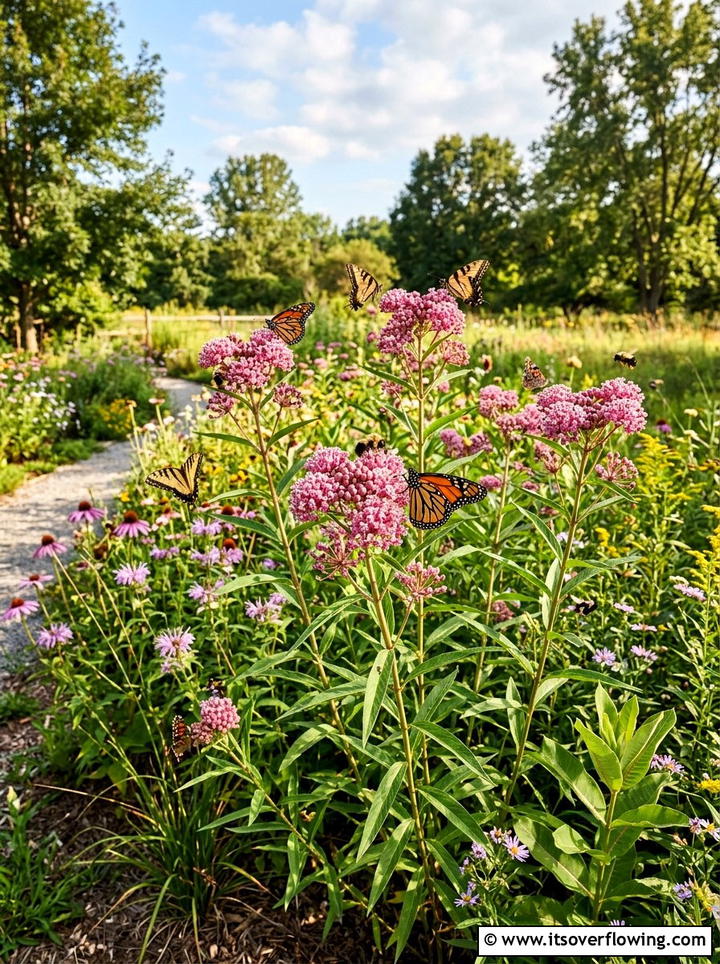
Supporting the local ecosystem is easy when you dedicate a small patch of your yard to essential pollinator plants like milkweed. Milkweed is the only food source for monarch butterfly larvae, making it a critical component of any native garden in North America. These plants are very easy to grow from seed and often self-sow, meaning you will have new plants popping up every year for free. Pair them with other inexpensive native flowers like coneflowers or black-eyed Susans to provide nectar for adult butterflies and bees. This type of garden is relatively low-maintenance because these plants are used to competing in the wild. Watching the lifecycle of butterflies from caterpillar to chrysalis provides endless entertainment and educational value for families.
13. Prairie grass backyard
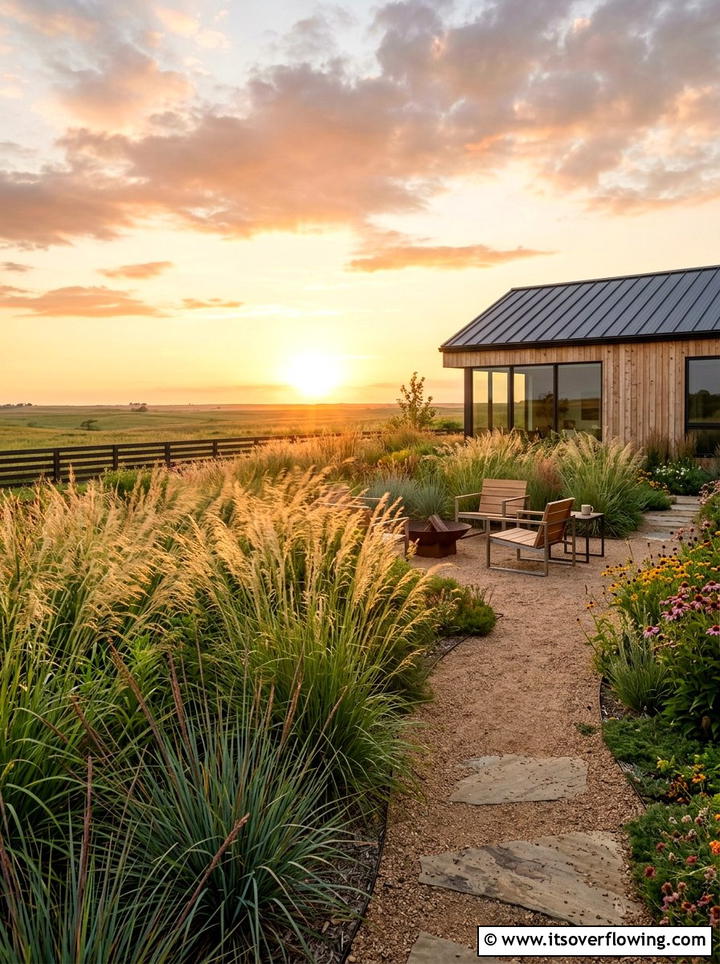
For a modern and textured look, consider incorporating native prairie grasses into your landscape design. Grasses like little bluestem, switchgrass, or blue grama offer beautiful movement in the wind and change colors with the seasons, often turning golden or reddish in the autumn. These plants are exceptionally drought-tolerant and have deep root systems that help stabilize the soil and prevent erosion. You can plant them in large drifts for a dramatic effect or use them as backdrop plants for shorter flowering perennials. Since they require no fertilization and only a single haircut in late winter, they are incredibly cost-effective to maintain. Prairie grasses add a sense of wild, natural beauty that feels connected to the history of the local landscape.
14. Vertical garden with climbers
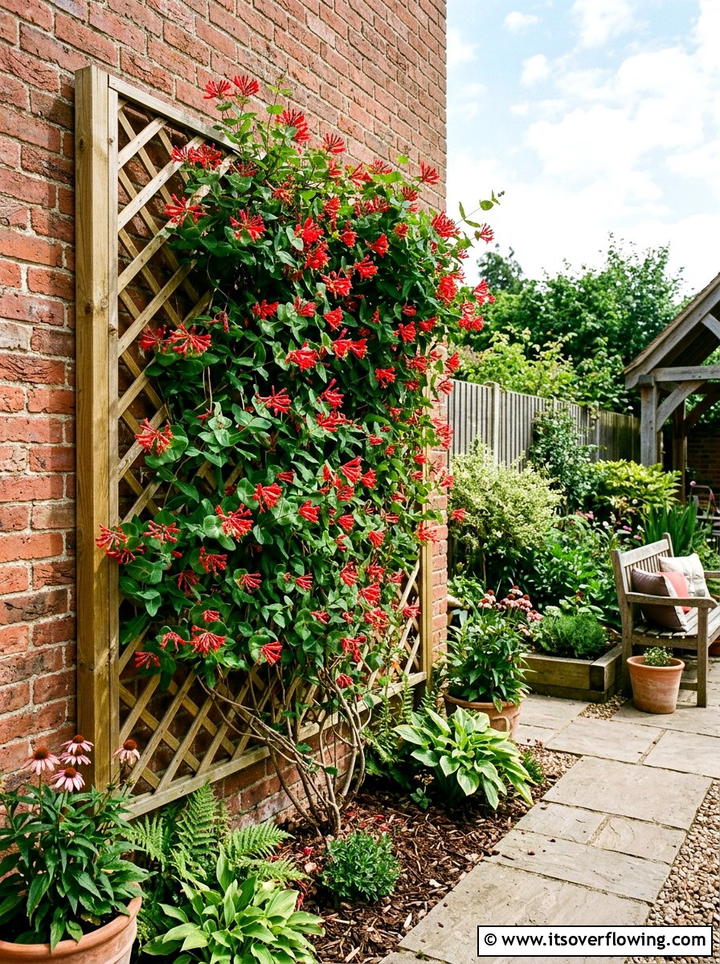
If you are short on horizontal space, look to your walls and fences as potential planting areas for native climbing vines. Plants like trumpet honeysuckle, Virginia creeper, or native clematis can be grown on simple, inexpensive trellises made from wooden stakes or wire mesh. These vines provide vertical interest and can even help cool your home by shading sunny walls during the summer. Many native climbers produce stunning flowers that attract hummingbirds and bees, adding another layer of life to your garden. Because they grow upward, they leave the ground clear for other plants or seating areas. Using native vines ensures they won’t become invasive or damage your local environment like some non-native climbing species might.
15. Edible native plant garden
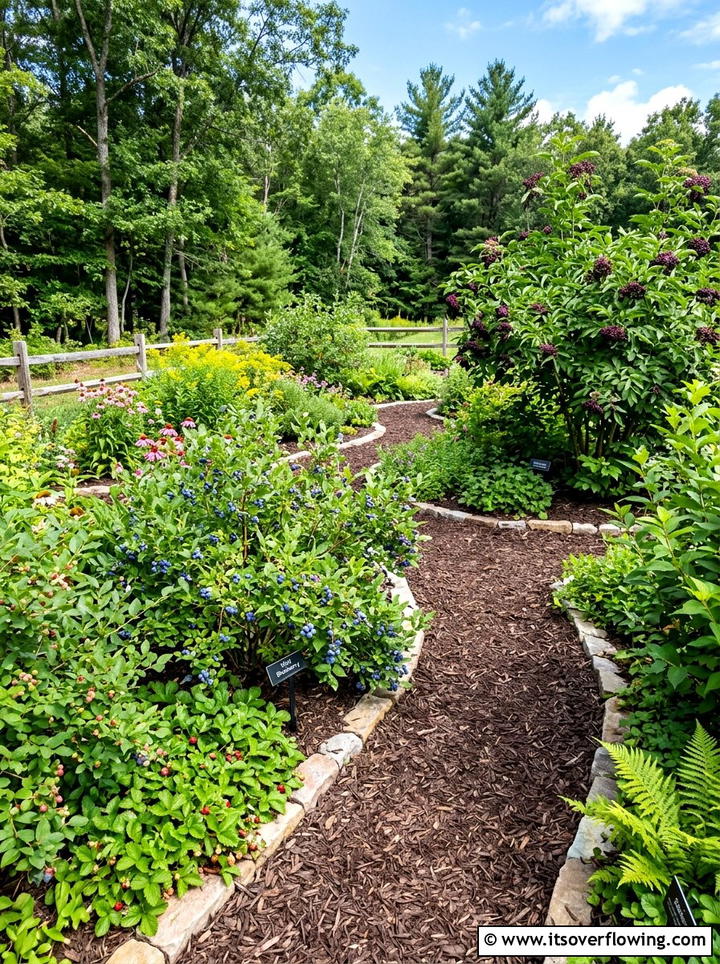
Why not grow a garden that is both beautiful and provides a harvest of local flavors? Many native plants produce edible berries, nuts, or greens that have been used for generations but are rarely found in grocery stores. Consider planting wild blueberries, currants, or even native nut trees like hazelnuts if you have the space. These plants are often much more resilient than traditional garden vegetables and don’t require the same intense level of care or expensive soil amendments. Foraging from your own backyard is a fun way to connect with nature and save money on your grocery bill. Just be sure to properly identify each species before consuming anything. An edible native landscape is a productive and sustainable choice.
16. Woodland edge landscape
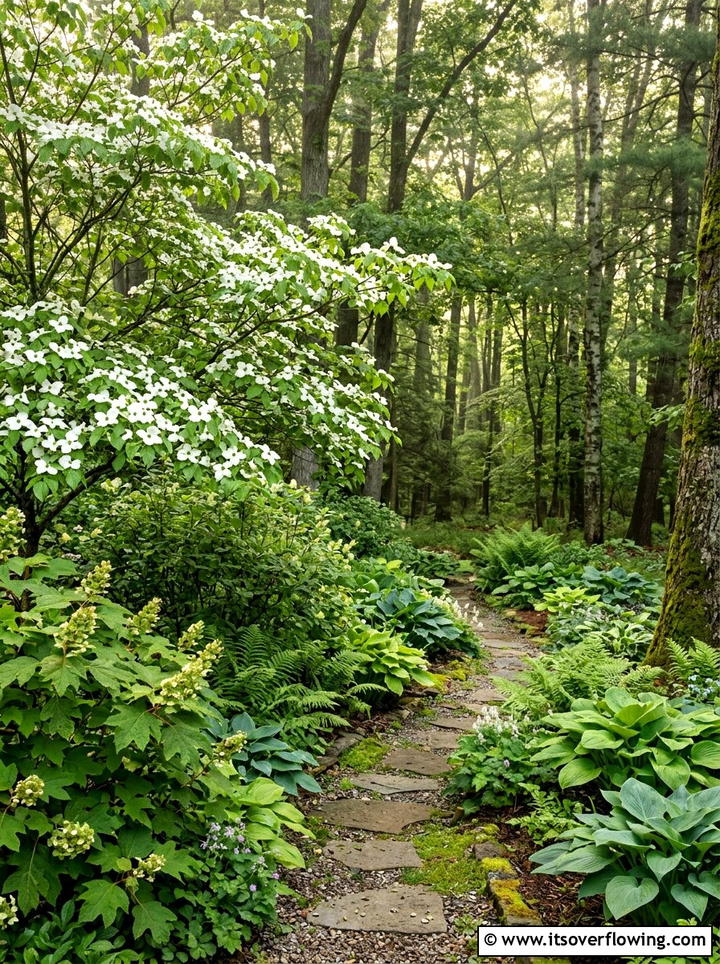
Mimicking the natural transition between a forest and a field creates a diverse and visually interesting garden style. This layout typically includes a mix of small understory trees, mid-sized shrubs, and low-growing perennials arranged in layers. By following this natural pattern, you create different niches for various types of wildlife to thrive. Use inexpensive native trees like dogwoods or redbuds as the “anchor” for your design and fill in the spaces beneath them with woodland wildflowers. This style is particularly effective for larger properties where you want to create a sense of depth and mystery. The layered planting approach also helps suppress weeds naturally by filling every available space with desirable plants. It is a timeless and elegant landscaping strategy.
17. Dry creek bed with plants
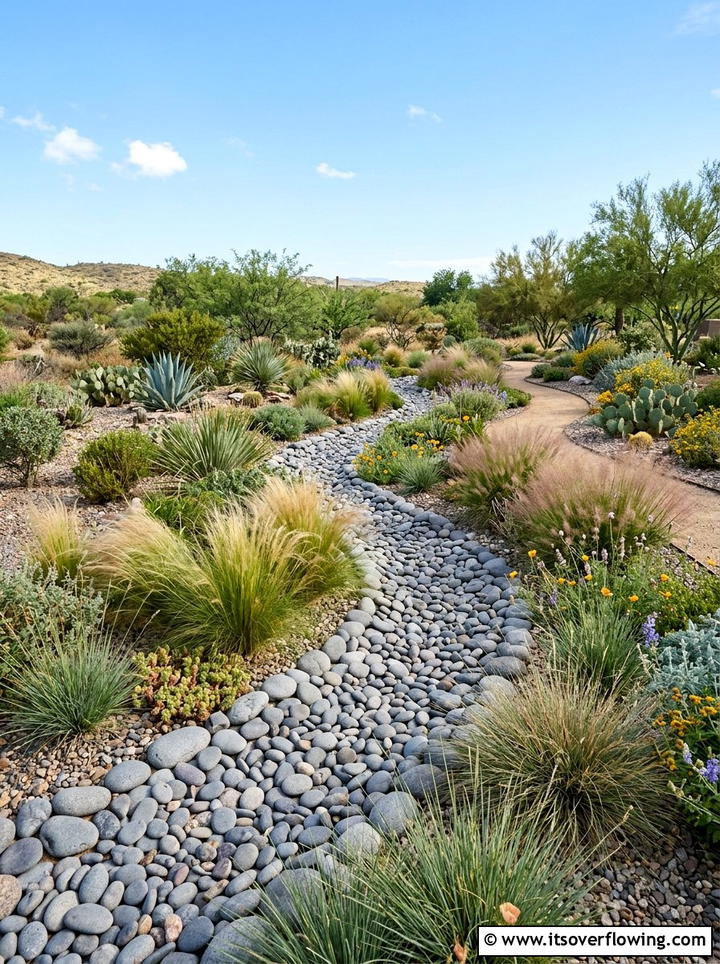
A dry creek bed is a clever landscaping feature that solves drainage issues while looking like a natural part of the environment. By lining a shallow trench with local river rocks and gravel, you can direct excess rainwater away from your home’s foundation. Plant native grasses and moisture-loving perennials along the edges to soften the look of the stones and help absorb the water. This feature provides visual interest even when it is dry, resembling a seasonal stream found in nature. It is a very affordable DIY project that can be completed in a weekend with basic tools and locally sourced materials. A dry creek bed adds a rugged, organic element to your garden while serving a very important practical purpose.
18. Native ornamental grass lawn
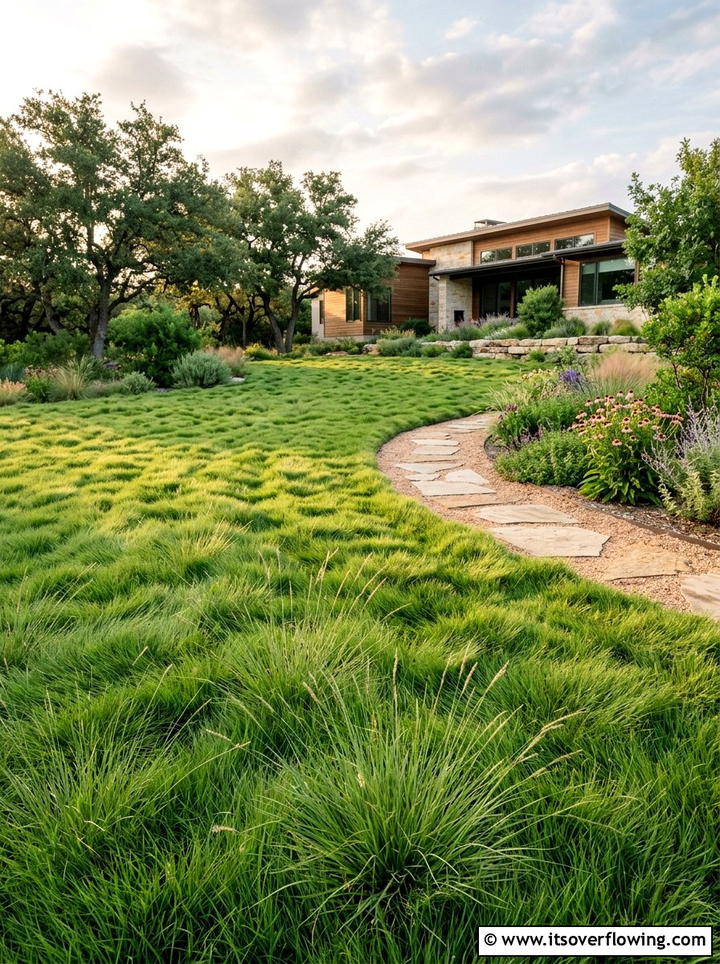
If you want the look of a traditional lawn but none of the work, a meadow-style lawn using short native grasses is a great alternative. Species like buffalo grass are incredibly tough and can be left unmown for a soft, wavy appearance or mowed occasionally for a more manicured look. This type of lawn requires significantly less water than standard Kentucky bluegrass and rarely needs any supplemental fertilizer. Because it is a native species, it is naturally resistant to many common lawn pests. While the initial cost of seed or plugs might be slightly higher, the long-term savings on water, chemicals, and labor make it a very smart financial choice. It provides a peaceful, naturalistic aesthetic that fits perfectly with a modern home.
19. Stone border garden bed
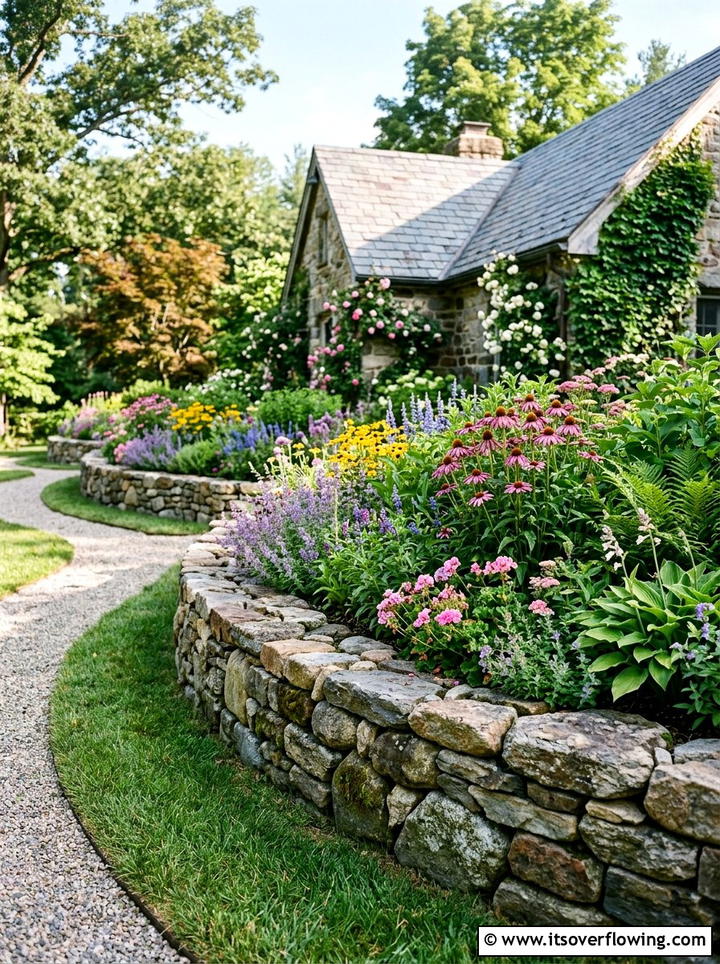
Defining your garden beds with a simple border of natural stones instantly makes your landscape look more organized and intentional. You can often find suitable stones for free by scouring your property or asking neighbors who might be clearing land. Simply digging a shallow trench and nestling the stones into the earth creates a clean edge that prevents grass from creeping into your flower beds. This technique is much cheaper than buying plastic or metal edging from a big-box store and looks far more natural. Within these borders, you can group your favorite native plants by height to create a classic tiered look. A stone border is a permanent, zero-cost solution that adds structure and charm to any garden design.
20. Minimalist native plant layout
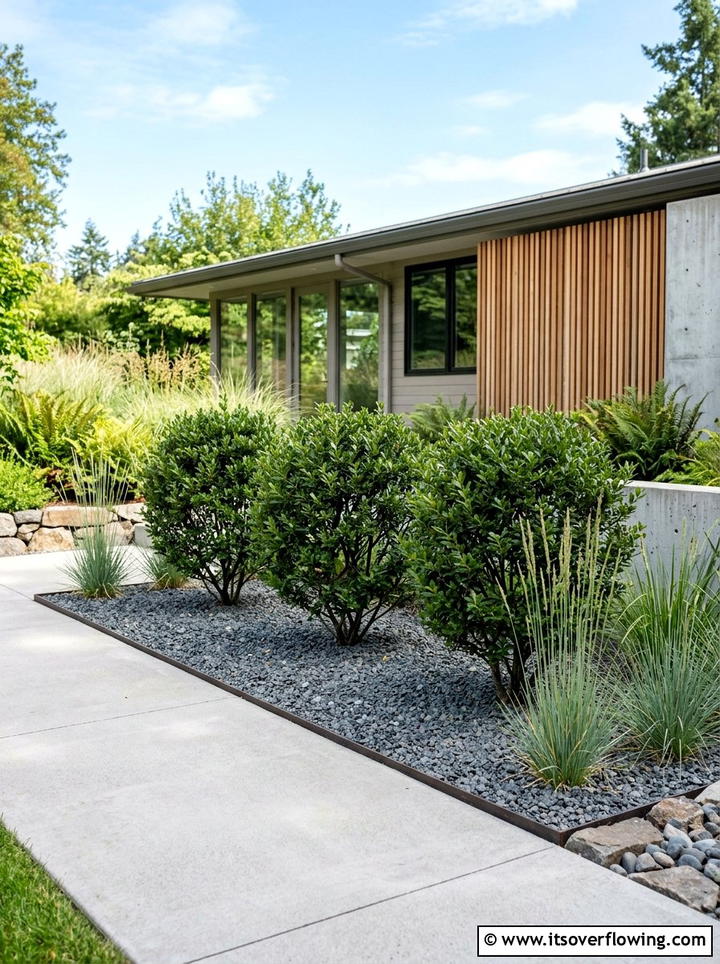
Sometimes less is more, especially when you are working with a limited budget. A minimalist garden design focuses on a few high-impact native plants arranged in a clean, repetitive pattern. For example, planting a single row of native grasses along a walkway or a cluster of three identical shrubs in a corner creates a modern and sophisticated look. This approach allows you to spend your budget on larger, more established plants rather than buying dozens of smaller ones. Use a consistent mulch color and simple lines to emphasize the architectural shape of the plants you have chosen. Minimalist gardening is easy to maintain and ensures that each individual plant gets the attention it deserves. It is a budget-friendly way to achieve a high-end look.
21. Cottage garden with local flowers
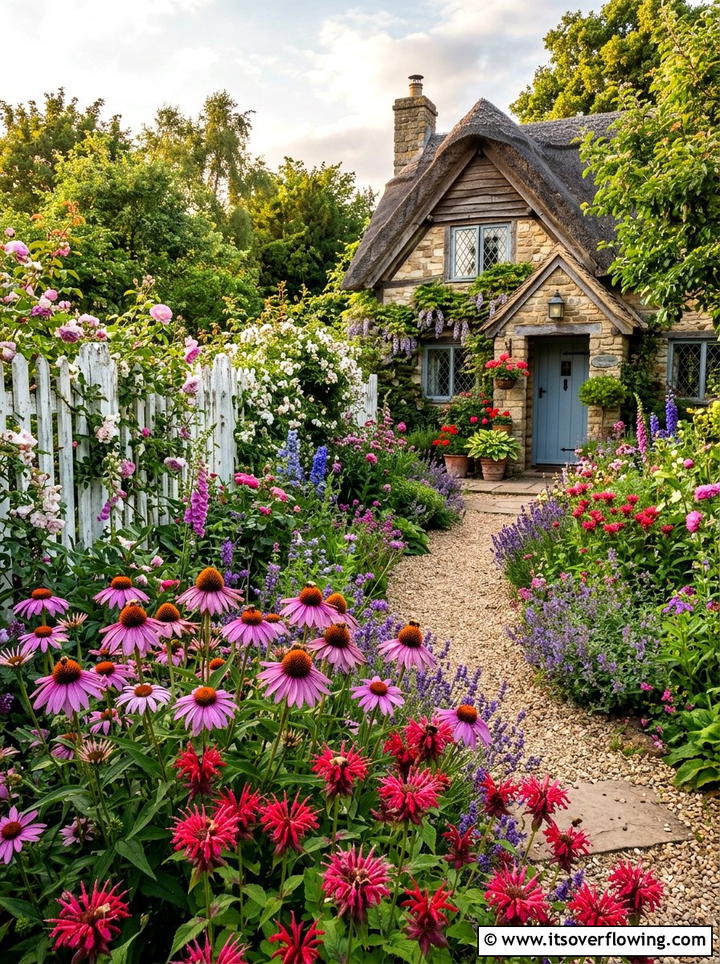
A native cottage garden is all about abundance, color, and a relaxed, informal feel. You can achieve this look by densely planting a variety of native wildflowers, allow them to spill over paths and intermingle with one another. This style of gardening actually benefits from “self-seeding, ” where plants drop their seeds and grow new babies the following year, giving you free plants forever. Focus on choosing plants with different bloom times to ensure there is always something in flower from spring through fall. Traditional favorites like black-eyed Susans, bee balm, and purple coneflowers are perfect for this aesthetic. A cottage garden is incredibly forgiving of mistakes and celebrates the wild, exuberant nature of local flora.
22. Coastal native garden
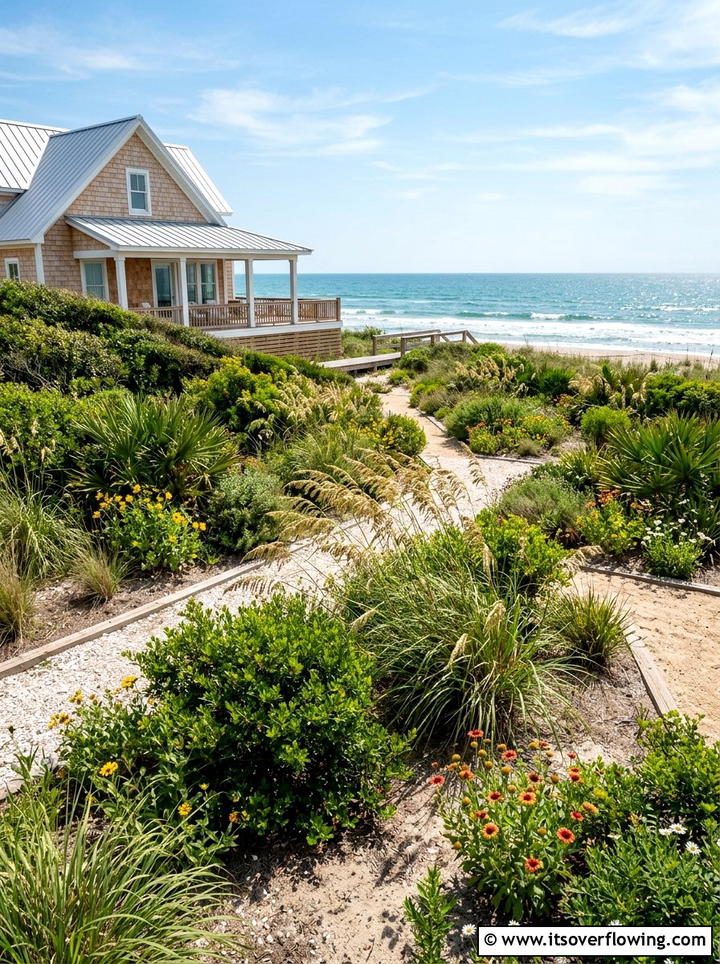
If you live near the ocean, choosing native plants is essential because they are specifically adapted to handle salt spray, sandy soil, and high winds. Many coastal plants have fascinating textures, like the thick, waxy leaves of sea grape or the flexible stems of beach grasses. These plants are built to survive where others would quickly perish, saving you the cost of replacing dead plants every year. Use local sand and crushed shells as a natural mulch to complement the seaside theme and keep the soil cool. Coastal gardens often have a very relaxed, breezy vibe that perfectly matches the environment. By working with the natural conditions of your site, you can create a beautiful landscape that thrives despite the salt and wind.
23. Xeriscaping with native cactus
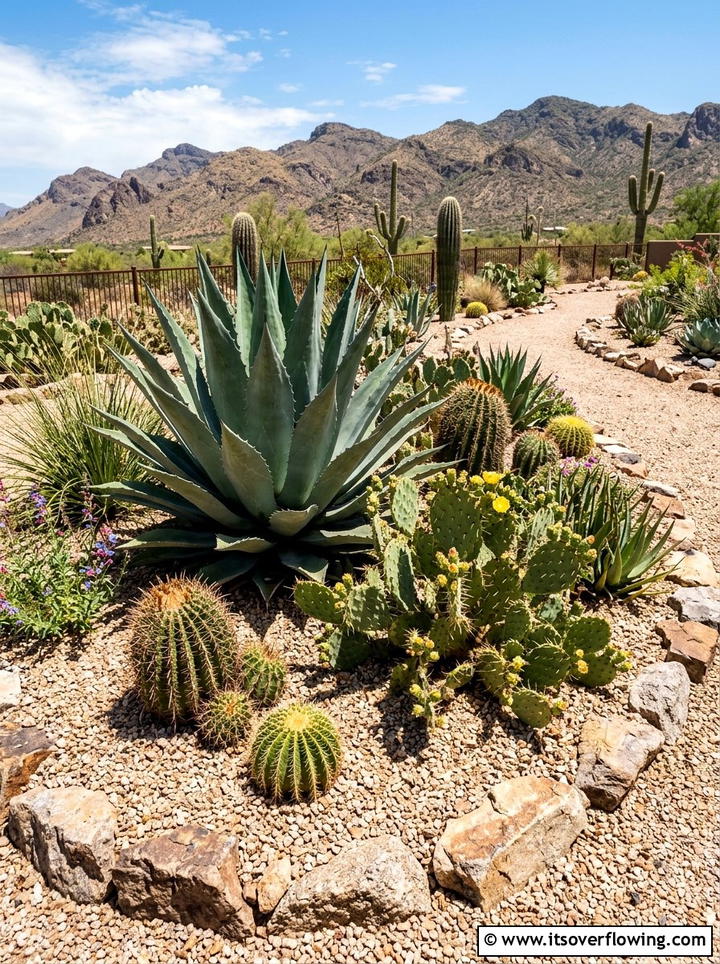
In arid regions, native cacti and succulents offer a sculptural and extremely low-maintenance gardening option. These plants have evolved to store water in their fleshy stems or leaves, meaning they can go for months without any rain or irrigation. When grouped together with local desert spoons or agaves, they create a striking, high-contrast landscape that requires almost no attention once planted. You can often find “pups” or offsets from existing plants that can be easily transplanted for free. Using gravel or decomposed granite as a ground cover instead of mulch helps keep the area tidy and prevents rot. A cactus garden is a bold, modern choice that celebrates the unique beauty of dry-climate ecosystems while keeping water usage to a minimum.
24. Steep slope native planting
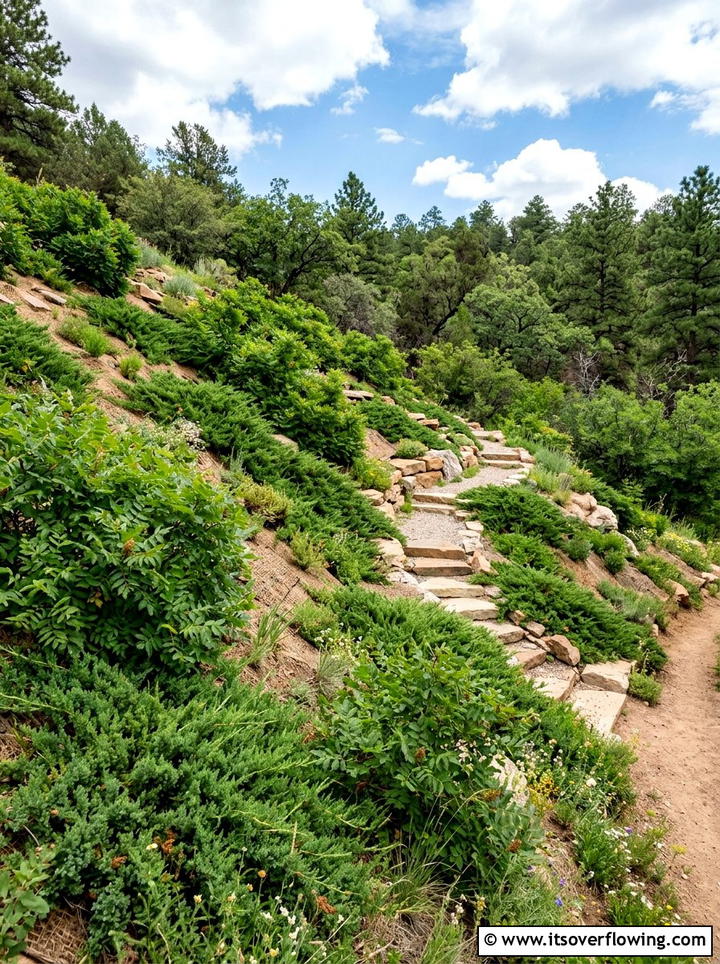
Landscaping a steep hill can be a nightmare, but native plants with deep, fibrous root systems are the perfect solution for erosion control. Instead of building expensive retaining walls, you can plant a mix of native shrubs and ground covers that will knit the soil together over time. Plants like creeping juniper or native sumac are excellent for stabilizing slopes because they spread quickly and don’t mind poor soil conditions. Once these plants are established, they eliminate the need for dangerous mowing on an incline. To keep costs low, use a “staggered” planting pattern and cover the bare soil with a heavy mulch to prevent washouts while the plants are small. It is a practical, nature-based engineering solution for difficult terrain.
25. Formal native plant hedge
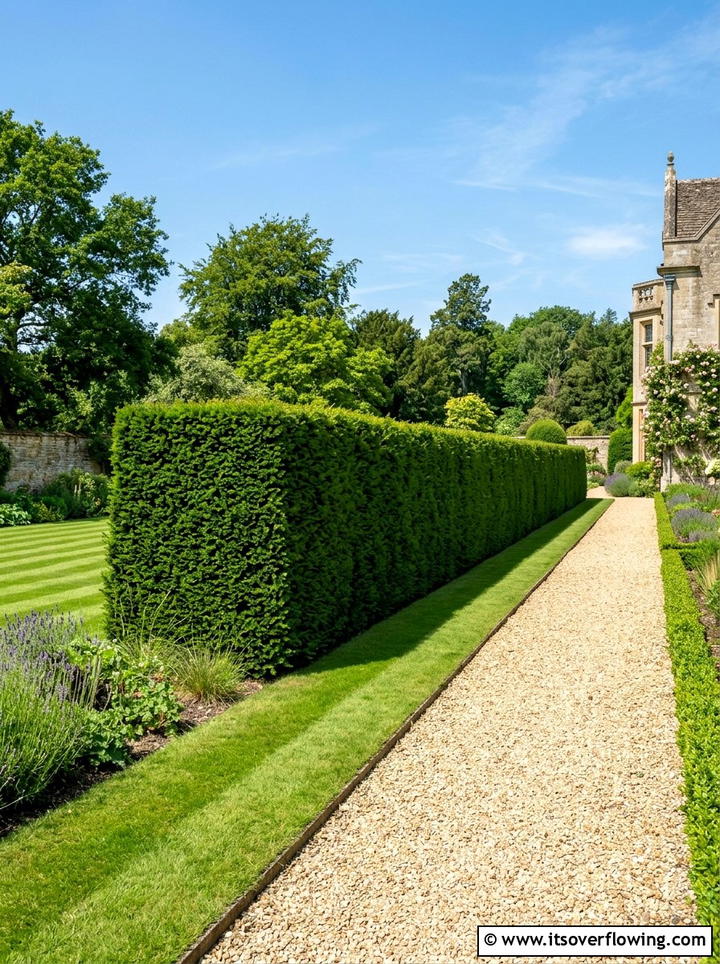
Many people assume that native plants only work in “wild” looking gardens, but many species can be pruned into very formal shapes. Native evergreens like boxwood alternatives or certain hollies can be clipped into neat, geometric hedges to define outdoor rooms or line a driveway. This gives you the sophisticated look of a classic European garden while still providing the ecological benefits of using local species. Formal hedges provide a great backdrop for more colorful or unruly plants, adding a sense of order to your landscape. Since these plants are native, they are generally hardier and faster-growing than their imported counterparts. A well-maintained hedge adds significant value to your property and creates a permanent structure that looks good even in the middle of winter.
Conclusion:
Embracing native plants in your garden is one of the most effective ways to create a stunning, sustainable landscape on a limited budget. These resilient species are uniquely qualified to flourish in your local environment, requiring far less intervention than traditional ornamental plants. By implementing these cheap garden ideas, from wildflower meadows to drought-tolerant borders, you can enjoy a professional-looking yard without the high price tag. Gardening with nature rather than against it reduces your environmental footprint while providing a vital sanctuary for local birds and pollinators. As your native garden matures, it will only become more beautiful and self-sufficient, offering years of enjoyment and pride. Start small this season and watch how quickly your outdoor space transforms into a thriving, low-cost paradise that truly feels like home.

Related posts:
 25 Cheap Garden Ideas With Drought Tolerant Plants to Try
 25 Cheap Garden Ideas With Low Maintenance Plants That Thrive
 25 Cheap Garden Ideas To Refresh Your Outdoor Space Fast
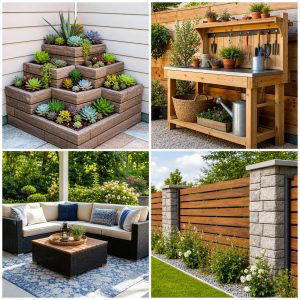 25 Cheap Garden Ideas With Cinder Blocks: Clever DIY Style
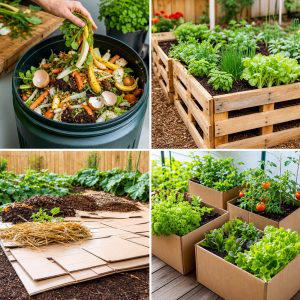 25 Cheap Garden Ideas With Composting for Greener Outdoor Spaces
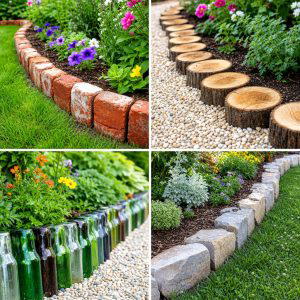 25 Cheap Garden Ideas With Edging for Instant Curb Appeal
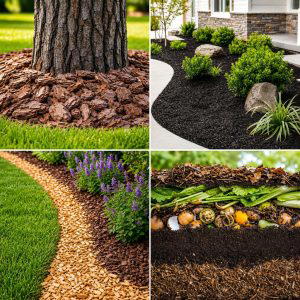 25 Cheap Garden Ideas With Mulch for a Polished Yard
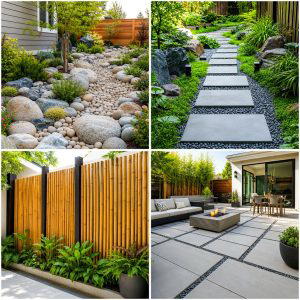 25 Cheap Garden Ideas With No Grass Landscaping on a Budget
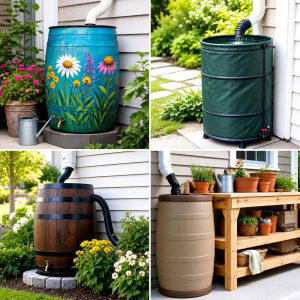 25 Cheap Garden Ideas With Rain Barrels: Save Water in Style
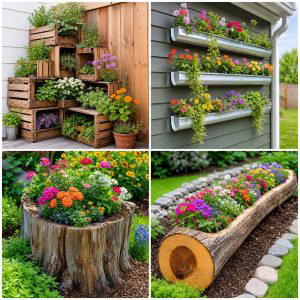 25 Cheap Garden Ideas With Simple Planters: Easy Budget Style
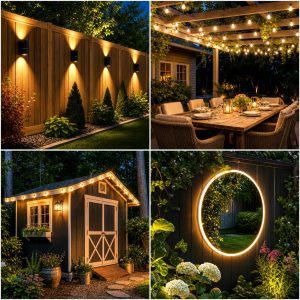 25 Cheap Garden Ideas With String Lights: Magical Glow Tips
 25 Cheap Garden Ideas With Cuttings to Grow More for Less