
Creating a stunning outdoor space doesn’t require a massive budget or expensive professional landscaping services. You can achieve a lush, productive garden by simply utilizing the power of natural decomposition and recycled materials found around your home. Composting is the secret weapon for any budget-conscious gardener looking to improve soil health and plant vitality. It turns common household waste into nutrient-dense gold that fuels growth without the need for chemical fertilizers. By combining clever recycling techniques with organic soil building, you can transform even the smallest patch of land into a thriving oasis. This approach is sustainable, environmentally friendly, and incredibly rewarding for anyone who enjoys working with nature and saving money simultaneously.
1. Kitchen Scrap Compost
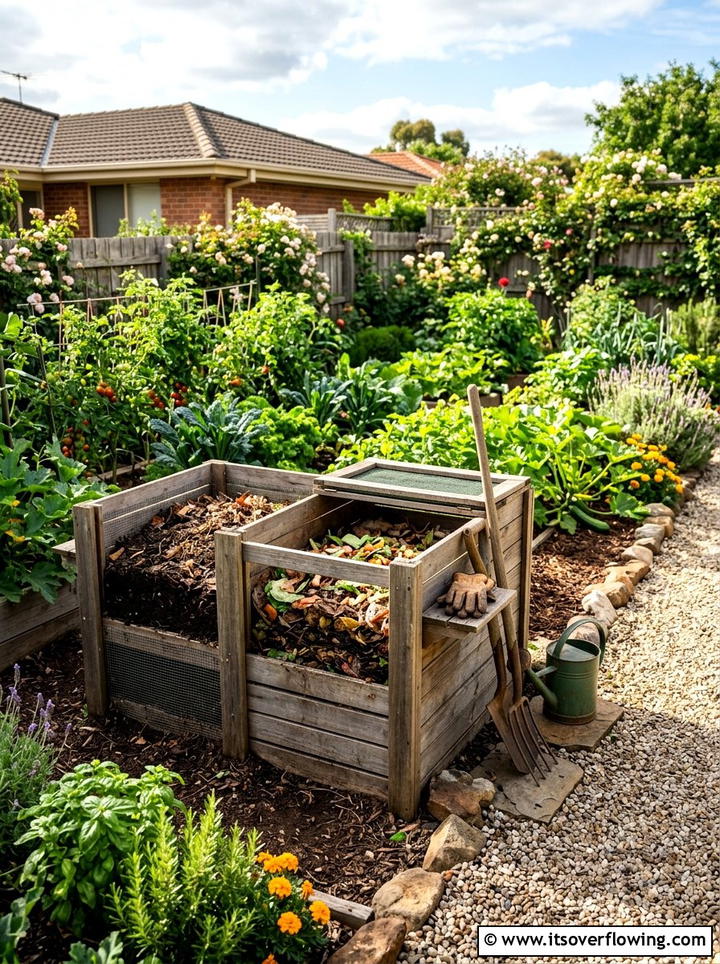
Have you ever wondered how your daily food waste could transform your entire backyard into a lush paradise? Collecting vegetable peels, fruit scraps, and eggshells provides a constant supply of nitrogen-rich material for your garden beds. This process reduces your household waste significantly while building incredibly rich soil for free. You simply need a designated spot or a bin to start the decomposition process. Over time, these kitchen remnants break down into dark, earthy compost that plants absolutely love. It is the most cost-effective way to improve your soil structure without spending a dime at the store. Regular additions keep the microbes active and healthy throughout the growing season.
2. Wood Pallet Raised Bed
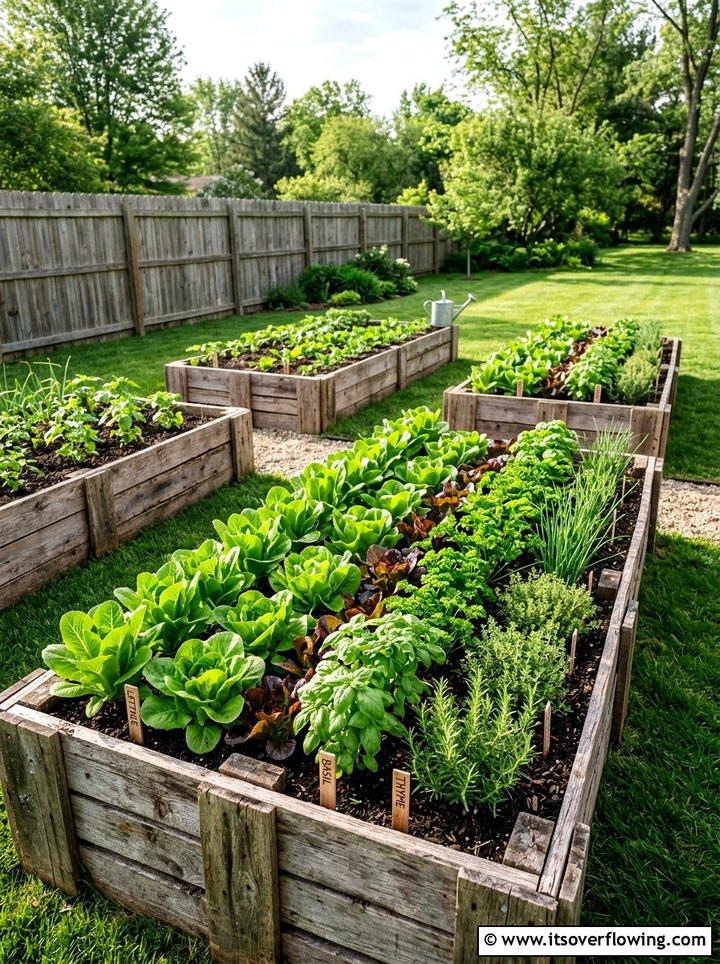
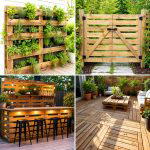
Finding free wooden pallets is one of the best ways to build a functional garden on a very tight budget. These versatile structures can be easily disassembled and rebuilt into sturdy raised beds that keep your growing area organized. By lining the bottom with cardboard and filling them with homemade compost, you create a perfect environment for vegetables. This method provides excellent drainage and prevents soil compaction from foot traffic. You can often find these pallets at local businesses for free, making the construction costs almost zero. It is a fantastic way to recycle industrial waste while adding a rustic, farmhouse aesthetic to your backyard landscape this year.
3. Sheet Mulching Garden
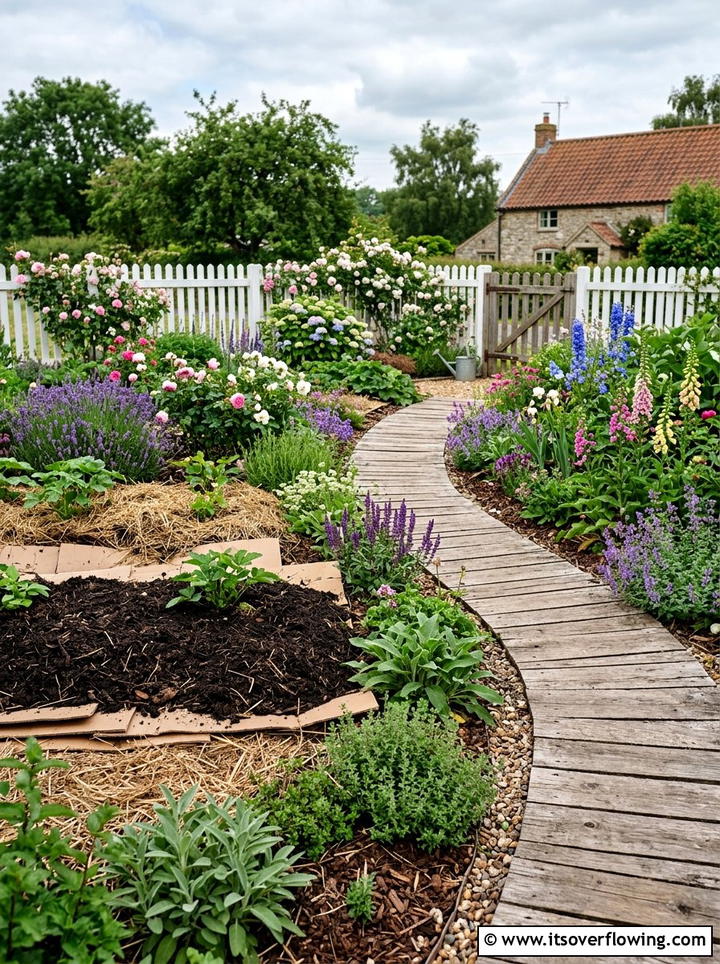
Are you tired of spending hours pulling weeds or tilling the heavy earth before you can even start planting? Sheet mulching, also known as lasagna gardening, is a no-dig method that builds soil depth using layers of organic matter. You start by laying down thick cardboard to smother existing grass and weeds. Next, you add layers of green and brown compostable materials like grass clippings and dried leaves. This slow-release nutrient system mimics the natural forest floor and results in incredibly friable soil over several months. It is an effortless way to expand your garden footprint without the physical labor of traditional digging or expensive machinery.
4. Worm Farm Bin
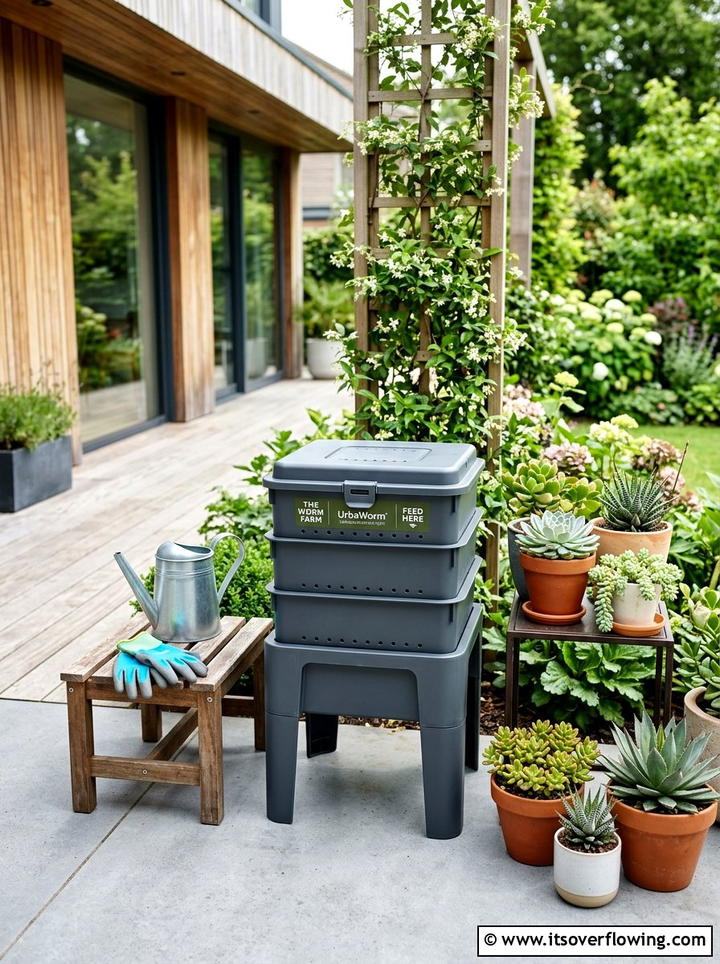
Bringing thousands of tiny workers into your garden strategy can accelerate the composting process through a method called vermicomposting. A simple plastic bin with air holes can house a colony of red wiggler worms that eat your food scraps. These amazing creatures turn waste into high-quality worm castings, which are considered the ultimate fertilizer for sensitive plants. The liquid byproduct, often called worm tea, can be diluted and used as a potent foliar spray. This compact system is perfect for small yards or even balconies where space is limited. It provides a constant supply of concentrated nutrients that help your flowers and vegetables truly thrive.
5. Leaf Mold Pile
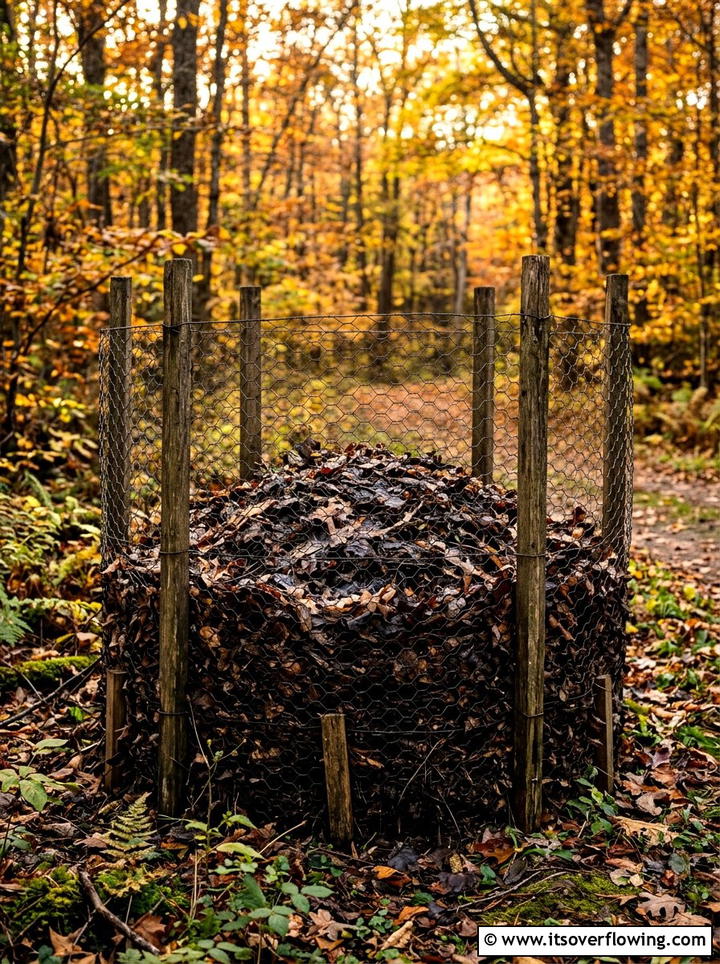
Walking through the woods in autumn reveals the incredible power of decomposing leaves to create soft, rich ground. You can replicate this process in your own backyard by simply raking up fallen leaves and corralling them in a wire cage. Over a year or two, fungi break down the tough fibers into a dark, crumbly substance known as leaf mold. This material is unparalleled for its ability to hold moisture in sandy soils or loosen heavy clay. It costs nothing but a little time and patience to produce. Using leaf mold as a soil conditioner ensures your garden remains hydrated during the hot summer months.
6. Cardboard Box Garden
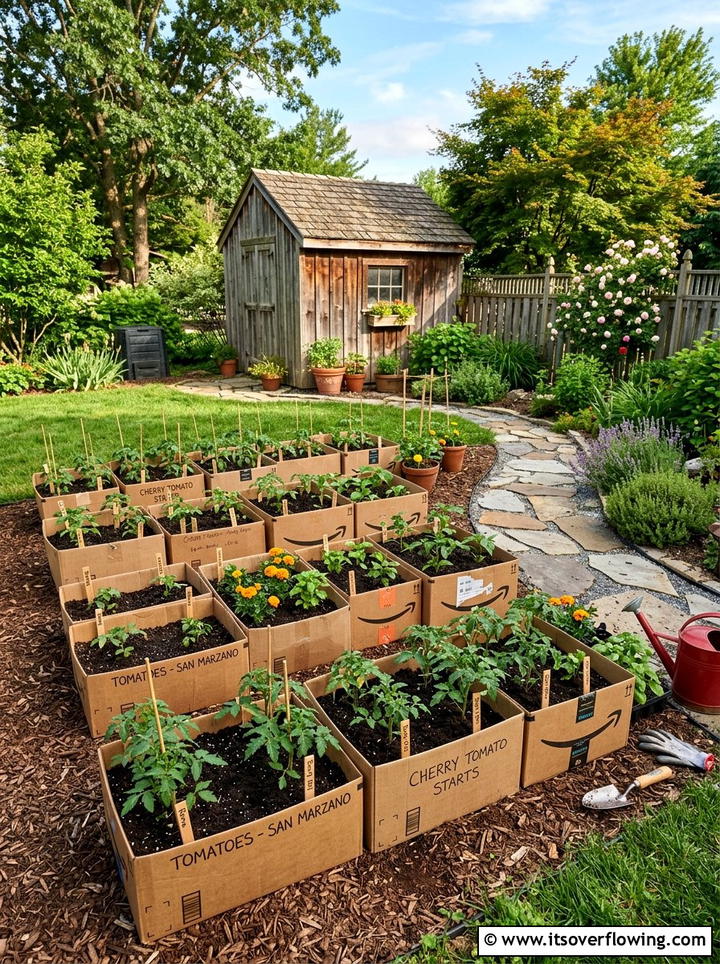
Using old shipping boxes as a base for new planting areas is a brilliant way to recycle and grow simultaneously. Instead of throwing cardboard into the recycling bin, you can use it to kill off weeds in a new garden patch. By placing the cardboard directly on the grass and topping it with a few inches of compost, you create an instant bed. The cardboard eventually rots away, allowing plant roots to penetrate deep into the ground while adding carbon to the soil. This technique is particularly helpful for creating curved garden paths or irregular planting shapes. It is a completely free resource that simplifies garden maintenance.
7. Grass Clipping Mulch
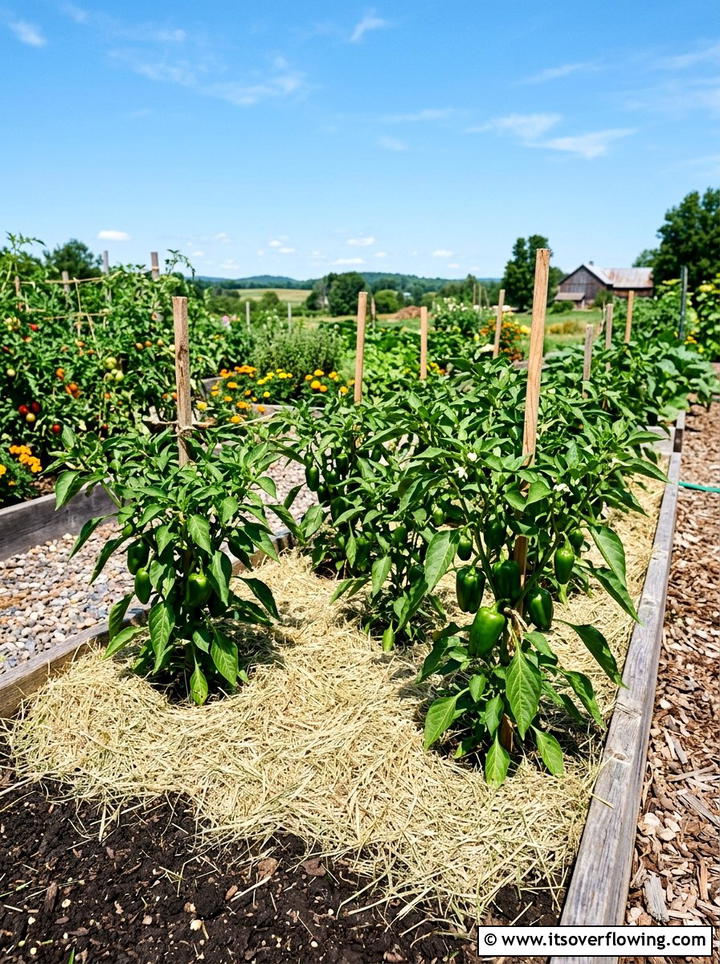
Do you find yourself with bags of grass clippings after every mow that just end up in the trash? These green trimmings are actually a valuable source of nitrogen that can benefit your vegetable plants significantly. When spread thinly around the base of your plants, grass clippings act as a natural mulch that suppresses weeds and retains moisture. As they decompose, they release essential nutrients back into the dirt, feeding your garden for free. Just ensure the grass hasn’t been treated with chemical herbicides before using it. This simple practice keeps your garden looking tidy while providing a steady stream of organic fertilizer.
8. Used Coffee Grounds Fertilizer
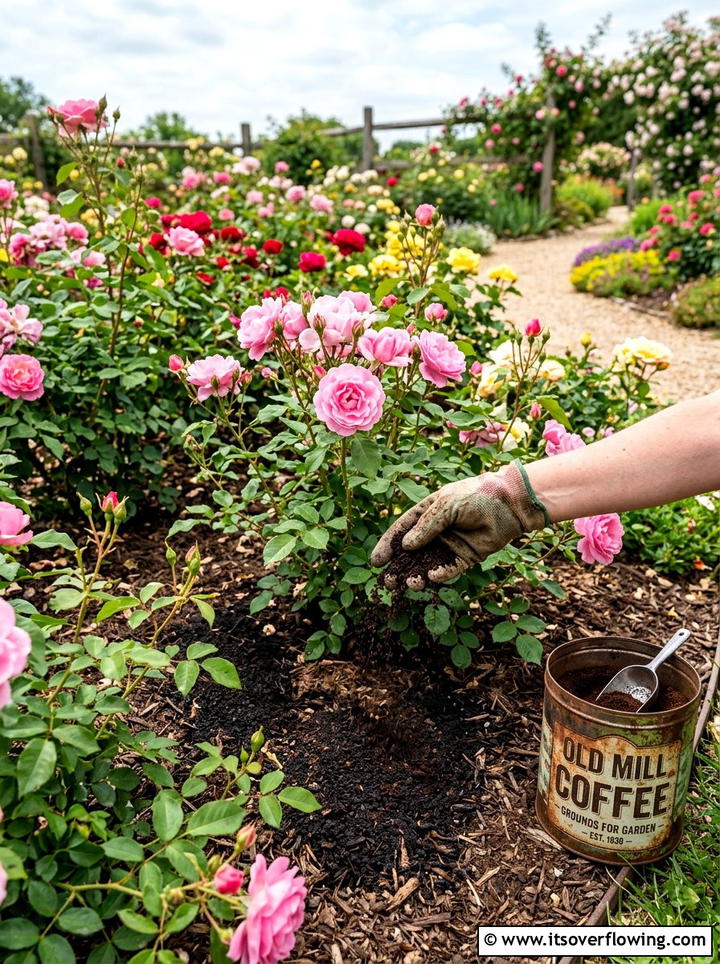
Starting your morning with a fresh cup of coffee can actually provide a massive boost to your backyard soil quality. Many local coffee shops are happy to give away their used grounds for free to gardeners who ask nicely. These grounds are slightly acidic and rich in nitrogen, making them perfect for plants like blueberries, azaleas, and roses. You can sprinkle them directly on the soil surface or mix them into your compost pile to speed up the heating process. They also help improve soil tilth and attract beneficial earthworms. It is an incredibly easy way to source high-quality organic matter at no cost.
9. Eggshell Soil Amendment
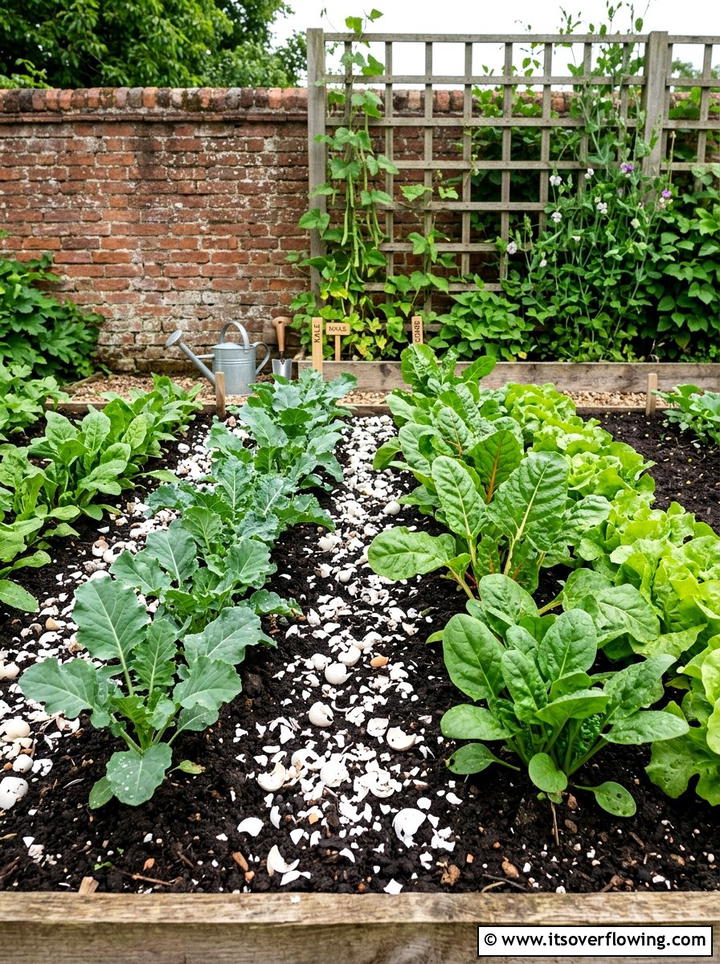
Saving your breakfast eggshells is a simple habit that can prevent common plant diseases like blossom end rot in tomatoes. Eggshells are packed with calcium, a vital mineral that helps strengthen the cell walls of growing plants and vegetables. To use them, simply rinse the shells, let them dry, and crush them into a fine powder or small bits. You can mix this powder directly into the planting hole or scatter it around the base of established plants. Over time, the shells break down and release their minerals into the earth. This free amendment is a sustainable alternative to buying expensive lime or calcium supplements.
10. Straw Bale Garden
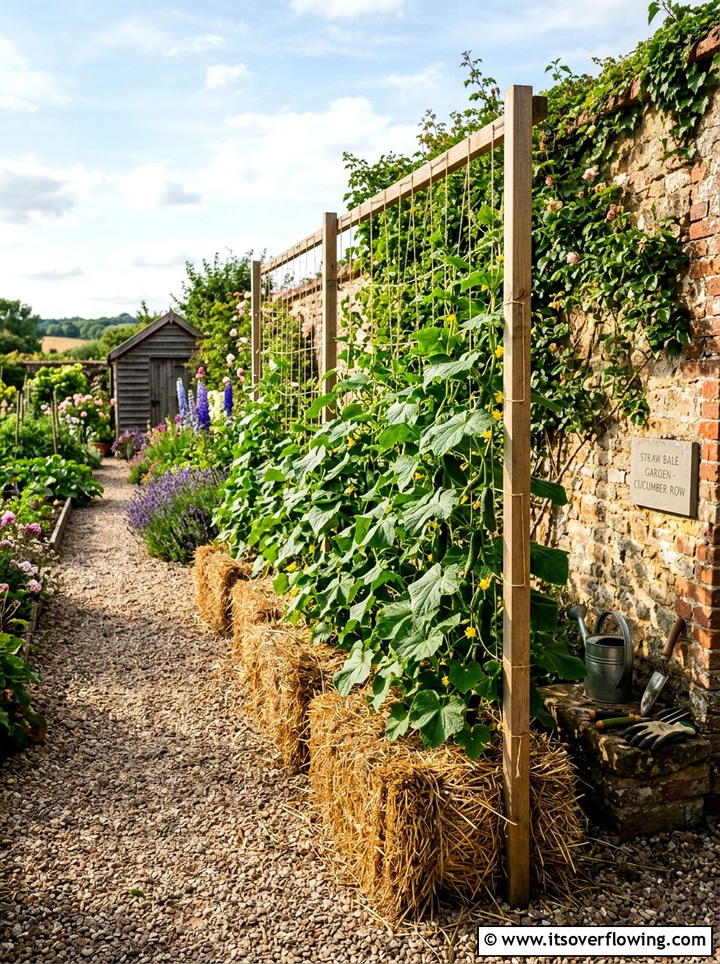
If your backyard has poor soil or consists of nothing but hard concrete, straw bale gardening offers a unique solution. You can purchase relatively inexpensive straw bales and treat them with high-nitrogen compost to begin an internal decomposition process. Once the center of the bale begins to break down, it becomes a warm, nutrient-rich medium for planting seeds or starts. This method elevates the plants, making them easier to tend without bending over, which is great for accessibility. At the end of the season, the entire bale can be added to your compost pile. It provides a temporary raised bed that eventually feeds the earth.
11. Plastic Bottle Greenhouse
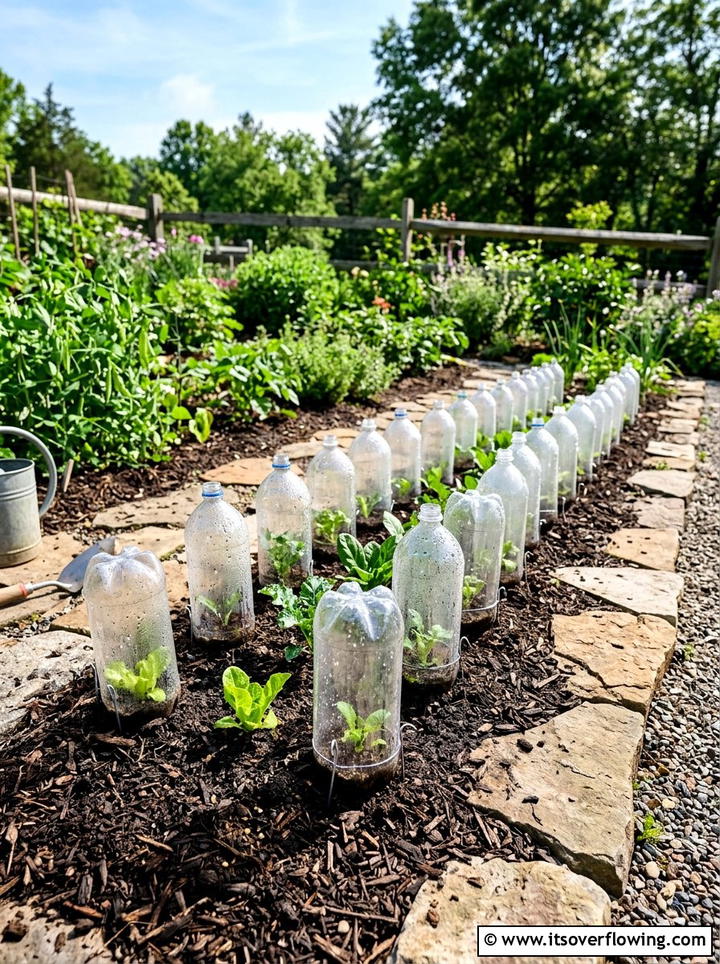
Repurposing clear plastic soda bottles is a clever way to protect young seedlings from the biting cold of early spring. By cutting the bottom off a large bottle and placing it over a small plant, you create a miniature greenhouse. This trap retains heat and moisture, allowing your plants to get a head start before the weather fully warms up. You can remove the cap during the day to allow for ventilation and prevent overheating in the sun. This DIY method saves money on professional cloches or cold frames while keeping plastic waste out of landfills. It is a practical tool for any thrifty home gardener.

12. Tree Branch Hugelkultur
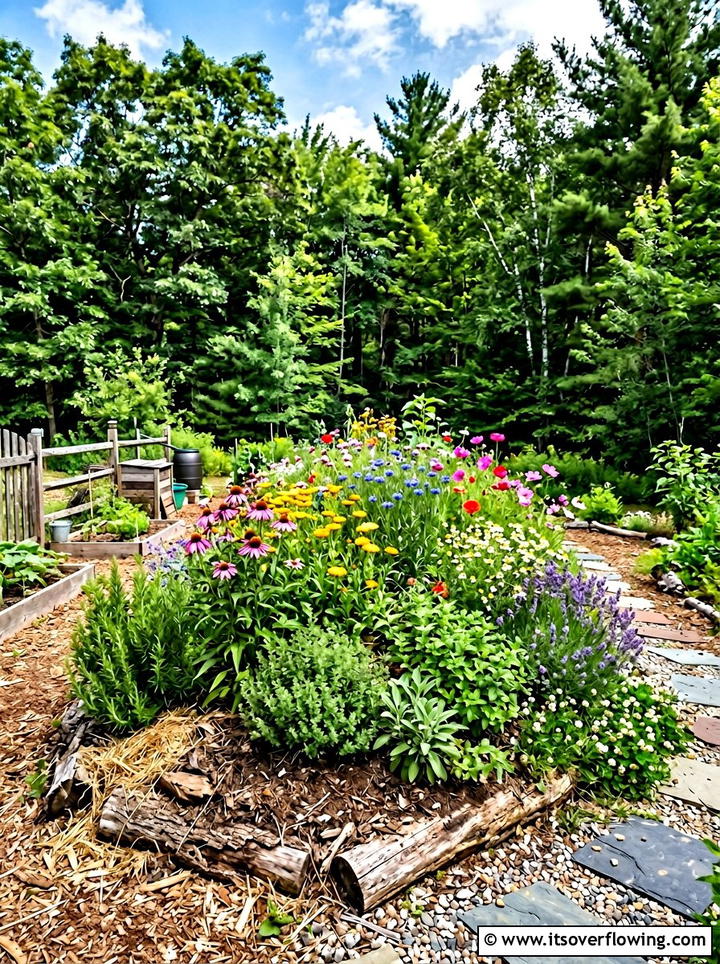
Utilizing fallen tree branches and logs to build a garden bed is an ancient technique that creates a self-fertilizing ecosystem. This method, known as hugelkultur, involves piling woody debris and covering it with compost, soil, and straw to form a mound. As the wood slowly rots over many years, it releases nutrients and retains a massive amount of moisture. This means you will need to water your garden much less frequently than traditional flat beds. It is an excellent way to clean up your yard after a storm while building long-term soil fertility. The mound shape also increases your total planting surface area.
13. Repurposed Tire Planter
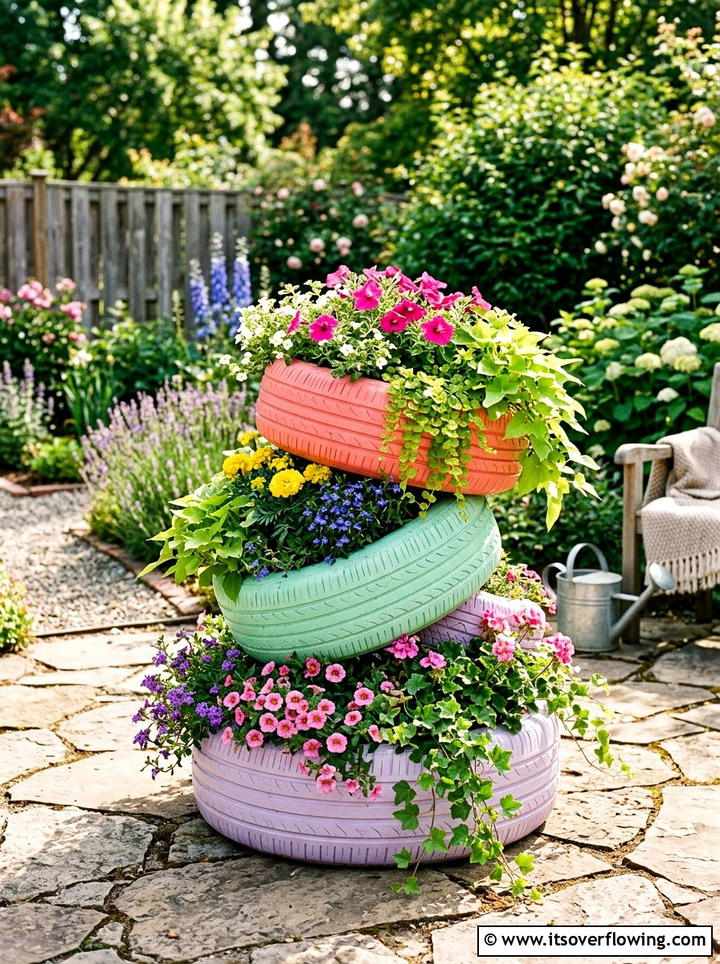
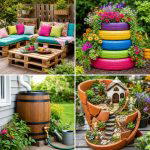
Old tires that would otherwise sit in a junkyard can be transformed into durable and stackable planters for your backyard. When painted with bright, garden-safe colors, they add a playful and modern touch to your outdoor design. You can stack them to create vertical height for trailing plants like strawberries or decorative flowers. Filling the center with a mix of native soil and rich compost ensures that your plants have plenty of room to grow. This approach is particularly useful for containing invasive plants that might otherwise take over your entire lawn. It is a rugged, long-lasting solution for any budget-focused landscaping project.
14. Milk Jug Irrigation
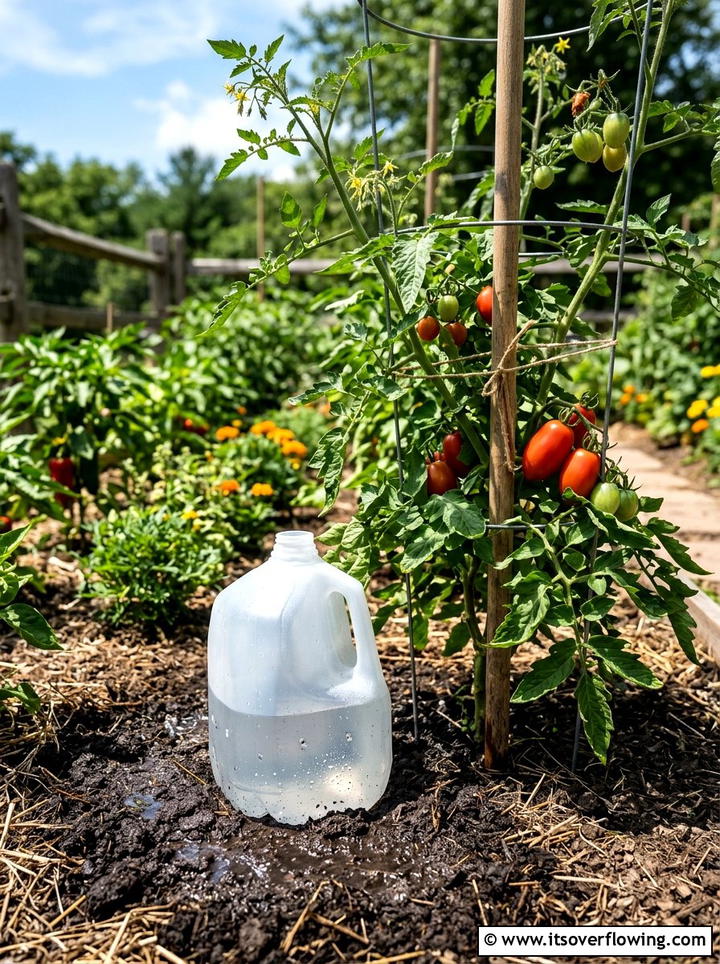
Keeping your plants hydrated during a dry spell doesn’t have to result in a massive water bill or expensive systems. You can create a simple slow-drip irrigation tool by poking tiny holes in the bottom of a plastic milk jug. Bury the jug halfway into the soil next to your thirstiest plants and fill it with water regularly. The water will slowly seep out directly to the roots where it is needed most, reducing evaporation. This targeted watering method is much more efficient than overhead sprinkling. It is a fantastic way to reuse household plastics while ensuring your garden stays green and healthy.
15. Newspaper Weed Barrier
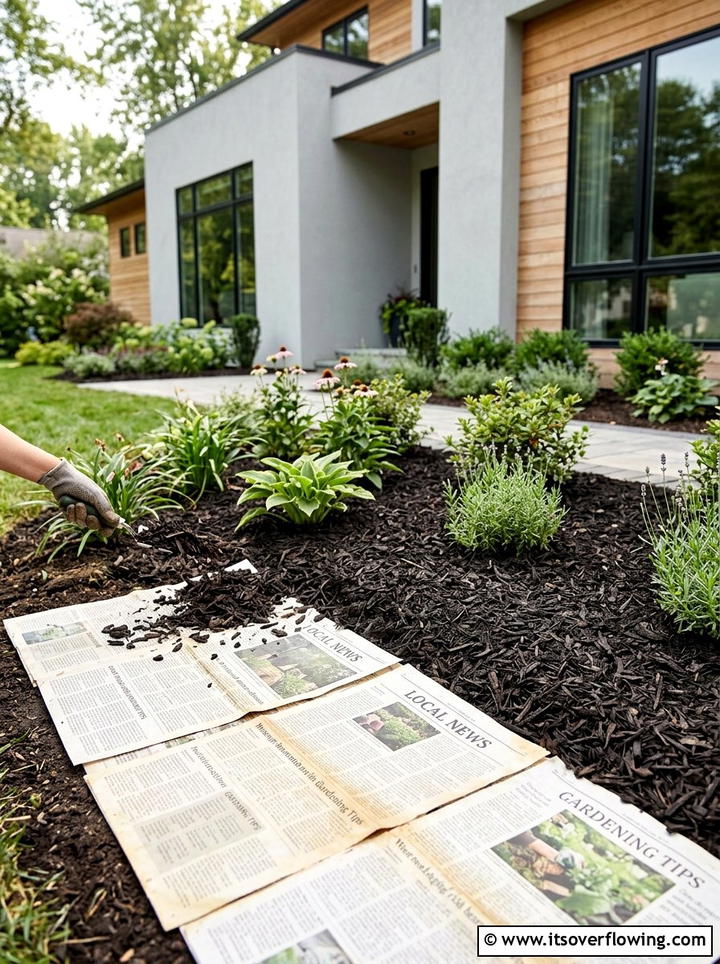
Do you have a stack of old newspapers waiting to be thrown out in the weekly trash collection? You can use these paper sheets as an effective and biodegradable weed barrier in your flower beds or vegetable patches. Simply lay down several layers of black-and-white newsprint and wet it thoroughly so it stays in place against the wind. Cover the paper with a layer of compost or wood chips to hide it and provide a finished look. The paper smothers weed seeds while eventually breaking down and adding organic carbon to the soil. It is a completely free way to maintain a clean garden.
16. Bamboo Stick Trellis
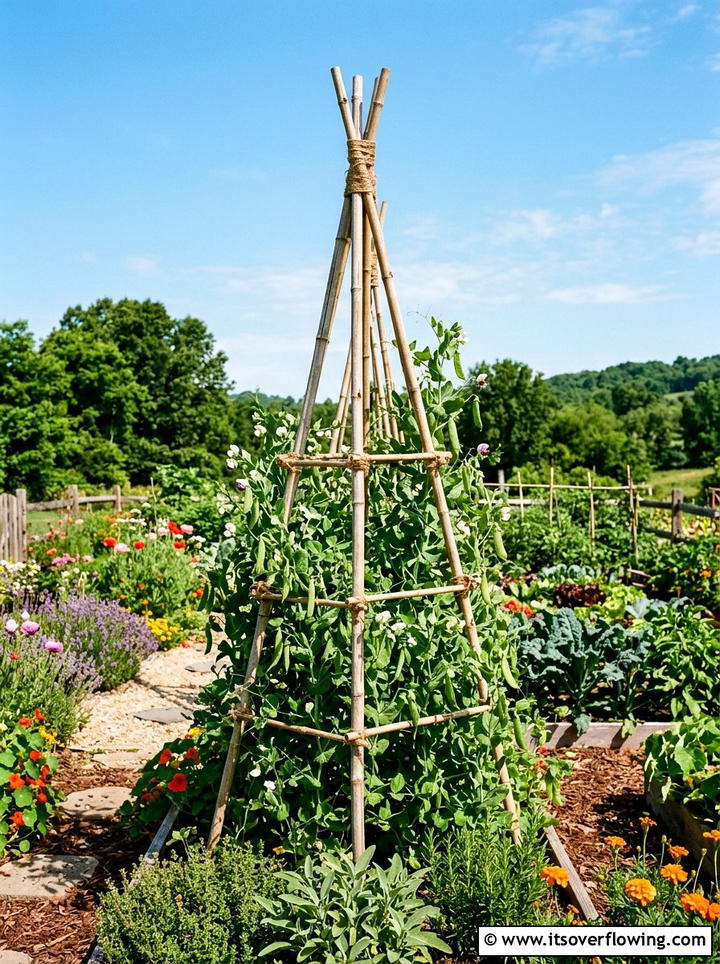
Supporting climbing plants like peas, beans, and cucumbers can be done cheaply by using natural bamboo stakes or long branches. You can often find bamboo growing wild or purchase it very affordably at local hardware stores. By lashing the sticks together with twine in a tripod or A-frame shape, you create a sturdy vertical structure. This keeps your produce off the ground, reducing rot and making the harvest much easier for you. Vertical gardening also maximizes your space, allowing you to grow more food in a smaller footprint. These natural materials blend beautifully into the garden landscape for an organic, timeless appearance.
17. Five Gallon Bucket Garden
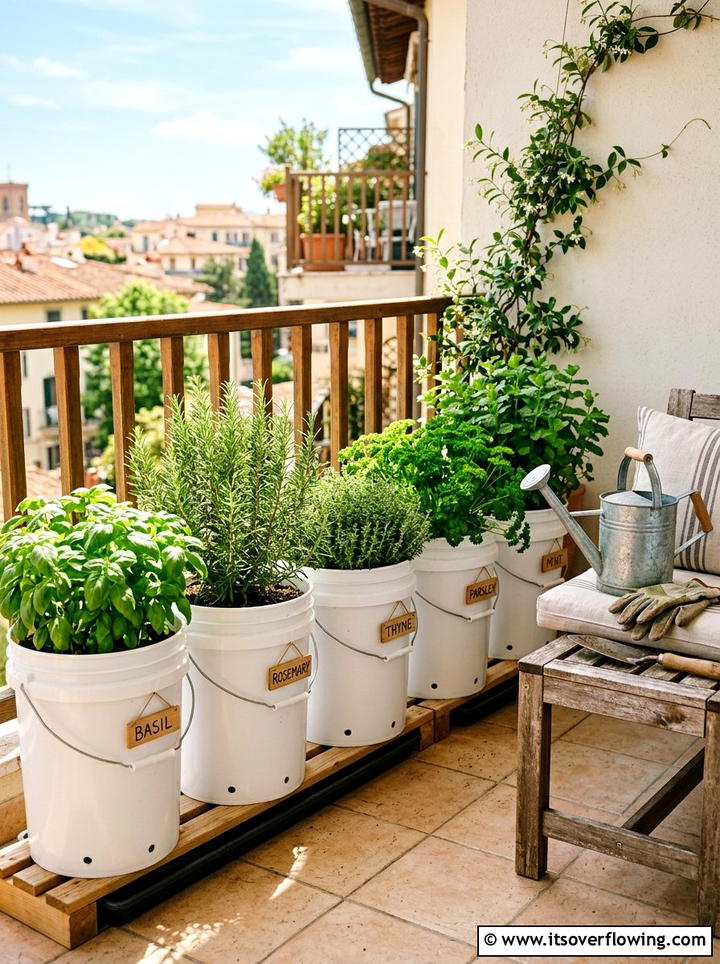
Container gardening using repurposed five-gallon buckets is a perfect solution for renters or people with very limited backyard space. You can often source these buckets for free or at a very low cost from local bakeries or construction sites. After drilling a few drainage holes in the bottom, fill them with a high-quality compost and soil mix. These portable containers allow you to move your plants around to follow the sun throughout the day. They are ideal for growing heavy feeders like tomatoes, peppers, and eggplants. This method proves that you don’t need a large plot of land to produce a significant harvest.
18. Banana Peel Liquid Feed
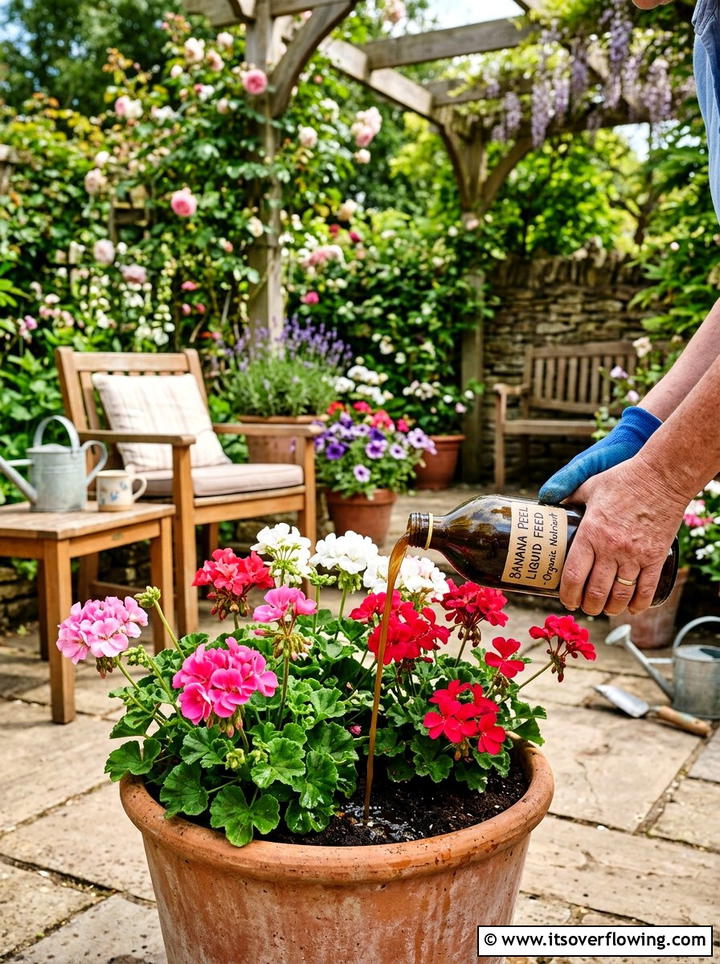
Providing your flowering plants with a potassium boost is as easy as saving your banana peels from the morning snack. Banana peels are incredibly rich in potassium, which is essential for healthy root development and vibrant flower production. You can chop the peels and bury them directly in the soil or soak them in a jar of water for a few days. This “banana tea” becomes a nutrient-rich liquid fertilizer that you can pour directly onto the base of your plants. It is a gentle, natural way to feed your garden without the risk of chemical burn. This zero-waste tip is highly effective.
19. Burlap Sack Planter
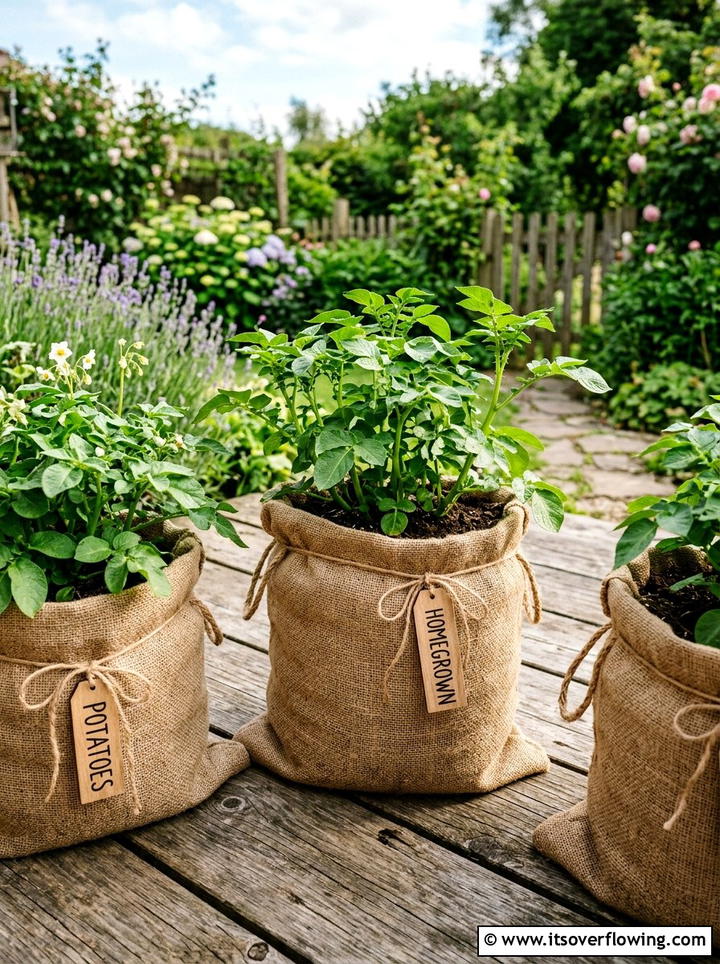
Old burlap sacks, often used for transporting coffee beans or potatoes, make excellent rustic planters for various garden crops. These breathable bags allow for great air circulation around the roots, preventing rot and encouraging healthy growth. They are especially popular for growing potatoes, as you can easily harvest the tubers by simply dumping out the bag at the end of the season. You can line a wooden crate with burlap or stand the sacks upright on a patio. They add a charming, vintage feel to your garden while being completely biodegradable. This is a very inexpensive way to expand your planting capacity.
20. Pine Needle Mulch
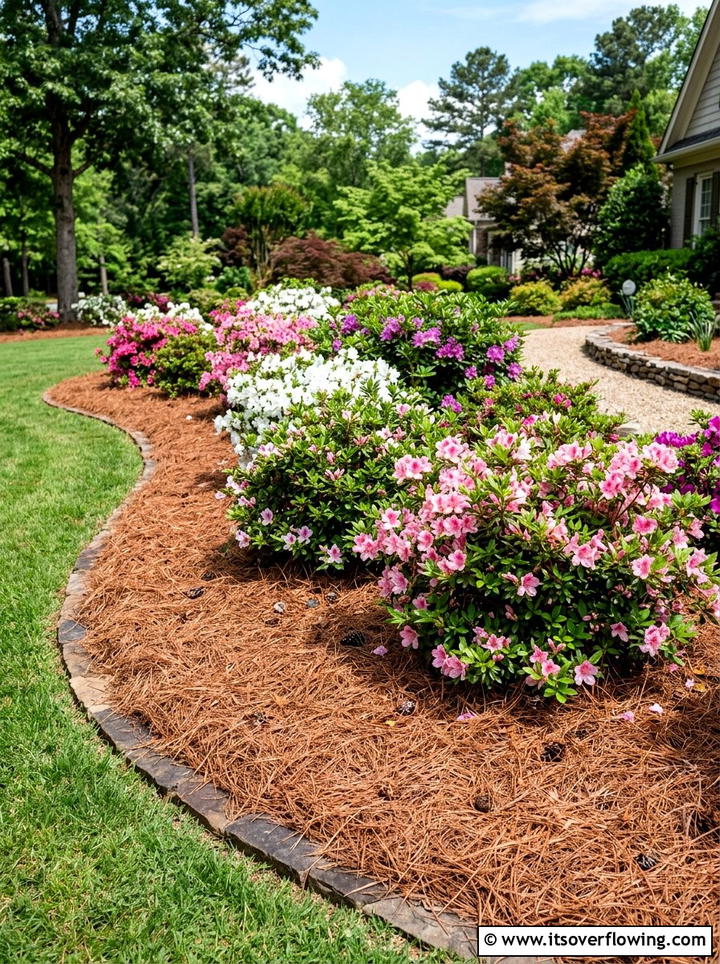
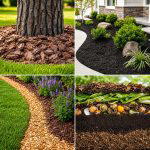
If you live near evergreen trees, you have access to a free and abundant source of high-quality garden mulch. Pine needles, often called pine straw, are excellent for suppressing weeds and protecting the soil from extreme temperature fluctuations. Contrary to popular belief, they do not significantly alter soil pH, making them safe for most plants in the landscape. They knit together well, which prevents them from washing away during heavy rainstorms. Using pine needles as a decorative ground cover creates a professional look while nourishing the earth as they slowly break down. It is a natural resource that saves you money.
21. Old Ladder Plant Stand
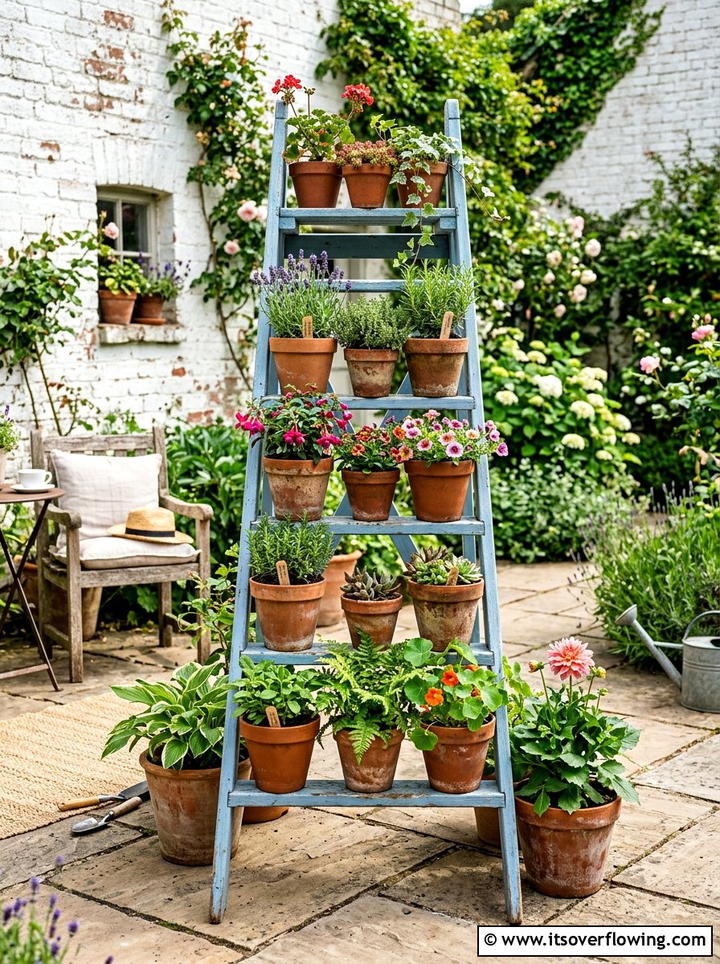
Turning an old, rickety wooden ladder into a vertical plant display is a creative way to add visual interest to your patio. Instead of sending the ladder to the landfill, you can sand it down and give it a fresh coat of paint. Placing small pots or repurposed containers on each rung allows you to showcase a variety of herbs and flowers in a small area. This vertical arrangement makes watering and maintenance much easier while keeping your plants away from ground-dwelling pests. It serves as a beautiful focal point that reflects your personal style and commitment to recycling common household items.
22. Chicken Wire Compost Bin
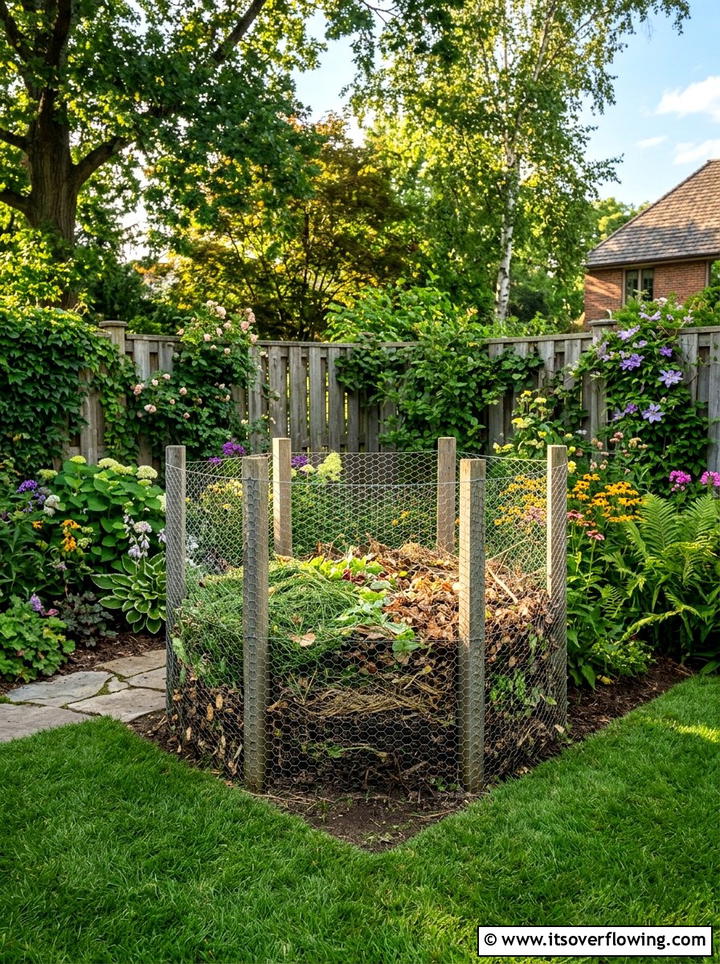
Building a simple and effective compost bin can be done with a small roll of chicken wire and a few stakes. By forming the wire into a large cylinder, you create a contained area that allows for maximum airflow to the decomposing organic matter. Good oxygen circulation is key to preventing bad odors and speeding up the breakdown of your kitchen and yard waste. This open-air design is very inexpensive to build and can be moved easily around the yard as needed. It provides a dedicated space for your composting efforts without the high price tag of specialized commercial turning bins.
23. Cinder Block Garden Bed
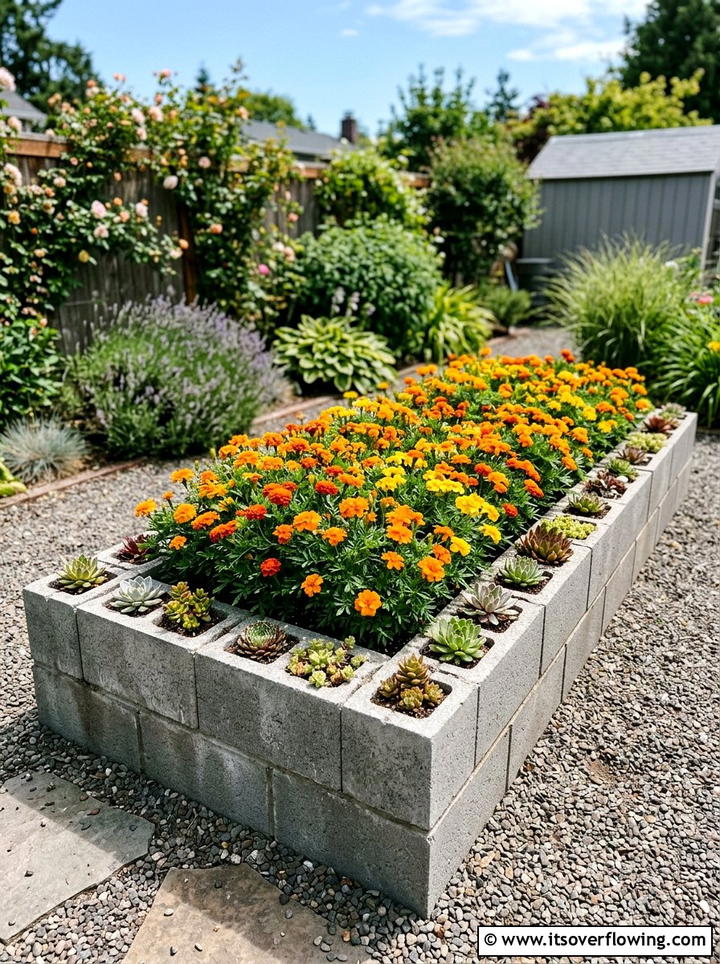
Cinder blocks are a very affordable masonry material that can be used to create permanent and modular raised garden beds. You can dry-stack the blocks in any configuration to fit your space, making them a very flexible option for DIY projects. The hollow centers of the blocks can also be filled with compost and used as individual planting pockets for small herbs or flowers. This maximizes every inch of your growing space while providing a clean and modern look. Cinder blocks are extremely durable and will last for many years without rotting. They provide a sturdy structure for a very low investment.
24. Toilet Paper Roll Seed Starter
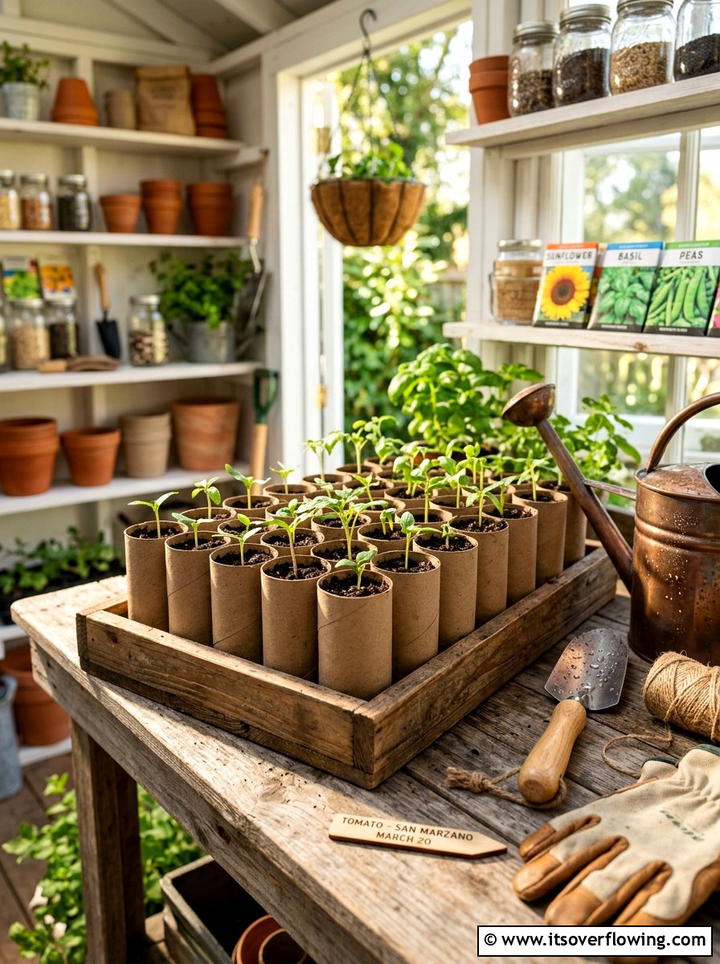
Starting your own seeds indoors is much cheaper than buying established plants from a nursery in the spring. You can make your own biodegradable seed starting pots using empty toilet paper or paper towel rolls. Simply cut the rolls into smaller sections, fold the bottoms to create a base, and fill them with compost. Once the seedlings are large enough, you can plant the entire cardboard tube directly into the ground. The cardboard will eventually rot away, allowing the roots to expand without the shock of being moved. This recycling hack saves money and reduces plastic waste in your gardening routine.
25. Tea Bag Fertilizer
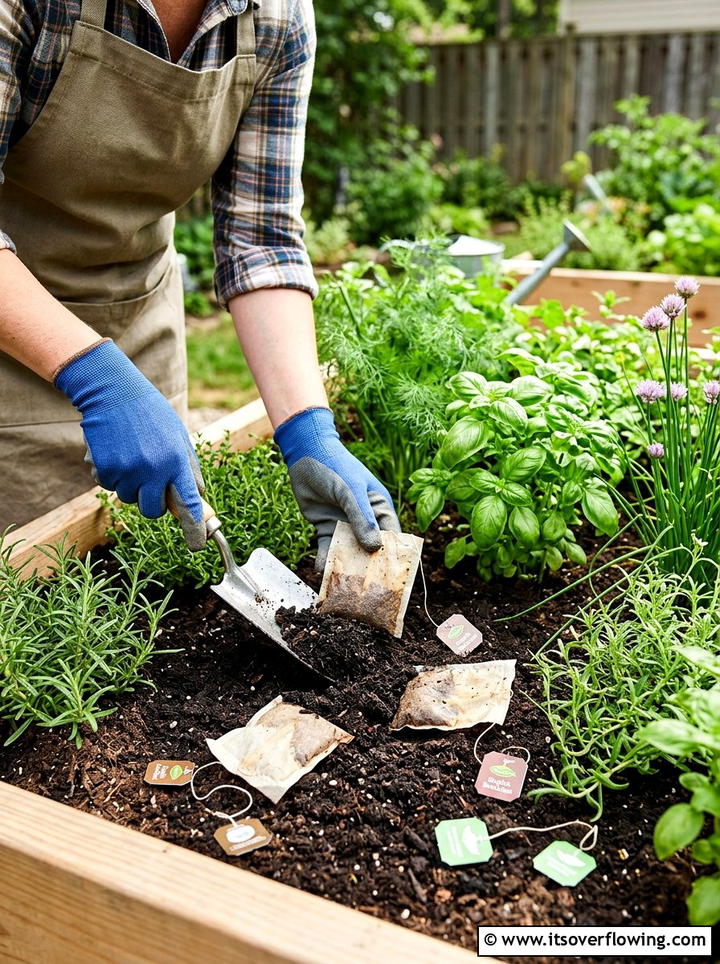
If you are a frequent tea drinker, you have a constant supply of mild organic fertilizer right at your fingertips. Used tea bags contain small amounts of nitrogen and other minerals that can benefit your houseplants and garden beds. You can bury the entire bag if it is made of natural fibers, or simply cut it open and sprinkle the wet leaves on the soil. The tannic acid in the tea can slightly lower the soil pH, which is beneficial for acid-loving plants like ferns. This is a subtle but effective way to ensure no organic material goes to waste in your home.
Conclusion:
Embarking on a gardening journey doesn’t have to be a financial burden if you embrace the art of composting and recycling. By looking at everyday waste as a valuable resource, you can build incredible soil and grow beautiful plants for almost no cost. The ideas shared here demonstrate that creativity and sustainability go hand in hand when designing a backyard paradise. Whether you are building raised beds from pallets or making liquid fertilizer from banana peels, every small action contributes to a healthier ecosystem. Start implementing these budget-friendly strategies today and watch your garden flourish while your expenses stay low and manageable.

Related posts:
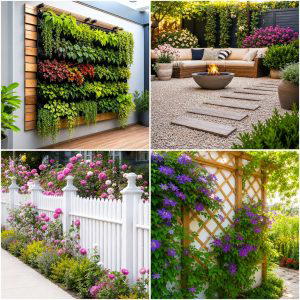 25 Cheap Garden Ideas for Small Spaces That Feel Bigger
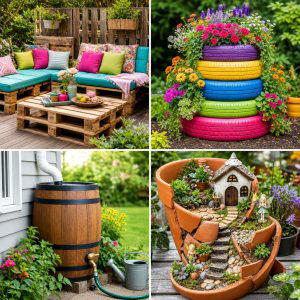 25 Cheap Garden Ideas To Refresh Your Outdoor Space Fast
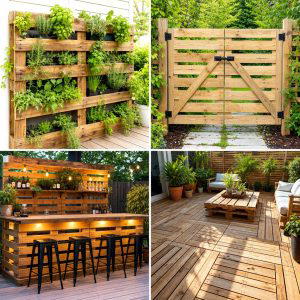 25 Cheap Garden Ideas With Pallets for Creative Outdoor Style
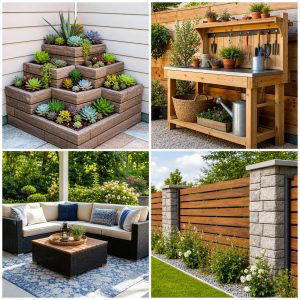 25 Cheap Garden Ideas With Cinder Blocks: Clever DIY Style
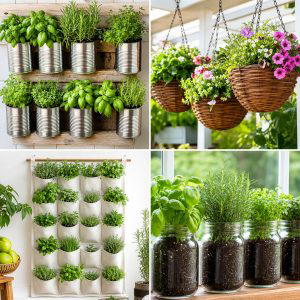 25 Cheap Garden Ideas With Container Gardening for Small Yards
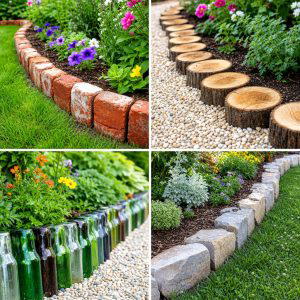 25 Cheap Garden Ideas With Edging for Instant Curb Appeal
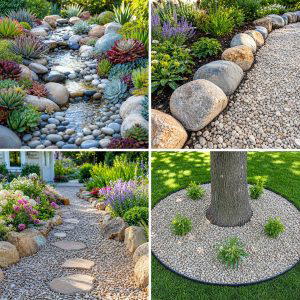 25 Cheap Garden Ideas With Gravel for Stylish Low-Cost Yards
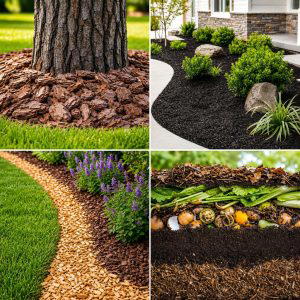 25 Cheap Garden Ideas With Mulch for a Polished Yard
 25 Cheap Garden Ideas With Native Plants for Easy Beauty
 25 Cheap Garden Ideas With Rain Barrels: Save Water in Style
 25 Cheap Garden Ideas With Simple Planters: Easy Budget Style
 25 Cheap Garden Ideas With String Lights: Magical Glow Tips