
Creating a stunning outdoor sanctuary doesn’t require a massive budget or a professional landscaping crew to achieve high-end results. Many homeowners often overlook the transformative power of a well-placed walkway when planning their backyard layout or front yard curb appeal. A simple garden path serves as the backbone of your landscape, guiding the eye and providing a structured journey through your blooming plants and lush greenery. By using affordable materials like gravel, reclaimed wood, or natural stone, you can easily define different zones in your yard while adding a charming architectural element. These low-cost solutions prove that style and functionality can coexist beautifully in any budget-friendly garden project.
1. Gravel Garden Walkway
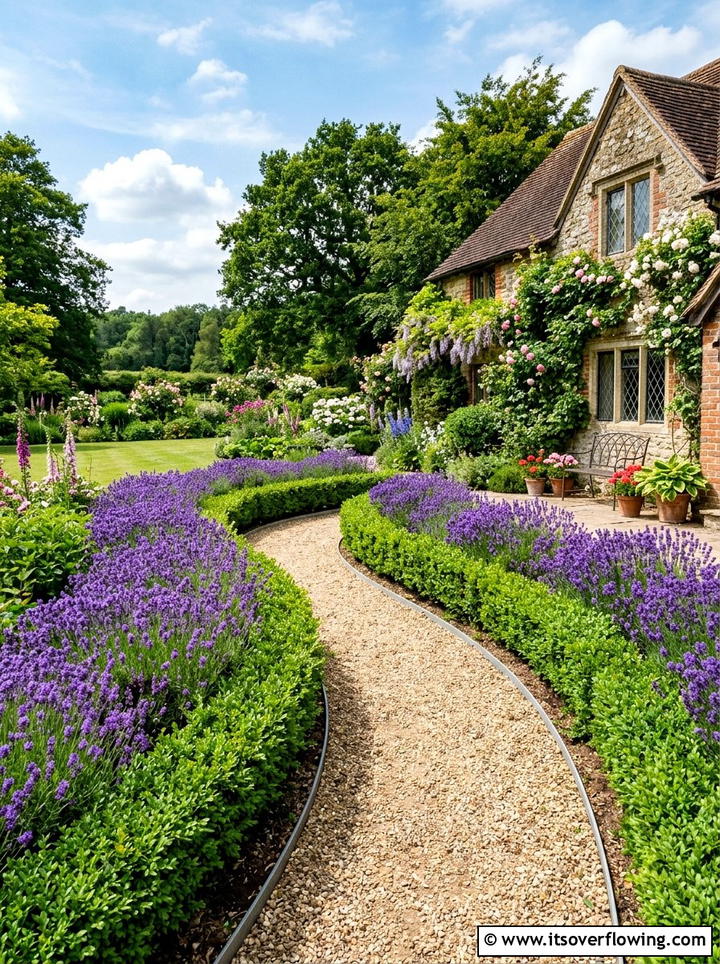
A classic gravel walkway offers an immediate sense of texture and a satisfying crunch underfoot that many gardeners find incredibly peaceful. Choosing inexpensive pea gravel or crushed limestone allows you to create a flexible path that winds naturally around your existing flower beds and shrubs. To keep the look tidy, consider installing a simple metal or plastic edging that prevents the small stones from migrating into your lawn or soil. This type of path is excellent for drainage and works perfectly in traditional, cottage, or even modern garden styles. It provides a clean, neutral backdrop that highlights the vibrant colors of your nearby perennials and ornamental grasses effectively.
2. Mulch Garden Path
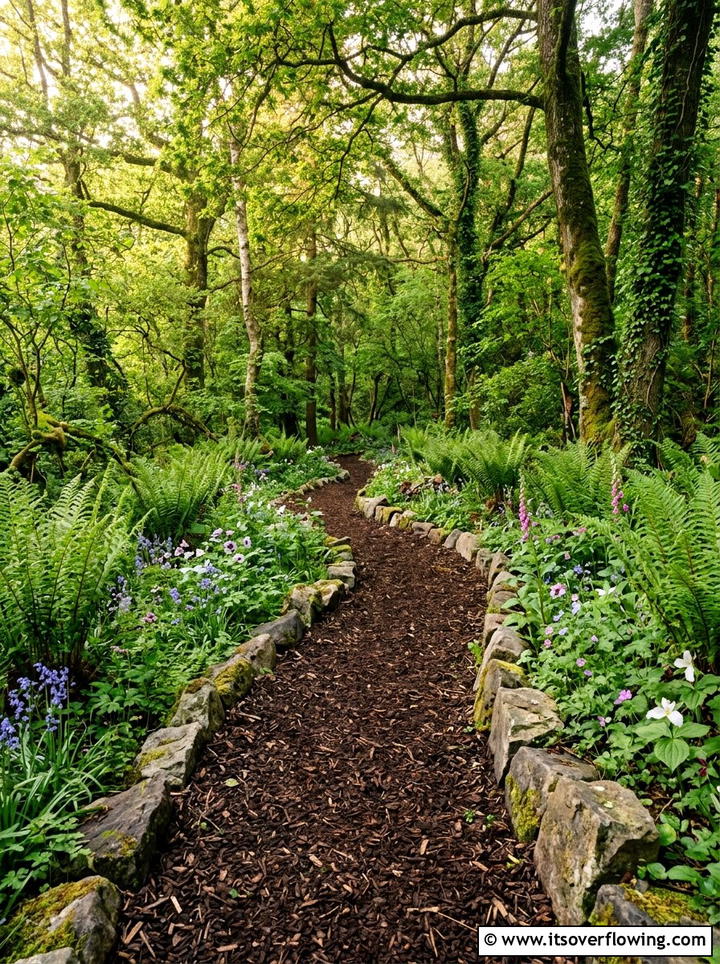
Using organic mulch is perhaps the most affordable way to create a soft, natural walkway that blends seamlessly with a woodland or rustic theme. Shredded bark or wood chips provide a comfortable walking surface that suppresses weeds while eventually breaking down to nourish the surrounding soil. This type of path looks best when bordered by large rocks or simple timber to give it a more intentional and structured appearance. You can easily refresh the look every spring with a new layer of mulch to keep the garden looking crisp and well-maintained. It is a fantastic choice for those who want a low-maintenance and eco-friendly garden layout.
3. Flagstone Stepping Stones
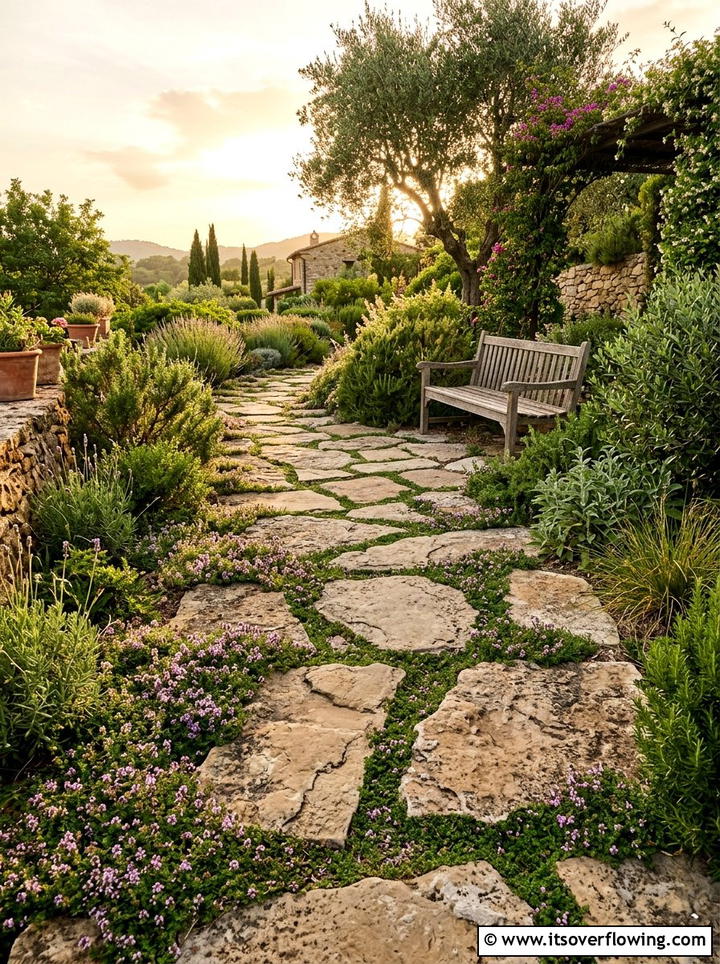
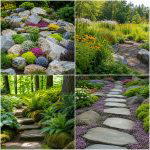
Flagstone stepping stones bring a timeless and rugged beauty to any garden space without the high cost of a fully paved patio area. By spacing the large, flat stones apart, you reduce the amount of material needed while creating a charming “hopscotch” effect through your greenery. You can fill the gaps between the stones with low-growing ground covers like creeping thyme or moss to add a touch of softness and fragrance. This design works exceptionally well in sloped yards or areas where you want to maintain a more organic, less rigid feel. The natural variations in stone color and shape ensure every single path is completely unique.
4. Wood Slice Walkway
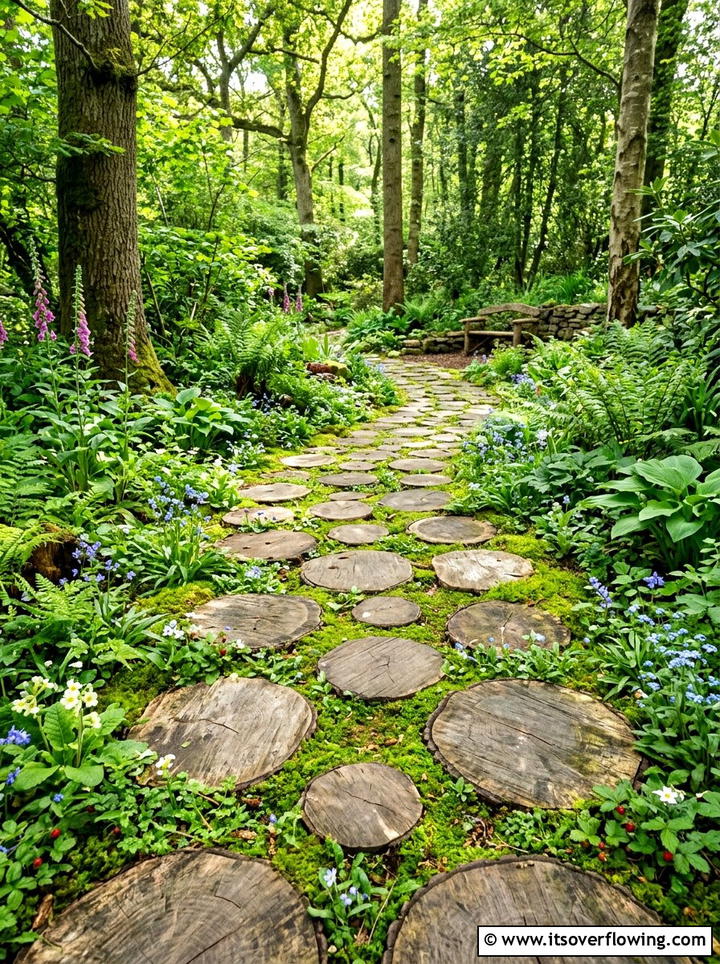
Reclaiming old logs by cutting them into thick rounds creates a whimsical and enchanting wood slice walkway that feels like a fairy tale. These natural “cookies” can be laid directly onto a bed of sand or fine gravel to ensure they remain level and provide a stable walking surface. This approach is incredibly cost-effective if you have access to fallen trees or local arborists who are getting rid of timber. To increase durability, you can treat the wood slices with a clear sealant to protect them from moisture and rot over time. This design anchors a rustic garden theme while providing a beautiful, circular visual pattern on the ground.
5. Pallet Wood Garden Path
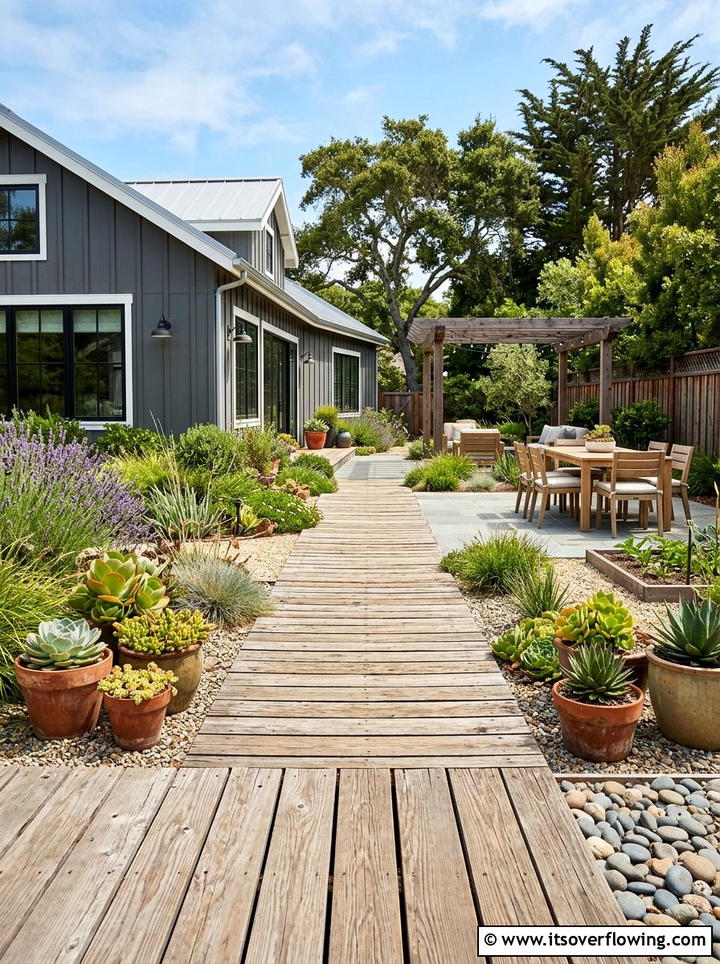
Upcycling wooden pallets into a boardwalk-style garden path is a clever and sustainable way to add a structured walkway to your backyard. By dismantling the pallets and laying the planks horizontally, you create a sturdy surface that is perfect for muddy or uneven areas of the yard. This style looks particularly striking in modern farmhouse or coastal-inspired landscapes where the weathered wood adds a touch of character and warmth. You can leave the wood to silver naturally over time or apply a bright stain to match your outdoor furniture and decking. It is a budget-friendly project that offers a clean, professional-looking finish with minimal tools.
6. Concrete Paver Walkway
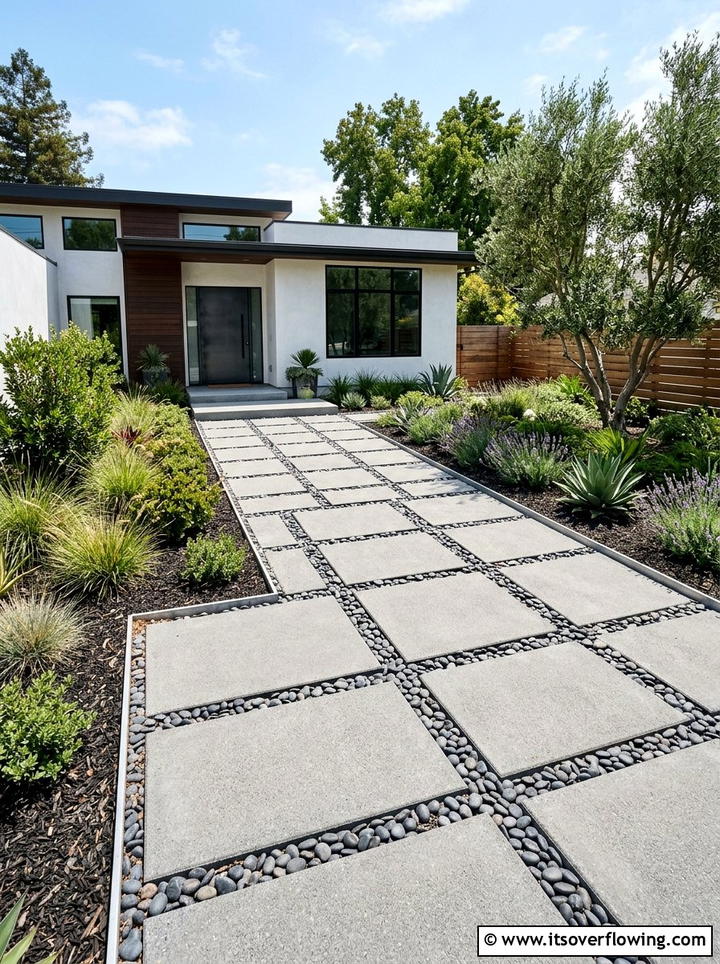
Standard concrete pavers are incredibly versatile and affordable, making them a top choice for homeowners who want a clean and contemporary garden path. By arranging simple square or rectangular blocks in a linear or staggered pattern, you can achieve a high-end look on a very tight budget. To make the design more interesting, you might leave wide gaps between the pavers and fill them with dark river rocks or bright green turf. This creates a high-contrast visual that feels architectural and modern. These pavers are very easy to install as a DIY project, requiring only a level base of sand to prevent shifting over time.
7. Red Brick Path
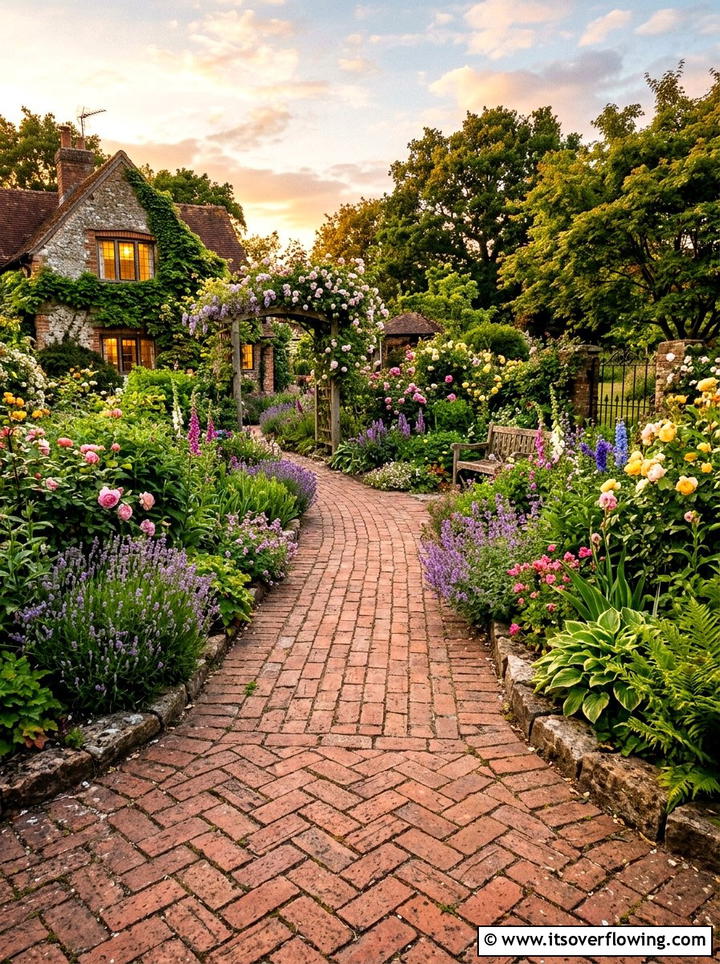
Using reclaimed bricks for a garden walkway adds an instant sense of history and classic charm to your outdoor living space. You can often find old bricks for free or at a very low cost through online marketplaces or local construction sites looking to clear debris. Laying bricks in a herringbone or basketweave pattern provides a sophisticated look that complements traditional homes and lush, overflowing flower gardens. The deep red tones of the brick provide a beautiful contrast against green foliage and colorful blooms. This durable material handles heavy foot traffic with ease and only looks better as it ages and develops a natural, weathered patina.
8. River Rock Garden Path
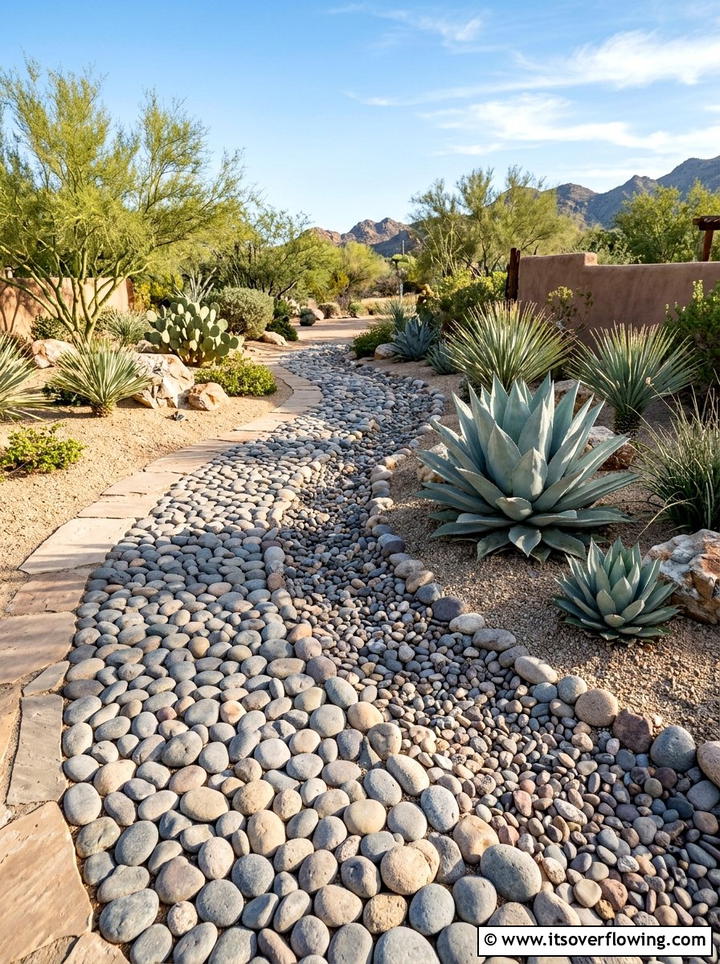
River rocks offer a smooth, rounded aesthetic that brings a sense of serenity and Zen-like calm to your backyard landscape design. These stones come in various shades of gray, tan, and blue, allowing you to create a textured walkway that feels like a dried creek bed. While river rocks can be used on their own, they also work beautifully as a decorative filler around larger stepping stones or decorative boulders. This type of path is excellent for areas with heavy rainfall as the stones allow water to permeate easily into the ground. It is an ideal choice for low-water “xeriscaping” or for adding a modern, organic touch.
9. Grass Walkway With Borders
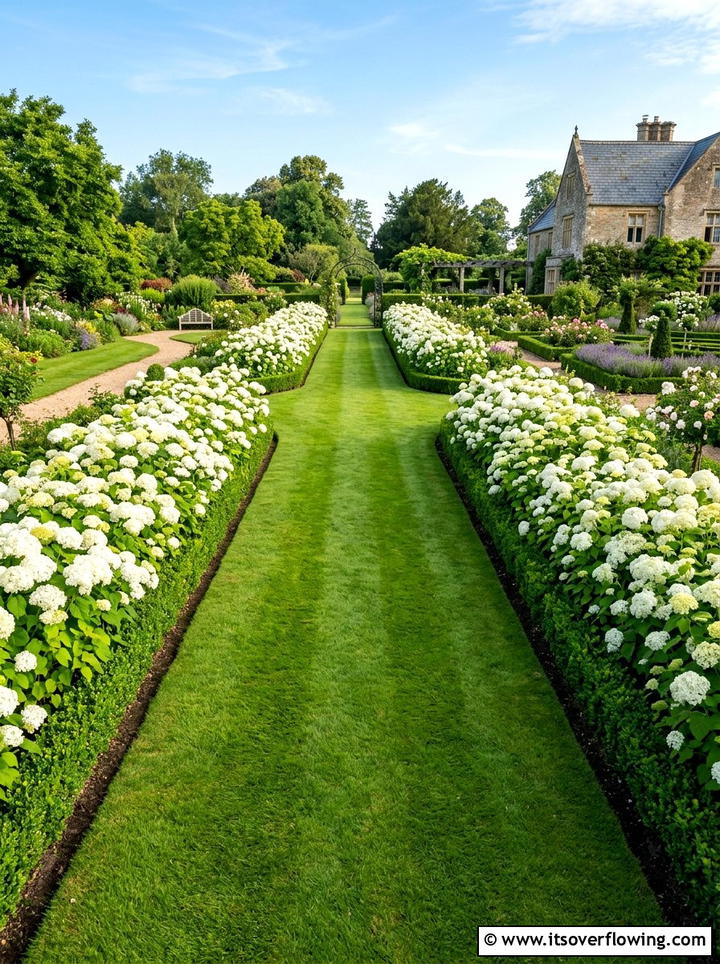
Sometimes the most effective and cheapest path is simply a well-manicured strip of grass that is intentionally bordered by garden beds. By using sharp edging or low-growing hedges, you can define a lush green hallway that leads visitors through different sections of your garden. This “living path” feels soft underfoot and provides a cooling effect during hot summer months while keeping the budget almost at zero. The key to making this look professional is maintaining a clean, crisp edge between the grass and the mulch or soil. It is a perfect solution for large properties where expensive hardscaping materials would be cost-prohibitive to install.
10. Decomposed Granite Path
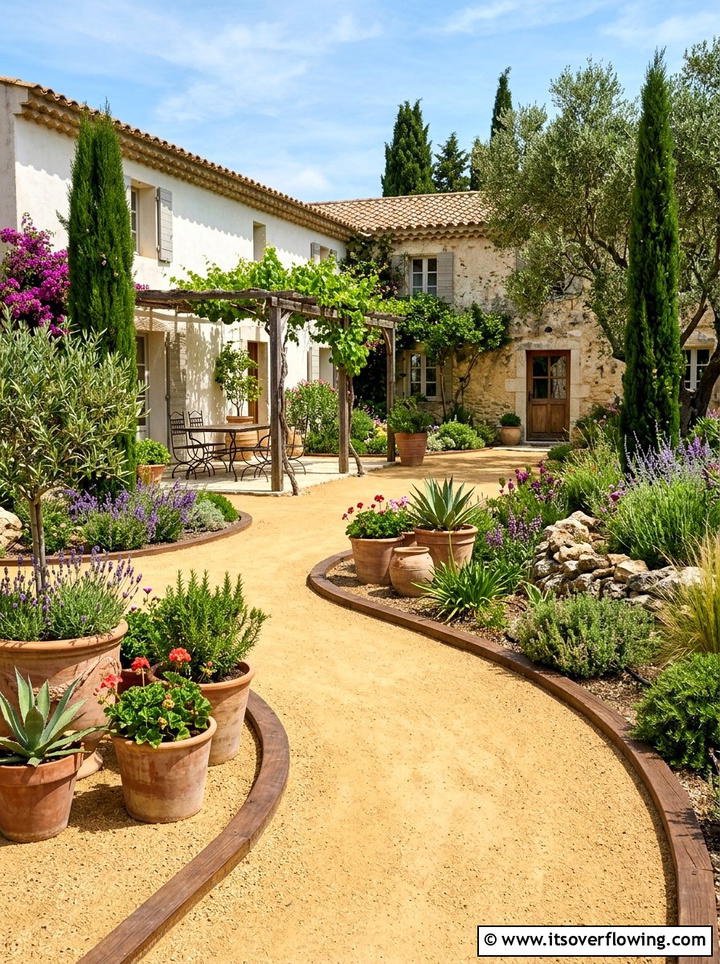
Decomposed granite is a popular choice for Mediterranean and desert-style gardens because it provides a stable, fine-textured surface that looks very natural. This material is essentially very fine gravel that packs down tightly, creating a firm walkway that is easy to navigate with garden carts or strollers. It comes in various earthy tones, from warm gold to cool silver, allowing you to match the path to your home’s exterior colors. Because it is a permeable material, it helps manage runoff and keeps your garden healthy. Adding a simple timber or brick border helps maintain the shape of the path and prevents the granite from spreading into lawn.
11. Tree Round Path
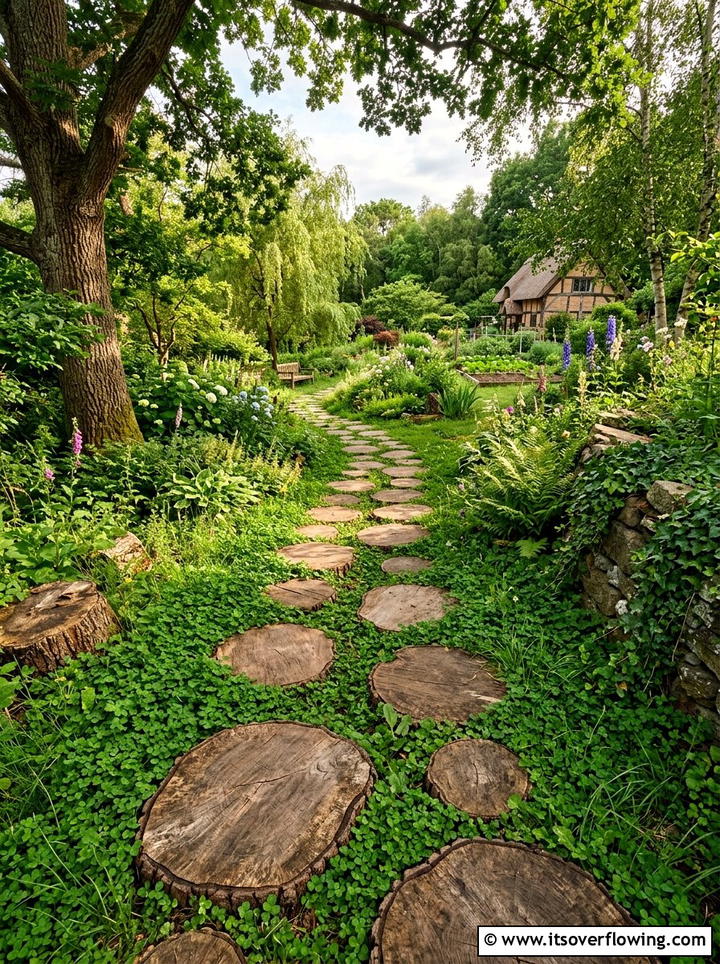
A tree round path utilizes thick cross-sections of large branches or trunks to create a sturdy and rustic stepping stone effect through the yard. This design is perfect for those who want to maintain an eco-friendly garden while adding a touch of whimsy and natural texture to their space. When nestled into a bed of dark mulch or vibrant green ground cover, these wooden rounds stand out as beautiful focal points. To prevent the wood from becoming slippery when wet, you can add a bit of sand to the sealant or score the surface lightly. This approach celebrates the raw beauty of nature and turns garden maintenance into a creative art.
12. Pebble Stone Walkway
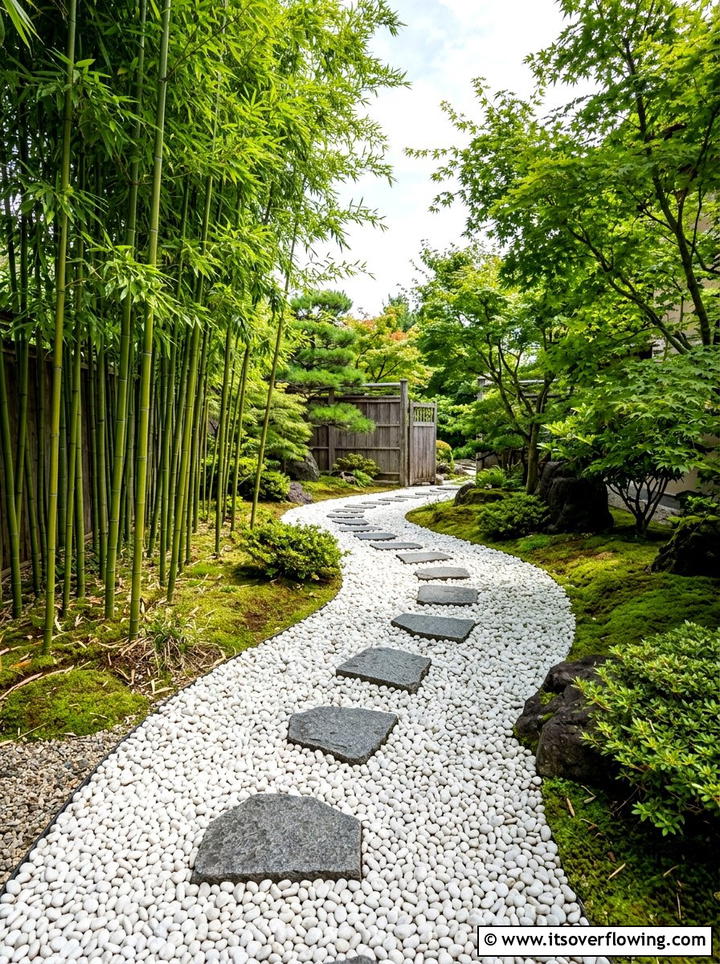
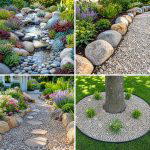
Small pebbles offer a refined and delicate look that is perfect for narrow garden paths or areas between closely planted garden beds. Unlike larger gravel, pebbles are often smoother and more comfortable for those who enjoy walking through their garden in bare feet or sandals. You can find pebbles in a wide range of uniform colors, such as pure white or deep black, to create a specific mood. A white pebble path can brighten up a shaded area of the yard, making it feel more spacious and inviting. Using a landscape fabric underneath is essential to keep the pebbles from sinking into the soil and to prevent weeds.
13. Cobblestone Garden Path
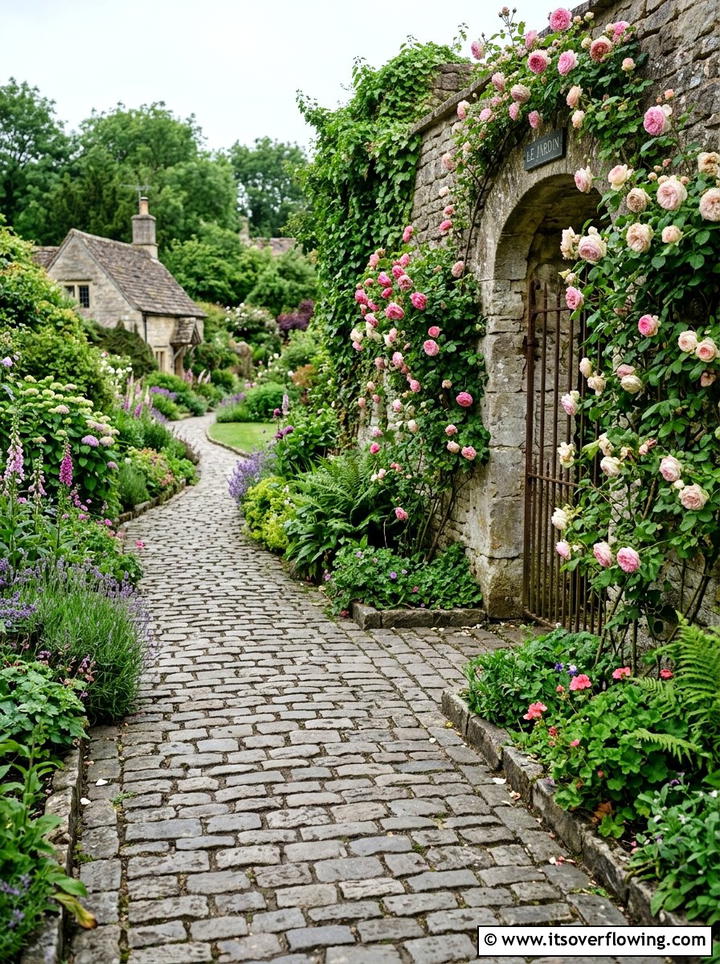
Cobblestones evoke the feeling of old-world European streets and bring a sense of permanence and architectural weight to your home’s outdoor landscaping. While genuine antique cobblestones can be pricey, you can find affordable modern concrete versions that mimic the irregular shapes and weathered textures perfectly. These stones are incredibly durable and can withstand extreme weather conditions without cracking or losing their visual appeal over the years. By curving the path around large trees or garden features, you create a sense of mystery and exploration in your yard. The gaps between the stones can be filled with fine sand or polymeric grout for a very finished and professional look.
14. Pine Needle Walkway
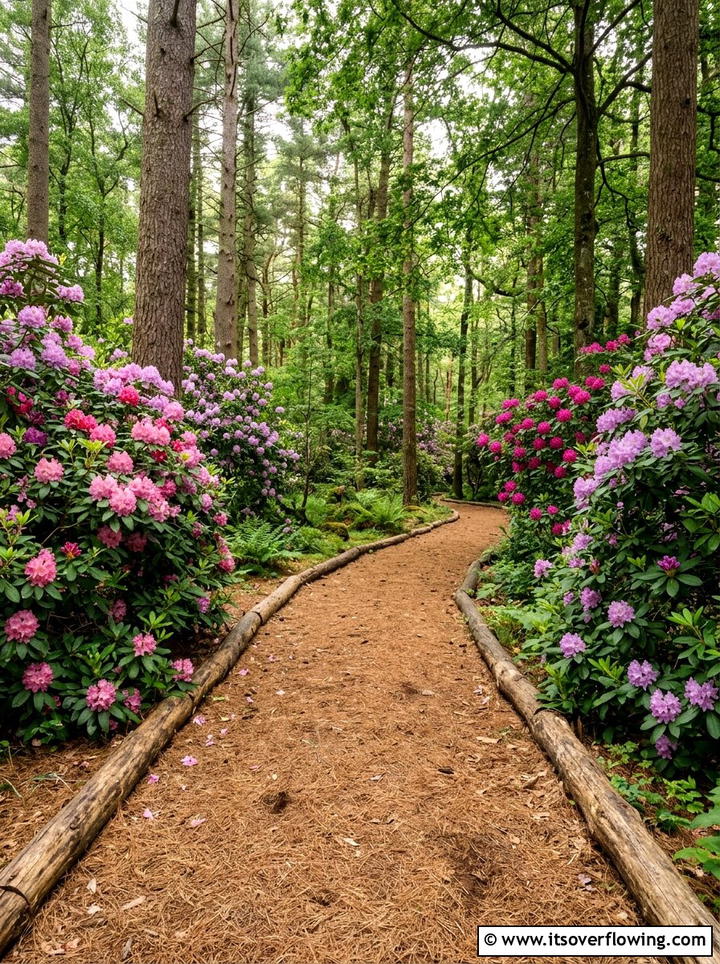
In areas with many evergreen trees, a pine needle walkway is an ingenious and virtually free way to define a path through the landscape. These needles, often called pine straw, provide a soft, springy surface that smells wonderful and looks perfectly at home in a naturalized garden setting. This type of path is particularly beneficial for acid-loving plants like azaleas or rhododendrons that often line woodland walkways. The needles stay in place better than light mulch and provide excellent weed suppression while allowing the soil to breathe. It is an effortless way to work with the materials your own property provides while saving money and reducing garden waste.
15. Crushed Shell Path
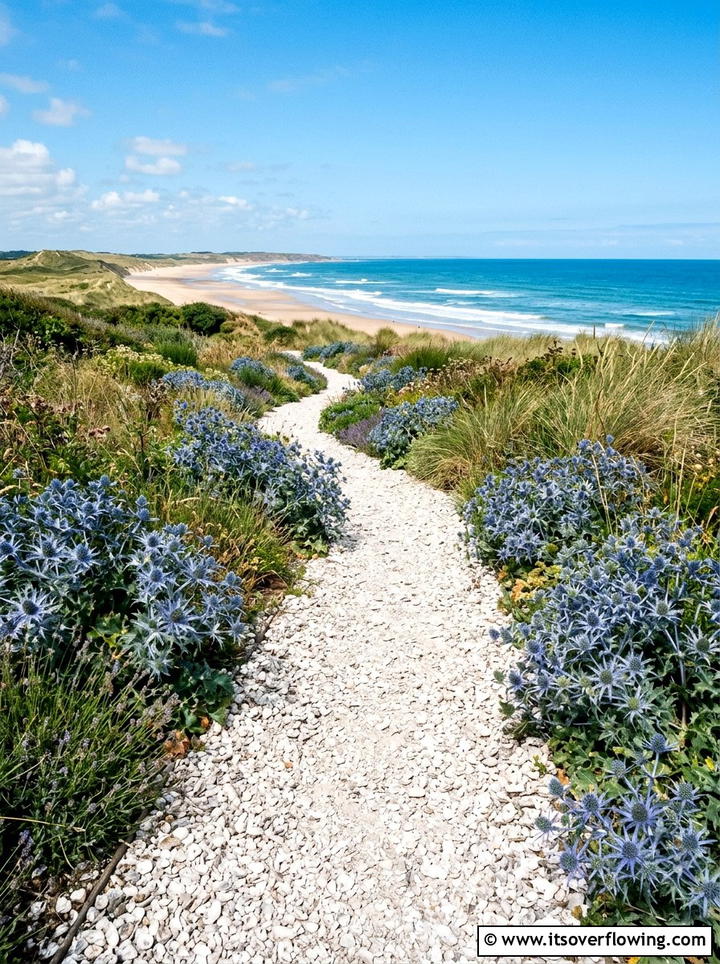
For those living near the coast or wanting to evoke a beach-like atmosphere, a crushed shell path is a unique and affordable alternative to stone. Clam, oyster, or scallop shells provide a bright, reflective surface that crumbles slightly over time to create a very stable and well-draining walkway. The white and off-white tones of the shells look stunning against blue-toned plants like lavender or ornamental sea grasses. As the shells break down, they also add beneficial calcium to the surrounding soil, making this a functional choice for your garden’s health. It is a lightweight material that is much easier to transport and spread than heavy bags of rocks.
16. Stepping Stone Ground Cover
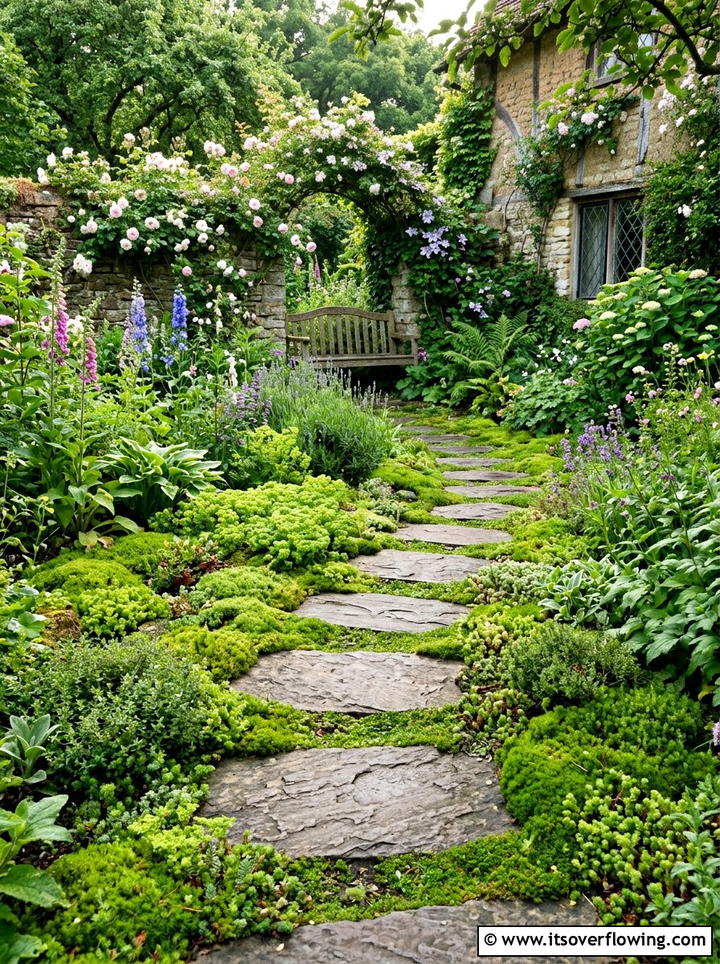
Combining large, flat stepping stones with a lush ground cover creates a “living” walkway that feels incredibly soft and integrated into the landscape. Low-profile plants like Irish moss, silver carpet, or various types of sedum can grow in the gaps between the stones, creating a tapestry of color. This design minimizes the amount of stone needed, which helps keep the project cost down while maximizing the greenery in your yard. The plants help to lock the stones in place and prevent them from shifting, while also soaking up excess moisture during heavy rains. This style is perfect for a romantic, cottage-style garden or a hidden backyard retreat.
17. Wood Plank Walkway
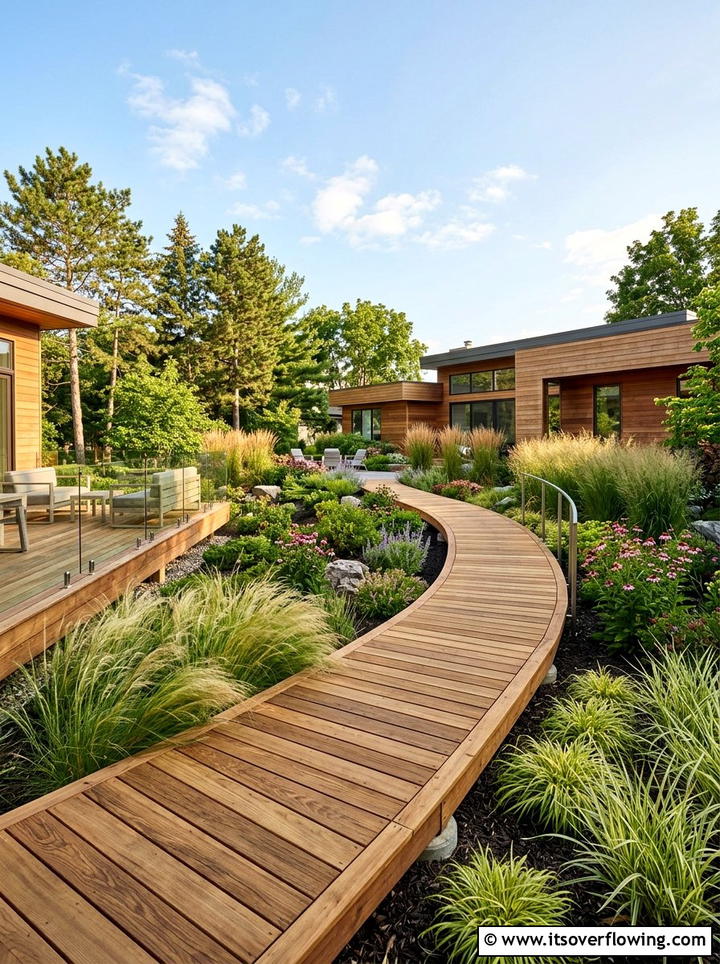
A wood plank walkway offers a clean, linear look that can span over uneven ground or low-lying areas that tend to collect water. By using pressure-treated lumber or cedar planks laid across hidden support beams, you create a raised boardwalk effect that adds height to your garden. This style is particularly effective for connecting a back porch to a distant garden shed or a secluded seating area. The repetitive lines of the planks draw the eye forward, making small gardens feel longer and more organized. It is a modern and architectural approach that uses basic construction materials to achieve a high-end, custom-built look for very little money.
18. Stenciled Concrete Walkway
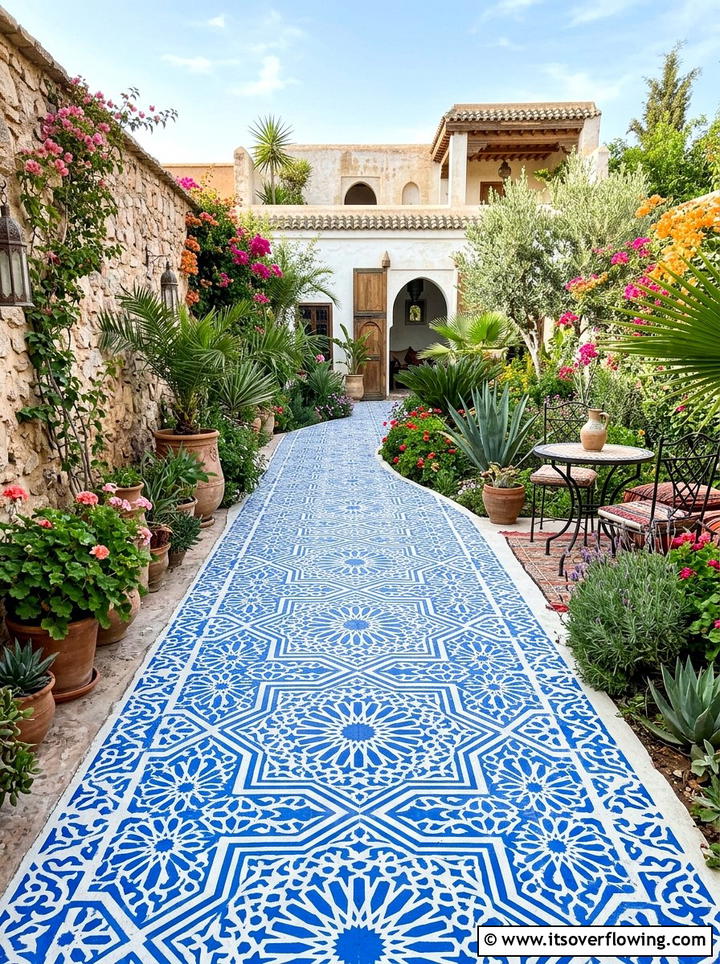
If you already have a plain concrete path that looks a bit dull, a stenciled concrete treatment is a genius way to upgrade it. By using specialized outdoor paint and a large-scale stencil, you can mimic the look of expensive Spanish tiles or intricate stone patterns. This is a very low-cost DIY project that can completely change the vibe of your garden without any heavy lifting or demolition. You can choose colors that complement your home’s exterior to create a cohesive and high-end look. Once sealed, the painted pattern is durable enough to withstand the elements and frequent foot traffic, providing a beautiful and creative garden focal point.
19. Slate Chip Path
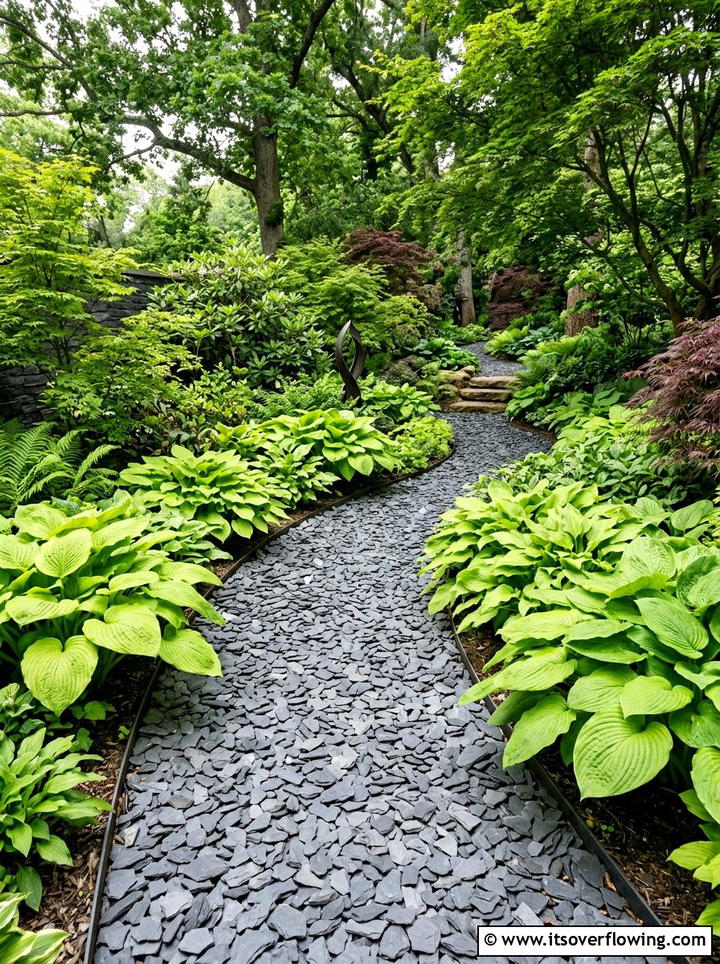
Slate chips are a stylish and modern alternative to traditional gravel, offering a flat, angular texture that stays in place much better. These chips often come in beautiful shades of deep charcoal, plum, and blue, providing a sophisticated and moody color palette for contemporary gardens. The way the slate reflects light when it is wet adds a dynamic and shimmering quality to your garden walkways. Because the pieces are flat, they provide a more stable walking surface than rounded pebbles, making them a practical choice for main garden arteries. Using a dark slate path against vibrant lime-green hostas or ferns creates an incredibly dramatic and professional look.
20. Wood Bark Walkway
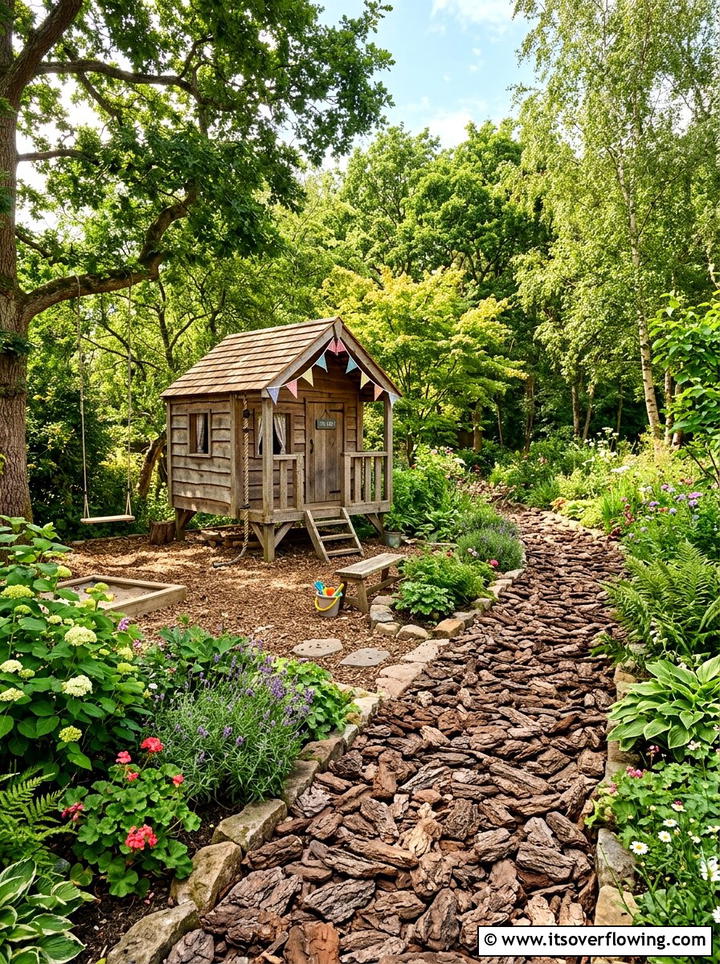
Large nuggets of wood bark provide a chunky, rustic texture that is perfect for informal garden paths and play areas for children. This material is very soft and forgiving, making it a safe choice for families while still maintaining a beautiful and natural garden aesthetic. Bark nuggets are typically very inexpensive and easy to find at any local garden center or hardware store in large quantities. They work well for defining paths through vegetable gardens or fruit orchards where you want a clear but non-permanent walkway. The deep brown tones of the bark provide a warm, earthy foundation that makes the bright colors of your garden truly pop.
21. Sand Garden Path
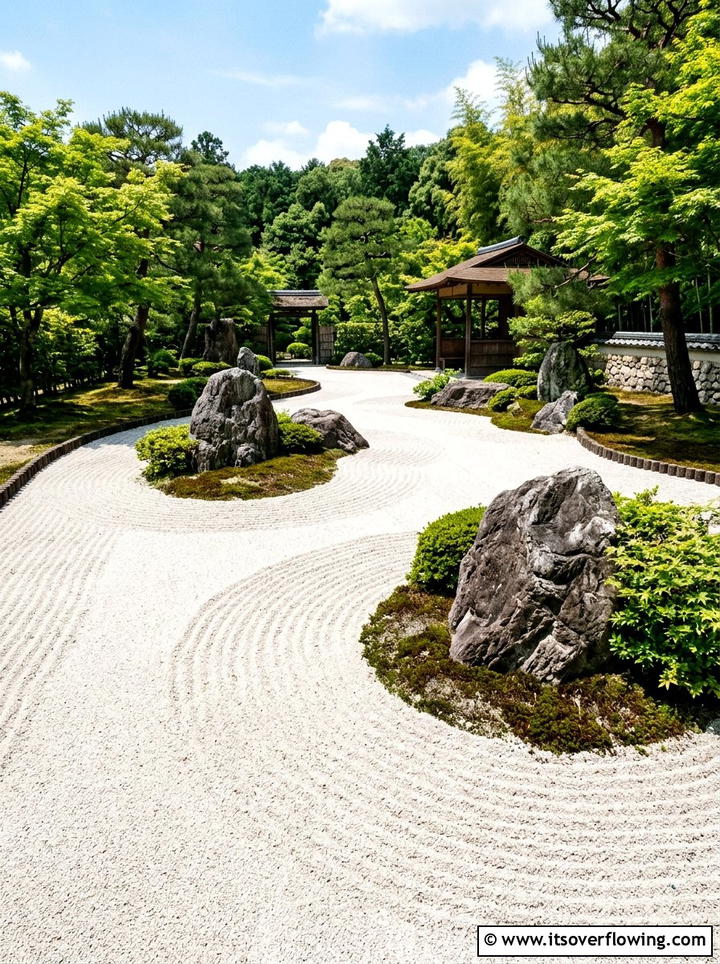
In a dry or Zen-inspired garden, a simple sand path can provide a clean and minimalist look that feels very intentional and peaceful. While sand is often used as a base for other materials, using it as the primary walkway surface creates a soft and beachy atmosphere. To keep the sand from blowing away or becoming messy, it is best to use a heavy-duty border like large stones or timber. You can even use a rake to create swirling patterns in the sand, turning your garden path into an interactive and meditative piece of art. This is a very budget-friendly option that works beautifully in sunny, well-drained locations.
22. Log Slice Walkway
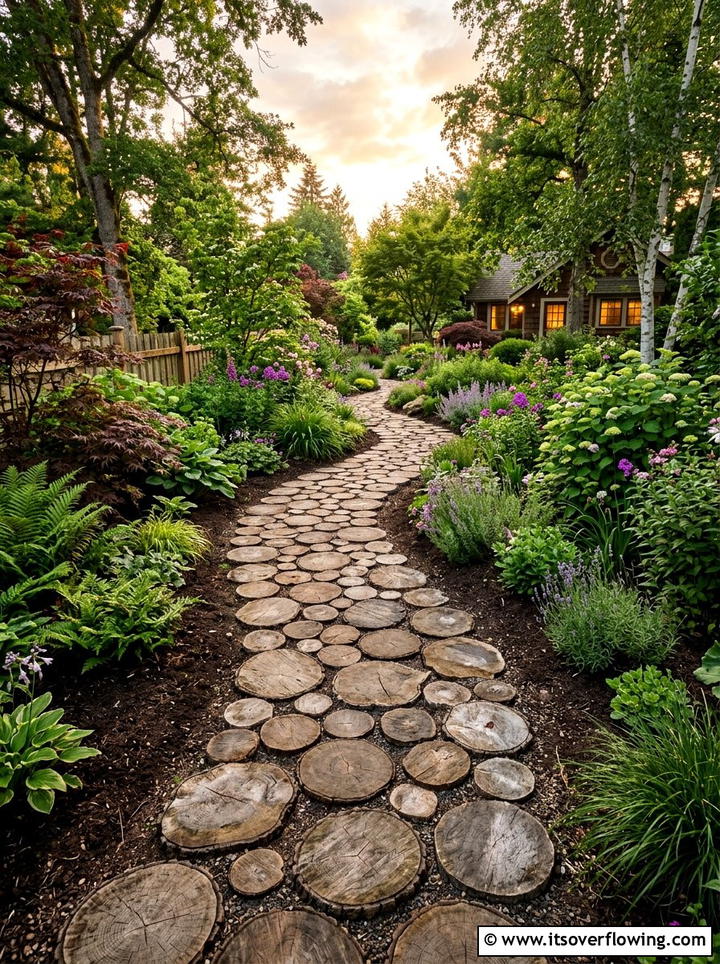
A log slice walkway is similar to wood rounds but often uses thinner, more irregular slices to create a mosaic-like pattern on the ground. This approach is perfect for repurposing smaller branches that might otherwise be turned into firewood or discarded after a storm. By nestling these slices into a bed of fine sand, you can create a decorative and functional path that feels like it grew naturally out of the forest floor. The varying sizes and shapes of the log slices add a lot of visual interest and character to a simple backyard path. It is an artistic and sustainable way to enhance your garden’s natural beauty.
23. Geometric Paver Walkway
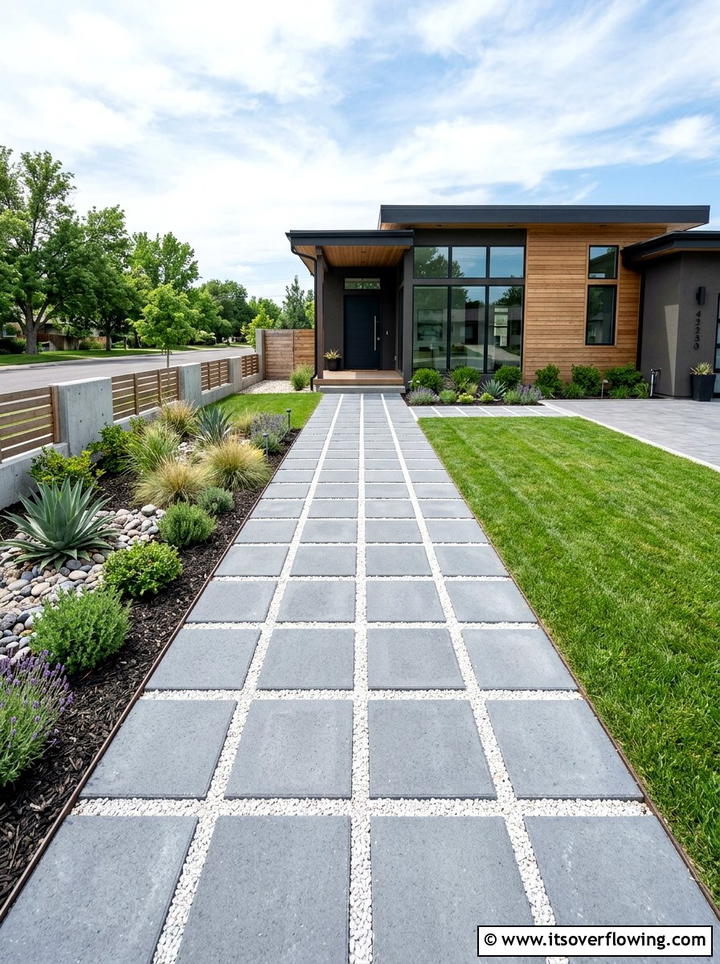
For those who love a modern and orderly aesthetic, a geometric paver walkway uses standard square stones arranged in a precise, repeating pattern. By placing the pavers in a grid with exactly even spacing, you create a very professional and high-design look using some of the cheapest materials available. Filling the joints with a contrasting material, like white quartz or black basalt, emphasizes the clean lines and geometric shapes of the pavers. This style is particularly effective in front yards where you want to create a strong first impression and enhance the architectural lines of your home. It is a simple yet high-impact way to improve your curb appeal.
24. Railroad Tie Path
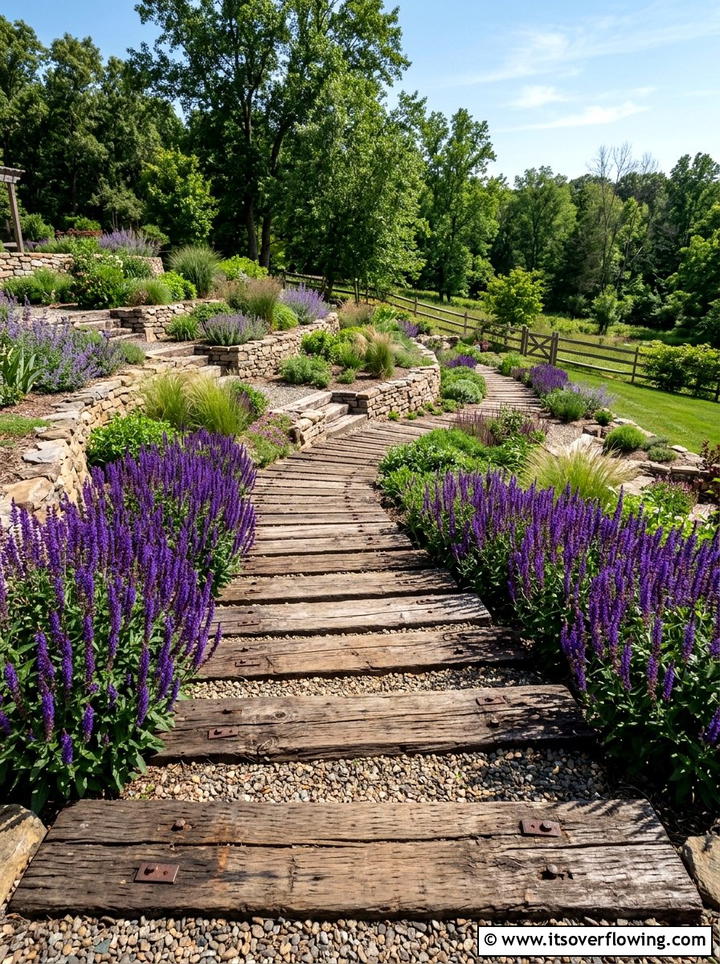
Reclaimed railroad ties are thick, durable beams of wood that provide a massive and industrial feel to a garden walkway or staircase. These heavy-duty timbers are perfect for creating long, straight paths or for building sturdy steps on a sloping hillside in your backyard. Their weathered and rustic appearance fits perfectly with large-scale landscapes and gardens that feature big boulders and hardy shrubs. Because they are so large, they stay in place with very little effort and can last for decades with minimal maintenance required. Using railroad ties is a fantastic way to add structural integrity and a sense of history to your outdoor garden space.
25. Moss Garden Path
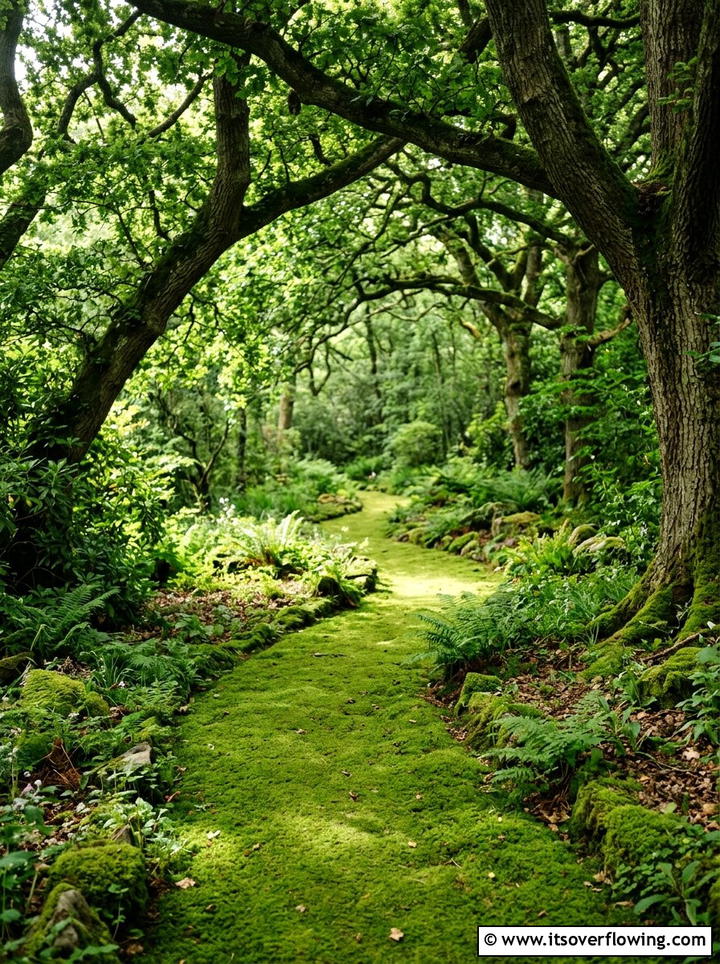
A moss garden path is the ultimate low-cost solution for shaded, damp areas of the yard where grass and other plants struggle to grow. By encouraging the growth of native mosses, you can create a velvety green carpet that feels incredible underfoot and looks like an emerald ribbon through the trees. You can speed up the process by “planting” small clumps of moss or using a moss milkshake mixture to spread the spores. This type of path requires no mowing and very little maintenance, making it a dream for hands-off gardeners. It provides a timeless and magical feel that makes any garden space feel like a secret, enchanted woodland.
Conclusion:
Designing a beautiful garden path is a rewarding project that significantly enhances the usability and aesthetic appeal of your outdoor living space. Whether you choose the rustic charm of wood slices or the clean lines of concrete pavers, these twenty-five ideas demonstrate that a stunning landscape is within reach for everyone. By selecting affordable materials and putting in a bit of DIY effort, you can create a walkway that guides your guests and highlights your hard work in the garden. These paths not only add value to your property but also encourage you to spend more time enjoying the natural beauty of your own backyard retreat.

Related posts:
 25 Cheap Garden Ideas With Container Gardening for Small Yards
 25 Cheap Garden Ideas With Gravel for Stylish Low-Cost Yards
 25 Cheap Garden Ideas To Refresh Your Outdoor Space Fast
 25 Cheap Garden Ideas With Cinder Blocks: Clever DIY Style
 25 Cheap Garden Ideas With Composting for Greener Outdoor Spaces
 25 Cheap Garden Ideas With Drought Tolerant Plants to Try
 25 Cheap Garden Ideas With Edging for Instant Curb Appeal
 25 Cheap Garden Ideas With Low Maintenance Plants That Thrive
 25 Cheap Garden Ideas With Mulch for a Polished Yard
 25 Cheap Garden Ideas With Rain Barrels: Save Water in Style
 25 Cheap Garden Ideas With Simple Planters: Easy Budget Style
 25 Cheap Garden Ideas With String Lights: Magical Glow Tips