
Starting a garden from seeds is one of the most rewarding ways to transform your outdoor space without spending a fortune. Seeds are incredibly affordable compared to buying mature plants from a nursery, and they offer a much wider variety of species to choose from. Whether you want to create a lush flower bed or a productive vegetable patch, the process of nurturing a tiny seed into a thriving plant is deeply satisfying. This approach allows you to experiment with different layouts and colors every year. By following these budget-friendly methods, you can build a beautiful sanctuary that reflects your personal style while keeping your costs very low.
1. Sunflower fence border
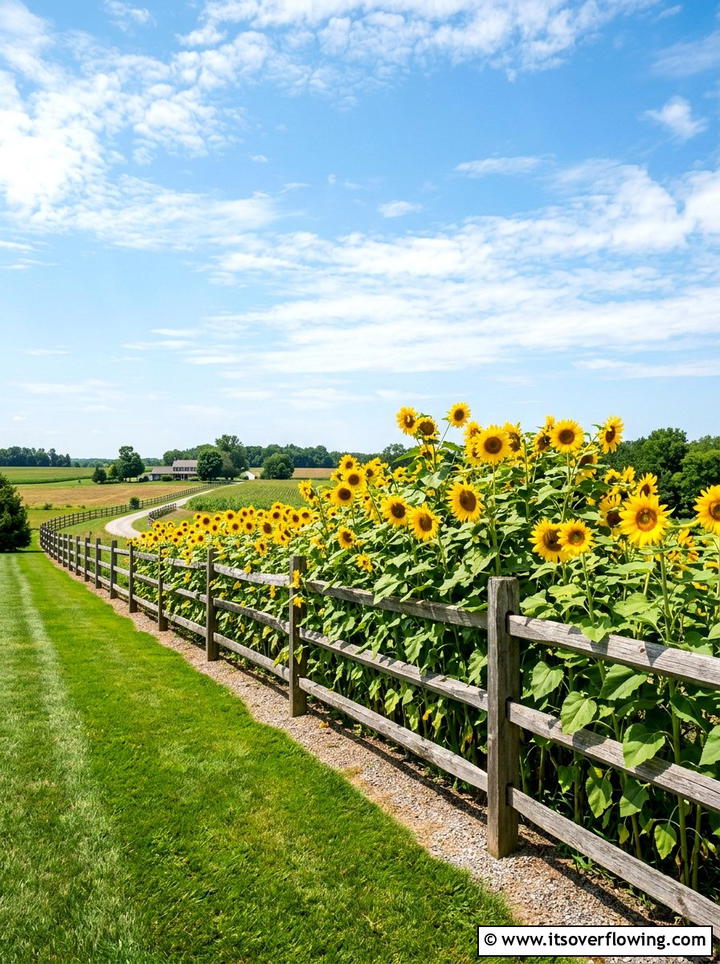
Sunflowers are the perfect choice for creating a tall and vibrant boundary along your property line or backyard fence. Since seeds are very inexpensive, you can buy large packets to cover a significant distance with minimal investment. These plants grow rapidly and provide a cheerful backdrop that attracts birds and helpful insects to your yard. You should choose varieties that reach different heights to add depth and visual interest to your landscape. Planting them directly into the soil after the last frost is easy and effective. Once they bloom, these towering flowers create a natural privacy screen that looks much better than a plain wooden fence.
2. Wildflower meadow patch
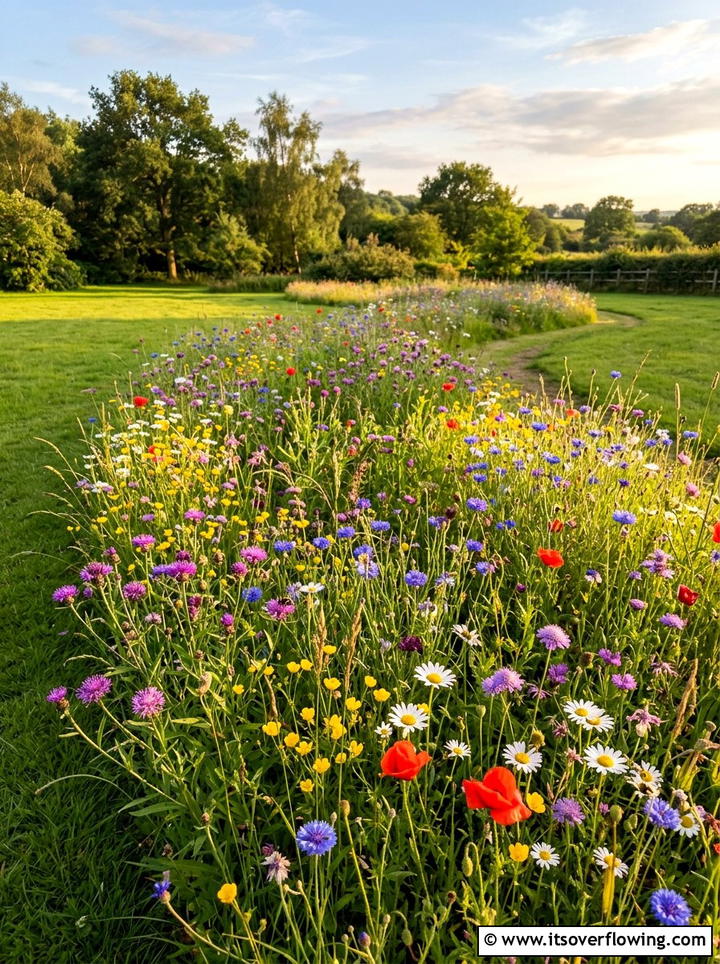
Converting an unused area of your lawn into a wildflower meadow is a fantastic way to save money and support local biodiversity. Wildflower seed mixes are often sold in bulk, making them a very cost-effective solution for covering large patches of ground quickly. These flowers require very little maintenance once they are established because they are naturally hardy and adapted to the local environment. You will enjoy a colorful explosion of blooms that change throughout the seasons, providing a dynamic look for your home. This naturalized style reduces the need for mowing and watering, which saves you even more time and money in the long run.
3. Raised bed vegetable garden
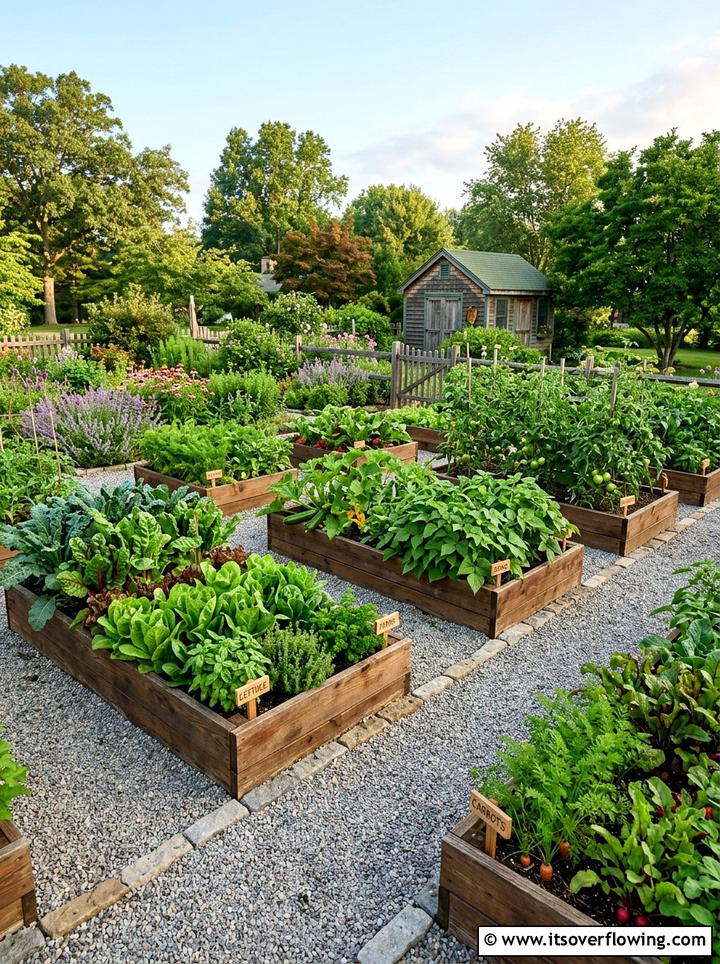
Building your own raised beds and filling them with vegetables grown from seed is a smart way to control your food source on a budget. Seeds for staples like carrots, radishes, and peas cost only a few dollars per pack but yield a massive harvest. You can use reclaimed wood or old bricks to build the beds for free or at a very low cost. Growing from seed ensures you have access to heirloom varieties that are not usually found in local grocery stores. This method keeps your garden organized and makes it much easier to manage soil quality and drainage for the best possible growth.
4. Zinnia cutting garden
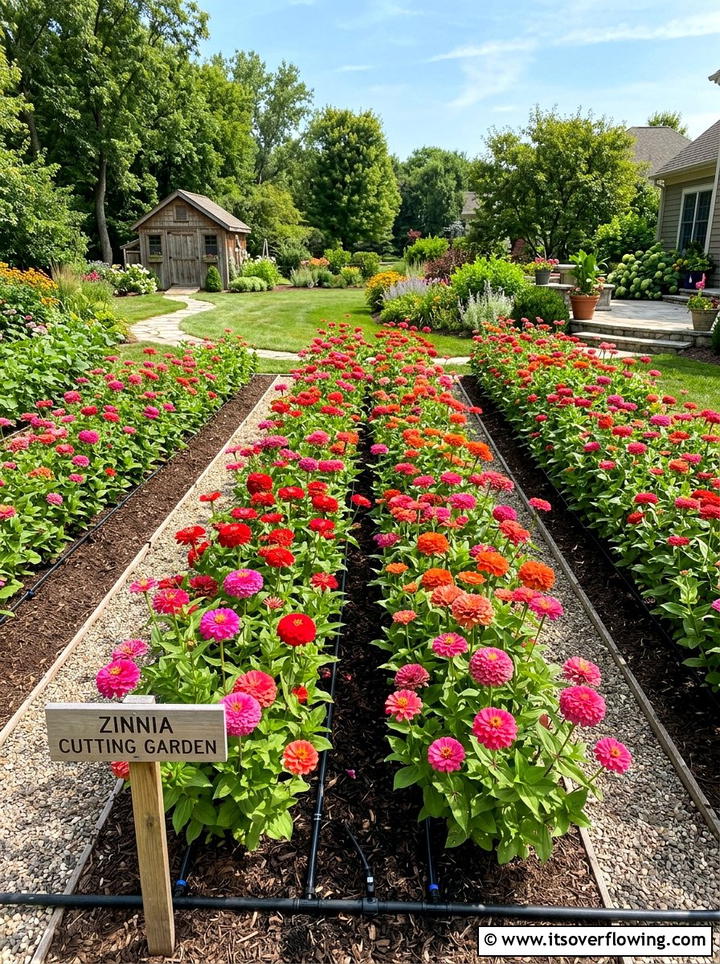
Zinnias are one of the easiest flowers to grow from seed, making them a top choice for beginner gardeners looking for big results. These flowers come in almost every color of the rainbow and bloom continuously from midsummer until the first frost hits. By planting several rows of zinnias, you can create a dedicated cutting garden that provides fresh bouquets for your home every single week. The more you harvest the blooms, the more the plant will produce, giving you incredible value for just a few dollars spent on seeds. They are heat-tolerant and very sturdy, so they will thrive even during the hottest parts of the summer months.
5. Climbing sweet pea trellis
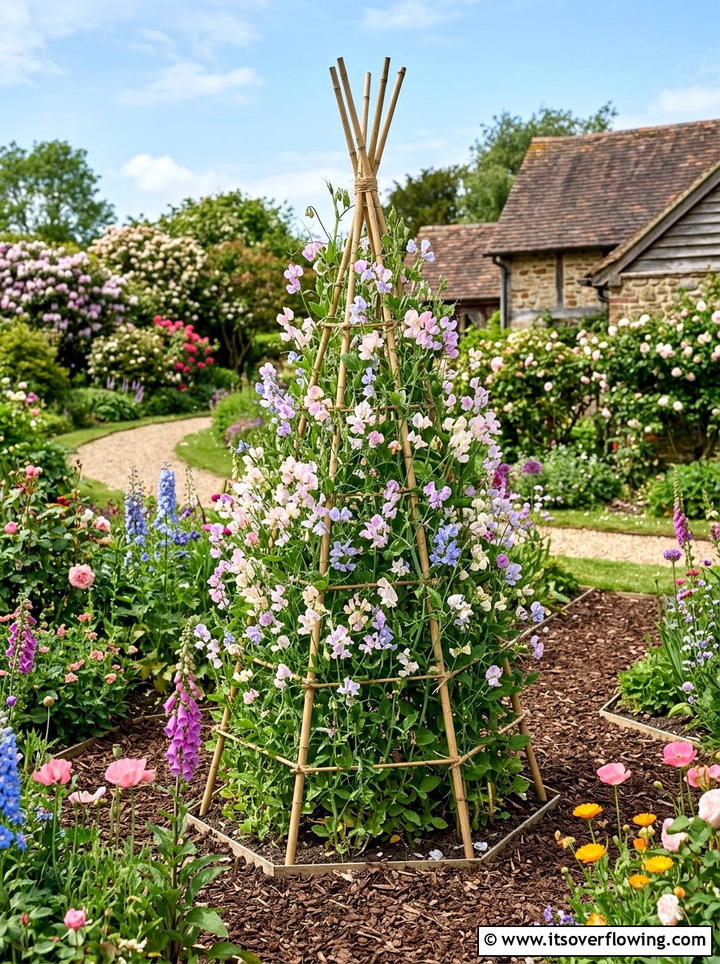
Sweet peas are beloved for their delicate fragrance and beautiful pastel colors that can transform any vertical space in your yard. You can easily train these climbing plants to grow up an inexpensive bamboo teepee or a simple wire trellis made from leftover materials. Starting them from seed in early spring allows them to establish deep roots before the weather gets too warm. They add a romantic and vintage feel to your garden while providing plenty of stems for fragrant indoor arrangements. Investing in a single packet of seeds will reward you with hundreds of blossoms that fill the air with a wonderful, sweet scent.
6. Herb container garden
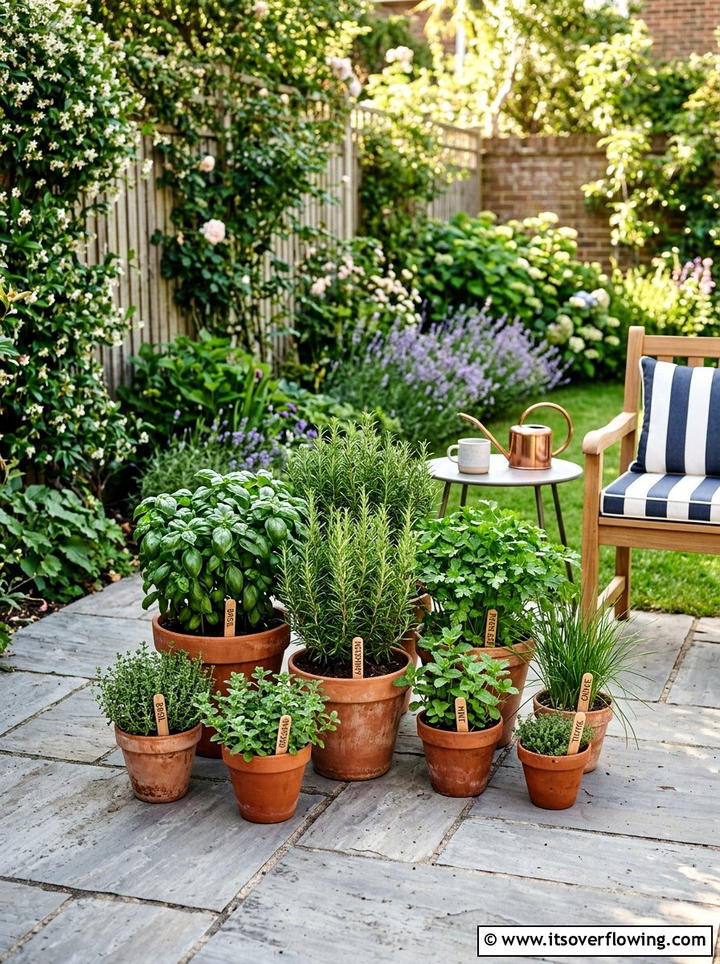
If you have limited space, growing a variety of herbs from seed in small pots is a practical and budget-friendly idea. Popular herbs like basil, cilantro, and parsley are very easy to start on a sunny windowsill or a small patio table. Buying seeds is much cheaper than purchasing individual herb plants from the store, and you get dozens of plants for the price of one. These herbs not only look beautiful with their different textures and shades of green but also provide fresh flavors for your kitchen. You can reuse old containers or tin cans to keep your setup costs nearly at zero while growing.
7. Marigold vegetable companion planting
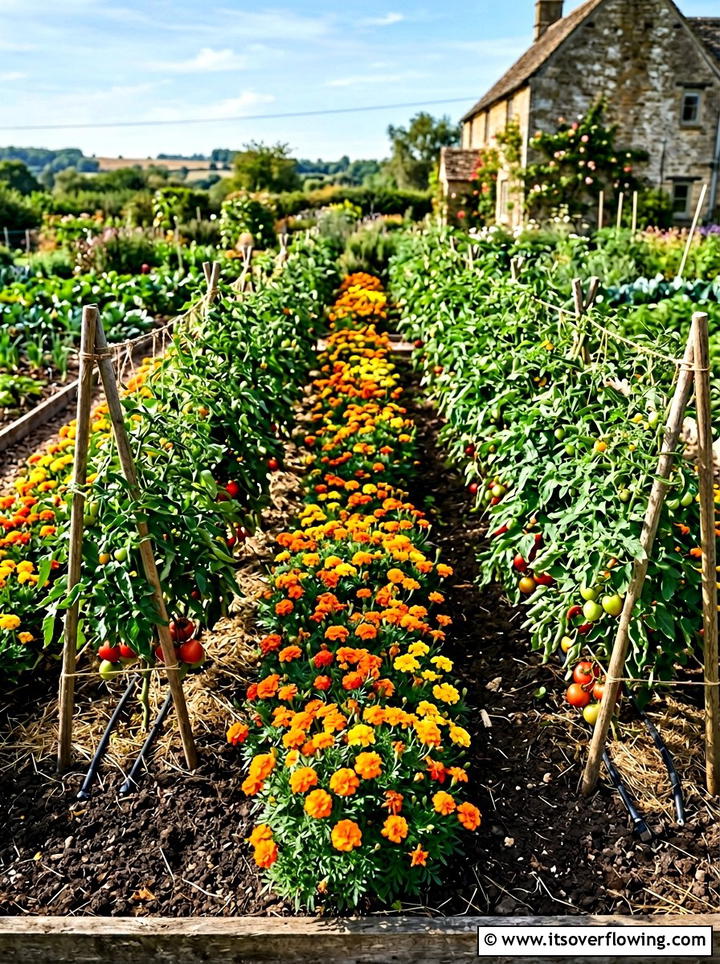
Marigolds are famous for their ability to protect your vegetable garden from pests while adding a bright pop of gold and orange. These flowers grow very quickly from seed and are extremely hardy in most climates and soil types. By planting them in rows between your tomatoes and peppers, you create a natural barrier that helps keep harmful insects away from your food. Their pungent scent is a natural deterrent, making them a functional and beautiful addition to any garden layout. Since marigolds produce many seeds themselves, you can even save them at the end of the season to plant again for free next year.
8. Pollinator friendly flower bed
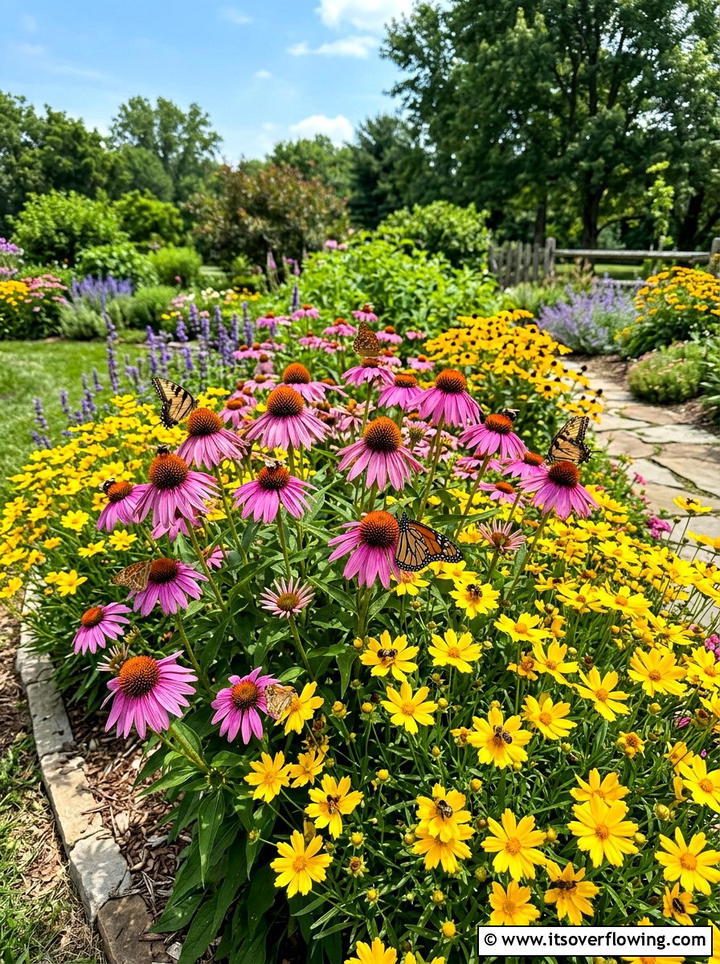
Creating a dedicated space for bees and butterflies is a wonderful way to use seeds to enhance your local ecosystem. You can select seed varieties like Echinacea, milkweed, and coreopsis to provide essential nectar and habitat for these important visitors. A pollinator garden looks best when planted in dense clusters, which is very easy to achieve when you start with affordable seed packets. This type of garden often requires less water and maintenance once the plants are established in the soil. You will enjoy the sight of active wildlife in your yard while knowing you are helping the environment on a very small and manageable budget.
9. Lettuce salad bowl garden
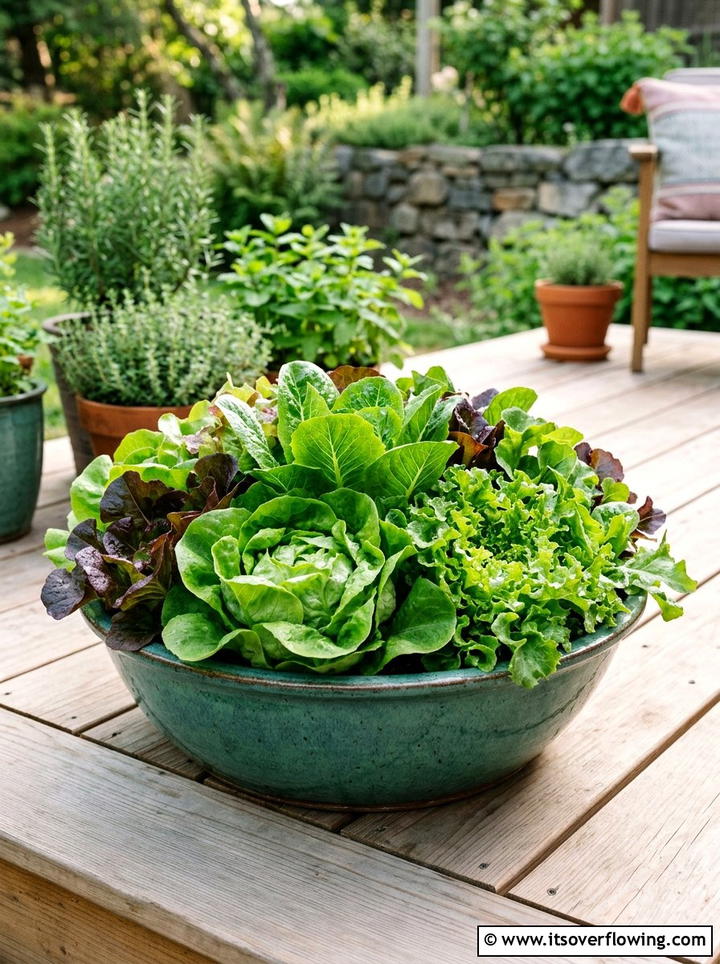
Growing your own salad greens is one of the fastest ways to see a return on your investment in seeds. Many lettuce varieties can be harvested in as little as thirty days, allowing you to enjoy fresh food almost immediately. You can sow seeds thickly in a wide, shallow container to create a “salad bowl” effect that looks lush and inviting. This method allows you to cut what you need for a meal and let the rest continue to grow for future harvests. Since lettuce seeds are tiny and plentiful, a single packet can provide you with fresh greens for many weeks throughout the growing season.
10. Pumpkin patch corner
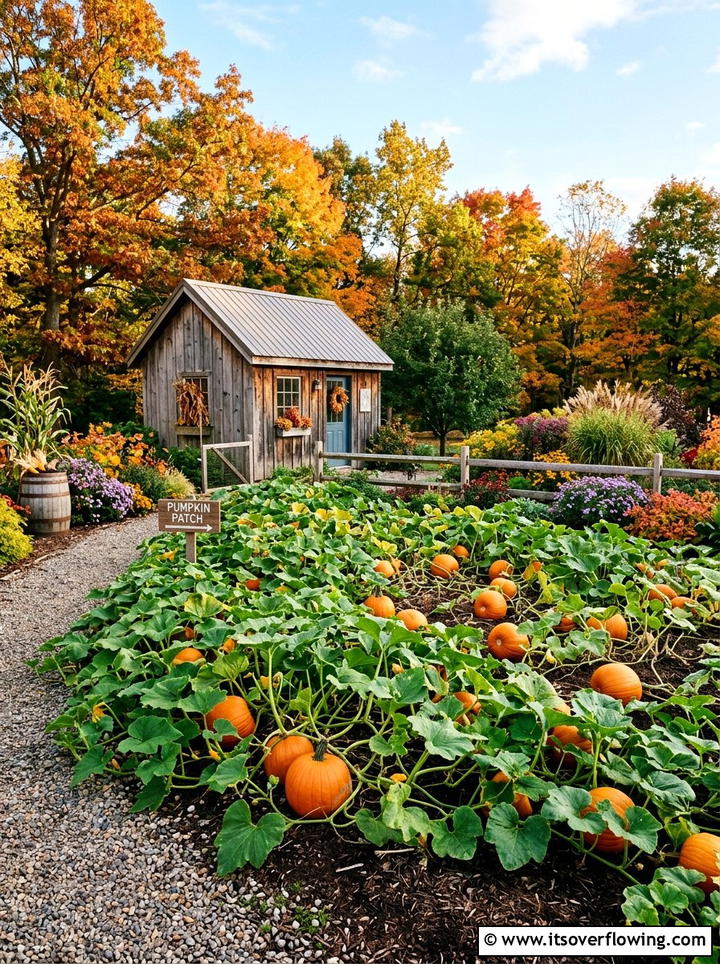
If you have a bit of extra space in your backyard, planting a few pumpkin seeds can result in a fun and rewarding harvest. Pumpkins are vigorous growers that spread their large leaves across the ground, acting as a natural mulch that keeps weeds at bay. They are perfect for kids to watch grow, as the vines can extend many feet in just a few short weeks. By starting from seed, you can choose unique varieties like white pumpkins or giant carving types for the autumn season. This project provides great seasonal decor and food for your family for the cost of just one small seed packet.
11. Lavender walkway border
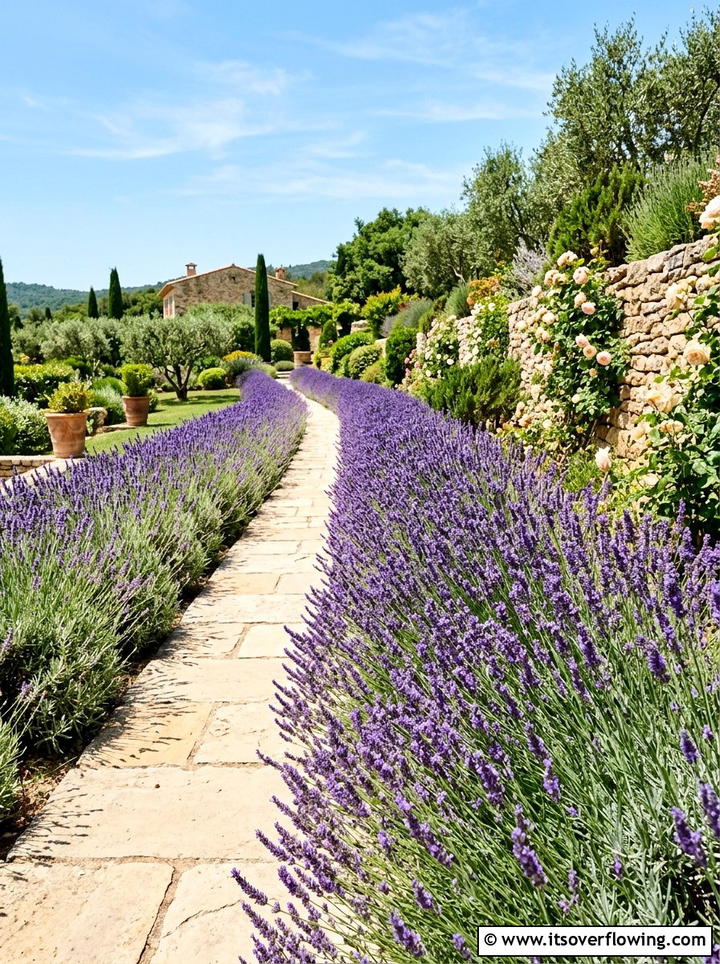
Lavender is a perennial favorite that adds both visual beauty and a calming scent to your garden paths and walkways. While it takes a bit of patience to grow from seed, the cost savings are massive compared to buying established shrubs. Once the plants reach maturity, they create a soft, silvery-purple border that looks elegant and professionally designed. Lavender is drought-tolerant and loves sunny spots, making it a low-maintenance choice for busy homeowners. The fragrant flowers can also be dried and used for crafts or sachets inside your home. Planting a long row of lavender from seed is an ambitious but very affordable landscaping project.
12. Morning glory privacy screen
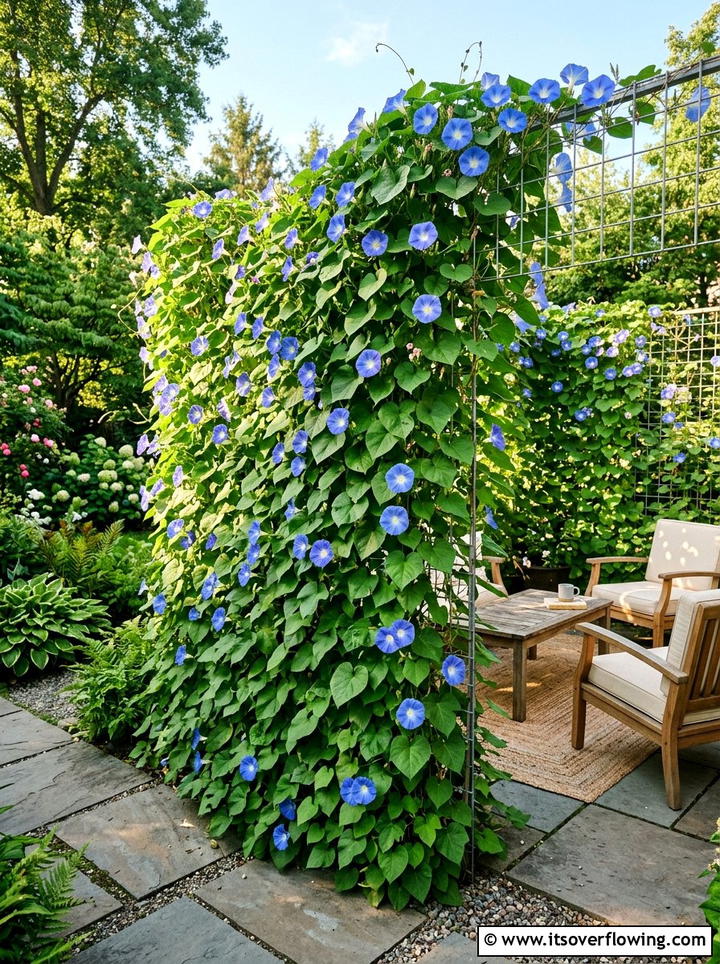
Morning glories are fast-growing vines that can quickly cover a trellis, fence, or unsightly wall with heart-shaped leaves and vibrant blooms. These seeds are very inexpensive and have a high germination rate, so you can achieve full coverage in a single summer. The flowers open fresh every morning, creating a beautiful display that greets you at the start of each new day. Using these vines is a great way to add vertical interest and privacy to a small patio or balcony area without spending much. Just provide them with something to climb, and they will rapidly transform a plain space into a lush, green sanctuary.
13. Nasturtium ground cover
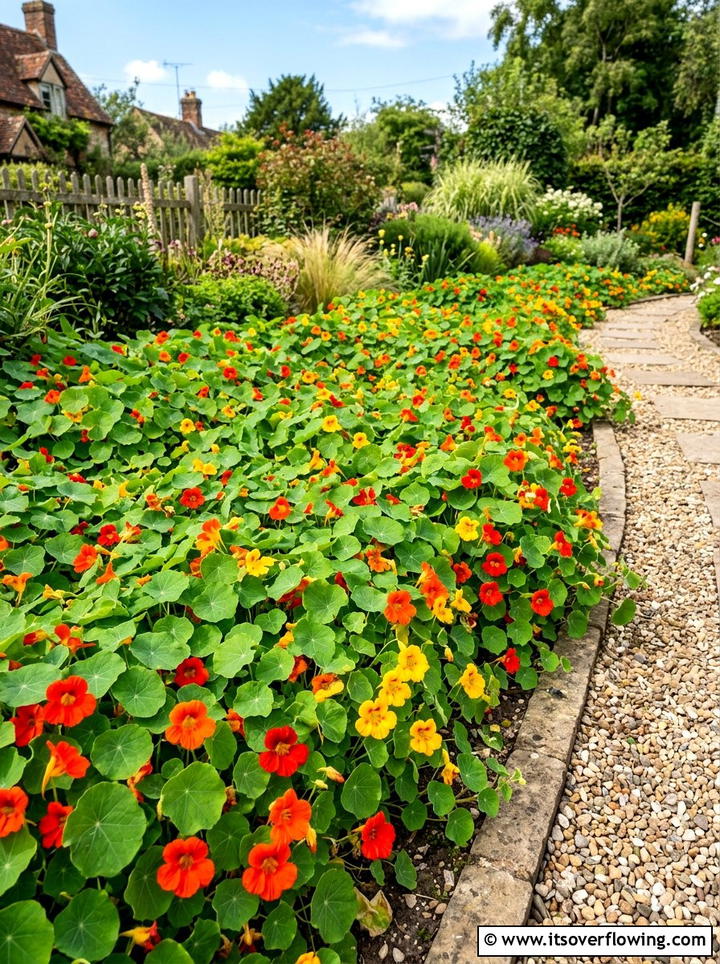
Nasturtiums are versatile plants that work perfectly as a colorful ground cover or a cascading element in hanging baskets and planters. They grow very easily from large seeds that are simple for even children or beginner gardeners to handle and plant. These plants produce vibrant flowers in shades of red, orange, and yellow that are also entirely edible and taste slightly peppery. They thrive in poor soil, meaning you do not need to spend money on expensive fertilizers to get great results. Nasturtiums will quickly spread across the ground, choking out weeds and providing a thick carpet of beautiful foliage and bright, cheerful summer blossoms.
14. Tomato plant staking
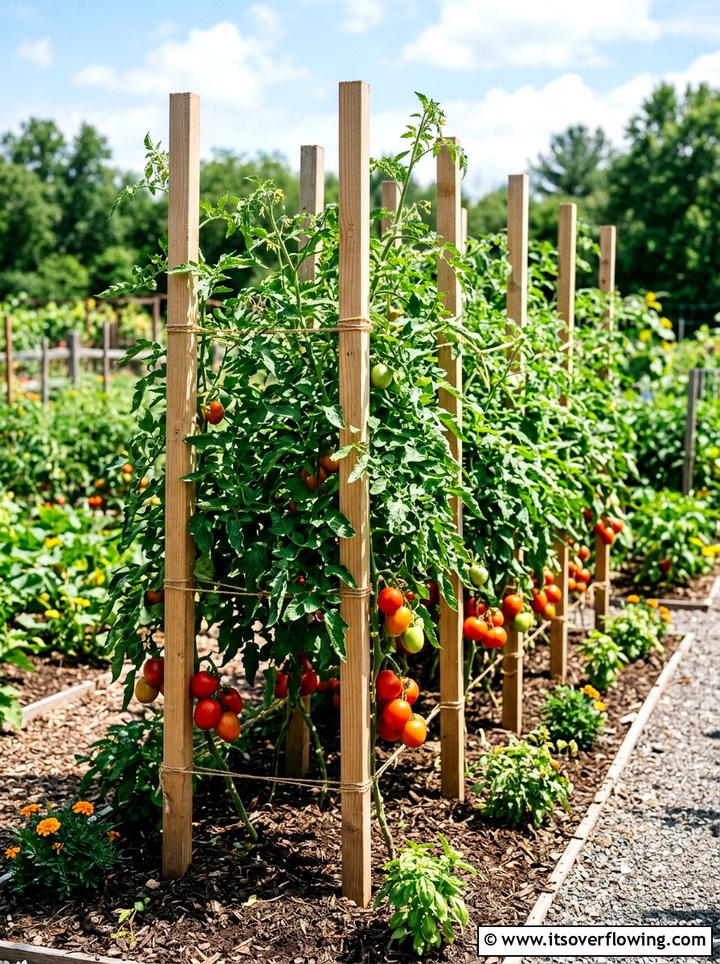
Growing tomatoes from seed allows you to choose from hundreds of unique varieties that are much more flavorful than store-bought options. You can start the seeds indoors in recycled egg cartons before moving them outside once the weather is warm enough. To keep the plants healthy and productive, use simple stakes or cages made from inexpensive wood or wire to support their growth. Staking your tomatoes keeps the fruit off the ground, which prevents rot and makes it much easier to harvest your crop. A single tomato seed can produce dozens of pounds of fresh fruit, making this one of the most cost-effective garden ideas.
15. Cosmos cottage garden
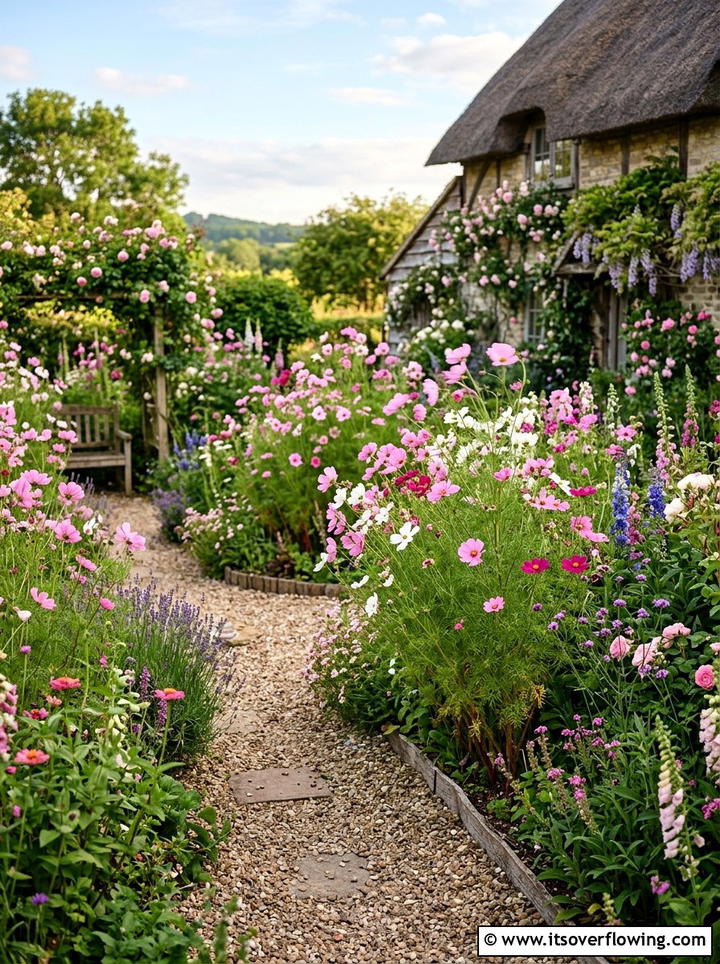
Cosmos are the ultimate cottage garden flower because they have feathery foliage and delicate, daisy-like blooms that dance in the wind. These flowers are incredibly easy to grow from seed and will often reseed themselves, giving you free plants for the next year. They fill up empty spaces in your garden beds very quickly and provide a soft, romantic look that lasts all summer long. Cosmos are not picky about soil and can handle dry conditions, so they are perfect for low-budget gardening projects. Their tall stems and airy appearance make them a great filler plant for any sunny spot in your yard or flower garden.
16. Bee balm wildlife habitat
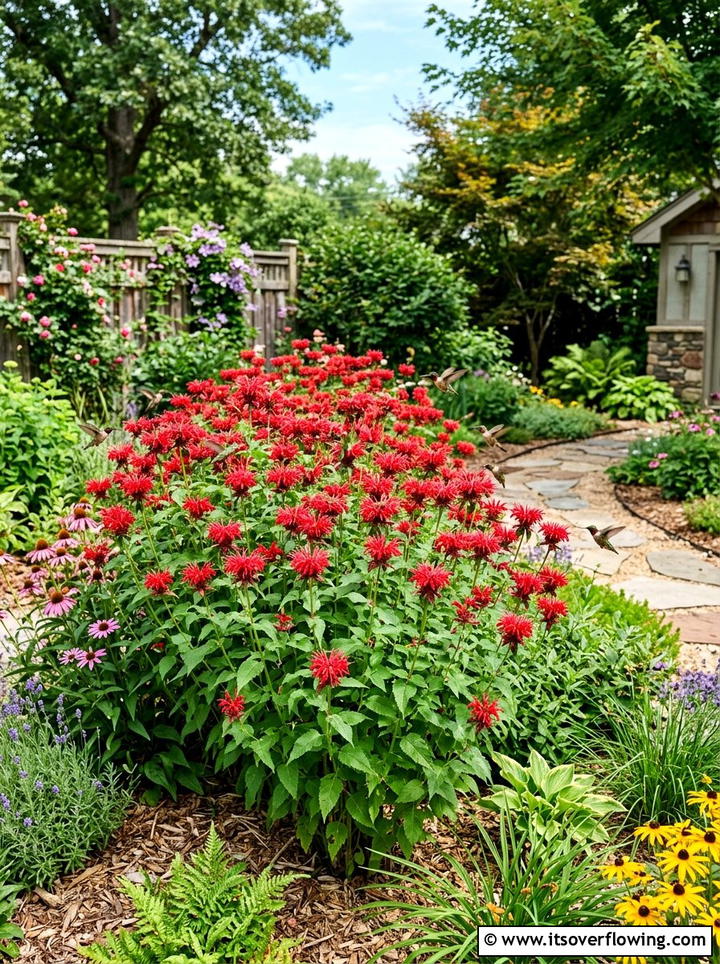
Bee balm, also known as Monarda, is a striking flower that produces unique, shaggy blooms that are irresistible to hummingbirds and bees. Starting these plants from seed is a budget-friendly way to add a bold focal point to your backyard landscape. They are perennials, which means they will come back year after year, providing long-term value for your initial small investment. Bee balm thrives in sunny areas and can quickly form a large, impressive clump of flowers that adds height and texture. This plant is also used to make herbal tea, adding another layer of practical value to your beautiful and wildlife-friendly garden space.
17. Kale and leafy greens bed
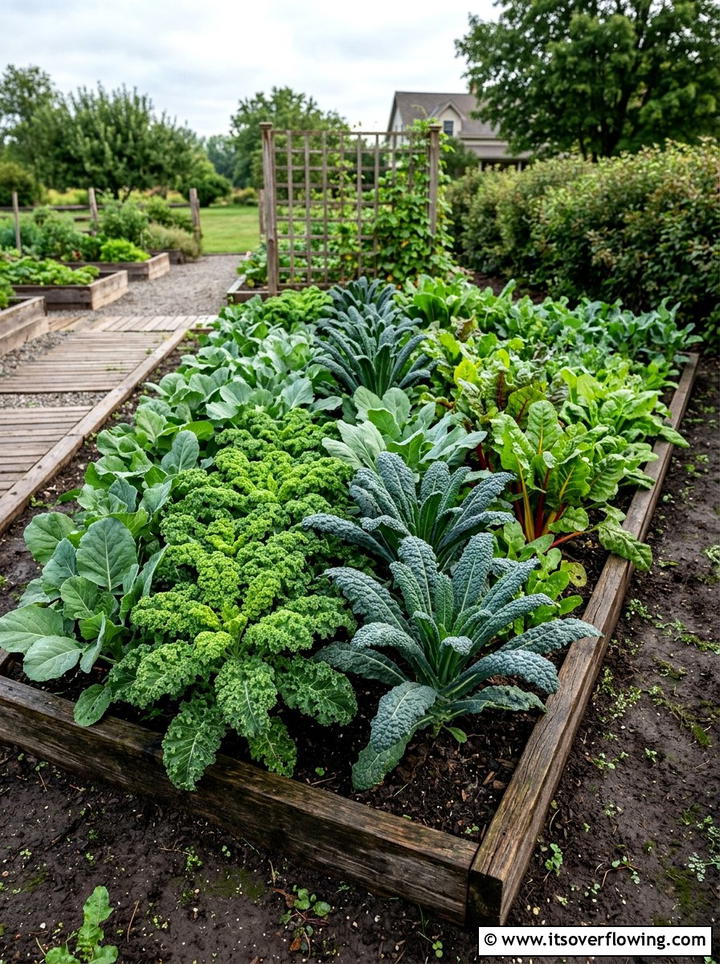
Kale and other leafy greens are extremely hardy and can be grown from seed in both the early spring and late fall. These plants are packed with nutrients and are very expensive at the market, so growing them yourself saves a lot of money. You can plant different varieties with various leaf shapes and colors to create a bed that is as beautiful as it is functional. Because they can tolerate cooler temperatures, they extend your gardening season and provide fresh food when other plants have finished. They are very easy to grow from seed and require very little space to produce a large, healthy harvest.
18. Corn stalk vertical garden
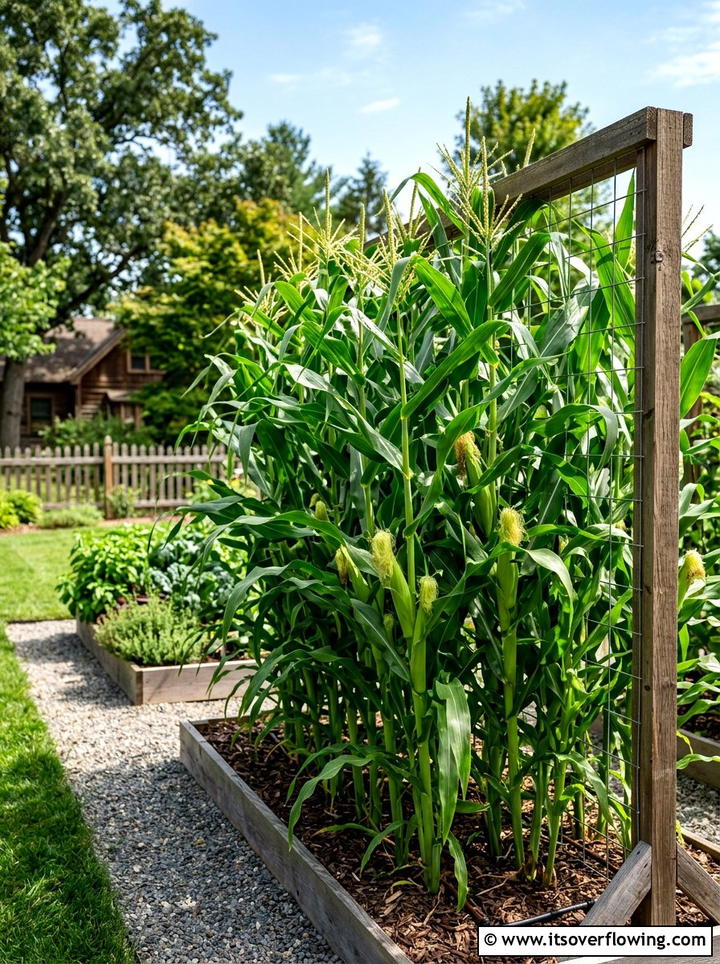
Corn is a classic summer crop that adds a dramatic vertical element to any garden while providing a delicious harvest for your family. By planting corn seeds in small blocks rather than long rows, you can ensure better pollination and a higher yield of ears. The tall, sturdy stalks can also serve as a natural support for climbing beans, a technique often called “companion planting. ” This method maximizes the use of your available space and creates a layered look that is visually interesting. Corn seeds are very cheap, and watching the stalks grow taller than a person is a fun experience for the whole family.
19. Poppy flower field
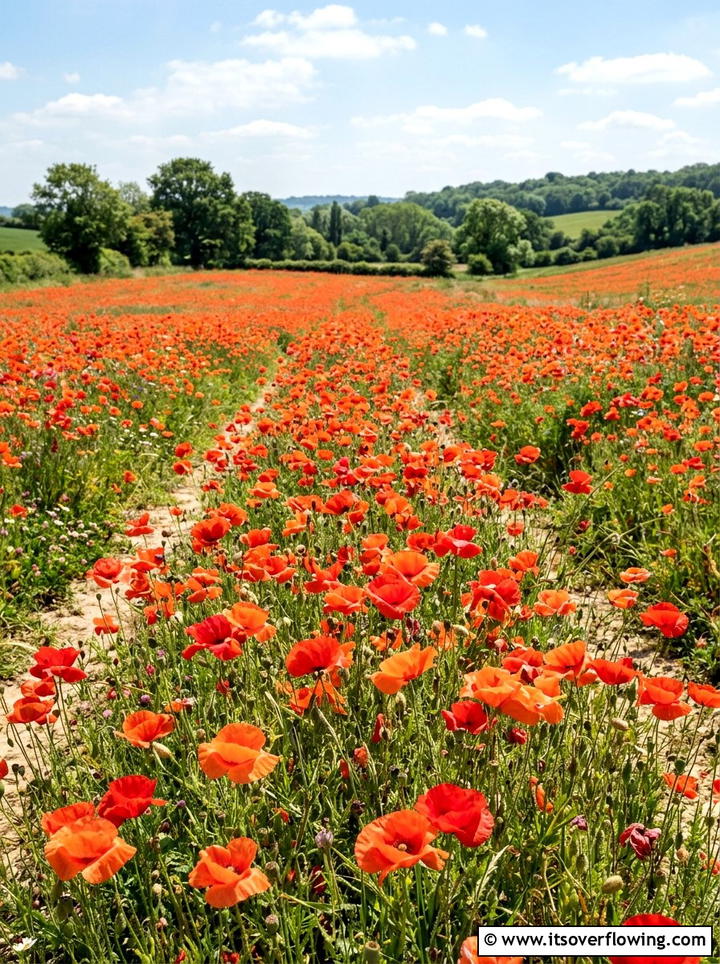
Poppies are known for their paper-thin petals and striking colors that can turn a simple patch of dirt into a stunning floral field. These seeds should be scattered directly on the soil surface in early spring, making them one of the easiest flowers to start. They create a massive impact when planted in large groups, which is very affordable to do when using seeds instead of plants. Once the flowers fade, the decorative seed heads remain, adding a different kind of architectural beauty to your garden landscape. Poppies are perfect for creating a relaxed, meadow-like feel that requires very little effort to maintain throughout the season.
20. Root vegetable garden
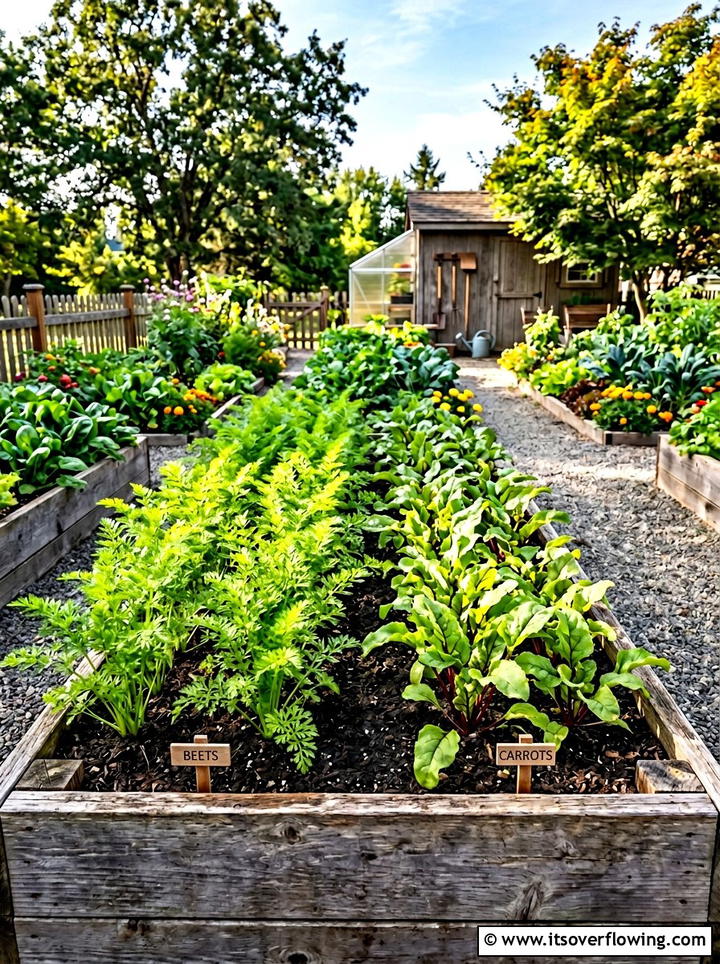
Root vegetables like carrots, beets, and radishes are ideal for seed gardening because they do not transplant well and must be sown directly. These crops grow underground, making them a great way to use the full depth of your garden soil and maximize your production. You can easily grow a huge amount of food in a very small area by carefully thinning the seedlings as they grow. The bright green tops of these vegetables also add a lovely texture to your garden beds before it is time for harvest. Using seeds allows you to try colorful varieties, like purple carrots or striped beets, for a fun culinary experience.
21. Butterfly bush garden
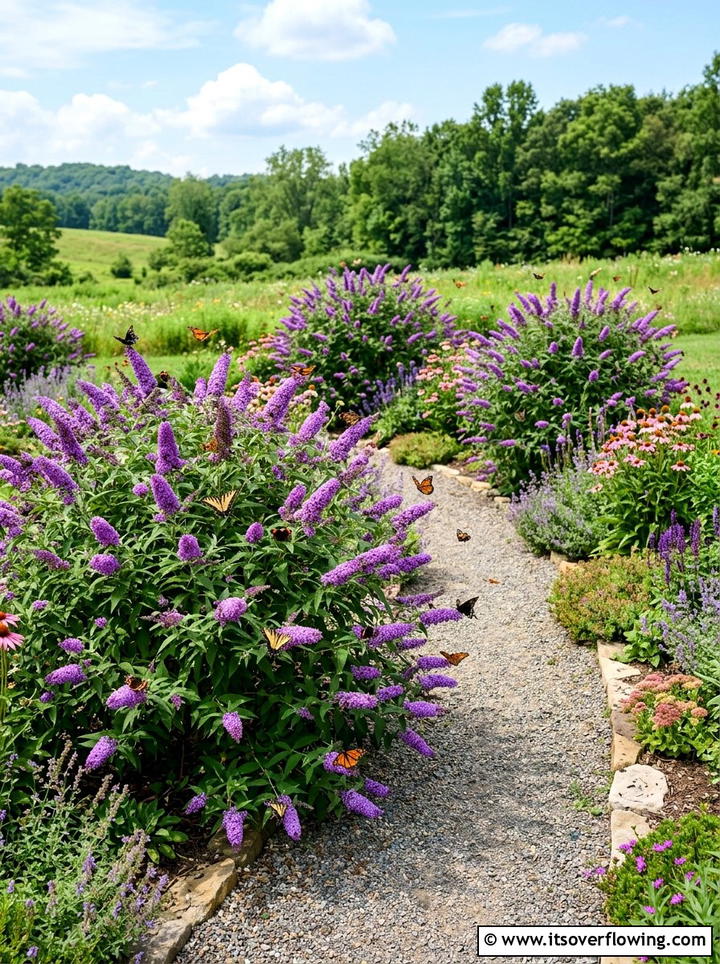
Butterfly bushes produce long, cone-shaped clusters of flowers that are famous for attracting many different species of colorful butterflies to your yard. While often bought as shrubs, starting certain varieties from seed is a very economical way to fill large gaps in your landscaping. They grow quite large in a single season and provide a beautiful, fragrant backdrop for your other flower beds and garden features. These plants love the sun and are generally very tough, surviving well in various soil conditions with minimal care. Adding a few of these to your garden creates a lively atmosphere filled with motion and bright, vibrant summer colors.
22. Snap dragon floral display
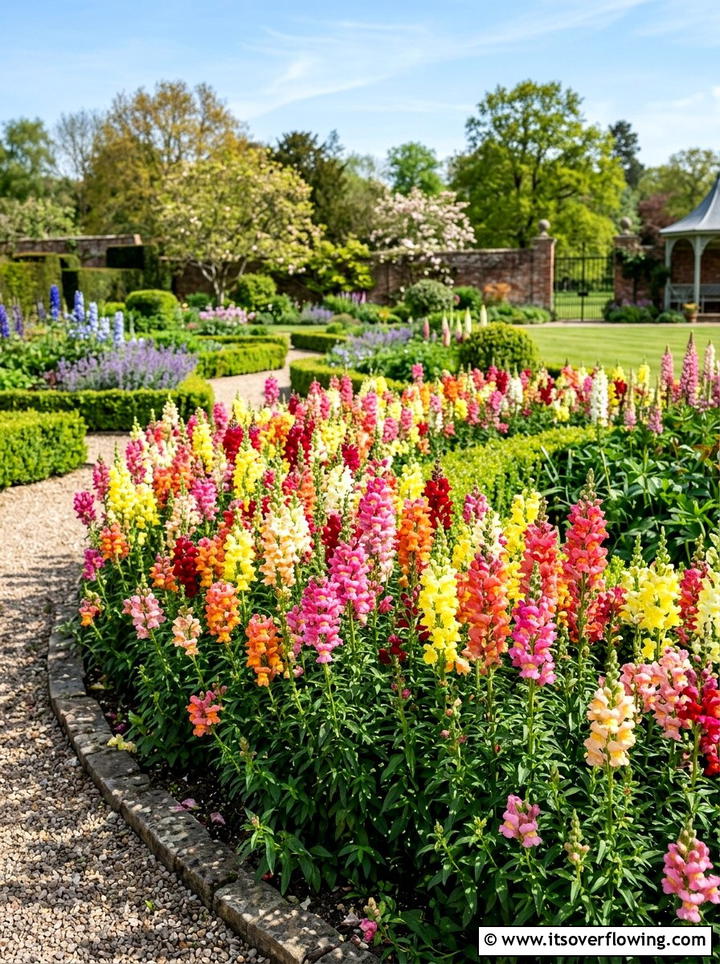
Snapdragons are classic garden flowers that offer a unique shape and a wide range of bright colors for your flower beds. They are cool-season flowers, meaning you can start them from seed early in the year to get a head start on spring. Their upright growth habit makes them excellent for adding vertical lines to your garden design and for use in floral arrangements. Children love the “snapping” mechanism of the flowers, making them a fun choice for a family-friendly garden project. Because they are so affordable to grow from seed, you can plant them in large masses for a truly spectacular and colorful visual display.
23. Bush bean vegetable row
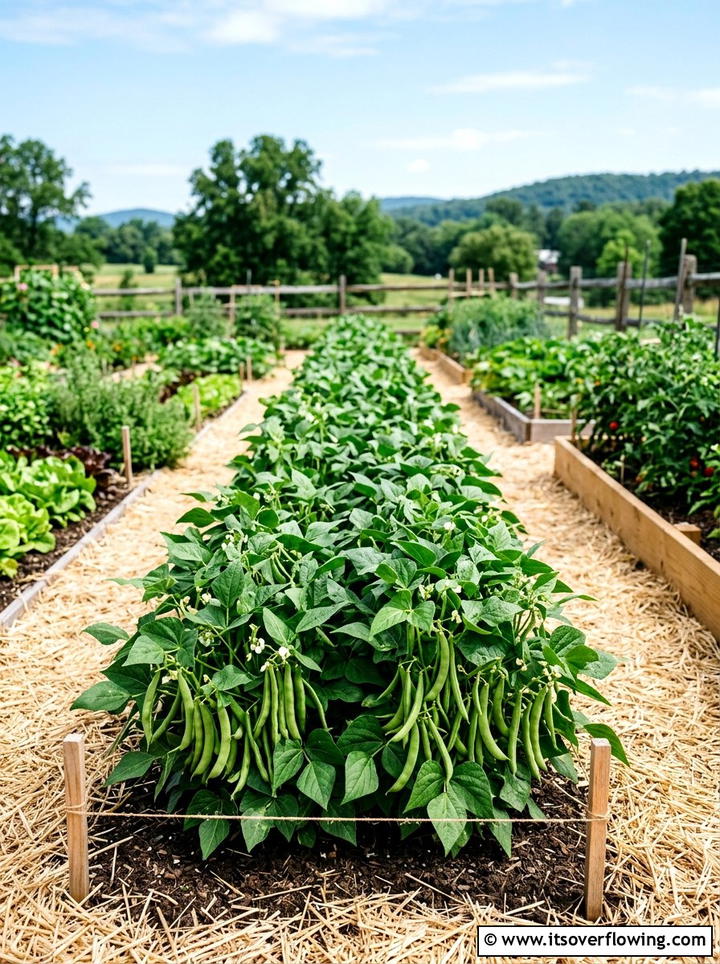
Bush beans are a fantastic choice for anyone looking to grow a lot of food with very little effort or expense. These seeds are large and easy to plant, and the plants themselves do not require any extra support or trellising to grow. They produce a heavy crop of beans in a short amount of time, allowing you to harvest and replant for multiple crops. Bush beans are also great for improving your soil because they help fix nitrogen, making the ground healthier for future planting. A few packets of seeds can provide enough fresh beans to feed your family all through the warm summer months.
24. Four o clock evening garden
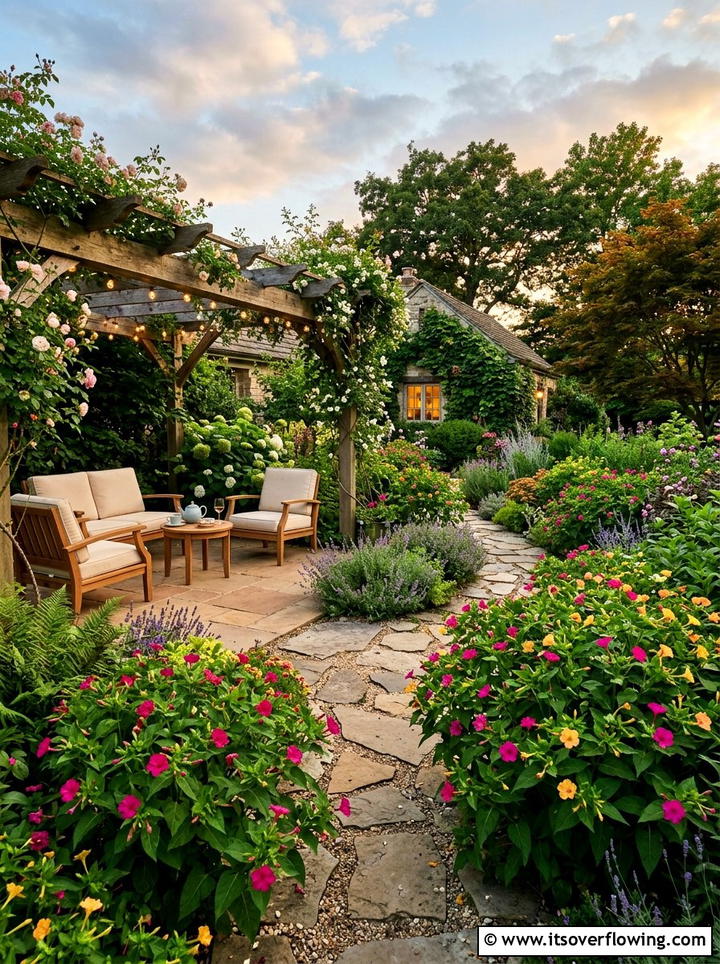
Four o’clocks are unique flowers that open in the late afternoon, filling your garden with a lovely fragrance just as the sun sets. Growing these from seed is a great way to create a specialized “evening garden” near your patio or outdoor seating area. They form bushy plants with lush green foliage and dozens of trumpet-shaped flowers in shades of pink, yellow, and white. These plants are very resilient and can thrive in less-than-ideal soil conditions, making them a low-cost choice for many homeowners. They often produce large seeds that can be easily collected and saved for the next growing season to save even more money.
25. Hollyhock back of border
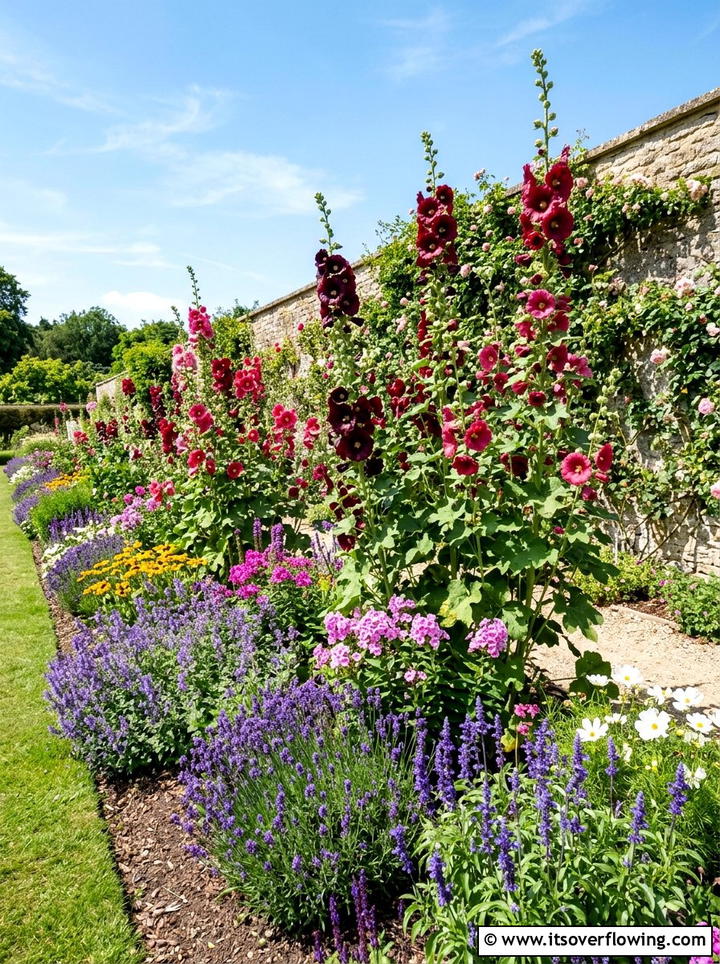
Hollyhocks are the quintessential tall garden flower, often reaching heights of six feet or more on sturdy, bloom-covered stalks. These are perfect for planting at the very back of your flower borders to provide a high-impact vertical element for very little cost. Starting them from seed is simple, and they will often reseed themselves year after year in the same spot. They give your garden an old-fashioned, charming feel that reminds people of traditional cottage landscapes and historic country homes. With their wide variety of colors and impressive height, hollyhocks are a must-have for any budget-conscious gardener looking to make a big and lasting statement.
Conclusion:
Designing a beautiful and productive outdoor space does not have to be an expensive endeavor if you focus on the power of seeds. By choosing a variety of flowers, vegetables, and herbs, you can create a diverse ecosystem that brings joy and food to your home. These twenty-five ideas demonstrate how simple it is to use affordable seed packets to transform every corner of your yard into a sanctuary. Whether you are building a tall sunflower border or a small herb container, the satisfaction of growing things yourself is truly priceless. With a little bit of patience and some basic care, your seed-based garden will flourish and become a viral-worthy landscape.

Related posts:
 25 Cheap Garden Ideas With Cuttings to Grow More for Less
 25 Cheap Garden Ideas With Curb Appeal Upgrades for Less
 25 Cheap Garden Ideas To Refresh Your Outdoor Space Fast
 25 Cheap Garden Ideas With Cinder Blocks: Clever DIY Style
 25 Cheap Garden Ideas With Composting for Greener Outdoor Spaces
 25 Cheap Garden Ideas With Drought Tolerant Plants to Try
 25 Cheap Garden Ideas With Edging for Instant Curb Appeal
 25 Cheap Garden Ideas With Low Maintenance Plants That Thrive
 25 Cheap Garden Ideas With Mulch for a Polished Yard
 25 Cheap Garden Ideas With Perennials for Lasting Color
 25 Cheap Garden Ideas With Simple Planters: Easy Budget Style
 25 Cheap Garden Ideas With String Lights: Magical Glow Tips