
Transforming your backyard into a lush paradise doesn’t require a massive budget or a professional landscaping crew when you embrace the art of upcycling. Using recycled materials allows you to express your unique personality while significantly reducing waste and saving money on expensive store-bought decor. These sustainable projects offer a wonderful way to give a second life to everyday items that would otherwise end up in a landfill. From old furniture to kitchen scraps, the possibilities for creative garden enhancements are virtually endless. You will find that these affordable solutions not only look charming but also provide functional benefits for your plants and local wildlife throughout the seasons.
1. Tire planter
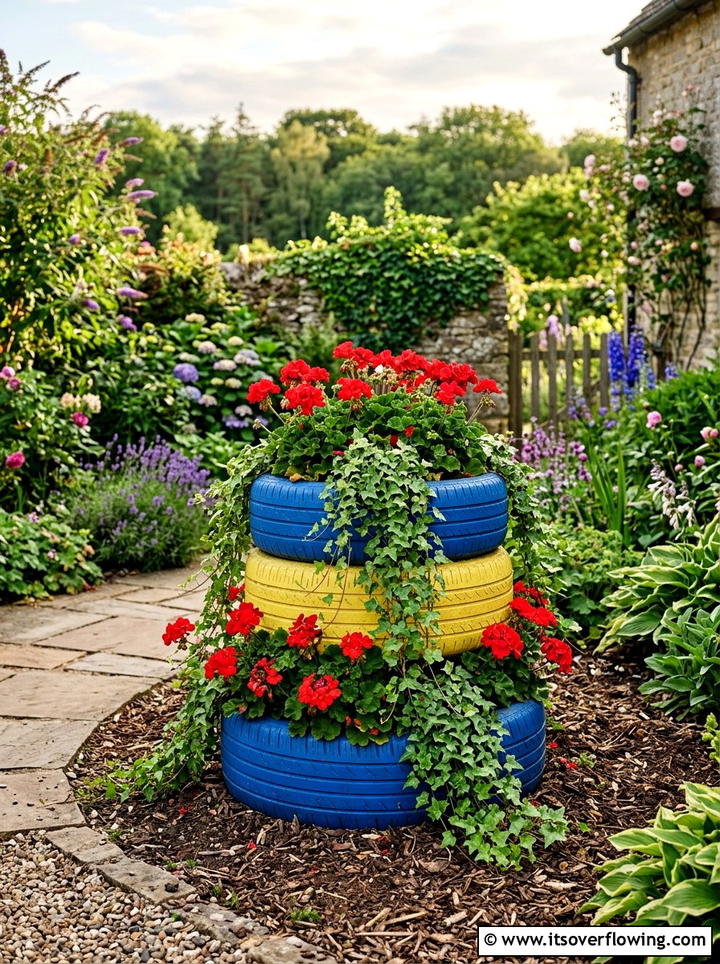
Have you ever wondered what to do with those old rubber tires taking up space in your garage or local shop? Painting these durable circles in bright, cheerful colors can instantly turn them into eye-catching focal points for any outdoor area. You can stack them to create tiered heights for different floral varieties or hang a single one against a sturdy wooden fence for a playful look. Make sure to drill several drainage holes in the bottom to keep your soil healthy and prevent water from pooling around the roots. These heavy-duty containers are perfect for hardy perennials or even small shrubbery that needs a bit of extra protection from the elements.
2. Pallet garden furniture
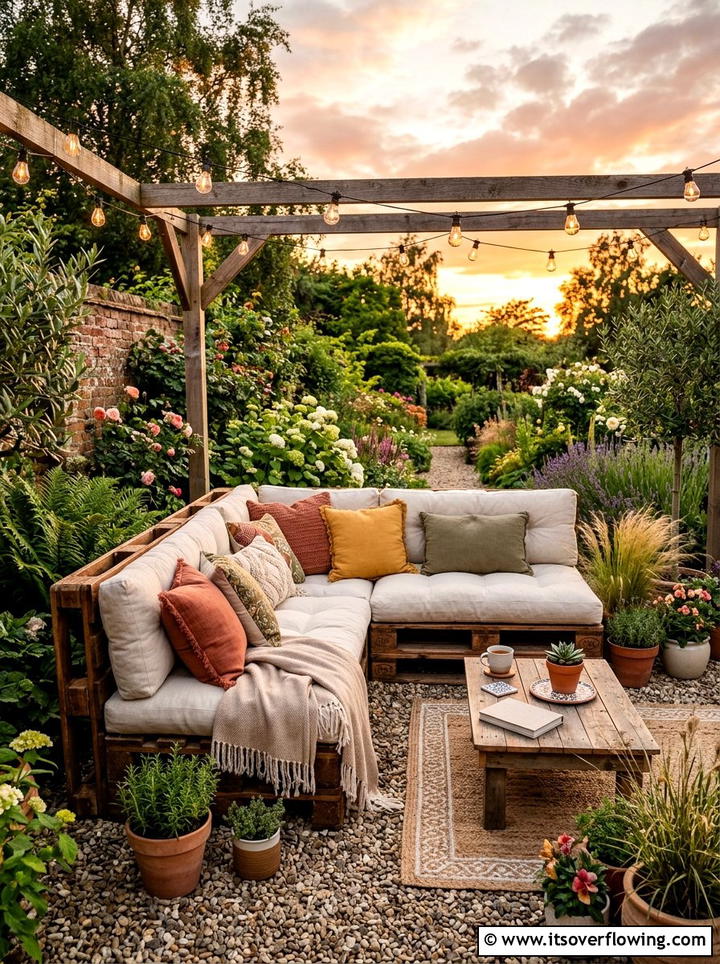
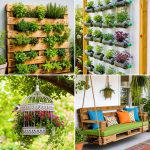
Creating a cozy seating area becomes incredibly simple when you source a few discarded wooden pallets from local businesses or warehouses. You can easily sand down the rough edges and apply a weather-resistant stain to create a rustic sofa or a low-profile coffee table. By adding some plush outdoor cushions and a few colorful throw pillows, you transform industrial scrap into a high-end lounging zone for your family. This approach allows you to customize the size and shape of your furniture to fit the exact dimensions of your patio or deck perfectly. It is a fantastic way to achieve a high-quality look without the heavy price tag.
3. Tin can lantern
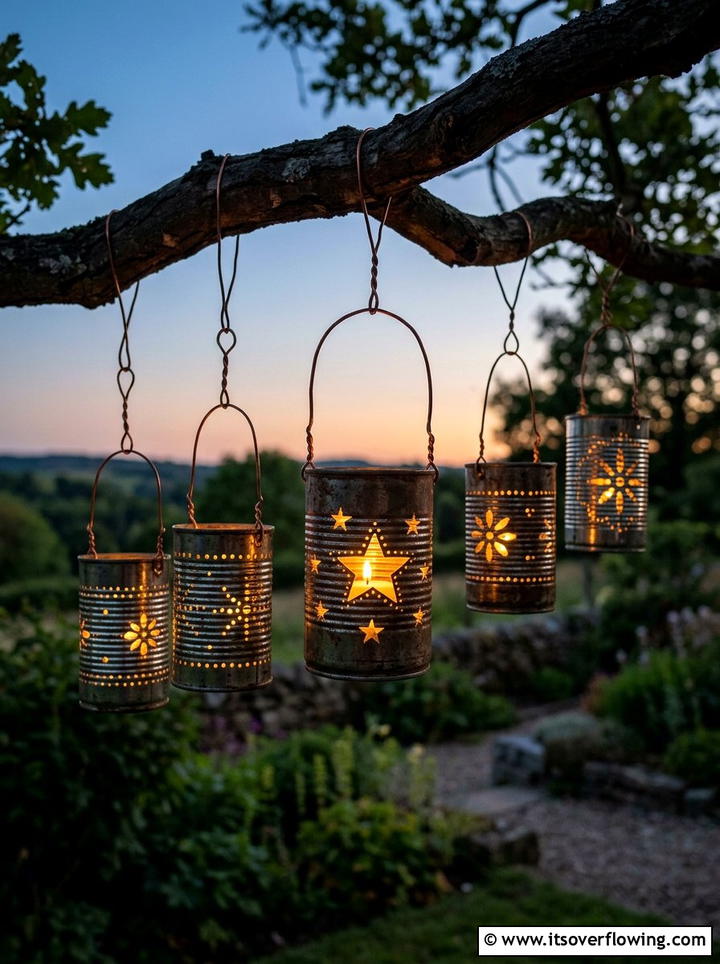
Empty soup or vegetable cans offer a brilliant opportunity to add a magical glow to your evening garden gatherings. After cleaning the cans and removing the labels, you can use a hammer and a large nail to punch intricate patterns or simple geometric shapes into the metal sides. Placing a small tea light or a battery-operated LED candle inside creates a beautiful flickering effect that casts lovely shadows across your walkway. These lightweight lanterns can be lined up along a stone path or hung from low-hanging tree branches using thin copper wire. They provide an enchanting atmosphere that makes your outdoor space feel like a private, starry retreat.
4. Glass bottle edging
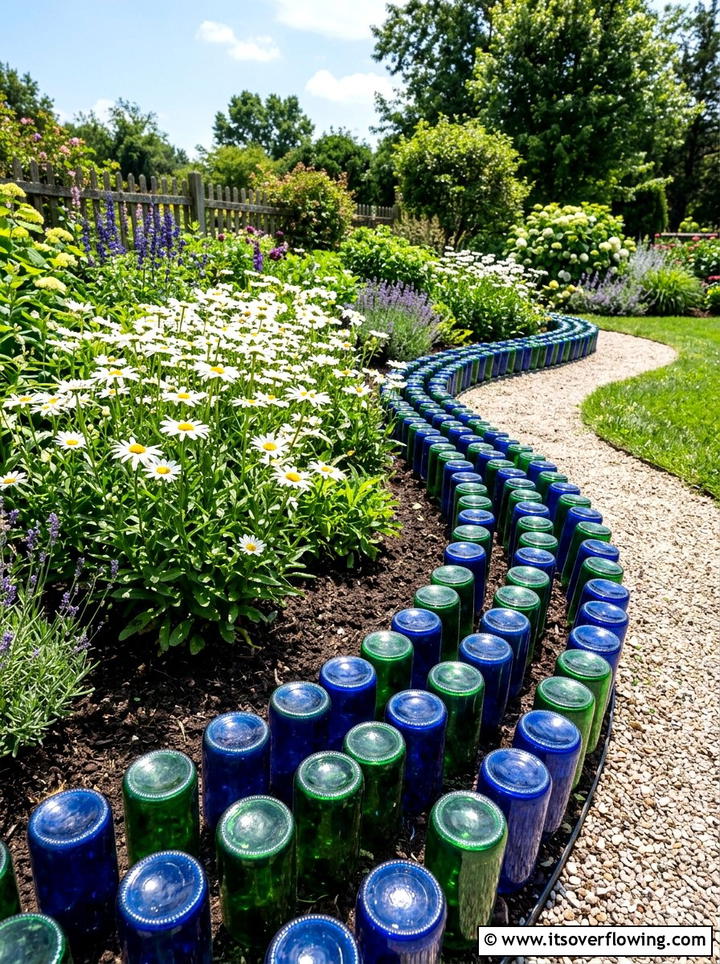
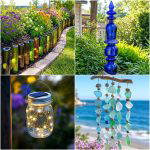
Why throw away colorful wine or soda bottles when they can serve as a stunning and permanent border for your flower beds? By burying the bottles neck-down into the soil, you create a shimmering glass line that catches the sunlight and adds a touch of sophistication to your landscape. This method works exceptionally well for defining curved paths or keeping mulch from spilling out onto your grass. You can mix different colors like cobalt blue, emerald green, and clear glass to achieve a stained-glass effect that looks beautiful in any season. It is a durable solution that requires very little maintenance once the bottles are firmly set.
5. Old ladder plant stand
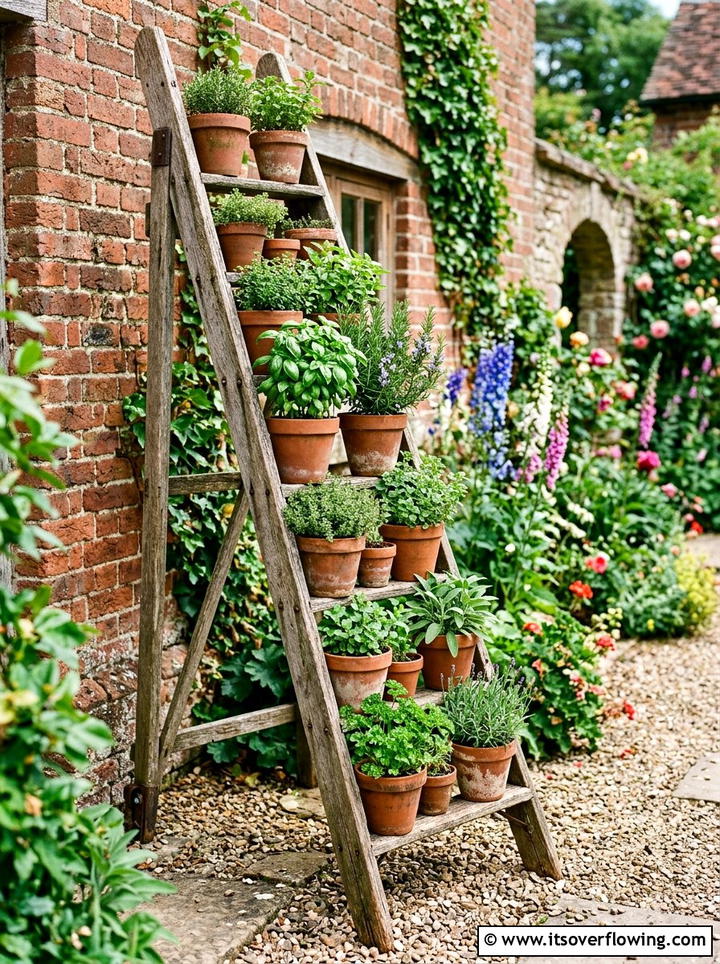
An abandoned wooden ladder can become a magnificent vertical display for your favorite potted herbs and trailing vines. Leaning the ladder against a sun-drenched wall allows you to utilize vertical space, which is especially helpful in smaller yards or on narrow balconies. You can place different sized pots on each rung, creating a waterfall of greenery that draws the eye upward and adds depth to your garden design. If the wood is weathered, it adds a lovely vintage charm, or you can paint it a bold color to make it pop against your siding. This setup makes watering and harvesting your herbs much more convenient and organized.
6. Boot planter
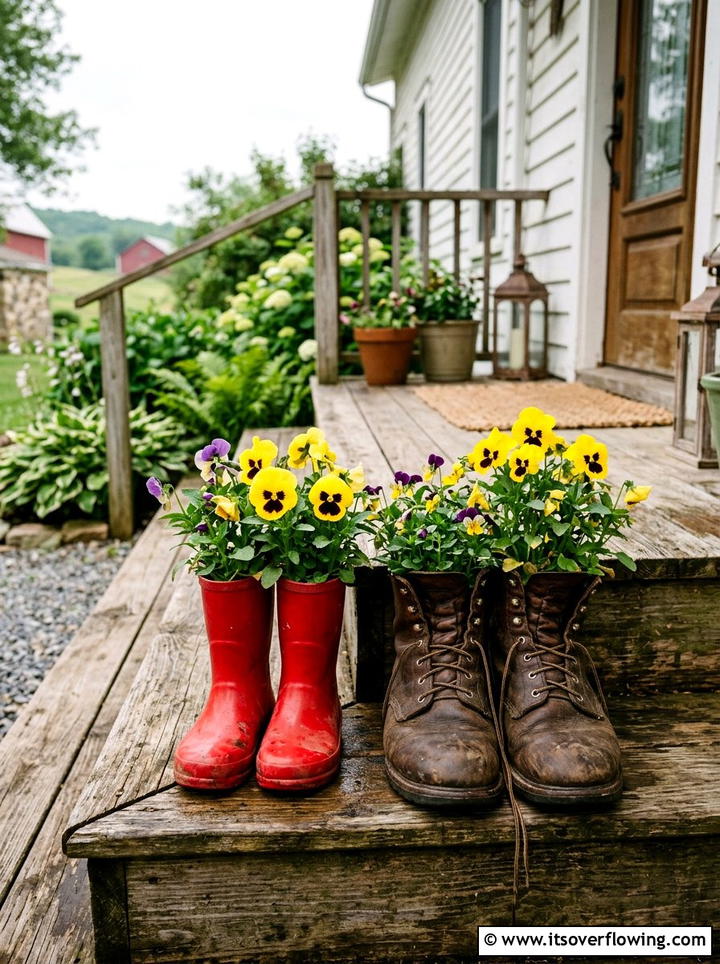
Those old rain boots or worn-out work boots that your children have outgrown make some of the most whimsical containers for small flowers. Simply fill the bottom with a bit of gravel for weight and drainage before adding potting soil and your choice of vibrant pansies or succulents. Placing a pair of these boot containers by your front door or tucked into a garden corner adds a sense of humor and personality to the space. The rubber or leather material holds moisture well, making them ideal for plants that prefer consistent hydration. It is a wonderful way to preserve memories while giving your garden a quirky, lived-in feel.
7. Dresser garden
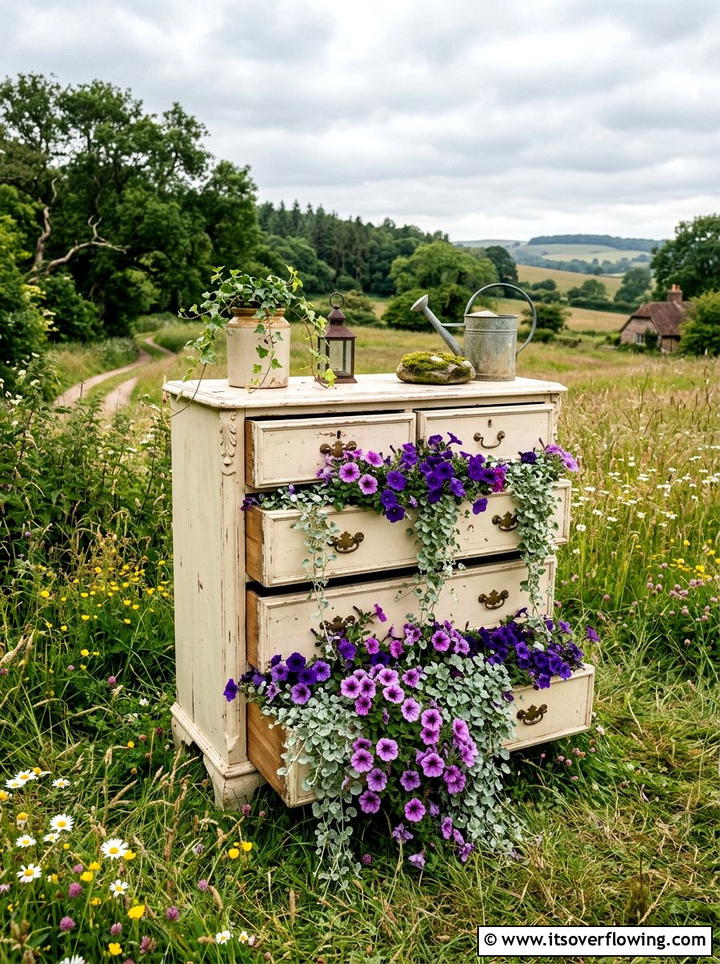
Taking an old chest of drawers and placing it in the middle of a flower bed creates a stunning “spilling” effect that looks like something out of a fairy tale. You can stagger the drawers open at different lengths and fill each one with a variety of cascading flowers and textured foliage. This large-scale recycling project acts as a dramatic focal point that hides any bare spots in your yard while providing multiple levels of planting space. Be sure to line the drawers with plastic and drill holes for water runoff to protect the wood from rotting too quickly. It truly brings an unexpected touch of indoor elegance to the great outdoors.
8. Bathtub pond
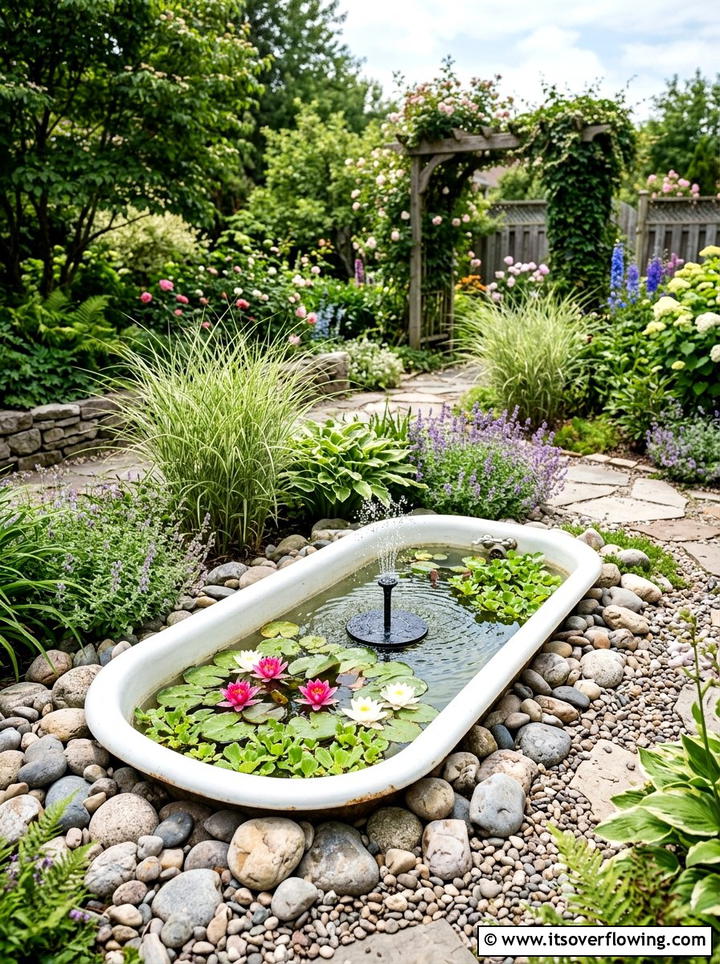
If you come across a vintage clawfoot bathtub or a simple plastic tub, you have the perfect foundation for a backyard water feature. Sinking the tub into the ground and filling it with water allows you to host aquatic plants like lilies and even a few small goldfish. You can surround the edges with large river stones and tall grasses to hide the rim and make the pond look like a natural part of your landscape. The sound of a small solar-powered fountain inside the tub adds a peaceful ambiance while attracting birds and beneficial insects to your yard. It is a luxurious addition that costs almost nothing to construct.
9. Plastic bottle vertical wall
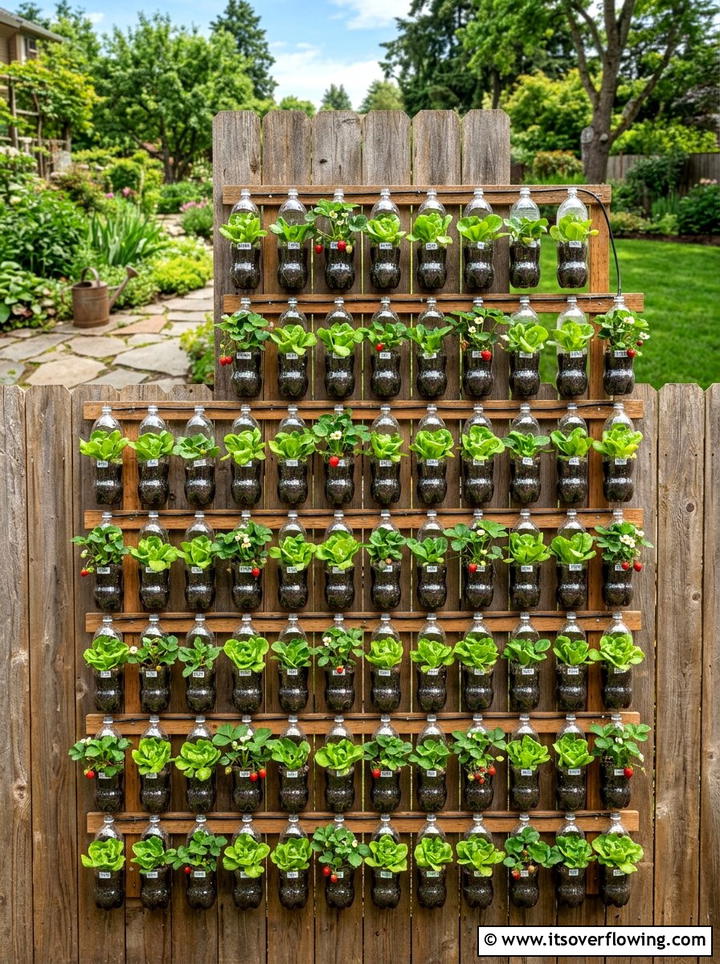
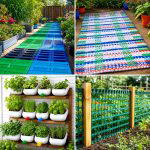
One of the most efficient ways to grow a lot of food in a small space is by constructing a vertical wall using recycled plastic soda bottles. By cutting a large hole in the side of each bottle and linking them together with sturdy twine, you create a hanging garden that can cover an entire fence. This system is perfect for growing lettuce, strawberries, or small herbs that don’t require deep soil to thrive. It keeps your crops away from ground-dwelling pests and makes harvesting as easy as standing up. This project is a great way to repurpose single-use plastics into something that provides fresh, healthy produce for your home.
10. Colander hanging basket
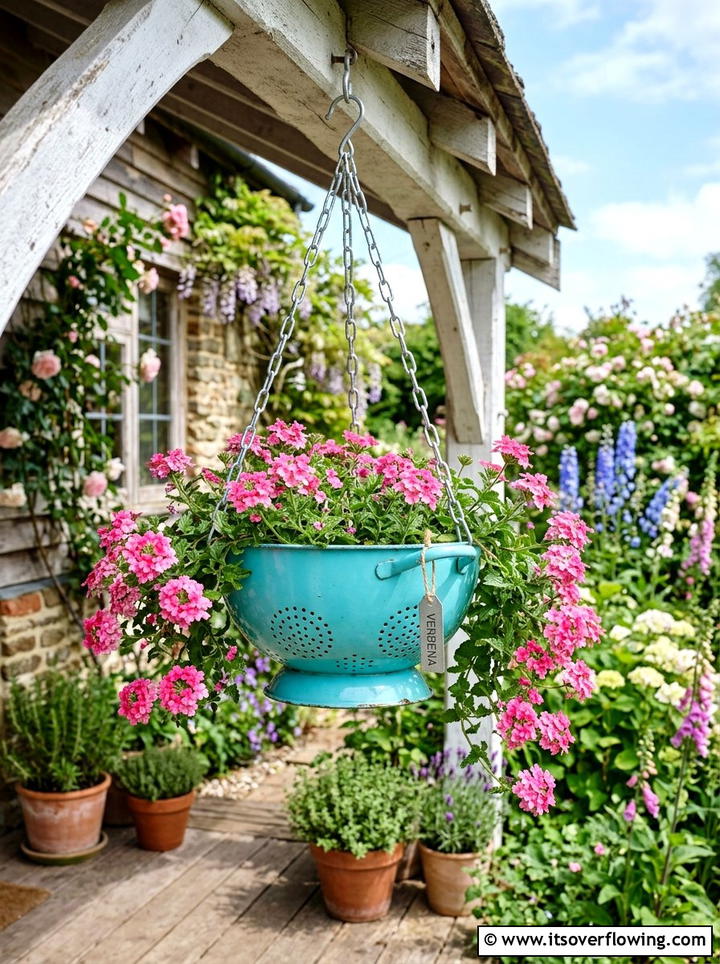
Kitchen colanders are naturally designed for drainage, which makes them an ideal choice for hanging baskets filled with trailing petunias or ivy. You can find colorful metal or plastic colanders at thrift stores for just a few dollars and hang them using simple metal chains or thick rope. The many small holes allow air to reach the roots while ensuring that excess water never sits at the bottom, preventing root rot. These unique containers add a bright, domestic touch to your porch or garden hooks and are much more durable than traditional coco-fiber liners. They are a clever conversation piece that combines functionality with a fun, retro aesthetic.
11. Bicycle planter
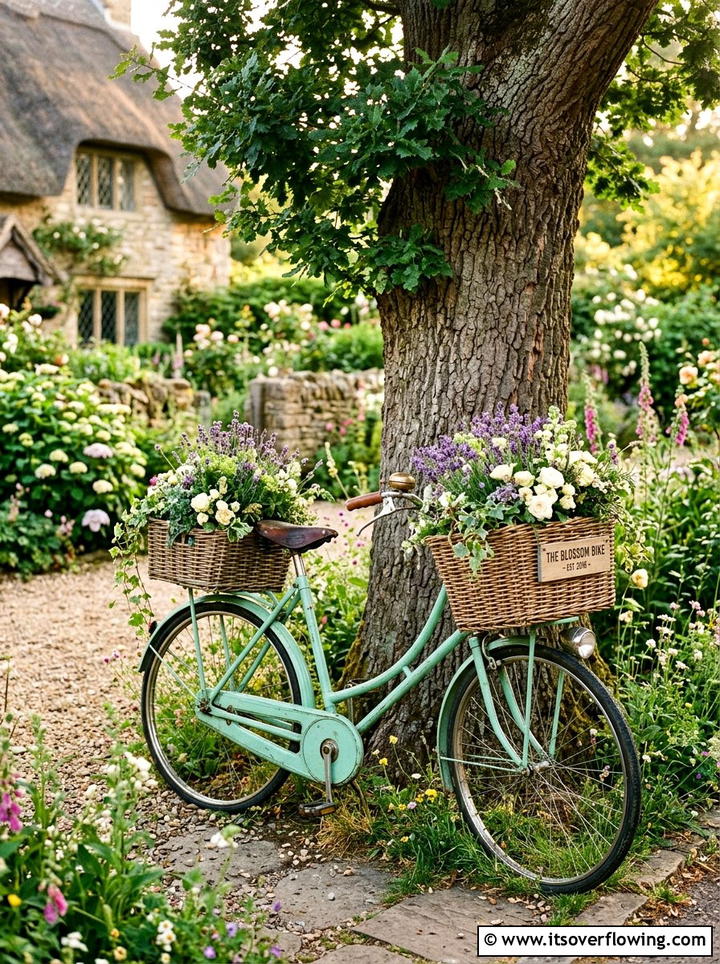
An old, rusted bicycle leaning against a tree or a fence can be transformed into a beautiful piece of living art. By attaching wicker baskets to the handlebars and the rear rack, you create multiple spots for overflowing flowers and lush greenery. You can even wrap the frame in climbing vines like clematis or jasmine to make the bike look like it is being reclaimed by nature. This project works best when you use a vintage-style bike, as the classic lines complement the soft textures of the plants. It adds a sense of nostalgia and movement to your garden that feels both romantic and very well-planned.
12. Wooden crate seating
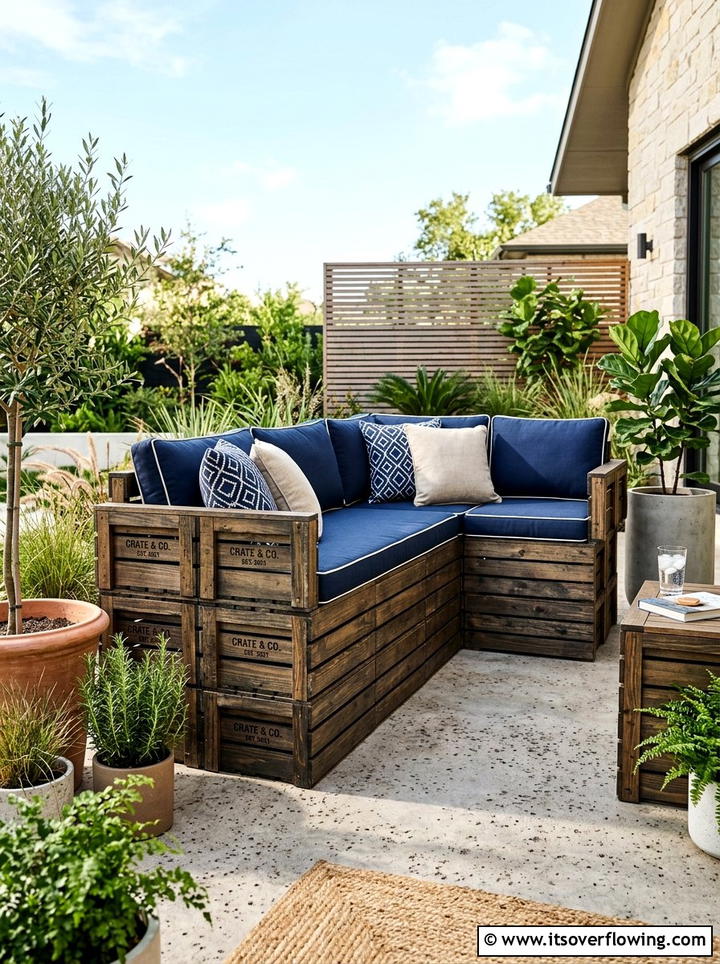
Stacking and securing old wooden fruit or shipping crates is a quick way to build modular seating for your outdoor patio area. You can arrange them in an L-shape for a sectional feel or use individual crates as sturdy stools and side tables for your guests. Adding a few weather-proof cushions on top makes them comfortable for long afternoons spent reading or chatting outside. The open slats of the crates also provide handy storage space for garden tools, outdoor toys, or extra blankets for chilly evenings. This versatile approach to garden furniture is incredibly easy to reconfigure whenever you decide to host a larger gathering or party.
13. Shutter trellis
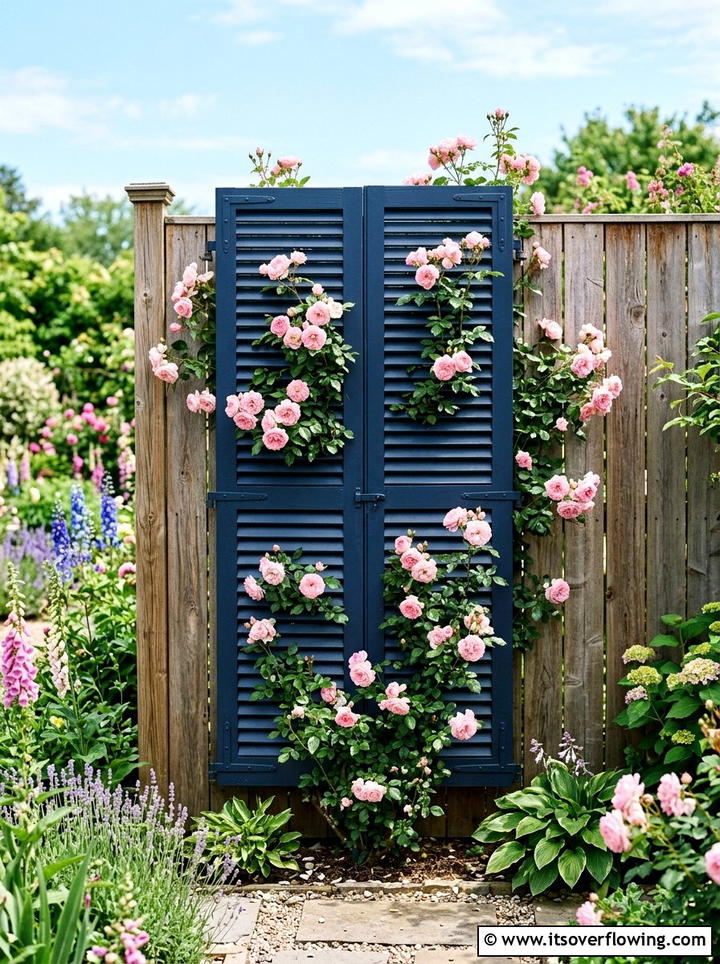
Old window shutters can be repurposed into stylish trellises that provide excellent support for climbing roses or sweet peas. By leaning them against a wall or mounting them to a fence, you create a textured backdrop that adds architectural interest to your garden. The horizontal slats are perfect for tiny tendrils to grab onto as the plants grow upward toward the sunlight. You can leave the shutters with their original peeling paint for a shabby-chic look or give them a fresh coat of green to blend in with the foliage. This simple addition helps to maximize your growing space while adding a touch of vintage character.
14. Silverware wind chime
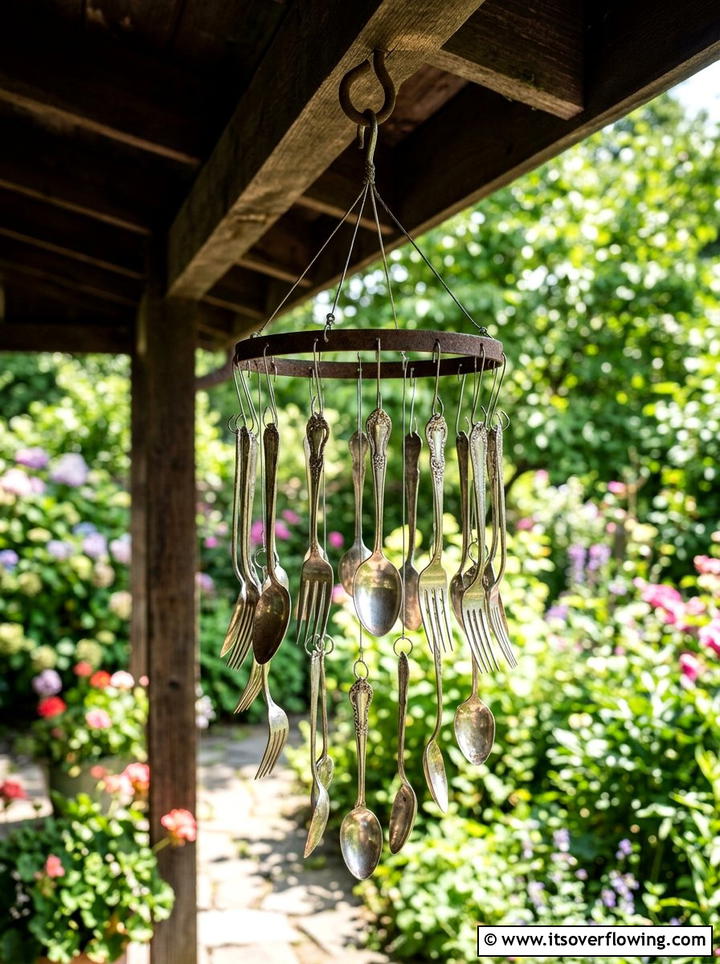
Don’t let mismatched spoons, forks, and knives sit forgotten in a kitchen drawer when they could be making music in the wind. By drilling small holes in the handles and hanging them from a metal hoop or a sturdy branch, you create a unique wind chime with a clear, melodic ring. You can even flatten the spoons and stamp them with decorative patterns to add more visual interest to the piece. As the breeze blows, the silver or stainless steel pieces gently tap against each other, creating a soothing sound that enhances the tranquility of your garden. It is a wonderful way to recycle metal into something beautiful.
15. Mosaic garden path
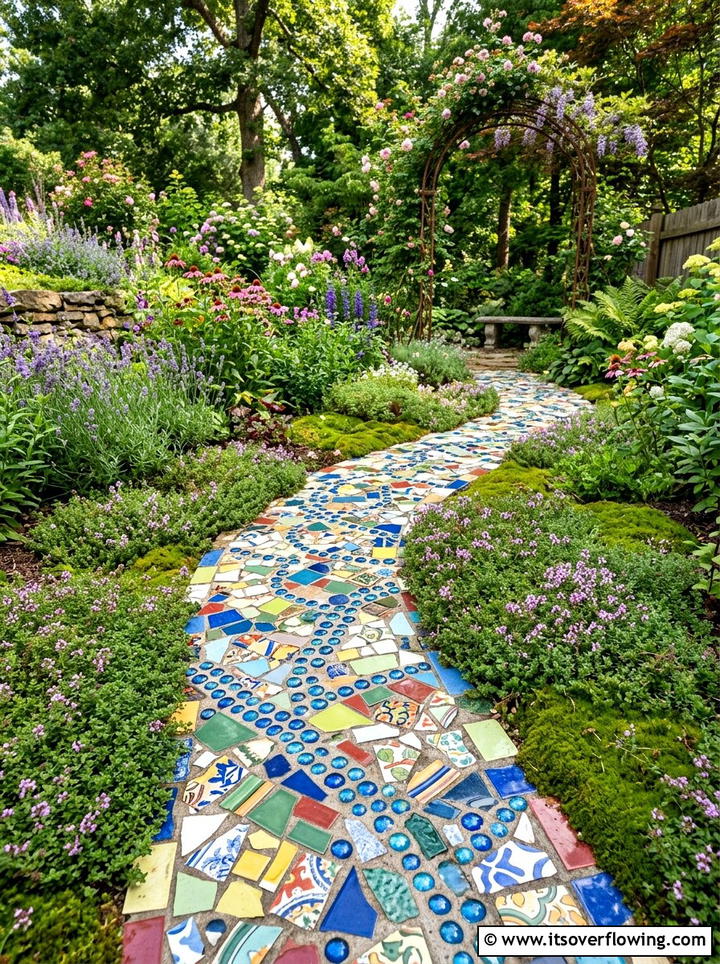
Broken ceramic plates, chipped tiles, and leftover glass gems can be gathered to create a stunning mosaic pathway that leads through your garden. By setting these colorful fragments into a thin layer of wet concrete, you can design intricate patterns or simple flowing shapes that make your walkway a work of art. This project allows you to use up all those little bits and pieces that are too beautiful to throw away but no longer serve their original purpose. The result is a durable, slip-resistant surface that looks especially magical after a light rain. It turns a functional path into a permanent and highly personal garden feature.
16. Old window greenhouse
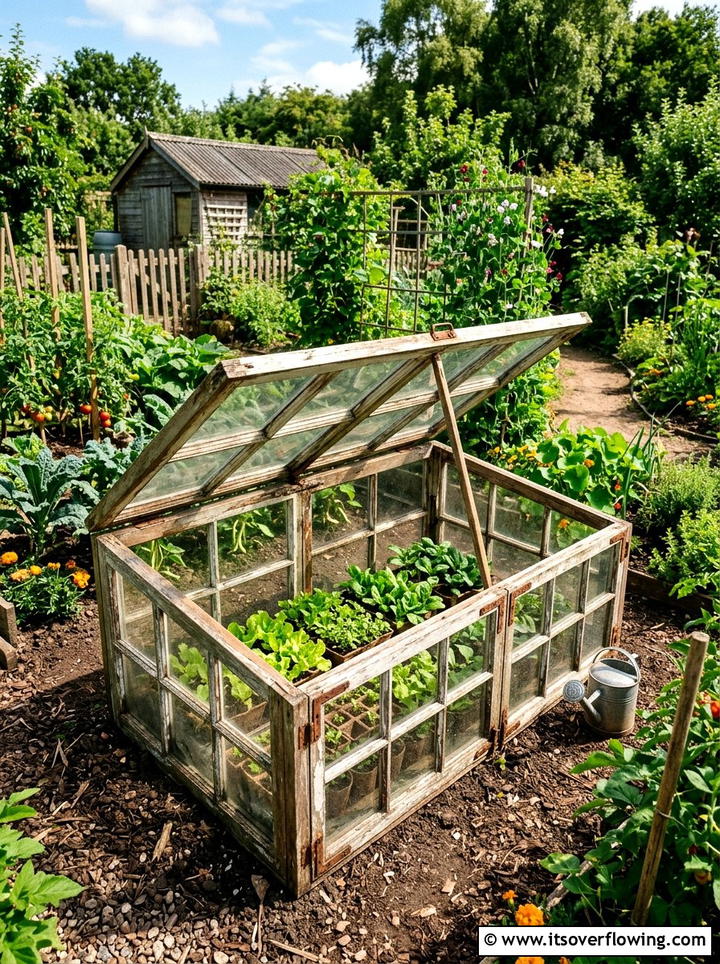
If you can find a few old wooden windows with the glass still intact, you can easily build a miniature greenhouse or cold frame for your seedlings. By hinging the windows together over a simple wooden box, you create a warm, protected environment that extends your growing season significantly. The glass allows the sun to heat the soil while shielding delicate young plants from harsh winds and late frosts. This setup is perfect for starting your vegetables early in the spring or keeping your herbs growing well into the autumn months. It is a practical and attractive structure that proves you don’t need a huge budget to be successful.
17. Barrel planter
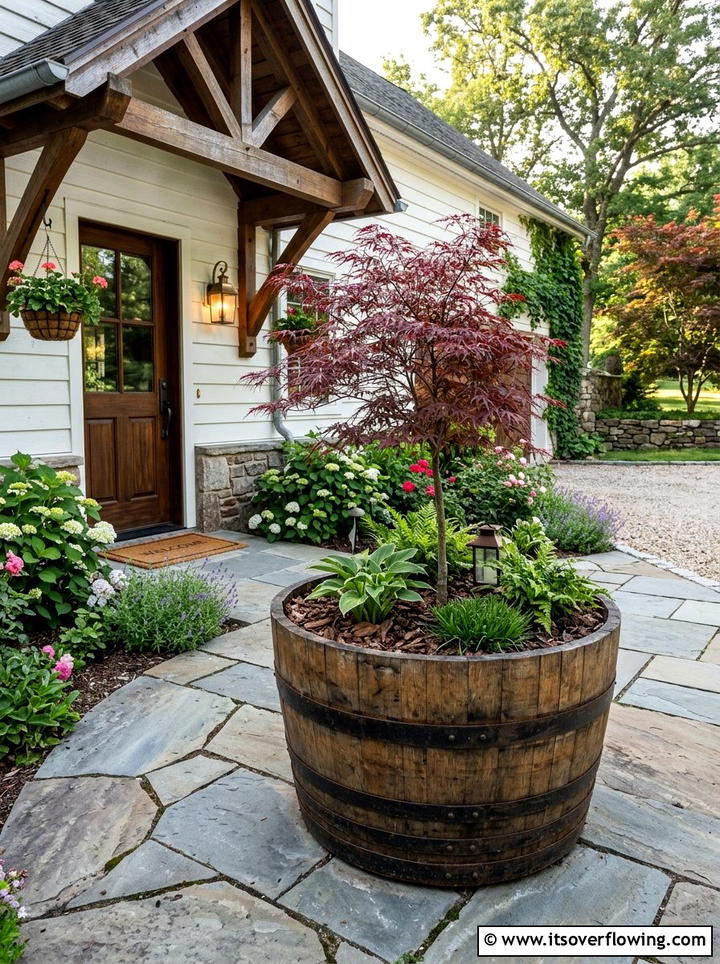
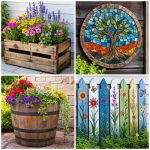
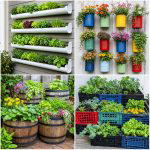
Large wooden barrels, often used for wine or whiskey, can be cut in half to create two massive planters that are perfect for small trees or large floral arrangements. These sturdy containers hold a significant amount of soil, which helps regulate temperature and moisture for more sensitive plants. The rustic wood and metal bands add a classic, farmhouse feel to any driveway or garden entry point. You can also turn a whole barrel on its side and plant flowers so they look like they are spilling out of the opening. Because they are so heavy, they provide a very stable base that won’t tip over in high winds.
18. Spoon plant marker
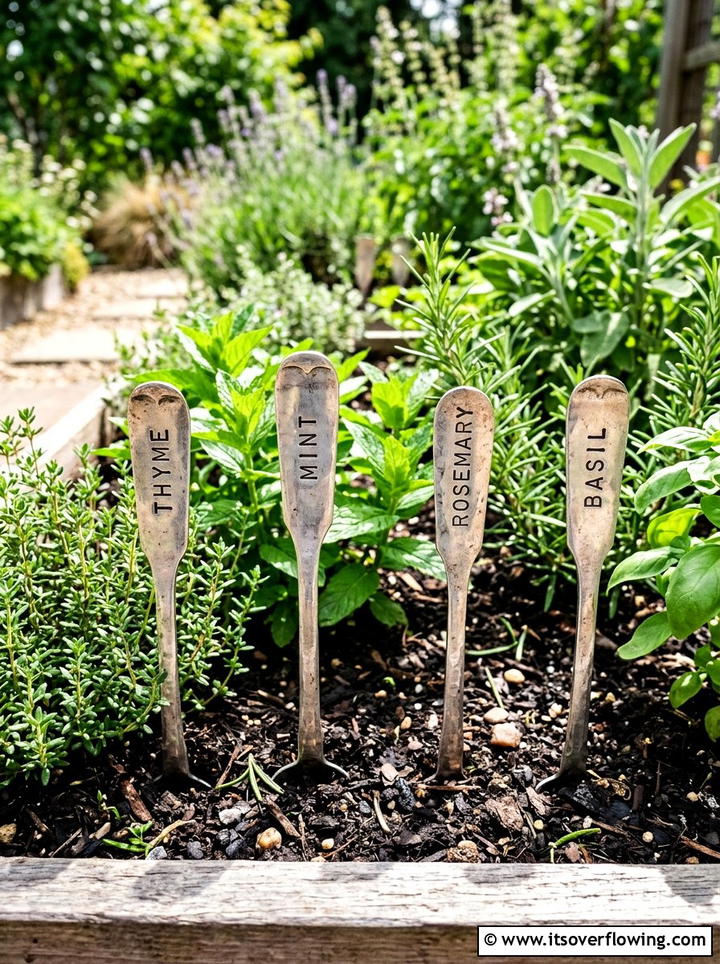
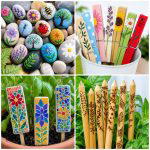
Flattened silver spoons make elegant and permanent markers for your herb garden or vegetable patches. You can use a metal stamping kit to indent the names of your plants onto the spoon face, ensuring you never forget what you planted where. Pushing the handles deep into the soil keeps them upright and visible even as your plants grow tall and lush. Unlike plastic or wooden markers, these metal versions will not rot or fade in the sun over time. They add a sophisticated, curated look to your garden beds and make it easy for guests to identify the different varieties of produce you are currently growing.
19. Denim planter
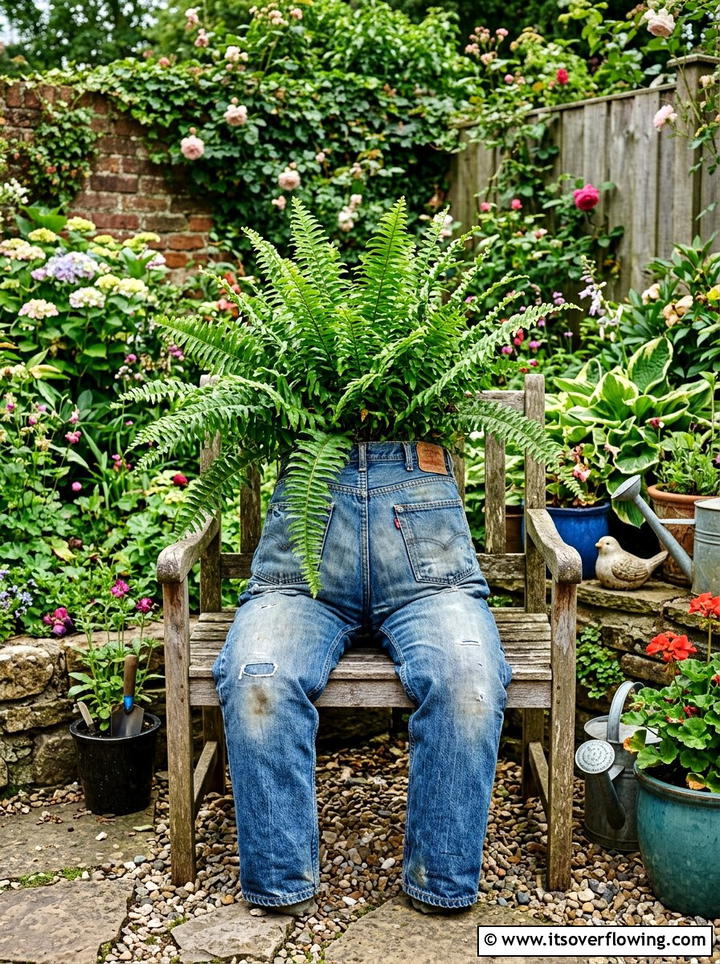
If you have a pair of old jeans that are beyond repair, you can turn them into a surprising and humorous planter for your porch. By stuffing the legs with straw or recycled plastic bags and filling the waist area with a potted plant, you create the illusion of someone sitting in your garden. This playful idea works particularly well when placed on a garden bench or a low stone wall. The thick denim fabric is surprisingly durable and provides a unique texture that contrasts beautifully with soft green leaves and bright flowers. It is an excellent way to recycle heavy textiles into a fun conversation starter for your neighbors.
20. Drawer seedling tray
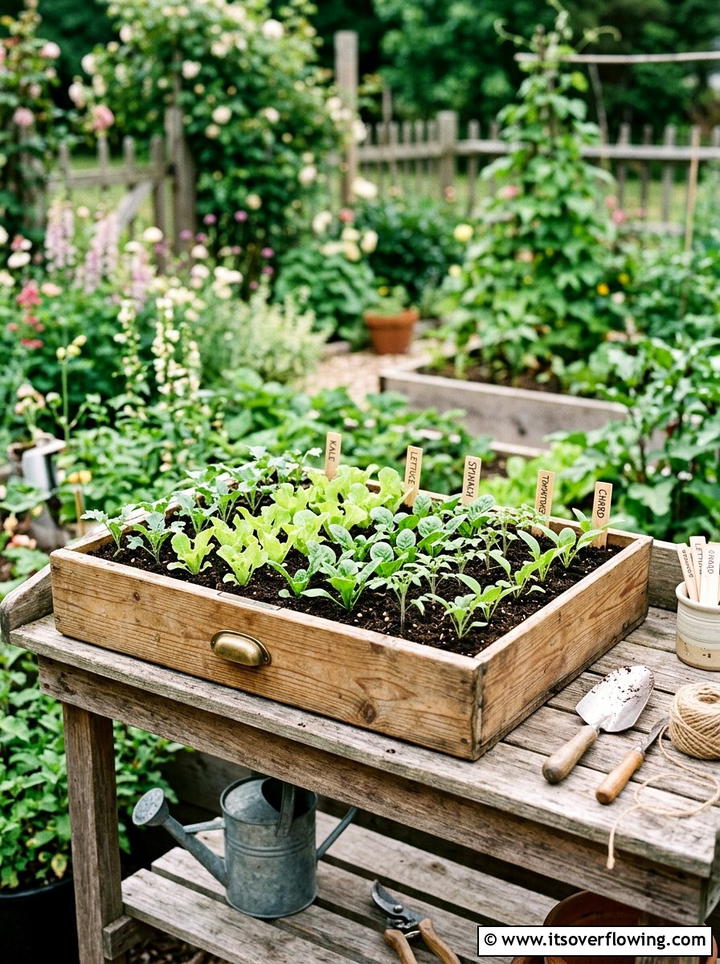
Old wooden drawers from discarded furniture make excellent shallow trays for starting seeds or growing microgreens indoors or on a patio. The wide surface area allows you to plant several rows of different vegetables at once, keeping your nursery organized and easy to manage. You can move the drawers around to follow the sunlight throughout the day, ensuring your young plants get the best possible start. If you use several drawers of different sizes, you can create a beautiful tiered display that makes your gardening hobby look like a professional operation. Just remember to add a waterproof liner to protect the wood and prevent any messy leaks.
21. Tea cup succulent garden
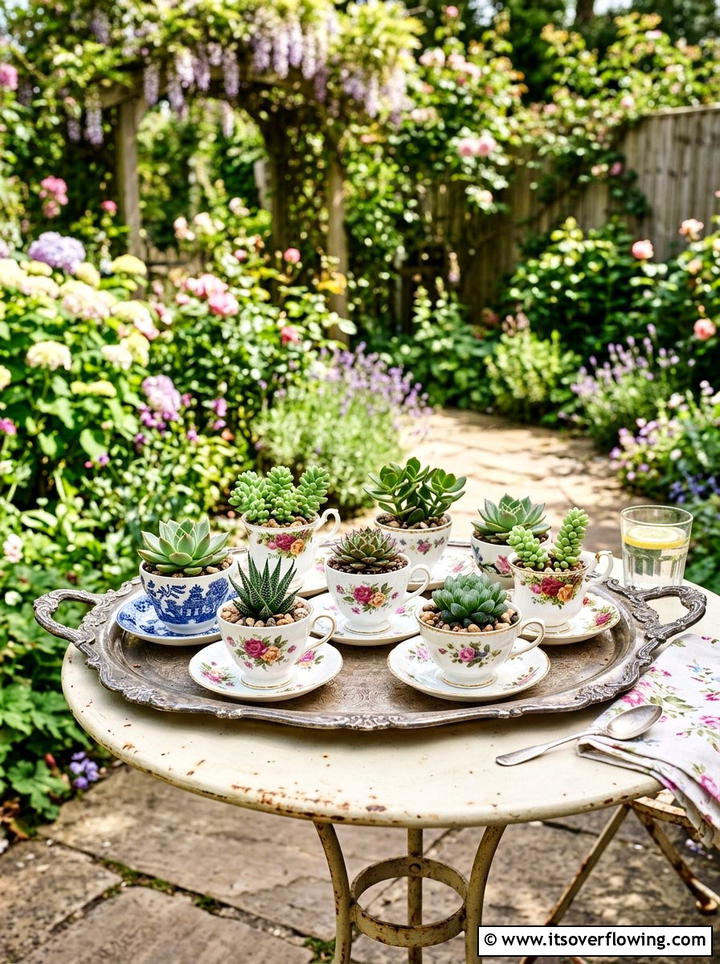
Mismatched tea cups and saucers found at yard sales can be transformed into a charming miniature garden for your outdoor dining table. These small vessels are the perfect size for slow-growing succulents and cacti that don’t require much water or space. You can arrange several cups together on a tray to create a delicate centerpiece that brings a touch of indoor refinement to your garden seating area. Because they are portable, you can easily bring them inside if the weather turns too cold or rainy. This project is a wonderful way to use delicate ceramics that might otherwise sit unused in the back of a cupboard.
22. Cinder block bench
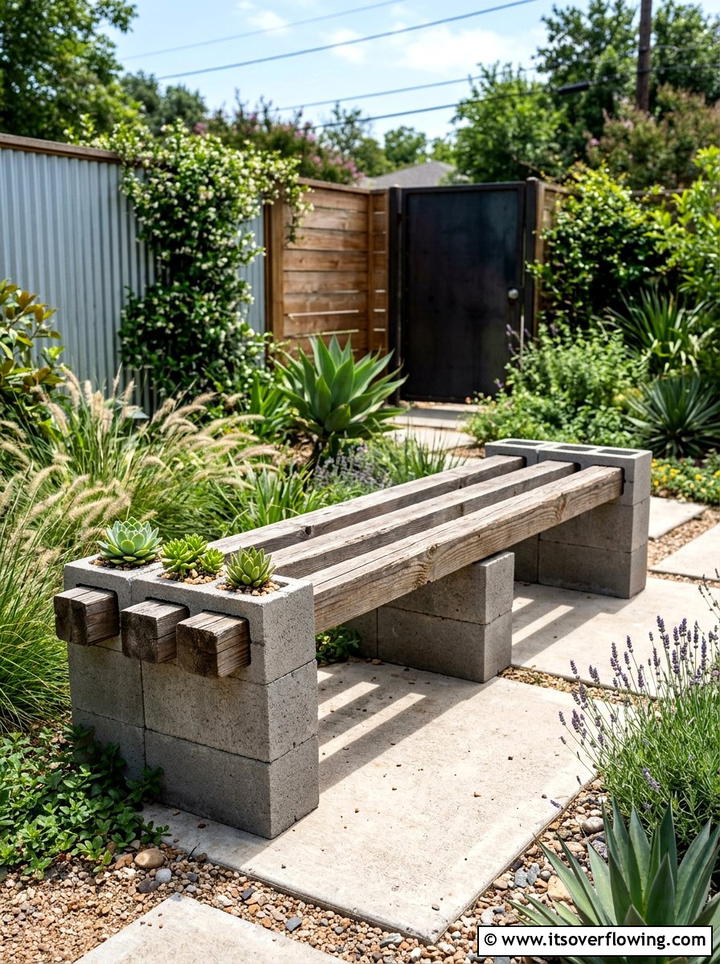
Cinder blocks are incredibly inexpensive and can be used to create a modern, industrial-style bench with almost no effort. By stacking the blocks and threading heavy wooden beams through the top holes, you create a sturdy and stylish seating area that can withstand any weather conditions. You can paint the blocks to match your house or leave them in their natural gray for a more minimalist look. The holes in the blocks that aren’t used for the beams can be filled with soil and planted with small succulents or trailing vines. This dual-purpose design provides both a place to sit and additional space for your greenery.
23. Headboard trellis
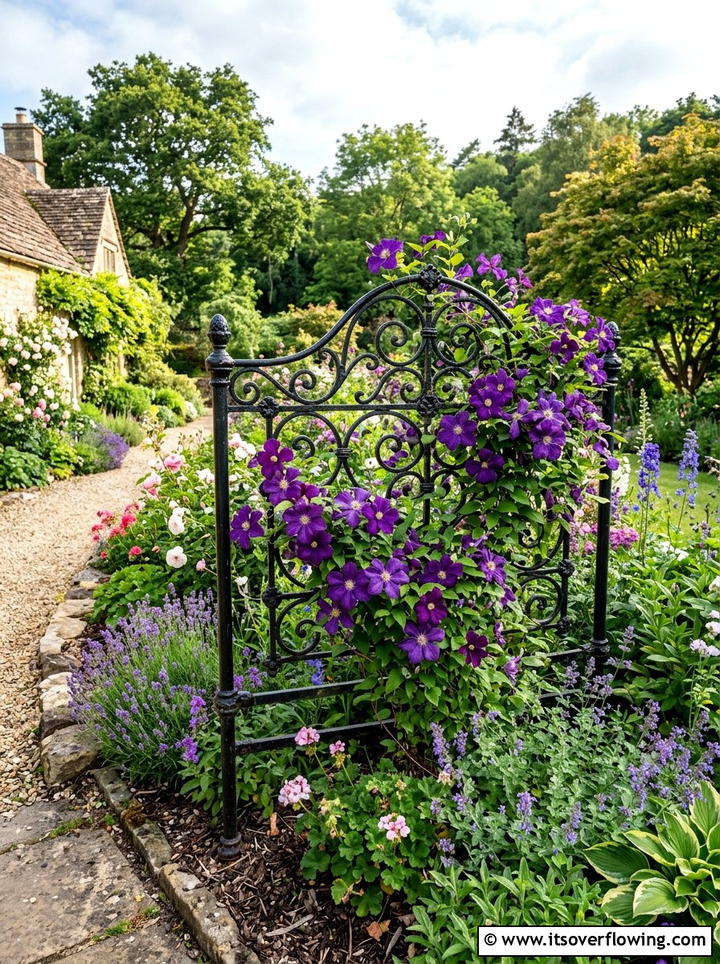
An old metal or wooden headboard can be given a second life as a grand trellis for your tallest climbing plants. By securing the legs firmly into the ground behind a flower bed, you provide a wide and stable structure for vines to cover. The intricate scrolls of a metal headboard or the solid slats of a wooden one offer plenty of attachment points for plants like honeysuckle or morning glories. This project adds a sense of height and history to your garden, making it feel like a secret, gated sanctuary. It is a simple way to recycle large furniture into a beautiful and functional landscape element.
24. Kitchen sink birdbath
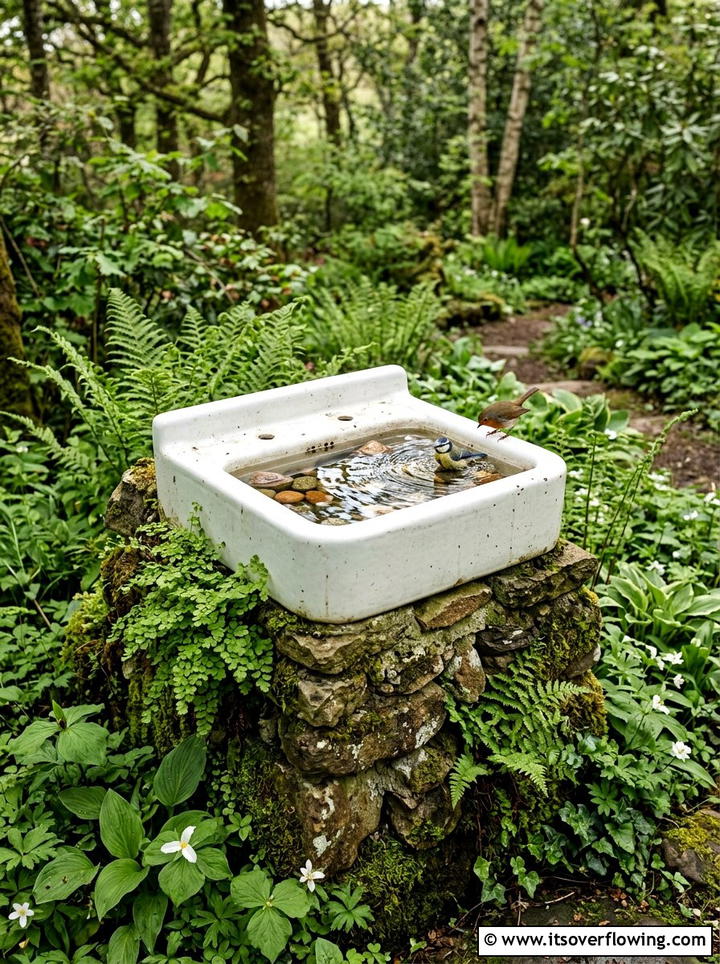
An old porcelain or stainless steel kitchen sink can be repurposed into a unique birdbath that provides a vital water source for local wildlife. By mounting the sink on a sturdy wooden frame or a stack of large stones, you create a deep basin that birds will love to visit for a quick splash. You can even use the faucet holes to install a small solar-powered pump that creates a gentle bubbling effect, which further attracts birds with the sound of moving water. Surrounding the base with ferns and moisture-loving plants helps the sink blend into the garden, creating a peaceful oasis for feathered friends and humans alike.
25. Tree stump table
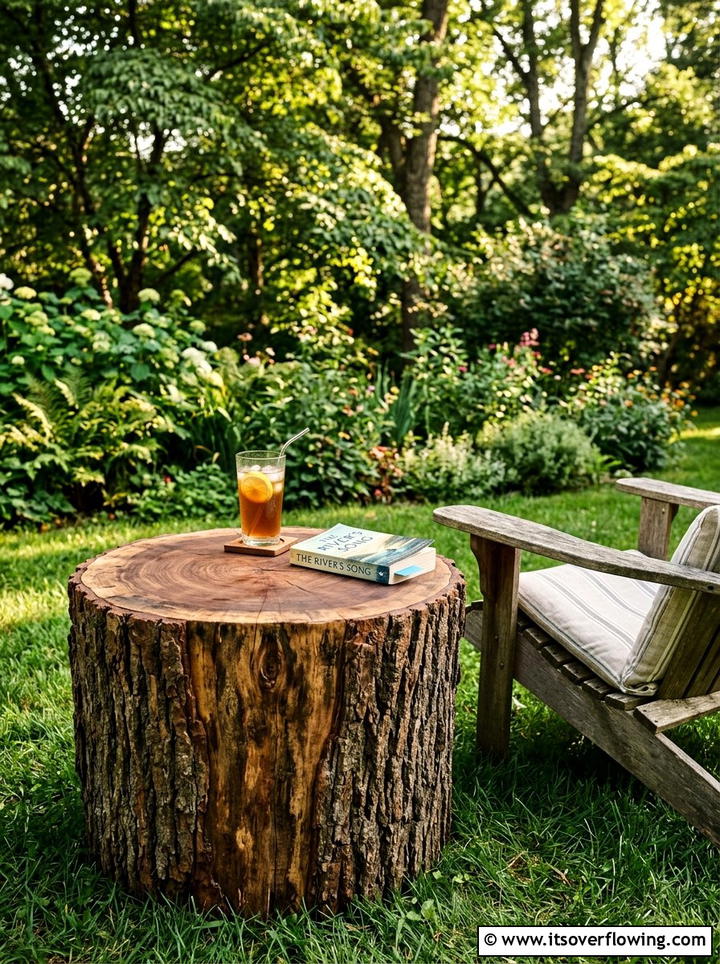
If you have recently had a tree removed, don ‘t rush to grind down the stump when it can become a natural side table for your garden. By leveling the top and sanding it smooth, you create a flat surface perfect for holding your morning coffee or a favorite book while you relax outside. You can even paint a colorful design on the top or leave the natural rings exposed to celebrate the age of the tree. If you don’ t have a stump in your yard, many local arborists are happy to give away large sections of trunks that can be used for the same purpose. It is a solid, earth-friendly furniture solution.
Conclusion:
Embracing recycled materials in your garden is more than just a way to save money; it is a creative journey that transforms ordinary objects into extraordinary landscape features. By looking at discarded items with a fresh perspective, you can build a space that is sustainable, beautiful, and completely one-of-a-kind. These twenty-five ideas demonstrate that with a little bit of effort and imagination, anyone can cultivate a thriving and stylish outdoor retreat. Whether you are building a tire planter or a majestic headboard trellis, each project adds a layer of depth and personality to your home. Start collecting your materials today and watch as your garden becomes a vibrant testament to the power of upcycling and thoughtful design.
Related posts:
 25 Upcycled Garden Ideas With Rain Barrels To Save Water
 25 recycled garden ideas with recycled glass art to Love
 25 recycled garden ideas with recycled metal art to Try
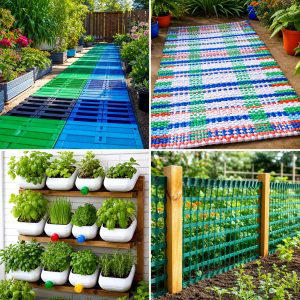 25 recycled garden ideas with recycled plastic projects
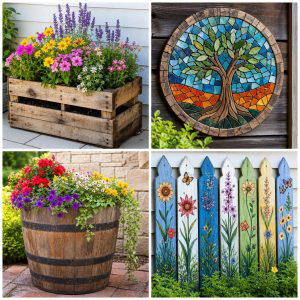 25 recycled garden ideas with recycled wood art to Try
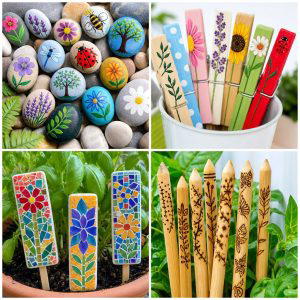 25 recycled garden ideas with garden markers: Fun DIYs
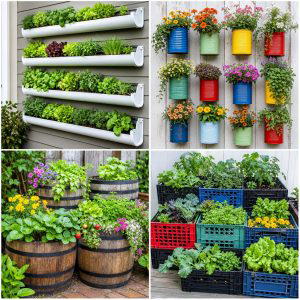 25 recycled garden ideas with gutter garden: Space-Saving
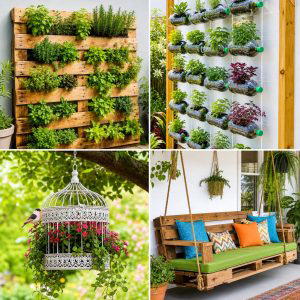 25 recycled garden ideas with pallet wall garden DIYs
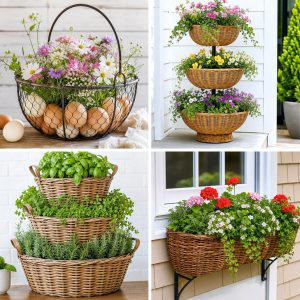 25 Recycled Garden Ideas With Baskets for Rustic Style
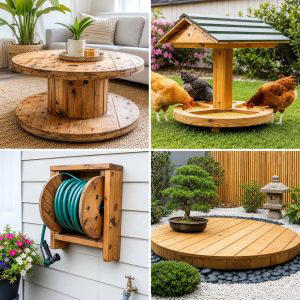 25 Recycled Garden Ideas With Cable Spools for DIY Decor
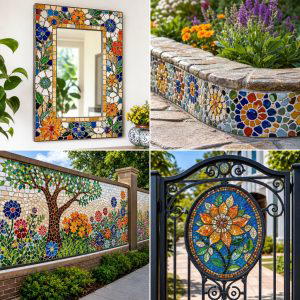 25 recycled garden ideas with mosaic pieces for Colorful Decor
 25 recycled garden ideas with plastic bottles for DIY