
Transforming an outdoor space into a cohesive sanctuary requires a strategic approach to visual rhythm and structural balance. Repetition is one of the most powerful tools in a landscape architect’s arsenal because it creates a sense of unity and professional polish. By repeating specific colors, textures, or plant species, you guide the eye naturally through the garden, making a large space feel more intimate or a small space feel expansive. This technique mimics the patterns found in nature, providing a soothing environment that feels both intentional and grounded. Whether you are using identical pots or a recurring flower variety, consistency helps to eliminate visual clutter and establishes a clear design language.
1. Modern Minimal Backyard
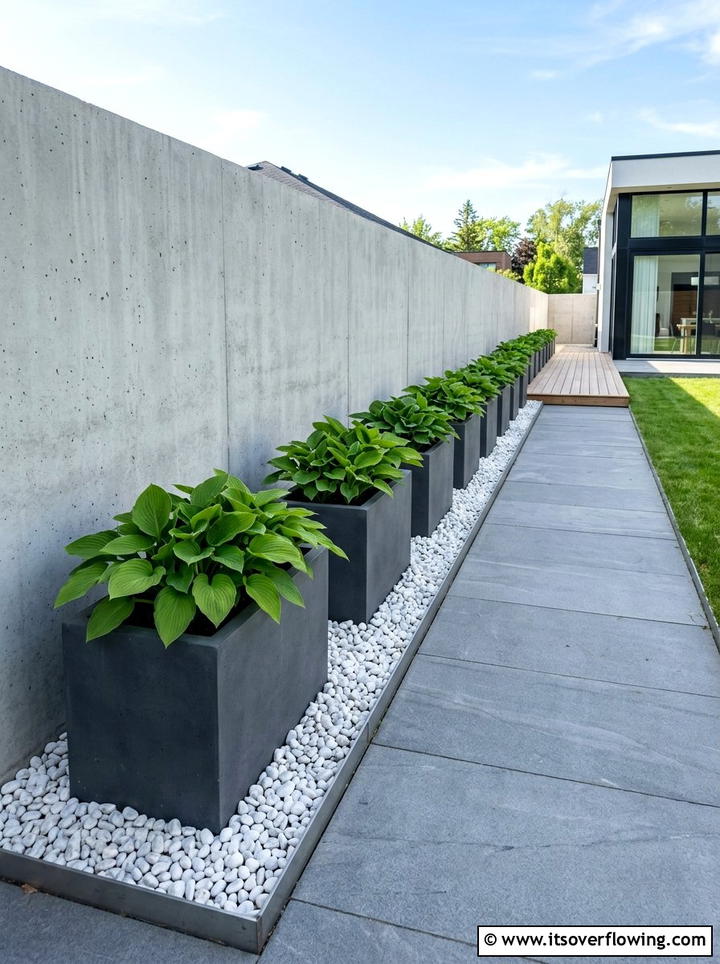
Creating a modern minimal backyard relies heavily on the power of visual repetition to establish a sense of order. You can achieve this by using a limited palette of plants and materials throughout the entire outdoor space. For instance, consider placing identical rectangular planters along a sleek concrete wall to create a rhythmic pattern. This approach draws the eye across the landscape without overwhelming the senses with too much variety. Using clean lines and consistent textures ensures that every element feels purposeful and connected. When you repeat specific geometric shapes, like squares or circles, the garden gains a professional and polished look that feels incredibly calming and sophisticated for any homeowner.
2. Boxwood Ball Border
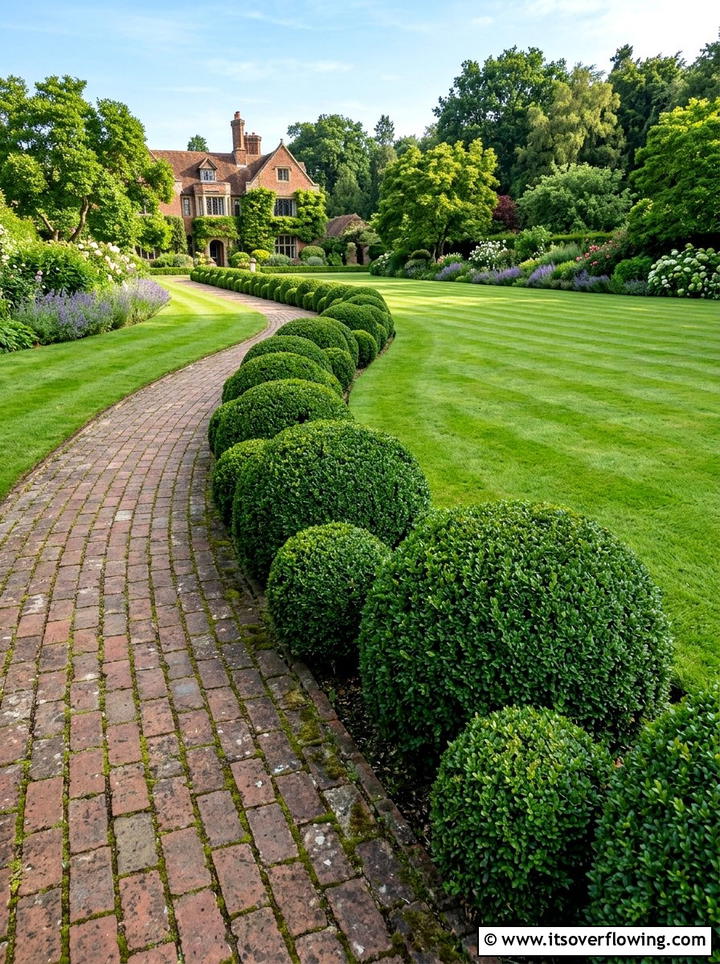
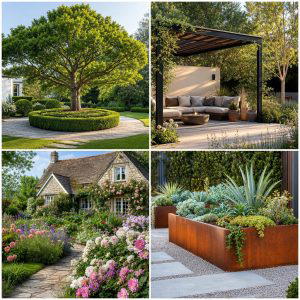
A boxwood ball border is a classic way to introduce structure and rhythm into your landscape design. By planting these evergreen shrubs in a continuous line or a zig-zag pattern, you create a permanent architectural frame for your flower beds. The repetition of the rounded forms provides a soft yet formal aesthetic that looks beautiful in every season. You can use varying sizes of these globes to add a bit of playful movement while still maintaining a strict sense of unity. This design choice works exceptionally well along walkways or at the base of a porch. The consistent greenery acts as a visual anchor that holds the entire garden composition together.
3. Lavender Walkway Edge
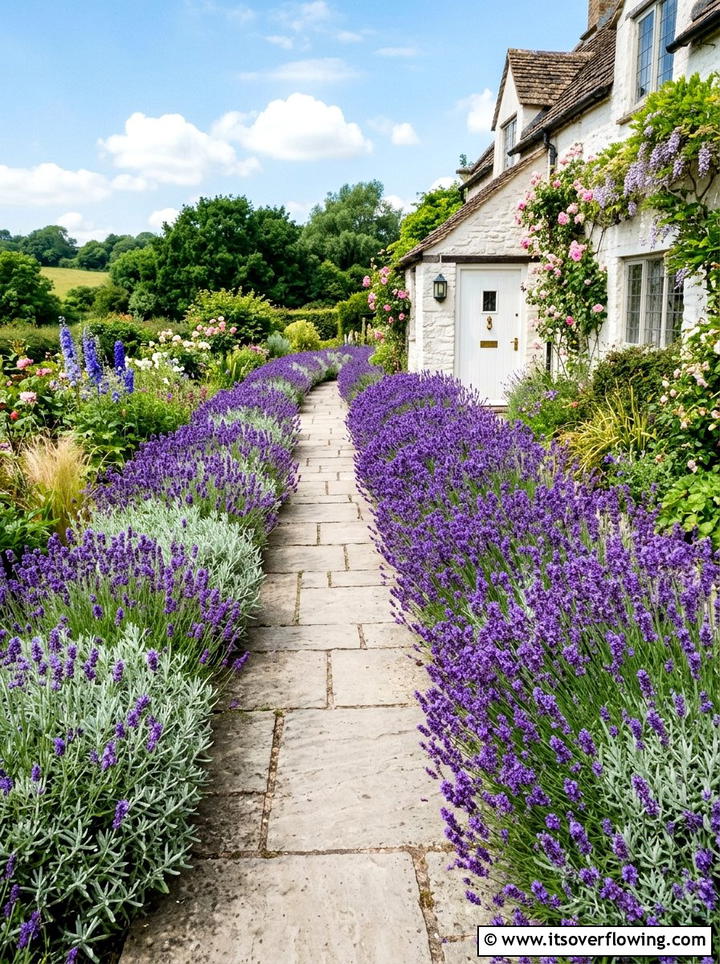
A lavender walkway edge offers a sensory experience that combines beautiful color with a calming fragrance. Planting lavender in a long, repeating row along a stone or gravel path creates a stunning visual boundary. The silvery-purple foliage provides a consistent texture that guides visitors toward the entrance of your home. During the blooming season, the repeated spikes of purple flowers create a rhythmic wave of color that looks professional and intentional. This design is not only aesthetically pleasing but also attracts beneficial pollinators to your yard. The repetition of this single hardy perennial ensures that your garden feels cohesive and well-planned throughout the summer months.
4. White Flower Bed
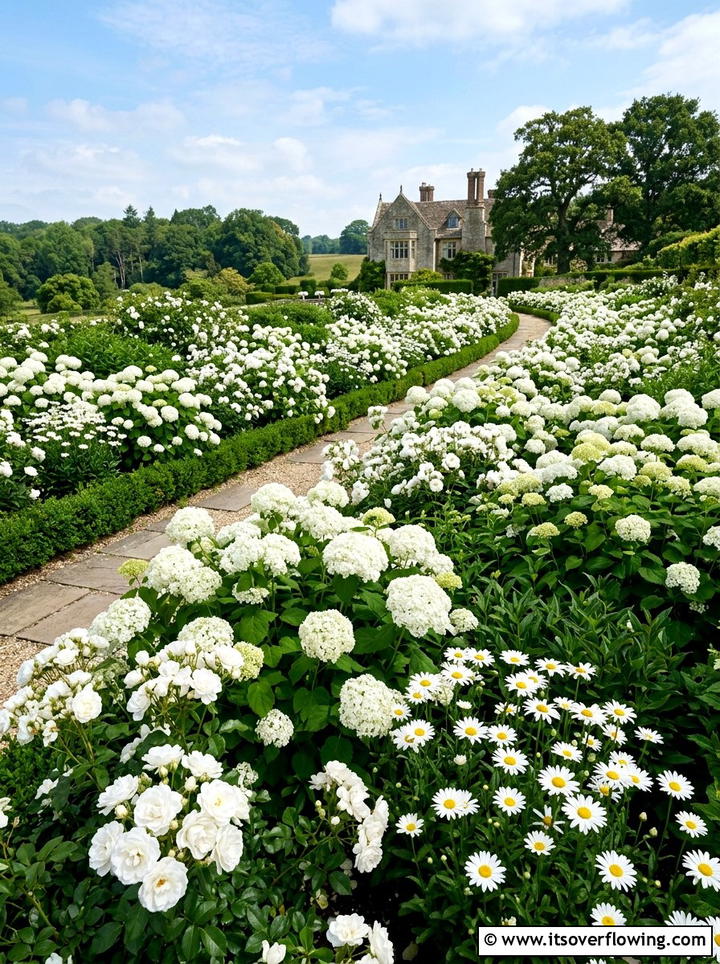
Designing a white flower bed using repetition creates a luminous and elegant atmosphere in any backyard setting. You can select several different species of white flowers, such as hydrangeas, roses, and daisies, and repeat them in clusters. This technique creates a “moon garden” effect that glows softly during the evening hours. By focusing on a single color, the different textures of the petals and leaves become more prominent and interesting. The repeated splashes of white across the landscape provide a sense of balance and cleanliness. This monochromatic approach is a sophisticated way to make a diverse planting scheme feel like one unified and harmonious design.
5. Mediterranean Gravel Courtyard
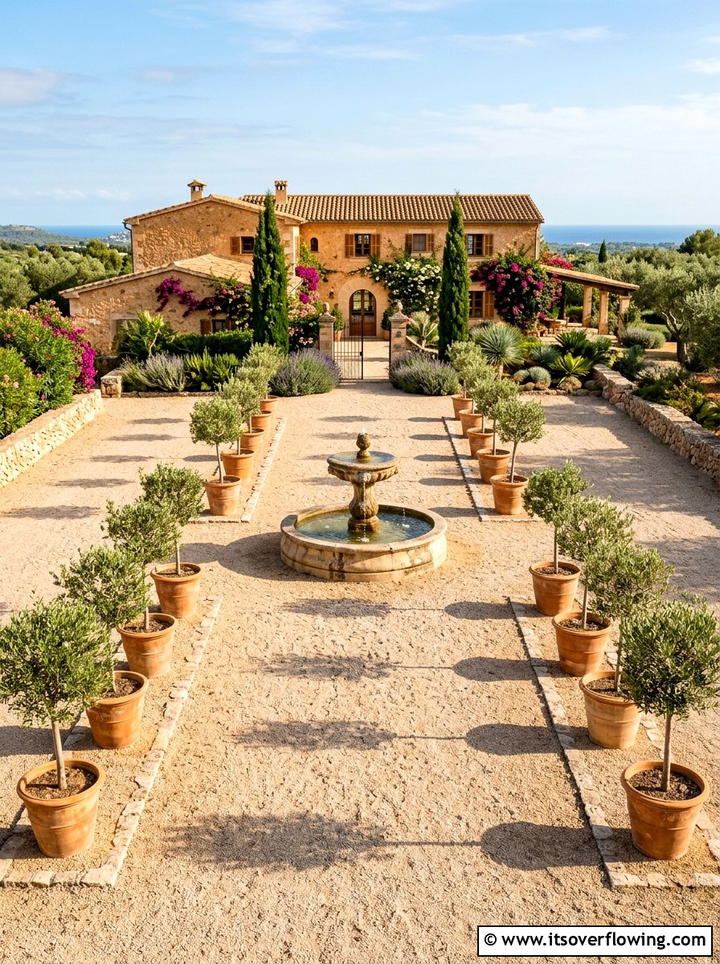
A Mediterranean gravel courtyard uses repetition through the use of terracotta pots and drought-tolerant plants. You can arrange identical clay containers filled with olive trees or citrus plants in a symmetrical pattern around a central fountain. The repeating warm tones of the pottery contrast beautifully with the cool grey tones of the crushed gravel flooring. This design style emphasizes a relaxed yet structured environment that feels like a coastal retreat. By repeating the same types of herbs, like rosemary and thyme, in various corners, you create a consistent aromatic experience. The structural repetition of the pots provides a clear focal point that anchors the entire courtyard space.
6. Tropical Poolside Planting

Tropical poolside planting thrives on the repetition of large, bold foliage to create a lush and private oasis. You can use repeating groups of hibiscus or bird of paradise plants to frame the water feature. The large green leaves provide a consistent backdrop that makes the pool area feel like a hidden jungle. By repeating certain vibrant colors, like hot pink or bright orange, you can create a festive and energetic mood. This approach helps to soften the hard edges of the pool deck and provides natural shade. The rhythmic placement of palms or ferns creates a sense of enclosure and tranquility that is perfect for summer relaxation.
7. Tall Ornamental Grass
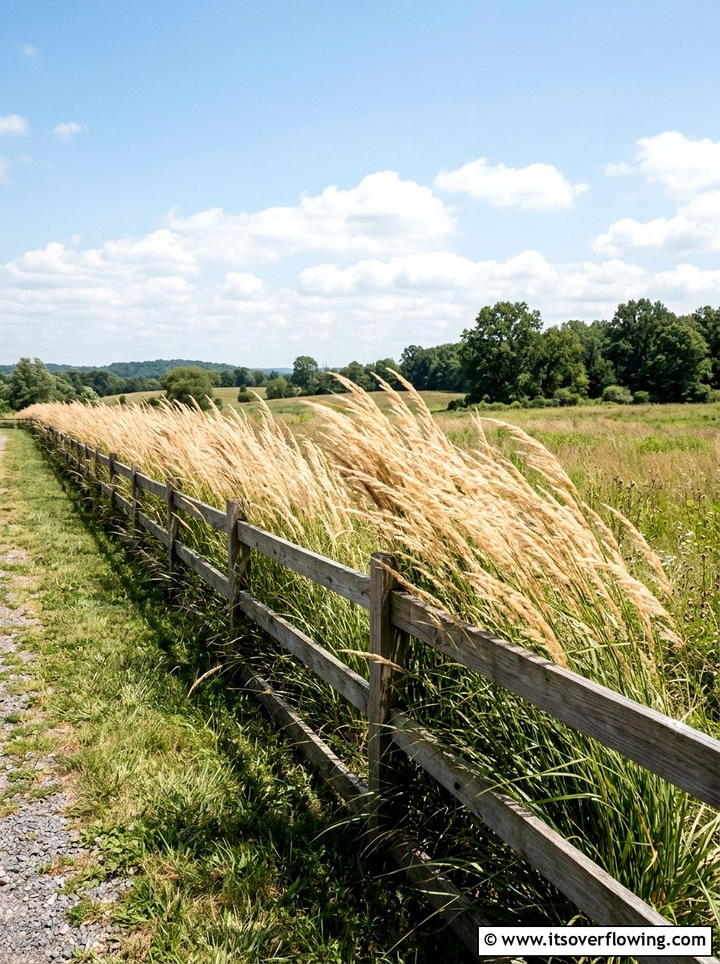
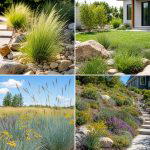
Tall ornamental grass is an excellent choice for creating a living screen through the use of repetition. Planting a single variety of grass in a long, linear row creates a modern and architectural look. As the wind blows, the repeating blades of grass move in unison, adding a dynamic sense of motion to the garden. This design is particularly effective for defining property lines or hiding unsightly fences. The consistent height and texture of the grass provide a clean visual break between different areas of the yard. During the autumn, the repeating seed heads add a delicate and golden glow to the overall landscape design.
8. Contemporary Geometric Paving
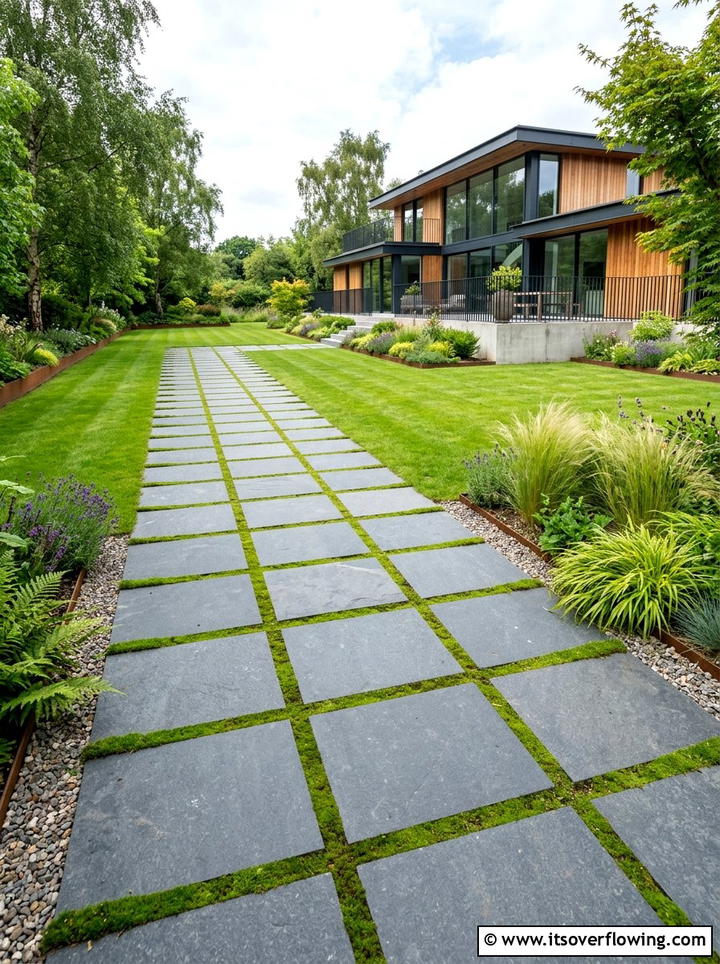
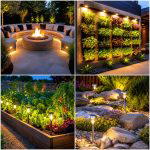
Contemporary geometric paving uses the repetition of stone slabs to create a striking and organized ground cover. You can arrange large rectangular pavers with small gaps filled with moss or decorative pebbles in between. This repeating pattern creates a grid-like effect that feels very modern and high-end. The consistency of the paving materials helps to connect different zones of the garden, such as the dining area and the fire pit. By using the same stone throughout the entire project, you ensure a seamless transition between the indoor and outdoor living spaces. This structured approach provides a solid foundation for more organic plant growth to flourish.
9. Vertical Wall Garden
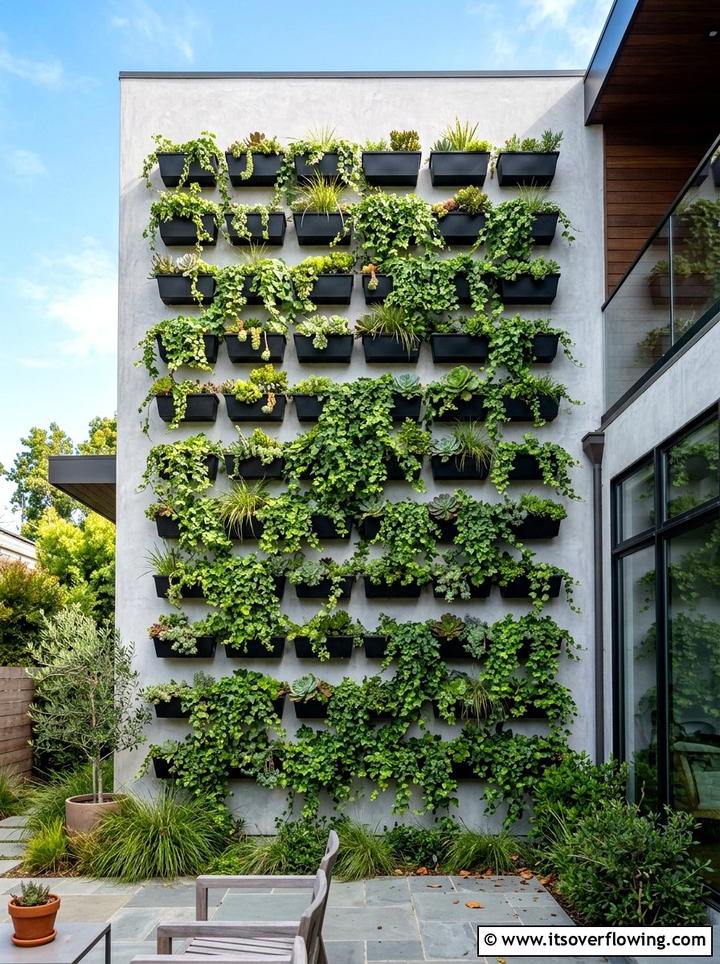
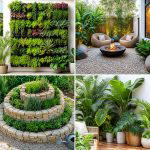
A vertical wall garden is a brilliant way to incorporate repetition into a small or urban outdoor space. You can use a series of identical wall-mounted planters to create a living tapestry of greenery. By repeating the same species of trailing vines or succulents, you create a lush and uniform green wall. This design choice draws the eye upward, making a small patio feel much taller and more spacious. The rhythmic arrangement of the plants provides a modern focal point that doubles as a natural art installation. This approach is perfect for adding life to a bare fence or a plain exterior wall of your home.
10. Raised Vegetable Planter
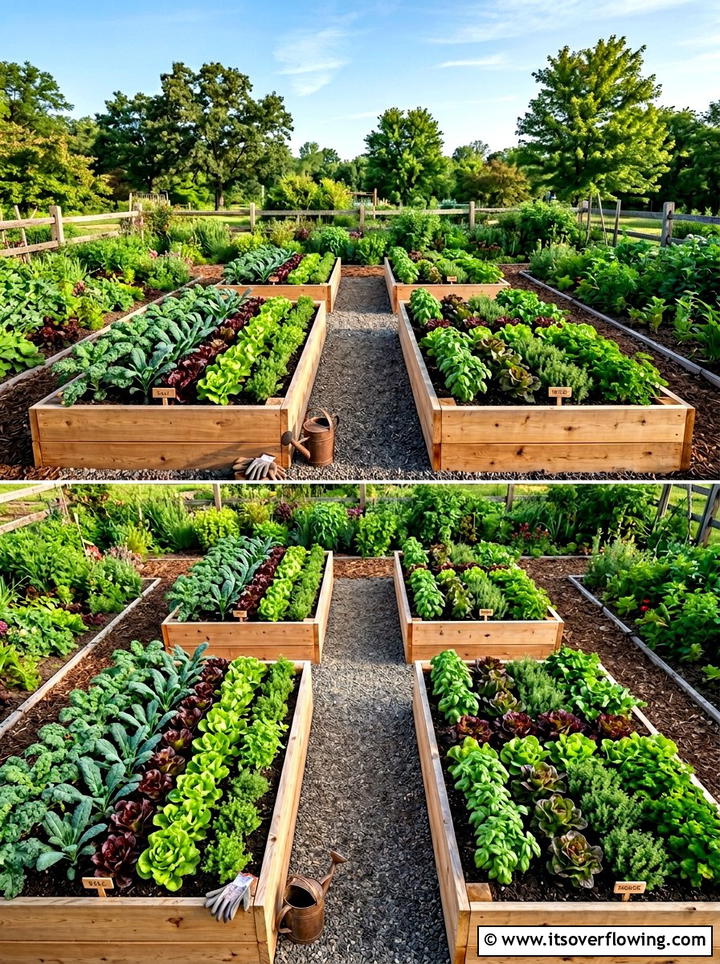
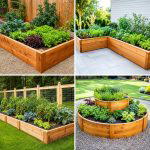
Organizing raised vegetable planters in a repeating series is a functional way to create a productive and beautiful kitchen garden. You can build several identical wooden or metal garden beds and arrange them in a neat row or a grid. This repetition makes the garden feel organized rather than cluttered, which is often a challenge with edible plants. By using consistent materials for the beds, the overall design looks intentional and professional. You can even repeat certain crops, like kale or lettuce, to create a textured pattern within the beds. This structured layout makes maintenance much easier and improves the visual flow of the utility area.
11. Japanese Zen Rock
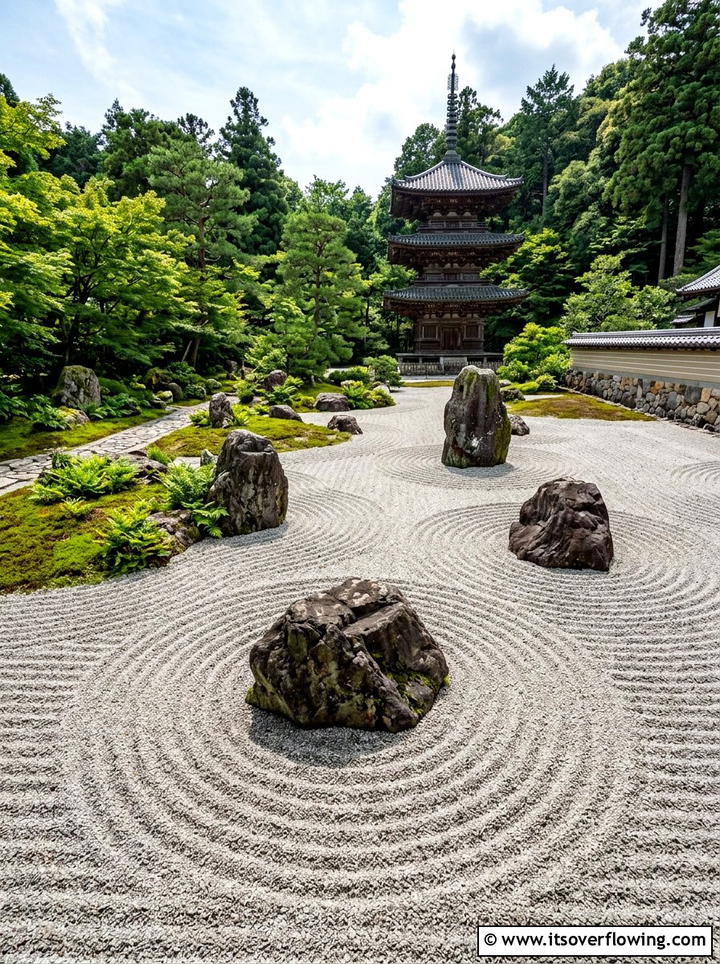
A Japanese zen rock garden uses the repetition of raked sand and carefully placed stones to evoke a sense of peace. You can create repeating circular patterns in the gravel around large boulders to simulate the look of water ripples. This rhythmic texture is a core element of traditional Japanese design and provides a meditative quality to the space. The consistent use of natural materials like stone, moss, and wood ensures that the garden feels timeless and balanced. By repeating a few key elements, the design avoids unnecessary distractions and focuses on simplicity. This approach creates a minimalist sanctuary that encourages reflection and quietude.
12. Symmetrical Rose Entrance
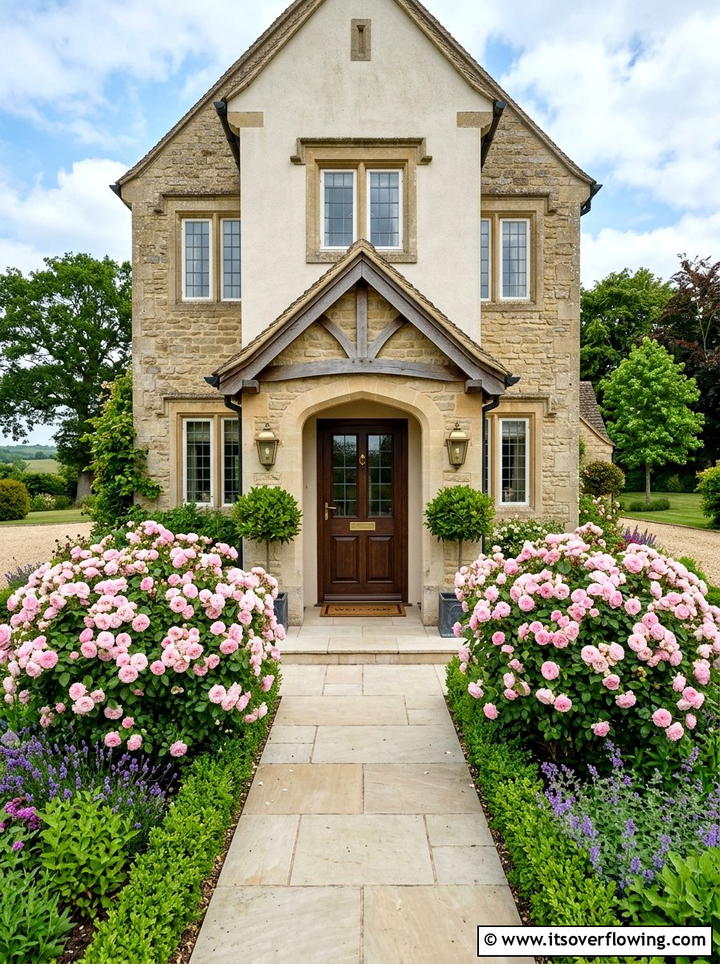
A symmetrical rose entrance creates a grand and welcoming first impression for any home. You can achieve this by planting identical rose bushes on either side of the front door or the garden gate. The repeated blooms and fragrance create a classic and romantic atmosphere that is instantly appealing. Using the same variety of rose ensures that the color and growth habit remain consistent on both sides. This balanced design frames the entryway beautifully and adds a touch of traditional elegance. The repetition of the floral arches or bushes guides guests toward the house while providing a stunning display of color throughout the blooming season.
13. Coastal Beach Garden
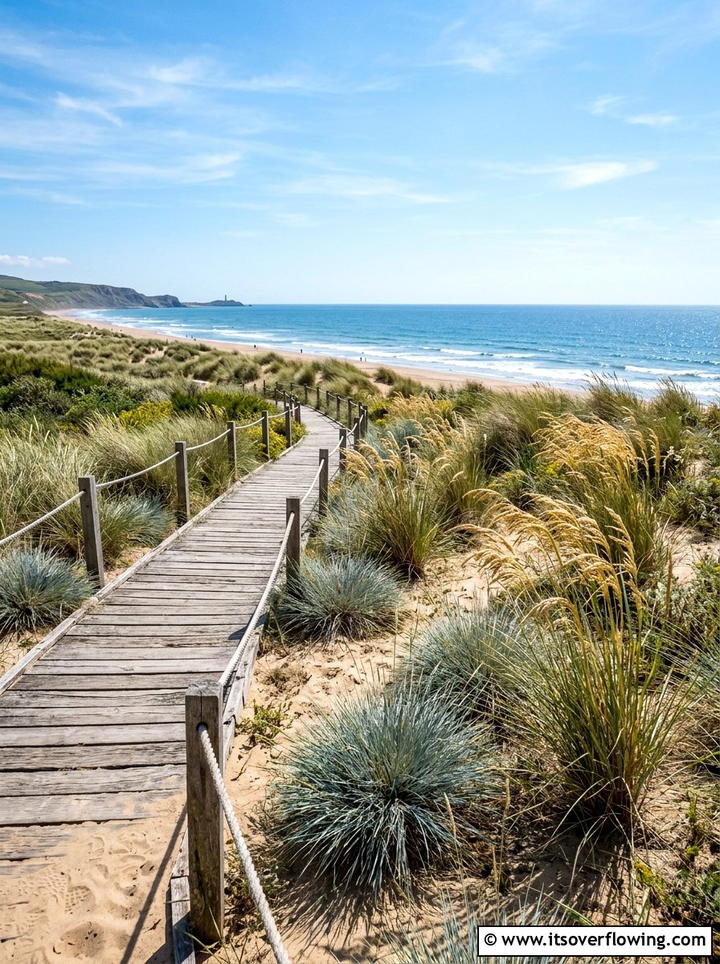
A coastal beach garden utilizes the repetition of hardy, salt-tolerant plants to create a relaxed and breezy environment. You can use repeating clumps of sea oats or blue fescue to mimic the look of natural sand dunes. The consistent silvery-blue tones of the foliage reflect the colors of the ocean and the sky. By repeating weathered wood elements, such as boardwalks or fences, you reinforce the seaside theme throughout the landscape. This design approach feels organic and effortless, perfectly suited for a vacation home or a coastal property. The rhythmic placement of grasses provides movement and texture that stands up well to windy conditions.
14. Cottage Style Flower Bed
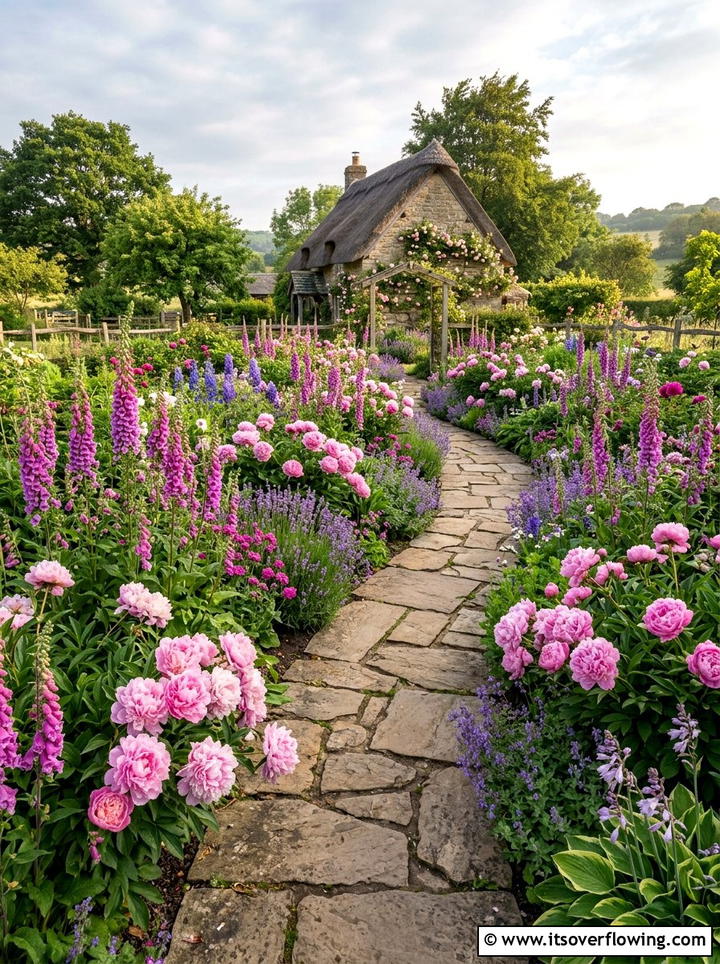
A cottage style flower bed may look informal, but it often relies on the repetition of key species to maintain harmony. You can repeat clusters of delphiniums, foxgloves, and peonies throughout the perennial border to create a cohesive look. This repetition ensures that the eye moves smoothly from one end of the garden to the other. Even with a wide variety of plants, the recurring colors and shapes prevent the space from looking chaotic. The dense planting style creates a lush and romantic feel that is full of charm. By repeating favorite blooms, you can create a signature look that defines your personal gardening style.
15. Shadow Box Fencing
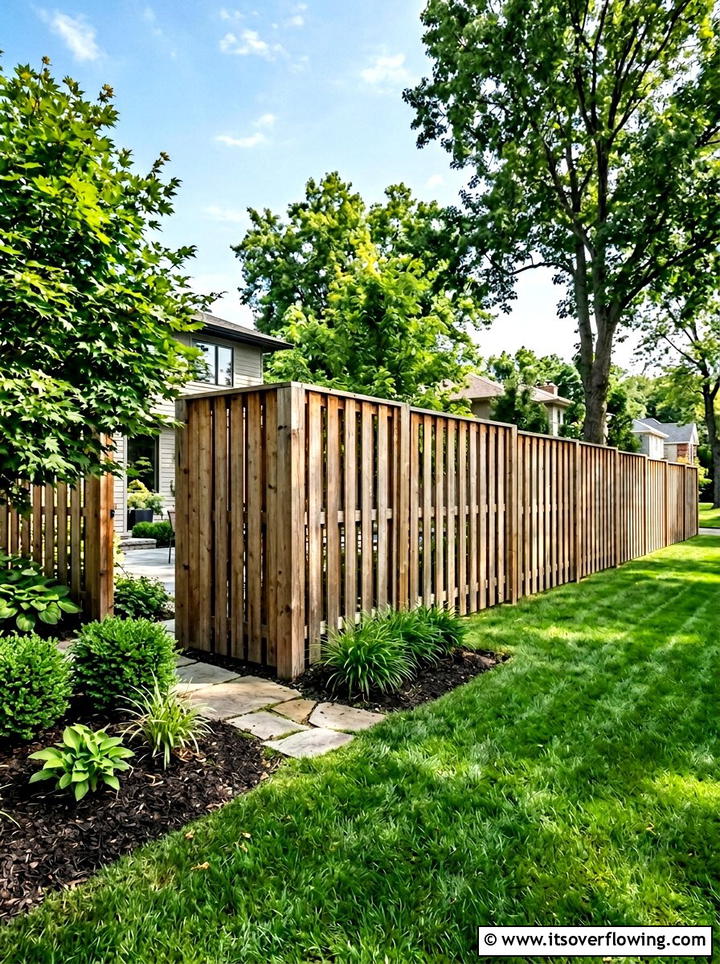
Shadow box fencing is a functional design element that uses the repetition of vertical wooden slats to create privacy and texture. The alternating pattern of the boards provides a sense of depth and visual interest compared to a standard flat fence. This repeating rhythm creates a beautiful backdrop for climbing plants or flowering shrubs. By using the same wood finish across the entire perimeter, the fence acts as a unifying frame for the backyard. The consistent spacing of the slats allows for airflow while still providing a secure boundary. This design choice is a modern and stylish way to incorporate repetition into the garden’s hardscaping.

16. Terraced Stone Hillside
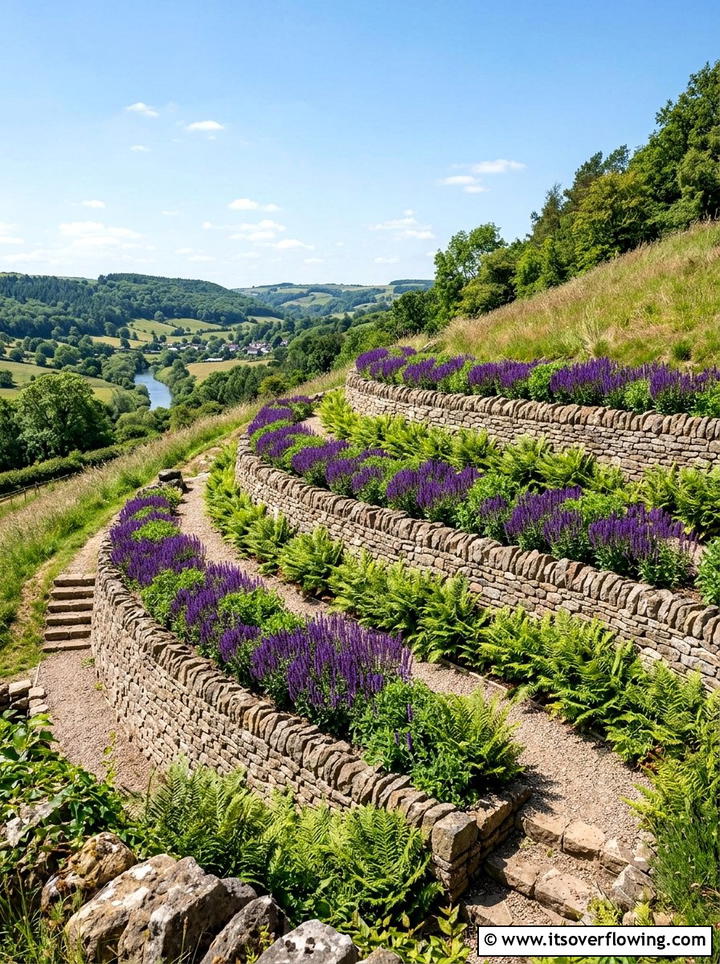
A terraced stone hillside uses the repetition of horizontal retaining walls to transform a steep slope into a functional garden. You can use the same type of natural stone for each level to create a unified and grounded aesthetic. The repeating layers of stonework provide a sense of stability and structure to the landscape. Each terrace offers a new opportunity for planting, and repeating the same species on each level can create a cascading effect of color. This design solves erosion problems while adding a professional, tiered look to the yard. The consistent masonry work ensures that the entire hillside feels like one cohesive architectural feature.
17. Matching Container Grouping
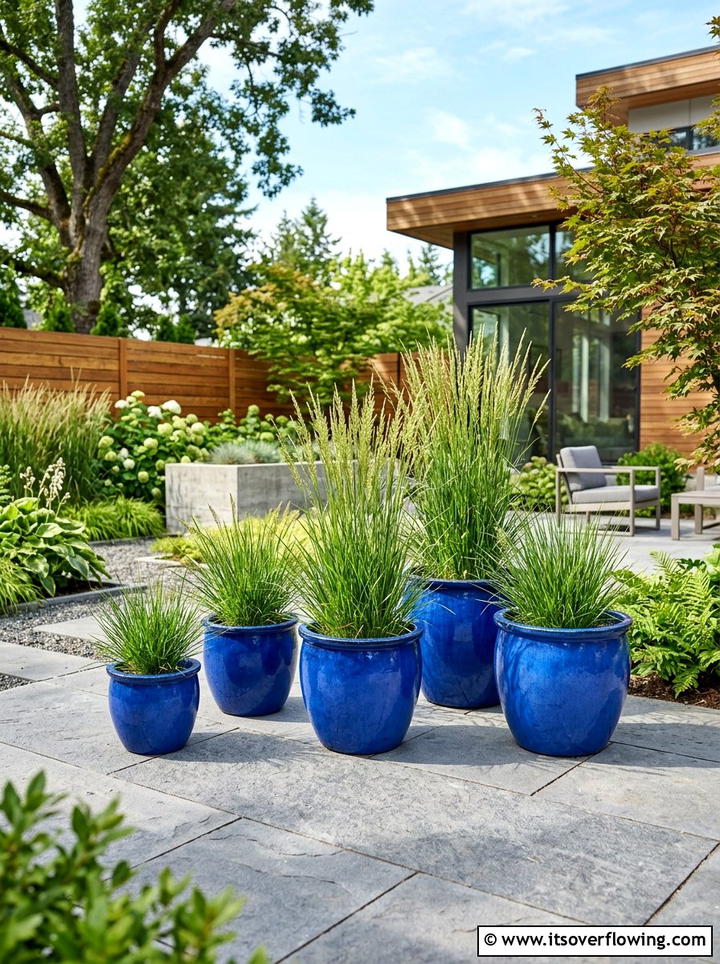
Using a matching container grouping is a quick and effective way to introduce repetition onto a patio or deck. You can select several pots in the same color and material but in different sizes to create a dynamic display. By filling these containers with the same type of plant, you reinforce the sense of unity and purpose. This approach is perfect for renters or those with limited garden space who still want a professional look. The repeated forms of the pots create a visual anchor that ties the outdoor furniture and decor together. This flexible design allows you to easily rearrange the layout whenever you desire.
18. Allium Purple Globe
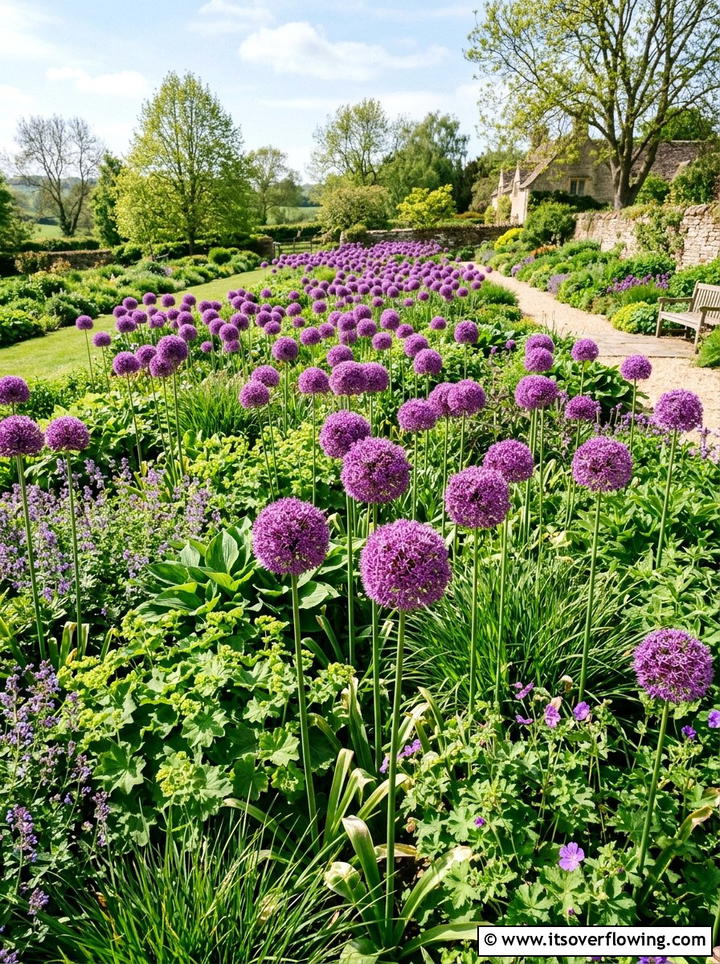
The allium purple globe is a striking flower that naturally lends itself to repetition because of its perfect spherical shape. Planting dozens of these bulbs in a drift across a garden bed creates a whimsical and high-impact display in late spring. The repeating purple globes seem to float above the other plants, creating a rhythmic pattern that is truly unforgettable. This design works well in both formal and informal settings because the shape is so distinct and bold. By repeating this specific flower, you create a strong seasonal focal point that draws people into the garden. The consistent height of the stems adds a sense of order.
19. Wood Slat Screen
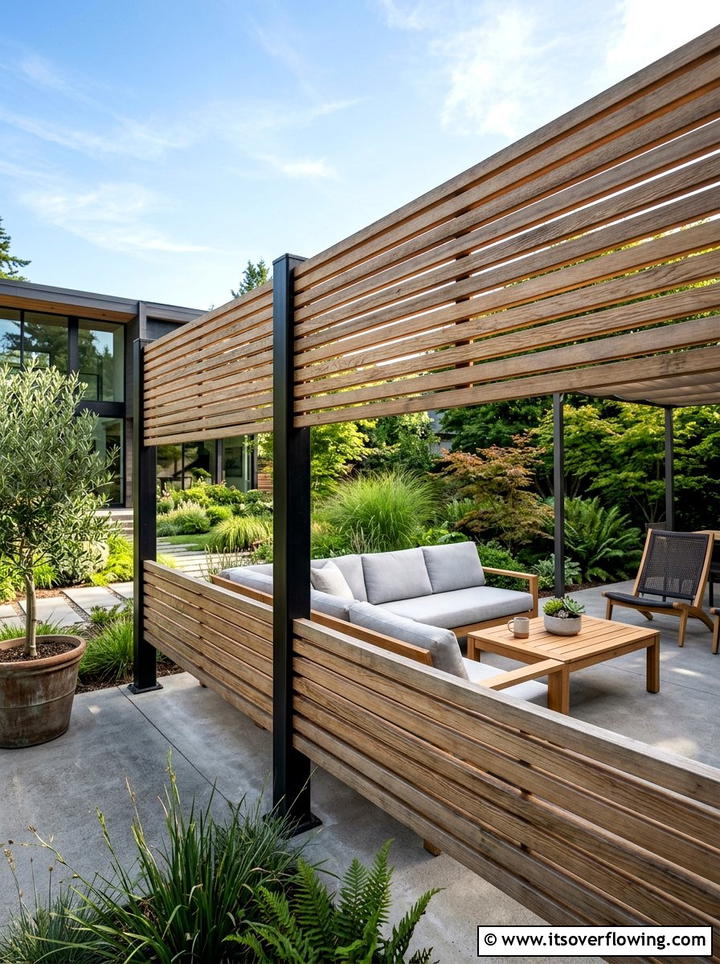
A wood slat screen provides a contemporary way to repeat linear elements for privacy and style. You can use thin horizontal boards spaced evenly to create a sleek barrier between different garden zones. This repeating pattern of wood and negative space creates a sophisticated and airy feel. It is an excellent way to hide trash cans, air conditioning units, or to create a private nook for a hot tub. The consistency of the wood grain and color brings a warm, organic texture to the landscape. This design is highly versatile and works perfectly with modern, industrial, or even mid-century modern home styles.
20. Stepping Stone Path
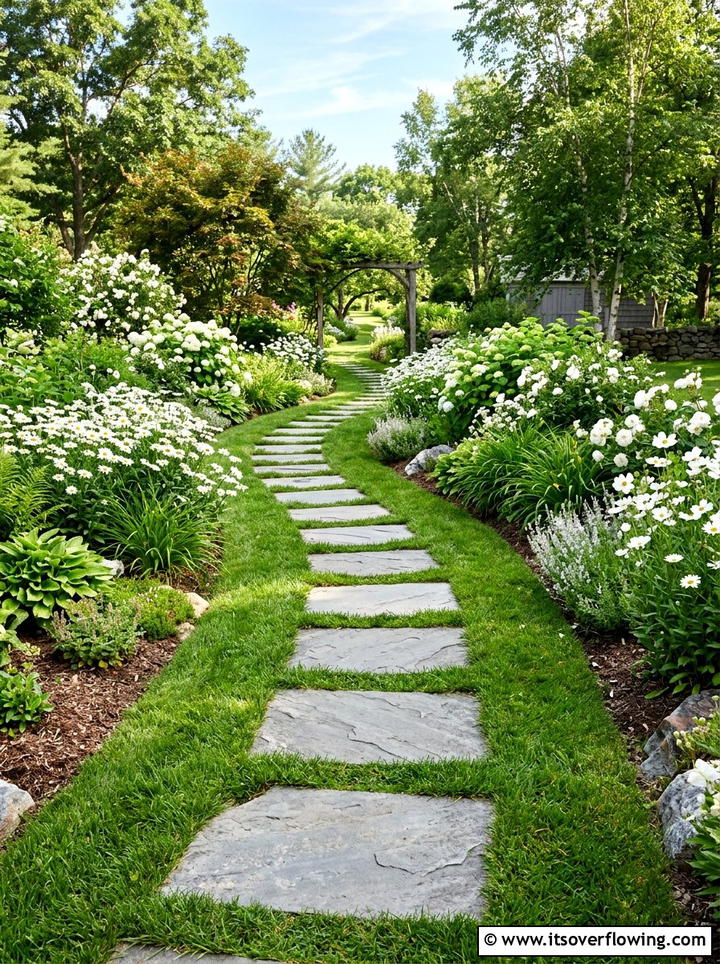
A stepping stone path uses the repetition of individual stones to create a functional and inviting walkway through the garden. You can place large, flat rocks at equal intervals to guide guests through a flower meadow or a wooded area. This repeating rhythm slows down the pace and encourages people to enjoy the surrounding scenery. By using the same type of stone for the entire path, you maintain a consistent look that feels natural and grounded. The gaps between the stones can be filled with groundcovers or moss to add more texture. This simple design element adds a sense of adventure and discovery to any yard.
21. Tiered Water Feature
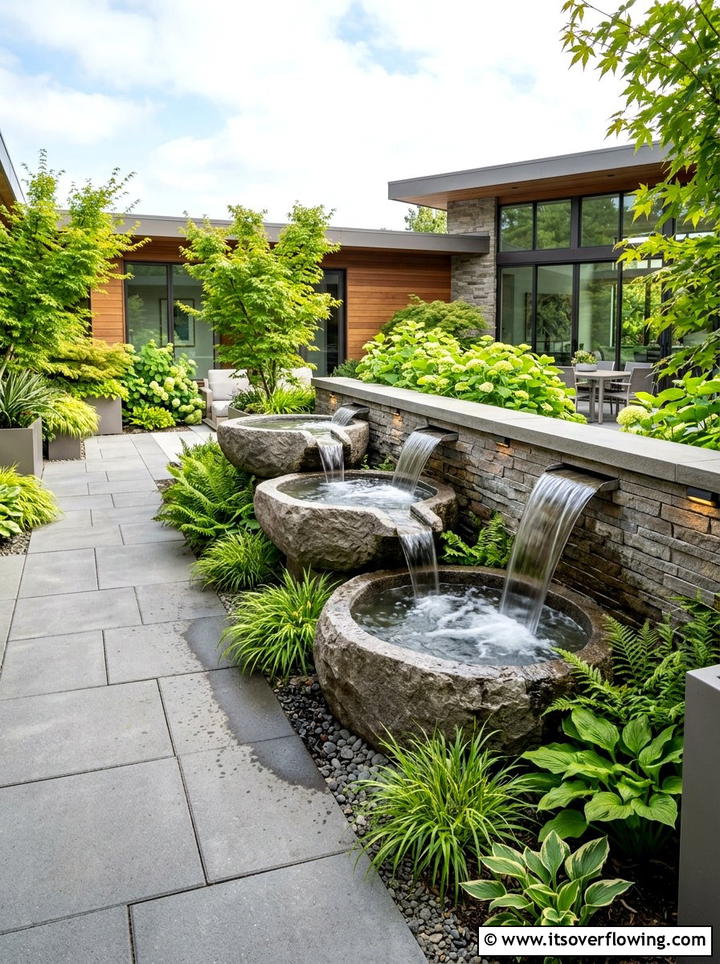
A tiered water feature uses the repetition of cascading basins to create a soothing sound and a beautiful focal point. The sight and sound of water falling from one level to the next provide a rhythmic and calming experience. You can use identical stone bowls or metal troughs to create a modern and structured look. This repetition of form and movement draws the eye and becomes a central anchor for the entire garden design. The consistent flow of water adds a dynamic element that keeps the space feeling fresh and alive. This design choice is perfect for a courtyard or a central patio area.
22. Pergola Walkway Series
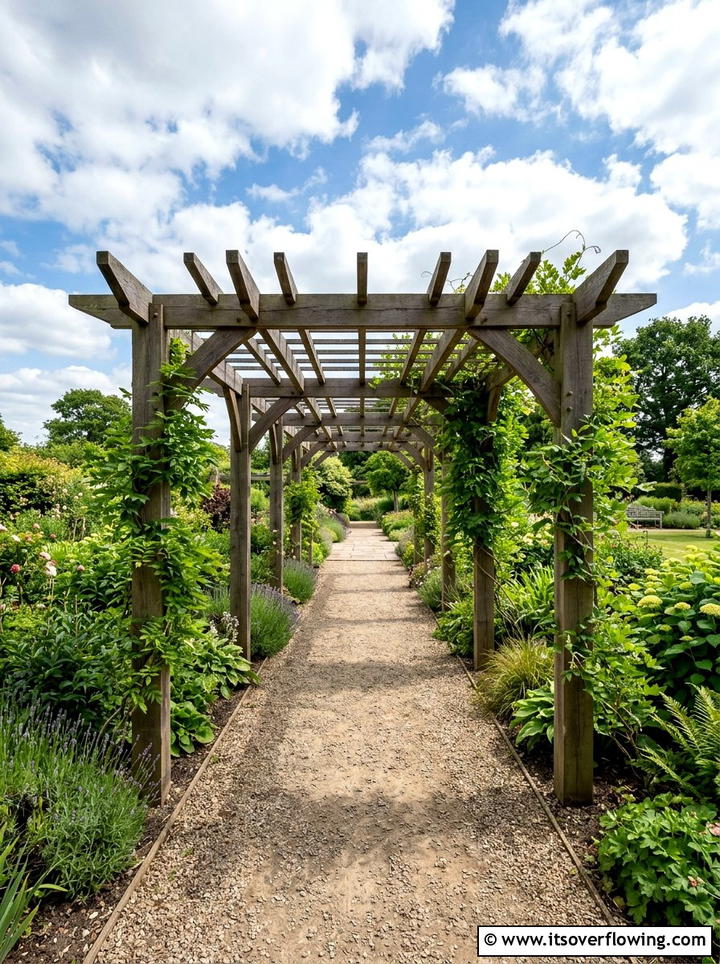
A pergola walkway series uses the repetition of overhead timber frames to create a stunning architectural tunnel. By placing several identical pergolas in a row, you define a clear path and provide a structure for climbing vines. The repeating shadows cast by the wooden beams create a beautiful pattern on the ground that changes throughout the day. This design adds a sense of height and grandeur to the landscape, making it feel more like a professional estate. Covering the structure with repeating plants, such as wisteria or climbing roses, adds a lush and romantic feel. This approach creates a memorable transition between different outdoor rooms.
23. Ornamental Tree Line
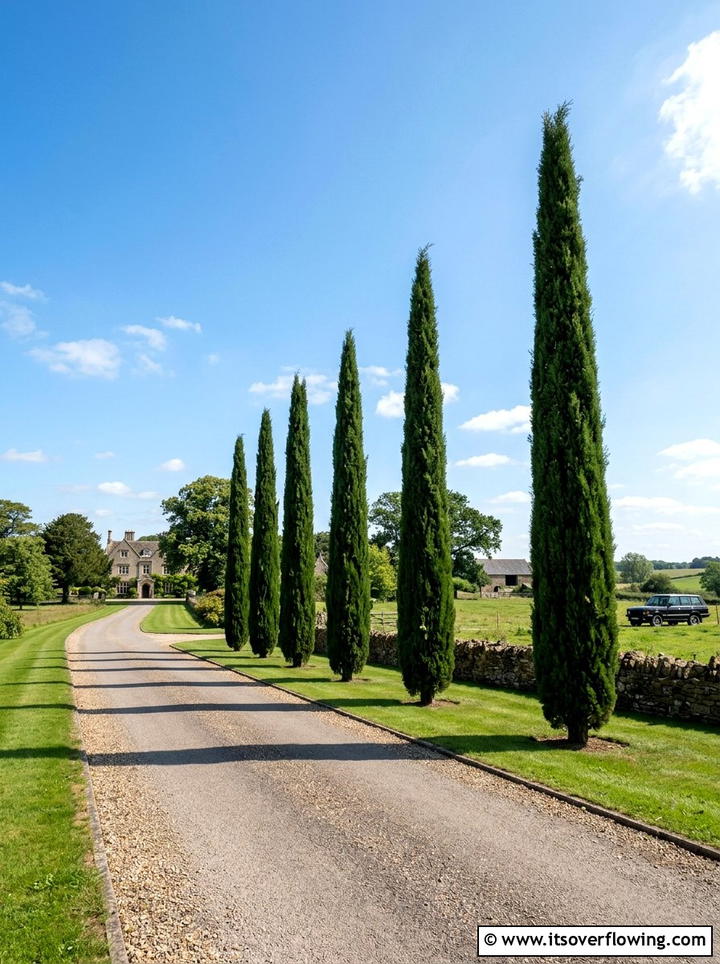
An ornamental tree line uses the repetition of vertical trunks and matching canopies to create a formal boundary. You can plant a row of identical trees, such as pleached limes or slender cypresses, to frame a driveway or a large lawn. The consistent height and shape of the trees provide a strong sense of structure and scale. This design is highly effective for creating privacy and blocking unwanted views from neighboring properties. The rhythmic placement of the trunks creates a beautiful perspective that leads the eye toward the house. This classic landscape technique is a timeless way to add value and sophistication to any large property.
24. Succulent Rockery Layout
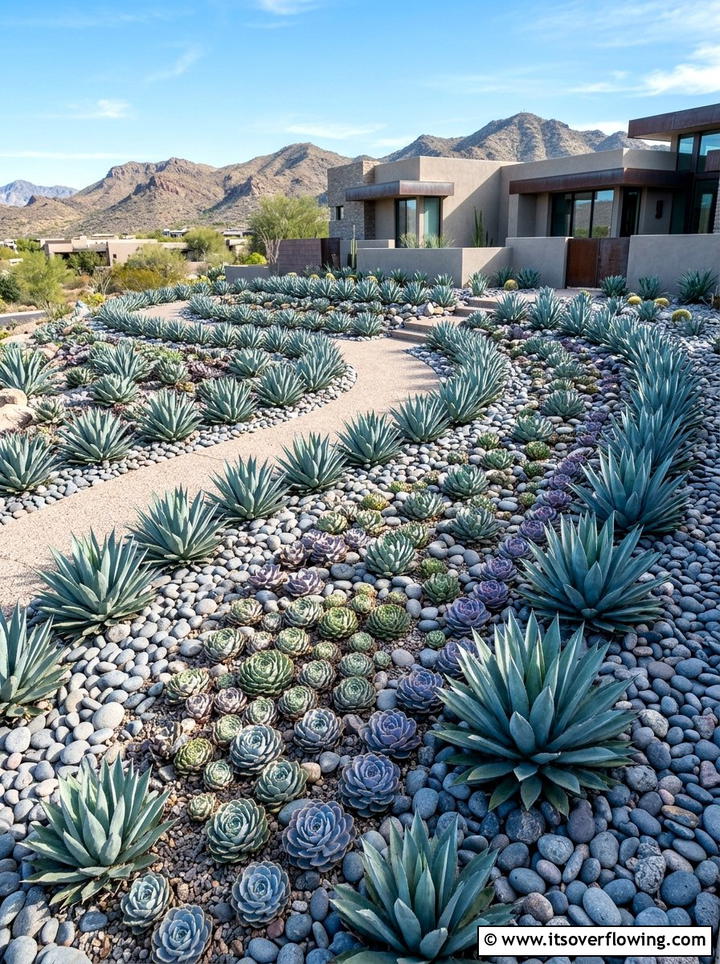
A succulent rockery layout utilizes the repetition of geometric plants and natural stones to create a low-maintenance masterpiece. You can repeat specific varieties of echeveria or agave in a grid or a spiral pattern to highlight their unique shapes. The consistent use of desert-inspired materials, like crushed lava rock or river stones, creates a unified and arid aesthetic. This design is perfect for sunny areas and provides year-round interest due to the evergreen nature of succulents. By repeating certain colors, like powdery blue or deep maroon, you can create a vibrant and artistic display. This structured approach makes a collection of small plants look substantial.
25. Wildflower Meadow Patch
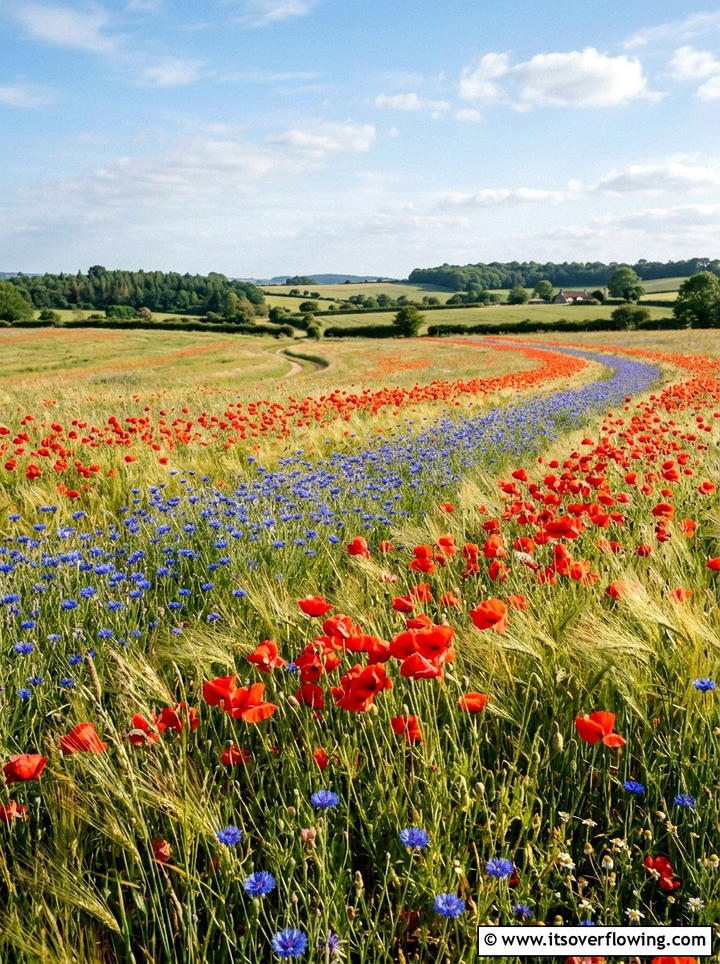
A wildflower meadow patch may seem random, but repeating certain key species helps to anchor the design and make it look intentional. You can scatter seeds of a few specific flowers, like poppies or cornflowers, more heavily in certain areas to create repeating drifts of color. This repetition provides a sense of rhythm that mimics a natural prairie while still feeling like a curated garden. The consistent presence of these flowers across the meadow helps to tie the entire landscape together. This design is excellent for supporting local biodiversity and provides a soft, romantic look that requires very little water or maintenance once it is established.
Conclusion:
Mastering the art of repetition in garden design allows you to create an outdoor space that feels professionally curated and deeply harmonious. By thoughtfully selecting which plants, materials, and shapes to repeat, you can establish a visual rhythm that guides the eye and evokes a specific mood. Whether you prefer the strict symmetry of a formal entrance or the soft, recurring drifts of a wildflower meadow, consistency is the key to success. This approach transforms a collection of individual elements into a unified landscape that provides year-round beauty and enjoyment. Embracing repetition is the most effective way to ensure your garden remains a cohesive and timeless sanctuary.

Related posts:
 25 Garden Design Ideas for Modern Landscapes With Sleek Style
 25 Garden Design Ideas for Narrow Pathways With Big Style
 25 Garden Design Ideas for Pool Areas With Resort Style
 25 garden design ideas for small yards: Big Style, Tiny Spaces
 25 garden design ideas with bold contrast: Dramatic Yard Style
 25 garden design ideas with height variation: Dynamic Yard Style
 25 garden design ideas with lighting plans: Bright Outdoor Style
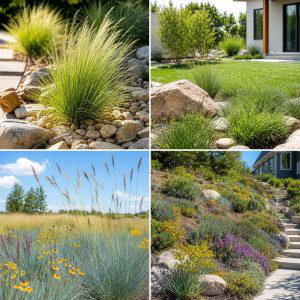 25 Garden Design Ideas With Native Grasses for Natural Style
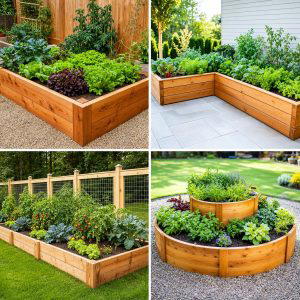 25 Garden Design Ideas With Raised Beds for Productive Style
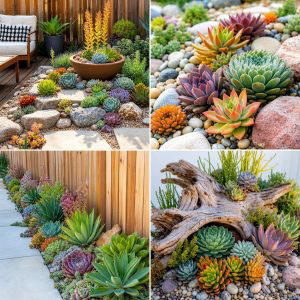 25 Garden Design Ideas With Succulent Beds for Low-Care Style
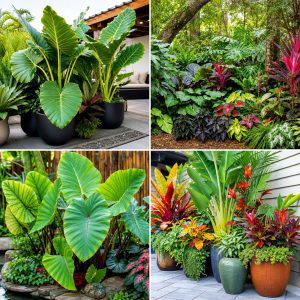 25 Garden Design Ideas With Tropical Foliage for Lush Style
 25 Garden Design Ideas With Asymmetry for Bold Outdoor Style