
Transforming a sloped or uneven landscape often feels like a daunting challenge for many homeowners looking to maximize their outdoor living space. However, incorporating functional retaining walls into your yard can completely change the dynamic of your property while providing essential structural support against soil erosion. These architectural elements allow you to create distinct levels, offering a sense of organization and visual interest that flat ground simply cannot provide. Whether you prefer the rustic charm of natural fieldstone or the sleek, clean lines of modern poured concrete, there is a style that fits every aesthetic. By thoughtfully planning your garden layout, you can turn a difficult hill into a beautiful, multi-functional masterpiece that increases your home’s overall curb appeal and value.
1. Tiered flower beds
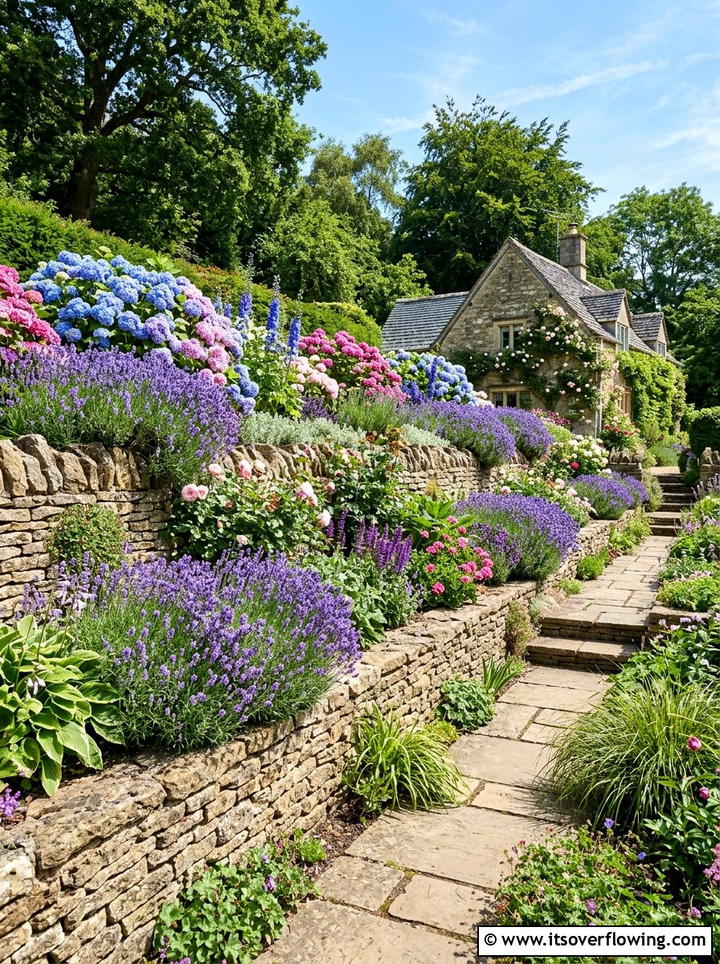
Tiered flower beds are an exceptional way to turn a steep incline into a lush and vibrant focal point for your backyard. By breaking up a single tall slope into several smaller, manageable levels, you create a cascading effect that allows for a diverse variety of plantings. You might choose to fill the top tier with taller shrubs for privacy, while the middle and lower sections can house colorful perennials and trailing vines that soften the hard edges of the wall. This layered approach not only makes gardening tasks much easier on your back but also ensures that every plant receives proper drainage and sunlight throughout the growing season.
2. Natural stone retaining wall
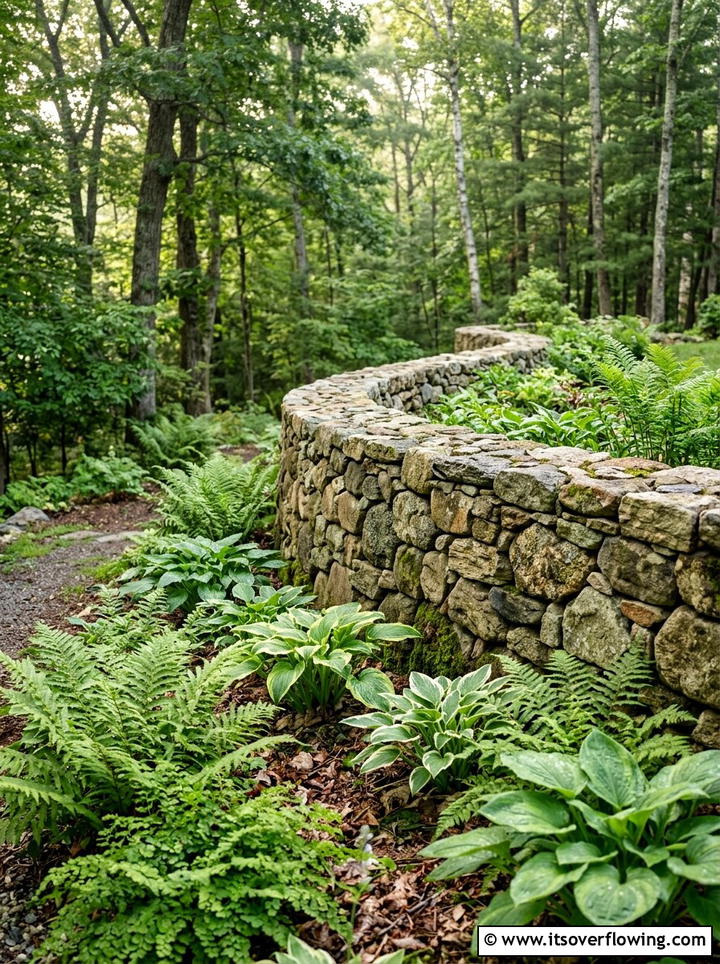
Natural stone retaining walls offer a timeless and organic aesthetic that blends seamlessly with almost any outdoor environment. Using locally sourced fieldstone or limestone creates a sense of harmony between your home and the surrounding nature. These walls are prized for their durability and their unique ability to look better as they age and develop a slight patina or moss growth. Because each stone is unique in shape and color, your wall becomes a custom piece of functional art. This type of wall works perfectly in cottage-style gardens or rustic landscapes where you want to avoid a manufactured look while maintaining high structural integrity.
3. Concrete block wall
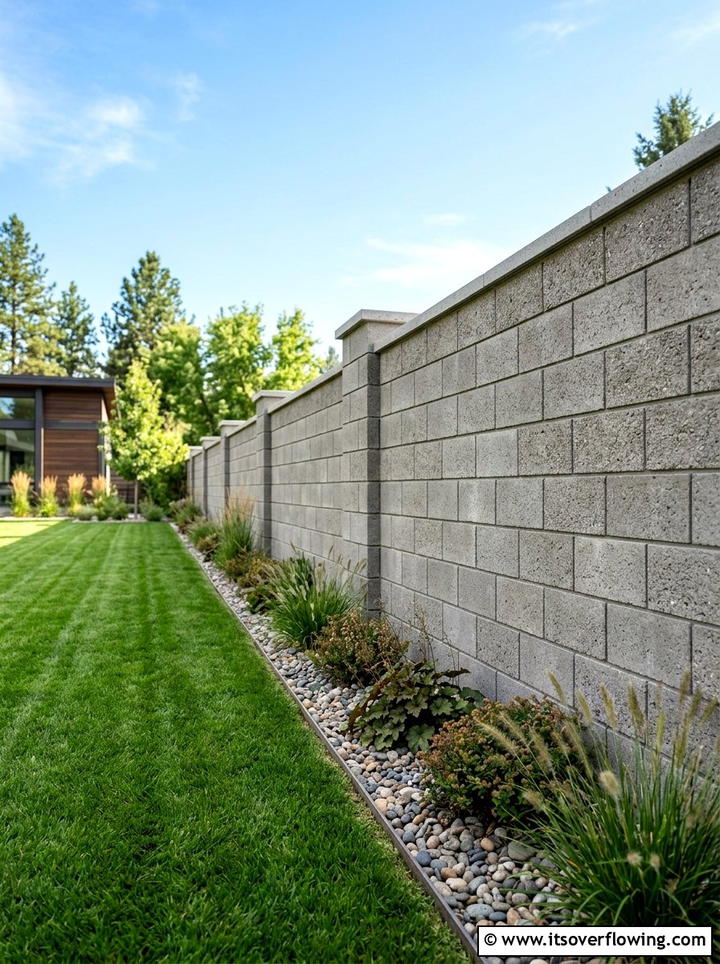
Concrete block walls provide a clean, modern, and highly durable solution for homeowners who prioritize structural strength and longevity. Many modern blocks are designed with textured faces that mimic the look of natural stone while offering the ease of a modular installation system. This choice is particularly effective for very high slopes where engineering requirements are strict and a solid foundation is necessary. You can easily paint or stucco these blocks to match the exterior color palette of your house, ensuring a cohesive look. The uniform size of the blocks makes it simple to incorporate sharp 90-degree corners or perfectly straight lines for a contemporary finish.

4. Gabion basket garden
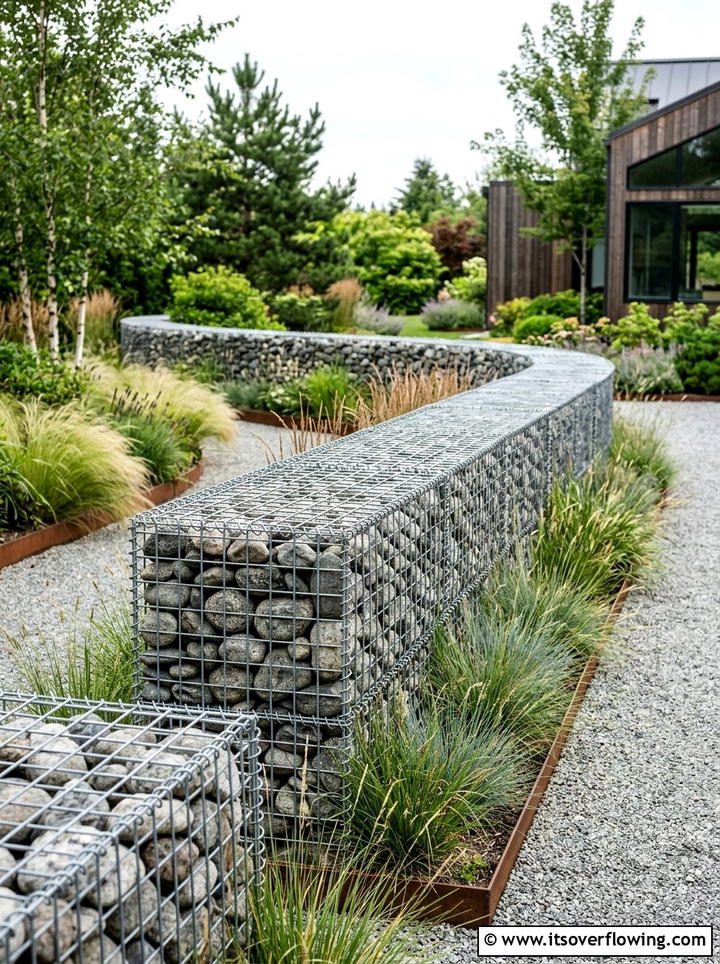
Gabion basket gardens are a unique and industrial-inspired way to manage soil while adding incredible texture to your yard. These wire cages are typically filled with rocks, recycled glass, or even decorative wood rounds, creating a permeable wall that allows for excellent drainage. They are incredibly popular in modern and xeriscape landscapes because they require very little maintenance and offer a striking visual contrast to soft green foliage. You can even tuck small succulents or alpine plants into the crevices between the stones for a living wall effect. Gabions are not only cost-effective but also incredibly sturdy, making them a smart choice for heavy-duty earth retention.
5. Wood sleeper wall
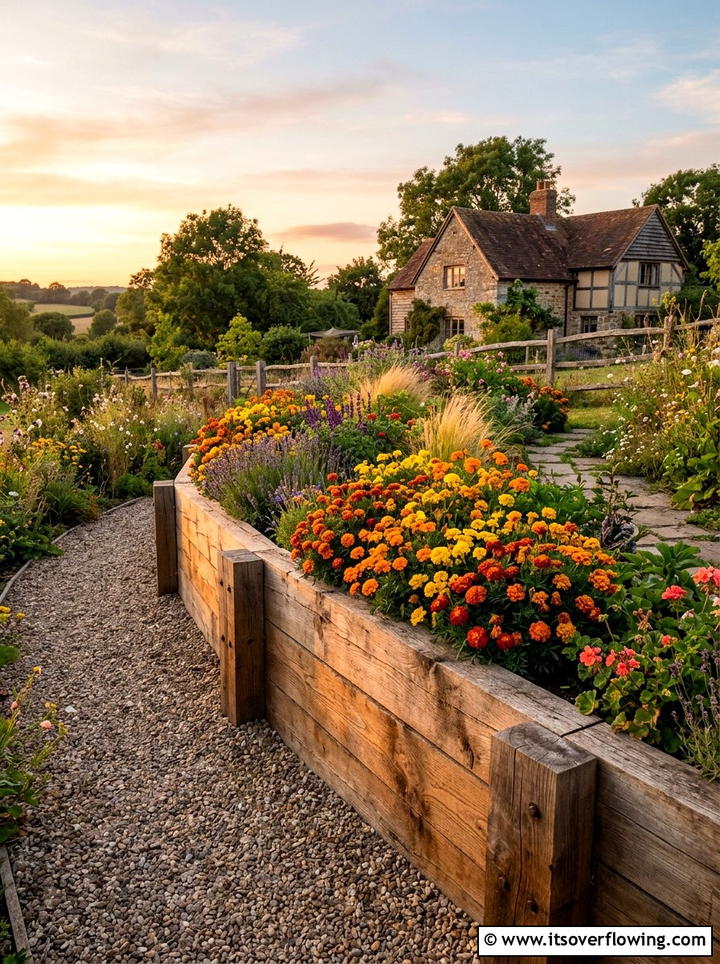
Wood sleeper walls, often made from durable hardwoods or treated timber, bring a warm and natural warmth to the garden landscape. They are particularly popular for creating low-profile raised beds or defining different zones within a flat yard. The horizontal lines of the timber help to elongate the space, making a small garden feel much wider and more organized. Timber is often a more budget-friendly material than stone or concrete, and it is relatively easy for a DIY enthusiast to work with. When properly treated and drained, a well-built wood wall can last for many decades while providing a soft, earthy backdrop for your favorite flowers.
6. Built in garden bench
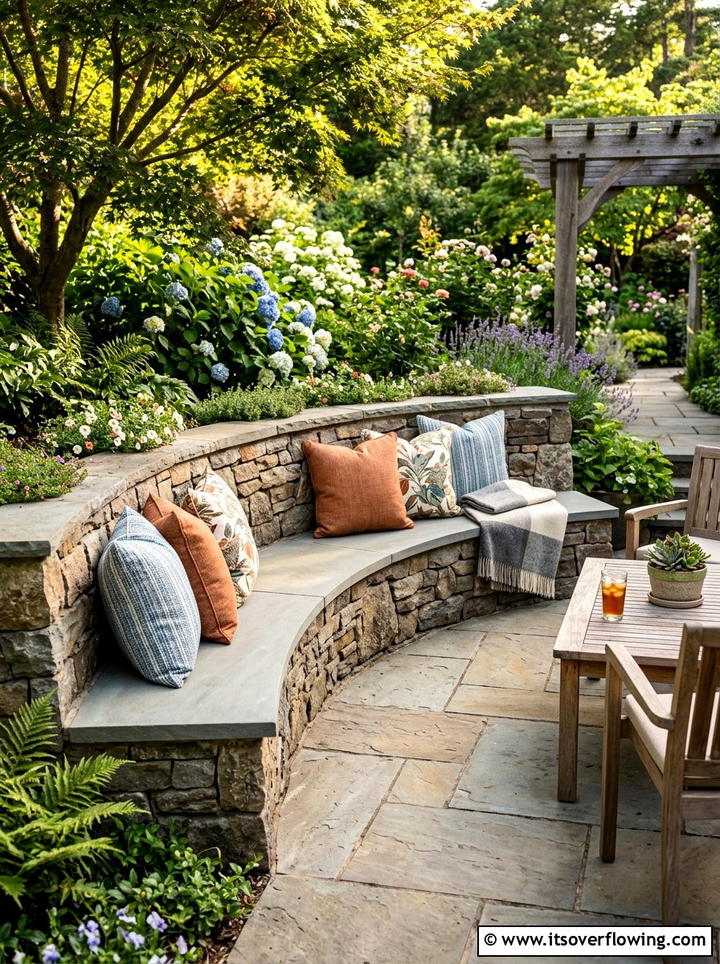
Built-in garden benches integrated directly into a retaining wall are a brilliant way to maximize seating without cluttering your patio with extra furniture. By extending the top of the wall or creating a recessed alcove, you create a permanent spot to relax and enjoy your outdoor surroundings. This design approach is perfect for small courtyards or fire pit areas where space is at a premium. You can cap the seating area with smooth flagstone or polished wood to make it comfortable, then add some weather-resistant cushions for a pop of color. It turns a purely functional structure into a social hub that invites guests to linger longer.
7. Sloped backyard leveling
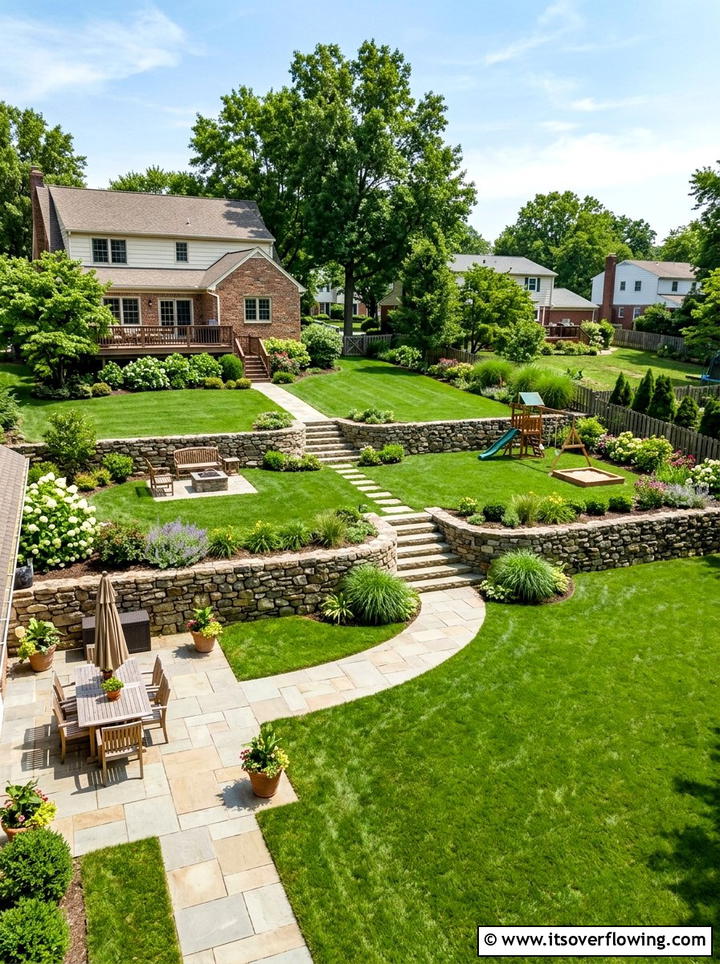
Sloped backyard leveling is the ultimate solution for homeowners who feel their yard is unusable due to a steep or dangerous grade. By installing a series of strategically placed retaining walls, you can carve out flat plateaus that are perfect for lawns, play areas, or outdoor kitchens. This transformation effectively increases the square footage of your usable living space, making your home feel much larger and more versatile. Leveling a yard also prevents water runoff from pooling near your foundation, protecting your home’s structural integrity. It is a significant investment that pays off by making every inch of your property accessible and enjoyable for the entire family.
8. Corten steel edging
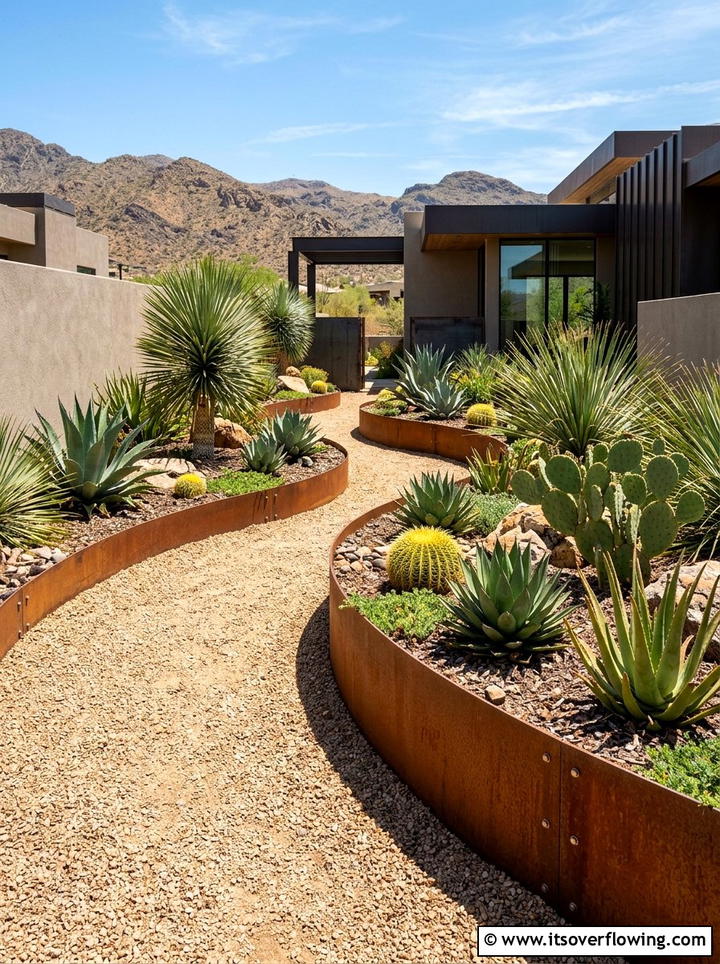
Corten steel edging and low retaining walls have become a staple in contemporary landscape design due to their striking orange-brown weathered finish. This material is designed to develop a protective layer of rust over time, which prevents further corrosion while providing a bold, industrial aesthetic. The thin profile of the steel allows for very precise, clean lines that work beautifully in minimalist gardens or urban spaces. It creates a sharp transition between lawn and garden beds, keeping mulch in place with a very small footprint. Corten steel pairs exceptionally well with ornamental grasses and gravel, creating a high-contrast look that is modern and sophisticated.
9. Curved garden wall
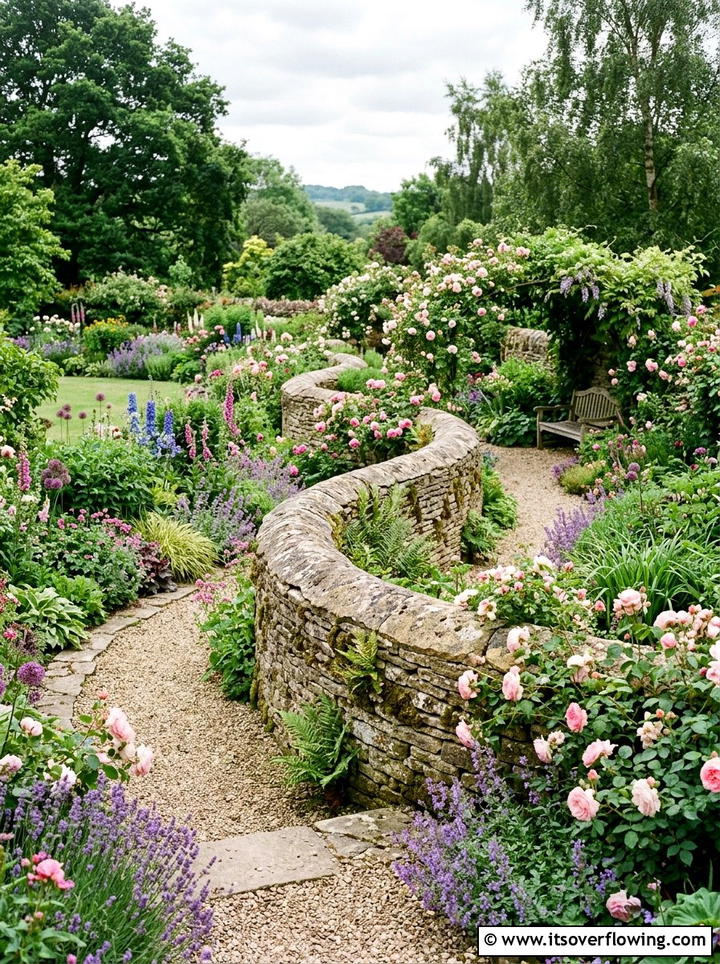
Curved garden walls are an excellent way to soften the harsh angles of a traditional property and create a more natural, flowing movement through the space. Unlike straight walls, curves can follow the existing contours of the land, making the installation feel like it was always part of the environment. Using flexible materials like small stone pavers or poured concrete allows you to create elegant sweeps that draw the eye toward specific garden features. These serpent-like walls are particularly effective around circular patios or winding pathways. They provide a sense of mystery and exploration, gently guiding visitors through the various “rooms” of your outdoor sanctuary.
10. Brick retaining wall
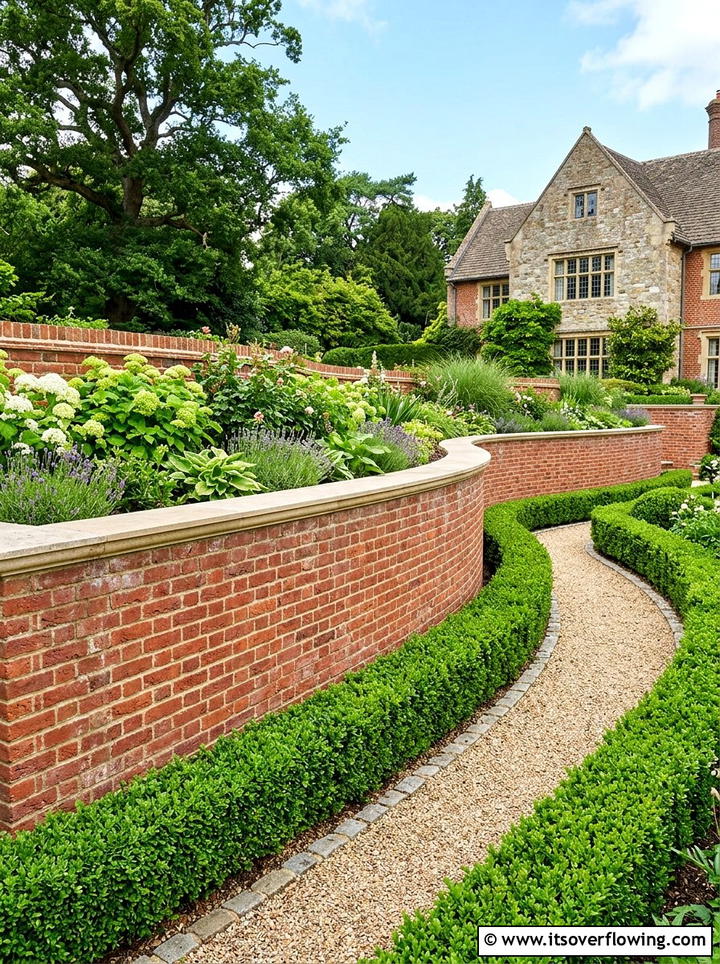
Brick retaining walls offer a classic and sophisticated look that perfectly complements traditional or colonial-style architecture. The variety of colors and textures available in brick allows you to match your home’s existing masonry for a seamless and high-end appearance. Bricks can be laid in various patterns, such as herringbone or running bond, to add extra detail and visual interest to the structure. While brick walls require a solid concrete foundation to prevent cracking, they are incredibly long-lasting and require very little upkeep. They look particularly stunning when paired with formal hedges, boxwoods, and neatly manicured lawns, providing a timeless sense of elegance and structure.
11. Terraced vegetable garden
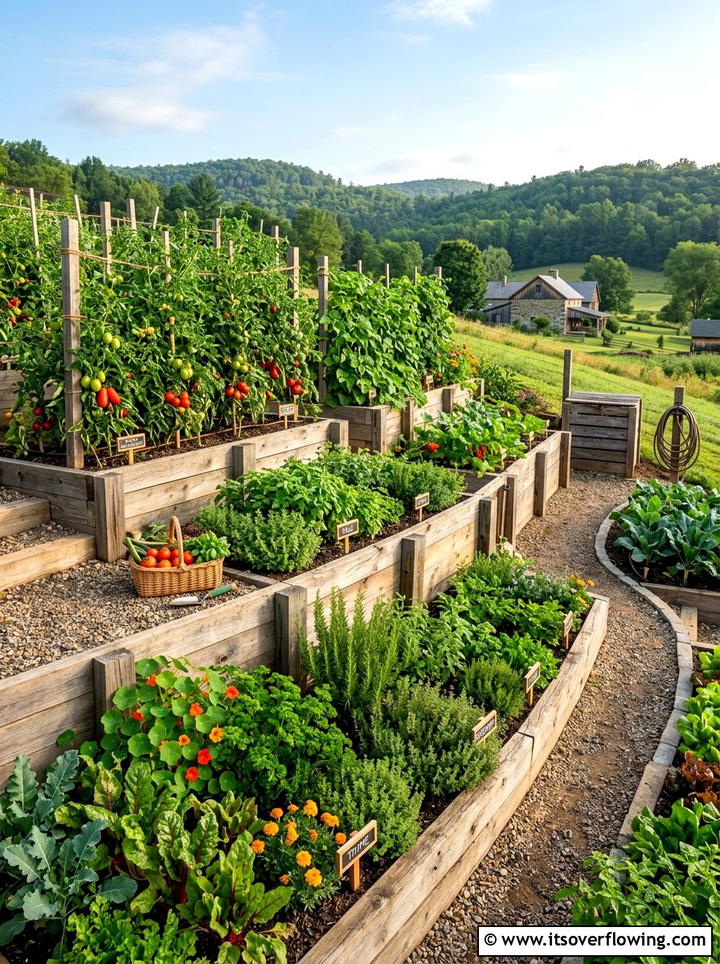
Terraced vegetable gardens are a dream for any home chef or hobby gardener dealing with a hilly backyard. By creating level tiers, you ensure that water and nutrients are evenly distributed across your crops rather than washing away down the slope. Each level can be dedicated to different plant families, such as root vegetables on one level and leafy greens on another, making crop rotation much simpler. The walls also absorb heat during the day and radiate it back to the plants at night, potentially extending your growing season. This organized approach keeps your edible garden looking tidy and professional while making harvesting a much more comfortable experience.
12. Waterfall stone wall
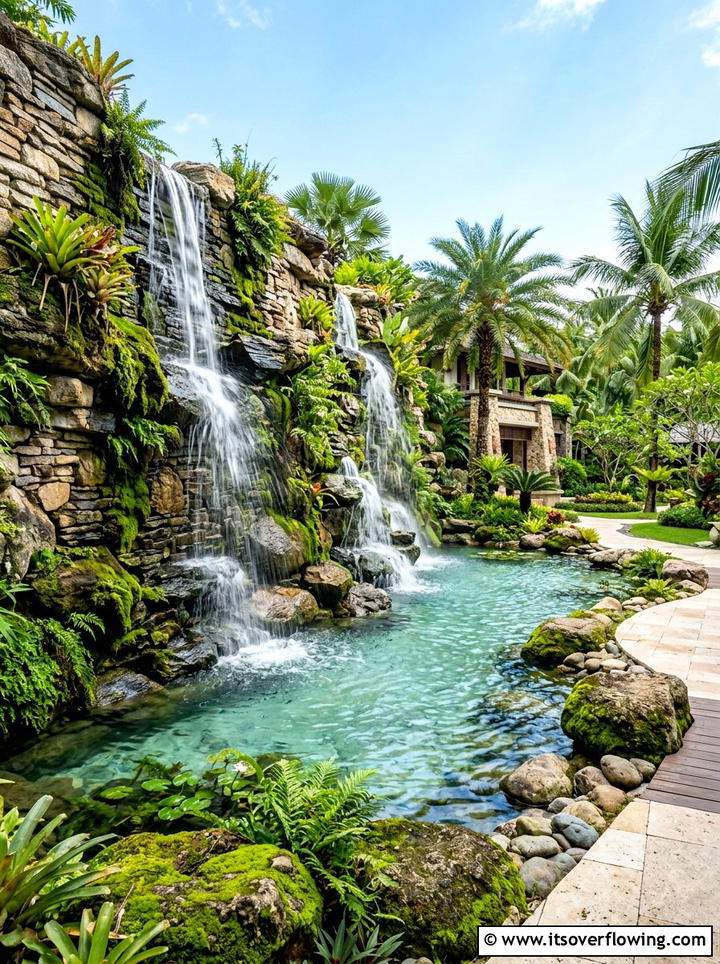
Waterfall stone walls take the functionality of a retaining structure and elevate it into a luxury water feature. By building a spillway directly into the wall, you can have water gently cascade down into a hidden reservoir or a visible koi pond at the base. The sound of running water provides a peaceful soundtrack that can mask neighborhood noise and create a private oasis. This design works particularly well near patios or outdoor seating areas where the visual and auditory effects can be fully appreciated. Lighting the waterfall from below at night creates a dramatic effect that makes your garden look like a high-end resort or botanical park.
13. Dry stack stone wall
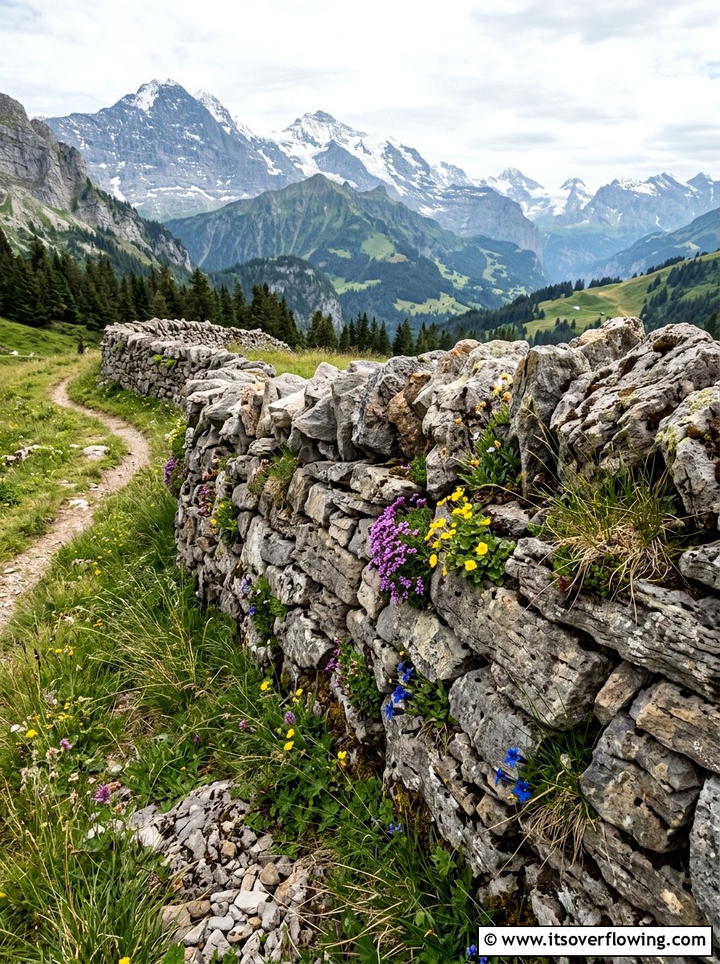
Dry stack stone walls are built without the use of mortar, relying instead on gravity and the skillful placement of each individual rock. This ancient technique allows for a wall that is naturally flexible and permeable, meaning it can shift slightly with the earth and drain water without cracking. Dry stack walls have a very textured, rustic appearance that is perfect for woodland gardens or farmhouse-style properties. Because there is no wet masonry involved, they can often be built in colder weather and have a more casual, handcrafted feel. You can even encourage small ferns or succulents to grow in the gaps for an aged, fairytale look.
14. Large boulder wall
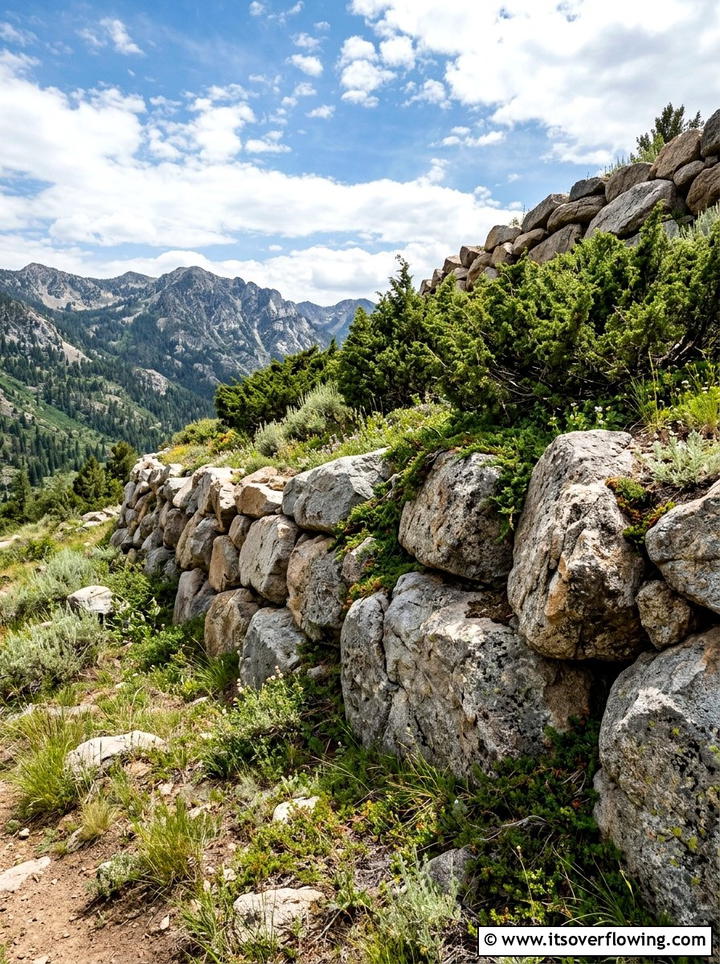
Large boulder walls provide a rugged and dramatic way to hold back massive amounts of soil while looking completely natural. Often referred to as “rockeries, ” these structures use heavy, oversized stones to create a barrier that mimics a natural cliffside or mountain outcropping. This style is incredibly cost-effective for large properties because the boulders cover a lot of surface area quickly. To make it look truly intentional, you should plant large pockets of groundcover and ornamental shrubs between the rocks. The scale of the boulders adds a sense of grandeur and permanence to the landscape that smaller stones or bricks simply cannot achieve in large spaces.
15. Flagstone retaining wall
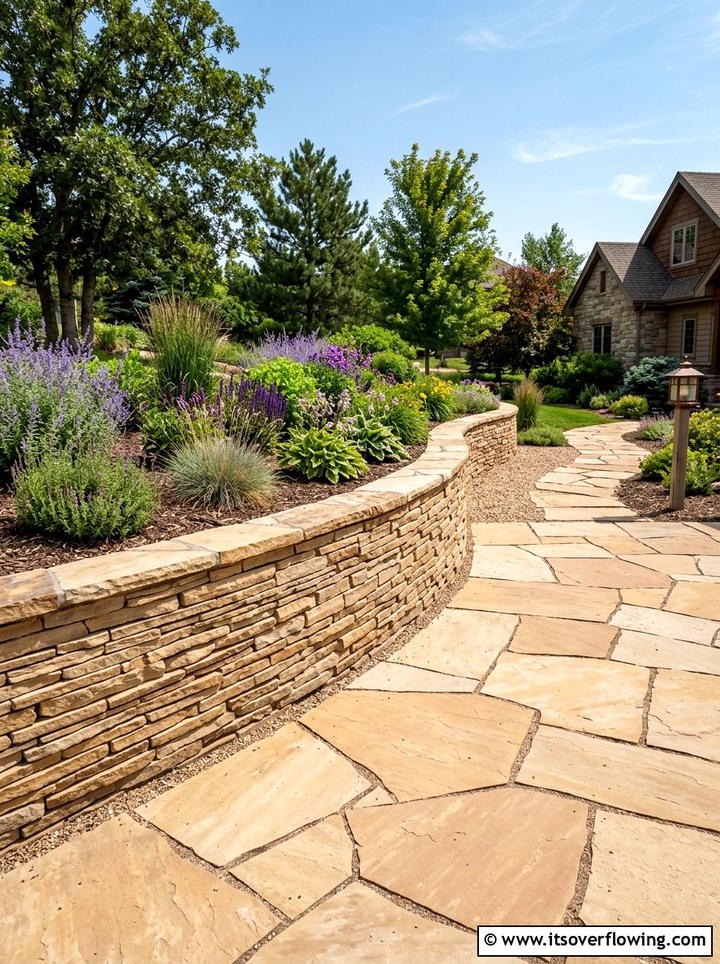
Flagstone retaining walls are known for their flat, layered appearance that creates a very neat and organized aesthetic. These thin, horizontal stones are often stacked tightly together, resulting in a wall that feels sturdy and substantial. Flagstone comes in a wide array of earthy tones, from cool greys to warm tans, allowing you to customize the look to fit your home’s exterior. This material is particularly popular for lower walls that double as garden borders or path edges. Because the stones are relatively flat, they can also be used to create a matching patio or walkway nearby, ensuring a perfectly coordinated and professional landscape design.
16. Raised herb garden
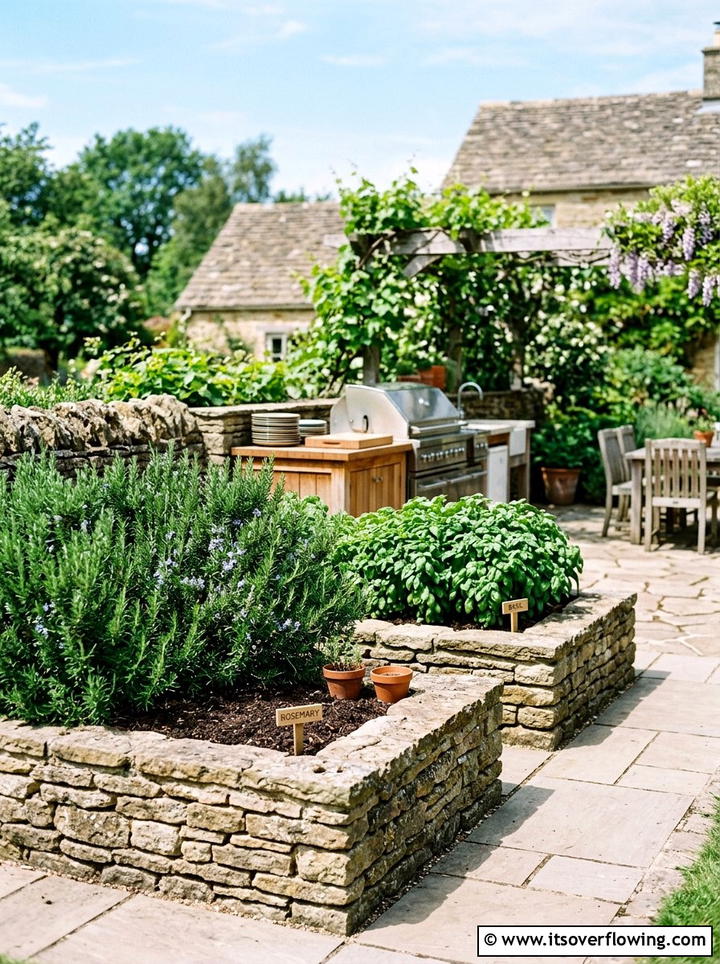
Raised herb gardens built with retaining walls are a practical and stylish way to keep your culinary plants within easy reach. By raising the height of the soil, you eliminate the need for heavy bending and kneeling, making it a favorite for senior gardeners or those with limited mobility. Herbs generally prefer well-draining soil, and a raised wall allows you to control the soil quality perfectly. You can build these small walls near your kitchen door or outdoor grill for maximum convenience. Using decorative stone or brick for the walls ensures that your herb garden looks like a deliberate design choice rather than an afterthought in the yard.
17. Fire pit wall
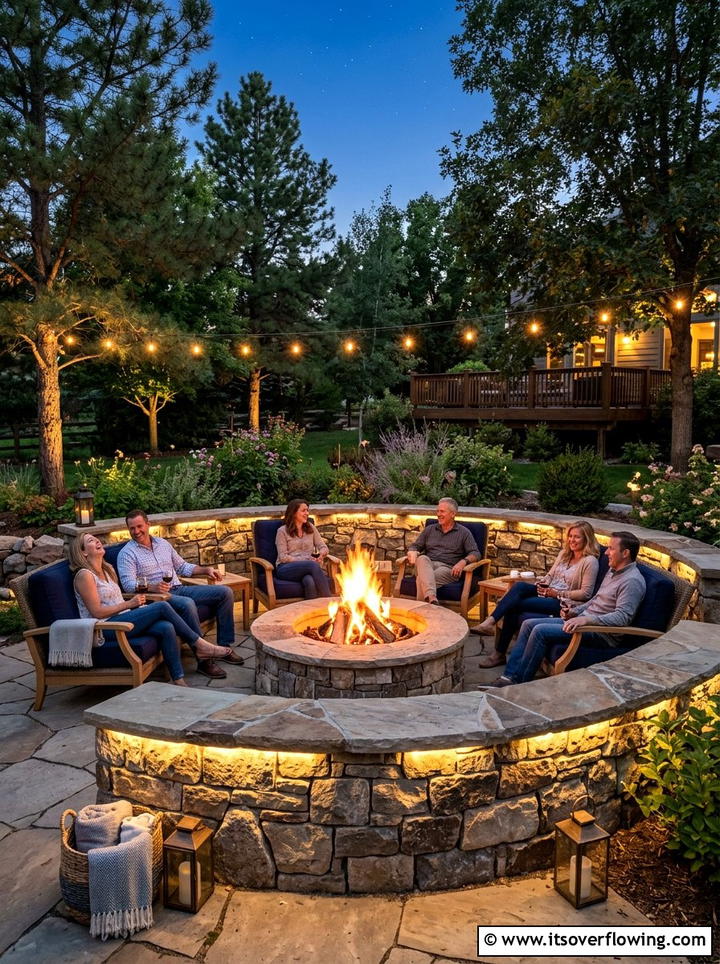
Fire pit walls serve as a protective barrier while also providing a sense of enclosure for your evening gatherings. By building a semi-circular retaining wall around one side of a fire pit, you create a cozy “room” that traps heat and blocks wind. This wall can also serve as extra seating for large groups, ensuring that everyone has a spot near the flames. Using fire-rated materials and matching the stone to your patio creates a high-end, custom look. This design transforms a simple fire pit into a sophisticated destination within your garden where friends and family can gather for hours in comfort and style.
18. Vertical garden wall
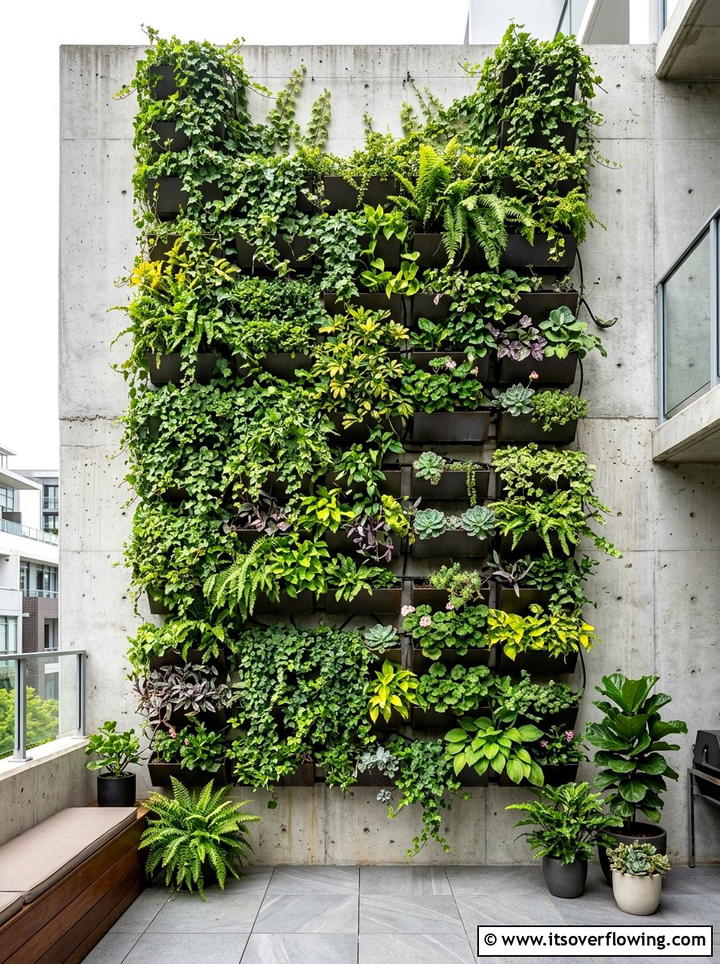
Vertical garden walls are the perfect solution for homeowners who want more greenery but have limited ground space. By incorporating planting pockets or trellises into a retaining wall, you can grow a variety of climbing vines, succulents, or even small vegetables vertically. This softens the appearance of the hardscape and creates a lush, living tapestry that changes with the seasons. Vertical gardens are also excellent for providing extra privacy from neighbors if the wall is built to a certain height. This innovative approach merges the world of masonry and horticulture, turning a cold stone surface into a breathing, vibrant part of your outdoor living environment.
19. Pathway retaining wall
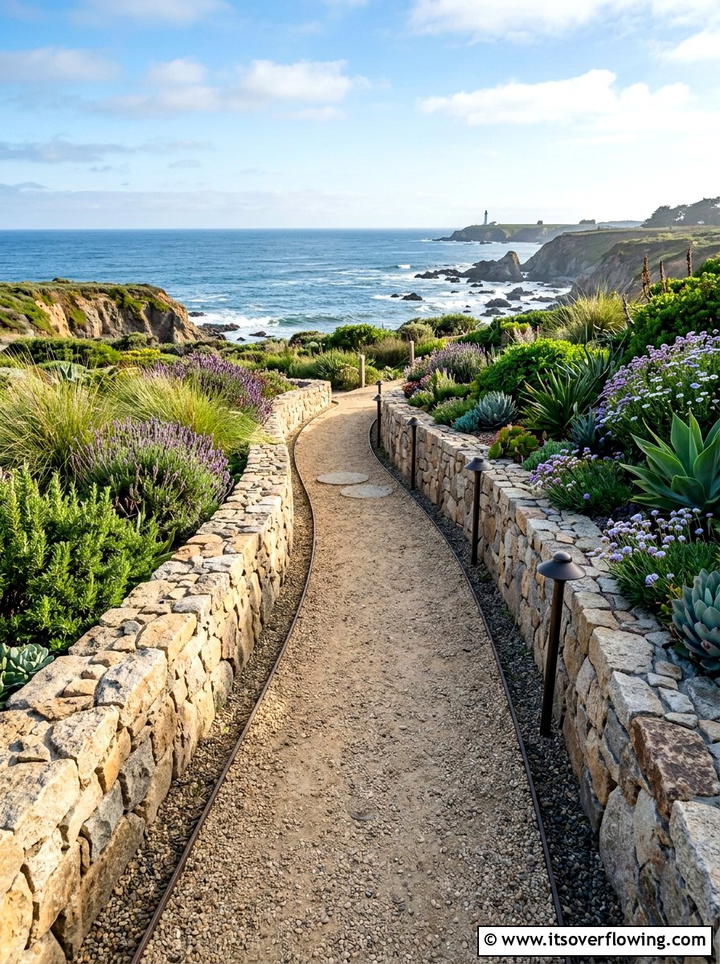
Pathway retaining walls are essential for navigating a sloped property safely and comfortably. By cutting a path into a hillside and securing the sides with walls, you create a stable and level walkway that guides people through your garden. These walls help define the boundaries of the path, preventing soil and mulch from washing onto the walking surface during heavy rain. You can use these walls to showcase your favorite small plants right at eye level as you walk by. Adding low-voltage lighting along the base of the wall ensures that the path is safe to use at night while highlighting the texture of the wall materials.
20. Garden wall lighting
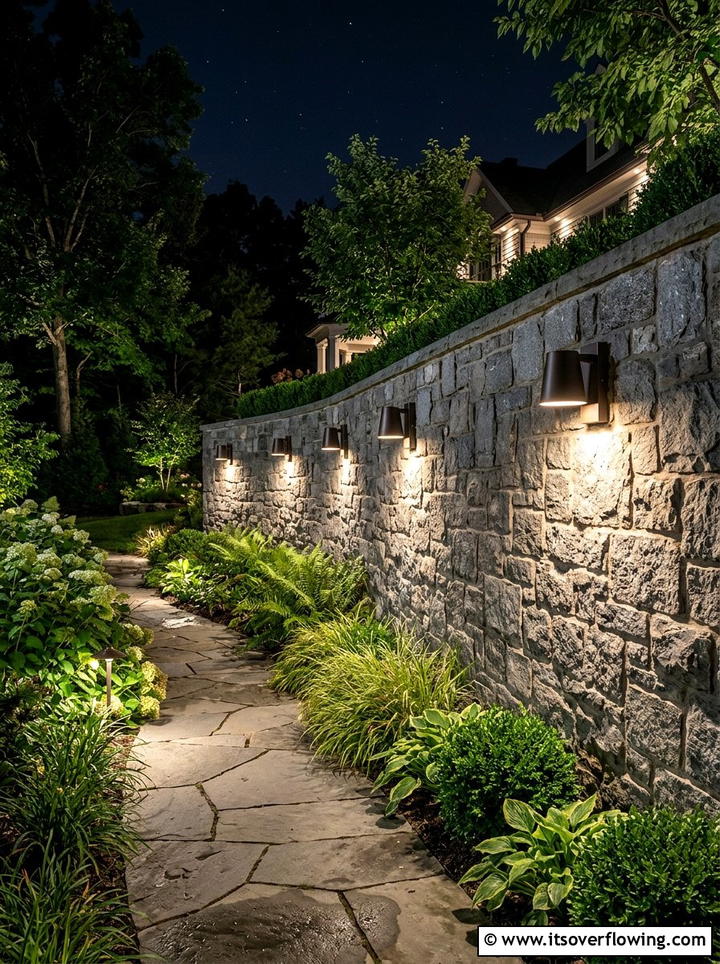
Garden wall lighting is the secret to making your retaining walls look spectacular after the sun goes down. By installing small LED “eyebrow” lights or recessed fixtures directly into the face of the wall, you can cast a warm glow downward onto your pathways or patio. This not only increases safety by illuminating tripping hazards but also creates a dramatic play of light and shadow across the stone or brick surface. Uplighting from the base of the wall can highlight the height and texture of the structure, making it a focal point of your nighttime landscape. Well-planned lighting adds a level of luxury and sophistication to any garden design.
21. Multi level patio
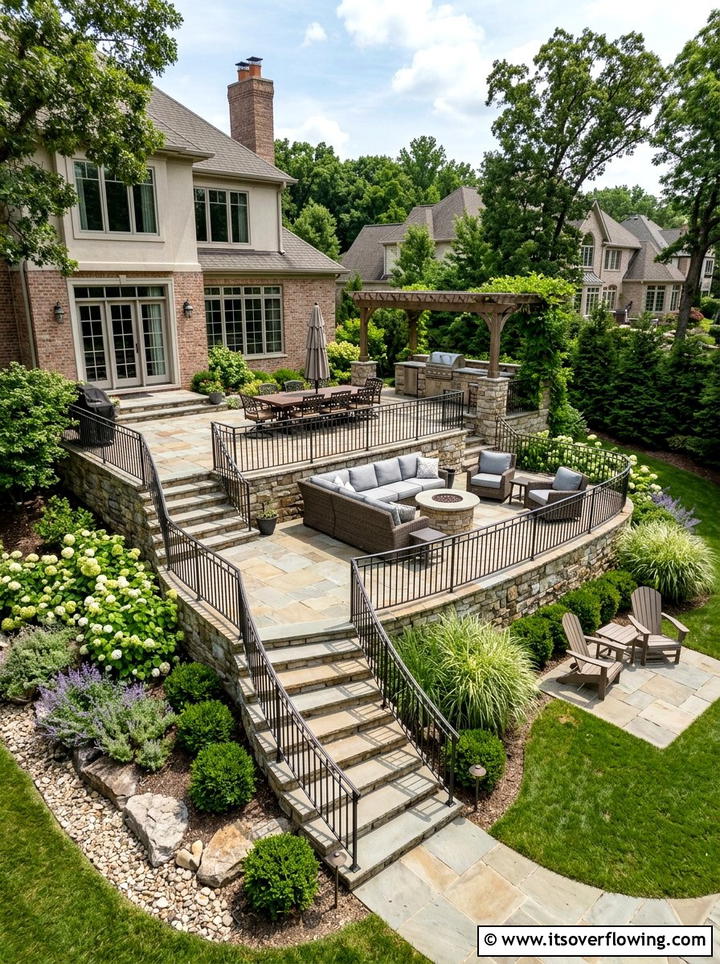
Multi-level patios use retaining walls to create different “zones” for various outdoor activities, such as a top level for dining and a lower level for lounging. This separation of space makes a large backyard feel more intimate and organized, while a small yard can feel much more functional. Each level can be connected by wide stone steps, creating a grand transition between the different areas. By using the same materials for the walls and the patio floor, you achieve a cohesive and high-end look that mimics the floor plan of a home. This architectural approach to landscaping is ideal for entertaining large groups of people.
22. Retaining wall stairs
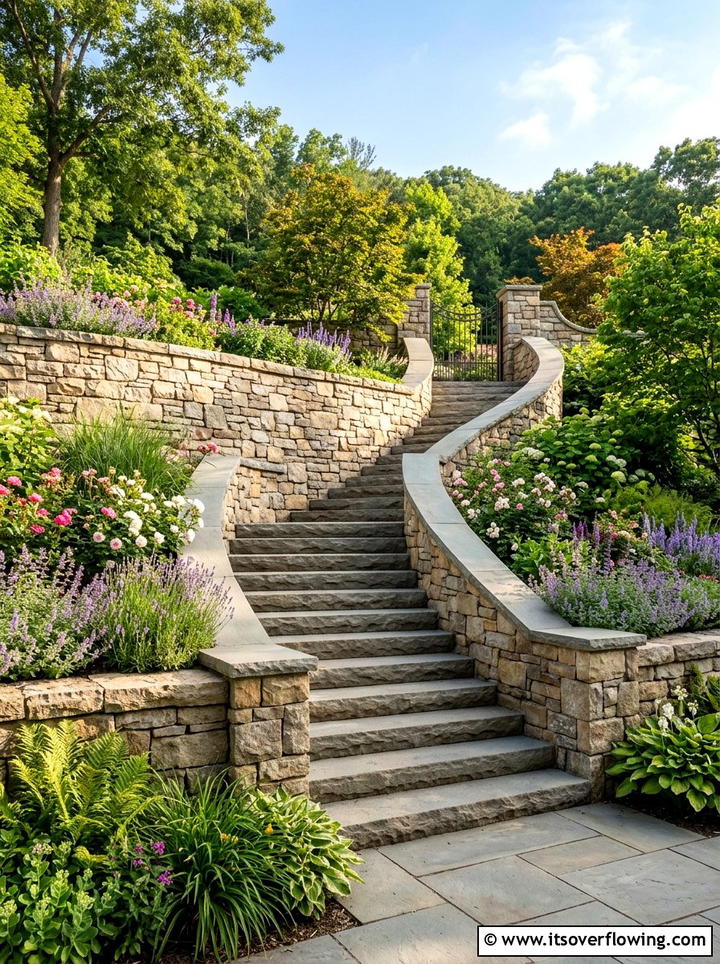
Retaining wall stairs are a functional necessity when dealing with significant changes in elevation across your property. Instead of a steep, slippery grass slope, you can install wide, stable steps made from stone, concrete, or heavy timber that are integrated directly into the retaining wall system. These stairs can be designed as a straight, formal staircase or a winding, natural-looking path that meanders through your flower beds. The landings between steps provide a perfect place to pause and admire the garden views. Properly built stairs ensure that every part of your landscape is accessible, safe, and visually connected to the main house and patio areas.
23. Native plant terracing
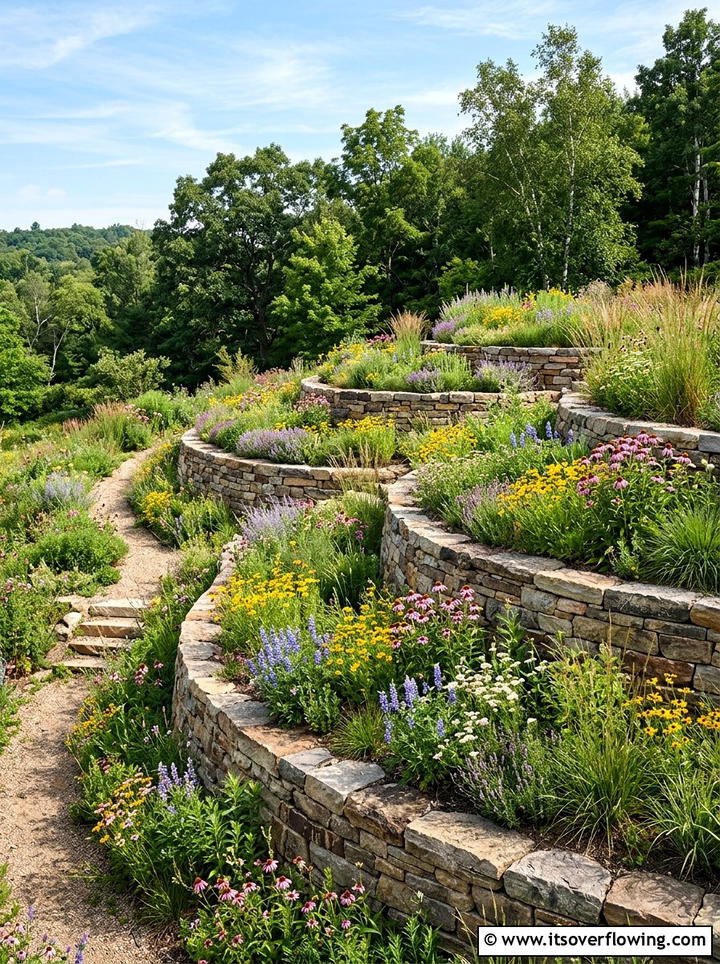
Native plant terracing is an eco-friendly way to manage a slope while supporting the local ecosystem. By using retaining walls to create levels, you can plant native species that are already adapted to your local climate and soil conditions. These plants typically require less water and maintenance than exotic varieties and provide essential habitat for local pollinators like bees and butterflies. The walls help to hold moisture in the soil, which is particularly beneficial for native plants during dry summer months. This approach creates a low-maintenance, sustainable landscape that looks effortlessly beautiful and contributes to the health of the environment around your home.
24. Zen garden wall
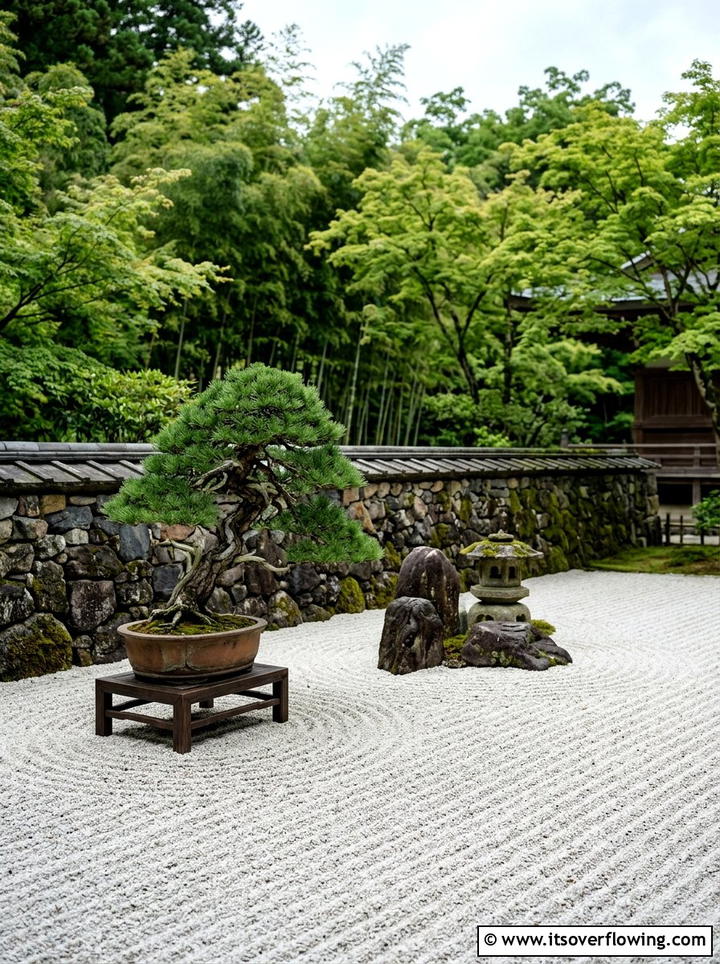
Zen garden walls use clean lines, smooth stones, and minimal plantings to create a peaceful and meditative atmosphere. These walls are often low and used to define a space filled with raked gravel, large accent boulders, and carefully pruned specimen trees like Japanese Maples. The simplicity of the wall design helps to reduce visual clutter, allowing the mind to relax and focus on the quiet beauty of the space. Using materials like dark basalt or smooth grey concrete enhances the contemporary, calming aesthetic. A Zen garden wall is the perfect backdrop for a private yoga spot or a quiet corner for morning coffee and reflection.
25. Modern minimalist wall
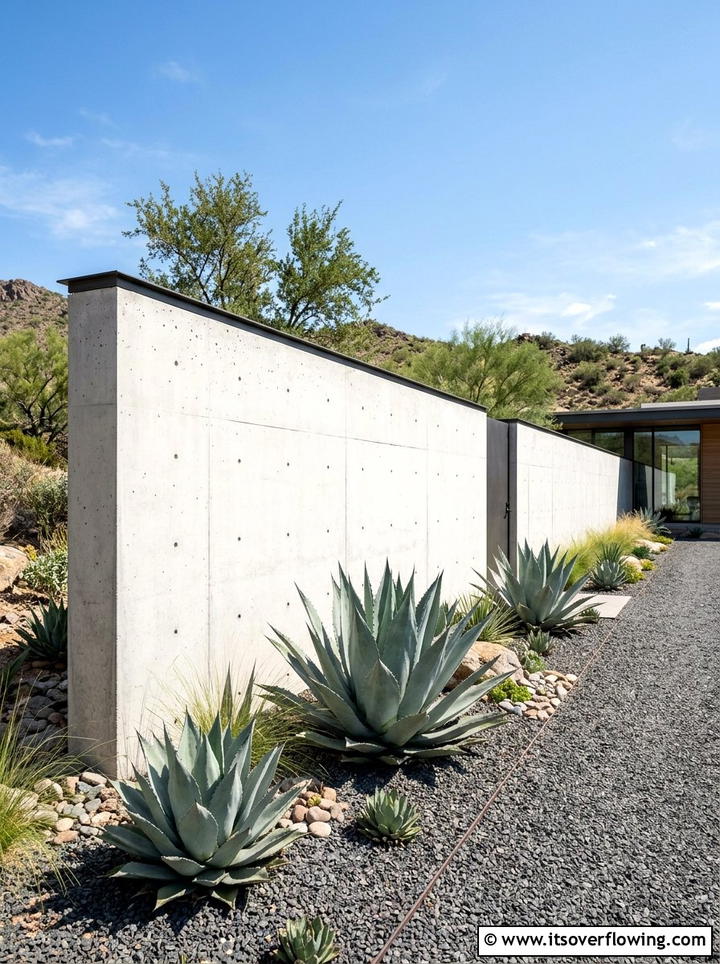
Modern minimalist walls prioritize simplicity, geometric shapes, and a monochromatic color palette to create a sleek and high-end look. These walls are often made from smooth poured concrete or large-format porcelain tiles that offer a very clean and polished finish. The focus is on the precision of the installation and the quality of the materials rather than ornamental details. These structures look best when paired with architectural plants like agave, horsetail reed, or structural grasses. This style is perfect for new builds or urban homes where a “less is more” philosophy prevails, resulting in a landscape that feels incredibly organized, spacious, and undeniably sophisticated.
Conclusion:
Investing in high-quality garden design with retaining walls is one of the most effective ways to enhance both the beauty and the usability of your property. From the rustic charm of natural stone to the sleek efficiency of modern concrete, these structures provide the backbone for a well-organized and thriving outdoor space. By addressing the unique challenges of your landscape, such as slopes or erosion, you create a safe and inviting environment that can be enjoyed for generations. Whether you are looking to create a vibrant terraced garden or a peaceful multi-level patio, these ideas offer a starting point for your next great outdoor transformation.

Related posts:
 25 Garden Design Ideas With Terraces for Stylish Sloped Yards
 25 Garden Ideas for Sloped Yards That Add Wow Factor
 25 Creative Garden Ideas With No Lawn Design for Easy Yards
 25 Garden Design Ideas for Pet Friendly Yards and Happy Pets
 25 garden design ideas for small yards: Big Style, Tiny Spaces
 25 Garden Design Ideas With Privacy Screens for Secluded Yards
 25 Garden Design Ideas With Straight Lines for Modern Yards
 25 Garden Design Ideas With Vertical Gardens for Small Yards
 25 Creative Garden Ideas for Side Yards
 25 Creative Garden Ideas With Tropical Foliage for Lush Yards
 25 Garden Ideas for Cold Climate Yards That Thrive Beautifully
 25 Garden Ideas With Rain Barrels for Eco-Friendly Yards