
Managing a sloped yard often feels like a daunting challenge for many homeowners looking to maximize their outdoor living space. However, a steep incline actually offers a unique opportunity to create a dynamic and multi-dimensional landscape that flat lots simply cannot replicate. By embracing the natural elevation, you can design distinct zones for lounging, dining, and gardening that feel incredibly private and intentional. These vertical transitions allow for breathtaking views and creative drainage solutions that enhance the health of your soil. With the right approach, your hillside can become a lush, tiered masterpiece that captures attention and adds significant value to your property.
1. Retaining Wall
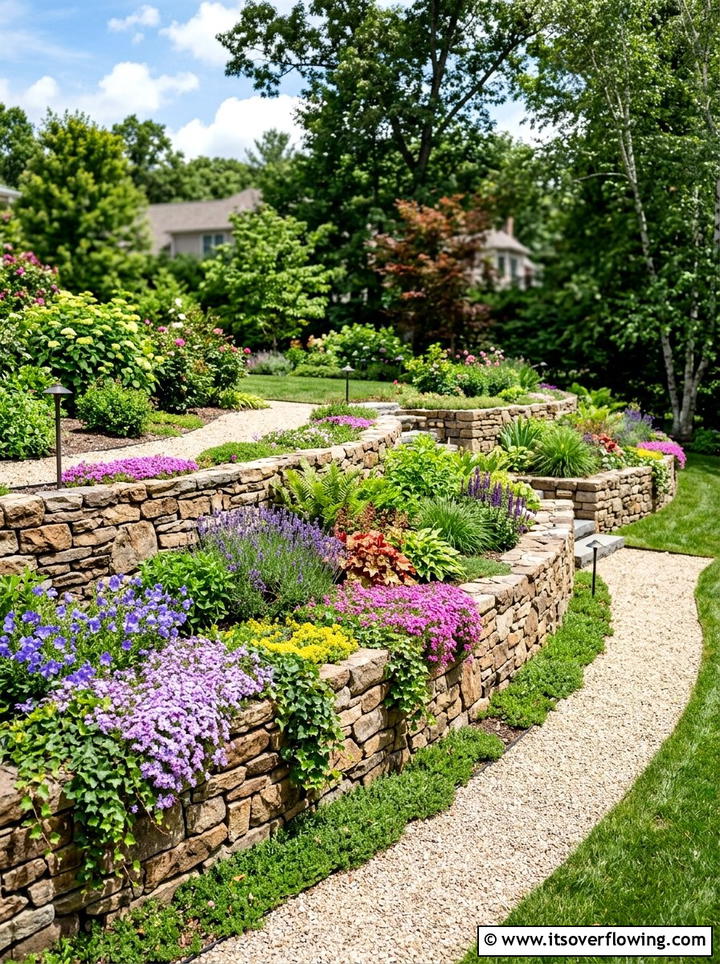
A sturdy retaining wall is one of the most practical ways to manage a steep slope in your backyard. These structures provide essential support to prevent soil erosion and manage water runoff effectively. You can build them using materials like stacked natural stone, poured concrete, or interlocking blocks. Beyond their function, they create a clean and organized look that adds massive curb appeal. You might plant cascading flowers over the edge to soften the hard lines of the wall. This approach turns a difficult hill into a series of beautiful, usable levels. It makes your outdoor space feel much more intentional and professional.
2. Tiered Garden
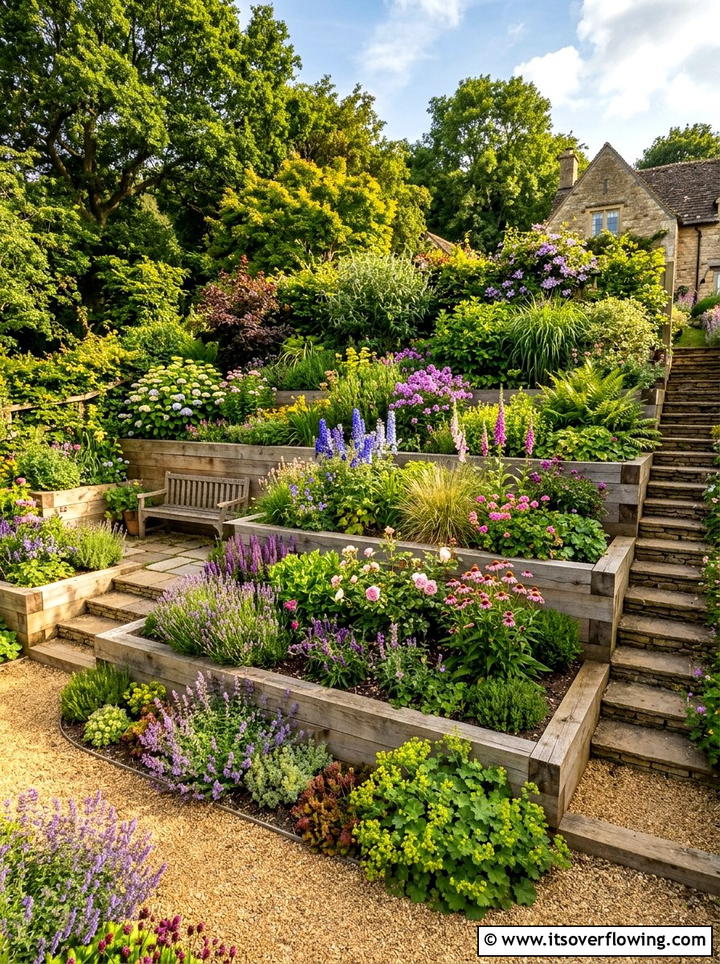
Creating a tiered garden allows you to transform a steep incline into several manageable flat planting zones. Each level offers a new opportunity to showcase different plant varieties or color palettes. You can use timber beams or stone to define each step of the hill. This layout makes maintenance much easier because you can reach every plant without climbing a dangerous slope. It also helps with irrigation by slowing down the flow of rainwater. A tiered setup provides a sense of depth and rhythm to your landscape. It is a classic choice for homeowners who want a lush and organized backyard.
3. Stone Staircase
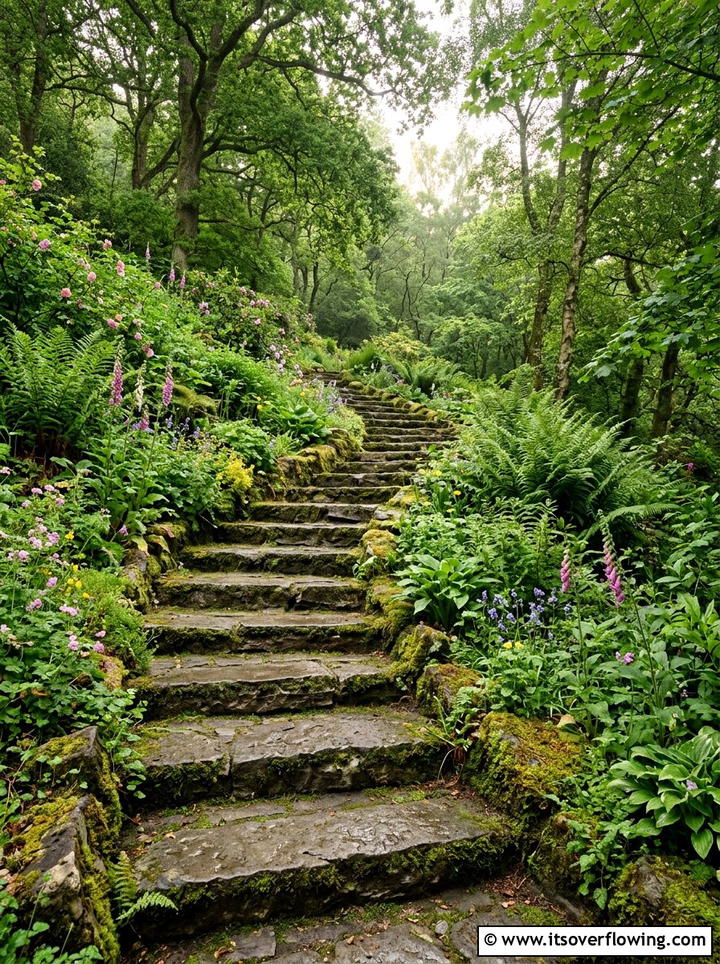
A natural stone staircase provides a safe and attractive way to navigate the different elevations of your yard. Using large, flat flagstones or heavy granite slabs ensures the steps are durable and blend into the environment. You can surround the stairs with low-growing moss or creeping thyme to create a soft, lived-in look. These steps act as a visual guide that leads the eye through the garden. Lighting is also easier to install along a structured path to ensure safety at night. A well-placed staircase adds a sense of adventure and discovery to any hillside property while maintaining clear functionality.
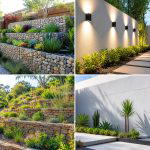


4. Rock Garden
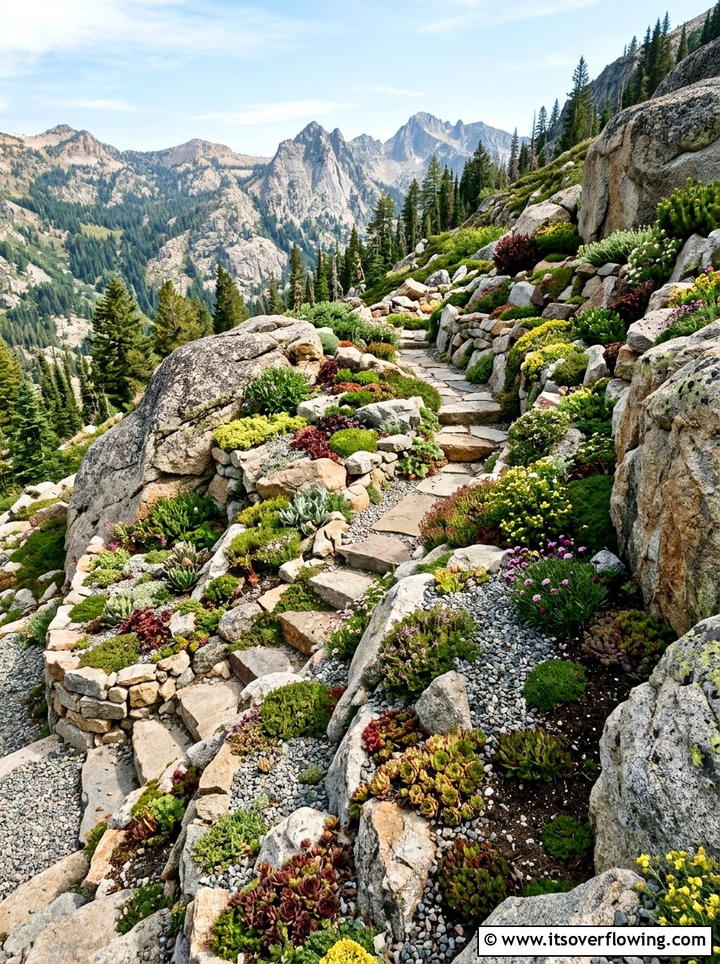
Building a rock garden is an excellent low-maintenance solution for a slope that is too steep for traditional lawn mowing. By placing various sizes of boulders and river rocks, you can anchor the soil and prevent washouts during heavy rain. You can fill the gaps between stones with hardy alpine plants, succulents, or drought-tolerant perennials. This style mimics a natural mountain landscape and requires very little water once established. The contrast between the rugged stones and the delicate greenery creates a high-end, artistic appearance. It is a perfect choice for adding texture and interest to a difficult hillside.
5. Multi Level Deck
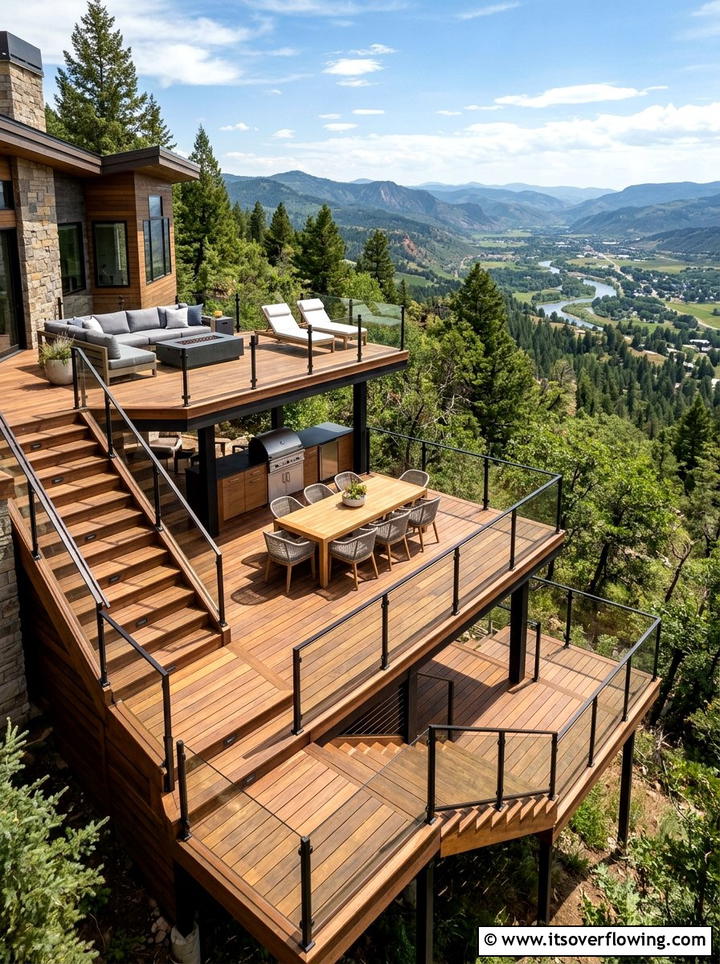
Installing a multi-level deck is a fantastic way to create functional living areas on a very sharp incline. Each platform can serve a specific purpose, such as a dining area on the top level and a lounge on the lower tier. This architectural approach eliminates the need for extensive dirt moving or grading. Decks offer a clean, modern aesthetic and provide a perfect vantage point for enjoying views of the rest of the garden. You can use glass railings to keep the sightlines open and airy. This design maximizes your usable square footage while making the slope feel like a luxury feature.
6. Ground Cover
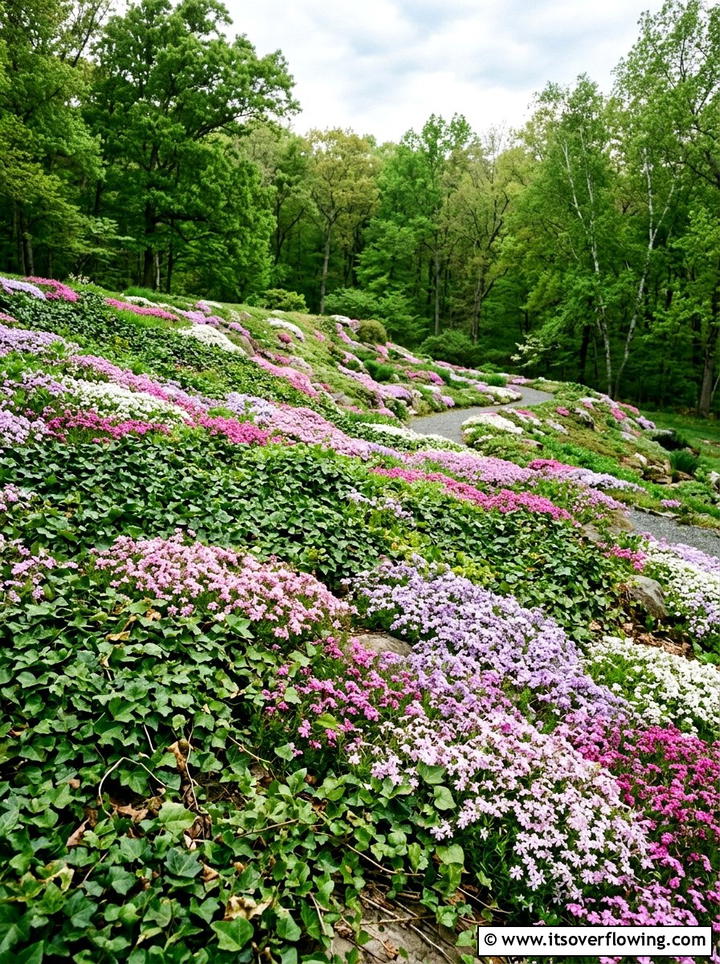
Planting a dense carpet of ground cover is a smart way to stabilize a slope without building heavy structures. These low-growing plants spread quickly to create a living blanket that holds the earth in place with their roots. Varieties like ivy, pachysandra, or creeping phlox are popular choices because they thrive in different light conditions. Ground cover reduces the need for weeding and completely removes the danger of mowing on a hill. It creates a lush, green sea that looks soft and inviting throughout the year. This method is cost-effective and provides a very natural look for any sloped backyard.
7. Wildflower Meadow
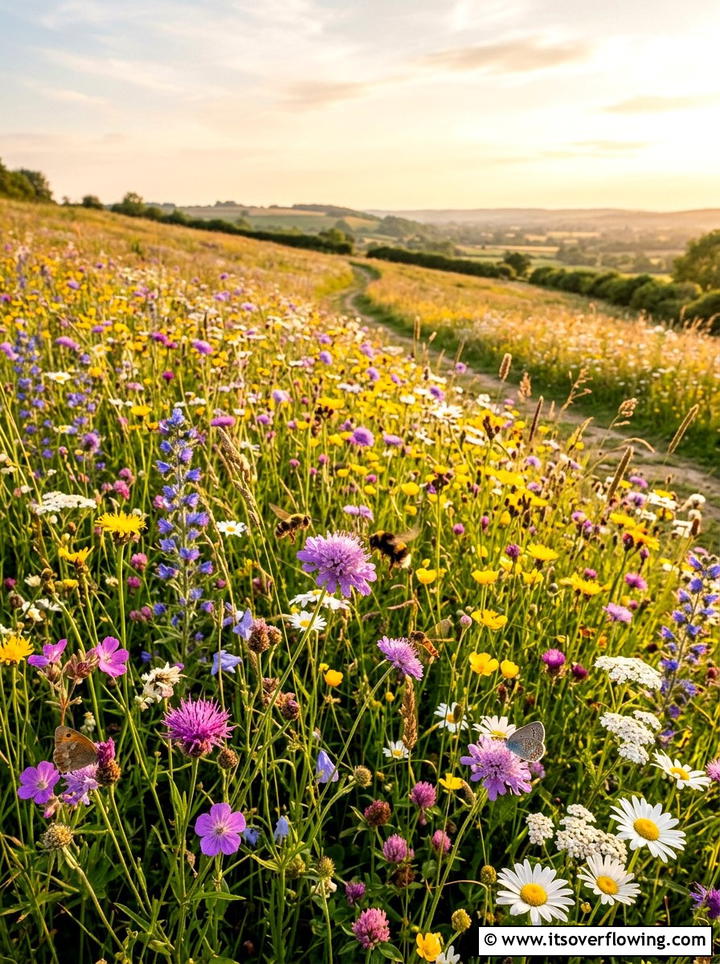
Turning your hillside into a wildflower meadow is a beautiful way to support local pollinators while managing a slope. Wildflowers have deep root systems that are excellent for soil stabilization and drought resistance. You can simply clear the area and sow a mix of native seeds that bloom at different times. This creates an ever-changing display of colors and textures that requires almost no maintenance. It brings a sense of whimsical, natural beauty to your home that feels less rigid than traditional landscaping. A blooming meadow on a hill looks particularly stunning when viewed from a patio or window.

8. Gabion Wall
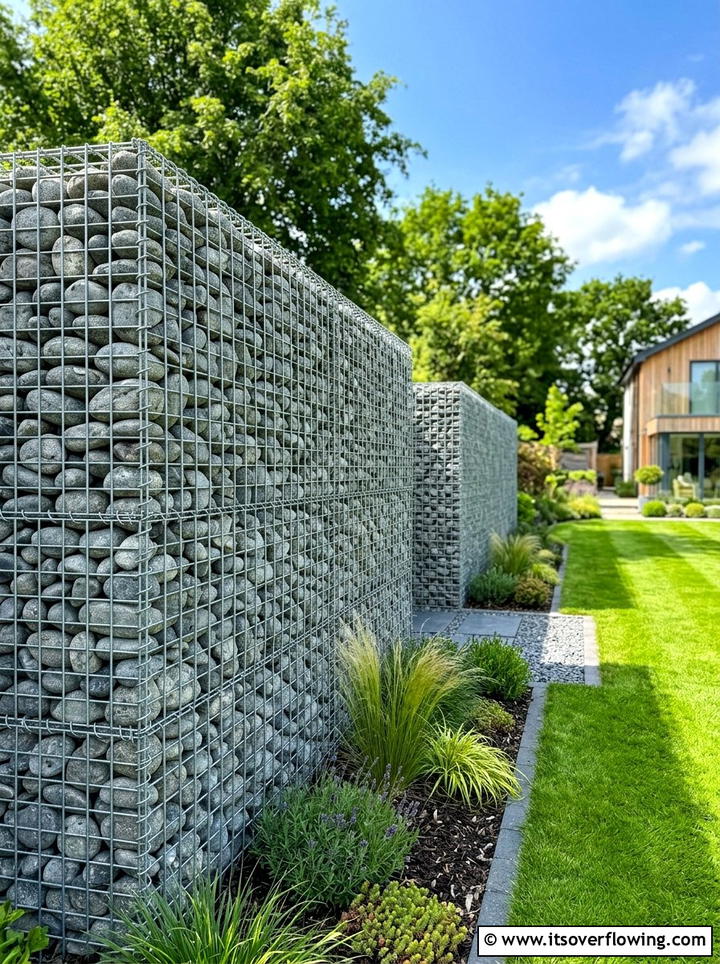
A gabion wall consists of wire cages filled with rocks, offering a modern and industrial way to terrace a slope. These walls are highly permeable, which means they allow water to flow through freely, preventing pressure buildup. You can use different types of stone to create unique patterns or colors within the cages. Gabion walls are incredibly durable and can last for decades without needing repairs. They provide a unique focal point that looks great in contemporary or rustic garden designs. This method is relatively easy to install and provides a strong, structural foundation for any sloped landscape project.
9. Sloped Path
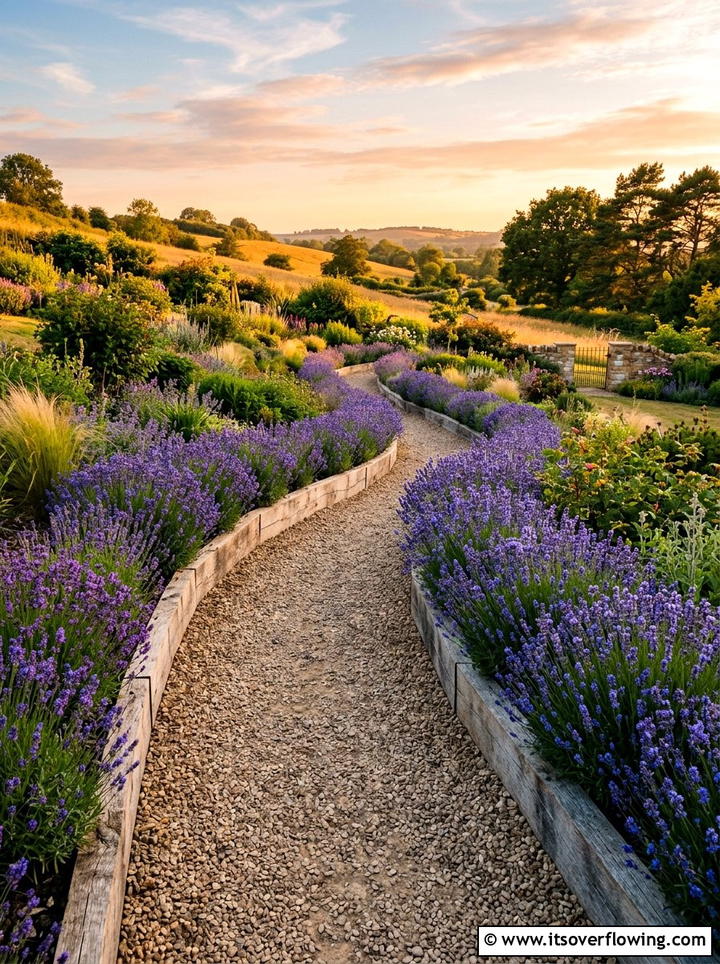
Designing a winding sloped path allows you to traverse your hill at a more comfortable and gentle angle. Instead of going straight up, a switchback design makes the walk much easier for guests and children. You can use materials like crushed gravel, wood chips, or pavers to define the walkway. Lining the path with blooming shrubs or ornamental grasses adds to the sensory experience of moving through the garden. This type of path invites people to slow down and enjoy the different plants along the way. It turns a functional necessity into a charming and scenic feature for your yard.
10. Waterfall Feature
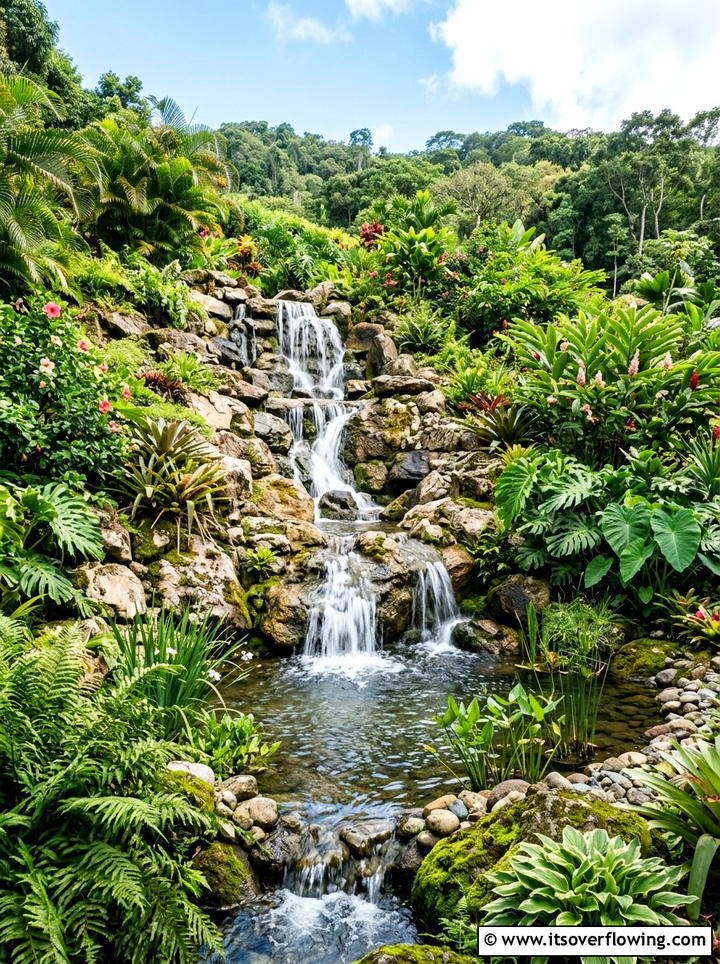
A waterfall feature is a natural fit for a sloped yard because the elevation provides the gravity needed for water movement. You can create a cascading stream that tumbles over rocks and settles into a pond at the bottom. The sound of running water adds a peaceful and relaxing atmosphere to your outdoor space. It also helps to mask unwanted noise from nearby streets or neighbors. A waterfall acts as a dramatic focal point that draws the eye upward and makes the garden feel more dynamic. This luxurious addition turns a steep hill into a stunning, resort-like oasis for your family.
11. Raised Bed
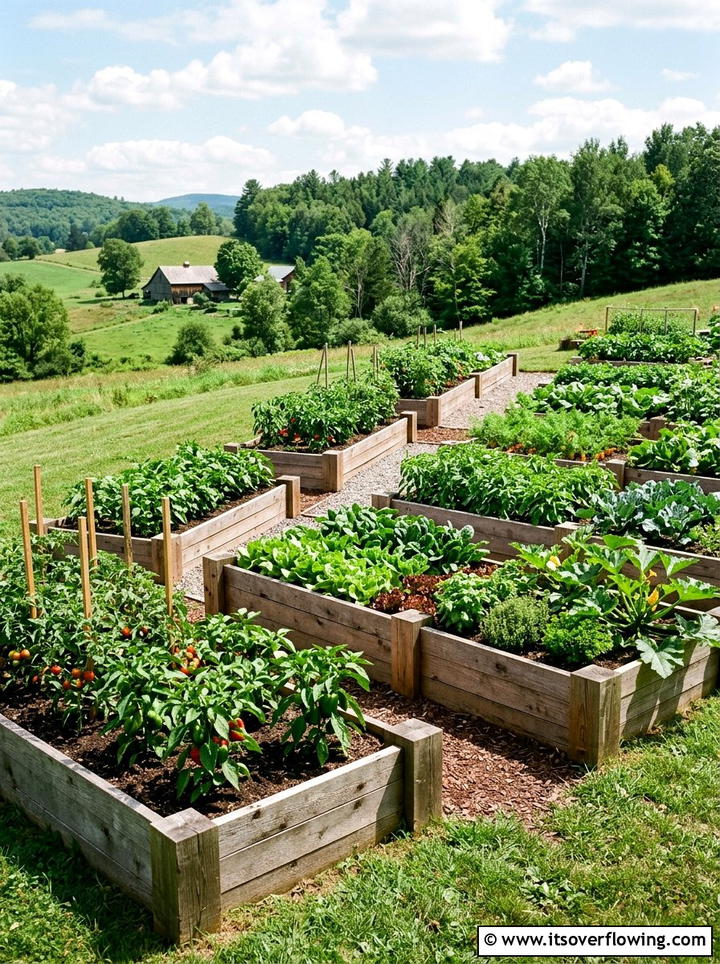
Building raised beds along the contour of a slope is a great way to grow vegetables or flowers. These beds create flat, fertile areas where you can control the soil quality and drainage perfectly. You can stack the beds like stairs, which makes it easy to tend to your plants without bending over too far. Using cedar or pressure-treated wood ensures the beds remain sturdy against the pressure of the hillside. This setup organizes your garden into neat sections that look very professional and tidy. It is a highly productive way to use space that might otherwise go to waste.
12. Wooden Sleeper
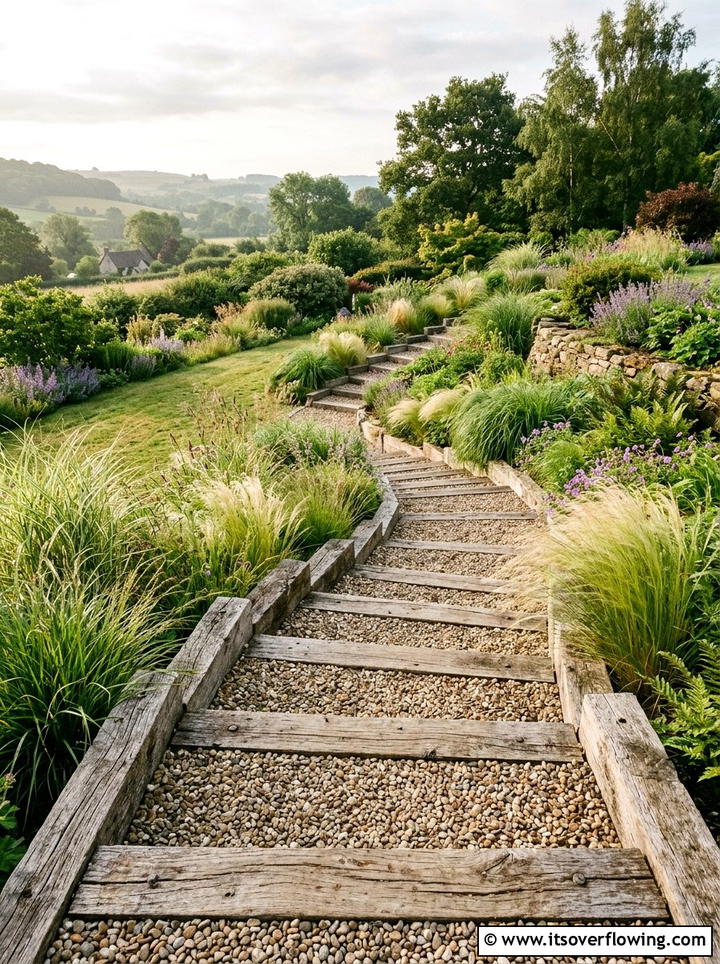
Using wooden sleepers is a classic and affordable way to create steps or low retaining walls on a slope. These heavy timbers provide a rustic and warm look that complements almost any garden style. You can easily cut them to size and secure them into the ground with metal stakes or rebar. They are particularly effective for creating wide, shallow steps that are easy to climb. Over time, the wood weathers to a beautiful silver-grey that blends in with trees and plants. Wooden sleepers offer a quick DIY solution for homeowners looking to add structure to their sloped outdoor areas.
13. Sunken Fire Pit
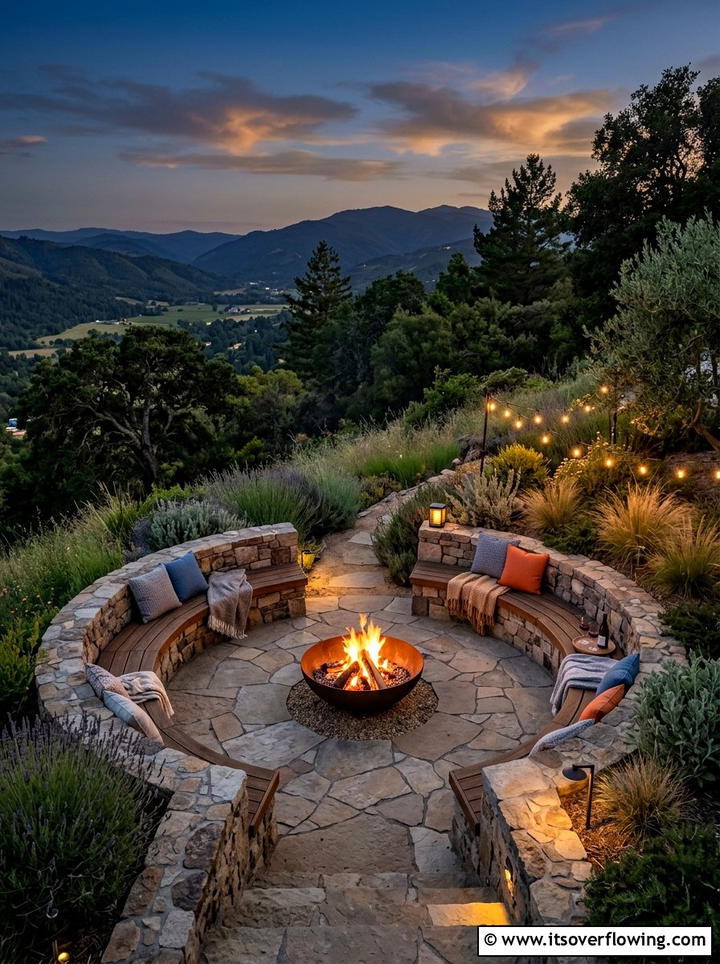
A sunken fire pit built into the side of a hill provides a cozy and protected area for evening gatherings. By carving out a flat space in the slope, you create natural seating and a sense of enclosure. The surrounding hillside acts as a windbreak, keeping the fire steady and the heat contained. You can finish the area with a stone patio and built-in benches for a permanent, high-end look. This design makes the most of the elevation to create a private retreat that feels separate from the rest of the yard. It is a perfect spot for roasting marshmallows.
14. Xeriscape Slope
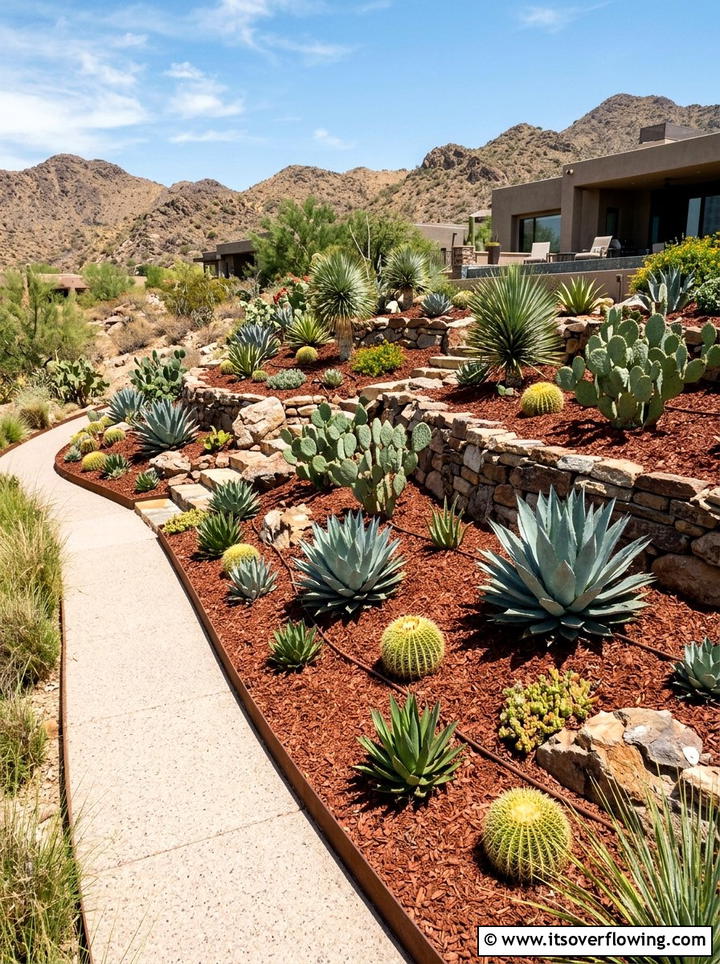
A xeriscape slope uses drought-tolerant plants and mulch to create a beautiful garden that requires very little water. This is an ideal solution for hills that are exposed to a lot of sun and dry out quickly. You can use a mix of succulents, lavender, and decorative gravel to prevent soil erosion. This style of landscaping is environmentally friendly and saves you money on utility bills. By selecting plants that thrive in your specific climate, you ensure the slope stays green and healthy with minimal effort. Xeriscaping offers a clean, modern, and very practical approach to hillside garden design.
15. Ornamental Grass
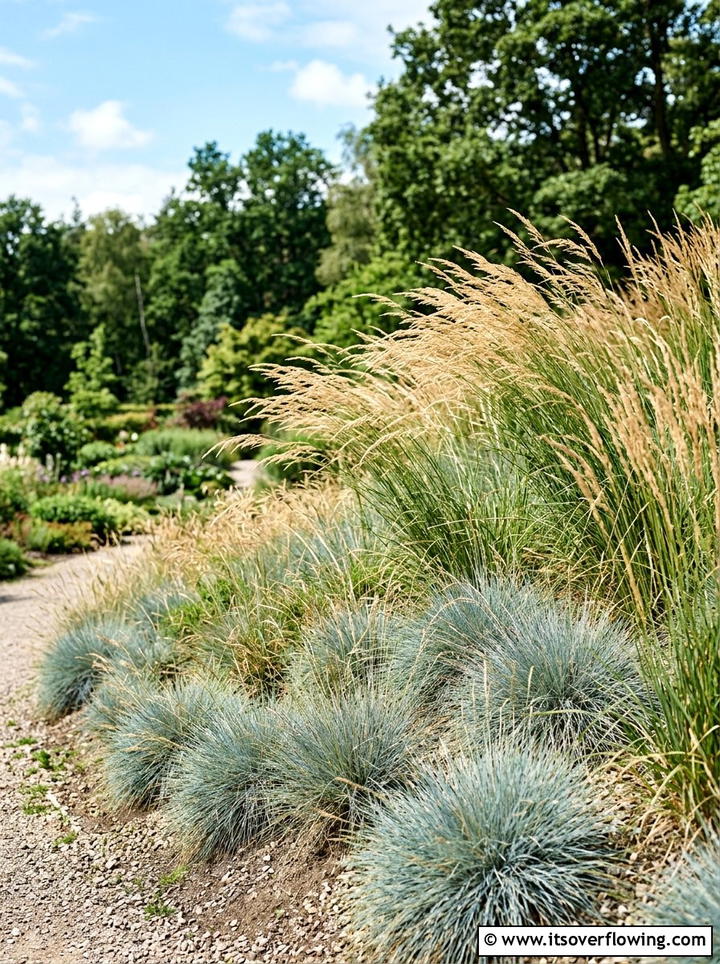
Ornamental grass is a fantastic choice for sloped areas because it adds movement and texture to the landscape. Many varieties have deep, fibrous roots that are excellent at holding soil in place on an incline. These grasses come in various heights and colors, from bright blue fescues to tall, golden feather reed grass. They catch the wind beautifully, creating a waving effect that brings the hillside to life. Ornamental grasses require very little maintenance and look great even in the winter months. They provide a soft, modern aesthetic that fills large spaces quickly and very affordably for any homeowner.
16. Vegetable Patch
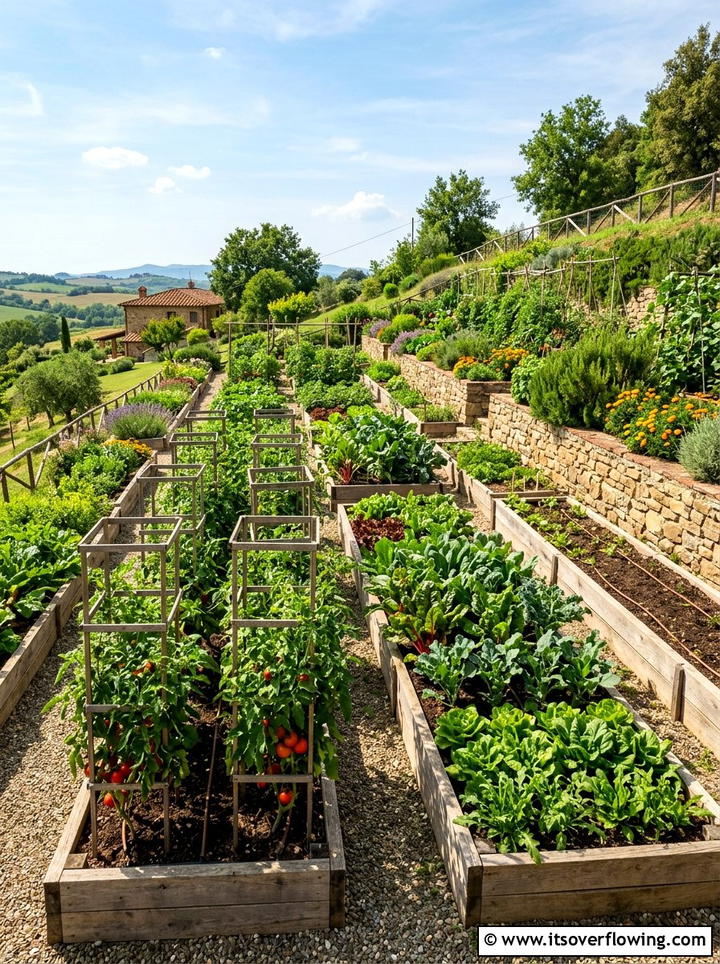
Transforming a sunny slope into a vegetable patch is a productive way to utilize your land’s natural drainage. By creating small terraces or using troughs, you can grow a wide variety of herbs, greens, and root vegetables. The elevation often provides better airflow and sun exposure than a flat, shaded corner of the yard. You can install a simple drip irrigation system that uses gravity to water the plants on the lower levels. This functional garden allows you to harvest fresh produce while managing the hillside effectively. It turns a challenging landscape into a source of healthy food for your entire household.
17. Boulder Landscape
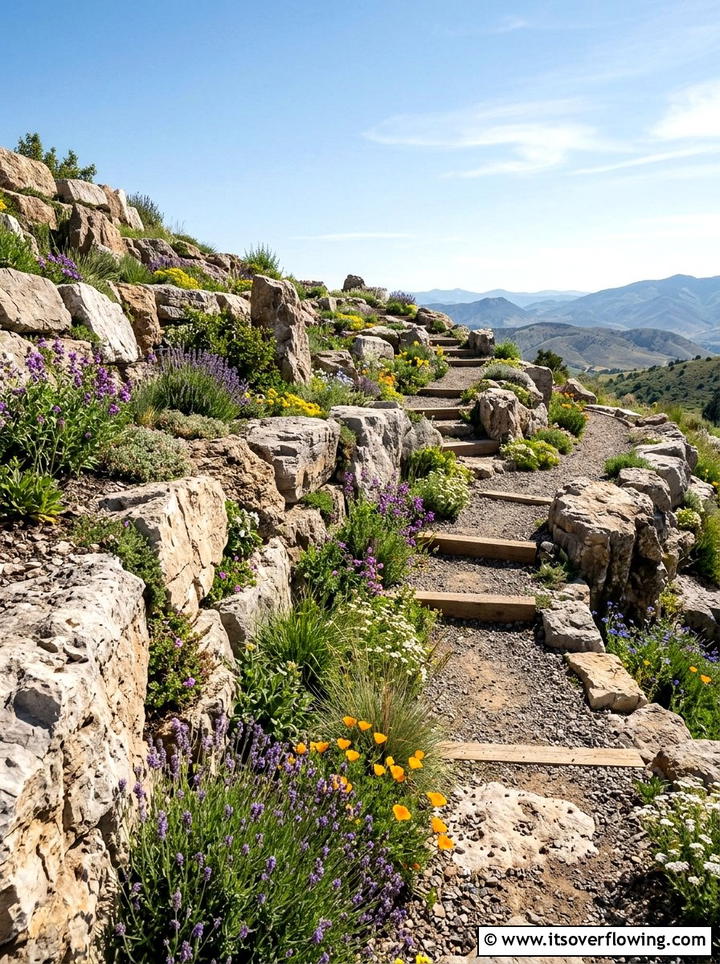
A boulder landscape uses large, heavy stones as the primary design element to anchor a steep slope. These massive rocks provide a sense of permanence and grandeur that smaller stones cannot achieve. You can tuck various plants into the crevices between the boulders to soften the look and add color. This style works well for creating a rugged, naturalistic vibe that feels like it has been there for centuries. Boulders are also very effective at stopping soil from sliding down during heavy rainstorms. This approach is perfect for homeowners who want a dramatic and very low-maintenance hillside garden design.
18. Hillside Seating Area
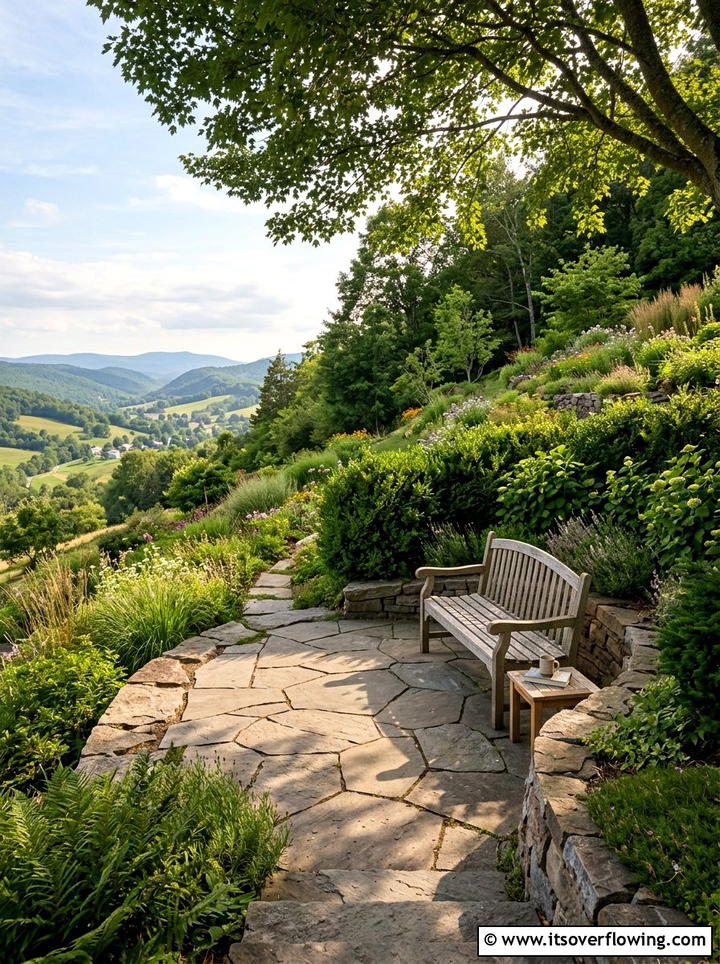
Building a hillside seating area provides a unique vantage point to overlook your entire garden and the surrounding neighborhood. You can level off a small section of the slope and install a patio or a simple wooden bench. Surrounding the area with tall plants or a small fence creates a sense of privacy and seclusion. This becomes a perfect spot for reading a book or enjoying a morning cup of coffee in peace. The elevated position makes the space feel special and removed from the main activity of the house. It is a simple way to add value and enjoyment to a slope.
19. Multi Level Patio
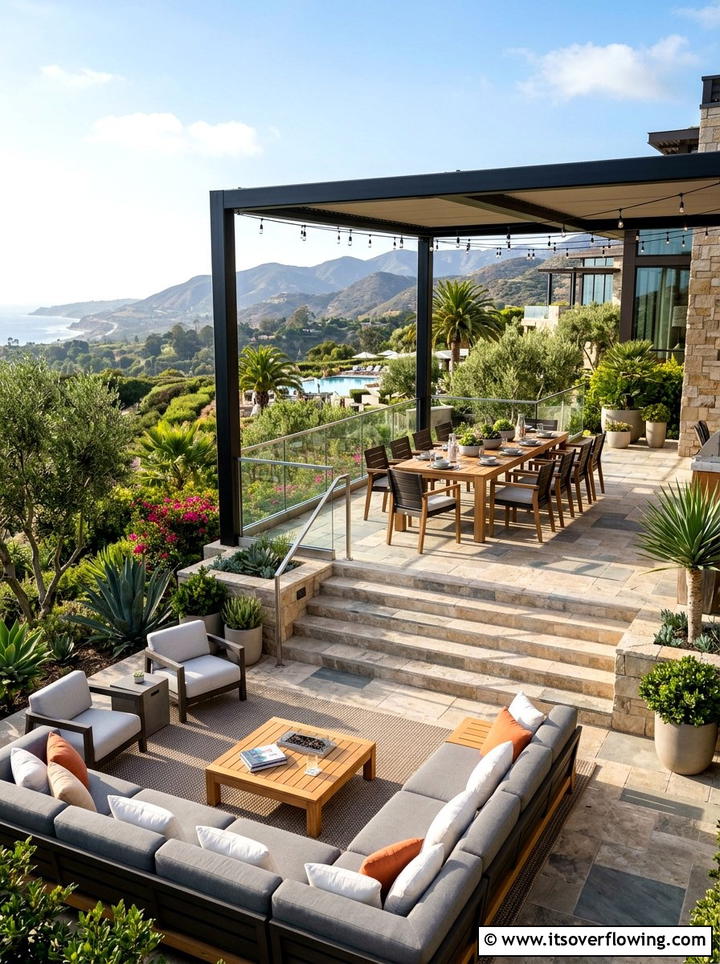
A multi-level patio offers a sophisticated way to create several outdoor “rooms” on a sloped lot. You can have a top tier for outdoor cooking and a lower tier for a large lounge area or a hot tub. This design breaks up a large slope into functional, flat surfaces that are perfect for entertaining guests. Using different materials for each level, like pavers and wood, can help define the separate zones. These patios are usually connected by wide, attractive steps that make movement easy. A multi-level patio is a high-end solution that makes your backyard feel like a luxury resort.
20. Woodland Slope
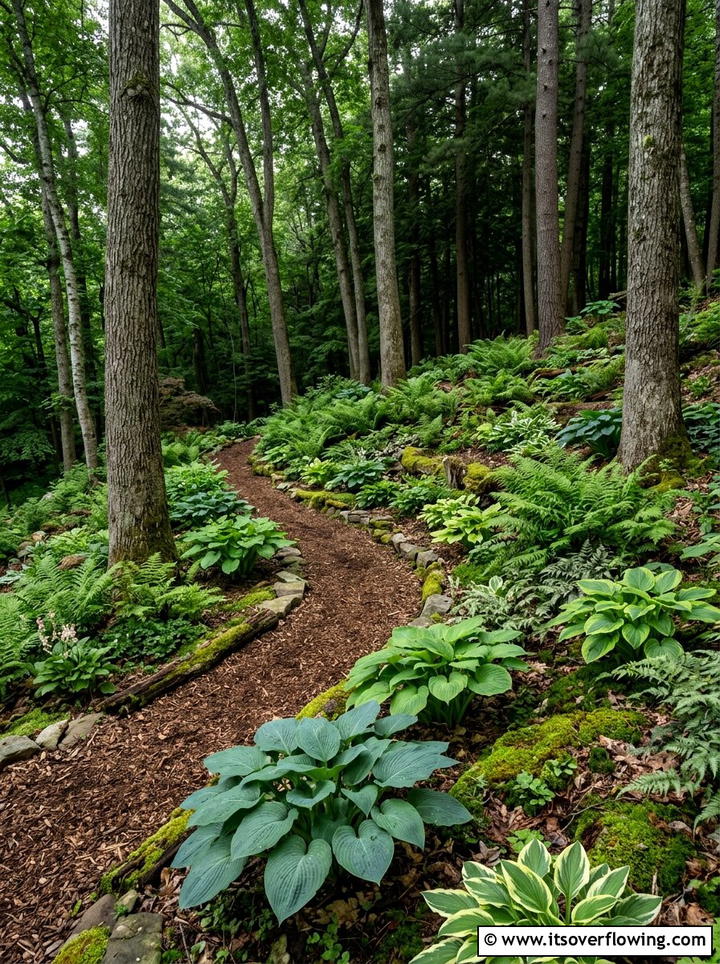
A woodland slope mimics the look of a natural forest floor with shade-loving plants and tall trees. This is a great option for hillsides that are tucked under a canopy of existing trees and don’t get much sun. You can plant ferns, hostas, and bleeding hearts to create a lush, green undergrowth. Using bark mulch or fallen leaves as a ground cover keeps the soil moist and prevents erosion naturally. This style of garden feels cool, quiet, and very relaxing during the hot summer months. It is a low-stress way to work with nature rather than trying to fight against it.
21. Gravel Walkway
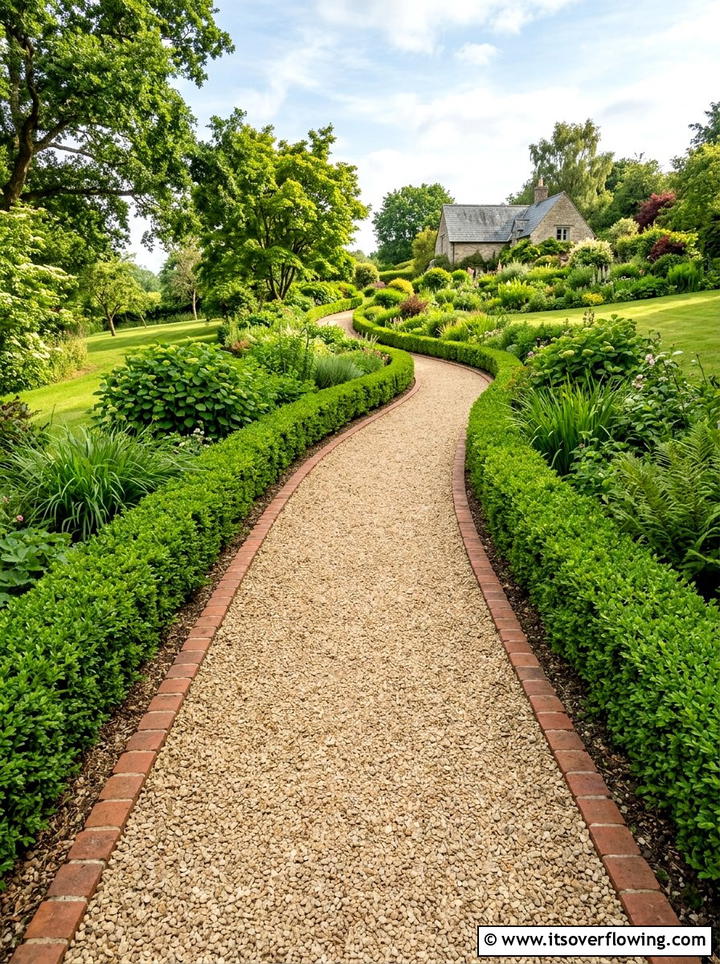
A gravel walkway is an easy-to-install and permeable path that works wonderfully on a gentle slope. The gravel allows rainwater to soak into the ground rather than running off and causing erosion issues. You can use landscape fabric underneath to keep weeds at bay and keep the stones in place. Edging the path with bricks or plastic strips helps maintain a clean and defined look. Gravel comes in many colors and sizes, allowing you to match it to your home’s exterior perfectly. It provides a satisfying crunch underfoot and a charming, casual feel that is very inviting for any visitor.
22. Terrace Lawn
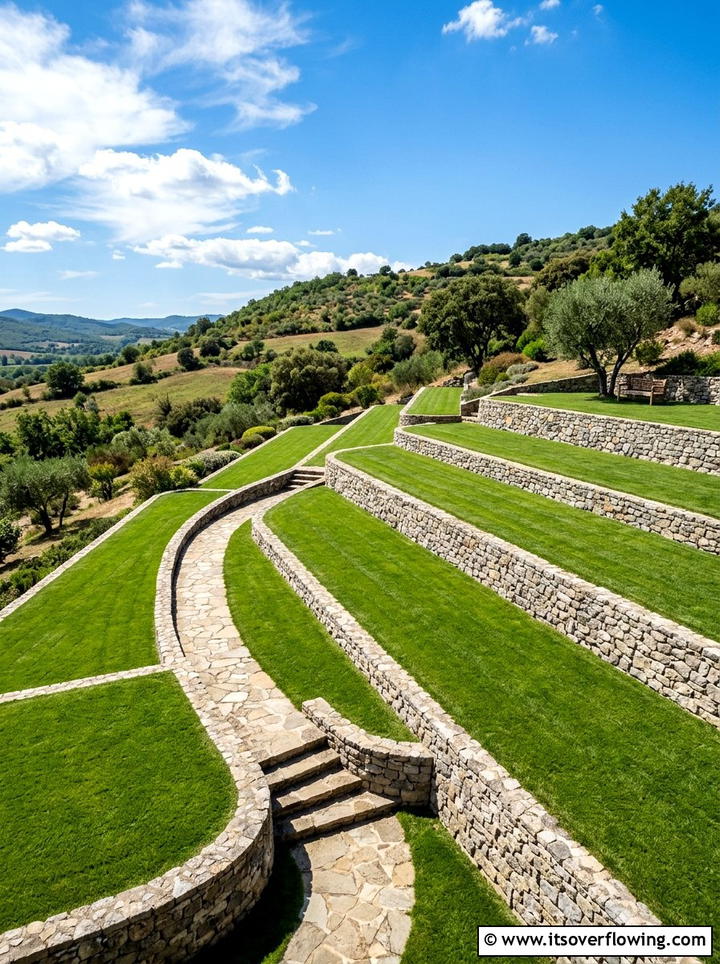
A terrace lawn involves creating flat strips of grass separated by low walls or timber edging. This allows you to have a traditional lawn feel even on a very steep property. These flat areas are much safer to mow and provide space for kids or pets to play. The tiered green sections create a striking visual pattern that looks very neat and organized from a distance. You can use the walls to hide irrigation pipes for a seamless and lush look. A terrace lawn combines the classic beauty of a green yard with the practical needs of managing a sloped terrain.
23. Steel Edging
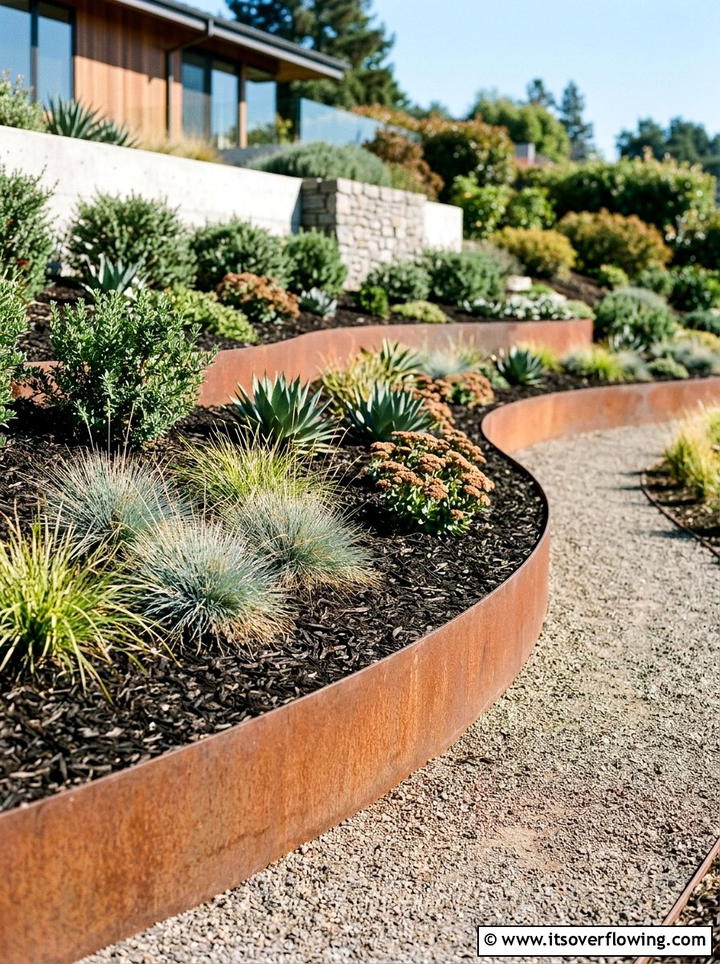
Modern steel edging provides a sleek and minimalist way to define different levels and garden beds on a slope. These thin metal strips are incredibly durable and can be bent into curves for a more organic look. Steel edging prevents grass from creeping into your flower beds and keeps mulch where it belongs. It has a very low profile that fits perfectly into contemporary landscape designs. Over time, some steel edging develops a beautiful rusty patina that looks very high-end and artistic. This is a great choice for homeowners who want a clean, professional finish for their sloped backyard project.
24. Dry Creek Bed
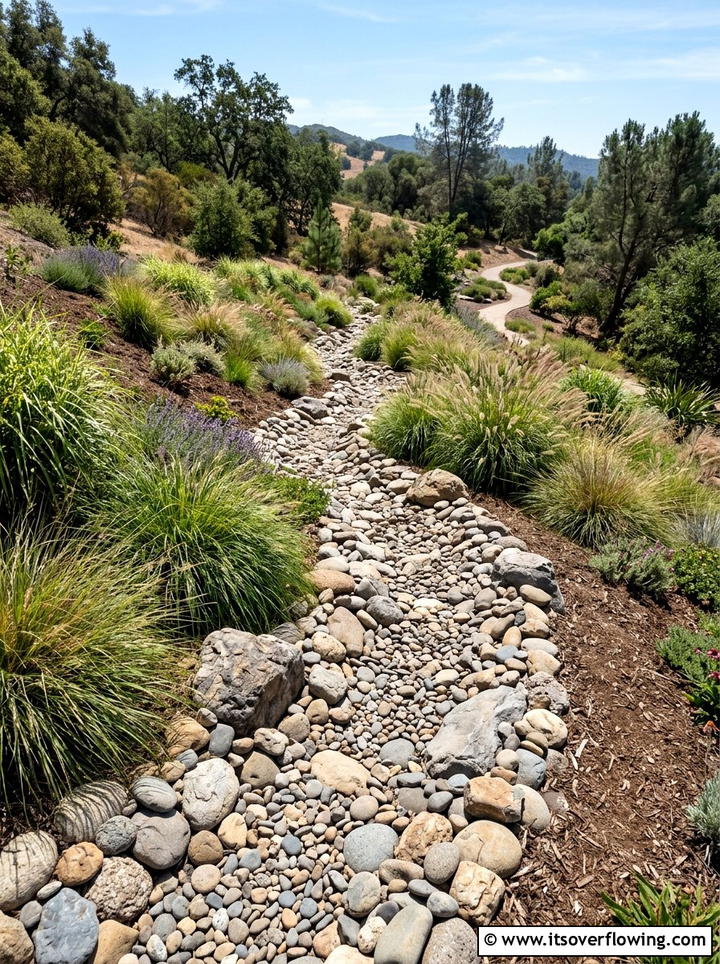
A dry creek bed is a functional and decorative drainage solution that handles heavy water runoff on a slope. By lining a natural drainage path with river rocks and pebbles, you can direct water away from your home’s foundation. It looks like a natural stream even when it is dry, adding a serene element to your landscape. You can plant moisture-loving grasses or flowers along the edges to enhance the realistic look. This feature prevents messy mud and erosion while adding a unique texture to the hillside. It is a very smart way to turn a potential problem into a beautiful garden feature.
25. Zen Garden
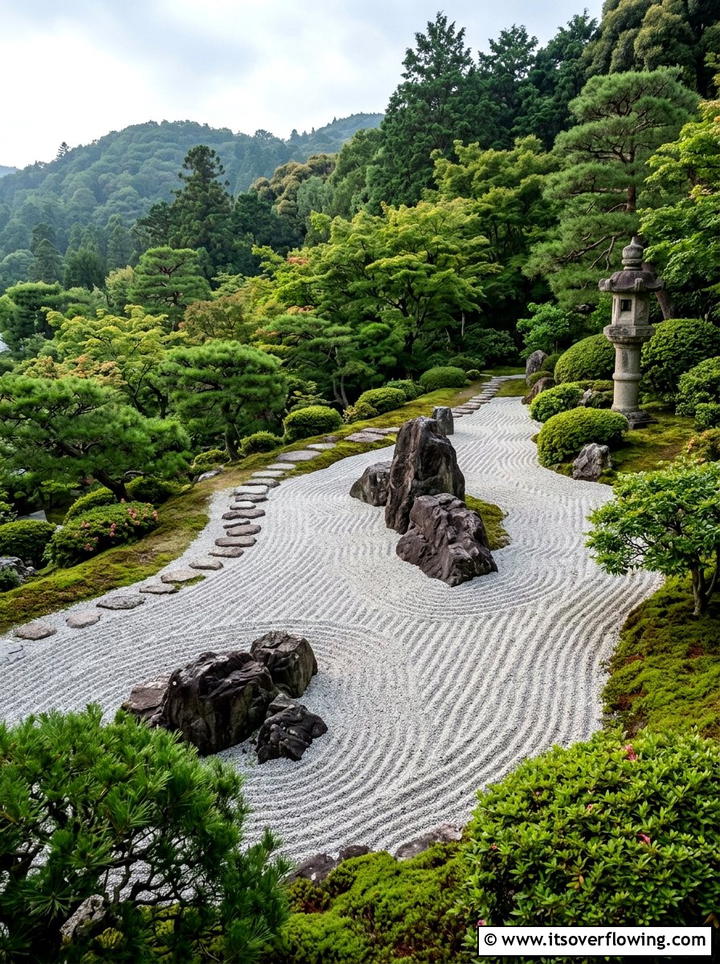
A Zen garden on a slope uses sand, gravel, and carefully placed rocks to create a space for meditation and reflection. The elevation of the hill can be used to create a sense of mystery as the path winds through different areas. You might include a small bridge or a stone lantern to complete the traditional Japanese aesthetic. Using moss and evergreen shrubs ensures the garden looks beautiful and serene all year round. This style emphasizes simplicity and natural beauty, providing a calm retreat from the busy world. A Zen garden turns a difficult slope into a peaceful and very intentional sanctuary.
Conclusion:
Transforming a sloped yard requires a mix of creative vision and practical engineering, but the results are always worth the effort. Whether you choose to build massive retaining walls or plant a simple wildflower meadow, your hillside can become the most beautiful part of your home. Each tier and level offers a new perspective and a chance to display different textures and colors. By addressing erosion and drainage early in the process, you ensure that your garden remains healthy and stable for many years to come. Your sloped yard is not a limitation; it is a canvas for a stunning, multi-level outdoor paradise.
Related posts:
 25 Garden Design Ideas With Retaining Walls for Sloped Yards
 25 Garden Design Ideas With Terraces for Stylish Sloped Yards
 25 Creative Garden Ideas With Rain Barrel Displays That Wow
 25 Creative Garden Ideas for Side Yards
 25 Creative Garden Ideas for Small Yards
 25 Creative Garden Ideas With Tropical Foliage for Lush Yards
 25 Garden Design Ideas for Pet Friendly Yards and Happy Pets
 25 Garden Design Ideas With Privacy Screens for Secluded Yards
 25 Garden Ideas for Cold Climate Yards That Thrive Beautifully
 25 Garden Ideas With Rain Barrels for Eco-Friendly Yards
 25 Small Garden Ideas With Narrow Pathways for Tiny Yards
 25 Garden Design Ideas With Vertical Gardens for Small Yards