
Transforming your outdoor space into a captivating sanctuary during the coldest months is a rewarding endeavor that keeps your home looking vibrant year-round. While many people believe that gardens must remain dormant and dull until spring, the reality is that winter offers a unique canvas for texture, structure, and unexpected pops of color. By focusing on elements like architectural evergreens, striking bark patterns, and resilient winter-blooming plants, you can create a landscape that rivals the lushness of summer. A well-planned winter garden provides visual warmth and interest even when the ground is covered in frost. This guide explores creative ways to enhance your yard with thoughtful details that celebrate the quiet beauty of the season.

1. Evergreen shrubs for winter
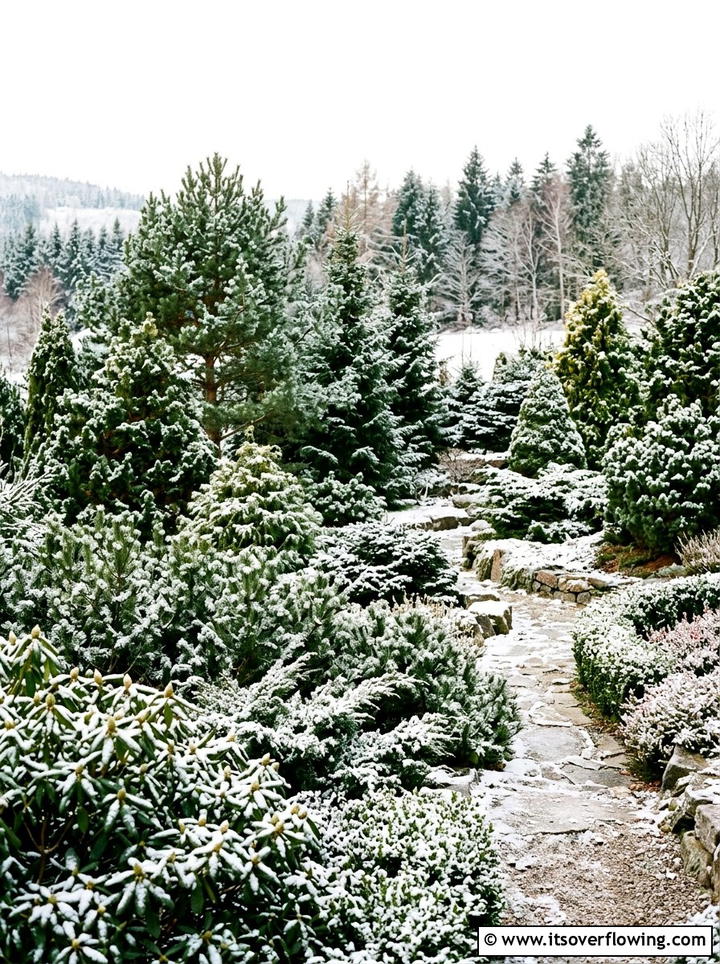
Have you ever noticed how a splash of deep green can completely transform a bleak, snowy landscape during the coldest months? Evergreen shrubs are the absolute backbone of any successful cold-weather landscape because they provide structure and life when everything else has gone dormant. You can choose from a wide variety of textures, including the soft needles of pines or the glossy leaves of rhododendrons. These plants act as a permanent skeleton for your outdoor space, ensuring it never looks truly empty or lifeless. They also provide essential shelter for local birds looking for a warm place to hide. Adding several different heights of evergreens will create a lush, layered look that feels intentional and well-maintained.
2. Colorful bark trees
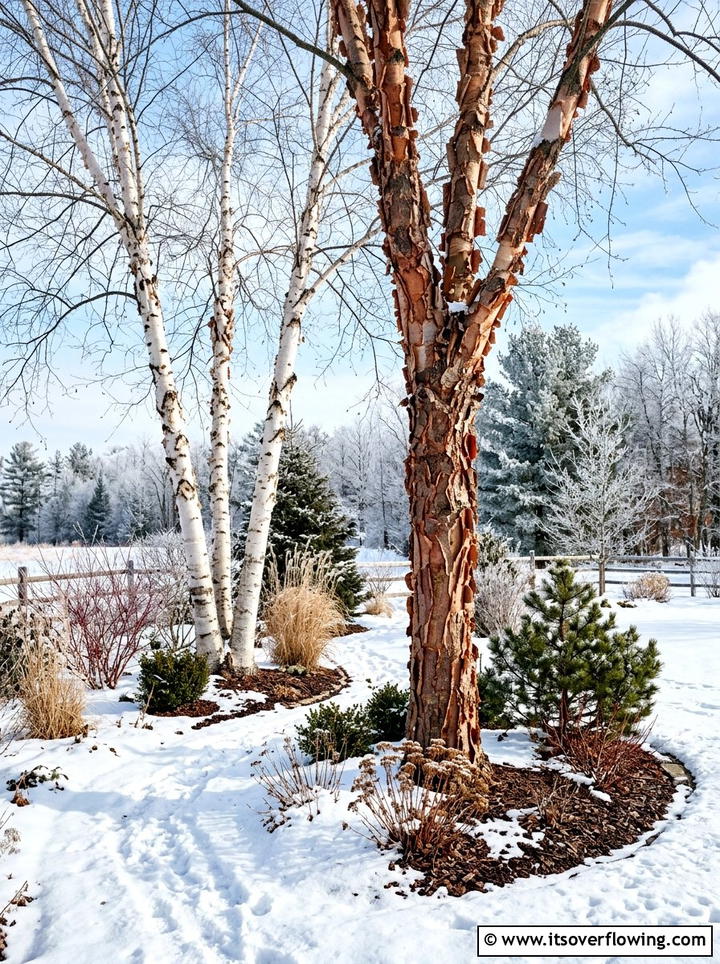
Have you considered how much visual impact the bark of a tree can have once all the leaves have fallen away? Certain tree varieties are specifically prized for their peeling or brightly colored bark, which becomes the star of the show in winter. For example, the paperbark maple or various birch trees offer stunning textures that catch the low winter light beautifully. Red-twig dogwoods provide a shocking burst of crimson against a white snow backdrop, making them a favorite for Pinterest-worthy landscapes. These trees add a vertical element of color that keeps your eye moving throughout the garden. Planting them in clusters can maximize their dramatic effect and create a striking focal point.
3. Red berry bushes
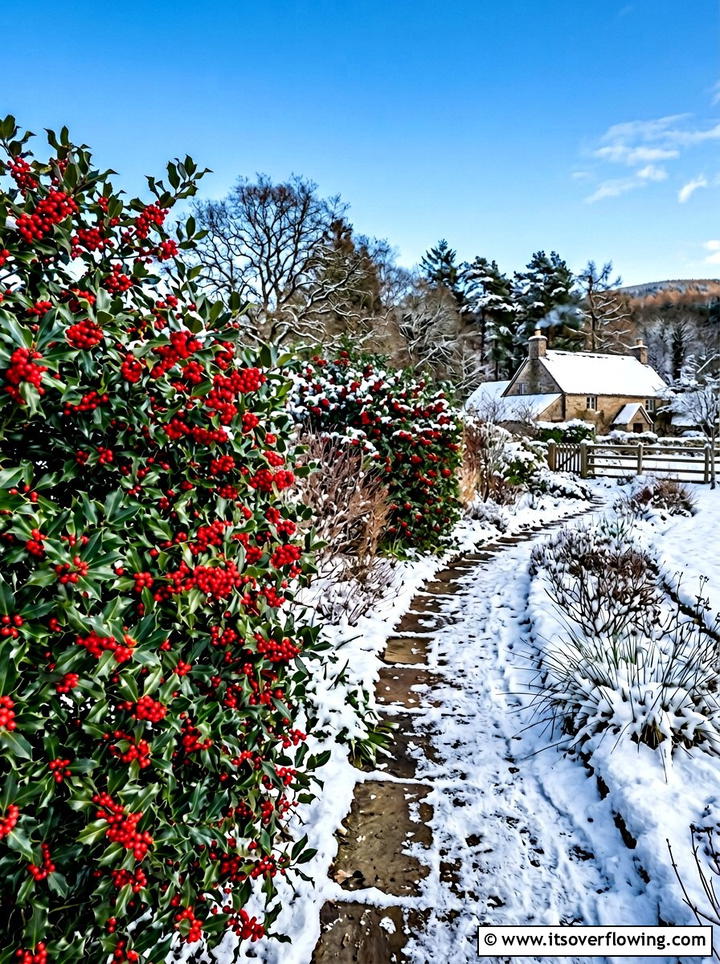
Walking through a quiet garden and spotting bright red berries against a gray sky is a truly magical experience for any homeowner. Plants like winterberry or certain types of holly produce clusters of vibrant fruit that persist long after the first frost has arrived. These berries offer a much-needed contrast to the neutral tones of winter and serve as a vital food source for foraging birds. Since many of these shrubs lose their leaves, the colorful berries remain on the bare branches, creating a delicate and artistic appearance. They look incredible when planted near entryways or windows where you can enjoy their cheerful color from the warmth of your cozy living room.
4. Ornamental grasses
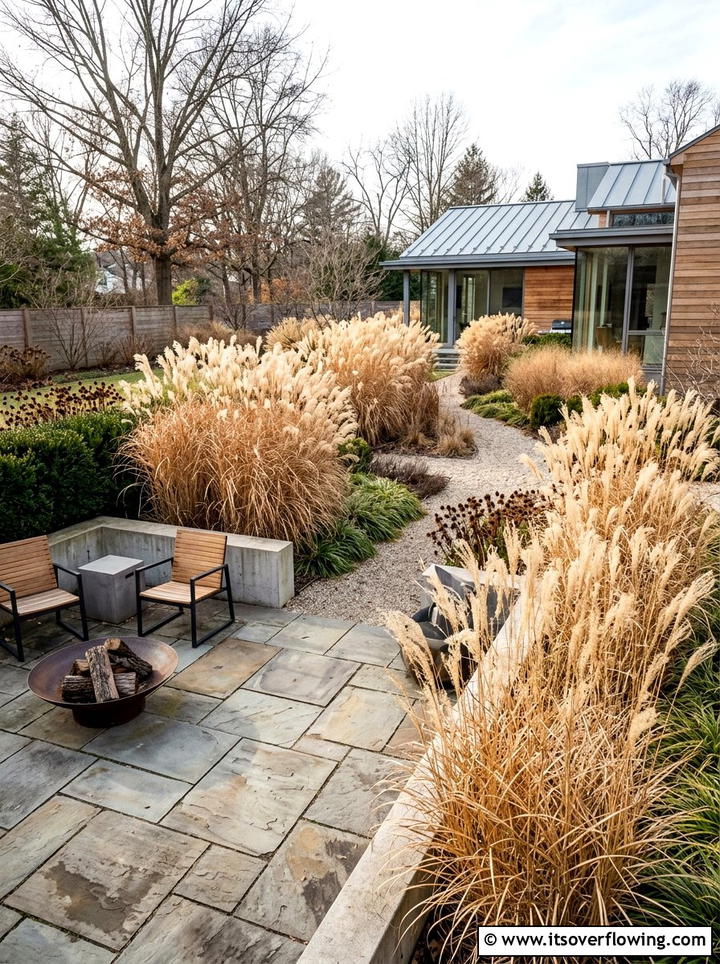
Do you love the sound of the wind whistling through tall, golden stalks of grass on a cold afternoon? Ornamental grasses are fantastic for adding movement and a sense of “wild” beauty to your winter garden beds. Varieties like miscanthus or fountain grass retain their shape and tawny color throughout the entire season, even under a light dusting of snow. Their tall plumes catch the frost, creating a shimmering effect that looks like natural jewelry for your yard. Instead of cutting them back in the fall, leave them standing to provide architectural height and soft textures. They fill large gaps in the landscape and provide a lovely rhythmic swaying motion.
5. Winter flowering hellebores
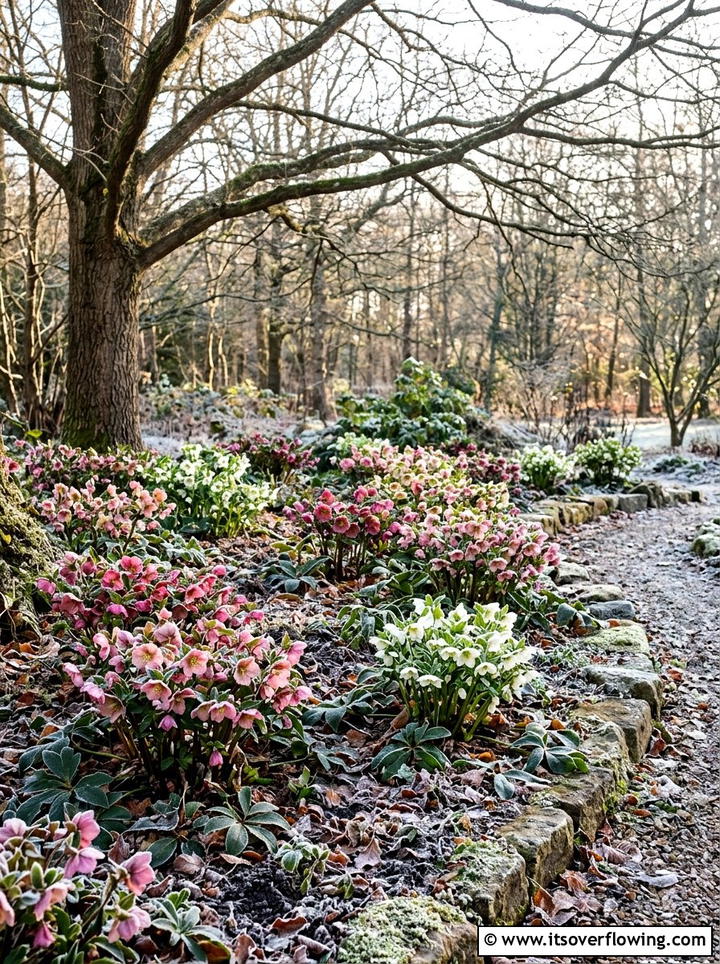
Is there anything more surprising than seeing delicate, nodding flowers blooming right out of the frozen ground in mid-winter? Hellebores, often called Lenten roses, are incredibly hardy perennials that offer beautiful blossoms in shades of white, pink, and deep purple. These plants thrive in the shade and feature leathery evergreen foliage that stays green even when the temperatures drop significantly. They are often one of the first signs of life in the garden, signaling that spring is slowly making its way back to us. Planting them in groups under deciduous trees allows them to receive the winter sun they need to flourish. They bring a touch of elegance and hope.
6. Stone garden paths
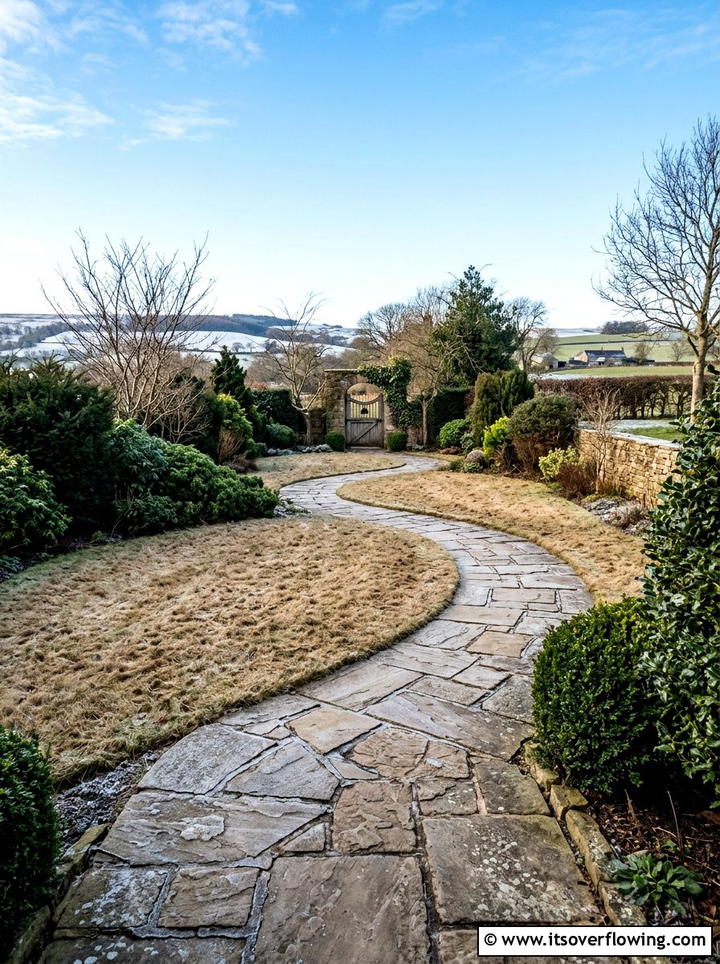
Have you thought about how the permanent lines of your garden paths become more prominent when the summer flowers have faded? Stone walkways or flagstone paths provide a steady, reliable structure that defines the layout of your outdoor space throughout the year. In winter, the contrast between the dark, solid stone and the pale, frosty grass creates a clean and organized aesthetic. These paths invite you to take a brisk walk through your yard, ensuring you still interact with nature during the colder months. Using natural materials like slate or fieldstone adds an earthy feel that complements the winter landscape perfectly. It makes the garden feel accessible and very tidy.
7. Witch hazel shrubs
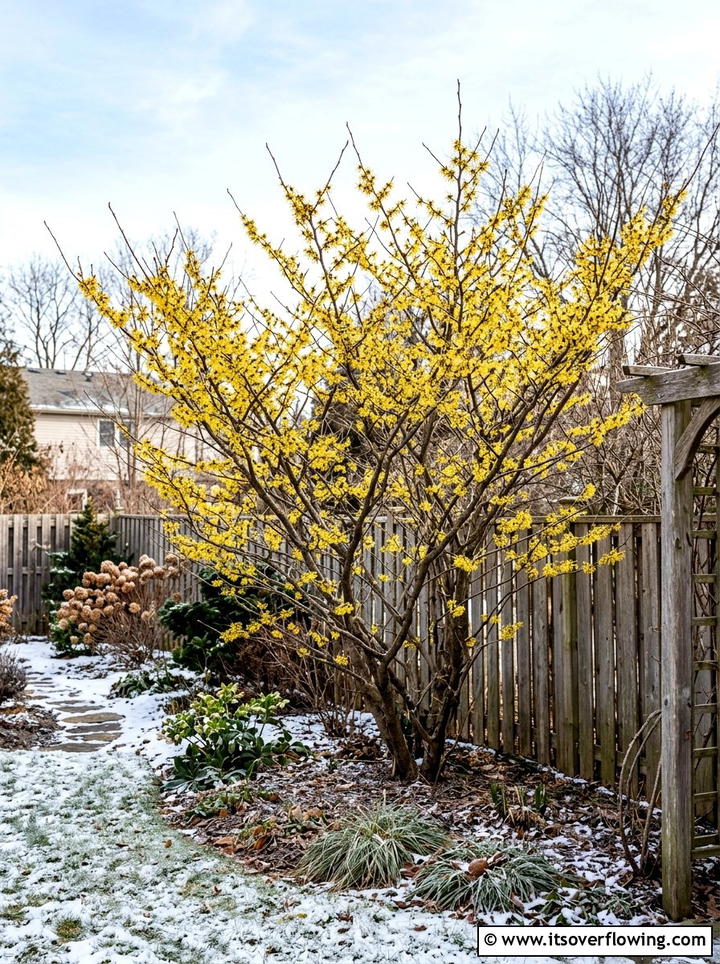
Can you imagine a shrub that bursts into fragrant, ribbon-like yellow or orange blooms while there is still snow on the ground? Witch hazel is a unique winter-blooming plant that adds both color and a lovely scent to your garden during the deepest part of the season. The spidery flowers wrap around the bare branches, creating a fuzzy and whimsical look that is unlike anything else in the yard. These shrubs are quite hardy and can grow to a significant size, making them excellent backdrop plants for smaller winter interest features. Placing them near a walkway allows you to catch their sweet, spicy fragrance as you move between your car and house.



8. Bird feeders
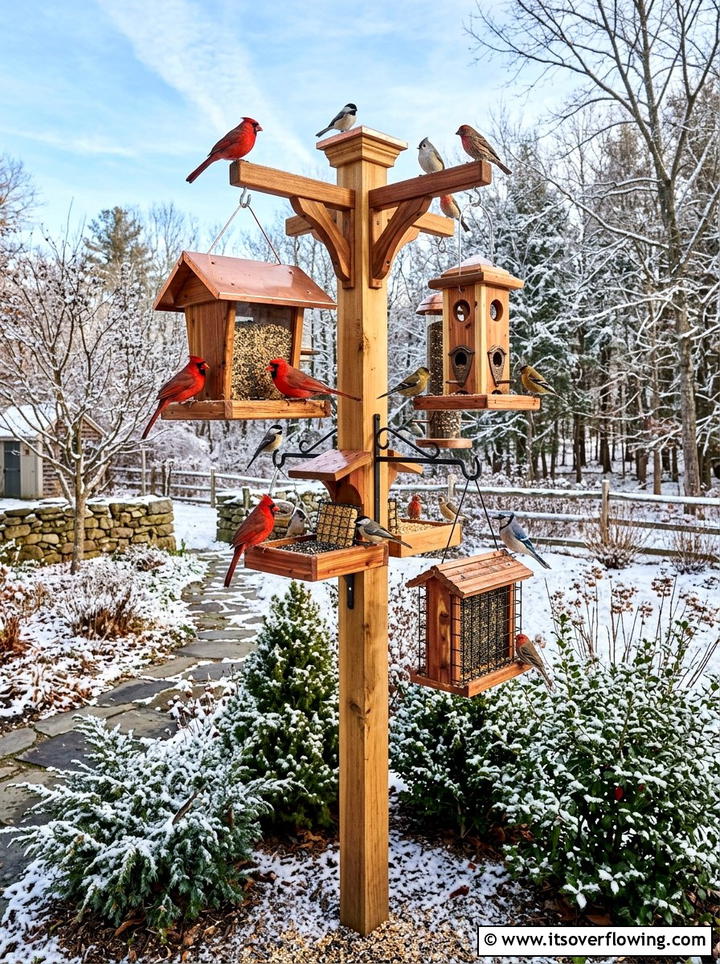
Providing a consistent source of food for your feathered friends is a wonderful way to bring life and activity to a quiet garden. Bird feeders come in many styles, from modern tubes to rustic wooden houses, and they serve as functional decor in your landscape. Seeing bright blue jays or red cardinals visiting your yard adds a dynamic layer of color that changes every single day. You can hang multiple feeders at different heights to attract a variety of species and create a lively atmosphere. Position them near shrubs or trees so the birds feel safe while they eat. This simple addition makes your winter garden feel much more vibrant and alive.
9. Winter container plants
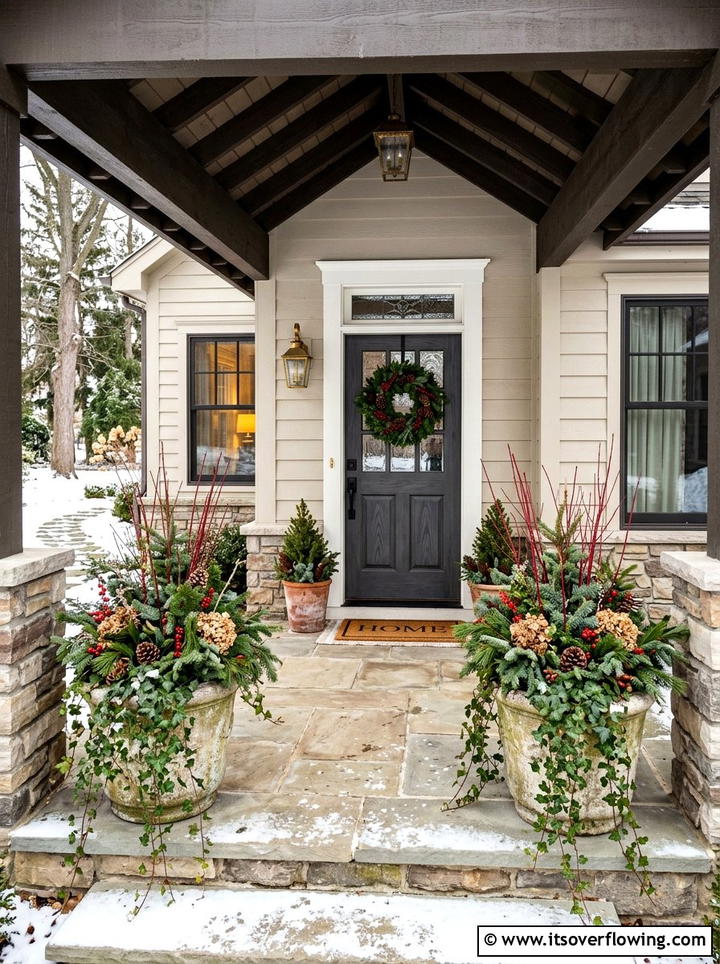
Who says that your porch pots and patio containers have to sit empty and neglected until the arrival of the spring season? You can create stunning winter arrangements using dwarf evergreens, trailing ivy, and colorful cut branches like curly willow or red dogwood. Mixing different textures and shades of green ensures that your entryway looks welcoming and full of life, even in freezing weather. These containers are easy to maintain and can be swapped out if any plants start to look tired. Adding some pinecones or dried lotus pods can provide an extra layer of organic detail. It is a simple way to boost your home’s curb appeal during the winter.
10. Dried seed heads
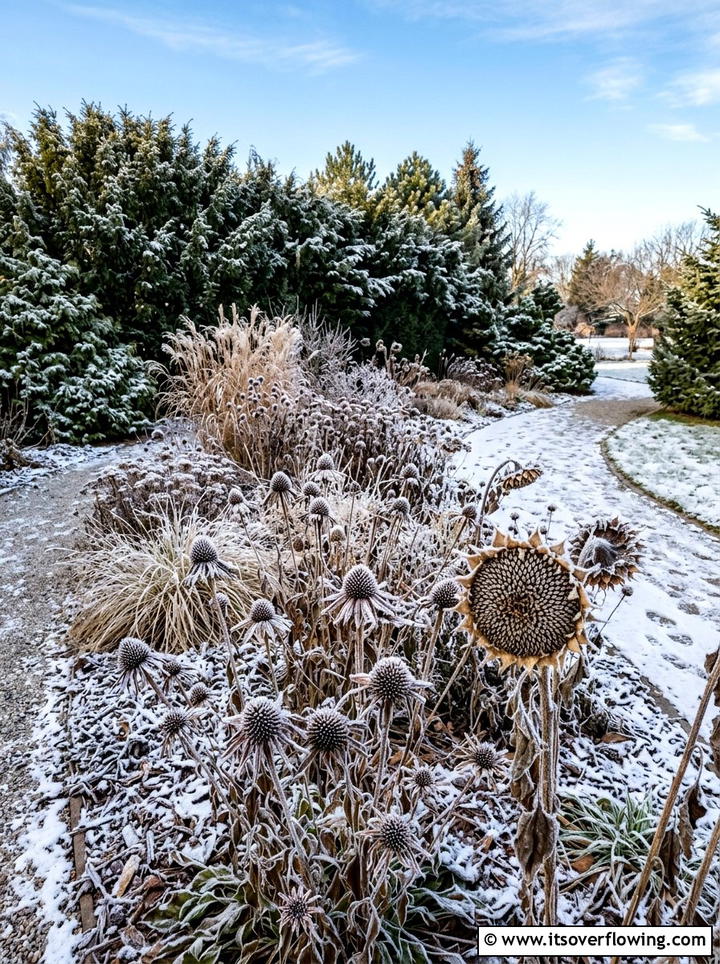
Have you ever noticed the intricate beauty of a dried coneflower or a giant sunflower head standing tall in the winter wind? Leaving seed heads on your perennials instead of cutting them back in autumn provides a natural, sculptural element to your garden beds. These dried structures look particularly beautiful when they are coated in a layer of crystalline frost or light snow. Beyond their visual appeal, these seed heads offer essential nourishment for small birds that stay in your area for the winter. They add a sense of “naturalism” to the landscape, reminding us of the full life cycle of the plants. This approach is both eco-friendly and visually interesting.
11. Garden sculptures

Does your garden have a focal point that remains constant regardless of whether the plants are blooming or resting in the soil? Garden sculptures, such as stone statues, metal spheres, or abstract art pieces, provide a fixed visual element that anchors the entire landscape. In the winter, these objects stand out even more because there is less foliage to distract the eye from their form. A weathered bronze statue or a sleek modern piece can look incredibly dramatic against a backdrop of bare branches or white snow. Choosing materials that patina over time adds a sense of history and character to your outdoor space. It makes the garden feel very intentional.

12. Boxwood topiary
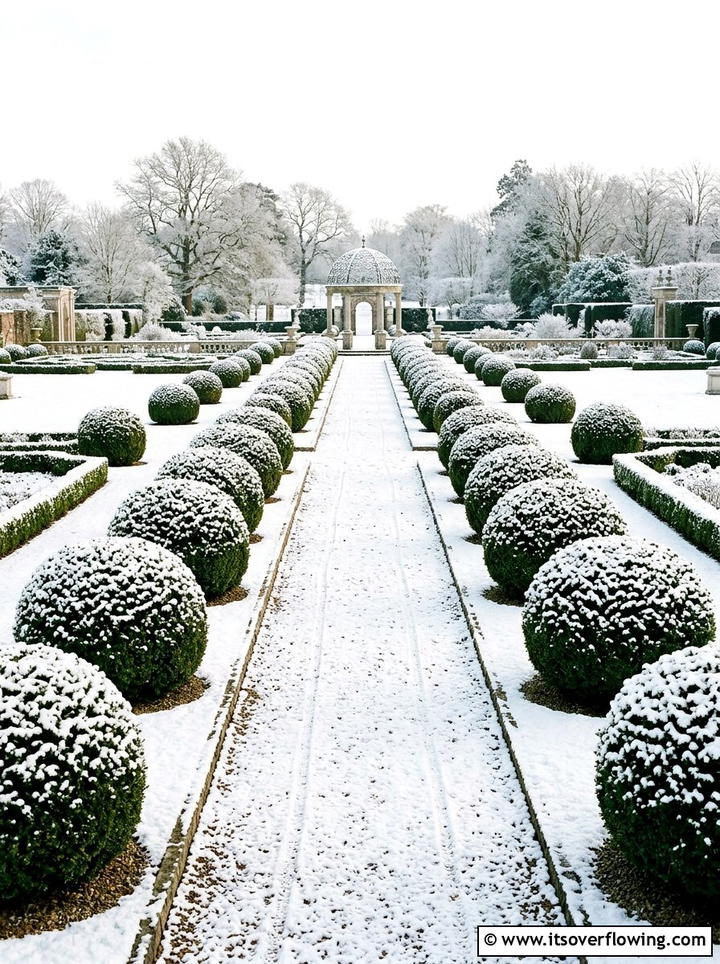
Are you looking for a way to add a sense of formal elegance and permanent structure to your front yard or garden beds? Boxwood topiaries are evergreen shrubs that have been pruned into specific geometric shapes like balls, cones, or spirals. These living sculptures maintain their deep green color and crisp outlines throughout the entire winter, providing a high-end look that never goes out of style. They look especially striking when placed in symmetrical pairs near a front door or along a walkway. The contrast between their tidy, manicured shapes and the soft, drifting snow creates a beautiful visual balance. They are low-maintenance and provide consistent interest for many years.
13. Outdoor fire pits
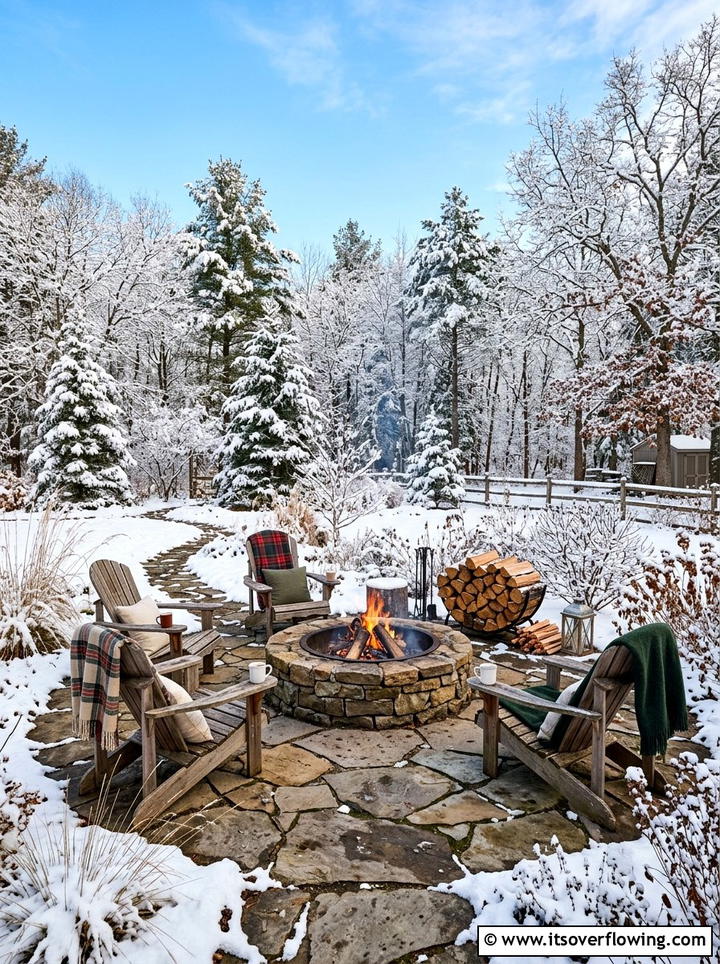
Can you picture yourself wrapped in a warm blanket while sitting by a crackling fire on a crisp, clear winter evening? Adding a fire pit to your garden creates a cozy destination that encourages you to spend more time outdoors during the colder months. Whether you choose a built-in stone pit or a portable metal bowl, the flickering flames provide warmth and a beautiful orange glow. Surround the area with comfortable seating and some weather-resistant cushions to create an inviting outdoor living room. It becomes a perfect spot for roasting marshmallows or enjoying a hot drink with friends. A fire pit adds both function and a warm atmosphere.
14. Winter vegetable gardens
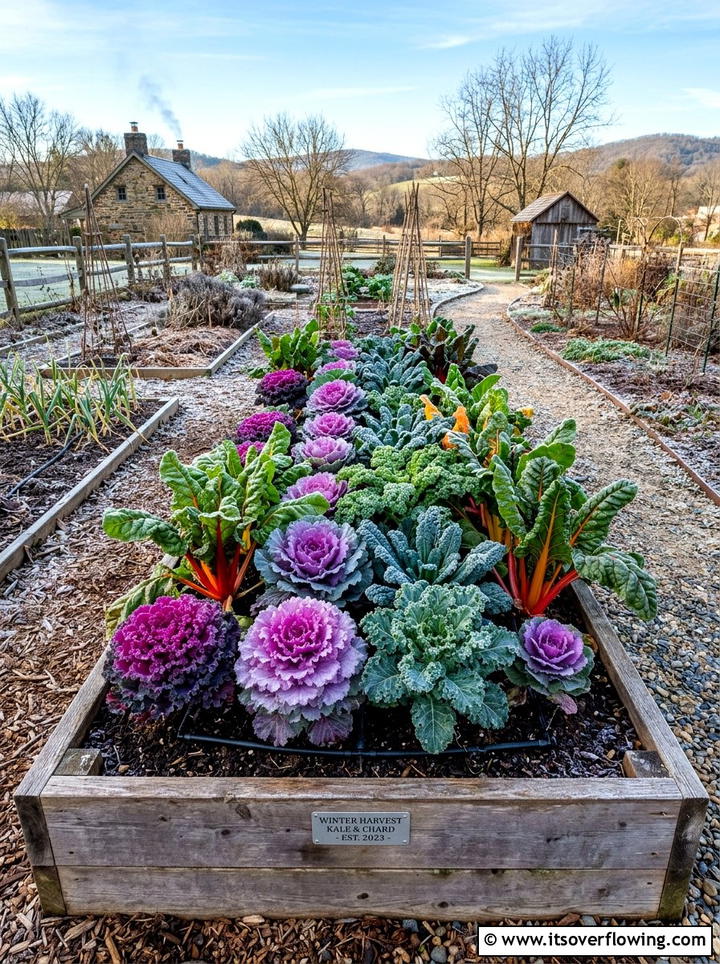
Did you know that certain vegetables actually thrive in the cold and can provide a beautiful, edible landscape during the winter months? Leafy greens like kale, chard, and collards often develop more vibrant colors and sweeter flavors after a light frost has touched them. Planting these in raised beds or decorative rows adds a lush, productive feel to your garden while everything else is sleeping. The ruffled textures of ornamental kale, in particular, come in stunning shades of purple, white, and emerald green. These hardy plants keep your garden looking “active” and provide fresh ingredients for your winter soups and stews. It is a very practical winter garden choice.
15. Garden lighting
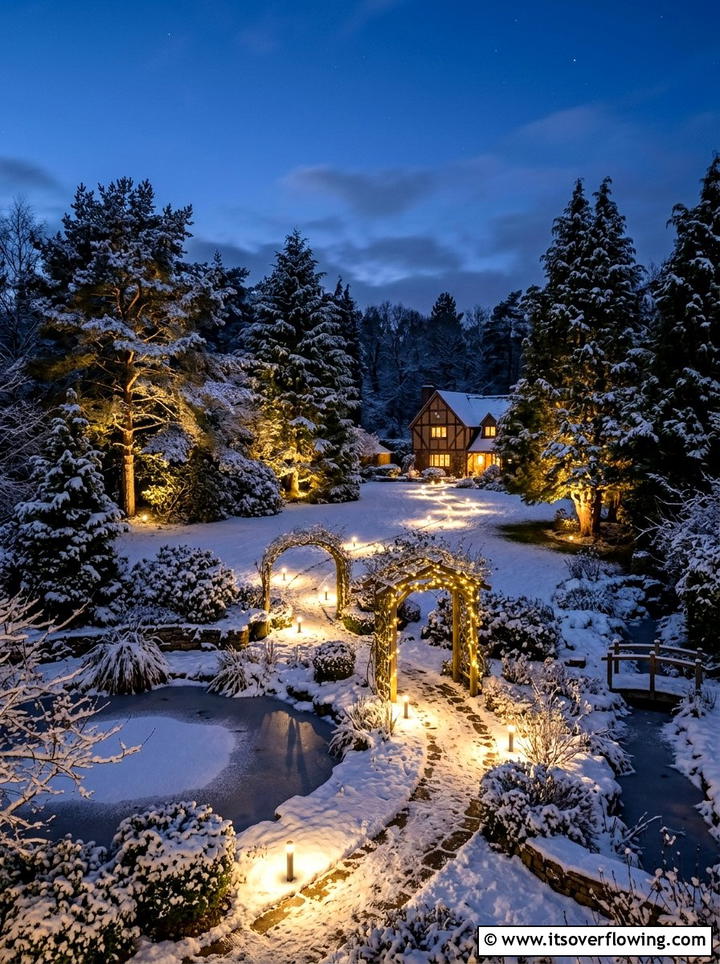
How does your garden look once the sun sets early in the afternoon during the short, dark days of the winter season? Strategic outdoor lighting can highlight the architectural beauty of your trees, paths, and sculptures, turning your yard into a glowing wonderland. Using soft spotlights on the trunks of colorful trees or path lights along a stone walkway ensures that your landscape remains visible and safe. Warm white LED lights can mimic the soft glow of a moonlit night, creating a peaceful and serene ambiance. Lighting also adds a layer of security and makes your home look much more inviting from the street. It truly extends your garden’s beauty.


16. Pergolas and arbors
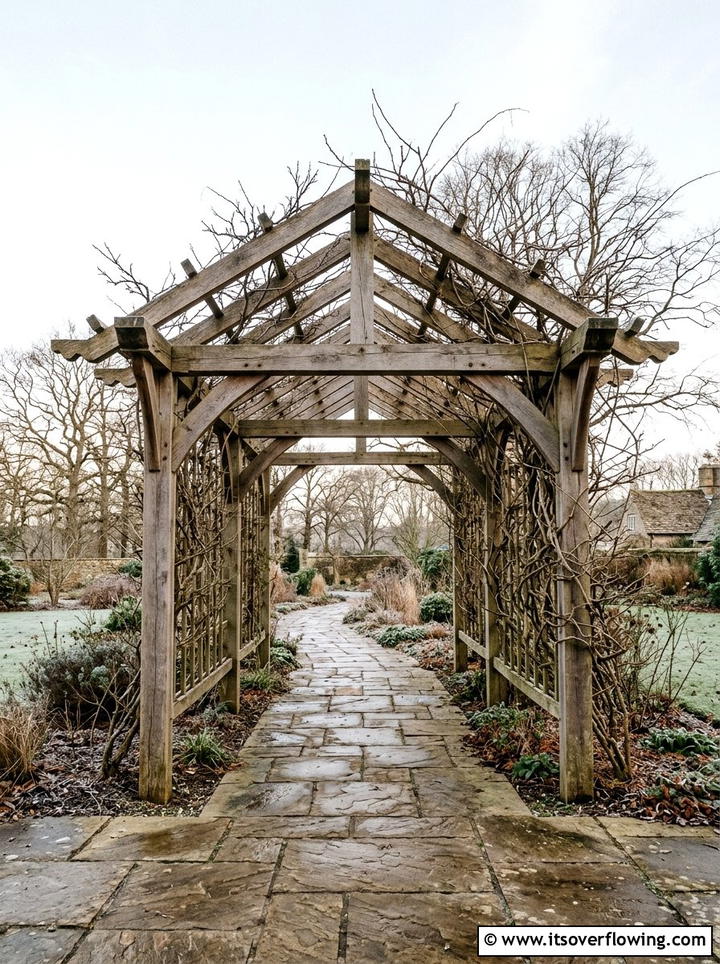
Have you ever admired the way a sturdy wooden pergola or a delicate metal arbor looks when it is silhouetted against a winter sky? These large architectural structures provide essential height and a sense of “enclosure” in a garden, even when they aren’t covered in summer vines. They act as a frame for the rest of your landscape, creating a clear transition between different areas of your outdoor space. In winter, you can see the intricate craftsmanship of the beams and posts more clearly without the distraction of heavy foliage. Hanging a bird feeder or a simple lantern from the rafters can add even more functional interest to these beautiful structures.
17. Cold frames
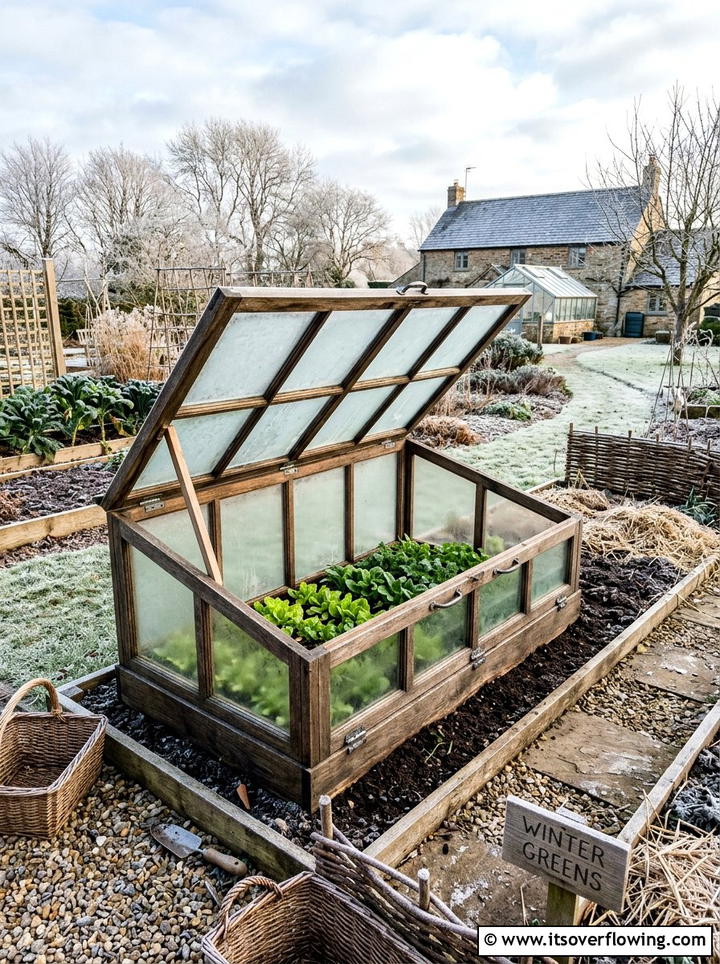
Are you interested in a garden feature that combines classic glass aesthetics with the practical ability to grow plants all year long? Cold frames are essentially mini-greenhouses that sit low to the ground and protect delicate plants from the harshest winter weather. They add a charming, old-world feel to your garden beds, reminiscent of traditional English kitchen gardens. You can use them to grow winter salads or to give your spring seedlings an early start in a protected environment. The glass tops catch the winter sun, creating a bright spot in the yard that feels full of potential and life. They are both beautiful and incredibly useful for any gardener.
18. Gravel garden walkways
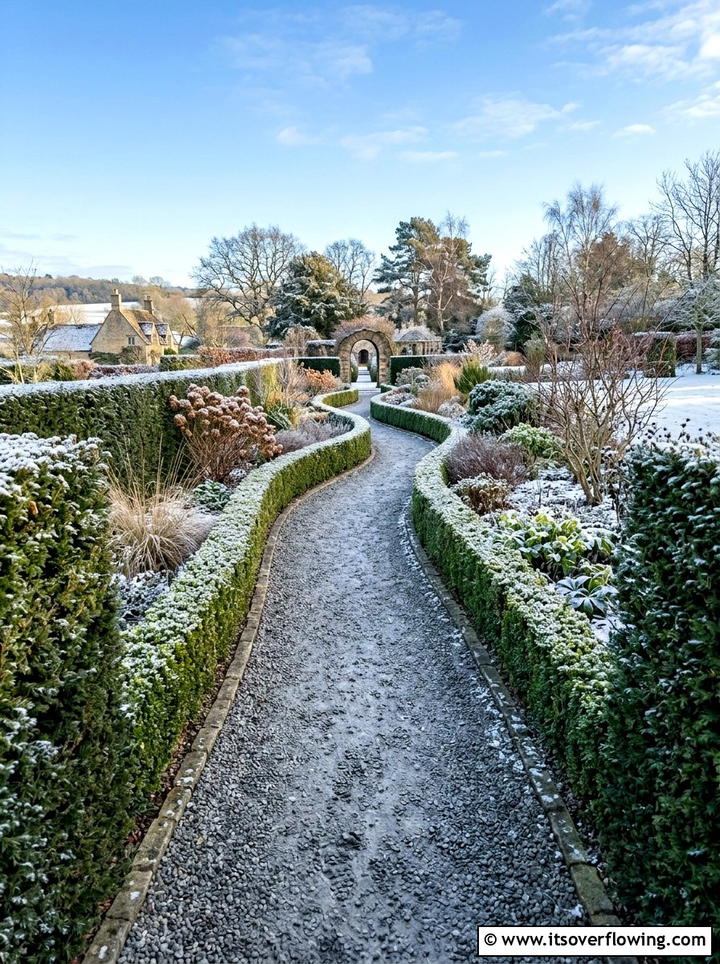
Does the sound of crunching gravel under your boots make you feel more connected to your outdoor surroundings during a winter walk? Gravel paths offer a wonderful texture and a neutral color palette that blends seamlessly with the browns and grays of the winter season. Unlike grass, which can become muddy and dormant, gravel remains stable and looks clean regardless of the temperature or moisture levels. You can use different colors of stone, such as pea gravel or crushed slate, to complement the exterior of your home. These walkways define the movement through your garden, ensuring that the layout remains clear and structured even under a layer of frost.
19. Winter jasmine
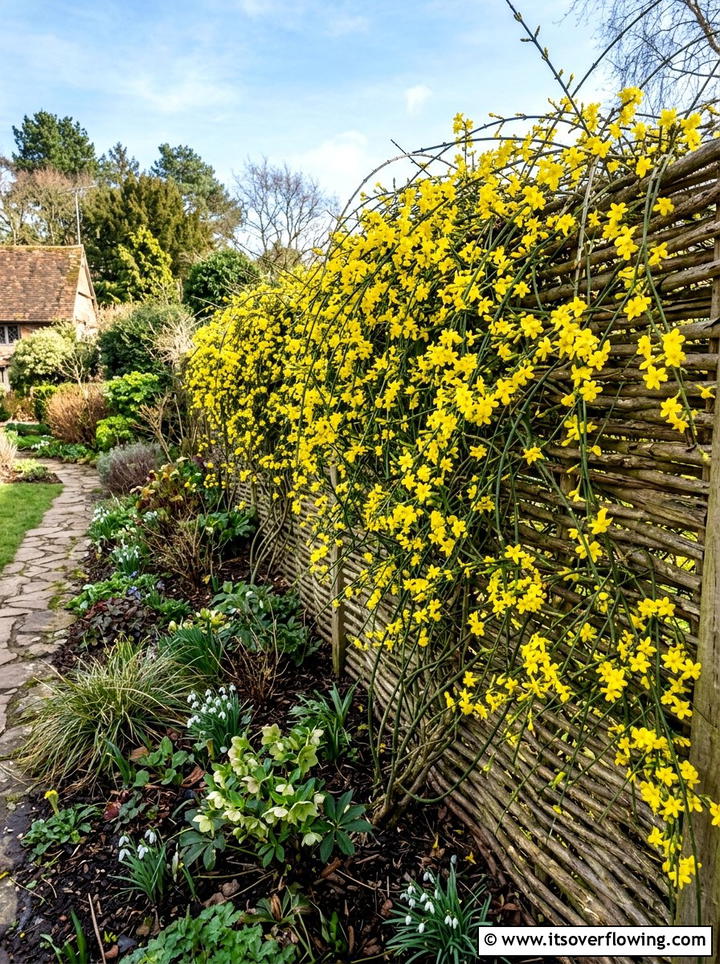
Can you imagine a vine that produces bright yellow, star-shaped flowers on green stems in the middle of a cold January? Winter jasmine is a hardy, arching shrub that can be trained to climb walls, fences, or trellises to provide vertical interest. Unlike most plants that go brown in the winter, the stems of winter jasmine stay a vibrant green, offering a much-needed pop of color. The small yellow blossoms appear before the leaves, creating a delicate and cheerful display that brightens up even the gloomiest winter days. It is a fantastic choice for covering ugly walls or providing a splash of color near a garden gate or porch.
20. Heuchera foliage
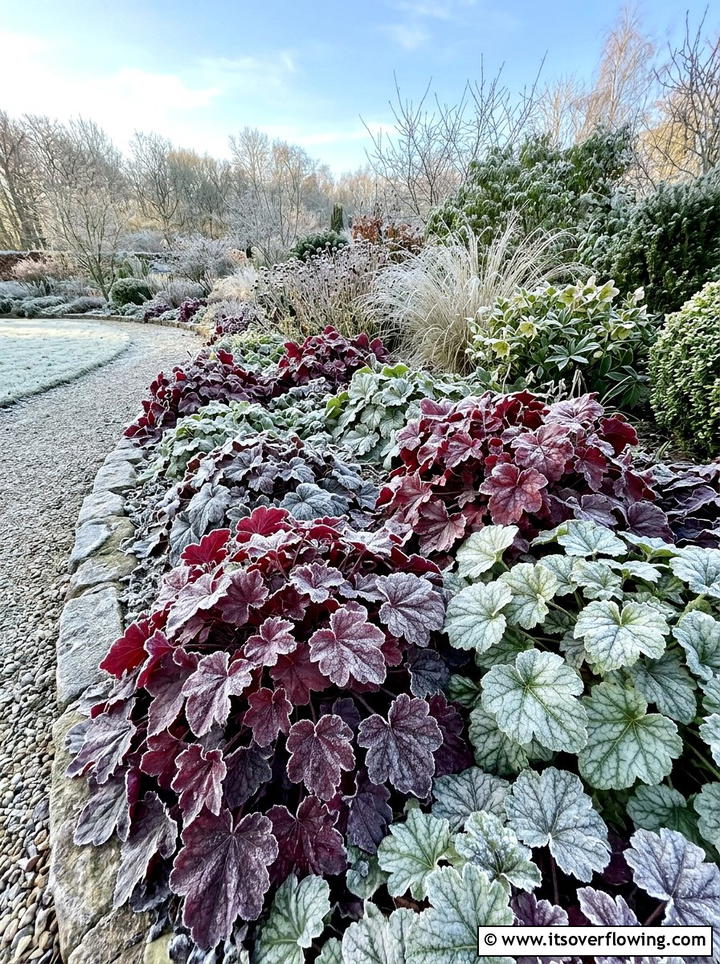
Have you discovered the incredible range of colors that heuchera plants, also known as coral bells, can bring to your winter borders? These perennial plants are famous for their ruffled leaves that come in shades of deep burgundy, burnt orange, lime green, and even silver. Many varieties are semi-evergreen, meaning they hold onto their colorful foliage throughout the winter in milder climates or under light snow. They are perfect for planting along the edges of garden beds or in containers where their intricate patterns can be appreciated up close. Heucheras provide a low-growing carpet of color that bridges the gap between taller shrubs and the ground.
21. Moss covered features
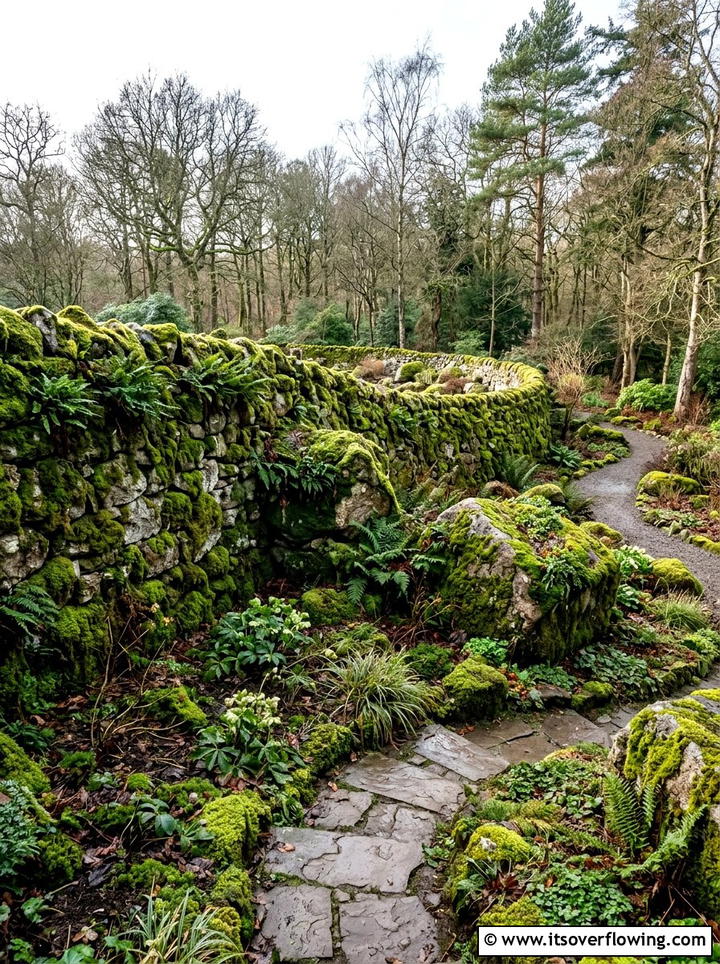
Do you find the soft, velvety texture of green moss to be one of the most soothing elements in a winter landscape? Moss thrives in damp, cool conditions and often looks its most vibrant when the rest of the garden has turned brown or gray. Encouraging moss to grow on stone walls, large rocks, or garden sculptures adds an ancient, established feel to your outdoor space. It creates a lush, emerald-green carpet that feels incredibly life-affirming during the darkest months of the year. Moss requires very little maintenance and provides a beautiful contrast to the hard surfaces of stone or wood. It makes a garden feel like a secret forest.
22. Mahonia shrubs
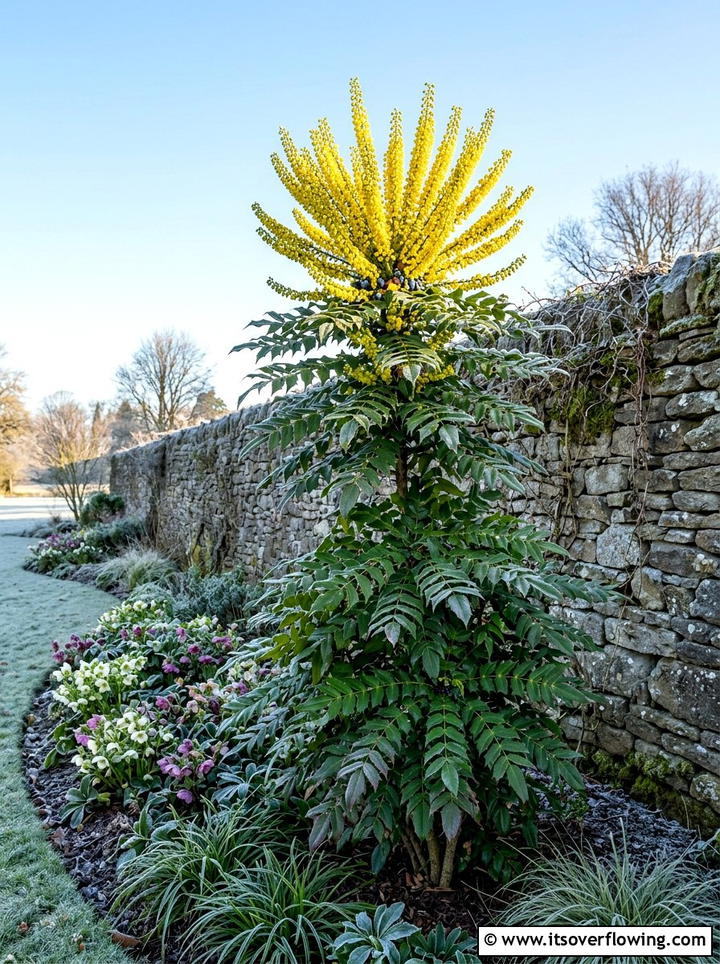
Are you looking for a plant that offers bold, architectural leaves and bright yellow flowers right when you need them most? Mahonia, also known as Oregon grape, is an evergreen shrub with prickly, holly-like leaves that often turn a beautiful bronze or purple hue in the winter. In late winter, it produces large clusters of fragrant yellow flowers that are a magnet for the earliest pollinators. These shrubs are incredibly tough and can handle shady spots where other plants might struggle to grow. Their upright habit and unique leaf shape make them a fantastic choice for adding texture and a sense of drama to a winter garden bed.
23. Willow garden structures
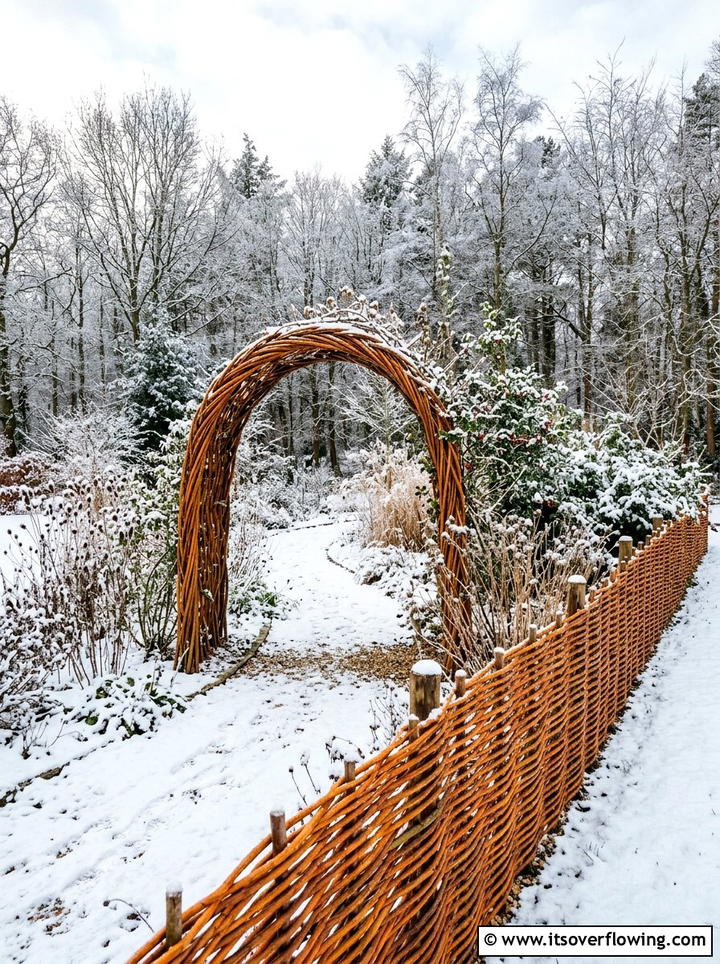
Have you ever considered using natural materials like willow branches to create living or decorative structures in your outdoor space? Willow is incredibly flexible and can be woven into beautiful fences, tunnels, or simple decorative hurdles that look artistic in the winter. The bark of certain willow varieties comes in shades of bright yellow, orange, or deep red, adding a linear element of color. These handmade structures provide a rustic, organic feel that complements the quiet beauty of a sleeping garden. They are also excellent for supporting climbing plants once spring arrives. Using willow is a sustainable way to add unique, handcrafted character to your winter landscape design.
24. Garden seating
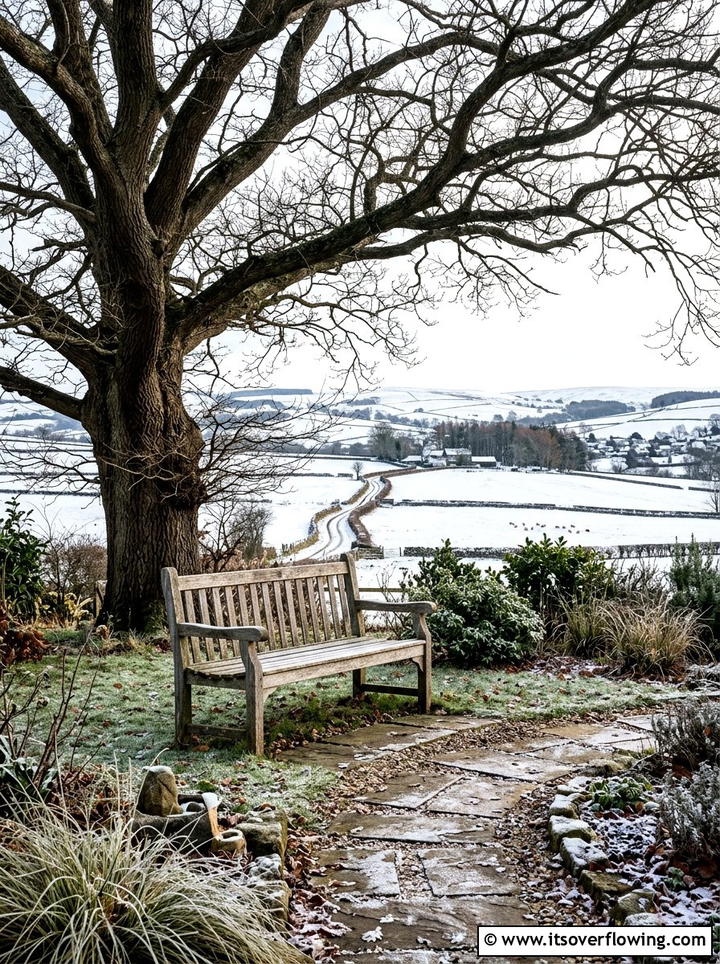
Does a simple wooden bench or a set of wrought iron chairs look like a lonely invitation to sit and enjoy the winter air? Placing permanent seating in your garden ensures that the space feels lived-in and welcoming, even if you only sit there for a few minutes. A well-placed bench can serve as a focal point at the end of a path or under a large tree. You can add weather-resistant cushions or a thick wool throw to make the area feel more inviting for a quick outdoor break. Choosing a material that weathers beautifully, like teak or cedar, ensures that the seating becomes part of the natural landscape over time.
25. Blue spruce trees
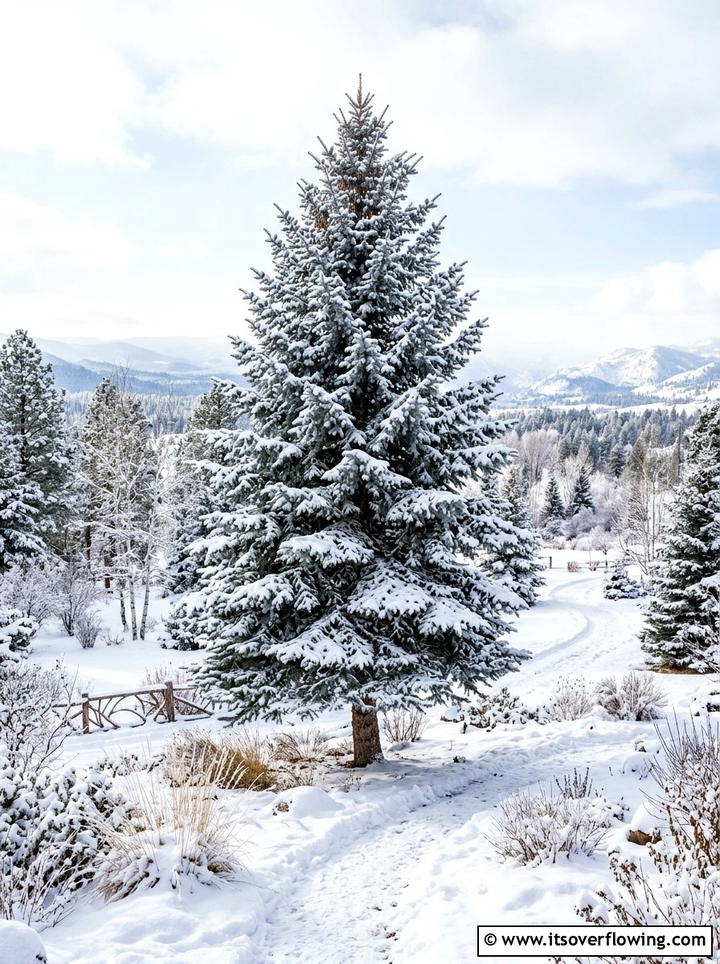
Have you ever marveled at the cool, silvery-blue needles of a spruce tree standing out against a dark winter forest? Blue spruce trees are iconic evergreens that provide a unique color palette that differs from the typical deep greens of most conifers. Their stiff, horizontal branches hold snow perfectly, creating a classic “winter wonderland” look that is frequently seen on Pinterest. These trees grow in a neat, conical shape that provides a strong vertical element in any garden design. They are very hardy and act as a wonderful backdrop for other winter interest plants. A blue spruce adds a touch of cool elegance and permanent structure to your yard.
Conclusion:
Creating a garden with winter interest is all about embracing the unique textures and subtle colors that this quiet season has to offer. By integrating evergreen structures, colorful bark, and resilient winter-blooming plants, you ensure that your outdoor space remains a source of beauty and inspiration all year long. Thoughtful details like bird feeders and strategic lighting not only enhance the visual appeal but also bring life and warmth to the cold months. A well-designed winter landscape proves that the garden never truly sleeps; it simply changes its wardrobe. With these creative ideas, your home will boast a stunning, professional-looking yard that captures the magic of winter.

Related posts:
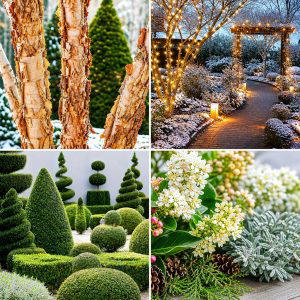 25 Garden Ideas for Winter to Keep Your Yard Beautiful
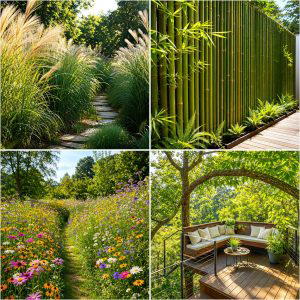 25 Creative Garden Ideas With Hidden Garden Corners
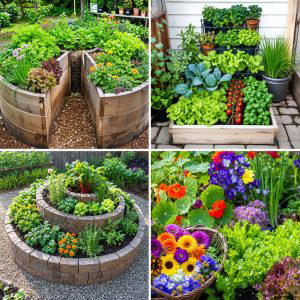 25 Creative Garden Ideas With Keyhole Garden Beds
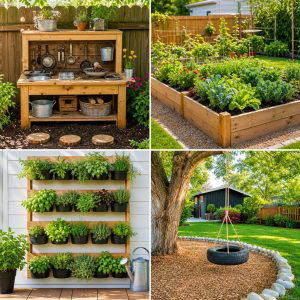 25 Creative Garden Ideas With Kids Garden Zone
 25 Creative Garden Ideas to Transform Any Outdoor Space Fast
 25 Creative Garden Ideas for Side Yards
 25 Creative Garden Ideas for Urban Homes
 25 Creative Garden Ideas With Drought Proof Landscaping
 25 Creative Garden Ideas With Fire Pit Circles
 25 Creative Garden Ideas With Maximal Flower Color
 25 creative garden ideas with pergola vines for Shaded Beauty
 25 Creative Garden Ideas With Spiral Herb Beds to Try Now