
As the air turns crisp and the leaves begin their vibrant transformation, your outdoor space deserves a thoughtful transition into the new season. Fall gardening is about more than just cleaning up old debris or preparing for the winter frost. It is a unique opportunity to embrace rich textures, deep jewel tones, and cozy atmospheres that make your backyard a sanctuary. By focusing on layered plantings and inviting hardscapes, you can create a Pinterest-worthy environment that feels both grounded and magical. This guide explores creative ways to refresh your landscape, from colorful containers to functional seating areas that celebrate the cooling temperatures and shorter days of autumn.
1. Fall Flower Beds
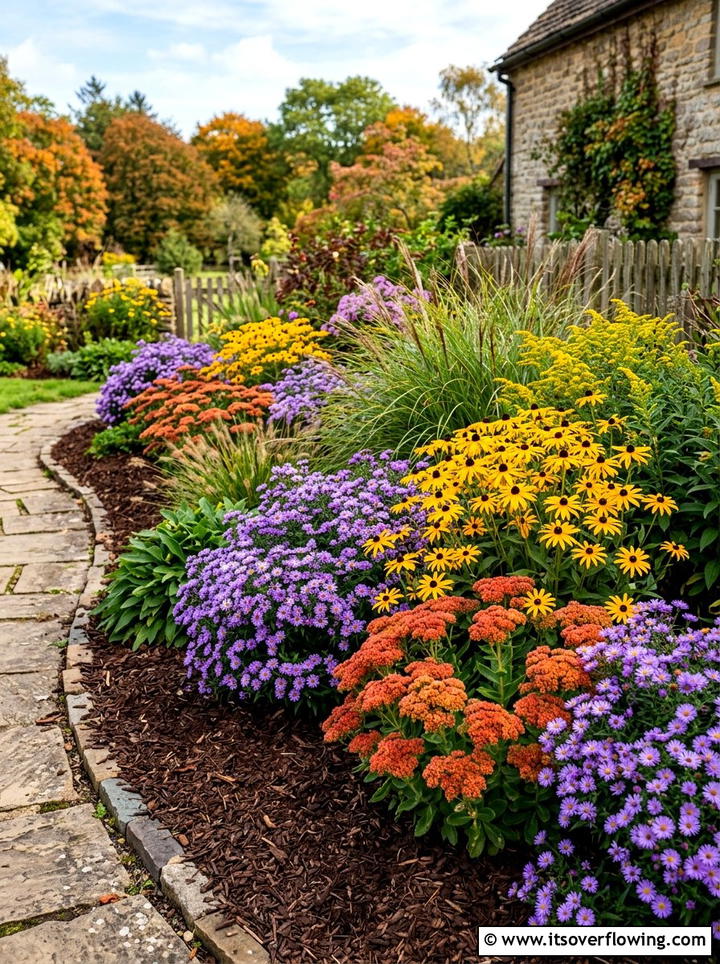
How can you keep your yard looking vibrant when summer blooms start to fade? Transitioning your flower beds for the autumn season requires a mix of hardy perennials and late-season annuals that thrive in cooler weather. Asters, coneflowers, and sedum are fantastic choices because they provide structure and pops of purple and gold. You should focus on grouping these plants together to create a dense, lush look that fills any gaps left by summer annuals. Adding a fresh layer of dark mulch can also make the colors of your plants stand out more vividly. This approach ensures your landscape remains a focal point of beauty throughout the entire season.
2. Outdoor Fire Pit Landscaping
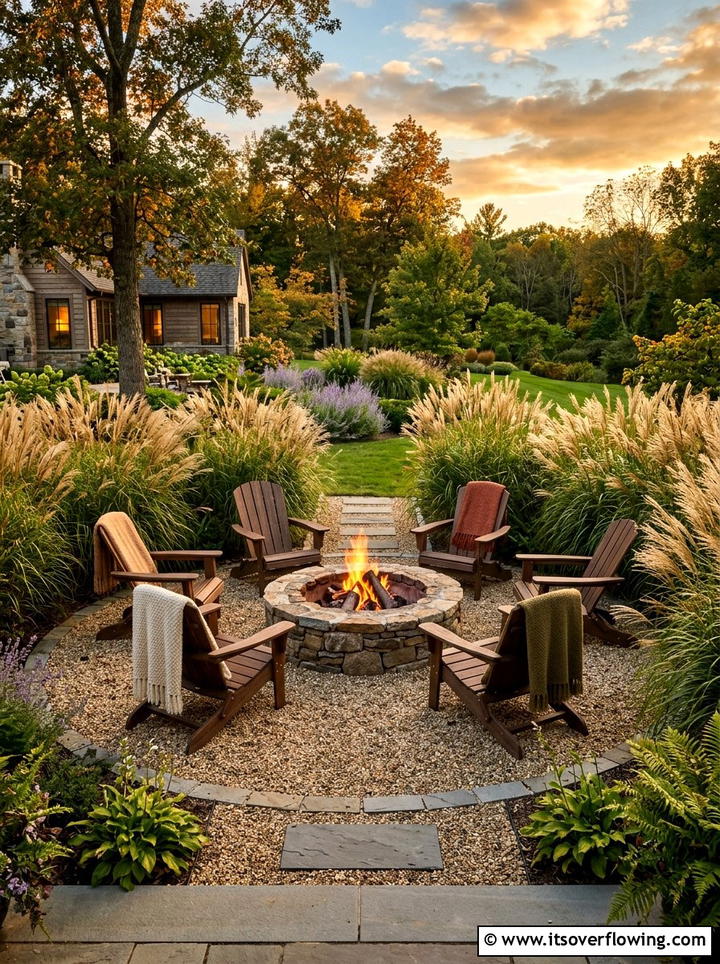
Imagine spending a chilly evening wrapped in a blanket while sitting around a crackling fire in your own backyard. Designing a dedicated fire pit area is a quintessential way to enhance your garden for the fall months. You can use natural stone or pavers to create a safe and level base for the pit itself. Surround the area with comfortable Adirondack chairs or built-in stone benches to encourage gathering. To soften the look, plant tall ornamental grasses or small shrubs around the perimeter of the seating zone. This creates a sense of enclosure and privacy, making the space feel like an intimate outdoor living room for guests.
3. Chrysanthemum Container Garden
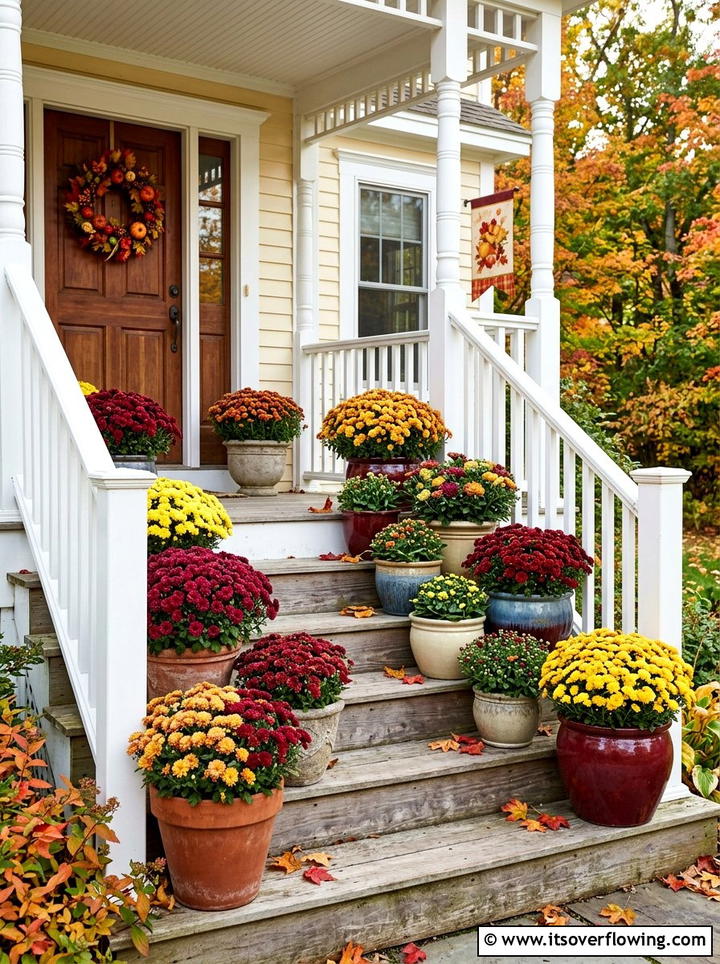
Have you noticed how chrysanthemums instantly signal the arrival of fall with their dense mounds of colorful blossoms? Using these versatile flowers in containers is one of the easiest ways to refresh your porch or garden steps. To create a professional look, choose a variety of sizes and colors, ranging from deep burgundy to bright yellow. You can arrange the pots in clusters of three or five to create visual interest and depth. Make sure to use high-quality potting soil and keep them well-watered, as mums can dry out quickly in the wind. These displays add an immediate boost of curb appeal to any home exterior.



4. Ornamental Cabbage And Kale Display
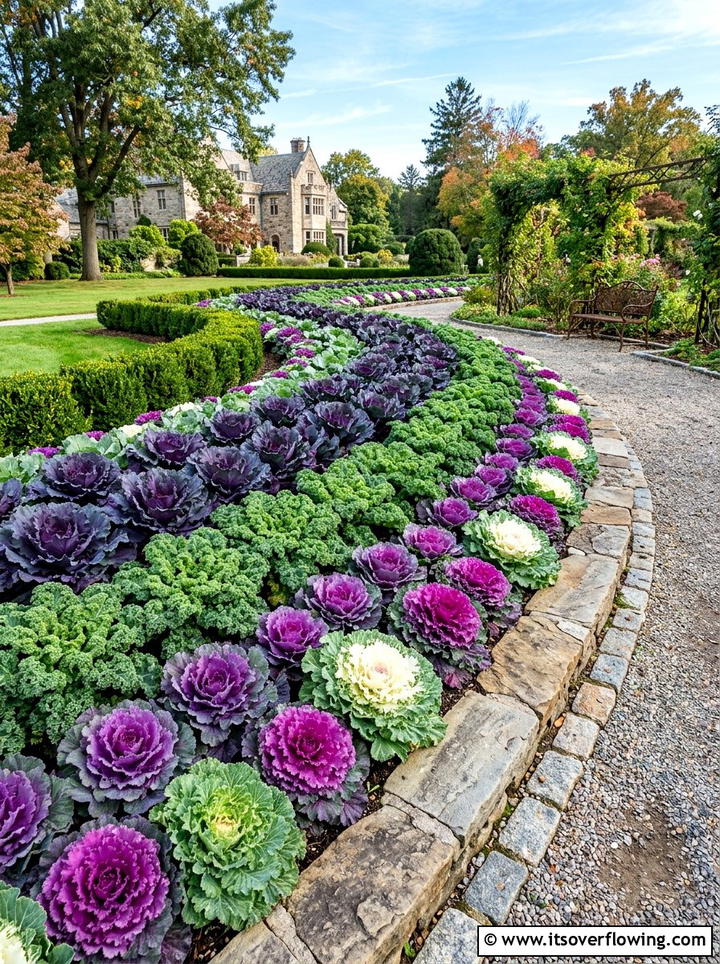
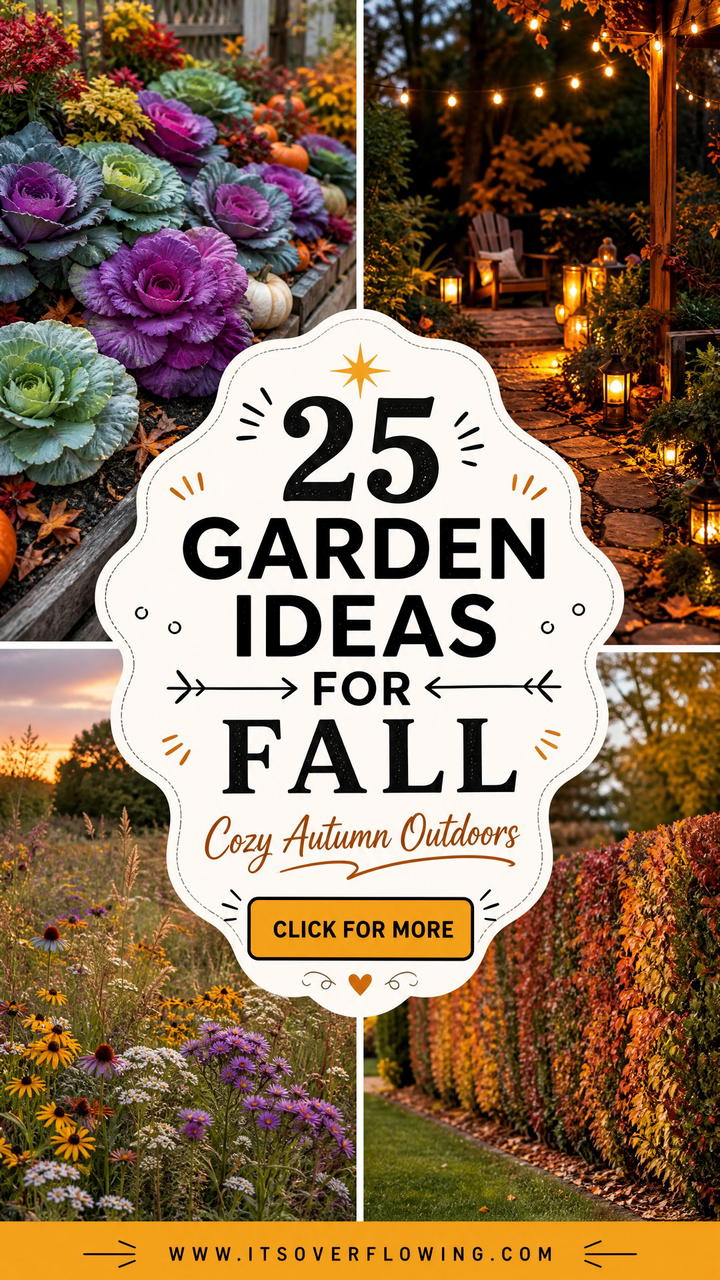
What if your garden could look stunning even after the first light frost hits your neighborhood? Ornamental cabbage and kale are the secret weapons of the fall gardener because their colors actually intensify as the temperatures drop. These plants offer incredible textures with their ruffled leaves and shades of pink, purple, and creamy white. They look best when planted in large groups or used as a border for your walkways. Because they are low-growing, they provide a sturdy ground cover that remains attractive well into the early winter months. Pair them with silver-leafed plants like dusty miller for a sophisticated and modern color palette.
5. Fall Garden Lighting
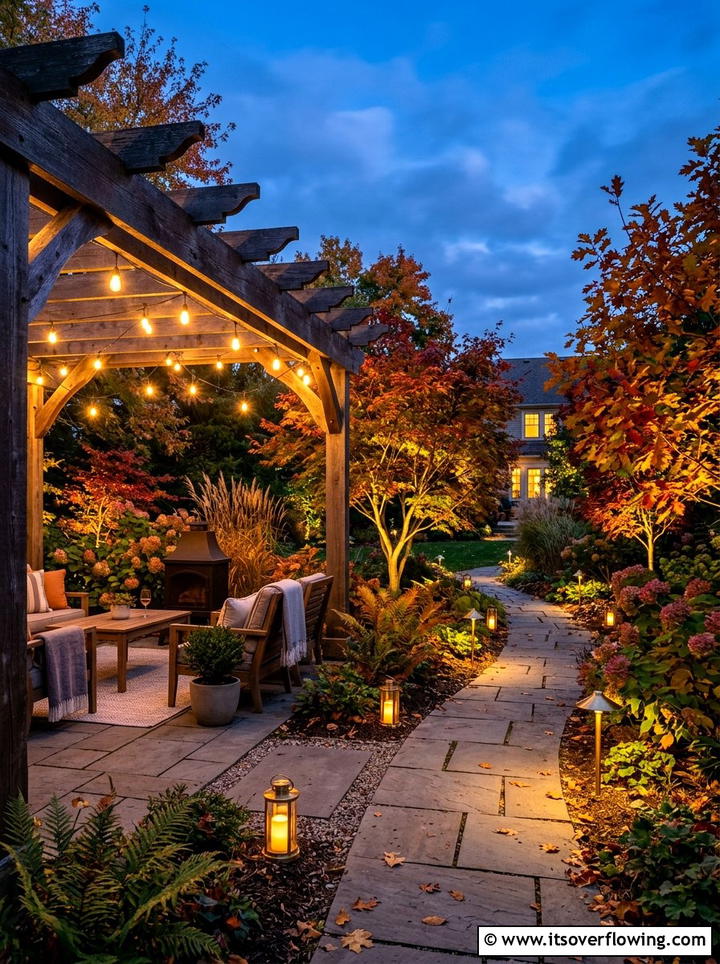
As the sun begins to set earlier each day, proper lighting becomes essential for enjoying your outdoor space safely. String lights draped across a pergola or hung between trees can create a whimsical and inviting glow in your garden. Path lights are also important for illuminating walkways and highlighting architectural features like stone walls or unique plants. You might consider using solar-powered options to save energy while still providing a soft and warm ambiance. Uplighting larger trees with golden-hued bulbs can showcase the changing colors of the leaves at night. This transformation ensures that your garden remains a functional and beautiful space after dark.
6. Front Porch Pumpkin Decor
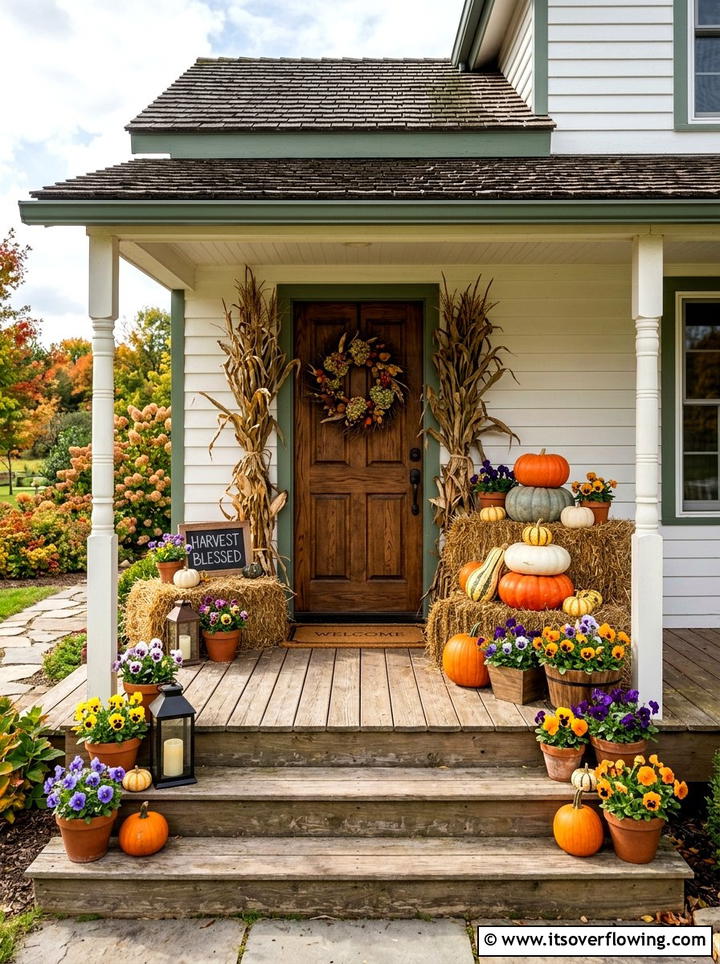
Are you looking for a classic way to welcome guests to your home this autumn season? A curated pumpkin display on your front porch is a timeless tradition that never goes out of style. Instead of just placing one or two pumpkins, try stacking different varieties like white heirloom gourds and orange carving pumpkins. You can also incorporate hay bales and corn stalks to add height and rustic texture to the overall arrangement. Mixing in some potted pansies or ornamental peppers can provide extra color and life to the scene. This layered approach creates a festive and abundant look that celebrates the harvest in a very stylish way.
7. Autumn Garden Seating Area
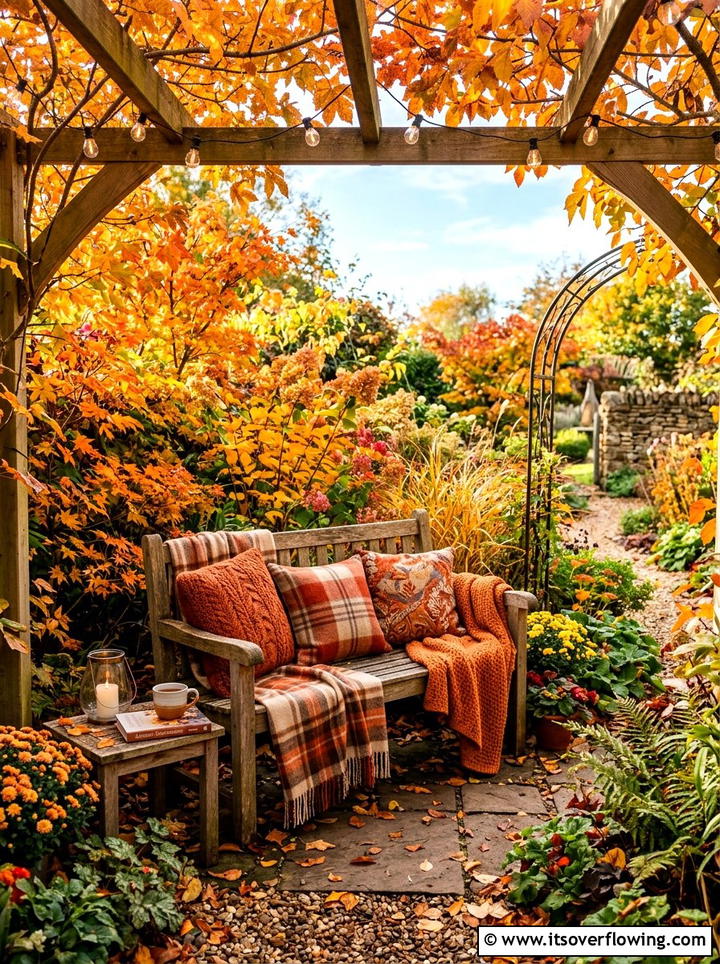
Creating a cozy spot to sit and enjoy the changing scenery is a vital part of fall garden design. You can repurpose an old wooden bench or set up a bistro set tucked away in a quiet corner. Adding weather-resistant cushions in warm tones like burnt orange or deep red will make the space feel much more inviting. Drape a thick wool throw over the back of a chair to provide warmth on those particularly brisk mornings. Surrounding the seating area with late-blooming shrubs provides a beautiful backdrop for reading or drinking tea. This simple addition transforms a forgotten corner into a peaceful retreat for relaxation.

8. Ornamental Grass Landscaping
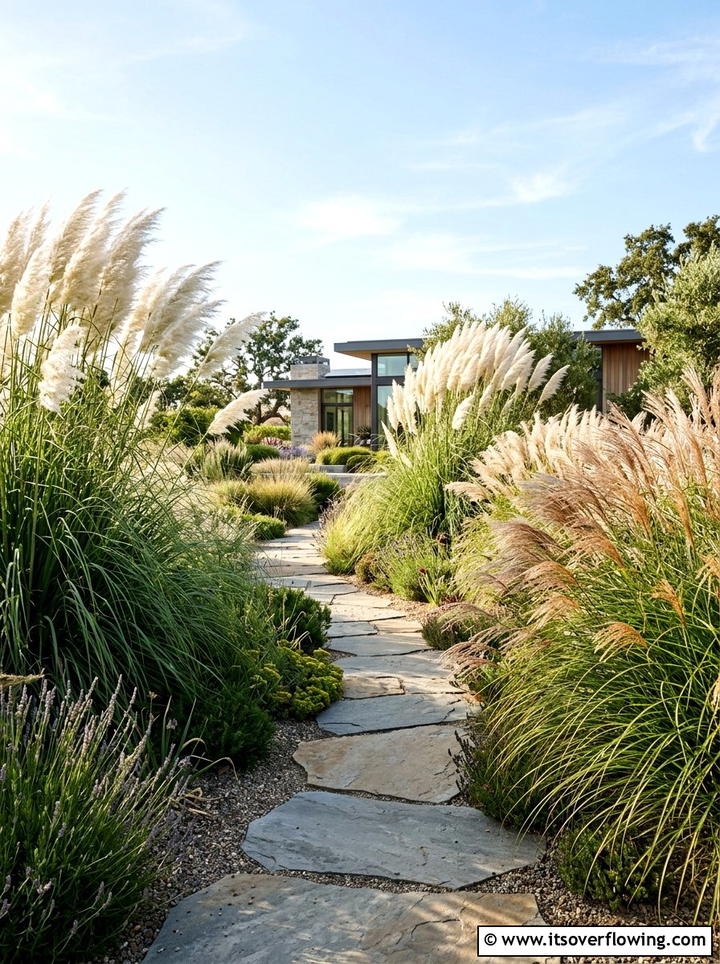
Why should you consider adding ornamental grasses to your landscape before the winter months arrive? These plants offer incredible movement and sound as they sway in the autumn breeze, adding a sensory layer to your garden. Varieties like fountain grass or switchgrass provide tall, feathery plumes that catch the golden afternoon light beautifully. They also maintain their structure even after they turn tan, providing visual interest throughout the dormant season. You can use them as a privacy screen or as a dramatic backdrop for lower-growing perennials. Their low-maintenance nature makes them a perfect choice for busy homeowners who want high-impact results with very little effort.
9. Fall Foliage Trees
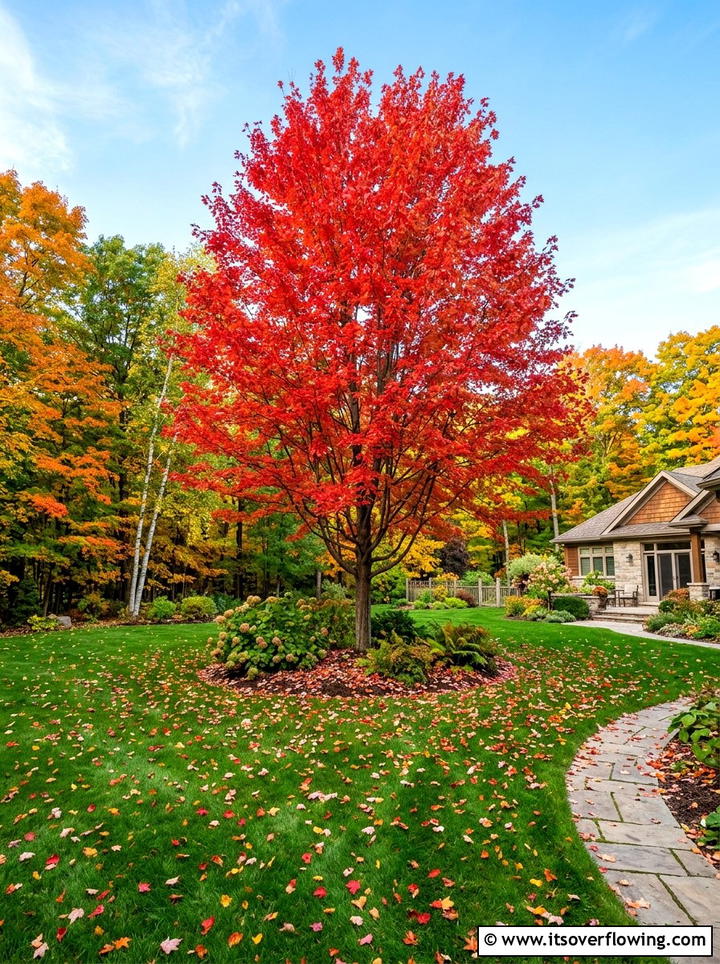
Selecting the right trees can turn your backyard into a spectacular show of red, orange, and gold every year. Maples, oaks, and dogwoods are famous for their brilliant fall transformations and sturdy growth habits. When planting these trees, consider their mature size and how their canopy will affect the light in the rest of your garden. A well-placed tree can provide shade in the summer and a breathtaking focal point during the autumn months. You should also think about the shape of the leaves and how they look when they finally carpet the ground. These trees are a long-term investment that increases the value and beauty of your property.
10. Autumn Vegetable Garden
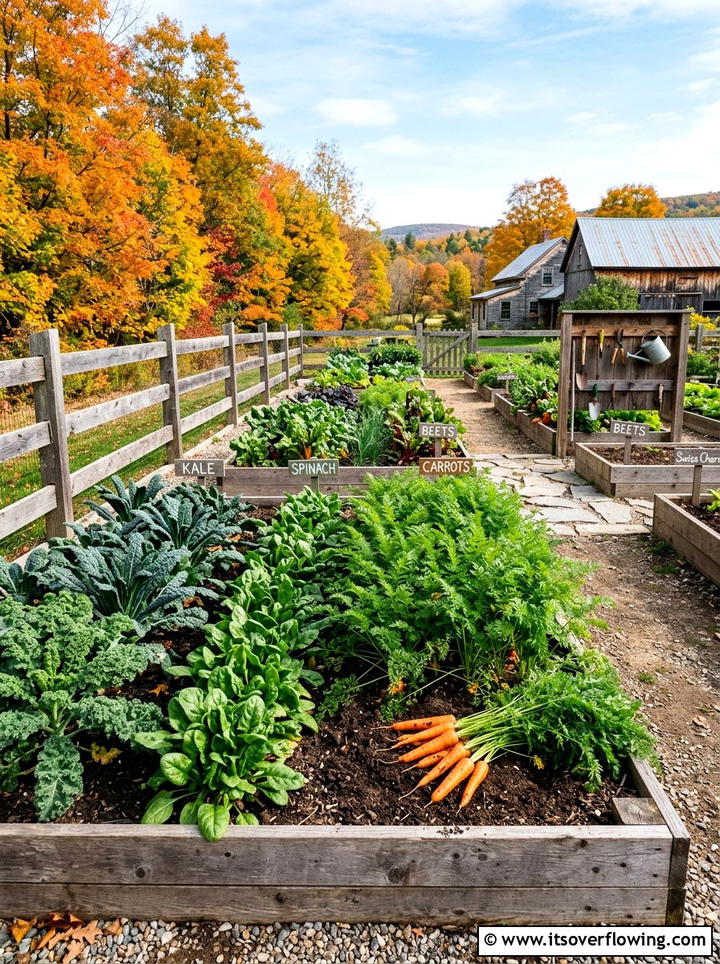
Did you know that many delicious vegetables actually prefer the cooler temperatures of the fall season? Planting a second harvest of greens like spinach, kale, and swiss chard can extend your growing season by several weeks. Root vegetables such as carrots and radishes also thrive when the soil is cool but not yet frozen. You can use row covers or cold frames to protect your tender crops from unexpected early frosts. This functional garden space provides fresh produce for your kitchen while keeping the garden productive and green. It is a rewarding way to stay connected to nature as the year winds down toward the winter.
11. Bird Friendly Garden
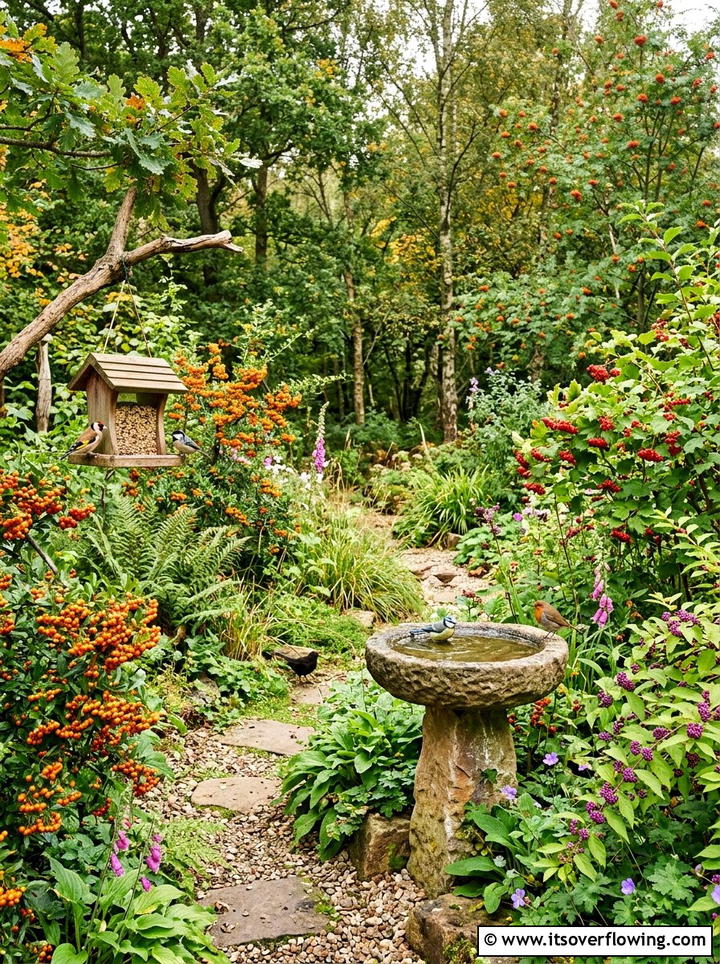
How can you help your local wildlife prepare for the upcoming cold weather while enjoying your garden? Creating a bird-friendly environment involves providing food sources and shelter through the fall and winter months. You can plant shrubs that produce berries, such as winterberry or beautyberry, which offer vital nutrients for migrating birds. Leaving some of your perennial seed heads standing instead of cutting them back provides a natural food source as well. Adding a clean birdbath and a few well-placed feeders will encourage a variety of species to visit your yard. This adds life and movement to your garden during the quieter months of the year.


12. Fall Garden Path
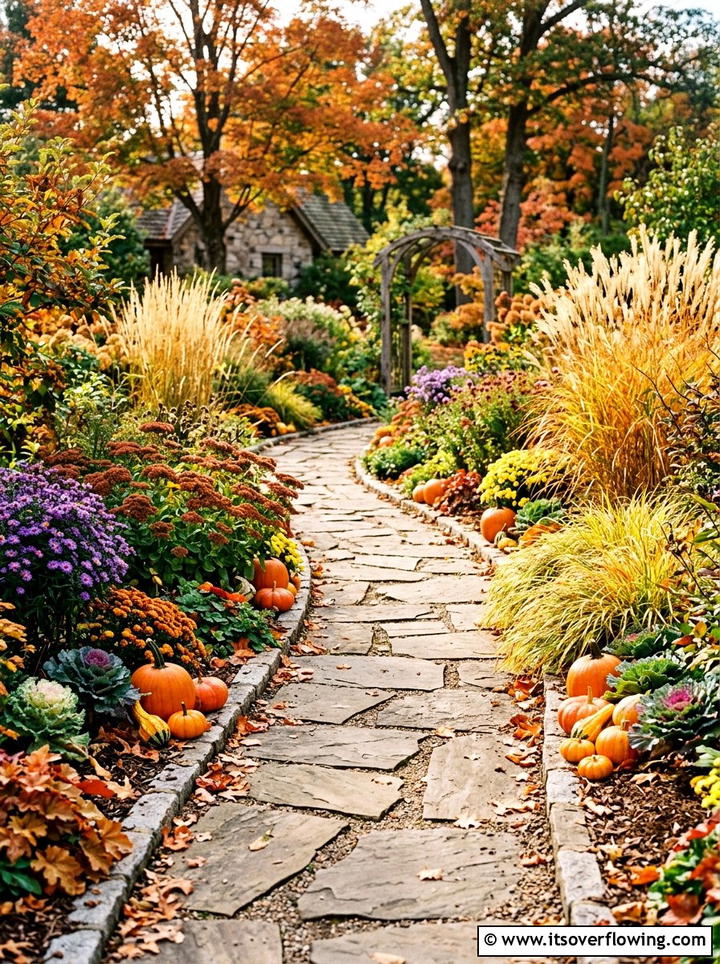
Walking through your garden should be an enjoyable experience regardless of the season or the weather outside. A well-defined path made of flagstone, gravel, or wood chips can guide visitors through your autumn landscape. You can line the edges of the path with small pumpkins or lanterns to create a magical atmosphere during the evening. Planting low-growing herbs like thyme along the edges releases a pleasant scent whenever someone brushes past them. A curving path creates a sense of mystery and encourages people to slow down and appreciate the details of your garden. This structural element ties the different areas of your yard together into a cohesive design.
13. Fall Pond Maintenance
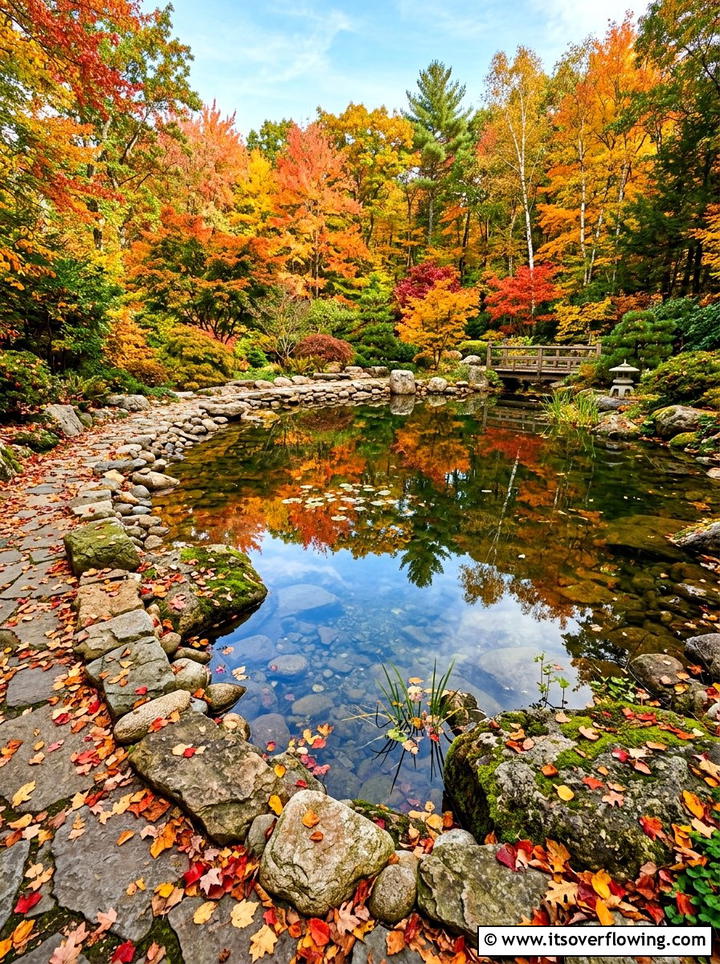
If you have a water feature, taking care of it during the autumn is crucial for its long-term health. Falling leaves can quickly clog pumps and create debris that harms fish if they are left to decay in the water. You can install a fine mesh net over the pond to catch leaves before they sink to the bottom. Trimming back aquatic plants and removing excess sludge will help maintain high water quality throughout the winter. If you live in a cold climate, ensure your pump is protected from freezing or install a de-icer. A clean and well-maintained pond remains a serene focal point even in the colder months.
14. Vertical Fall Garden
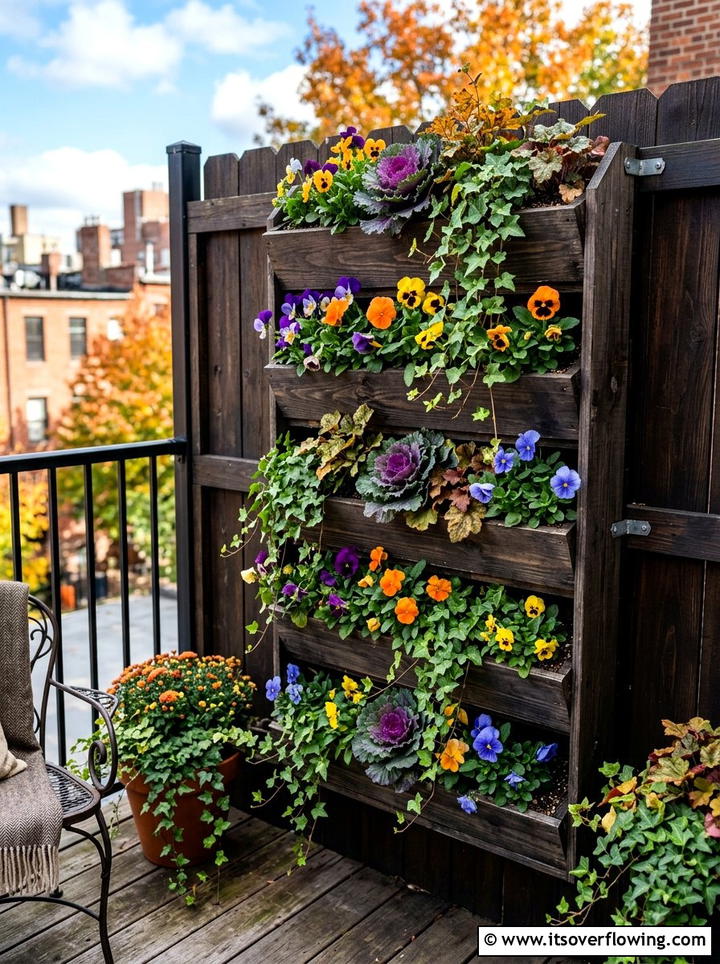
Vertical gardening is a brilliant solution for those with limited space who still want to embrace the fall season. You can use wall-mounted planters or repurposed wooden pallets to grow a variety of cool-season plants. Trailing ivy, violas, and small ornamental peppers work beautifully in a vertical arrangement. This approach draws the eye upward and adds a layer of greenery to fences or bare exterior walls. It is also an excellent way to create a living privacy screen for a patio or balcony area. By using vertical space, you can maximize your planting area and create a lush environment that feels very full and intentional.
15. Stone Wall Garden
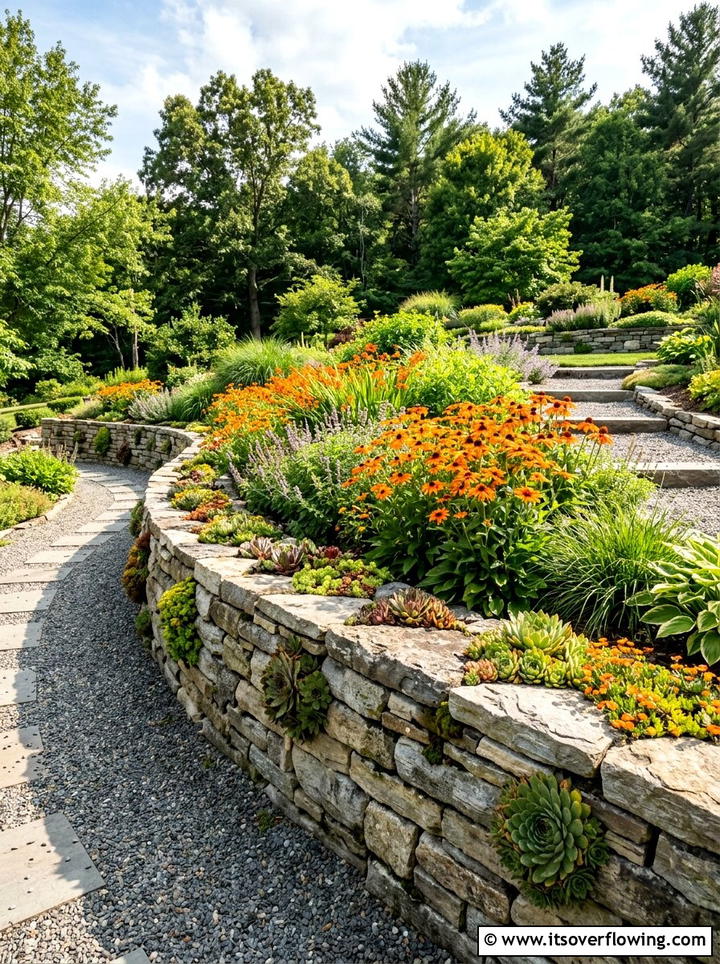
Stone walls provide a timeless and sturdy framework for any garden design, especially during the transition into autumn. They offer excellent drainage and can act as a heat sink, keeping the soil warmer for plants during cool nights. You can tuck small succulents or alpine plants into the crevices of a dry-stack stone wall for a natural look. In the fall, the neutral tones of the stone provide a perfect contrast to the vibrant colors of changing leaves. Adding a stone wall can also help level out a sloped yard, creating more usable planting space. This architectural feature adds structure and a sense of permanence to your outdoor landscape.

16. Fall Window Box
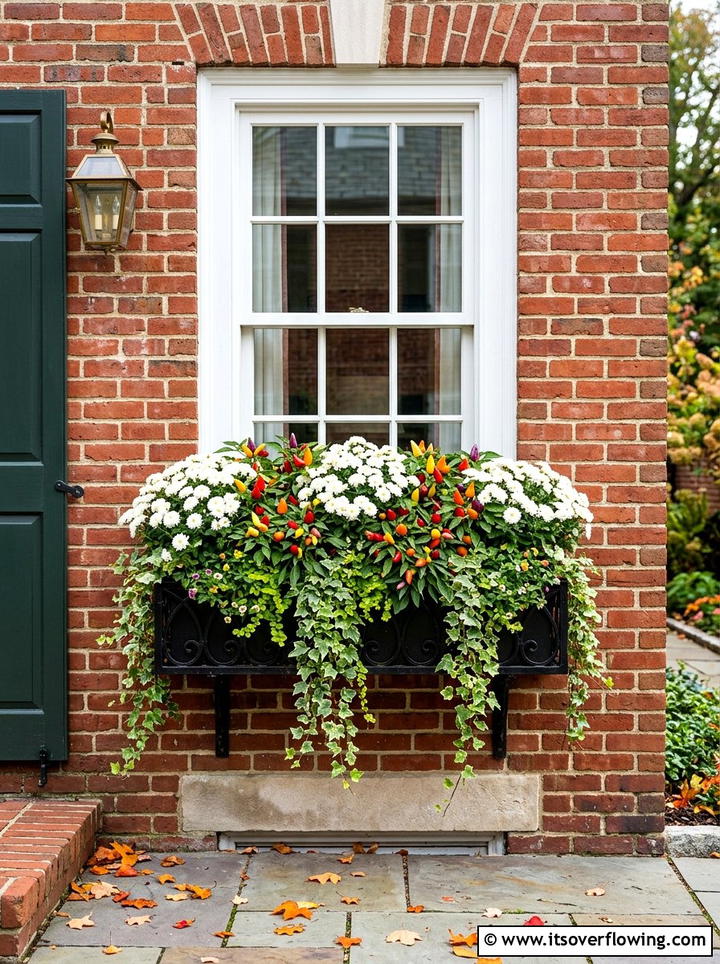
Window boxes are a wonderful way to bring a touch of the garden right up to your home. For a fall update, remove your tired summer petunias and replace them with a mix of textures and heights. Use tall grasses in the back, mounding pansies in the middle, and trailing ivy to spill over the front edges. You can also nestle small gourds or dried lotus pods into the arrangement for an extra seasonal touch. Choosing a color theme, such as all white or deep jewel tones, creates a sophisticated and curated look. These small gardens are easy to maintain and provide a cheerful view from both inside and out.
17. Garden Mulching For Winter
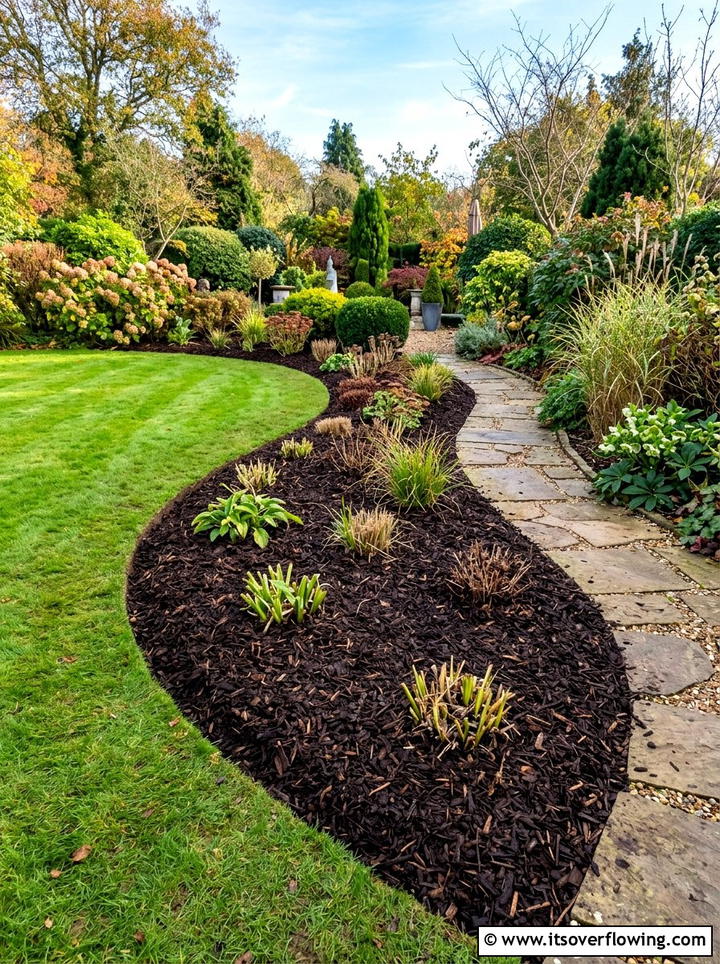
Applying a thick layer of mulch is one of the most beneficial things you can do for your garden. This simple task helps regulate soil temperature and protects the roots of your plants from the freeze-thaw cycle. You can use shredded leaves, wood chips, or straw, depending on the specific needs of your garden beds. Mulching also helps retain moisture in the soil, which is important because plants can still get dehydrated during dry winter spells. It gives your garden a clean, finished appearance that looks tidy throughout the dormant months. Taking the time to mulch now will save you a lot of work when spring finally arrives.
18. Late Season Pollinator Garden
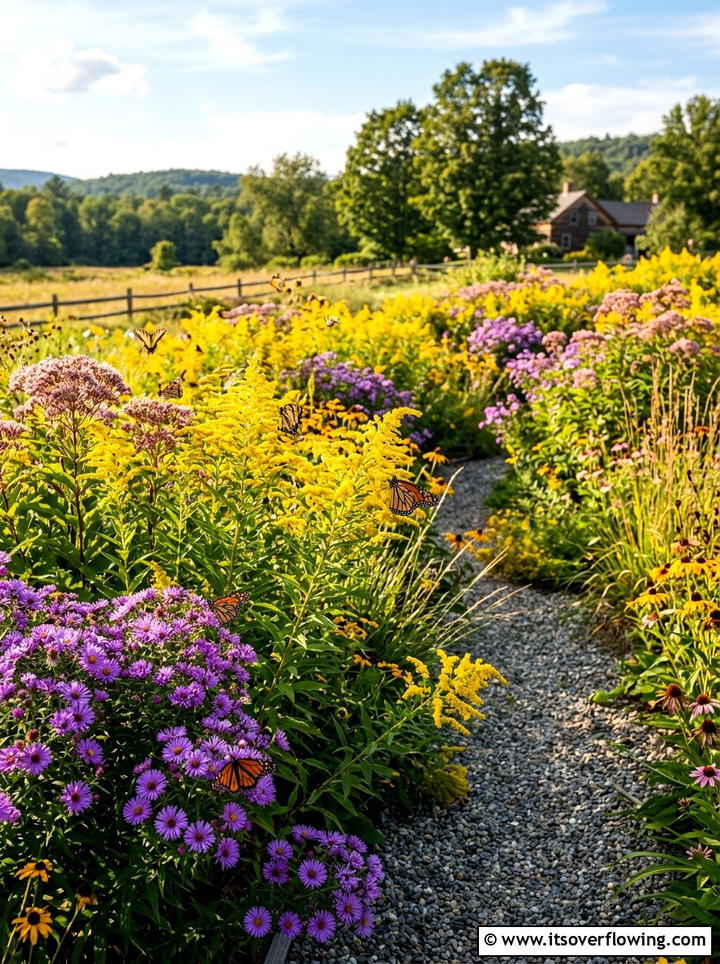
Do you want to support bees and butterflies as they make their final rounds before the winter starts? A late-season pollinator garden focuses on plants that bloom in September and October when other food sources are scarce. Goldenrod and Joe Pye weed are excellent native options that provide plenty of nectar for hungry insects. These plants often have a wild, cottage-garden aesthetic that looks beautiful when paired with more formal landscape elements. By providing these essential resources, you are contributing to the local ecosystem while enjoying the sight of active wildlife. This thoughtful approach to gardening makes your outdoor space more meaningful and environmentally friendly.
19. Hardy Succulent Garden
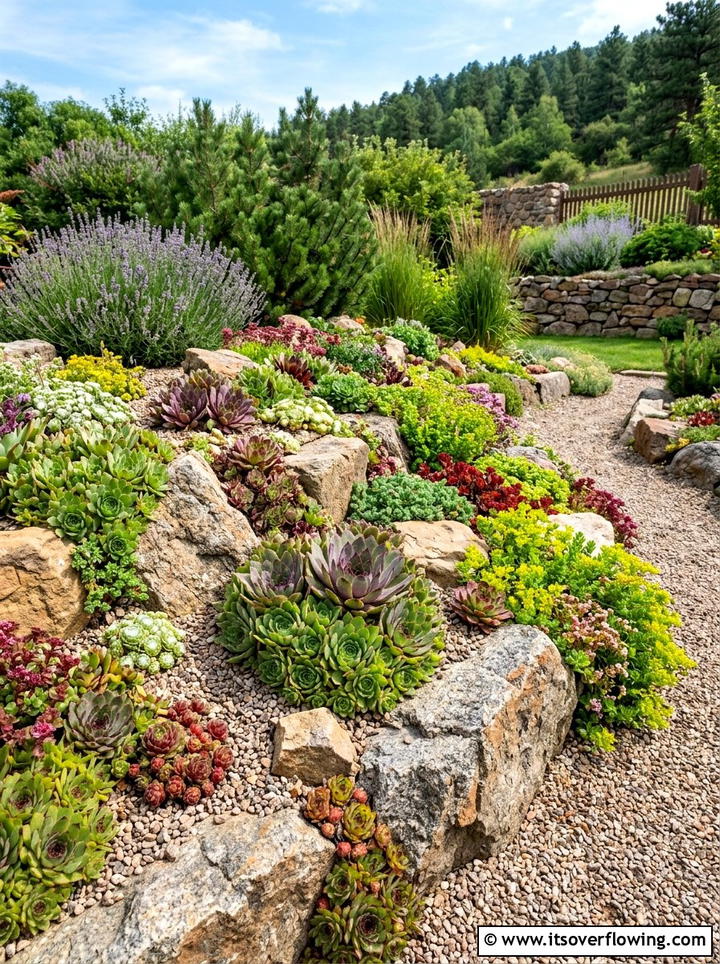
Many people assume that succulents are only for warm climates, but there are many hardy varieties that love the fall. Sempervivum, also known as hens and chicks, can withstand very cold temperatures and even a light dusting of snow. These plants offer fascinating geometric shapes and colors that range from blue-green to deep mahogany. Planting them in a rock garden or a shallow stone trough creates a low-maintenance display that stays green all year. They require very little water once established, making them ideal for areas with dry autumn weather. Their unique appearance adds a modern and structural element to your overall garden design scheme.
20. Fall Wildflower Meadow
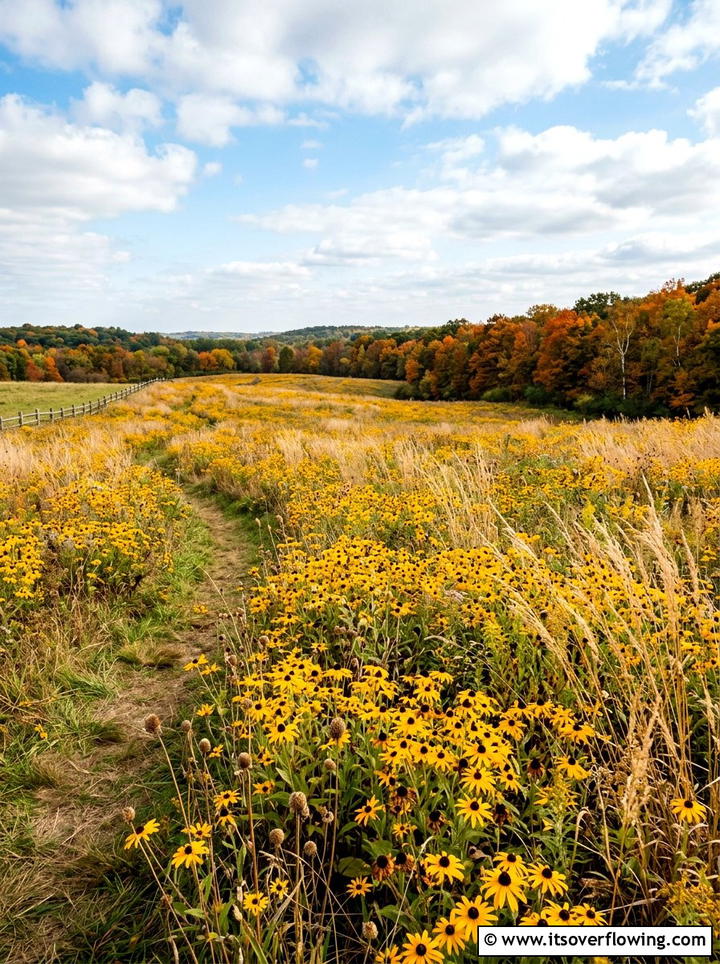
Imagine a field of swaying wildflowers right in your own backyard, filled with the colors of the setting sun. Sowing a wildflower mix specifically designed for fall planting allows seeds to go through a natural stratification process over the winter. This often leads to stronger and more abundant blooms when the weather warms up in the spring. During the fall, the spent stalks and seed heads provide a rustic and natural look that fits the season perfectly. This type of garden requires very little mowing or fertilizing, making it an eco-friendly choice for larger properties. It creates a habitat for beneficial insects while providing a constantly changing visual landscape.
21. Cozy Fall Patio
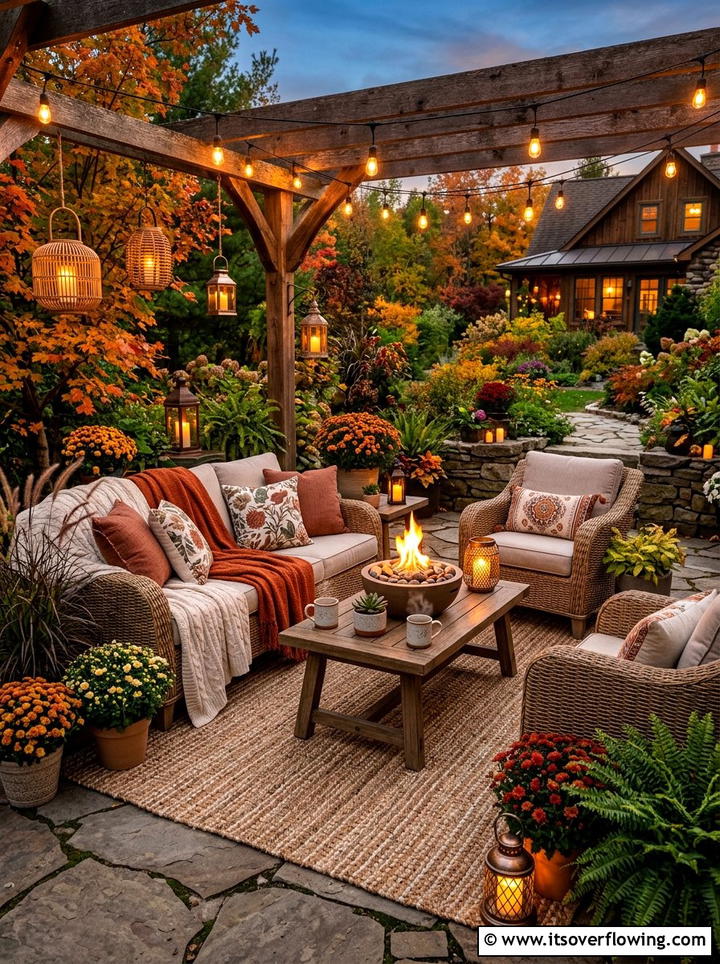
Your patio should be a place where you can linger and enjoy the fresh air even as the temperature drops. Adding an outdoor rug can make the space feel like a real room and provide a soft surface for your feet. Consider installing a patio heater or a tabletop fire bowl to provide a source of warmth for evening gatherings. Using outdoor-safe lanterns with battery-operated candles creates a flickering, romantic light without the worry of an open flame. Decorating with wooden crates and woven baskets adds to the cozy, harvest-inspired aesthetic. This setup encourages you to spend more time outdoors, making the most of the beautiful autumn weather.
22. Privacy Hedge For Fall
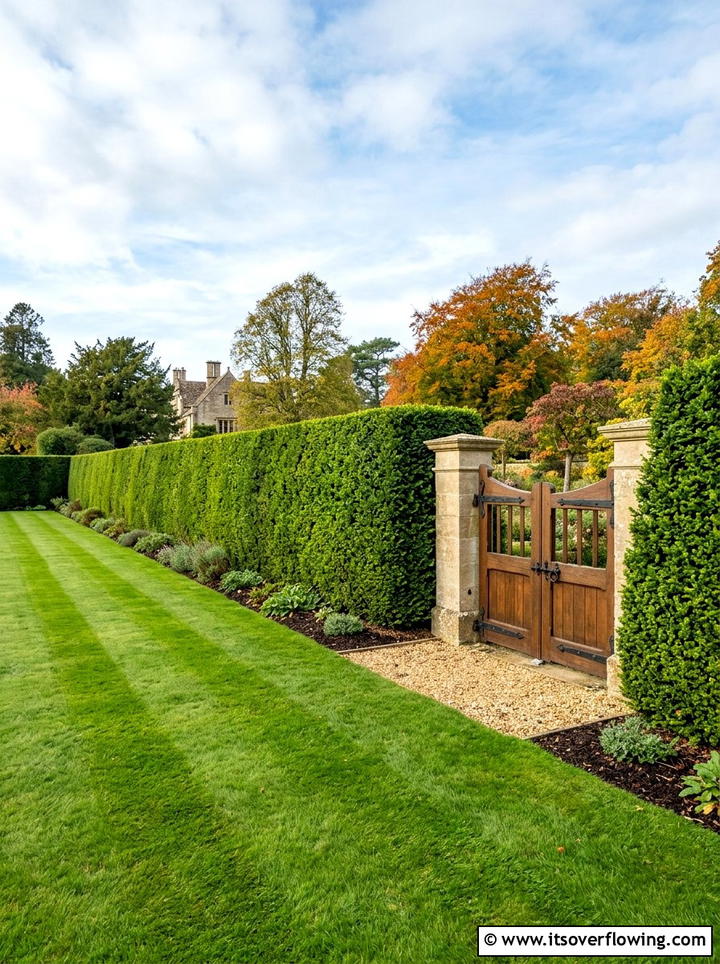
A well-maintained hedge provides a green backdrop that keeps your garden feeling private and secluded throughout the entire year. Evergreens like boxwood or arborvitae are popular choices because they keep their foliage even in the middle of winter. In the fall, these dark green walls provide a stunning contrast to the bright oranges and reds of nearby deciduous trees. You can trim your hedges into formal shapes for a traditional look or let them grow naturally for a more relaxed feel. They also act as a windbreak, protecting more delicate plants and making your outdoor seating areas feel much warmer and more comfortable.
23. Fall Garden Gate Decor
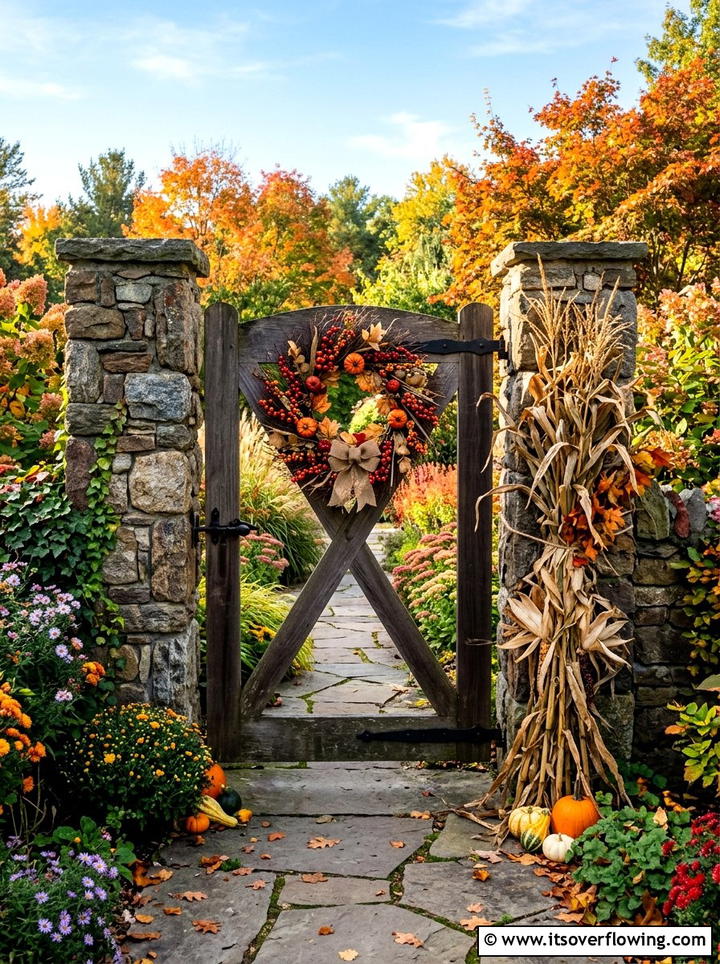
The entrance to your garden is the first thing people see, so why not make it extra special for fall? Hanging a wreath made of dried grapevine, colorful leaves, and mini pumpkins on your gate creates an instant focal point. You can also place tall corn stalks on either side of the entrance to frame the opening and add height. If your gate is made of metal, winding a garland of artificial or real berries through the bars adds a pop of color. This decorative touch makes the transition from the street to your private sanctuary feel intentional and welcoming. It sets the tone for the rest of your beautiful landscape.
24. Fall Raised Bed Gardening
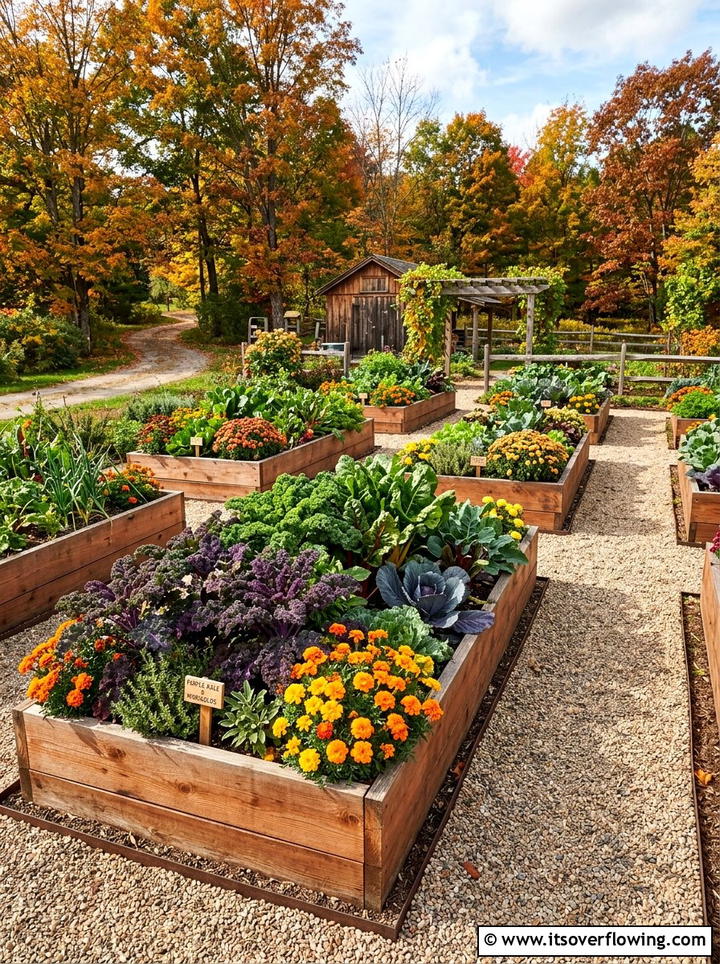
Raised beds are an excellent way to keep your garden organized and easy to manage during the busy fall season. The soil in raised beds warms up faster in the spring and stays workable longer in the autumn than the ground. You can fill your beds with a mix of decorative kale, colorful chard, and late-season flowers for a functional yet beautiful display. Installing a simple hoop house over the bed can protect your plants from frost, allowing you to harvest fresh greens well into November. This method of gardening is also easier on your back, as it reduces the amount of bending and kneeling required for maintenance.
25. Fall Greenhouse Gardening
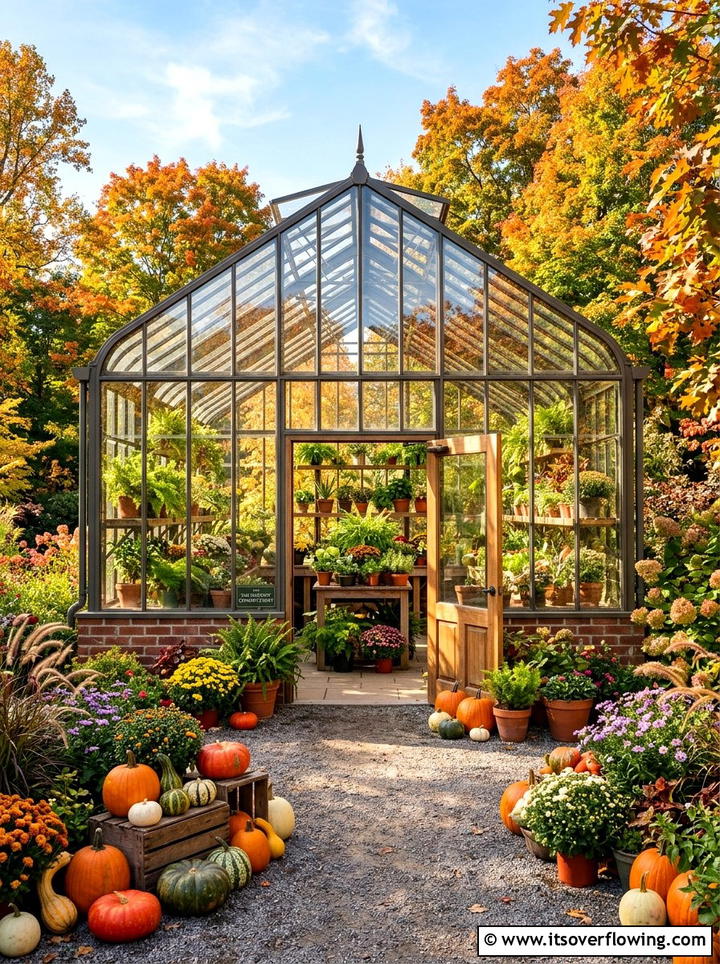
A greenhouse allows you to defy the seasons and keep your hands in the dirt even when it is chilly outside. During the fall, you can use this space to start seeds for winter crops or to protect delicate potted plants from the frost. It also serves as a peaceful sanctuary where you can enjoy the sunlight on a cool day without feeling the wind. You can decorate the interior with shelving, terracotta pots, and a small chair for a cozy potting station look. A well-organized greenhouse is both a practical tool for a serious gardener and a beautiful architectural feature for any backyard landscape.
Conclusion:
Embracing the fall season in your garden allows you to experience the natural cycle of growth and rest in a beautiful way. By incorporating a variety of textures, from soft ornamental grasses to rugged stone walls, you create a space that feels balanced and complete. Whether you are planting a vibrant flower bed or setting up a cozy fire pit for evening gatherings, each choice adds a layer of warmth to your home. Fall gardening is a rewarding practice that rewards patience and rewards the senses with rich colors and crisp scents. We hope these ideas inspire you to step outside and create an autumn landscape that you will cherish all season long.

Related posts:
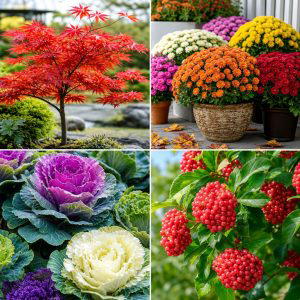 25 Creative Garden Ideas for Fall Color: Vibrant Seasonal Tips
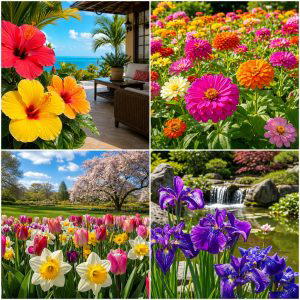 25 Garden Design Ideas With Seasonal Flowers for Year-Round Color
 25 Garden Ideas With Fire Pit for Cozy Outdoor Nights
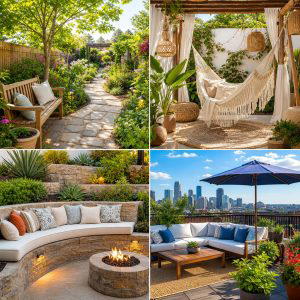 25 Garden Ideas With Seating for a Cozy Outdoor Retreat
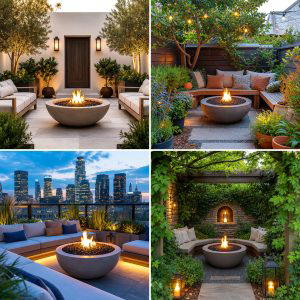 25 Small Garden Ideas With Fire Bowl for Cozy Outdoor Nights
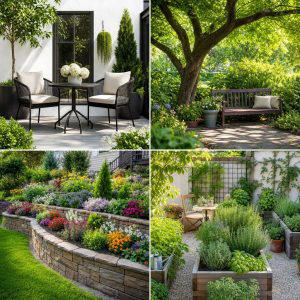 25 small garden ideas with reading nook for Cozy Outdoor Escapes
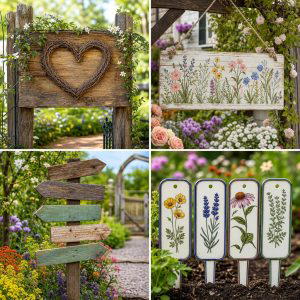 25 garden ideas with garden signs for Charming Outdoor Decor
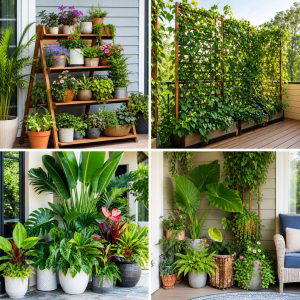 25 Creative Garden Ideas for Porches: Cozy Entryway Tips
 25 Creative Garden Ideas With Seating Nooks for Cozy Corners
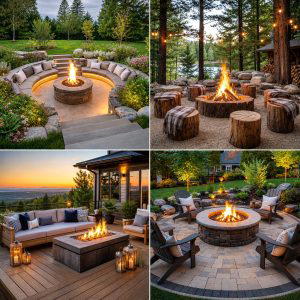 25 Garden Design Ideas for Fire Pit Corners for Cozy Nights
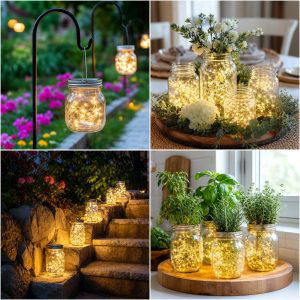 25 garden ideas with mason jar lanterns for Cozy Nights
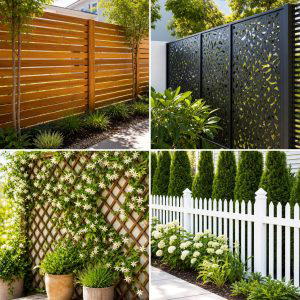 25 small garden ideas with privacy screens for Cozy Seclusion