
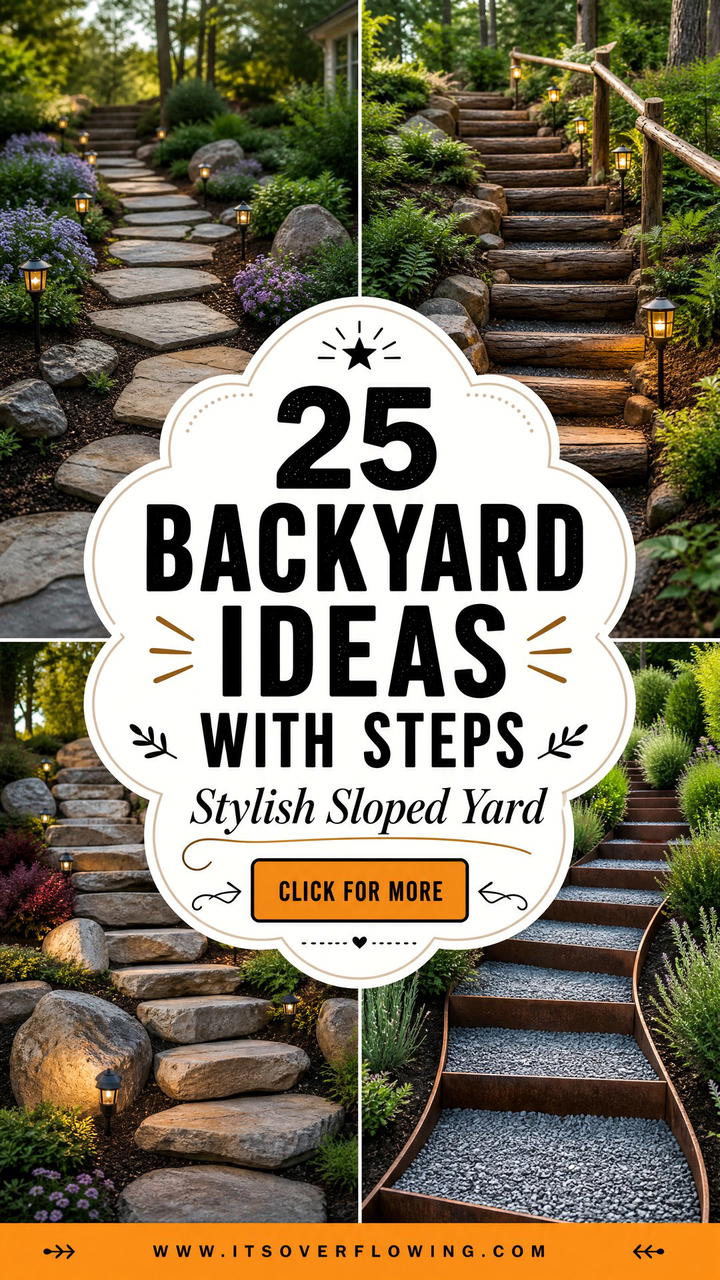
Transforming a sloped or multi-level outdoor space starts with understanding how to bridge different elevations using functional and beautiful transitions. Backyards often present challenges with uneven terrain, but these changes in height are actually opportunities to create visual interest and distinct zones for relaxation. By incorporating thoughtfully designed steps, you can guide guests through lush gardens, connect a high deck to a lower patio, or create a grand entrance to a hidden fire pit. Whether you prefer the organic look of natural stone or the sleek lines of modern concrete, the right stairway anchors your entire landscape design. These structural elements serve as the backbone of a well-organized and inviting outdoor living area for your family.
1. Flagstone Garden Path
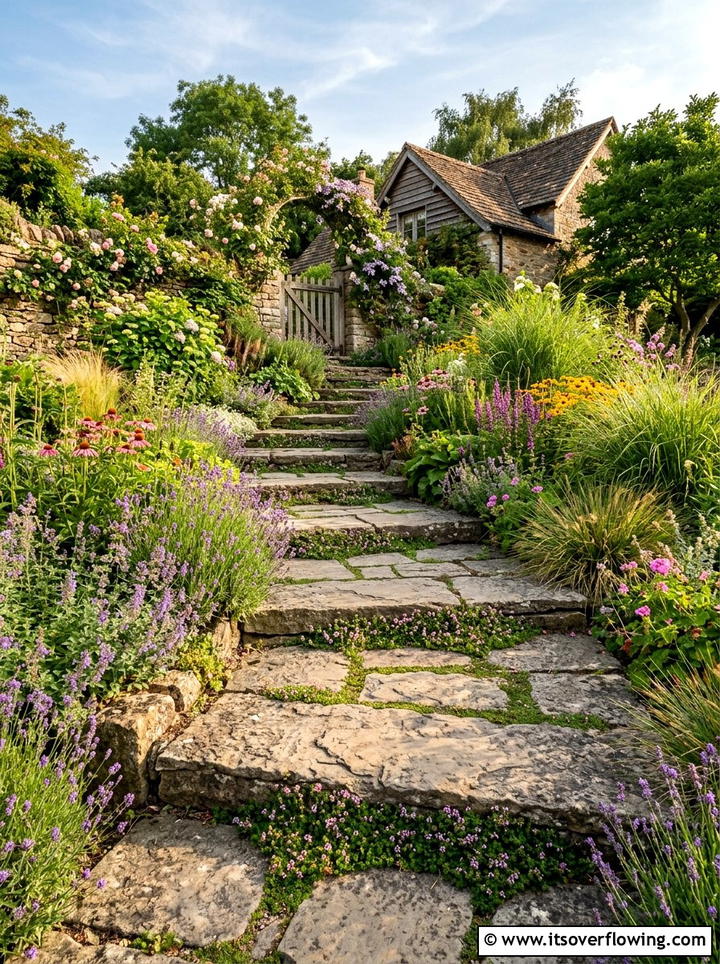
Flagstone remains a top choice for homeowners who want an organic and timeless look in their outdoor landscape. These natural stone pieces vary in shape and size, allowing for a custom layout that follows the natural curves of your yard. When used as steps, flagstone provides a wide and sturdy surface that blends seamlessly with surrounding perennial flowers and ornamental grasses. You can fill the gaps between the stones with pea gravel or low-growing groundcover like creeping thyme to soften the edges. This design works perfectly for connecting a traditional patio to a lower lawn area while maintaining a relaxed and cottage-style atmosphere that feels established and very welcoming.
2. Concrete Floating Staircase
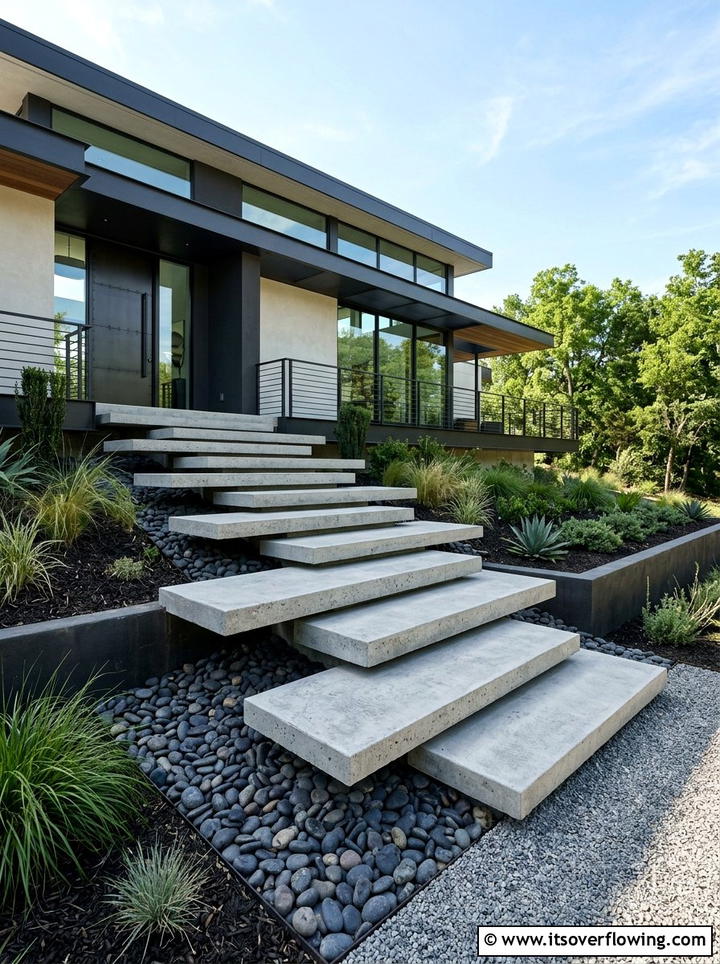
Modern architecture often utilizes clean lines and geometric shapes to create a sense of weightlessness and sophistication in the yard. A concrete floating staircase features thick, rectangular slabs that appear to hover over one another or above a bed of dark river rocks. This look is achieved by using a hidden central stringer or inset supports that remain out of sight. The result is a minimalist aesthetic that pairs beautifully with contemporary homes and drought-tolerant landscaping. Adding built-in strip lighting under each tread enhances the floating effect at night, providing both safety and a dramatic visual focal point that emphasizes the architectural layout of your modern outdoor living space.
3. Timber And Gravel Walkway
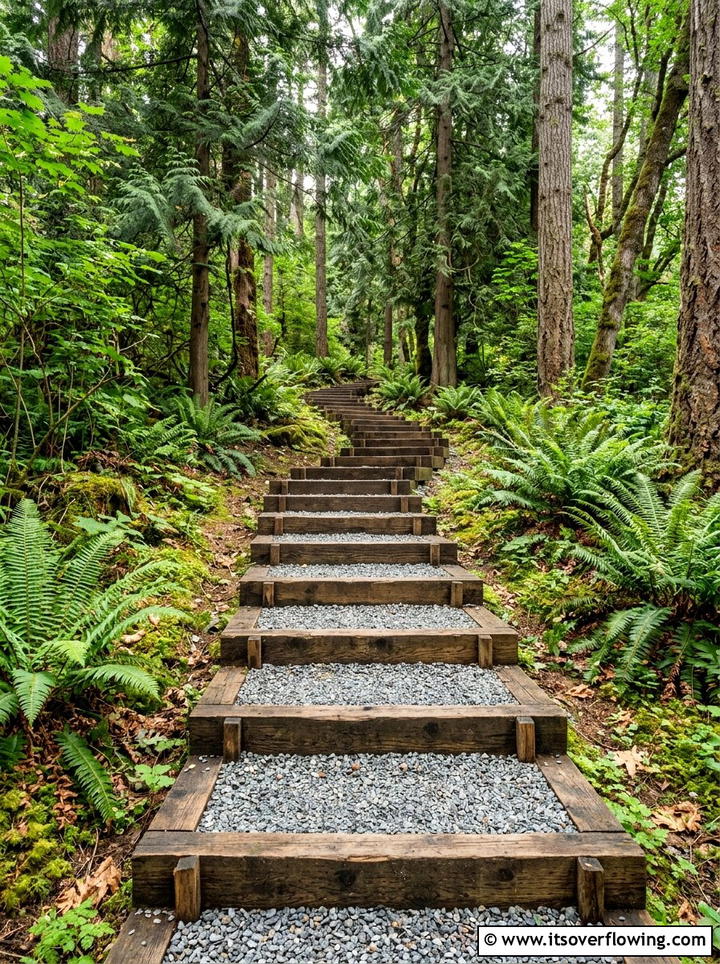
If you are looking for a budget-friendly and rustic way to navigate a gentle slope, timber and gravel steps are an excellent solution. This design uses heavy pressure-treated wood beams or reclaimed railway ties to create the frame for each step riser. The interior of the step is then filled with compacted crushed stone or decorative pea gravel to provide a level walking surface. This style is particularly effective in wooded areas or naturalistic gardens where a formal stone staircase might feel out of place. The combination of wood textures and small stones creates a tactile experience that complements native plants, ferns, and large shade trees quite beautifully.
4. Natural Stone Slab Steps
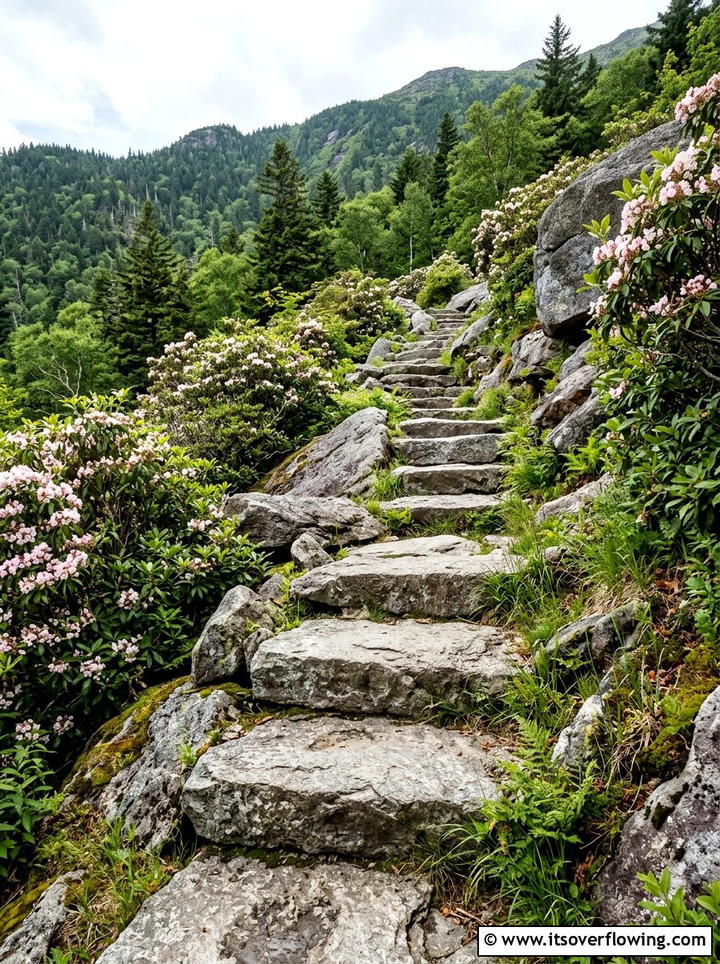
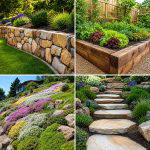
Large, rugged stone slabs offer a sense of permanence and grandeur that few other materials can match in a backyard setting. These massive pieces of rock, often granite or limestone, are heavy enough to stay in place without complex mortar or footings. Because each slab has its own unique texture and weathered color, no two staircases will ever look exactly the same. This design is ideal for steep hillsides where you want to create a mountain-inspired or rugged landscape. Surrounding the slabs with large boulders and mountain laurels helps to integrate the staircase into the earth, making it look as though it has been there for centuries.
5. Red Brick Outdoor Stairway
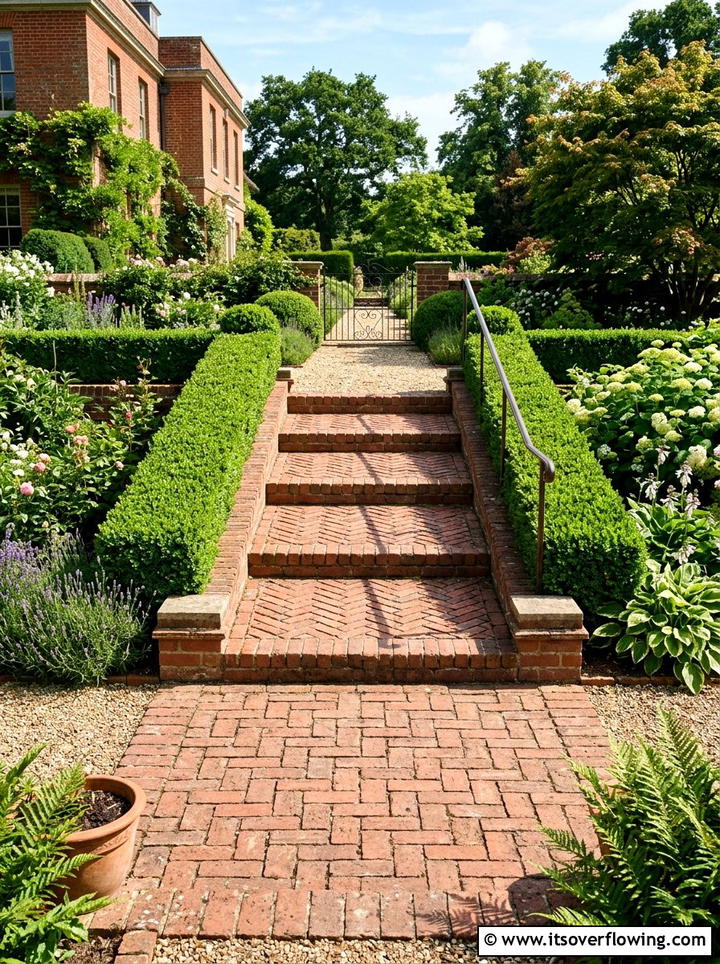
Red brick offers a classic and traditional feel that complements Georgian, Colonial, or craftsman-style homes perfectly. Using brick for backyard steps allows for intricate patterns, such as herringbone or basketweave, on the landing surfaces. The warm red and orange tones of the clay provide a beautiful contrast against deep green boxwood hedges and colorful seasonal blooms. Bricks are also incredibly durable and can be laid in a variety of ways to create curved or straight transitions between different garden levels. This type of stairway often feels formal and structured, providing a clear and elegant path from a brick-paved patio down to a manicured lawn or rose garden.
6. Illuminated Deck Stairs
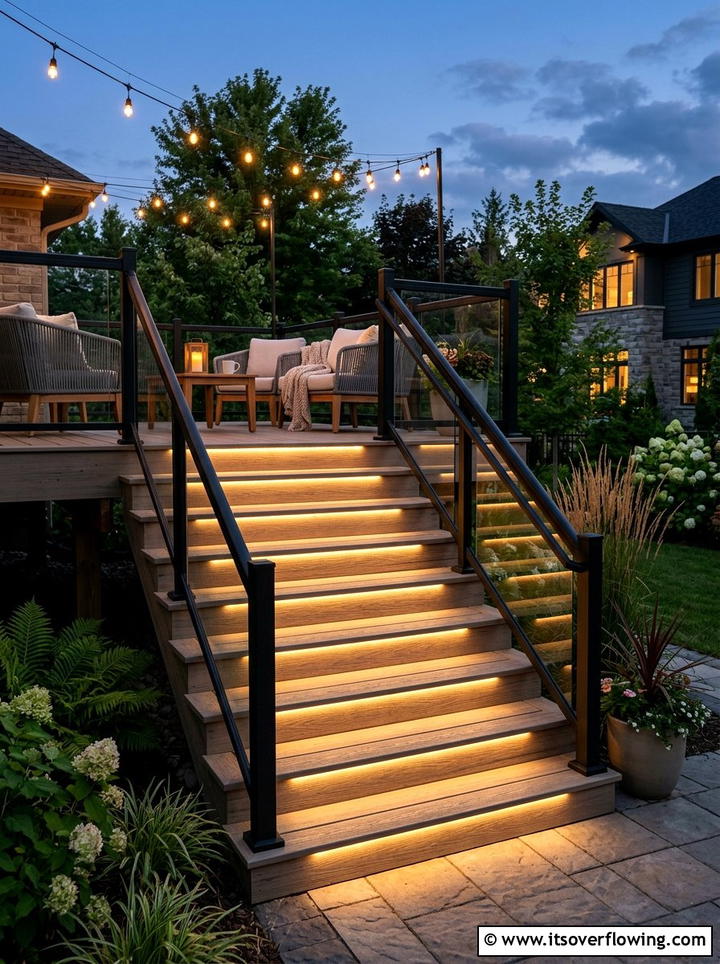
Transitioning from a raised wooden deck to the ground level requires a safe and sturdy set of stairs that integrates with the deck’s overall design. By using the same wood or composite material for the steps as the main flooring, you create a cohesive and unified look. The key to making these steps stand out is the addition of integrated riser lights or post-cap lighting. These small fixtures provide a soft glow that ensures every step is visible after dark without overpowering the ambiance of the backyard. This setup is perfect for evening entertaining, allowing guests to move freely between the elevated dining area and the lower seating zone.
7. Curved Retaining Wall Steps
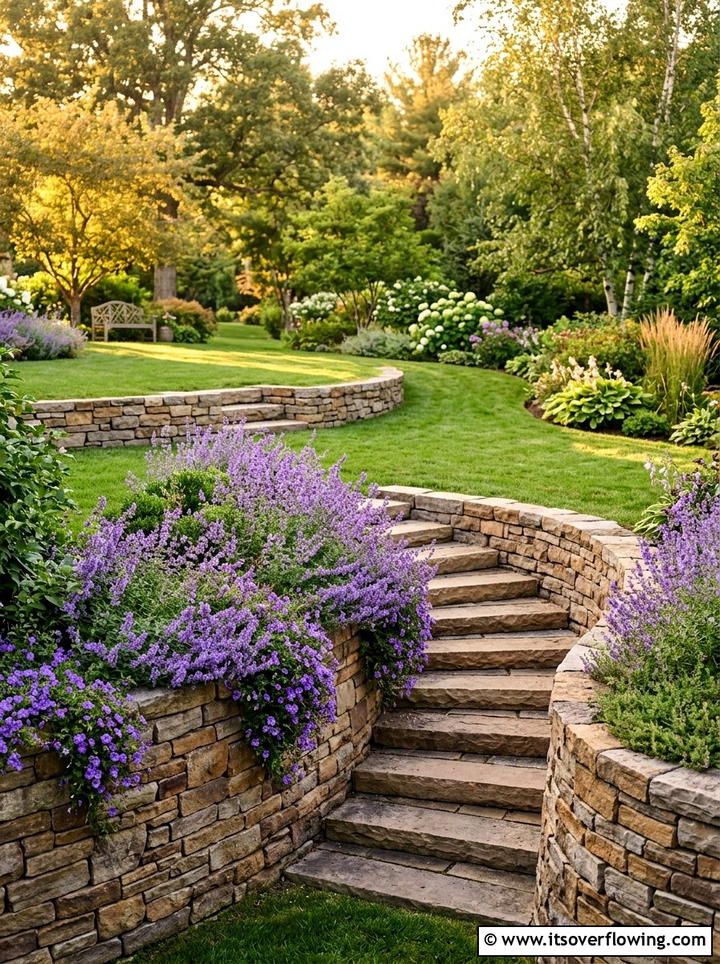
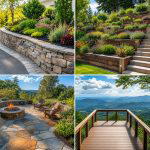
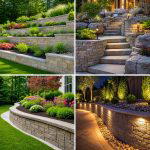
When a backyard requires a retaining wall to manage soil erosion or create level tiers, the steps should be built directly into the wall structure. Using curved blocks or natural stones to create a winding staircase adds a sense of flow and movement to the landscape. Instead of a harsh straight line, a gentle curve invites people to explore the different levels of the garden at a slower pace. You can plant cascading flowers like trailing lobelia or creeping phlox along the edges of the steps to create a “living” staircase. This design effectively breaks up large expanses of wall and transforms a functional necessity into a gorgeous feature.
8. Modern Steel Garden Steps
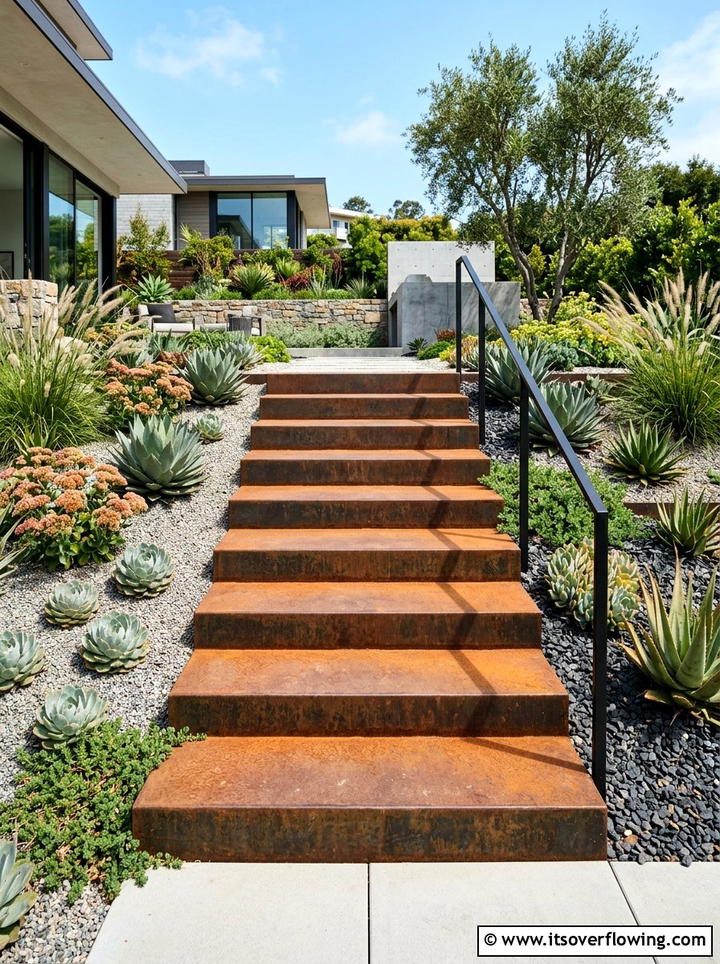
For a truly unique and industrial-inspired look, steel garden steps offer incredible durability and a very thin profile. Corten steel is a popular choice because it develops a protective layer of rust over time, resulting in a rich orange-brown patina that looks stunning against green foliage. These metal steps are often used to create sharp, crisp edges in a contemporary landscape. They can be installed as individual treads that cut directly into a grassy slope or as part of a larger terraced system. The contrast between the cold, hard metal and the soft, organic plants creates a striking visual balance that is common in high-end modern garden designs.
9. Grass And Paver Steps
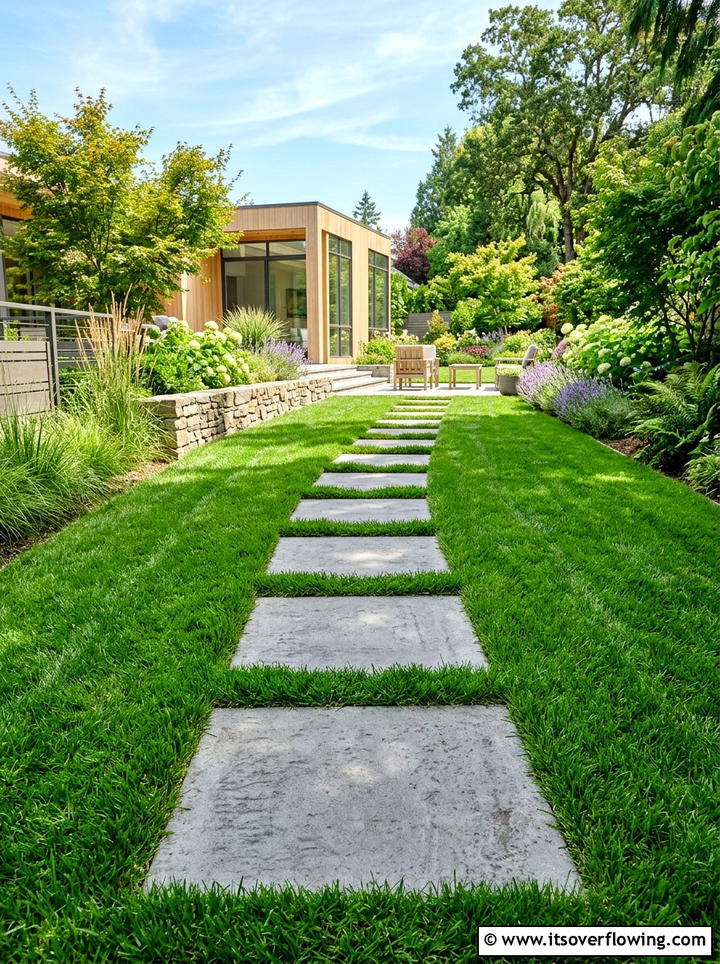
Integrating nature directly into your walkway is easy when you combine large concrete pavers with lush green turf. This design involves spacing out oversized square or rectangular pavers and allowing grass to grow in the gaps between them. It creates a very soft and airy look that prevents the backyard from feeling too dominated by hardscaping. These steps are perfect for wide, shallow slopes where you want a transition that feels like part of the lawn. The green ribbons of grass act as a natural frame for each step, making the entire staircase look like a checkerboard pattern that leads you toward a pool or a garden shed.
10. Rustic Log Stairway
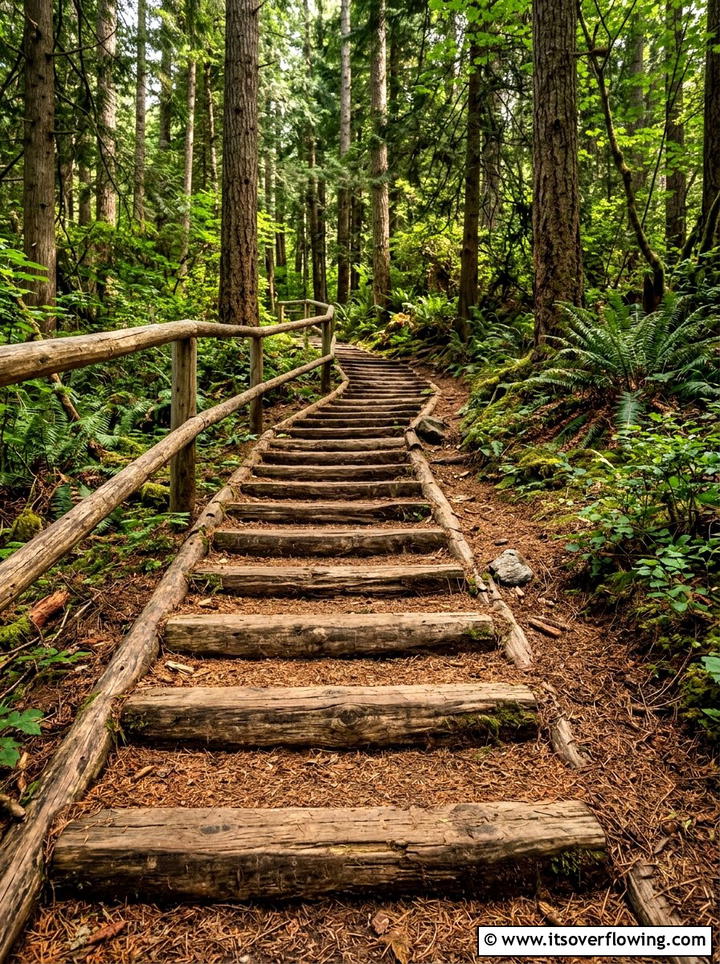
In a backyard with a forest or woodland theme, using halved logs as steps provides a charming and eco-friendly way to handle elevation changes. Each step is made by securing a thick log segment into the ground with wooden stakes or rebar. The flat side faces up to provide a stable treading surface. This style looks best when the path is lined with mulch, pine needles, or moss. It is a wonderful choice for creating a secret path that leads to a hidden bench or a children’s play area. The natural bark and wood grain add a tactile, earthy element that makes the backyard feel like a peaceful retreat.
11. Terraced Vegetable Garden Steps
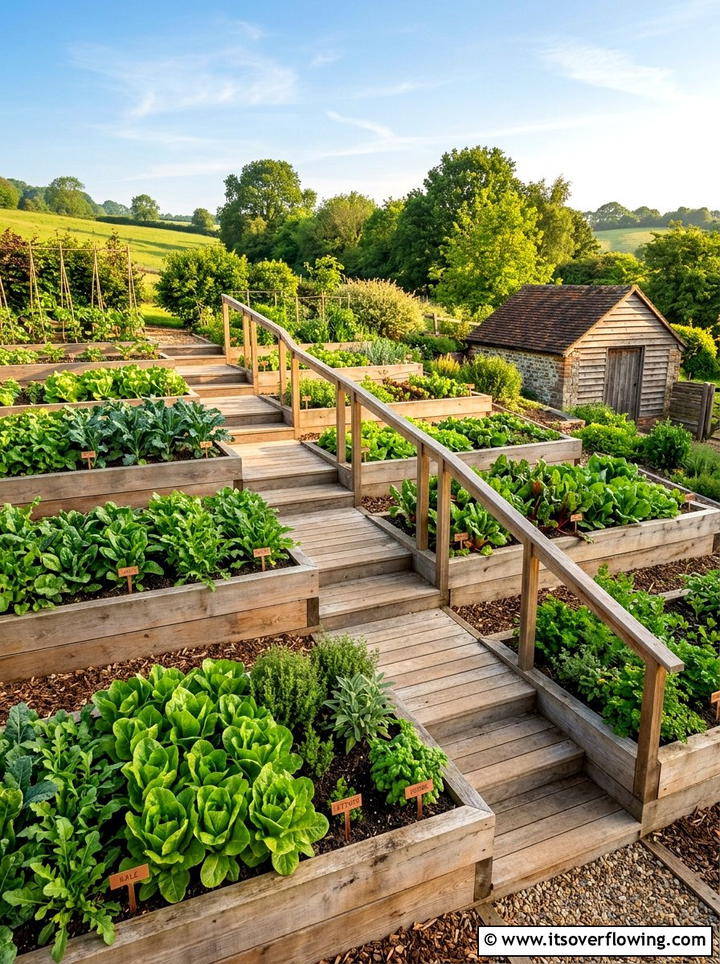
If you use your backyard for growing food, integrating steps into your terraced garden beds is both practical and visually appealing. By building wide wooden or stone steps between raised planter boxes, you ensure easy access for watering and harvesting your vegetables. This design turns a steep slope into a productive and organized space. The steps can be wide enough to double as perches where you can sit and enjoy the sun while tending to your herbs or tomatoes. This layout creates a very structured and “urban farm” aesthetic that maximizes every square inch of your outdoor area for both utility and beauty.
12. Large Boulder Landscape Steps
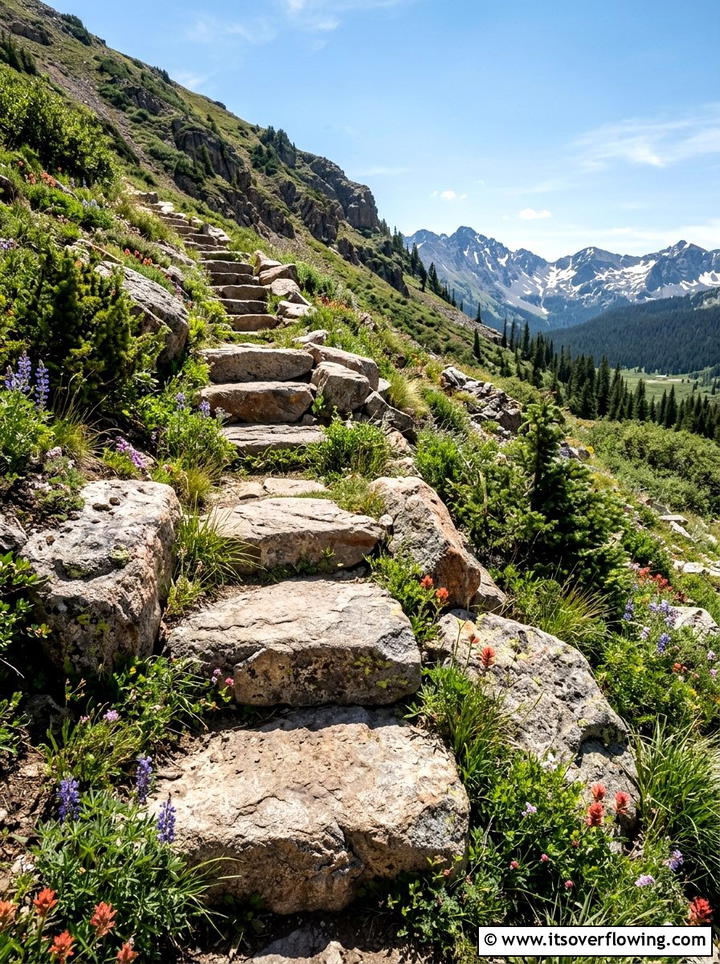
Creating a rugged and adventurous feel in your backyard is easy with the use of massive fieldstone boulders. These are not perfectly flat like flagstone; instead, they have irregular shapes and weathered surfaces that provide a very natural climbing experience. To make them safe, the top of each boulder is chosen for its relative flatness. This style of step works best in large-scale landscapes where the scale of the rocks matches the surrounding trees and open space. Tucking small alpine plants or succulents into the crevices between the boulders helps the staircase blend into the earth, creating a look that mimics a dry mountain streambed.
13. Minimalist Porcelain Tile Steps
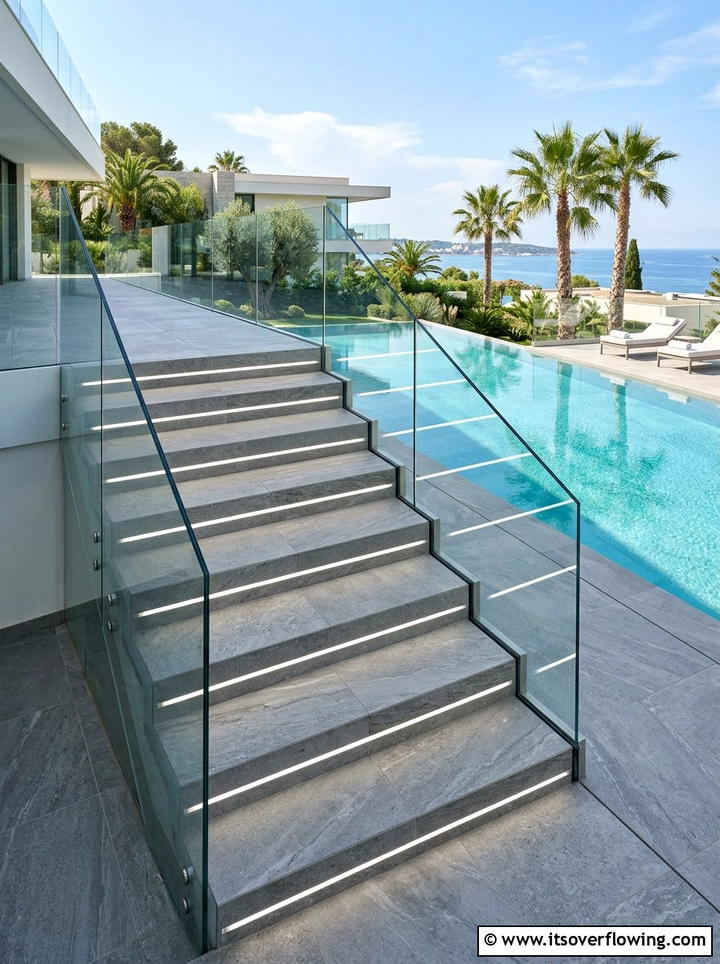
Porcelain tiles designed for outdoor use offer a sleek, high-end finish that is perfect for luxury backyards. These tiles are often large-format and come in colors that mimic natural stone or smooth concrete but with a much more consistent texture. Because they are non-porous and slip-resistant, they are an excellent choice for steps leading down to a swimming pool or an outdoor kitchen. The clean edges and minimal grout lines create a very polished and sophisticated appearance. When paired with glass railings or minimalist black metal accents, these steps become a central part of a high-fashion outdoor living environment that is easy to clean.
14. Cobblestone Garden Path
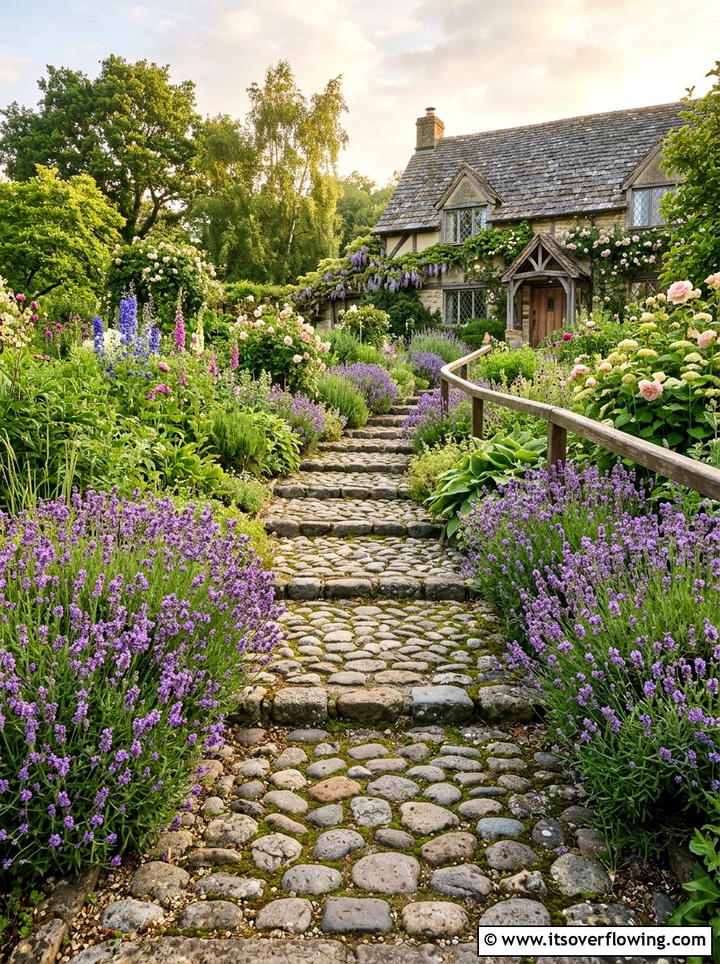
Cobblestones evoke the feeling of old-world European streets and bring a sense of history to a backyard garden. Using small, rounded stones to create a series of low-rise steps is perfect for a nostalgic or traditional landscape. The irregular texture of the cobblestones provides excellent grip and a very charming visual rhythm. This design works well for short transitions, such as moving from a back door to a sunken patio. Surrounding the cobblestones with classic plants like lavender, rosemary, and climbing roses enhances the romantic feel. The variegated colors of the stones add depth and interest to the ground level of your outdoor space.
15. Composite Wood Deck Steps
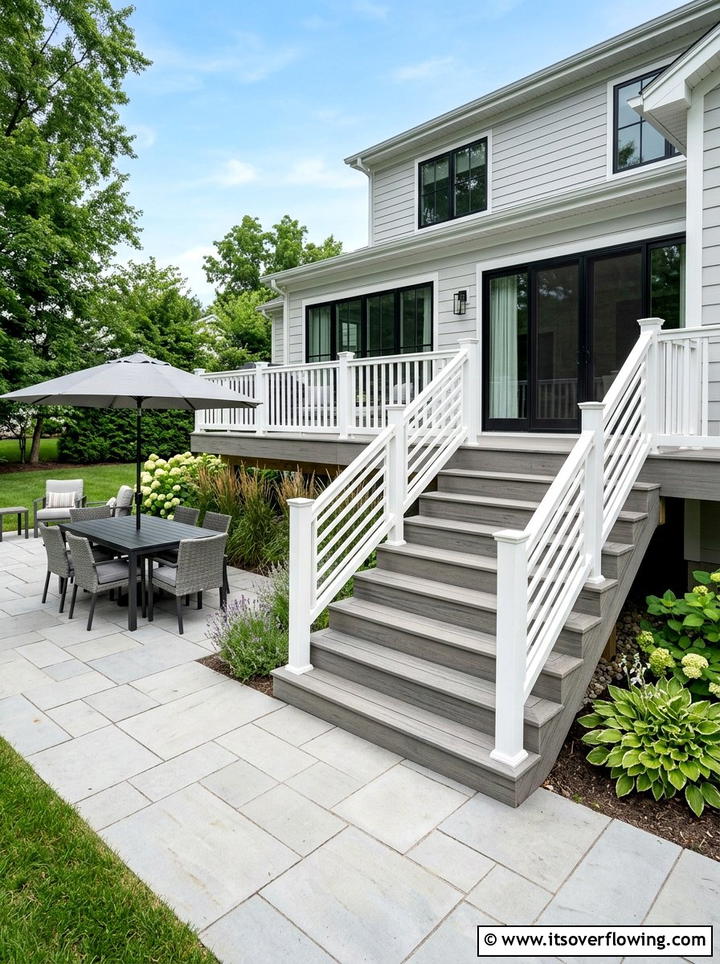
Composite decking has become a favorite for backyard stairs because it requires almost no maintenance and stays looking new for years. Unlike natural wood, it won’t rot, warp, or splinter, which is essential for high-traffic areas like stairs. You can find composite materials in a wide range of colors, from light greys to deep chocolate browns, allowing you to match your home’s exterior perfectly. For a modern look, many homeowners use a contrasting color for the stair “picture frame” border. This clearly defines each step, making them safer to navigate while adding a high-contrast design element that looks very professional and clean.
16. Wide Grand Patio Steps
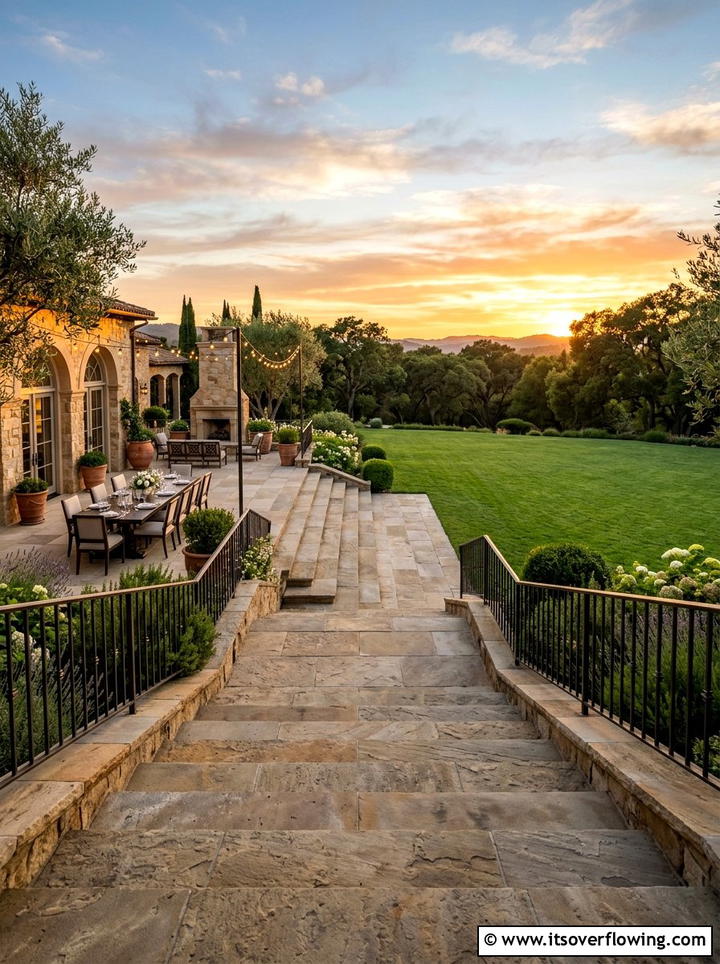
Sometimes a small set of stairs isn’t enough to make the right statement in a large backyard. Wide, grand steps that span the entire width of a patio can transform the architecture of the space. These broad steps act as a transitional zone rather than just a way to get from point A to point B. They can even provide extra seating during large outdoor gatherings, giving guests a place to sit and chat. When built from high-quality stone or smooth-finish concrete, these wide steps create a sense of luxury and openness. They make the transition between a higher terrace and a lower lawn feel seamless and very expansive.
17. Spiral Garden Staircase
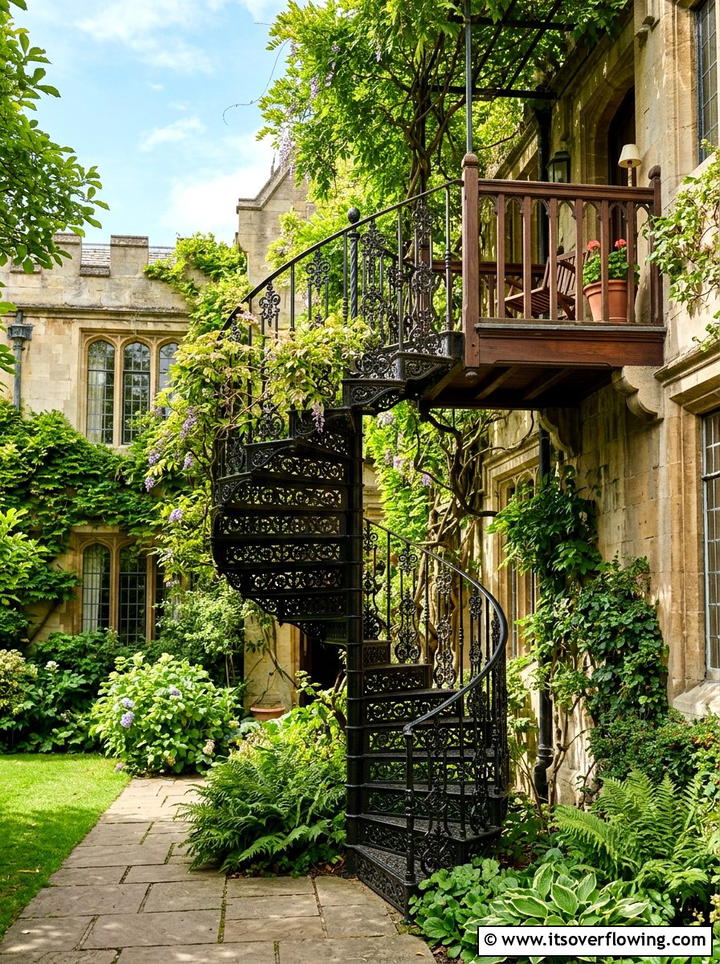
When space is limited but you need to connect an upper balcony or deck to the backyard below, a spiral staircase is a brilliant and stylish solution. Made from wrought iron or cast aluminum, these staircases take up a very small footprint while adding a vertical design element to the landscape. A black metal spiral stair provides a classic, ornate look that works well with traditional gardens. For a more modern vibe, you can choose a sleek steel version with cable railings. This compact design allows you to preserve more of your lawn or patio area for other activities while providing a fun and unique way to travel between levels.
18. Integrated Planter Box Steps
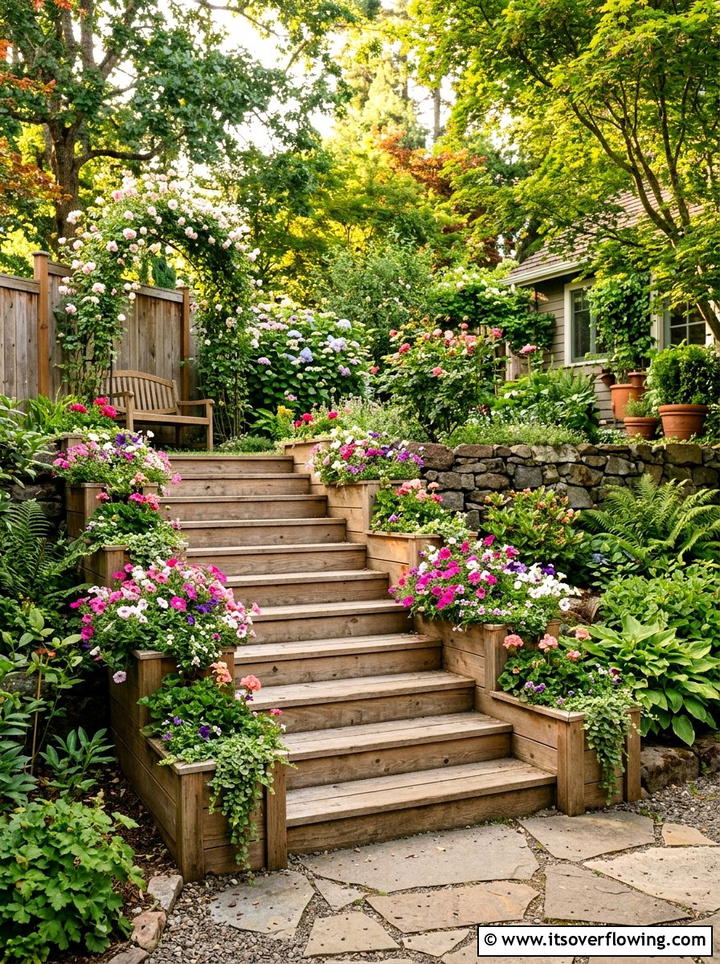
Combining greenery with hardscaping is a great way to soften the look of a backyard staircase. Integrated planter box steps feature built-in spots for flowers or shrubs on either side of each tread. As you walk up or down the stairs, you are surrounded by the scents and colors of your favorite plants. This design is particularly effective for wooden stairs or those made from landscape timbers. You can plant cascading ivy to spill over the sides or tall grasses to provide a sense of privacy. This approach makes the staircase feel like a living part of the garden rather than just a cold structural element.
19. Multi Level Patio Transition
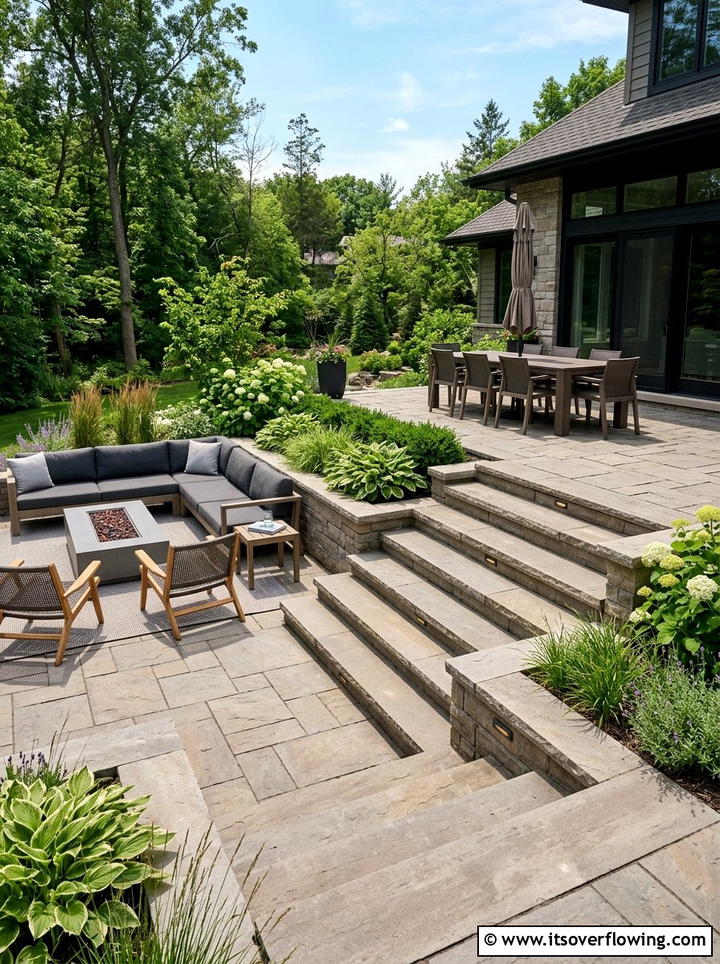
Many modern backyards are designed with multiple “rooms” at different heights to create variety. Steps are the essential link that ties these zones together. For example, a high deck for dining might lead down three broad stone steps to a lounge area with a fire pit, which then leads down again to a pool deck. Using the same material for the steps and the patio surfaces ensures that the entire backyard feels cohesive. This layered approach helps to define different activities within the yard while keeping the overall look organized and sophisticated. It makes a medium-sized yard feel much larger and more interesting.
20. Woodland Forest Path Steps
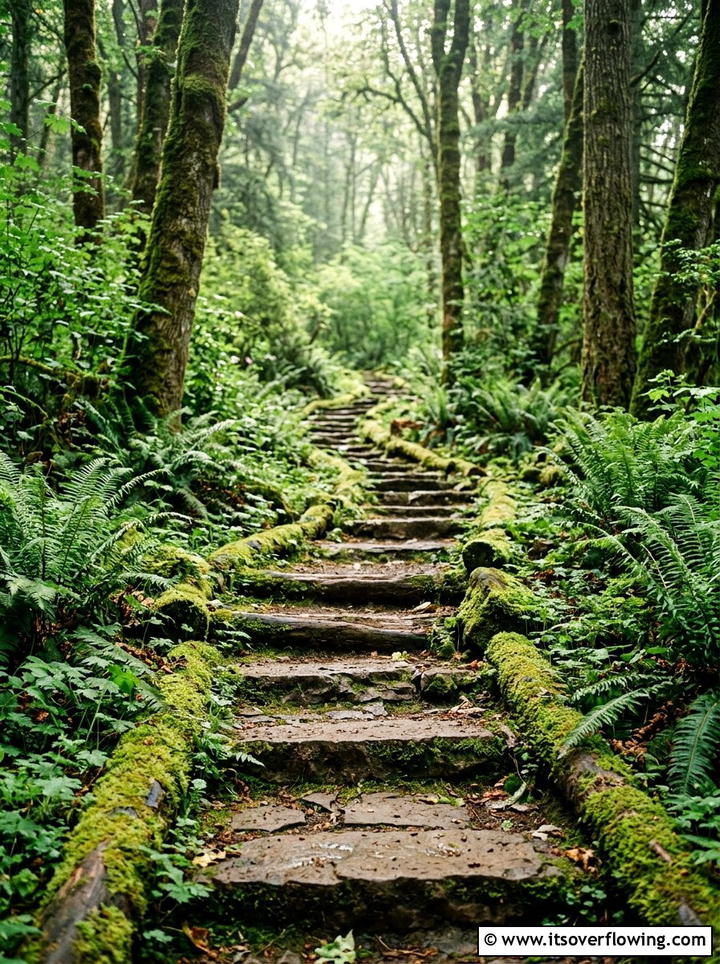
For backyards that back onto a forest or have a lot of mature trees, a woodland path with informal steps is the perfect choice. These steps often use a mix of local stones, thick mulch, and pieces of fallen timber to create a path that meanders through the brush. The goal is to make the stairs look as natural as possible, as if they were formed by the landscape itself over time. Planting shade-loving hostas, ferns, and bleeding hearts along the path adds to the magical, secluded feeling. This type of stairway is perfect for a quiet corner of the yard meant for meditation or bird watching.
21. Waterfall Stone Steps
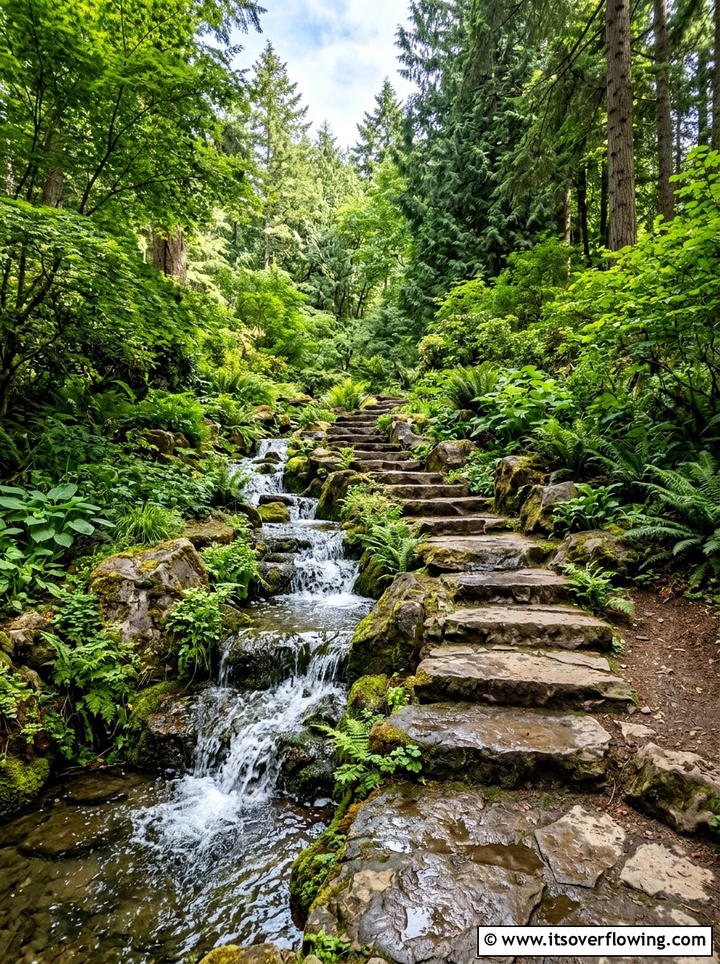
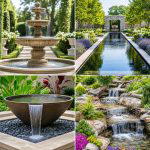
One of the most luxurious ways to incorporate steps into a backyard is to build them alongside or even within a water feature. A waterfall staircase features stone steps that follow the path of a cascading stream or pond overflow. The sound of running water as you move between garden levels creates a truly immersive and relaxing experience. These steps are usually made from flat, non-slip natural stones that match the rocks used in the waterfall itself. This design turns a simple elevation change into a world-class landscape feature that serves as the crown jewel of your outdoor space, providing both function and incredible sensory beauty.
22. Recessed Led Outdoor Lighting
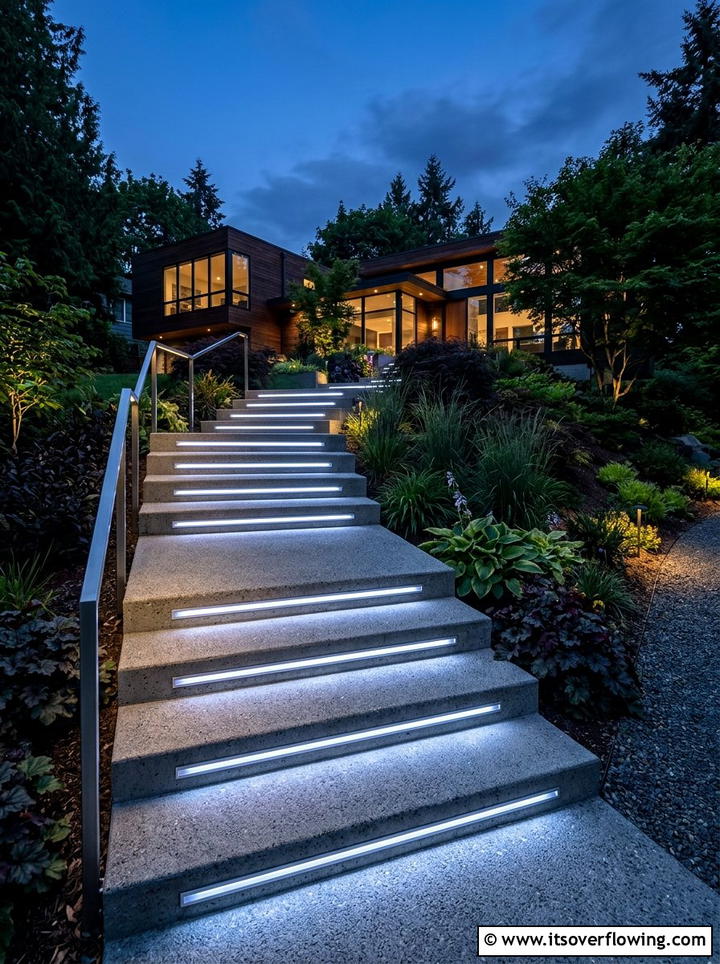
Lighting is a critical component of any backyard step design, both for safety and for evening aesthetics. Recessed LED lights are small fixtures that are installed directly into the risers of the stairs. They cast a gentle light downward onto the tread below, highlighting the path without shining into your eyes. This type of lighting is very discreet during the day but creates a beautiful glowing effect at night. It is especially effective on modern concrete or wood steps where you want to emphasize the clean horizontal lines of the architecture. It makes the entire backyard feel safer and much more high-end after the sun goes down.
23. Metal Edging Gravel Steps
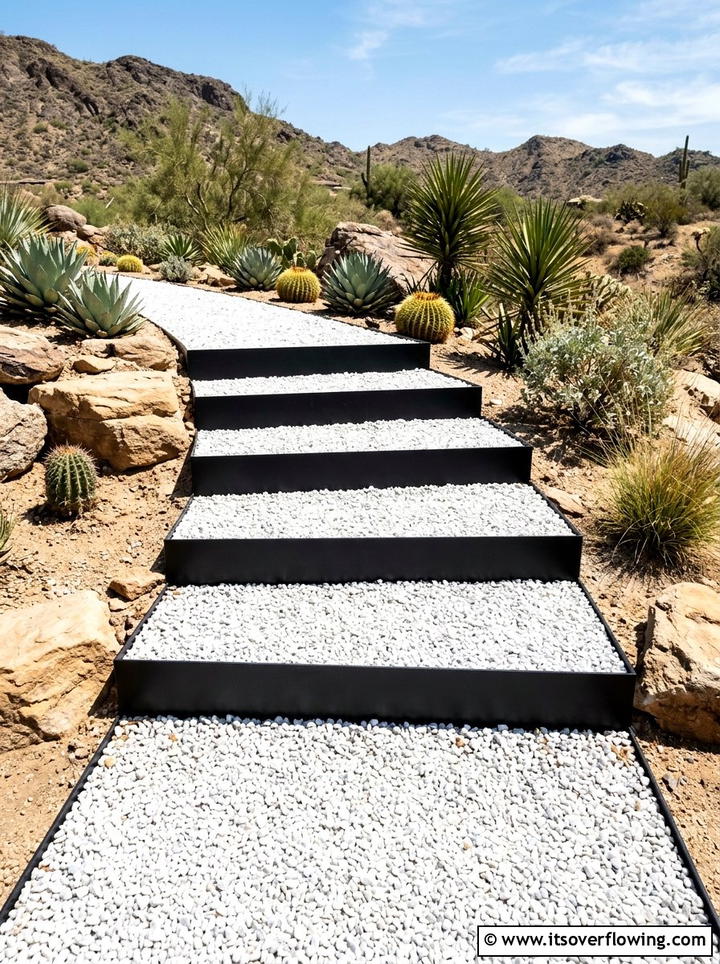
For a clean, minimalist look on a budget, using metal landscape edging to create gravel steps is a fantastic modern solution. The thin metal strips are bent into rectangular shapes and secured into the slope, then filled with a contrasting gravel like white marble chips or dark basalt. This creates a very crisp and sharp edge that looks great in a contemporary or xeriscaped backyard. The thinness of the metal gives the steps a very light and airy appearance compared to bulky stone or wood. This design is easy to install and provides excellent drainage, making it a very practical choice for rainy climates or sloped paths.
24. Flagstone And Moss Path
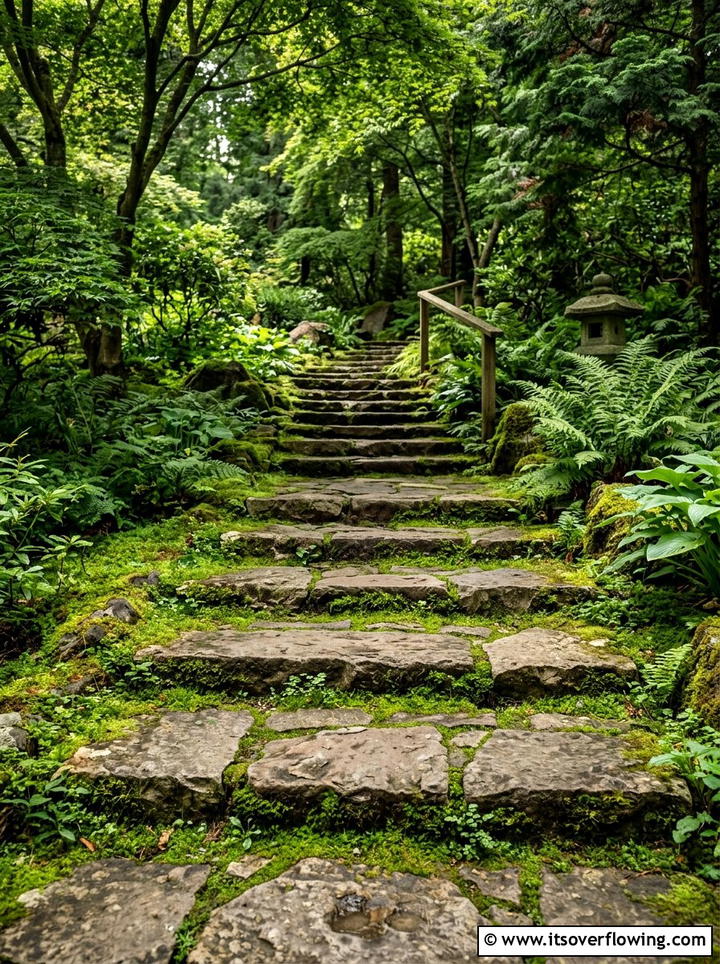
In a shaded or damp area of the yard, embracing moss can result in a stunningly beautiful and soft staircase. By placing large, flat flagstones as steps and encouraging emerald-green moss to grow in the joints and around the edges, you create a look that feels like a fairytale garden. The soft texture of the moss provides a wonderful contrast to the hard, cold surface of the stone. This design requires very little maintenance once the moss is established, as it doesn’t need mowing. It is a perfect choice for a “zen” garden or a quiet path leading to a backyard pond or a small gazebo.
25. Concrete Block Fire Pit Area
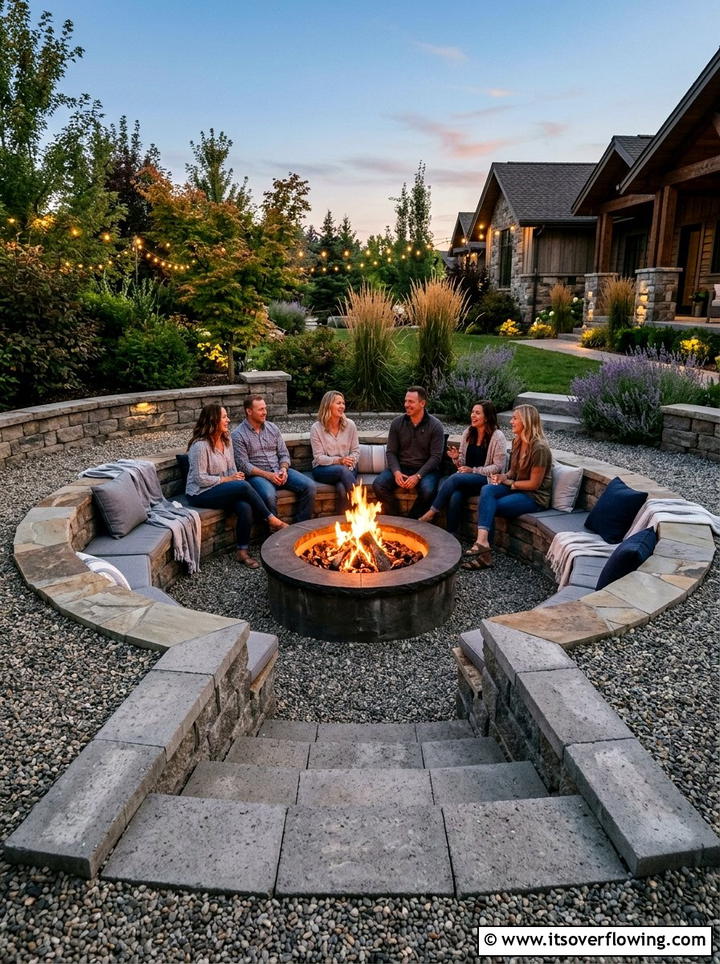
Steps can also be used to create a sunken fire pit area, which is a popular trend for cozy backyard entertaining. By using large concrete blocks or pavers to build a series of descending steps into a circular or square pit, you create a dedicated space for gathering. The steps themselves can act as additional tiered seating around the fire, allowing for more guests than a traditional flat patio. This design makes the fire pit feel like a separate “room” within the yard, providing a sense of enclosure and intimacy. The use of heavy masonry ensures the area is fire-safe and durable for years of use.
Conclusion:
Planning the perfect backyard staircase requires a thoughtful balance between the natural landscape and your home ‘s architectural style. Steps are more than just a way to move between different levels; they are an essential design element that defines the flow and character of your outdoor living space. By choosing materials like natural stone for a rustic feel or sleek concrete for a modern look, you can create a transition that is both safe and visually stunning. Remember that adding appropriate lighting and surrounding greenery will further integrate these structures into your garden. A well-designed set of steps will truly elevate your backyard’ s potential for years to come.

Related posts:
 25 Backyard Ideas With Terracing for a Stunning Sloped Yard
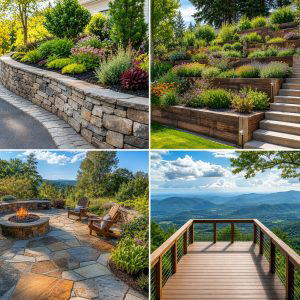 25 Backyard Ideas for Sloped Yards With Smart Style
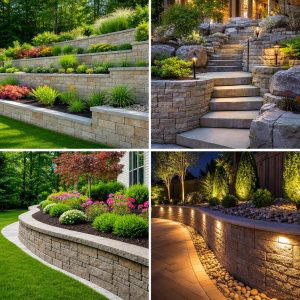 25 Backyard Ideas With Retaining Wall Designs for Sloped Yards
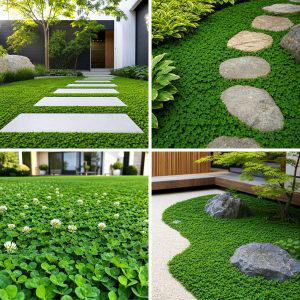 25 Backyard Ideas With Clover Lawn for a Greener Low-Mow Yard
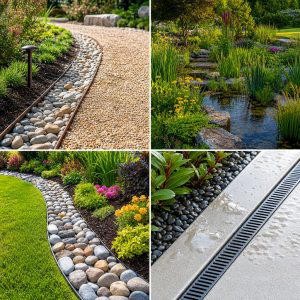 25 Backyard Ideas With Drainage Solutions for a Drier Yard
 25 Backyard Ideas With Edging for a Clean, Finished Yard
 25 Backyard Ideas With Garden and Lawn for a Polished Yard
 25 Backyard Ideas With Gravel for a Low-Maintenance Yard
 25 Backyard Ideas With No Grass for a Chic Low-Mow Yard
 25 Backyard Ideas With Solar Lights for a Glowing Yard Makeover
 25 Backyard Ideas With Water Feature For A Relaxing Yard
 25 Backyard Ideas With Wood Deck To Upgrade Your Yard