
Creating a personal sanctuary in your own backyard often starts with one simple yet transformative element: the hammock. It is the ultimate symbol of relaxation and leisure, offering a peaceful escape from the hustle of daily life right outside your back door. Whether you have a sprawling estate with old-growth trees or a compact urban patio, there is always a clever way to integrate a hammock into your landscape. From swinging gently under a sturdy pergola to hanging between two sturdy oaks, these setups provide a cozy spot for reading, napping, or simply watching the clouds drift by. Let’s explore various ways to elevate your outdoor space with a functional and stylish hammock arrangement.
1. Pergola Hammock
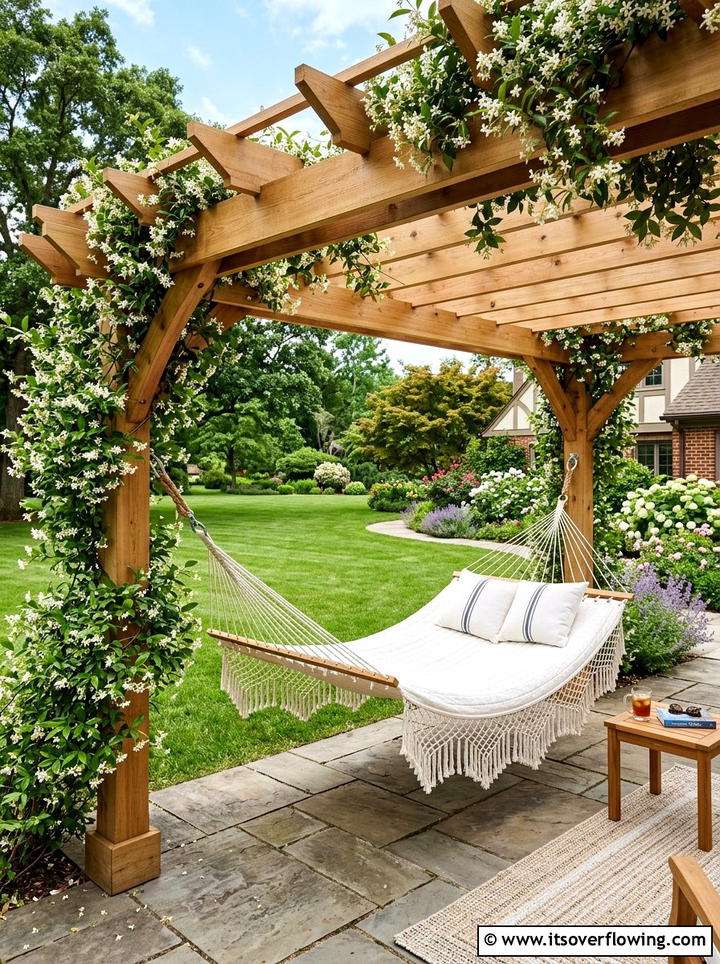
Imagine walking out to your backyard and seeing a beautiful wooden pergola that serves as the perfect anchor for your swinging retreat. Using a pergola is one of the most reliable ways to hang a hammock because the heavy beams offer incredible stability and safety. You can easily bolt heavy-duty hardware into the posts to ensure the weight is distributed evenly across the structure. This setup works beautifully over a stone patio or a lush patch of grass, creating a defined zone for relaxation. Adding some climbing vines like jasmine or wisteria to the pergola can provide natural shade and a lovely fragrance, making your afternoon nap feel like a true getaway in paradise.
2. Tree To Tree Hammock
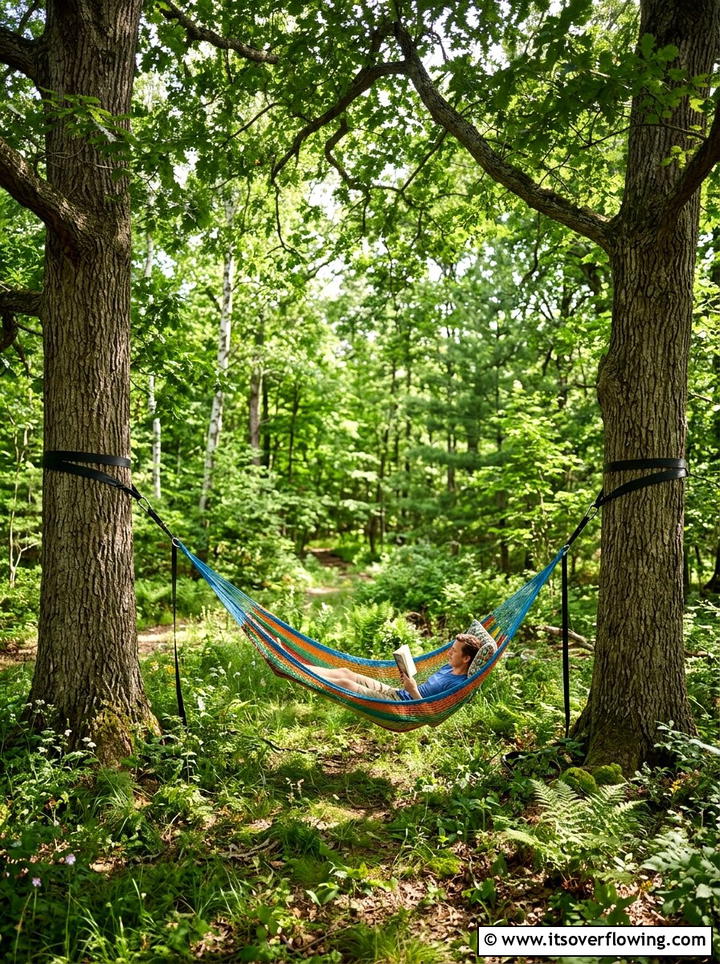
There is something undeniably classic and nostalgic about hanging a colorful rope hammock between two ancient trees in your backyard. This traditional method allows you to utilize the natural architecture of your landscape while enjoying the cool, dappled shade provided by the leafy canopy above. To protect the bark and ensure longevity, it is always best to use wide tree straps rather than metal chains or thin ropes that might cut into the wood. This setup creates an organic feel that blends seamlessly with the environment, offering a quiet place to listen to the birds. It remains the most popular choice for homeowners who want a low-cost yet highly effective relaxation spot.
3. Poolside Hammock
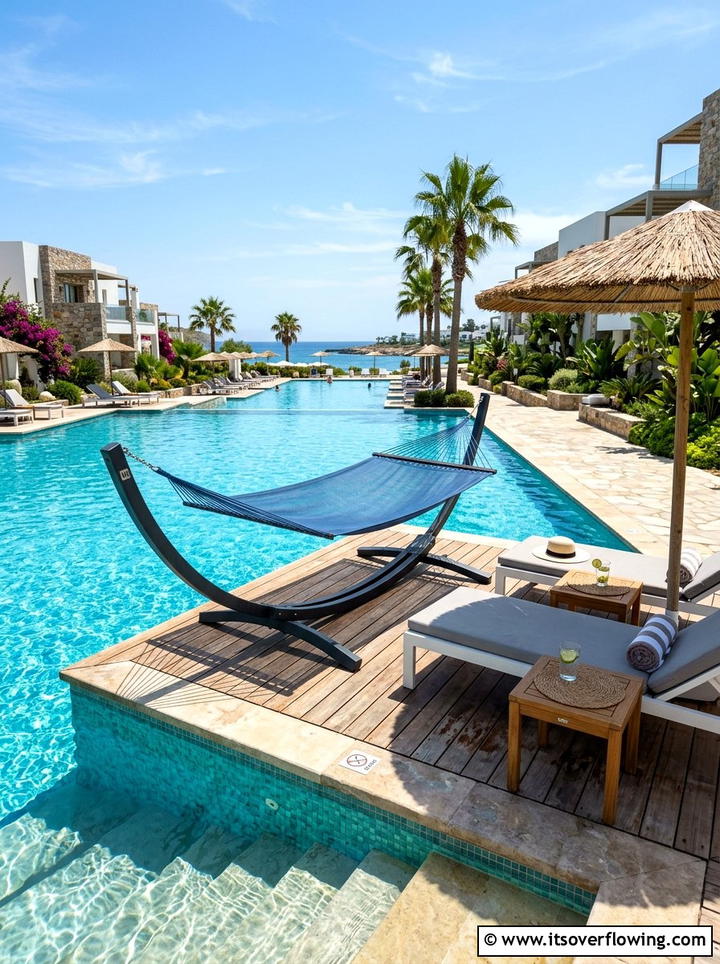
Positioning a hammock right next to your swimming pool creates an instant resort-like atmosphere that makes every weekend feel like a luxury vacation. You can choose a quick-dry fabric or a synthetic mesh material that resists mildew and stands up to splashes from the water. Whether you use a sleek metal stand or install permanent posts near the deck, the gentle sound of water nearby enhances the calming effect. This is the perfect spot to dry off after a swim or keep an eye on the kids while they play in the pool. Adding a side table for cold drinks and a large umbrella for shade completes this high-end outdoor look.
4. Fire Pit Hammock
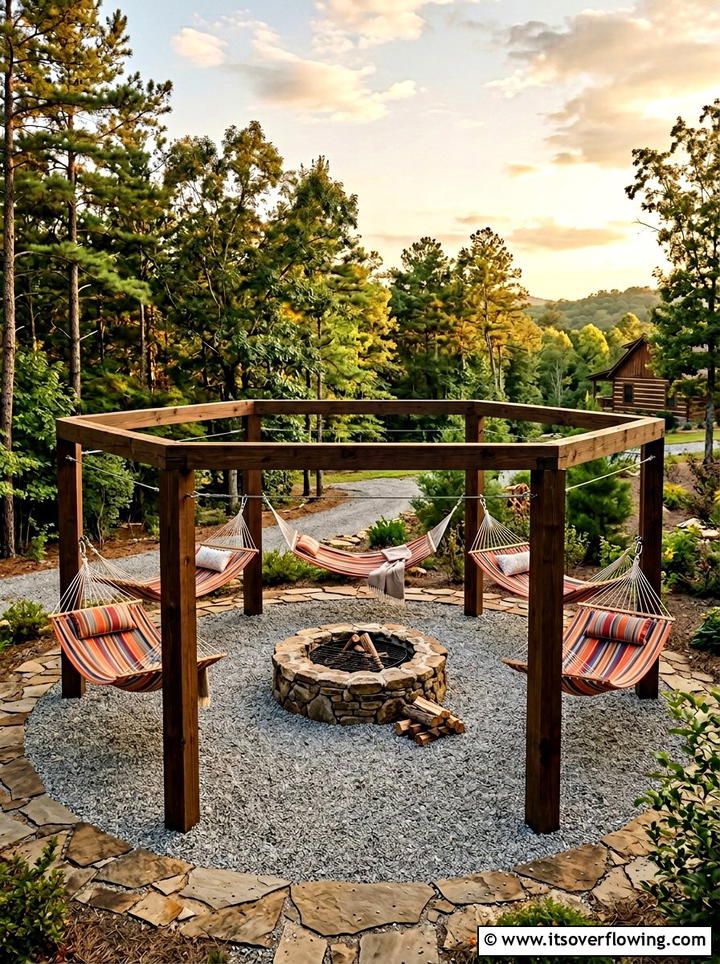
Setting up several hammocks around a central fire pit creates a unique and social lounging area for cool evenings with friends. Instead of traditional chairs, these swinging seats allow guests to kick back and enjoy the warmth of the flames in total comfort. You can install several sturdy 4×4 posts in a circular pattern to support multiple hammocks at once. This layout encourages conversation and storytelling while everyone enjoys the mesmerizing glow of the fire. Make sure to maintain a safe distance from the embers to protect the fabric of the hammocks. It is a fantastic way to maximize your backyard usage during the crisp autumn and spring seasons.
5. Boho Hammock
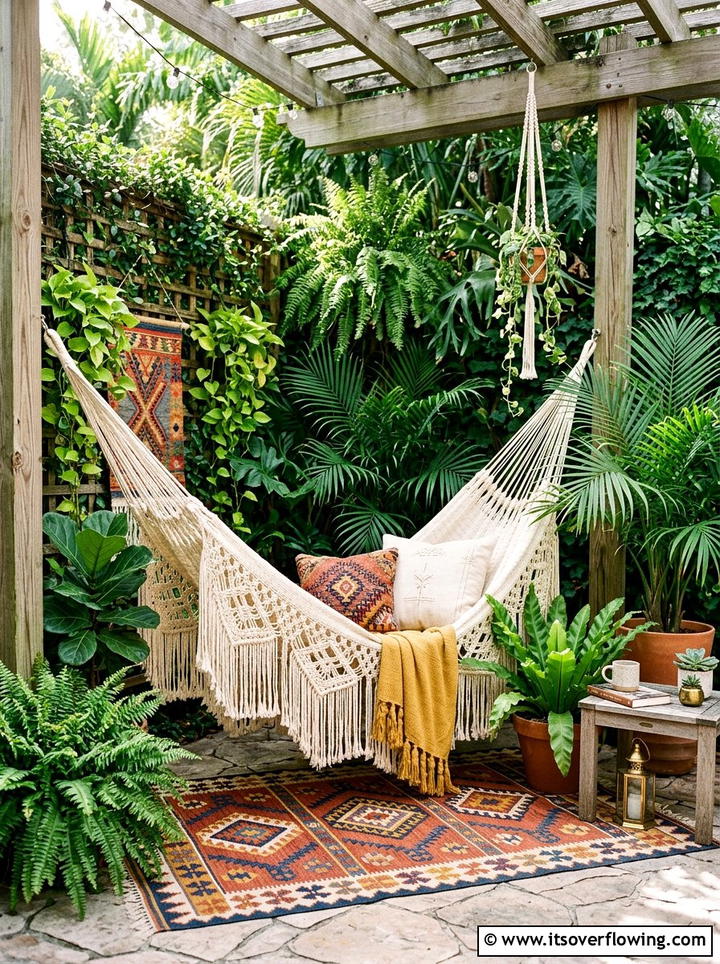
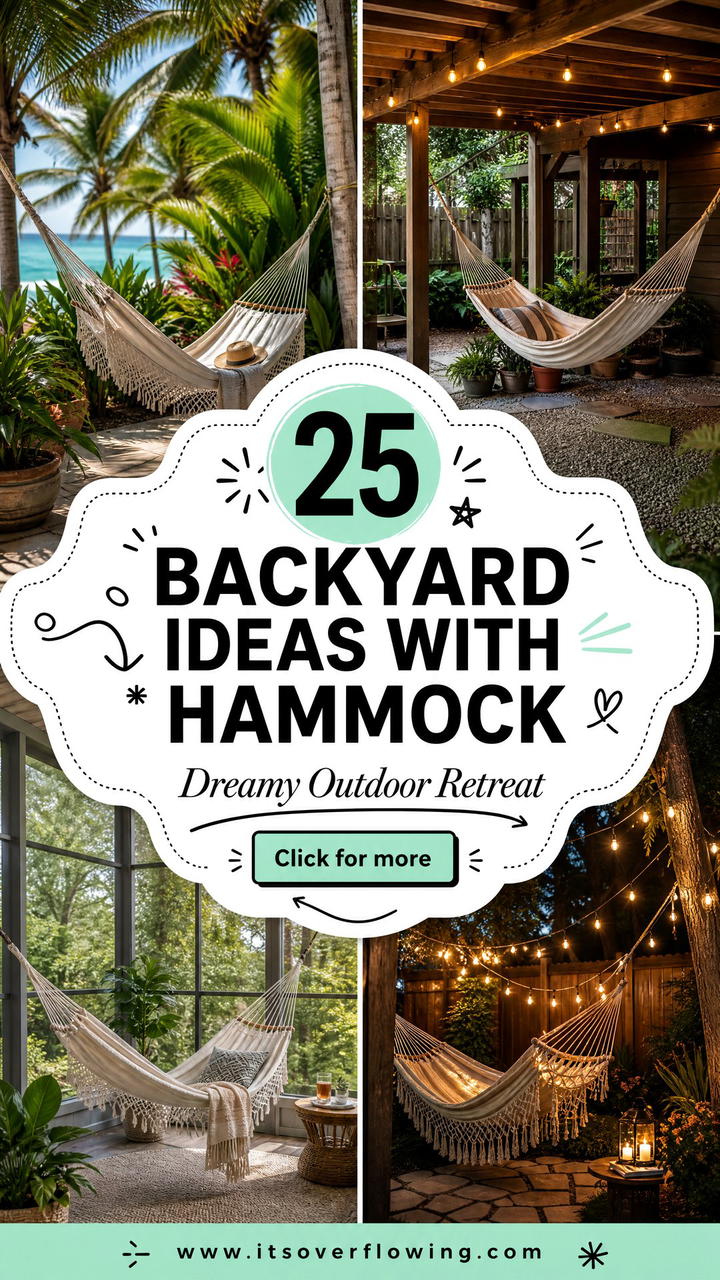
A macrame hammock with intricate fringe details can instantly turn a plain backyard corner into a stylish, bohemian-inspired retreat. These designs often feature beautiful hand-woven patterns and soft cotton textures that look stunning against a backdrop of green tropical plants. You can enhance this aesthetic by layering the area with weather-resistant outdoor rugs, colorful floor cushions, and several potted ferns or palms. The soft, neutral tones of a boho hammock create a serene environment that feels both artistic and inviting. It is a great choice for those who want their outdoor furniture to serve as a decorative focal point while providing a very comfortable place to lounge.
6. Hammock Stand
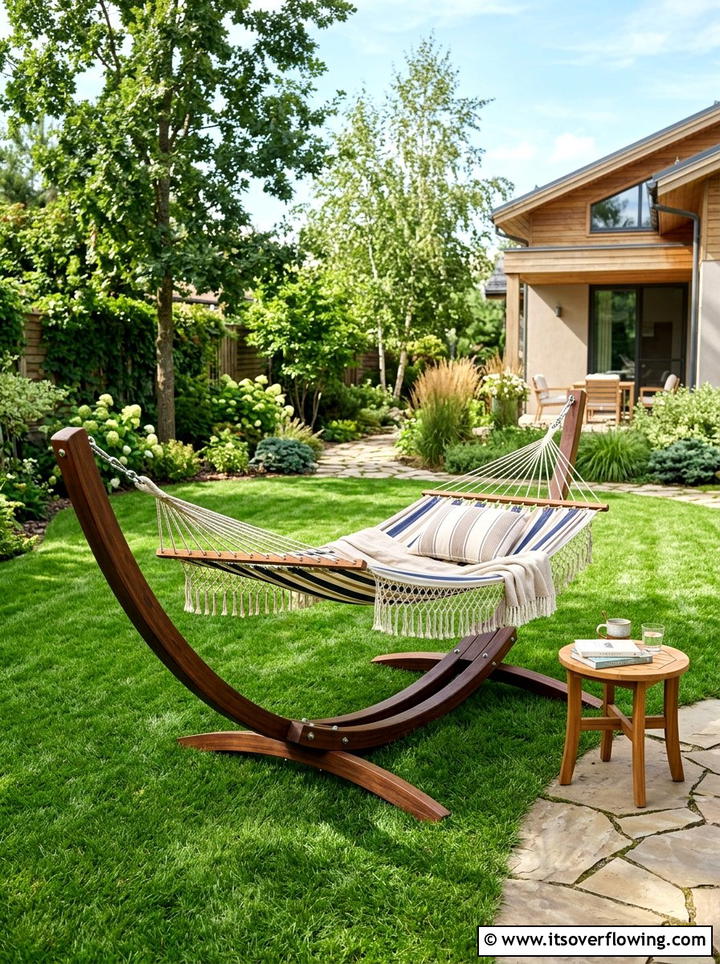
If you lack sturdy trees or permanent structures, a portable hammock stand is a brilliant solution that offers total flexibility for your yard. These stands are typically made of powder-coated steel or elegant curved wood, allowing you to move your lounging spot whenever you want. You can follow the sun throughout the day or find a shady patch under a portable canopy as the seasons change. Because they require no drilling or permanent installation, they are perfect for renters or those who like to reorganize their outdoor layout frequently. Most stands are very easy to assemble and provide a stable, safe base for various types of gathered-end or spreader-bar hammocks.
7. Deck Hammock
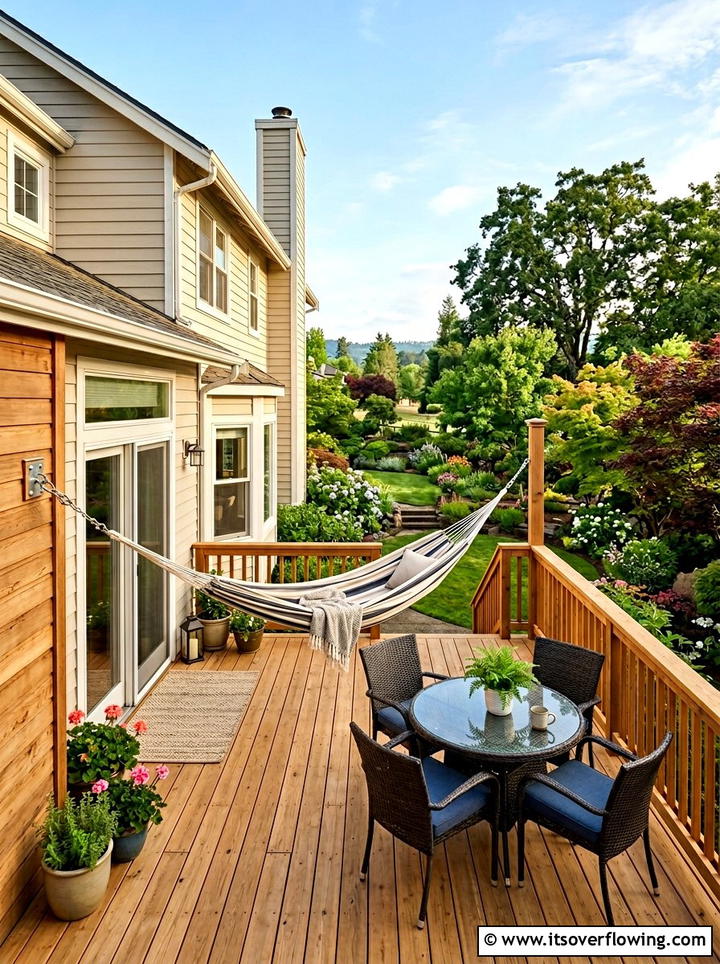
Installing a hammock on an elevated wooden deck provides a wonderful vantage point for looking out over the rest of your garden. You can securely attach the hardware to the sturdy structural posts of the deck or the house siding for a reliable hang. This location is particularly convenient because it keeps your lounging spot close to the kitchen and indoor amenities for easy snacking. It also keeps the hammock off the grass, which helps it stay cleaner and away from ground-dwelling insects. To make the space even cozier, consider adding some outdoor curtains to the deck rails for a bit of privacy and protection from the wind.

8. Garden Corner Hammock
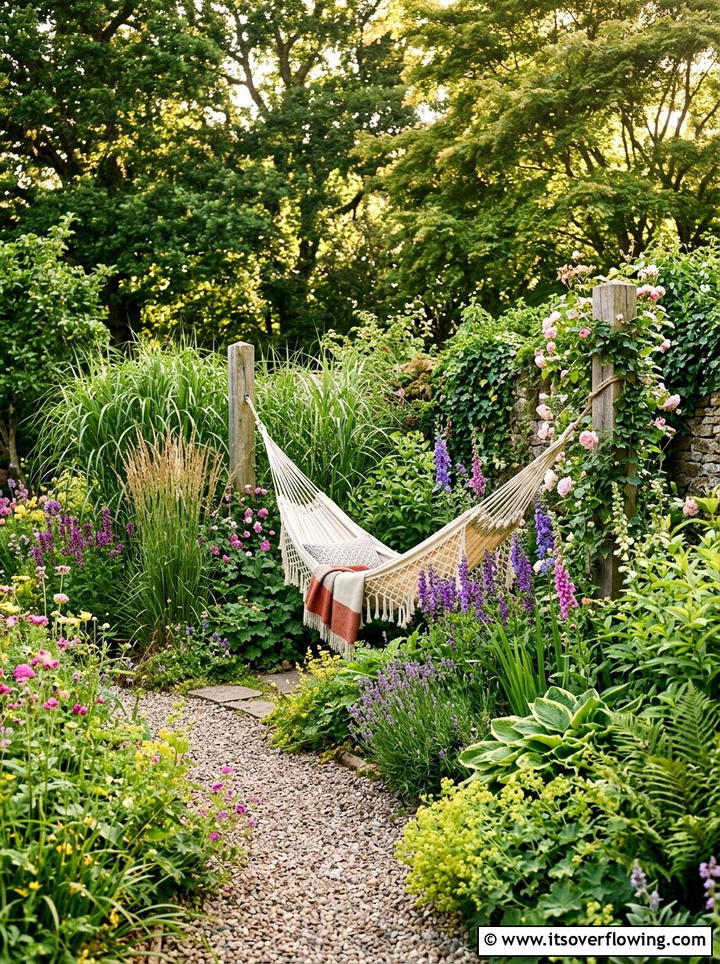
Tucking a hammock into a quiet, overgrown corner of your flower garden creates a secret hideaway that feels completely private and secluded. Surrounded by blooming perennials and tall ornamental grasses, this spot becomes a sensory delight filled with natural colors and sweet floral scents. You can use two simple wooden posts camouflaged by climbing plants to hold the hammock in place. This setup is ideal for those who enjoy birdwatching or want a dedicated space for meditation and deep reflection. The surrounding greenery acts as a natural sound barrier, muffling street noise and helping you feel more connected to the beauty of the natural world around you.
9. Covered Porch Hammock
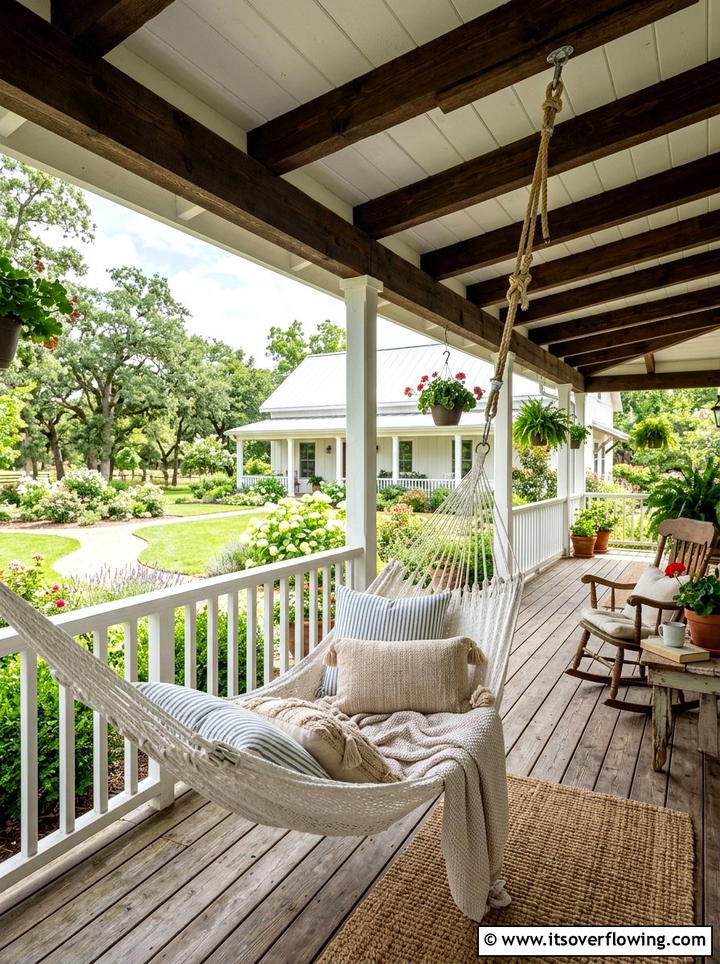
A covered porch provides the perfect sheltered environment for a fabric hammock, protecting it from both the harsh sun and unexpected rain showers. Hanging a hammock here allows you to enjoy the fresh air even when the weather is not perfectly clear. You can use heavy-duty eye bolts fixed into the ceiling joists to create a floating bed that sways gently with the breeze. This setup often replaces the traditional porch swing, offering a deeper level of comfort and a more relaxed vibe. By adding a few soft outdoor pillows and a cozy throw blanket, you turn your porch into a multi-season living room for ultimate relaxation.
10. Double Hammock
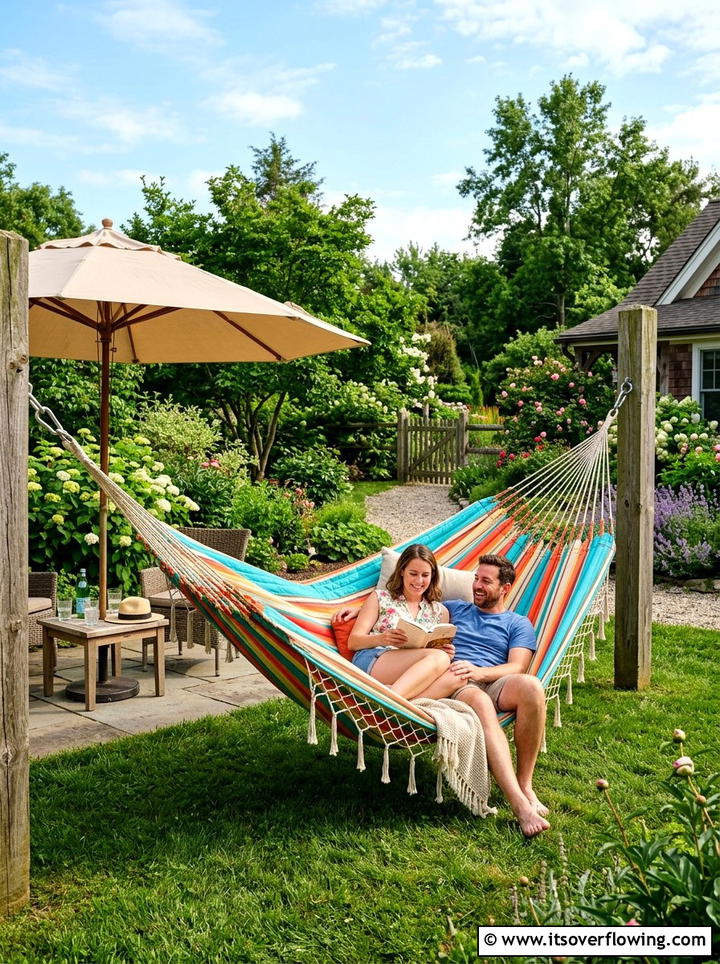
For couples who love spending time together, a large double hammock offers enough space for two people to cuddle comfortably in the sun. These wider designs are reinforced with stronger fabrics and heavier stitching to safely support the additional weight of two adults. Choosing a version with spreader bars can help keep the fabric flat and open, making it easier for both people to get in and out. Placing a double hammock in a central part of the yard encourages shared relaxation and provides a great spot for evening stargazing. It is a romantic and practical addition that transforms your outdoor space into a shared sanctuary for quality time.
11. Tropical Hammock

You can bring the feeling of a Caribbean island to your own backyard by hanging a brightly colored striped hammock between two palm trees. Even if you do not live in a tropical climate, you can recreate this look by using large potted palms or hardy banana plants. The vibrant blues, greens, and yellows of the fabric pop beautifully against the lush green foliage, creating an energetic and cheerful atmosphere. Adding a small bamboo side table and some tiki-style lanterns can further enhance the island theme. It is a wonderful way to escape the mundane and feel like you are on a permanent vacation without leaving your property.
12. Modern Hammock
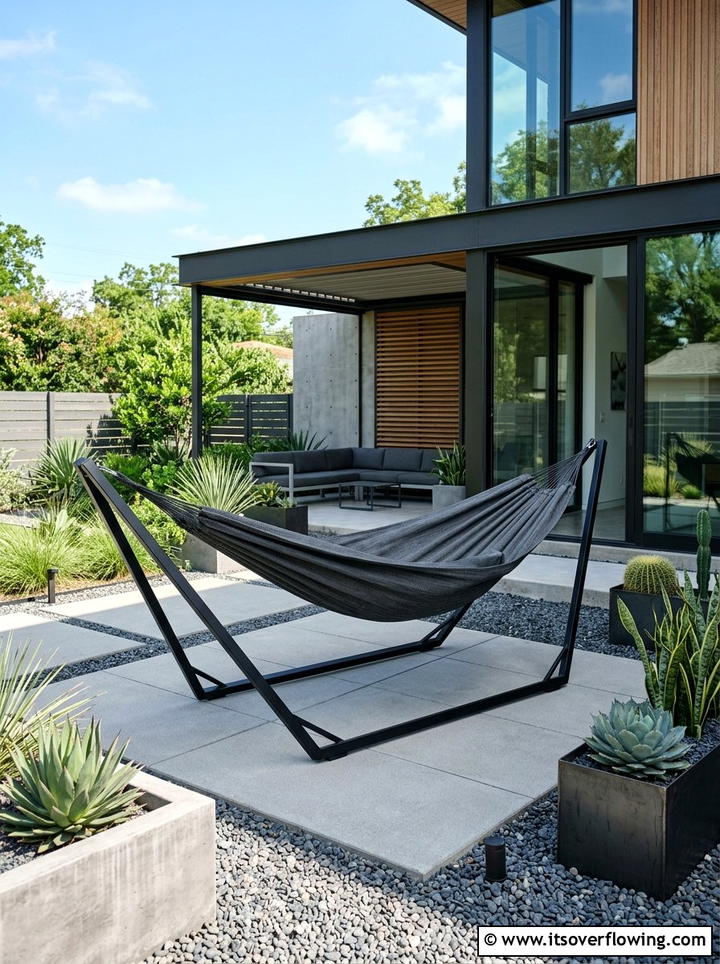
A modern backyard design often benefits from a sleek, minimalist hammock featuring clean lines and neutral colors like charcoal, slate, or black. These setups usually involve custom-built metal frames or architectural concrete pillars that serve as anchor points for the swinging bed. The fabric is often a high-tech, weather-resistant textile that looks sophisticated and resists fading from intense UV rays. This style pairs perfectly with contemporary landscaping, such as geometric pavers, gravel beds, and structural shrubs. By focusing on simplicity and high-quality materials, a modern hammock becomes a piece of functional art that complements the architectural integrity of a newly renovated home and its outdoor living area.
13. Play Area Hammock
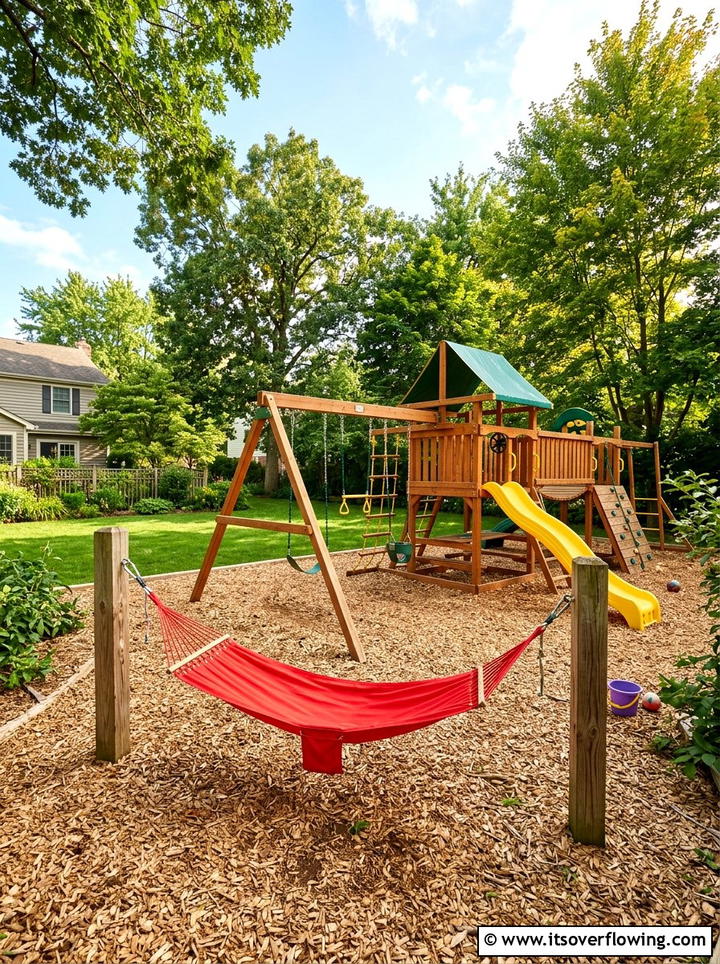
Integrating a durable hammock into a children’s play area provides a fun and versatile spot for kids to rest between active games. You can hang a smaller, colorful nylon hammock at a lower height to ensure safety and easy access for younger children. It can serve as a giant swing, a cozy reading nook, or even a base for imaginative play like a pirate ship or a jungle camp. Make sure the area underneath is cushioned with soft mulch or rubber mats to prevent injuries from accidental falls. Using bright, primary colors makes the hammock feel like an intentional part of the playground, giving kids their own special place to relax.
14. Hammock Chair
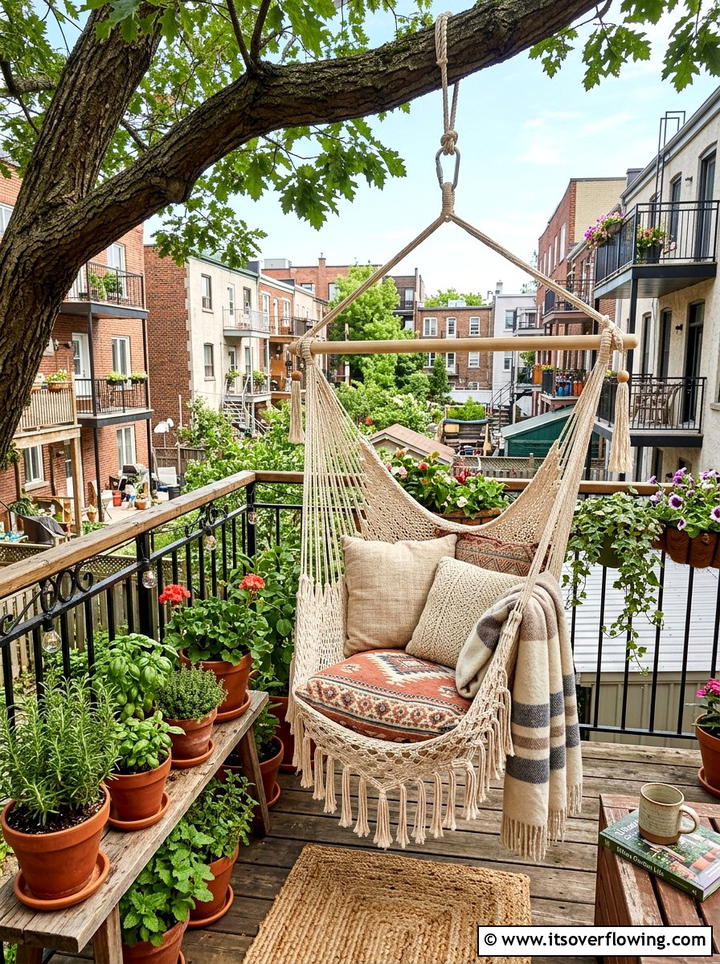
If you have a smaller backyard or a narrow balcony, a hammock chair is a space-saving alternative that offers the same swaying comfort. These chairs hang from a single point, allowing them to fit into tight corners where a full-sized horizontal hammock would not work. You can suspend a hammock chair from a sturdy tree limb, a porch ceiling, or a dedicated C-stand. They are particularly great for sitting upright to read a book or enjoy a cup of coffee while still enjoying a gentle rocking motion. Many designs feature soft cushions and integrated footrests, providing a surprisingly ergonomic and comfortable seating experience in a very compact footprint.
15. Wooden Hammock Stand
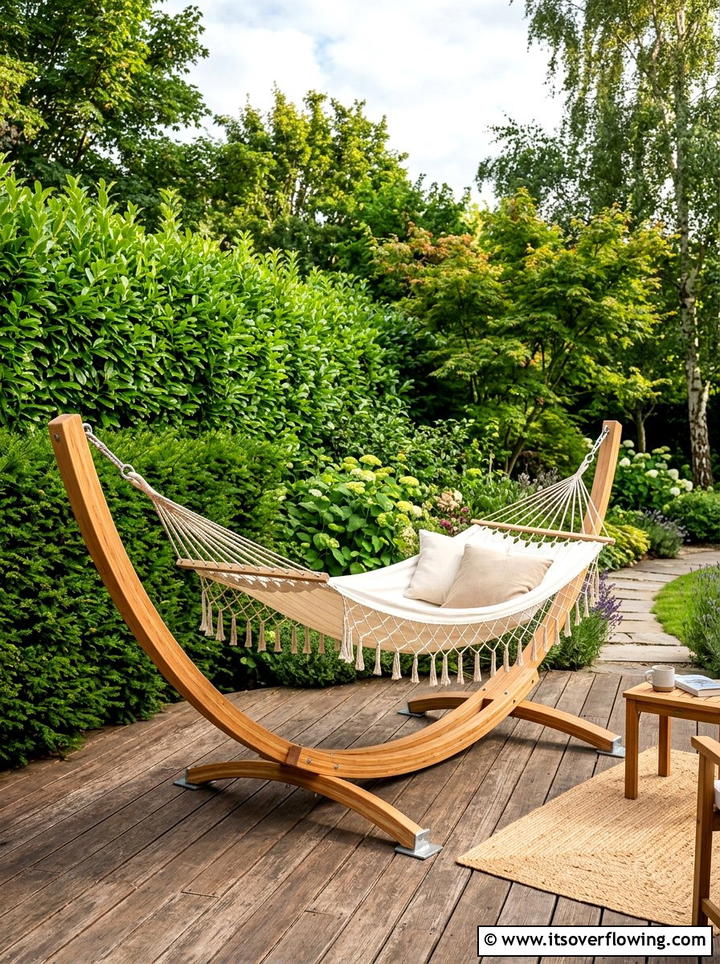
An elegant wooden hammock stand made from cedar or larch wood adds a touch of natural craftsmanship and warmth to your patio. These curved frames are often steam-bent into beautiful arcs that look like modern sculptures sitting on your lawn or deck. The natural wood grain complements outdoor environments and ages beautifully over time, developing a soft silvery patina if left untreated. Because wood is heavy and dense, these stands are incredibly stable and can support significant weight without wobbling. Pairing a wooden stand with a quilted fabric hammock creates a high-end, classic look that feels both luxurious and grounded in nature, perfect for a traditional garden.


16. Balcony Hammock
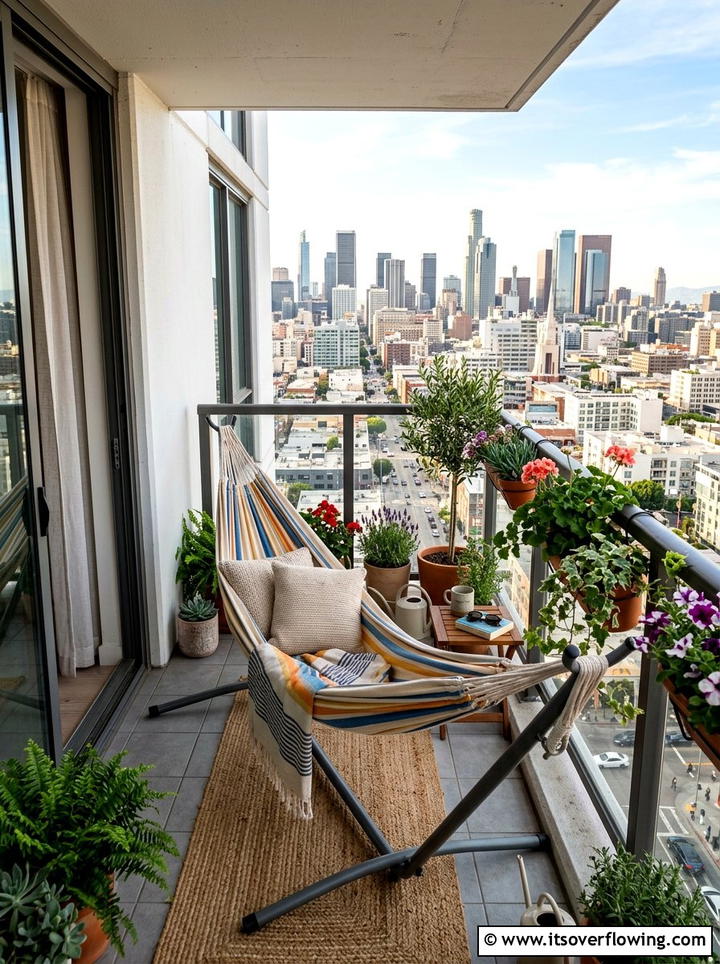
Urban dwellers can enjoy the hammock lifestyle by installing a compact version on a high-rise balcony or a small apartment terrace. You can use specialized railing mounts or a small-footprint metal stand to make the most of the limited square footage available. This allows you to float above the city streets, enjoying the breeze and the view while swaying in total comfort. To maximize the space, choose a hammock that can be easily unhooked and stored when not in use. Adding some fairy lights to the balcony railing and a few potted herbs creates a cozy metropolitan oasis that feels miles away from the busy traffic and noise below.
17. Under Deck Hammock
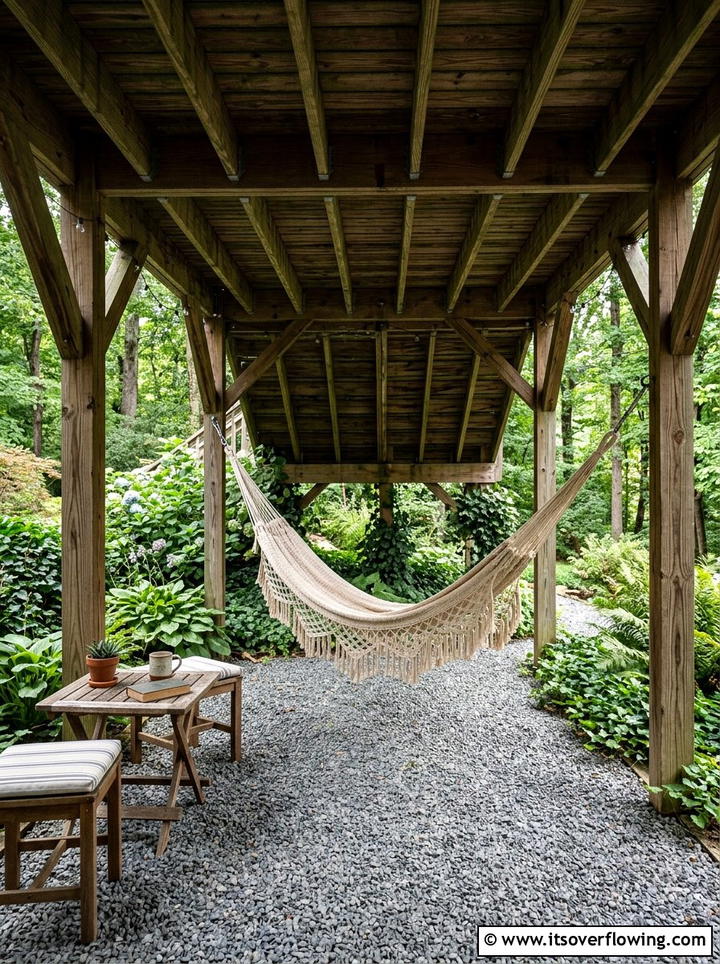
The shaded area underneath a high-set deck is often underutilized, but it makes an excellent, cool location for a summer hammock. By attaching heavy-duty hooks to the support joists above, you can create a breezy lounging spot that remains protected from the direct midday sun. This area is naturally cooler than the rest of the yard, making it the perfect retreat for hot July afternoons. You can transform the ground beneath into a tidy space by using pea gravel or stepping stones to keep the area mud-free. It is a clever way to reclaim “dead space” and add a whole new functional level to your outdoor living environment.
18. Waterfront Hammock
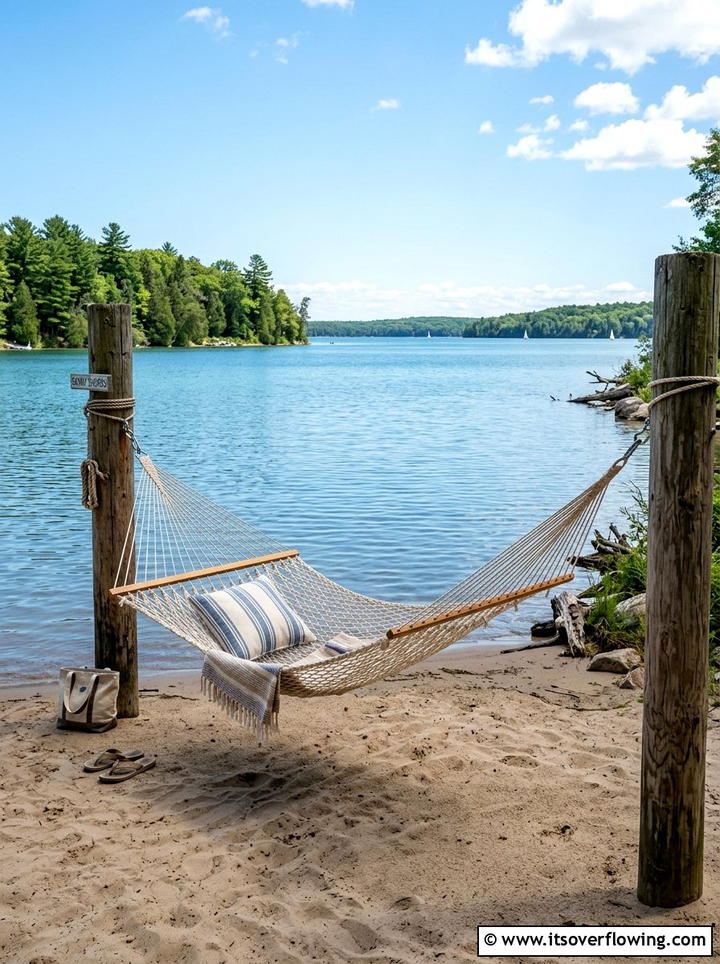
If you are lucky enough to live near a lake, river, or ocean, placing a hammock near the water’s edge is the ultimate relaxation. You can install two sturdy wooden pilings right on the shoreline to catch the strongest breezes and enjoy unobstructed views of the water. The sound of waves or flowing water provides a natural white noise that makes it incredibly easy to fall into a deep, restful sleep. Using a weather-resistant rope hammock allows the air to circulate freely around your body, keeping you cool even in humid conditions. It is a peaceful spot for morning reflection or watching the sunset over the horizon every evening.
19. Screened Porch Hammock
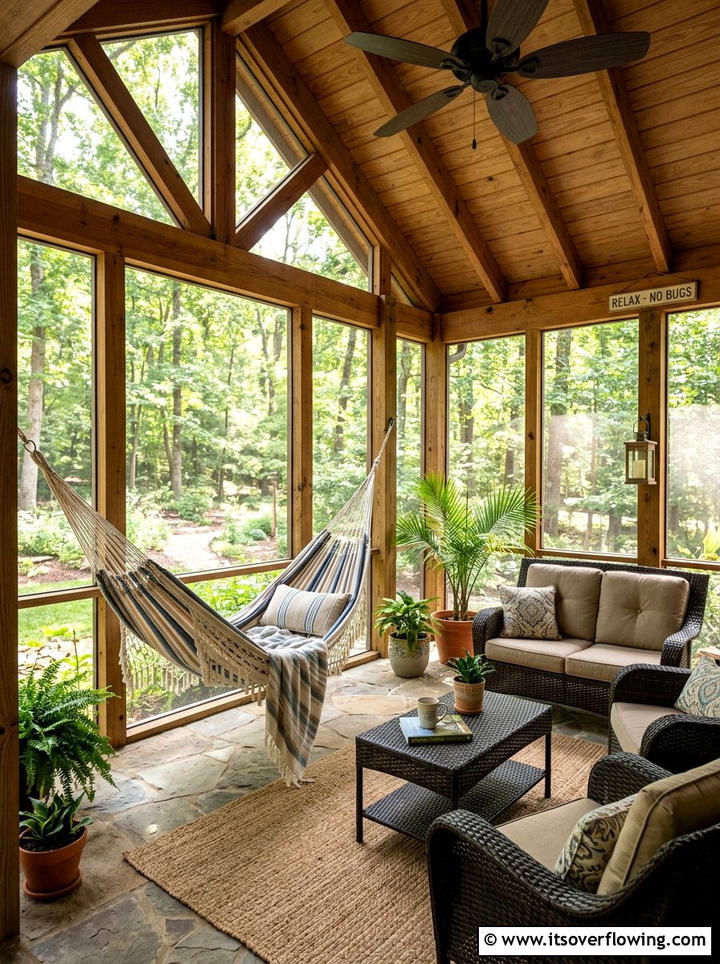
A hammock inside a screened-in porch offers the best of both worlds: the feeling of being outdoors without the annoyance of mosquitoes and flies. You can enjoy a long nap in the late afternoon or even sleep outside overnight during the summer months without worrying about bug bites. The screen provides a gentle filter for the wind, creating a soft breeze that is perfect for swaying. Since the hammock is protected from the rain, you can use more delicate or decorative fabrics that might not survive in a fully exposed backyard. This setup turns your screened porch into a true extension of your indoor bedroom or living area.
20. Hammock With Lights
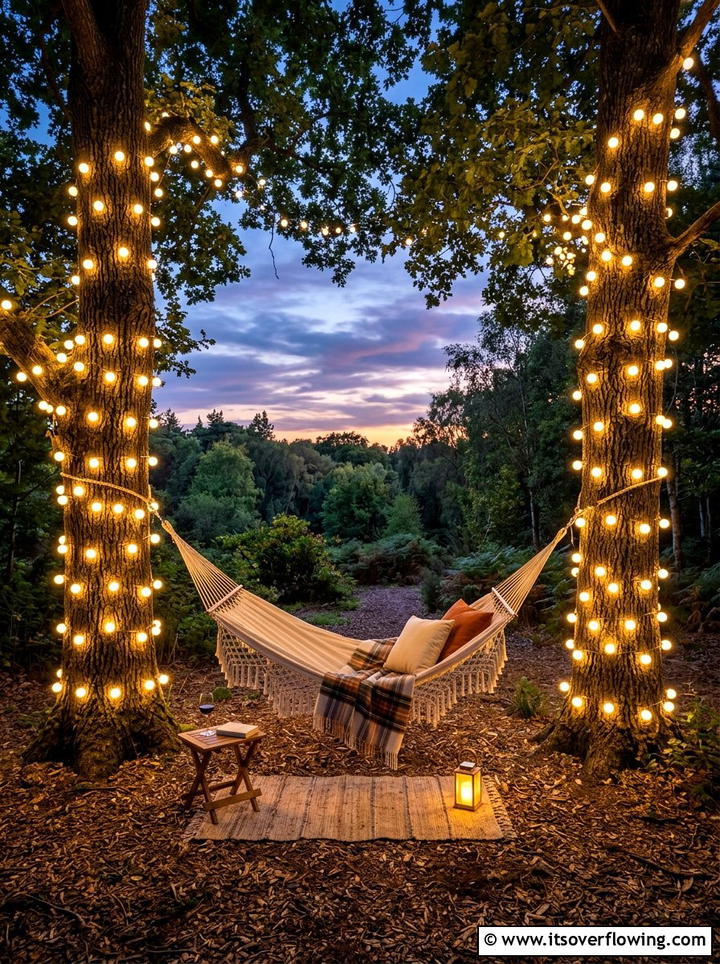
Wrapping a series of warm white string lights around the posts or the support trees of your hammock creates a magical atmosphere after dark. As the sun sets, the soft glow of the bulbs illuminates your lounging spot, making it feel cozy and safe for evening relaxation. You can also drape globe lights or fairy lights from the branches above to mimic the look of a starry night sky. This setup is perfect for late-night reading or simply winding down before bed while enjoying the cool night air. The lighting not only adds beauty but also provides enough visibility to safely navigate your way to and from the hammock at night.
21. Small Yard Hammock
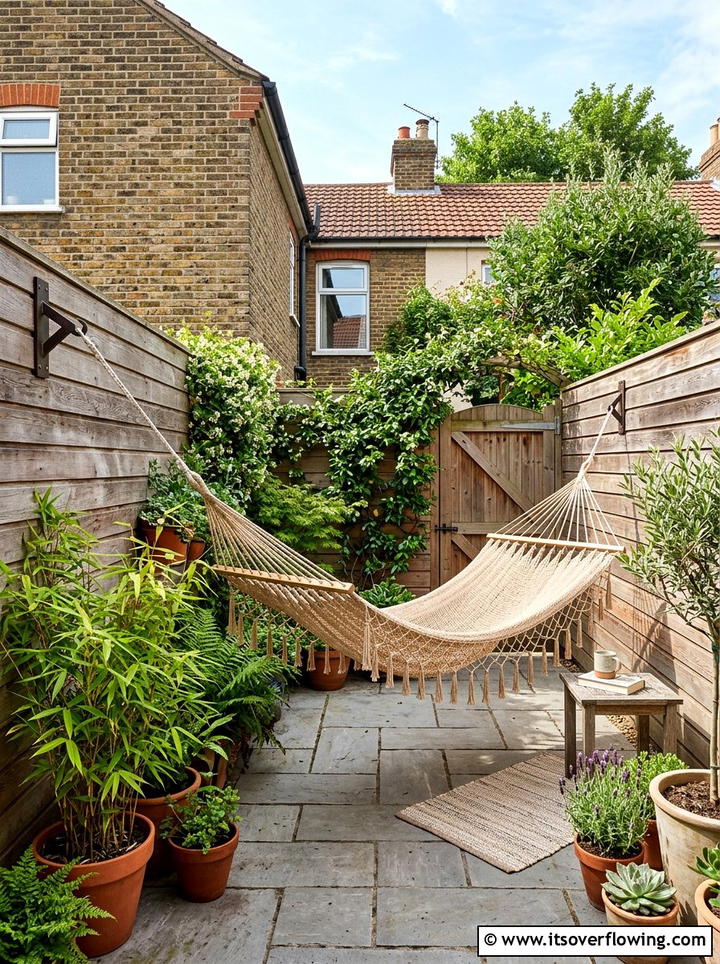
Even a tiny urban yard can accommodate a hammock if you choose the right orientation and hanging method. By hanging a hammock diagonally across a small square space, you can maximize the distance between the anchor points without overwhelming the rest of the patio. Using wall-mounted anchors on a sturdy fence or the side of the house saves floor space that would otherwise be taken up by a bulky stand. This allows you to have a full-sized relaxation spot without sacrificing room for a small dining table or garden beds. It proves that you do not need a massive estate to enjoy the simple pleasure of a swinging bed.
22. Farmhouse Hammock
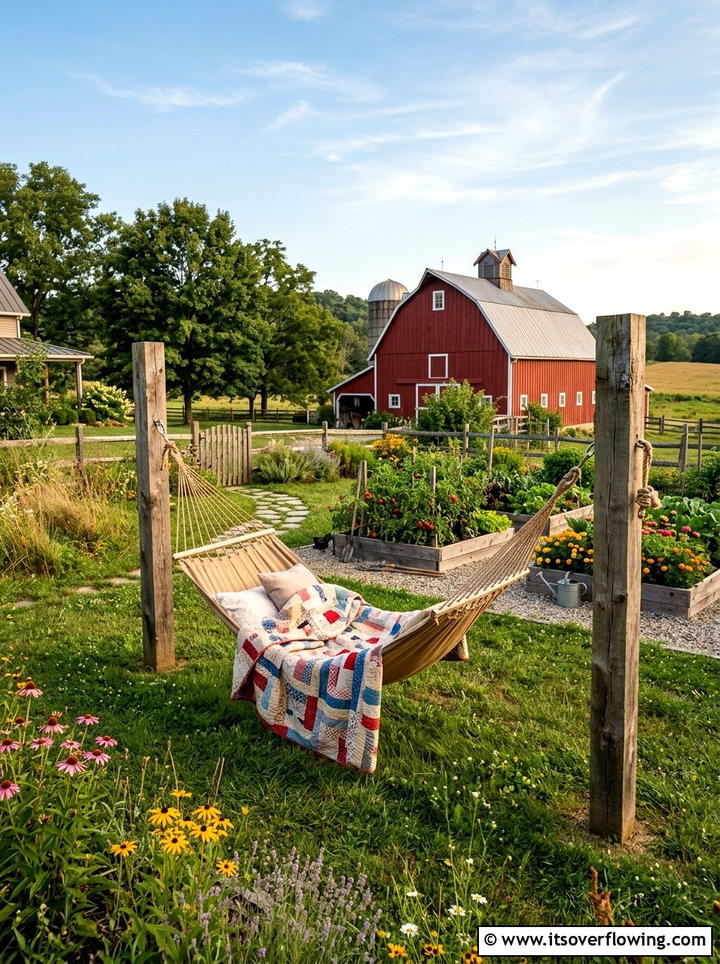
A farmhouse-style backyard often features rustic elements like reclaimed wood, galvanized metal, and simple, functional designs. You can complement this look with a heavy-duty canvas hammock in a neutral cream or tan color, hung between two thick wooden posts. Adding a few oversized plaid pillows and a vintage-style quilt makes the space feel nostalgic and incredibly comfortable. This setup looks particularly charming near a vegetable garden or a traditional barn-style shed. The focus is on durability and timeless comfort, creating a hardworking relaxation zone that feels like it has been part of the family home for generations, perfect for resting after a long day of gardening.
23. Post To Post Hammock
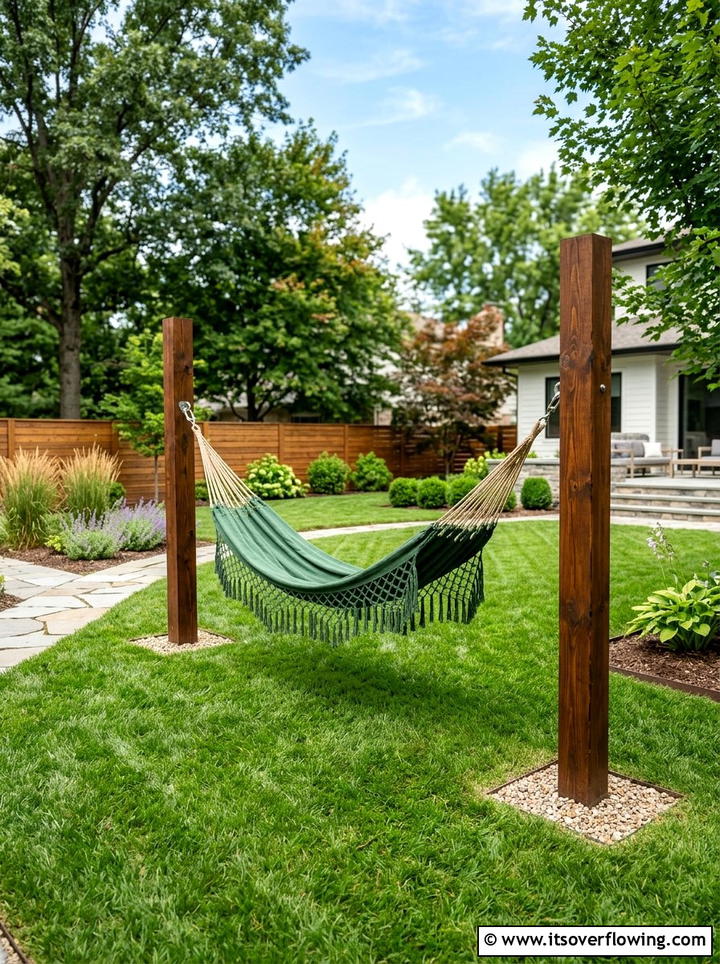
When your yard has no trees or structures in the perfect spot, installing two dedicated 6×6 pressure-treated wooden posts is a great permanent solution. You can bury the posts deep in the ground with concrete to ensure they remain perfectly upright under the weight of an adult. This gives you total control over the height and distance of your hammock, ensuring the most comfortable hang possible. You can stain or paint the posts to match your fence or home exterior for a cohesive look. This method is very clean and professional, providing a sturdy and reliable foundation that will last for many years of heavy use in your backyard.
24. Flower Garden Hammock
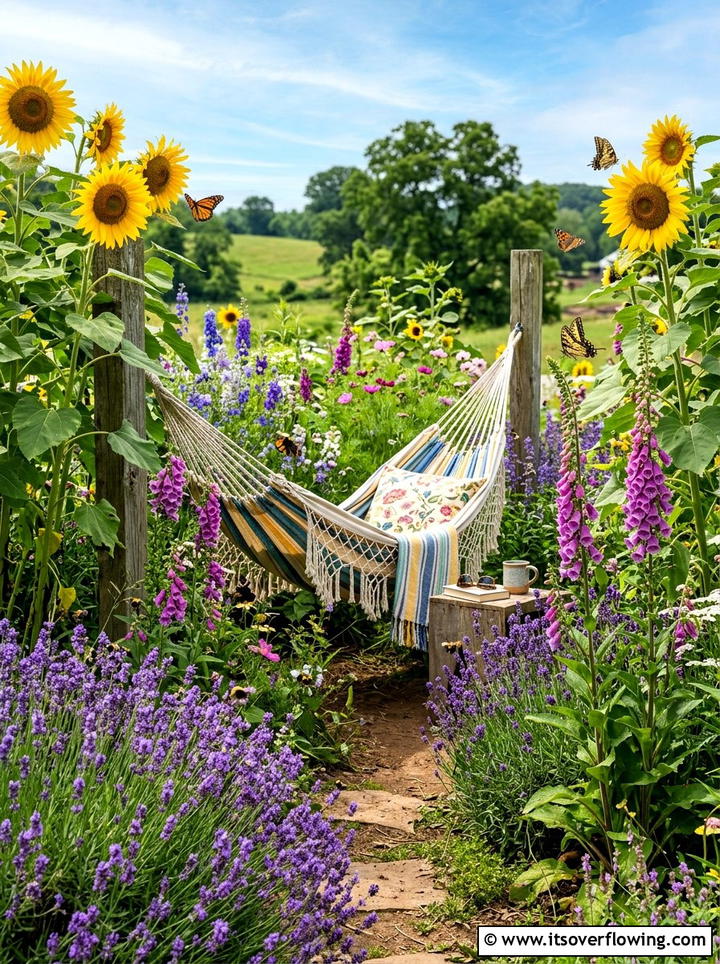
Placing a hammock directly in the middle of a vibrant flower bed allows you to be completely immersed in the beauty of nature. You can plant tall perennials like sunflowers, foxgloves, and delphiniums around the hammock to create a living wall of color and texture. As you swing, you will be at eye level with the blooms and the butterflies that visit them throughout the day. This immersive experience is incredibly therapeutic and provides a unique perspective on your gardening efforts. It is a wonderful way to enjoy the fruits of your labor while experiencing the calming benefits of being surrounded by lush, living art in your own private garden.
25. Zen Hammock
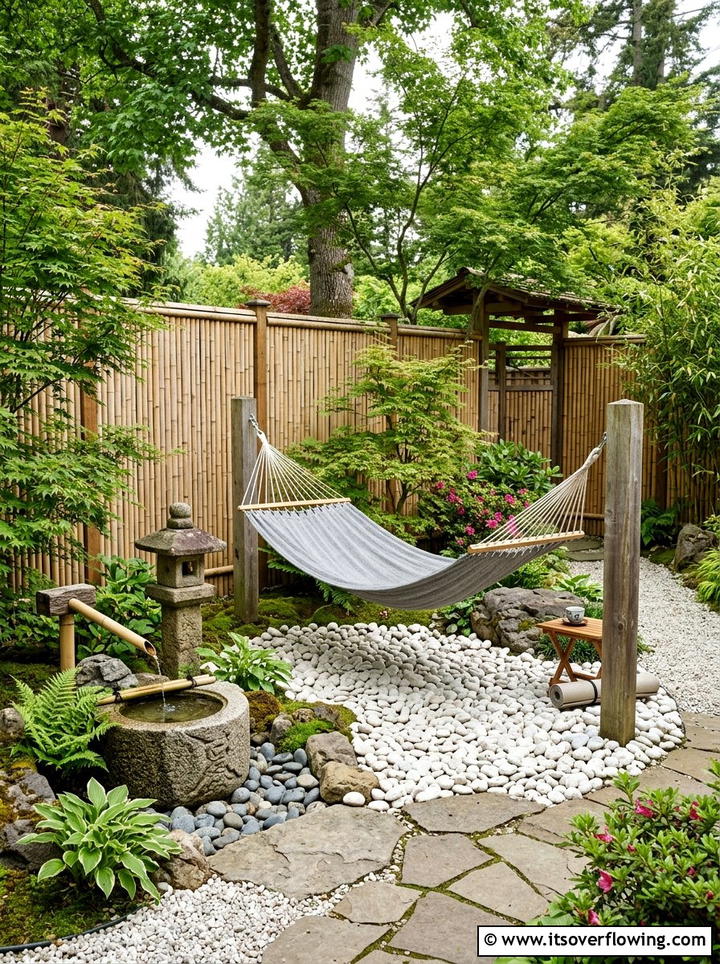
A Zen-inspired hammock setup focuses on minimalism, balance, and tranquility, often featuring a simple white or grey hammock in a cleared space. You can surround the area with smooth river rocks, a small raked sand pit, and a few carefully placed bonsai trees or bamboo stalks. The sound of a nearby solar-powered stone fountain adds a layer of soothing auditory background noise that helps with meditation. By keeping the area free of clutter and using a limited color palette, you create a space that encourages mental clarity and deep relaxation. This setup is perfect for anyone looking to use their backyard as a dedicated zone for mindfulness and spiritual rejuvenation.
Conclusion:
Transforming your backyard with a hammock is one of the most rewarding home improvement projects you can undertake for your personal well-being. Whether you choose a classic rope design between two old trees or a sleek modern stand on a city balcony, the result is always a more inviting and relaxing outdoor environment. Hammocks are versatile, affordable, and bring a sense of joy and playfulness to any landscape design. By considering factors like shade, proximity to water, and your overall aesthetic, you can create a custom lounging spot that perfectly fits your lifestyle. Enjoy the process of designing your own private oasis where you can finally slow down and appreciate the beauty of the great outdoors.

Related posts:
 25 garden ideas with gazebo for a Dreamy Backyard Retreat
 25 backyard decorating ideas with lights for a Dreamy Glow
 25 Backyard Decorating Ideas With Pergola Decor For Dreamy Shade
 25 Garden Ideas With Pergola Designs for a Dreamy Backyard
 25 Backyard Decorating Ideas For A Cozy Outdoor Retreat
 25 Backyard Decorating Ideas With Zen Retreat Vibe
 25 Backyard Ideas for Relaxing in a Peaceful Retreat
 25 Backyard Ideas With Bird Garden for a Lively Retreat
 25 backyard ideas with pond for a Peaceful Garden Retreat
 25 Backyard Ideas With Tropical Retreat Vibes At Home
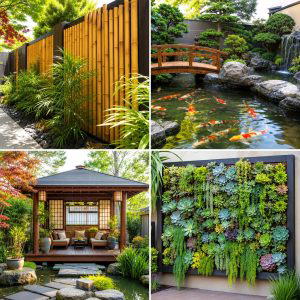 25 Backyard Ideas With Zen Style for a Peaceful Retreat
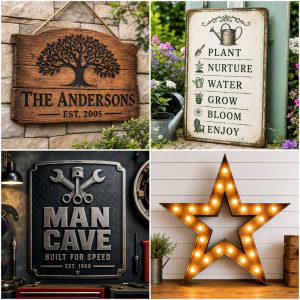 25 Backyard Decorating Ideas With Signs For Backyard Charm