
Transforming your outdoor space into a sanctuary for local birds is a rewarding project that brings life and song to your home. It involves more than just putting out a feeder on a post. You need to consider the full lifestyle of the birds in your area, including food, water, and safe cover. A well-planned bird garden creates a miniature ecosystem right outside your window. This approach allows you to connect with nature every single day. You will see vibrant colors and hear beautiful melodies throughout the different seasons. Setting up these spaces helps support biodiversity while enhancing your property value. It is a peaceful way to enjoy gardening while helping local wildlife thrive in your own backyard.
1. Native plant garden
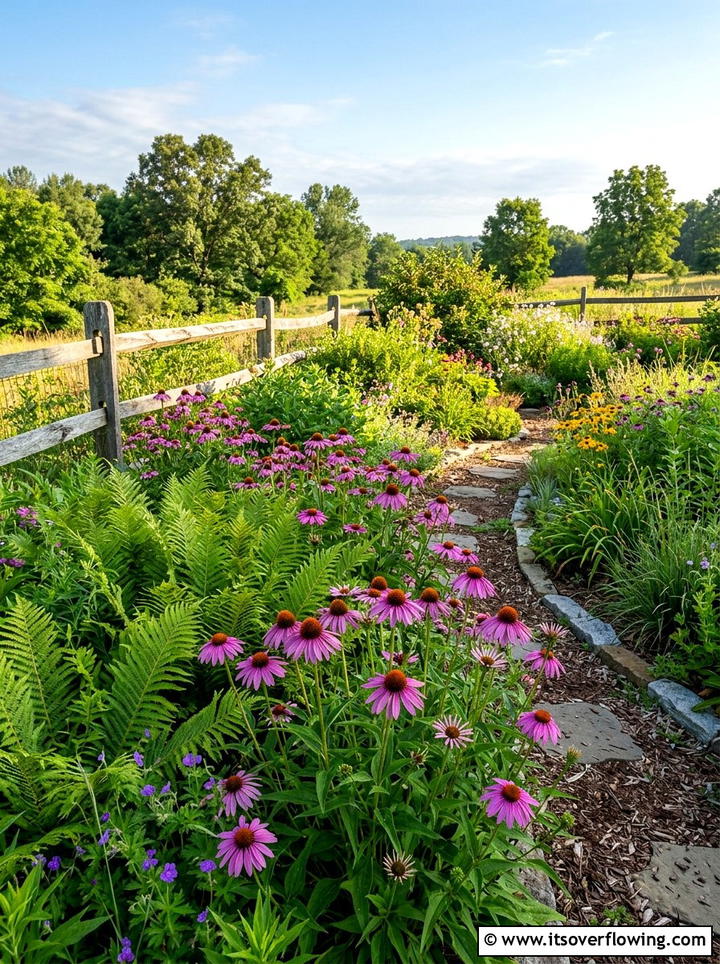
Choosing native plants is the most effective way to attract local birds to your yard. These specific plants have evolved alongside regional bird species, offering the exact nutrition they need to survive and raise their young. You should look for varieties like coneflowers, milkweed, or local oak trees. These plants require less water and fewer chemicals because they are adapted to your local environment. They provide natural seeds, nectar, and caterpillars, which are vital for baby birds. A native landscape creates a familiar habitat that birds recognize from far above. Your garden will become a reliable stop for migrating species every year. It creates a beautiful, low-maintenance space that feels connected to the surrounding wilderness.
2. Stone bird bath
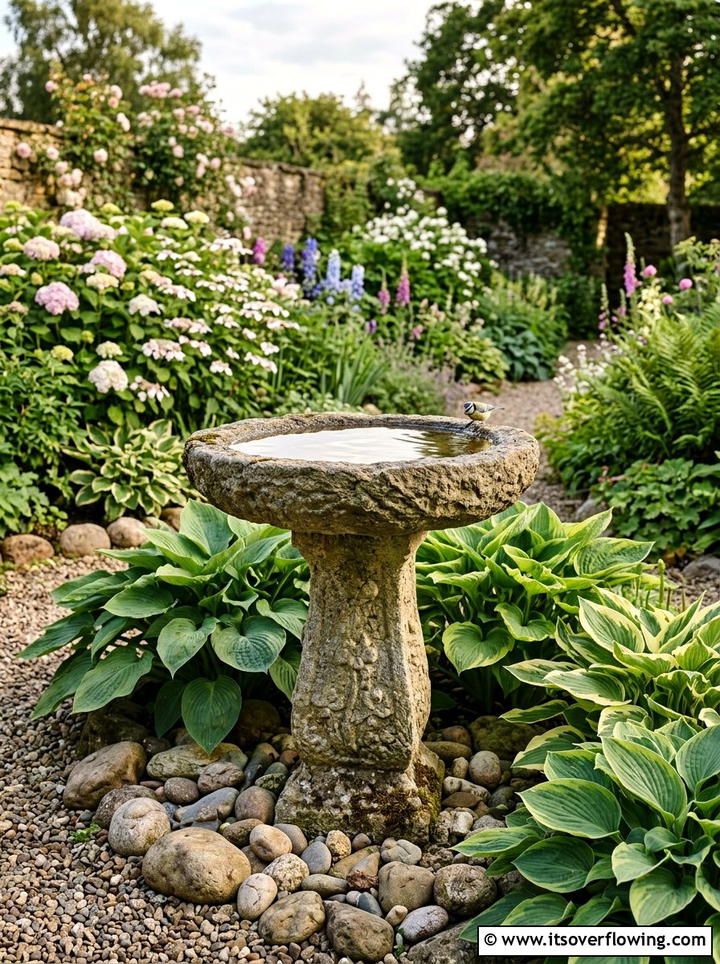
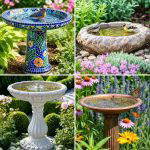
A stone bird bath is a classic addition that provides essential hydration for every type of bird. Fresh water is just as important as food for keeping birds healthy and active. You want to choose a basin with a rough surface so birds can keep their grip while splashing around. It should not be too deep, as most small birds prefer water that is only one or two inches deep. Placing the bath near a tree or large bush helps birds feel safe from overhead predators. They can quickly fly to cover if they get spooked while bathing. Keeping the water clean is vital to prevent any bird illnesses from spreading. A beautiful stone feature also adds a timeless aesthetic to your garden layout.
3. Hummingbird pollinator garden
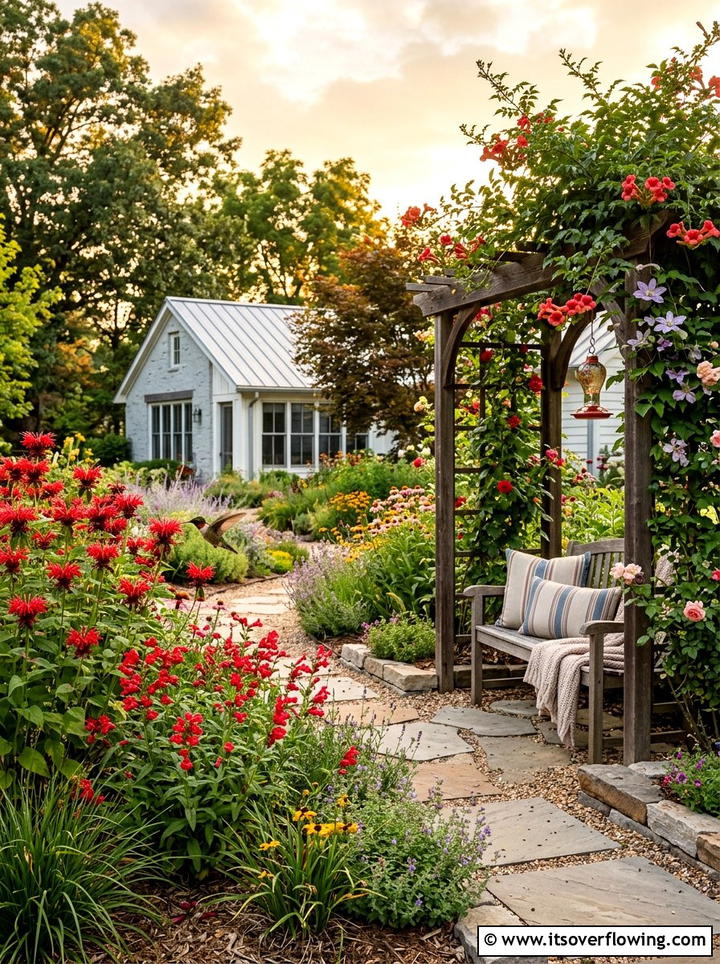
Planting a garden specifically for hummingbirds is a great way to bring high-energy action to your backyard. Focus on bright, tubular flowers like bee balm, salvia, and trumpet vine to catch their attention. These tiny birds are attracted to red and orange colors that stand out in a green landscape. You should group similar plants together to make it easier for them to find the nectar. Avoid using pesticides, as hummingbirds also eat small insects for protein. Providing a mix of different blooming times ensures they have food from spring until the fall. These gardens look vibrant and lively with the constant buzzing of wings. Watching these small creatures hover and dart through your flowers is a magical daily experience.
4. Wooden birdhouse
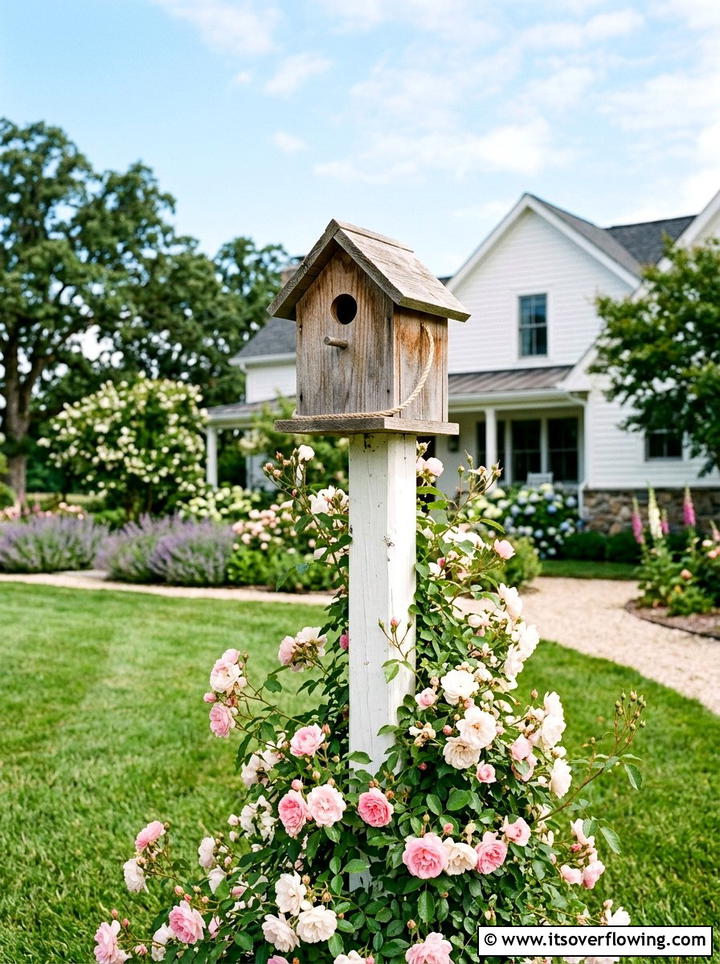
Adding a wooden birdhouse gives local birds a safe place to nest and raise their families. Different species prefer different entrance hole sizes, so research which birds live in your area before buying. Bluebirds and wrens are common visitors that love well-placed boxes. You should mount the house on a sturdy pole or a mature tree trunk away from heavy traffic. Make sure the house has proper ventilation and drainage holes to keep the interior dry and cool. Cleaning the box out once a year after the nesting season is over helps keep it healthy. Using natural, untreated wood is best for the safety of the chicks. Seeing a pair of birds build a nest is a wonderful backyard event.
5. Berry bush hedge
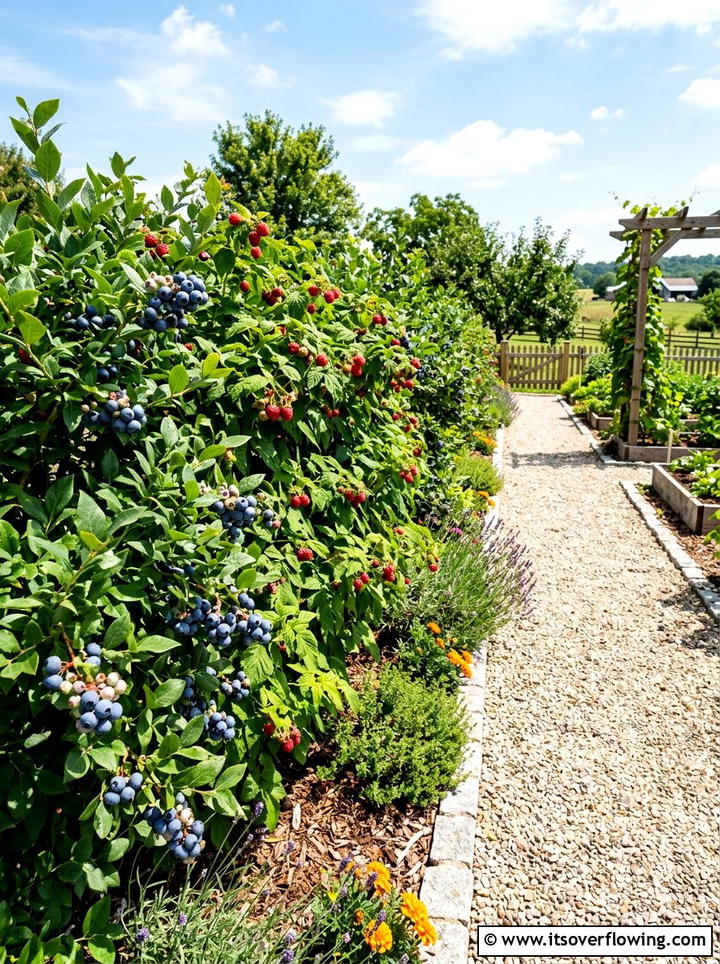
A berry bush hedge serves a dual purpose by providing both privacy and a natural food source for birds. Plants like blueberries, raspberries, and elderberries are excellent choices for a bird-friendly landscape. These shrubs produce fruit at different times, which keeps the birds coming back to your yard throughout the seasons. The dense branches also offer a perfect hiding spot for small birds when they feel threatened. You can enjoy some of the harvest yourself while leaving plenty for the robins and waxwings. These hedges look beautiful when they bloom in the spring and turn vibrant colors in the fall. It is a natural way to define your property lines while supporting the local bird population with nutritious snacks.
6. Wildflower meadow
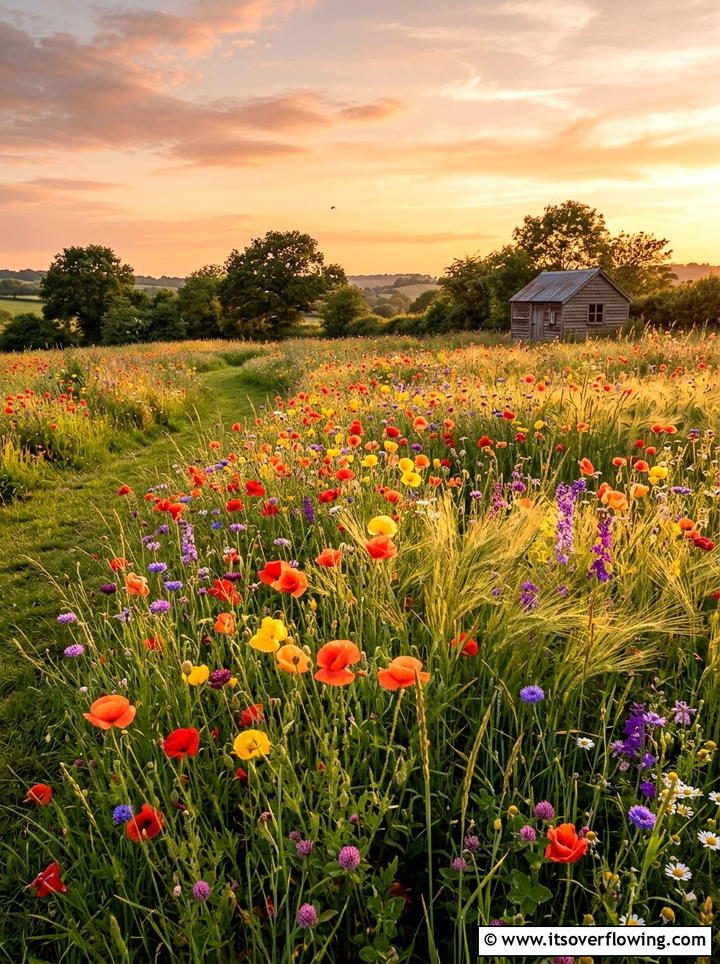
Turning a section of your lawn into a wildflower meadow creates a haven for seed-eating birds and pollinators. Native wildflowers produce a huge amount of natural seed heads that goldfinches and sparrows love to eat. You can start by clearing a sunny spot and sowing a mix of regional wildflower seeds. This type of garden requires very little mowing, which saves you time and reduces your carbon footprint. The tall stems provide cover and nesting materials for various bird species during the warmer months. As the flowers fade, leave the stalks standing through the winter to provide food for hungry birds. A meadow adds a wild, colorful charm to your backyard that changes with the light of the day.
7. Solar bird bath
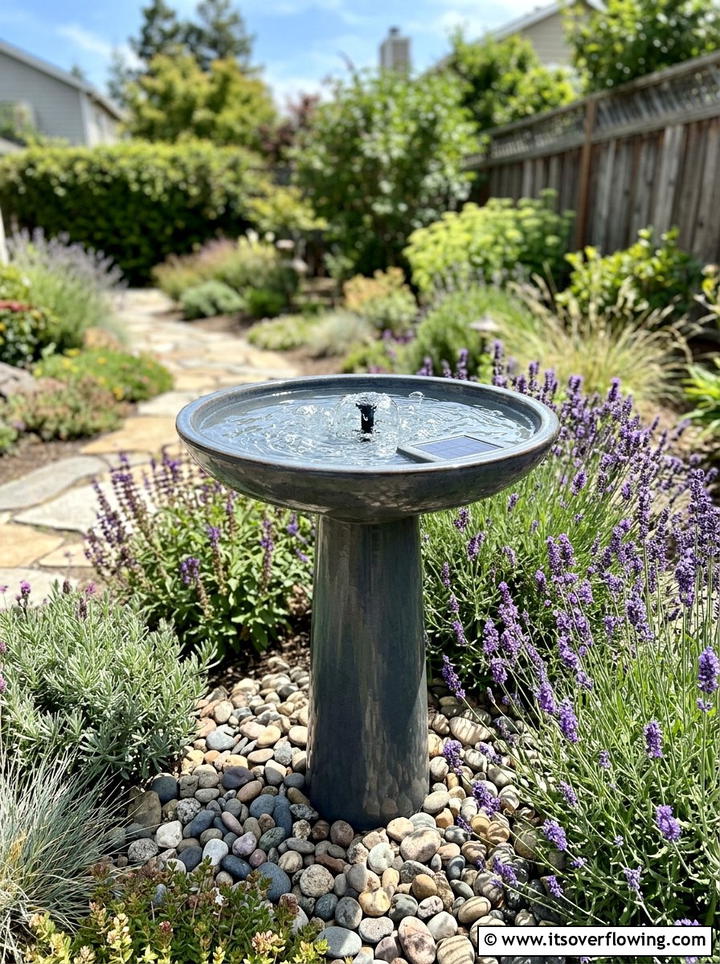
A solar bird bath uses the power of the sun to keep water moving, which is very attractive to birds. Moving water is easier for birds to see and hear from a distance than still water. The gentle splashing sound lets them know a fresh drink is available nearby. These baths often come with small fountains or bubblers that operate without the need for messy electrical cords. Keeping the water in motion also prevents mosquitoes from laying eggs in your bird bath. This makes it a healthier choice for both the birds and your family. Many models are made from lightweight materials that are easy to move around your patio or garden. It is a modern and eco-friendly way to upgrade your bird sanctuary.

8. Multi-level bird feeder
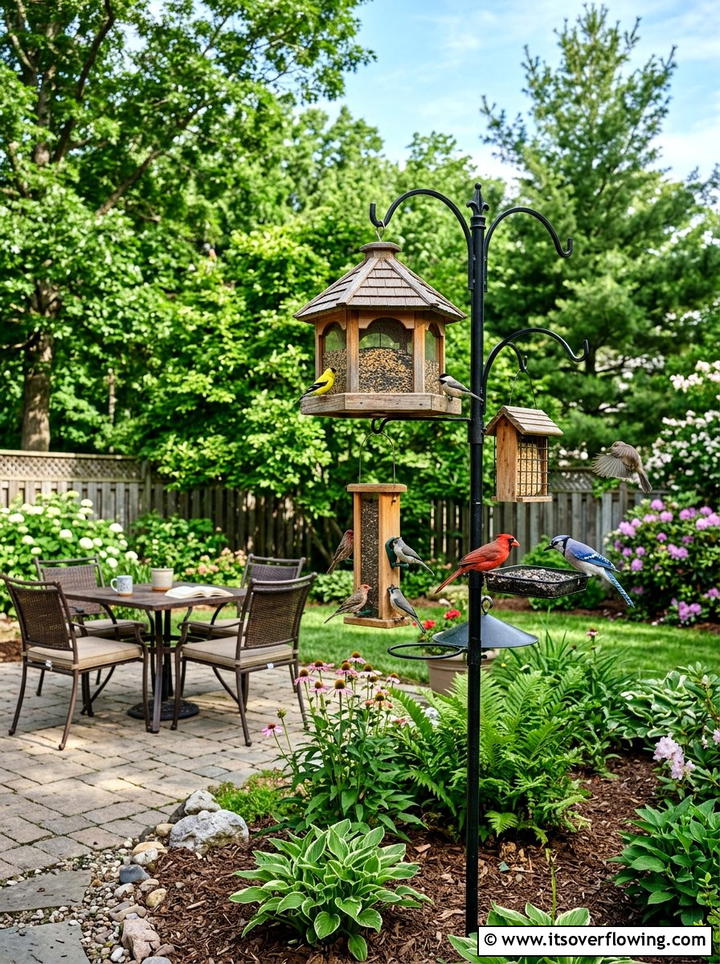
Using a multi-level bird feeder allows you to attract a wider variety of bird species to your backyard. Different birds prefer to eat at different heights, from ground-feeders to those that like high perches. You can hang several different types of feeders on one tall pole to save space. Offer a mix of seeds like black oil sunflower, millet, and thistle to appeal to various tastes. This setup creates a bustling hub of activity that is fun to watch from your window. Make sure to place the feeders in a spot where you can easily refill them. Keeping the area under the feeders clean is important to prevent pests like squirrels or mice. This organized approach makes bird feeding more efficient and enjoyable.
9. Evergreen shelter
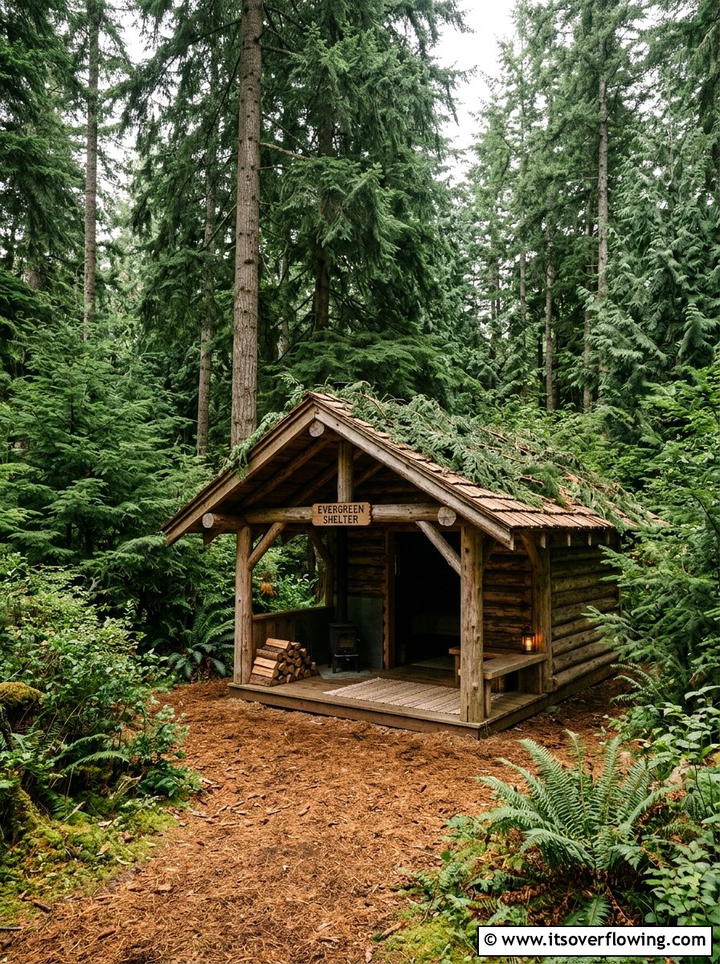
Evergreen shelter is essential for keeping birds safe and warm during the cold winter months or heavy rain. Trees like spruce, pine, and cedar provide thick, year-round foliage that blocks the wind and hides birds from predators. These trees offer a permanent structure in your garden that stays green even when everything else is dormant. Many birds will use these dense branches for roosting at night to stay warm. You should plant them in clusters to create a more effective windbreak for the rest of your yard. Evergreens also provide a beautiful backdrop for your other flowering plants and bird feeders. They are low-maintenance once they are established and provide valuable habitat for years to come. Your backyard will feel like a forest sanctuary.
10. Ground bird feeder
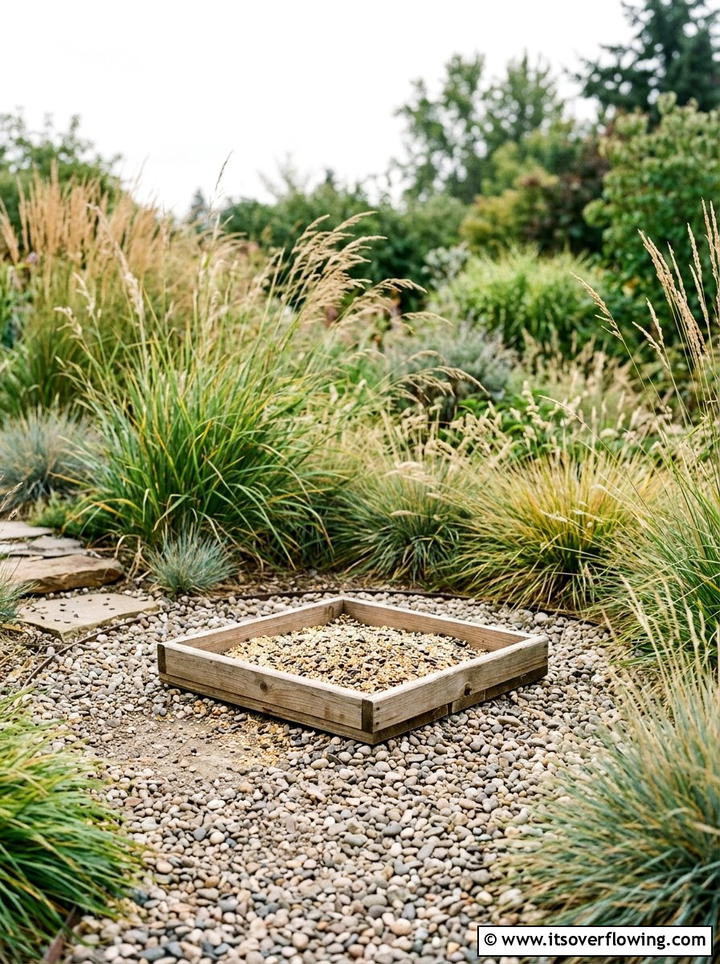
A ground bird feeder is perfect for attracting species like juncos, towhees, and mourning doves that prefer to eat on the floor. These simple platforms keep the seed off the damp grass, which helps prevent mold and rot. You should place these feeders in an open area so the birds can see any approaching predators easily. Adding a little bit of cracked corn or white millet will keep these ground-dwelling birds very happy. It is a good idea to put the feeder near some low bushes where birds can hide if they get scared. Watching the different social interactions of birds on the ground is a very peaceful experience. Keeping the area clean is simple and helps maintain a healthy environment for all the visiting wildlife.
11. Fruit tree
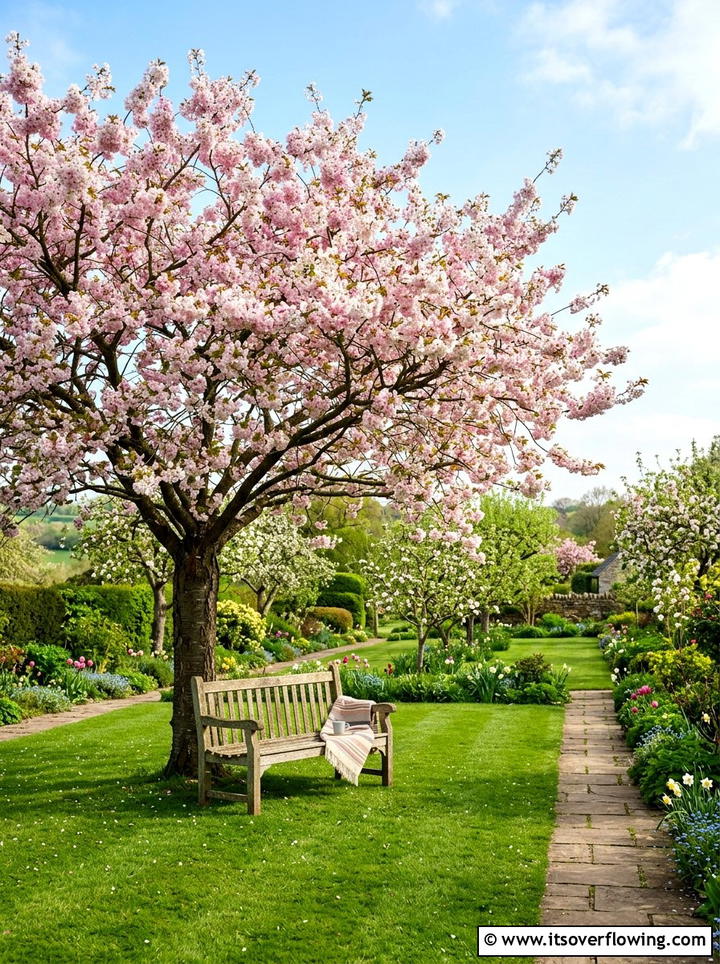
Planting a fruit tree is a long-term investment that provides both shade and food for your backyard bird population. Cherry, apple, and crabapple trees are wonderful options that produce blossoms in spring and fruit in the fall. Birds will flock to these trees to eat the ripe fruit and find insects among the leaves. The sturdy branches also provide excellent spots for birds to build their nests and raise their young. You can enjoy the beautiful flowers every spring before the tree becomes a busy feeding station later in the year. Fruit trees add vertical interest and structure to your garden design. Even if you do not harvest the fruit yourself, the local birds will appreciate every single bite. It is a gift for the environment.


12. Climbing vine
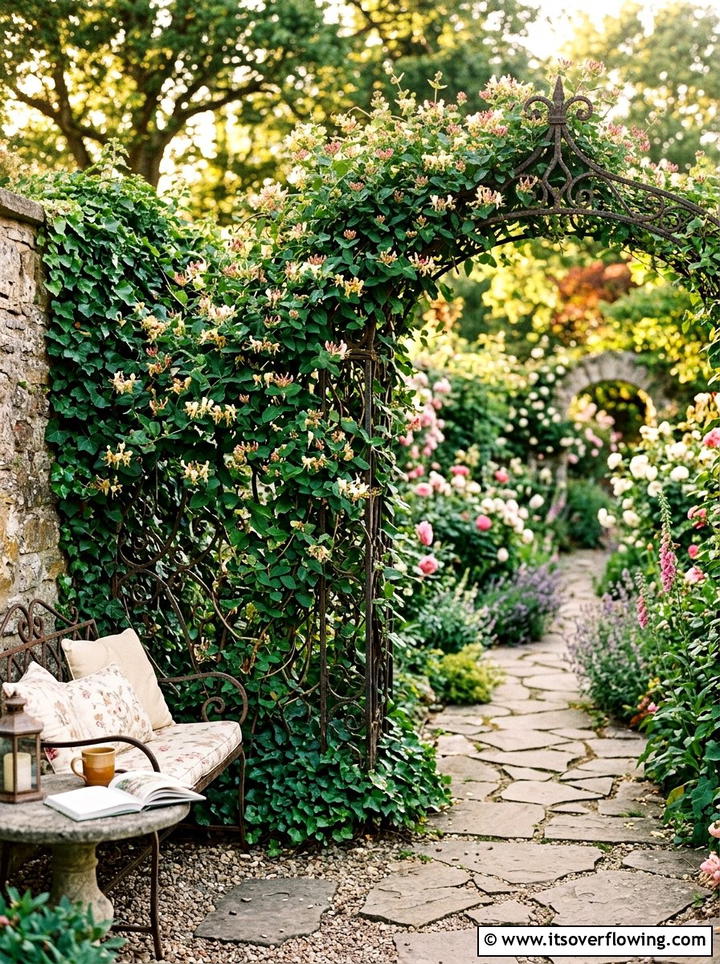
A climbing vine provides vertical habitat and food for birds while taking up very little ground space in your garden. Varieties like honeysuckle, clematis, or Virginia creeper offer thick cover where small birds can hide from hawks. These vines can grow up a trellis, a fence, or even the side of your house. They produce nectar-rich flowers for hummingbirds and often yield berries for other birds later in the season. The dense growth creates a private corridor for birds to move safely through your yard. Vines are excellent for softening the look of hard structures and adding a lush, green feel to your patio. They are easy to maintain with a little bit of pruning once a year. Your birds will love the extra layers of protection.
13. Shady woodland garden
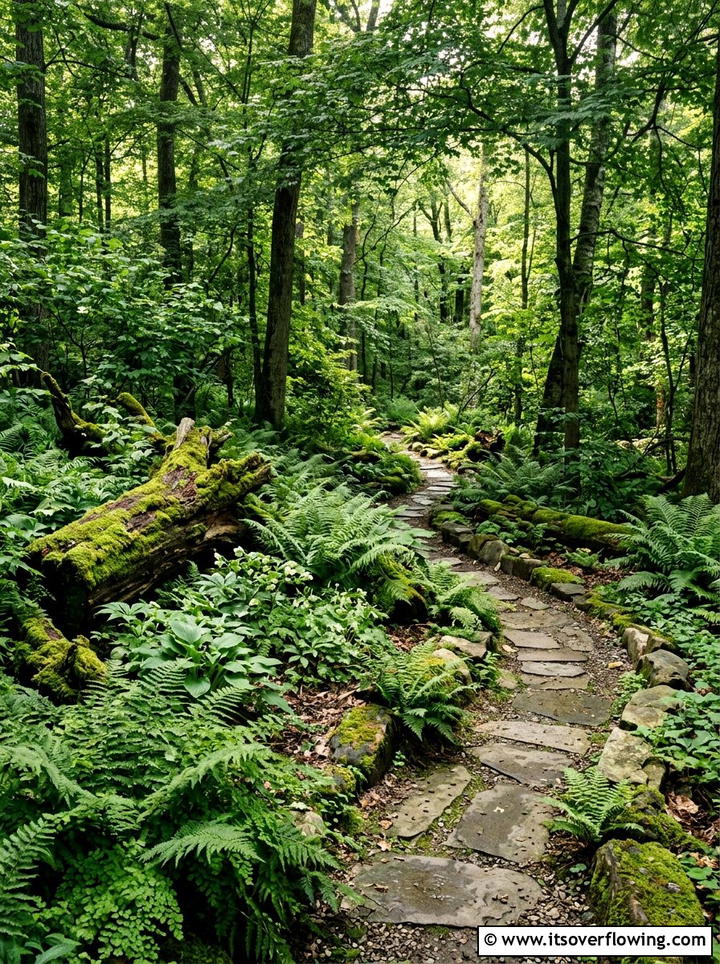
A shady woodland garden creates a cool retreat for birds that prefer quieter and dimmer environments. You can use layers of ferns, hostas, and native shade trees to build a forest-like atmosphere in your yard. These areas are perfect for ground-nesting birds and those that hunt for insects in the leaf mulch. Adding a small water feature in the shade will keep the water cool and refreshing for the birds. Woodland gardens feel very peaceful and offer a nice break from the bright sun of a traditional lawn. You can use fallen logs and rocks to add more natural texture and hiding spots for wildlife. This type of garden requires less watering and creates a lush, green corner that looks beautiful all year long.
14. Sunflower garden
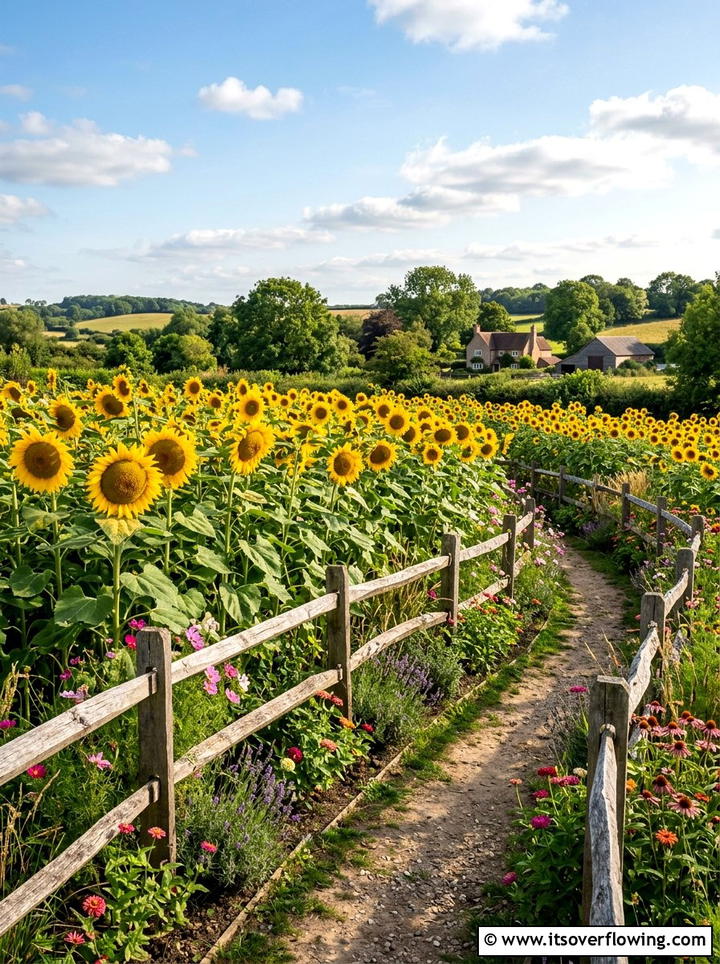
Growing a sunflower garden is one of the easiest and most cheerful ways to feed birds naturally. Sunflowers produce massive heads filled with oil-rich seeds that are a favorite for cardinals, chickadees, and finches. You can plant different varieties ranging from giant stalks to smaller, multi-blooming bushes. These flowers are very easy to grow from seed and thrive in sunny spots with basic soil. Watching the birds hang upside down on the flower heads to pluck out seeds is very entertaining. You can leave the dried stalks standing in the fall to provide a winter food source. Sunflowers also attract many helpful pollinators that improve the health of your entire garden. Their bright yellow faces will bring a sense of joy and energy.
15. Natural pond
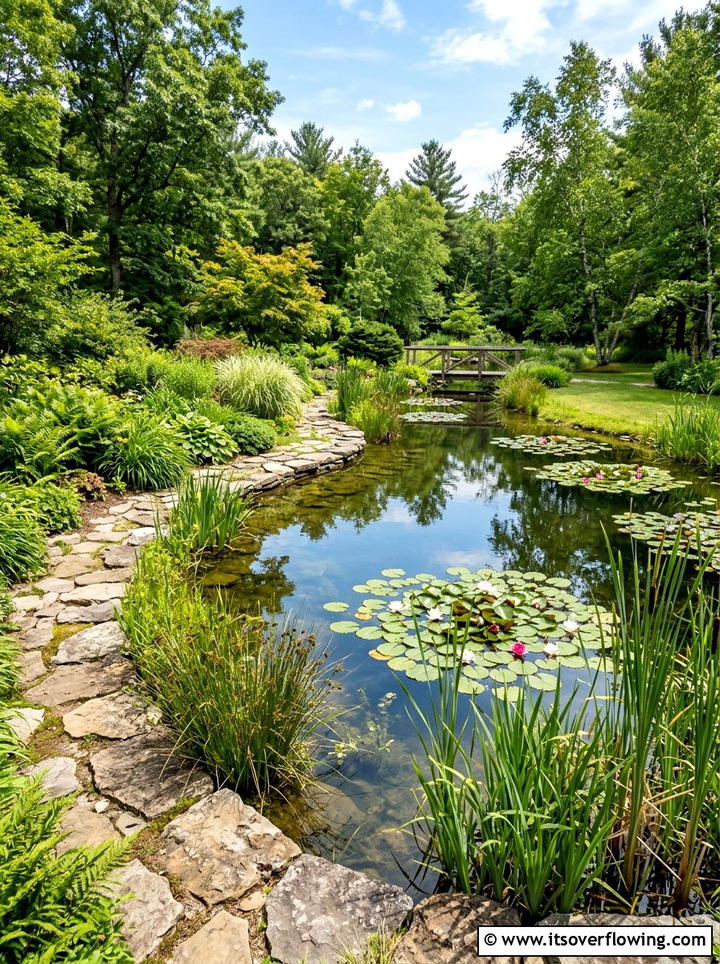
A natural pond serves as a major draw for a wide range of bird species looking for water and food. Unlike a small bird bath, a pond can support aquatic plants and insects that birds love to eat. You should design the pond with shallow edges so birds can easily walk in to bathe. Adding a small waterfall or a slow-moving stream will create the sound of running water that birds adore. Frogs and dragonflies will also move in, creating a more complex and interesting ecosystem for you to watch. The surrounding rocks and plants provide plenty of places for birds to perch and dry their feathers. A pond adds a high level of tranquility and a professional look to any backyard landscape project.

16. Brush pile
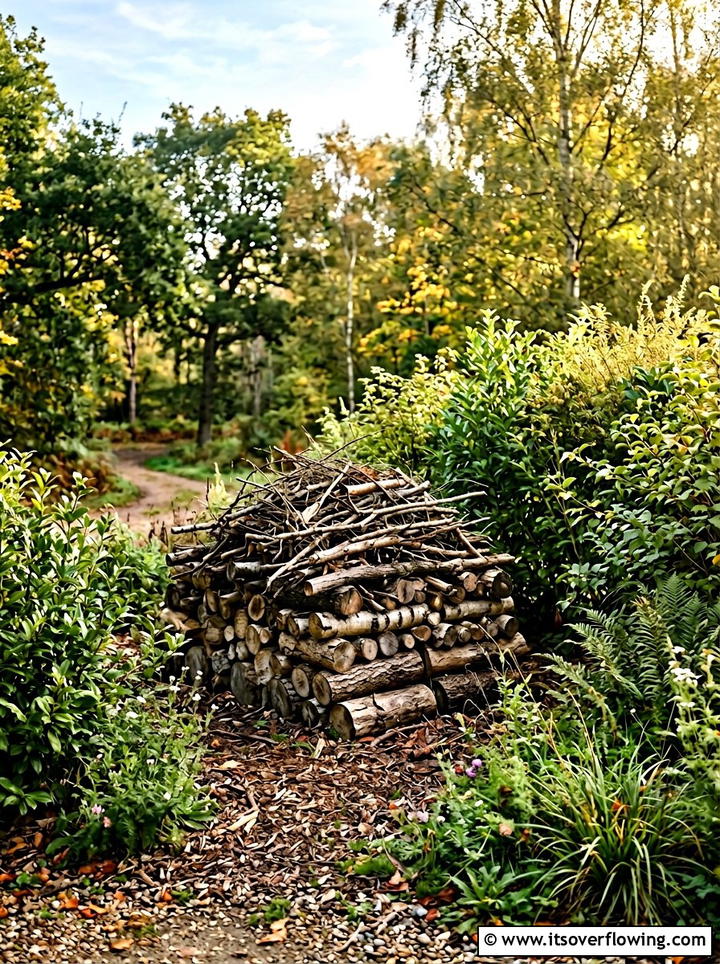
Creating a brush pile is a simple and free way to provide critical shelter for your backyard birds. You can use fallen branches, twigs, and old Christmas tree boughs to build a loose heap in a quiet corner. This structure gives birds a safe place to hide from harsh weather and hungry predators like hawks. It also provides a home for many insects, which serve as a natural food source for your feathered friends. While it might look a bit messy, it is a vital part of a truly bird-friendly habitat. You can tuck it behind some bushes or a fence if you want to keep it out of sight. Small birds like wrens and sparrows will spend hours hopping through the maze of sticks.
17. Hanging bird feeder
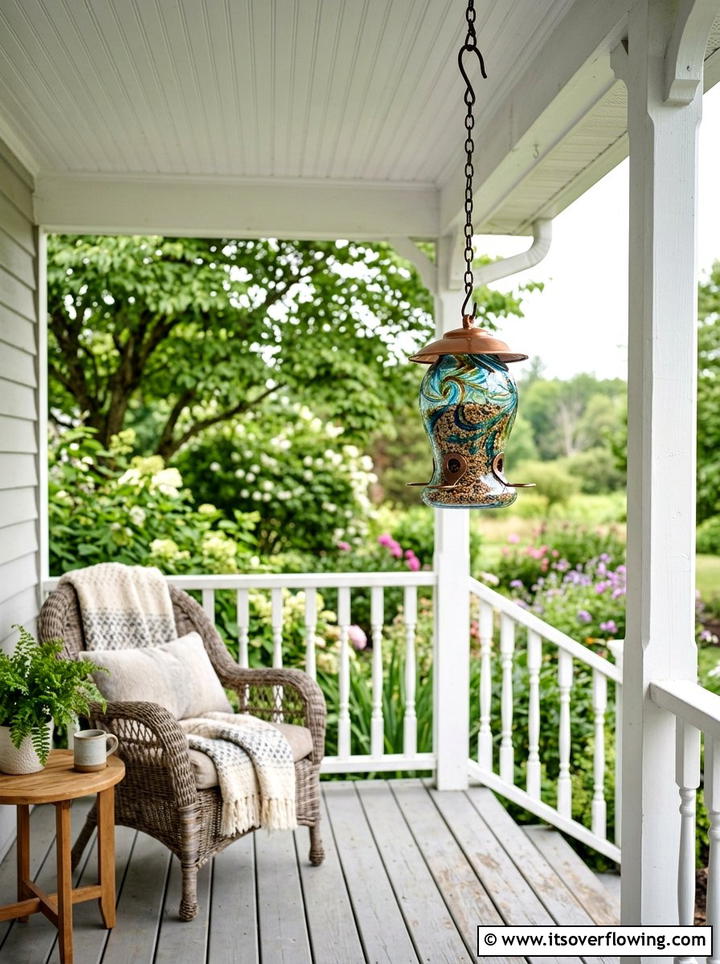
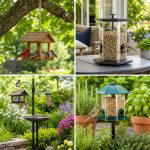
A hanging bird feeder is a versatile tool for bringing birds right up to your porch or patio. You can find many beautiful styles made from glass, metal, or wood that add a decorative touch to your outdoor space. Hanging these feeders from eaves or tree branches keeps them away from some ground predators. You can fill them with specific seeds to attract certain birds, such as thistle for tiny goldfinches. Make sure the feeder is easy to reach so you can keep it full throughout the week. Seeing birds just a few feet away from your window provides a wonderful connection to the natural world. It is an easy way to start birdwatching without needing a massive garden. These feeders are simple to clean.
18. Rock garden with water
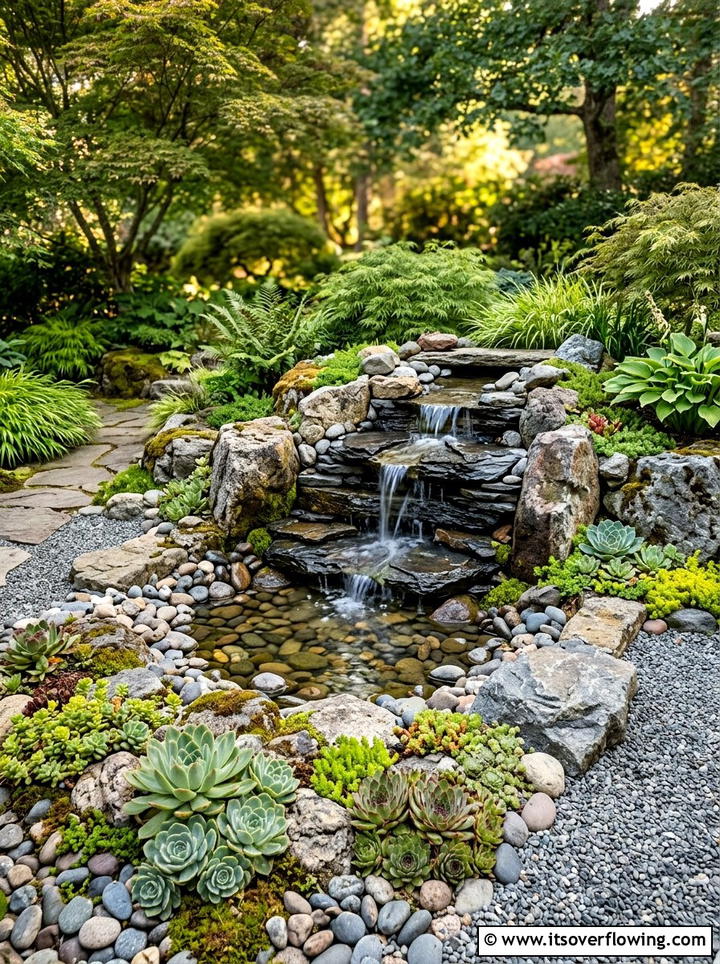
A rock garden with water combines natural stone elements with a gentle flow to attract thirsty birds. You can stack flat stones to create a small, trickling waterfall that spills into a shallow basin. Birds are drawn to the sound and the sight of water moving over the different textures of the rocks. The stones also provide various heights for birds of different sizes to land and drink safely. This type of feature looks very natural and blends perfectly into a landscaped garden bed. You can plant small alpines or mosses between the rocks to complete the look. The combination of hard stone and soft water creates a very relaxing atmosphere for both you and the birds. It is a stunning addition.
19. Perennial flower bed
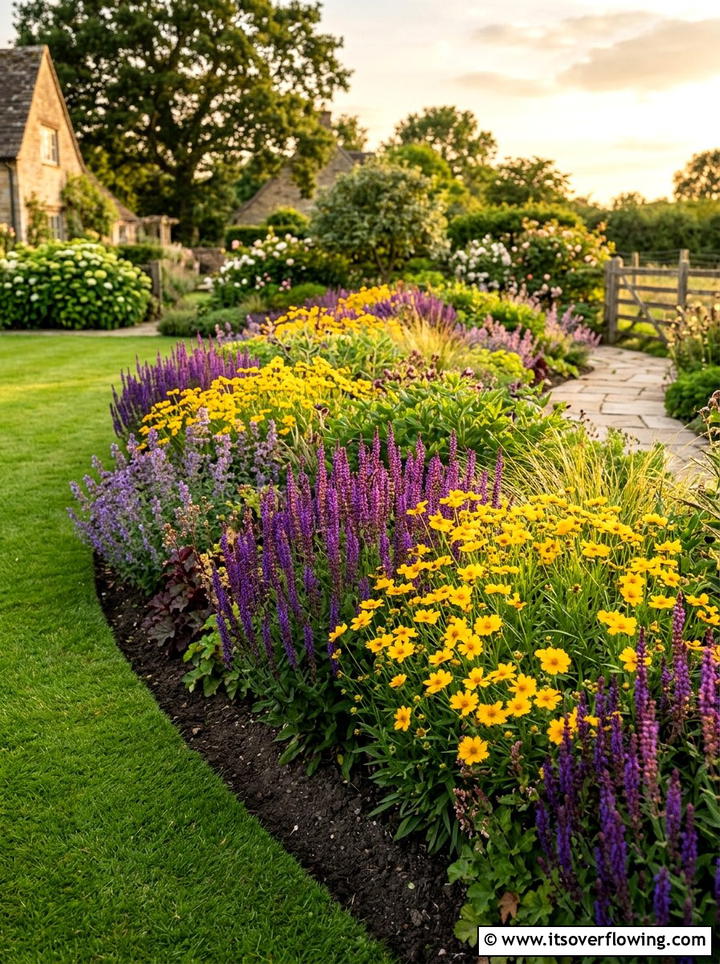
Designing a perennial flower bed ensures that your bird garden returns with more beauty every single year. Perennials like purple coneflower, black-eyed Susans, and coreopsis are excellent because they produce plenty of seeds for birds. These plants grow stronger each season, providing a reliable habitat for your local feathered visitors. You should avoid cutting back the dead flower heads in the fall so the seeds remain available during the winter. This provides a vital food source when other options are scarce for birds. Perennials also attract many butterflies and bees, which adds more life and color to your garden. Using a variety of heights and colors makes the bed look professionally designed and very inviting. It is a sustainable sanctuary.

20. Woodpecker suet station
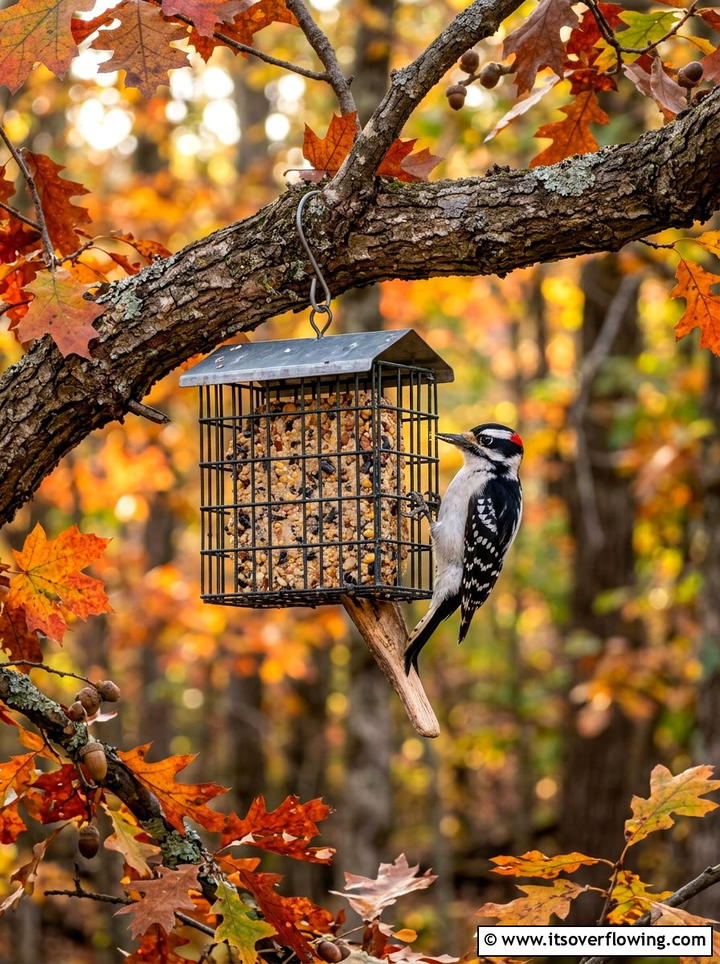
A woodpecker suet station is a specialized feeding area that provides high-fat food for birds during the colder months. Suet is especially popular with woodpeckers, nuthatches, and chickadees that need extra energy to stay warm. You can hang a simple wire cage filled with suet cakes from a tree branch or a feeder pole. Look for suet that contains peanuts, berries, or insects to give the birds a healthy and diverse diet. These stations are usually very busy during the winter when natural food sources are hard to find. Watching a large woodpecker cling to the side of the feeder is a very impressive sight. Placing the station near a tree trunk makes the birds feel more comfortable while they eat.
21. Butterfly bird garden
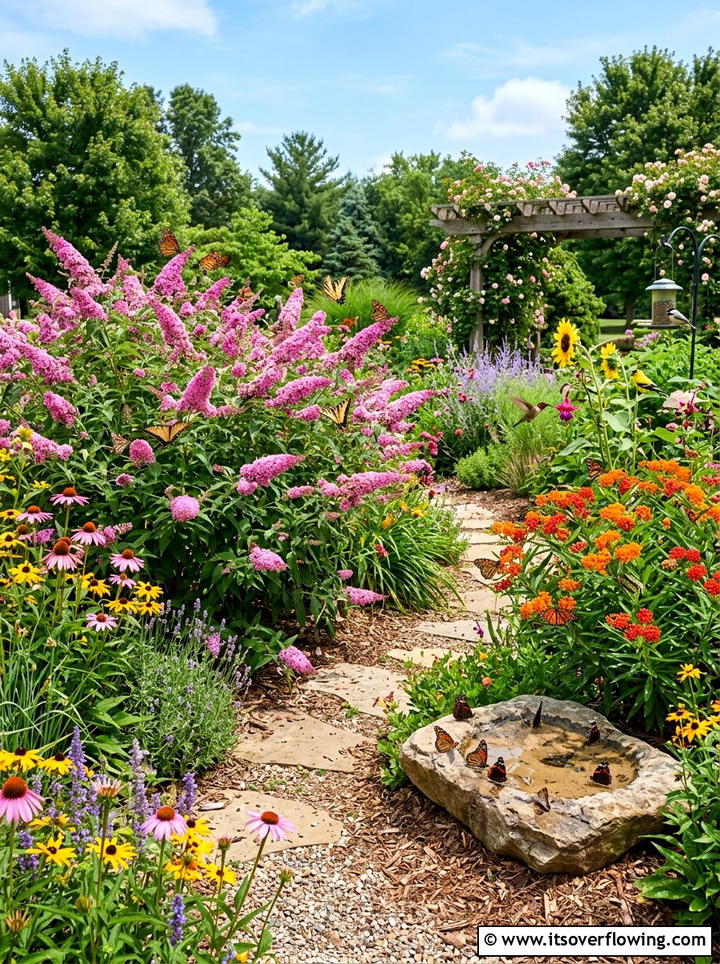
Creating a butterfly and bird garden allows you to enjoy the best of both worlds in one space. By planting nectar-rich flowers like milkweed and butterfly bush, you attract vibrant insects that birds also love to eat. This creates a healthy food chain where everything is balanced and thriving naturally. Birds will visit the garden to hunt for caterpillars and enjoy the seeds from the spent flowers. The bright colors of the blossoms and the fluttering wings of butterflies make the garden feel alive. You should include a flat stone where butterflies can sun themselves and birds can rest. This type of garden is educational for children and very relaxing for adults. It turns your backyard into a colorful paradise for species.
22. Tall grass habitat
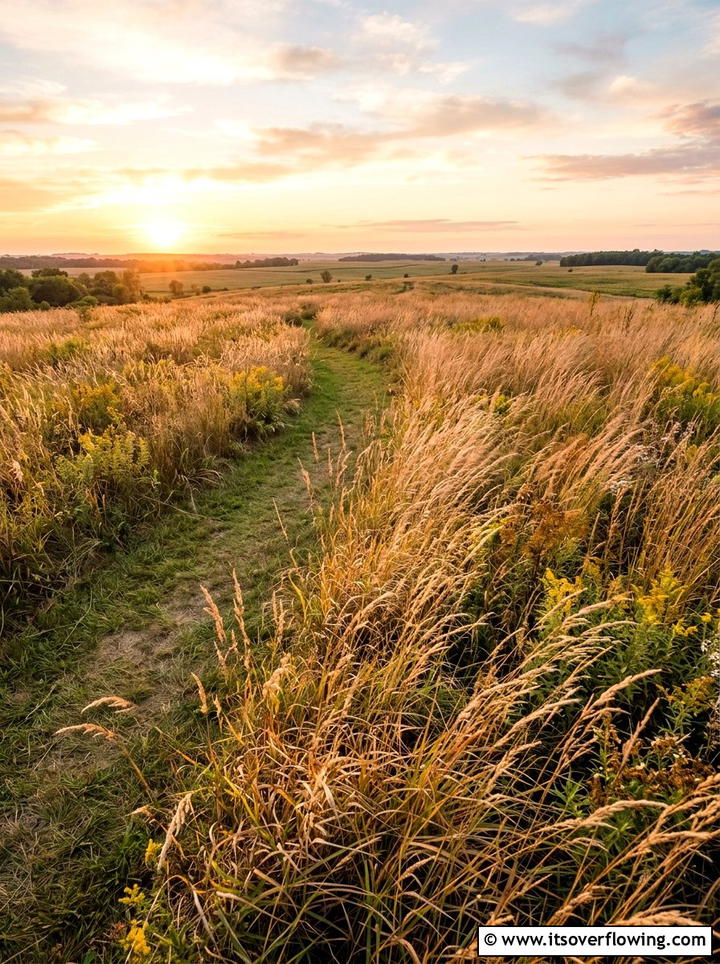
A tall grass habitat provides a unique type of cover and food source that many bird species rely on. Native grasses like switchgrass or little bluestem offer dense nesting sites and plenty of seeds for winter foraging. These grasses add a beautiful, flowing movement to your landscape whenever the wind blows. They also change colors with the seasons, turning from bright green to golden tan or even reddish hues. Planting grass in clusters creates a safe hideout for birds that like to stay low to the ground. This habitat is very low-maintenance and does not require the frequent mowing of a traditional lawn. It gives your backyard a natural, prairie-like feel that is very inviting for wildlife. The sound is lovely.
23. Deck bird feeder
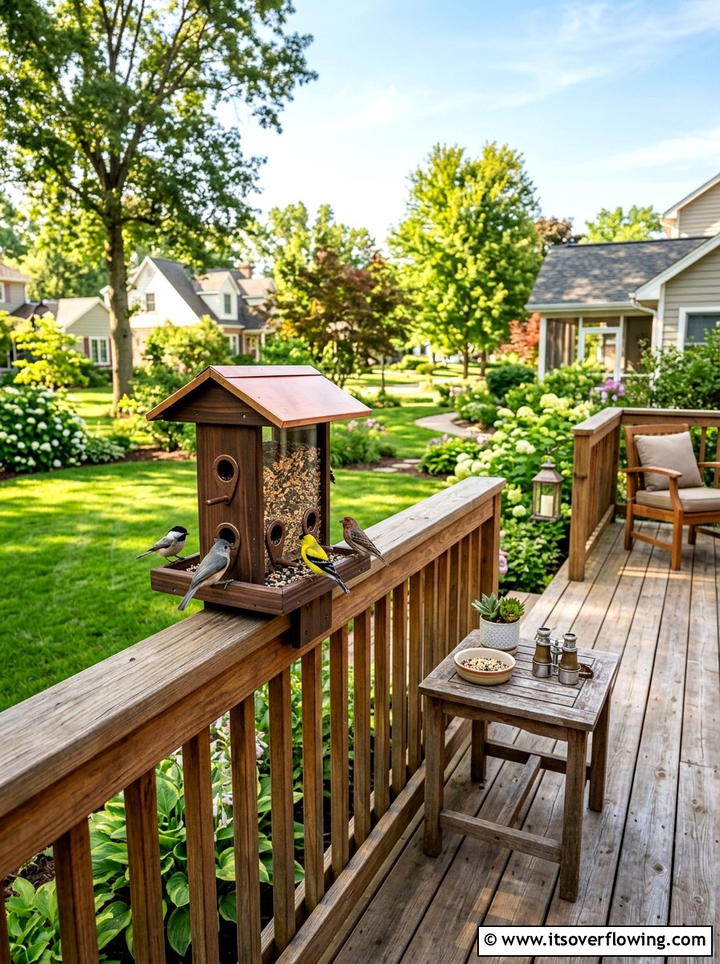
Installing a deck bird feeder brings the joy of birdwatching right to your favorite outdoor sitting area. You can find feeders that clamp directly onto your deck railing, making them very easy to fill and maintain. This setup allows you to see the fine details of the birds’ feathers while you drink your morning coffee. Offering a “no-mess” seed mix will help keep your deck clean and free of discarded shells. You can also place a small bird bath on the deck to provide a complete station for your visitors. Having birds so close creates a sense of peacefulness and connection with the world around you. It is a perfect solution for people who have limited garden space but still want to help birds.
24. Winter bird garden
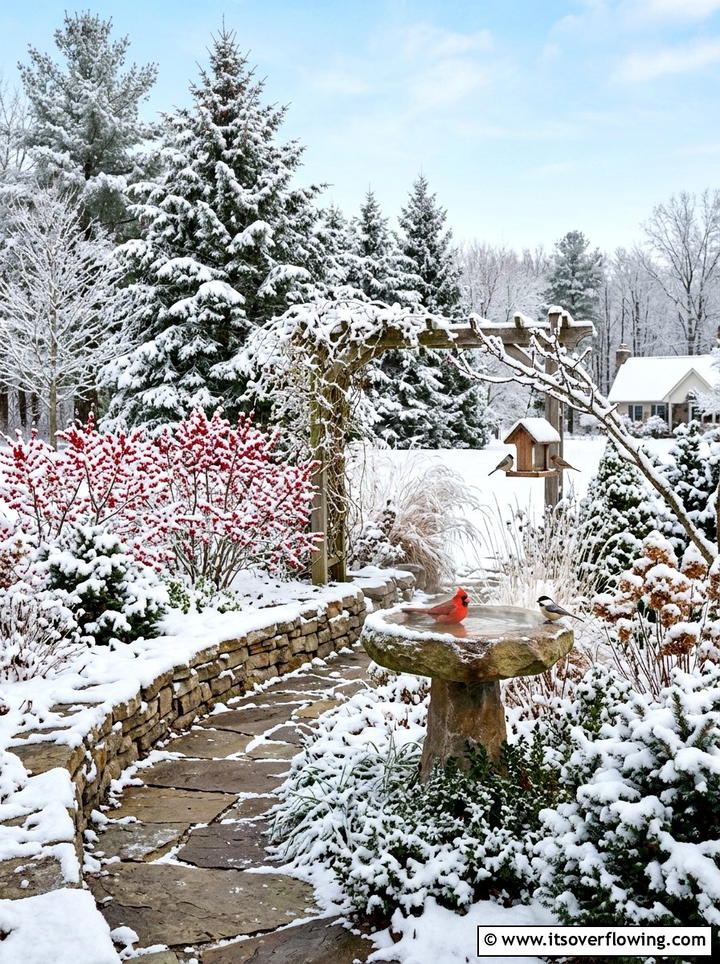
A winter bird garden is designed to support feathered friends during the most difficult time of the year. Focus on plants that hold onto their seeds or berries throughout the frost, such as winterberry or crabapple. Providing a heated bird bath ensures that birds have access to liquid water even when everything else is frozen. You should also keep your feeders extra full during snowstorms when birds need the most energy. Adding extra evergreen cover will give them a place to hide from the biting cold wind. A winter-focused garden looks beautiful with the contrast of red berries against the white snow. It is a deeply satisfying feeling to know you are providing a lifeline for local birds during the harsh winter season.
25. Zen bird garden
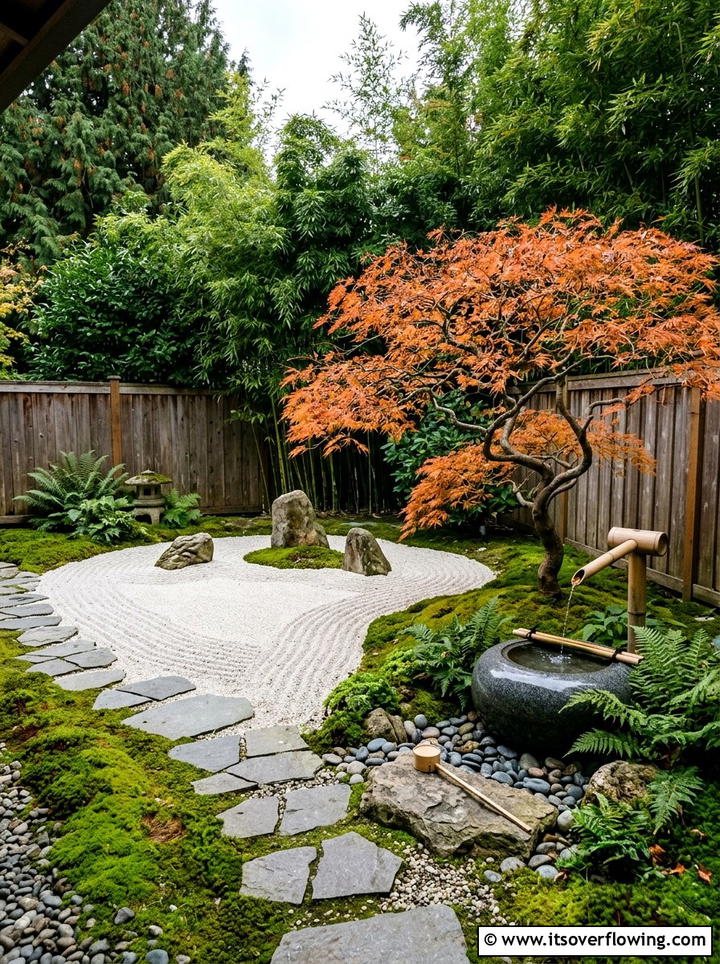
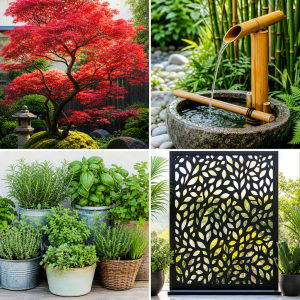
A Zen bird garden combines the principles of minimalist design with the practical needs of local wildlife. Use simple elements like smooth river rocks, a single bamboo water spout, and a few carefully placed ferns. This clean look creates a meditative space where you can sit quietly and observe the birds in peace. The sound of water dripping into a stone basin is very soothing for both humans and thirsty birds. Focus on a few high-quality plants rather than a crowded flower bed to maintain a sense of calm. This type of garden feels very intentional and helps reduce the stress of daily life. Birds appreciate the quiet and safe environment you have created for them in this space.
Conclusion:
Building a backyard bird garden is a journey that connects you more deeply with the rhythms of nature. By providing food, water, and shelter, you are creating a vital oasis for species that face many modern challenges. Each element you add, from a simple stone bath to a complex native hedge, makes a real difference. You will find that the more you give to the birds, the more they give back through their songs and beauty. This project encourages a slower pace of life where you can appreciate the small details of the natural world. It is a sustainable practice that benefits your local environment and your own mental well-being. Your garden will eventually become a thriving sanctuary for all.

Related posts:
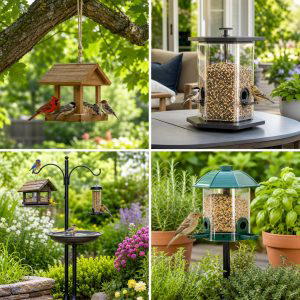 25 Garden Ideas With Bird Feeders for a Lively Backyard
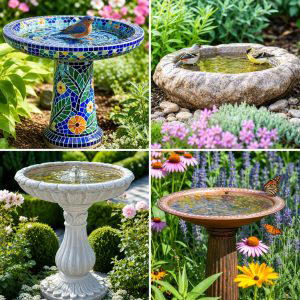 25 Garden Ideas With Bird Baths to Attract Backyard Birds
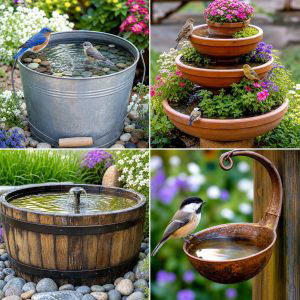 25 Upcycled Garden Ideas With Bird Baths for Backyard Beauty
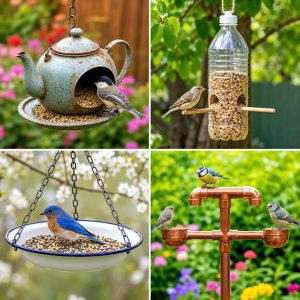 25 Upcycled Garden Ideas With Bird Feeders for Backyard Birds
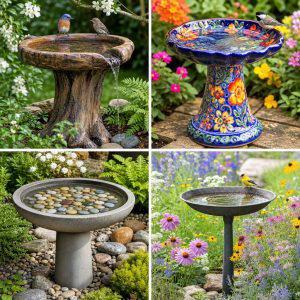 25 Backyard Decorating Ideas With Bird Baths You’ll Love
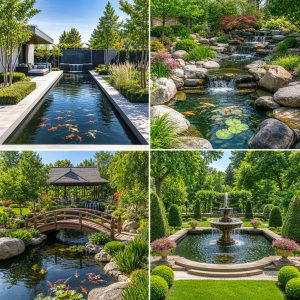 25 backyard ideas with pond for a Peaceful Garden Retreat
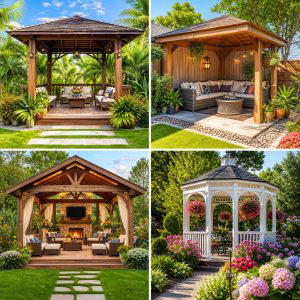 25 garden ideas with gazebo for a Dreamy Backyard Retreat
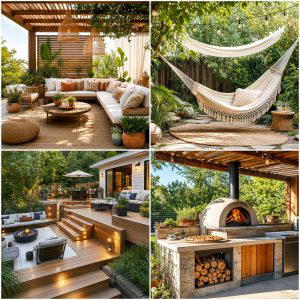 25 Backyard Decorating Ideas For A Cozy Outdoor Retreat
 25 Backyard Decorating Ideas With Zen Retreat Vibe
 25 Backyard Ideas for Relaxing in a Peaceful Retreat
 25 Backyard Ideas With Hammock for a Dreamy Outdoor Retreat
 25 Backyard Ideas With Tropical Retreat Vibes At Home