
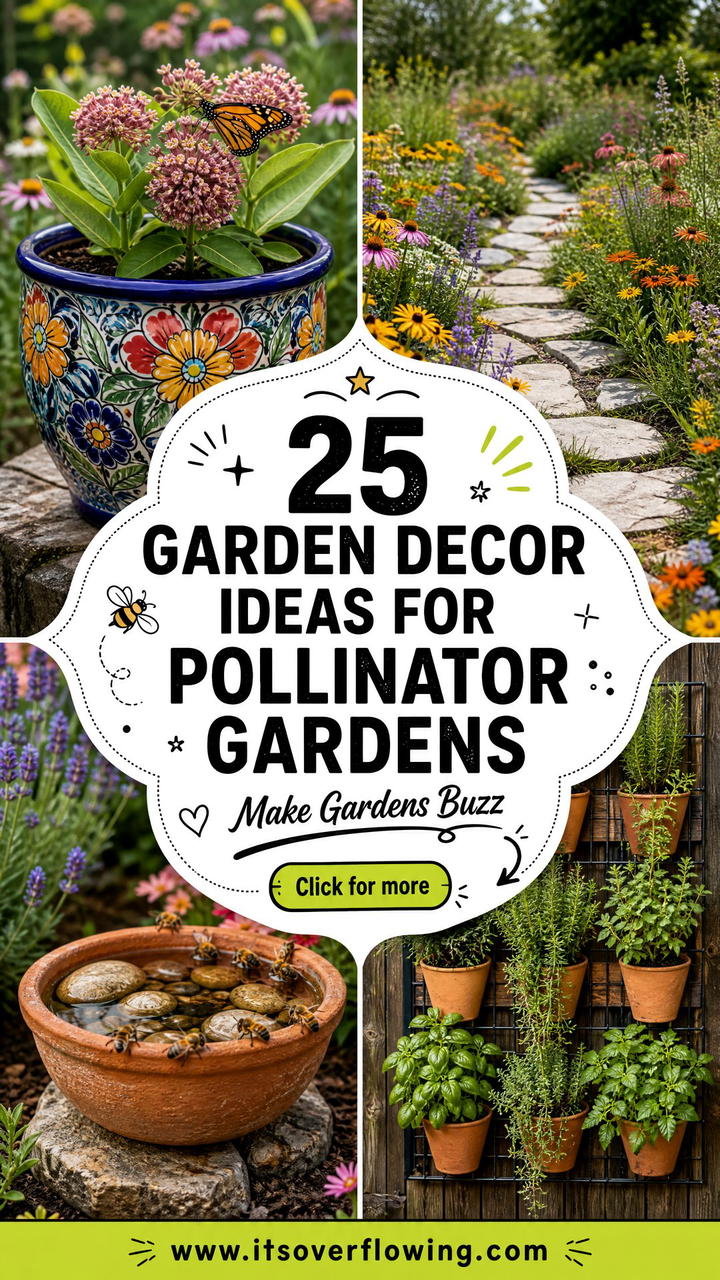
Creating a vibrant sanctuary for bees, butterflies, and hummingbirds starts with thoughtful planning and beautiful decor. A pollinator garden is more than just a collection of flowers; it is a functioning ecosystem that supports local wildlife. By adding specific decorative elements, you can provide essential resources like water, shelter, and nesting sites while making your backyard look like a professional landscape. This guide explores creative ways to enhance your outdoor space using functional art and natural features. You will learn how simple additions like stones, water features, and structures can attract a diverse range of beneficial insects. Transforming your yard into a buzzing paradise is rewarding and visually stunning for any homeowner.
1. Bird Bath For Pollinators
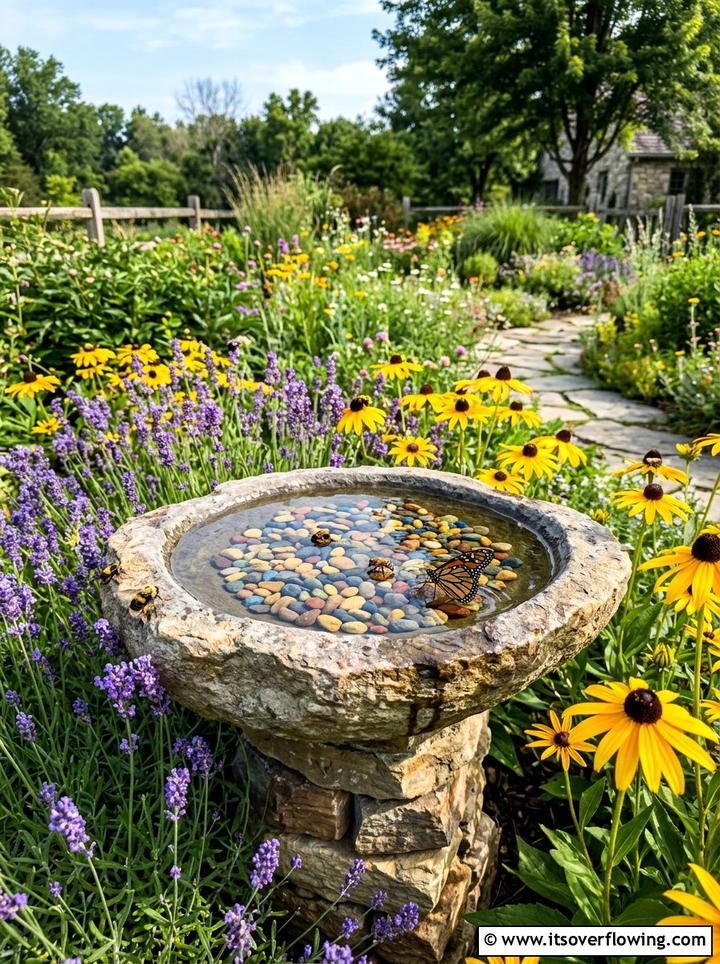
A bird bath is a classic addition that provides a vital water source for thirsty pollinators during hot summer days. You should choose a shallow basin with a textured surface so bees and butterflies can grip the edges without slipping. Placing smooth stones or colorful marbles inside the water allows insects to land safely while they drink. This prevents them from drowning in deeper water levels. Position your bird bath in a sunny spot near flowering plants to make it easy for visitors to find. Keeping the water fresh and clean is important for maintaining a healthy environment for all the local wildlife in your garden.
2. Bee Hotel For Solitary Bees
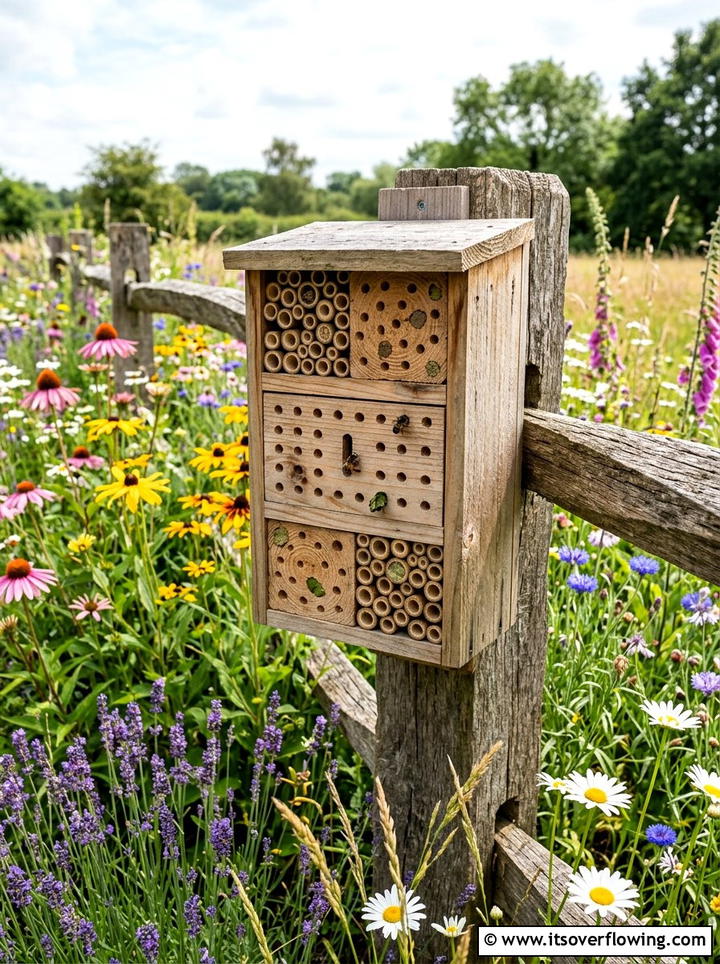
A bee hotel is a functional piece of decor that provides essential nesting sites for solitary bees like mason and leafcutter bees. These structures typically feature a variety of hollow tubes, bamboo stalks, or pre-drilled wooden blocks. You should hang your bee hotel in a sunny, south-facing spot that is protected from heavy rain and wind. The varied hole sizes cater to different species, making your garden a diverse habitat for these important pollinators. Decorative frames or colorful roofs can make these hotels a focal point in your backyard. Adding one helps sustain bee populations while adding a charming, rustic touch to your flower beds.
3. Butterfly Puddling Station
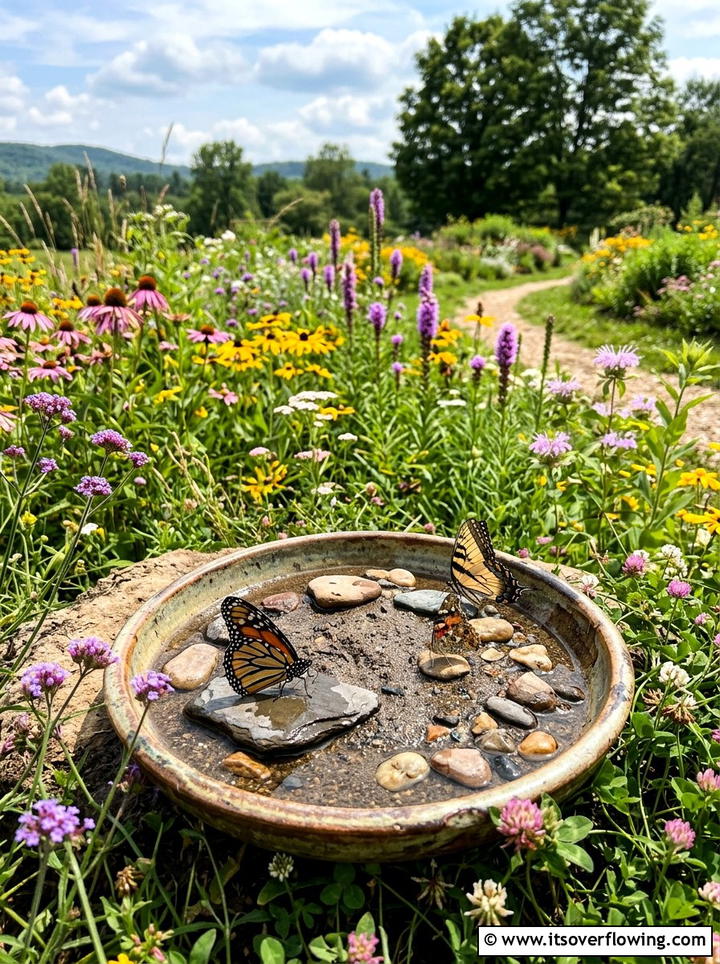
Butterflies often gather around damp soil or sand to extract essential minerals and salts through a behavior called puddling. You can create a dedicated puddling station by using a shallow ceramic dish filled with a mixture of sand and compost. Keep the mixture consistently moist but not flooded to attract various butterfly species to your yard. Placing a few flat stones on top gives butterflies a dry place to land and sun their wings between drinks. This simple decorative element mimics natural mud puddles found in the wild. It serves as a unique conversation piece while providing crucial nutrients that help butterflies thrive and reproduce successfully.
4. Decorative Trellis For Flowering Vines
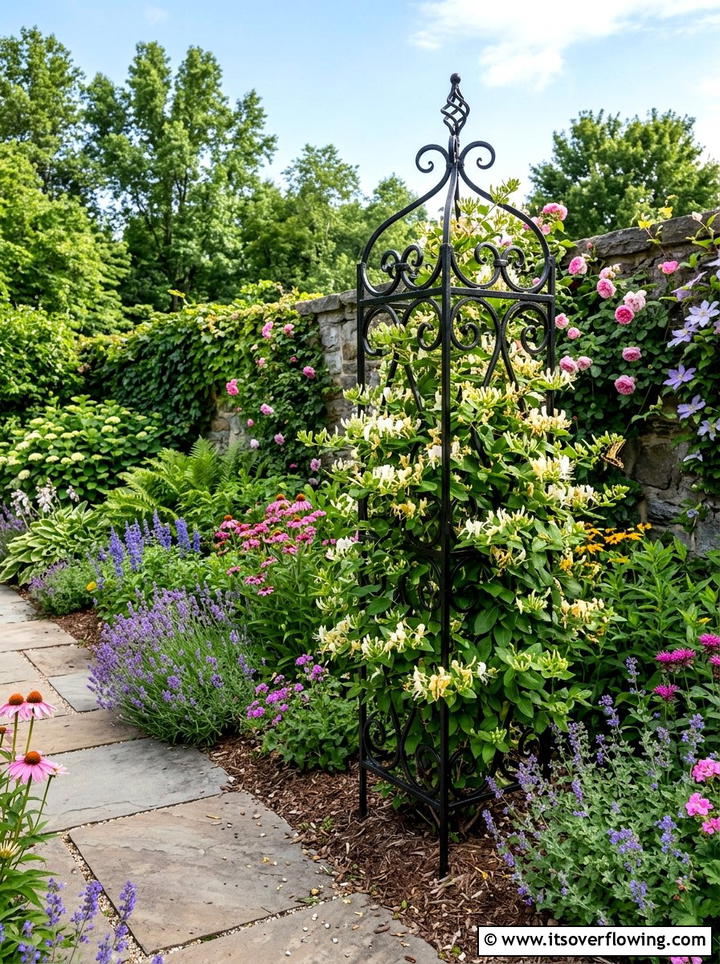
A decorative trellis adds vertical interest to your garden while supporting climbing plants that provide nectar for bees and hummingbirds. You can choose from metal, wood, or bamboo materials to match your existing outdoor style. Flowering vines like honeysuckle, clematis, or morning glories are perfect for covering these structures in lush greenery and bright blooms. The vertical growth saves space in smaller yards while creating a privacy screen or a beautiful backdrop for lower-growing perennials. Positioning a trellis near a patio or walkway allows you to enjoy the sight of pollinators up close. It anchors your garden design and provides a structured look throughout the year.
5. Native Perennial Flower Bed
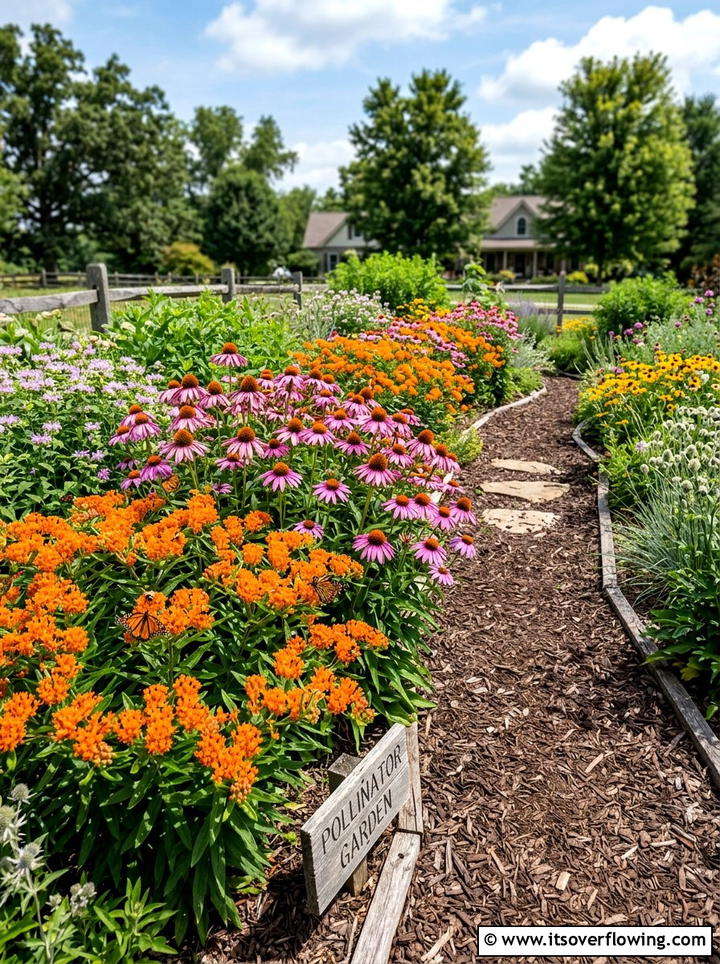
A native perennial flower bed is the foundation of any successful pollinator garden and looks beautiful in any landscape. These plants are adapted to your local climate and provide the most nutritious nectar and pollen for indigenous insects. You should arrange plants in large clusters or drifts to make them more visible to flying pollinators from a distance. Using a mix of species that bloom at different times ensures a steady food supply from spring through autumn. Incorporating various colors and shapes, such as flat-topped flowers and tubular blooms, attracts a wider variety of visitors. This intentional planting creates a lush, wild aesthetic that requires less maintenance over time.
6. Hummingbird Feeder In Garden
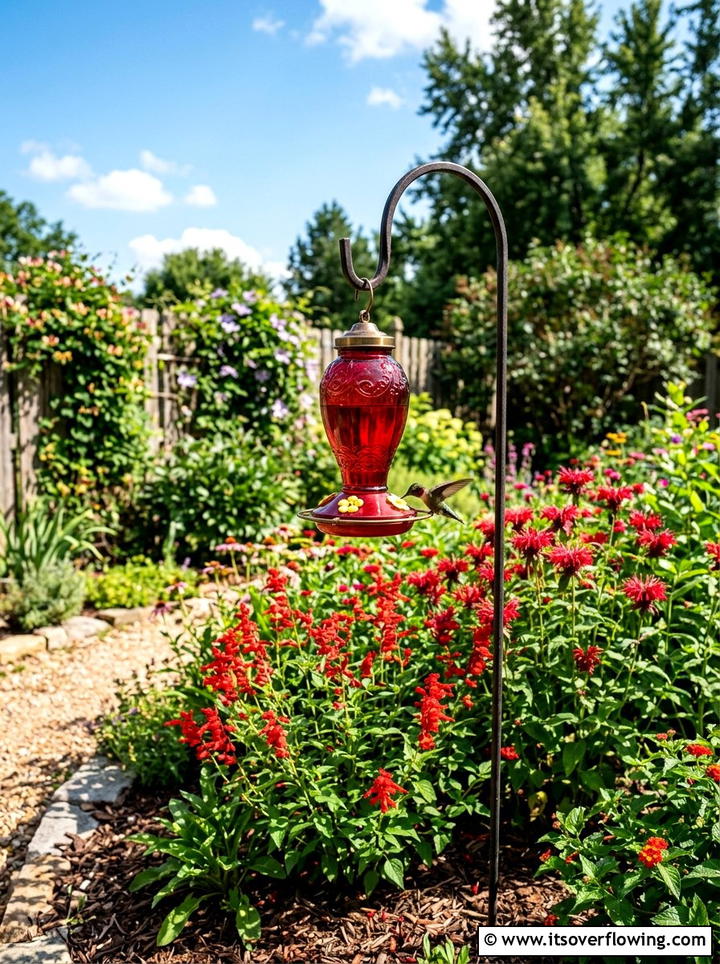
Installing a hummingbird feeder is a wonderful way to bring high-energy visitors right to your window or patio. These feeders often come in bright red colors that naturally attract hummingbirds searching for sweet nectar. You should hang them in a shaded or partially shaded area to prevent the sugar water from spoiling too quickly in the heat. Providing a clean and reliable food source is especially helpful during migration seasons when these birds need extra energy. Many feeders feature decorative glass designs or copper accents that add a touch of elegance to your outdoor decor. Watching these tiny, hovering birds zip around your garden is a truly magical experience.
7. Large Boulder For Butterfly Sunning
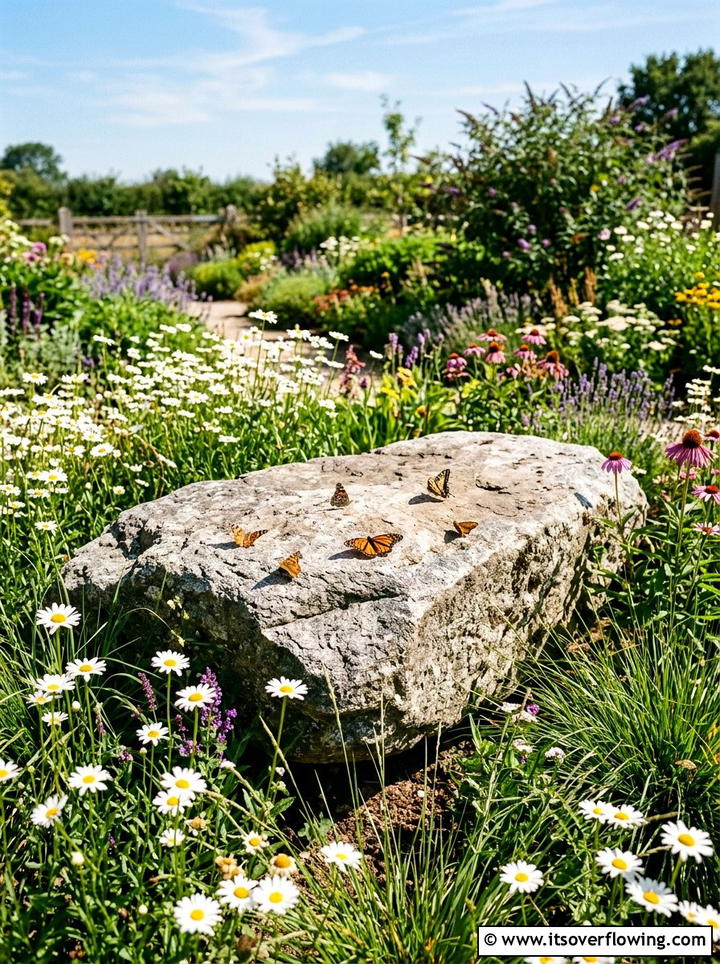
Large boulders serve as natural heating pads for butterflies, which need warmth to fly and stay active during the day. You should place flat, dark-colored stones in the sunniest parts of your garden to absorb and hold heat. These basking spots are essential in the early morning when temperatures are still cool. Butterflies will land on the warm surface to raise their body temperature before they begin foraging for food. Boulders also add texture and a sense of permanence to your landscape design. They can be used to anchor corners of flower beds or create a natural transition between different areas of your backyard habitat.
8. Colorful Ceramic Planter For Milkweed
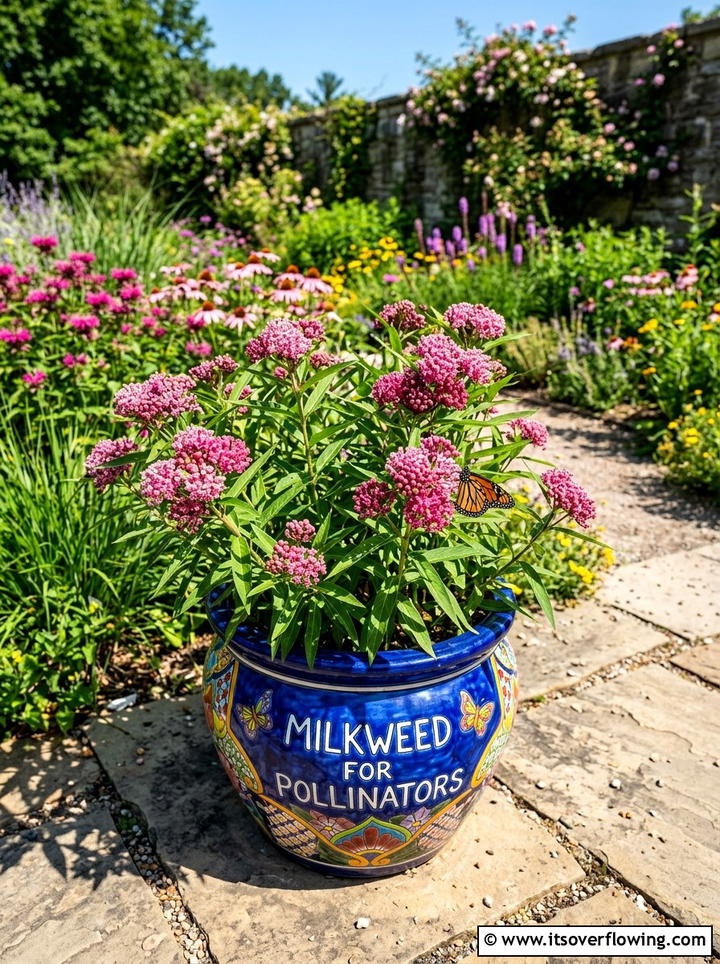
Using colorful ceramic planters is an excellent way to grow specific host plants like milkweed in a controlled environment. Milkweed is the only food source for monarch butterfly caterpillars, making it a critical addition to any pollinator-friendly space. These pots allow you to place the plants in the best sunlight while adding a pop of color to your patio or deck. You can choose vibrant blues, oranges, or yellows to contrast with the green foliage and pink flowers of the milkweed. Planters also make it easy to manage the spread of certain varieties that might otherwise take over a garden bed. They provide a tidy, organized look to your ecological sanctuary.
9. Hanging Basket For Pollinator Plants
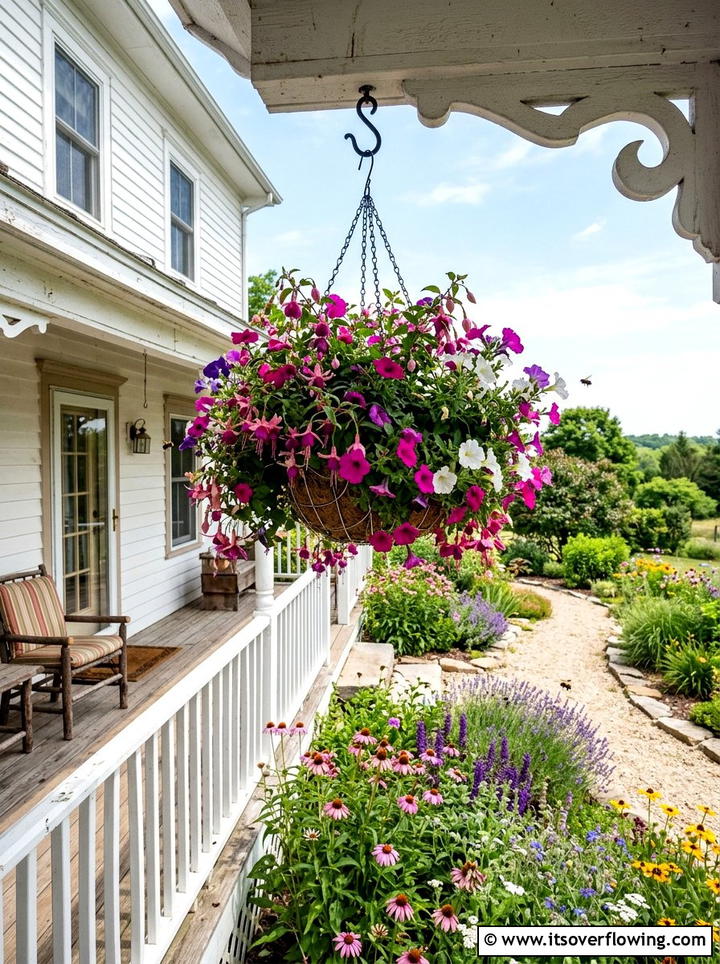
Hanging baskets are perfect for bringing flowers to eye level and maximizing space in small gardens or on balconies. You can fill them with trailing plants like fuchsia, petunias, or lantana that are highly attractive to bees and hummingbirds. These baskets add a lush, tiered look to your outdoor decor when hung from porch eaves or shepherd’s hooks. Because they are elevated, they provide a safe foraging spot away from ground-dwelling pets or foot traffic. Regular watering and deadheading will keep the blooms vibrant and the nectar flowing all summer long. Hanging baskets turn vertical spaces into productive feeding stations while enhancing the overall beauty of your home exterior.
10. Wood Log Pile For Beneficial Insects
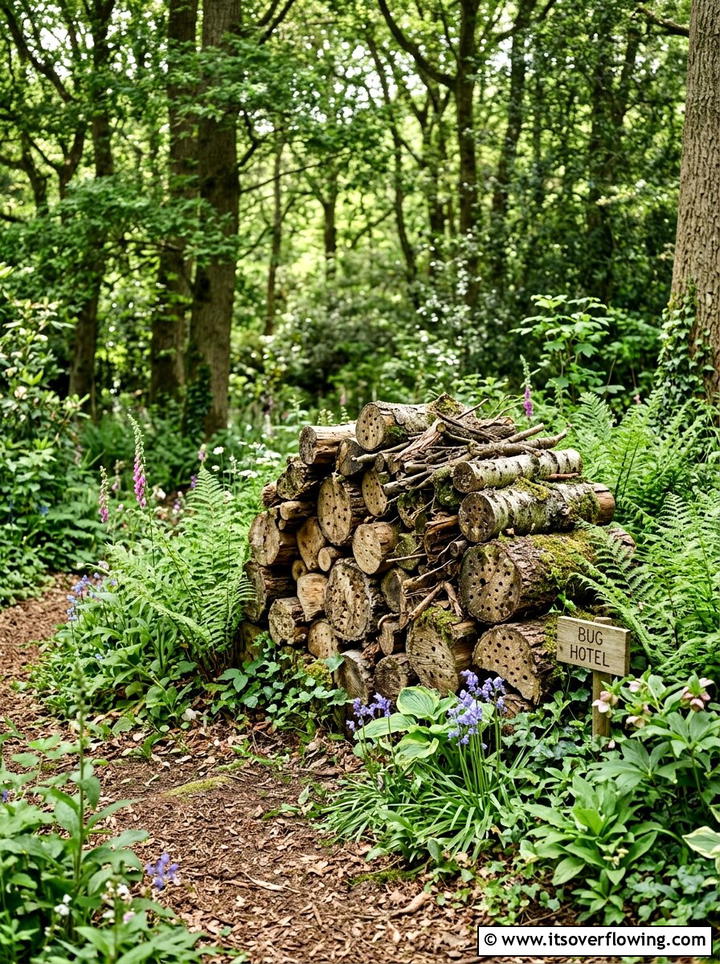
A wood log pile is a simple and natural decorative feature that provides a home for various beneficial insects and beetles. You can stack logs of different sizes in a quiet corner of your garden to create a rustic, woodland feel. As the wood slowly decays, it offers shelter for overwintering pollinators and other creatures that help maintain a healthy garden balance. Integrating moss or small ferns around the base can make the pile look like an intentional part of your landscaping. This feature supports biodiversity by mimicking the fallen timber found in natural forests. It is a low-cost way to add ecological value and a touch of wildness to your backyard.
11. Solar Garden Light For Nocturnal Moths
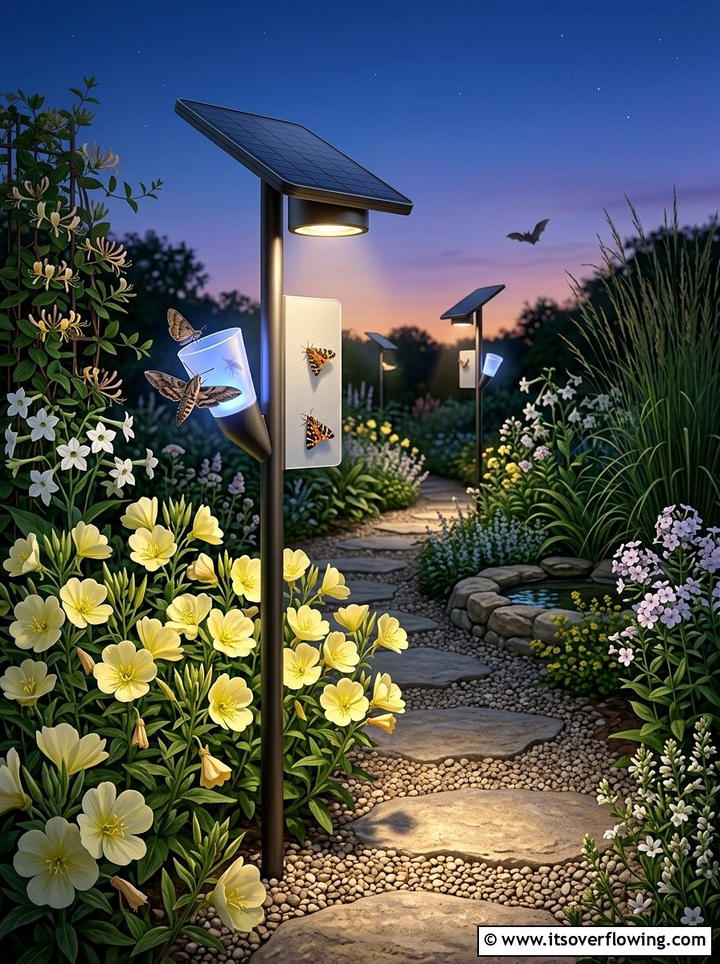
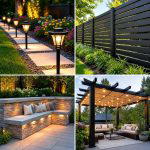
Solar garden lights are functional decor pieces that illuminate your pathways while also attracting nocturnal pollinators like moths. Many people forget that moths play a significant role in pollinating flowers that bloom at night. Soft, warm-toned lights can help you navigate your garden after dark without being too disruptive to the local wildlife. You can find solar stakes in various designs, from classic lanterns to whimsical floral shapes, to suit your personal style. Positioning them near night-blooming jasmine or evening primrose creates a beautiful atmosphere for evening strolls. These lights charge during the day and provide a gentle glow that highlights the beauty of your garden during the nighttime hours.
12. Stone Path Through Wildflower Meadow
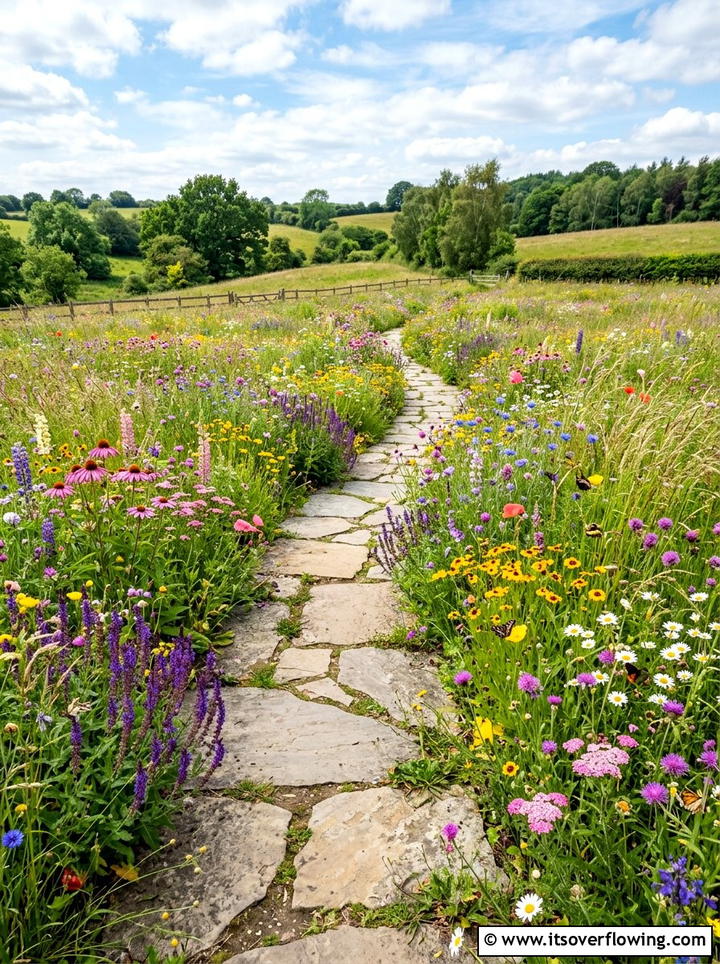
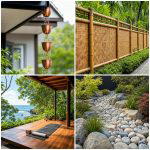
A stone path through a wildflower meadow allows you to wander through your pollinator garden without damaging the delicate plants. You can use irregular flagstones or smooth river rocks to create a natural-looking walkway that winds through the blooms. This structural element provides a clear sense of order within the often-wild appearance of a pollinator-friendly landscape. Walking through the tall flowers brings you closer to the bees and butterflies, offering a better view of their daily activities. The stones also provide additional basking spots for insects on sunny days. A well-designed path makes your garden feel more inviting and accessible, encouraging you to spend more time outdoors enjoying nature’s beauty.
13. Woven Wicker Garden Fence
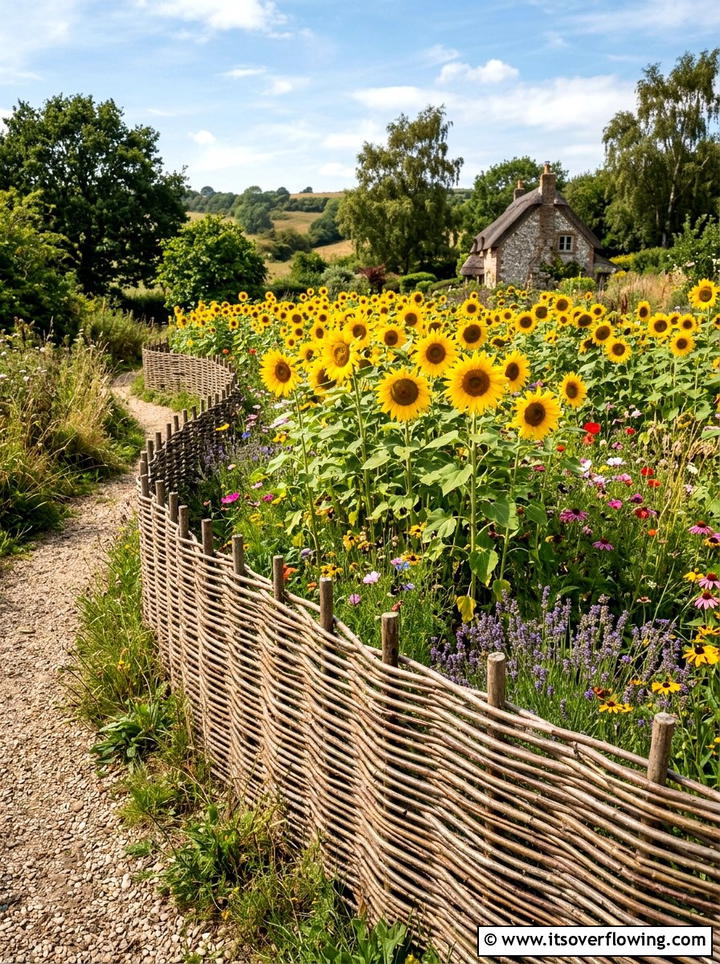
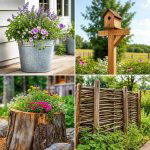
A woven wicker garden fence, often called a wattle fence, provides a charming and eco-friendly boundary for your pollinator sanctuary. These fences are made from natural materials like willow or hazel branches and blend seamlessly into a garden setting. They offer a rustic look while providing a windbreak for delicate winged insects that might struggle in strong gusts. The gaps in the weaving can also serve as small crevices for beneficial bugs to hide or nest. You can use these fences to define specific areas, such as a vegetable patch or a wildflower border. Their natural texture complements the softness of flowering plants and adds an old-world aesthetic to your modern backyard.
14. Water Fountain For Birds And Bees
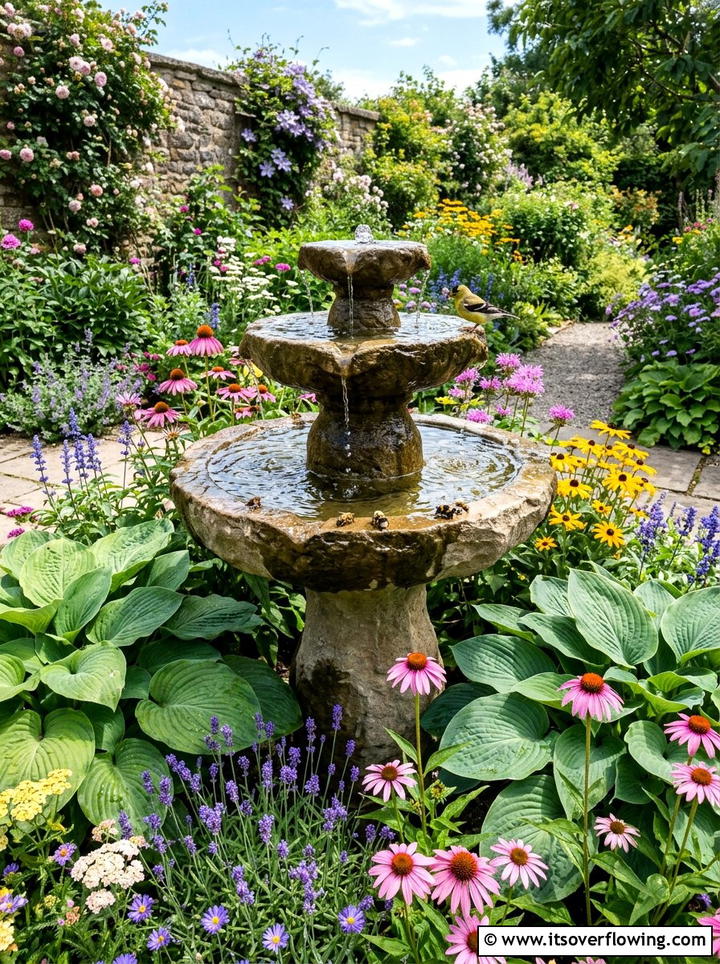
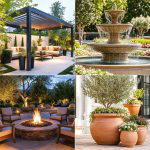
A water fountain adds the soothing sound of moving water to your garden while providing a clean drink for pollinators. The constant movement helps keep the water oxygenated and prevents mosquitoes from breeding in the basin. You should look for fountains with shallow tiers or add pebbles so bees can land safely near the water’s edge. Hummingbirds are particularly fond of misting features or gentle trickles where they can bathe and cool off. A fountain serves as a stunning focal point that draws both human and animal visitors to your outdoor space. It enhances the sensory experience of your garden through sight and sound while supporting a healthy ecosystem.
15. Metal Garden Sculpture For Interest
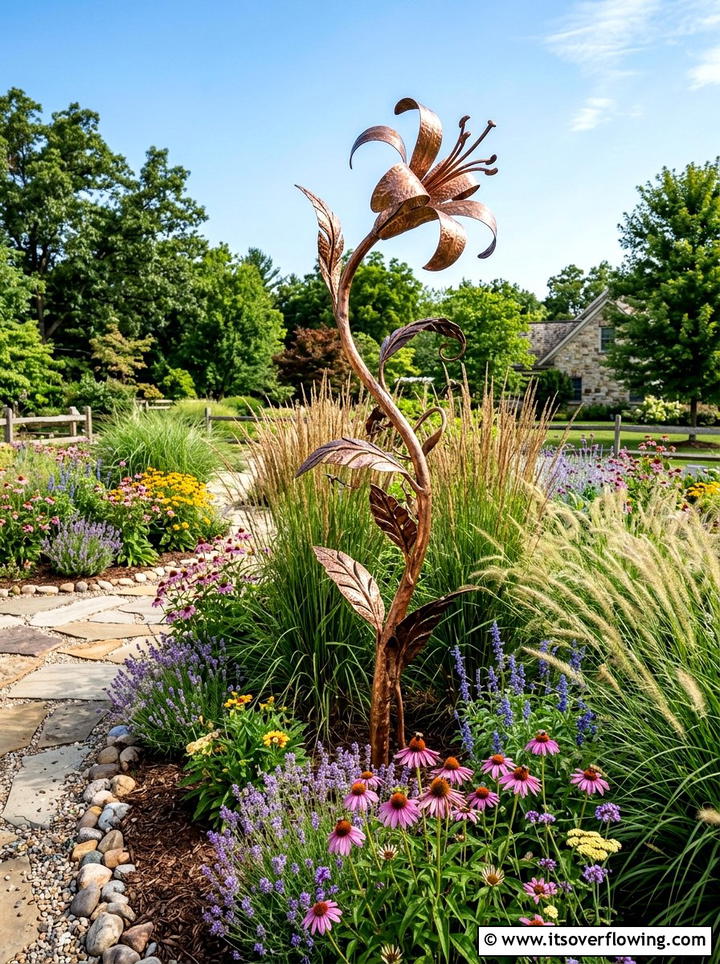
A metal garden sculpture can act as a year-round focal point that remains beautiful even when flowers are dormant in winter. You can choose designs that feature insects, flowers, or abstract shapes to complement the theme of your pollinator garden. Sculptures made from copper, iron, or weathered steel develop a lovely patina over time that fits perfectly in an outdoor setting. Placing art among the tall grasses and flowers adds a layer of sophistication and personal style to your landscaping. These pieces can also serve as perches for birds or dragonflies as they survey the garden. Decorative art transforms a functional habitat into a curated outdoor gallery that reflects your passion for nature.
16. Window Box For Butterfly Flowers
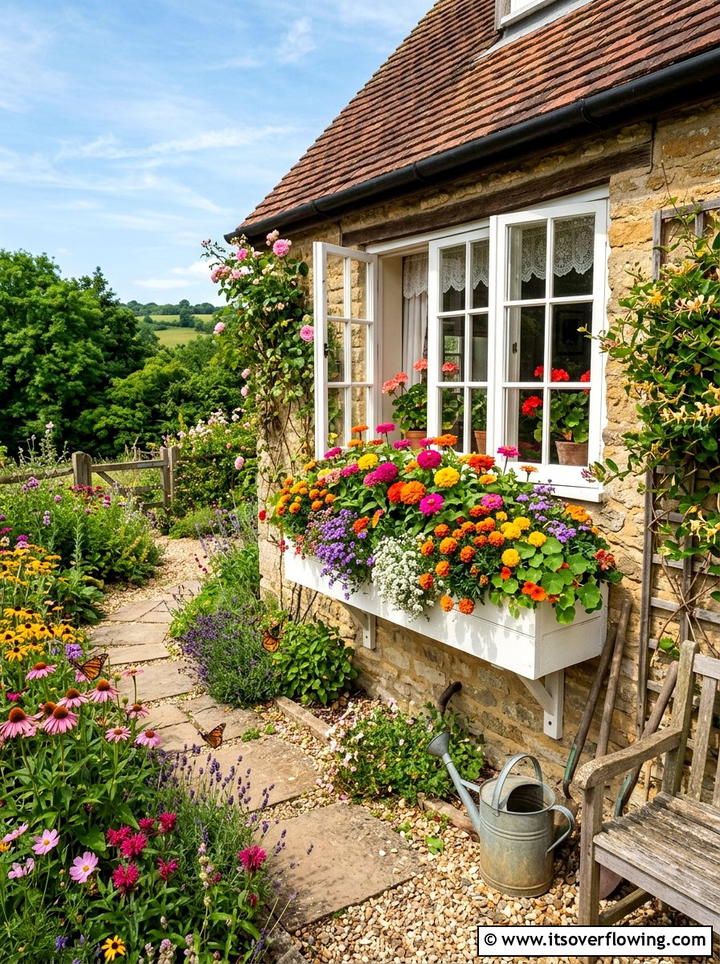
Window boxes are a fantastic way to bring the beauty of a pollinator garden directly to your home’s architecture. You can plant them with compact, nectar-rich flowers like alyssum, marigolds, or dwarf zinnias to attract butterflies right to your window. These boxes add curb appeal and allow you to enjoy the sight of fluttering wings from the comfort of your living room. They are especially useful for urban gardeners or those with limited ground space for traditional flower beds. Using a high-quality potting mix and ensuring proper drainage will help your plants thrive throughout the growing season. Window boxes create a colorful bridge between your indoor living space and the vibrant outdoor world.
17. Decorative Insect House For Ladybugs
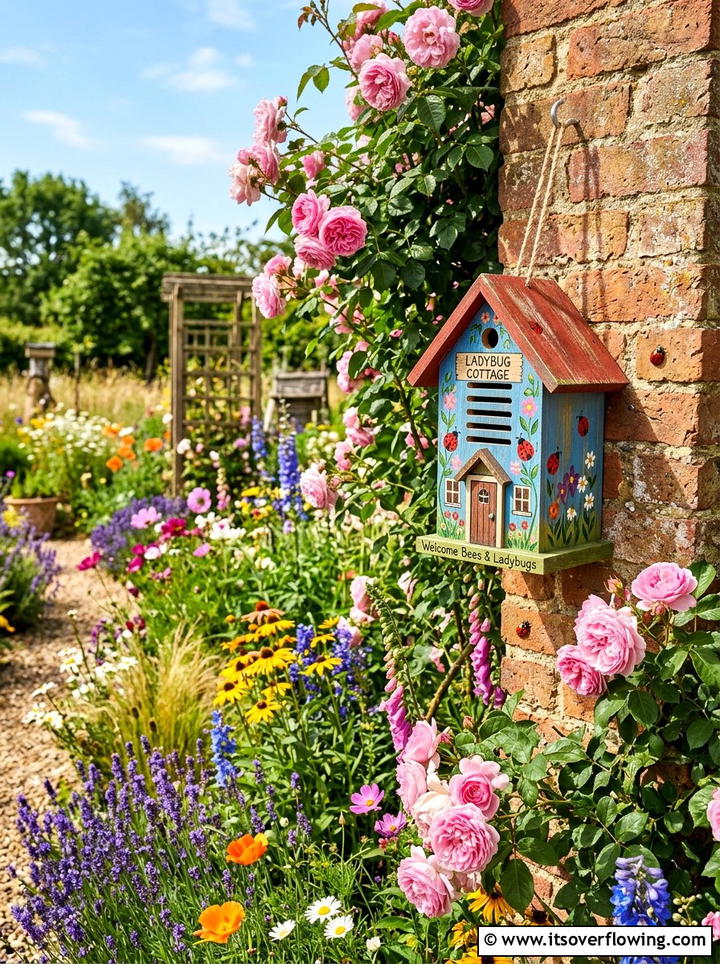
A decorative insect house specifically designed for ladybugs and lacewings is a cute and functional addition to any garden border. These houses often feature horizontal slits or small chambers filled with pinecones and bark where beneficial bugs can shelter. Ladybugs are excellent natural pest controllers, as they eat aphids that might otherwise damage your flowering plants. You can find these houses in various colors and shapes, such as little cottages or geometric boxes, to add a whimsical touch. Hanging them at chest height on a fence or post makes them easy to observe and maintain. They encourage a balanced garden ecosystem where natural predators help keep your plants healthy and strong.
18. Cedar Wood Raised Garden Bed
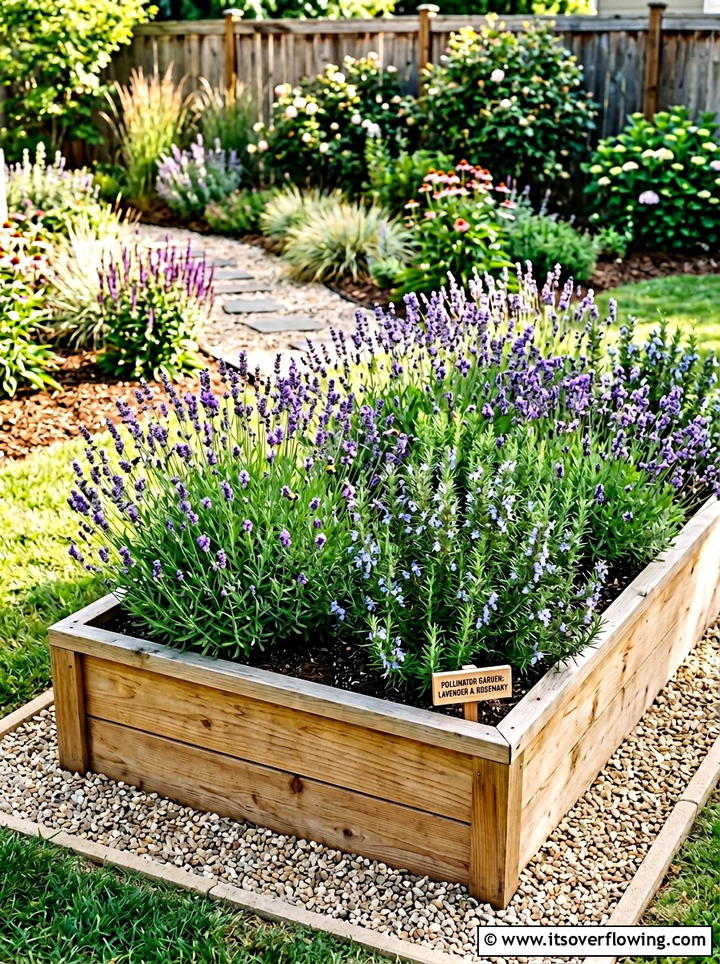
Cedar wood raised garden beds provide a structured and rot-resistant way to grow a concentrated patch of pollinator-friendly plants. The elevated height makes it easier for you to tend to the garden while improving soil drainage and warmth for the roots. Cedar is a natural material that looks beautiful as it ages to a soft gray or can be stained to maintain its warmth. You can fill these beds with a mix of herbs like lavender, thyme, and rosemary, which are favorites for many types of bees. Raised beds also help prevent invasive grass from creeping into your flower displays. They create a tidy and purposeful look that organizes your backyard into a productive habitat.
19. Garden Arch With Climbing Roses
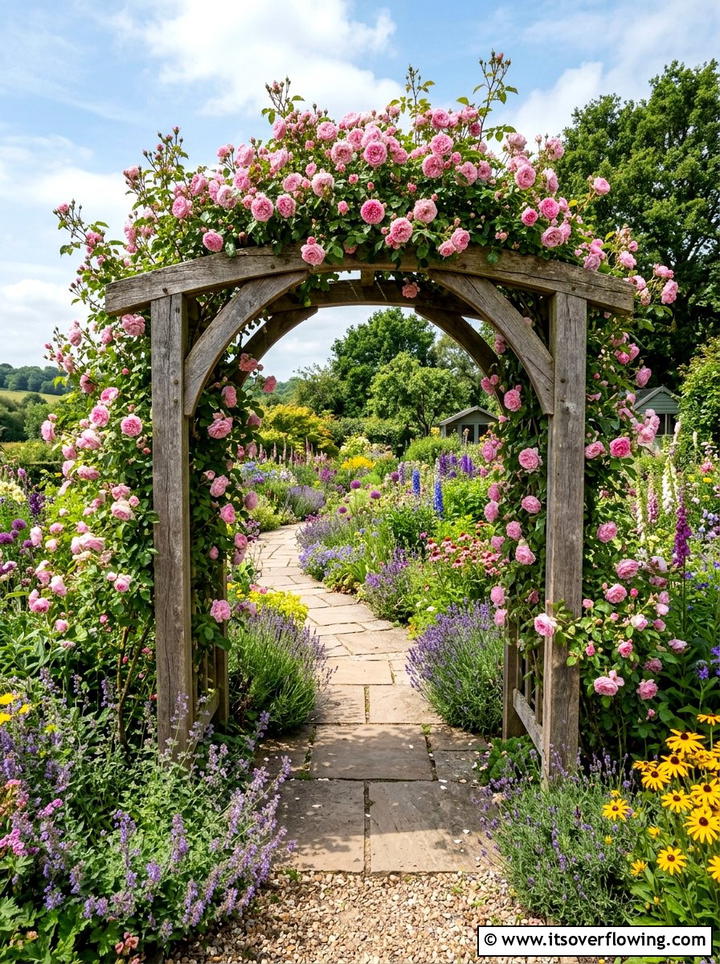
A garden arch covered in climbing roses or fragrant jasmine creates a romantic and inviting entrance to your pollinator sanctuary. These structures provide height and a sense of enclosure, making your garden feel like a private outdoor room. Bees are naturally drawn to the abundance of blooms found on climbing plants, providing them with a massive source of food in one location. You can choose an arch made of sturdy wood or elegant wrought iron to match your home’s style. Walking under a canopy of flowers is a delightful experience that engages the senses of sight and smell. It serves as a majestic gateway that leads visitors into your carefully crafted natural world.
20. Clay Pot Water Station For Bees
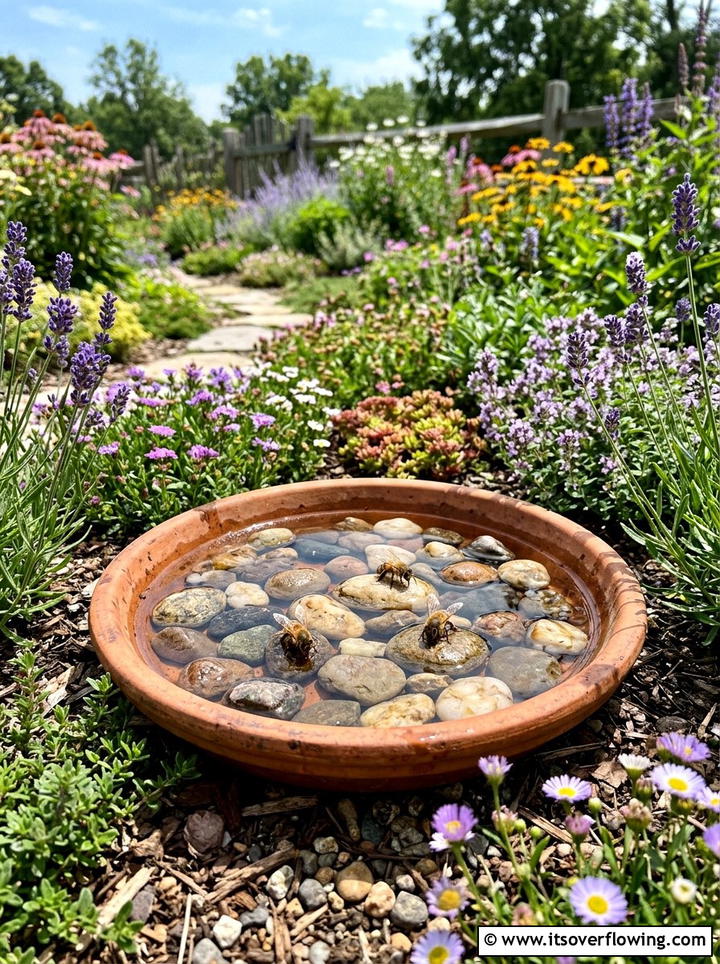
A clay pot water station is a simple yet effective way to ensure bees have a safe place to drink without the risk of drowning. You can flip a terracotta saucer upside down and place another one on top, filling it with pebbles and water. The porous nature of the clay helps keep the water cool, while the pebbles provide a steady landing platform for thirsty insects. This low-profile decor fits easily into any flower bed or sits perfectly on a patio table. It is an inexpensive project that makes a big difference for the local bee population during dry spells. The earthy tones of the terracotta blend beautifully with the natural colors of your garden.
21. Driftwood Decor In Flower Border
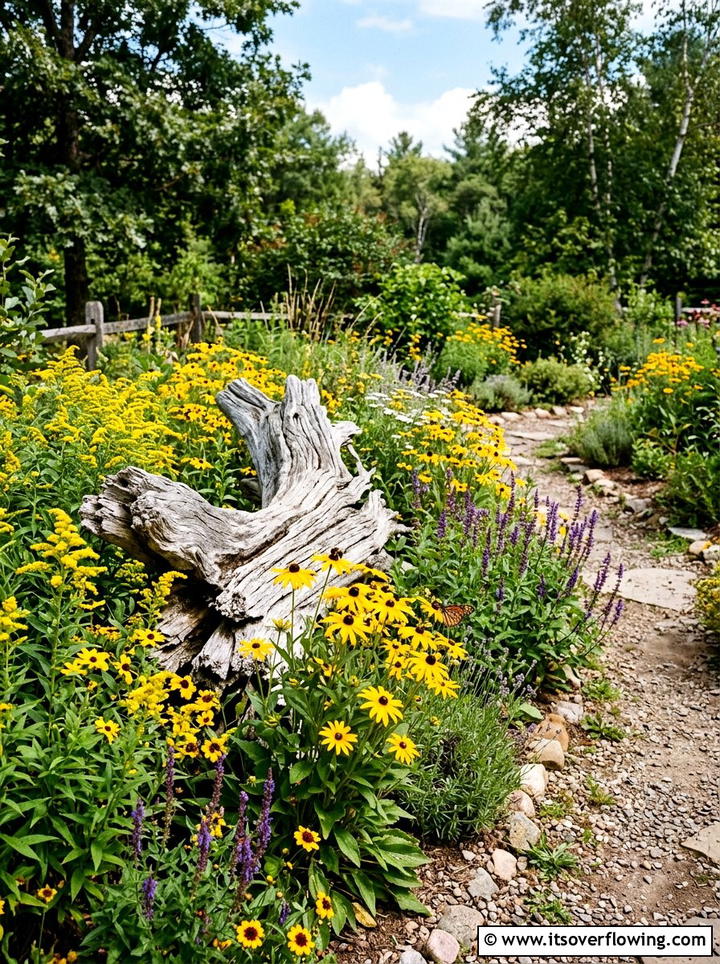
Using driftwood as a decorative element in your flower borders adds a coastal or woodland feel to your pollinator garden. These weathered pieces of wood provide interesting shapes and textures that contrast with the soft foliage of your plants. Driftwood can also serve as a natural home for beneficial insects or a perch for birds looking for a snack. You can tuck smaller pieces among the flowers or use a large branch as a centerpiece in a wildflower meadow. The silver-gray color of aged wood looks stunning next to bright yellow black-eyed Susans or purple coneflowers. It brings a sense of organic beauty and timelessness to your outdoor landscape without any maintenance.
22. Painted Garden Bench Near Bloom
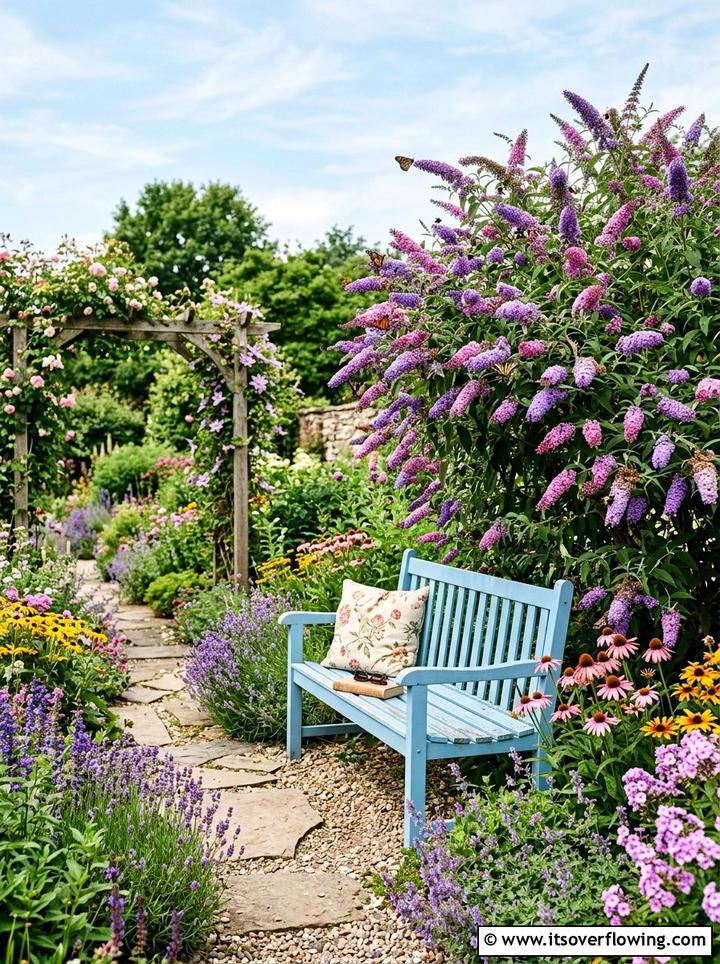
A painted garden bench provides a comfortable place for you to sit and observe the activity in your pollinator garden. Choosing a bright color like sky blue or sunny yellow can make the bench a cheerful focal point in your yard. Placing it near a large patch of fragrant flowers like lavender or butterfly bush ensures you are right in the middle of the action. Sitting quietly allows you to watch the intricate details of bees gathering pollen and butterflies searching for nectar. A bench encourages you to slow down and appreciate the life moving through your garden. It transforms your backyard from a task-oriented space into a peaceful retreat where you can connect with nature.
23. Vertical Wall Garden For Herbs
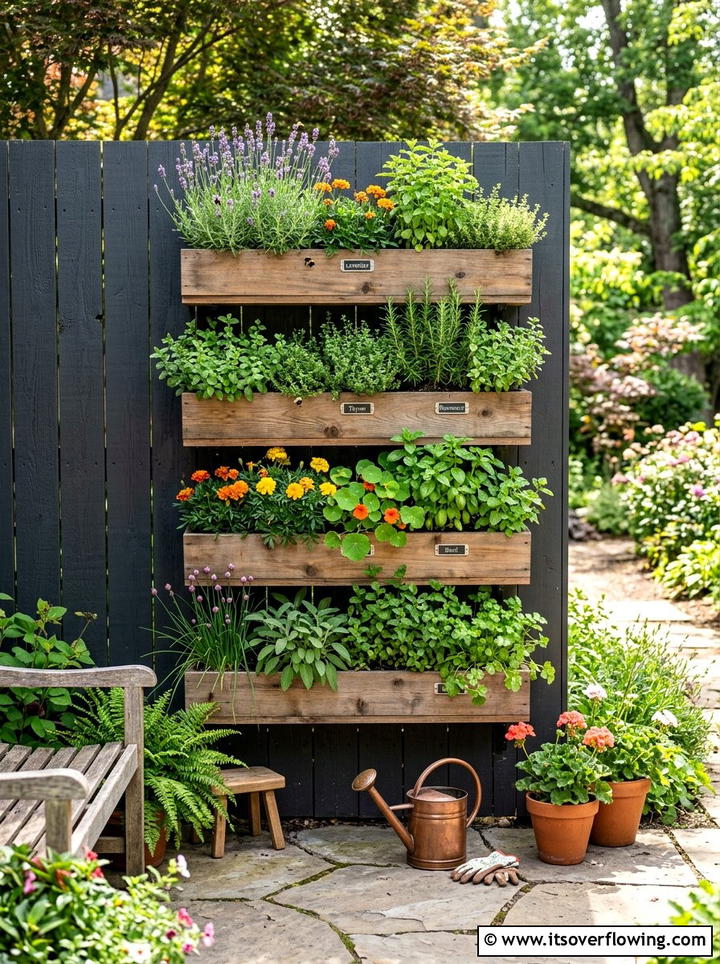
A vertical wall garden is a modern and space-saving way to grow herbs that both you and the pollinators will love. You can use felt pockets, wooden crates, or metal tiers mounted on a wall or fence to create a living tapestry of greenery. Herbs like oregano, mint, and borage produce tiny flowers that are highly attractive to small native bees. This arrangement turns a plain vertical surface into a lush and productive feature of your garden. It is an excellent solution for patios or balconies where ground space is limited. The vertical orientation makes harvesting easy and keeps the plants away from ground pests while providing a unique decorative backdrop for your home.
24. Shallow Dish For Butterfly Salts
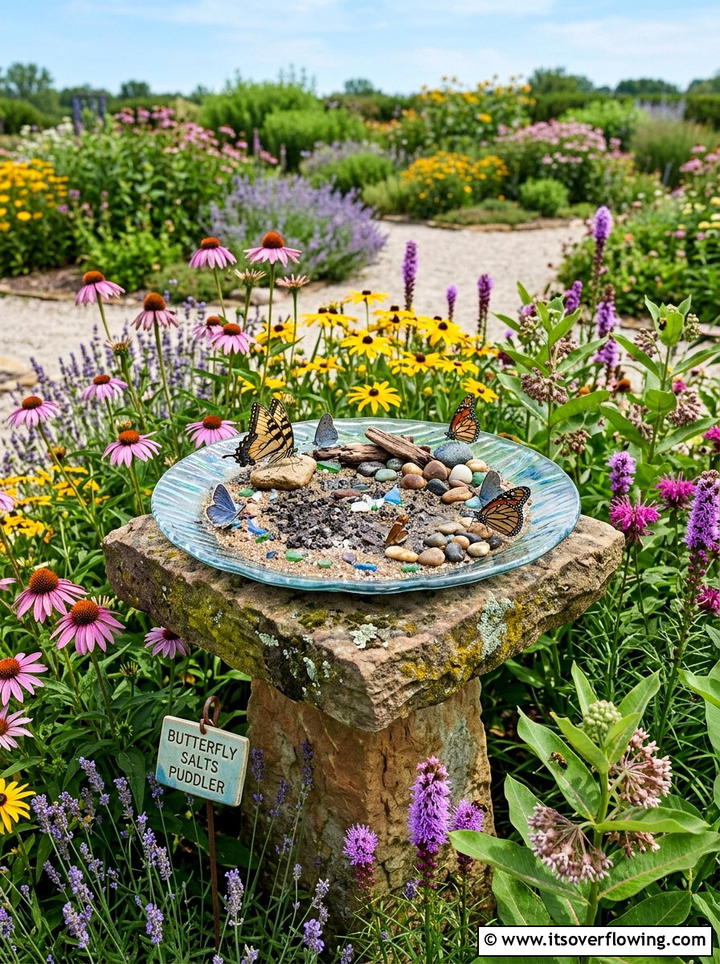
A shallow dish filled with a mixture of salt and water can provide essential minerals that male butterflies need for reproduction. You can use a decorative ceramic or glass dish and place it on a pedestal or a flat stone in the garden. Adding a bit of moist soil or a slice of overripe fruit can further attract various species to the station. This specific type of feeder is often overlooked but is very helpful for supporting a healthy and growing butterfly population. The dish itself can be a beautiful piece of art that adds a touch of elegance to your landscaping. It is a small addition that shows your deep commitment to wildlife conservation.
25. Wind Chime In Pollinator Habitat
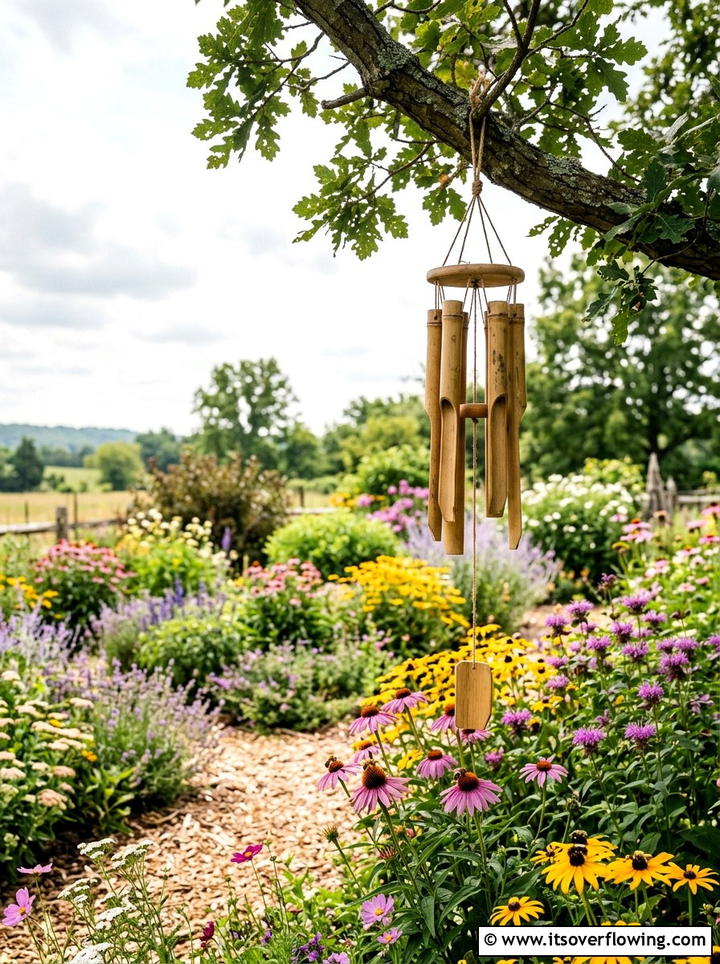
A wind chime adds a gentle auditory layer to the peaceful environment of your pollinator garden. The soft tinkling sound can mask neighborhood noise and create a more serene atmosphere for both you and the visitors to your yard. You can choose chimes made of bamboo, glass, or metal to achieve different tones and visual styles. Hanging them from a tree branch or a shepherd’s hook near a seating area allows you to enjoy the breeze and the music simultaneously. While the chimes are mostly for human enjoyment, they do not disturb the pollinators and contribute to the overall mood of the garden. They serve as a final decorative touch that completes your outdoor sensory experience.
Conclusion:
Building a pollinator garden is a rewarding journey that blends environmental stewardship with creative home design. By incorporating these twenty-five decor elements, you create a space that is as functional for wildlife as it is beautiful for your family. From the practical utility of bee hotels to the aesthetic charm of garden arches, every choice you make helps support local biodiversity. These features invite you to slow down and witness the fascinating lives of the insects and birds that share our world. Your garden will become a thriving hub of activity and a source of constant inspiration throughout the seasons. Enjoy the process of watching your outdoor sanctuary grow and flourish with every new visitor that discovers your habitat.

Related posts:
 25 Garden Decor Ideas for Cottage Gardens With Cozy Charm
 25 garden decor ideas for desert gardens: Chic Dryscapes
 25 Garden Decor Ideas for Large Gardens With Grand Impact
 25 Garden Decor Ideas for Modern Gardens With Sleek Style
 25 Garden Decor Ideas for Rustic Gardens With Natural Charm
 25 Garden Decor Ideas for Small Gardens That Feel Spacious
 25 Garden Decor Ideas for Tropical Gardens With Island Vibes
 25 Garden Decor Ideas for Zen Gardens to Create Calm
 25 Garden Decor Ideas With Fall Decor For Cozy Outdoor Vibes
 25 garden decor ideas with hanging decor for magical spaces
 25 Garden Decor Ideas With Spring Decor to Refresh Your Yard
 25 Garden Decor Ideas With Winter Decor for Cozy Style