
Creating a peaceful sanctuary in your backyard is one of the most rewarding home improvement projects you can undertake today. A zen garden offers a unique escape from the chaotic pace of modern life by focusing on simplicity, natural elements, and meditative beauty. These spaces are deeply rooted in Japanese tradition but have evolved to fit contemporary landscapes perfectly. Whether you have a sprawling lawn or a tiny balcony, incorporating specific decor elements can transform the area into a restorative retreat. By carefully selecting textures like smooth stone, weathered wood, and soft moss, you establish a balanced environment that encourages mindfulness and relaxation throughout the seasons.
1. Japanese Stone Lantern
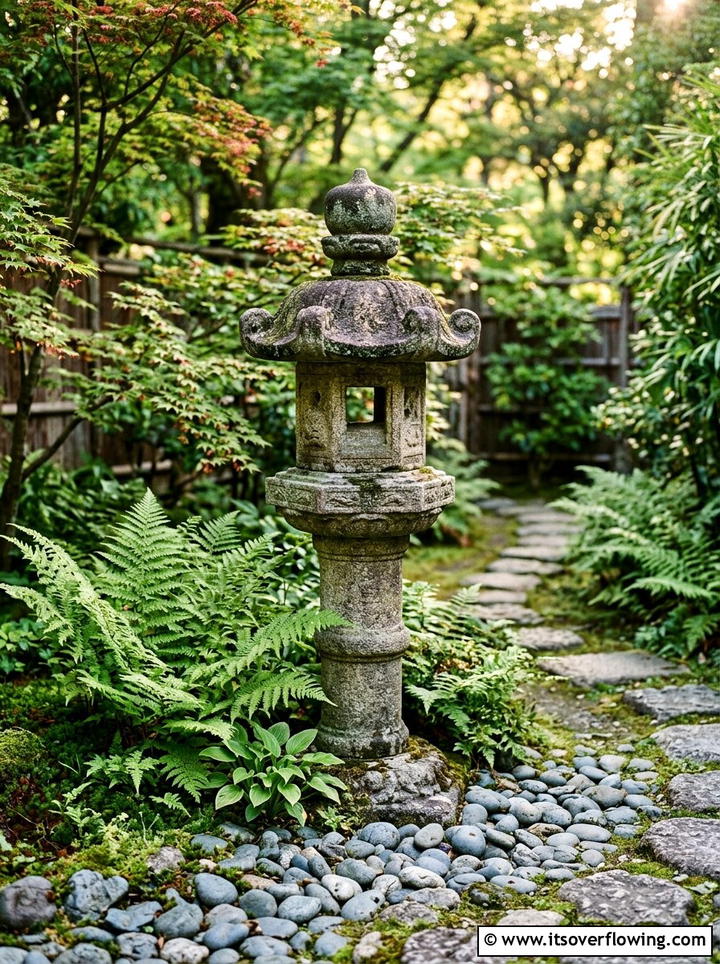
A Japanese stone lantern serves as a traditional focal point that brings an ancient architectural feel to your outdoor space. These heavy granite structures are often placed near pathways or water features to provide a sense of history and permanence. When you integrate a lantern into your garden, it acts as a grounding element among softer textures like ferns or raked gravel. During the evening, placing a small light inside creates a soft glow that guides the eye and provides a gentle ambiance. The weathered texture of the stone looks even better over time as it develops a natural patina or grows a layer of soft green moss.
2. Bamboo Shishi Odoshi
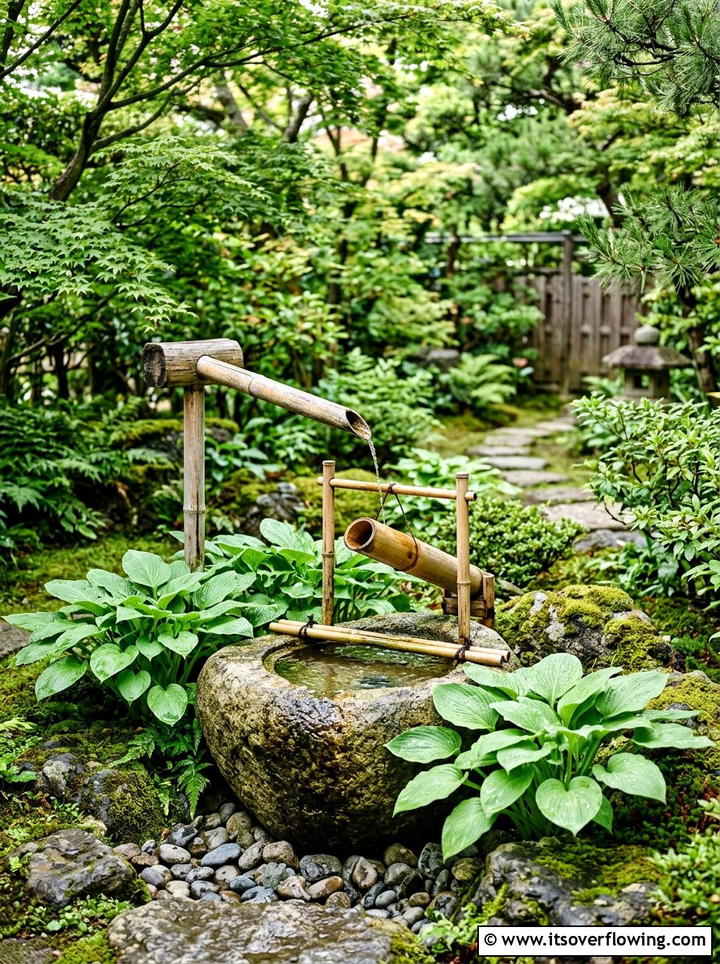
The bamboo shishi odoshi is a classic water feature that adds both visual movement and a rhythmic sound to your sanctuary. This traditional Japanese fountain works by filling a bamboo tube with water until it tips over, creating a gentle clacking sound against a stone. This repetitive noise is designed to startle away wildlife while providing a meditative rhythm for humans. You should surround this feature with smooth river rocks and lush green plants like hostas to create a complete oasis. The sight of flowing water combined with the natural wood of the bamboo brings an organic, soothing energy to any quiet corner.
3. Karesansui Raked Gravel
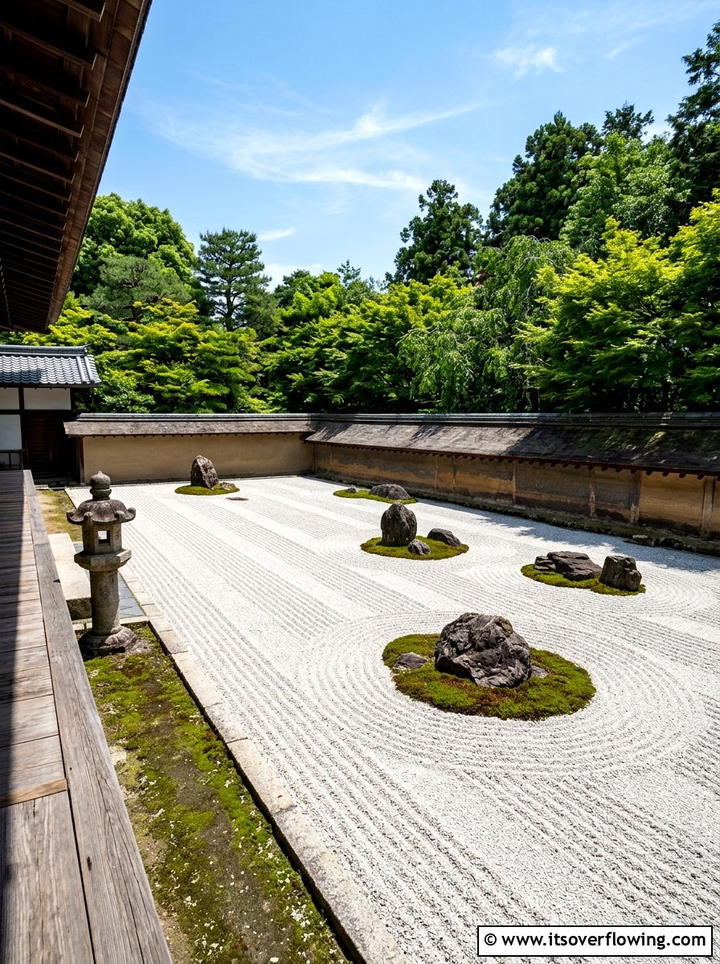
Karesansui is the practice of using raked gravel or sand to represent the ebb and flow of water in a dry landscape. To achieve this look, you need a dedicated area filled with fine light-colored gravel and a wooden rake to create swirling patterns. These patterns symbolize ocean waves or ripples in a pond, providing a creative outlet for mindfulness and stress relief. You can place a few large, dark boulders within the gravel to represent islands or mountains. This minimalist design approach creates a striking visual contrast that looks exceptionally clean and sophisticated in a modern backyard setting.
4. Red Arch Bridge
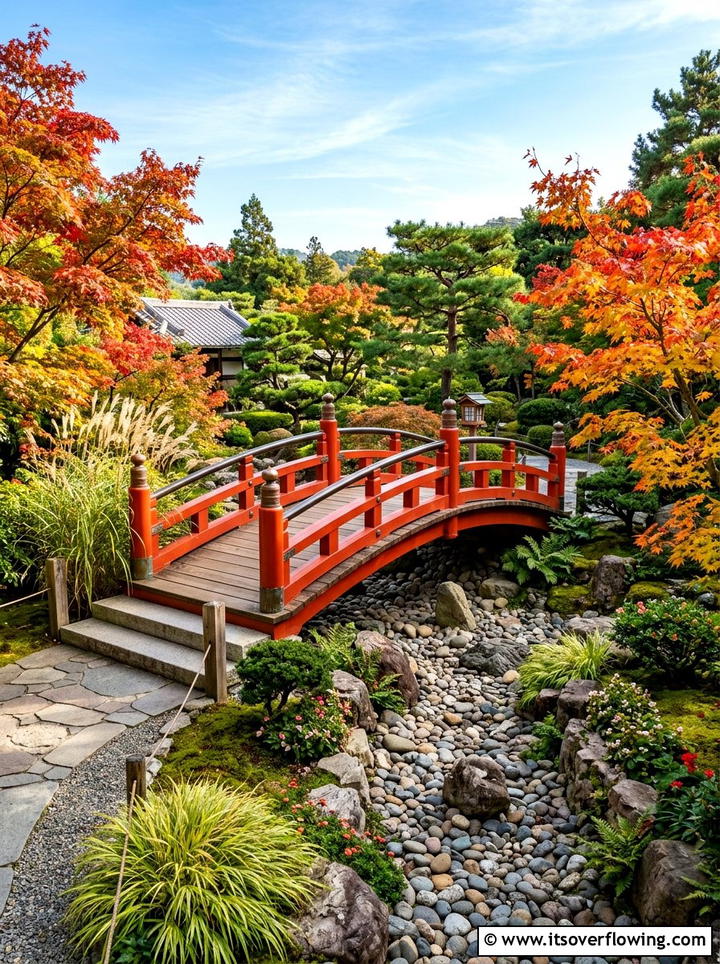
A red arch bridge is a vibrant architectural element that instantly transforms a garden into a traditional Japanese-inspired landscape. This bridge usually spans across a small pond, a dry creek bed, or even a section of raked sand to create a transition point. The curved shape represents a journey between the physical and spiritual worlds, making it a symbolic addition to your peaceful space. Painting the wood a bold vermilion red provides a stunning pop of color against the green foliage and gray stones. It serves as a beautiful walkway and a functional piece of art that anchors the entire backyard layout.
5. Living Moss Garden
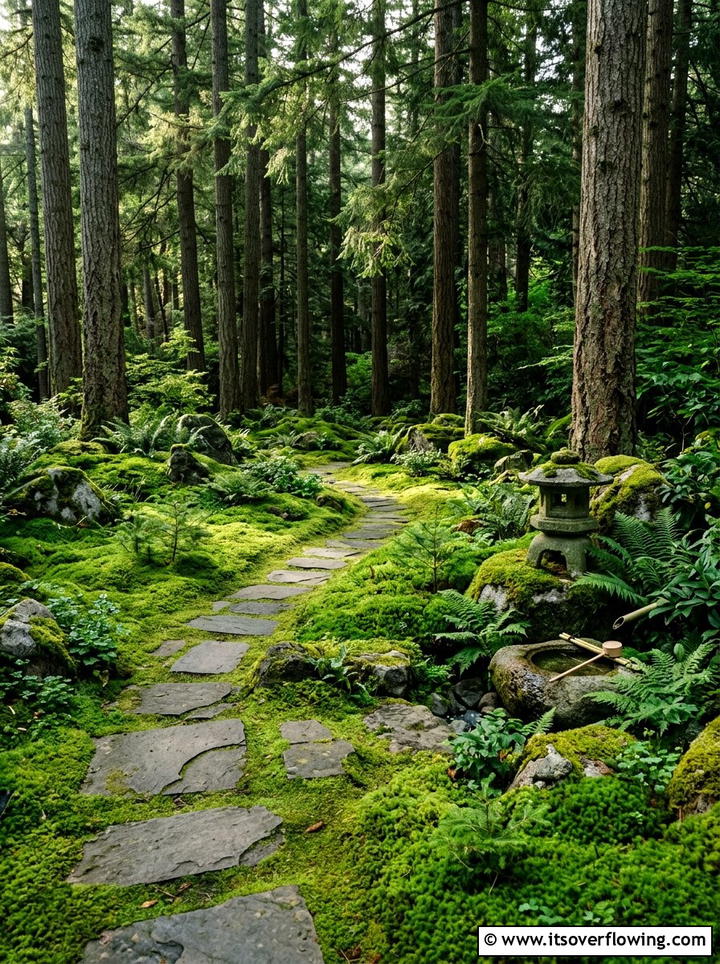
Using living moss as a ground cover creates a soft, velvet-like carpet that feels incredibly lush and tranquil underfoot. Moss thrives in shaded areas where grass might struggle to grow, making it a perfect solution for tucked-away corners of your garden. You can encourage moss growth over large rocks and between stepping stones to soften the hard edges of your landscape. This deep green texture absorbs sound and creates a cooling effect in the environment during hot summer months. Because moss stays green throughout much of the year, your garden will maintain its vibrant and healthy appearance with very little maintenance required.
6. Sitting Buddha Statue
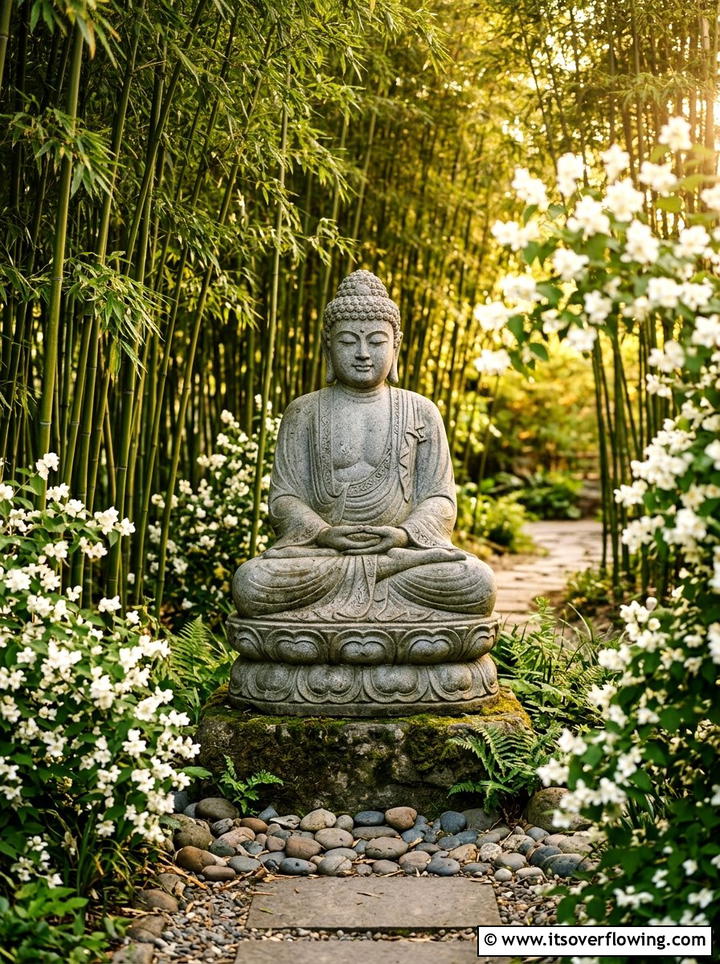
A sitting Buddha statue is a powerful symbol of peace and enlightenment that helps set a meditative tone for your outdoor area. You should place the statue in a slightly elevated position or nestled among tall grasses to create a sense of discovery. Choosing a statue made of natural materials like carved stone or cast concrete ensures it blends seamlessly with the surrounding plants and earth. This figure acts as a silent guardian of your space, reminding you to breathe and stay present while you enjoy the fresh air. Surrounding the base with flat pebbles or low-growing flowers enhances the spiritual aesthetic of the design.
7. Natural Stone Path
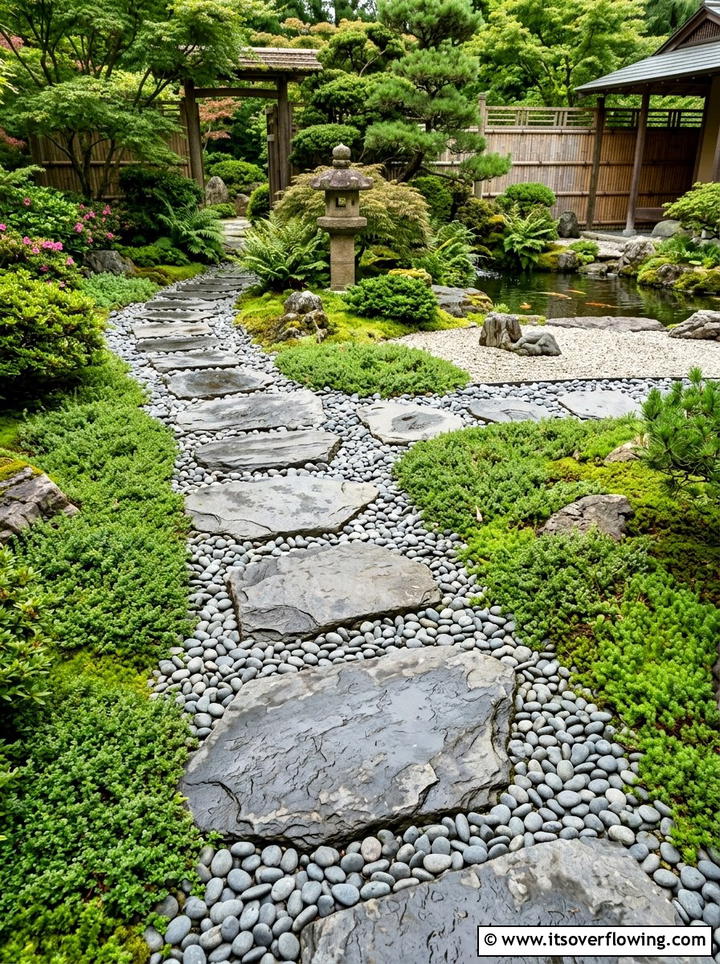
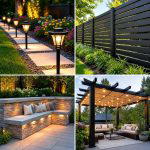
Creating a natural stone path is essential for guiding visitors through your garden while protecting the delicate ground cover or raked sand. You can use large, flat slate or granite slabs spaced out to encourage a slow and intentional walking pace. This staggered arrangement is a deliberate design choice that forces you to focus on each step, promoting a sense of mindfulness. Filling the gaps between the stones with small pebbles or creeping thyme adds texture and color to the walkway. A well-placed path ensures that every part of your zen garden is accessible while maintaining a structured and organized visual flow.
8. Miniature Pagoda Tower
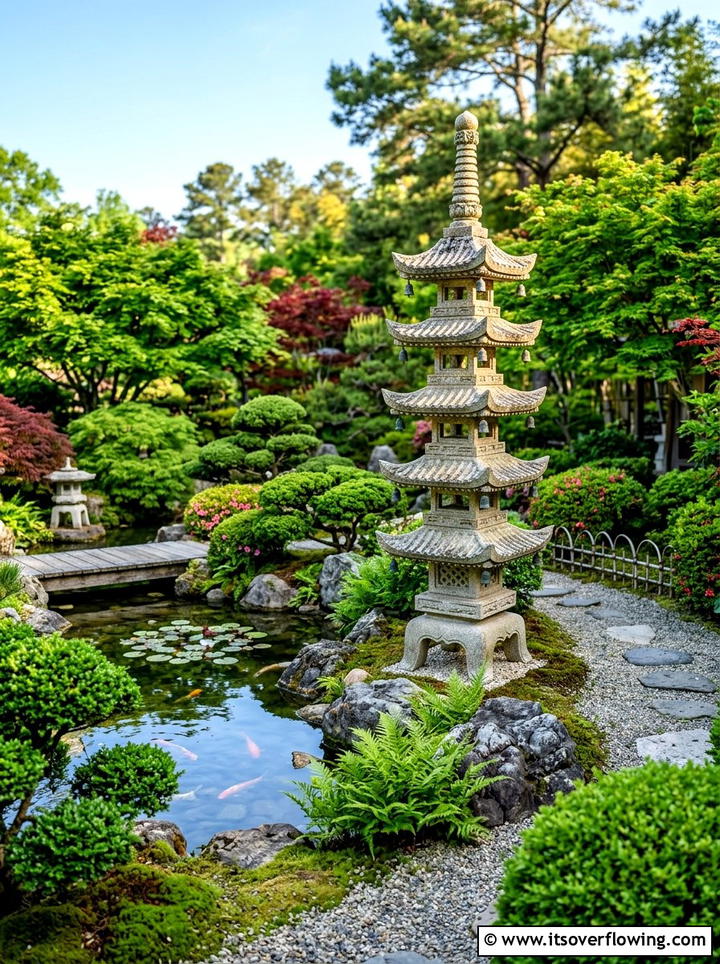
A miniature pagoda tower adds height and architectural interest to a low-profile garden design without overwhelming the space. These multi-tiered stone structures are inspired by traditional East Asian temples and signify a connection to higher wisdom and nature. You can place a pagoda near the entrance of your garden or at the end of a path to serve as a destination point. The intricate details of the carved stone provide a beautiful contrast to the simple, organic shapes of nearby trees and shrubs. It is an excellent way to introduce a sense of verticality and cultural depth to your personal outdoor retreat.
9. Large Accent Boulders
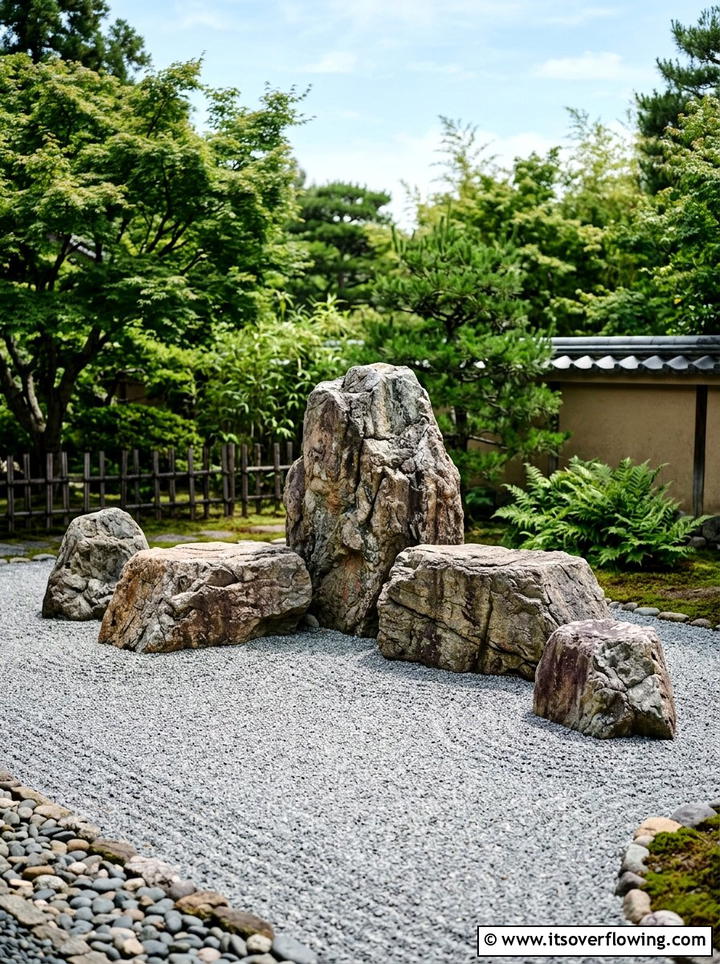
Large accent boulders are used in zen landscapes to represent mountains and provide a sense of strength and stability. When selecting rocks, look for pieces with interesting shapes, natural crevices, and varied color tones that match your existing soil. You should partially bury the boulders so they look like they are emerging naturally from the earth rather than just sitting on top. Grouping three rocks of different sizes together creates a balanced, asymmetrical look that is very common in traditional Japanese aesthetics. These heavy elements provide a permanent structure that grounds the shifting textures of the surrounding plants and raked gravel.
10. Vertical Bamboo Screen
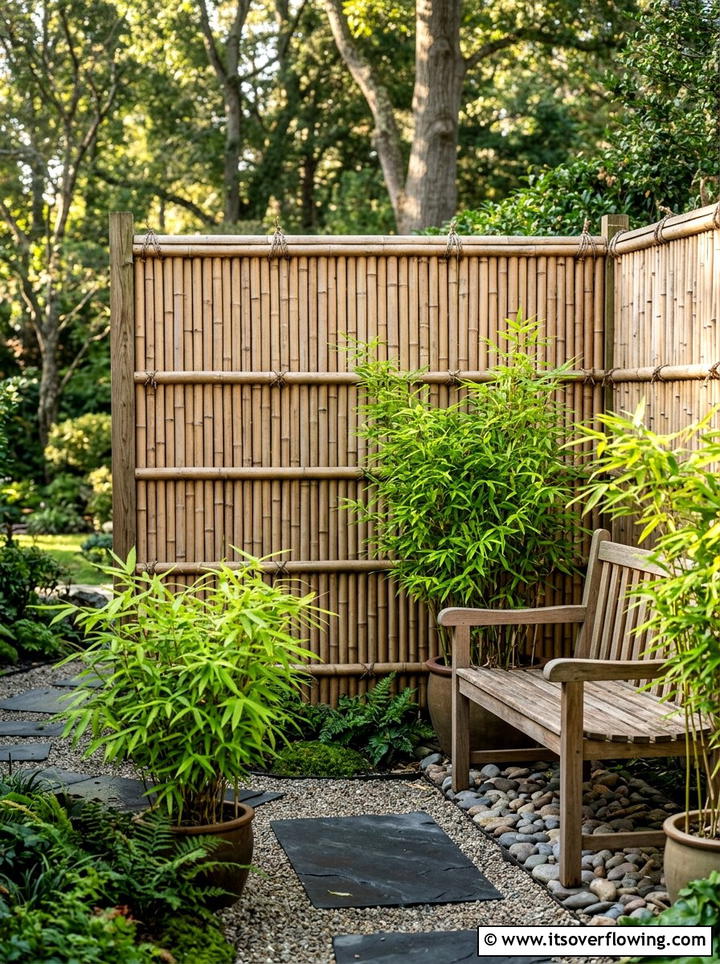
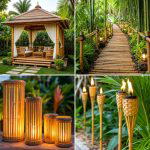
A vertical bamboo screen is a practical and beautiful way to create privacy while maintaining a natural, organic feel in your garden. These screens can be used to hide unsightly fences, block out the view of neighbors, or define different zones within your outdoor space. The light tan color of the bamboo poles provides a warm backdrop for green foliage and colorful flowers. Because bamboo is a sustainable and durable material, it stands up well to various weather conditions while adding a tropical or zen touch. It also serves as an excellent windbreak, creating a more comfortable and quiet atmosphere for your meditation sessions.
11. Tsukubai Water Basin
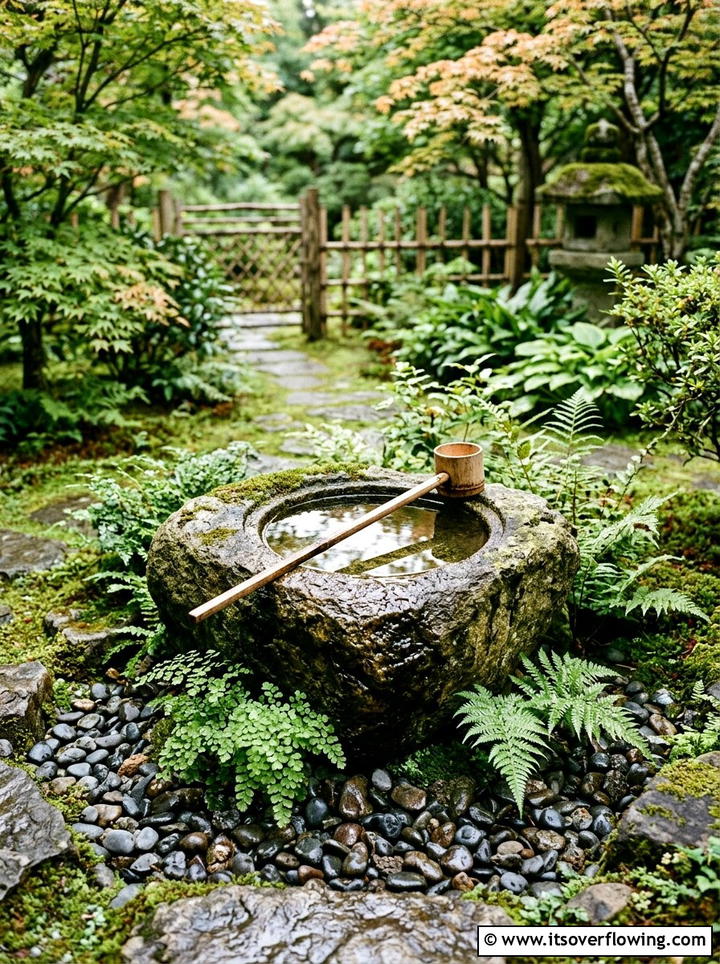
A tsukubai is a traditional stone water basin used for ritual cleansing before entering a sacred space or tea house. This low-profile feature consists of a hollowed-out stone that holds still water, often fed by a simple bamboo pipe. You typically place the basin low to the ground, requiring you to crouch down, which is a gesture of humility. Surrounding the stone with dark, wet river pebbles creates a beautiful shimmering effect that catches the light throughout the day. This quiet water feature is perfect for small gardens where you want the calming presence of water without the loud splashing of a fountain.


12. Minimalist Garden Bench
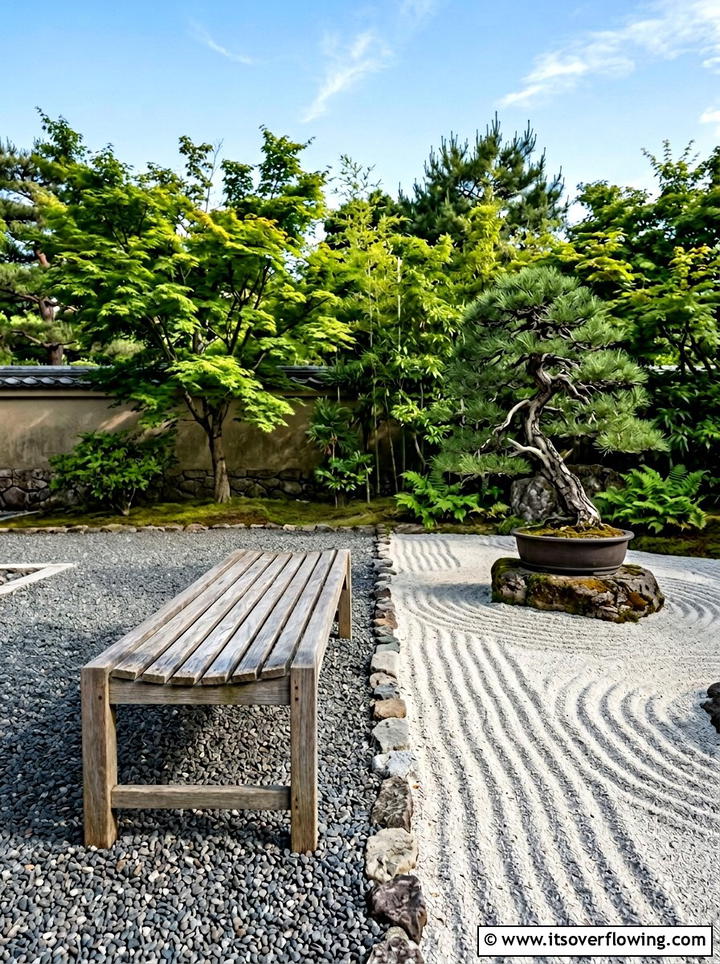
A minimalist garden bench provides a dedicated spot to sit and reflect on the beauty of your surroundings. Look for a simple design made from natural materials like weathered teak, cedar, or a single large slab of smooth stone. The bench should be positioned to face the most scenic part of your garden, such as a pond or a raked gravel area. Avoid ornate or overly decorated furniture, as the goal is to keep the focus on the landscape rather than the seating itself. Having a comfortable place to rest encourages you to spend more time outdoors, fully immersing yourself in the peaceful environment.
13. Copper Rain Chain
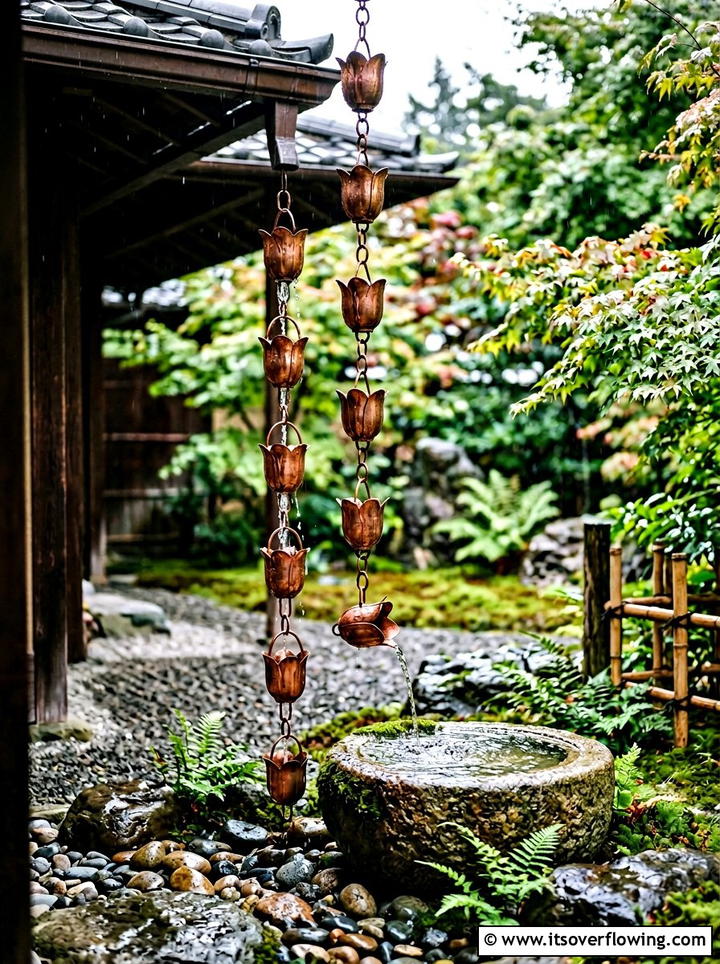
A copper rain chain is a functional and artistic alternative to a traditional plastic downspout that adds charm to your garden. As rainwater flows from your roof, it travels down the series of linked cups or chains, creating a beautiful cascading effect. The sound of the water trickling down the copper is incredibly soothing and enhances the sensory experience of a rainy day. Over time, the copper will develop a stunning turquoise patina that blends perfectly with the natural greens of your garden. You can place a decorative stone bowl or a bed of pebbles at the bottom to catch the water gracefully.
14. Crushed Granite Path
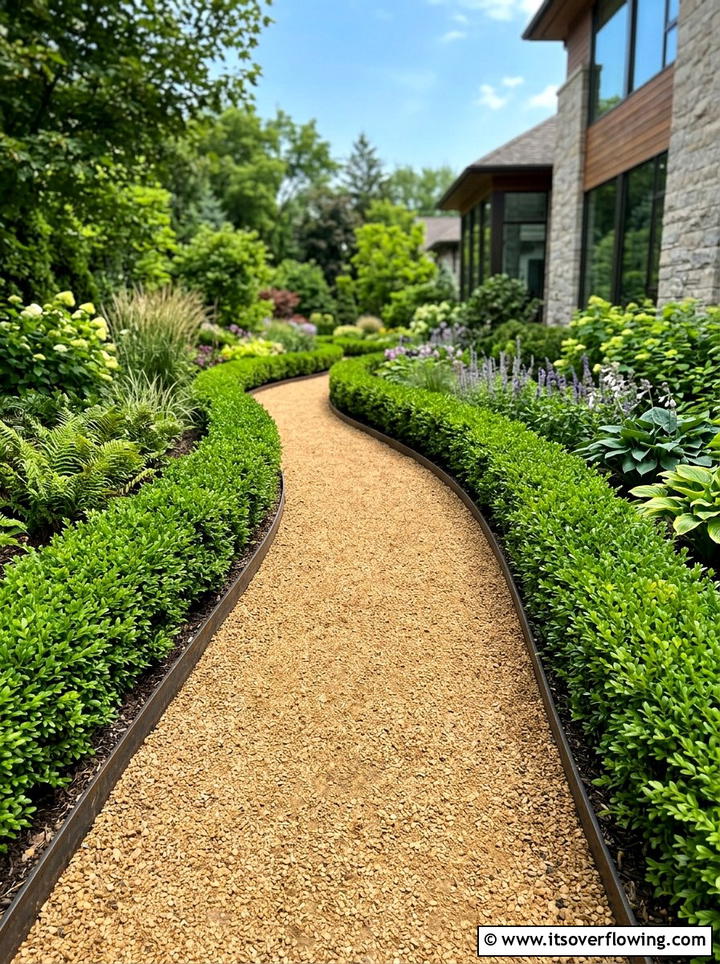
Using crushed granite for your garden paths provides a stable and permeable surface that looks much more refined than standard mulch. The fine texture of the granite crunching under your feet creates a distinct sound that brings awareness to your movement. This material is available in various shades of gray, tan, and gold, allowing you to match it to your garden’s color palette. Granite paths are excellent for defining the borders between planting beds and open spaces, keeping the entire layout looking neat and professional. It also helps with drainage, ensuring your garden remains accessible even after a heavy rain shower.
15. Wooden Wind Chimes
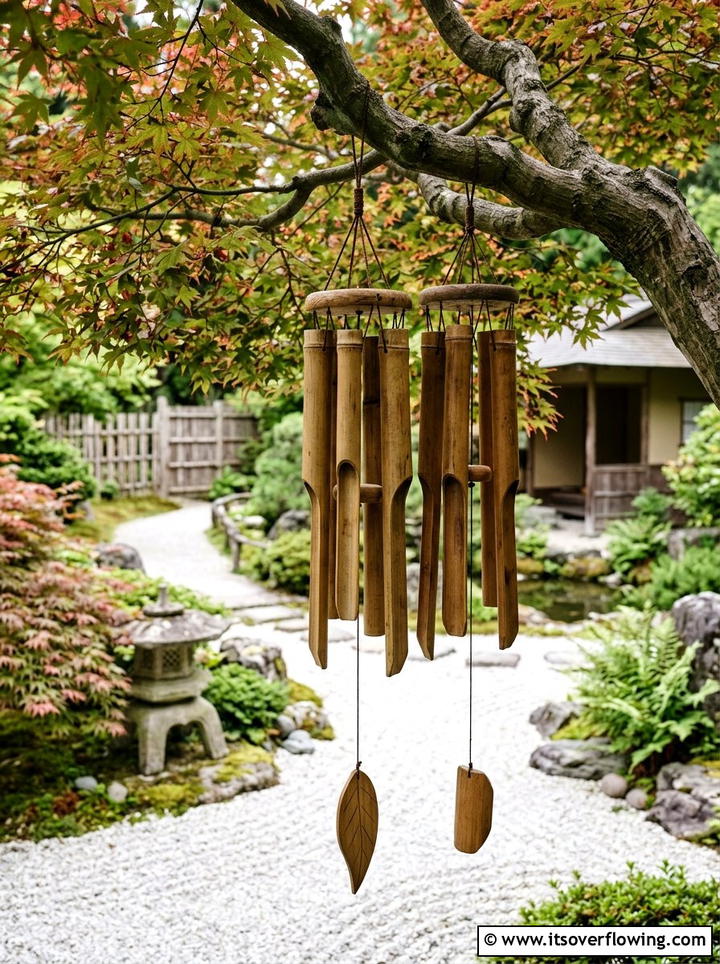
Wooden wind chimes produce a deep, hollow sound that is much more relaxing and earthy than the high-pitched clanging of metal chimes. Made from bamboo or coconut shells, these chimes react to the lightest breeze, filling your garden with a gentle, organic melody. Hanging them from a tree branch or a porch overhang adds a vertical element to your decor while bringing the air element to life. The natural brown tones of the wood complement the surrounding bark and soil, ensuring they don’t look out of place. This auditory layer of decor helps to mask neighborhood noise and deepens the sense of seclusion.
16. Red Japanese Maple
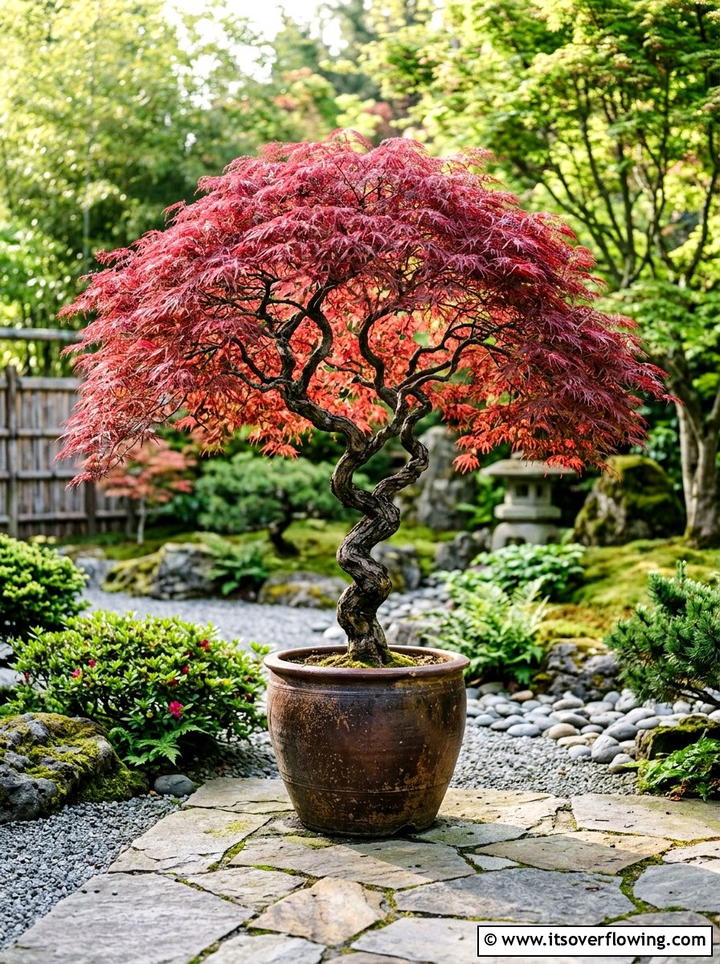
A red Japanese maple is a stunning ornamental tree that acts as a living piece of art in your zen garden. These trees are prized for their delicate, lace-like leaves and their vibrant color changes throughout the spring, summer, and fall. The slow-growing nature and graceful branching patterns of the maple make it an ideal choice for a focal point in a small space. You can prune the tree to highlight its architectural shape, creating a beautiful silhouette against a light-colored wall or fence. Its presence adds a sophisticated, high-end feel to the landscape while providing soft shade for lower-growing plants like hostas.
17. Modern Stone Fireplace
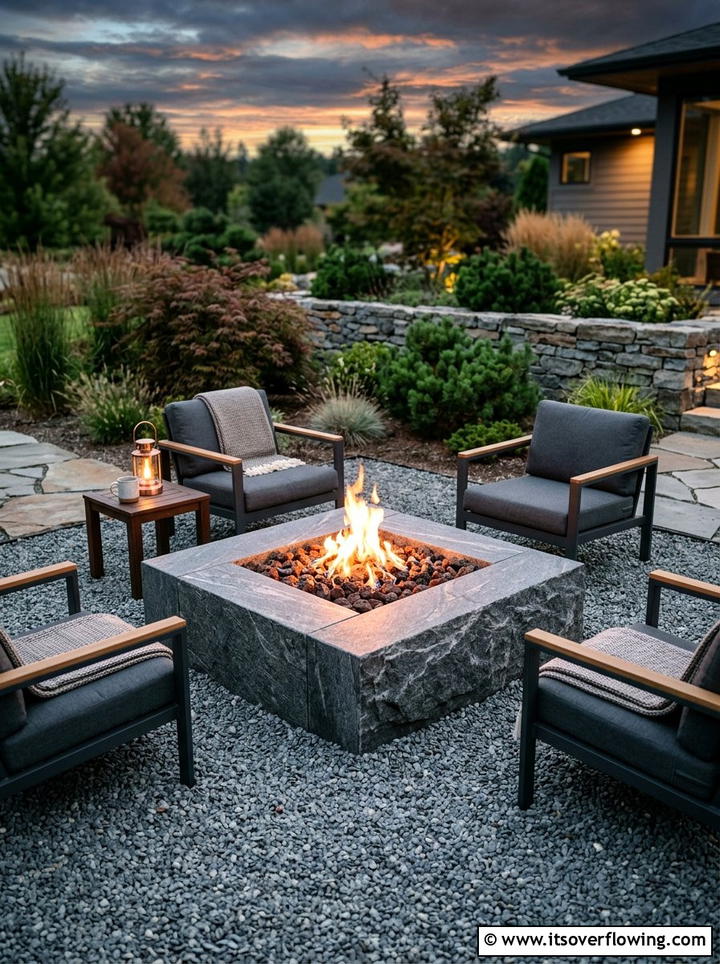
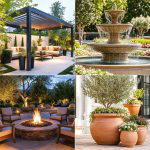
A modern stone fireplace allows you to enjoy your zen garden well into the evening and during the cooler months of the year. Choosing a design with clean lines and a simple stone finish keeps the look consistent with the rest of your minimalist decor. Placing the fireplace in a central seating area creates a warm and inviting gathering spot for friends or a quiet place for solo reflection. The flickering flames provide a primal, hypnotic visual that is perfect for relaxation and clearing your mind. Using natural wood logs adds an authentic scent and sound that enhances the overall outdoor experience for everyone.
18. Backyard Koi Pond
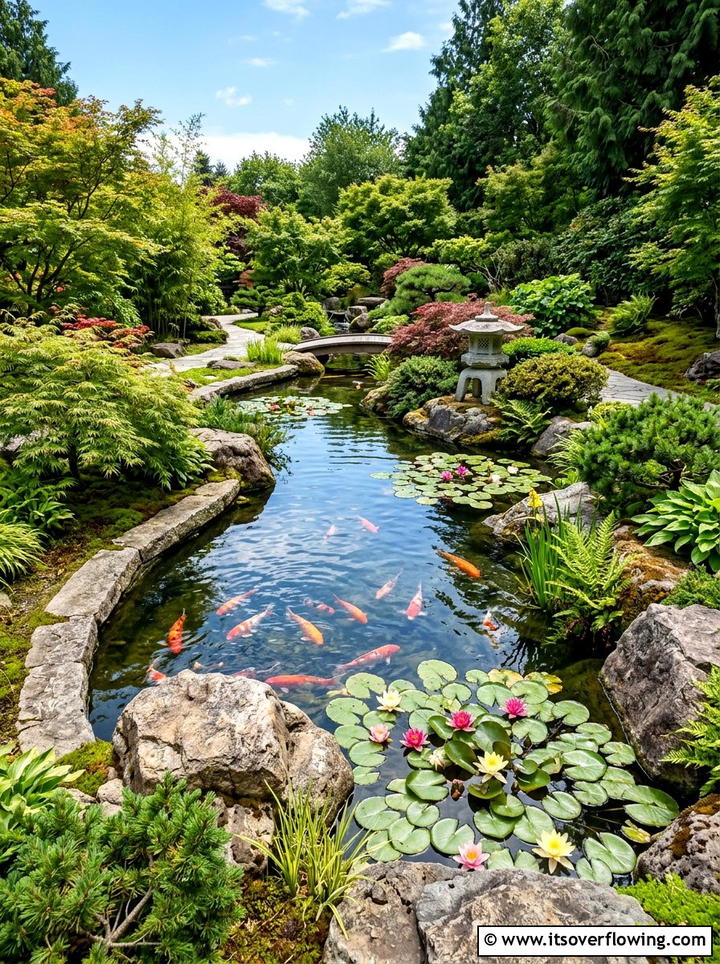
A backyard koi pond is the ultimate water feature for a zen garden, bringing life, color, and movement to the space. The sight of brightly colored fish swimming gracefully through clear water is incredibly captivating and therapeutic to watch. You should design the pond with natural rock edges and include aquatic plants like water lilies to provide shade for the fish. A small waterfall or stream leading into the pond adds the refreshing sound of running water and helps oxygenate the environment. This ecosystem creates a thriving habitat for birds and dragonflies, making your garden feel like a true slice of nature in the city.
19. Woven Bamboo Fence
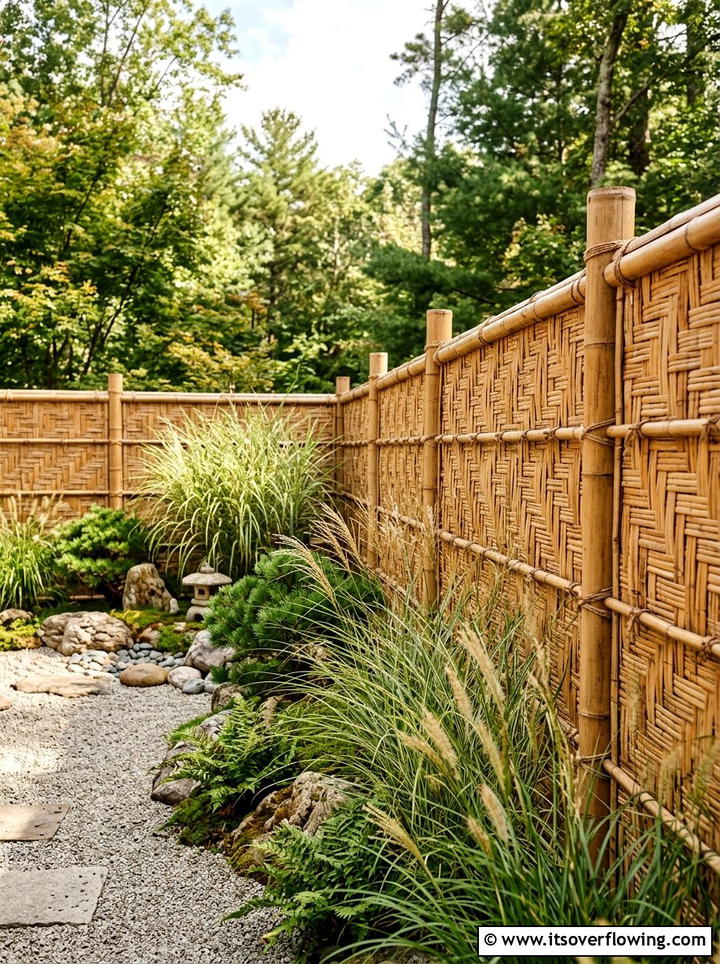
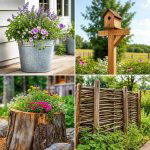
A woven bamboo fence provides a textured and sustainable boundary that feels much softer than a traditional wooden or metal fence. These panels are made by weaving thin strips of bamboo together, creating a beautiful pattern that allows a little light and air to pass through. This type of fencing is perfect for creating a backdrop for your favorite plants or for sectioning off a private meditation area. The organic material ages beautifully and provides a neutral canvas that makes the colors of your garden pop. It is a cost-effective way to achieve an authentic Asian-inspired look while improving the privacy of your backyard.

20. Stacked Rock Cairn
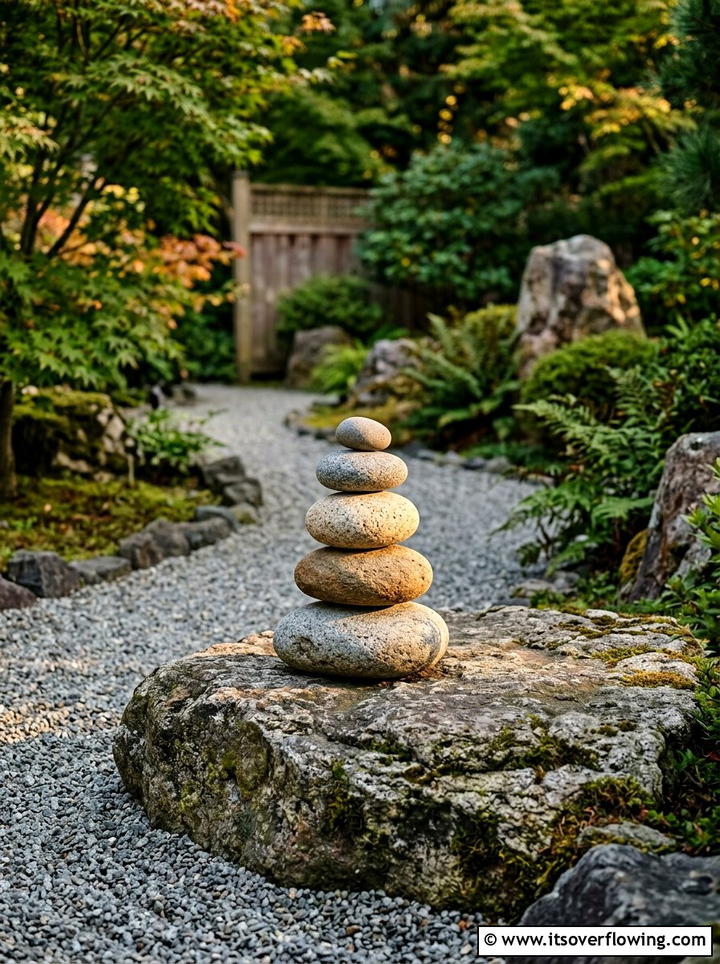
A stacked rock cairn is a simple yet profound piece of garden decor that you can easily create yourself using found stones. These towers of balanced rocks have been used for centuries as trail markers and symbols of patience and balance. Placing a cairn in a quiet corner or on a large flat boulder adds a personal, handcrafted touch to your landscape. The process of carefully selecting and balancing each stone is a meditative act in itself, reflecting the core values of a zen lifestyle. These small structures invite curiosity and provide a sense of wonder for anyone wandering through your peaceful outdoor sanctuary.
21. Timber Yoga Deck
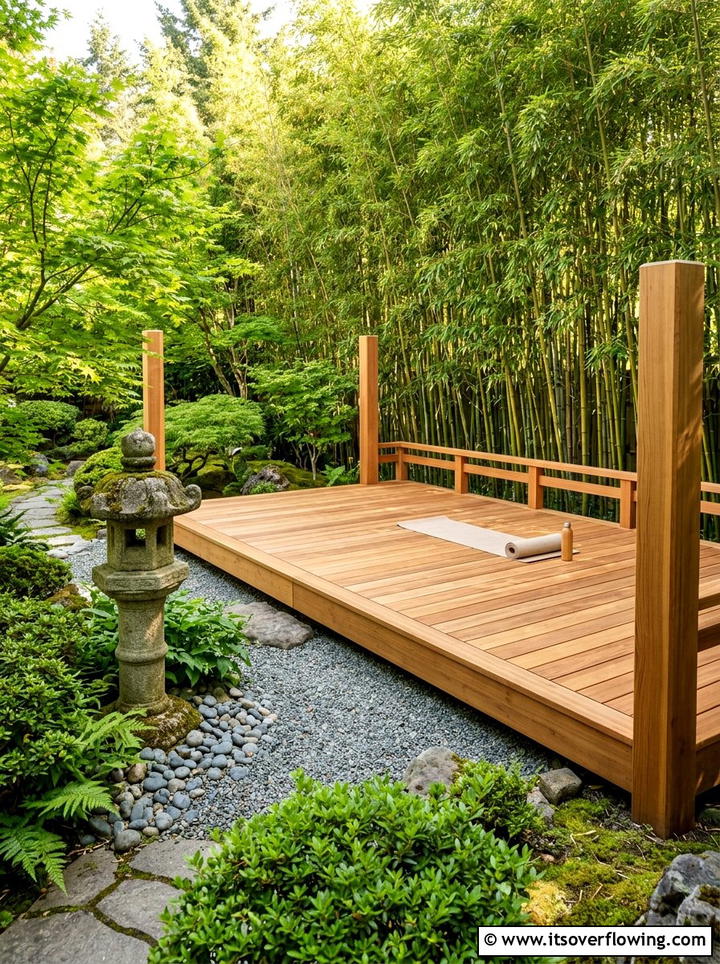
A timber yoga deck offers a flat, stable surface for stretching, meditation, or simply sitting in the sun. Building the deck from natural wood like redwood or cedar ensures it feels warm and comfortable under your bare feet. You should position the platform in a spot that receives morning sunlight but remains private from the street or neighbors. Surrounding the deck with tall grasses or flowering shrubs creates a living wall that makes the space feel like a hidden room. This dedicated area encourages a daily wellness practice, helping you integrate the peace of your garden into your physical health and routine.
22. Carved Stone Birdbath
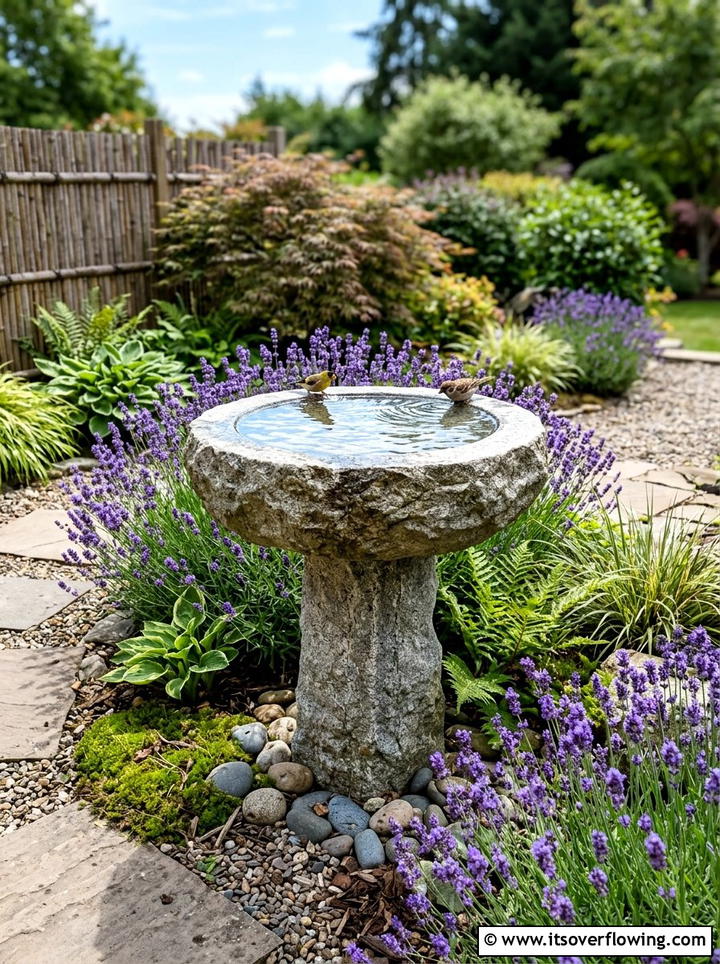
A carved stone birdbath is a functional decor item that invites local wildlife to visit your garden for a drink or a splash. Choosing a birdbath with a rough, natural exterior and a smooth interior basin provides a beautiful contrast in textures. Water is a vital element in zen design, and having a small, still pool allows for beautiful reflections of the sky and nearby trees. Watching birds interact with the water adds a sense of joy and vitality to your quiet retreat. Placing the birdbath near a window allows you to enjoy the view and the peacefulness of nature even when you are inside.
23. River Rock Mosaic
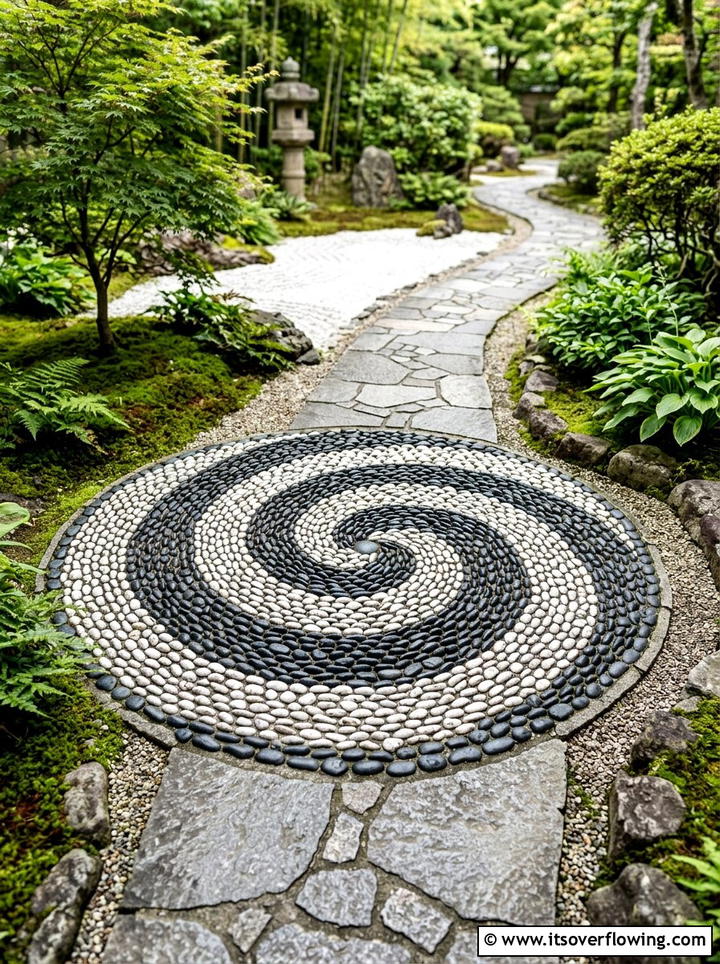
A river rock mosaic is a creative way to add artistic detail to your garden paths or the floor of a patio. By embedding smooth, multi-colored river stones into a bed of mortar, you can create intricate patterns like spirals, waves, or floral shapes. This technique allows you to transform a standard walkway into a stunning focal point that feels handcrafted and unique. The different sizes and shapes of the stones provide a gentle massage for your feet if you choose to walk barefoot. Mosaics are incredibly durable and can withstand heavy foot traffic while maintaining their beauty and structural integrity over many years.
24. Dry Rock River
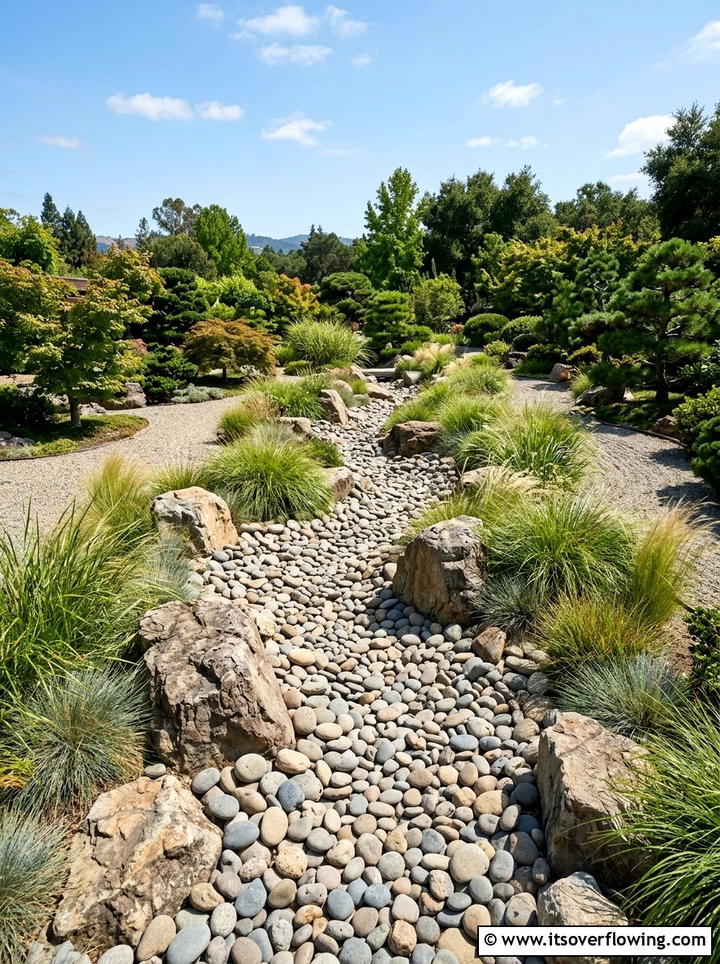
A dry rock river is a clever landscaping solution that mimics the appearance of a winding stream using only stones and plants. To create this look, you dig a shallow, meandering trench and fill it with large boulders, medium rocks, and fine pebbles. This feature is perfect for handling drainage issues in your yard while adding significant visual interest to the terrain. You can plant drought-tolerant species along the “banks” of the river to enhance the illusion of a natural waterway. This design element provides a sense of flow and movement in the garden without the maintenance requirements of an actual running water feature.
25. Secluded Meditation Corner
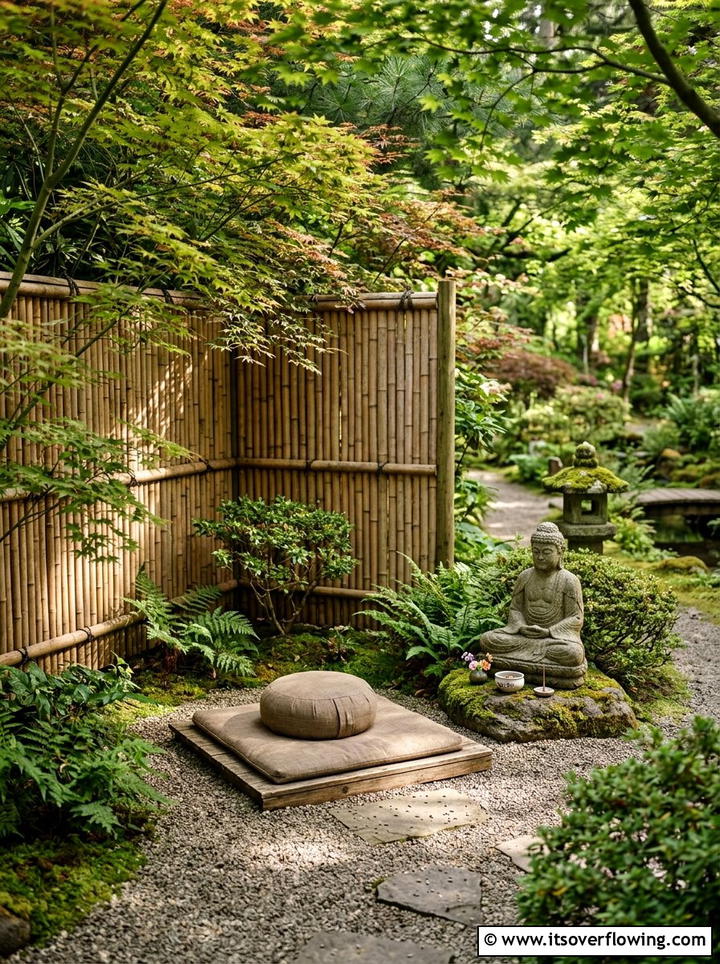
A secluded meditation corner is the final piece of the puzzle for a complete zen garden experience. This area should be tucked away from the main house and shielded by tall plants, bamboo screens, or a small stone wall. You can furnish the space with a soft outdoor cushion, a small table for incense, and a few favorite decorative items. The goal is to create a zone where you feel completely safe and undisturbed, allowing you to go deep into your practice. Having a designated spot for quietude helps you mentally disconnect from daily chores and reconnect with your inner self in a beautiful setting.
Conclusion:
Designing a zen garden is a journey toward creating a more balanced and intentional lifestyle right in your own backyard. Each element you choose, from the grounding presence of large boulders to the soothing rhythm of a bamboo fountain, contributes to a larger sense of harmony. By focusing on natural materials and minimalist arrangements, you can build a space that feels both timeless and deeply personal. This garden becomes more than just a collection of plants and decor; it serves as a living sanctuary for your mind and soul. As you tend to your space, you will find that the tranquility of the garden naturally begins to reflect in your daily life.

Related posts:
 25 Garden Decor Ideas With Bamboo Accents for Calm Style
 25 Garden Decor Ideas for Cottage Gardens With Cozy Charm
 25 garden decor ideas for desert gardens: Chic Dryscapes
 25 Garden Decor Ideas for Large Gardens With Grand Impact
 25 Garden Decor Ideas for Modern Gardens With Sleek Style
 25 Garden Decor Ideas for Pollinator Gardens That Buzz
 25 Garden Decor Ideas for Rustic Gardens With Natural Charm
 25 Garden Decor Ideas for Small Gardens That Feel Spacious
 25 Garden Decor Ideas for Tropical Gardens With Island Vibes
 25 Garden Decor Ideas For Weddings To Create Romantic Spaces
 25 Garden Decor Ideas With Spring Decor to Refresh Your Yard
 25 Garden Decor Ideas With Winter Decor for Cozy Style