
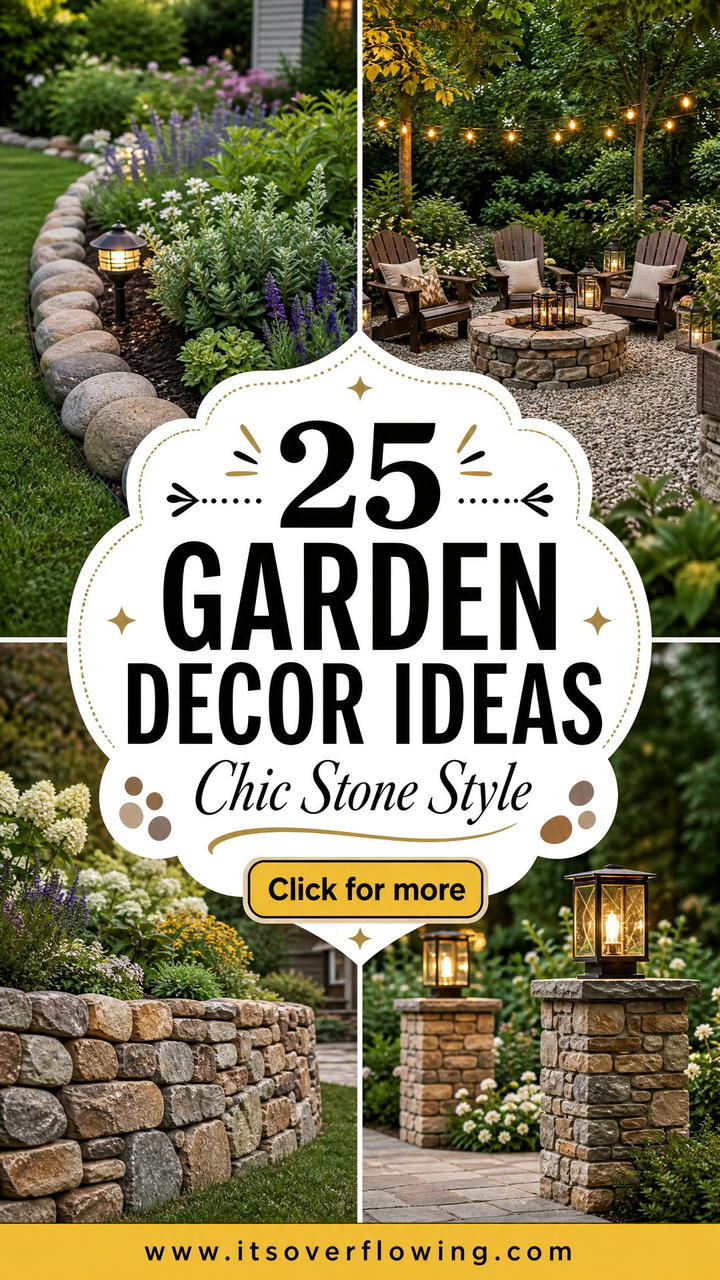
Transforming your outdoor space with natural elements brings a timeless beauty that few other materials can match. Using stone in your garden design provides a sense of permanence and structure while blending seamlessly with your favorite plants and flowers. Whether you are looking to create a peaceful retreat or a vibrant area for entertaining, stone accents offer endless possibilities for customization and style. From the rugged charm of large boulders to the refined look of polished pebbles, these materials add texture and visual interest to any yard. This guide explores creative ways to incorporate various stone types into your landscape to enhance its overall aesthetic and functional appeal.
1. Stone Garden Path
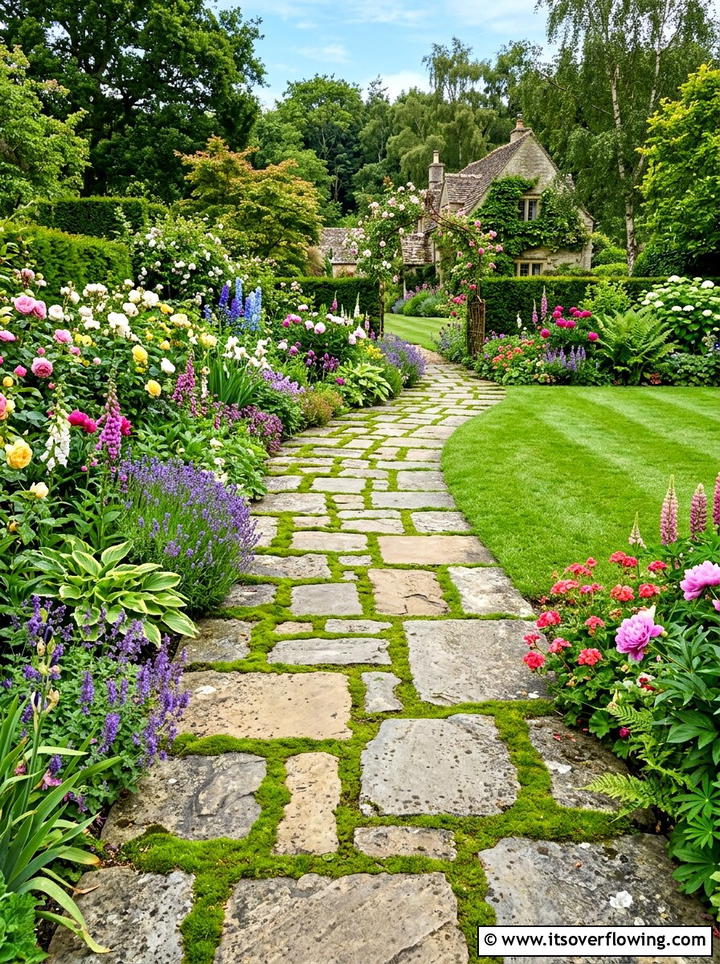
A stone garden path serves as more than just a functional walkway; it acts as a guiding line that leads your eye through the entire landscape. When you choose materials like irregular flagstones or neatly cut slate, you are essentially defining the flow of your outdoor living space. These paths work wonderfully when they are nestled between lush green lawns and colorful flower beds, creating a clear distinction between different zones. You can fill the gaps between the stones with moss or small creeping plants like thyme to give it a more established, natural appearance. This design approach ensures that your garden feels organized, intentional, and incredibly inviting for anyone taking a stroll.
2. Rock Garden Borders
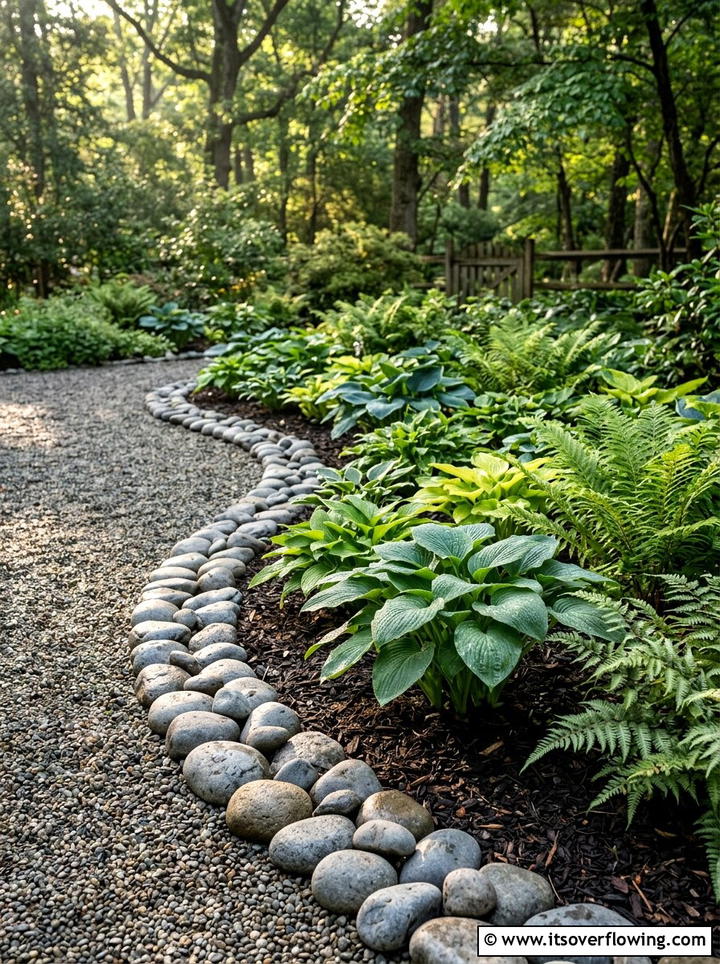
Rock garden borders are an excellent way to create clean lines and define the edges of your planting beds. By using medium-sized river rocks or stacked fieldstones, you can build a low-profile boundary that prevents soil erosion and keeps mulch in place. These borders add a layer of texture that contrasts beautifully with the soft foliage of hostas, ferns, or flowering perennials. Instead of using plastic or wood edging, stone provides a durable and weather-resistant solution that only looks better as it ages. The natural variations in color and shape found in real stone create a sophisticated frame for your garden, making every plant variety pop against the earthy backdrop.
3. Dry Creek Bed
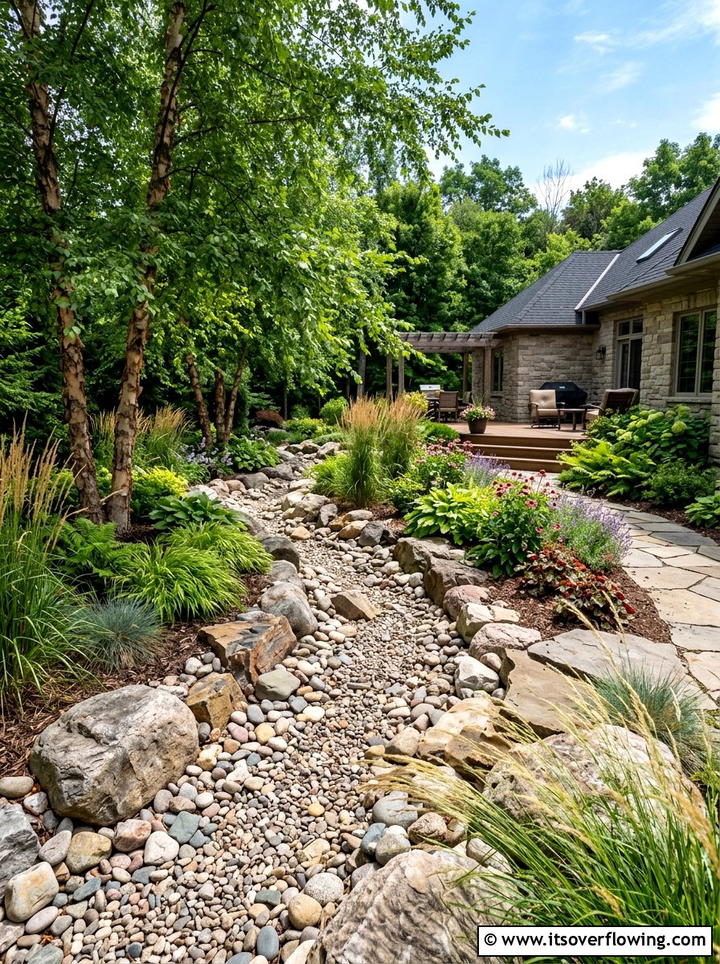
A dry creek bed is a clever landscaping solution that combines visual beauty with practical drainage benefits. By using a mix of large boulders, medium stones, and smaller pebbles, you can mimic the appearance of a natural waterway winding through your backyard. This design feature is particularly effective in areas where water tends to pool during heavy rain, as it helps direct runoff away from your home. To make it look authentic, vary the sizes of the stones and plant ornamental grasses or river birch trees along the edges. The result is a stunning focal point that adds movement and a touch of wild nature to your garden.
4. Flagstone Patio
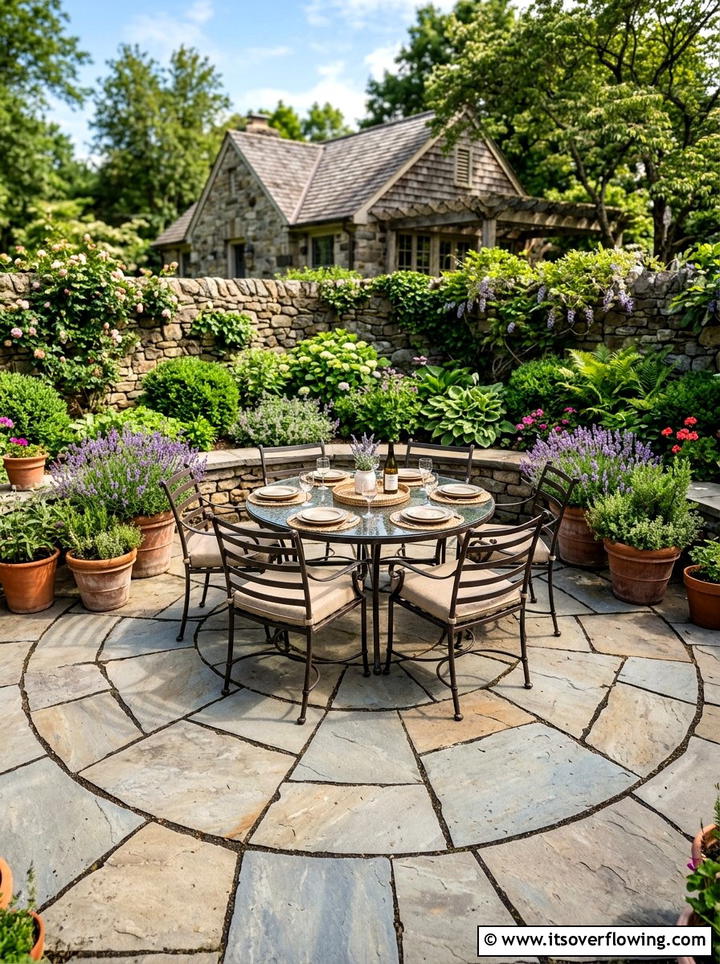
Creating a flagstone patio offers a rustic yet elegant area for outdoor dining and relaxation. Unlike poured concrete, flagstone provides a unique pattern of natural shapes and earthy tones that harmonize with the surrounding greenery. This type of stone accent allows for a more flexible layout, whether you want a perfectly circular seating area or an organic shape that hugs the curves of your garden. You can set the stones in sand for a permeable surface or use mortar for a more permanent, flat floor. Surrounding the patio with low-growing shrubs or a decorative stone wall helps create an intimate “outdoor room” feel for your family.
5. Stone Fire Pit
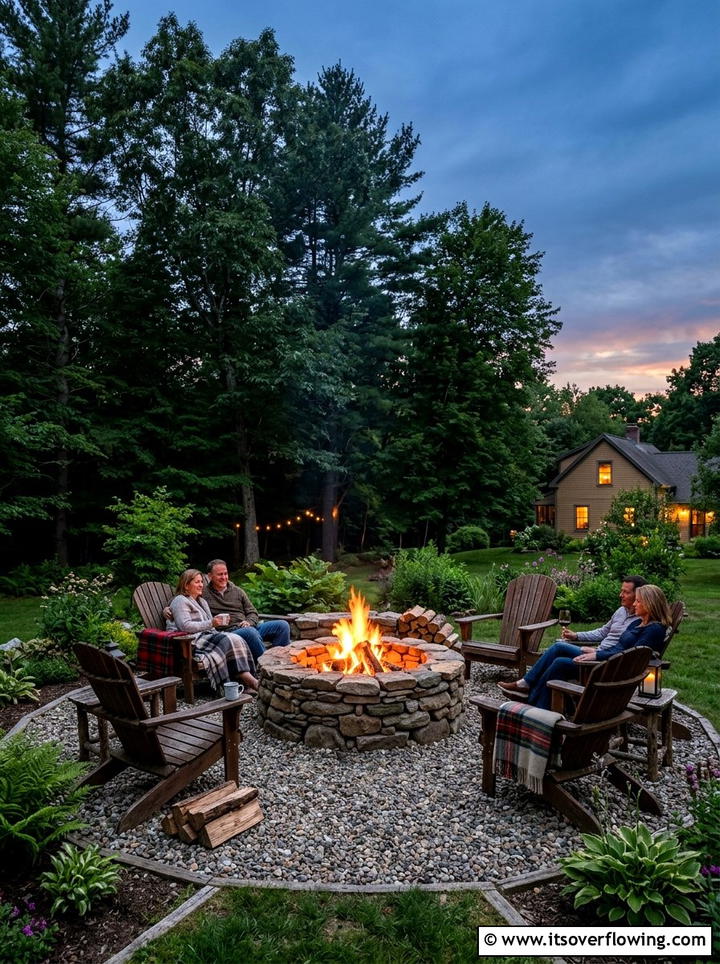
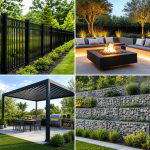
A stone fire pit is the ultimate gathering spot that brings warmth and a cozy atmosphere to your evening outdoor activities. Building one with stacked natural stone or heavy masonry blocks ensures it remains a durable centerpiece for years to come. You can design the pit to match the existing stone elements in your yard, such as a nearby retaining wall or walkway, to create a cohesive look. Surrounding the fire pit with a gravel base or large flat stones provides a safe and stylish area for chairs. This design encourages long conversations under the stars while adding a rugged, masculine touch to your overall landscape theme.
6. Gabion Wall
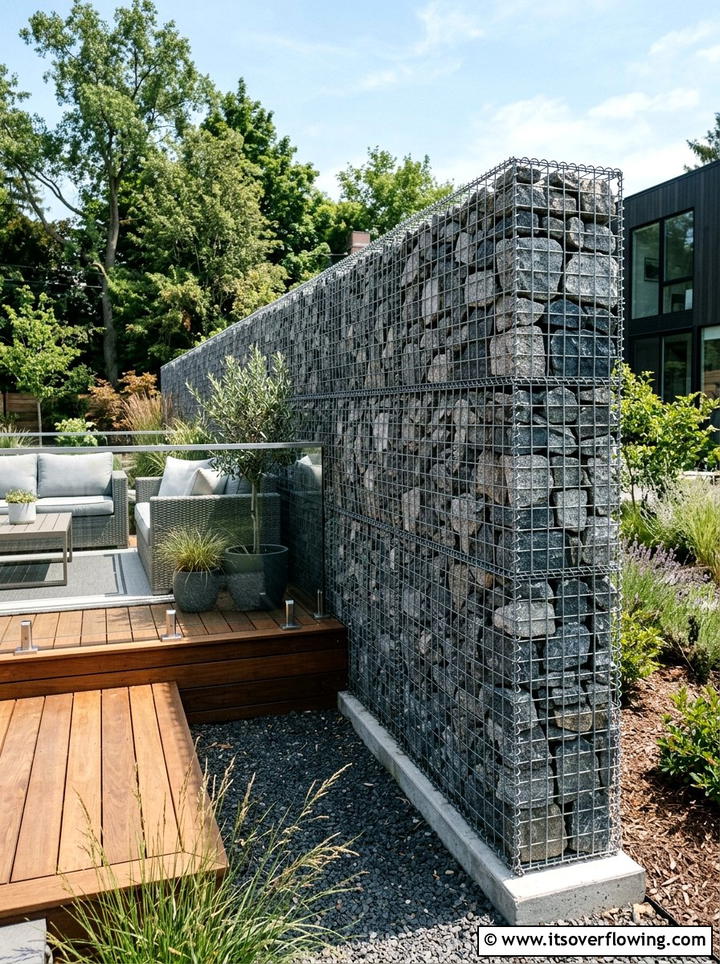
Gabion walls are modern, industrial-inspired structures that use wire cages filled with various types of stone to create a striking vertical element. These walls are incredibly versatile, serving as sturdy retaining walls, privacy screens, or even decorative benches when topped with wood. The beauty of a gabion wall lies in the texture of the stones inside, which can range from smooth river rocks to jagged pieces of granite. Because they allow water to flow through freely, they are excellent for managing drainage on sloped properties. This design choice adds a unique architectural feel to a contemporary garden while remaining deeply rooted in natural, raw materials.
7. River Rock Mulch
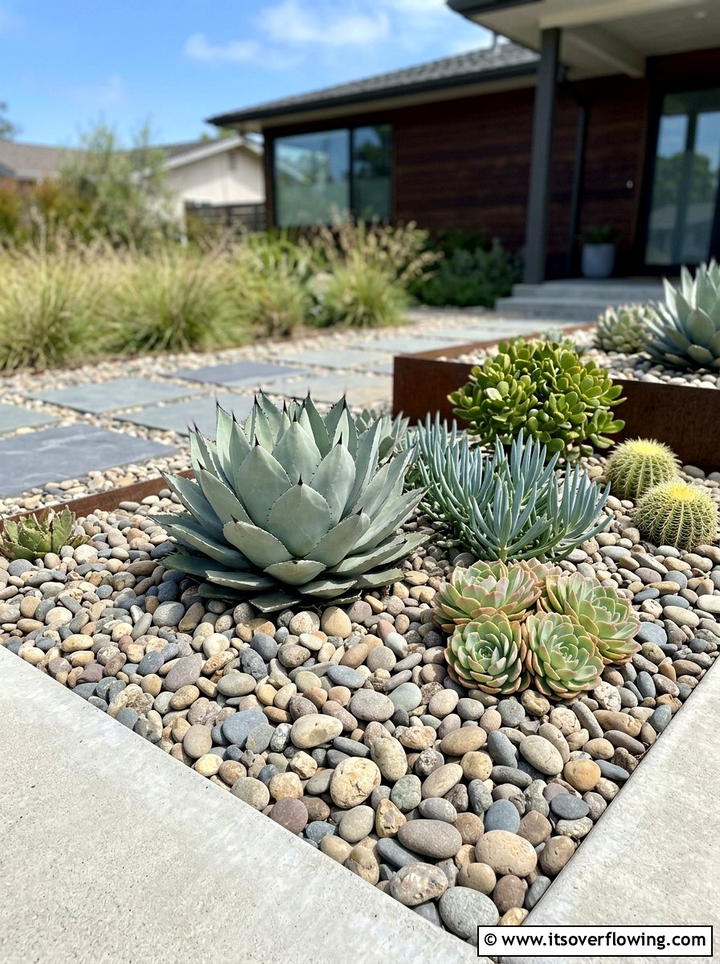
Using river rock as a mulch alternative is a low-maintenance way to bring a clean and polished look to your flower beds. Unlike wood mulch, stone does not break down over time, meaning you won’t have to replace it every season. The smooth, rounded surfaces of river rocks create a serene and balanced aesthetic that pairs well with succulent gardens or modern minimalist landscapes. Stone mulch also helps regulate soil temperature and keeps weeds at bay when used with a landscape fabric underneath. The subtle grays, tans, and blues of the rocks provide a neutral palette that allows the bright colors of your flowers to stand out.
8. Stepping Stone Walkway
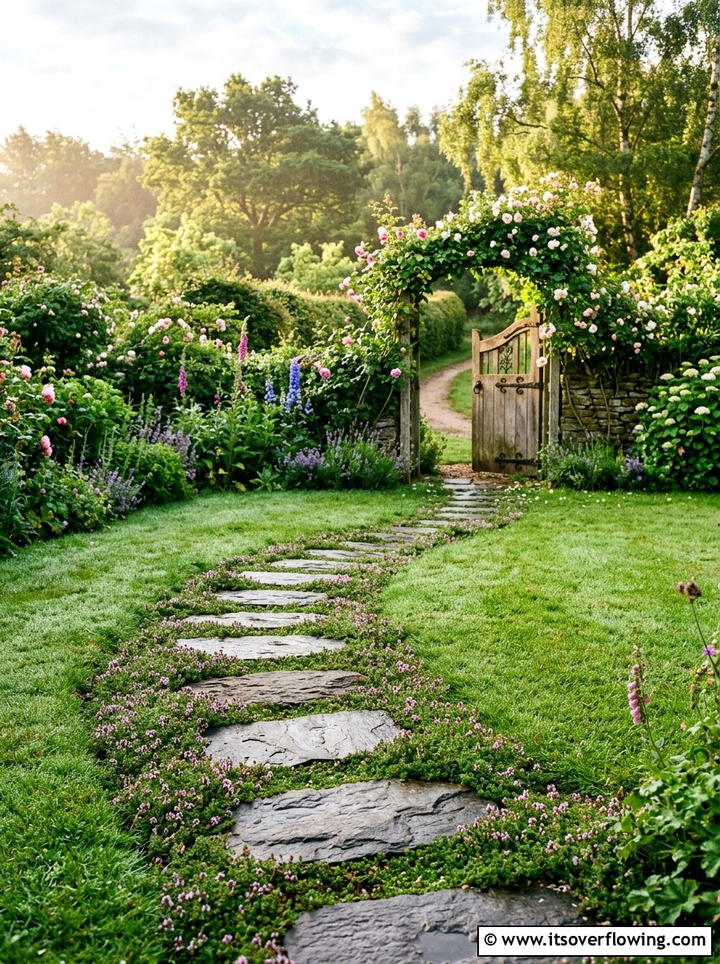
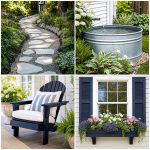
A stepping stone walkway offers a whimsical and less formal way to navigate through your garden beds or across a grassy lawn. By placing large, flat stones at a comfortable walking pace, you create a path that feels integrated into the landscape rather than sitting on top of it. This style of accent is perfect for side yards or leading toward a hidden garden bench. You can choose from various materials like slate, limestone, or even sliced tree-trunk-shaped stones for a more woodland vibe. Surrounding these stones with low-cover plants like clover or creeping sedum adds a lush, fairy-tale quality to the entire outdoor space.
9. Stacked Stone Retaining Wall
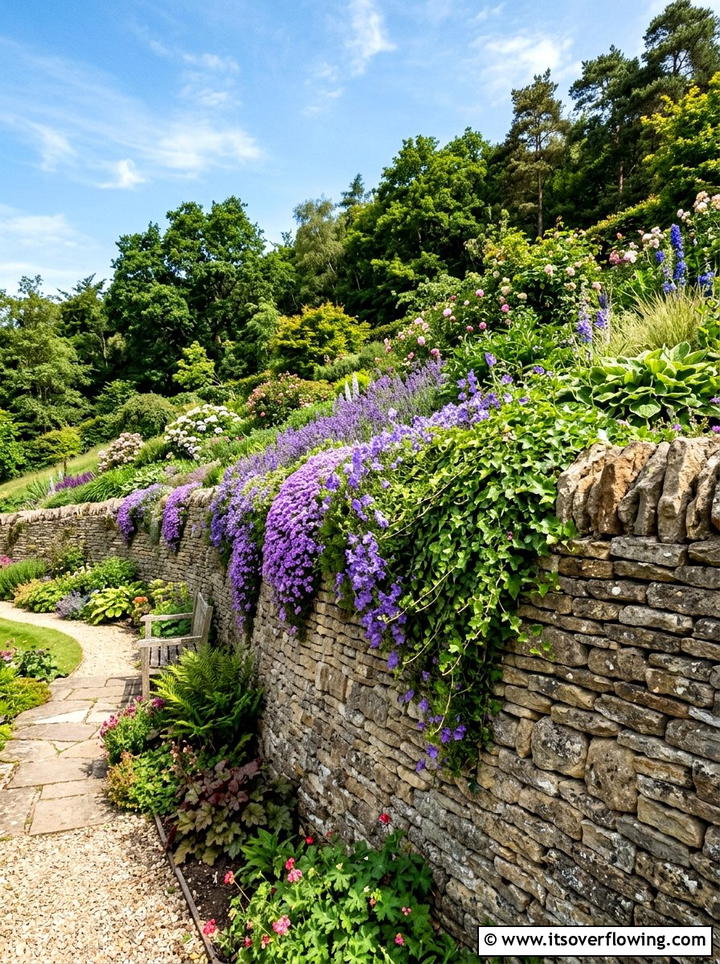
Stacked stone retaining walls are essential for managing hillsides or creating tiered garden beds with a classic, high-end appearance. These walls are built by carefully layering flat stones without the need for visible mortar, giving them a timeless “dry stack” look. This design not only solves erosion problems but also provides extra seating or a place to display potted plants. The horizontal lines of the stone layers create a sense of order and stability in the garden. When paired with cascading plants like ivy or creeping phlox that spill over the edges, these walls become a living part of your landscape’s vertical design.
10. Stone Water Fountain
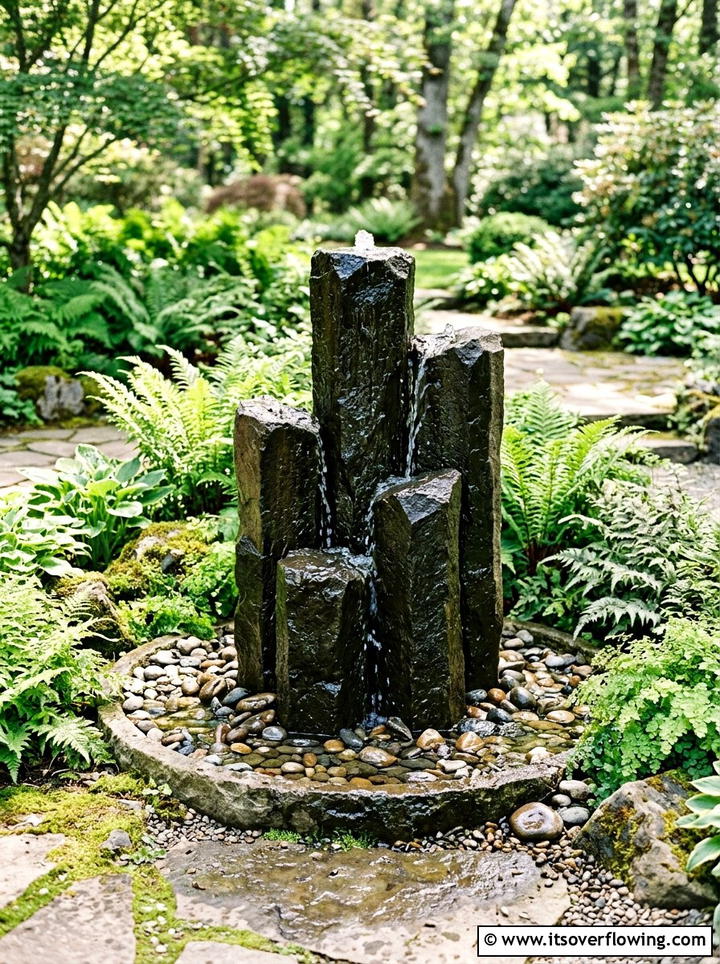
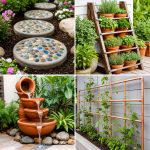
A stone water fountain introduces the soothing sound of trickling water, turning any backyard into a peaceful sanctuary. Whether it is a simple basalt column or a tiered fountain made of cast stone, the combination of rock and water is a classic design element. The wet surface of the stone often reveals deeper colors and interesting textures that remain hidden when dry. Placing a fountain near a patio or window allows you to enjoy the sensory experience from both inside and outside the home. Surrounding the base with smooth pebbles and moisture-loving plants helps ground the feature and makes it look like a natural spring.
11. Rock Garden Plants
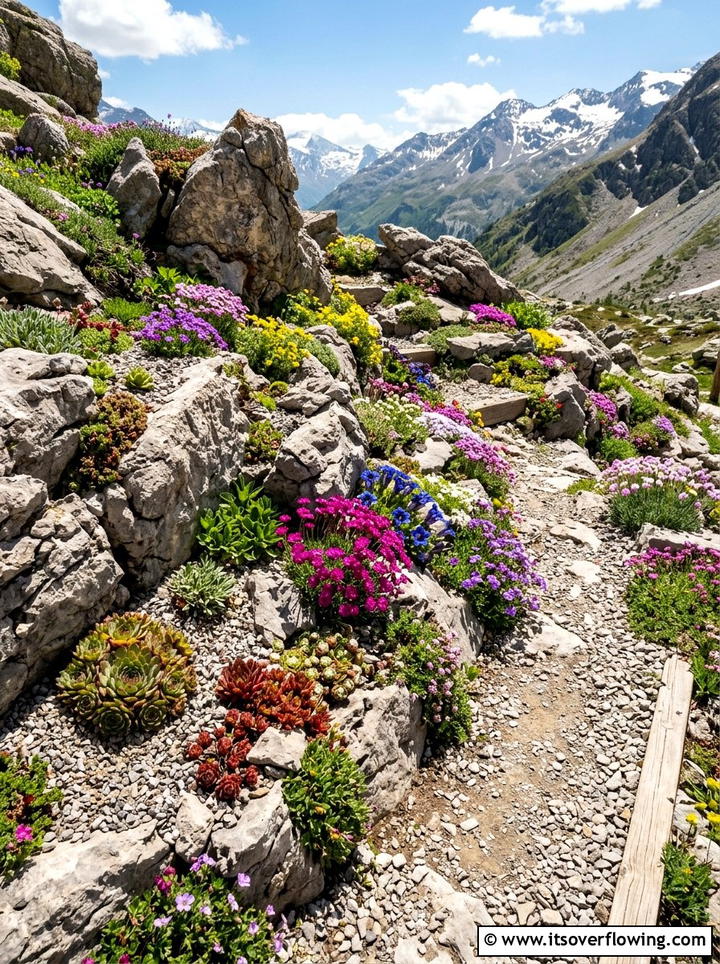
Designing a dedicated rock garden allows you to showcase alpine plants and succulents that thrive in well-drained, stony environments. By grouping stones of various sizes and shapes, you can create small pockets of soil where hardy plants can take root. This design mimics high-altitude landscapes and provides a rugged, textured look that requires very little water. Use gravel as a top dressing to tie the whole scene together and keep the plant crowns dry. This approach is perfect for sunny slopes or corners of the yard where traditional grass struggles to grow. The contrast between the hard stone and resilient greenery is visually captivating.
12. Pebble Mosaic Art
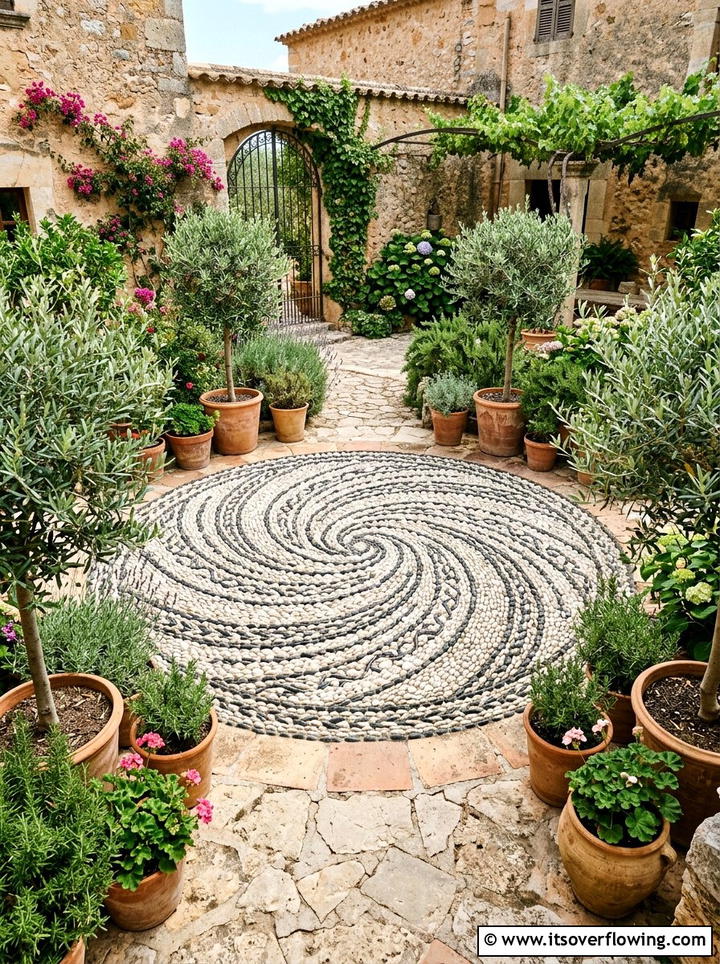
Pebble mosaic art is a creative way to turn a standard garden floor or path into a handcrafted masterpiece. By embedding small, polished stones of different colors into a mortar base, you can create intricate swirls, geometric patterns, or even floral designs. This technique adds a level of detail and personalization that is hard to achieve with larger stones. Mosaics work beautifully as a focal point at the center of a courtyard or as a decorative “rug” in front of a garden gate. The smooth texture of the pebbles underfoot provides a pleasant sensory experience, making your garden feel like a curated gallery of natural art.
13. Boulder Landscaping
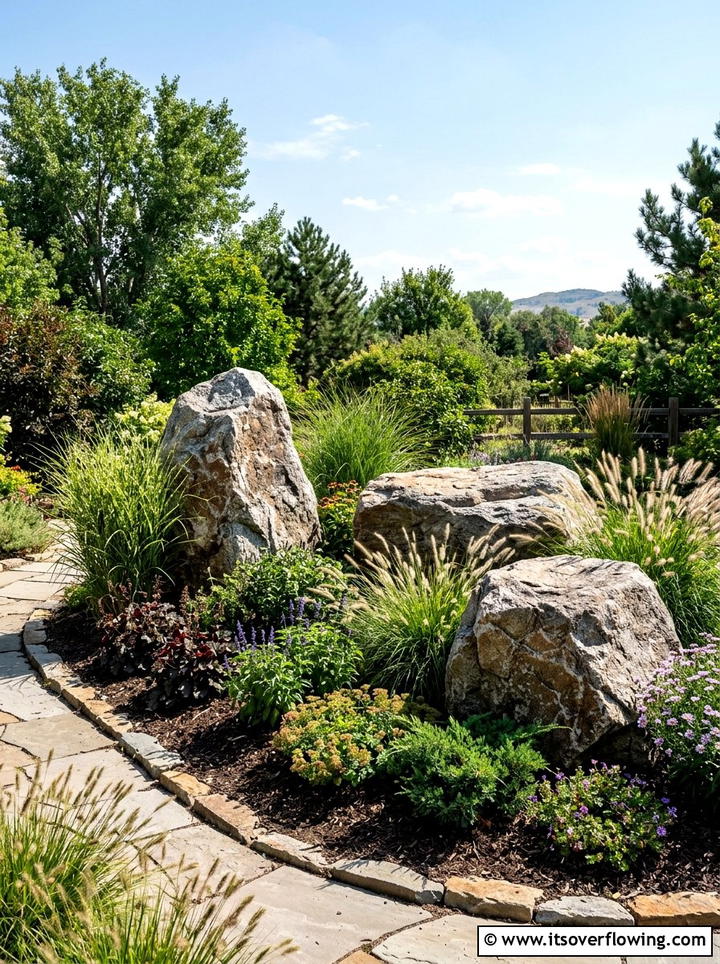
Incorporating large boulders into your landscape design adds an immediate sense of scale and ancient beauty to the yard. These massive stones act as natural anchors, grounding the softer elements like flowers and shrubs. For a realistic look, bury the bottom third of the boulder in the ground so it appears to be an outcropping of the earth. You can group three boulders of different sizes together to create a balanced, triangular composition that feels organic. Boulders also serve as great “perches” for kids to play on or for you to sit and enjoy the view, making them both decorative and functional.
14. Stone Garden Bench
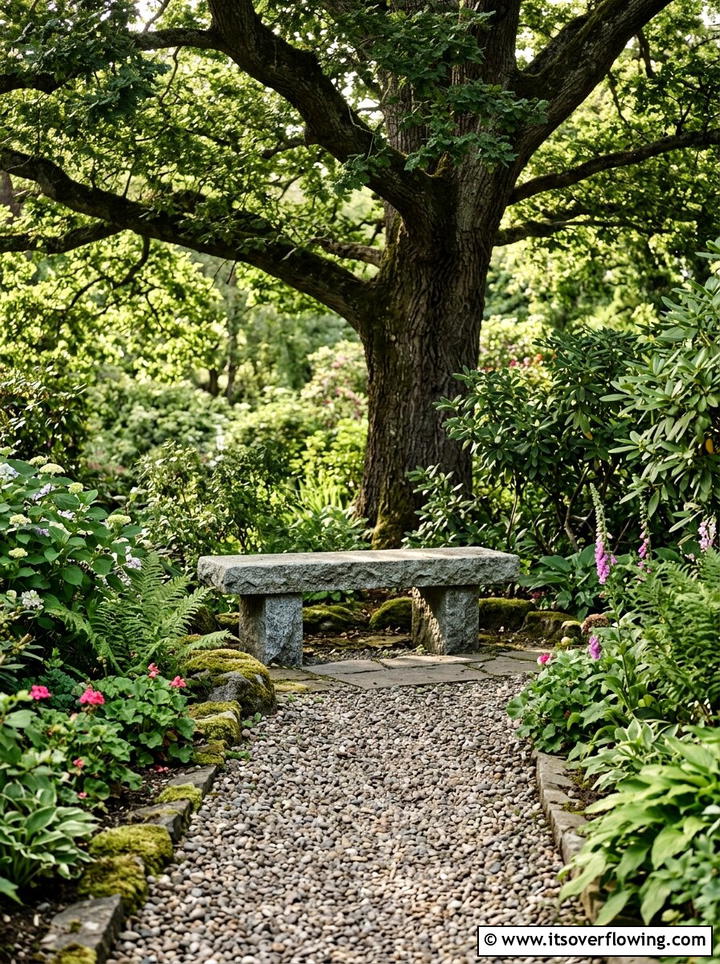
A stone garden bench provides a permanent and weather-resistant place to rest while adding a structural element to your design. Unlike wooden furniture that can rot or metal that can rust, a bench made of granite or limestone will last a lifetime. Placing a stone bench at the end of a path or under a large shade tree creates a destination within your garden. Its heavy, solid presence offers a nice contrast to the delicate movements of nearby flowers and grasses. You can find benches with smooth, polished seats for comfort or rough-hewn designs that look like they were carved directly from a mountain.
15. Zen Rock Garden
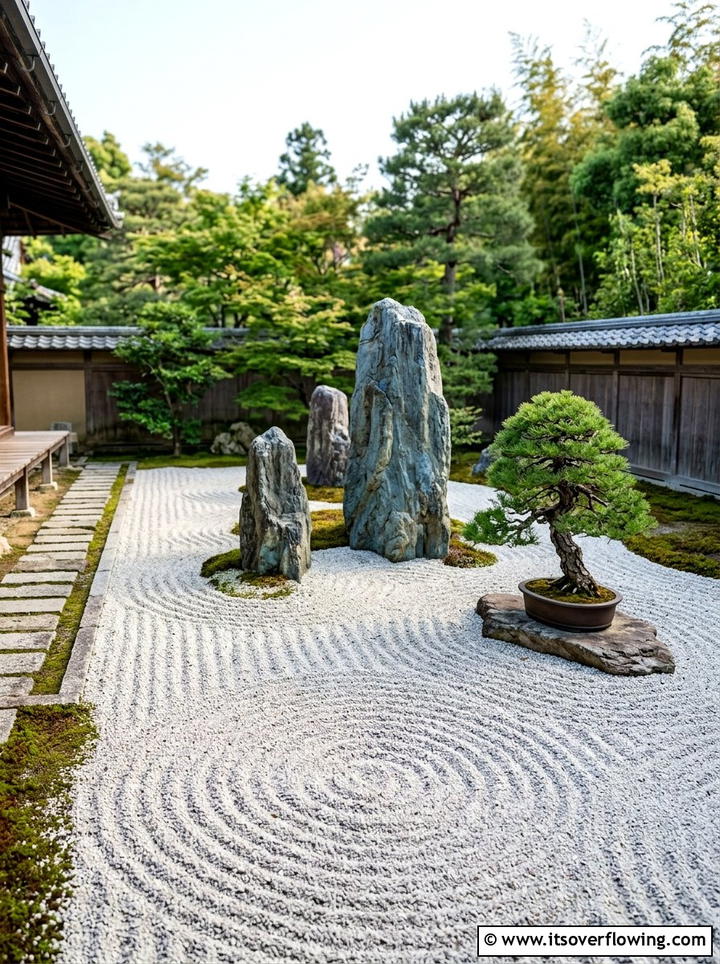
A Zen rock garden, or Karesansui, focuses on the minimalist beauty of raked gravel and carefully placed larger stones to represent islands and water. This design style is perfect for those seeking a meditative space that requires minimal maintenance. The white or light gray gravel is often raked into circular or flowing patterns, providing a sense of calm and order. A few well-positioned rocks serve as the focal points, surrounded by a clean, clutter-free environment. This type of stone accent works exceptionally well in small courtyards or tucked-away corners where you want to promote a feeling of peace, balance, and quiet contemplation.
16. Cobblestone Edging
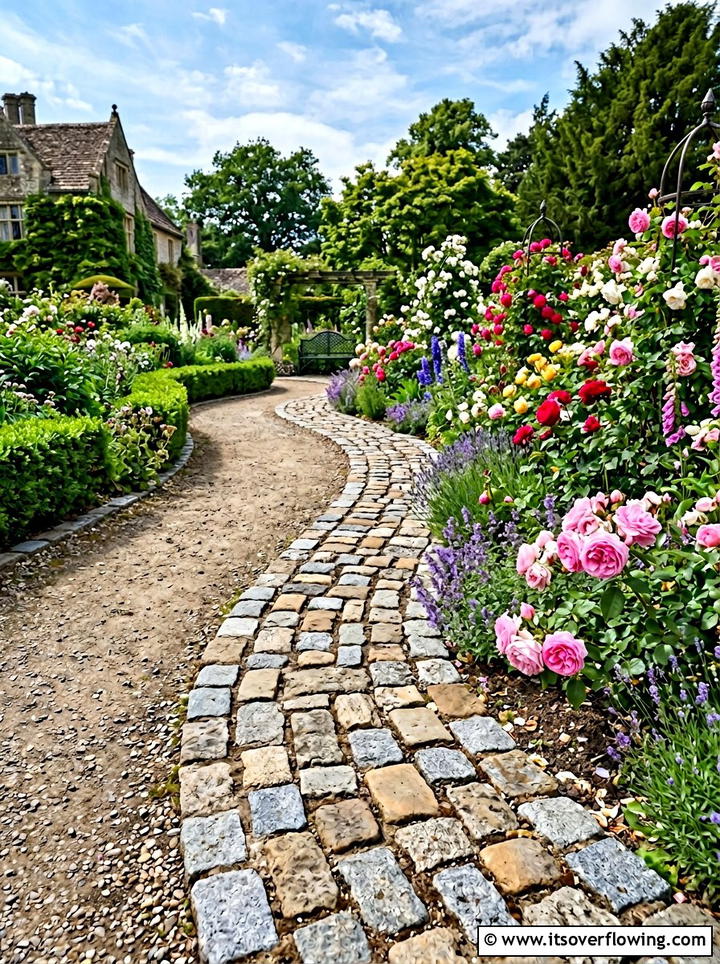
Cobblestone edging is a classic choice for lining driveways, walkways, or even circular garden beds to provide a sophisticated, Old World charm. These small, rounded blocks are incredibly durable and can withstand the weight of vehicles or the impact of lawnmowers. Using cobblestones helps define the transition from hard surfaces to green spaces with a textured, tactile border. You can install them flush with the ground for a seamless look or slightly raised to create a distinct curb. Their slightly irregular shapes and varied gray tones give your garden a sense of history and permanence that modern plastic edging simply cannot replicate.
17. Slate Garden Steps
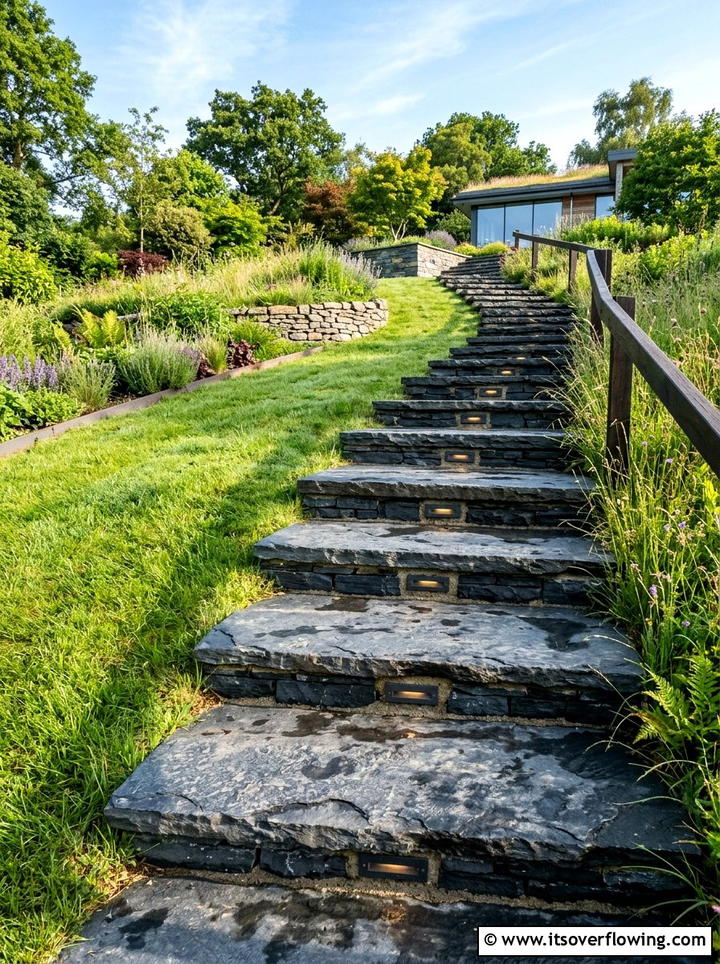
Slate garden steps are the perfect solution for navigating sloped terrain while maintaining a sleek and modern aesthetic. Slate is naturally slip-resistant and comes in beautiful shades of charcoal, blue, and green that darken when wet. By embedding large slabs of slate into a hillside, you create a series of “landing pads” that make the climb feel effortless and safe. You can flank the steps with low-growing groundcovers or stone-filled gabion baskets for a cohesive look. The sharp, clean edges of the slate provide a nice architectural contrast to the wild, organic growth of the plants surrounding the stairway area.
18. Alpine Rockery
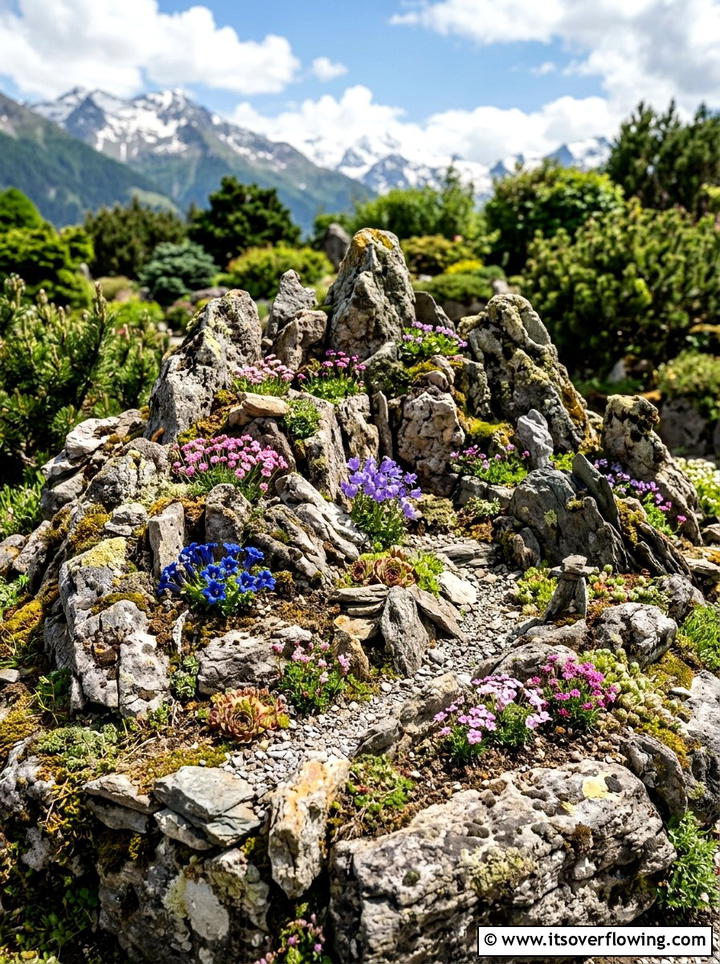
An alpine rockery is a specialized garden feature designed to mimic the rocky, windswept conditions of high mountain ranges. This design uses jagged, weathered stones arranged to create crevices and ledges for small, tough plants like saxifrages or gentians. The key to a successful rockery is making the stone arrangement look like a natural geological formation rather than a pile of rocks. This vertical design adds height and dimension to a flat backyard, creating a mini-ecosystem that attracts butterflies and bees. The combination of ancient-looking stone and delicate mountain flowers creates a fascinating micro-landscape that changes beautifully with the seasons.
19. Stone Bird Bath
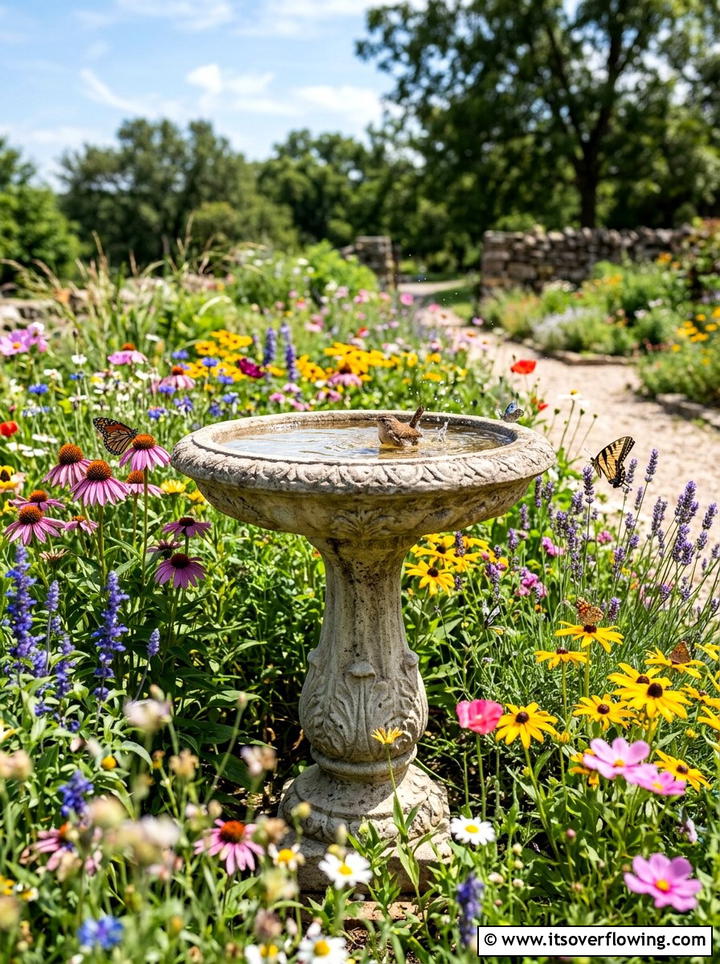
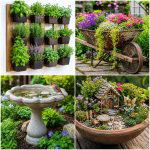
A stone bird bath is a functional garden accent that invites wildlife into your yard while serving as a classic piece of decor. Carved from materials like granite or cast stone, these baths are heavy enough to withstand strong winds and won’t tip over easily. Placing one in the center of a flower bed or near a cluster of trees provides a safe place for birds to drink and bathe. The natural texture of the stone provides a good grip for small talons, and the cool surface helps keep the water fresh. Over time, the stone may develop a beautiful patina or moss, helping it blend into the environment.
20. Gravel Seating Area
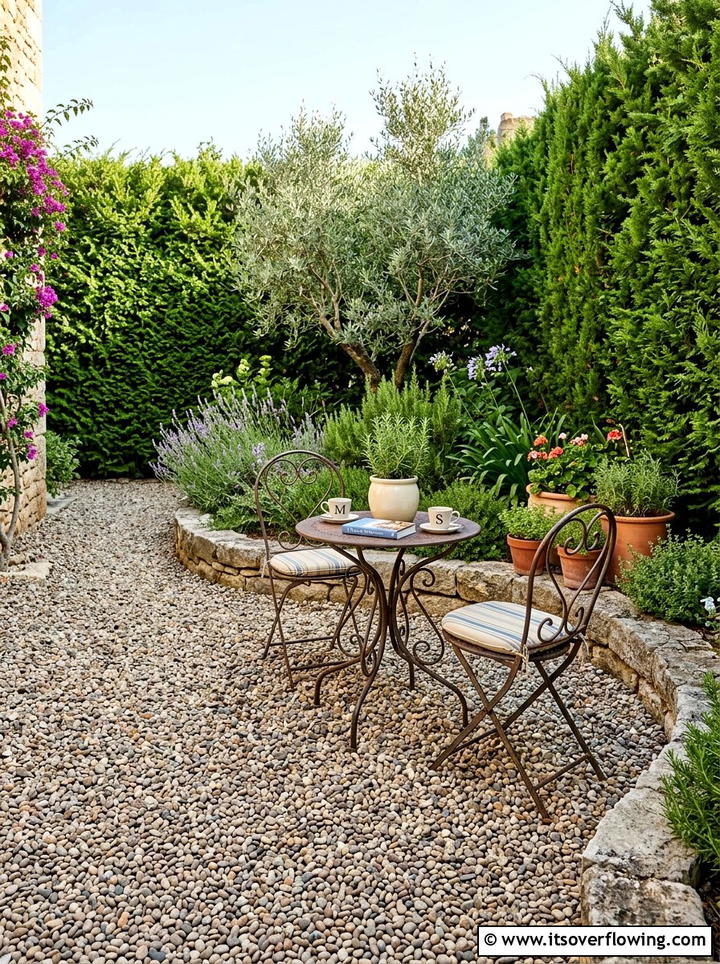
A gravel seating area is a budget-friendly and stylish way to create a permeable floor for your outdoor furniture. Using small, crushed stones like pea gravel or decomposed granite provides a soft, crunching sound underfoot that adds to the sensory experience of the garden. This type of surface is excellent for drainage and prevents mud from forming around your chairs and tables. You can define the space with a stone border or large pavers to keep the gravel contained. Surrounding the area with potted plants and soft lighting creates a relaxed, Mediterranean-style lounge that feels both casual and incredibly chic for hosting.
21. Fieldstone Wall
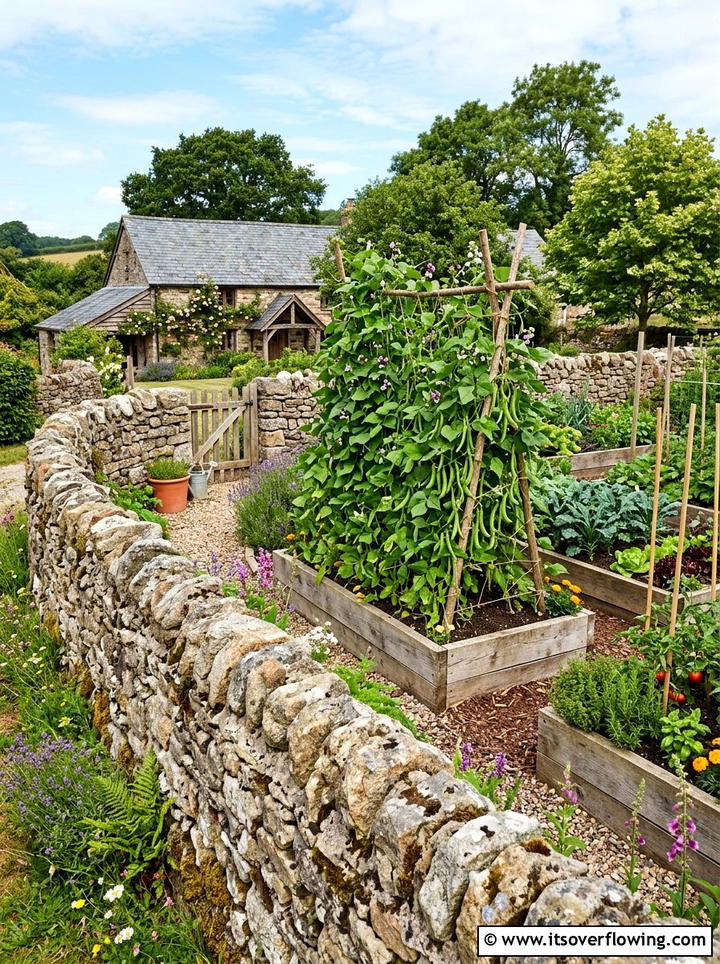
Fieldstone walls bring a rugged, farmhouse-inspired charm to any property, often using stones found naturally on the land. These walls are typically wider at the base and taper slightly as they rise, providing a sturdy boundary or backdrop for your garden beds. The variety of shapes, sizes, and colors in fieldstone creates a rich, textured surface that looks stunning in both sunlight and shadows. You can use these walls to enclose a vegetable garden or to line the perimeter of your yard. Their rustic appearance provides a beautiful contrast to modern landscape elements, bridging the gap between wild nature and curated garden design.
22. Decorative Stone Spheres
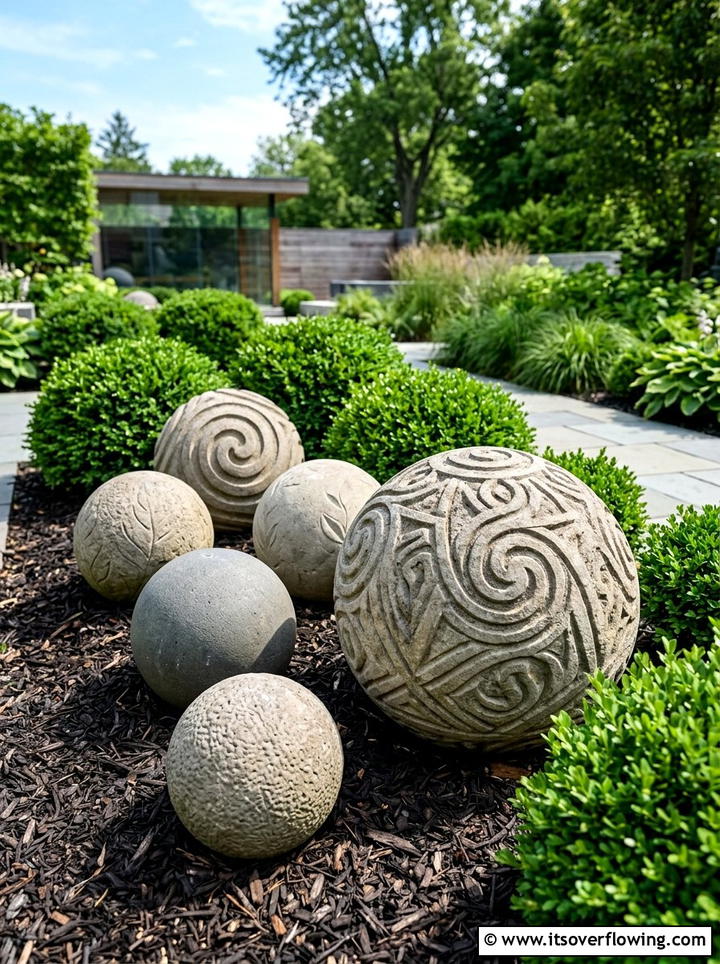
Decorative stone spheres are modern sculptural elements that add a sense of movement and geometric interest to your flower beds. Available in various sizes and materials like marble, sandstone, or river stone, these globes act as “living art” in the landscape. You can nestle a single large sphere among low-growing shrubs or group several smaller ones together to create a dynamic visual rhythm. The smooth, round shape of the spheres contrasts sharply with the jagged edges of leaves and the vertical lines of trees. These accents work particularly well in minimalist or contemporary gardens, providing a clean and sophisticated focal point that draws the eye.
23. Stone Pillar Lights
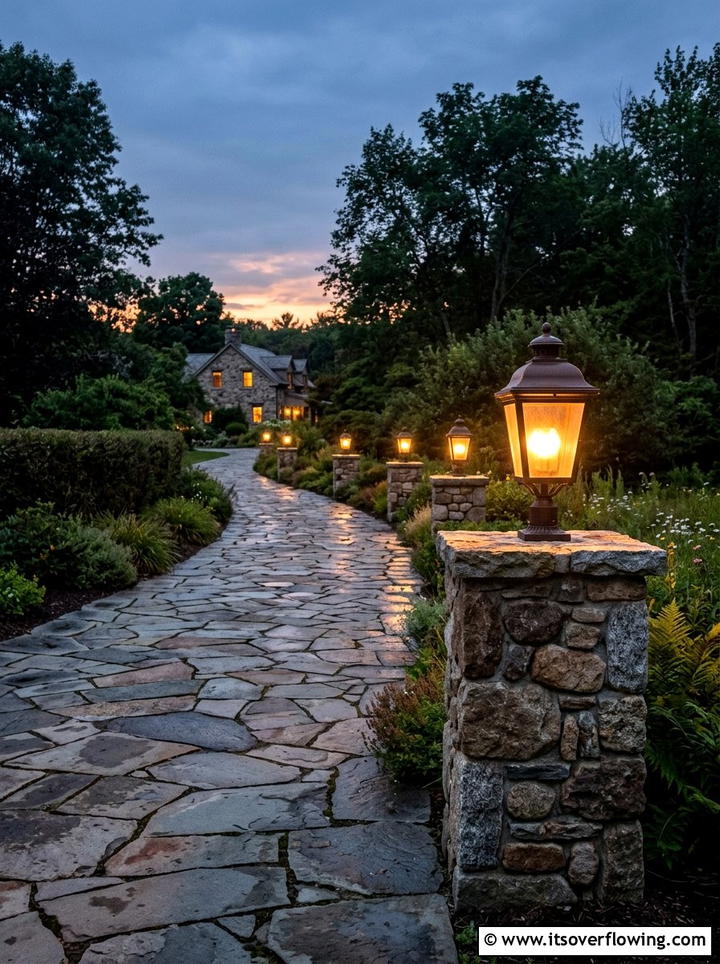
Stone pillar lights are a brilliant way to integrate functional landscape lighting into the structural design of your garden. By hollowing out natural stone columns or using stacked stone bases for lanterns, you create lighting fixtures that look beautiful even during the day. These pillars can line a driveway or mark the entrance to a stone patio, providing safety and ambiance after dark. The light reflecting off the textured surface of the stone creates a warm, inviting glow that enhances the evening atmosphere. This design choice ensures that your lighting feels like a permanent part of the landscape rather than an afterthought.
24. Limestone Path
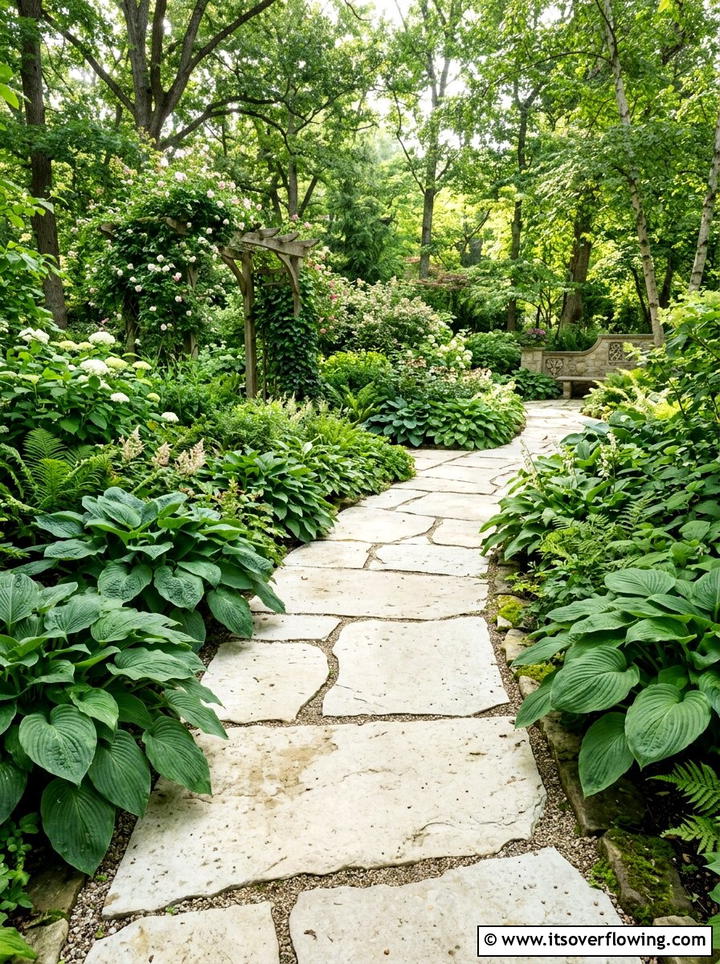
A limestone path offers a bright and clean look that can make a shady garden feel more open and light. Limestone is often available in creamy whites and light tans, which provide a beautiful contrast to deep green foliage and dark soil. Whether you use large slabs or crushed limestone gravel, the material provides a durable and elegant surface for walking. Limestone is also naturally alkaline, which can benefit certain types of plants if the runoff reaches them. Its smooth texture and light-reflecting properties make it a popular choice for high-end gardens that aim for a sophisticated, airy, and very polished overall appearance.
25. Natural Stone Pond
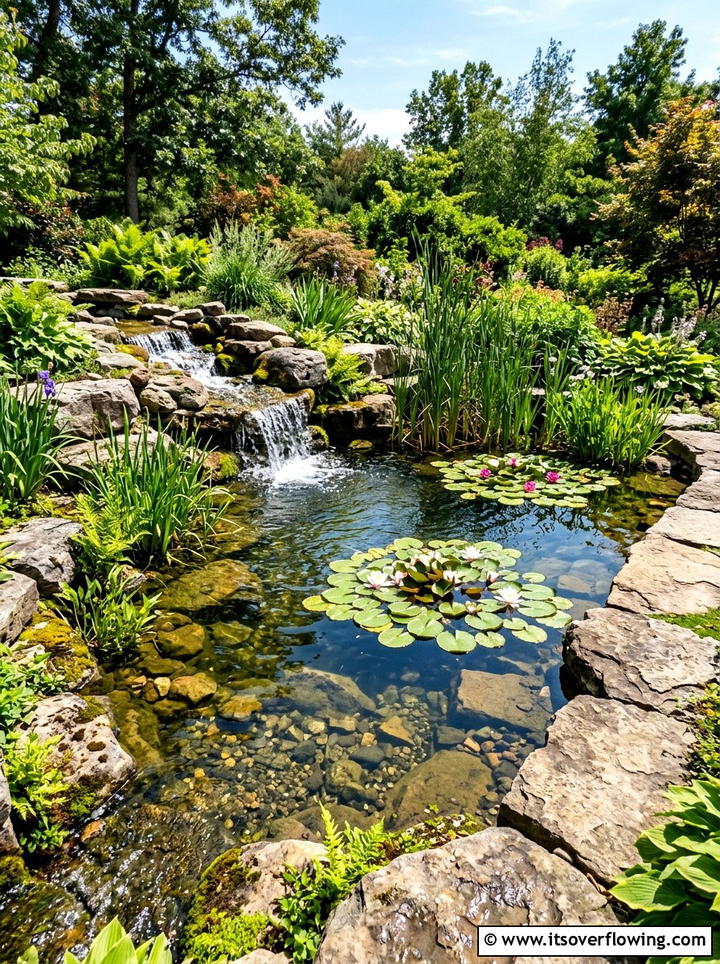
A natural stone pond is the ultimate garden feature for those who want to support local biodiversity and create a stunning aquatic display. By lining the edges with smooth river rocks and large flat stones, you can create a seamless transition from the water to the surrounding landscape. Incorporating a few submerged boulders allows for different water depths, which is essential for various aquatic plants and fish. The stone edge also provides a hiding place for frogs and beneficial insects. This design turns a simple water hole into a complex and beautiful ecosystem that serves as the heart of your outdoor living environment.
Conclusion:
Incorporating stone accents into your garden decor is a powerful way to add character, durability, and a sense of history to your outdoor space. Throughout this guide, we have explored how materials like flagstone, river rock, and boulders can redefine the boundaries and focal points of your landscape. Whether you choose the structural strength of a stacked stone wall or the delicate beauty of a pebble mosaic, stone provides a versatile foundation that works with any design style. By thoughtfully layering these natural elements with your favorite greenery, you create a balanced environment that feels both grounded and incredibly vibrant. Investing in stone accents ensures your garden remains a beautiful retreat for many years to come.

Related posts:
 25 Garden Decor Ideas With Spring Decor to Refresh Your Yard
 25 garden decor ideas with modern accents for chic spaces
 25 garden decor ideas diy: Creative Projects for Any Yard
 25 Garden Decor Ideas With Signs to Personalize Your Yard
 25 Garden Decor Ideas With Mirrors To Brighten Your Yard
 25 garden decor ideas for desert gardens: Chic Dryscapes
 25 Garden Decor Ideas With Trellis Backdrops for Chic Style
 25 Garden Decor Ideas With Bamboo Accents for Calm Style
 25 Garden Decor Ideas With Colorful Accents For Bold Style
 25 Garden Decor Ideas With Driftwood Accents For Coastal Charm
 25 Garden Decor Ideas With Farmhouse Accents To Love
 25 Garden Decor Ideas With Rustic Accents for Cozy Charm