
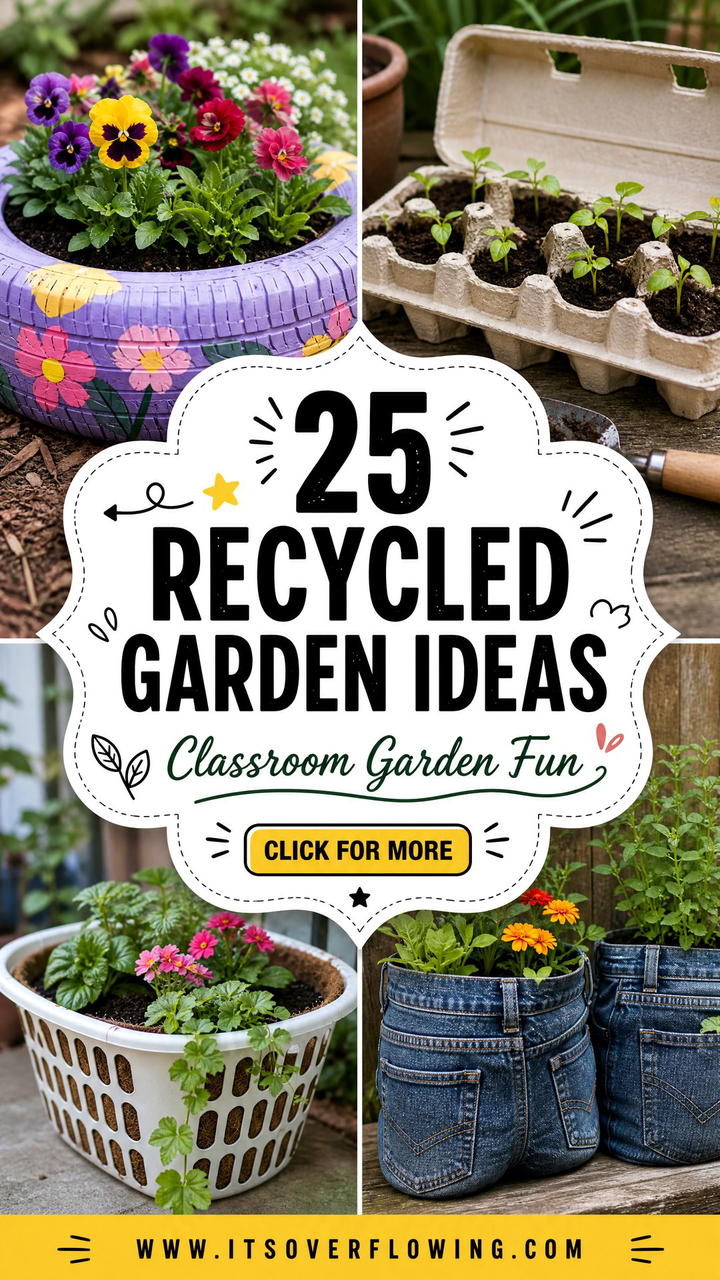
Creating a sustainable school garden is a wonderful way to teach children about the environment while beautifying the campus on a small budget. Teachers often look for creative ways to repurpose everyday items into functional garden tools and containers that engage students in hands-on learning. By using recycled materials, you can demonstrate the importance of the circular economy and reduce waste in your local community. These projects are not only affordable but also offer endless opportunities for science, art, and math lessons outdoors. Students will love seeing how old objects transform into thriving homes for plants and local wildlife. Let’s explore some practical and inspiring ways to turn common classroom and household recyclables into a vibrant educational garden.
1. Tire planter
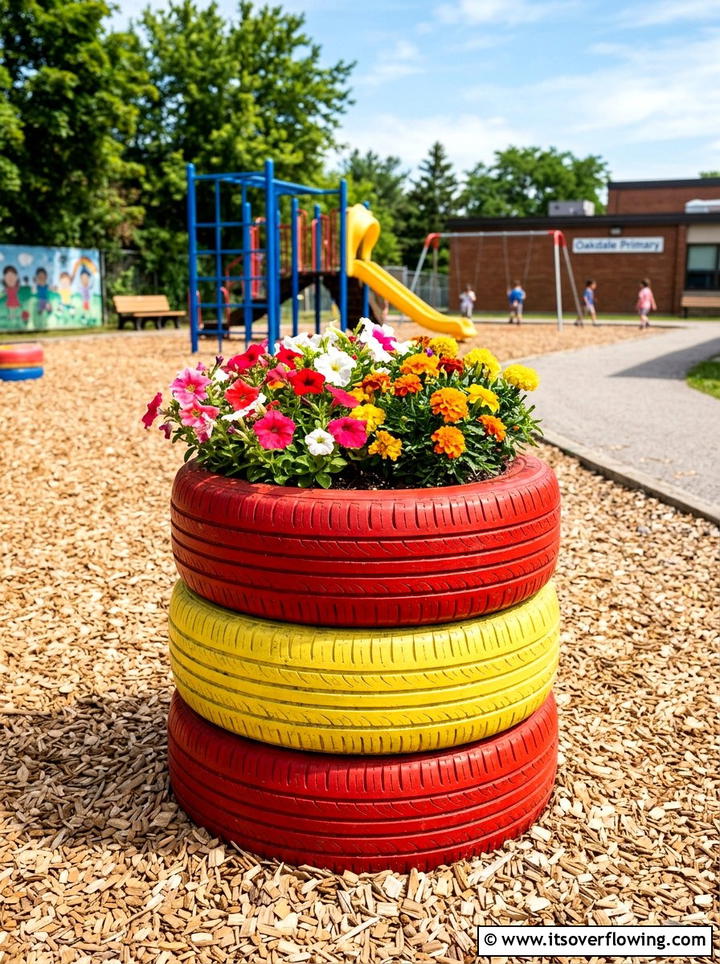
Recycling old tires into colorful garden planters is a fantastic way for teachers to brighten up any school playground while teaching kids about waste reduction. You can stack them to create different heights or paint them in vibrant primary colors to make the outdoor space more inviting. These durable containers are perfect for hardy perennials or even small shrubs that can withstand being handled by curious young students. Safety is key, so make sure the tires are thoroughly cleaned and any wire bits are removed before the children start planting. It provides a tactile learning experience where kids can see their plants grow throughout the school year in a fun way.
2. Plastic bottle garden
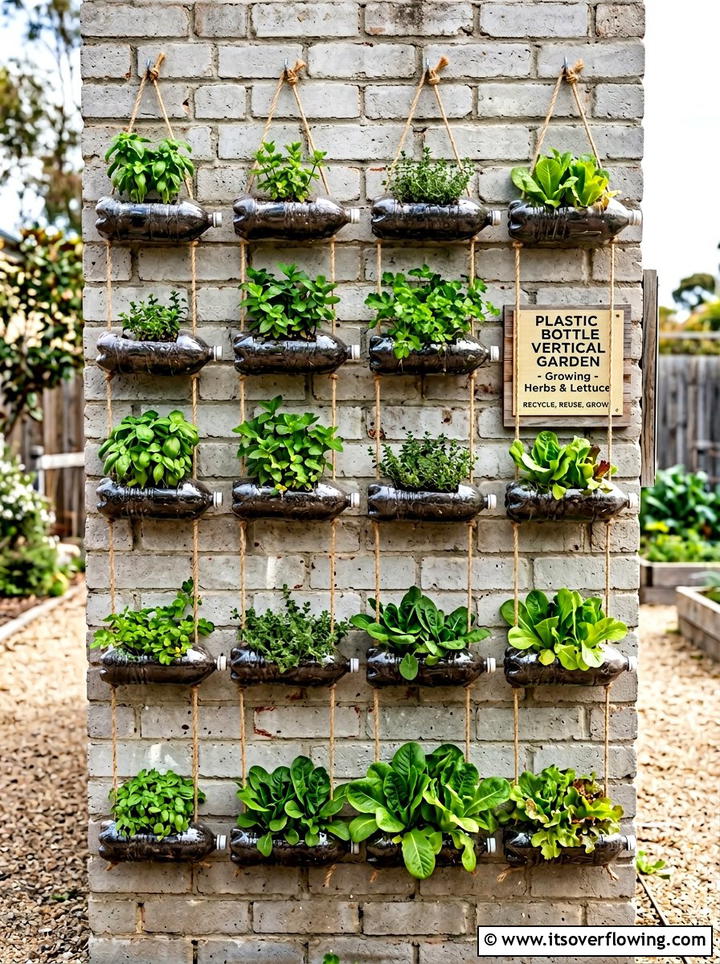
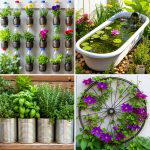
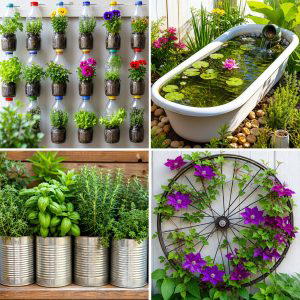
A plastic bottle vertical garden is an excellent solution for schools with limited outdoor space or concrete courtyards. Teachers can collect soda bottles and cut windows in the sides to create individual planting pods for herbs or small flowers. These bottles can be strung together with sturdy twine and hung against a sunny fence or wall to create a lush green curtain. This project teaches students about hydroponics or simple irrigation as they watch water drip from the top bottle down to the bottom ones. It is a highly visual way to demonstrate plant life cycles while repurposing common household plastic waste effectively.
3. Wood pallet planter
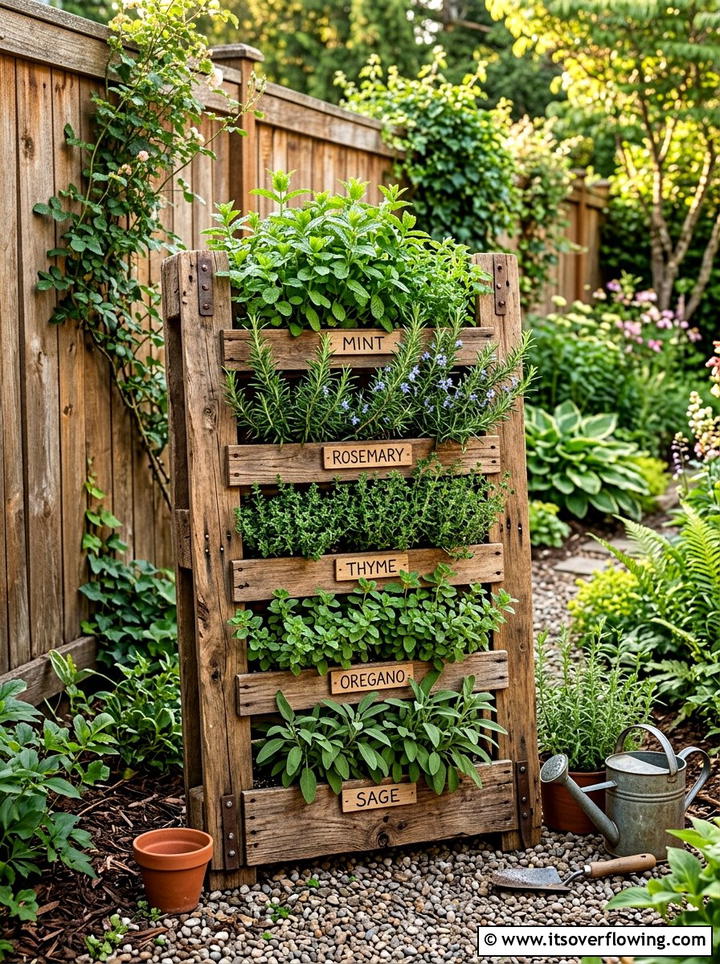
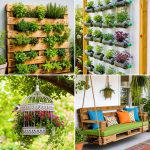
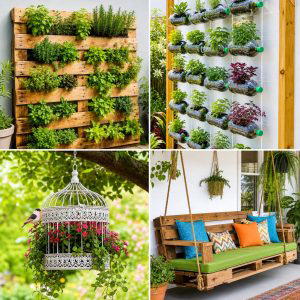
Wooden pallets are often available for free and can be easily converted into upright herb gardens or flower displays for the classroom. Teachers can staple landscape fabric behind the slats to hold the soil in place before adding various aromatic herbs like mint or basil. This vertical arrangement makes it easy for children of all heights to reach the plants for watering and maintenance tasks. You can even use the wood to write the names of the different plants directly on the slats using outdoor-safe paint. It is a sturdy and rustic addition to any school garden that encourages students to smell and taste their hard work.
4. Tin can planter
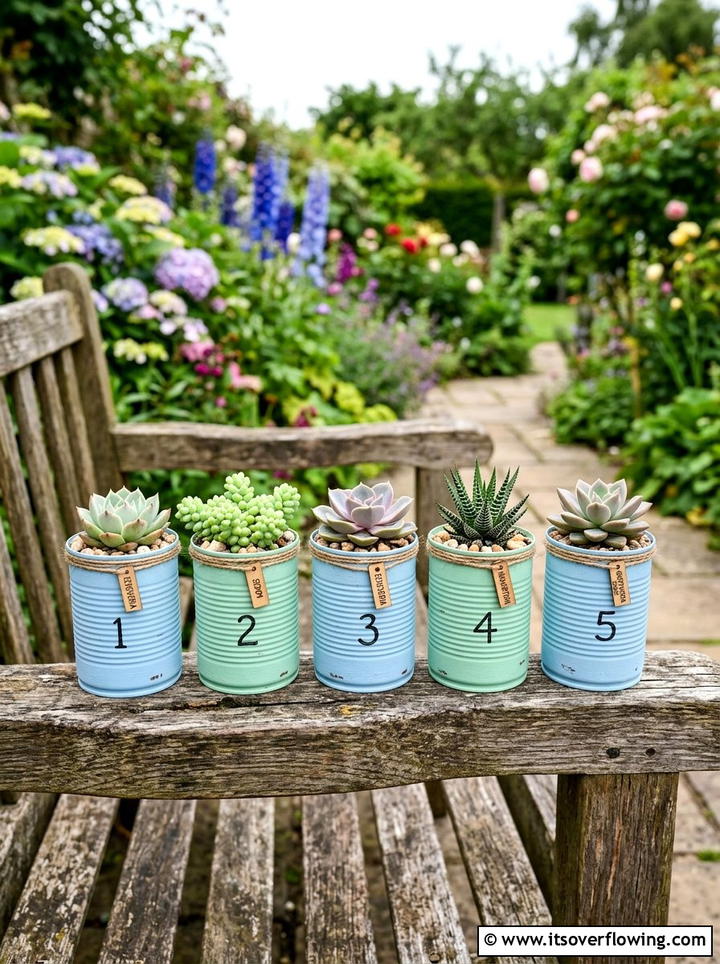
Transforming empty soup or vegetable tins into small planters is a classic recycling project that every student can participate in during class. After cleaning the cans and smoothing any sharp edges, students can paint them with colorful designs or wrap them in decorative twine. These small containers are ideal for growing succulents or starting small seeds on a sunny windowsill inside the classroom before moving them outside. Teachers can punch small drainage holes in the bottom to ensure the plants stay healthy and do not get overwatered. It is a simple yet effective way to show how small changes in our habits can help the planet.
5. Rain boot planter
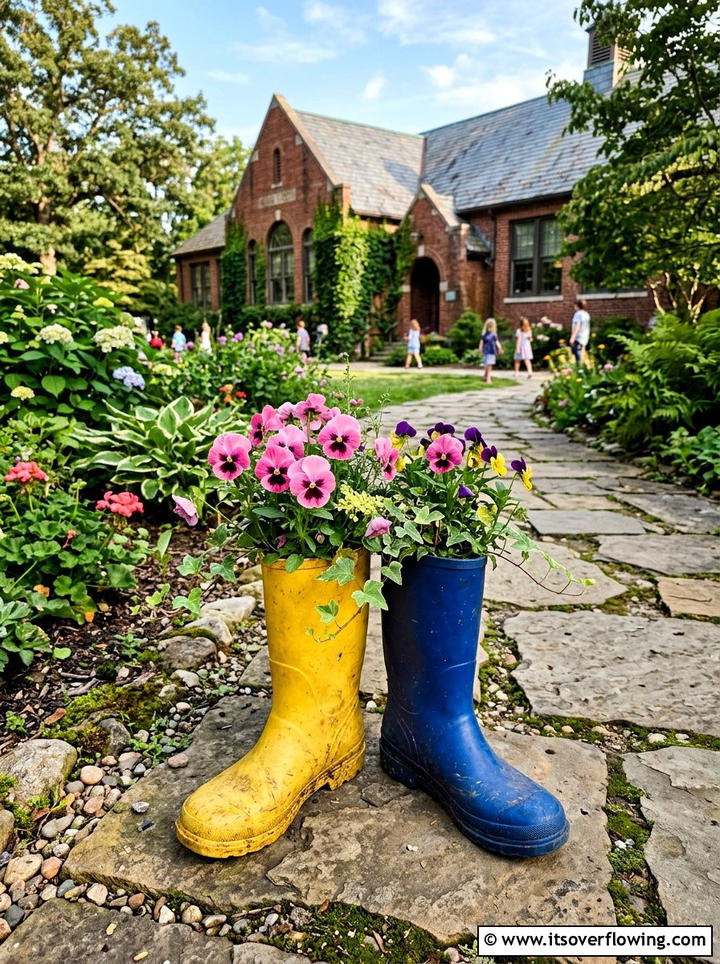
Old rain boots that children have outgrown make the most charming and whimsical planters for a school garden walkway or entrance. Instead of throwing away leaky boots, teachers can fill them with potting soil and plant cascading flowers like pansies or petunias inside. These boots naturally have great height and can be lined up along a fence or grouped in a corner for a playful look. They are durable enough to survive different weather conditions and add a touch of personality to the school’s outdoor learning environment. Students will find it hilarious to see flowers growing out of shoes they once wore on rainy days.
6. Milk jug watering can
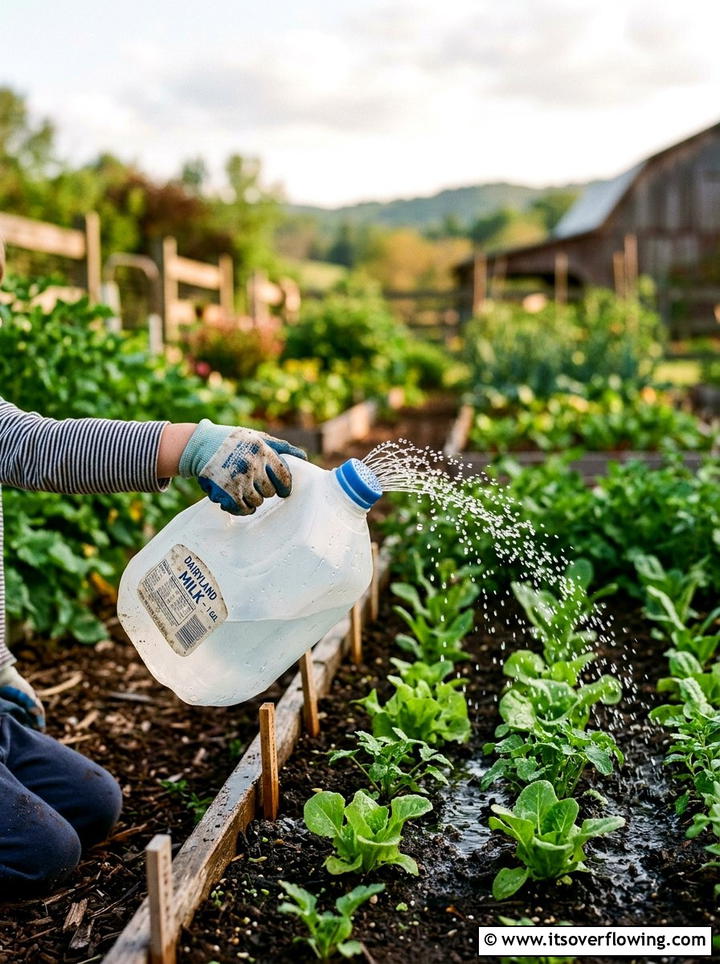
Turning empty plastic milk jugs into watering cans is a practical project that helps students take ownership of their school garden tasks. Teachers can help children poke small holes in the cap using a heated needle or a small drill to create a gentle rose spray. This allows young students to water delicate seedlings without washing them away with a heavy stream of water from a hose. You can even have the kids decorate their personal watering jugs with waterproof stickers or markers to keep them organized. It is a great lesson in functional recycling and ensures that every student has the tools they need to help.
7. Egg carton seed starter
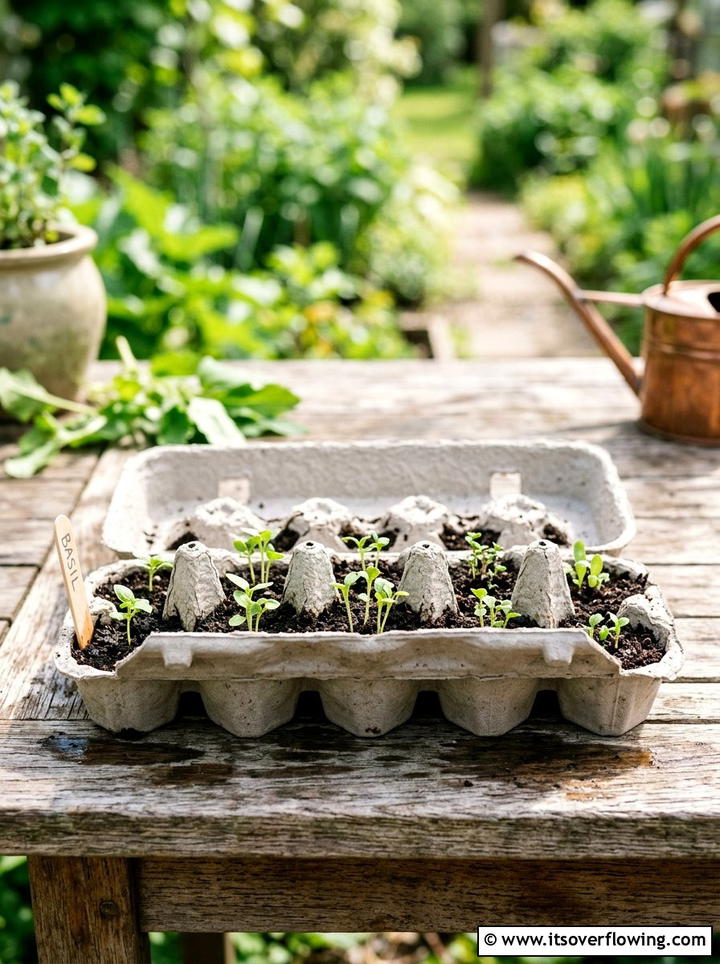
Cardboard egg cartons are the perfect biodegradable vessels for starting seeds indoors during the early spring months in the classroom. Teachers can show students how to fill each little cup with seed-starting mix and tuck a tiny seed inside to begin its life. Once the seedlings are large enough and the weather is warm, the entire cardboard cup can be cut out and planted directly into the ground. This minimizes root disturbance and allows the cardboard to break down naturally in the soil over time. It is a wonderful way to illustrate the concept of decomposition and the beginning stages of a plant’s growth.
8. Toilet paper roll pot
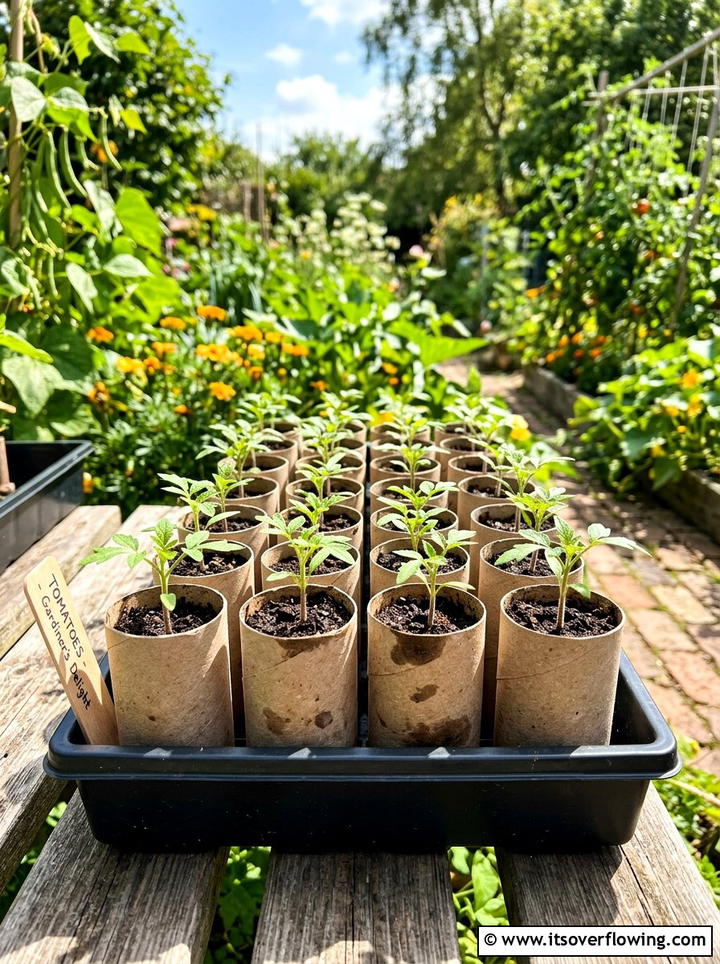
Using empty toilet paper rolls to create seedling pots is an incredibly cheap and eco-friendly way to expand your school garden. Teachers can simply fold the bottoms of the tubes to create a base that holds soil but allows for easy drainage. These rolls can be packed tightly into a tray and kept on a classroom shelf where students can monitor their growth daily. Like egg cartons, these cardboard tubes can be planted directly into the garden beds once the plants are established enough for the move. This project teaches children that even the most basic household items have value and can be reused creatively.
9. Colander planter
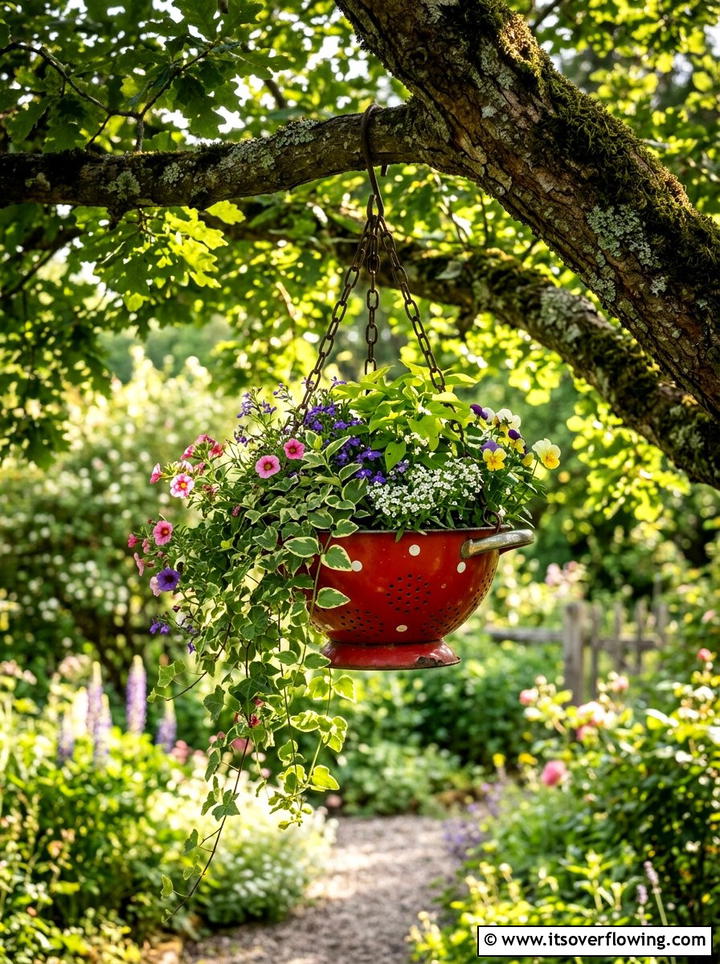
An old metal or plastic colander can be repurposed into a unique hanging basket or a tabletop planter for the school garden. Since colanders already have built-in drainage holes, they are perfectly suited for plants that need good airflow and moisture control. Teachers can line them with moss or coconut coir to keep the soil from washing out through the larger holes during watering sessions. Hanging these from tree branches or porch hooks adds a lovely architectural element to the garden while keeping plants away from ground-dwelling pests. It is a clever way to use kitchen items that might otherwise be destined for the landfill.
10. Wooden crate garden
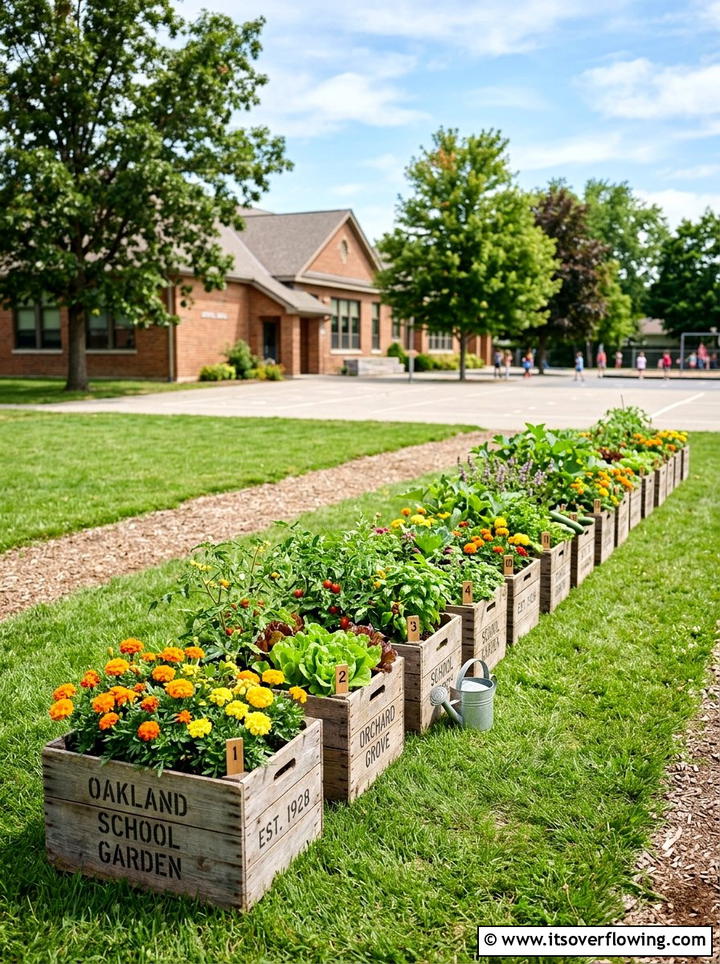
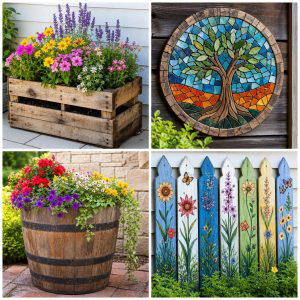
Old wooden crates used for fruit or shipping can be lined with plastic or fabric to create instant raised garden beds. These crates are usually the perfect size for a small group of students to manage together as a collaborative team project. Teachers can place them on top of pavers or grass to define specific growing areas for different types of vegetables or flowers. Because they are portable, crates can be moved around the school grounds to find the best sunlight during different times of the year. They provide a neat and organized appearance to the garden while providing plenty of space for deep-rooted plants.
11. Mason jar terrarium
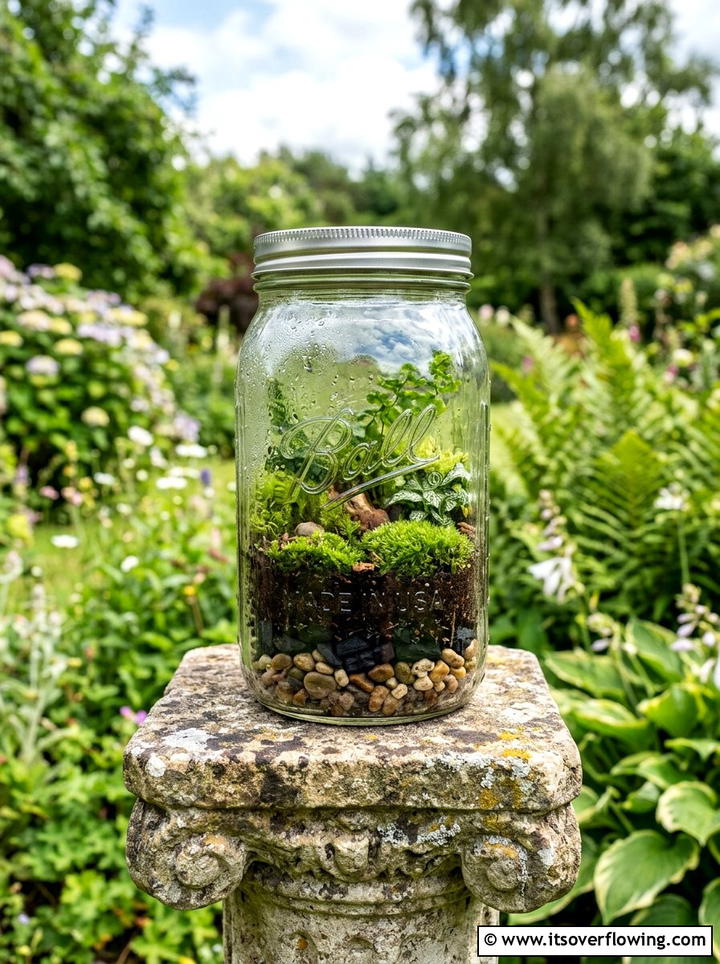
Creating a mini-ecosystem inside an old glass jar is a fascinating science project that teachers can lead right at the students’ desks. By layering pebbles, charcoal, soil, and small mosses or ferns, children can see how the water cycle works in a closed environment. These jars can be placed on windowsills to catch the light, making them a beautiful and educational decoration for any school classroom or lab. It teaches students about humidity, evaporation, and the delicate balance required for a healthy habitat to survive on its own. Reusing glass jars in this way prevents them from being tossed away and provides a long-lasting project.
12. Gutter garden
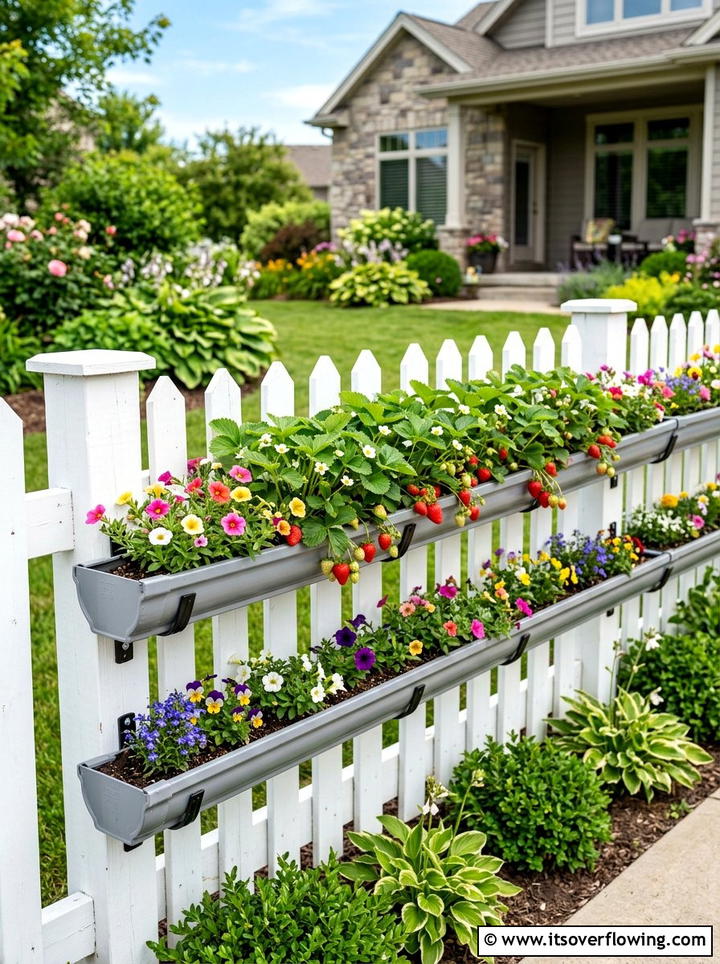
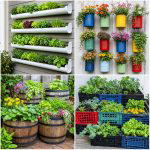
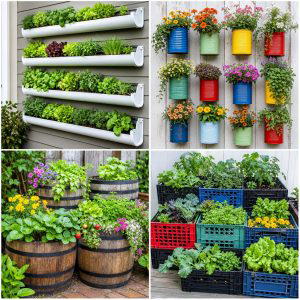
Sections of old vinyl or metal gutters can be mounted to a school fence to create long, narrow planting troughs for shallow-rooted plants. This idea is perfect for growing strawberries or lettuce, as it keeps the produce off the ground and away from crawling insects. Teachers can mount multiple rows of gutters at different heights so that every student can easily reach the plants regardless of their size. It makes excellent use of vertical space and can turn a plain, boring fence into a productive and edible wall of greenery. The drainage is naturally handled by the slope of the gutters, making maintenance very easy for everyone.
13. Painted rock marker
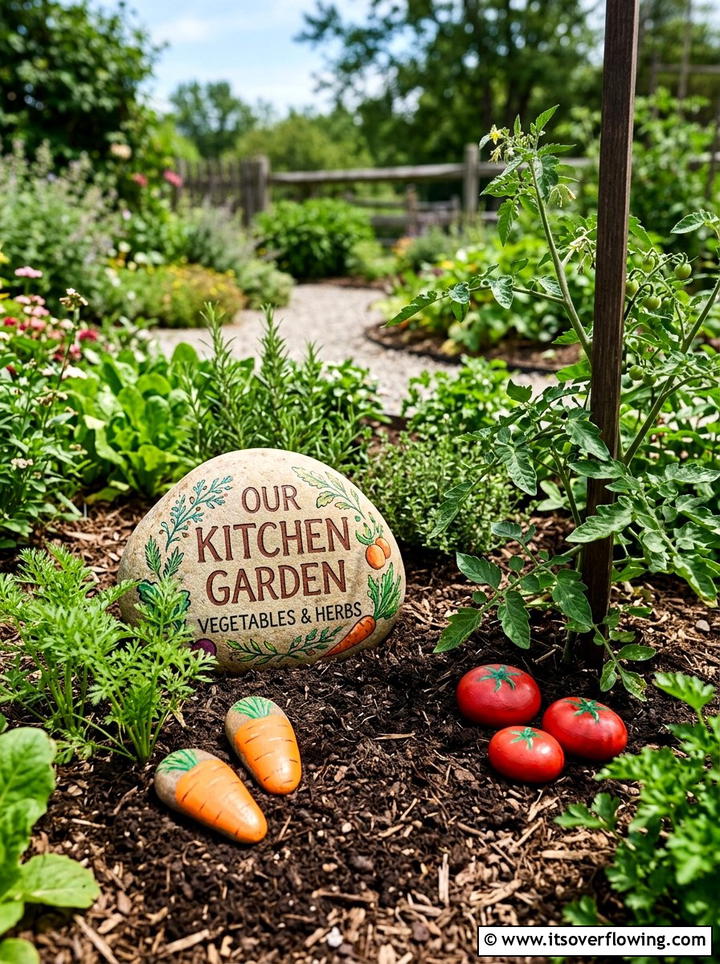
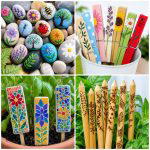
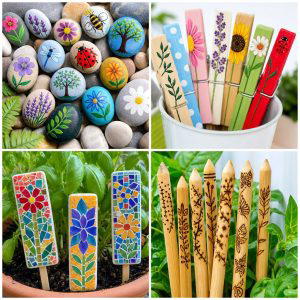
Instead of buying plastic labels, teachers can encourage students to find smooth stones and paint them to serve as permanent garden markers. Kids can use bright acrylic paints to draw the vegetable or flower that is planted in each specific row or container. Once the paint is dry, a quick coat of clear outdoor sealer will protect the artwork from rain and sun damage over the months. This activity combines art with gardening and helps students learn the names and appearances of various plants they are growing. It adds a handmade, personal touch to the school garden that reflects the creativity of the children who work there.
14. Plastic bottle bird feeder
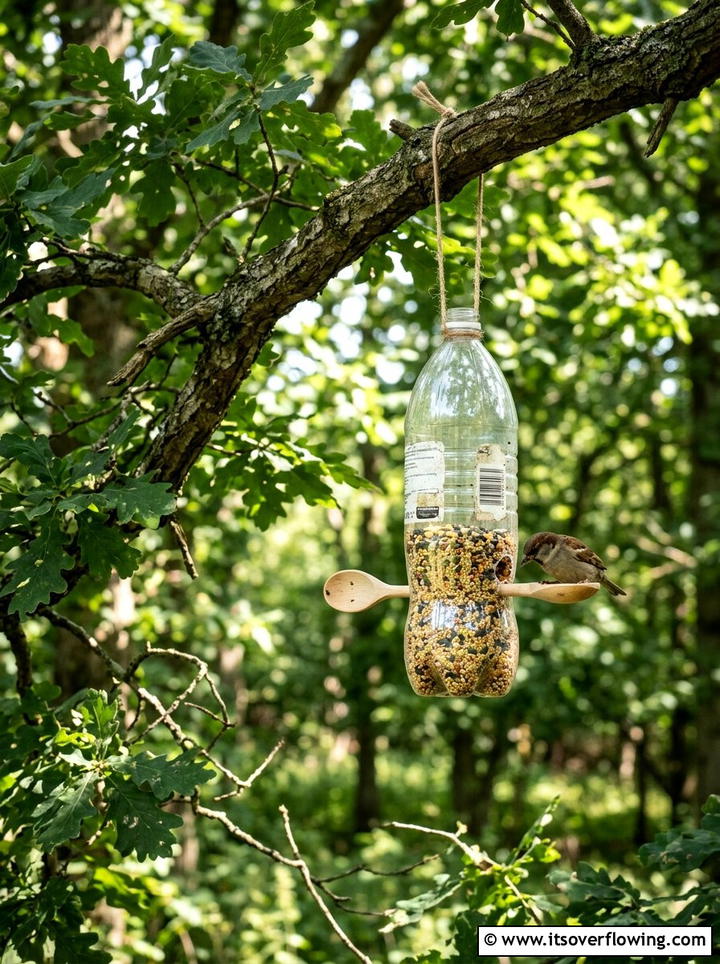
Attracting wildlife to the school garden is easy when you turn old plastic bottles into simple yet effective bird feeders for the trees. Teachers can cut small holes in the sides and insert wooden spoons to serve as perches and feeding platforms for local birds. Filling the bottles with sunflower seeds or mixed birdseed allows students to observe different bird species from their classroom windows during the day. This project fosters a connection between the students and their local environment while teaching them about the importance of biodiversity. It is a low-cost way to enhance the educational value of the garden by adding an animal observation component.
15. Cork plant marker
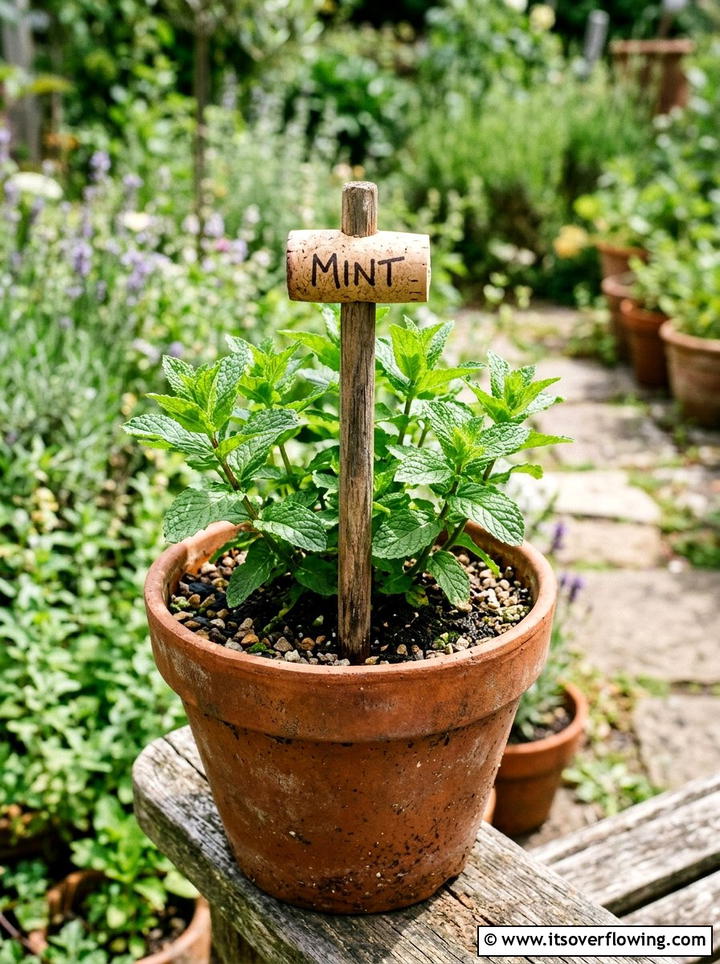
If you have a collection of natural corks, they can be easily turned into rustic and weather-resistant plant labels for the garden. Teachers can write the names of the plants directly on the sides of the cork using a waterproof marker or paint pen. By sticking a sturdy twig or a bamboo skewer into the bottom of the cork, it can be easily pushed into the soil. This is a very quick and simple project that even the youngest students can help with during their gardening sessions. It provides a natural look that fits perfectly into an organic or wildlife-friendly garden space.
16. Laundry basket planter
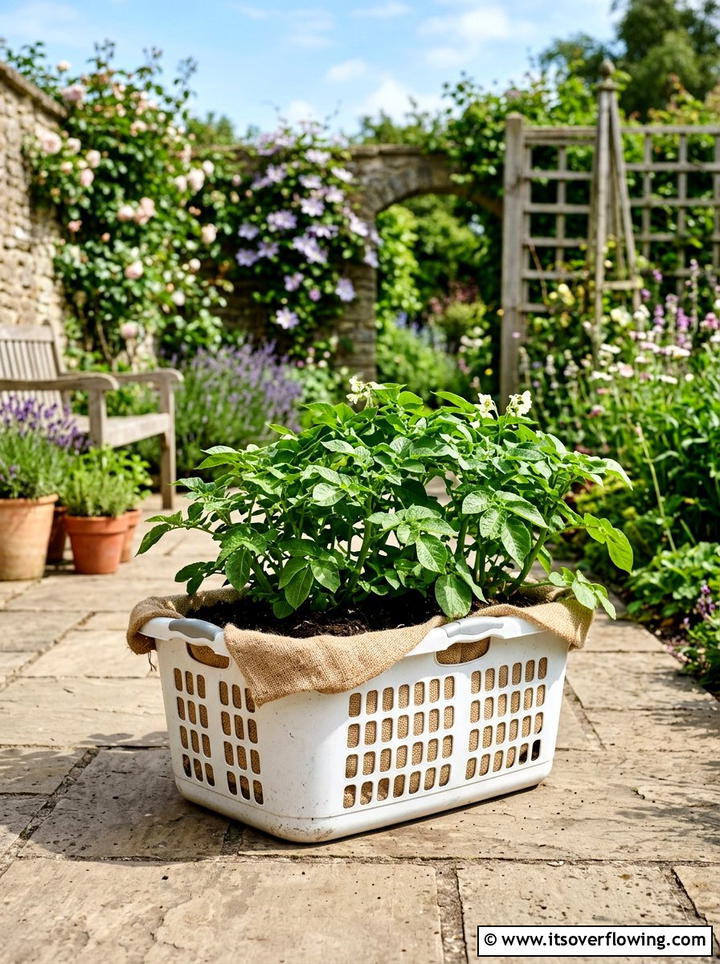
Old plastic or wicker laundry baskets are surprisingly good containers for growing potatoes or other root vegetables in a school garden. Teachers can line the sides with burlap or landscape fabric to keep the soil from falling out while allowing for excellent drainage. This allows the students to easily dump out the basket at the end of the growing season to harvest their crops. It is a fantastic way to teach kids about the life cycle of a potato and the benefits of growing your own food. Using old baskets is a smart way to repurpose bulky household items and turn them into something productive.
17. Desk garden
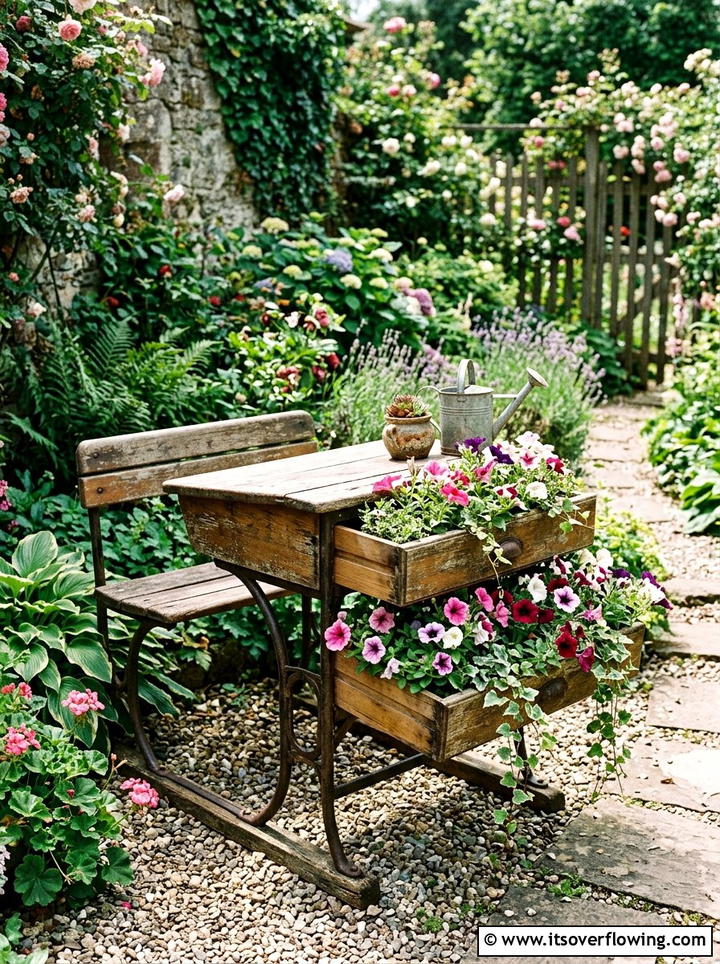
If you have an old wooden or metal desk that is no longer usable for the classroom, it can be transformed into a unique garden planter. Teachers can line the drawers with plastic and plant trailing flowers or succulents to create a beautiful and historical focal point. This project is a great way to recycle old furniture that would otherwise end up in a landfill. It also provides a unique and eye-catching way to display plants and can be used to showcase different botanical themes. Students will enjoy seeing their classroom furniture being used in such a creative and unexpected way.
18. Blue jean planter
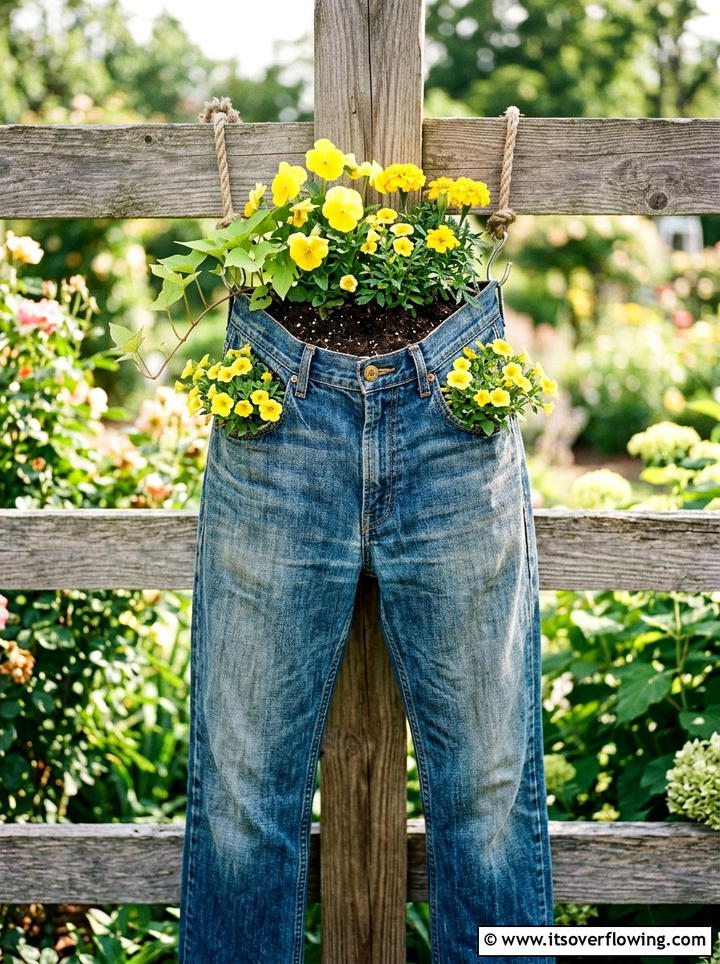
Old denim jeans can be easily turned into whimsical and fun planters for a school garden or classroom balcony. Teachers can stuff the legs with moss or newspaper and plant flowers or herbs in the waist or pockets. These planters can be hung from a fence or placed on a bench for a playful and unique look. They are durable enough to withstand different weather conditions and add a touch of personality to the school’s outdoor learning environment. This project is a great way to recycle old clothing and teach students about the importance of creative reuse.
19. CD bird deterrent
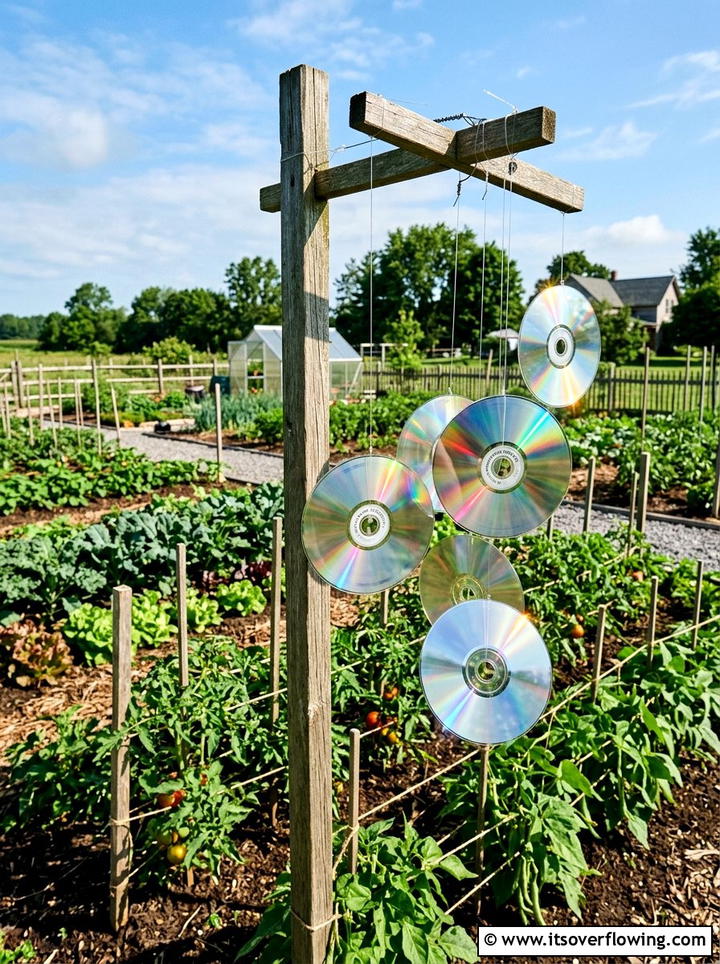
Old CDs that are no longer usable can be repurposed into shiny and effective bird deterrents for the school garden. Teachers can hang them from fruit trees or vegetable beds to reflect sunlight and scare away birds that might eat the crops. This is a simple and low-cost way to protect the garden without using harmful chemicals or netting. Students will enjoy seeing the rainbows created by the CDs as they spin in the breeze and learn about the importance of protecting their harvest. It is a great way to recycle old technology and teach kids about sustainable pest control.
20. Tea tin garden
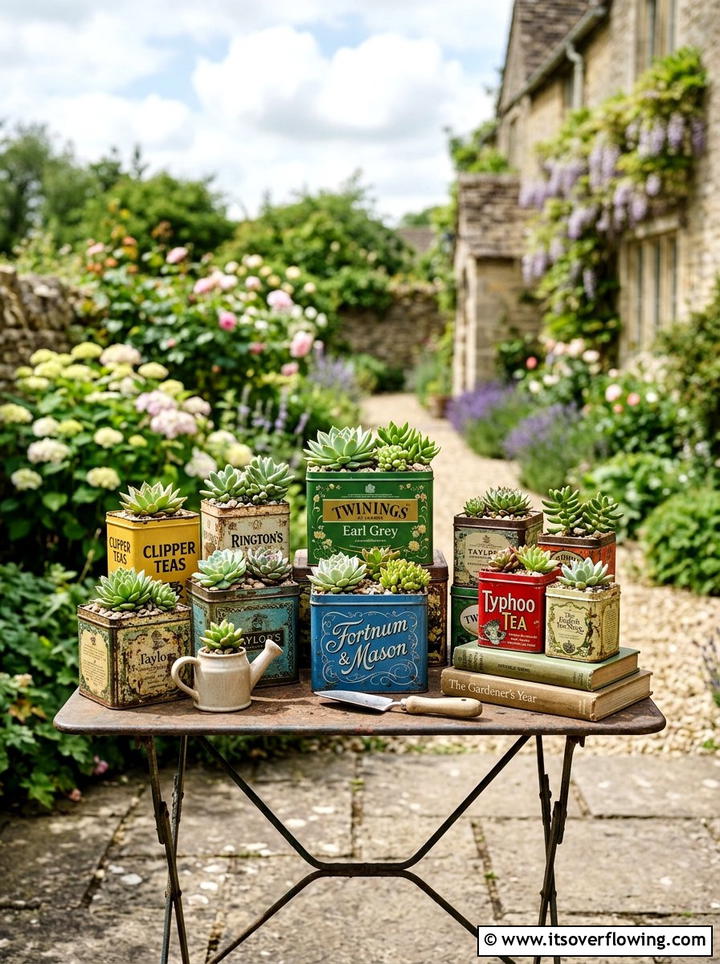
Small metal tea tins are the perfect size for a windowsill herb garden or a collection of small succulents in the classroom. Teachers can help students poke small drainage holes in the bottom and fill them with potting soil to create a miniature garden. These tins can be decorated with paint or markers to match the classroom decor and provide a beautiful and educational display. It is a great way to teach students about the different types of herbs and their uses in cooking and medicine. Using old tins is a smart way to repurpose small metal containers and reduce waste.
21. Wheelbarrow planter
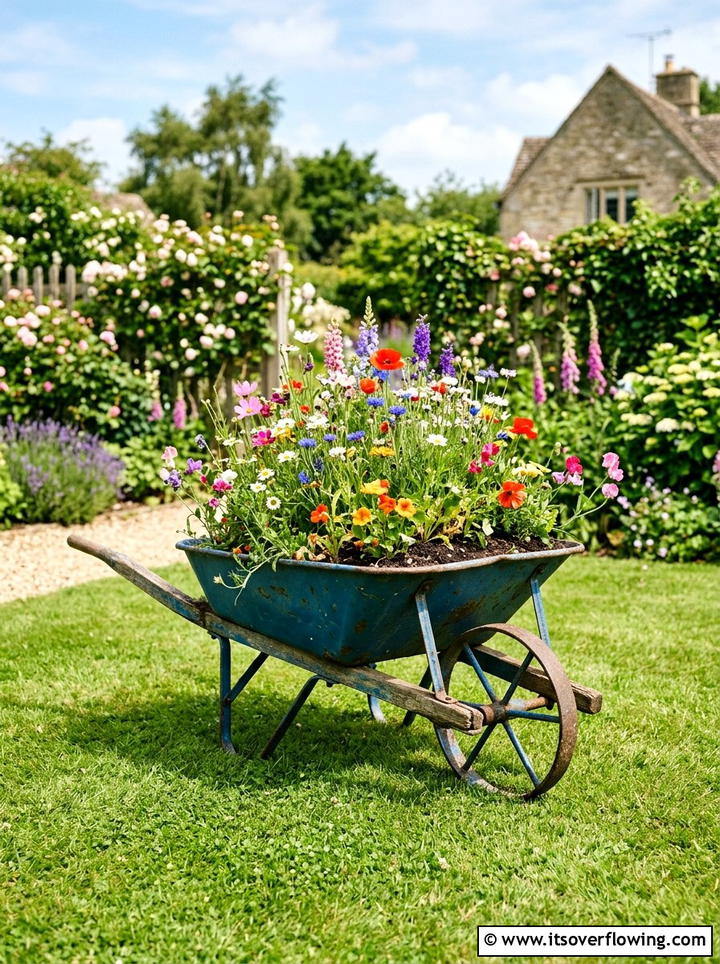
An old or rusty wheelbarrow can be easily turned into a mobile and beautiful garden bed for the school grounds. Teachers can line the bottom with landscape fabric and fill it with soil to create a versatile planting space for flowers or vegetables. This project is a great way to recycle old gardening tools and add a rustic and charming touch to the school garden. Because it has wheels, the planter can be moved around to find the best sunlight or to clear a space for school events. It provides a large and deep planting area that is perfect for a variety of plants.
22. Plastic cup greenhouse
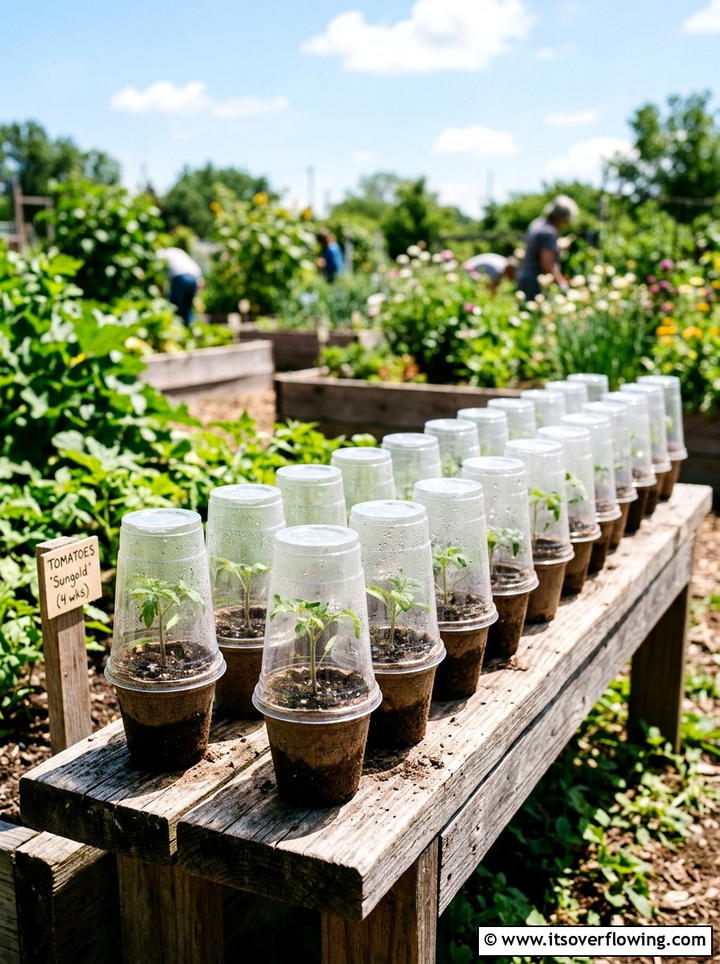
Clear plastic cups can be repurposed into miniature greenhouses for starting seeds or growing small plants in the classroom. Teachers can show students how to place a cup over a small pot to create a humid and warm environment that encourages growth. This project is a great way to teach kids about the greenhouse effect and the importance of moisture and warmth for plant survival. It is a low-cost and simple way to provide individual greenhouses for each student and encourage them to monitor their plants’ progress. Using old cups is a smart way to recycle plastic and provide a useful tool.
23. Burlap sack planter
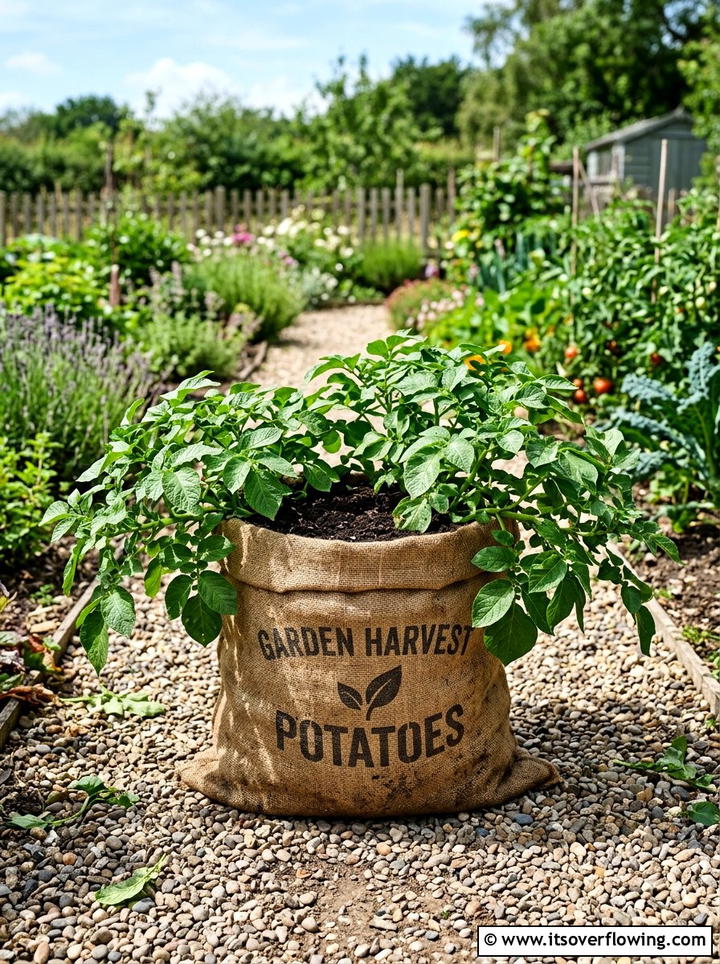
Burlap sacks used for coffee or potatoes can be easily turned into rustic and breathable planters for the school garden. Teachers can fill them with soil and plant vegetables or flowers to create a natural and eco-friendly garden display. These sacks provide excellent drainage and airflow, making them ideal for growing a variety of plants. They can be placed on a balcony or in a sunny corner to add a touch of texture and character to the outdoor space. This project is a great way to recycle natural materials and teach students about the importance of sustainable gardening practices.
24. Metal spoon marker
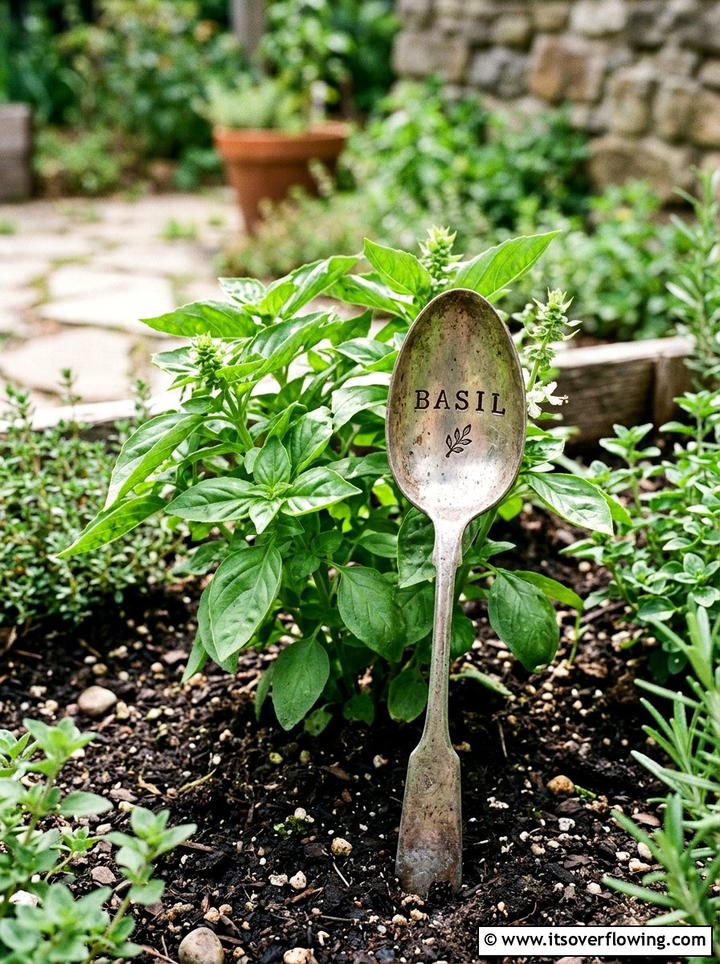
Old metal spoons can be easily turned into durable and unique plant markers for the school garden or classroom pots. Teachers can use a metal stamp or a permanent marker to write the names of the plants on the bowl of the spoon. These markers are weather-resistant and add a touch of vintage charm to the garden beds. Students will enjoy finding old silverware and turning it into something useful and beautiful for their school garden. It is a great way to recycle old kitchen items and teach kids about the importance of creative reuse and historical tools.
25. Tree stump seat
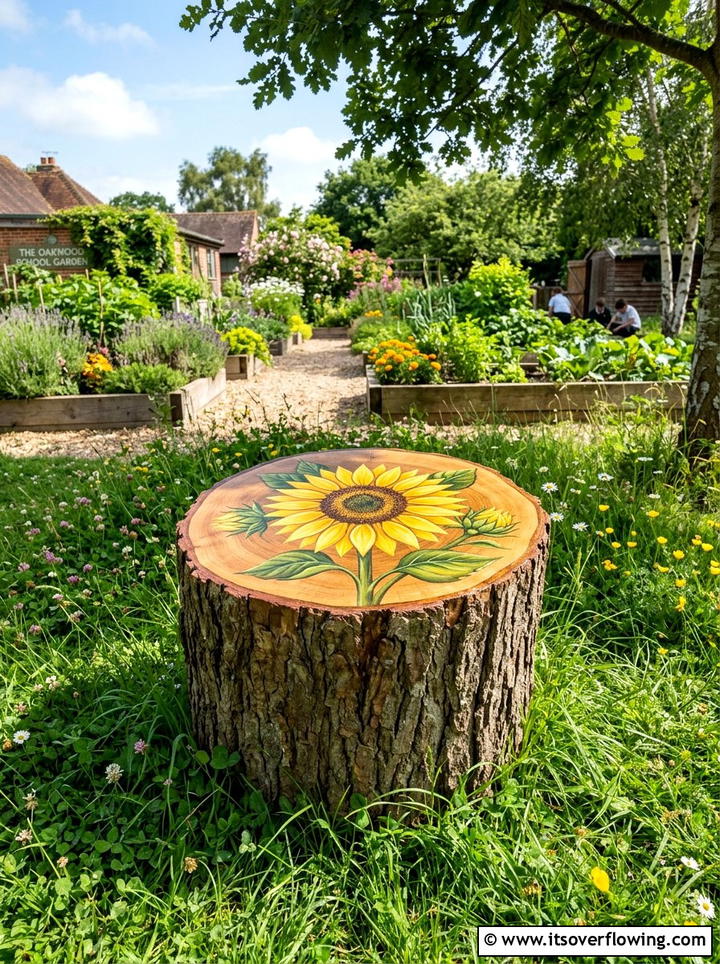
If a tree has been cut down on the school grounds, the stump can be repurposed into a natural and rustic seat for the garden. Teachers can smooth the top of the stump and paint it with colorful designs to create a fun and functional outdoor classroom space. This project is a great way to recycle natural materials and provide a unique and inviting place for students to sit and learn. It adds a touch of character and personality to the school garden and encourages students to enjoy the beauty of the natural world around them.
Conclusion:
Building a recycled school garden is a rewarding experience that benefits both the students and the environment in countless ways throughout the year. These twenty-five ideas provide a solid foundation for any teacher looking to create a sustainable and educational outdoor space on a limited budget. By involving students in the process of repurposing everyday items, you are teaching them valuable lessons about waste reduction, creativity, and environmental stewardship. The garden becomes a living classroom where science, art, and community come together to create something beautiful and productive for everyone to enjoy. Start small, get creative, and watch as your school garden grows into a vibrant hub of learning and discovery for your students.

Related posts:
 25 recycled garden ideas with recycled glass art to Love
 25 recycled garden ideas with recycled metal art to Try
 25 recycled garden ideas with recycled plastic projects
 25 recycled garden ideas with recycled wood art to Try
 25 recycled garden ideas with garden markers: Fun DIYs
 25 recycled garden ideas with gutter garden: Space-Saving
 25 recycled garden ideas with pallet wall garden DIYs
 25 Recycled Garden Ideas DIY Projects for Outdoor Charm
 25 Recycled Garden Ideas With Baskets for Rustic Style
 25 Recycled Garden Ideas With Cable Spools for DIY Decor
 25 recycled garden ideas with mosaic pieces for Colorful Decor
 25 recycled garden ideas with plastic bottles for DIY