
Finding ways to reuse natural waste in your yard can transform a standard outdoor space into a sustainable sanctuary. Using branch cuttings from seasonal pruning is one of the most effective methods to add character and functionality without spending a penny. Instead of hauling those limbs to the curb, you can repurpose them into beautiful structures that blend seamlessly with nature. This approach not only saves money but also provides essential habitats for local wildlife. Whether you are building a sturdy fence or a delicate plant support, recycled wood brings an organic texture that manufactured materials simply cannot replicate. Let’s explore how these simple cuttings can elevate your garden’s aesthetic and health while promoting a greener lifestyle for every homeowner.

1. Wattle Fence
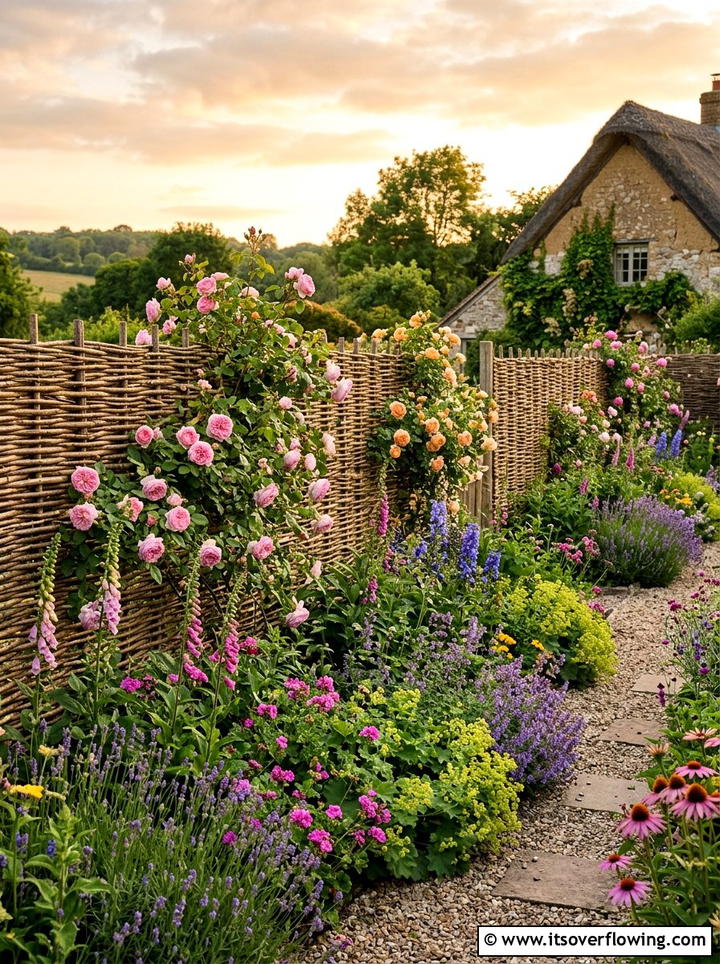
Weaving thin, flexible branches together creates a charming and functional wattle fence. This ancient technique is perfect for defining boundaries or protecting delicate flower beds from pets. You typically start by driving thicker stakes into the ground at regular intervals. Then, you weave long, supple cuttings like willow or hazel horizontally through the uprights. This structure is incredibly durable and allows wind to pass through, reducing the risk of it blowing over during storms. It adds a rustic, European cottage feel to any backyard. Using fresh cuttings makes the weaving process much easier because the wood remains pliable and less likely to snap under pressure while you work in your yard.
2. Branch Plant Support
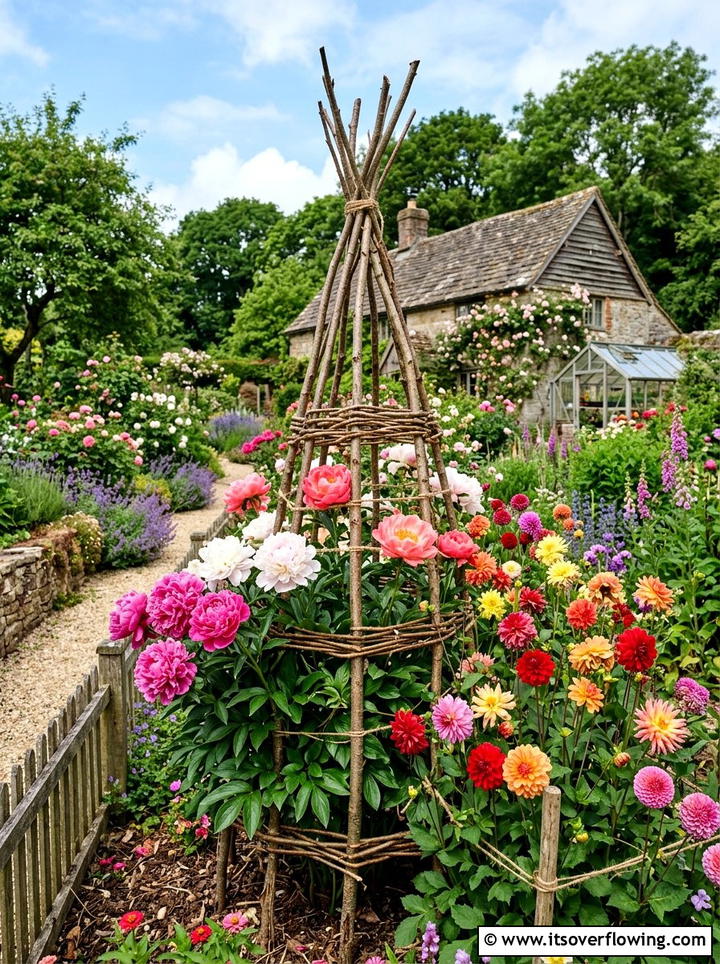
Heavy flower heads like peonies often flop over after a rainstorm, but recycled branches offer a natural solution. Instead of buying plastic green stakes, you can use sturdy y-shaped branches to prop up drooping stems. Simply push the base of the branch deep into the soil near the plant. The natural forks provide a perfect resting place for heavy blooms to lean on. This method looks much more cohesive in a garden than bright green metal poles. Since branches come in various sizes, you can find the perfect fit for everything from small perennials to tall dahlias. It is a cost-effective way to keep your garden looking tidy and upright all season.
3. Rustic Garden Arch
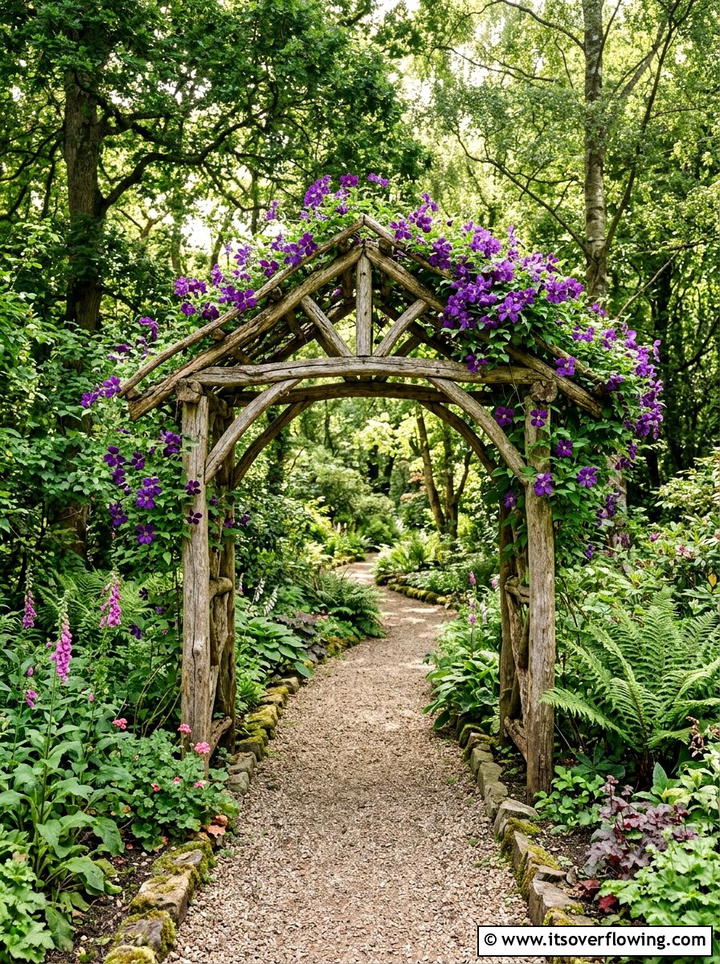
Creating a vertical focal point is easy when you use long, thick tree limbs to build an archway. You can secure two sturdy upright branches in the ground and connect them at the top with flexible cuttings. This structure serves as a grand entrance to a vegetable garden or a secret pathway. Climbing plants like jasmine or honeysuckle will quickly cover the wood, creating a tunnel of greenery and scent. The rough texture of the bark provides an excellent surface for vines to grab onto as they grow upward. It looks much more organic than a store-bought metal kit. This project is a great way to use larger limbs from fallen trees.

4. Wood Bird Feeder
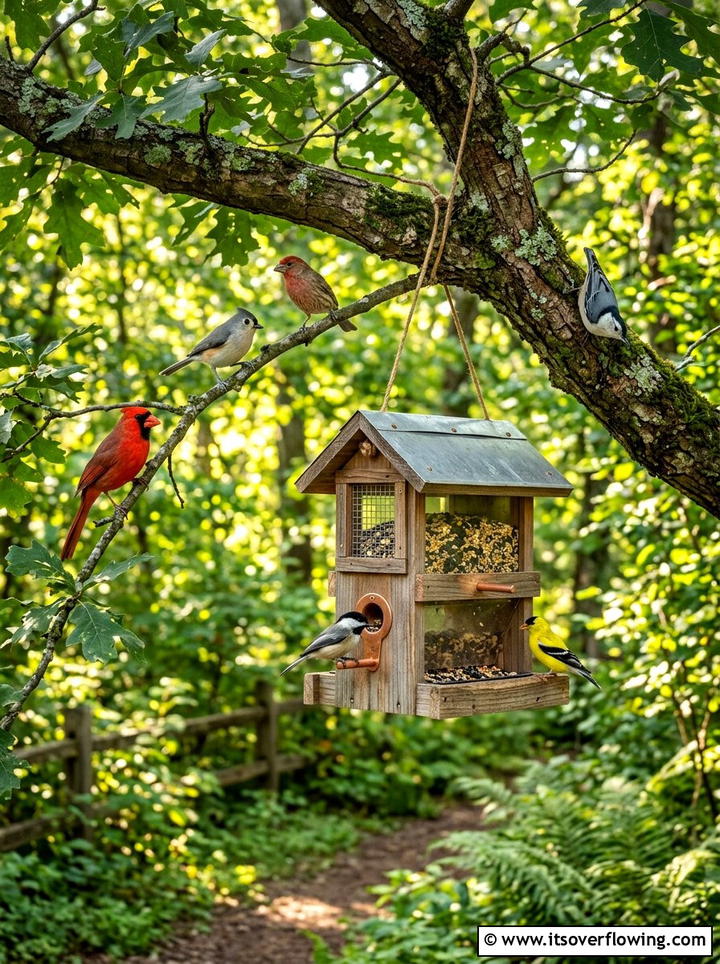
You can easily craft a natural bird feeder by drilling small holes into a thick branch section. Fill these holes with suet or peanut butter mixed with seeds to attract local birds. Hang the branch from a sturdy tree limb using some twine or a recycled wire hanger. Birds feel much more comfortable landing on a natural piece of wood than on plastic or shiny metal surfaces. This simple project helps support your local ecosystem and provides endless entertainment as you watch different species visit your yard. It is a wonderful way to involve children in nature-based crafts. These feeders blend into the trees perfectly, making your garden look very cohesive.
5. Natural Garden Edging
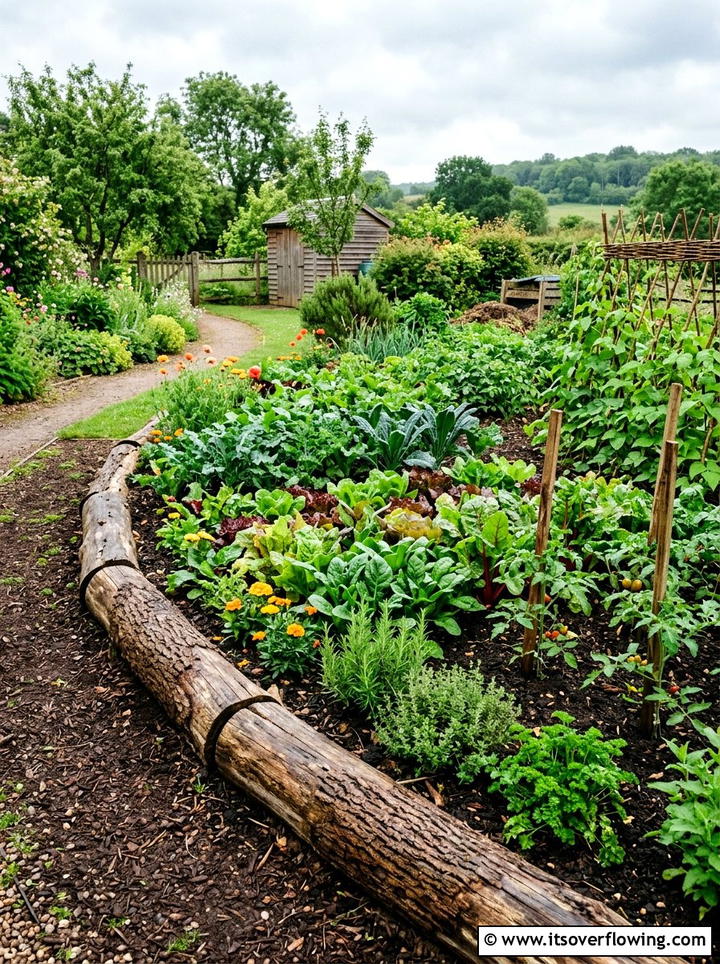
Defining your garden beds with branch cuttings creates a clean and organized look without using plastic or concrete blocks. You can lay thick logs end-to-end along the perimeter of your flower beds. For a more decorative look, try a mini wattle style by weaving thin twigs between short vertical stakes. This prevents mulch from washing away during heavy rain and keeps grass from creeping into your planting areas. Over time, the wood will naturally decay and add nutrients back into the soil, which is a huge benefit for your plants. It is a simple and effective way to use up medium-sized branches after a major pruning session.
6. Twig Trellis
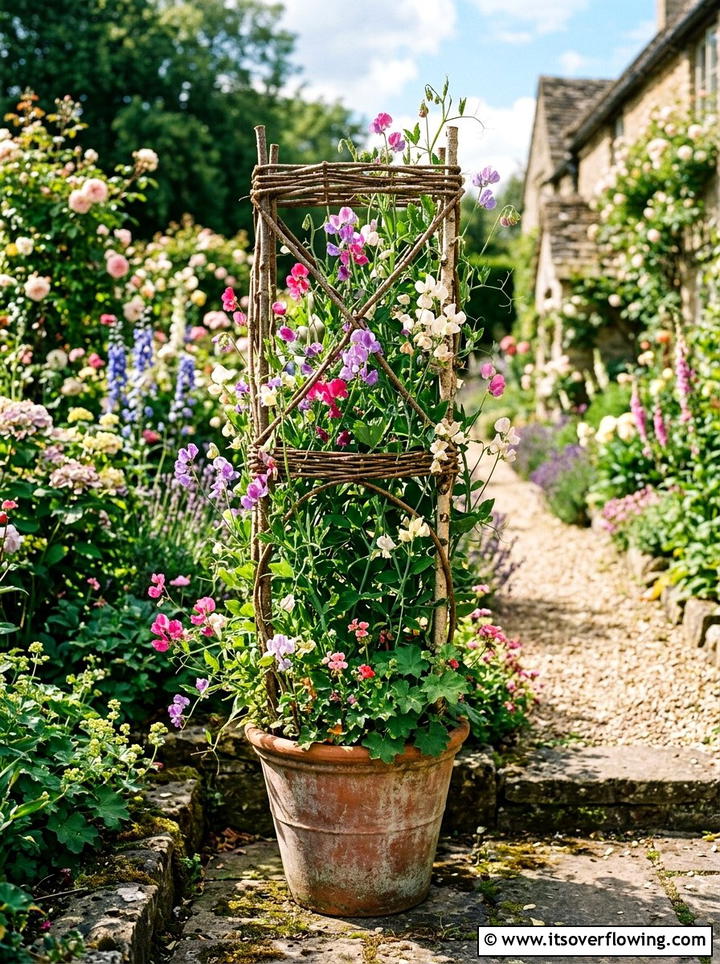
A handmade twig trellis is a beautiful and functional addition to any large pot or garden bed. You can lash several straight branches together with twine to create a ladder or diamond pattern. This provides a sturdy framework for sweet peas, morning glories, or even small cucumber vines to climb. The natural variation in the wood adds a unique, artisanal touch that plastic trellises lack. You can customize the height and width to fit your specific space perfectly. It is a very sustainable way to provide vertical interest in your garden. These structures are lightweight and easy to move around as your planting needs change throughout the year.
7. Branch Garden Bench
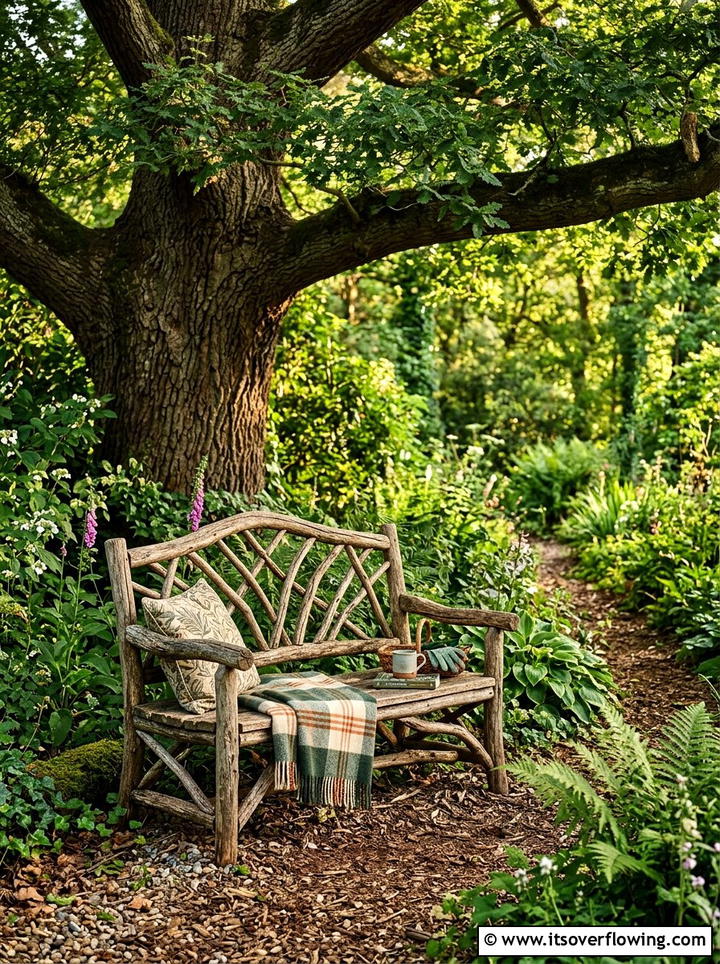
Building a rustic bench out of larger tree limbs adds a cozy and inviting feel to a quiet corner of your yard. You can use thick logs for the legs and flatter, sturdy branches for the seat and backrest. Secure the pieces with long screws to ensure the structure is safe and stable for sitting. This type of furniture looks like it grew right out of the ground, fitting perfectly into a woodland-style garden. It provides a peaceful place to sit and enjoy the results of your hard work. Leaving the bark on gives it a textured, natural look, or you can peel it for a smoother finish.

8. Rustic Plant Label
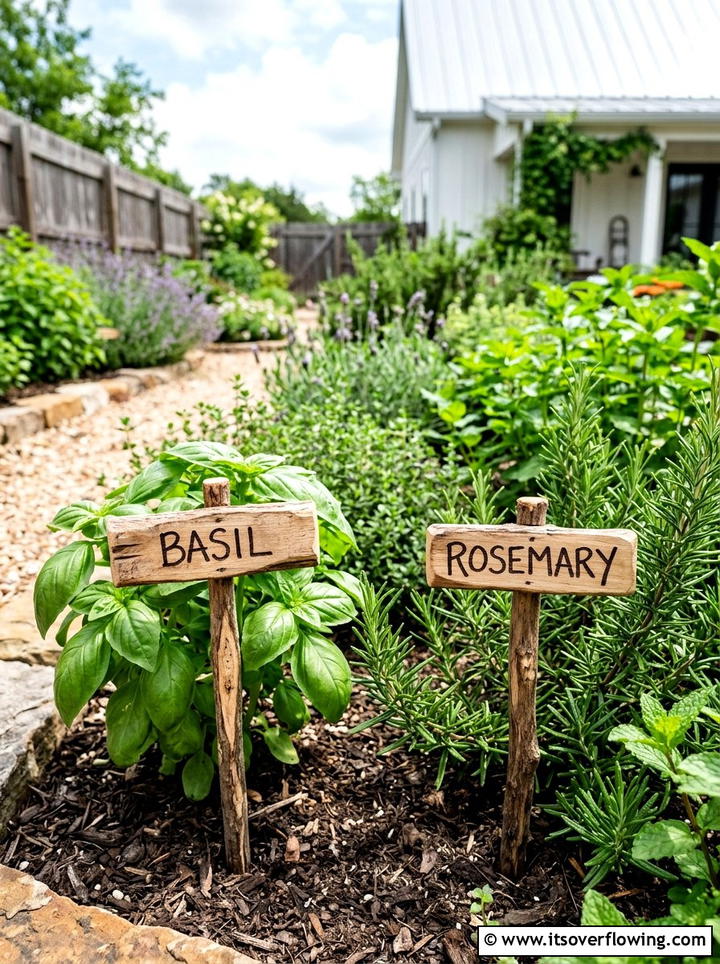
Identifying your herbs and vegetables is much more stylish when you use small branch cuttings as markers. Simply whittle a flat surface on one end of a short twig using a pocket knife. You can then write the name of the plant clearly on the smooth wood with a permanent marker or a wood-burning tool. Sharpen the other end into a point so it easily slides into the soil. These markers are free to make and look much better than plastic tags that often break or fade. They are also completely biodegradable, so you can just toss them in the compost pile at the end of the growing season.
9. Dead Hedge
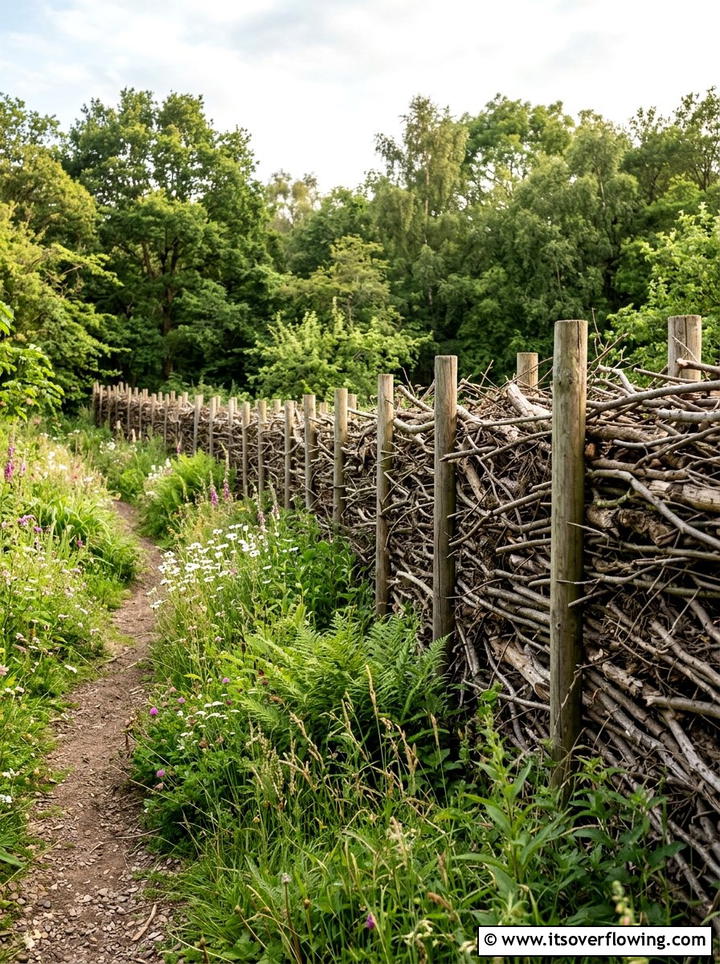
A dead hedge is a fantastic way to use up a large volume of branch cuttings while creating a haven for wildlife. You create two parallel rows of vertical stakes and pack the space between them with all your loose twigs and limbs. This creates a dense barrier that acts as a windbreak and a nesting site for birds and beneficial insects. As the material at the bottom rots down, you simply add more fresh cuttings to the top. It is a great alternative to a traditional fence and requires zero maintenance. This method is perfect for large properties where you have a lot of woody debris to manage.
10. Branch Plant Stand
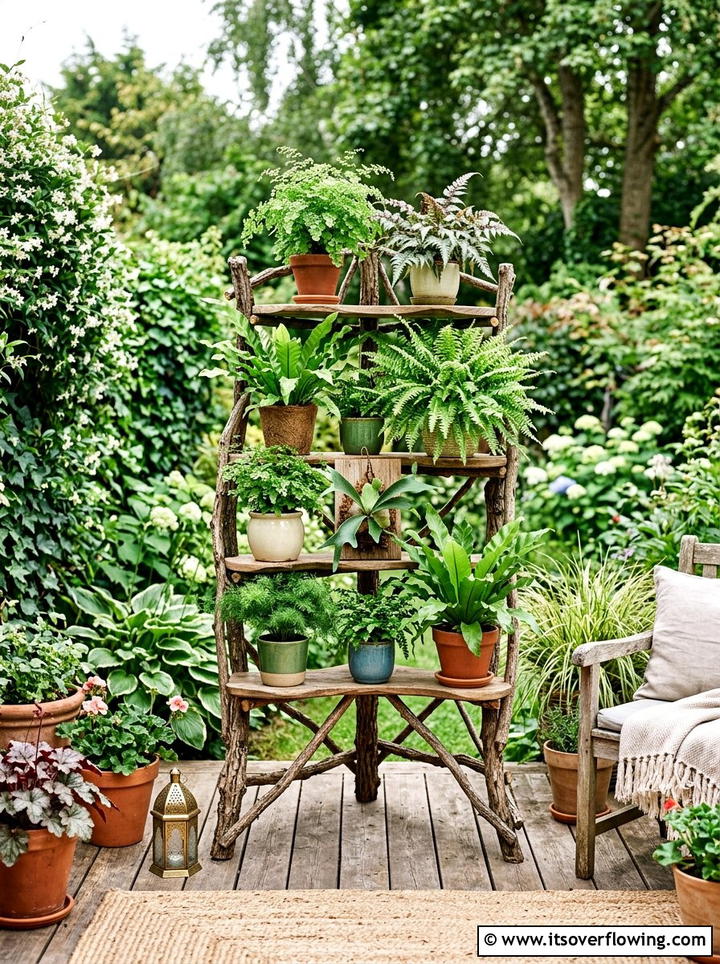
Elevate your favorite potted plants by building a simple stand out of sturdy branches. You can create a tripod shape by tying three limbs together at the top or build a more traditional four-legged table structure. This keeps your pots off the damp ground and creates different levels of visual interest on a patio or deck. It is especially useful for trailing plants that need some height to show off their cascading foliage. The natural wood tones complement the greenery of the plants beautifully. This project is a great way to use branches that are too thick for weaving but too small for furniture.
11. Log Raised Bed
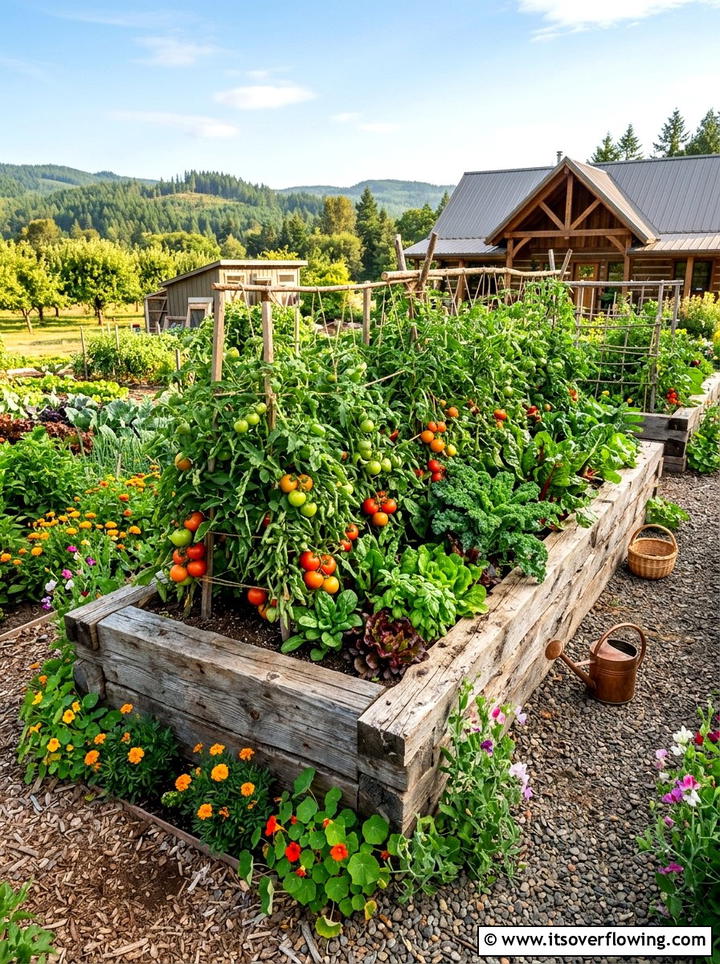
Constructing raised garden beds from thick logs is a fantastic way to recycle heavy branch cuttings. Instead of buying expensive cedar planks, you can stack large limbs to create the walls of your growing space. This method is often called hugelkultur when the center is also filled with wood. The logs slowly break down, providing long-term moisture retention and nutrients for your vegetables. It creates a very natural, earthy aesthetic that looks great in any backyard. These beds are excellent for improving drainage and making gardening easier on your back. It is a very sturdy and long-lasting solution for growing your own organic food.


12. Rustic Garden Gate
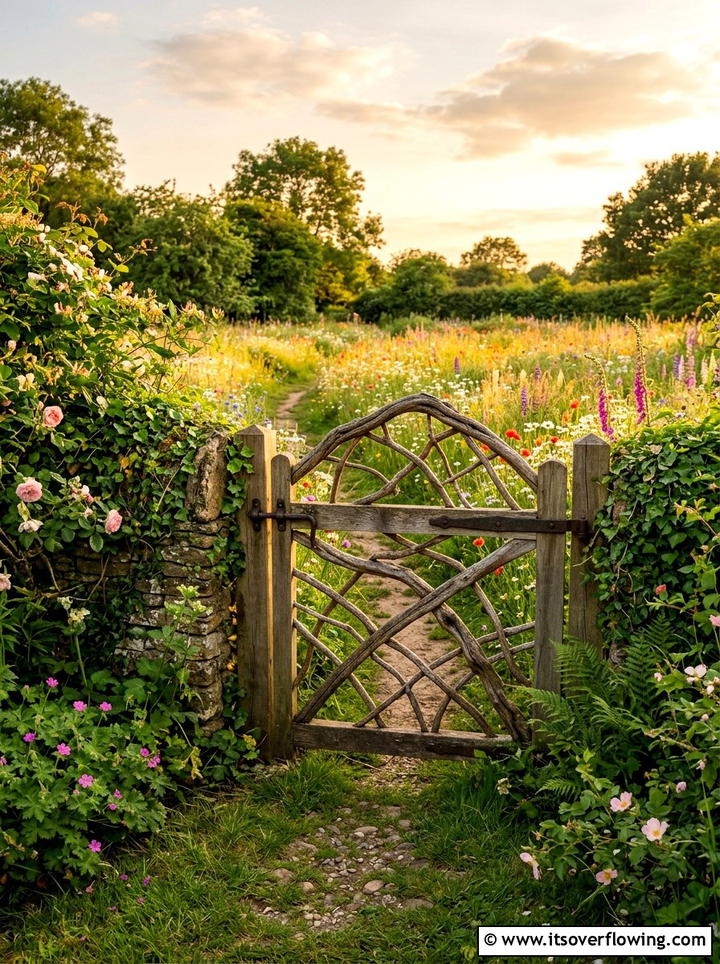
A gate made from gnarled and twisted branches adds a magical, fairytale quality to your garden entrance. You can build a simple rectangular frame from straight limbs and then fill the center with decorative, curved cuttings. Use heavy-duty hinges to attach it to a fence post or a large tree. This type of gate is a true piece of functional art that showcases the natural beauty of the wood. It is a great conversation starter for visitors and sets a whimsical tone for the rest of your outdoor space. You can even add a simple latch made from a small notched twig for extra charm.
13. Twig Wreath
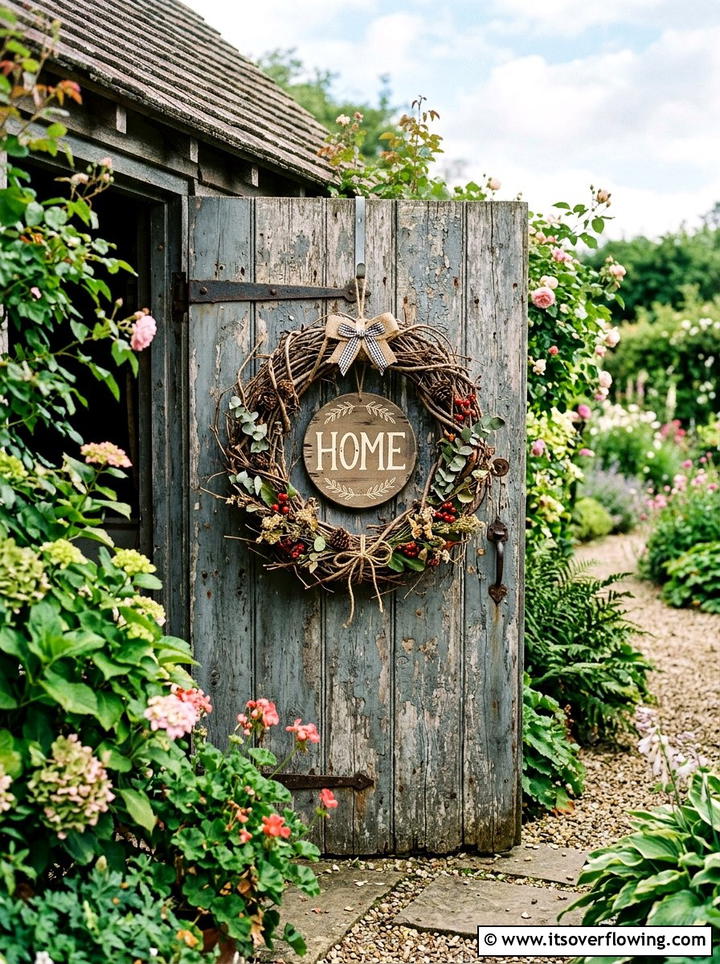
Decorating your garden shed or back door is easy with a handmade twig wreath. Use flexible, thin branches like birch or willow to form a circular base. You can secure them with thin wire or just tuck the ends into the weave. Once you have a sturdy circle, you can tuck in dried flowers, pinecones, or colorful berries for a seasonal look. These wreaths are much more environmentally friendly than store-bought versions made of plastic. They look beautiful year-round and can be easily updated as the seasons change. It is a simple craft that brings a touch of rustic elegance to your home exterior.
14. Branch Hanging Bracket
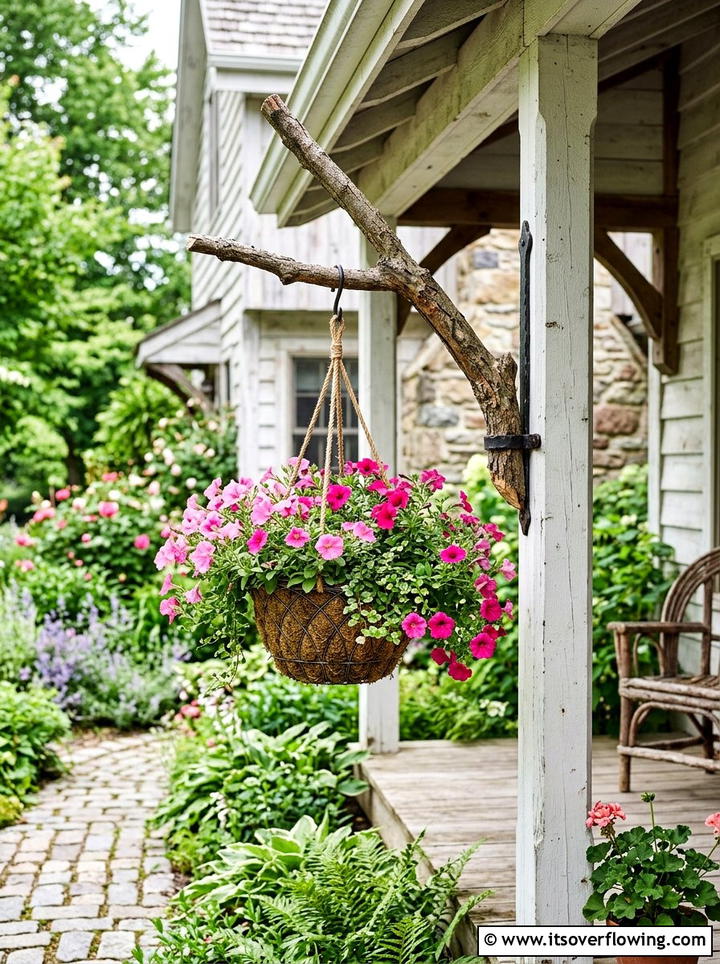
You can make a unique bracket for hanging flower baskets or lanterns using a sturdy, forked branch. Look for a limb with a strong “Y” shape where the main stem can be attached to a wall or post. The protruding arm acts as the hook for your hanging item. Ensure the wood is strong enough to support the weight of a wet soil basket before installation. This adds a lovely organic element to a porch or garden wall. It is a great way to repurpose wood from a fallen oak or maple tree. The natural bark provides a beautiful contrast against a white-washed wall or a dark fence.
15. Hollow Log Planter
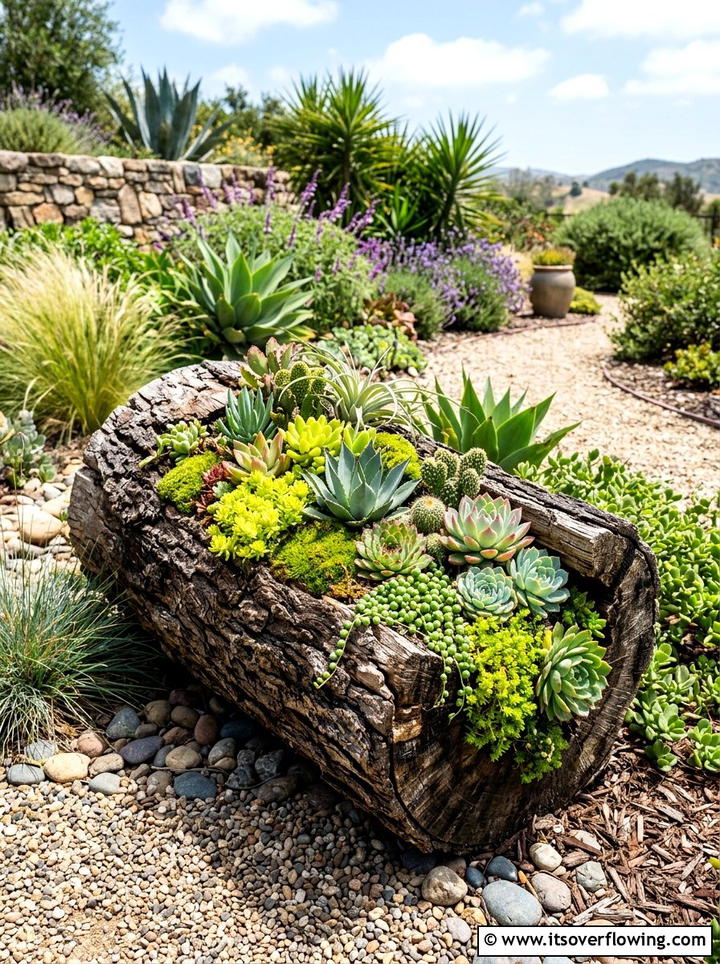
If you find a thick branch or log that has a hollow center, do not throw it away! You can turn it into a stunning natural planter for succulents or small flowers. If it is not naturally hollow, you can use a chisel to create a shallow dip in the wood. Fill the cavity with a bit of potting soil and tuck in your plants. These planters look amazing tucked into a rock garden or sitting on a porch steps. They provide excellent drainage and a very rustic aesthetic. As the wood eventually decays, it will nourish the plants inside, creating a tiny, self-contained ecosystem in your garden.

16. Branch Curtain Rod
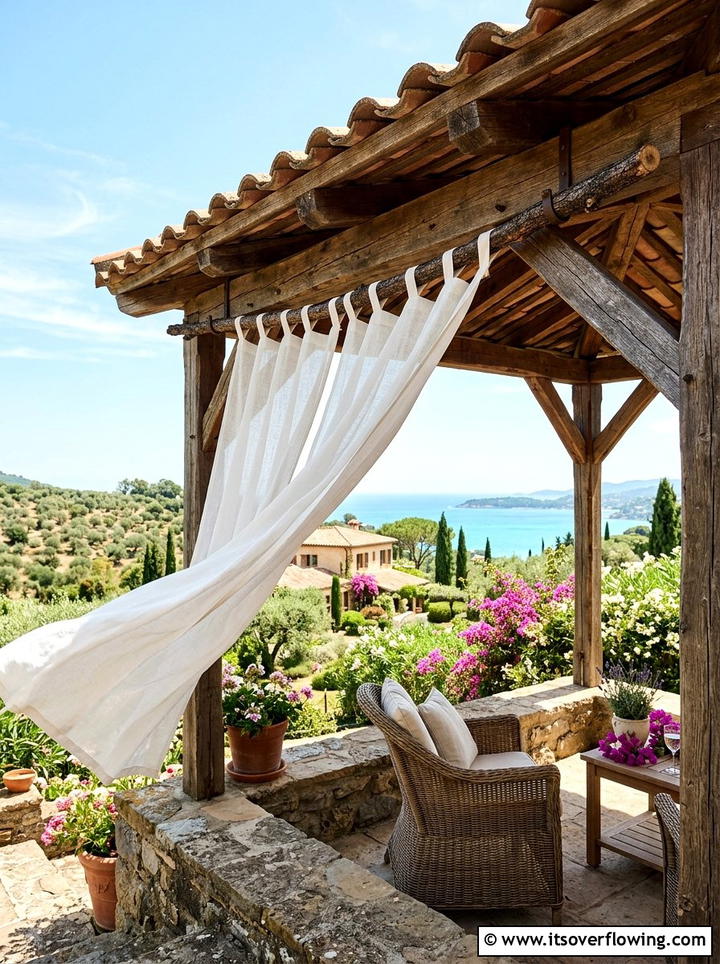
For an outdoor gazebo or a covered porch, a long, straight branch makes an excellent curtain rod. You can hang light-weight outdoor fabric or mosquito netting to create privacy and shade. Simply support the branch with two smaller forked twigs screwed into the structure. This gives your outdoor living area a relaxed, bohemian feel that is perfect for summer lounging. It is a much cheaper and more stylish alternative to standard metal rods. The slight natural curves in the wood add character and visual interest to the space. You can easily find the perfect length during your next yard cleanup or after a windy day.
17. Wood Slice Path
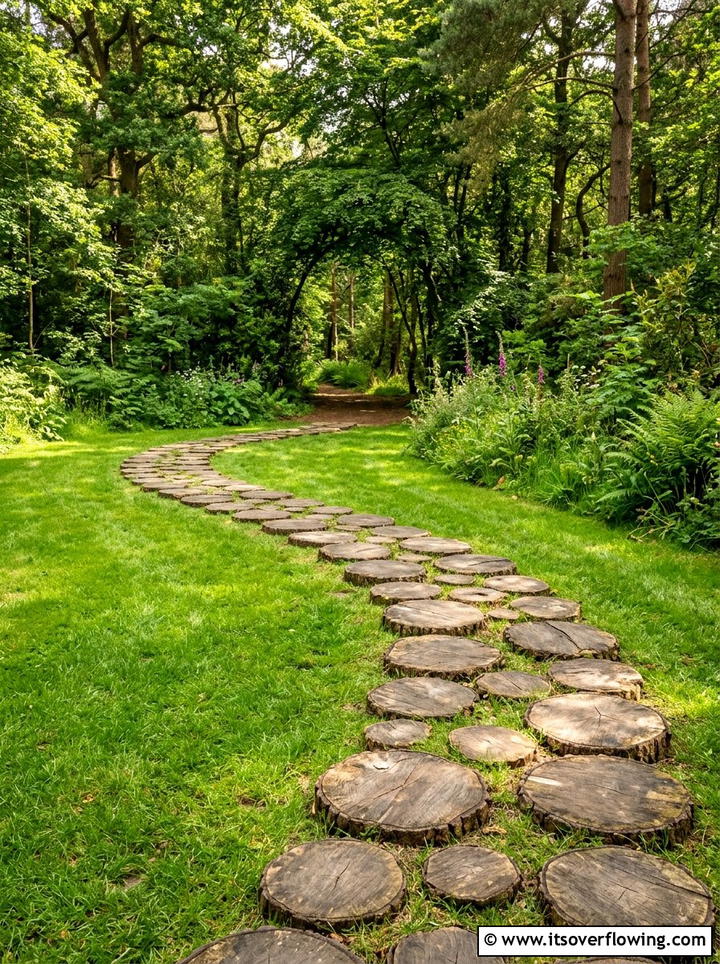
Large diameter branches can be sliced into “cookies” to create a beautiful and natural garden path. These wooden rounds can be laid into a bed of sand or wood chips to provide a stable walking surface. Over time, they will silver and weather, blending perfectly with the surrounding landscape. This type of path is much softer on the feet and quieter than gravel or stone. It is a great way to recycle the trunk sections of a small tree that had to be removed. To prevent them from becoming slippery when wet, you can score the surface or apply a non-slip coating to the top.
18. Branch Wind Chime
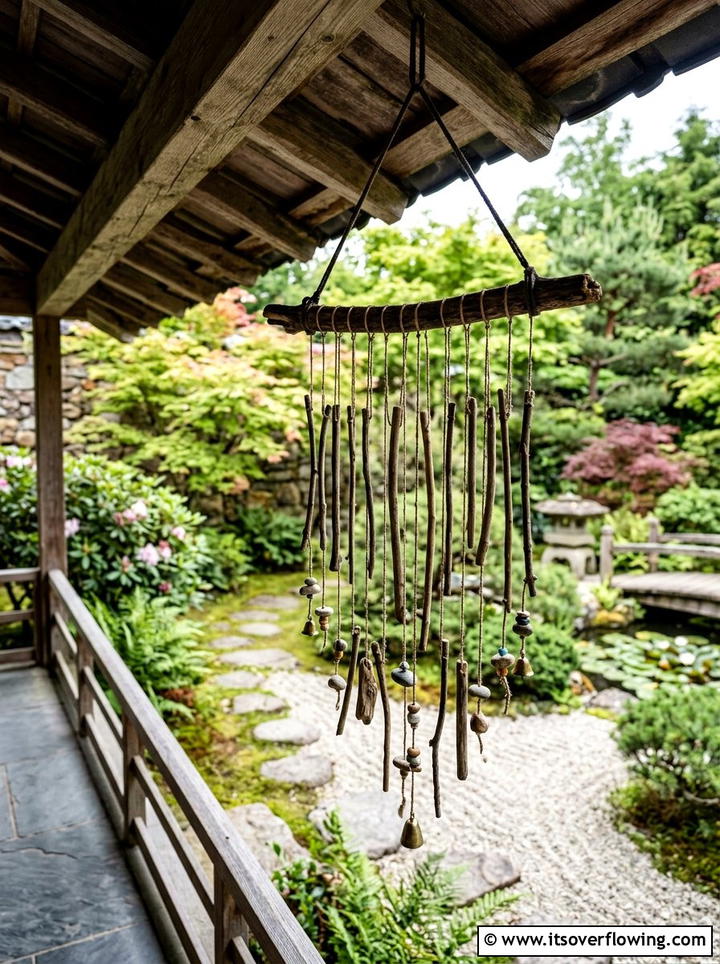
Using small, thin twigs to make a wind chime adds a gentle, earthy sound to your garden. You can drill tiny holes in the top of several cuttings and hang them from a larger horizontal branch using fishing line. When the wind blows, the wood pieces clatter together softly, creating a peaceful atmosphere. You can even paint the twigs in bright colors or leave them natural for a more subtle look. This is a very simple DIY project that kids will love to help with. It is a great way to use up the smallest scraps of wood that are left over from other garden projects.
19. Twig Insect House
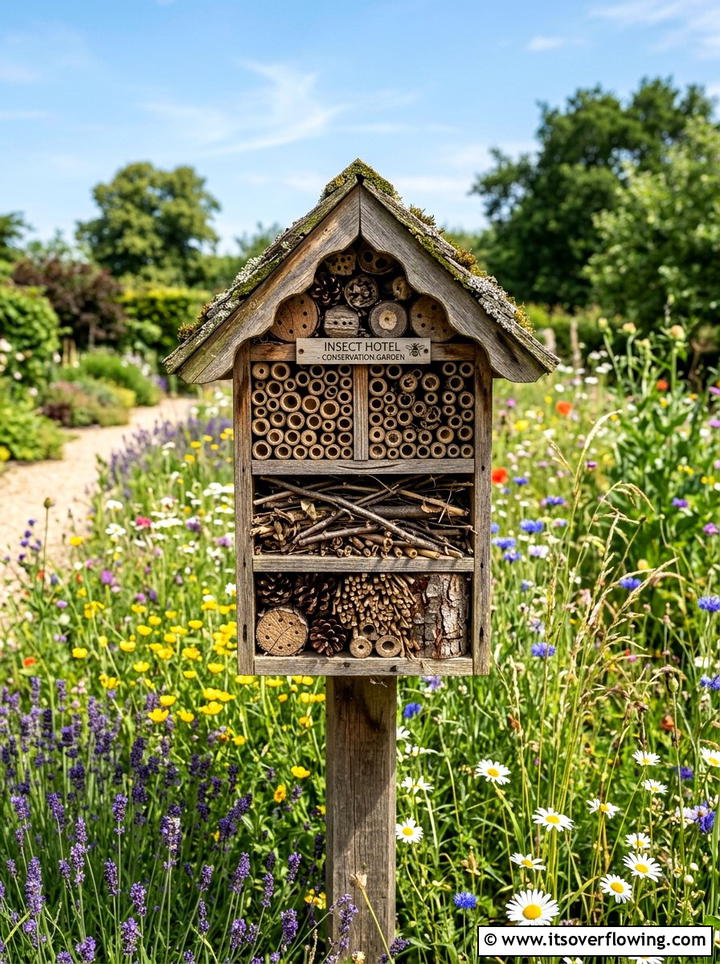
Supporting pollinators is easy when you build a dedicated insect hotel using various sizes of branch cuttings. You can fill a wooden frame with bundles of hollow stems and small twigs. Solitary bees and other beneficial bugs will use these small crevices to lay their eggs and seek shelter from the weather. This helps increase the biodiversity of your garden and ensures your flowers and vegetables get pollinated. Place the house in a sunny, sheltered spot near some nectar-rich flowers. It is a functional and educational addition to any yard that highlights the importance of protecting our local insect populations throughout the year.

20. Branch Privacy Screen
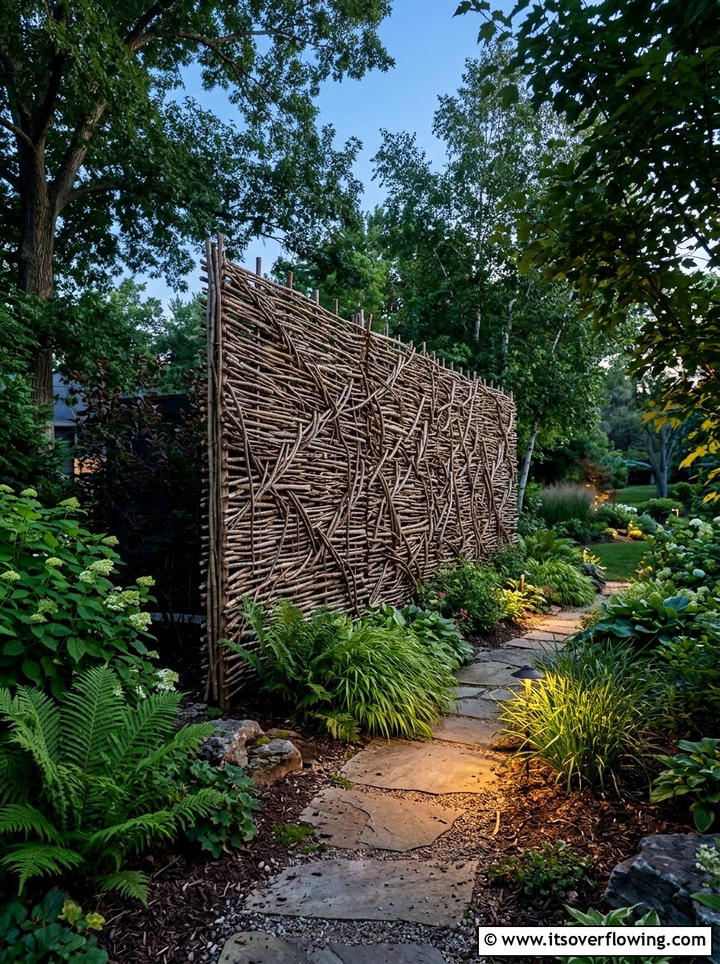
If you need to hide a compost pile or an ugly trash can area, a tall branch screen is a perfect solution. You can drive tall, sturdy stakes into the ground and attach horizontal limbs using wire or heavy twine. For a more decorative look, you can vary the heights of the branches or incorporate some diagonal pieces. This creates a natural-looking barrier that blocks the view without feeling too heavy or closed-in. It allows air to circulate, which is important for compost piles. This project uses a significant amount of medium-sized branches and is a very practical way to organize your outdoor space.
21. Tree Limb Bird Bath
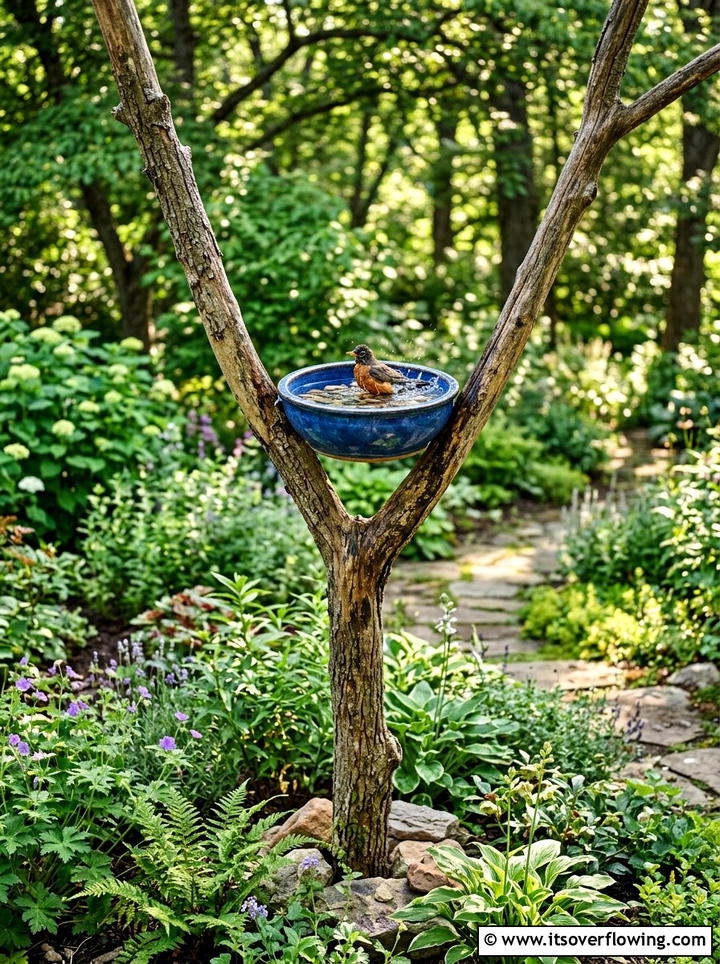
You can create a stable and natural-looking base for a bird bath using a thick, multi-branched limb. Find a sturdy section of wood that can be buried partially in the ground for stability. The top forks can then be used to cradle a shallow ceramic bowl or a large repurposed plate filled with water. Placing the water source at a higher level keeps the birds safe from ground predators like cats. It looks much more integrated into the landscape than a plastic pedestal. Birds will appreciate having a natural place to perch and preen themselves while they wait for their turn in the cooling water.
22. Rustic Fairy House
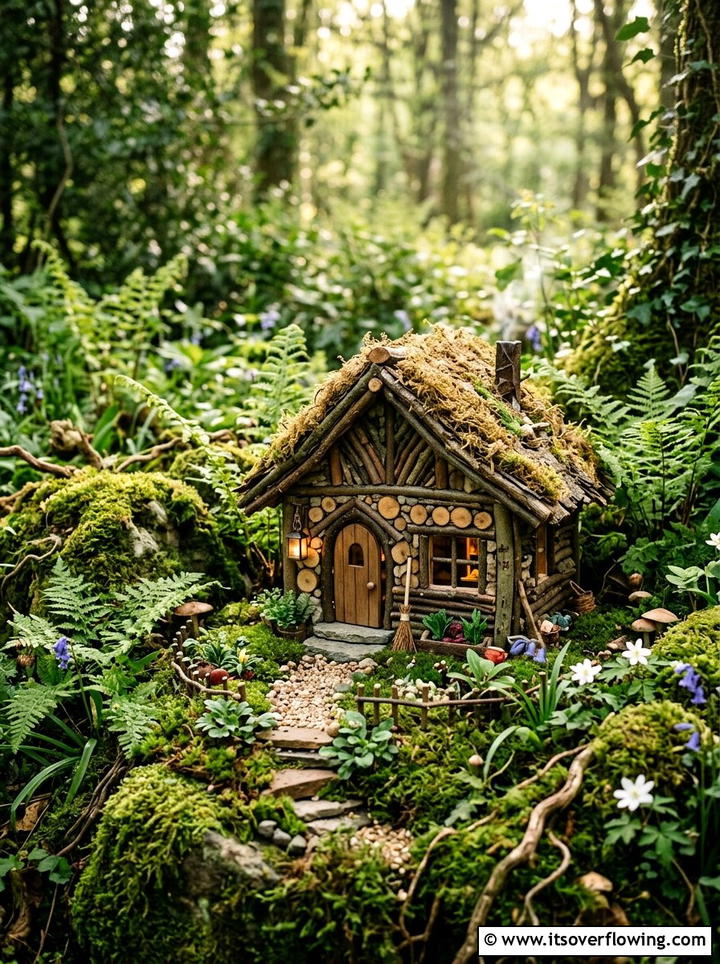
Building a tiny fairy house out of twigs and bark is a delightful way to add some magic to your garden. You can use small branch cuttings to create walls, roof rafters, and even tiny furniture. This is a perfect project for a shaded spot under a large tree or tucked into a flower bed. It encourages imaginative play for children and adds a whimsical touch for adults to discover. You can use moss, pebbles, and dried leaves to decorate the structure. It is a wonderful way to use the most interesting and uniquely shaped scraps of wood that you find during your regular garden maintenance.
23. Branch Teepee
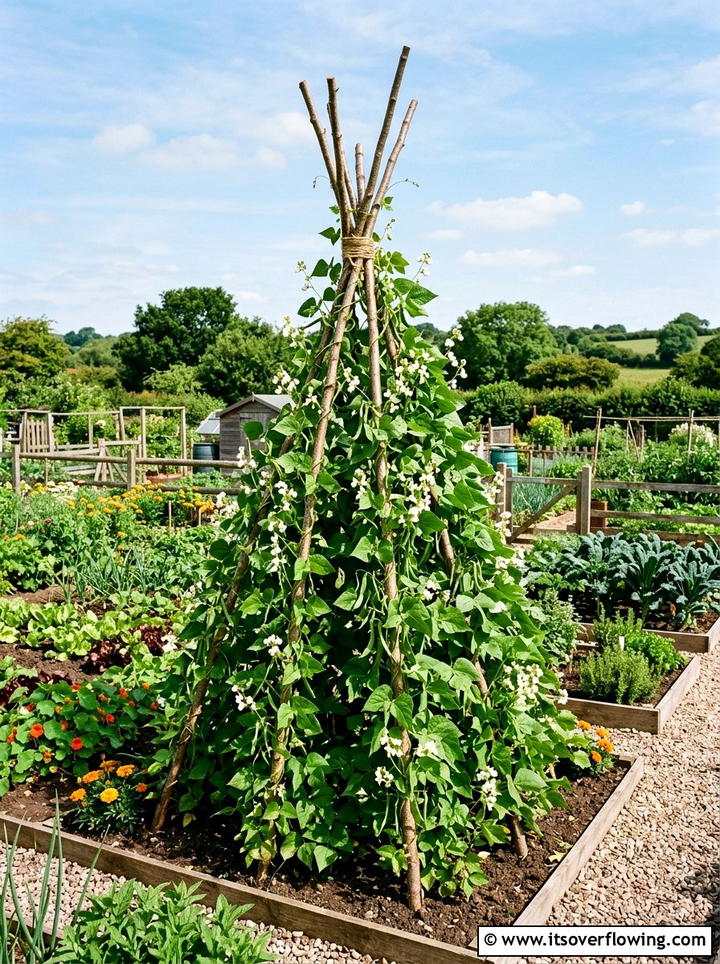
A branch teepee is the classic way to grow climbing vegetables like pole beans or snap peas. You simply lean several long, straight branches together and tie them at the top with a piece of heavy cord. This structure is very strong and can support a huge amount of heavy foliage and produce. It also creates a fun “hideout” for kids once the vines grow thick and cover the sides. This vertical growing method saves a lot of space in a small garden and makes harvesting much easier because the pods hang down. It is a very traditional and effective use for long sapling cuttings.
24. Garden Tool Handle
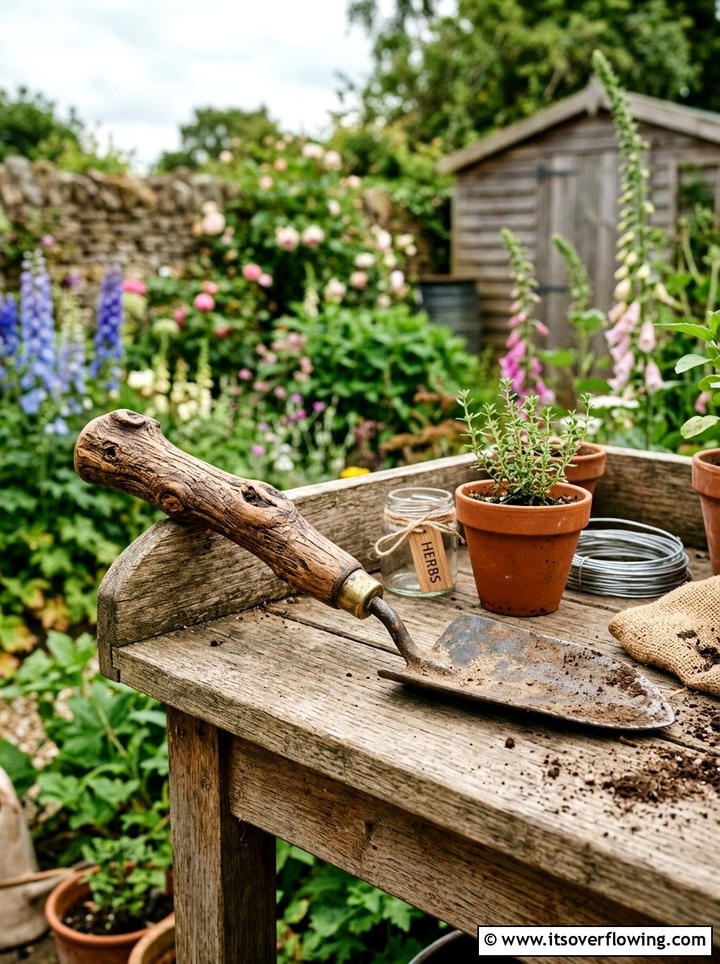
If the wooden handle on your favorite trowel or hand fork breaks, you can easily replace it with a sturdy branch cutting. Look for a piece of wood that feels comfortable in your hand and is a similar diameter to the old handle. You can carve one end to fit into the metal tool head and secure it with a screw or some strong epoxy. This gives your garden tools a unique, handmade feel and saves them from the landfill. Choosing a wood like ash or oak will ensure the new handle is strong and long-lasting. It is a very satisfying way to repair your equipment.
25. Branch Flower Bed Border
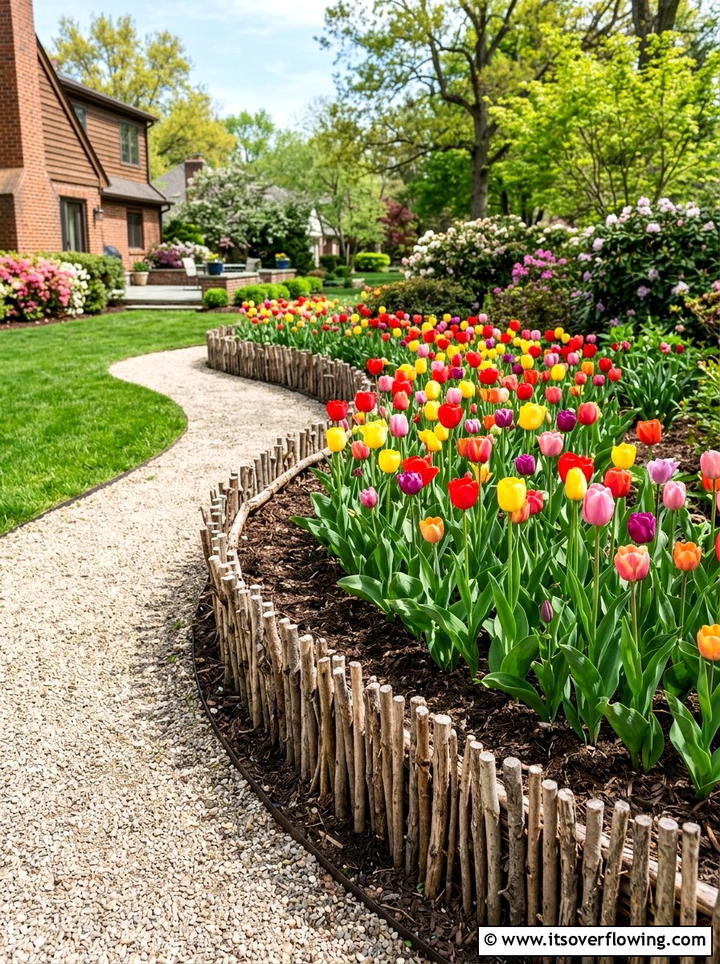
Creating a low border with short, upright twigs is a great way to define small flower beds or herb gardens. You can cut dozens of small branches to the same length and push them into the ground side-by-side. This creates a neat “picket fence” look that is entirely natural. It is perfect for keeping low-growing plants from spreading onto your lawn. You can also use longer branches horizontally for a more minimalist look. This simple addition gives your garden a polished and finished appearance. It is a very easy way to use up a large quantity of small, straight cuttings after pruning your shrubs.
Conclusion:
Repurposing branch cuttings is an excellent way to practice sustainable gardening while adding unique, rustic beauty to your outdoor space. From functional wattle fences to whimsical fairy houses, the possibilities for these natural materials are nearly endless. By choosing to recycle wood from your own yard, you reduce waste and create valuable habitats for local wildlife. These projects allow you to customize your garden with structures that blend perfectly with the environment. Whether you are a beginner or an experienced DIY enthusiast, working with branches is a rewarding way to connect with nature. Start looking at your next pruning session as a source of free building materials for your dream garden.

Related posts:
 25 recycled garden ideas with recycled glass art to Love
 25 recycled garden ideas with recycled metal art to Try
 25 recycled garden ideas with recycled plastic projects
 25 recycled garden ideas with recycled wood art to Try
 25 Recycled Garden Ideas DIY Projects for Outdoor Charm
 25 recycled garden ideas with garden markers: Fun DIYs
 25 recycled garden ideas with gutter garden: Space-Saving
 25 recycled garden ideas with pallet wall garden DIYs
 25 recycled garden ideas with aluminum cans: Clever DIYs
 25 Recycled Garden Ideas With Cable Spools for DIY Decor
 25 recycled garden ideas with mosaic pieces for Colorful Decor
 25 recycled garden ideas with plastic bottles for DIY