
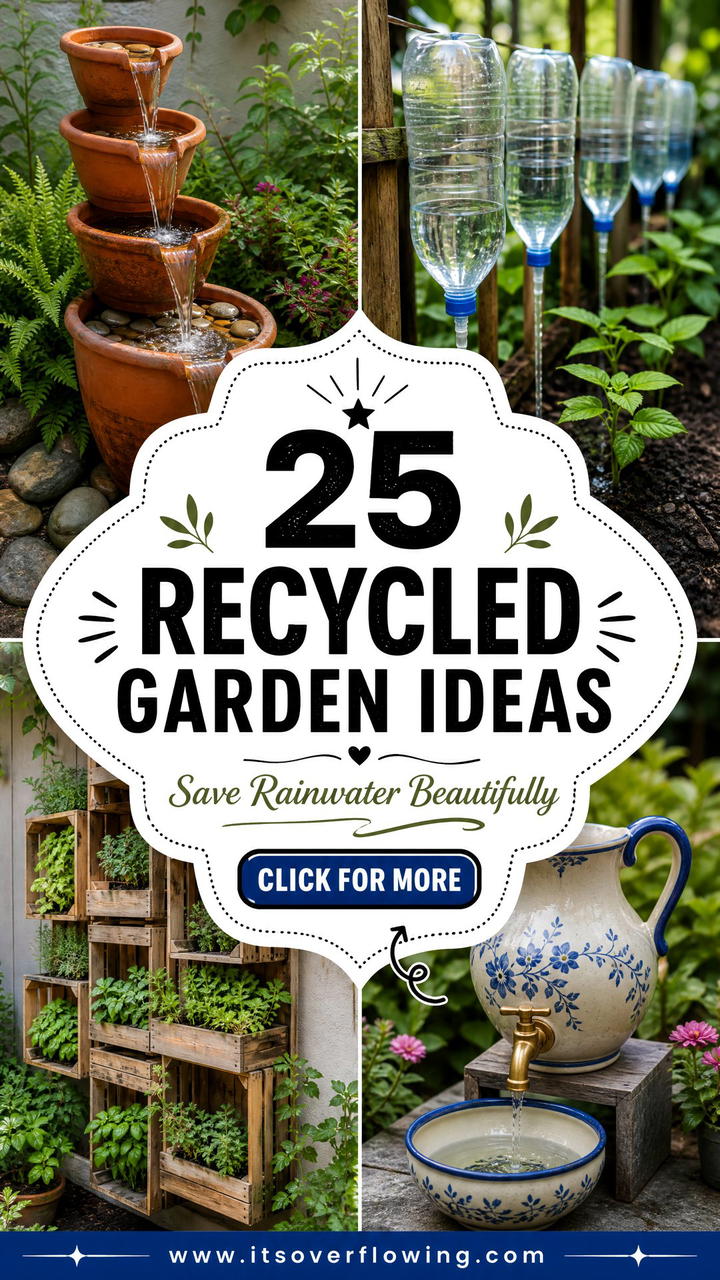
Creating a sustainable outdoor space is more than just a modern trend; it is a deep commitment to the environment that transforms how we interact with nature. By integrating recycled garden ideas with rainwater collection systems, you can reduce your ecological footprint while crafting a stunning landscape. Many homeowners are looking for ways to save money on utility bills while keeping their plants hydrated during dry seasons. Using repurposed materials like old barrels, vintage tubs, or even discarded pallets adds a unique character to your backyard that store-bought items simply cannot replicate. This guide explores creative ways to harvest water and beautify your garden simultaneously through clever recycling techniques for every home.
1. Wine barrel rain barrel
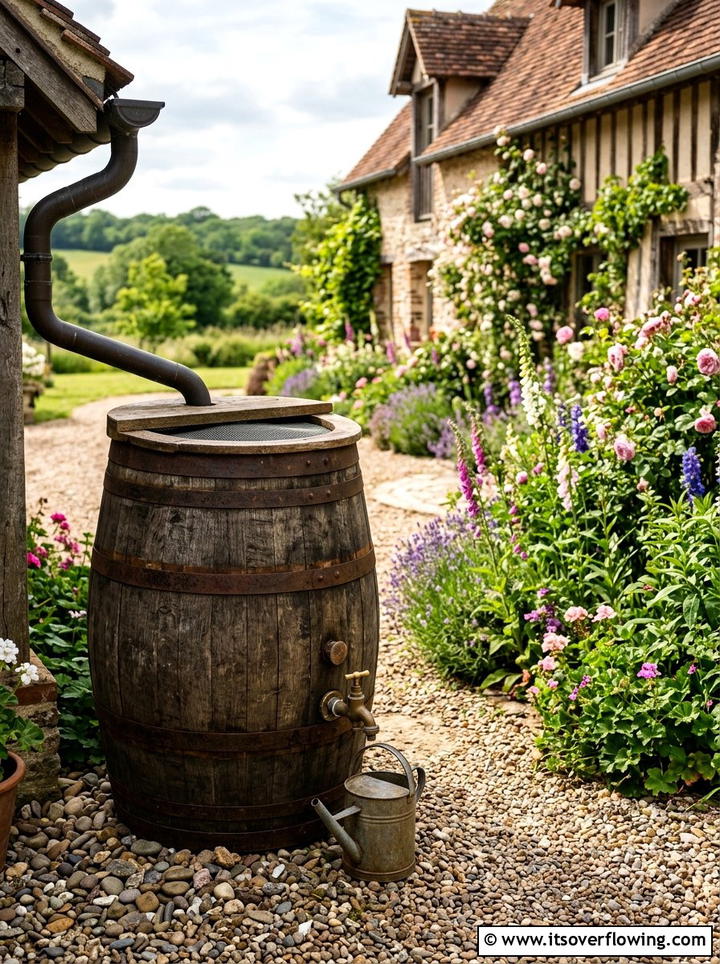
Have you ever considered how a rustic oak barrel could become the functional centerpiece of your patio? Converting a reclaimed wine barrel into a rainwater collection system is a classic choice for sustainable gardeners. These sturdy wooden containers provide a substantial storage capacity for runoff while blending seamlessly with natural outdoor textures. You can install a brass spigot at the base for easy access and a mesh screen on top to keep debris and mosquitoes out. The weathered wood develops a beautiful patina over time, making it look like a permanent part of the landscape. It is a perfect solution for watering nearby flower beds without using treated city water or expensive plumbing.
2. Galvanized stock tank rain collector
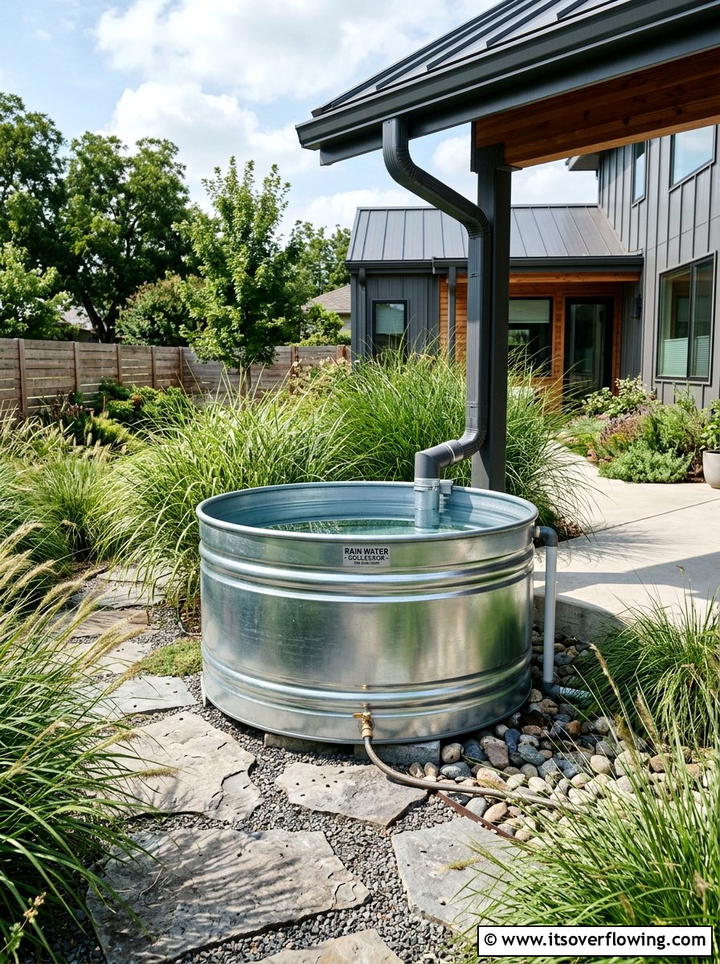
Industrial materials often find a second life in modern landscape design due to their incredible durability and silver finish. A galvanized stock tank, originally used for livestock, serves as an excellent large-scale rainwater harvester when placed beneath a downspout. Its metallic surface reflects the surrounding greenery, creating a clean and contemporary look for your backyard. To ensure it remains functional, you can add an overflow valve that directs excess water toward a nearby rain garden. This setup not only stores hundreds of gallons of water but also acts as a striking architectural element. It works particularly well in farmhouse or modern industrial garden styles where raw materials are celebrated.
3. IBC tote water tank
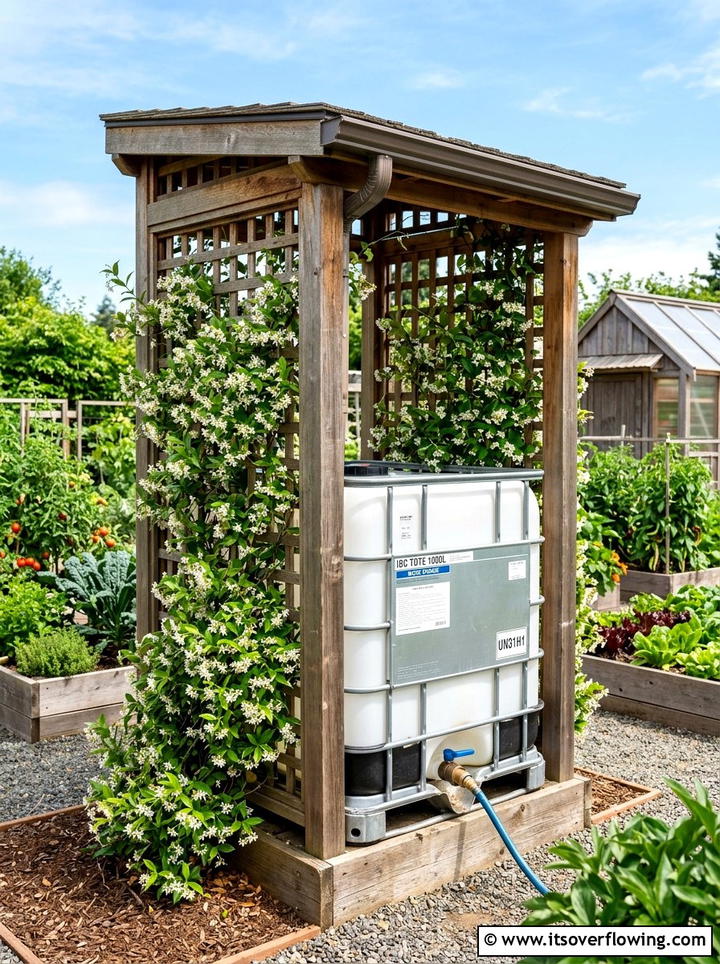
When your gardening goals require serious water storage, an IBC tote is the most efficient recycled solution available. These large industrial cubes can hold over two hundred gallons of rainwater, making them ideal for large vegetable patches or orchards. To make the plastic container more attractive, many gardeners build a decorative wooden frame or a trellis around the exterior. Covering the tote also prevents algae growth by blocking sunlight from reaching the water inside. By connecting multiple totes together, you can create a massive reservoir that ensures your garden thrives even during the hottest summer months. It is a practical and highly cost-effective irrigation strategy.
4. Terra cotta pot water feature
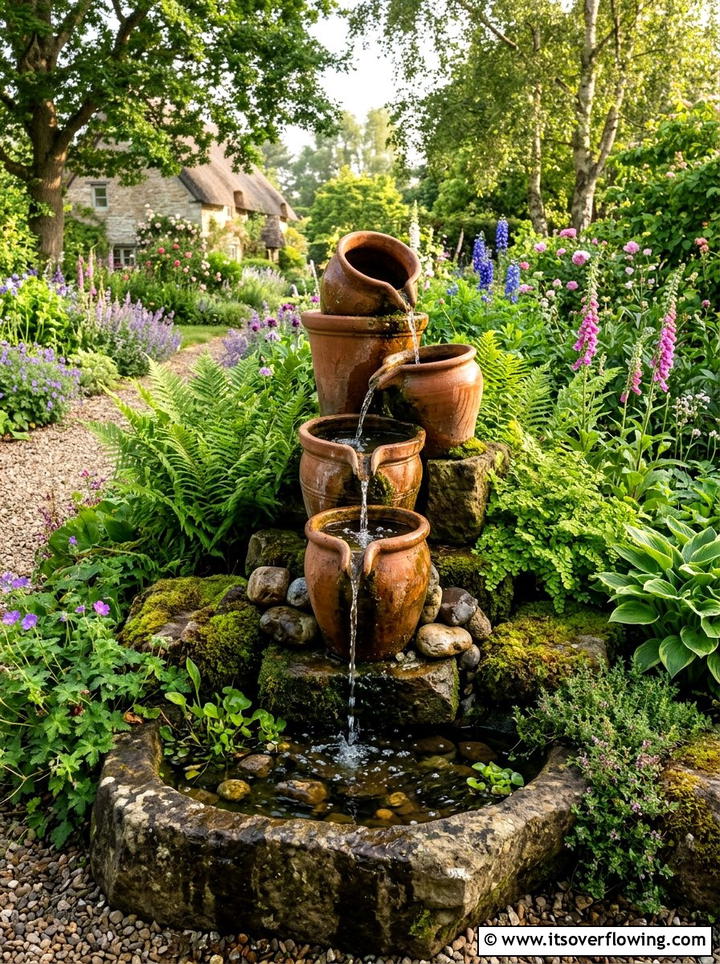
Transforming stacked terra cotta pots into a recirculating water feature is a wonderful way to add soothing sounds to your garden. While this setup primarily focuses on aesthetics, it can be designed to catch and filter rainwater for local birds and beneficial insects. The porous nature of the clay helps cool the water through evaporation, which is a natural benefit in warmer climates. You can arrange the pots in various sizes to create a cascading effect that mimics a natural mountain stream. This recycled project uses broken or old pots that might otherwise be discarded, giving them a new and beautiful life in your quiet garden sanctuary.
5. Old bathtub water garden
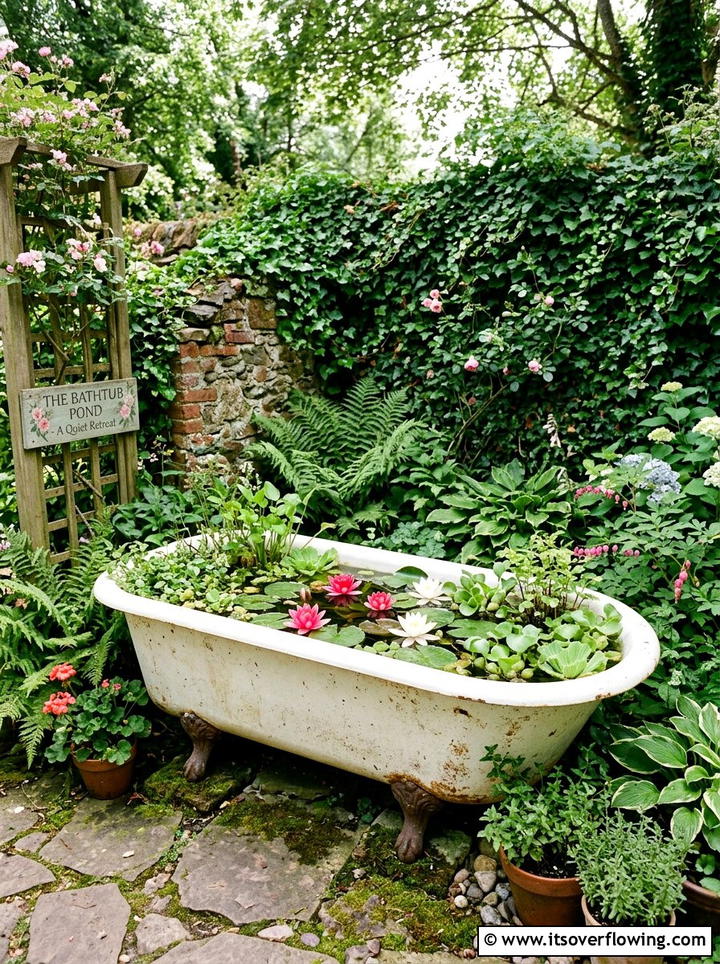
A vintage clawfoot bathtub can be reimagined as a stunning aquatic ecosystem or a deep-set rainwater reservoir. By sealing the drain and filling it with aquatic plants like water lilies and papyrus, you create a focal point that attracts frogs and dragonflies. If you prefer utility, the tub can serve as a massive open-air collector for rain that falls directly into it. The deep basin allows for significant water storage, which can be dipped out with a watering can for nearby pots. Placing the tub in a shaded corner helps keep the water temperature stable and reduces evaporation. It adds a whimsical, cottage-core vibe to any outdoor setting.
6. Plastic bottle irrigation system
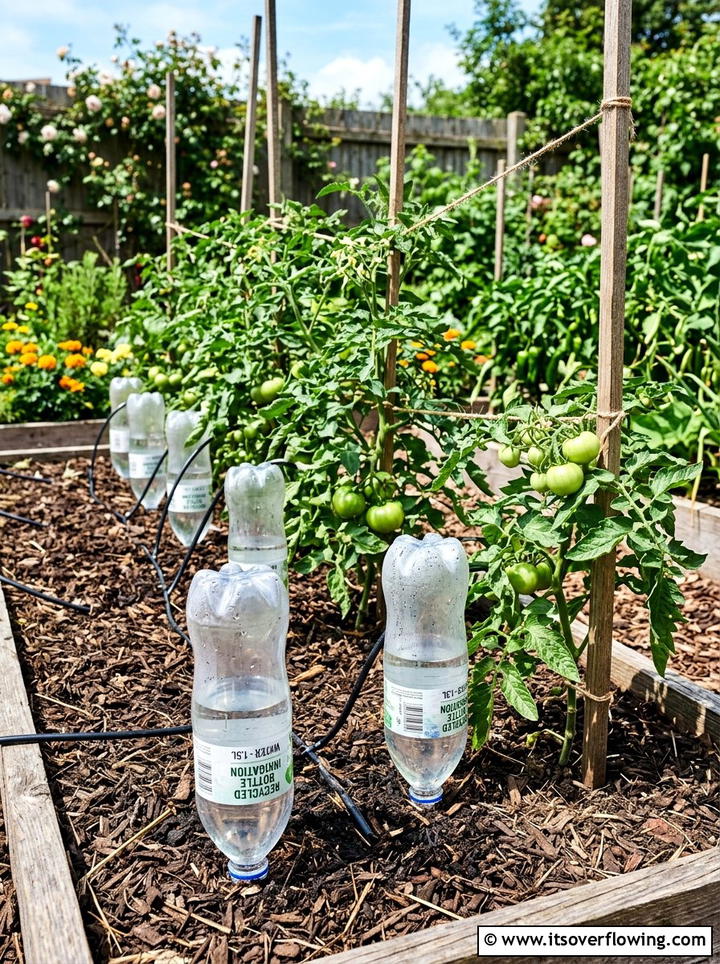
Repurposing plastic soda bottles into a slow-release drip irrigation system is a brilliant way to conserve water and reduce waste. By puncturing small holes in the cap and burying the bottle near the roots of your plants, you ensure deep hydration without runoff. You can fill these bottles manually with harvested rainwater, or position them to catch rain directly from the sky. This method is particularly effective for thirsty vegetables like tomatoes and peppers that require consistent moisture levels. It is an accessible DIY project that helps prevent plastic from entering landfills while keeping your garden lush. This simple recycling hack proves that even small items can make a huge impact.
7. Wooden crate vertical garden
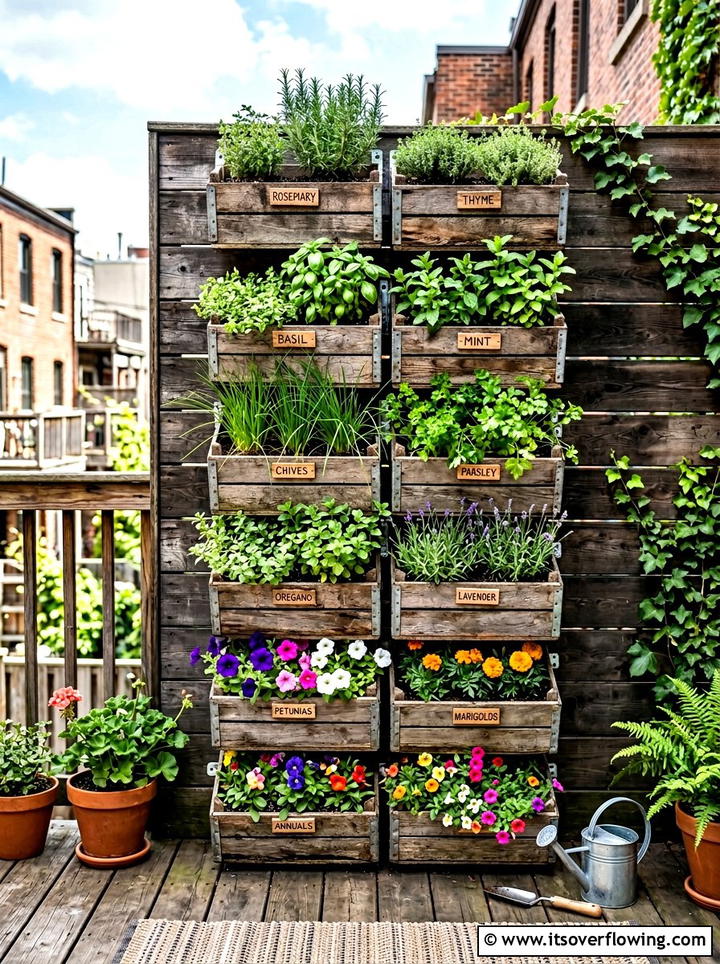
Old wooden crates can be stacked to create a vertical herb garden that doubles as a natural filtration system for rainwater. When it rains, the water flows from the top crates down through the soil of the lower tiers, ensuring every plant gets a drink. This vertical arrangement is perfect for small balconies or tight urban spaces where ground room is limited. You can line the crates with recycled landscape fabric to keep the soil in place while allowing for proper drainage. The rustic look of the wood contrasts beautifully with vibrant green herbs like basil, mint, and rosemary. It is an organized and stylish way to grow food sustainably.
8. Ceramic pitcher water dispenser
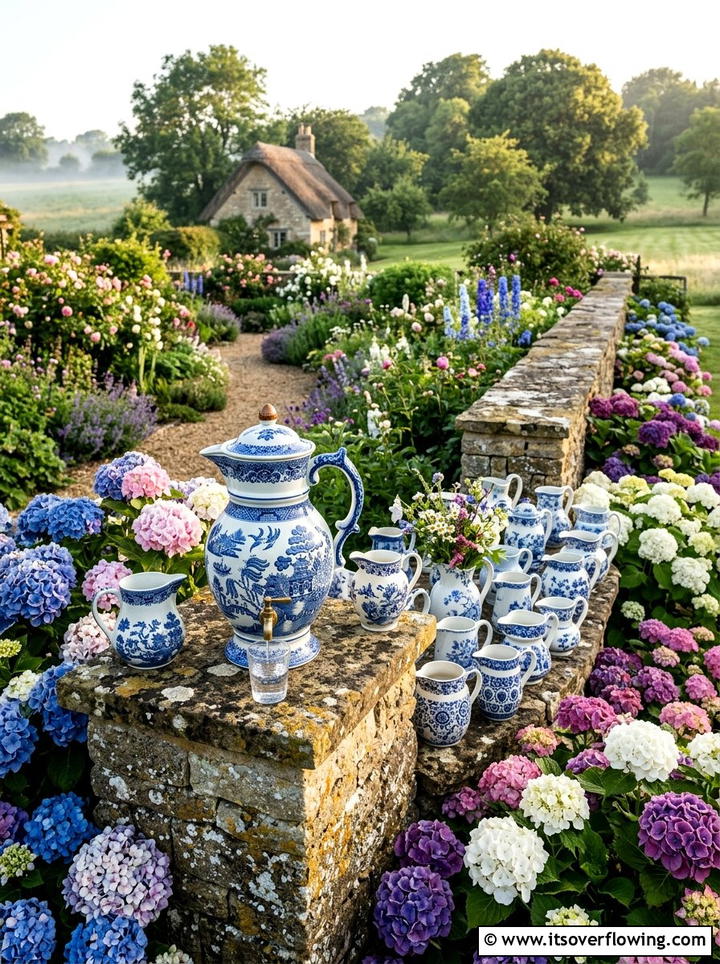
Vintage ceramic pitchers and jugs can be repurposed as charming manual water dispensers throughout your garden beds. Instead of throwing away a chipped pitcher, you can use it to catch rainwater and keep it handy for quick watering tasks. Placing several pitchers on a garden bench or a stone wall creates a curated, lived-in look that feels cozy and inviting. These vessels can also be used as part of a DIY fountain where water spills from one pitcher into a larger basin below. Using these recycled items adds a layer of history and personality to your landscape while serving a very practical, water-focused purpose.
9. Tire pond ecosystem
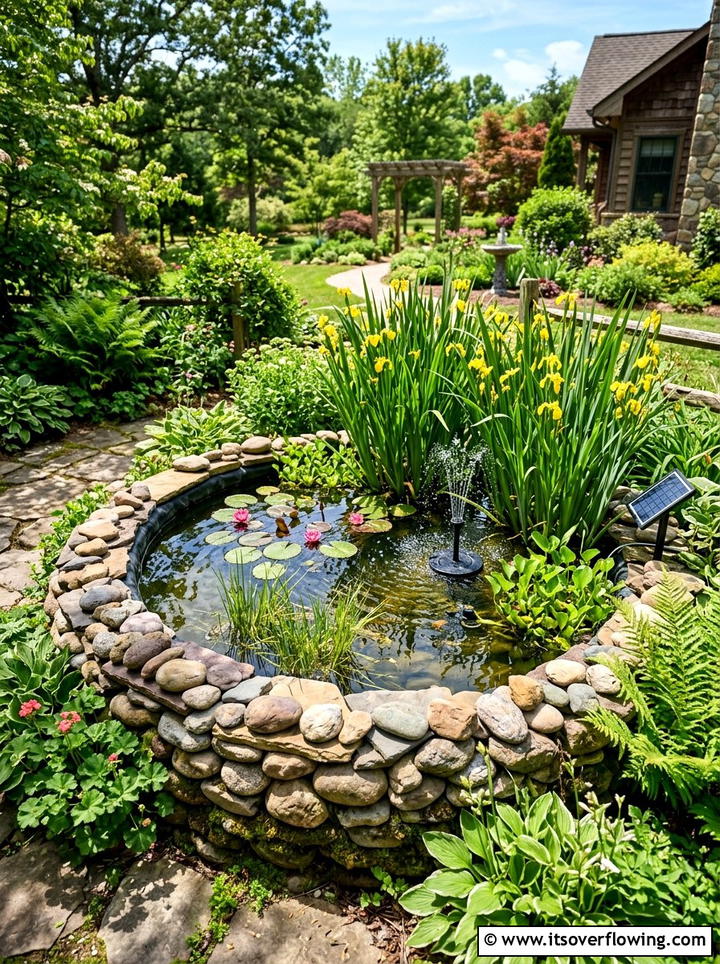
Discarded tires are a major environmental problem, but they can be recycled into incredible garden ponds with a bit of creativity. By digging a hole and lining a large tractor tire with a waterproof membrane, you create a perfect basin for a rainwater-fed pond. You can hide the rubber edges with flat stones or creeping plants to make the pond look completely natural. This small water feature provides a vital habitat for local wildlife while acting as a collection point for surface runoff. It is a rugged and durable solution that turns a piece of trash into a thriving biological hub. The result is a peaceful and eco-friendly backyard addition.
10. Mason jar self watering planter
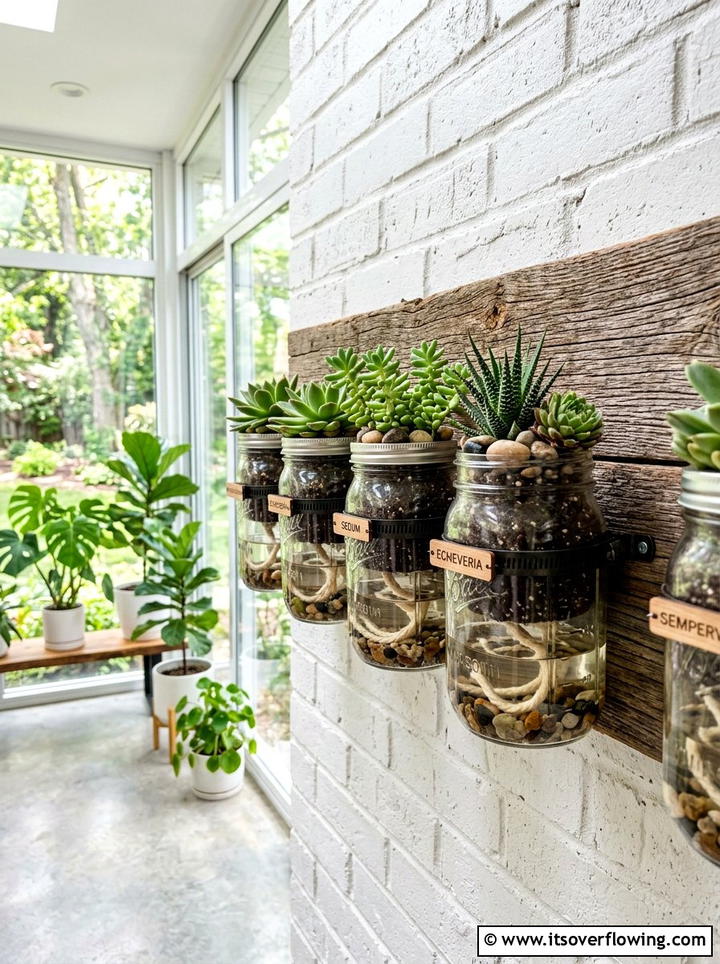
Mason jars are versatile tools for any gardener, especially when they are used to create self-watering systems for indoor or patio plants. By using a wick made from recycled cotton rope, you can draw rainwater from the bottom of the jar up into the soil. This ensures that your plants receive a steady supply of moisture without the risk of overwatering or root rot. These jars can be mounted on a reclaimed wooden board to create a beautiful wall display of succulents or herbs. Using harvested rainwater in these jars prevents the buildup of minerals often found in tap water. It is a clean, modern, and highly effective recycling project.
11. Upcycled sink garden station
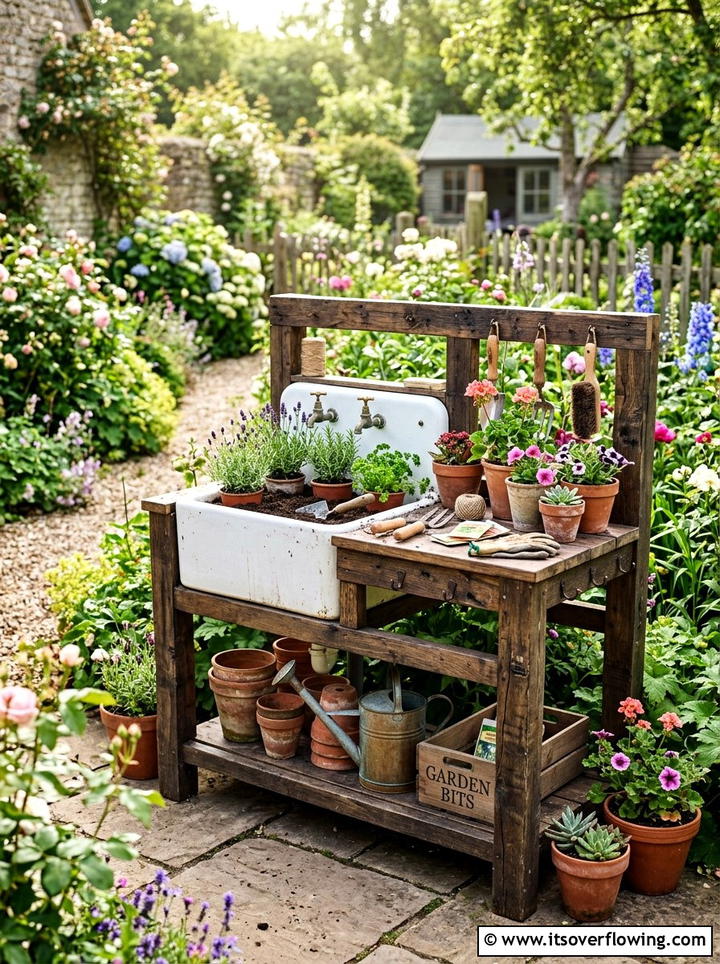
An old porcelain or stainless steel sink can be transformed into a functional potting station with integrated water collection. By mounting the sink outdoors and connecting the drain to a bucket, you can capture every drop of water used for rinsing vegetables or washing hands. The basin itself can also be used as a large planter for moisture-loving flowers like hydrangeas. This setup keeps your gardening tools organized while ensuring that no water goes to waste. The white porcelain of a vintage sink looks striking against dark green foliage and colorful blooms. It is a practical addition for any serious gardener who values efficiency and style.

12. Rain chain metal bucket
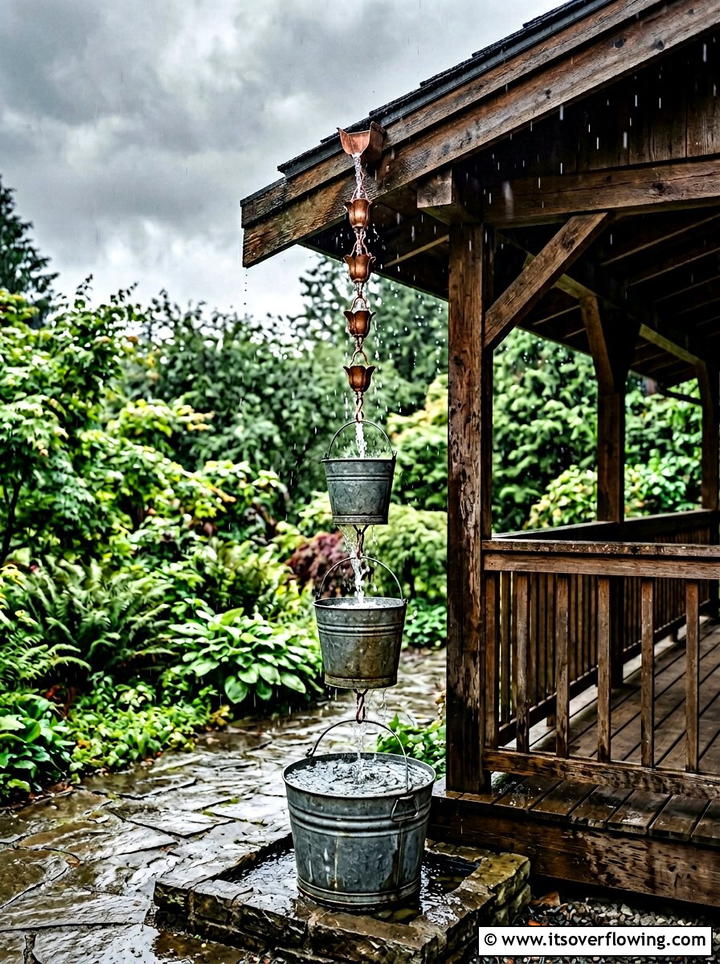
Replacing a traditional downspout with a rain chain and a series of recycled metal buckets is a functional and artistic choice. As the rain falls, it flows down the chain and fills the buckets, which can be tiered to overflow into one another. This creates a beautiful visual and auditory experience during a storm while gathering water for future use. You can use old sap buckets, small pails, or even vintage tin cans for this project. The collected water is easily accessible for watering nearby container plants or flower beds. It is a creative way to manage heavy rainfall while adding a unique decorative element to your home.
13. Glass bottle edger
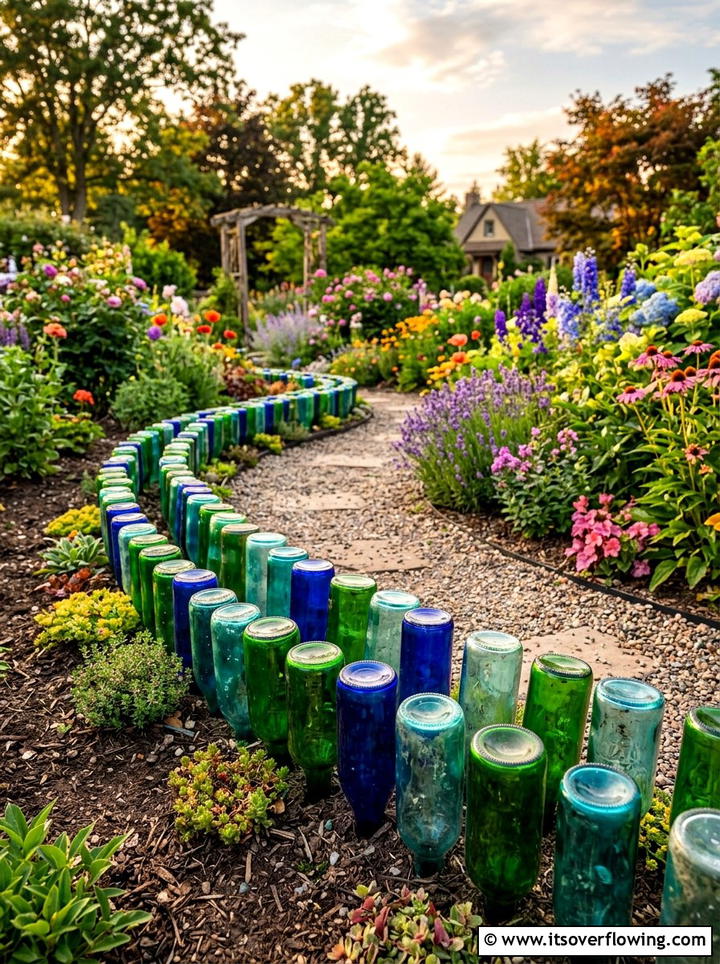
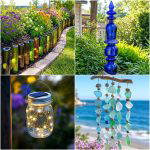
Empty glass bottles can be buried neck-down in the soil to create a colorful and reflective border for your garden paths. These borders help define different areas of your landscape while also acting as a subtle collection point for morning dew and light rain. The glass catches the light beautifully, especially during the golden hour, giving your garden a magical and glowing appearance. This recycling idea is a great way to use wine or soda bottles that would otherwise be tossed in the recycling bin. You can organize them by color for a patterned look or mix them for a more eclectic, bohemian vibe. It is a low-cost landscape upgrade.
14. Metal bucket water harvester
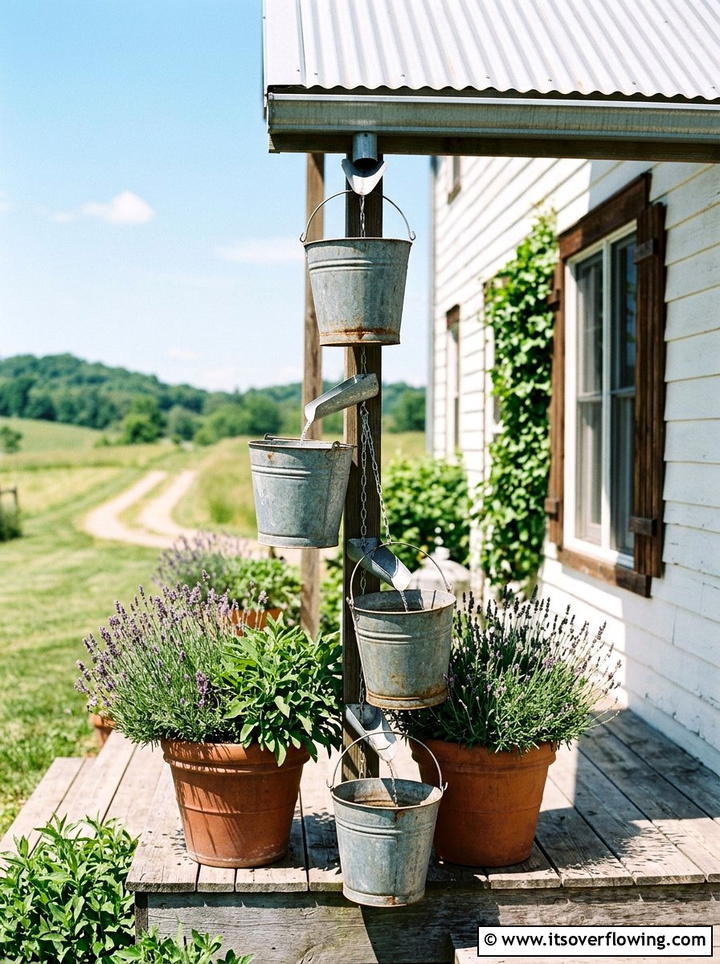
Rustic metal buckets are perfect for catching rainwater in small spaces where a full-sized barrel won’t fit. You can place these buckets strategically under roof eaves or at the end of a short rain chain to gather clean water for your plants. Because they are portable, you can easily carry the collected water to the specific areas of your garden that need it most. The galvanized metal resists rust and fits perfectly into a farmhouse or cottage garden aesthetic. Using a variety of sizes and heights adds visual interest to your patio while serving a vital ecological function. It is a simple, effective, and very affordable solution.
15. Pallet wood barrel surround
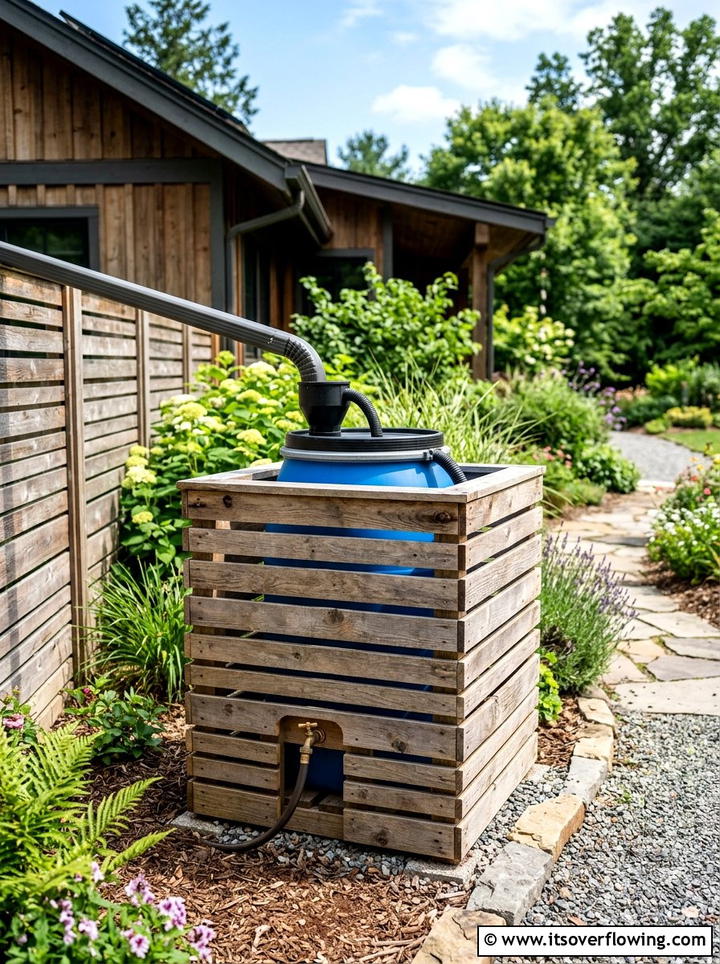
Many gardeners find plastic rain barrels to be eyesores, but you can easily hide them using reclaimed pallet wood. Building a simple slatted box around your water collector transforms a utility item into a beautiful wooden feature that matches your deck or fencing. This project allows you to customize the look with paint or stains that complement your outdoor decor. You can even add a small shelf on top to hold potted plants or garden tools. Recycling pallets is a sustainable way to source building materials for free or very little cost. The result is a polished and professional look for your rainwater harvesting system.
16. Bamboo pipe irrigation
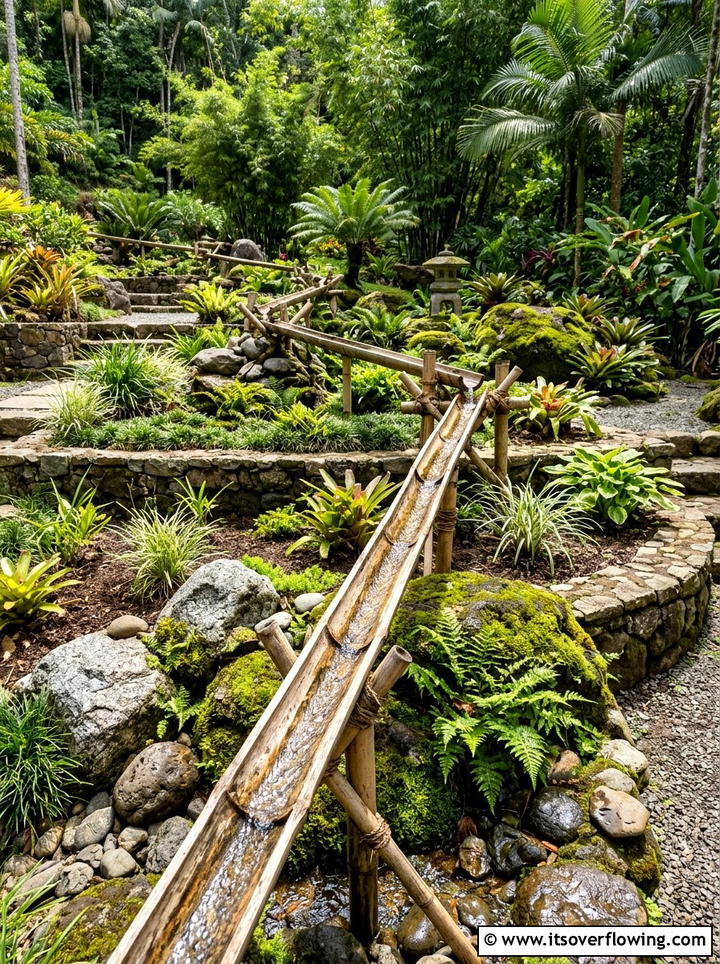
Bamboo is a natural, biodegradable material that can be used to create an elegant and effective gravity-fed irrigation system. By splitting bamboo poles and connecting them in a series of runs, you can direct rainwater from your collector to various parts of the garden. This method mimics ancient irrigation techniques and adds a peaceful, Zen-like atmosphere to your outdoor space. The gentle sound of water trickling through the bamboo pipes is incredibly relaxing during a light rain. It is a fantastic way to utilize a fast-growing renewable resource to solve a practical garden need. This recycled system is as beautiful as it is functional for sustainable watering.
17. Concrete block water reservoir
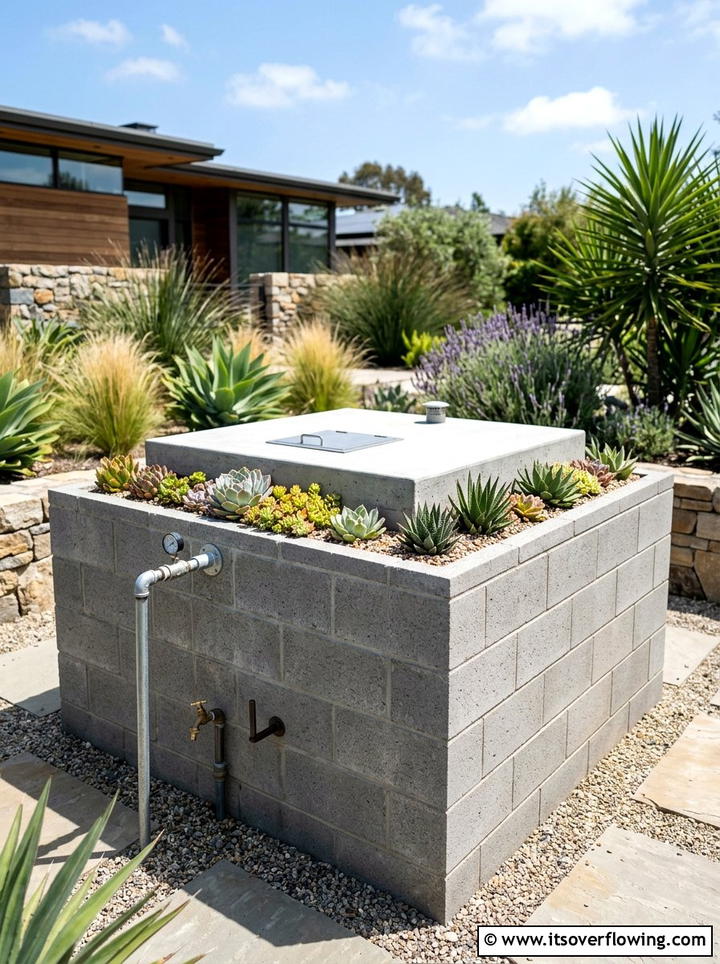
Standard concrete blocks can be used to build a sturdy and permanent reservoir for rainwater or a large raised bed with built-in drainage. By sealing the interior of a block structure, you can create a customized tank that fits perfectly into a corner of your yard. The flat tops of the blocks can also be used as planters for small succulents or herbs, making the reservoir do double duty. This industrial material is incredibly long-lasting and provides a modern, structured look to your garden layout. It is an excellent way to repurpose construction leftovers into a high-capacity water storage solution that will last for many decades.
18. Enamel wash basin birdbath
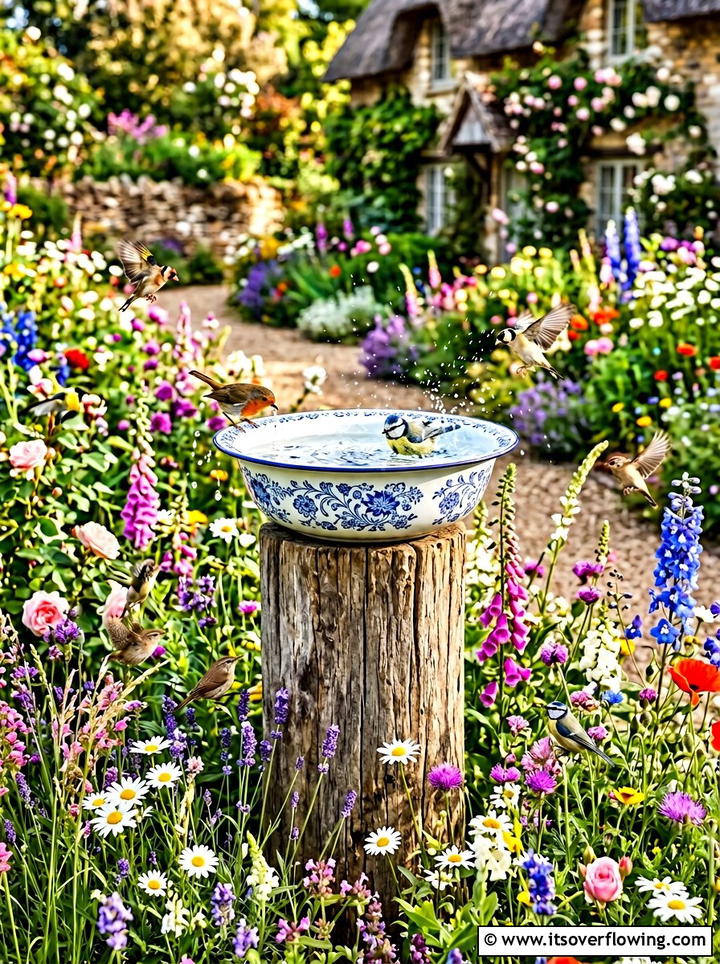
A vintage enamel wash basin makes a perfect shallow birdbath that can catch rainwater for your feathered friends. Placing the basin on a decorative pedestal or a stump provides a safe place for birds to drink and bathe. Because the enamel is smooth, it is very easy to clean and maintain, ensuring the water stays fresh. During rain showers, the wide surface area of the basin gathers plenty of water to keep it full throughout the week. This recycled piece adds a touch of nostalgia and country charm to your garden. It is a wonderful way to support local biodiversity while using a beautiful antique item.
19. Galvanized trash can water storage
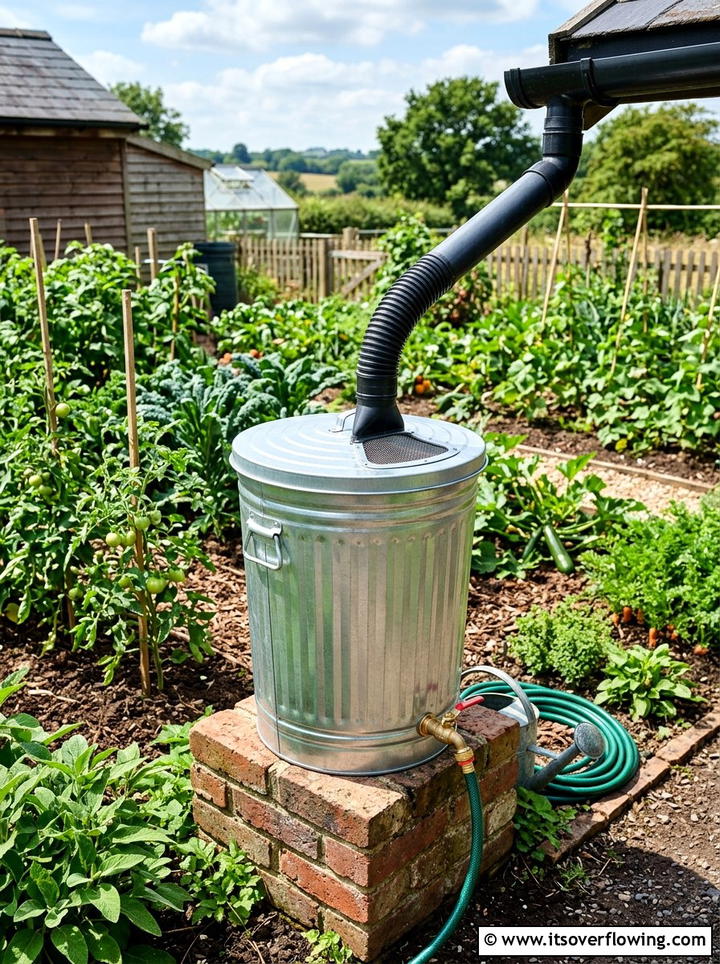
If you are on a budget, a brand-new or cleaned-up recycled galvanized trash can makes a surprisingly effective rain barrel. These cans are built to withstand the elements and can hold a significant amount of water for your backyard needs. You can drill a hole near the bottom to install a spigot and keep the lid on to prevent debris from entering. The shiny metal finish looks great in many different garden settings, from modern to traditional. It is a durable and practical choice for anyone looking to start harvesting rainwater without a major financial investment. This simple swap is a win for both your wallet and the planet.
20. Painted barrel planter
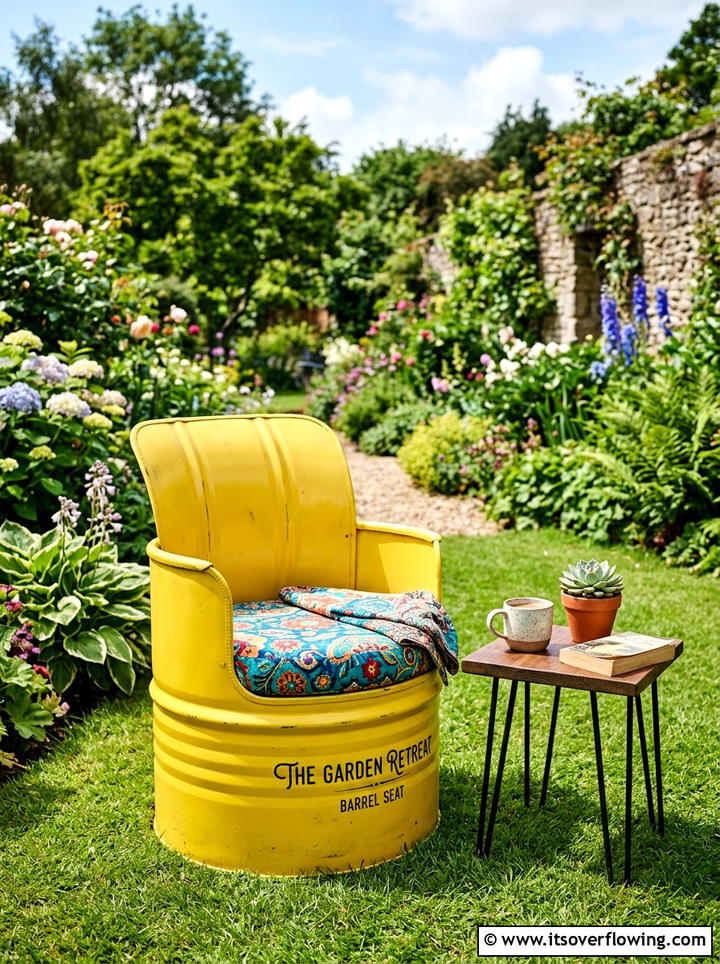
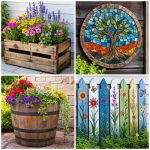
Old plastic or metal barrels can be cut in half and painted to create large-scale planters that include a hidden water reservoir at the bottom. By creating a false floor, you can store extra rainwater that the plants can draw from during dry spells. This “wicking bed” design is incredibly efficient and reduces the frequency of watering required. Bright colors and bold patterns can turn these industrial containers into vibrant pieces of garden art. They are deep enough for large shrubs or even small fruit trees, making them a versatile choice for any landscape. Recycling these large barrels keeps bulky items out of the waste stream effectively.
21. Wheelbarrow mobile water garden
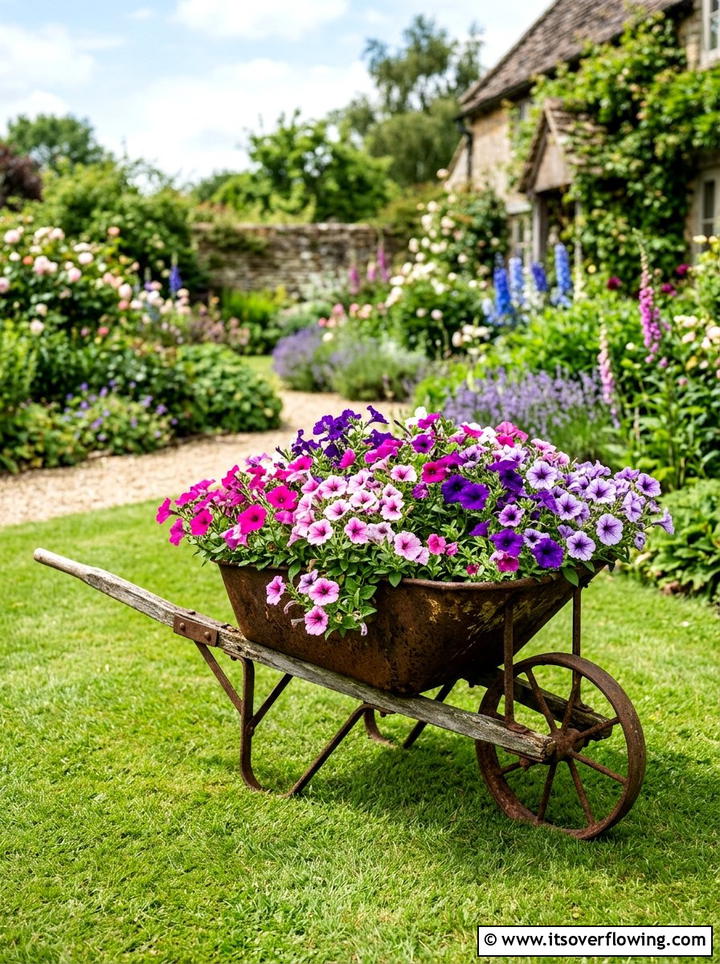
An old, rusted wheelbarrow can be given a second life as a mobile water garden or a portable rainwater collector. By filling the basin with water and adding floating plants like fairy moss or duckweed, you create a miniature pond that can be moved around. This flexibility allows you to position the wheelbarrow under a downspout during a storm and move it to a sunny spot later. It is a whimsical and creative way to use a tool that is no longer fit for heavy hauling. The weathered metal and classic shape provide a rustic focal point that sparks conversation and adds character to your backyard.
22. Log hollowed water trough
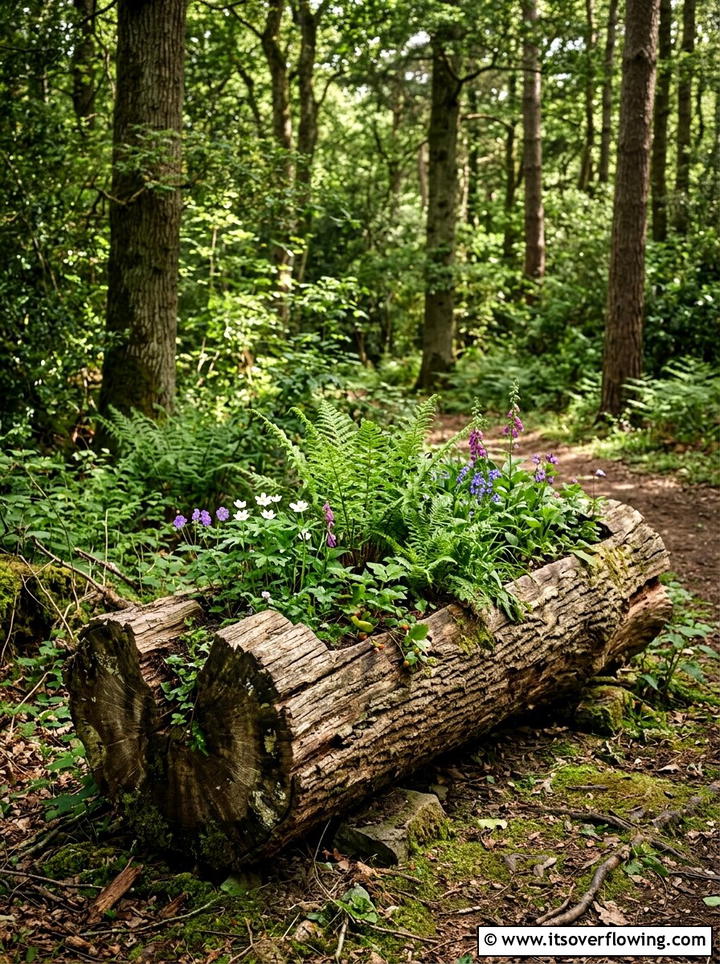
Using a fallen log to create a natural water trough is a beautiful way to recycle forest debris back into your garden. By hollowing out the center of a thick log, you create a rustic basin that can catch rain and provide water for local wildlife. Over time, the log may grow moss or ferns, making it look like a permanent and natural part of the environment. This project requires no synthetic materials and blends perfectly into a woodland or shade garden. It serves as a reminder of the beauty found in nature’s lifecycle. This organic approach to water collection is both peaceful and highly sustainable for any space.
23. Watering can tiered fountain
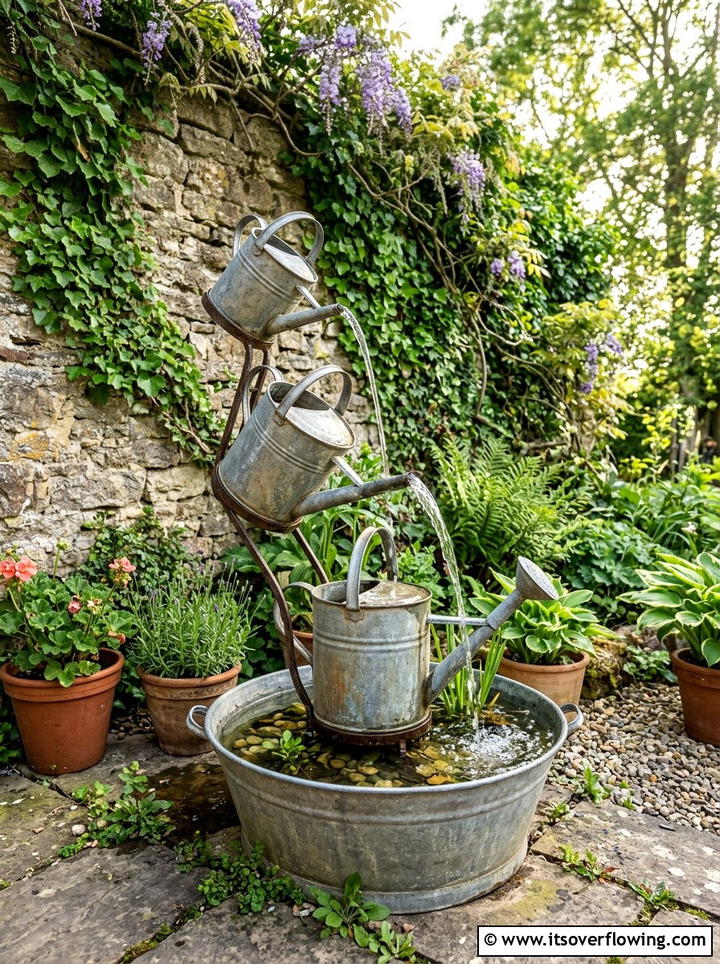
Repurposing a collection of vintage metal watering cans into a tiered fountain is a brilliant tribute to the art of gardening. You can arrange the cans so that rainwater overflows from the top can into those below, creating a cascading waterfall effect. This setup can be connected to a small pump for a continuous flow or left as a passive rain collector. The sight of water pouring from the spouts is incredibly charming and adds a sense of movement to your patio. Using recycled watering cans in this way celebrates the history of garden tools while providing a functional and beautiful water feature for your enjoyment.
24. Old boots succulent planter
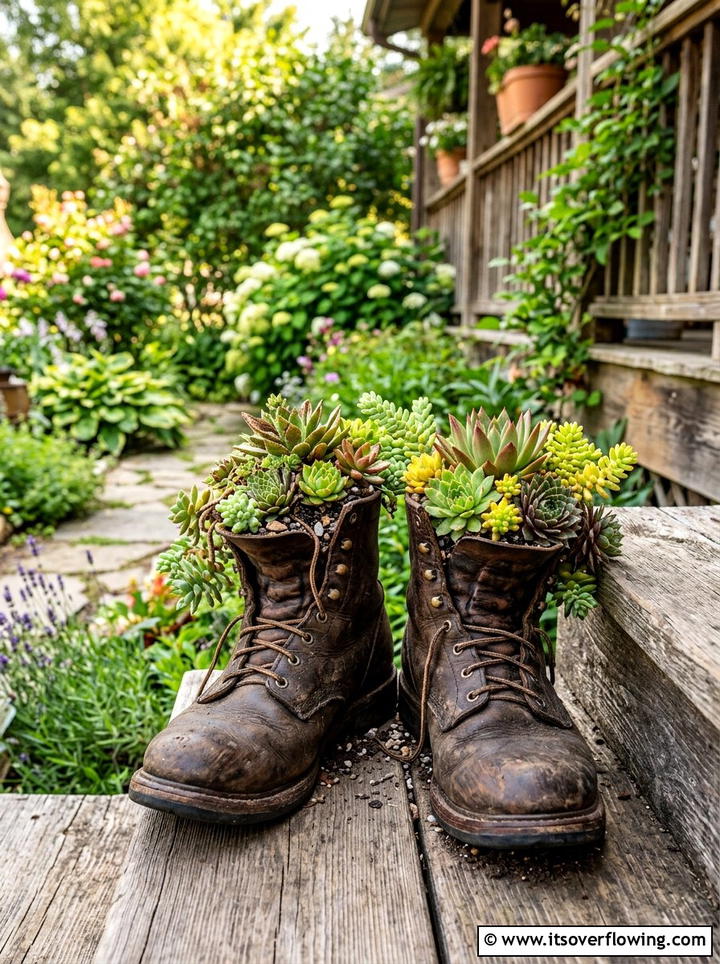
Don’t throw away your old leather or rubber boots when they wear out; turn them into unique planters that manage water efficiently. By adding a few drainage holes and filling them with soil, you can grow succulents that thrive on the rainwater collected through the tops. These boots can be lined up on a porch or tucked into a flower bed for a playful and unexpected touch. They are particularly good at holding moisture while allowing excess rain to drain away, protecting delicate roots. This recycling idea is a fun way to personalize your garden with items that have a history and a story to tell.
25. Wooden ladder plant stand
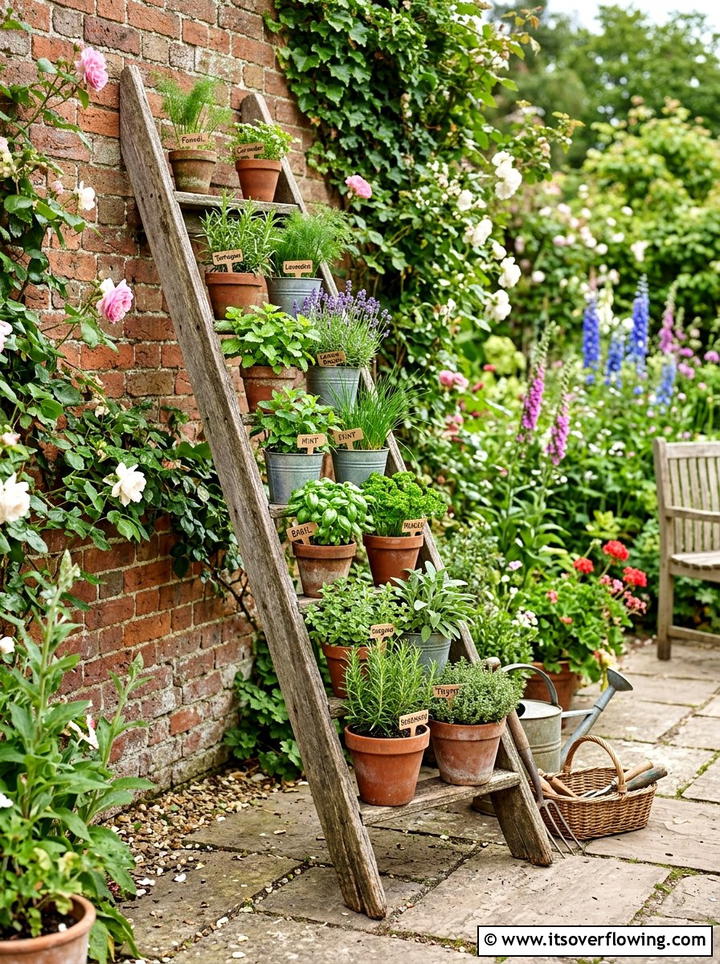
An old wooden ladder can be repurposed as a multi-tiered plant stand that helps organize your rainwater-fed container garden. By placing small recycled buckets or pots on each rung, you create a vertical display that makes the most of your outdoor space. You can position the ladder near a water barrel for easy access to your harvested supply. The vertical height allows for better airflow around your plants and makes harvesting herbs or flowers much easier on your back. This recycled ladder adds a farmhouse feel to your garden while keeping your space tidy and productive. It is a simple yet effective way to upcycle.
Conclusion:
Embracing recycled garden ideas with rainwater collection is a powerful way to make your outdoor living space more resilient and beautiful. By looking at everyday objects through a lens of potential, you can create a unique sanctuary that respects the planet’s resources. Each of these twenty-five projects offers a chance to experiment with different styles, from industrial galvanized steel to rustic reclaimed wood. Not only do these methods help conserve water, but they also reduce waste in landfills by giving old items a new purpose. As you implement these designs, your garden will become a thriving example of sustainable living and creative expression for years to come.

Related posts:
 25 recycled garden ideas with recycled glass art to Love
 25 recycled garden ideas with recycled metal art to Try
 25 recycled garden ideas with recycled plastic projects
 25 recycled garden ideas with recycled wood art to Try
 25 recycled garden ideas with garden markers: Fun DIYs
 25 recycled garden ideas with gutter garden: Space-Saving
 25 recycled garden ideas with pallet wall garden DIYs
 25 Recycled Garden Ideas DIY Projects for Outdoor Charm
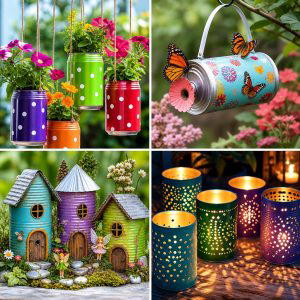 25 recycled garden ideas with aluminum cans: Clever DIYs
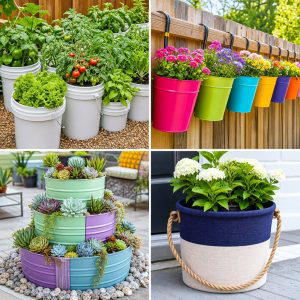 25 recycled garden ideas with buckets: Budget DIY Planters
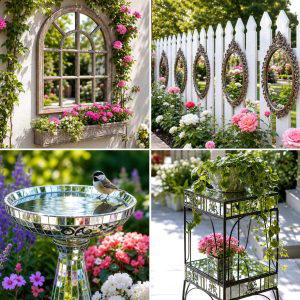 25 recycled garden ideas with mirror pieces: Bright DIYs
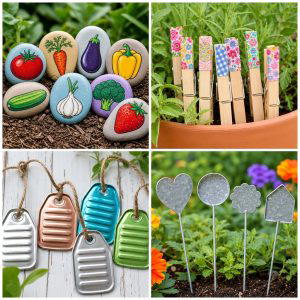 25 recycled garden ideas with plant labels for Easy DIY