
Creating a beautiful garden doesn’t always require a large budget or trips to expensive home decor boutiques. Many people find that the most charming outdoor spaces are those filled with personality and history. By reusing old things, you can give your yard a unique look that reflects your personal style. It is also a fantastic way to keep items out of landfills and help the environment. From vintage furniture to kitchen scraps, the possibilities for upcycling are truly endless. You will feel a sense of pride every time you look at something you saved and transformed. This approach allows you to experiment without much financial risk. Let’s explore some creative ways to breathe new life into forgotten treasures today.
1. Old ladder plant stand
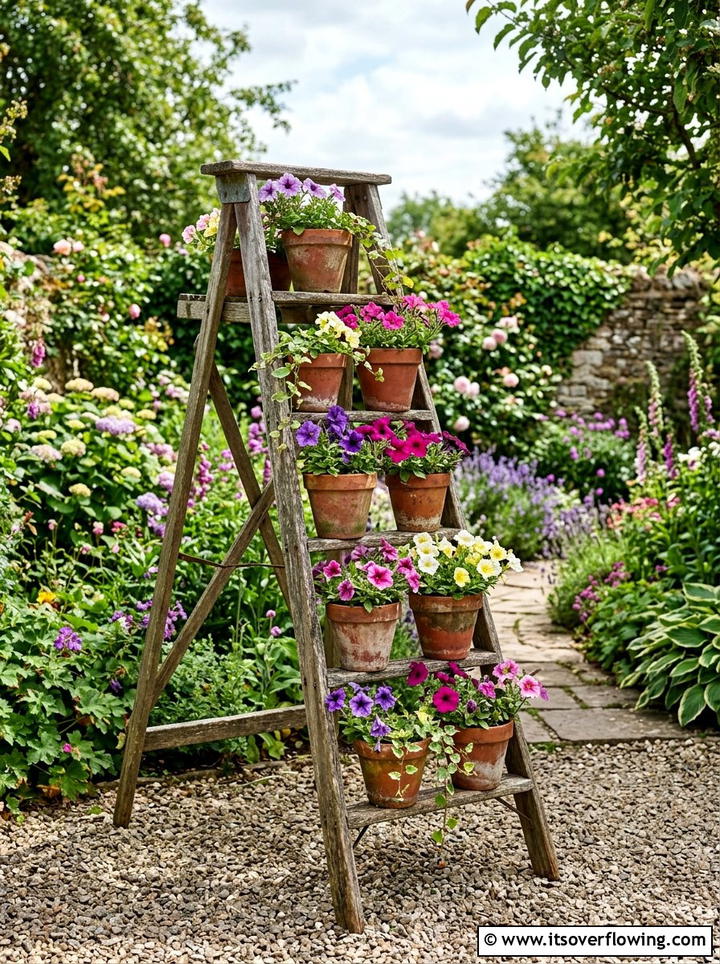
Using a vintage wooden ladder is one of the easiest ways to add vertical height to your outdoor area. You can lean it against a wall or let it stand freely in a flower bed. The steps act as perfect shelves for a variety of potted plants and herbs. This setup allows you to display many different colors and textures in a very small footprint. If the wood is weathered, it adds a lovely rustic touch to the space. You might also choose to paint it a bright color to make a bold statement. Just make sure the ladder is stable and secure before adding your heavy clay pots.
2. Used tire flower bed
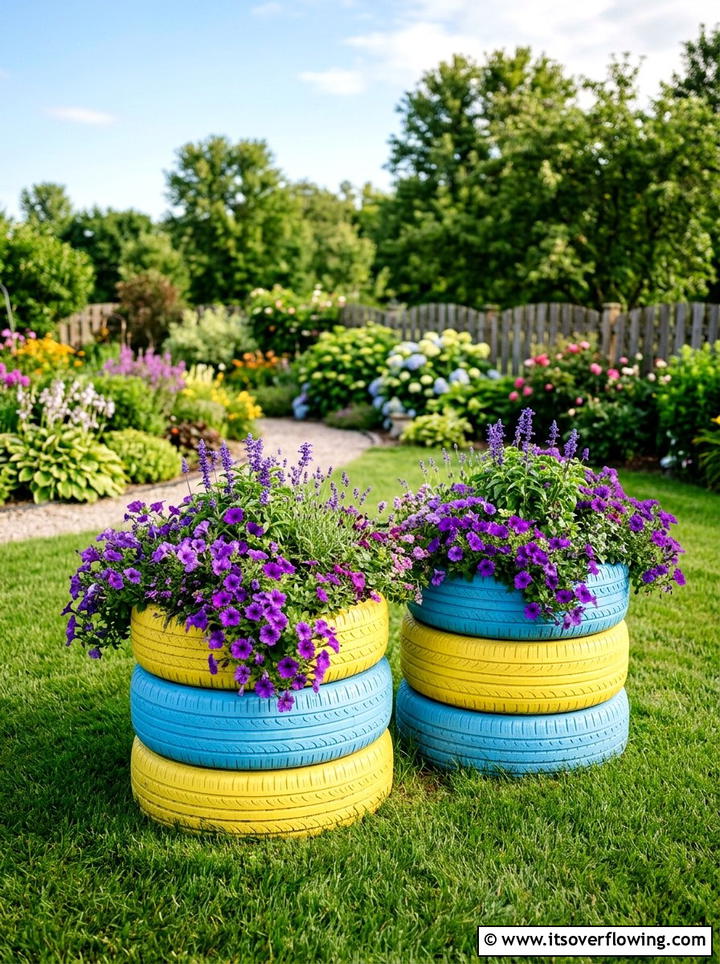
Old tires often end up in the trash, but they make excellent containers for hardy flowers. You can stack them to create different heights or place them side by side for a uniform look. A quick coat of outdoor spray paint can turn a black tire into a vibrant piece of art. These are perfect for planting cascading flowers like petunias or trailing vines. The rubber helps retain heat, which some plants absolutely love during the cooler months. Just be sure to drill a few drainage holes in the bottom. This ensures your plants stay healthy and do not sit in stagnant water after a rain.
3. Vintage bicycle planter
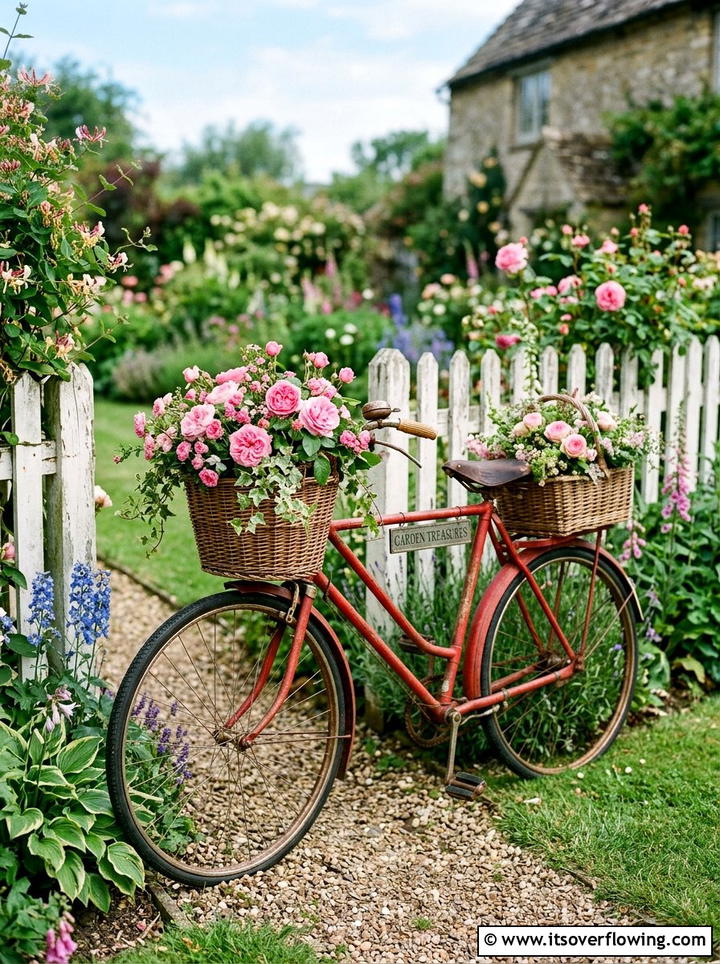
A rusty old bicycle can become a stunning focal point in any garden setting. You can place it near a fence or lean it against a large tree for a nostalgic feel. Attach wicker or wire baskets to the handlebars and the back rack to hold overflowing flowers. Many gardeners prefer using colorful annuals to create a striking contrast against the metal frame. This idea brings a sense of movement and whimsy to an otherwise static landscape. It is a great way to use a bike that is no longer safe for riding on the street. Your guests will certainly notice this creative piece of yard art.
4. Wooden pallet vertical garden
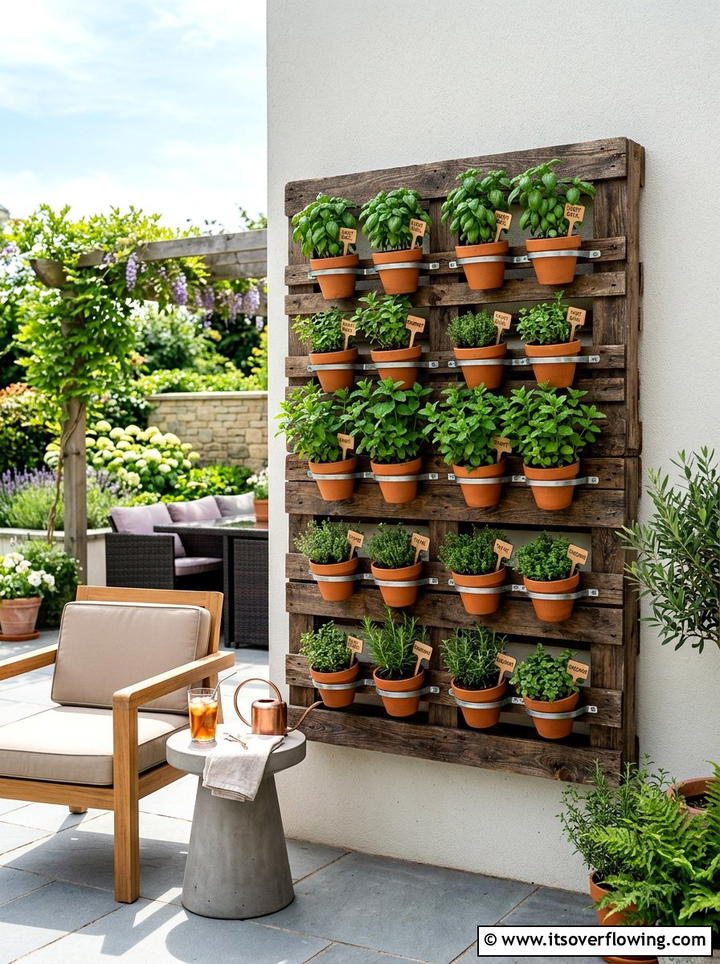
Wooden pallets are widely available and perfect for creating a lush vertical herb garden. You can lean a pallet against a sunny wall to save ground space. Simply attach landscape fabric to the back and bottom of the slats to hold the soil in place. Fill the gaps with potting mix and plant your favorite herbs or small succulents. This method is ideal for small urban balconies or patios where space is very limited. It keeps your plants at eye level for easy harvesting and care. Plus, the natural wood look fits perfectly with a rustic or modern farmhouse aesthetic for your home.
5. Galvanized metal tub pond
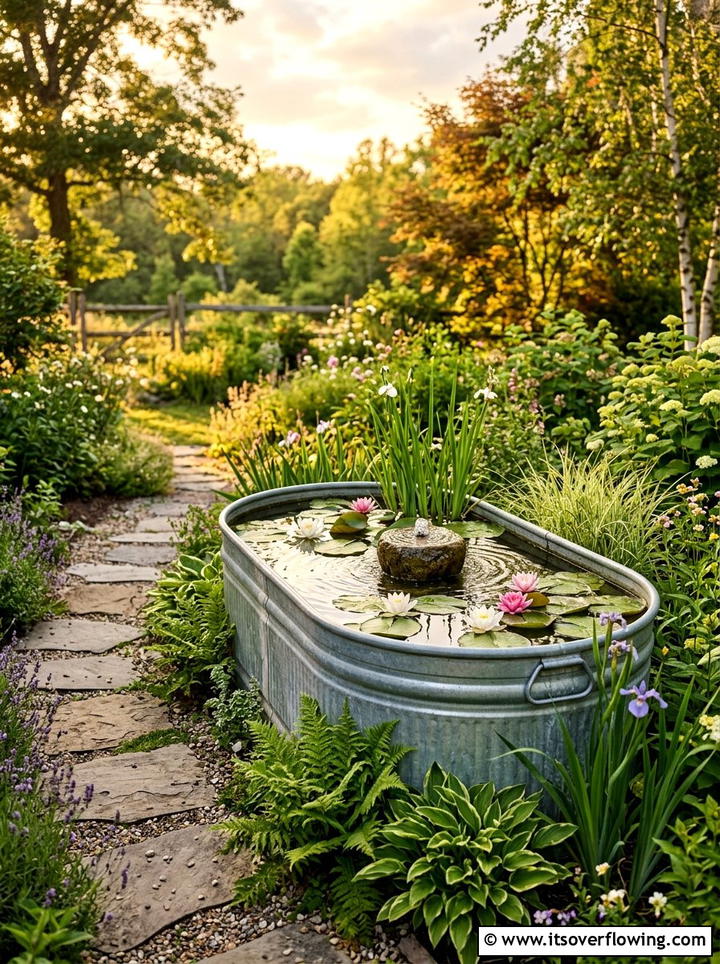
Transforming a galvanized metal tub into a small water feature adds a soothing element to your garden. These large containers are durable and can hold enough water for several aquatic plants. You can add a small solar-powered pump to create a gentle bubbling sound. Water lilies and floating lettuce look beautiful in these rustic tubs. This feature will attract birds and beneficial insects to your yard throughout the summer. It is much easier to maintain than a large dug-out pond. Place it on a flat surface like a patio or a bed of gravel for the best results in your garden.
6. Old drawer flower box
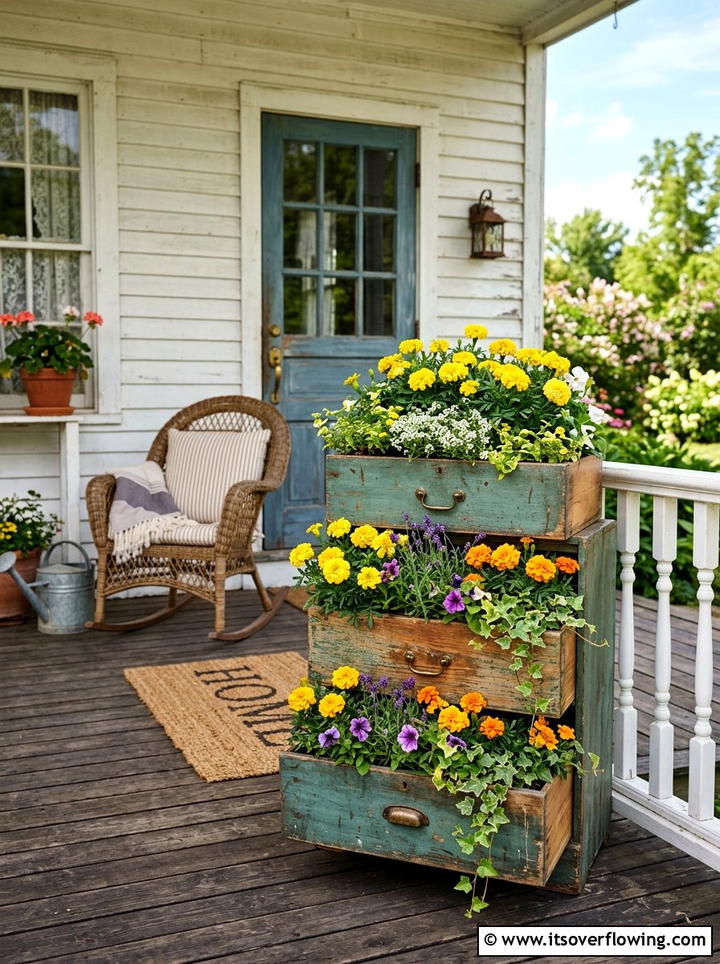
Instead of throwing away an old dresser, save the drawers to use as charming plant boxes. You can place them directly on the ground or stack them on a porch for a tiered look. It is important to line the drawers with plastic to prevent the wood from rotting quickly. Adding a few drainage holes will help your plants thrive in their new home. These drawers are perfect for growing low-growing flowers or even small salad greens. They add a cozy, indoor feeling to your outdoor living space. You can even leave the original handles on for a bit of extra vintage character.
7. Tea pot succulent garden
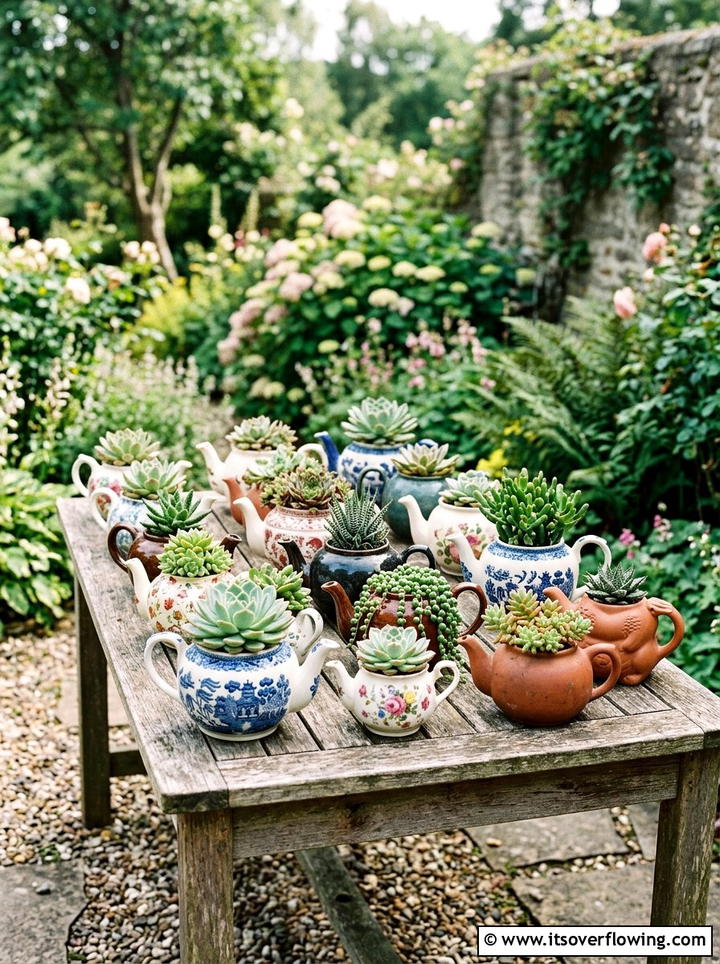
Vintage tea pots and coffee pots make delightful small planters for drought-tolerant succulents. Their unique shapes and patterns add a touch of elegance to a garden table or shelf. Since succulents do not need much water, these smaller vessels work perfectly for them. You should still try to drill a small hole in the bottom for drainage if possible. If you cannot drill, use a layer of pebbles at the bottom to help manage moisture. These little pots are easy to move around and can even be brought inside during the winter. They make wonderful conversation pieces when you are entertaining guests outdoors.
8. Wine bottle garden border
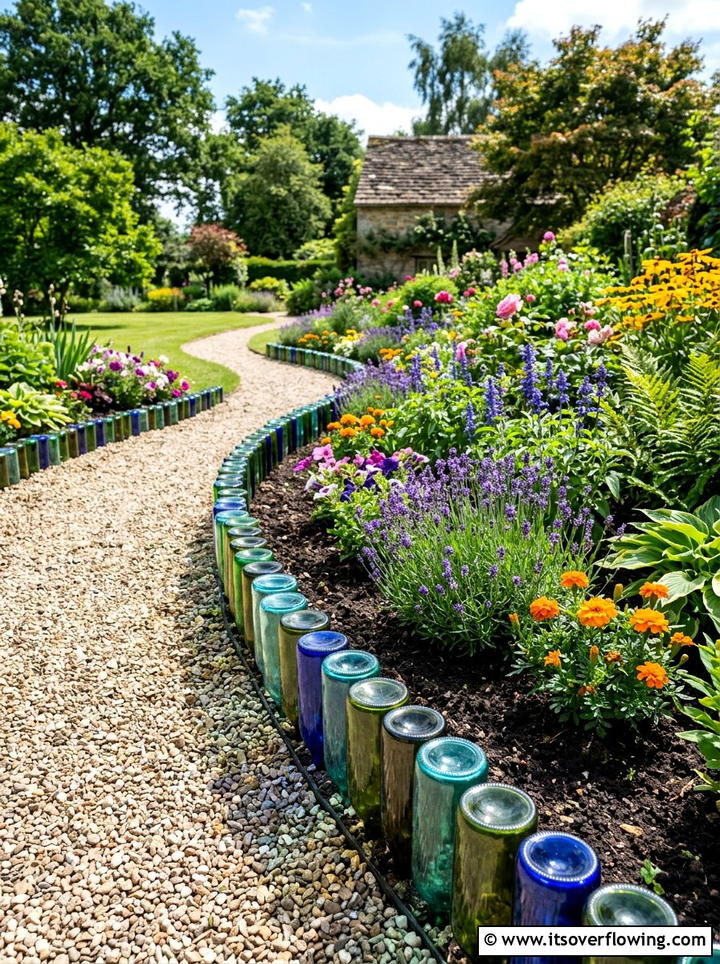
Empty wine bottles can be repurposed into a colorful and sturdy border for your flower beds. By burying the bottles neck-down into the soil, you create a clean edge that keeps mulch in place. The glass catches the sunlight and adds a beautiful glow to your garden paths. You can mix different colors like green, blue, and clear for a mosaic effect. This is a very inexpensive way to define different areas of your landscape. It also prevents grass from creeping into your sensitive flower areas. Make sure to pack the soil tightly around each bottle so they stay upright and very secure.
9. Colander hanging basket
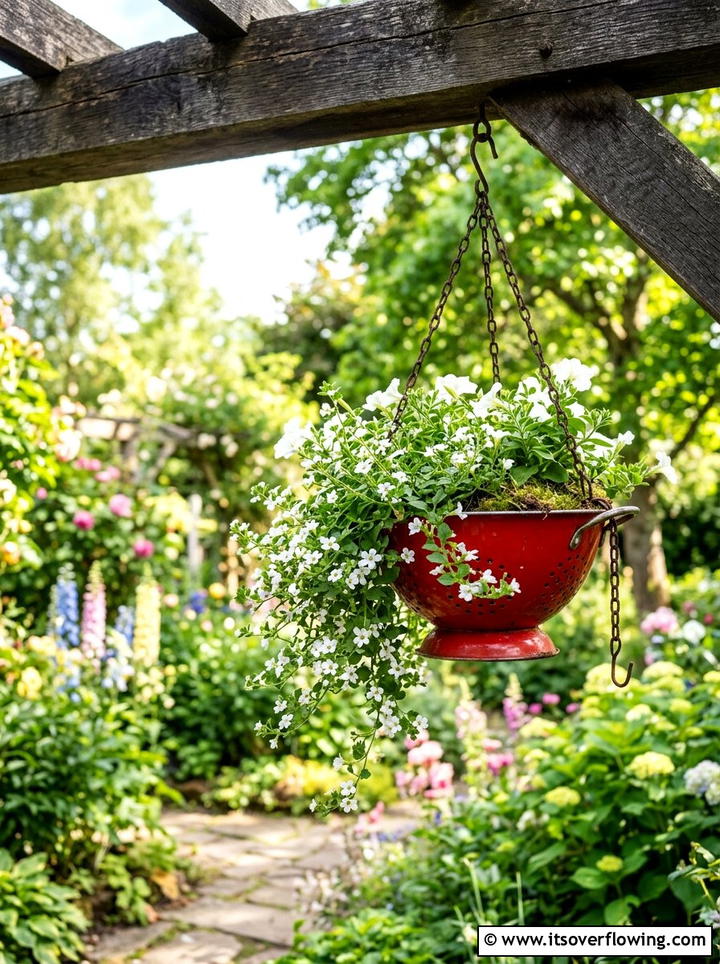
An old metal colander is a genius choice for a hanging planter because it already has drainage holes. You can use the sturdy handles to attach chains or strong twine for hanging. These look fantastic when filled with bright trailing flowers or even strawberry plants. The holes allow for excellent air circulation, which helps keep plant roots healthy and strong. You can find colanders in various colors to match your existing outdoor decor theme. They bring a fun and unexpected kitchen element into the natural world. Hang them from a porch roof or a sturdy tree branch for an instant pop of garden color.
10. Chandelier bird feeder
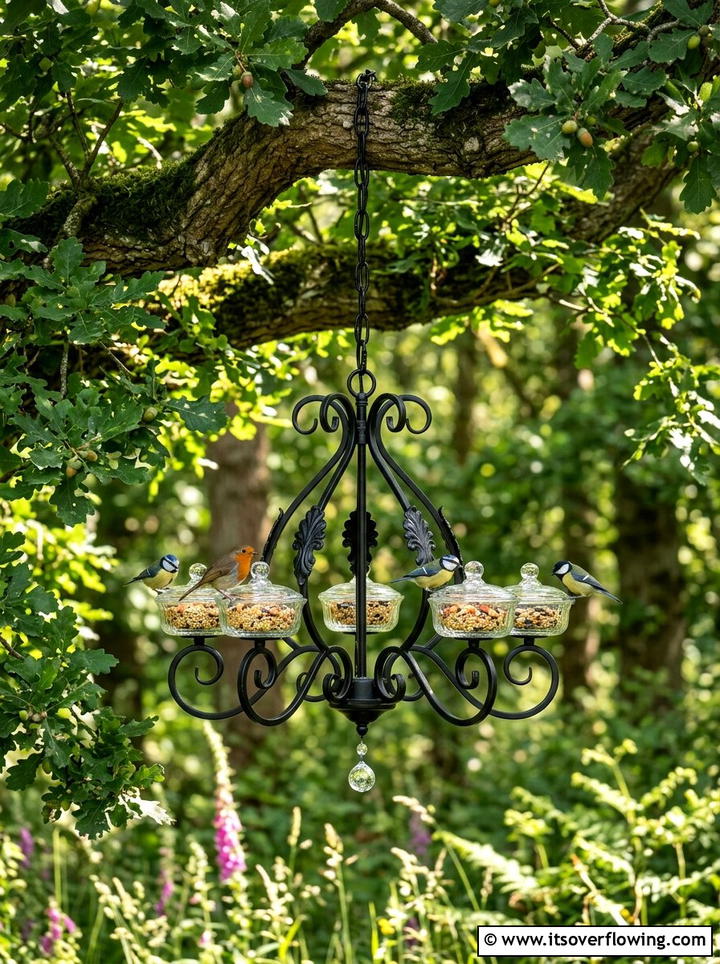
You can give a discarded indoor chandelier a second life as a stylish bird feeder. By replacing the light bulbs with small glass dishes, you create multiple spots for birdseed. This hanging piece adds a touch of sophistication to your trees or garden hooks. The different levels allow multiple birds to eat at the same time without fighting. You can even add a small birdbath to the center if the design allows for it. Painting the frame a bright color makes it stand out against the green leaves. It is a wonderful way to enjoy nature while recycling a beautiful piece of home lighting.
11. Window frame trellis
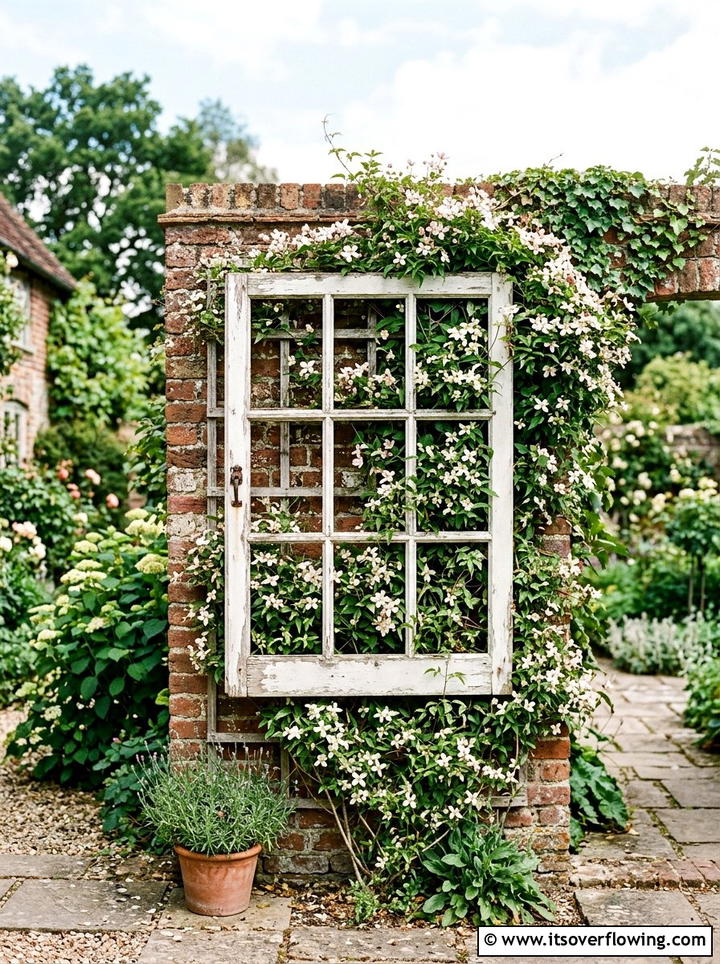
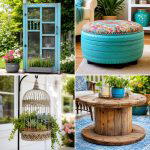
Old wooden window frames with the glass removed make excellent trellises for climbing plants. You can lean them against a wall or secure them to a fence for extra support. Vines like morning glories or sweet peas will easily wrap around the wooden dividers. This adds an architectural element to your garden that looks beautiful even in the winter. The weathered wood provides a nice contrast to the soft green leaves and bright flower petals. You can also use the frame to hang small decorative items or lanterns. It creates a sense of structure and history in a newly planted garden area.
12. Rubber boot planter
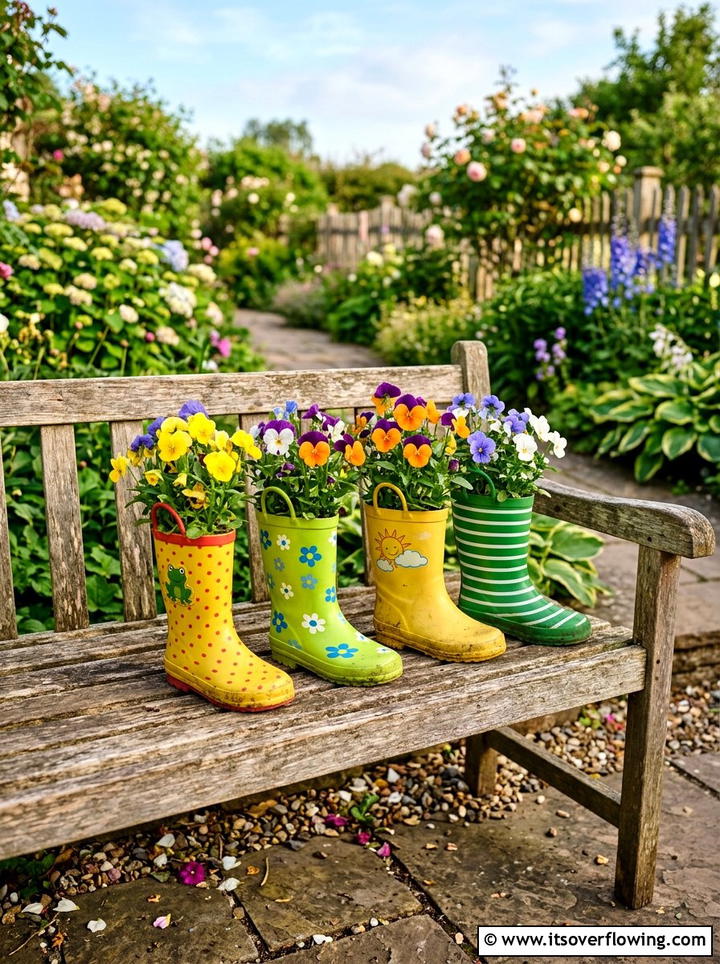
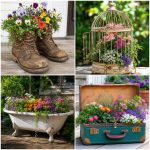
When children outgrow their colorful rubber boots, don’t throw them away just yet. These boots make the most adorable planters for a whimsical garden display. You can line them up along a path or hang them from a wooden fence. Be sure to poke holes in the soles so that excess water can escape easily. Fill them with bright pansies or petunias for a cheerful look that makes everyone smile. They are very durable and can withstand all kinds of weather throughout the year. This is a great project to do with kids to teach them about recycling and gardening.
13. Silverware garden marker
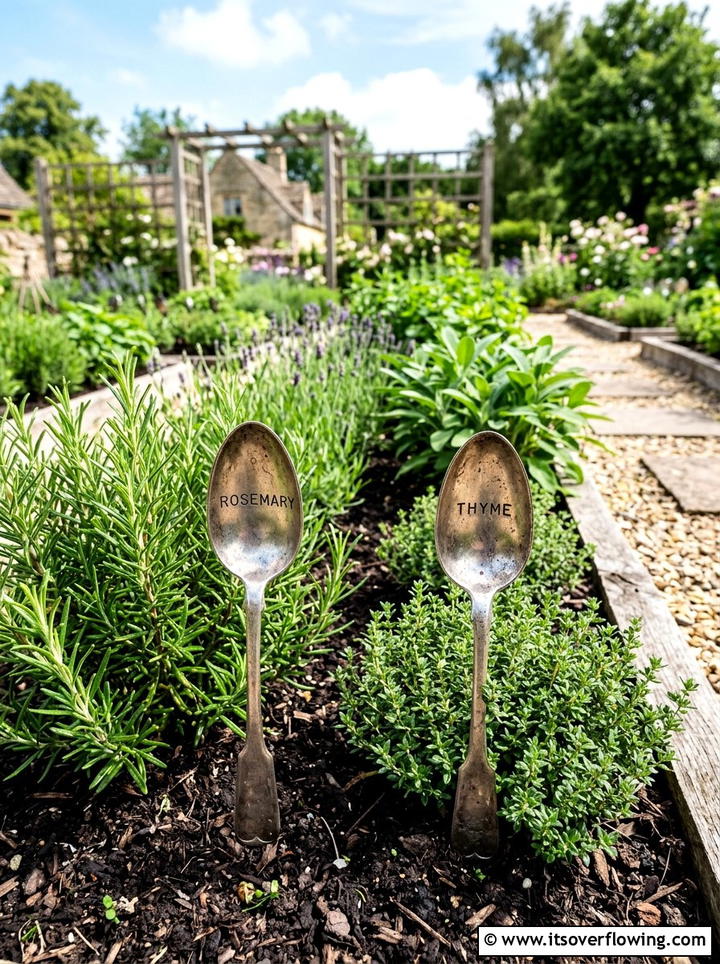
Old spoons and forks can be easily transformed into permanent markers for your herb garden. You can use a metal stamping kit to indent the names of your plants onto the spoons. If you prefer a simpler method, use a permanent outdoor marker to write on the metal. Stick the handles into the ground near each plant so you never forget what you planted. These markers will not rot or fade like wooden or plastic ones often do. They add a shiny and professional touch to your garden beds or containers. It is a clever way to use mismatched silverware from thrift stores.
14. Tin can herb garden
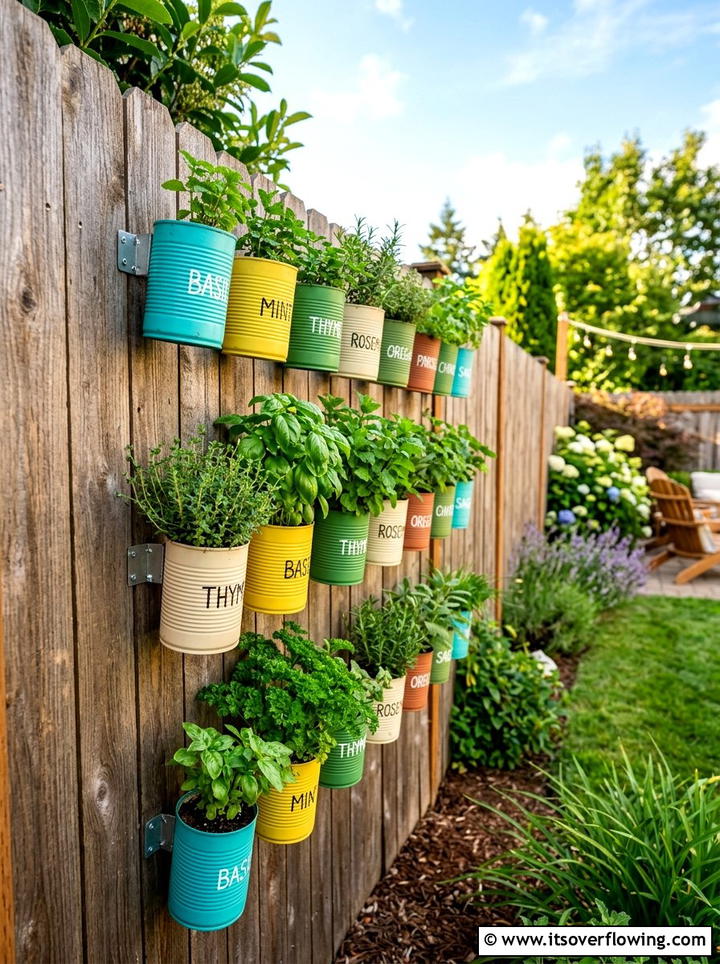
Tin cans are often thrown into the recycling bin, but they are perfect for a small herb garden. After cleaning them thoroughly, you can paint them in various patterns or solid colors. Punching holes in the bottom ensures your herbs like basil and mint stay healthy. You can mount these cans on a wooden board or hang them from a wire grid. This vertical arrangement is perfect for keeping your kitchen herbs within easy reach. It is a low-cost project that yields a high reward for your cooking. Just remember to use a file to smooth down any sharp edges on the cans.
15. Bed frame garden gate
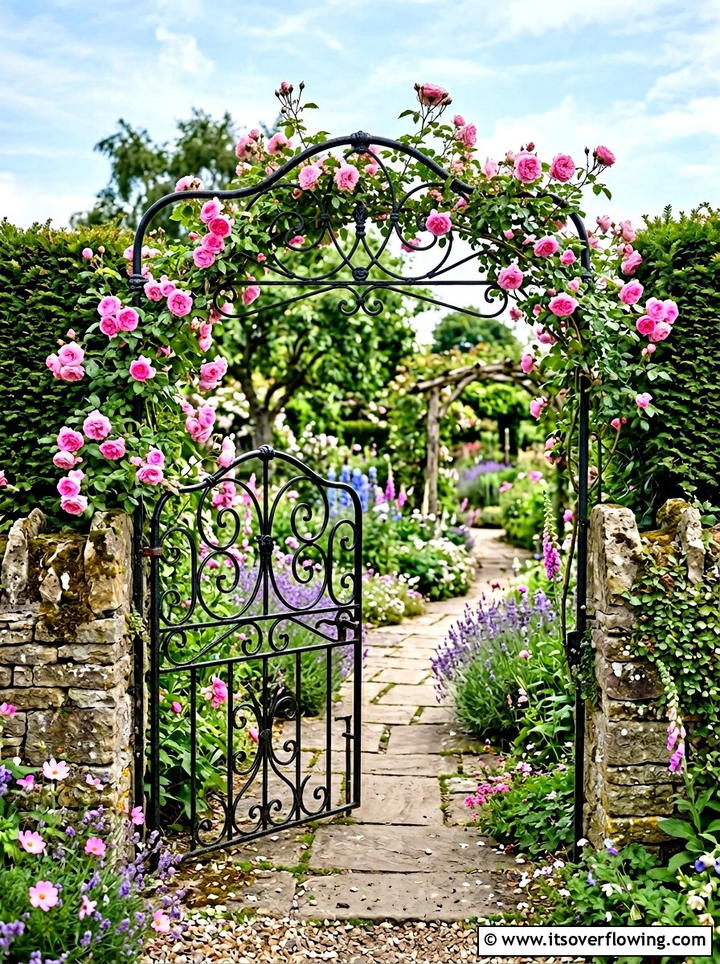
An old wrought iron bed frame can be repurposed into a stunning and sturdy garden gate. The headboard or footboard provides a beautiful entryway to your backyard or vegetable patch. You can paint the metal to prevent rust or let it develop a natural patina over time. It adds a sense of vintage romance and structure to your outdoor space. This gate is heavy enough to keep larger animals out of your prized flower beds. It also provides a great surface for climbing roses or ivy to grow upon. This unique piece will certainly make your garden stand out in the entire neighborhood.
16. Suitcase planter stand
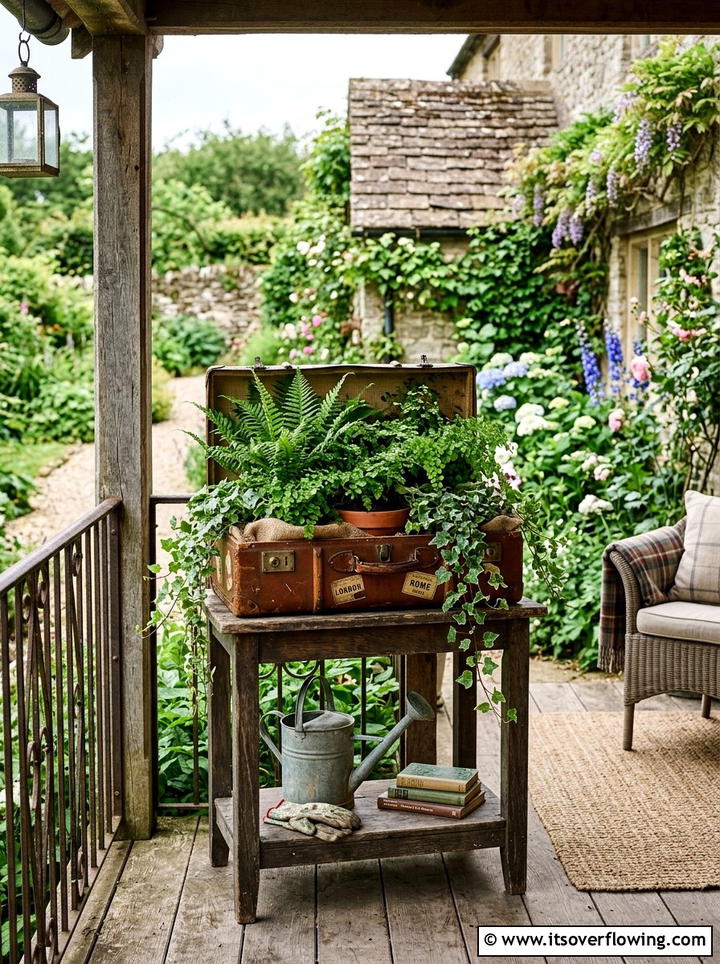
A vintage hardshell suitcase can be turned into a unique display for your favorite potted plants. You can leave the suitcase open and place several small pots inside for a layered look. This works best on a covered porch or patio where it is protected from heavy rain. The suitcase adds a sense of travel and adventure to your home’s exterior. You can even use the interior pockets to hold small garden tools or seed packets. It is an excellent way to use luggage that is too worn for actual travel. This quirky planter is sure to be a major talking point for visitors.
17. Sink flower planter
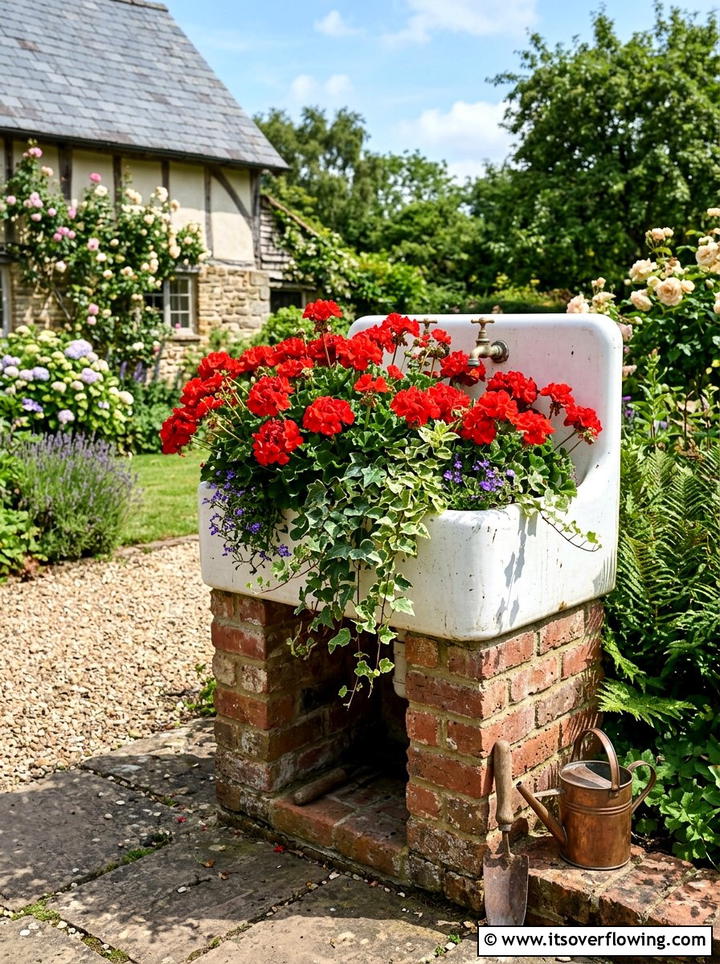
An old porcelain or farmhouse sink can become a very heavy and durable garden planter. These items are often replaced during home renovations and can be found at salvage yards. Since they already have a drain hole, they are perfect for planting large amounts of flowers. You can set the sink on a wooden stand or even a stack of old bricks. The white porcelain looks beautiful when filled with deep purple or bright red blooms. It adds an unexpected industrial or farmhouse touch to your garden landscape. This is a great way to recycle heavy materials that are hard to discard.
18. Chair garden seat planter
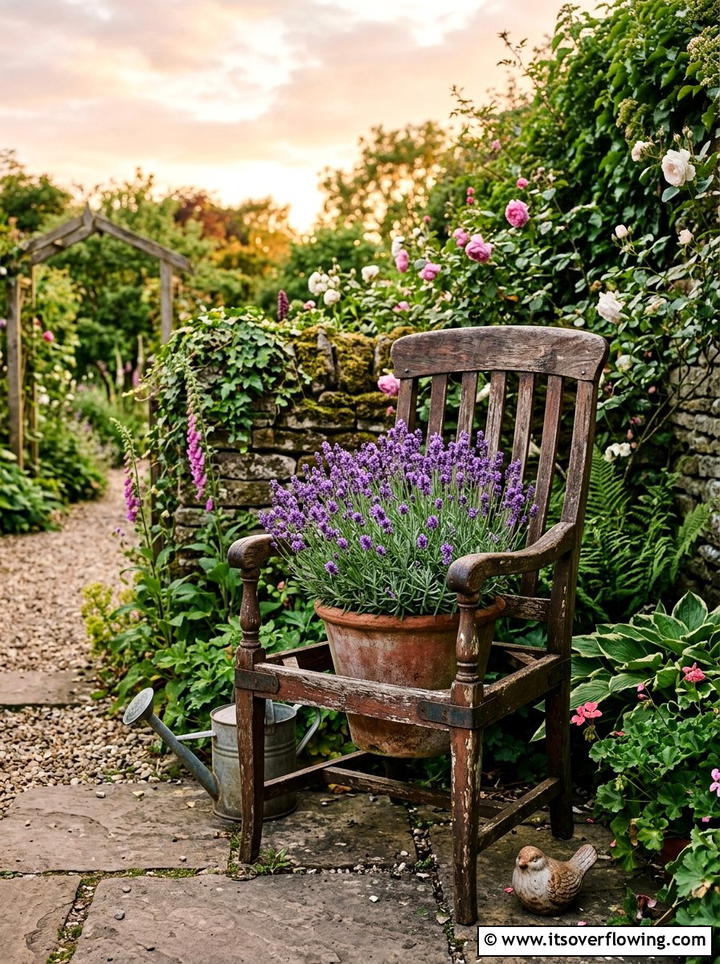
Old wooden or metal chairs can be converted into beautiful plant stands with very little effort. You can remove the seat and replace it with a wire basket or a large pot. This allows flowers to grow right through the center of the chair for a lush look. These chairs look wonderful tucked into a corner of the garden or placed on a porch. If the paint is peeling, it only adds to the rustic and antique charm of the piece. You can also plant trailing vines that will eventually cover the entire frame. It gives your garden a lived-in and very comfortable feeling.
19. Wheelbarrow flower display
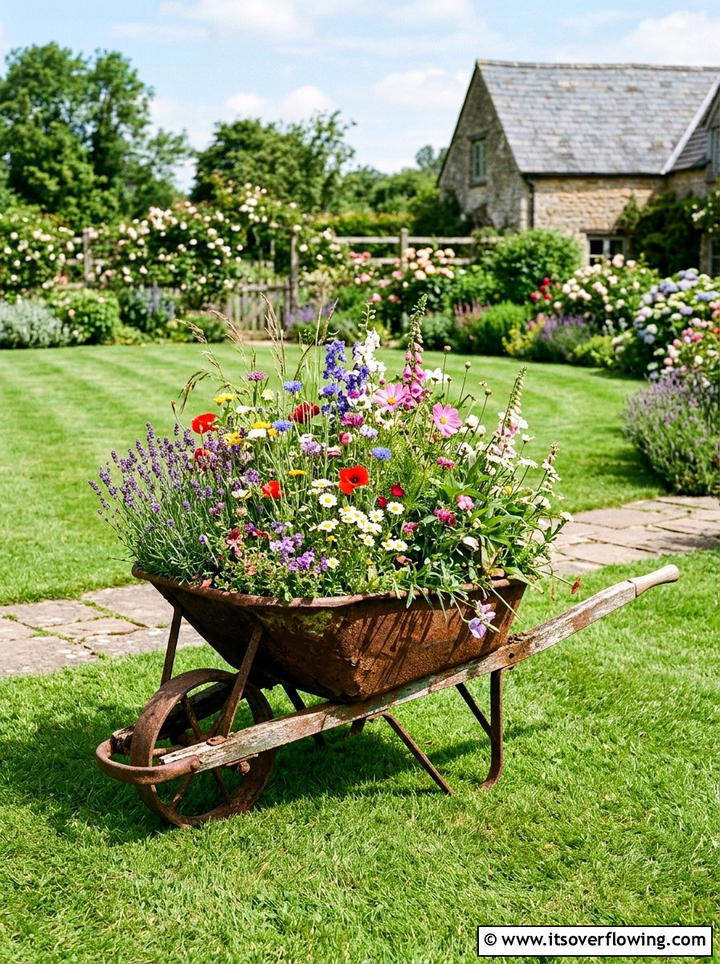
A rusty old metal wheelbarrow is a classic garden accessory that never goes out of style. Instead of using it for work, fill it with high-quality soil and a mix of annual flowers. The mobility of the wheelbarrow allows you to move your display to follow the sun. It makes a great centerpiece for a large lawn or a corner of the patio. You can plant a variety of heights to create a full and lush arrangement. This is a perfect way to use a tool that may have a flat tire or a broken handle. It celebrates the hard work of gardening with a beautiful result.
20. Birdcage planter decor
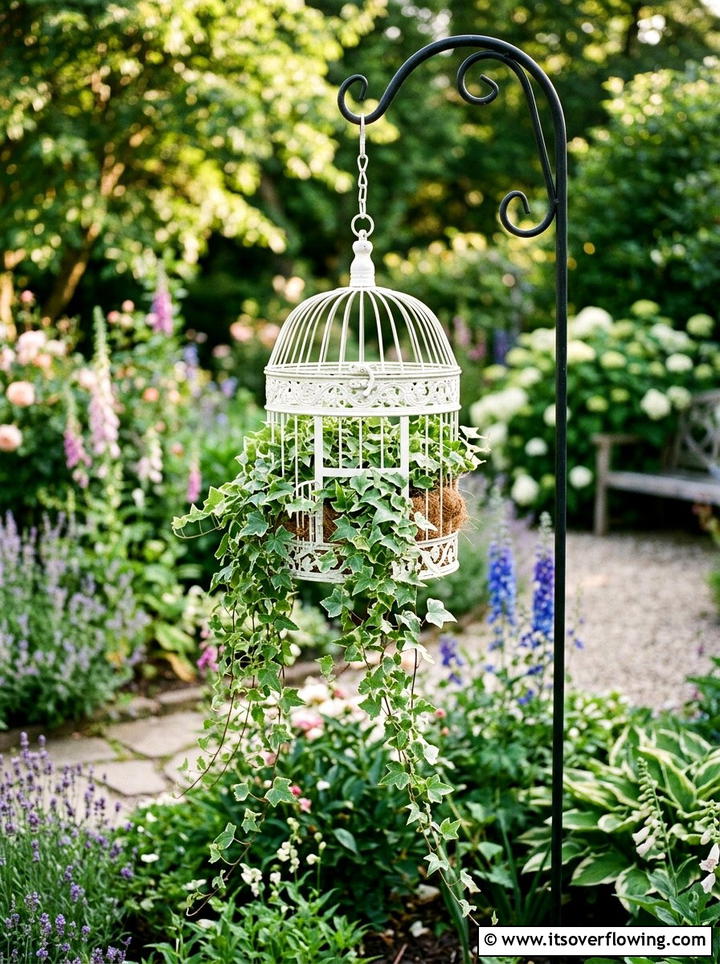
Vintage birdcages are perfect for holding delicate plants like ivy, ferns, or small flowering vines. You can hang them from a porch ceiling or set them on a garden table for height. The bars of the cage provide excellent support for climbing plants to wrap around naturally. It creates a fairy-tale atmosphere that is very popular in many garden designs today. You can easily open the door of the cage to water and prune your plants. This decorative piece adds a layer of sophistication and mystery to your outdoor sanctuary. It is a wonderful way to repurpose an item that no longer holds birds.
21. Shutter privacy screen
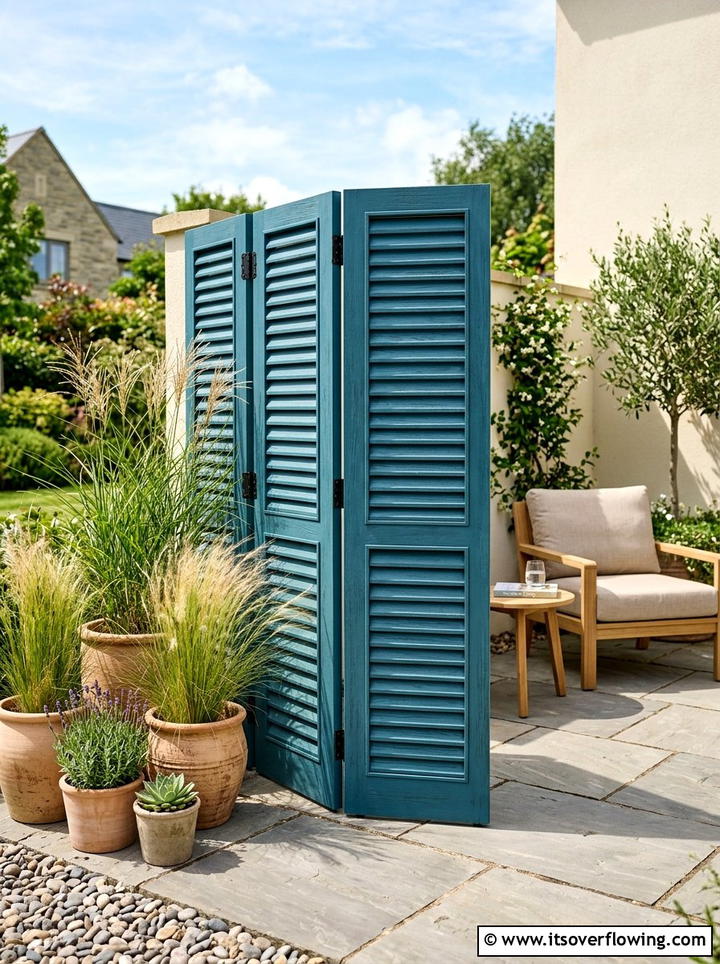
Old wooden shutters can be hinged together to create a beautiful and portable privacy screen. This is perfect for blocking the view of a neighbor or hiding a messy trash can area. You can paint the shutters to match your house or leave them in their natural state. The slats allow for good airflow while still providing a sense of seclusion in your yard. You can even hang small pots of flowers from the shutters to add more greenery. This vertical element helps define different zones in your garden for relaxation or dining. It is a stylish solution for any outdoor space.
22. Log bird house
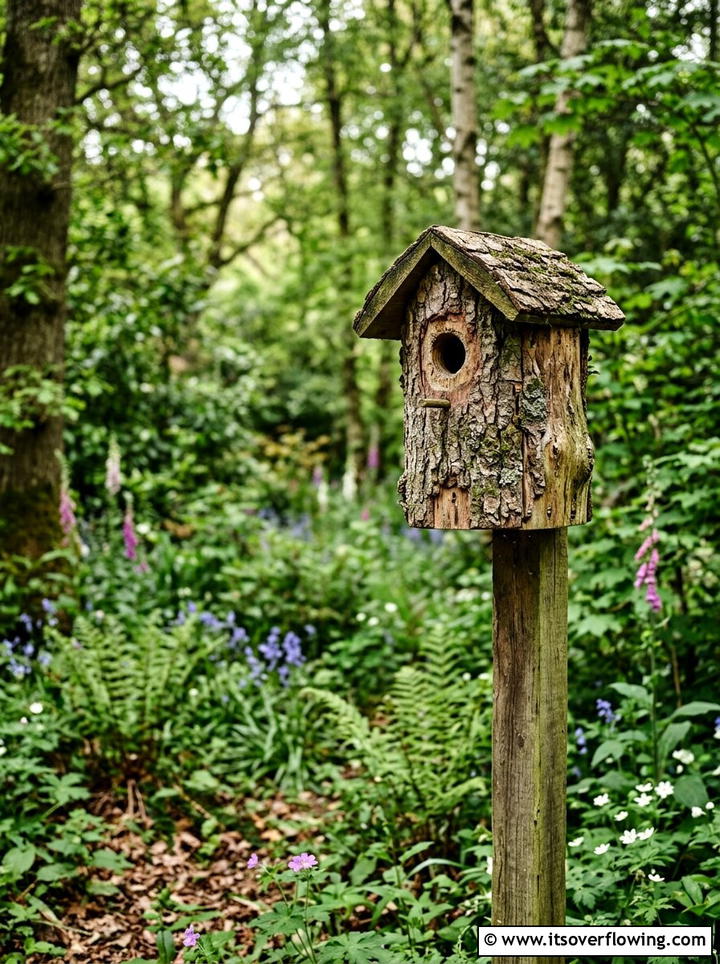
If you have old logs or thick branches from a fallen tree, you can turn them into natural birdhouses. By hollowing out the center and adding a small entrance hole, you create a cozy home for local birds. These blend perfectly into the natural environment and look much better than plastic versions. You can top them with a piece of scrap wood or metal to act as a roof. Birds are more likely to use these because they mimic the natural cavities found in the wild. It is a great way to support local wildlife while cleaning up your yard after a storm.
23. Barrel water feature
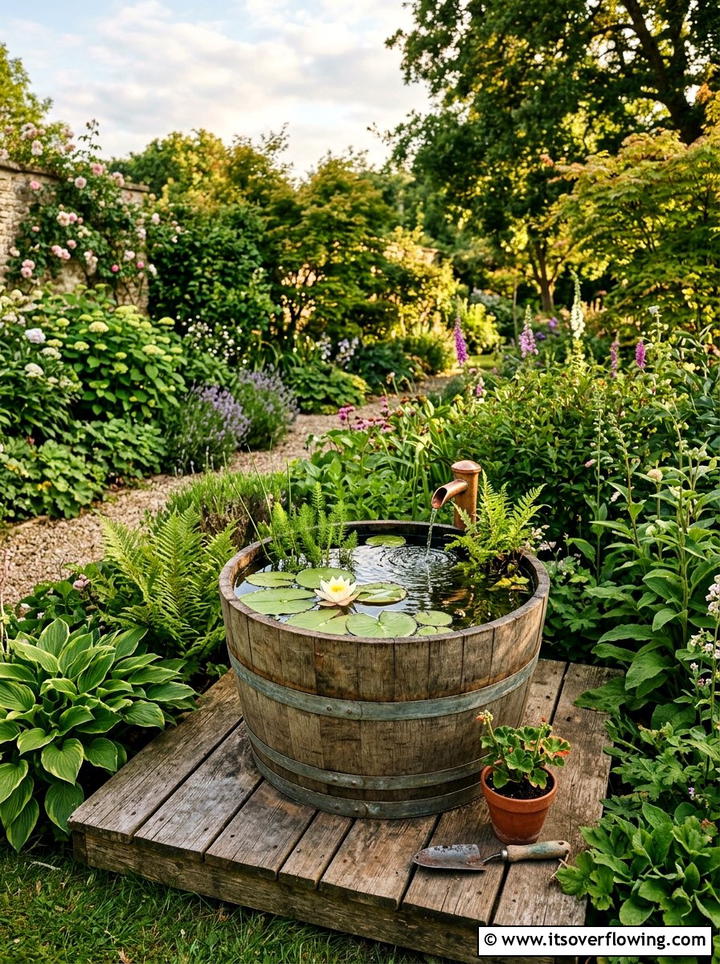
Wooden wine or whiskey barrels can be transformed into stunning multi-tiered water features or simple ponds. You can cut a barrel in half to create two large containers for aquatic plants. Adding a small fountain pump will provide the relaxing sound of trickling water to your patio. These barrels are very sturdy and hold a large volume of water for fish or lilies. The dark wood adds a warm and rustic feel to your garden design. It is important to ensure the barrel is watertight by using a plastic liner if necessary. This feature becomes an instant focal point in any backyard.
24. Clay pot tower
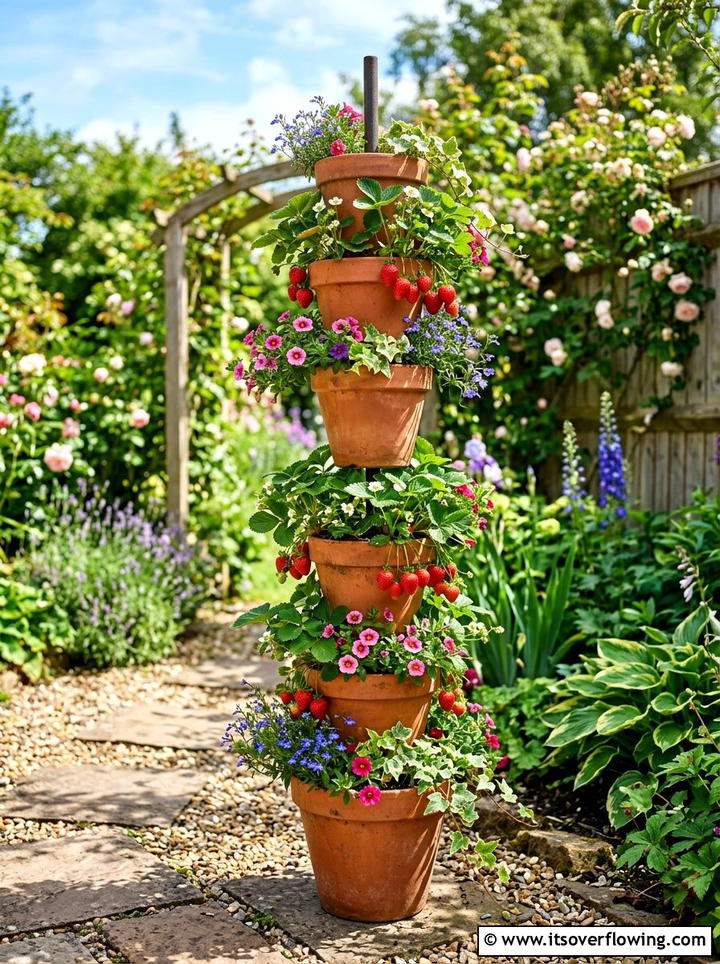
You can reuse old clay pots of different sizes to create a striking vertical flower tower. By stacking the pots on a central piece of rebar, you ensure the structure remains stable. This allows you to plant a large number of flowers in a very small horizontal area. It is perfect for growing strawberries or a variety of colorful herbs on a patio. The vertical arrangement makes it very easy to water and care for every single plant. You can paint the pots or leave them in their classic terracotta orange for a traditional look. This project adds a lot of visual interest to any space.
25. Bathtub outdoor sofa
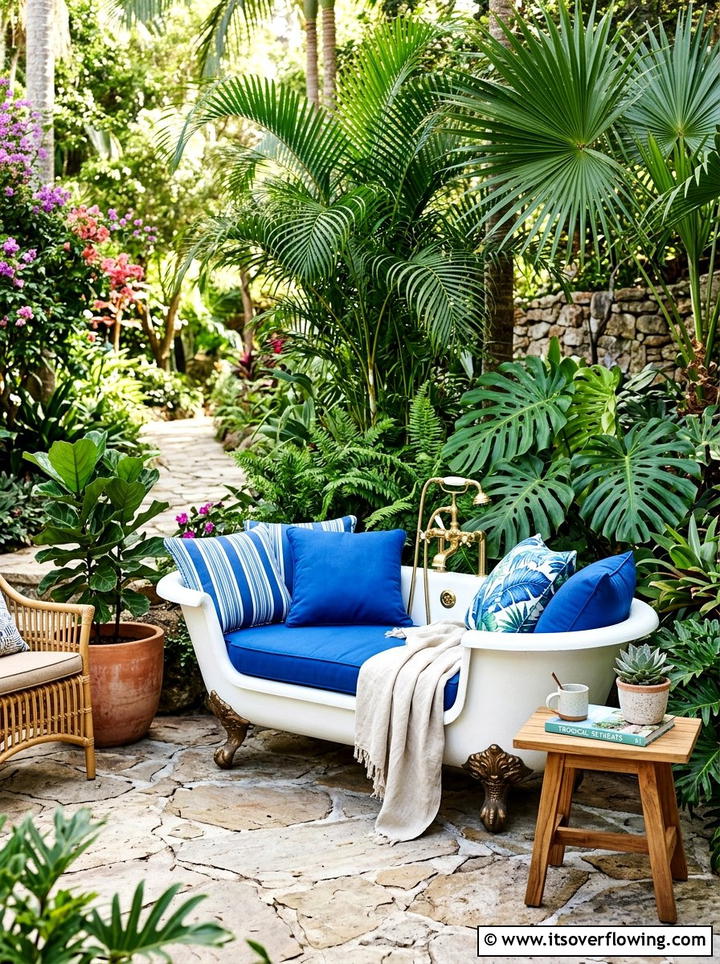
An old clawfoot bathtub can be repurposed into a very unique and comfortable outdoor sofa. By cutting out one of the long sides and adding custom cushions, you create a waterproof seat. This statement piece is perfect for a whimsical or eclectic garden design style. The porcelain surface is easy to clean and can withstand all types of outdoor weather. You can paint the exterior a bold color to make it the star of your patio. It provides a cozy place to sit and enjoy the beauty of your plants and flowers. This is a brilliant way to recycle a large and heavy bathroom fixture.
Conclusion:
Reusing old things in your garden is a rewarding journey that blends creativity with environmental responsibility. Each upcycled piece tells a story and adds a layer of depth that store-bought items simply cannot match. You don’t need to be a professional designer to create a space that feels magical and personal. By looking at everyday trash with a new perspective, you can find hidden potential in almost anything. Whether you are building a tire planter or a bathtub sofa, the goal is to have fun. Your garden will eventually become a true reflection of your personality and your love for the earth. Start small and see where your imagination takes you this season.

Related posts:
 25 reusing old things ideas for benches: Budget Garden Seats
 25 reusing old things ideas for porch Decor on a Budget
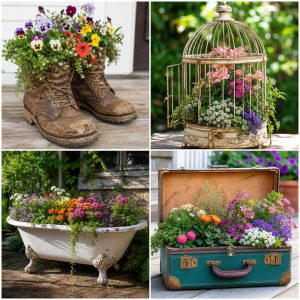 25 Reusing Old Things Ideas for Small Garden Charm
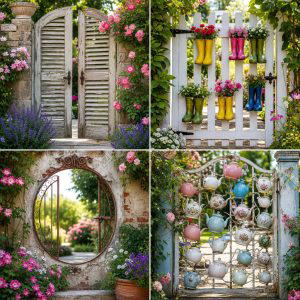 25 reusing old things ideas for gate decor With Charm
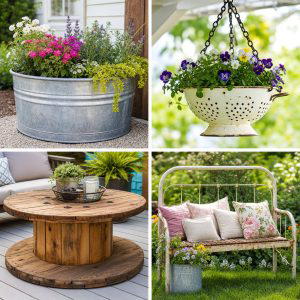 25 reusing old things ideas for patio Style and Charm
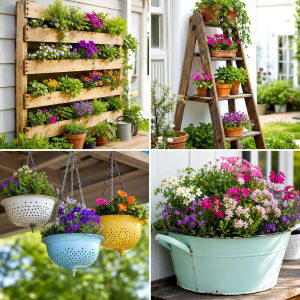 25 reusing old things ideas for balcony garden: Small-Space DIYs
 25 reusing old things ideas for boho garden look: DIY Style
 25 reusing old things ideas for container garden: DIY Planters
 25 Reusing Old Things Ideas for Garden Art That Inspires
 25 reusing old things ideas for garden planters
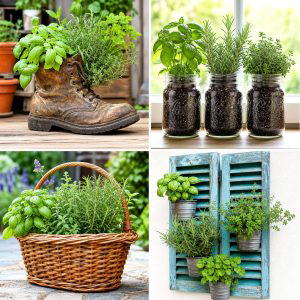 25 reusing old things ideas for herb garden Style
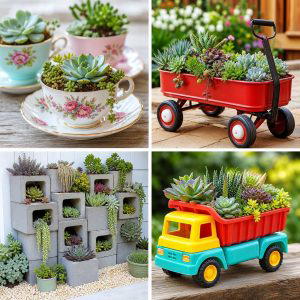 25 reusing old things ideas for succulent garden Decor