
Transforming your outdoor space does not require a huge budget when you embrace the art of upcycling for your vertical garden. Imagine turning everyday items that usually end up in the trash into a flourishing wall of greenery and vibrant flowers. Vertical gardening is a brilliant solution for small patios or balconies where floor space is limited but wall space is plentiful. By reusing old things, you contribute to a more sustainable lifestyle while creating a unique aesthetic that reflects your personal style. This approach allows you to experiment with different textures and materials that add character to your home environment. Let us explore these creative ways to give new life to forgotten objects.
1. Wooden pallet garden
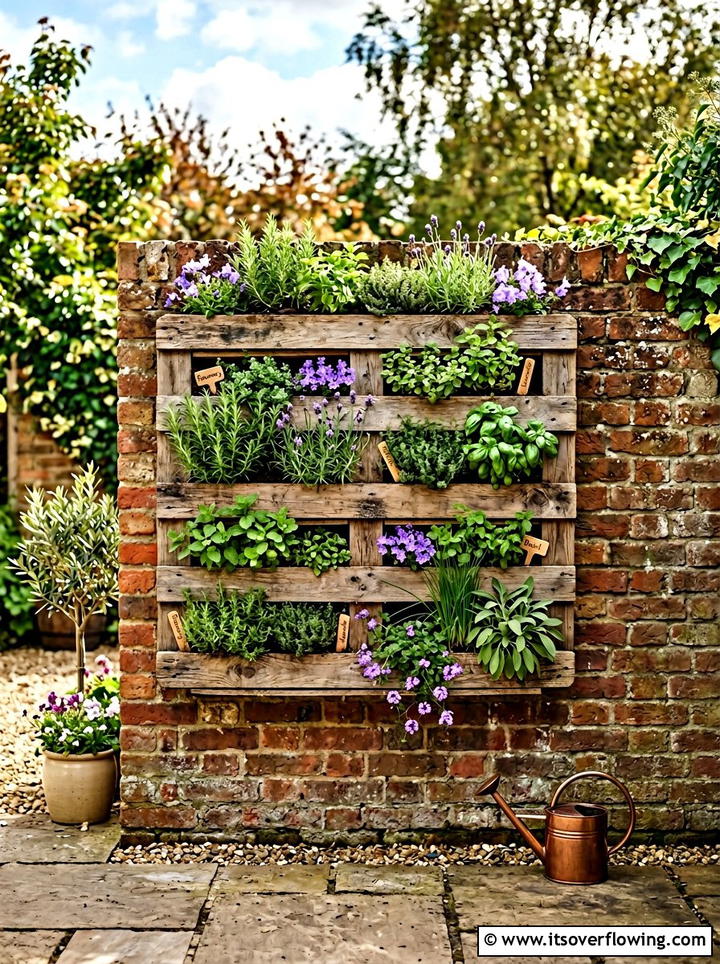
Have you ever noticed how many wooden pallets are discarded behind local shops and warehouses? These sturdy structures are perfect candidates for a vertical garden because they offer a ready-made frame for your favorite plants. You can lean a pallet against a fence or mount it securely to a brick wall to create a lush living tapestry. Before planting, ensure the wood is safe and clean, then staple landscaping fabric to the back and bottom to hold the soil. Once you fill the gaps with nutrient-rich potting mix, you can tuck in various herbs or cascading succulents. This simple project effectively turns industrial waste into a beautiful and functional garden centerpiece.
2. Plastic bottle planter
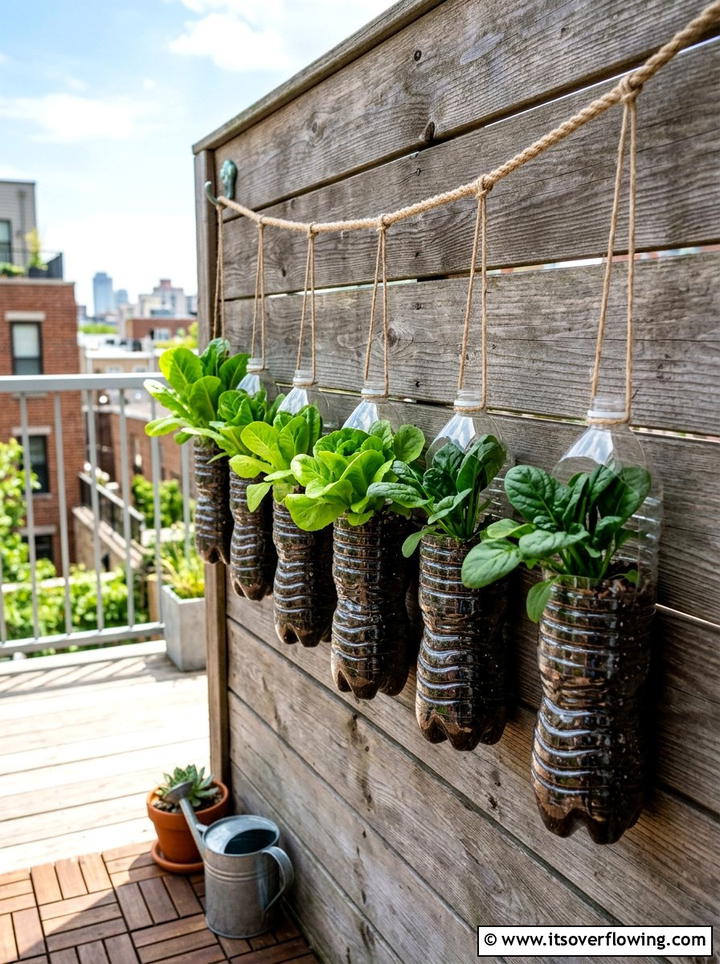
How many plastic soda or water bottles do you toss into the recycling bin every single week? Instead of throwing them away, you can transform these lightweight containers into a modular vertical growing system for your balcony. Simply cut a rectangular opening in the side of each bottle and poke a few drainage holes in the bottom. You can then string them together using durable twine or wire to create long hanging chains of greenery. This method is particularly excellent for growing small greens like spinach, lettuce, or even bright pansies. It is an affordable way to maximize your vertical space while keeping plastic waste out of the local landfills.
3. Old ladder plant display
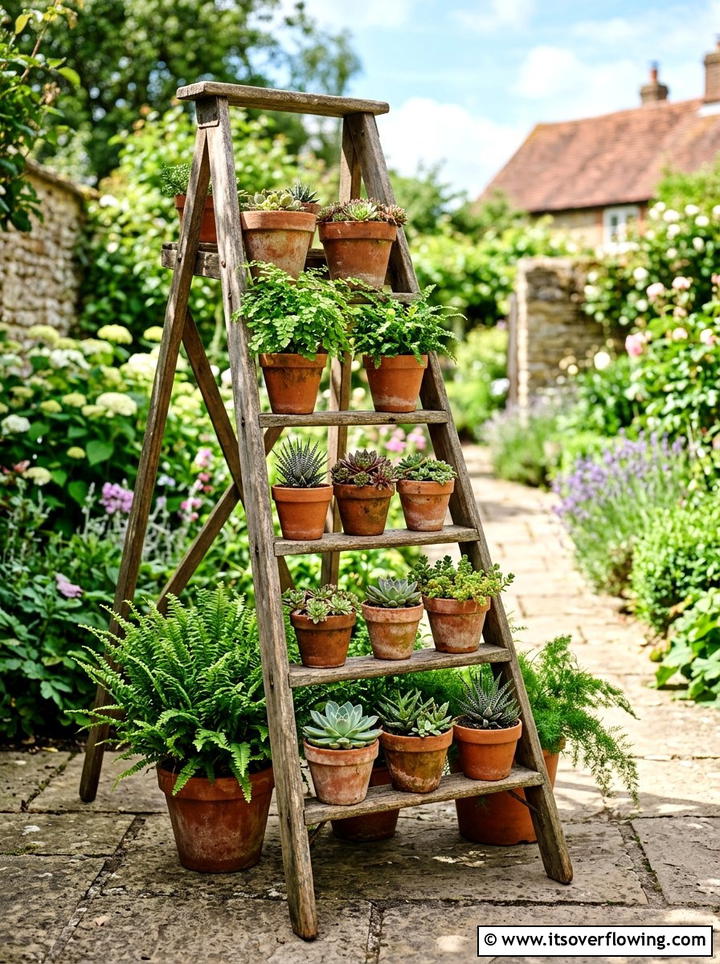
Does an old wooden or metal ladder currently sit forgotten in your garage or basement gathering thick dust? Repurposing a vintage ladder provides an instant multi-tiered shelving unit that is perfect for displaying a variety of potted plants. You can place the ladder against a sunny exterior wall and arrange different sized pots on each individual step. This setup allows for excellent air circulation and ensures that each plant receives plenty of sunlight throughout the day. It also creates a stunning visual focal point that adds a rustic and charming touch to any garden space. You can even paint the ladder a bright color to make it pop.
4. Shoe organizer garden
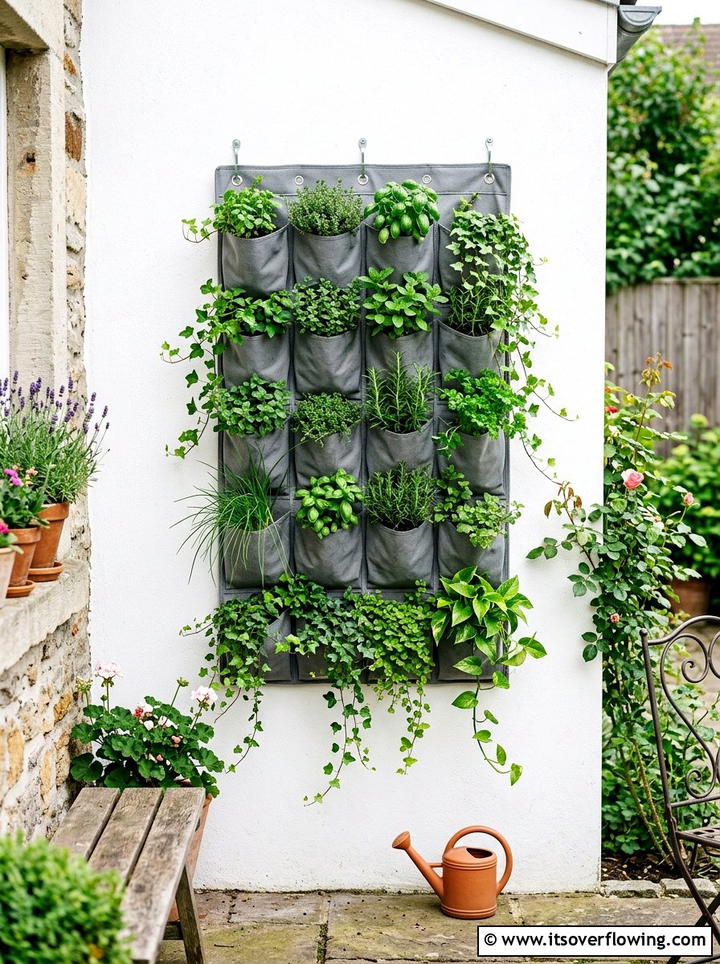
Imagine a fabric over-the-door shoe organizer hanging on your fence filled with fragrant herbs and trailing vines. These organizers are surprisingly effective for vertical gardening because the pockets are the ideal size for small root systems. Since most are made from breathable materials, they allow for proper drainage which prevents the roots from sitting in excess water. You can easily hang one on a sunny wall and fill each pocket with high-quality potting soil and a seedling. This is a fantastic option for urban gardeners who want to grow a kitchen herb garden in a very small area. It keeps your plants organized and very easy to access.
5. Rain gutter planter
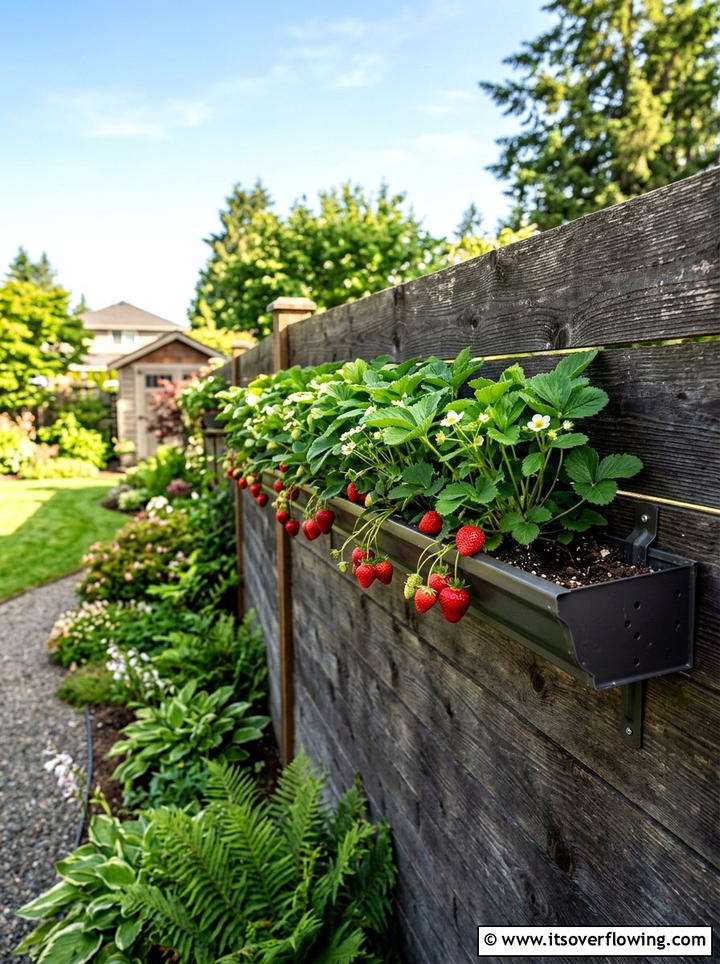
Have you considered using leftover pieces of vinyl or aluminum rain gutters to create a modern wall garden? Gutters are naturally designed to hold water and are the perfect shape for growing shallow-rooted plants like strawberries or succulents. You can mount several rows of gutters horizontally across a wooden fence or an exterior wall to create a clean look. Make sure to drill small drainage holes every few inches and add end caps to keep the soil contained within the channels. This design is very sleek and allows you to grow a large amount of food or flowers in a very narrow vertical footprint.
6. Tin can herb garden
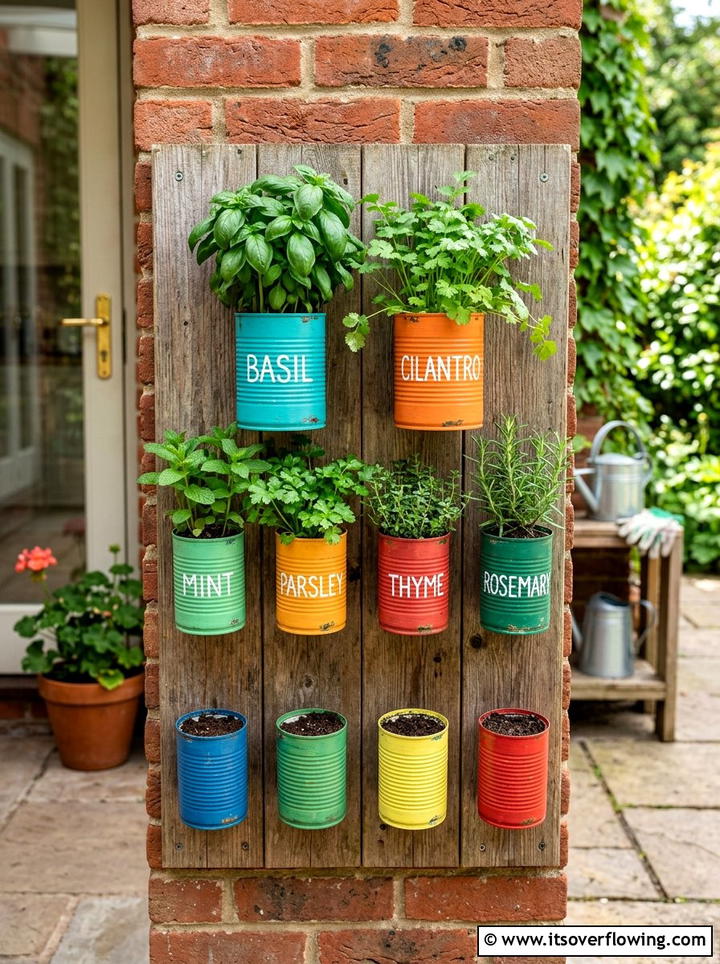
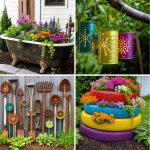
Tin cans from soup or vegetables can be easily rescued from the trash to create a charming wall garden. After cleaning the cans and removing the labels, you can paint them in vibrant colors or leave them metallic for an industrial feel. Poking a few holes in the bottom is essential for drainage to keep your herbs healthy and thriving. You can then mount the cans directly to a wooden board or hang them from a wire grid using small hooks. This setup is perfect for a sunny kitchen patio where you want fresh basil or cilantro within reach. It is a simple and rewarding DIY project.
7. Dresser drawer planter
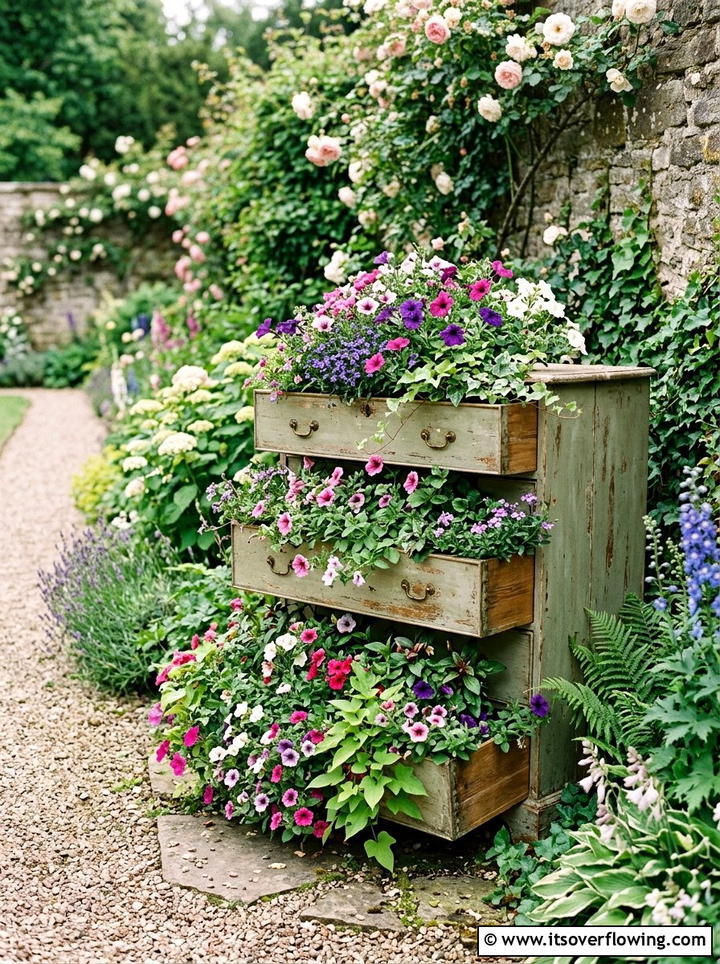
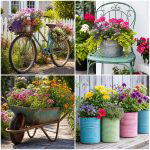
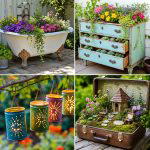
What if you could turn an old, broken dresser into a cascading waterfall of flowers and lush foliage? By pulling out the drawers at staggered depths, you create a tiered planting system that adds height and drama to your garden. You should line each drawer with plastic or landscaping fabric to protect the wood from moisture and rot over time. Fill the drawers with soil and plant a variety of perennials or annuals that will spill over the edges beautifully. This repurposed furniture piece serves as a heavy-duty planter that brings a touch of indoor comfort and vintage style to your outdoor living area.

8. Picture frame succulent garden
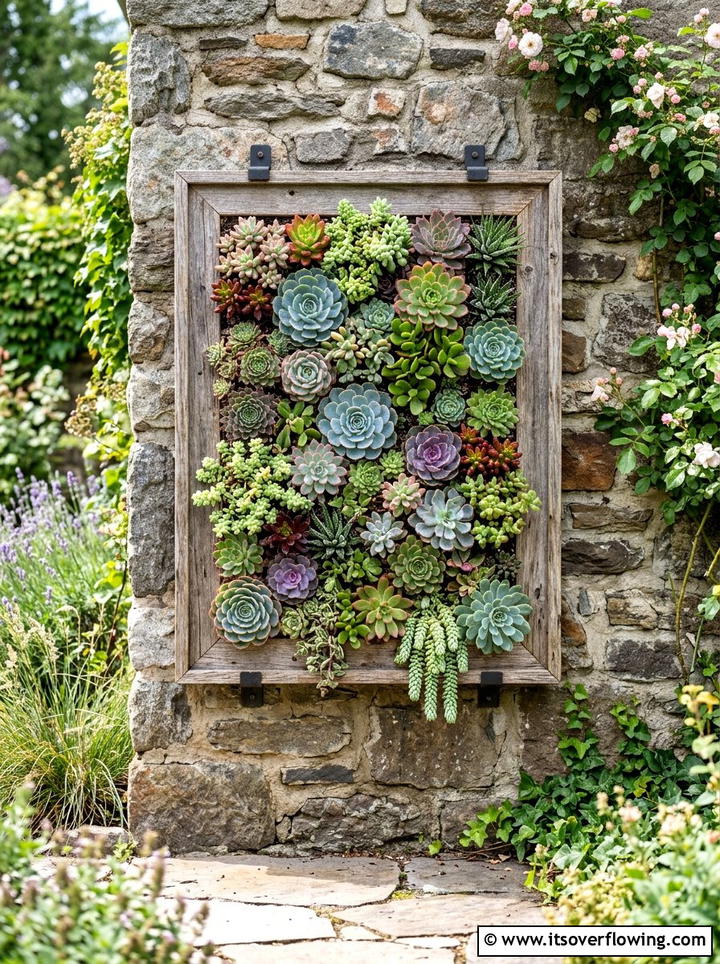
Vintage picture frames can be transformed into stunning living art pieces that you can hang directly on your garden walls. By adding a shallow wooden box to the back of the frame and securing wire mesh across the front, you create a perfect environment for succulents. You can tuck small succulent cuttings through the mesh into the soil, where they will eventually root and fill the entire space. This vertical garden style is very low maintenance because succulents require very little water to stay healthy. It creates a sophisticated and modern look that mimics a textured painting made entirely of living, breathing plants.
9. PVC pipe vertical garden
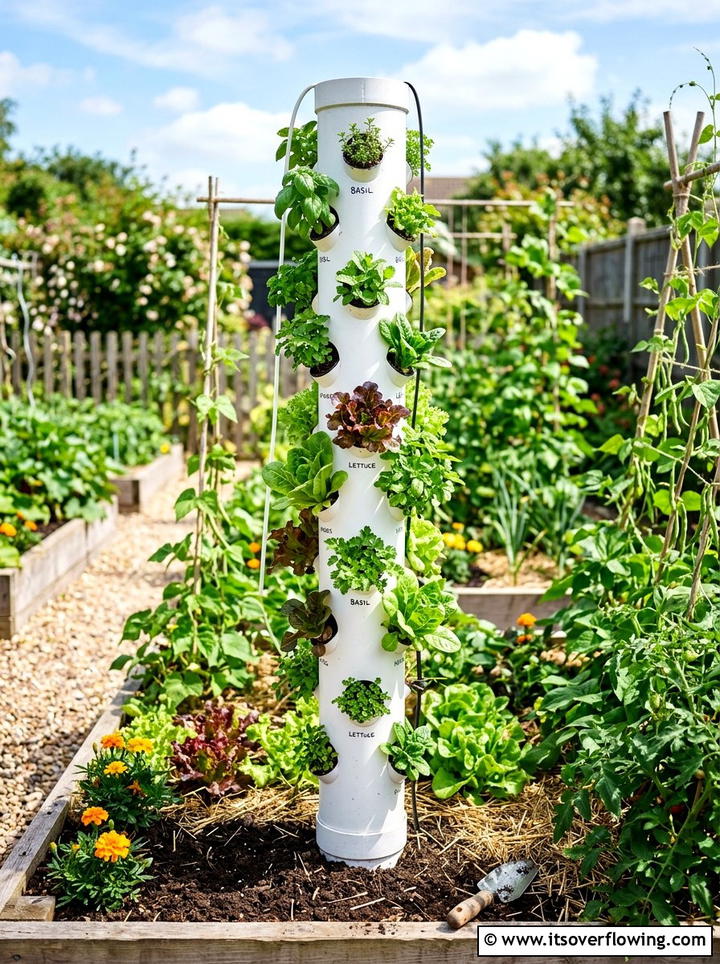
Do you have any leftover PVC pipes from a previous home improvement project sitting in your shed? These durable tubes can be turned into an efficient vertical growing tower by cutting large holes at regular intervals. You can stand the pipe upright in a large pot for stability or mount it vertically against a sturdy post. Filling the pipe with a mix of soil and compost allows you to grow many plants in a very small circular area. This method is particularly popular for growing strawberries, as the fruit hangs away from the soil, keeping it clean and safe from many common garden pests.
10. Used tire planter
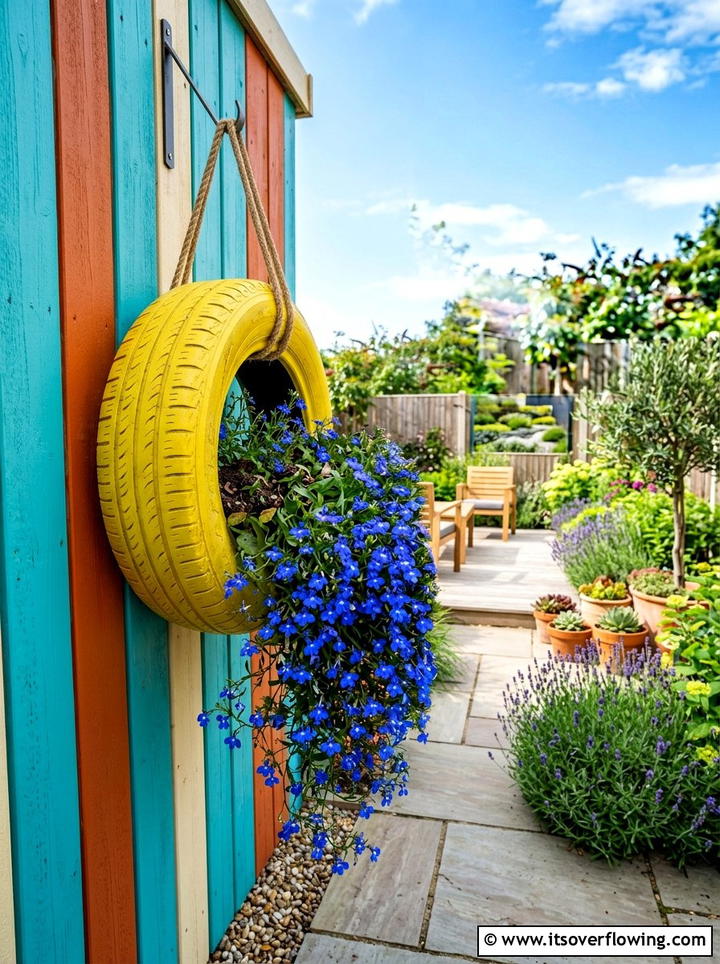
Old tires are often difficult to dispose of, but they make incredibly durable and versatile vertical planters for your backyard. You can stack them to create height or hang them individually on a strong fence or wall for a bold look. Painting the tires in bright, cheerful colors can instantly transform them from industrial waste into playful garden decor. Filling the bottom cavity with soil allows you to plant trailing vines or bright flowers that will eventually cover the rubber. This is a very cost-effective way to add structural interest and large-scale planting areas to a garden without spending a lot of money.
11. Window shutter garden
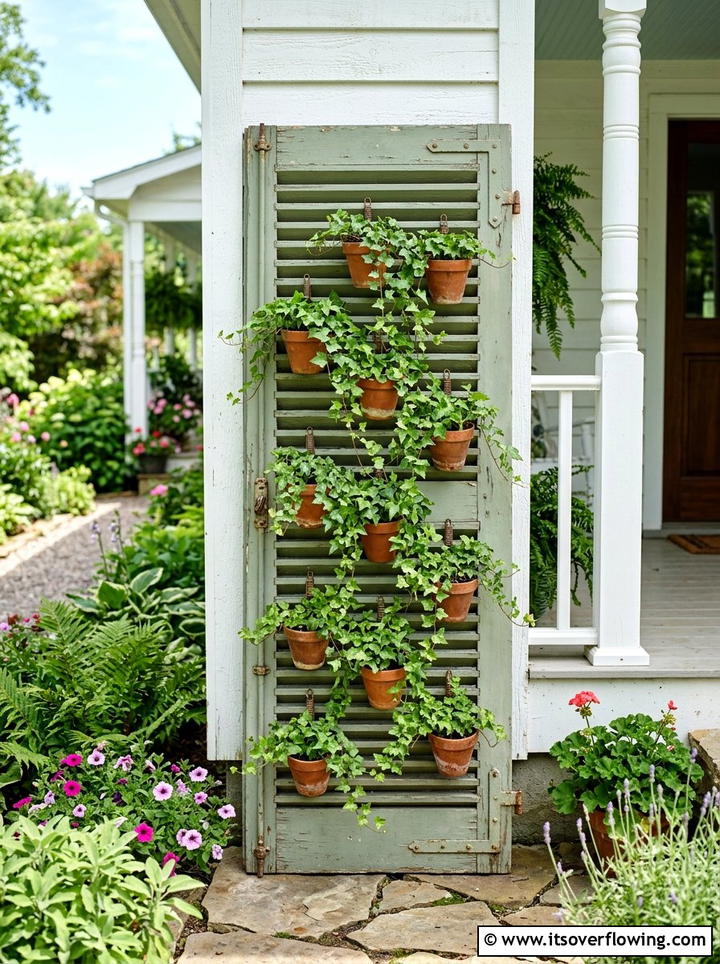
Vintage wooden window shutters provide a unique and textured backdrop for a variety of small hanging plants. The horizontal slats are perfectly spaced for hooking on small pots or even tucking in air plants and mosses. You can lean the shutters against a wall or mount them permanently to create a decorative garden feature. Painting them in a weathered or distressed style adds a lovely farmhouse feel to your outdoor space. This approach is excellent for creating a vertical herb garden or displaying a collection of rare succulents. It uses the natural lines of the shutter to organize your plants in an attractive way.

12. Birdcage plant holder
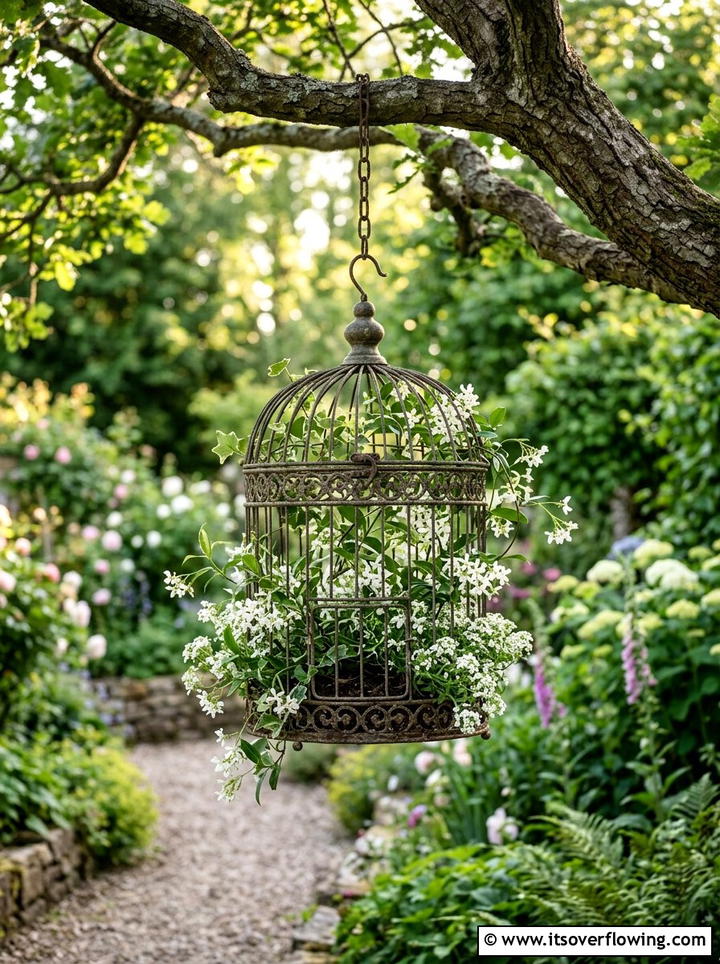
Old decorative birdcages can be easily repurposed into whimsical hanging planters that add a sense of mystery to your garden. You can place a potted plant inside the cage and allow the vines to grow through the metal bars and spill outward. This looks especially beautiful with trailing plants like ivy, string of pearls, or climbing jasmine. Hanging the birdcage from a tree branch or a porch hook creates a floating garden element that catches the eye. It is a creative way to use a vintage find to protect your plants while adding a touch of elegant, old-world charm to your landscape.
13. Wooden crate garden
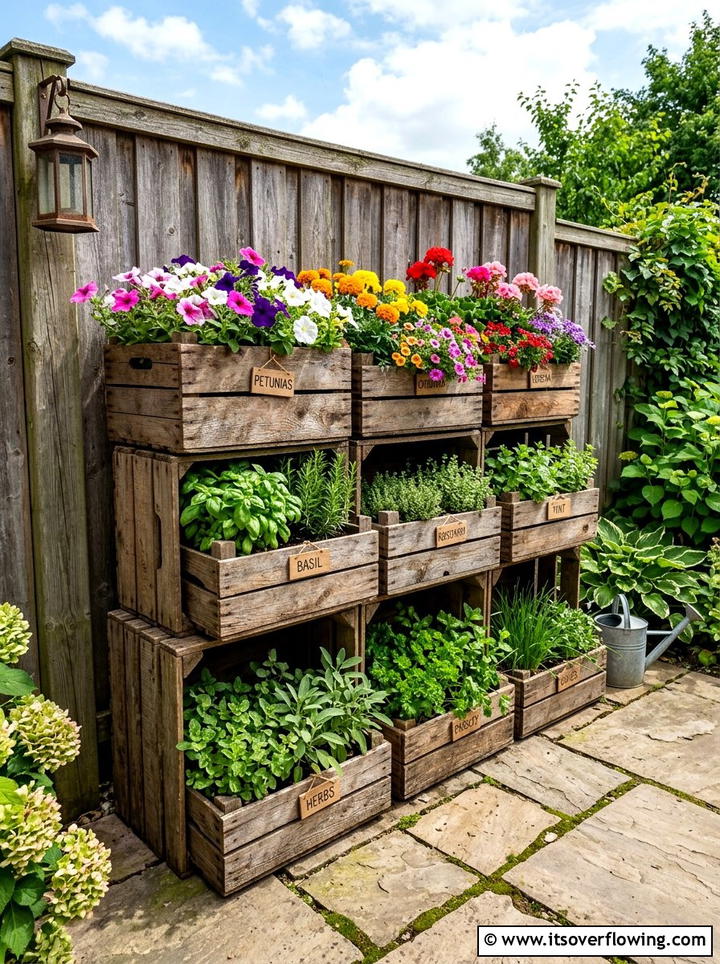
Wooden crates used for fruit or shipping are fantastic modular building blocks for a custom vertical garden wall. You can stack them in various configurations and screw them together to create a stable and tall shelving unit. This allows you to mix and match different plant types, from tall grasses to delicate flowering annuals, within the different compartments. Lining the crates with burlap or fabric helps retain the soil while providing a rustic and natural appearance. This setup is very flexible and can be easily moved or rearranged as your garden grows or as the seasons change throughout the year.
14. Mason jar wall garden
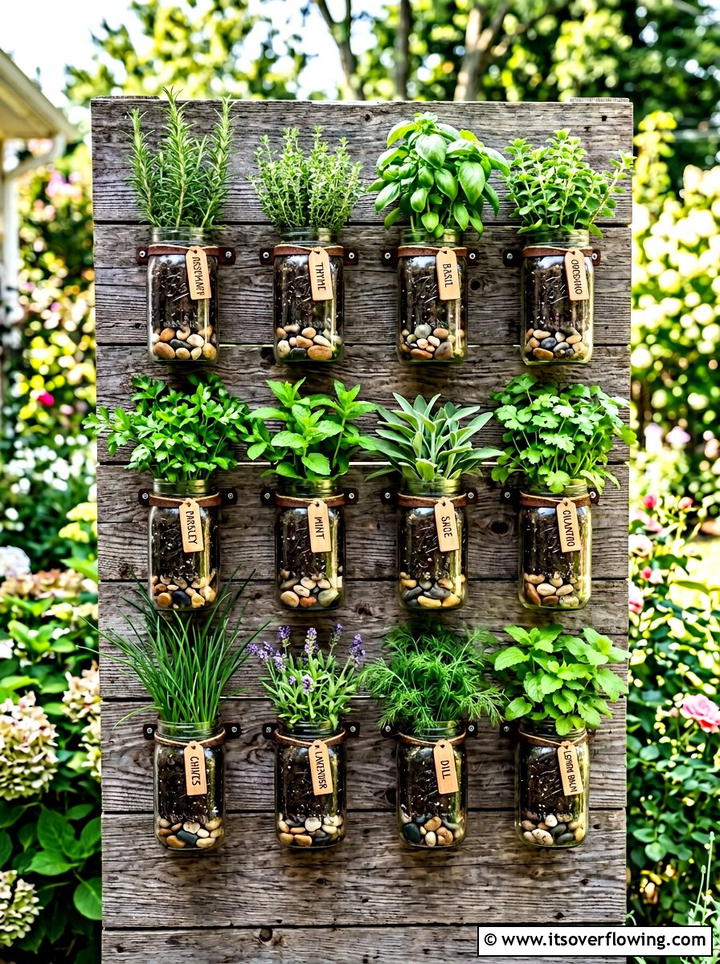
Mason jars are a staple of DIY decor, and they work wonderfully as small vertical planters for an indoor or outdoor herb garden. You can use metal pipe clamps to secure the jars to a stained wooden board, which is then mounted to the wall. To ensure the plants stay healthy, add a layer of small pebbles at the bottom for drainage since these jars do not have holes. Filling them with fresh herbs like mint, parsley, or chives creates a beautiful and functional display. The clear glass allows you to monitor the moisture levels in the soil, making it easier to maintain your plants.
15. Metal colander planter
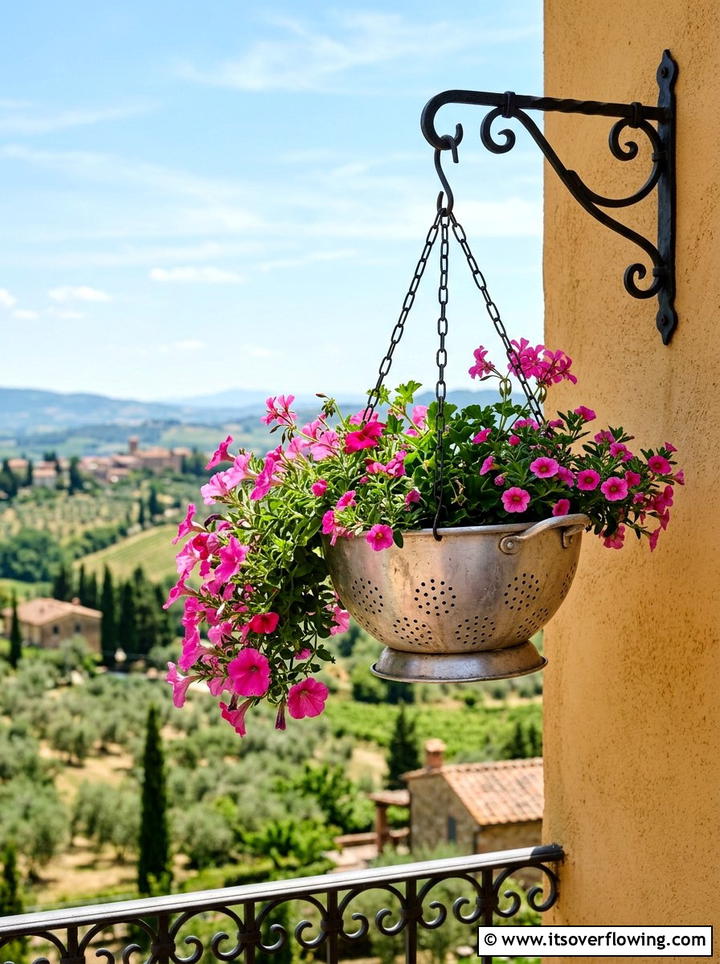
Do you have an old metal colander that has lost its shine or has a few dents? These kitchen tools are actually perfect for gardening because they already have built-in drainage holes all around the sides and bottom. You can attach a sturdy chain to the handles and hang the colander from a wall bracket or a ceiling hook. When filled with colorful flowers like petunias or trailing lobelia, the colander becomes a unique and breathable hanging basket. The metal material is durable and can withstand the elements, making it a long-lasting and quirky addition to any vertical garden collection in your yard.
16. Old teapot garden
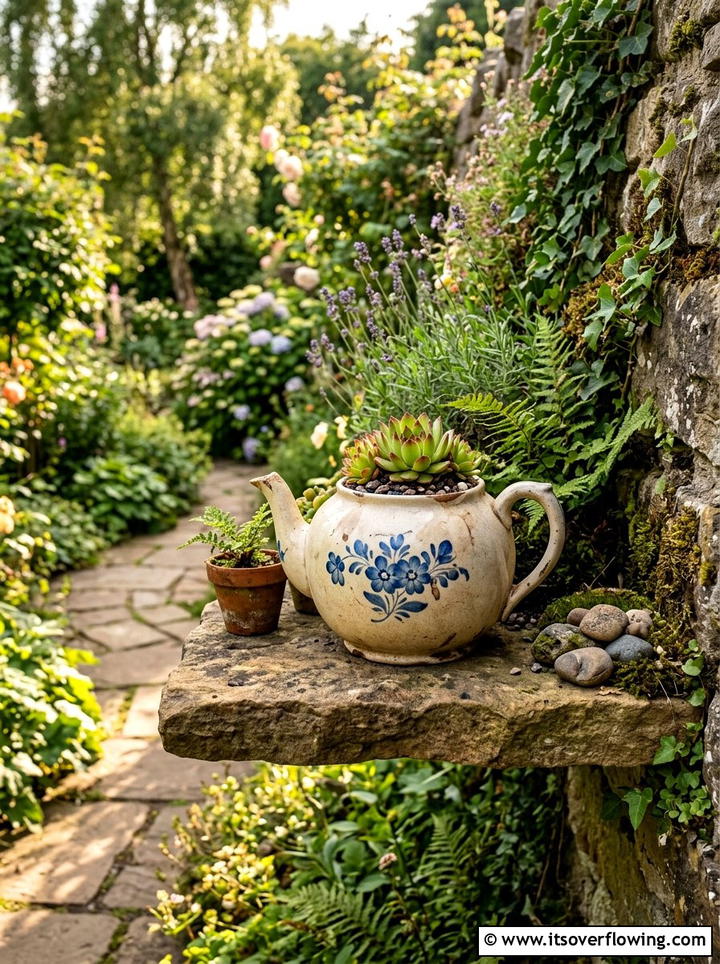
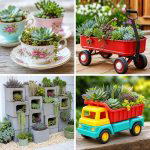
Vintage ceramic or metal teapots can be given a second life as charming small-scale planters for your garden walls or shelves. You can nestle them into a vertical wall rack or mount them on small wooden pedestals to create a whimsical display. Teapots are the perfect size for individual succulents or small flowering plants that do not require much space. The spout also acts as a natural overflow for water, though drilling a small hole in the bottom is always a good idea. This idea adds a touch of personality and storytelling to your garden, making it feel like a cozy and lived-in outdoor room.
17. Metal toolbox planter
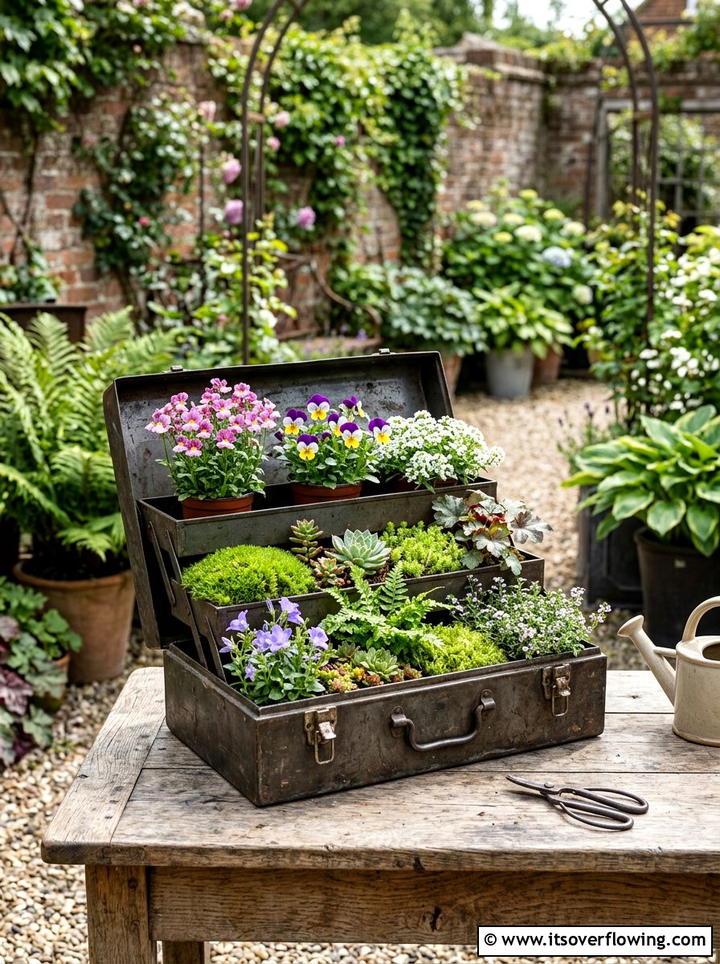
Old metal toolboxes, especially those with multiple fold-out layers, offer a fantastic tiered structure for a vertical garden. When you open the toolbox, the different levels provide various heights for planting a diverse range of greenery and flowers. This heavy-duty container adds an industrial and masculine touch to a garden space while remaining incredibly functional and sturdy. You can place it on a tall stand or mount it to a wall to make it part of a larger vertical arrangement. It is a great conversation piece that celebrates the beauty of aged metal and the resilience of nature growing within it.
18. Old chair garden
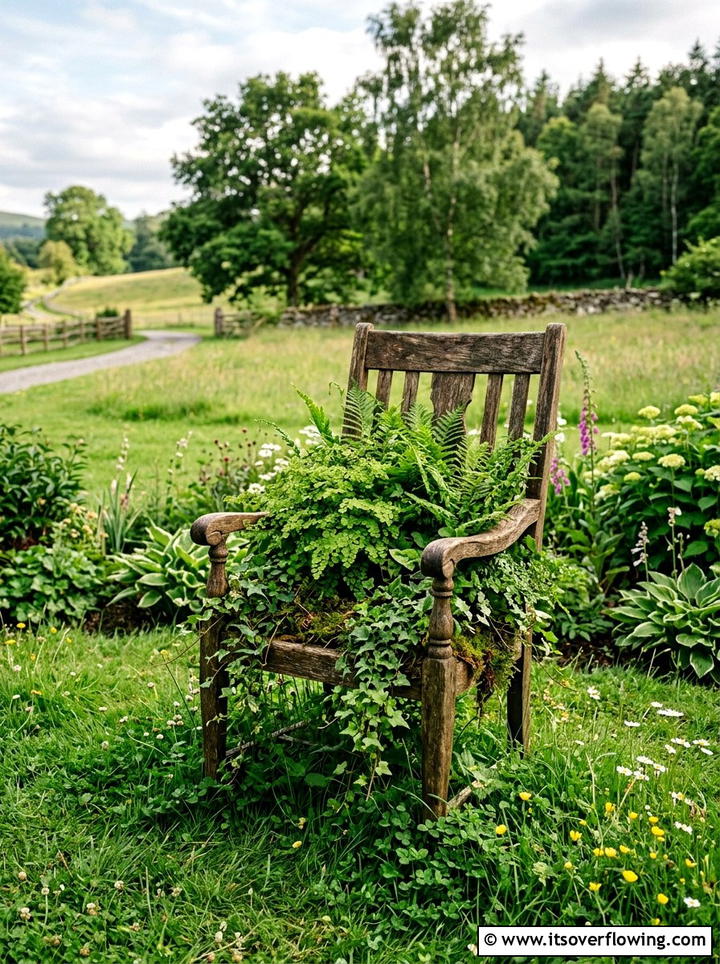
A vintage wooden or wrought iron chair can become a stunning vertical focal point when the seat is replaced with a planter. You can remove the original seat and drop in a coco liner or a large pot filled with trailing plants. As the plants grow, they will spill over the sides and climb up the backrest of the chair, creating a living piece of furniture. Placing the chair against a garden wall or in a quiet corner adds a sense of nostalgia and artistry to your landscape. It is a beautiful way to reuse furniture that is no longer safe for sitting but still has style.
19. Kitchen strainer planter
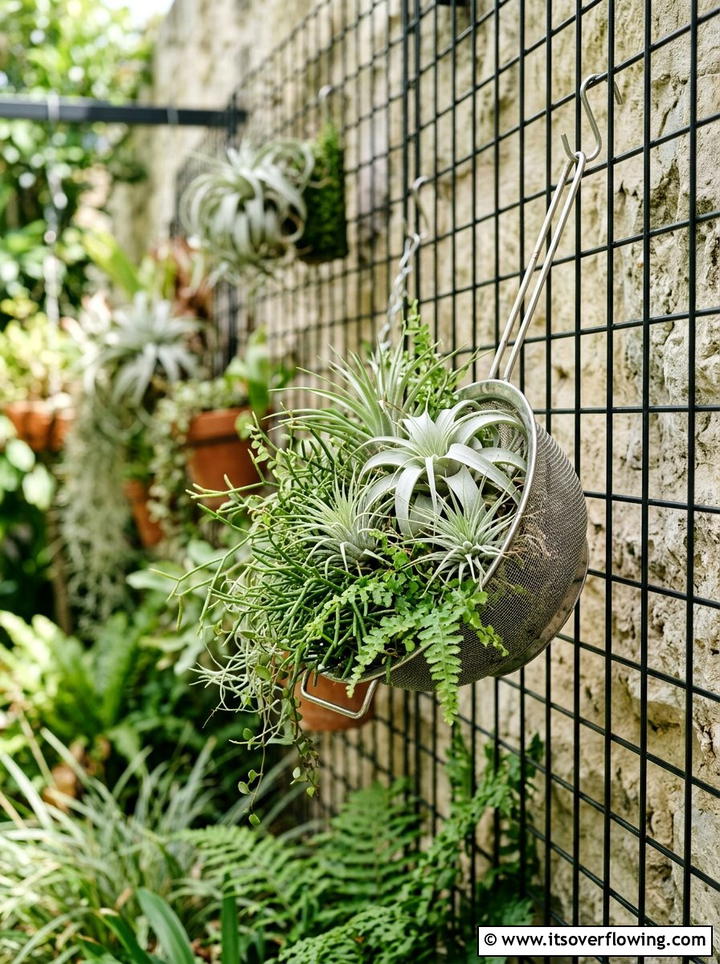
Small kitchen strainers or sieves can be turned into adorable mini hanging baskets for a vertical wall display. Like colanders, they offer excellent drainage and airflow for the roots of your plants, which is vital for many species. You can hang a series of these strainers at different heights using simple wire or colorful ribbon to create a playful visual effect. They are perfect for growing air plants, mosses, or very small succulents that do not need much soil to thrive. This repurposed kitchen item is a clever way to add small pops of green to a vertical garden without taking up much space.
20. Denim pocket garden
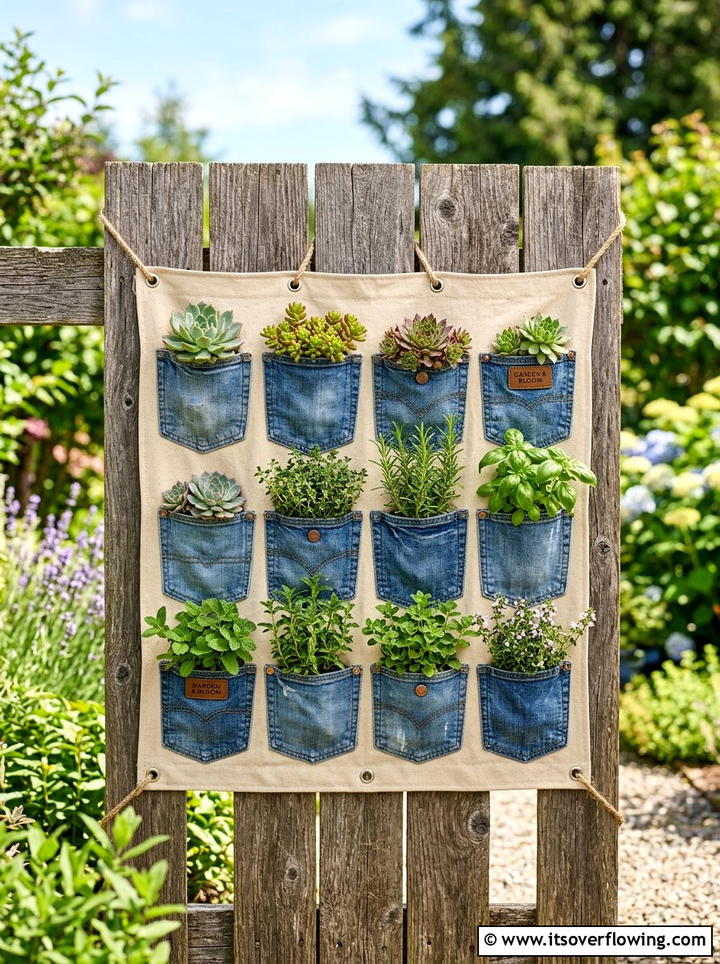
Did you know that you can turn your old, worn-out blue jeans into a creative and functional vertical wall garden? By cutting out the back pockets and sewing or riveting them onto a sturdy canvas backing, you create several small planting pouches. These denim pockets are surprisingly durable and can hold enough soil for small herbs or decorative flowers to grow successfully. The blue fabric provides a beautiful contrast to the green foliage, giving your garden a relaxed and casual feel. It is a fun and eco-friendly way to recycle old clothing while expanding your vertical growing area on a sunny fence.
21. Old boot planter
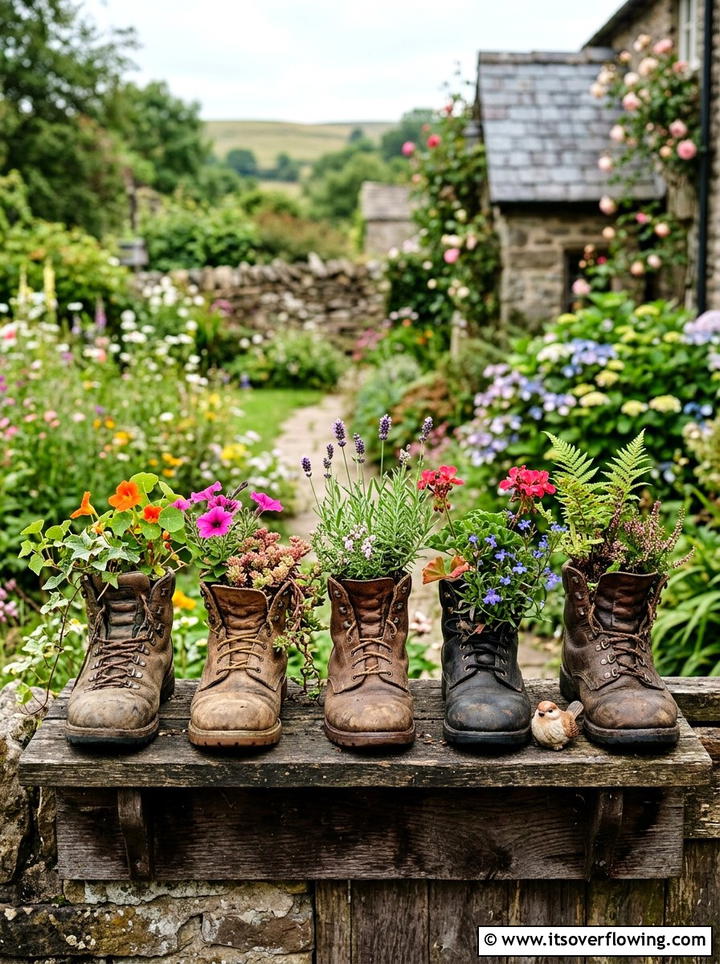
Worn-out leather or rubber work boots can find a new purpose as rugged and interesting planters in your garden. You can mount a row of boots to a wooden fence or line them up along a vertical staircase to add a sense of character. Make sure to drill drainage holes in the soles so that water does not pool at the bottom and rot the roots. These boots are perfect for growing hardy plants like ferns or colorful marigolds that can handle the restricted space. This creative reuse of footwear adds a touch of humor and personality to any outdoor vertical gardening project you undertake.
22. Colorful rain boot garden
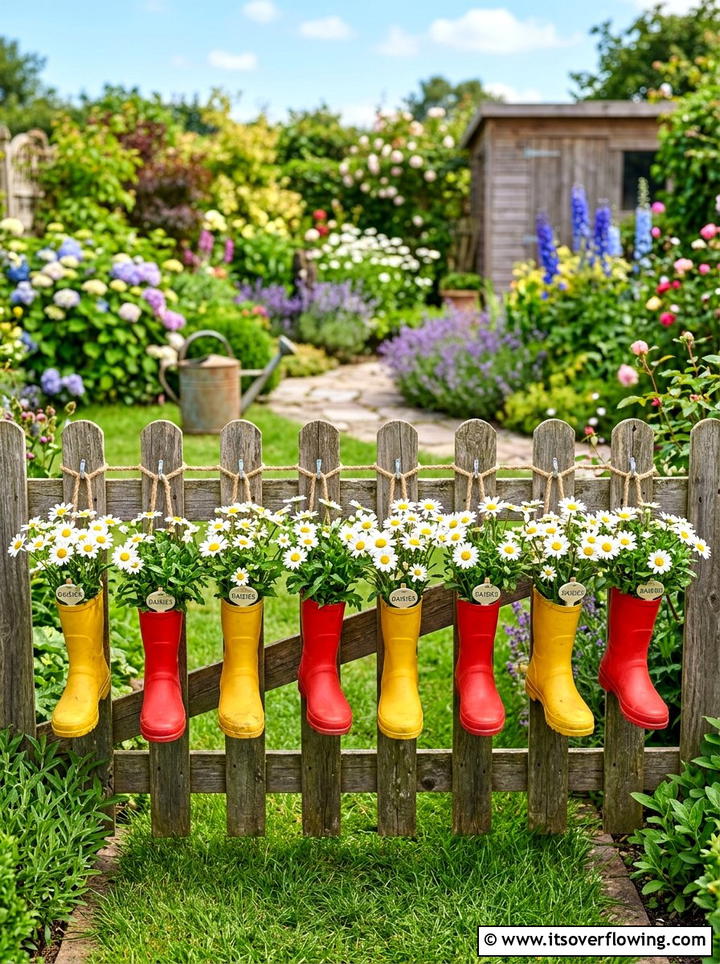
Brightly colored rain boots that children have outgrown are perfect for creating a cheerful and whimsical vertical garden display. You can hang these boots along a fence using hooks or screws to create a rainbow of flowers at eye level. Since rain boots are waterproof, they are excellent at holding moisture, but they definitely require drainage holes in the bottom to keep plants healthy. Filling them with vibrant pansies or snapdragons creates a playful look that kids and adults alike will enjoy seeing every day. It is a wonderful way to preserve memories of childhood while adding life and color to your yard.
23. Bicycle wheel trellis
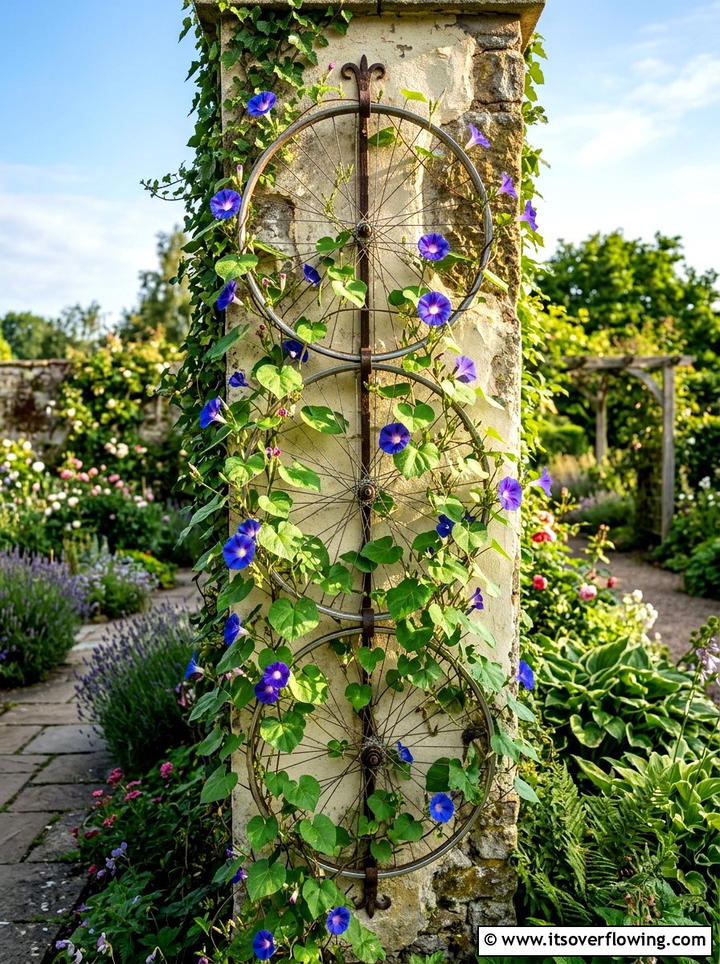
An old bicycle wheel can be repurposed as a unique circular trellis for climbing plants in a vertical garden. You can mount the wheel flat against a wall or suspend it from an overhang to allow vines to grow up the spokes. Plants like morning glories, sweet peas, or even climbing beans will naturally wrap themselves around the metal frame as they grow taller. This creates a geometric and artistic garden feature that adds movement and height to your outdoor space. It is a fantastic way to recycle metal parts while providing essential support for your favorite climbing flowers and vegetables.
24. Bed spring garden
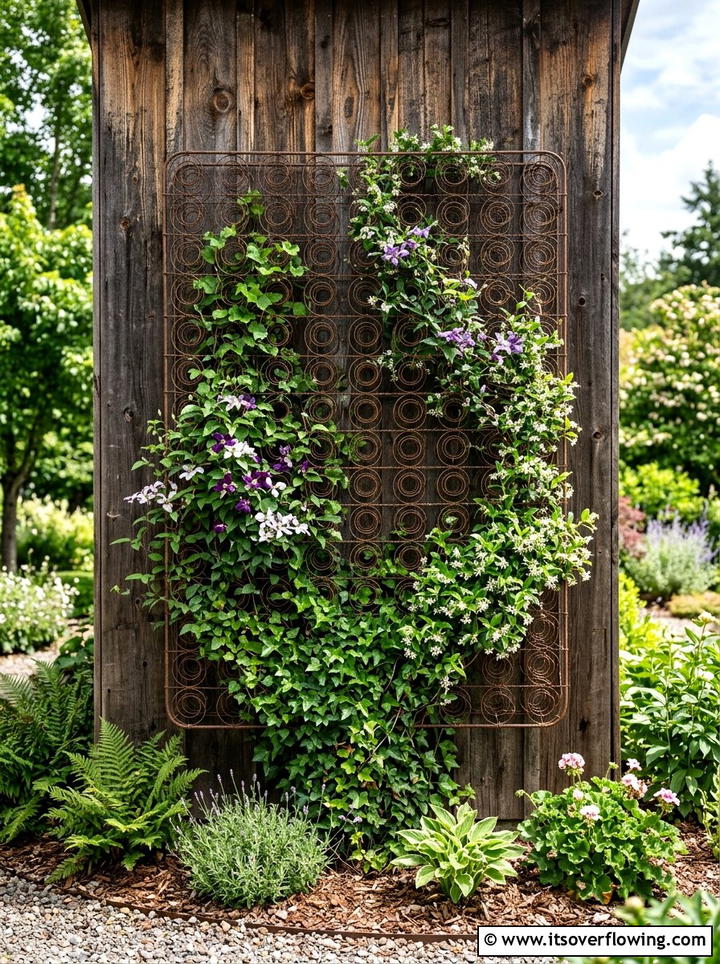
Vintage metal bed springs are often found at antique markets or in old sheds and they make incredible vertical trellises. The spiraling metal coils provide plenty of points for climbing vines and ivy to grab onto as they reach toward the sun. You can mount a large section of springs to a wooden frame or directly to a garden wall for a rustic, industrial look. As the plants fill in the gaps, the metal structure becomes a beautiful living screen that provides privacy and texture. This unconventional reuse of a common household item creates a striking visual impact in any modern or rustic garden.
25. Galvanized bucket garden
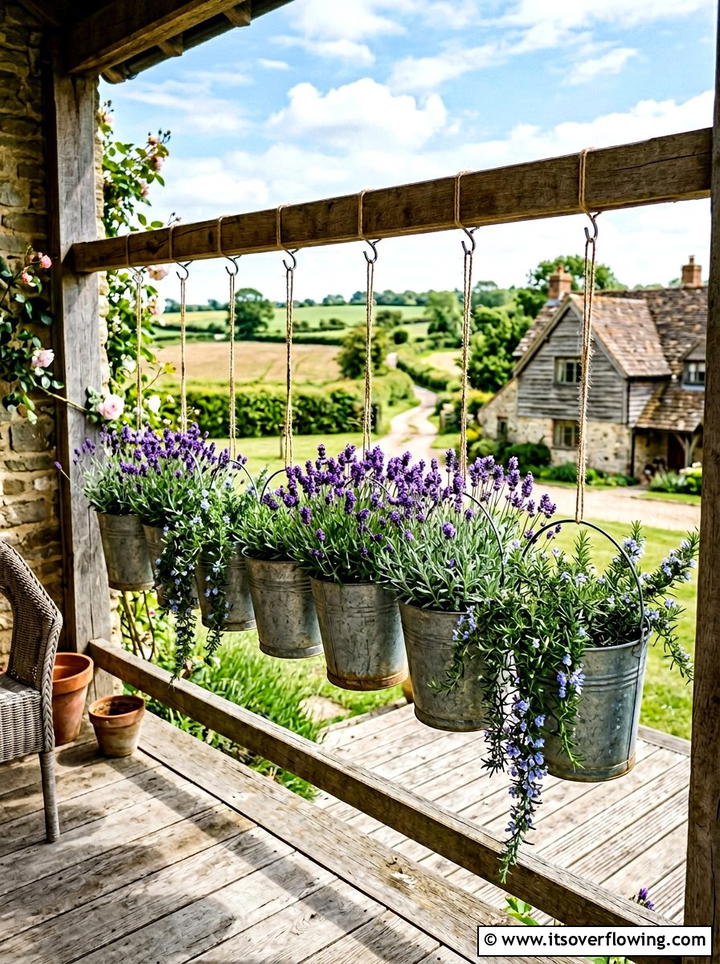
Galvanized metal buckets are timeless garden accessories that can be easily incorporated into a vertical wall garden. You can hang buckets of various sizes from a series of sturdy hooks mounted on a wooden or brick wall. These buckets are very durable and weather-resistant, making them a long-lasting choice for outdoor planting. By filling them with a mix of upright and trailing plants, you can create a full and lush look that hides the mounting hardware. This approach is perfect for creating a organized herb garden or a tiered floral display that adds a clean, farmhouse aesthetic to your home’s exterior space.
Conclusion:
Embracing the potential of reused items for your vertical garden is a journey that combines sustainability with personal creativity. By looking at old pallets, bottles, and furniture with fresh eyes, you can build a lush oasis that is both environmentally friendly and visually stunning. These projects prove that you do not need expensive materials to create a high-quality garden that thrives in a small space. Whether you are growing fresh food or beautiful flowers, these vertical ideas maximize every inch of your property while reducing waste in your community. Start small with one or two projects and watch your vertical garden grow into a beautiful living masterpiece.

Related posts:
 25 reusing old things ideas for flower garden: Easy DIY Decor
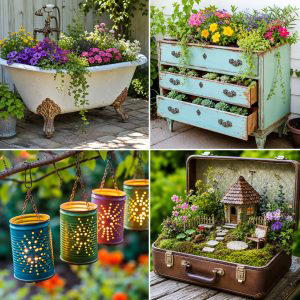 25 reusing old things ideas for garden decor
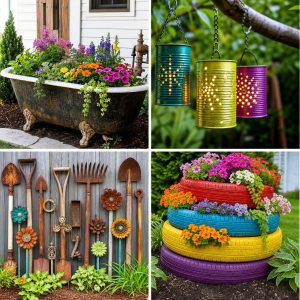 25 reusing old things ideas for seasonal garden decor
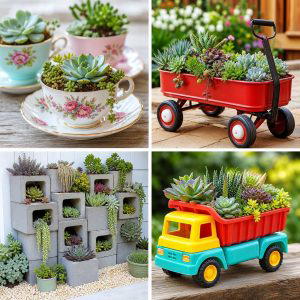 25 reusing old things ideas for succulent garden Decor
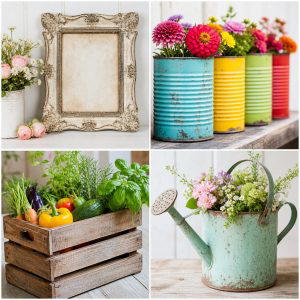 25 reusing old things ideas for fence decor: Creative DIYs
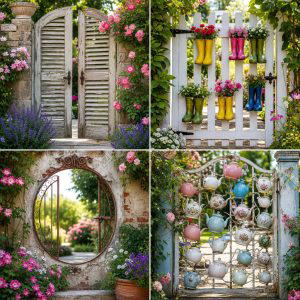 25 reusing old things ideas for gate decor With Charm
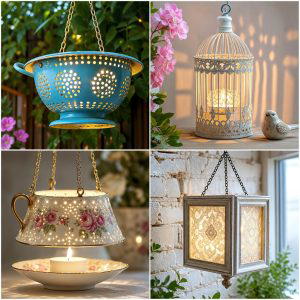 25 reusing old things ideas for lantern decor Outside
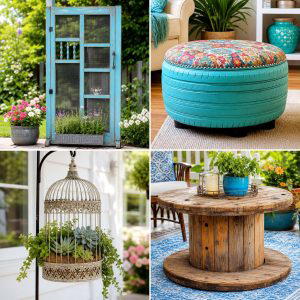 25 reusing old things ideas for porch Decor on a Budget
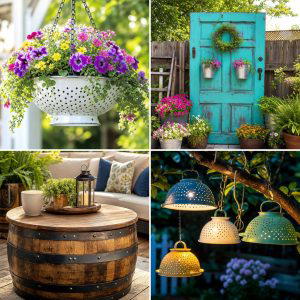 25 reusing old things ideas for boho garden look: DIY Style
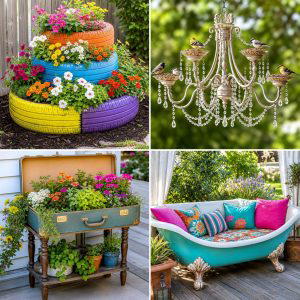 25 reusing old things ideas for garden Charm on a Budget
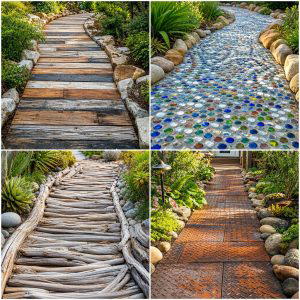 25 reusing old things ideas for garden pathways
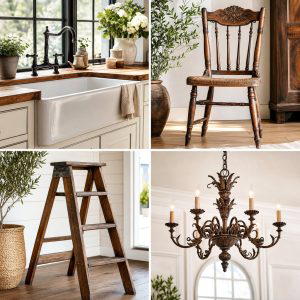 25 reusing old things ideas for garden planters