
Upcycling old household items into functional garden structures is a fantastic way to save money while adding a unique personality to your outdoor space. Instead of heading to the store for expensive plastic supports, you can look around your garage or attic for hidden gems that are waiting for a second life. These creative projects allow you to express your style while supporting climbing plants like roses, peas, or ivy. Transforming trash into treasure is not just good for the environment; it also creates a stunning focal point in your yard. Every repurposed object tells a story and brings a sense of rustic charm that factory-made products simply cannot match.
1. Crib rail
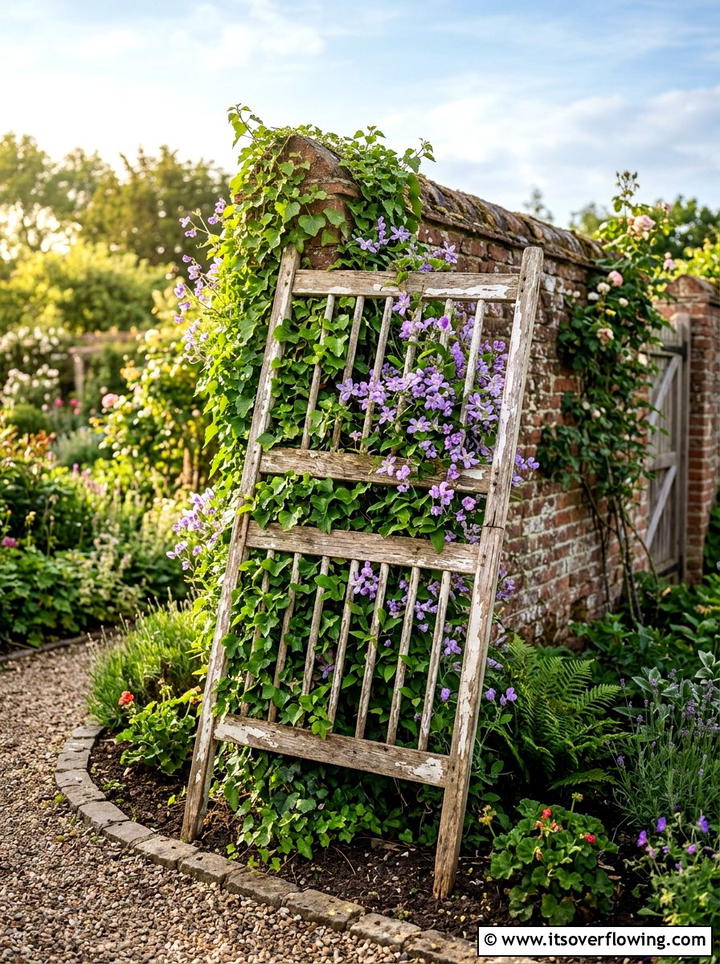
Have you ever looked at an old wooden crib and wondered how to give it a new purpose after your kids have grown up? Repurposing the side rails of a baby crib is one of the easiest ways to create a sturdy trellis for your garden. These rails are typically made of strong wood or metal slats that are already spaced perfectly for climbing vines. You can simply lean them against a wall or secure them to a fence to provide an instant vertical support system. This method is incredibly cost-effective and helps keep large items out of landfills while adding a vintage touch to your greenery.
2. Wooden ladder
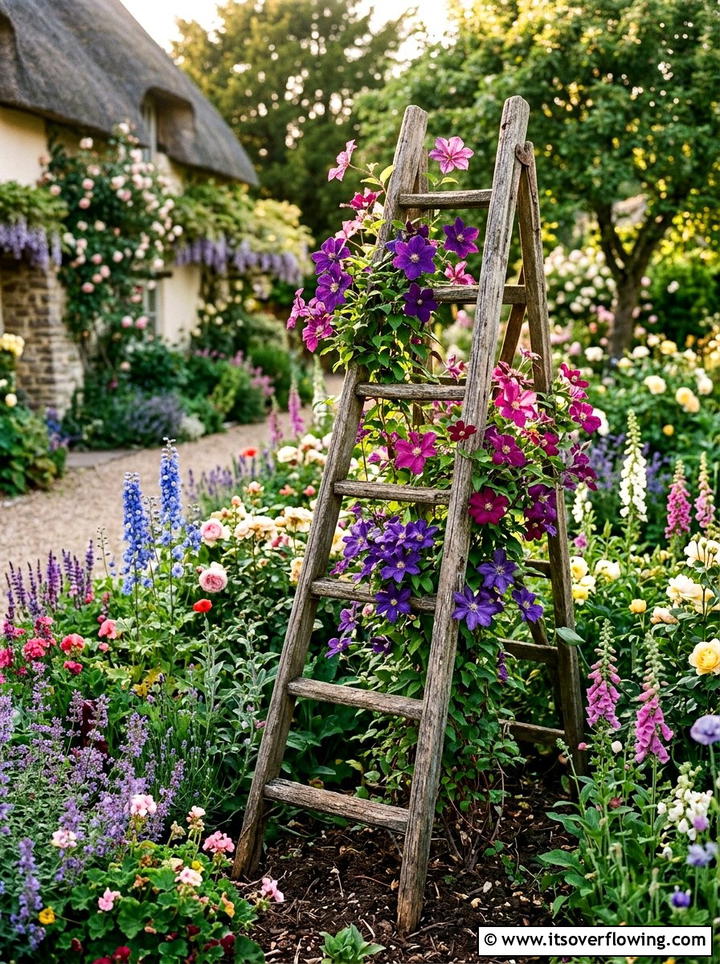
Do you have an old rickety ladder sitting in the shed that is no longer safe for climbing? A vintage wooden ladder can be transformed into a beautiful and functional vertical garden element with very little effort. You can stand it up in the middle of a flower bed or lean it against the side of your house. The rungs provide excellent support for heavy climbers like clematis or even small vegetable plants like cucumbers. To enhance the look, you can paint it a bright color or leave it weathered for a rustic farmhouse vibe. It adds height and visual interest to any outdoor area.
3. Bicycle wheel
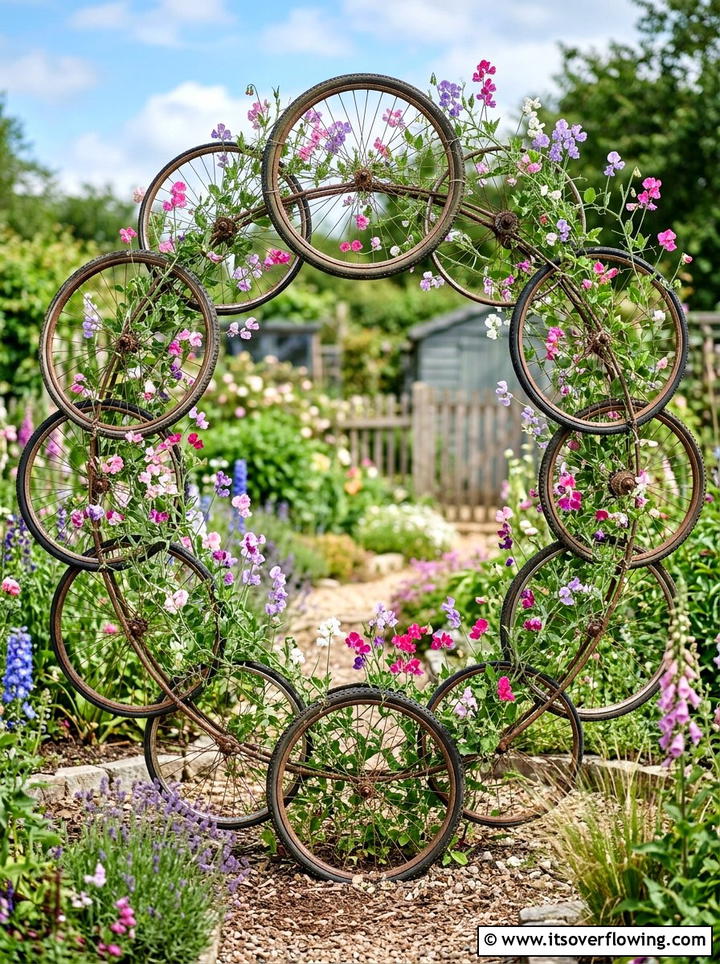
What happens to those old bicycle wheels once the tires are flat and the metal is starting to rust? You can wire several wheels together to create a whimsical and circular trellis that looks like a piece of modern art. The spokes provide numerous attachment points for delicate tendrils to wrap around as they grow upward. This circular design is perfect for creating a focal point in a round garden bed or along a pathway. It is a great way to recycle scrap metal into something beautiful and useful. Your garden will definitely stand out with this unique, industrial-style plant support system.

4. Window frame
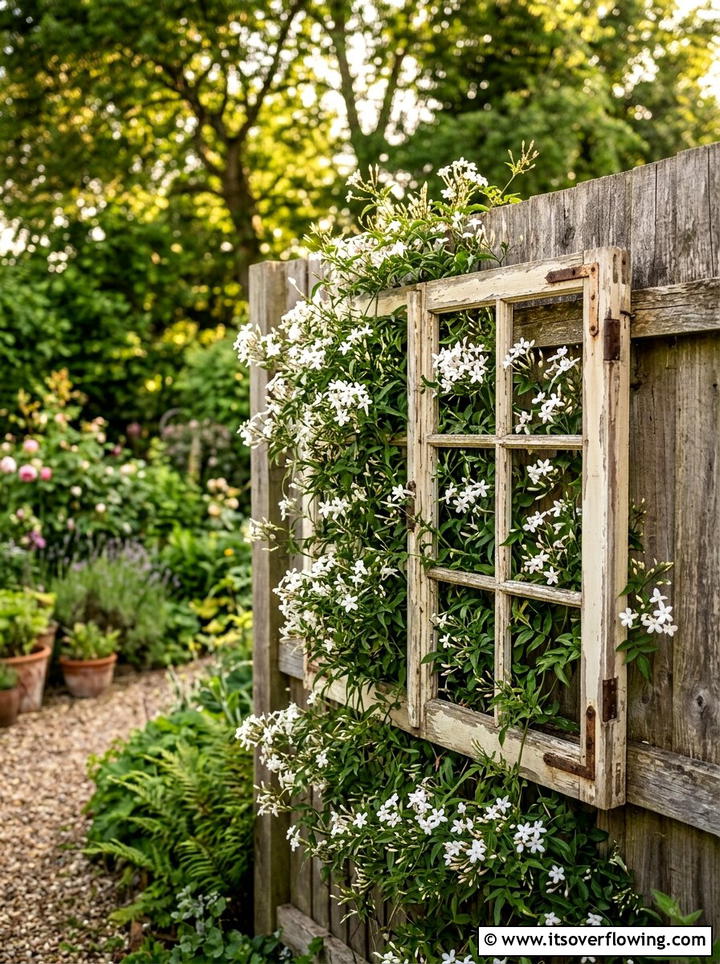
Can you imagine how charming an old wooden window frame would look nestled among your blooming jasmine or climbing roses? Removing the glass and using the empty frame as a trellis adds an architectural element to your garden walls or fences. You can add some chicken wire or garden twine across the openings to give the plants more surface area to grip. This setup works particularly well for smaller spaces like balconies or patio corners where you want to maximize vertical growth. It creates a “window” into your garden that feels nostalgic and cozy. Old frames are often found very cheaply at thrift stores.
5. Old door
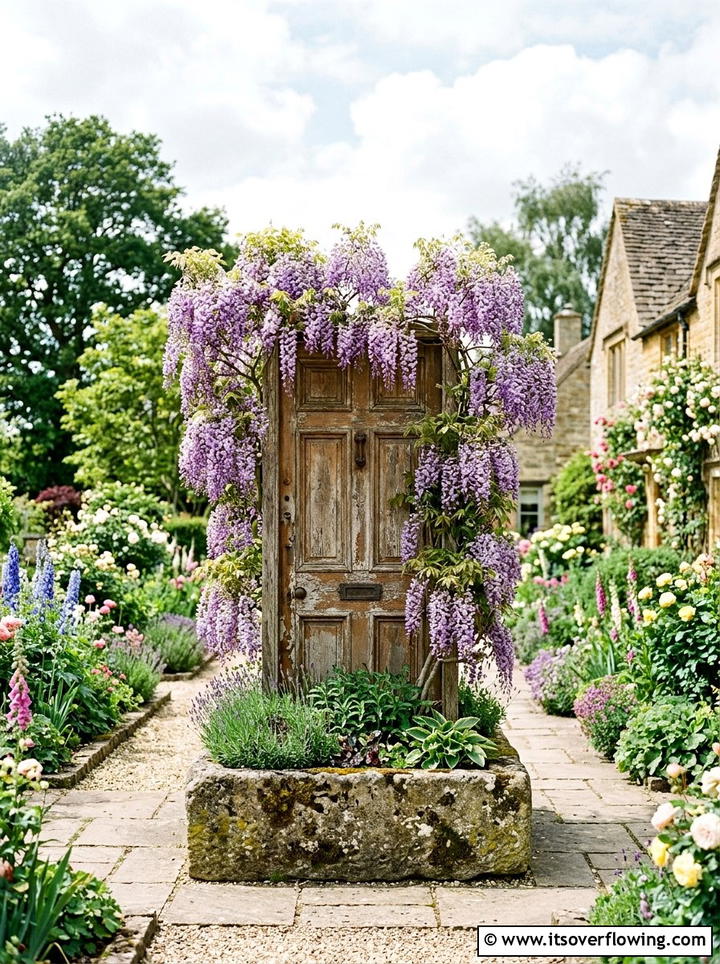
Does your garden need a bold statement piece that also serves a practical purpose for your climbing vines? An old solid wood door or a screen door can be repurposed into a massive trellis that anchors an entire garden section. You can remove the middle panels and replace them with lattice or wire mesh to allow for better airflow and plant movement. Standing a door upright in a large planter or burying the base in the ground provides a very stable structure for heavy perennials. This idea turns a discarded piece of architecture into a grand entrance for your favorite flowering climbers.
6. Bed headboard
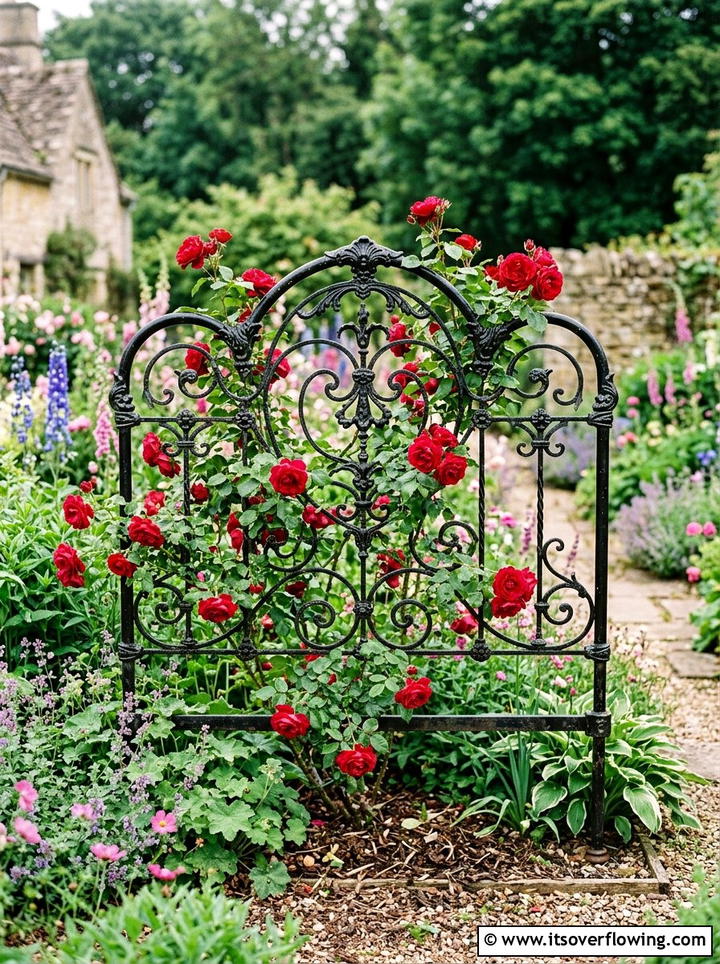
Have you considered using an old metal or wooden headboard as a backdrop for your favorite garden flowers? Headboards often feature intricate designs and scrolls that provide the perfect natural scaffolding for climbing plants to follow. An iron headboard is particularly durable and can withstand harsh weather while supporting thick vines like wisteria or honeysuckle. You can paint it to match your garden furniture or let the natural patina show through for an antique appearance. It acts as a beautiful headboard for your “bed” of flowers, creating a dreamlike and organized look in your backyard sanctuary.
7. Pallet wood
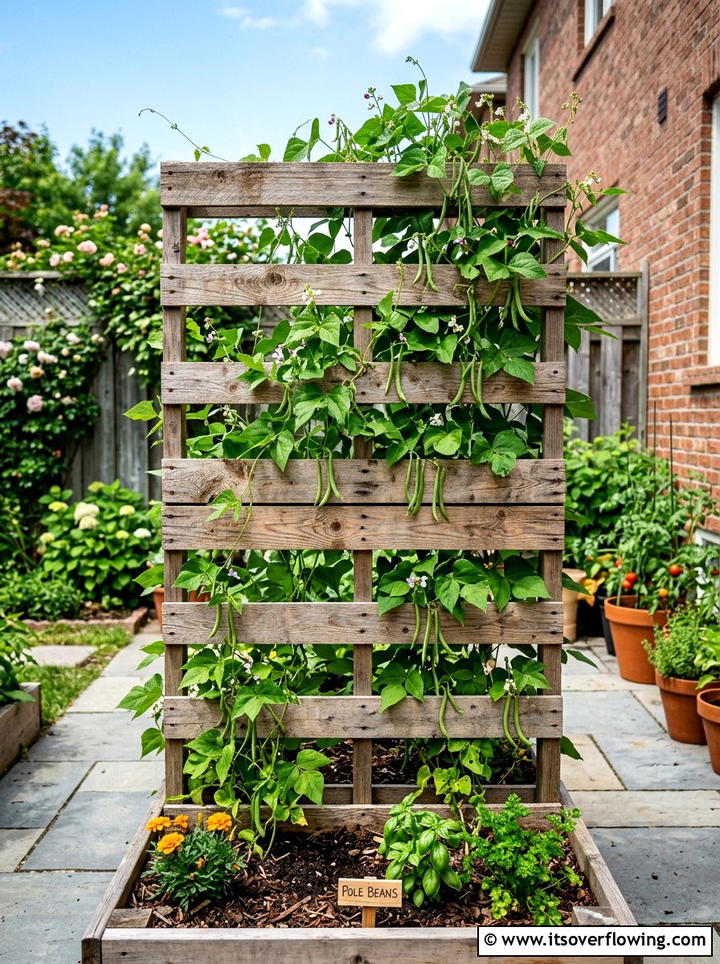
Are you looking for a budget-friendly way to build a custom trellis that fits your exact space requirements? Shipping pallets are a goldmine for DIY gardeners because they are easy to find and very versatile to take apart. You can use the individual slats to build a classic diamond lattice or keep the pallet whole for a heavy-duty vertical planter. This material is perfect for growing edible crops like pole beans or snap peas in a small vegetable patch. Since pallets are often heat-treated, they are safe for gardening and can be stained to match your outdoor deck or patio area.

8. Metal rake
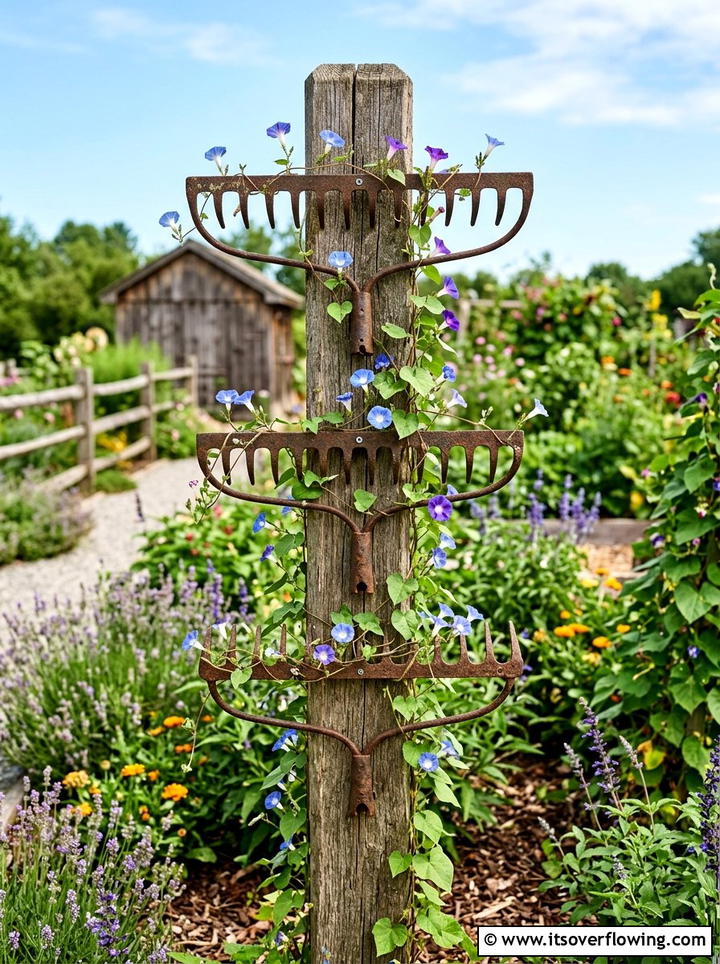
What do you do with a broken garden rake that has lost its handle but still has its sturdy tines? You can mount the rake head onto a fence or a wooden post to create a miniature trellis for small vines. The long metal teeth are perfect for catching the tiny tendrils of sweet peas or morning glories as they begin their journey upward. This is a clever way to repurpose old tools that would otherwise be thrown away. It adds a touch of “garden tools” decor while being highly functional. Multiple rake heads lined up can create a very interesting decorative border.
9. Guitar frame
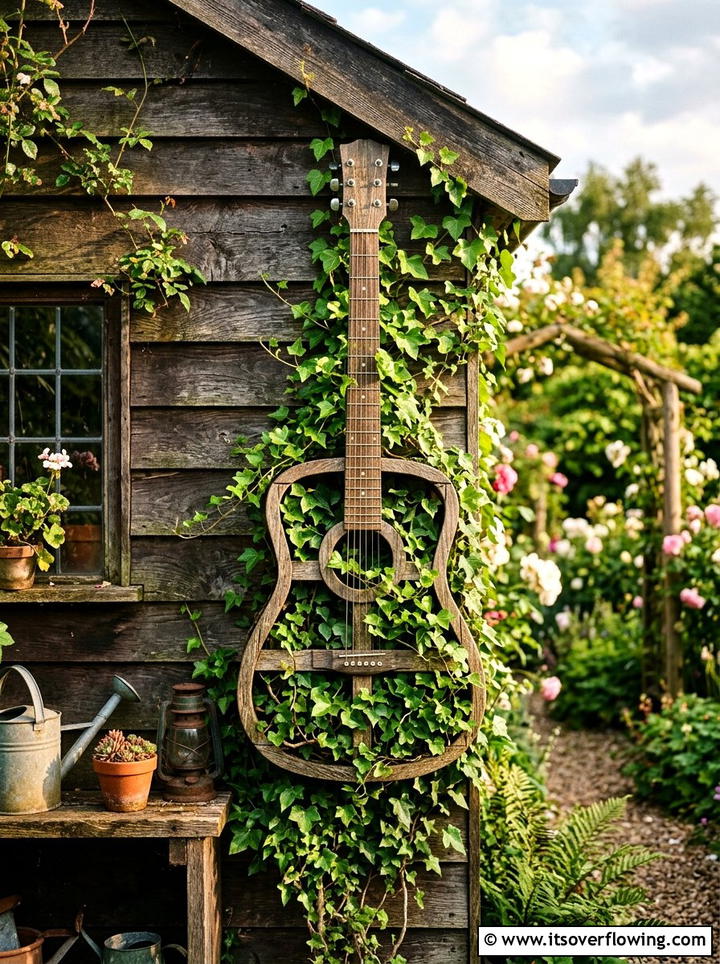
Do you have an old, unplayable acoustic guitar that is just collecting dust in the corner of your attic? You can remove the front soundboard and strings to create a hollow frame that serves as a musical trellis. By adding some thin wire across the body, you give climbing ivy a place to grow inside the instrument’s silhouette. This creates a stunning conversation piece that combines your love for music with your passion for gardening. Hanging a guitar trellis on a garden wall brings a sense of artistic flair and whimsy. It is a perfect example of creative upcycling at its very best.
10. Copper pipe
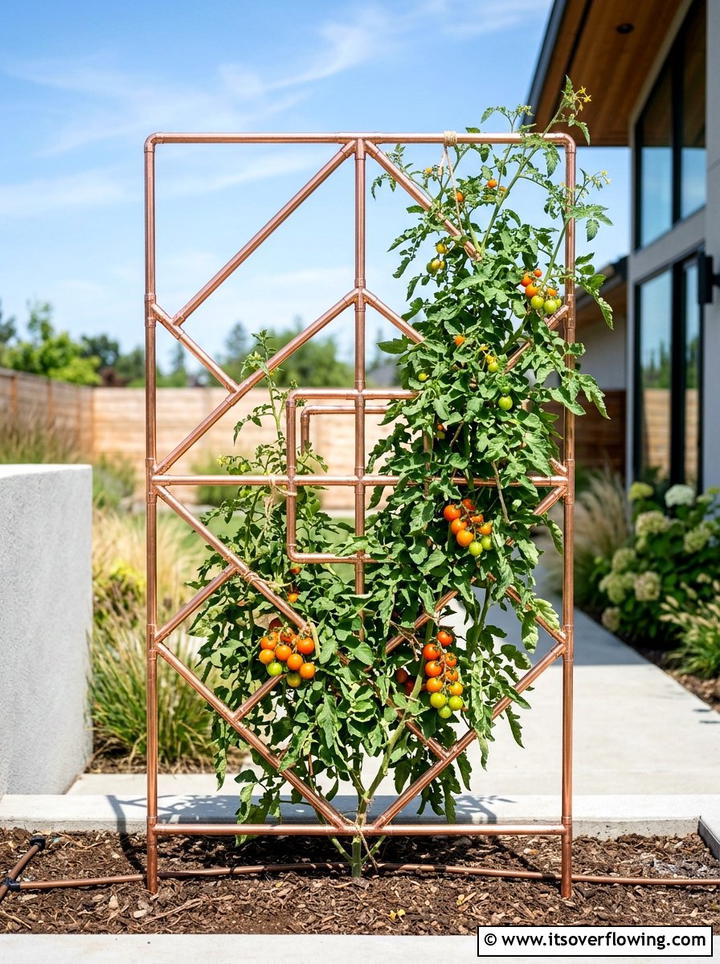
Can you use leftover plumbing materials to create a sleek and modern support system for your backyard plants? Copper pipes are excellent for DIY projects because they are easy to cut and assemble using simple elbow joints and connectors. You can build a custom geometric trellis that will eventually develop a beautiful green patina over time. This style looks very professional and high-end, fitting perfectly into a modern or minimalist landscape design. Copper is also naturally resistant to rot and pests, making it a long-lasting choice for supporting heavy vegetable plants like tomatoes or large flowering vines in your garden beds.
11. Chicken wire
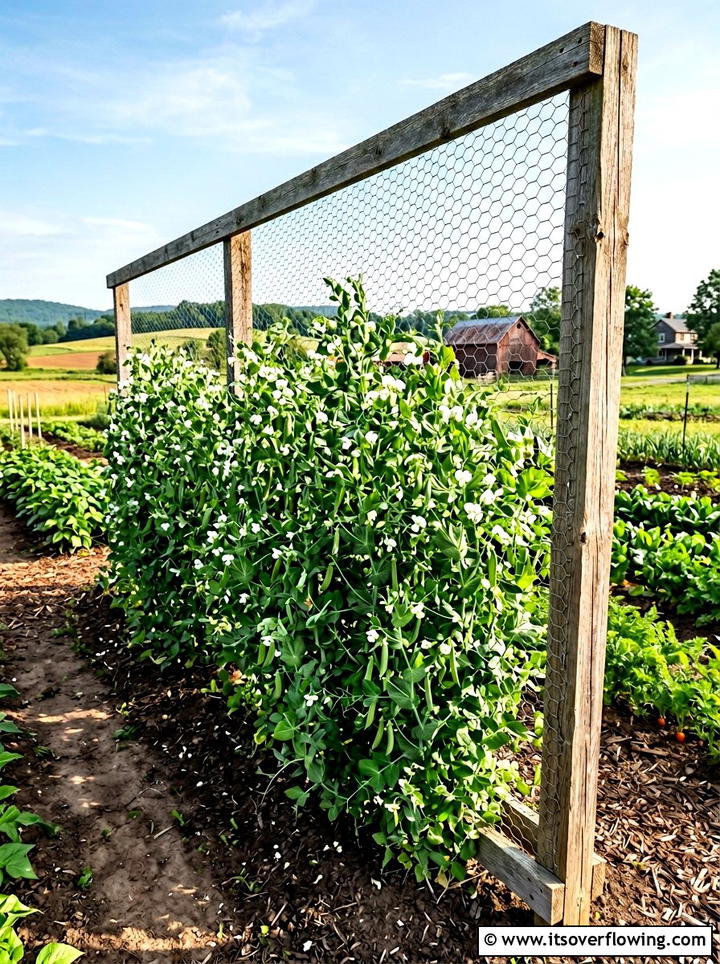
Is there a simpler way to create a large-scale trellis without spending a fortune on heavy lumber or metal? Chicken wire is a classic choice for gardeners because it is flexible, lightweight, and very easy to attach to almost any surface. You can staple it to an old wooden frame or wrap it around a simple post to create a vertical climbing space. The small hexagonal holes are the ideal size for most climbing plants to grab onto securely. It is nearly invisible from a distance, allowing the beauty of the flowers to be the main focus. It is a staple for any budget gardener.
12. Kitchen whisk
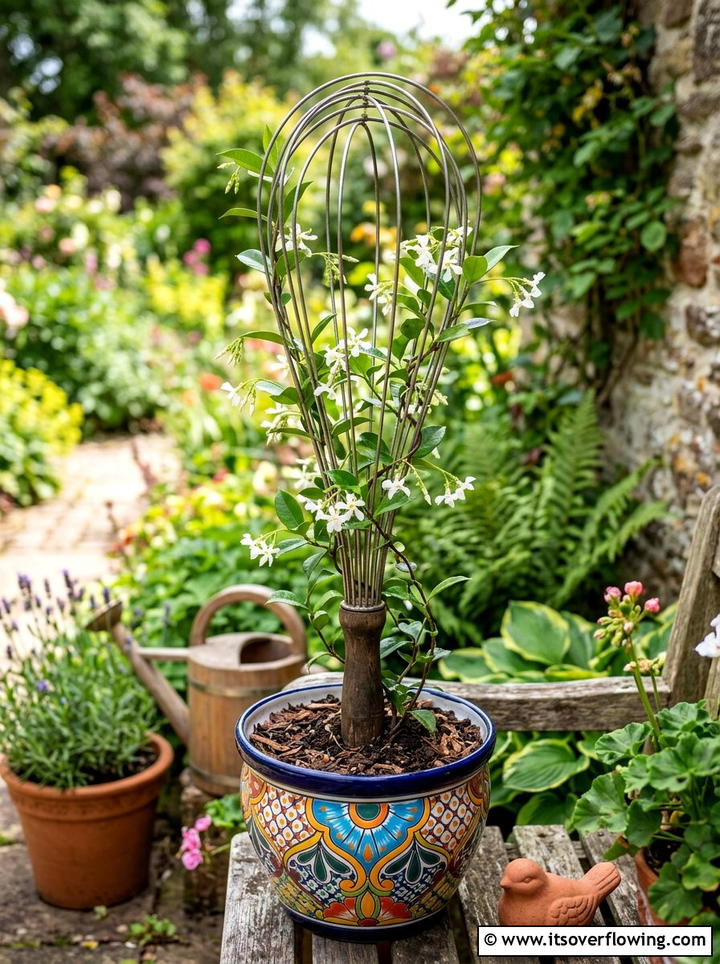
Have you thought about using small kitchen gadgets to help your indoor or container plants grow upright? An old oversized wire whisk can be pushed into the soil of a potted plant to act as a tiny trellis. The balloon shape of the whisk provides a rounded structure for delicate vines like ivy or jasmine to wrap around. This is a fun and quirky way to reuse kitchen items that are no longer being used for cooking. It works perfectly for herbs on a sunny windowsill or small decorative plants on a patio table. It brings a touch of indoor charm to your plants.
13. Coat hanger
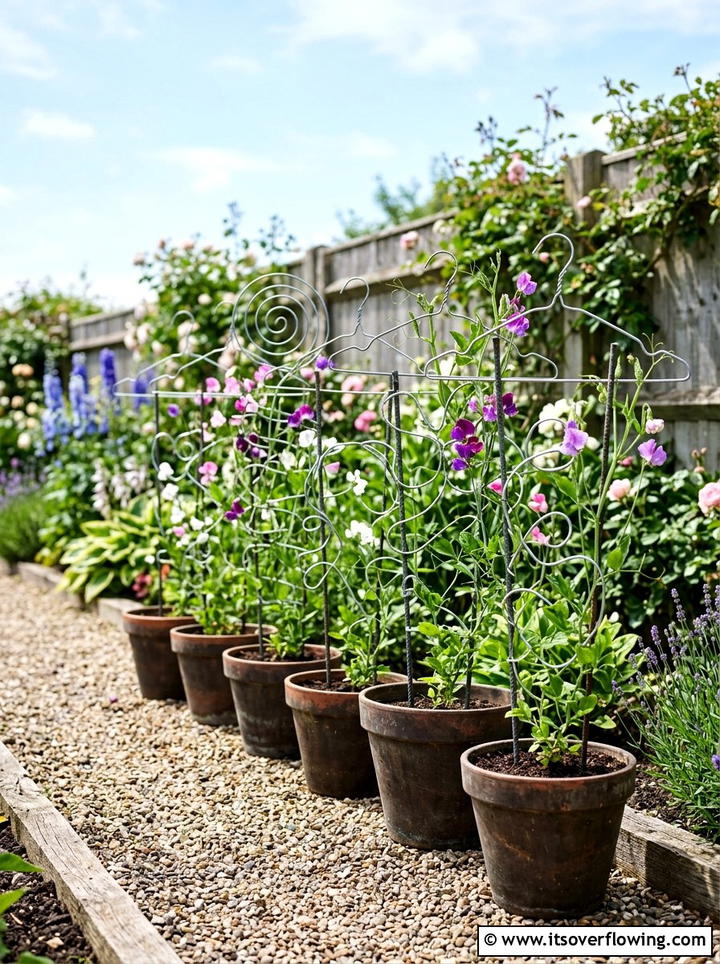
Do you have an abundance of wire coat hangers taking up space in your bedroom closet? You can untwist these hangers and reshape them into custom loops or heart shapes to support your climbing houseplants. By connecting several hangers together, you can create a taller structure for outdoor containers as well. The thin wire is easy to manipulate with pliers, allowing you to create any design you desire. This is a zero-cost solution for providing support to light-weight climbing flowers like Mandevilla. It is a simple project that yields very practical results for any plant lover on a strict budget.
14. Wheelbarrow handle
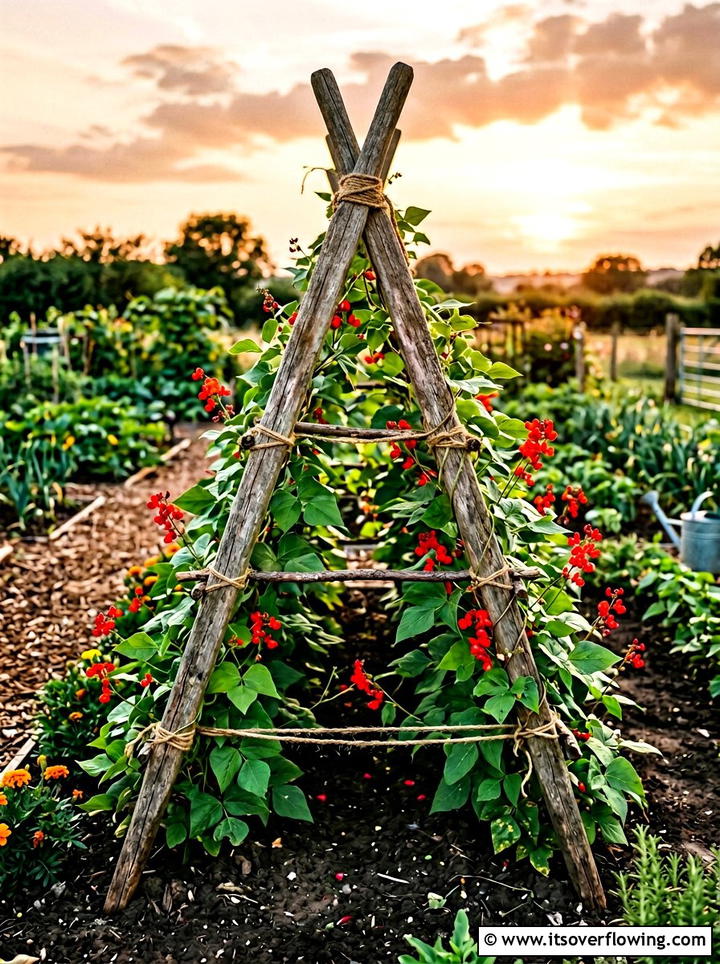
What can you do with the wooden or metal handles of an old, rusted wheelbarrow that is beyond repair? These long, sturdy poles can be driven into the ground to create the main uprights for a tepee-style trellis. By tying the tops together and wrapping some twine around them, you create a perfect structure for runner beans or hops. This uses the most durable parts of the tool to support heavy agricultural growth. It gives your garden a hardworking, rustic look that celebrates the history of manual labor. It is a very clever way to honor old tools in new ways.
15. Picket fence
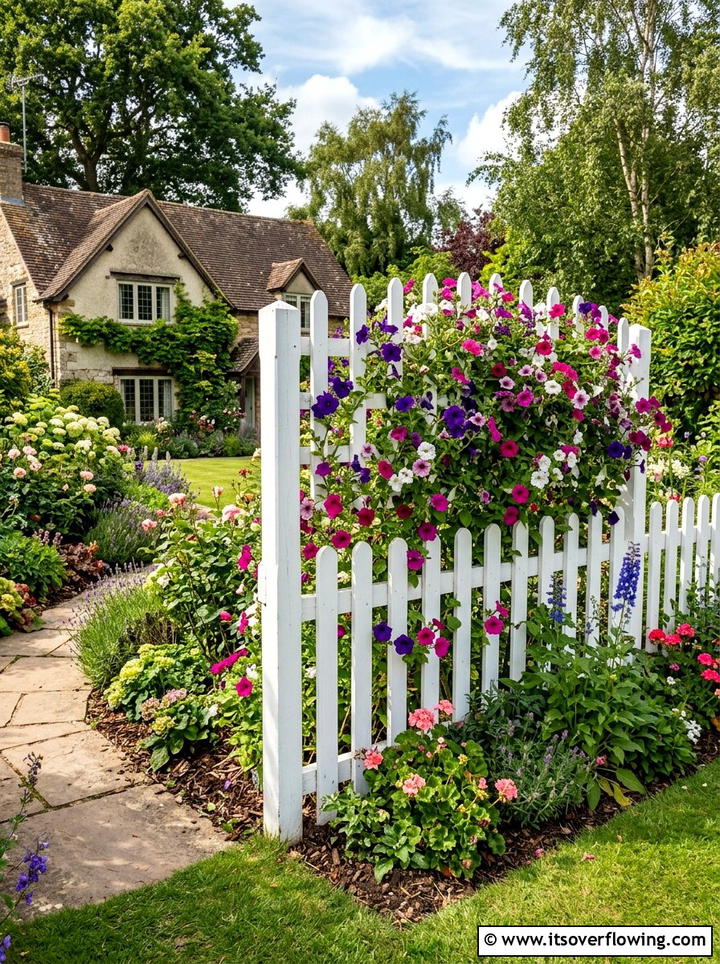
Have you recently replaced a portion of your old picket fence and have a few sections left over? These individual pickets can be arranged in a fan shape or a crisscross pattern to create a beautiful wall trellis. The pointed tops of the pickets add a classic decorative touch to your flower beds. You can paint them white for a traditional cottage garden look or leave them natural for a more weathered appearance. This is a great way to maintain a cohesive look in your yard by using the same materials for your fences and your plant supports. It looks very polished.
16. Clothes drying rack
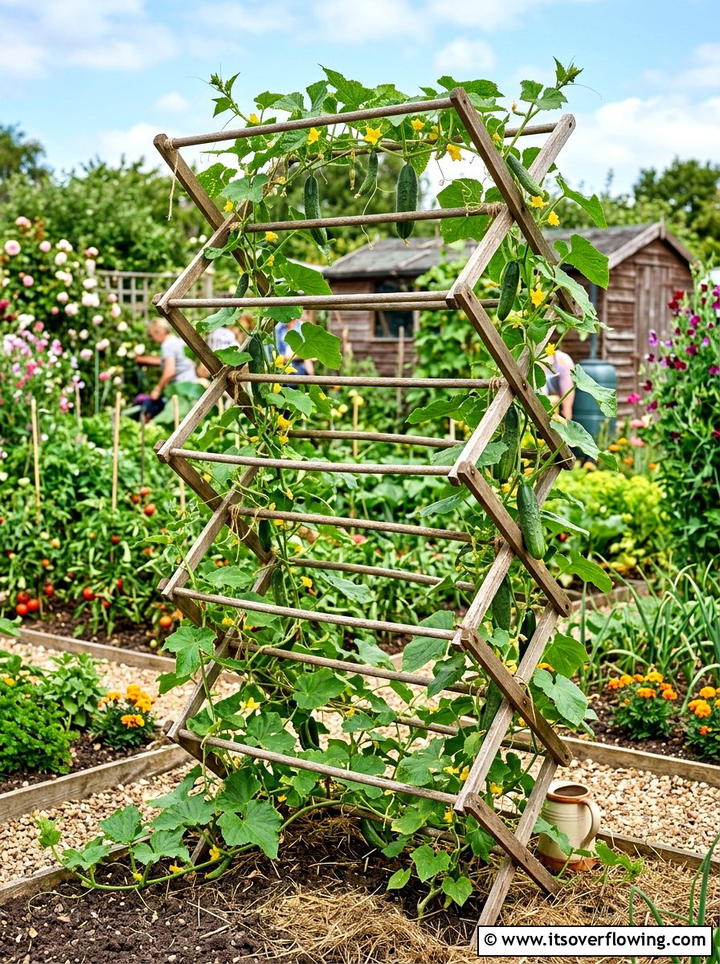
Do you have an old wooden or metal clothes drying rack that is starting to wobble or fall apart? These collapsible structures are already designed with multiple bars that are perfect for climbing plants to use as a ladder. You can expand the rack and set it directly in your garden bed for an instant, multi-layered trellis. This provides a large amount of climbing surface in a very small footprint. It is especially useful for fast-growing annual vines that need a lot of space to spread out quickly during the summer months. When the season is over, you can easily fold it.
17. Umbrella skeleton
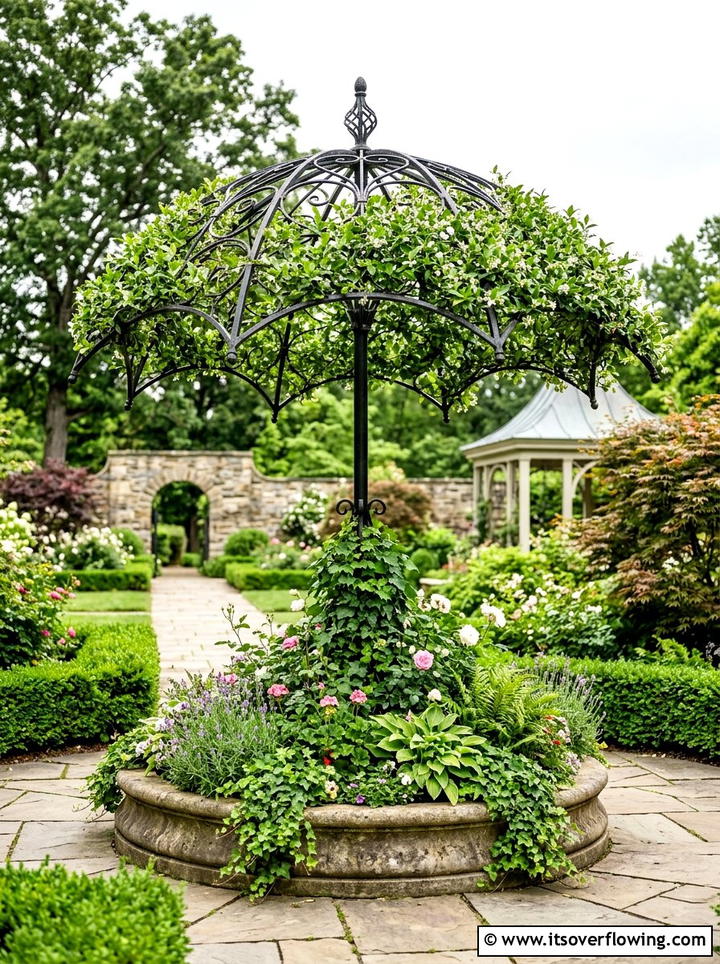
What should you do with a patio umbrella after the fabric has been torn or faded by the sun? You can strip away the old fabric and use the metal or wooden ribs as a unique, dome-shaped trellis. When placed over a large planter, the umbrella frame creates an umbrella of greenery as the vines grow up the center pole and out along the ribs. This creates a stunning living canopy that provides shade and a beautiful visual focal point. It is a brilliant way to recycle a large item that would be very difficult to dispose of in a regular trash bin.
18. Bamboo stake
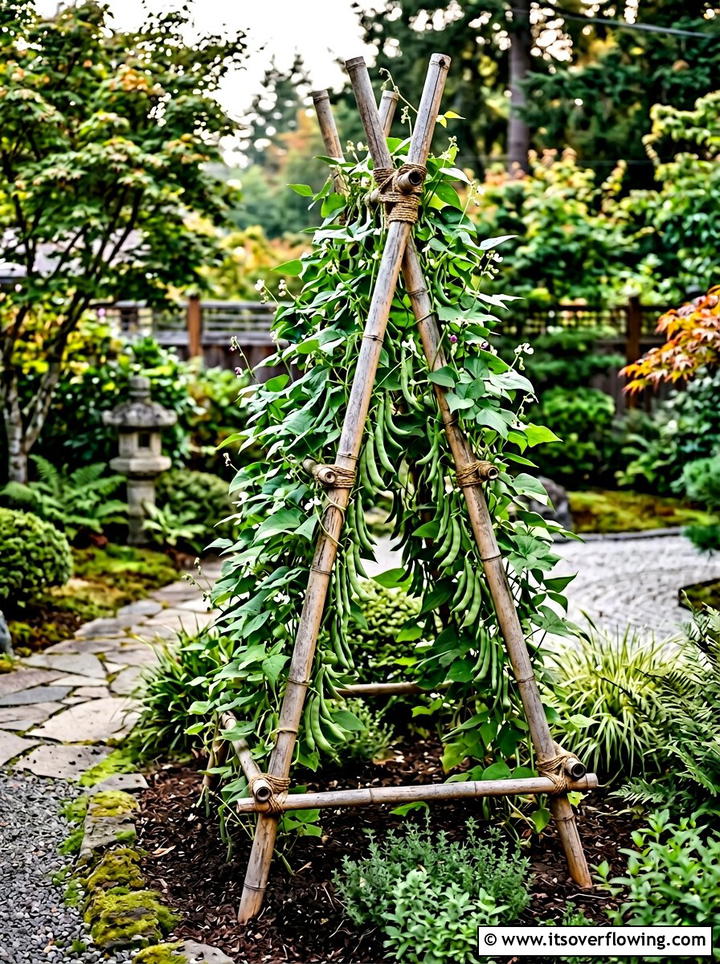
Are you looking for a natural and sustainable material to help your vegetable garden grow taller? Bamboo is incredibly strong and lightweight, making it one of the best materials for building custom garden trellises. You can lash several bamboo poles together using garden twine to create a sturdy A-frame or a simple grid. This material blends in perfectly with the natural environment and adds a touch of Zen to your outdoor space. It is perfect for supporting heavy crops like cucumbers or pole beans. Since bamboo grows so quickly, using it as a garden resource is a very eco-friendly choice for any home.
19. Tree branch
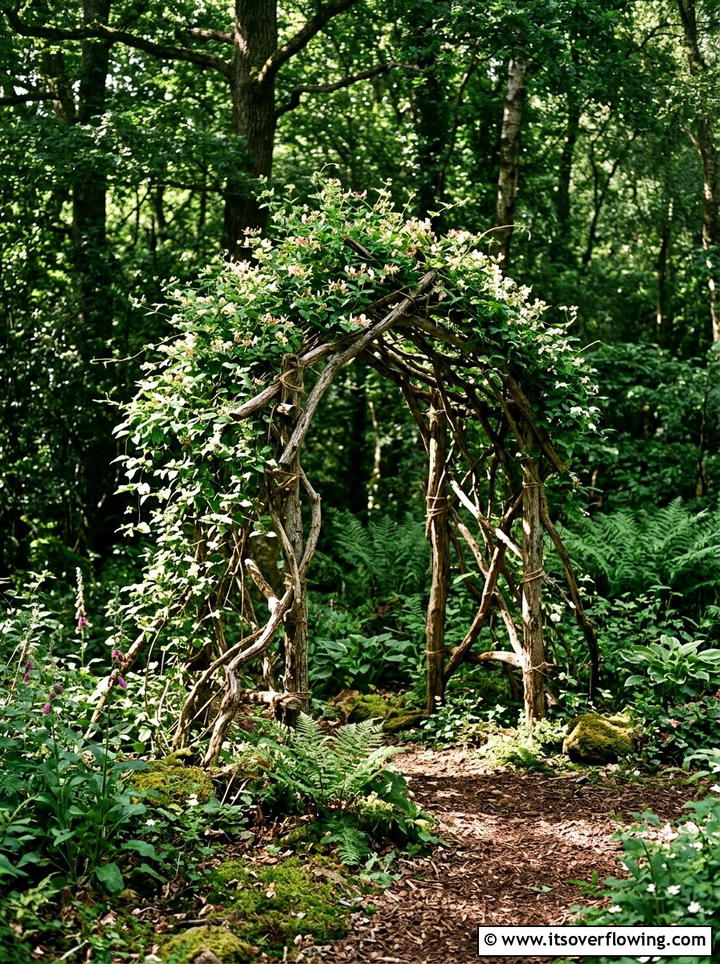
Have you considered using fallen tree branches from your own yard to create a completely free and natural trellis? Pruned branches with multiple smaller twigs provide the most realistic and organic support for climbing plants. You can stick the thick end of a large branch into the soil and let your vines scramble up the natural “fingers” of the wood. This creates a “wild” look that fits beautifully in a woodland or shade garden. It costs absolutely nothing and utilizes yard waste in a way that benefits your plants. It is the most authentic way to bring a bit of nature into your design.
20. CD storage tower
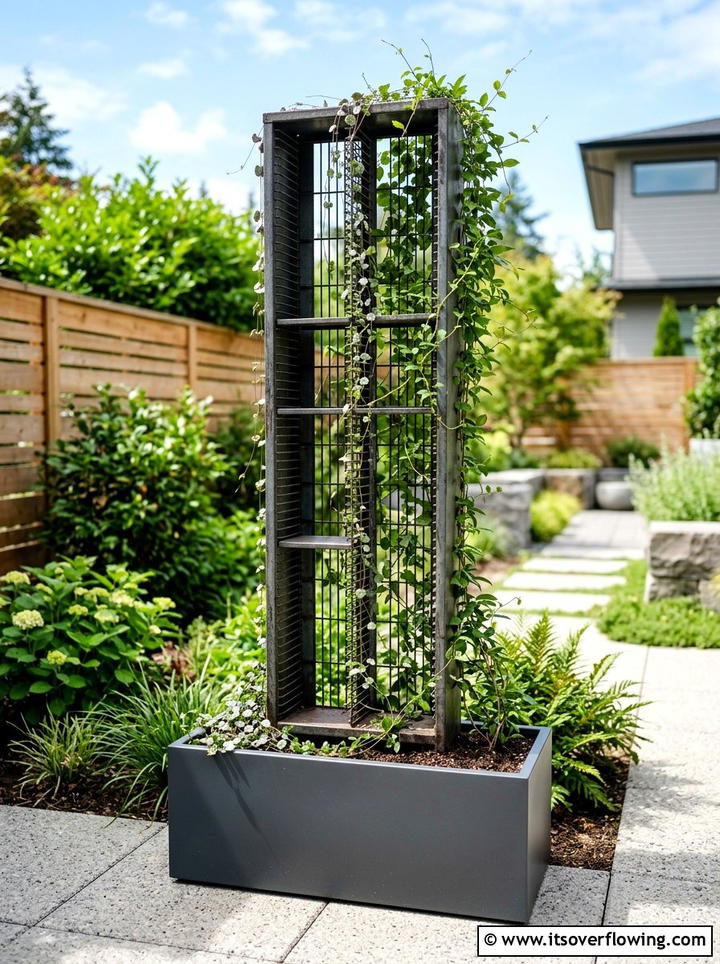
Do you still have one of those tall, wire CD storage towers from the 1990s that you no longer need? These vertical towers are actually perfect for gardening because they are tall, thin, and have built-in slots for plants to grip. You can place one of these in a large pot to give your climbing plants a modern, skyscraper-like structure to climb. The metal frame is usually coated to prevent rust, making it a durable choice for outdoor use. It is a fun way to repurpose a piece of outdated technology into something that supports life and beauty in your contemporary garden space.
21. Bird cage
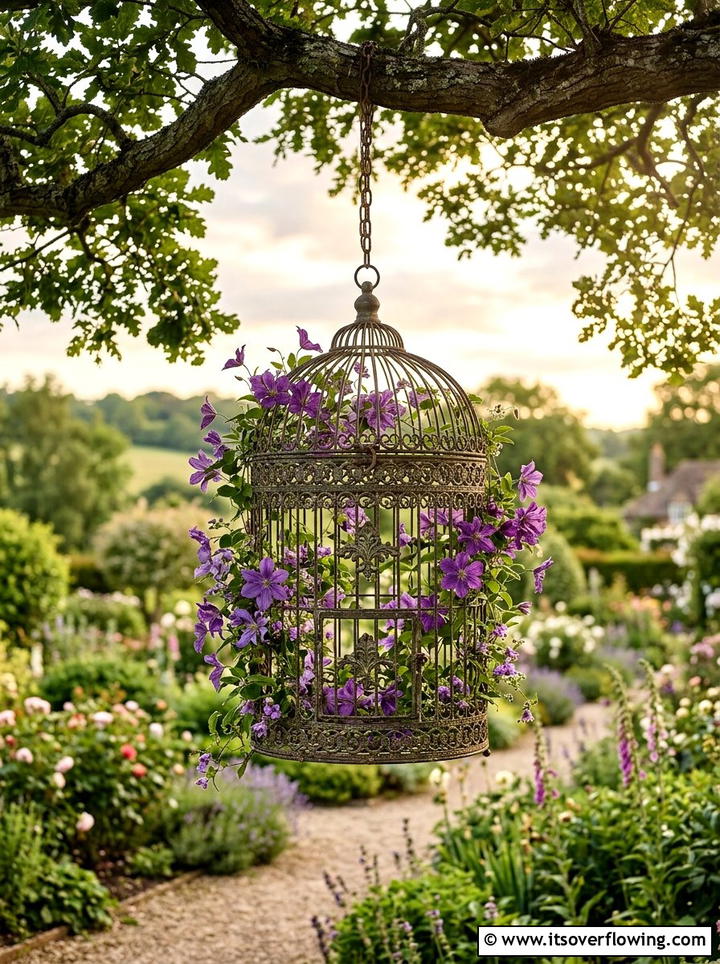
Can you imagine how enchanting an old decorative bird cage would look covered in blooming vines and colorful flowers? By placing a climbing plant inside or at the base of a vintage bird cage, you allow the vines to weave through the bars. This creates a romantic and Victorian-style focal point that looks amazing on a patio table or hanging from a tree branch. The cage provides a 360-degree support system that keeps the plant contained and upright. It is a wonderful way to use a flea market find to add a touch of mystery and elegance to your garden design.
22. Mattress spring
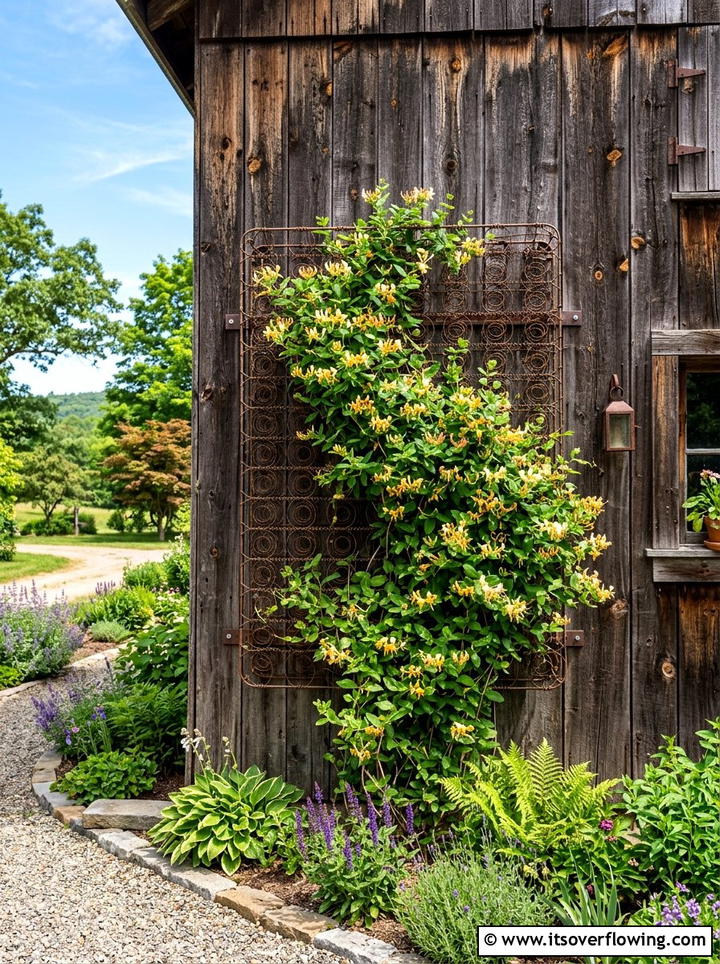
Have you ever seen an old metal mattress spring and thought about how it looks just like a giant piece of lattice? Removing the fabric from an old inner-spring mattress leaves you with a large, flexible grid of metal coils. This can be mounted to a heavy wooden frame or leaned against a barn wall to create a massive trellis. The springs provide a unique texture and plenty of gaps for thick vines to grow through. It is an industrial and edgy way to recycle a large household item. It provides a massive amount of vertical space for very little money or extra effort.
23. Screen door
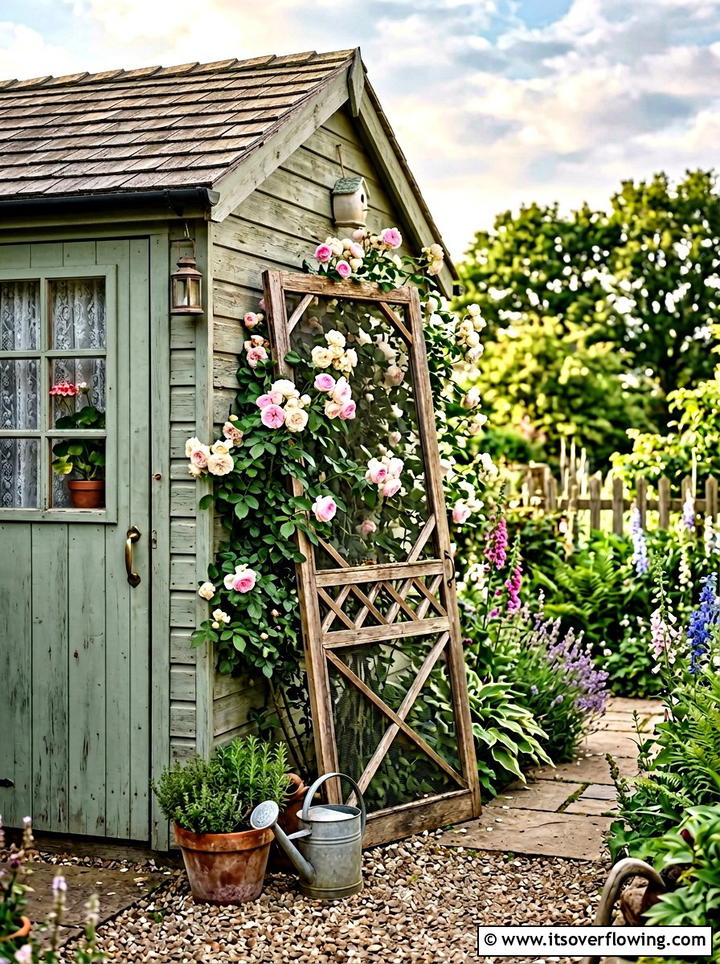
What can you do with an old wooden screen door that has a few holes in the mesh? Instead of throwing it away, you can use it as a pre-made trellis against the side of your garage or shed. The frame is sturdy enough to support heavy plants, while the screen or inner decorative panels provide the necessary grip for vines. You can even remove the screen and replace it with more decorative wire for a custom look. This adds a “homey” and inviting feel to your garden, making it look like a well-loved and lived-in space for your plants.
24. Pot rack
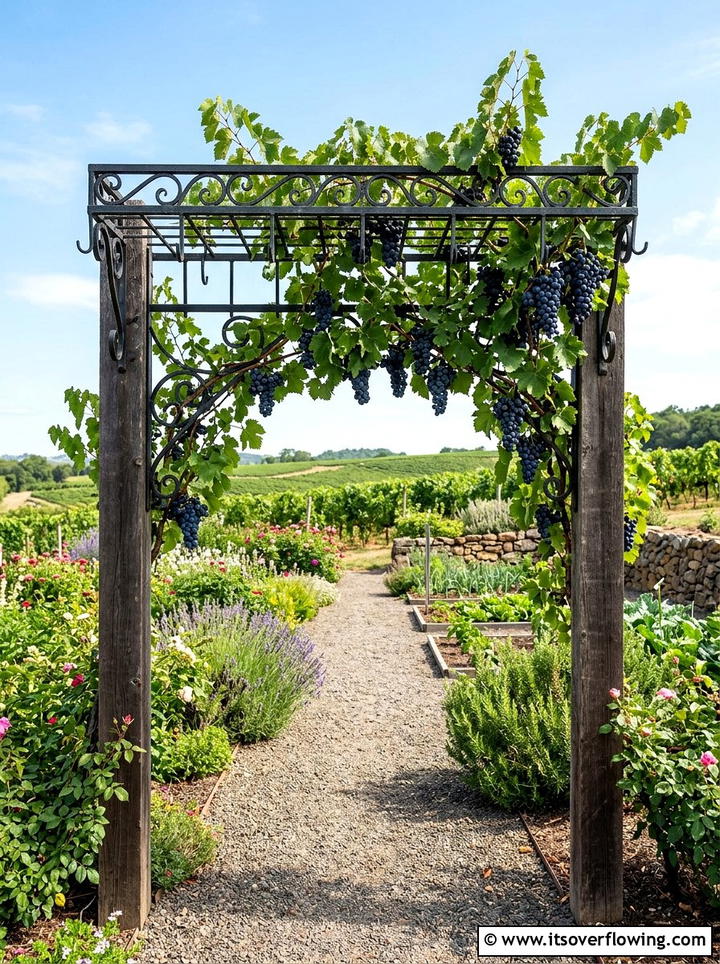
Do you have an old metal pot rack that you no longer want hanging in your kitchen? These heavy-duty racks are designed to hold a lot of weight, which makes them perfect for supporting heavy fruiting vines like grapes or large gourds. You can mount the rack vertically against a wall or horizontally over a garden path to create a mini arbor. The hooks and bars offer endless possibilities for training your plants to grow exactly where you want them. It is a very durable and high-quality material that will last for many years in the garden without bending or breaking.
25. Iron chair back
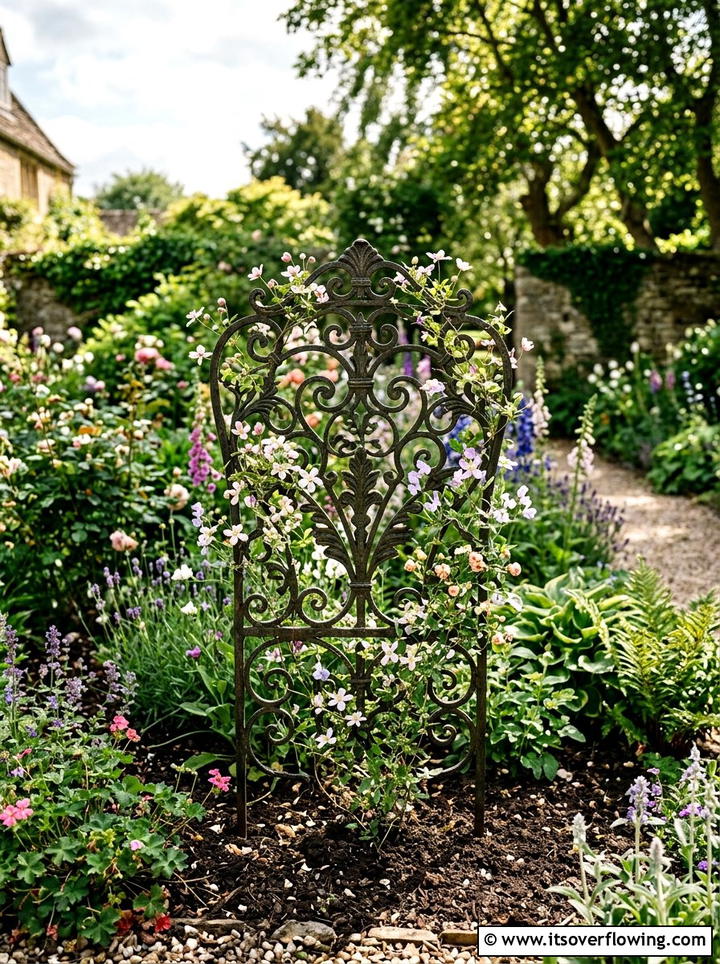
Have you ever found an old wrought iron chair that was missing its seat but still had a beautiful backrest? You can detach the back of the chair and push the legs into the ground to create a small, decorative trellis. The ornate metalwork often found on old chairs provides a stunning backdrop for flowering vines. This is a great way to save a piece of beautiful furniture from the scrap yard while adding a touch of classic elegance to your flower beds. It works perfectly as a low-profile support for smaller plants that just need a little bit of extra help.
Conclusion:
Reusing old household items for garden trellises is a creative journey that benefits both your budget and the environment. By looking at everyday objects through a new lens, you can find incredible potential in items that others might consider trash. Whether it is an old ladder, a bicycle wheel, or a simple rake, these pieces add a layer of history and charm to your landscape. This sustainable approach to gardening encourages innovation and allows you to build a space that is truly one-of-a-kind. Start exploring your own storage spaces today to see what amazing trellis projects are waiting to be discovered for your beautiful yard.

Related posts:
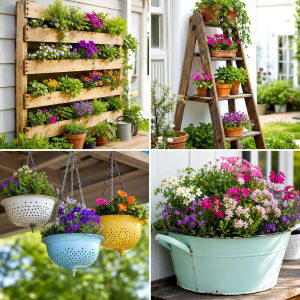 25 reusing old things ideas for balcony garden: Small-Space DIYs
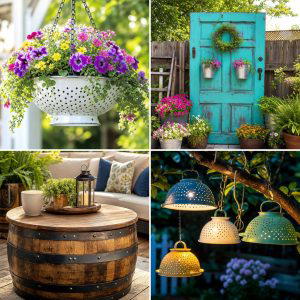 25 reusing old things ideas for boho garden look: DIY Style
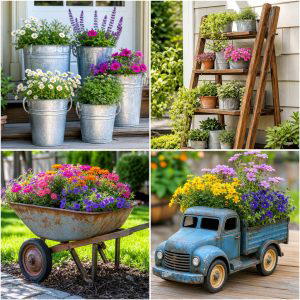 25 reusing old things ideas for container garden: DIY Planters
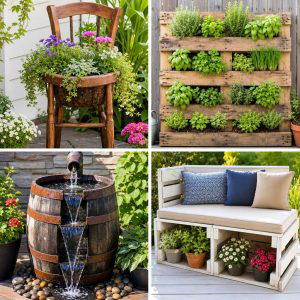 25 reusing old things ideas for front yard: Curb Appeal DIYs
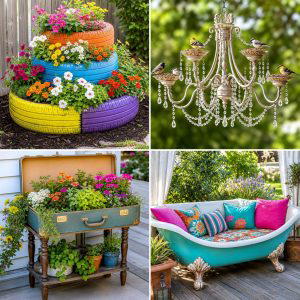 25 reusing old things ideas for garden Charm on a Budget
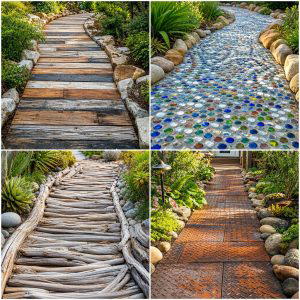 25 reusing old things ideas for garden pathways
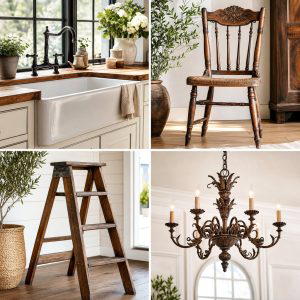 25 reusing old things ideas for garden planters
 25 reusing old things ideas for outdoor lighting
 25 reusing old things ideas for patio Style and Charm
 25 reusing old things ideas for seasonal garden decor
 25 Reusing Old Things Ideas for Small Garden Charm
 25 Reusing Old Things Ideas for Yard Art With Creative Flair