
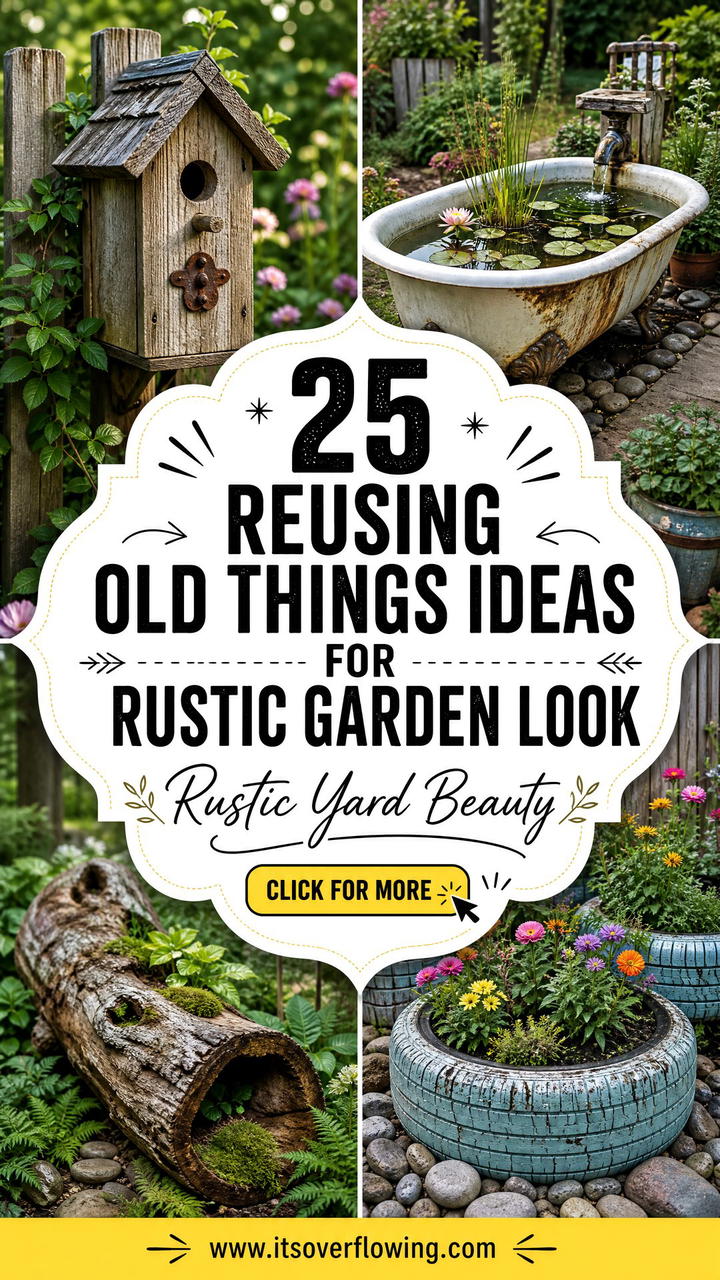
Transforming your outdoor space into a rustic haven does not require a massive budget or brand-new furniture. By looking at everyday items with a fresh perspective, you can create a garden that feels both personal and timeless. Upcycling is more than just a trend; it is a sustainable way to bring history and character into your landscape. Old ladders, rusty tubs, and weathered wood pieces all tell a unique story. These items add layers of texture and visual interest that modern, store-bought items simply cannot replicate. In this guide, we explore creative ways to breathe new life into forgotten objects to achieve that sought-after rustic charm.
1. Vintage Wooden Ladder
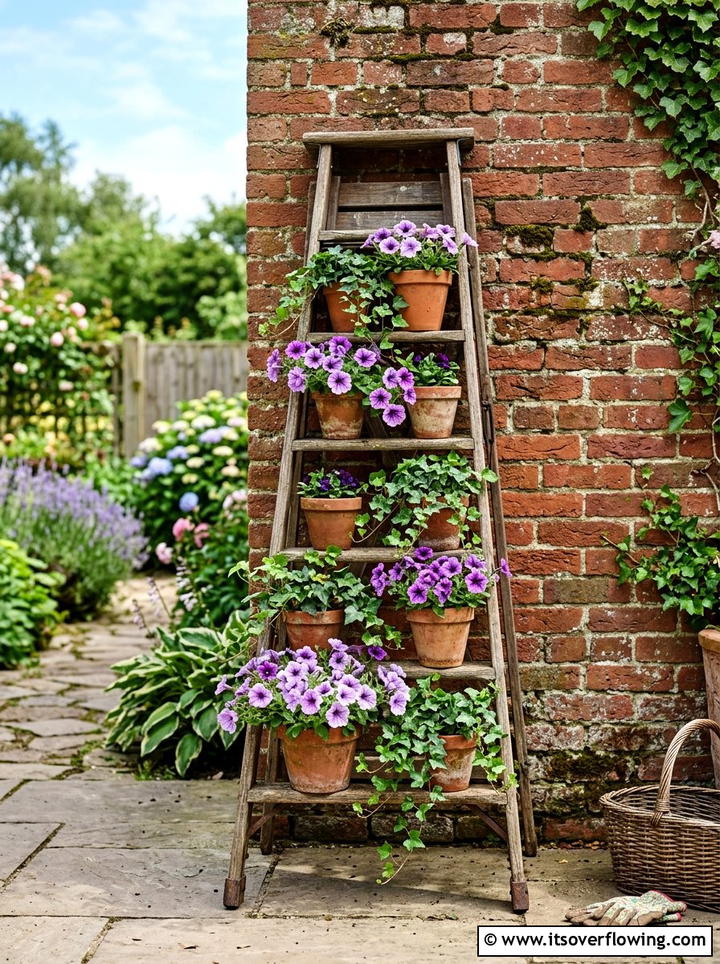
Have you ever wondered what to do with that old, rickety ladder sitting in your garage? A vintage wooden ladder provides the perfect vertical structure for a stunning floral display. You can lean it against a sturdy brick wall or a tall fence to instantly add height to your garden. Each step acts as a natural shelf for small terracotta pots filled with cascading ivy or bright petunias. This setup saves space while creating a dense, lush wall of greenery. The weathered texture of the wood contrasts beautifully with soft petals. It is an easy way to organize your plant collection without buying expensive shelving units.
2. Galvanized Metal Tub
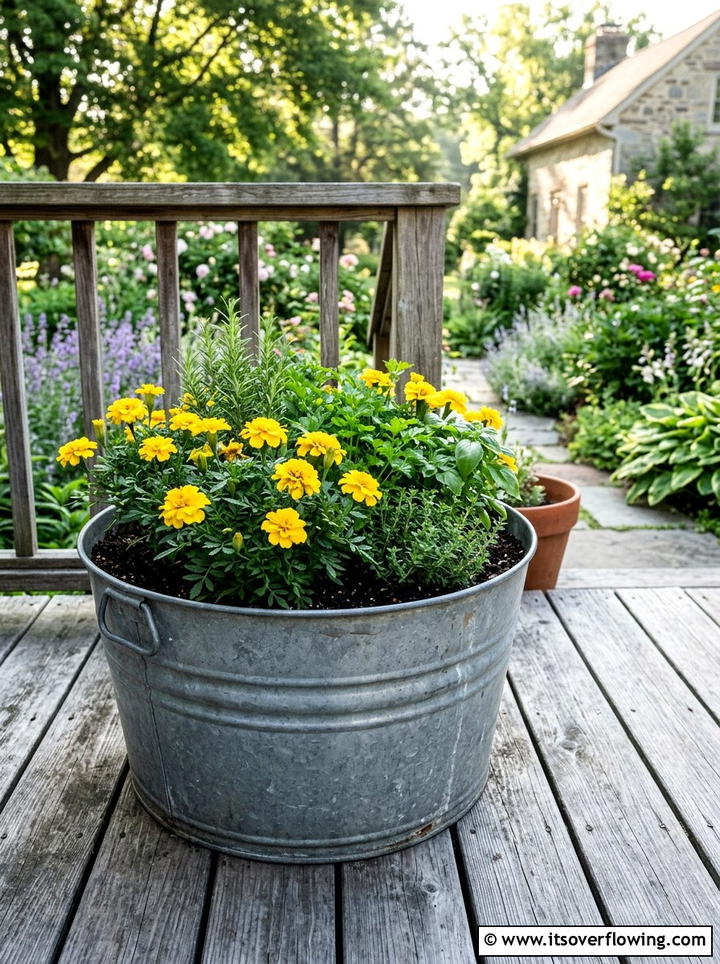
Using an old galvanized metal tub is a classic way to achieve a farmhouse look in your backyard. These durable containers are excellent for planting large groups of flowers or even creating a mini herb garden. Because they are made of metal, they withstand the elements quite well over time. You should drill a few drainage holes in the bottom to keep your plants healthy. Place the tub on a porch or nestled among taller garden shrubs for a layered effect. The silvery, aged finish of the metal provides a neutral backdrop that makes colorful blooms like marigolds or zinnias truly pop and stand out.
3. Antique Iron Wheelbarrow
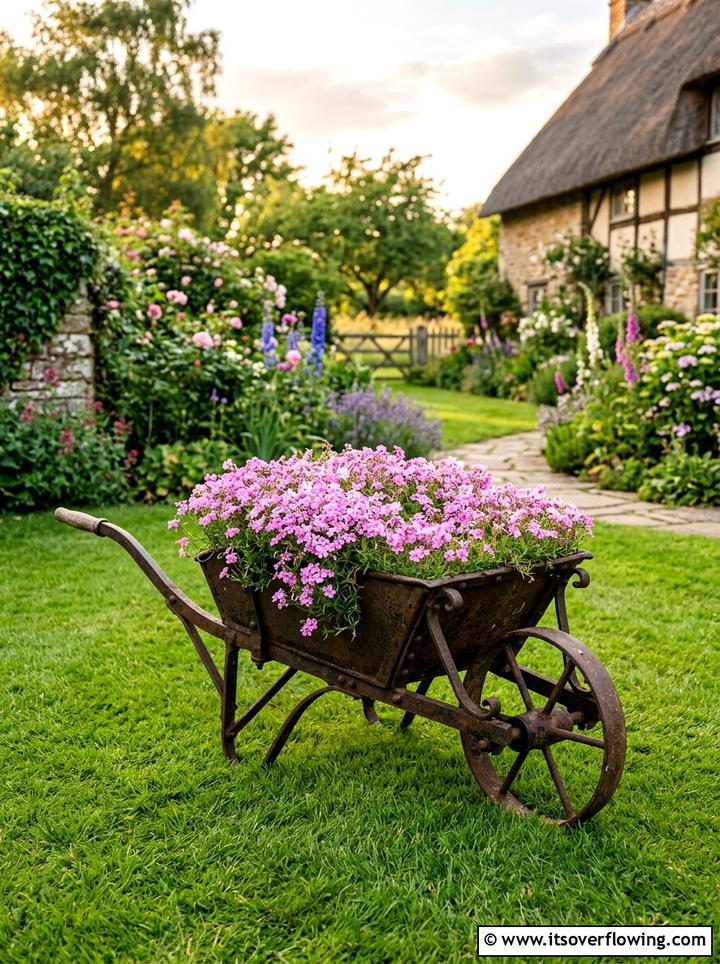
An antique iron wheelbarrow can serve as a mobile and charming focal point for any rustic garden layout. Instead of letting a rusty wheelbarrow sit in a shed, fill it with high-quality potting soil and low-growing flowers. Creeping phlox or colorful pansies work wonderfully in this shallow space. Because it has a wheel, you can easily move your garden feature to follow the sun throughout the changing seasons. This flexibility makes it a practical choice for gardeners who like to rearrange their outdoor decor. The heavy iron frame adds a sense of permanence and history to your landscape while supporting a vibrant floral arrangement.

4. Reclaimed Wood Birdhouse
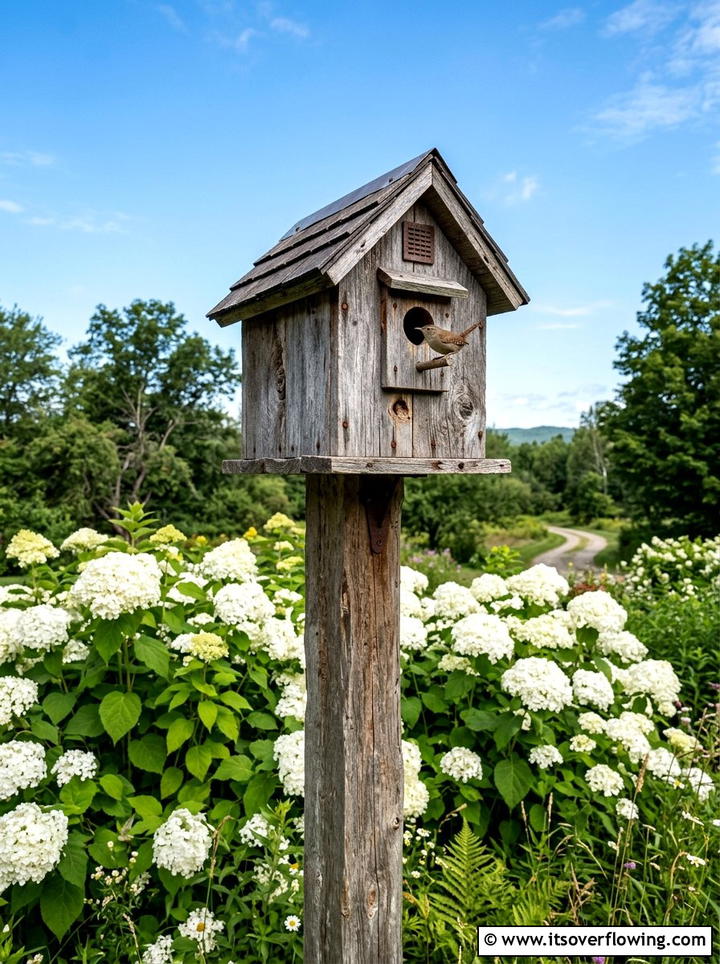
Building a reclaimed wood birdhouse is a fantastic project for adding a touch of nature and whimsy to your garden. You can use scraps from old fences or barn wood to create a structure that looks like it has always been there. Birds will appreciate the shelter, and you will enjoy the rustic aesthetic of the weathered grain. Mount these birdhouses on wooden posts or hang them from sturdy tree branches at varying heights. They serve as functional art pieces that invite wildlife into your outdoor sanctuary. Using natural materials ensures that the birdhouses blend seamlessly with the surrounding trees and shrubs in your yard.
5. Old Window Frame
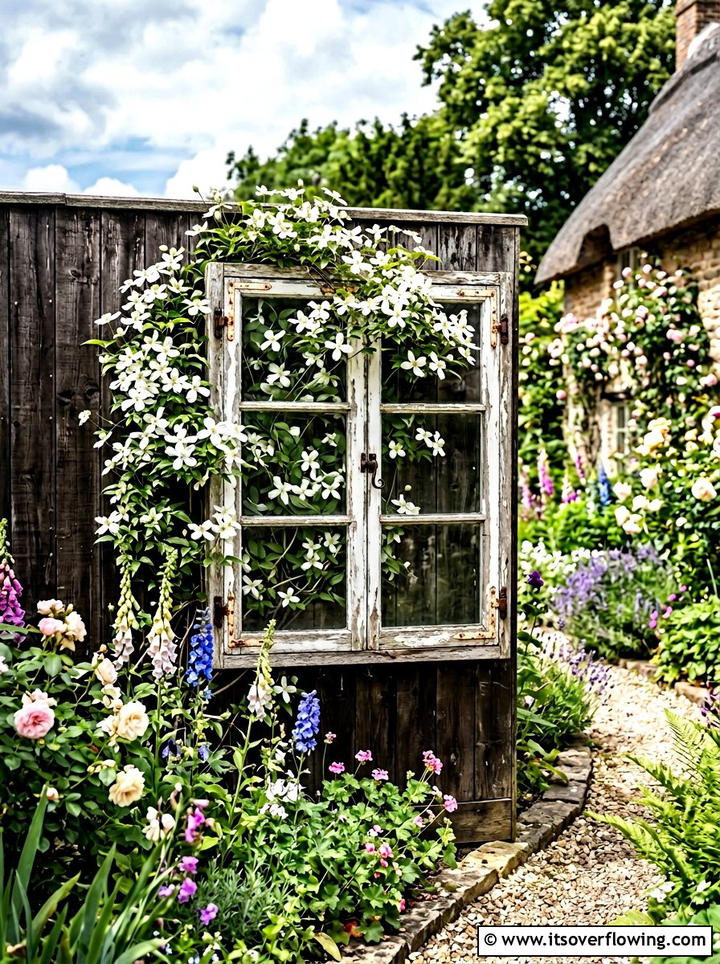
An old window frame can be repurposed into a stunning garden trellis or a unique piece of wall art. If the glass is still intact, you can use it to create a small cold frame for young seedlings. However, many gardeners prefer to remove the glass and use the empty frame to support climbing vines like clematis. Hanging an empty frame on a garden fence adds architectural interest and mimics the look of an outdoor room. You can also attach small pots directly to the wooden dividers. This technique adds depth to a flat wall and creates a vintage atmosphere that is perfect for relaxation.
6. Vintage Bicycle Planter
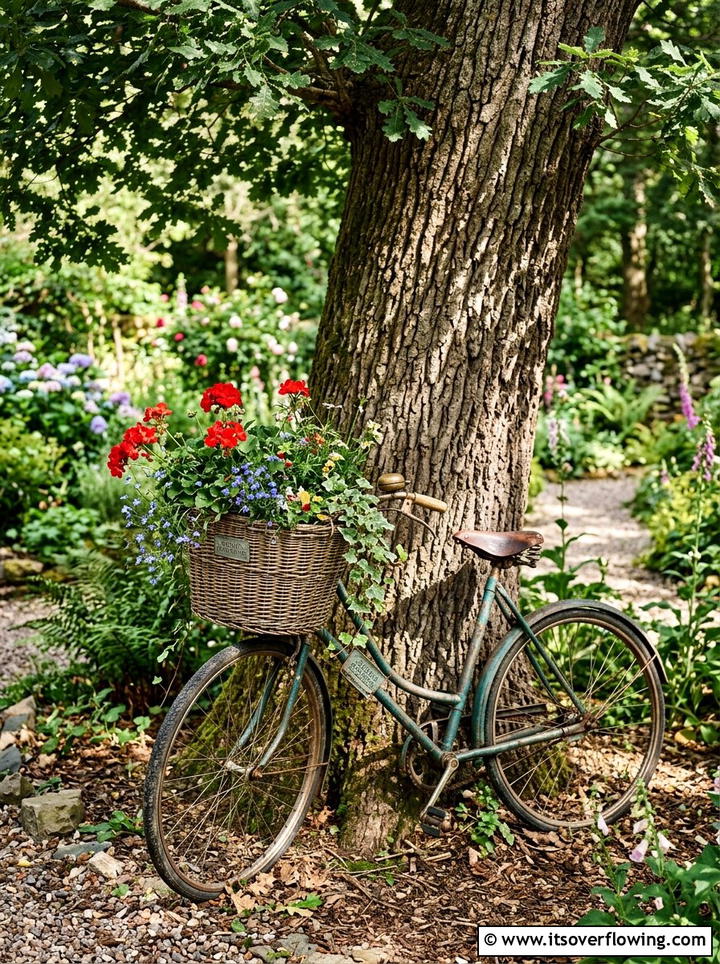
A vintage bicycle planter adds a sense of nostalgia and playful movement to a quiet garden corner. Find an old bike with a basket on the front and fill that basket with trailing flowers like lobelia. You can also attach pannier bags to the back rack and stuff them with hardy succulents or moss. Leaning the bicycle against a large tree makes it look like someone just stepped away for a moment. To prevent it from falling, you can partially bury the wheels in the soil. The contrast between the hard metal frame and the soft, flowing plants creates a visually captivating and artistic garden feature.
7. Chipped China Teapot
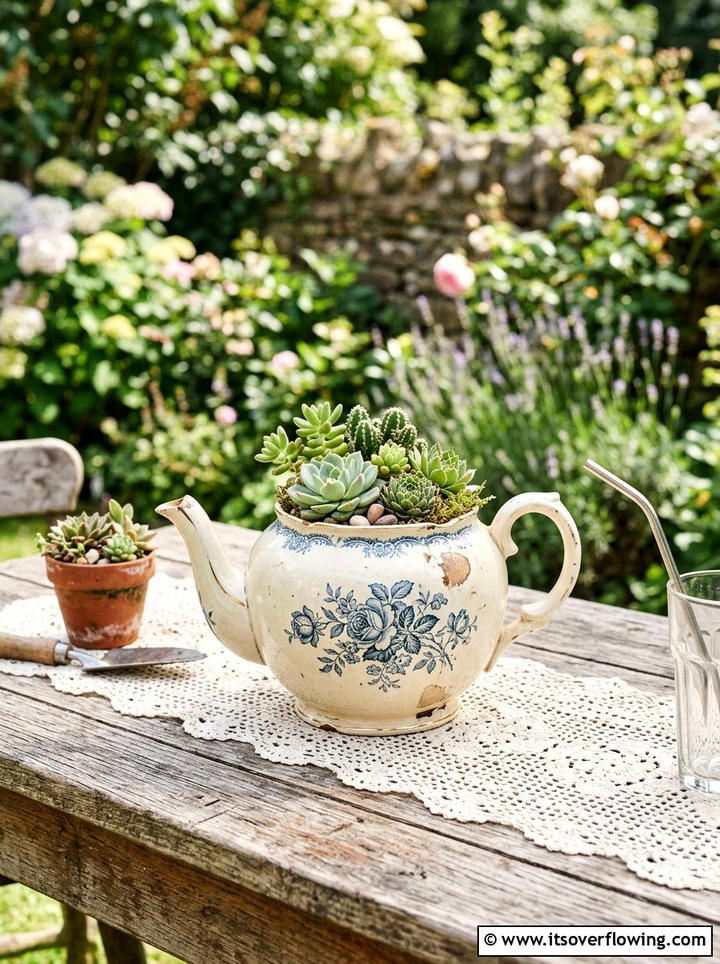
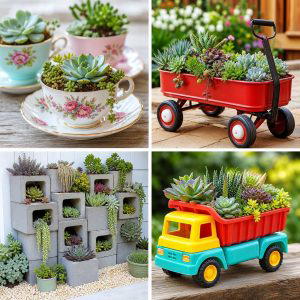
Do not throw away a chipped china teapot when it can become a charming home for small succulents. These delicate kitchen items are the perfect size for desktop gardens or patio table centerpieces. You can group several teapots and teacups together on a tray for a cohesive, “mad hatter” style display. The intricate patterns on the china add a touch of elegance to the rugged rustic theme. Make sure to add a layer of pebbles at the bottom for drainage since drilling through china can be difficult. This is a wonderful way to preserve family heirlooms that are no longer safe for serving hot tea.
8. Reclaimed Wooden Pallet
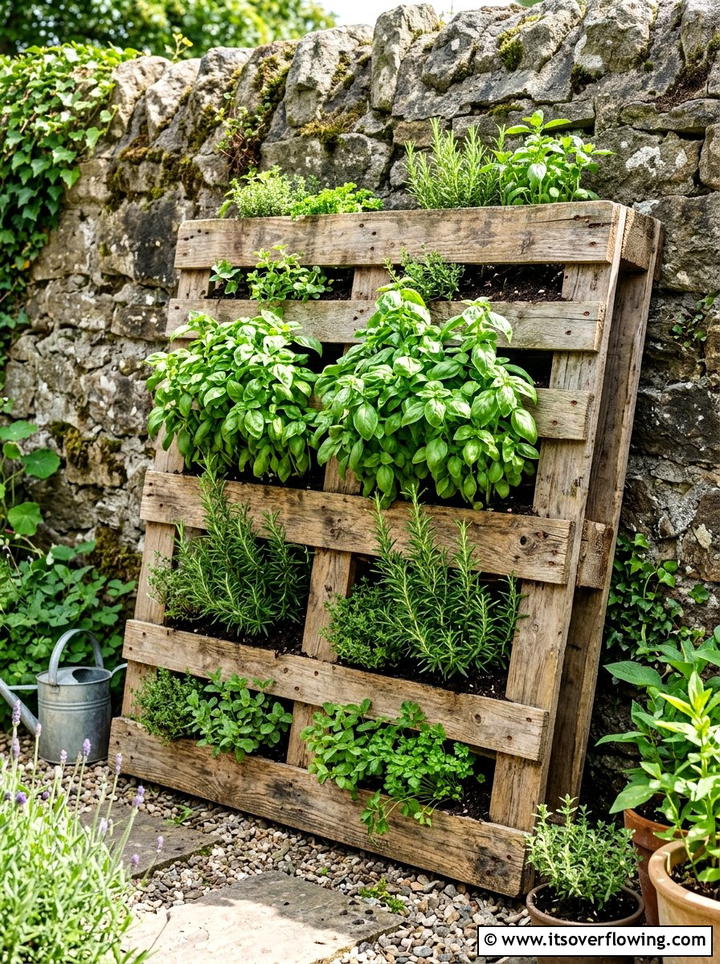
A reclaimed wooden pallet is one of the most versatile items for a budget-friendly rustic garden transformation. You can stand a pallet upright to create a vertical herb garden that takes up very little floor space. Simply staple landscape fabric to the back and bottom to hold the soil in place. Fill the slats with basil, thyme, and rosemary for a fragrant and functional wall. Alternatively, you can take the pallet apart to build small planter boxes or a rustic garden bench. The raw wood provides a rugged look that complements the organic shapes of your plants, making it a favorite for DIY enthusiasts.
9. Old Leather Boots
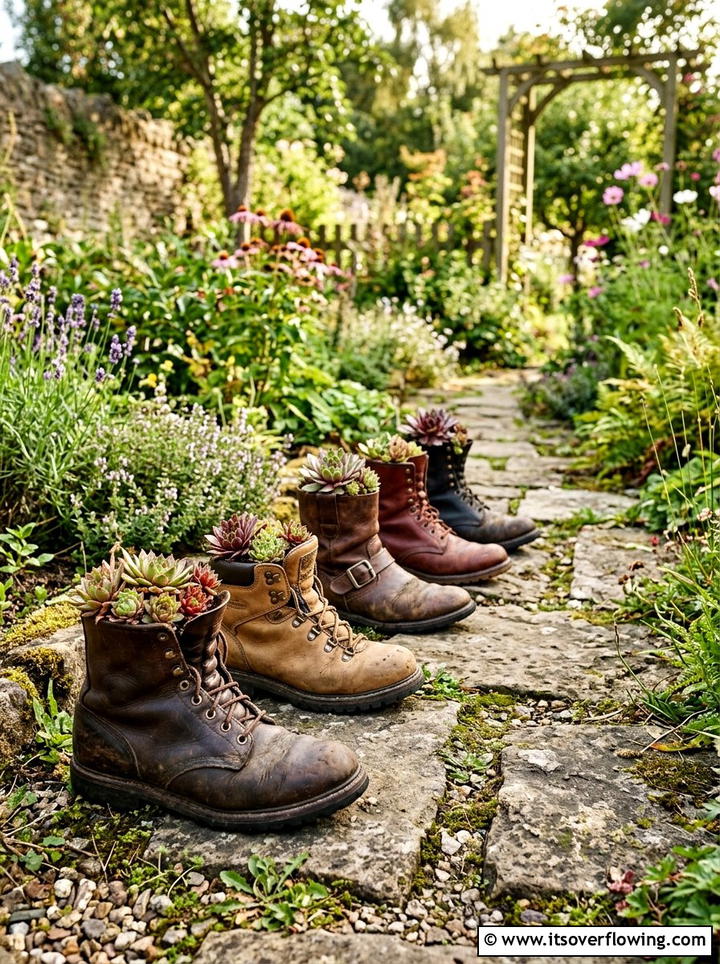
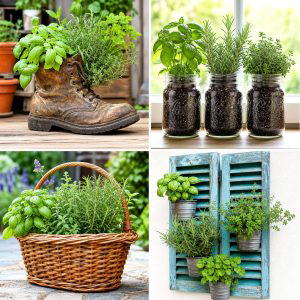
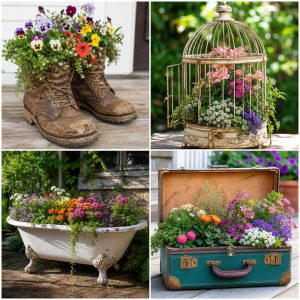
Old leather boots can be turned into quirky and durable planters that will definitely start a conversation with guests. If you have a pair of worn-out work boots, simply fill them with soil and plant some hardy hens and chicks. The leather will continue to weather and age beautifully when exposed to the sun and rain. Line them up along a stone path or place a single boot on a garden step for a surprise element. Because leather is a natural material, it breathes well, though you should still poke a few holes in the soles. It is a creative way to recycle footwear.
10. Clawfoot Bathtub Pond
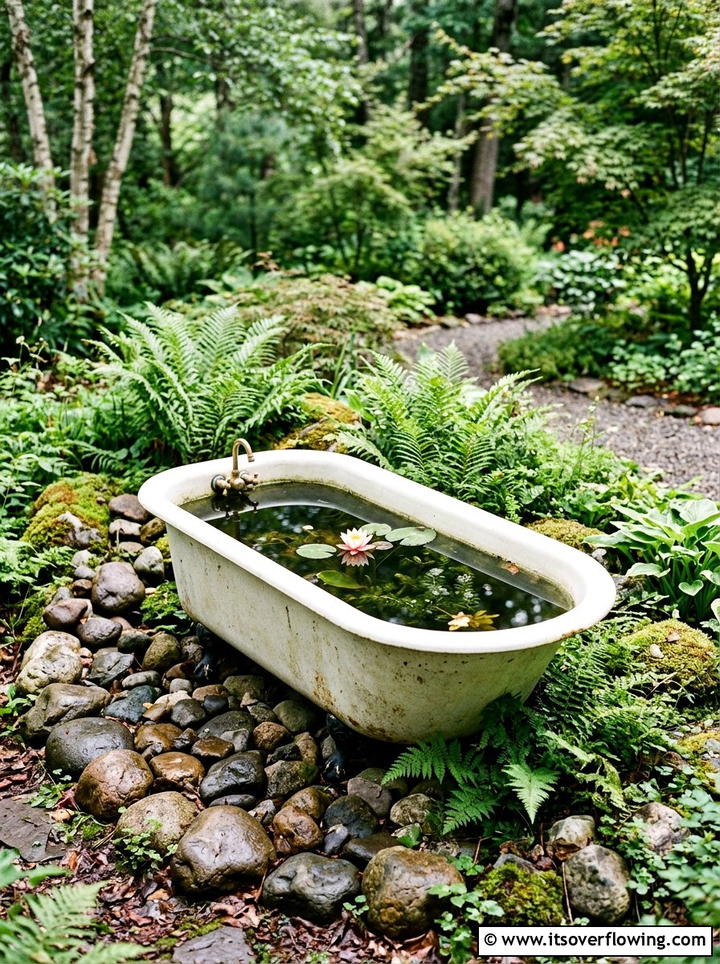
Transforming an old clawfoot bathtub into a garden pond is a bold way to introduce water features into your space. These heavy tubs are incredibly sturdy and can hold a significant amount of water for aquatic plants and small fish. You can bury the tub halfway into the ground to make it look like a natural pool or leave it exposed. Surround the base with large stones and ferns to soften the edges of the white porcelain. The addition of a small solar pump will create the soothing sound of running water. It is a grand recycling project that creates a peaceful oasis for meditation.
11. Vintage Metal Colander
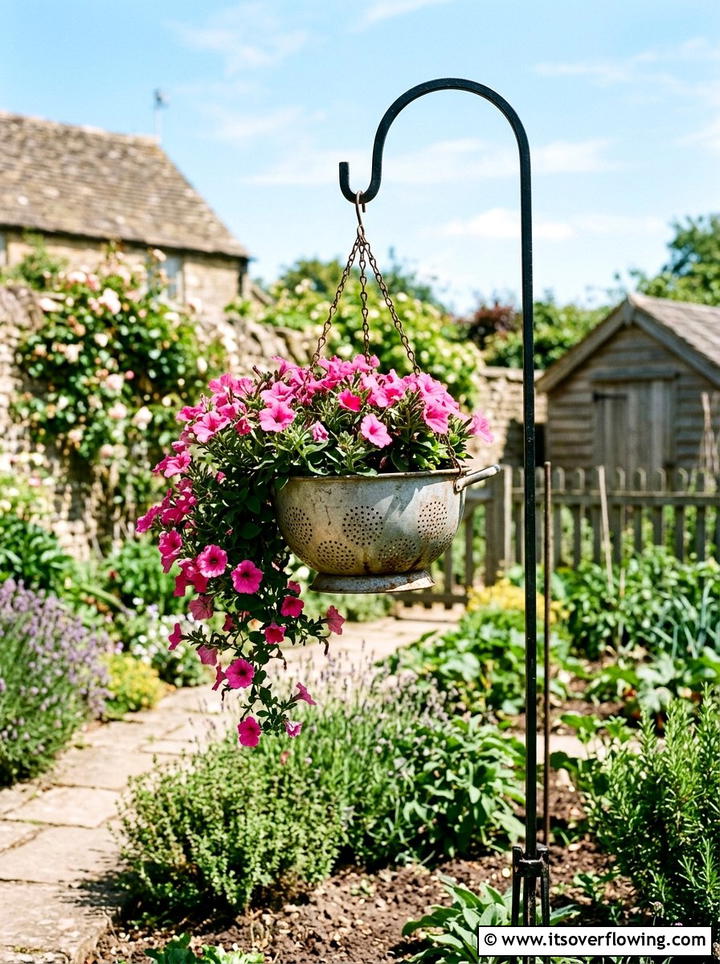
A vintage metal colander is a ready-made hanging basket that already has perfect drainage holes built right in. The many small holes allow air to reach the roots, which is excellent for plant health. You can attach three chains to the rim and hang it from a shepherd’s hook or a porch beam. Fill it with colorful annuals like petunias or trailing ivy for a lush, rounded look. The aged enamel or stainless steel finish adds a retro vibe to your garden decor. It is a simple and effective way to reuse kitchen tools that have seen better days in the house.
12. Antique Milk Can
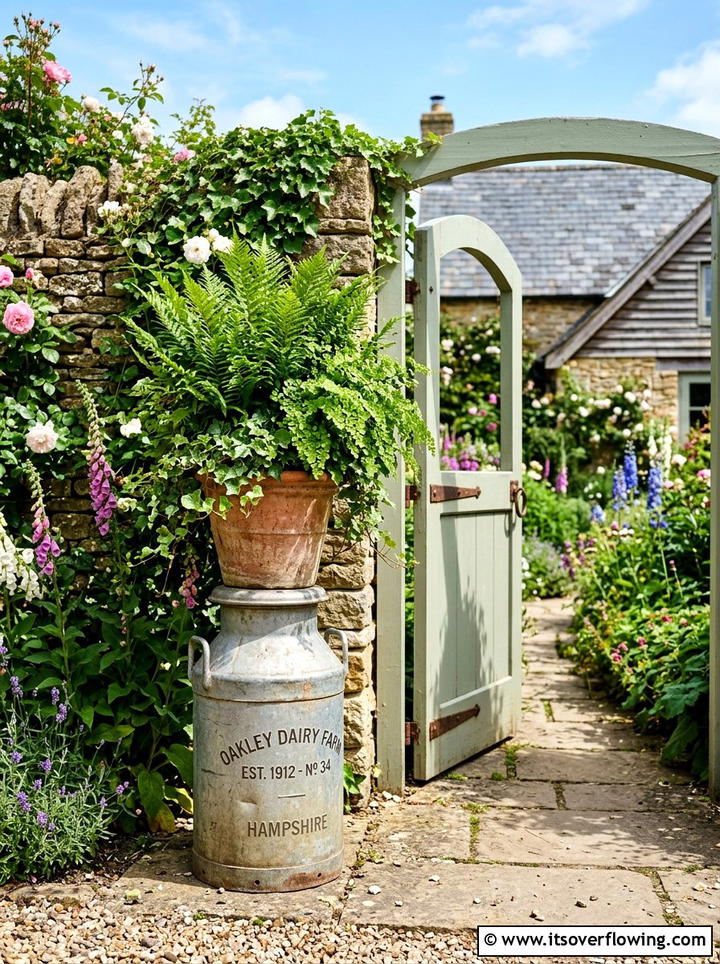
An antique milk can is a tall, heavy-duty item that works perfectly as a pedestal for smaller potted plants. These metal containers are iconic symbols of rural life and bring an instant farmhouse feel to your entryway. You can place a large, overflowing pot of ferns on top of the can to give the plant extra height. Some people even choose to paint the milk can, but leaving the original rusty patina often looks more authentic. Placing two milk cans on either side of a garden gate creates a symmetrical and welcoming entrance. They are stable enough to withstand high winds and heavy storms.
13. Weathered Wooden Shutters
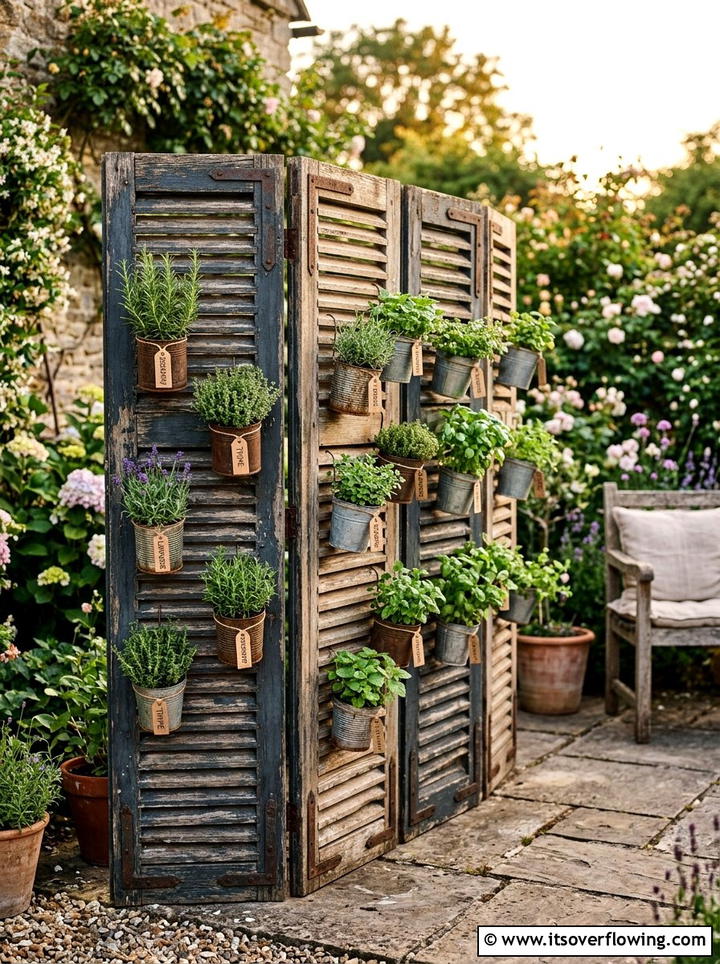
Weathered wooden shutters can be repurposed into a beautiful and functional backdrop for your outdoor seating area. You can hinge several shutters together to create a folding screen that provides privacy from neighbors. This screen also acts as a support for hanging small tin cans filled with succulents or air plants. The horizontal slats are perfect for tucking in small decorative items or garden tools. If you leave the paint peeling slightly, it enhances the rustic, lived-in feel of the garden. Using shutters is an excellent way to define different zones in your backyard while adding a layer of vintage architectural texture.
14. Old Wooden Dresser
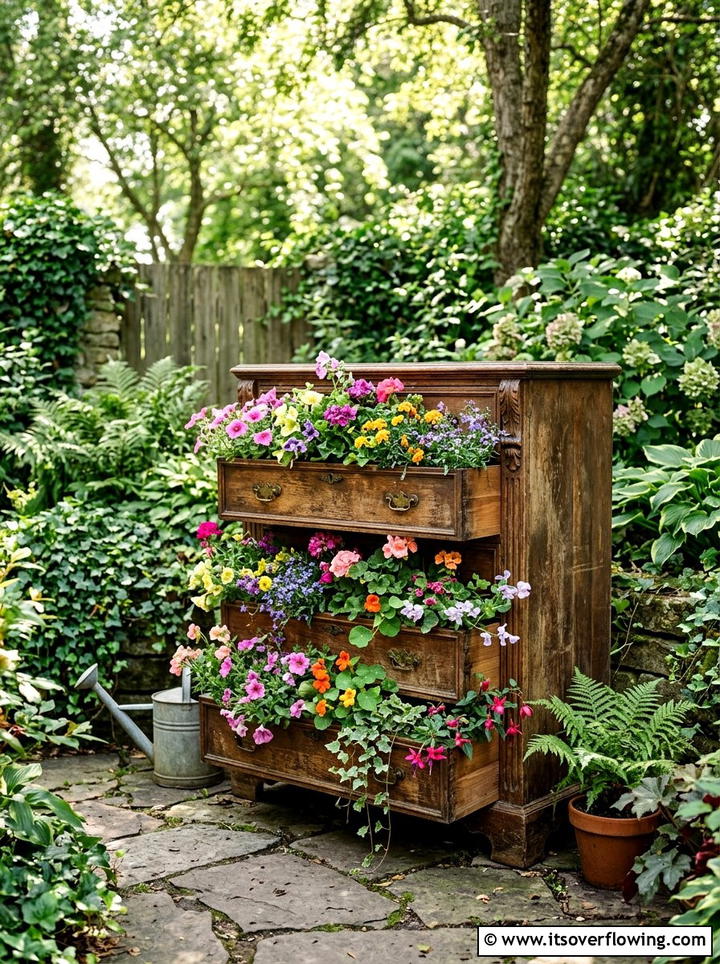
An old wooden dresser can become a stunning tiered planter that provides multiple levels for different types of greenery. By pulling the drawers out at varying lengths, you create a cascading effect of flowers and foliage. You should line each drawer with plastic to prevent the wood from rotting too quickly. Plant taller species in the top drawers and let vines spill out of the bottom ones. This large piece of furniture acts as a focal point on a patio or under a large tree. It brings the comfort of the indoors outside, creating a cozy and eclectic garden atmosphere that everyone will love.
15. Broken Wooden Chair
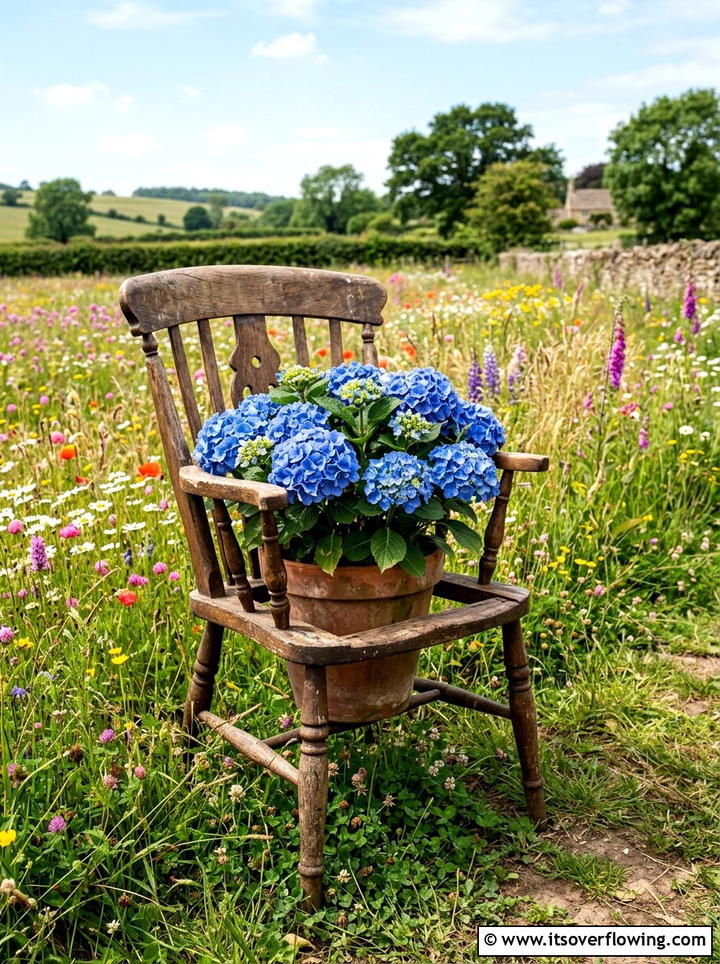
A broken wooden chair can find a second life as a unique plant stand or a decorative “throne” for flowers. If the seat is missing, you can simply drop a large pot into the frame. For chairs with solid seats, you can cut a hole to hold a specific container. Paint the chair a bright color to make it a focal point, or leave it natural to blend in. Placing a chair in the middle of a flower bed adds an unexpected element of height and structure. It is a whimsical way to use furniture that is no longer sturdy enough for sitting but still looks beautiful.
16. Recycled Tin Cans
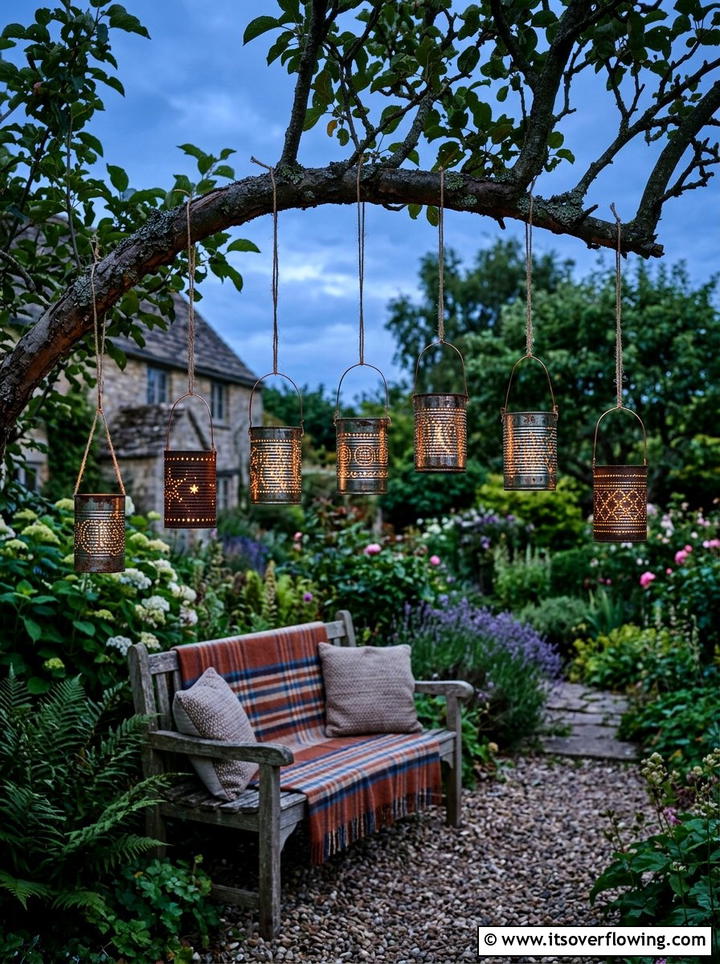
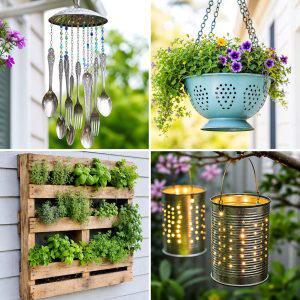
Recycled tin cans are the ultimate budget-friendly solution for creating a wall of lanterns or small herb pots. After cleaning the cans, you can use a hammer and nail to punch decorative patterns into the metal. When you place a tea light inside, the light shines through the holes, creating a magical glow at night. These lanterns can be hung from tree branches or lined up along a stone wall. You can also paint them in muted tones and use them as individual pots for a vertical garden. This project is a great way to reduce waste while adding a personal touch to your yard.
17. Fallen Tree Log
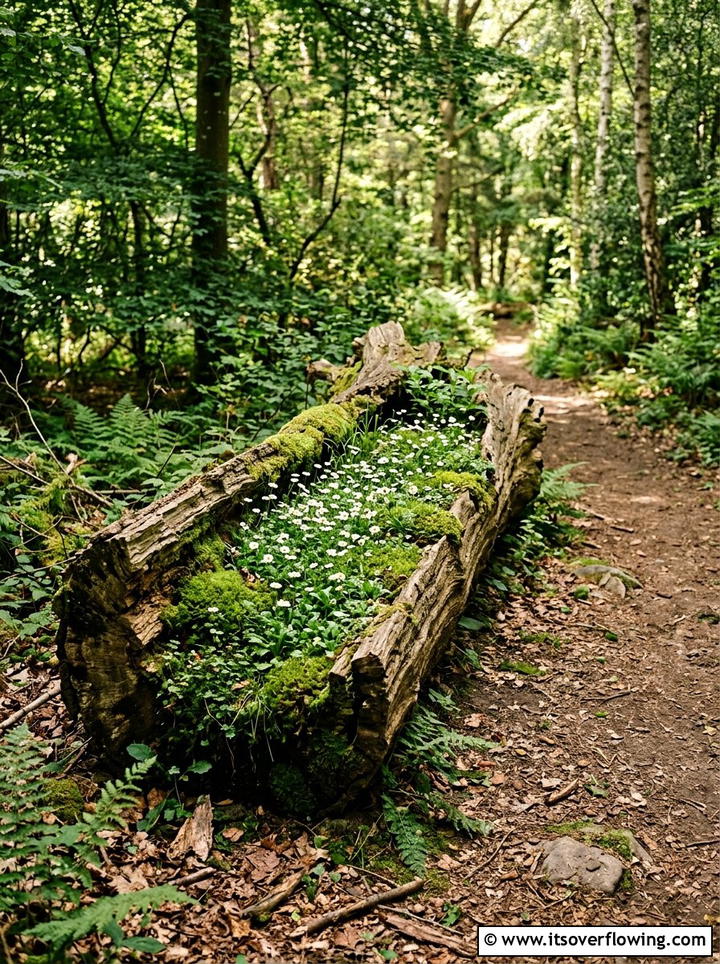
A fallen tree log can be hollowed out to create a natural and organic planter that fits perfectly into a rustic landscape. This method uses materials directly from nature, ensuring that your garden looks harmonious and well-integrated. You can use a chisel to create a deep groove in the top of the log and fill it with soil. Moss, ferns, and wildflowers thrive in this type of environment because the wood retains moisture well. Placing the log along the edge of a path or within a wooded area creates a beautiful transition between the wild and the cultivated parts of your garden.
18. Natural Tree Stump
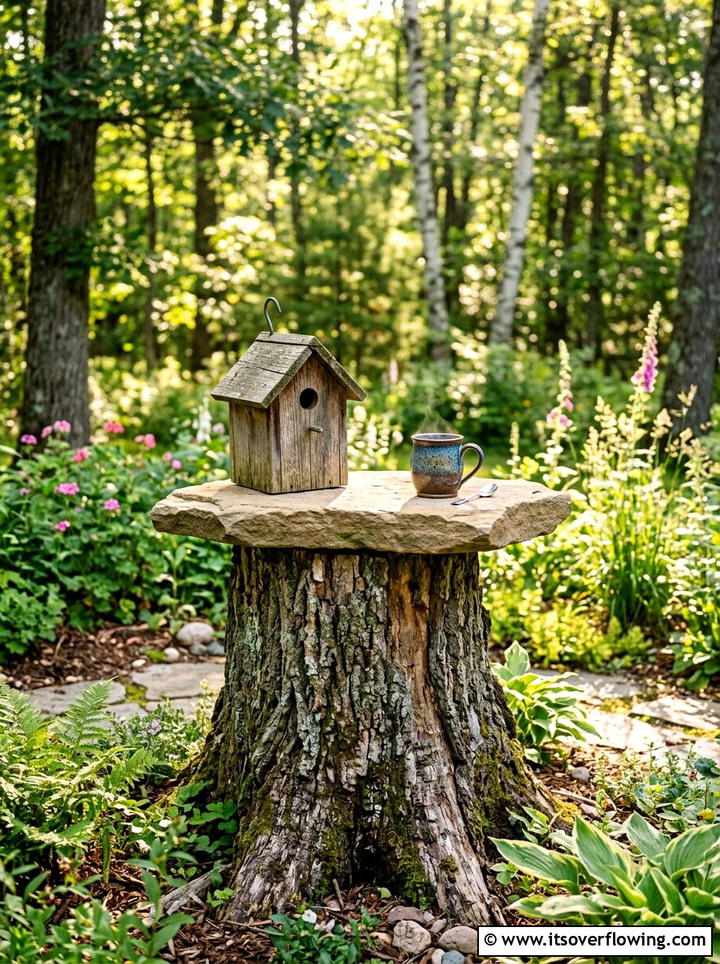
If you have a natural tree stump in your yard, do not remove it; instead, turn it into a garden table or a pedestal. You can sand the top smooth and place a large flat stone or a piece of glass on it to create a functional surface. This becomes a perfect spot for your morning coffee or for displaying a collection of potted plants. If the stump is large enough, you can even carve a small hollow in the top for a birdbath. The stump will continue to age and may even host interesting fungi, adding to the authentic rustic character of your outdoor living space.
19. Old Wooden Door
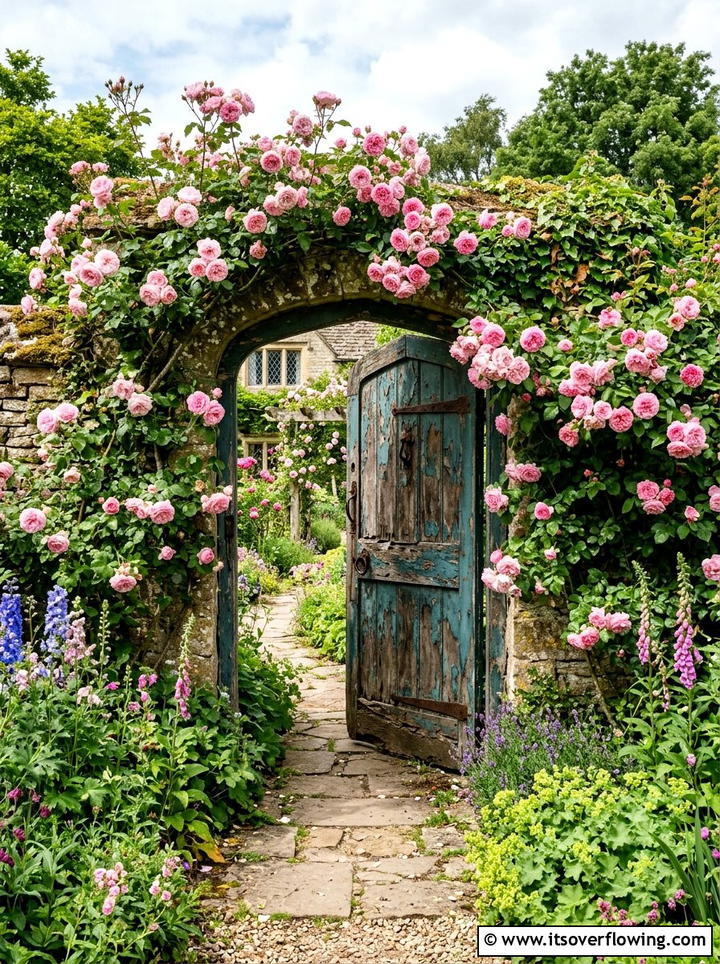
An old wooden door can be used as a heavy-duty garden gate or as a tall decorative backdrop for a flower bed. Standing a door upright against a fence creates a “secret garden” vibe that feels enchanting and private. You can attach a decorative wreath or a vintage door knocker to enhance the look. Some gardeners even use the door as a table top by placing it over two sturdy sawhorses. The large surface area of the door provides plenty of space for potting plants or serving outdoor meals. Its weathered panels and antique hardware contribute significantly to a classic, rustic design aesthetic.
20. Porcelain Pedestal Sink
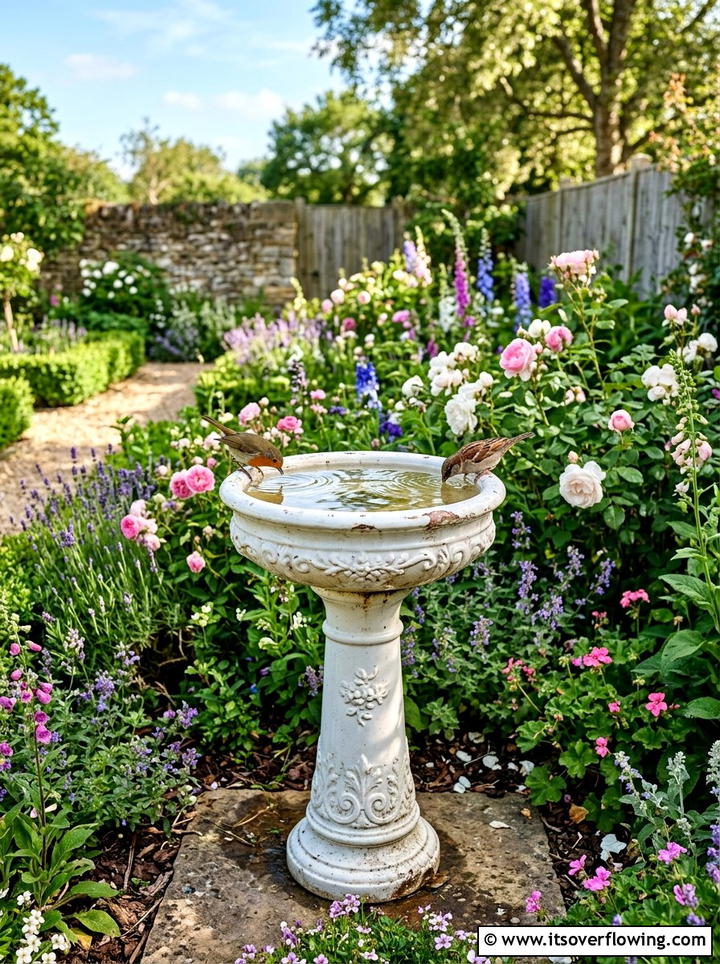
A porcelain pedestal sink makes for a quirky and elevated birdbath or a deep planter for colorful flowers. The height of the sink keeps the plants away from some ground-dwelling pests and makes them easier to maintain. You can fill the basin with pansies or trailing ivy that will spill over the white edges. If you prefer a birdbath, simply fill the basin with water and add a few flat stones for birds to land on. The smooth porcelain contrasts sharply with the rough textures of a garden, creating a clean yet vintage look. It is an unexpected way to reuse bathroom fixtures in the landscape.
21. Vintage Travel Suitcase
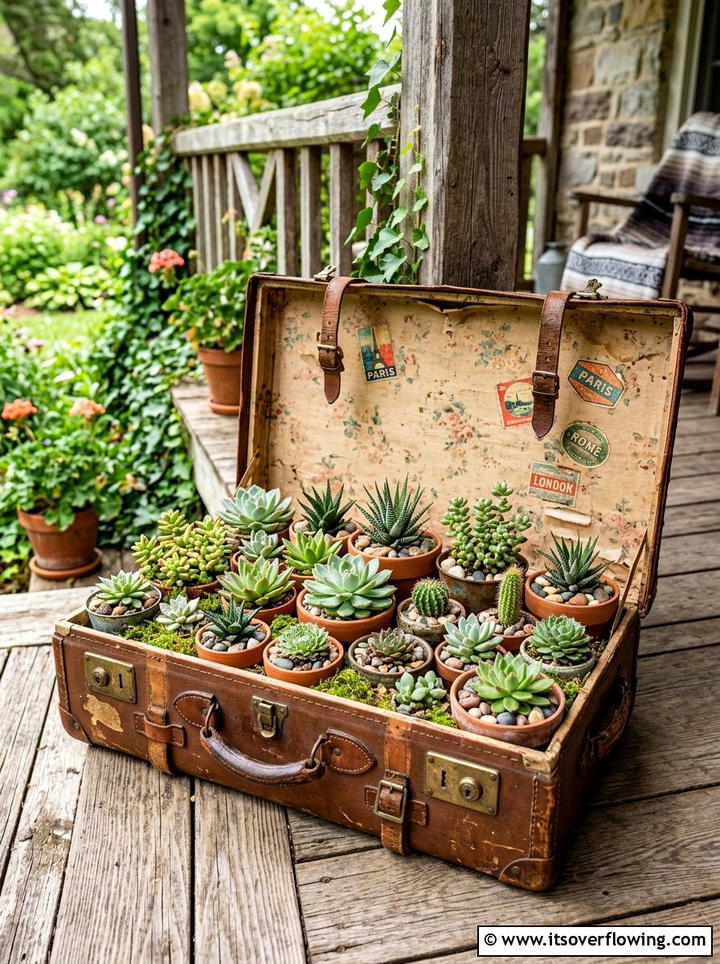
A vintage travel suitcase can be converted into a portable and stylish planter for a sheltered porch or patio. Hard-shell suitcases from the mid-century era are particularly good for this because they are quite durable. Open the suitcase and fill it with potted plants to create a lush, packed look. This is a great way to showcase a collection of small houseplants during the summer months. Because it is a suitcase, you can easily close it and move it if the weather becomes too harsh. It adds a sense of adventure and wanderlust to your garden, making it feel like a destination of its own.
22. Iron Bed Frame
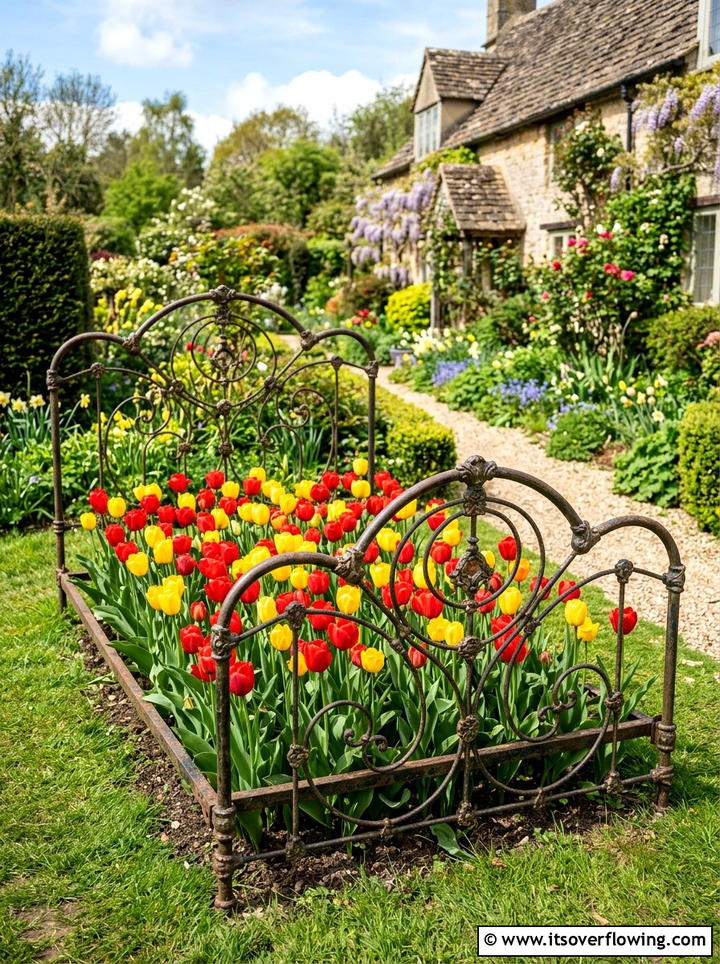
An iron bed frame can be used to create a literal “flower bed” that defines a specific area of your garden. By setting up the headboard and footboard in a clearing, you create a frame for a rectangular patch of blossoms. This structure provides a great support for tall plants like foxgloves or sunflowers. The metal bars also allow you to weave climbing vines through them for a more integrated look. Using a bed frame in this way is a playful take on gardening terminology. It creates a dreamlike, romantic atmosphere that is very popular in cottage-style gardens and rustic landscapes.
23. Rusty Watering Can
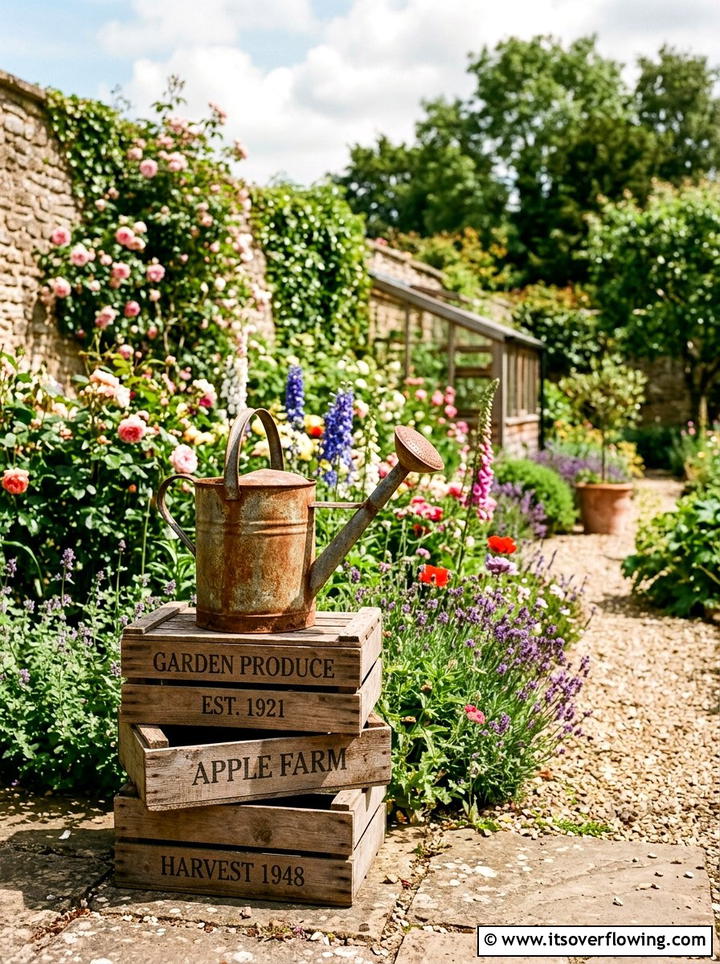
A rusty watering can is a simple and iconic decoration that looks beautiful when tucked into a grouping of pots. You do not even need to plant anything inside it; the object itself carries enough rustic charm to stand alone. However, many people enjoy using the spout to hold a small bouquet of dried flowers. Placing a few watering cans of different sizes on a wooden bench creates a curated, vintage look. The weathered metal tells a story of years spent caring for the garden. It is a small detail that adds a lot of personality and a sense of history to your outdoor space.
24. Old Wooden Crates
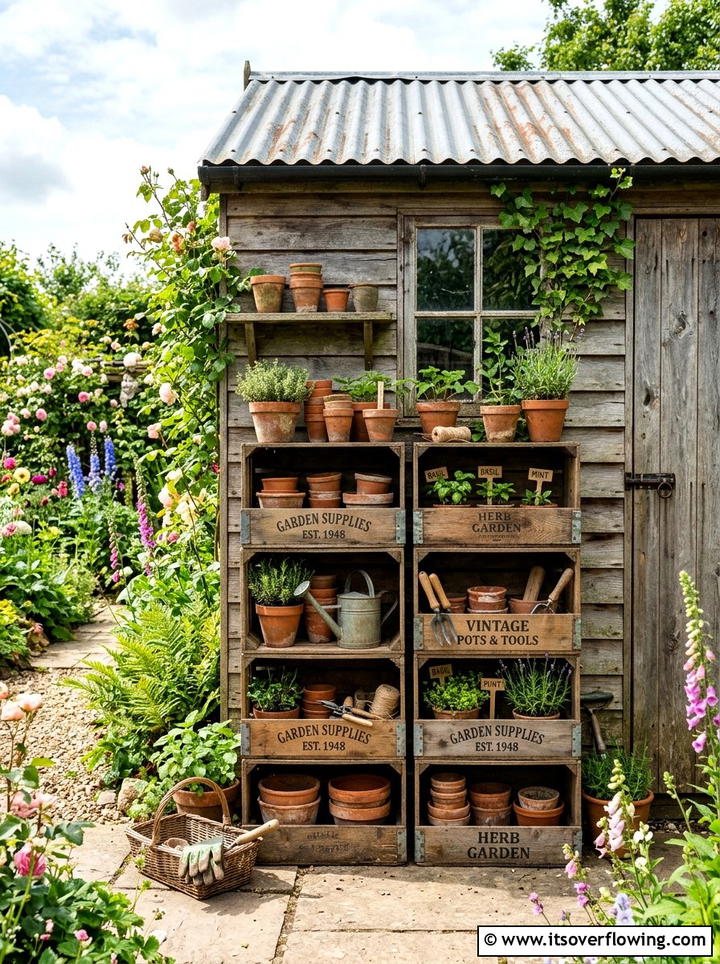
Old wooden crates can be stacked in various configurations to create a custom shelving unit for your garden tools and pots. These crates were originally used for shipping fruit or milk, so they are designed to be sturdy and breathable. You can screw them together for stability and lean them against a shed or house wall. Use the individual compartments to organize your terracotta pots, watering cans, and small garden statues. The slatted sides allow for good airflow, which prevents moisture from building up. This organized yet rustic storage solution keeps your garden looking tidy while maintaining a charming and lived-in appearance.
25. Recycled Rubber Tire
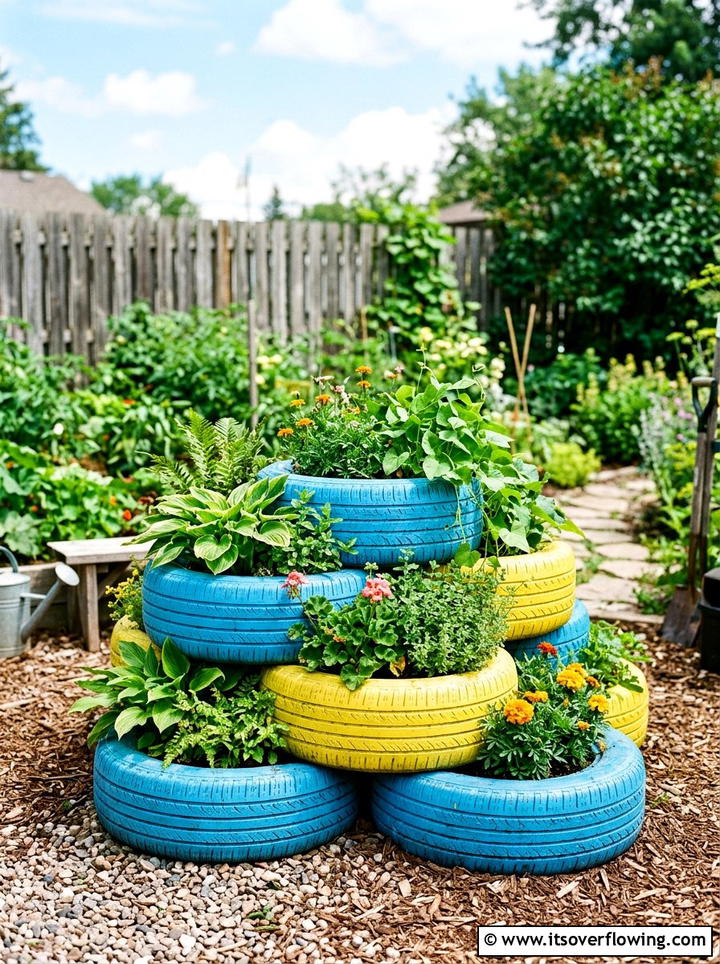
A recycled rubber tire can be painted and stacked to create durable and colorful raised planter beds. While tires are often seen as industrial waste, they are actually very useful in the garden because they hold heat well, which can help plants grow. You can paint them in bright colors to create a modern-rustic look or leave them black for a more understated appearance. Stacking two or three tires creates a deep planter for root vegetables or large shrubs. They are virtually indestructible and provide a great way to recycle a material that is otherwise very difficult to dispose of in an eco-friendly manner.
Conclusion:
Embracing the rustic garden look through upcycling is a rewarding journey that blends creativity with environmental consciousness. By reusing old things, you are not just saving money; you are also infusing your personal space with items that have history and soul. Each piece, whether it is a weathered ladder or a rusty watering can, contributes to a larger narrative of beauty and resilience. This approach allows your garden to evolve naturally over time as you find new treasures to repurpose. Ultimately, a rustic garden is a celebration of the imperfect and the lived-in, providing a peaceful retreat that feels both timeless and deeply connected to the earth.
Related posts:
 25 reusing old things ideas for balcony garden: Small-Space DIYs
 25 reusing old things ideas for benches: Budget Garden Seats
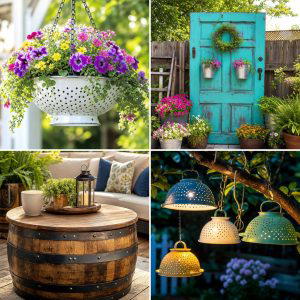 25 reusing old things ideas for boho garden look: DIY Style
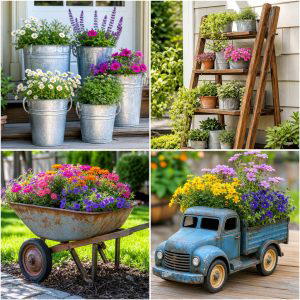 25 reusing old things ideas for container garden: DIY Planters
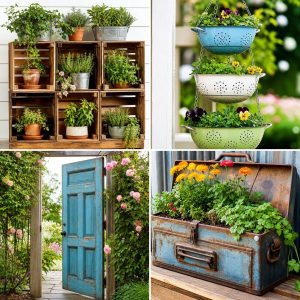 25 reusing old things ideas for farmhouse garden look
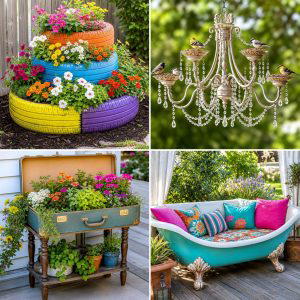 25 reusing old things ideas for garden Charm on a Budget
 25 Reusing Old Things Ideas for Garden Art That Inspires
 25 reusing old things ideas for garden pathways
 25 reusing old things ideas for garden planters
 25 reusing old things ideas for herb garden Style
 25 Reusing Old Things Ideas for Small Garden Charm
 25 reusing old things ideas for succulent garden Decor